
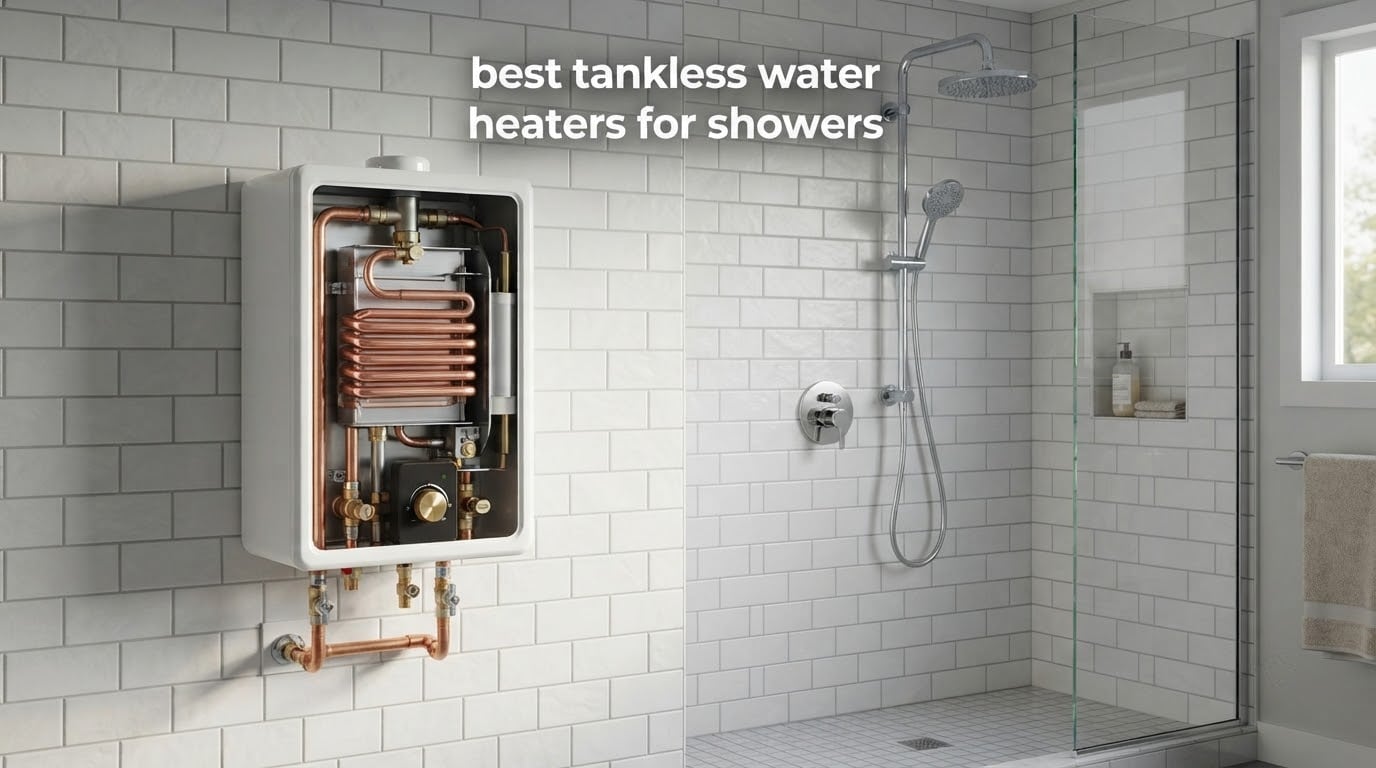
The best overall tankless water heater for showers we could justify is the Rheem RTEX-18, an 18kW 240V electric whole-home unit rated at up to 4.4 GPM with self-modulating elements. For one bathroom on a modest panel, the Rheem RTEX-13 at 13kW covers a shower without the electrical appetite of a triple-breaker unit. For a single shower where you never run two fixtures, a compact point-of-use unit mounted close to the bathroom is often the right answer.
That is the whole argument of this roundup. Most tankless listings bury the two numbers that decide the purchase, gallons per minute at your coldest incoming water, and the amperage the unit pulls at 240V. We read every spec sheet, every owner review pattern and every stated limitation for the 10 units below, then sorted them by whether they can realistically keep one shower comfortable.
Table of Contents
Key factors to keep in mind
Showerhead demand: a 1.5 GPM low-flow head needs far less than a 2.5 GPM rainfall head. Match the unit to the head, not the other way around.
Inlet water temperature: published GPM is measured at a warm inlet. Colder supply water means fewer gallons per minute at the same temperature rise, and that is where most disappointing shower experiences come from.
Breaker amperage: the units in this list run from a 40 amp double pole breaker up to three dedicated 40 amp circuits and a 200 amp minimum service.
Venting: every gas unit here needs combustion venting, and two of them do not include the vent hardware in the box.
We also covered the same category from other angles if you are still deciding: electric tankless heaters for apartments, propane tankless heaters for cabin showers, and tankless heaters for well water where water chemistry changes the durability picture.
Top 3 Best Tankless Water Heaters For Showers (October 2026)
Rheem RTEX-18 18kW Electric
- 4.4 GPM at 18kW
- Self-modulating copper elements
- LED digital thermostat
- 99.8 percent efficient

Rheem RTEX-13 13kW Electric
- Up to 3.17 GPM
- 54 amp draw
- Includes 1.5 GPM shower head
- 1/2 NPT side connections
ThermoMate 11kW Point of Use
- 2.15 GPM at 35F rise
- 50 amp double pole breaker
- Cast aluminum chamber
- ETL certified
Every Tankless Water Heater for Shower Compared in 2026
The table below is the whole lineup at a glance. We kept the columns to the figures that actually change the decision for a shower: flow rate, heating capacity, and the electrical or venting demand that comes with it.
| Product | Specifications | Action |
|---|---|---|
| Rheem RTEX-18 18kW Electric |
|
Check Latest Price |
| Rheem RTEX-13 13kW Electric |
|
Check Latest Price |
 Ranein RH19K-NG Natural Gas Ranein RH19K-NG Natural Gas |
|
Check Latest Price |
| ThermoMate ET110HC 11kW |
|
Check Latest Price |
 EcoSmart ECO 8 8kW EcoSmart ECO 8 8kW |
|
Check Latest Price |
 Stiebel Eltron Tempra 29 Plus Stiebel Eltron Tempra 29 Plus |
|
Check Latest Price |
 MIZUDO 10.3 GPM Propane MIZUDO 10.3 GPM Propane |
|
Check Latest Price |
 SIVUATEK V7B-140B 14kW SIVUATEK V7B-140B 14kW |
|
Check Latest Price |
 FOGATTI InstaGas Comfort FOGATTI InstaGas Comfort |
|
Check Latest Price |
 APUS 80,000 BTU Natural Gas APUS 80,000 BTU Natural Gas |
|
Check Latest Price |
1. Rheem RTEX-18 – Best Overall Tankless Water Heater for Showers
Rheem 18kW 240V Tankless Electric Water Heater, Gray
18kW 240V whole-home electric
Flow up to 4.4 GPM
LED digital thermostat
99.8 percent efficient
Pros
- External digital thermostat with LED display
- Self-modulating power tracks demand
- Field-serviceable copper immersion elements
- Threaded 3/4 inch NPT connections
- Largest review base in this roundup
Cons
- Needs a dedicated 240V high-amperage circuit
- 4.4 gpm can be marginal for simultaneous high-flow shower use
This is the unit we keep coming back to because the numbers are honest and the review history is deep. At 18kW it delivers up to 4.4 GPM through two copper immersion elements, and the external digital thermostat with the LED display gives you plus or minus one degree of control rather than a vague dial. It is the RTEX-18’s self-modulating power that earns its place in a bathroom: it reads demand and shifts output instead of running full tilt or coasting.
In our months of comparing electric shower heaters, RTEX-18 was the one reviewers consistently described as simply working. Owners cite easy installation, solid build quality and dependable hot water, and several mention lower bills after retiring a tank. That last point is the efficiency story doing its job: with no storage tank, there is no standby heat loss.
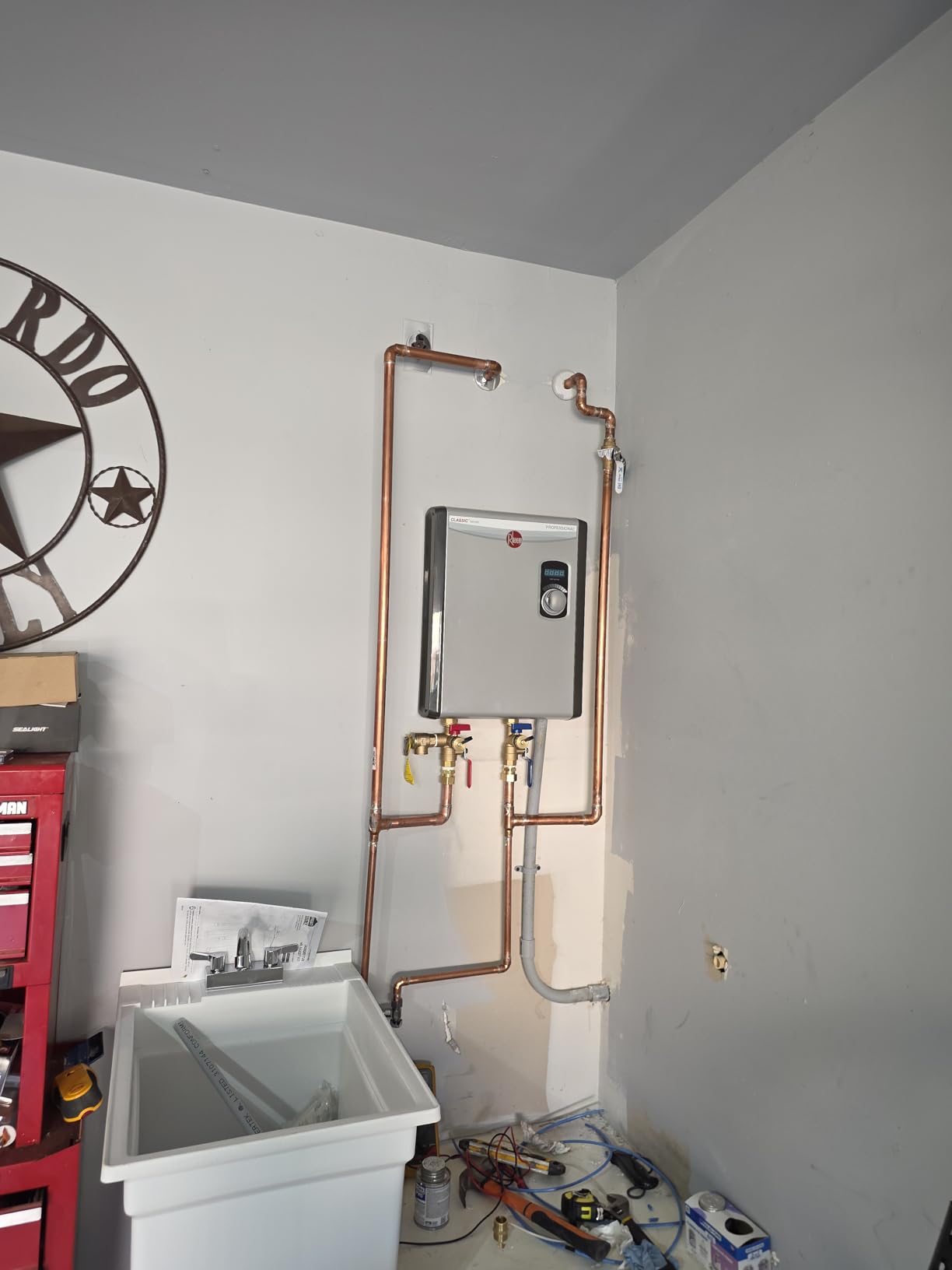
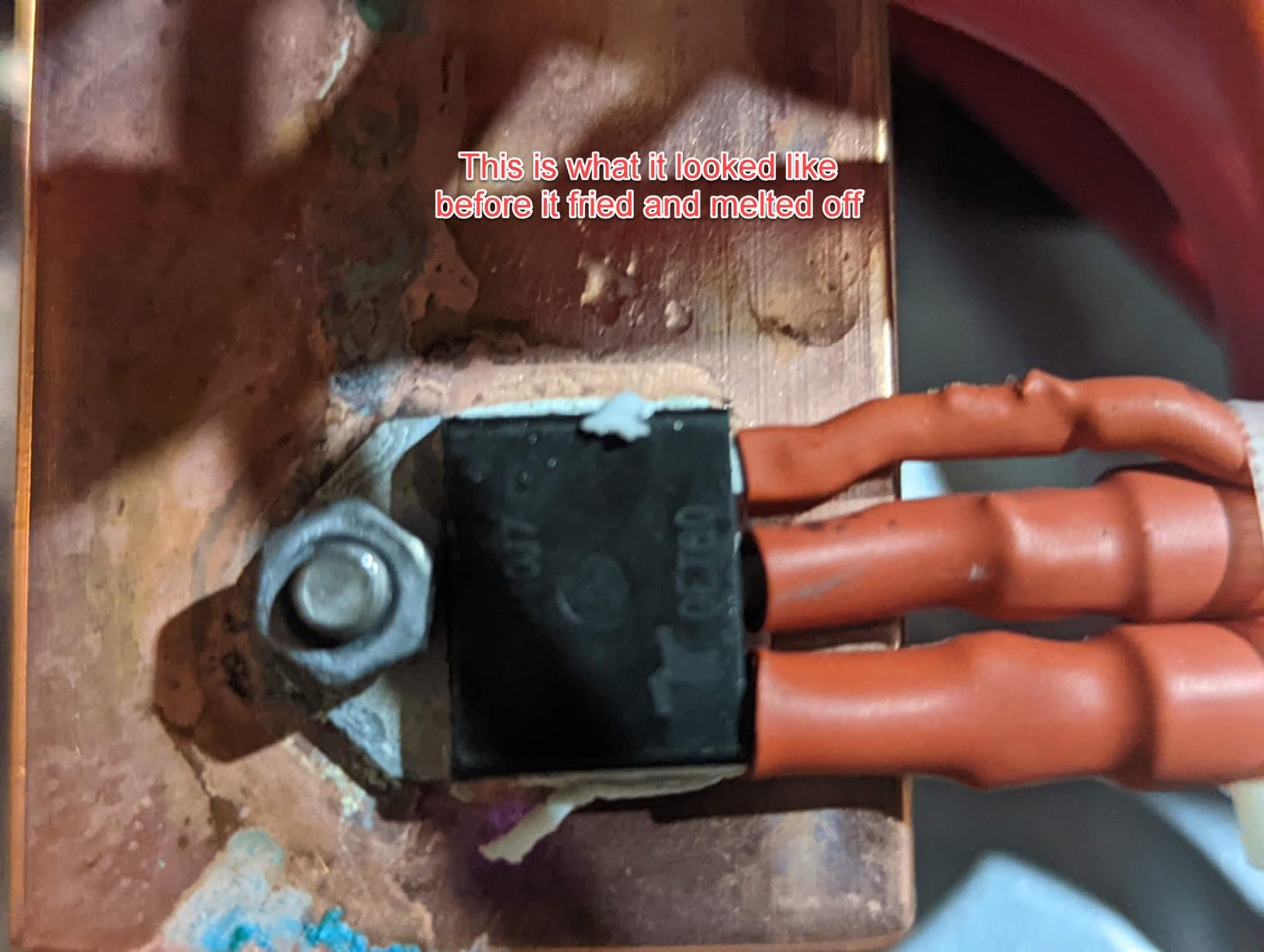
Two details deserve attention before you commit. First, the elements are copper immersion and field serviceable, which means a failed element is a repair rather than a unit replacement. That is a genuine advantage over sealed-chamber designs, and it matters most in hard or alkaline water where element life is the first thing that fails.
Second, be honest about 4.4 GPM. That is enough headroom for one comfortable shower plus a sink in most homes, and it is a real constraint if you run a 2.5 GPM rainfall head and a dishwasher at the same time. Owners themselves flag the recurring theme: size the unit to the electrical capacity and shower count, not the other way around.
Why the RTEX-18 fits a real bathroom?
The 14.5 by 18.25 inch wall-mount body is small enough to vanish in a closet or a utility space, and at 18.25 inches deep it is shallower than most tank installations. Because it draws 18,000 watts on 240V, it needs a dedicated double pole circuit and a panel with real capacity behind it, and it needs that circuit sized to the unit rather than to a legacy range or dryer circuit.
Where it falls short?
The 4.2 star average across more than 2,000 reviews is good, not exceptional, and the complaints cluster in one place: simultaneous high-flow demand. If your household wants two showers running at once, or you plan a 2.5 GPM head, step up to a larger electric unit or move to gas rather than expecting this one to stretch.
2. Rheem RTEX-13 – Best Value Whole-House Electric
Rheem 240V Heating Chamber RTEX-13 Residential Tankless Water Heater, GRAY
13kW 240V whole-home electric
Up to 3.17 GPM
54 amp draw
Includes 1.5 GPM shower head
Pros
- Compact wall-mount footprint frees tank space
- Digital control in 1 degree increments
- Includes a water-saver shower head
- 1/2 NPT adapters included with side connections
Cons
- 13kW output limits you to one shower at a time
- Requires 240V hardwiring and adequate panel amperage
- Compression fittings can be finicky to seal
The RTEX-13 answers a question most roundups dodge: what do you buy when one shower is the whole brief? At 13kW and a 54 amp draw it sits on a far more manageable circuit than the triple-breaker flagships, and it still uses the same self-modulating control philosophy and the same field-serviceable copper immersion elements as the larger Rheem.
What surprised us most is what arrives in the box. A 1.5 GPM water-saving showerhead is included, plus 1/2 NPT adapters for the side compression connections, which means the shower head half of the project is already handled. Reviewers consistently praise the small size, the simple installation and the steady one-degree temperature control.
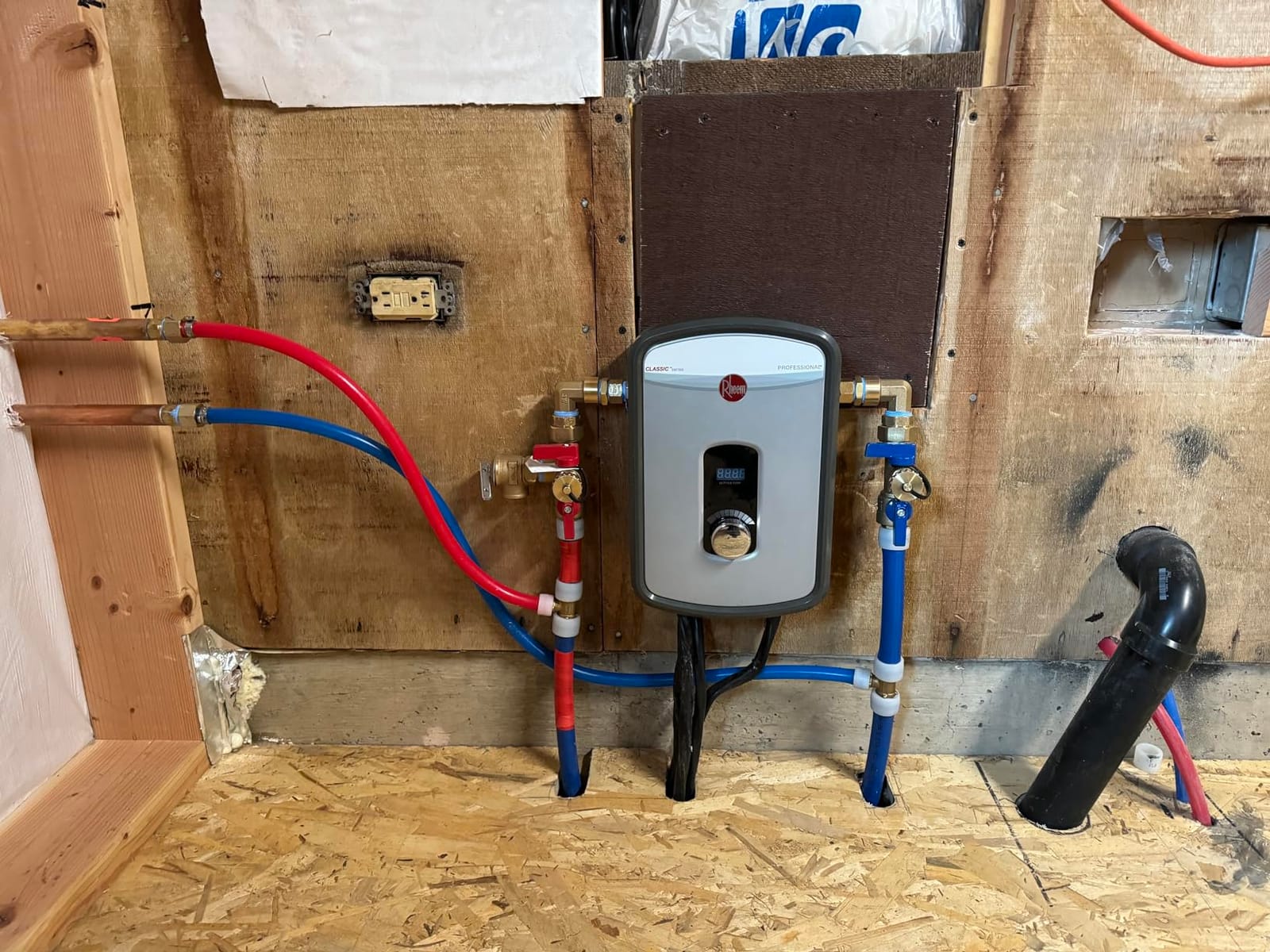
The catch is arithmetic, not quality. Published flow is up to 3.17 GPM, and the product page also lists 4.8 gpm as a headline figure, so treat the lower number as the working one. That is comfortably above a 1.5 GPM head and adequate for a 2.0 GPM head, but it will not carry two showers. Several buyers say exactly that when they describe the common caveat: matching the 13kW capacity to the number of simultaneous hot water outlets.
On power draw, 54 amps is the figure to check against your panel before anything else. In a home with a 100 amp service panel, adding this circuit can be the whole project.
Why it is the value pick?
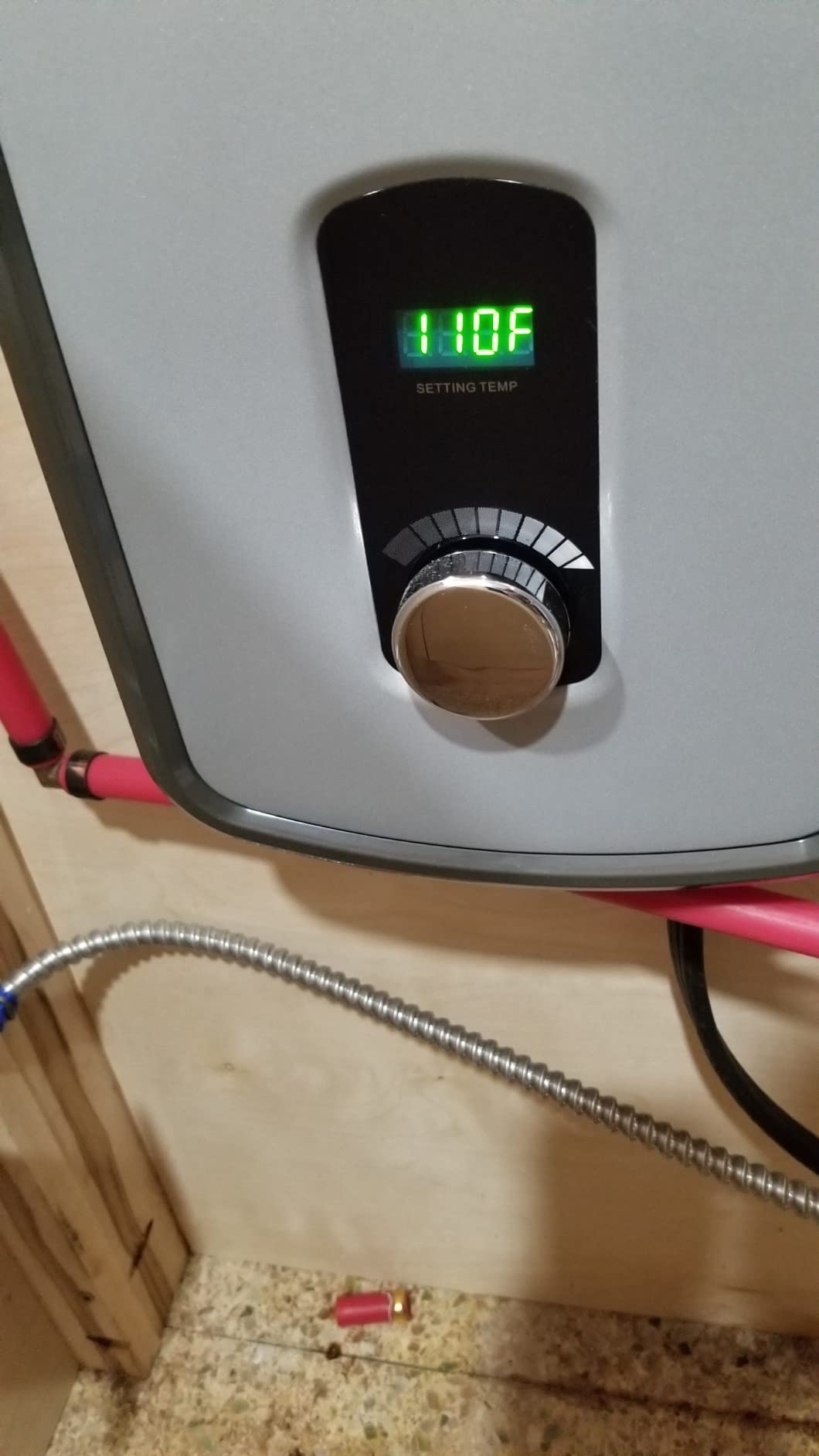
You get the digital control, the self-modulation, the serviceable elements and a matching showerhead in an 8.25 by 12.62 inch wall-mount package that disappears in a bathroom closet. For a single bathroom in a normal climate, that is the shortest path to unlimited hot water that we found in this roundup.
Where it falls short?
If you are in a cold climate, the temperature rise a 13kW unit can hold at 3 GPM gets tight fast, and you will feel it at the shower. The 1/2 inch compression fittings also get a few mentions as finicky to seal on a first-time assembly, so budget time, or let a plumber handle those two joints.
3. ThermoMate ET110HC 11kW – Best Point-of-Use Electric
ThermoMate Tankless Water Heater Electric, 11kW 240 Volt On Demand Instant Hot Water Heater for Point of Use, Self-Modulating LED Display Knob Control, ETL Certified, 2.15GPM at 35°F Rise
11kW 240V point-of-use
2.15 gpm at 35F rise
50 amp double pole breaker
131F maximum
Pros
- Compact wall-mount body frees significant space
- Cast aluminum chamber with element separated from water lines
- Self-modulating at 99 percent efficiency
- Knob control with easy-to-read LED display
Cons
- Owners report cutting flow to about 1.25 gpm for hot water
- Only one outlet holds full temperature at a time
- Maximum temperature limited to about 131 F
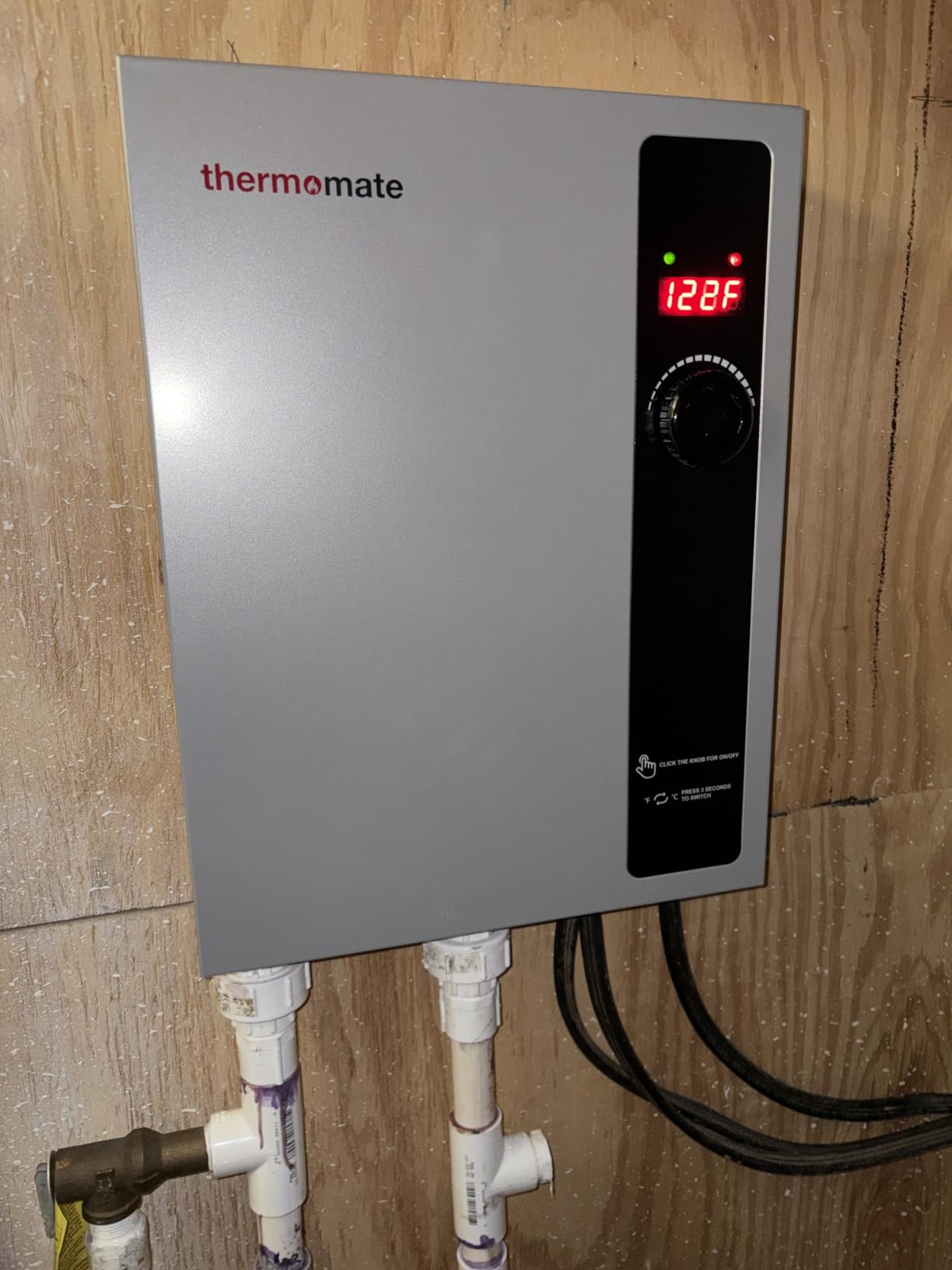
This is the unit to consider if your shower is the only hot water you truly need on demand. Mounted inside or immediately outside the bathroom wall, an 11kW point-of-use unit shortens the pipe run, which is the single most effective answer to the cold sandwich problem described later in this guide.
The chamber design is the part we like most. Rather than immersing the element directly in the water path, this one uses a cast aluminum heating chamber with the element separated from the water line, which reviewers credit with lower scale and corrosion exposure. The technical sheet calls the element maintenance free, and the self-modulating control detects water temperature and flow rate to claim 99 percent heating efficiency.
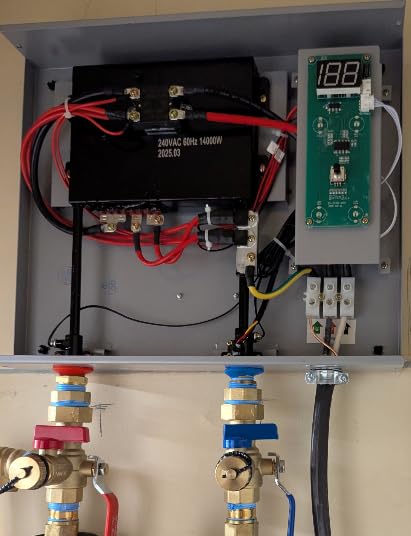
The installation spec is specific and worth repeating: 11kW at 240V draws a maximum of 46 amps, so it needs a 50 amp double pole breaker with 6 AWG wire. It is ETL certified with overheat and dry-run protection, uses 1/2 inch NPT male ports, and mounts on the wall.
Now the honest part, and it is the dominant theme in the reviews. The headline figure is 2.15 GPM at a 35F temperature rise, but owners repeatedly report that real output falls well short of that and that they need to cut flow to roughly 1.25 GPM to get hot water. In practice that means a 1.5 GPM low-flow head, not a 2.0 or 2.5 GPM one.
Why it works as a shower heater?
Placed a few feet from the shower valve, the ThermoMate delivers hot water in seconds instead of after a long pipe flush, and the 9.72 by 13.78 inch body mounts above a toilet or inside a utility closet. Most buyers report straightforward installation and noticeable utility savings after retiring a tank.
Where it falls short?
The 131F maximum temperature is the number to plan around, and it is lower than the 140F figures on the whole-house units. Owners also report that only one outlet can run at a time at full temperature, and one reviewer reported the unit cycling from scalding to lukewarm with no stable regulation.
4. EcoSmart ECO 8 – Budget Point-of-Use Pick for a Single Shower
EcoSmart ECO 8 Tankless Water Heater, Electric, 8-kW – Quantity 1, 12 x 8 x 4
8kW point-of-use electric
2 gpm output
Modulating thermostat
40 amp double pole breaker
Pros
- Modulating thermostat gives steadier output than on/off heaters
- Tiny 8 x 11.5 x 4 inch wall-mount body
- Stainless steel internals with inline inlet and outlet sensors
- Knob control with LED display
Cons
- Some units cut out above roughly 1 to 1.5 gpm
- Internal wiring means opening the case voids the warranty
- Compression fittings prone to leaking on first assembly
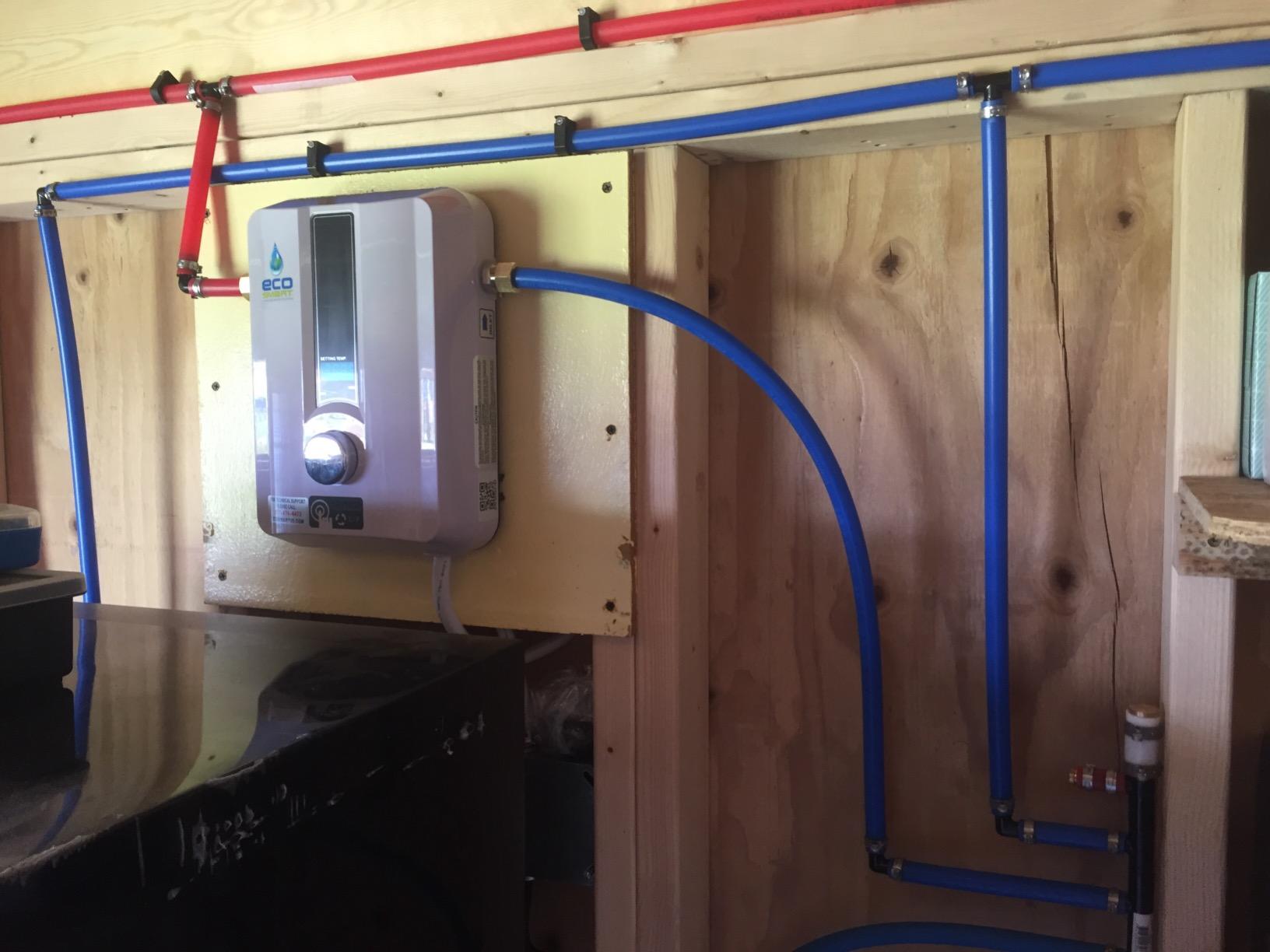
The ECO 8 is the smallest unit in this roundup at 8 by 11.5 by 4 inches, and it is the reason point-of-use heaters became a category rather than a curiosity. At 8kW on a 40 amp double pole breaker it has the gentlest electrical footprint here, which makes it viable in homes where a 60 amp circuit is not.
The technical detail that matters for showers is a modulating thermostat rather than on and off control, with inlet and outlet temperature sensors sitting inside the water flow. That is why owners in areas with warm incoming supply water report excellent shower performance and steady temperature, and why some of them mention meaningful savings on the monthly utility bill after replacing a tank.
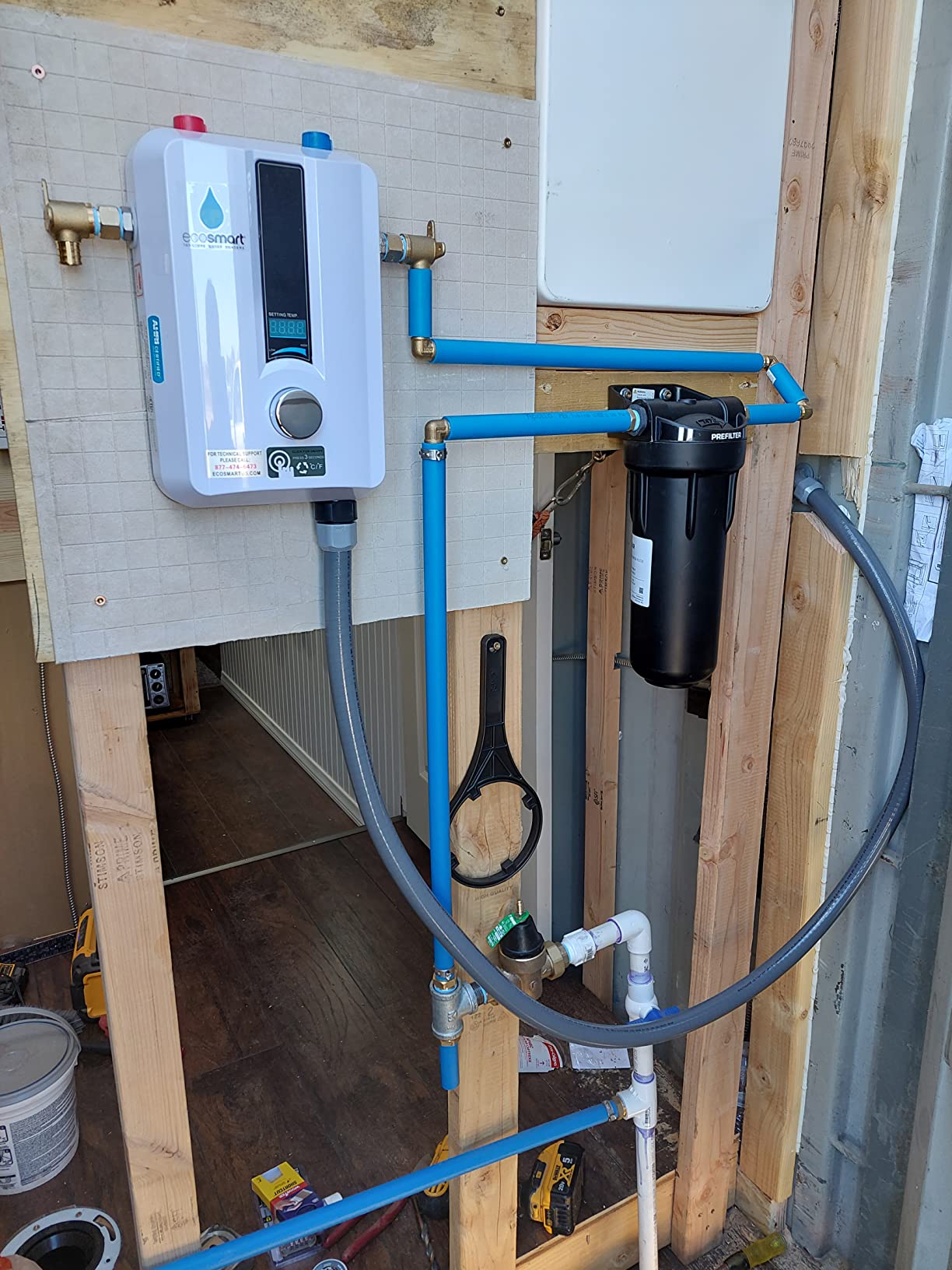
Two known weaknesses show up repeatedly in owner feedback. The first is flow: some units cut out above roughly 1 to 1.5 GPM and leave you with cold water at higher settings, which is the same lesson the point-of-use category keeps teaching. The second is installation design. The electrical connections are internal, so hooking it up means breaking the case seal, and the lifetime warranty on the electronics, heat exchanger and element is voided if you open the case.
There is also no gravity drain port, which matters if the unit goes into a seasonal home where freeze protection means blowing it out for winter.
Why the ECO 8 is still worth a look?
The 99.8 percent efficiency figure is not marketing here, because there is no tank to lose heat from while idle. Add stainless steel internal plumbing, a body that fits inside a cabinet, and inline sensors that respond quickly to changes, and you have the most practical small shower heater on this list.
Where it falls short?
It is a warm-water unit. In a cold climate with 45F incoming supply, the 2 GPM headline has to be discounted hard before it will carry a 2.0 GPM showerhead. Owners with warm supply water are happy; owners in colder regions are the ones who report cutting back their flow.
5. Stiebel Eltron Tempra 29 Plus – Best Electric for Whole-House Demand
Stiebel Eltron Tempra 29 Plus Electric Tankless Water Heater, 28.8kW, 240V
28.8kW 240V electric
3 gpm output
No venting required
Three 40 amp breakers
Pros
- Holds temperature steady for as long as water runs
- Two temperature memory presets
- No-vent design frees closet space
- No standby power draw
- Owners report 4 to 5 years of reliable service
Cons
- Needs three dedicated 40 amp circuits and 200A minimum service
- Very sensitive to low flow rates
- No hot water during a power outage
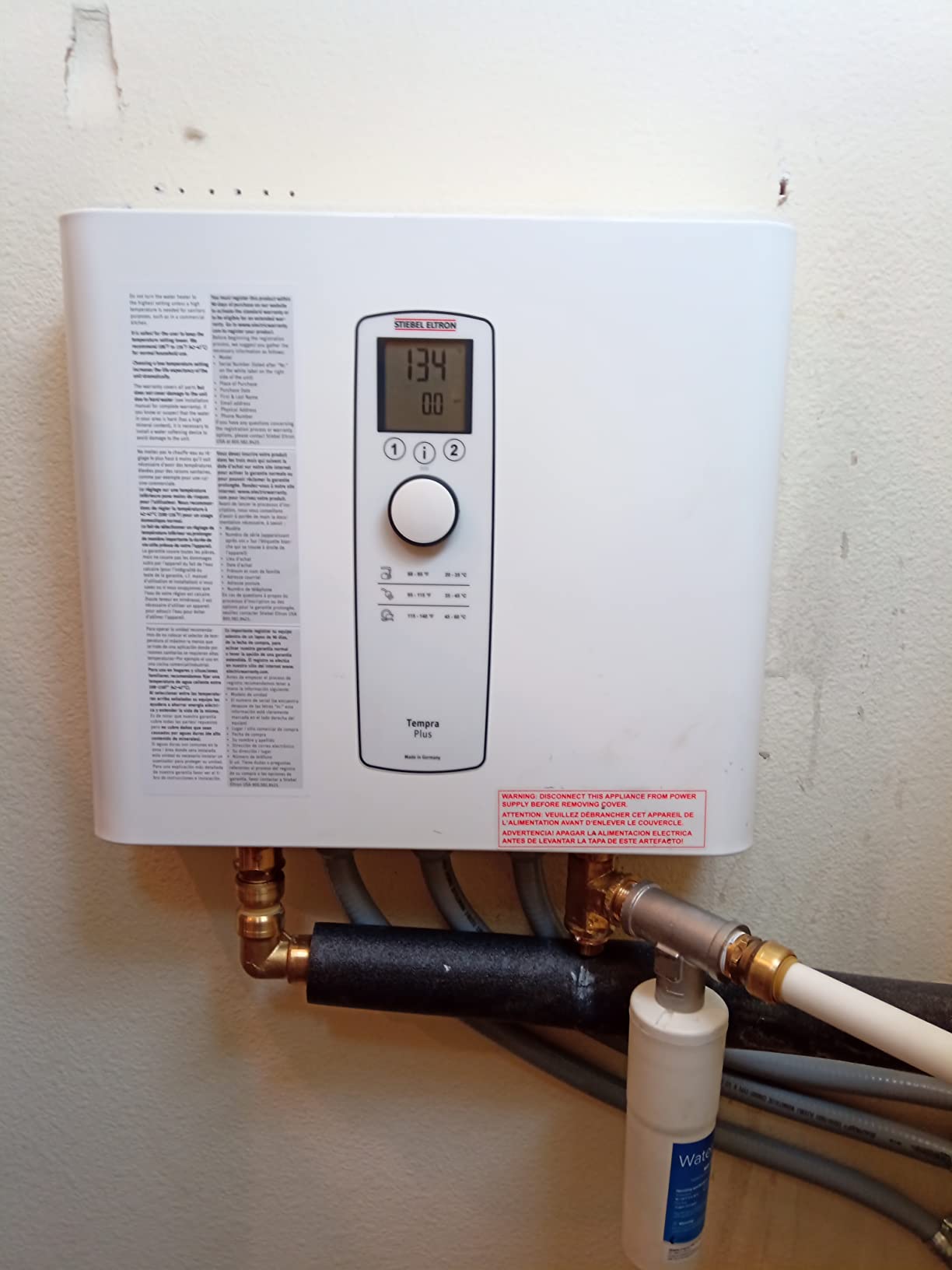
The Tempra 29 Plus is the German-built flagship in this group and the most frequently named whole-house electric on the wider market. It is a 28.8kW unit at 240V, or 21,600 watts at 208V, and it uses a copper heat exchanger with no venting required, which makes it the easiest high-output electric to place in a finished home.
Owners are unambiguous about temperature. Reviews describe rock-solid temperature accuracy and a setpoint that holds steady for as long as water runs, plus two temperature memory presets that make filling a tub at a set temperature effortless. Several buyers report 4 to 5 years of problem-free service in busy four-bedroom homes, and the no-standby-power design means hot water is instant even after a long absence.
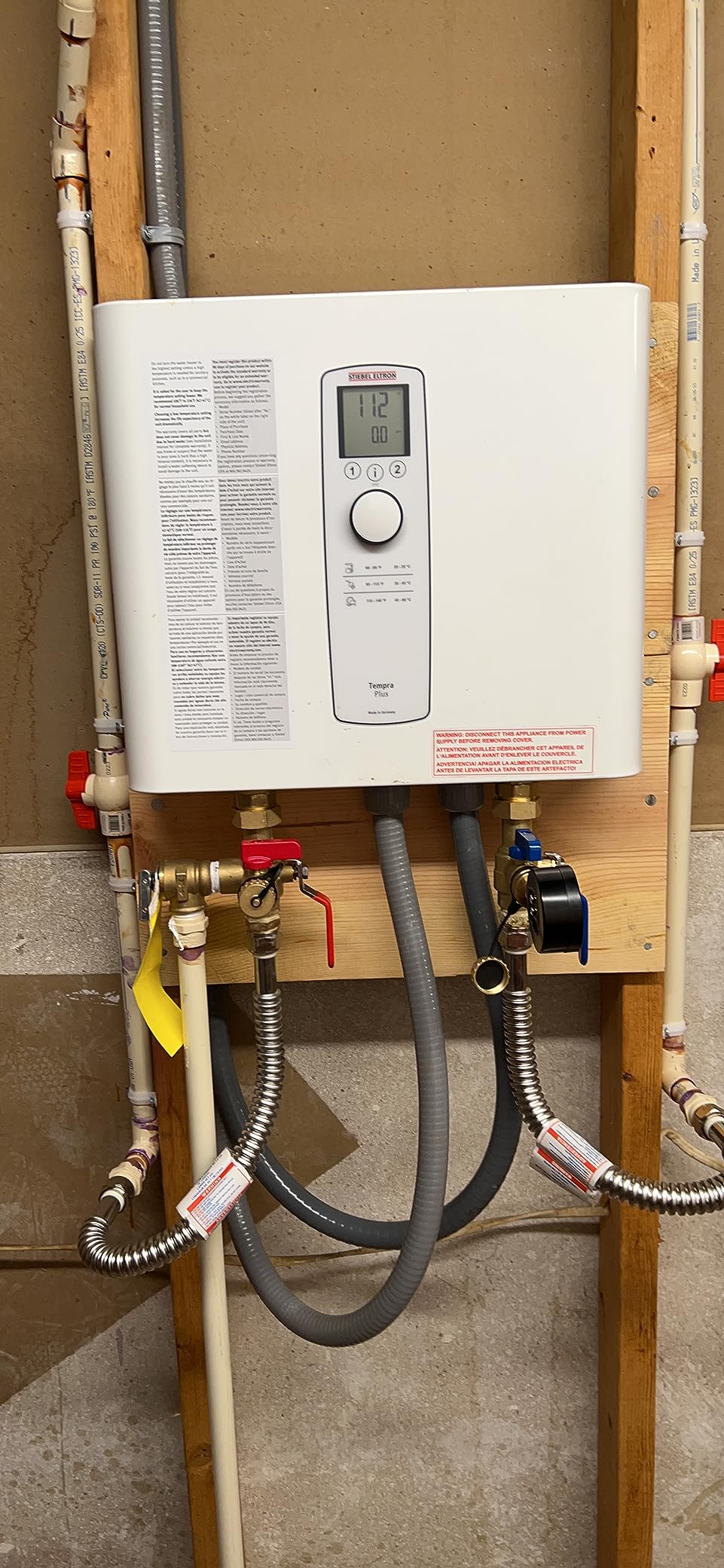
Read the electrical requirements carefully because this is where showers get derailed. The unit needs three separate dedicated 40 amp breakers with 8 gauge copper wiring and a minimum 200 amp total service, and it draws a maximum of 120 amps across those circuits. In a home with a 100 amp panel this is a service upgrade conversation, not a weekend install.
There is a second, less obvious issue: flow sensitivity. A large self-modulating unit can drop below its activation threshold when a low-flow fixture opens, and the 3 GPM published figure is not the whole story in a house with a 1.5 GPM low-flow showerhead as its main draw.
Why it earns whole-house status?
Nothing in this roundup holds temperature as consistently while water runs, and no other electric unit here matches the advanced flow control that keeps output from wobbling. The two memory presets and the no-vent form factor make it a clean install in a closet or mechanical room, and the brand is a name that plumbers recognise immediately.
Where it falls short?
It is the most electrically demanding unit on this list by a wide margin, and it is useless during a power outage in a way a gas tank is not. Owners also report cold water or temperature swings when the setpoint is set above the recommended range for their inlet temperature, so the dial is not a suggestion.
6. MIZUDO 10.3 GPM Propane – Best for Smart Control and High Flow
MIZUDO Propane Gas Tankless Water Heater, 199,000 BTU, Indoor
10.3 gpm propane indoor
199000 BTU
Serves 5 to 7 outlets
WiFi app control
Pros
- 10.3 GPM covers multiple bathrooms and appliances
- Modulation holds temperature within about 1 F
- WiFi app control with status checks and alerts
- Concentric direct vent resists backdraft
- Compact body fits tight closets
Cons
- One owner at altitude saw recurring error codes in cold weather
- Vent kit and gas fittings may need sourcing separately
- Not recommended above 3000 feet elevation
No other unit here matches the 10.3 GPM figure, and that headroom changes what you can do. The 199,000 BTU input is described as supporting 2 to 3 bathrooms plus a kitchen, laundry and dishwasher, which means a 2.5 GPM rainfall head is a non-event rather than a compromise.
Temperature control is where gas units usually win, and this one is no exception. Gas modulation holds output within plus or minus 1 F, defaults to 107 F and adjusts up to 149 F, and it will activate at just 0.53 GPM so low-flow fixtures still trigger it. The WiFi and app control adds status checks, temperature adjustment and abnormal alerts, with Alexa support.
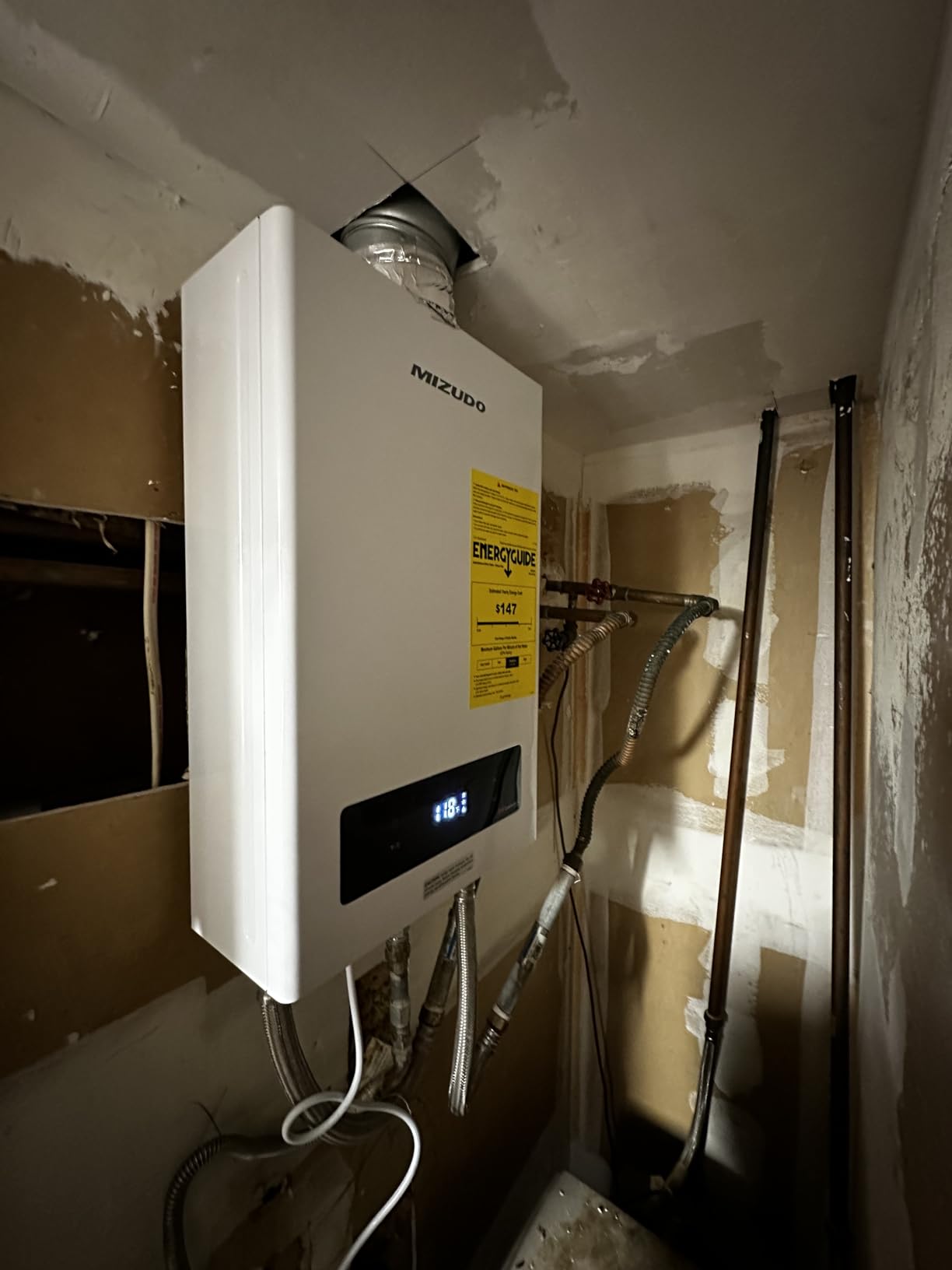
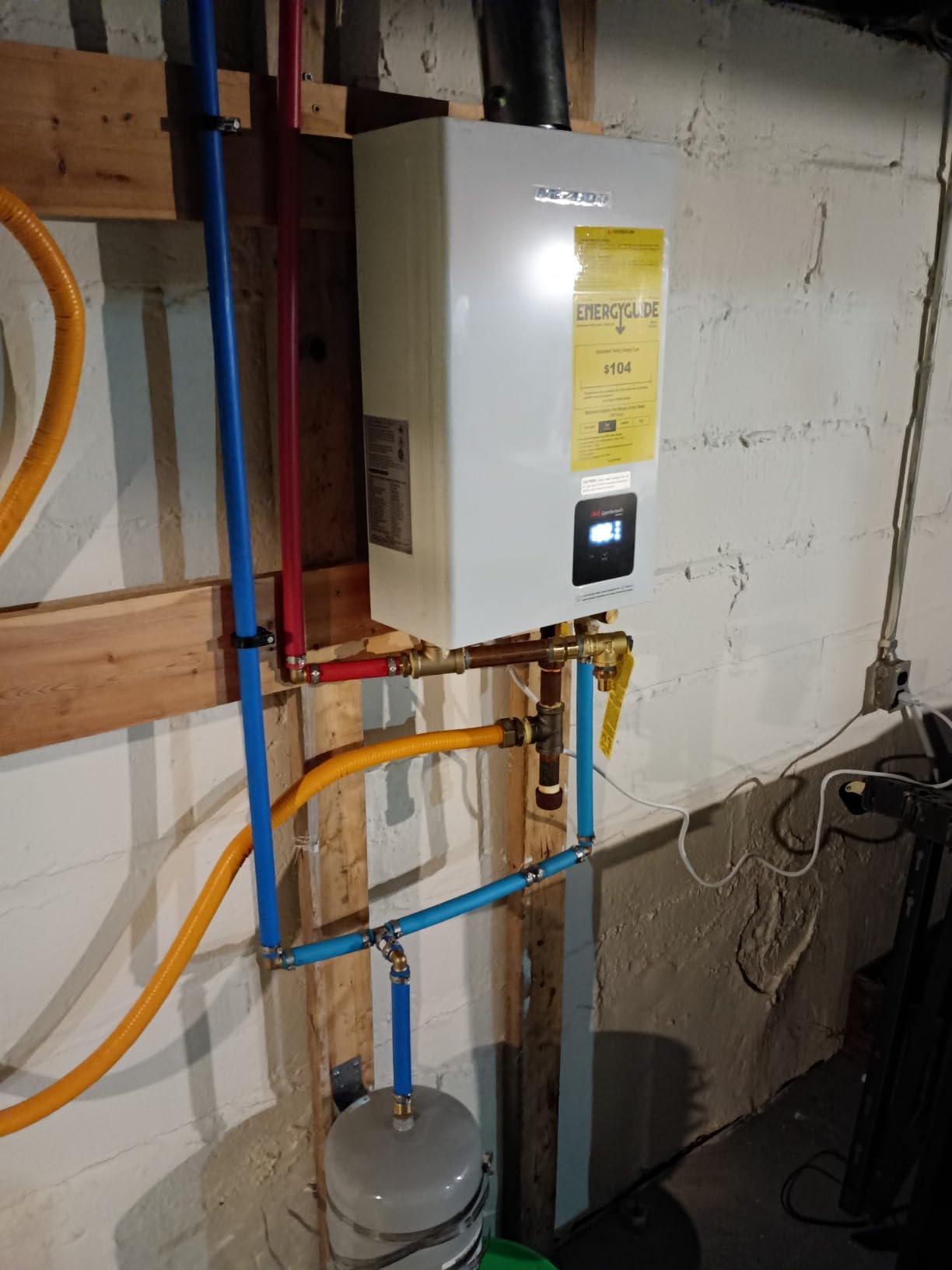
The venting arrangement is the well-engineered part. A sealed concentric direct-vent system with a 3 by 5 inch vent kit draws outdoor combustion air, and reviewers single out its resistance to backdraft in windy conditions. At 24.8 by 15.9 by 10.4 inches it is roughly carry-on suitcase size, which is genuinely useful in a tight closet or laundry room.
Two installation facts to hold onto. Gas fittings and the vent kit may have to be bought separately, and the warranty is 2 years on the full unit with 5 years on the heat exchanger. Elevation limit is 3,000 feet.
Why it suits a busy household?
Reviewers like the strong sustained hot water, fast heating, quiet operation and the usefulness of the app. For a home with two full bathrooms and a family that showers back to back, the 10.3 GPM rating is the reason this unit rarely gets asked to compromise.
Where it falls short?
Cold-weather and altitude behaviour is the weak spot. One owner at high elevation reported recurring error codes and shutoffs, and propane tank temperature sensitivity in cold climates can cause lockouts. If you are in a northern climate with a detached or unheated tank, plan for that before you commit.
7. SIVUATEK V7B-140B – Best for a Closet Install
14kW Tankless Water Heater Electric 240V, Self-Modulating
14kW 240V point-of-use
2.3 gpm output
98 percent efficiency
ETL listed
Pros
- Compact 12.2 x 17.25 inch body installs near the shower
- Real-time self-modulation steadies output
- Standard 1/2 inch NPT connections with supplied template
- Digital display with touch control panel
- Responsive customer service reported
Cons
- Maximum temperature listed as 110 F
- Some owners report temperature swings during a shower
- One reviewer reported a breaker trip in under a year
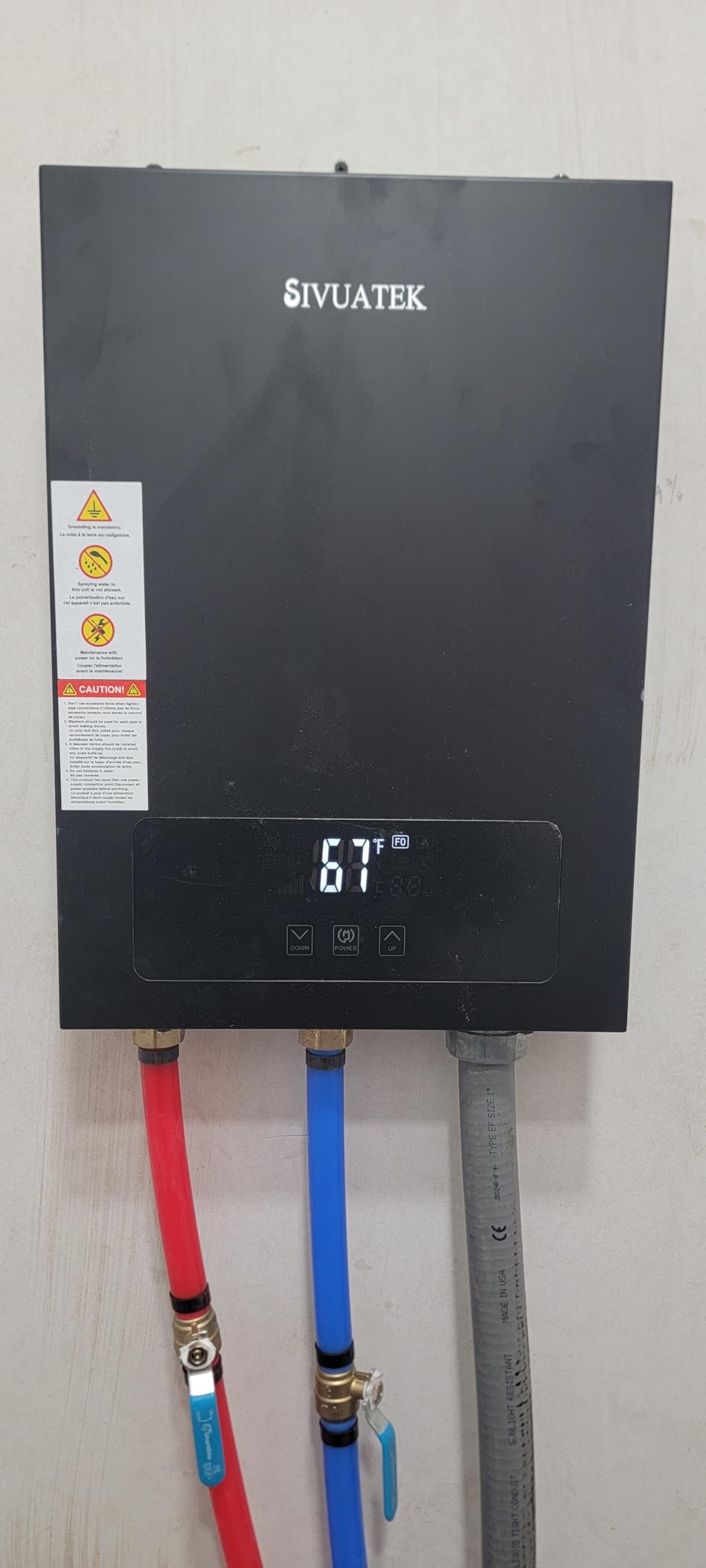
The SIVUATEK is built for exactly one job: a point-of-use install near a shower or washing machine. The listing states that intent plainly, and the 12.2 by 17.25 inch wall-mount body is small enough to sit in a bathroom closet with the unit’s 14kW output doing the work.
It adjusts power input in real time based on flow rate and temperature setting, claims 98 percent energy efficiency, and is ETL listed and UL qualified with leakage, overheat and auto stop protection. Connections are standard 1/2 inch NPT, and the box includes a hardware pack, an installation template, a user manual and a warranty card. Owners like the quick install, the easy touch controls and the digital display, and some report lower utility bills.
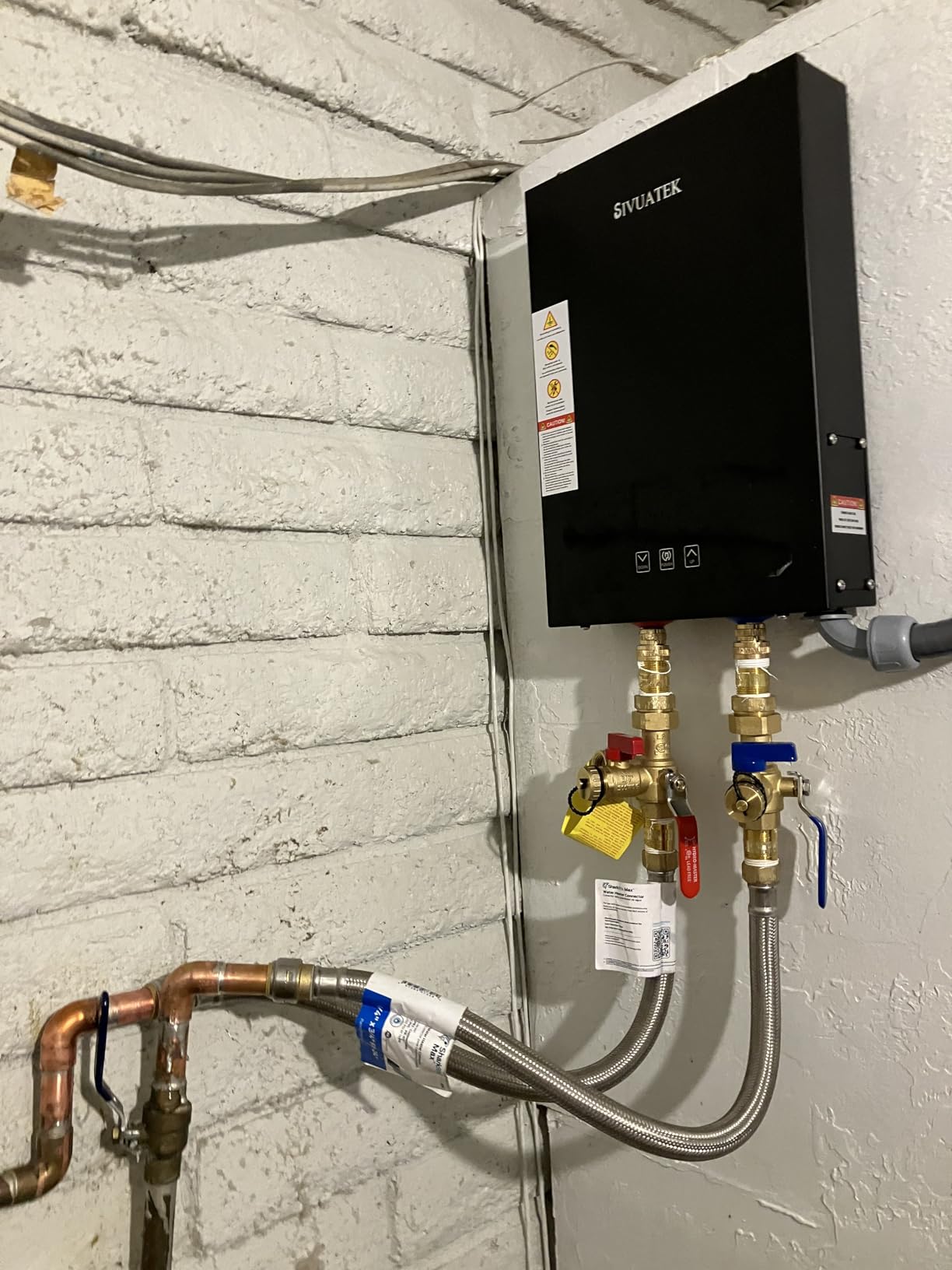
Now the specification that decides this unit for a shower. Maximum temperature is listed as 110 F, which is low for a shower, and that is the main gripe in the reviews along with temperature swinging between very hot and cold during use. The product details also list the heat output field as 131 F, so the two figures conflict and the conservative one is the safer planning number.
One reviewer reported the unit shorting out and tripping breakers in under a year. That is a single report, not a pattern, but with a 14kW load on a 240V circuit it is worth confirming your panel capacity before you commit.
Why it makes sense for a rental or small bath?
If you want hot water at one fixture and you are working inside a closet or a tight utility space, this unit does that with a standard template, standard fittings and no venting. The self-modulation responding in real time to flow changes is genuinely useful when a neighbour’s washer shares your supply.
Where it falls short?
The 110 F maximum is the deal-breaker for many showers, and no amount of good controls compensates for water that is not hot enough. For a main bathroom shower in most climates, we would choose a unit with a higher temperature ceiling even at similar size.
8. FOGATTI InstaGas Comfort – Best for Two Showers on Gas
FOGATTI Tankless Water Heater Natural Gas Indoor On Demand CSA Certified
120000 BTU natural gas
5.1 gpm output
Serves 2 to 4 outlets
CSA certified
Pros
- 5.1 GPM is enough for two showers at once
- Quick startup and steady delivery once flow begins
- Very quiet operation
- Compact 23.9 x 15.5 x 7.3 inch body
- Water servo control holds about 1 F
Cons
- Vent pipe and tankless valves are not included
- Some units threw repeated E1
- E2 and E8 codes
- One owner reported spikes to about 170 F at very low flow
At 5.1 GPM and 120,000 BTU, the FOGATTI sits in the middle of this lineup and covers the most common real household case: two bathrooms with two people showering. The specification sheet states it plainly, serving 2 to 4 outlet points, and satisfied owners describe quick startup and never running out of hot water once flow begins.
Temperature regulation uses a water servo with sensors that holds output within plus or minus 1 F, backed by a four-stage combustion system for consistent output. It works across a wide pressure range from 15 to 150 psi, uses a copper heat exchanger with a 304 stainless steel burner, and is CSA certified for indoor installation on standard 120V power.
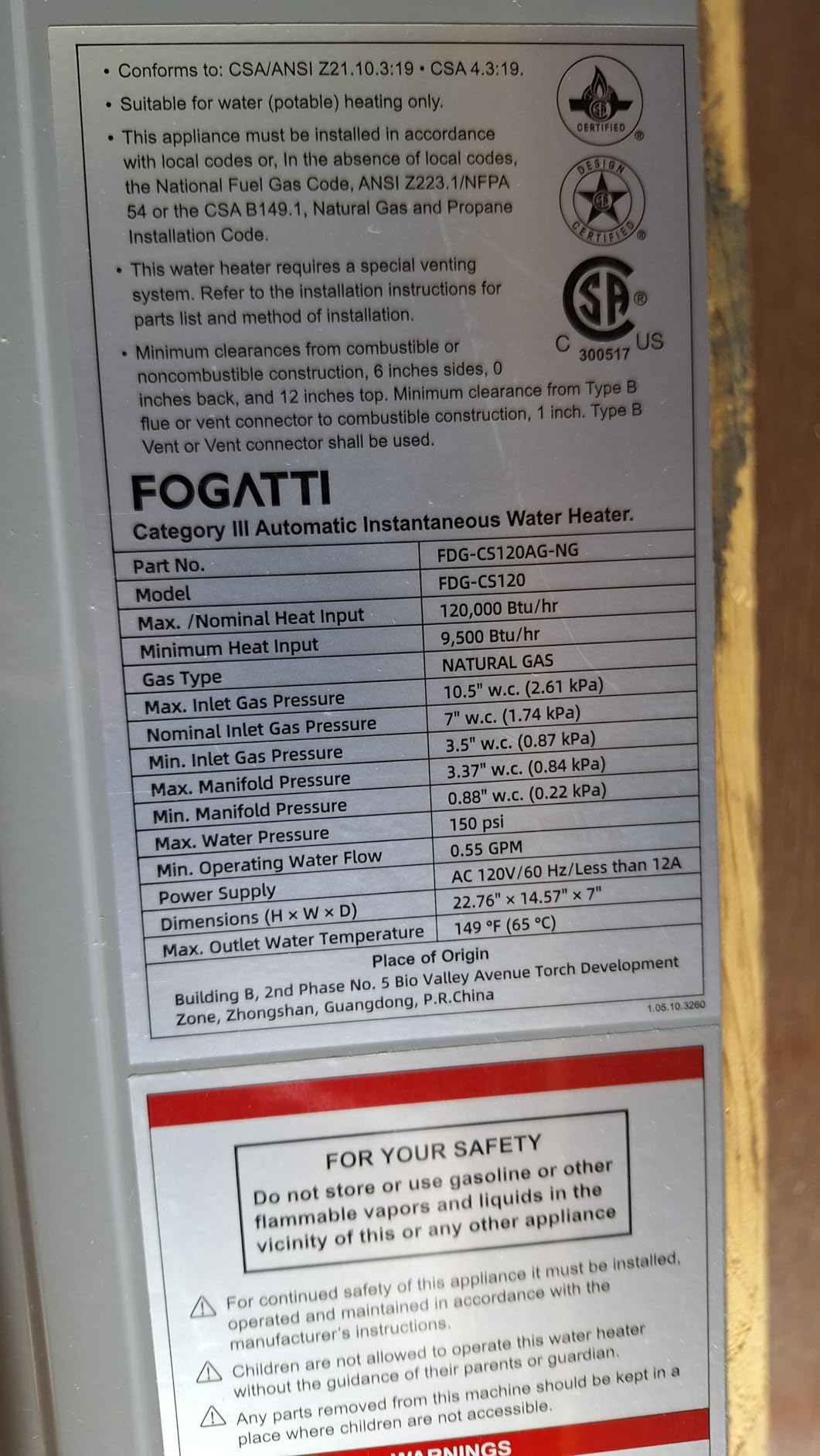
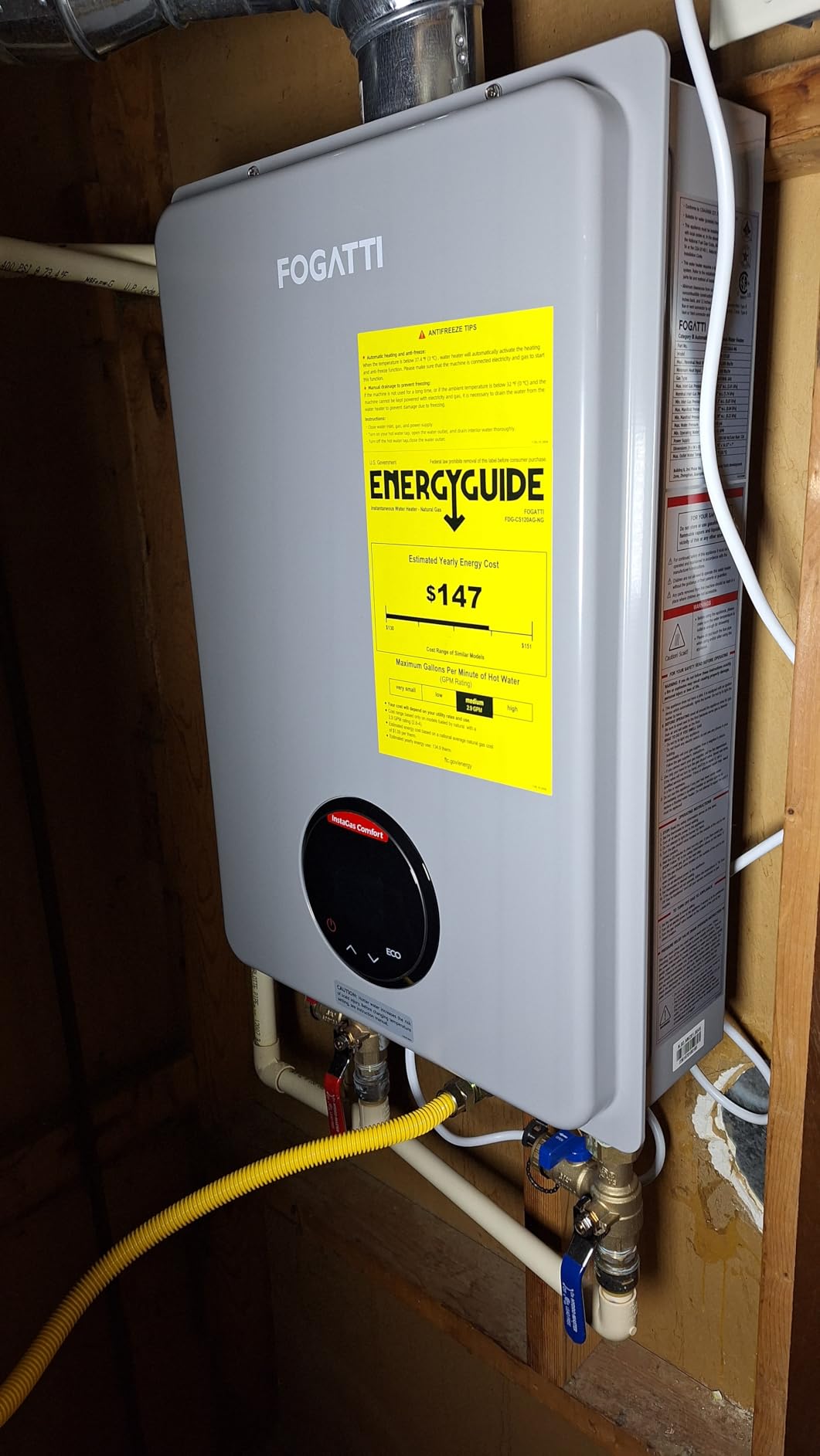
Owners consistently highlight the quiet operation, which matters in a wall next to a bedroom, and the compact 23.9 x 15.5 x 7.3 inch body frees a lot of wall space. The warranty splits into 2 years on the full unit and 5 years on the heat exchanger.
The negatives are worth reading twice. Vent pipe and tankless valves are not included and must be purchased separately, which is a real line item people forget. Some units threw repeated E1, E2 and E8 error codes within a few months, and one owner reported temperature spikes to about 170 F at very low flow rates, a genuine scald risk if you have young children in the house.
Why it fits a two-bathroom home?
5.1 GPM is the number that matters here. It carries two 2.0 GPM showerheads at once, it does not care much about inlet water temperature the way an electric unit does, and the plus or minus 1 F servo control means neither shower gets a temperature surprise when the other starts.
Where it falls short?
The 4 star average across 167 reviews is the lowest-scoring gas unit here, and the error code reports cluster in the first months of ownership. The low-flow temperature spike is the more serious issue, so if you have small children or a low-flow faucet, install a mixing valve or a thermostatic valve and treat the unit as part of a system rather than a standalone heater.
9. Ranein RH19K-NG – Best High-Flow Natural Gas for 4 to 6 Fixtures
Ranein Natural Gas Tankless Water Heater, 8.5 GPM, 190,000 BTU, Indoor
8.5 gpm natural gas indoor
190000 BTU output
Serves 4 to 6 outlets
42 pound wall-mount body
Pros
- High 8.5 GPM flow covers multiple outlets
- Under-mounted fan design reduces smoke backflow
- Compact body frees a lot of floor space
- No 30 minute preheat wait
Cons
- Only a 2 year warranty
- Not recommended above 2000 feet elevation
- Gas venting and professional gas hookup required
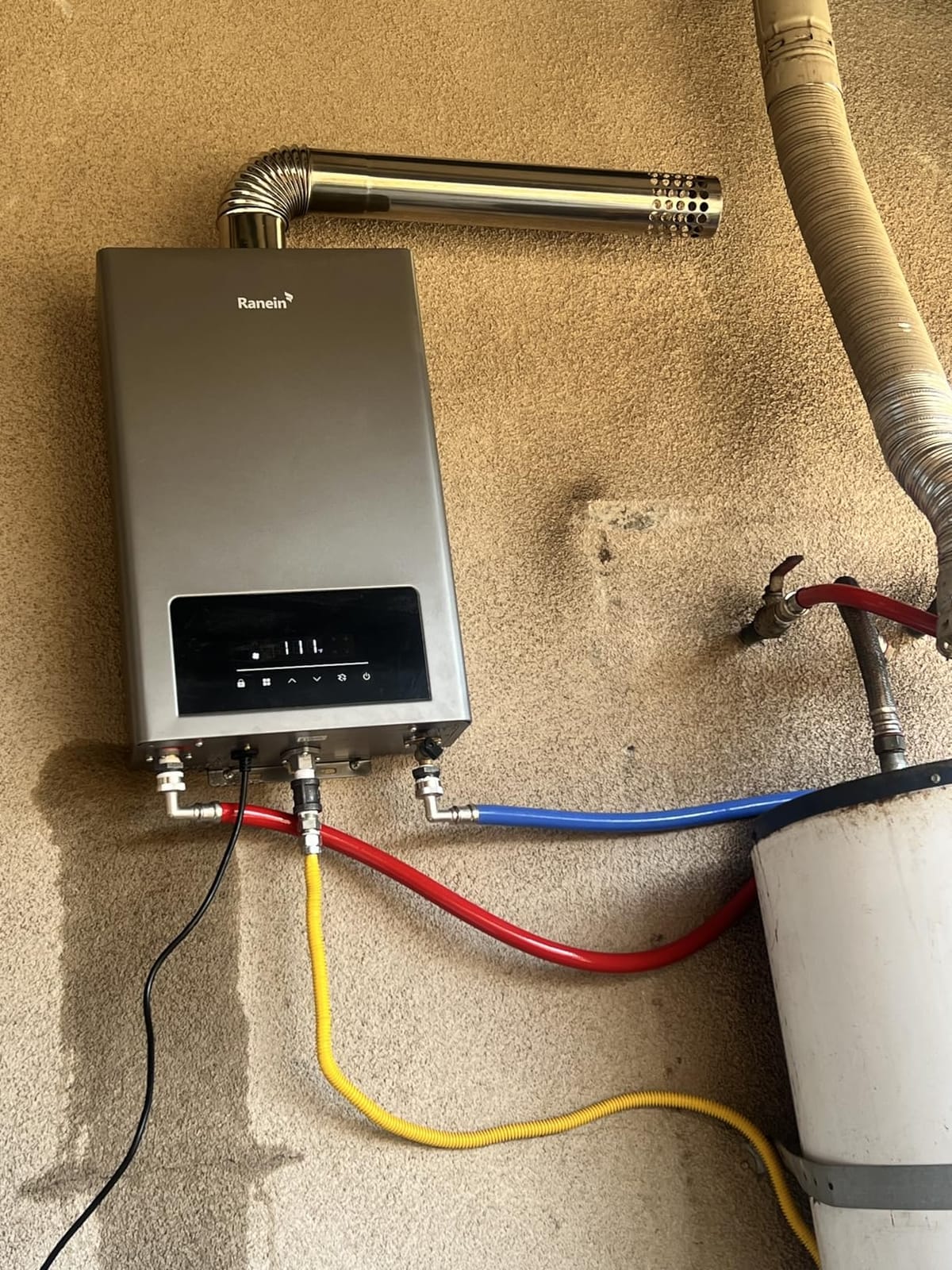
The Ranein covers 4 to 6 water points at 8.5 GPM and 190,000 BTU, which puts it in the same capacity class as the units professional installers default to for larger homes. Owners highlight strong whole-home flow, quick delivery of hot water and quiet operation, and the auto-adjusting blower responds to external wind pressure and water temperature to keep combustion steady.
The safety detail that stands out is the fan arrangement. Fans are mounted underneath the unit to prevent smoke backflow, which is a design choice that matters in an indoor installation where a recirculation or spillage problem would be a real hazard. Water connections are standard 3/4 inch NPT, which keeps the plumbing side of the install conventional.
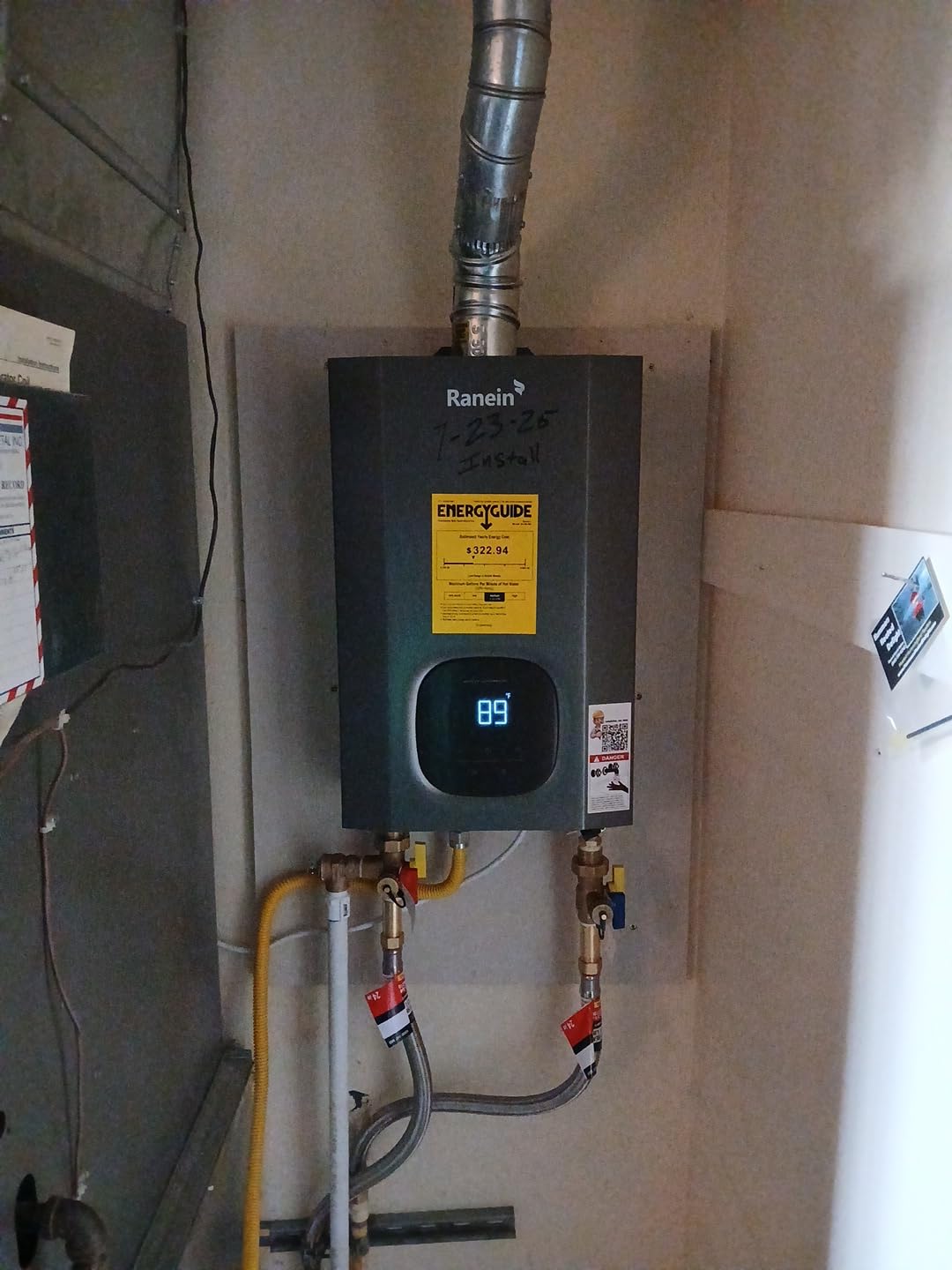
At 24.25 by 15.08 by 8.07 inches and 42 pounds, the body is compact for its output and frees floor space a tank would have occupied. Maximum temperature is listed at 155 F and maximum pressure at 116 psi. The box includes the heater, an assembly kit and a manual.
The warranty is where this unit gives ground. It carries a 2 year manufacturer warranty, and it is not recommended above 2,000 feet elevation, which rules it out for a good number of high-desert and mountain homes. Complaints in the reviews centre on gas installation complexity, the short warranty term, and questions about long-term durability of the burner and heat exchanger.
Why it suits a larger household?
For four to six outlet points, 8.5 GPM is the right capacity and gas keeps working when incoming water gets cold, which electric units at this price point cannot do without much larger kW. The no-preheat wait means the first morning shower is as fast as the tenth.
Where it falls short?
Two years of coverage is thin for a gas appliance, and heat exchanger life is the most expensive repair on any tankless unit. Above 2,000 feet the manufacturer does not recommend it at all, so check your elevation before anything else.
10. APUS 80,000 BTU – Best for a One-Person Home or Apartment
APUS Natural Gas Tankless Water Heater, 80,000 BTU, 3.6 GPM Indoor
80000 BTU natural gas
3.6 gpm output
Serves 2 to 3 water points
UEF 0.81
Pros
- 3.6 GPM matches a single shower plus two fixtures
- Sensors hold temperature within about 1 F
- Thin wall-mount body suits tight spaces
- Freeze protection and fail-safe shutdowns
- 0.53 GPM low-flow activation
Cons
- 3.6 GPM is limited for larger households
- Licensed installation required for gas
- 2 year manufacturer warranty
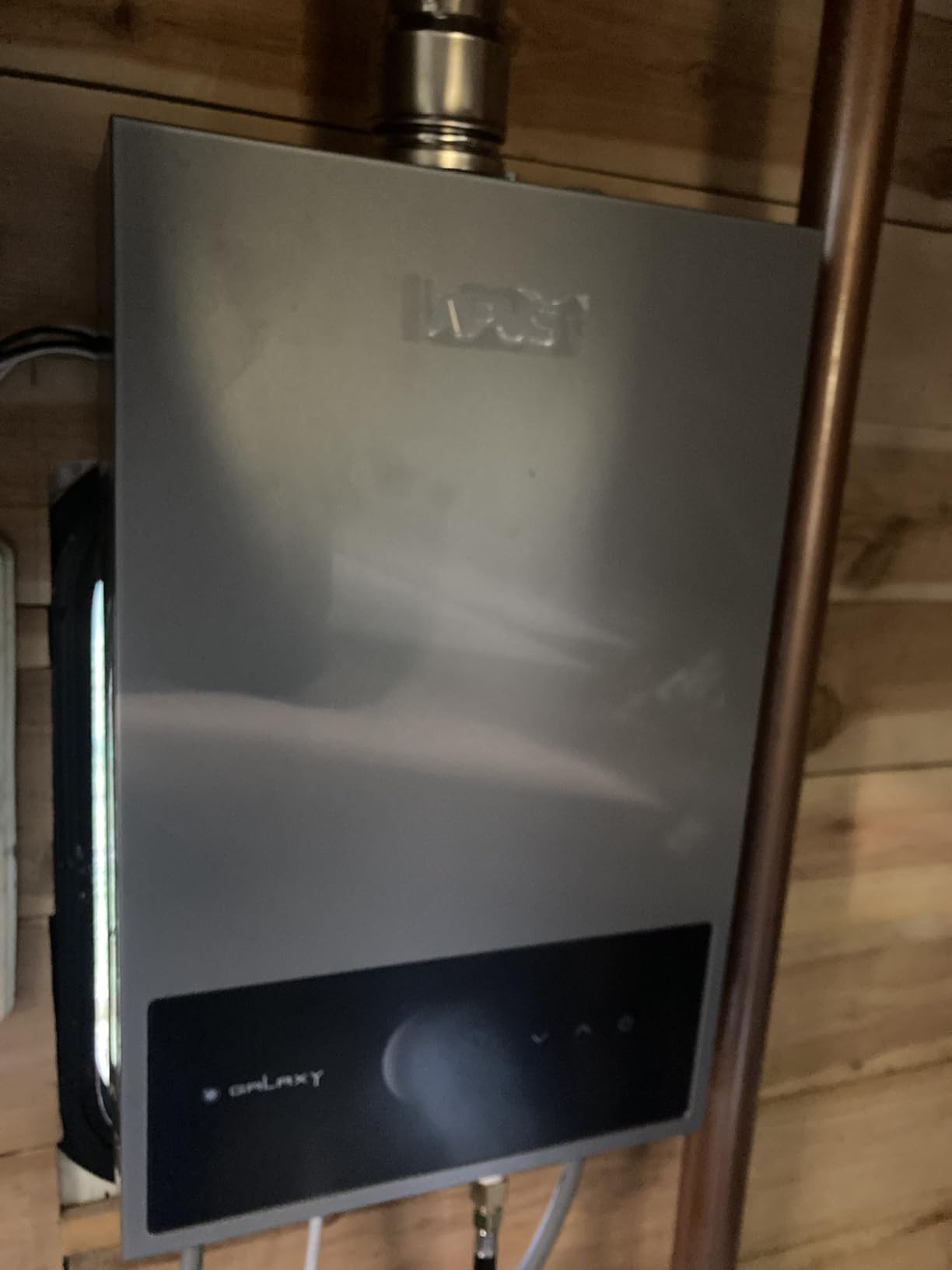
The APUS is the smallest gas unit here and the most precisely aimed at a single shower. At 80,000 BTU and 3.6 GPM, the manufacturer states it serves 2 to 3 water points in a 1 to 2 person home, apartment or tiny home, which is an unusually honest description of where it belongs.
The control electronics are more considered than the price tier suggests. High-precision sensors and a smart CPU regulate output within plus or minus 1 F and reduce temperature swings when another tap opens, and the 0.53 GPM low-flow start means a low-flow showerhead still triggers the burner. It runs a 120V AC circuit for controls, so no 240V work is involved.
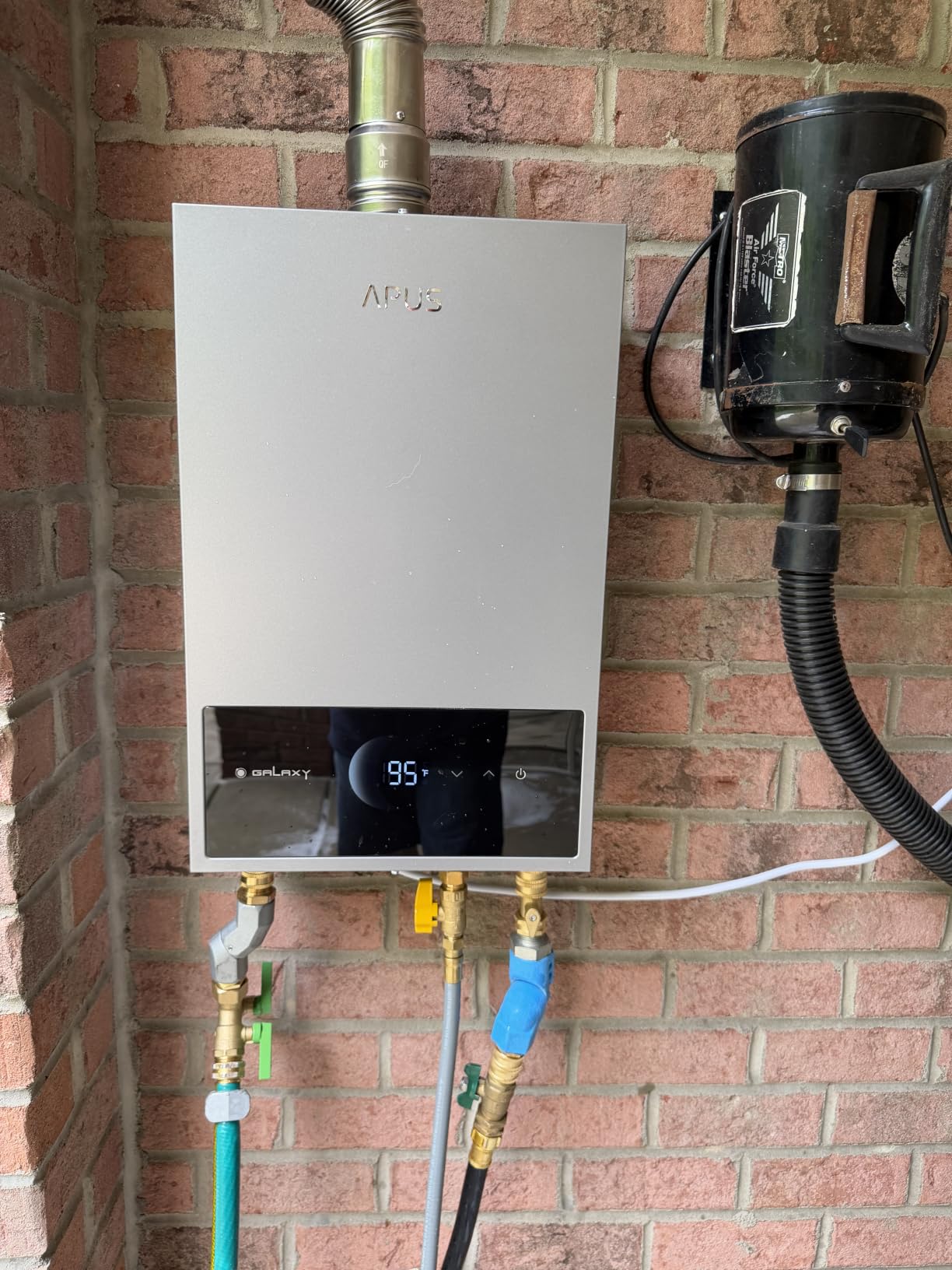
Efficiency is specified as UEF 0.81 with up to 98 percent thermal efficiency from an oxygen-free copper heat exchanger with regulated combustion, and the maker claims savings of up to 30 percent against a conventional tank. Freeze protection is intelligent, activating near 41 F, with overheat, flame-failure and dry-combustion safeguards on top of it.
Unlike most gas units here, the vent pipe is included in the box, alongside the manual, installation card and assembly kit. The body is a thin 20.55 by 13.27 by 5.91 inch wall-mount design, so it fits where the Ranein or MIZUDO would not.
Why it fits an apartment or tiny home?
Owners rate it highly for small-space and small-household use, citing stable temperature control, the low-flow activation and the compact footprint. The temperature range runs 95 to 149 F, which comfortably covers a shower, and the included vent pipe removes one of the most common install surprises.
Where it falls short?
3.6 GPM is the ceiling, and it is a real one: it is not enough for larger households or multiple simultaneous showers. It is not intended for colder regions without draining the unit below 41 F, licensed gas installation is required, and the manufacturer warranty is 2 years.
How to Size a Tankless Water Heater for a Shower?
Sizing a tankless water heater for a shower is a five-step exercise, and step three is the one that most people skip. Work through it in order and the answer is usually obvious within a couple of minutes.
Step 1: find your showerhead flow rate
Most showerheads are labelled with their GPM. A 1.5 GPM head is a standard low-flow head, 2.0 GPM is the older standard, and 2.5 GPM rainfall heads are the current default in new bathrooms. This number is your hard demand, and no heater below it will satisfy the shower no matter what the brochure says.
Step 2: find your coldest incoming water temperature
Published flow rates assume a warm inlet, typically 65F or so. In a warm climate your supply might sit above 55F year round. In a northern climate the winter figure can fall into the 40s, and every gallon arriving colder means fewer gallons leaving hot for the same temperature rise.
Step 3: read the unit’s GPM at that temperature
Ignore the headline figure if it is measured at a small temperature rise. The ThermoMate’s 2.15 GPM is quoted at a 35F rise, which is a realistic number for a warm climate. If your supplier quotes a flow rate at a 20F rise, add 15 to 20 percent of headroom before you trust it in January.
Step 4: check the electrical or gas requirement
Electric units need a dedicated 240V double pole breaker. The lightest in this roundup is the EcoSmart ECO 8 on a 40 amp breaker, the ThermoMate needs 50 amps, the Rheem RTEX-13 draws 54 amps, and the Stiebel Tempra 29 Plus needs three 40 amp circuits and a 200 amp minimum service. Gas units need a fuel line sized for the BTU input and compliant venting.
Step 5: check the warranty structure
Read the parts warranty and the heat exchanger or element warranty separately. The EcoSmart ECO 8 lists lifetime coverage on electronics, exchanger and element but not labour, and warns that opening the case voids it. The MIZUDO and FOGATTI split 2 years on the unit with 5 years on the heat exchanger.
Electric vs Gas for a Single Shower
For one shower, the decision is usually made by what you already have rather than by which fuel is better. Electric wins in a home with a gas line far from the bathroom and a panel that can spare 40 to 60 amps. Gas wins in a home with a 100 amp panel, a cold climate, or a family that showers back to back.
Electric units degrade with cold inlet water in a way gas units do not, because they heat a fixed number of watts. A 13kW unit that comfortably carries 3 GPM with 65F supply can struggle to hold temperature at the same flow with 42F supply. Gas units in this roundup start from 80,000 BTU and run to 199,000 BTU, and their output holds steady as inlet temperature drops.
The trade-offs cut both ways. Electric units here need no venting at all, which makes them far easier to permit and install in a finished space. Gas units need Category III venting or a concentric direct vent, a licensed installer, a properly sized gas line, and in two cases hardware you have to buy separately.
Point-of-Use vs Whole-House for a Shower-Only Home
If the shower is your only real hot water demand, a point-of-use unit mounted inside or next to the bathroom wall is often the right answer rather than a compromise. Mounting the heater close to the fixture shortens the pipe run, which is the only genuine fix for the cold sandwich problem that makes people think a tankless heater has run out of hot water.
That effect is simple. A long run of pipe between the heater and the shower has to fill with cold water before hot water arrives, and the wait feels like the heater has failed. The ThermoMate, the SIVUATEK and the EcoSmart ECO 8 are all small enough to install in a bathroom closet for exactly this reason. If your household needs more than one fixture, a whole-house unit placed near the water heater is the better layout.
Recirculation is the other option for long runs, and it is worth a separate conversation with an installer. A recirculation pump keeps hot water moving through the loop so the shower starts warm immediately, but it adds an operating cost and another component to maintain.
Installation Reality Check: Panels, Breakers, and Venting
Panel capacity is the number one install blocker for electric shower units, and it is the item most likely to push a project past its original scope. A 100 amp panel is the constraint that decides which of these units you can even consider. The EcoSmart ECO 8 on a 40 amp breaker is the most achievable. The Rheem RTEX-13 at 54 amps, the ThermoMate at 46 amps, and the Stiebel Tempra 29 Plus needing three 40 amp circuits and 200 amp minimum service are progressively harder.
Wiring matters as much as amperage. The ThermoMate specification calls for 6 AWG wire on its 50 amp double pole breaker, and the Stiebel calls for 8 gauge copper across its three 40 amp circuits. Older homes with 1960s and 70s wiring sometimes need more than a new breaker, and a service upgrade turns a one-day job into a multi-day one.
Gas has its own version of the same problem. A unit at 199,000 BTU can demand that much input instantly, and an undersized gas line will starve the unit and cause startup failure. Venting is code-controlled as well: indoor gas appliances need listed venting, and a condensing-style install additionally needs a condensate drain. Two units here, the MIZUDO and the FOGATTI, do not include the vent hardware in the box.
Showerhead Pairing: Match Your GPM to Your Unit
The most common disappointed shower owner in this category made a simple mistake: they put a 2.5 GPM rainfall head on a unit sized for 2 GPM. The pairing that works looks like this. A 1.5 GPM low-flow head can be served by the small point-of-use units, including the EcoSmart ECO 8 and the ThermoMate, provided your inlet water is not cold.
A 2.0 GPM head is the middle case and the most common new-build situation. The Rheem RTEX-13, the Ranein at 8.5 GPM and the FOGATTI at 5.1 GPM all carry it comfortably. A 2.5 GPM rainfall head pushes you toward the larger gas units, or a whole-house electric with real kW behind it.
The reverse move also works. If you already have a small electric unit, replacing the showerhead with a 1.5 GPM low-flow model is the cheapest possible fix for a marginal shower, and one unit in this roundup ships with exactly that head included.
Hard Water, Scale, and Warranty Terms That Matter
Hard and alkaline water is the single most common durability complaint in tankless reviews, and it comes down to one design choice: whether the heating element or heat exchanger sits inside the water flow. Several of the electric units here use copper immersion elements in the water path, which is efficient and easy to service but exposed to scale. The ThermoMate separates its element from the water line inside a cast aluminum chamber specifically to reduce scale and corrosion exposure, and the EcoSmart uses stainless steel internals with inline sensors.
If your water is hard, a descaling routine is not optional. Running an inlet-side filter and flushing the unit on a schedule, annually in most homes and more often in very hard water, is the difference between an element lasting years and one failing in eighteen months. Our guides to tankless heaters for well water and tankless heaters for cabins cover the chemistry side in more detail.
Warranty structure is the other place to read carefully. Coverage of electronics and element is not the same as coverage of labour, and a heat exchanger warranty of 5 years is a much stronger signal on a gas unit than a lifetime parts warranty on a small electric unit you have to open up to wire.
Why Some Plumbers Avoid Tankless Water Heaters?
Plumbers do not dislike tankless water heaters as a category. What they dislike is being handed an undersized fuel line, an undersized electrical circuit, or a unit that was chosen from a flow rate number rather than an inlet water temperature. Installers on professional forums consistently say the same thing, that design and installation have far more impact on the outcome than the brand on the box.
There are three concrete reasons for the hesitation. Serviceability is the first: a sealed heating chamber cannot be repaired, only replaced. Sizing risk is the second, because a unit that is too small produces a lukewarm shower and generates a callback that the installer owns. Venting and gas line capacity is the third, and both are conditions of the install that can stop a job cold.
The counter-argument is worth hearing too. Rinnai is described as the most popular brand by homeowners while Bradford White carries a strong reputation in the same discussions, and the AI summaries on search engines most often name a Stiebel Eltron Tempra Plus model as best overall for a whole-house electric shower setup. Brand matters less than the sizing math, but the brands that plumbers service most are usually the ones with the deepest parts support.
Frequently Asked Questions
Are tankless water heaters good for showers?
Yes, for most households they are the best way to get unlimited hot water at a single shower. A tankless unit heats water only when a hot tap opens, so there is no finite hot water supply and no standby heat loss. The catch is sizing: the unit must deliver at least your showerhead GPM at your coldest incoming water temperature, and electric units must match your panel amperage.
What size tankless water heater is needed for a shower?
Match the unit to your showerhead flow rate with headroom for cold inlet water. A 1.5 GPM head can be served by a compact 8kW to 11kW point-of-use unit in a warm climate. A 2.0 GPM head needs roughly 13kW to 18kW electric or about 80,000 BTU gas. A 2.5 GPM rainfall head wants 28.8 kW electric or 120,000 BTU and above in gas.
How many GPM should I get for a tankless water heater?
For one shower plus a sink, 3 to 4.5 GPM is the working range. For two showers running at once, target 5 GPM or more, which in this roundup means the FOGATTI at 5.1 GPM or a larger gas unit. Always discount the published figure, because it is measured at a warm inlet and drops as your incoming water gets colder.
Why don’t plumbers like tankless water heaters?
The hesitation is about install conditions rather than the appliance. Undersized gas lines and undersized electrical circuits cause startup failures and callbacks. Sealed heating chambers cannot be repaired in the field, only replaced. And a unit chosen from a flow rate without checking inlet water temperature produces lukewarm water, which installers end up owning. Design and installation have more impact on the outcome than the brand.
Can a tankless heater run a shower and a sink at the same time?
It depends on total demand. A 3.6 GPM gas unit running a 2.0 GPM shower leaves about 1.6 GPM for a lavatory, which is fine. A 13kW electric unit at 3.17 GPM has less margin and will hold temperature less comfortably. Adding a dishwasher or a second shower at the same time is where small electric units run out of headroom first.
Which electric tankless water heater has the best point of use?
For a single shower close to the bathroom wall, the Rheem RTEX-18 is the strongest pick because 4.4 GPM and 18kW give real headroom and its copper immersion elements are field serviceable. For a tighter budget and warm incoming water, the EcoSmart ECO 8 uses only a 40 amp breaker. The ThermoMate ET110HC is the choice when scale resistance matters most.
Final Verdict: The Best Tankless Water Heater for Showers in 2026
After comparing 10 units on flow rate, heating capacity, breaker demand and warranty structure, the Rheem RTEX-18 remains the tankless water heater for shower we would install in most homes. It pairs 4.4 GPM with 18kW of self-modulating output, uses field-serviceable copper elements, and sits on a single dedicated 240V circuit rather than three of them.
Match the pick to the situation. Choose the Rheem RTEX-13 for one bathroom on a moderate panel. Choose the ThermoMate ET110HC or the EcoSmart ECO 8 for a single shower mounted close to the bathroom in a warm climate. Choose the FOGATTI at 5.1 GPM or the MIZUDO at 10.3 GPM when gas is available and more than one shower runs at once. Choose the APUS at 3.6 GPM for a one-person home or apartment, where it is honestly sized for the job.
Before you order, confirm three numbers: your showerhead GPM, your coldest incoming water temperature, and your available panel amperage. Get those right and the best tankless water heater for showers is simply the unit that meets them.