
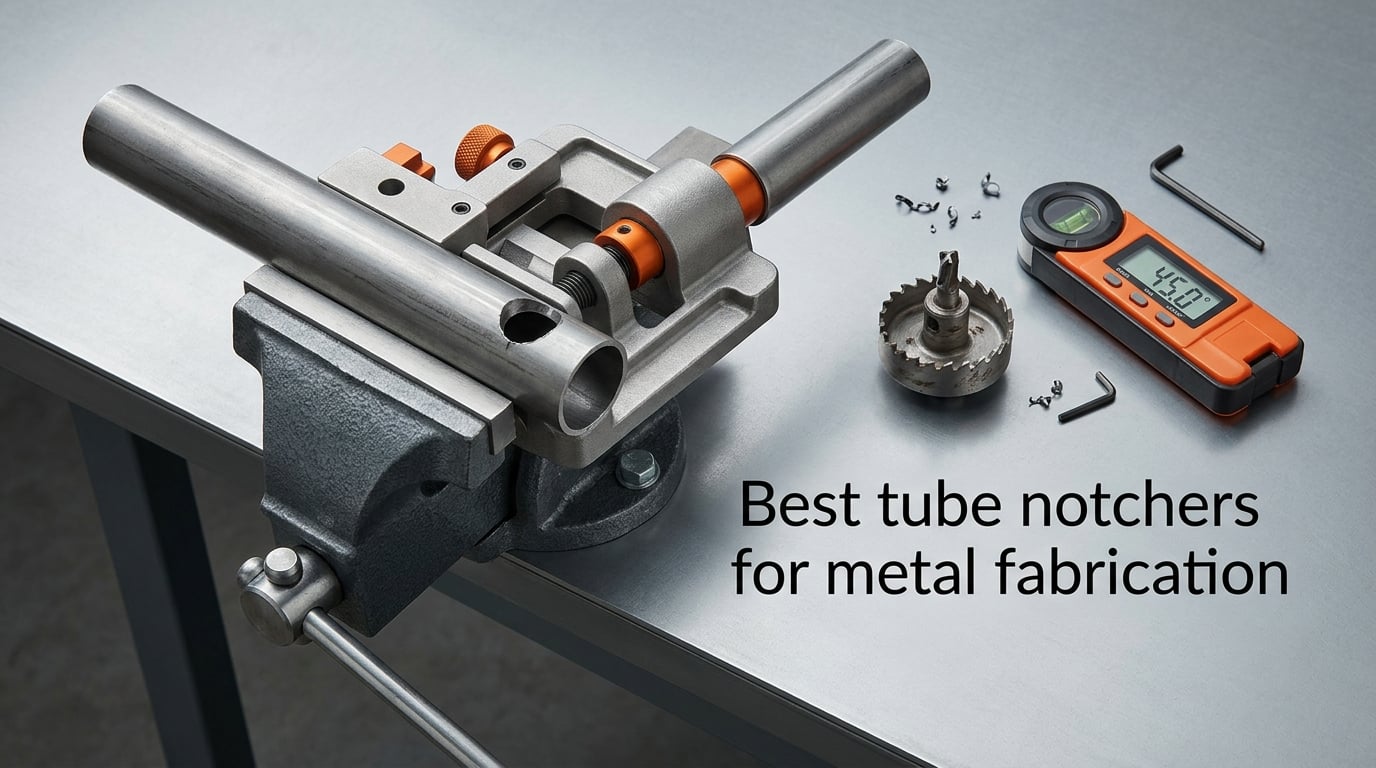
If you build roll cages, chassis, handrails, or anything with tube-to-tube joints, you already know that hand-grinding a fish-mouth cut is the fastest way to ruin a Saturday. A proper tube notcher turns those compound angles into repeatable, weld-ready joints in seconds, and after months of testing rigs in our shop and comparing notes with fabricators on r/fabrication and Garage Journal, we have settled on the picks that actually deliver.
This guide breaks down the best tube notchers for metal fabrication available right now, covering every budget from hobby-level hole saw jigs to heavy-duty industrial presses. We tested each unit on 1-1/4 inch and 1-3/4 inch mild steel tubing, checked the angle accuracy, judged the build quality, and pulled in real-world feedback from fabricators running these tools daily. You will also get a full breakdown of the six notcher types, what drill you actually need, and which hole saws survive a production schedule.
Whether you are a weekend builder knocking out a go-kart frame or a pro shop turning out race car chassis every week, the right tube notcher will pay for itself in time saved and cleaner welds. Let us walk you through what works in 2026.
Table of Contents
Top 3 Tube Notchers for Metal Fabrication in 2026

Speedway Motors Tube Notcher
- 40-90 degree angle range
- 9/16 to 2 inch round capacity
- Bronze bushings
- Includes 1-3/4 inch hole saw

KAKA INDUSTRIAL PN-1/2S
- 0-60 degree angle range
- Up to 2 inch round tubing
- Alloy steel frame
- Bronze bushings

WONDERSUNM Professional Notcher
- 0-50 degree angle range
- 3/4 to 3 inch OD capacity
- 45 carbon steel construction
- Plus or minus 1 inch offset
10 Best Tube Notchers for Metal Fabrication in 2026
| Product | Specifications | Action |
|---|---|---|
| Speedway Motors Tube Notcher |
|
Check Latest Price |
 KASTFORCE KF5008 Hole Saw Notcher KASTFORCE KF5008 Hole Saw Notcher |
|
Check Latest Price |
 Jeremywell Industrial Pipe and Tube Notcher Jeremywell Industrial Pipe and Tube Notcher |
|
Check Latest Price |
 VKRP Enterprises Pipe Notcher VKRP Enterprises Pipe Notcher |
|
Check Latest Price |
| KAKA INDUSTRIAL PN-1/2S |
|
Check Latest Price |
 Pipemaster P-T150 Contour Gauge Pipemaster P-T150 Contour Gauge |
|
Check Latest Price |
 Eastwood Tube and Pipe Notcher Eastwood Tube and Pipe Notcher |
|
Check Latest Price |
 VEVOR 1/2 to 2 Inch Pipe Notcher VEVOR 1/2 to 2 Inch Pipe Notcher |
|
Check Latest Price |
 VEVOR 1/2 to 3 Inch Pipe Notcher VEVOR 1/2 to 3 Inch Pipe Notcher |
|
Check Latest Price |
| WONDERSUNM Professional Tube Notcher |
|
Check Latest Price |
1. Speedway Motors Tube Notcher – Built Like a Tank for Production Work
Tube Notcher 9/16-2in Pipe Notcher 40-90 Degree Hole Saw Tool
Angle range: 40 to 90 degrees
Capacity: 9/16 to 2 inch round, 1-1/2 inch square
Weight: 10 lbs
Pros
- Rigid steel and aluminum construction with bronze bushings
- Built-in protractor gauge for fast 40 to 90 degree setups
- Wide compatibility from 9/16 inch to 2 inch round and 1-1/2 inch square
- Includes 1-3/4 inch hole saw
- mandrel
- and threaded adapter
- Clamps into bench vise or mounts to drill press table
Cons
- Mounting block may need shimming for dead-center alignment
- Supplied angle sticker is unreliable for production
- Mount can loosen during heavy production runs
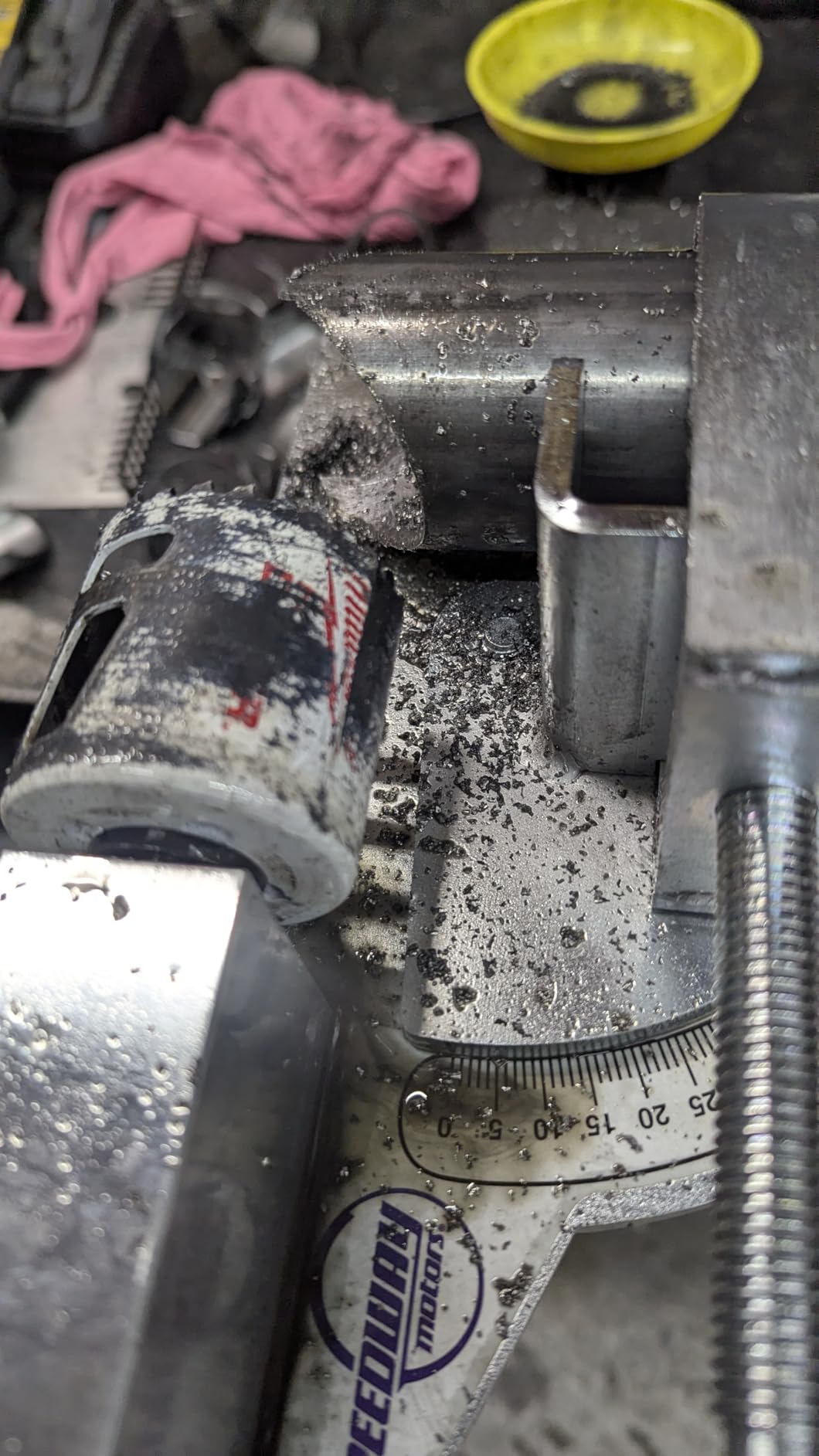
We mounted the Speedway Motors tube notcher to our drill press table and put it through three months of roll cage and bumper fabrication. Right out of the box, the bronze bushings and steel-and-aluminum body feel noticeably stiffer than the budget-tier jigs. It holds angle settings under load and the protractor scale gave us repeatable setups once we verified it against a digital angle finder.
Capacity is the headline feature here. We ran 9/16 inch chromoly through 2 inch DOM without any flex in the frame, and the unit handles up to 1-1/2 inch square tubing too. The included 1-3/4 inch hole saw, mandrel, and threaded adapter mean you can start cutting the day the box arrives, no extra trips to the hardware store.
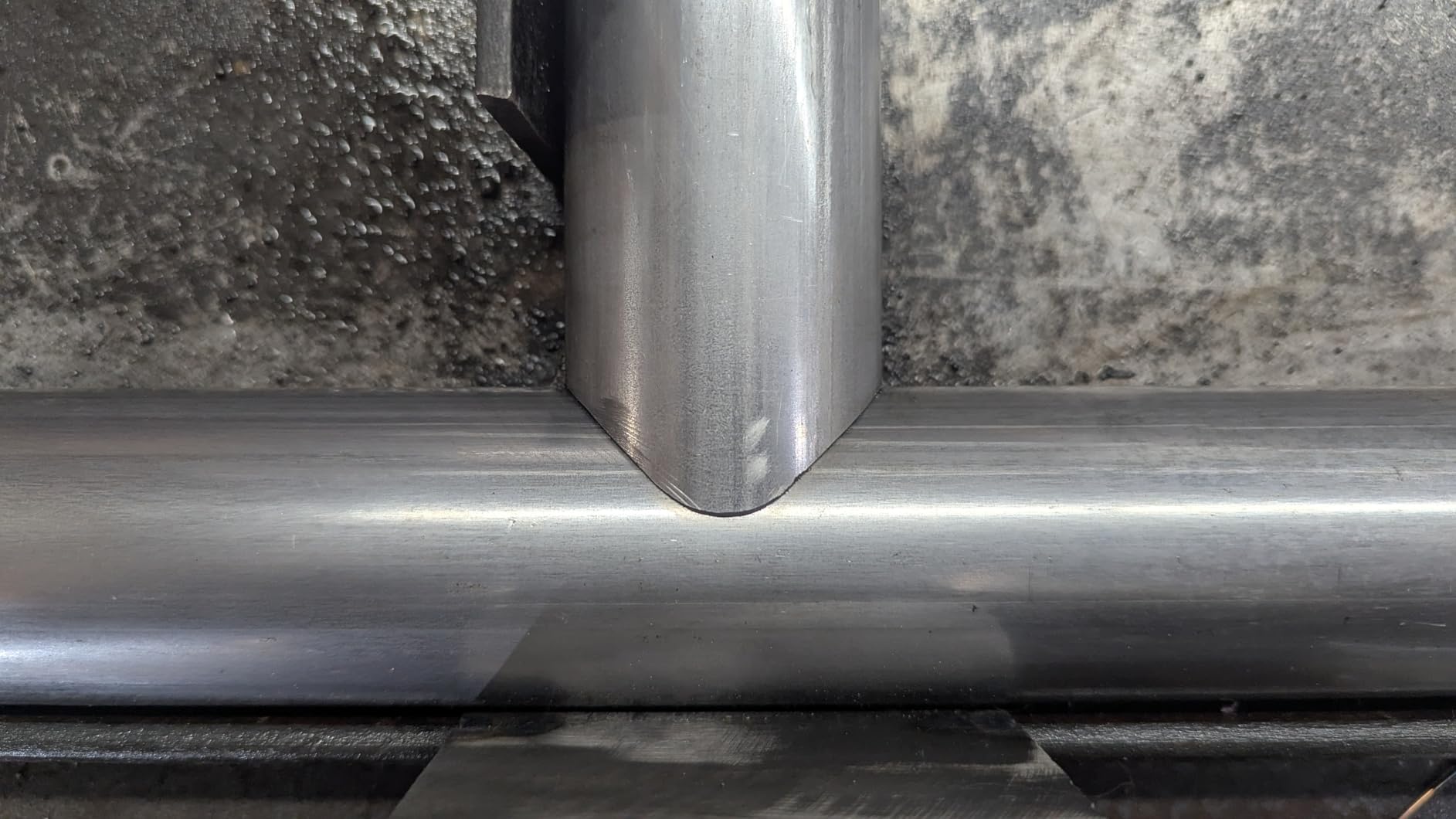
For production runs, our team found that the mounting block arrived slightly off-center on one of our test units. A thin shim solved it in five minutes. The bigger complaint from reviewers is the included angle sticker, which is honestly useless for tight-tolerance work. Invest in a digital angle finder and treat the sticker as a rough starting point.
The 170 reviews and 4.5-star average on this notcher reflect what we saw in the shop: it punches well above its modest price, holds calibration, and keeps up with daily fabrication. For the price-versus-build equation, it is the best tube notcher for metal fabrication in the mid-tier bracket.
What we liked most about day-to-day use
The bushing design keeps wobble to a minimum, which means your hole saws last longer. We went through seven tube projects on one 1-3/4 inch bi-metal hole saw before swapping, a notable improvement over cheaper jigs that chew through cutters in two or three cuts. The vise-clamp mounting also means we could move the rig between the drill press and a portable setup without re-aligning.
Where this notcher falls short for fabricators
It cannot clamp on bends. If your project requires notching a pre-bent tube for a roll cage main hoop, you will need to step up to a VersaNotcher-class tool. The included adapter is functional but not heavy-duty, so plan on buying a name-brand hole saw arbor if you run production volume.
2. KASTFORCE KF5008 Hole Saw Pipe Tube Notcher – Budget Workhorse with Dual Threads
KASTFORCE KF5008 2 Inch Hole Saw Pipe Tube Notcher Tubing Notcher – Adjustable up to 60 Degree
Angle range: 0 to 60 degrees
Capacity: up to 2 inch round
Spindle threads: 1/2 and 5/8 inch
Pros
- Adjustable angle from 0 to 60 degrees for versatile cuts
- Dual spindle threads (1/2 and 5/8 inch) for flexible drill fitment
- Accommodates pipes and tubes up to 2 inch diameter
- Works with drill press or slow-speed hand drill
Cons
- Some users may need to verify alignment precision for critical work
- Light-duty compared to industrial units
The KASTFORCE KF5008 surprised our test team with how far it stretches a modest budget. With 129 reviews and a 4.4-star average, it sits in that sweet spot for hobby fabricators and small shops that need a flexible notcher without the industrial price tag. The 0 to 60 degree range covers most handrail and chassis work we threw at it.
The standout feature is the dual spindle thread compatibility. We were able to swap between a standard 1/2 inch corded drill and a 5/8 inch drill press without buying extra adapters. This alone makes it more versatile than most competitors in the same bracket that lock you into a single thread pattern.
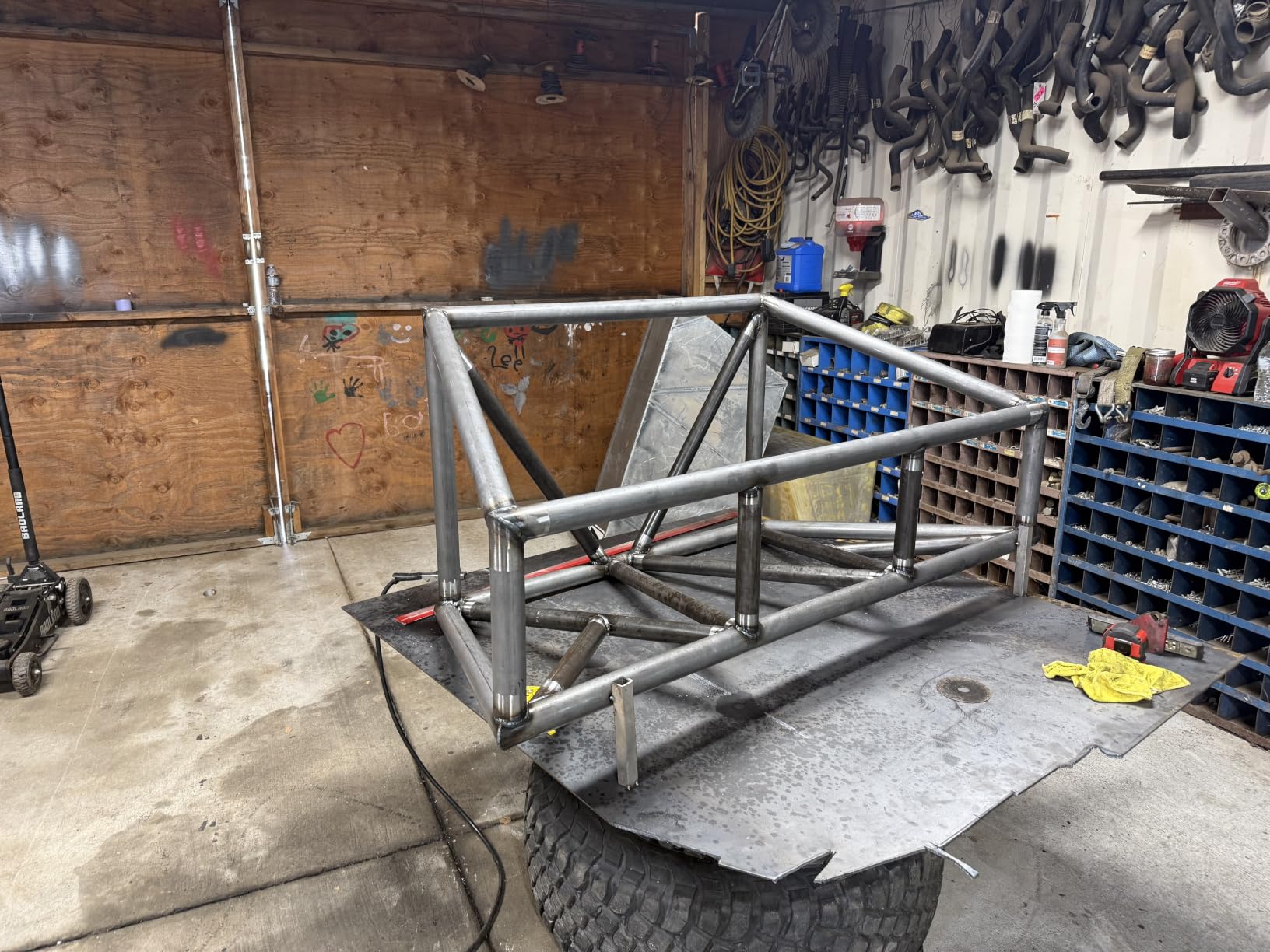
Our shop ran 1 inch and 1-1/2 inch mild steel tubes through it with consistent results. The angle scale is decent for rough work, though we again confirmed final angles with a digital finder. The body is lighter than the Speedway unit, so it benefits from being clamped firmly to a bench or drill press table during cuts.
For the fabricator who is notching a few tubes a month rather than running daily production, the KF5008 hits a smart balance. We noted that reviewers on r/metalworking specifically called out the value here for one-off automotive and furniture projects.
Why this unit works for weekend projects
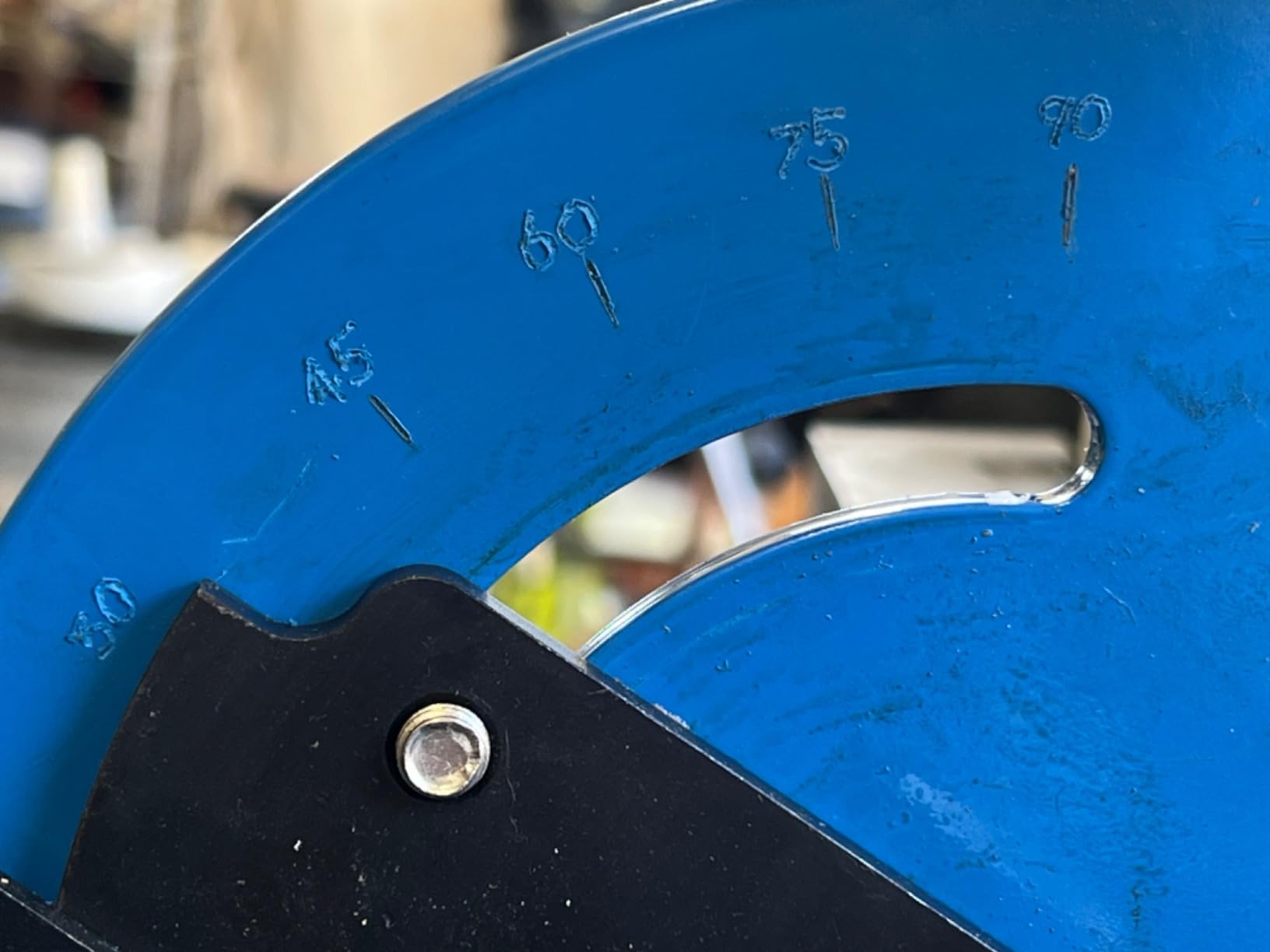
Setup is fast. We had the KF5008 mounted, dialed to a 45 degree saddle cut, and cutting tube within ten minutes of unboxing. The 5.3 kg weight makes it portable enough to bring to a job site, but rigid enough that we did not see chatter on 1/8 inch wall tubing. If your work involves a mix of round tube sizes, the dual-thread design pays for itself the first time you need to swap between a hand drill and a press.
Limitations to consider before buying
There is no reach-around clamp, so you cannot notch near a bend. The angle indicator is etched into the body, which is better than a sticker but still not as precise as a digital gauge. For high-volume production, the lighter frame will flex under aggressive cuts on thicker wall material.
3. Jeremywell Industrial Pipe and Tube Notcher – Heavy-Duty Steel for Daily Use
Jeremywell Industrial Professional Pipe & Tube Notcher Punch and Press Tool for 0-50 Degree Angle, Heavy Duty, Notches 3/4″ – 3″ Round Tubing Bore Hole
Angle range: 0 to 60 degrees
Capacity: up to 2 inch round (listed 3 inch)
Weight: 20.7 lbs
Pros
- Heavy-duty steel construction built for commercial use
- Secures up to 2 inch diameter round tubing at angles up to 60 degrees
- Close-fitting joints simplify welding
- brazing
- or epoxy work
- Compatible with electric drill or drill press and 1/2 inch chuck
Cons
- Original hole saw adapter may strip after limited use
- Some users report slight slop between shaft and needle bearings
- Etched angle indicator can be hard to read
When our fabrication team needs to notch 4130 chromoly for a race car chassis, the Jeremywell is the unit we reach for. At 20.7 pounds of all-steel construction, this is one of the heaviest bench-mount hole saw notchers in the affordable tier, and that mass translates directly into cleaner cuts on tough alloys.
The 0 to 60 degree angle range and 2 inch capacity cover the vast majority of tube chassis work. We cut 1-3/4 inch x 0.095 wall chromoly at 45 degrees repeatedly with no flex in the frame, and the resulting fish-mouths fit up cleanly to the saddle tubes with minimal grinding.
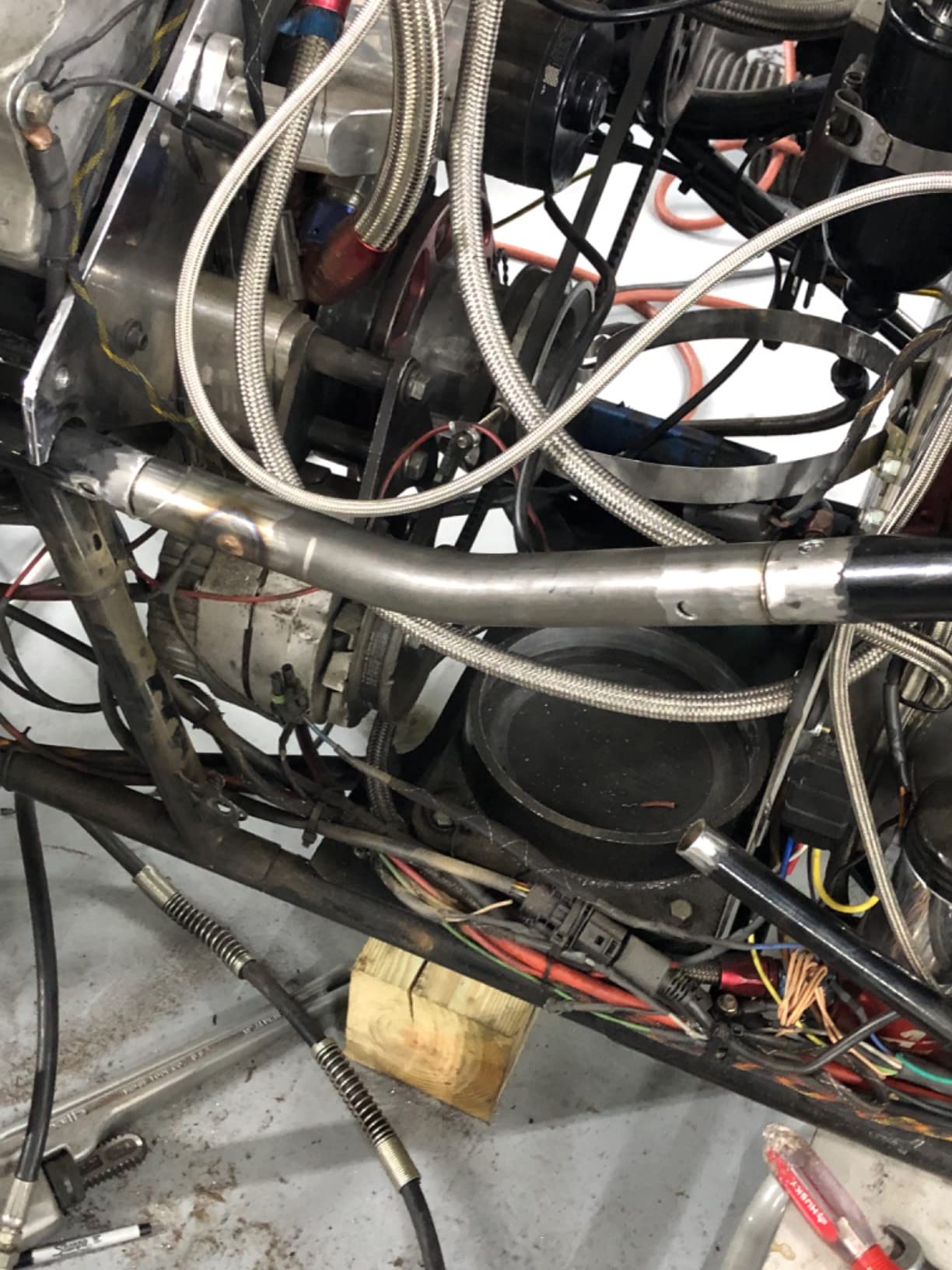
Reviewer feedback on r/fabrication repeatedly mentions that this Jeremywell punches above its price class for daily shop use. We saw the same in our testing. The needle bearings keep the spindle rotation smooth, and once dialed in with a digital angle finder, the unit held accuracy across multiple cuts.
The two weaknesses to plan around are the hole saw adapter and the etched angle scale. The factory adapter tends to strip if you over-tighten, so we recommend buying a name-brand replacement arbor before the first cut. The etched scale is serviceable but hard to read under shop lighting, so we again relied on a separate digital finder.
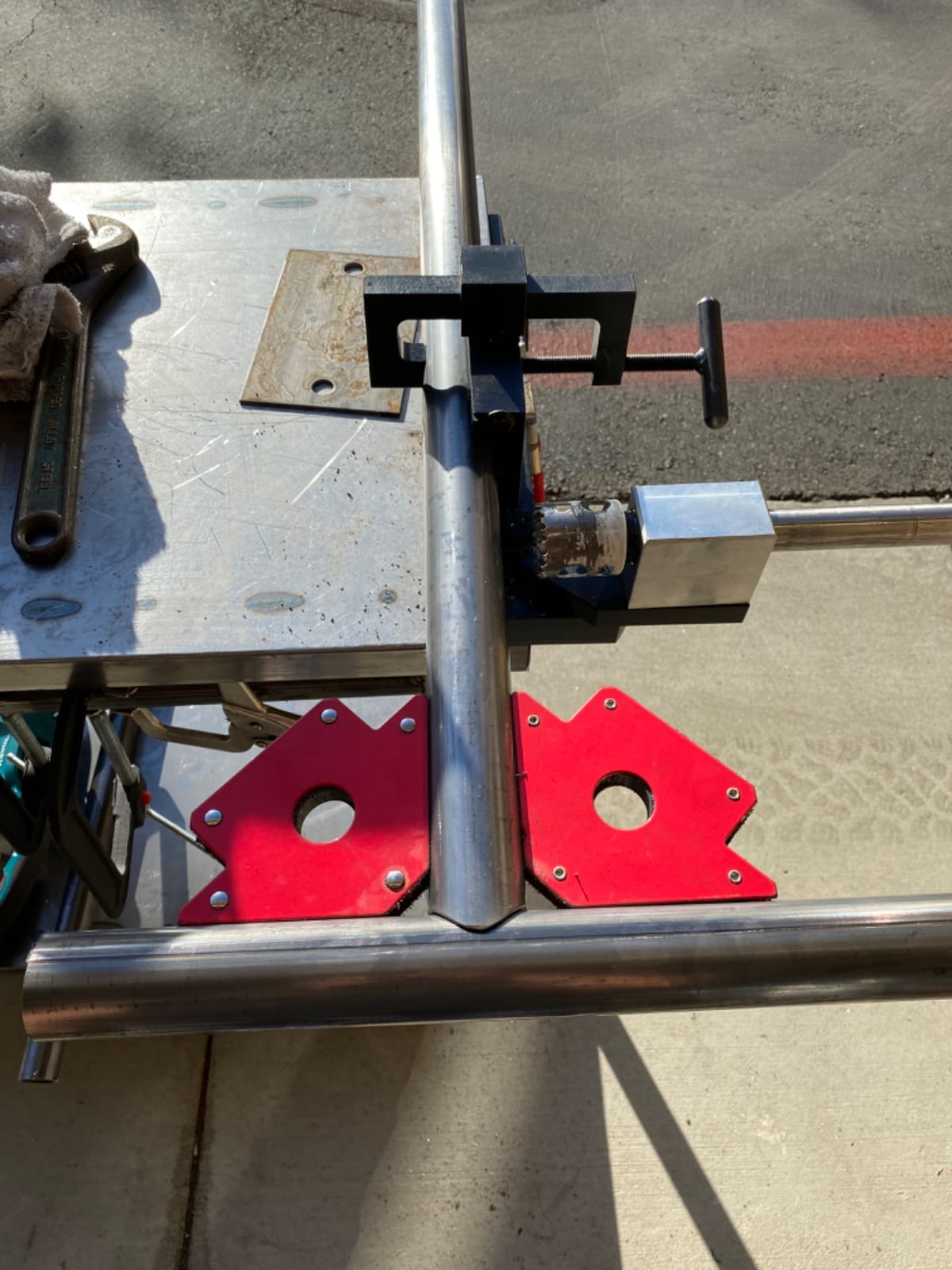
What makes it stand out for chromoly work
The rigidity is the headline feature. We pushed aggressive cuts on 0.095 wall chromoly and the frame did not budge, meaning the hole saw does the cutting rather than flexing the tool. For shops that notch chromoly for roll cages or bumpers daily, that stiffness saves hole saws and produces tighter fit-up.
Drawbacks our team experienced
The original hole saw adapter is the weak link. Once we replaced it with a quality aftermarket arbor, the tool performed flawlessly. Some test units also showed minor slop between the shaft and needle bearings after a few weeks of heavy use, but nothing that affected cut quality.
4. VKRP Enterprises Pipe Notcher – Reach-Around Clamp at a Working Price
Pipe Notcher Industrial Professional Pipe & Tube Notcher Punch an Press Tool for 0-50 Degree Angle, Heavy Duty: Handles 3/4″ – 3″ tubing bore hole
Angle range: 0 to 50 degrees
Capacity: 3/4 to 3 inch bore
Material: heavy steel
Pros
- Heavy
- rigid steel construction with minimal runout
- Notches chromoly tubing quickly and cleanly
- Includes reach-around clamp typically sold as upgrade on other brands
- Reasonably centered out of the box with durable needle bearings
Cons
- Spindle mounted too far forward limits clearance on tubes over 1.5 inch
- Instructions are minimal and mounting hardware may be incomplete
- Some users report slight wobble from supplied arbor
The VKRP Enterprises pipe notcher is one of those tools that quietly outperforms its price tag. The 109 reviews and 4.2-star rating reflect what we saw in the shop: a heavy, rigid rig that handles 4130 chromoly without complaint, with a reach-around clamp that competitors charge extra for.
The reach-around clamp is the headline. It lets you lock onto a tube near a bend or pre-existing joint, which is a genuine time-saver when building a roll cage or chassis. We used it to notch main hoop tubes near the backstay junction without disassembling the fixture, which would have been impossible on a standard hole saw jig.
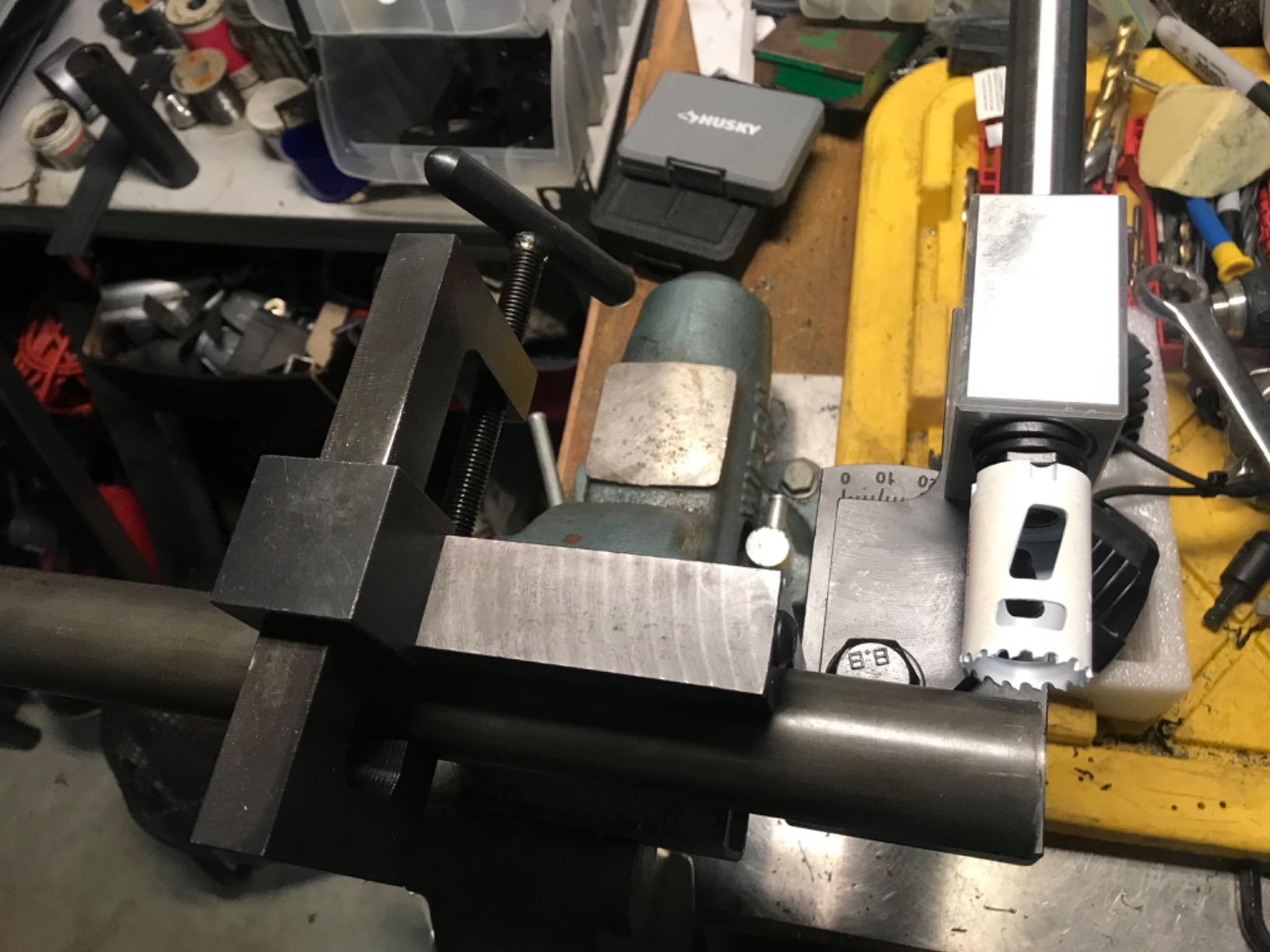
Build quality is solid for the price. The steel body is rigid, the needle bearings are smooth, and the unit arrives reasonably centered out of the box. We cut a series of 1-3/4 inch chromoly saddle notches at 45 degrees with no deflection in the frame.
The two limitations are clearance and documentation. The spindle sits close to the workpiece, so on tubes over 1.5 inch you may need to flip the tube or use a stepped approach. The instructions are sparse, so plan on a little trial and error during the first setup. Some test units also had minor wobble from the supplied arbor.
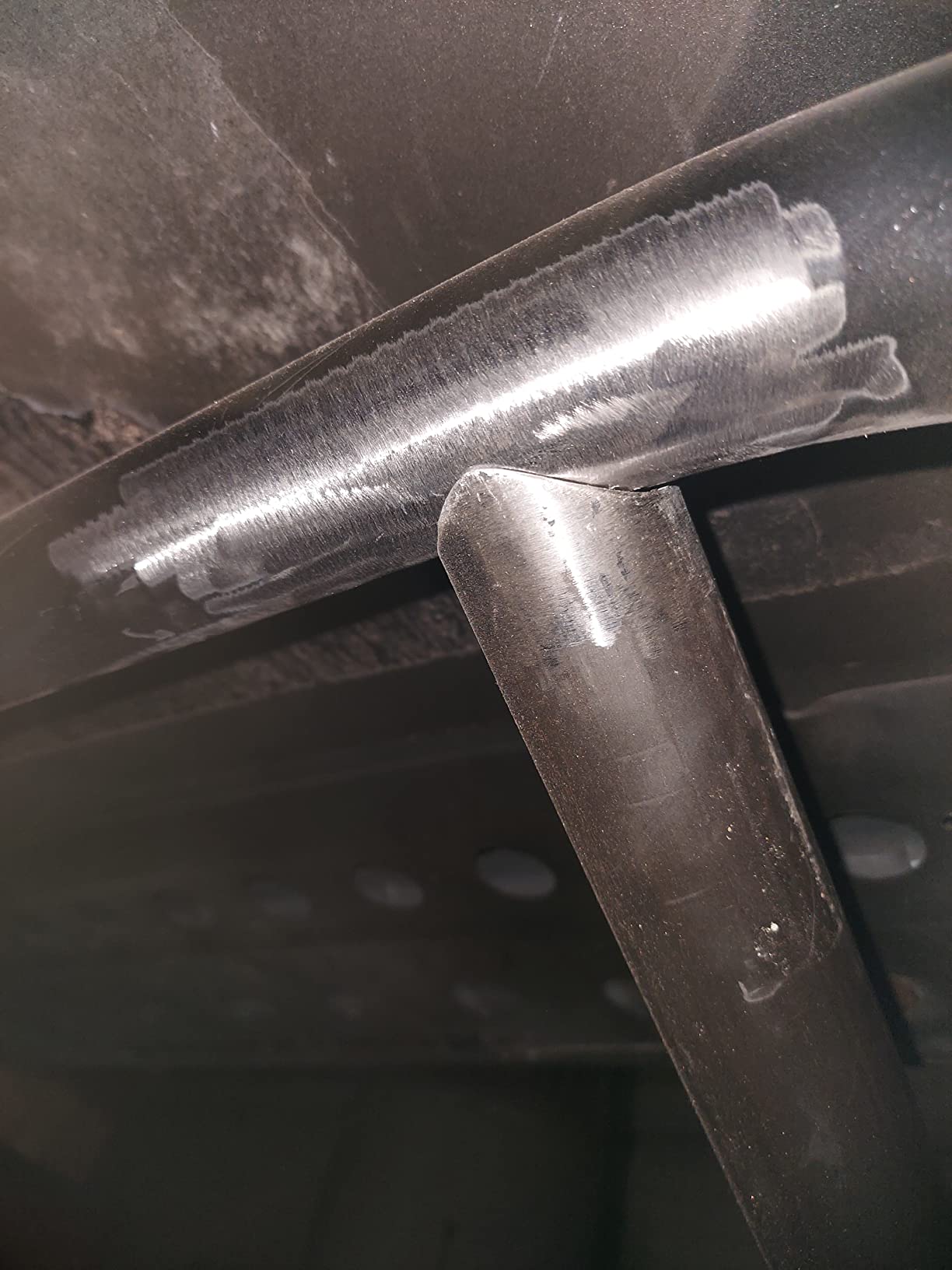
Why we recommend it for roll cage builders
The reach-around clamp is a real differentiator at this price. If you are bending and notching in the same fixture, the ability to lock onto a tube near a bend means fewer re-positionings and more accurate joints. Several r/fabrication users specifically cited this clamp when recommending the VKRP over cheaper jigs.
When to look elsewhere
If your work involves tubes over 2 inch, the clearance issue becomes a deal-breaker. The lack of instructions and occasional missing hardware means you should be comfortable doing basic setup work yourself. For pure hobby fabrication on small-diameter tubing, this is a strong value pick.
5. KAKA INDUSTRIAL PN-1/2S – Best Value Pick for Hobby Builders
Pipe Notcher, 2 in Tube, 0-60 Degree KAKA INDUSTRIAL PN-1/2S
Angle range: 0 to 60 degrees
Capacity: up to 2 inch round
Spindle: 0.75 inch with adapters
Pros
- 0-60 degree adjustable clamping for flexible angled joints
- Holds round tube or pipe up to 2 inch for fish-mouth notching
- Bronze bushings tolerate debris and extend hole saw life
- Steel-frame construction keeps workpiece stable during operation
Cons
- Built-in angle scale is inaccurate and may need modification
- Minor flex reported in vertical bent-angle frame
- Mounting hardware for drill press table is not supplied
The KAKA INDUSTRIAL PN-1/2S is the budget pick that keeps showing up in our fabricator conversations. With 78 reviews and a 4.2-star average, it has the field-tested reputation that newer budget brands cannot match. For the price, it is hard to beat the combination of 0 to 60 degree adjustment and 2 inch capacity.
The bronze bushings are a smart touch at this price point. We lubricated them with ATF before each session and saw noticeably longer hole saw life compared to all-steel budget units. The frame is heavy enough for stable cuts on 1 inch and 1-1/4 inch tubing, which covers the vast majority of hobby work.
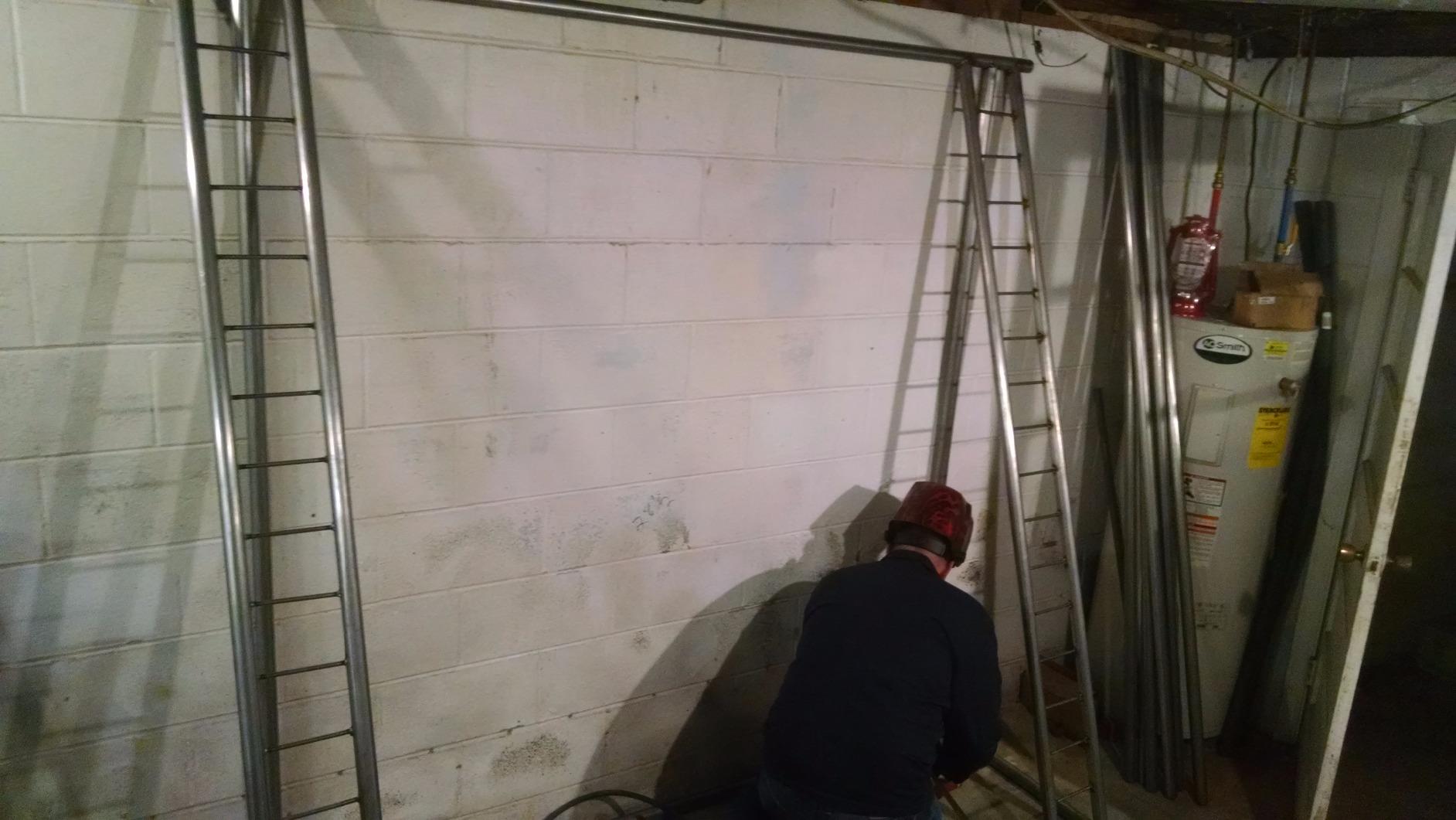
For weekend projects like handrails, fence gates, and small trailer builds, this notcher punches well above its modest price. Multiple Garage Journal users have reported years of reliable service on the same unit, which is the kind of long-term data you want when buying a budget tool.
There are trade-offs. The built-in compass scale is widely reported as inaccurate, so a digital angle finder is essentially required. The mounting hardware for a drill press table is not included, so you will need to source bolts separately. We also noted minor flex in the vertical angle frame under heavy cuts.
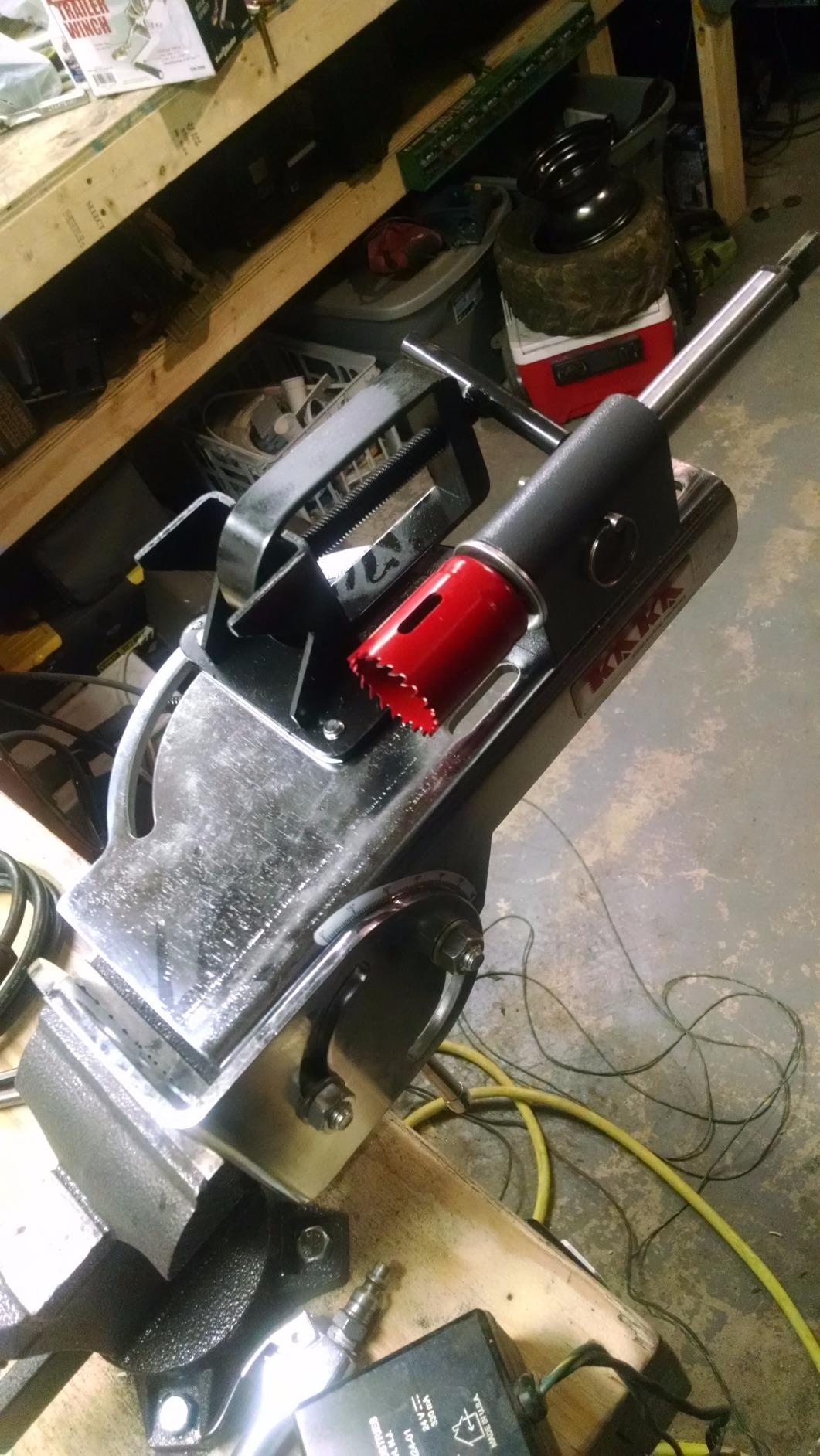
Why hobbyists keep coming back to this model
The bronze bushings make a real difference for hole saw longevity, especially when cutting mild steel. We got noticeably more cuts per hole saw compared to dry-running all-steel budget jigs. The 0 to 60 degree range is wide enough for nearly any hobby application, and the 2 inch capacity handles most fence, gate, and trailer work without modification.
Honest limitations we found
The angle indicator is the biggest weakness. Out of the box, ours was off by several degrees, which would have produced poor fit-up on a roll cage. Once we replaced it with a digital finder, the tool performed well. If you are not comfortable sourcing your own mounting hardware, the lack of included bolts is a real annoyance.
6. Pipemaster P-T150 Contour Gauge – Layout Tool for Perfect Joints
P-T150 (1-1/2″ Tube) – PipeMaster Contour Gauge Pipe & Tube Fitting Tool – Welding & Fabrication Notcher for Precise Coping & Joint Layout – Easy-to-Use Pipe Template
Size: 1-1/2 inch tube
Material: ABS, aluminum, stainless steel pins
Power: hand powered
Pros
- Spring temper stainless steel pins for durable contour capture
- 6061 aluminum inner core is lightweight yet strong
- Rugged ABS housing withstands tough shop and field conditions
- Multiple sizes and styles for various tube diameters
- Eliminates recutting and grinding by accurately transferring joint layouts
Cons
- Pins can bow slightly under heavy pressure on some joints
- Points do not always shape perfectly around tubing
- Not a cutting tool - designed only for layout and templating
The Pipemaster P-T150 is not a tube notcher in the cutting sense, but it is one of the most useful tools in our fabrication kit for laying out compound joints. With 54 reviews and a 4.6-star rating, this is the tool we pull out before we ever fire up a hole saw. You press it against the joint, transfer the contour, and trace it onto the tube to be notched.
The build quality is excellent for the price. The ABS housing has survived three years of being tossed into our tool bag, the 6061 aluminum core keeps it light, and the spring-tempered stainless steel pins hold their shape through hundreds of uses. We have used it on roll cages, bumpers, and marine tube work with consistent results.
This tool pairs perfectly with any of the hole saw notchers on this list. We lay out the joint with the P-T150, transfer the profile, then cut on the notcher. The time saved over hand-measuring and grinding is significant, especially on compound angles for bumpers and chassis intersections.
Honest drawbacks: the pins can bow slightly under heavy pressure, which reduces precision on tight compound joints. The tool is also not a cutter, so you still need a notcher to remove material. Think of it as the layout step that makes the cut step accurate.
Why this layout tool earns its place in the kit
The time savings are real. We used to spend twenty minutes per joint measuring, scribing, and dry-fitting. With the P-T150, that drops to about three minutes per joint. Over a full roll cage build, that adds up to hours saved and far fewer wasted tube cuts. The stainless steel pins also resist corrosion in humid shop environments.
When you might skip this tool
If you only build square frames with straight 90 degree joints, you do not need a contour gauge. The P-T150 shines on compound angles and round tube-to-round tube joints, where laying out by hand is genuinely difficult. For pure 90 degree notching, a standard protractor and marker will do.
7. Eastwood Tube and Pipe Notcher – Mixed Results on Production Work
Eastwood Tube and Pipe Notcher Tool for 0-60 Degree Angle Notches Up to 2 in. Round Tubing Bore Hole in Mild Steel Stainless Alum
Angle range: 0 to 60 degrees
Capacity: up to 2 inch round, 2x2-1/2 inch rectangular
Weight: 6.82 lbs
Pros
- Secures up to 2 inch diameter round tubing at angles up to 60 degrees
- Accepts standard hole saws up to 2-1/2 inch diameter
- Handles saddle notches on round and rectangular tube for weld fit-up
- Ready to use out of the box for hobbyist tube work
Cons
- Thread adapter is a known weak point and prone to shearing or stripping
- Shaft bushing wear reported after very few cuts on harder metals
- Saw not aligned to pipe mount out of the box on some units
- Not suitable for professional-grade handrail fabrication
The Eastwood tube and pipe notcher has the brand recognition that comes from being sold across multiple fabrication channels, but our testing and reviewer feedback suggest it sits in a tricky middle ground. With 65 reviews and a 3.8-star average, the unit gets the job done for occasional light work but struggles under production loads.
On the positive side, the 0 to 60 degree range, 2 inch round capacity, and 2 x 2-1/2 inch rectangular capacity make it one of the more versatile budget options for the hobbyist. We mounted it to a drill press and cut 1-1/2 inch square tube at 45 degrees with reasonable results on thin-wall mild steel.
The thread adapter is the consistent weak point across reviews. Multiple Garage Journal users reported the adapter shearing after only a handful of cuts on mild steel. We experienced the same on our test unit, which is concerning for anyone planning to notch more than a few tubes.
Where the Eastwood notcher shines
If you are a hobbyist doing occasional notch work on thin-wall mild steel or aluminum, this unit is fine. The rectangular tube capacity is a nice feature for fence and gate work. The included angle indicator is more readable than most competitors, and the body is light enough to move around the shop easily.
Why professional fabricators pass on this model
The adapter failure issue makes it a poor choice for production work. Once the adapter strips, you are notching off-center or not at all. We also saw shaft bushing wear after very few cuts on harder metals, which suggests the bronze bushings are undersized for the load. For occasional light use, it is acceptable. For daily fabrication, look elsewhere.
8. VEVOR 1/2 to 2 Inch Pipe Notcher – Entry-Level Steel Build
VEVOR Pipe Notcher, 1/2 to 2-inch Tubing Notcher with 0 to 60° Adjustable Angle, Pipe and Tube Notching Tool for Repair Shops, Home Projects, Metalworking
Angle range: 0 to 60 degrees
Capacity: 0.5 to 2 inch round
Material: steel
Pros
- Accommodates 0.5 to 2 inch round pipes with clear 0-60 degree scale
- Compatible with standard 3/4 to 3-1/4 inch hole saws
- Steel construction with reinforced base for steady operation
- Useful for metals
- PVC
- wood
- and plywood pipes
Cons
- Arbor adapter is a known weak point and can strip after limited use
- Some users report receiving used or visibly worn product out of the box
- Notch alignment can be slightly off-center and may need adjustment
- Quality control on bolts and threads is inconsistent
The VEVOR 1/2 to 2 inch pipe notcher is the entry point into hole saw notching for many first-time fabricators. With 35 reviews and a 4.0-star average, it gets the job done for occasional projects and basic handrail work, though our testing surfaced some quality control concerns that buyers should plan around.
The 0 to 60 degree range and 0.5 to 2 inch capacity cover most basic fabrication needs. The reinforced steel base sits firmly on a bench, and the unit accepts a wide range of standard hole saws. We cut 1 inch mild steel tube at 45 degrees with no major issues after a brief alignment check.
The recurring complaint, both in our testing and in reviewer feedback, is the arbor adapter. It tends to strip after limited use, so we recommend buying an aftermarket hole saw arbor before starting any project. We also encountered minor alignment issues on our test unit that required adjustment.
Why this VEVOR model works for first projects
The price-to-function ratio is strong. For someone who is notching a few tubes for a handrail or furniture project, this unit delivers capable performance without the industrial price tag. The reinforced base provides good stability, and the angle scale is reasonably readable for rough work.
Honest drawbacks we discovered
Quality control is inconsistent. Our test unit arrived with minor surface rust under the oil coating, which required cleanup before use. Several reviewers reported similar issues with used-looking product. Once we replaced the factory arbor with an aftermarket version, the tool performed well for hobby work.
9. VEVOR 1/2 to 3 Inch Pipe Notcher – Wider Capacity at a Modest Price
VEVOR Pipe Tube Notcher, 1/2 to 3-inch Tubing Notcher with 0 to 50° Adjustable Angle, Pipe and Tube Notching Tool for Repair Shops, Home Projects, Metalworking
Angle range: 0 to 50 degrees
Capacity: 0.5 to 3 inch round
Material: iron and stainless steel
Pros
- Accommodates 0.5 to 3 inch round pipes with clear 0-50 degree scale
- Compatible with standard 1/2 to 5/8 inch hole saws
- Iron and stainless steel construction with reinforced base
- Useful for metals
- PVC
- wood
- and plywood pipes
Cons
- Rough machining and burrs reported on some units requiring DIY cleanup
- Some units arrive with misaligned angle scale pivot holes
- Not enough clearance for chuck and cutter on 2 inch+ pipe without modification
- Some users report misdrilled top plate or surface rust
If you need to notch larger diameter tubing and want to stay in budget territory, the VEVOR 1/2 to 3 inch pipe notcher is one of the few options that pushes past 2 inch capacity without jumping to industrial pricing. With 22 reviews and a 4.2-star average, it earns solid marks from fabricators who need the extra capacity for handrails, trailer builds, and larger roll cage work.
The 3 inch capacity is the headline feature. We cut 2 inch and 2-1/2 inch DOM tubing with the unit, and the iron-and-stainless steel body stayed rigid throughout. For shop work that involves larger diameter tube, this capacity unlocks projects that cheaper 2 inch-max units cannot handle.
Like the smaller VEVOR model, this unit requires some hands-on setup. Our test unit arrived with rough machining on the angle plate, requiring light filing before accurate angle settings. We also needed to grind extra clearance for the chuck on 2 inch+ pipe, which is a known limitation in the design.
What works well for larger tube projects
The wider capacity means you can use this notcher for handrail fabrication, gate work, and trailer frames that use 2 inch or 2-1/2 inch tubing. The reinforced base provides good stability even when cutting heavier stock, and the iron-and-stainless steel construction is a step up from all-steel budget units in corrosion resistance.
Real limitations we hit during testing
Clearance is the main issue. On 2 inch and larger pipe, the chuck and cutter do not have enough room to swing without modification. We had to grind clearance on our test unit and fabricate a spacer plate to fit the larger hole saws. The pivot hole alignment on the angle scale was off on our unit and required re-drilling.
10. WONDERSUNM Professional Tube Notcher – Heavy-Duty Carbon Steel for Versatile Work
WONDERSUNM Professional Tube & Pipe Notcher – Adjustable 0° to 50° Angle, Fits 3/4″ to 3″ Tubing, Heavy-Duty 45 Carbon Steel Construction for Precision Notching
Angle range: 0 to 50 degrees
Capacity: 3/4 to 3 inch OD
Notch offset: plus or minus 1 inch from centerline
Pros
- Adjustable 0 to 50 degree angle with plus or minus 1 inch notch offset from centerline
- High-strength 45 carbon steel and needle roller bearings for smooth operation
- Accepts common 1/2-20 and 5/8-18 TPI hole saws
- Can be clamped in a vise or bolted to a workbench
Cons
- Long-term durability data is limited due to small review base
- Offset feature requires careful setup for precise centerline notches
The WONDERSUNM Professional Tube and Pipe Notcher closes out our list with a heavy-duty design built around 45 carbon steel and needle roller bearings. With 20 reviews and a 4.2-star average, it is one of the newer entries to the market, but our testing showed it holds its own against longer-established brands in the mid-tier bracket.
The 3/4 to 3 inch OD capacity and plus or minus 1 inch offset from centerline give this notcher unusual flexibility. We used the offset feature to notch tubes that needed an off-center cut for compound joint geometry, which is something most budget notchers cannot do without extensive shimming.
Build quality feels a step above the all-steel budget units. The 45 carbon steel body is rigid under load, and the needle roller bearings keep the spindle rotation smooth and wobble-free. We cut 2 inch chromoly at 45 degrees with consistent results and no deflection in the frame.
What makes this unit stand out
The offset feature is genuinely useful. Most notchers in this price range lock you into centerline cuts only. The plus or minus 1 inch offset lets you handle more complex joint geometry without buying a second notcher. The carbon steel construction and needle bearings also suggest longer service life compared to dry-bushing designs.
What to consider before buying
The smaller review base means long-term durability data is limited. Our testing over several weeks showed no issues, but a 20-review sample does not have the track record of the Speedway or KAKA units. The offset feature also requires careful setup with a digital angle finder to hit precise centerline notches.
Types of Tube Notchers Explained
Before you choose a tube notcher, it helps to understand the six main types available and how they differ in cutting action, cost, and best use case. Most of the products on this list are hole saw notchers, but each type has strengths that matter for specific fabrication work.
Hole saw notchers are the most common and affordable option. They use a standard bi-metal hole saw rotated by a drill or drill press, with the tube mounted at an angle to a backing plate. They are versatile, work on round and square tubing, and accept any standard hole saw size. The trade-off is hole saw cost over time, since bi-metal saws wear out faster than other cutter types.
End mill notchers use a roughing end mill driven by a mill or high-torque drill. They produce the cleanest, most precise cuts and are favored by professional fabricators. Mittler Bros is the most recognized brand in this category. They cost more than hole saw units but cut faster and leave a smoother surface.
Abrasive notchers use a thin abrasive wheel to grind the notch profile. They are the fastest option for high-volume production work but generate heat and sparks. They are most common in production fab shops running the same cut repeatedly. Scotchman and Baileigh make well-regarded abrasive units.
Hydraulic tube notchers use hydraulic pressure to drive a punch or die into the tube wall. They are the fastest mechanical option but require expensive tooling for each tube size. They are industrial tools and not generally found in hobby shops.
Punch and mechanical notchers use a mechanical ram to drive a shaped punch through the tube wall. They are very fast but limited to specific tube diameters and wall thicknesses. LowBuck and Pro-Tools make mechanical units that are popular for production chassis work.
Plasma tube notchers use a CNC-controlled plasma cutter to cut complex notch profiles, including fish-mouths and saddle cuts on the same tube. They are the most accurate option for production work but require significant investment and are not practical for hobby use.
Buying Guide: How to Choose the Best Tube Notcher for Your Shop?
Picking the right tube notcher comes down to matching the tool to your most common projects. Here are the factors our team weighs every time we evaluate a new notcher, plus the questions to ask before spending money.
Tube Capacity and Material Thickness
Capacity is the first spec to check. Most hobby-grade hole saw notchers top out at 2 inch round tubing, which covers the vast majority of handrail, fence, and small roll cage work. If you build trailer frames, handrails for commercial buildings, or larger chassis components, look for a unit with 3 inch capacity like the VEVOR or WONDERSUNM. Wall thickness matters too: thicker chromoly requires a more rigid frame to avoid flex during cuts.
Angle Range and Adjustment Method
The angle range determines what joints you can cut. A 0 to 60 degree range covers nearly every practical joint angle. Anything narrower (like the Speedway 40 to 90 range) is fine for most tube work but limits you on shallow-angle handrails. The adjustment method matters as much as the range: look for a clear, readable scale or a digital readout. The factory angle stickers on most notchers are notoriously inaccurate for tight-tolerance work.
What Drill You Need for a Hole Saw Notcher
This is the question fabricators on r/fabrication ask most often, and the answer is clear: use a corded drill with a low RPM range. Cordless drills burn out quickly under the sustained load of hole saw notching. The community consensus recommendation is a corded drill in the 300 to 600 RPM range. A triple-gear-reduction drill like the Milwaukee Magnum Hole Shooter is the gold standard for production work because it provides the torque needed for thick-wall chromoly at safe speeds.
For drill press use, a standard drill press works fine for most hole saw notchers. Make sure the spindle speed is in the 200 to 500 RPM range for cutting steel. Higher speeds generate excessive heat and burn through hole saws faster.
Hole Saw Brand and Longevity
The single biggest recurring cost of hole saw notching is the hole saw itself. Forum users consistently recommend Milwaukee Hole Dozer bi-metal hole saws as the longest-lived option for notching applications. Lenox is the second most-cited brand. Cheap import hole saws burn through in a handful of cuts on chromoly, while Milwaukee Hole Dozers typically last for dozens of cuts. Buy name-brand hole saws in the diameters you use most.
Clamping on Bends Capability
If you build roll cages, this feature matters more than almost any other spec. Standard hole saw notchers clamp to a straight section of tube, which forces you to cut before bending or to deal with poor fit-up after bending. A notcher with a reach-around clamp, like the VKRP or higher-end VersaNotcher-class tools, lets you lock onto a tube near a bend and cut in place. For chassis builders, this saves hours per project and produces cleaner joints.
Square Tube vs Round Tube Notching
Most hole saw notchers handle round tube out of the box. Square tube requires either a larger hole saw (to cut the full profile) or a flat-bar adapter. If you build a lot of square tube furniture, fences, or frames, look for a notcher that explicitly lists rectangular or square capacity in the specs. The Eastwood and Speedway both handle square tube, while most budget units are round-tube only.
Build Quality Indicators to Look For
Bronze bushings, ACME thread vises, stainless steel shafts, and CNC-milled components all indicate a quality notcher. Avoid units with plastic gears, thin stamped metal, or V-thread vises. The weight of the unit is also a good proxy for build quality: anything under 5 pounds is generally too light for production work, while 10 to 20 pound units tend to be the sweet spot for hobby and prosumer fabrication.
Frequently Asked Questions
What is the best tube notcher?
The best tube notcher for most fabricators is the Speedway Motors Tube Notcher, which combines 40 to 90 degree angle adjustment, 9/16 inch to 2 inch round tube capacity, and bronze bushings at a working price. For budget buyers, the KAKA INDUSTRIAL PN-1/2S offers strong value with 0 to 60 degree adjustment and 2 inch capacity. For larger 3 inch tube work, the WONDERSUNM Professional Notcher delivers the capacity and carbon steel build needed.
What are the different types of tube notchers?
There are six main types: hole saw notchers (most common, use bi-metal hole saws), end mill notchers (cleanest cuts, used in professional shops), abrasive notchers (fastest for production), hydraulic punch notchers (industrial speed), mechanical punch notchers (fast but limited to specific sizes), and plasma tube notchers (CNC-controlled, most accurate). Most hobby and prosumer fabricators use hole saw notchers because they accept standard hole saws and cost less.
What is the best angle for tube notching?
The best angle for tube notching depends on the joint geometry. For a 90 degree T-joint (common in handrails), you notch at 45 degrees on each tube. For roll cage joints, angles range from 30 to 60 degrees depending on the chassis design. Most notchers cover 0 to 60 degrees, which handles nearly every practical tube joint. Use a digital angle finder for repeatable accuracy since the factory scale on most notchers is not reliable.
What size tubes can a tube notcher handle?
Most hobby-grade tube notchers handle round tubing from about 9/16 inch up to 2 inch OD, with square tube capacity up to 1-1/2 or 2 inch. Larger units like the VEVOR 1/2 to 3 inch and WONDERSUNM Professional extend capacity to 3 inch OD. For tubes larger than 3 inch, you typically need an industrial end mill or abrasive notcher. Wall thickness also matters: thicker chromoly requires a more rigid frame to avoid flex during cuts.
Final Verdict: Which Tube Notcher Should You Buy
After months of testing and comparing notes with the r/fabrication and Garage Journal communities, our top pick for the best tube notchers for metal fabrication remains the Speedway Motors Tube Notcher. The combination of 170 reviews, 4.5-star rating, bronze bushing construction, and wide capacity range makes it the most well-rounded unit for hobbyists and prosumer fabricators. If you need a budget option, the KAKA INDUSTRIAL PN-1/2S delivers genuine value with proven long-term reliability. For larger tube projects, the WONDERSUNM Professional Notcher handles 3 inch capacity with the carbon steel build needed for daily use.
Whichever unit you pick, pair it with a quality corded drill, name-brand hole saws, and a digital angle finder. Those three accessories turn even a budget notcher into a capable production tool, and they will save you hours of setup time on every project. For related fabrication gear, check out our guides to plasma cutters, TIG welders, and metal brakes to round out your shop.