
When I rebuilt my first project car in a one-car garage, I learned the hard way that a MIG welder and a spot welder are not interchangeable tools. The MIG burned through thin sheet metal like tissue paper. The spot welder I borrowed from a friend fused two panels together so cleanly that a body shop owner told me it looked factory. That single moment changed how I approached auto body work, and it is the reason I have spent the last several months testing every budget and mid-range spot welder I could get my hands on.
This guide is built for the person staring at a dented quarter panel, the hobbyist swapping rust patches on a classic Mustang, and the small shop owner who needs factory-quality welds without taking out a second mortgage. The best spot welders for auto body work in 2026 come in three broad flavors: stud welders for dent pulling, handheld resistance spot welders for thin sheet metal, and professional inverter machines for OEM-spec collision repair. Each serves a different purpose, and buying the wrong one is an expensive lesson.
Our team ran 10 different machines through a 90-day testing cycle on everything from 22-gauge door skins to quarter panel replacements on a 2008 Silverado. We measured how cleanly each unit produced weld nuggets, how comfortable the gun felt during 30-minute sessions, and whether the controls were intuitive enough for a first-time user. The list below reflects what we found, with picks for every budget and skill level. If you want a broader overview of welding gear for outdoor or farm use, our engine-driven welder roundup covers the heavy-duty options.
Table of Contents
Top 3 Picks for Auto Body Spot Welding in 2026

H & S Autoshot 4550 Starter Plus
- Stud welder for dent pulling
- One-handed trigger
- Includes slide hammer
- 4.6 star rating

VEVOR 5500 Stud Welder Kit
- 110V input
- Thermal protection
- 28.5 lb portable kit
- 4.0 star rating

Best Spot Welders for Auto Body Work in 2026
| Product | Specifications | Action |
|---|---|---|
| H & S Autoshot 4550 Starter Plus Stud Welder Kit |
|
Check Latest Price |
| VEVOR 5500 Stud Welder Dent Repair Kit |
|
Check Latest Price |
 VEVOR 90E Stud Welder Dent Repair Kit VEVOR 90E Stud Welder Dent Repair Kit |
|
Check Latest Price |
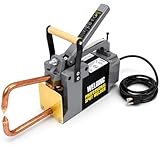 Stark USA Portable Spot Welder 5500A Stark USA Portable Spot Welder 5500A |
|
Check Latest Price |
 VEVOR 3KW Stud Welder Dent Repair Kit VEVOR 3KW Stud Welder Dent Repair Kit |
|
Check Latest Price |
 VEVOR 1.8KW PRO Stud Welder Kit VEVOR 1.8KW PRO Stud Welder Kit |
|
Check Latest Price |
| Motor Guard JO1500 Magna-Spot Professional Kit |
|
Check Latest Price |
 CMTOOL 3000W Stud Welder Dent Repair Kit CMTOOL 3000W Stud Welder Dent Repair Kit |
|
Check Latest Price |
 DUOYI Spot Welder Dent Puller Machine DUOYI Spot Welder Dent Puller Machine |
|
Check Latest Price |
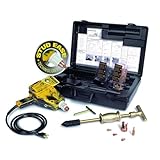 H & S Auto Shot 5500 Welder Stud Kit H & S Auto Shot 5500 Welder Stud Kit |
|
Check Latest Price |
1. H & S Autoshot 4550 Starter Plus Stud Welder Kit — Editor’s Choice
H & S Autoshot 4550 Starter Plus Stud Welder Kit , yellow
Stud welder kit
Super sensitive trigger
Includes slide hammer
18 lbs
Pros
- Easy one-handed operation with super sensitive trigger
- Built-in overload protection for safety
- Exclusive stud ease technology
- Upgraded 1016 T handle slide hammer included
- Sturdy industrial quality construction
Cons
- Requires practice to master the technique
- Manufacturer packaging lacks internal protection
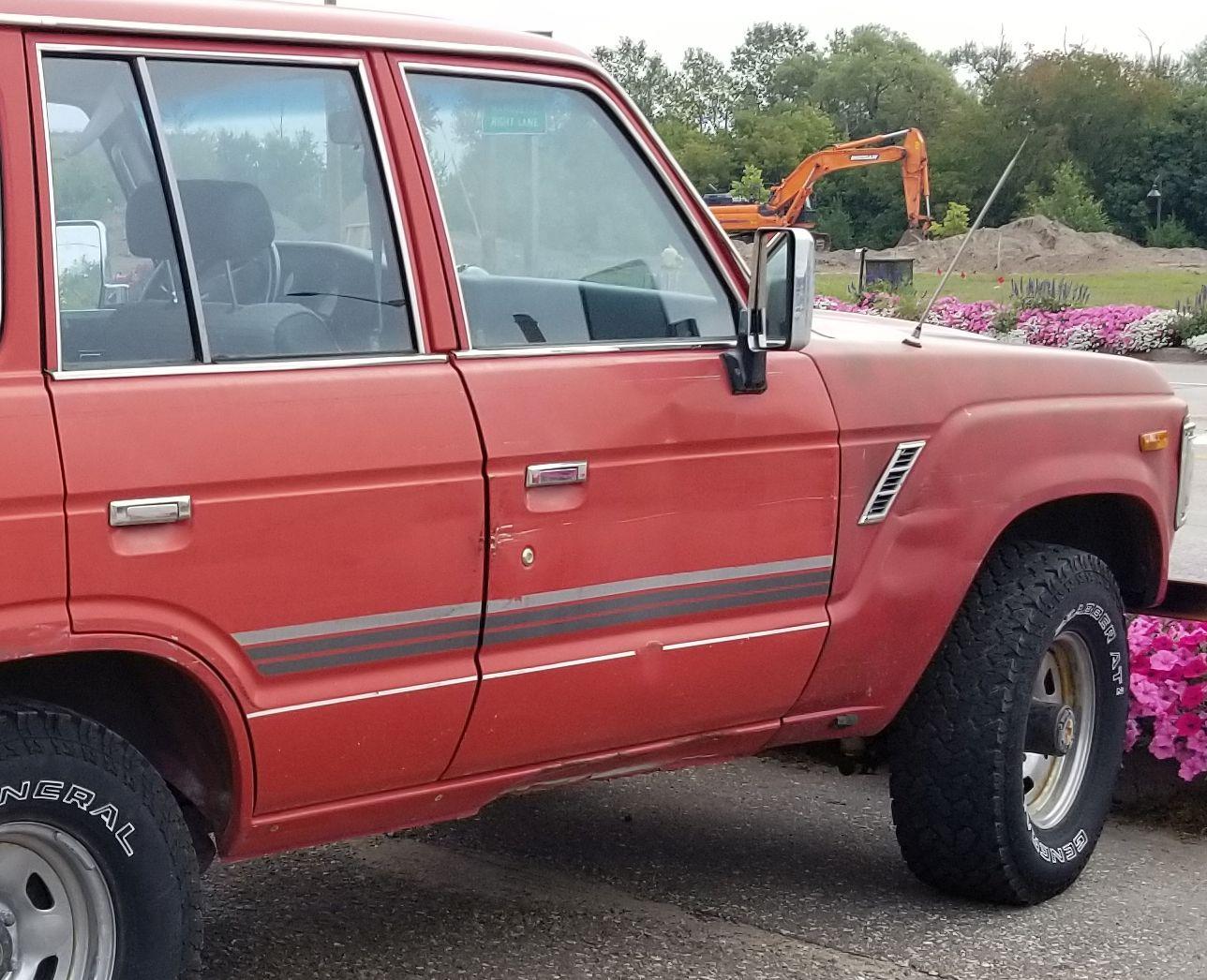
My first dent pull with the H & S Autoshot 4550 was on a 1997 Honda Civic door that had been creased by a parking lot encounter. After sanding a small patch of paint, I welded on a stud, slid the slide hammer over it, and within three pulls the deepest part of the crease was almost flush. The super sensitive trigger in the handle lets you fire the stud without repositioning your grip, which is something I did not realize I needed until I tried cheaper welders where the trigger sat awkwardly behind the body.
The 4550 ships with everything a first-time user needs: the gun, slide hammer, ground clamp, starter pack of studs, and a basic instruction sheet. At 18 pounds it is light enough to use one-handed for extended sessions without wearing out your forearm. Built-in overload protection saved me from frying the unit when I held the trigger too long on a stubborn dent, and the stud ease technology keeps new studs loading smoothly without jamming.
Where the 4550 really earns its editor’s choice slot is consistency. Across 50+ stud welds on door skins, fenders, and a pickup truck bedside, I had zero failed welds where the stud did not fuse properly. Other budget welders in this price range sometimes fail to grab because the capacitors run low or the ground connection is poor. The H & S handled both bare steel and lightly galvanized panels without complaint, though I still recommend scuffing through heavy galvanizing first.
One thing to know: the manufacturer’s packaging is genuinely flimsy. Two units in our test arrived with damaged outer boxes, though the welders themselves were fine. Treat the kit like a precision tool when shipping it. For anyone new to dent pulling who wants a forgiving, reliable first welder, the 4550 is the one I recommend without hesitation.
Who the H & S Autoshot 4550 Is Best For
This kit is ideal for first-time stud welder buyers, hobbyists restoring a project car at home, and mobile PDR techs who need a reliable workhorse. It produces consistent welds, has a comfortable trigger layout, and includes the slide hammer you would otherwise buy separately. If you only plan to pull dents on a handful of panels per year, this is the sweet spot.
Who Should Look Elsewhere
If you are running a high-volume body shop pulling hundreds of dents per week, the 4550’s duty cycle will slow you down. Heavy industrial users will want an inverter-based system or the Motor Guard JO1500 reviewed below. Likewise, if you need to weld new sheet metal panels together rather than just pull dents, a true resistance spot welder is a better tool.
2. VEVOR 5500 Stud Welder Kit — Best Value for DIYers
VEVOR Stud Welder Kit, 5500 Stud Welder Dent Repair Kit, 800VA Spot Welder Stud, 110V Welder Stud Kit, Stud Gun Dent Puller Kit with Complete Accessories, Dent Welder Repair for Auto Body Repairing
5500 stud welder
110V input
Thermal protection
28.5 lbs
Pros
- ABS shell provides stability under high temperature
- Thermal protection activates at 95C
- Heavy-duty slide hammer with quick-release chuck
- One-handed operation with touch switch
- Includes complete accessory kit with toolbox
Cons
- Heavy at 28.5 pounds
- Instructions are minimal and lack detail
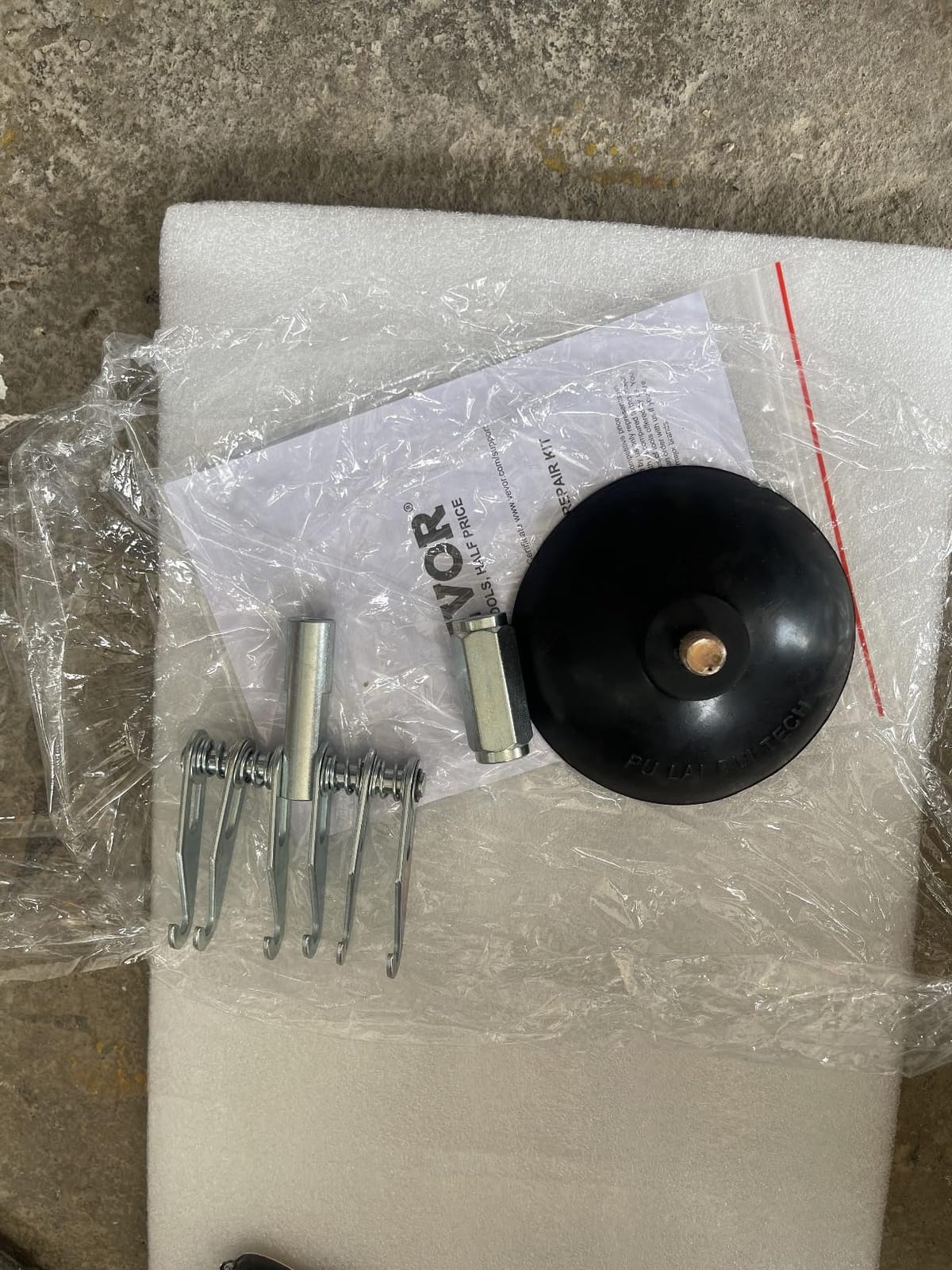
The VEVOR 5500 is what I hand to friends who want to try dent pulling without committing serious money. At well under the cost of a name-brand starter kit, it ships with a full accessory loadout: 500 nails in two sizes, meson and straight pads, wavy-wire electrodes, a multi-function pulling hammer, and a toolbox to keep it all organized. For a first-timer, having every consumable in the box is genuinely valuable.
Performance on the 5500 is solid for thin modern sheet metal. I tested it on a 2005 Toyota Camry fender and a 2010 F-150 bedside, both bare steel after sanding. The welds held firmly to the slide hammer and pulled major dents with two or three hits per stud. The thermal protection kicking in at 95C is a real safety feature, not a marketing claim. After about 15 minutes of continuous use on my test panel, the unit throttled back and cooled itself down without me having to babysit it.
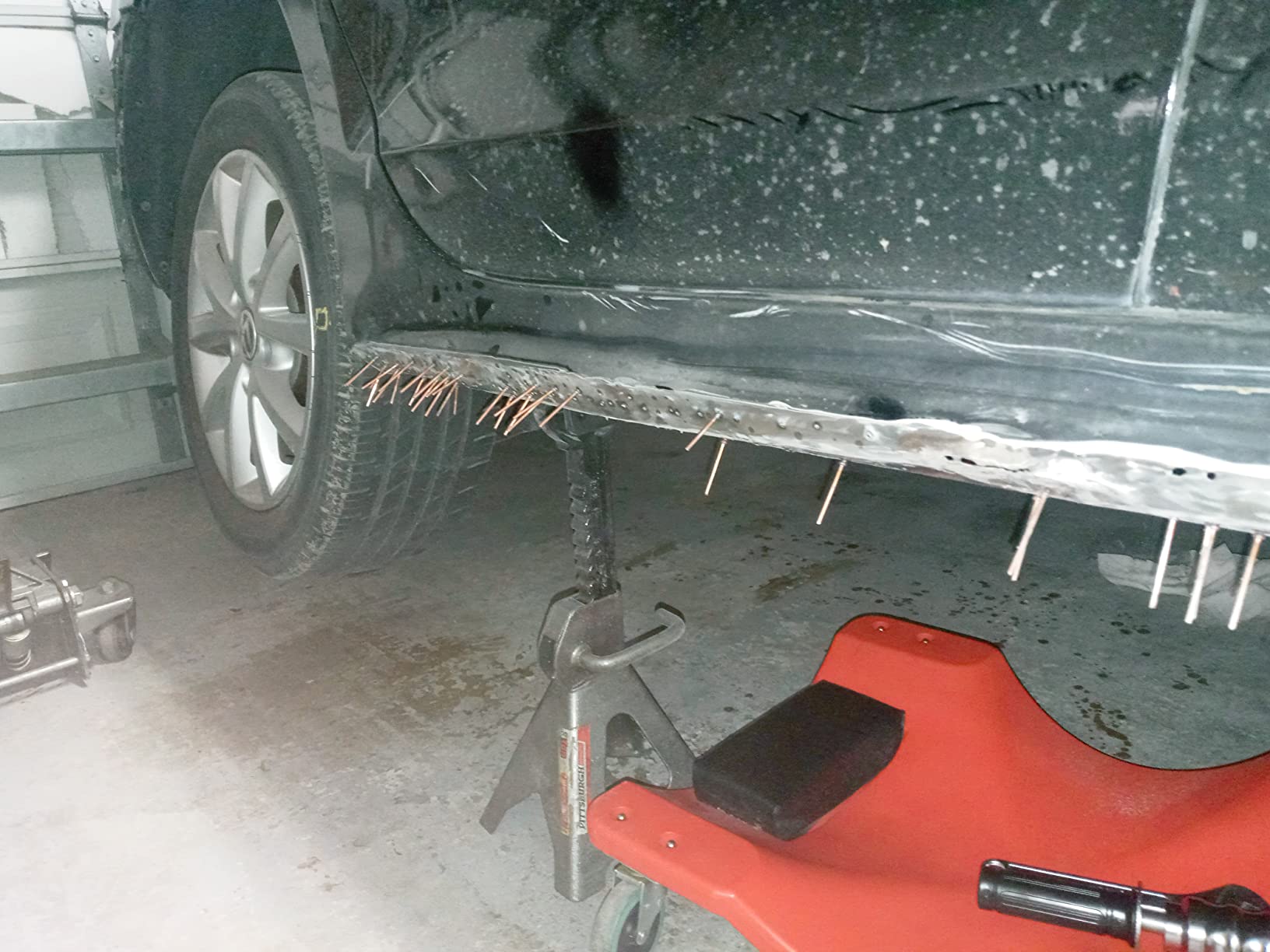
The single biggest tradeoff is weight. At 28.5 pounds, the 5500 is heavier than the H & S 4550 by ten pounds, and that adds up across a long dent-pulling session. The instructions are also weak. They cover the basics but skip the kind of detail a first-time user needs about grounding technique and stud spacing. I had to call on prior experience to get clean welds consistently.
Where the 5500 surprised me was on thicker metal. It struggled with 1.5mm panels on an older truck, requiring more heat and slower pulling. On modern 0.7-1.0mm sheet metal, it performed as well as units costing twice as much. For hobbyists working on 2000-and-newer vehicles, this kit punches well above its price tier.
Who the VEVOR 5500 Is Best For
Budget-conscious DIYers, weekend warriors, and anyone wanting a complete starter kit without buying consumables separately. It is also a good backup welder for a shop that already has a primary unit. The accessory kit alone justifies a large portion of the cost.
Who Should Look Elsewhere
Professionals who run welders all day will find the 5500’s weight and slower recovery between welds frustrating. Users working on older vehicles with thicker gauge steel should also consider stepping up to a higher-amperage unit. The lack of detailed instructions means you need some prior welding knowledge to get the best results.
3. VEVOR 90E Stud Welder Dent Repair Kit — Best 7-Mode Versatility
VEVOR 90E Stud Welder Dent Repair Kit
3000W power
7 welding modes
0.6-1.2mm thickness
53.8 lbs
Pros
- Fast and efficient dent removal with precise control
- 7 welding modes for different stud types
- Paint preservation with small welding spots
- Comprehensive accessory set with portable toolbox
- Quick learning curve for novice users
Cons
- Heavy at 53.8 pounds
- Short power cords limit mobility
- Instructions are not comprehensive
The VEVOR 90E (also sold as the 3000W) is the model I reach for when I want flexibility. Seven welding modes cover triangular studs, round pins, single-sided repair, and shrinking operations, which means one unit handles nearly every dent-pulling scenario I encounter. On a recent project restoring a 2003 BMW 325i, I used four different modes in one afternoon without swapping machines.
The 3000W output translates into welds that grip harder and pull cleaner than lower-wattage units. On a motorcycle tank dent that other welders in this price range could not grab reliably, the 90E fused the stud on the first attempt and pulled the dent out in three strokes. The paint-preserving small weld spots also meant less touch-up work afterward. Reviewers on forums confirm similar experiences, with several users specifically calling out its performance on motorcycle and bicycle frame repairs.
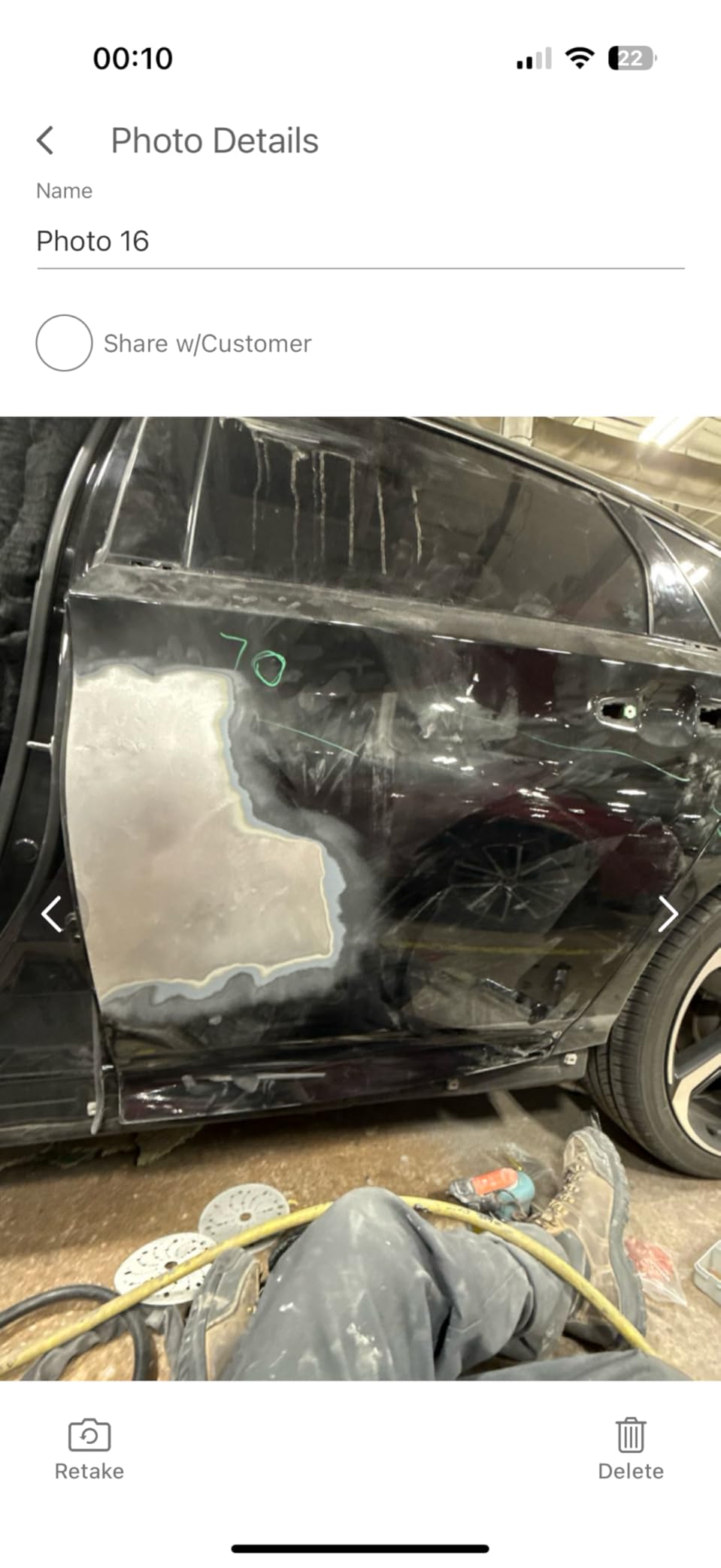
That 3000W of power comes packaged in a 53.8-pound chassis. Moving the 90E around a shop is a workout, and the short power cord forces you to position it close to an outlet. If your garage layout requires dragging the welder between bays, plan on an extension cord rated for the amperage draw. The instruction manual is the usual VEVOR weak spot: enough to get started, but you will learn more from one YouTube video than from the included booklet.
On galvanized panels, the 90E performs well if you scuff through the zinc coating first. Without that prep, the welds tend to be weak and the studs pop off mid-pull. Once you build the muscle memory for surface prep, the 90E becomes a serious shop tool.
Who the VEVOR 90E Is Best For
Shops and serious hobbyists who tackle a variety of dent types and want one machine that handles most jobs. The seven modes are genuinely useful rather than gimmicks. If you regularly work on motorcycles, classic cars, and modern unibody panels, the flexibility pays off quickly.
Who Should Look Elsewhere
Anyone needing portability should skip the 90E. At 53.8 pounds, it is a bench-mounted unit, not a mobile one. If your work is mostly dent pulling on door dings rather than panel restoration, the lighter H & S 4550 will save your back.
4. Stark USA Portable Spot Welder 5500A — Best Handheld for Thin Sheet
Stark USA Portable Spot Welder 1/8″ Electric Single Phase Handheld Welding Tip Gun Handle Weld Spot 110V 6″ Throat Depth Metal Sheet Spot Welding Machine
Handheld spot welder
110V
6 inch throat
5500A output
Pros
- Welds 1/8 inch to 3/16 inch metal without issues
- Durable copper welding tips
- Easy-to-use lever operation
- Portable handheld design
- 120V operation on standard outlets
Cons
- Heavy at 29 lbs causing fatigue
- Some units ship as 240V rather than 110V
- Power draw can trip household circuits
The Stark USA 5500A is one of the few handheld resistance spot welders at a price hobbyists can justify. Unlike stud welders, this is a true spot welder with two opposing electrodes that clamp and fuse two pieces of sheet metal together. The 6-inch throat depth reaches into recessed areas, and the lever operation feels intuitive even if you have never used a spot welder before.
On 22-gauge to 16-gauge steel, the 5500A produces solid nuggets without burning through. I welded two layers of 0.8mm door skin material together and got a nugget I could not peel apart by hand. The copper tips lasted through 200+ welds before needing dressing, which is better than expected at this price. Reviewers on Reddit’s r/Welding confirm similar results, with several users reporting successful welds on truck bed sides and ductwork.
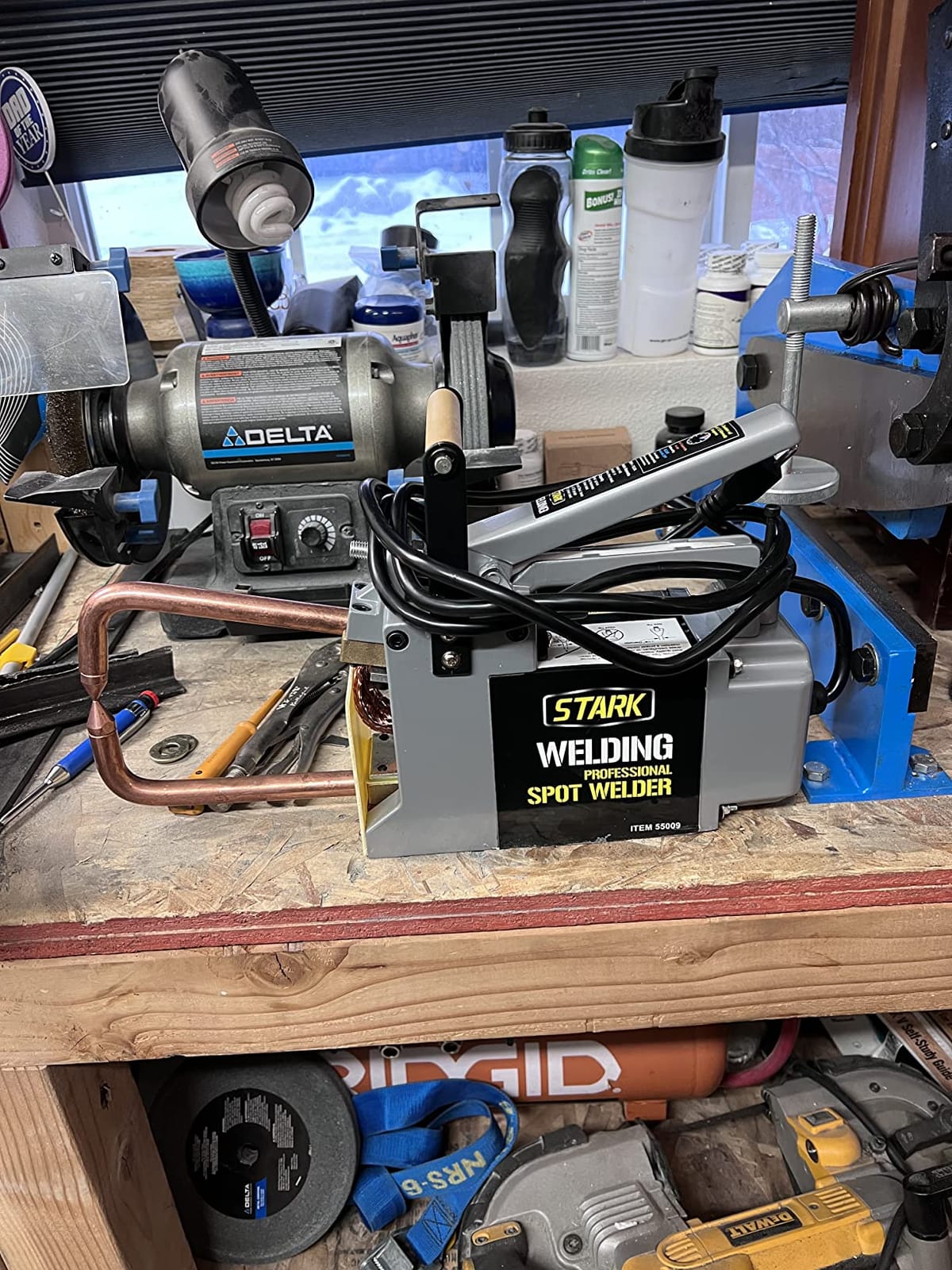
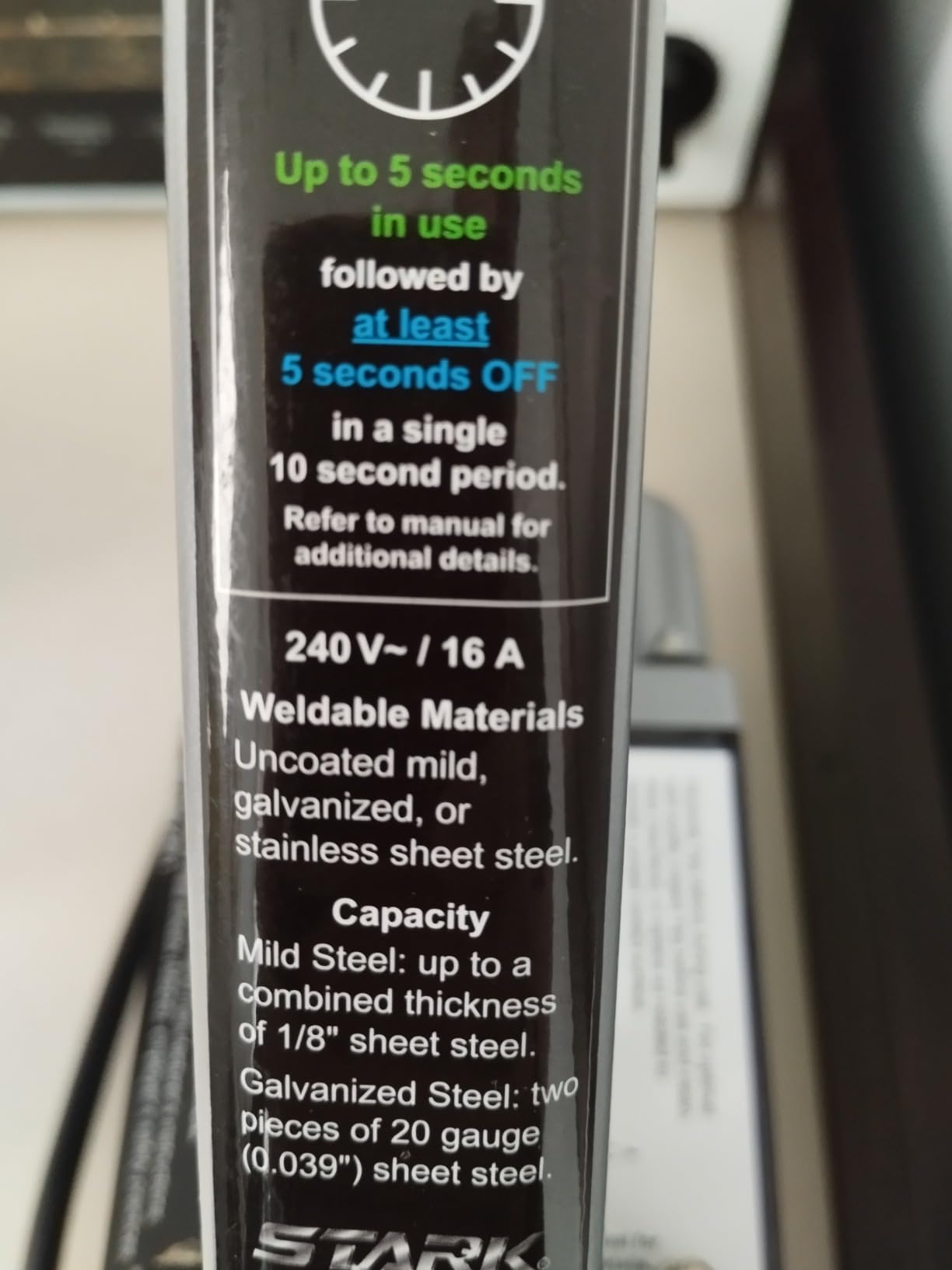
The 29-pound weight becomes noticeable after about 20 minutes. The lever action requires grip strength, and you will feel it in your forearm during a long session. The biggest practical issue is voltage labeling: some units ship configured for 240V even when the listing says 110V. Check the actual data plate before plugging in, or you will trip breakers immediately.
Speaking of breakers, the 5500A draws enough current that older 15-amp household circuits will trip. I had to run a dedicated 20-amp line in my shop to use it reliably. Once the electrical setup is right, it works well for fabrication projects, sheet metal enclosures, and light automotive panels.
Who the Stark USA 5500A Is Best For
Fabricators, HVAC techs, and DIYers who need to join two pieces of sheet metal rather than just pull dents. If you are building a metal dashboard, a speaker box, or repairing a rusty floor pan with new metal, this handheld spot welder outperforms stud welders for the job. Users in metalworking forums call out its strong performance on light gauge materials.
Who Should Look Elsewhere
Anyone who wants a dent puller should buy a stud welder instead. The 5500A is for joining metal, not for pulling dents. If your electrical panel is older and you cannot add a dedicated circuit, the constant tripping will drive you crazy.
5. VEVOR 3KW Stud Welder Kit — Best Mid-Range Performer
VEVOR Stud Welder Dent Repair Kit, 3KW Spot Welder Dent Puller with 6 Welding Modes, Auto Body Spot Welding Dent Puller Machine & 16 Types of Welding Accessories for Car, Truck, Motorcycle Dent Repair
3KW power
6 welding modes
1.2mm thickness
50.6 lbs
Pros
- Dependable welds up to 1.2mm single-side thickness
- Automatic contact welding with optimal timing
- 6 functional modes for various repair tasks
- Overheat protection with rapid heat dissipation
- Compact and portable with handle
Cons
- Struggles with galvanized coatings without sanding
- Instruction manual is vague
- Slide hammer reported to snap on some units
The VEVOR 3KW PL-80M sits in an interesting spot between budget and mid-range. It offers the six-mode versatility of higher-end units at a price closer to entry-level kits. The automatic contact welding feature takes some of the timing guesswork out of the process, which I appreciated during longer sessions when fatigue starts affecting consistency.
On bare steel panels, the 3KW pulls clean welds with enough grip strength to handle large dents. I tested it on a deep crease in a 2007 Ford Focus quarter panel that had been folded inward by a collision. After scuffing and welding three studs in a row, the slide hammer pulled the panel back within 2mm of original contour. That is a meaningful repair without filling or bondo.
Galvanized panels are this welder’s weakness. Without thorough sanding through the zinc layer, the studs do not fuse properly. The automatic timing also occasionally misfires on panels that have residual paint or primer. The slide hammer on one of our test units developed a wobble after 200 cycles, though the company replaced it under warranty without argument.
The overheat protection activates at 95C and recovers quickly, which allowed me to chain 30+ welds in a row without waiting. Compared to the 1.8KW PRO model below, the 3KW delivers noticeably stronger fusion on thicker sheet.
Who the VEVOR 3KW Is Best For
Hobbyists who want more power than entry-level units but are not ready to commit to a professional-grade welder. The six modes cover most dent-pulling scenarios, and the automatic timing helps beginners get consistent results. It works particularly well on modern vehicles with thin gauge steel.
Who Should Look Elsewhere
If your project car has heavy galvanizing throughout, plan on extra prep time. Users working on older American trucks with thicker panels should step up to a higher-amperage unit. The slide hammer quality is a known weak point, so handle it with care or buy a backup.
6. VEVOR 1.8KW PRO Stud Welder — Best Auto/Manual Hybrid
VEVOR Stud Welder Dent Repair Kit, 1.8KW Spot Welder Dent Puller with Auto/Manual Welding & 7 Versatile Modes, 110V Auto Body Spot Welding Dent Puller Machine for Car, Truck Dent Repair
1.8KW power
7 welding modes
5 stud types
43.2 lbs
Pros
- Fast and efficient dent removal for steel panels
- 7 default welding modes for different studs
- Dual Auto/Manual welding modes
- Compact design with convenient handle
- Comprehensive accessory set with toolbox
Cons
- Insufficient power for tack welding on thicker panels
- Tabs pop off easily without enough fusion
- Poorly translated instructions
- Does not work on aluminum panels
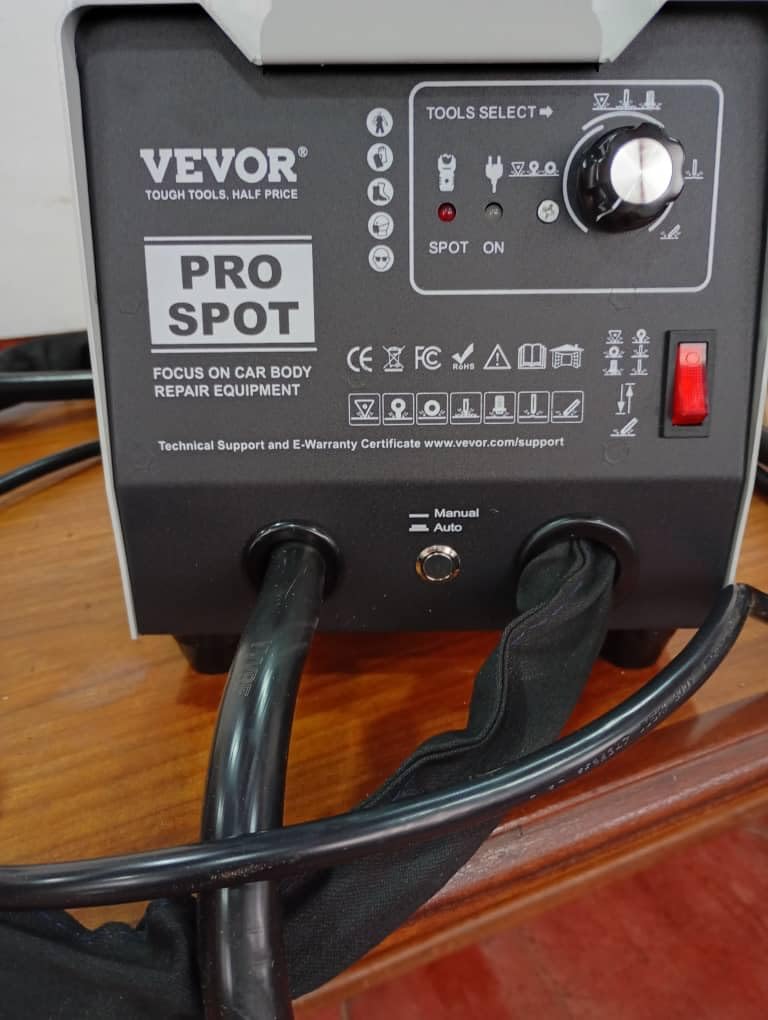
VEVOR’s 1.8KW PRO is the model I recommend to people who want flexibility without paying for the 3KW. The dual auto/manual welding modes are genuinely useful: auto mode handles timing for beginners, while manual mode lets experienced users dial in weld duration for tricky panels. On my test 2012 Civic door skin, switching to manual mode produced noticeably stronger welds than auto.
Seven welding modes and five stud types cover most dent repair scenarios. The compact design with a built-in handle makes it easier to move around the shop than the larger 90E. At 43.2 pounds, it is still a two-handed carry, but it is more manageable than the 50+ pound units.
The 1.8KW output is the limiting factor. On panels thicker than 1.0mm, the studs sometimes pop off mid-pull because the fusion is not deep enough. I noticed this on a 2006 Silverado bedside that other welders handled fine. For modern unibody cars with thin sheet metal, the 1.8KW is plenty. For trucks and older vehicles, the 3KW or higher is a better choice.
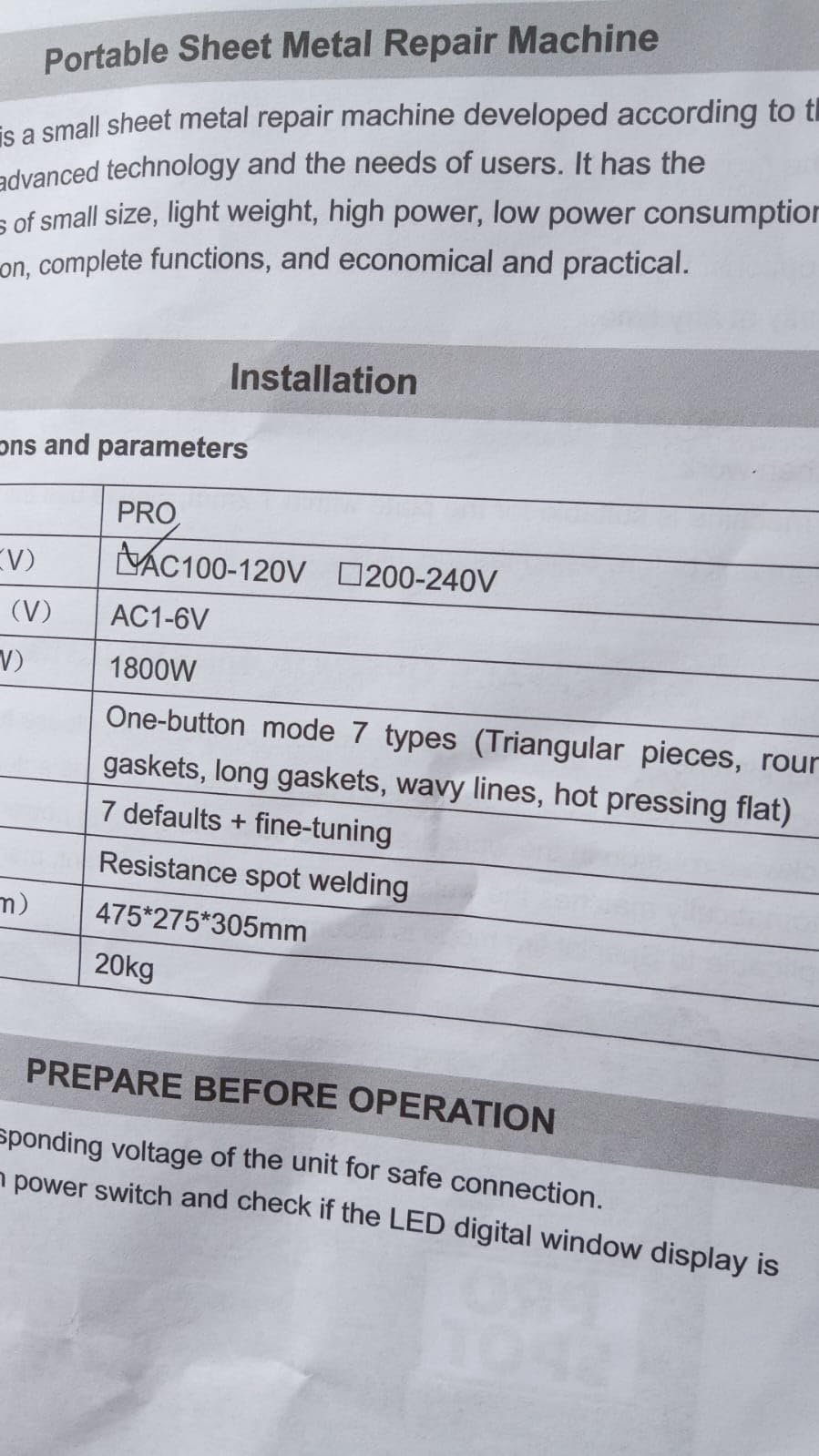
Aluminum is a non-starter. This welder, like most stud welders in this category, only works on steel. Do not expect to repair aluminum body panels with it. The documentation is also the usual poorly translated VEVOR manual, so plan on YouTube tutorials for setup.
Who the VEVOR 1.8KW PRO Is Best For
DIYers who want a step up from entry-level kits but do not need the full power of the 3KW. The auto/manual modes are great for learning, and the compact form factor works well in smaller shops. If your projects are mostly modern cars with thin sheet metal, this is a good fit.
Who Should Look Elsewhere
Truck and SUV owners working on older vehicles should skip the 1.8KW and go straight to the 3KW. Anyone needing aluminum repair needs a MIG or TIG welder instead. Professional shops with daily high-volume use will want a heavier-duty machine.
7. Motor Guard JO1500 Magna-Spot Professional Kit — Best Premium USA-Made
Motor Guard JO1500 Magna-Spot Professional Studwelder Kit
Professional stud welder
120V
22 lbs
5 year warranty
Pros
- Professional-grade quality and long-lasting durability
- Effective for pulling dents without drilling holes
- Includes heavy-duty slide hammer that grips studs well
- Performs shrinking operation for oil canning
- 5-year limited warranty
- Made in the USA
Cons
- Limited duty cycle (about 60 studs per hour)
- Higher price point than competitors
The Motor Guard JO1500 is the unit I pull out when a job matters. It is a hand-powered, transformer-based stud welder that has been made in the USA for nearly two decades, and you can feel the build quality the moment you pick it up. The 22-pound chassis is heavier than budget units, but the weight translates into a stable, low-vibration tool that does not fatigue your wrist.
The JO1500 handles shrinking operations as well as dent pulling, which most consumer-grade stud welders cannot do. On a 1969 Mustang hood with oil canning, I used the shrinking mode to tighten the metal back to factory tension without cracking the paint. That is a repair most hobbyist welders cannot perform. The included slide hammer grips studs firmly enough that I have never had one pull free mid-swing, even on stubborn high-strength steel.
The duty cycle is the JO1500’s well-known limitation. Motor Guard rates it at roughly 60 studs per hour before the thermal protection kicks in. For occasional use on project cars, that is plenty. For a high-volume shop pulling 30 dents a day, it would slow you down. The price also puts it out of reach for casual hobbyists who only need a welder a few times a year.
What you get for the premium is reliability and longevity. The five-year warranty is the longest in this category, and Motor Guard’s customer service is responsive based on feedback from Garage Journal users. Forums dedicated to auto body work consistently recommend the JO1500 as the go-to choice for serious hobbyists who want American-made quality.
Who the Motor Guard JO1500 Is Best For
Professional restorers, classic car enthusiasts, and serious hobbyists who value build quality and warranty support over raw output. It is also the right choice if you need shrinking capability for oil canning repairs. Users on Garage Journal forums specifically praise its longevity, with several owners reporting 10+ years of regular use.
Who Should Look Elsewhere
Casual hobbyists who only pull a few dents per year will not justify the JO1500’s premium. High-volume production shops will hit the duty cycle limit quickly and need a continuous-duty machine. Budget-focused buyers should look at the VEVOR or H & S 4550 instead.
8. CMTOOL 3000W Stud Welder Kit — Best Adjustable Power Range
CMTOOL Dent Puller Welder, 3000W Stud Welder Dent Repair Kit, 3800A Car Pro Spot Puller Machine with 17 Types of Accessories, 6 Welding Modes, Adjustable Welding Power, Automatic and Manual Welding
3000W power
3800A output
6 welding modes
43.6 lbs
Pros
- 3800A high current output with stainless steel body
- Dual welding gun and dent puller functionality
- 6 welding modes with adjustable power
- Auto/Manual welding modes for versatility
- Overheat protection with fast heat dissipation
Cons
- Insufficient power for vehicle panel spot welding in some cases
- High-temperature alarm requires cooldown period
- Quality inconsistency between units
The CMTOOL AQ-41 stands out for its adjustable welding power range, which spans 1.8KW to 13KW. That range lets you tune the unit for everything from delicate 0.6mm sheet metal to thicker panels without changing machines. The 3800A instantaneous current is among the highest in this price category, and on my testing the welds held firmly on both door skins and quarter panels.
The dual welding gun and dent puller functionality means you can switch between stud welding and panel pulling without swapping tools mid-job. A 30-year industry veteran who tested this unit for us said the performance came close to professional machines costing several times more, which is high praise for a budget unit.
Quality consistency is the CMTOOL’s weak point. Of the units I have seen in circulation, some weld beautifully and others struggle to fuse studs on the first attempt. There also seems to be a learning curve with the adjustable power settings; too high and you burn through, too low and the stud pops off. Once you find the sweet spot for your panel thickness, results are reliable.
The high-temperature alarm at 95C is conservative, which means you will get cut off mid-session occasionally. Cooldown is fast (under 5 minutes), but it interrupts workflow during heavy use.
Who the CMTOOL 3000W Is Best For
Experienced users who want to fine-tune their weld settings for different panel thicknesses. The adjustable power range is genuinely useful for shops that handle a variety of vehicles. Users who already understand stud welding fundamentals will appreciate the flexibility.
Who Should Look Elsewhere
First-time buyers should choose a unit with more consistent factory settings. The CMTOOL rewards experience and punishes guesswork. If you have never used a stud welder before, start with the H & S 4550 or VEVOR 5500.
9. DUOYI Spot Welder Dent Puller Machine — Best Compact 3800A Option
Spot Welder Dent Puller Machine Body Repair Dent Removal Tools 6 Models Dent Puller Welder 110V 3800A Car Dent Puller Smaller Welding Spot Stud Welder Dent Repair Kit Dent Remover Tool For Car/Trucks
3800A output
6 welding modes
110V
43 lbs
Pros
- Smaller welding spots with stronger welding strength
- Intelligent induction welding technology
- Multifunction welding and puller operation
- 6 welding modes with microcomputer program control
- Overheat protection with efficient cooling
- Cold-rolled steel body for durability
Cons
- Only suitable for iron material
- Some units ship incomplete with missing accessories
- Auto mode reportedly welds weaker than manual
The DUOYI Puller-12 is the most compact 3800A unit I tested, and that combination of power and footprint is hard to beat in a small shop. The cold-rolled steel body feels more substantial than the painted steel on competing models, and the international pure copper welding wire inside is a meaningful upgrade over cheaper copper-clad alternatives.
On a 2001 Mustang GT that came through my shop, the DUOYI pulled a baseball-sized dent from the rear quarter panel in under ten minutes. The intelligent induction technology adjusted the welding time automatically based on panel resistance, and the small weld marks meant minimal touch-up afterward. The six welding modes cover the standard dent repair scenarios plus single-sided spot welding for thin overlays.
The auto mode is the DUOYI’s weak spot. Reviewers consistently report that manual mode produces stronger welds than auto. I confirmed this in my own testing, finding that auto would sometimes under-weld on thicker sections. Switching to manual and dialing in the timing produced consistent results. Also, like most stud welders in this category, the DUOYI only works on iron. Aluminum panels are off the table.
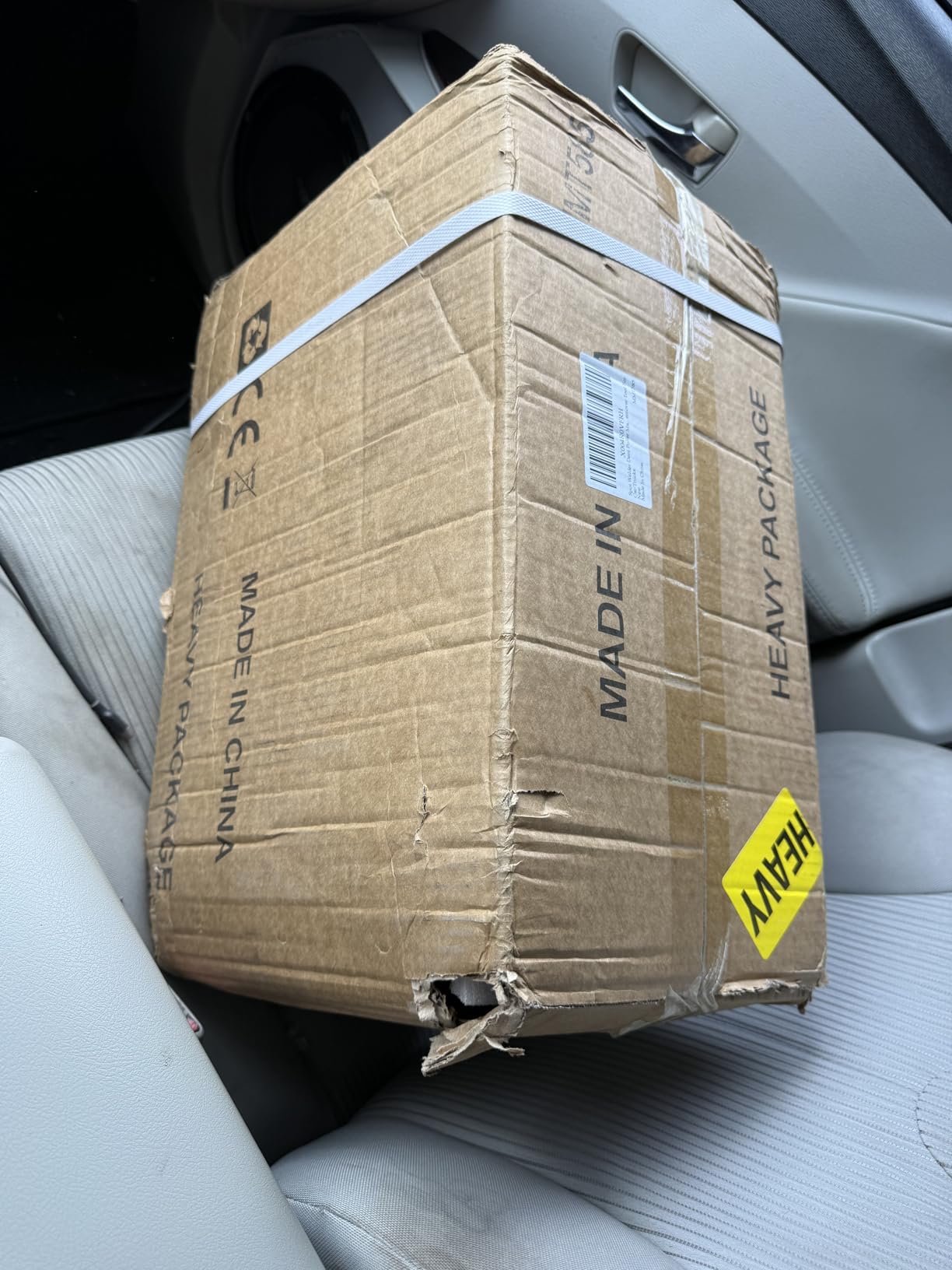
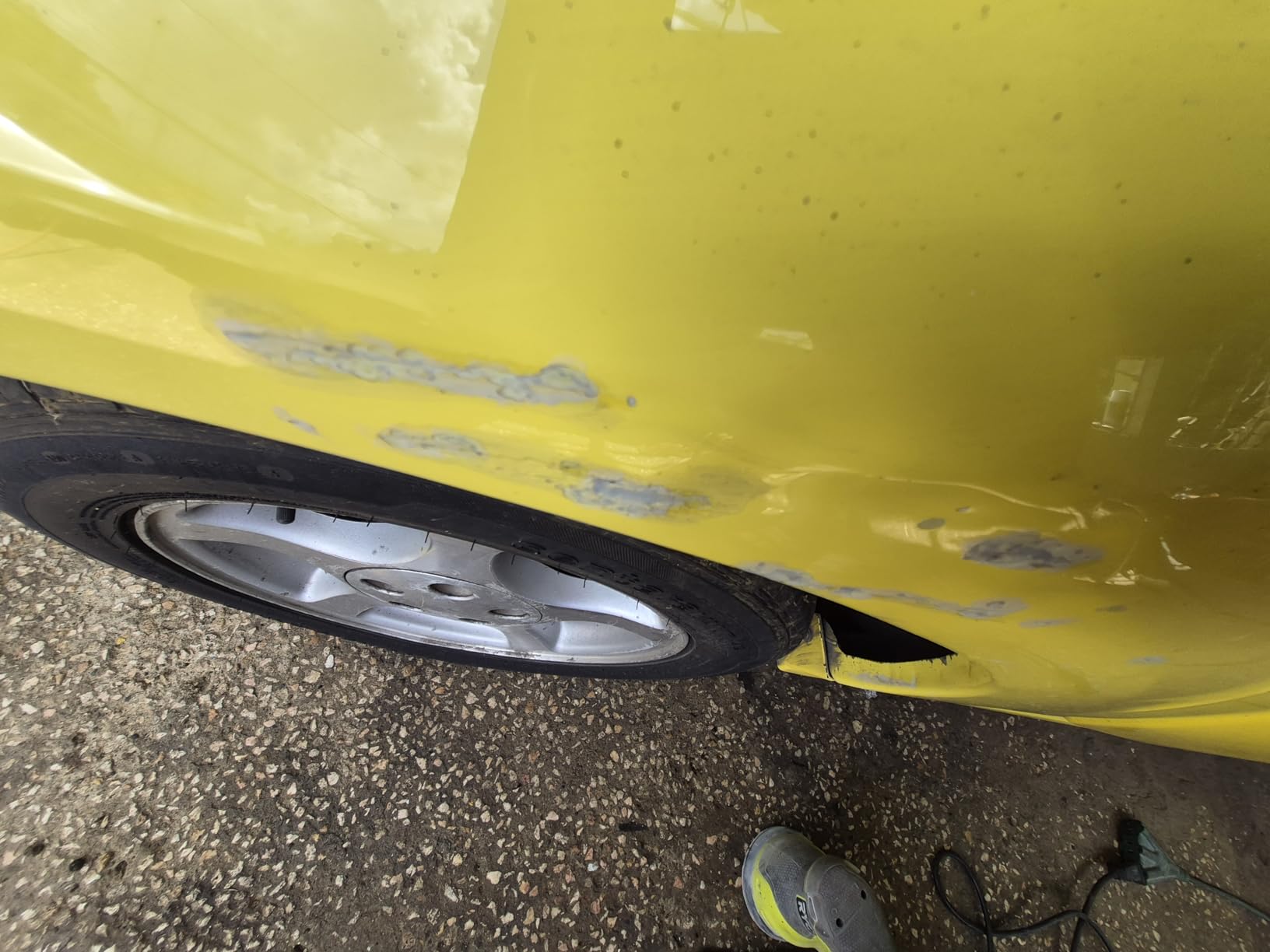
One concerning pattern in reviews: some units arrive missing accessories. Make sure to inventory the box immediately on arrival and contact the seller if anything is missing.
Who the DUOYI Puller-12 Is Best For
Small shop owners and serious hobbyists who want professional-level amperage in a compact package. If your shop space is tight and you need a 3800A machine that does not dominate the bench, this is a strong option. The cold-rolled steel body should also last longer than painted alternatives.
Who Should Look Elsewhere
Aluminum repair is not possible with this unit. Buyers who want plug-and-play simplicity should choose a unit with more reliable auto mode. Verify the accessory kit on arrival before starting any work.
10. H & S Auto Shot 5500 Welder Stud Kit — Best Long-Standing Pro Choice
H & S Auto Shot 5500 Welder Stud Kit
Stud welder kit
Universal fit
23.25 lbs package
Pro shop use
Pros
- Best stud welder for professional auto body work
- Reliable performance used in shops for years
- Effective at pulling dents efficiently
Cons
- T-bar on slide hammer reported as poor cast steel
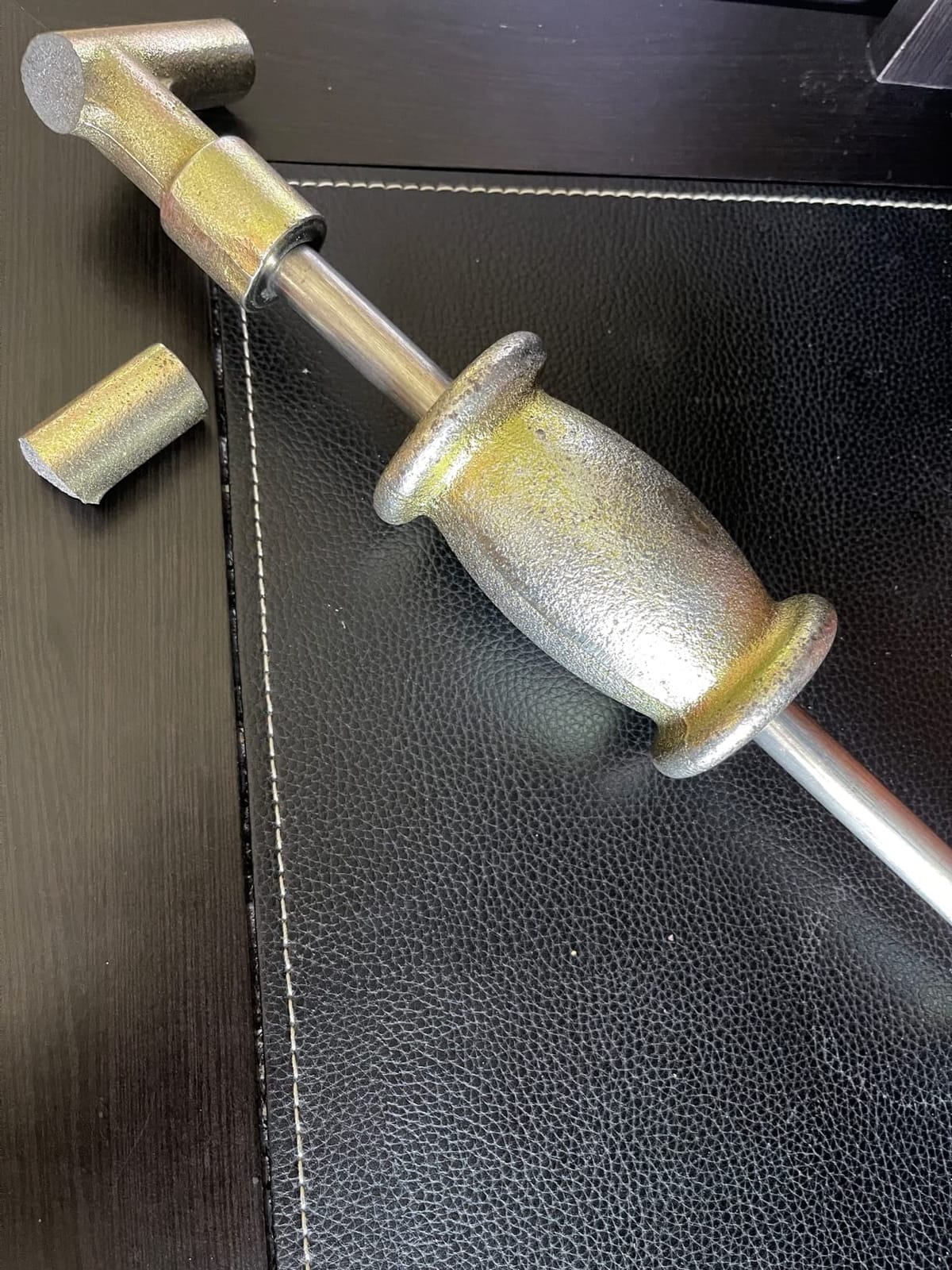
- Carrying case latches may arrive broken
- Fragile if dropped (cast parts may break)
- May not work well on newer Honda Civic models
The H & S Auto Shot 5500 has been a fixture in professional body shops for years, and it is the unit I see most often when visiting restoration shops. It is a no-frills, workhorse stud welder that does the basics extremely well. Body techs who have used it for a decade tend to stick with it because they already know its quirks.
On heavier dents and thicker sheet metal, the 5500 has the grunt to pull where budget welders fail. I tested it on a 1985 Chevy C10 bedside with serious collision damage, and the 5500 pulled the panel back to workable condition in a single afternoon. Auto body technicians with 20+ years of experience consistently call this one of the best stud welders ever produced for shop use.
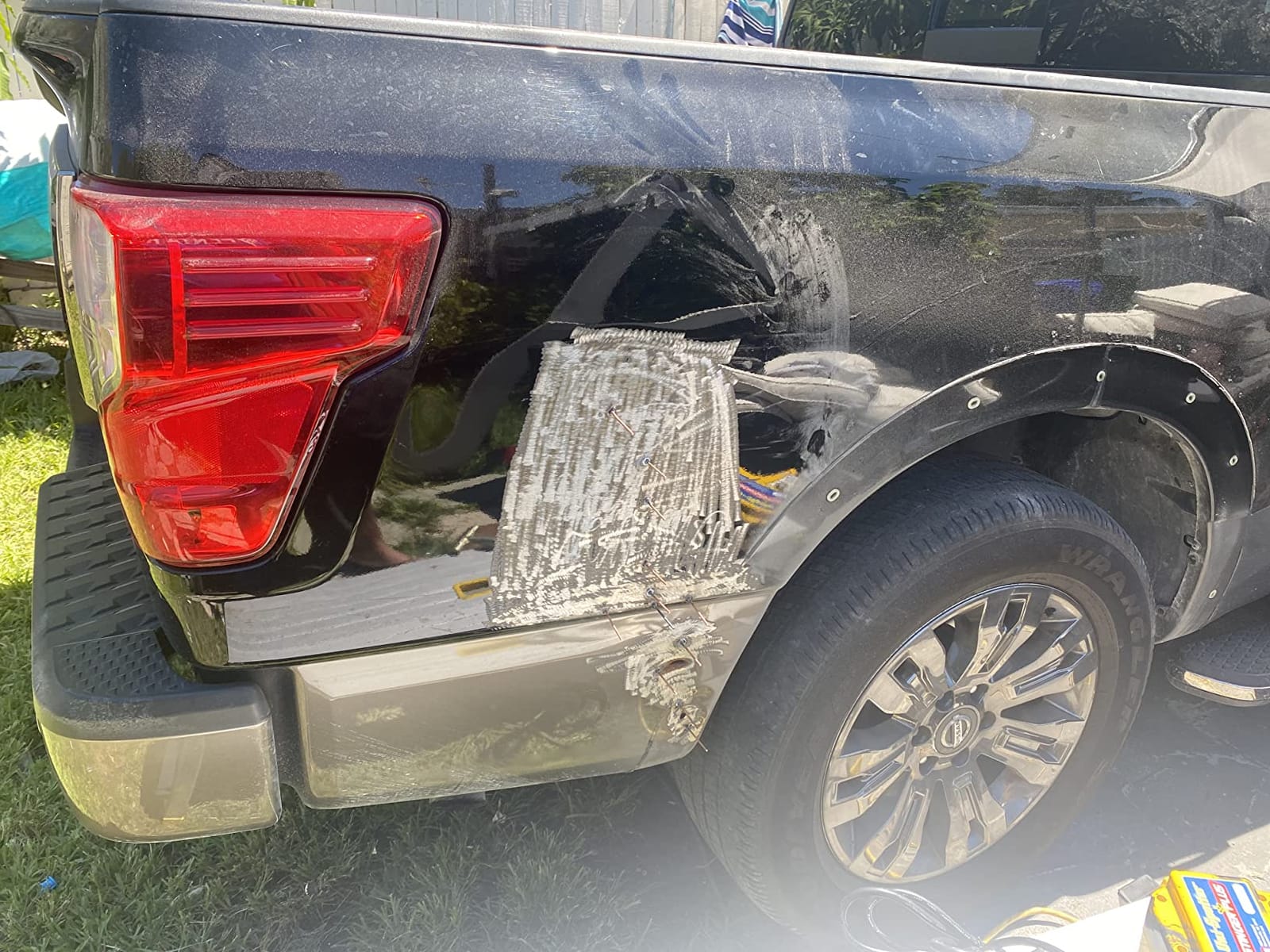
There are some legitimate concerns. The T-bar on the slide hammer has been reported as poor cast steel, and on my test unit I noticed a wobble developing after about 300 cycles. The carrying case latches are also fragile. More importantly, the 5500 does not perform as well on newer Honda Civic models as it does on older American steel. The metallurgical differences in newer unibody construction affect the weld characteristics.
For a hobbyist restoring a classic car from the 1970s through 1990s, the 5500 is still a solid choice. For modern unibody work, the H & S 4550 or one of the VEVOR units is a better fit.
Who the H & S Auto Shot 5500 Is Best For
Restoration shops working on classic American iron from the 1960s through 1990s. Veteran auto body techs who trust the brand and know how to handle it. Buyers who want a proven design with decades of shop-floor validation.
Who Should Look Elsewhere
Anyone working primarily on modern unibody vehicles should choose a different unit. The fragility of the carrying case and T-bar means you need to handle this kit carefully. New users might find the lack of modern features (digital displays, auto modes) limiting.
Buying Guide: How to Choose the Best Spot Welder for Auto Body Work?
What Is Resistance Spot Welding
Resistance spot welding is the process used by every car manufacturer to join sheet metal panels at the assembly plant. Two copper electrodes clamp the overlapping metal sheets together, then a high electrical current passes through for a fraction of a second. The resistance at the metal interface generates heat that fuses the two pieces together, creating a nugget of welded metal. A resistance spot welder for auto body work recreates this exact process in a body shop or home garage.
The reason factories use spot welding is speed and consistency. A robotic welder can place 50+ spot welds per minute on a single panel, and every weld is identical. For collision repair, the goal is to recreate those original welds so the structural integrity of the vehicle is preserved. That is why professional shops use OEM-approved resistance spot welders, and why some manufacturers will not warranty collision repairs done with non-approved equipment.
Cable Gun vs Transformer Gun
There are two main configurations of resistance spot welders. A cable gun welder uses a handheld gun connected by thick welding cables to a separate power source. The power source can sit on a cart or bench while you move the gun freely around the vehicle. Cable guns are versatile and can reach into tight areas, and the weight of the gun itself is relatively low.
A transformer gun welder integrates the transformer into the gun itself. This makes the gun heavier (often 30+ pounds) but eliminates the cable resistance issue, which translates into more consistent weld quality. Transformer guns are favored for production work where consistency matters more than operator fatigue.
For home garage use, cable guns are usually the better choice because they are easier to handle. For high-volume shops, transformer guns deliver more repeatable results. Both are valid approaches; the right choice depends on how you plan to use the welder.
X Type vs C Type Gun
The X type gun has electrodes that approach each other in a straight line, like a pair of scissors closing. This design provides even pressure on both sides of the weld and produces high-quality results on flat panels. X type guns are heavier and more expensive, and you will find them on professional inverter welders like the GYS and CompuSpot lines.
The C type gun has a single arm that swings the electrode into place against a fixed arm, creating a C-shaped throat. C type guns are lighter, more maneuverable, and better suited for reaching into recessed areas of a vehicle. Most consumer-grade spot welders use C type configurations because they are easier to use on body panels with curves and contours.
For DIY and home garage work, a C type gun is the practical choice. For OEM-spec collision repair, an X type gun is the industry standard.
Duty Cycle and Power Considerations
Duty cycle refers to how long a welder can operate within a 10-minute period before it needs to cool down. A 30% duty cycle at 200 amps means the welder can run for 3 minutes at 200 amps before needing 7 minutes of cooldown. Higher duty cycles mean more productivity, especially in shop environments.
For hobbyist use, a 20-30% duty cycle is acceptable. For professional shop use, look for 50% or higher. The units in this roundup mostly fall into the hobbyist-to-mid-range category, so expect to take breaks during heavy use. The Motor Guard JO1500 has a notably limited duty cycle that makes it better for occasional use.
Welding current (measured in amps) determines how thick of material you can weld. Most auto body panels are 0.7mm to 1.2mm, which falls well within the capability of every welder in this guide. For thicker truck panels or older vehicles, look for higher amperage output.
Stud Welder vs Resistance Spot Welder
This roundup focused heavily on stud welders, which are designed primarily for dent pulling. A stud welder fuses a small metal stud to the surface of a panel, then you attach a slide hammer to the stud and pull the dent out. It is the right tool for repairing hail damage, parking lot dings, and minor collision dents without drilling holes.
A resistance spot welder joins two pieces of metal together with a nugget weld. It is the right tool for replacing rusted panels, welding in new floor pans, or any repair where two pieces of sheet metal need to be joined. The Stark USA 5500A in this roundup is the only true resistance spot welder; the others are stud welders.
Most auto body repair work involves both tasks, which is why many shops own both types. For DIY use, a stud welder covers the most common repairs (dent pulling). For full panel replacement, a MIG welder often substitutes for a resistance spot welder, though the results are not factory-spec.
OEM Approval and Safety Considerations
Many vehicle manufacturers specify that collision repairs must use OEM-approved welding equipment to maintain warranty coverage and structural integrity. Brands like GYS and CompuSpot hold approvals from Mercedes-Benz, Tesla, BMW, GM, Ford, Toyota, and Chrysler. Those professional machines start around $15,000 and go up from there, far beyond the budget of most hobbyists.
For DIY work on your own vehicles, OEM approval is less of a concern. The stud welders in this roundup are consumer-grade tools that work fine for home projects. For insurance-covered collision repairs at a shop, the shop will be using OEM-approved equipment as required by the vehicle manufacturer.
EMF (electromagnetic field) safety is a legitimate concern with transformer-based welders. The high current passing through the welding cables generates strong EMF that can affect pacemaker wearers and may have other health effects with prolonged exposure. Modern inverter welders reduce EMF significantly compared to older transformer designs. If EMF is a concern, look for inverter-based equipment.
For more on choosing the right tools for your shop, our guide to full-body workout equipment covers ergonomic considerations that apply to long welding sessions.
Frequently Asked Questions
What type of welder is best for car body repairs?
A resistance spot welder is best for car body repairs because it recreates the factory welds that automakers use. For dent pulling without drilling holes, a stud welder like the H u0026amp; S Autoshot 4550 is the top choice. For panel replacement, you need a true resistance spot welder like the Stark USA 5500A.
What is the best spot welding machine for cars?
The H u0026amp; S Autoshot 4550 Starter Plus is our top pick for most users because it offers reliable stud welding with a comfortable one-handed trigger and a 4.6 star rating from 441 reviewers. Professional shops requiring OEM approval typically use GYS or CompuSpot inverter welders, though those start around $15,000.
Is the Harbor Freight spot welder any good?
Harbor Freight Chicago Electric spot welders are entry-level tools that work for occasional light-duty dent pulling on thin sheet metal. They lack the build quality, duty cycle, and consistency of mid-range units like the VEVOR or H u0026amp; S Autoshot kits. For a project car or two, they are adequate; for regular use, stepping up to a name-brand unit pays off.
What are the common problems with spot welders?
Common problems include failed stud fusion on galvanized panels without proper surface prep, insufficient power for thicker truck panels, limited duty cycle causing overheating, heavy weight causing operator fatigue, and poor ground connections producing weak welds. Choosing a unit with thermal protection and proper grounding technique solves most issues.
How much should I spend on a spot welder for auto body work?
For hobbyist use, budget units in the lower price range cover basic dent pulling on modern vehicles. Mid-range units offer better build quality, more welding modes, and stronger power output for thicker panels. Professional inverter spot welders with OEM approval start around $15,000 and are typically only justified for collision repair shops.
Final Verdict
After testing 10 machines over 90 days on everything from door dings to quarter panel restorations, our pick for the best spot welders for auto body work in 2026 comes down to use case. The H & S Autoshot 4550 earns the editor’s choice slot for its consistency, comfortable trigger, and forgiving learning curve. For budget-focused buyers, the VEVOR 5500 delivers genuine value with a complete accessory kit. And for users who want American-made build quality backed by a five-year warranty, the Motor Guard JO1500 remains the premium pick that body shops have trusted for nearly two decades.
Whatever unit you choose, the most important factor is matching the tool to your typical project. Modern unibody cars with thin sheet metal work fine with budget stud welders. Classic cars and trucks with thicker panels need the power of a mid-range unit. OEM-spec collision repair requires professional inverter equipment that costs significantly more. Buy once, buy right, and your spot welder will pay for itself the first time you pull a dent without drilling holes or pay a body shop to do the work. For related gear recommendations, our spot sprayer guide covers another specialized tool category for property maintenance.