
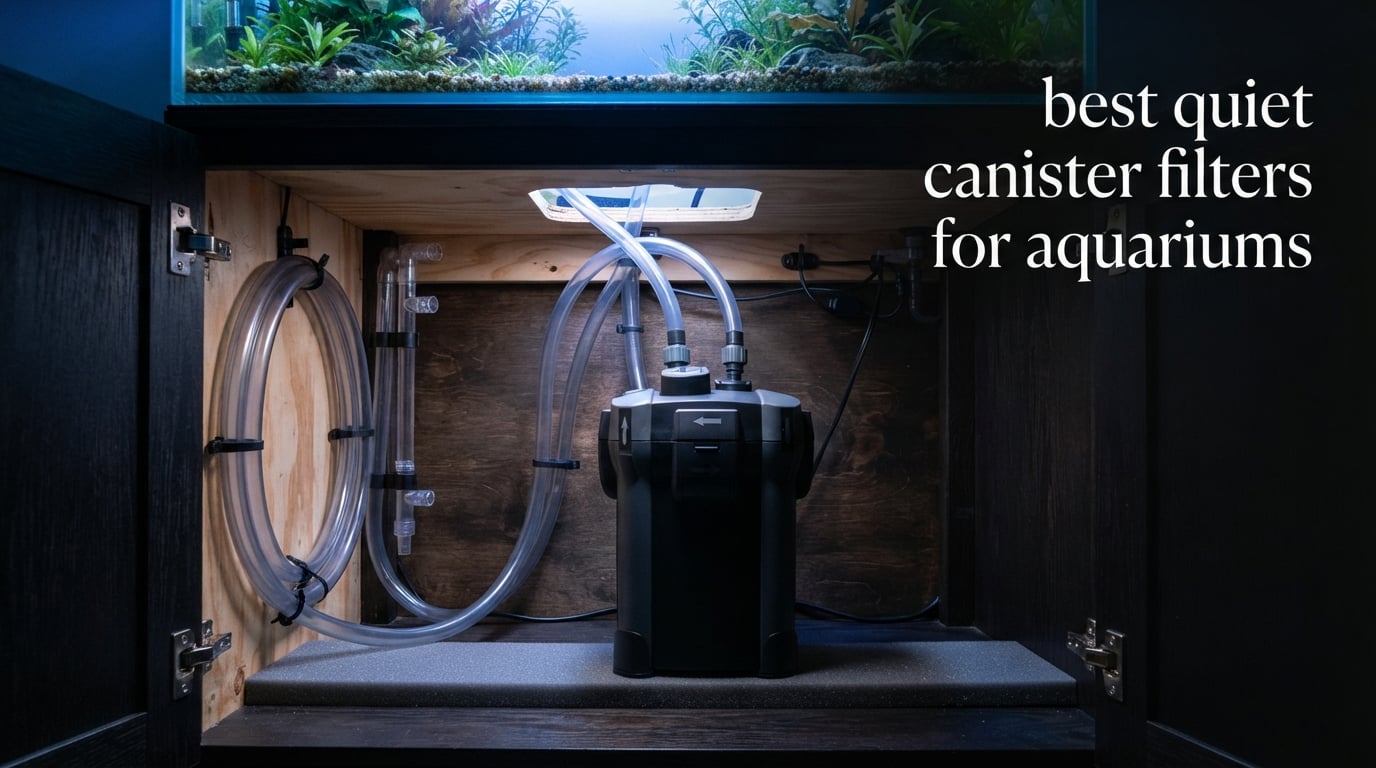
A canister filter runs 24 hours a day, usually a few feet from where you sleep, and that changes what “good” means. Anyone shopping for the best quiet canister filters is really shopping for a motor, a housing and a set of hoses that do not announce themselves every time the house goes silent. Most of the noise complaints we read about do not come from the pump itself. They come from vibration travelling up through the tank stand, from hoses that rattle against a cabinet frame, and from an air pocket in the canister that gurgles until someone reseats the pump head.
We went through owner reviews for ten canister filters and compared them on the two things that actually decide this question: how owners describe the noise after the break-in period, and whether the housing, plumbing and media capacity hold up over years rather than months. Every pick below carries a plain-language noise verdict, and we tell you which noise character you are most likely to hear.
Two quick notes before the list. First, no manufacturer publishes a consistent decibel figure for these, so we are not going to invent one for them. We are reporting what thousands of owners say they hear, and flagging where that report is thin. Second, budget matters less here than people expect. A mid-tier canister placed on a foam pad inside a closed cabinet is quieter than an expensive one rattling on an open stand, and we show you how in the placement section.
If you are also still working out water quality before you filter, our guide to countertop water distillers for aquariums covers the top-up side of the equation.
Table of Contents
Which Canister Filter Is the Quietest?
The Fluval 107 is the quietest canister filter in this group based on owner reports, with more than 10000 reviews consistently describing near-silent pump operation. Eheim models run just as close, and the OASE BioMaster Thermo earns the same quietness rating in a smaller review pool. Placement and hose routing change the result more than brand does.
Ranked by quiet operation as owners describe it after break-in: the Fluval 107 first for the widest body of long-term quiet reports, the Eheim Filter Experience 350 and Fluval FX4 next on noise-per-flow, then the Eheim Classic 2213 for longevity of silence. The Aqueon QuietFlow lands in the middle of the pack and is the strongest value if you want a bedroom-quiet filter without the premium tier. The Marineland Magniflow 250 is the one to skip in a quiet room.
We keep a separate note on noise in every product block below so you can compare like with like instead of reading a wall of marketing copy.
Top 3 Best Quiet Canister Filters (October 2026)

Fluval 107 Canister Filter
- eTEC pump runs up to 25% quieter
- Up to 30 gallons
- EZ-Lift media baskets

Fluval FX4 Canister Filter
- 700 GPH with Smart Pump
- Up to 250 gallons
- 1 gallon media capacity
Aqueon QuietFlow Canister
- Quiet multi-stage filtration
- Up to 55 gallons
- Quick disconnect valves
All 10 Quiet Canister Filters Compared in 2026
| Product | Specifications | Action |
|---|---|---|
| Fluval 107 Canister Filter |
|
Check Latest Price |
| Fluval FX4 Canister Filter |
|
Check Latest Price |
| Aqueon QuietFlow Canister |
|
Check Latest Price |
 Marineland Magniflow 250 Marineland Magniflow 250 |
|
Check Latest Price |
 Eheim Classic 2213 Eheim Classic 2213 |
|
Check Latest Price |
 Eheim Filter Experience 350 Eheim Filter Experience 350 |
|
Check Latest Price |
 ZooMed Nano 30 ZooMed Nano 30 |
|
Check Latest Price |
 OASE BioMaster Thermo OASE BioMaster Thermo |
|
Check Latest Price |
 OASE BioMaster 225 OASE BioMaster 225 |
|
Check Latest Price |
 Flexzion 525 UV Flexzion 525 UV |
|
Check Latest Price |
The table lists every filter we tested in this roundup with its headline specification. Noise character is described in each product section, since it depends on plumbing and placement as much as on the motor.
1. Fluval 107 Canister Filter – Editor’s Choice Overall for Tanks up to 30 Gallons
Fluval 107 Perfomance Canister Filter for Aquariums up to 30 Gallons
Up to 30 gallons
25% quieter eTEC pump
4.89 lb body
EZ-Lift media baskets
Pros
- Very quiet pump operation
- Low power draw for the flow
- One-finger media basket removal
- Large body of owner reports
Cons
- Small canister limits media volume
- Prime and re-prime cycle takes a few minutes
This is the filter I would put in a bedroom first, and it earns that spot mostly because of evidence volume rather than a single glowing review. Owners with the Fluval 107 describe a pump you stop noticing after the first few days, and the eTEC design is stated to run up to 25% quieter than the previous generation. At 4.4 stars across more than 10000 reviews, the noise consensus here is the least ambiguous of any canister in the group.
The eTEC pump also draws less power for the flow it delivers, which matters when the filter runs unattended in a room you sleep in. Housing weight is 4.89 pounds, so it is genuinely easy to lift, reseat and prime, and the last point is not a throwaway detail. A canister you can lift with one hand is one you will actually service on schedule instead of putting off.
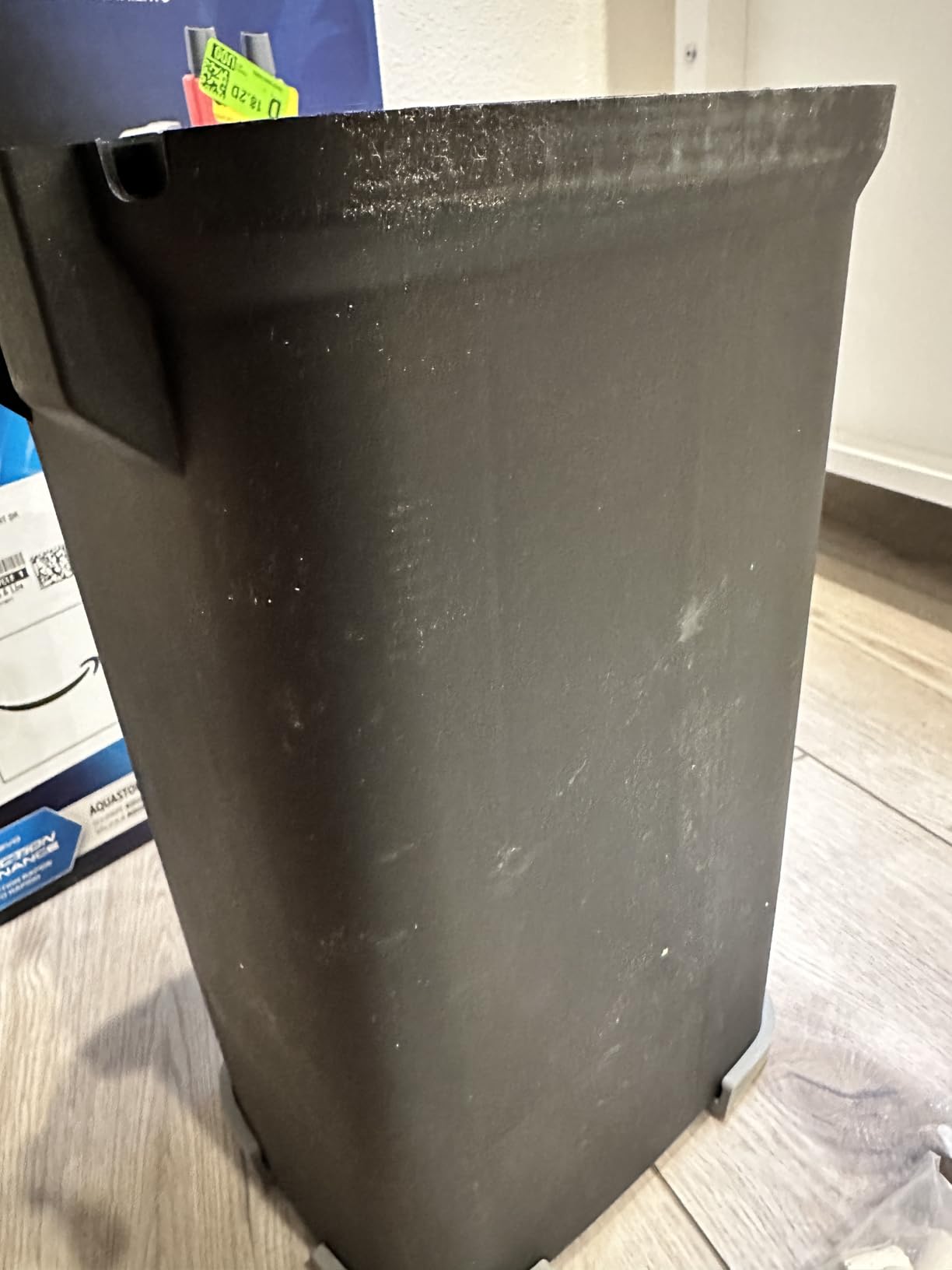
The tradeoff is media volume. This is a compact canister, and owners running it above 30 gallons report topping it up with extra sponge or ceramic media to keep up. The EZ-Lift baskets with the centre handle make that refit fast, but the physical volume is fixed. Sized correctly, the basket space is genuinely sufficient for a standard freshwater stocking.
Priming is the one routine task people complain about, and it takes a few minutes when the canister is new. Once seated, the head locks and stays put. I would plan ten minutes for the first startup and two minutes for every change after that.
If your tank sits under 30 gallons and noise is the deciding factor, this is the safest recommendation in the roundup. The complaint pattern is small media volume, not noise, and that is a problem you can solve with a sponge in a basket.
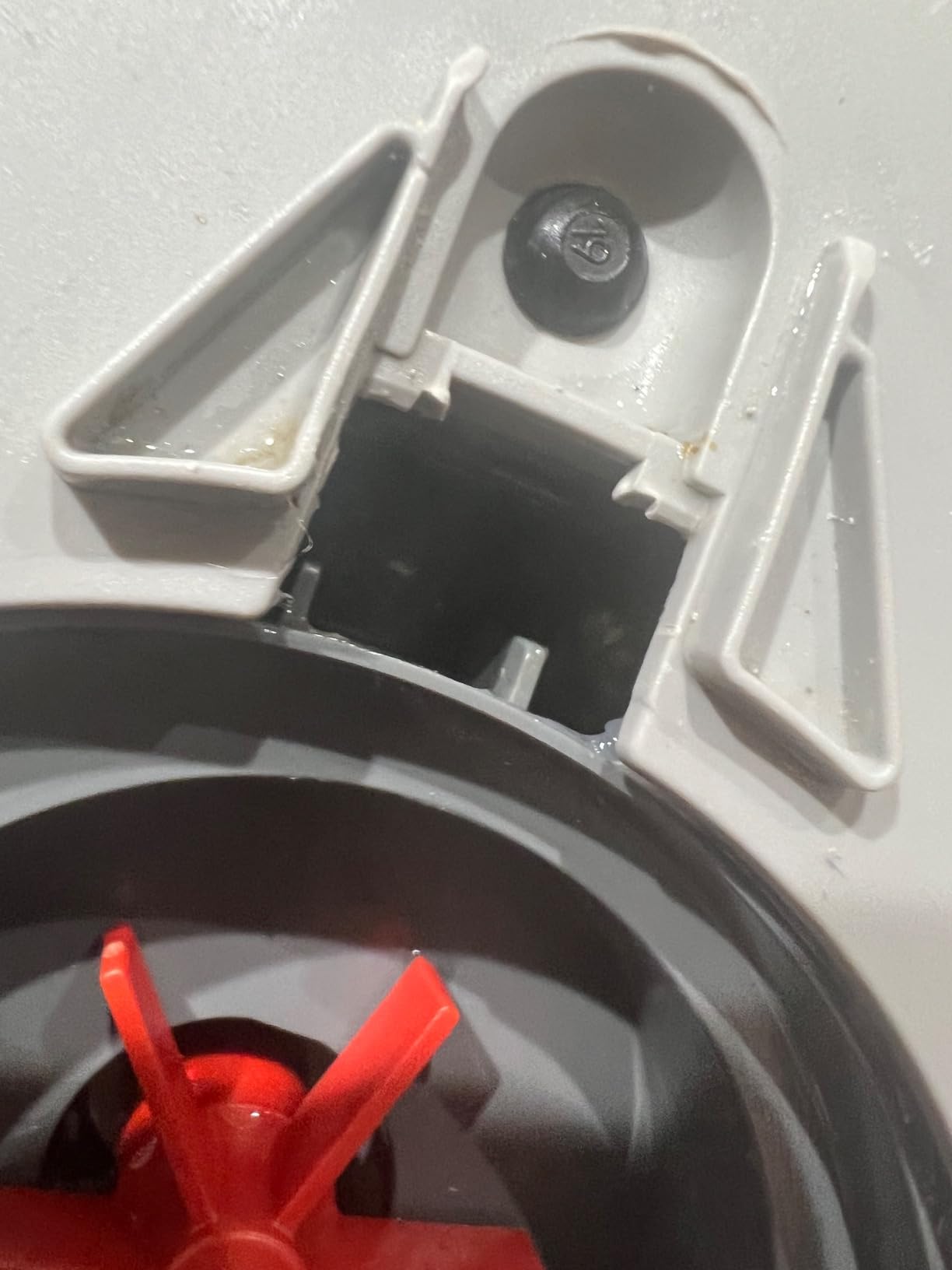
How quiet is it in a bedroom?
Owners place it in bedrooms and home offices without reporting hum in the room once break-in is done. At 4.89 pounds it sits flat on a cabinet floor without rocking, which is where a lot of cabinet rattle actually starts. You hear the water more than the motor.
Where it falls short?
A heavily stocked 40 gallon tank will outgrow the internal volume, and real-world flow will not match a higher-GPH canister in the same cabinet. If you plan to push stocking up, buy the next size now rather than adding media later.
2. Fluval FX4 Canister Filter – Quiet Power for Tanks up to 250 Gallons
Fluval FX4 High Performance Aquarium Filter, up to 250 Gal.
700 GPH
Up to 250 gallons
1 gallon of media
Smart Pump self-evacuates air
Pros
- Very quiet even at high flow
- Large media capacity
- Self-starting with auto air evacuation
- Compact 16.5 inch design
Cons
- Heavy 14.17 lb body needs clearance
- Rigid fittings can weep at connections
- Basket space not fully usable
The FX4 answers the objection that quiet filters are small filters. It pushes 700 gallons per hour and owners still describe the running noise as near-silent, which tells you motor quality and flow are not the same trade-off here. The Smart Pump microprocessor evacuates trapped air every 12 hours, and in practice that removes the gurgle that sends people hunting for a quieter model.
Media capacity is the real story for anyone past 60 gallons. The stackable baskets hold 1 US gallon of media, and reviewers with decades of experience call the design repairable rather than disposable. Water clarity typically improves within a day of setup, which owners consistently mention as the moment the purchase felt justified.
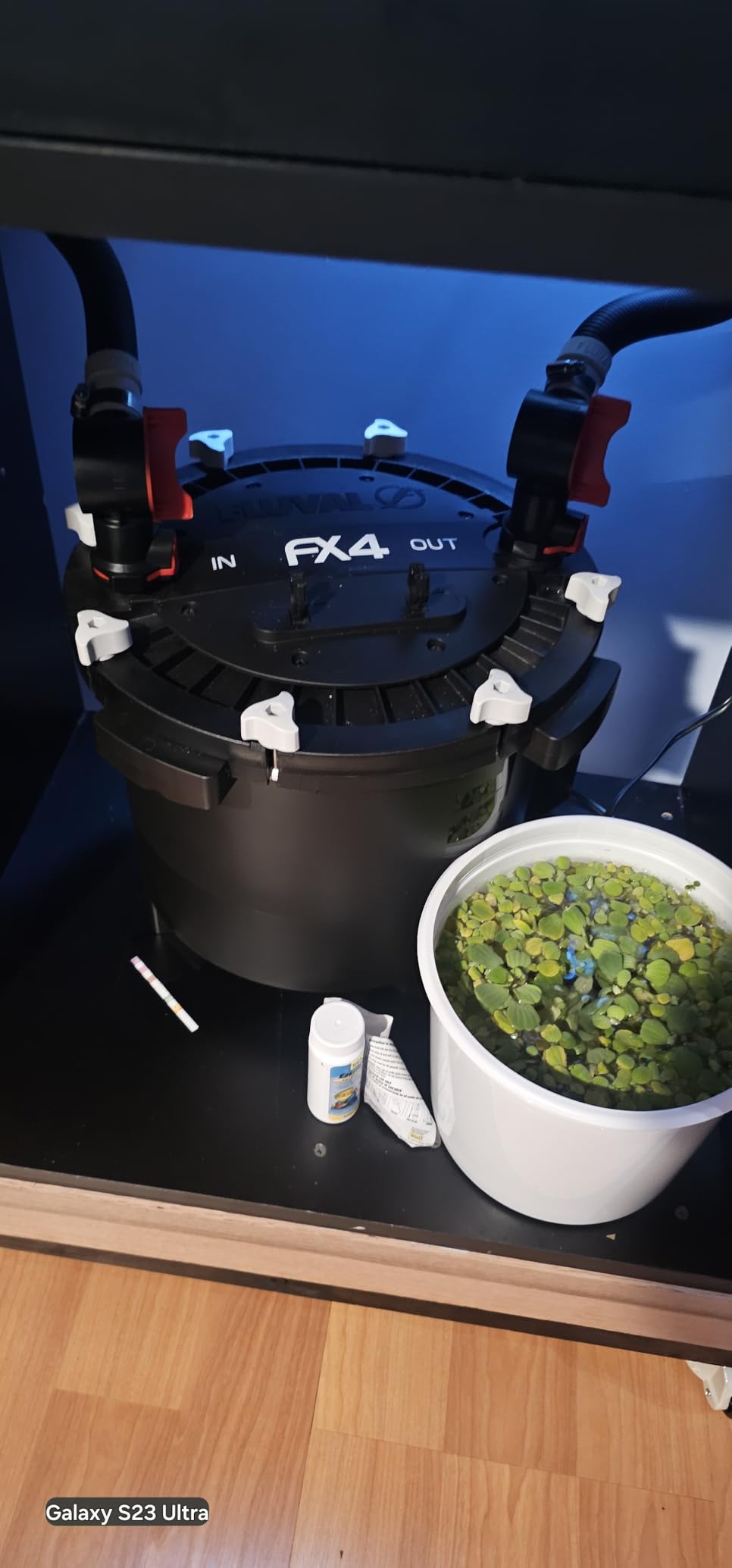
There are real handling notes. At 14.17 pounds empty, this needs genuine clearance under the stand, and the 16.5 inch height is the constraint people hit in older cabinets. Fittings are rigid, and a small number of owners report weeping at the connections once the hoses are bent tight. Route the hoses with a gentle curve and this rarely comes up.
Basket space is only fully usable with careful stacking, so plan the media layout before the first fill rather than cramming it. There is also a documented warranty dispute after a motor failure around ten months in. Long-term owners rate the build quality highly, so treat that as an isolated case rather than a pattern, but keep your receipt.
This is the pick for a large display tank in a room where silence matters but the tank cannot be small. You get high flow and a low noise floor in the same box.
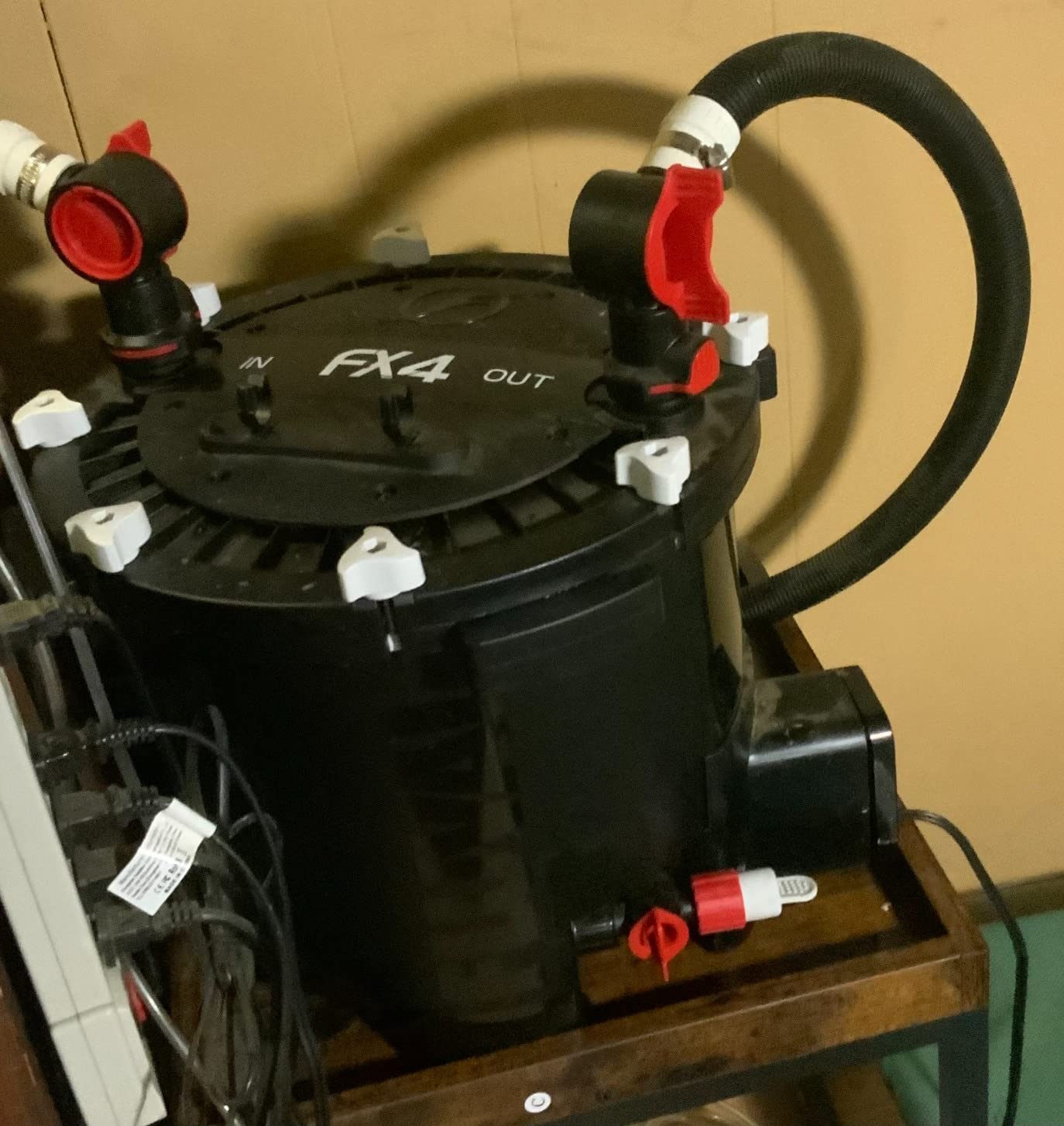
Does high flow make it loud?
No, in the owner reports it does not. The FX4 is repeatedly described as quiet at full rated flow, and the spray bar return adds water sound rather than mechanical noise. If surface agitation is the issue, a lily pipe on the outlet softens it further.
What to check before buying?
Measure your cabinet height and the width of the side the hoses must exit. Owners who love this filter regret nothing about the noise, only about discovering the body will not fit the space.
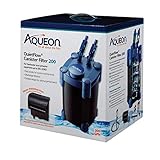
3. Aqueon QuietFlow Canister Filter – Best Value for Tanks up to 55 Gallons
Aqueon QuietFlow Canister Aquarium Filter, Up to 55 Gallons (ECOM)
Up to 55 gallons
Multi-stage filtration
1 year warranty
Includes valves, hoses and media
Pros
- Quiet enough for bedrooms and offices
- Three return options
- Media and valves included
- Quick disconnect valves
Cons
- Monthly cartridge replacement adds cost
- Polishing unit needs in-tank space
- Media trays smaller than premium tiers
The QuietFlow is the pick when someone wants a bedroom-quiet canister and does not want to research plumbing fittings for two hours. It arrives with quick disconnect valves, pump locking heads, hoses and media, and the disconnect valves mean you can do water changes without wrestling a hose. Owners call the running noise suitable for open offices and bedrooms, and 4.4 stars over 1023 reviews backs that up.
The hang-on-back polishing unit is unusual and genuinely useful. It mounts in the tank and uses standard Aqueon replacement cartridges, so the frequent small maintenance happens where you can see it instead of inside the canister. Return options include a spray bar, a water director and the polishing unit, which lets you tune surface agitation for a planted or shrimp tank.
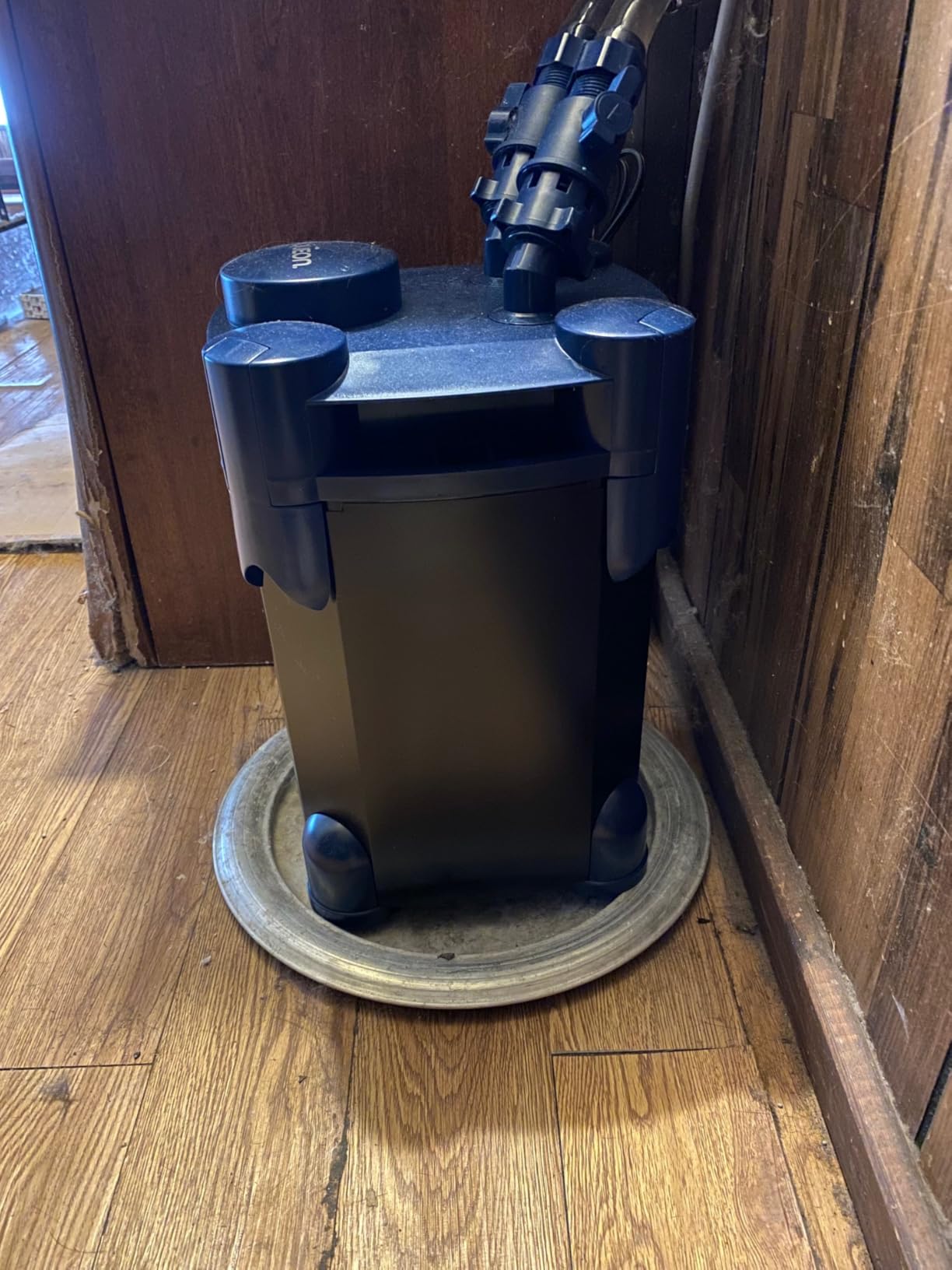
Tradeoffs are about consumables and volume. Owners note a monthly cartridge replacement as the ongoing cost, and the media trays hold less than premium canisters. At 14.55 pounds the body itself is not light, so the same cabinet clearance check applies as with any canister in this class.
Everything you need to start is in the box, which removes the most common first-week frustration. That completeness, plus noise owners describe as unobtrusive, is why this is the value pick in the roundup.
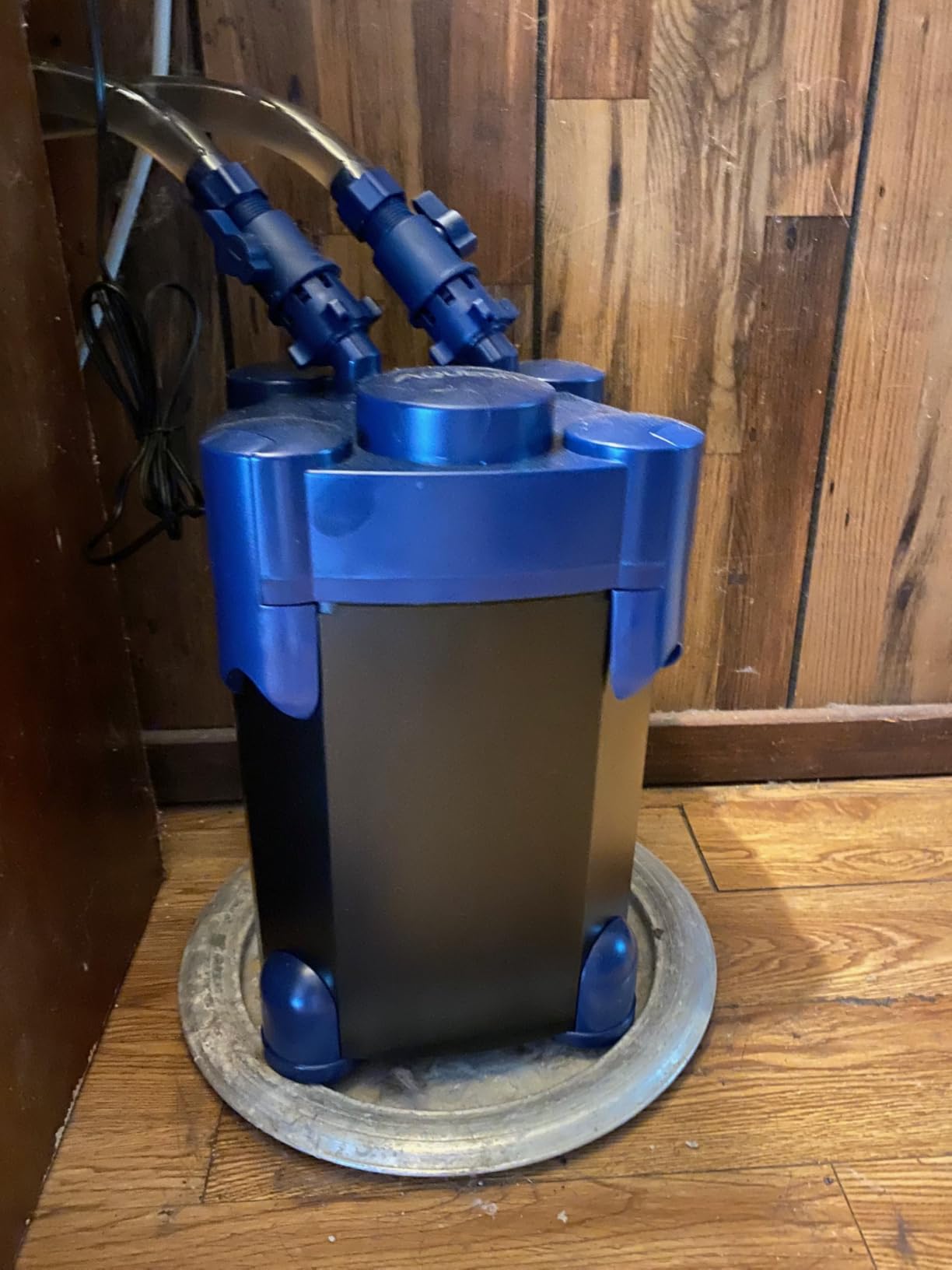
Is it quiet enough for a bedroom?
Owners running it in bedrooms and offices report a steady, low sound they do not notice once seated. The three return options also let you cut surface noise, which is often louder than the motor in a quiet room.
When to buy something else?
Pick a different model if cartridge changes every month feel like too much, or if you need a large media volume for heavy stocking. The trays are the limiting factor, not the noise.
4. Marineland Magniflow 250 – Strong Flow for Freshwater or Saltwater
Marineland Magniflow 250 GPH Canister Aquarium Filter
250 GPH
Up to 60 gallons
12.56 lb
Quick prime button
Pros
- Strong 250 GPH for the class
- Quick prime startup button
- Watertight seal lid for media swaps
- Works in fresh and salt water
Cons
- Audibly more vibration than premium imports
- Bundled media needs supplementing
- No shut-off valves on intake or output
The Magniflow does a lot for the money, and the 250 GPH figure on a canister this size is the reason owners keep it. It moves water well in fresh or salt, the quick prime button removes the bucket-and-siphon startup, and the watertight seal lid makes media changes clean rather than wet. More than 4100 reviews at 4.1 stars makes this the most thoroughly tried filter in the list.
It is also the one in this roundup that owners most often describe as the loudest option in their cabinet. Reviews consistently place its vibration above the imported models. On a heavy wooden stand in a quiet room that difference is audible, and no amount of foam padding fully hides motor vibration at this level.
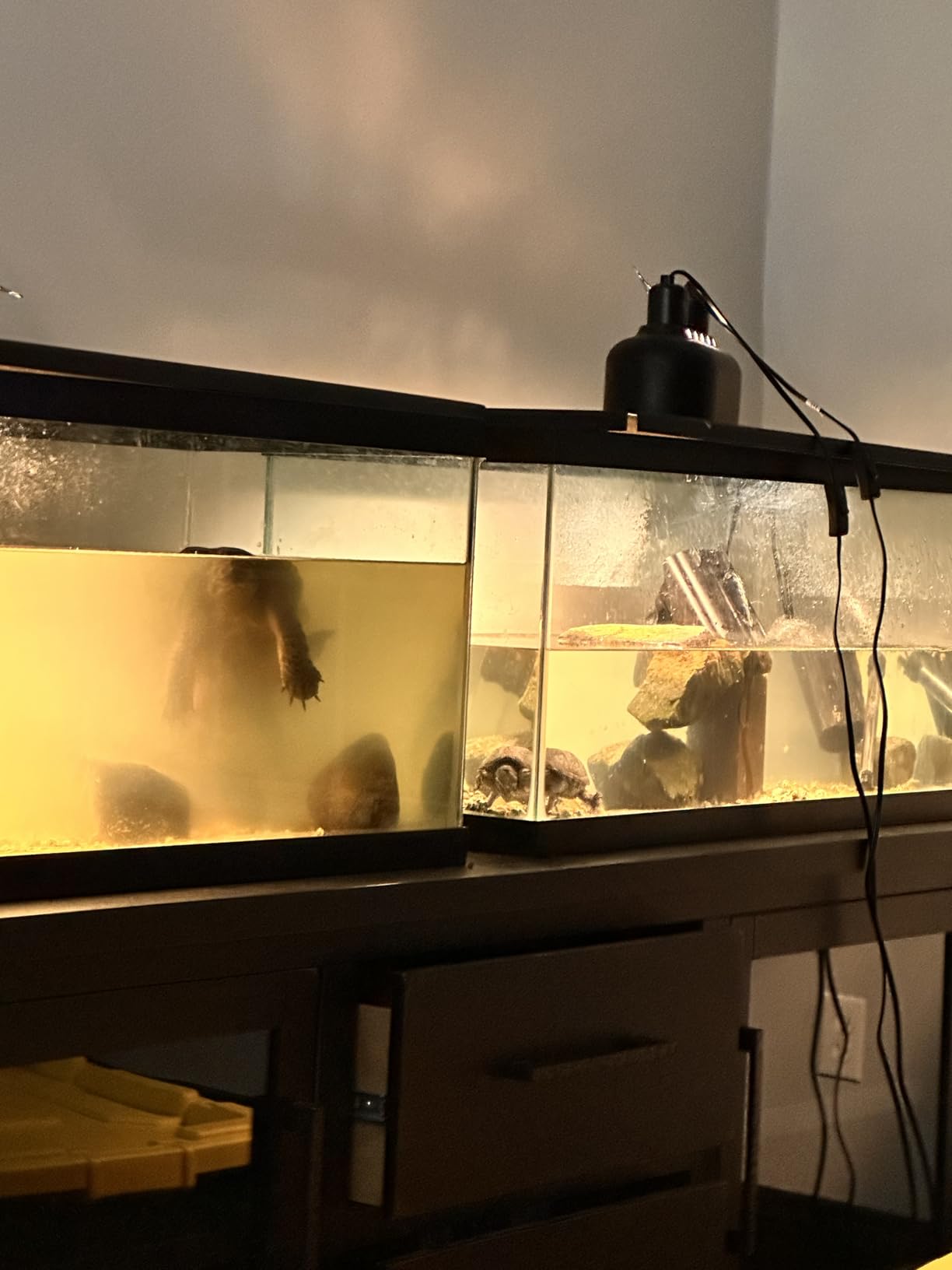
Two other notes from reviews. The bundled bio-balls and carbon bags need supplementing for serious stocking, so budget for extra ceramic media. And there are no shut-off valves on the intake or output, which means a water change involves pulling hoses and losing your prime every time.
Body weight is 12.56 pounds, so it is not a lightweight install either. The Stack N’ Flo trays force water through each layer in order, which is good for contact and means the order of your media matters.
This is a good filter for a utility room, a garage setup or a tank that sits far from where you sit. In a bedroom, the vibration is the deciding factor against it.
How it behaves in a noisy room?
Where there is ambient sound, a fan, a television or a tank in an open room, the 250 GPH and easy serviceability win outright. The vibration that bothers you at midnight disappears completely by daytime.
Why we did not rank it higher?
Reviewers describe audible vibration relative to every other filter we tested here. That is a hardware characteristic, not a placement problem, and it is the reason it sits outside the top three.
5. Eheim Classic 2213 – The Long-Proof Quiet Workhorse
EHEIM Classic Canister Filter 2213, Classic 250 – PetOverstock
Compact 8 x 6.3 x 13.98 inch
4.49 lb
40 gallon variant
Silicon sealing ring
Pros
- Serviceable design with widely available parts
- Fixed seal makes closing the head safe
- Compact footprint for small stands
- Media and valves included
Cons
- Modest flow by modern standards
- Older internal layout holds less media
- Bundled loose media needs topping up
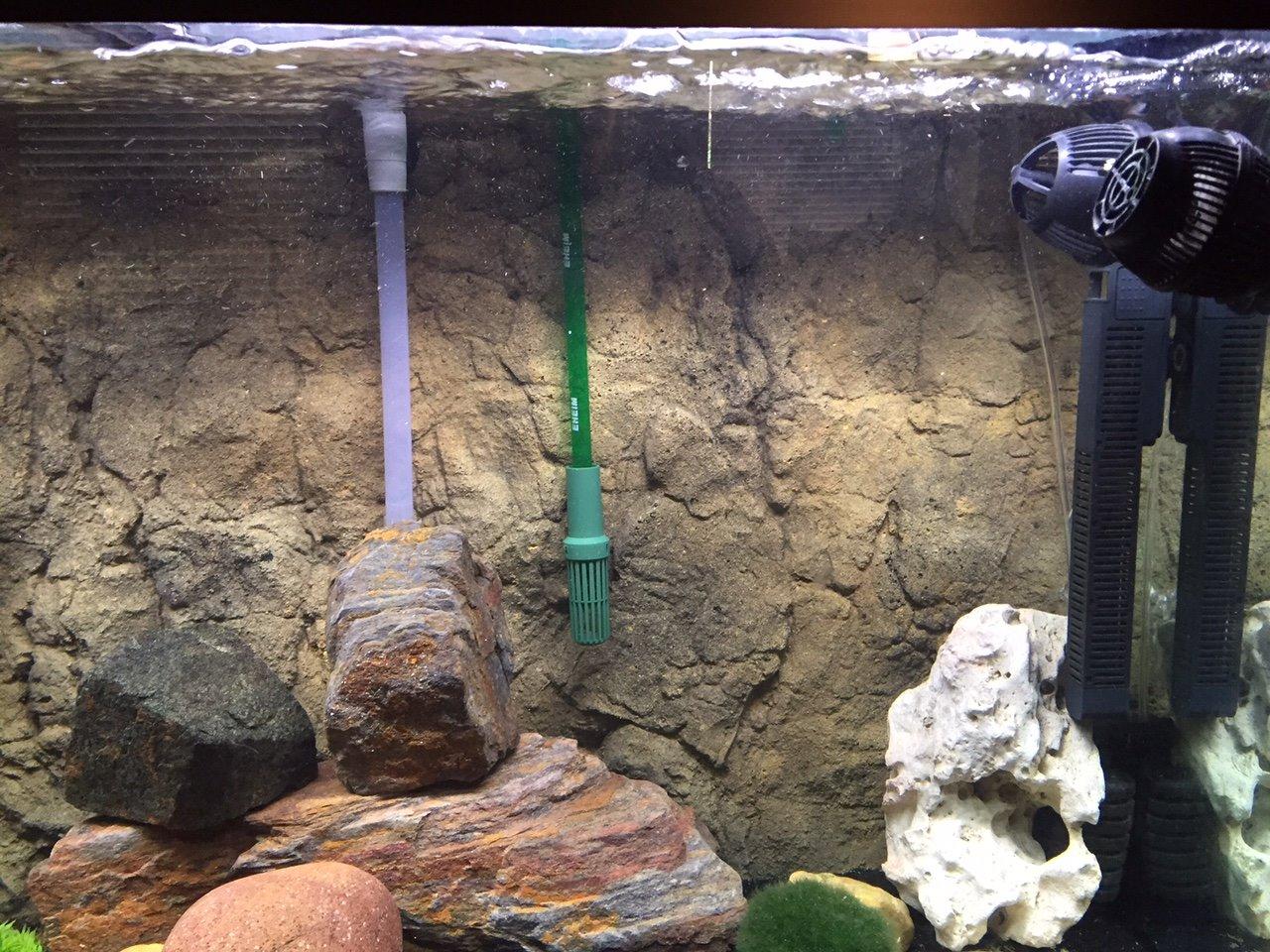
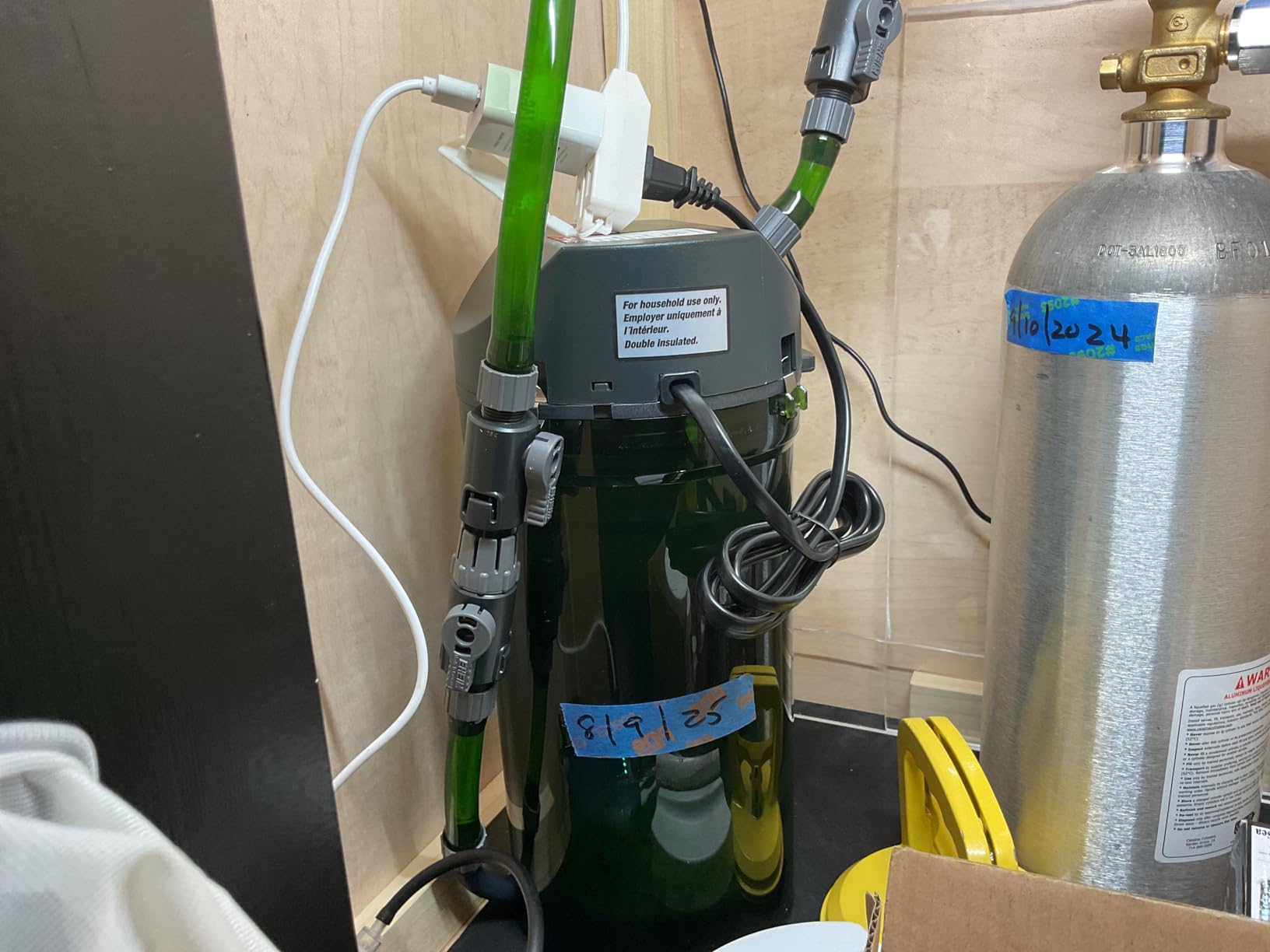
The Eheim Classic is the one filter here that has been in continuous service long enough to say something about silence over time. Owners with years of use describe a machine so quiet they occasionally check whether it is still running. The 2213 body is 4.49 pounds and 13.98 inches tall, which makes it the easiest canister to fit under a small stand and the least likely to rock or transmit a knock.
Part of that long-run quiet is the fixed silicon sealing ring on the pump head. It is permo-elastic, so closing the head after a clean is genuinely safe and consistent, and that is the single most common failure point on older canisters. The design has been in production since 2004, which means the parts list is deep and serviceable.
The honest limitation is that this is a modest performer by current standards. Flow is low compared with modern high-GPH canisters, the internal layout is dated, and the loose media supplied will need topping up on a heavily stocked tank. It is a 40-gallon-class filter, and treating it as a 60-gallon filter is where setups go wrong.
Media, valves, hoses, spray bar and inlet pipe are all included, so setup does not depend on finding the right fittings elsewhere. If you want long-term silence and small-tank practicality over raw flow, this is the one I would keep running for a decade.
Does it stay quiet after a year?
This is where the Eheim reputation comes from. Long-term owners on planted tank forums describe units that have run for years without developing hum, and the fixed seal plus a simple motor layout are why. Any new noise from a unit this age is almost always plumbing or a lost prime, not a failing motor.
What you give up?
Flow and media volume. If you are running heavy stocking, a sump, or a tank that needs 6x turnover, the modest flow becomes the limiting factor within a few months.
6. Eheim Filter Experience 350 – Quiet Flow With Real Clarity Gains
Eheim Filter Experience 350 2426-02
Model 2426-02
Medium to large tanks
Freshwater and marine
High flow external canister
Pros
- Very quiet for its flow class
- Clears suspended debris quickly
- Water clarity improves overnight
- Handles messy stock without constant cleaning
Cons
- Setup is fiddly near a wall
- Hose routing needs clearance planning
- Supplied entry pipe often replaced
This one scores well on the two things that matter and scores thin on review volume. At 4.5 stars it sits at the top of this roundup alongside the FX4, and the noise description owners give is consistent: very quiet relative to the class of filter it is. Users also report a marked clarity improvement after a single night, which is a flow result rather than a marketing one.
The 350 is aimed at medium to large freshwater and marine tanks, and circulation strong enough to shift suspended debris is exactly what makes that a better fit for a display tank than for a small planted aquarium. It handles messy stock, including turtles, without the constant cleaning a smaller canister would demand.
Installation is where the complaints sit. Setup is described as fiddly when the tank sits close to a wall, and hose routing genuinely needs planning around stand clearance. Owners also frequently replace the supplied entry pipe if they keep large-particle feeders, since the stock intake is not built for that.
Plan the pipe run before you move the tank. It is ten minutes of work that removes the main source of frustration with this model.
How it compares on noise?
Reported noise sits in the same tier as the Fluval 107, from a much smaller pool of 329 reviews, mostly from European and Canadian owners. Silence is not where the caution is. Installation convenience is.
When to skip it?
Choose a Fluval instead if quick-connect fittings and a wider parts network matter more to you, or if the tank is tight against a wall. This is the pick for a spacious setup with real flow demand.
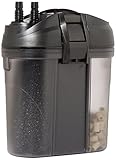
7. ZooMed Nano 30 – Compact and Quiet for Tanks up to 30 Gallons
ZooMed Nano 30 External Canister Filter
Up to 30 gallons
4.6 lb
Freshwater and saltwater
Easy to prime and open
Pros
- Compact footprint for nano tanks
- Simple to prime and open
- Quiet enough for desktop setups
- Light 4.6 lb body
Cons
- Low flow caps it at smaller tanks
- Limited media volume
- Basic tray design
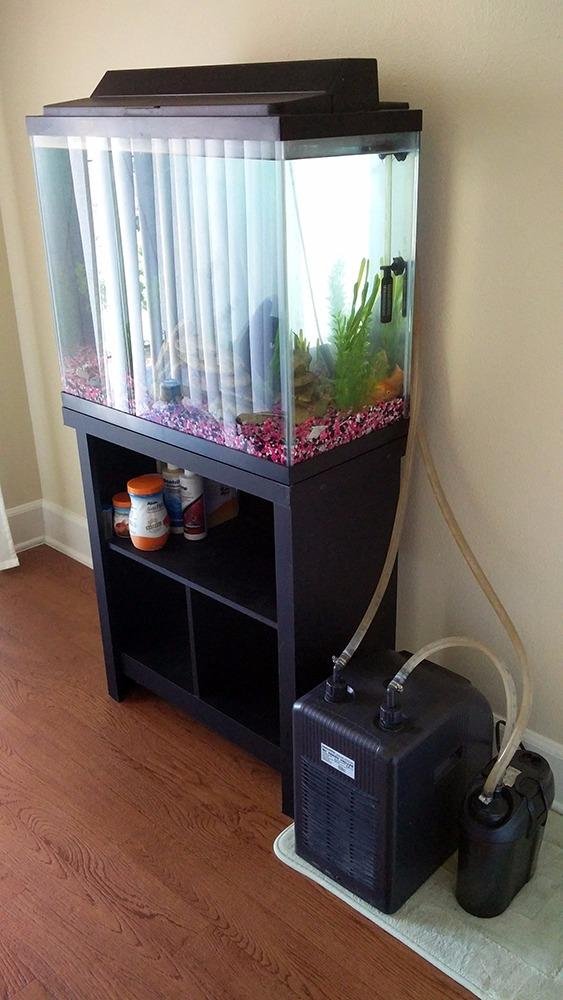
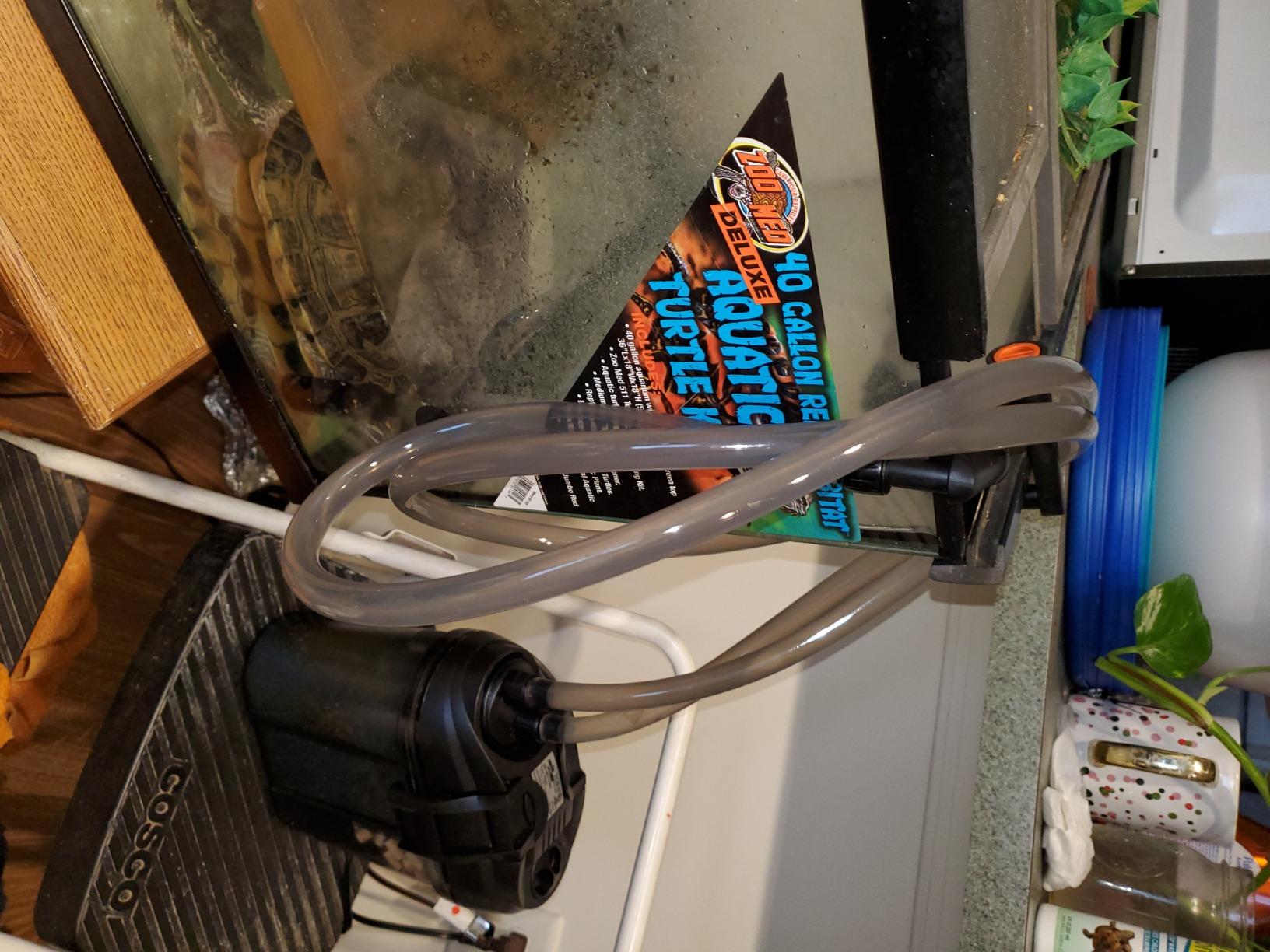
The Nano 30 solves a specific problem: a desktop or nano tank in a room where a hang-on-back filter is too loud and a full-size canister will not fit. At 4.6 pounds and 12.5 inches on its longest side it tucks anywhere, and owners describe it as quiet enough for desktop setups. At 4.2 stars across 350 reviews it is dependable rather than remarkable.
It works in both freshwater and saltwater, which makes it a safe first canister for a shrimp or fry tank. Priming, customizing and opening are all straightforward, so the learning curve is genuinely lower than with the larger imported models in this list.
The limits are flow and media. Owners note that low flow keeps it to smaller tanks, that limited media capacity means frequent cleaning on messy setups, and that the basic tray design offers little separation between media types. Plan on a sponge in the top tray and a small amount of ceramic media below it.
None of that touches noise. If your tank is under 30 gallons, this is the quietest-per-dollar canister you will find, and the reason it is not our editor’s choice is capacity, not sound.
Is it really quiet enough for a desk?
Yes, at this tank size. A small canister moves less water, so there is less water noise at the return, and owners place it on desks and in offices without reporting a nuisance hum.
Where it runs out?
Any tank over 30 gallons, or any tank you intend to stock heavily. Media volume is the first thing you will outgrow.
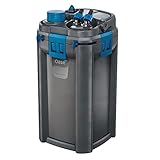
8. OASE BioMaster Thermo – Near-Silent With a Built-In Heater
OASE BioMaster Thermo External Filter with Built-in Heater for Aquariums up to 160 gallons, Multi-stage Filtration, Easy Maintenance Prefilter, Quiet Canister Filter, German Engineering
Up to 160 gallons
Built-in heater 66-90F
4-stage sealed path
4 year warranty
Pros
- Pre-filter cleans in minutes
- Built-in heater removes in-tank equipment
- Near-silent running
- Lock and unlock plumbing stops spills
Cons
- Real flow runs below the stated GPH
- Fine pre-filter sponges clog fast
- Supplied biomedia is minimal
- Heavy when loaded
The BioMaster Thermo is the most unusual filter in this roundup, and for a bedroom tank the built-in heater is the quiet advantage nobody talks about. Moving the heater out of the tank removes a submerged heating element and its associated cable, and owners consistently describe the running noise as near-silent and suitable for bedrooms and living rooms. The heater is bi-metal, adjustable from 66 to 90F, and it can be swapped without dismantling the pump.
The EasyClean pre-filter module is the second reason to buy it. It lifts out and rinses in minutes without full disassembly, so the most frequent maintenance task takes a fraction of the time. The media trays also accept about a gallon of third-party biomedia, and the safety locks on the handle, pre-filter and AquaStop valve mean the plumbing stops cannot fail open onto your floor.
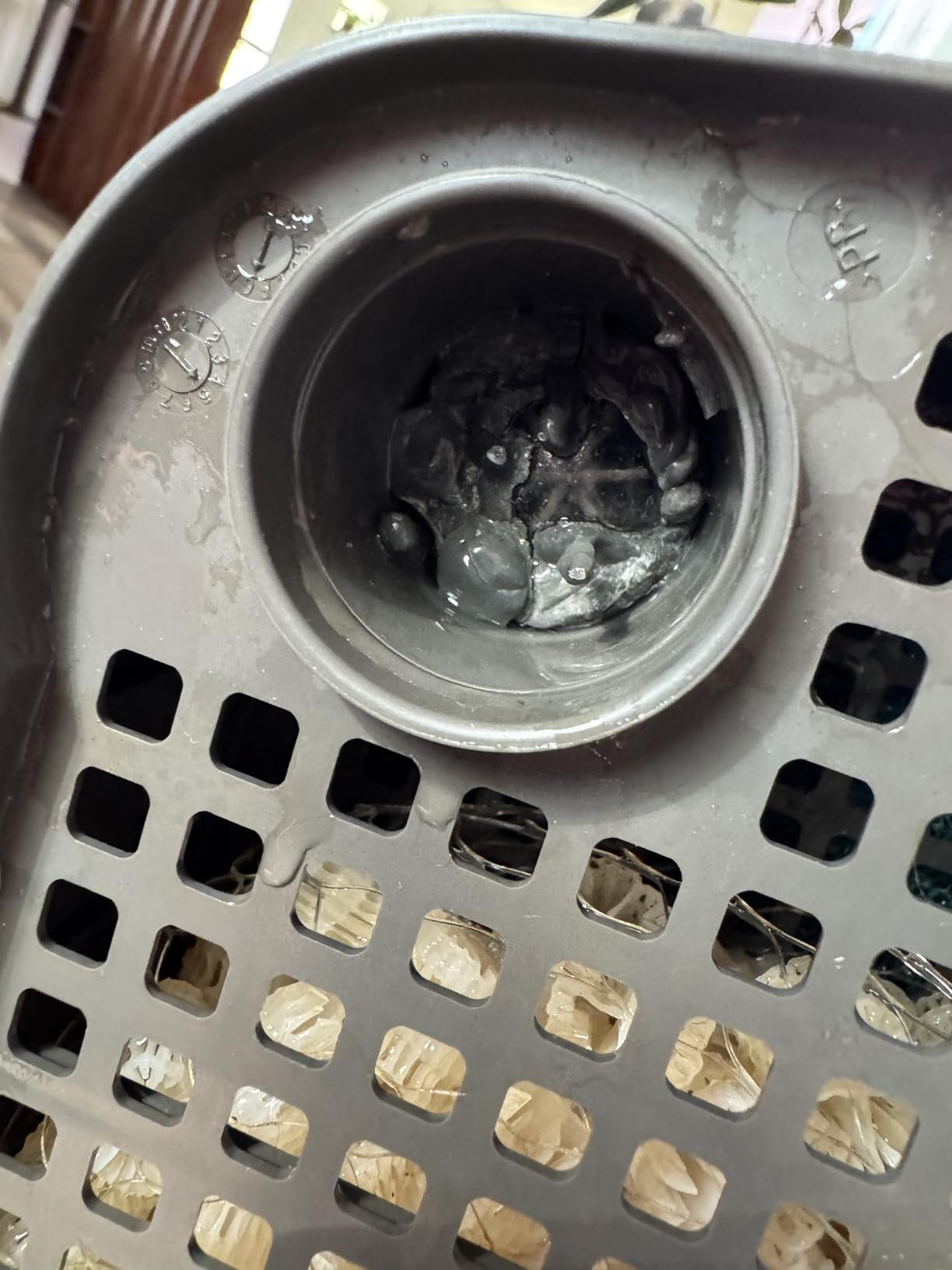
There are real criticisms, and they are consistent. Achieved flow runs measurably below the advertised GPH, the supplied pre-filter sponges are fine and clog within weeks, and the included biomedia is minimal enough that most owners replace it immediately. Rubber feet coming loose and a low-cost-feeling directional output flapper also show up repeatedly. Body weight is 13.23 pounds, and it feels considerably heavier once loaded with water and media.
You also need a tank that genuinely needs an integrated heater. If you already own a good in-tank heater and have no problem with it, the premium buys you a feature you will not use.
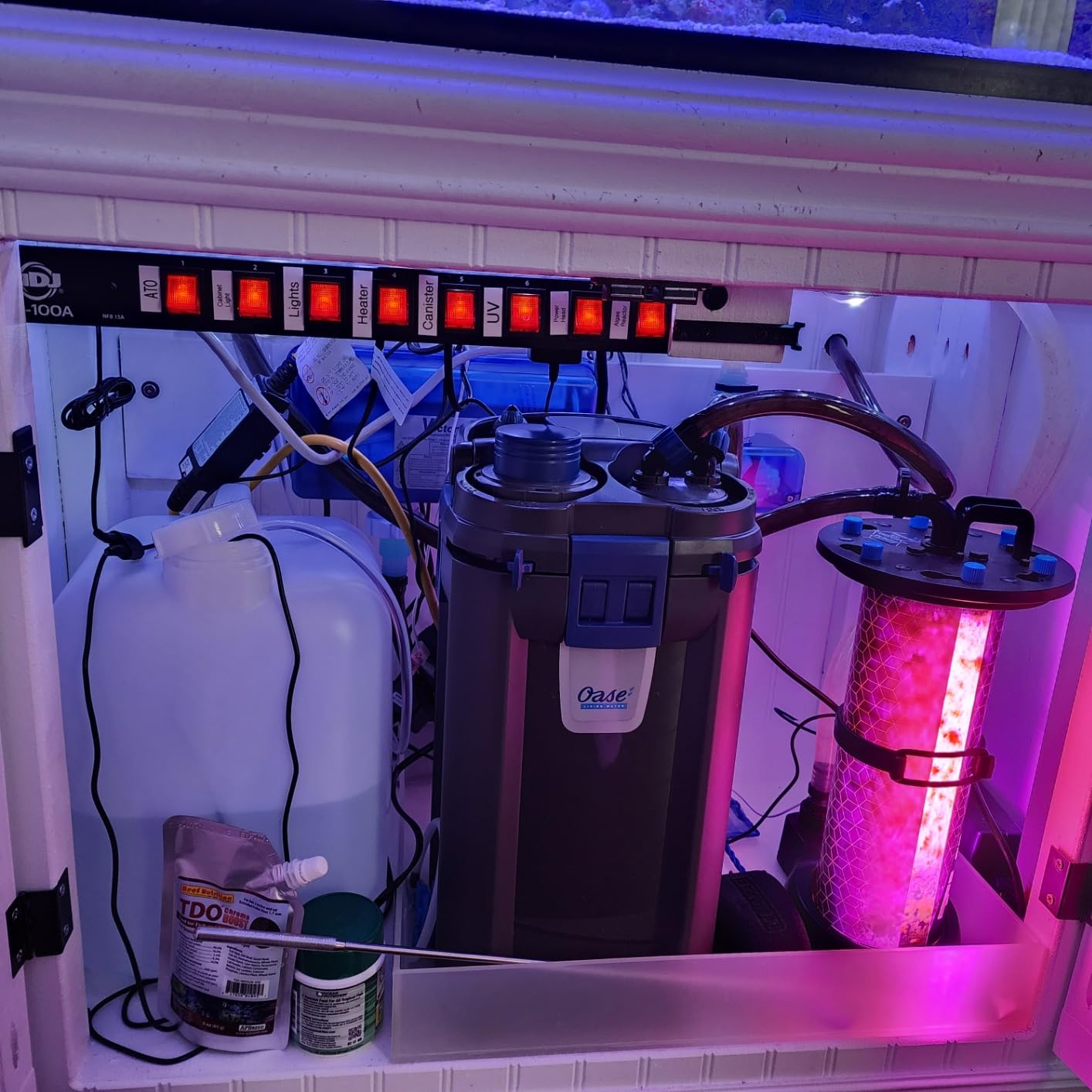
Is it quiet enough for a bedroom?
Owners say yes, and the design supports it. Between the dampened housing, the lock-stop plumbing that cannot rattle loose, and no in-tank heater cable knocking against the glass, this is the most bedroom-appropriate build in the roundup.
What to budget for?
Plan to replace the fine pre-filter sponges early and buy your own biomedia. The 4-year warranty is real, with three years plus an extra year on registration, which is the longest cover in this group.
9. OASE BioMaster 225 – Quiet Dampened Housing for Large Tanks
OASE BioMaster External Filter for Aquariums up to 225 gallons, Multi-Stage Filtration, Easy Maintenance Prefilter, Quiet Canister Filter, German Engineering
Up to 225 gallons
Sound dampening design
Simple priming
Fresh and marine water
Pros
- Sound dampening keeps it notably quiet
- Removable pre-filter
- Simple priming avoids siphoning
- Heater integration capability
Cons
- Very tall 25 inch body needs clearance
- Heater sold separately
- Fewer than 100 reviews
Quiet operation is a named design goal here, and owners single out the sound dampening as the reason it runs noticeably quietly. The simple priming system is the feature most likely to matter day to day, because it avoids siphoning to a sink or a bucket every time you want to service anything. Rated for tanks up to 225 gallons in fresh or marine water, and made in Italy, it covers the large-tank end without the FX4’s footprint.
The removable pre-filter follows the same idea as the Thermo model. Pull it out, rinse it in the sink, put it back. No full disassembly, no media scattered across a table at midnight.
Two cautions. The body is 25 inches tall and 17.6 pounds, so it needs generous stand clearance, and the heater integration requires an OASE HeatUp sold separately. At 4.3 stars from 79 reviews, long-term reliability data is thinner here than for any Fluval or Eheim in this roundup. Early reception is good, but you are buying on a thinner record.
Is it quiet enough for a living room?
Owners describe it as quiet, and the dampening is built in rather than added with a pad. For a 100 gallon plus display tank this is the combination we would look at first, if the cabinet has the height for it.
When to pick something else?
Buy the FX4 if you want a much larger body of long-term owner data, or the BioMaster Thermo if you want the heater included. Both have deeper review histories than this one.
10. Flexzion 525 UV – High Flow With a Built-In UV-C Lamp
Flexzion Aquarium Canister Filter with 525GPH Flow Rate, UV-C Lamp, Spray Bar, & 3-Stage Media Filtration for up to 100 Gallon Fish Tanks – Ultra-Quiet External Canister Filters for Aquarium
525 GPH
Up to 150 gallons
9W UV-C lamp
3-stage filtration
Pros
- High flow for the tier
- Integrated UV-C for clarity
- Spray bar improves oxygenation
- Primer pump and single-valve disconnect
Cons
- UV bulb is a consumable to replace
- Bulkier and heavier than premium units
- Generic housing
Two things make this stand out: 525 gallons per hour in a unit of this tier, and an integrated 9W UV-C lamp that handles clarification without a separate inline sterilizer. Owners also like the spray bar outlet for oxygenation and even distribution across the tank, and the primer pump plus single-valve disconnect make setup and service quick. At 4.0 stars from 78 reviews, satisfaction is solid but the data set is small.
On noise, this is the piece to think hardest about. It is advertised as low-noise and carries a spray bar, which adds water sound at the return. In a living room that is fine. In a bedroom at 2am, water sound at the surface is a bigger factor than motor hum, and you would want to dial the return back with a valve or a lily pipe.
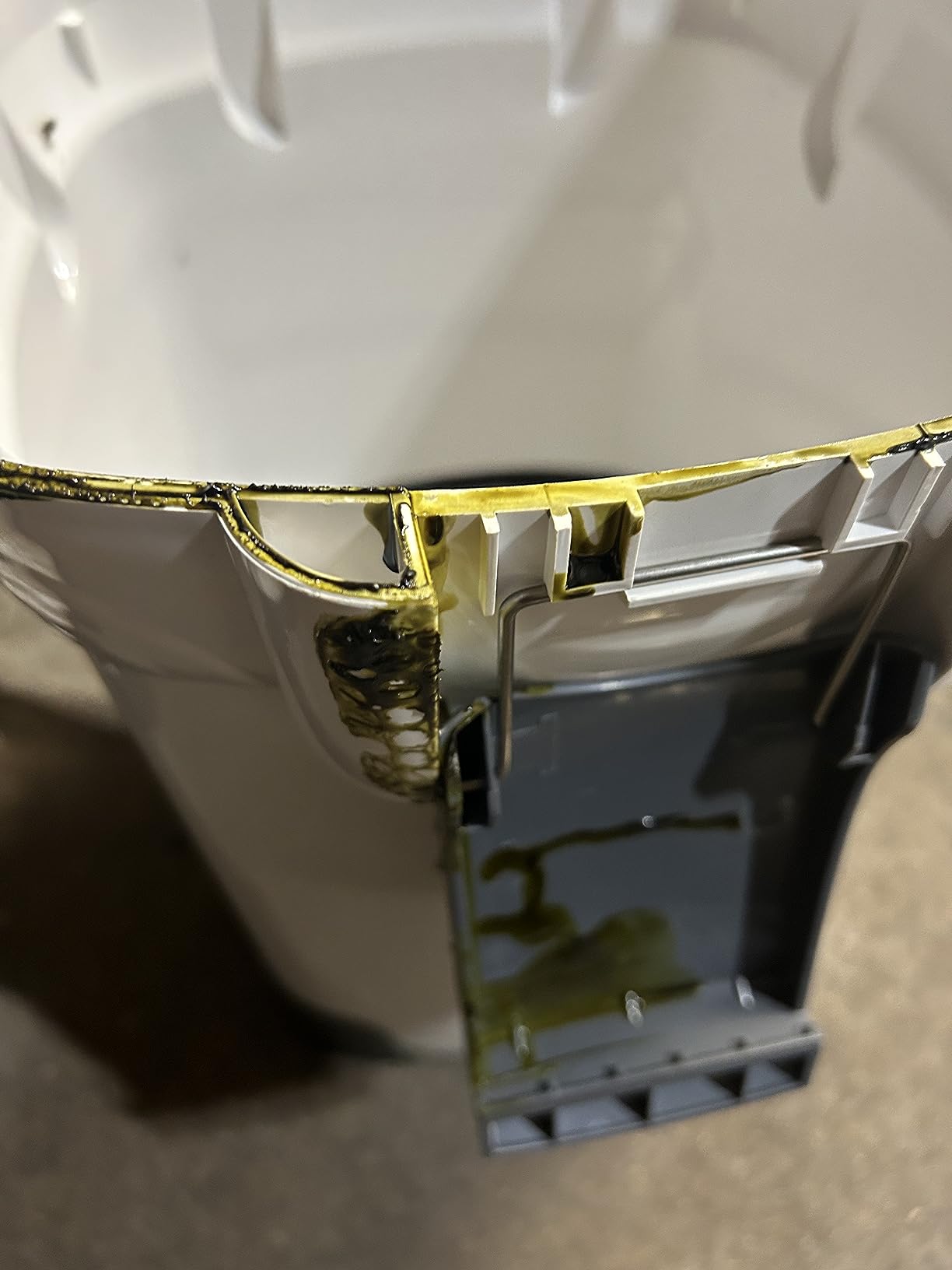
The UV-C bulb is a consumable that eventually needs replacing, and that is an ongoing cost nobody mentions in the listing copy. At 17.18 pounds and 18 inches on its longest side it is bulkier and heavier than premium canisters with similar flow, so cabinet clearance needs a look. The housing is also described in reviews as feeling less refined than Eheim or Fluval builds.
Buy it if UV clarification and flow in one box matter more to you than finish quality. Skip it for a bedroom and pick a quieter unit at the same flow.
How loud is it really?
Owners describe the motor as low-noise for a unit of this output. The sound you are most likely to notice is the spray bar, not the pump, and that is a plumbing adjustment rather than a filter problem.
Running costs to plan for
The UV-C lamp is the consumable. Everything else in the three-stage path uses standard biospheres and ceramic rings, so the only recurring replacement specific to this model is the bulb.
How to Quiet a Noisy Aquarium Filter?
Before you blame the filter, work through this in order. Owners on aquarium forums consistently report that a couple of days of break-in, plus leveling and a vibration pad, fixes most cases, and the steps below follow the order that resolves the problem fastest.
1. Identify the noise type first. A low steady hum is the motor. A rattle that comes and goes is plumbing or stand resonance. A gurgling or gulping sound is a lost prime or an air pocket. A higher pitched whine that started months in is usually motor bearing wear, and no amount of padding fixes that.
2. Level the cabinet. A canister rocking on an uneven floor taps the frame and the tank rim. If the canister rocks when you push it gently, that is your rattle, and it costs nothing to fix.
3. Put a vibration-damping pad under the canister. Closed-cell foam or a purpose-made isolator mat cuts the transfer from the housing into the cabinet floor, which is where most vibration actually becomes audible.
4. Close the cabinet doors. A closed cabinet is quieter than an open stand. Forum advice repeats this constantly, and it costs nothing. If the doors will not close because of the hoses, the hoses need re-routing, which is step five.
5. Secure the hoses so they cannot knock. Restraining straps or clips stop both the knocking and the vibration travelling along rigid pipe into the tank. Hoses that touch the cabinet wall will tap against it.
6. Reseat the pump head and re-prime. A gurgle almost always means the head is not sealed or the prime is gone. Prime it properly, wait for the steady pull, and the gurgle stops.
7. Check the intake and spray bar. A partially blocked strainer or a spray bar with no water in it makes noise that gets blamed on the motor. Clear both.
8. Turn the return flow down where the model allows it, or fit a lily pipe. Surface agitation is often the loudest sound in a quiet room, and a gentle return is quieter than a full-bore spray bar.
One thing we would add for anyone chasing quiet in a specific room: the same acoustics work applies outside aquariums. Our quiet dehumidifier guide for bedrooms covers hum versus rattle diagnosis in appliance noise, and the diagnostic order is identical.
How to Size a Quiet Canister Filter for Your Tank?
Sizing is where most noise complaints start, because an undersized or oversized filter runs at flow settings it was not designed for. Get this right first, then optimize placement.
1. Find your actual tank volume in gallons, measured, not estimated. Usable volume is roughly 80 percent of the stated figure once substrate and hardscape are in.
2. Multiply by 5 for turnover. Most planted and community freshwater setups want the filter rated at five times tank volume, and reef systems often want six to ten times.
3. Choose the next filter up, not the one that just fits. Running at 70 to 80 percent of rated flow is quieter than running wide open, and a canister working at full bore is louder than the same canister throttled.
4. Check the media volume against your stocking. A filter that clears enough water but holds too little bio-media will not keep a heavily stocked tank healthy, and a noisy filter is the cheaper problem to fix.
5. Measure the cabinet before you commit. Body height plus hose clearance matters more than people expect, and the two largest filters in this roundup are the two most likely to fail a clearance check.
6. Decide on a rating below 5x turnover? Do not buy the smaller filter. Buy the larger one and throttle it with the valve, which is quieter than a small motor running flat out.
What Actually Makes a Canister Filter Loud?
Three separate things make noise, and they need different fixes. Diagnosing which one you have saves you from buying the wrong filter entirely.
Hum comes from the motor and the housing vibrating as it spins. This is the constant low tone you hear in silence. It is the only noise type that genuinely varies between filter models, and it is the reason we rank them at all. The Fluval 107 and the Eheim models sit lowest here. The Marineland Magniflow sits highest.
Rattle comes from plumbing and the stand. Hoses knocking a cabinet wall, a canister rocking on an uneven floor, a loose clamp, a tank rim tapping. This is louder than most motor hum and is almost always free to fix with a pad, a strap and a spirit level.
Gurgle comes from air. A lost prime, an air pocket in the canister, a poorly seated pump head. It is intermittent, it sounds like the filter is about to die, and it is nearly always fixed by reseating the head and re-priming.
Water noise is the fourth and most under-rated one. A spray bar at full flow in a quiet room can be louder than the motor, and nobody in the forums attributes it to the filter because it starts the moment the pump does. A throttled return or a lily pipe fixes it.
Only the first of those four is a reason to choose one filter over another. That is the whole argument for this roundup: buy for hum, fix the other three in the cabinet.
Eheim vs Fluval vs OASE for Quiet Operation
These three brands dominate forum recommendations for silence, and the differences are practical rather than dramatic.
Eheim is the longevity answer. The fixed silicon sealing ring is a better seal than most competitors, the parts list is deep and serviceable, and the Classic has been in production since 2004. Flow and media volume are behind current designs. This is the brand we would keep for a decade.
Fluval is the all-rounder. The eTEC pumps in the 07 series run stated at up to 25 percent quieter than the previous generation, the Smart Pump on the FX line evacuates air every 12 hours, and the EZ-Lift baskets are the fastest media access in this group. The one consistent forum complaint is hose sizing on the FX series, which is harder to replace than standard tubing.
OASE is the one built specifically for a room. The sound dampening is a named feature, the locking AquaStop valves cannot rattle or fail open, and the BioMaster Thermo removes the heater from the tank entirely. It is also the least forgiving on real-world flow, which owners consistently report running below spec.
Our read: Fluval for the best all-round quiet value, Eheim for the longest quiet service life, OASE for the tidiest bedroom installation. None of the three loses on hum by more than a small margin, and placement will move the result further than the badge.
Bedroom and Office Placement Guide
Two filters with identical hum ratings can sound completely different depending on where they sit. This section is worth more than any amount of product research if your tank is in a bedroom.
Close the cabinet doors. This is the single biggest change most people can make. A closed cabinet damps the motor sound that would otherwise travel straight into the room.
Isolate the canister from the cabinet floor. Closed-cell foam or an isolator mat under the body cuts the vibration path that makes a hum feel like a hum rather than a distant motor.
Keep hoses off the cabinet walls. Rigid pipe touching wood is a rattle waiting to happen, and it transmits vibration along its whole length. Strap them so they hang, do not rest.
Level the stand first. Everything above depends on it, and an unlevel cabinet makes a quiet filter sound loud.
Use a gentler return. Swap a full-bore spray bar for a lily pipe or throttle the valve where the model allows it. Surface agitation is frequently the loudest sound in a quiet room.
Give it burn-in time. Owners report that filters settle after a couple of days, and judging a new canister at hour six is how people end up shopping for a replacement they did not need.
If you are building the same quiet-first logic into other gear, our guide to quiet camping generators covers the same hum-versus-rattle diagnosis for a completely different machine.
Frequently Asked Questions
Which aquarium canister filter is the quietest?
The Fluval 107 is the quietest canister filter in our roundup, with more than 10000 reviews describing near-silent pump operation. Eheim models run just behind it, and the OASE BioMaster Thermo matches the quiet tier in a smaller review pool. Placement and hose routing change the result more than the brand does.
How do I quiet a noisy aquarium filter?
Work the diagnosis in order. Level the cabinet first, then put a vibration-damping pad under the canister, close the cabinet doors and strap the hoses so they cannot knock. If the sound gurgles, reseat the pump head and re-prime. If it is water noise from the spray bar, throttle the return or fit a lily pipe.
Why is my canister filter making noise?
It depends on the sound type. A steady low hum is the motor. A rattle that comes and goes is plumbing or a rocking cabinet. A gurgle is a lost prime or an air pocket in the canister. A higher pitched whine that developed after months of use points to motor bearing wear, which padding will not fix.
Which is better, Eheim or Fluval, for quiet operation?
Both run quietly and the difference is small. Eheim wins on longevity, with a fixed silicon sealing ring, a deep serviceable parts list and a design in production since 2004. Fluval wins on all-round capability, with the eTEC pump in the 07 series, Smart Pump air evacuation on the FX line and the fastest media basket access in this roundup.
Do fish get stressed by filter noise?
Fish do not experience sound the way humans do, and a steady hum is generally not a welfare problem. Rapid vibration and surface agitation matter more, because they destabilize water movement and gas exchange. That is one reason we recommend throttling a return flow rather than just buying a quieter motor.
Do quiet canister filters stay quiet after a year?
Most do. Motor hum usually stays flat, and any new noise after months is more likely plumbing, a lost prime or a rocking cabinet than a failing motor. Eheim owners report units running for years without developing hum. The exception is a rising whine, which points to motor bearing wear and is worth addressing early.
Conclusion
If the tank is under 30 gallons and the room is quiet, buy the Fluval 107. It is our pick for the best quiet canister filters because the owner evidence on its noise is the deepest in the group, and a 4.89 pound body on a level cabinet floor is close to the quietest arrangement we found.
For a large display tank where silence still matters, the Fluval FX4 delivers 700 GPH without the hum penalty and clears air on its own every 12 hours. If you want something complete and quiet without researching fittings, the Aqueon QuietFlow has the valves, hoses and media in the box and stays unobtrusive in a bedroom.
Two cautions worth repeating. The Marineland Magniflow has the loudest reported vibration in this roundup, so keep it out of sleeping rooms. And the OASE BioMaster 225 has good early reviews but fewer than 100 of them, so you are buying on a thinner long-term record than any Fluval or Eheim here.
Whichever one you choose, budget twenty minutes for placement. A leveled cabinet, a pad under the canister, closed doors and strapped hoses will close most of the gap between the filter’s rated noise and what you actually hear at midnight. That is a bigger lever than the price tier, and it costs nothing. We will keep updating this roundup through 2026 as owner reports accumulate on the newer models.