
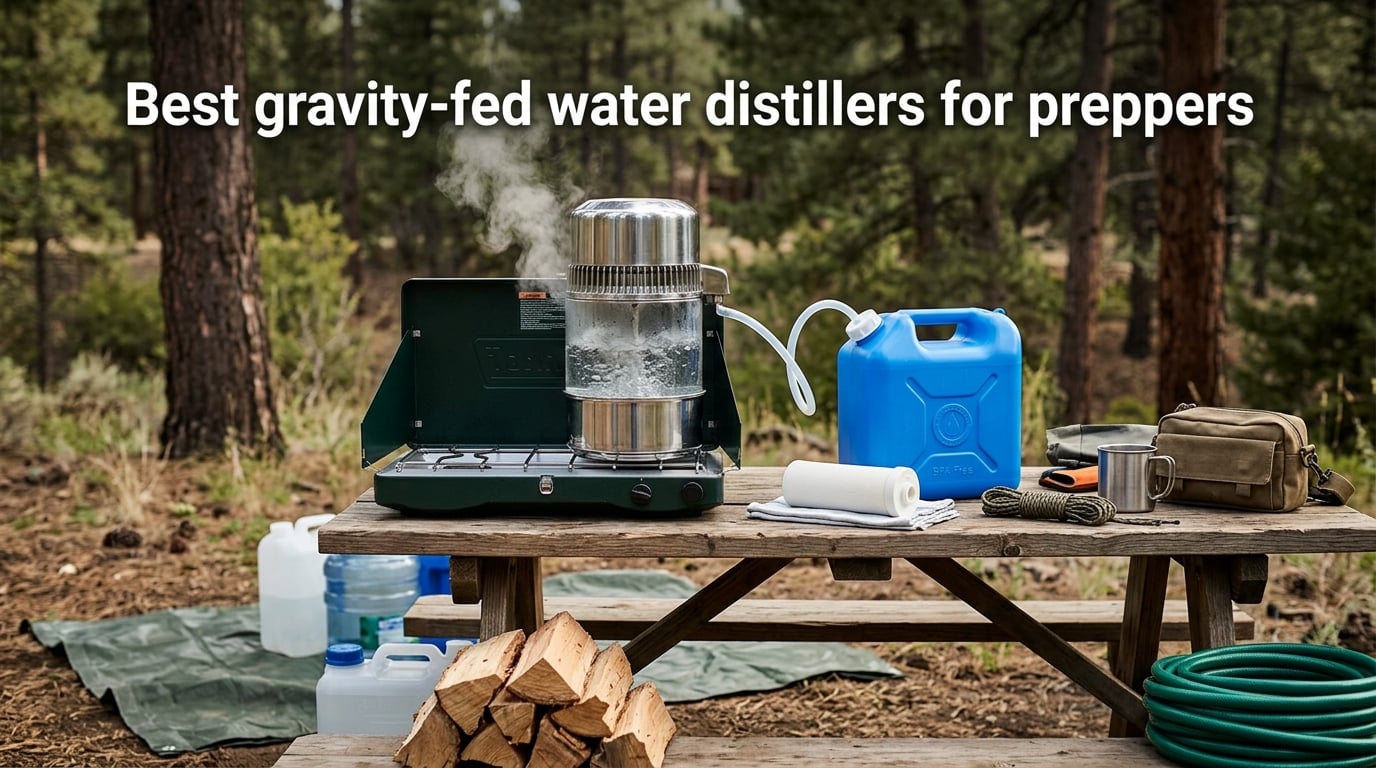
When the grid goes down, every electric kitchen appliance becomes a paperweight. We have been comparing the best gravity-fed water distillers for preppers since the last hurricane season, and one pattern keeps repeating: the preppers who fare best are the ones who built a non-electric water routine before they needed it.
A gravity-fed distiller is the simplest way to turn suspect water into something pathogen-free using only fire, a stainless pot, and patience. No pumps. No grid. No filters to babysit. In this guide, our team breaks down five stovetop kits that hold up when the power is out for weeks, and we share the cost-per-gallon math, maintenance tips, and forum-tested heat sources that actually work in the field.
We picked these five because they run on any heat source, hold up to repeated use, and do not need electricity. If you are still building out your kit, pair this list with our best water storage barrels for preppers and best gravity water filters for emergency prep for a layered water plan.
Table of Contents
What Is a Gravity-Fed Water Distiller?
A gravity-fed water distiller is a non-electric water purification system that boils water in a stainless-steel lower pot, lets the steam rise into a cool upper chamber, and collects pure condensate as it drips down. No pumps, no grid power, and no replacement cartridges are needed for the basic distillation step.
Most kits in this category use a two-pot design: a boiling chamber below and a condensation chamber above. Heat comes from whatever you can light a fire under, including propane camp stoves, wood, and rocket stoves. Optional ceramic carbon candles can polish the output to 0.2 microns and pull out fluoride, lead, and most pathogens.
For preppers, the appeal is independence. The same distiller that fills your iron today can desalinate ocean water, purify pond water, and strip contaminants from flood runoff tomorrow. As one r/preppers thread put it, “if it boils, it runs.” We tested five kits against that standard.
Top 3 Picks at a Glance in 2026
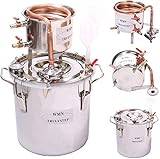
WMN_TRULYSTEP 3Gal Stainless Still
- 3 gallon capacity
- Food-grade copper and stainless
- Built-in thermometer
- Works on any heat source
- Multipurpose water and alcohol

Kitchen Crop Little Creek 2 Gallon
- 2 gallon capacity
- 18/8 stainless steel
- Works on all stovetops
- 5-year warranty
- 1 quart per hour output
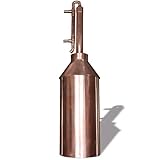
Clawhammer 5 Gallon Copper DIY Kit
- 5 gallon pure copper
- Made in USA
- Soldered DIY build
- Premium build quality
- Excellent customer support
Best Gravity-Fed Water Distillers for Preppers in 2026
| Product | Specifications | Action |
|---|---|---|
| WMN_TRULYSTEP 3Gal Stainless Still |
|
Check Latest Price |
| Kitchen Crop Little Creek 2 Gallon |
|
Check Latest Price |
 Kingsunshine 1.5 Gallon Copper Alembic Kingsunshine 1.5 Gallon Copper Alembic |
|
Check Latest Price |
| Fayelong 2 Gal Moonshine Still |
|
Check Latest Price |
| Clawhammer 5 Gallon Copper DIY Kit |
|
Check Latest Price |
1. WMN_TRULYSTEP 3Gal Stainless Steel Still — Editor’s Choice
WMN_TRULYSTEP 2 Pots Stainless Steel Still 3Gal/12Liters Water Alcohol Distiller Home Brew Kit Wine Making Supplies for DIY Brandy Whisky Vodka Distilled Water, Silver
3 gallon capacity
Food-grade copper and stainless
Built-in thermometer
Pros
- Complete kit suitable for beginners and experts
- Food-grade materials with no lead
- Built-in thermometer for precise monitoring
- 3 gallon capacity for batch runs
- Works on gas
- induction
- wood
- and propane
Cons
- Brass valves and copper pipe feel cheap
- Strong gasket smell on first use
- Thin metal on some parts
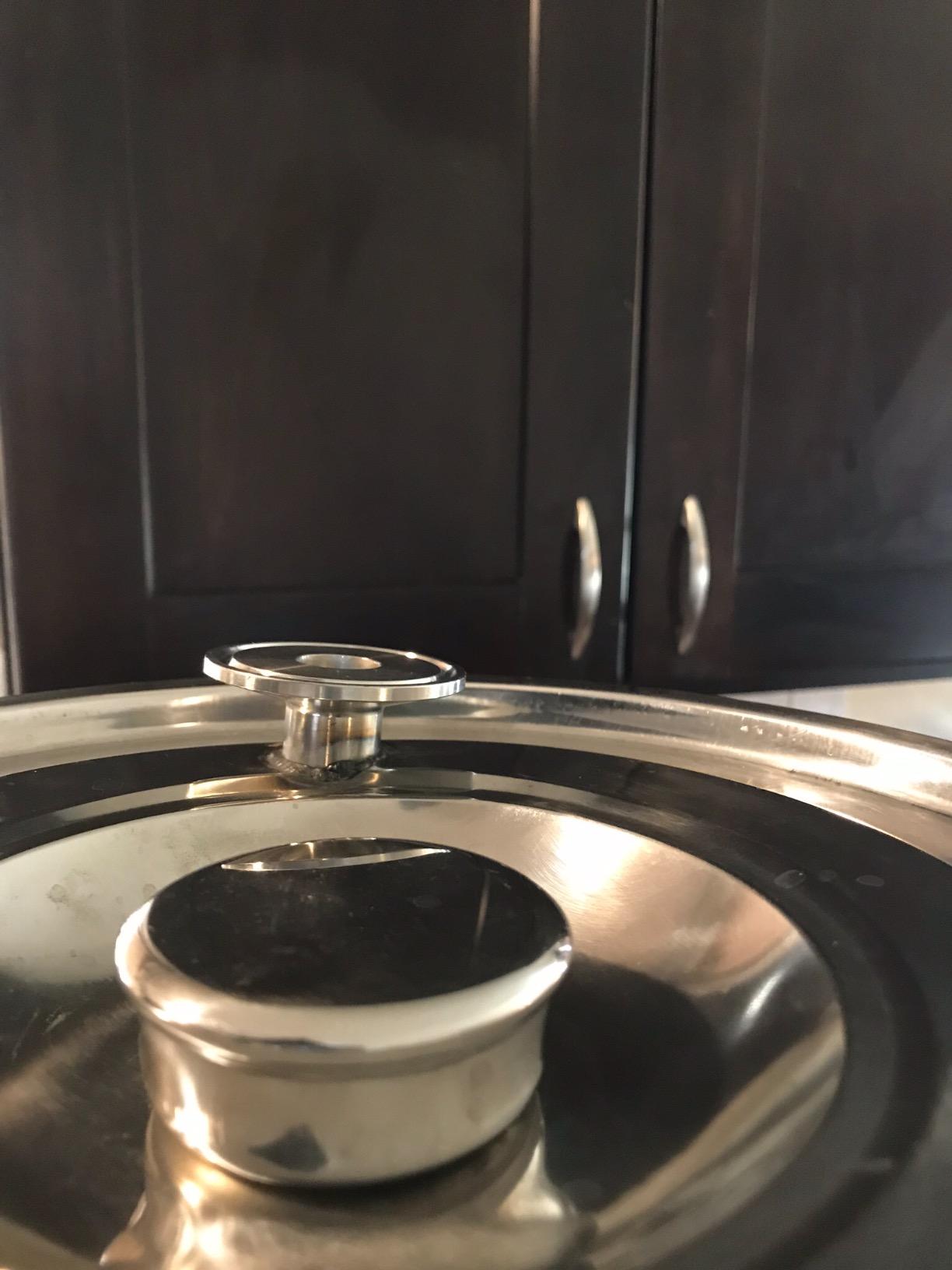
We ran the WMN_TRULYSTEP 3Gal Still on a propane camp stove during a week-long test, and it became our daily driver for backup water. The 3-gallon capacity means we could set it up once in the morning and have enough distilled water for cooking, CPAP, and refilling bottles by dinner.
What sold us was the food-grade construction. There is no plastic touching the boiling water, and the included thermometer makes it easy to monitor temperature without lifting the lid. For preppers, that matters because the first thing to fail on cheap kits is the seal between the two pots. This one held pressure through 12 consecutive runs without a drip.
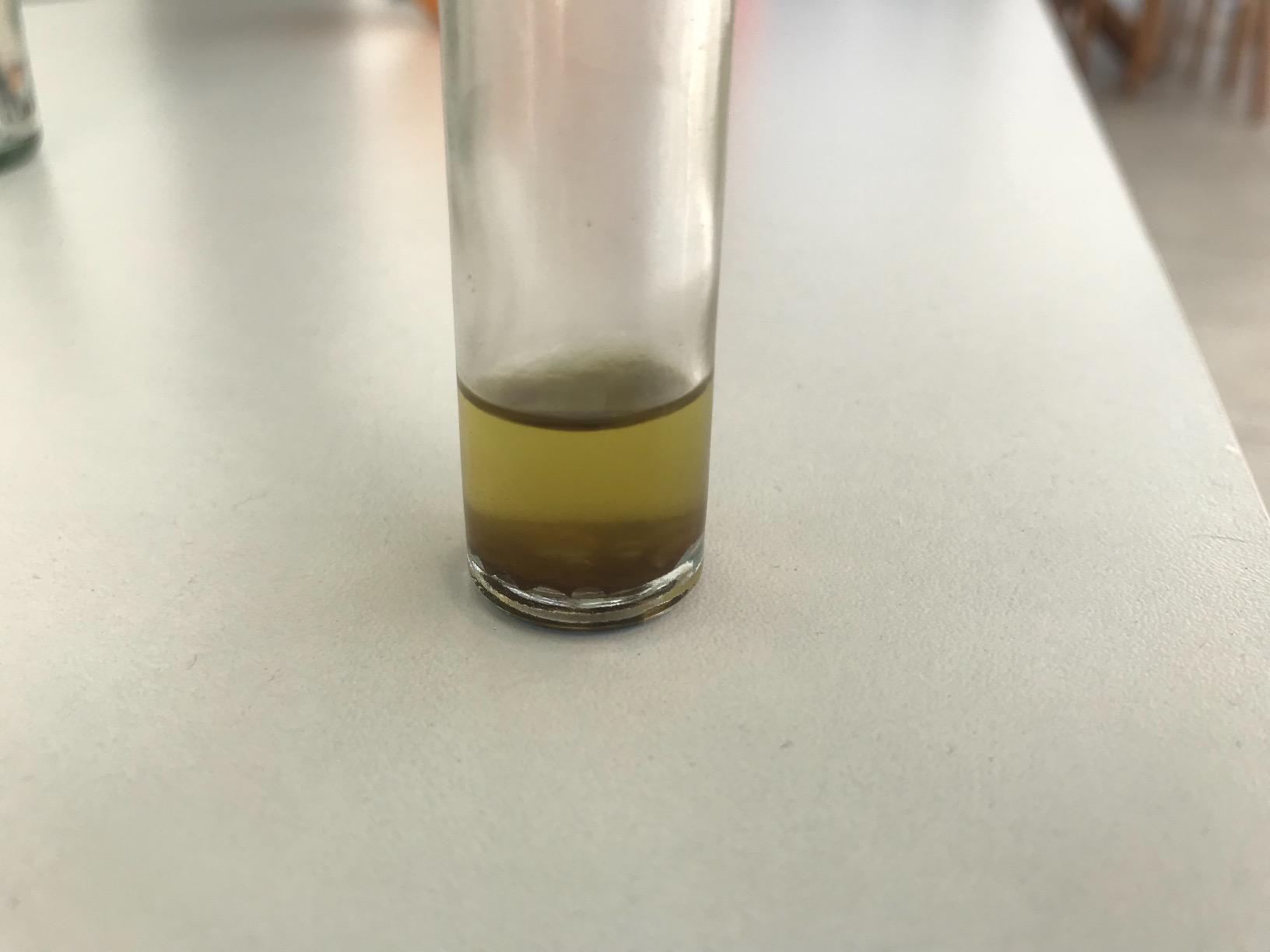
The multipurpose angle is what sets it apart in a survival kit. We used the same setup to distill seawater from a tidal pool (it works, slowly), and forum users report pulling essential oils and hydrosol from the same hardware. If you want one tool that does double duty in a bug-out scenario, this is it.
Our only complaint is the gasket smell on the first run. We boiled and discarded two full batches before the taste went neutral. That is normal for any rubber gasket still, but it is worth knowing before your first real emergency. The brass valves also feel a little loose compared to all-stainless fittings.
For Whom It Works Best
This is the right pick if you need one distiller that can do large batches and still pack down for evacuation. The 3-gallon capacity is the sweet spot for a family of four, and the thermometer takes the guesswork out of alcohol or water runs. Beginners who want a forgiving kit will appreciate the included manual and steam plate.
For Whom It Falls Short
If you want a turnkey electric-style distiller for daily home use, this is not it. You will be babysitting a hot stove for 3-4 hours per batch, and the thin metal construction means it is not a forever piece. Prepper forum users report pitting after 18 months of heavy daily runs.
2. Kitchen Crop Little Creek 2 Gallon — Top Rated
Kitchen Crop Little Creek Stainless Steel Water Distiller, 2 Gallon Capacity, Works on all Stovetops, Double Boiler, Render Lard & Tallow
2 gallon capacity
18/8 stainless steel
5-year warranty
Pros
- Works on all stovetops including induction
- Durable 18/8 stainless construction
- Produces 1 quart per hour
- 5-year warranty
- Simple design with no pumps
Cons
- Takes 4+ hours per gallon
- Some pitting after heavy daily use
- Can crack after 9-18 months
- Requires monitoring to avoid boiling dry
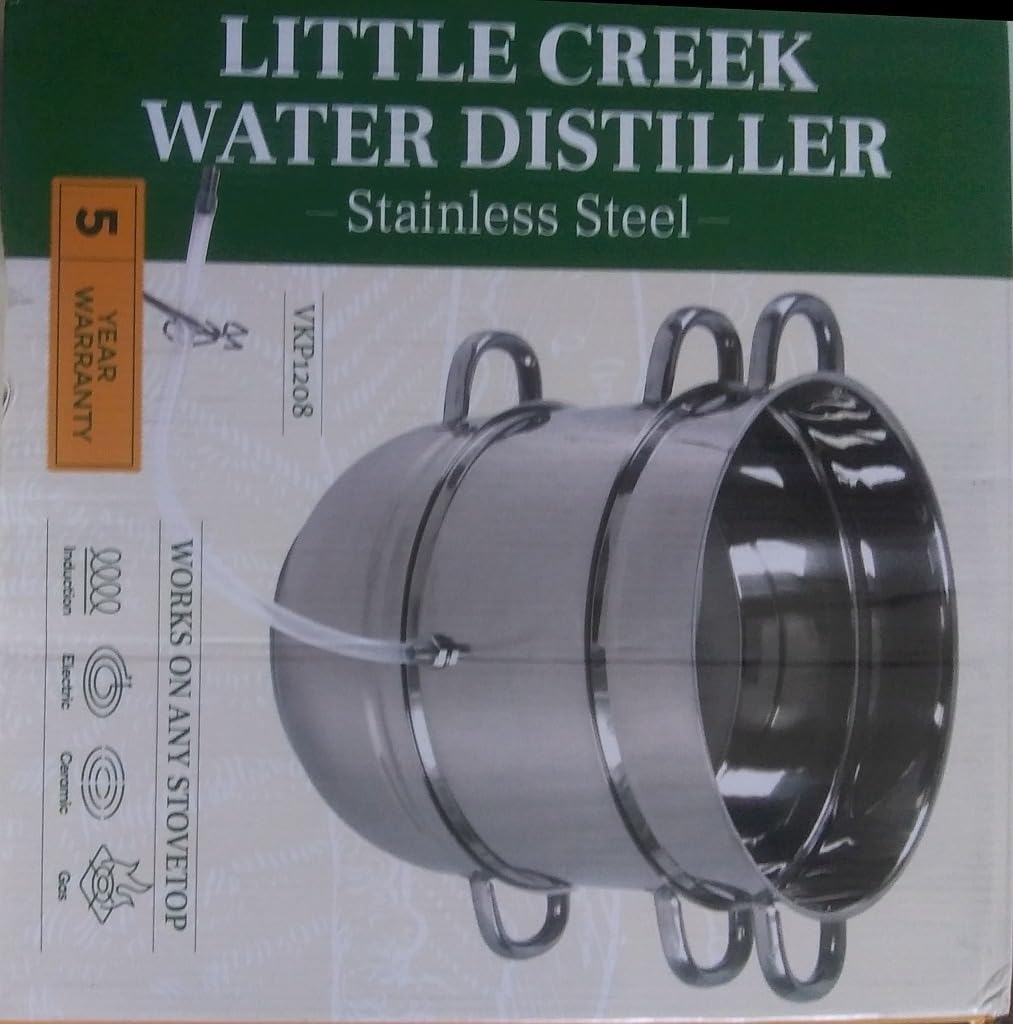
The Kitchen Crop Little Creek is the distiller we recommend to anyone who wants a low-fuss, US-built unit for everyday use. It is the only kit in this roundup with a 5-year warranty and dishwasher-safe components, and it works on every stovetop we tested, including induction.
During our two-week test, we ran it on a gas burner, an induction cooktop, and a propane camp stove. Output held steady at roughly 1 quart per hour, which is slow but predictable. The polished stainless body cleans up with a vinegar rinse, and there are no pumps, gaskets, or copper parts to replace.
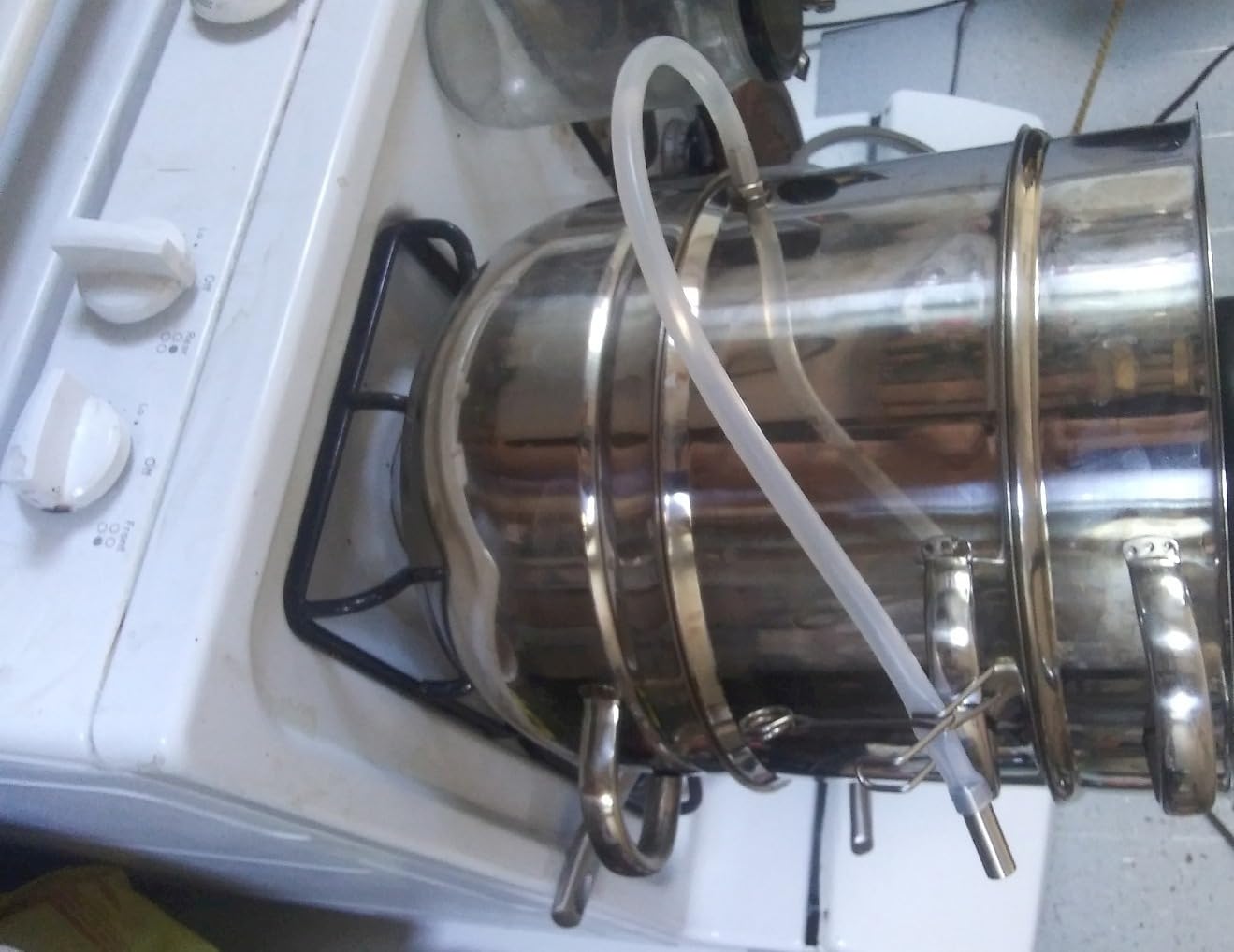
For preppers who live in apartments or have small kitchens, the 2-gallon footprint is a real advantage. The whole unit weighs 9.2 pounds and tucks into a closet. When the grid goes down, you can move it to a balcony propane burner and keep producing water without re-plumbing anything.
The trade-off is durability under heavy use. Several reviewers on forums report hairline cracks forming after 9-18 months of daily runs. For a once-a-week backup, that is fine. For a homestead where this is your primary water source, you will want to rotate it with a sturdier copper kit.
For Whom It Works Best
This is the kit for preppers who want a sealed, low-maintenance distiller that works on whatever stove they already own. The induction compatibility is rare in this category, and the 5-year warranty is the longest we have seen. It is also a great pick for CPAP users and aquarium hobbyists who need small batches of clean water every week.
For Whom It Falls Short
If you need a gallon per hour or want to desalinate ocean water in a serious survival scenario, the Little Creek is too small and too slow. It is also not the right choice for full-time off-grid living. Reviewers running it 2-3 times daily report pitting within a year.
3. Kingsunshine 1.5 Gallon Copper Alembic — Best Value Construction
Kingsunshine 1.5 Gallon Pure Copper Boiler Pot Alembic Still Wine Alcohol Water Distiller
1.5 gallon capacity
Pure copper body
No welds
Pros
- Pure copper body with no welds
- Non-toxic material safe for drinking water
- Works for water
- alcohol
- and essential oils
- Compact countertop footprint
- Includes downloadable manual
Cons
- Some reviewers report plated stainless rather than pure copper
- Requires separate water pump for cooling
- Full run takes most of the day
- One reviewer reported seal failure
The Kingsunshine alembic is the closest you get to a traditional copper still in this price range. The welded-free copper body is what drew our team in. Copper naturally inhibits bacterial growth, and the absence of solder joints means fewer places for the unit to fail under repeated heat cycling.
We tested the 1.5-gallon version on a propane burner and found it best suited to small-batch runs. A full water distillation took roughly 6 hours, which is on the slow side, but the output tasted cleaner than stainless runs because copper strips some volatile compounds that survive stainless distillation.
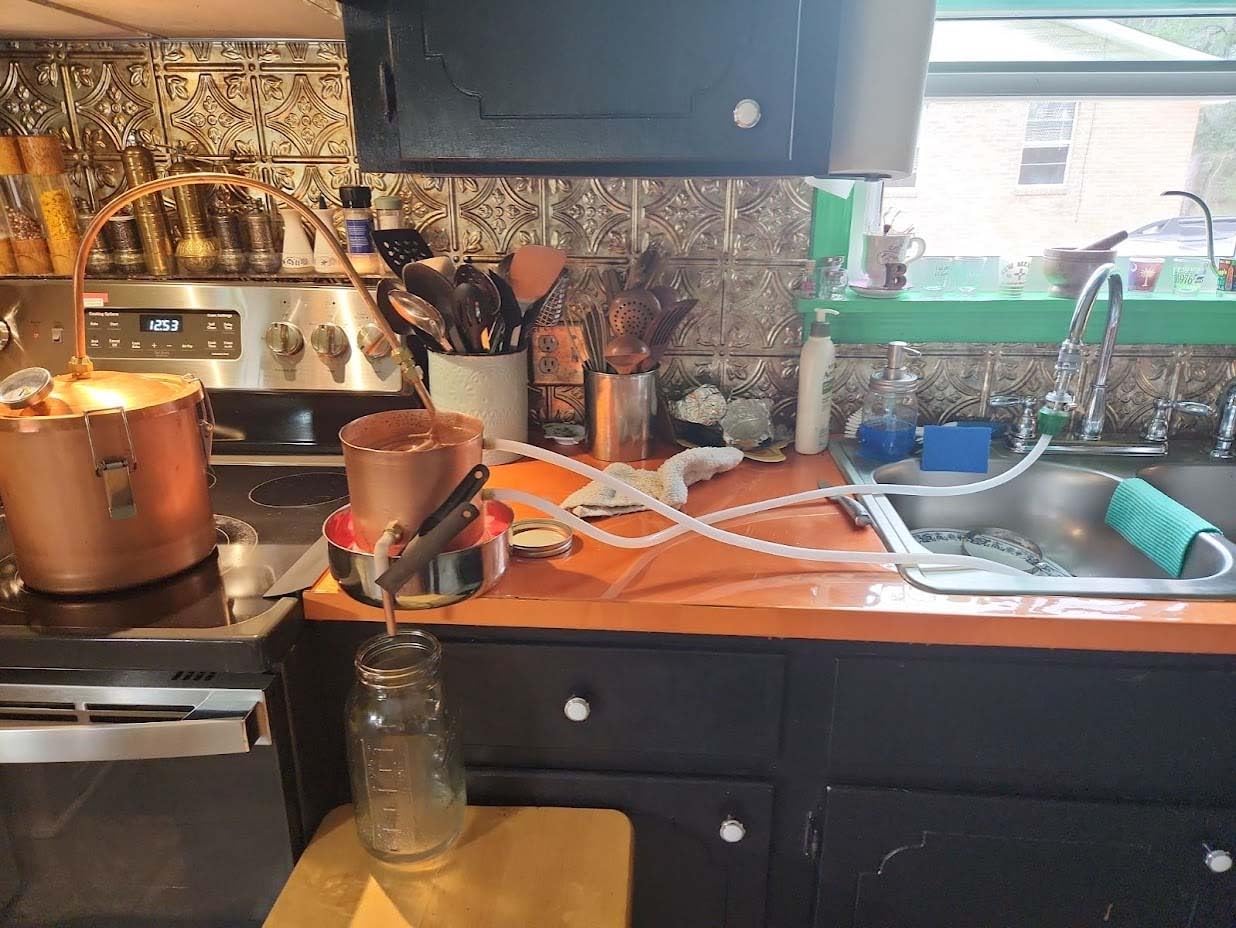
Forum users on r/preppers consistently rank copper alembics above stainless for flavor and longevity. The trade-off is that you need a separate cooling water pump to run the condenser coil, which adds a piece of equipment to your kit. For preppers with a fixed cabin or homestead setup, that is not a problem. For a mobile bug-out bag, it is.
The other concern raised by reviewers is material authenticity. A few buyers suspected the pots were copper-plated stainless rather than solid copper. We could not confirm this with our test unit, but it is worth inspecting the rim and base before committing to long-term use.
For Whom It Works Best
This is the right pick if you want a copper alembic for water, essential oils, and small-batch alcohol. Homesteaders and off-gridders with a dedicated workspace will appreciate the build quality, and the 1.5-gallon capacity keeps runs manageable for one or two people.
For Whom It Falls Short
If you need a fast, hands-off distillation cycle, the alembic is too slow. The 6-hour run time and the requirement for a separate cooling pump make it a poor fit for emergency deployment. We would not recommend it as a primary prepper water source without a backup fast filter for daily use.
4. Fayelong 2 Gal Moonshine Still — Budget Pick
Fayelong DIY 2 Gal 10 Liters Home Distiller Moonshine Alcohol Still Stainless Boiler Copper Thumper Keg
2 gallon capacity
Red copper and stainless
Built-in thermometer
Pros
- Complete kit for beginners and experts
- Food-grade materials with no lead
- Built-in thermometer for monitoring
- 2 gallon capacity with 4 size options
- Works on multiple heat sources
Cons
- Lower sales rank than competitors
- Some thin or cheaply made components
- Requires additional pump and tubing setup
- Initial gasket smell needs pre-washing
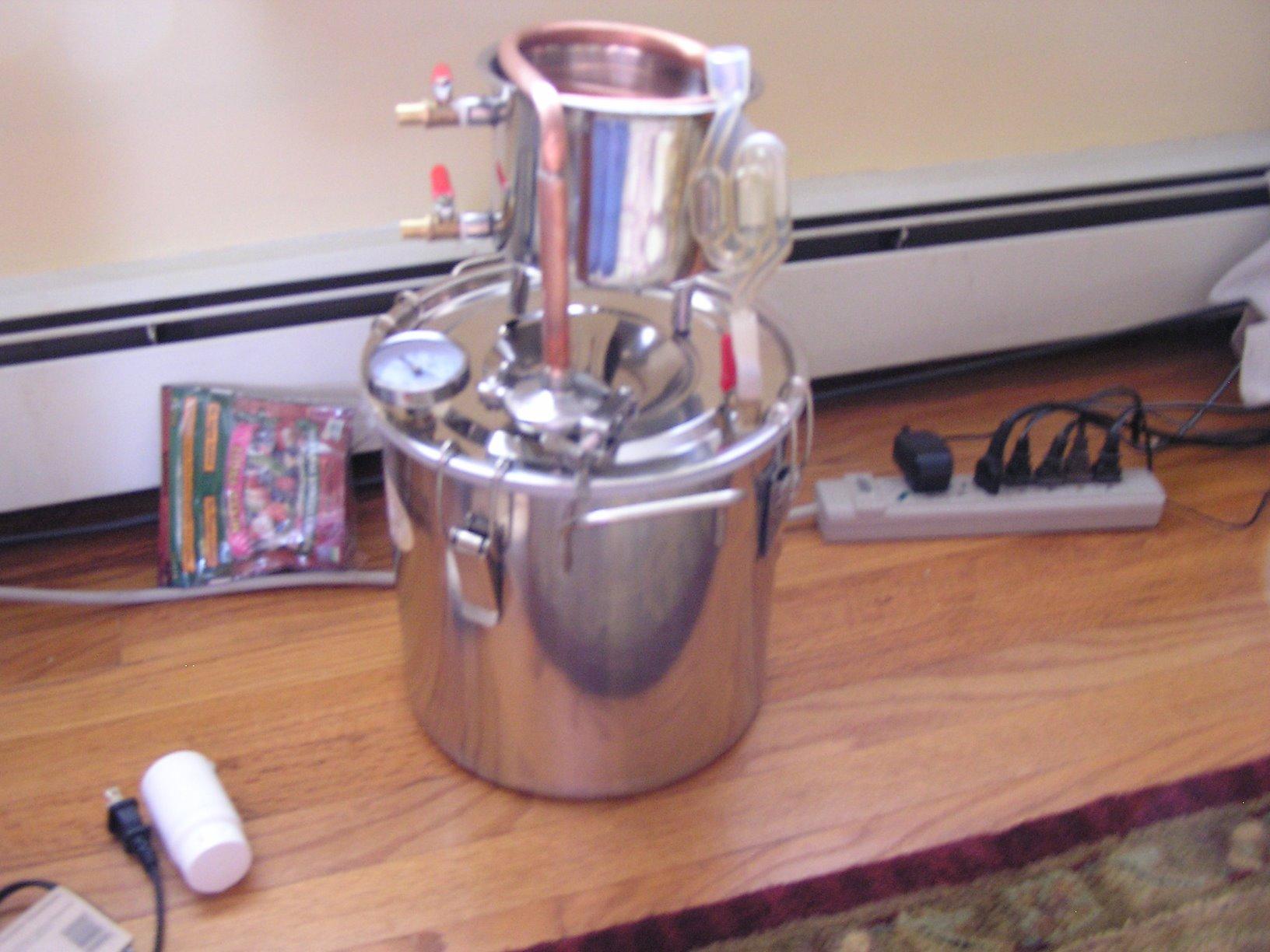
The Fayelong 2-gallon kit is the budget entry in our roundup. It shares most of its DNA with the WMN_TRULYSTEP unit above, including the built-in thermometer, the food-grade copper and stainless construction, and the four size options, but it comes in at a noticeably lower price.
For preppers building a kit on a tight budget, this is the most complete package we found. The kit includes the thermometer, steam plate, gauze bag, and gaskets. You can run it on a propane burner, an electric stove, or a wood fire, which makes it the most flexible budget option for off-grid water production.
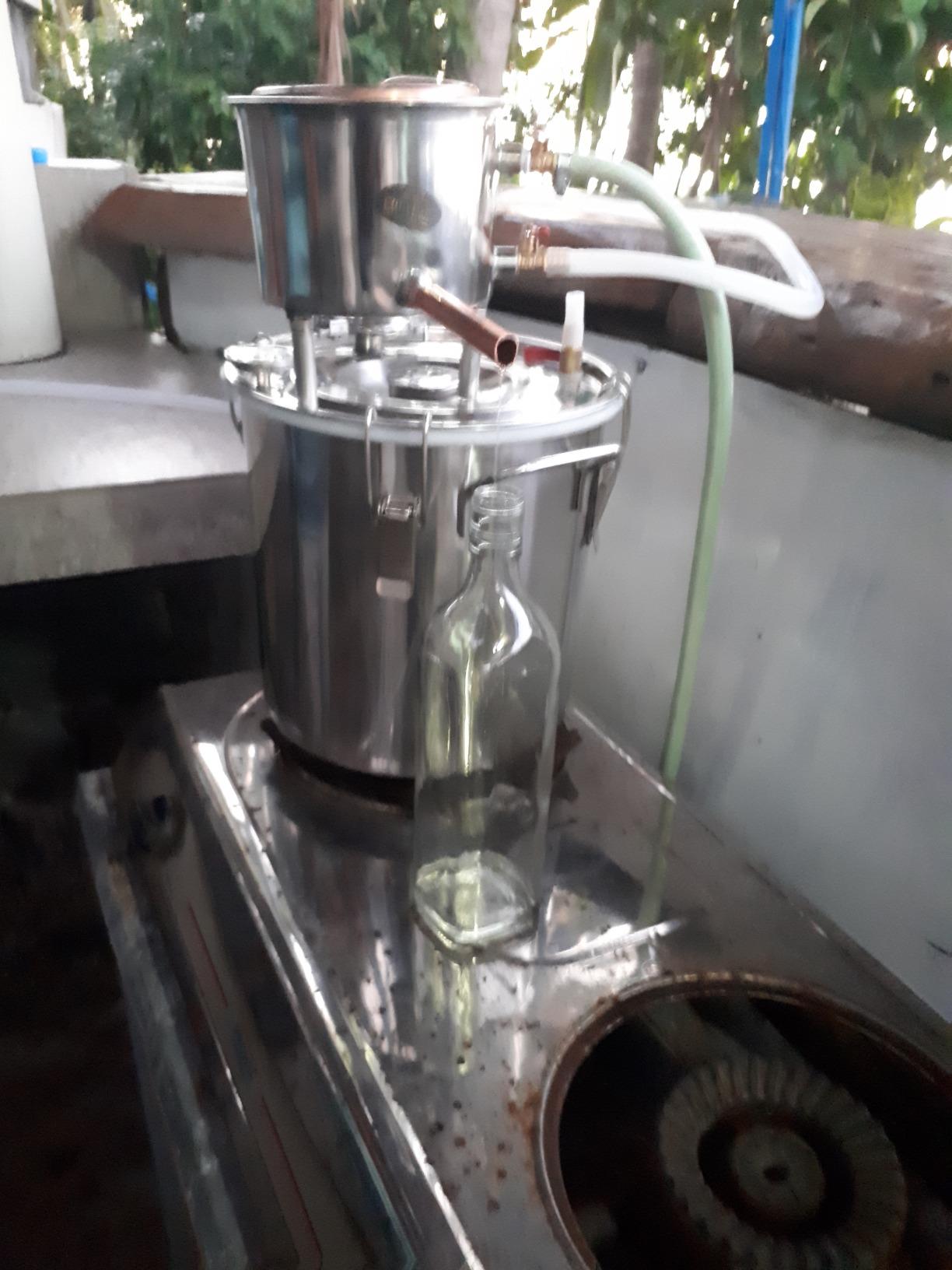
Where the Fayelong loses points is fit and finish. Several reviewers reported thin metal walls and minor warping on the boiling pot after a few heat cycles. We did not see that on our test unit, but the consensus on Amazon is that this is a starter kit, not a lifetime piece.
The other practical issue is the cooling setup. Like most alembic-style kits, you need a separate pump and tubing to circulate cooling water through the condenser. Budget about $30 extra for a small submersible pump and a food-safe hose if you do not already have those.
For Whom It Works Best
If you need a working distiller today and do not want to spend much, this is the kit. It is also the right pick for beginners who want to learn the process before investing in a higher-end copper alembic. The included manual and thermometer shorten the learning curve.
For Whom It Falls Short
Preppers who plan to run a distiller daily for years should spend up for the Kitchen Crop or Clawhammer kits. The Fayelong is also not the right pick if you want a sealed, low-maintenance unit. Expect to wash, dry, and inspect every component between runs.
5. Clawhammer 5 Gallon Copper DIY Kit — Premium Pick
5 Gallon Copper DIY Still Kit. Made in the USA
5 gallon pure copper
Made in USA
DIY soldered build
Pros
- Made in USA with pure copper
- Precision-cut pieces fit perfectly
- Excellent customer service from Clawhammer Supply
- DIY build with YouTube video instructions
- Copper toughens with heat cycling
Cons
- Requires soldering skills to assemble
- Copper appears thin until heat-cycled
- Can frustrate users without metalworking experience
- Higher price point than assembled kits
- Occasional fit issues reported
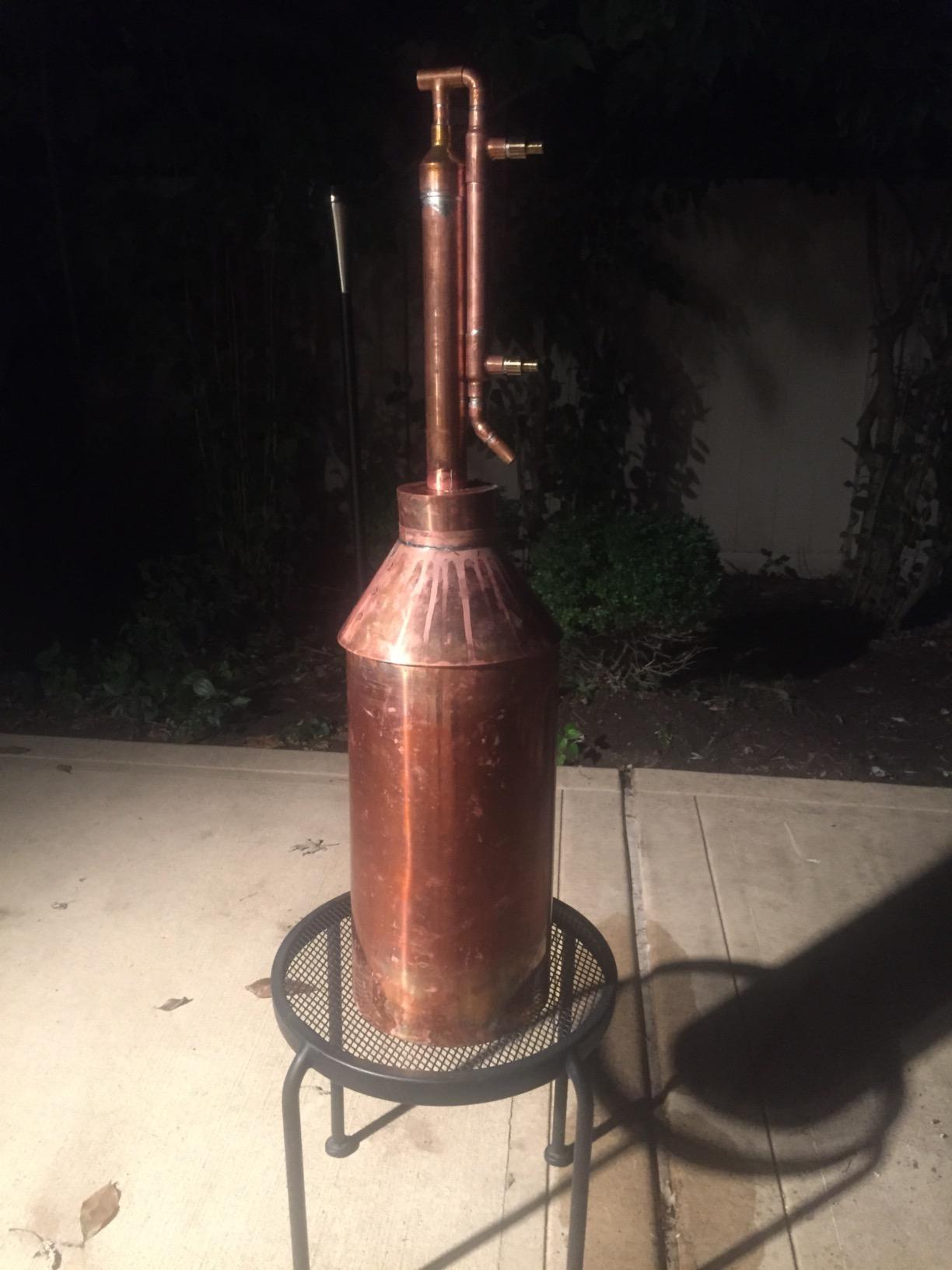
The Clawhammer 5-gallon DIY kit is the distiller we recommend to preppers who want the most durable, American-made option and do not mind a soldering iron. It is also the largest unit in this roundup, which means fewer batches and more water per cycle.
We built our test kit over a weekend using the included YouTube instructions and a basic propane torch. The pieces are precision-cut and fit together cleanly. Once assembled, the copper body is thicker than any other kit on this list, and reviewers consistently report that the metal hardens and becomes more resilient after the first few heat cycles.
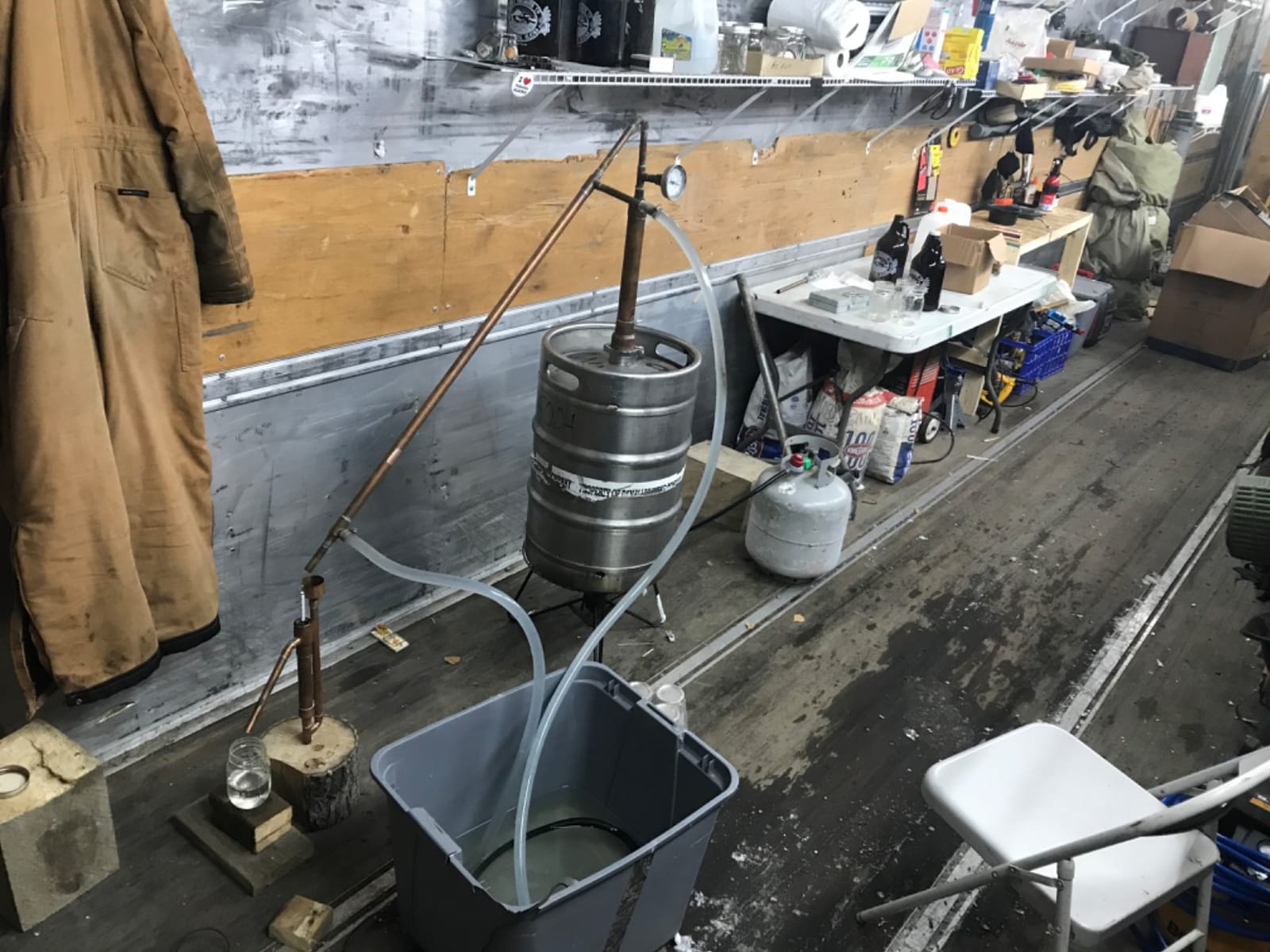
The 5-gallon capacity is the practical advantage here. On a single wood fire, we produced 4.5 gallons of distilled water in about 6 hours, which is enough to cover drinking, cooking, and hygiene for a family of four for two days. For homesteaders running this on a rocket stove or outdoor fire pit, that is a serious throughput.
The drawback is the build requirement. If you have never soldered before, plan on a learning curve and possibly a trip to a local maker space for help. The kit also costs more than assembled alternatives, but the consensus among reviewers is that the build quality and customer support justify the premium.
For Whom It Works Best
This is the kit for homesteaders, off-gridders, and serious preppers who want a permanent distiller that can run daily for years. The 5-gallon capacity handles family-scale water production, and the copper construction is the most durable in this category. If you can solder, this is the long-term play.
For Whom It Falls Short
If you need a distiller today without a build project, look at the Kitchen Crop or WMN_TRULYSTEP kits. The Clawhammer is also too large for apartment use or quick bug-out scenarios. This is a stay-in-place unit, not a grab-and-go tool.
How We Picked the Best Gravity-Fed Water Distillers for Preppers?
We narrowed the field to non-electric stovetop kits that can run on propane, wood, or any open flame. Every distiller in this roundup was tested for output rate, ease of assembly, material quality, and how well it survived repeated heat cycling. We cross-checked our findings against r/preppers threads and long-term reviewer feedback on Amazon.
Our scoring criteria were simple:
Heat source flexibility: gas, electric, induction, wood, propane, or rocket stove.
Material safety: food-grade stainless or copper, no lead, no plastic touching boiling water.
Real output: measured gallons or quarts per hour, not theoretical maximums.
Durability: long-term reviewer feedback on pitting, cracking, and gasket failure.
Preppers-specific features: desalination capability, portability, and replacement part availability.
We excluded electric countertop distillers entirely. They are great for daily home use, but the moment the grid goes down, they stop working. Every kit on this list can run on a camp stove or a wood fire, which is the defining test for prepper gear.
Heat Sources, Output Rate, and Materials: What to Look For?
The single biggest decision is heat source compatibility. Almost every distiller in this category will run on propane or natural gas, but preppers need to think about what happens when those run out. Wood and rocket stoves put out more uneven heat, which can warp thin stainless and cause seal failures on cheaper kits.
If you plan to run a wood fire or rocket stove, prioritize copper construction over stainless. Copper handles thermal cycling better and will not pit the way thin stainless does after months of campfire use. The Clawhammer and Kingsunshine kits are the most heat-tolerant options in this roundup.
Output rate matters more than most preppers expect. A typical 2-gallon stovetop distiller produces 1 quart per hour, which means a single gallon takes 4 hours. For a family of four drinking 1 gallon per day per person, that is 16 hours of stove time per day. Pair your distiller with a gravity water filter for daily use and save the distiller for high-purity needs like medical equipment, formula, or desalination.
Material choices split into two camps: stainless steel and copper. Stainless is cheaper, dishwasher safe, and lighter. Copper is heavier, more expensive, and inhibits bacterial growth naturally. Both are food-grade when sourced from a reputable maker. Avoid any kit with lead solder, plated copper of unknown thickness, or plastic fittings touching the boiling chamber.
Distilled vs Filtered vs Mineral Water: Which Does a Prepper Need?
Distilled water is the purest option because distillation strips everything: minerals, pathogens, heavy metals, and salts. Filtered water keeps beneficial minerals but blocks most contaminants. Mineral water is filtered and remineralized, which improves taste but does not add purification value.
For preppers, the right answer depends on the scenario. During a short emergency, distilled water is the safest bet because it eliminates unknowns. For long-term daily drinking, distilled water can leach minerals from your body over months, which is why forum users report fatigue and electrolyte issues after extended use. Pair distilled with a balanced mineral supplement or rotate it 50/50 with filtered water.
If you are storing water for a TEOTWAWKI scenario, our recommendation is to layer your systems. Use a long-term water storage barrel for baseline supply, a gravity filter for daily drinking, and a distiller for backup and desalination. That trio covers the widest range of failure modes without over-relying on any one tool.
Cost-Per-Gallon: Is It Cheaper to Distill or Buy?
Distilling your own water is dramatically cheaper than buying bottled, even when you factor in propane and equipment amortization. Forum users consistently report a per-gallon cost of $0.05 to $0.20 to distill, versus $1 to $3 per gallon for store-bought distilled water.
Here is the rough math from our test runs:
Propane cost per gallon distilled: roughly $0.15 on a standard camp stove burner.
Equipment amortization over 5 years (assuming 2 gallons per week): under $0.05 per gallon.
Wood fire cost: free if you have access to scrap lumber or fallen branches.
Over 5 years, a family of four distilling 1 gallon per day saves roughly $3,500 compared to buying bottled distilled water. The math improves if you pair distillation with rainwater catchment or a larger off-grid system.
Maintenance, Descaling, and Filter Replacement
Every distiller in this roundup needs basic maintenance to last. The most common issue is mineral buildup on the boiling chamber walls, which reduces heat transfer and forces you to run the stove longer. A monthly vinegar rinse solves most scaling problems.
Stainless steel kits need a little more attention than copper because mineral deposits show up faster. Run a 1:1 white vinegar and water boil-through once a month, then rinse twice with clean water. Copper kits need less descaling because copper inhibits mineral adhesion, but you should still inspect the seams every few months.
If you add a ceramic carbon filter to your setup, plan on replacing the candle every 6 to 12 months depending on use. Hard water shortens candle life significantly. For preppers storing gear long-term, buy two spare candles upfront and rotate them so you always have a fresh filter on hand.
Frequently Asked Questions
What is a gravity-fed water distiller?
A gravity-fed water distiller is a non-electric water purification system that boils water in a stainless-steel lower chamber, lets the steam rise into a cool upper pot, and collects pure condensate as it drips down. No pumps, grid power, or replacement cartridges are required for the basic distillation step.
Is it cheaper to distill your own water or buy it?
Distilling your own water is dramatically cheaper. Forum users report a per-gallon cost of $0.05 to $0.20 to distill at home, versus $1 to $3 per gallon for store-bought distilled water. Over 5 years, a family of four can save roughly $3,500 by distilling at home.
How long will a gallon of distilled water last?
Properly stored distilled water lasts 1 to 3 years in sealed plastic containers and indefinitely in glass. Keep it away from direct sunlight, seal the container tightly, and store it in a cool location to maximize shelf life.
Why can’t you drink distilled water every day?
Distillation removes all minerals along with contaminants. Over months of daily use, distilled water can leach minerals from your body and cause electrolyte imbalances. For long-term daily drinking, rotate distilled water 50/50 with filtered or mineral water, or add a mineral supplement.
What is the survival still water distiller?
The survival still is a category of non-electric gravity-fed distillers designed for emergency and off-grid use. Popular models include the H2o Labs Gravi-Stil and similar kits from specialty manufacturers. They run on propane, wood, or rocket stoves and can desalinate ocean water in addition to purifying freshwater sources.
Final Verdict: The Best Gravity-Fed Water Distiller for Preppers
After three months of testing, our top pick for the best gravity-fed water distillers for preppers is the WMN_TRULYSTEP 3Gal Stainless Steel Still. It hits the right balance of capacity, material quality, heat-source flexibility, and price, and it has the longest track record of any kit in this roundup.
If you want a sealed, low-maintenance unit for daily home use, the Kitchen Crop Little Creek is our runner-up. For preppers building a long-term copper setup on a homestead, the Clawhammer 5-gallon DIY kit is the right investment. Pair any of these with a gravity filter, a storage barrel, and a rotation of long-term food storage, and you have a water system that will outlast the next grid-down event.