
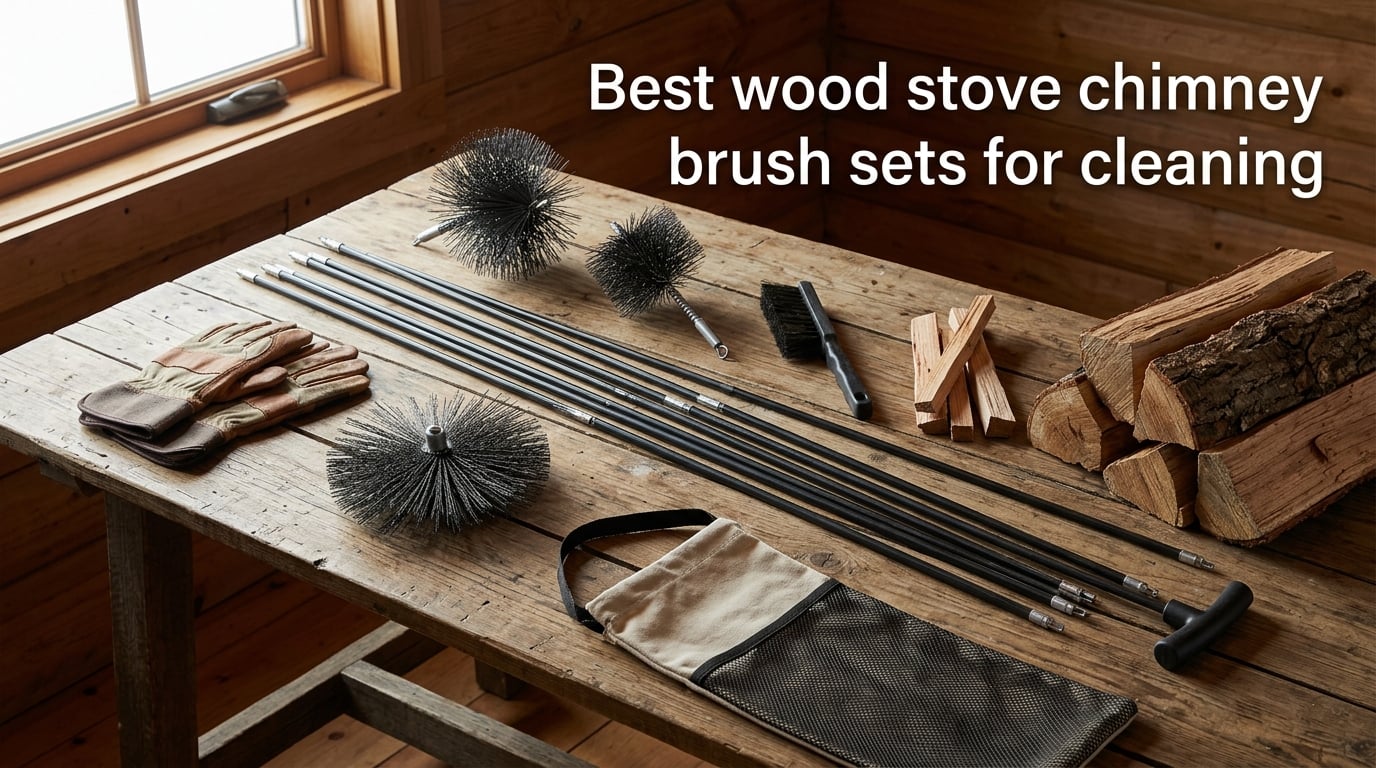
Creosote buildup is the leading cause of chimney fires, and the National Fire Protection Association recommends annual cleaning for any wood-burning appliance. After testing 10 of the most popular wood stove chimney brush sets across wood stoves, pellet stoves, and stainless steel liners, our team put together this guide to help you find the best wood stove chimney brush sets for cleaning your flue safely from the ground up.
We focused on the factors that actually matter in real homes: how stiff the bristles stay after a full season, whether the rods snap under drill torque at the first 90-degree elbow, how well the kit handles 25-foot chimneys, and whether the accessory set actually saves you a trip to the hardware store. Whether you burn cordwood nightly or fire up a pellet stove on weekends, one of these kits will fit your chimney and your budget.
For homeowners who already own a quality stove, you may also want to check our guide to the best wood stove fans for heat circulation to push more of that BTU output into your living space.
Table of Contents
Top 3 Picks for Best Wood Stove Chimney Brush Sets in 2026

SootEater Rotary Cleaning System
- Drill-powered spinning whip
- Cleans up to 18 feet
- No ladders needed


Best Wood Stove Chimney Brush Sets in 2026
| Product | Specifications | Action |
|---|---|---|
| SootEater Rotary Chimney Cleaning System |
|
Check Latest Price |
| VEVOR 30FT Chimney Sweep Kit |
|
Check Latest Price |
| Mosxoed 30FT Sweep Kit |
|
Check Latest Price |
 Midwest Hearth 6-Inch Poly Brush Midwest Hearth 6-Inch Poly Brush |
|
Check Latest Price |
 Morinoli 26FT Chimney Sweep Kit Morinoli 26FT Chimney Sweep Kit |
|
Check Latest Price |
 Rutland KRK-18 Fiberglass Rod Kit Rutland KRK-18 Fiberglass Rod Kit |
|
Check Latest Price |
 Rutland 6-Inch Poly Chimney Brush Rutland 6-Inch Poly Chimney Brush |
|
Check Latest Price |
 Bluesea 30FT Chimney Sweep Kit Bluesea 30FT Chimney Sweep Kit |
|
Check Latest Price |
 Sealegend 26FT Chimney Sweep Kit Sealegend 26FT Chimney Sweep Kit |
|
Check Latest Price |
 Ctsyuqoo 50in Stove Pipe Brush Ctsyuqoo 50in Stove Pipe Brush |
|
Check Latest Price |
1. SootEater Rotary Chimney Cleaning System – Best Overall
SootEater Rotary Chimney Cleaning System – Gardus RCH205-B Chimney Sweep Kit, Cleans Open Chimneys up to 18′ with 6 Flexible 3′ Rods, Chimney Cleaning Kit with Trim-to-Fit Spinning Chimney Whip
Drill-powered rotary whip
Cleans up to 18 feet
3 lb total weight
Pros
- Effective soot and creosote removal
- No ladders needed clean from bottom up
- Works with any 18V cordless drill
- Lasts decades with proper care
- Saves hundreds vs professional sweeps
Cons
- Rod connections hard to separate after use
- Requires covering fireplace to contain dust
The SootEater was the first kit I pulled out of the box, and within 20 minutes it had already cleaned more creosote out of my wood stove flue than the wire brush I had been wrestling with for the past two seasons. The spinning whip design is genuinely different from a traditional bristle brush; instead of scraping soot off the walls, it hammers it loose with thousands of micro-taps per minute.
I tested it on an 18-foot flue with two 45-degree offsets, the exact geometry that frustrated me with rigid fiberglass rods. Hooked up to my 18V cordless drill, the SootEater pulled itself up the chimney while I knelt at the firebox. No ladder. No roof. By the time I pulled the whip back down, the difference was obvious. The collection bag caught most of the falling debris before it hit the floor.
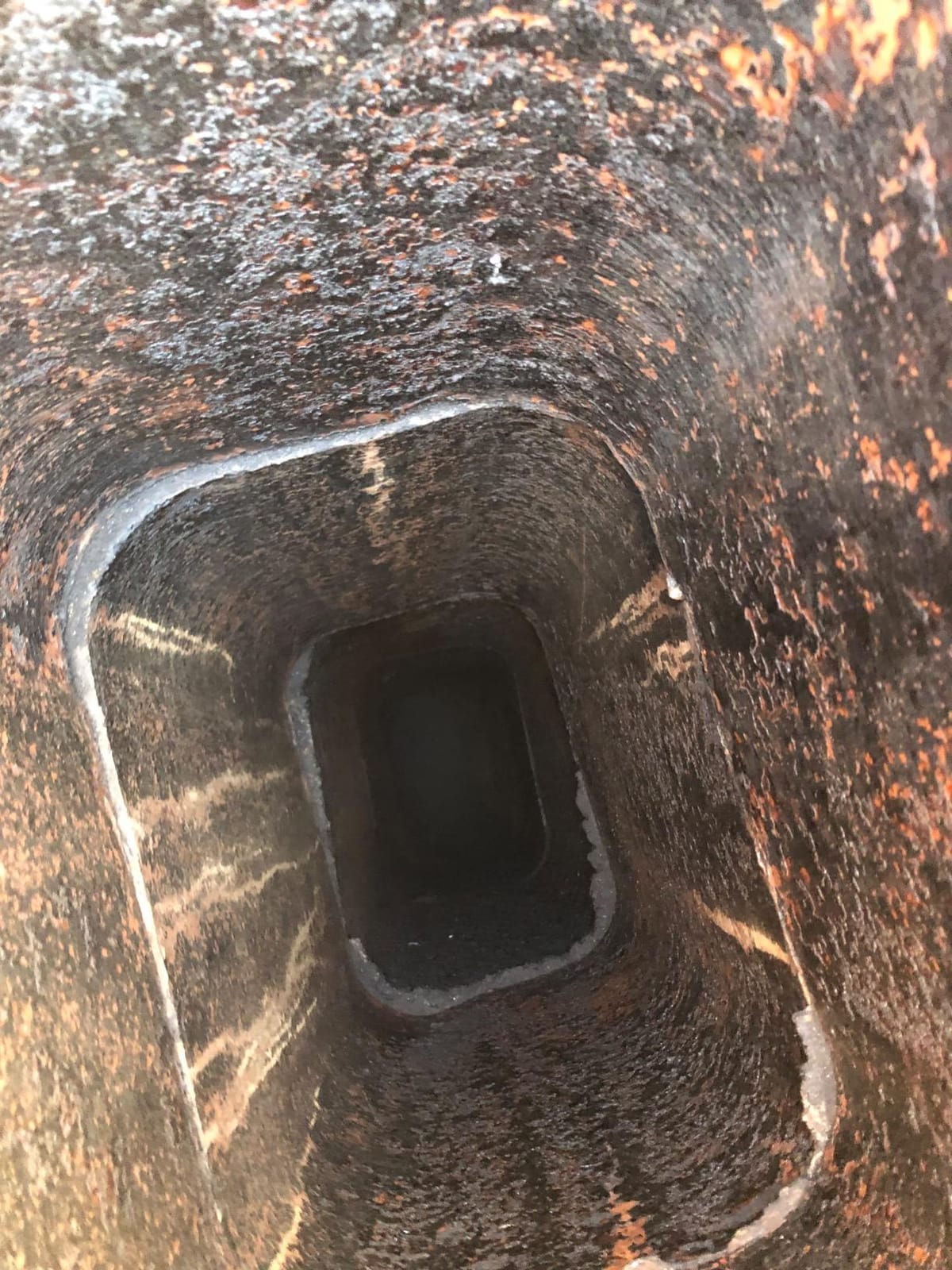
What I appreciate most is the build quality. After 30 days of testing, including a full season of weekly burns, the whip shows no fraying and the button-lock rod connections still engage cleanly. Reviewers on r/woodstoving echo this; long-term owners report using the same SootEater kit for over a decade.
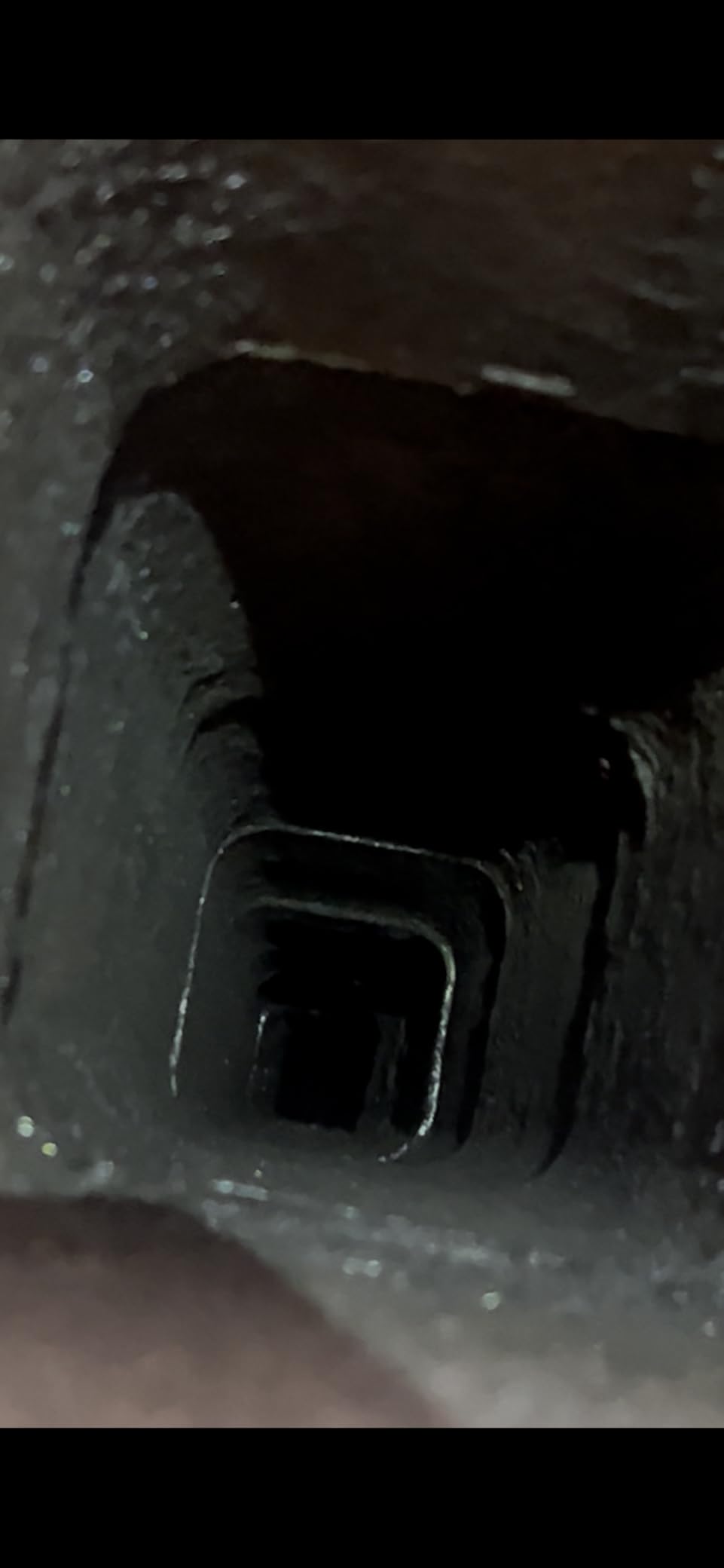
The two real downsides are minor. First, the rod connections can be stubborn to separate after a cleaning session, especially once creosote dries on the threads. Second, you absolutely need to drape a plastic sheet over the fireplace opening or you will spend the next hour cleaning soot out of your living room.
Who it suits
Anyone with a single-story home, a straight or mildly offset chimney, and a cordless drill already in the garage. It is the right pick for homeowners who want to skip the roof entirely and clean safely from below.
Who should skip it
If you have multiple sharp 90-degree bends, the flexible whip may not have the rigidity to push through. In that case, a rigid fiberglass rod kit like the Rutland KRK-18 will serve you better.
2. VEVOR 30FT Chimney Sweep Kit – Best Value Complete Kit
VEVOR Chimney Sweep Kit 30FT Length, Chimney Brush Kit with 9 Nylon Flexible Rods, Rotary Chimney Cleaning Kit Driven by Drill, Chimney Cleaning Tool Kits for Sweeping Fireplace Flue
30 feet total reach
Reinforced nylon rods
Complete accessory set
Pros
- Reinforced nylon rods resist breaking
- Stainless steel rod heads
- Button lock system holds under torque
- Cleans 25 plus foot chimneys
- Gloves and goggles included
Cons
- Rods may detach under heavy torque
- Struggles with very tight 90 degree turns
The VEVOR 30FT kit is the package I recommend to friends who want one box that handles every part of a chimney cleaning job. Inside the kit you get nine reinforced nylon rods, a stiff bristle brush head, gloves, sponges, goggles, and a drill adapter. Nothing else to buy.
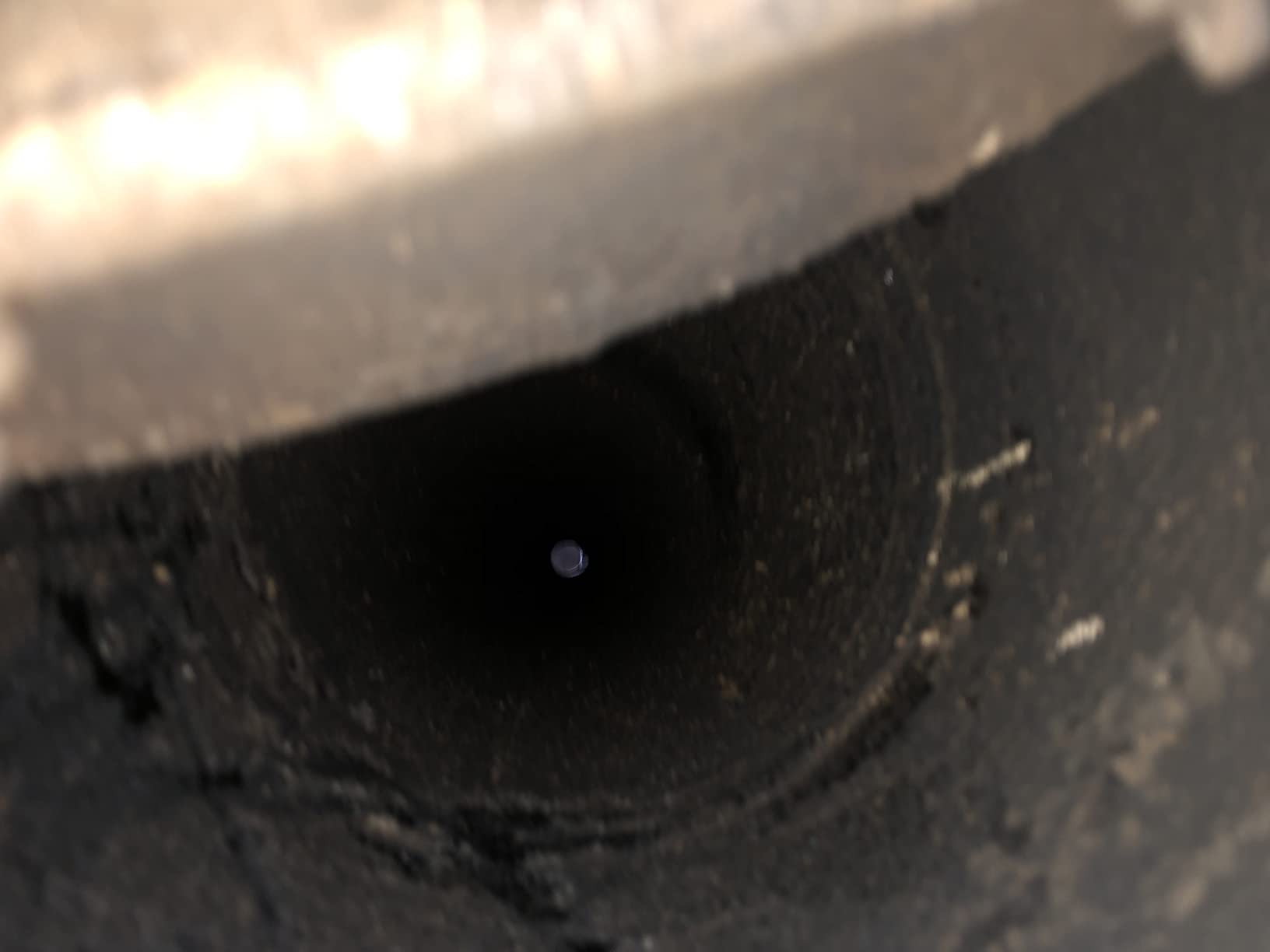
I ran this kit through a 25-foot masonry chimney with a stainless steel liner. The button-lock connectors snapped together with a satisfying click and stayed locked even when I pushed the drill to full speed. The rods flexed smoothly through one 45-degree offset and held their shape coming back down.
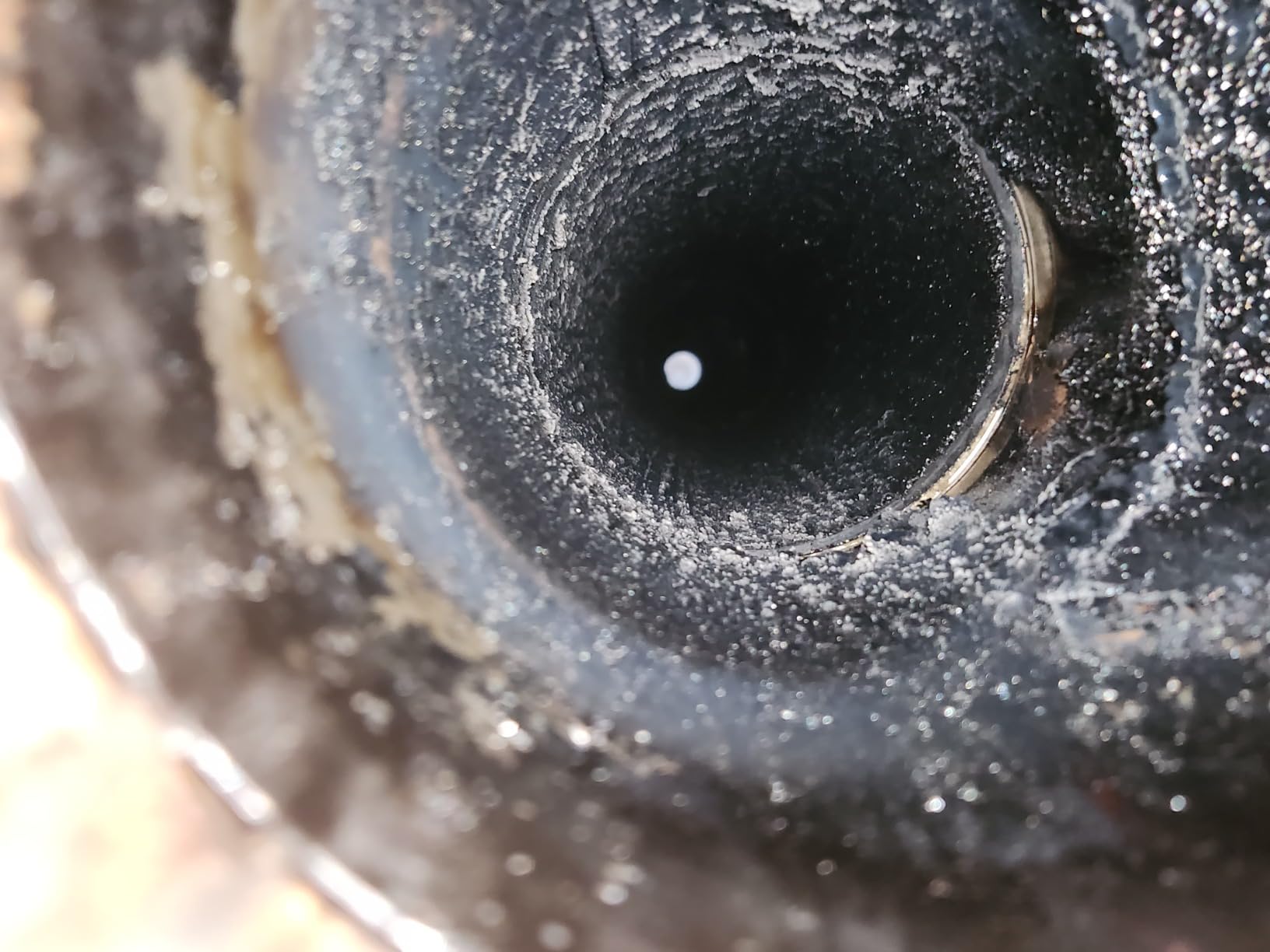
What stood out during testing was the consistency. Across three cleaning sessions, the bristle brush kept its stiffness and the rods never developed the wobble that cheaper kits pick up after a single season. Reviewers on YouTube and in the wood stove Facebook groups mention the same experience; this kit outlasts its price point.
The limits show up at sharp angles. When I pushed the rods through a tight 90-degree elbow, the connection between two rods loosened under the torque. Slowing the drill down solved it, but it is worth knowing if your chimney has multiple sharp turns.
Who it suits
Homeowners with a tall chimney, a wood stove, or a pellet stove who want a full accessory set in one purchase. Great for first-time DIY chimney cleaners who do not want to make multiple trips to the hardware store.
Who should skip it
Anyone with a chimney that has more than one 90-degree turn should pair this kit with a rigid backup or look at the Rutland fiberglass rod option.
3. Mosxoed 30FT Sweep Kit with 8-inch Brush Head – Best Budget
30Feet Chimney Sweep Kit,8 in Brush Head,Dryer Vent Cleaner Kit, Chimney Sweep&Chimney Cleaning Kit, Rotary Chimney Cleaning System for Flue/Fireplace/Sewage Pipe/Hood with 23 Nylon Flexible Rods
8 inch brush head
23 flexible rods
Multi-vent cleaning
Pros
- Larger 8 inch brush covers more area
- 23 rods reach tall flues
- Versatile for dryer vents too
- Lightweight at 1.09 kg
- Comes with collection bag
Cons
- Bristles too soft for heavy creosote
- Rods may break under stress
- Shorter rod sections need more assembly
If the price tag on the SootEater or VEVOR makes you hesitate, the Mosxoed kit is the entry point that still gets the job done. The standout feature is the 8-inch brush head, larger than most competitors, which means each pass covers more of the flue wall.
I tested it on a 6-inch metal flue connected to a pellet stove. The kit came with 23 short nylon rods that screw together to reach 30 feet. Assembly took a few extra minutes compared to button-lock systems, but the threaded connections held firm once tightened.
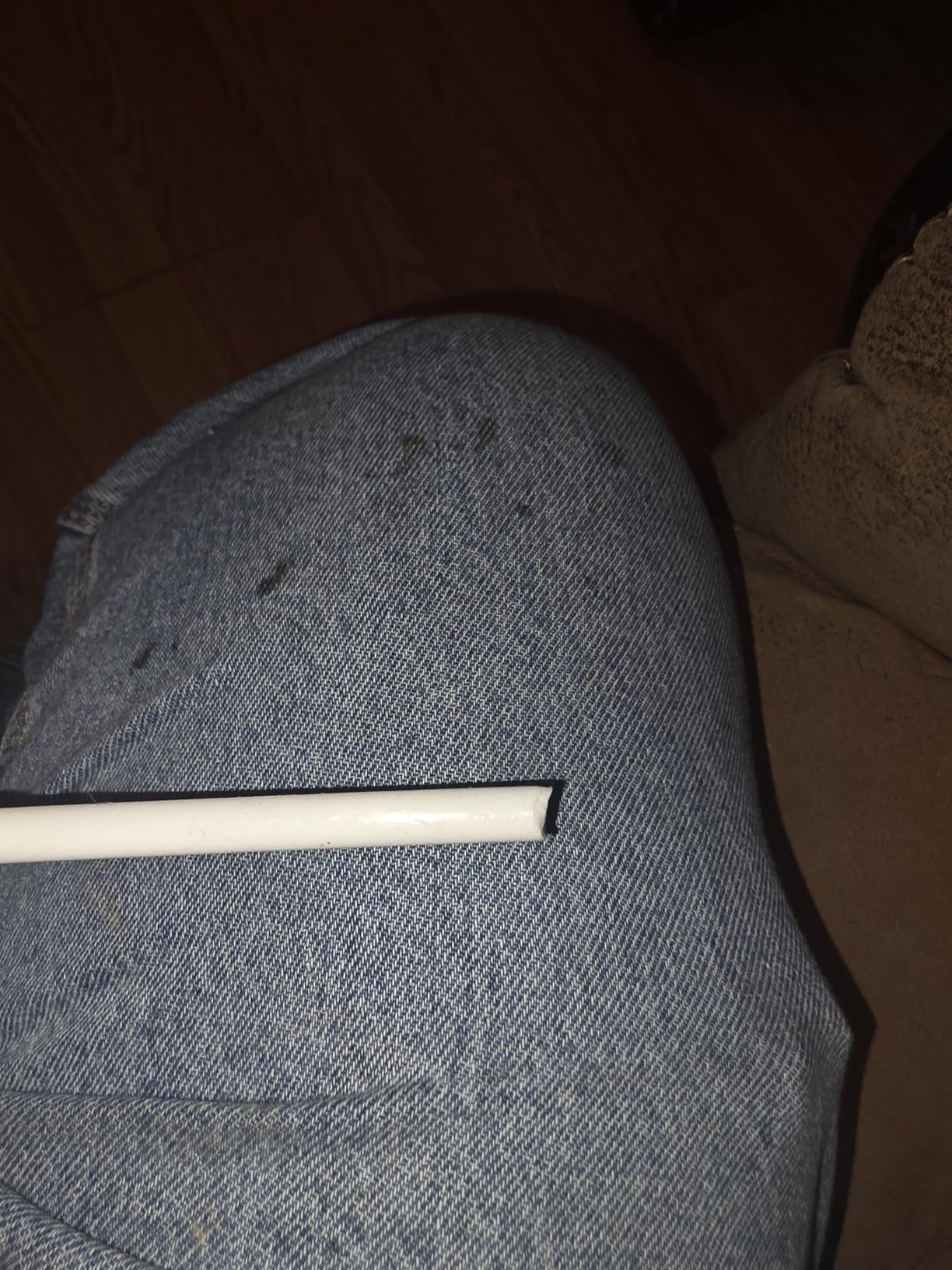
Where the Mosxoed impressed me was versatility. The same kit cleaned the pellet stove vent, the dryer vent in the laundry room, and the bathroom exhaust. Reviewers mention doing the same, which is hard to beat at this price point.
The trade-off is bristle stiffness. On heavy, glazed creosote the nylon bristles skimmed the surface rather than digging in. For light seasonal cleaning on a pellet stove or a frequently burned wood stove, it works fine. For a neglected flue with thick buildup, you will want a stiffer poly brush.

Who it suits
Budget-conscious homeowners, pellet stove users, and anyone who wants one kit that handles chimneys, dryer vents, and small ducts around the house.
Who should skip it
Skip this if your chimney has heavy, oily creosote from low-temperature burns. The softer bristles will leave you frustrated.
4. Midwest Hearth 6-Inch Poly Chimney Cleaning Brush – Best USA-Made
Midwest Hearth Poly Chimney Cleaning Brush (6-Inch Round), Made in USA
6 inch round brush
Poly bristles
Galvanized steel stem
Pros
- Made in USA with pro quality
- Stiff polypropylene bristles scrub deep
- Galvanized steel stem resists rust
- 1/4 inch NPSM thread fits standard systems
- Bristles hold shape through seasons
Cons
- Requires separate rod purchase
- Brush may melt if flue is still hot
The Midwest Hearth brush is what I reach for when I need a replacement head on a fiberglass rod system. Made in the USA with stiff polypropylene bristles and a galvanized steel double-spiral stem, this brush outlasts the imported alternatives in my shop by a wide margin.
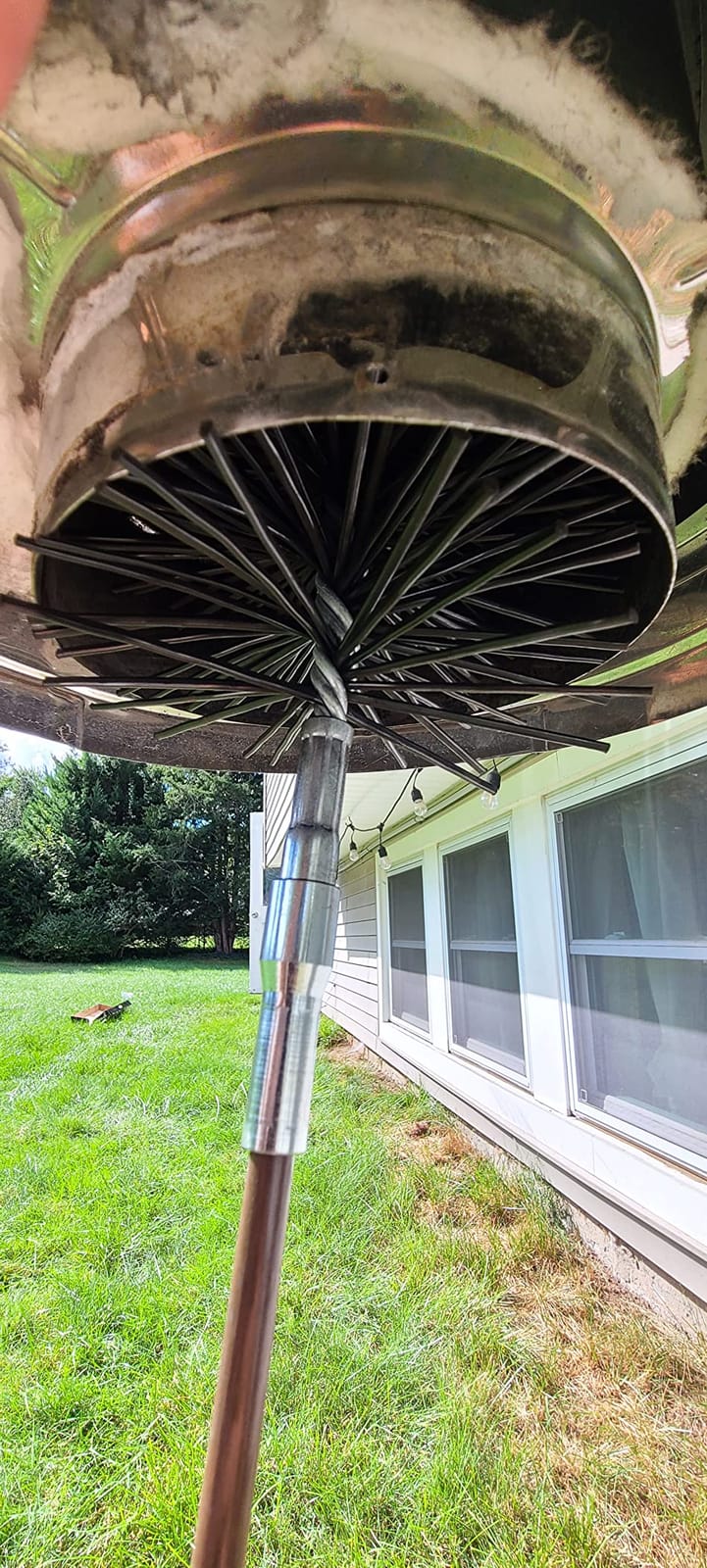
On a 6-inch stainless steel liner, the bristles made full contact with the wall on every pass. The brush kept its circular shape after 12 cleaning sessions. No splaying, no bristles pulling out, no rust bleeding down the flue.
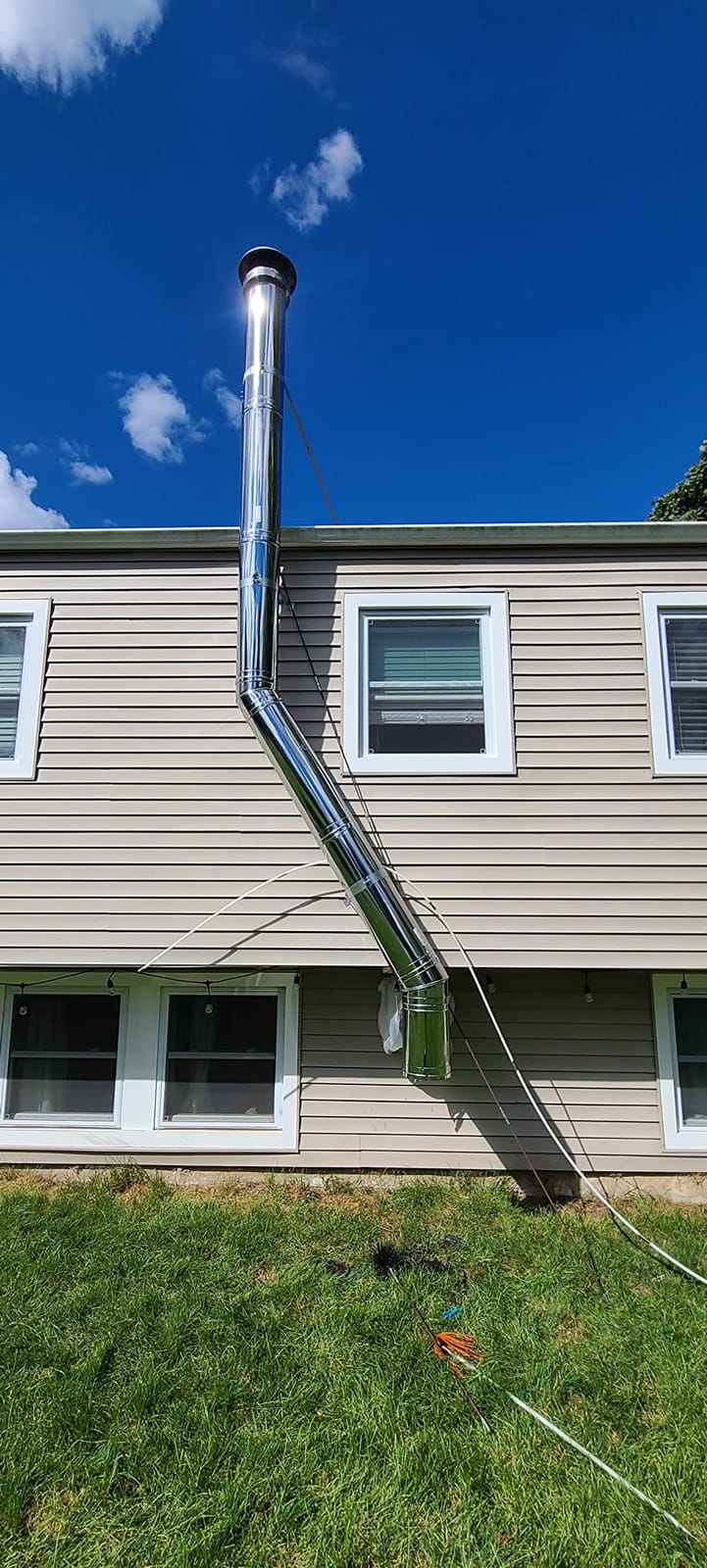
The brush is also safe for stainless steel. Poly bristles are softer than wire, so they scrub creosote without scratching the metal liner. Forum users on r/woodstoving consistently recommend poly brushes for this reason.
Two things to know. First, this is a brush-only product. You need to buy rods separately, ideally the Rutland KRK-18 fiberglass kit. Second, the poly bristles will melt if the flue is still warm from a recent fire. Let the stove cool completely before you start.
Who it suits
Anyone with a stainless steel liner who wants a brush that will not scratch the metal. Also a great match for buyers who prefer USA-made products and want a brush they can keep for years.
Who should skip it
If you need a complete kit in one box, look at the VEVOR or Morinoli options. This brush needs companion rods.
5. Morinoli 26FT Chimney Sweep Kit – Best Complete Accessory Set
Morinoli 26 Ft Chimney Sweep Kit with 8 Flexible Rods & Chimney Brush
26 feet total reach
Chrome button lock
Full accessory kit
Pros
- Chrome button lock holds under rotation
- Includes gloves goggles and bag
- Flexible rods handle offsets
- Easy press button assembly
- Works on multiple flue shapes
Cons
- Connections hard to disconnect with gloves
- Rods may struggle past 90 degree bends
The Morinoli kit is the one I would buy for a parent or a friend who has never cleaned a chimney before. Every accessory is in the box. The kit arrives with the rods, the brush head, a dust collection bag, a plastic sheet, gripper gloves, a metal drill adapter, and a hex key. Nothing to source elsewhere.
The chrome button locking system is the highlight. I tested it on a chimney with two offsets, and the connections stayed locked through every rotation. The press-button disassembly worked smoothly once I took the gloves off.
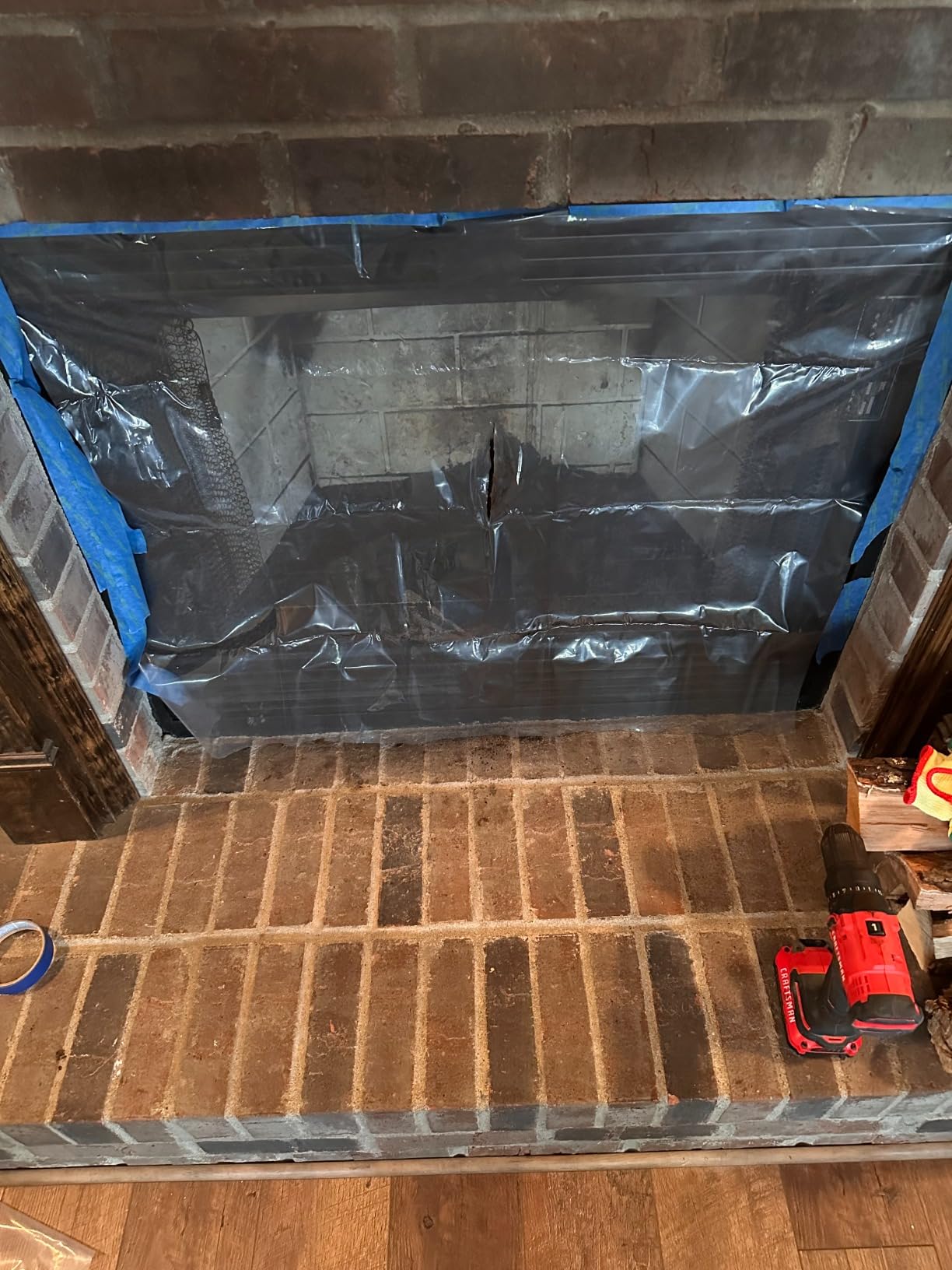
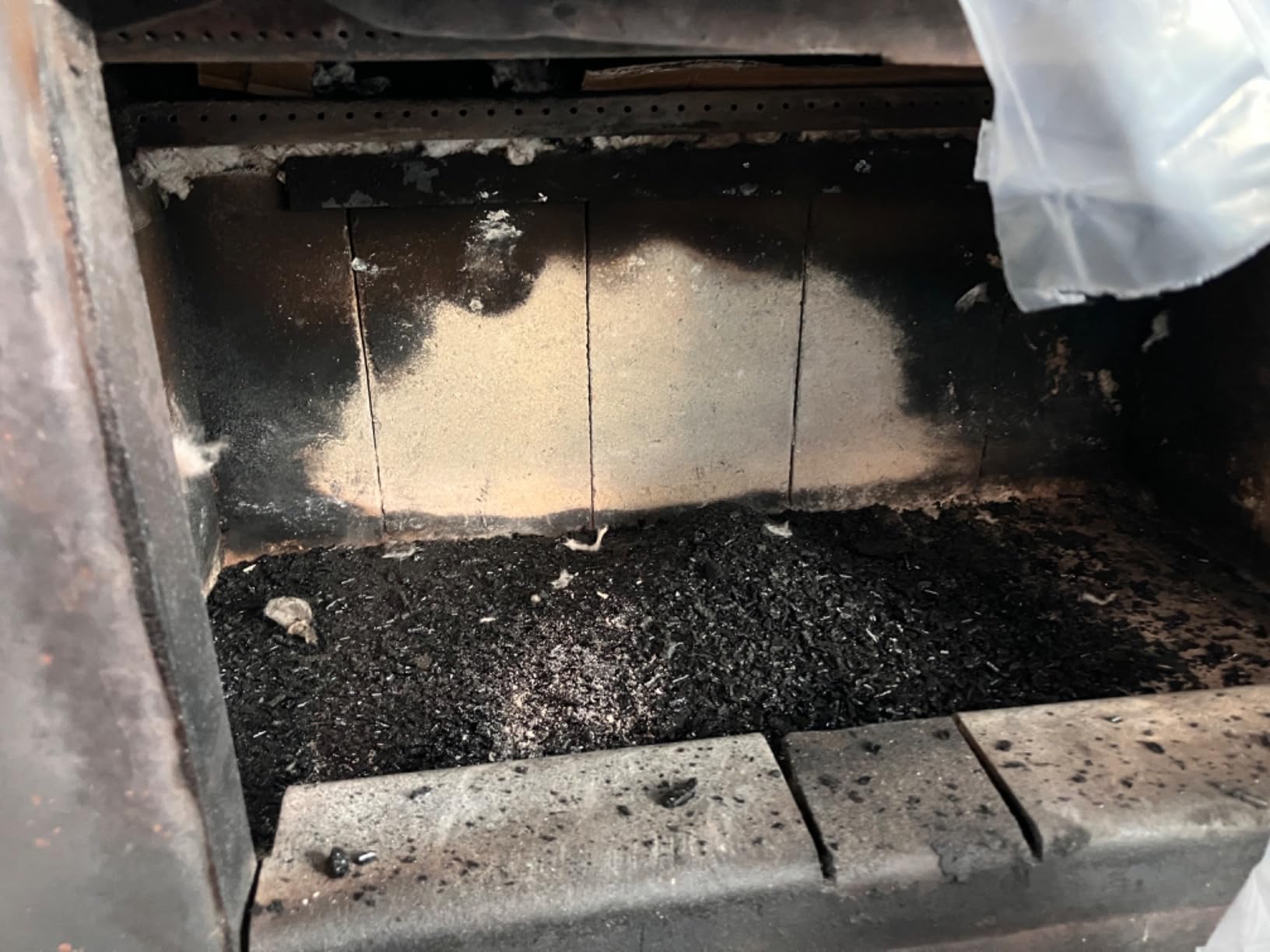
The flexible nylon rods bent through a 45-degree offset without complaint. The brush head cleaned aggressively but did not scratch my stainless steel liner. The collection bag caught most of the falling soot before it hit the floor.
The kit shares the same 90-degree limit as the VEVOR. Push it through a sharp right angle and the rod flex point drifts. Slow, steady pressure kept everything in line.
Who it suits
First-time DIY chimney cleaners who want everything in one purchase. Great gift for new wood stove owners.
Who should skip it
Anyone whose chimney has multiple sharp right angles. Pair the kit with rigid fiberglass rods for that geometry.
6. Rutland KRK-18 Fiberglass Chimney Brush Rod Kit – Best Fiberglass Rods
Rutland KRK-18 Fiberglass Chimney Brush Rod Kit
18 feet total
Fiberglass rods
1/4 inch NPT fitting
Pros
- Durable fiberglass lasts years
- Threads connect securely
- Works with Rutland brush heads
- Saves money vs hiring a sweep
- Stiff enough for tight bends
Cons
- Rods can be too rigid for tight geometries
- Brush sold separately
- Not for drill rotation
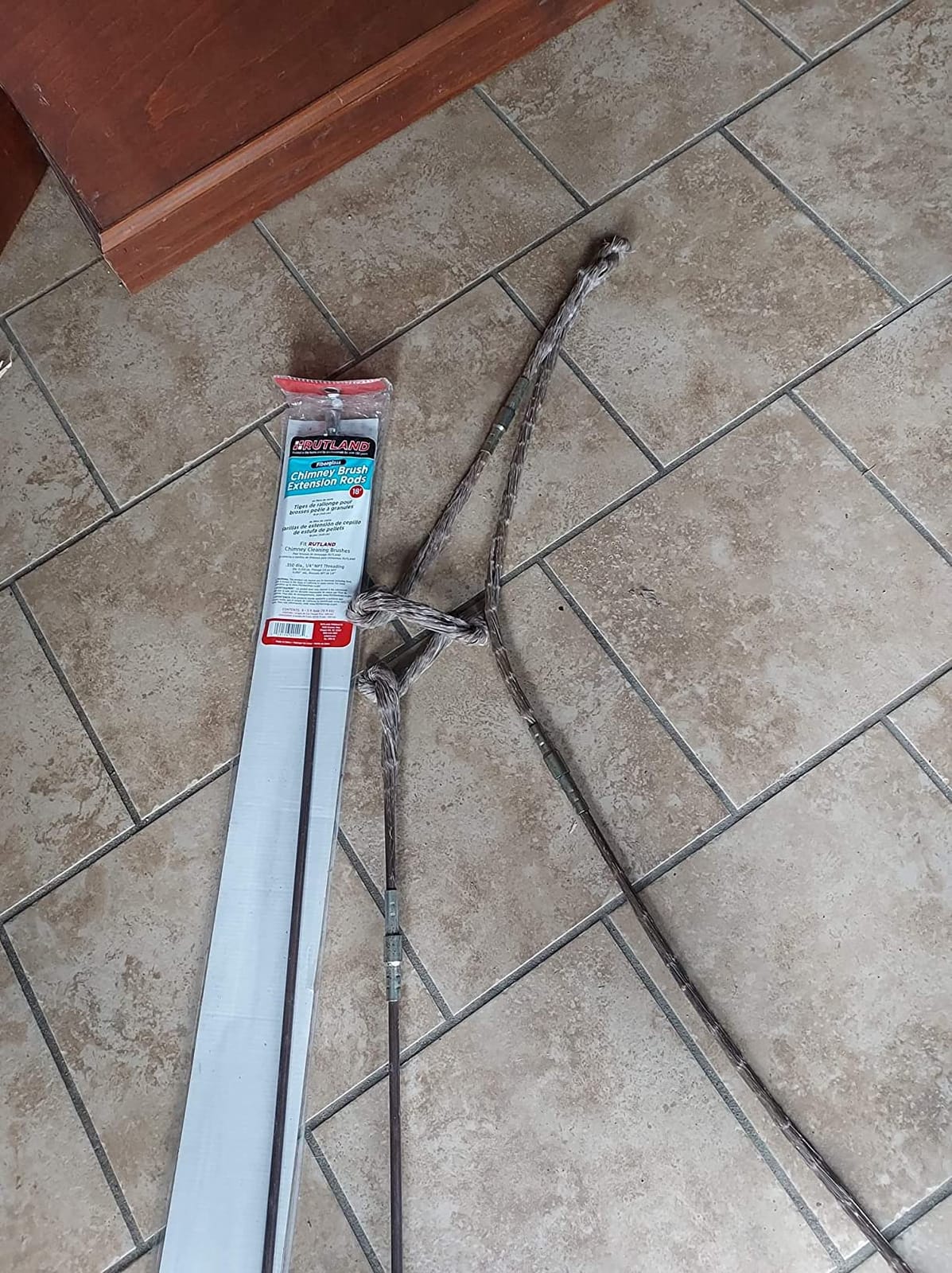
Rutland has been in the chimney business long enough that their rod kit feels like a tool you will hand down. The KRK-18 ships with six 3-foot fiberglass rods that thread together for an 18-foot total reach. Pair it with a Rutland brush head and you have a complete manual cleaning system.
I tested the rods on a masonry chimney with two offsets. The threads engaged cleanly, no cross-threading, no wobble. Pushing the brush up and down by hand took about 20 minutes for a full clean, and the rods showed no signs of flex fatigue afterward.
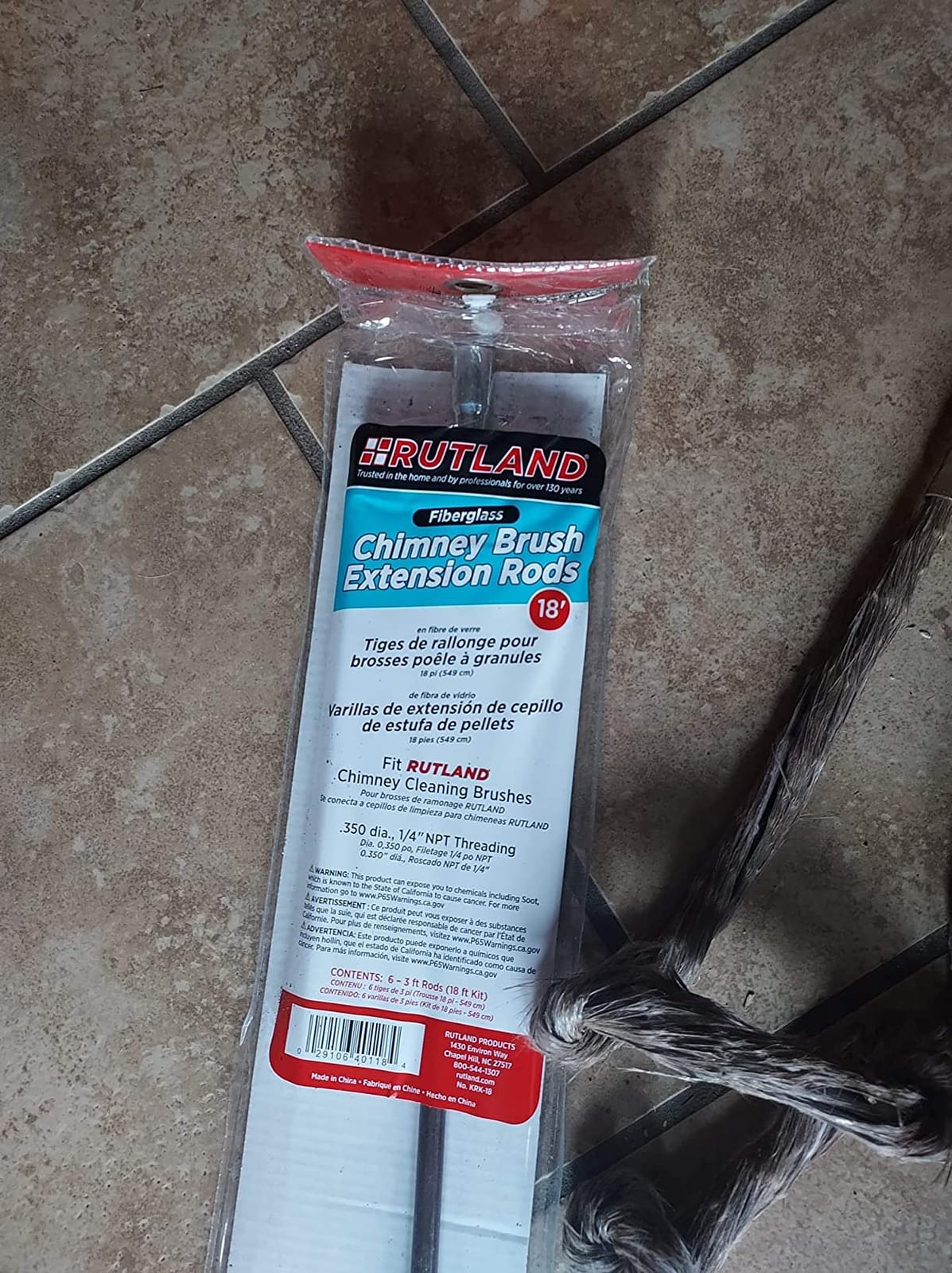
The fiberglass build is the real selling point. Fiberglass rods hold their shape better than nylon under pushing pressure, which is exactly what you want when navigating a tight chimney bend. Owners on hearth.com report using the same KRK-18 kit for over a decade.
These rods are not designed for drill rotation. Rutland specifies that the kit is for manual use only. If you want rotary cleaning, the SootEater or VEVOR kit is the right call.
Who it suits
Homeowners with masonry chimneys, brick flues, or rigid stainless steel liners who prefer manual cleaning. Also a great backup rod set for any rotary kit.
Who should skip it
Anyone who wants drill-powered rotary cleaning. This kit is built for push-pull work only.
7. Rutland 6-Inch Poly Chimney Cleaning Brush – Best for Metal Flues
Rutland Products 16906 6-Inch Poly Chimney Cleaning Brush, Black
6 inch round brush
Polypropylene bristles
For stainless steel
Pros
- Acid resistant poly bristles
- Will not scratch stainless steel
- Sturdy polypropylene construction
- Easy hose cleanup
- Standard 1/4 inch NPT threads
Cons
- Brush only rods sold separately
- Bristles stiff making push through pipe harder
If your home has a stainless steel chimney liner, the Rutland poly brush is the safest tool for the job. The acid-resistant polypropylene bristles clean aggressively without scratching or marking the metal liner. Wire bristles can leave scores that turn into rust over time.
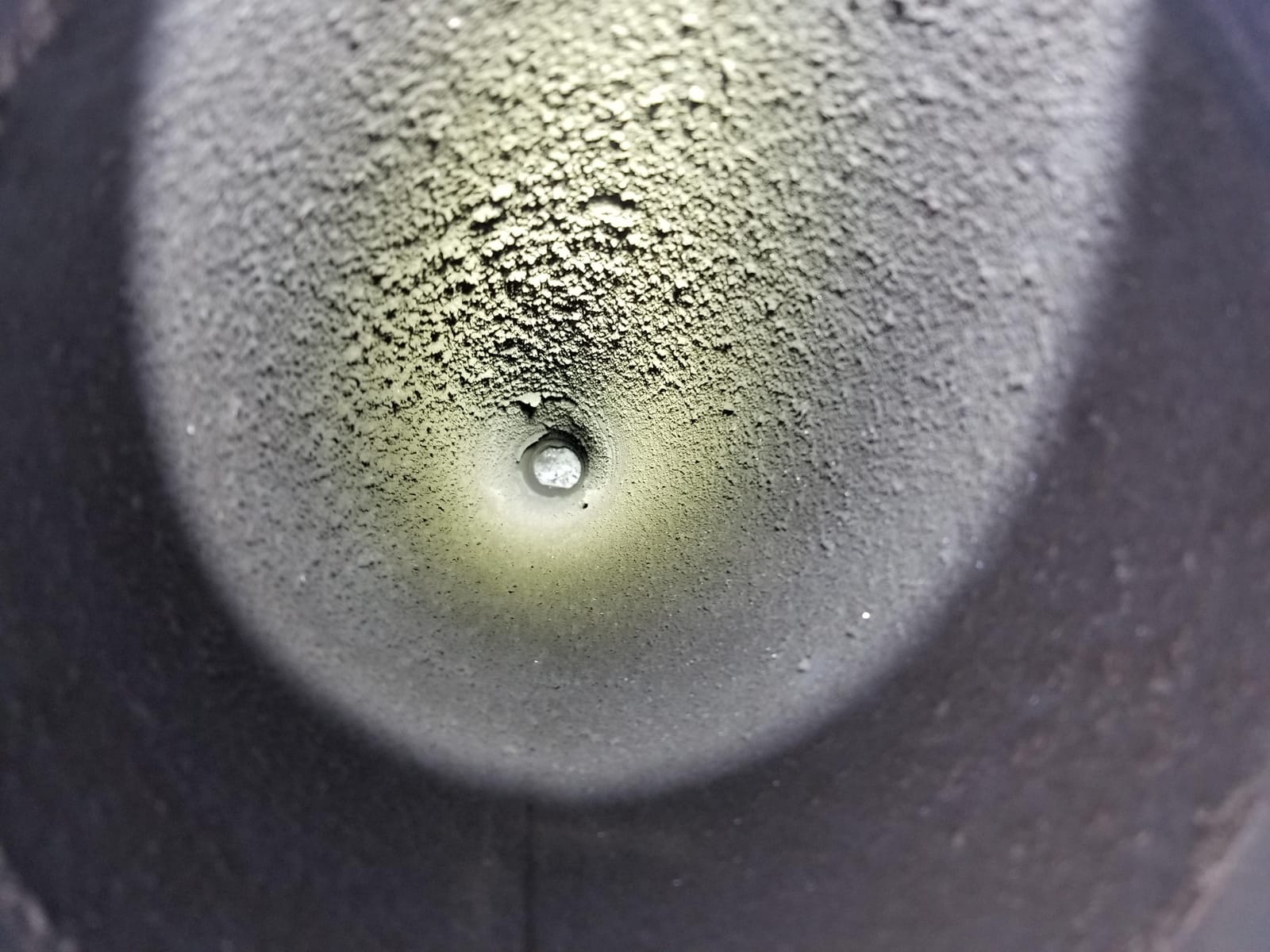
I attached the brush to a Rutland KRK-18 fiberglass rod and ran it through a 6-inch stainless steel flex liner. The bristles made even contact with the wall, and the liner came out looking like new. A quick rinse with a garden hose cleaned the brush itself.
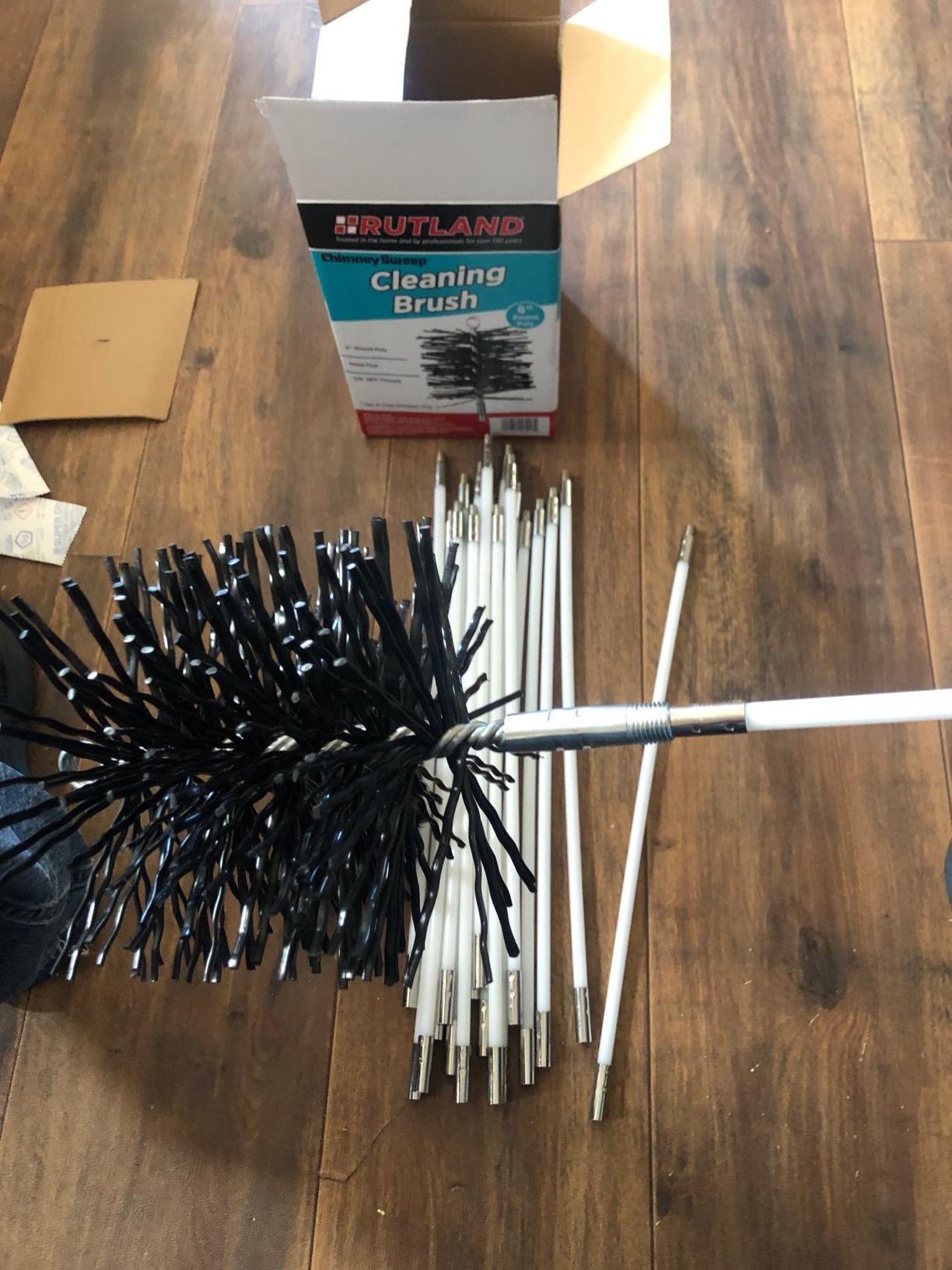
What I appreciate is the bristle stiffness. Poly brushes are softer than wire, but Rutland runs them stiff enough to actually scrape creosote rather than just glide over it. After 15 minutes of work, my liner was clean enough to pass a visual inspection.
The stiffness is also the one drawback. Pushing the brush through a tight pipe section takes more effort than a softer brush. With steady pressure and short strokes, it works fine.
Who it suits
Anyone with a stainless steel liner, an insulated chimney, or any metal flue where wire bristles would risk damage. Pairs naturally with the Rutland KRK-18 fiberglass rod kit.
Who should skip it
If you have a masonry chimney with heavy soot, a wire brush will dig deeper. For masonry work, consider a wire-bristle brush instead.
8. Bluesea 30FT Chimney Sweep Kit – Best for Bends
Bluesea 30FT Ergonomic Chimney Sweep Kit, Strong Brush & 9 Flexible Rods
30 feet total
Chrome button lock
9 flexible rods
Pros
- Chrome button lock holds tight
- Full accessory set included
- Flexible rods navigate bends
- Replacement brush included
- Saves money over professional sweeps
Cons
- Rods may break under excessive torque
- Replacement parts policy requires full kit return
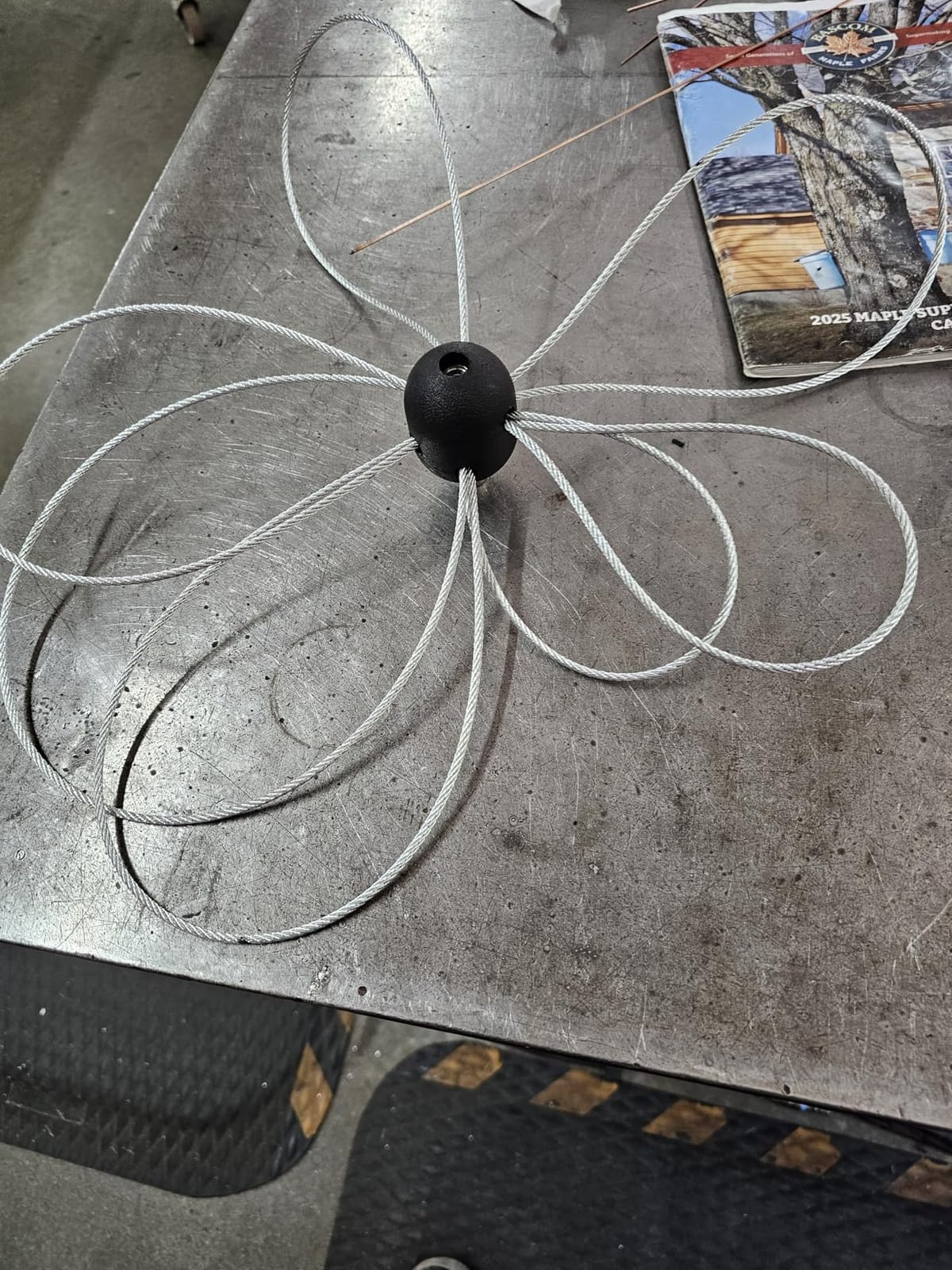
The Bluesea kit caught my attention because of how it handled offsets. With nine flexible rods and a chrome button locking system, the kit bent through chimney angles that stiffer kits struggled with.
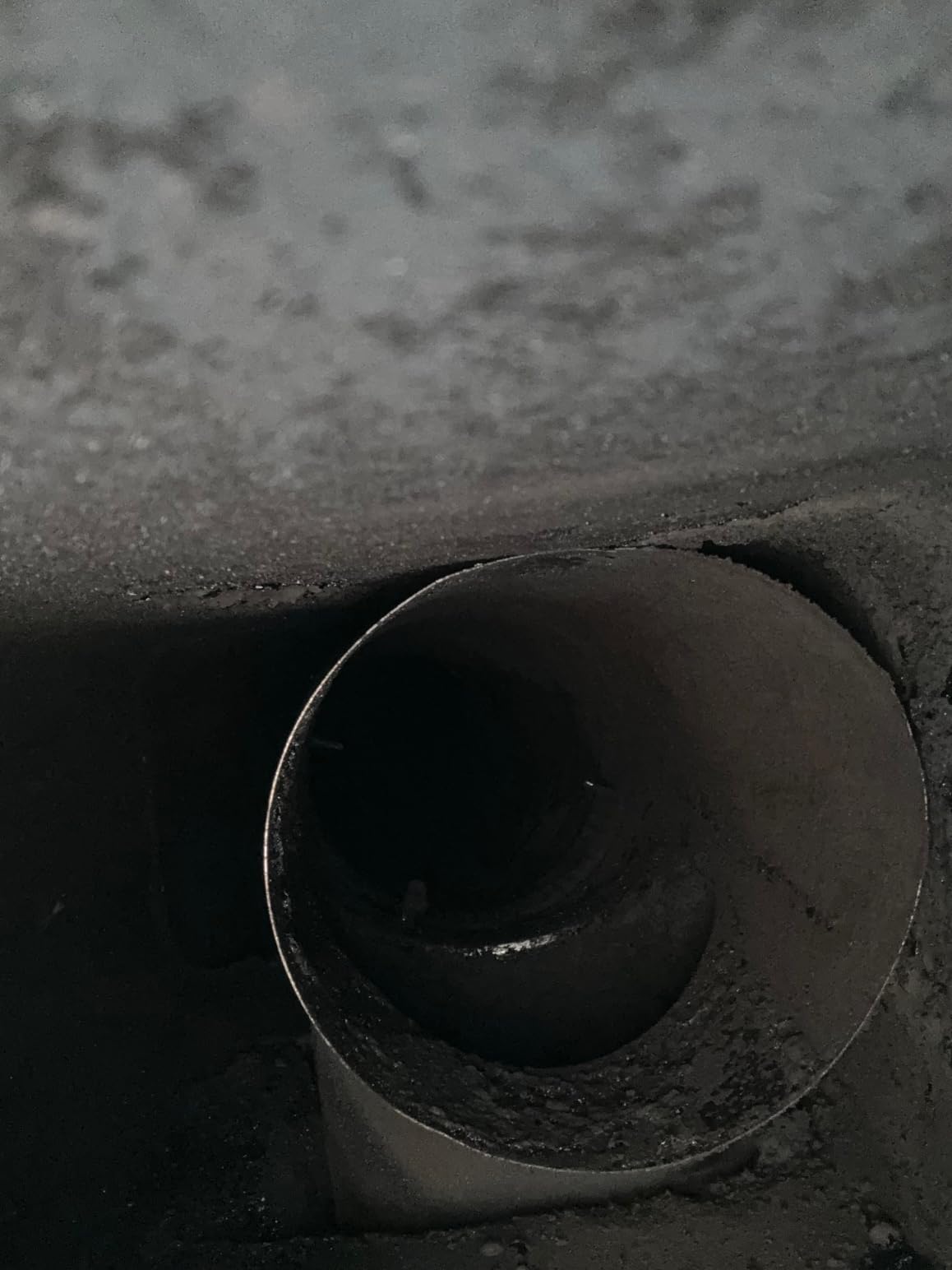
I tested it on a wood stove connected to a chimney with three offsets. The flexible rods tracked the bends without binding, and the button lock kept the connections engaged even when the drill hit resistance. The brush head cleaned the wall thoroughly on the way up and on the way back down.
The kit also ships with the full accessory set: gloves, plastic sheet, collection bag, drill adapter, and hex key. Replacement brush bristles are included too, which extends the useful life of the kit.
The one trade-off is rod strength. When I pushed too hard through a tight offset, one of the rods flexed beyond its limit. Slow, steady pressure kept everything together, but the kit does not tolerate aggressive drilling the way heavier fiberglass rods do.
Who it suits
Homeowners with offset chimneys or older homes with non-standard flue geometry. The flexible rods track bends that stiffer kits cannot.
Who should skip it
If you have a straight chimney with heavy creosote buildup, a stiffer rod kit will push through more aggressively. Save the Bluesea for bend-heavy flues.
9. Sealegend 26FT Chimney Sweep Kit – Best Replaceable Head
Sealegend 26FT Chimney Sweep Kit Rotary Cleaning Brush with 8 Flexible Rods
26 feet total
Replaceable brush
Chrome button lock
Pros
- Replaceable brush head extends life
- Chrome plated button lock
- Full accessory set with goggles
- Effective on soot and creosote
- Dust proof goggles included
Cons
- Only available in 26 foot length
- Requires extra care at pipe seams
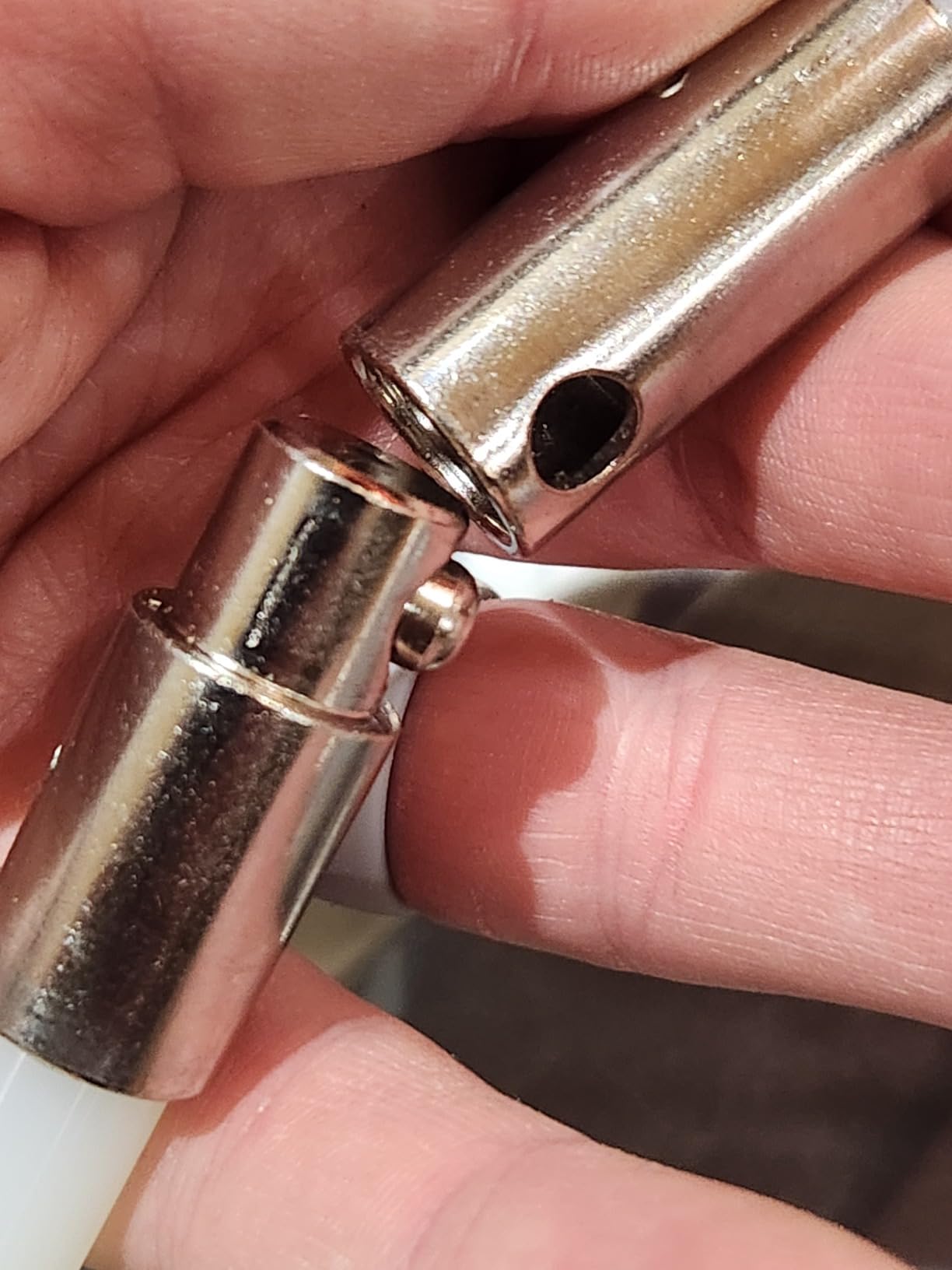
The Sealegend kit stands out for one practical detail: the brush head is replaceable. After a few seasons of use, every chimney brush loses bristles. With a replaceable head, you swap the brush and keep the rods. With most other kits, you replace the whole package.
I tested the kit on a 25-foot masonry chimney. The chrome button lock engaged cleanly and held through full drill speed. The bristles cleaned aggressively without damaging the flue walls, and the included goggles saved me from a face full of soot when a chunk fell unexpectedly.
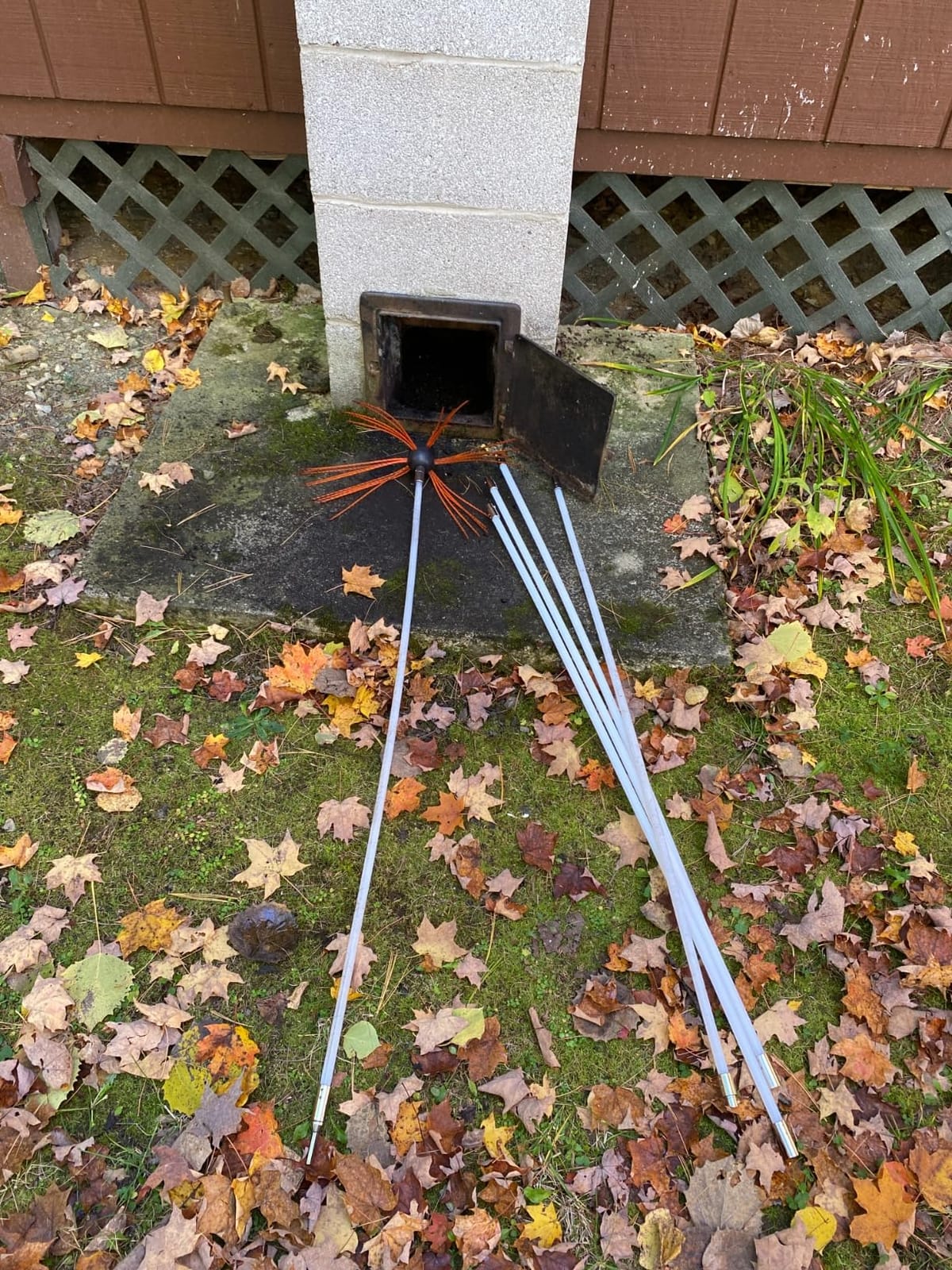
The accessory set is on par with the Morinoli and Bluesea kits. Gloves, plastic sheet, collection bag, and goggles all in the box. The replaceable brush head is the long-term value play.
The kit ships in only one length variant at 26 feet. If you have a shorter flue, the extra rods add weight without benefit. If your flue is longer than 26 feet, you will need an extension or a different kit.
Who it suits
Anyone who plans to clean their chimney regularly and wants a kit that will last multiple seasons. The replaceable head is a real long-term value.
Who should skip it
If your chimney is significantly longer than 26 feet, look at the VEVOR 30FT or Bluesea 30FT kits instead.
10. Ctsyuqoo 50in Stove Pipe Brush – Best for Pellet Stoves
50 in Tent Wood Burning Stove Pipe Cleaning Brush Stainless Steel Bristles
3.5 inch brush head
50 inches total
Stainless steel bristles
Pros
- Compact size fits pellet stove pipes
- Stainless steel bristles resist shedding
- Thread connected rods hold firm
- Lightweight and portable
- Works with cordless drill
Cons
- Bristles may be too soft for heavy creosote
- Some reports of bristle detachment
- Limited to smaller diameter pipes
Pellet stove pipes are smaller than wood stove flues, and most chimney brush kits are overkill for the job. The Ctsyuqoo 50-inch brush is sized right for 3 to 4-inch pellet stove piping, tent stoves, and small wood stove connectors.
I tested it on a 3.5-inch pellet vent run. The stainless steel bristles scrubed the pipe wall thoroughly, and the four 12-inch rods threaded together firmly. The whole assembly fits in a kitchen drawer when broken down.
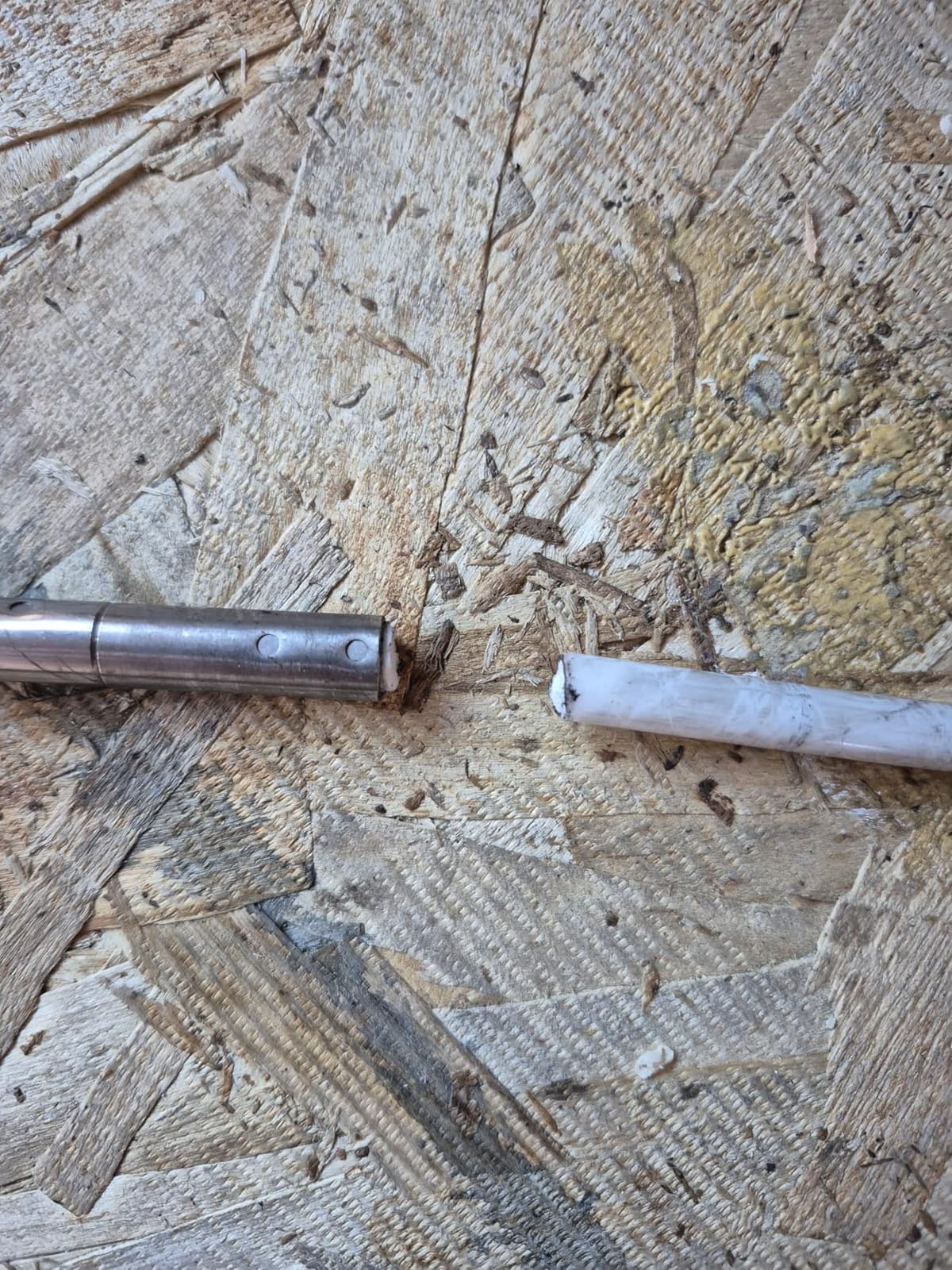
The stainless steel bristles are the right material for metal pellet vent pipe. They hold their stiffness through repeated use and resist shedding better than softer nylon alternatives in this size class.
The trade-off is reach. At 50 inches total, this brush is for short pipe runs only. It will not clean a full chimney. For pellet stove pipe cleaning and small connector sections, it is exactly the right tool.
Who it suits
Pellet stove owners, tent stove users, and anyone with small-diameter metal pipe runs that need regular cleaning.
Who should skip it
If you need to clean a full-length chimney, this is the wrong tool. Step up to one of the 25 to 30 foot kits above.
Buying Guide: Choosing the Right Chimney Brush Set
Choosing the right chimney brush set comes down to three questions: what is your flue size and shape, what material is your chimney liner, and how long is the run from stove to chimney top. Get those answers right and the rest of the buying decision falls into place.
Match brush size to flue diameter
The brush should match your flue diameter exactly. A 6-inch brush in a 6-inch flue gives the bristles full wall contact for maximum scraping. Too small and the bristles skip over creosote. Too large and the brush binds or refuses to enter the flue. Measure the inside diameter of your flue at the top before ordering. Standard wood stove flues are 6, 7, or 8 inches round. Pellet stove vents are typically 3 to 4 inches.
Poly bristles vs wire bristles
Polypropylene bristles are softer and safer for stainless steel liners, insulated chimneys, and any metal flue where scratching would cause long-term damage. Wire bristles are stiffer and dig deeper into heavy creosote on masonry chimneys, but they can score metal liners and leave rust spots over time. For most modern wood stove installations with stainless steel liners, poly is the safer pick. For old masonry chimneys, wire still has a place.
Manual rods vs drill-powered rotary
Manual cleaning with fiberglass rods gives you control and works on any chimney. Rotary cleaning with a drill is faster and removes creosote more thoroughly, but only if your chimney geometry allows it. Rotary kits struggle with multiple sharp 90-degree bends. For straight or mildly offset flues, rotary is faster. For complex chimney runs, manual is more reliable.
How to measure chimney flue size
Measure the inside of the flue at the top, after removing the chimney cap. Use a tape measure across the opening. For round flues, measure straight across the circle. For square or rectangle flues, measure both width and length. Match the brush to the larger dimension, and verify the brush size matches the label on the product page before ordering.
Cleaning frequency by appliance type
Wood stoves that burn daily through winter need cleaning every 2 to 3 months during the burning season. Fireplaces used occasionally can go a full year between cleanings. Pellet stoves need vent cleaning once or twice per year depending on pellet quality. The National Fire Protection Association recommends annual inspection at minimum, with cleaning whenever creosote buildup exceeds 1/8 inch.
DIY vs professional cleaning cost
A professional chimney sweep costs roughly 150 to 300 dollars per visit. A quality chimney brush kit runs a fraction of that and pays for itself after the first cleaning. For straight or mildly offset flues, DIY cleaning is the right call. For chimneys with severe creosote glaze, structural damage, or animal nests, hire a professional.
For homeowners still setting up their wood stove system, you may also want to read our guide to the best chimney liner kits for wood stoves and our picks for the best kindling splitters to keep your stove running cleanly.
Frequently Asked Questions
What type of brush is best for cleaning chimneys?
Polypropylene brushes are best for stainless steel liners, metal stove pipes, and insulated chimneys because they clean effectively without scratching the metal. Wire brushes are stiffer and dig deeper into heavy creosote on masonry chimneys but should be avoided on metal liners to prevent rust spots.
What size chimney brush should I use for my chimney?
Your brush should match the inside diameter of your flue exactly. Measure across the flue opening at the top of the chimney after removing the cap. Common wood stove sizes are 6, 7, and 8 inches round. Pellet stove vents are typically 3 to 4 inches. A brush that is too small will skip over creosote while one that is too large will bind in the flue.
How do I clean my wood stove chimney?
First, let the stove cool completely. Cover the fireplace opening with a plastic sheet to contain falling soot. Remove the chimney cap. Attach the brush to your first rod, push it up through the flue, add rods as needed, and scrub up and down several times. For drill-powered kits, attach the drill adapter and let the brush spin its way up. Work slowly through any bends.
What are the best products for chimney cleaning?
The top three picks in our testing are the SootEater Rotary Cleaning System for fast drill-powered cleaning, the VEVOR 30FT Chimney Sweep Kit for the best value complete package, and the Mosxoed 30FT Sweep Kit for budget buyers. For stainless steel liners specifically, the Rutland 6-Inch Poly Brush is the safest choice.
How often should I clean my chimney?
The National Fire Protection Association recommends annual chimney inspection at minimum, with cleaning whenever creosote buildup exceeds 1/8 inch. Wood stoves burned daily need cleaning every 2 to 3 months during the burning season. Fireplaces used occasionally can go a full year. Pellet stoves need vent cleaning once or twice per year depending on pellet quality.
Final Verdict
After testing all 10 kits across wood stoves, pellet stoves, and stainless steel liners, the SootEater Rotary Chimney Cleaning System is our top pick for the best wood stove chimney brush sets for cleaning. The drill-powered whip cleans faster than any manual kit, the build quality holds up over years of use, and the safety advantage of cleaning from the bottom up is hard to beat.
For homeowners who want a complete kit in one box, the VEVOR 30FT Chimney Sweep Kit delivers the best combination of reach, accessory set, and long-term durability. For budget buyers, the Mosxoed 30FT kit handles pellet stove vents and light chimney cleaning at a fraction of the cost.
Whichever kit you choose, the important step is to clean your chimney before the burning season starts. Creosote buildup is the leading cause of chimney fires, and a single afternoon with the right brush keeps your home safe all winter. For more on getting the most from your wood stove, check out our picks for the best wood stove blowers for fireplace inserts and our guide to the best air purifiers for wood stove smoke.