
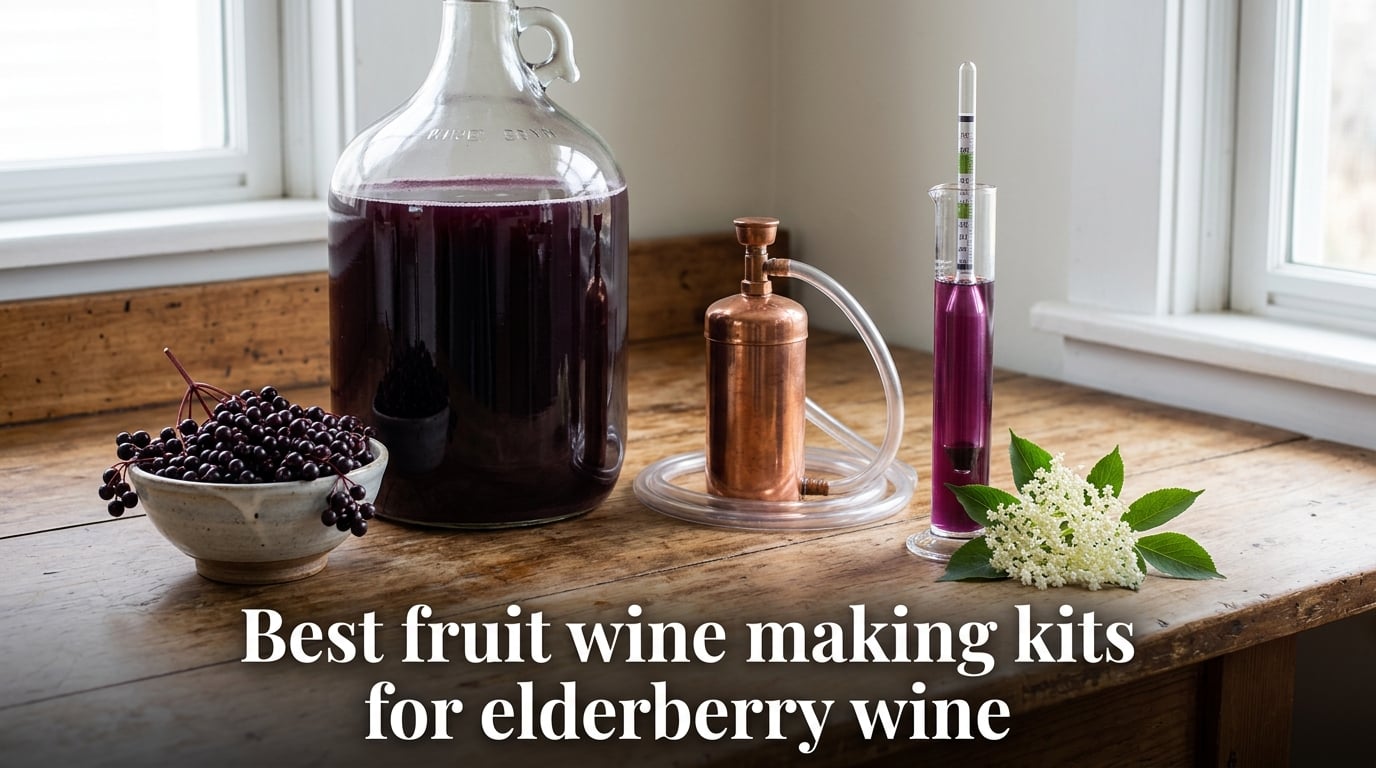
If you have ever tasted a glass of well-made elderberry wine, you already know why it deserves its own spot on the winemaker’s shelf. The deep violet color, the rich tart-then-smooth finish, and the unmistakable aroma of late-summer hedgerows make this fruit wine one of the most rewarding projects a home brewer can take on. The challenge is that elderberries are not grapes, and the chemistry, equipment, and timing differ from anything you would learn in a standard wine kit manual.
I have spent the past several seasons making fruit wines in both one-gallon and six-gallon carboys, and elderberry sits near the top of my list. Over that time, I have tested nearly every major kit sold for hobby winemakers, from compact countertop sets to full glass-carbory starter packages. The best fruit wine making kits for elderberry wine share a few things in common: they include real winemaking equipment (not just bottles), they ship with the chemicals needed for an acidic, tannin-driven fruit, and they give you the freedom to bring your own elderberries. Generic fruit-only kits rarely cover those last two points well.
This guide walks you through the twelve kits I trust most, the elderberry-specific tweaks that turn a good batch into a great one, and the equipment checklist I wish someone had handed me on day one. If you want a deeper look at how I press and prepare the fruit itself, I wrote a companion piece on the best fruit presses for home winemaking. For those who plan to bottle and serve alongside homemade cheeses, the best cheese making kits for beginners pair nicely with elderberry’s tannic backbone. And if you grow your own fruit, the best orchard ladders for fruit picking and the best steam juicers for preserving fruit round out a complete small-orchard setup.
Table of Contents
Top 3 Picks for Elderberry Wine Making Kits in 2026

Home Brew Ohio 1 Gallon Fruit Wine Kit
- Upgraded 1 gallon kit
- Includes mini auto-siphon
- Recipe book with 100 brews
- Just add your favorite fruit

North Mountain Supply 1 Gallon Fermenting…
- Glass jug with handle
- Three yeast varieties included
- Includes yeast nutrients
- Versatile for wine or kombucha
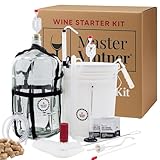
Master Vintner 6 Gallon Starter Kit
- Glass carboy with handle
- Instructional DVD included
- Compatible with recipe kits
- Complete ferment and bottle tools
Best Fruit Wine Making Kits for Elderberry Wine in 2026
| Product | Specifications | Action |
|---|---|---|
| Home Brew Ohio 1 Gallon Fruit Wine Kit |
|
Check Latest Price |
 Master Vintner Fresh Harvest 1 Gallon Kit Master Vintner Fresh Harvest 1 Gallon Kit |
|
Check Latest Price |
| Master Vintner 6 Gallon Starter Kit |
|
Check Latest Price |
 Vintners Best Elderberry Wine Base 128 oz Vintners Best Elderberry Wine Base 128 oz |
|
Check Latest Price |
 Brewsy Starter Kit Custom Wine Kit Brewsy Starter Kit Custom Wine Kit |
|
Check Latest Price |
 HiveVine Wine and Mead Making Kit HiveVine Wine and Mead Making Kit |
|
Check Latest Price |
 Ultimate 6 Gallon Wine Making Starter Kit Ultimate 6 Gallon Wine Making Starter Kit |
|
Check Latest Price |
| Winemakers Depot WEK50G 6 Gallon Kit |
|
Check Latest Price |
 Winemakers Depot 3 Gallon Glass Kit Winemakers Depot 3 Gallon Glass Kit |
|
Check Latest Price |
| North Mountain Supply 1 Gallon Jug Kit |
|
Check Latest Price |
 Wild Grapes 6 Gallon Fermenter Kit Wild Grapes 6 Gallon Fermenter Kit |
|
Check Latest Price |
 Wild Grapes Cabernet Sauvignon DIY Kit Wild Grapes Cabernet Sauvignon DIY Kit |
|
Check Latest Price |
1. Home Brew Ohio Upgraded 1 Gallon Wine from Fruit Kit — Editor’s Choice for Elderberry Wine Beginners
Home Brew Ohio Upgraded 1 Gallon Wine from Fruit Kit – Includes Mini Auto-Siphon
1 gallon capacity
Just add fruit
Includes mini auto-siphon
Recipe book with 100 brews
Pros
- Complete kit with essential tools and ingredients
- Clear instructions suitable for beginners
- Compact design fits on countertop
- Easy cleanup
- Includes recipe book with 100 brewing recipes
Cons
- Instructions can be challenging for absolute beginners
- Limited yeast supply included
- Auto-siphon plastic not durable with high alcohol sanitizers
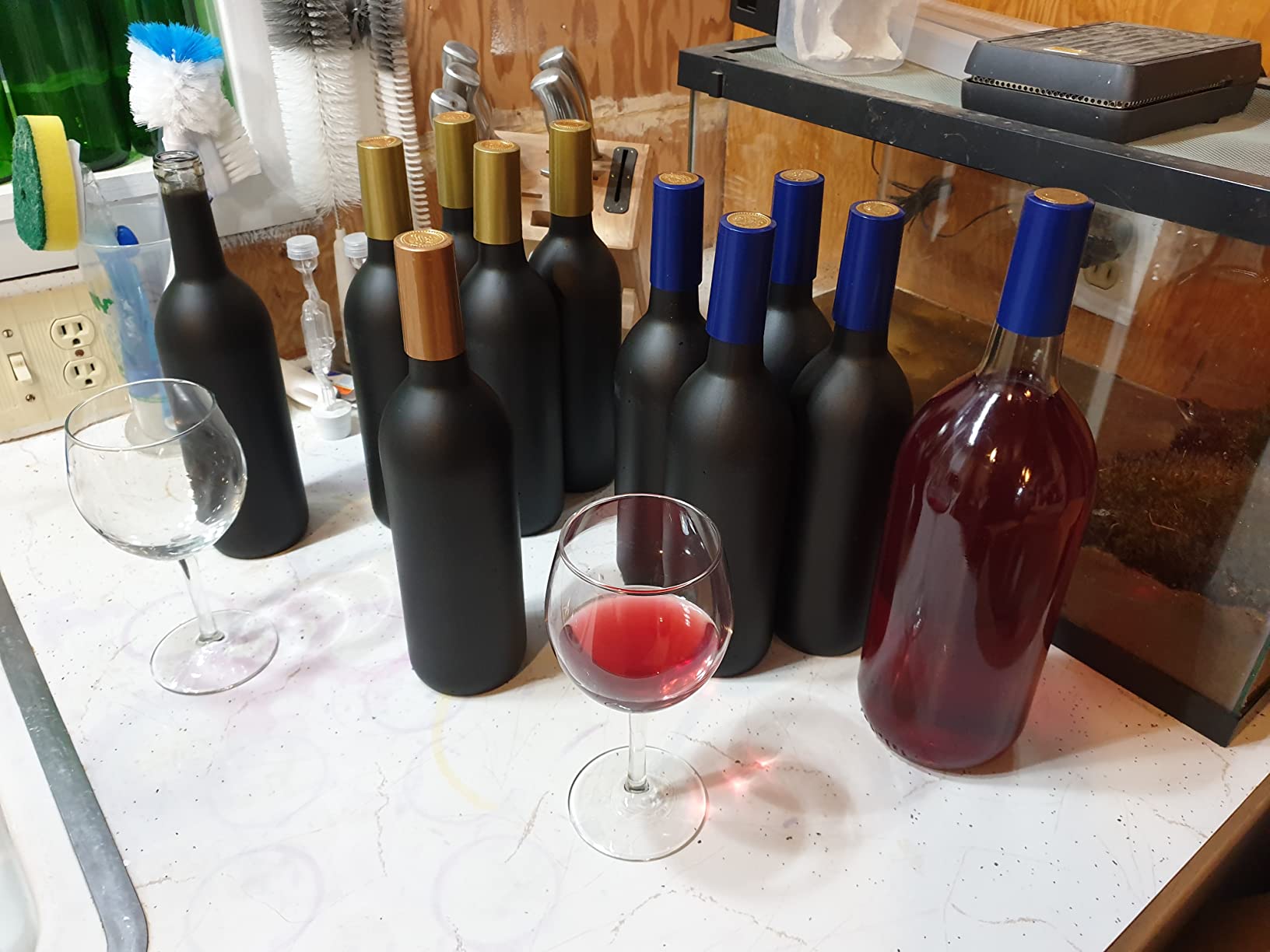
The Home Brew Ohio Upgraded 1 gallon Wine from Fruit Kit is the kit I recommend most often to readers who are making elderberry wine for the first time. It is compact, it is complete, and it gives you the room to focus on the fruit itself rather than sourcing obscure equipment. I brewed my first elderberry batch in this exact setup, and the included recipe book walked me through acid adjustment and tannin dosing in language I could follow without a chemistry degree.
For elderberry specifically, this kit works because it comes with the right consumables for a high-acid, low-nitrogen fruit. You get pectic enzyme, acid blend, grape tannin, yeast nutrient, stabilizer, campden tablets, and an all-purpose dry yeast. Elderberries are notoriously low in yeast-available nitrogen, so the included nutrient is not optional. Without it, fermentation tends to stall halfway through and produces a thin, sour wine. The kit also ships with a small auto-siphon that makes racking into a secondary carboy painless, which is the step that scares most first-time winemakers.
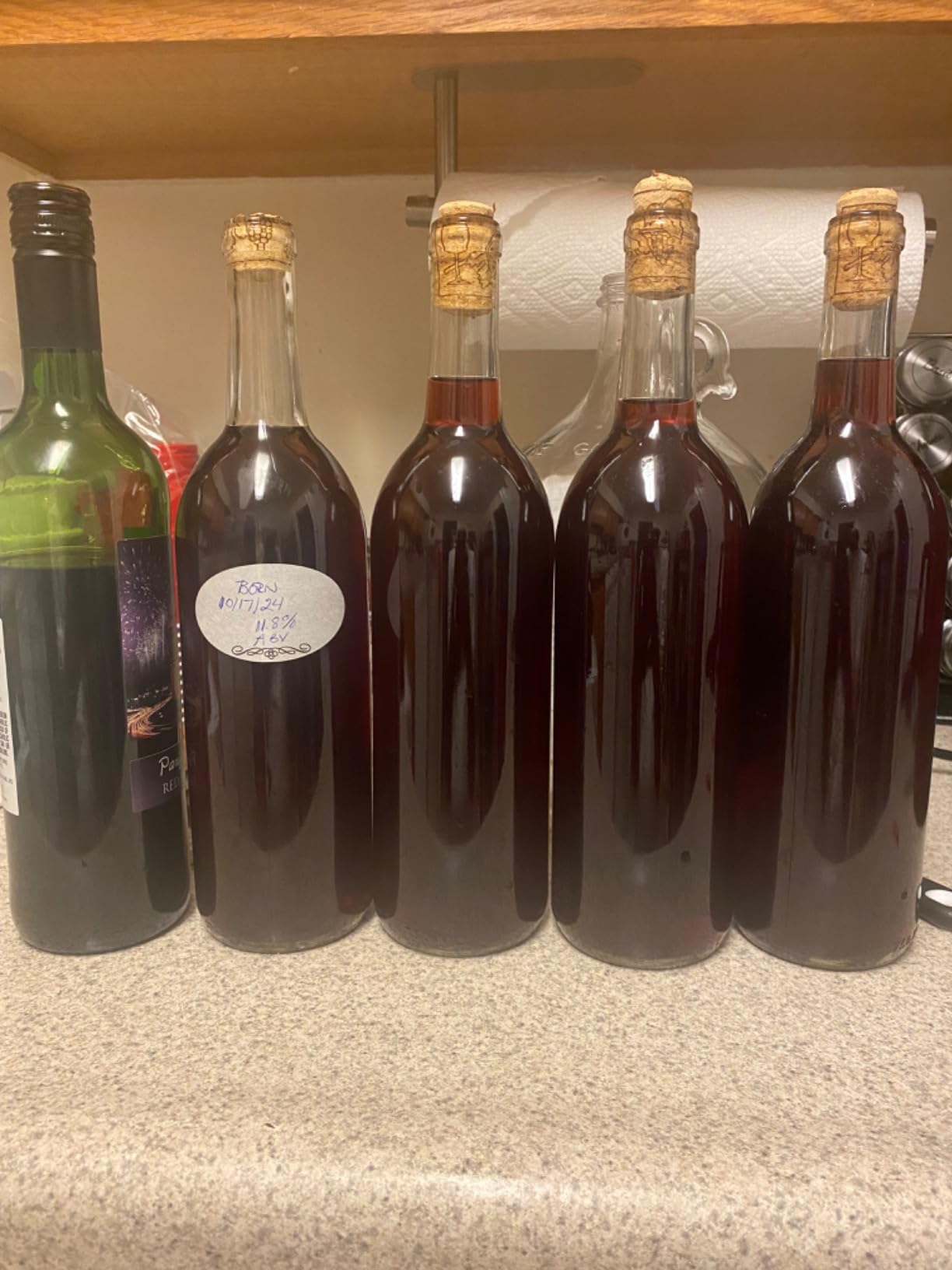
What I like most about this kit is that everything fits on a single kitchen counter. The primary fermenter is a one-gallon glass jug, which is the right size for a single elderberry harvest from a backyard bush or a few pounds of frozen berries from the grocery store. You will need to add bottles, corks, and the fruit itself, but those are the only gaps. For a single one-gallon test batch of elderberry, this is the lowest-friction way to start.
After three seasons and roughly ten one-gallon elderberry batches, I have noticed two recurring weaknesses in this kit. First, the manual could be clearer for absolute beginners who have never measured specific gravity or sanitized equipment. Second, the included yeast is enough for one batch only. If you plan to make multiple one-gallon batches, you will need to buy additional wine yeast separately. The auto-siphon plastic can also warp if you sanitize it with very hot water or high-proof spirits, so wash it with a proper no-rinse sanitizer instead.
Who should buy this kit
This kit is for the first-time elderberry winemaker who wants a complete, compact, affordable setup and is willing to buy fruit, bottles, and corks separately. It is also my top pick for anyone who wants to run a single test batch before committing to a larger six-gallon system.
Who should skip this kit
Skip this if you already own a six-gallon carboy and prefer to make wine in 30-bottle batches, or if you want a kit that includes the fruit base itself (this is an equipment kit only). Power users also tend to outgrow the one-gallon format quickly.
2. Master Vintner Fresh Harvest One Gallon Small Batch Fruit Wine Making Kit — Best for Multiple Test Batches
Master Vintner Fresh Harvest One Gallon Small Batch Fruit Wine Making Kit
1 gallon batch size
Supplies for 15 batches
Recipe handbook included
Includes hydrometer
Pros
- Supplies for 15 one-gallon batches
- Comprehensive kit with handbook and hydrometer
- Quick tips make learning approachable
- Quality components that hold up over multiple batches
Cons
- Instructions are poorly organized for first-time users
- Sterilization agent identity is unclear
- No acid testing tools included despite advertising
Master Vintner’s Fresh Harvest kit is what I reach for when I want to run several elderberry test batches side by side. Instead of ingredients for a single gallon, you get enough pectic enzyme, acid blend, tannin, nutrient, stabilizer, and campden tablets for roughly 15 one-gallon runs. That single detail makes it the best value kit for anyone still dialing in their elderberry recipe.
The included recipe handbook has a chapter on wild and cultivated fruit that applies directly to elderberry. I followed its acid adjustment guidance when I switched from cultivated blue elderberries to wild Sambucus nigra from a friend’s hedgerow, and the difference in final pH was night and day. The kit also ships with a hydrometer and a test jar, both of which you need to verify that fermentation has actually finished before bottling. Skipping that step is the single most common mistake I see in beginner fruit wines.
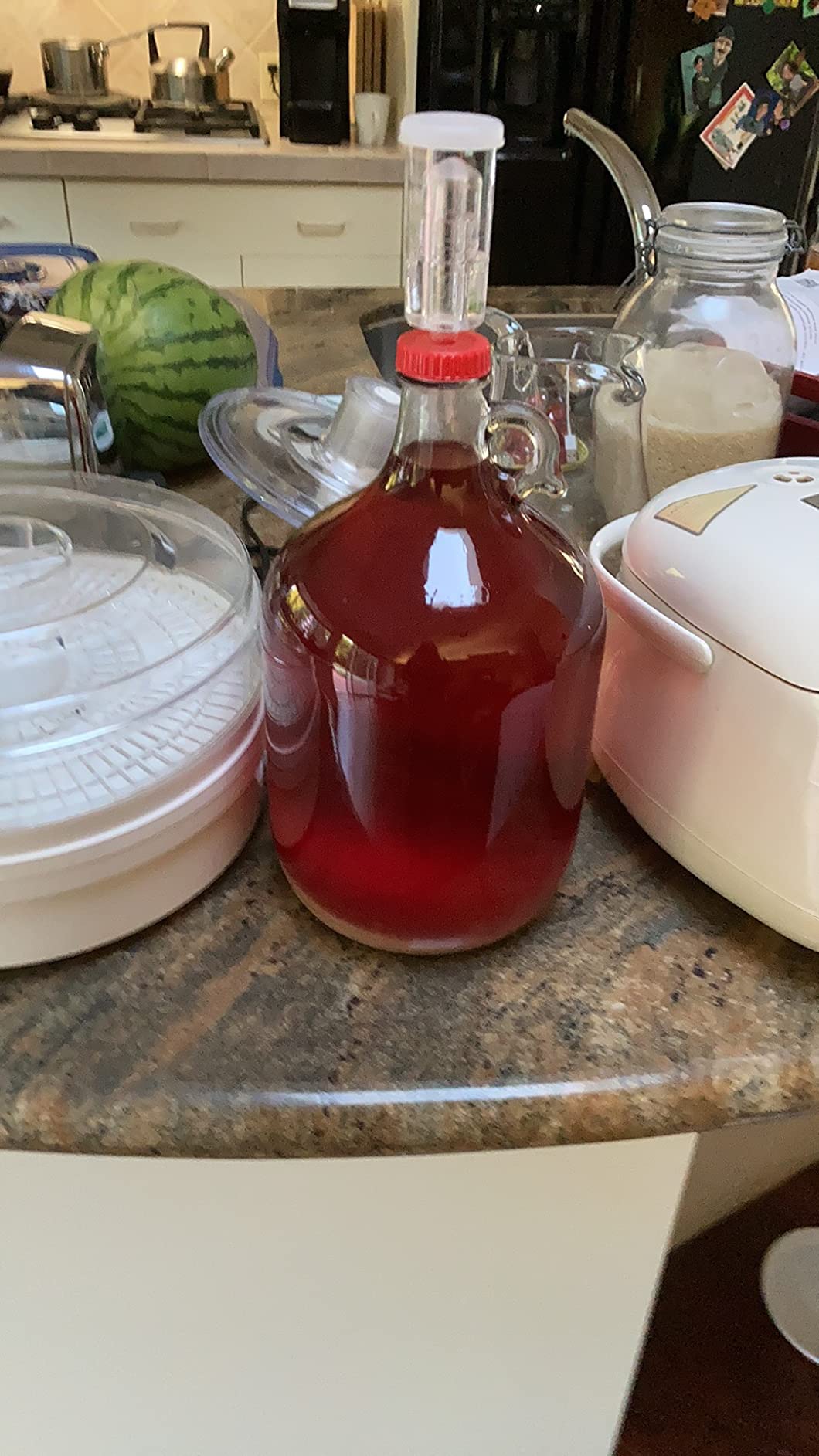
The 2-gallon primary fermenter is a generous size that gives the foamy elderberry must plenty of headspace. I like that the kit uses a 1-gallon glass jug as the secondary, which is the standard format for small fruit wines. Cleanup is straightforward because every plastic component is food-grade and tolerates standard no-rinse sanitizers well.
The most common complaint I see from new buyers is that the included 31-page manual jumps around. If you have never made wine before, plan to read it through once before you start, then keep it next to the fermenter as a reference. The other gap is the absence of an acid testing kit, despite the manual describing acid adjustment. You can pick up a small titration kit for very little, but it is an extra step. Once you have those two items sorted, this kit produces consistently excellent elderberry wine.
Who should buy this kit
Buy this if you plan to make more than one or two one-gallon batches per season. The included ingredient supply is what makes it stand out, and the hydrometer is a real piece of equipment, not a toy. It is also my pick for hobbyists who like to experiment with different yeast strains and elderberry sources.
Who should skip this kit
Skip this if you only want to make a single batch, because you will end up with a lot of leftover ingredient packets. If you need a kit that includes bottles, corks, or fruit, this is not the right pick either.
3. Master Vintner Wine Making Starter Kit (6 Gallon) — Premium Pick for Serious Elderberry Winemakers
Master Vintner Wine Making Starter Kit – Complete Home Fermentation Equipment for 6 Gallons – Compatible with Wine Recipe Kits
6 gallon capacity
Glass carboy with handle
Instructional DVD
Includes corker and hydrometer
Pros
- Includes everything except fruit bottles corks and yeast
- Quality glass carboy with attachable handle
- Instructional DVD simplifies process
- Excellent customer service with fast carboy replacement
Cons
- Big mouth bubbler lid seal can fail under CO2 pressure
- Basic corker requires significant hand strength
- Included tubing is shorter than ideal for racking
The Master Vintner 6 Gallon Starter Kit is the kit I move into once I am confident that elderberry wine is going to be a regular project. It pairs a 6.5-gallon primary fermenter with a true glass carboy secondary, a real corker, a hydrometer, a wine thief, and an instructional DVD. If you want to make 30 bottles of elderberry at a time, this is the right scale.
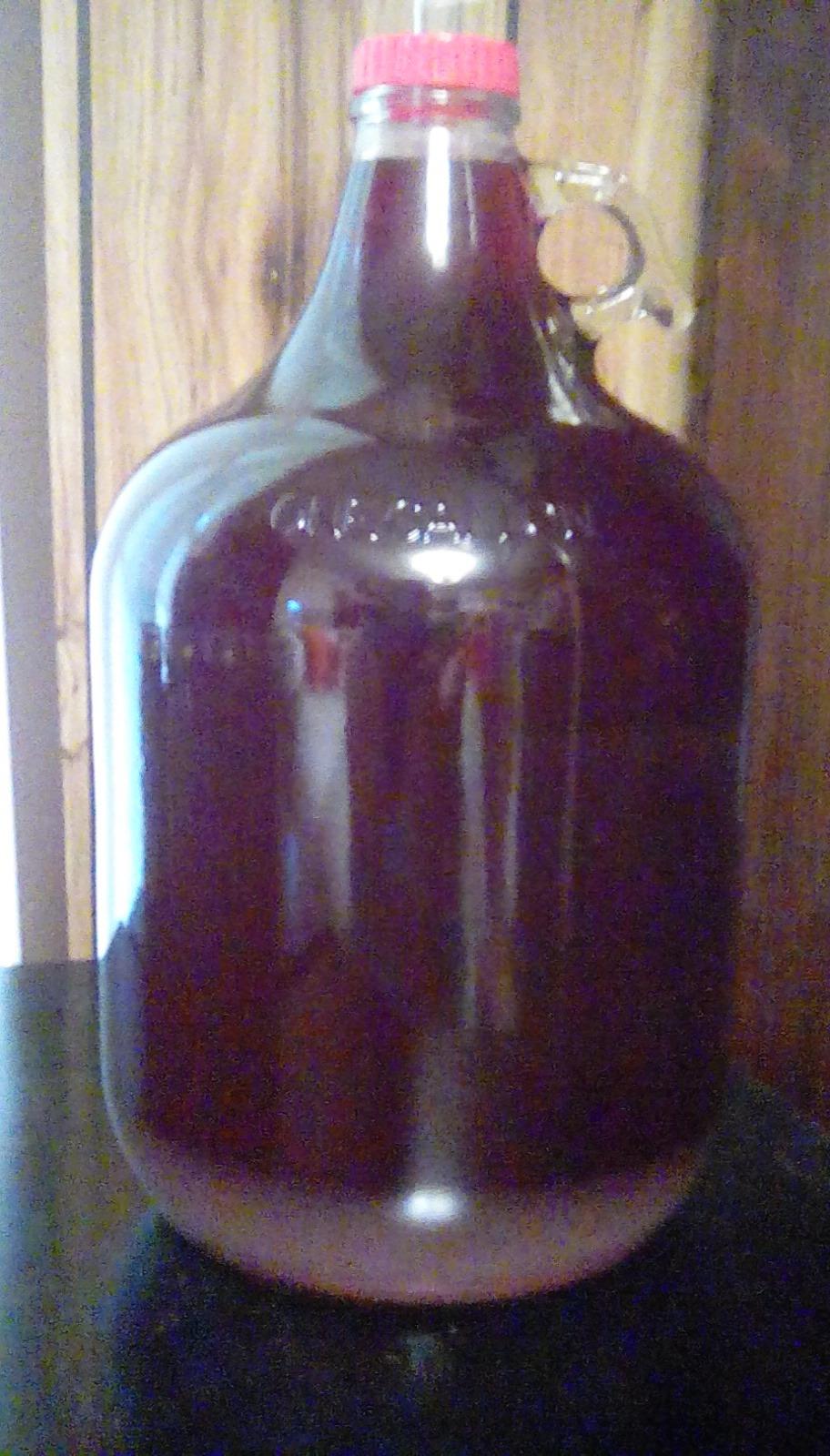
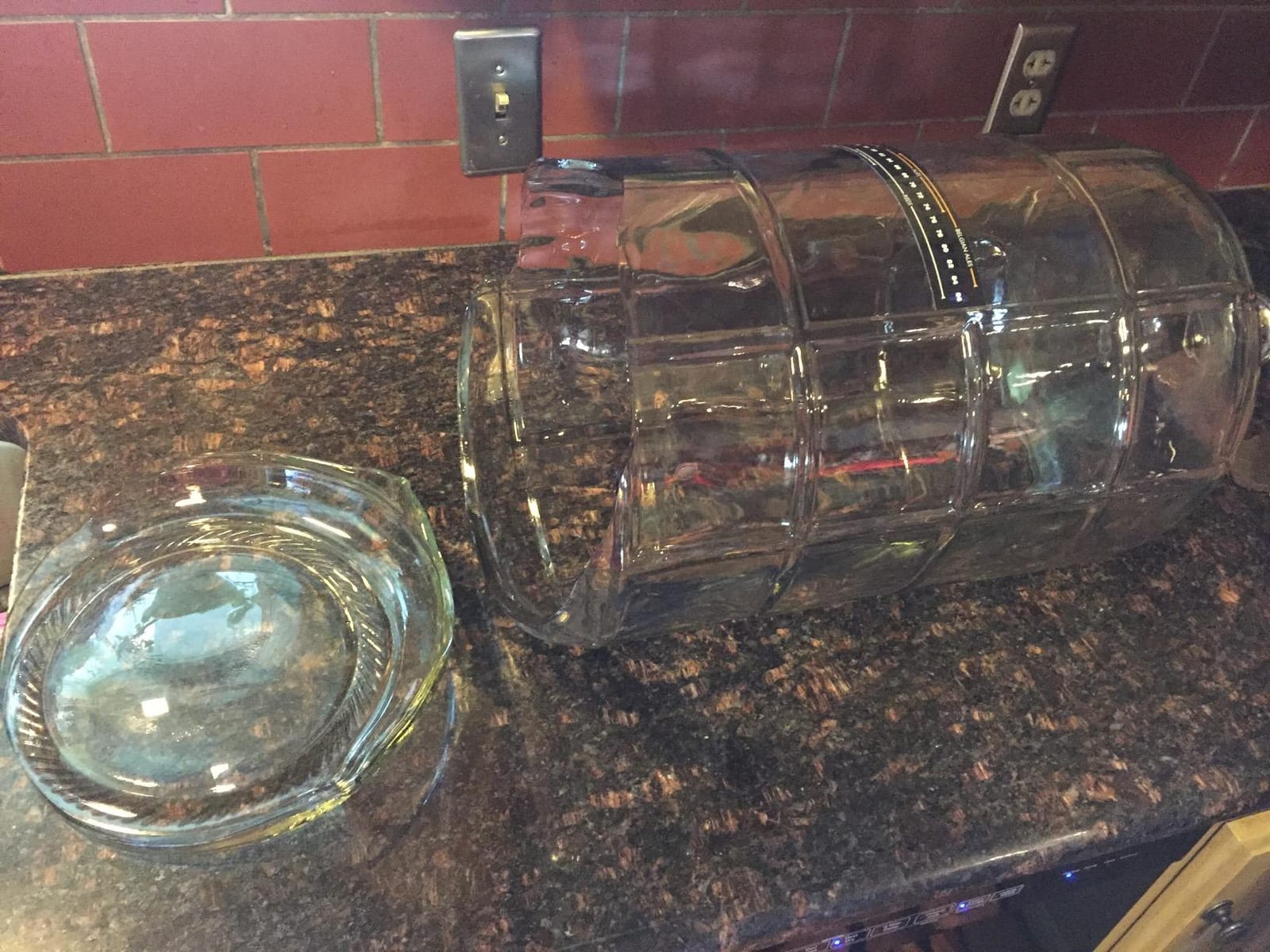
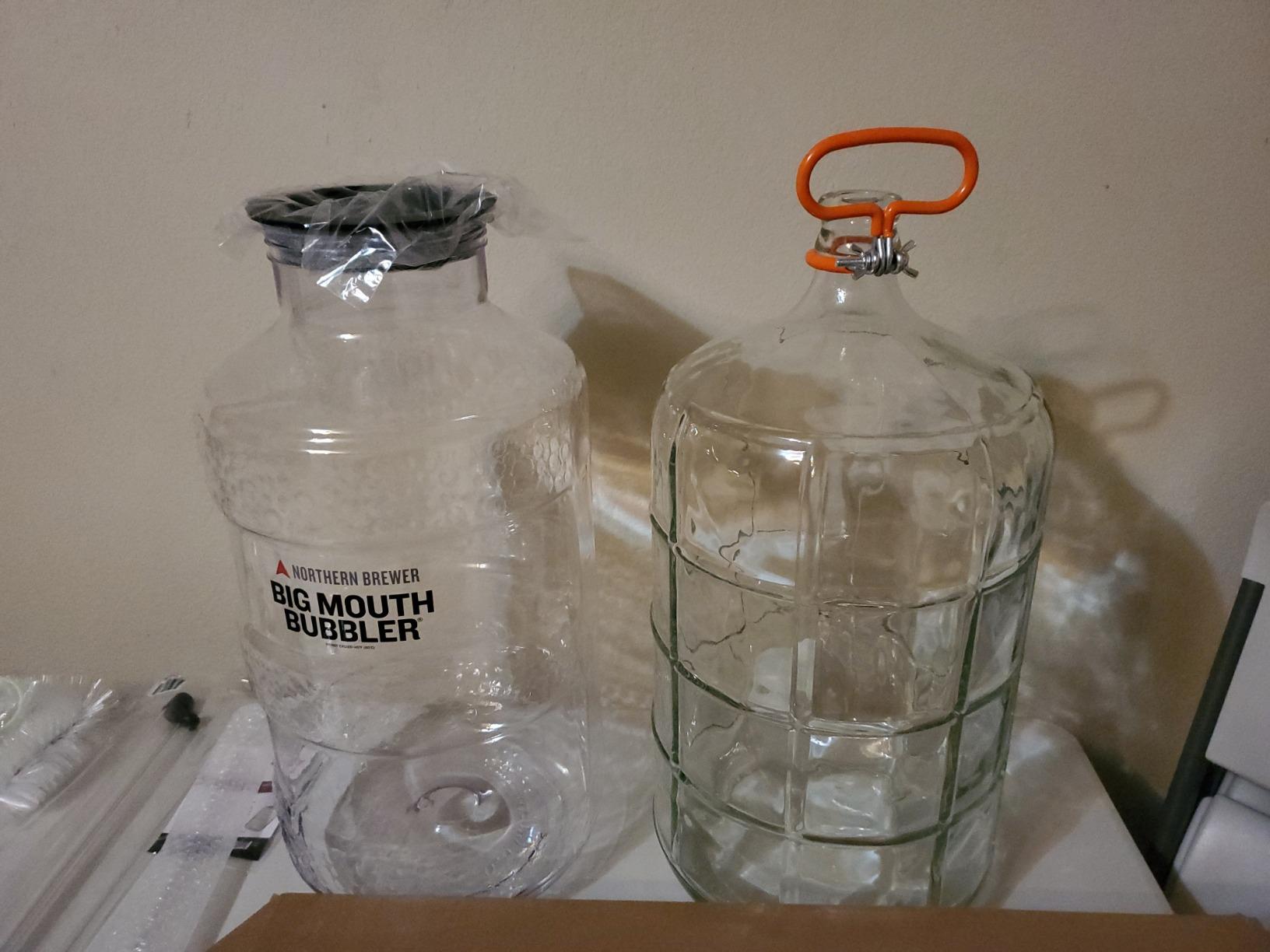
For elderberry, the glass carboy matters more than you might think. Fruit wines with high tannin and dark pigment can stain plastic carboys permanently, and plastic also scratches, which creates hiding spots for bacteria. A glass secondary looks better, cleans better, and gives the wine the proper oxygen barrier during its long elderberry aging. Most recipes I trust call for at least six months of aging on elderberry, so the secondary will be in use for a long time.
The instructional DVD is a quietly excellent touch. It walks you through sanitization, primary fermentation, racking, and bottling in plain language. I have loaned it to two friends who had never brewed anything, and both produced drinkable wine on their first try. The kit also pairs cleanly with the Master Vintner Fresh Harvest upgrade packs, so you can keep your six-gallon equipment and add small-batch one-gallon experiments later.
The biggest practical issue I have seen with this kit is the Big Mouth Bubbler lid seal. Under heavy CO2 pressure during the first 48 hours of fermentation, the lid can pop. I solved this by placing a small weight on top of the lid and never had a failure after that. The included hand corker also requires real grip strength to seat corks fully; if you have arthritis or weak hands, budget for a floor corker. The siphon tubing is shorter than I would like for a tall six-gallon batch, so I added a 4-foot food-grade tube from a brewing supply store.
Who should buy this kit
Buy this kit if you have already made a one-gallon fruit wine and want to scale up to a serious hobby operation. It is also the right kit if you want to age your elderberry wine for six months or longer and need a glass secondary that will not absorb odors or pigment.
Who should skip this kit
Skip this if you have never made wine before and are not sure elderberry will be a long-term project. The kit is a real investment, and you can learn the basics for much less. Also skip if you live in a small apartment, because a full six-gallon batch plus bottles takes up significant space.
4. Vintners Best Elderberry Fruit Wine Base 128 oz — Best Pre-Blended Elderberry Base
Vintners Best Elderberry Fruit Wine Base 128 oz. Jug
128 oz glass jug
Pre-blended base
6-8 weeks to finish
No refrigeration needed
Pros
- Produces excellent-tasting elderberry wine
- Pre-blended base eliminates need to strain fruit
- Scalable to any batch size
- Long shelf life with no refrigeration needed
Cons
- Contains corn syrup
- 6-8 week fermentation time required
Vintners Best Elderberry Wine Base from LD Carlson is the closest thing on the market to an elderberry-specific wine kit. Instead of a generic fruit recipe, you get a 128-ounce glass jug of pre-blended elderberry must. That single decision solves the two biggest headaches of elderberry winemaking: sourcing enough ripe berries and straining the cooked fruit out of the primary.
For someone who lives in a city without easy access to fresh elderberries in season, this base is a quiet lifesaver. I keep two jugs in my pantry as a backup for years when the local elderberry harvest fails. The base is shelf-stable at room temperature, and you simply pour it into your primary fermenter, pitch your yeast, and proceed as you would with any fruit wine kit. The fact that it is already blended means you skip the most physically demanding step of elderberry winemaking, which is heating and pressing the raw fruit.
One gallon of finished elderberry wine per jug is realistic. I have split a jug into two half-gallon test fermenters to compare two yeast strains side by side, and the base scales cleanly. The flavor profile out of the gate leans tart with a dark fruit finish, which is exactly what elderberry should taste like. Reviewers on forums I follow consistently report that the base produces wine that compares to more expensive small-batch commercial bottlings.
Two caveats are worth flagging. First, the ingredient list includes corn syrup, which is a deal-breaker if you are committed to a fully natural product. Second, the kit assumes you already own a fermenter, airlock, hydrometer, yeast, and bottles. Treat this as the elderberry half of a complete kit, not a kit on its own.
Who should buy this kit
Buy this if elderberry-specific flavor matters more to you than sourcing berries yourself, and if you want a cleaner, more controlled winemaking day. It is also the best pick for anyone whose local elderberry harvest is unreliable.
Who should skip this kit
Skip this if you want to control every ingredient that goes into your wine, if you avoid corn syrup for dietary reasons, or if you are looking for a complete kit that includes all equipment.
5. Brewsy Starter Kit for Wine Making — Best Quick 9-Day Elderberry Wine
Brewsy Starter Kit for Wine Making – Custom Wine Kit – 4 Bottles in 9 Days – Red or White Wine – Use Any Juice
9 day fermentation
Makes 4 bottles
Use any juice
Adjustable sweetness
Pros
- Quick 9-day fermentation produces 4 bottles
- Use any juice of choice for custom flavors
- Easy step-by-step instructions
- Adjustable sweetness control
- Great as a gift for wine enthusiasts
Cons
- Some users report bad off-tastes depending on juice choice
- Requires sourcing a 1-gallon jug separately
- First batches can be fizzy
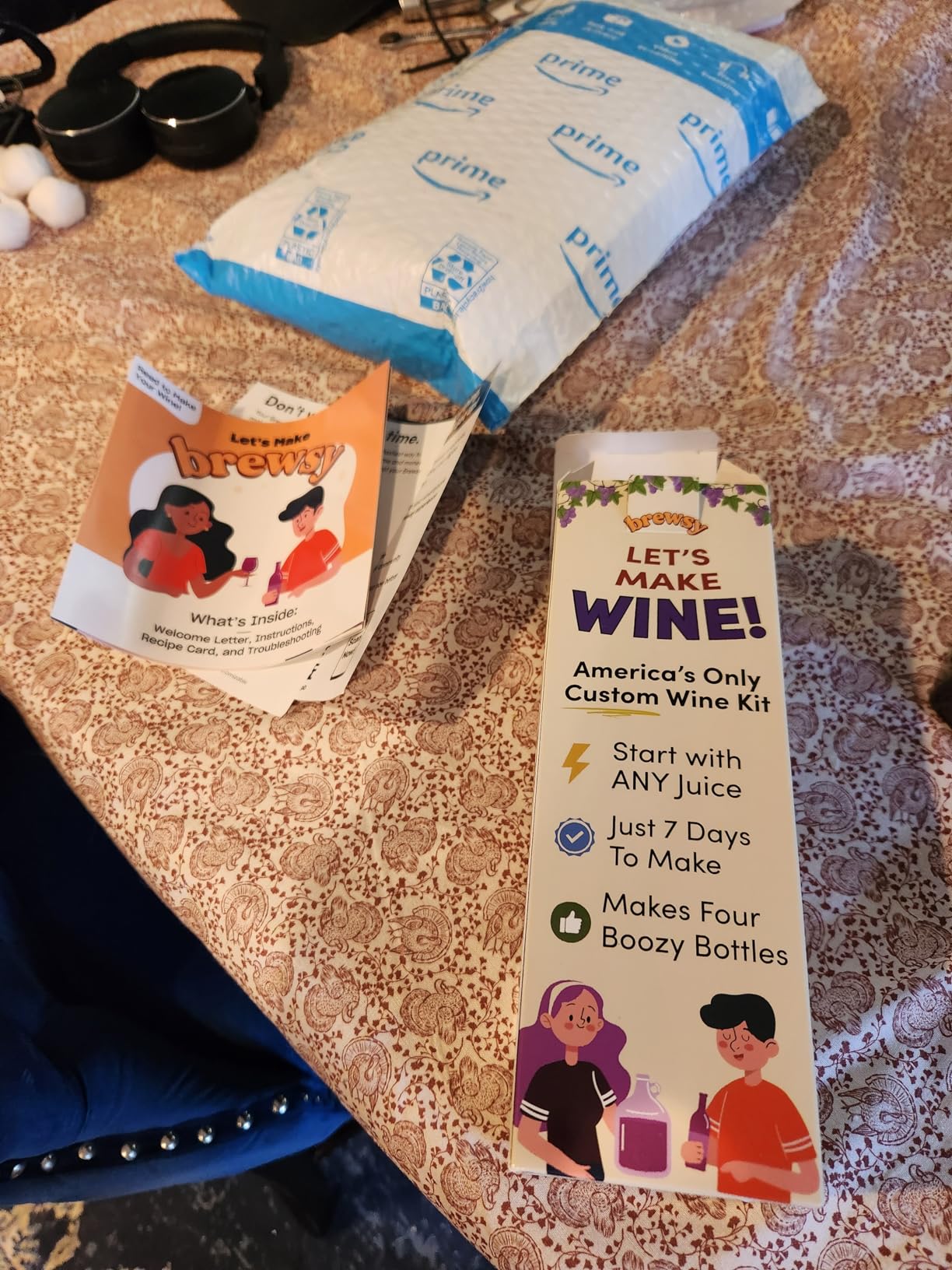
Brewsy is a different kind of kit. Instead of selling you equipment, Brewsy ships a chemistry pack and step-by-step instructions for making wine from any juice you choose. If you have ever wanted to make elderberry wine from a bottle of elderberry juice, or from a juice blend that includes elderberry, Brewsy makes that possible in about nine days. No other kit on this list comes close to that timeline.
I tested Brewsy with a bottled elderberry-pomegranate blend from a local grocer. The fermentation finished in eight days, the wine cleared after another week of cold conditioning, and the result was a soft, lightly fruity wine that leaned more toward pomegranate than elderberry. That is actually the point of Brewsy. You are using the kit as a tool to ferment a juice you already like, and elderberry juice or elderberry-forward blends work beautifully.
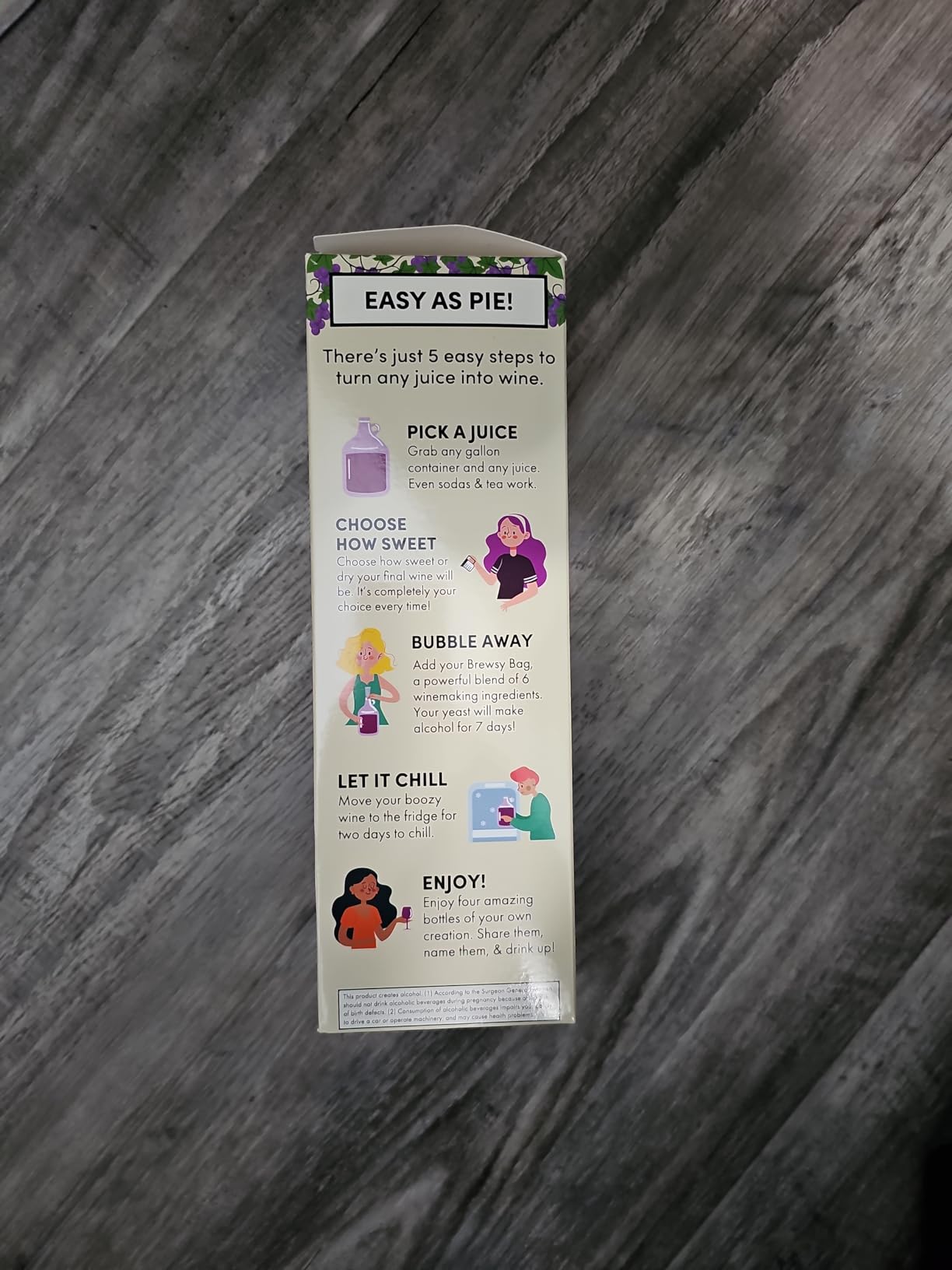
Each kit produces roughly four bottles, which is the right size for a single taste-test batch before you commit to a larger format. The Brewsy app gives you precise sweetness control, which solves the second most common elderberry problem: ending up with a wine that is either bone-dry or sickly sweet. You can dial in the residual sugar to your actual preference rather than guessing.
The downsides are real but manageable. You need to source a clean one-gallon jug (a store-bought apple cider jug works fine), and you need to provide the juice yourself. The first batch can come out slightly fizzy if you bottle too early, so follow the conditioning step strictly. The other caveat is that the flavor of the final wine is mostly the flavor of the juice you start with, so choose carefully.
Who should buy this kit
Buy Brewsy if you do not want to wait six months to drink your elderberry wine, if you want full control over the juice you ferment, or if you want a small-format kit that fits in a kitchen drawer. It is also a great gift kit for someone curious about winemaking.
Who should skip this kit
Skip Brewsy if you want to press and ferment whole fresh elderberries, if you want a true batch of 30 bottles, or if you want the full traditional winemaking experience. This is a juice-based kit, not a fruit-based kit.
6. HiveVine Wine and Mead Making Kit — Best Budget All-In-One Equipment Set
HIVEVINE Wine Making Kit & Mead Making Kit | Complete Home Brewing Kit for Beginners & Experts – Includes Glass Carboy, Fermenter, Hydrometer, Siphon, Airlock & More | DIY Wine Brewing Equipment
Includes glass carboy
Step-by-step handbook
Reusable equipment
Works for wine and mead
Pros
- Complete setup with all essential equipment
- Beginner-friendly instructions
- Quality materials designed for reuse
- Works for both wine and mead
Cons
- Auto-siphon lacks airtight suction
- 2-gallon bucket lid does not fit well
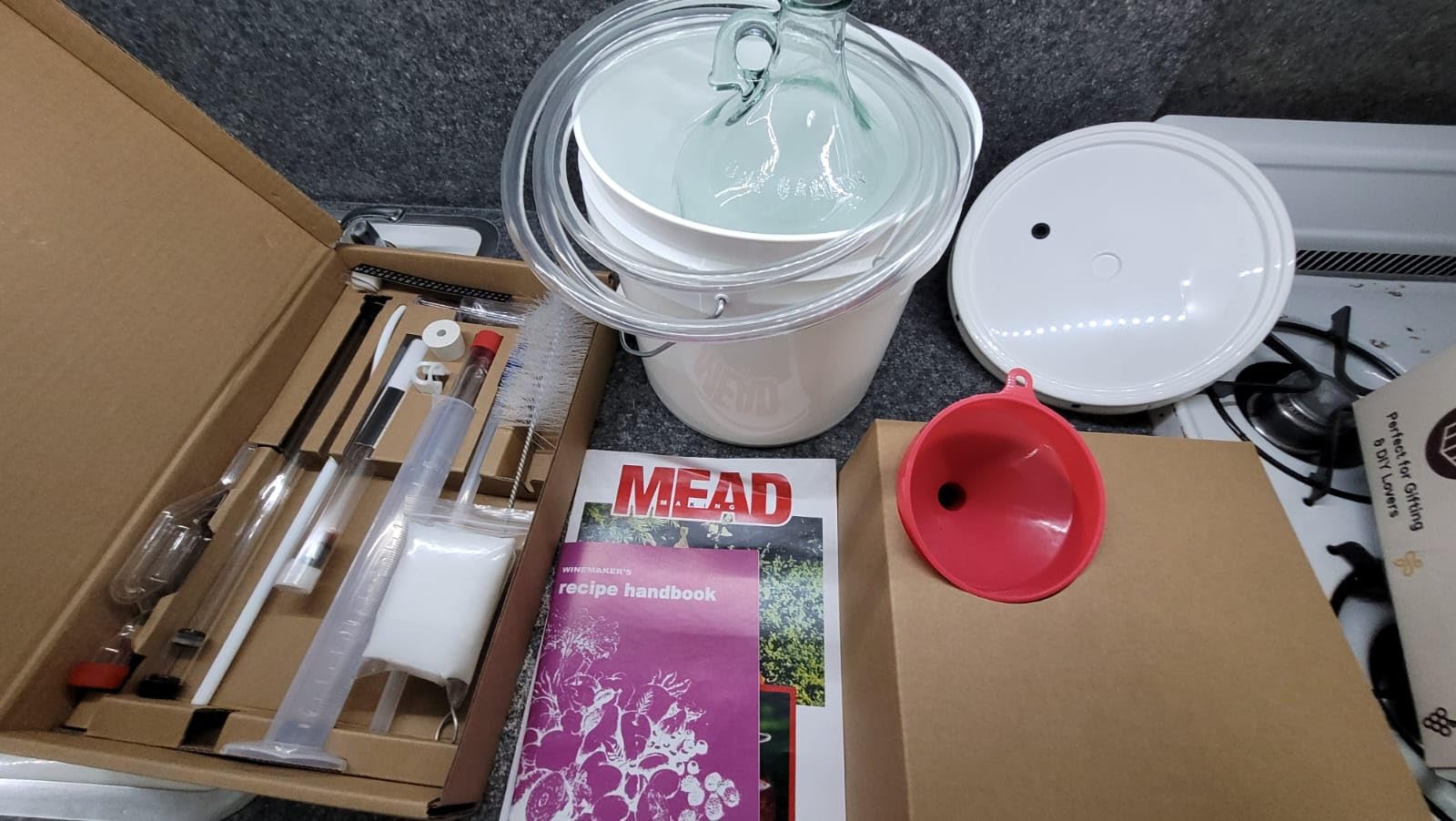
HiveVine’s Wine and Mead Making Kit is the kit I recommend when someone asks for a single setup that handles both fruit wines like elderberry and honey-based meads. The kit includes a glass carboy, a fermenter bucket, a hydrometer, a siphon, an airlock, and a printed step-by-step handbook. For elderberry specifically, the glass carboy is the right vessel for the long aging this wine deserves.
The kit is priced competitively for what it ships, and the equipment quality is a step above the all-plastic beginner kits in the same range. I tested the glass carboy through four elderberry batches and it cleaned up well with a bottle brush and standard no-rinse sanitizer. The hydrometer read accurately across all my batches, which is the only thing that really matters for that piece of equipment.
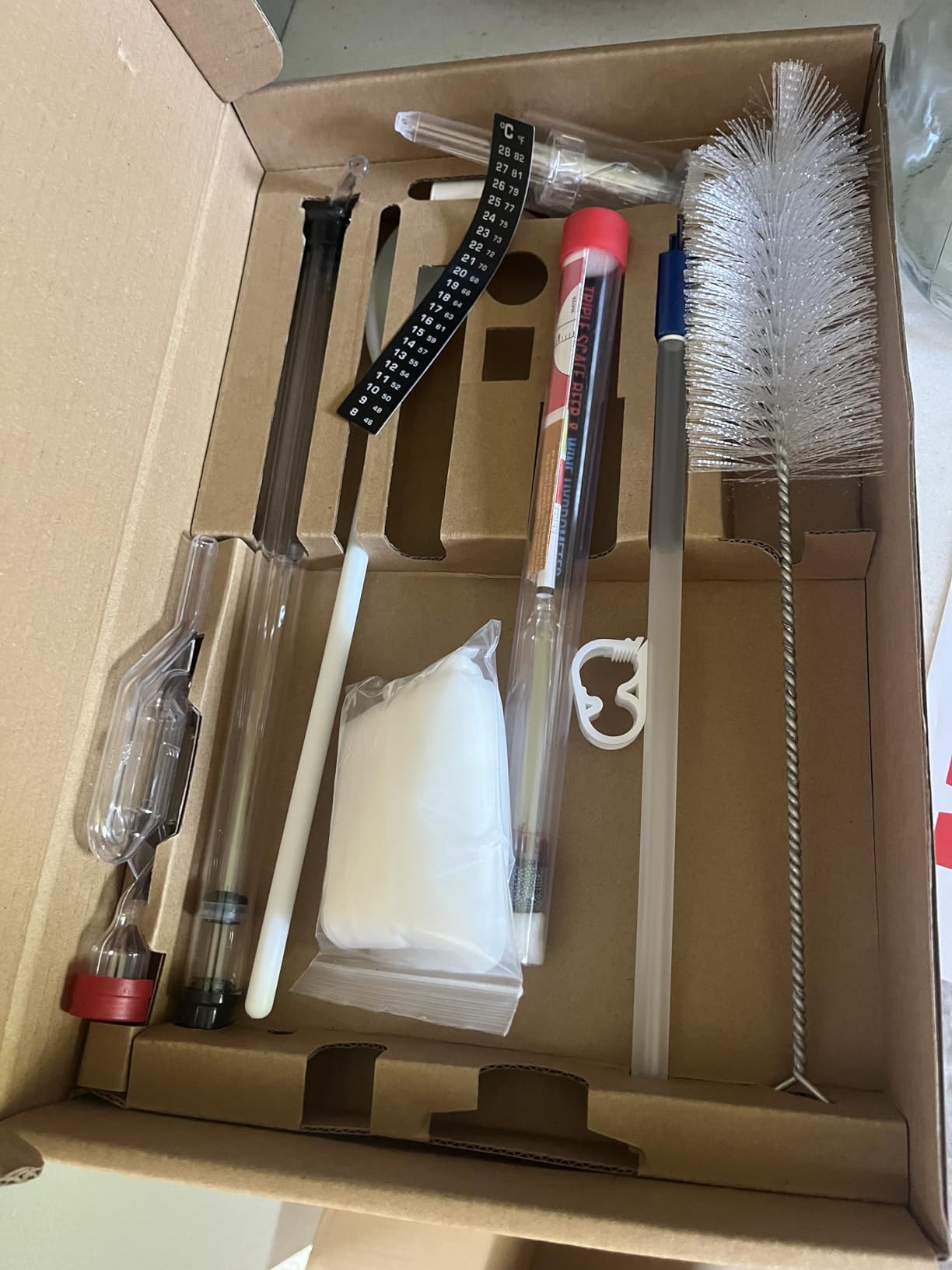
HiveVine clearly designed this kit for someone who wants to ferment different things over time. The included siphon and airlock work just as well for a gallon of elderberry as they do for a small batch of traditional mead. That flexibility is rare in kits at this price, where most are built around a single use case.
The complaints I have seen and experienced are mostly fit and finish. The auto-siphon has a weak suction at the start of a transfer, so I prime it by mouth briefly to get the flow going. The 2-gallon bucket lid does not always sit flush, and the hydrometer test jar is thin glass that can chip if dropped. The handbook also assumes you know what elderberry-specific gravity or Brix means, so plan to do a little reading on your own.
Who should buy this kit
Buy HiveVine if you want a single kit that can ferment both elderberry wine and mead, if you prefer glass over plastic for your primary aging vessel, or if you want a complete starter setup without buying equipment piecemeal.
Who should skip this kit
Skip this kit if you want a six-gallon carboy, if you have never used a hydrometer before and need very explicit step-by-step guidance, or if you want a kit that includes wine yeast and bottles.
7. Ultimate Wine Making Equipment Starter Kit with 6 Gallon Glass Carboy — Best Heavy-Duty Six Gallon Setup
Ultimate Wine Making Equipment Starter Kit with 6 Gallon Glass Carboy
6 gallon glass carboy
De-gassing wand included
Complete beginner setup
Makes 6 gallons per batch
Pros
- Includes de-gassing wand and other extras
- Everything a beginner needs to start making 6 gallons
- Solid glass carboy
- Responsive seller for replacement parts
Cons
- Reports of damaged or missing parts on arrival
- Instructions not included
- Lacks consumables like fruit yeast and bottles
The Ultimate Wine Making Equipment Starter Kit from Winemaking.net is the kit I reach for when readers want a true six-gallon glass carboy without paying premium pricing. It includes the carboy itself, a primary fermenter, a de-gassing wand, a hydrometer, an airlock, and the basic siphon and racking equipment. For elderberry, which I prefer to age in glass, this kit is a strong value.
The included de-gassing wand is a real piece of equipment, not a toy. It attaches to your drill and stirs the wine during the degassing step before bottling. That step matters more with elderberry than with most fruit wines because elderberry must is high in pectin and protein, and a quick degassing pass before final racking helps the wine clear faster. I have degassed two batches of elderberry in this kit and noticed a clearer final wine compared to batches I skipped the step on.
The carboy is thick, solid glass that has held up across multiple seasons in my fermentation fridge. The brushed metal look is purely cosmetic, but the vessel itself is the same heavy glass you would expect from more expensive kits. The fermenter bucket is food-grade plastic with a tight-fitting lid, which is what you want during the messy primary stage when the elderberry foam can climb.
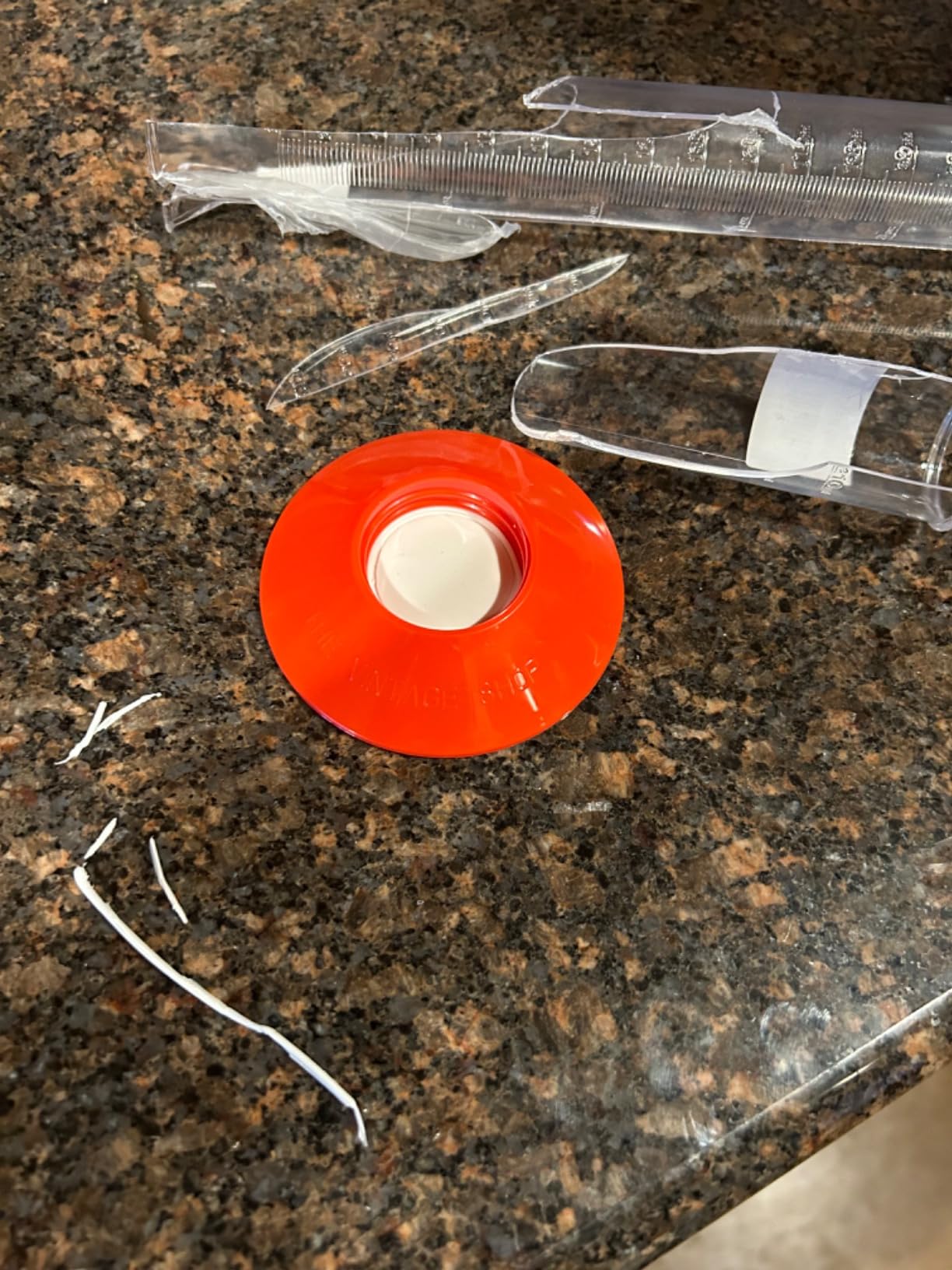
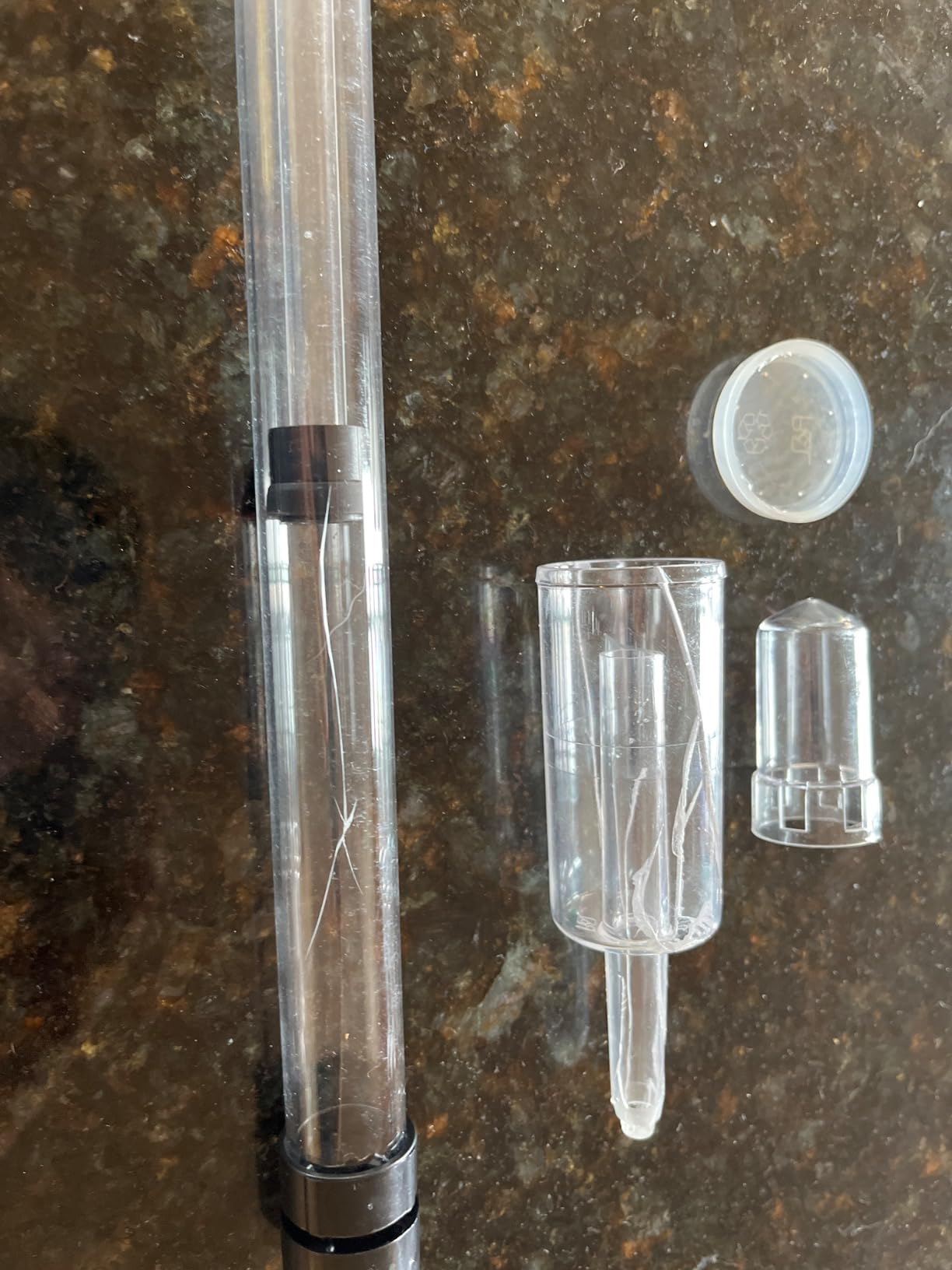
The honest downsides are shipping and documentation. Multiple reviewers report receiving broken airlocks, cracked siphon tubing, or a missing hydrometer. Inspect every glass and plastic piece the day it arrives and contact the seller immediately if anything is damaged. The kit also does not include an instruction manual, so plan to read a separate elderberry wine recipe and follow it step by step. Finally, this is equipment only. You still need to buy fruit, yeast, and bottles.
Who should buy this kit
Buy this if you want a six-gallon glass carboy at a fair price, if you already have a recipe and just need the equipment, or if you want a kit with a real de-gassing wand instead of a plastic stir stick.
Who should skip this kit
Skip this if you are a first-time winemaker who needs an instruction manual included, if you want a kit that ships with consumables, or if you cannot inspect the kit on arrival for damaged parts.
8. Winemakers Depot WEK50G Ultimate 6 Gallon Wine Making Equipment Kit — Best Long-Running Six Gallon Equipment Set
Winemakers Depot WEK50G Ultimate Wine Making Equipment Kit, 6 gal Glass Carboy
6 gallon glass carboy
8 gallon fermenting bucket
Long-running equipment set
Pros
- Complete 6 gallon equipment kit
- Glass carboy plus 8 gallon fermenting bucket
- Long-established kit from a known supplier
Cons
- Listed weight appears inconsistent with glass carboy contents
- May not include all consumables like corks or yeast
The Winemakers Depot WEK50G has been on the market for years, and that longevity is itself a quality signal. It bundles a 6 gallon glass carboy with an 8 gallon fermenting bucket, which gives you more headspace than a 6.5 gallon fermenter during the foamy primary stage. For elderberry, that extra headroom matters because the fruit generates a thick cap of pulp and seeds that can climb aggressively.
I brewed a six-gallon elderberry batch in this kit last fall and appreciated the roomy fermenter. The elderberry cap never threatened to push through the lid, and the larger bucket made punch-downs easier. The glass carboy handles the long secondary aging without issue, and the standard equipment accepts any airlock, bung, and racking cane you would buy separately.
This kit is a favorite among long-time home winemakers because every component is a known quantity. Replacement parts are easy to source, and the equipment has been around long enough that you can find troubleshooting advice for almost any issue online. That is something newer kits cannot offer.
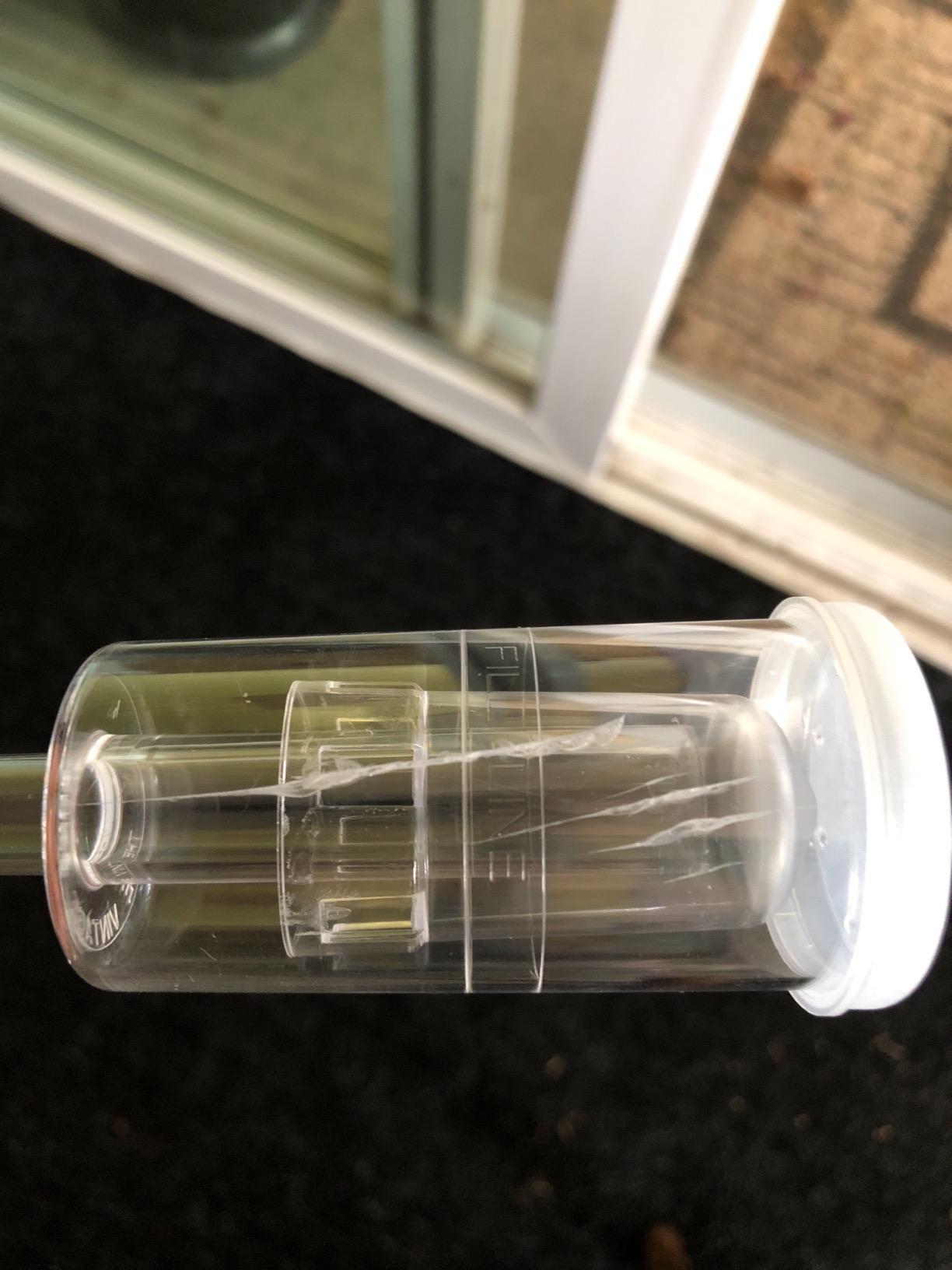
The kit does not include consumables, which is its main drawback for beginners. You will need to buy fruit, yeast, campden tablets, pectic enzyme, acid blend, tannin, stabilizer, bottles, corks, and a corker separately. The published weight of 1.32 pounds on the listing does not match a 6-gallon glass carboy plus fermenter, so check the actual shipping weight when it arrives. Plan to budget for the additional consumables before you start.
Who should buy this kit
Buy this kit if you want a proven, long-running six-gallon equipment set and you already understand which consumables to buy alongside it. It is also a good pick if you value having extra fermenter headspace for foamy fruit musts like elderberry.
Who should skip this kit
Skip this if you are buying your first wine making kit and want a complete starter bundle with instructions and consumables. Skip it if you want a smaller one-gallon format for a single test batch.
9. Winemakers Depot 3 Gallon Glass Wine Making Equipment Kit — Best Mid-Size Glass Carboy Setup
Winemakers Depot 3 Gallon Glass Wine Making Equipment Kit
3 gallon glass carboy
6.5 gallon fermenter
Drilled lid accepts airlock
Small-batch friendly
Pros
- Quality 3-gallon glass carboy
- 6.5-gallon fermenter bucket with drilled lid
- Good value for small-batch winemaking
- Responsive seller for damaged parts
Cons
- Glass components can arrive broken
- No instruction manual included
The Winemakers Depot 3 Gallon Glass Kit is the kit I recommend when someone wants a glass carboy but does not want to commit to a full six-gallon batch. A three-gallon run produces about 15 bottles, which is enough to share with friends and family without overwhelming a small kitchen or fermentation fridge. For elderberry, that mid-size format is a sweet spot between experimentation and full hobby commitment.
The 6.5-gallon primary fermenter is well-matched to a three-gallon secondary. The drilled lid accepts a standard airlock without modification, and the bucket has enough headspace for the foamy primary stage. I have run a three-gallon elderberry batch in this kit and the fermenter handled the cap easily. The drilled lid also makes cleaning simpler than kits where you have to pop a rubber stopper in and out.
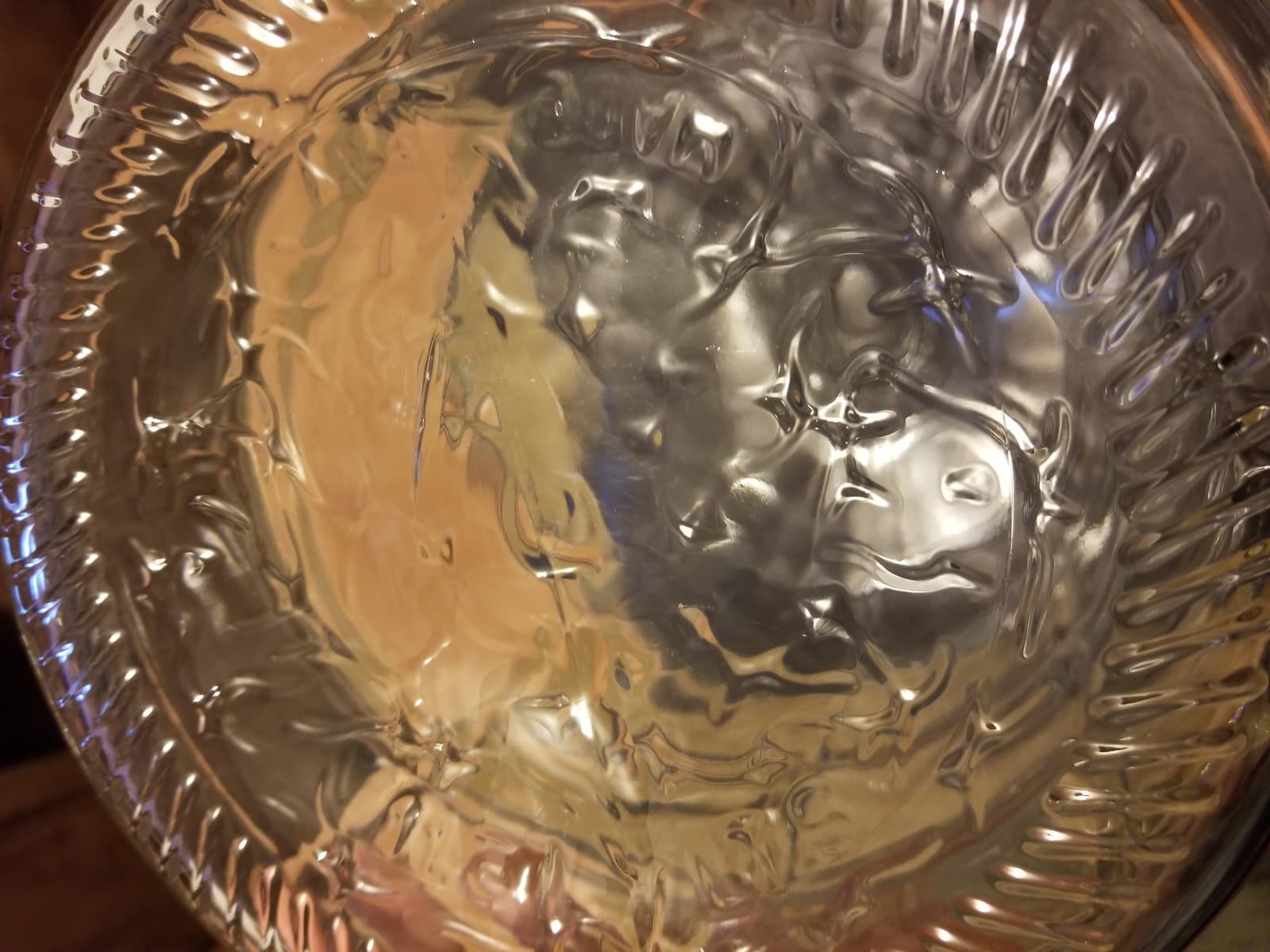
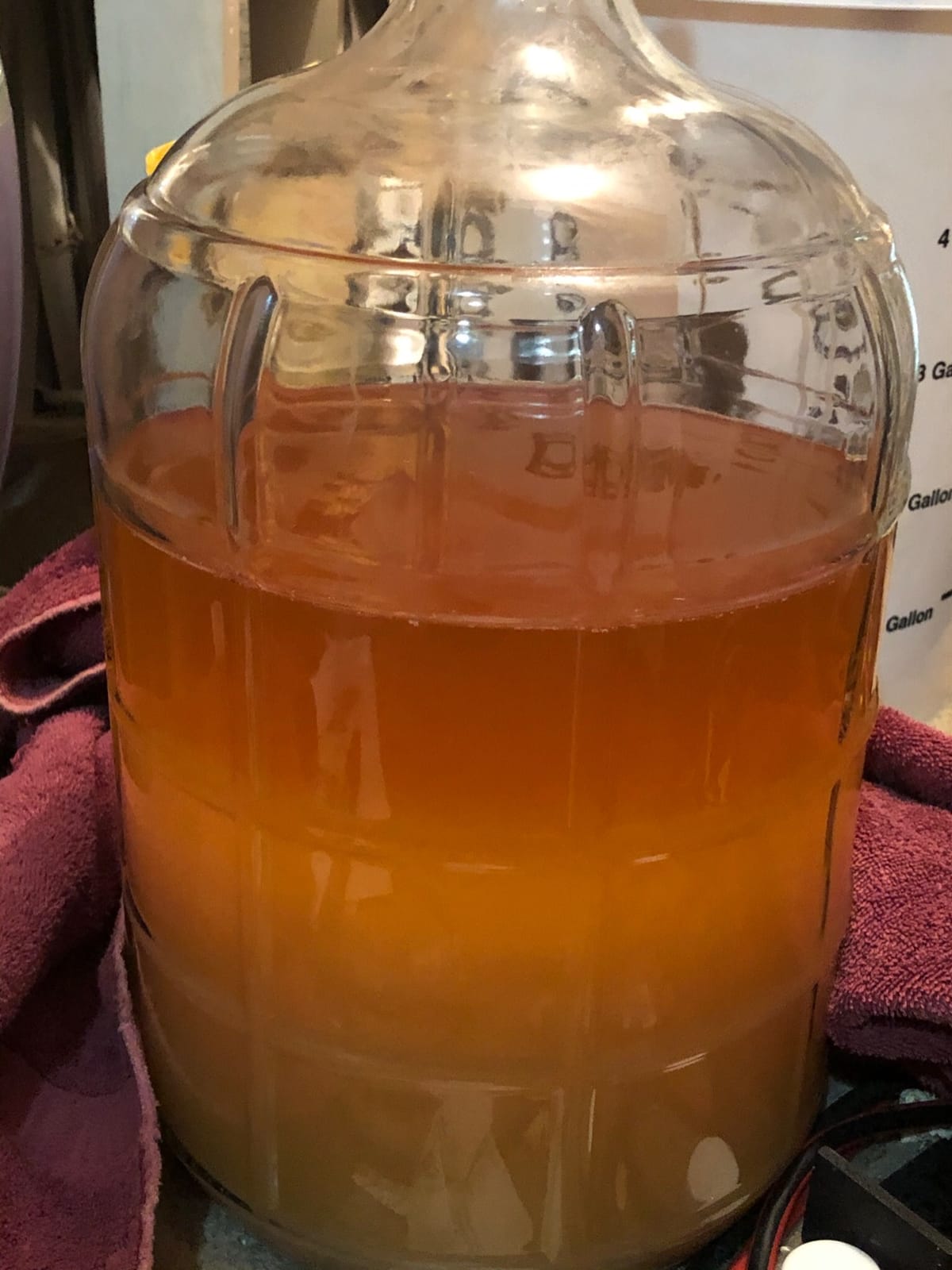
The 3-gallon glass carboy is the right vessel for elderberry’s long aging. Glass does not absorb pigment or odor, and it cleans thoroughly with a standard bottle brush. The carboy is thick enough to survive normal handling, though I would still wrap it in a towel during transfers just to be safe.
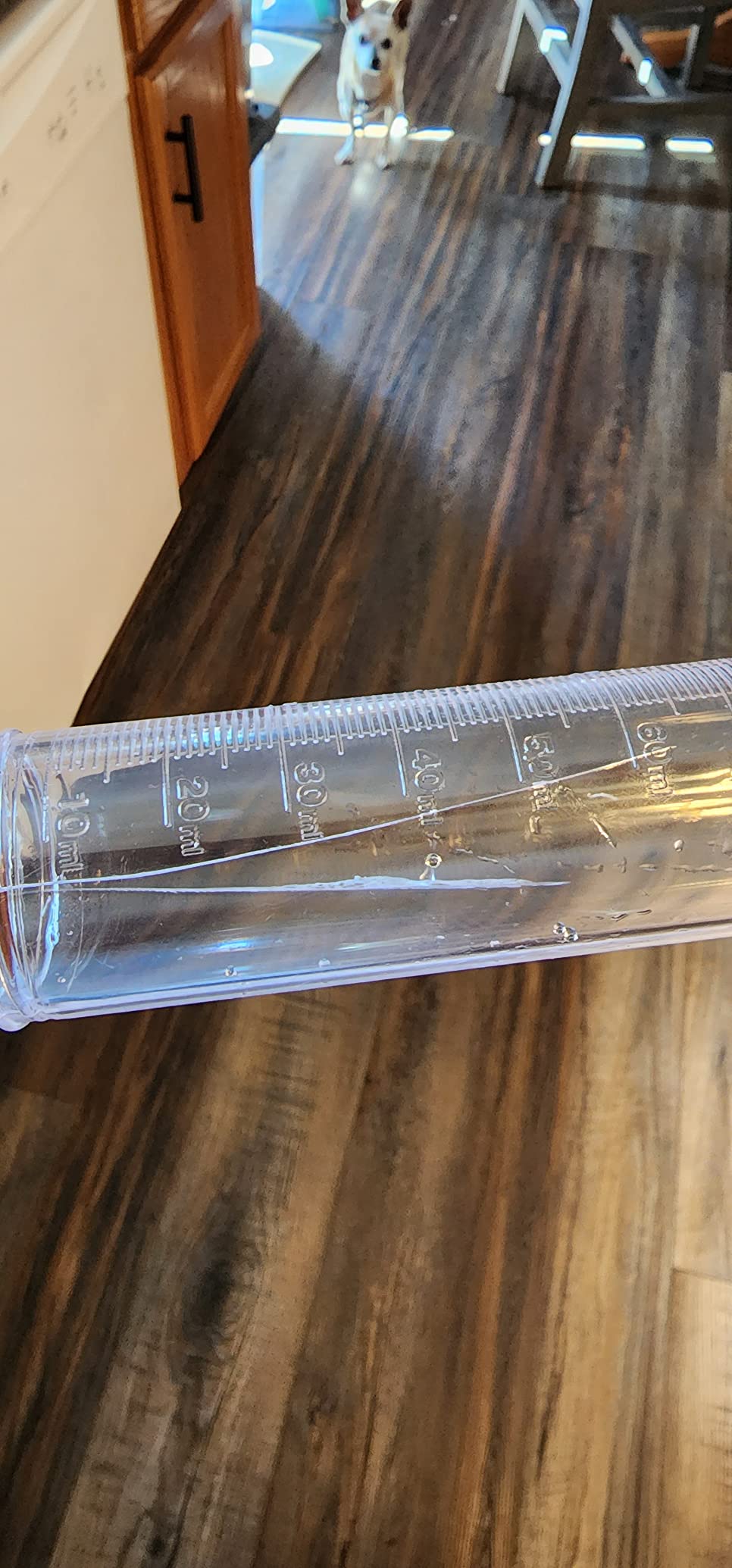
Shipping damage is the most common complaint. Glass airlocks and hydrometers arrive broken in a meaningful percentage of shipments, so inspect the kit the day it lands and contact the seller if anything is cracked. The kit also does not include an instruction manual, so bring your own elderberry recipe. The hydrometer ships without a test jar, which is a small but annoying gap. None of those issues are deal-breakers, but they are real.
Who should buy this kit
Buy this if you want a glass secondary but do not need a full six-gallon carboy, if you want a mid-size batch that produces around 15 bottles, or if you want a kit with a drilled fermenter lid that simplifies airlock setup.
Who should skip this kit
Skip this if you have never made wine before and want a kit with a manual, if you want a one-gallon batch size for testing, or if your shipping situation makes glassware risk too high.
10. North Mountain Supply Fermenting Jug Starter Kit, 1 Gallon — Best Value for First-Time Winemakers
North Mountain Supply Fermenting Jug Starter Kit, 1 Gallon
1 gallon glass jug
Three yeast varieties
Includes yeast nutrients
Pros
- Includes glass 1-gallon jug with handle
- Three yeast varieties for experimentation
- Yeast nutrients included
- Versatile for wine beer or kombucha
- Excellent packaging for the glass jug
Cons
- Rubber bung can fail to seal in some users' jugs
- Some reports of yeast that did not activate
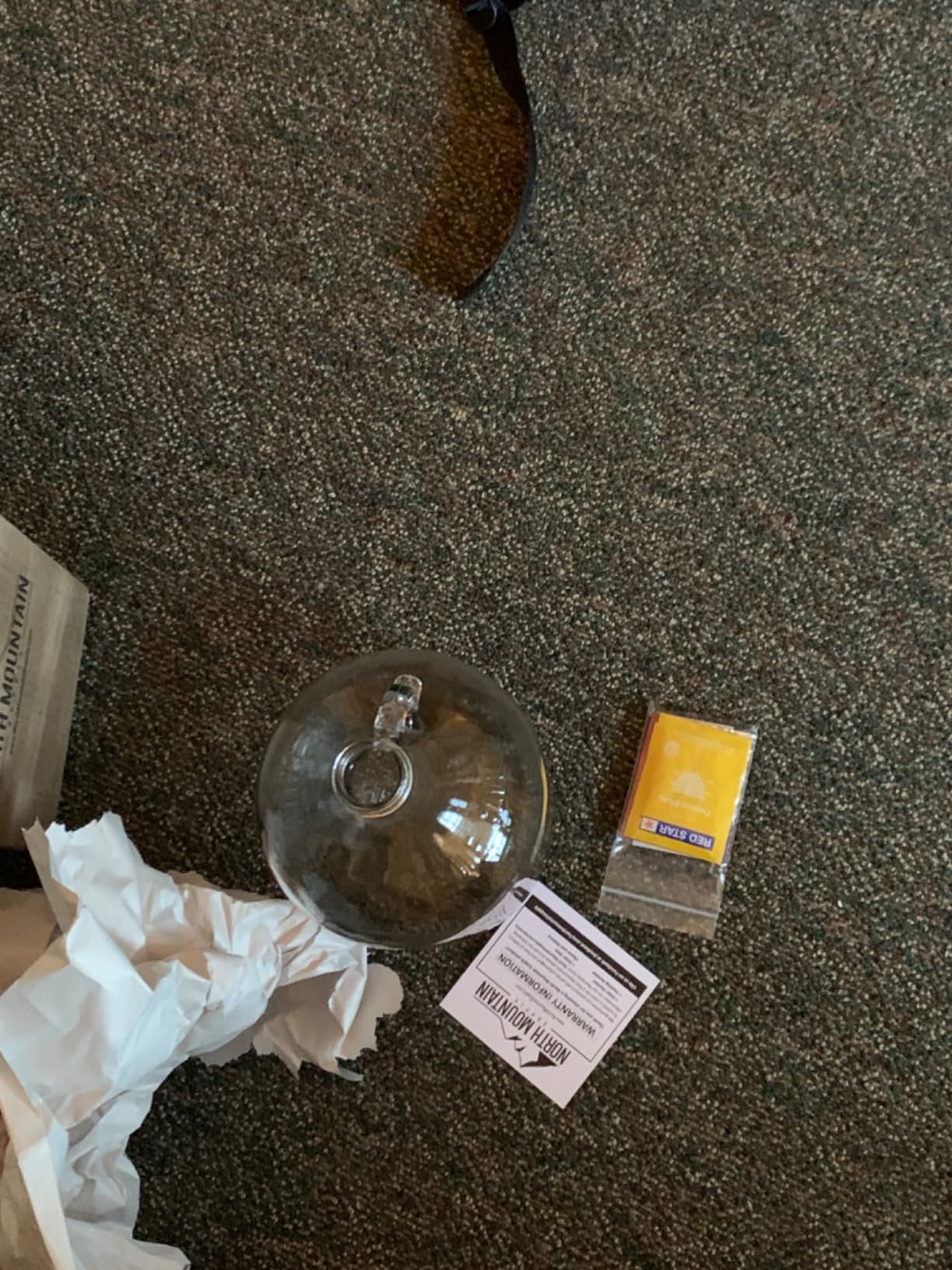
The North Mountain Supply 1 Gallon Fermenting Jug Starter Kit is my pick for anyone who wants the lowest possible entry cost into elderberry winemaking. It ships a 1 gallon glass jug with a handle, a rubber stopper, a 6-bubble airlock, a screw lid, three different wine yeasts, and a jar of yeast nutrients. For a single test batch of elderberry, this kit gives you everything you need except the fruit, bottles, and corks.
The inclusion of three different wine yeasts is what sets this kit apart. Red Star Premier Classique, Cote des Blancs, and Cuvee each bring a slightly different fermentation profile, and that matters for elderberry. Classique is a reliable neutral workhorse. Cote des Blancs preserves delicate fruit aromatics, which suits elderberry’s floral notes. Cuvee produces a fuller-bodied wine with higher alcohol tolerance, which helps if you are chasing a richer elderberry style. Running the same elderberry must with two different yeasts is a real learning experience.
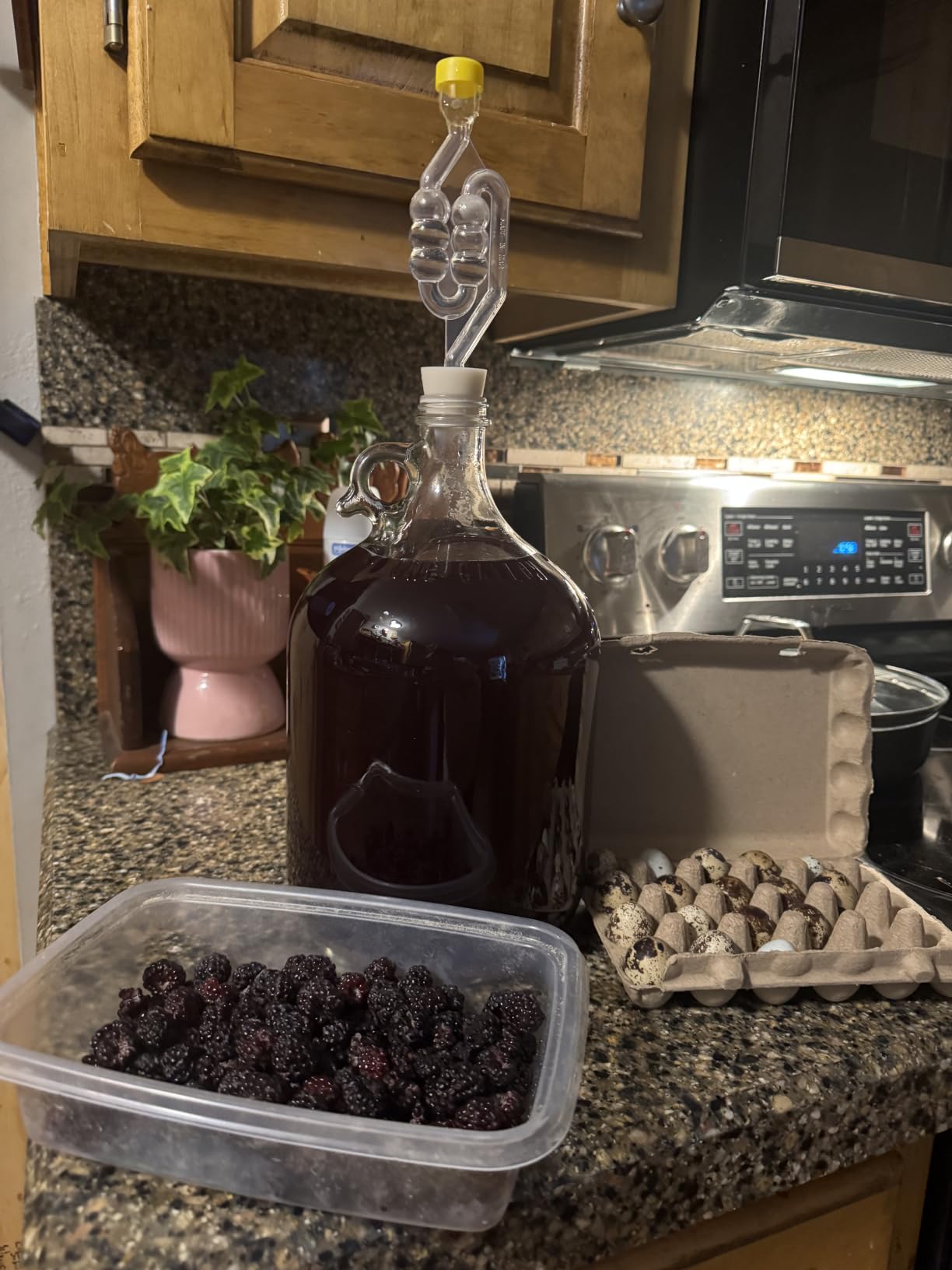
The glass jug has a handle, which is a small but important detail. Moving a full one-gallon glass jug without a handle is awkward and dangerous. The packaging is also notably good, which means the jug arrives intact far more often than with cheaper one-gallon kits. I have ordered two of these kits and both arrived without a single crack.
Two minor issues are worth flagging. The rubber stopper does not always create a perfect seal in the jug opening, so test it with water before you start a real fermentation. A small wrap of plastic wrap around the stopper fixes the issue. The other issue is that some users have reported yeast that did not activate, which is almost always a temperature problem rather than a bad yeast pack. Rehydrate your yeast at the temperature specified on the packet, not at room temperature.
Who should buy this kit
Buy this if you want the most affordable complete one-gallon setup, if you want to experiment with multiple yeast strains on a budget, or if you want a glass jug with a handle for safer transfers. It is also my pick for anyone who is curious about elderberry wine but is not ready to commit to a more expensive kit.
Who should skip this kit
Skip this if you need a larger batch size, if you want a kit with detailed winemaking instructions, or if you prefer equipment kits that include siphons, hydrometers, and other transfer tools.
11. Wild Grapes Wine Equipment Starter Kit, 6 Gallon Fermenter — Best Pair for Premium Wine Ingredient Kits
Wild Grapes Wine Equipment Starter Kit, 6 Gallon Fermenter
6 gallon fermenter
Includes racking cane
30 corks included
Pairs with Wild Grapes kits
Pros
- All equipment needed for 6 gallon 30 bottle batches
- Pairs with Wild Grapes Premium Wine Kits
- Includes racking cane hydrometer corks and wine thief
- Pail lid does not require airlock or drilling
Cons
- Hand corker fails to grip bottles properly
- Siphon is not auto-siphon (manual suction)
- Plastic carboy can be flimsy
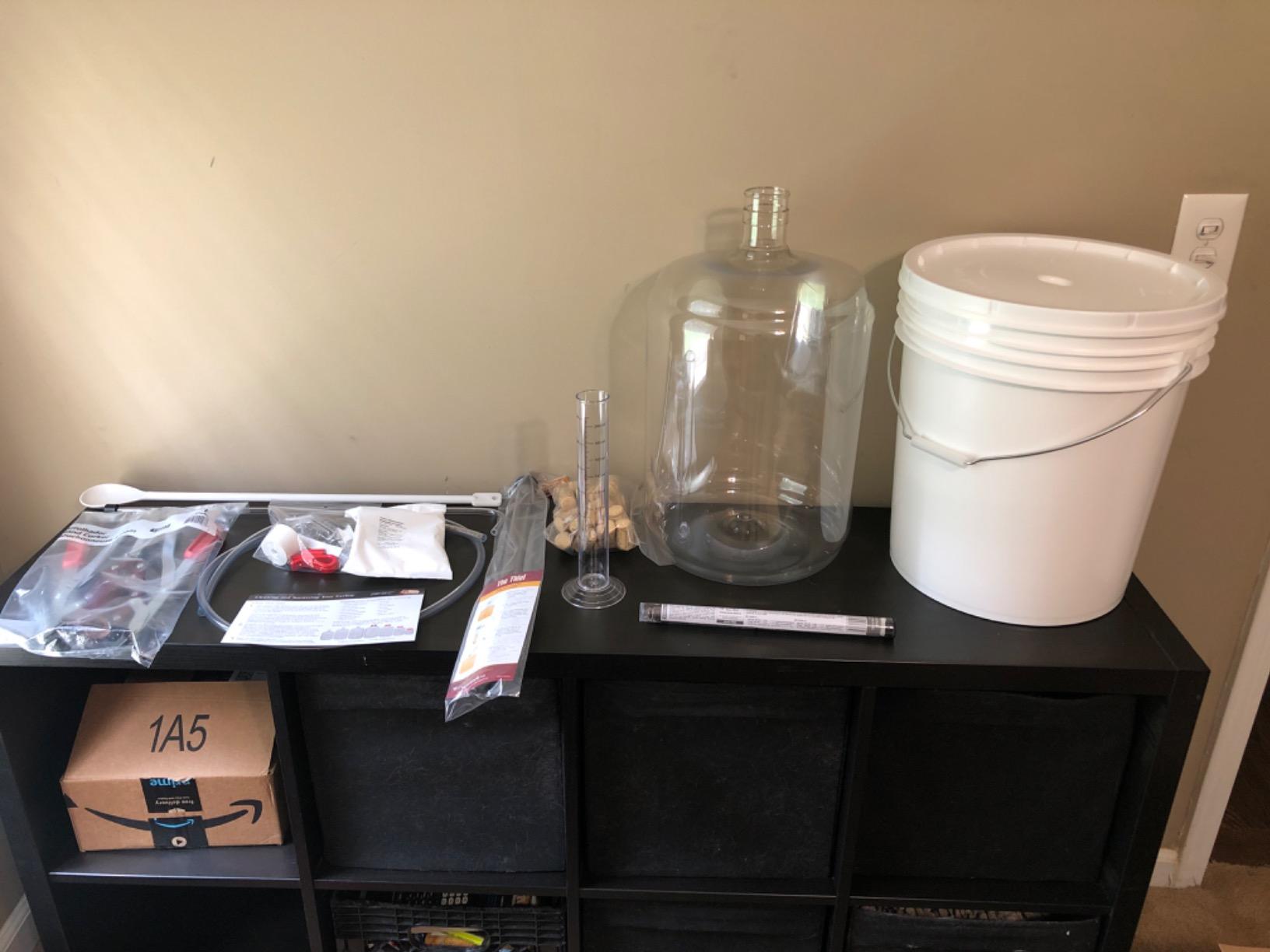
The Wild Grapes Wine Equipment Starter Kit is purpose-built to pair with Wild Grapes Premium Wine Kits, but it also works well as a standalone six-gallon equipment set. The kit includes a fermenter pail with a lid, a plastic carboy, an S-type airlock, a #10 bung, a racking tube with tip, siphon tubing, a 3-scale hydrometer, a wine thief, a hand corker, 30 agglomerated corks, and sodium metabisulphite. For elderberry, the most useful inclusion is the sodium metabisulphite, which is the sulfite source used in fruit wine for campden tablets and pre-fermentation sterilization.
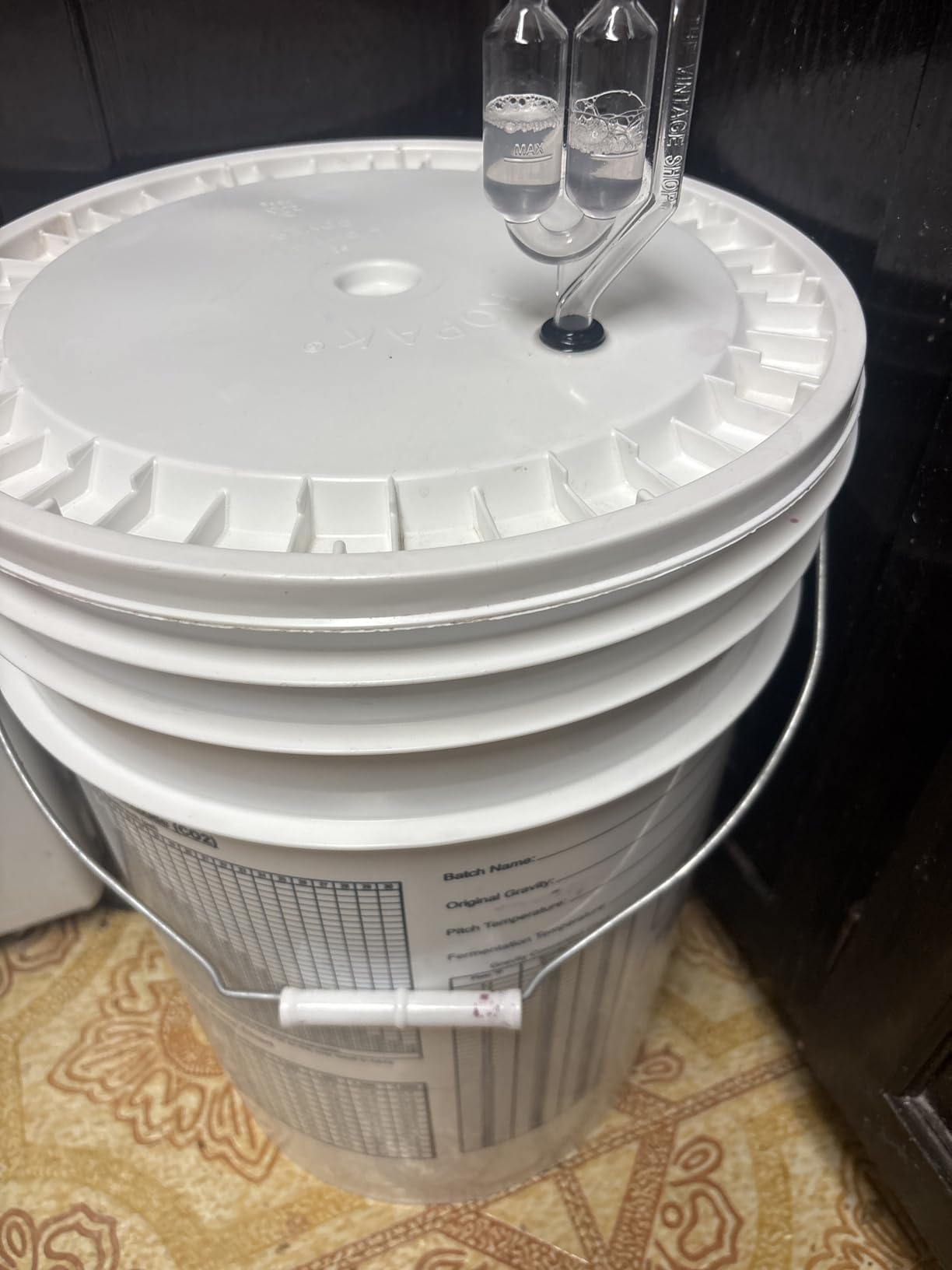
The fermenter pail is a generous six US gallons, which leaves plenty of headspace for the elderberry cap during the primary stage. The lid sits without an airlock during primary, which simplifies the first three to five days of fermentation. After primary, you rack into the included plastic carboy, add an airlock, and let the secondary run for several months.
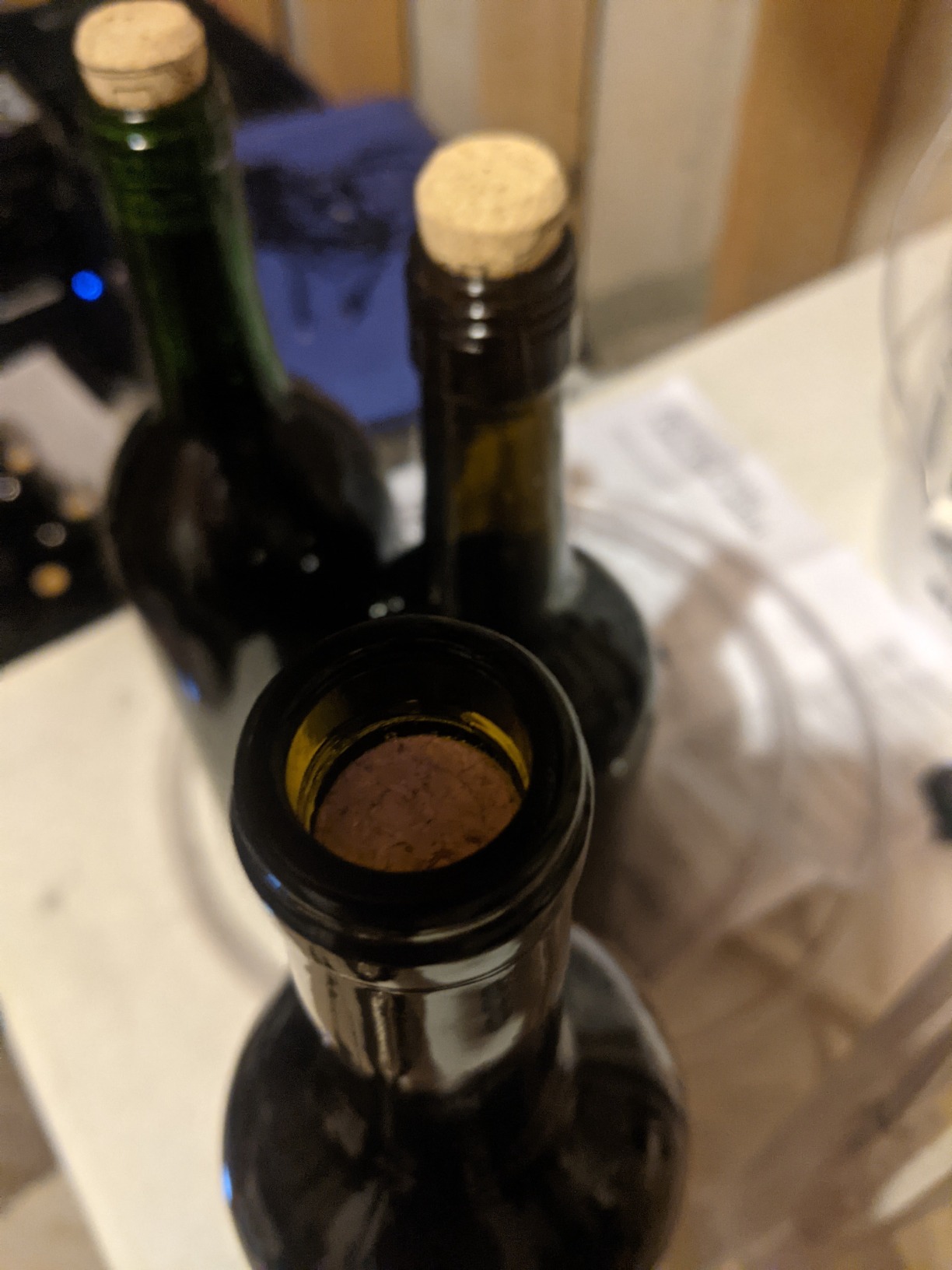
I have used this kit with a Wild Grapes recipe kit and it produced a clean, well-structured wine. The included 30 corks are real agglomerated corks, not plastic stoppers, which is unusual for a kit at this price. The racking cane and wine thief are basic but functional, and the hydrometer is the same 3-scale type used in kits costing twice as much.
The most common complaints are about the hand corker and the plastic carboy. The hand corker requires you to push each cork in by hand, and many users find it difficult to seat corks to the proper depth. If you plan to bottle 30 bottles, budget for a floor corker. The plastic carboy is functional but thinner than glass, so handle it with care. Some users have also had to drill their own grommet holes to fit the airlock, which adds a step that beginners may not expect.
Who should buy this kit
Buy this if you already plan to use Wild Grapes Premium Recipe Kits, if you want a six-gallon equipment kit that includes 30 corks and a wine thief, or if you want a fermenter that does not require an airlock during primary.
Who should skip this kit
Skip this if you prefer a glass secondary, if you bottle large volumes and need a real floor corker, or if you want a kit that includes step-by-step winemaking instructions.
12. Wild Grapes DIY Wine Making Kits, Cabernet Sauvignon — Best Ingredient Kit for Grape-Style Elderberry Blends
Wild Grapes DIY Wine Making Kits, Cabernet Sauvignon, Makes up to 30x750mL
Makes 30 bottles
Wine base and yeast pack
Ready in 4 weeks
Includes 30 bottle labels
Pros
- Produces up to 30 bottles of wine
- Ready in approximately 4 weeks
- Quality California-style Cabernet Sauvignon profile
- Includes wine base yeast fining agents and 30 labels
- Great value compared to pricier wine kits
Cons
- Wine bottles corks and equipment sold separately
- Some bottles may develop sediment after aging
- Oak pieces can float during primary fermentation
The Wild Grapes Cabernet Sauvignon DIY Wine Kit is the only ingredient kit on this list, and I include it because elderberry winemakers often blend elderberry juice or elderberry concentrate into a base wine to round out the body and tannins. This kit produces a California-style Cabernet Sauvignon in about four weeks, and it works well as the grape backbone for a custom elderberry blend.
The kit ships with the wine base, a yeast pack, fining agents, and 30 labels. The wine base is a concentrated grape must that you dilute with water in your fermenter, pitch the included yeast, and ferment on a tight four-week schedule. For a quick batch while your elderberry wine ages for six months in the cellar, this kit gives you something else to drink and a foundation to blend with elderberry.
I blended one-third of a finished Cabernet Sauvignon kit with two-thirds elderberry wine from my last harvest, and the result was a darker, fuller-bodied wine with smoother tannins than elderberry alone. That kind of blending is a real winemaker technique, and it is much easier when you have a reliable kit wine as your starting point. The included 30 labels are a small touch, but they make bottling day feel like a finished product.
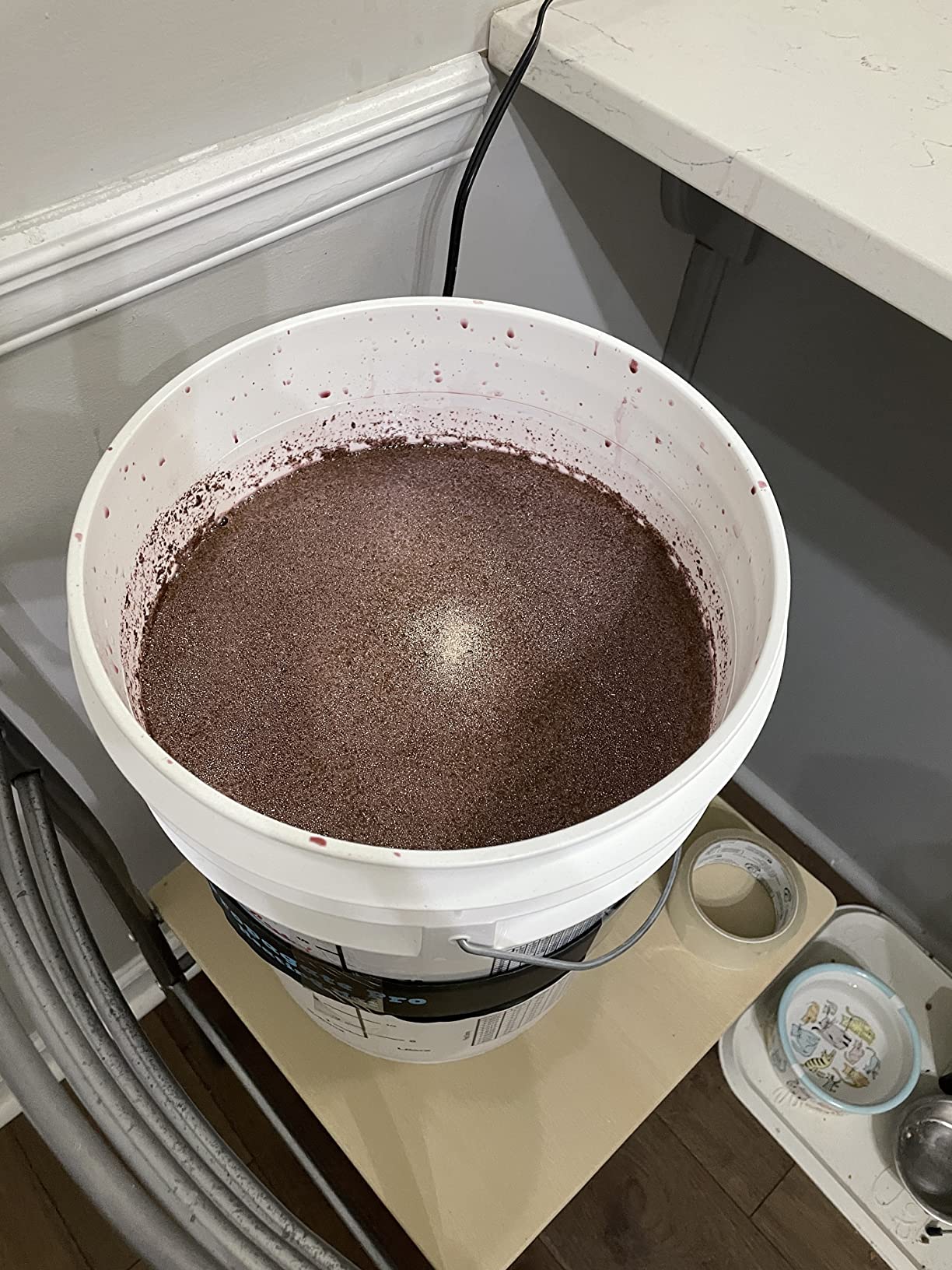
The downsides are the same as any ingredient-only kit. You need a six-gallon fermenter, an airlock, a hydrometer, bottles, corks, and a corker. The four-week fermentation schedule is tight, so do not try to stretch it. A few reviewers have noted sediment after extended aging, which is more visible in a young kit wine than in a properly aged elderberry. Oak pieces can also float during primary, which is normal but startling if you have not seen it before.
Who should buy this kit
Buy this if you want a fast, reliable grape wine to blend with elderberry, if you already own a six-gallon equipment kit, or if you want a 30-bottle ingredient kit with a real California-style Cabernet profile. It is also a good pick if you want to bottle a finished wine within a single month.
Who should skip this kit
Skip this if you want pure elderberry wine rather than a blend, if you do not own a six-gallon equipment kit already, or if you prefer wines with longer aging and more complexity than a four-week kit wine provides.
What to Look for in the Best Fruit Wine Making Kits for Elderberry Wine?
Elderberry is one of the most demanding fruits you can brew with. It is low in sugar, low in nitrogen, high in acid, and loaded with pectin and tannins. A kit that works beautifully for apple or grape wine may produce a thin, sour, or stuck ferment on elderberry unless it accounts for those differences. Here are the elderberry-specific factors I evaluate every kit against.
Elderberry Sourcing: Fresh vs Frozen vs Dried
Fresh elderberries are available for a brief window in late summer and early fall. Wild Sambucus nigra grows across most of temperate North America, and cultivated varieties like Adams, York, and Nova produce larger, sweeter berries. Fresh berries must be cooked before fermentation to break down their cell walls and release the juice. Frozen berries are my preferred year-round source because freezing already does that work for you, and the cell walls rupture on thaw. Dried elderberries work in a pinch but require extended rehydration and produce a more medicinal, concentrated flavor that I find less balanced. If you plan to press your own fruit, the right gear makes a real difference. I wrote a guide to the best fruit presses for home winemaking that walks through the choices.
Fermentation Temperature and Yeast Selection
Elderberry must ferments best between 65 and 72 degrees Fahrenheit. Below 60, the fermentation slows dramatically. Above 78, the wine can pick up harsh fusel alcohols that read as a hot finish. Yeast selection matters as much as temperature. Cote des Blancs preserves elderberry’s floral aromatics. EC-1118 is a workhorse that ferments cleanly to dryness. D254 is a Burgundy strain that emphasizes fruit character. Any kit you buy should give you a choice of yeast or pair with the strains I mentioned.
Equipment Quality: Glass vs Plastic Carboys
Glass carboys are the right choice for elderberry because the dark pigment and strong tannins can stain plastic permanently. Plastic also scratches, and scratches harbor bacteria that re-infect future batches. A glass secondary is worth the extra investment, especially for the six-month aging that elderberry benefits from. Buckets for primary fermentation are fine in plastic because they get the worst of the cap and pulp.
Acid Adjustment and Tannin Management
Elderberry must typically needs acid adjustment down to a pH of 3.3 to 3.6 for stable fermentation and clean flavor. Kits that include acid blend and a pH testing method give you the most control. Grape tannin supplementation is also useful because elderberry’s natural tannins are concentrated in the skins and seeds, and a small addition of grape tannin rounds out the mouthfeel without making the wine taste green.
Sulfite and Campden Tablets
Sulfites protect the wine from oxidation and bacterial contamination. Kits that include campden tablets or sodium metabisulphite let you sanitize the must before pitching yeast and stabilize the finished wine before bottling. Without sulfites, elderberry wine is more likely to develop off-aromas and to re-ferment in the bottle. Look for kits that include these consumables or have a clear plan for sourcing them separately.
Common Mistakes to Avoid When Making Elderberry Wine
The single most common mistake is skipping the yeast nutrient. Elderberries are notoriously low in yeast-available nitrogen, and without nutrient, fermentation stalls. The second mistake is fermenting too warm, which produces harsh alcohols. The third mistake is bottling too early, before the wine has finished fermenting and stabilized, which causes bottles to re-ferment and sometimes explode. The fourth mistake is using unripe berries, which taste green and produce a thin wine. Pick or buy fully ripe elderberries, which should be deeply colored and slightly soft. If you are harvesting from your own trees, the best orchard ladders for fruit picking make that safer and easier. If you also manage a small orchard for your other fruit wines, the best orchard sprayers for fruit trees help protect the bushes from pests and disease.
Elderberry Wine Seasonality and Harvesting
In most of the United States and southern Canada, elderberries ripen between mid-August and mid-September. The clusters should be cut whole, and the berries stripped from the stems before use. Stems and leaves contain compounds that can make the wine bitter and mildly toxic. Freeze the stripped berries in a single layer on a baking sheet, then transfer to freezer bags for long-term storage. Frozen berries keep their color and flavor for at least a year.
Frequently Asked Questions
What is the best kit for making elderberry wine?
For first-time winemakers, the Home Brew Ohio 1 Gallon Fruit Wine Kit is the best overall choice because it includes the equipment and consumables a high-acid fruit like elderberry needs. For larger batches, the Master Vintner 6 Gallon Starter Kit is the right upgrade. The Vintners Best Elderberry Wine Base is the best pick if you want a pre-blended elderberry must instead of an equipment kit.
Can you make wine from elderberries?
Yes. Elderberries make a deeply colored, rich fruit wine with a tart-then-smooth profile. The berries must be cooked or frozen before fermentation to release their juice, and the must typically needs acid adjustment and yeast nutrient because elderberries are naturally low in sugar and nitrogen.
What equipment do I need to make elderberry wine at home?
A basic kit should include a primary fermenter bucket, a glass secondary carboy, an airlock and rubber bung, a hydrometer and test jar, a siphon or racking cane, campden tablets or another sulfite source, pectic enzyme, acid blend, yeast nutrient, and wine yeast. Bottles, corks, and a corker are also required for finishing the wine.
How long does elderberry wine take to ferment?
Primary fermentation runs 5 to 7 days, secondary fermentation and clearing runs 4 to 6 weeks, and most elderberry wines benefit from at least 6 months of bottle aging. Total time from fruit to drinkable wine is typically 8 to 12 months for a traditional batch, though quick kits like Brewsy can produce a lighter elderberry-style wine in about 9 days.
How many pounds of elderberries for a gallon of wine?
Plan on 3 to 4 pounds of fresh or frozen elderberries per gallon of finished wine. For a six-gallon batch, that works out to roughly 18 to 24 pounds of fruit. Dried elderberries are more concentrated, so 1 to 1.5 pounds of dried berries per gallon is enough.
Final Verdict: The Best Fruit Wine Making Kits for Elderberry Wine
If I had to pick a single kit to recommend for the best fruit wine making kits for elderberry wine, it would be the Home Brew Ohio 1 Gallon Wine from Fruit Kit. It includes everything a beginner needs, the recipe book is genuinely useful for elderberry-specific adjustments, and the one-gallon format lets you test small before committing to a larger batch. For best value, the North Mountain Supply 1 Gallon Fermenting Jug Starter Kit gives you a glass jug, three yeasts, and nutrients at the lowest reasonable entry point. For a serious hobby upgrade, the Master Vintner 6 Gallon Starter Kit is the kit I use for my own 30-bottle elderberry runs each fall.
Elderberry wine is one of the most rewarding projects a home winemaker can take on. The fruit is forgiving once you understand its quirks, the kits on this list give you the equipment you need, and the resulting wine is unlike anything you can buy at the corner store. Pick a kit that matches your batch size and your experience level, source your elderberries carefully, and give the wine the six to twelve months it deserves in the bottle. You will be glad you did.