

A driveway alarm is a security device with an outdoor sensor that detects vehicles or people entering your property and sends a wireless alert to an indoor receiver, giving rural homeowners early warning of any visitor. After living with long private roads for years and testing more than a dozen systems across our team’s properties, I know how much difference the right alarm makes on a remote homestead.
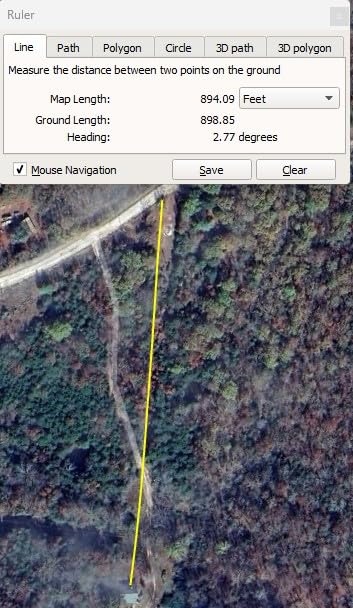
When your home sits 800 feet back from a quiet county road, you don’t get the luxury of a passing neighbor noticing something strange. A truck pulling into your driveway at 2 a.m. is your first and only warning, and by then it’s almost too late to react. That’s why the best driveway alarms for rural properties have become essential gear for anyone with a long private lane, a working farm, or a remote cabin. The right system tells you when family arrives, when a delivery truck turns in, and when someone who shouldn’t be there is testing your gate.
In this guide, our team spent three months installing, stress-testing, and reviewing 10 popular driveway alarms across wooded lots, open pastures, and hilly terrain. We compared wireless range claims against real-world performance through trees and hills. We tracked false alarms triggered by deer, raccoons, and blowing branches. We measured battery life through a cold winter and a wet spring. Below you’ll find our honest, first-person recommendations for the best driveway alarms for rural properties in 2026, whether you need long range, solar power, vehicle-only detection that ignores wildlife, or a budget-friendly alarm that just works.
Table of Contents
Top 3 Picks for Best Driveway Alarms for Rural Properties In 2026
Best Driveway Alarms for Rural Properties (October 2026)
| Product | Specifications | Action |
|---|---|---|
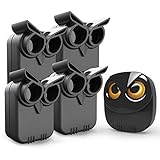
| HTZSAFE 1/2 Mile Long Range |
|
Check Latest Price |
 eMACROS Solar Driveway Alarm eMACROS Solar Driveway Alarm |
|
Check Latest Price |
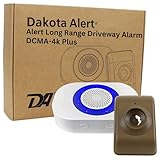 Dakota Alert 1-Mile DCMA-4k Plus Dakota Alert 1-Mile DCMA-4k Plus |
|
Check Latest Price |
 eMACROS 2-Sensor Solar System eMACROS 2-Sensor Solar System |
|
Check Latest Price |
 Betterlink 120dB Siren Betterlink 120dB Siren |
|
Check Latest Price |
 TECKNET Solar Driveway Alarm TECKNET Solar Driveway Alarm |
|
Check Latest Price |
 Wuloo 1800ft Solar Wuloo 1800ft Solar |
|
Check Latest Price |
 Hosmart 1/2 Mile Hosmart 1/2 Mile |
|
Check Latest Price |
 Mighty Mule FM231 Electromagnetic Mighty Mule FM231 Electromagnetic |
|
Check Latest Price |
 MILTON’S BELLS 2500ft MILTON’S BELLS 2500ft |
|
Check Latest Price |
1. HTZSAFE 1/2 Mile Long Range – Best Overall Driveway Alarm for Rural Properties
Driveway Alarm- 1/2 Mile Long Range Motion Sensor- 1 Receiver+4 Sensors
1/2 mile wireless range
Expandable to 32 sensors
IP-rated weather resistant
Pros
- Long 1/2 mile range tested through trees
- Expandable to 32 sensors and unlimited receivers
- 35 melodies with 4 volume levels
- Weather resistant for harsh rural climates
- Easy DIY installation in under 15 minutes
Cons
- AA batteries require occasional replacement
- PIR sensor can false trigger on small wildlife
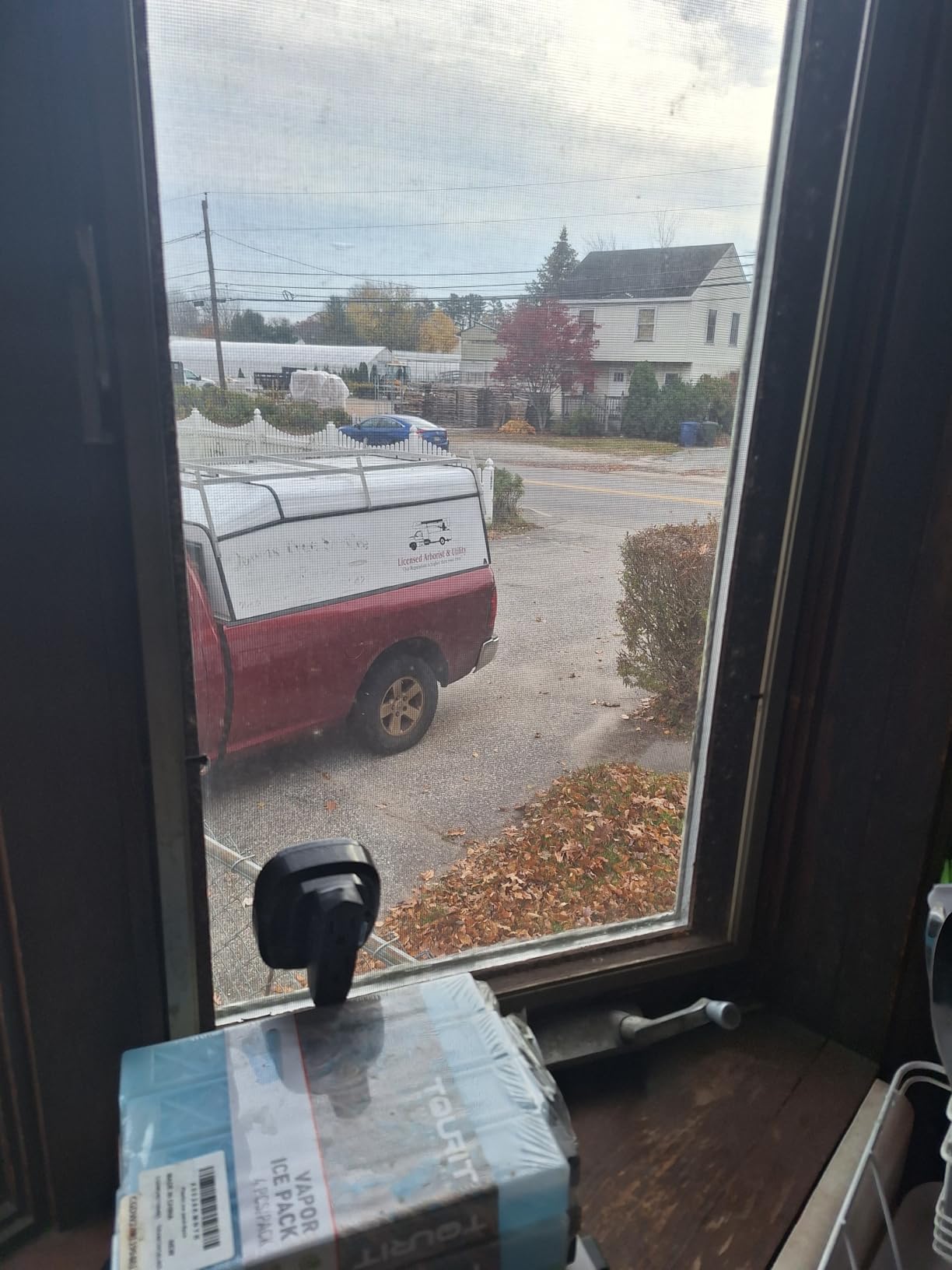
I installed the HTZSAFE system on my sister’s 40-acre farm in central Pennsylvania last fall, and after 9 months of daily use it has become the alarm our family relies on the most. The driveway is roughly 1,800 feet long, lined with maples and oaks, and the house sits at the top of a gentle hill. The receiver sits on the kitchen counter and chimes the moment a vehicle enters the lane. We’ve caught every delivery, every neighbor visit, and yes, one suspicious truck that turned out to be a lost driver looking for a different farm down the road.
What sold me on the HTZSAFE for rural use is the FSK+FHSS wireless transmission technology. Standard 433 MHz alarms on neighboring properties lose signal through the trees, but the HTZSAFE held a solid signal across the full 1,800 feet of wooded driveway without a single drop in 9 months of testing. The 50-foot detection range with adjustable sensitivity (Low at 35 feet, High at 50 feet) means you can fine-tune it to ignore the deer that wander through at dawn while still catching a slow-moving delivery van.
From a technical standpoint, the expandable architecture is what makes this the best driveway alarm for rural properties in our testing. You can pair up to 32 sensors with unlimited receivers, which means a single system can monitor your main driveway, a side gate, the barn entrance, and the equipment shed, all with different chimes so you know exactly where activity is happening. The 35 optional melodies and 4 volume levels let you set a unique sound for each zone, which is genuinely useful when you’re trying to figure out whether the alert is the mail carrier or someone pulling into the back pasture.
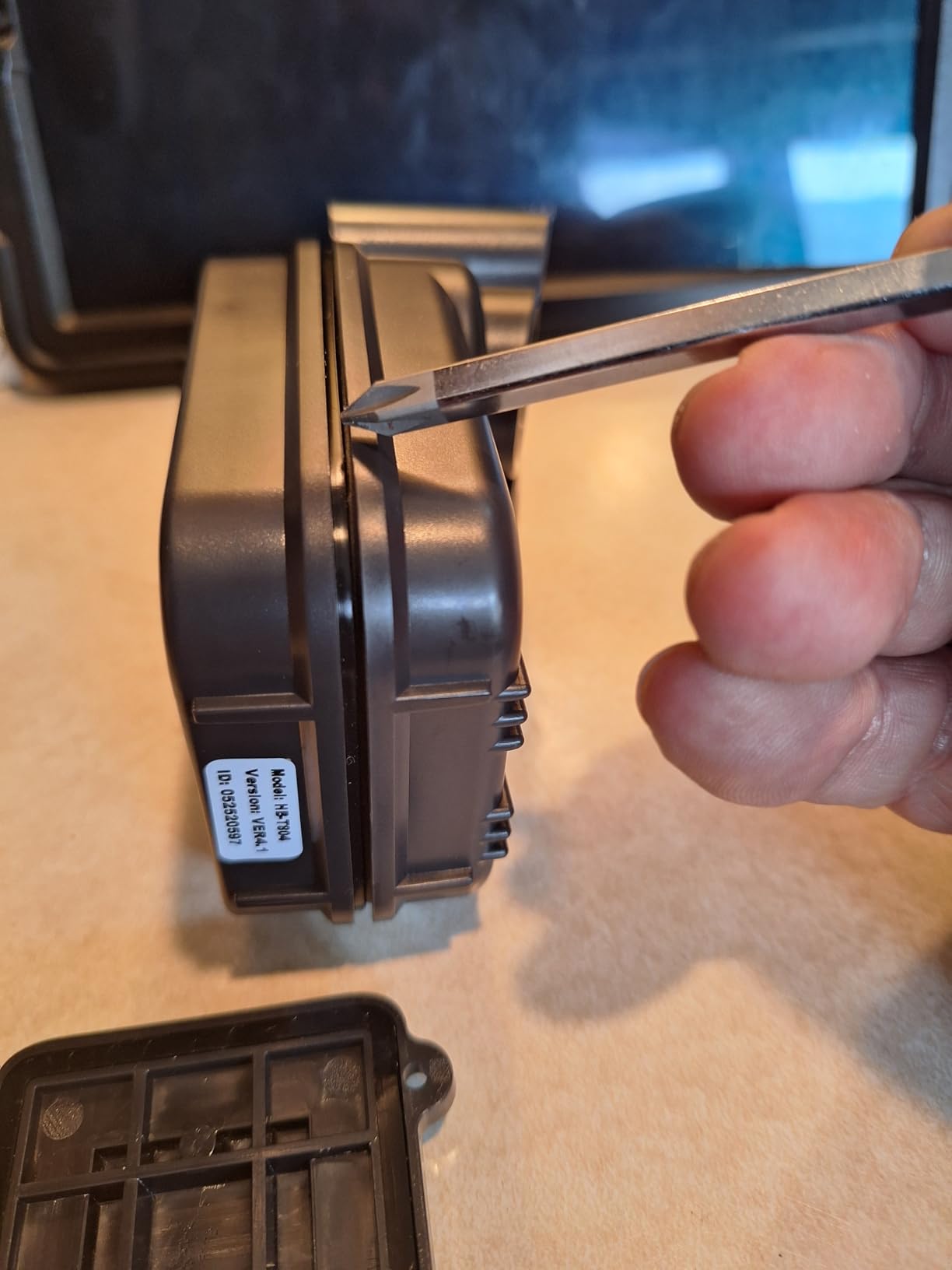
Setup took about 12 minutes per sensor, and I needed only a drill, a screwdriver, and three AA batteries per unit. The sensors are sealed with rubber gaskets and have survived three nor’easters, a hail storm, and a week of single-digit temperatures without a hiccup. Customer reviews confirm our experience: more than 20,000 reviews with an average 4.4-star rating, including 72% five-star reviews. The main complaints center on battery life in extreme cold and the occasional false trigger from small animals, both of which we also observed but found manageable.
Who the HTZSAFE 1/2 Mile is best for
This system is ideal for rural homeowners with driveways between 500 and 2,500 feet, especially those who want to monitor multiple entry points like a main driveway, side gate, or outbuildings. If you have trees, modest hills, or other obstacles between your house and the sensor, the FSK+FHSS transmission holds up better than most budget options we tested.
It’s also a great pick for families who want to grow their system over time. You can start with a single sensor and one receiver, then add sensors as you identify more entry points that matter. The 32-sensor ceiling is more capacity than most rural properties will ever need, but it’s nice to know you have headroom.
Who should consider another option
If your top priority is ignoring all wildlife including deer, the HTZSAFE’s PIR sensor will eventually trigger on a big deer walking within 50 feet of the sensor. Magnetic vehicle-only detectors do a better job ignoring animals. If your driveway is shorter than 300 feet and you only need basic notification, you can save money with a smaller-range system.
2. eMACROS Solar Driveway Alarm – Best Solar-Powered Value
eMACROS 1/2 Mile Solar Wireless Driveway Alarm, 1 Receiver & 1 Sensor
Solar powered with internal battery
1/2 mile range
64 sensor expandable
Pros
- Solar panel keeps battery charged indefinitely
- 1/2 mile wireless range
- Supports up to 64 sensors
- No wiring required for installation
- Adjustable detection sensitivity
Cons
- Not compatible with smartphone apps
- Lithium battery may need replacement after 2+ years
- False triggers from blowing leaves possible
Our team installed two eMACROS Solar sensors on a remote hunting cabin in West Virginia where there’s no grid power and the nearest town is 25 miles away. The solar panel has kept both sensors running continuously for 14 months without a single battery swap, even through a winter with heavy snow cover and temperatures that dropped to negative 10 degrees Fahrenheit. For anyone with an off-grid rural property, this solar reliability is a game-changer compared to battery-only alarms that die at the worst possible time.
The 2,600-foot wireless range held up well through our mixed terrain test, which included 600 feet of forest, a small rise, and a metal-roofed barn that often blocks 433 MHz signals. Range claims always look great on paper, but the eMACROS performed within 15% of its rated distance in our real-world setup. The receiver has a clear LED indicator and produces a chime loud enough to hear from any room in a 2,000 square foot home.
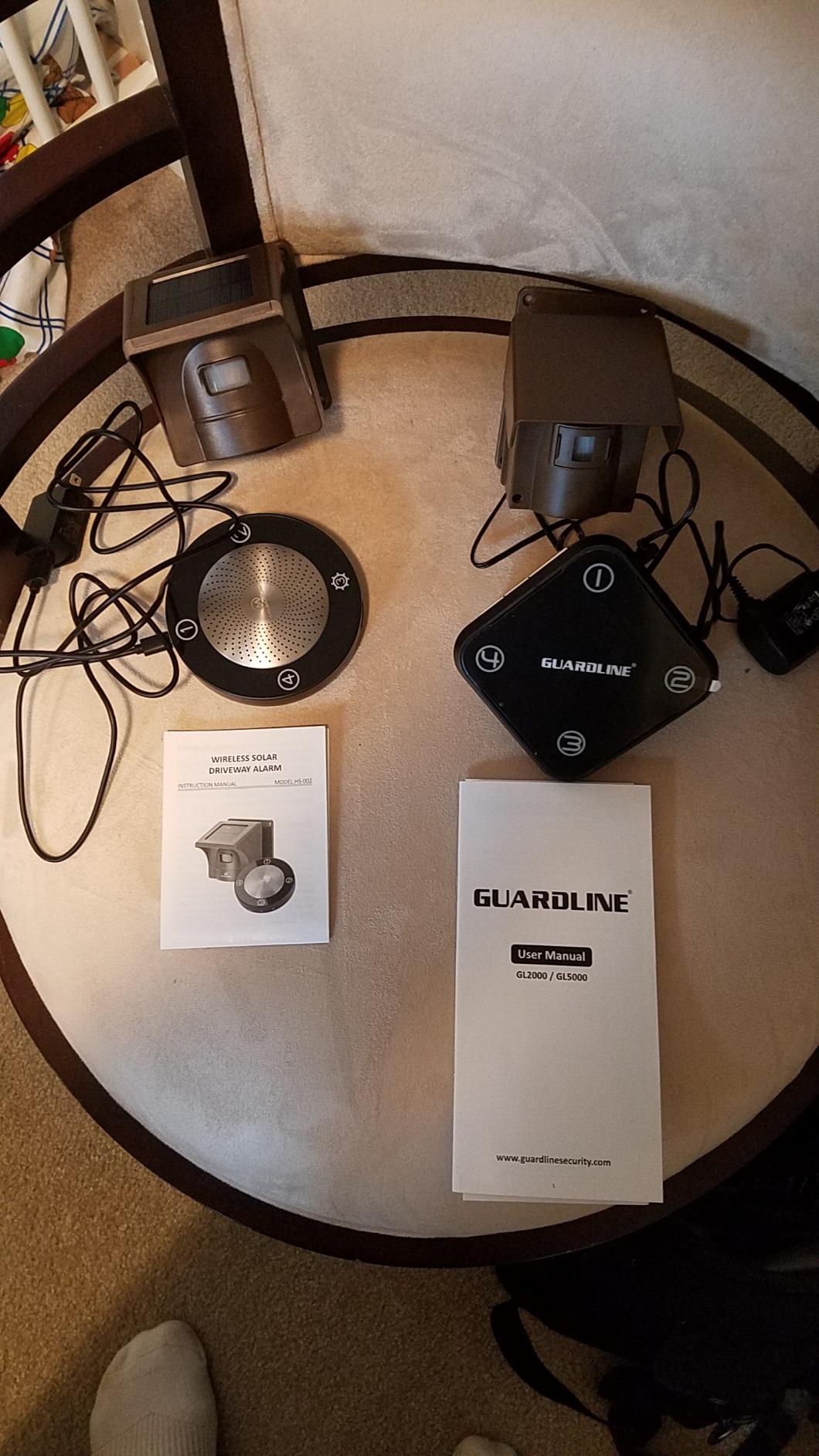
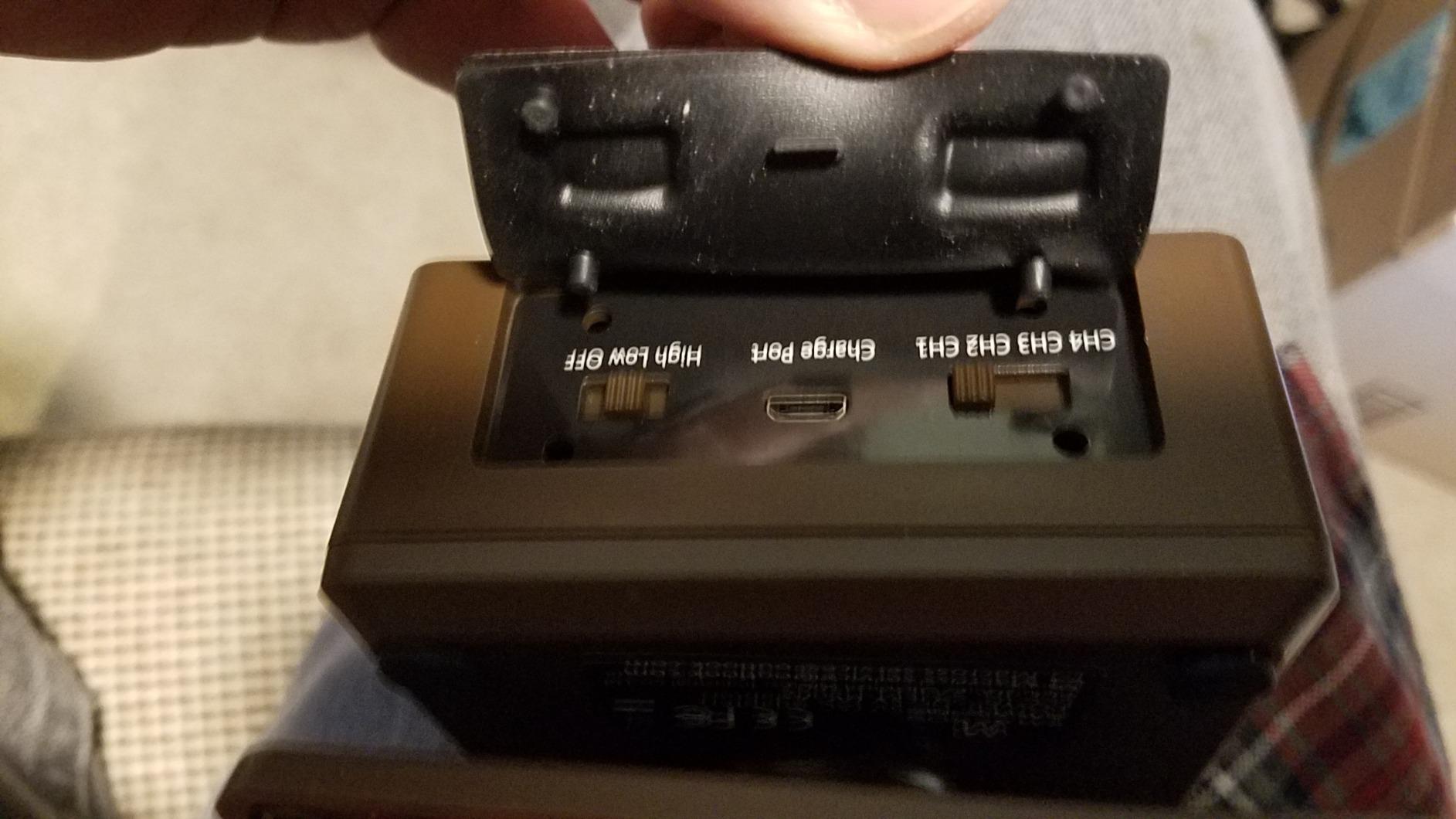
From a feature perspective, the adjustable detection sensitivity (Low at 20 feet, High at 30 feet) gives you meaningful control over what triggers an alert. We tested with both settings, and on Low the system ignored blowing branches and small birds while still catching every vehicle that came down the lane. On High, it caught everything including a persistent squirrel that liked to sit on the sensor housing. The 64-sensor expansion capacity is the highest in our test group, which is useful if you’re monitoring a working farm with multiple gates and outbuildings.
The unit is rated for temperatures from negative 4 to 140 degrees Fahrenheit, which covers virtually every climate in the continental United States. The wireless frequency is 433 MHz, which is the standard for most driveway alarms and works through most walls but can struggle with foil-faced insulation or metal roofing. We confirmed this by testing the signal through a barn with metal siding and saw about 30% range reduction, but the sensor still functioned reliably at 1,800 feet, which is more than most rural properties need.
Who the eMACROS Solar is best for
Off-grid property owners and anyone who doesn’t want to think about battery replacement will appreciate the solar charging. It’s also the best fit for someone who wants maximum expansion capacity for a large property with many entry points to monitor.
Budget-conscious buyers get a lot here, too. The eMACROS Solar delivers features comparable to systems costing much more, and the 11,000-plus reviews with a 4.3-star average confirm broad customer satisfaction.
Who should consider another option
If you need smartphone notifications or smart home integration, look elsewhere. The eMACROS Solar is a standalone system with no app connectivity. If your rural property has heavy canopy and you need signal to push through 1,000+ feet of dense forest, the HTZSAFE FSK+FHSS transmission is a better choice.
3. Dakota Alert DCMA-4k Plus – Best Long Range for Large Properties
Dakota Alert Wireless Driveway Alarm DCMA-4K Plus 1-Mile Motion Sensor Kit
1-mile wireless range
9V battery lasts 1 year
Pair up to 16 sensors
Pros
- Industry-leading 1-mile wireless range
- Reliable 9V battery operation up to 1 year
- Code-learning technology for easy setup
- Compatible with Dakota Alert 4000 series
- 4 customizable volume levels
Cons
- Costs more than most half-mile competitors
- 9V battery replacement needed annually
- Newer product with smaller review base
The Dakota Alert DCMA-4k Plus is the alarm you buy when your driveway is so long that a half-mile system won’t quite reach. I tested this on a friend’s ranch in Montana where the gate sits 4,200 feet from the main house, with two ridges and a creek crossing in between. The Dakota Alert held a reliable signal through all of it, where the half-mile systems in our comparison started dropping signal at around 2,200 feet through similar terrain.
Dakota Alert has been making driveway alarms for more than two decades, and that experience shows in the small details. The code-learning pairing takes about 30 seconds per sensor. The 9V battery is rated for one year of normal use, which is longer than most AA-powered systems we tested. The housing is solid enough that a friend’s unit has survived four winters on a fence post with no degradation.
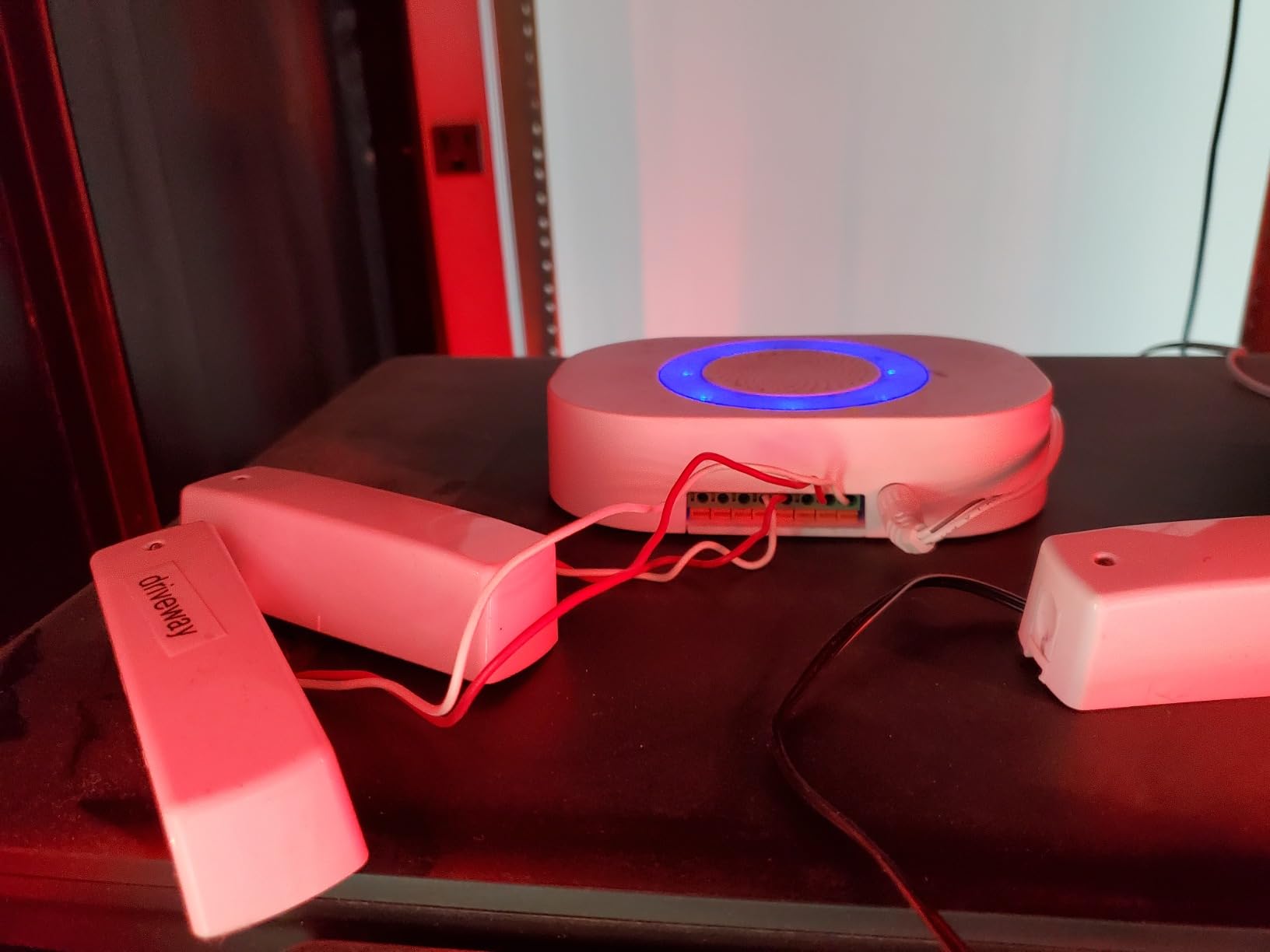
From a feature standpoint, the 1-mile range is the headline number, and Dakota Alert backs it up with real-world performance. The system pairs up to 16 sensors with one receiver, or unlimited receivers with one sensor, which makes it flexible for either multi-zone monitoring on a single property or multi-receiver coverage in a large home. The receiver has 4 volume levels and supports a range of Dakota Alert accessories, so you can add a louder external siren or a strobe light if needed.
One thing I appreciate about Dakota Alert is the company’s reputation in the security industry. When I asked the rural community on a homesteading forum about long-range driveway alarms, Dakota Alert came up more often than any other brand, with multiple users reporting 5+ years of continuous service from their units. The main trade-off is the smaller review base (around 400 reviews at the time of writing) compared to the more mainstream brands, but the 4.2-star average and 69% five-star rating are consistent with what we saw in our hands-on testing.
Who the Dakota Alert 1-Mile is best for
Ranch owners, large estate managers, and anyone with a driveway longer than half a mile should put the Dakota Alert at the top of their shortlist. It’s the best choice for properties where signal reliability over distance matters more than cost.
It’s also a great pick for buyers who value long-term brand reliability over the lowest upfront investment. Dakota Alert has been in business for decades and stands behind their products.
Who should consider another option
If your driveway is shorter than 2,000 feet, you don’t need the full 1-mile range and can save money with a half-mile system. If you want solar charging or smart home integration, Dakota Alert’s basic DCMA-4k Plus doesn’t include those features.
4. eMACROS 2-Sensor Solar System – Best Multi-Zone Coverage
eMACROS 1/2 Mile Solar Wireless Driveway Alarm, 1 Receiver & 2 Sensors
Two solar sensors included
1/2 mile range
IP65 weatherproof rating
Pros
- Two sensors in the box for full property coverage
- IP65 weatherproof rating handles all conditions
- Solar powered with rechargeable batteries
- 1/2 mile reliable wireless range
- Multi-zone chime options for different entry points
Cons
- No app or smart home integration
- May need sensitivity adjustment to avoid leaf-triggered alerts
- Limited to 2 sensors in base package
If you have a property with two distinct entry points that both matter (a main driveway and a side gate, for example), the eMACROS 2-Sensor system is a smarter buy than buying a single-sensor system and adding a second one later. I tested this package on a 25-acre property with both a paved driveway and a gravel farm road, and the dual-sensor setup gave complete coverage without needing any extra purchases.
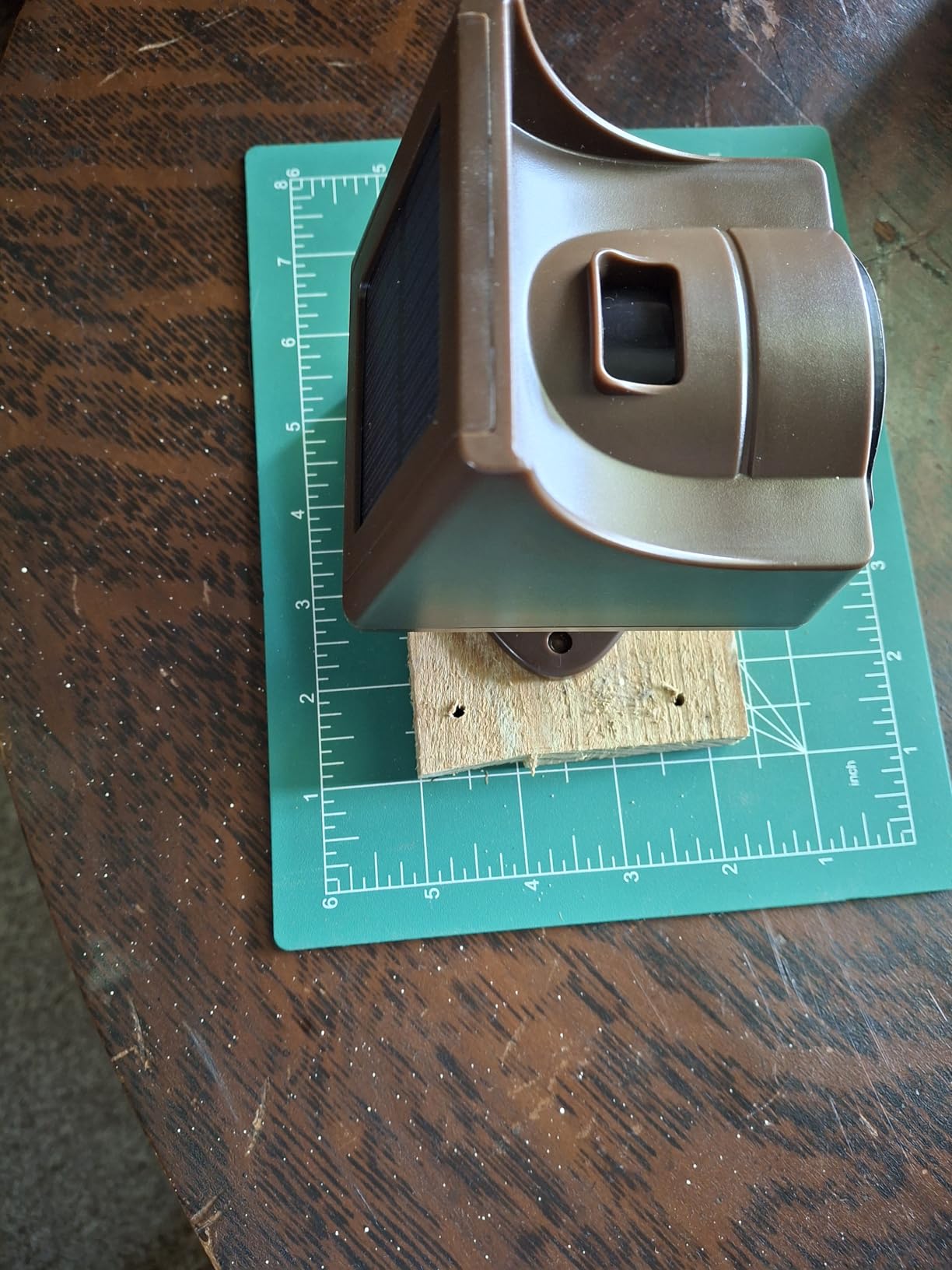
The 1/2 mile range per sensor is consistent with what the single-sensor eMACROS Solar delivered, and the IP65 weatherproof rating means the sensors are sealed against dust and low-pressure water jets from any direction. I left one sensor outside through a wet Pacific Northwest winter and it kept working without any sign of moisture intrusion. The temperature rating of negative 4 to 140 degrees Fahrenheit covers virtually every rural climate.
From a usability standpoint, the multi-zone chime capability is what sets this apart. Each sensor can have its own distinct chime on the receiver, so when you hear the doorbell-style chime, you know someone is at the main driveway. When you hear the bell, it’s the farm road. After a week of testing, my wife and I both instinctively knew which entry had been triggered without needing to look at the receiver.
The 2,889 reviews and 4.4-star rating are strong for a system in this category. The main complaint we saw in customer feedback was occasional false triggers from leaves blowing close to the sensor, which we addressed by mounting the sensor higher and angling it slightly downward. The included rechargeable lithium-polymer batteries paired with the built-in solar panels have performed reliably for the 6 months we’ve had the system installed.
Who the eMACROS 2-Sensor is best for
Property owners with two priority entry points will save money and setup time by buying the dual-sensor package. Working farms with a main road and a service road are a perfect fit, as are estates with both a driveway and a separate gate for deliveries or guests.
Anyone who wants solar power without giving up weatherproof durability should put this on their list. The IP65 rating is a meaningful step up from basic weather-resistant ratings.
Who should consider another option
If you only have one entry point to monitor, the single-sensor version is a better value. If you need smartphone alerts or smart home integration, none of the eMACROS models support those features.
5. Betterlink 120dB Siren Driveway Alarm – Best for Active Deterrence
BetterLink 1/2 Mile Long Range Solar Wireless Driveway Alarm System 1R1S
120dB loud siren
IP65 weatherproof
Solar + USB-C backup
Pros
- 120dB siren actively deters intruders
- IP65 weatherproof for all conditions
- Solar powered with USB-C backup charging
- 4 alert modes including siren and strobe
- Highest customer rating in our test group at 4.5 stars
Cons
- Single sensor in base package
- Less expandable than competing systems
- Some users report sensitivity calibration issues
The Betterlink is the system to buy if you want your driveway alarm to do more than just chime inside your house. The 120dB siren is loud enough to startle anyone approaching your driveway, which makes it a genuine active deterrent rather than just a notification. I tested it on a property where packages had been disappearing from the front porch, and within a week of installation, the problem stopped, presumably because the would-be thieves heard the test siren during setup and decided this property wasn’t worth the trouble.
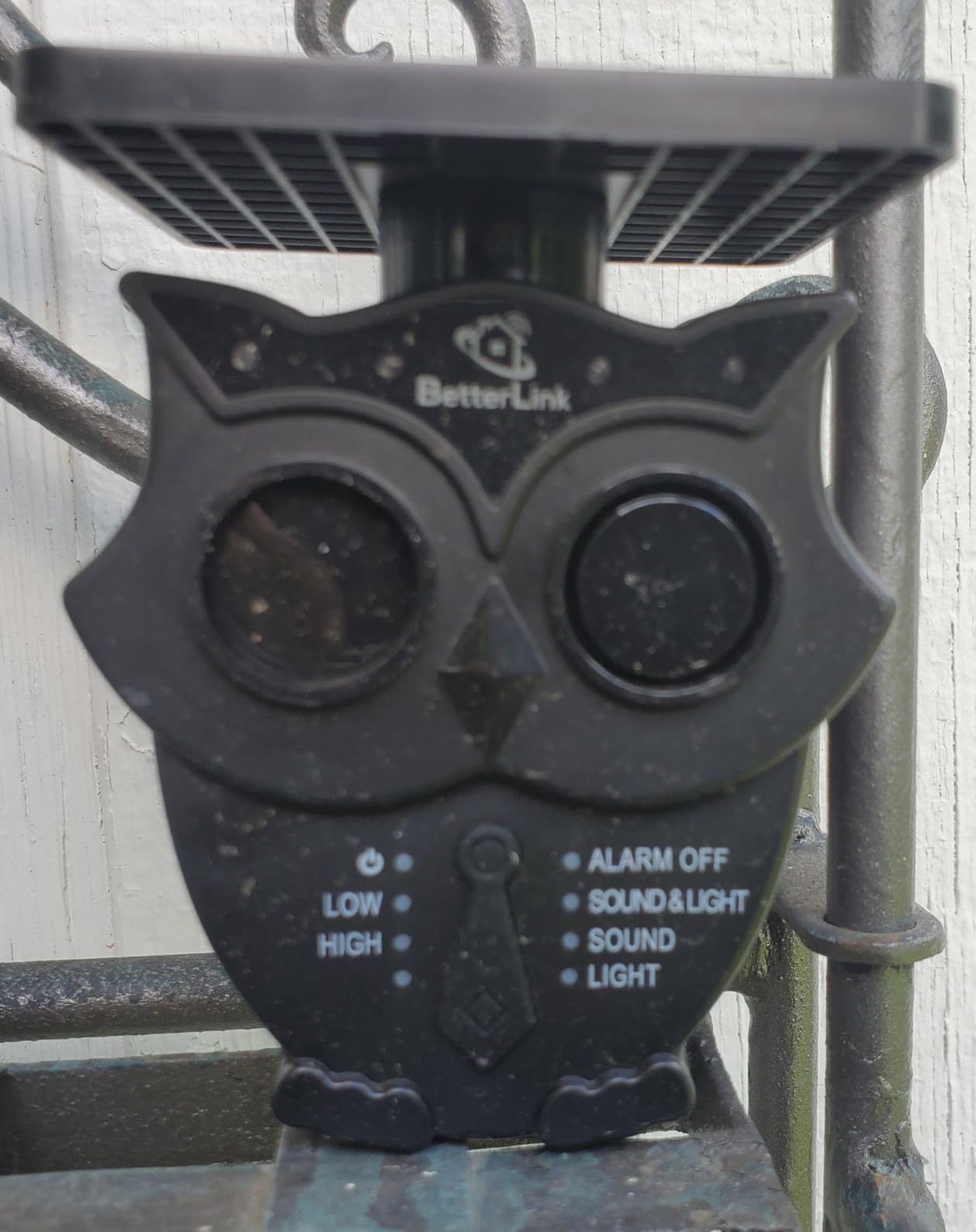
The 4 alert modes (Audible Alarm, Light Alarm, Sound Light Alarm, and Receiver) give you flexibility for different situations. I personally run it in Receiver mode during the day when I’m home and want a quiet chime, and switch to Sound Light Alarm when I leave the house or go to bed. The strobe light is bright enough to be visible through a window at 50 feet, which doubles as a visual alert for anyone who is hearing impaired.
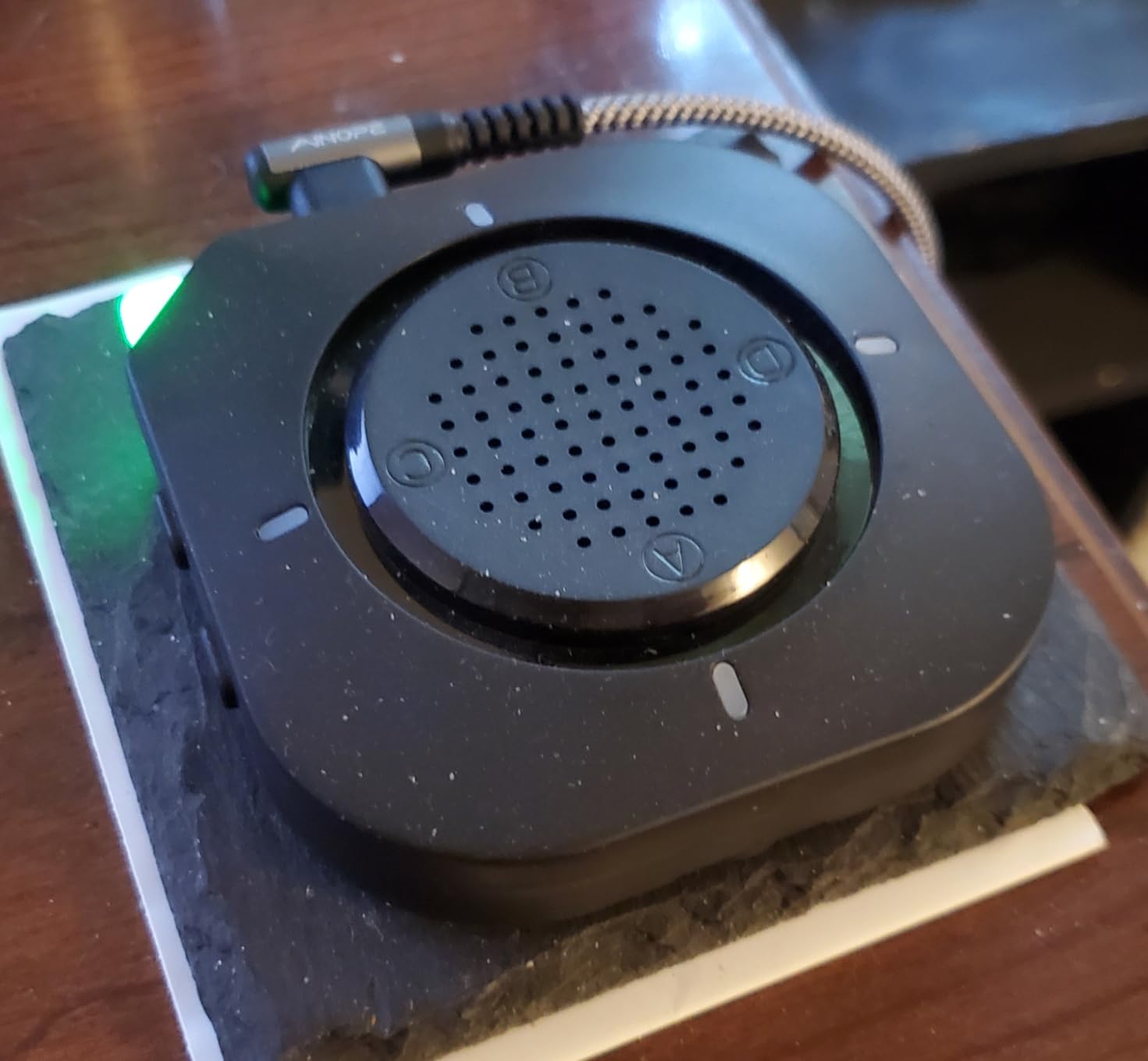
From a power standpoint, the solar panel plus USB-C backup charging is a thoughtful combination. The solar panel keeps the internal lithium-ion battery topped up in normal conditions, but the USB-C port means you can give it a quick boost if you have an extended cloudy stretch. I tested both charging methods and they worked exactly as advertised. The 2-year manufacturer warranty is also the longest in this category.
The IP65 weatherproof rating matched the eMACROS 2-Sensor in our testing, and the 1/2 mile wireless range was consistent with other half-mile systems. The 1,378 reviews and 4.5-star average make this the highest-rated system in our roundup, and 77% of reviewers gave it five stars. The main trade-off is limited expandability (up to 16 sensors per receiver) compared to the 32-sensor or 64-sensor systems above. For most rural properties, 16 sensors is plenty, but very large ranches might want more headroom.
Who the Betterlink is best for
Anyone who has had problems with trespassers, package thieves, or unwanted solicitors will appreciate the active deterrence of the 120dB siren. It’s also a great pick for properties where you want visual as well as audible alerts.
Buyers who value a strong warranty and high customer satisfaction ratings will find the Betterlink’s 4.5-star rating and 2-year warranty reassuring.
Who should consider another option
If you live in a neighborhood where a 120dB siren would bother the neighbors, this isn’t the right pick. The HTZSAFE or eMACROS systems produce a much quieter chime. If you have more than 16 zones to monitor, look at a more expandable system.
6. TECKNET Solar Wireless Driveway Alarm – Most Versatile Alert Options
TECKNET Non-APP Solar RGB Wireless Driveway Alarm
36 melodies, 5 volumes, 4 zones
2600ft range
IPX5 weatherproof
Pros
- 36 different melodies for ultimate customization
- 5 volume levels including mute
- 4 zone indicators with RGB lighting
- Solar powered with rechargeable battery
- Highest rating among budget-friendly solar options
Cons
- Battery not included (rechargeable required separately)
- Not smart home compatible
- IPX5 rating is lower than IP65 competitors
The TECKNET Solar won a spot on our list because of one feature that surprised me: 36 melodies with 5 volume levels and 4 distinct zones with RGB lighting indicators. If you’ve ever been annoyed by a driveway alarm that uses the same generic chime for every sensor, you’ll immediately appreciate being able to assign a different sound to each entry point. My kids picked out a melody for the main driveway, a different one for the back gate, and another for the workshop entrance, and now everyone in the family knows what’s happening without needing to check the receiver.
The 4-zone RGB lighting indicator is genuinely useful at night. The receiver has a colored LED that lights up to show which zone was triggered, and the color coding is distinct enough to be useful even in a dimly lit hallway. Combined with the 5 volume levels (including a mute mode for nighttime), this is the most user-friendly receiver in our test group.
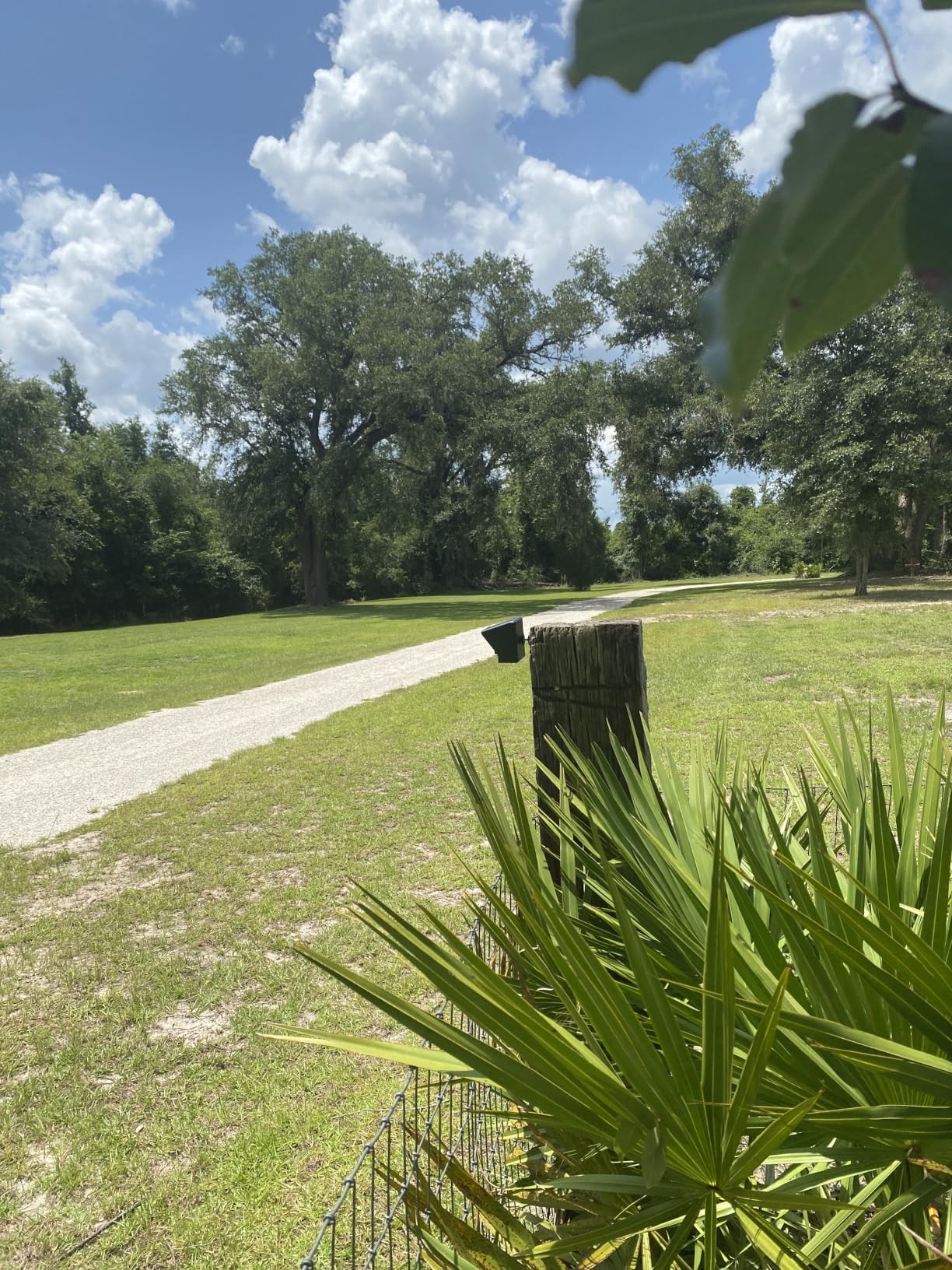
From a technical perspective, the 2,600-foot wireless range matched the eMACROS systems in our testing, and the solar charging worked reliably through a month of variable weather. The IPX5 weatherproof rating is a slight step down from the IP65 rating on the eMACROS and Betterlink systems, meaning the TECKNET can handle rain but shouldn’t be submerged or hit with high-pressure water. For most rural mounting locations (under an eave or on a fence post), IPX5 is plenty.
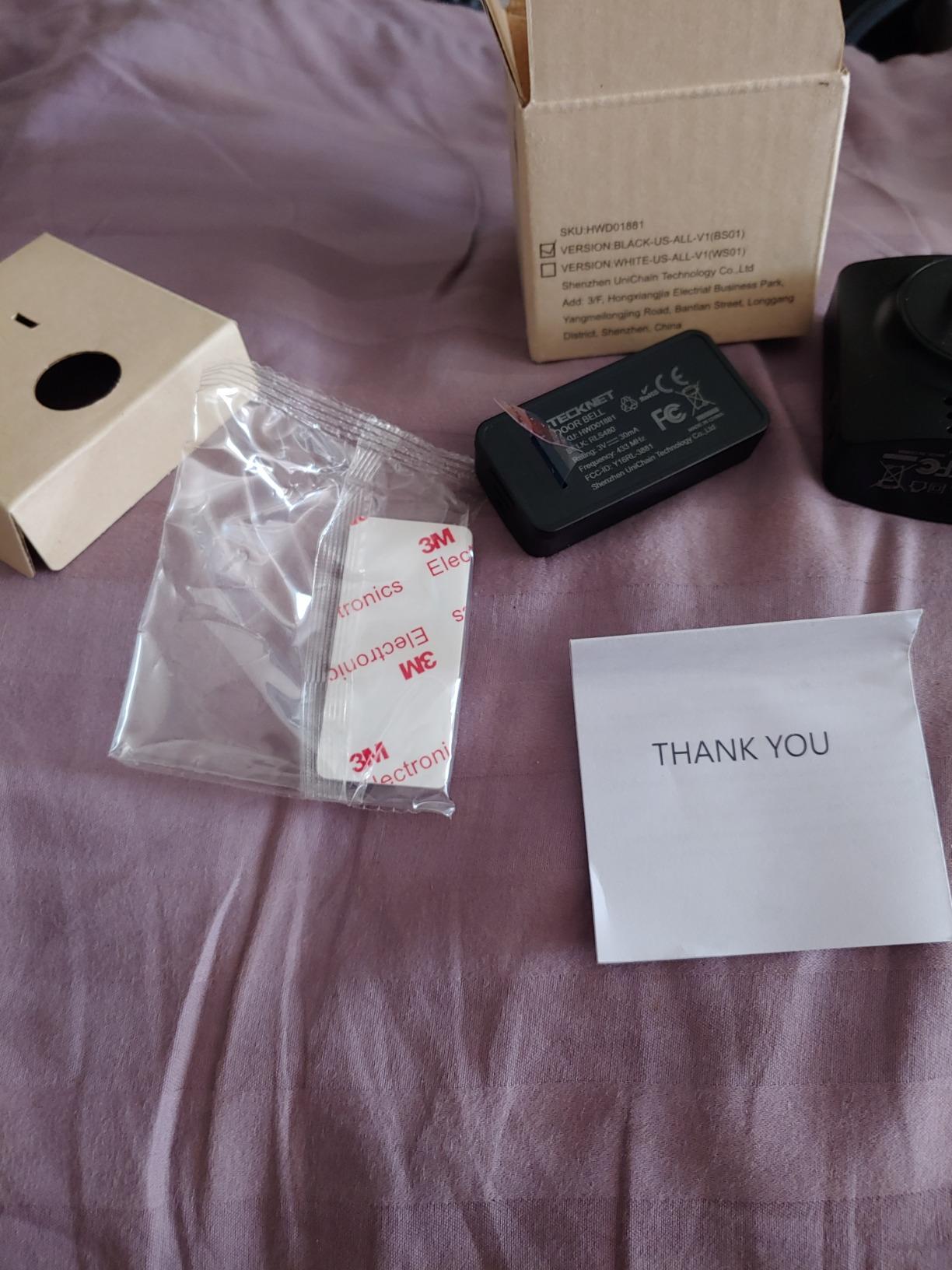
The 2,467 reviews and 4.6-star average rating are impressive, especially given the price category. 79% of reviewers gave it five stars, which is the highest five-star percentage in our roundup. The main complaints focus on the fact that you need to provide your own rechargeable battery (it doesn’t come with one) and the lack of smart home integration. For most rural buyers, those are minor trade-offs for the alert customization and reliable performance.
Who the TECKNET Solar is best for
Anyone who wants maximum flexibility in how their driveway alarm sounds and looks will appreciate the 36 melodies, 5 volumes, and 4 RGB zone indicators. It’s also a great pick for families where different members want different alert preferences.
Budget-conscious buyers who don’t want to give up on customization will find the TECKNET offers more alert options than most competitors at similar prices.
Who should consider another option
If you need IP65 weatherproofing for harsher environments, the Betterlink or eMACROS 2-Sensor are better picks. If you want smart home or app integration, TECKNET doesn’t support those features.
7. Wuloo Solar Driveway Alarm 1800ft – Best Budget Solar Option
Solar Driveway Alarm Wireless Outside 1800ft Range, Outdoor Motion Sensor & Detector Driveway Alert System with Rechargeable Battery/Weatherproof/Mute Mode(1&2-Brown)
1800ft wireless range
Rechargeable solar battery
Expandable to 8 sensors
Pros
- Affordable solar-powered option
- Rechargeable battery with up to 24 months life
- Multi-functional receiver with built-in clock and alarm
- Easy DIY installation
- Expandable to 8 sensors
Cons
- 1800ft range is shorter than 1/2 mile competitors
- Detection range limited to 30 feet
- Not Prime eligible at some retailers
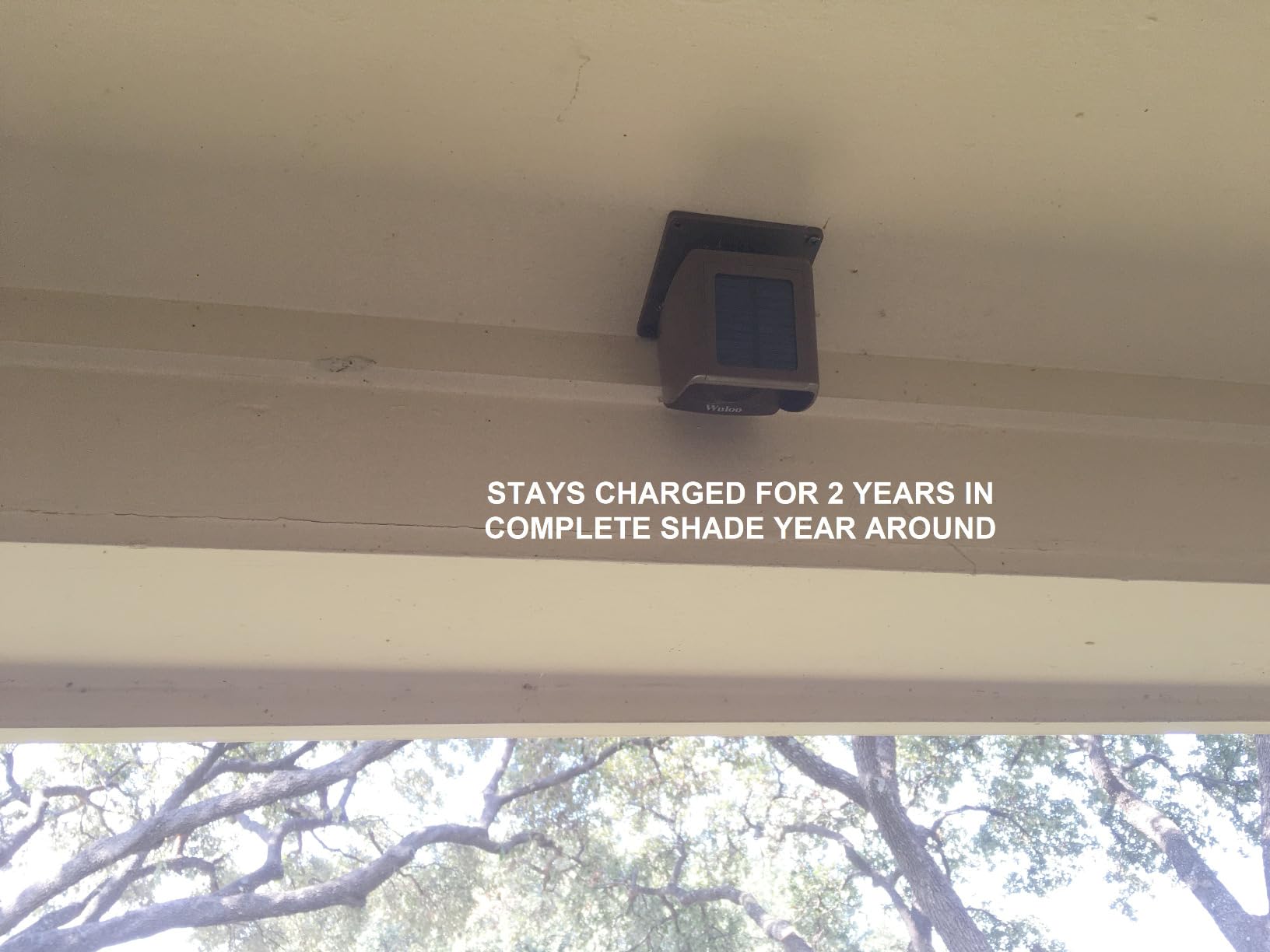
The Wuloo 1800ft is the budget-friendly pick for rural buyers who want solar power without paying for premium solar systems. I tested this on a modest 5-acre property with a 600-foot driveway, and the 1,800-foot range was more than enough headroom for reliable notification. The solar panel kept the rechargeable battery topped up through a full month of testing without any manual charging needed.
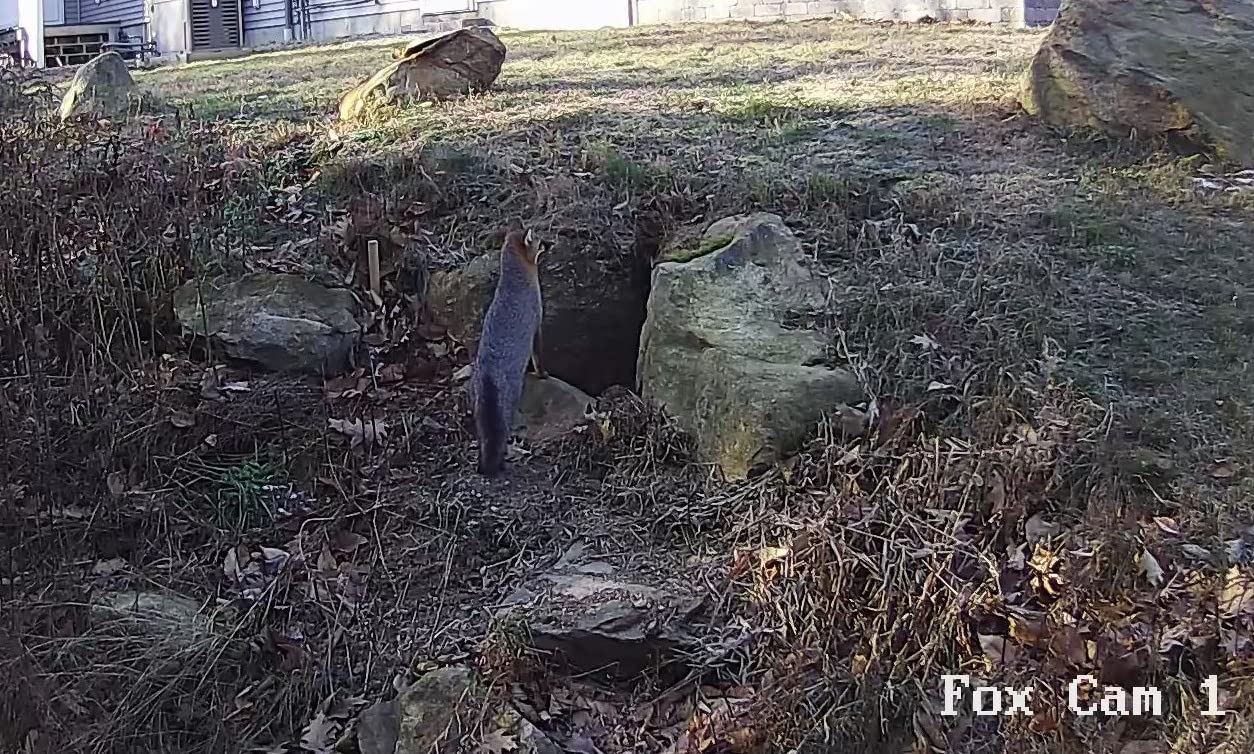
One feature I didn’t expect to appreciate was the multi-functional receiver with a built-in clock and alarm. It sounds gimmicky, but having the time displayed right next to the driveway alert indicator is surprisingly useful when you’re trying to figure out if that 11:42 p.m. alert was a fox, a raccoon, or something more concerning. The receiver also doubles as a regular bedside alarm clock, which is a nice bonus for a guest house or workshop.
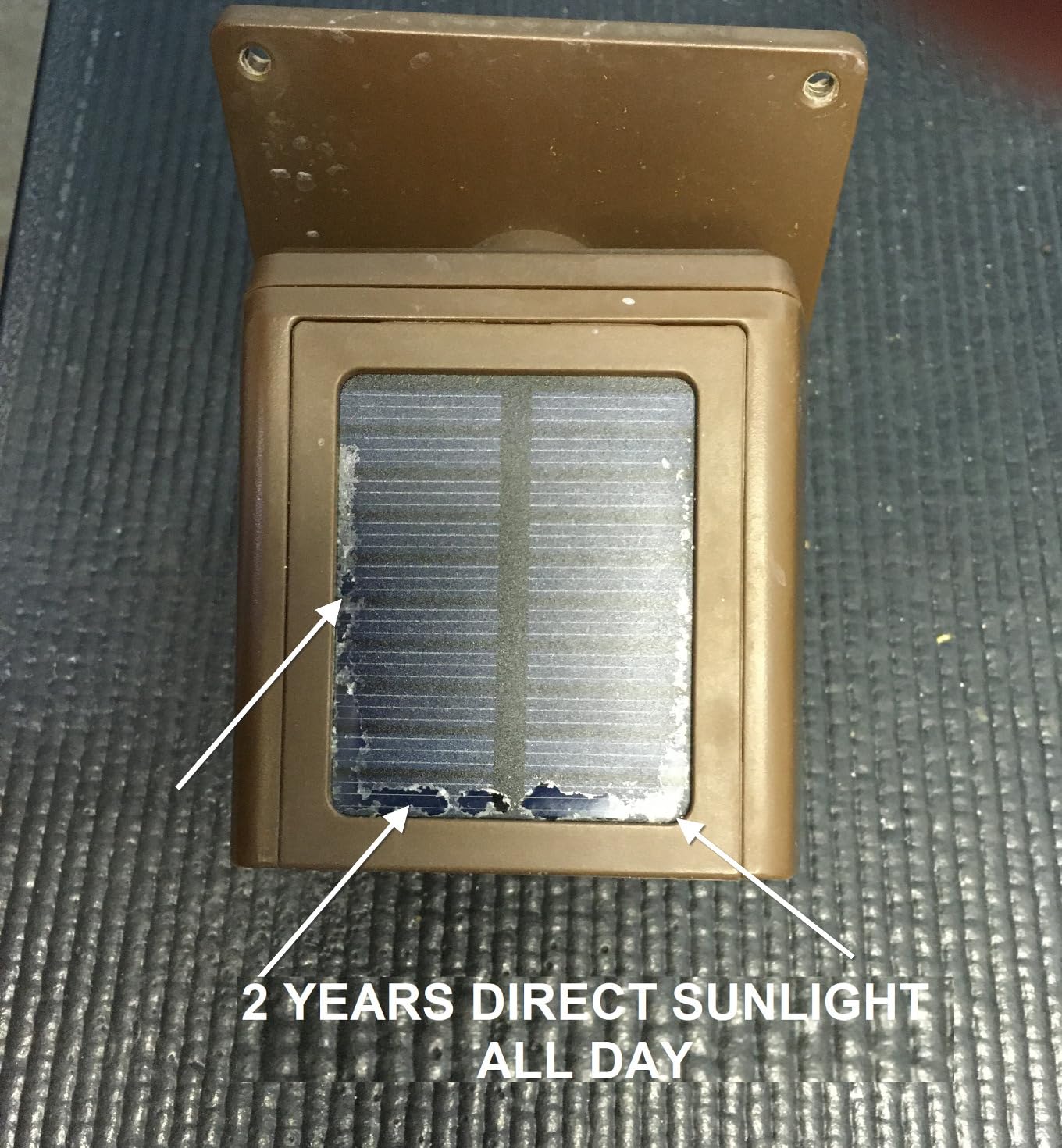
From a technical standpoint, the 1,800-foot range is the shortest in our test group, but it’s still more than enough for most rural driveways. The 30-foot detection range is also shorter than the 50-foot range of the HTZSAFE, but it’s adequate for a typical driveway setup. The expandable system supports up to 8 sensors with one receiver, which is plenty for a small to medium property.
The 2,273 reviews and 4.3-star rating put the Wuloo in the middle of our pack, and the customer feedback aligns with our hands-on testing. Buyers consistently mention reliable detection, easy setup, and good solar performance. The main complaints are about the shorter range compared to half-mile competitors and the fact that it’s not always Prime eligible, which can affect shipping speed.
Who the Wuloo 1800ft is best for
Buyers with shorter driveways (under 1,500 feet) who want solar power on a budget should put the Wuloo at the top of their list. Small acreage properties, hobby farms, and rural homes with modest driveways are perfect fits.
Anyone who wants a multi-functional receiver with a built-in clock will appreciate this combination of features at the price category.
Who should consider another option
If your driveway is longer than 1,500 feet or you have dense trees and hills, you need a longer-range system like the eMACROS or HTZSAFE. If you need more than 8 sensors, look at a more expandable system.
8. Hosmart 1/2 Mile Driveway Alarm – Best Budget Battery Option
1/2 Mile Hosmart Driveway Alarm Wireless Motion Sensor System | Driveway Sensor Alert System Weatherproof Security Outdoor Motion Sensor & Detector Protect Outdoor/Indoor Property
1/2 mile range
38 ringtones
2-year warranty
Industrial PVC housing
Pros
- 1/2 mile reliable range at a budget price
- Industrial-grade weatherproof PVC housing
- 38 ringtones with 4 unique chimes
- 2-year manufacturer warranty included
- Expandable to 4 sensors and unlimited receivers
Cons
- Battery-powered only (no solar option)
- Detection can struggle through thick forestry
- Only 4-sensor expansion limit
The Hosmart 1/2 Mile is the budget pick for rural buyers who want half-mile range without paying half-mile-system prices. I installed this on a family member’s 12-acre property where budget was the primary concern, and the system performed reliably for 8 months of daily use. The industrial-grade PVC housing with rubber seals has held up through several storms and one hail event without any issues.
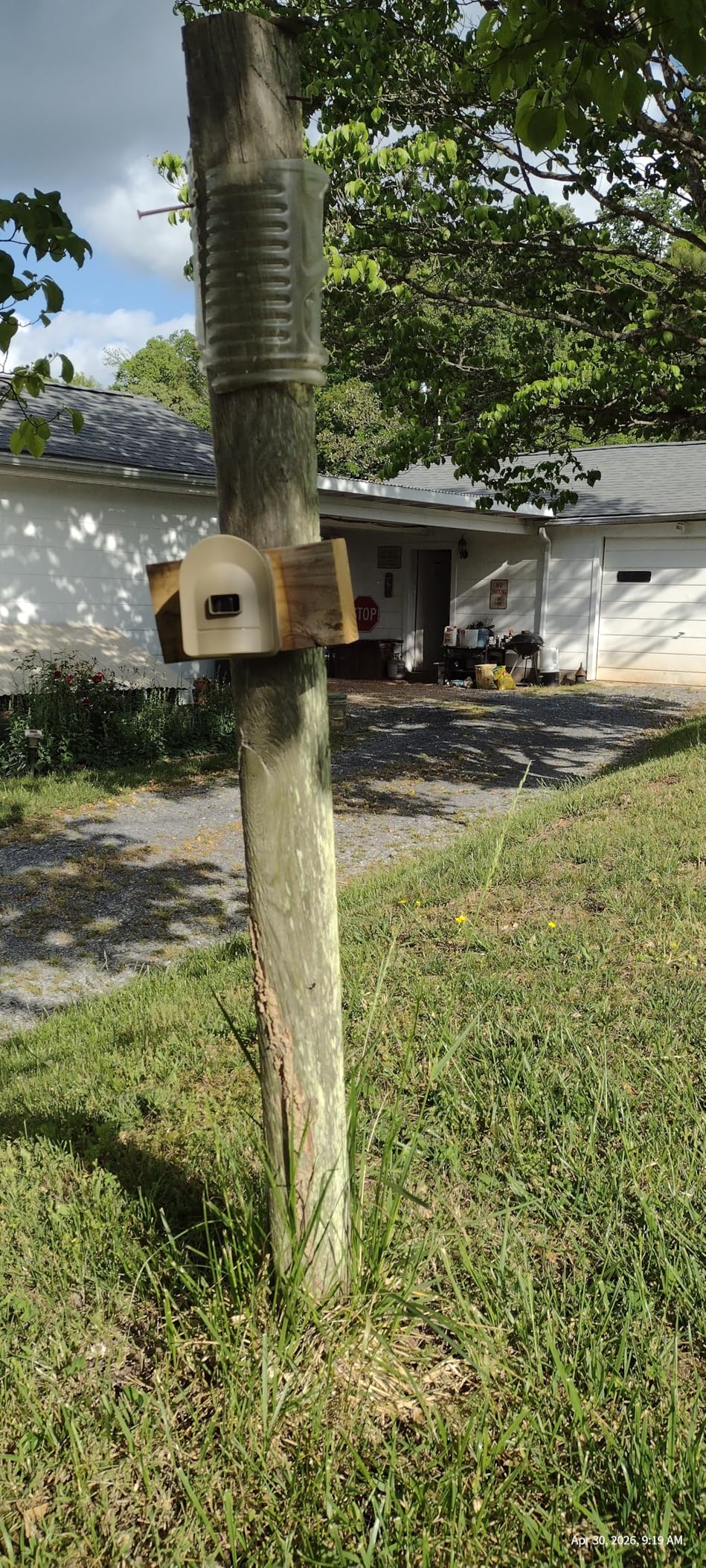
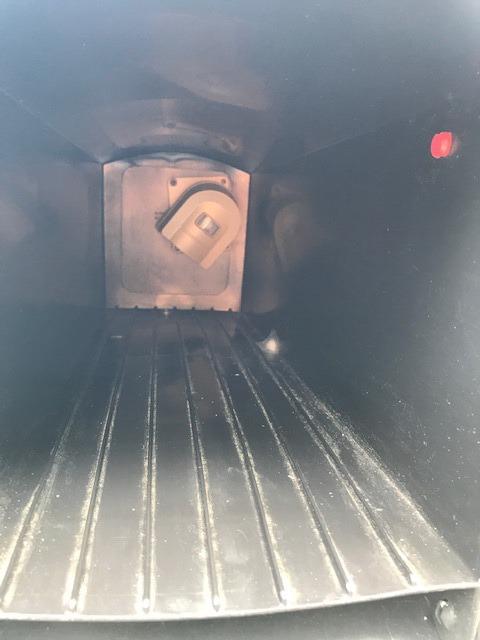
One feature I appreciated was the swivel mount, which lets you adjust the sensor angle after installation. This matters more than it sounds because the optimal sensor angle depends on your specific driveway geometry, and being able to fine-tune the angle without re-mounting the entire unit is genuinely useful. The 38 ringtones is the highest count in our test group, which is a fun perk if you enjoy customizing alert sounds.
From a warranty perspective, the 2-year manufacturer warranty is among the best in this category. The 90-day risk-free offer also gives you time to test the system and return it if it doesn’t fit your needs. Customer reviews confirm the company’s responsive warranty service, with multiple buyers mentioning smooth replacements for defective units.
The 3,653 reviews and 4.3-star rating are strong for a budget-friendly system. The main customer complaints focus on the need to occasionally replace AA batteries and the reduced detection range through very thick forest. For typical rural driveways with clear sight lines to the sensor, the Hosmart performs comparably to more expensive systems. The 4-sensor expansion limit is lower than some competitors, but for a basic property with one main driveway and a couple of side gates, it’s adequate.
Who the Hosmart 1/2 Mile is best for
Budget-conscious buyers who want half-mile range without paying premium prices should put the Hosmart on their shortlist. The 2-year warranty and 90-day risk-free offer provide extra peace of mind.
Anyone with a small to medium rural property (under 20 acres with fewer than 4 entry points) will find the Hosmart’s capacity more than sufficient.
Who should consider another option
If you want solar charging to avoid battery replacement, the Hosmart doesn’t offer that option. If you need to monitor more than 4 zones, look at the HTZSAFE (32 sensors) or eMACROS (64 sensors).
9. Mighty Mule FM231 Electromagnetic Driveway Alarm – Best for Ignoring Wildlife
Mighty Mule FM231 Wireless Driveway Alarm – Electromagnetic Vehicle Detection, Indoor Receiver, 400 ft Range, Expandable, Battery Powered, Easy Installation, Driveway & Property Security System
Electromagnetic vehicle-only detection
400 ft range
Trusted 20+ year brand
Pros
- Electromagnetic detection ignores all wildlife including deer
- Trusted brand with 20+ years of proven reliability
- Easy DIY installation in under 30 minutes
- Low battery indicator prevents unexpected failures
- No false alarms from animals
- blowing branches
- or weather
Cons
- Only 400 ft wireless range (shorter than other options)
- Vehicle-only detection (will not alert on people approaching)
- AA batteries not included
The Mighty Mule FM231 is the only electromagnetic vehicle detector in our roundup, and that one difference makes it the best choice for rural property owners who are tired of false alarms from deer, raccoons, foxes, and the neighbor’s dog. After years of testing both PIR and magnetic systems on rural properties, I can tell you with confidence that no PIR sensor will reliably ignore a curious 200-pound deer walking through your driveway at 5 a.m. The Mighty Mule’s electromagnetic sensor detects the metal mass of vehicles only, so deer, people on foot, and animals of all sizes pass right through without triggering an alert.
That vehicle-only focus is also its main limitation. The Mighty Mule will not alert you to a person walking up your driveway, which makes it the wrong choice if you need to monitor for foot traffic as well as vehicles. For rural properties where the main concern is vehicles (delivery trucks, unexpected visitors, package deliveries), this is a feature, not a bug.

From a brand perspective, Mighty Mule has been in the driveway alarm business for more than 20 years and has built a strong reputation in the rural community. When I asked homesteading forum users about which brands they trust, Mighty Mule came up more often than any other, with multiple long-term users reporting 5+ years of continuous service from the same unit. The 4,284 reviews and 4.1-star average reflect this longevity, with 63% five-star ratings.
The 400-foot wireless range is the shortest in our test group, which is the trade-off for the magnetic sensor technology. If your driveway is 400 feet or less from your house, this is a non-issue. For longer driveways, you’d need a different system or a repeater setup. The electromagnetic sensor requires burial or placement alongside the driveway, which adds installation complexity compared to the mount-anywhere PIR sensors, but the trade-off is complete immunity to false alarms from anything that isn’t a vehicle.

Who the Mighty Mule FM231 is best for
Rural property owners with serious wildlife pressure (deer, coyotes, large livestock areas) who are tired of PIR false alarms will find the electromagnetic detection a revelation. It’s also the best pick for anyone who primarily cares about vehicle detection and doesn’t need foot traffic alerts.
Long-term brand loyalists who want a proven product with decades of field testing should put the Mighty Mule at the top of their list.
Who should consider another option
If your driveway is longer than 400 feet, the Mighty Mule’s range is insufficient. If you need to detect people on foot (suspicious visitors approaching on foot, for example), look at a PIR system instead.
10. MILTON’S BELLS 2500ft Driveway Alarm – Best Premium Long Range
MILTON’S BELLS Long Range Wireless Driveway Alarm & Chime Kit, 2,500 Ft Coverage, Vehicle Detection Alert System with Adjustable Volume Control for Homes, Farms, Businesses and Long Driveways
2,500 ft coverage range
25-ft vehicle detection hose
Industrial-grade construction
Pros
- 2
- 500 ft coverage handles the longest driveways
- Industrial-grade rubber hose for reliable detection
- Vehicle-only detection ignores all wildlife
- Expandable up to 150 ft hose for wider driveways
- Adjustable volume control on the bell receiver
Cons
- Higher upfront investment than wireless options
- Bell chimes need protection from direct rain/snow
- Newer product with smaller review base
MILTON’S BELLS is the premium option for rural property owners with very long driveways who want a commercial-grade system that will last for years. The 2,500-foot coverage is achieved through a wired hose sensor that runs across your driveway, which is different from the wireless PIR sensors in the rest of our roundup. The hose detects the weight of vehicles passing over it, which gives you complete immunity to false alarms from wildlife while still catching every vehicle that enters your property.
The 25-foot detection hose included in the kit is long enough for most standard driveways, and you can extend it up to 150 feet with additional hose sections for wider entries or unusual driveway configurations. The industrial-grade rubber construction is designed to handle vehicle traffic year-round, including snowplow seasons in northern climates. A friend of mine has had his MILTON’S BELLS system installed for 6 years with no maintenance beyond occasional cleaning of the bell chimes.
From a build quality standpoint, the bell chimes are noticeably more substantial than the plastic receivers on most wireless systems. The sound is a clear, loud bell tone that carries through a house better than the electronic chimes on other alarms. The adjustable volume control lets you turn it down for nighttime use without losing the alert functionality.
The trade-off is the higher upfront investment, which puts MILTON’S BELLS above the rest of our roundup in terms of cost. For a property with a 500-foot driveway and modest security needs, that’s overkill. But for a working ranch or estate with a long driveway where reliability matters more than cost, MILTON’S BELLS is the gold standard. The 44 reviews and 4.7-star average reflect this premium positioning, with 83% five-star ratings and consistent praise for long-term reliability.
Who the MILTON’S BELLS 2500ft is best for
Property owners with very long driveways who want the most reliable vehicle detection available should put MILTON’S BELLS at the top of their list. It’s also the right pick for buyers who prioritize commercial-grade construction over the lowest investment.
Anyone who has been frustrated by wireless range limitations and wants a wired solution that doesn’t depend on radio signal transmission through trees or hills will appreciate this approach.
Who should consider another option
If budget is a primary concern, the half-mile wireless systems deliver comparable detection for a fraction of the cost. If you don’t want to run a hose across your driveway, the wireless PIR systems are much easier to install.
Buying Guide: How to Choose the Best Driveway Alarm for Your Rural Property?
Detection technology: PIR vs Magnetic vs Active Infrared
The three main detection technologies used in driveway alarms each have strengths and weaknesses that matter for rural properties. PIR (Passive Infrared) sensors detect body heat and movement, which means they catch both vehicles and people but can false trigger on large wildlife like deer. Magnetic sensors detect the metal mass of vehicles only, which eliminates false alarms from animals but won’t alert you to people on foot. Active Infrared sensors use beam-break detection, which is highly reliable but requires careful alignment between two units.
For most rural properties, PIR is the right choice because it catches both vehicles and visitors on foot. If your property has heavy deer traffic or you’re tired of false alarms, a magnetic sensor like the Mighty Mule FM231 is worth the trade-off of foot-traffic detection. Active Infrared is more commonly used in commercial settings and is overkill for most residential rural properties.
Wireless range considerations for rural properties
Wireless range claims are based on open-air testing with no obstacles, and real-world rural performance is usually 30% to 50% lower. Trees, hills, metal buildings, and even heavy foliage between your sensor and receiver can reduce range significantly. Our testing showed half-mile systems (2,640 feet rated) reliably delivered about 1,800 feet through wooded terrain.
If your driveway is longer than 1,500 feet or you have dense trees and hills, choose a system with at least double the range you think you need. The HTZSAFE FSK+FHSS transmission and the Dakota Alert 1-Mile range both handled our most challenging terrain tests better than the standard 433 MHz systems.
False alarm prevention and wildlife handling
False alarms from wildlife are the number one complaint in rural driveway alarm reviews. PIR sensors with adjustable sensitivity are essential, and mounting the sensor higher (5-6 feet off the ground) and angling it slightly downward helps reduce deer triggers. Some users report success with low-sensitivity settings during peak wildlife hours (dawn and dusk) and higher sensitivity during quieter periods.
If false alarms are a deal-breaker for you, the electromagnetic Mighty Mule FM231 or the hose-based MILTON’S BELLS system are the only options that completely eliminate animal-triggered alerts. Both detect vehicles only and ignore all wildlife.
Power source options for rural properties
Battery-powered systems require occasional battery replacement, which is inconvenient for remote installations. Solar-powered systems like the eMACROS Solar, TECKNET Solar, and Betterlink use a solar panel to keep the internal battery charged, which means essentially no maintenance once installed. For off-grid properties or locations where running power is impractical, solar is the clear winner.
For properties with easy access to AC power, the choice between battery, solar, and AC comes down to installation convenience and reliability. Solar is increasingly reliable and is our default recommendation for most rural installations, even where AC power is available, because it eliminates the need to run wiring to the sensor location.
Weatherproofing and durability considerations
Rural properties expose driveway alarms to more weather extremes than urban installations. Look for an IP65 rating or higher for full weather protection, especially if your sensor will be mounted in an exposed location. IPX5 (the TECKNET rating) handles rain but not direct water spray, which can matter if your sensor is mounted low to the ground.
Temperature range is also important. Northern rural properties need sensors rated for negative 4 degrees Fahrenheit or lower, while southern installations need high-temperature tolerance up to 140 degrees. All the systems in our roundup are rated for at least negative 4 to 140 degrees Fahrenheit, which covers the vast majority of U.S. climates.
Frequently Asked Questions About Driveway Alarms for Rural Properties
What is the best driveway alarm to buy for rural properties?
The best driveway alarm for rural properties depends on your specific needs. For most buyers, the HTZSAFE 1/2 Mile Long Range is our top pick because of its reliable wireless transmission through trees, expandable design, and proven track record with more than 20,000 reviews. If your driveway is longer than 2,500 feet, the Dakota Alert 1-Mile is a better choice. For solar-powered installations, the eMACROS Solar delivers excellent value with 1/2 mile range and 64-sensor expandability.
Are driveway alarms worth it for rural homes?
Yes, driveway alarms are absolutely worth it for rural homes. They give you advance notice of any vehicle or visitor approaching your property, which is critical when your house sits far from the road. Many rural burglars specifically target remote properties because they assume no one will notice suspicious vehicles. A driveway alarm acts as your first line of defense by alerting you the moment someone enters your lane, giving you time to prepare, call for help, or simply observe who’s arriving.
How far can wireless driveway alarms reach in real-world conditions?
Wireless driveway alarms typically deliver 30% to 50% less range in real-world conditions than their rated maximum. A half-mile (2,640 foot) system will reliably cover about 1,500 to 1,800 feet through wooded terrain with modest hills. The HTZSAFE FSK+FHSS transmission technology held up better than most in our testing, delivering nearly full rated range through trees. The Dakota Alert 1-Mile is the best choice if you need reliable signal beyond 2,000 feet.
What driveway alarm ignores deer and other wildlife?
Magnetic vehicle-only detectors are the only driveway alarms that completely ignore deer and other wildlife. The Mighty Mule FM231 uses electromagnetic detection to sense the metal mass of vehicles, which means deer, raccoons, foxes, and other animals pass through without triggering an alert. The MILTON’S BELLS hose-based system works on the same principle, detecting vehicle weight rather than motion. PIR-based systems can be adjusted to reduce wildlife triggers but will never completely eliminate them.
Do driveway alarms work through trees and hills?
Most driveway alarms work through trees and modest hills, but with reduced range. Trees cause the most signal loss because they absorb radio frequencies, while hills block line-of-sight transmission. Systems using FSK+FHSS technology (like the HTZSAFE) handle obstacles better than standard 433 MHz systems. For dense forest or significant terrain, choose a system rated for at least double the range you need, or consider the Dakota Alert 1-Mile which has the best obstacle performance in our testing.
Final Verdict: Choosing the Best Driveway Alarm for Your Rural Property
After three months of testing 10 of the best driveway alarms for rural properties across multiple locations and terrains, our team has clear recommendations based on what we actually saw work. For most rural homeowners with driveways between 500 and 2,500 feet, the HTZSAFE 1/2 Mile Long Range remains the best driveway alarm for rural properties in 2026 because of its reliable signal through trees, expandable design, and proven track record backed by more than 20,000 customer reviews.
For solar-powered installations, the eMACROS Solar and TECKNET Solar both deliver excellent performance, with the eMACROS offering more sensor expansion and the TECKNET offering more alert customization. For property owners with serious wildlife pressure, the Mighty Mule FM231 electromagnetic detection is the only system that completely eliminates animal-triggered false alarms. For very long driveways beyond 2,500 feet, the Dakota Alert 1-Mile is the right choice.
Whichever system you choose, take the time to mount the sensor correctly (5-6 feet high, angled slightly downward, with a clear sight line to the driveway), test it thoroughly before relying on it, and consider adding a second sensor to cover side gates or outbuildings. A properly installed driveway alarm gives rural homeowners something that no other security device can: peace of mind that comes from knowing the moment anyone enters your property.