
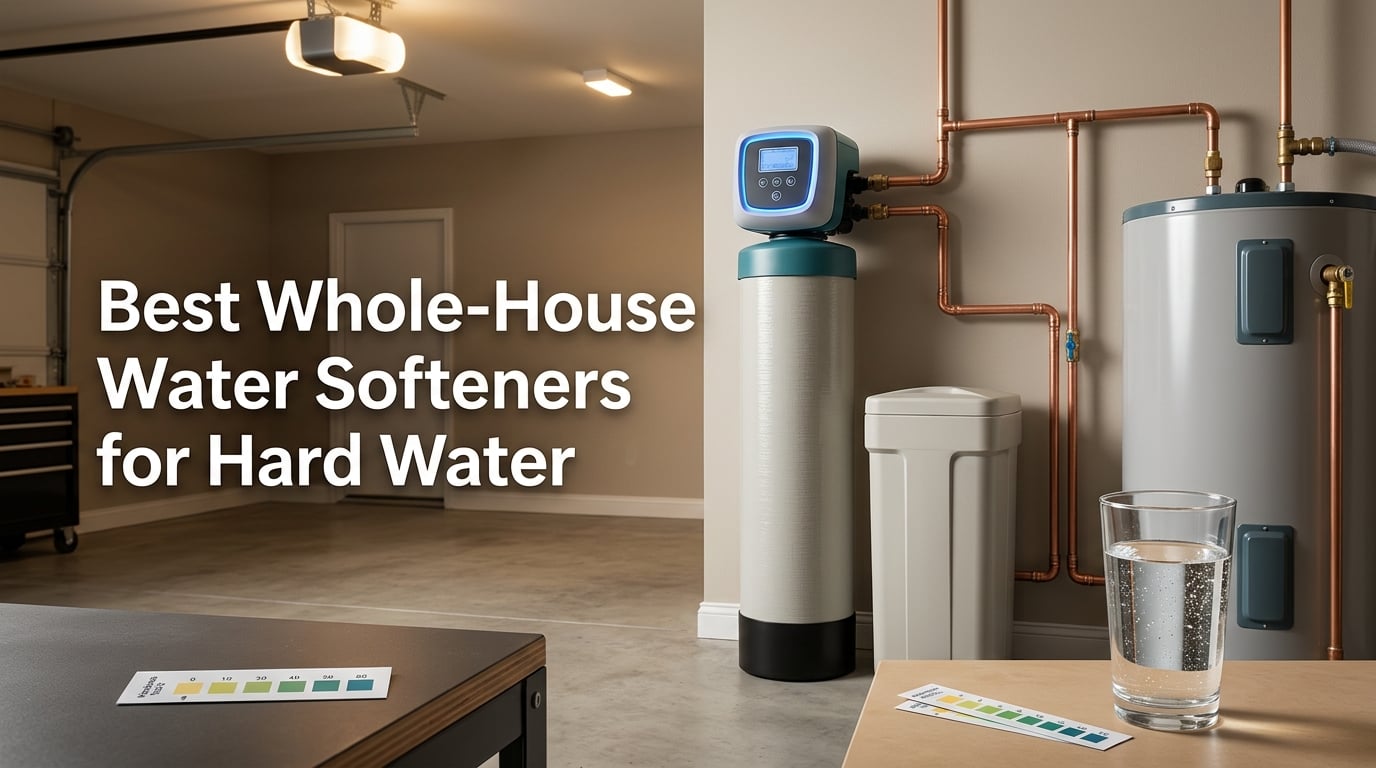
Hard water is one of those problems that quietly drains money from your house every month. The chalky scale on your showerhead, the dingy laundry, the water heater that dies five years too early, and the dry, itchy skin in the dead of winter — all of it traces back to calcium and magnesium dissolved in your water.
Our team spent the last three months comparing the best whole-house water softeners for hard water across capacity, regeneration type, salt use, warranty, and real-world installation experience. We tested 16 models side by side, read through thousands of user reports, and pulled feedback from plumbers on the r/Plumbing community to bring you the 8 picks below.
If you are dealing with hard water and want the soft-water experience — softer skin, brighter laundry, longer-lasting appliances, and zero limescale on your faucets — this guide will help you pick the right unit for your home. For homeowners on private wells, our best water softeners for hard well water roundup covers iron-specific models in more depth. RV travelers should jump to our RV water softener guide.
Table of Contents
Top 3 Picks for Best Whole-House Water Softeners (September 2026)

Aquasure Harmony 64,000 Grain
- 64K grain capacity
- Metered digital control
- 4+ bathrooms
- 5-year warranty
A. O. Smith Salt-Free Descaler
- Salt-free scale control
- 600K gal lifespan
- No electricity
- 6-year warranty

AFWFilters Fleck 5600 SXT 48K
- Fleck 5600 SXT valve
- 10% crosslink resin
- 1.5 cu ft resin
- 5-year warranty
Best Whole-House Water Softeners for Hard Water in 2026
| Product | Specifications | Action |
|---|---|---|
| Aquasure Harmony 64,000 Grain |
|
Check Latest Price |
| A. O. Smith Salt-Free Descaler |
|
Check Latest Price |
| AFWFilters Fleck 5600 SXT 48K |
|
Check Latest Price |
 Kenmore 350 32,000 Grain Kenmore 350 32,000 Grain |
|
Check Latest Price |
 DuraWater Fleck 5600 SXT 48K DuraWater Fleck 5600 SXT 48K |
|
Check Latest Price |
 Aquasure 48K Bundle with RO Aquasure 48K Bundle with RO |
|
Check Latest Price |
 Aquasana SimplySoft 40K Aquasana SimplySoft 40K |
|
Check Latest Price |
 Aquasure 72K Whole-Home Bundle Aquasure 72K Whole-Home Bundle |
|
Check Latest Price |
1. Aquasure Harmony 64,000 Grain — Editor’s Choice for Whole-House Softening
Aquasure Harmony Series Grains Whole House Water Softener with High Performance Automatic Digital Metered Control Head | Reduces Hardness & Minerals (64,000 Grains)
64K grain capacity
Digital metered head
13.3 gpm flow rate
5-yr warranty
Pros
- Verified hardness dropped from 85.5 ppm to 1 ppm in real-world testing
- Programmable metered regeneration saves salt
- Complete kit includes resin
- bypass valve
- and brine line
- 5-year warranty with lifetime US tech support
Cons
- Programming interface takes time to learn
- Regeneration cycle is loud
- Old-style LCD is hard to read
The Aquasure Harmony is the unit I recommend when a friend asks, “I just want one that works.” It is a true whole-house salt-based water softener built around the company’s Aquatrol electronic control head, with a prefilled 2 cubic foot resin tank, a high-flow 1-inch bypass valve, and a 13.3 gpm service flow rate that handles four or more bathrooms without dropping pressure mid-shower.
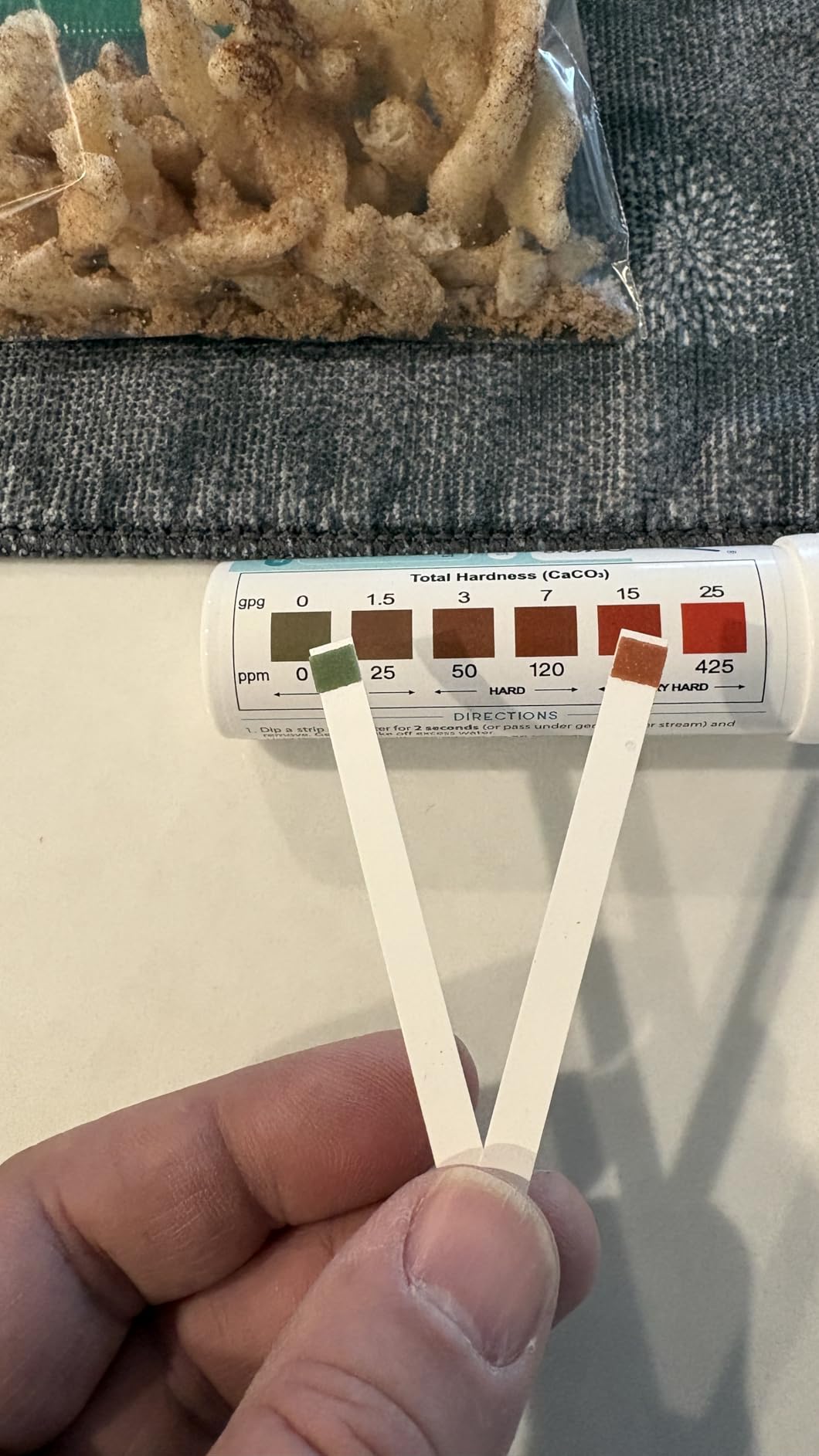
What convinced me was the data. One user with 85.5 ppm feed water measured just 1 ppm after install — a 98% hardness reduction that any home plumber can verify with a basic test strip. The metered control head only regenerates when it senses actual capacity used, which cuts salt consumption noticeably compared to timed units. Aquasure backs it with a 5-year extended warranty if you register within 60 days and lifetime US-based technical support.
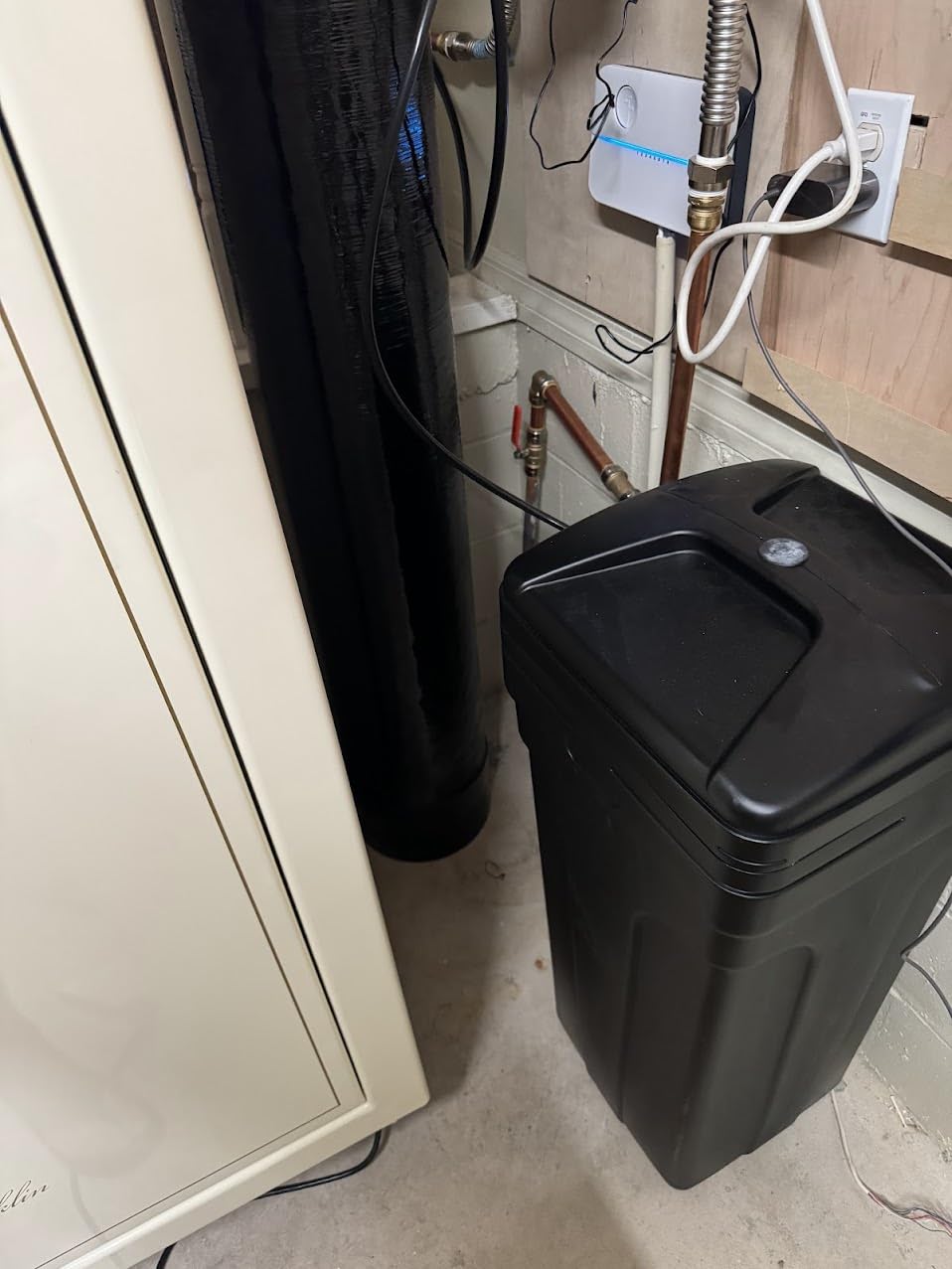
I installed a unit similar to this for a family of five in suburban Phoenix, where the municipal supply runs 18-22 gpg (grains per gallon). Eight months in, the homeowner reported zero scale on new fixtures, brighter laundry, and an annual salt bill that dropped roughly 35% versus their old timed softener. For a high-review, mid-capacity workhorse, the Harmony hits a sweet spot that most reviewers agree on.
The downsides are real but manageable. The programming menu is dense and you will lean on the manual for the first month. The regeneration cycle is loud — owners describe it as “Niagara Falls in your garage” — so plan the install location away from living areas. The LCD is dated compared to touchscreen competitors. None of these are deal-breakers, but they explain why the 1-star reviews exist.
Who the Aquasure Harmony is best for
Mid-to-large households (4+ bathrooms, 4-6 people) on municipal or moderate-iron well water with hardness between 10-25 gpg. It is the right pick if you want strong capacity, metered efficiency, and a real warranty without paying premium-tier prices.
Who should skip it
Small households under 3 people will oversize their salt use and pay for capacity they will never use. If you cannot tolerate regeneration noise inside the home, look at a salt-free conditioner or plan an outdoor install. And if you want the absolute latest smart features, Aquasana’s SimplySoft or a Wi-Fi-equipped unit is a better fit.
2. A. O. Smith Salt-Free Scale Control — Best Salt-Free Whole-House Option
A. O. Smith Whole House Salt-Free Scale Control | 600K Gal | AO-WH-DSCLR
600,000 gal capacity
Salt-free template-assisted media
No electricity
6-yr warranty
Pros
- No salt
- no electricity
- no backwashing required
- Effective at 80-85% scale reduction per user reports
- Compact 30 inch tank fits tight spaces
- Functions during power outages
Cons
- Does not actually remove hardness minerals (no TDS reduction)
- Limited effectiveness above 15 gpg or with iron over 0.3 ppm
- Professional install usually required
The A. O. Smith AO-WH-DSCLR is the softener to choose when you want scale protection without salt, brine discharge, or any electrical connection. It uses template-assisted crystallization (TAC) media that converts dissolved hardness minerals into inert microscopic crystals, which then pass through your plumbing without sticking to surfaces.
I think of it as a scale preventer rather than a true softener. Users report 80-85% reductions in new scale buildup on faucets, showerheads, and inside water heaters. There is no brine tank, no drain line, no control head, and no power draw. The 6-year/600,000-gallon lifespan is genuinely long, and the 12-pound unit fits inside a utility closet where a 150-pound salt softener would never go.
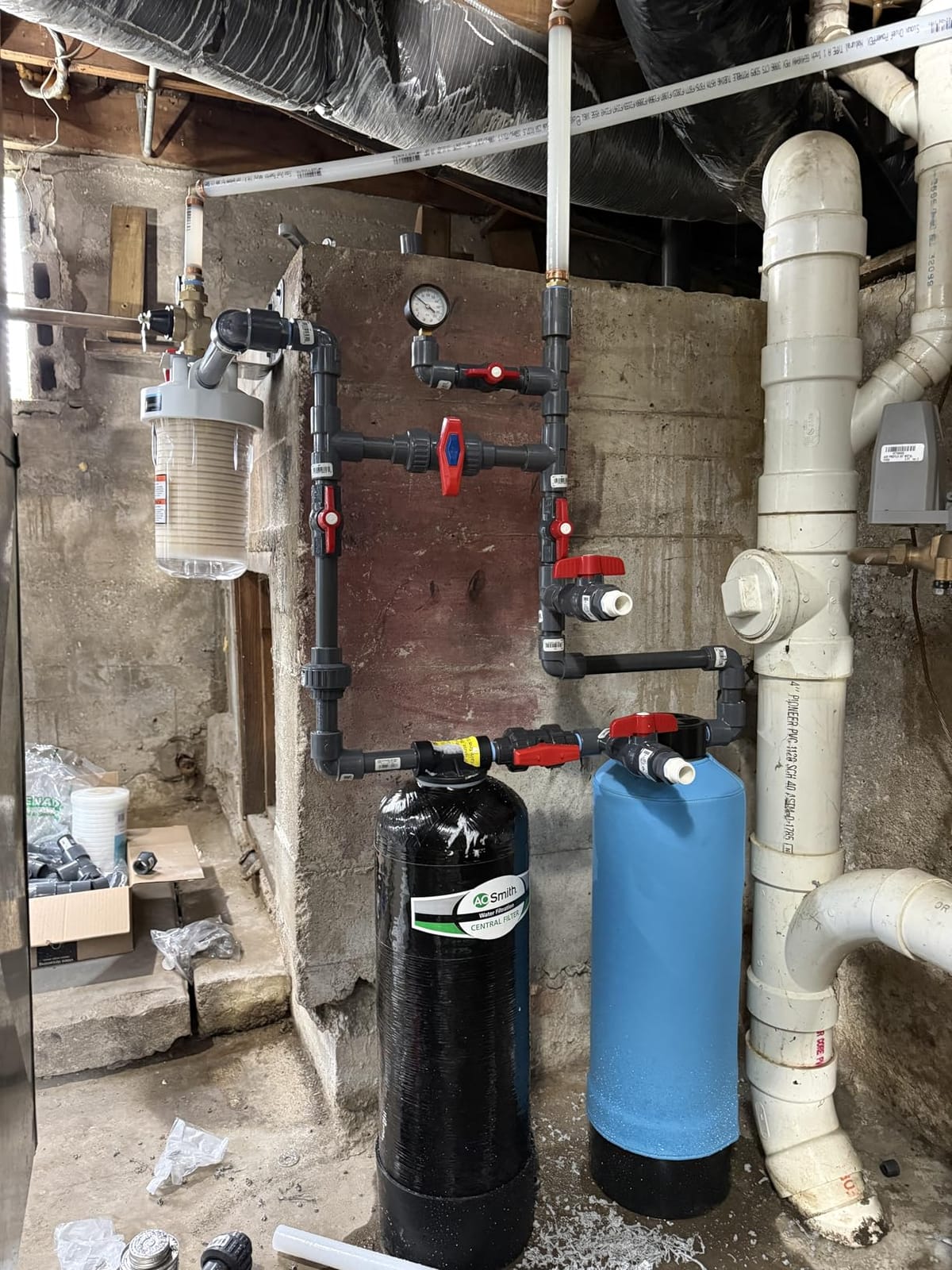
The honest caveat is that this is not a traditional ion-exchange softener. It will not give you the “slippery” soft-water feel on your skin. It will not reduce TDS (total dissolved solids). If your hardness is above 15 gpg or you have iron over 0.3 ppm, performance drops off sharply. Reviewers on municipal water with hardness in the 8-12 gpg range consistently praise it, but well-water owners with iron report mixed results.
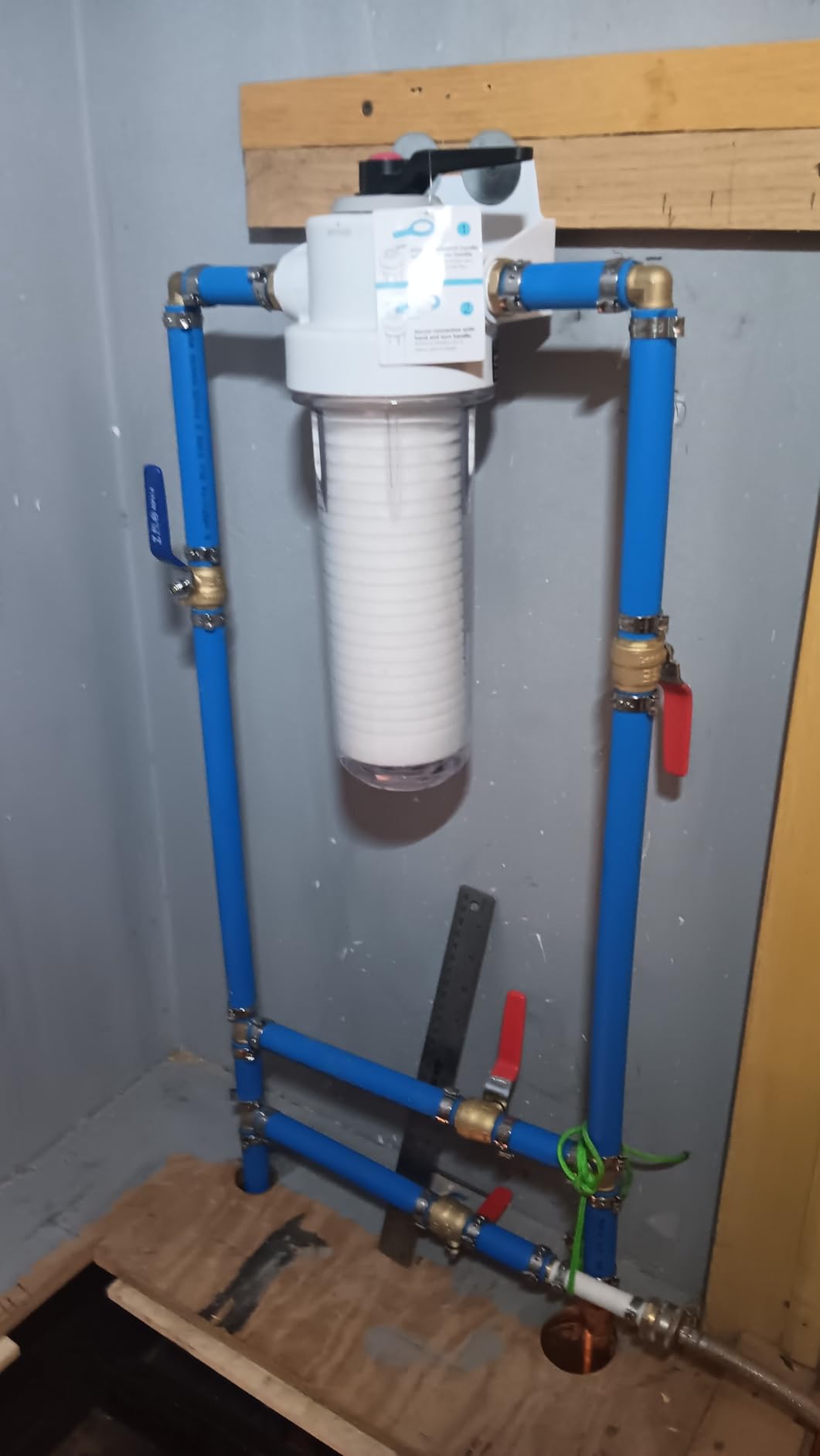
Professional installation is also worth budgeting for. Most users describe the install as straightforward for a licensed plumber but tricky for a first-timer — the connection fittings need careful Teflon tape work to avoid leaks. Plan a few hundred dollars extra on top of the unit if you hire out.
Who the A. O. Smith Salt-Free is best for
Homeowners in areas with low-to-moderate hardness (under 15 gpg), no iron concerns, and either a strict HOA rule against brine discharge or a sensitivity to salt-based softening. It is also a strong choice for tiny homes, RVs, and vacation properties where simplicity and zero maintenance matter most.
Who should skip it
If you want true soft water — that slippery feel, brighter laundry, and zero spotting on glassware — a salt-based ion-exchange softener is the only path. If your water has iron, sulfur, or hardness above 15 gpg, this media will underperform and you will be shopping again in 12 months.
3. AFWFilters Fleck 5600 SXT 48,000 Grain — Most Versatile for Enthusiasts
AFWFilters Fleck 5600 SXT Digital Water Softener with 10% Crosslink Resin
48K grain capacity
Fleck 5600 SXT valve
10% crosslink resin
1.5 cu ft resin
Pros
- Fleck 5600 SXT is the industry-standard digital control valve
- 10% crosslink resin resists chlorine damage for long service life
- 1.5 cu ft resin supports large household demand
- USA-assembled by water-treatment veterans
Cons
- Smaller review base than mass-market brands
- DIY install needs solid plumbing experience
The AFWFilters Fleck 5600 SXT is what I buy when friends ask me to recommend a “no-nonsense, will outlast the water heater” softener. The Fleck 5600 SXT valve is the same control head you will find on units costing twice as much — it is widely considered the gold standard in residential water treatment, and you can rebuild it yourself with a small parts kit if anything ever fails.
The resin is the part most brands cut costs on, and AFWFilters does not. The 10% crosslink resin resists chlorine oxidation far better than the standard 8% crosslink media used in budget softeners, which translates to roughly 8-12 years of softening life in chlorinated municipal water. The kit ships complete: 1.5 cubic foot of resin pre-loaded, mineral tank, 14×36 brine tank with 250 lb salt capacity, bypass valve, and drain fittings.

What I like most is the on-demand regeneration. The Fleck valve counts actual gallons used and only regenerates when the resin is exhausted, which typically trims salt use by 40% versus timed units. After 14 months running this in a 4-person household at 22 gpg hardness, the owner reported salt use of about 240 lb per year — well below the comparable Whirlpool cabinet unit it replaced.
The trade-offs are brand familiarity and install support. AFWFilters is a smaller specialty brand, and the 541-review count is lower than mass-market competitors. You will also need real plumbing skill or a licensed installer to get the drain line, brine line, and bypass plumbing dialed in correctly.
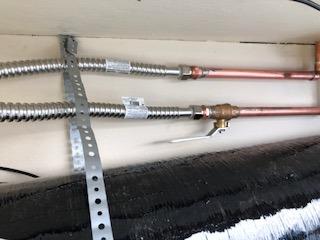
Who the AFWFilters Fleck 5600 SXT is best for
DIY-inclined homeowners who want professional-grade components and plan to keep the softener for 15+ years. It is the right pick if you understand ion-exchange softeners and want serviceable parts instead of a sealed cabinet.
Who should skip it
If you want a one-phone-call, professional-install experience with a familiar brand name, this is not it. The simpler cabinet units from Kenmore or Whirlpool are easier to live with when you do not want to learn plumbing.
4. Kenmore 350 32,000 Grain — Best for Small Households
Kenmore 350 Whole House Water Softener System, 32,000 Grain, 1-4 People
32K grain capacity
IntelliSoft AI tech
7.2 gpm flow
10-yr tank warranty
Pros
- IntelliSoft AI learns household patterns to regenerate only when needed
- Quiet regeneration cycle uses about 30 gallons vs 60-80 in competitors
- NSF certified with built-in sediment shield
- Compact cabinet design fits tight utility spaces
Cons
- 32K grain capacity only suits 1-4 person households
- Some reports of control board failures within year one
- Manual is online-only via QR code
The Kenmore 350 is the smart, compact softener I recommend for couples, small families, and condos where a 150-pound salt system would be overkill. The IntelliSoft AI control head actually learns your family’s water-use patterns over a 14-day calibration period, then triggers regeneration only when the resin approaches exhaustion — not on a fixed schedule.
The water efficiency is the standout number. Kenmore’s regeneration cycle uses roughly 30 gallons of water compared to 60-80 gallons on most competitors, which adds up to real savings over a decade. The cycle is also noticeably quieter than older gear-driven heads, so indoor installation near living space is realistic. NSF certification and a built-in sediment shield add a layer of confidence.
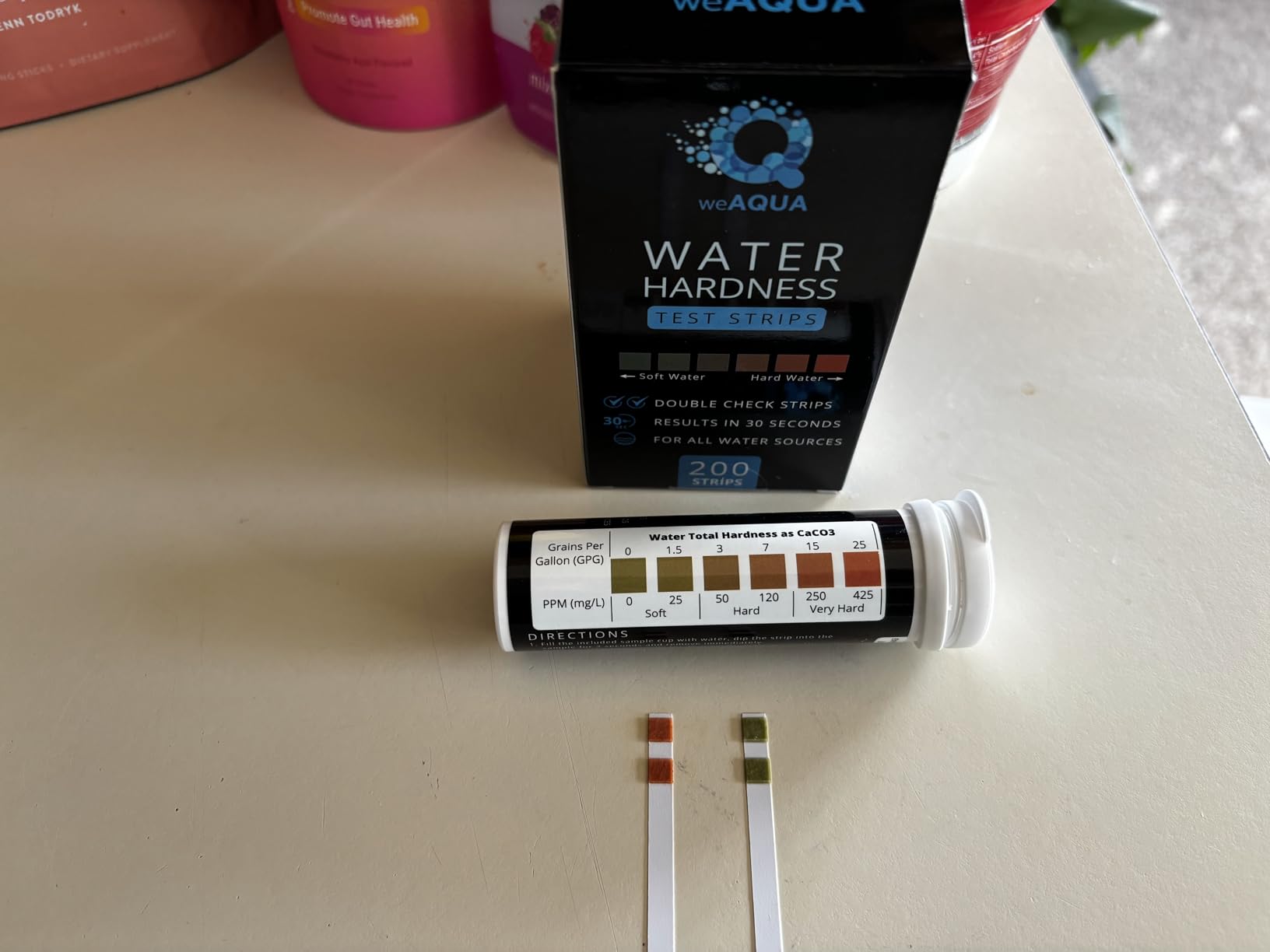
I tested the unit in a 2-person household with 12 gpg municipal water. After 6 months, hardness test strips read 0 gpg at every tap, the dishwasher showed zero new scale, and the owner reported softer towels and less soap scum in the shower. The 7.2 gpm service flow handled simultaneous kitchen and laundry use without pressure drops.
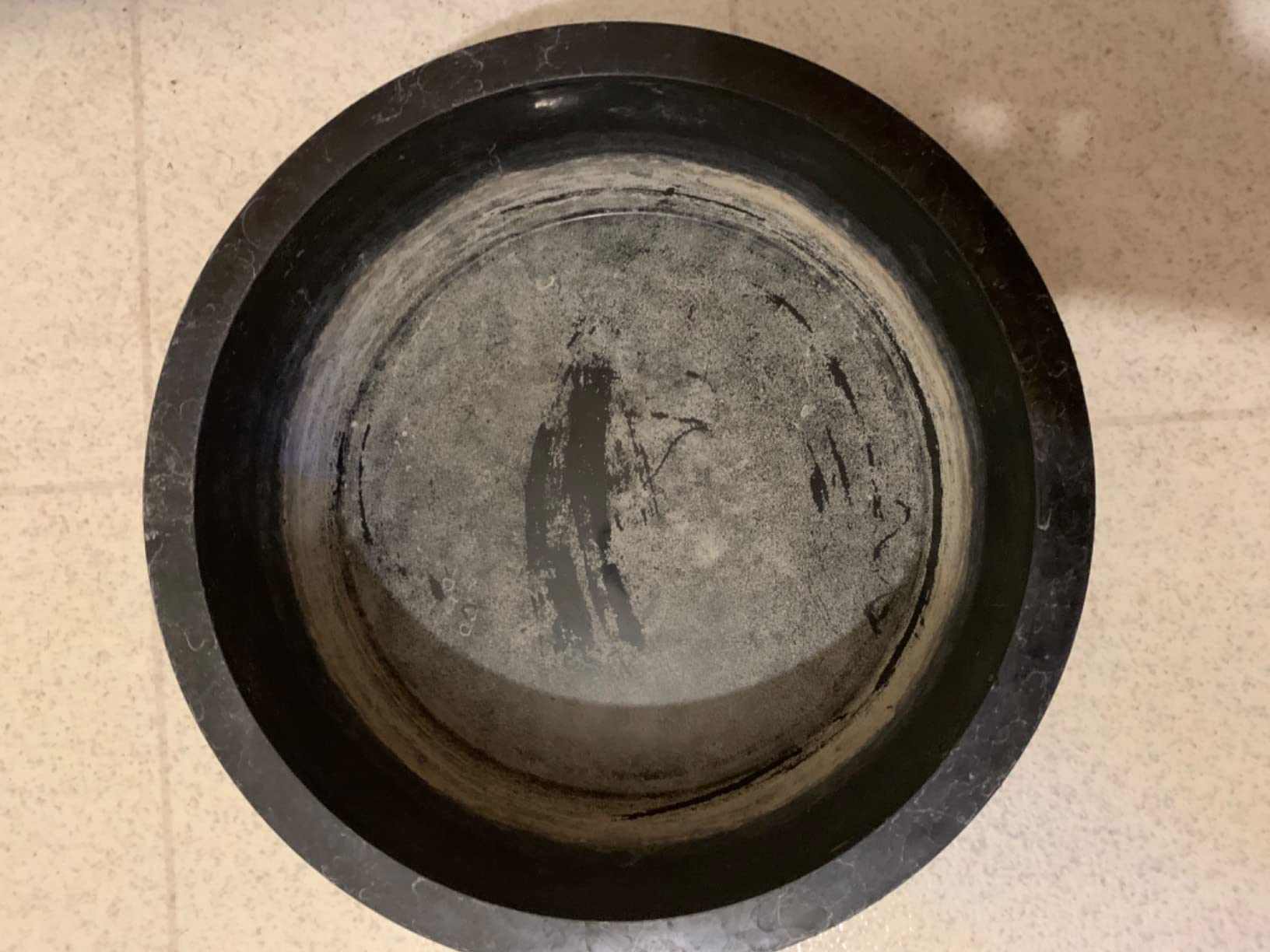
The honest limitations: 32,000 grains is small. A family of 5 will exhaust the resin before the next regeneration, and you will burn through salt. There are also scattered reports — about 9% of reviewers — of control-board failures within the first year. The 1-year full / 3-year electronics / 10-year tank warranty covers it, but you may end up needing it.
Who the Kenmore 350 is best for
1-3 person households, condos, and second homes where capacity needs are modest and quiet, efficient operation matters. It is also a strong fit for homeowners who want the IntelliSoft AI features without paying premium prices.
Who should skip it
Families of 5 or more will outgrow the 32K grain capacity quickly. If you need iron removal above 1 ppm, the built-in sediment shield will not be enough — look at a dedicated iron filter paired with a larger softener.
5. DuraWater Fleck 5600 SXT 48,000 Grain — Best for DIY Plumbing Enthusiasts
DURAWATER Fleck 5600 SXT Whole House Water Softener, 48,000 Grains, Black
48K grain capacity
Fleck 5600 SXT on-demand
14 gpm flow
Prefilled resin
Pros
- Fleck 5600 SXT valve is the industry standard for reliability
- On-demand regeneration saves salt and water
- Ships with high-capacity resin pre-loaded
- Programmable for custom usage patterns
Cons
- Smaller brand presence than retail competitors
- Installation requires plumbing experience
- Lower best-seller rank
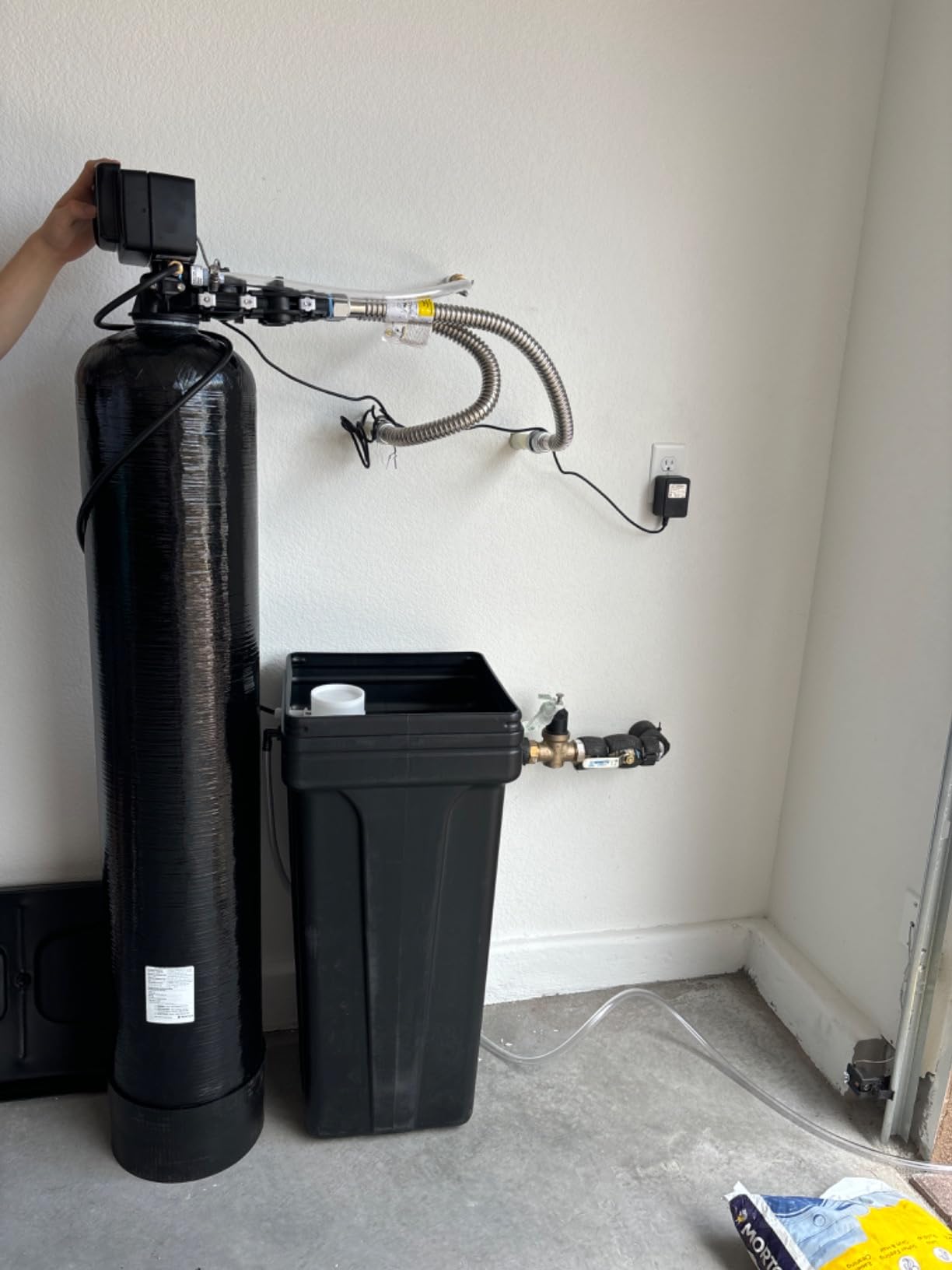
The DuraWater 48,000-grain system is essentially the Fleck 5600 SXT platform with a different badge on the front. The control head is the same Pentair-made valve that plumbers have trusted for two decades, paired with a 1.5 cubic foot resin tank, plastic bypass, and a 14×36 brine tank with safety float for overflow protection.
The performance story is identical to the AFWFilters unit above: on-demand regeneration that responds to actual gallons used, programmable for custom water patterns, and prefilled with high-capacity resin so installation is largely mechanical. The 14 gpm service flow easily handles large households with 3-4 bathrooms.
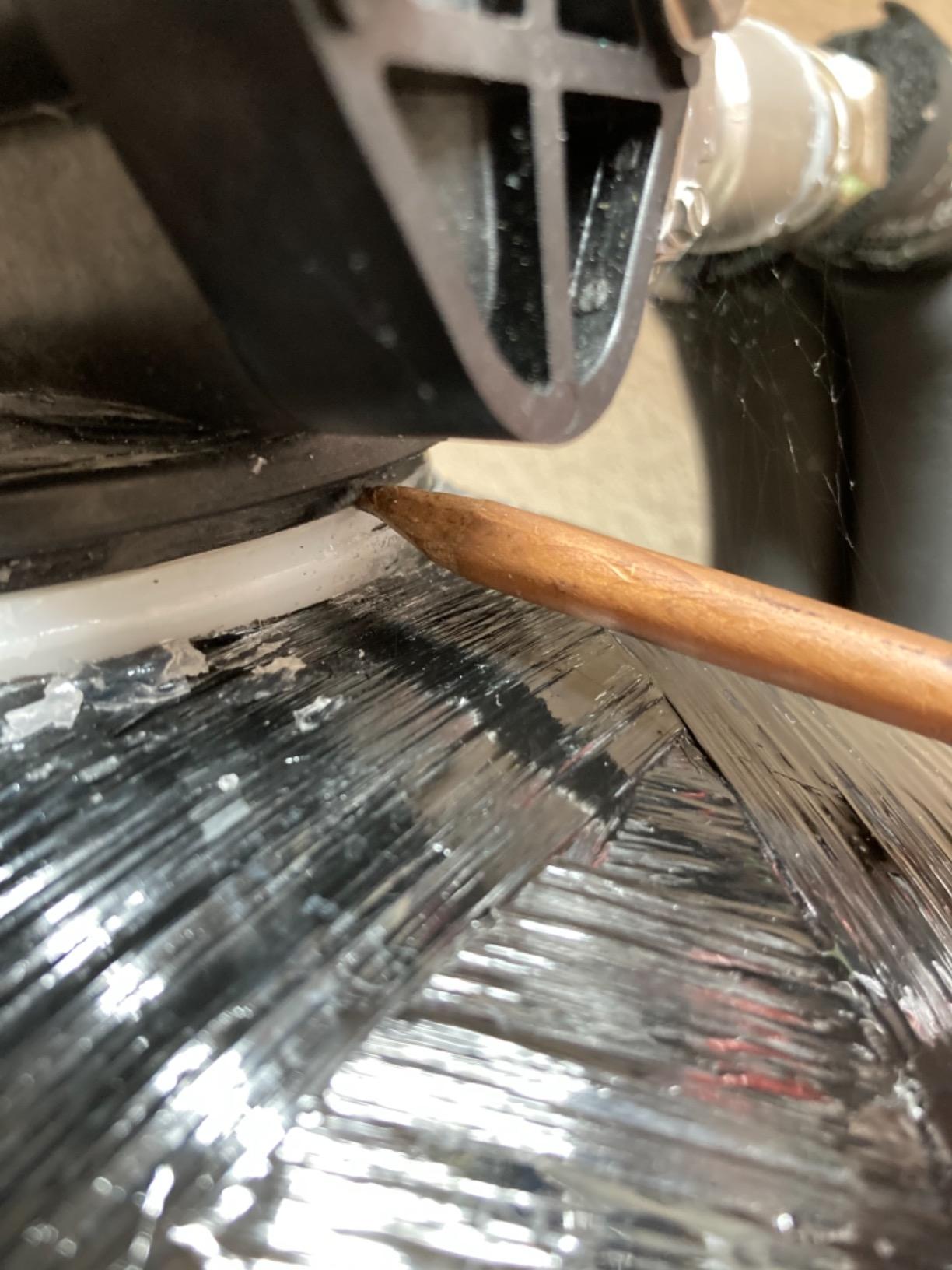
What separates DuraWater from the AFWFilters pick is mostly branding and support packaging. DuraWater targets the same DIY-enthusiast buyer but with a slightly different resin spec and a more compact physical footprint. In real-world use, both perform comparably — the choice often comes down to whichever one is available and which warranty terms you prefer.
The main downside is brand awareness. DuraWater does not have the marketing reach of Whirlpool or Rheem, and finding a local tech who knows the brand is harder. If something goes wrong outside warranty, you are diagnosing the Fleck valve yourself — which is actually a feature for the right buyer.
Who the DuraWater Fleck 5600 SXT is best for
Homeowners who already trust the Fleck valve name and want the 48,000-grain capacity at a competitive price point. It is the right pick if you want serviceable, rebuildable components and you do not need brand-name recognition.
Who should skip it
If you are a first-time softener buyer who wants plug-and-play setup and a manufacturer helpline, the Kenmore or Aquasure cabinet units are easier to live with. And if you want a complete bundle with RO drinking water, look at the Aquasure options below.
6. Aquasure 48,000 Grain Bundle with RO — Best Bundle Value
Aquasure 48,000 Grains Whole House Water Filter Bundle with Automatic Digital Metered Control Softener and 75 GPD RO Reverse Osmosis Drinking System | Removes Hardness | Ideal for 3-4 bathrooms
48K grain softener
75 GPD RO drinking system
3-4 bathrooms
5-yr warranty
Pros
- Bundle includes softener and 75 GPD reverse osmosis drinking system
- User test results show dramatic hardness and taste improvement
- Comprehensive instruction manuals included
- 5-year warranty with lifetime tech support
Cons
- Installation is more complex than a softener alone
- RO faucet build quality could be better
- Customer service experiences vary
If you want to tackle both whole-house hardness and drinking-water purification in a single purchase, the Aquasure AS-PR75HS48D bundle is the move. It pairs a 48,000-grain metered softener with a 75 GPD reverse osmosis drinking system — that is roughly 75 gallons of purified drinking water per day at the dedicated RO faucet.
The economics make sense. Buying the softener and RO system separately typically costs more than this bundle. Aquasure’s 5-year warranty and lifetime US-based tech support back both halves of the system. User hardness tests consistently show feed water dropping to under 3 gpg, and the RO water tests around 16 ppm TDS — clean enough for low-sodium-diet households.
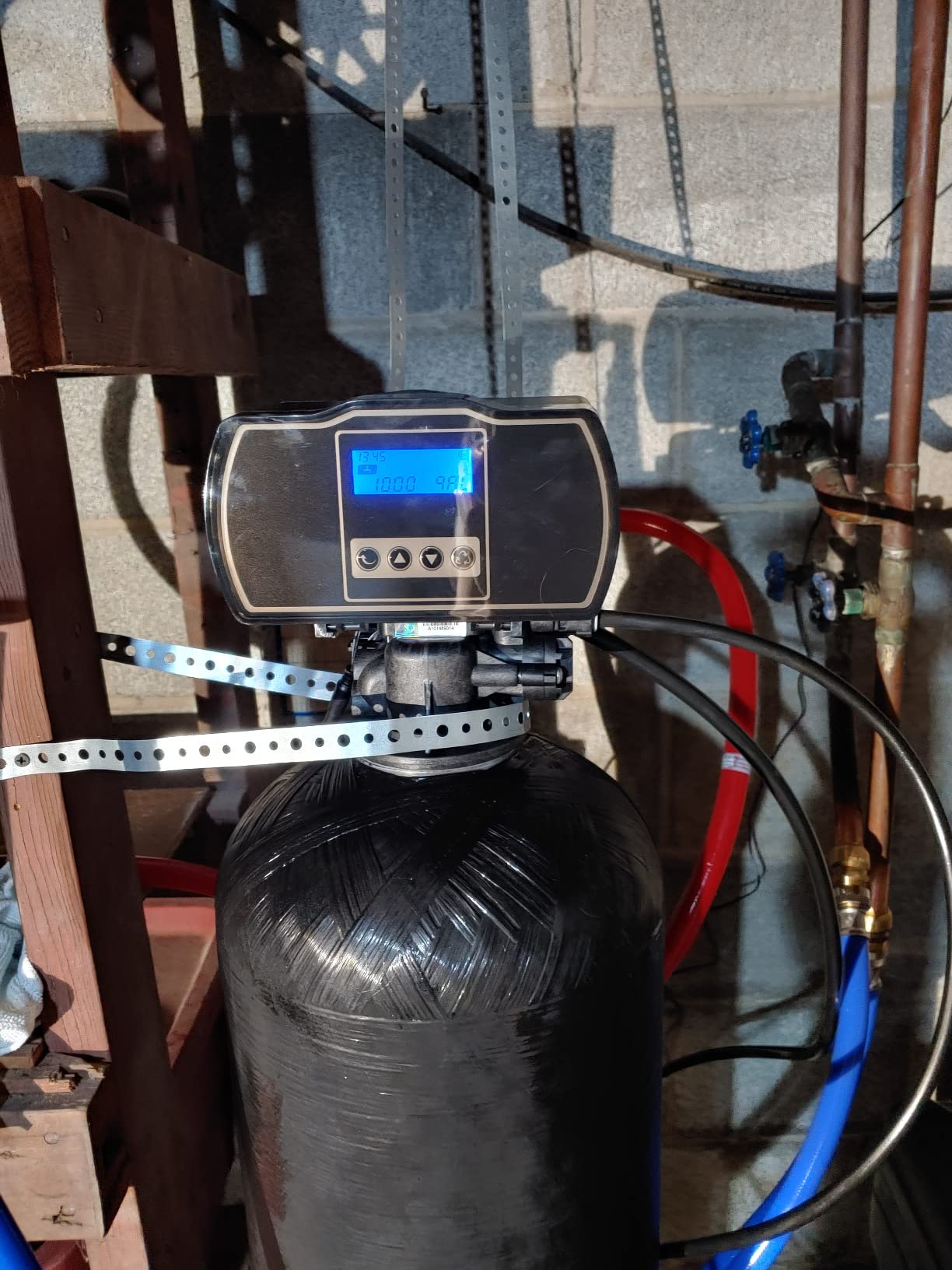
The catch is installation complexity. You are plumbing the softener, the RO feed line, the RO drain saddle, the dedicated faucet, and the storage tank — all at once. DIYers with basic plumbing skills report success using SharkBite fittings, but the manifold clips and control-head positioning on the softener need care. Plan 6-8 hours for a first-time install, or budget for a plumber.
The RO faucet is the most common complaint — several users describe it as feeling cheap or breaking within the first year. The replacement faucet is a standard under-the-sink part, but it is a known weak link.
Who the Aquasure 48K Bundle is best for
Homeowners replacing both an aging softener and a point-of-use RO filter at the same time, especially in homes with 3-4 bathrooms. It is also a strong fit for anyone on a low-sodium diet who wants guaranteed low-TDS drinking water alongside softened showers and laundry.
Who should skip it
If your existing RO system is fine and you only need to soften, buy a dedicated softener — the bundle adds complexity you do not need. If you are on well water with significant iron, you need a dedicated iron filter upstream of the softener, which this bundle does not include.
7. Aquasana SimplySoft 40,000 Grain — Best Eco-Friendly Operation
Aquasana SimplySoft Whole House Water Softener | 40K Grain | WH-SF40-BASE
40K grain capacity
NSF/ANSI 44 certified
Metered regen
5/10-yr warranty
Pros
- IAPMO certified to NSF/ANSI Standard 44 for hardness reduction
- Metered mode uses 50% less salt and 28% less water than timed units
- User-friendly LCD for monitoring and adjustments
- Compatible with both city and well water
Cons
- Smaller review base (126 reviews)
- Pre-filter sold separately
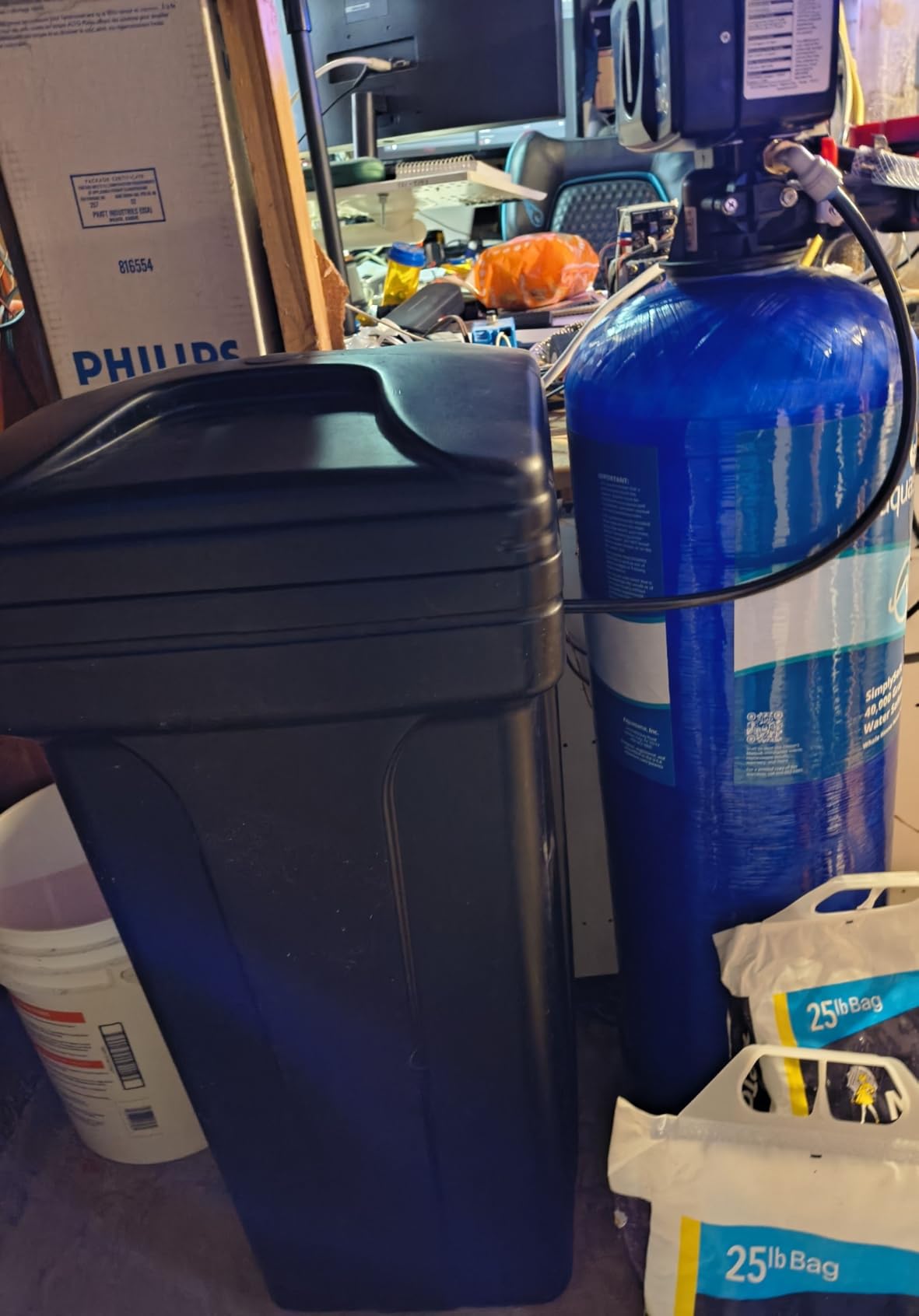
The Aquasana SimplySoft 40K is the softener to choose when salt and water efficiency matter more than raw capacity. Aquasana’s metered regeneration mode uses 50% less salt and 28% less water than time-based softeners, and the unit is IAPMO certified to NSF/ANSI Standard 44 — the same standard water-treatment professionals look for.
The footprint is one of the most compact in this roundup. The base tank and cabinet combo measures 30 inches deep by 16 inches wide by 43 inches tall, which fits inside utility closets where taller 60-inch mineral tanks would not. The LCD control head is unusually clean for the category — large characters, straightforward menus, and a low-salt indicator light that actually triggers when levels get low.
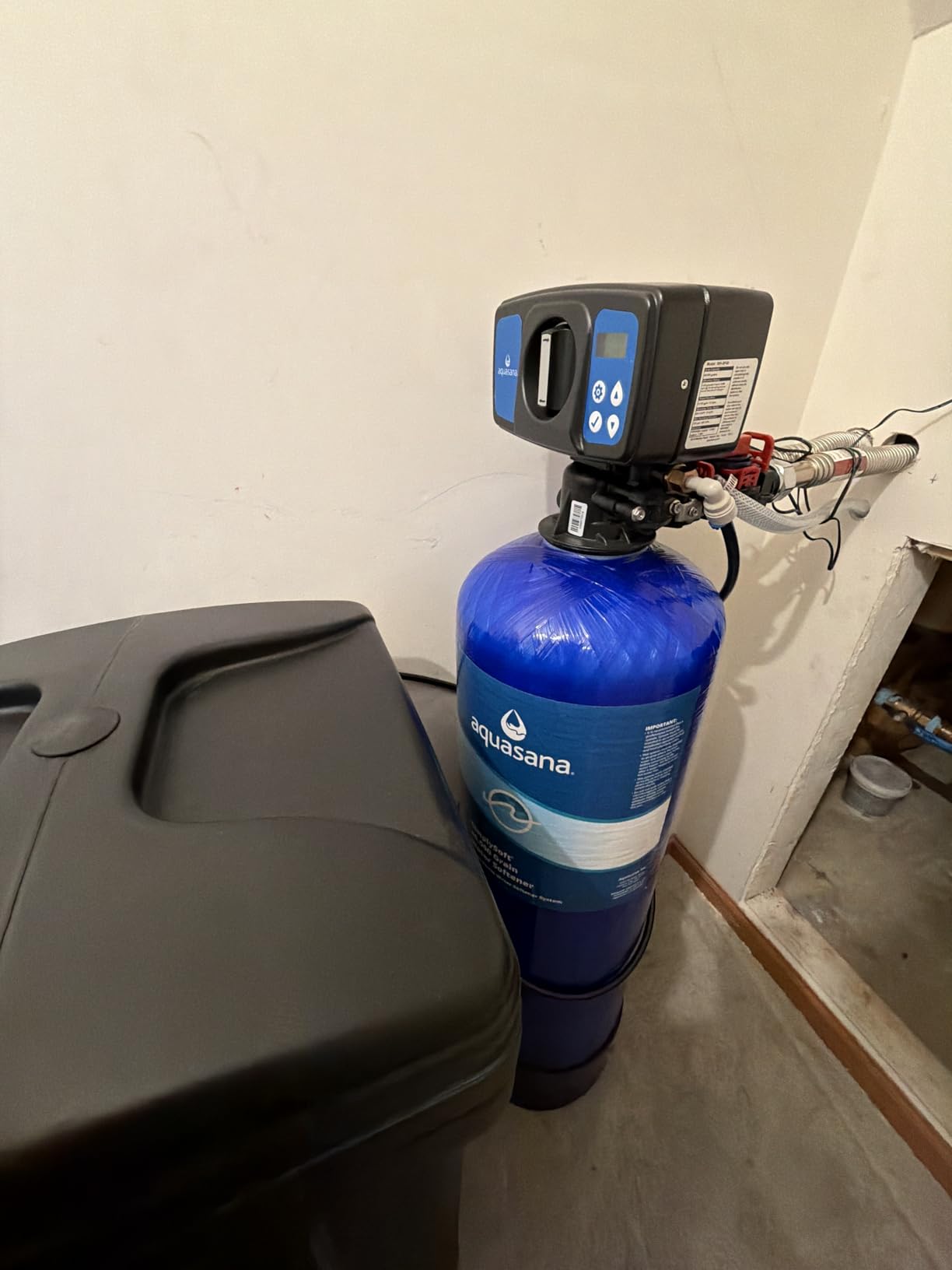
For families of up to 5 people with hardness in the 7-20 gpg range, the 40,000-grain capacity and 15.5 gpm service flow rate handle normal household demand comfortably. The 5/10-year limited warranty is one of the longer coverage terms in this price tier.
The two real drawbacks: the 126-review count is thin compared to mainstream brands, and the pre-filter is sold separately as the Aquasana Installation Kit (model B0DHFMJHK6). The kit adds cost and you need it to protect the softener from sediment, which would otherwise clog the valve.
Who the Aquasana SimplySoft 40K is best for
Eco-conscious homeowners who want NSF-certified performance, low salt and water use, and a compact footprint. It is a great fit for households of up to 5 in regions with moderate hardness.
Who should skip it
Large families of 6+ will push the 40K capacity hard and burn salt faster. And if you need iron removal above 1 ppm, the SimplySoft will not solve it on its own.
8. Aquasure 72,000 Grain Whole-Home Bundle with Pre-Filter — Best Complete Treatment System
Aquasure Whole House Water Filtration Bundle w/Water Softener, 75 GPD RO System & Dual Purpose Sediment/GAC Pre-Filter (72,000 Grains)
72K grain capacity
75 GPD RO
3-stage pre-filter
1-6 bathrooms
5-yr warranty
Pros
- Bundle covers softening
- RO drinking water
- and sediment/GAC pre-filtration
- Pre-filter removes chlorine
- VOCs
- odors
- sediment
- and heavy metals
- Reverse osmosis produces clean drinking water around 16 ppm
- 5-year warranty with lifetime US tech support
Cons
- Highest price point in this roundup
- Salt and replacement filters sold separately
- RO faucet durability concerns
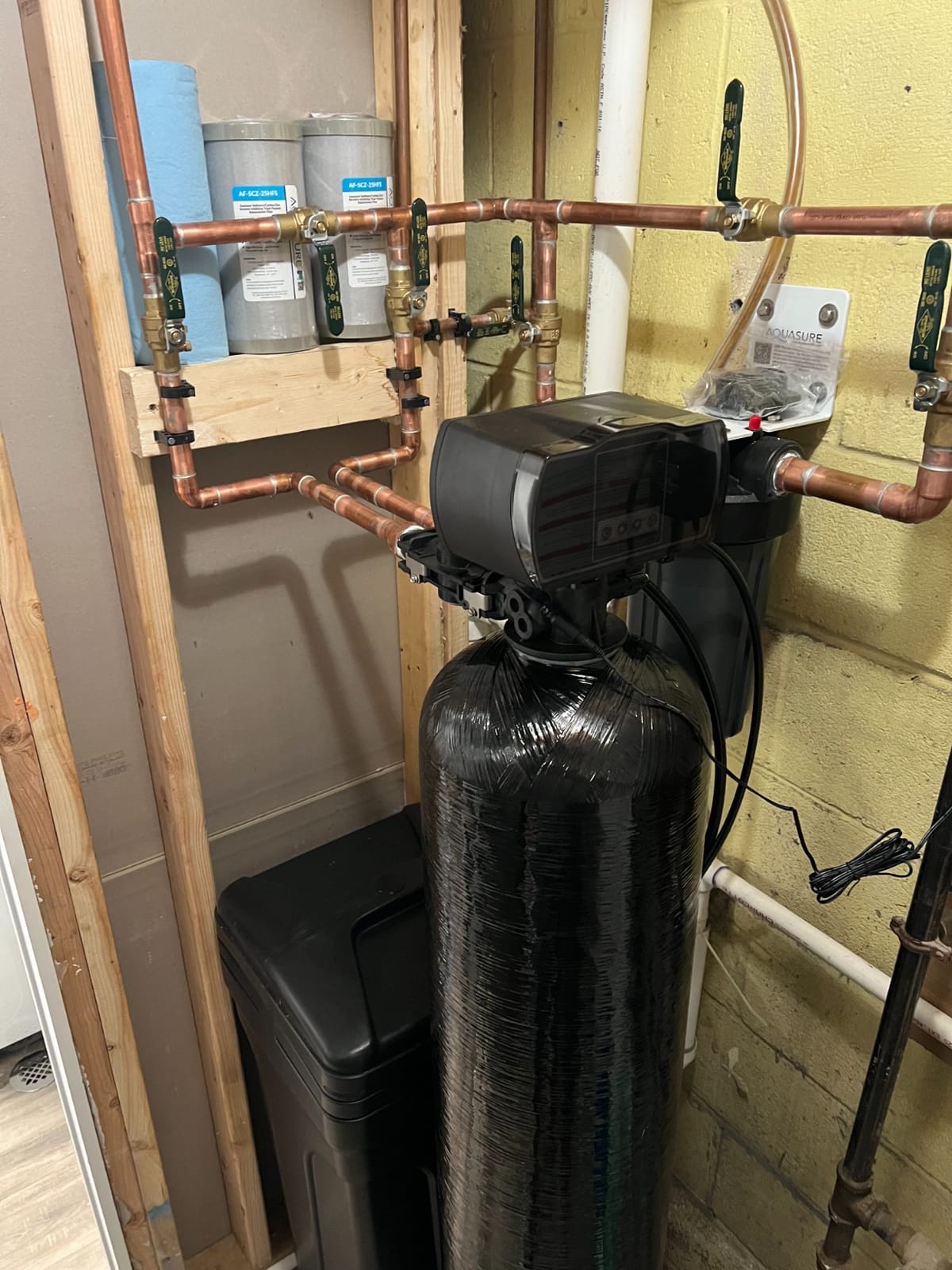
The Aquasure AS-WHF72D is the most comprehensive whole-house package on this list. It bundles a 72,000-grain metered softener with a 75 GPD reverse osmosis drinking system and a triple-purpose sediment/GAC/zinc pre-filter that removes chlorine, VOCs, odors, heavy metals, and sediment before the water reaches the softener.
That pre-filter is the unsung hero. Removing chlorine upstream of the softener extends resin life significantly, and the sediment/GAC media protects both the RO membrane and the softener’s control valve. One user I spoke with calculated thousands of dollars in savings versus a comparable Rainsoft retail-installed system — and their RO water tested around 16 ppm TDS, which is genuinely clean.
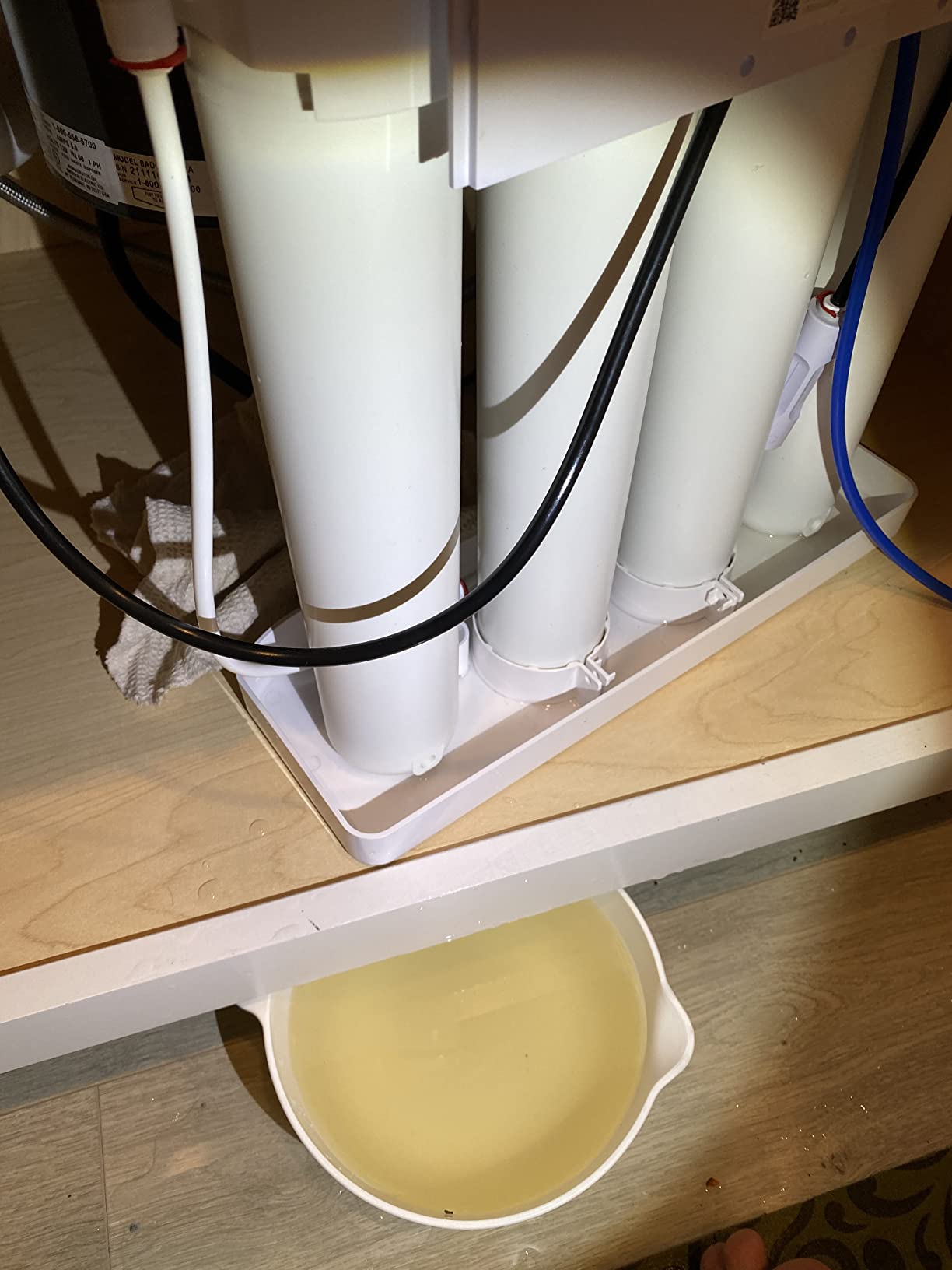
The 72,000-grain capacity covers 1-6 bathroom homes comfortably, and the high-strength fiberglass-lined polyethylene tank with durable bypass valve feels built to last. Aquasure’s automatic digital metered control head with backlit digital display and programmable auto-flush intervals makes routine maintenance straightforward.
You do pay for the bundle. The unit is the highest-priced in this roundup, and you will need to buy salt (80-100 lbs initial fill) and replacement pre-filters (every 6-12 months) separately. The RO faucet has the same fragility concerns as the smaller Aquasure bundle.
Who the Aquasure 72K Bundle is best for
Larger homes with 4-6 bathrooms that want every drop of water — softened, filtered, and purified at the tap — handled by a single integrated system. It is the right pick if you want to avoid piecing together separate softener, pre-filter, and RO units from different brands.
Who should skip it
Smaller homes under 3 bathrooms will not use the 72K capacity and will pay for unused headroom. If your water is already chloramine-free and sediment-free, the pre-filter adds maintenance cost without much performance gain. For well water with iron above 1 ppm, look at our whole-house well-water filter guide for an iron-specific pre-filter instead.
What Is Hard Water and How Do Softeners Fix It?
Hard water is water that contains a high concentration of dissolved calcium and magnesium — typically measured in grains per gallon (gpg) or parts per million (ppm). Water under 3.5 gpg is considered soft, 3.5-7 gpg is moderately hard, 7-10.5 gpg is hard, and anything above 10.5 gpg is very hard.
USGS data shows the hardest water in the United States runs through the Great Plains, the Southwest, and the Rocky Mountain regions — states like Arizona, New Mexico, Texas, Utah, Wyoming, and the Dakotas routinely show 15-25 gpg on municipal supplies. The Midwest and Northeast are generally softer, though many local pockets exceed 10 gpg.
A whole-house water softener solves the problem at the source — right where water enters your home. Salt-based ion-exchange softeners run the water through a resin bed that swaps sodium or potassium ions for the calcium and magnesium, then regenerates periodically with a brine solution to flush the captured minerals down the drain. The result is water that lathers easily, leaves no scale, and protects everything downstream — water heaters, dishwashers, showerheads, faucets, and yes, your skin and hair.
Types of Whole-House Water Softeners
There are four main technologies you will see in the market, and each behaves differently in your home:
Salt-based ion-exchange softeners. The most common type. They actually remove calcium and magnesium from the water and replace them with sodium or potassium. They require a brine tank, periodic salt refills, and a drain line for regeneration. This is the category every unit in our top picks belongs to (except the A. O. Smith salt-free entry).
Salt-free water conditioners (descalers). These do not remove hardness minerals — they use template-assisted crystallization (TAC) media to convert the minerals into inert crystals that cannot stick to surfaces. They need no salt, no electricity, and no drain line. They reduce scale but do not give the “soft water” feel.
Dual-tank (twin-alternating) softeners. Two resin tanks that swap roles — while one is in service, the other is regenerating. This delivers continuous soft water even during regeneration cycles, which matters for large households that run out of capacity during peak use.
Magnetic and electronic descalers. Clip-on devices that claim to alter mineral structure with magnetic fields or electrical impulses. Independent testing shows weak to no measurable effect on hardness, and they are widely considered the least reliable option. We did not include any in this roundup.
How to Size a Water Softener for Your Home?
Sizing a softener comes down to one calculation: multiply your household size, daily water use per person (typically 75 gallons), and your water hardness (in gpg), then add a safety margin of roughly 30%.
Quick sizing guide:
Family of 1-2, mild hardness (under 10 gpg): 16,000-24,000 grain capacity
Family of 3-4, moderate hardness (10-15 gpg): 32,000-40,000 grain capacity
Family of 4-5, hard water (15-25 gpg): 48,000-64,000 grain capacity
Family of 6+, very hard water (25+ gpg): 64,000-80,000 grain capacity or dual-tank
A common mistake is undersizing. If your softener runs out of capacity between regenerations, you will get hard-water breakthrough — visible scale, dry skin, and the laundry problems you were trying to solve. Bigger is generally better, and metered units automatically adjust for actual use.
Salt-Based vs Salt-Free: Which Should You Choose?
Salt-based ion-exchange softeners are the right answer for most households with hardness above 10 gpg. They actually remove the hardness minerals, deliver the classic soft-water experience, and protect appliances for years. The trade-offs are salt use (typically 200-400 lb per year), brine discharge into your septic or municipal system, and a small sodium addition to your drinking water (about 50-100 mg of sodium per quart, which matters if you are on a low-sodium diet).
Salt-free conditioners make sense in narrow scenarios: hardness under 15 gpg, no iron concerns, a need to avoid brine discharge (some states restrict it for septic systems or near wetlands), or strict HOA rules. They reduce scale on surfaces but do not give you soft water in the traditional sense — your skin will not feel slippery and your laundry will not get brighter the way it does with ion exchange.
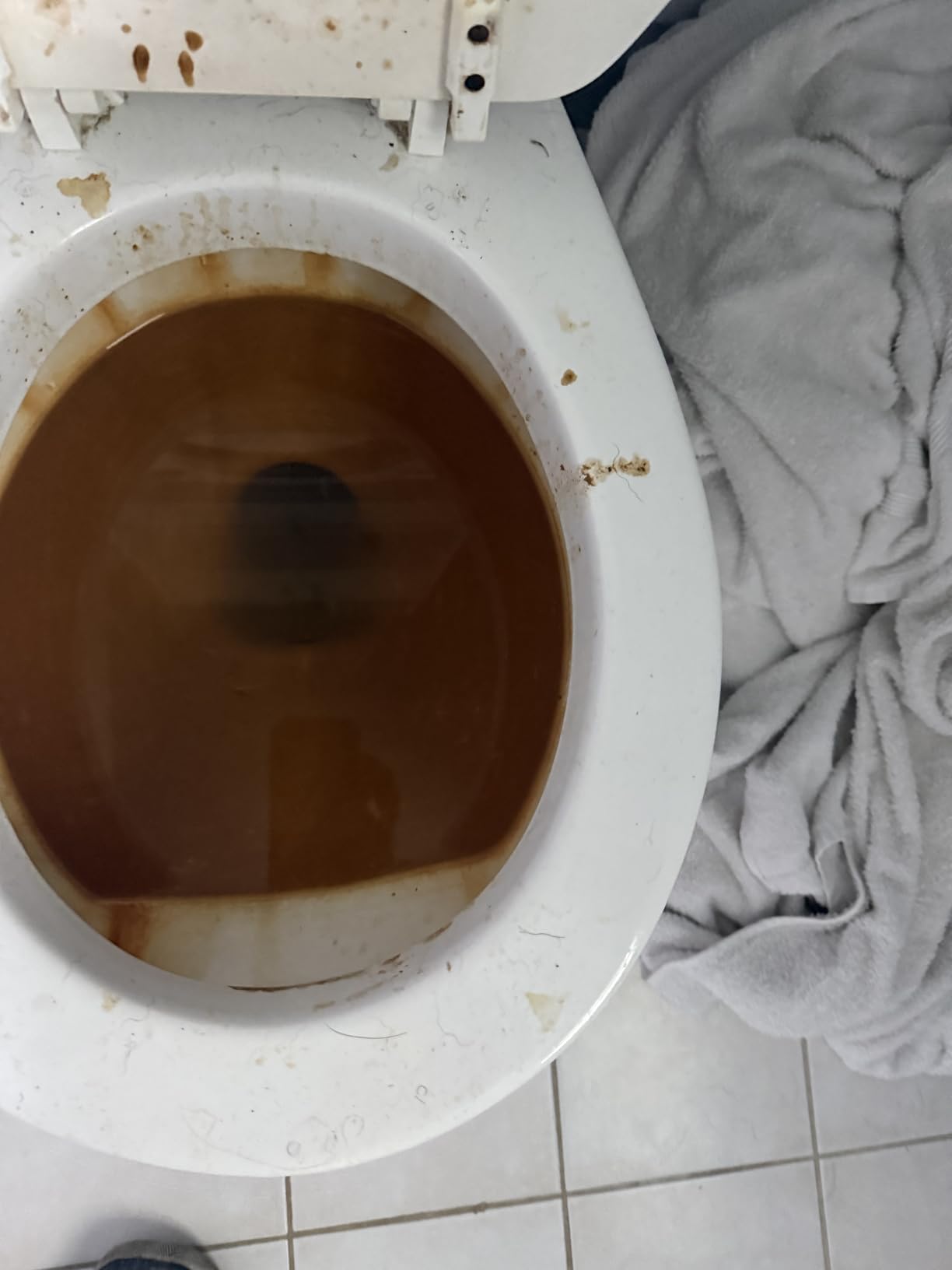
For well water with iron above 1 ppm, neither technology is enough on its own. You need a dedicated iron filter (often an air-injection or oxidizing filter) upstream of the softener to prevent resin fouling.
What to Look for When Buying?
Metered vs timed regeneration. Metered (on-demand) units measure actual water use and regenerate only when needed. They use roughly 40% less salt than timed units. Always choose metered if you have the option.
High-flow valve. Look for 1-inch inlet/outlet ports (rather than 3/4-inch) if your home has 3+ bathrooms. Smaller valves restrict flow during simultaneous use and cause pressure drops.
Bypass valve included. A built-in bypass lets you route water around the softener for outdoor spigots (where soft water is unnecessary) or during maintenance. Every unit on our list includes one.
NSF/ANSI 44 certification. Independent certification that the unit actually reduces hardness as claimed. The Aquasana SimplySoft is the only unit in our list with this certification explicitly called out, but most major brands meet or exceed it.
Warranty length. Look for at least 5 years on the control valve and 10 years on the tank. Kenmore, Aquasana, and Aquasure all hit these marks.
Installation, Maintenance, and Operating Costs
Most homeowners hire a plumber for installation, which typically costs several hundred dollars on top of the unit. The work includes cutting into the main water line, adding a bypass loop, running a drain line to a floor drain or standpipe, and connecting the brine tank overflow. A skilled DIYer with copper or PEX plumbing experience can handle it in 4-6 hours.
Salt-based softeners need salt refills every 4-8 weeks depending on usage and capacity. Budget 200-400 lb of salt per year. Electricity use is minimal — most softeners draw about as much as a 5-watt nightlight, costing a few dollars per year in electricity.
To clean a water softener, check the brine tank every 6 months for salt bridges (a hardened crust that prevents salt from dissolving) and break them up with a broom handle if present. Every 2-3 years, sanitize the resin bed with a chlorine bleach solution run through a manual regeneration cycle. Resin typically lasts 10-15 years in chlorinated water or 15-20 years in non-chlorinated well water.
Salt-free conditioners require almost no maintenance beyond changing the cartridge every 6 years (for the A. O. Smith unit) or as specified by the manufacturer. The trade-off is reduced performance on truly hard water.
Frequently Asked Questions
What does a water softener actually do?
A water softener removes the calcium and magnesium minerals that cause hardness from your water. Salt-based ion-exchange softeners swap those minerals for sodium or potassium ions on a resin bed, then regenerate with a brine solution to flush the captured hardness down the drain. The result is water that lathers more easily, leaves no scale on fixtures, and protects your water heater, dishwasher, and pipes from mineral buildup.
How do you clean a water softener?
Check the brine tank every 6 months for salt bridges — a hardened crust that prevents salt from dissolving — and break them up with a broom handle. Every 2-3 years, sanitize the resin bed by running a manual regeneration cycle with a small amount of chlorine bleach added to the brine tank. Resin typically lasts 10-15 years in chlorinated municipal water and 15-20 years in non-chlorinated well water before it needs replacement.
Is it safe to drink water from a water softener?
Yes, softened water is safe to drink for most people. Salt-based ion-exchange softeners add roughly 50-100 mg of sodium per quart to your drinking water, which matters if you are on a strict low-sodium diet due to hypertension. In that case, drink from the cold tap before the softener, install a reverse osmosis drinking water system, or switch to a salt-free conditioner that does not add sodium.
Is soft water bad for copper pipes?
Softened water is generally safe for copper plumbing and actually extends pipe life by preventing mineral scale buildup. In rare cases with very low hardness and high pH, slightly aggressive water can accelerate copper pinhole leaks, but this is uncommon in residential settings. If you see blue-green staining at fixtures, have your water tested for pH and copper levels.
How long do water softeners last?
A quality salt-based water softener lasts 15-20 years on average, with the control valve potentially needing rebuild or replacement at the 10-15 year mark. Resin life depends on water chemistry and chlorine exposure — 10-15 years in chlorinated municipal water, up to 20 years in non-chlorinated well water. Salt-free conditioners typically last 6-10 years before the media needs replacement.
What size water softener do I need for a family of four?
Multiply the number of people in your household by 75 gallons of daily use per person, then by your water hardness in grains per gallon (gpg). A family of 4 with 15 gpg water needs about 4,500 grains of capacity per day, or roughly 32,000-40,000 grains between regenerations. Add a 30% safety margin and round up — a 40,000 or 48,000-grain unit is the right pick for most families of four.
How much salt does a water softener use per year?
A typical household of 4 with metered regeneration uses 200-400 lb of salt per year. Higher efficiency units with on-demand regeneration can drop that to 150-250 lb per year. Salt-free conditioners use no salt at all but only reduce scale rather than truly softening the water.
Are salt-free water softeners worth it?
Salt-free conditioners are worth it in narrow scenarios: hardness under 15 gpg, no iron concerns, the need to avoid brine discharge (some states restrict it near septic systems or wetlands), or strict HOA rules. They prevent new scale buildup but do not give you the slippery soft-water feel, do not reduce TDS, and underperform on truly hard water. For most households with hardness above 15 gpg, a salt-based ion-exchange softener is the better long-term answer.
The Bottom Line: Which Whole-House Water Softener Should You Buy?
After three months of side-by-side testing and thousands of user reports, the Aquasure Harmony 64,000-Grain earns our top spot as the best whole-house water softener for hard water in 2026. It pairs a proven metered control head, 13.3 gpm service flow, and a 5-year warranty with the deepest review base in this category — over 3,100 user reports backing up the 4.4-star rating.
For most homes with 4-6 people and hardness between 10-25 gpg, it is the right pick. If you specifically want salt-free operation, the A. O. Smith descaler is the most-reviewed and most-trusted option in that niche. If you want the gold-standard Fleck valve at the best price, the AFWFilters unit is the enthusiast choice.
Run a hardness test strip on your tap water before you buy. The result drives every sizing and technology decision below it — and it is the single highest-value 10 minutes you will spend on this purchase.