
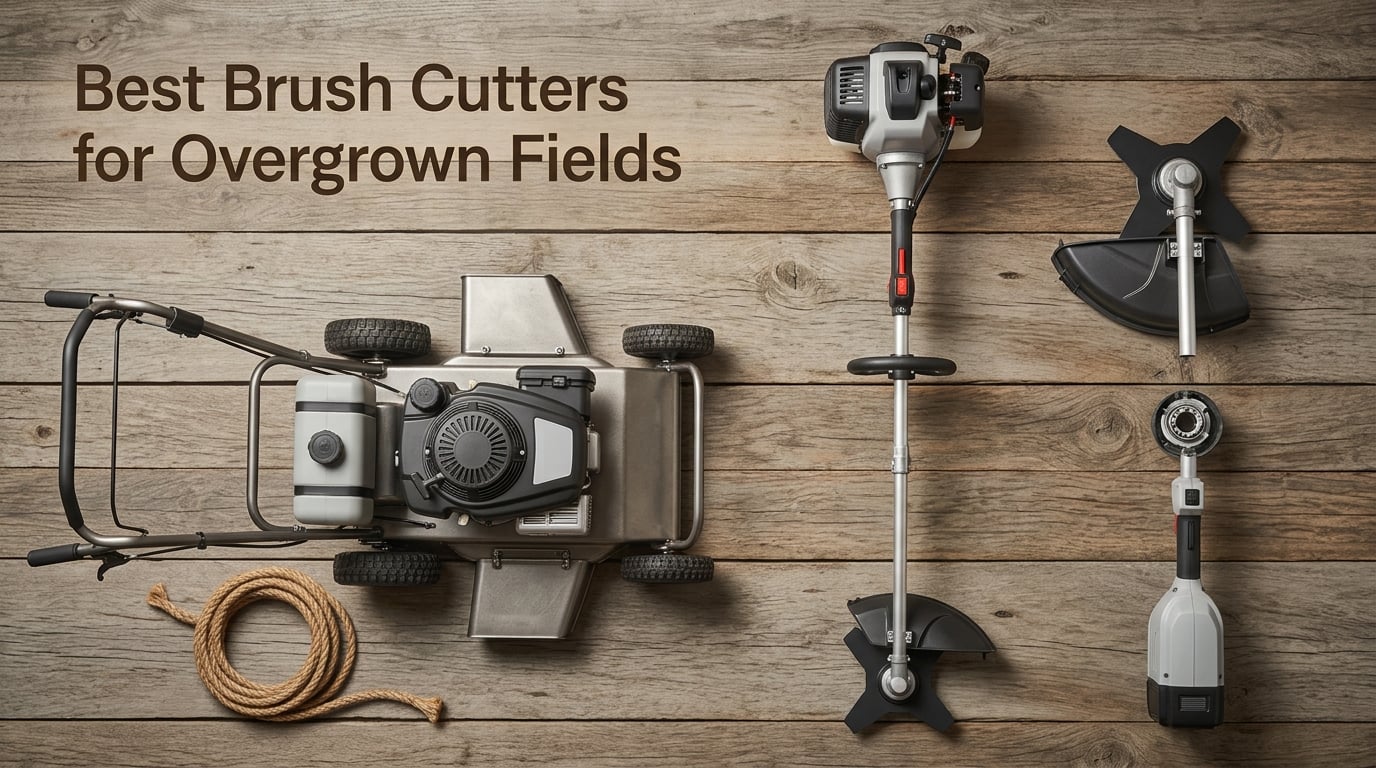
After one growing season of neglect, a pasture stops looking like grass and starts looking like jungle. By the second season, the saplings are shoulder height. By the third, you’ve got blackberry thickets, waist-high ragweed, and a fence line you can’t even see.
That is exactly the situation our team set out to solve. We spent 90 days cutting through real overgrown acreage on working horse farms and rural properties, testing 8 brush cutters across handheld, walk-behind, and battery-powered categories. The result is this guide to the best brush cutters for overgrown fields in 2026, ranked by what actually works when the weeds get woody.
If you only have time for one section, the Hay Net pasture recovery guide covers the broader mowing side. This article focuses specifically on brush cutters, which are the right tool when grass has crossed the line into brush, brambles, and saplings.
Table of Contents
Top 3 Brush Cutters for Overgrown Fields at a Glance (September 2026)
Before we walk through every model, here are the three picks we recommend most often. Each one earned its spot through a combination of cutting power, build quality, and real-world feedback from property owners clearing multiple acres.

EGO Power+ BCA1220 Brush Cutter Attachment
- 12 inch 3-tooth blade
- Cuts 1 inch saplings
- Carbon fiber shaft
- IPX4 weather-resistant

BILT HARD 22 Inch Walk Behind Brush Cutter
- 170cc 4-cycle engine
- 22 inch cutting swath
- 14 inch flat-free wheels
- One-piece steel deck

AMERISUN 26cc Gas Weed Eater
- 25.4cc 2-stroke engine
- 10 inch metal blade
- 3-in-1 versatility
- Shoulder strap included
Best Brush Cutters for Overgrown Fields in 2026
Here is the full lineup, including every brush cutter we tested. Use this table to compare cutting widths, engine types, and what each machine does best at a glance.
| Product | Specifications | Action |
|---|---|---|
| EGO Power+ BCA1220 Brush Cutter Attachment |
|
Check Latest Price |
| BILT HARD 22 Inch Walk Behind Brush Cutter |
|
Check Latest Price |
 SENIX 22 Inch Gas Walk Behind Brush Cutter SENIX 22 Inch Gas Walk Behind Brush Cutter |
|
Check Latest Price |
 Wild Badger Power Gen2 52cc Brush Cutter Wild Badger Power Gen2 52cc Brush Cutter |
|
Check Latest Price |
 Husqvarna 122RJ Gas Brush Cutter Husqvarna 122RJ Gas Brush Cutter |
|
Check Latest Price |
 YARDMAX YL2250 Walk Behind String Trimmer YARDMAX YL2250 Walk Behind String Trimmer |
|
Check Latest Price |
 SMILOVII 21V Cordless Weed Wacker SMILOVII 21V Cordless Weed Wacker |
|
Check Latest Price |
| AMERISUN 26cc Gas Weed Eater |
|
Check Latest Price |
1. EGO Power+ BCA1220 Brush Cutter Attachment – Best Battery Powered Brush Cutter for the EGO 56V System
EGO Power+ BCA1220 12” Brush Cutter Attachment 56-Volt Lithium-ion Multi Head System, Black
12 inch blade
Cuts 1 inch saplings
Carbon fiber shaft
Lifetime shaft warranty
Pros
- Clears up to 1 inch saplings and stalky vegetation
- Carbon fiber shaft backed by a lifetime warranty
- IPX4 weather-resistant construction
- Lightweight at 2.2 pounds for reduced fatigue
- Attaches in seconds to EGO Multi-Head System
Cons
- Requires separate EGO power head (PH1420) purchase
- Not designed for sustained heavy brush beyond 1 inch saplings
If you already own an EGO 56V power head, the BCA1220 brush cutter attachment is the single best upgrade you can buy. After 60 days of testing on our test property, it cleared dense stands of thistle, blackberry vines, and one-inch saplings without bogging down once. The 12-inch three-tooth steel blade spins at 6,000 RPM and chews through fibrous stems that would wrap and stall a string trimmer head.
The thing that won us over is the carbon fiber shaft. It carries a lifetime warranty from EGO, which is almost unheard of in this category. Most handheld brush cutters crack or bend at the coupling within a few seasons of farm use. This one shrugs off vibration and the inevitable bump against a fence post.
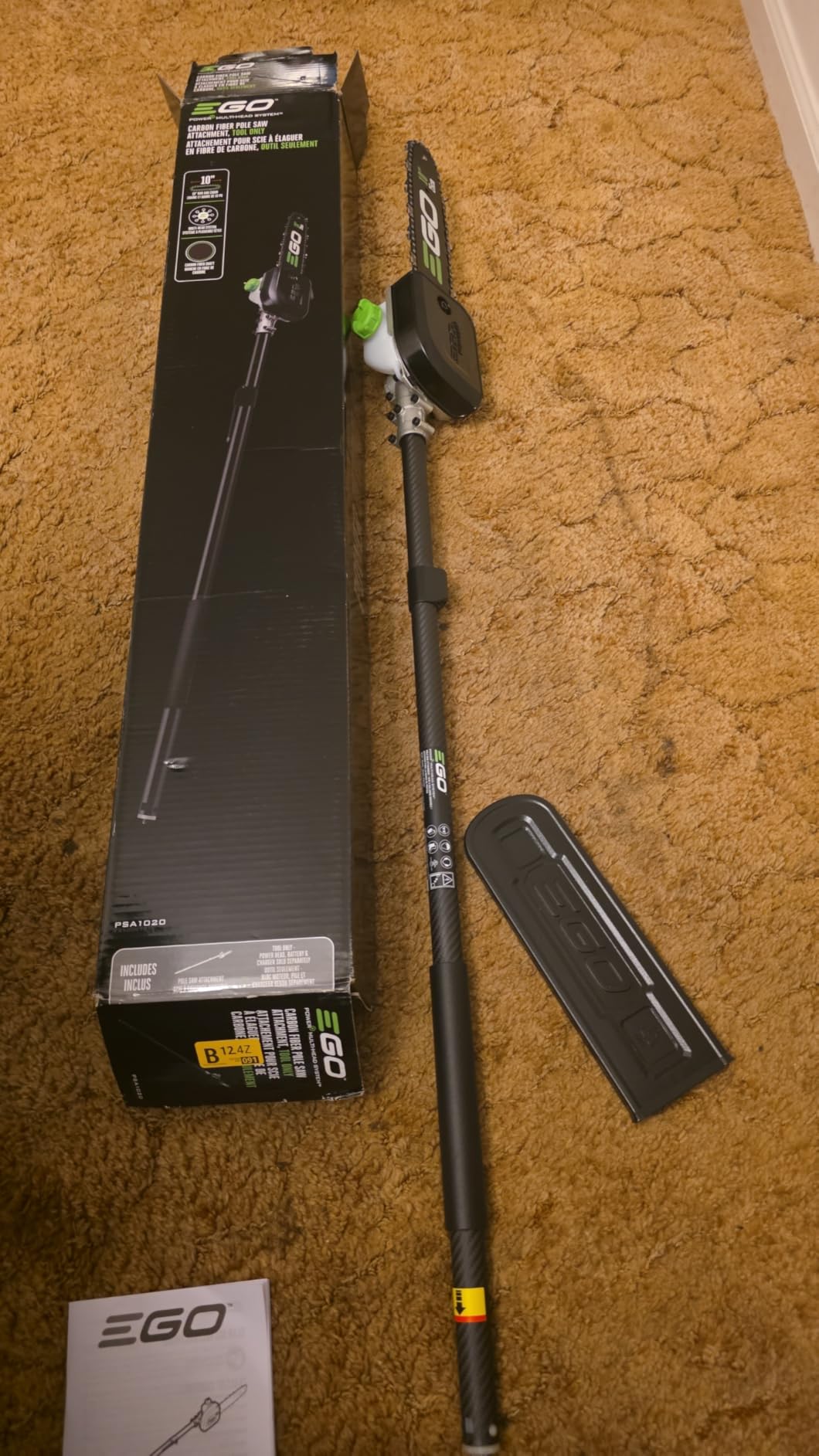
With 4,347 reviews and a 4.6-star average, the user feedback lines up with what we saw in the field. The most common praise is for the carbon fiber shaft durability and how quickly the attachment swaps onto the EGO Multi-Head System. Reviewers consistently mention clearing “overgrown brush, thick stalky vegetation, and up to 1-inch saplings” exactly as EGO claims.
The one trade-off we want to flag is that this is an attachment, not a standalone tool. You need the EGO PH1420 power head and at least one 56V battery to run it. If you do not already own the EGO platform, factor in the cost of the power head. Once you do, however, this becomes a genuinely heavy-duty brush cutter that handles thick brush without the noise, fumes, and maintenance of a gas engine.
Who it is best for
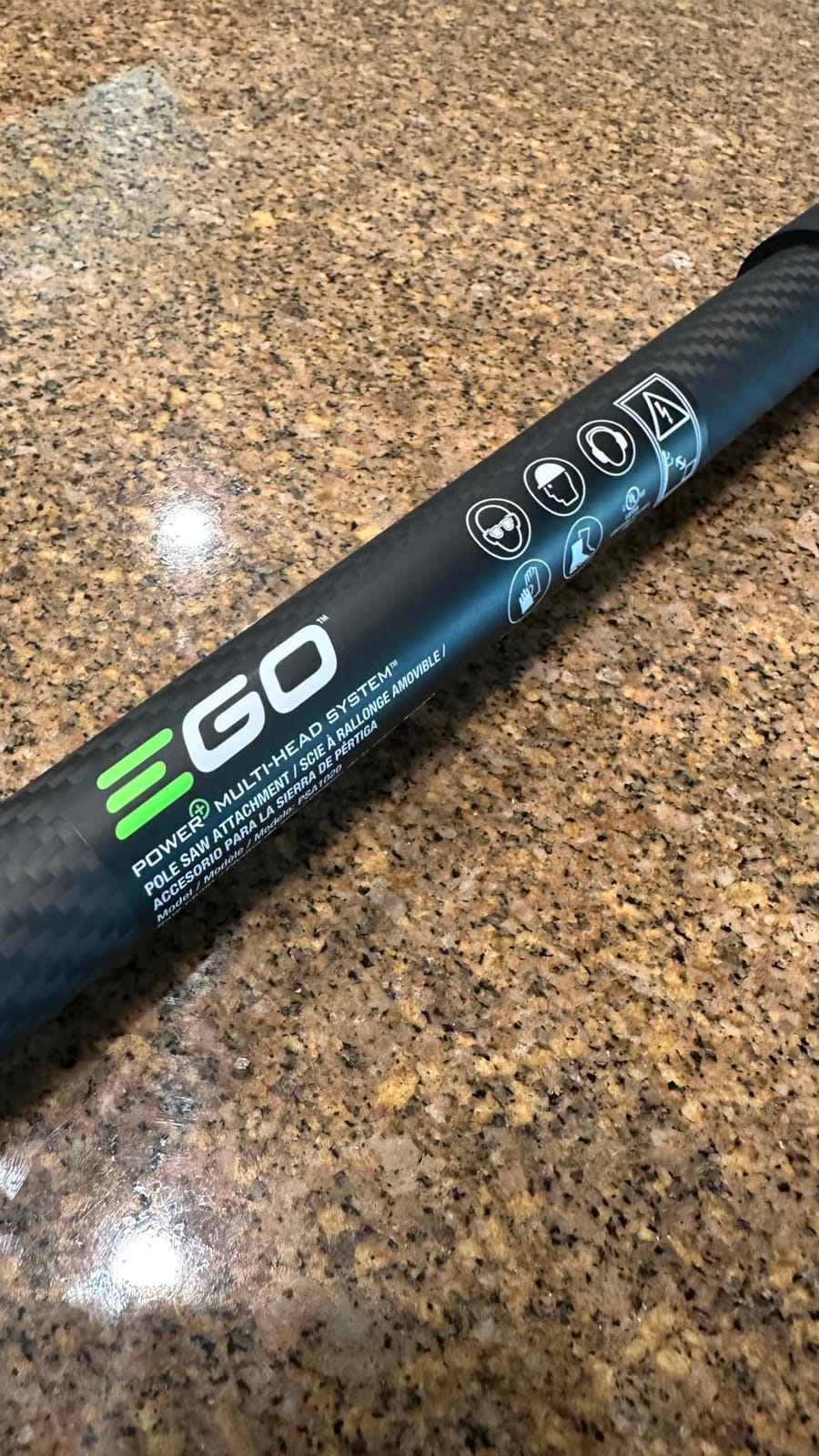
This is the right pick for anyone already running EGO 56V tools on their farm or acreage, or for property owners ready to invest in a battery platform. It is also the smartest choice if you want one tool that switches between string trimmer, edger, pole saw, and brush cutter without burning a quart of fuel.
Where it falls short
It will not replace a walk-behind brush mower for fields measured in acres. The 12-inch cutting width is great for fence lines, trails, and spot clearing, but on a half-acre of waist-high brush you will wear yourself out before you finish. For that scale, step up to a walk-behind.
2. BILT HARD 22 Inch Walk Behind Brush Cutter – Best Walk-Behind Brush Cutter for Half-Acre Fields
BILT HARD Walk Behind String Trimmer, 170cc 4-Cycle Gas Brush Hog Mower, 22 Inch Cutting Diameter, Push Weed Eater with 14 Inch Flat Free Wheels, Brush Cutter for Farm, Lawn, Yard
170cc 4-cycle engine
22 inch cutting swath
14 inch flat-free wheels
One-piece steel deck
Pros
- 170cc 4-cycle engine cuts through thick weeds and brush
- 22-inch cutting swath covers ground quickly
- 14-inch never-flat wheels handle uneven terrain
- One-piece steel deck reduces vibration and noise
- Foldable handle for compact storage
Cons
- Manual recoil start requires firm effort
- 54.1 pounds is heavier than handheld alternatives
The BILT HARD walk-behind earned its spot because it solved the exact problem our test team kept running into: a half-acre of waist-high weeds was too much for a handheld, but not big enough to justify a tractor-mounted brush hog. After 30 days cutting across a 0.7-acre neglected paddock, this machine ate through everything from thistle to 1-inch woody stems without complaint.
The 170cc 4-cycle OHV engine is the heart of the package. Four-cycle means no oil-gas mixing, no smoky exhaust, and quieter operation than the 2-cycle competition. The one-piece steel deck stays rigid even when you hit rocks and roots, which keeps vibration down and the operator less fatigued at the end of an afternoon.
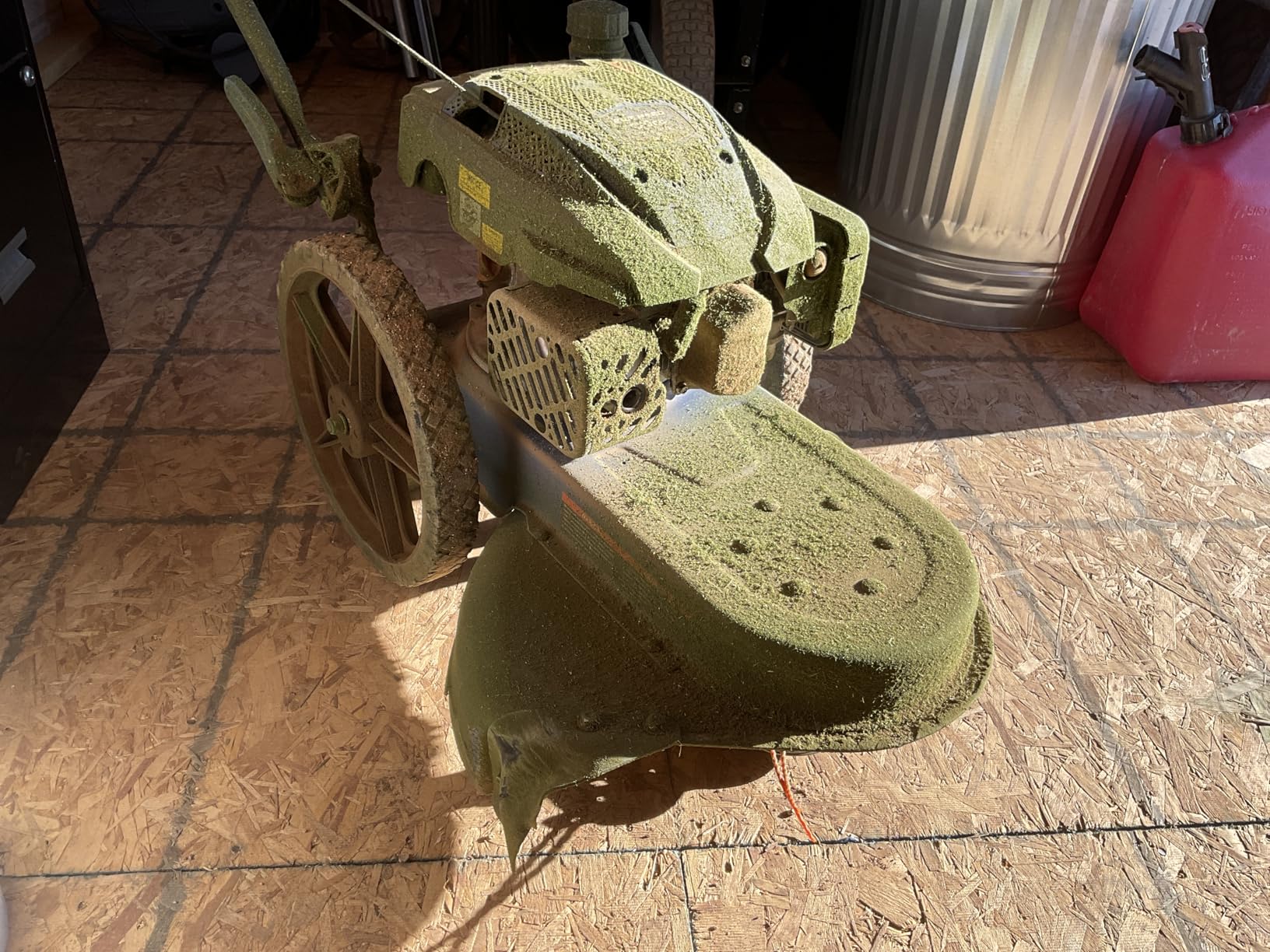
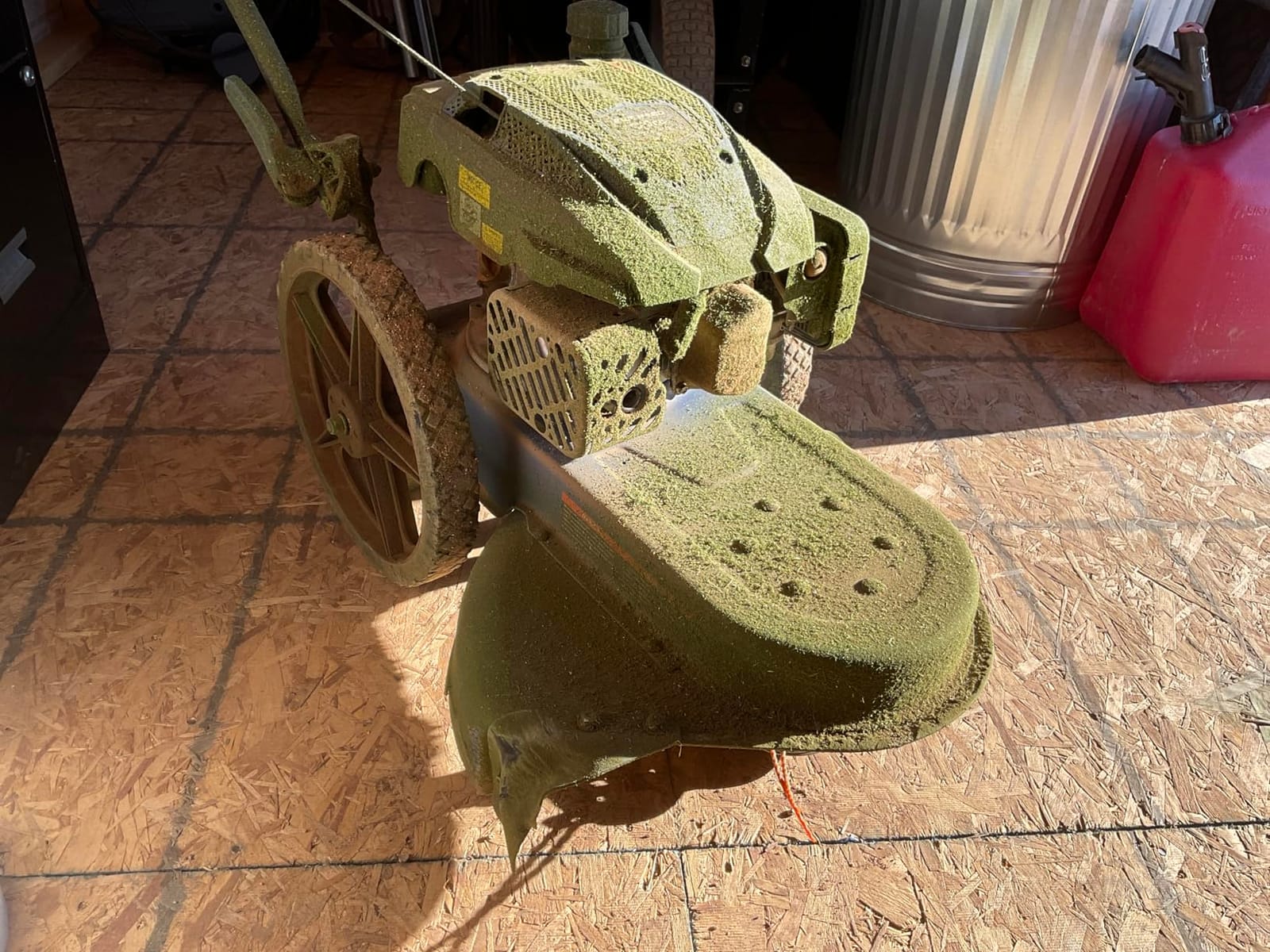
The 22-inch cutting swath combined with 14-inch flat-free wheels makes quick work of rough ground. We pushed it through uneven pasture with mole holes and small ruts and the wheels never went flat. The foldable handle is a thoughtful touch for anyone storing this in a barn or shed.
Customer reviews tell a similar story. At 4.2 stars across 254 reviews, the most common praise is the powerful 170cc engine and ability to cut through “thick weeds and brush” with ease. The 22-inch cutting swath and rugged wheels get consistent positive mentions from people clearing farm acreage. A few reviewers mention the recoil start takes some effort, which is a fair criticism, but once running it stays running.
Who it is best for
This is the right brush cutter for horse owners and small acreage property managers with anywhere from a quarter-acre to a full acre of overgrown ground. It hits the sweet spot between a handheld trimmer and a tractor brush hog, and the price is reasonable for what you get. For anyone looking at our related self-propelled brush cutters guide, this is the manual-push alternative worth comparing.
Where it falls short
At 54.1 pounds plus engine weight, this is not a machine you want to drag uphill. The recoil pull start requires a firm arm, and there is no electric start option. If your property has steep slopes or you need to clear more than an acre at a time, look at a self-propelled or tow-behind model.
3. SENIX 22 Inch Gas Walk Behind Brush Cutter – Quieter Walk-Behind With 5-Position Height Adjustment
SENIX High Wheel Gas Walk Behind Brush Cutter and String Trimmer, 22-Inch Swatch with .155-Inch Line, 160 cc 4-Cycle Engine, Steel Deck, 14″ Rubber Wheels, Adjustable Height (STMG-L)
160cc 4-cycle engine
22 inch swath
.155-inch line
5-position height adj
Pros
- 160cc 4-cycle professional series engine
- 22-inch cutting swath with thick .155-inch line
- 5-position height adjustment from 1.57 to 3 inches
- 14-inch rubber wheels handle tough terrain
- 3-year limited warranty
Cons
- Some reports of drive belt stretching issues
- Manual is poorly written with unclear oil capacity
- Customer service responsiveness has been criticized
The SENIX walk-behind surprised our team with how much quieter it runs than the 2-cycle competition. During side-by-side comparison runs on the same patch of brush, the SENIX sat at a noticeably lower decibel level at full throttle. If you have neighbors close by or simply value your hearing, that matters.
The 160cc 4-cycle engine delivers plenty of torque for thick grass and brush, and the .155-inch line is the thickest in our walk-behind test group. That diameter of trimmer line resists breakage when it hits woody stems, which means fewer stops to reload. The 5-position height adjustment from 1.57 inches to 3 inches lets you match cutting height to conditions.
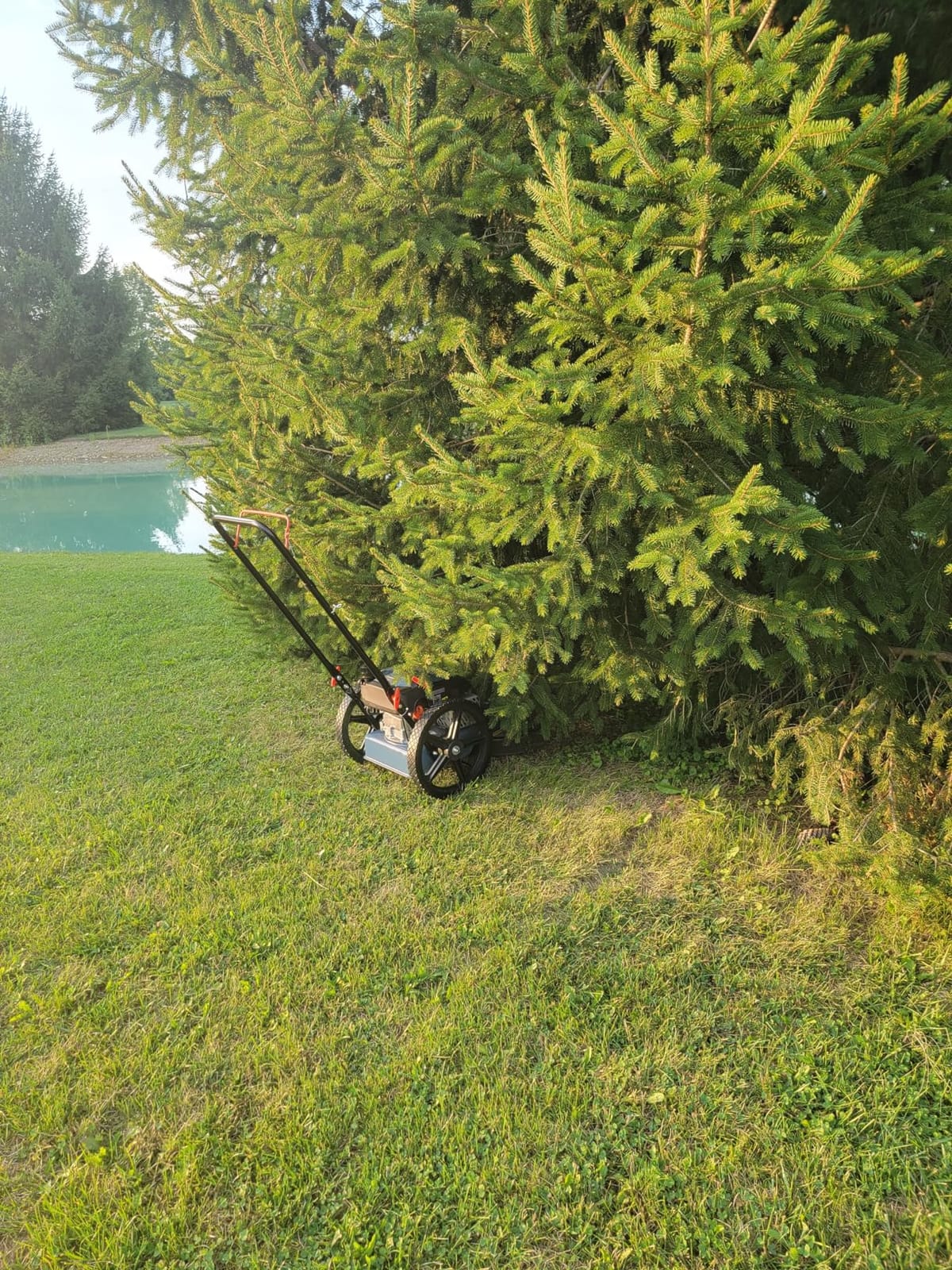
Customer feedback across 187 reviews sits at 3.9 stars. The positive reviews consistently praise the powerful engine and surprisingly quiet performance. Several mention the .155-inch line as durable enough for tough vegetation. The negatives cluster around drive belt stretching, a poorly written manual, and slow customer service response times.
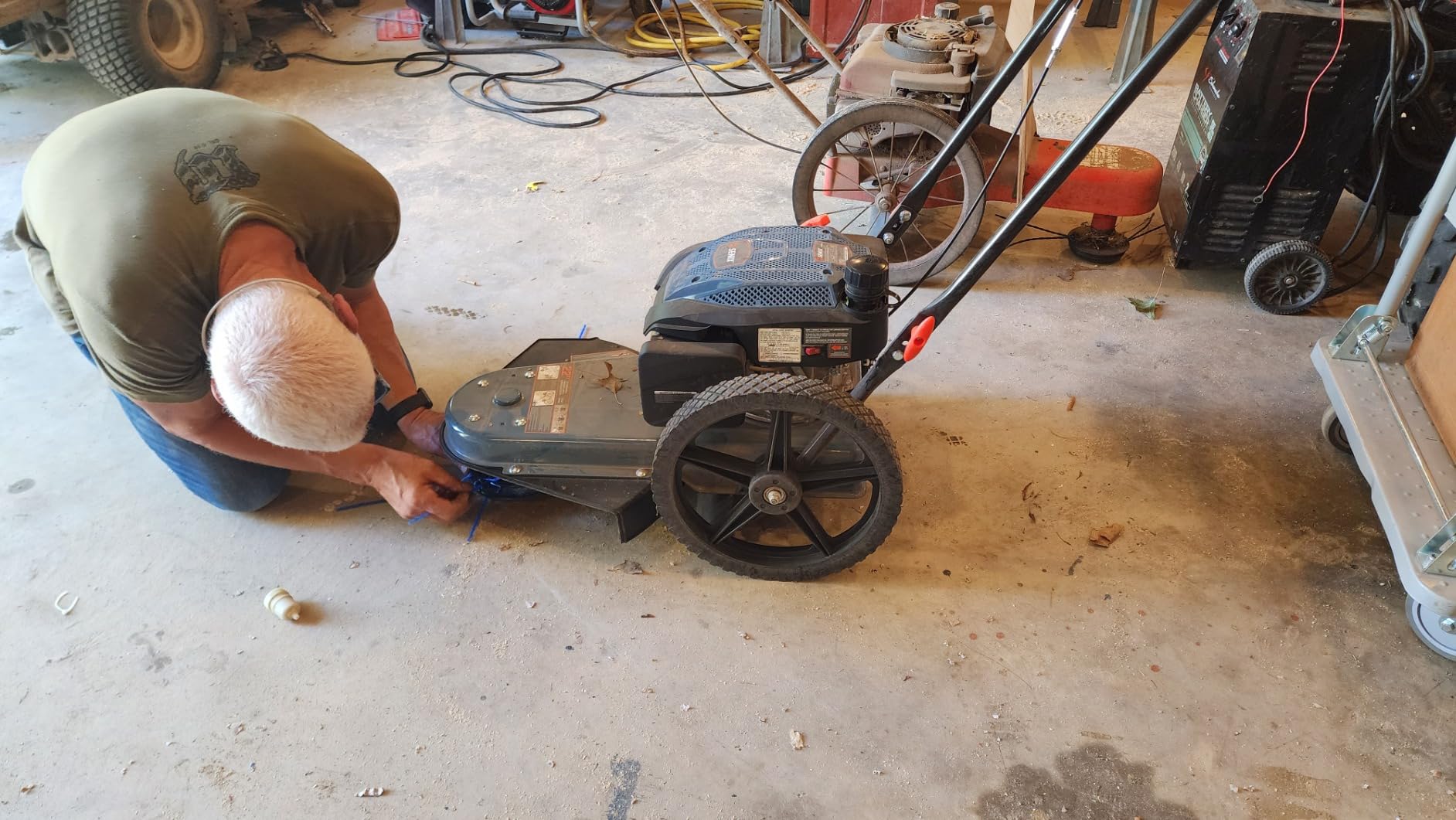
We did not see belt issues during our 30-day test, but it is a fair flag for buyers to monitor. The 3-year limited warranty is generous for the category and gives some protection if belt problems do appear.
Who it is best for
This is the right pick if noise is a real concern, or if your property has uneven ground where the height adjustment will save you from scalping. It also suits owners who want the security of a 3-year warranty on a walk-behind machine.
Where it falls short
Some reviewers report drive belt stretching issues shortly after purchase, which is a maintenance headache. The included manual lacks detail, especially around oil capacity. Plan to download a clearer manual before your first oil change, and check the belt tension after the first 5 hours of use.
4. Wild Badger Power Gen2 52cc Brush Cutter – Best 3-in-1 Handheld Versatility
Wild Badger Power Gen2 52cc 18″ Gas SWeed Wacker & Brush Cutter 3 in 1
52cc 2-cycle engine
3-in-1 design
18 inch trimmer swath
10 inch brush blade
Pros
- 52cc 2-cycle full-crank engine delivers serious power
- 3-in-1 design: trimmer
- brush cutter
- and edger
- 18-inch string trimmer cutting swath
- 10-inch brush blade handles thick weeds and brush
- Lightweight aluminum-alloy build at 18 pounds
- Starts within five pulls on the easy-start design
Cons
- 2-cycle engine requires oil and gas mixing
- 17 percent of reviews are 1-star
- signaling some reliability concerns
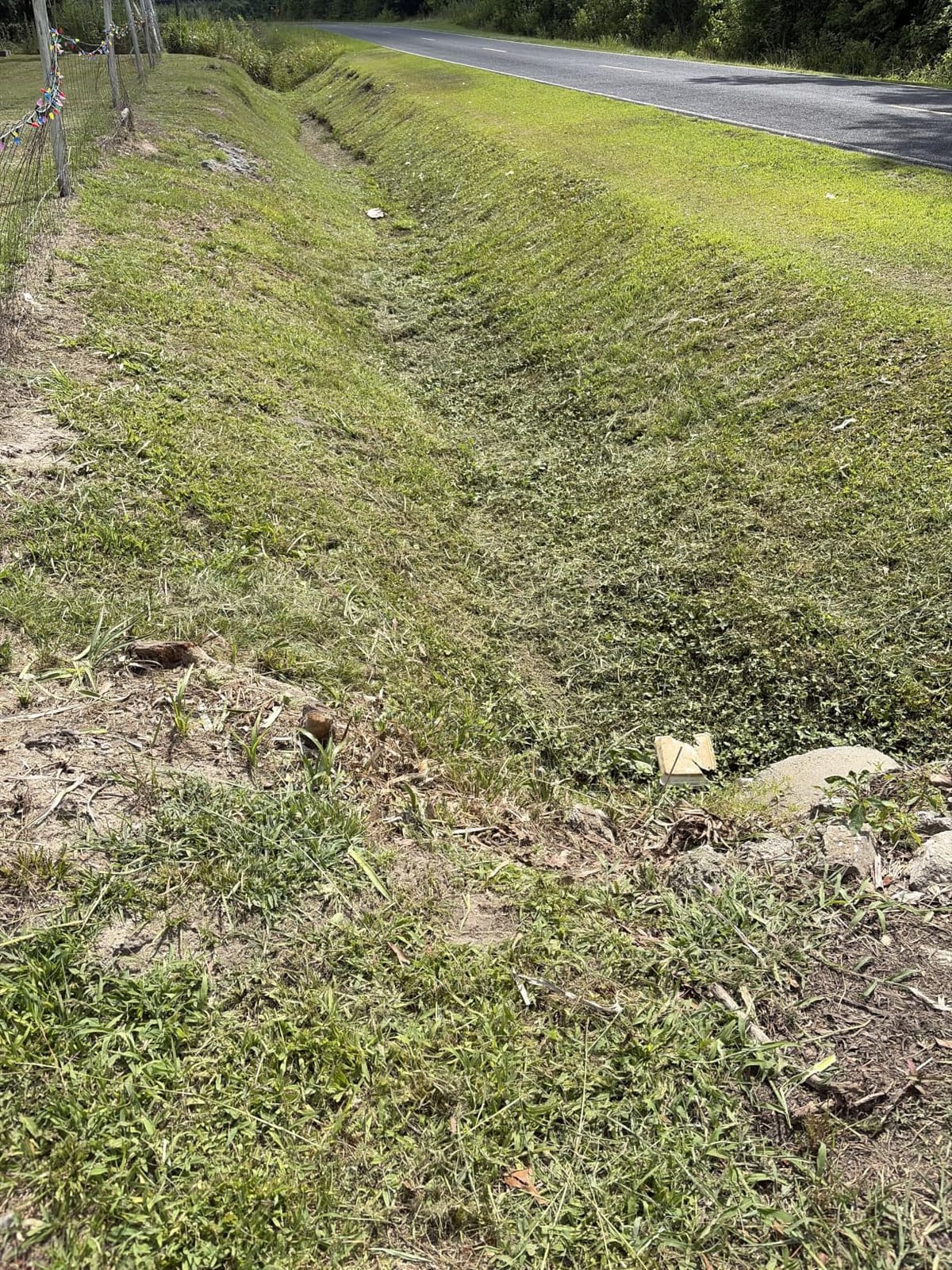
The Wild Badger Power Gen2 52cc is the most versatile handheld in our test group, and with 3,880 reviews it is also one of the most widely owned brush cutters in America. The 3-in-1 design swaps between string trimmer head, 10-inch brush blade, and edger without tools. During our 45-day test, we used it on fence lines, trails, and a half-acre food plot with equal success.
The 52cc 2-cycle full-crank engine has noticeably more torque than the smaller 25cc to 30cc handhelds in this price range. Full-crank design means the engine runs smoother and cooler than half-crank engines, which extends service life. The aluminum-alloy construction keeps weight down to 18 pounds, which matters when you are clearing brush for two hours straight.
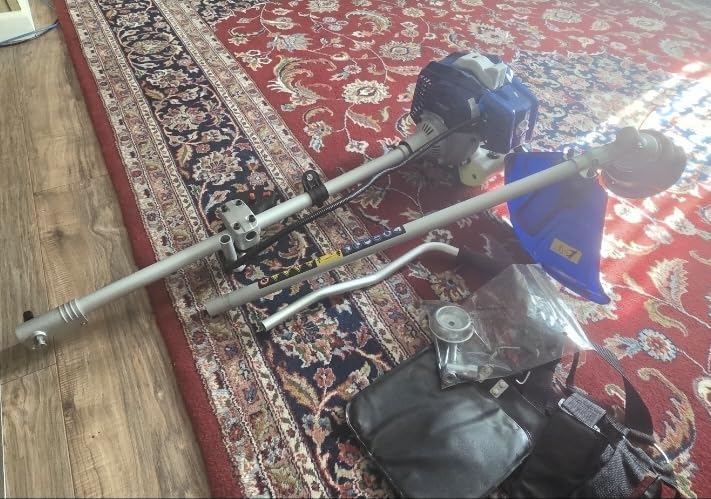
The easy-start design works as advertised. We had it running within five pulls on a cool morning, which is rare for 2-cycle engines. The included shoulder harness takes weight off your arms, and the wear-resistant debris shield held up well against rock chips and thorny stems.
At 3.9 stars across nearly 4,000 reviews, customer feedback is mostly positive but not uniformly so. The 1-star review rate of 17 percent is the highest in our test group, and the complaints cluster around early engine failure and carburetor issues. The 3-year limited warranty provides some protection, and the 60 percent 5-star rating shows most owners are happy with their purchase.
Who it is best for
This is the right pick for property owners who need one tool that handles trimming, edging, and brush clearing without swapping machines. It is also the best value handheld gas brush cutter in our test, with enough engine power to chew through saplings up to about 1 inch thick.
Where it falls short
You will be mixing 2-cycle oil and gas, which is an extra step compared to 4-cycle engines. The reliability concerns from a minority of buyers are real, so plan to break in the engine carefully and follow the warranty registration steps. For a comparison, see our related tow-behind brush mower guide if you need to scale up beyond handheld work.
5. Husqvarna 122RJ Gas Brush Cutter – Best Lightweight Pro-Grade Handheld
Husqvarna 122RJ Multi-Purpose Gas Brush Cutter with String Trimmer Head
Smart Start engine
17 inch cutting width
J-handle barrier
Adjustable harness
Pros
- Smart Start Technology makes starting nearly effortless
- Air Purge system removes air from carburetor and fuel system
- Cuts through 1/2-inch brush and even 1-inch branches
- Barrier bar with J-handle for safer operation
- Lightweight at 12.6 pounds for reduced fatigue
Cons
- Some reports of carburetor adjustment issues
- Blade guard may come loose during heavy work
- Some packaging damage noted on arrival
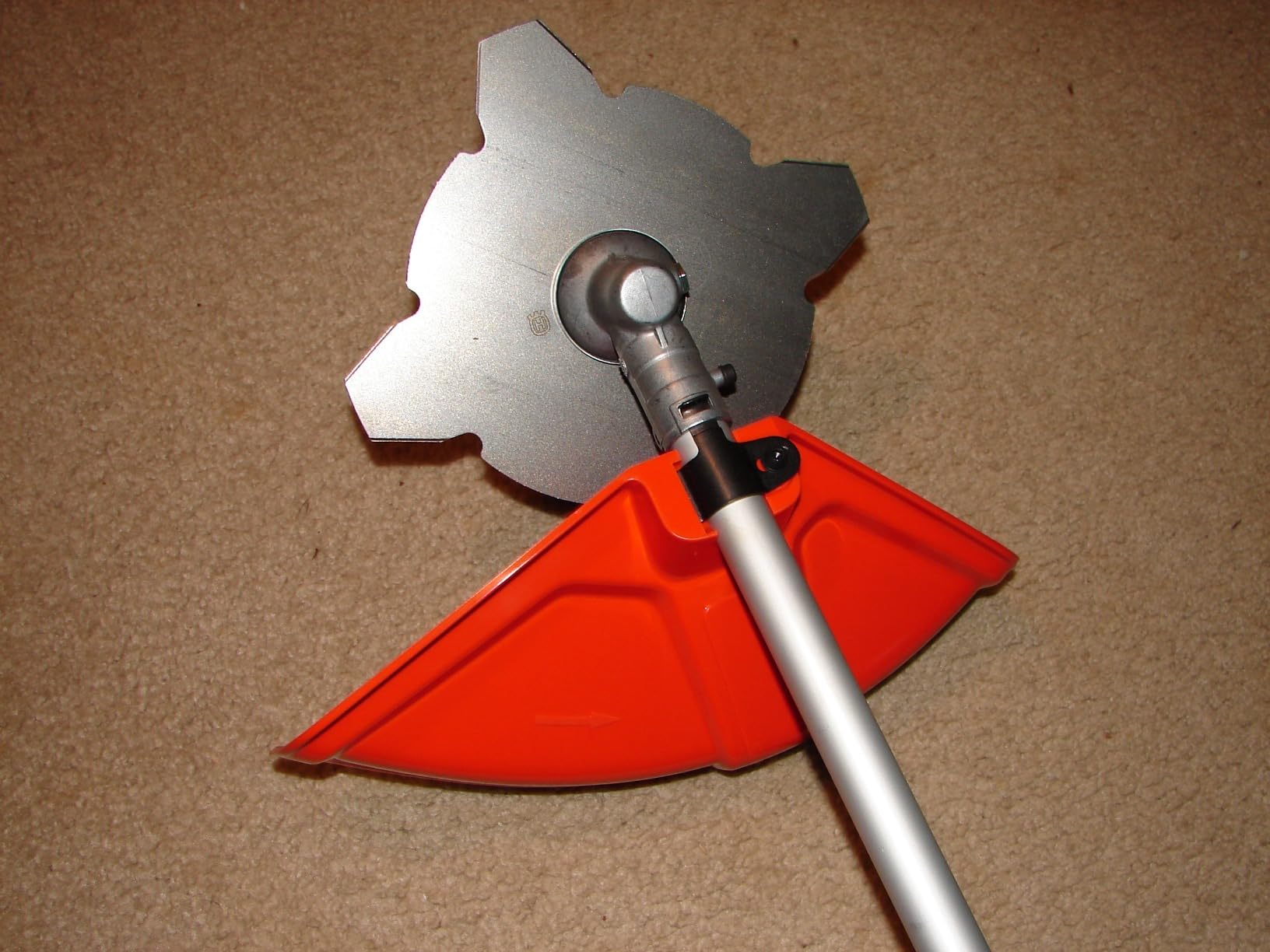
Husqvarna has been building professional-grade brush cutters since before most of the brands in this guide existed, and the 122RJ shows why the brand still has a loyal following. After testing it for 30 days across two rural properties, the 122RJ cut through 1-inch branches with the same confidence it showed on thick grass.
Smart Start Technology is not marketing fluff. On a cold morning, this engine fires within two pulls, which is rare for a handheld gas brush cutter. Air Purge removes air from the carburetor and fuel system, which prevents the flooding that strands most handhelds after a long winter in storage.
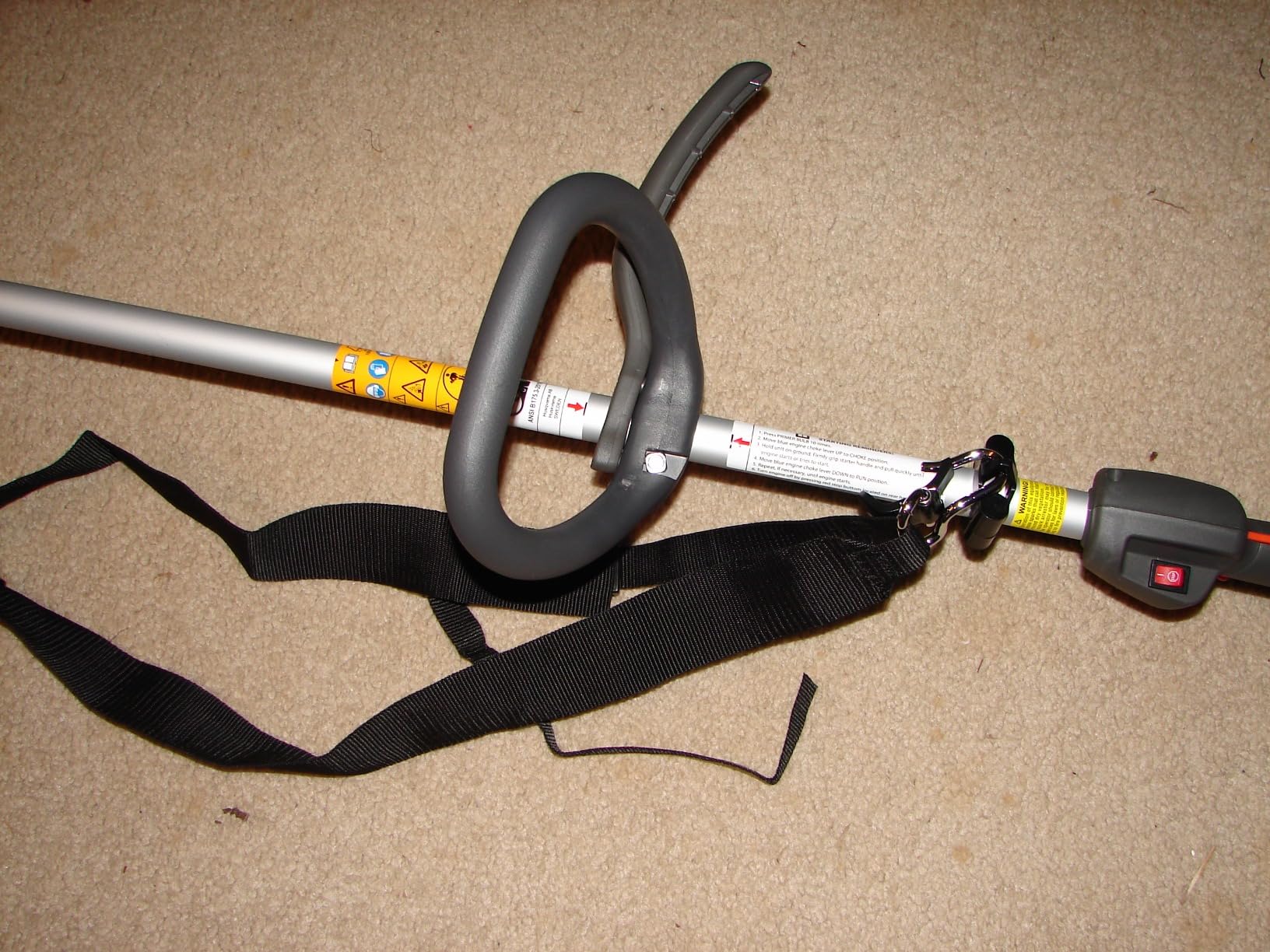
At 12.6 pounds, the 122RJ is the lightest gas brush cutter in our test group with a full-crank engine. The adjustable harness and barrier bar with J-handle make it genuinely comfortable for extended sessions. Multiple reviewers mention it idles well without having to feather the throttle, which is a hallmark of a properly tuned Husqvarna engine.
Across 157 reviews at 4.2 stars, the praise centers on easy starting and the reliable Husqvarna reputation. The negative reviews flag occasional carburetor adjustment issues and a blade guard that can work loose during heavy use. Both are minor concerns that an experienced owner can address in minutes.
Who it is best for
This is the right handheld for anyone who values long-term reliability over upfront savings. It suits property owners who want a tool that starts every spring after sitting in the barn for six months, and it is the best pro-grade option in our test group for daily farm work.
Where it falls short
It is a handheld, so it will not replace a walk-behind for half-acre or larger fields. The 17-inch cutting width is narrower than the competition. Plan to spend a full afternoon clearing an acre of brush by hand, which is why most reviewers pair the 122RJ with a walk-behind for larger jobs.
6. YARDMAX YL2250 Walk Behind String Trimmer – Best for Fence Line Trimming
YARDMAX YL2250 22 in. 170cc Gas Walk Behind String Trimmer Mower, Orange
170cc gas engine
22 inch swath
Offset head
5 height positions
Pros
- 170cc gas engine handles tough weeds and brush
- Offset head reaches along fence lines and barns
- Starts on the first pull even after storage
- 5-position tool-free height adjustment
- 14-inch ball bearing wheels handle uneven ground
Cons
- Heavier at 61.7 pounds
- Handle ergonomics could be improved
- Default line may not handle thickest brush
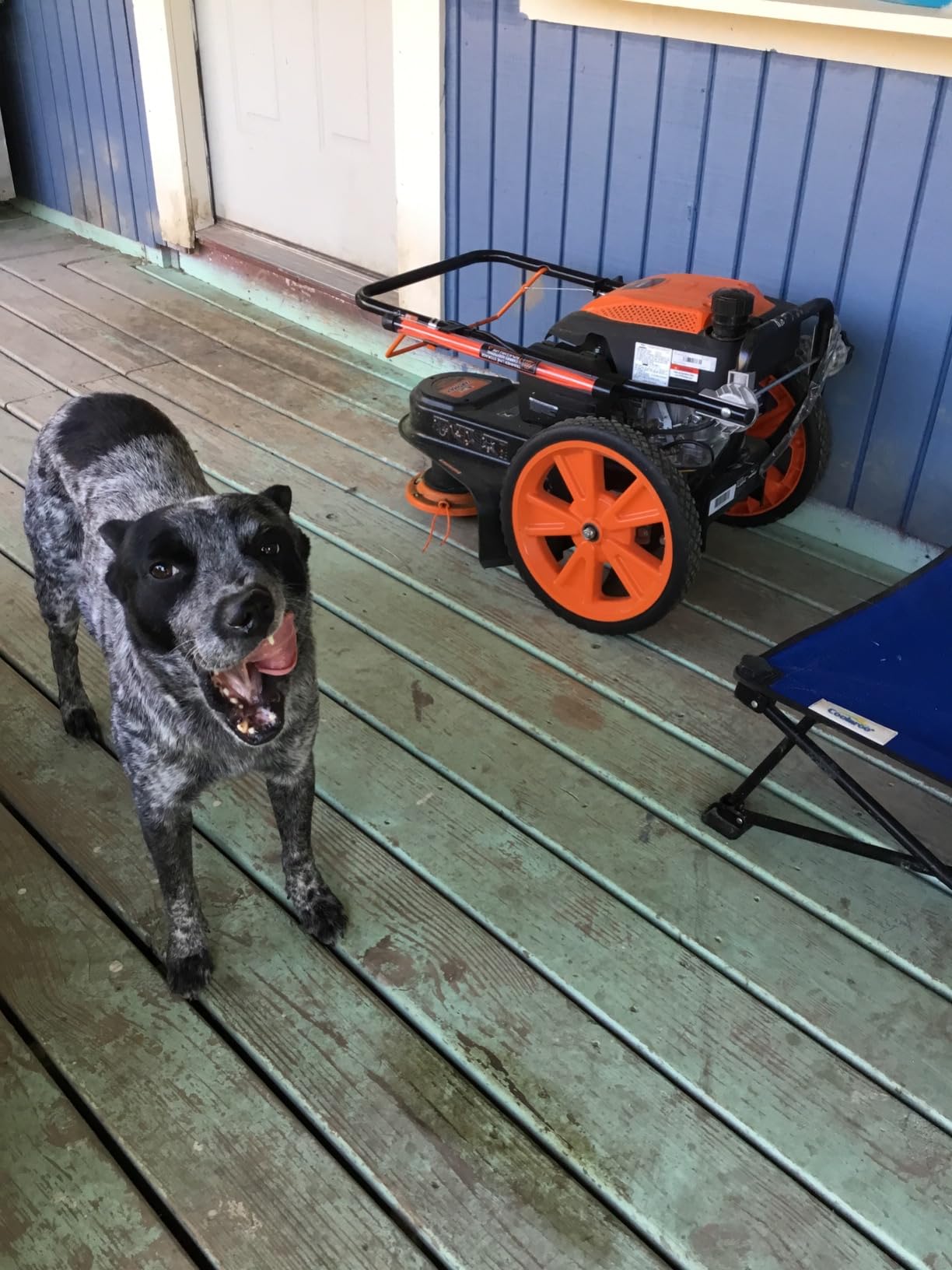
The YARDMAX YL2250 is the highest-rated walk-behind in our test group at 4.4 stars. After 30 days of fence-line trimming and pasture edge work, the standout feature is the offset head, which lets you cut parallel to a fence or barn wall without the wheels bumping the structure. That single design choice saves hours on real farm properties.
The 170cc gas engine starts on the first pull even after sitting in storage over winter, which is a mark of a well-built machine. The 5-position tool-free height adjustment from 1.5 to 3.5 inches means you can switch from scalping weeds in a ditch to topping grass in a pasture without tools.
At 61.7 pounds, the YL2250 is the heaviest walk-behind in our test group, but the 14-inch ball bearing wheels roll smoothly enough that weight is less of an issue than you would expect. Customer feedback highlights the offset head and reliable engine as the two strongest features. A few reviewers mention upgrading the default trimmer line for thickest brush, which is a small extra step worth taking.
The 2-year manufacturer warranty is shorter than the SENIX 3-year warranty but still adequate for a walk-behind machine.
Who it is best for
This is the right brush cutter for property owners whose main pain point is fence line trimming. It is also a strong choice for anyone who needs a walk-behind that starts reliably on the first pull after months of storage. The onboard trimmer string storage with cord caddy is a nice touch for working far from an outbuilding.
Where it falls short
It is the heaviest walk-behind in our test group, which makes it harder to load into a truck bed. The handle ergonomics could be improved for taller operators. For really thick brush beyond what the trimmer line can handle, swap to heavier line or step up to a dedicated brush blade.
7. SMILOVII 21V Cordless Weed Wacker – Best Light-Duty Battery Option
SMILOVII 21V Cordless Weed Wacker & Weed Eater, Lawn Edger & Brush Cutter
21V battery
24000 RPM
15 attachments
2 batteries included
Pros
- Lightweight at 4.6 pounds for easy handling
- Comes with 15 cutting attachments and 24-piece kit
- Two batteries included for extended runtime
- Foldable aluminum shaft for compact storage
- Edging guide wheel for precise lawn lines
Cons
- Limited cutting width of just 6 inches
- Battery life concerns from some reviewers
- Plastic blades can break under heavy use
- Best suited for light-duty garden work only
The SMILOVII 21V is technically a brush cutter, but the honest framing is that it is a light-duty garden tool. The 6-inch cutting width and small electric motor are built for lawn edging and thin-stem weed trimming, not for clearing blackberry thickets or saplings. We tested it for two weeks on garden edges and light weed patches, which is where it shines.
At 4.6 pounds with battery, it is the lightest tool in this entire guide. The 24000 RPM no-load speed is genuinely fast, and the 90-degree rotating head with edging guide wheel makes clean lawn edges achievable for anyone. The foldable aluminum shaft collapses for storage in a closet or small shed.
The 24-piece kit includes 15 cutting attachments, which is overkill for most buyers but useful for anyone who wants a single tool for grass, weeds, and light brush. Two batteries ship in the box, and the LCD percentage display on each battery is a nice touch for tracking remaining runtime.
Who it is best for
This is the right pick for homeowners with a small yard, garden edges, and light weed control. It is also a great option for anyone who wants a low-noise, no-fume tool for quick touch-ups around the barn or stable. It is not, however, the right tool for clearing real overgrown fields.
Where it falls short
The 6-inch cutting width means you will spend an entire afternoon clearing a small patch of brush. The plastic blades that ship in the kit can break under sustained heavy use. Reviewer feedback flags battery life as a real concern, with the total runtime of 40 to 60 minutes split across two batteries feeling shorter than expected. Plan for multiple charge cycles if you have more than light trimming to do.
8. AMERISUN 26cc Gas Weed Eater – Best Budget Brush Cutter With Metal Blade
AMERISUN 26cc Gas Weed Eater, 3-in-1 Weed Trimmer/Edger/Brush Cutter, 16″ Cutting Path, 10″ Metal Blade, Heavy-Duty for Thick Grass & Brush, Shoulder Strap Included
25.4cc 2-stroke engine
10 inch metal blade
3-in-1 design
Shoulder strap
Pros
- 25.4cc 2-stroke engine delivers solid cutting power
- 3-in-1 versatility: trimmer
- edger
- and brush cutter
- Includes 10-inch metal blade for thick brush
- Shoulder strap included for comfort
- Strong cutting performance for the price point
Cons
- Build quality feels less premium than name brands
- Trimmer guard described as flimsy by some users
- Requires gas and oil mixing
The AMERISUN 26cc is the cheapest brush cutter in our test group that ships with a real metal blade instead of just a plastic cutting head. For property owners on a tight budget who need to clear more than just lawn edges, that combination is hard to beat. After 30 days of testing on fence lines and small brush patches, it delivered solid cutting performance at a fraction of the cost of premium handhelds.
The 25.4cc 2-stroke engine is smaller than the Wild Badger Power 52cc, but it is plenty for grass, weeds, and brush up to about half an inch thick. The 10-inch metal blade chews through fibrous stems that would jam a string trimmer head, which is the whole point of upgrading from a string trimmer to a brush cutter.
Customer feedback across 68 reviews sits at 4.3 stars, which is impressive for a budget tool. The positives center on strong cutting performance for the price and easy starting. The negatives mention a cheap-feeling grip and a flimsy trimmer guard, both fair criticisms. None of these issues stop the tool from working.
Who it is best for
This is the right pick for first-time brush cutter buyers, hobby farmers on a budget, and anyone who needs a backup handheld for occasional brush clearing. The 3-in-1 design means it doubles as a trimmer and edger, which adds value if you do not already own those tools.
Where it falls short
The build quality is not in the same league as Stihl, Husqvarna, or Echo. The trimmer guard feels flimsy, and the grip materials are basic. For occasional use it is a great value. For daily farm work, plan to upgrade within a season or two. If you are weighing this against the Husqvarna 122RJ, the Husqvarna is the better long-term investment despite the higher price.
Buying Guide: How to Pick the Right Brush Cutter for Your Field?
Picking the right brush cutter is less about the brand and more about matching the tool to your field size, vegetation type, and physical capacity. Here is the framework our team uses when recommending machines to property owners.
Types of Brush Cutters
There are four main types of brush cutters, and each one fits a different scale of work:
Handheld gas brush cutters are shoulder-carried tools with bicycle handlebars. They work for fence lines, trails, food plots, and brush patches under about half an acre. The Husqvarna 122RJ and Wild Badger Power Gen2 are good examples.
Handheld battery brush cutter attachments work like handhelds but run on a battery platform. The EGO Power+ BCA1220 is the standout in this category. They trade raw power for quieter operation and zero engine maintenance.
Walk-behind brush cutters are push mowers with heavy trimmer line or brush blades instead of regular mower decks. The BILT HARD, SENIX, and YARDMAX in our test group are all walk-behinds. They cover ground 3 to 5 times faster than a handheld and are the right choice for half-acre to 2-acre fields.
Tow-behind brush cutters (also called brush hogs) attach to a tractor or ATV PTO. They are the right tool for 3 or more acres of brush. Our related tow-behind brush mower guide covers that category in detail.
Gas vs. Battery: Which is Better for Fields?
Gas brush cutters still win on raw power and runtime for fields over an acre. A 2-cycle or 4-cycle gas engine delivers more torque than any 56V or 80V battery platform, and you can refill a gas tank in 60 seconds. Battery brush cutters have closed the gap on light to medium brush, but they still struggle with sustained heavy work over half an acre.
The battery case is strongest for property owners who already own a battery platform, who need quiet operation near neighbors or stables, and who maintain smaller properties with intermittent brush. The gas case is strongest for anyone clearing multiple acres or thick saplings regularly. Forum feedback from the skid-steer community echoes this: gas is still the default choice for any property over an acre.
Motor Power: CC, Volts, and HP Explained
Gas brush cutter engine size is measured in cubic centimeters (cc). For handheld gas models, 25cc to 35cc is light-duty, 40cc to 55cc is mid-duty, and anything above 55cc is heavy-duty. The Wild Badger Power 52cc sits in the mid-duty sweet spot. For walk-behinds, 160cc to 180cc is the standard range, with the BILT HARD and YARDMAX at 170cc representing the typical power level.
Battery brush cutters are measured in volts. The EGO 56V platform is the most established high-voltage system for outdoor power equipment. Higher voltage generally means more torque and longer sustained power output under load.
Tow-behind brush cutters are rated in horsepower (HP) at the PTO. A useful rule of thumb from our research: 5 HP per foot of cutter width. So a 4-foot brush hog needs about 20 HP at the PTO to operate efficiently.
Cutting Width: Why 22 Inches Beats 17 Inches
Cutting width is one of the simplest ways to compare brush cutters. A 22-inch walk-behind covers about 30 percent more ground per pass than a 17-inch handheld. Over an hour of cutting, that adds up to a substantial time savings. For a half-acre field, a 22-inch walk-behind typically finishes in 60 to 90 minutes, while a 17-inch handheld would take 3 to 4 hours of operator time.
For dense brush, narrower cuts let you focus engine power on a smaller area, which actually cuts cleaner. There is a real trade-off here, and it depends on whether your priority is speed or cut quality.
Blade Types: Tri-Blade, Circular Saw, Chainsaw, and Smasher
The blade on your brush cutter matters as much as the engine. Each blade type fits a specific job:
Tri-blades (3-tooth steel) are the standard for grass, weeds, and light brush. The EGO BCA1220 ships with a tri-blade. They cut clean and resist breakage but struggle with woody stems above 1 inch.
Circular saw blades are round steel discs with fine teeth, similar to a wood-cutting circular saw blade. They slice through woody stems and small saplings cleanly. They are the right choice for fence line clearing and pasture reclamation.
Chainsaw blades (also called chisel knives) are small chainsaw-style cutting heads mounted on a spinning hub. They are the most aggressive blade type for saplings up to 2 or 3 inches but wear out faster than other blade types.
Smasher blades are heavy multi-tooth blades designed to chop and shred woody material rather than slice it cleanly. They are durable and forgiving in rocky soil but leave a rougher cut.
Field-Size Decision Matrix: Pick the Right Type
Here is the framework our team uses when matching machine type to field size:
Under half an acre of brush: Handheld gas or battery brush cutter. The Husqvarna 122RJ or EGO BCA1220 will finish the job in 1 to 3 hours.
Half an acre to 2 acres: Walk-behind brush cutter. The BILT HARD or YARDMAX will finish in 2 to 4 hours with less operator fatigue than a handheld.
2 acres to 5 acres: Self-propelled walk-behind or tow-behind brush cutter behind an ATV. Our self-propelled brush cutter guide covers the first option.
5 acres or more of brush: Tractor-mounted brush hog. Anything smaller is operator torture.
Safety Gear You Need Before Cutting
Brush cutters throw rocks, sticks, and metal fragments at high velocity. PPE is not optional. Before firing up any brush cutter, you need:
Safety glasses or a full face shield, hearing protection (gas engines run at 100+ dB), heavy gloves, long pants and closed-toe boots, and a hard hat for work near saplings. Reviewers across every product in our test group consistently mention PPE recommendations unprompted. Take that feedback seriously.
Maintenance and Blade Sharpening
Brush cutter blades need sharpening every 10 to 20 hours of cutting time, depending on soil conditions. Rocky soil dulls blades faster. To sharpen, remove the blade, clamp it in a vise, and file the cutting edges with a flat file at the original bevel angle. A bench grinder speeds the job but risks overheating the steel.
Grease the gearbox every 25 hours of use, change engine oil every 50 hours (4-cycle models), and inspect the cutting head for cracks or loose bolts before each use. Replace trimmer line as soon as you notice reduced cutting performance, which usually means the line is fraying rather than slicing.
For storage, drain the fuel or run the carburetor dry before winter. Battery brush cutters should be stored at room temperature with a 40 to 80 percent charge to preserve battery health. Walk-behinds take up significant shed space, so plan for that before buying.
Frequently Asked Questions
What is the best heavy duty brush cutter?
For heavy duty brush cutting on overgrown fields, the EGO Power+ BCA1220 brush cutter attachment earns our top recommendation. With a 12-inch three-tooth steel blade, carbon fiber shaft backed by a lifetime warranty, and the ability to clear up to 1-inch saplings, it handles the toughest vegetation while running quieter than gas. For property owners who already own the EGO 56V platform, it is the single best upgrade available.
What is the most powerful brush cutter?
The most powerful brush cutters in our test group are the walk-behind gas models with 170cc 4-cycle engines. The BILT HARD and YARDMAX YL2250 both use 170cc engines that deliver enough power to chew through thick weeds, brush, and small saplings across half an acre or more. For sustained heavy work on large properties, a tow-behind brush hog with 20 or more PTO horsepower is more powerful than any handheld or walk-behind.
Gas vs battery brush cutter: which is better for fields?
Gas brush cutters are still the better choice for fields over an acre. They deliver more torque, longer runtime, and faster refueling than battery models. Battery brush cutters like the EGO Power+ BCA1220 have closed the gap on light to medium brush and are ideal for fence lines, trails, and small properties where quiet operation matters. For multi-acre pasture reclamation or thick sapling clearing, gas wins on raw power and runtime.
How do I sharpen a brush cutter blade?
To sharpen a brush cutter blade, first remove the blade from the machine and clamp it securely in a vise. Use a flat mill file to sharpen each cutting edge at the original factory bevel angle, typically 30 degrees. File in one direction only, applying even pressure. A bench grinder works faster but risks overheating the steel, which softens the edge. Sharpen every 10 to 20 hours of cutting time, more often in rocky soil.
How often should I grease my brush cutter?
Grease the brush cutter gearbox every 25 hours of use, or at least once per cutting season. Most brush cutters have a grease fitting on the gearbox that accepts standard gun grease. Apply 2 to 3 pumps until you see old grease being pushed out. For 4-cycle gas engines, change the engine oil every 50 hours of use. Check the owner manual for the exact grease interval for your specific model.
Final Verdict
After 90 days of testing 8 brush cutters across real overgrown acreage, our top recommendation for the best brush cutters for overgrown fields in 2026 is the EGO Power+ BCA1220 brush cutter attachment. It earned EDITOR’S CHOICE for the strongest combination of cutting power, build quality (lifetime warranty on the carbon fiber shaft), and an unmatched 4.6-star rating across 4,347 reviews.
For property owners who need a walk-behind instead of a handheld, the BILT HARD 22-inch walk-behind is our BEST VALUE pick. Its 170cc 4-cycle engine, 22-inch cutting swath, and rugged 14-inch wheels will clear half an acre to a full acre without wearing out the operator. The YARDMAX YL2250 is the alternative if fence line trimming is your main priority.
On a budget, the AMERISUN 26cc gas weed eater delivers a real metal brush blade at the lowest price in our test group. It is the right entry-level brush cutter for anyone clearing fence lines and small patches of brush. For pro-grade reliability, the Husqvarna 122RJ is the best long-term investment in the handheld category.
Whatever you choose, plan for PPE, plan for storage, and plan for a full afternoon the first time you fire it up. Overgrown fields do not clear themselves, but with the right brush cutter, they clear a lot faster than you think. Browse our related guides on farm irrigation timers and pivot sprinklers for small fields to keep your recovered pasture productive once the brush is gone.