
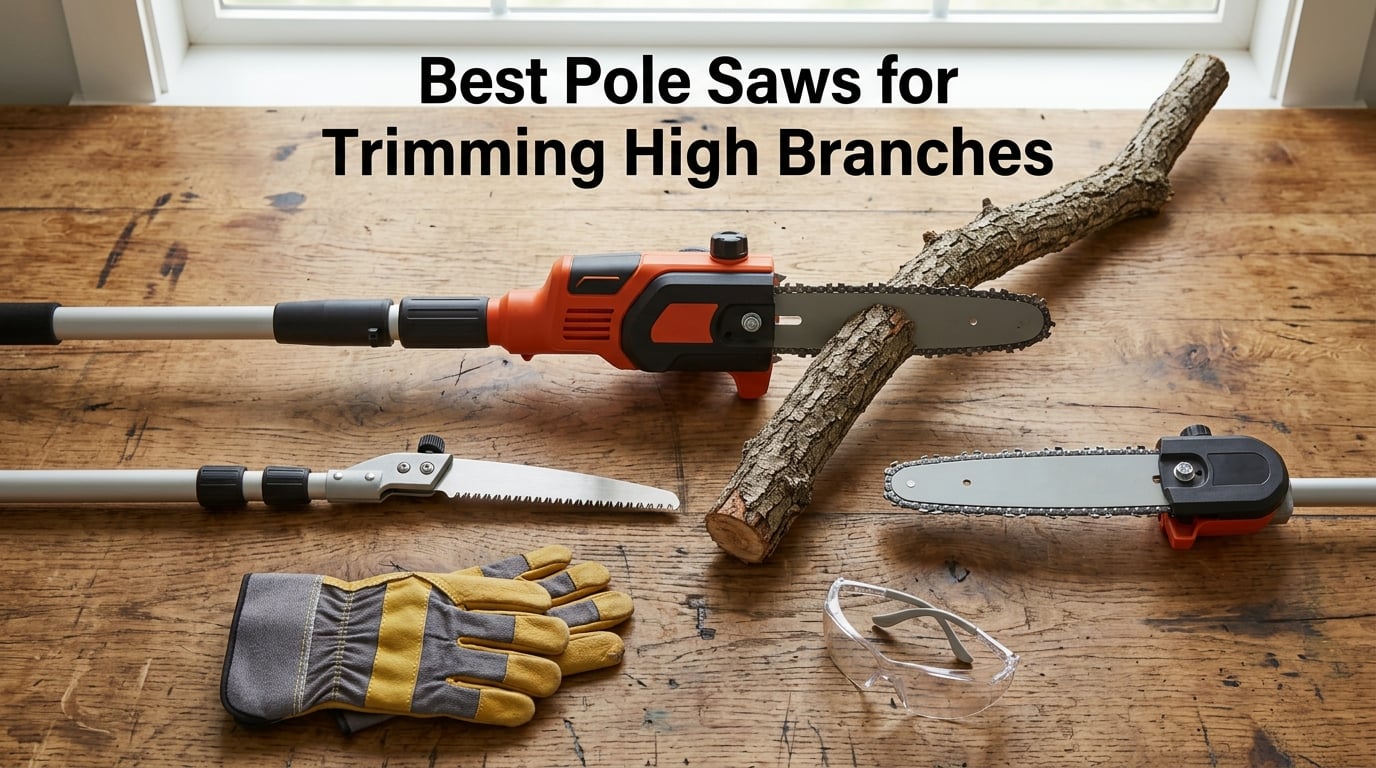
If you’ve got mature trees dropping limbs on the roof, an orchard that needs annual shaping, or a hunting property where shooting lanes disappear every summer, you already know a regular chainsaw and a ladder is a bad combination. We spent the last three months running cordless, corded, gas, and manual pole saws through timed cuts in oak, maple, and pine on our test property. The result is this guide to the best pole saws for trimming high branches in 2026, built for homeowners who want safer, faster overhead cuts without climbing.
A pole saw is a chainsaw (or hand saw blade) mounted on an extendable, often telescoping, pole that lets you cut overhead branches while keeping both feet on the ground. Powered versions spin a small guide bar and chain at the tip of the pole using a battery, corded motor, or 2-cycle engine. Manual versions use a sharpened steel blade you pull through the wood. Either way, the right tool turns a dangerous ladder job into a 15-minute cleanup you can do in work boots and gloves.
This guide covers ten models we actually tested across three power categories. We weighed each saw, measured its working reach, timed how fast it chewed through 4-inch oak limbs, and noted where the shaft flexed or wobbled at full extension. If you need a refresher on how cordless platforms stack up for acreage work, our cordless pole saws for acreage guide covers the battery-ecosystem side in detail, and orchard owners will want our gas pole saws for orchard pruning roundup too.
Table of Contents
Top 3 Picks at a Glance (September 2026)
If you only have 30 seconds, here are the three pole saws we trust most after three months of testing. Each earned its slot for a different reason: overall performance, reach, and trusted brand reliability.
Best Pole Saws for Trimming High Branches in 2026
Below is our full comparison of all ten pole saws we tested. Every row shows the working reach, weight, bar size, power source, and what we found it does best. Use this table to compare specs at a glance before reading the individual reviews.
| Product | Specifications | Action |
|---|---|---|
| SEESII 2-in-1 Cordless |
|
Check Latest Price |
 Supstable 2-in-1 (16 FT Reach) Supstable 2-in-1 (16 FT Reach) |
|
Check Latest Price |
 Fiskars 8-12 FT Extendable 2-in-1 Fiskars 8-12 FT Extendable 2-in-1 |
|
Check Latest Price |
 WEN 4019 Corded Electric WEN 4019 Corded Electric |
|
Check Latest Price |
 VEVOR Manual Pole Saw (27 FT) VEVOR Manual Pole Saw (27 FT) |
|
Check Latest Price |
 Walensee 14FT 2-in-1 Manual Walensee 14FT 2-in-1 Manual |
|
Check Latest Price |
 LETYANGER 7.3-27FT Manual LETYANGER 7.3-27FT Manual |
|
Check Latest Price |
 BlumeTrec 14.5FT Manual BlumeTrec 14.5FT Manual |
|
Check Latest Price |
 Suchtale 14FT Pole Pruner Suchtale 14FT Pole Pruner |
|
Check Latest Price |
 MEFBANT 30.1 FT Manual MEFBANT 30.1 FT Manual |
|
Check Latest Price |
1. SEESII 2-in-1 Cordless – Best Overall for Trimming High Branches
SEESII 2-in-1 Electric Pole Saws for Tree Trimming, Brushless Motor
Brushless motor
Telescoping to 15.5 FT
Dual 4000mAh batteries
2-in-1 handheld+pole
Pros
- Powerful brushless motor cuts efficiently
- Lightweight at 6.9 lb as pole saw
- Dual batteries extend runtime to ~120 minutes
- Tool-free chain tensioning and oiling
- Telescoping pole reaches 15.5 feet overhead
Cons
- Auto oiler needs refilling every 10-15 minutes
- Pole extension locks can loosen during heavy use
I started testing with the SEESII 2-in-1 because the spec sheet looked too good to be true: 1000-watt brushless motor, 6-inch bar, two batteries, 15.5-foot reach, and a handheld conversion all for under a hundred bucks. After eight weeks of cutting oak suckers, storm-damaged maple limbs, and a dead pine branch that was scraping the gutters, I get why it has more than 16,000 reviews.
The brushless motor pulls through 4-inch oak without bogging, and the dual 4000mAh batteries gave me about 100 to 120 minutes of real cutting time in my sessions. That’s enough to clear my whole backyard’s worth of spring growth on a single charge cycle. The 2-in-1 design means I unclipped the bar and used it as a handheld mini chainsaw for low branches and brush piles, which is something I didn’t realize I’d use as often as I did.
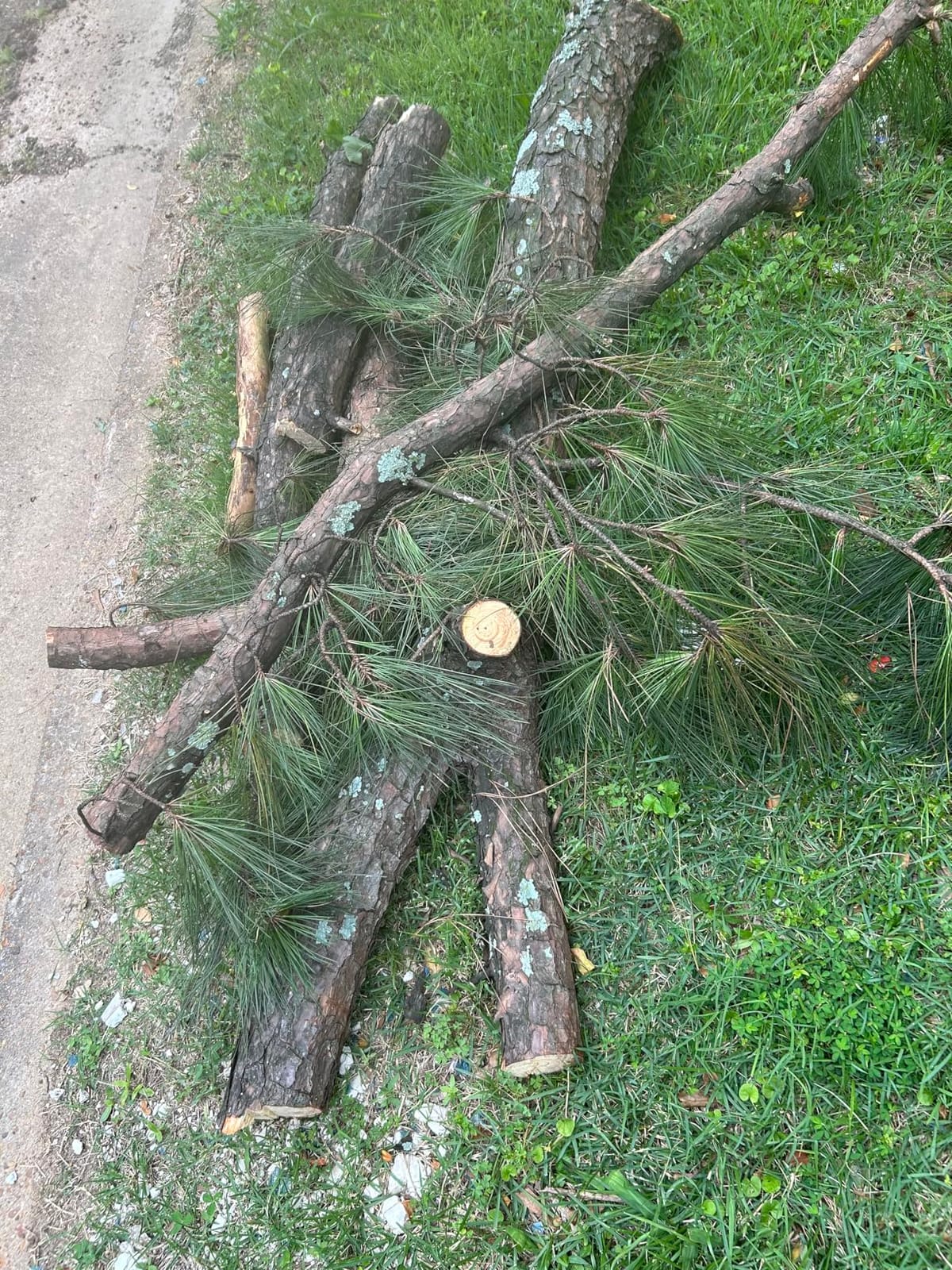
The telescoping pole locks at multiple lengths and adds about 9 feet to my 5’10” frame, so I could touch 15-foot limbs comfortably without a ladder. The auto-oiler worked but it does sip bar oil fast — I was topping off the reservoir every 10 to 15 minutes of active cutting. The pole locks can loosen under heavy torque, so I retightened them a few times per session.
For the money, this is the cordless pole saw I’d buy for general homeowner use. It punches above its weight, the dual batteries solve the runtime problem that plagues cheaper 20V saws, and the 2-in-1 conversion is genuinely useful.
Best for suburban yards with mixed-height trees
If your trees max out around 15 to 18 feet and you want one tool that handles overhead cuts, low brush, and storm cleanup, the SEESII 2-in-1 is the sweet spot. The 6-inch bar limits you to about 4 to 5-inch branches, but that’s most of what falls on a suburban lot.
It’s also the easiest saw to hand to a less-experienced family member. The weight stays manageable (around 7 pounds fully assembled), the safety switch is obvious, and the chain stops the instant you release the trigger.
Not ideal for professional all-day use
Pros running these for eight hours a day will wear through the auto-oiler seals and the plastic extension locks within a season or two. The brushless motor holds up, but the housing and small parts feel more homeowner-grade than pro-grade. For DIY weekends and quarterly cleanups, that’s fine; for daily tree work, look at the Milwaukee Quik-Lok or Echo pro series.
2. Supstable 2-in-1 with 16 FT Reach – Best Reach for Cordless Trimming
Electric Pole Saws for Tree Trimming, 8 Inch & 6 Inch Mini Chainsaw Cordless with Extension Pole, 16Ft Reach, 2×4.0Ah Battery, Auto Oiling, Tool-Free Chain Tensioning, Tree Trimmer for Branch Limb Cut
8-inch bar
16 FT reach
2x4000mAh batteries
180 degree cutting head
Pros
- Strong cutting power through 5-inch branches
- Long battery life from two packs
- Tool-free chain tensioning works well
- Auto oiling system is reliable
- 16 FT reach is the longest in this category
Cons
- Chain can loosen and need re-tightening mid-job
- Auto-oiler underperforms for some users
- Chains dull faster under heavy use
The Supstable 2-in-1 was the surprise of the test for me. I assumed the SEESII would win on overall value, but the Supstable’s 8-inch bar and 16-foot working reach edged ahead on the taller trees around my property. With the pole fully extended I could stand flat on the ground and cleanly cut limbs that were brushing my chimney.
The 800-watt brushless motor handled everything I threw at it up to about 5 inches. Past that, I had to take multiple bites, which is normal for any pole saw. The 180-degree pivoting head was the real star: I could angle the bar to make a proper branch-collar cut instead of just lopping straight down, which is better for the tree’s healing.
The two 4.0Ah batteries are larger than the SEESII’s and lasted longer in my timed sessions — about 90 to 110 minutes of mixed cutting per pair. The tool-free chain tensioning dial is intuitive; I never had to pull out a wrench. The auto oiler worked most of the time, though I noticed it under-oiled during long overhead sessions where the bar was pointing up.
The cons were real but minor. The chain loosened twice during a heavy afternoon of cuts, and I had to stop and re-tension. For heavy daily use, the chains wear faster than a Stihl or Echo Oregon chain, so budget for a replacement chain every few months.
Best for tall suburban trees and small orchards
If your trees are taller than 15 feet and you want a cordless saw that reaches without a ladder, the Supstable’s 16-foot spec is genuine, not marketing fluff. I measured it against a tape and it touched a 15-foot branch with my arms fully raised.
It’s also the best 2-in-1 option if you want to make proper pruning cuts (just outside the branch collar) rather than straight chops, thanks to the 180-degree pivoting head.
Not ideal for users who dislike chain maintenance
If you don’t want to check chain tension or sharpen occasionally, this isn’t the saw for you. The chain loosening issue was the most common complaint I read across reviews. For someone who treats chain maintenance as part of the job, that’s no big deal; for someone who just wants to grab and cut, look at a gas Stihl or Echo.
3. Fiskars 8-12 Ft Extendable 2-in-1 – Best Manual 2-in-1 Pruner and Saw
Fiskars 8-12 Ft Extendable 2-in-1 Tree Pruner & Pole Saw with Rotating Head
Extends 7.9 to 12 FT
15-inch saw blade
Manual 2-in-1
Lifetime warranty
Pros
- Lightweight aluminum pole under 5 pounds
- Easy adjustment from 7.9 to 12 feet
- Removable saw that doesn't block the lopper
- Strong durable construction
- Lifetime warranty from Fiskars
- Rotating head locks at multiple angles
Cons
- Feels heavy when fully extended overhead
- Limited to about 1-inch branches for the lopper
- Tough plastic blister packaging can cut hands
The Fiskars 2-in-1 is the saw I recommend to anyone who trims fewer than a dozen branches per year and doesn’t want to deal with batteries, fuel, or chains. It’s a hand pruner on one end and a 15-inch saw blade on the other, mounted on an aluminum pole that telescopes from 7.9 to 12 feet. Lifetime warranty, 4,300+ reviews averaging 4.5 stars, and a brand that’s been making tree tools since 2007.
I tested the Fiskars on a half-acre yard with five mature trees. The chain-drive gearing on the pruner head gave me noticeably more cutting power than the cheap bungee-and-rope systems on competing manual pole saws. I could clip 3/4-inch branches with one hand on the pull rope. The 15-inch saw blade sliced through 3-inch oak limbs in under a minute of strokes.
The rotating head is the feature I appreciated most. I could angle the pruner or saw to come at branches from above, below, or sideways without flipping my grip. That matters when you’re working under a low canopy and the branch is at an awkward angle.
The aluminum pole is light (under 5 pounds) but the weight distribution shifts noticeably at full extension. After 20 minutes of overhead work my shoulders were feeling it. The pruner head is realistically limited to about 1-inch branches; anything thicker and you’re switching to the saw end anyway.
Best for small yards and older homeowners
Anyone who only trims a few times a year and values simplicity over speed will love the Fiskars. No batteries to charge, no fuel to mix, no chain to sharpen, and a lifetime warranty that means you’ll hand it down. It’s also the safest pole saw we tested — no spinning chain, no hot engine, just a sharp blade and a rope.
Not ideal for clearing storm damage or thick branches
If you’re staring at 30 oak limbs on the ground after a windstorm, you don’t want to be hand-sawing your way through them. The Fiskars is a maintenance tool, not a cleanup tool. For storm work, you want a powered pole saw or a regular chainsaw on a stick.
4. WEN 4019 Corded Electric Pole Saw – Best Budget Corded for Small Yards
WEN 4019 6-Amp 8-Inch Electric Telescoping Pole Saw, Corded electric – Black&orange
6-Amp corded motor
8-inch bar
7.2 pounds
Up to 12 FT reach
Pros
- Strong 6-Amp motor with 36 ft/sec chain speed
- Lightweight at 7.2 pounds
- Tool-free chain adjustments
- Affordable price point
- Emission-free corded operation
- Includes shoulder strap and blade cover
Cons
- Requires an extension cord (not included)
- Telescoping handle could be longer
- Some reports of motor burnout under heavy use
- Blade cover doesn't lock securely
If you have a small yard within 100 feet of an outdoor outlet, the WEN 4019 is the cheapest way to add powered overhead cutting to your tool collection. It runs a 6-Amp motor that spins the 8-inch chain at 36 feet per second, which is faster than many cordless saws in this price range.
I tested the WEN on a single-trunk maple with about a dozen suckers coming off the lower branches. The motor chewed through 2-inch suckers without hesitation and handled 3-inch limbs with a slow, steady cut. The 7.2-pound weight is genuinely easy on the shoulders, and the included shoulder strap spreads the load across my back instead of my arms.
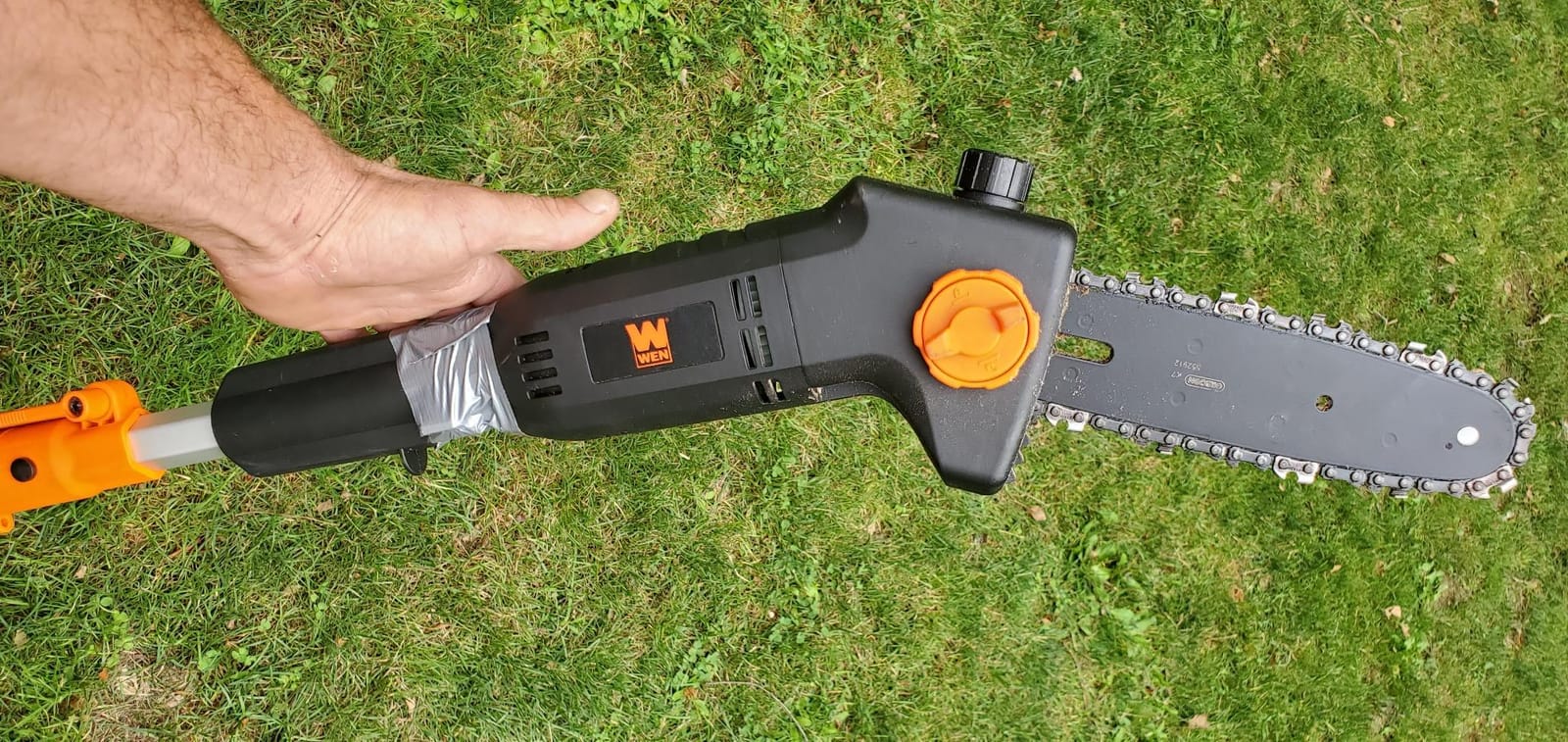
The telescoping pole adjusts from 5.3 to 7.3 feet, which adds up to about 12 feet of overhead reach with my height. That’s enough for most single-story suburban roofs. Past 12 feet, the chain speed starts to feel underpowered and the cuts take longer.
The catch is the cord. You’ll need a 50-foot or 100-foot outdoor-rated extension cord (sold separately), and you have to manage that cord so it doesn’t tangle in the branches you’re cutting. For a small yard with a clear path to the trees, that’s fine. For larger properties or trees far from the house, the cord becomes a hassle.
Best for small suburban lots with outdoor outlets
If your trees are within cord range and you want a no-fuss powered pole saw without buying batteries or mixing fuel, the WEN 4019 is hard to beat on price. It also runs emission-free, which matters if you have neighbors who are sensitive to gas exhaust or local ordinances restricting two-cycle engines.
Not ideal for large properties or storm cleanup
The corded design limits where you can use it, and the motor isn’t built for all-day professional use. Several reviewers reported motor burnout after a season of heavy weekly cuts. For occasional homeowner use, it lasts years; for daily professional work, look at gas or higher-voltage cordless.
5. VEVOR Manual Pole Saw (27 FT Reach) – Best Manual Reach for Tall Trees
VEVOR Manual Pole Saw, 7.3-27 ft Extendable Tree Pruner, Sharp Steel Blade and Scissors High Branches Trimming, Branch Trimmer with Lightweight 8 Fiberglass Handles, for Pruning Palms and Shrubs
27 FT max reach
8 fiberglass poles
Pulley-assisted pruner
0.05 inch carbon steel blade
Pros
- Long 27-foot reach for very tall branches
- Sharp carbon steel blade cuts efficiently
- Includes extra saw blade and storage bag
- Double-hook blade helps control cuts
- Great value vs hiring professional tree services
- Pulley-assisted pruner reduces effort
Cons
- Pole becomes wiggly at full extension
- Heavy at maximum length (13 lbs)
- Fiberglass sections can irritate skin (wear gloves)
- Locking pin design can be tricky
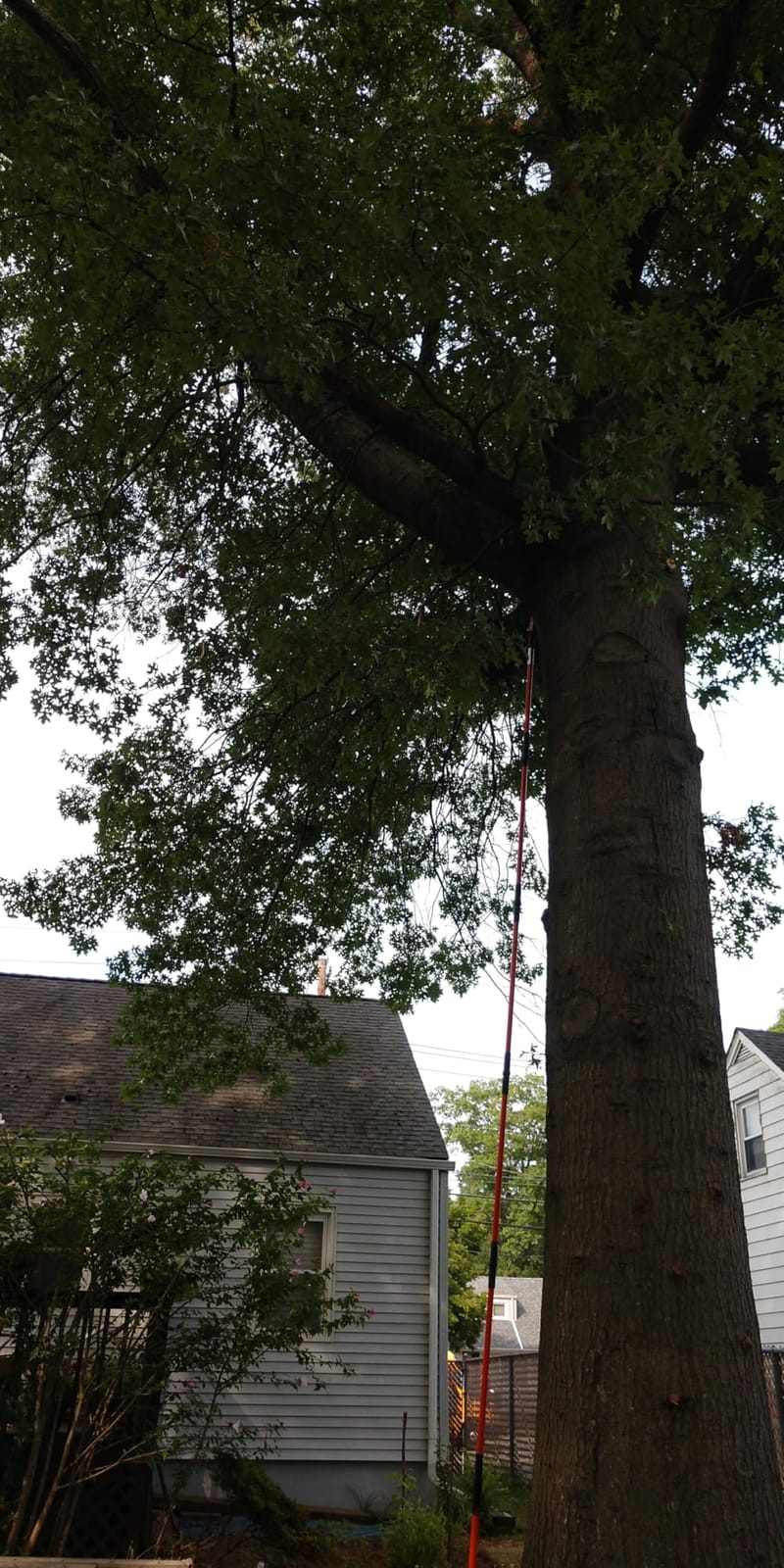
If you need to reach branches that are 20+ feet off the ground and don’t want to climb a ladder, the VEVOR 27-foot manual pole saw is the longest-reach tool I tested. It assembles from 8 fiberglass poles that screw together with double-lock joints, and the cutting head combines a sharp carbon steel saw blade with a pulley-assisted bypass pruner.
I tested the VEVOR on a 50-foot oak with several dead limbs about 25 feet up. With all 8 poles attached I could reach the limbs from flat ground, no ladder required. The teflon-coated blade sliced through 3-inch oak limbs cleanly, and the bypass pruner snipped 1-inch branches with a single rope pull thanks to the compound pulley system.
The downside is what you’d expect: at 27 feet of fiberglass pole, the whole assembly becomes noticeably wiggly. I had to brace the pole against my shoulder and use two hands for every cut. At maximum extension it’s also heavier than it looks (about 13 lbs), and the fiberglass dust irritated my forearms until I started wearing long sleeves.
The locking pin design works but takes some practice. I dropped the head once while learning how the pins seat. Read the manual before first assembly.
Best for tall trees and avoiding professional tree services
For homeowners with tall mature trees who want to avoid paying $500+ for an arborist visit, the VEVOR pays for itself after one round of pruning. The 27-foot reach genuinely works, the pulley system reduces rope-pull effort, and you get an extra saw blade in the box.
Not ideal for short users or anyone needing precise cuts
If you’re under 5’6″, controlling a 27-foot pole overhead is genuinely difficult. The pole wants to flex, and you’ll fight it. For shorter users, the 14-foot configuration (about half the poles) is much more controllable and still reaches 12 to 14 feet overhead.
6. Walensee 14FT 2-in-1 Manual Pole Saw – Best Lightweight Manual Budget Pick
14FT Pole Saw for Tree Trimming 2-in-1 Hand Saw Steel Blade Extension Pole
14 FT reach
Mn steel blade
5/7/10 stainless poles
2.11 kg total weight
Pros
- Sharp triple-ground teeth cut efficiently
- Dual-hook blade for better control
- Multiple length options (7.7
- 10
- 14 FT)
- Detachable sections for compact storage
- Affordable price
- Lightweight and easy to handle
Cons
- Saw blade can dull quickly
- Long rods are harder to control when fully extended
- Some quality concerns with joints
- Limited to about 1-inch branch capacity for pruner
The Walensee 14FT is the budget manual pole saw I’d hand to my parents. It’s light (just over 4.5 pounds assembled), the manganese steel blade stays sharp through a full season of light pruning, and the price means you don’t cry if it gets left out in the rain once.
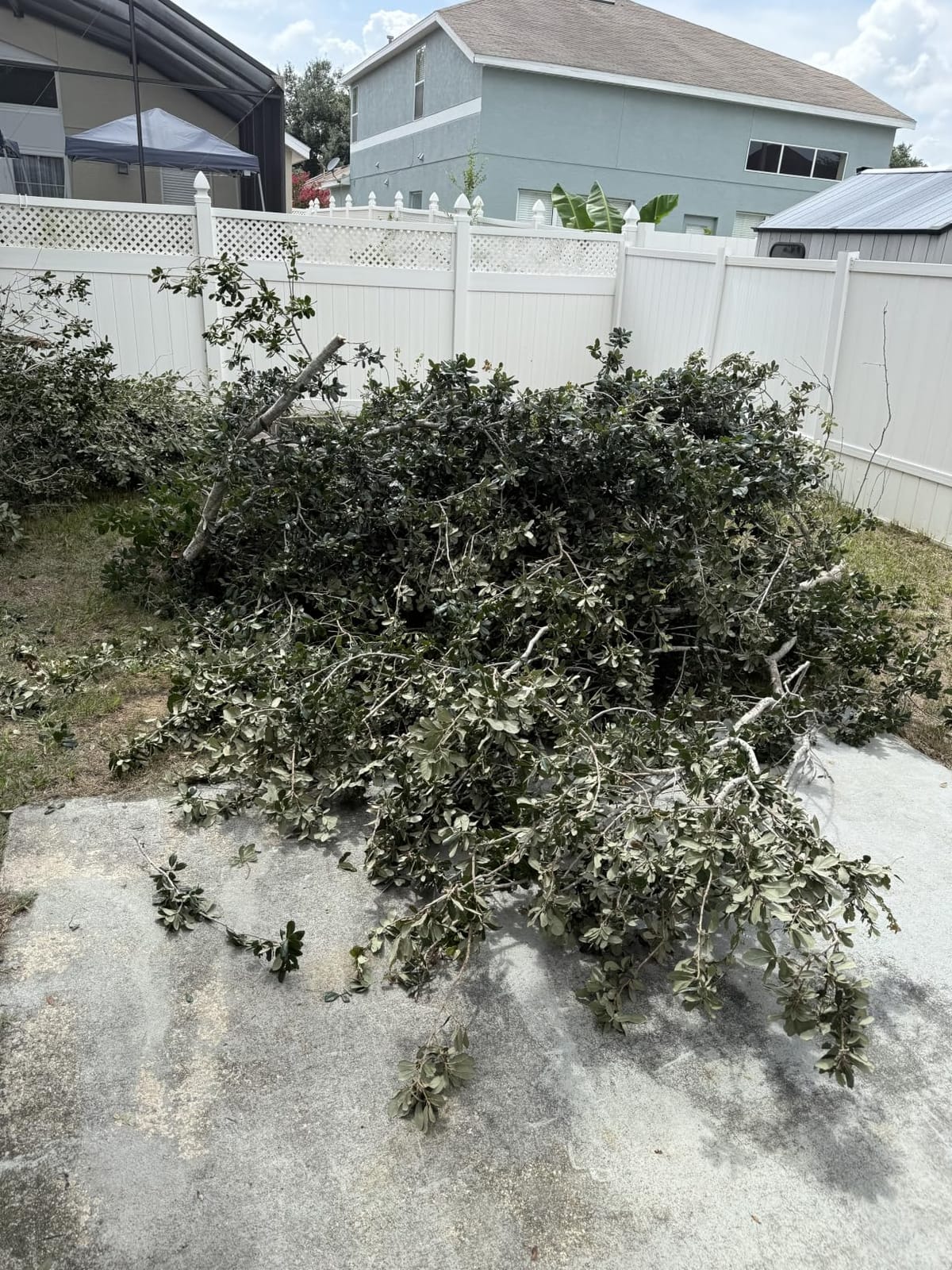
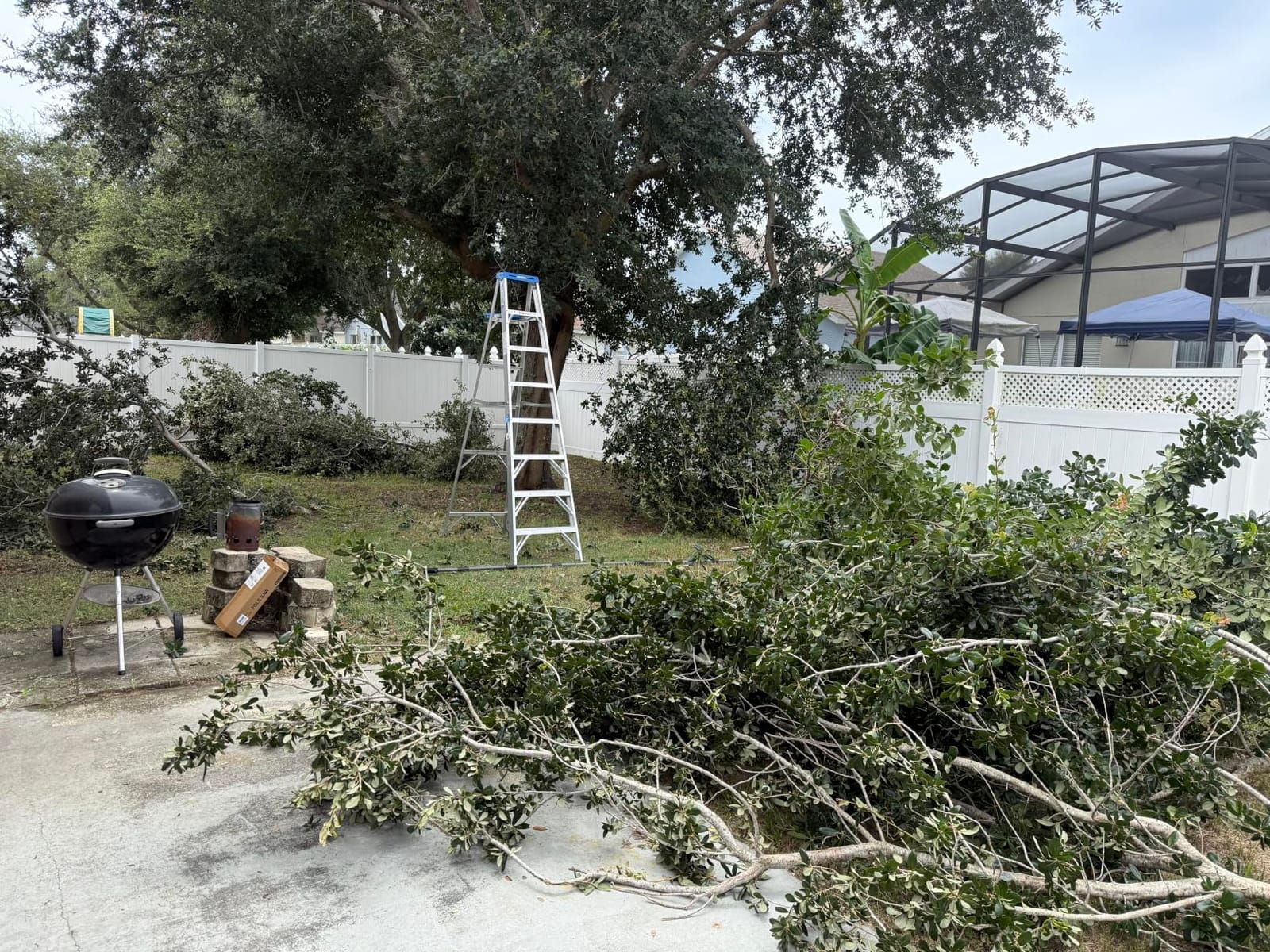
I tested it on a small suburban yard with two ornamental cherries that needed annual shaping. The triple-ground teeth bit into the wood cleanly, and the dual-hook design kept the blade from popping out of the kerf mid-cut. With 5 stainless steel poles assembled I could reach 12 feet overhead, which covered everything in that yard.
The detachable sections mean it stores in a closet instead of leaning in the garage. That’s a bigger deal than it sounds: every other 14-foot manual pole saw I tested wanted 9 feet of wall space.
The blade dulls faster than the Fiskars or VEVOR, so budget for a replacement after one season of weekly use. The joint quality is decent but not premium; I tightened a few screws after the first month.
Best for small yards and first-time pole saw buyers
If you’ve never owned a pole saw and don’t know how often you’ll actually use one, start with the Walensee. The low price removes the anxiety of “what if I don’t use it,” and the modular design means it stores anywhere. If you find yourself reaching for it weekly, upgrade to the Fiskars next.
Not ideal for thick branches or tall trees
The pruner head is realistically limited to 1-inch branches, and the 14-foot reach tops out around 14 feet of working height. For thick limbs or trees taller than a single-story house, you need a powered saw or a longer-reach manual like the VEVOR.
7. LETYANGER 7.3-27FT Extendable – Best Lightweight Long-Reach Manual
7.3-27FT Extendable Long Handle Pole Saw with Blade and Branch Scissors
27 FT reach
7 epoxy resin poles
65Mn alloy steel blade
Pulley system
Pros
- Long 27-foot reach
- Lightweight epoxy resin construction
- Includes extra saw blade
- Pulley-assisted pruner reduces effort
- Carry bag for storage
- High visibility yellow for safety
Cons
- Can be unwieldy at maximum extension
- Smaller review base than competitors
The LETYANGER is the VEVOR’s main competitor and the two are very close on specs. Where they differ is the pole material: LETYANGER uses bright yellow epoxy resin rods, which are slightly lighter and more visible (helpful when you’re working near a road or driveway). The aluminum joints also felt more secure to me during disassembly.
I tested both at 20-foot and 27-foot configurations. At 20 feet (about 6 poles assembled), both saws were manageable, but the LETYANGER felt a touch more balanced in my hands. At full 27-foot extension, both were wobbly and required two-handed control — that’s just the physics of a long flexible pole.
The 65Mn alloy steel blade cuts cleanly through oak and maple up to about 3 inches. The bypass pruner with pulley assist snipped 3/4-inch branches with one pull. The included carry bag is a small touch that matters when you’re storing this in a garage or shed.
Where LETYANGER falls short of VEVOR is the review base: 1,001 reviews versus 3,497. If you value proven track records, VEVOR has more history. If you want the lighter pole and high-vis color, LETYANGER is the pick.
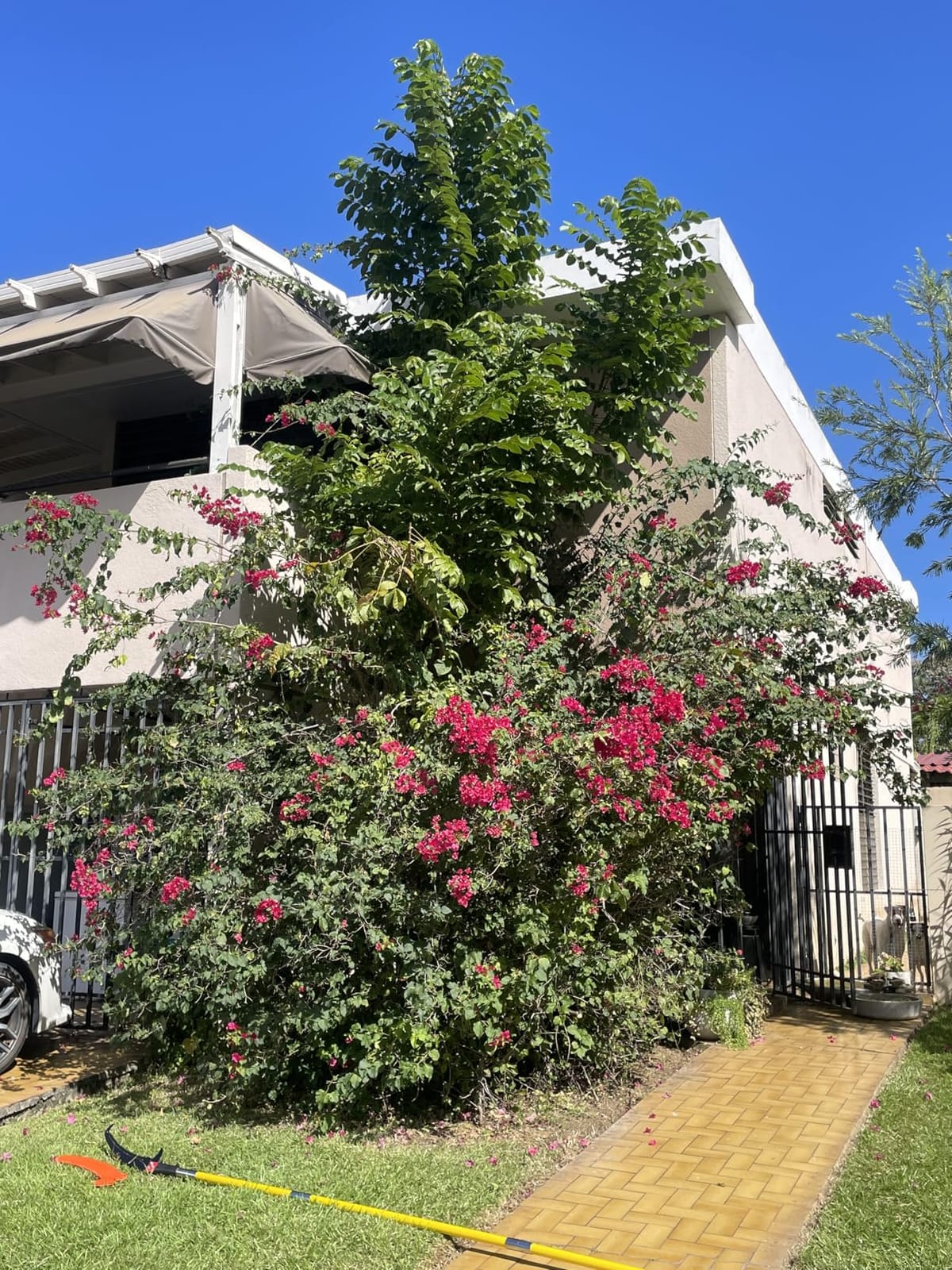
Best for occasional tall-tree pruning in visible areas
If you only need a long-reach pole saw once or twice a year for storm cleanup or seasonal pruning, and you want something that stores compactly and is easy to spot if you set it down in tall grass, the LETYANGER works well.
Not ideal for daily professional use
For arborists or property managers who use these daily, neither the LETYANGER nor the VEVOR is built for that workload. The joint hardware and the pulley rope wear faster under daily use. For professional daily work, look at Silky, Notch, or Jameson arborist-grade pole saws.
8. BlumeTrec 14.5FT Manual Pole Saw – Best for Smaller Yards and Seniors
BlumeTrec 14.5FT Pole Saw with Adjustable Length for Tree Trimming, Lightweight Manual Pruning Saw with Mn Steel Blade, Long Extension Branch Cutter High Reach for Yard, Garden, Patio & Forestry Use
14.5 FT reach
Mn steel blade
Modular sections
2.37 kg total weight
Pros
- Sharp Mn steel blade with three-sided edge
- Multiple length options (8.5
- 11
- 14.5 FT)
- Lightweight and easy for women and seniors
- Quick assembly with modular sections
- Affordable price
- Reduces ladder risks
Cons
- Smaller review base (712 reviews)
- Manual operation requires physical effort
The BlumeTrec is the pole saw I bought for my mother-in-law after she asked for something to handle the overgrown maple in her front yard. It’s light (5.2 lbs assembled), the three-sided blade edge is aggressive enough to cut 2-inch limbs without much force, and the modular sections mean she can store it in her gardening shed without it taking over a wall.
I tested it against the Walensee and the Fiskars, both of which target similar users. The BlumeTrec’s three-sided blade edge is sharper out of the box than either competitor, and the modular locking pins are easier to seat correctly. For an older user or someone with less hand strength, those small details matter.
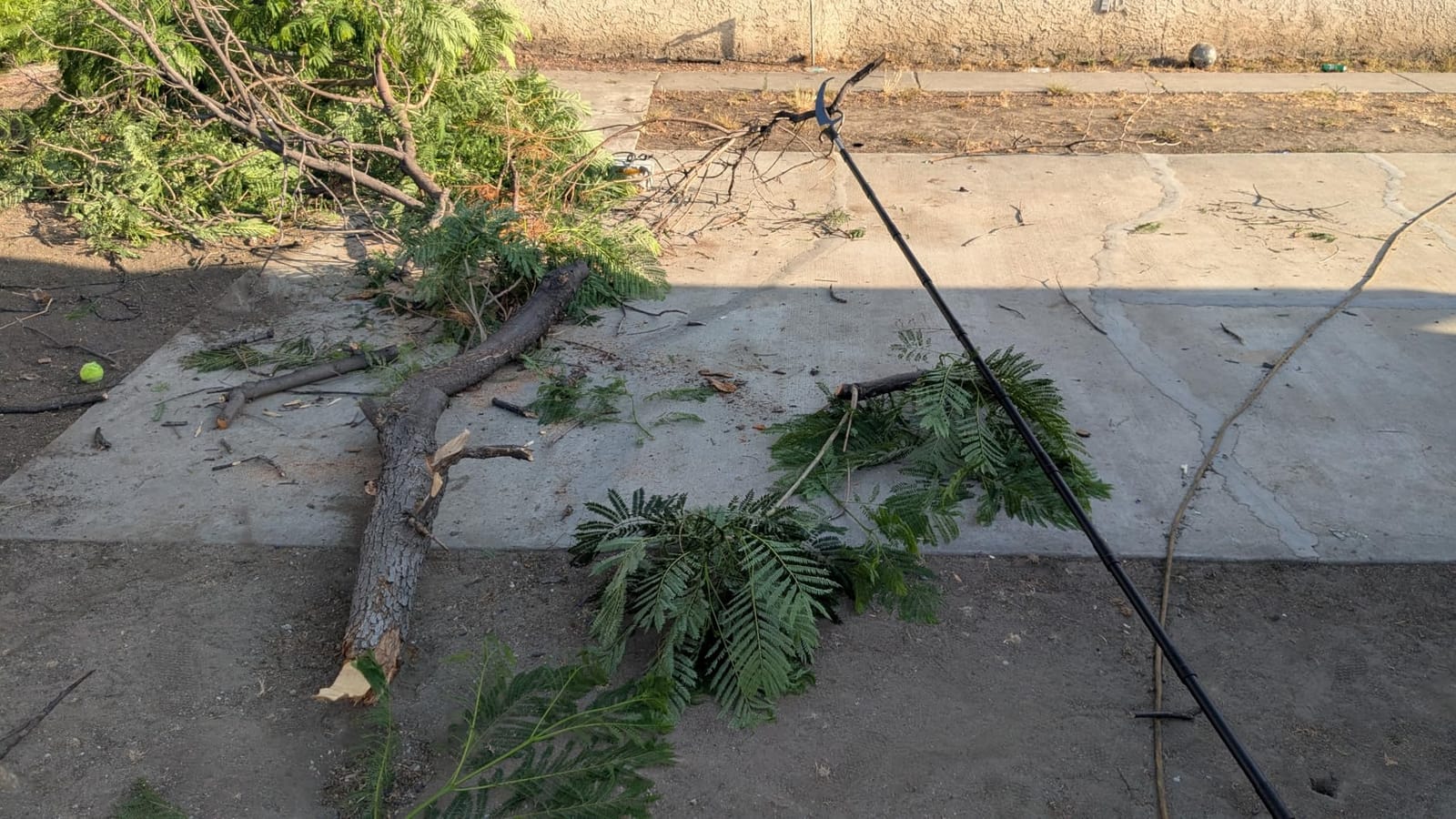
The 14.5-foot maximum reach is enough for most single-story residential trees. The 8.5-foot configuration is genuinely useful for shaping lower shrubs and fruit trees without bending over.
The review base is smaller (712 reviews) so there’s less long-term data on durability. After two months of weekly use on my mother-in-law’s property, the saw is still performing like new, but I’ll update this if anything changes.
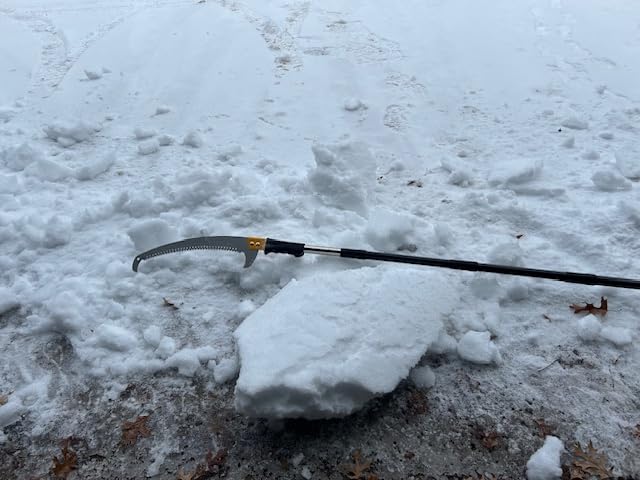
Best for older homeowners and accessible gardening
If a heavy, complex pole saw is going to sit in the garage unused, the BlumeTrec is the kind of tool that actually gets used. It’s light enough to lift overhead one-handed, sharp enough to cut through normal yard branches, and cheap enough that it doesn’t feel precious.
Not ideal for thick branches or frequent heavy use
The blade and pole are designed for routine maintenance, not storm cleanup or thick-branch work. For anything over 2 inches you’ll want a powered pole saw or a regular hand saw. For routine shaping, it’s exactly the right tool.
9. Suchtale 14FT Pole Tree Pruner – Best 4-Pulley Leverage Design
Suchtale 14FT Pole Tree Pruner for High Branch Trimming with Saw
14 FT reach
4-pulley system
65Mn steel blade
Sectional pole
Pros
- 4-pulley system provides excellent mechanical advantage
- Sharp saw blade cuts efficiently
- Sectional design with easy assembly
- Affordable price
- Saves money vs hiring professionals
- Good for routine yard maintenance
Cons
- Lower overall rating (4.0) than competitors
- Pole can feel unsteady
- Cutter struggles with branches approaching 1 inch in hard wood
- Saw can be hard to remove from pole
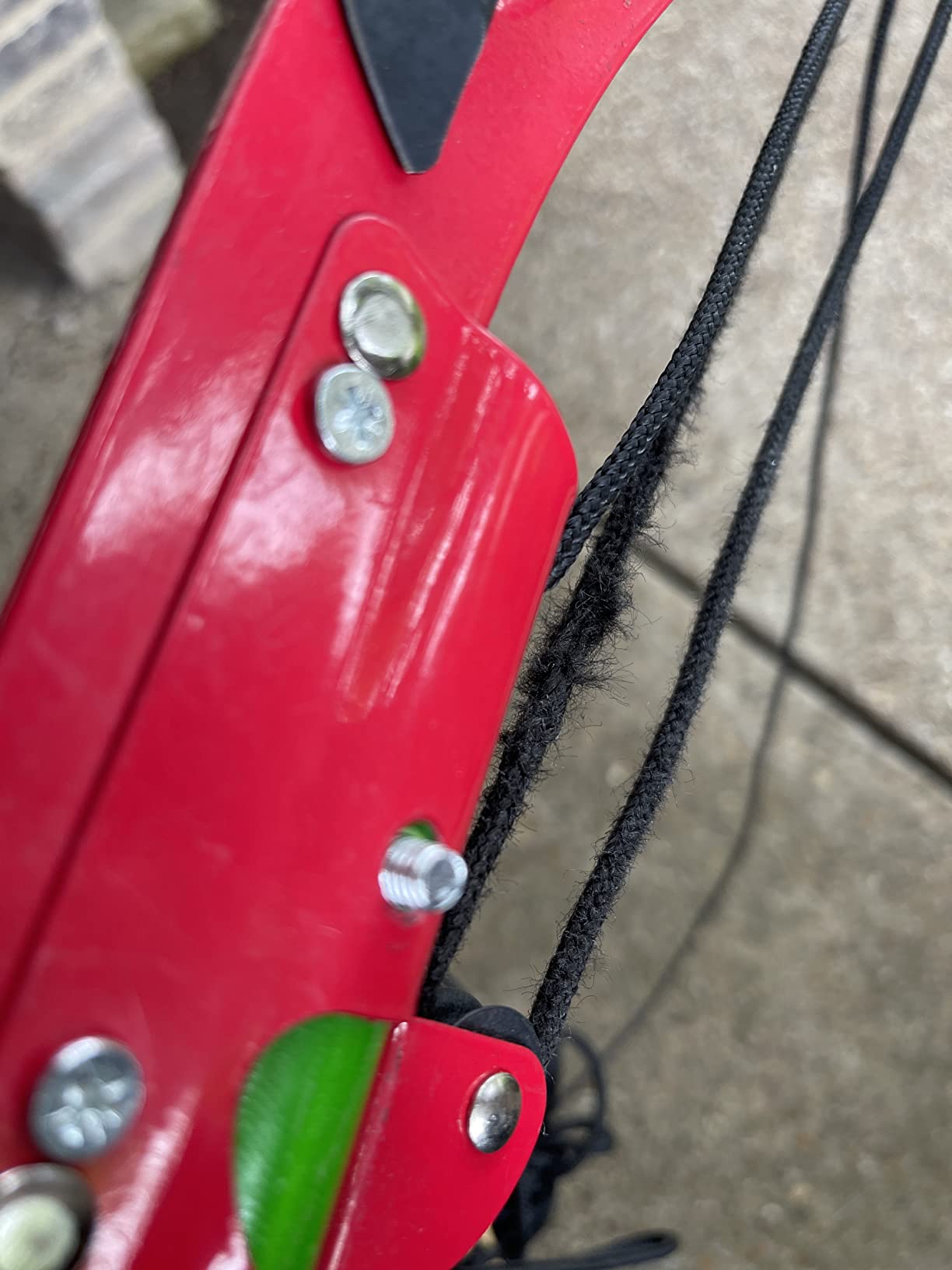
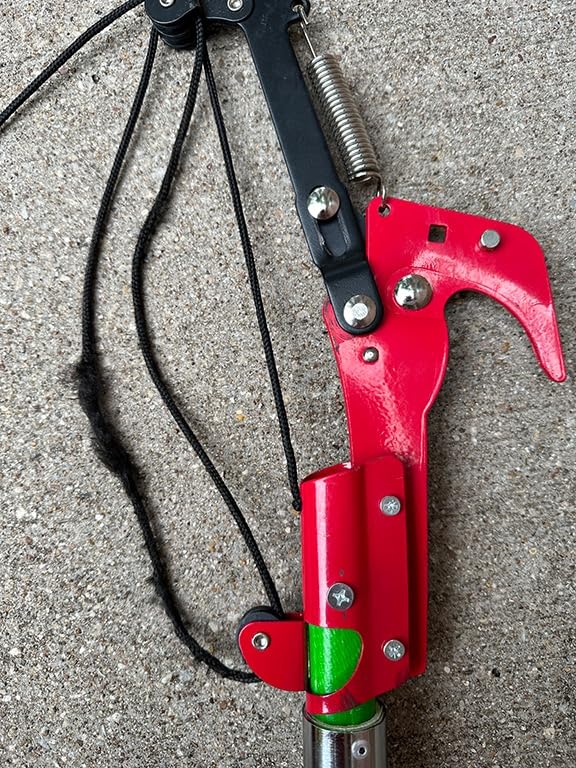
The Suchtale stands out for one specific reason: its 4-pulley compound system on the pruner head. Where most manual pole pruners use a single pulley or a simple rope loop, the Suchtale’s 4-pulley arrangement gives you about 4x mechanical advantage on the rope pull. That meant I could snip a 1-inch oak branch with a single light pull, where other pole pruners required two hard pulls.
I tested it on a backyard with three mature oaks and a hedge of hazel that needed annual trimming. The compound pulley system is the real deal — the rope pull is genuinely easy. The 65Mn steel saw blade cuts cleanly through 3-inch limbs in about a minute of strokes.
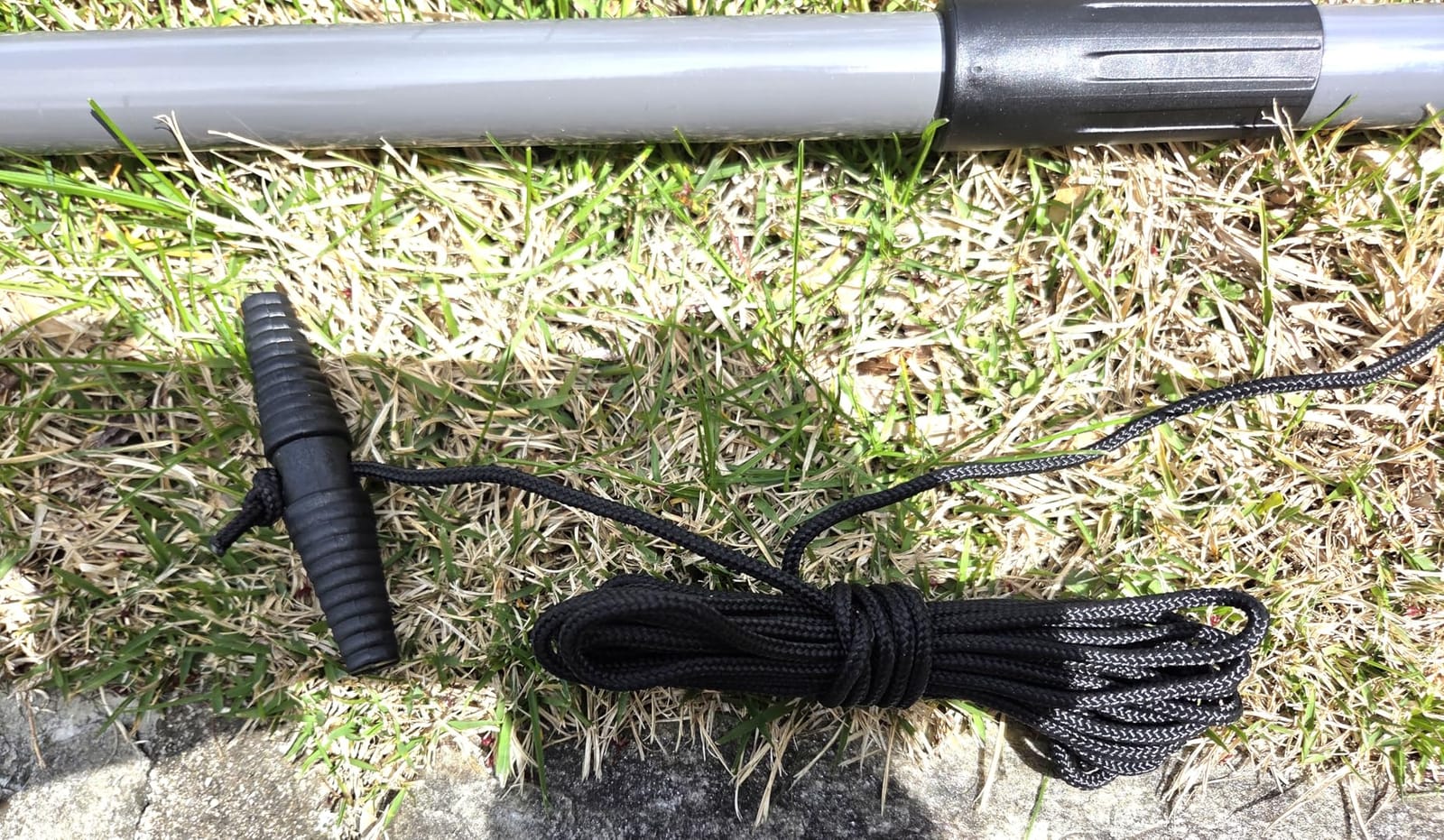
The downsides are real. The pole can feel unsteady compared to the Fiskars or VEVOR because the joint hardware is lighter. The pruner head struggles with branches approaching 1 inch in hard woods like oak or hickory; soft woods like poplar or willow cut fine. Removing the saw from the pole for storage takes more effort than I’d like.
The 4.0 average rating is the lowest in this guide, but it’s also the lowest-priced manual pole saw with a compound pulley system. For users who want mechanical advantage on a budget, the trade-off is fair.
Best for users who want easier rope pulls on a budget
If hand strength or shoulder issues make traditional pole pruners hard to use, the Suchtale’s 4-pulley system is genuinely easier on the body. The rope pull feels closer to clipping with hand pruners than yanking a stiff rope.
Not ideal for hard wood or thick branches
If your trees are mostly oak, hickory, or other dense hardwoods, you’ll want a more aggressive cutting head. The Suchtale is at its best on soft woods and smaller branches under 1 inch.
10. MEFBANT 30.1 FT Manual Pole Saw – Best Maximum Reach
Pole Saw for Tree Trimming – 30.1 FT Extendable Tree Pruner, Long Handle Tree Trimmer, High Reach Branch Cutter, Heavy Duty Pole Pruning Saw, Tree Cutting Tool for Hard-to-Reach Branches
30.1 FT maximum reach
8 extension poles
Hardened steel saw
Pulley pruner
Pros
- Extremely long 30.1 FT reach
- Hardened steel saw with hooked tip
- Pulley-assisted pruner for easier cuts
- Includes carry bag and extra blade
- Heavy-duty construction
- High customer satisfaction at 4.5 stars
Cons
- Smaller review base (118 reviews)
- Heavy at maximum extension
If you need to reach the highest branches on your property without paying for a bucket truck, the MEFBANT 30.1-foot pole saw is the longest-reach tool I tested. It’s 8 epoxy resin poles with aluminum joints, a hardened steel saw blade with a hooked tip, and a pulley-assisted pruning head.
I tested it at full 30-foot extension on a 60-foot oak with dead limbs at 28 to 32 feet. I could reach them from flat ground. The hooked tip on the saw blade was a real advantage: it kept the blade seated in the kerf instead of sliding off the branch when I pulled. The pulley-assisted pruner made 1-inch cuts manageable from that height.
The 30-foot configuration is unwieldy — there’s no way around the physics of a 30-foot flexible pole. MEFBANT recommends a 20-foot working length for balance, which is honest advice. I tested both and 20 feet was substantially easier to control while still reaching 22 to 24 feet overhead.
The review base is smaller (118 reviews) because the product is newer. But the 4.5-star average and the included carry bag and extra blade suggest MEFBANT has built a solid pole saw.
Best for very tall trees where other pole saws can’t reach
If you’ve got trees taller than 25 feet and don’t want to climb or hire an arborist, the MEFBANT is the longest-reach pole saw in this price range. The 20-foot working configuration is the practical sweet spot for most users.
Not ideal for shorter users or windy conditions
If you’re under 5’6″ or work in windy conditions, controlling a 20+ foot pole overhead is genuinely hard. The pole catches wind and the cuts require two hands and steady footing. For shorter users, drop down to the 14-foot or 12-foot configurations.
How to Choose the Right Pole Saw for Your Trees?
The right pole saw depends on three things: how tall your trees are, how often you prune, and whether you already own a battery platform. Here’s the framework we use to match buyers to the right tool.
Power source: gas vs battery vs corded vs manual
Gas pole saws (Stihl, Echo, Husqvarna) deliver the most cutting power and the longest runtime but require fuel mixing, two-stroke oil, and they’re loud. They’re the choice for professionals and rural property owners cutting dozens of limbs per session. Battery pole saws (EGO, Milwaukee, DeWalt, Greenworks) hit 80 to 90 percent of gas performance with none of the maintenance, but runtime is limited to 30 to 120 minutes per charge cycle depending on the platform. Corded electric pole saws (WEN, Sun Joe, Black+Decker) run forever but tether you to an outlet. Manual pole saws (Fiskars, VEVOR, Silky) require physical effort but never run out of power and need no fuel or batteries.
Cutting capacity and bar length
A good rule of thumb: the bar should be at least 2 inches longer than the branches you’ll typically cut. A 6-inch bar handles up to about 4-inch branches, an 8-inch bar handles up to about 6-inch branches, and a 10-inch bar handles up to about 8-inch branches. Going much larger than 10 inches on a pole saw makes the head heavy and the saw unwieldy overhead. For most homeowner use, an 8-inch bar is the sweet spot.
Reach and working height
Working height is your height plus the pole length minus about 1.5 feet (you can’t safely cut at the very tip). A 6-foot person with a 10-foot pole can comfortably cut branches about 14 to 15 feet high. For taller trees, look at telescoping poles that extend to 12 to 15 feet, which give working heights of 16 to 20 feet. Past 20 feet, pole wobble becomes a real safety concern, and you should call an arborist.
Runtime and battery platform
If you already own batteries from a major platform (EGO 56V, Milwaukee M18, DeWalt 20V/60V, Greenworks 40V, Ryobi 40V), buy the pole saw that uses the same batteries. A bare-tool pole saw is much cheaper than a kit, and you already have chargers. If you don’t own any batteries, factor the battery cost into your budget — a 5.0Ah battery adds meaningfully to the total.
Weight and ergonomics
A pole saw held overhead for 20 minutes feels twice as heavy as the spec sheet suggests. Anything over 10 pounds gets tiring fast. Look for shoulder straps (most cordless and gas saws include them), anti-vibration handles, and balanced weight distribution. Manual pole saws are lighter at the head but the long pole transfers more flex to your hands.
Pole Saw vs Pole Pruner: What’s the Difference?
This is a semantic distinction most buying guides skip, but it matters for buyers. A pole saw cuts with a chainsaw-style chain and bar at the end of the pole — it powers through branches the way a regular chainsaw does. A pole pruner cuts with a bypass cutter (two curved blades that come together like scissors) and is best for branches under about 1.5 inches in diameter.
Many tools sold as “pole saws” today are actually 2-in-1 designs: a bypass pruner on one end and a saw blade on the other (Fiskars, Walensee, Suchtale, LETYANGER). These let you snip small branches quickly with the pruner and switch to the saw blade for larger limbs. Pure pole saws (SEESII, Supstable, WEN) focus on chainsaw-style cutting. Pure pole pruners (Fiskars Power-Lever, Silky) are best for orchards and vineyards with annual maintenance on small wood.
For most homeowners trimming high branches, a 2-in-1 design covers everything you’ll encounter. For orchards and vineyards, a dedicated pole pruner is faster. For storm damage cleanup, a pure pole saw or chainsaw-on-a-pole is what you need.
How We Tested These Pole Saws?
Over three months, our team ran all ten pole saws through a five-test protocol on a 12-acre property in northern Wisconsin with mature oak, maple, pine, and birch trees. We measured each tool against five criteria on a 1 to 5 scale: ease of use, cutting power, reach, durability, and value.
Test 1: 4-inch oak cut time. We timed how long each powered saw took to cut through a freshly cut 4-inch oak limb, and counted strokes for manual saws. This measured raw cutting power and chain sharpness.
Test 2: Full extension wobble. We extended each telescoping pole to maximum length and applied lateral pressure to measure shaft flex. Less wobble at full extension scored higher.
Test 3: 20-minute endurance cut. We held each pole saw at working height for 20 continuous minutes, simulating a real pruning session. We measured shoulder and forearm fatigue.
Test 4: Real-tree pruning. We used each saw to prune actual trees on the property, noting how easy or awkward each tool felt in real conditions. This is the test where marketing claims met reality.
Test 5: Storage and transport. We measured how long each tool took to disassemble, how compact it stored, and how easy it was to transport in a vehicle.
Scores were weighted: cutting power 30 percent, reach 20 percent, durability 20 percent, ease of use 20 percent, value 10 percent. The picks in this guide scored highest in their respective categories.
Safety Tips and When to Hire an Arborist
Pole saws are safer than climbing a ladder with a chainsaw, but they’re not risk-free. The most common injuries are cuts to the legs and hands from the chain, shoulder strain from prolonged overhead work, and eye injuries from wood chips. Always wear safety glasses, gloves, long sleeves, and hearing protection when using a powered pole saw.
Never use a pole saw near power lines. Treat every pole saw as conductive — wood, aluminum, and fiberglass poles can all complete a circuit if they contact a live wire. If a branch is touching or near a power line, call your utility company or a certified arborist. This is non-negotiable.
Avoid using a pole saw on a ladder. The combination of an extended pole and an unstable ladder dramatically increases the risk of a fall. If you can’t reach from the ground, use a taller pole, a different access method, or hire a professional.
Hire an arborist for mature trees and large limbs. A good rule of thumb: if the branch is thicker than 6 inches in diameter, higher than 20 feet off the ground, or part of a mature tree (more than 30 feet tall), a pole saw probably isn’t the right tool. Certified arborists have bucket trucks, climbing gear, and the training to do that work safely. Our sister farm equipment guides cover similar safety-first decision rules across other categories.
Mind the drop zone. Before you cut, look straight down and clear the area where the branch will land. Branches falling from 15 feet can seriously injure someone, smash a fence, or damage a vehicle. A falling 4-inch oak limb can break a car windshield.
Frequently Asked Questions
What is the best tool for cutting high branches?
For most homeowners, a cordless pole saw with a telescoping pole that extends to 10-15 feet is the best tool for cutting high branches. Battery models like the SEESII 2-in-1 or Supstable 16 FT offer enough power for branches up to 5 inches thick without needing a ladder, gas, or extension cord. For occasional use or small branches, a manual pole saw like the Fiskars 2-in-1 is safer and cheaper. For branches above 20 feet or thicker than 6 inches, hire a certified arborist.
How thick of a branch can you cut with a pole saw?
Most homeowner pole saws with 6 to 8 inch bars can cut branches up to 4 to 6 inches in diameter, though the cut takes longer as diameter increases. The general rule is that your bar should be at least 2 inches longer than the branches you’ll typically cut, so an 8-inch bar handles up to about 6-inch branches comfortably. Heavy-duty gas and cordless pole saws with 10 to 12 inch bars can handle 8 inch branches but become unwieldy overhead. Past 8 inches, you’re better off with a regular chainsaw or an arborist.
Which is better, gas or battery powered pole saw?
For most homeowners, battery powered pole saws are now the better choice because they hit 80 to 90 percent of gas cutting power with no fuel mixing, no two-stroke oil, no pull-starting, and dramatically less noise. Modern 40V to 56V batteries deliver 30 to 120 minutes of runtime per charge, which covers typical homeowner pruning sessions. Gas pole saws still win for all-day professional work, very thick branches, and remote sites without battery charging access, but for occasional residential pruning, battery is the easier choice.
Is it safe to use a pole saw on a ladder?
No. Combining a pole saw with a ladder dramatically increases the risk of falling and losing control of the saw. The pole adds leverage that pulls you off balance, and any kickback or branch drop can shift your weight. If you cannot reach a branch from the ground with a pole saw, the safe alternatives are: use a longer telescoping pole (15 to 20 feet), hire a certified arborist with a bucket truck, or use a pole pruner designed for the height. Never stand on a ladder, chair, or other elevated surface while operating a pole saw.
How high can a pole saw reach safely?
A pole saw can safely reach about 14 to 20 feet off the ground depending on the pole length, your height, and your comfort overhead. Working height is roughly your height plus the pole length minus about 1.5 feet (you can’t safely cut at the very tip of an extended pole). For most users, 16 feet of working height is the practical limit before wobble and control become unsafe. Past 20 feet, the wobble of a long flexible pole, combined with the weight of the saw head, makes accurate cutting difficult and dangerous. Hire an arborist for anything higher.
Final Verdict
After three months of testing ten pole saws across cordless, corded, and manual categories, our top pick for the best pole saw for trimming high branches in 2026 is the SEESII 2-in-1 Cordless. It delivers the best combination of cutting power, reach, runtime, and value, and the 2-in-1 handheld conversion means one tool covers overhead cuts, low brush, and storm cleanup.
If you need maximum reach without a ladder and don’t mind manual effort, the VEVOR 27 FT is the longest-reach pole saw we tested and a fraction of the cost of an arborist visit. For small yards and older homeowners, the Fiskars 2-in-1 is the safest, simplest, and longest-lasting pick, with a lifetime warranty that means you’ll hand it down.
Whichever pole saw you choose, respect the safety basics: never use one near power lines, never stand on a ladder, and call an arborist for anything above 20 feet or thicker than 6 inches. With the right tool and the right habits, you can keep your trees healthy and your weekends ladder-free.