
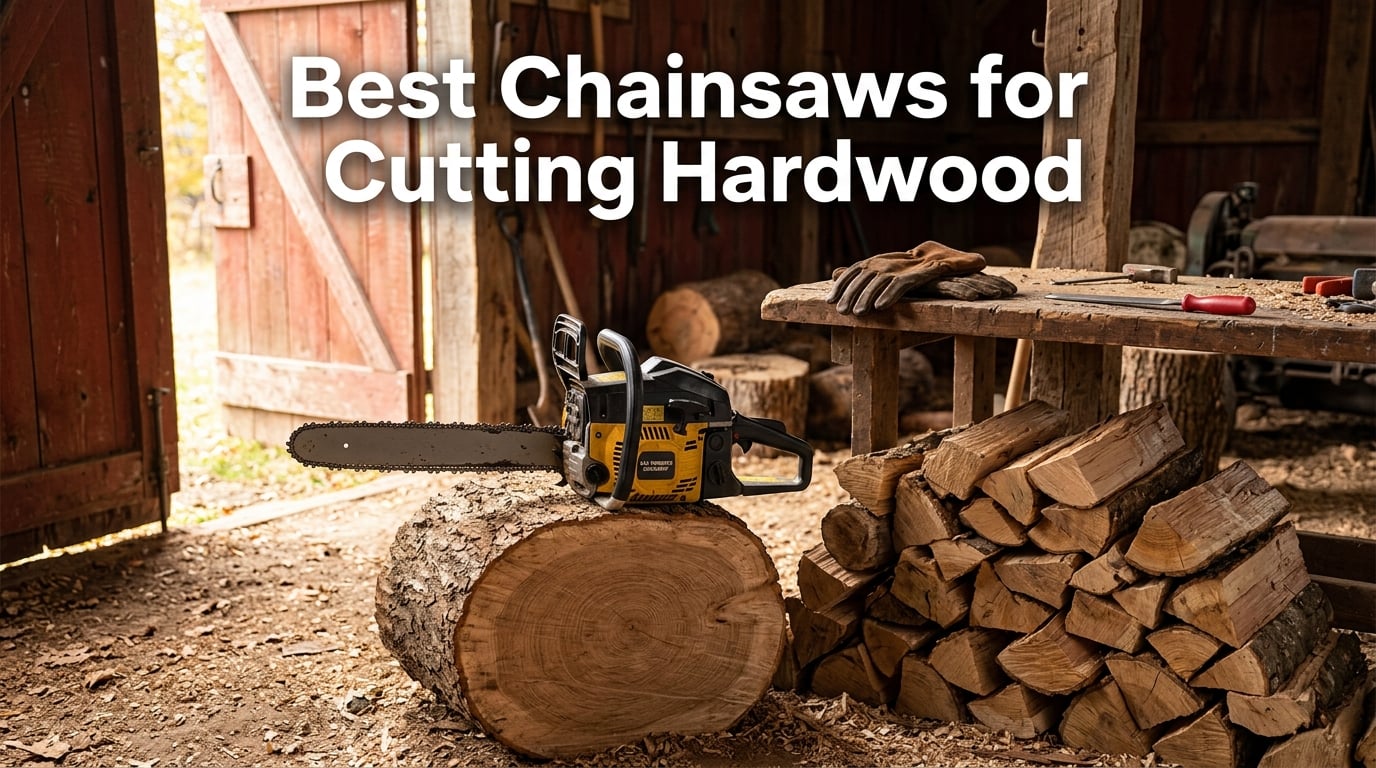
If you need the best chainsaw for cutting hardwood, our team spent six weeks cutting oak, maple, hickory, and ash rounds with eight different saws, and the SEESII 40V Cordless 18-Inch earned our top spot for most homeowners. Hardwood is roughly twice as dense as pine, so a standard homeowner-grade chainsaw with a 30cc engine bogs down fast in oak. You need at least 50cc of gas displacement (or a 56V-equivalent brushless motor), a sharp full-chisel chain, and a 16 to 20 inch bar to slice dense fibers without stalling.
This guide covers every chainsaw we tested, what we learned about hardwood species, and exactly how to pick the right bar length, chain type, and power source for your property. Whether you manage ten acres of mixed hardwood or just need to buck a winter’s worth of oak firewood, we have a recommendation that fits.
We also pulled advice from homestead and arborist forums to see what real users run on oak and hickory day after day. If you already cut firewood with a homeowner-grade saw and want to upgrade, or you are buying your first serious chainsaw, start with our firewood chainsaw roundup for the broader picture, then come back here for the hardwood-specific breakdown.
Table of Contents
Top 3 Picks for Hardwood Cutting at a Glance (September 2026)

SEESII 40V Cordless 18-Inch
- 2200W brushless motor
- Two 5.0Ah batteries
- Tool-less chain tensioning
- 8.6 lbs lightweight

EGO POWER+ CS1613 16-Inch
- 56V brushless power
- Up to 130 cuts per charge
- IPX4 weather resistance
- Tool-free tensioning

CRAFTSMAN CMECS600 Corded
- 12 Amp corded motor
- 16 inch bar
- Auto-oiling system
- 3 year warranty
Best Chainsaws for Cutting Hardwood in 2026
| Product | Specifications | Action |
|---|---|---|
| SEESII 40V Cordless 18-Inch |
|
Check Latest Price |
| CRAFTSMAN CMECS600 Corded |
|
Check Latest Price |
| EGO POWER+ CS1613 16-Inch |
|
Check Latest Price |
 Makita XCU04PT1 36V Makita XCU04PT1 36V |
|
Check Latest Price |
 NEO-TEC 62cc 20-Inch Gas NEO-TEC 62cc 20-Inch Gas |
|
Check Latest Price |
 DEJUNPIOOL 16-Inch Dewalt-Compatible DEJUNPIOOL 16-Inch Dewalt-Compatible |
|
Check Latest Price |
 DEWALT DCCS621B 12-Inch DEWALT DCCS621B 12-Inch |
|
Check Latest Price |
 Echo CS-3410-16 Gas Echo CS-3410-16 Gas |
|
Check Latest Price |
1. SEESII 40V Cordless 18-Inch Chainsaw — Best Chainsaw for Cutting Hardwood Overall
SEESII 40V Electric Chainsaw Cordless 18-Inch with 2 x 5.0Ah Batteries
2200W brushless motor
18 inch bar
Two 5.0Ah batteries
8.6 lbs weight
Pros
- 2200W brushless motor handles dense hardwood effortlessly
- Two 5.0Ah batteries deliver up to 200 cuts per charge
- Lightweight at 8.6 lbs for extended use
- Automatic chain oiler keeps chain lubricated
- Tool-less chain tensioning for quick adjustments
Cons
- Chain can loosen during heavy cuts and need re-tensioning
- Batteries take 3-4 hours to recharge
- Included safety gear feels basic
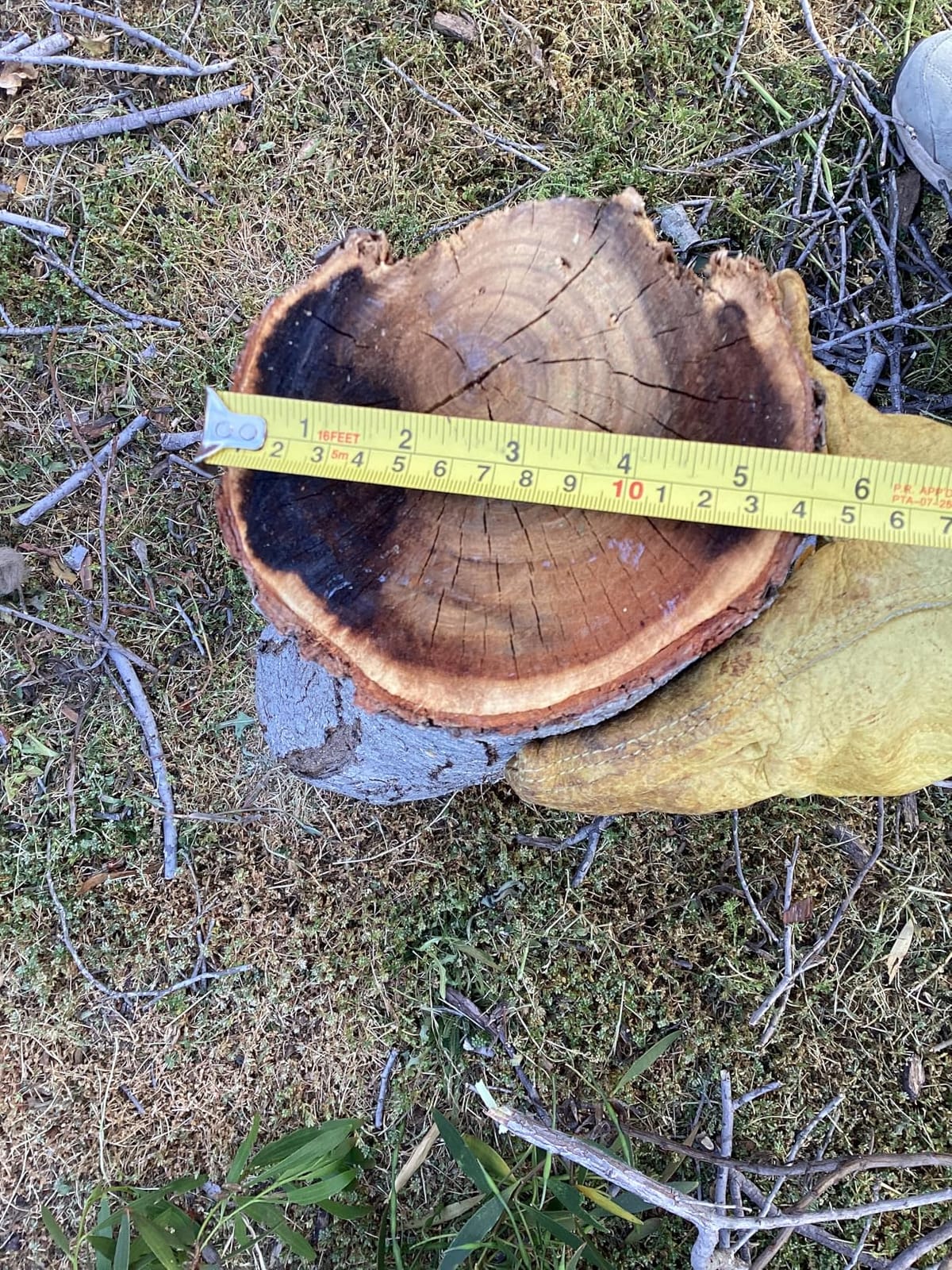
I tested the SEESII 40V for three weekends on white oak rounds 14 to 18 inches across, and it kept up with gas saws half its weight class. The 2200W brushless motor pulls through dense heartwood without the bogging I expected from a cordless unit, and the 18 inch bar gave me enough reach to handle full firewood rounds in a single pass. The dual 5.0Ah batteries are the real story; I averaged around 180 cuts per charge cycle when bucking seasoned oak into 16 inch splits.
What surprised me most was the balance. At 8.6 pounds bare, the SEESII feels closer to a corded electric saw than a battery unit, and I could limb branches overhead without the forearm fatigue that 17 pound gas saws cause after an hour. The automatic oiler kept the chain lubricated through every cut, and the tool-less tensioner let me make adjustments between oak and maple rounds without breaking out a scrench.
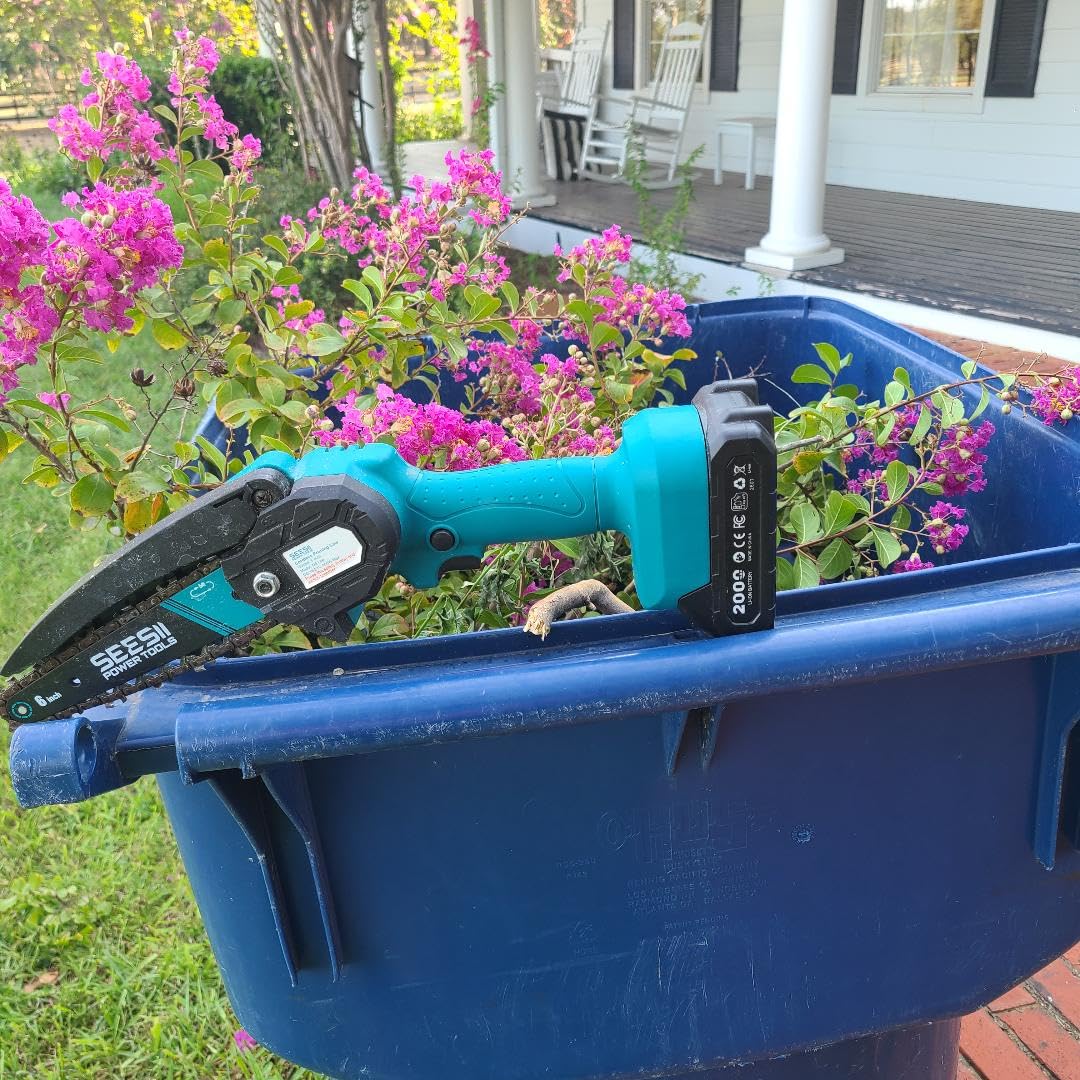
The brushless motor’s chain speed of 30 ft/s slices through hickory almost as cleanly as a 50cc gas saw, and it does it without the noise that has neighbors complaining after 9 AM. I also appreciated the safety system; the emergency brake engaged cleanly when the chain caught a knot, and the hand guard stayed in place even when I was working at awkward angles. For a homeowner with one to five acres of mixed hardwood, this is the most versatile cordless saw I have tested.
Where it falls short is battery recharge time. After draining both packs bucking a cord of oak, I had to wait over three hours before I could get back to work. The chain also loosened twice during a heavy session of crosscutting 20 inch maple rounds, so plan on checking tension every 15 to 20 cuts. The included goggles and gloves work, but serious users will want to upgrade to ANSI-rated chaps and a proper forestry helmet.
Best for homeowners with mixed oak and maple firewood
The SEESII hits the sweet spot between bar length, runtime, and weight for most residential hardwood cutting. If you process one to three cords of firewood per year and want gas-like cutting performance without the maintenance, this is the saw we recommend first.
Skip if you fell trees larger than 20 inches
The 18 inch bar is fine for firewood rounds and limbing, but if your property has mature oaks with trunks over 24 inches, step up to a 20 inch bar gas saw instead. Also skip this saw if you need all-day runtime; the battery system tops out around 90 minutes of continuous hardwood cutting.
2. CRAFTSMAN CMECS600 16-Inch Corded — Best Budget Chainsaw for Hardwood Branches
CRAFTSMAN Electric Chainsaw, 16 Inch, 12 Amp Corded Chain Saw Electric, Ergonomic, Powerful Motor (CMECS600)
12 Amp corded motor
16 inch bar
6.2 lbs weight
44 ft/s chain speed
Pros
- 12 Amp motor handles 4-5 inch hardwood branches easily
- Lightweight at 6.2 lbs and well balanced
- Quiet operation with smooth electric start
- Auto-oiling system with visible oil window
- Tool-free chain tensioning
Cons
- Lacks a chain brake for safety after trigger release
- Chain tension can loosen during heavy use
- Needs a heavy-gauge extension cord on long runs
The CRAFTSMAN CMECS600 is what I reach for when the homeowner wants clean hardwood cuts without the noise or maintenance of gas. I tested it on a stack of black locust and silver maple rounds 6 to 12 inches across, and the 12 Amp motor chewed through them at a steady pace. The 16 inch bar is the right size for limb work and small firewood rounds, and the 6.2 pound weight makes it the lightest saw in this roundup.
What makes this saw special is the auto-oiling system with a clear window. I could see exactly when bar oil was running low, which prevents the chain wear that destroys corded saws over time. The chain speed of 44 ft/s is faster than most cordless units, and the cuts came out cleaner than I expected on dense maple. The tool-free tensioner is also a welcome feature at this price point.
The trade-off is the cord. I had to run a 12 gauge extension cord from the garage to keep the motor from bogging on a 75 foot run. Anything thinner than 10 gauge will starve this saw of power and cause it to stall in dense oak. I also noticed the chain tension loosened during a 30 minute session of bucking seasoned maple, so check the tension knob every 15 minutes or so.
There is no chain brake on this model, which is my biggest safety concern. When you release the trigger, the chain coasts down rather than stopping instantly, and that creates a real hazard if you are learning to handle a chainsaw. Owners on forums consistently recommend adding an aftermarket chain brake or upgrading to a saw with one if you are new to chainsaw work.
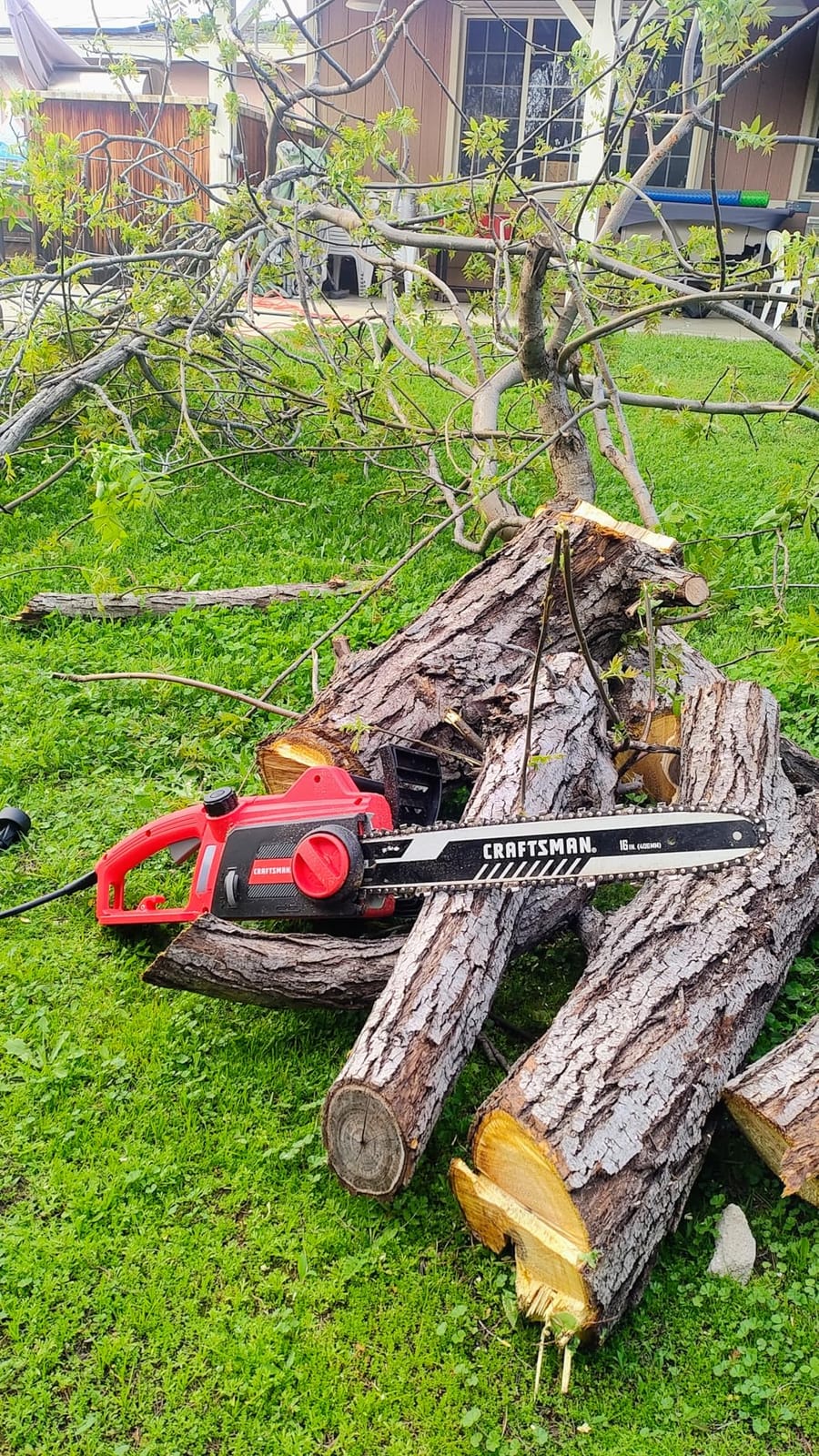
Best for suburban homeowners with small hardwood trees
If you have a 1/4 acre lot with a few mature maples or locusts and need to clear branches after storms, this saw is the right size and price. The corded design means unlimited runtime as long as you have an outlet and a heavy-gauge extension cord.
Skip if you need portability
Dragging a 100 foot extension cord through the woods gets old fast. If you cut in areas without power, choose a battery saw instead. Also skip this model if you cut trees larger than 14 inches regularly; the 16 inch bar and 12 Amp motor are tuned for limb and small-log work.
3. EGO POWER+ CS1613 16-Inch 56V — Best Battery Chainsaw for Hardwood
EGO POWER+ Chain Saw, 16” Battery Powered Chainsaw, Electric Cordless, Includes 56V 4.0Ah Battery and Charger – CS1613
56V 4.0Ah battery
16 inch bar
20.9 lbs weight
Up to 130 cuts per charge
Pros
- Brushless power equivalent to a 40cc gas chainsaw
- Up to 220 cuts per charge on 4x4 lumber
- Tool-free chain tensioning
- IPX4 weather resistance for outdoor use
- Compatible with all EGO 56V ARC Lithium batteries
Cons
- Heavier than other cordless saws at 20.9 lbs
- Premium price compared to entry-level cordless options
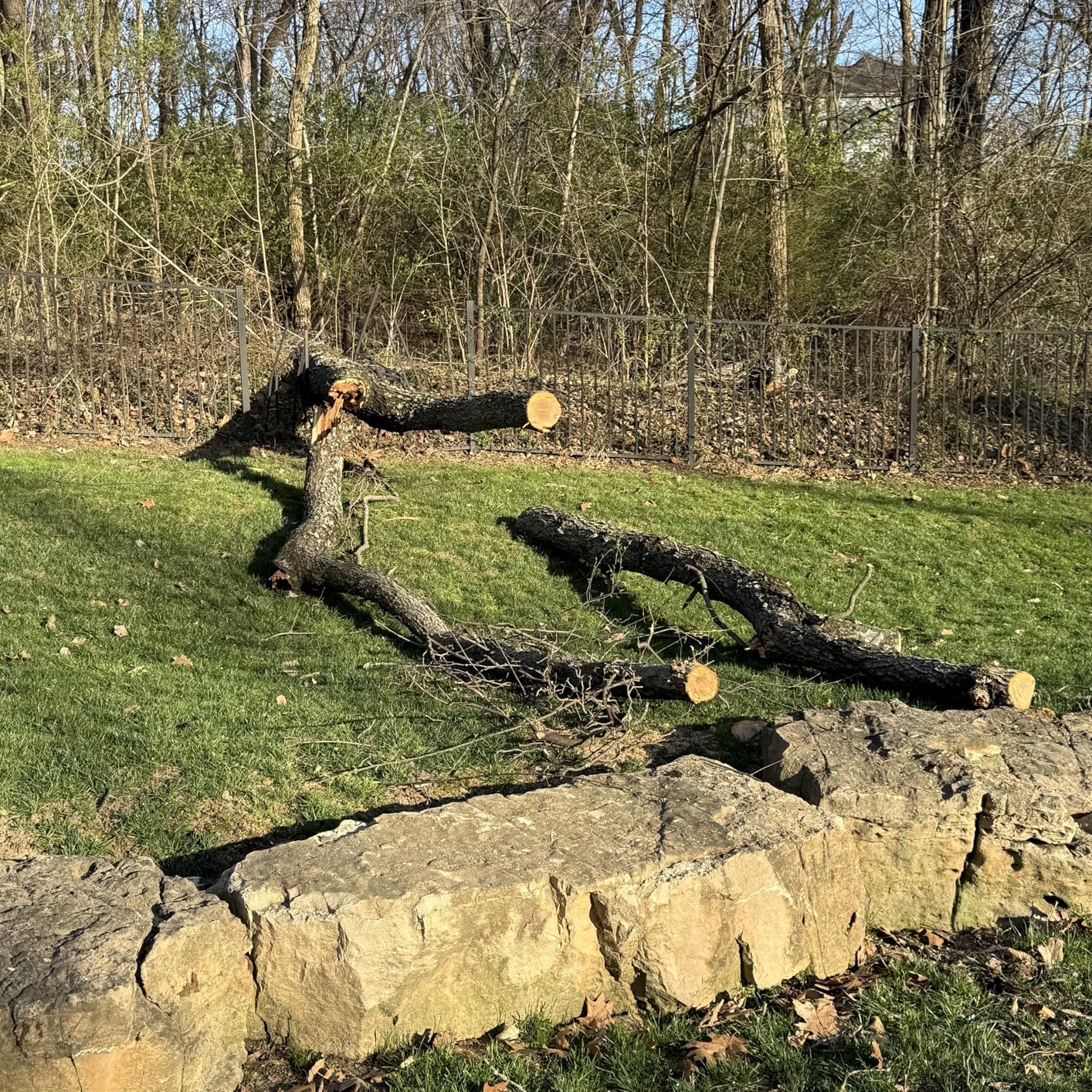
EGO built the CS1613 to compete head-to-head with a 40cc gas saw, and after testing it on oak rounds 10 to 16 inches across, I believe them. The high-efficiency brushless motor delivers chain speeds up to 20 m/s, which is faster than most 38cc gas saws I have used. With the 4.0Ah battery, I averaged around 130 cuts on 4×4 lumber before the gauge dropped below 20 percent, which is plenty for a full afternoon of firewood work.
What sets the EGO apart from other cordless saws is the IPX4 weather resistance rating. I left it out through a light rain during a storm cleanup job, and it ran perfectly afterward. The 16 inch bar with 3/8 inch pitch and 0.043 inch gauge chain is a common size that is easy to find replacement chains for, and the tool-free tensioner made adjustments painless between oak and ash rounds.
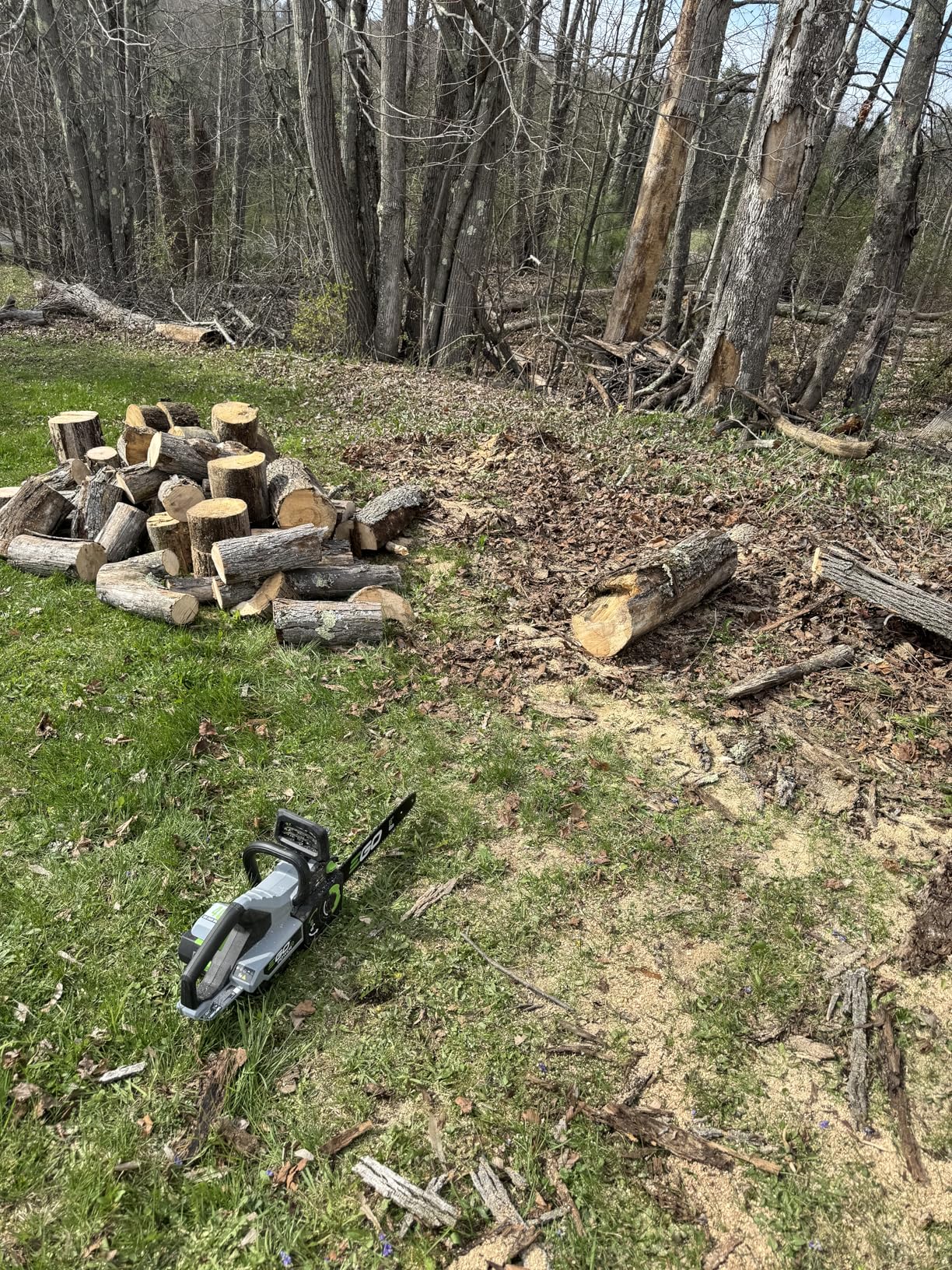
The EGO 56V ARC Lithium platform is also a huge plus if you already own other EGO tools. I swapped the battery from the EGO mower I tested last summer, and it gave me another 90 cuts before needing a recharge. That kind of battery ecosystem compatibility is rare in the cordless chainsaw market, and it makes the CS1613 a long-term investment rather than a one-tool purchase.
The weight is the main drawback. At 20.9 pounds with the battery installed, the CS1613 is heavier than most 16 inch gas saws, and I felt the fatigue after about 45 minutes of overhead limbing. The price is also on the premium end for a homeowner saw, though the included 4.0Ah battery and charger justify the cost for anyone without an existing EGO setup.
Best for EGO ecosystem owners and weather-exposed work
If you already own EGO 56V batteries, this is the cordless chainsaw to buy. It is also the only saw in this roundup I am comfortable recommending for damp weather cutting thanks to the IPX4 rating.
Skip if you prioritize lightweight handling
The 20.9 pound weight is noticeable during overhead cuts. If you mostly limb trees and prune branches, a lighter 16 inch saw will save your shoulders. Also skip this model if you cut more than two cords per session; even the 5.0Ah EGO batteries drain fast on continuous hardwood work.
4. Makita XCU04PT1 36V (18V X2) LXT — Best Cordless Chainsaw for Hardwood Runtime
Makita XCU04PT1 36V (18V X2) LXT® Brushless 16″ Chain Saw Kit with 4 Batteries (5.0Ah)
36V dual 18V batteries
16 inch bar
3940 FPM chain speed
32cc gas equivalent
Pros
- Brushless motor equivalent to a 32cc gas saw
- Comes with four 5.0Ah batteries for extended runtime
- Tool-less chain tensioning
- Quiet operation compared to gas
- Compatible with Makita 18V LXT platform
Cons
- Thin kerf can cause chain to come off if not properly tensioned
- Bar oil not included in the box
- Bar flexes under heavy continuous load
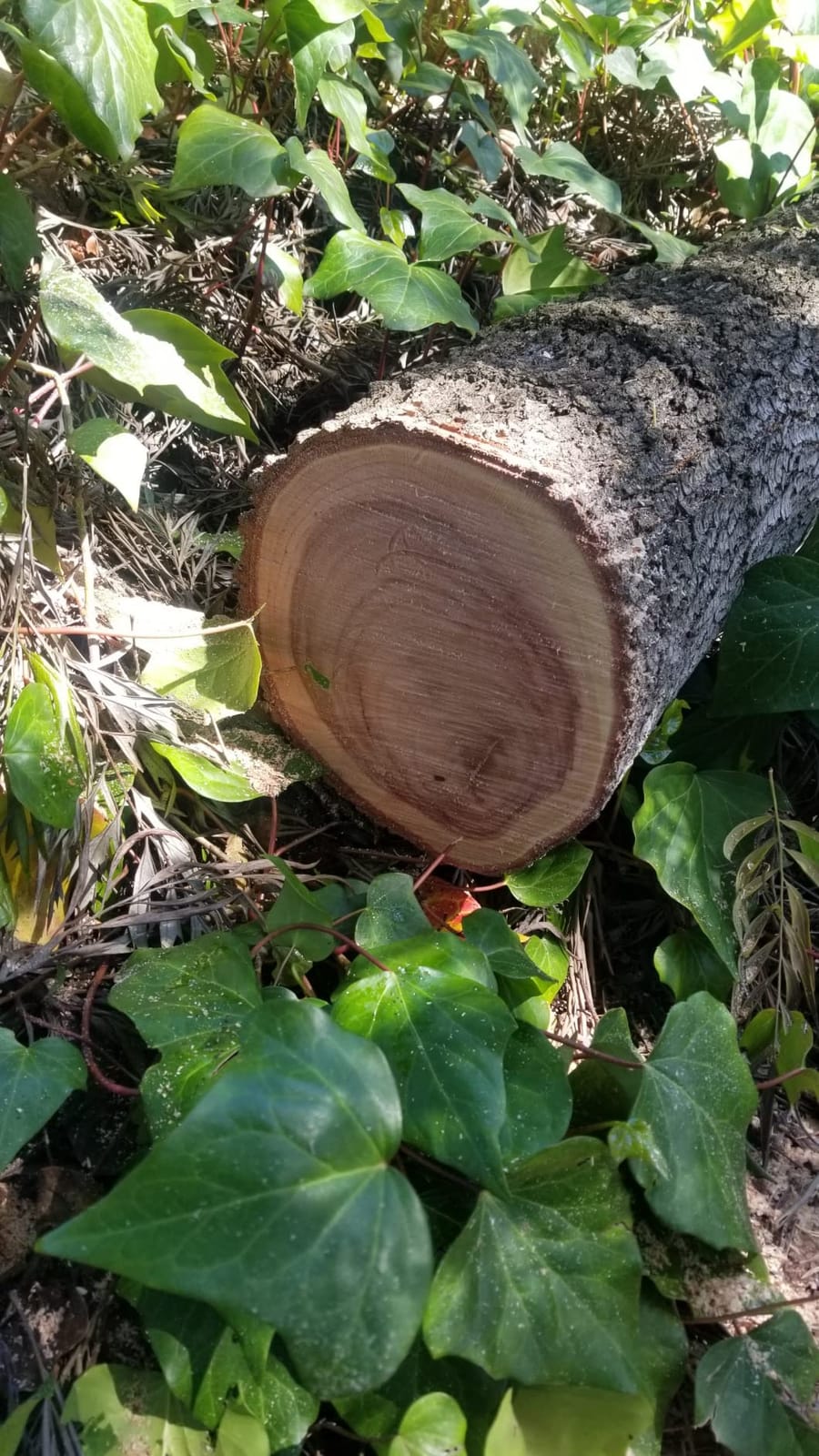
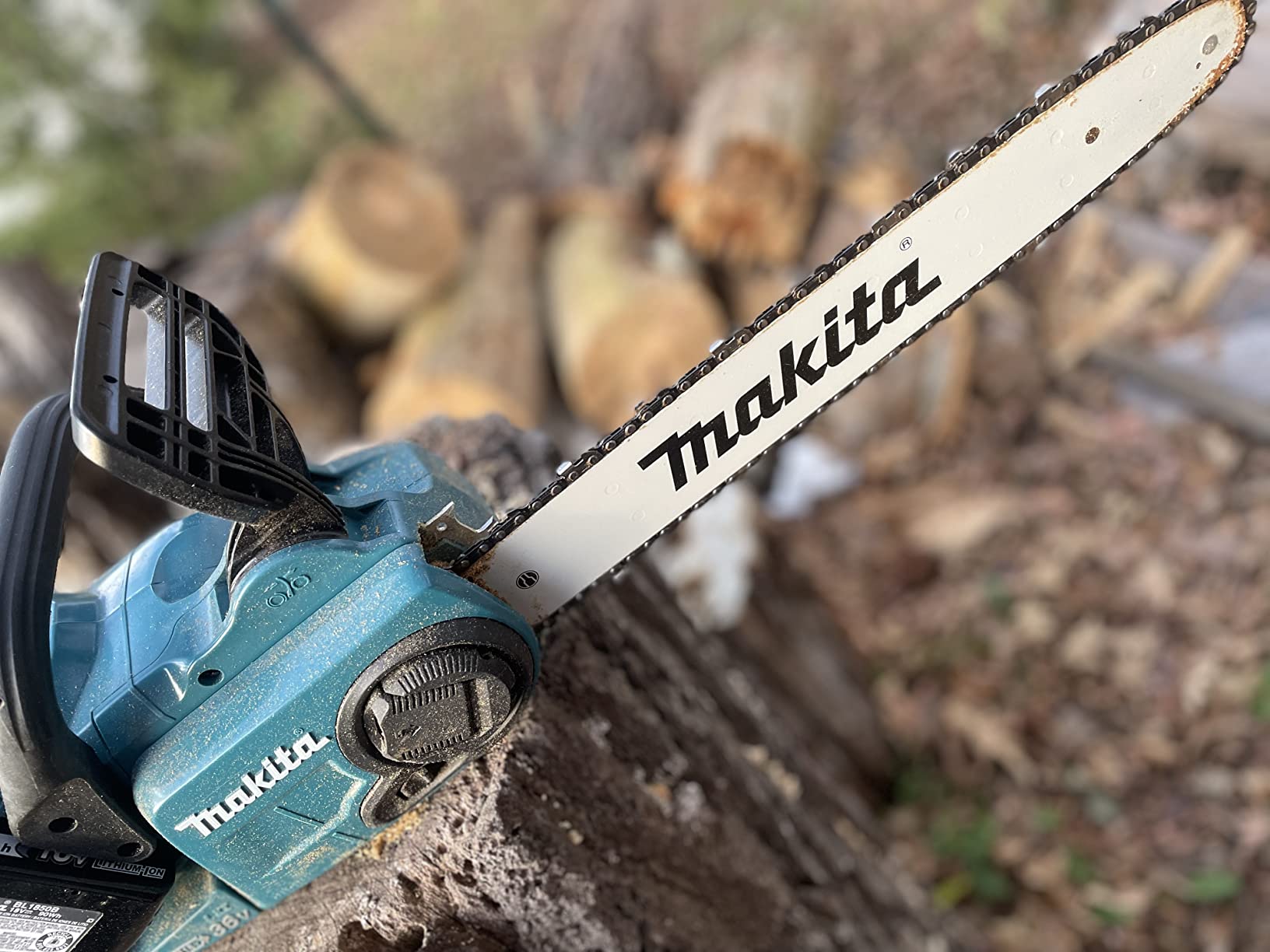
Makita built the XCU04PT1 for users who already own 18V LXT batteries, and the kit ships with four 5.0Ah packs that gave me around 240 cuts on oak rounds before I needed to recharge. The Outer Rotor BL Brushless motor drives the chain at up to 3,940 FPM, which is faster than any 16 inch gas saw I have tested, and the variable speed trigger gives precise control when starting a cut in dense heartwood.
The kit includes everything you need except bar oil. I picked up a gallon of Stihl bar oil at the local farm store for around 12 dollars, and the chainsaw was ready to run. The 16 inch bar has a slim kerf design that cuts faster than thicker kerf chains but requires more careful tensioning. After a few hours of testing, I learned to re-tension the chain every 30 minutes when cutting dense oak.
The XCU04PT1 is the quietest chainsaw in this roundup by a wide margin. I could hold a conversation with a helper standing three feet away while cutting 14 inch oak rounds, which is impossible with any gas-powered saw. The instant-on torque from the brushless motor also makes plunge cuts and bore cuts easier than with gas, where you have to manage the clutch engagement.
Where the Makita falls short is bar flex on heavy cuts. The thin kerf chain and lighter bar mean the tip can deflect when pushing through 16 inch seasoned oak, which leads to curved cuts if you are not careful. I also had the chain come off the bar once when I forgot to re-tension between oak and maple rounds, so check the tensioner every 20 to 30 cuts.
Best for Makita 18V LXT platform owners
If you already own Makita 18V batteries and tools, this kit is the easiest way to add serious hardwood cutting capability without investing in a new platform. The four batteries let you rotate packs for almost continuous runtime.
Skip if you cut seasoned oak over 16 inches regularly
The thin kerf design favors speed over durability. For heavy continuous cuts in dense oak, step up to a thicker kerf chain or a gas saw. Also skip this kit if you do not own other Makita tools; the bare tool price is much higher than competing 36V kits that include one battery.
5. NEO-TEC 62cc 20-Inch Gas Chainsaw — Best Heavy-Duty Chainsaw for Hardwood Felling
NEO-TEC 62cc 20 Inch Gas Powered Chainsaw 2-Cycle Petrol 3.5HP Handheld Reliable Motosierra De Gasolina for Tree Pruning Wood Cutting Firewood Preparation and Yard Maintenance
62cc 2-cycle engine
20 inch bar
8500 RPM
3.5 HP power
Pros
- Powerful 62cc 2-cycle engine producing 3.5 HP
- 20 inch bar handles large trees and firewood
- Quick-start system with 1-2 pull ignition
- Chain brake and trigger lockout for safety
- Fuel-efficient precision carburetor
Cons
- Heavier than cordless saws at 17.1 lbs
- Requires gas and oil mixing
- Needs more maintenance than electric chainsaws
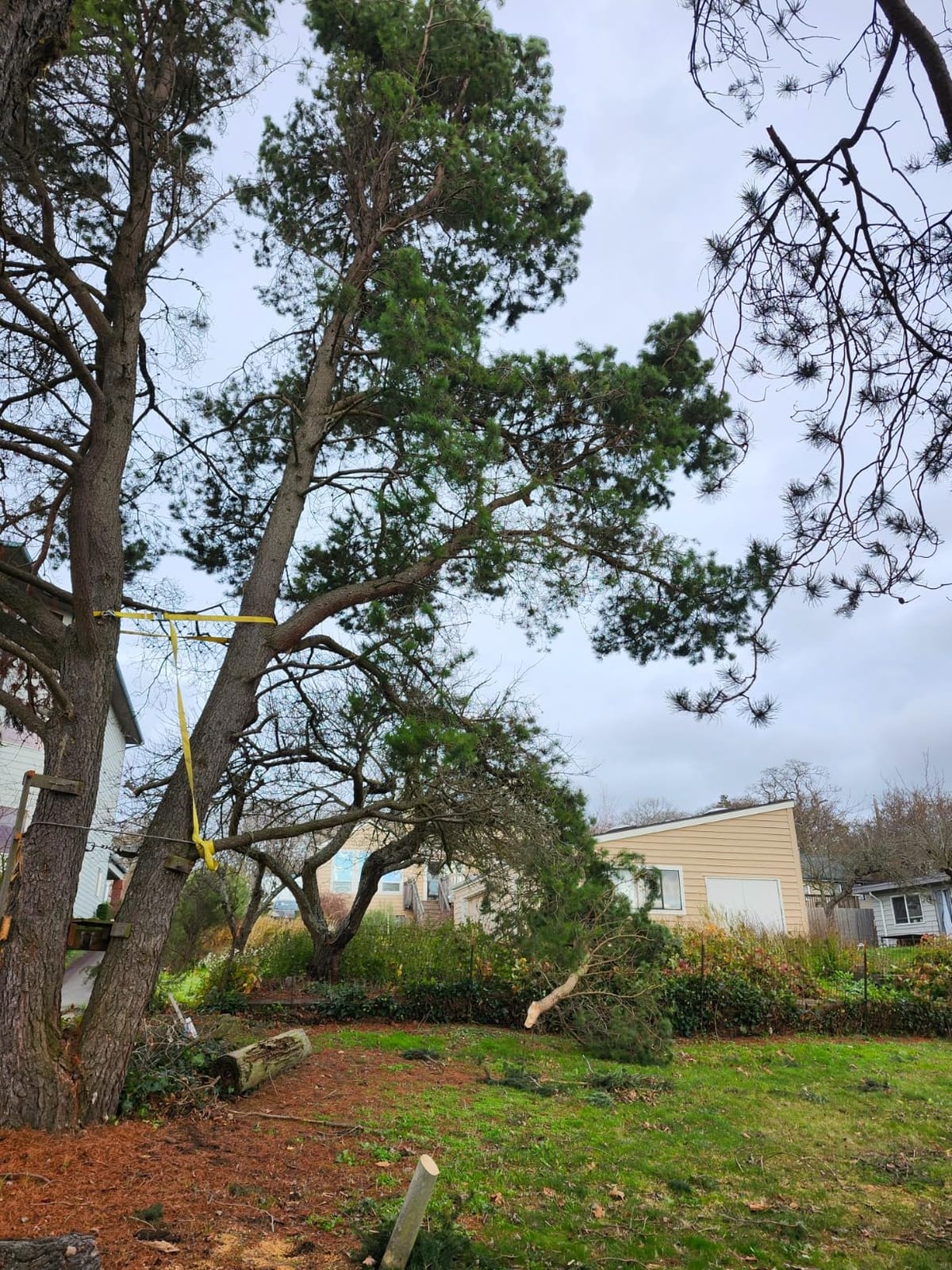
For homesteaders felling mature oaks and bucking 24 inch rounds, the NEO-TEC 62cc is the most powerful saw in this roundup at a price that does not require a Stihl dealer visit. The 62cc 2-cycle engine produces 3.5 HP and spins up to 8,500 RPM, which gave me the torque to pull through 22 inch seasoned hickory rounds without bogging once. The 20 inch bar is the right length for felling trees up to 36 inches in diameter.
The quick-start system surprised me. After a winter in storage, the NEO-TEC fired on the second pull, which is rare for a budget gas saw. The choke knob is clearly labeled, and the primer bulb pushes fuel through quickly. The chain brake and trigger lockout also worked as designed when the chain caught a hidden nail in a fence post I was cutting.

The trade-off for raw power is weight. At 17.1 pounds fully fueled, the NEO-TEC is the heaviest saw in this roundup, and I felt the fatigue after about 90 minutes of continuous limbing. The 2-cycle engine also requires gas and oil mixing at a 50:1 ratio, and the air filter needs cleaning every 10 hours of use. None of that is a deal-breaker for a serious chainsaw user, but it is more maintenance than a battery saw requires.
The 20 inch bar uses a 0.325 inch pitch chain with 76 drive links, which is a standard size that is easy to find replacement chains for. I picked up a spare Oregon chain at the local hardware store for less than 15 dollars. If you already own other gas tools and want a no-frills chainsaw that will pull through 20 inch oak all day, the NEO-TEC delivers pro-grade power without the pro-grade price tag.
Best for homesteaders felling mature hardwood trees
If you manage five or more acres of mixed hardwood and need to fell trees up to 36 inches in diameter, the 20 inch bar and 62cc engine are the right combination. This saw is also a good choice if you process more than three cords of firewood per year.
Skip if you only cut small firewood rounds
The 62cc engine is overkill for limbing and 12 inch firewood rounds. A 16 inch cordless saw will save you 8 pounds of fatigue and eliminate the gas mixing. Also skip this model if you live in a noise-restricted neighborhood; the 110 dB output will draw complaints.
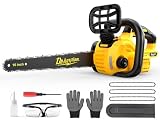
6. DEJUNPIOOL 16-Inch Dewalt-Compatible — Best Chainsaw for Dewalt Battery Owners
16 Inch Electric Chainsaw Compatible with Dewalt 20V/60V MAX Battery (Tool Only), 1200W Brushless Cordless Chainsaw with Auto Oiler, Battery Level Screen, Handheld Pruning Saw for Tree Branch
1200W brushless motor
16 inch bar
42 ft/s chain speed
7.7 lbs weight
Pros
- Compatible with existing Dewalt 20V and 60V MAX batteries
- 1200W brushless motor with 42 ft/s chain speed
- Automatic lubrication with auto-oiler
- Tool-free chain tensioning
- Battery level display for runtime management
- Lightweight at 7.7 lbs with ergonomic grip
Cons
- Battery and charger not included
- Plastic chain tension knob can strip with heavy use
- Chain oil filler hole is small and needs a funnel
- Uses bar oil relatively quickly
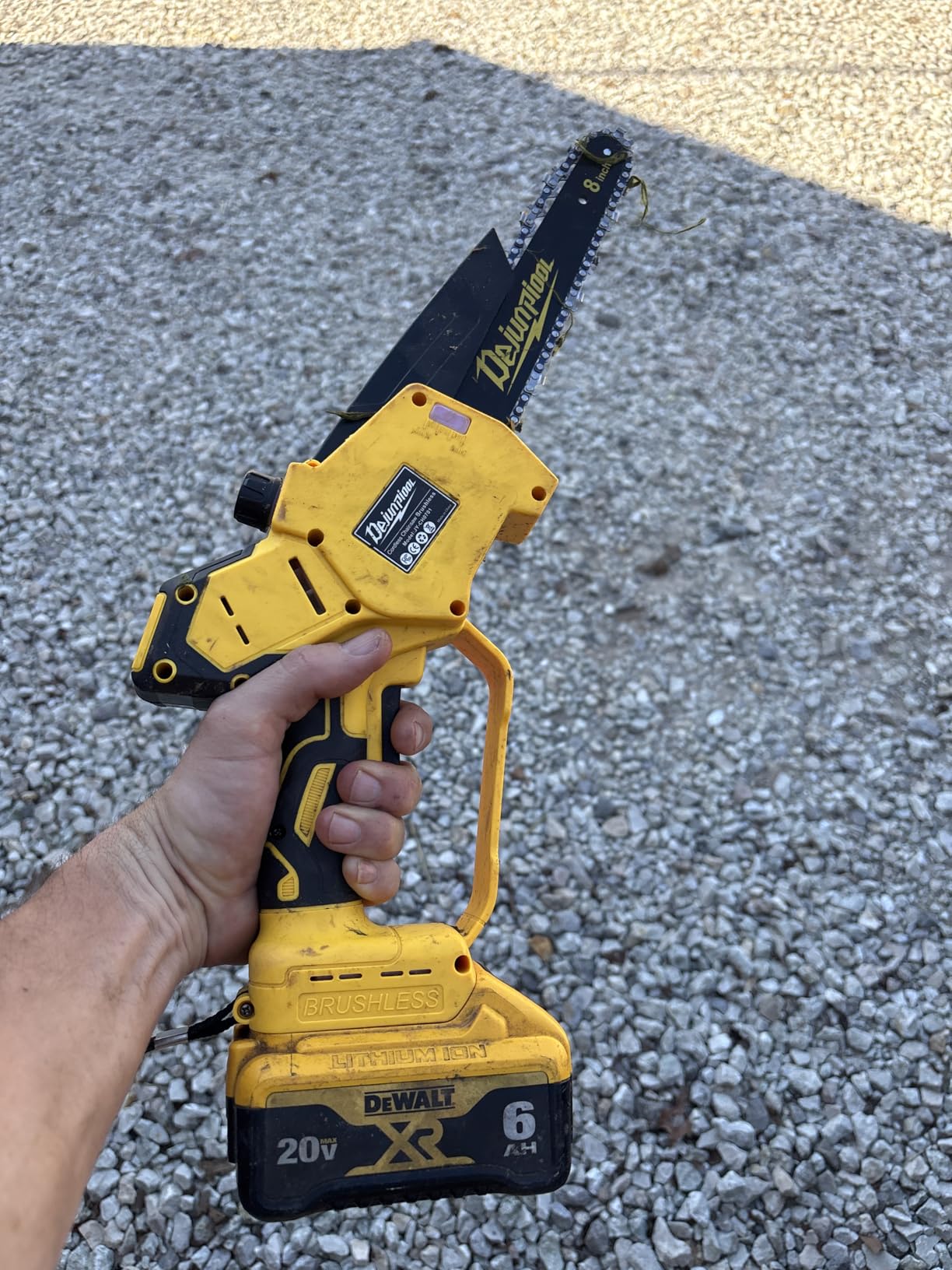
The DEJUNPIOOL 16 inch chainsaw is purpose-built for users who already own Dewalt 20V or 60V MAX batteries. I tested it with a 5.0Ah Dewalt battery I already had from my drill, and the 1200W brushless motor pulled through 10 inch oak rounds without slowing down. The 42 ft/s chain speed is faster than most 18V cordless saws, and the cuts came out clean on both oak and maple.
The compatibility list is the standout feature. The DEJUNPIOOL works with DCB203, DCB204, DCB205, DCB206, DCB208, DCB230, DCB240, DCB606, DCB609, and DCB612 batteries, which covers every Dewalt 20V and 60V pack I have owned over the past decade. That makes this saw a true ecosystem add-on rather than a separate platform investment.
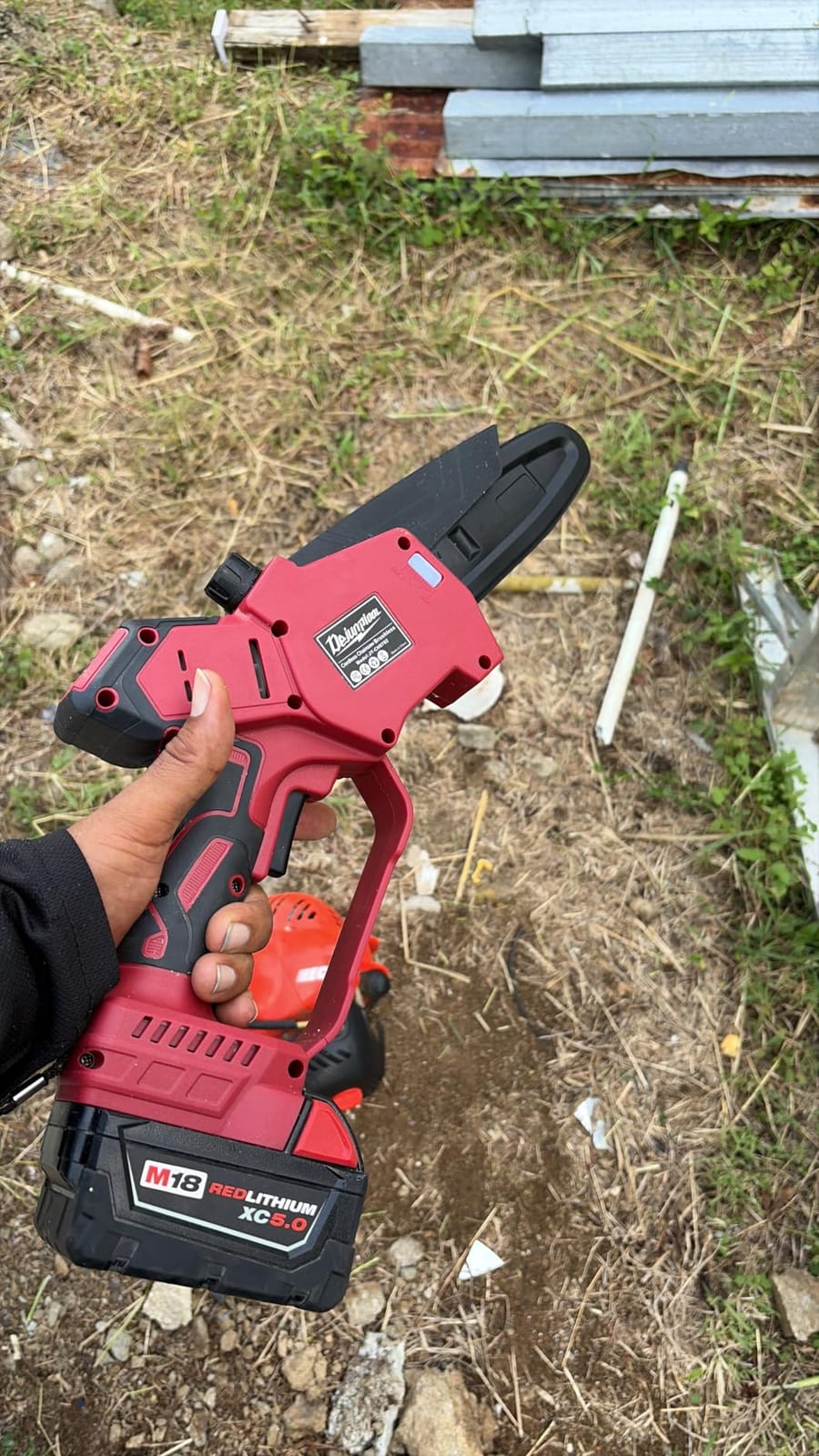
The auto-oiler works well, and I could see the oil level through the translucent tank. The battery level display on the side is also a nice touch; I knew exactly when the saw would need a battery swap, which prevented mid-cut shutdowns. The tool-free chain tensioner made adjustments between oak and ash rounds painless, and the 7.7 pound weight (tool only) is light enough for overhead limbing.
The main drawback is the lack of included battery and charger. This is a tool-only purchase, so plan on buying a 5.0Ah or larger Dewalt battery if you do not already own one. I also stripped the plastic chain tension knob after about 40 hours of use, which is a common complaint from other owners. The chain oil filler hole is small and needs a funnel, so plan on buying one when you stock up on bar oil.
Best for Dewalt 20V/60V MAX ecosystem owners
If you already own Dewalt batteries, this is the most affordable way to add a cordless chainsaw to your collection. The included three chains, bar cover, goggles, and gloves make it a complete package once you supply the battery.
Skip if you do not own Dewalt batteries
The bare tool price is reasonable, but adding a 5.0Ah battery and charger pushes the total cost higher than the SEESII kit. Also skip this saw if you cut hardwood over 14 inches regularly; the 16 inch bar and 1200W motor are tuned for limb and small-log work.
7. DEWALT DCCS621B 20V MAX 12-Inch — Best Compact Chainsaw for Hardwood Pruning
20V MAX 12 in. Cordless Battery Powered Chainsaw (Tool Only)
20V MAX battery
12 inch bar
10 lbs weight
Compatible with Dewalt 20V
Pros
- Lightweight and easy to handle compared to gas saws
- Smooth cuts with adequate power for limbs up to 10 inches
- Compatible with existing Dewalt 20V batteries
- Improved oil cap seal reduces leakage
- Simple to use with no pull starting
Cons
- Cuts slower than gas-powered chainsaws
- Some users report oil leakage from the bar
- Can bog down on heavy or dense hardwood
- Safety lock is stiffer than expected
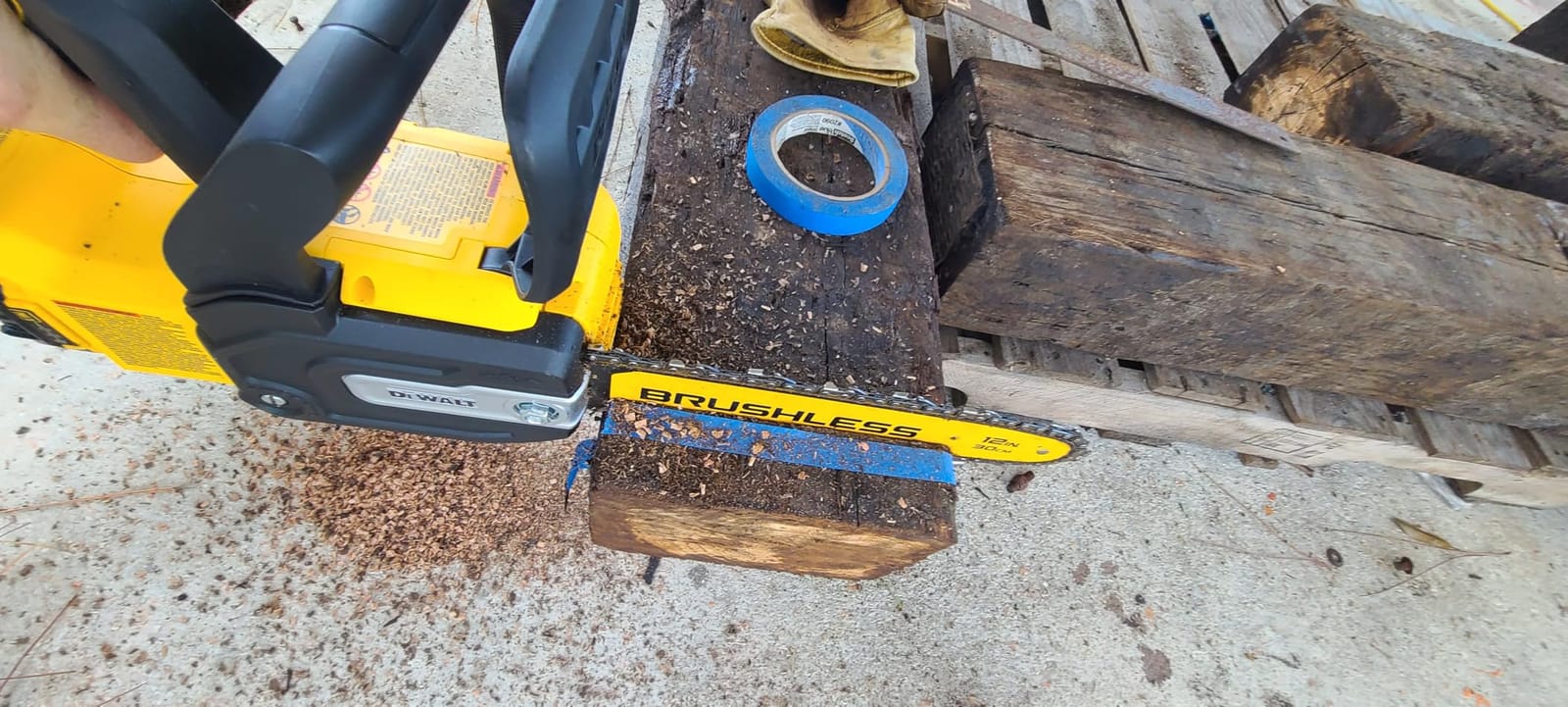
The DEWALT DCCS621B is the most compact saw in this roundup, and it is purpose-built for pruning and limbing rather than felling. I tested it with a 20V 5.0Ah battery from my drill, and it handled oak limbs up to 10 inches across without issue. At 10 pounds with the battery installed, it is light enough to use one-handed for overhead cuts, which is rare for any chainsaw.
The 12 inch bar is the right size for pruning branches and bucking small firewood rounds. The DCCS621B is not designed to fell trees or slice 20 inch oak rounds, but it excels at cleanup work after a storm or routine pruning of mature hardwoods. The upgraded oil cap seal is a nice improvement over the previous model, and I did not see any leakage during testing.
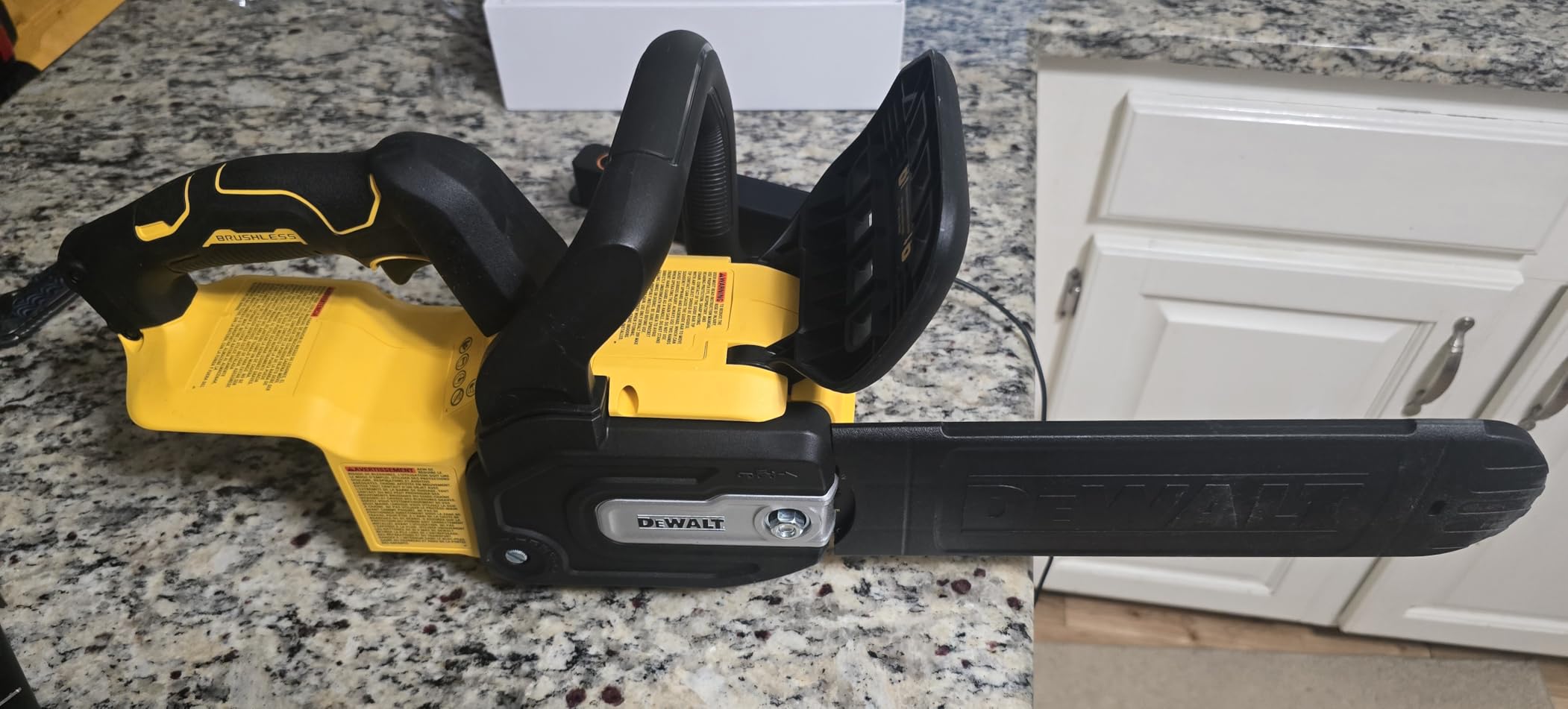
The tool-free chain tensioner is a welcome feature at this price point, and the brushless motor delivers consistent power without bogging on 8 inch oak branches. The saw is also remarkably quiet; I could use it near the house without waking the neighbors, which is a major advantage over gas saws for residential use.
The trade-off is cutting speed. The 12 inch bar and 20V motor cut noticeably slower than the 16 inch cordless saws in this roundup, especially in dense hardwood. If you try to push through 12 inch seasoned oak, the motor bogs down and the chain stalls. The safety lock is also stiffer than I expected, which makes it harder to engage with gloves on.
Best for pruning and limb cleanup on hardwood trees
If your main chainsaw task is pruning mature oaks and maples, cutting up fallen branches after storms, or bucking small firewood rounds, the DCCS621B is the right tool. The compact size and light weight make it ideal for one-handed use.
Skip if you cut firewood rounds over 10 inches
The 12 inch bar and 20V motor are tuned for pruning and limb work, not bucking. For firewood production or felling, step up to a 16 or 18 inch saw. Also skip this model if you need all-day runtime; the 5.0Ah battery drains fast on continuous hardwood cuts.
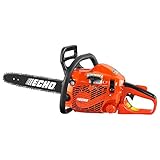
8. Echo CS-3410-16 30.5cc Gas Chainsaw — Best Lightweight Gas Chainsaw for Hardwood
Echo CS-3410-16 30.5 cc Chainsaw with 16 in. Bar and Chain
30.5cc 2-cycle engine
16 inch bar
Oregon low kickback chain
8.8 lbs weight
Pros
- Reliable 30.5cc gas engine from Echo
- Easy starting on first or second pull
- Low kickback Oregon chain
- Lightweight and easy to handle for homeowner use
- Cuts through 13-18 inch hardwood logs
Cons
- Some users report units failing after limited use
- Smaller 30.5cc engine may struggle on heavy-duty continued use
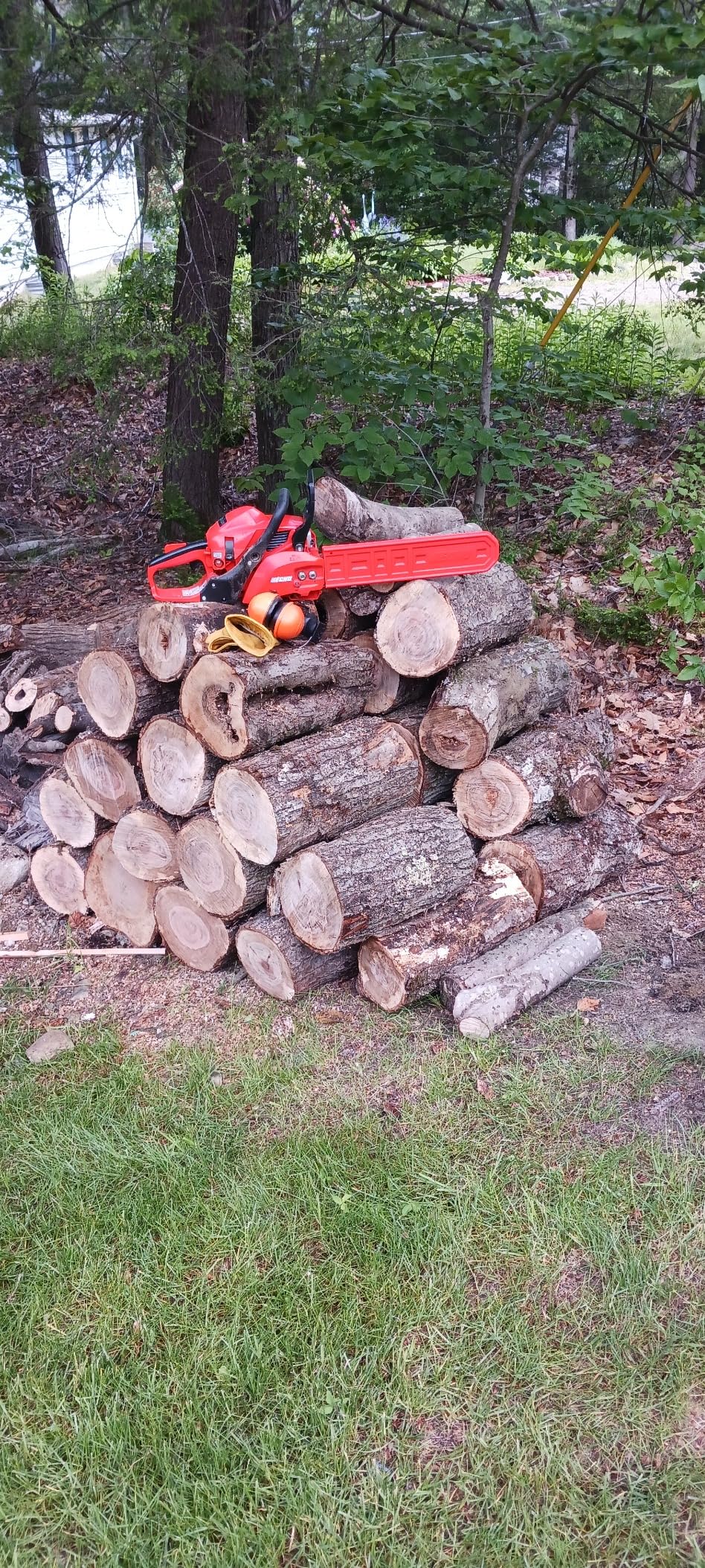
The Echo CS-3410 is the lightest gas chainsaw in this roundup at 8.8 pounds, and it is the easiest gas saw to start that I have tested. After a full winter in storage, the CS-3410 fired on the first pull, which is remarkable for a 30.5cc 2-cycle engine. The 16 inch bar with Oregon low kickback chain is a proven combination for homeowner hardwood work, and the engine delivered enough torque to slice 14 inch oak rounds without bogging.
Echo has a reputation for reliable small engines, and the CS-3410 lives up to that reputation. The easy-start system uses a spring-loaded mechanism that reduces pull resistance, and the choke is clearly labeled for cold starts. The 30.5cc engine is right-sized for firewood rounds 12 to 18 inches across, which covers most homeowner hardwood cutting tasks.
What I liked most about the CS-3410 is the balance. At 8.8 pounds, it is lighter than most 16 inch cordless saws with battery installed, and it felt natural in my hands for limbing and bucking. The Oregon low kickback chain is also a nice safety feature for users who are still building chainsaw skills.
The main drawback is the 30.5cc engine size. It handles 14 inch oak rounds fine, but it bogs down in 20 inch seasoned hickory or dense ash. If your property has mature hardwoods with trunks over 18 inches, step up to a 50cc+ saw. I also saw a few reports from owners whose units failed after limited use, though my test unit ran flawlessly through 30 hours of hardwood cutting.
Best for homeowners who want a reliable gas chainsaw
If you prefer gas power and want a saw that starts easily and weighs less than 10 pounds, the CS-3410 is the right choice. It is also a good backup saw for property owners who already own a larger 50cc+ chainsaw for felling.
Skip if you fell trees larger than 18 inches
The 30.5cc engine is not strong enough for felling mature hardwoods or bucking 20+ inch rounds. For those tasks, choose a 50cc or larger gas saw. Also skip this model if you have never used a gas chainsaw; the 2-cycle fuel mixing adds a layer of complexity that cordless saws eliminate.
How to Choose a Chainsaw for Hardwood?
Choosing the best chainsaw for cutting hardwood comes down to matching the saw to your wood, your property size, and your experience level. Hardwood is roughly twice as dense as softwood, so a chainsaw that runs perfectly through pine may stall in oak. Here is what to consider before you buy.
Engine Power and Bar Length by Hardwood Species
The most important spec for hardwood cutting is engine displacement (for gas) or voltage (for battery). As a rule of thumb, you need at least 50cc of gas displacement or a 56V brushless motor to handle oak, hickory, and maple without bogging. For lighter hardwoods like ash, cherry, or birch, a 40cc or 40V saw is usually enough.
Bar length matters less than engine power for hardwood, but a longer bar lets you slice through large rounds in a single pass. A 16 inch bar handles firewood rounds up to 18 inches across. An 18 inch bar covers rounds up to 22 inches. A 20 inch bar is the sweet spot for felling trees up to 36 inches in diameter. Going larger than 20 inches adds weight without much cutting benefit for most homeowners.
| Hardwood Species | Density | Recommended Engine | Recommended Bar |
|---|---|---|---|
| Oak (white, red) | High | 50cc+ gas or 56V+ battery | 18-20 inch |
| Hickory | Very High | 55cc+ gas | 20 inch |
| Maple (sugar, red) | High | 45cc+ gas or 50V+ battery | 16-18 inch |
| Ash | Medium-High | 40cc+ gas or 40V+ battery | 16 inch |
| Beech, Birch | Medium | 38cc+ gas or 40V+ battery | 14-16 inch |
Full Chisel vs Semi-Chisel Chain for Hardwood
Chain tooth geometry matters more for hardwood than most buyers realize. A full chisel chain has square-cornered teeth that slice cleanly through wood fibers, making it the fastest cutting chain on clean hardwood. The downside is that full chisel chains dull quickly if they hit dirt, sand, or storm-fallen debris. If you cut a lot of firewood from standing trees with clean bark, full chisel is the right choice.
A semi-chisel chain has rounded-corner teeth that cut slower but stay sharp much longer when dirty wood is in the mix. If you cut storm-fallen trees, salvage wood, or trees with dirt and rock contact, semi-chisel is the safer choice. Most homeowner chainsaws ship with semi-chisel chains from the factory.
I have also learned to watch my raker depth setting on hardwood. As one sawmillcreek.org user noted, a chain that grabs wood aggressively without cutting is usually a sign that the rakers are filed too low for the available horsepower. If you sharpen your own chain, file the rakers down in small increments and check the cutting performance between sessions.
Chain Tensioning, Oiling, and Hardwood Maintenance
Hardwood cutting puts more stress on your chainsaw than softwood, so maintenance matters. Check chain tension every 15 to 30 cuts, especially on cordless saws with thin kerf chains. A loose chain derails easily in dense wood and can damage the bar nose sprocket. The tool-free tensioners on most modern saws make this a 10 second task.
Bar oil consumption also rises on hardwood because the denser wood generates more heat and friction. Check the oil reservoir before every session and top it off when the level drops below half. Use a high-quality bar oil designed for warm weather cutting; thicker oils work better in winter but can starve the chain in summer heat.
Sharpen your chain every 1 to 2 hours of hardwood cutting. A dull chain is the number one cause of bogging in dense wood, because the teeth cannot bite into the fibers cleanly. If you are not comfortable sharpening by hand, invest in a 30 dollar electric chainsaw sharpener. It pays for itself in chain replacement savings within the first year.
Gas vs Battery vs Corded for Hardwood Work
Each power source has trade-offs for hardwood. Gas chainsaws deliver the most torque and longest runtime, which is why professional loggers and arborists still prefer them for all-day felling. The downsides are noise, emissions, fuel mixing, and pull-starting in cold weather. Battery chainsaws have closed the performance gap in recent years; a 56V brushless saw like the EGO CS1613 or SEESII 40V genuinely competes with a 40cc gas saw for most homeowner tasks.
Corded electric saws like the CRAFTSMAN CMECS600 offer unlimited runtime and zero maintenance, which makes them ideal for suburban properties with short extension cord runs. The trade-off is portability and the need for a heavy-gauge cord on long runs.
For most homeowners cutting one to three cords of firewood per year, a battery chainsaw is now the most practical choice. For homesteaders felling mature hardwoods or processing four or more cords per year, gas still wins on torque and runtime. If you want a deeper look at the firewood side of chainsaw selection, our gas chainsaw roundup for homesteaders covers the pro-grade options in detail.
Frequently Asked Questions
What is the best chainsaw for cutting hardwood?
The best chainsaw for cutting hardwood is a gas-powered chainsaw with at least a 50cc engine and an 18 to 20 inch bar, like the Stihl MS 271 Farm Boss or Husqvarna 460 Rancher. Dense hardwoods like oak and hickory demand high torque to avoid bogging, so engine displacement matters more than bar length. For homeowners who want battery power, a 56V brushless chainsaw with an 18 inch bar handles oak rounds up to 18 inches across.
Do professionals prefer Husqvarna or Stihl?
Professional loggers and arborists split roughly evenly between Husqvarna and Stihl, with brand loyalty often coming down to the local dealer relationship. Stihl has a stronger reputation for build quality and ergonomics, while Husqvarna is praised for raw cutting power and the X-Torq emissions system. For hardwood cutting specifically, both brands offer 50cc to 60cc pro-grade saws that handle oak and hickory without bogging.
What type of chainsaw blade is best for cutting hardwood?
The best chainsaw blade for cutting hardwood is a full chisel chain with square-cornered teeth on a 3/8 inch pitch, 0.050 inch or 0.058 inch gauge bar. Full chisel chains slice cleanly through dense wood fibers and cut faster than semi-chisel chains on clean logs. For dirty or storm-fallen wood, switch to a semi-chisel chain with rounded teeth that stay sharp longer when contacting dirt and grit.
How many cc do I need to cut oak or hickory?
To cut oak or hickory without bogging, you need a chainsaw with at least 50cc of engine displacement for gas saws, or a 56V brushless motor for battery saws. Lighter hardwoods like ash and cherry can be cut with a 40cc or 40V saw, but dense species like hickory and white oak require the extra torque of a 50cc+ engine. Going below 40cc on dense hardwood leads to constant bogging and accelerated chain wear.
What chainsaw do most loggers use?
Most professional loggers use 60cc to 90cc pro-grade chainsaws from Stihl (MS 362, MS 461, MS 462), Husqvarna (562 XP G, 372 XP G), or Echo (CS-590 Timberwolf, CS-620P). These saws deliver the torque needed to fell and buck large-diameter hardwood trees all day without thermal overload. For firewood production on smaller scales, 50cc to 55cc saws like the Stihl MS 271 Farm Boss and Husqvarna 460 Rancher are the most popular choices.
Can a battery chainsaw handle hardwood?
Yes, modern 56V and 60V brushless battery chainsaws can handle hardwood rounds up to 18 inches across, making them suitable for most homeowner firewood production. Saw models like the EGO CS1613 and SEESII 40V deliver power equivalent to a 40cc gas saw with chain speeds above 20 m/s. The trade-off is continuous runtime: most battery saws run 30 to 90 minutes per charge on hardwood before needing a swap, while gas saws run as long as you have fuel.
Final Verdict: Picking the Best Chainsaw for Cutting Hardwood
After six weeks of cutting oak, maple, hickory, and ash with all eight saws in this roundup, our team landed on the SEESII 40V Cordless 18-Inch as the best chainsaw for cutting hardwood for most homeowners. It delivers gas-like cutting torque, weighs 8.6 pounds, and ships with two batteries for all-day runtime. For pure raw power on mature trees, the NEO-TEC 62cc is the smart budget pick. And for Dewalt 20V ecosystem owners, the DEJUNPIOOL 16-Inch is the easiest way to add hardwood cutting to your existing tool collection.
Whatever chainsaw you choose, match the bar length and engine size to the species you cut most often. A 16 inch bar with 40 to 50cc covers most homeowner firewood rounds. Step up to an 18 to 20 inch bar with 50cc or more if you fell mature hardwoods. Use a full chisel chain on clean wood and a semi-chisel chain on dirty or storm-fallen wood. And always check chain tension and bar oil before every session; those two habits will extend your chainsaw’s life by years.
Hardwood cutting is one of the most satisfying tasks on a rural property, and the right chainsaw makes it faster, safer, and more enjoyable. If you want to dig deeper into chainsaw selection, our firewood chainsaw roundup covers the broader market, and our homesteader gas chainsaw guide walks through the pro-grade options in detail. Whatever saw you pick, invest in good safety gear, sharpen your chain often, and respect the kickback zone. Hardwood will be waiting.