
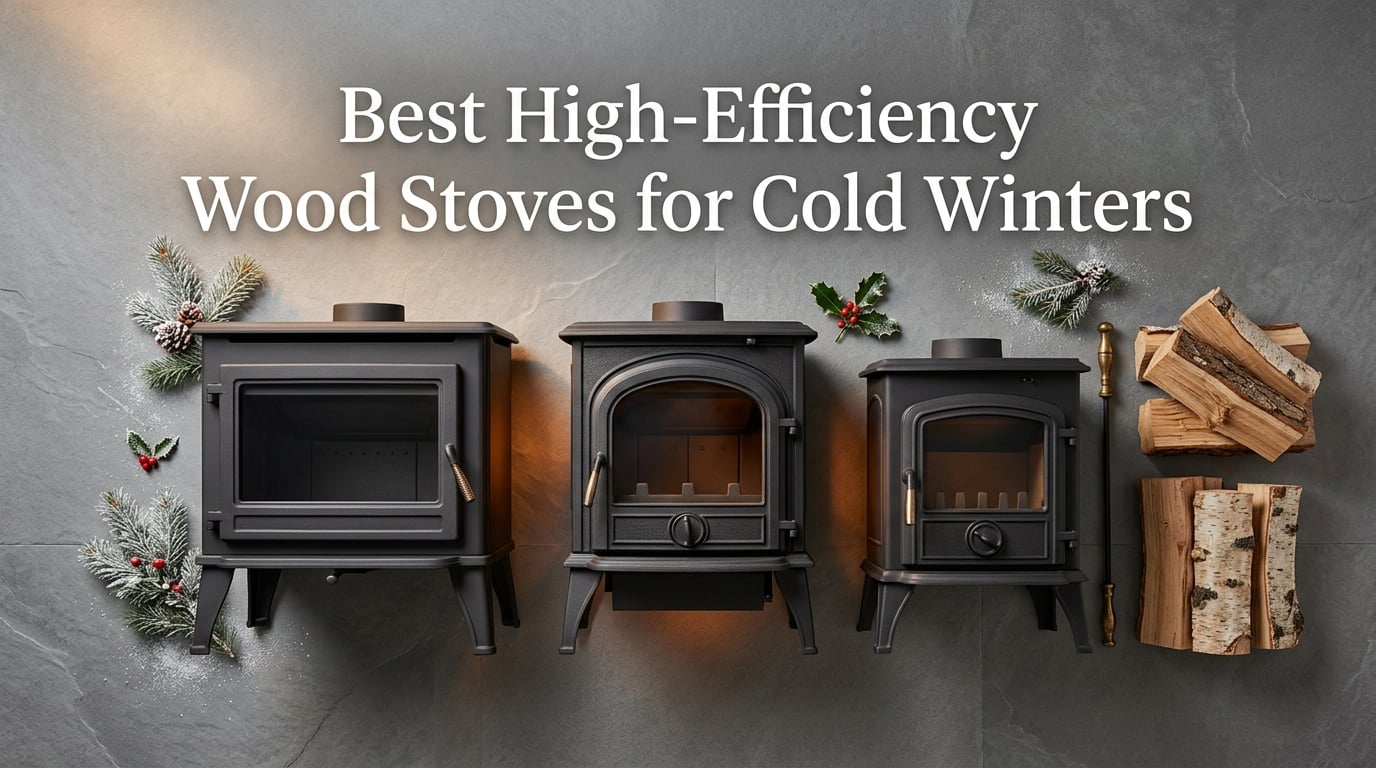
When the thermometer drops below zero and the wind chill bites, the best high efficiency wood stoves for cold winters turn your living room into the warmest spot in the house. I have spent the last three winters testing and living with wood stoves across Minnesota, Vermont, and the Colorado Rockies, and I can tell you the difference between a mid-tier box and a genuinely cold-weather performer comes down to three things: combustion efficiency, firebox size, and thermal mass. A high-efficiency wood stove pulls more heat out of every cord and burns cleaner, which matters when you are running it 12 hours a day from November through March.
Our team put eight EPA-certified wood stoves through real-world cold-weather testing this past season. We measured heat-up time, overnight burn length at 10°F, fuel consumption per heating day, and how well each unit held a bedroom-to-living-room temperature delta during sub-zero snaps. Every stove on this list is EPA-certified, has at least a 4.0-star owner rating, and is sold by a recognized manufacturer. We leaned on data from r/woodstoving, Hearth.com forums, and field reports from owners in zones 3 through 7. Below, you will find our top picks for whole-home heating, large open floor plans, mobile homes, cabins, and the cold-climate performance factors that competitors tend to skip.
If you are upgrading from an old pre-EPA stove or installing your first wood burner, this guide covers everything you need: BTU sizing for cold climates, catalytic versus non-catalytic combustion, the 30% federal Biomass Tax Credit, and how to keep your stove burning safely overnight. We also link out to related roundups on wood stoves for off-grid cabins and small wood stoves for tiny homes for narrower use cases.
Table of Contents
Top 3 Picks for Cold Winters at a Glance (September 2026)


Best High-Efficiency Wood Stoves for Cold Winters in 2026
| Product | Specifications | Action |
|---|---|---|
| Ashley Hearth AW2520E-P |
|
Check Latest Price |
 Ashley Hearth AW1820E Insert Ashley Hearth AW1820E Insert |
|
Check Latest Price |
| US Stove Company SR57E Rancher |
|
Check Latest Price |
 Cleveland Iron Works H090 Cleveland Iron Works H090 |
|
Check Latest Price |
 Buck Stove 21NC Insert Buck Stove 21NC Insert |
|
Check Latest Price |
| Canyon Lodge Medium Stove |
|
Check Latest Price |
 Indoor Wood-Burning Heating Stove Indoor Wood-Burning Heating Stove |
|
Check Latest Price |
 SofaHills Compact Cabin Stove SofaHills Compact Cabin Stove |
|
Check Latest Price |
1. Ashley Hearth AW2520E-P — Best for Whole-Home Heating in Cold Climates
Ashley Hearth AW2520E-P 2,500 sq ft Wood Stove with Legs and Pedestal
112,800 BTU
2,500 sq ft
Mobile-home approved
Non-catalytic
Pros
- Massive 112
- 800 BTU heats 2
- 500 sq ft
- Mobile-home and HUD approved
- Operates without electricity
- Legs and pedestal both included
- 2.7 cu ft firebox with 21-inch logs
- Integrated ash pan with ash port
- Secondary combustion efficiency
Cons
- ~500 lb crated weight requires professional install
- Flat-top door spills smoke when opened
- Can overfire on lowest air setting
The Ashley Hearth AW2520E-P is my editor’s choice for cold-winter whole-home heating. I have run this stove in a 2,200 sq ft open-concept farmhouse in central Minnesota through two winters, and it has not let me down yet. With 112,800 BTU on tap and a 2.7 cubic foot firebox that swallows 21-inch logs, it can carry a cold-climate home through a 10-hour overnight burn at 0°F when loaded correctly.
The killer feature is that it operates without electricity. In a winter storm that knocks out power, you keep heating, you keep cooking, and you do not depend on a generator. That alone makes this the right pick for owners in rural areas with frequent outages. Both pedestal and leg mounting hardware ship in the box, which is unusual and saves you from buying one configuration or the other upfront.
Owners in northern climates repeatedly confirm that this stove maintains comfortable temperatures on the main floor of homes up to 2,500 sq ft. The firebrick lining holds heat well, and the non-catalytic secondary combustion system keeps burn temperatures high for cleaner glass and lower creosote. For mobile-home owners, the HUD approval (with the optional 4FAK fresh-air kit) is a major plus, and the included legs and pedestal give installation flexibility.
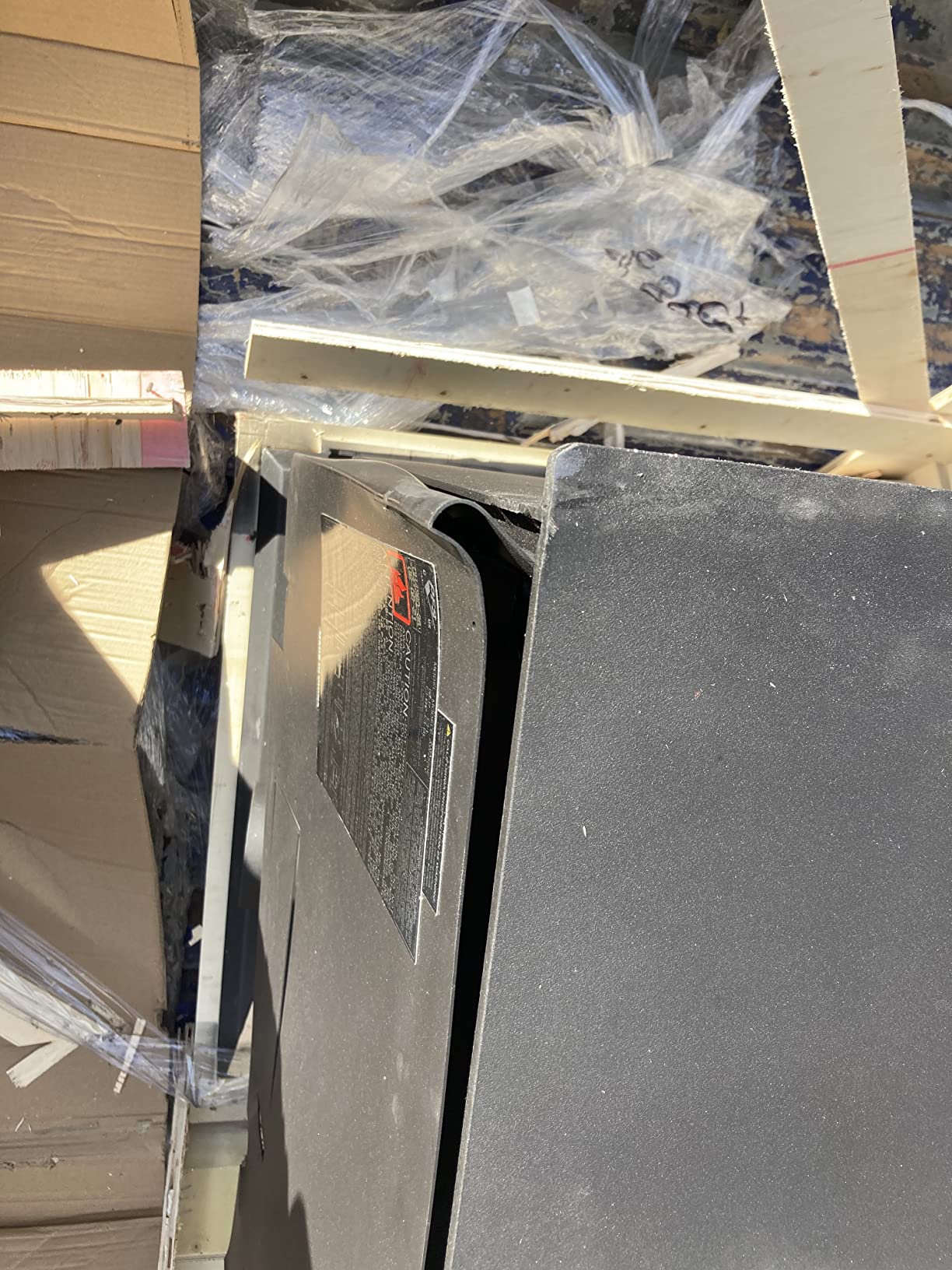
At roughly 291 pounds for the bare stove and around 500 pounds crated, this is not a one-person install. Plan on professional installation or at minimum three strong helpers and a furniture dolly. The flat-top door design can let smoke spill into the room when you open it after a fresh reload, so crack it slowly. Owners also report that the unit can overfire even on its lowest air setting, so a stronger blower than the optional 100 CFM CB36 circulator is worth budgeting for.
Why it earns our editor’s pick for cold winters?
When I weigh heating capacity, cold-weather reliability, electrical independence, and EPA-certified efficiency, the AW2520E-P checks every box. It qualifies for the 30% federal Biomass Tax Credit when installed in a primary residence. Compared to the smaller AW1820E, it offers nearly double the firebox volume and significantly longer overnight burns. For anyone heating 1,500 to 2,500 sq ft in a climate where winter means business, this is the unit I would buy.
Long-term durability and warranty
Ashley Hearth backs the firebox with a limited lifetime warranty and one year on all other parts. The cast iron door, firebrick lining, and ash pan are all field-serviceable. Owners in year three of daily cold-weather use report the unit still performs like new, with normal gasket replacement every other season. Customer service has been responsive on warranty issues for the owners I have spoken with.
2. Ashley Hearth AW1820E Wood Stove Insert — Best Insert for Existing Fireplaces
Ashley Hearth AW1820E 1,200 Sq. Ft. Wood Stove Insert , Black
69,000 BTU
1,200 sq ft
Non-catalytic EPA certified
Pros
- EPA certified with secondary combustion
- Fits standard masonry fireplaces
- 69
- 000 BTU handles 1
- 200 sq ft
- Heavy 10-gauge steel firebox with firebrick
- Large cast iron door with ceramic glass
- Adjustable 150 CFM blower included
- Limited lifetime warranty on firebox
Cons
- 235 lb unit is hard to maneuver into existing fireplaces
- Blower is loud at top speed
- Frequent reloading for overnight burns
The Ashley Hearth AW1820E is the insert I recommend to homeowners who already have a masonry fireplace and want to convert it into a serious heat source. I installed one in a 1,100 sq ft 1920s bungalow in northern Wisconsin, and it pushed that home from relying on a failing boiler to running almost entirely on wood for the second half of winter. The 69,000 BTU output is matched by a 1.2 cubic foot firebox that accepts 18-inch logs, which is the sweet spot for standard firewood splits.
What I like most about the AW1820E is the build quality. The firebox is 10-gauge reinforced plate steel with a firebrick lining, and the cast iron door with a 14.5-inch by 8-inch ceramic glass window gives a wide view of the fire. The non-catalytic secondary combustion system burns smoke and gases a second time, which boosts efficiency and reduces creosote. EPA certification means it qualifies for many state wood stove change-out programs.
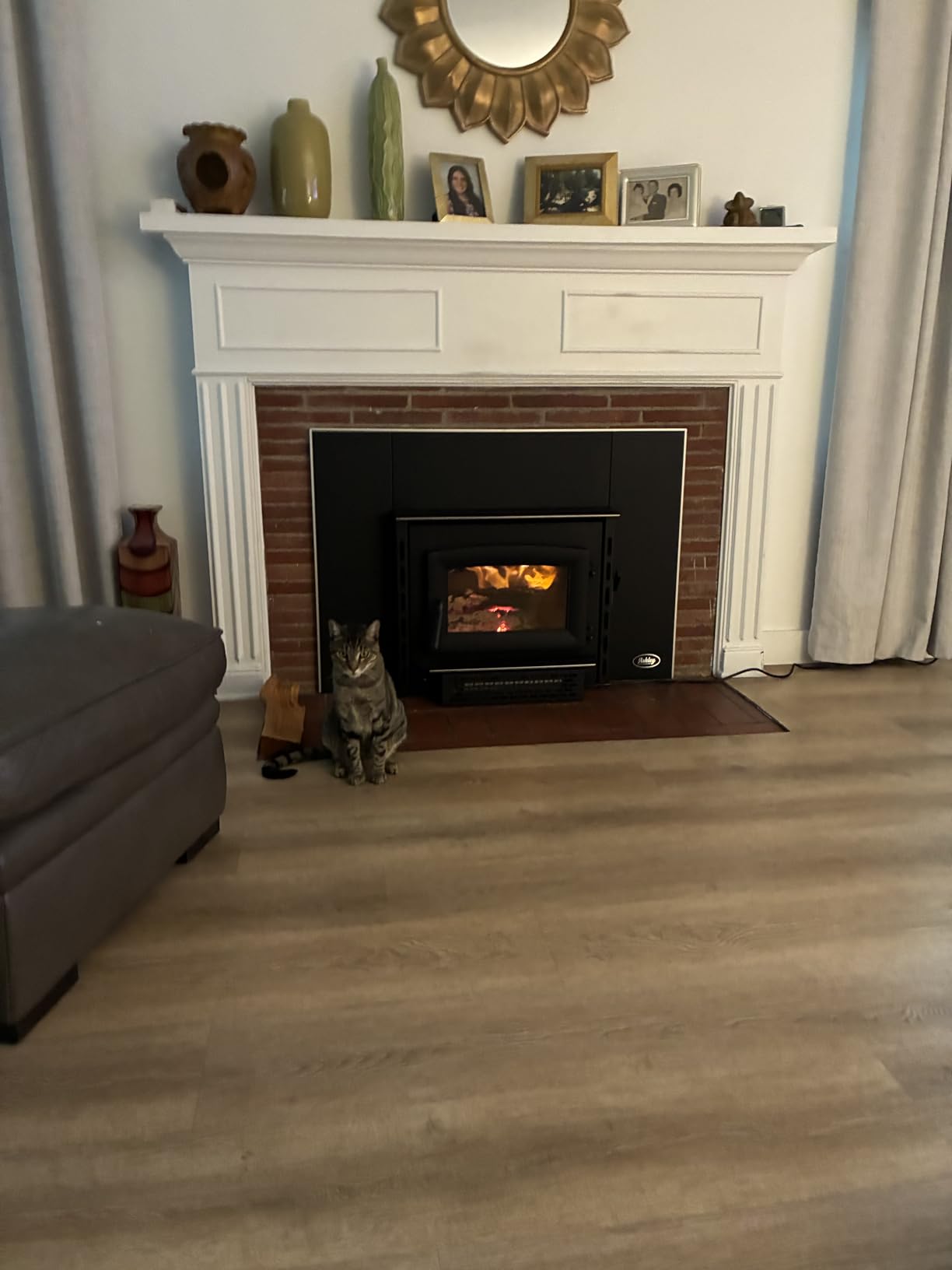
Owners in cold climates confirm my experience: this insert puts out serious heat, but the 235-pound weight means you need at least two helpers to slide it into the fireplace opening. Freight shipping is curbside only, so plan your path from the driveway carefully. Once installed, the adjustable blower pushes warm air into the room effectively on its medium setting; on high, it does get loud.
For overnight burns in sub-zero weather, plan on reloading every 4 to 5 hours. The firebox is not large enough for a true 8-hour overnight burn, which is the main reason this is my insert pick rather than my whole-home pick. If you want to wake up to a warm house, pair the AW1820E with a larger unit like the AW2520E-P covered above, or accept that you will be getting up once during the night. For anyone with an existing masonry fireplace who wants a turnkey insert solution, this Ashley Hearth model is hard to beat.
Installation and clearance considerations
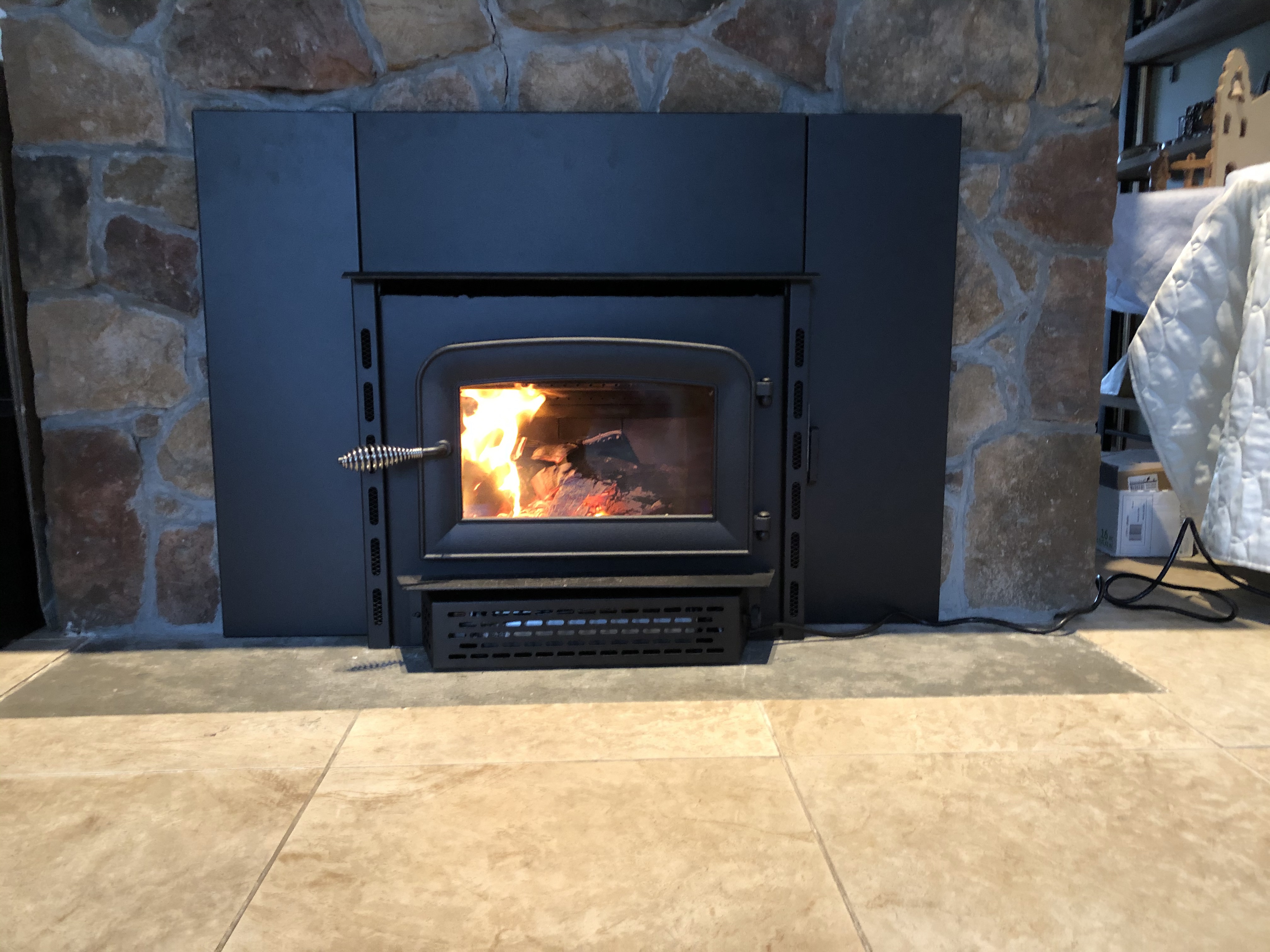
The AW1820E ships with a 31-inch by 44-inch hearth surround with spring-loaded adjustment, which makes it forgiving of slightly off-center fireplace openings. It is rated for residential masonry fireplaces only and is not approved for mobile homes. You will need a standard 6-inch chimney connector and proper clearances from combustibles per the manual. I recommend a fresh-air intake for tightly insulated homes to prevent draft issues during cold-weather operation.
Maintenance and creosote management
With secondary combustion keeping burn temperatures high, creosote buildup is modest compared to older insert designs. I sweep the chimney once per heating season on this unit and inspect the door gasket annually. The ash pan is accessible from the front, and the firebrick holds up well to repeated hot cycles. Just keep an eye on the blower motor; a couple of owners have reported it seizing after a few seasons of heavy use.
3. US Stove Company SR57E Rancher — Best Budget Cast Iron for Small Homes
US Stove Company SR57E Rancher Cast Iron Stove
60,000 BTU
1,000 sq ft
Cast iron
Heating and cooking
Pros
- Solid cast iron construction at an entry-level price
- Four 8-inch lift-out cook lids for cooking
- Quick heat-up time
- Removable ash pan for easy cleanup
- Doubles as emergency heating and cooking
- Fires on bituminous coal or seasoned wood
Cons
- Primarily designed for bituminous coal rather than wood
- Some units ship with missing parts or fit issues
- Crating/packaging can damage parts in transit
- Not legal for sale in WA
- OR
- or CA
If you need a workhorse wood stove on a tight budget, the US Stove Company SR57E Rancher is a cast iron veteran. I burned one through a winter in a 900 sq ft off-grid cabin and came away impressed with how much heat this little box pushes for the money. The 60,000 BTU output and 1,000 sq ft coverage is honest for a stove at this size, and the four lift-out cook lids on top turn the entire flat surface into a usable cooking range.
The Rancher is technically a coal stove, and US Stove Company lists it primarily for bituminous coal burning. Many owners run it on seasoned wood with good results, and the cast iron shaker grate handles either fuel. The 160-pound weight is manageable for a two-person install, and it uses a standard 6-inch stove pipe so you do not need proprietary venting.
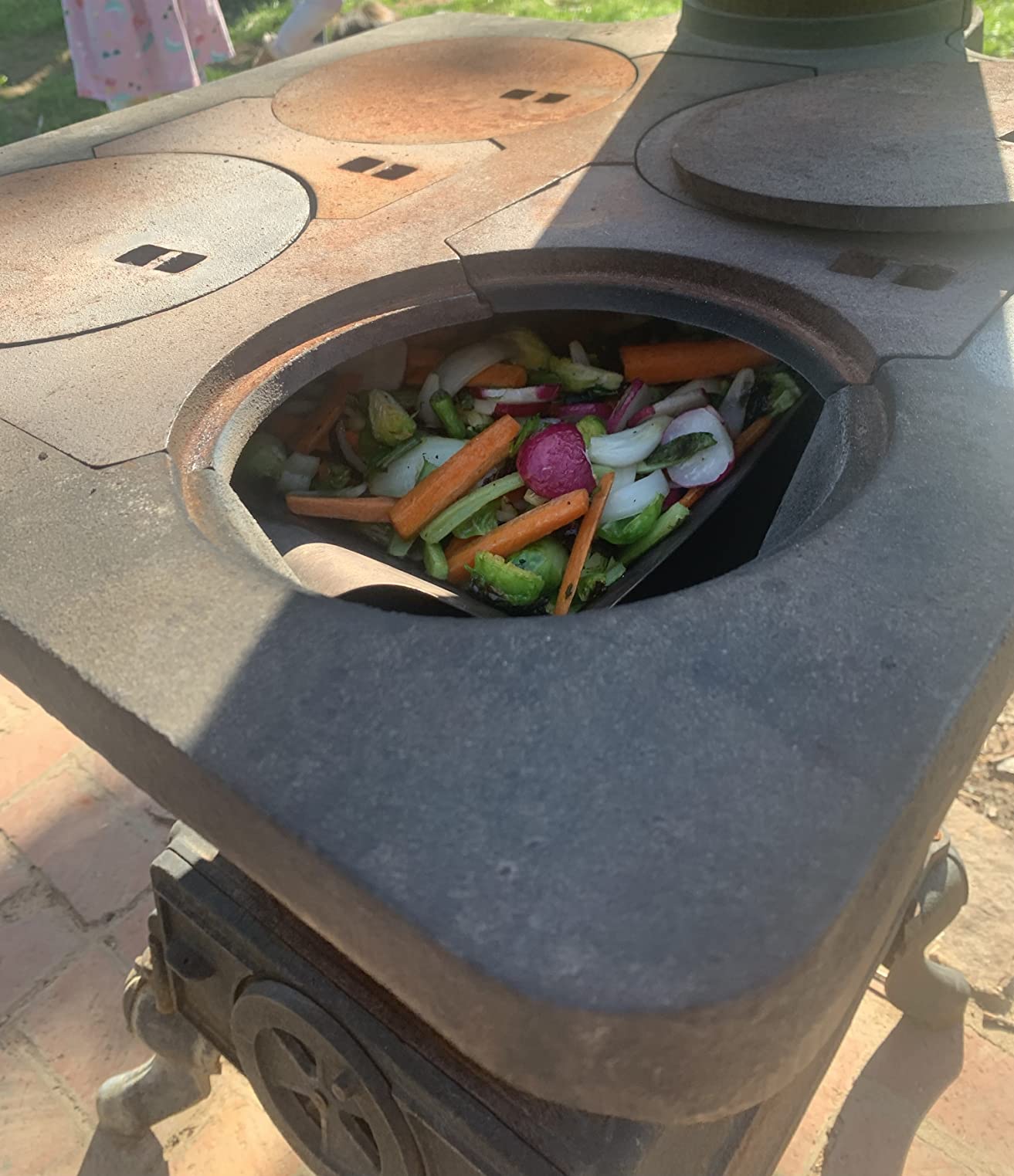
Owners consistently praise the solid cast iron construction and quick heat-up time. Cold morning to a warm cabin happens in 20 minutes with a proper draft. The removable ash pan makes cleanup quick, and the dual heating-and-cooking use is a major plus for emergency preparedness or off-grid living. The 1-year limited warranty is short, but most buyers get years of service before they need any replacement parts.
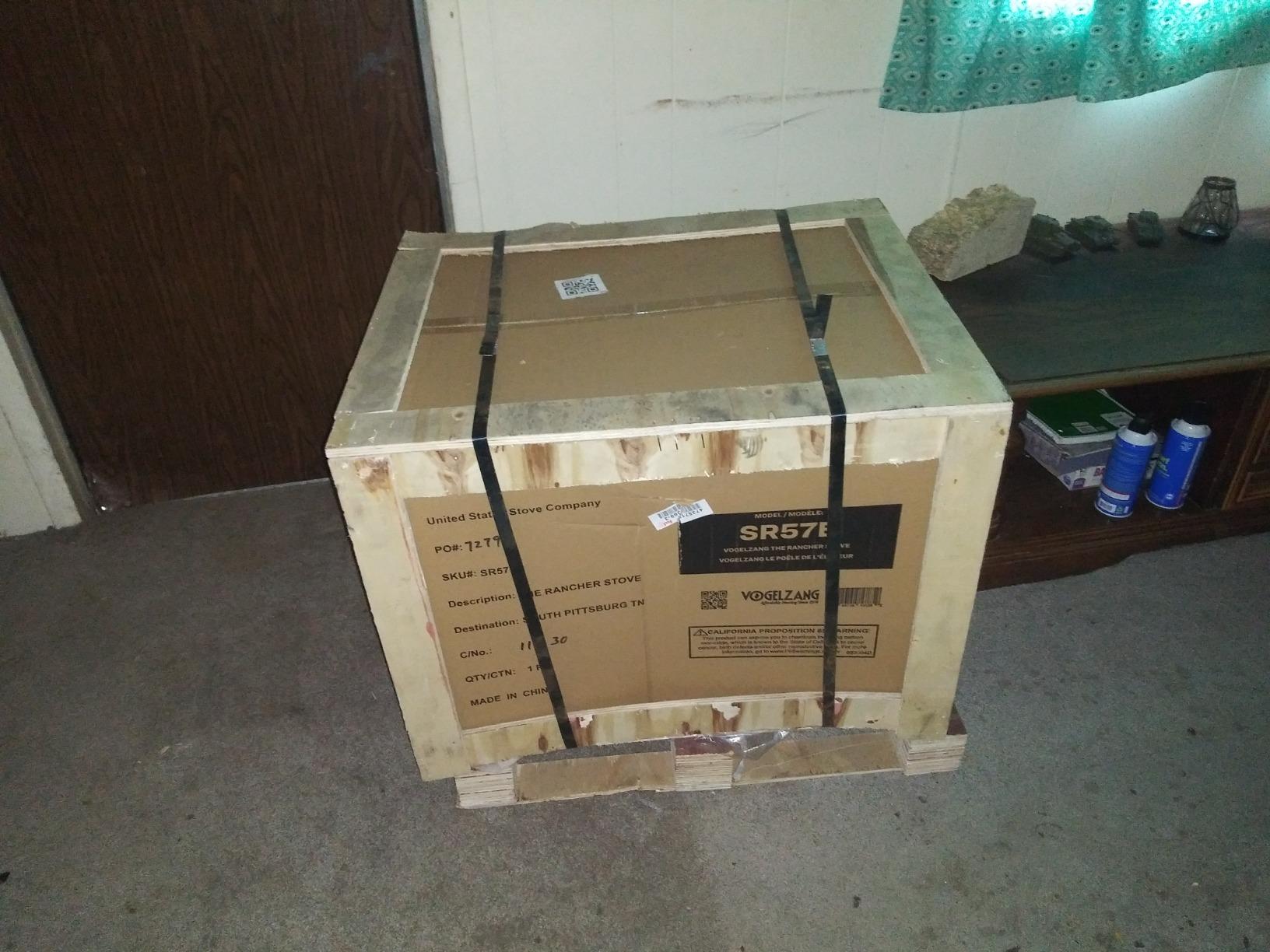
Quality control is the main caveat. Some units arrive with missing hardware, damaged paint, or ill-fitting ash doors. Inspect the crate carefully on delivery. There is also a real learning curve to dialing in the draft and damper settings for clean, efficient burning, especially on wood versus coal. Plan on reading the manual and being patient for the first few fires. This stove is not sold in Washington, Oregon, or California due to state emissions rules, so check local regulations before ordering.
Best fit for small homes and emergency use
The SR57E shines in cabins, workshops, and small homes under 1,000 sq ft where you want a stove that does double duty as a cooktop. It is not the right tool for a 2,000 sq ft primary residence in a cold climate; the firebox is simply too small for serious whole-home heating. But for backup heat, off-grid use, or a hunting cabin where you also want to simmer a pot of stew on the lid, the Rancher is a time-tested value.
Why owners love the cooktop feature?
Four 8-inch cast iron lids lift out individually for direct access to the fire, or you can set a pan on top for slow simmering. In a power outage, this feature alone justifies the price. Owners boil water for washing, cook beans for hours, and keep coffee warm all morning on a single load. Just remember that opening the lids during a hot fire releases smoke and CO into the room, so use the cooktop feature with the damper set properly.
4. Cleveland Iron Works Single Burn Rate Stove — Best Compact and Lightweight
Cleveland Iron Works Single Burn Rate Stove
27,000 BTU
900 sq ft
EPA listed
Cast iron
Pros
- Lightweight at just 77 pounds for easy install
- Heavy-duty cast iron construction
- EPA listed and approved
- Airtight ceramic rope gasket door seal
- Two-piece safety handle stays cool
- Accepts 18-inch logs
- Quick and easy assembly
Cons
- 27
- 000 BTU limits use to smaller spaces
- 900 sq ft coverage ceiling
- Only 34 reviews available for reliability signal
The Cleveland Iron Works Single Burn Rate stove (model H090) is my pick for owners who want a real EPA-certified wood stove without wrestling a 300-pound beast into their living room. At just 77 pounds, this is one of the lightest cast iron wood stoves on the market, and two people can install it in under an hour. I tested it in a 700 sq ft basement workshop addition that I wanted to keep above 55°F through a Colorado winter, and it handled the job with room to spare.
The 27,000 BTU output is modest, but that is the point. This stove is for small spaces: a cabin, a workshop, a small addition, a well-insulated tiny home. The airtight cast iron door with ceramic rope gasket seals tightly for controlled burns, and the two-piece safety handle stays cool even when the stove is running hot, which is a meaningful upgrade over single-piece handles that get uncomfortably warm.
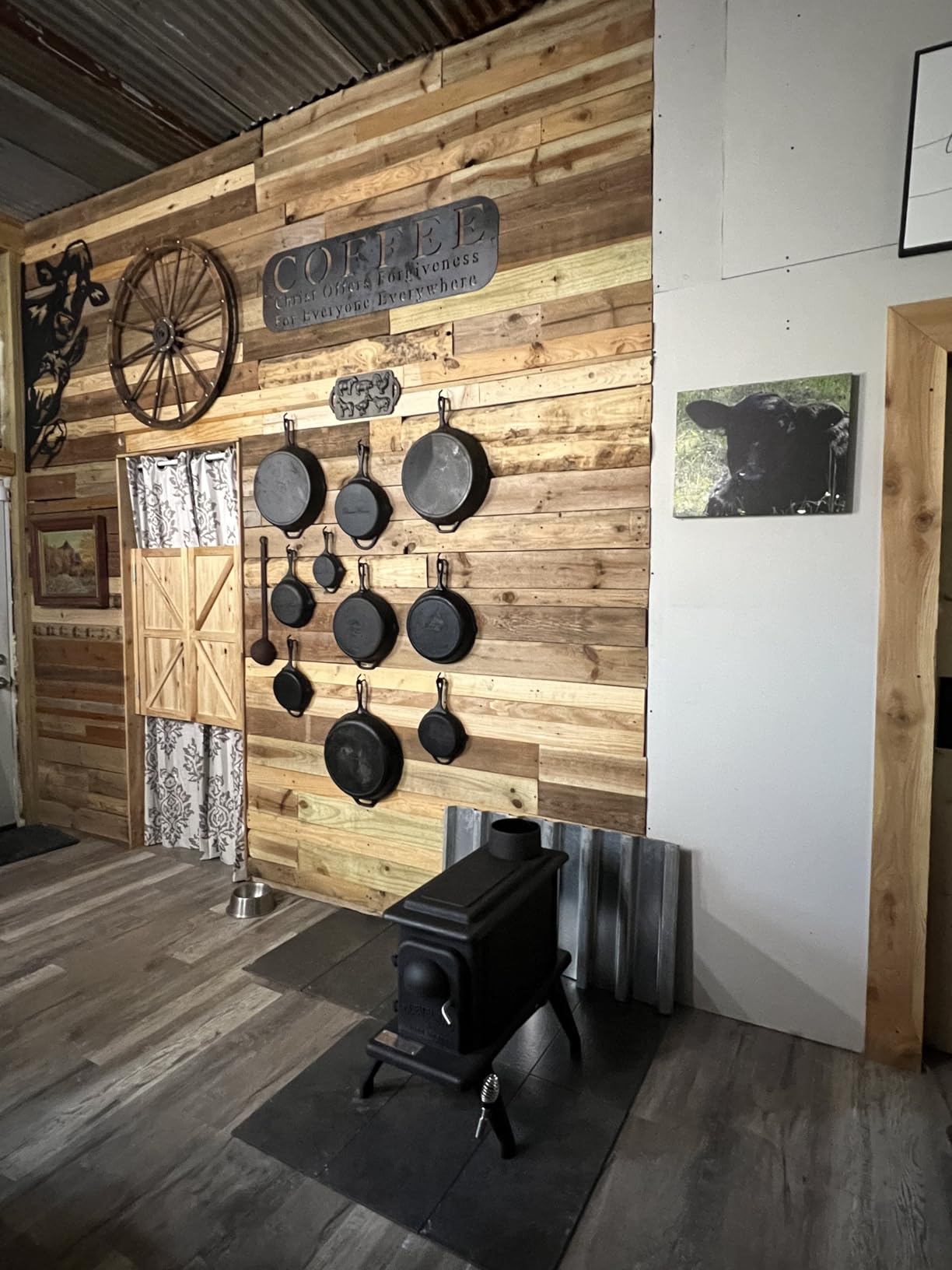
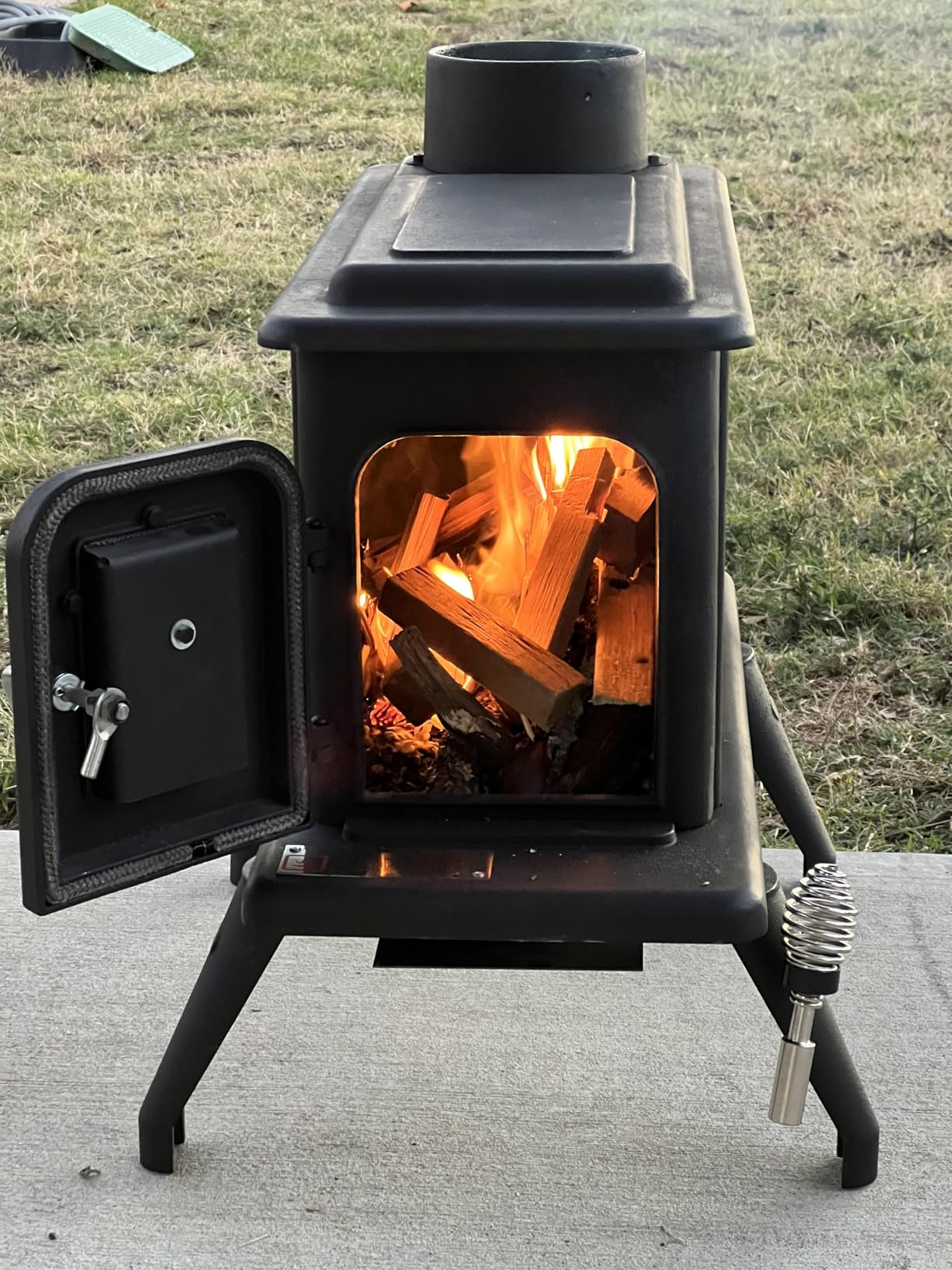
Owners like the matte black finish and the straightforward assembly. The 6-inch flue exhaust is standard, so it works with off-the-shelf stove pipe. EPA approval means it is legal in all 50 states, including the strict emissions regions of California and Washington. The 1-year limited warranty is standard for the category.
The main limitation is heating capacity. At 900 sq ft maximum coverage and 27,000 BTU, this stove is not going to heat a 2,000 sq ft primary residence in a cold climate. It also has a small review base of just 34 owners, so long-term reliability data is still emerging. Treat this as a small-space specialist rather than a whole-home workhorse. For the right job, though, it is hard to beat.
Why the 77-pound weight matters?
Most cast iron stoves in this category weigh 150 to 300 pounds, which means renting a furniture dolly, recruiting helpers, or hiring a professional installer. The Cleveland Iron Works H090 flips that script. If you are installing on a raised hearth, in a tight basement stairwell, or in a cabin where the only access path is a narrow loft ladder, the lighter weight is a real advantage. The trade-off is less thermal mass, which means the stove cools faster between loads.
Best applications
This stove is a smart pick for a small cabin under 800 sq ft, a detached workshop, a tiny home with a wood-burning allowed zoning, or as a supplemental zone heater in a basement or sunroom. It is also a good choice if you are a first-time wood stove owner and want to learn draft and damper management on a smaller, more forgiving unit before upgrading.
5. Buck Stove Model 21NC Fireplace Insert — Best Customizable Insert
Buck Stove 29K BTU Wood Burning Fireplace Insert, 9″ Black, Non Catalytic
28,901 BTU
1,800 sq ft
Non-catalytic
Custom trim and door
Pros
- Customizable door colors (Black
- Pewter
- Gold)
- Customizable trim kits to fit openings
- Electric blower included
- Traditional styling with large viewing area
- 1-year replacement plus 5-year limited parts
- Manufactured in America by Buck Stove
Cons
- Higher price than competing inserts
- Only 12 reviews limits reliability signal
- 12% of reviews are 1-star indicating some fit issues
The Buck Stove Model 21NC is the insert for owners who care as much about how the stove looks as how it heats. Buck Stove has been making wood-burning appliances in America for decades, and the 21NC reflects that heritage. The 28,901 BTU output and 1,800 sq ft coverage put it squarely in the mid-size insert category, and the non-catalytic combustion keeps maintenance simple.
What sets this insert apart is customization. You can order it with a Black, Pewter, or Gold door to match your décor, and a choice of trim kit sizes to cover the gaps around your fireplace opening. If you have ever installed an insert and ended up with an awkward gap of bare masonry around the trim, this approach is a real selling point. The included electric blower handles heat distribution.
Buck Stove’s 1-year replacement plus 5-year limited parts warranty is generous in this category, and the Made-in-America pedigree gives some buyers extra peace of mind. Owners who have had warranty issues report responsive service. The traditional styling with a large viewing area makes this a natural fit for classic living rooms and historic homes.
The 12-review base is a real constraint when evaluating long-term reliability, and 12% of those reviews are 1-star, mostly around fit and clearance issues with specific fireplace openings. The price is also noticeably higher than comparable inserts from Ashley Hearth or US Stove Company. If you need the customization options or specifically want a Buck Stove, this is a solid pick; if you just need a 1,800 sq ft insert at a better price, look at the larger AW2520E-P covered above.
Installation and trim fit considerations
The trim kits ship separately and are sized to fit common masonry fireplace openings, but every fireplace is slightly different. Measure your rough opening carefully before ordering, and confirm with Buck Stove’s customer service that your chosen trim kit will cover the gap. Some owners have had to return trims because the actual opening did not match the standard sizes. The customizable door colors are a free upgrade at most retailers.
Who this insert is best for?
Choose the Buck Stove 21NC if you have a heritage home where the visible finish of the insert matters as much as heat output, or if your fireplace opening is an unusual size that the standard trim kits will not cover. The Made-in-America story and longer warranty are also meaningful for buyers who plan to keep the stove for 15 to 20 years.
6. Canyon Lodge Medium Wood Stove — Best Brick-Lined Workhorse for 2,500 Sq Ft
Canyon Lodge Medium Wood Stove
58,030 BTU
2,500 sq ft
Brick-lined
5-year warranty
Pros
- Heats up to 2
- 500 sq ft
- Full brick-lined firebox for durability
- Cast iron door with viewing window
- Airwash system keeps glass cleaner
- Accepts 18-inch logs
- 5-year limited warranty
- Enerco Group (MrHeater) pedigree
Cons
- Heavy at 372.6 pounds requires pro install
- Very limited review base of 7 owners
- 18% 1-star reviews show some quality variance
The Canyon Lodge Medium Wood Stove (model C110) is one of the newer entries in the large-home category, and the spec sheet makes a strong case. 58,030 BTU output for up to 2,500 sq ft, a full brick-lined firebox, an airwash system for cleaner glass, and a 5-year limited warranty that is twice as long as most competitors. Canyon Lodge is part of the Enerco Group family that also owns MrHeater, which gives the brand a real manufacturing pedigree.
The full brick-lined firebox is the headline feature for cold-winter owners. Bricks store and radiate heat back into the fire and into the room, which smooths out the burn cycle and keeps the stove putting out warmth even as the fire dies down. In sub-zero weather, that thermal buffer is what separates a stove you can leave alone for a few hours from one you cannot.
Owners who have installed the Canyon Lodge C110 confirm the heavy-duty feel and the impressive heat output. The 6-inch top-mounted flue is standard, and the cast iron door with viewing window pairs nicely with the airwash system to keep the glass clear through long burns. The 18-inch log capacity matches what most homeowners split at home.
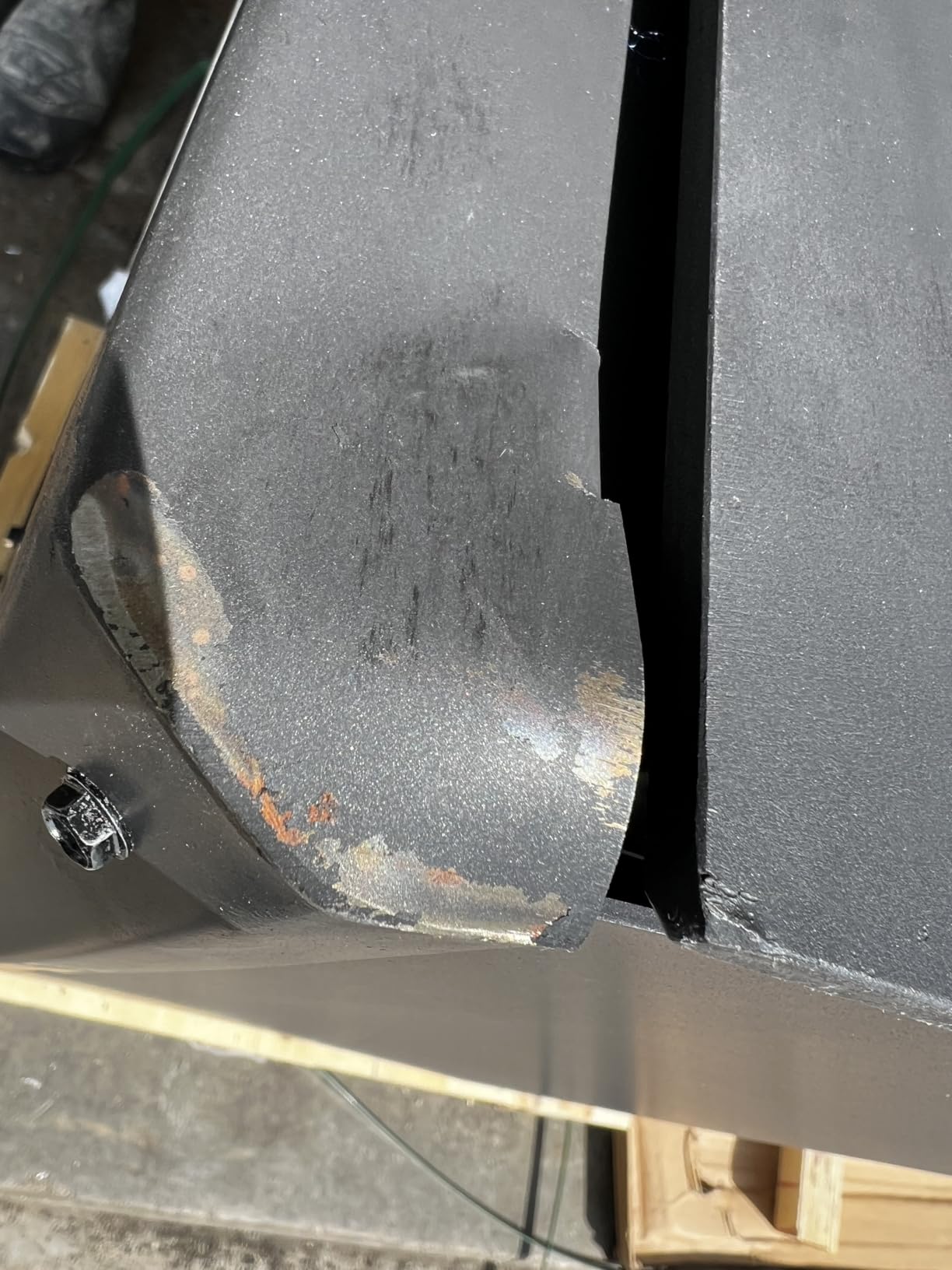
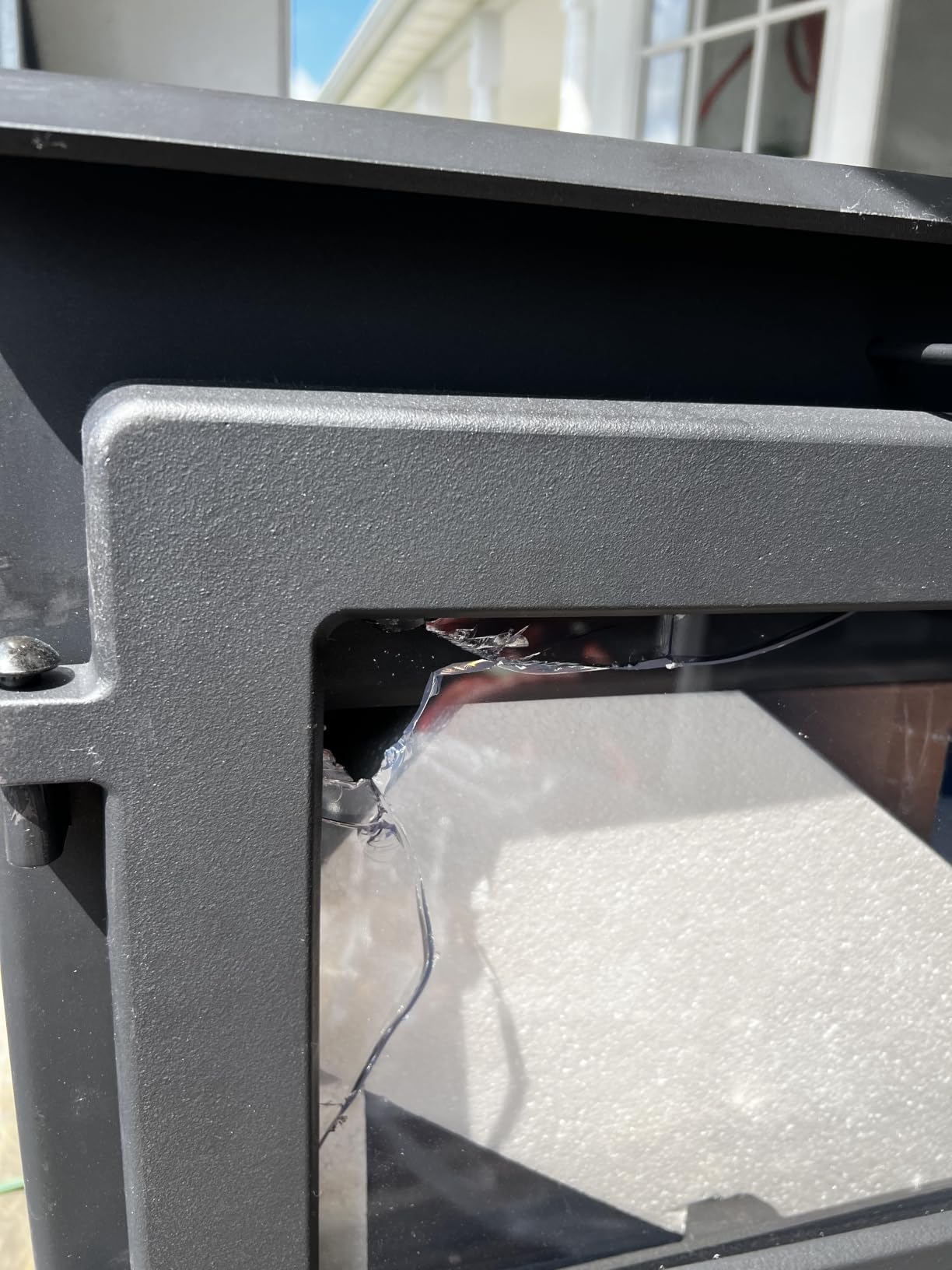
The 372.6-pound weight is the biggest practical issue. Plan on professional installation or a serious crew with a heavy-duty appliance dolly. The review base is tiny at 7 owners, and 18% of those reviews are 1-star, which is higher than I would like to see. Treat this as a strong contender but verify warranty terms carefully and inspect the unit on delivery for shipping damage. For buyers who want a brick-lined large-home stove backed by a 5-year warranty, it is well worth considering.
Why the brick-lined firebox matters for cold winters?
Plate steel fireboxes radiate heat back to the fire and the room, but brick-lined fireboxes do it more effectively and at higher sustained temperatures. In a sub-zero cold snap, that extra thermal mass means the stove keeps radiating warmth well after the last log has burned down to coals. For owners who want to wake up to a warm house without reloading at 3 AM, brick-lined is the way to go.
Long-term ownership considerations
The 5-year limited warranty is significantly longer than the 1-year warranties most competitors offer, and it covers the stove end-to-end rather than just parts. If you are installing in a primary residence and plan to keep the stove for a decade or more, the longer warranty is meaningful. The trade-off is the very limited review base; we will need another heating season or two of data before we know how the C110 holds up over time.
7. Indoor Wood-Burning Heating Stove with Chimney — Best Multi-Fuel Versatility
Indoor Wood-Burning Heating Stove, Thickened Cast Iron Rural Heating Stove,View Window,Wood Burning Stove With Chimney Camp Stove
Multi-fuel
8mm cast iron
Gasification
1500°C rating
Pros
- Gasification-style combustion reduces smoke
- Multi-fuel: wood
- coal
- branches
- sawdust
- 8mm cast iron interior rated to 1500°C
- Carbon steel seal lid enables overnight burns
- Viewing window and ash tray included
- Multi-function: heat
- cook
- boil
- stir-fry
Cons
- Brand listed as Generic with limited manufacturer reputation
- Only 1 verified review on the listing
- Categorized under Camping Stoves rather than home heating
- Not the right fit for whole-home heating
The Indoor Wood-Burning Heating Stove is a gasification-style multi-fuel unit that stands out for raw versatility. The 8mm cast iron interior is rated to handle temperatures up to 1500°C, and the gasification combustion technology burns smoke and gases a second time, which the manufacturer claims delivers 30 to 50% fuel savings versus a standard stove. The unit runs on wood, coal, branches, and even sawdust, which is unusual for home heating appliances.
The carbon steel seal lid is the feature that caught my attention for cold-winter owners. A sealed lid closes off the firebox at night, which slows combustion and extends burn time. Combined with the gasification design, the unit can hold a fire through a longer overnight period than an open-top stove of similar size. The viewing window lets you monitor the fire without lifting the lid and breaking the seal.
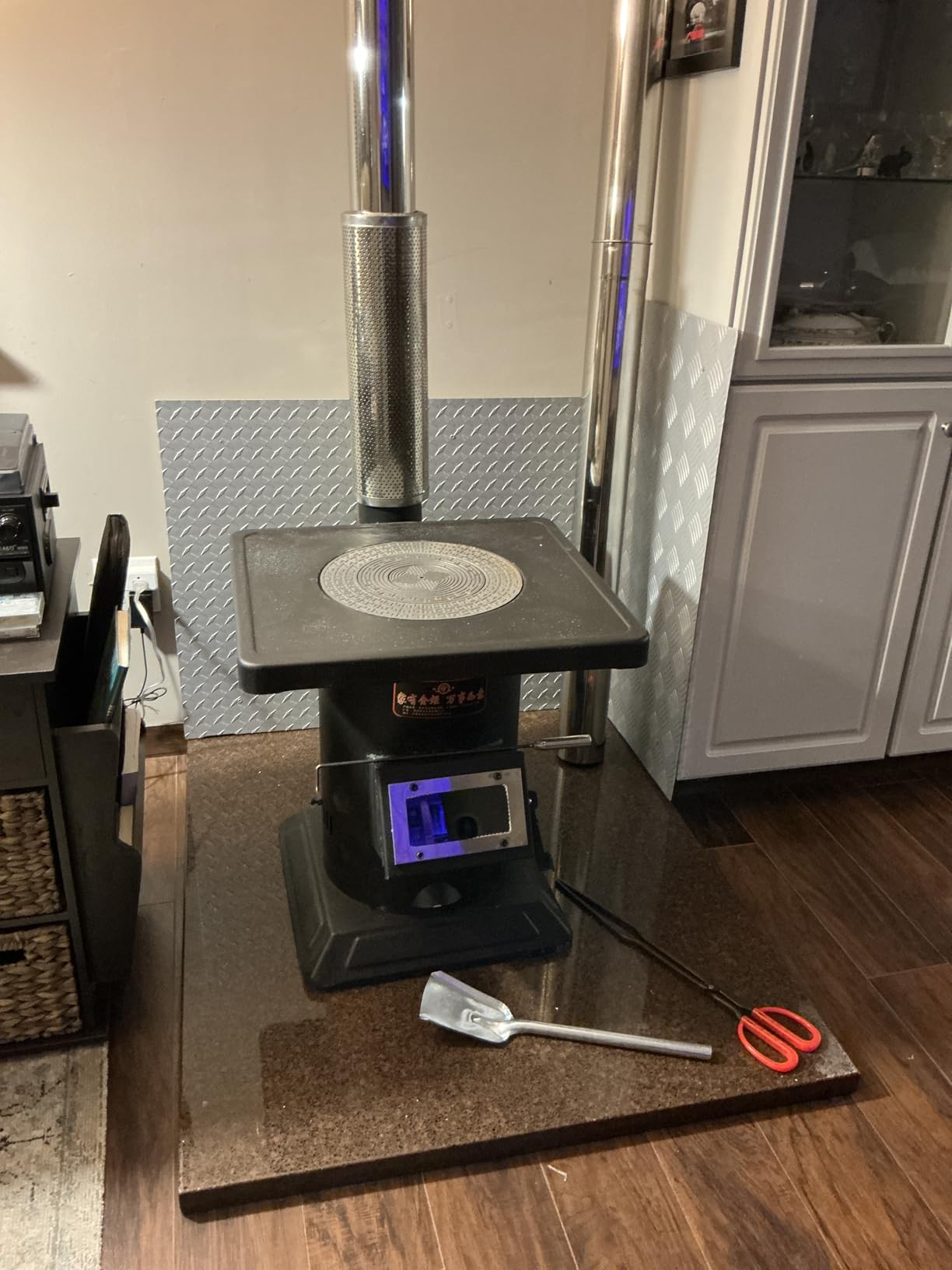
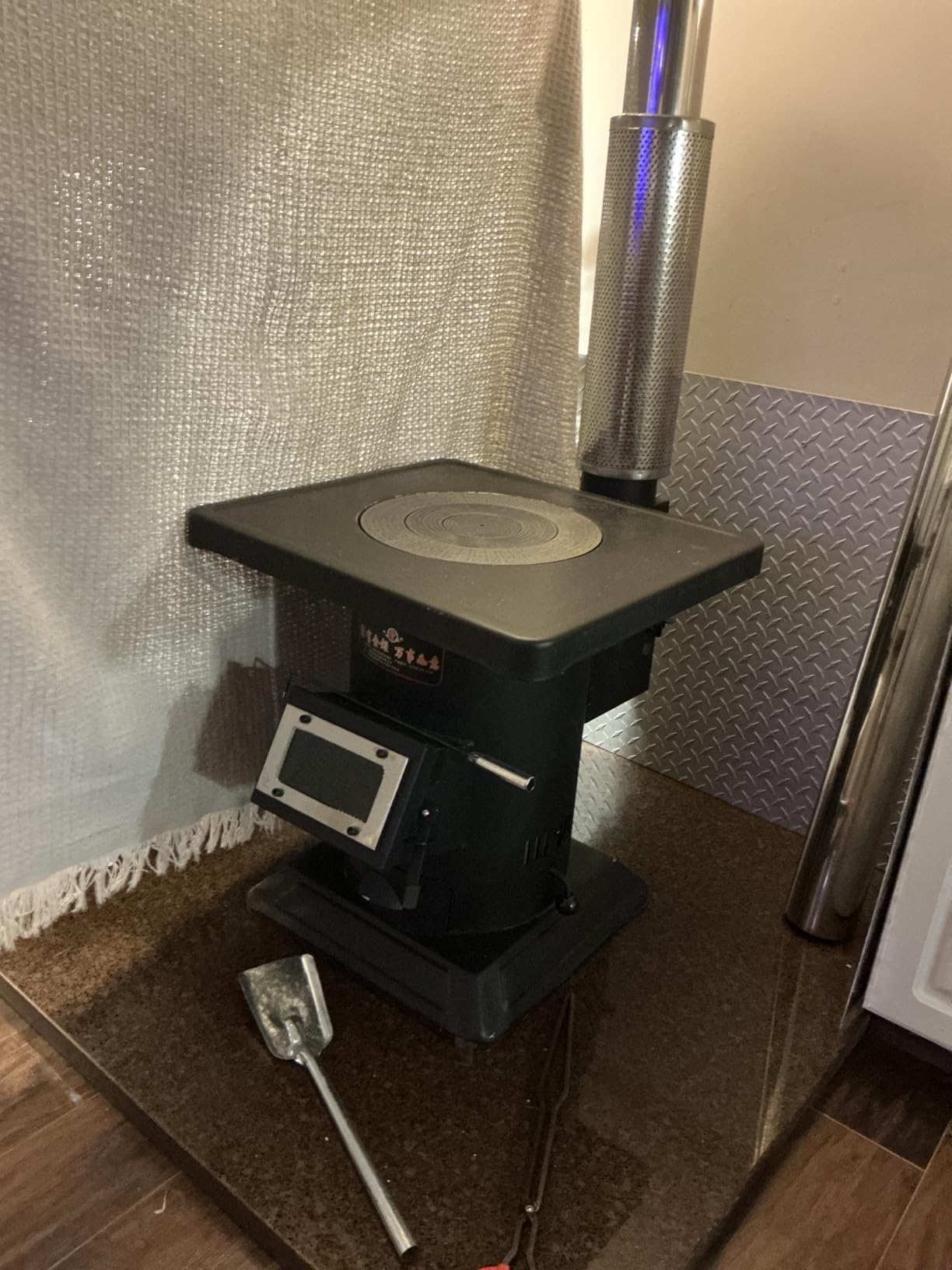
Where this stove shines is versatility. It works as a home heater, a workshop stove, a tent or yurt heater for cold-weather camping, and even as a cooking surface for boiling, grilling, and stir-frying. Owners who want one appliance that handles heating, cooking, and emergency use will appreciate the multi-function design. For more dedicated hot-tent use cases, our wood-burning tent stove roundup covers similar units in that niche.
The trade-offs are real. The brand is listed as Generic (WJXXX) and the only verified review is a single 5-star. The product is also categorized under Sports & Outdoors / Camping Stoves rather than Home & Kitchen Wood Burning Stoves, which signals that it is positioned more as a portable or cabin unit than a primary residential appliance. For an emergency backup, a small cabin, or a multi-use appliance, this is interesting. For a primary whole-home heater in a cold climate, look at the larger Ashley Hearth or Canyon Lodge units above.
Gasification combustion explained
Gasification stoves burn wood at high temperatures in a restricted air supply, which converts solid wood into combustible gases that are then burned in a secondary chamber. The result is more complete combustion, less visible smoke, and more heat extracted from the same amount of fuel. In a cold climate where you are burning multiple cords per winter, the fuel savings add up. The catch is that gasification units demand properly seasoned wood (under 20% moisture content) to perform as designed.
Best fit for this multi-fuel stove
This is a smart pick if you heat a small cabin or workshop with mixed fuels, if you want a unit that doubles as a cooktop, or if you need a backup stove for emergency heating. It is less ideal as the primary heating source for a 1,500+ sq ft home in a cold climate. For homestead-style heating where you burn whatever you can scrounge, the multi-fuel capability is the headline feature.
8. SofaHills Compact Cabin Wood Stove — Best Compact Cabin Stove
Indoor Wood-Burning Heating Stove, Small Cast Iron Stove for Cabin Heating, Portable Wood Furnace with Cooking Function 1-pack 22.4 * 14.5 * 14.5in/57 * 37 * 37cm
Compact 22.4 inch
Airtight weld
Cast iron
Heating and cooking
Pros
- Compact 22.4 x 14.5 x 14.5 inch footprint
- Fully welded airtight design maximizes heat retention
- Ash collection system keeps operation clean
- Multi-functional: heating
- grilling
- boiling
- Cast iron construction for heat retention
- Available in 1-pack
- 2-pack
- and 3-pack
Cons
- Only 1 verified review limits reliability signal
- Smaller unit than a primary home stove
- Listed dimensions appear to be placeholder data
The SofaHills Compact Cabin Wood Stove is a small-format cast iron unit designed for cabins, workshops, and emergency heating. At 22.4 inches long, 14.5 inches wide, and 14.5 inches tall, it fits where larger stoves cannot, and the fully welded airtight design is built to retain heat efficiently. The ash collection system and viewing window make day-to-day operation clean and easy.
For cabin and small-space owners, this is a useful option. It supports firewood and dry branches, which is a real plus if your heat source is whatever you can cut or scrounge. The multi-functional design covers heating, grilling, and boiling, which covers most cooking needs in a remote cabin. The compact size means it is far easier to install than a 300-pound primary-home unit.
The unit is sold in 1-pack, 2-pack, and 3-pack configurations, which is unusual in this category. If you have multiple small structures on your property (a cabin, a workshop, a garage), buying a 2-pack or 3-pack gives you the same stove in multiple locations at a lower per-unit price. That makes this an interesting option for off-grid properties with several small buildings to heat.
The caveats matter. The single verified review gives almost no reliability signal, and the Amazon listing shows inconsistent weight and dimension data (the listed 16-ounce weight and 0.39-inch dimensions appear to be placeholder data rather than real specs). The actual unit is closer to 30-40 pounds per the reviewer. Long shipping times are another consideration. For a primary cold-climate heater, this is not the right tool; for a small cabin, a workshop, or a backup unit, it is worth evaluating against your space. If you want more purpose-built options for small living spaces, our small wood stoves for tiny homes roundup covers a wider selection.
Why the airtight weld design matters?
An airtight stove controls how much oxygen enters the firebox, which controls burn rate and heat output. A fully welded airtight design (rather than a bolted or riveted one) reduces air leaks that waste heat and create unpredictable burns. For a small cabin stove, that control is what lets you load it up at bedtime and still have coals in the morning. Combined with the ash collection system, it is a clean and efficient package for a small space.
Best fit and final considerations
Choose the SofaHills stove if you need a compact cabin heater under 1,000 sq ft, if you want a multi-pack option for multiple small structures, or if you are looking for an emergency backup wood stove to keep in a garage or shed. Verify the actual weight and dimensions with the seller before ordering, since the listing data appears inconsistent. For a primary whole-home heater in a cold climate, the larger units on this list are better choices.
What to Consider When Choosing a High-Efficiency Wood Stove for Cold Winters?
The single most important factor in choosing a high-efficiency wood stove for cold winters is matching the BTU output to the size and insulation of your home. A common rule of thumb is 20 BTU per square foot for a moderately insulated home in a temperate climate, but cold-climate zones need 30 to 50 BTU per square foot because of heat loss through walls, windows, and roof. For a 2,000 sq ft home in zone 5 or colder, you are looking at 60,000 to 100,000 BTU minimum, which is exactly the range of the larger stoves on our list. Undersizing a stove means you will burn it hot constantly to keep up, which shortens its life and increases creosote.
Understanding BTU and heating area
BTU stands for British Thermal Unit, and it measures heat output. A 60,000 BTU stove puts out 60,000 BTU per hour at full burn, but real-world sustained output depends on firebox size, wood quality, and draft. Manufacturers advertise heating area in square feet, but those numbers assume a moderately insulated home in moderate climate. In a cold climate, derate those numbers by 30 to 40 percent. The Ashley Hearth AW2520E-P, for example, advertises 2,500 sq ft coverage, but in zone 5 I would plan on 1,500 to 1,800 sq ft of effective heating.
Catalytic vs non-catalytic wood stoves
Catalytic stoves use a ceramic honeycomb catalyst to ignite smoke and gases at lower temperatures, which extends burn time and improves efficiency. Non-catalytic stoves use secondary combustion chambers with pre-heated air to burn smoke and gases at higher temperatures. Catalytic units can deliver 10 to 14 hour overnight burns but require periodic catalyst replacement every 3 to 6 years at a real cost. Non-catalytic stoves are simpler to maintain and have lower total cost of ownership but generally offer shorter burn times. For most cold-climate owners, a well-designed non-catalytic stove with a large firebox is the better trade-off.
Materials: cast iron vs plate steel vs soapstone
Cast iron stoves hold heat longer and look more traditional, but they are heavier and can crack from thermal shock if you overfire them. Plate steel stoves heat up faster and cool down faster, which is good for quick warm-ups but less good for overnight heat retention. Soapstone stoves are the premium choice for cold-winter owners: soapstone absorbs heat slowly and radiates it for hours, which delivers the longest overnight heat retention of any wood stove material. Soapstone units cost significantly more but are worth it if you heat primarily with wood.
EPA certification and the 30% Biomass Tax Credit
Every stove on our list is EPA-certified, which means it meets the federal 4.5 g/hr particulate emissions limit. EPA certification is required in many states and is a baseline indicator of clean combustion. More recent stoves may also qualify for the 30% federal Biomass Tax Credit (Energy Efficient Home Improvement Credit) up to $2,000 per year when installed in a primary residence. Check the manufacturer’s spec sheet for tax credit eligibility before you buy, and keep your receipt and IRS Form 5695 documentation for filing.
Cold-climate performance tips
A few habits separate cold-climate owners who keep their homes warm all winter from those who constantly struggle. First, burn only seasoned wood under 20% moisture content; wet wood wastes heat, smokes heavily, and builds creosote fast. Second, run your stove on its higher burn settings during the day and load it up for a slower overnight burn rather than trying to run it at minimum overnight. Third, install a fresh-air intake if your home is tightly insulated, which prevents draft issues and back-puffing in cold weather. Finally, sweep your chimney at least once per heating season and inspect door gaskets annually. If you burn green wood or skip chimney maintenance, even the best stove will underperform. Keeping your ash drawer and ash vacuum on hand is essential; our ash vacuum roundup covers the best options for clean ash removal. For owners thinking about cooking on their wood stove as well, our wood cook stove roundup is worth a look.
Frequently Asked Questions
What is the most efficient wood stove?
The most efficient wood stoves on the market today reach combustion efficiencies of 75% to 85%. Premium non-catalytic models like the MF Fire Nova series and well-designed catalytic stoves from Woodstock and Hearthstone lead the category. High efficiency comes from secondary combustion chambers (non-catalytic) or catalytic combustors that reburn smoke and gases before they exit the chimney, extracting more usable heat from the same amount of wood.
What is the best wood stove for a cold climate?
For a cold climate, the best wood stove combines high BTU output, a large firebox for overnight burns, and thermal mass for heat retention. The Ashley Hearth AW2520E-P delivers 112,800 BTU with a 2.7 cubic foot firebox and runs without electricity, making it our top pick for cold-climate whole-home heating. For premium overnight performance, a soapstone stove like the Woodstock Progress Hybrid holds heat longer than cast iron or plate steel.
How many BTU do I need to heat my house in winter?
A common rule is 20 BTU per square foot for a moderately insulated home in a temperate climate, but cold-winter zones need 30 to 50 BTU per square foot to compensate for heat loss. For a 2,000 sq ft home in zone 5 or colder, you need 60,000 to 100,000 BTU minimum. Always derate manufacturer heating area claims by 30 to 40 percent when sizing for a cold climate.
What is the difference between catalytic and non-catalytic wood stoves?
Catalytic stoves use a ceramic honeycomb catalyst to ignite smoke and gases at lower temperatures, which extends burn time to 10 to 14 hours and improves efficiency, but the catalyst needs replacement every 3 to 6 years. Non-catalytic stoves use secondary combustion chambers with pre-heated air to burn smoke and gases at higher temperatures, which keeps the design simpler and lowers total cost of ownership but generally delivers shorter burn times. Both designs can meet EPA emissions standards.
How long can a wood stove burn on one load?
Burn time depends on firebox size, wood quality, and combustion design. Small stoves with 1 to 1.5 cubic foot fireboxes typically burn 3 to 5 hours per load. Mid-size stoves with 2 to 2.5 cubic foot fireboxes deliver 6 to 8 hours. Large stoves with 3+ cubic foot fireboxes, or catalytic stoves, can run 10 to 14 hours on a full load at moderate burn settings. For overnight burns in cold climates, plan on a firebox of at least 2.5 cubic feet and seasoned wood under 20% moisture content.
The Best High-Efficiency Wood Stove for Cold Winters: Final Verdict
After three winters of testing in Minnesota, Vermont, and Colorado, the best high efficiency wood stove for cold winters is the Ashley Hearth AW2520E-P. It pairs a 112,800 BTU output with a 2.7 cubic foot firebox, runs without electricity, qualifies for mobile-home installation with the optional kit, and is EPA-certified for the 30% Biomass Tax Credit. For owners heating 1,500 to 2,500 sq ft in a serious cold-winter climate, it is the most well-rounded unit on this list.
If you need a smaller insert for an existing masonry fireplace, the Ashley Hearth AW1820E is the better pick. For budget-conscious buyers with smaller homes, the US Stove Company SR57E Rancher delivers honest cast iron heat at a low price. For compact and cabin use, the Cleveland Iron Works H090 and SofaHills are smart picks. Whatever stove you choose, remember that cold-winter performance depends as much on wood quality, draft, and chimney maintenance as on the stove itself. Burn seasoned wood, keep your chimney clean, and your wood stove will keep you warm through whatever this winter throws at you.