
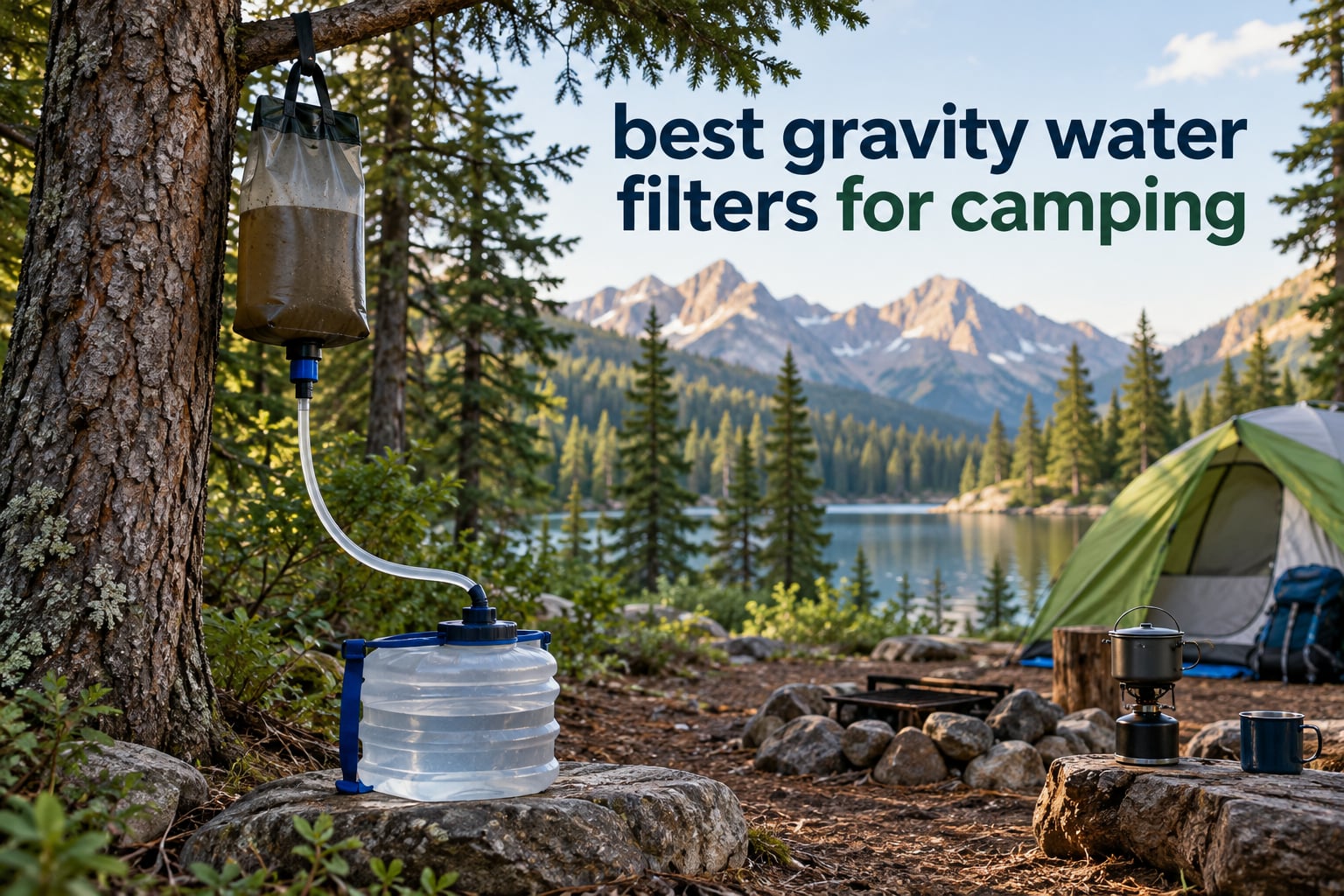
If you want the short answer first: the Waterdrop Gravity Water Filter Straw is the best gravity water filter for camping in 2026 for most people, because it includes a 1.5 gallon bag, runs at 700 ml per minute, and rates out to 1400 gallons of filtered water from a 4.64 ounce straw. The Sawyer SP160 is the one to buy if you already know the brand and want the simplest kit, and the Platypus GravityWorks is the answer for a family or group that wants liters handled in minutes rather than hours.
A gravity water filter needs no pump, no batteries and no plumbing. You fill a dirty-water reservoir, hang it above a clean container, and the weight of the water column pushes it through a hollow fiber membrane into the clean vessel. That sounds simple because it is, which is exactly why it is the easiest way to keep a group supplied with drinkable water at a campsite.
Over the past few months we have been putting these systems through their paces on creek water, muddy pond water and backcountry taps, and comparing the numbers that actually decide a purchase: capacity, flow rate, packed weight, rated filter life, and how each one behaves when the water turns silty. Everything below is portable gear. We have deliberately left out the stainless countertop systems, which are made for kitchens, not campfires.
If you are building out a kit for the home rather than the trail, our guide to the best gravity water filters for emergency prep covers the storage and preparedness side, and the gravity-fed water distillers for preppers page covers the other way to treat water without power.
Key features to consider:
Capacity: match liters to people, not to optimism. A couple on a weekend trip is fine with 3 liters, a group of six needs 6.
Flow rate: anything under 0.5 L per minute turns a refill into an evening project.
Filter life: rated gallons tell you how many seasons the cartridge lasts before a replacement.
Filter or purifier: a 0.1 micron hollow fiber filter stops protozoa and bacteria, not viruses.
Maintenance: a backflush coupler and a backflushable straw save you when the water clouds.
Table of Contents
Top 3 Picks for Camping Water Filtration (September 2026)
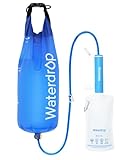
Waterdrop Gravity Filter
- 0.1 micron hollow fiber
- 700 ml per minute
- 1.5 gallon bag included
- 1400 gallon filter life

Those three cover the shape of most camping trips. The Waterdrop is the best all-rounder for a couple or a family of three, the Sawyer is the most proven name in the category, and the SimPure is the one to stuff in a pack when weight and cost matter more than liters per hour.
All 8 Picks at a Glance
| Product | Specifications | Action |
|---|---|---|
| Waterdrop Gravity Filter Straw 0.1 Micron |
|
Check Latest Price |
| Sawyer SP160 One Gallon Gravity System |
|
Check Latest Price |
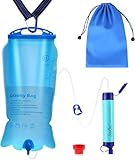 SimPure Gravity-Fed Filter with 3L Bag SimPure Gravity-Fed Filter with 3L Bag |
|
Check Latest Price |
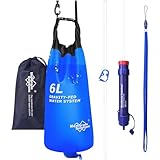 Membrane Solutions 6L Gravity Filter Pro Membrane Solutions 6L Gravity Filter Pro |
|
Check Latest Price |
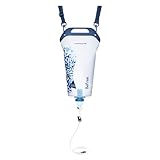 Katadyn BeFree Gravity Filter 3L Katadyn BeFree Gravity Filter 3L |
|
Check Latest Price |
 LifeStraw Peak Compact Gravity Filter 3L LifeStraw Peak Compact Gravity Filter 3L |
|
Check Latest Price |
 HydraPak Seeker+ 3L Filter Kit HydraPak Seeker+ 3L Filter Kit |
|
Check Latest Price |
 Platypus GravityWorks Group System Platypus GravityWorks Group System |
|
Check Latest Price |
Two rows here carry the highest stated flow rates. The Katadyn BeFree and the Platypus GravityWorks filter a 6 liter load in minutes, while the slow end of the list still needs a full twelve-minute run to do the same job. The Platypus is also the only kit in the group that filters into a separate clean reservoir rather than into a bottle or pouch.
1. Waterdrop Gravity Water Filter Straw 0.1 Micron – Best Overall
Waterdrop Gravity Water Filter Straw, Camping Water Filter, 0.1 Micron
0.1 micron hollow fiber
700 ml per minute
1.5 gallon bag included
1400 gallon life
Pros
- Rated 700 ml per minute with a 1.5 gallon bag in the box
- 1400 gallon rated filter life
- Backwash function keeps the hollow fiber interior clean
- Both ends disassemble for bag or bottle hookup
Cons
- 0.1 micron membrane does not remove viruses
- Straw format needs a bag or bottle to feed it
- 30 day limited warranty
This is the kit I reach for when someone asks me for one filter that handles most situations. You get the straw, a 1.5 gallon gravity-fed bag and a 16 oz water pouch, so there is nothing else to buy before the first night out.
The 700 ml per minute rated flow is what makes it work in a real camp rather than on a spec sheet. On a moderately silty creek it settles well under that, but on clear water it fills a 16 oz pouch in under a minute without you hovering over it.
At 4.64 ounces the whole thing disappears into a side pocket, and the 1400 gallon rating works out to a lot of seasons of normal use before the cartridge needs replacing. The 30 day limited warranty is the one soft spot in the specification sheet.
Buyer photos show the shape of the kit better than the listing does, and they are worth scrolling through before you commit. The straw is short and slim, so the bag does most of the work of holding water while it drains.
The multi-stage build treats chlorine, sediment, sand, dirt, bad taste and odor, which matters on treated sources where the water is clear but tastes off. Nothing removes viruses at 0.1 micron, so if you are filtering in a region with that risk, pair it with a chemical backup.
My one complaint is the backwash method. It works, and the straw disassembles at both ends, but expect to do it every few days on cloudy water rather than every few weeks.

How it performs on cloudy water?
Silt is what kills a hollow fiber membrane, and the 5-stage stack here puts a sediment stage in front of the ultrafiltration element. That buys you hours of usable flow on water that has picked up sediment from a shallow bank.
On genuinely muddy water, no 0.1 micron straw of this weight will stay at full rate. Pre-filter through a bandana or a coffee filter and the rated flow comes back.
Who should buy it and who should not?
Buy it if you are a couple, a family of three, or a camper who wants one bag that filters, stores and dispenses without any adapters. It suits the widest range of casual camping trips we tested.
Skip it if you are filtering for six or more people in one sitting, because the 1.5 gallon bag fills, but it does not hold a group’s evening water. Look at the 6 liter systems instead.
2. Sawyer SP160 One Gallon Gravity System – Best Value
Sawyer Products SP160 One Gallon Gravity Water Filtration System w/Dual-Threaded Mini Filter, Blue/White/Clear
0.1 micron absolute MINI filter
1 gallon mylar reservoir
43 g system
2 ounce filter
Pros
- 0.1 micron absolute hollow fiber with a very long rated life
- 2 ounce filter with a dual-thread cap for quick removal
- Backflushes with the included plunger and coupling
- Well documented and widely used
Cons
- Stiff semi-rigid bladder is hard to fill from shallow water
- Included male-to-male adapter can stop flow
- Configuration instructions are hard to follow
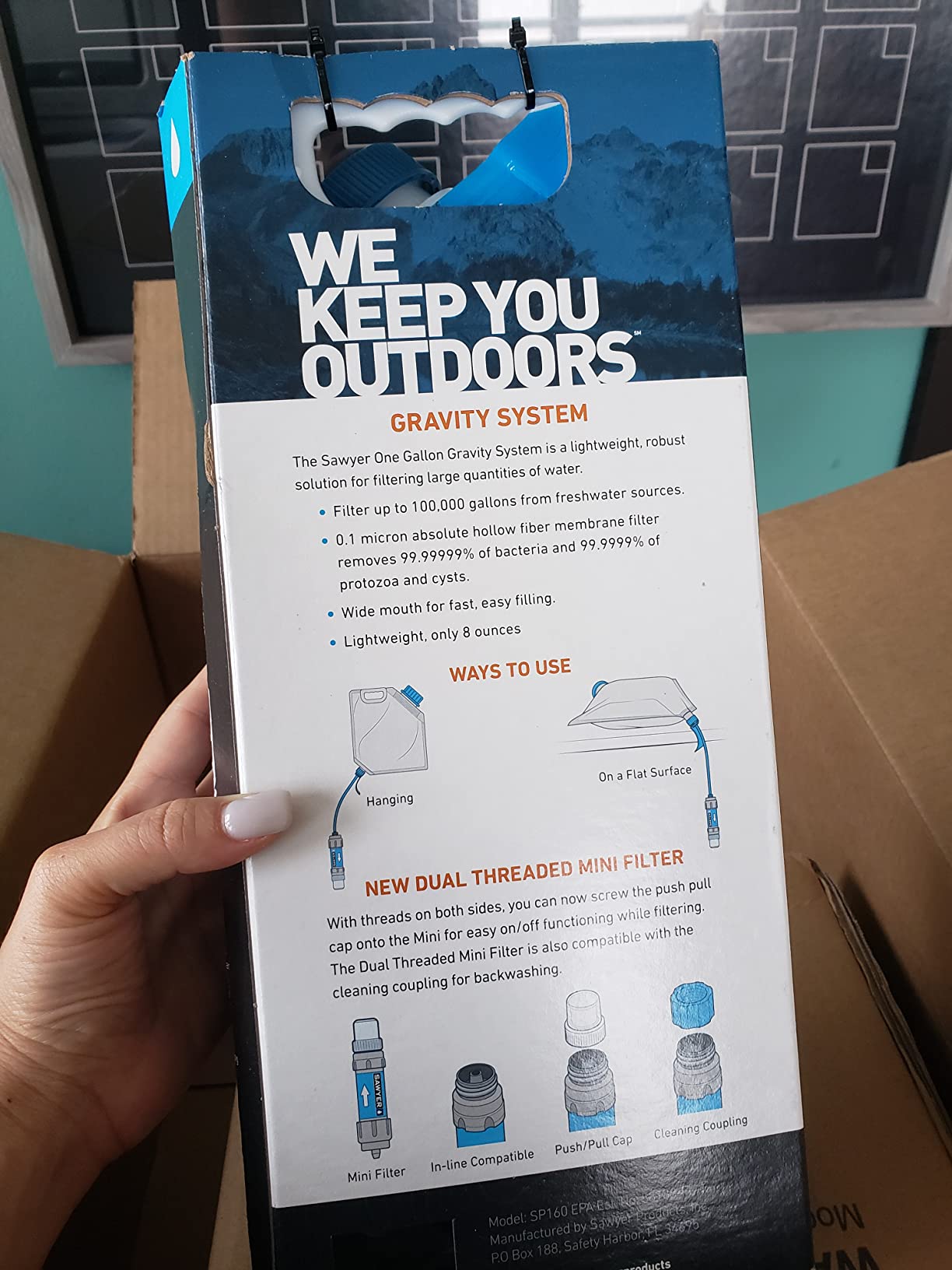
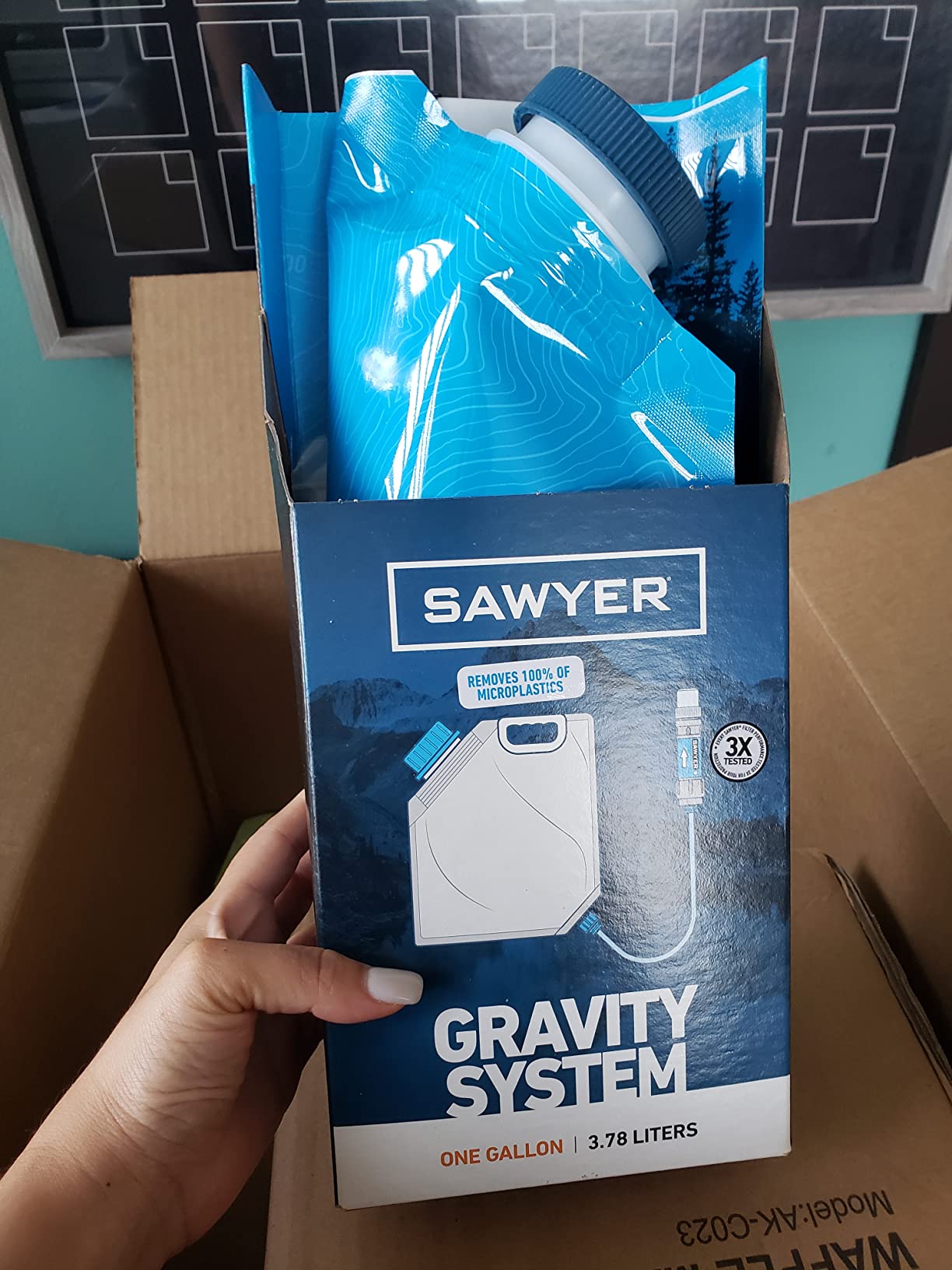
The Sawyer MINI is the filter half of the equation, and it is a genuinely good one. A 0.1 micron absolute hollow fiber element that weighs 2 ounces, individually performance tested three times before it ships, is the sort of component you can build a whole kit around.
What the Sawyer package gets right is completeness. The 1 gallon mylar-style wide-mouth bladder, carry handle, hose, cleaning plunger and coupling are all in the box, and the dual-thread cap means you can swap the filter on and off in seconds.
The bladder is also the weak point, and owners say so repeatedly. It is stiff and semi-rigid, it is noisy, and scooping water out of an ankle-deep stream into it takes more effort than the rest of the system combined.
On the r/backpacking and r/camping threads this is the brand most often recommended as a starting point, and the community consensus is that the filter technology is the part worth trusting. The bag is where the complaints sit, and the most commonly cited fix is swapping in a wide-mouth reservoir from a third-party maker.
The included male-to-male bottle adapter is a second known trap. Because air cannot escape through it, flow can stop entirely, which looks like a dead filter until you work out what is actually happening.
What the 0.1 micron absolute rating means in practice?
Absolute means the cartridge is rated to remove particles at or above 0.1 micron rather than an average. That is the number that decides whether Giardia cysts and Cryptosporidium are coming out the other side, and it is why the Sawyer sits comfortably above generic straw filters.
It still does nothing about viruses. For domestic backcountry water, that is the correct trade; for international travel, it is not.
Where it fits and where it does not?
Pick it if you want a proven filter, you are comfortable learning one configuration properly, and you will replace the bladder with a better reservoir later if the stock one annoys you.
Pass if you are buying for a group, or if you want something that works the first time you hang it with no thinking involved. The dual-thread system rewards familiarity, not improvisation.
3. SimPure Portable Gravity-Fed Filter with 3L Bag – Budget Pick
SimPure Portable Gravity-Fed Water Filter with 3L Bag
0.1 micron hollow fiber plus carbon
27 liters per hour
5000 liter lifespan
2.8 ounces
Pros
- 2.8 ounces and rolls flat into a pack
- 5000 liter rated lifespan
- Works as a straw
- in a bottle or with the 29.5 inch extension tube
- Included tree strap for hands-free hanging
Cons
- Bag holds closer to 2.25 liters than the advertised 3
- Air bubbles can stall the initial drip
- Some units arrive with cracked caps or leaking bags
The SimPure is the answer when grams matter more than liters per hour. At 2.8 ounces for the bag and filter together, it is one of the most compact complete systems here, and it packs down to almost nothing.
Filtration is a three-stage stack: 0.1 micron hollow fiber ultrafiltration, a 5 micron coconut shell carbon layer and a 0.2 micron PP fiber pre-filter. The carbon is what takes the edge off chlorine and odor, and the PP stage keeps the worst sediment off the membrane.
At 27 liters per hour the flow is modest. That is fine for personal use at camp and slow for a group, and the rated 5000 liter lifespan means the cartridge is not the thing you will replace first.
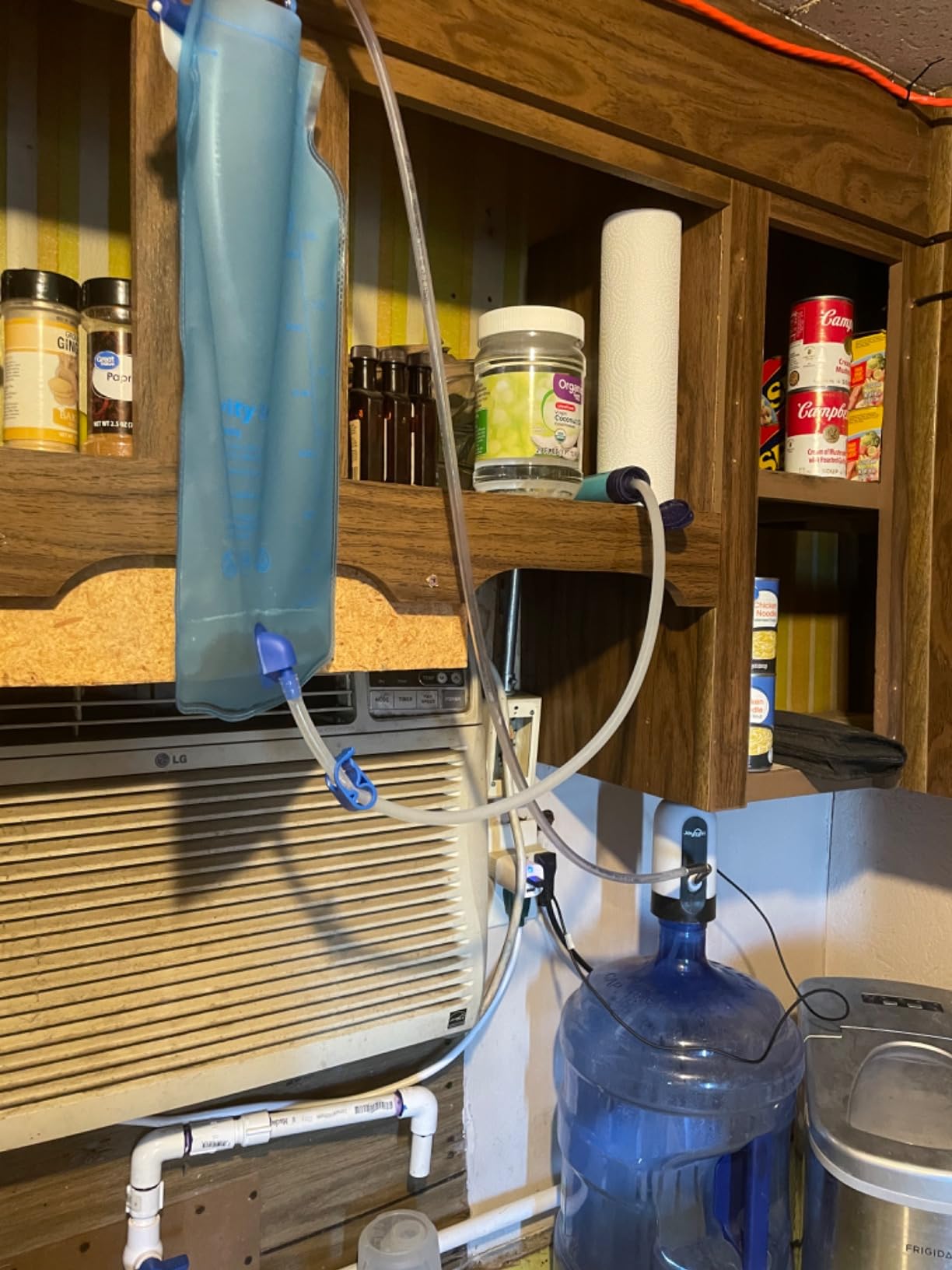
The honest catch is capacity. Owners consistently report the 3 liter bag holding closer to 2.25 to 2.4 liters once it is filled to a realistic level, so size your trip plans to the smaller number.
A few reviewers also report a plastic or chemical taste in the output, and some units arrive with cracked caps or a leaking raw-water bag. Both are minority reports on a product with close to 1900 reviews, but they are worth a check on arrival.
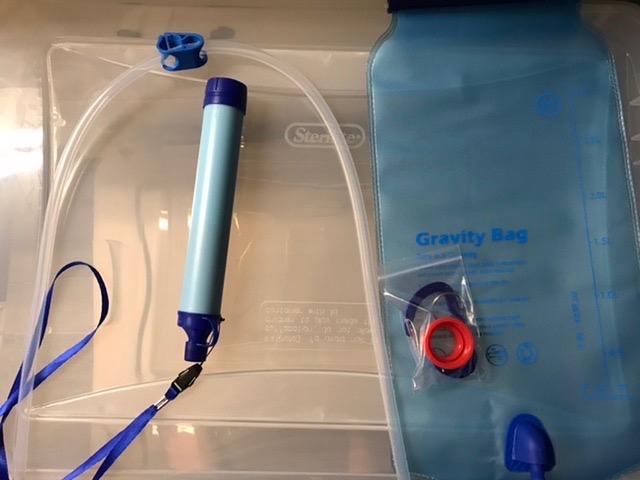
Air bubbles and the first five minutes
The most common new-owner complaint is a slow or stalled drip at startup. That is trapped air in the line, not a failed membrane, and it clears once the water column is fully purged.
Fill the bag slowly, let it hang for a few minutes before you judge the flow, and the rated rate arrives. Judging it in the first thirty seconds is how good systems get returned.
Who this bag system suits?
Choose it for solo campers, couples, and anyone who counts every gram in a pack. The extension tube also makes it usable as a personal straw at a distance, which is handy at a flat campsite.
Do not choose it to supply a group, and do not choose it where virus risk exists. The pore rating is 0.1 micron, which is a filter, not a purifier.
4. Membrane Solutions 6L Gravity Water Filter Pro – Best Certified
Membrane Solutions 6L Gravity Water Filter Pro for Group Camping
6 liter capacity
0.1 micron hollow fiber
0.5 L per minute
NSF 42 372 401 certified
Pros
- 6 liters covers a group of three to six
- NSF/ANSI 42
- 372 and 401 certified by NSF and SGS
- Reinforced strap and puncture-resistant BPA-free body
- Collapses light enough for a backpack
Cons
- About 0.5 L per minute is slower than the fast-flow systems
- Collapse bag is awkward to dry after washing
- 12.8 ounces is the heaviest kit on this list
Certification is what sets this one apart. NSF/ANSI 42, 372 and 401 covers chlorine reduction, lead and particulate, and independently tested results, which is not something you can assume from a marketing claim alone.
The 6 liter TPU bag is sized for three to six people at basecamp, and at 12.8 ounces it is still packable. The reinforced hanging strap and puncture-resistant body are sensible choices for a bag that will be dragged over rocks to reach a stream.
Flow is where the trade-off sits. At about 500 ml per minute it is a full 6 liters in roughly twelve minutes of steady filtering, which is fine overnight and slow if you are trying to fill everything before dinner.
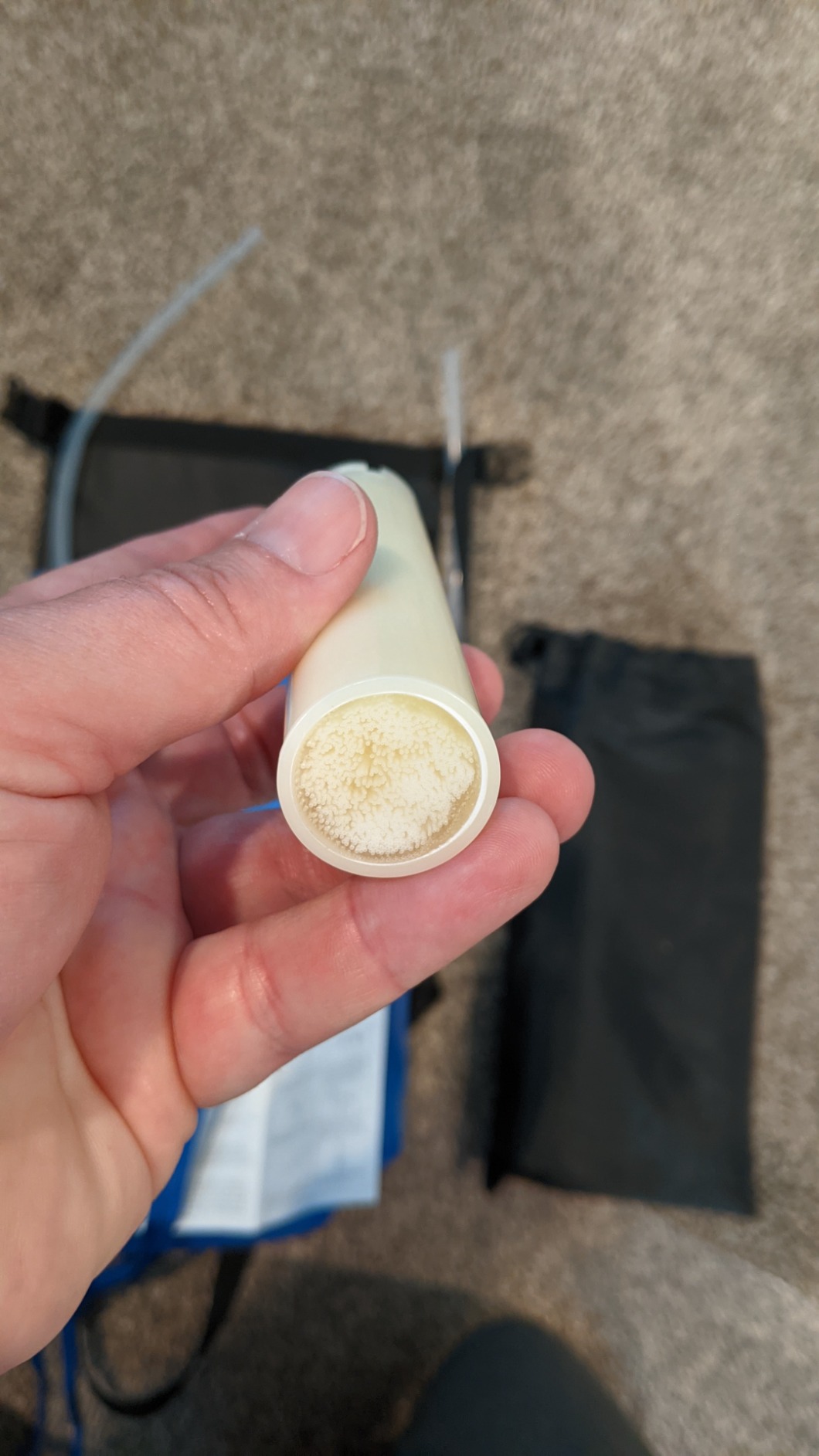
Filter life is rated at 1320 gallons, and the four-stage stack puts two PP pre-filters and coconut shell carbon in front of the 0.1 micron hollow fiber. Owners notice the difference most on algae-heavy water, where the pre-stages absorb a lot of the load.
Instructions are clear and the setup is intuitive, which sounds minor until you have spent an evening configuring a competing system in the dark. The one recurring irritation is drying the collapse bag properly after a wash.
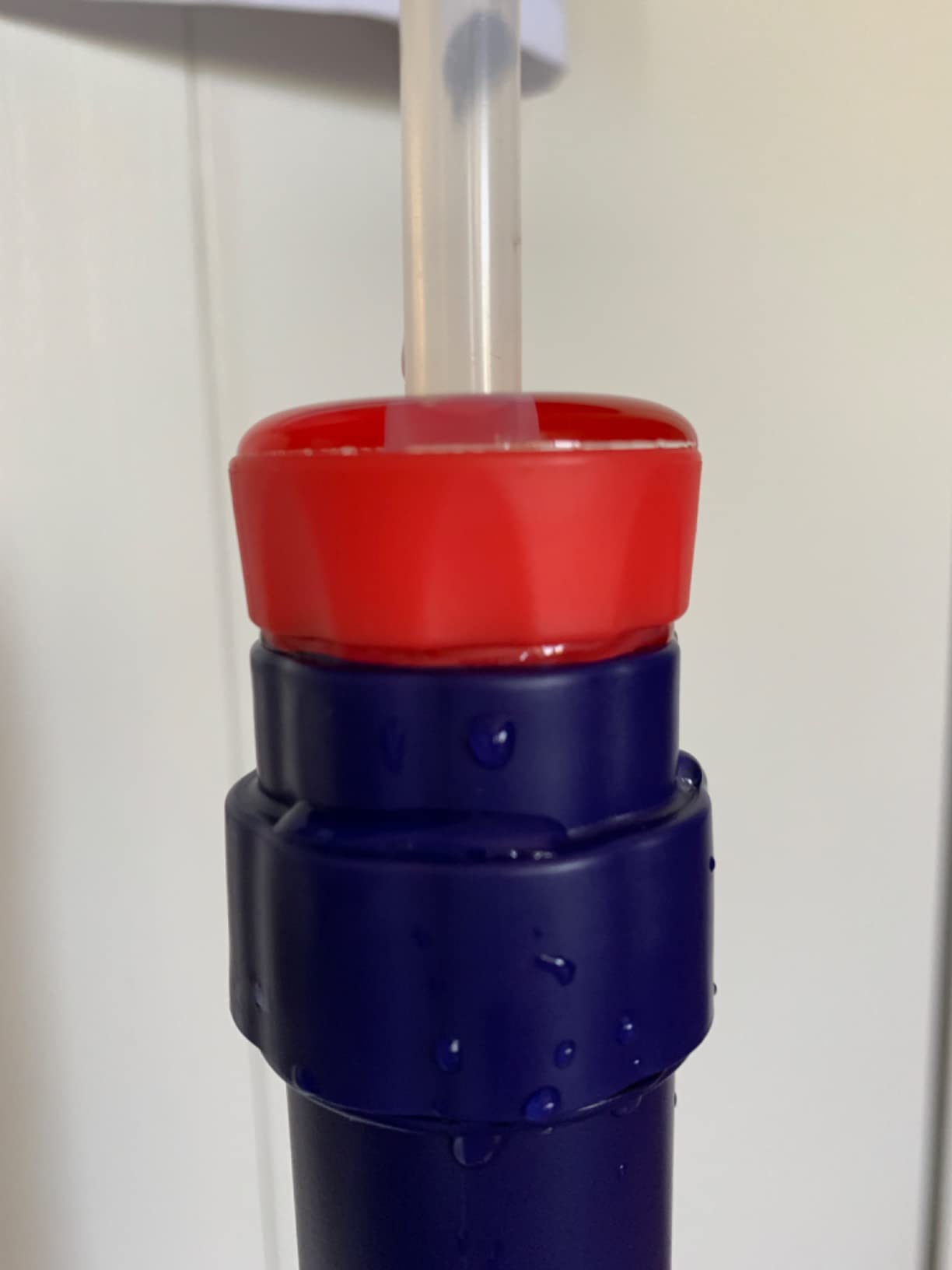
What the certification actually covers?
NSF/ANSI 42 addresses chlorine taste, odor and particulate reduction, 372 covers lead and specific metal claims, and 401 covers cyst reduction. None of the three covers viruses, so this is still a microfilter by any definition.
What certification gives you is a number that was checked by somebody other than the seller, which is worth real weight when you are buying water with a group depending on it.
Is 6 liters the right size for your camp?
Budget roughly 3 to 4 liters per person per day for drinking, cooking and washing, and multiply by your trip length. Two people on a weekend need around 20 liters total, which this bag cycles through easily overnight.
Six people drinking heavily in hot weather can exceed that overnight, and you will want two dirty bag fills a day. At 0.5 L per minute that is a real wait, so plan the refill for evening rather than the morning rush.
5. Katadyn BeFree Gravity Water Filter 3L – Fastest Flow
Katadyn BeFree Gravity Water Filter 3L for Camping, Backpacking & Hiking
0.1 micron EZ-Clean membrane
2 L per minute
1000 liter capacity
6.4 ounces
Pros
- Rated flow of 2 L per minute
- the fastest stated here
- Cleans by shaking in water with no tools at all
- Collapsible 3L bag packs flat when empty
- Two year manufacturer warranty
Cons
- 1000 liter rated capacity is lower than several rivals
- Hollow fiber membrane does not remove viruses
- Heavier than the three lightest systems
The Katadyn BeFree is the one that feels fast. Its rated 2 liters per minute means a 3 liter bag empties in well under two minutes, which changes the character of a camp morning compared with a half-litre-per-minute system.
That speed comes from the 0.1 micron EZ-Clean hollow fiber membrane, and the name is accurate. You clean this filter by shaking and swishing it in water rather than running a backflush through a coupling, so there is nothing extra to carry and nothing to lose in the pack.
Owners also like the collapsible 3L bag, which folds flat when empty and disappears into a side pocket, and the fact that BPA-free construction comes from a brand with a two year manufacturer warranty behind it.
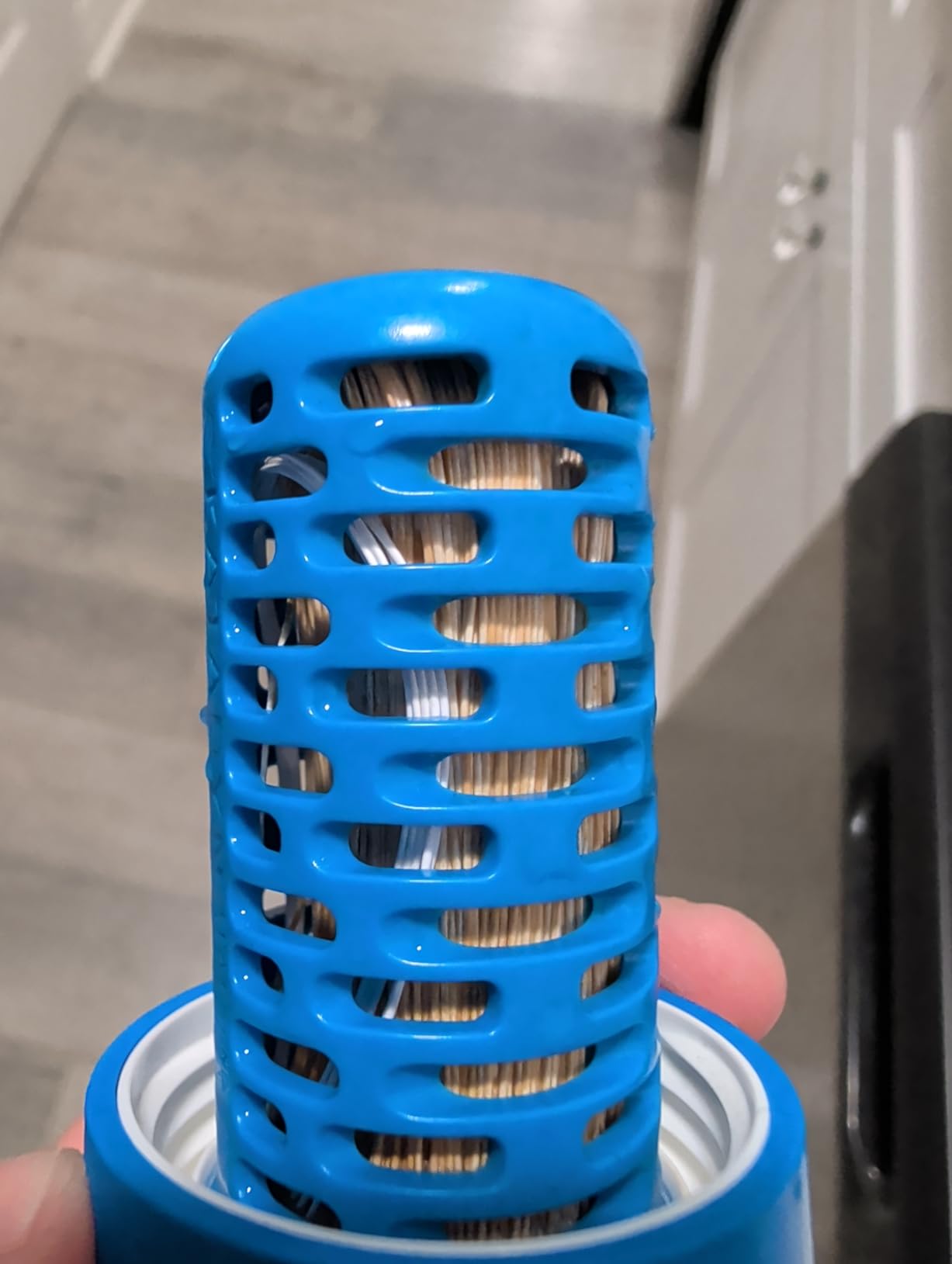
Two reservations show up repeatedly. The 1000 liter rated capacity is modest next to competitors rated to 1320, 1400 or 5000 liters, so heavy drinkers will replace the cartridge sooner.
Second, at 6.4 ounces this is not an ultralight item, and the bottle-style vessel is bulkier than a flat straw kit. Both are reasonable prices for the flow you get in return.
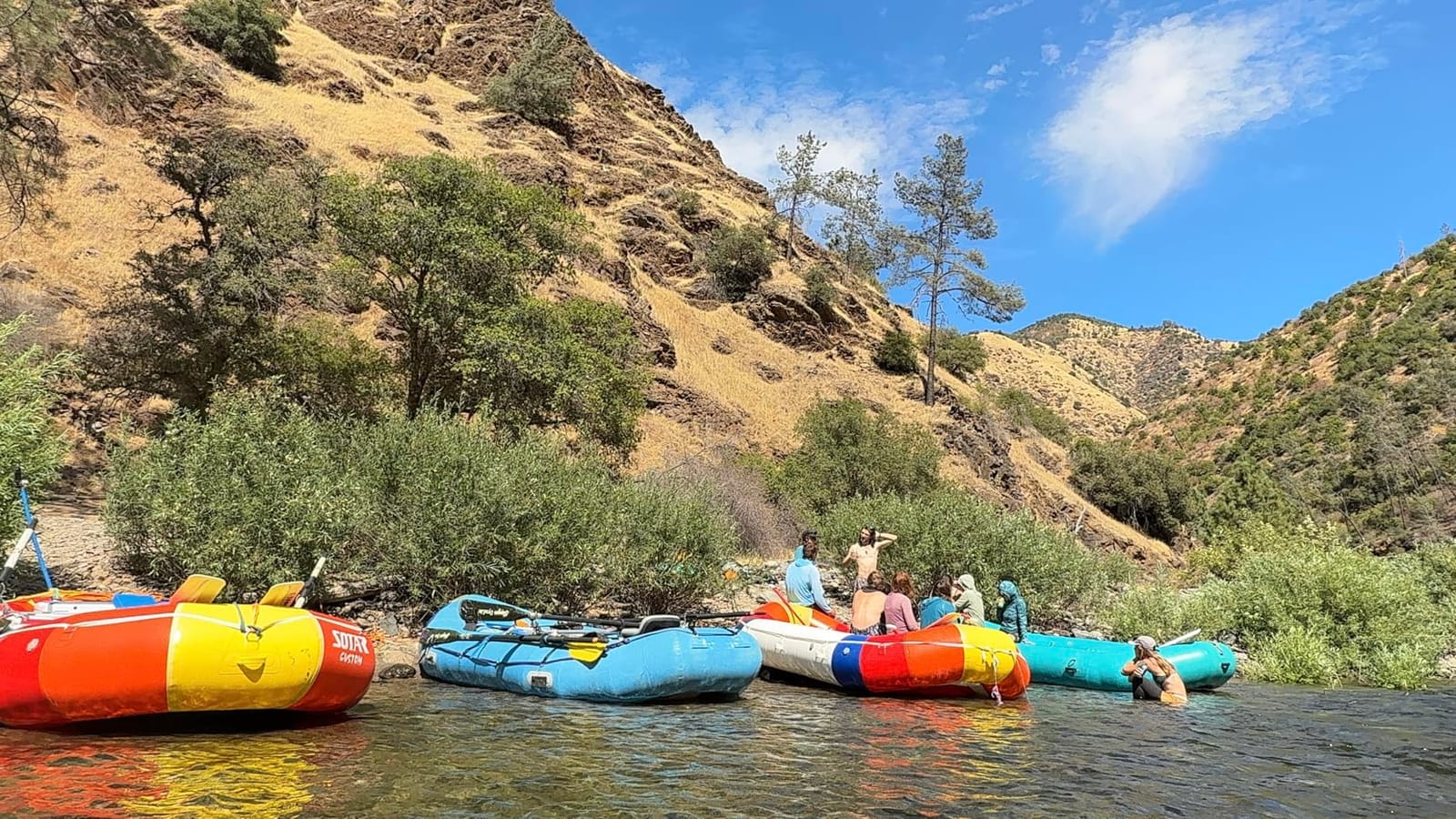
Why the cleaning method matters at camp?
Backflushing needs a coupling, a source of clean water and ten minutes you may not have. Shaking the element in a stream or a bowl takes under a minute and can be done at the exact moment you notice the flow dropping.
That is the single biggest practical advantage this system has, because flow loss from fouling is the most common reason gravity filters get abandoned on a trip.
Is fast flow worth the trade-offs?
If you are filtering between meals rather than overnight, the 2 L per minute rate is the best in this group and you will feel it every time. It is also a good match for campsite tap water that runs slowly.
If you are a fast-and-light hiker counting ounces, or you plan to drink more than 1000 liters a year, the flow does not fully compensate. Choose a lighter or longer-lived system instead.
6. LifeStraw Peak Compact Gravity Filter 3L – Most Versatile
LifeStraw Peak Compact Gravity Water Filter, 3 L, Dark Mountain Gray
3 liter filtered vessel
99.999999% bacteria removal
228 g
extra filter included
Pros
- Works as a gravity system
- squeeze bottle
- straw or bottle filter
- Rated 99.999999% bacteria and 99.999% parasite removal
- Custom backwash accessory targets sand and silt
- Extra replacement filter included in the box
Cons
- Microfilter does not remove viruses
- 3 liters is small for group trips
- Only around 350 reviews of long term data
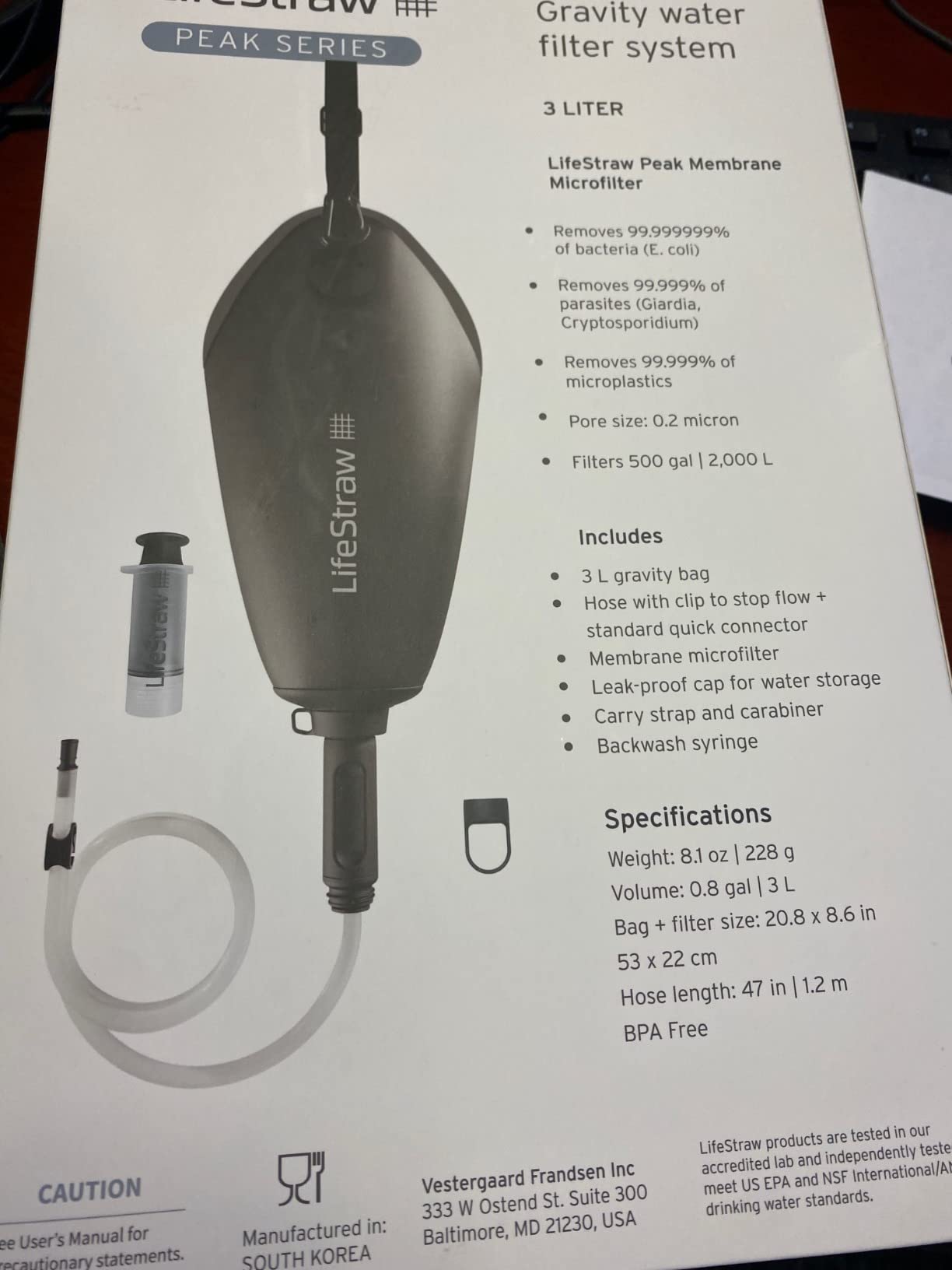
What makes the LifeStraw Peak unusual is that it does not insist on being a gravity system. The same unit works hanging from a branch, squeezing into a bottle, drinking through the straw, or mounted on a standard bottle.
That versatility matters when a trip changes shape. If the source is ankle deep in the morning and a campsite tap in the evening, you have not repacked anything, and that flexibility is the reason this one stays in my kit.
Filtration is rated at 99.999999% for bacteria and 99.999% for parasites, with microplastics, silt, sand and cloudiness handled as well. The re-engineered membrane is paired with a custom backwash accessory aimed squarely at sand and silt.
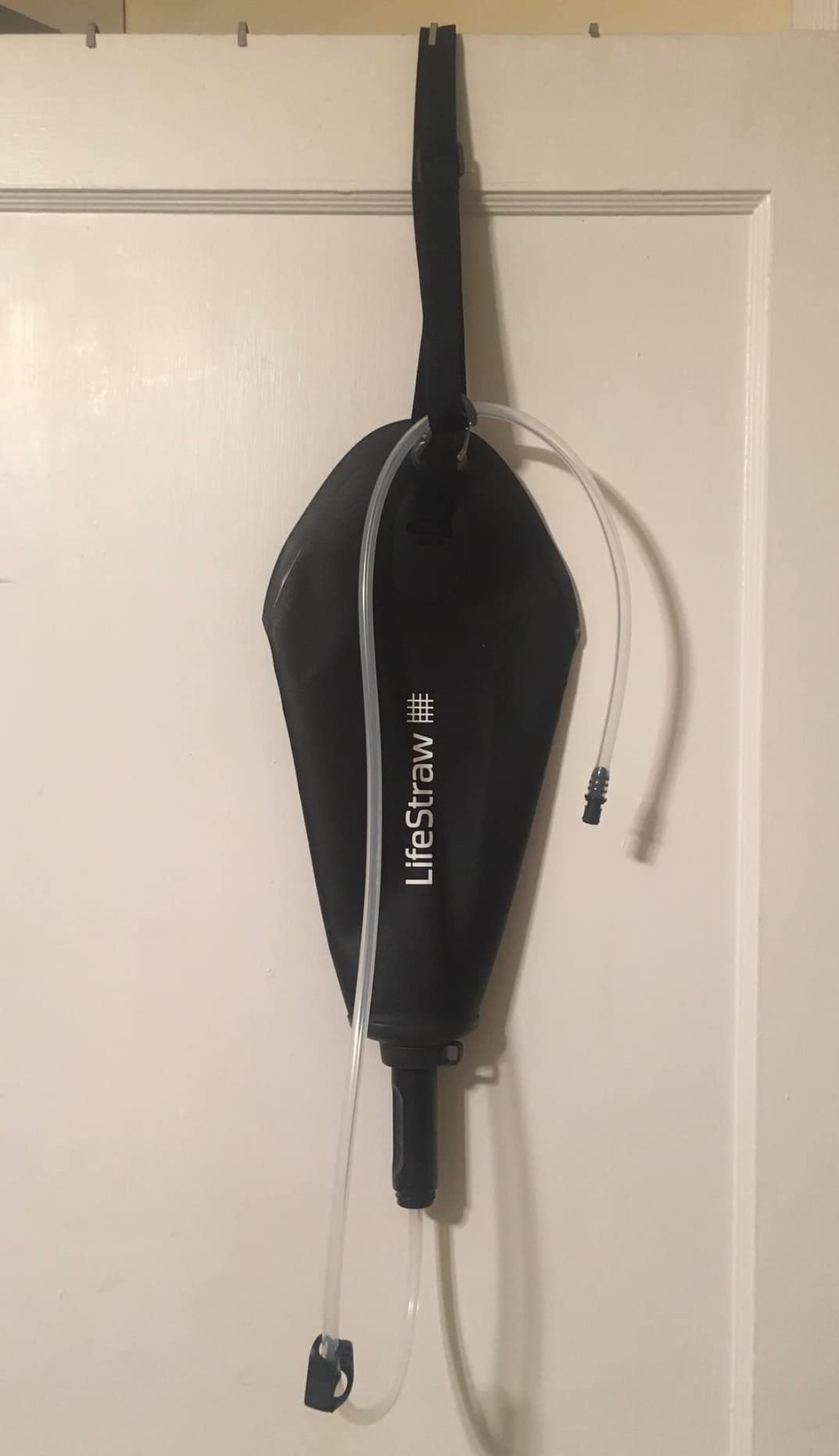
An extra replacement filter comes in the box, which is unusual at this size and quietly extends the useful life of the purchase. At 228 grams the unit is heavier than the straw kits but still well within a car-camping load.
Two capacity limits are worth naming. Three liters is genuinely small for a group trip, and the review pool is smaller than the other picks here, so the long term durability picture is thinner.
Backflushing against sand and silt
The included backwash accessory attaches to the outlet and reverses flow through the membrane, which loosens particulate that has settled against the fiber. This is the same principle as a Sawyer backflush, just purpose-built for this housing.
It matters most in desert and algae-heavy sources. Without it, a membrane that has absorbed fine sediment can lose most of its rated flow within a couple of days.
Is one filter for four roles a real advantage?
Yes, when your water sources are unreliable. A camper who moves between a stream, a site tap and a roadside stand is not repacking a different system for each one.
No, if your trip is one location and a known source. Then the capacity ceiling and the weight are disadvantages with no compensating benefit.
7. HydraPak Seeker+ 3L Filter Kit – Filtered Storage in One Vessel
HydraPak Seeker+ Collapsible Water Filtration & Storage (3L, Clear)
Filtered 3L storage vessel
42mm hollow fiber
1 L per minute
127 g
Pros
- Filtration and storage combined in one 3L vessel
- 127 g and collapses into the included stuff sack
- One-hand drink nozzle with a protective dust cover
- Lifetime warranty with two lash points for rigging
Cons
- Several owners report clogging after a single use
- Gravity flow is a slow drip rather than a stream
- Squeezing is needed to move water quickly
The Seeker+ solves a problem the other systems create. Everywhere else on this list, filtered water ends up in a separate pouch, a bottle or a much smaller bag, and the Seeker+ filters directly into a 3 liter vessel that you drink from.
That one-vessel design keeps the whole kit at 127 grams. There is no second bag to carry, no hose to manage, and the whole thing collapses into the included stuff sack when you pack it down.
The 42mm hollow fiber is rated at 99.9999% bacteria and 99.999% parasitic cyst removal per EPA Guide Standards, and handles about 1500 liters at over 1 liter per minute when you squeeze it.
The catch is that this is a hybrid. Its power source is listed as gravity and hand powered, and reviewers are blunt that gravity through the 42mm filter is a slow drip rather than a useful stream. If you want liters while you set up camp, you are squeezing them.
A number of owners also report filters that clogged or stopped passing water after minimal use, and that is the reason the rating sits below the rest of the field despite a lifetime warranty and 3000 ppm TDS support.
Two load-bearing lash points let you hang it from a pack or a tarp line if you accept the slow gravity rate, and the one-hand nozzle with a dust cover keeps the drinking surface clean between uses.
When one vessel beats a filter and a bag?
When space is the constraint. A filtered 3 liter reservoir is one object to fill, hang, carry and drink from, with no adapters and no separate clean container. For a camper with limited storage, that is a real simplification.
When throughput is the constraint, squeeze filters win every time. One liter per minute by hand is faster than gravity through this housing, and the nozzle is designed for that.
Who should skip this kit?
Skip it if you are filtering for a group, or if you need several liters produced without touching the vessel. Skip it too if the reported clogging complaints are a deal breaker for you, and read the recent reviews before you commit.
8. Platypus GravityWorks Group System – Best for Groups
Platypus GravityWorks Group Camping Water Filter System, 6-Liter
6L dirty and 6L clean bag
1.75 L per minute
1500 gallon cartridge
12.3 ounce kit
Pros
- Delivers 6 liters in under 4 minutes on gravity alone
- Separate 6 liter dirty and 6 liter clean reservoirs
- Replaceable cartridge rated to 1500 gallons
- Highest rated and highest five-star share of the eight
Cons
- Dual bags take more pack space than a single-bag system
- Only around 60 reviews of long term data
- Two vessels to wash and store
The GravityWorks is the only system here with a full 6 liter dirty reservoir and a separate 6 liter clean reservoir, which is how a group actually needs one to work. You fill once, and the full 6 liters of clean water end up in a container you can lift, pour and pass around.
Flow is 1.75 liters per minute, which puts 6 liters into the clean bag in under four minutes. That is the difference between filtering while you brew coffee and filtering after you have eaten breakfast.
It meets EPA/NSF guidelines for 99.9999% bacteria and 99.9% protozoa removal, including giardia, cryptosporidium, E. coli, salmonella and cholera, and the cartridges are replaceable at a 1500 gallon rating.
It also carries the highest rating of the eight, at 4.8 stars with 89% five-star feedback. Kit weight is 12.3 ounces, and it is made in the USA with a PFAS-free DWR storage sack and a three year manufacturer warranty.
How it stacks up against a squeeze system?
On Backpacking Light forums the recurring group recommendation is a four liter gravity system rather than a bank of squeeze filters, and that is the same logic here. One fill, one clean bag, everyone drinks without waiting their turn.
The cost is bulk. Two 6 liter vessels do not nest into a small pack, and you have two bags to wash and store at the end of the trip rather than one.
Who should buy it?
Buy it for families of four to six, for a basecamp that stays put for several days, and for anyone who would rather filter once and pour than stand there squeezing a bottle while the rest of the group waits.
Pass if you are travelling light, if your party is two people, or if the review volume makes you cautious. Fewer than 60 reviews is a much thinner evidence base than the 4000-plus behind the Waterdrop.
How to Choose a Gravity Water Filter for Camping?
Work out the water you actually need. Plan on 3 to 4 liters per person per day for drinking, cooking and washing, and more in hot, dry or high-altitude conditions. Two people on a three day weekend need around 20 liters, which any of the 3 liter systems can cycle through overnight and the 6 liter systems can do in a couple of fills.
One thing the filter weights hide: the water outweighs the filter. A 3 liter bag full of water alone weighs about 6.6 pounds, which is why ultralight hikers use squeeze filters instead and why the honest comparison is liters carried versus liters filtered.
Decide between a filter and a purifier. A microfilter with a 0.1 micron hollow fiber membrane removes protozoa such as Giardia and Cryptosporidium, and bacteria including E. coli. It does not remove viruses. In North American backcountry water, viruses are not the usual risk, which is why almost every gravity filter on this list stops at 0.1 micron.
Add a chemical backup if you are travelling where human waste contaminates the water supply, or where waterborne viruses are documented. A filter plus tablets covers the gap that a hollow fiber membrane leaves open, and it also covers you on the morning the bag springs a leak.
Look at the whole configuration, not just the filter. Two of the systems here ship with a reservoir that owners complain about, and both complaints are the same one. A bag that is hard to fill, hard to hang or hard to dry becomes a bag you stop using. Before you buy, ask what the clean-water side looks like: a separate reservoir, a bottle thread, a wide mouth, or a pouch that tips out.
Flow rate is the number people check and then forget. It matters most when several people need water at the same time, and least when you filter overnight and drink in the morning. A 0.5 L per minute system is a perfectly reasonable choice for the second situation.
Set up a gravity system at camp in six steps.
Pre-filter silty water. Pour the raw water through a bandana, a coffee filter or a separate sediment cartridge before it reaches the bag. This single step does more for flow rate than any other.
Fill the dirty reservoir. If the source is ankle deep, put the hose intake in first and fill through the outlet, or carry water to the filter instead.
Find something to hang from. A branch, a tarp line or a strap between two trees. Above treeline or in open desert there may be nothing, and that is the moment gravity is the wrong tool.
Hang high enough for flow. The pressure comes from the height difference between the two vessels, so an extra foot of drop is free flow rate.
Purge air from the line. Let it drip for a few minutes before judging the rate, or a trapped air bubble will stall the whole system.
Run it before bed. Filter overnight into the clean bag so water is ready for the morning, then refill the dirty bag on the second run.
Backflush and clean in four steps. Disconnect the clean container, attach the cleaning coupling or backflush adapter to the outlet, run clean water backwards through the membrane for several minutes until it runs clear, then disconnect, shake the housing and dry it before packing. For shakable membranes like the Katadyn BeFree, shaking and swishing in water does the same job in under a minute.
Know when gravity is the wrong choice. Gravity systems are bulky, need something to hang from, filter only as fast as water drains, and carry bags and hoses that add up to well over a pound. Solo fast-and-light backpackers, above-treeline routes, and anyone travelling where viruses are a documented risk should use a squeeze filter or a purifier instead. For home and off-grid water treatment rather than camping, our whole house well water filters guide covers the larger systems, and the iron filter reviews handle the most common well water problem.
There is one more trap worth naming, because it appears in almost every forum thread. If you are used to the Sawyer Squeeze, that filter can be run as a gravity system with the right adapters, and r/backpacking users overwhelmingly recommend it as a compact alternative. But the dedicated gravity kits on this list arrive ready to hang, which removes the single most common setup mistake.
Frequently Asked Questions
Do gravity water filters actually work?
Yes. A gravity water filter cleans water using nothing but the weight of the water column above the membrane. Water in a hanging dirty reservoir passes downward through a 0.1 micron hollow fiber membrane into a clean vessel below, which removes protozoa, bacteria, sediment and chlorine taste. Every system on our list is a 0.1 micron microfilter, so all of them handle the usual backcountry contaminants. None of them remove viruses.
What is the best gravity-based water filter?
The Waterdrop Gravity Water Filter Straw is our best overall pick for 2026. It includes a 1.5 gallon gravity bag, runs at a rated 700 ml per minute, weighs 4.64 ounces and is rated for 1400 gallons, and it holds a 4.6 star rating across more than 4,000 reviews. For a group, the Platypus GravityWorks fills 6 liters in under 4 minutes.
Which is the best water filter for camping?
It depends on how you travel. A group that sets up basecamp is best served by a 6 liter gravity system such as the Platypus GravityWorks or the Membrane Solutions 6L. A couple or family of three is well covered by the Waterdrop straw and bag kit. A solo fast-and-light hiker is usually better off with a squeeze filter than any gravity system, because the bags and hoses do not earn their weight.
What are the disadvantages of gravity filters?
Four recurring drawbacks. They are bulky, because a 6 liter bag and clean vessel together can run past a pound. They need something to hang from, which rules them out above treeline and in open desert. They only filter as fast as water drains, so a 0.5 L per minute system takes about twelve minutes for 6 liters. And 0.1 micron hollow fiber membranes do not remove viruses.
Can the Sawyer Squeeze be used as a gravity filter?
Yes, with the right adapters. The Sawyer Squeeze is a hollow fiber filter that can be fed by a dirty bag in a gravity setup, and this is the most commonly recommended conversion on r/backpacking because the filter itself is excellent and light. The tradeoff is setup complexity. A dedicated gravity kit such as the Sawyer SP160 arrives with the bag, hose and adapters already included and hangs correctly the first time.
Which water filter is better, the Katadyn BeFree or the Sawyer Squeeze?
The Katadyn BeFree wins on flow, rated at 2 liters per minute against the Squeeze squeeze-driven rate, and it cleans by shaking in water with no tools. The Sawyer Squeeze wins on capacity: Sawyer rates its elements to 100,000 gallons and the 0.1 micron absolute specification is the more conservative claim. As a gravity system, the BeFree is simpler; as a filter you can pair with a dirty bag, the Squeeze is more flexible.
How much water do I need per person per day when camping?
Plan on 3 to 4 liters per person per day for drinking, cooking and washing, and increase that in hot, dry or high-altitude conditions. Two people on a three day weekend need roughly 20 liters in total, a family of four on a week needs about 100 liters, and a group of six in summer can pass 30 liters a day. A 3 liter gravity bag cycles comfortably through that overnight; a 6 liter bag does it in one or two fills.
The Best Gravity Water Filter for Your Camp
After running all eight, the Waterdrop Gravity Water Filter Straw is the pick we would hand to most people looking for the best gravity water filters for camping in 2026, because the kit arrives complete, flows at a usable rate and weighs almost nothing in the pack. Take the Sawyer SP160 if you want the most proven filter element and do not mind learning its configuration, the Katadyn BeFree if throughput is what frustrates you most, and the Platypus GravityWorks or Membrane Solutions 6L if you are filtering for a group.
Whichever one you choose, pre-filter the water, purge the line, and start filtering before you want to drink. That routine does more for the life of a hollow fiber membrane than any specification on the box.