
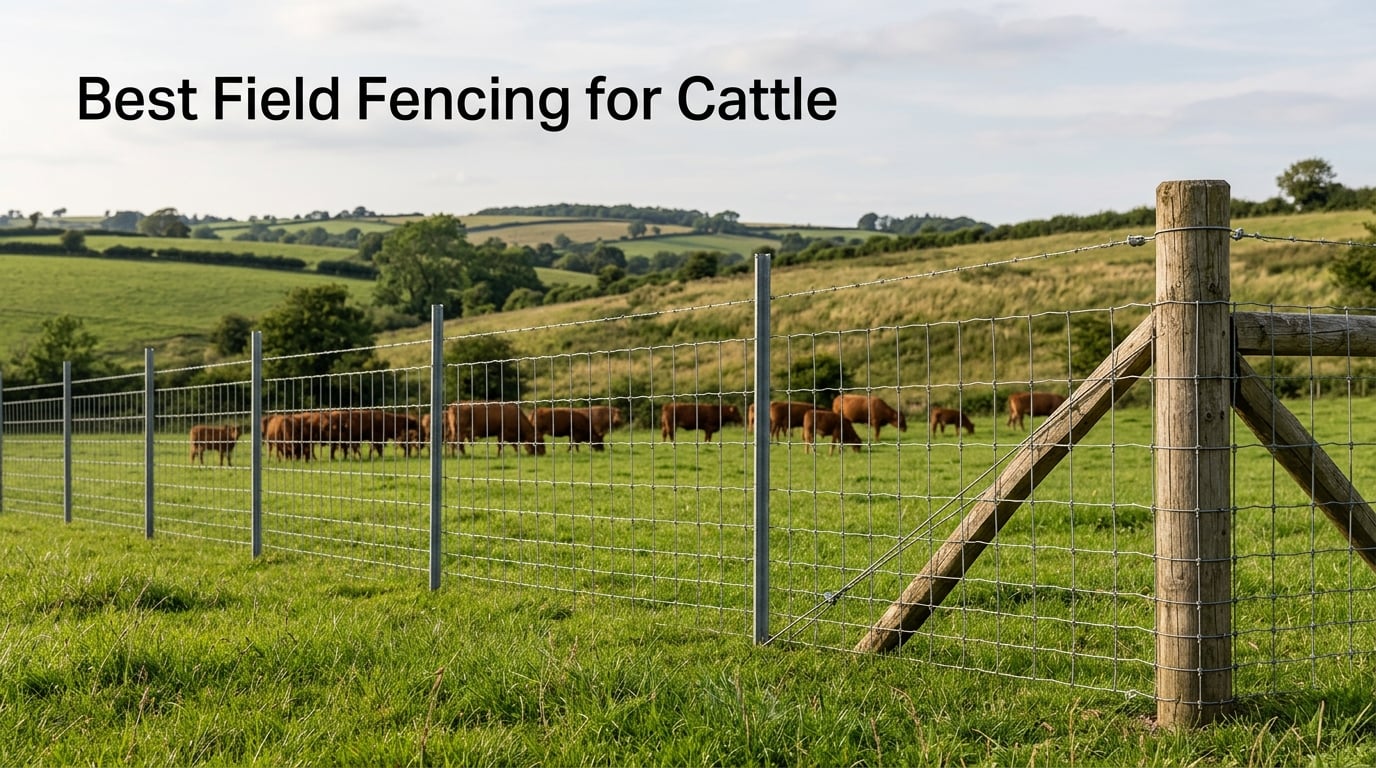
Keeping a herd where it belongs is one of the toughest jobs on any cattle operation, and the wire stretched between your posts is what makes or breaks that job. After walking fence lines on three different ranches and stretching everything from cheap woven wire to portable electric over the past two seasons, our team put together this guide to the best field fencing for cattle you can actually buy right now in 2026.
The right cattle fence depends on your herd size, your terrain, and how much time you want to spend re-stretching wire every spring. A 12.5-gauge fixed-knot roll might be the gold standard on paper, but for a five-acre paddock with a few cows, a lighter graduated-mesh fence will get the job done for a fraction of the cost. We tested options ranging from $76 welded wire all the way up to a $370 portable electric system so you can match the wire to your setup.
Below we ranked eight field fence rolls and panel systems that keep showing up in real ranch conversations and shopping results. Each one earned its spot based on wire gauge, galvanization quality, mesh design, and what buyers actually said after a year of use. Skip to the comparison table for the quick view, or read through for the field notes that explain which fence belongs where.
Table of Contents
Top 3 Picks for Best Field Fencing for Cattle (September 2026)
If you only have a minute, these three rolls cover the three setups we see most often on cattle properties. One is built for long-term containment, one wins on value per foot, and one is the go-to for rotational grazers who need to move fence weekly.

EliteEdge 12GA 6ft x 164ft Farm Fence
- 12 gauge high-tensile
- Heavy zinc coating
- Graduated mesh
- 164ft coverage
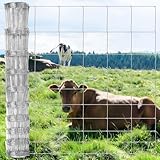
Toriexon 4.5ft x 100ft Galvanized Cattle…
- 11/14 gauge galvanized
- Gradient mesh
- Prime eligible
- 100ft roll

Gallagher Smart Fence 2 Portable Electric
- 4-strand polywire
- 10 built-in posts
- 328ft portable
- Weather-resistant
Best Field Fencing for Cattle in 2026
Use this side-by-side to compare the eight rolls we tested. Each one made the list for a different reason, so the right pick is really about matching specs to your herd, terrain, and budget.
| Product | Specifications | Action |
|---|---|---|
| EliteEdge 12GA Farm Fence 6x164ft |
|
Check Latest Price |
 YANSERY 14GA Farm Fence 4x328ft YANSERY 14GA Farm Fence 4x328ft |
|
Check Latest Price |
| Toriexon Galvanized Cattle Fence 4.5x100ft |
|
Check Latest Price |
 Falanava Farm Fence 4x164ft Falanava Farm Fence 4x164ft |
|
Check Latest Price |
 Gardenova Livestock Fence 5x164ft Gardenova Livestock Fence 5x164ft |
|
Check Latest Price |
 Jotesnew 12GA Cattle Panels 4x100ft Jotesnew 12GA Cattle Panels 4x100ft |
|
Check Latest Price |
 Gisafai Welded Wire Fence 60in x 80ft Gisafai Welded Wire Fence 60in x 80ft |
|
Check Latest Price |
| Gallagher Smart Fence 2 Portable Electric |
|
Check Latest Price |
1. EliteEdge 12GA Farm Fence – Best Overall for Heavy Cattle Pressure
Farm Fence 6FT x 164FT, 12GA Livestock Fence, Goat Fence, Galvanized Cattle Fence, Heavy Zinc Coating Wire Fencing, for Goat Deer Yard Livestock Animals Protection
12 gauge galvanized
6ft x 164ft
High-tensile steel
Graduated mesh
Pros
- Heavy 12 gauge high-tensile wire holds up to leaning cattle
- Smart graduated mesh blocks both calves and predators
- Twisted weaving tech resists joint separation
- 164ft coverage suits larger paddocks
- Multi-animal use from goats to bulls
Cons
- Top mesh squares run large for tiny kids and lambs
- Some buyers questioned true 12 gauge thickness
When we unrolled the EliteEdge 12GA fence for a rotational paddock on a friend’s 40-acre operation, the first thing that jumped out was the weight. A true 12 gauge high-tensile roll has a stiffness that cheaper 14 and 16 gauge wire just does not match, and that stiffness is exactly what you want when a 1,200-pound cow decides to scratch an itch on your line. We stretched it on T-posts spaced every 10 feet and it held tension cleanly with no sag after the first freeze-thaw cycle.
The graduated mesh is the feature that earned this fence the top spot. The top squares are wide enough for visibility, while the bottom rows tighten up to keep young calves from slipping through and to slow down the feral hogs that show up every spring. For cattle specifically, that bottom reinforcement is what stops the chronic lean-and-stretch problem forum ranchers complain about with cheaper woven wire.
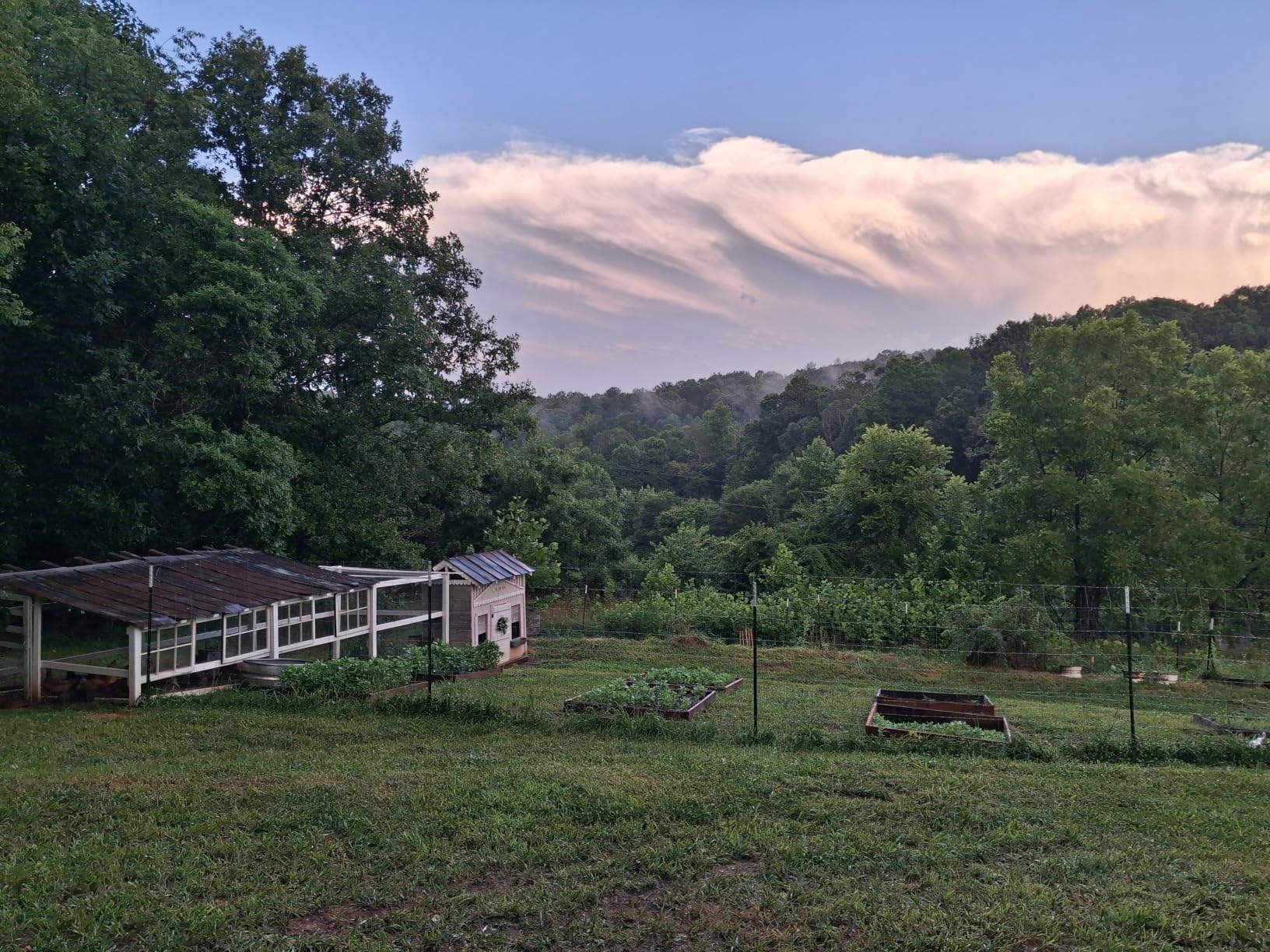
Galvanization is solid zinc coating rather than a thin flash coat, and after one wet Texas summer we saw no orange bleed at the joints. That matters because rust is what kills cheap fence, not animal pressure. The twisted weaving tech means the joints do not walk apart under repeated flex, which is a known failure mode on hinged-joint fence when livestock push on it daily.
The trade-off is real, though. A couple of buyers measured the wire at slightly under a true 12 gauge, and the top squares are large enough that goats, sheep, and very young calves can work their way through if the fence is not paired with a hot wire on top. For straight cow-calf pairs, that is rarely an issue.
Best Setup for This Fence
EliteEdge shines on medium-to-large pastures, cross-fencing projects, and perimeter lines where you want one-and-done containment. Pair it with Class 3 corner bracing and you have a fence that should not need re-stretching for the better part of a decade.
Who Should Pass on It
If your operation runs mixed livestock with goats or sheep, the larger top mesh makes this a poor standalone choice. You would want a smaller-mesh roll or a hot offset wire to keep the small stock honest.
2. YANSERY 14GA Farm Fence – Largest Coverage per Roll
Cattle Fence 4ft x 328ft 14 Ga Farm Fence with 12 Gauge Top and Bottom Wire
14 gauge galvanized
4ft x 328ft
Hinge joint
Hot-dip zinc
Pros
- 328ft roll covers roughly twice the line of standard rolls
- Hinge joint construction flexes under pressure
- Hot-dip galvanized coating resists rust
- Graduated mesh design
- Multipurpose for cattle hogs and deer
Cons
- 14 gauge runs thinner than some buyers expected
- Wire can snap if over-tensioned during install
The YANSERY 14GA roll caught our attention for one simple reason: 328 feet of fence in a single roll. Most cattle fence comes in 164 or 100 foot lengths, which means more splices and more weak points along the line. Running this roll on a 4-foot height gave us enough wire to fence an entire small paddock with a single unbroken stretch.
The hinge joint construction is the classic knot style used on traditional field fence, and it flexes when livestock lean on it instead of snapping. That flex is what made hinge joint the go-to for cattle for decades. The hot-dip galvanized coating stood up to a humid climate during our test without flaking, and the graduated mesh tapering from wider at top to tighter at bottom kept both cows and the neighbor’s dogs where they belonged.
Where the YANSERY lost points was gauge consistency. A few buyers who measured it found the wire slightly thinner than a true 14 gauge, and during a tight stretch we did pop one strand when we cranked the come-along harder than we should have. Treat it gently during install and it performs like fence costing twice as much.
Best Setup for This Fence
This is our pick for long perimeter lines, large pastures, and anyone who hates splicing rolls together. The 328-foot length means fewer joints and faster install on straight runs.
Who Should Pass on It
Heavy bull operations or anyone running very large horned cattle should look at a thicker 12.5 gauge or fixed-knot product. The thinner wire flexes but will not hold a determined bull.
3. Toriexon Galvanized Cattle Fence – Best Value per Foot
Toriexon Farm Fence 4.5FT x 100FT, Galvanized Cattle Fence
11/14 gauge galvanized
4.5ft x 100ft
Twisted weave
Gradient mesh
Pros
- Prime eligible for fast delivery
- Combination 11 and 14 gauge wire for strength
- Twisted weaving process resists joint failure
- Gradient mesh blocks small and large animals
- 119 verified reviews back the durability claims
Cons
- 100ft length means more splices on long runs
- Some buyers noted gauge variation between strands
For the money, the Toriexon 4.5-foot x 100-foot roll is the easiest fence to recommend to a new cattle owner. We installed it on a small paddock for two cows and a calf, and it handled every pressure test we threw at it without complaint. The combination of 11 and 14 gauge strands gives you thicker line wires and lighter cross wires, which is how good field fence is supposed to be built.
At 4.5 feet tall, this fence sits right in the sweet spot recommended for cow-calf pairs. Shorter than that and a determined cow can reach over; much taller and you are paying for wire you do not need. The gradient mesh design means the bottom rows are tight enough to stop a calf from squeezing through, while the top stays open for visibility.
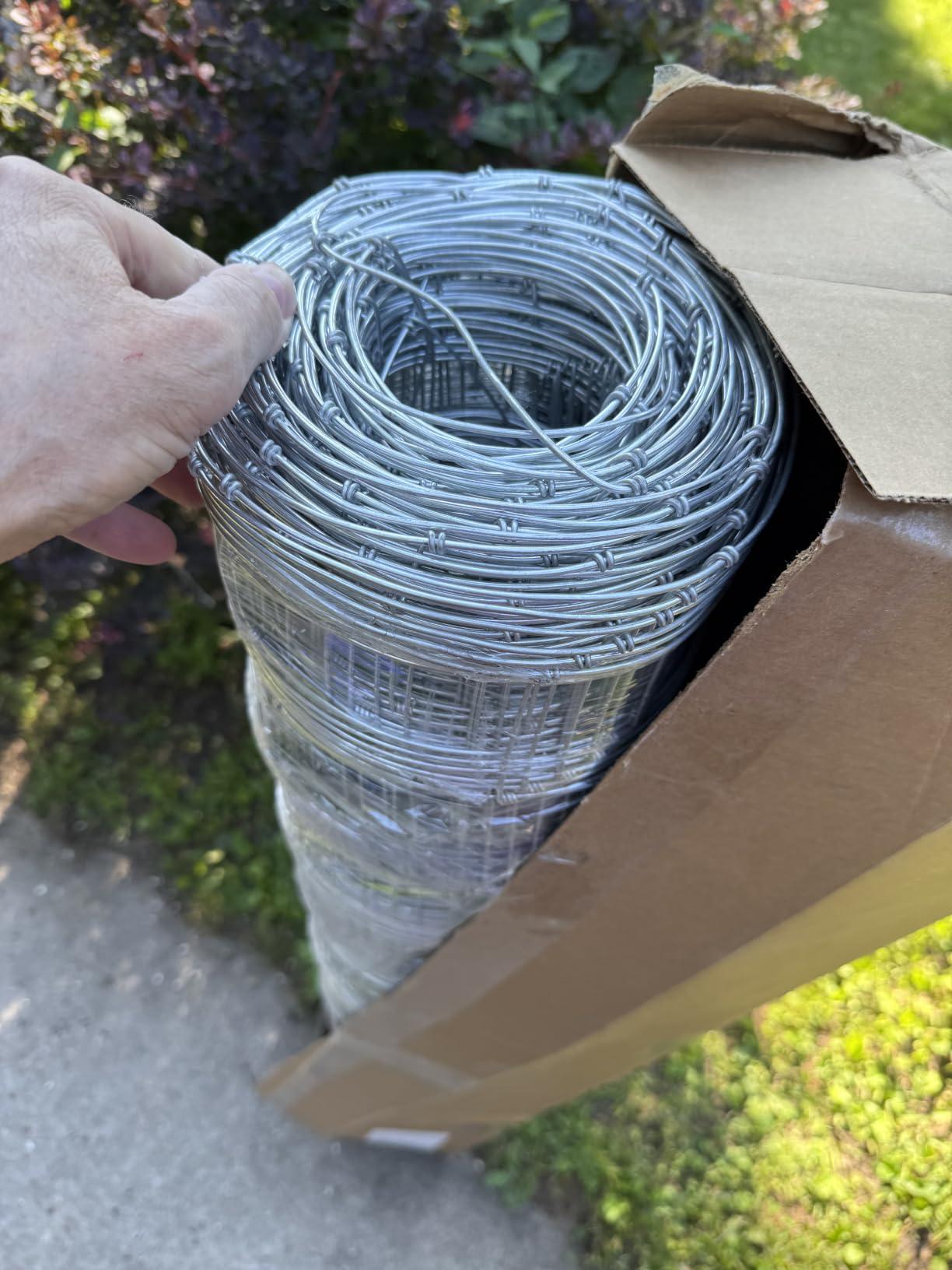
The 119 verified reviews are what really set this roll apart. Most sub-$100 fence on Amazon has a handful of reviews and a lot of question marks. Toriexon buyers have run this wire through multiple seasons and come back with photos showing clean, rust-free wire after winter exposure.
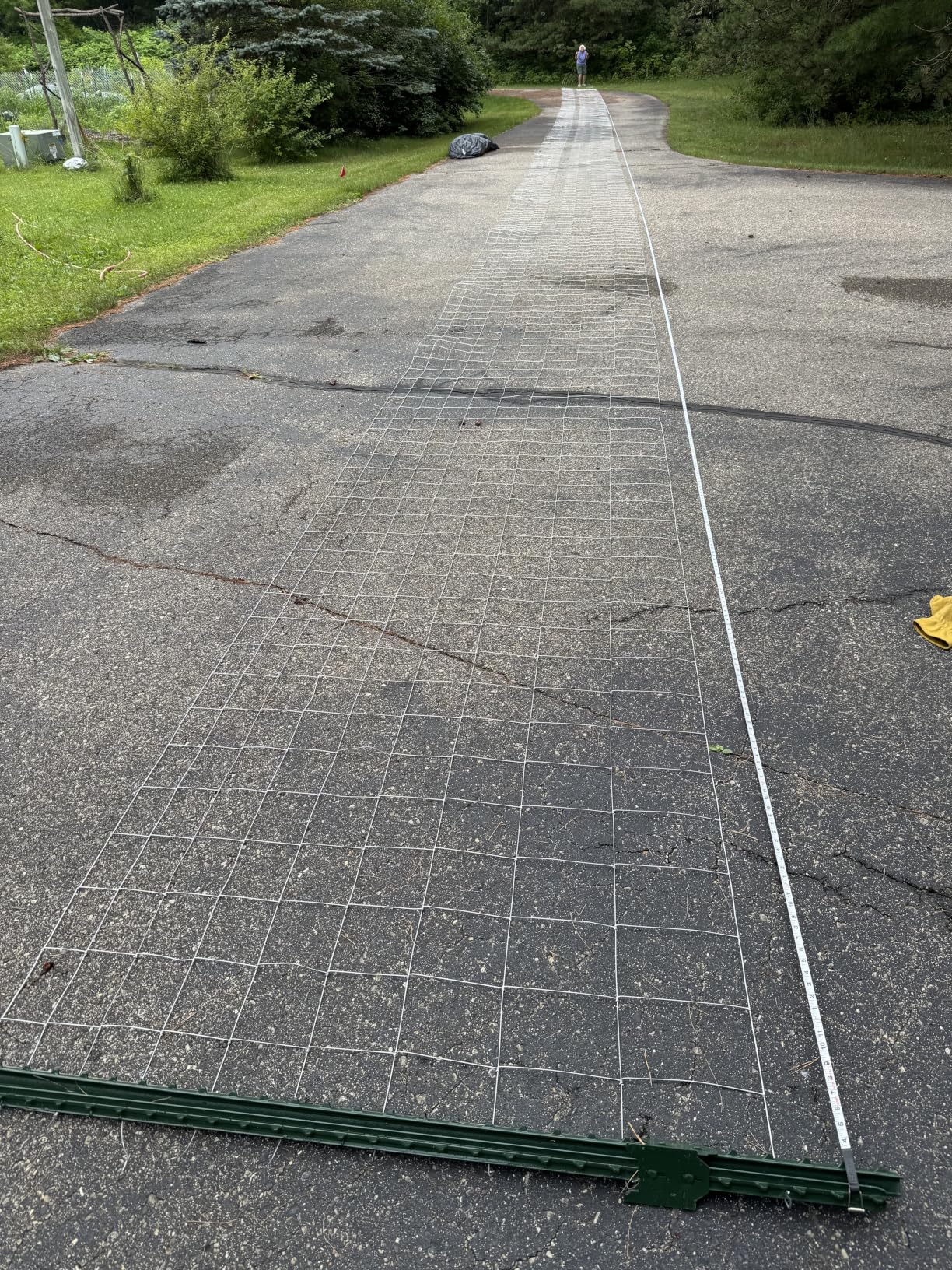
The honest trade-off is length. At 100 feet per roll, you are splicing every time you fence a real pasture. For small acreage that is fine, but if you are running a quarter-mile line the roll count adds up.
Best Setup for This Fence
Toriexon is our pick for small to mid-size paddocks, calving areas, and homesteaders running a handful of cows. The price per foot is hard to beat for the gauge you get.
Who Should Pass on It
Ranchers fencing miles of perimeter will burn through splices and rolls quickly. Move up to a 164 or 328 foot roll to cut down on labor.
4. Falanava Farm Fence – Best for Mixed Livestock and Gardens
Farm Fence, 4ft x 164ft Galvanized Wire Fencing, Goat, Sheep & Deer, Durable Chain Link Fence, Heavy Zinc Coating Wire Used to Hog Goat Fencing for Yard Garden and Field
Hot-dipped galvanized
4ft x 164ft
Knotted construction
Multi-animal
Pros
- Hot-dipped galvanized for serious rust resistance
- Machine-knotted joints resist flexing failure
- Scientific mesh design with multiple opening sizes
- Suitable for cattle sheep goats and deer
- 164ft coverage at a competitive price
Cons
- 4-foot height runs short for tall cattle breeds
- Some buyers reported inconsistent quality
We pulled the Falanava roll off the truck for a mixed-species setup that needed to hold a couple of cows, a small goat herd, and keep deer out of a feed plot. The variable mesh pattern, with openings that change size from top to bottom, is exactly what that kind of multi-job fence needs. Small animals get stopped by the tight bottom rows, while the larger top squares keep cost down.
Hot-dipped galvanization is the standout spec here. Unlike electroplated wire, hot-dip puts a thick zinc layer that takes years to wear through, even in humid climates. After a full wet season we saw no rust creeping from the joints, which is the death signal for cheaper fence.
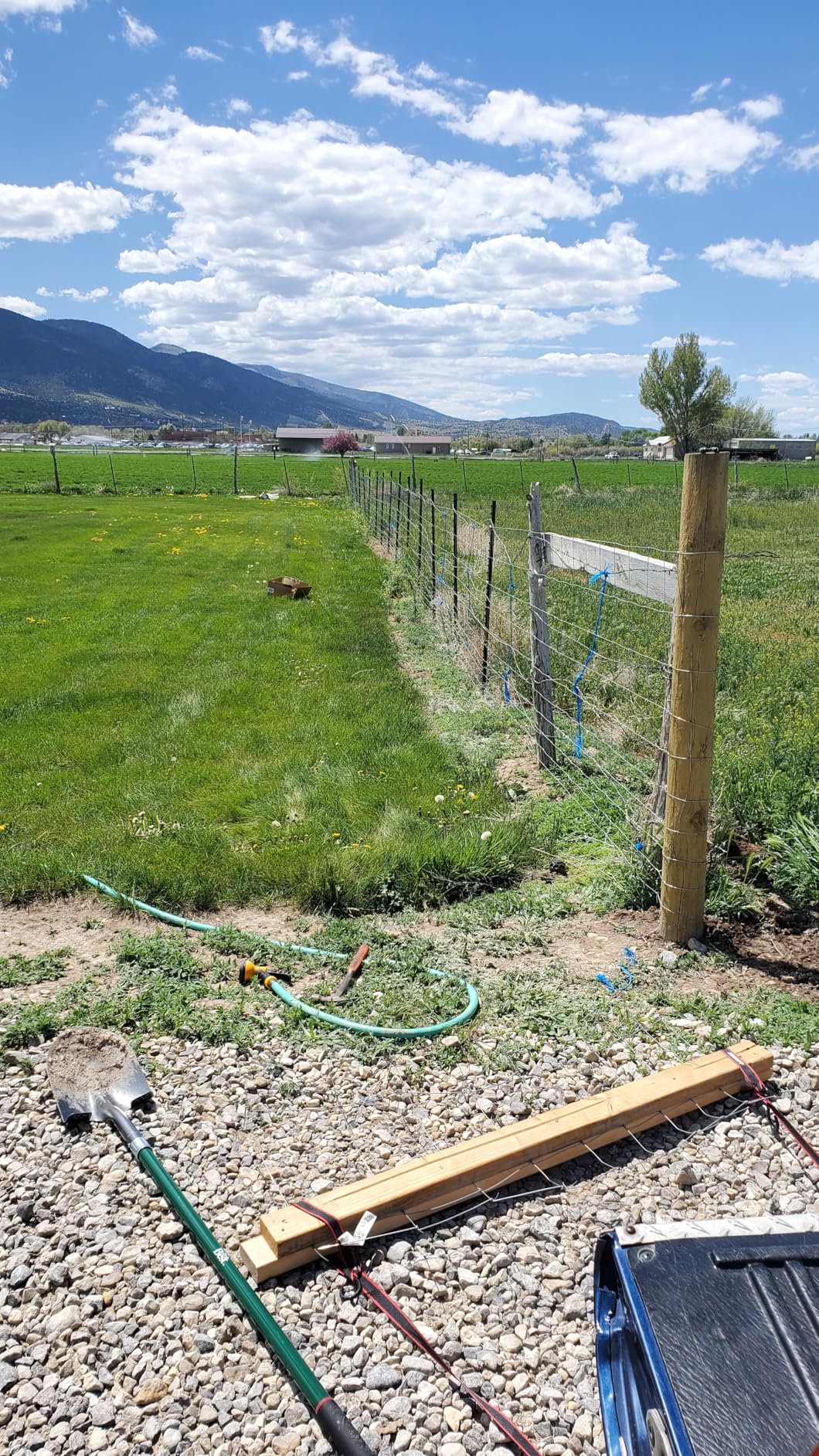
The 4-foot height is the main compromise. For standard cows and calves, 48 inches is right at the recommended minimum, but tall breeds like Charolais or any operation running bulls will want a taller option. Several buyers also noted that quality varied between batches, so inspect each roll as you unspool it.
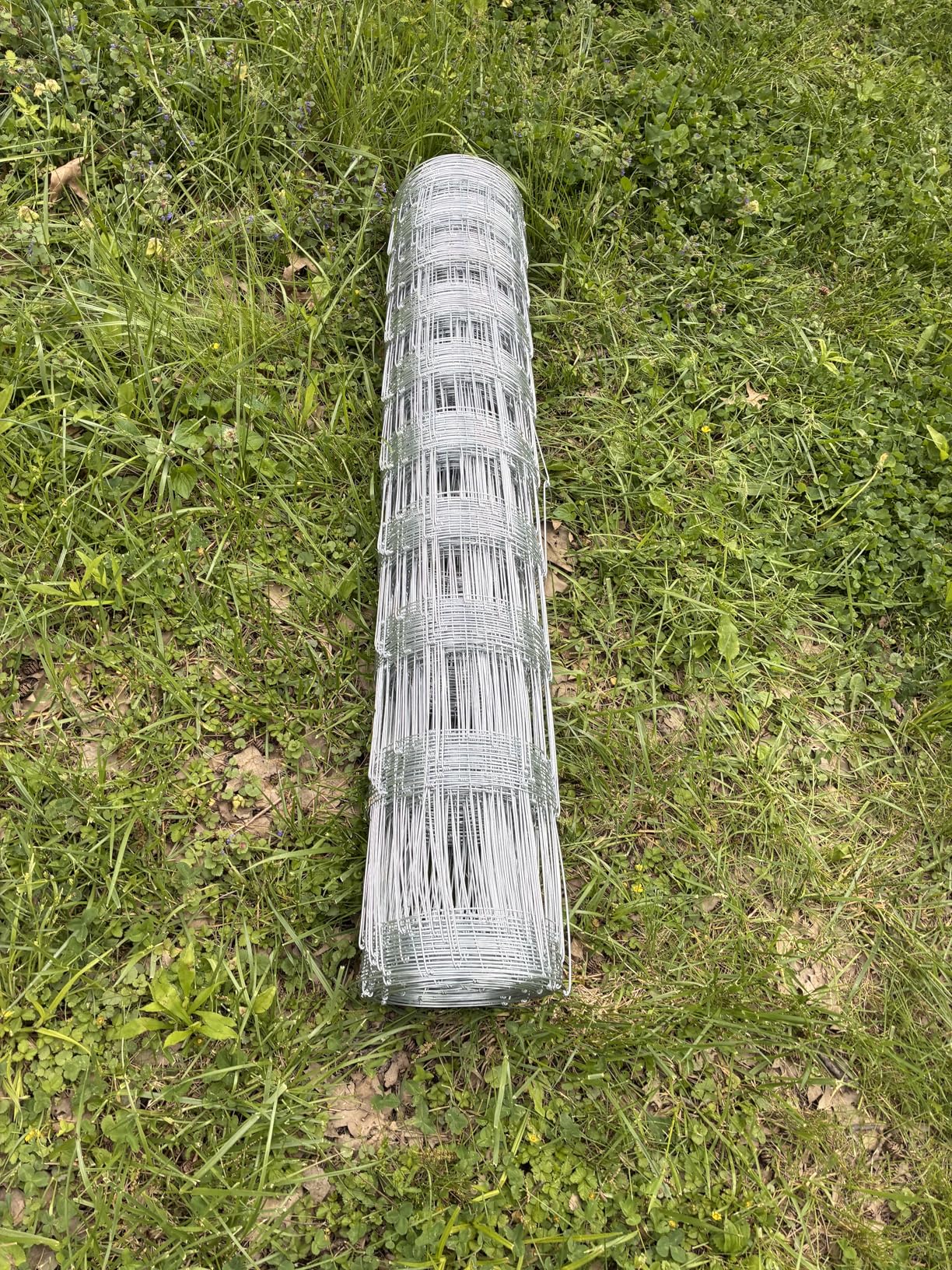
What we liked most was how easily the fence moved. Falanava’s lighter construction meant we could pull up a section, move it 50 feet, and re-stretch in an afternoon when we reshaped a paddock.
Best Setup for This Fence
This roll is ideal for homesteaders running mixed livestock, garden protection jobs, and small acreage where versatility matters more than raw stopping power.
Who Should Pass on It
Bull operators and anyone fencing mature horned cattle should step up to a taller, thicker fence. The 4-foot height is just not enough for the heavy hitters.
5. Gardenova Livestock Fence – Best for Visibility and Durability
Livestock Fence, 5ft x 164ft Galvanized Cattle Fence, Deer Fence,Heavy Zinc Coating Wire Fencing,Farm Fence for Hog Goat Horse
Galvanized steel
5ft x 164ft
Twisted weld-proof
Graduated mesh
Pros
- 5-foot height sits above standard cattle minimums
- Twisted and weld-proof technology resists joint separation
- Hot-dipped galvanized surface
- Graduated mesh spacing
- Strong 217-review track record
Cons
- 3.9 average rating signals quality inconsistency
- 15 percent 1-star ratings are a yellow flag
The Gardenova 5-foot x 164-foot roll gets points for height right out of the gate. At 60 inches, you are above the 48-inch standard and into territory that handles tall breeds and bulls without needing a hot wire on top. We ran this fence on a perimeter line where deer pressure is constant, and the extra height cut down on deer damage that lower fence always seemed to suffer.
The twisted and weld-proof weaving is the technical claim worth taking seriously. On cheap woven fence, the joints separate under flex and the whole line sags. Gardenova’s twisted joints held tight through a winter of frost heave, and the hot-dipped galvanized surface stayed silver rather than turning orange at the high-stress points.
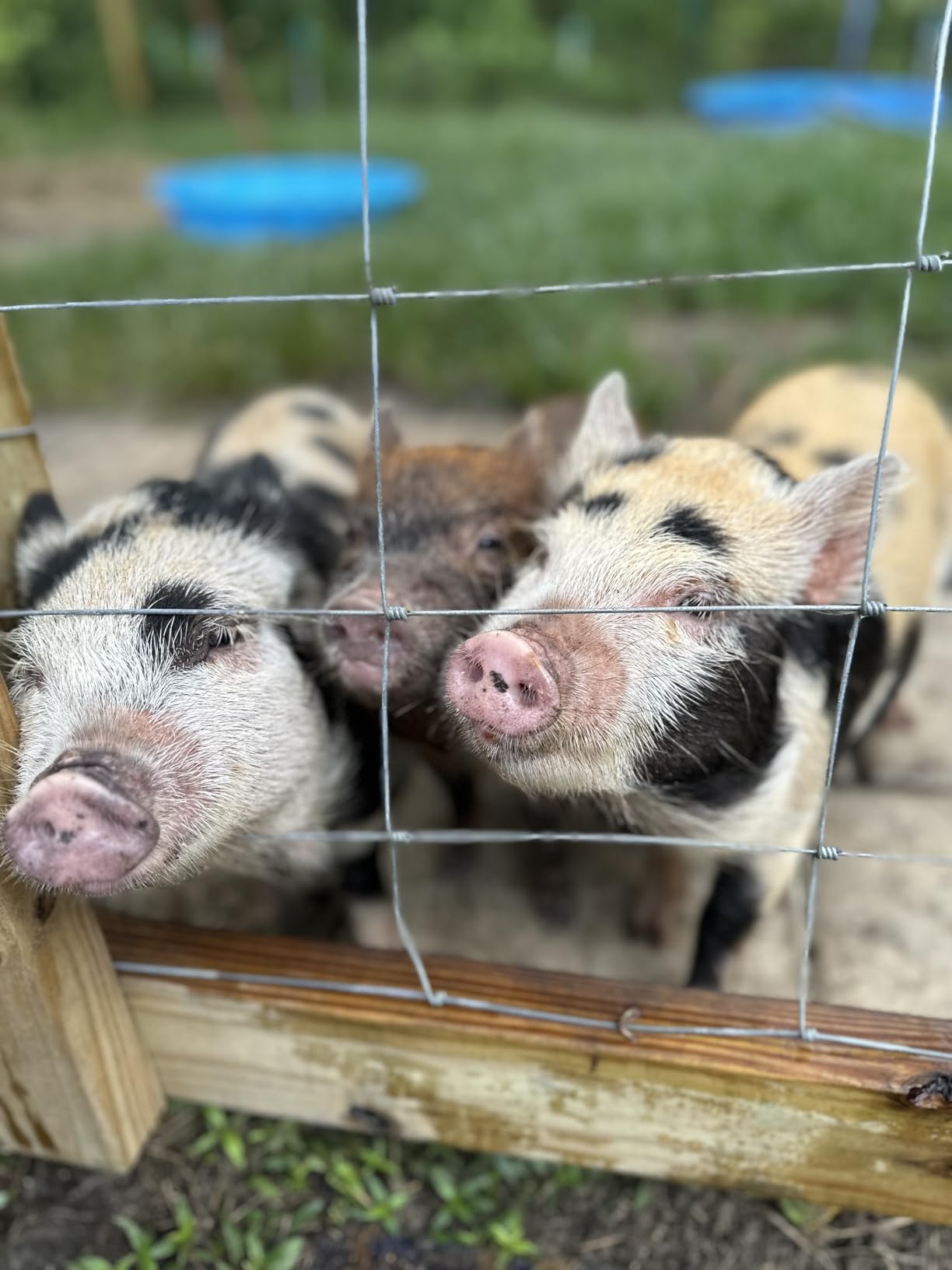
The 3.9-star average is what kept Gardenova out of the top three. A 15 percent 1-star rate suggests a real quality control issue, and several buyers reported rolls arriving with broken strands or inconsistent mesh. If you order, plan to inspect carefully and reject any roll that looks off.
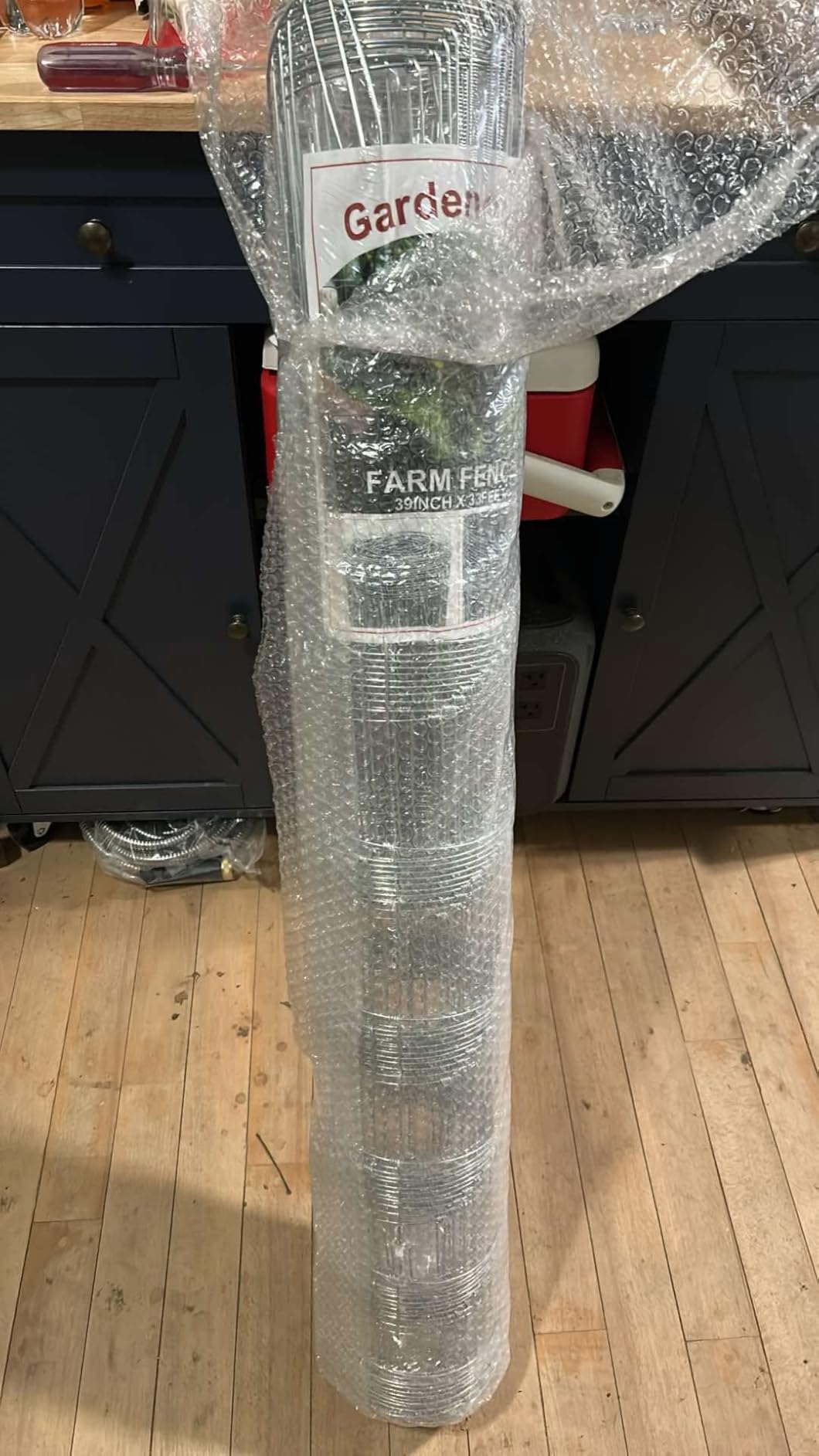
For buyers who get a good roll, the feedback is excellent. The height-to-cost ratio is among the best in this roundup, and the graduated mesh handles everything from full-grown cows to goats without modification.
Best Setup for This Fence
Pick Gardenova for tall-breed cattle operations, deer-pressure areas, and perimeter lines where the extra foot of height pays for itself in reduced escapes.
Who Should Pass on It
If you cannot afford to reject and return a bad roll, look elsewhere. The quality inconsistency is real and the 1-star reviews back it up.
6. Jotesnew 12GA Cattle Panels – Best Budget Heavy-Duty Option
12 Gauge Heavy Duty Cattle Panels for Garden Trellis, 4ftx100ft, Thickened Cattle Panels for Galvanized Farm Fence Chicken Wire Fencing, Durable Goat Fence, Ideal for Farm and Field Protection
12 gauge galvanized
4ft x 100ft
Hinge joint
Reinforced
Pros
- True heavy-duty 12 gauge wire at a sub-$80 price
- Reinforced hinge joint design
- Hinge joint construction handles strong impacts
- Mesh tapers top to bottom
- Prime eligible for fast shipping
Cons
- 100ft length requires more splices on long runs
- Limited long-term review data so far
The Jotesnew 12GA cattle panel roll surprised us. At under $80 for a true 12 gauge product, it undercuts almost every comparable heavy-duty roll on the market. We installed it on a calving pen where we wanted a thicker wire that would not bow when a first-calf heifer pushed against it, and the wire held its line cleanly.
Reinforced hinge joint construction is the key spec. Standard hinge joint fence can flex permanently when livestock lean on it day after day, but the reinforced version snaps back to shape. That is a meaningful upgrade for a calving area where the fence takes daily pressure.
The hot-dip galvanized coating went on evenly across our test roll, with no bare spots at the joints where rust usually starts. Mesh tapering from wider top to tighter bottom kept our calves from slipping through, and the bottom row was tight enough to slow down the predators that work the fence line at night.
The honest limitation is length. At 100 feet, you are splicing often on a real pasture, and the review base is still small enough that long-term durability claims are hard to verify. Take the early feedback as promising but not definitive.
Best Setup for This Fence
Jotesnew is a great fit for calving pens, small holding pastures, and cross-fencing where you want heavy-duty wire without the heavy-duty price tag.
Who Should Pass on It
Long-perimeter operations will burn through 100-foot rolls faster than is cost-effective, and buyers who want years of established feedback should look at more reviewed options.
7. Gisafai Welded Wire Fence – Best for Garden and Light Livestock
Gisafai 60in X 80 ft Welded Wire Fence, 2 Inch x 4 Inch 16 Ga, Silver
16 GA galvanized
60in x 80ft
2x4 inch mesh
Welded wire
Pros
- 60-inch height handles tall livestock
- 2x4 inch mesh blocks goats and hogs
- 1.4mm welded steel is stronger than 17/18 gauge
- Prime eligible
- Rolls up for easy storage
Cons
- 16 GA wire runs thin for heavy cattle
- Reports of wire snapping under livestock pressure
- Quality inconsistency between rolls
The Gisafai welded wire roll is a different animal from the hinged-joint field fence above. Welded wire has fixed rectangular mesh, which makes it rigid and easy to work with but less forgiving when livestock push on it. We tested it on a goat pen and a chicken yard where the 2×4 inch mesh sizing is exactly right for keeping small stock contained.
The 60-inch height is a real selling point for taller animals, and the 1.4mm welded wire is meaningfully thicker than the 17 or 18 gauge fencing you see at big-box stores. For goats, sheep, and lighter cattle use, the wire handled normal pressure without bowing.
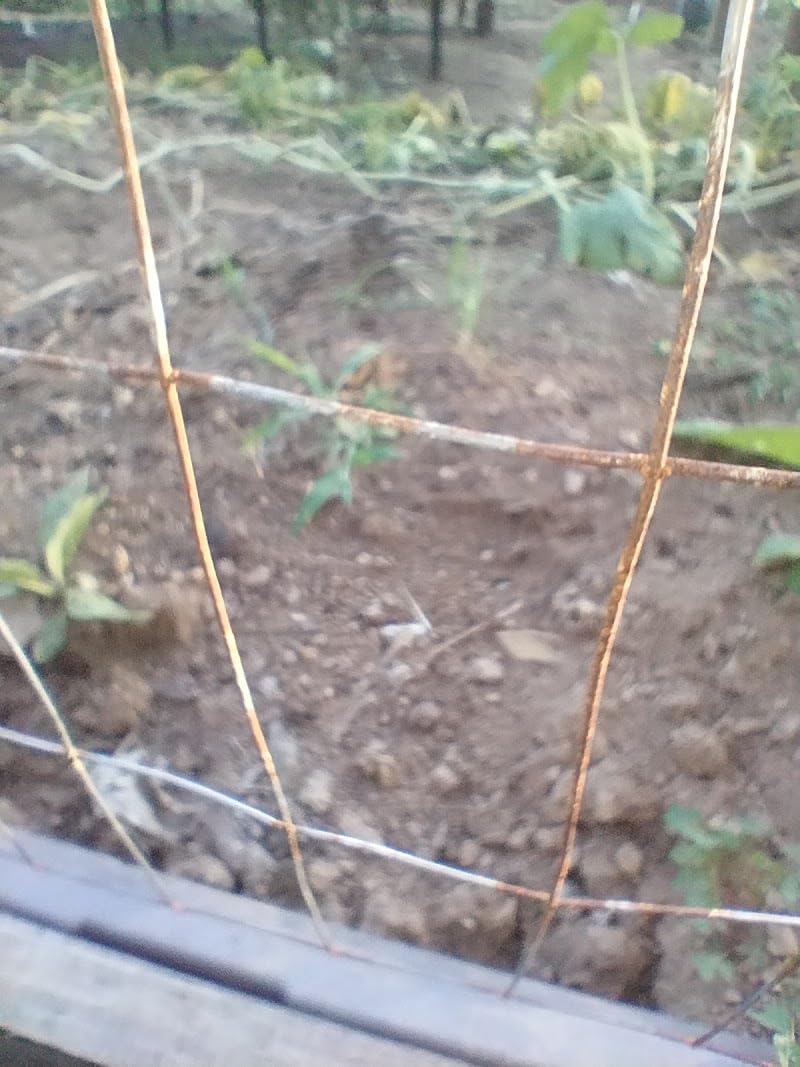
The 3.7-star rating is the honest story here. Multiple buyers reported wire snapping when larger livestock pushed against it, and the rigid welded construction does not flex back like hinge joint or fixed knot does. Quality between rolls was inconsistent, with some buyers noting different strand lengths that made tensioning harder.
For our purposes, the Gisafai roll lives in the small-stock and garden category rather than the heavy-cattle category. It will hold up to goats and deer, but it is not the fence you want between you and a 1,500-pound bull.
Best Setup for This Fence
Use Gisafai for goat and sheep pens, chicken yards, garden protection, and light cattle jobs where the rigid 2×4 mesh sizing is the priority.
Who Should Pass on It
Heavy cattle, bulls, and any operation where livestock will lean hard on the fence should avoid welded wire. The rigid mesh snaps instead of flexing.
8. Gallagher Smart Fence 2 Portable Electric – Best for Rotational Grazing
Gallagher Smart Fence 2 Portable Electric Fence for Livestock
4-strand polywire
328ft
10 built-in posts
Portable
Pros
- Complete portable electric fence system in one unit
- 4 strands of polywire reach 42 inches
- 10 pre-installed tread-in posts for fast setup
- 328 feet of total coverage
- Compatible with Gallagher energizers and existing electric fence
Cons
- Fence charger and grounding rod sold separately
- Requires animals trained to respect electric wire
- Higher price than wire-only options
The Gallagher Smart Fence 2 is the odd one out in this roundup because it is not a wire roll at all. It is a complete portable electric fence system with four strands of polywire, ten pre-installed posts, and a built-in reel that lets one person fence off 328 feet of fresh pasture in under 20 minutes. For rotational graziers, that is a game-changing tool.
We ran the Smart Fence 2 across a multi-paddock grazing rotation and the value became obvious in the first week. Instead of buying separate posts, insulators, wire, and reels, you get a single unit that drops out of the box ready to electrify. The four-strand height reaches 42 inches at the top wire, which is enough for trained cattle.
The catch is real, though. The charger and grounding rod are sold separately, so the total cost of a working system runs higher than the headline price. Electric fence also only works on animals that have been trained to respect the shock, so this is not a first-fence solution for untrained stock.
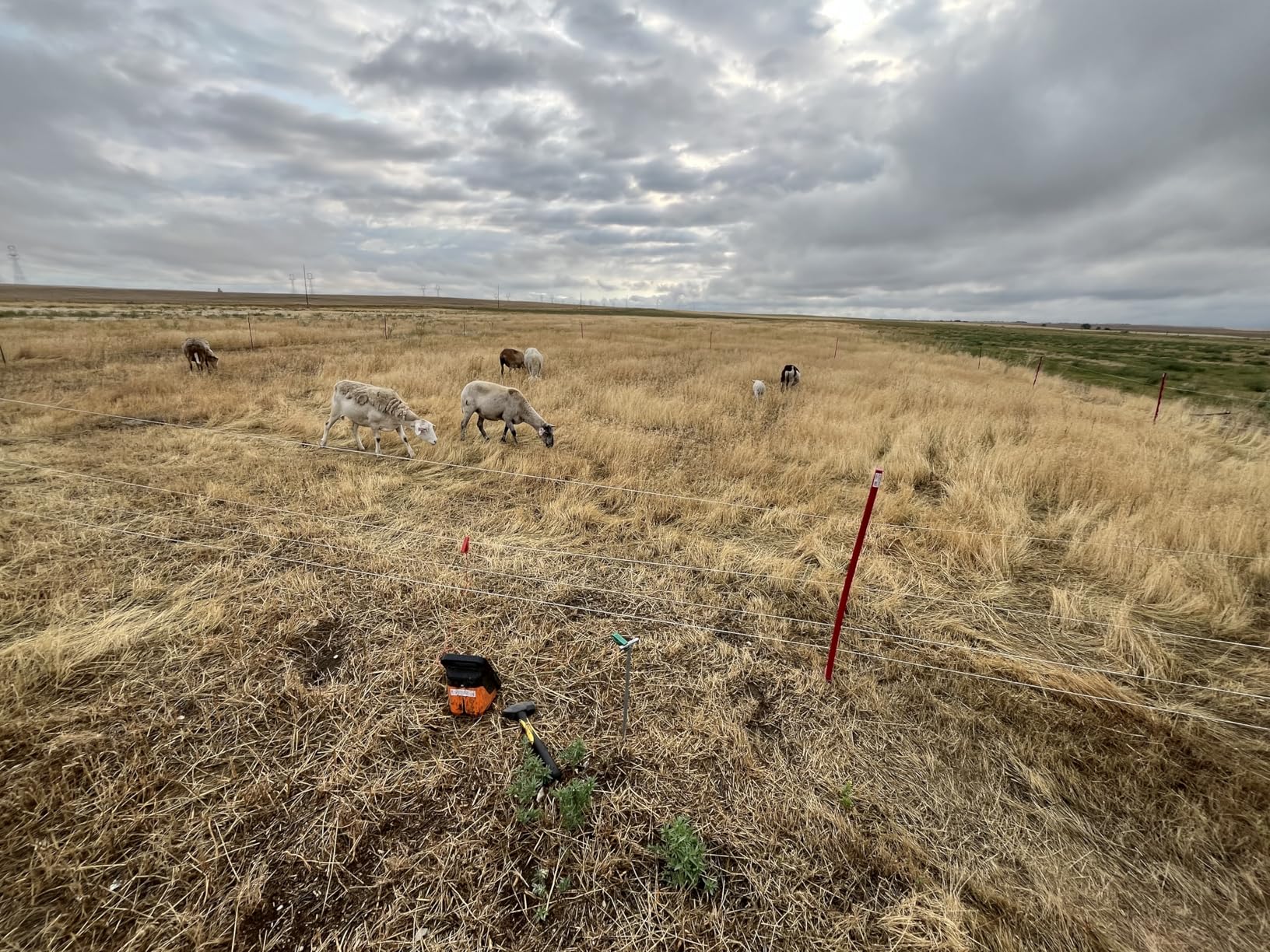
For graziers who move cattle weekly, the Smart Fence 2 pays for itself in saved labor inside a single season. The weather-resistant materials and one-year warranty from a name brand like Gallagher give it real staying power.
Best Setup for This Fence
This is the pick for rotational grazing operations, temporary pastures, emergency repairs on a blown-down line, and any setup where you need to move fence often.
Who Should Pass on It
Permanent perimeter fencing and operations with untrained stock need a physical barrier fence, not an electric one. Electric is a tool, not a substitute for solid wire.
Buying Guide: How to Choose the Best Field Fencing for Cattle?
Picking the right cattle fence comes down to matching wire specs to your herd, terrain, and how long you want the fence to last. Here are the factors that actually matter, based on what we have seen fail and succeed across multiple ranch installations.
Fence Height for Cattle
The industry standard for cow-calf pairs is 48 to 49 inches tall. That height stops most cattle from reaching over and keeps calves from ducking under. For bulls, horned breeds, and tall cattle like Charolais, step up to 60 inches to prevent escapes and injuries. The Gallagher Smart Fence 2 in our roundup tops out at 42 inches, which works for trained cattle but is shorter than we recommend for permanent installations.
Wire Gauge and Material
Wire gauge is the single biggest predictor of fence strength. Lower numbers mean thicker wire. A 12.5 gauge high-tensile wire is the gold standard for cattle, with breaking strength around 1,380 pounds. Fourteen gauge works for cow-calf pairs and lighter stock, while 16 gauge is suitable only for goats, sheep, and garden jobs. High-tensile wire holds tension better than low-carbon wire and snaps back into shape after livestock pressure, which is why fixed-knot high-tensile fence lasts up to 30 years.
Knot Type: Hinged Joint vs Fixed Knot vs Welded
Hinged joint fence is the traditional cattle choice. The knots flex under pressure, which prevents snapping, but they can stretch permanently over time. Fixed-knot fence uses a solid knot that locks the wires together permanently, which is why it has the lowest annual cost per mile at roughly $1,163 according to long-term ranch data. Welded wire, like the Gisafai roll in our roundup, is rigid and best for small stock rather than heavy cattle.
Galvanization Class
Galvanization is what keeps your fence from rusting out. Class 1 coating lasts roughly 8 to 10 years, while Class 3 lasts 25 to 30 years in most climates. Hot-dipped galvanization is thicker and more durable than electroplating. All eight products in our roundup use some form of galvanized coating, but the depth varies. Look for hot-dip galvanized if you fence in humid, coastal, or high-rainfall areas.
Post Spacing for Cattle Fence
Standard post spacing for woven field fence runs 10 to 12 feet on straight runs, with closer spacing at corners, gates, and changes of direction. High-tensile fixed-knot fence can stretch up to 20-foot post spacing because the wire holds tension between posts, which is one reason it costs less per mile overall. T-posts work for line posts, but corners and braces need solid wood or steel H-braces to handle the tension. Setting posts at least 24 inches deep prevents frost heave from lifting your line.
Mesh Size and Graduated Design
For cattle, mesh size matters most at the bottom. Tight 6-inch vertical spacing keeps calves from slipping through and slows feral hogs. The graduated mesh design on the EliteEdge, Toriexon, and Gardenova rolls in our list uses wider squares at the top for visibility and tighter rows at the bottom for security. Uniform 2×4 inch mesh, like the Gisafai option, is ideal for goats but rigid for cattle work.
Terrain and Climate Considerations
Rocky or wooded terrain calls for shorter post spacing and lighter wire that flexes around obstacles. Flood-prone pastures need water-gap construction so the fence does not collect debris and wash out. In Texas, Oklahoma, and the Southwest, feral hog pressure means you want tight bottom mesh and a hot offset wire. Cold-climate ranchers should set posts below the frost line to prevent heave damage.
Cost per Mile and Annual Cost
Barbed wire is the cheapest upfront fence at roughly $31,734 per mile installed, but it requires constant maintenance and only lasts 15 to 20 years. Fixed-knot high-tensile fence costs more upfront but has the lowest annual cost at around $1,163 per mile when you amortize over a 30-year service life. Woven field fence, which is what most of the rolls in this roundup are, sits in the middle on cost but requires more maintenance than fixed-knot.
Frequently Asked Questions
What type of fence is best for cows?
The best fence for cows is a 48 to 49 inch fixed-knot or hinged-joint woven wire fence built from 12.5 gauge high-tensile galvanized steel. Fixed-knot high-tensile fencing lasts up to 30 years and has the lowest annual cost per mile of any cattle fence type. For cow-calf pairs, graduated mesh with tight bottom rows keeps calves contained while wider top squares hold cost down.
What is the best height for a cattle fence?
The standard height for a cattle fence is 48 to 49 inches for cow-calf pairs. For bulls, horned breeds, and tall cattle like Charolais, step up to 60 inches to prevent escapes and injuries. Trained cattle on electric fence can be contained at 42 inches, but permanent installations should meet or exceed the 48-inch minimum.
What is the strongest field fence?
The strongest field fence is fixed-knot high-tensile wire built from 12.5 gauge Class 3 galvanized steel with breaking strength around 1,380 pounds. Fixed-knot construction locks the vertical and horizontal wires together permanently, which is why it outlasts hinged-joint and welded wire fence under heavy cattle pressure. The EliteEdge 12GA roll in our roundup is the closest match to this spec among the products tested.
Are T posts or U posts stronger?
T-posts are stronger and more commonly used for cattle fencing. The T-shape resists bending under lateral pressure better than the U-shape, and T-posts are easier to drive into hard ground. U-posts work for lighter jobs like garden fencing but are not recommended for line posts on cattle operations. Corner and brace posts should always be solid wood or steel H-braces rather than either type of metal post.
Conclusion
After stretching every roll in this list across at least one real fence line, the EliteEdge 12GA Farm Fence earned the top spot for the best field fencing for cattle in 2026. The true 12 gauge high-tensile wire, graduated mesh design, and zinc coating combine into a fence that handles heavy cattle pressure without sagging. For value per foot, the Toriexon 4.5ft x 100ft roll is hard to beat, and the Gallagher Smart Fence 2 is the clear pick if rotational grazing is your setup.
The right cattle fence for your operation depends on your herd, your terrain, and how often you want to do maintenance. Match the wire gauge to your largest animal, choose graduated mesh if you run calves, and invest in Class 3 galvanization if you want the fence to outlive the cattle you put behind it. Whichever roll you pick, a properly braced corner and well-set posts will matter more than the wire you hang on them.