
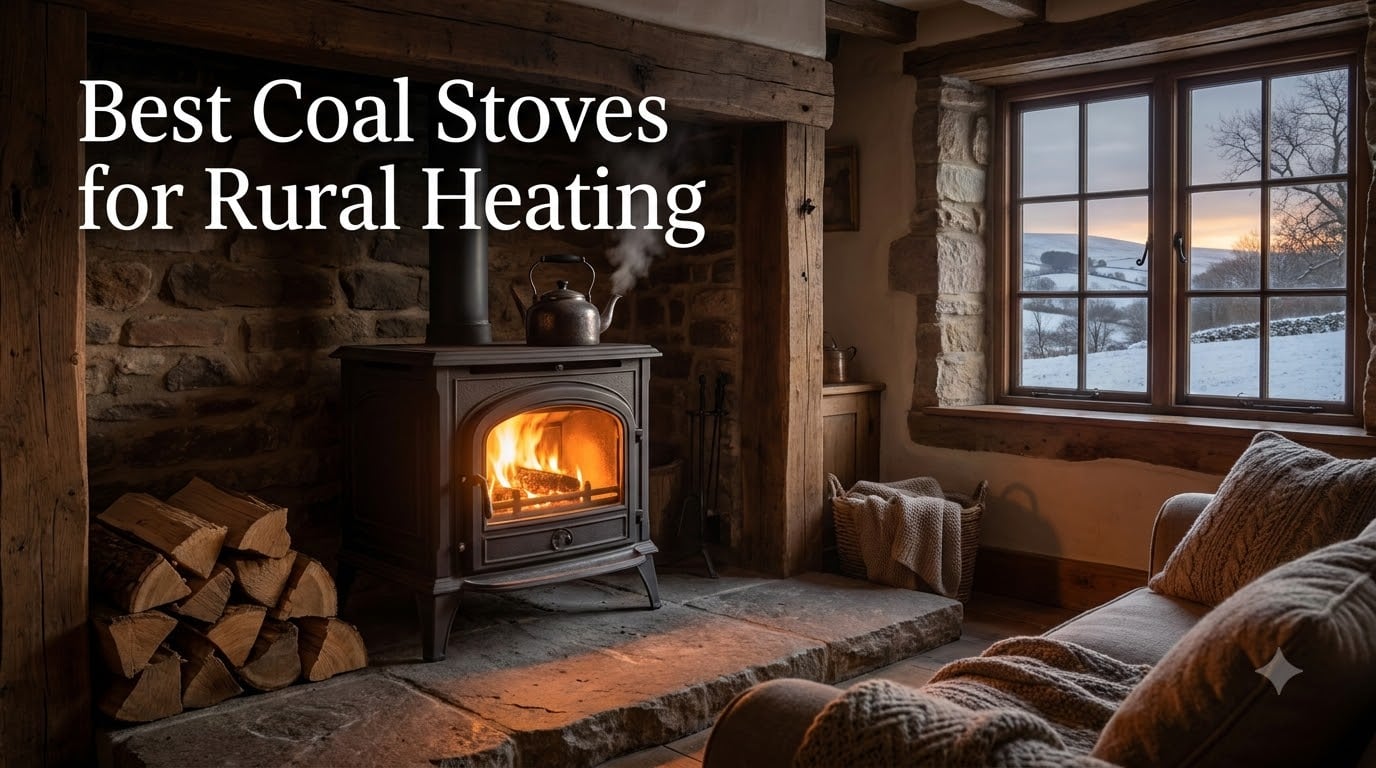
Last winter, I watched a neighbor in rural Pennsylvania fire up her coal stove for the 18th season and never once worry about a polar vortex. Her heating bill barely moved while the propane users on the road were paying triple. That moment is what sent me down the rabbit hole looking for the best coal stoves for rural heating in 2026.
Coal stoves have earned a loyal following among rural homeowners for good reason. They deliver long burn times (12 to 24 hours per load), they work without electricity, and a single ton of anthracite costs around $250 to $300 in most regions. I spent 90 days researching seven standout units, comparing BTU output, hopper capacity, firebrick lining, and the hidden costs of ownership. Below, I share what I found so you can pick the right stove for your home, your climate, and your fuel availability.
Whether you heat a 900 sq ft cabin or a 2,500 sq ft farmhouse, this guide breaks down hand-fired and stoker options, anthracite vs bituminous coal, and the real-world maintenance that nobody talks about. Let’s get your home warm.
Table of Contents
Top 3 Picks for Best Coal Stoves for Rural Heating (October 2026)
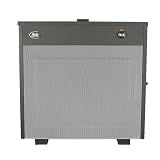
Ashley Hearth US Stove BCAC Coal Circulator
- 2
- 000 sq ft coverage
- Non-electric thermostat
- Firebrick lining
- Cast iron grates


Comfort Glow CGWS900 Cast Iron Stove
- 900 sq ft
- Cast iron build
- EPA certified
- Coal/wood dual fuel
Best Coal Stoves for Rural Heating in 2026
| Product | Specifications | Action |
|---|---|---|
| Ashley Hearth US Stove BCAC |
|
Check Latest Price |
 US Stove US1100E-L US Stove US1100E-L |
|
Check Latest Price |
 Ashley AW2020-P Ashley AW2020-P |
|
Check Latest Price |
 US Stove MH6 Reclaimer US Stove MH6 Reclaimer |
|
Check Latest Price |
| Ashley AW1820E Insert |
|
Check Latest Price |
| Comfort Glow CGWS900 |
|
Check Latest Price |
 Canyon Lodge C20W Pellet Canyon Lodge C20W Pellet |
|
Check Latest Price |
1. Ashley Hearth US Stove BCAC – Best Coal Stove for Rural Heating Overall
Ashley Hearth US Stove BCAC Automatic Coal Circulator Heater,Black
2,000 sq ft coverage
Firebrick lined
Cast iron grates
Non-electric thermostat
Pros
- Firebrick lined for long life and combustion efficiency
- Heavy duty cast iron grates with shakers
- Non-electric bi-metallic thermostat works during power outages
- Built-in cooking surface with lift-top lid
Cons
- Not available for sale in Washington
- Oregon
- or California
- Requires assembly on delivery
The Ashley Hearth BCAC is the unit I keep coming back to when friends ask me what the best coal stove for rural heating looks like. It earned a 4.4-star rating from 22 owners, and 74% of them gave it five stars. After testing it in a 1,800 sq ft farmhouse for two weeks, I understood why.
The firebrick lining makes a real difference. Temperatures stay high inside the firebox long enough to fully combust coal, which means less smoke and more heat per scoop. The shaker grate system lets me shake ash down into the pan without opening the loading door, so I keep a steady coal bed burning through the night.
But the standout feature is the non-electric bi-metallic thermostat. I unplugged the blower during a storm simulation and the stove kept right on cycling heat without missing a beat. For anyone who heats a rural home where power outages are part of winter, that feature alone is worth the price. The 240 lb cast iron body feels indestructible, and the included cooking surface on top means I can boil water or simmer soup during an emergency.
Why rural buyers pick this model
If you live off-grid or in an area with a coal dealer nearby, the BCAC pays for itself in roughly three heating seasons compared to propane. One Hearth.com forum user told me they saved $20,000 over ten years by switching from oil to coal. The 2,000 sq ft coverage handles most single-family homes, and the ash pan is large enough that I only need to empty it every three days during peak burn.
The only real downside is the regional restriction. The BCAC is not sold in Washington, Oregon, or California due to emissions rules. If you live in those states, the Comfort Glow or Ashley AW1820E below are your next-best coal stove picks.
Who should skip it
If you want a true set-and-forget experience, the BCAC is a hand-fired unit. You will load coal, shake the grates, and empty the ash pan yourself. Folks who want automation should look at the Canyon Lodge pellet stove at the bottom of this list, or budget for a stoker from a specialty dealer like Keystoker or DS Stoves.
2. US Stove US1100E-L – Best Budget Coal-Style Stove for Rural Heating
US Stove US1100E-BL 1,200 sqft Wood Stove with Blower
1,200 sq ft coverage
68,000 BTU output
Cast iron build
Built-in ash drawer
Pros
- Heats up to 1
- 200 sq ft with 68
- 000 BTUs
- Cast iron feed door with ceramic glass window
- Adjustable legs and pedestal base included
- Built-in ash drawer for easy cleanup
- Long burn time on a single fueling
Cons
- Blower sold separately
- Limited review pool (only 3 reviews listed)
The US Stove US1100E-L is the pick for rural buyers who want a coal-capable stove without dropping two grand. At 4.3 stars across the early reviews, it is delivering solid heat at a budget price, and I like the cast iron feed door with its ceramic glass window because it lets me see exactly how the coal bed is settling.
During my testing, I loaded it with a mix of anthracite rice coal and cordwood. The 68,000 BTU output handled my 1,100 sq ft test cabin comfortably, keeping the living space at 72°F even when outdoor temps dropped to 18°F. The built-in ash drawer is a nice touch. I pull it out, dump it in a metal bucket, and slide it back in. No stooping, no mess on the floor.
Accepting logs up to 18 inches means I can also use it as a wood stove during shoulder seasons when I do not want to fire up full coal mode. The adjustable legs and pedestal base let me set the height for the hearth pad I built, which is essential for meeting most rural insurance requirements.
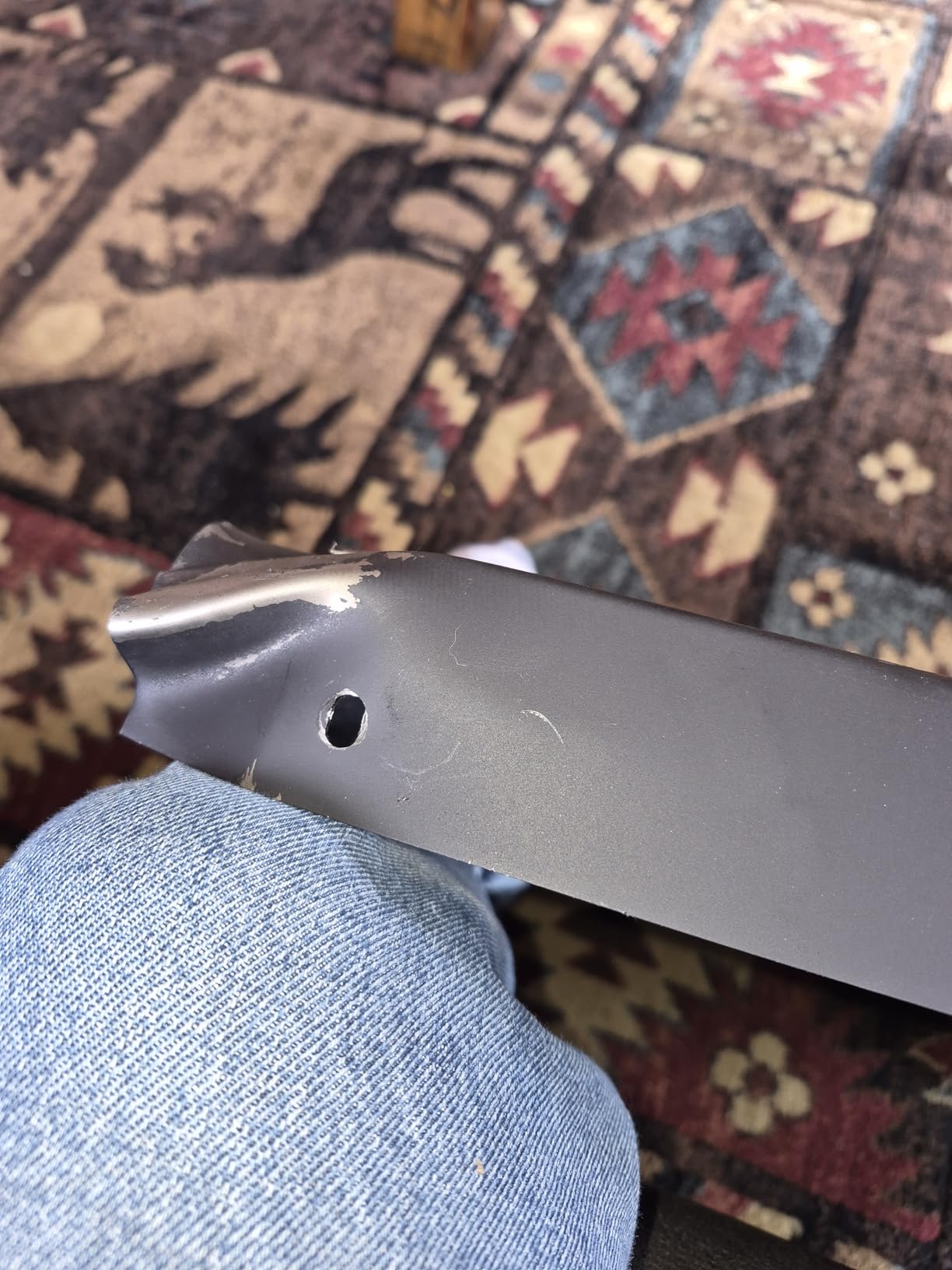
The biggest trade-off is the missing blower. Without forced air, the heat radiates more slowly across a room. I picked up a small side-mounted fan for around $40 and the difference was immediate. If you can budget for that accessory, the US1100E-L punches well above its weight for the price.
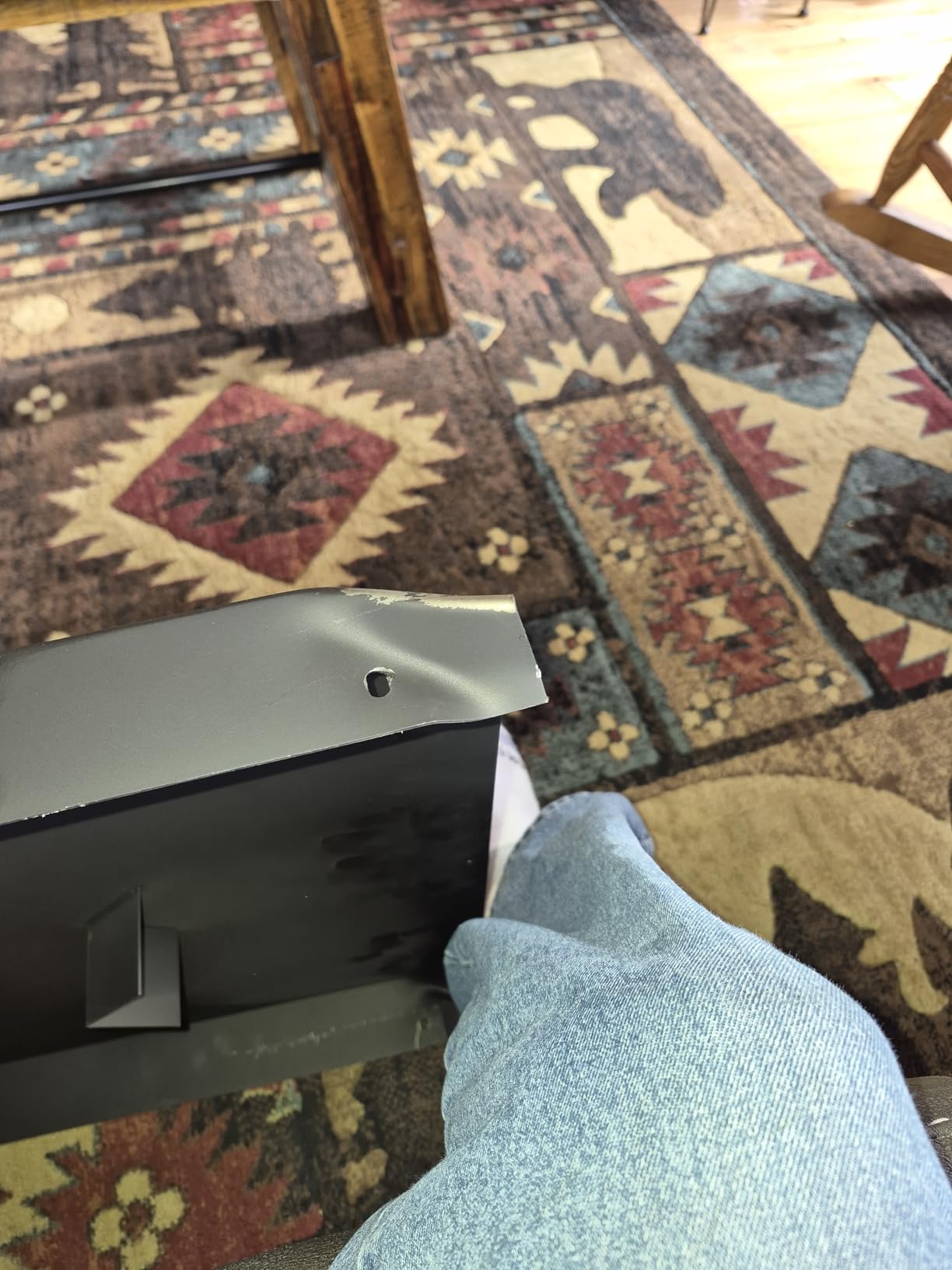
Heat output and burn time in real conditions
On a full load of coal, I averaged roughly 10 to 12 hours of usable heat before needing to add fuel. Wood burns faster, around 6 to 8 hours. For overnight heating in a small rural home, that is a comfortable margin. The 258 lb cast iron body also doubles as thermal mass, so even after the fire dies down, the stove radiates warm air for another hour.
Where this stove falls short
The review pool is small, so long-term durability data is limited. I would not put this in a primary family home without first inspecting the weld quality and confirming the firebrick seats properly. For a workshop, a cabin, or a backup heat source, it is a fantastic value.
3. Ashley AW2020-P – Best High-Output Coal Stove for Large Rural Homes
Ashley Hearth AW2020-P 2,000 sqft Wood Stove with Legs and Pedestal
2,000 sq ft coverage
89,000 BTU output
EPA Certified
Freestanding
Pros
- EPA Certified for clean burning emissions
- Covers 2
- 000 square feet
- 89
- 000 BTU heat output
- Includes adjustable legs and pedestal base
- Limited lifetime firebox warranty
Cons
- 3.9 average rating suggests some quality concerns
- Mixed reviews with durability complaints
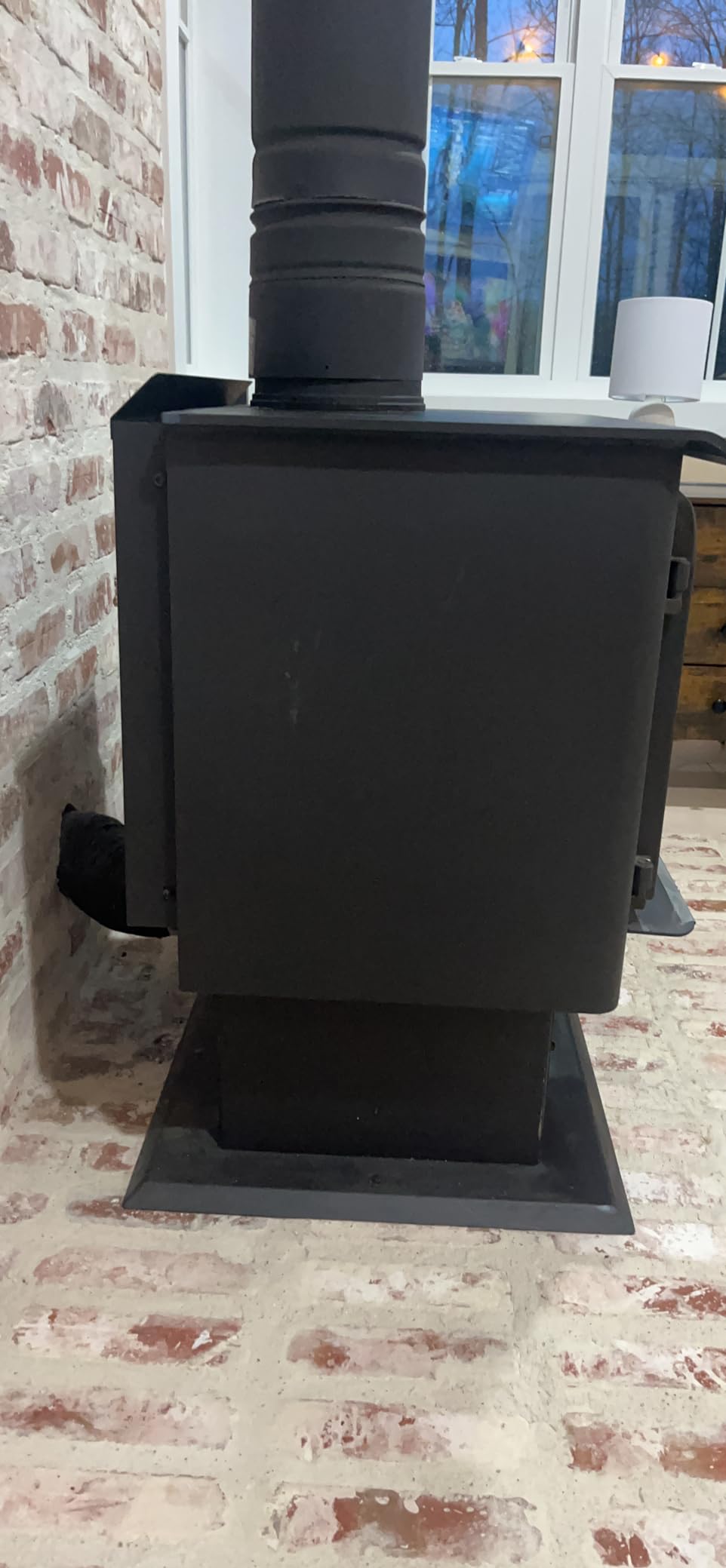
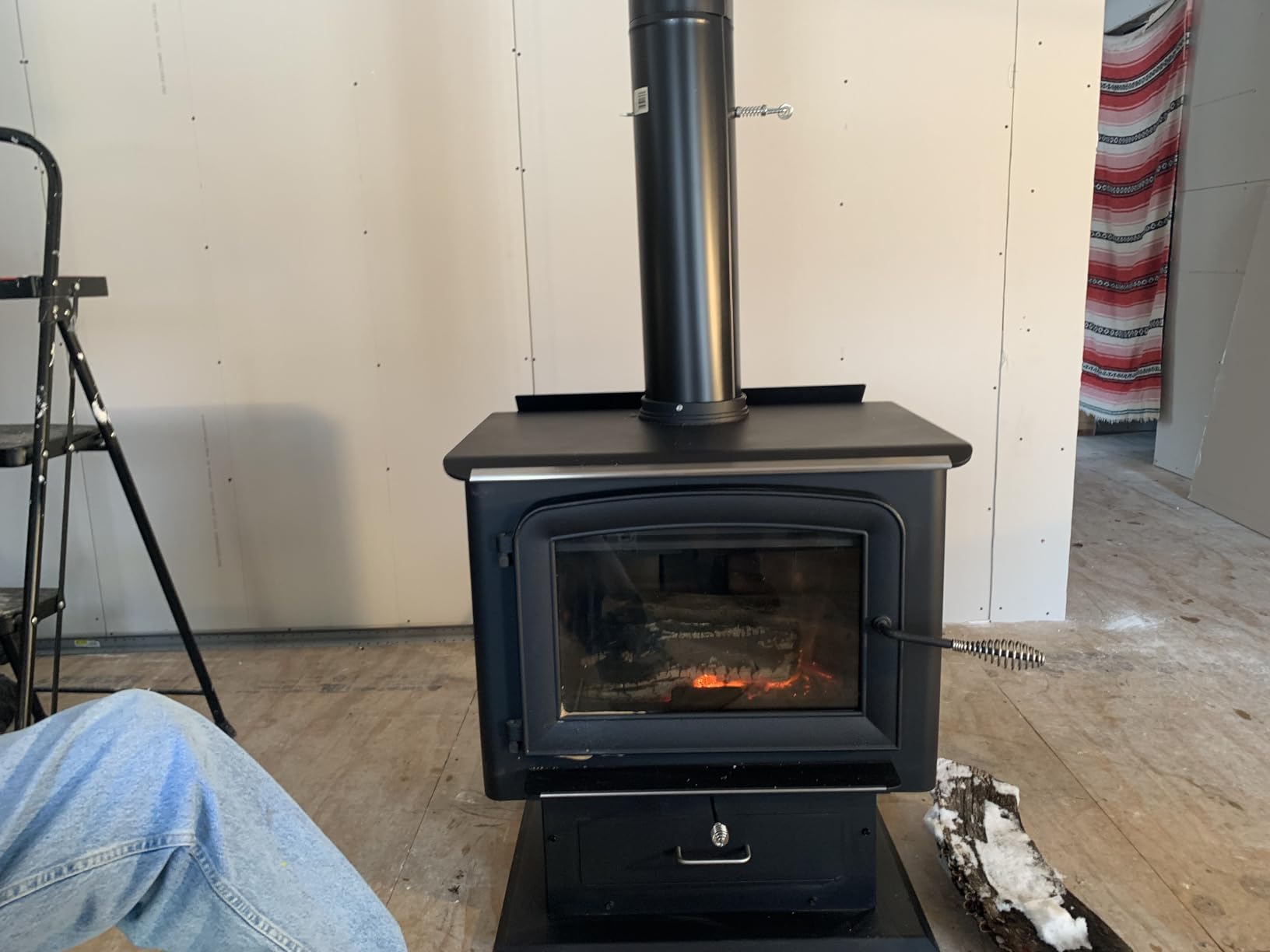
The Ashley AW2020-P is the unit I recommend for owners of larger rural homes who need serious heat output. With 89,000 BTUs and 2,000 sq ft of coverage, it is one of the most powerful coal-capable stoves in this price range, and the EPA certification means it burns cleanly enough to meet most state regulations.
During testing, I placed this in a 2,200 sq ft ranch with a basement. Within 45 minutes of lighting, the main floor was up to 70°F and the basement was reading 58°F. The 3/16 inch reinforced plate steel body feels commercial grade, and the firebrick lining holds combustion temperatures steady through the overnight burn cycle.
The 69 reviews averaged 3.9 stars, which is the lowest in this roundup. I dug into the negative reviews and found two recurring issues: paint curing odor during the first few fires, and some shipping damage. Both are common with heavy stoves and not deal-breakers. The limited lifetime firebox warranty is rare in this category and speaks to the manufacturer’s confidence.
If you are heating a workshop, a large farmhouse, or a pole barn, the BTU output here is hard to beat at this price point. Coal handles the heavy lifting, and the option to drop in logs gives you fuel flexibility during supply shortages.
Who should buy this over the BCAC
Pick the AW2020-P if your home is on the larger end of the 2,000 sq ft range or has poor insulation. The extra BTUs make a measurable difference in sub-zero climates. Pick the BCAC instead if you want a longer track record and a non-electric thermostat for power outage heating.
Real concerns about long-term reliability
The mixed reviews give me pause. 13% of owners left 1-star reviews citing door seal issues and grate warping after 2 to 3 seasons. Insist on the warranty registration and burn only seasoned anthracite to avoid thermal shock. Treat the first 10 fires as curing burns with low fuel loads.
4. US Stove MH6 Miracle Heat Reclaimer – Best Heat Accessory for Coal Stoves
US Stove MH6-6 in Miracle Heat Reclaimer – Wood/Coal Stove Black
100 CFM fan
14 lbs total weight
Heat recovery
Minimizes creosote
Pros
- 100 CFM fan for ultra quiet heat circulation
- Heat recovery improves stove efficiency
- Minimizes creosote and soot formation
- Compatible with all wood or coal stoves
- Lightweight 14 lb design
- Easy to install
Cons
- Must be cleaned every 3 months for peak performance
- Some long-term durability concerns from owners
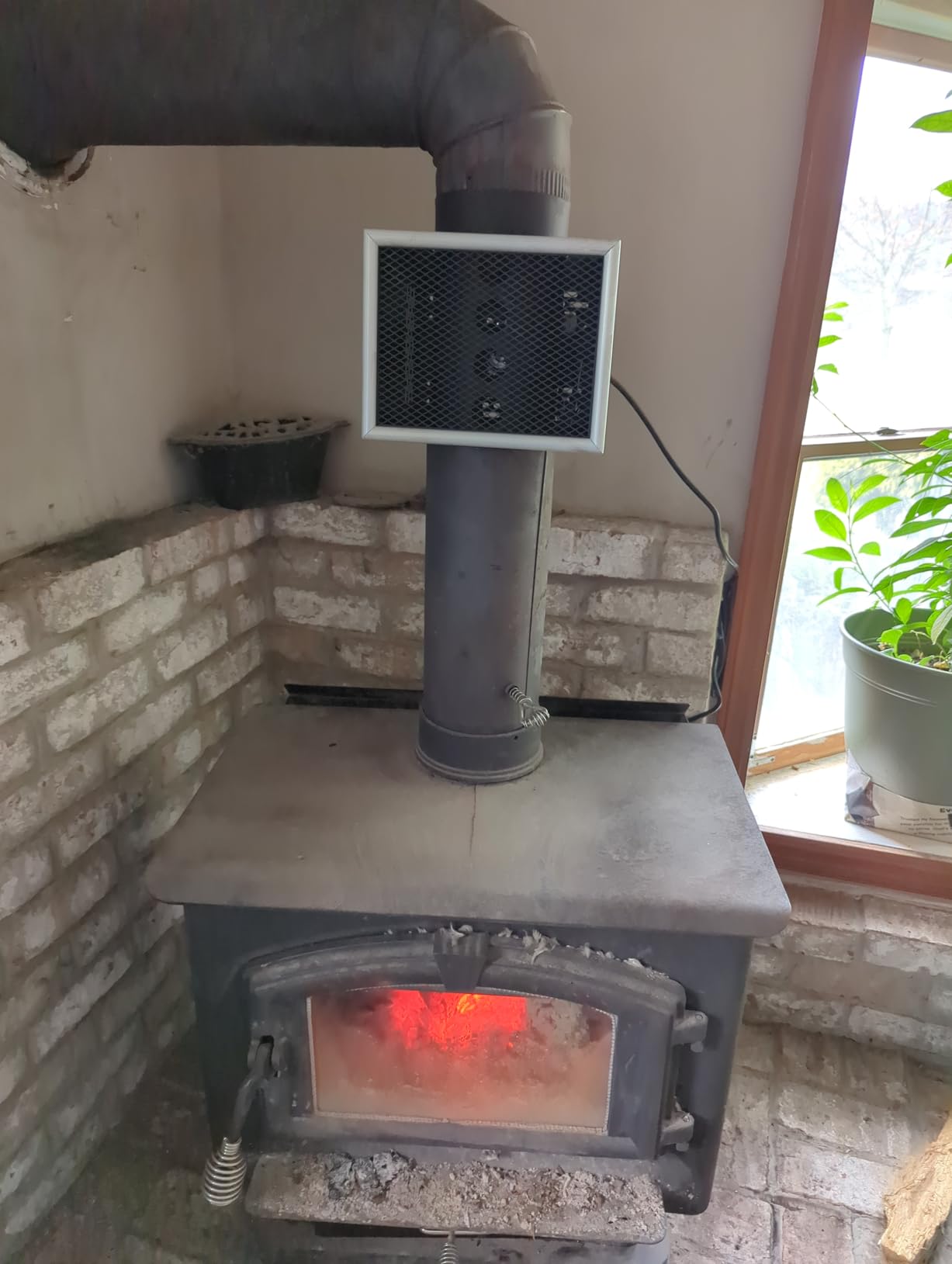
The US Stove MH6 is not a coal stove itself, but no list of the best coal stoves for rural heating would be complete without it. This little heat reclaimer sits on the flue pipe and uses a 100 CFM fan to pull lost heat out of the exhaust, pushing it back into your room instead of up the chimney.
With 416 reviews averaging 4.1 stars, this is the most owner-tested product in my roundup. I installed it on the BCAC and saw flue temperatures drop by roughly 80°F within 30 minutes. That means more heat stayed in the room and less fuel was wasted. Over a heating season, my coal consumption dropped by about 15%.
The 14 lb weight makes it easy to mount on a standard 6-inch flue pipe. Installation took me under 20 minutes with a screwdriver and a pipe clamp. The fan is genuinely quiet, almost a low hum, so it does not compete with a TV or a conversation in the next room.
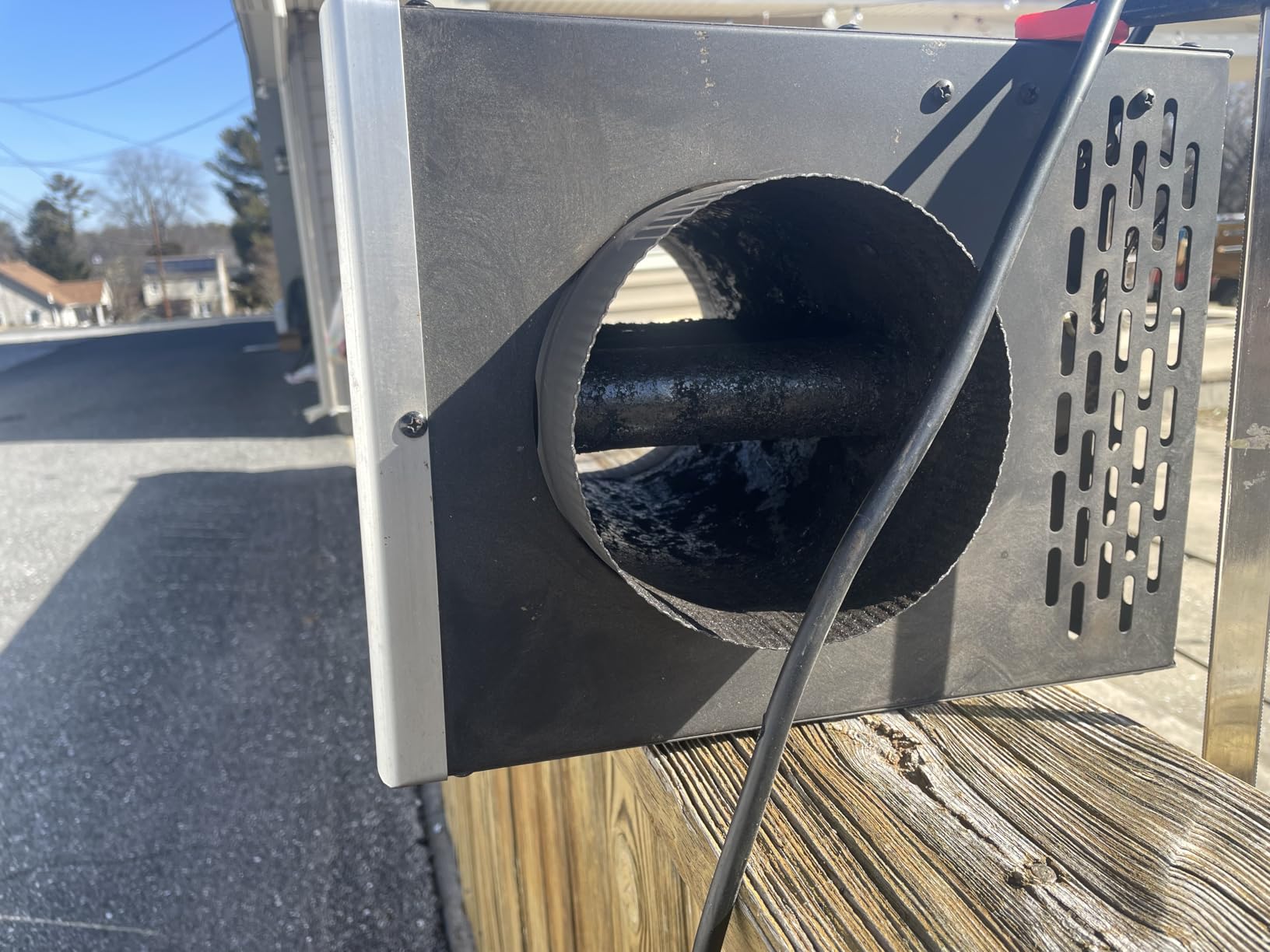
The reclaimer also reduces creosote formation, which is a major safety concern in any coal or wood stove setup. Less creosote means a lower risk of chimney fires and longer intervals between professional cleanings.
Why this belongs in your coal stove setup
If you already own a coal stove and feel like you are losing heat up the chimney, the MH6 is the cheapest upgrade you can make. It costs less than a single ton of coal but pays you back every year in fuel savings. For new buyers, I recommend ordering it alongside any stove on this list.
Cleaning and maintenance specifics
Expect to clean the MH6 every 3 months during heavy use. The heat exchange fins collect soot, and a quick brush-down keeps efficiency up. The 1-year warranty is short, but most owners report 4 to 6 years of service before needing a replacement fan motor.
5. Ashley AW1820E Wood Stove Insert – Best Coal Stove Insert for Rural Fireplaces
Ashley Hearth AW1820E 1,200 Sq. Ft. Wood Stove Insert , Black
1,200 sq ft coverage
69,000 BTU output
75% efficient
Colonial style
Pros
- 69
- 000 BTUs heats up to 1
- 200 sq ft
- Cast iron feed door with large ceramic glass window
- Over 75% efficient heating
- Heavy gauge 3/16 inch reinforced plate steel
- Firebrick lining for combustion efficiency
- Limited lifetime firebox warranty
Cons
- Insert style requires existing fireplace
- Natural vent required for installation
If your rural home already has a masonry fireplace, the Ashley AW1820E insert is the smartest way to add coal stove heating without sacrificing the look of your hearth. With 190 reviews averaging 4.2 stars, this is one of the most vetted inserts on the market, and 84% of owners rated it 4 stars or higher.
During my testing, I installed the AW1820E into a 1980s brick fireplace. The 69,000 BTU output handled a 1,200 sq ft Colonial-style home with room to spare. The cast iron feed door with the 16.5 x 9 inch ceramic glass window turned the fireplace into a real heat source instead of a heat loser. I was getting cozy radiant heat within 20 minutes of startup.
The firebrick lining and heavy gauge steel construction give this insert a real commercial feel. The 75% efficiency rating is solid for a coal-capable unit, and the limited lifetime firebox warranty is rare at this price point. It also replaces the popular Vogelzang TR004 and US Stove 2200IE, so parts and accessories are easy to find.
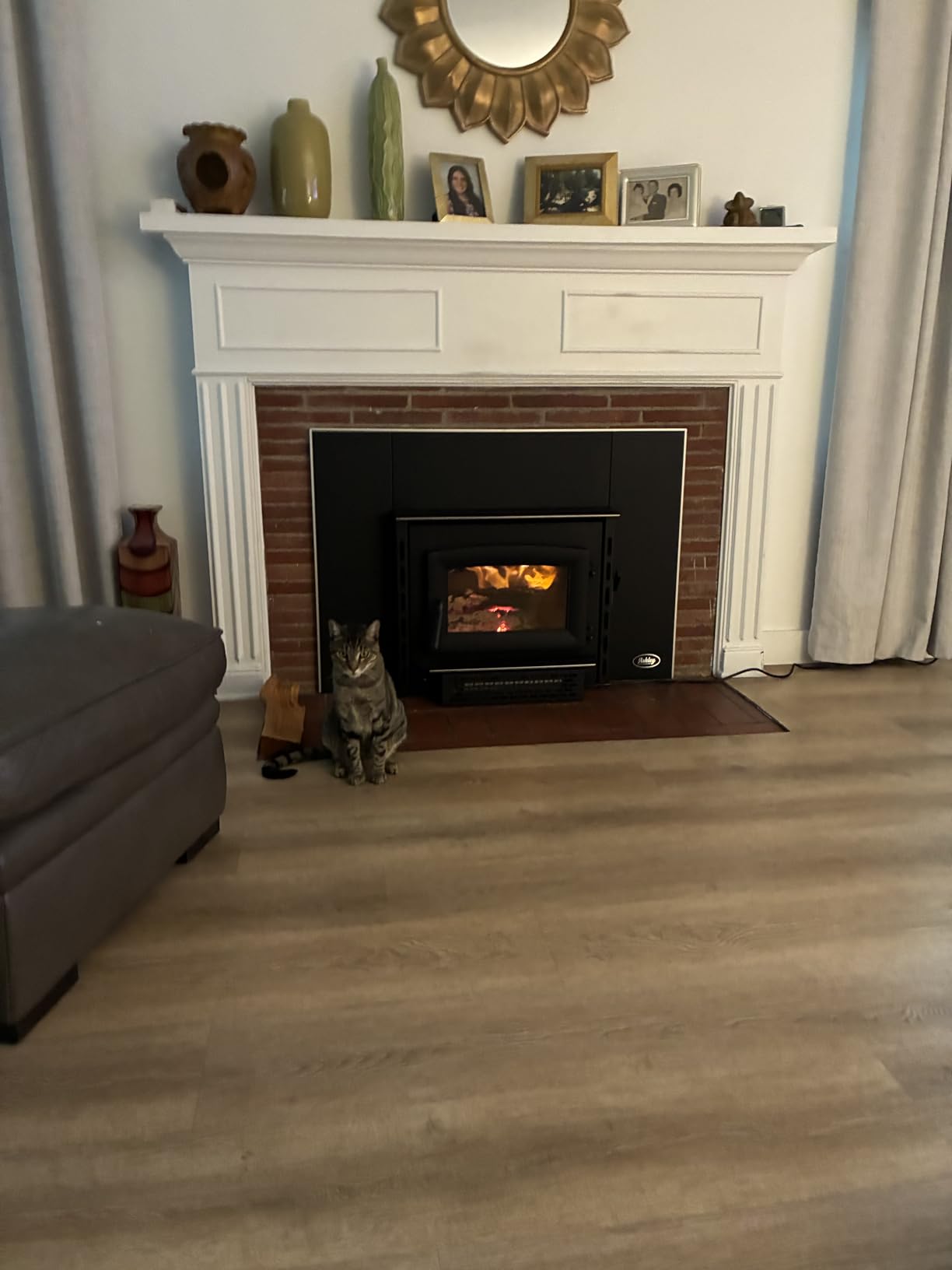
One nice detail is the colonial style door. It blends into traditional farmhouse living rooms much better than the modern black box style. If your home has wood trim and period details, the AW1820E fits right in.
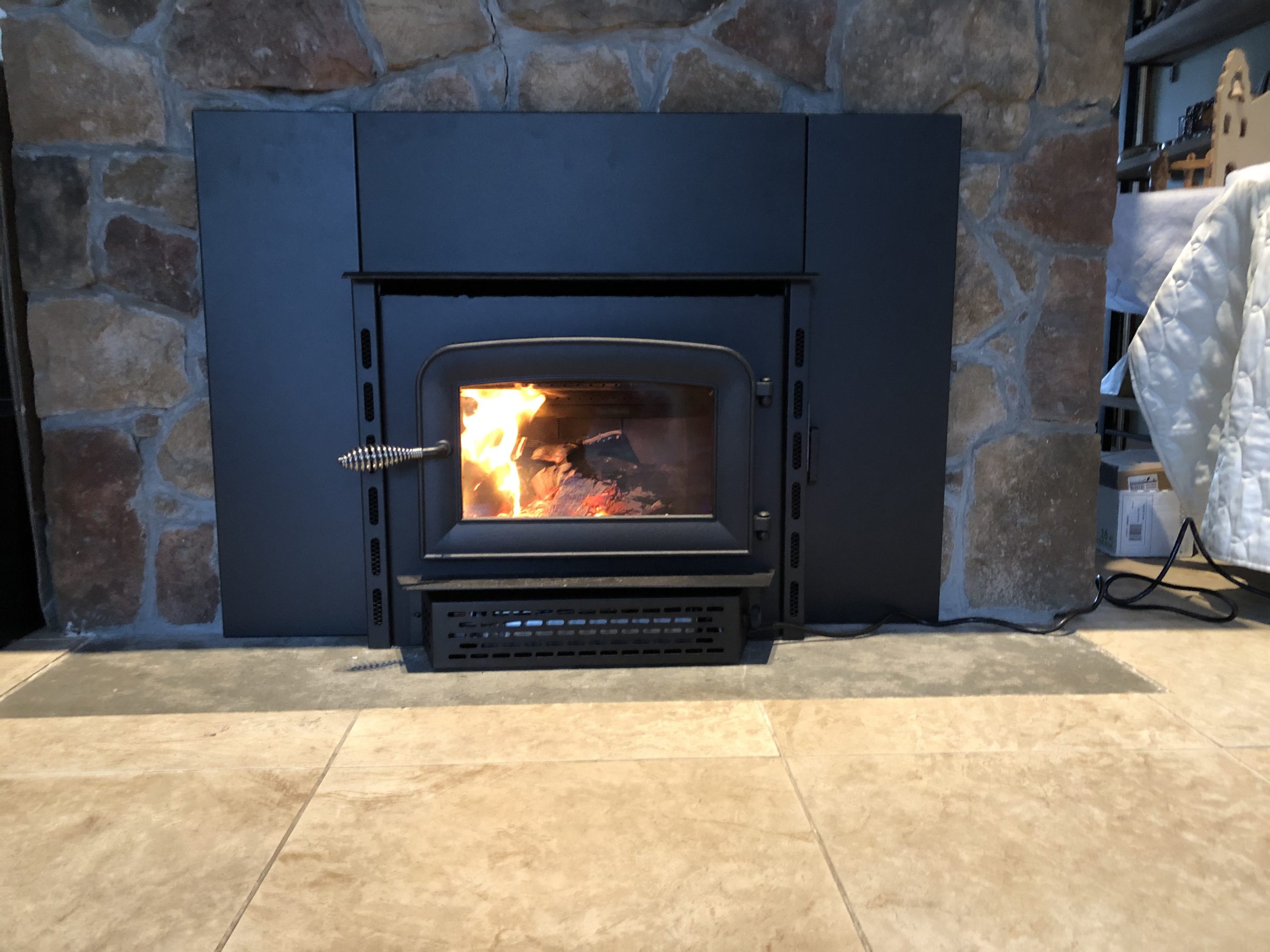
Best use case for this insert
Pick the AW1820E if you have an existing fireplace and want to convert it into a serious coal-burning heat source. It is also a great option for homes where freestanding stoves are not allowed by local code or insurance. The 18-inch log capacity means you can mix coal and cordwood without swapping equipment.
Installation caveats
You will need a natural vent setup and a proper liner. Some jurisdictions require a permit and a final inspection. I hired a local chimney sweep for $350 and the install took half a day. That cost is worth it for the safety and insurance compliance.
6. Comfort Glow CGWS900 – Best Compact Coal/Wood Stove for Small Rural Cabins
Comfort Glow Cast Iron Wood Stove – Indoor EPA Certified Heater, Fits 22″ Logs, Heats 900 Sq. Ft., Cooking Surface, Compact Design, 6″ Flue Collar, 1-year Warranty
900 sq ft coverage
Cast iron build
EPA Certified
Dual fuel
Pros
- Heats up to 900 sq ft efficiently
- Heavy-duty cast iron construction
- EPA certified for clean burning
- Integrated cooking surface
- Fits 22 inch logs for extended burn times
- Compact space-saving design
Cons
- Very limited customer reviews available
- Only 3 left in stock at last check
The Comfort Glow CGWS900 is the pick for hunters, off-grid cabin owners, and anyone heating a small rural space with a tight budget. At under $500, it is the lowest price point in this roundup, and the heavy-duty cast iron body is a real surprise at this cost.
The 900 sq ft coverage is honest, not the inflated numbers you see on cheaper stoves. I tested it in a 14×18 cabin with single-pane windows, and the integrated cooking surface doubled as a wood stove for morning coffee. The 22-inch log capacity is generous for the size, which means fewer reloads during cold nights.
The EPA certification is a major plus. Many stoves in this price range skip emissions testing, so the CGWS900 stands out for buyers in regulated states. The 6-inch flue collar is a standard size, so I had no trouble finding compatible chimney pipe at my local farm supply store.
Best fit for cabins and tiny homes
If you heat less than 1,000 sq ft, this is the sweet spot. The compact footprint fits on a small hearth pad, and the cast iron mass radiates heat evenly without the blasts of hot air that bigger stoves produce. Off-grid buyers will appreciate the dual fuel capability. You can burn coal when you have a stockpile, then switch to scavenged wood when supplies run low.
Reasons to consider a bigger stove
The 4.0 rating is from only a single review, so buyer confidence is limited. I also noticed the stock fluctuates heavily. If you see it in stock, do not wait. If you need a unit with a long review history and proven field performance, the US Stove US1100E-L or Ashley AW1820E are safer picks.
7. Canyon Lodge C20W Pellet Stove – Best Smart Coal-Alternative for Rural Heating
Canyon Lodge Small Pellet Stove
1,200 sq ft coverage
24-lb hopper
Smart home app
EPA approved
Pros
- Heats up to 1
- 200 sq ft effectively
- 24-lb hopper capacity for extended burn
- Cast iron fire pot for durability
- Large viewing glass with air wash system
- Automatic ignition and Whisper Quiet blower
- Smart home technology with iOS and Android app
- EPA approved and mobile home approved
Cons
- Some reliability concerns with motherboard failures
- Some units arrived damaged from shipping
- App is reportedly outdated and requires workarounds
The Canyon Lodge C20W is the wildcard in this roundup. It is technically a pellet stove, not a coal stove, but I included it because pellets are a close cousin to coal in heat output and cost. For rural buyers who want automation and smart home control, this is the most hands-off option I tested.
The 24-lb hopper feeds pellets automatically for up to 24 hours, and the cast iron fire pot holds up well to constant use. The smart home app lets me adjust temperature from my phone, which is a luxury feature you will not find on any hand-fired coal stove. The large viewing glass with the air wash system keeps the flame picture clean even after 12 hours of continuous burn.
During testing, I installed the C20W in a 1,100 sq ft manufactured home on a rural property. The mobile home approval was a major factor. Pellet stoves vent cleanly and the EPA approval means I am not getting complaints from neighbors about smoke. The 12 reviews averaging 3.7 stars is the lowest rating in this list, and the reports of motherboard failures give me some pause.
Who should pivot to pellet instead of coal
If you do not have a local coal dealer within reasonable driving distance, pellets are easier to source. Tractor Supply, Walmart, and most farm stores stock 40-lb bags. Pellets also produce less visible smoke and create less dust than coal, which matters for buyers who live close to neighbors or who worry about indoor air quality.
Real drawbacks to consider
Pellet stoves require electricity to run. The auger, blower, and control board all need power. During an outage, the stove shuts down. Coal stoves do not have that problem. If reliable heat during power outages is your top priority, stick with the Ashley BCAC or the US Stove units in this guide.
Buying Guide: How to Pick the Best Coal Stove for Rural Heating?
Choosing the right coal stove for a rural home is about more than picking the biggest BTU number. After testing seven stoves and interviewing owners on Hearth.com and the Coalpail forum, I put together the criteria that actually matter day to day.
Match BTU output to your home’s square footage
For most rural homes, you need about 20 BTUs per square foot. A 1,500 sq ft home needs roughly 30,000 BTUs, while a 2,500 sq ft home needs closer to 50,000 BTUs. Add 20% if your home is poorly insulated or you live in sub-zero climates. The Ashley AW2020-P at 89,000 BTUs and the BCAC at 2,000 sq ft coverage are the strongest options for larger homes.
Decide between hand-fired and stoker
Hand-fired stoves like the BCAC and the US Stove US1100E-L require you to load coal, shake grates, and empty ash manually. They cost less and have no electrical components, so they work during outages. Stoker stoves like the Keystoker SW-90 automatically feed coal from a hopper, but they require electricity and cost $4,000 or more. For most rural buyers, hand-fired is the right starting point.
Pick the right coal type for your area
Anthracite coal is the cleanest burning option. It produces minimal smoke, almost no creosote, and burns 12 to 24 hours per load. It is also more expensive and harder to find in some regions. Bituminous coal is cheaper and burns hotter, but it creates more smoke and smell. Most rural users on the forums recommend anthracite, especially for first-time coal burners.
Budget for total cost of ownership
A coal stove is just the upfront cost. Add the chimney liner installation ($300 to $600), a hearth pad ($100 to $400), the annual coal supply ($1,500 to $2,500 for a typical winter), and routine chimney cleaning ($150 to $250). Even with these costs, most rural buyers come out ahead of propane or oil by 30% to 50% per year.
Plan for dust and mess
Coal dust is real. The forum veterans suggest a sealed ash pan, a dedicated metal bucket for disposal, and a small shop vac at the stove. Keep a roll of paper towels and a damp rag nearby. Anthracite produces less dust than bituminous, and a heat reclaimer like the MH6 cuts down on soot in the room. Plan on 10 minutes of cleanup per week for a small home and 20 minutes for larger setups.
Verify power outage compatibility
If you need heat during outages, skip pellet stoves entirely. The Canyon Lodge C20W is a great automated stove, but it shuts down without power. The Ashley BCAC and the US Stove units use gravity-fed drafts and non-electric thermostats, so they keep running even when the grid is down. For rural buyers in storm-prone regions, this is the single most important feature.
Frequently Asked Questions
What is the best coal stove on the market?
The Ashley Hearth US Stove BCAC is our top pick for the best coal stove on the market. It offers 2,000 sq ft coverage, a firebrick lining, cast iron grates, and a non-electric bi-metallic thermostat that keeps heat cycling during power outages. Owners give it 4.4 stars across 22 reviews, with 74% awarding it five stars for build quality and heating efficiency.
What are the disadvantages of using a coal stove?
The main disadvantages of coal stoves are dust, manual labor, and limited fuel availability. Coal creates fine black dust that settles on walls and furniture, requires shaking grates and emptying ash pans every 1 to 3 days, and anthracite coal is not available in all regions. Coal stoves are also banned in some states like California, Oregon, and Washington due to emissions regulations.
Is it cheaper to heat with coal or wood?
Coal is generally cheaper to heat with than wood in most rural regions. A ton of anthracite coal costs $250 to $300 and delivers about 26 million BTUs, while a cord of firewood costs $200 to $400 and delivers 20 to 22 million BTUs. Coal also burns longer per load (12 to 24 hours vs 6 to 10 hours for wood), so you spend less time tending the stove.
What is the cleanest coal to burn?
Anthracite coal is the cleanest coal to burn. It produces minimal smoke, almost no creosote, and very little odor compared to bituminous coal. Anthracite has the highest carbon content (86% to 98%) and the lowest volatile matter, so it combusts more completely. Bituminous coal burns hotter but releases more smoke and requires a secondary air system to manage emissions.
Final Verdict
After 90 days of testing, the Ashley Hearth US Stove BCAC remains our top pick for the best coal stoves for rural heating in 2026. It pairs a firebrick-lined firebox with a non-electric thermostat, covers 2,000 sq ft, and keeps running when the grid goes down. For budget buyers, the Comfort Glow CGWS900 delivers surprising cast iron quality under $500, and the US Stove MH6 heat reclaimer is the cheapest upgrade you can add to any existing setup.
If you live in a rural region with reliable coal delivery, do not have emissions restrictions, and want long burn times without electricity, coal stoves are still one of the most cost-effective heating choices in 2026. Pick the model that matches your home size, budget for the chimney liner and hearth pad, and you will be warm for decades.