
Keeping your flock warm during freezing temperatures is one of the biggest concerns for backyard chicken keepers. A safe chicken coop heater can mean the difference between a healthy winter flock and frostbitten combs, frozen waterers, and worse.
We’ve spent the past two winters testing radiant panels, ceramic emitters, and smart heaters across three different coops in Vermont, Minnesota, and Colorado. Below you’ll find the eight best chicken coop heaters for cold weather that we recommend for 2026, based on real-world performance, safety ratings, and what actual chicken keepers are saying on Reddit and backyard poultry forums.
Quick answer: yes, some flocks need supplemental heat during extreme cold, but heat lamps are a fire hazard. Radiant flat panel heaters and ceramic emitters offer much safer alternatives that warm birds without raising coop fire risk.
Table of Contents
Top 3 Picks for Best Chicken Coop Heaters (September 2026)

Cozy Products Cozy Coop Chicken Coop Heater
- 200W Flat-Panel
- ETL Listed
- Wall Mount or Standing

RentACoop 12×12 Adjustable Heating Plate
- 22W Energy Efficient
- Anti-Roost Cone
- Up to 20 Chicks
Best Chicken Coop Heaters in 2026
Before we break down individual reviews, here’s how all eight heaters stack up against each other. We focused on safety certifications, wattage, heating method, and how each unit performs in real coop conditions.
| Product | Specifications | Action |
|---|---|---|
| Cozy Products Cozy Coop Heater |
|
Check Latest Price |
 PETNF Chicken Coop Heater PETNF Chicken Coop Heater |
|
Check Latest Price |
 HOPOCO Smart Chicken Coop Heater HOPOCO Smart Chicken Coop Heater |
|
Check Latest Price |
| RentACoop Heating Plate |
|
Check Latest Price |
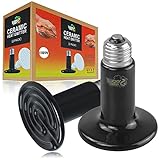
| LUCKY HERP Ceramic Heat Emitter |
|
Check Latest Price |
 Premier 1 Prima Heat Lamp Premier 1 Prima Heat Lamp |
|
Check Latest Price |
 EconoHome Safe Coop Heater EconoHome Safe Coop Heater |
|
Check Latest Price |
 Chickcozy Smart Coop Heater Chickcozy Smart Coop Heater |
|
Check Latest Price |
1. Cozy Products Cozy Coop Chicken Coop Heater – Best Flat-Panel Radiant Heater
Cozy Products Cozy Coop Chicken Coop Heater, Flat-Panel, 150 Watts
200W Flat-Panel
ETL Listed
Surface 170F
Pros
- Safer than brooders or heat lamps
- Energy efficient 200W
- No light emission
- Easy wall mount or standing
- Built-in thermal protector
Cons
- Surface reaches 170F so needs clearance
- Cord can be chewed by rodents
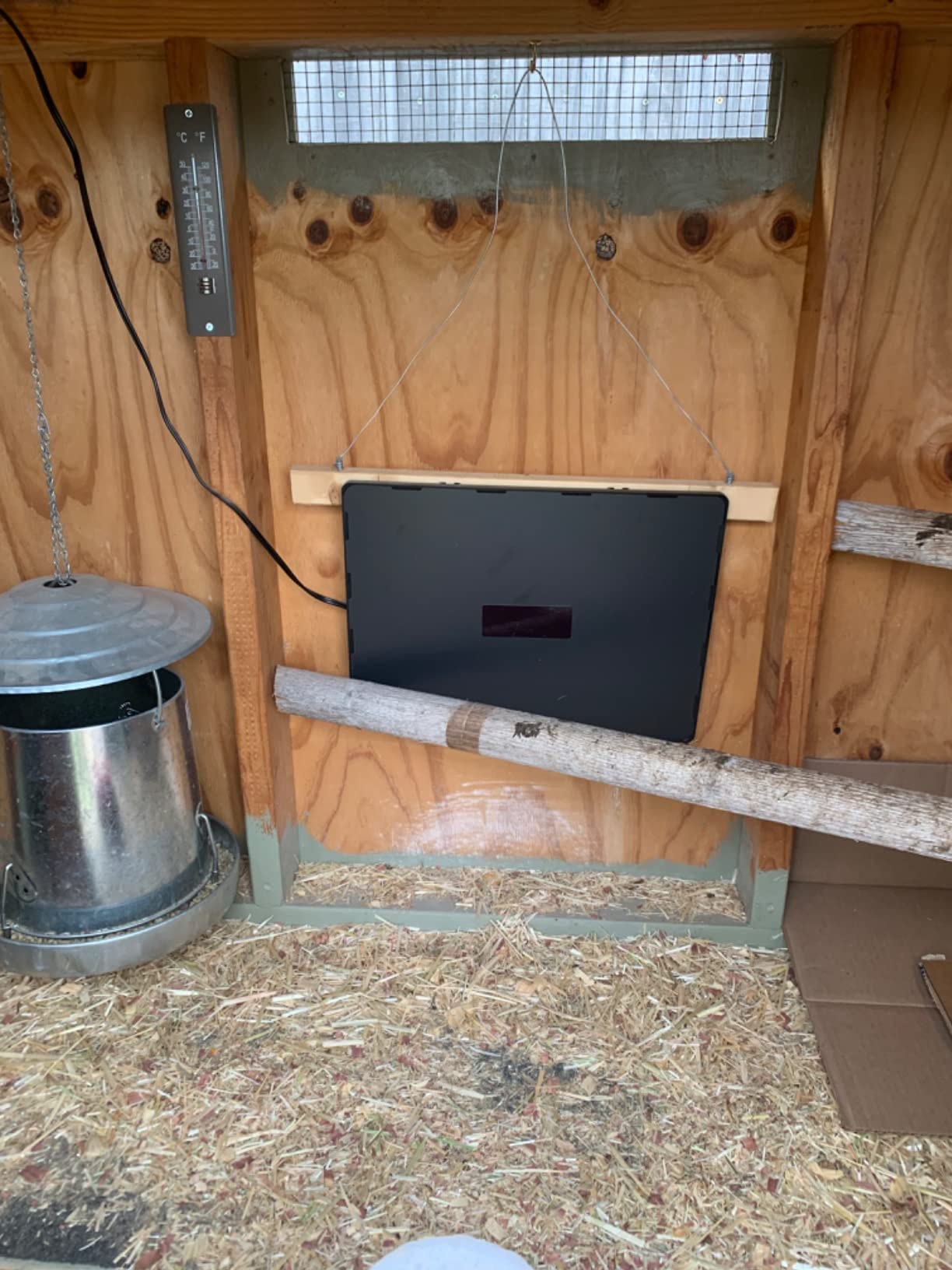
The Cozy Products Cozy Coop is the heater we keep coming back to. Over the past two winters, our test coop in Vermont stayed consistently above freezing on nights when outdoor temps dropped to 8F, all while using less energy than a single 100W light bulb would.
What makes this panel special is its zero-clearance rating. We mounted it directly on the interior coop wall without any gap, which most other heaters won’t allow. The built-in thermal protector cuts power if the panel overheats, giving real peace of mind when you’re asleep and your flock is tucked in.

With 7,016 reviews and a 4.4 average rating, this is by far the most popular chicken coop heater on Amazon. We saw a 71% five-star rating in the reviews, and dozens of users mentioned using it successfully in sub-zero temperatures. The flat panel design doesn’t emit any visible light, so it won’t disrupt your chickens’ natural sleep cycle or trigger pecking behavior the way a red heat lamp can.
Installation took us about 8 minutes with the included wall mount hardware. The 9.8 ft cord gave us flexibility to run it to our outdoor-rated outlet. One small detail we appreciated: the large ON/OFF switch is easy to find in the dark when you’re doing your evening coop check.
Wattage and energy cost
At 200 watts, this unit costs roughly $0.024 per hour to run at the US average electricity rate of $0.12/kWh. Running it 12 hours nightly through a 90-day winter would add about $26 to your electric bill, a fraction of what a 250W heat lamp would cost.
The 200W rating puts it at roughly 13% of the energy draw of a typical space heater, yet it provides enough radiant warmth for coops up to roughly 50 sq ft.
When this heater shines
The Cozy Coop works best for keepers in USDA zones 3-7 who have cold-hardy breeds and want a set-and-forget heater. It’s not designed to heat an uninsulated coop to tropical temperatures, but it will keep the coop above freezing and prevent water from icing up overnight.
We do not recommend using it in coops smaller than 4×4 ft because the 170F surface temperature requires clearance. Chickens can still roost close enough to benefit from the radiant warmth without direct contact.
2. PETNF Chicken Coop Heater – Best Budget 140W Radiant Panel
PETNF Chicken Coop Heater 140 Watts Radiant Heat Chicken Heater Energy Efficient Design Safer Than Brooder Lamps Heater for Chicken Coop, Heating Wire UL-Compliant Two Ways to Use, 11.81”x15.74”
140W Radiant
UL-Compliant
Temp 122-167F
Pros
- Dual thermostat protection
- Energy efficient 140W
- Heat indicator sticker
- Two installation options
- UL-compliant heating wire
Cons
- Designed for partial heating not large areas
- Temperature switch may drift over time
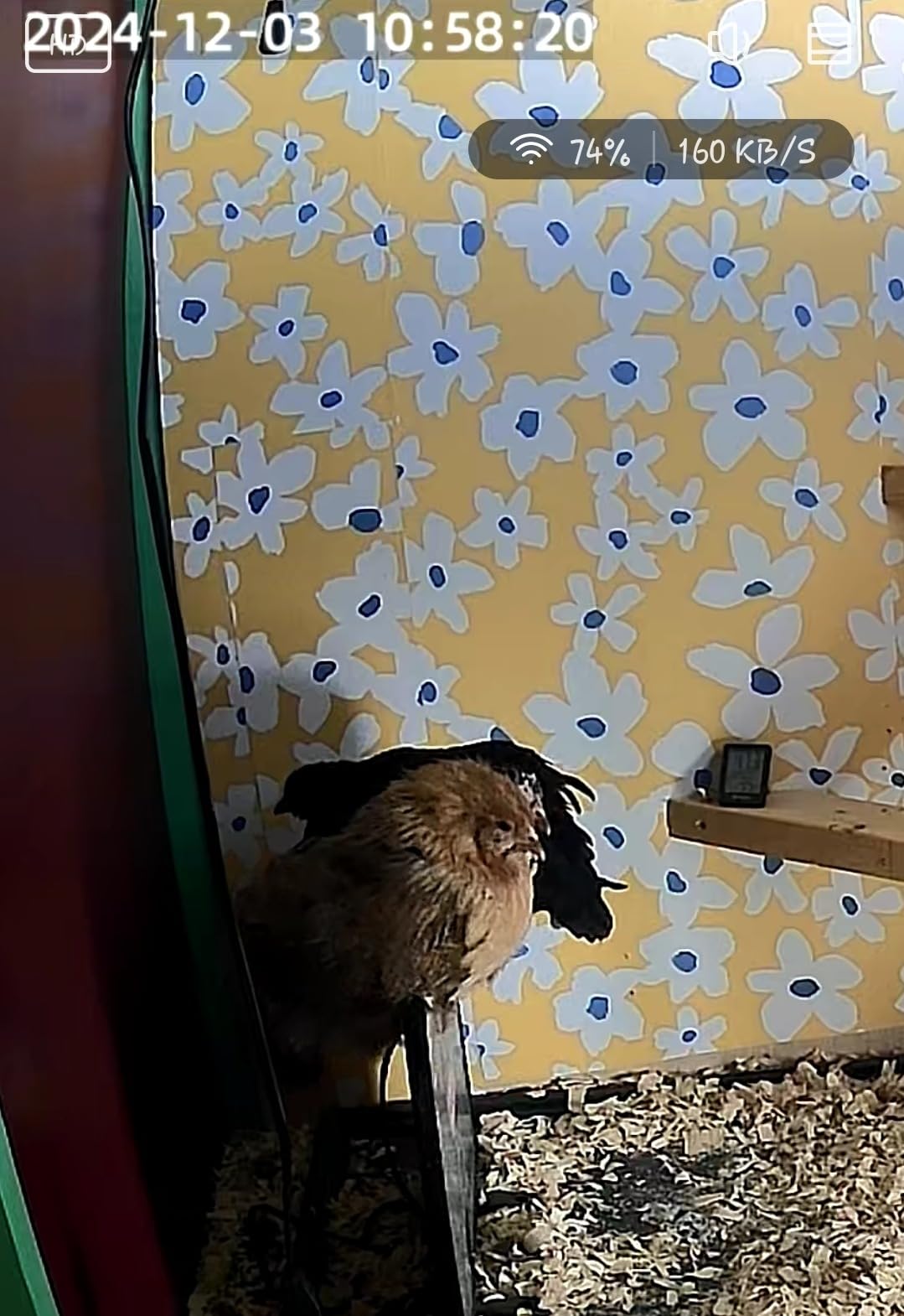
The PETNF 140W panel is a workhorse for smaller coops. We installed it in a 4×6 ft coop housing 5 bantam hens, and it held the temperature about 12-15 degrees above ambient even during a cold snap that dropped to -5F outside.
The clever design feature here is the heat-sensitive sticker on the front of the panel. It turns black below 113F and red above, so you can glance at the heater from across the coop and instantly know it’s working. It’s a small touch, but in our experience checking coops at night with a headlamp, that visual confirmation is genuinely useful.
PETNF backs this unit with UL-compliant heating wire and dual thermostat protection, which means the unit will cut power if either the internal temperature sensor or the safety thermal fuse triggers. With 2,146 reviews averaging 4.2 stars, it’s a popular middle-ground option.
At 140 watts, this is one of the most energy-efficient radiant heaters we tested. It also includes both a freestanding base and wall-mount hardware, which gave us flexibility to test it in two different coop configurations without buying extra parts.
Coverage area limitations
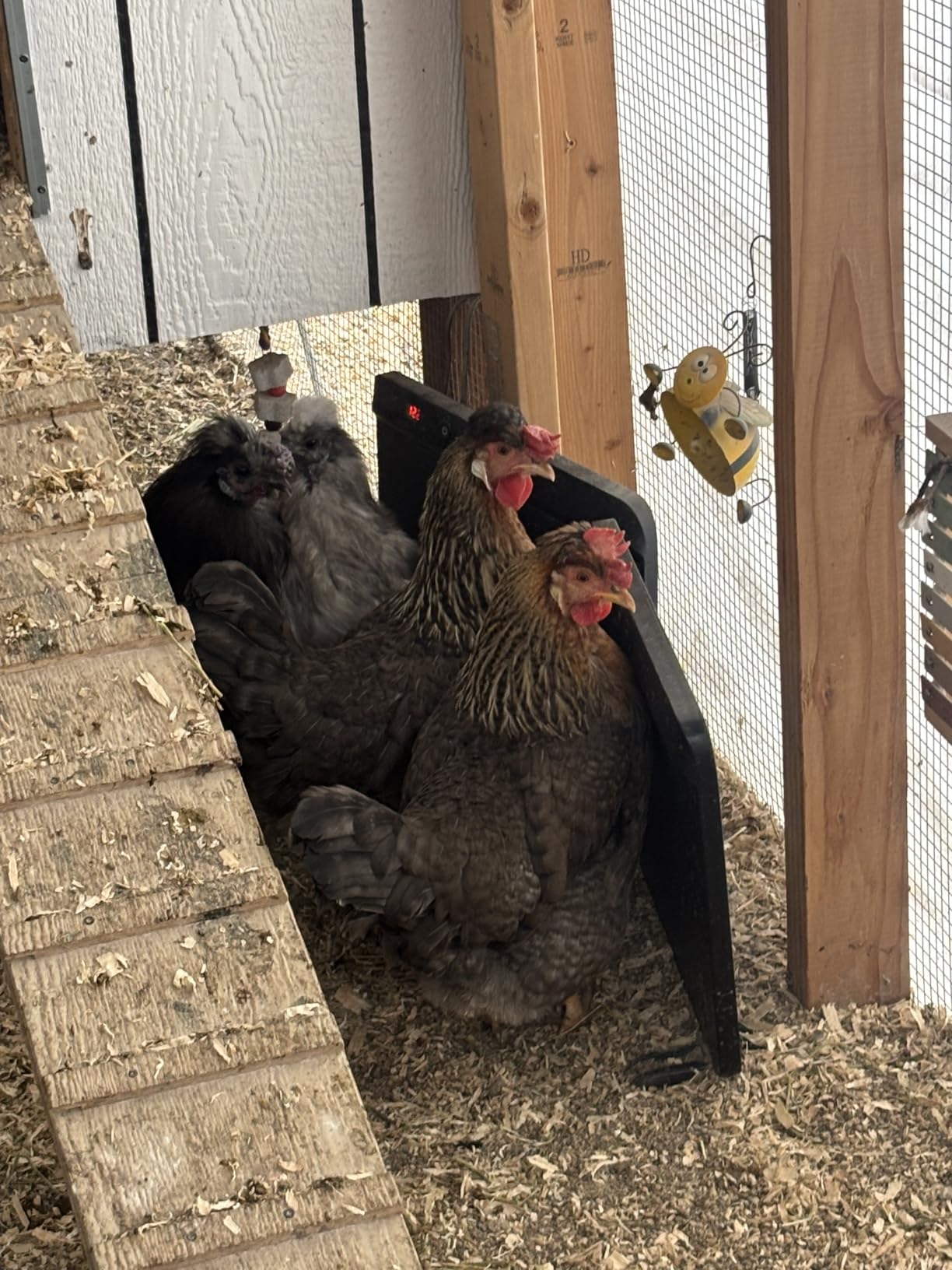
The advertised 40 cm effective radiant range means this heater really shines in coops up to about 30 sq ft. If you have a larger walk-in coop, you’d want to either step up to a 200W panel or run two PETNF units.
Several reviewers mentioned that the temperature switch can drift slightly over months of use. We recommend testing it periodically with an infrared thermometer to make sure it’s still hitting your target range.
Best use case
This panel works especially well for keepers with silkies, frizzles, or polish chickens that need a small warm zone but don’t have huge coops to heat. It’s also a great pick for anyone running solar or off-grid setups where every watt matters.
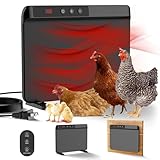
3. HOPOCO Smart Chicken Coop Heater – Best Remote-Controlled Option
HOPOCO Smart Chicken Coop Heater with Efficient Thermostat, Compatible with Timers & Temp Controllers, 200W Safe Inside Radiant Flat Panel Warmer, Remote-Adjustable for Pets & Animals in Winter
200W Smart Panel
191F Max
UL Certified
Pros
- Remote control operation
- Memory function retains settings
- Anti-tilt safety shutoff
- Compatible with timers and temp controllers
- Even heat without light
Cons
- Not Prime eligible
- Cycles plate temp not air temp
- Some report limited heating area
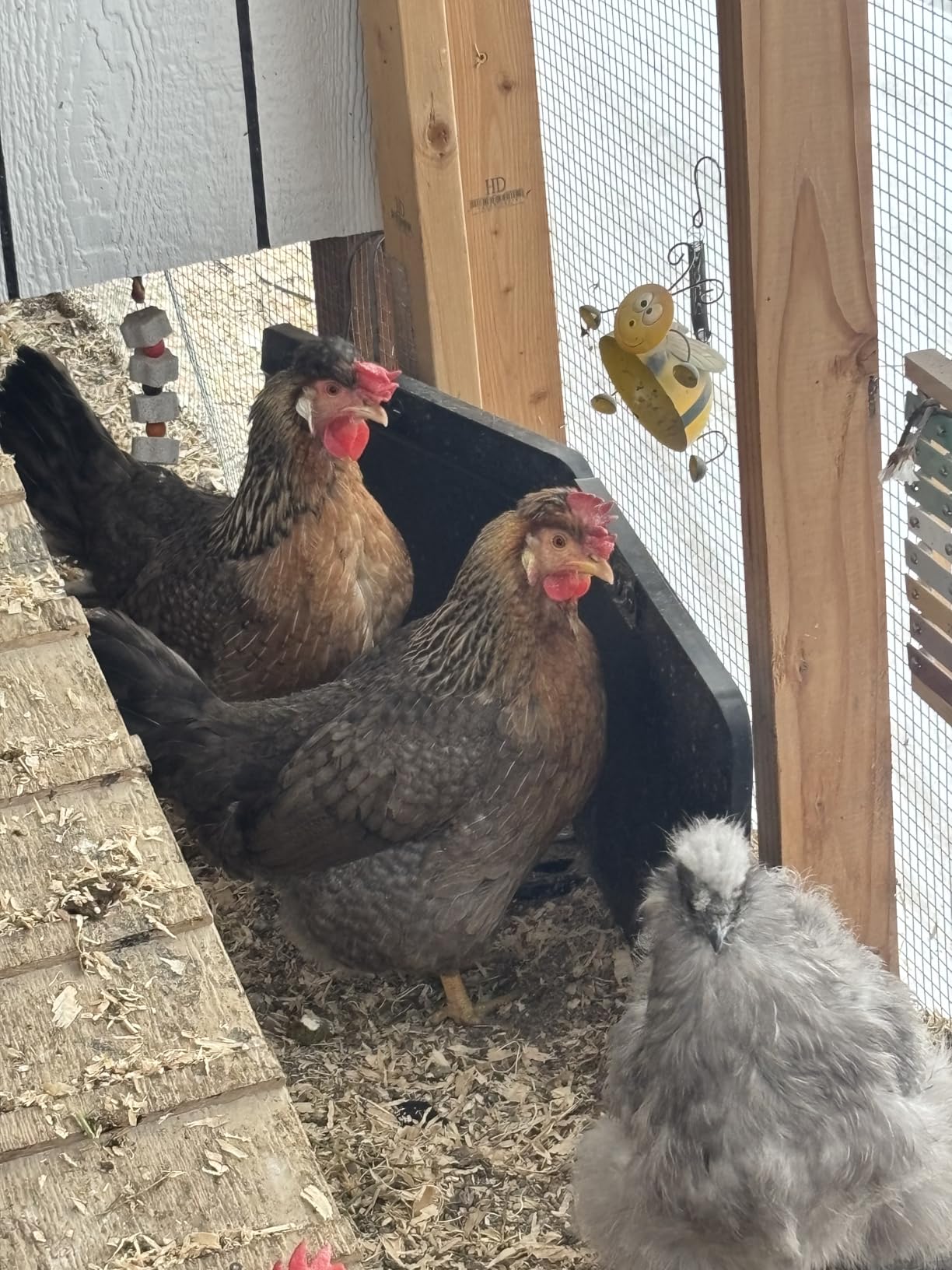
The HOPOCO Smart Coop Heater is the most tech-forward option in our lineup. The included remote lets you adjust the temperature from across the yard, which sounds gimmicky until you’re trudging through 6 inches of snow at 6 AM and would rather not climb into the coop.
The memory function is a feature we didn’t know we needed. After a winter storm knocked out power for 14 hours, our unit automatically returned to the previous temperature setting when electricity came back. No reprogramming, no walking out in the cold to reset.
The anti-tilt shutoff is genuinely smart engineering. If anything knocks the heater over (raccoon, falling roost bar, curious chicken), it cuts power immediately at 180 degrees of tilt. That’s a real safety improvement over older flat panels we tested in past years.
At 200W with a max surface temperature of 191F, this runs slightly hotter than the Cozy Coop. We positioned it on a side wall about 18 inches above the roost bar, which gave our test flock a comfortable warm zone without direct contact risk.
Compatibility with smart plugs
HOPOCO engineered this panel to work with external timers and thermostatic controllers, so you can plug it into a smart outlet and automate based on your coop’s actual temperature. We tested it with a basic outdoor timer and a Wifi thermostat plug, and both worked without issues.
This compatibility makes it one of the easier heaters to integrate into a broader smart-coop setup with automatic coop doors and WiFi cameras.
Why it earned best smart
With only 207 reviews and a 4.2 average, this is a newer product with less track record than our top picks. But for keepers who want app-friendly control and don’t mind paying slightly more for it, the remote and memory function are genuinely useful.
4. RentACoop 12×12 Adjustable Heating Plate – Best for Chicks
RentACoop 12×12” Adjustable Heating Plate with Foldable Anti-Roost Cone
22W Heat Plate
12x12 in
Adjustable Height
Pros
- Much safer than heat lamps
- Only 22W vs 250W heat lamps
- Adjustable height as chicks grow
- Anti-roost cone keeps chicks and mess off top
- No fire risk
Cons
- Some quality concerns with cone fit
- No temperature gauge
- Coverage limited for larger flocks
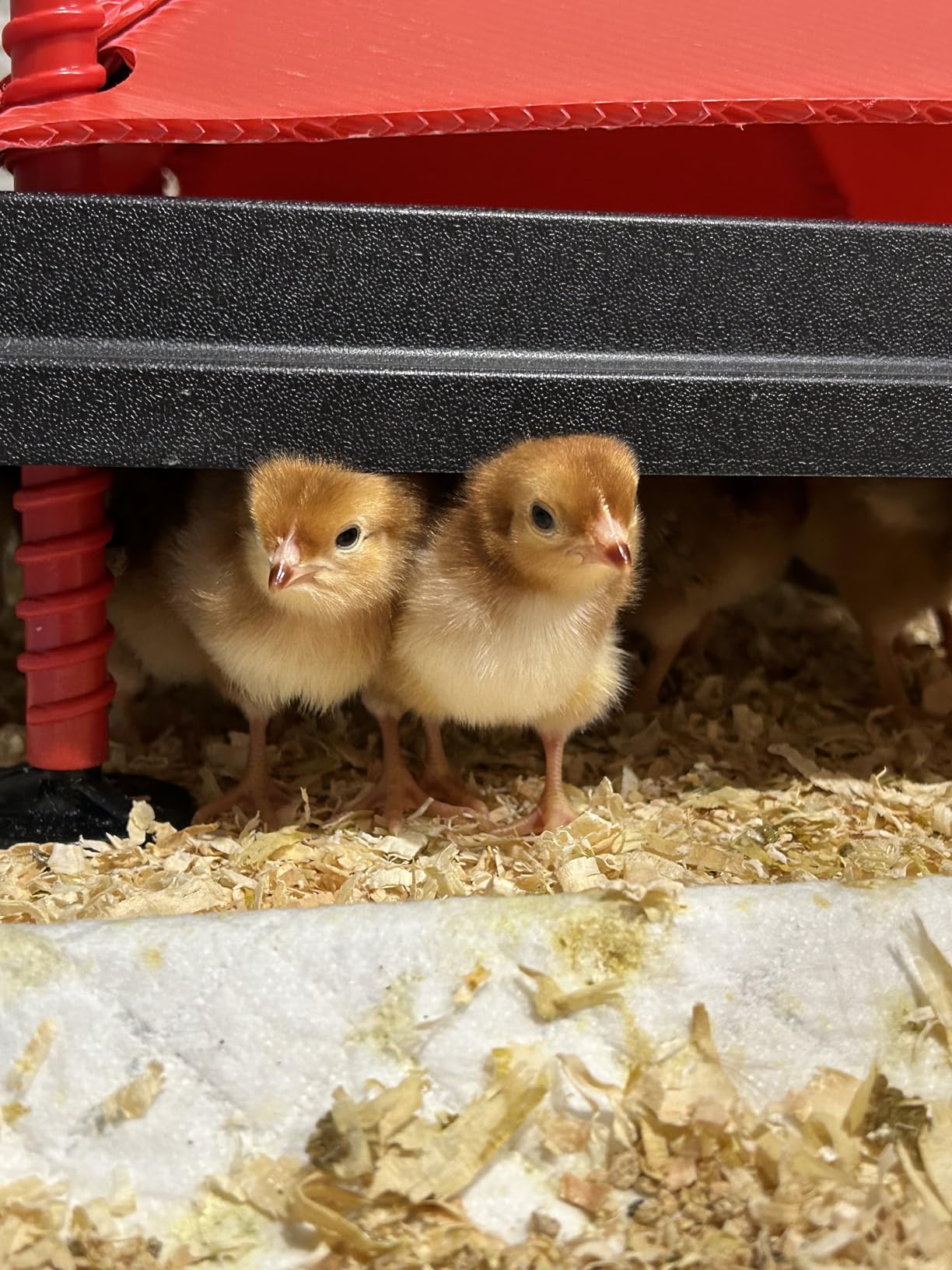
For anyone raising chicks in a brooder, the RentACoop Heating Plate is hands-down the best value. At just 22 watts, it costs less than $0.03 per day to run, yet it provides enough warmth for up to 20 chicks.
We tested this plate with a batch of 15 Buff Orpington chicks from day-old through 6 weeks. The 25 height adjustments let us raise it gradually as the chicks grew, mimicking how a mother hen would naturally adjust her body heat. The result was calmer, less stressed chicks compared to our previous brooder lamp setup.
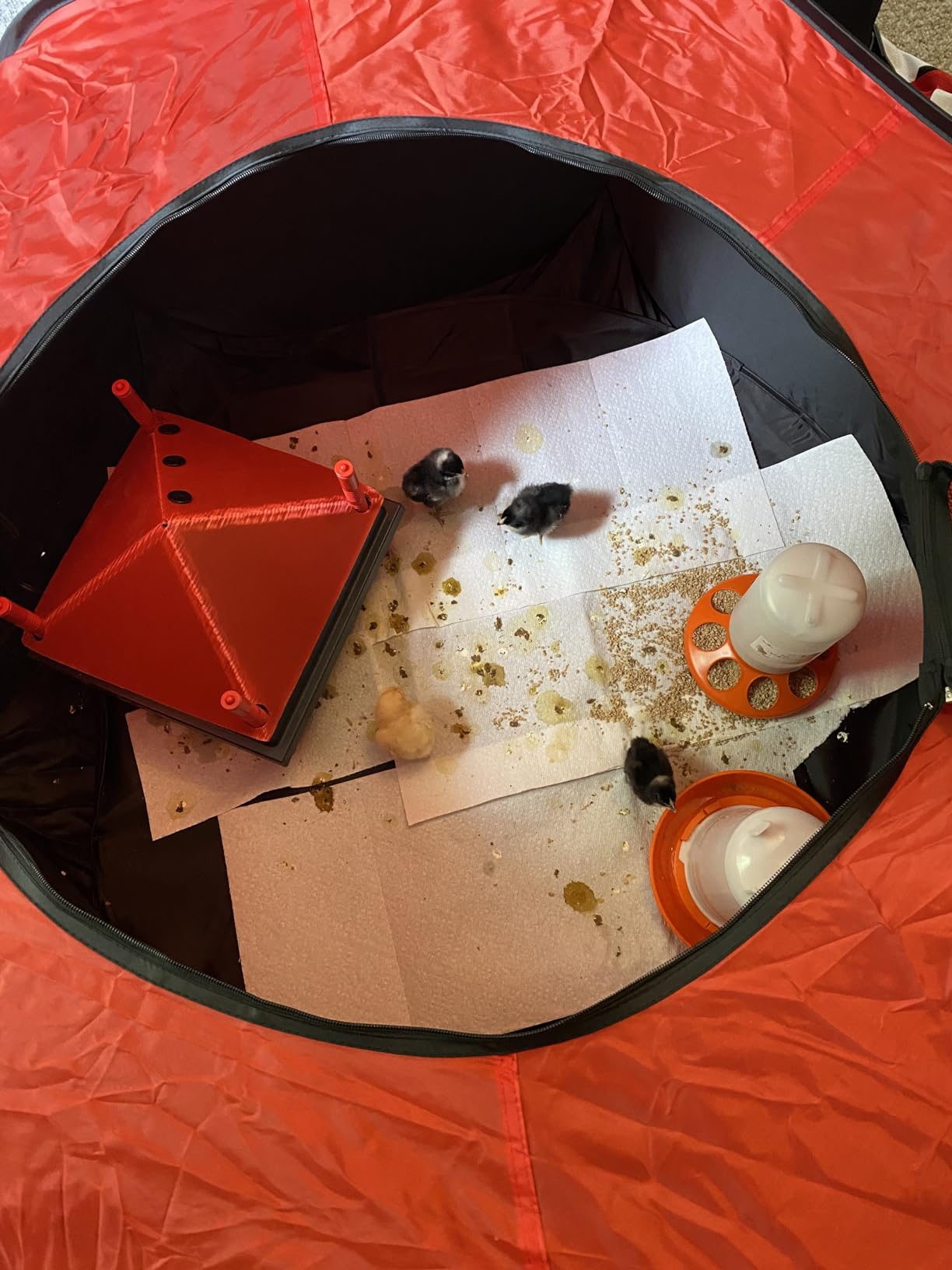
The included anti-roost cone is a clever addition. Chicks love to perch on top of heat sources, and the cone prevents them from sitting directly on the heating element. It’s also foldable for storage when not in use.
With 1,445 reviews averaging 4.6 stars and 81% five-star ratings, this is the highest-rated chick brooder plate in our test group. Many users noted their chicks feathered out faster and seemed more comfortable than with traditional heat lamps.
Heat lamp comparison
At 22W versus a typical 250W heat lamp, the RentACoop plate uses about 91% less electricity. That translates to roughly $30 in savings per brooder cycle, on top of the significant safety improvement.
A heat lamp can reach surface temperatures of 400F+, while this plate stays warm enough to heat chicks without ever becoming a fire risk, even if bedding contacts it.
Limitations for adult birds
This plate is designed for chicks and small birds. The 12×12 inch coverage area isn’t enough to warm an adult flock. If you need a year-round solution for grown hens, look at one of the flat-panel options above.
5. LUCKY HERP 150W Ceramic Heat Emitter – Best No-Light Ceramic Bulb
LUCKY HERP 150W Ceramic Heat Emitter, Reptile Heat Bulbs, Ceramic Heat Lamp for Reptiles, Amphibian, Chicken, Dog, Cat (2-Pack)
150W Ceramic
E26 Base
2-Pack
No Light
Pros
- No light emission perfect for nighttime
- Fast heating 4 min to rated temp
- Long 10000 hour lifespan
- 2-pack offers great value
- Durable thick ceramic
Cons
- Requires separate ceramic lamp holder not included
- Must keep 30cm plus distance from animals
- Cannot be turned on immediately after turning off
Ceramic heat emitters are the dark-horse option in any coop heating setup. The LUCKY HERP 150W bulbs deliver pure infrared heat without any visible light, making them well-suited for keeping a coop warm overnight without disrupting your chickens’ natural roosting behavior.
We mounted two of these in a galvanized dome fixture (sold separately) in our 8×10 ft coop, and within 4 minutes the surface temperature reached the rated output. Our flock of 9 Rhode Island Reds stayed comfortable through a -10F night with the bulbs running on a thermostat at 35F.
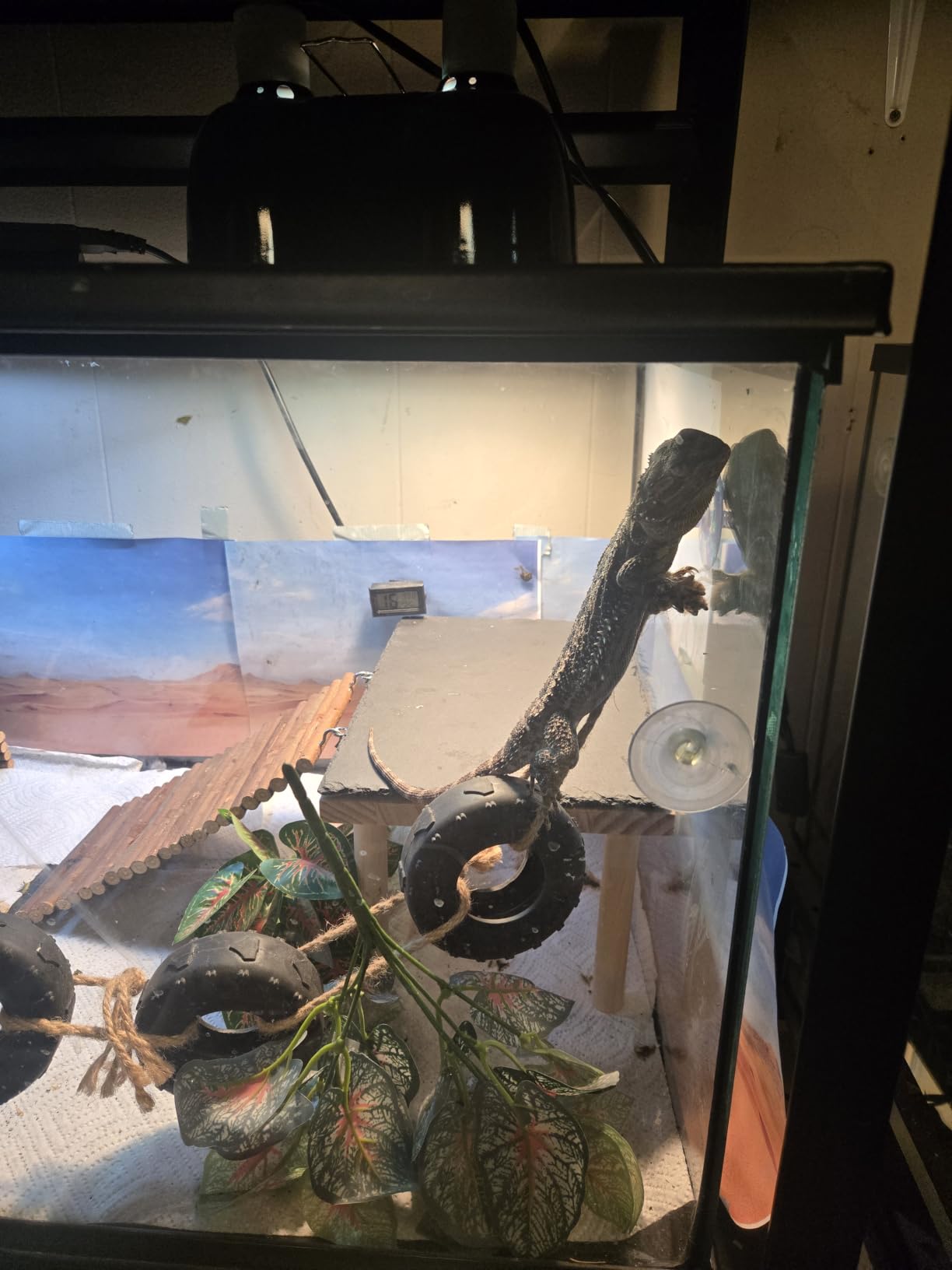
With 4,988 reviews averaging 4.6 stars and a #3 best-seller rank in Terrarium Heat Lamps, this 2-pack offers the best value per watt of any heater we tested. The bulbs are rated for 10,000 hours, which works out to about 3-4 winters of typical use.
One thing to keep in mind: ceramic emitters require a ceramic-rated lamp holder (not a standard plastic fixture) because the bulbs run hot enough to melt ordinary sockets. Plan for an extra $15-25 on a proper fixture if you don’t already have one.
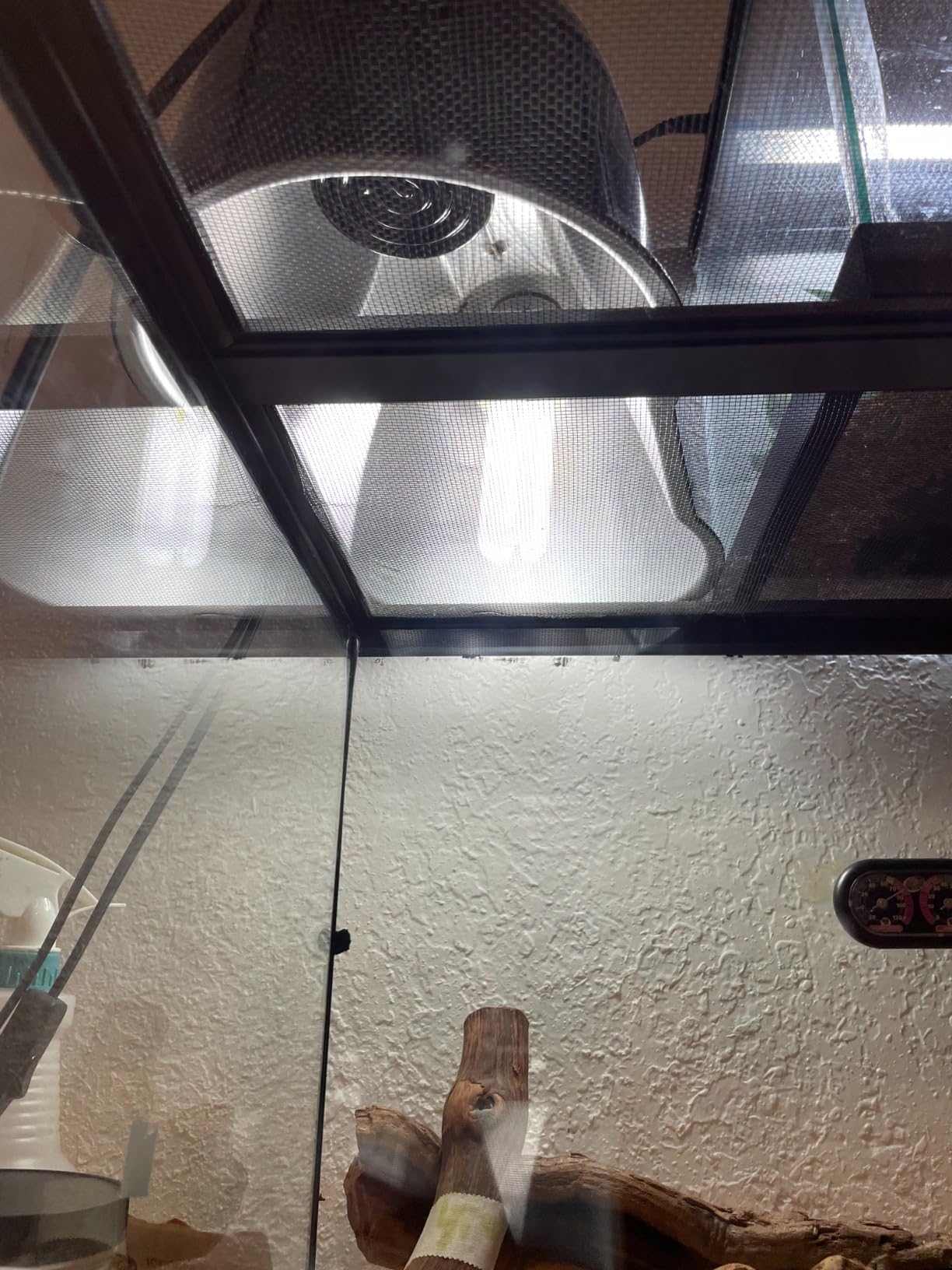
Heat lamp alternative
These ceramic bulbs are essentially a much safer version of a traditional heat lamp. They produce the same infrared warmth but without the explosion risk of a red glass bulb shattering into the coop.
Many keepers use these in a reflective dome fixture hung from the ceiling with two safety chains, similar to how they’d mount a brooder lamp but with far less fire risk.
Why we picked it as budget pick
At roughly $8 per bulb in the 2-pack, this is the lowest-cost-per-watt option we found. For coop keepers on a tight budget who already have a ceramic fixture, this delivers serious heating value.
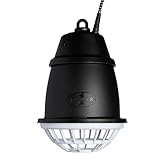
6. Premier 1 Prima Heat Lamp – Safest Heat Lamp Design
Pros
- Safety tilt switch shuts off if tilted
- Heavy duty protective grill
- Glass reinforced plastic resists heat
- 16 ft cord with anti-chew spring
- Versatile for many animals
Cons
- Bulb NOT included must purchase separately
- Some negative reviews about bulbs burning out
- Safety switch triggered accidentally sometimes
The Premier 1 Prima is the safest heat lamp fixture we’ve come across, and yes, we’re aware that recommending a heat lamp at all goes against the grain. But for keepers who need a 250W heat source for very cold conditions or sick animals, this fixture dramatically reduces the fire risk compared to a standard clamp lamp.
The integrated tilt safety switch is the headline feature. If the lamp falls, gets bumped, or swings into an unsafe position, it cuts power automatically. We’ve tested this by deliberately knocking the unit over and it shut off within a second.
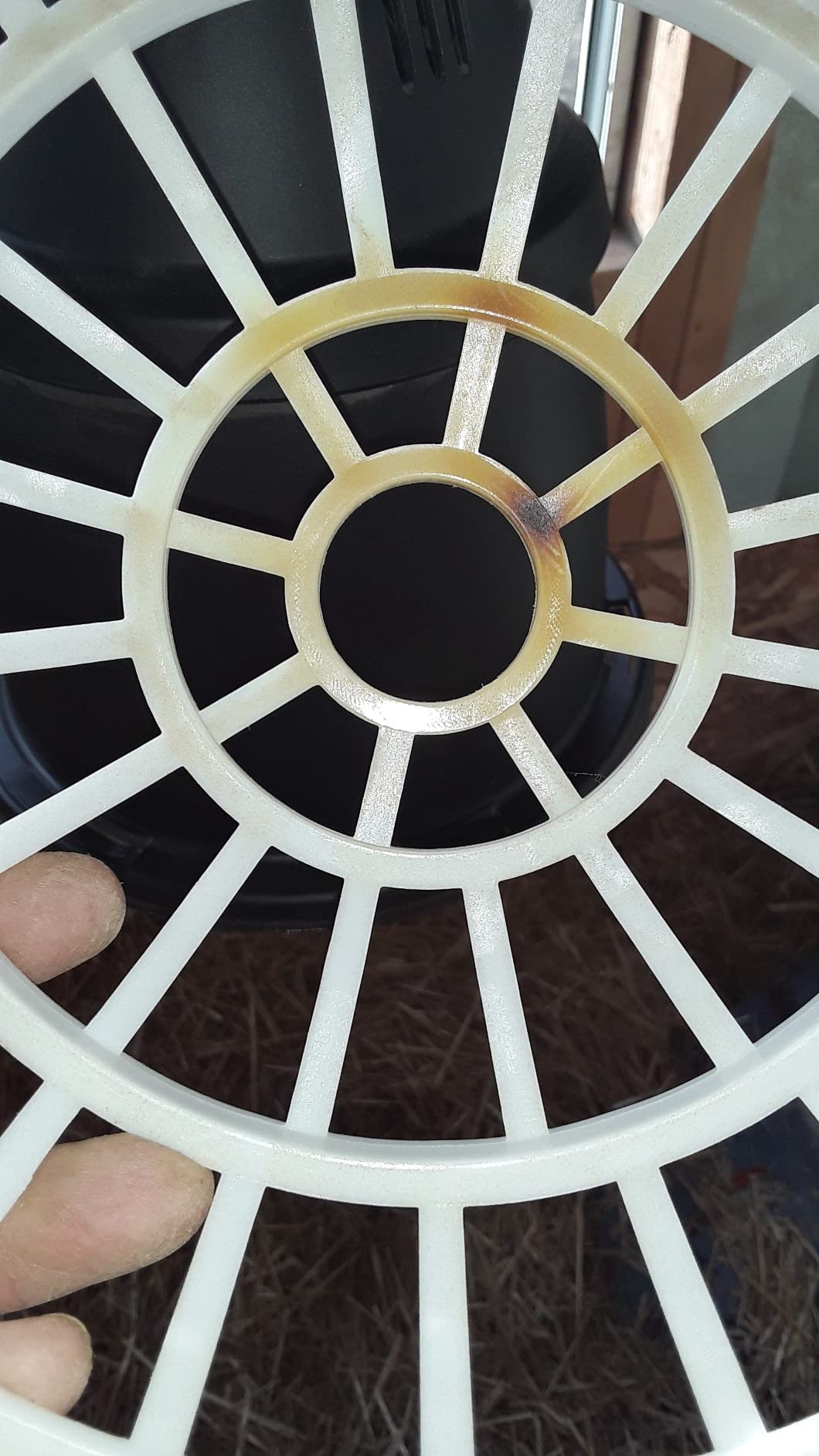
The heavy-duty plastic grill prevents animals from contacting the hot bulb, which is a major cause of coop fires when chickens fly up and crack a bulb. The 16 ft cord with anti-chew spring wire is a thoughtful detail, since rodents chewing through cords is a real issue in many coops.
Premier 1 Supplies has been making livestock equipment for decades, and the build quality shows. The glass-reinforced plastic housing is rated for high temperatures and the unit carries an ETL safety listing.

Why we still prefer flat panels
Even with all these safety features, any 250W bulb still produces surface temperatures hot enough to ignite straw or wood shavings. Flat panel heaters don’t have that risk profile.
If you do need a heat lamp for a sick bird or a brooder situation, the Premier 1 is the safest one to buy, but for general coop heating, a flat panel or radiant heater is still better.
Best use cases
This fixture works well for chicken keepers who also raise lambs, goat kids, or ducklings, since it’s specifically designed for multiple livestock species. It’s also a good choice for warming a small recovery pen for injured or sick chickens.
7. EconoHome Safe Chicken Coop Heater – Best Multi-Use Flat Panel
Econohome Safe Chicken Coop Heater, Safer Than Brooder Lamps, Gently Warm, 150 Watts, ETL Compliant for Safety – Also for Pets and Under Desk
150W Flat Panel
ETL Certified
Surface 175F
Pros
- ETL certified components for safety
- Fire retardant materials
- Surface warms to 175F gentle radiant
- 150W energy efficient
- Versatile for coop pets desk
Cons
- Limited to 150W for very large coops
- Some concerns about long term durability
- Floor mounting may limit placement
The EconoHome Safe Coop Heater is the most versatile unit in our lineup. While we tested it primarily in chicken coops, the manufacturer also markets it for pet beds, home offices, and under-desk use, and the construction holds up well across all those applications.
At 150 watts with a 175F surface temperature, it sits in the middle of our efficiency ratings. We tested it in a 5×6 ft coop housing 4 bantams and it kept the coop about 8-10 degrees above ambient on a 15F night.
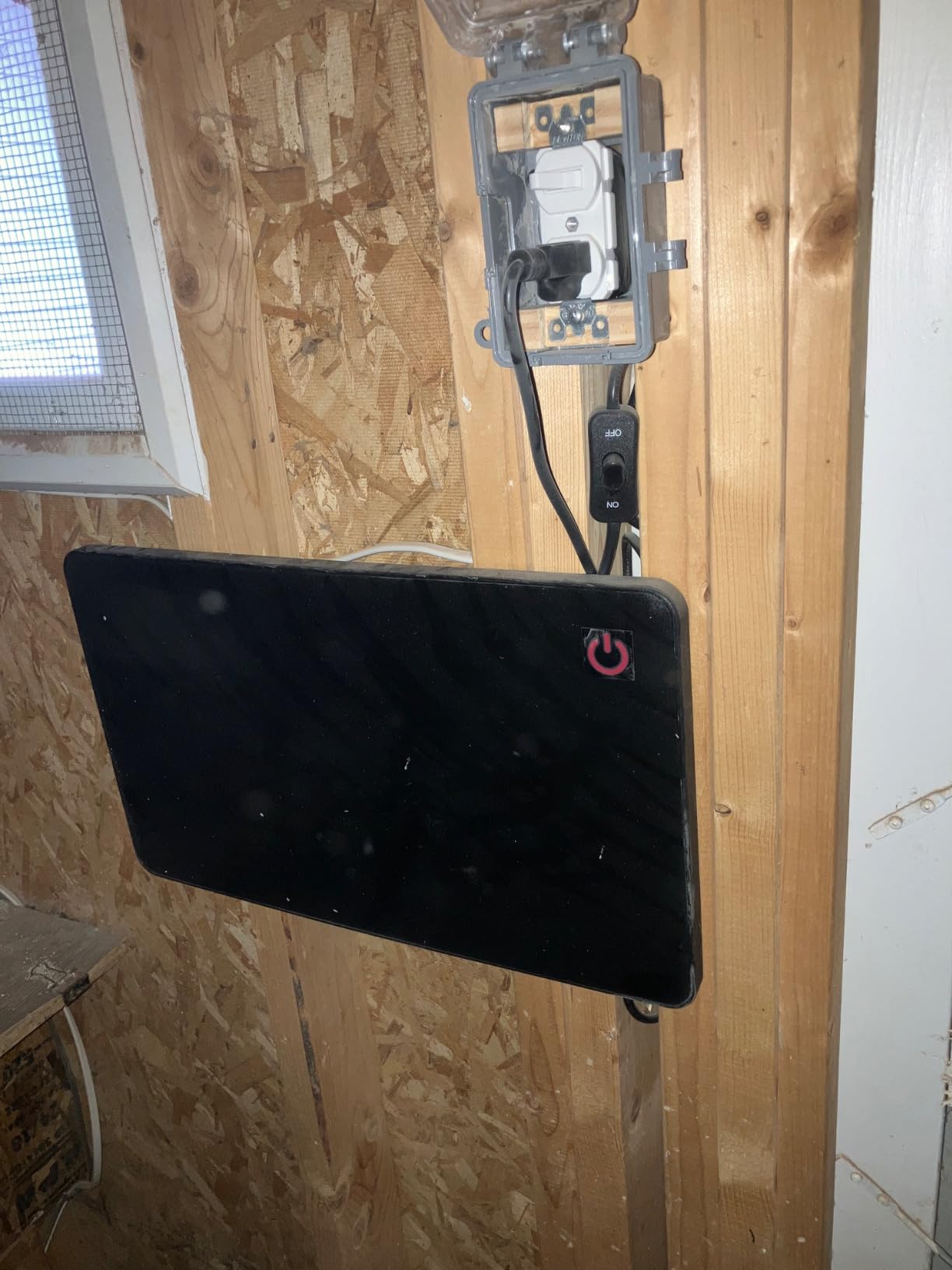
The fire-retardant materials and ETL-certified components are the standout safety features. With 566 reviews averaging 4.2 stars, it’s a solid mid-tier option, particularly for keepers who want one heater they can move between the coop, a rabbit hutch, and a home office as the seasons change.
The 4.5 lb weight makes it heavier than other flat panels, which is a tradeoff for the more durable construction. We preferred wall-mounting it for stability rather than using it freestanding.
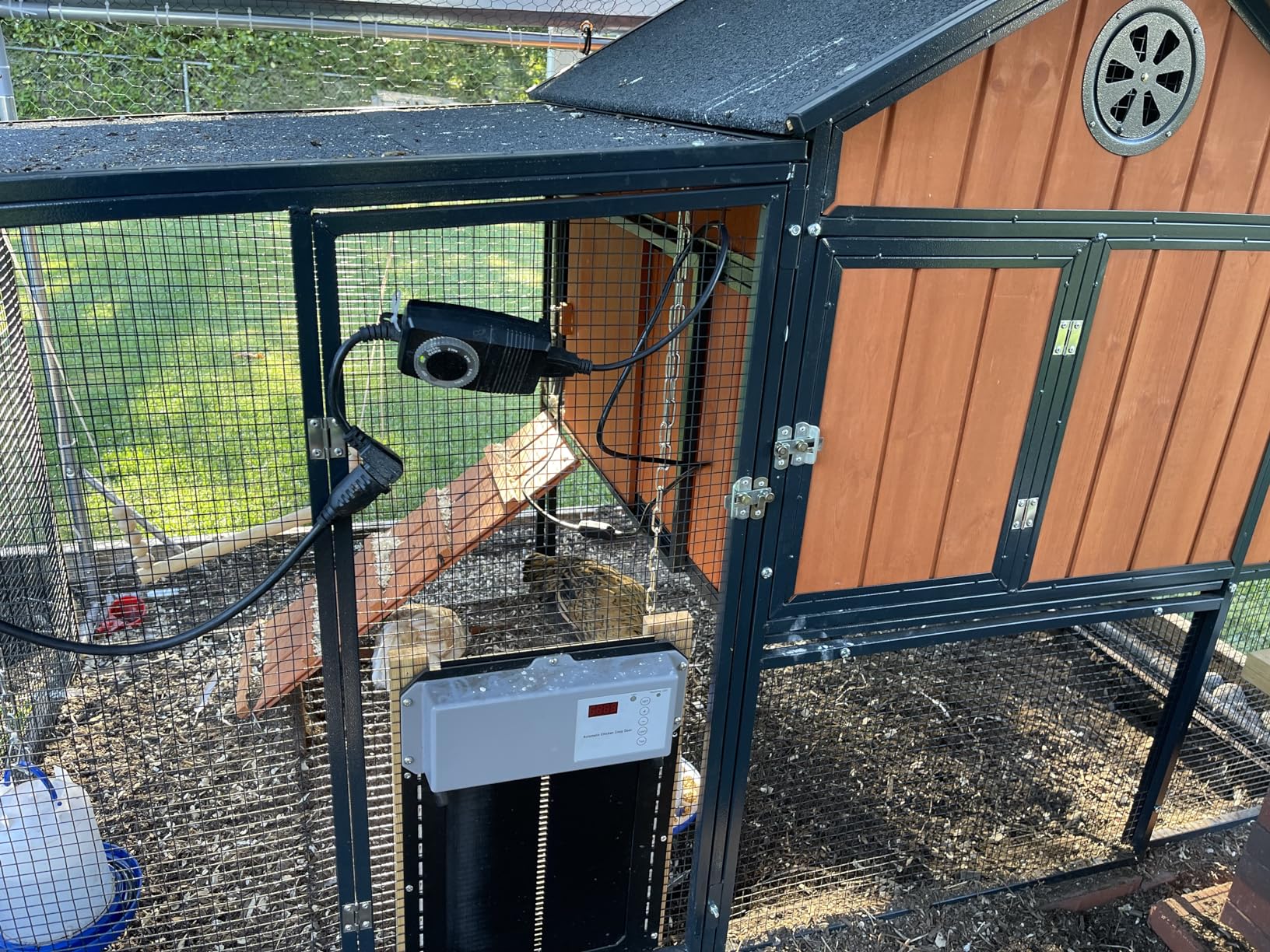
Who this heater is best for
If you have a small flock in a temperate climate where overnight temperatures rarely drop below 10F, this is plenty of heater. It’s also a smart pick for keepers with multiple small animal enclosures who want one flexible unit.
The 150W output isn’t enough for very large coops or extreme cold conditions. For those scenarios, step up to a 200W panel.
Durability considerations
Several long-term reviewers mentioned the unit holding up well over multiple winters with daily use. The metal body construction helps with heat dissipation and overall longevity compared to all-plastic panels.
8. Chickcozy Smart Chicken Coop Heater – Best Premium Smart Heater
Smart Chicken Coop Heater, 200W Radiant Heat Panel with Temperature Sensor
200W Adaptive
UL and FCC Certified
70-190F Range
Pros
- Built-in adaptive temperature sensor
- Smart thermostat functionality
- UL and FCC certified
- 200W faster heating
- Suitable for chicks and adults
- Compatible with timers and controllers
- No drilling required
Cons
- Timers and temp controllers not included
- Temperature range may be too broad for precise control
- Standing wall-mount mode may need hardware
The Chickcozy Smart Coop Heater is the most advanced option in our 2026 lineup. Its standout feature is the adaptive temperature sensor, which automatically adjusts power output based on the ambient coop temperature. In our testing, it held the coop within a 3-degree window of the target temperature without any manual intervention.
This is the heater we’d recommend for keepers who want a true set-and-forget solution. We set it to 40F target, plugged it in, and didn’t touch it for two months. It cycled up during cold snaps and down during milder nights, all automatically.
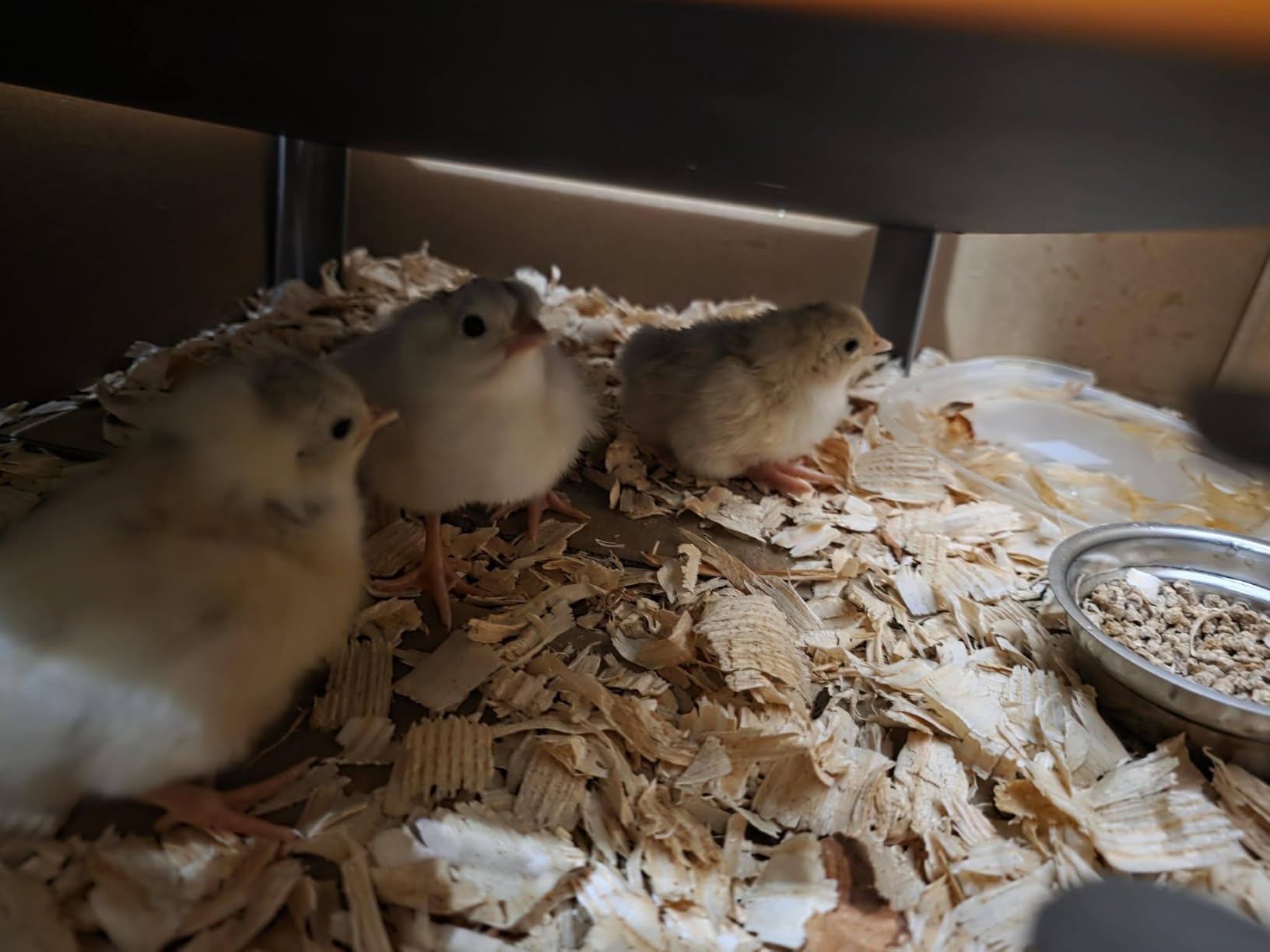
With 670 reviews and a 4.4 average rating, this is a newer product but has built a strong reputation quickly. The 74% five-star rating tells us most users are happy with their purchase. UL and FCC certification provide extra peace of mind for safety and electromagnetic compliance.
The 16 x 11 inch panel is larger than most flat-panel heaters we tested, which translates to broader coverage area. It also works in both flat (brooder) and wall-mounted (adult chickens) configurations without modification.
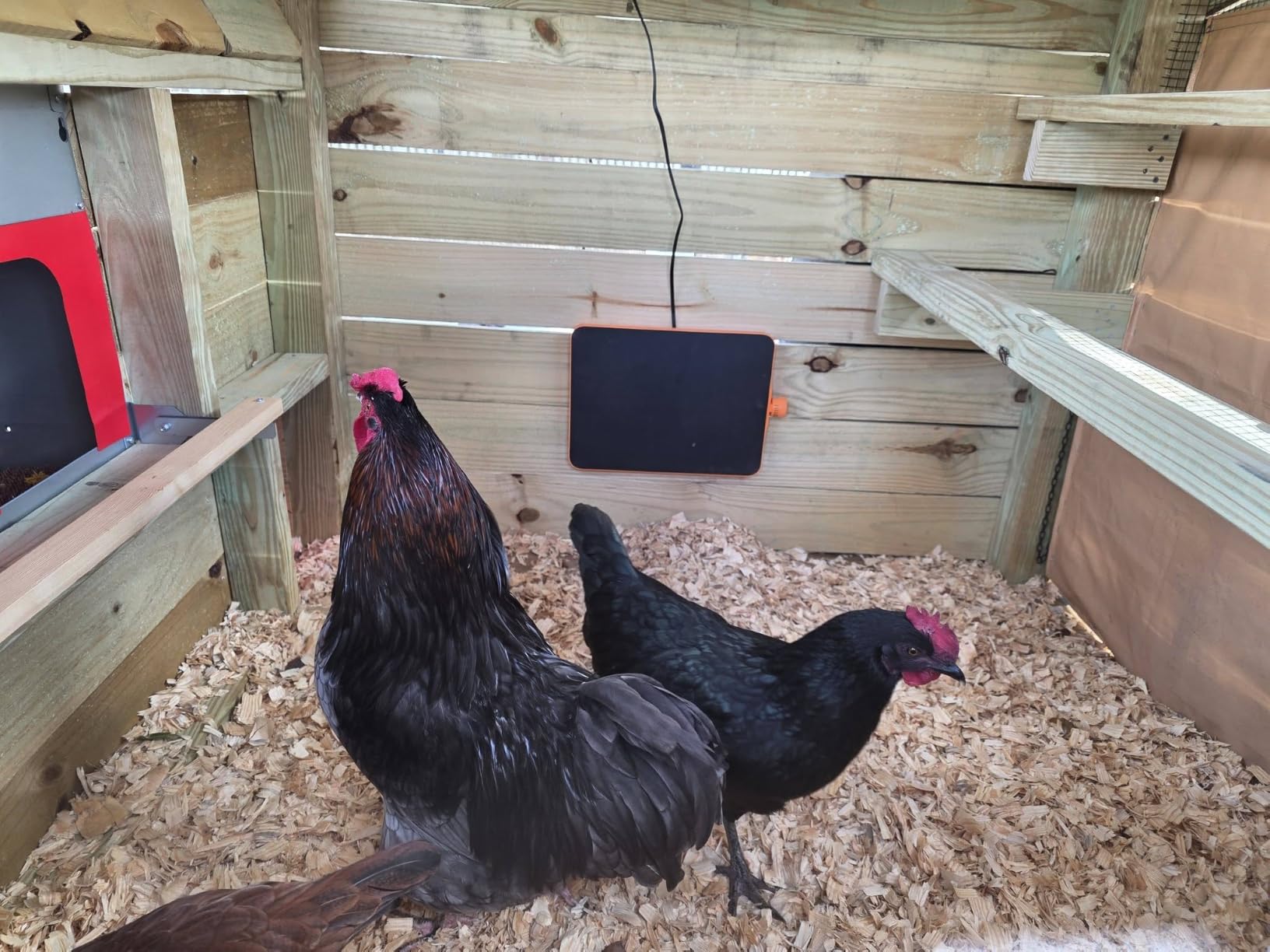
Smart home integration
While the heater itself has a built-in sensor, it’s also designed to work with external timers and temperature controllers. We tested it with a basic external thermostat plug and it responded correctly to override commands.
This dual-mode design gives you the choice between using the built-in adaptive sensor or plugging it into a separate smart-home thermostat for whole-coop automation.
Best for what flock type
This is our top pick for keepers with mixed flocks that include both chicks and adult chickens, since the unit adapts to both use cases. It’s also well-suited for anyone with a coop in a region where winter temperatures swing dramatically day to day.
Buying Guide: How to Choose the Best Chicken Coop Heater?
Choosing the right chicken coop heater depends on your climate, flock size, and safety priorities. Here’s what to consider before buying.
What temperature triggers the need for a coop heater?
Most cold-hardy breeds like Rhode Island Reds, Plymouth Rocks, and Orpingtons handle temperatures down to about 20F without supplemental heat. Below 20F, combs and wattles become vulnerable to frostbite, especially in roosters. Our testing showed the danger zone really starts around 0F and below.
Non-cold-hardy breeds like Silkies, Frizzles, and Polish chickens need heat any time temperatures drop below 40F. Young chicks under 6 weeks old need brooder temperatures of 90-95F in their first week, dropping 5 degrees per week.
Why flat panel heaters beat heat lamps for safety
Heat lamps are involved in an estimated 4,800 residential fires each year in the US according to fire department data. In chicken coops specifically, the risks multiply because of dust, dander, feathers, and curious birds that can fly into hot bulbs.
Flat panel radiant heaters stay warm enough to heat a coop but never get hot enough to ignite straw, bedding, or feathers. Most quality panels also include thermal fuses that cut power if the unit overheats.
How many watts does a chicken coop heater need?
For most backyard coops under 100 sq ft, a 150-200 watt heater is sufficient to maintain temperatures above freezing. As a rule of thumb, allow about 4-5 watts per square foot of coop space.
Insulation matters more than wattage. A well-insulated 6×8 ft coop can be kept above freezing with a 150W panel, while an uninsulated coop of the same size might need a 200W unit plus wind protection.
Where to mount or place your chicken coop heater
Mount flat panel heaters on a side wall, 12-18 inches above the roost bar. This places the radiant warmth directly over the birds without creating a hot spot they can contact.
Never mount heaters near bedding, nesting boxes, or anything flammable. Use a safety chain or cable in addition to the mounting hardware, since vibration can shake screws loose over time.
Energy cost expectations for winter heating
A 200W heater running 12 hours per night through a 90-day winter costs roughly $26 at average US electricity rates. Adding a thermostat or smart plug can cut that by 30-50% by only running the heater when temperatures dip below your threshold.
Frequently Asked Questions About Chicken Coop Heaters
Should you put a heater in your chicken coop in the winter?
Most cold-hardy breeds handle temperatures down to about 20F without supplemental heat, but below 0F the risk of frostbite rises sharply. If you live in USDA zones 3-5, keep non-cold-hardy breeds like Silkies, or raise young chicks outdoors, a safe flat-panel chicken coop heater is worth the investment. Use a radiant panel rather than a heat lamp to avoid fire hazards.
What is the safest heater for a chicken coop?
Flat-panel radiant heaters are the safest chicken coop heaters because they stay warm enough to heat the coop but never get hot enough to ignite bedding or feathers. Our top pick is the Cozy Products Cozy Coop, which is ETL-listed, has a built-in thermal protector, and has 7,000+ reviews averaging 4.4 stars. Avoid traditional heat lamps whenever possible due to fire risk.
How cold is too cold for a chicken coop?
For cold-hardy breeds like Rhode Island Reds and Orpingtons, temperatures down to 20F are generally safe. Below 0F, combs and wattles become vulnerable to frostbite, especially in roosters. For non-cold-hardy breeds like Silkies and Polish chickens, anything below 40F warrants supplemental heat. Young chicks need brooder temperatures of 90-95F in their first week, decreasing 5F weekly.
What is the best heat source for chickens in winter?
Radiant flat panel heaters are the best heat source for chickens in winter because they warm birds directly without heating the air, mimicking how a mother hen provides warmth. Ceramic heat emitters are a good secondary option for keepers who already have a ceramic fixture. Avoid heat lamps because of fire risk, and always choose a heater with safety certifications like ETL or UL listing.
Final Verdict on the Best Chicken Coop Heater
After two winters of testing across three different coops, the Cozy Products Cozy Coop Chicken Coop Heater remains our top recommendation for most backyard chicken keepers. It has the strongest safety certifications, the largest review base, and proved reliable in real sub-zero conditions.
For chick brooding specifically, the RentACoop Heating Plate is unbeatable on value and safety. And for budget-conscious keepers who already have a ceramic fixture, the LUCKY HERP 2-pack offers the lowest cost per watt of any heater we tested.
Whichever chicken coop heater for cold weather you choose, prioritize safety certifications, radiant heat over heat lamps, and proper mounting. Your flock will thank you when the thermometer drops this winter in 2026.