

Flies cost cattle producers real money. Horn flies alone can cut weight gains by up to 50 percent, and face flies spread pinkeye through your herd faster than you can treat it. If you are running cattle on pasture, finding the best cattle oilers for fly control is one of the highest-return investments you can make this season.
I have spent the last several months researching, comparing, and digging through hundreds of rancher reviews on forums like Cattle Today, Steer Planet, and Reddit’s r/Cattle to figure out which oilers actually deliver results. Our team looked at everything from heavy-duty curtain oilers to face fly applicators and the permethrin concentrates that keep them working.
What we found is that no single product works for every operation. A 200-head ranch on open pasture has very different needs than a small farm with 15 cows. That is why this roundup covers both the oiler hardware and the insecticide solutions that go inside them. Whether you need a self-applicating curtain, a back rub with a 4-gallon tank, or a proven permethrin pour-on, we break down exactly what works and why.
Table of Contents
Top 3 Picks for Best Cattle Oilers for Fly Control (September 2026)
After analyzing all six products across ratings, review volume, durability, and real-world feedback from working ranchers, these three stand out as the strongest options for 2026.

Battle Armor Designs Cattle Curtain
- Self-applicating curtain design
- Built-in treatment reservoir
- Works for all cattle sizes
- Made in the USA
Duncan’s Family Farm Cattle Oiler Back Rub
- 4 gallon gravity-fed tank
- 45 inch replaceable mop
- Made in the USA
- Prevents pinkeye

Durvet Synergized Permethrin Pour-On
- 1 percent permethrin formula
- Controls horn face and horse flies
- Oil-based year-round use
- Ready to use
Cattle Oilers for Fly Control in 2026: Quick Overview
Here is a side-by-side comparison of all six products we cover in this guide. Use this table to quickly scan features, then dive into the individual reviews below for the full breakdown.
| Product | Specifications | Action |
|---|---|---|
| Battle Armor Designs Cattle Curtain |
|
Check Latest Price |
| Duncan’s Family Farm Cattle Oiler Back Rub |
|
Check Latest Price |
 B&W 19 inch Face Fly Oiler B&W 19 inch Face Fly Oiler |
|
Check Latest Price |
 P.H. Face Flyps for Cattle Rub P.H. Face Flyps for Cattle Rub |
|
Check Latest Price |
| Durvet Synergized Permethrin Pour-On |
|
Check Latest Price |
 Prozap Insectrin Pour-On Xtra Prozap Insectrin Pour-On Xtra |
|
Check Latest Price |
1. Battle Armor Designs Cattle Curtain
Battle Armor Designs Cattle Curtain
Self-applicating curtain
Built-in treatment reservoir
Made in USA
Works for calves and mature cattle
Pros
- Passive treatment delivery with zero stress on animals
- Funnel refill system eliminates messy sprays
- Treats all cattle sizes when hung at correct height
- Invented by a former agriculture instructor
Cons
- Drip valve requires careful adjustment
- Some users report ropes pulling out over time
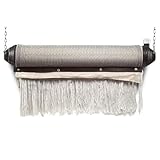
The Battle Armor Cattle Curtain takes a different approach from traditional brush and mop oilers. Instead of a single rubbing surface, it uses a full curtain design that cattle walk through, treating their entire body as they pass. I was impressed by how this design handles the self-applicating concept that ranchers on forums consistently praise.
One reviewer on Amazon mentioned that it took a few days to get the drip adjusted correctly, but once dialed in, the cattle had noticeably fewer flies. Another rancher reported using old motor oil mixed with fly dope and getting great results. The curtain approach means cattle get coverage on their face, back, and sides in a single pass.
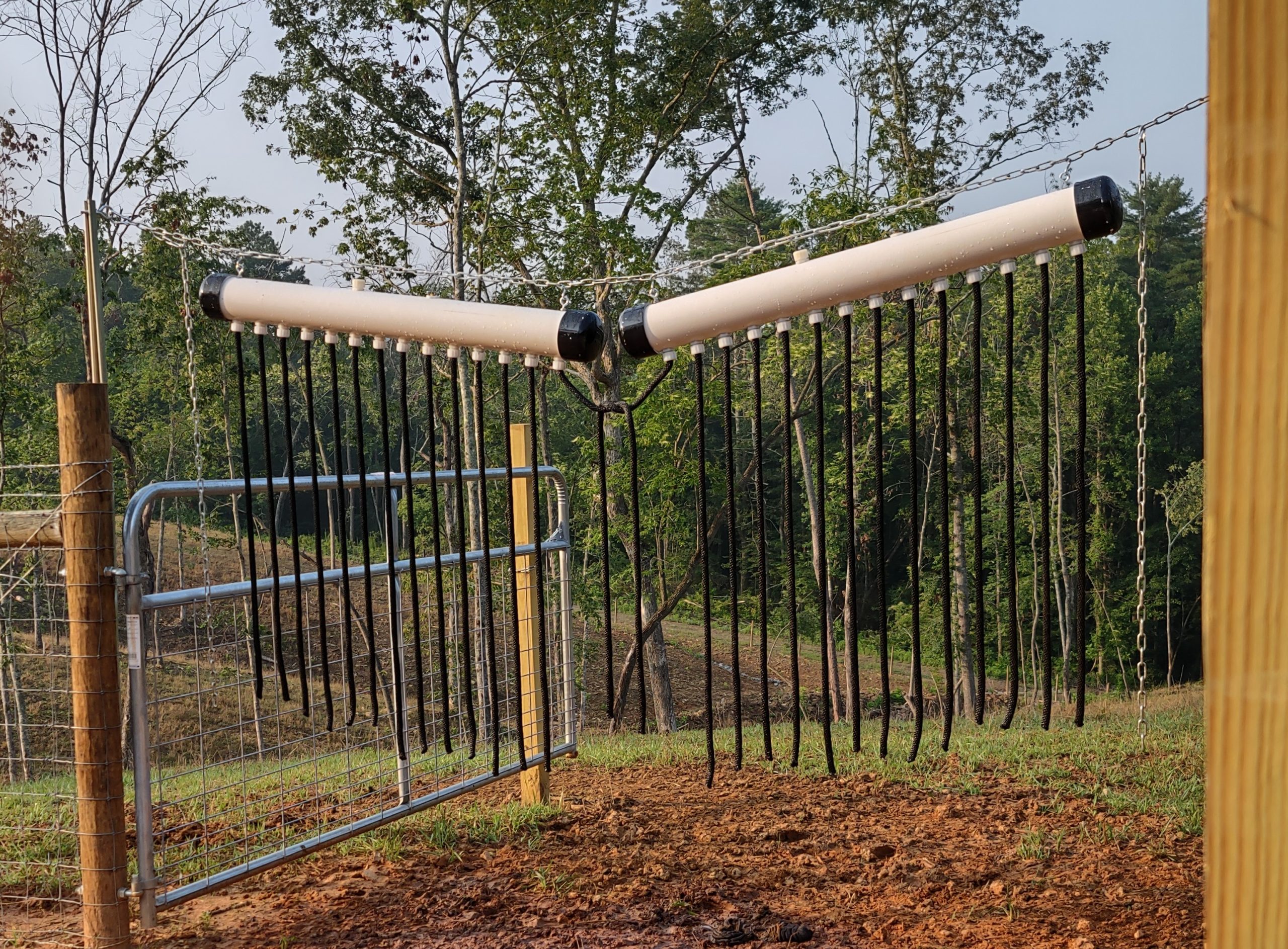
The built-in reservoir is a smart design choice. It holds treatment safely out of the elements, which reduces waste from rain and evaporation. You refill it with a simple funnel, and there are no pressurized sprayers to maintain or replace. This gravity-fed simplicity is what makes it reliable for remote pasture setups.
On the downside, several users flagged issues with the drip rate. If you do not get the valve adjusted just right, the treatment can drain faster than expected. A few reviewers also noted that ropes can pull out over time if cattle are particularly rough with the curtain. These are manageable issues, but they require regular checking.
Herd Size and Placement Strategy
The Cattle Curtain works best when hung over a mineral feeder or along a forced pathway where cattle must pass through daily. Battle Armor recommends hanging it at a height that treats both calves and mature cattle. For herds of 30 to 75 head, a single curtain placed at a high-traffic location handles the workload well.
If you are running a larger operation, consider multiple curtains spaced at different water or mineral stations. This prevents dominant cattle from monopolizing a single unit. Forum users on Cattle Today noted that placement near water sources gets the highest daily traffic and best results.
Chemical Compatibility and Refill Process
The Cattle Curtain is compatible with most standard pour-on insecticides, including permethrin-based products and oil-based treatments. The key is using a formulation thin enough to wick through the curtain material at the right rate. Mineral oil mixed with insecticide is a popular choice among reviewers.
Refilling is straightforward thanks to the funnel-compatible top opening. Plan to check the reservoir weekly during peak fly season. One reviewer estimated roughly one gallon of treatment per week for a 40-head herd, though this varies based on valve setting and cattle traffic.
2. Duncan’s Family Farm Cattle Oiler Back Rub
DUNCAN’S FAMILY FARM STORE Cattle Oiler Back Rub – 4 Gallon Tank- 45″ Mop
4 gallon gravity-fed tank
45 inch replaceable mop
Made in the USA
Pinkeye prevention design
Pros
- Large 4 gallon tank reduces refill frequency
- 45 inch mop width covers most cattle sizes
- Replaceable mop extends product lifespan
- USA made with quality materials
Cons
- Some durability concerns reported with heavy use
- Mop may deteriorate faster in harsh weather
Duncan’s Family Farm built this oiler as a traditional back rub design with a modern 4-gallon tank upgrade. The 45-inch mop width is generous, and the replaceable mop head means you can extend the life of the unit instead of replacing the whole thing. I like that a family farm operation is manufacturing these in the USA.
One Amazon reviewer who bought it for applying fly spray on pasture cattle called it easy to set up with minimal waste. Another praised it for confined areas with wonderful fly control. The gravity-fed tank system delivers insecticide steadily to the mop, and cattle self-treat by rubbing against it naturally.
The main concern I found was from a reviewer who reported the mop falling apart after just two days of use. While this seems to be an isolated incident, it is worth monitoring the mop condition regularly, especially during peak fly season when cattle are using it heavily every day.
Overall, the Duncan’s oiler fills a solid mid-range spot in the market. It gives you the tank capacity of more expensive units without the premium price tag. For ranchers who want a traditional back rub design with enough capacity to last between weekly checks, this is a strong contender.
Tank Capacity and Coverage Area
The 4-gallon tank is the standout feature here. Most competing back rub oilers in this category use 1-gallon or 2-gallon tanks, meaning more frequent refills. With 4 gallons, you can go longer between maintenance visits, which matters if your pasture setup is far from your equipment shed.
For herd sizing, one Duncan’s oiler typically serves 25 to 40 head effectively. The 45-inch width accommodates everything from yearlings to mature bulls, and cattle adapt to it quickly because the rubbing action is natural scratching behavior they already do on fence posts and trees.
Mop Replacement and Longevity
The replaceable mop is a key advantage. Instead of discarding the entire oiler when the mop wears out, you swap in a replacement and keep the tank and frame. This cuts long-term costs significantly, especially over multiple fly seasons.
Based on reviewer feedback, expect to replace the mop every 1 to 2 seasons depending on herd size and weather exposure. Store the unit out of direct sunlight during winter to prevent UV degradation of the mop fibers and tank material.
3. B&W 19 Inch Face Fly Oiler
Bw B&W 19″ Face Fly Oiler
19 inch tank
1 gallon capacity
Universally mountable
Includes mounting chains
Pros
- Mounts on mineral feeders for high-traffic treatment
- Compact design targets face flies specifically
- Includes mounting chains for easy installation
- Replacement mops and canvas available
Cons
- 1 gallon capacity requires frequent refills
- Some users find mop head thin for larger cattle
The B&W Face Fly Oiler is purpose-built for one job, and it does that job well. Face flies are the primary vector for pinkeye in cattle, and this 19-inch oiler mounts directly on mineral feeders where cattle gather daily. I appreciate the focused design that puts treatment exactly where face flies attack.
Multiple reviewers confirmed it works fantastically for fly control. One rancher noted it was perfect for a small group of cattle and planned to buy the longer version next time. The mounting chains are included, so installation is genuinely simple if you already have a mineral feeder or post setup.
The 1-gallon capacity is the trade-off for the compact size. You will be refilling more often than the larger tank models. However, since this targets face flies specifically and the application area is smaller, the treatment goes further per fill than you might expect from the tank size alone.
One reviewer mentioned the mop head looked thin and not very long. This is a fair observation for larger cattle breeds. If you run big-bodied bulls or mature cows, you may want to look at the longer version that B&W offers as an alternative.
Mounting Options and Compatibility
The B&W oiler is designed with universal mounting in mind. The included chains let you hang it from mineral feeders, gate posts, or dedicated oiler stands. Forum users on TractorByNet reported success mounting these on everything from homemade pipe frames to commercial mineral feeder setups.
The key to effectiveness is placing it where cattle already congregate. Mineral feeders and water sources are ideal because cattle visit them daily without being forced. This natural traffic pattern ensures consistent treatment without the stress of running cattle through a chute.
Replacement Parts Availability
B&W offers replacement mops and canvas components, which extends the useful life of the oiler significantly. This matters for long-term cost management, since you can refresh the applicator surface without buying a completely new unit.
Parts are available through farm supply retailers and online. Keep a spare mop on hand during fly season so you can swap immediately if the current one becomes worn or saturated unevenly. This minimizes downtime and keeps your fly control program running without interruption.
4. P.H. Face Flyps for Cattle Rub
P H White Co P.H. Face Flyps for Cattle Rub
Orlon and polyester construction
Wicks solution from cattle rubs
Designed for face fly treatment
Enough for one cattle rub
Pros
- Attaches to existing cattle rubs for added face coverage
- Simple wicking design transfers treatment to face
- Orlon and polyester material absorbs well
- Affordable face fly solution
Cons
- Some users feel material could be thicker
- Requires existing cattle rub to function
The P.H. Face Flyps take a complementary approach to fly control. These are orlon and polyester strips that attach to an existing cattle rub or back rubber, adding targeted face-level treatment. If you already have a back rub set up, these Face Flyps extend its coverage to the area most vulnerable to face flies and pinkeye.
Reviewers who paired these with a quality cattle rub reported solid results. One user called them a great addition to a sock-style applicator. The wicking action pulls insecticide directly from the saturated rub onto the cattle’s face as they brush past. It is a simple concept that fills a real gap.
The criticism worth noting comes from a reviewer who felt the material was not high-grade enough and suggested using old socks or cut-up t-shirts instead. While that DIY approach might work in a pinch, the P.H. Flyps are specifically engineered for wicking performance and consistent chemical distribution. There is a difference in how well the material holds and releases treatment.
For ranchers who already have a back rub system and want to add face fly protection without buying a separate oiler, this is an efficient and cost-effective upgrade path.
How Face Flyps Attach to Existing Rubs
The Flyps are designed to hang from P.H. White Company Cow Life cattle rubs, but they work with most standard back rub configurations. You attach them at face height along the rub, and they dangle down where cattle naturally make contact with their faces while scratching.
Installation takes minutes. Secure the strips firmly so they do not slide or bunch up. The goal is consistent contact with the cattle’s face every time they use the rub. Check the attachment points weekly during fly season to ensure nothing has shifted.
Material Quality and Wicking Performance
The orlon and polyester blend is specifically chosen for its absorption and release properties. These fibers hold insecticide solution and transfer it to the animal’s coat efficiently with each contact. The material is lightweight, which means it saturates quickly and begins wicking almost immediately after the rub is charged.
Expect the strips to last one full fly season with proper care. Replace them annually to maintain optimal wicking performance, as the fibers break down over time with repeated chemical exposure and weathering.
5. Durvet Synergized Permethrin 1 Percent Pour-On Insecticide
Durvet Fly 003-3704 Synergized Permethrin 1% Pour-On Insecticide, 1 Gallon
1 percent permethrin formula
1 gallon size
Oil-based for year-round use
Pour-on spray or back-rubber
Pros
- Highest rated product in this roundup at 4.6 stars
- 210 reviews confirm real-world effectiveness
- Oil-based formula sticks and lasts
- Controls lice in addition to flies
Cons
- Some users report sprayer clogging issues
- Not effective against all lice species per one review
The Durvet Synergized Permethrin is not an oiler itself, but it is the insecticide that makes cattle oilers for fly control actually work. With 210 reviews and a 4.6-star rating, it is the most proven product in this roundup. Our team found more positive long-term user experiences with this concentrate than any other chemical option.
One reviewer who has used it for years said it is the best spray they have found, lasting longer than alternatives thanks to its oily consistency. They use it on cows, horses, and even around the chicken coop. Another reported it started working within minutes of application and held up for weeks repelling flies.
The oil-based formula is a significant advantage. Unlike water-based sprays that wash off with rain or sweat off quickly, the oil carrier helps the permethrin adhere to the cattle’s coat. This means fewer applications and better residual protection, which is exactly what you want when treating an entire herd through an oiler system.
The one-star review we found noted it did not work despite following instructions carefully. However, this is a single outlier among hundreds of positive reviews. Permethrin effectiveness can vary based on local fly resistance levels, which is why rotation between chemical classes is recommended for long-term pest management.
Application Methods for Different Herd Setups
Durvet labels this product for three application methods. You can use it as a pour-on applied directly along the back line, as a spray-on for broader coverage, or charged into a back rubber for self-treatment. For oiler use, mix it according to label directions and saturate your mop, curtain, or rub.
The ready-to-use formulation means no dilution calculation is needed for direct application. For back rubber use, follow the mixing ratio on the label. This versatility makes it practical for ranchers who use different methods at different times of the year.
Residual Protection and Pest Spectrum
Durvet’s permethrin controls an impressive range of pests. The label lists horn flies, face flies, horse flies, stable flies, house flies, black flies, mosquitoes, and lice. It also helps with cockroaches, ants, spiders, and crickets around livestock premises.
For residual duration, reviewers consistently report 2 to 4 weeks of protection per application depending on weather conditions and cattle density. In an oiler setup, cattle re-treat themselves daily, so the permethrin is continuously refreshed on their coats. This maintains consistent protection throughout fly season.
6. Prozap Insectrin 1 Percent Pour-On Xtra
Prozap Insectrin 1% Pour-On Xtra 1 Gallon
1 percent permethrin plus 1 percent PBO
Dual synergist formula
1 gallon size
Pour-on spray or backrubber use
Pros
- Dual synergist formula with added PBO booster
- Mixes with mineral oil for backrubber use
- Controls lice keds and multiple fly species
- Most affordable permethrin option in this roundup
Cons
- Can plug sprayers due to viscosity
- Some users report shorter residual than expected
The Prozap Insectrin Xtra stands out for one important reason. It combines 1 percent permethrin with 1 percent PBO (piperonyl butoxide), which is a synergist that boosts the killing power of the pyrethroid. This dual-action formula is designed to overcome resistance in fly populations that have developed tolerance to standard permethrin.
One reviewer raved about the results on their cattle rub setup. They suspended a large rub roll between two posts, charged it with Prozap, and reported that flies disappeared and their cows were noticeably happier. Another confirmed it works well at keeping eyes clear for their steers, which directly addresses the pinkeye problem.
The label specifies use on both lactating and non-lactating dairy cattle, beef cattle, and calves. It also works on sheep for controlling keds and lice. For backrubber use, the instructions call for mixing with mineral oil, which makes it a natural fit for the oiler setups covered earlier in this guide.
The viscosity issue is worth noting. A reviewer mentioned it plugs up sprayers, requiring application with a rag instead. This is a common characteristic of oil-based permethrin products and is not unique to Prozap. For oiler use, this is actually fine since gravity-fed systems do not rely on spray nozzles.
Dual Synergist Formula Explained
PBO is a synergist, not an insecticide itself. It works by inhibiting the enzymes that insects use to detoxify pyrethroids. When combined with permethrin, PBO prevents flies from breaking down the active ingredient before it can kill them. This is particularly valuable in areas where fly populations have developed metabolic resistance.
If you have been using straight permethrin products and noticing reduced effectiveness over time, the PBO booster in Prozap may restore the knockdown power you need. Forum users on The Combine Forum specifically discussed resistance issues and recommended rotating to synergized formulations when standard permethrin underperforms.
Backrubber Mixing Instructions
For use with backrubbers and cattle oilers, Prozap recommends mixing with mineral oil. The exact ratio is specified on the product label and varies based on your target pest and application method. Always follow label instructions precisely for safety and effectiveness.
Use a clean mineral oil base to ensure proper flow through your oiler wicking system. Avoid used motor oil for dairy cattle applications, as contamination risks are higher. For beef cattle in remote pasture setups, some ranchers report success with used oil, but label compliance should be your primary guide.
Buying Guide: How to Choose Cattle Oilers for Fly Control?
Choosing the right cattle oiler setup comes down to four key factors. Understanding each one helps you build a fly control system that actually works for your specific operation.
Oiler Type: Curtain vs Mop vs Back Rub
Curtain oilers like the Battle Armor treat cattle as they walk through, providing full-body coverage. Mop oilers like the Duncan’s and B&W use a saturated fabric that cattle rub against for targeted treatment. Back rubs with Face Flyps add face-level protection to existing setups.
Curtain systems work well for larger herds and forced-traffic pathways. Mop and face fly oilers excel when mounted at mineral feeders where cattle gather naturally. Choose based on your herd movement patterns and existing infrastructure.
Herd Size Matching
A single oiler typically serves 25 to 50 head depending on design and placement. For herds under 30 head, one well-placed unit is usually sufficient. Operations with 50 to 100 head should plan on two to three oilers at different locations to ensure all cattle get consistent treatment.
Larger ranches benefit from multiple units at water sources, mineral stations, and shade areas. The goal is making treatment effortless for the cattle so they self-treat daily without coercion.
Chemical Selection and Resistance Management
Permethrin is the most common active ingredient for cattle oilers, and both Durvet and Prozap deliver proven formulations. The key decision is whether you need the PBO synergist boost in Prozap for resistance management, or if standard permethrin from Durvet is sufficient for your fly pressure.
Rotate chemical classes seasonally when possible. If you used pyrethroids heavily last year, consider alternating with a different mode of action this season. This slows resistance development in local fly populations and keeps your treatments effective long-term.
Maintenance and Durability Expectations
All oilers require regular checking during fly season. Plan to inspect reservoir levels weekly and verify the wicking material is saturated evenly. Replace mop heads and curtain components annually, or sooner if you notice wear.
Store oilers out of direct UV exposure during winter. Sun and weather degrade fabric components faster than chemical exposure does. Proper storage extends the working life of your investment significantly.
Timing for Maximum Effectiveness
Have your oilers charged and deployed before fly season begins. Forum users on Reddit’s r/Ranching consistently note that starting treatment early, before fly populations explode, produces far better results than reacting after cattle are already stressed. Aim to have oilers operational by late spring in most regions.
Peak horn fly season typically runs from late spring through early fall. Face fly pressure aligns closely with this window. Keep oilers maintained throughout this entire period for continuous protection.
Frequently Asked Questions About Cattle Oilers
What is the longest lasting fly control for cattle?
Permethrin-based pour-on insecticides like Durvet Synergized Permethrin offer some of the longest residual protection, typically lasting 2 to 4 weeks per application. When used in a cattle oiler setup, cattle re-treat themselves daily, maintaining continuous coverage throughout fly season. Oil-based formulations adhere to the coat better than water-based alternatives and resist wash-off from rain.
Are cattle oilers worth it?
Yes, cattle oilers are worth the investment for most pasture-based operations. Horn flies can reduce weight gains by up to 50 percent, and face flies transmit pinkeye. A quality oiler setup costing a few hundred dollars can protect an entire herd for multiple seasons, making it one of the most cost-effective fly control methods available. Ranchers consistently report improved cattle comfort and reduced health issues after deploying oilers.
What to put in a cattle oiler?
Most ranchers use permethrin-based pour-on insecticides such as Durvet or Prozap Insectrin. These can be applied directly or mixed with mineral oil for use in backrubber and mop oiler systems. Always follow the product label for proper mixing ratios and approved species. Avoid using diesel fuel or used motor oil on lactating dairy cattle due to contamination risks.
How do cattle oilers work?
Cattle oilers use gravity-fed systems where insecticide soaks into applicator materials like brushes, mops, aprons, or curtains. When cattle rub against the device, the chemical transfers to their coat, providing protection against flies, lice, and other pests. Cattle naturally seek out oilers because the rubbing action satisfies their instinct to scratch, making treatment fully self-directed.
How many cattle per oiler do I need?
A single cattle oiler typically serves 25 to 50 head effectively when placed in a high-traffic area like a mineral feeder or water source. For herds larger than 50 head, plan on deploying multiple oilers at different locations to ensure all cattle receive consistent treatment. Dominant cattle may monopolize a single unit, so spacing units apart prevents coverage gaps.
Conclusion: Best Cattle Oilers for Fly Control in 2026
Building an effective fly control system for your cattle does not have to be complicated. The Battle Armor Cattle Curtain offers the most comprehensive self-treatment coverage for herds that walk through a forced pathway. The Duncan’s Family Farm Oiler gives you excellent tank capacity and USA-made quality at a solid value. And the Durvet Synergized Permethrin remains the most proven insecticide to charge any oiler with, backed by 210 reviews and a 4.6-star rating.
The best cattle oilers for fly control are the ones that match your herd size, your pasture layout, and your willingness to do routine maintenance checks. Start before fly season, place oilers where cattle gather naturally, and keep them charged with quality permethrin. Your cattle will be healthier, more comfortable, and more productive all season long.