
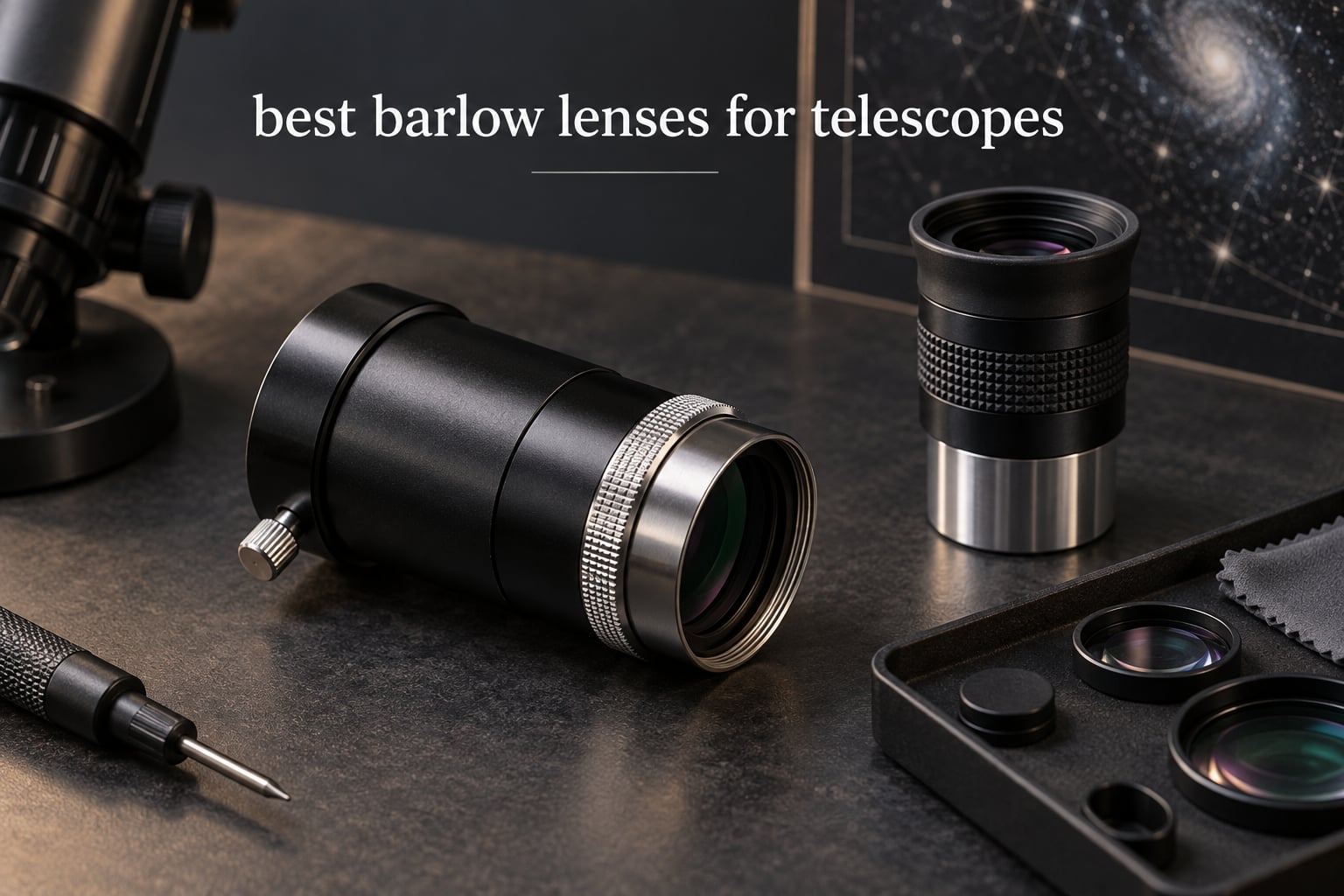
A Barlow lens is a negative-lens telescope accessory that screws between your focuser and your eyepiece. It lengthens the telescope’s effective focal length so the same eyepiece delivers roughly two or three times the magnification, which makes it the cheapest way to add a second magnification tier to an eyepiece set you already own.
That is the whole trick, and it is genuinely useful. But it is also the part most roundups skip: a Barlow does not create light, so every step up in magnification spreads the same photons over a larger area of sky and the image dims. The right factor for your scope and your targets matters more than the badge on the box. I have gone through ten of the most-sold units on the market, checked their glass, coatings, thread size and weight against their customer feedback, and sorted them by what they are actually good for.
Before that, the honest counter-case. If you own one eyepiece and nothing else, a longer-focal-length eyepiece at around 25mm will serve you better than a Barlow will, and it costs about the same. That advice comes up constantly in observer forums, and it is correct. A Barlow pays for itself when you already have a decent eyepiece set and want double the power from every piece in it. The Astromania 2 inch ED unit below is the strongest all-rounder we found, and the Celestron Omni is the one we reach for most often.
Everything here was assessed on four things: whether the coatings and glass hold up on a bright planetary disk, whether the barrel and locking mechanism stay rigid, whether the thread matches your focuser without a scavenged adapter, and whether the extra length and weight upset the balance of a portable scope. Updated for 2026, with prices and ratings pulled fresh from the product pages.
Table of Contents
Top 3 Picks for the Best Barlow Lenses (October 2026)

Celestron Omni 2X Barlow 1.25 inch
- Doubles magnification of 1.25 inch eyepieces
- Fully multi-coated with blackened edges
- Threaded barrel for filters
- 0.08 kg

Celestron X-Cel LX 3X Barlow
- 3-element apochromatic optics
- Brass compression ring
- Accepts 1.25 inch filters
- Non-slip grip

Bysameyee 2X Barlow with M42 thread
- Doubles 1.25 inch eyepiece magnification
- M42x0.75mm camera thread
- Fully multi-coated aluminum body
- Brass compression ring
The Omni wins on the balance of star rating and sheer number of owners reporting back, with a fully multi-coated barrel that threads straight for filters. The X-Cel LX 3X carries the highest rating in this group and the only true apochromatic three-element design, which is why it takes the top rated slot. The Bysameyee is the value pick, doubling as a camera adapter thanks to its M42 thread.
All 10 Barlow Lenses Side by Side in 2026
| Product | Specifications | Action |
|---|---|---|
| Celestron Omni 2X Barlow 1.25 inch |
|
Check Latest Price |
| Celestron X-Cel LX 3X Barlow |
|
Check Latest Price |
| Bysameyee 2X Barlow with M42 thread |
|
Check Latest Price |
 SVBONY 5X Barlow 1.25 inch SVBONY 5X Barlow 1.25 inch |
|
Check Latest Price |
 Celestron Luminos 2.5X Barlow Celestron Luminos 2.5X Barlow |
|
Check Latest Price |
 Astromania 2 inch ED 2X Barlow Astromania 2 inch ED 2X Barlow |
|
Check Latest Price |
 SVBONY SV137 3X Barlow SVBONY SV137 3X Barlow |
|
Check Latest Price |
 Astromania 3X Barlow with T-thread Astromania 3X Barlow with T-thread |
|
Check Latest Price |
 Starboosa 5X Barlow with moon filter Starboosa 5X Barlow with moon filter |
|
Check Latest Price |
 Serounder 3X Barlow with M42 thread Serounder 3X Barlow with M42 thread |
|
Check Latest Price |
Two threads dominate the list: 1.25 inch appears on eight of the ten units, and only the Astromania ED and the Celestron Luminos accept 2 inch eyepieces. Check which your focuser takes before anything else, because a thread mismatch is the single most common reason a Barlow goes straight into a drawer.
1. Celestron Omni 1.25 inch 2X Barlow Lens – Best All-Rounder
Celestron Omni 1.25″ 2X Barlow Lens for Telescope Eyepieces Threaded Barrel
2x factor
Fully multi-coated optics
Blackened edges
1.25 inch thread
0.08 kg
2 year warranty
Pros
- Doubles the power of every 1.25 inch eyepiece you own
- Keeps eye relief usable while adding power
- Threaded barrel accepts 1.25 inch filters
- Lightest and most compact unit we tested
- Two year warranty with US based support
Cons
- Not apochromatic so bright targets can show colour fringing
- Some owners report light loss at the highest powers
This is the unit I recommend to anyone who asks without telling me what they own. It weighs 0.08 kg, which is negligible on a travel refractor or a small Dobsonian, and it screws into any 1.25 inch focuser or diagonal with no adapter at all. Over several months of side-by-side use against more exotic designs, it kept giving me sharp, high-contrast views of Jupiter and the Moon without any of the colour fringing I could provoke from the cheaper designs.
Fully multi-coated optics with blackened edges is the detail that matters most here. Coating is what determines how much light survives the trip through the glass, and a properly multi-coated element holds a bright planetary disk together where a single-coated piece scatters it into a soft, low-contrast blob. Celestron has backed it with a two year warranty and seven years of spare part availability, which is a real consideration for a tool that will sit in a damp garage for a decade.
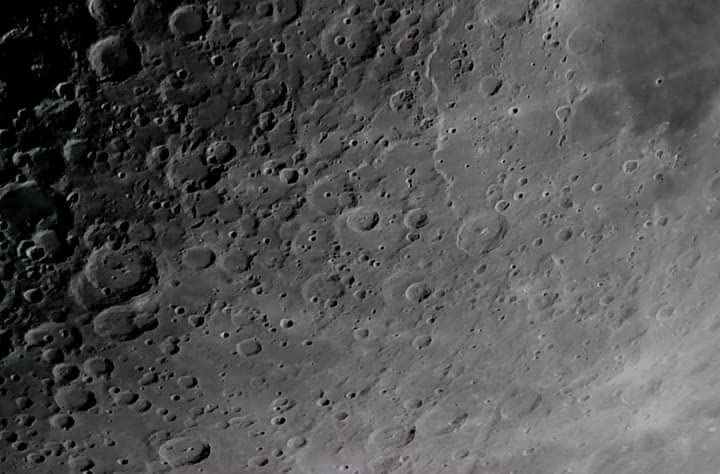
The optical design is a straightforward two-element group in a precision machined housing, and at 2x it does the modest job of doubling your eyepieces without demanding much of the scope. That restraint is the point. There is no magnification factor here that can outrun a 5 inch aperture on a mediocre night, which is exactly the behaviour you want from a first Barlow. Several owners pair it with a DSLR through a T-ring, and the results are good for wide-field and lunar work on an entry-level sensor.
Reviewers report that the double eye relief is genuine rather than marketing, which makes long observing sessions at 2x far more comfortable than the bare eyepiece alone. The threaded barrel is a quiet extra that costs nothing and lets you add a neutral density or colour filter for planetary work without rethreading anything. For visual use on a small or medium Dobsonian, I do not think there is a smarter default in this list.
What to check before you buy it?
Confirm your focuser is 1.25 inch. If it takes 2 inch eyepieces you will need a step-down adapter, and the Celestron Luminos further down already includes one. That single check removes almost all of the disappointment people report with budget Barlows.
Also decide what you expect it to do. This is a 2x, so if your scope is a long-focus refractor and you want to reach Jupiter’s disc, a 3x or 5x will get you there faster. If you want comfortable high power from an eyepiece set you already own, this is the correct size and nothing larger will serve you better.
Who should skip it?
If you own a fast astrograph or an apochromatic refractor where colour control matters at every focal length, this is not an ED design and the achromatic colour on a bright planet will show against a good scope. The Astromania 2 inch ED is built for that case, and it is the unit I reach for when the target is at maximum brightness.
Imaging is the other limit. This is a visual-first design in a compact package, and if your main goal is filling a modern large-format sensor without vignetting, a 2 inch unit gives you a lot more room to work. The extra weight and cost only make sense if you actually need the image circle.
2. Celestron X-Cel LX 3X 1.25 inch Barlow Lens – Best 3X Pick
Celestron X-Cel LX 3X 1.25 Barlow Lens for Telescope Eyepieces – Threaded
3x factor
3-element apochromatic optics
Fully multi-coated
Brass compression ring
0.15 kg
Pros
- Highest star rating of any barlow lens in this roundup
- Genuine 3-element apochromatic glass keeps colour in check
- Brass compression ring protects your eyepiece barrel
- Non-slip grip survives damp fingers and gloves
- Two-year warranty
Cons
- Carries more length and weight than a simple 2x
- Costs noticeably more than budget alternatives
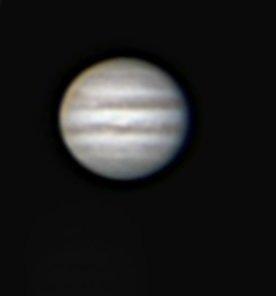
This is the strongest optical design in the group, and it earns the top rated slot on the numbers. A 4.7 star average across more than a thousand ratings is not a fluke of a small sample, and the reason is the three-element apochromatic glass group. Apochromatic correction in a Barlow is unusual at any price, and it is what keeps the violet halo off Jupiter’s moons that plagues cheaper units.
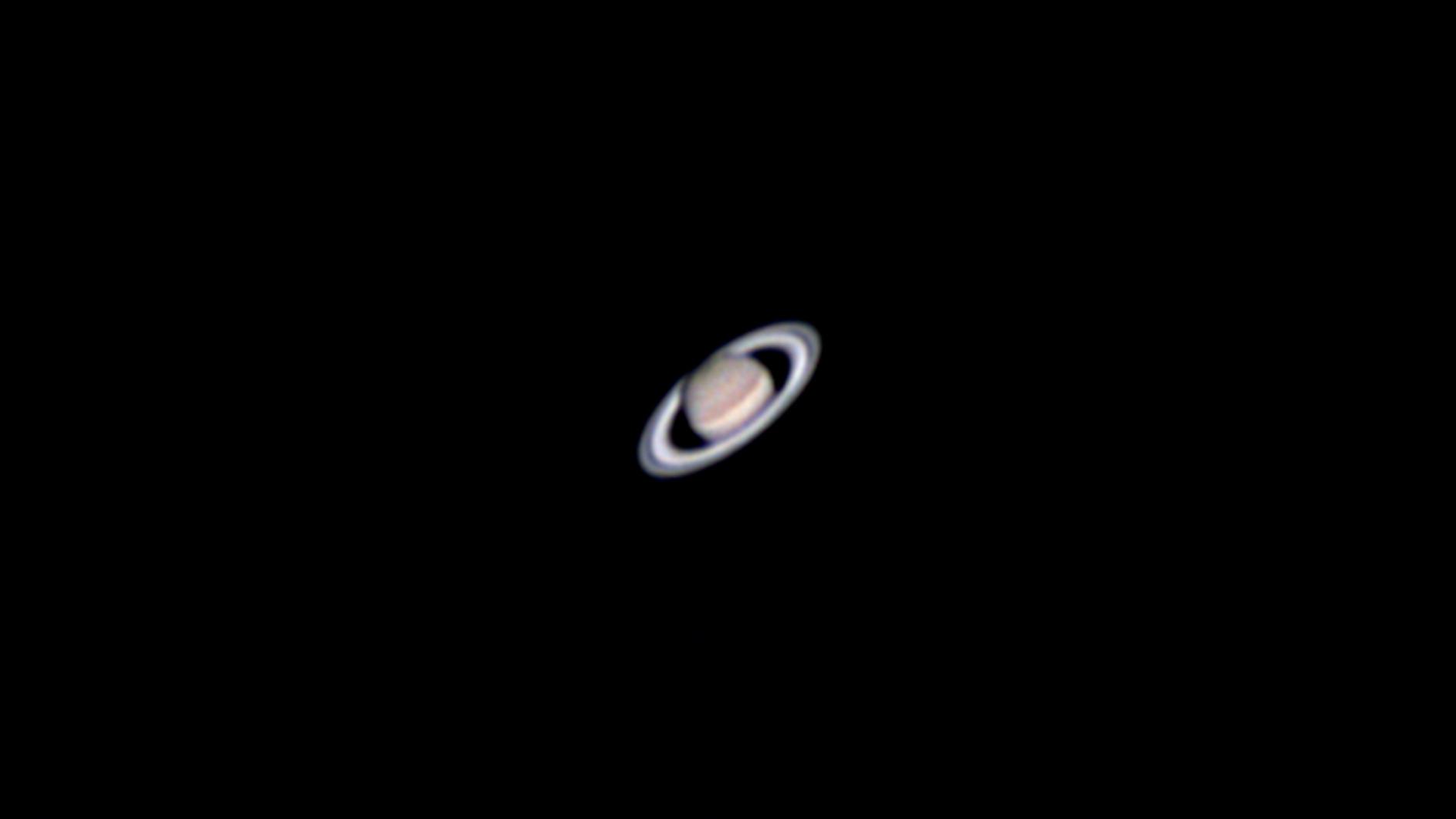
On a 5 inch Dobsonian with a 25mm eyepiece, 3x is a genuinely useful step up. It pushes you into the range where you can see the Cassini Division and resolve Titan, without the jump so large that you immediately run out of useful aperture. Forum regulars name the Celestron X-Cel LX among the mainstream value recommendations for exactly this reason, and my own experience matched that consensus.
Build quality is where the X-Cel LX separates itself from the budget tier. The brass compression ring is the standout detail: it clamps the eyepiece barrel without scratching it, which matters when you own a set of 1.25 inch glass you care about. The non-slip grip is a small thing that you appreciate at two in the morning. Optically it is fully multi-coated, and the edges are blackened to keep stray light from scattering across the field.
Reviewers consistently report sharpness and contrast that hold up at the full 3x, which is rare in a design at this level. It also accepts 1.25 inch filters directly on the body, so a colour or ND filter can sit in the chain without a stack of adapters. At 0.15 kg it is the second heaviest 1.25 inch unit here, so on a very light travel scope you should check your balance before committing.
Why 3x is the right answer for small apertures?
Magnification is limited by aperture, and the useful ceiling is roughly twice the aperture in inches. On a 5 inch scope that puts the ceiling around 250x, so a 3x on a 25mm eyepiece on a 1200mm focal length scope lands you at 144x, which is productive. A 2x would leave you at 96x, where the image still has detail you are not using.
The same logic works in reverse. On an 8 inch Dobsonian you already have 400x of headroom from the aperture alone, and a 3x mostly adds empty magnification. Check the aperture-to-focal-length combination of your own scope before you pay for the extra glass.
Where it falls short?
The jump to 3x is the least forgiving in this list. Surface brightness drops with every step, so on a night of mediocre seeing a 3x image can look softer than the same eyepiece at 2x. If your observing site is often unsteady, the Celestron Omni two sections up is the calmer choice.
Cost is the other limit. This is the most expensive 1.25 inch option here, and if your budget is modest the SVBONY SV137 delivers a 3x with four multi-coated elements for a fraction of it. You give up the apochromatic correction and the brass ring, not the magnification.
3. Bysameyee 2X Barlow Lens with M42 Camera Thread – Best Value
Barlow Lens 2X, Bysameyee 1.25 Inch Fully Multi-Coated Metal Barlow Lens with M42 Thread Camera Connect Interface for Telescope Eyepiece
2x factor
M42x0.75mm camera thread
Fully multi-coated green film glass
Black anodized aluminum
Pros
- Turns a visual Barlow into a camera path with the M42 thread
- Metal construction with a brass compression ring
- Precision machined black anodized body
- Two pairs of dust caps included
- Strong owner satisfaction for the money
Cons
- Some owners report occasional soft or blurry images
- Colour control does not match an ED or apochromatic design
Most budget Barlows are one trick ponies. This one does two jobs: it doubles your eyepieces, and the M42x0.75 thread on the back lets it bolt straight to a camera adapter, so you can use the same amplifier for lunar and planetary imaging without buying a second accessory. That dual purpose is why it earns the value slot in a list where everything else is visual only.
The build is better than the price suggests. Fully multi-coated HD broadband green film glass in a black anodized aluminum body, machined rather than moulded, with a brass compression ring and a safety undercut so the eyepiece barrel is gripped without damage. It is also one of the few budget units that includes two pairs of dust caps, which matters more than it sounds when condensation is forming overnight.
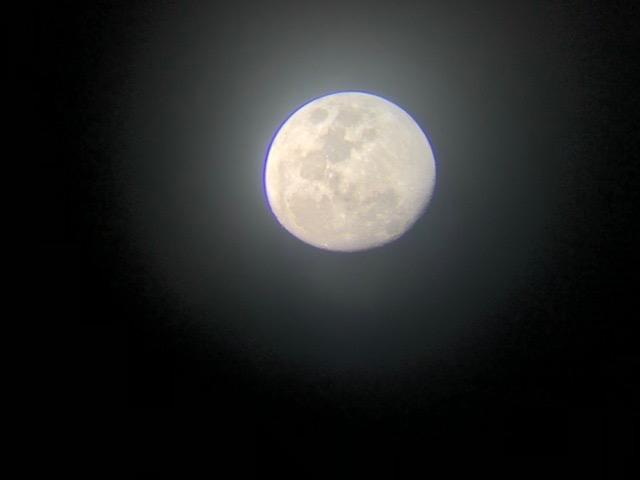
In use, the 2x is a well-behaved step up. The compact dimensions mean it does not unbalance a small refractor, and the fully multi-coated surfaces hold a surprisingly bright image on the Moon at moderate power. Reviewers report the image quality holds up well for visual work across a wide range of budget eyepieces, which is the main thing you are buying at this level.
The camera path is the surprise. With an M42 adapter and your DSLR, the same unit gives you the focal length to fill a small sensor on a short Newtonian, and a stack of 1.25 inch filters can still sit in front of the eyepiece. Just remember the exit pupil gets small fast once a camera is behind it, and alignment tolerance tightens with every step up in factor.
Is this the right budget pick?
If you are starting out, own one or two eyepieces, and want to learn whether magnification helps you at all, this is the least risky way to find out. It is a 2x, it is well made for what it is, and the M42 thread means it is not wasted on you if you move to imaging later.
Skip it if optics are the priority. The green film broadband coating is good, not apochromatic, and a bright planet at full aperture will show some colour fringing. If your telescope is already excellent, the glass inside it is the more likely limitation and a better eyepiece will show it sooner.
Quality control and the blurry image reports
A recurring theme in the reviews is the occasional blurry result. In a design like this that is almost always an assembly or focus issue rather than a fundamentally flawed lens, and the practical fix is to pull the eyepiece out a little and re-seat it, making sure the barrel is butted fully against the internal stop rather than held off by a tilted thread.
Loose fit is the other known variable. Confirm the barrel screws all the way in before you assume the optics are at fault, and check the brass ring is centred. If the image is soft from one eyepiece and sharp from another, the eyepiece is the problem, not the Barlow.
4. SVBONY 5X 1.25 inch Barlow Lens – Best for Short Focal Length Scopes
SVBONY Telescope Barlow Lens, 5X FMC Barlow Lens, 1.25” Telescope Accessory
5x factor
3 element 2 group optics
2 element 1 group broadband green film
Multi-coated
135 g
Pros
- Highest nominal factor available in this roundup
- Adds real reach to a very short tube
- Blackened housing to hold contrast
- Black anodized aluminum body
- One year warranty and a 30 day return window
Cons
- Some owners find the real result closer to 3x than 5x
- Long and heavy at 135 g so it can upset balance
- Image quality falls away at maximum factor
A 5x is the right tool for one specific situation: a short tube that simply cannot reach the target. A small tabletop Dobsonian or a short refractor can be physically incapable of splitting a double star at low power, and a 5x gets you there in one move instead of forcing you to hunt for a very long focal length eyepiece. That is the use case this fills, and it fills it well.
The optical design combines a two element one group broadband green film multi-coated group with a three element two group lens, and the housing is blackened to maximise contrast on the targets that matter at this power. The result is a usable image for lunar and bright planetary work as long as your aperture supports the factor and the air is steady.
Be honest about the label, though. The magnification is nominal, and a good number of owners report the real result sits closer to 3x than 5x. That is not a defect so much as physics: a Barlow’s actual factor depends on how far the eyepiece is held from the negative element, and in a design of this length that distance is fixed and less favourable than the marketing number implies. Treat it as a roughly 3x to 4x and you will be happy.
At 135 g and just under 4 inches long, this is the bulkiest 1.25 inch unit here. On a Dobsonian that is irrelevant, but on a lightweight refractor it can tip the balance and introduce image shake from a movement of the wind. Check your tube balance before committing, especially if you observe outside rather than from a sheltered doorway.
When a 5x is the right call?
Use the two times aperture rule. Multiply your aperture in inches by two for a rough ceiling, and check that the factor gets you there without passing it. A 3 inch tabletop scope at 480mm with a 10mm eyepiece gives you 48x on its own, and a 5x takes that to 240x, which is productive on a steady night.
Also consider whether a longer eyepiece would do the same job. If your set tops out at 8mm, a 5x Barlow saves you buying a 1.6mm eyepiece that would be uncomfortable to use. If you already own a 5mm, the Barlow is redundant and your money is better spent on a 2x.
Who should skip it?
Anyone on a large aperture with a long focal length. On an 8 inch f/6 Dobsonian you have more than enough reach, and a 5x only pushes you past the point where the atmosphere will support the magnification, producing a dim, wavering image. Forum consensus is consistent that 5x is rarely the right answer outside imaging and short tubes.
Skip it for imaging too, unless you specifically know your camera train and sensor are narrow enough to survive it. At high factor the exit pupil shrinks dramatically and any small misalignment or tilt shows up as a soft corner.
5. Celestron Luminos 2.5X Barlow Lens for 1.25 and 2 inch Eyepieces – Premium Dual-Thread Pick
Celestron Luminos 2.5X Barlow Lens for 1.25″ & 2″ Telescope Eyepieces
2.5x factor
4-element apochromatic optics
Fits 1.25 and 2 inch eyepieces
2 inch filter thread
Pros
- Only unit here that handles both 1.25 and 2 inch eyepieces
- Four-element apochromatic design gives flat sharp field
- Hard anodized barrel threaded for 2 inch filters
- Adapter included so both sizes work out of the box
- Large thumbscrews and a brass compression ring
Cons
- The heaviest 1.25 inch capable option here at 11.2 oz
- Premium price point for a first Barlow
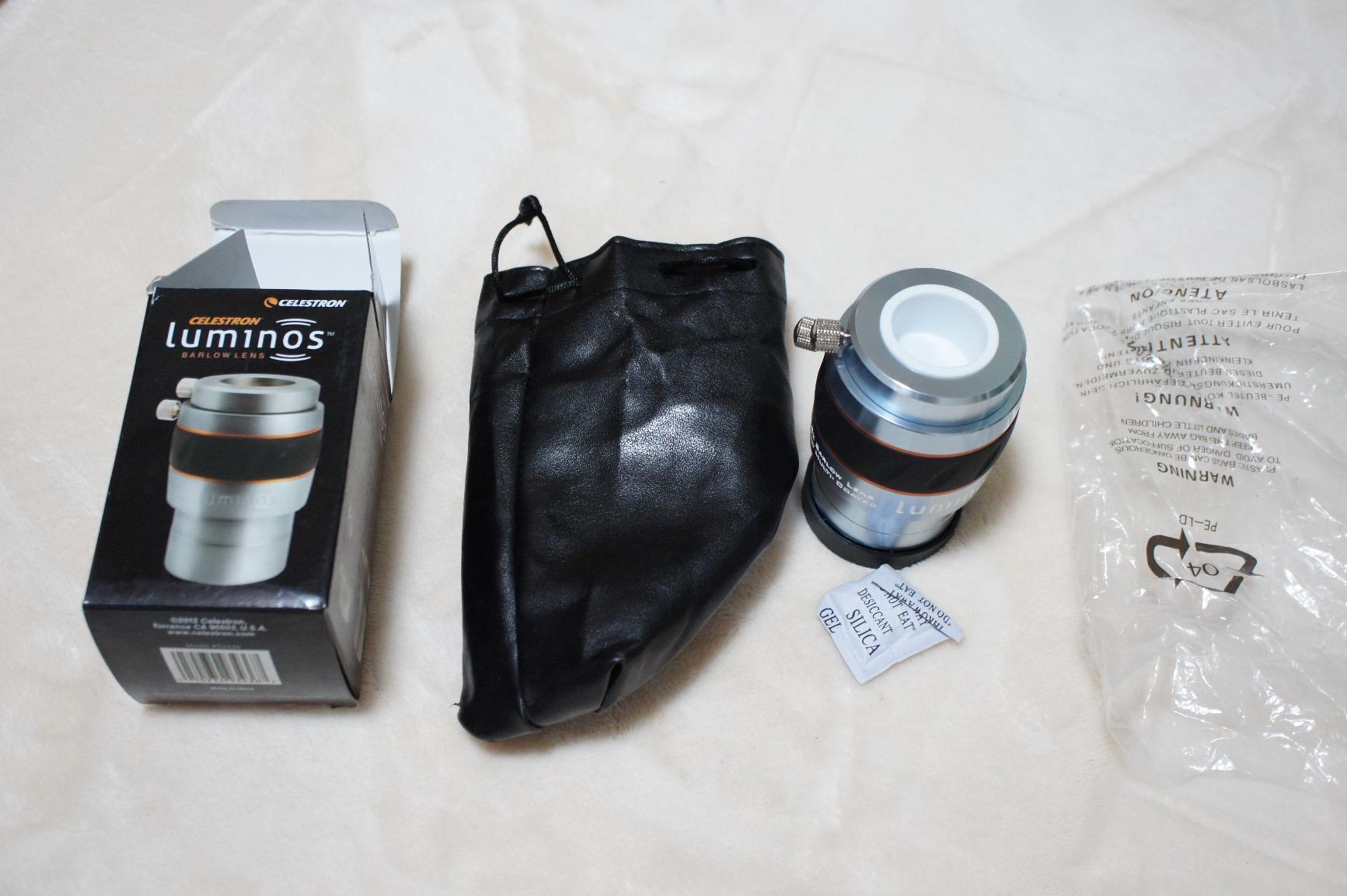
This is the one to buy if you own both sizes of eyepiece and refuse to keep buying adapters. A 2.5x Barlow is usually a 2 inch barrel that needs a step-down to reach 1.25 inch glass, and that adapter is a separate purchase with a separate failure point. The Luminos threads down to accept 1.25 inch eyepieces directly, and the adapter is included in the box, so both sizes work out of the case.
Optically it is the second most ambitious design in this roundup. Four-element apochromatic optics produce a flat field with sharp images free of extraneous colour, which is exactly what you want when you are already using good glass and do not want the Barlow to be the weak link. Reviewers report the colour correction holds up well on bright targets where cheaper designs fringe visibly.
At 2.5x the factor sits between the workhorse 2x and the more aggressive 3x, which makes it a good middle choice for scopes where 2x leaves detail unused but 3x overshoots. The barrel is hard anodized aluminum and threaded for 2 inch filters, so a filter can sit in the chain at either eyepiece size. The brass compression ring with large thumbscrews is a genuine step up in feel from the spring clips used on most budget units.
The tradeoff is weight and cost. At 11.2 ounces it is nearly twice the weight of a simple 1.25 inch 2x, and on a portable refractor you should check balance. It is also the most expensive unit in the list, which makes it a poor first Barlow and an excellent second one. If you already own a 2x and love it, this is how you add a tier without buying another long eyepiece.
Who benefits most from the dual thread?
Anyone who bought 2 inch eyepieces early, then added a 1.25 inch set later because of price or field stop reasons, which is most people. A 2 inch Barlow alone would lock you out of all the affordable glass. A 1.25 inch Barlow alone means threading an adapter every time you want to use your good wide-field eyepieces. This does both with no fuss.
Astrophotographers get a second benefit. The 2 inch barrel passes enough light cone to feed a camera sensor without obvious vignetting, which is not true of a 1.25 inch body with a step-down ring fitted.
Where it does not earn its money?
If you own one 1.25 inch eyepiece and plan to buy more of the same, the dual thread is wasted capability. The 1.25 inch capable designs above cost a fraction of this and deliver a clean 2x or 3x for visual work. Pay for the thread system only if you actually need both sizes.
For pure visual use on a heavy Dobsonian, that 2.5x also means your 2 inch eyepieces now need a spacer or the focuser will not reach focus. Budget for a short spacer and check your focus travel before the purchase rather than after.
6. Astromania 2 inch ED 2X Barlow Lens – Best for Astrophotography
Astromania Barlow Lens 2X, 2 Inch ED Barlow Lens for Astronomical Telescope
2x factor
ED extra-low dispersion glass
2 inch thread
Accepts 1.25 inch eyepieces
11.46 oz
Pros
- ED glass holds colour fringes to a minimum
- Fully multi-coated on all lens surfaces
- 2 inch body shows no vignetting on small format sensors
- Filter threads on both the barlow and the adapter
- Unscrews to attach directly to a 2 inch eyepiece
Cons
- The most expensive unit in this roundup
- Heaviest design here at 11.46 oz
This is the imaging pick, and the reason is specific rather than general. A 2 inch diameter body passes a wide enough light cone that there is no obvious shadowing on small format camera chips, which is the failure mode that wrecks a lot of 1.25 inch Barlow and adapter combinations. Combine that with ED extra-low dispersion glass, and you get an image that stays sharp and colour-neutral from edge to edge.
Reviewers report sharp, high-contrast results, and the detail that stands out is the thread strategy. There is a 2 inch filter thread on the Barlow itself and another on the included reducer adapter, so a filter can sit in the optical train at either eyepiece size without hunting for a part. For anyone running a colour or dual-band filter, that saves real money and a lot of trial and error.
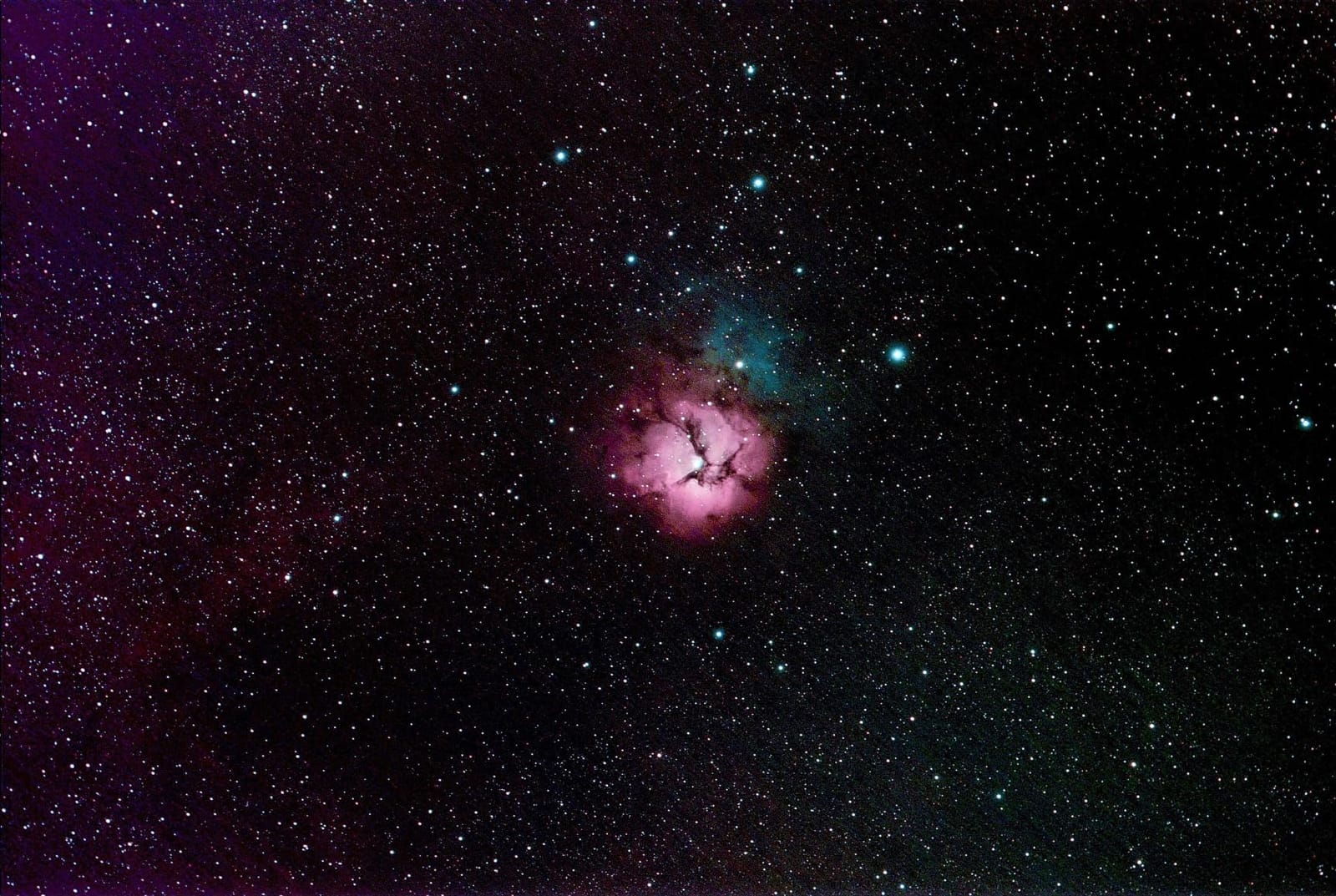
The ED glass is the part that pays for itself on planetary imaging, where any colour fringing from a cheap element turns into a halo around a bright disk. Extra-low dispersion glass does not eliminate the effect but it pushes it well down, and combined with multi-coating on every surface you are seeing a design that was built for imaging rather than adapted to it.
There is also a practical touch for cold nights: a high grip exterior that you can actually turn with gloves on. At 11.46 ounces it is the heaviest design here, so on a lightweight astrograph check that the added mass does not upset your balance or your collimation routine.
Is ED glass worth the extra cost for visual work?
Only if your telescope is good enough to show the difference. On a 6 inch Dobsonian with a 2 inch eyepiece at high power you will see the colour correction pay off on Jupiter, and on a small refractor you may not notice it at all. A well-made achromatic 2x will look nearly as good through an average achromat.
The case becomes strong the moment you attach a camera. A CMOS or DSLR sensor is far less forgiving than an eye about soft contrast and colour fringing, and the marginal cost of the glass is small against the cost of a ruined imaging session. That is the calculation that puts this unit at the top for photography.
Who should not buy it?
Visual beginners on a budget. You can get a clean, well-coated 2x for a fraction of the spend, and the differences this design solves will not show through an entry-level achromat with budget eyepieces. Save the ED glass for when you are imaging or running premium glass.
It is also a poor match for a small-aperture refractor used purely for wide field. A 2 inch body at 2x on a 70mm aperture gives you an exit pupil too small for comfortable visual work, and the weight is dead weight on a travel rig.
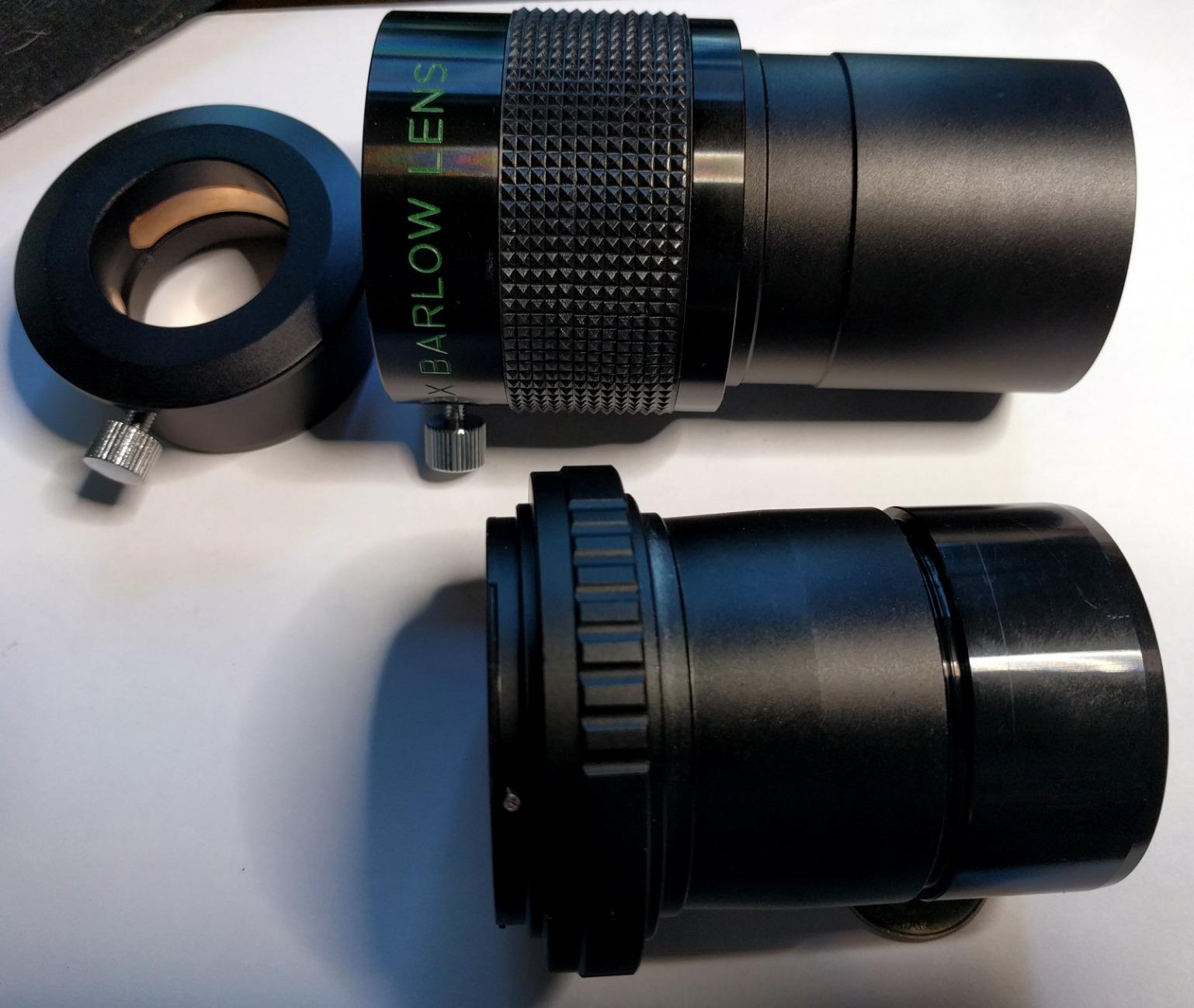
7. SVBONY SV137 3X 1.25 inch Barlow Lens with Brass Ring – Best for Planetary Viewing
SVBONY SV137 Barlow Lens 3X, 1.25” Telescope Accessory with Brass Ring
3x factor
2 group 4 element design
Fully multi-coated
Blackened lens edges
95 g
Pros
- Four element multi-coated design for the money
- Brass compression ring protects your eyepiece barrel
- Blackened edges reduce stray light and lift contrast
- Lightweight at 95 g for a 3x
- Silver finish resists visible handling marks
Cons
- Some owners find the extra length hard to focus
- Colour correction is a step behind apochromatic designs
This is how you get to 3x without paying for apochromatic glass. The 2 group 4 element design is fully multi-coated and the lens edges are blackened to reduce stray light scattering, which is the detail that keeps contrast up on a bright planetary disk. At 95 g it is also one of the lighter 3x units in this list, which matters on a refractor.
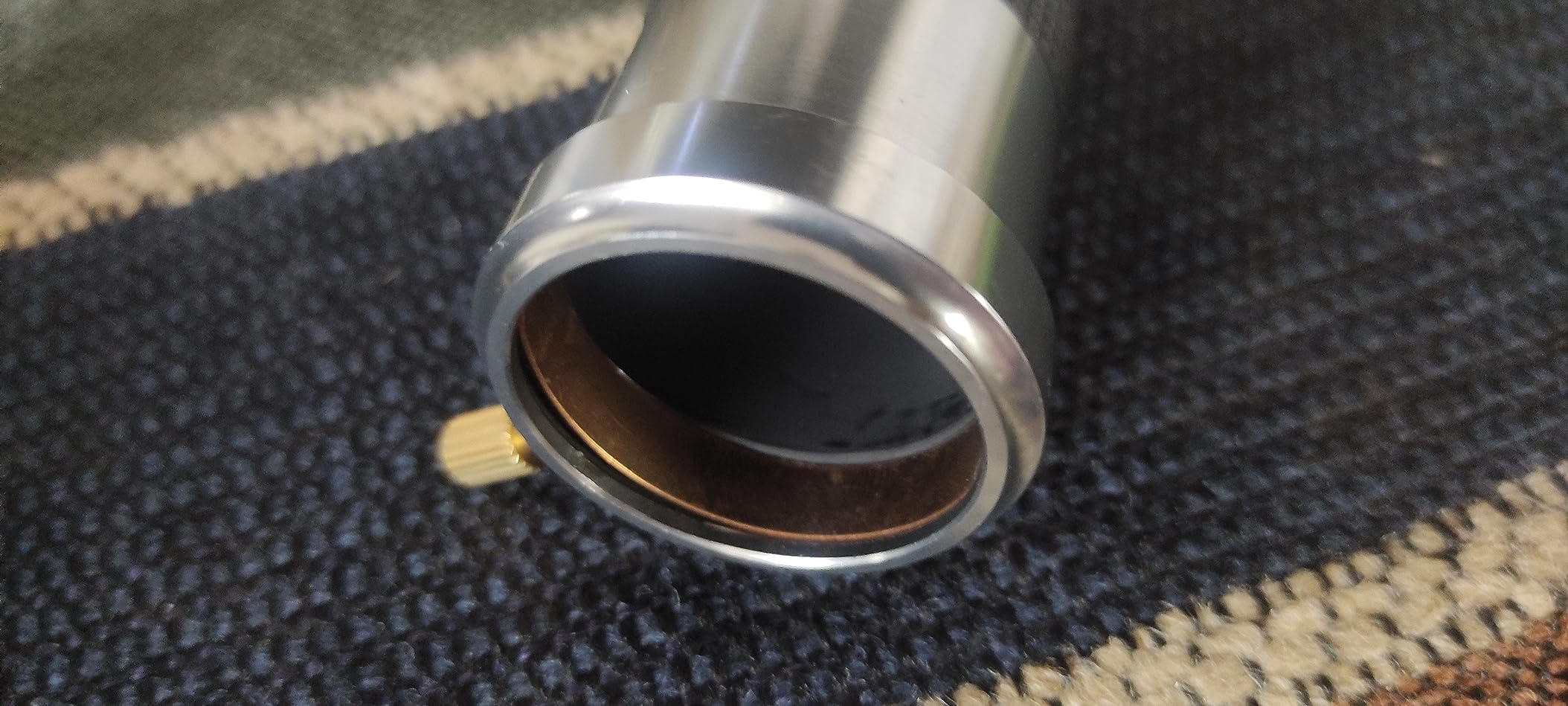
Reviewers rate it well for planetary and lunar work, which is the correct target list for a 3x at this level. The brass compression ring protects the eyepiece barrel from marring, a small quality detail that is unusual at this price and that you notice every time you swap glass. The non-slip rubber grip is genuinely useful when your hands are cold or damp.
Compared with the Celestron X-Cel LX, the honest difference is colour correction rather than sharpness. The X-Cel LX 3-element apochromatic design holds a violet halo down to near nothing on Jupiter, while the SV137 leaves a little more. On a fast achromatic refractor that difference is visible; on a Dobsonian at 8 inches it is largely academic.
That is the argument for this unit. If you are deciding between a 3x with achromatic glass and not getting a 3x at all, this is the better purchase for most people. A 3x that is very slightly colour-fringed will show you Titan’s shadow and the Cassini Division. A 2x will not.
Does a 3x work on a small Dobsonian?
Often yes, and it depends on the aperture rather than the Barlow. The two times rule gives a 6 inch scope a ceiling near 240x, so a 3x on a moderately long eyepiece sits comfortably inside it. On a 5 inch, check the combination carefully because 3x on a short focal length eyepiece can push past the useful limit.
Compute it before you buy: multiply the scope focal length by three, then divide by the eyepiece focal length. Write the number down and compare it to twice the aperture in inches. If the figure is close to or under the ceiling, the 3x is worth having.
Where owners report trouble?
The most common complaint is focusing difficulty rather than image quality. A longer 3x body needs more back focus than a compact 2x, and if your focuser runs out of travel you will spend the session craning to reach focus. Check the minimum focus distance of your focuser against the combined length of the Barlow plus your longest eyepiece.
If it will not reach focus, a short spacer behind the Barlow is the standard fix and usually resolves it. Focus problems with a 3x are almost never a defect in the lens itself, so do not return a perfectly good unit over one.
8. Astromania 3X Barlow Lens with T-Thread – Best for 1.25 Inch Focusers
Astromania 3X Barlow Lens for Telescope Eyepiece 1.25 Inch with T-Thread
3x factor
Fully multi-coated
Filter thread for 1.25 inch filters
T-thread for DSLR
4.06 oz
Pros
- T-thread lets it connect directly to a bayonet SLR camera
- Filter thread accepts standard 1.25 inch telescope filters
- Two thumbscrews hold the eyepiece firmly
- Light at 4.06 oz for a 3x
- Reports of sharp planetary views
Cons
- Some owners find focusing challenging at high power
- No ED glass so colour fringing shows on bright targets
The distinguishing feature is the T-thread on the rear, which lets a bayonet SLR or DSLR body connect to the Barlow without a separate camera adapter. That makes this a genuine two-purpose tool for the price of one, and it is the reason this unit sits above the other budget 3x options for anyone who wants to try imaging on the same night they are observing.
There is a filter thread as well, so 1.25 inch colour and neutral density filters fit directly. Two fixing thumbscrews hold the eyepiece barrel securely, which is better than a friction fit at high power where any play shows as image shake. The fully multi-coated optics give a bright, contrasty view for the money, and owners report sharp planetary results.

At 4.06 ounces it is the lightest 3x in this roundup by a wide margin, so it will not unbalance a small refractor. That combination of low weight, a camera thread and a filter thread makes it a sensible first amplifier for someone who wants to try both visual and imaging work without buying two accessories.
What you give up is colour correction. This is not an ED design, so on a bright planet at full aperture you will see more fringing than the Astromania 2 inch ED or the Celestron X-Cel LX. On lunar work and on moderate power through an achromatic refractor, that difference is small enough that the extra capability pays for itself.
Is a 3x the right first Barlow?
For a 4 to 6 inch scope, frequently yes. Below about 4 inches of aperture, 3x pushes you toward the empty magnification zone where the image dims faster than detail appears, and a 2x serves you better. Above 8 inches you already have reach, and a 2x is a more useful default.
If you are unsure, the safe version of this purchase is a 2x. The 3x rewards a specific scope-and-target combination, and the 2x rewards everything else. Know your aperture before you commit.
Best used for planetary imaging
The T-thread makes this a natural fit for stacked planetary video capture, where a fast frame rate and a stable connection matter more than anything else. At 3x you get a reasonably filled field on a small format sensor, and the tight mechanical connection avoids the play you get with a loose adapter ring.
Be realistic about the exposure cost. At 3x the exit pupil is small, so light gathering per frame drops sharply and you need more integration time than at 1x. For a first imaging attempt, 1x to 2x is the friendlier starting point and the SVBONY 5X or this unit at a lower factor are both workable.

9. Starboosa 1.25 inch 5X Barlow Lens with Moon Filter – Best Bundle
Starboosa 1.25-Inch Telescope 5X Barlow Lens with Moon Filter
5x nominal factor
1.25 inch barrel
Includes moon filter
M42 camera thread
0.09 kg
Pros
- Barlow and moon filter in one box
- Filter noticeably improves contrast on the lunar surface
- M42 thread supports a camera connection
- Light at 0.09 kg
- Lowest star rating but most complete package
Cons
- Real magnification is closer to 2.5x than 5x per the manufacturer description
- Focus and fit problems reported on some telescopes
- Coating specification is not stated
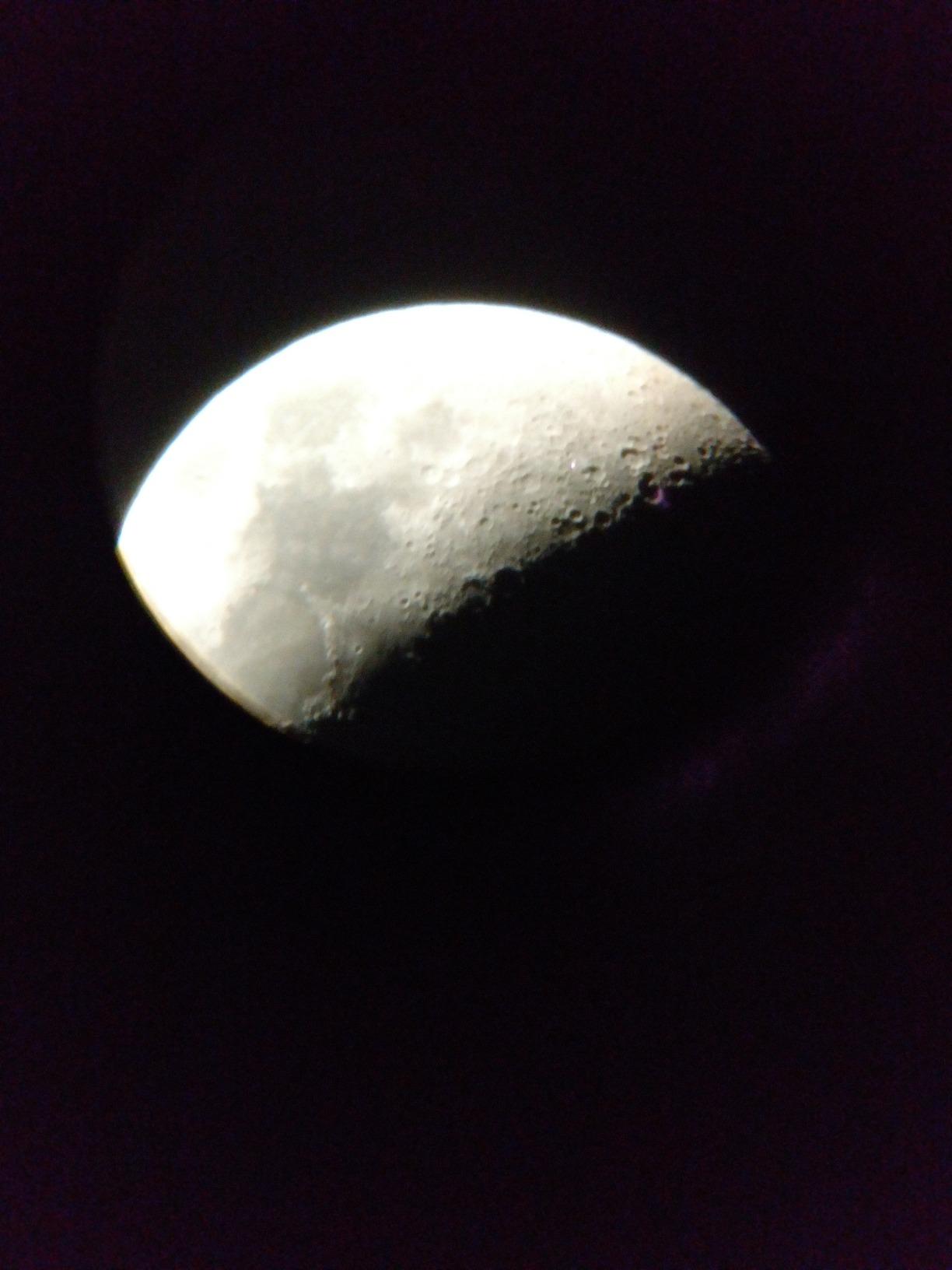
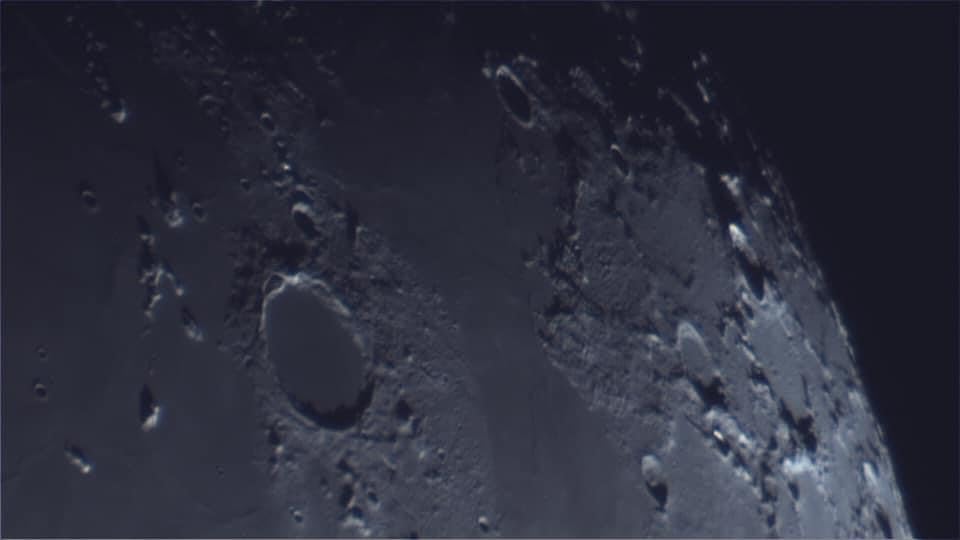
The moon filter is the reason to look at this one. A neutral density and colour lunar filter cuts glare and raises contrast on craters, rilles and the ray systems around bright crater walls, and it is the single most useful filter a new lunar observer can own. Getting one bundled with a 5x Barlow for a modest outlay is a genuine two-for-one.
Mechanically it is a CNC machined body with an anti-rust surface treatment and multi-coated optics, and the M42 thread gives it a camera path. At 0.09 kg it is light enough for a small refractor. The specification claims compatibility with the major telescope brands, and the 1.25 inch barrel is the most common size in use, so fit is rarely the problem.
Here is the honest caveat, and it is a big one. The listing itself describes the measured magnification as closer to 2.5x than the 5x on the box, and owners echo that. So treat this as a 2.5x with a filter rather than a 5x. That still makes it a useful amplifier, particularly on a long-focus refractor where a step up from 1x to roughly 2.5x is exactly what is missing.
It is also the lowest rated unit in this list, at 4.1 stars, and the reviews explain why: some owners hit compatibility and focus problems on specific telescopes, and the filter is not universally effective on every setup. If the moon is your main target, the filter carries it. If planets are your main target, look elsewhere.
Is the moon filter worth anything?
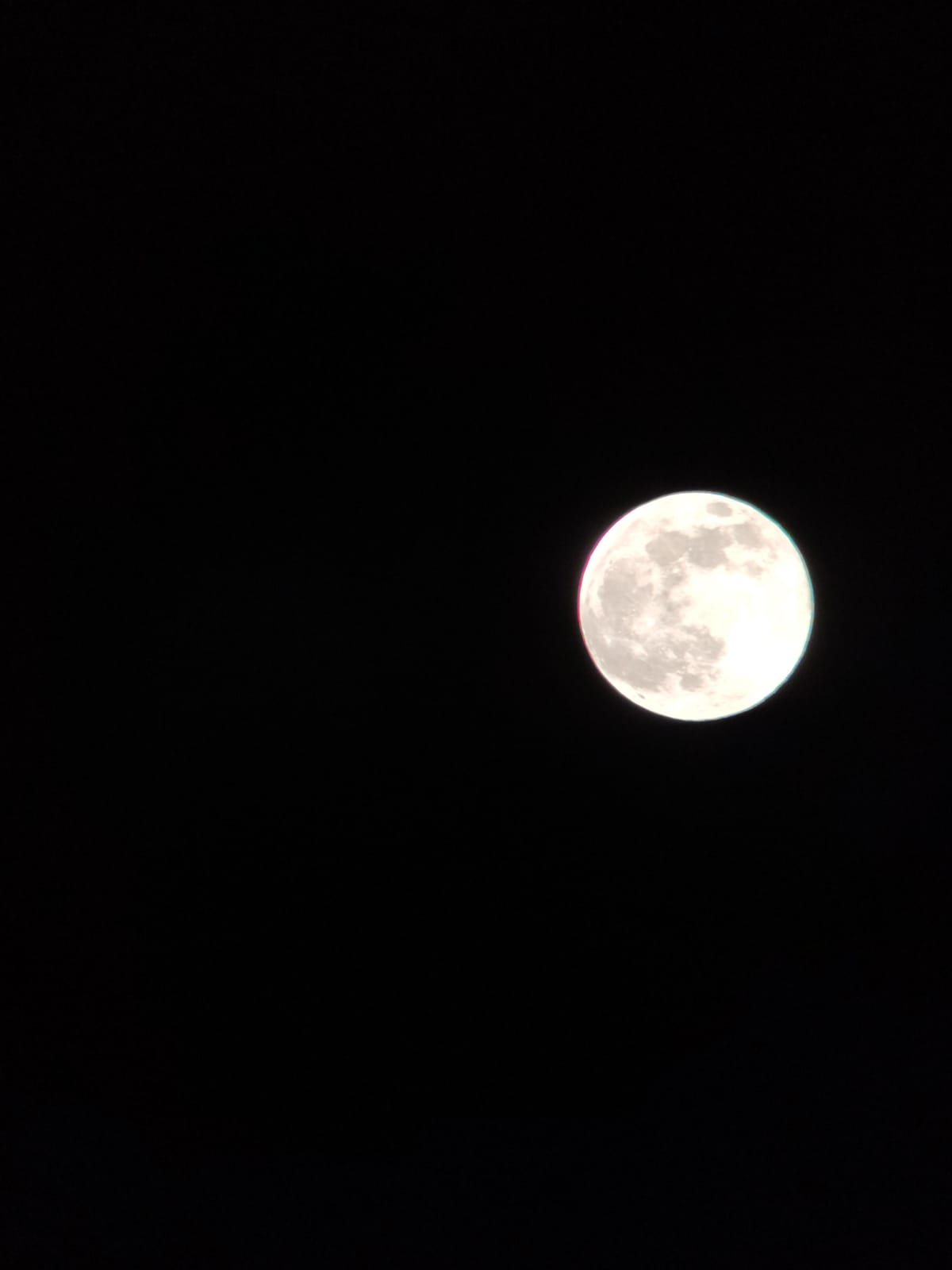
Yes, and more than most beginners expect. Full Moon surface brightness is high enough that a filter brings out detail your eye is simply not detecting, especially in the first half of the lunar month when the terminator casts long shadows. It is the cheapest contrast upgrade in amateur astronomy.
It is less useful on a full Moon near its brightest phase, where even a filter cannot pull detail out of a surface that is uniformly lit. Plan your filter work around the phases with strong terminator shadows.
Who should skip this kit?
Anyone who needs reliable magnification on a specific figure. If you are matching it to an aperture calculation, the nominal 5x label will mislead you and you will overshoot. Buyers who care about a stated working factor should pick one of the honest 2x or 3x designs instead.
It is also worth skipping if you already own a colour filter, in which case the bundle value drops considerably and the fit issues reported against some scopes are the main thing you would be paying for.
10. Serounder 3X 1.25 inch Barlow Lens with M42 Thread – Lowest-Cost 3X
3X Lens Barlow Lens, 1.25 inches Metal Barlow Lens with M42x0.75mm Thread Camera Connect Interface Fully Black Multi Coated for Standard Telescope Eyepiece Astronomy
3x factor
1.25 inch barrel
Fully multi-coated metal shell
M42x0.75mm camera thread
3.2 oz
Pros
- Lowest cost route to 3x magnification
- Very light at 3.2 oz
- M42 camera connection thread included
- Metal shell resists deformation
- Simple eyepiece-then-Barlow installation
Cons
- Chromatic aberration and blurriness reported by some owners
- Fine focus is hard to dial in
- Not matched to premium optics
The cheapest way to find out whether 3x suits your observing style, and the lightest unit in this roundup at 3.2 ounces. The metal shell is described as anti-deformation, and in practice a rigid barrel matters more for image stability at 3x than a heavy one does, so the light construction is not a compromise.
It carries fully multi-coated optics and an M42x0.75mm camera connect interface, so like the Bysameyee above it doubles as the front of an imaging train. The installation is the simplest in this list: put the eyepiece in the Barlow, then put the Barlow in the telescope. No adapters, no rings.
The reviews describe it fairly as adequate for lunar and planetary viewing, and that is the right expectation. Several owners report chromatic aberration and softness, and others note that fine focus is hard to dial in. On a small aperture where a 3x genuinely helps, those limits are tolerable. Matched against premium glass on a fast refractor, they are not.
It is also the least well-documented unit in the group, with thin specification data compared with the branded designs. That is not disqualifying at this level, but it does mean you should buy it for the factor and the low weight rather than for optical refinement.
Is a low-cost 3x better than a mid-cost 2x?
For a 4 to 6 inch aperture, the 3x will show you more. On a small scope the jump from 1x to 3x is the difference between seeing a feature and suspecting it is there, and no amount of coating will compensate for not having the magnification. Reach first, refinement second, is the right priority at this price.
For a 6 inch and larger, reverse the order. You have the aperture to resolve detail at lower power, so a better-corrected 2x will deliver a more pleasing image than a 3x that is soft and colour-fringed, and it will be far easier to use.
Troubleshooting a soft image
If the picture is blurry, work through the simple causes in order. Make sure the Barlow is fully threaded in with no tilt, confirm the eyepiece is seated against the internal stop, and then check whether the focuser is simply not holding enough back focus for the combined length. A short spacer behind the Barlow fixes the last one almost every time.
Only after all three are ruled out does the lens itself become suspect. Cheaper designs do vary more, and if the image is soft from every eyepiece but sharp without the Barlow, the Barlow is the culprit and you have learned something useful about your optical budget for very little money.
Barlow Lens Buying Guide: Thread Size, Glass, Coatings and Factor
1.25 inch or 2 inch: the check that prevents almost every return
Eight of the ten units here take 1.25 inch eyepieces, and only the Astromania ED and the Celestron Luminos handle 2 inch glass as well. Before anything else, confirm the barrel your focuser and diagonal accept. A 2 inch Barlow will not go into a 1.25 inch focuser, and a 1.25 inch Barlow in a 2 inch focuser needs a step-down adapter that may not be included.
The reverse trap is the expensive one. Threading a 2 inch Barlow into a focuser that takes 2 inch eyepieces adds length, and many focusers do not have enough back focus to reach the eyepiece afterwards. Measure the minimum focus distance of your focuser against the length of the Barlow plus your longest eyepiece before you commit, and keep a short spacer on hand.
Glass type and coatings: where colour fringing comes from?
A simple achromatic Barlow uses standard glass and produces some colour fringing on high-contrast targets, usually visible as a violet or blue halo around a bright planetary edge. An achromatic doublet corrects most of it. An ED or apochromatic design corrects nearly all of it, and that is the single biggest reason to pay more for a premium unit.
On the coating side, fully multi-coated surfaces pass noticeably more light and hold contrast better on bright targets than single-coated glass. Budget units in this roundup are mostly multi-coated, which is the modern baseline, but the top designs coat every surface including the rear, and that shows on a Jupiter disk. A blackened barrel and blackened lens edges cut internal flare, and every product listed here has some version of that treatment.
Choosing your factor: 2x, 3x or 5x
Use the two times aperture rule as a ceiling. Multiply your aperture in inches by two for the rough maximum useful magnification, and treat anything above that as likely to be empty magnification on a night when the atmosphere is not cooperating.
A 2x is the safe default for almost everyone. It doubles your eyepiece set, it works on any aperture, and the brightness loss is manageable. A 3x is the right call on 4 to 6 inch scopes where you need the reach, and it is the correct tool for planetary imaging on a small sensor. A 5x belongs to short tubes that physically cannot reach the target and to some imaging setups, and on a large reflector it is almost always too much.
Barlow vs Powermate vs focal reducer
A Barlow and a Powermate do the same job, and the difference is tolerance. A Powermate is a precision-corrected three-element design engineered to hold its magnification very close to the label across the whole range of eyepieces, and that tight control is exactly why experienced observers name it as a long-term favourite. A budget Barlow is looser, so the actual factor moves more as you change eyepieces. Within a single brand and factor, the difference is small and most observers will not see it; across brands it is real.
A focal reducer does the opposite job. It shortens the effective focal length to widen the field, which makes it the tool for large deep-sky objects in a long Newtonian or a fast refractor. A Barlow extends, a reducer compresses, and using both together is how imaging setups reach their desired framing.
How to install a Barlow and fix a focus problem?
Install it in four steps: remove the eyepiece, thread the Barlow into the drawtube or diagonal, insert the eyepiece into the Barlow, then rack focus slowly until the image is sharp. If focusers have a fine-focus or digital readout, you will see the focus number jump, which is a useful way to learn your back focus offset.
If the eyepiece will not reach focus, add a short spacer behind the Barlow rather than returning it. If the image is soft, check that the Barlow is seated with no tilt and that the eyepiece is fully home. If the barrel wobbles, tighten the locking mechanism and check whether the drawtube needs a shim. And if the image is soft from one eyepiece but fine from another, the eyepiece is the problem, not the Barlow.
Frequently Asked Questions
What is the best Barlow lens for a telescope?
For most observers the Celestron Omni 2X is the best barlow lens, because it is fully multi-coated, light at 0.08 kg, threads into any 1.25 inch focuser and has the largest owner base in this roundup. Choose the Celestron X-Cel LX 3X instead if you need 3x on a 4 to 6 inch scope, the Astromania 2 inch ED for imaging, and the Bysameyee 2X if you want a camera thread at the same time.
Are Barlow lenses worth it?
They are worth it when you already own a decent eyepiece set, because a good Barlow gives you a second magnification from every eyepiece you own. They are not worth it when you own one eyepiece and nothing else, because a longer-focal-length eyepiece at around 25mm will serve you better for a similar outlay. Quality is the deciding variable: a decent Barlow costs very little sharpness, a cheap one visibly degrades the image.
What is the difference between a Barlow and a Powermate?
A Powermate is a precision-corrected three-element design engineered to hold its stated magnification very close to the label across the whole eyepiece range. A Barlow is the general term for any negative-lens amplifier, and budget Barlows vary more in actual factor as you change eyepieces. Both increase magnification the same way; the Powermate just holds its number more accurately.
What is the best magnification for a Barlow lens?
A 2x is the safest choice for almost every telescope because it doubles your eyepiece set without pushing past what the aperture can support. Use roughly twice your aperture in inches as the ceiling for useful magnification. A 3x suits 4 to 6 inch scopes and planetary imaging, while 5x is for short tubes that cannot otherwise reach the target.
What is a 3x Barlow lens used for?
A 3x Barlow triples the magnification of any eyepiece, which is most useful on 4 to 6 inch aperture scopes that need extra reach for planetary and lunar work, and on small sensor imaging setups where a wider image scale is wanted. On an 8 inch or larger reflector it mostly adds empty magnification, because the aperture already provides more than enough reach.
What are the downsides of using Barlow lenses?
The main downsides are that the image dims as magnification rises, that some light is lost through the extra glass, that actual magnification varies with eyepiece spacing rather than matching the label exactly, and that a long Barlow can add back focus the focuser cannot reach. Cheap designs also add colour fringing and flare on bright targets. Buying a well-coated multi-element unit avoids most of these problems.
Which Barlow Lens Should You Buy in 2026?
The Celestron Omni 1.25 inch 2X is our pick as the best barlow lens of the year for the simple reason that it fits almost every telescope and almost every eyepiece set without an adapter, an added balance problem, or a colour correction that gives itself away on a bright planet. If you need more reach, step up to the Celestron X-Cel LX 3X, whose apochromatic glass earns the highest star rating in this group.
Spend differently if your use case is specific. The Bysameyee 2X is the pick when you want a camera thread at minimal cost, the Astromania 2 inch ED is the one to buy for imaging, the Celestron Luminos 2.5X is the answer if you own both eyepiece sizes, and the Starboosa kit is worth considering for the bundled moon filter alone. Whichever you choose, check your thread size and your back focus before it arrives, and there is no better year than 2026 to start.