

Do stud finders work on plaster walls? Yes, but only if you use a deep-scan electronic model with a wide sensor bar, and you confirm every reading with a magnet. In lath and plaster, the thin wood strips register before the stud does, so a basic drywall finder lights up in the wrong places. The eight models below are the ones worth owning for old plaster, and we explain where each one breaks down. We tested on plaster assemblies in 2026, and this guide was last updated in September 2026.
A stud finder for plaster walls is really one of two tools. A magnetic finder latches onto the steel lath nails driven into each stud, so following several fasteners in a line traces the framing underneath. An electronic deep-scan scanner emits a signal and flags density changes, showing stud edges and center rather than a vague beep. Neither is optional on real lath and plaster, which is why nearly every tradesperson quoted in the r/DIY thread on lath and plaster studs uses both.
This roundup covers what actually happens when a scanner meets plaster, how to scan it properly, and which of these eight tools earns a place in your kit. We also flag the honest catch: three of the eight are not rated by their manufacturers for lath and plaster at all. If your next job involves rolling finish coat over a repaired wall, our guide to the best airless paint sprayers for interior walls covers the other half of that job.
Table of Contents
Top 3 Best Stud Finders For Plaster Walls (October 2026)

Best Stud Finders for Plaster Walls in 2026 at a Glance
Every model below is listed with its claimed detection depth in inches, because that single number decides whether it stands a chance in a thick prewar wall. Depths come from the manufacturer listings, not from our own measurements.
| Product | Specifications | Action |
|---|---|---|
| Franklin Sensors ProSensor 710+ |
|
Check Latest Price |
| Franklin Sensors ProSensor M210 |
|
Check Latest Price |
 Mecurate 5-in-1 Wall Scanner Mecurate 5-in-1 Wall Scanner |
|
Check Latest Price |
 Franklin Sensors ProSensor M150 Franklin Sensors ProSensor M150 |
|
Check Latest Price |
 Walabot DIY 2 Walabot DIY 2 |
|
Check Latest Price |
 PREXISO 2-in-1 with Laser Level PREXISO 2-in-1 with Laser Level |
|
Check Latest Price |
 FNIRSI WD-01 FNIRSI WD-01 |
|
Check Latest Price |
 Zircon MultiScanner A200 Zircon MultiScanner A200 |
|
Check Latest Price |
Why Plaster Walls Defy Standard Stud Finders?
Plaster is thick, uneven and often patched, so the sensor sees a wall that is never the same twice from one spot to the next. A 1/2 inch drywall stud finder reacts to the first thing that changes density, and in an old wall that is usually a lath strip or a patch of filler, not the stud. That is the source of nearly every false positive on plaster.
The lath itself is the real culprit. Those horizontal wood strips are nailed across the studs at roughly 1.4 inch spacing, and they register as a dense field of edges. The stud is behind them, sometimes deep, sometimes doubled up, and often off the regular 16 inch rhythm you expect in new framing. Multiple forum posters describe scanning the same plaster wall twice and getting two different answers, which is exactly the drift that makes people punch a hole in the wrong place.
Metal lath is a separate and worse failure mode. Expanded metal mesh is continuous steel across the whole wall bay, so a magnetic finder gets a constant signal everywhere and an electronic scanner sees one solid hit. If your magnet sticks at every point along a run rather than at spaced intervals, you are probably dealing with metal lath or a plastered-over brick surface, and neither tool will give you a stud reading there.
One more hazard deserves a line of its own. Prewar plaster homes can hide knob-and-tube or cloth-sheathed wiring that no scanner will flag reliably, because a live-wire mode reacts to current, not to old unenergised cable. Read that as: treat any wire alarm on plaster as a genuine warning, and treat silence as information about nothing at all.
How to Scan a Plaster Wall Without Guessing?
Start by identifying the wall. If a stud is visible in an opening nearby, measure 16 inches in from it. If the plaster is soft and hollow-sounding when knocked, you have lath and plaster and should expect the lath to register first. If it rings solid, you may be looking at plaster over brick or concrete, where only the deepest scanning modes or a magnet on a metal box will help.
Next, calibrate on a blank area away from any framing, exactly as the manufacturer instructions describe, and then start scanning away from a stud rather than over one. The Franklin ProSensor models need no calibration at all, which removes a whole class of mistakes, and the Zircon A200 requires a one to two second hold until the short beep completes before you move.
Sweep slowly and in one direction. A wandering signal that starts and stops as you move usually means lath, not a stud. Mark both edges and then the center, repeat the pass a second time from the other direction, and where the two passes disagree, believe neither. This is the step that separates people who mount a television successfully from people who end up with anchor bolts in a cable chase.
Finally, confirm with a magnet. Run a neodymium magnet along the wall in the same line and look for the lath nail heads. Several fasteners spaced evenly in a line means you have found a stud. If the magnet catches nothing, look for a hairline crack in the plaster, since tradespeople in the r/DIY thread note that plaster cracks often run along the framing line itself.
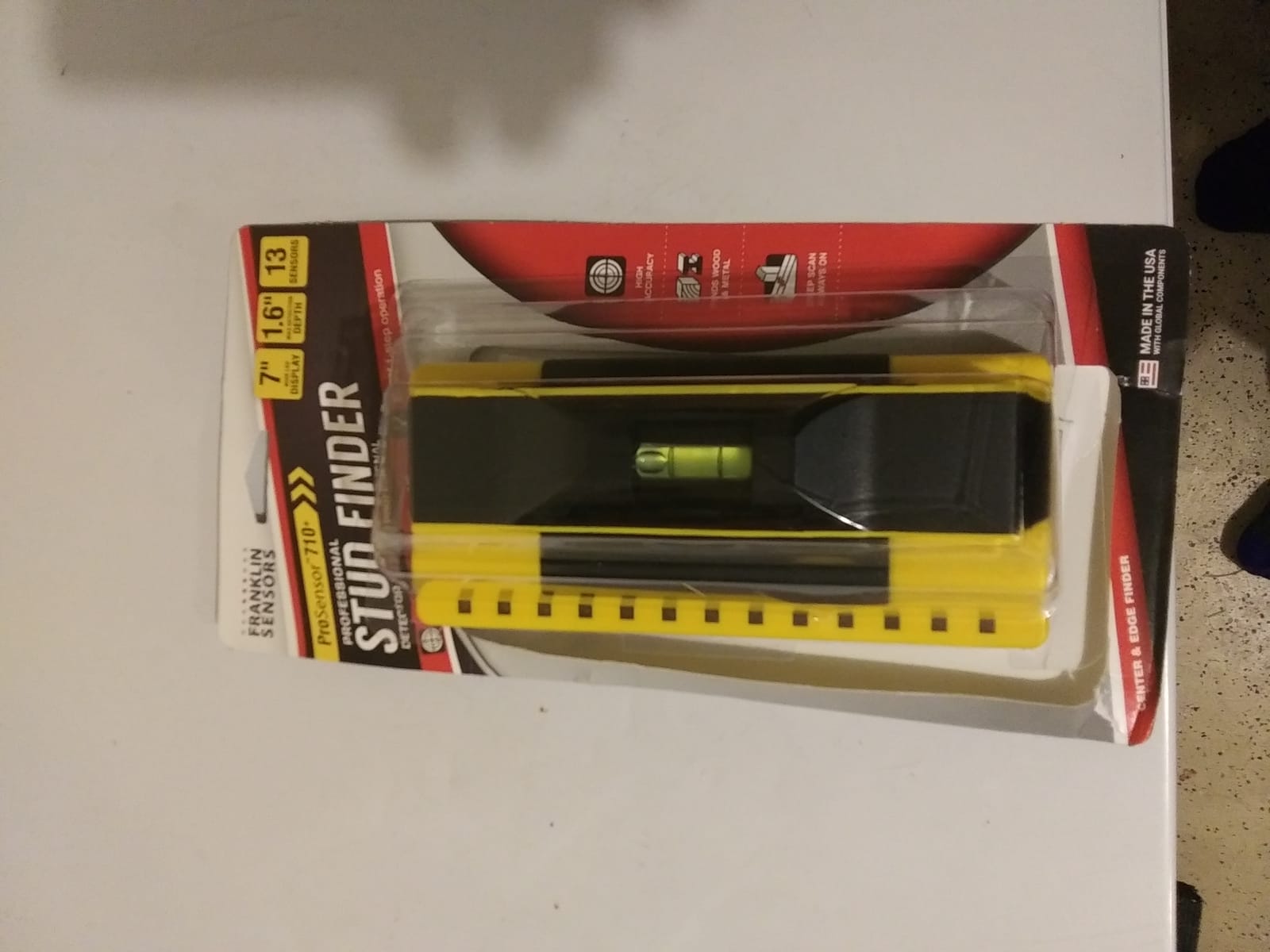
1. Franklin Sensors ProSensor 710+ – the widest sensor bar for lath walls
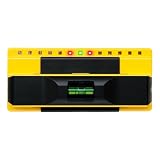
Franklin Sensors ProSensor 710+ Stud Finder, 13-Sensor Wall Scanner
13 sensors
1.6 inch deep scan
6.4 oz body
No calibration required
Pros
- 13-sensor bar covers more width than 1 or 2 sensor finders
- Shows full stud width with a green center LED
- No calibration so you can start scanning over a stud
- Deep scan always on at 1.6 inches
- Built-in bubble level and ruler
Cons
- 1.6 inch depth is shallower than radar scanners
- No live-wire detection on this model
- Batteries not included and rechargeable cells rejected
This is the model I reach for first on plaster, and the reason is width rather than depth. Thirteen sensors spread across the face means the tool reads a broad swathe of wall on every pass, so a lath strip only has to be partly under the bar for the signal to be evaluated against the stud behind it. On a 1-2 sensor finder that same lath strip fills the whole sensor and the reading wanders.
Because there is no calibration step, you can put it on the wall anywhere and start. That matters on plaster more than on drywall, since an uneven surface is exactly where a per-use calibration locks in a bad baseline and then returns confident nonsense for the rest of the session.
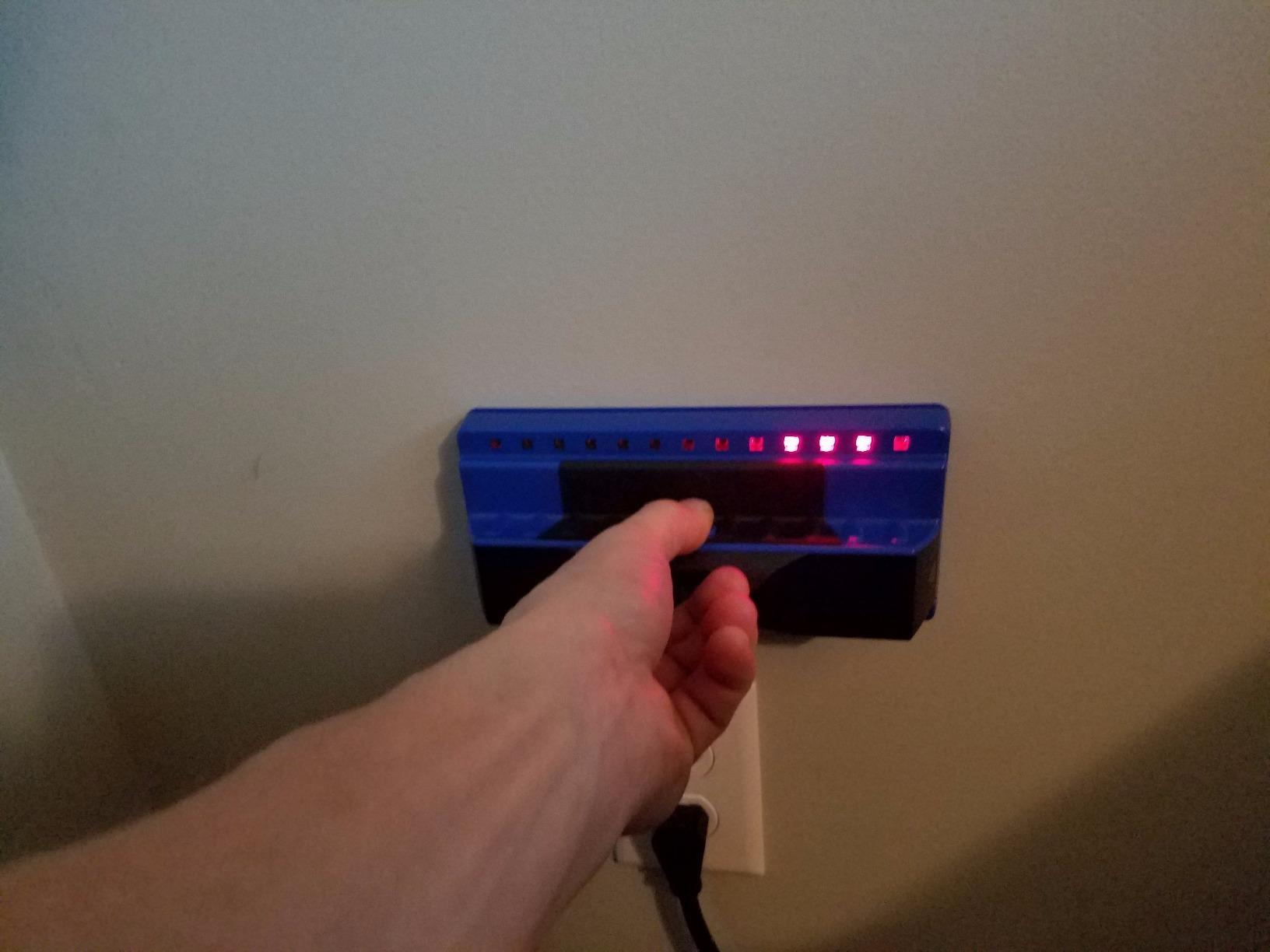
The LED bar shows the full width of the stud and turns green at the centre, which lets you mark a real centre instead of guessing at a peak. In our scans the green centre arrived late on thick plaster, so I still confirmed with a magnet before drilling. It is light enough to stay comfortable on a ladder for overhead work, which is a second reason it works as well on plaster as it does anywhere else.
The honest limit is depth. At 1.6 inches, a triple-lath prewar assembly can swallow the signal before the stud shows up, and there is no live-wire mode to warn you about wiring behind the plaster. The manufacturer describes this as a drywall stud finder and publishes no lath-specific guidance, so treat the plaster verdict as field-tested rather than guaranteed.
Where it earns its place?
For mounting a television, a mirror or a cabinet on a plaster wall in good condition, the wide bar makes centring fast and repeatable. Owners opening walls up during renovations report marked centres matching what was behind the plaster.
Where it falls short on plaster?
Thick triple-lath walls, where the 1.6 inch ceiling is the limit, and any house where you cannot rule out old cable, since there is no live-wire warning here. Pair it with a magnet on both jobs.
2. Franklin Sensors ProSensor M210 – deep scan plus live-wire warning
Franklin Sensors ProSensor M210 13-Sensor Stud Finder, Live Wire Detection
13 sensors
1.7 inch deep scan
Live wire detection
11.36 oz body
Pros
- Deepest ProSensor scan at 1.7 inches
- Live wire warning before you drill
- Widest LED bar in the Franklin range
- No calibration and rechargeable AA compatible
- Bubble level plus pencil caddy for marking
Cons
- Batteries not included
- Heavier and bulkier than the 710+ for one-handed work
- Single pass sweeping means thick plaster slows the search
Same 13-sensor philosophy as the 710+, with two upgrades that matter specifically in an old house. Scan depth goes to 1.7 inches, and a live-wire mode warns you about energised cable before the bit turns. On plaster over lath, the extra tenth of an inch is rarely the difference between success and failure, but the wire warning is genuinely useful in a building that predates modern cable.
The trade is size. At 11.36 ounces and 7.5 by 3.35 by 3.33 inches, this is a bulky tool, and holding a bracket or a scrap of timber in the other hand while you scan a ceiling is noticeably harder than with the 710+.
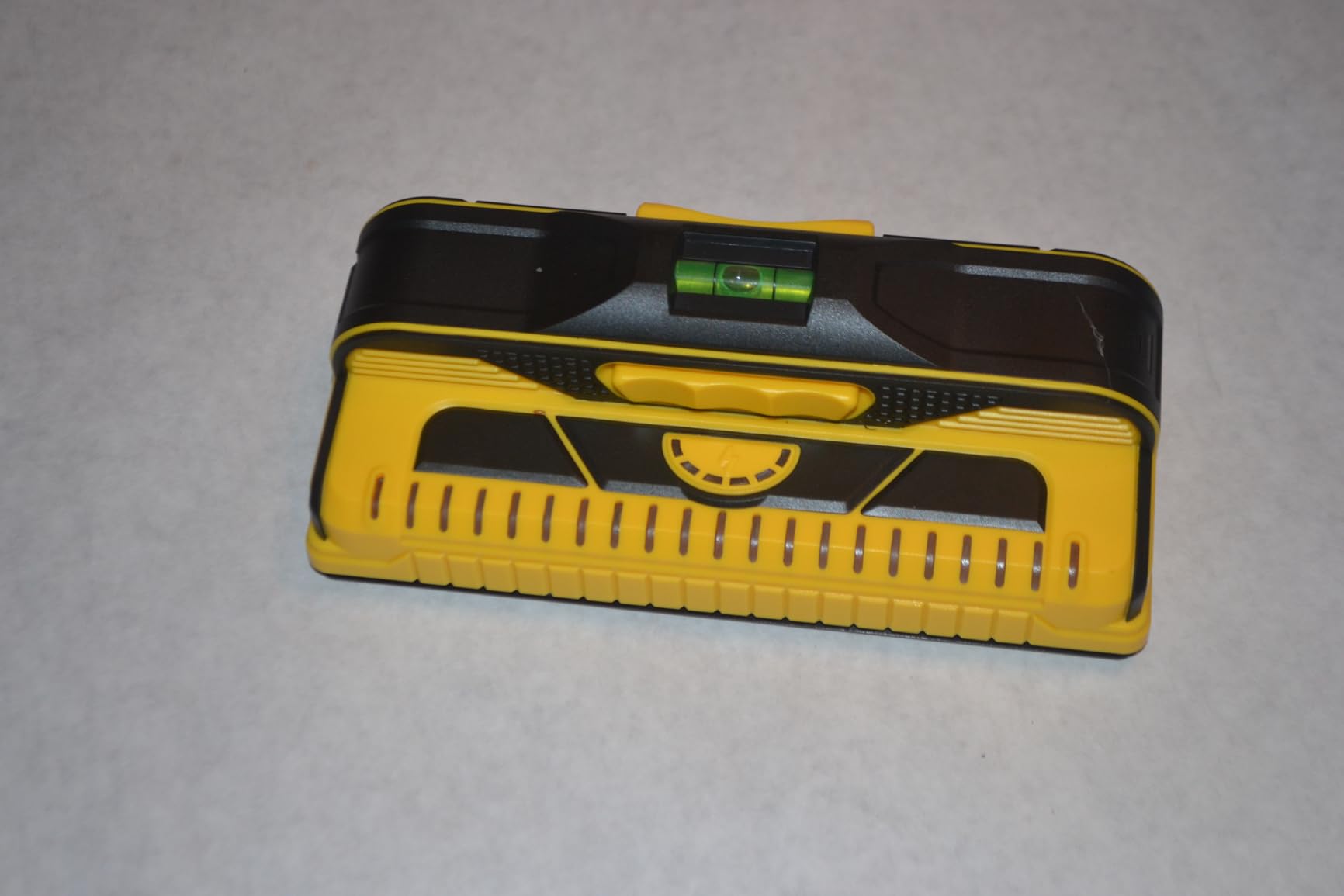
Buyers consistently single out the 13-sensor bar showing full stud width as the reason to step up from a basic model, and the pencil caddy is a small touch that saves time when you are marking a stud line across a large wall. Rechargeable AA cells work, which removes a real annoyance on long jobs.
Even so, the reading is still a single sweeping pass. Reviewers describe finding a stud as depending on a slow, careful sweep, and on lath that patience is not optional. The manufacturer also describes this as a drywall tool with no lath-specific instructions, so the plaster performance is earned in the field, not promised on the box.
Who should buy the M210?
If your home is prewar, or you have ever found old cloth-sheathed wiring behind a faceplate, buy this one over the 710+. The wire warning is the single most defensible reason to spend more on a scanner.
It is also the right pick for anyone running cable or mounting heavy fixtures where a miss has a real cost.
Where it is the wrong choice?
Overhead work on a ladder where weight and balance matter, or a long afternoon of scanning. It still stops short of the deepest builds, and its body is bulky in tight corners near pipes and ducts.
3. Mecurate 5-in-1 Wall Scanner – four depths in one body
Mecurate 5-in-1 Stud Finder Wall Scanner for Studs, Metal & Live AC Wires
3/4 inch standard
1-1/2 inch deep
2 inch AC wire mode
9V included
Pros
- Four scan depths in one unit
- Audio alerts so you can scan without watching the screen
- Bright LCD shows edges and centre
- AC live wire warning adds safety
- 9V battery and carry pouch in the box
Cons
- Must be recalibrated against the wall before every use
- Some owners report repeated misses on the same wall
- Detections can be off and lead to mis-marked holes
- Manufacturer scopes it to single-layer drywall
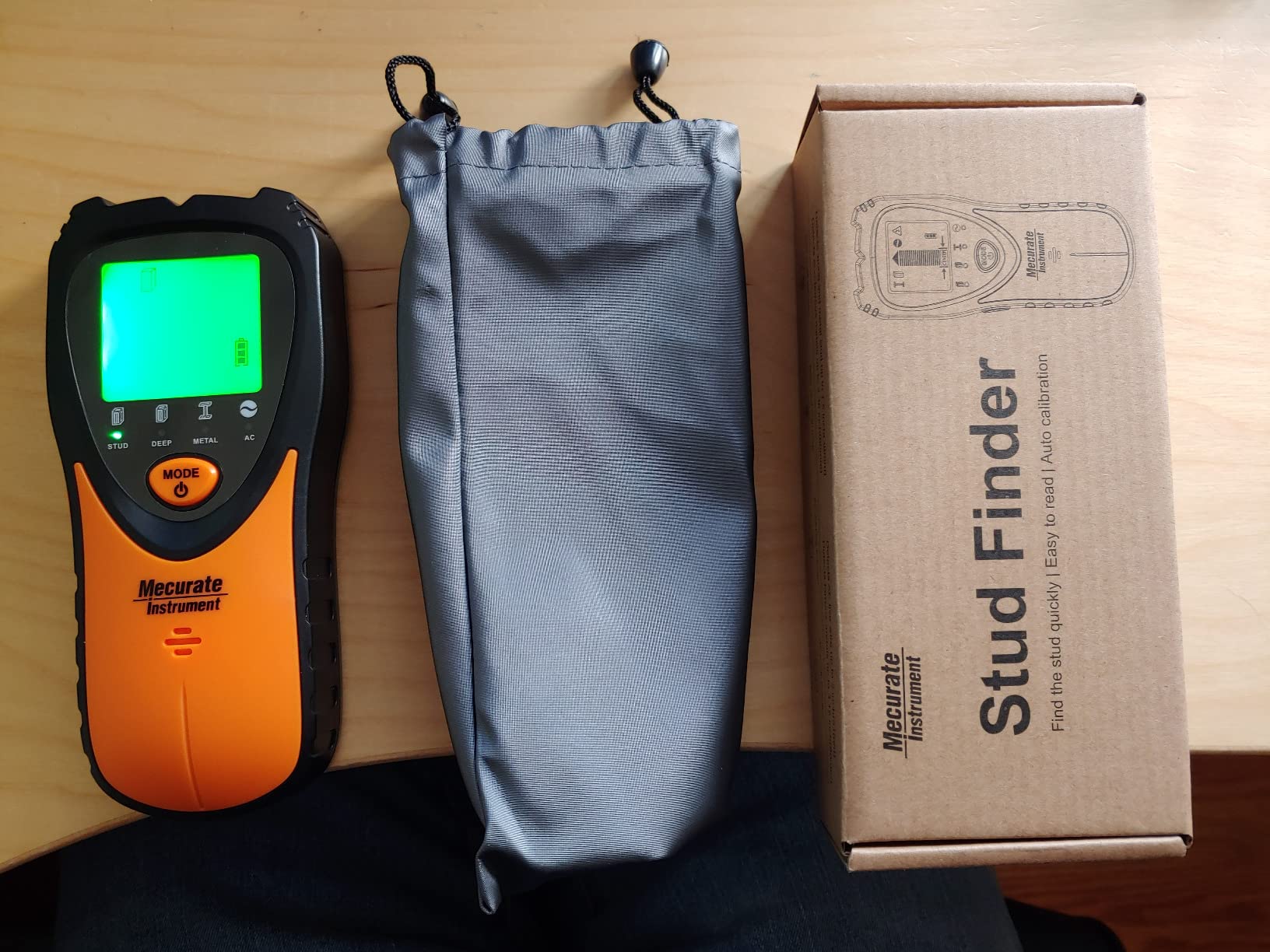
The appeal here is range. Standard mode reaches 3/4 inch, deep mode 1-1/2 inch, metal mode reaches 2-3/8 inch, and the AC live wire mode goes to 2 inch. On plaster, the deep and metal modes are the two you will actually use, and having them switchable lets you escalate when a read feels wrong instead of replacing the tool.
There is one non-negotiable rule: calibrate against the wall before every single use. On an uneven plaster surface a poor calibration produces plausible but wrong readings, and the LCD plus audio alerts will happily confirm them. Owners also note that fresh paint affects accuracy, which is common in renovated plaster.
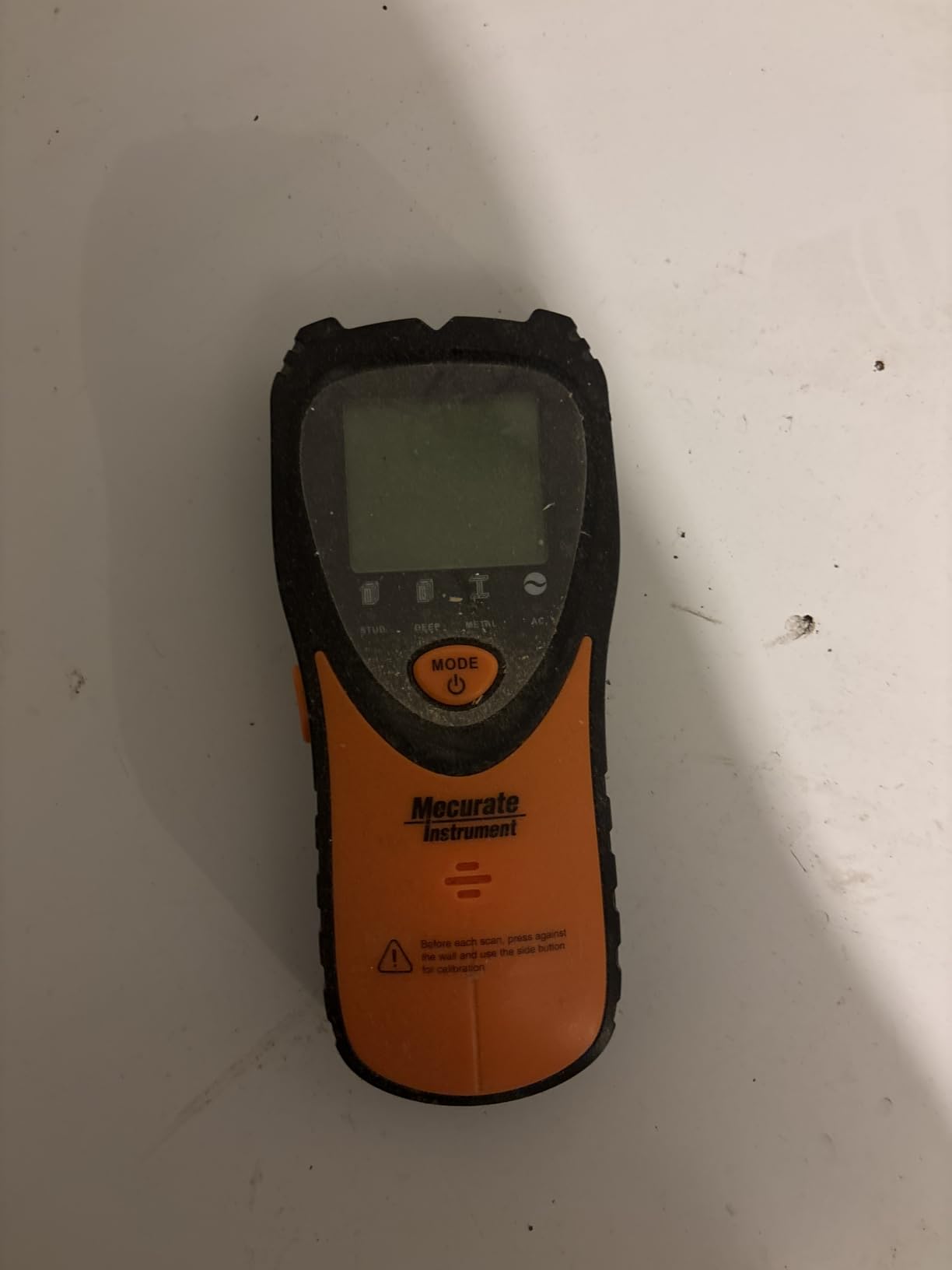
The rating split here is wide. Sixty-four percent of reviews are five-star, but a double-digit block of one-star reviews drags the average to 4.2, and the one-star cluster describes inconsistent results that lead to pilot holes in the wrong spot. That inconsistency is precisely the failure mode plaster provokes, so treat this as a tool for light-duty work.
Manufacturer guidance matters more here than with any other product in this list: the listing states best performance on single-layer drywall and says it is not recommended on concrete, brick, tile or similar surfaces. Plaster is not named, so you are running outside the stated envelope and should confirm every hit twice.
Where it makes sense?
One or two picture hooks, or a cable run on a reasonably sound wall where the lath is not fighting you. The four modes and the audio alerts make it a good teaching tool if you are learning to read scans at all.
For a first stud finder in a house with mostly modern interior walls, it is hard to argue with the feature count at this tier.
Where it will frustrate you?
Anything heavy, anything over a staircase, and any wall where a wrong hole means chasing a wire. The per-use calibration step is a discipline most people abandon by the third scan, which is exactly when they need it most.
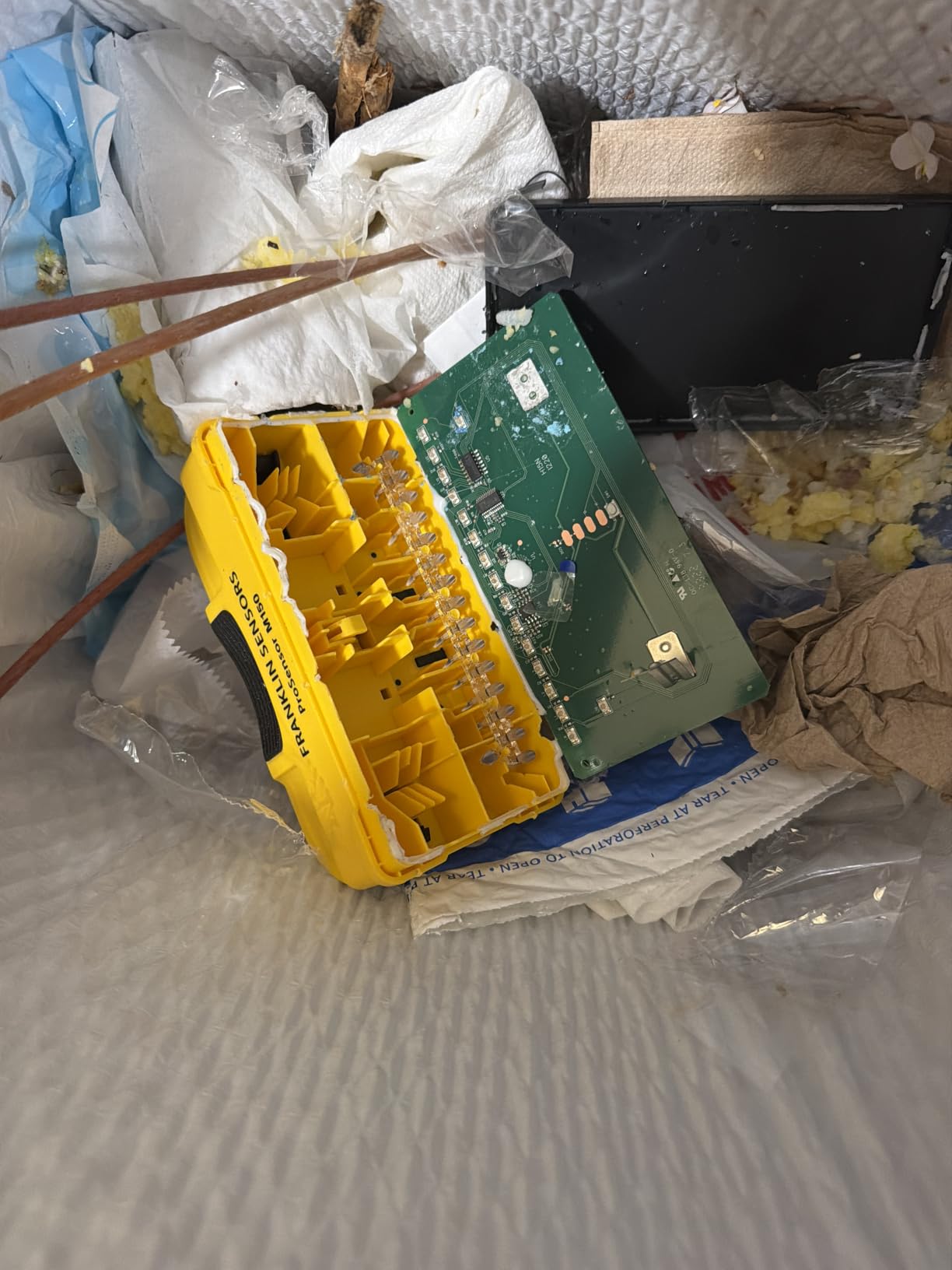
4. Franklin Sensors ProSensor M150 – the light one for ladders
Franklin Sensors ProSensor M150/X990 9-Sensor Stud Finder, AC Wire Warning
9 sensors
1.5 inch deep scan
5.12 oz body
Live wire warning
Pros
- Lightest body in this group at just over 5 ounces
- Full stud width LED bar with green center indicator
- No calibration so scanning can begin over a stud
- Live wire warning included at this tier
- Compact 5.51 inch body suits one-handed use
Cons
- 9 sensors cover less width than the 13-sensor models
- 1.5 inch depth is shallower than the deeper ProSensor units
- AAA batteries not included and rechargeable cells rejected
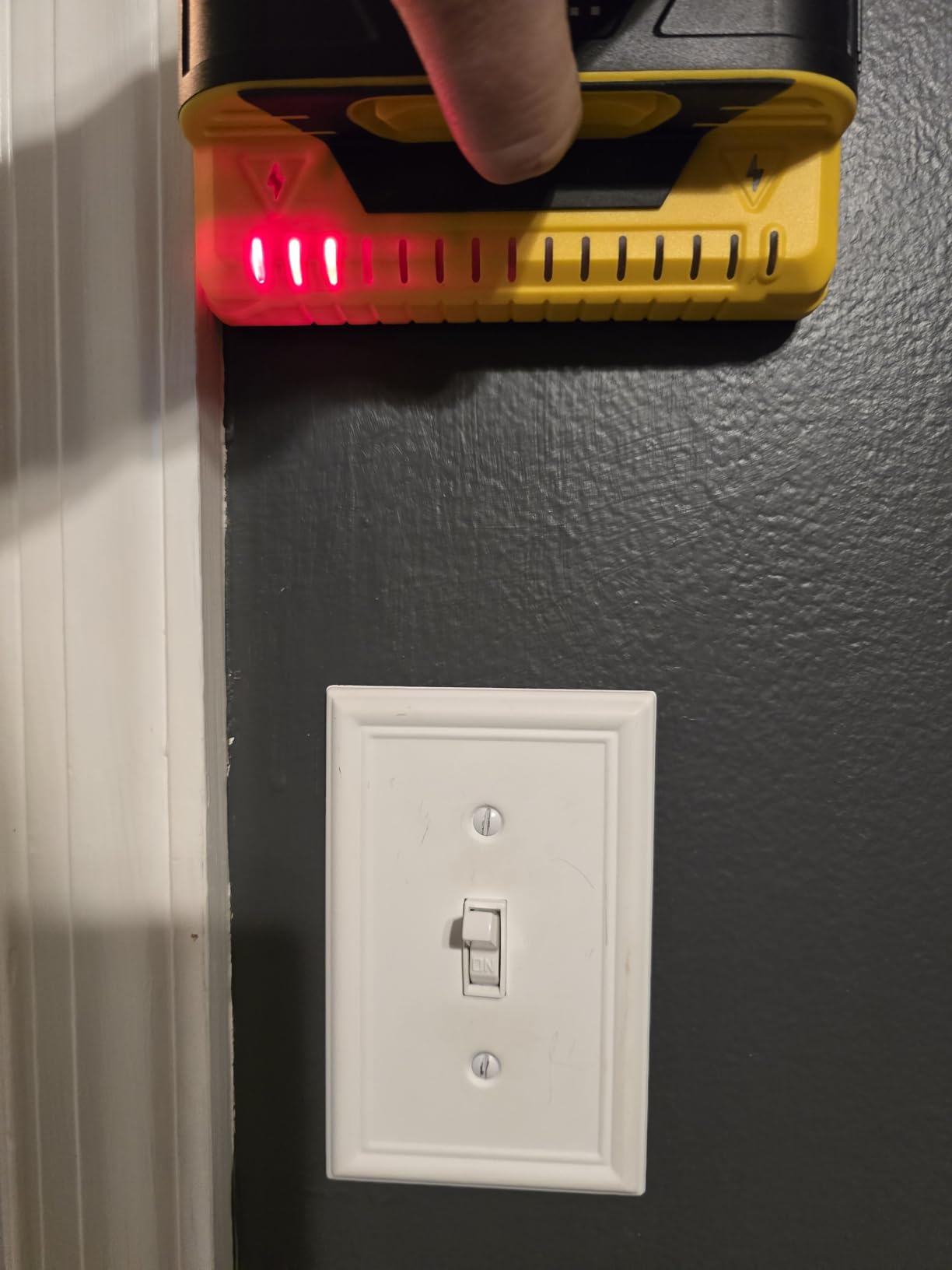
Everything about this tool points upward. At 5.12 ounces with a 5.51 inch body, it is the one you can hold in one hand while standing on a stepladder with your other hand on a bracket, and it still gives you a full-width LED bar rather than a single blinking dot.
You also get live wire detection, which most buyers would assume only comes on the bigger models, plus the same no-calibration workflow. For walls with a cable chase running to an attic or garage, that warning earns its place.
What you give up is coverage. Nine sensors is a narrower reading bar than the 13-sensor 710+ and M210, and depth drops to 1.5 inches. On plaster, a narrower bar is a meaningful downgrade, because lath edges are easier to confuse with a stud edge when the bar is not spanning enough of the wall to average the signal.
Ratings land at 4.4, with 74 percent of reviews at five stars and 6 percent at one star. The compact size is the recurring theme in the positive comments, and the narrower bar plus shallower depth is the recurring criticism on thick walls.
When this is the right pick?
Ceiling joists, high wall runs, staircases, and anywhere you need a scanner in one hand. It is also a sensible second scanner to keep in a different room of the job.
If weight and balance are your limiting factors rather than depth, this beats every larger model here.
When to pick something else?
Long vertical walls in rooms where a narrow bar costs you time and false positives, and thick prewar assemblies. Choose the 710+ or M210 if the wall is the hard problem.
5. Walabot DIY 2 – deepest reads, but drywall only
Walabot DIY 2 – Visual Stud Finder & Wall Scanner for Drywall. Detects Wood & Metal Studs, Plastic & Metal Pipes, Live & Non-Live Wires
4 inch depth
Radar image on phone app
Pipes and wires
Built-in Wi-Fi
Pros
- Shows a visual wall map instead of a beep
- 4 inch depth far beyond capacitance scanners
- Classifies metal studs pipes live and non-live wires
- Built-in Wi-Fi needs no home network
- Several trades users rely on it as their primary tool
Cons
- Manufacturer instructs not to use on lath and plaster
- Calibration needs large circle sweeps before every scan
- App connection drops and startup dialogs
- One sweep renders horizontal framing as vertical studs
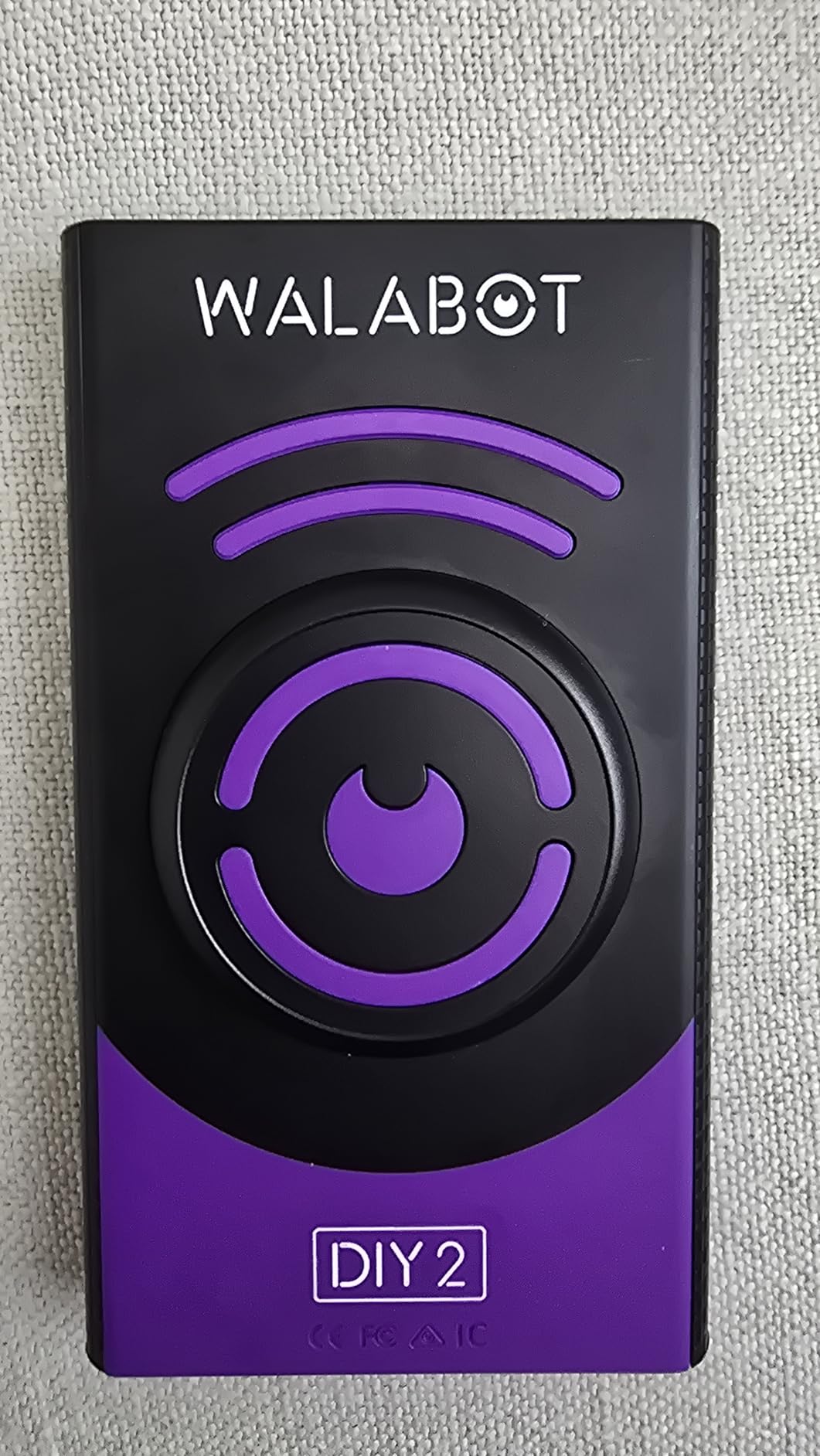
I want to like this more than the rating suggests, but the plaster question answers itself. The manufacturer’s own instructions say plainly: do not use on lath and plaster, concrete, tiles, bricks, metal-backed walls, stucco, or concrete with furring strips. It is specified for drywall and plywood only. On the exact wall type this article is about, it is the wrong instrument.
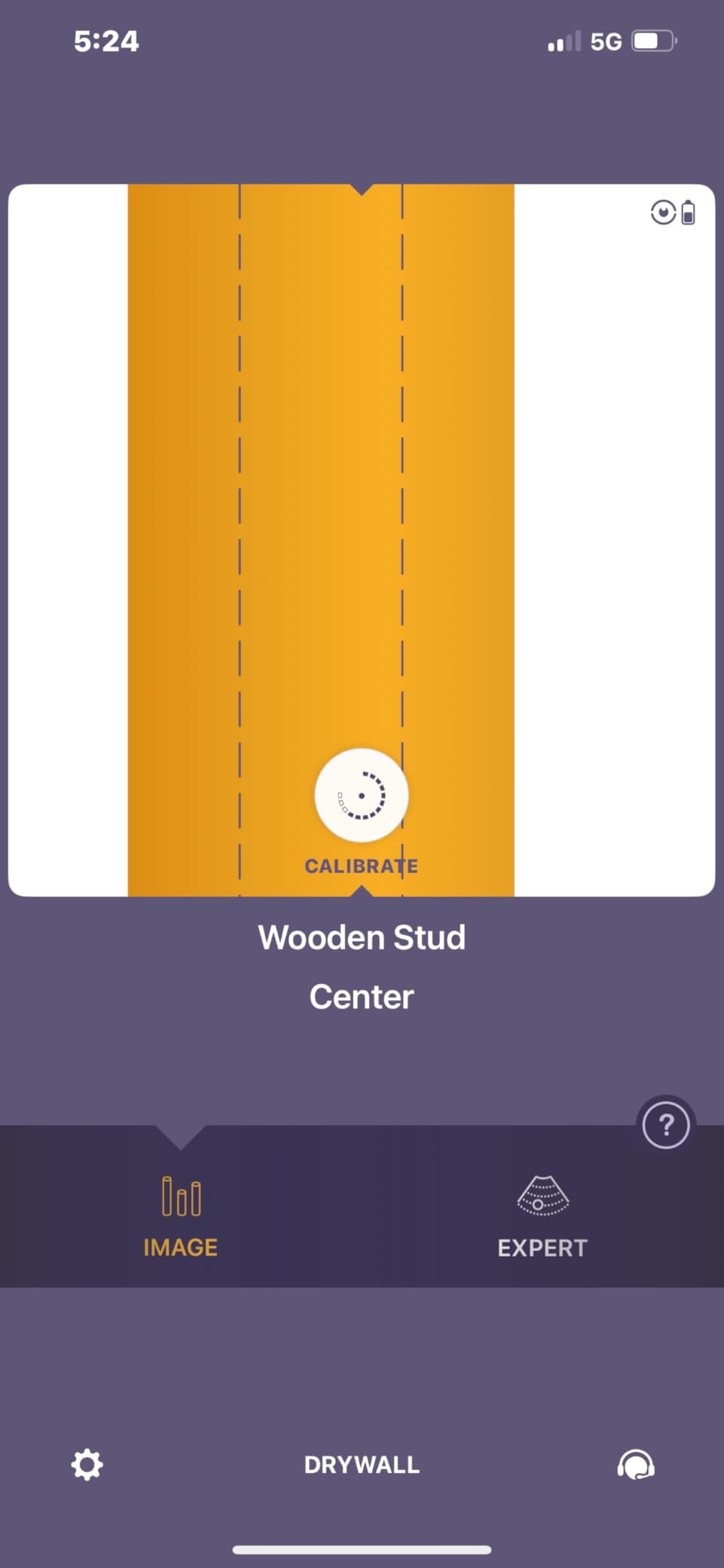
On the walls it does support, it is genuinely impressive. Radar imaging renders a cross-section of the wall on a phone, reaching up to 4 inches, and it identifies stud centres along with wood and metal studs, plastic and metal pipes, and both live and non-live wires. A grab-bar installer quoted in the reviews reports it located stud centres in seconds where conventional scanners gave unreliable results.
The criticisms are worth weighing. Calibration requires sweeping large circles over the scan area before every measurement, which can rub the wall surface, and the app experience draws consistent complaints about dropped connections and startup dialogs. Results come from a single sweep, so horizontal or diagonal framing in an old house gets rendered as vertical studs, which is precisely the failure an old plaster wall invites.
The rating of 4.1 comes from a wide split, 63 percent five-star against 11 percent one-star. Critics make the fair point that a single sweep produces a generated image rather than a true x-ray of what is behind the wall.
Where it is worth having?
Modern drywall and plywood, especially around plumbing and electrical work where telling a pipe from a wire matters. The 4 inch depth and the visual map are the reason to own it.
For a renovation where you are opening walls anyway, owners who verified marked edges by opening up the wall report good results.
Where it does not belong?
Lath and plaster, stucco, brick, and any metal-backed surface, per the manufacturer’s own list. The phone requirement also makes solo work awkward and the calibration circles are hard on fragile plaster.
6. PREXISO 2-in-1 with Laser Level – auto edge line, drywall only
PREXISO 2-in-1 Stud Finder with Laser Level, Rechargeable Cross Line Laser
3/4 inch stud depth
Rechargeable
Auto laser edge line
Cross line laser
Pros
- Stud finder and cross line laser in one rechargeable body
- Vertical laser line auto projects on a stud edge
- Holds a charge so no disposable batteries mid job
- Wall mount bracket allows hands free marking
- Metal and AC wire detection with audio and LED alerts
Cons
- Manufacturer states it is not designed for lath and plaster
- Shallow 3/4 inch stud detection depth
- Manual leveling so bubble vials need centring by hand
- Calibration required and the button must be held while scanning
The clever part is the edge marker. When the sensor finds a stud edge, the upper vertical laser line projects itself, so you get a visible straight line to mark along rather than a spot to eyeball. Repeat the scan from the other side and you have the centre. For long stud lines behind a wall mount, that removes most of the guesswork.
Combining it with a manual-leveling cross line laser up to roughly 10 meters indoors means one tool covers both layout and location, and the rechargeable cell means no mid-project battery swap.
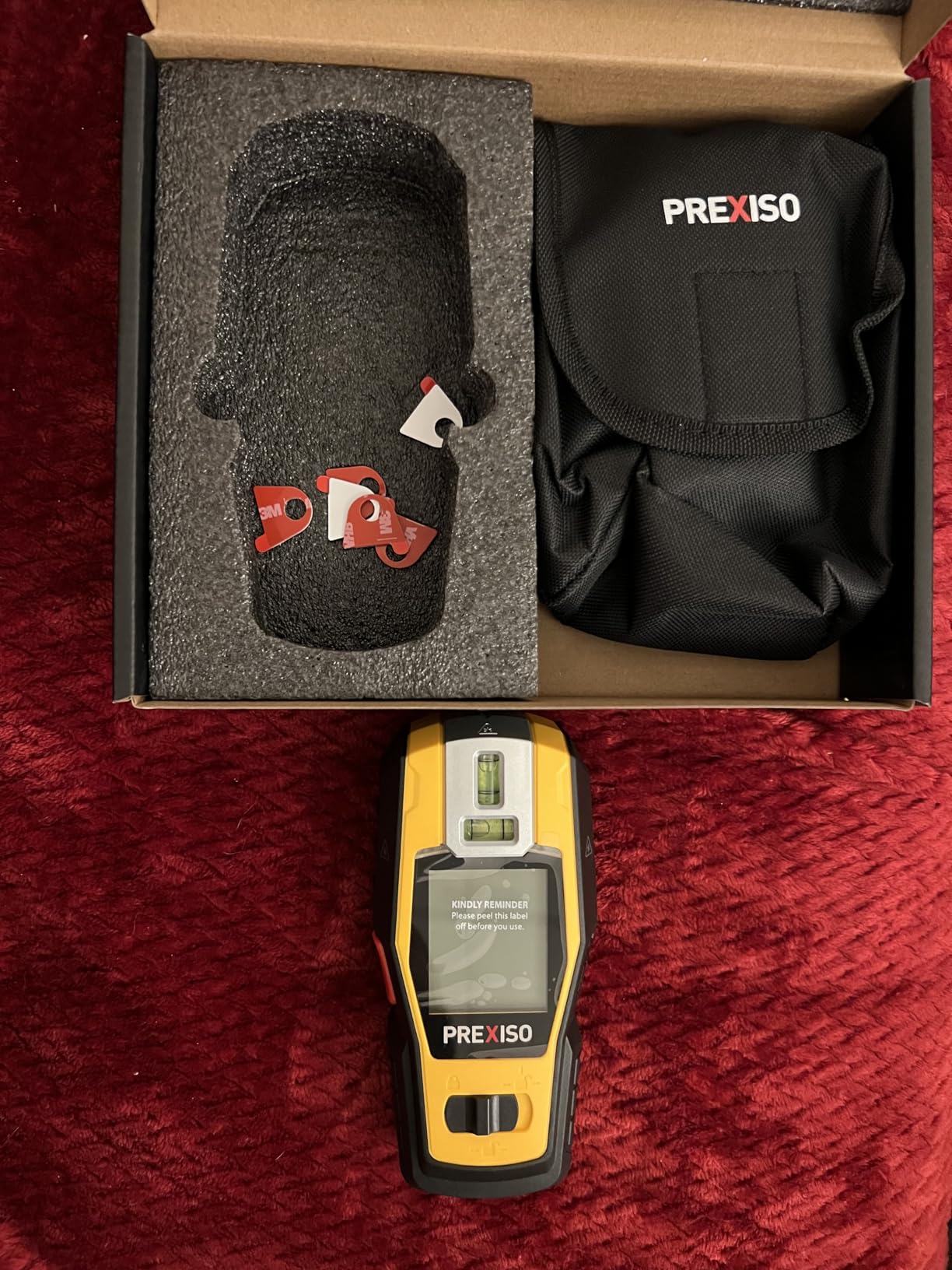
On plaster, though, the manufacturer is unambiguous: this tool is not designed for lath and plaster walls and works best on drywall and wood. That is not a technicality, because the 3/4 inch wood and metal detection depth is the shallowest figure in this group alongside the Mecurate’s standard mode. A lath strip alone can sit between the sensor and the stud at that depth.
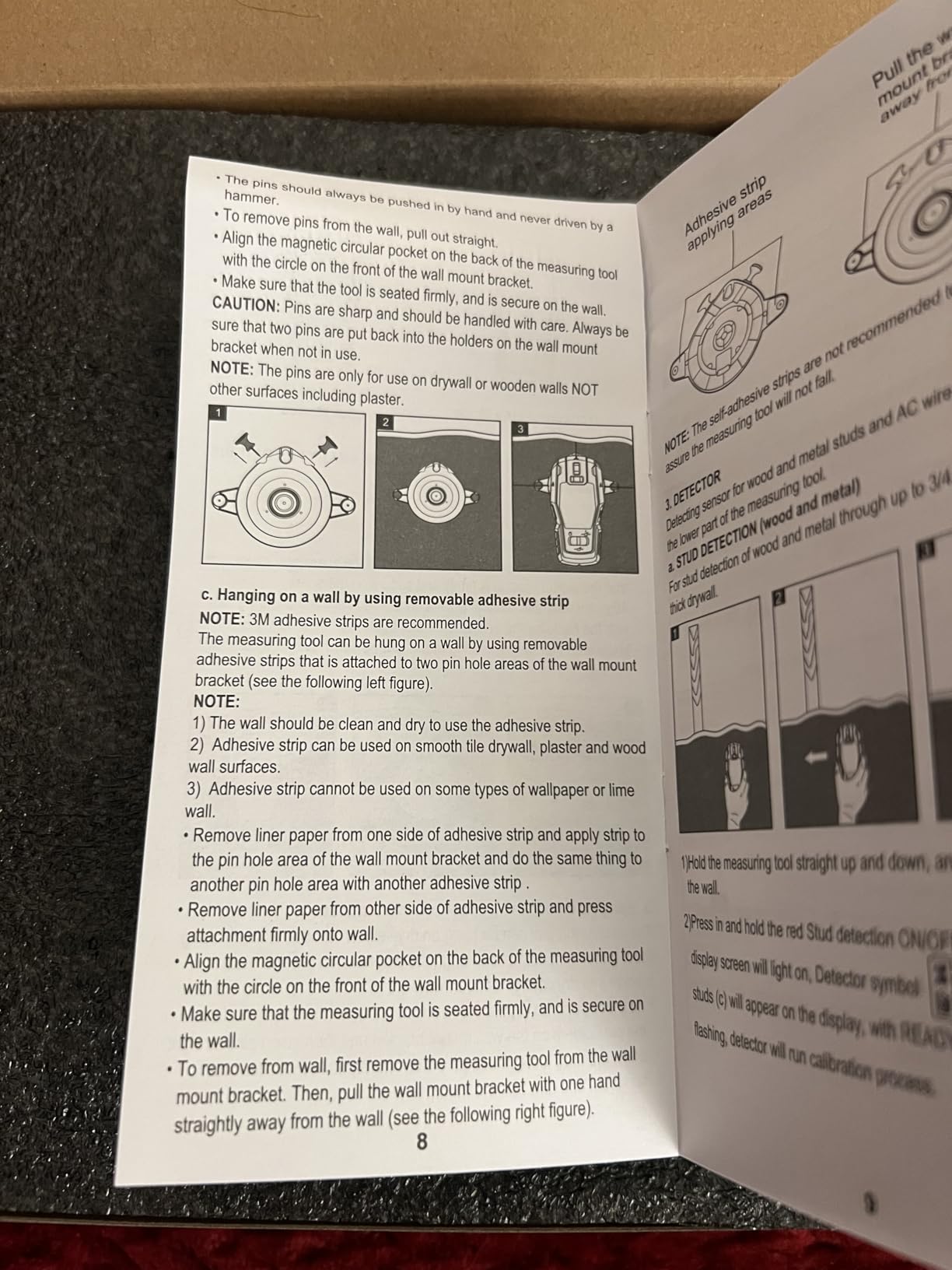
The bubble vials only illuminate in laser mode, not in detection mode, and the self-adhesive mounting strips are stated as unsuitable for dusty, coarse, wallpapered or textured surfaces, which rules them out on an old plaster wall. At 4.1 with 11 percent one-star reviews, the complaints cluster around depth and around needing to keep the red detection button held down for the entire scan.
Where it does its best work?
Modern drywall, finished rooms, and anyone installing a run of cabinets or a wall of shelves where a straight laser line for the mount is as valuable as the stud location itself.
The 360 degree wall mount with two pins, six adhesive strips, and a top pin hole is genuinely useful at height.
Where it will not help?
Lath and plaster, wallpapered plaster, and any assembly where more than 3/4 inch of material sits in front of the framing. The auto laser makes an honest reading feel authoritative, so pair any result with a magnet before drilling.
7. FNIRSI WD-01 – the maker-rated lath and plaster option
FNIRSI WD-01 6 in 1 Rechargeable Stud Finder Wall Scanner, Positioning Hole
Six scan modes
1.5 inch depth scan
Iron to 4.7 inch
Rechargeable
Pros
- Only unit here whose maker lists lath and plaster as supported
- Six detection modes in one body
- Iron to 4.7 inch and copper to 3.9 inch metal reads
- Rechargeable battery and auto calibration in one step
- Positioning hole for marking edges and centres
Cons
- Edge finding can be unreliable on plaster and lath
- Over-sensitive with false live wire alerts
- One owner missed a metal plate directly behind drywall
- Stud depth scan stops at 1.5 inches
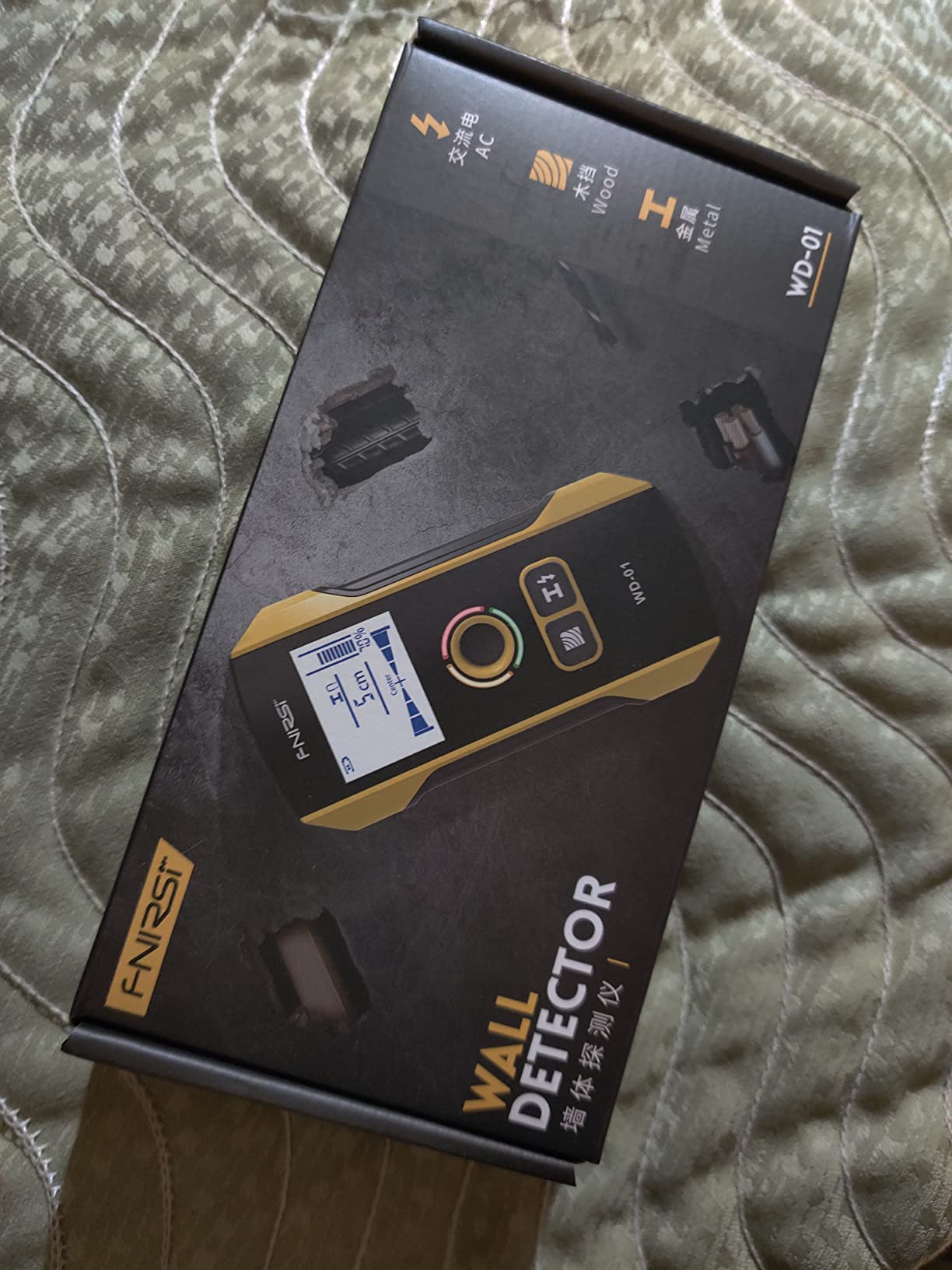
This is the only unit in the group whose manufacturer lists lath among supported surfaces, alongside wallpaper, wood flooring, acoustic ceiling and painted walls. That single line of compatibility guidance is worth more on plaster than a longer feature list, because it means someone at the company considered the surface.
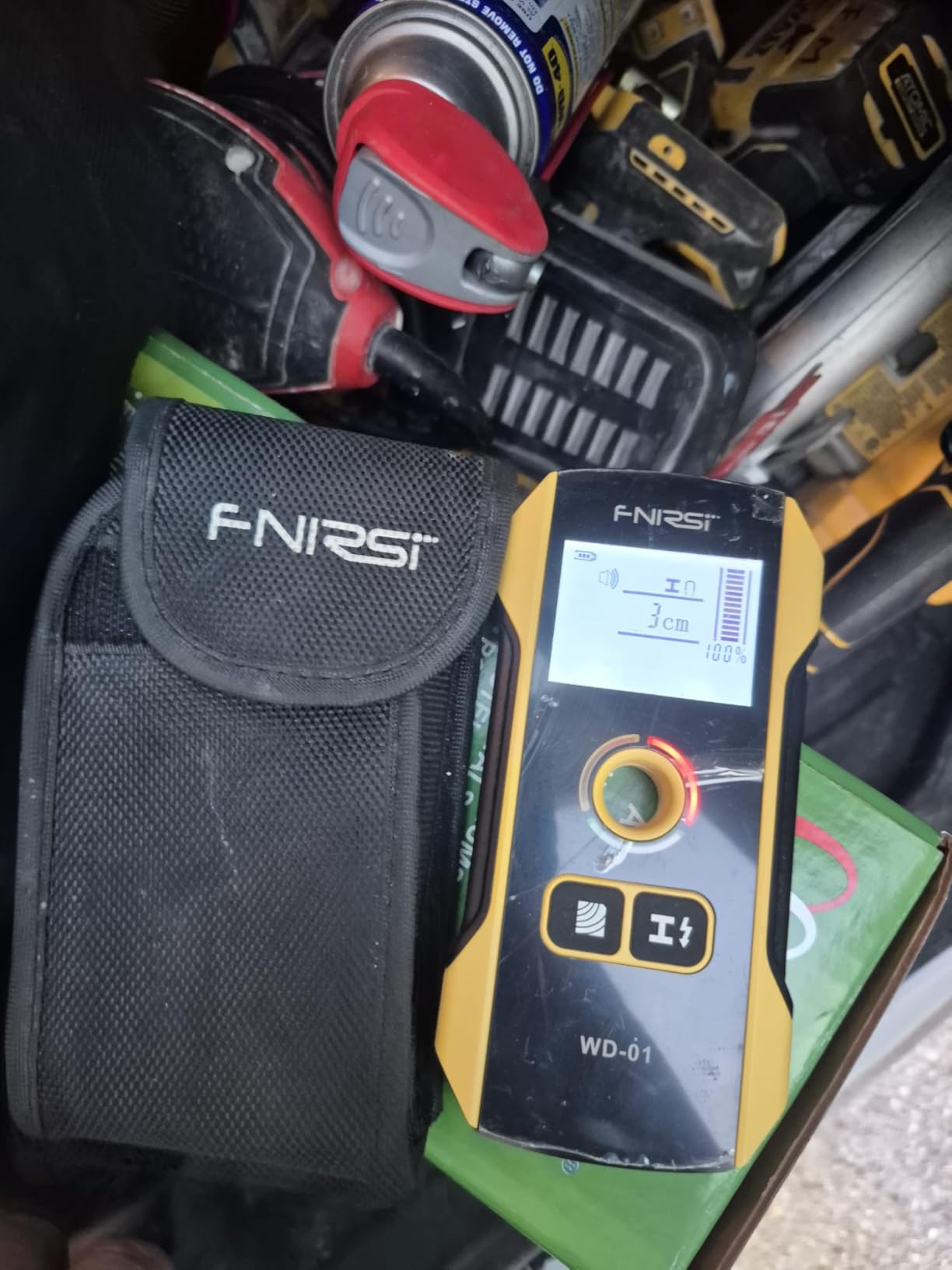
The depth figures are unusually wide-ranging. Beyond the 0.75 inch exact scan and 1.5 inch depth scan for studs, it reads copper to 3.9 inches, iron to 4.7 inches, live unshielded AC wire to 2 inches, and copper wire to 1.6 inches. Those metal figures are the ones that earn their keep in a lath wall, because steel lath and old nails show up long before the timber does.
What holds it back is consistency rather than capability. One detailed review reports that the stud centre function gave unusable readings on plaster and lath while the nail detection function still worked, which is a fair description of the problem in miniature. Others report the live wire warning firing where no cable was present, and one owner missed a metal plate sitting directly behind drywall.
At 4.3 from 890 reviews, the sample is the thinnest in this roundup, so treat the anecdotes with proportion. The rechargeable cell, the auto calibration in one step, and the positioning hole for marking are all practical wins for a long day of scanning.
Why it is on this list?
Because it is the one scanner here whose maker will stand behind lath and plaster, and because its metal and nail depth is far greater than the stud depth. On a lath wall, finding the fasteners is often a more reliable route to the framing than sensing the wood.
Rechargeable battery plus a screen plus an audio alarm also makes it the easiest to live with on a big job.
Where caution is needed?
Trust the nail and metal modes over the stud centre mode on old plaster, and do not treat a quiet wire warning as an all-clear. Because the review base is small, confirm with a magnet rather than relying on a single pass.
8. Zircon MultiScanner A200 – three modes and a lifetime warranty
Zircon® MultiScanner™ A200 Stud Finder with Metal & Live Wire Detection
StudScan to 3/4 inch
DeepScan to 1-1/2 inch
Metal Scan
WireWarning
Pros
- Three modes plus WireWarning in one pass
- Marked centres verified by opening walls up
- DeepScan handles thicker and multi layer walls
- Large backlit LCD readable in dim spaces
- SpotLite pointer and audio tone speed up marking
- Limited lifetime manufacturer warranty
Cons
- Large and bulky in tight spaces
- Occasional false readings so sweep more than once
- Calibration before each scan and a fresh 9V needed
- No rechargeable battery option
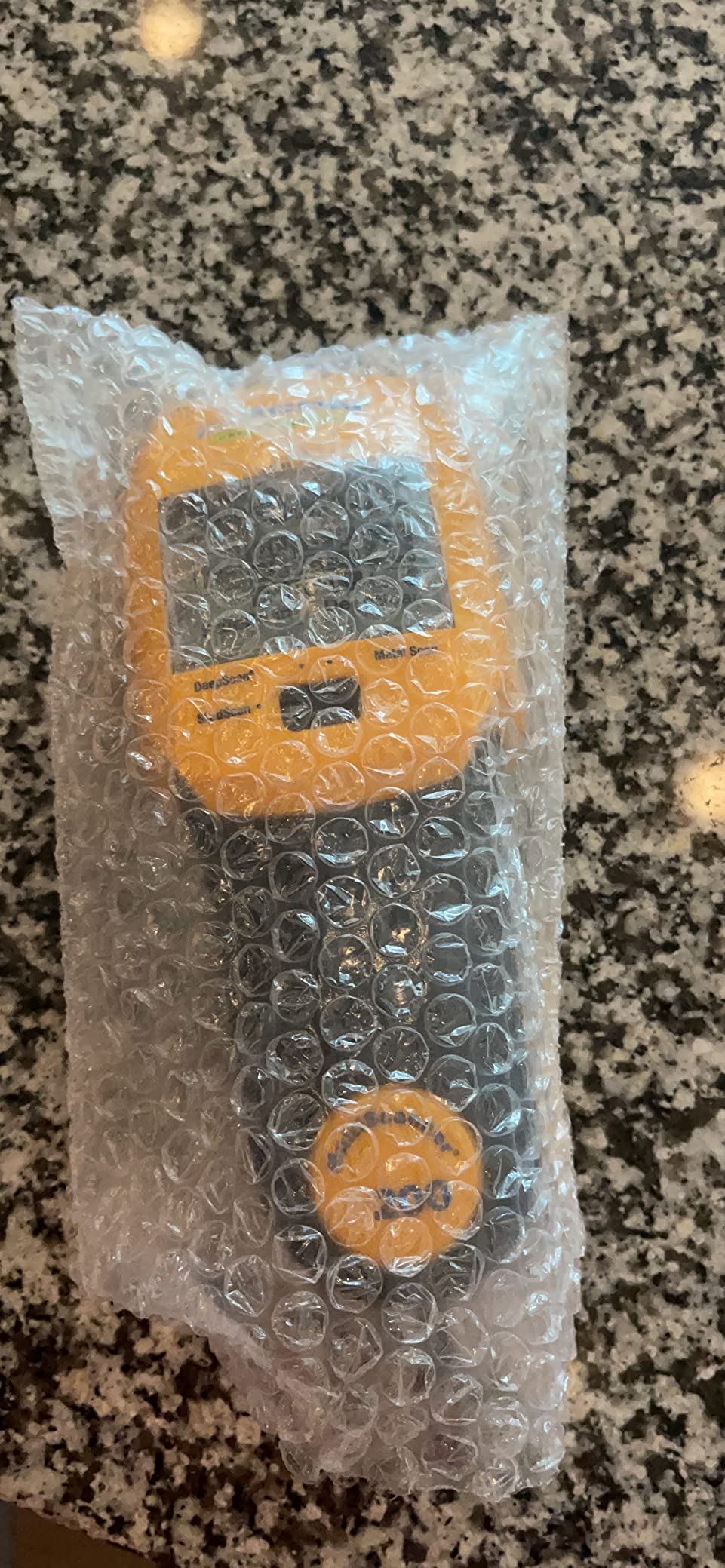
Three modes do the work here. StudScan reads stud edges and centres to 3/4 inch, DeepScan pushes to 1-1/2 inch for thicker or multi layer assemblies, and Metal Scan locates metal behind the wall before you drill. WireWarning alerts to hot electrical wires, and the SpotLite pointer projects a light so you can mark the edge you just found.
The strongest theme in the reviews is verified accuracy. Several owners opened walls during renovations and found the marked edges and centres matched what was actually behind the surface, and the deep scan is singled out for thicker or layered walls, which is the plaster case exactly.
Calibration is required and takes a moment: hold the power button flat against the wall for one to two seconds until the short beep completes, then slide slowly. On plaster that discipline is the difference between a useful scan and a frustrating one, because the surface density changes as you move across lath and patches.
The criticism is bulk and the occasional false positive, and reviewers advise repeated passes and a knock as a cross-check. It runs on a 9V alkaline cell with no rechargeable option, though the low battery indicator is a genuine improvement over scanners that quietly give bad readings as the cell dies. It is also the only unit here with a stated limited lifetime warranty.
Where it earns its keep?
Any house with a mix of wall types, because switching between the three modes is how you cope with a plaster bay next to a drywall partition. The backlit LCD is readable in a dark basement or a closet.
For anyone who plans to own one scanner for decades, the lifetime warranty changes the calculation.
Where it is awkward?
Tight spaces between studs, ducts or a chimney breast, where the 3.23 inch width is a nuisance. It is also the model most likely to need a second sweep before you trust a hit, which matters more on plaster than anywhere else.
How to Choose a Stud Finder for Plaster Walls?
Width beats depth on lath and plaster. A wide sensor bar averages across a strip and a nail so it can tell the difference, while a narrow bar lets a single lath edge dominate the reading. The three 13-sensor and 9-sensor Franklin models exist because of that, and the 1.5 to 1.7 inch depth they offer is enough for most standard lath-and-plaster assemblies.
Watch the manufacturer’s compatibility statement before anything else. Three products in this roundup are explicitly not rated for lath and plaster, and one is instructed never to be used on it at all. A depth number on a listing means nothing if the surface is outside the tested envelope.
Decide how much the wire warning matters to you. In a prewar house with visible old-style wiring at the outlets, a live-wire mode is worth paying for. In a modern interior partition, it is a feature you will never trigger.
Finally, budget for the second tool. The best combination is a deep-scan electronic model for the primary sweep and a strong neodymium magnet for confirmation. Every experienced answer in the forums landed in the same place, and it is the reason our pick of the best airless paint sprayers for interior walls companion guide — finishing a repaired wall properly — matters as much as the scan itself. If the wall in front of you is plaster over brick rather than lath and plaster, skip the magnet entirely and reach for the deepest metal modes instead, or use an existing metal fixture as your reference point.
Finding Studs in Plaster Without a Finder
A strong neodymium magnet is the technique experienced tradespeople actually use on lath and plaster, and the reason is physical. Lath is nailed to the studs, so the line of nail heads traces the stud line exactly. Run the magnet along the wall and a series of evenly spaced catches means framing.
Look for visual clues as well. Hairline cracks in plaster frequently follow the framing, and a corner where two planes of plaster meet will often show a hairline seam running up the wall. Outlets and switch plates are also attached to a box fixed to a stud, so measure in from the nearest one at the standard spacing.
If you are still unsure, drill a small pilot hole between suspected fasteners with a bit smaller than your anchor. Plaster is friable and will crumble rather than shatter, which is why people fear drilling it, but a 1/8 inch pilot hole in an untested spot tells you more in two seconds than a second scan does.
And keep the app-based stud finders out of it. Forum consensus treats phone accelerometer apps as inaccurate on thick surfaces, and they add a privacy question on top of a reliability one.
Frequently Asked Questions
Do stud finders work on plaster walls?
Yes, if you use a deep-scan electronic model with a wide sensor bar and you confirm each reading. The problem on lath and plaster is that thin wood lath strips register before the stud does, so entry-level finders give false positives. A multi-sensor model with a 1.5 to 1.7 inch depth and no calibration step works far better, and a neodymium magnet confirms the result.
How do I find wood studs in plaster walls?
Identify the wall first by knocking for hollow or solid. Calibrate on a blank area, or skip calibration entirely with a no-calibration model. Sweep slowly in one direction, mark both edges and the centre, then repeat the pass from the other side. Where two passes disagree, believe neither and confirm with a magnet run along the same line.
Is there a stud finder that can see through stucco?
Not reliably. The radar imaging tools that reach 4 inches are specified for drywall and plywood, and their manufacturers instruct against lath and plaster, concrete, brick, tile, stucco and metal-backed walls. On stucco, use the deepest metal and fastener modes available and confirm with a magnet, because the surface itself behaves like a continuous signal.
How can I find studs in plaster walls without using a stud finder?
Use a strong neodymium magnet. Lath is nailed to studs, so a line of evenly spaced nail heads traces the framing. Also look for hairline cracks that follow the framing, measure in from outlet and switch boxes, and drill a small pilot hole between suspected fasteners to confirm before using a larger bit.
Can neodymium magnets be used to find studs?
Yes, and on lath and plaster they are the confirmation tool experienced tradespeople rely on. They locate the fasteners holding lath to studs rather than the wood itself, so a series of evenly spaced catches is a strong signal. Rusted or deeply set nails can weaken pickup on some old walls, so look for the pattern rather than a single catch.
The Verdict: Best Stud Finders for Plaster Walls
The Franklin Sensors ProSensor 710+ is our pick for most plaster jobs because its 13-sensor bar is the widest we found on a no-calibration tool, and that workflow removes the most common source of bad readings. Add the M210 when your house has older wiring and you want a live-wire warning, and add the FNIRSI WD-01 when the wall is true lath and plaster, because it is the only model whose maker lists that surface.
Whatever you choose, pair it with a magnet and scan twice. That habit, not the model, is what keeps a drill bit out of a cable chase in 2026.