
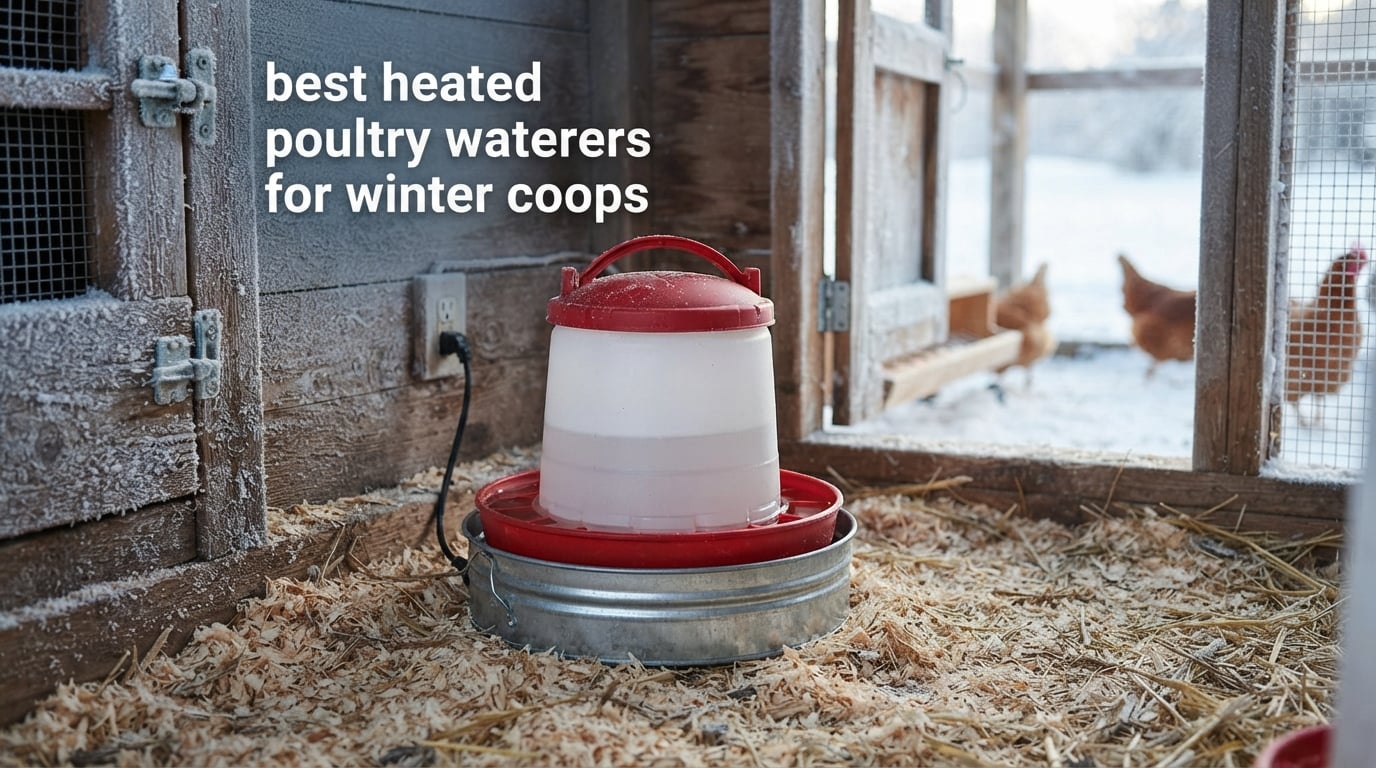
Yes, heated poultry waterers work, but not the way most buyers expect. A good heated chicken waterer holds drinking water just above freezing so it stays liquid through a cold night. It does not make the water warm, and that difference is the whole story. We compared 10 heated poultry waterers and heated waterer bases on wattage, capacity, thermostat behaviour, and owner-reported durability to find the ones that actually survive a full winter.
Getting this wrong is expensive in a quiet way. A chicken drinks roughly a half-pint to a pint of water a day and can go a day without it in cold weather, so one frozen waterer on a freezing night can dehydrate or kill an entire flock. Egg production drops the moment water intake drops, and a full waterer that freezes solid is the single most common reason backyard keepers lose birds in January.
We broke the list into two families. Four are all-in-one heated waterers with a tank and a built-in element, and six are standalone heated bases or de-icers that turn a waterer you already own into a winter waterer. If you already own a decent fount, a base is usually the smarter purchase. If you are starting from nothing, an integrated unit is fewer parts to fail. We explain that trade in detail further down, and if your coop has no power at all we have a no-electricity section too.
Table of Contents
Do Heated Poultry Waterers Work? What They Actually Do?
A heated poultry waterer is a chicken waterer with an integrated electric heating element, or a separate thermostatic heating base, that keeps drinking water just above freezing at roughly 35 to 40F so it stays liquid through sub-zero winter nights. A thermostatically controlled element switches on when the water drops below its set point and cuts off once it recovers. A non-thermostatic unit runs constantly, which wastes electricity and shortens element life.
That is the entire mechanism. There is no magic in it, and the honest expectation is liquid water that tastes cold. Owners on r/chickens describe a heated waterer that solved their ice problem and then created a new one, which is almost always the same misunderstanding. They expected warm water, got 38F water, and decided the unit had failed. It had not. It had done exactly what it was designed to do.
Two failure modes are worth knowing before you buy. The first is the nipple. On nipple-drinker systems, a small amount of water sits in the nipple stem below the water line, and that bit can freeze solid while the reservoir above it is still liquid. Backyard Chickens users describe this repeatedly, and it is the most common technical complaint in the category. The second is a top layer that freezes when the container is too full, because the heated plate only warms from the bottom up. Both are avoidable with placement and fill level, and we cover that in the buying guide.
If your winters are mild, or you have three hens, a heated waterer may be more than you need. Plenty of keepers with small flocks and a sheltered run get through winter with an unheated bowl. We have a whole section on when to skip the purchase.
Top 3 Best Heated Poultry Waterers (October 2026)

Farm Innovators HB-60P 2-Gal 60W
- 60W thermostatic heater
- 2-gallon tank
- Side-mounted drip-free nipples
- Up to 15 chickens

Farm Innovators HP-125 125W Base
- 125W thermostatic element
- Activates below 35F
- Fits double-wall metal founts
- Bottom cover shields element

Premier 1 All-Season 3 Gal
- 100W element on a thermostat
- On below 40F off at 60F
- Up to 35 adult chickens
- 16 ft detachable cord
The HB-60P takes the top slot because it has the deepest owner history in the category, with 6504 reviews and a 4.2 average, and because a 2-gallon unit with 60 watts is a proven combination for backyard flocks. The HP-125 heated base is the strongest choice if you already own a metal fount, and the Premier 1 unit is the one to buy if a single fill has to carry 35 birds or if you want one waterer for summer and winter.
All 10 Heated Poultry Waterers at a Glance in 2026
| Product | Specifications | Action |
|---|---|---|
| Farm Innovators HB-60P 2-Gal 60W Heated Waterer |
|
Check Latest Price |
| Farm Innovators HP-125 125W Heated Base |
|
Check Latest Price |
| Premier 1 All-Season 3 Gallon Heated Waterer |
|
Check Latest Price |
 Farm Innovators C-50P 150W Teflon De-Icer Farm Innovators C-50P 150W Teflon De-Icer |
|
Check Latest Price |
 API 3 Gallon Heated Bird Waterer API 3 Gallon Heated Bird Waterer |
|
Check Latest Price |
 Zoblise 15 Inch 125W Heated Base Zoblise 15 Inch 125W Heated Base |
|
Check Latest Price |
 Lxheir 13 Inch 35W Heated Base Lxheir 13 Inch 35W Heated Base |
|
Check Latest Price |
 K&H Thermo-Poultry Waterer 2.5 Gal 60W K&H Thermo-Poultry Waterer 2.5 Gal 60W |
|
Check Latest Price |
 ZOHOKO 15.35 Inch 125W Heated Base ZOHOKO 15.35 Inch 125W Heated Base |
|
Check Latest Price |
 Myodal 62W Stainless Steel Heated Base Myodal 62W Stainless Steel Heated Base |
|
Check Latest Price |
Wattage is the column that matters most in a hard winter, and it ranges from 35W on the Lxheir base to 150W on the Farm Innovators de-icer. Everything else, capacity and material and cord length, is secondary to whether the element can outrun your local temperature deficit.
1. Farm Innovators HB-60P 2-Gal 60W Heated Waterer: The Most Proven Pick for Backyard Flocks
Farm Innovators HB-60P Heated Poultry Waterer Drinker, 2-Gal, 60W
60W thermostatic heater
2-gallon capacity
Nipples for up to 15 chickens
12 x 12 x 11 inches
Pros
- Thermostatically controlled so it only draws power when needed
- Drip-free freeze-free nipples cut litter wetness
- Removable top and metal handle make refilling and hanging simple
- Thousands of owner reviews across many winters
Cons
- 2-gallon capacity is tight for larger flocks
- Plastic tank can degrade after repeated freeze-thaw cycles
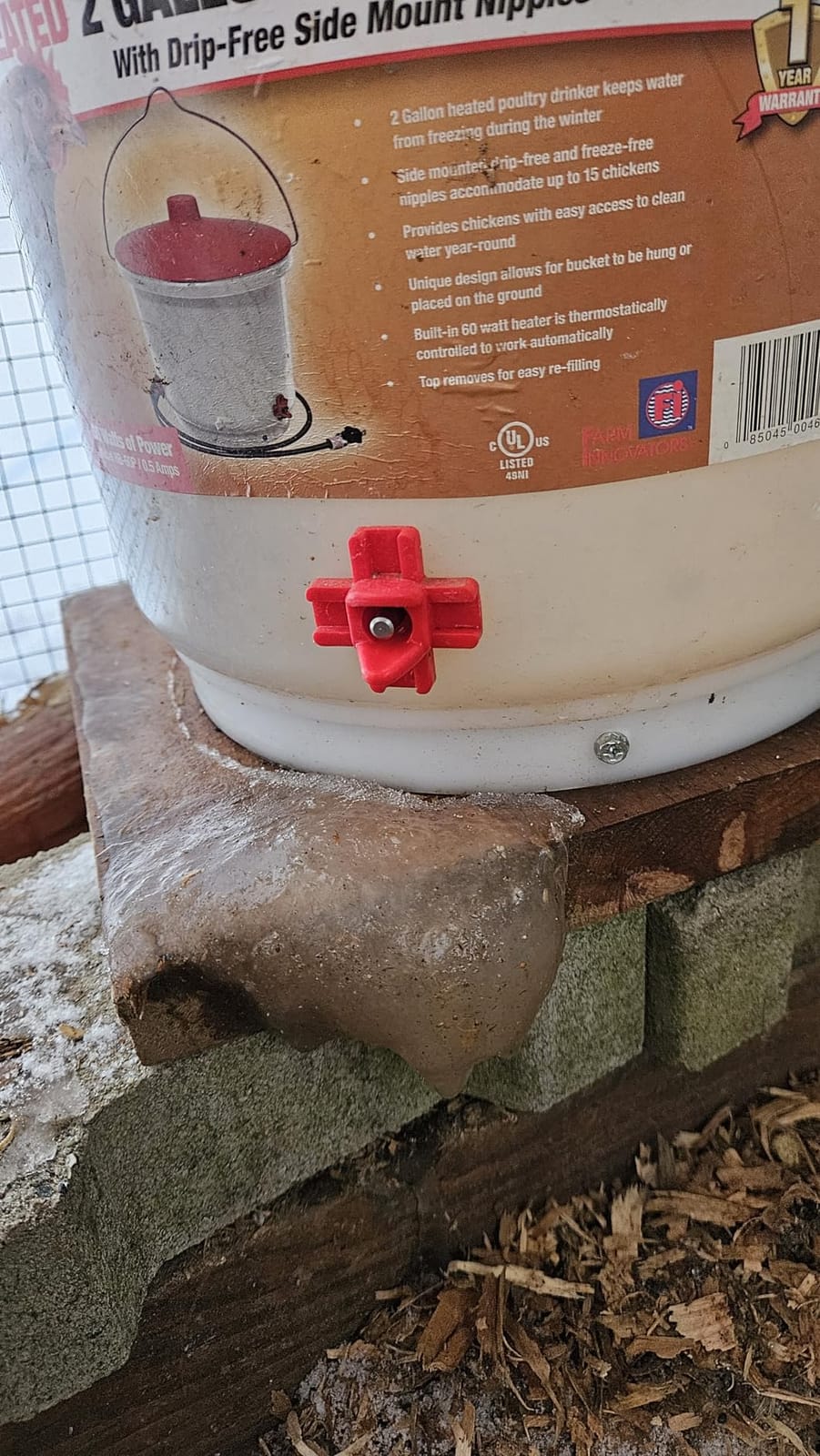
This is the unit I recommend to most people. It has 6504 reviews at a 4.2 average, and 67 percent of those are five-star, which is a rare level of long-run evidence in a category full of cheap plastic and short owner histories. The 60-watt element is thermostatically controlled, so it draws power only when the water actually needs warming, and the side-mounted drip-free freeze-free nipples sit high enough on the tank to stay above the coldest layer.
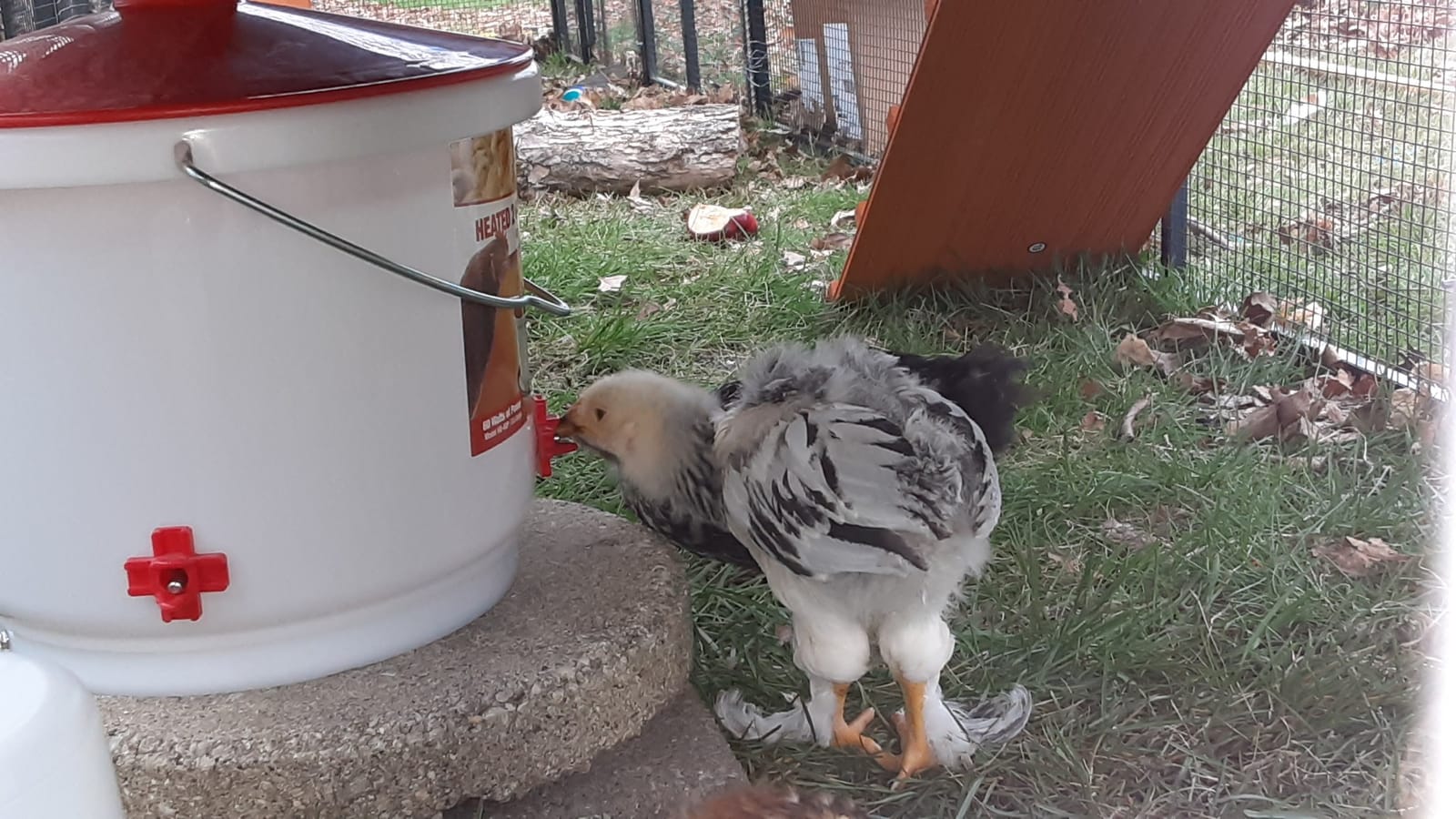
What we like is that it does three things at once without a complicated setup. The removable top makes refilling straightforward, the metal handle lets you hang it or set it on the ground, and the tank is a size you can actually lift with one hand when it is full. Owners across cold climates report consistent freeze prevention and easy cleaning, and the 2.58-pound weight makes it simple to bring inside during a hard snap.
The limitation is capacity, and it is a real one. Two gallons suits up to about 15 chickens on a single fill, and in a cold snap a small flock drinks noticeably more. If you have 20 birds or more you will be topping up twice a day, which defeats much of the purpose. The other recurring gripe is the plastic tank itself, which can crack or go brittle after a few seasons of freeze-thaw cycling, so owners who plan to keep one for a decade should expect a replacement at some point.
How it holds up in a hard freeze?
Sixty watts is a moderate figure, and it does the job in most cold-winter climates rather than in extreme northern conditions. The thermostat handles the cycling, so the element is not running constantly, which is what keeps it alive year to year. If your winters regularly drop well below zero for extended stretches, look at one of the 125W bases instead.
Who should skip it?
Anyone with a flock past roughly 16 birds should look elsewhere, because twice-daily refills in the cold are how water problems start. It is also not the choice if you already own a solid metal fount, since in that case a heated base gives you more capacity for less money and you keep a container you know the history of.
2. Farm Innovators HP-125 125W Heated Base: Best Retrofit for an Existing Metal Fount
Farm Innovators HP-125 Heated Base for Metal Poultry Founts, 125W
125W thermostatic element
On below 35F
Holds water down to 10F
Fits double-wall metal founts
Pros
- Fits 3- and 5-gallon metal founts and smaller poultry cups
- Users report water staying liquid at -35F in an enclosed run
- Heated low profile keeps pine shavings out of the water
- Bottom cover shields the element from dirt and manure
Cons
- Power cord is short and birds may peck at it
- Runs hotter than some buyers expect
- Minority of units fail and need thermostat recalibration
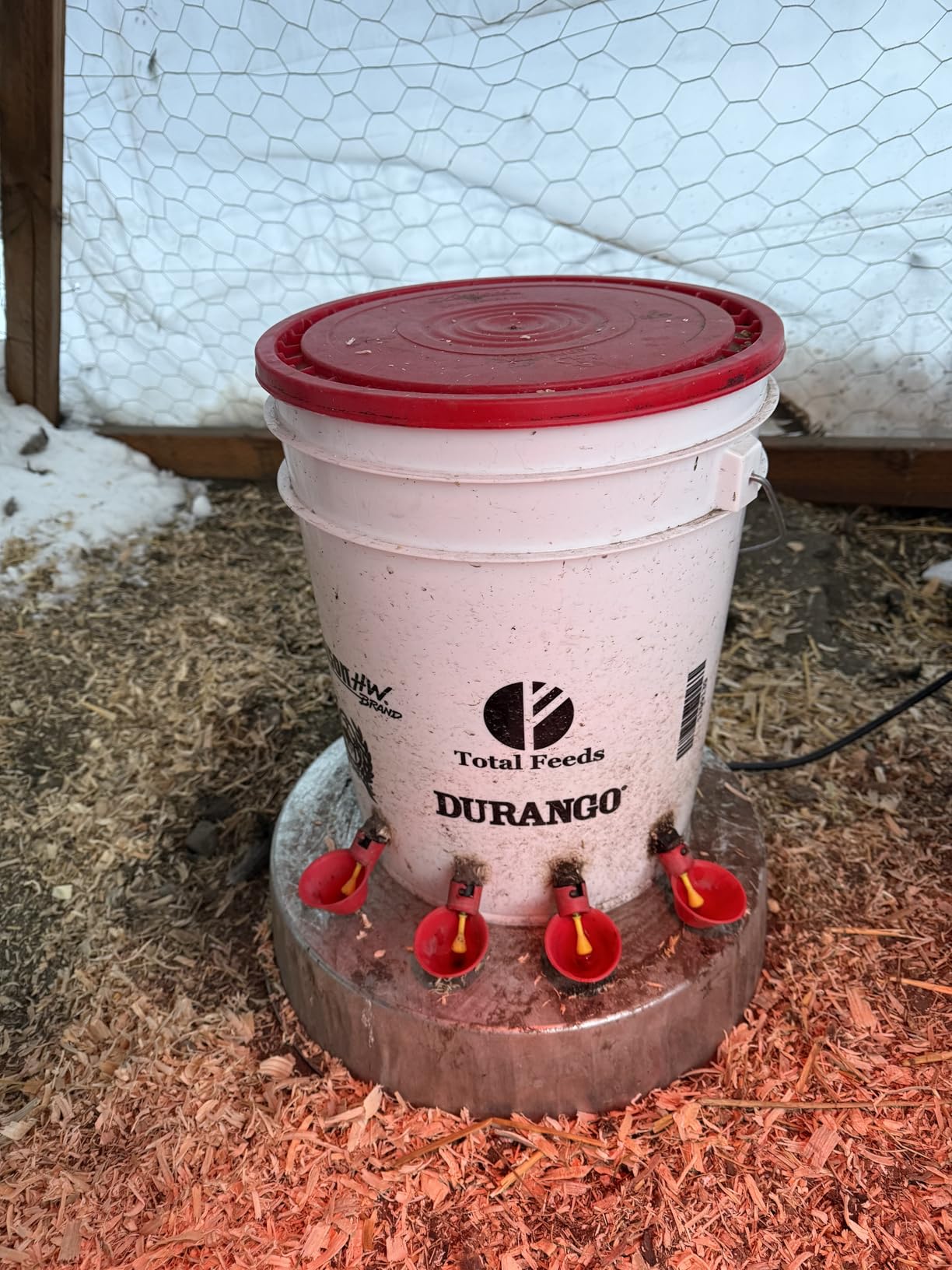
This is the retrofit path most keepers on Backyard Chickens actually recommend, and the reason is simple. Rather than throwing away a perfectly good metal fount, you set it on a heated plate. The forum advice is consistent: keep the same waterer all year and add a base for winter. The HP-125 has a long production history, has 2166 reviews at 4.4, and 75 percent of those are five-star, so the long-term durability record here is the best in the group.
At 125 watts it has real margin. The element activates below 35F and the manufacturer rates protection down to 10F, and owners in severe climates report it holding water liquid at -35F inside an enclosed run. The wide platform takes 3- and 5-gallon double-wall metal founts and even small poultry cups, and because the heat comes from a raised plate, pine shavings stay out of the drinking water. The bottom cover shields the element from dirt, manure, and spilled water, which matters in a coop floor environment.
Two things to plan around. The cord is short and runs exposed across the coop floor, and birds do peck at it, so routing it along a wall behind the fount is worth the five minutes it takes. It also runs hotter than some buyers expect, so pairing it with a thin plastic fount is asking for trouble. Stick it under metal, which is what it is designed for, and it will outlast most everything else in the coop.
Why the retrofit approach usually wins?
You keep the container you already trust and you add one part that can be swapped independently. If the fount cracks you replace a cheap bucket, not a whole heated unit. And because the base does the work, the capacity question is solved by whatever container you choose rather than by what the heater allows. This is also the cheapest path to a winter-ready setup that scales to a large flock.
What to watch for?
A minority of units arrive with a thermostat that will not hold calibration, and owners report a freezer re-calibration fixing it. Test the plate the day it arrives rather than discovering the problem in January. If a bird can reach the cord, shorten the run or sleeve it, because chewing a power cord in a wet coop is the one genuine safety risk in this category.
3. Premier 1 All-Season 3-Gallon Heated Waterer: Best for Large Flocks and Year-Round Use
Premier 1 All-Season Heated Poultry Waterer for Chickens & Ducks – 3 Gallon
100W element on a thermostat
On below 40F off at 60F
3 gallons for up to 35 chickens
16 ft detachable cord
Pros
- All-season: detachable cord makes it a plain waterer in warm months
- Hinged quick-fill cap refills from a hose without removing the lid
- Insulated deep basin keeps water clean and drip-free
- One fill covers up to 35 adult chickens
Cons
- Most expensive unit in the roundup
- Birds new to nipple drinkers need training
- Wind-exposed setups can still freeze the nipples
- Manufacturer advises against extension cords
This is the one I recommend when a flock gets large enough that refilling is a chore. Three gallons covers up to 35 adult chickens, and at 100 watts with a thermostat that switches on below 40F and off at 60F it has enough headroom for most winters. It has 840 reviews at 4.3, and the owner commentary is unusually consistent about the same thing: the water stays clean and unfrozen and the daily scrubbing stops.
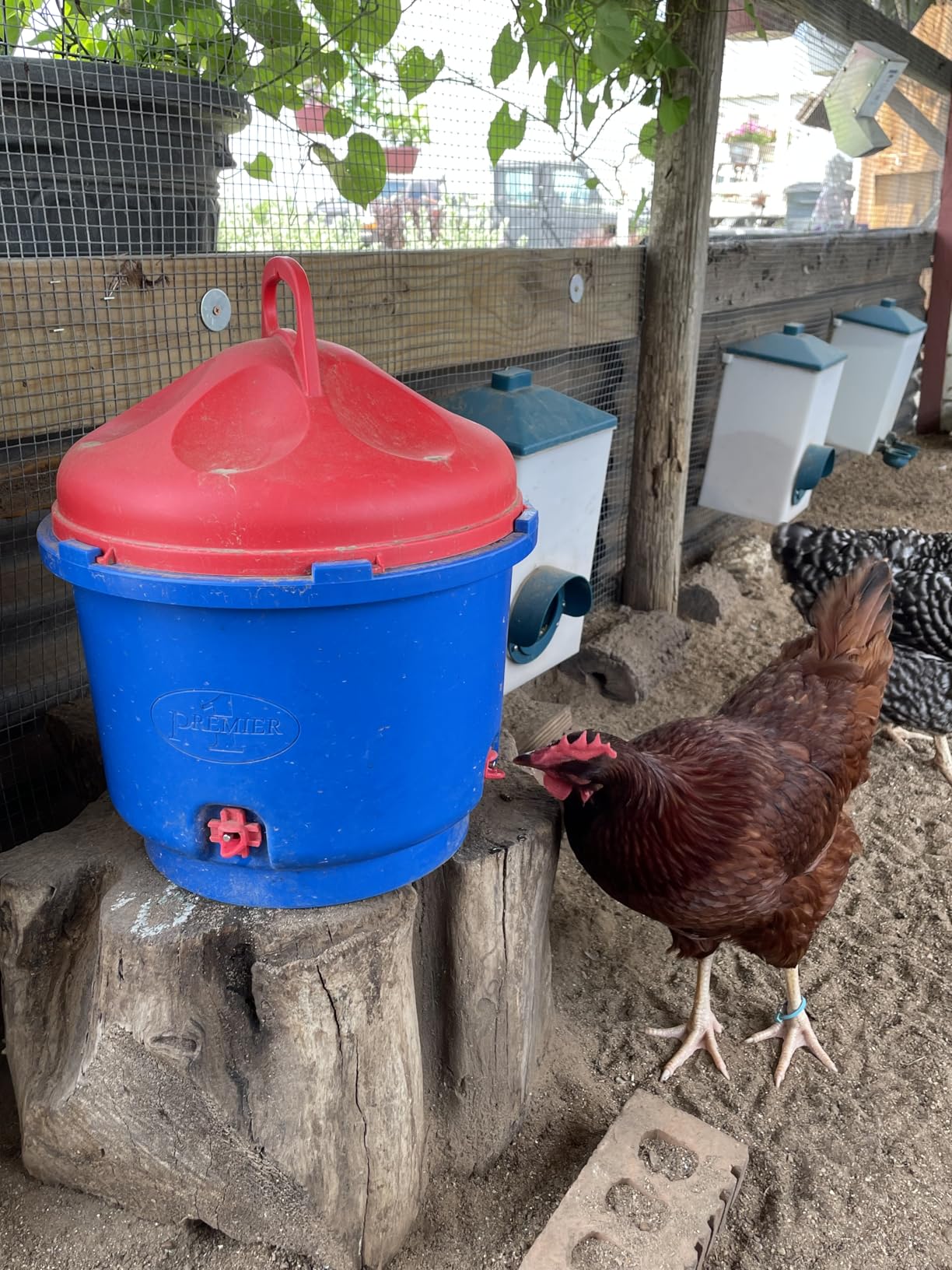
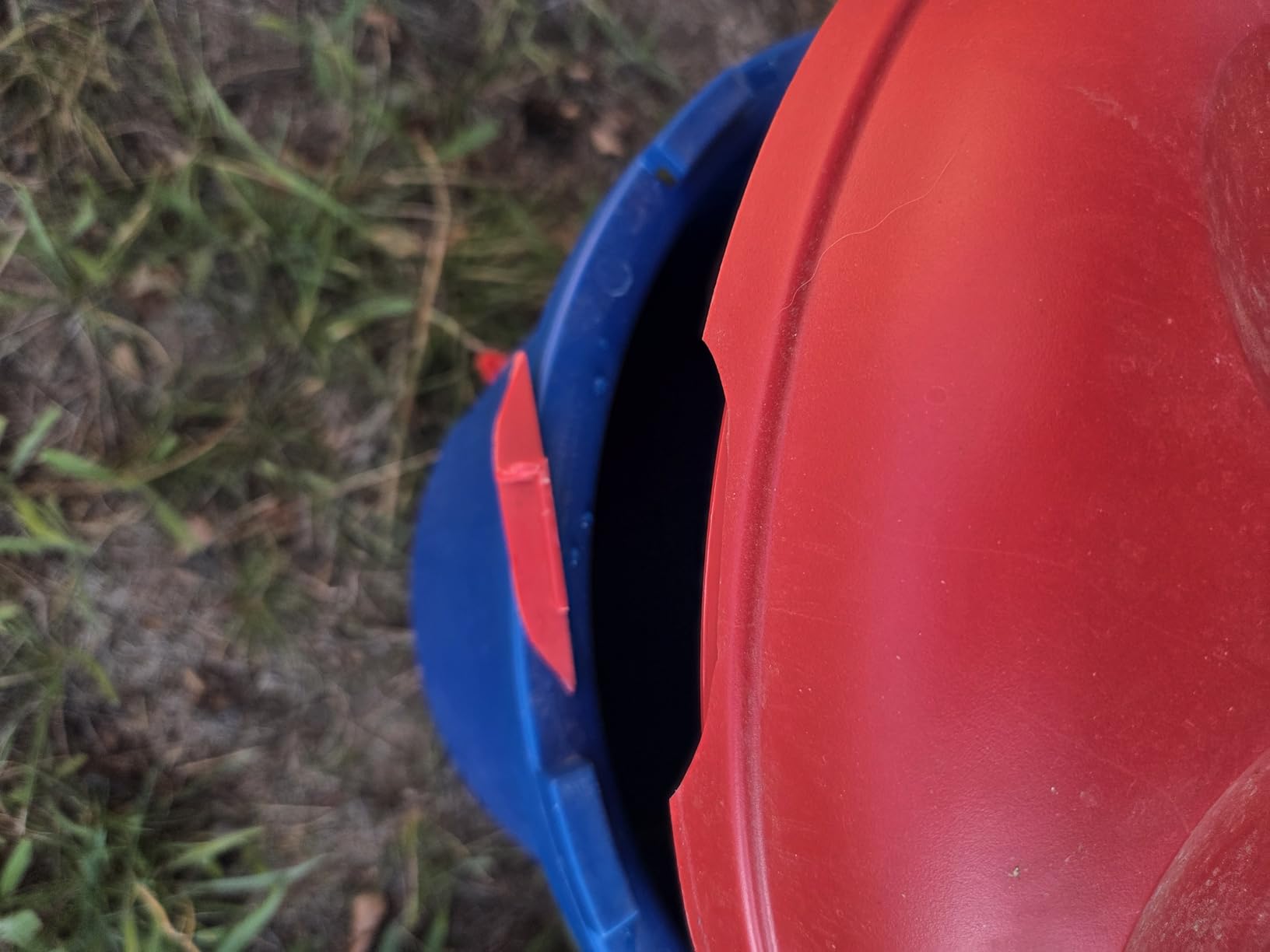
Two design decisions stand out. The hinged quick-fill cap means you can top it up from a hose or a watering can without lifting the lid off, which is the difference between a two-minute job and a ten-minute one with wet shavings everywhere. And the 16-foot detachable cord is the genuinely clever part: unplug it in summer and the unit becomes a normal all-season waterer. Owners treat that as a free second waterer, and some drop a block of ice in for cold water that holds for hours.
It costs more than anything else here, and the nipples need a training period if your birds have never used them. Owners also report that in an exposed, windy location the nipples and the surface water can still freeze, because wind strips heat away faster than 100 watts can replace it. The manufacturer also advises against extension cords, which pushes you to mount the unit near an outlet. For a 20-plus bird flock that is a reasonable trade. For three hens it is not.
Where the extra spend actually goes?
You are paying for capacity, the fill cap, and the detachable cord. Those three things are exactly what stops the daily chore, and the daily chore is the failure point in most winter setups. If you already have a 20-bird-plus flock, the capacity alone justifies the jump from a 2-gallon unit. Most of the failures owners describe trace to a cord that was not fully seated, not to a dead element.
Consider instead
If your budget is the deciding factor, a 5-gallon waterer on the 125W Zoblise base gives you the same capacity with parts that can be replaced separately, and the base survives the waterer. The Premier 1 makes more sense when you want one sealed unit that works unplugged in July and you would rather not think about matching parts.
4. Farm Innovators C-50P 150W Teflon De-Icer: Best for Deep Buckets and Nipple Drinkers
Farm Innovators C-50P Chicken Waterer De-Icer, 150W, Teflon Coated
150 watts at 120 volts
Teflon-coated metal disc
Thermostatically controlled
Low profile for 5-gallon buckets
Pros
- Teflon coating resists rust and corrosion season after season
- Thaws water in nipple-drinker buckets where a flat base will not fit
- Low-profile disc slips inside standard 5-gallon buckets
- Thermostat cuts power once water is thawed
Cons
- Bucket must be deep enough for the disc to clear the nipples
- Short cord limits placement away from an outlet
- Some owners report weaker performance in the second winter
At 150 watts this is the highest-output unit in the roundup, and it works in a completely different way from a base. The disc sits inside the container rather than underneath it, sinking into the water. That geometry is the reason to buy it: it is the only option here that can reach a nipple-drinker bucket, where the nipples hang down inside the bucket and a flat base underneath simply cannot touch the water column above them.
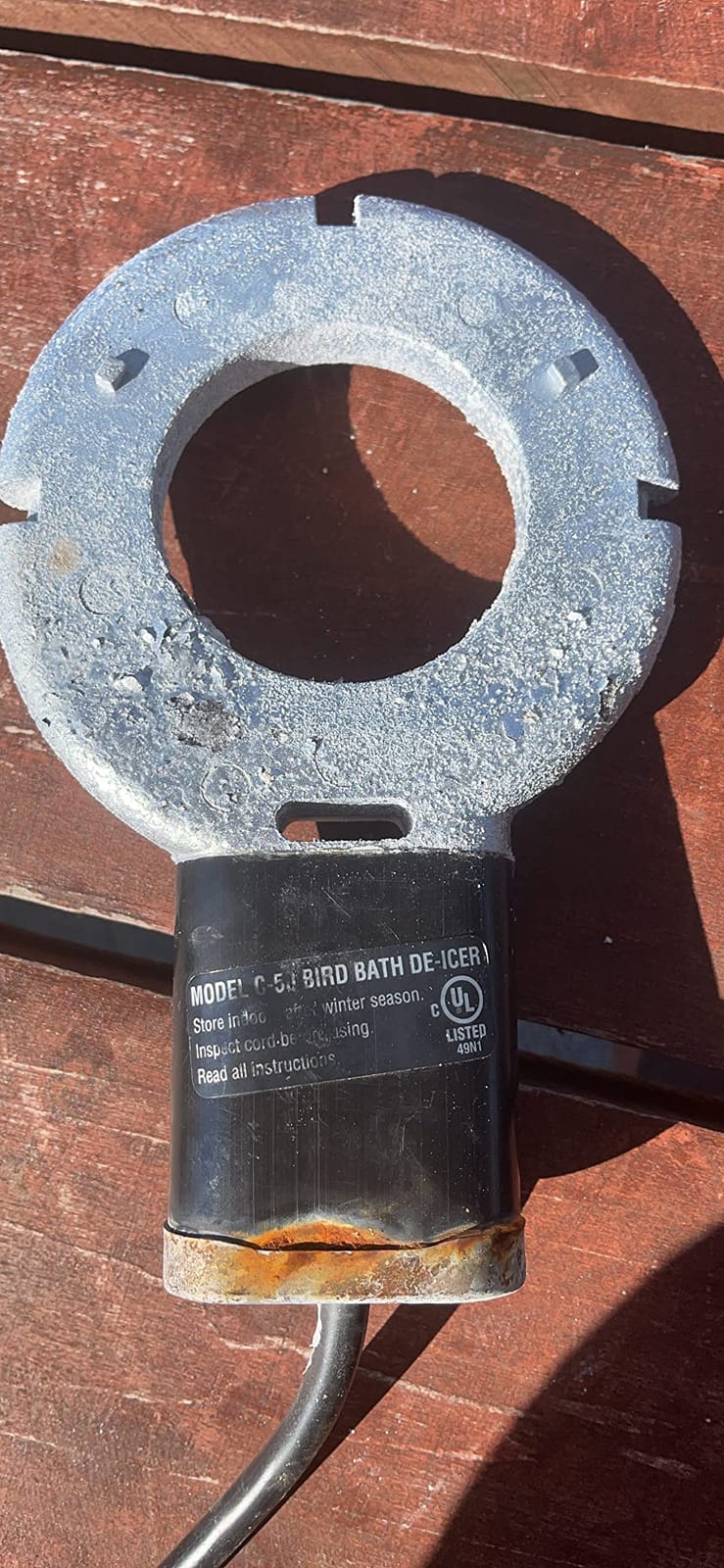
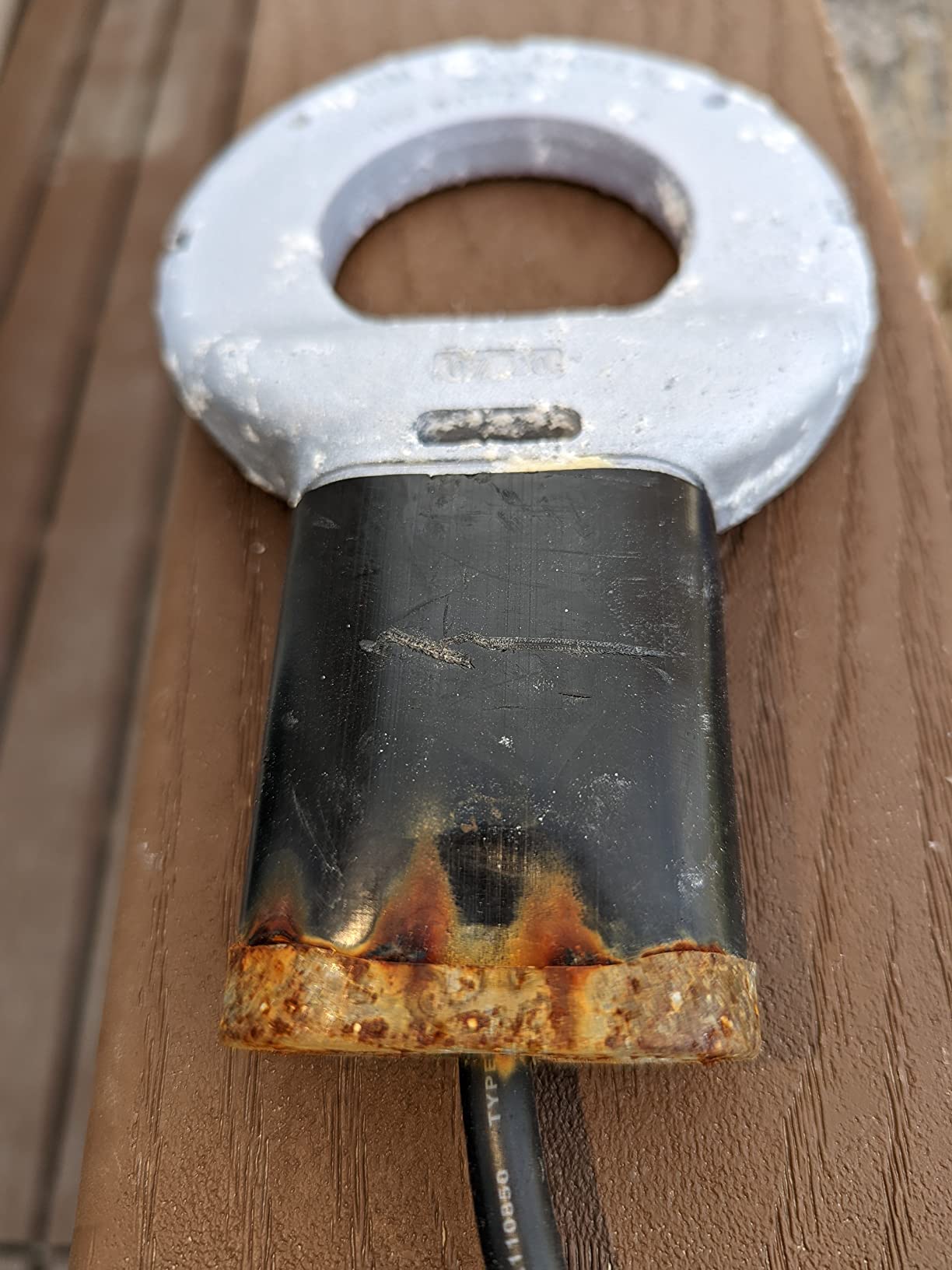
The Teflon coating is the differentiator against bare steel discs, which pit and corrode within a season or two in constant moisture. Feedback in this category is strongly positive during cold snaps, and the thermostat behaviour is right: it runs when the water is cold and stops once thawed. There is a one-year warranty behind it.
The constraint is the container. Your bucket has to be deep enough that the disc clears the nipples, and the nipples sit low, so plenty of standard buckets are too shallow. The cord is short, which pins the bucket near an outlet. And a real share of owners report performance fading in a second winter, which is the honest durability caveat in a category where breakage is the loudest complaint overall.
When this is the right geometry?
If your birds drink from nipples mounted in a deep bucket, this solves a problem no base on this list can. The disc sits in the water column itself, so the ice in the nipple stems is the closest thing to the heat source. A base under that bucket warms the bottom, which is the last place the freezing happens. This is the most targeted fix in the roundup for that specific setup.
When a base is better?
If you use a fount or a fountain with an open tray, you do not need to reach into the container at all, and a flat base is simpler, wider, and easier to keep clean. An internal disc also means a sealed lid with a seam in the middle, which is one more place to check for weeping. For most people a base is the less fiddly answer, and this disc is for the bucket-and-nipple crowd.
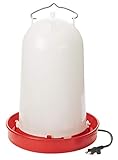
5. API 3-Gallon Heated Bird Waterer: Cleanest Design, Modest Cold Rating
API 3 Gallon Heated Chicken or Bird Waterer with Overheating Protection, Galvanized Steel Handle, and Easy to Fill Funnel Design, White
100 watts at 120 volts
Ice-free down to -5F
Thermostat-controlled heater pad
Rounded roosting-resistant top
Pros
- Gravity-style fill makes topping up quick and mess-free
- Rounded lid discourages roosting so water stays cleaner
- Galvanized steel handle makes it easy to carry or hang
- Overheating protection and even pad heating prevent scalding
Cons
- Lowest rating in this group at 4.0 stars with a 13 percent one-star share
- Rated only to about -5F so not a deep-winter unit
- 4-foot cord is short and may need an extension
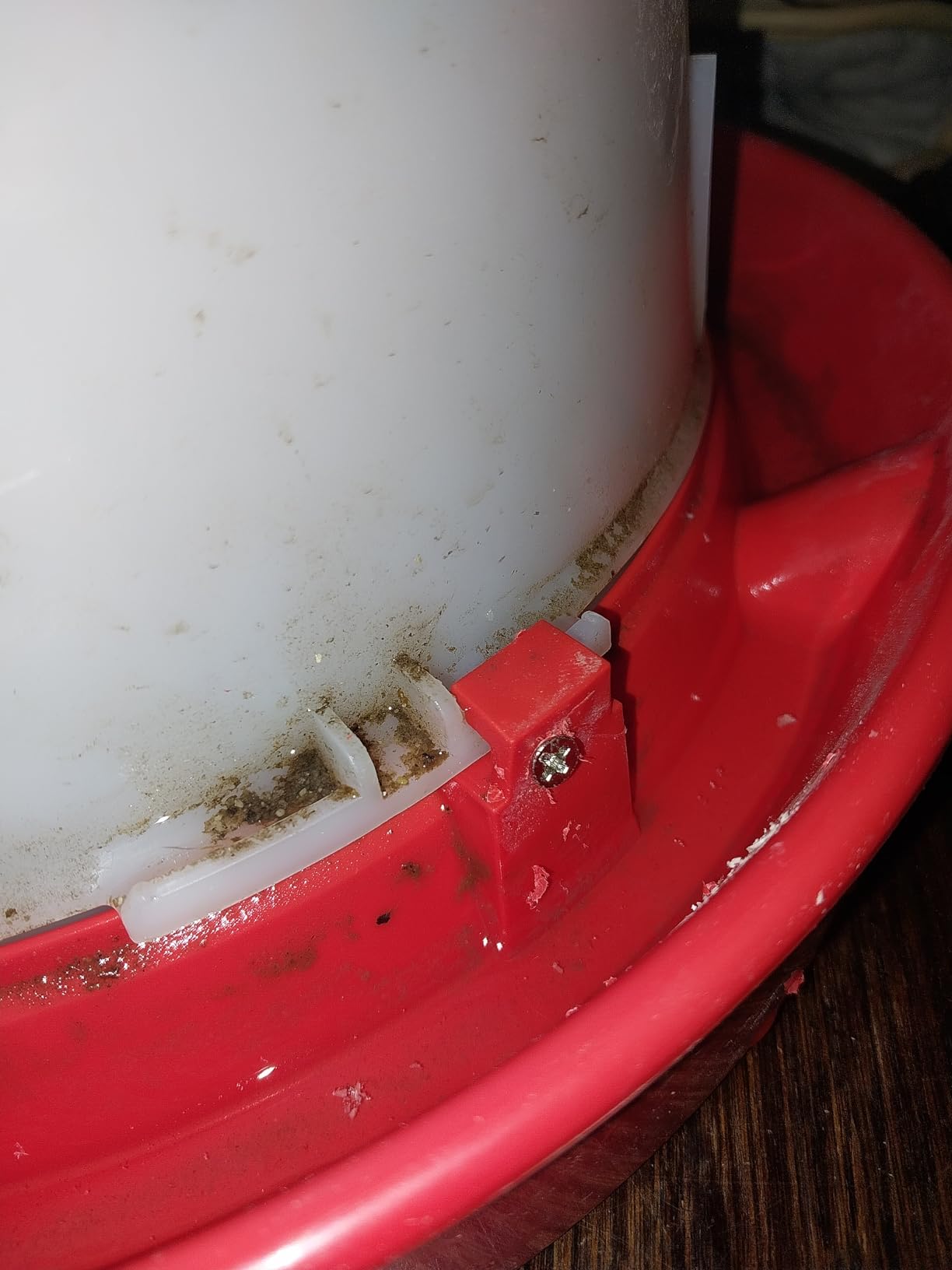
This is the design we would hand to someone whose main complaint about waterers is that they get filthy. The rounded top is the standout feature, because chickens love to roost on a flat lid and roosting means droppings directly into the water. A curved surface removes the perch entirely. The gravity-style fill and the funnel design make topping up quick, and the galvanized steel handle makes it easy to hang or carry to a sink for a clean.
At 100 watts it is mid-pack, and the ratings reflect that ceiling. It holds water ice-free down to about -5F, which covers most ordinary winters and stops short of true deep cold. That is also the honest explanation for the 4.0 average and the 13 percent one-star share: the heating capacity is modest, and buyers in cold climates rate it against units built for harsher conditions. The thermostat-controlled heater pad does an even job and the overheating protection prevents scalding, which is a genuine safety plus.
Be realistic about the cord. At 4 feet it is the shortest here alongside the bucket-disc unit, and an extension may be needed, which is worth checking against your own setup before you commit. If your winters are moderate and hygiene is your priority, this is a sound pick. If you are in a northern climate that regularly goes deep below zero, the -5F rating is the number that decides it for you.
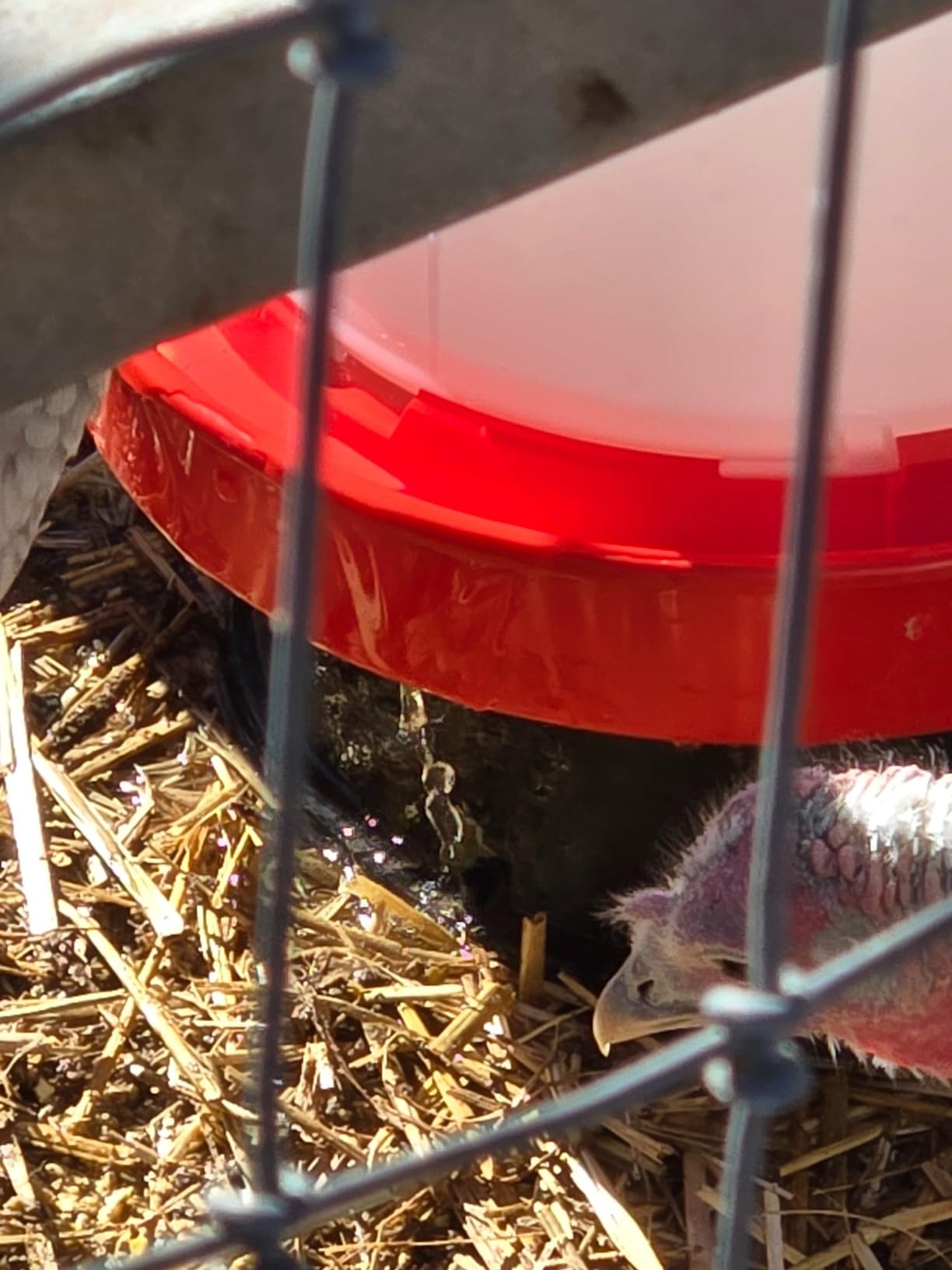
What a 100W pad can and cannot do?
A 100-watt pad under three gallons keeps water drinkable through ordinary cold and reliably holds it just above freezing through a typical winter night. What it cannot do is outrun a sustained deep-cold snap in an uninsulated coop, because the heat has to climb through the whole water column. Placement inside the coop rather than out in the run does more for this unit than any wattage upgrade would.
Who it suits?
Anyone prioritising clean water, limited refilling, and a shape birds cannot soil. It is also a sensible choice for a mixed flock where some birds drink from the top and others work the filler, since a shallow gravity format suits both. Skip it if you are in a hard-freeze zone and you intend to leave it in an unheated run overnight.
6. Zoblise 15-Inch 125W Heated Base: Best for Full 5-Gallon Waterers
Chicken Water Heater Base for Winter, Heated Chicken Waterer 5 Gallon 125W
125W element in galvanized steel
On below 35F off above 77F
14.6-inch base
6-foot cord
Pros
- Enlarged 14.6-inch base stabilizes 5-gallon waterers without tipping
- Galvanized steel transfers heat better than bare plastic and resists rust
- Overheat cutoff at 77F keeps water drinkable and cuts scald risk
- Owners report a little welcome added heat in the coop
Cons
- Filler must be no more than about half full or the top layer still freezes
- 6-foot cord is short
- A noticeable share of units arrive dead or fail within a few months
The specific job this solves is a full 5-gallon waterer sitting on a base that will not wobble. At 14.6 inches across, the plate is wide enough to stabilise a heavily loaded bucket, and tipping a full waterer is how a lot of winter water problems start in the first place. It has 527 reviews at 4.2, and Northeast owners report it carrying them through full winters.
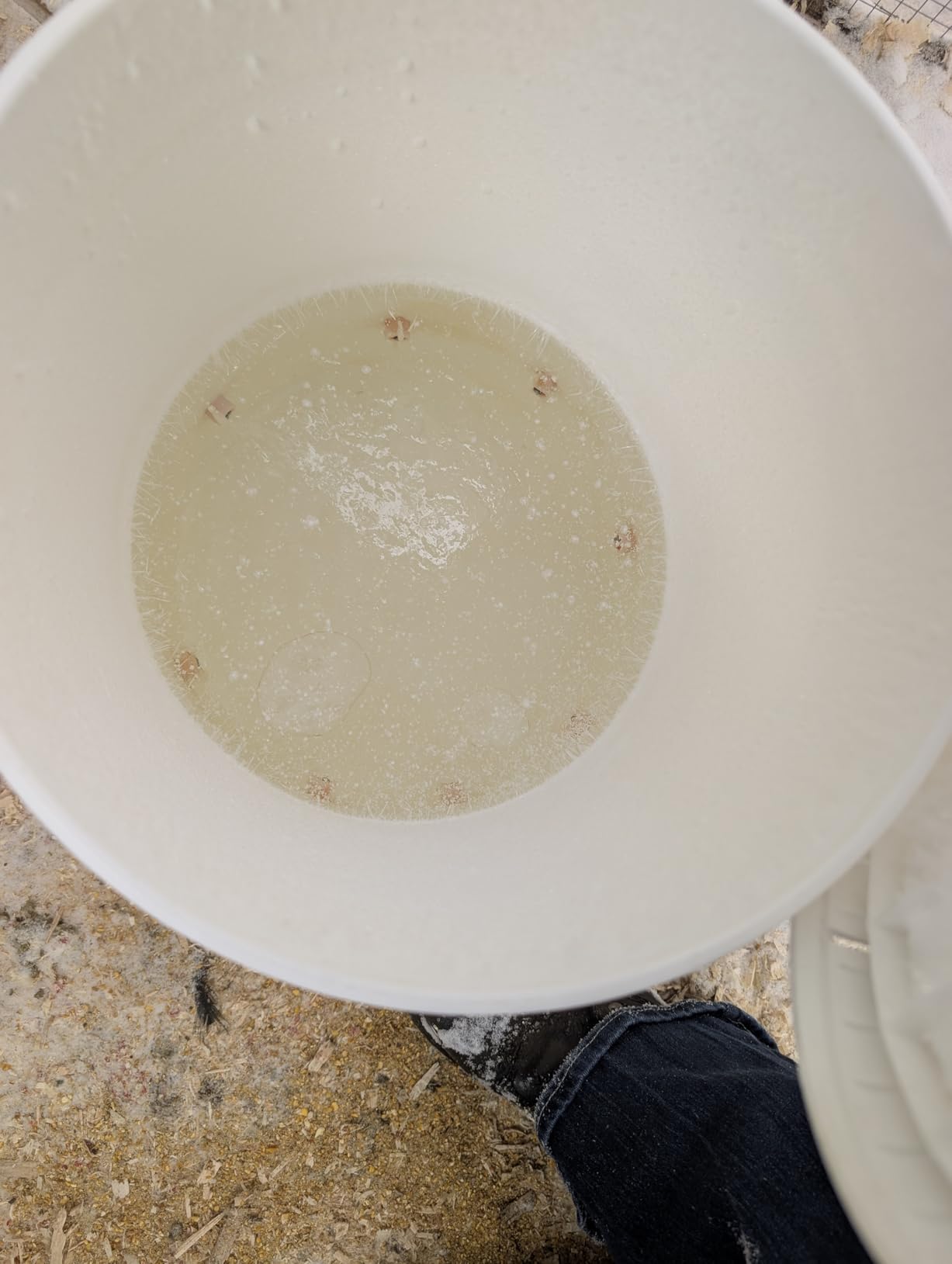
Two design points stand out. The plate is galvanized steel rather than plastic, and steel conducts heat far better and resists rust in a wet environment. And the thermostat has both ends properly specified: it switches on below 35F and cuts power above 77F. That upper cutoff is what keeps the water drinkable rather than hot and reduces the scald risk for birds that like to dunk their heads, which a number of cheaper plates in this category get wrong.
Fill level is the thing to get right. Owners report that if you fill the waterer much more than half full, the top layer still freezes, because the heat rises from the plate and the surface is the last to warm. Treat half full as the working maximum in hard cold. The 15 percent one-star share also centres on units that would not switch on out of the box, so plug it in and confirm the plate warms before you need it.
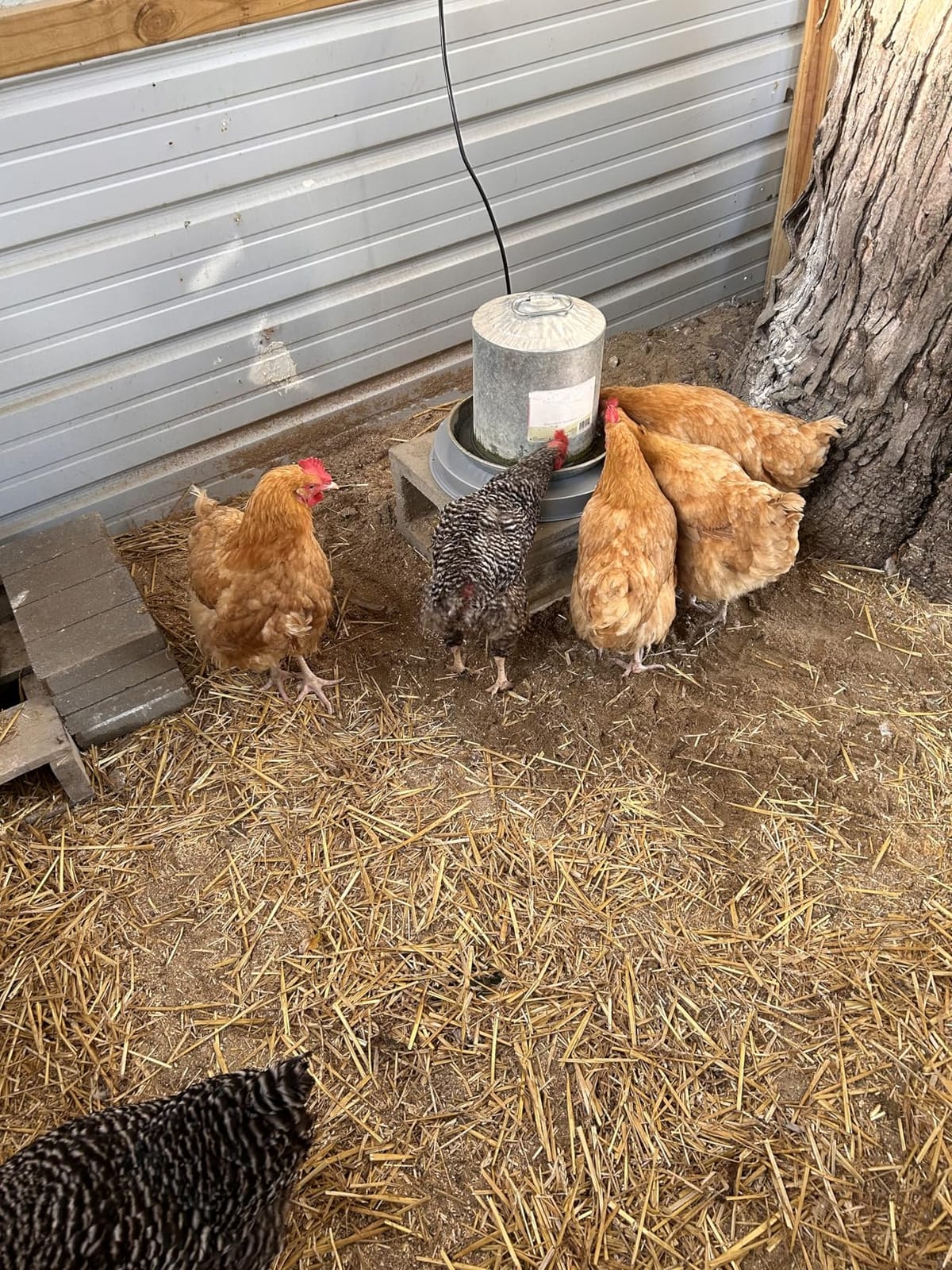
Galvanized steel versus plastic plates
Heat transfer is the whole argument. Plastic plate heaters have to warm the air gap and then warm the container above them, and they run hotter to compensate, which shortens element life. A steel plate couples directly to the base of a metal or plastic waterer and spreads heat laterally, so more of the water column stays above freezing with less waste. On a 5-gallon container that difference shows up on a cold morning.
Best fit and limits
This suits anyone with 15 to 30 birds who already owns a large bucket or a 5-gallon fount and wants a winter setup without replacing anything. It is less suited to small flocks, where a full 5-gallon waterer is mostly air, and the 6-foot cord again means you plan the layout before you buy.
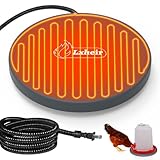
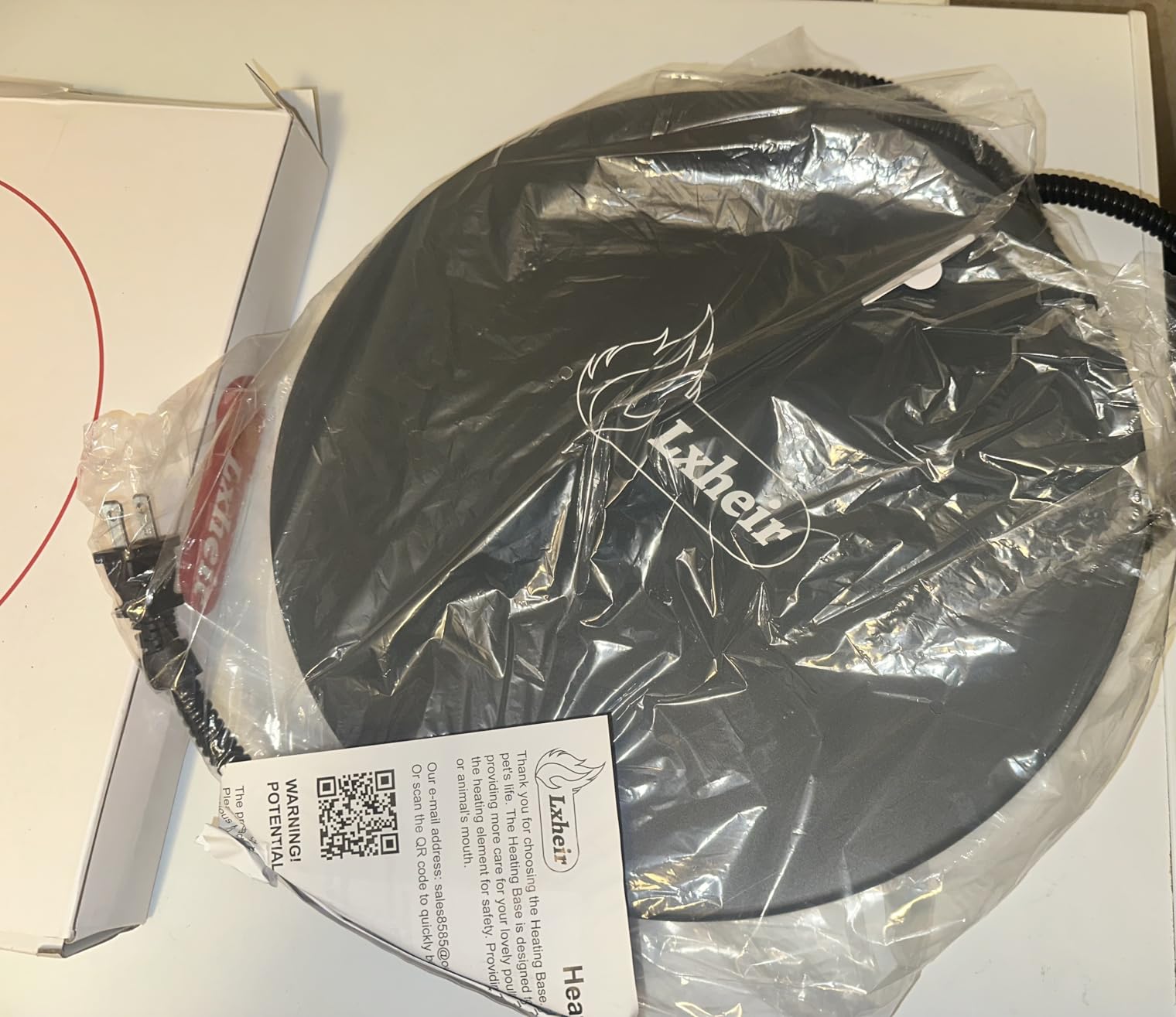
7. Lxheir 13-Inch 35W Heated Base: Budget Pick for Moderate Winters
Lxheir Chicken Water Heater, 13” Heated Base for Metal Plastic Poultry Founts Waterer 3-5 Gallons, Poultry Water Heater Base for Chicken Turkey Goose Duck Pigeon Drinker in Winter Grey
35W built-in element
On below 35F off above 68F
Fits 3-5 gallon founts
1.81 pounds
Pros
- Lowest cost per unit here and very light at 1.81 pounds
- Steel-sheathed cord resists pecking birds
- Warm without getting dangerously hot so it suits plastic pails
- Works with the plastic waterers backyard keepers already own
Cons
- 35W is the weakest element here and several owners report the top still freezing
- Concave plate can make poor contact with some waterers
- Not reliable below roughly 14F
This is the pick if your winters are genuinely moderate and you want the cheapest thing that does something. Thirty-five watts is a small output, and the reviews are honest about the ceiling: buyers in moderate winters like the price, the weight, and the fact that it warms gently enough to use with a plastic pail, while owners in genuinely cold climates report the top of the water still freezing and add a heat lamp to compensate.
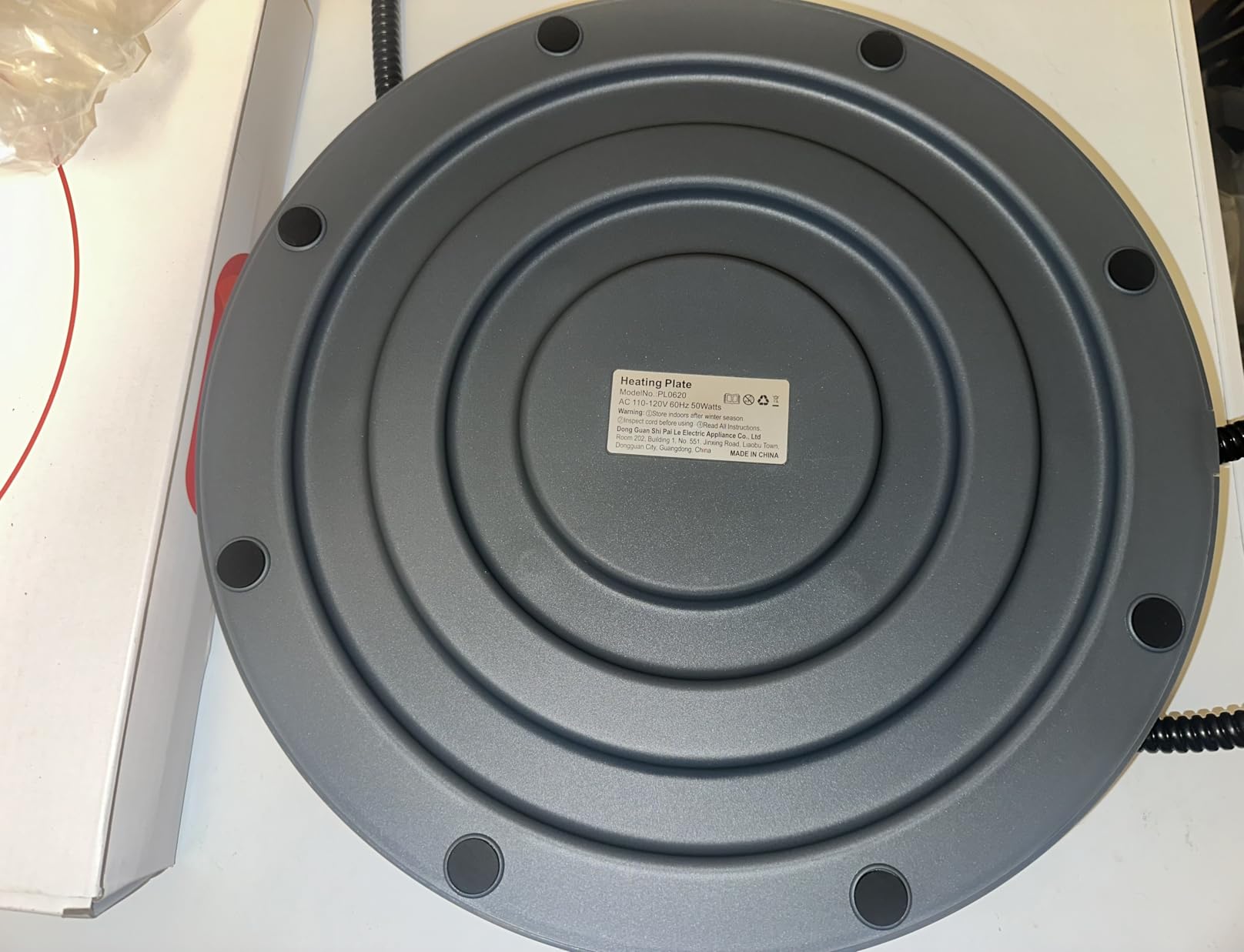
There is real engineering sense in the small details. The cord is steel-sheathed and described as chew-resistant, which matters more than it sounds when birds peck at a cable running across a wet floor. The waterproof housing works indoors or out, and the thermostat switches on below 35F and off above 68F. At 1.81 pounds it is the easiest unit here to lift, move, and bring inside during a cold snap, which is genuinely useful as a backup plan.
The concave plate is the detail to watch. A dished surface can leave poor contact with a flat-bottomed or slightly warped container, and heat transfer depends on that contact. Check that the waterer sits flat and fully supported before you trust it. On the temperature ceiling, the listing is not reliable below roughly 14F, so treat this as a mild-winter and mild-climate tool rather than a northern one.
Where 35W is genuinely enough?
Below about 35F, the energy needed just to offset losses through a plastic pail is small, and 35 watts will hold a 3- to 5-gallon container above freezing through a normal night in a temperate climate. The failures cluster in two places: sustained sub-zero cold, and containers that are full rather than half full. Manage both and this unit does its job all season.
Why you might spend a little more?
If you are in a region with hard winters, the gap between 35W and 125W is the difference between a system that works unattended and one you check twice a day. Several owners end up adding a heat lamp, and at that point you are spending more on a second heater than you saved on the first. If your winters are uncertain, buy for your coldest week, not your average one.
8. K&H Thermo-Poultry Waterer 2.5-Gallon 60W: Best Gravity Design for Waterfowl
K&H Pet Products Thermo-Poultry Waterer 2.5gal. (Heated) Gray 60 Watts – No Roost Top & Non-Spill Refill
60W thermostatically controlled
2.5-gallon tank
Spill-proof refill cap
16 x 16 x 15 inches
Pros
- Spill-proof cap lets you carry a full unit without sloshing
- Removable filter ring keeps trough sediment easy to clear
- Rounded profile prevents roosting so water stays sanitary
- Straightforward 60-watt thermostatically controlled base
Cons
- Rating of 4.0 with a 13 percent one-star share
- Smallest tank in the group at 2.5 gallons
- Costs more than most bases despite the modest 60-watt output
The spill-proof cap is the feature that changes daily life. It lets you lift a full 2.5-gallon unit onto its base without sloshing water across the coop floor, and that matters more in practice than any spec on the page. The removable water filter ring lifts debris out of the trough, and the rounded shape eliminates roosting, so birds cannot soil the lid. It is a gravity design, which is also why it works well with ducks and other waterfowl that prefer a wider drinking surface.
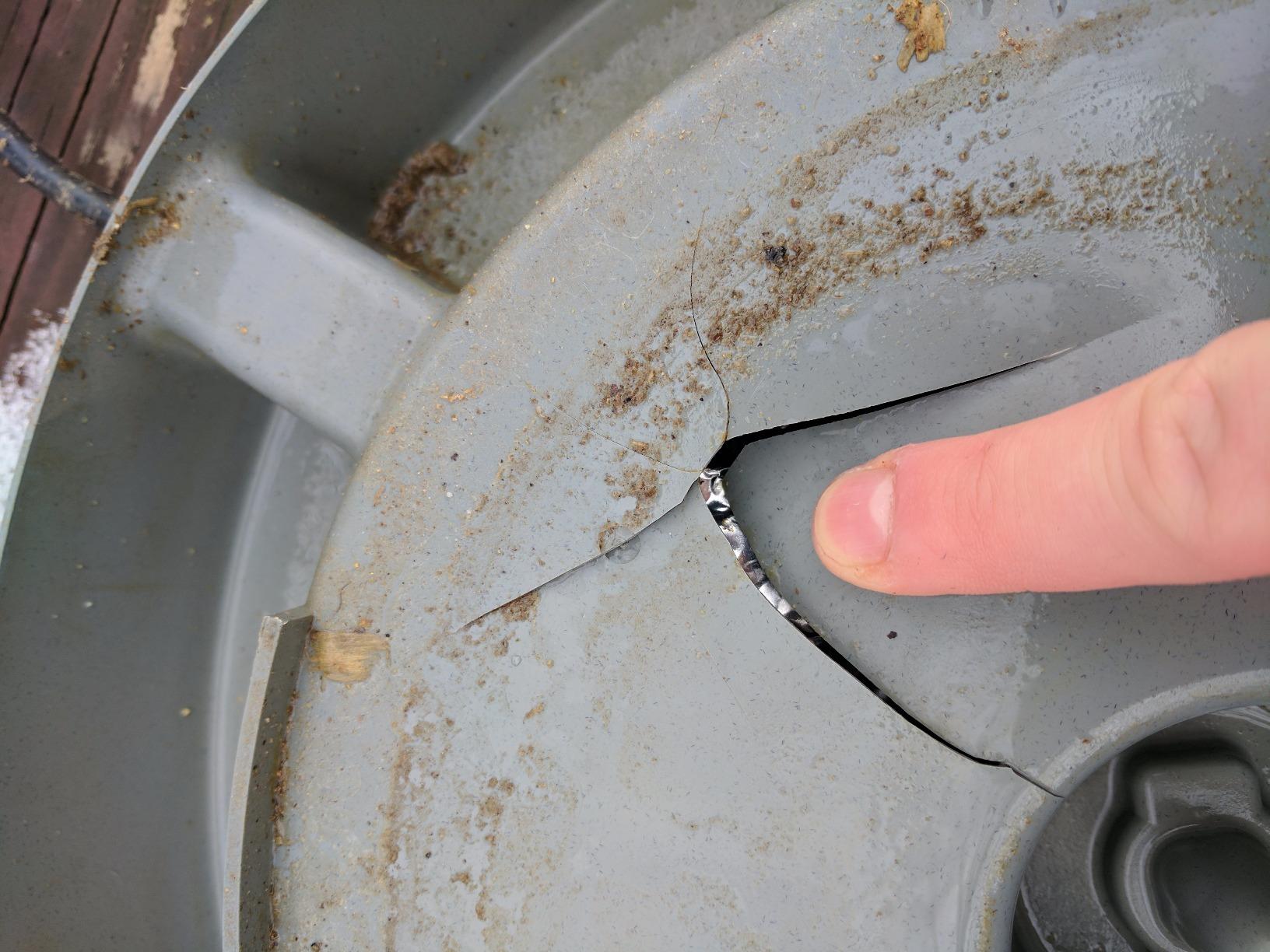
At 60 watts with a thermostat, the heating is modest but correctly controlled. The 4.0 rating across 377 reviews reflects a unit that is well designed but limited on two axes. The tank is the smallest here at 2.5 gallons, so you are refilling often, and 60 watts is a light output that owners report struggling in hard freezes. It also costs more than several heated bases in this roundup despite delivering less heat, which is worth weighing honestly.
It remains a well-made gravity waterer from an established brand, and the construction is thoughtful rather than generic. If you keep a few birds and value not spilling water on your coop floor, this does that better than the alternatives. If you keep more than a dozen birds or live somewhere severe, the small tank and the modest element will be the limiting factors, and a 5-gallon waterer on a 125W base serves you better.
Why waterfowl prefer this shape?
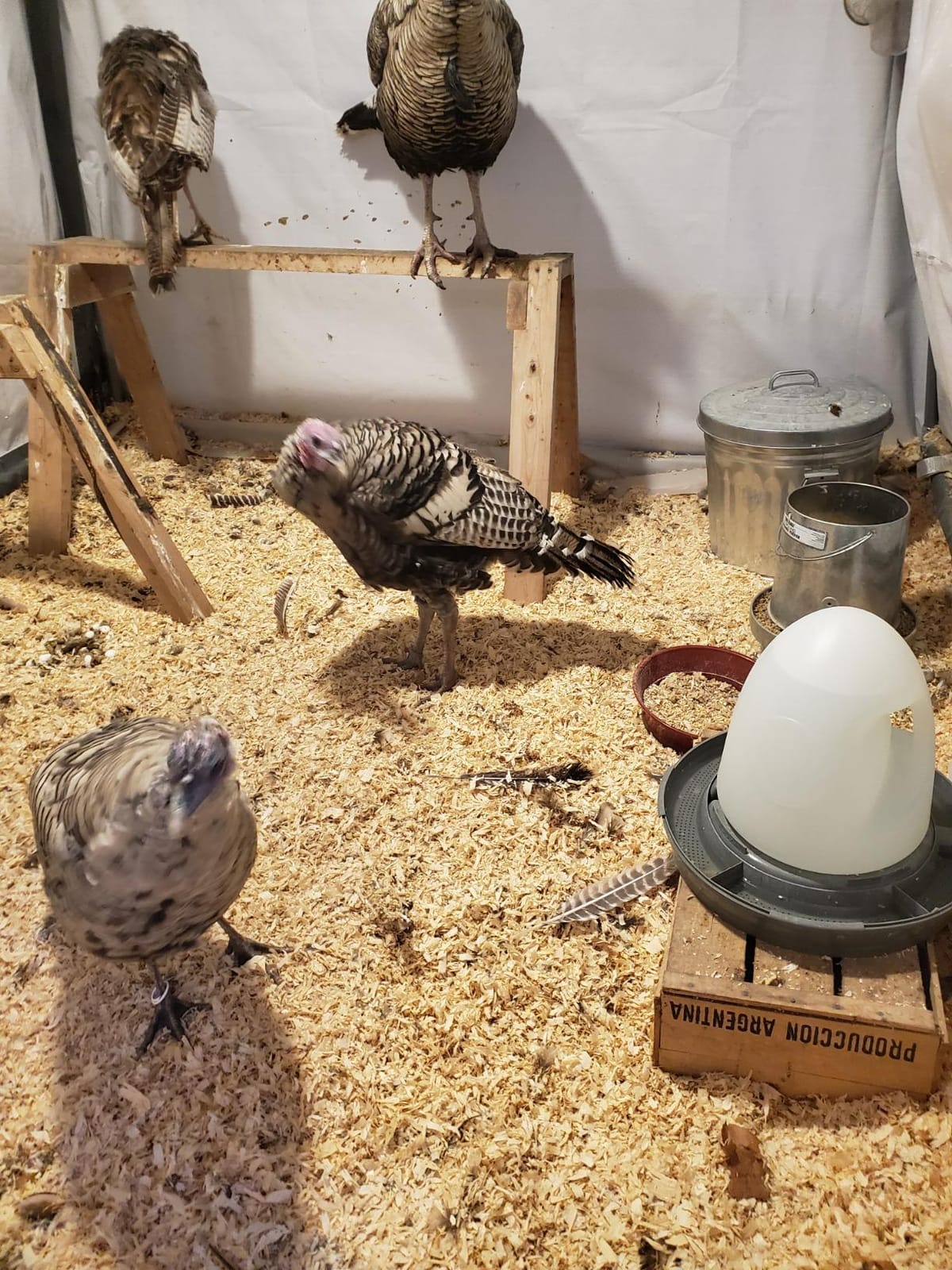
Ducks and geese drink differently from chickens. They immerse their whole bill, they make a mess of it, and they prefer a wide open or gravity-fed surface over a nipple. A rounded, open, gravity-style unit gives them somewhere to work without the geometry fighting them, and the spill-proof cap means refilling it does not mean mopping the floor afterwards.
Where the 60-watt limit bites?
A 2.5-gallon tank fills faster than you think in cold weather, because birds drink more when water is near freezing. Combined with a 60-watt element, you are looking at a unit that needs topping up daily in winter and cannot outrun a sustained freeze on its own. It is a design win, not a heating win.
9. ZOHOKO 15.35-Inch 125W Heated Base: Widest Plate for Oversized Waterers
Chicken Water Heater for Winter – 15.35″ Poultry Waterer Heated Base, 125W Drinker Heater Base with Thermostat to Prevent Water Freezing in Metal or Plastic Drinkers
125W thermostatic heater
On below 35F stops at 77F
Stainless steel plate
6.4 ft coated cord
Pros
- 15.35-inch base suits large 5- and 6-gallon founts
- 125 watts is among the higher outputs in the group
- Coated cord and stainless plate built for damp outdoor placement
- Two-stage thermostat holds water drinkable rather than hot
Cons
- Less review volume than the category leaders
- 13 percent one-star share suggests early failures
- Slightly larger footprint takes more coop floor space
This exists for a specific reason: 6-gallon waterers. At 15.35 inches the plate is the widest in the roundup, and it is rated to suit anything from 1 gallon up to 6, plastic or metal. If you are running a large flock with a genuinely big fount, most of the other bases are physically too small to support it properly, and a waterer overhanging a heater loses contact and loses heat. The stainless steel plate resists rust and deformation, and at 125 watts the output is among the higher figures here.
The cord is 6.4 feet of flame-retardant, plastic-coated cable, which is a sensible choice for a damp environment. The two-stage thermostat heats below 35F and stops at 77F, holding water at a drinkable temperature rather than hot, and there is a one-year warranty behind it. Buyers specifically mention the wide plate as a good match for larger waterers and the thermostat for keeping water drinkable.
Two honest caveats. It has 304 reviews, fewer than the category leaders, and less than half the body of reviews the Farm Innovators options carry, so long-term durability is less well documented. There is also a 13 percent one-star share, which is the usual small cluster of early failures in this category. And the footprint is genuinely wide, so measure your coop floor and account for birds walking around it.
When plate size is the deciding factor?
Heat only transfers where there is contact. A waterer that overhangs a heater sits partly on cold ground, and the unheated edge is exactly where freezing starts. If your fount is a 5- or 6-gallon model, matching the plate diameter to the base footprint is not a nicety, it is the difference between the heater working and the heater mostly working. This unit solves that geometry cleanly.
How it compares to the Zoblise?
The other 125W base in this roundup is narrower at 14.6 inches and carries about 60 percent more owner reviews, with a similar thermostat spec and a 6-foot cord. Choose this one for oversized founts and the one-year warranty, and choose the other for a slightly better-worn track record and a marginally smaller footprint.
10. Myodal 62W Stainless Steel Heated Base: Highest Rated, Built for Extreme Cold
62W Metal Chicken Water Heater for Winter, 13” Thermostat Chicken Waterer Heater Base for 1-5 Gallon Metal or Plastic Poultry Waterer, Outdoor Weatherproof Poultry Water Heaters for Turkey Goose Duck
62W thermostatic element
Reheats below 35F
13-inch stainless base over 120 lbs
6.56 ft cold-resistant cord
Pros
- Highest rating in the roundup at 4.6 stars with 80 percent five-star votes
- Stainless steel plate resists rust and will not crack like painted steel
- Works with plastic metal glass or ceramic containers
- Owners in Alberta report liquid water through extreme cold winters
Cons
- 13-inch plate is smaller than the 14.6- and 15.35-inch bases
- Can need a heavy-gauge extension cord if the outlet is far away
- One owner reported a unit stopping after two months
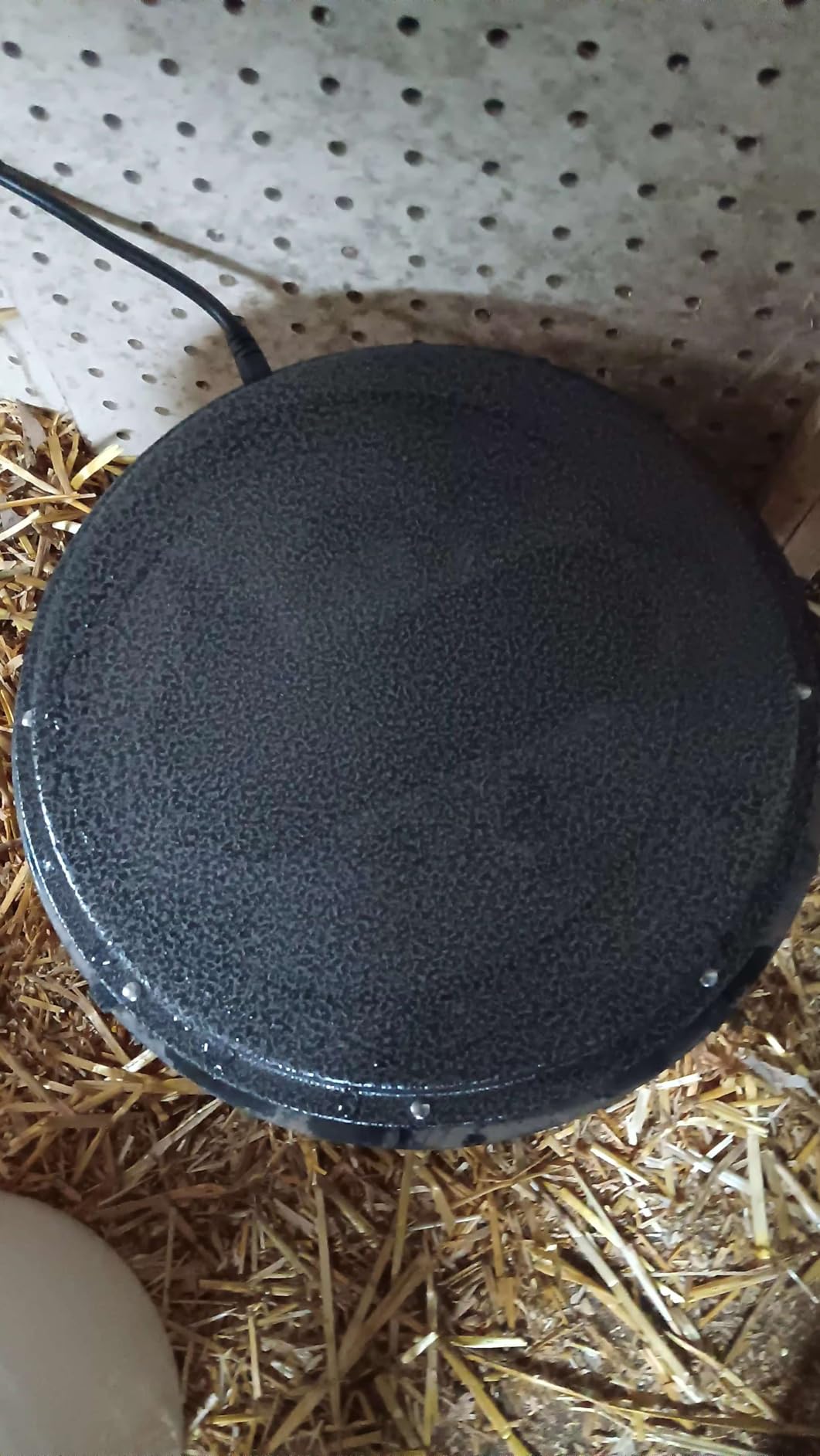
This is the best-rated unit in the roundup at 4.6 stars with 80 percent five-star votes and only 3 percent one-star, which makes it the one to trust if you want the highest confidence rather than the most reviews. Buyers in severe cold climates, including Alberta and the northern United States, credit it with eliminating the daily frozen-water swap entirely. That is the specific outcome we wanted from any of these products.
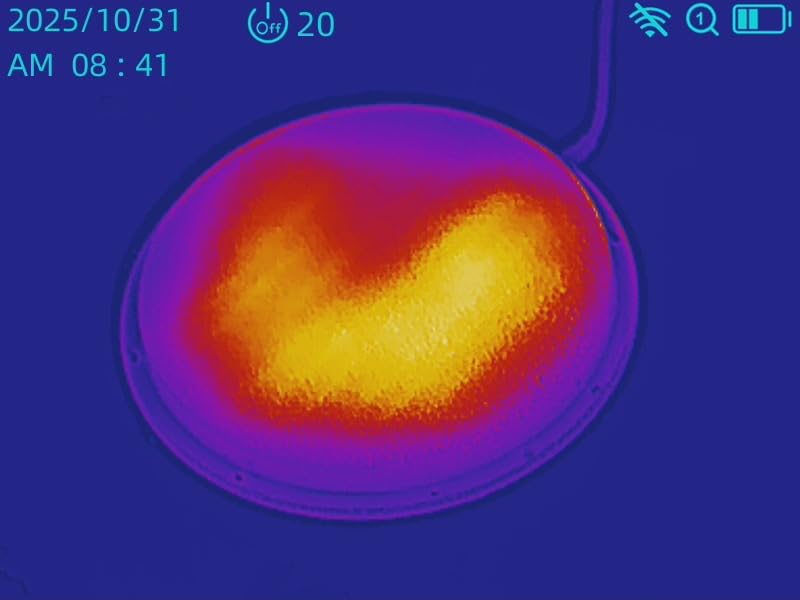
The material choice is what earns the rating. A stainless steel plate will not rust and will not crack the way painted or plated steel can, and at 13 inches it is rated to support over 120 pounds, so a full waterer sits on it securely. It also works with glass and ceramic containers, which no other base here can claim, and that widens what you can put on it if you already own an unusual fount.
Sixty-two watts is not a huge number, but the thermostat cycles it well: it reheats below 35F, brings the water up to a drinkable temperature, then shuts off. The trade-offs are a 13-inch footprint that is smaller than the two larger bases, a 6.56-foot cord that can require a heavy-gauge extension if your outlet is far, and one owner report of a unit that stopped working after two months. At 252 reviews it also has the smallest review base here, so treat the durability record as promising rather than proven.
How 62W handled extreme cold?
The honest read is that the thermostat and the stainless plate do the work together, not the wattage figure. Constant cycling against a high-conductivity plate keeps the water column above freezing more efficiently than a larger element on a plastic plate. The Alberta and northern-climate owners reporting liquid water through the harshest winters are the strongest cold-weather evidence in this roundup, and it is worth weighing heavily if that is your climate.
Who should look elsewhere?
If you run a 5- or 6-gallon fount, the 13-inch plate is undersized and the ZOHOKO or Zoblise bases are the right geometry. If your outlet is far from the waterer, budget for a heavy-gauge extension before you order. For a 3- to 5-gallon container in a severe climate with a nearby outlet, this is the strongest single pick in the list.
How to Choose a Heated Poultry Waterer for Your Flock?
Work through these in order and the choice nearly makes itself. First, count the birds. A chicken drinks roughly a half-pint to a pint a day, and higher in cold weather. A 2-gallon unit covers a flock up to about 15 chickens comfortably, a 3-gallon covers around 35, and a 5-gallon on a wide base covers 40 or more without constant refilling. Flocks of 25 or more are where heated waterers stop being a convenience and start being necessary, because twice-daily checking in sub-zero weather is not a sustainable routine.
Second, match watts to your climate rather than to flock size. The range here runs from 35W to 150W, and the jump from the 35W base to a 125W base is the difference between a system you can leave alone overnight and one you check. Moderate winters with nights mostly above freezing are served by 35W to 60W. Regular hard freezes below 20F call for 100W to 125W. Sustained deep cold justifies 125W to 150W, and placement inside the coop rather than out in the run matters more than any wattage you add.
Third, decide on thermostat rather than luck. Every unit in this roundup is thermostatically controlled, which is now the baseline rather than a premium feature. Buyers notice the difference, and thermostatic cycling is what reduces electricity use and extends element life compared with a continuously-on element. Check the upper cutoff too, because a plate that only switches off at a very high temperature keeps water hot enough to scald a bird that dunks its head.
Fourth, choose the drinking mechanism with your flock in mind. Nipple drinkers keep water clean and reduce litter wetness, but only some birds learn to use them, and freezing weather makes a frozen nipple fatal for that bird because there is no water at all. Cups are widely disliked by keepers, and forum complaints about constant problems are common. A fountain or tray is the most intuitive for new birds and for waterfowl. If you already know some of your birds will not drink from a nipple, do not buy a nipple unit and hope.
Fifth, measure the cord route before you buy. Cord lengths here run from 4 feet to 16 feet, and that single dimension decides whether you can put the waterer where the birds need it or whether you are rearranging the coop around a cable. Run cords along a wall, out of pecking range, and never across a wet floor where spilled water will sit.
Finally, plan the fill level. Owners report repeatedly that a waterer filled to the top still develops a frozen top layer, because heat rises from the plate and the surface warms last. Half full is the practical working maximum in hard cold, which means a larger container earns its extra size twice: more capacity and headroom. The K&H filter ring and the Premier 1 quick-fill cap are both maintenance features worth paying for if you refill often.
For a broader look at the season’s gear, our picks for the best poultry waterers for winter and our roundup of the best automatic chicken waterers for coops cover the unheated side of the same decision.
Heated Unit vs Heated Base: Which Retrofit Path Is Right?
The community consensus, and ours, is that the heated base wins if you already own a decent container. The Backyard Chickens advice is consistent and practical: use the same waterer all year, and in winter set it on a plastic water heater base. One commenter describes a 7-gallon waterer on a base that works all season, and the reasoning generalises. You keep the container you trust, you add one part that can be replaced on its own, and you solve capacity independently of the heater.
An all-in-one unit earns its place in three situations. When you have nothing to start with and do not want two parts to assemble. When you want one sealed system that works unplugged in summer, which the detachable cord on the Premier 1 makes genuinely possible. And when the drinking mechanism is integrated, as with the side-mounted nipples on the HB-60P, because retrofitting those is not practical.
The one case where a base cannot help is the deep bucket with nipple drinkers. When the nipples hang inside the bucket, an external base warms the bottom while the freezing happens in the stems, so an internal disc like the C-50P is the only geometry that works. Everything else is a straight choice between convenience and replaceable parts, and replaceable parts usually win.
Electrical Safety for Heated Waterers in a Damp Chicken Coop
No competitor in this category covers electrical safety, and that is a real gap. A chicken coop is a damp, ammonia-laden, manure-adjacent environment with birds pecking at cables at floor level. A mains-powered heating element in that setting deserves more than a caution.
Plug into a GFCI-protected outlet, every time. Ground-fault protection exists for exactly this situation, and a heated waterer sitting in a wet enclosure is the textbook condition that trips it. If your coop circuit does not have GFCI protection, have it fitted before you use a heated waterer rather than after something goes wrong.
Route cords where birds cannot reach them. Several units here ship with 4- to 6.5-foot cords that inevitably cross open floor, and owners report pecking as a recurring complaint. Run the cable along a wall, secure it out of reach at floor level, and consider a sleeve where a bird could get at it. The chew-resistant steel-sheathed cord on the 35W base is the pattern the rest of the category should copy.
Keep the element and the connections dry and out of the litter path. Heated bases are water-resistant and rated for outdoor placement, but they are not meant to be submerged or washed, and splashing bedding and droppings onto a warm plate shortens element life. Setting the waterer on a slight stand or a clean board keeps the base plate out of the wettest layer of bedding and also improves the contact that heat transfer depends on.
Keep a cold-weather backup plan, because a power outage in a hard frost is a genuine emergency. Have a second unheated waterer in the coop, know that rotating a filled container inside works, and treat any frozen waterer as urgent rather than something to deal with in the morning. Several owners in the forums run a heated waterer plus a bucket of room-temperature water they swap in, and that two-system approach is cheap insurance.
Non-Electric Ways to Keep Chicken Water From Freezing
Not every coop has power, and plenty of keepers prefer it that way. These methods need no wiring, and several of them are what small-flock owners actually use.
1. Fill the waterer only half full. Less water means a smaller volume to keep above freezing, and headroom stops the top layer freezing. 2. Drop in ice blocks or frozen jugs. A block of ice in a warm waterer keeps the water cold and liquid for hours, and owners treat this as an all-season trick for summer water too. 3. Use marbles or glass marbles in the bowl. Marbles displace volume and raise the thermal mass slightly so the water takes longer to reach freezing, and the birds enjoy moving them around. 4. Use an insulated, no-power container. A heavy-duty insulated poultry water container works as a passive buffer, and combined with a block of ice it stretches the day considerably. 5. Use a light-bowl DIY. A shallow bowl under a suspended, protected heat source is the classic off-grid approach, though it needs a protected fixture and daylight hours. 6. Rotate from indoors. Bring a filled container in each evening and put it back out in the morning. 7. Place the waterer inside the coop, not in the run. Wind strips heat faster than cold air alone does, and keepers repeatedly credit placement for more reliability than the wattage figure. 8. Use a solar setup. Keepers running solar for automatic doors have asked specifically about powering a heated bowl, and a small panel with a controller is the usual answer.
One self-sufficiency keeper with three hens simply uses an outdoor bowl that holds just above freezing with no effort at all, and that is the honest counterpoint. Small flocks in sheltered spots often do not need a powered heater, and a good sheltered placement plus a half-full container can be the whole answer.
If you are still deciding, our guide to the best poultry waterers for cold climates covers the unheated options in more depth, and our picks for heated automatic waterers for horse barns cover larger livestock setups.
When You Do Not Need a Heated Waterer at All?
Small flock, mild winter, sheltered placement, and a keeper who already checks water twice a day. That is a real combination, and buying an electric heater into it is spending money and adding a failure point for no gain. If you have three to six birds, a half-filled insulated container placed out of the wind with an ice block can carry a flock through most nights without a single watt.
Also skip it if your coop is indoors or in a heated barn space, or if you already rotate a container from a heated indoor space twice a day. And be honest about your own follow-through. A heated waterer that sits in a run full of freezing water because nobody topped it up is worse than a simple bowl you actually manage. The best poultry waterers for winter round-up covers the unheated side if that is your situation, and our cold-climate picks cover the mid-range cases.
Frequently Asked Questions
Do heated chicken waterers work?
Yes, but they keep water just above freezing rather than warm. A thermostatically controlled element switches on below its set point and cuts off once the water recovers, usually holding water near 35 to 40F. That keeps it liquid through a cold night. If you expect warm water, the unit will feel like it failed when it is actually working as designed.
How many watts do I need for a chicken water heater?
For moderate winters with nights mostly above freezing, 35 to 60 watts is enough. For regular hard freezes below 20F, look at 100 to 125 watts. For sustained deep cold, 125 to 150 watts is justified. Placement inside the sheltered coop rather than out in the wind matters more than any wattage increase, because wind strips heat faster than cold air alone.
What is the best waterer for chickens in the winter?
For most backyard flocks the best option is a 2-gallon thermostatically controlled unit rated for 15 birds, or a 125 watt heated base under a metal fount you already own. Flocks of 25 or more should step up to 3 to 5 gallons. The deciding factors are thermostat control, adequate wattage for your coldest week, and a cord long enough to reach an outlet without crossing open floor.
What is the best way to keep chicken water from freezing?
Fill the container only half full so the top layer does not freeze, place it inside the coop out of the wind, and use a thermostatically controlled element sized to your climate. Without electricity, drop in ice blocks or marbles, use an insulated container, rotate a filled waterer from indoors, or use a light-bowl DIY. Two systems, a heated unit plus a plain backup, is the safest setup.
Do chicken coops need to be heated in the winter?
No, and most keepers do not heat them. Chickens huddle, generate their own body heat, and only need dry bedding, shelter from wind, and unfrozen water. Heating a whole coop is a fire risk and often unnecessary. The one thing that genuinely matters is liquid water available around the clock, which is exactly what a heated waterer or an unheated bowl placed in the right spot provides.
Why do you put marbles in chicken water?
Marbles displace a small amount of volume and add thermal mass, so the water takes longer to reach freezing, and they sink to the bottom where the coldest water sits. They also give birds something to move around, which keeps them from standing in a cold bowl. For a heated system, marbles are less necessary. For an unheated bowl, they buy you a few extra hours.
Final Verdict for Winter Watering in 2026
The Farm Innovators HB-60P is the pick for most backyard flocks in 2026, with the deepest owner record in the category and a thermostat that only draws power when it needs to. If you already own a metal fount, the HP-125 125W base is the better buy, and the Premier 1 3-gallon unit is the answer once your flock passes 20 birds. Out of 10 heated poultry waterers for winter coops, that combination covers small flocks, large flocks, mild winters, and severe ones.
Whatever you choose, place it inside the coop out of the wind, keep it about half full, plug it into a GFCI-protected outlet, and keep a plain backup waterer alongside it. If you want more options, our heated chicken waterer picks and automatic coops waterer reviews go deeper on setup.