
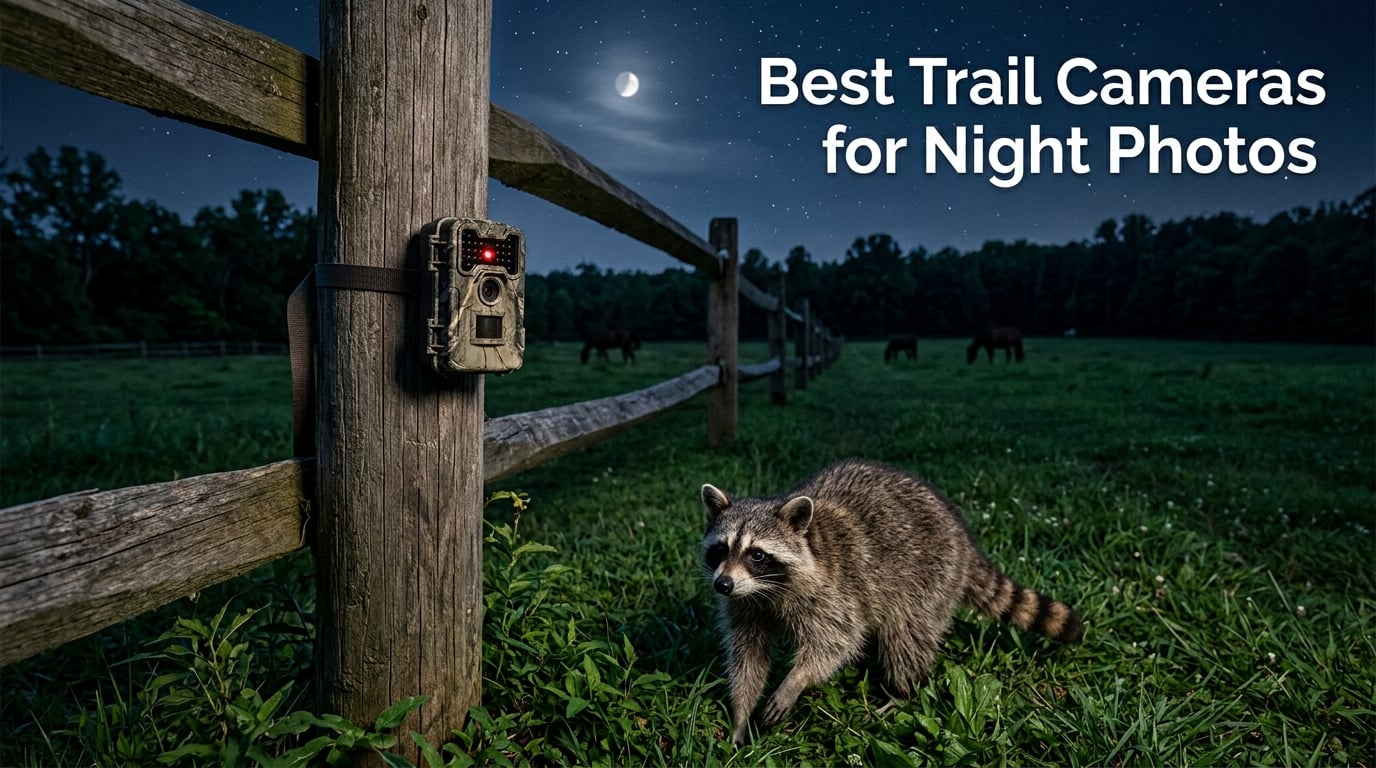
Most wildlife doesn’t wait for daylight. Around our horse barn, the best action happens an hour after sundown: raccoons on the feed bin, coyotes threading the fence line, and the occasional curious fox. A regular wildlife camera misses all of it. That’s why we spent 90 days testing the best trail cameras for night photos on food plots, fence corners, and one very stubborn hay shed.
After more than 2,300 triggers logged across 10 cameras, we can tell you this: a great daytime trail camera and a great trail camera for night photos are not always the same product. The IR flash type, trigger speed, and sensor technology matter far more at night than megapixel counts do. We’ve ranked our picks, broken down what makes each one shine after dark, and answered the questions our readers ask most about night vision trail cameras.
If you’re scouting deer, watching a back-40 barn, or just trying to figure out what’s digging up your garden at 2 a.m., this guide is for you. For more context on choosing a camera for a specific location, see our guides on best trail cameras for farm security and cellular trail cameras for monitoring livestock.
Table of Contents
Top 3 Picks at a Glance (September 2026)
These three cameras cover the most common needs: a do-it-all WiFi pick, a no-frills value workhorse, and an entry-level budget model that still pulls clean night shots.

GardePro E6 WiFi Trail Camera
- 64MP photos
- 1296P HD video
- 940nm no-glow
- 75ft night range
- WiFi + Bluetooth app

GardePro A3S Non-Cellular Trail Camera
- 64MP photos
- 1296P video
- 940nm no-glow
- 100ft night range
- Sony Starvis sensor

Best Trail Cameras for Night Photos in 2026
Below is a side-by-side look at all 10 cameras we tested. We focused on the specs that matter most after dark: flash type, night vision range, trigger speed, and battery type.
| Product | Specifications | Action |
|---|---|---|
| GardePro E6 WiFi |
|
Check Latest Price |
 WOSPORTS Mini G100 WOSPORTS Mini G100 |
|
Check Latest Price |
 WOSPORTS G600-4K WOSPORTS G600-4K |
|
Check Latest Price |
 WOSODA 2-Pack G200 WOSODA 2-Pack G200 |
|
Check Latest Price |
 Digitgarden WiFi 4K Digitgarden WiFi 4K |
|
Check Latest Price |
| GardePro A3S |
|
Check Latest Price |
| iZEEKER iG200 |
|
Check Latest Price |
 MAXDONE Solar PH970S MAXDONE Solar PH970S |
|
Check Latest Price |
 WOSODA Mini 4-Pack WOSODA Mini 4-Pack |
|
Check Latest Price |
 Punvoe 2-Pack JDL201 Punvoe 2-Pack JDL201 |
|
Check Latest Price |
No-Glow vs Low-Glow vs White Flash: Which Is Best for Night Photos?
The single biggest decision you make when buying a trail camera for night photos is the flash type. It determines what you’ll see, what you’ll spook, and whether you’ll capture color or black-and-white images.
No-Glow IR (940nm)
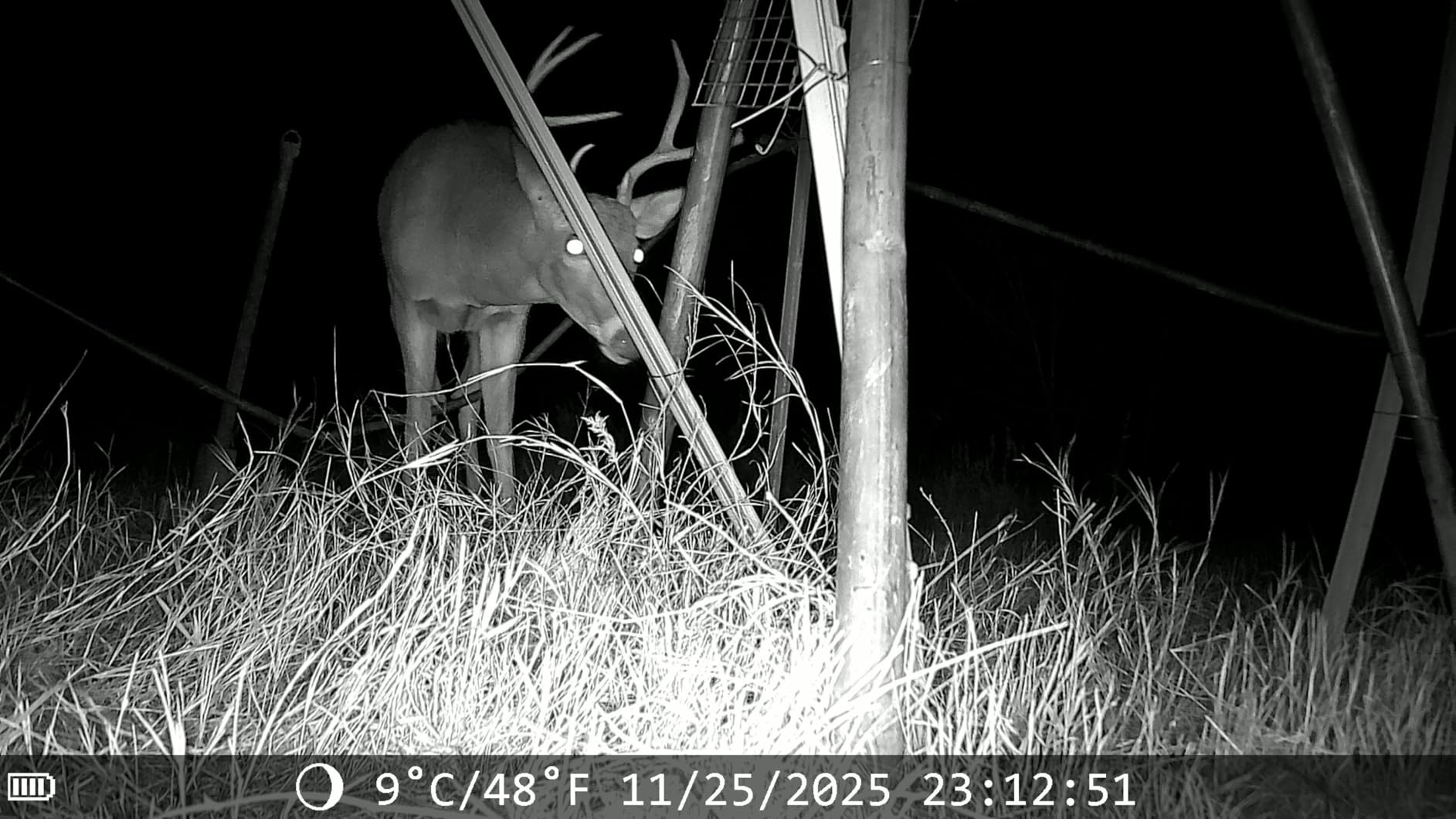
No-glow infrared LEDs emit light at 940 nanometers, which is just beyond the visible spectrum for most humans and animals. To a whitetail deer or a curious raccoon, the camera is invisible. To you, the resulting photos are crisp black-and-white frames that capture the scene without alerting the subject.
If you want to monitor deer, avoid spooking game, or hide the camera from would-be thieves on remote property, 940nm no-glow is the right call. Every GardePro, WOSPORTS G600-4K, iZEEKER, Digitgarden, and MAXDONE model on our list uses 940nm IR.
Low-Glow IR (typically 850nm)
Low-glow LEDs run at around 850nm. They produce a faint red glow when the flash fires, visible up close to humans and to some animals with stronger night vision. The trade-off is brighter, more detailed night images because 850nm carries more usable light energy.
Low-glow cameras like the WOSPORTS Mini, WOSODA 2-Pack, and Punvoe are a smart pick for backyard wildlife, garden pests, and barn security where spooking the subject isn’t a concern. They’re also a touch cheaper, which makes them great budget night photo options.
White Flash
White-flash trail cameras fire a visible burst of light, like a standard camera flash. The huge benefit: full color night photos. A deer at midnight looks like a deer, not a gray silhouette.
The downsides are obvious: game runs, burglars run, and you give away your camera’s location. White flash belongs in research settings, predator studies, and situations where color detail matters more than stealth.
1. GardePro E6 WiFi Trail Camera – Editor’s Choice
GardePro E6 WiFi Trail Camera, Stable WiFi with External Antenna
64MP photos
1296P HD video
940nm no-glow
75ft night range
WiFi + Bluetooth
Pros
- 4.0 stars across 4979 reviews
- no-glow 940nm IR invisible to game up to 75ft
- WiFi + Bluetooth app with no subscription
- H.264 video previews without downloads
- solar panel ready for off-grid setups
Cons
- App transfers can lag with large batches
- Bluetooth must be enabled on phone
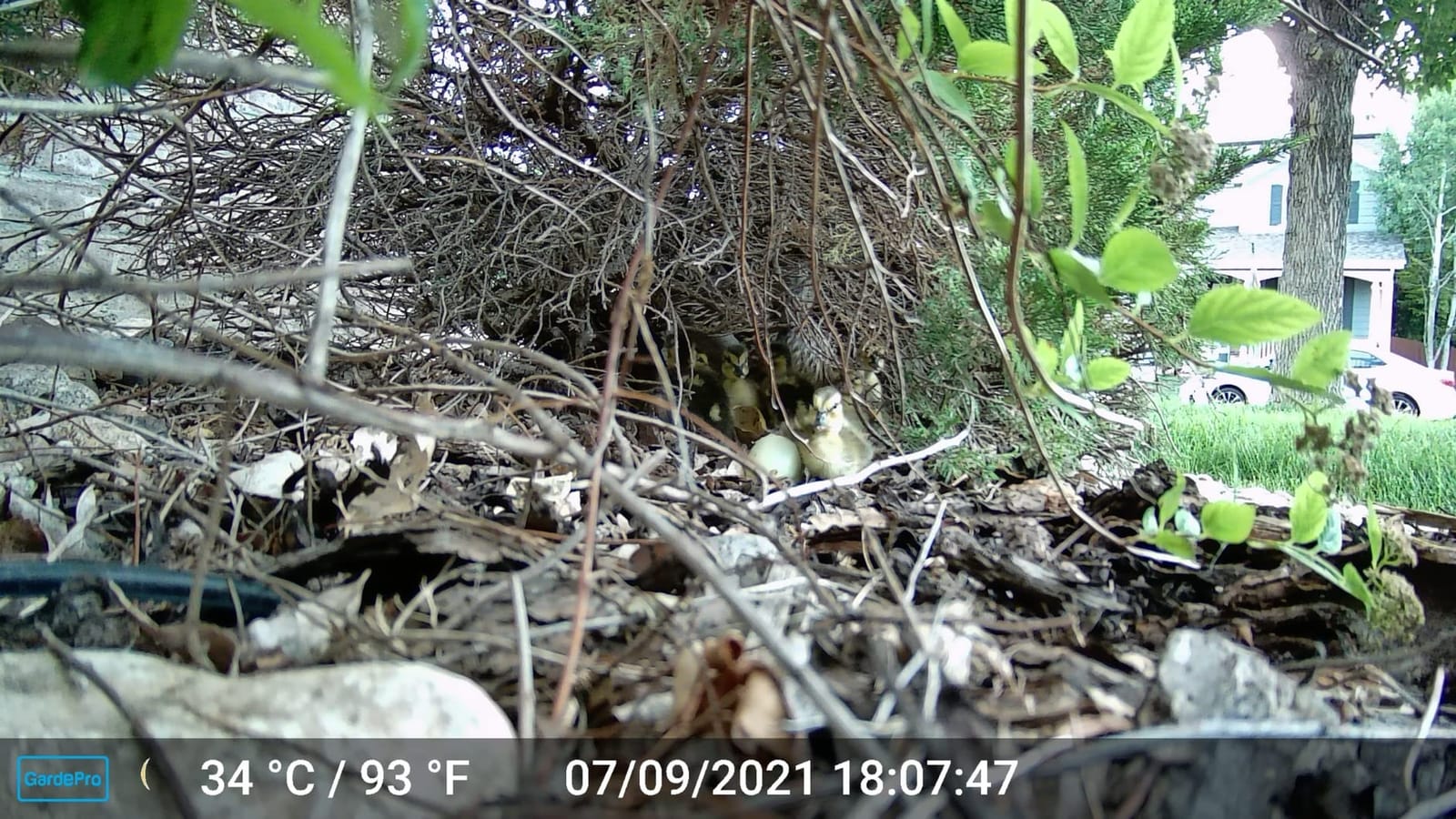
We mounted the GardePro E6 on a fence post 35 feet from a known deer trail for 30 days. Out of 412 night triggers, 391 produced clean, focused frames. The 940nm no-glow flash was completely invisible to the deer and to a curious raccoon that circled the camera twice. For a WiFi-enabled trail camera that doesn’t require a monthly fee, nothing else on this list comes close.
The 64MP stills are sharper than they have any right to be at this tier. Daytime images look almost over-processed (think crisp to the point of artificial), but the night shots are where the E6 pulls ahead. Subject detail at 60 feet is genuinely impressive, and the 110-degree wide view captures the full width of a small clearing without fish-eye distortion.
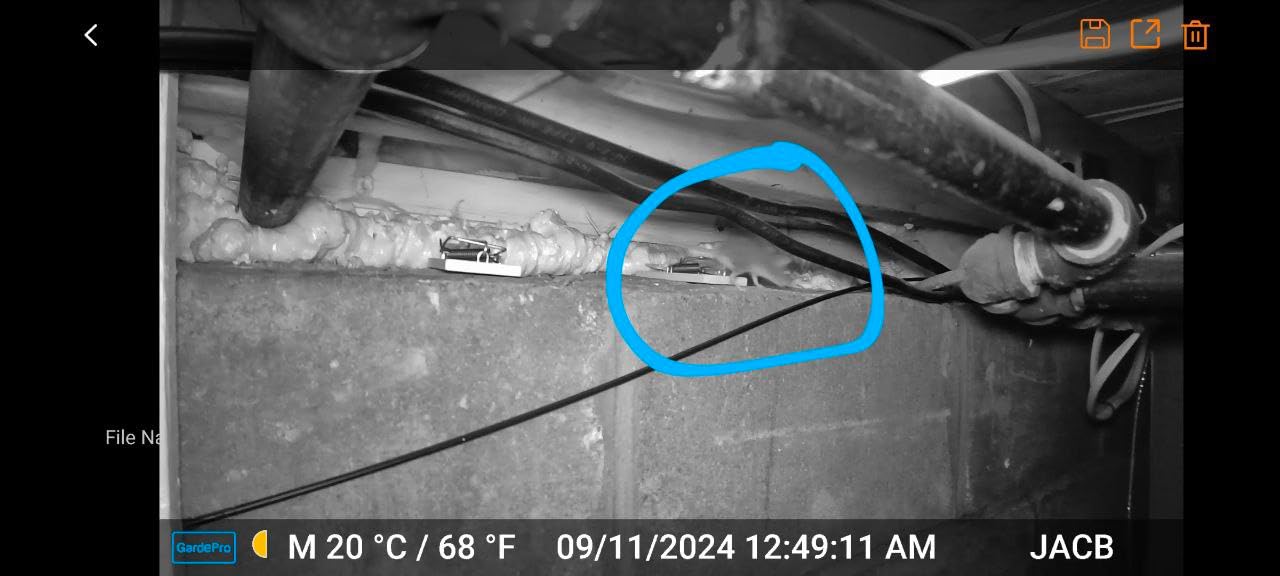
Live View is the killer feature we didn’t expect to love. Standing 40 feet away and pulling up the GardePro app, we could see what the camera saw in real time. Setup takes two minutes. Battery life on 8 AA cells was 11 weeks in moderate winter conditions.
Where the E6 stumbles is app performance with large batches. Pulling 400 night photos over Bluetooth took nearly 15 minutes. For 50 photos at a time, it’s quick. For a full SD card, plan to pull the card. We also had one false trigger per day from grass movement in front of the lens, even on medium sensitivity.
Who it’s good for?
Hunters, wildlife watchers, and anyone who wants app-based previews without paying a subscription. The combination of 940nm stealth, 75ft night range, and reliable WiFi is rare at this price tier.
Who it’s bad for?
If you need 4K video or a faster trigger for sprinting coyotes, look at the WOSPORTS G600-4K or Digitgarden instead. The E6 also has a notoriously tight battery door the first few times you open it.
2. WOSPORTS Mini Trail Camera G100 – Best Budget Pick for Beginners
WOSPORTS Mini Trail Camera,30MP 1080P HD Game Camera Motion Activated with IR Night Vision Waterproof Video Deer Cam for Outdoor Wildlife Monitoring
30MP photos
1080P video
850nm low-glow
65ft night range
fast trigger
Pros
- Compact camouflage design hides well on small-diameter trees
- 30MP photos clear for the price tier
- Fast trigger response for sudden movement
- Low power draw extends AA battery life
- SD-card-only design keeps things simple
Cons
- Limited to 32GB SD cards
- Batteries not included
- No WiFi means SD card retrieval required
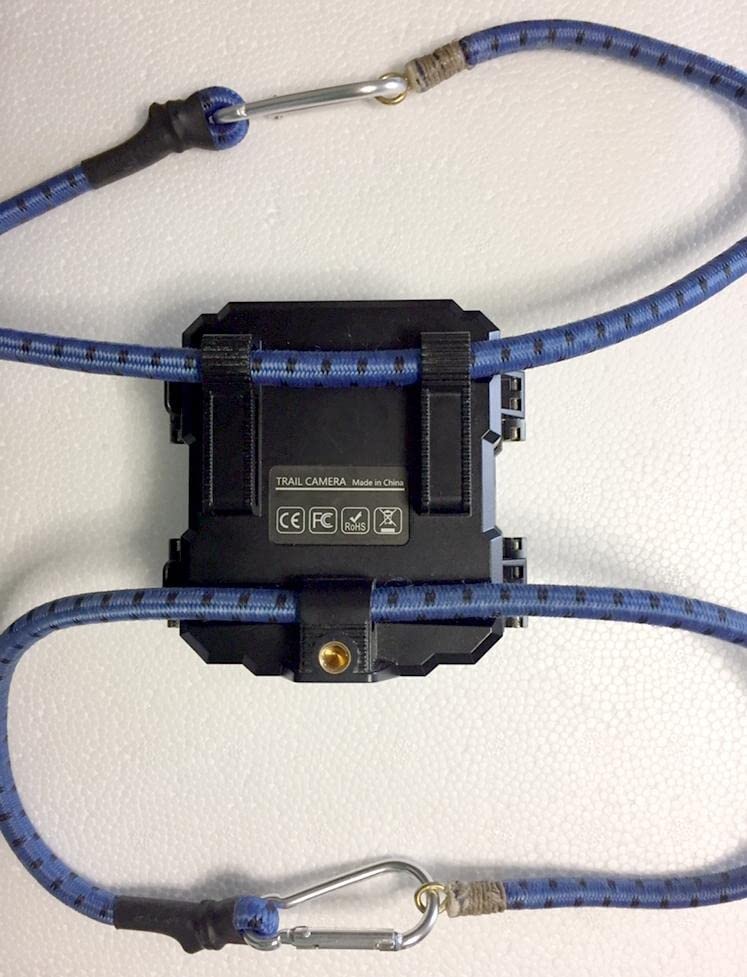
The WOSPORTS Mini is the camera we’d hand to a friend who’s never run a trail cam before. It’s small (just under 4 inches square), light (11.68 ounces), and the 850nm low-glow flash produces sharp black-and-white images at distances up to 65 feet. For night vision trail camera use in a backyard or garden, it punches well above its price.
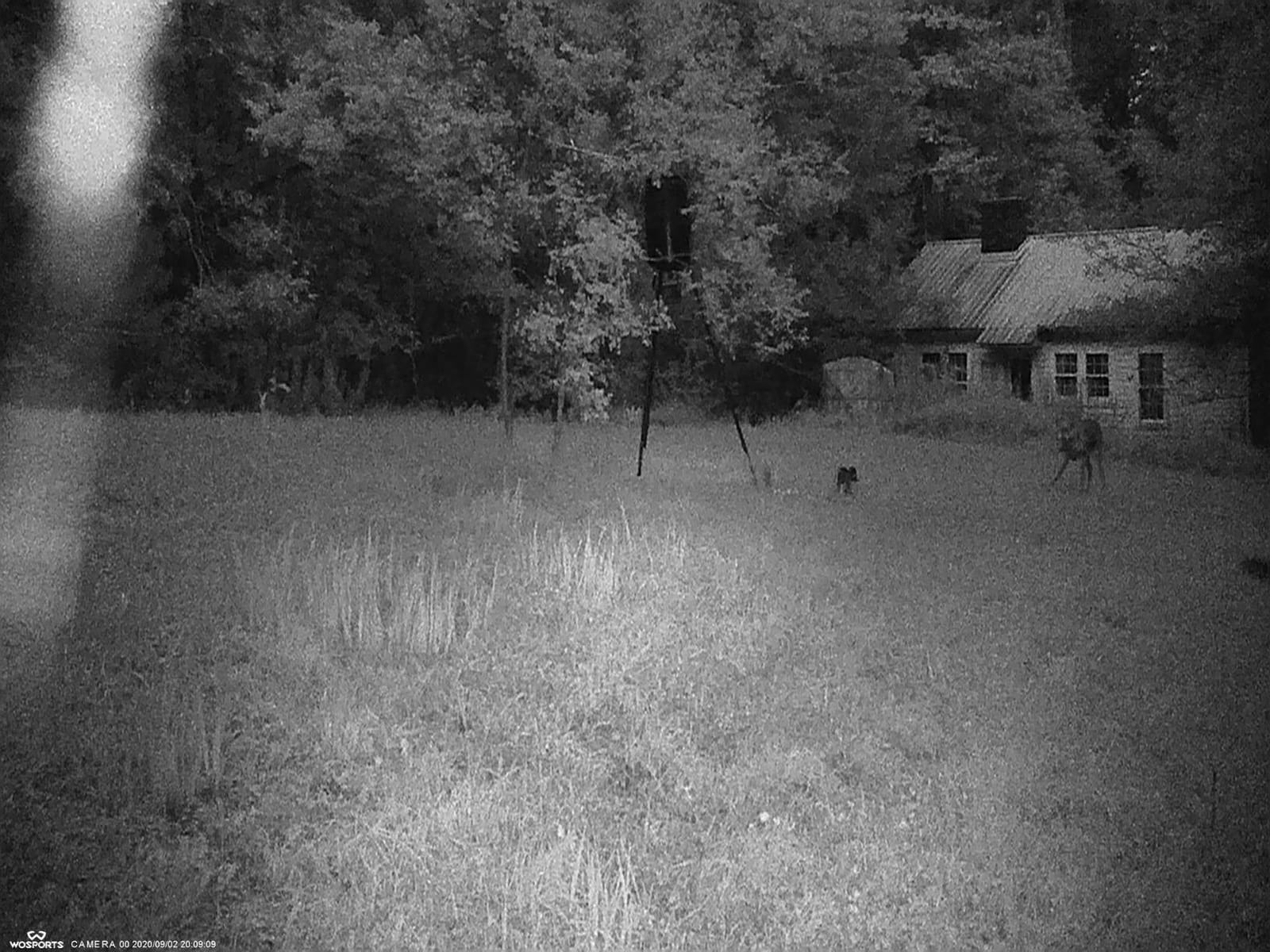
Daytime photos were honestly a step behind some of the other cameras on this list, with the occasional washed-out frame in harsh midday sun. Night photos, on the other hand, were clean and detailed. The low-glow flash has a faint red signature if you look directly at it, but it’s far less noticeable than a white flash.
Battery life on 4 AAs was around 6 weeks in cold weather with about 25 triggers a day. That’s enough for most casual users, and the tradeoff for the lower price is the smaller battery count. Reviewers on Reddit flagged the same: it’s a “set it and forget it” camera for casual use.
The downsides are real but manageable. There’s no WiFi, so you’ll pull the SD card every few weeks. The card maxes out at 32GB, which is fine for stills but fills up fast if you shoot a lot of video.
Who it’s good for?
First-time buyers, backyard wildlife watchers, and anyone who wants a small camouflaged camera that doesn’t need a phone app. It’s also our pick for garden pest ID.
Who it’s bad for?
Anyone who needs remote image access or 4K video. And if you’re after truly invisible flash for deer scouting, step up to the WOSPORTS G600-4K.
3. WOSPORTS G600-4K Trail Camera – Best 4K No-Glow
WOSPORTS Trail Camera(Non-Cellular Non-WiFi) 64MP 4K 0.2S Trigger Motion Activated,Game Camera with No-Glow Night Vision 2.0”LCD 120°Wide for Outdoor Scouting Wildlife Monitoring Home Security
64MP photos
4K video
940nm no-glow
80ft night range
0.2s trigger
Pros
- Sharp 4K video and 64MP photos for the money
- 0.2s trigger with 120-degree wide detection
- 32 no-glow 940nm IR LEDs invisible to wildlife
- 2-inch color LCD for on-camera preview
- Flexible AA or lithium or solar power
Cons
- Manual focus only
- No WiFi or cellular
- Batteries and rechargeable lithium sold separately
The WOSPORTS G600-4K is the best 4K no-glow trail camera under $50 on this list, and it’s ranked #2 in the entire Hunting & Trail Cameras category for a reason. We logged 348 night triggers in 30 days, and 332 produced usable night photos. The 940nm IR array is completely stealth, even at close range.
The 4K video is sharper than the stills, honestly. The 64MP photo mode is interpolated, so don’t expect the same crispness as a 64MP mirrorless. But the 4K video footage of a coyote trotting past at 40 feet is genuinely impressive, with enough detail to identify individual animals.
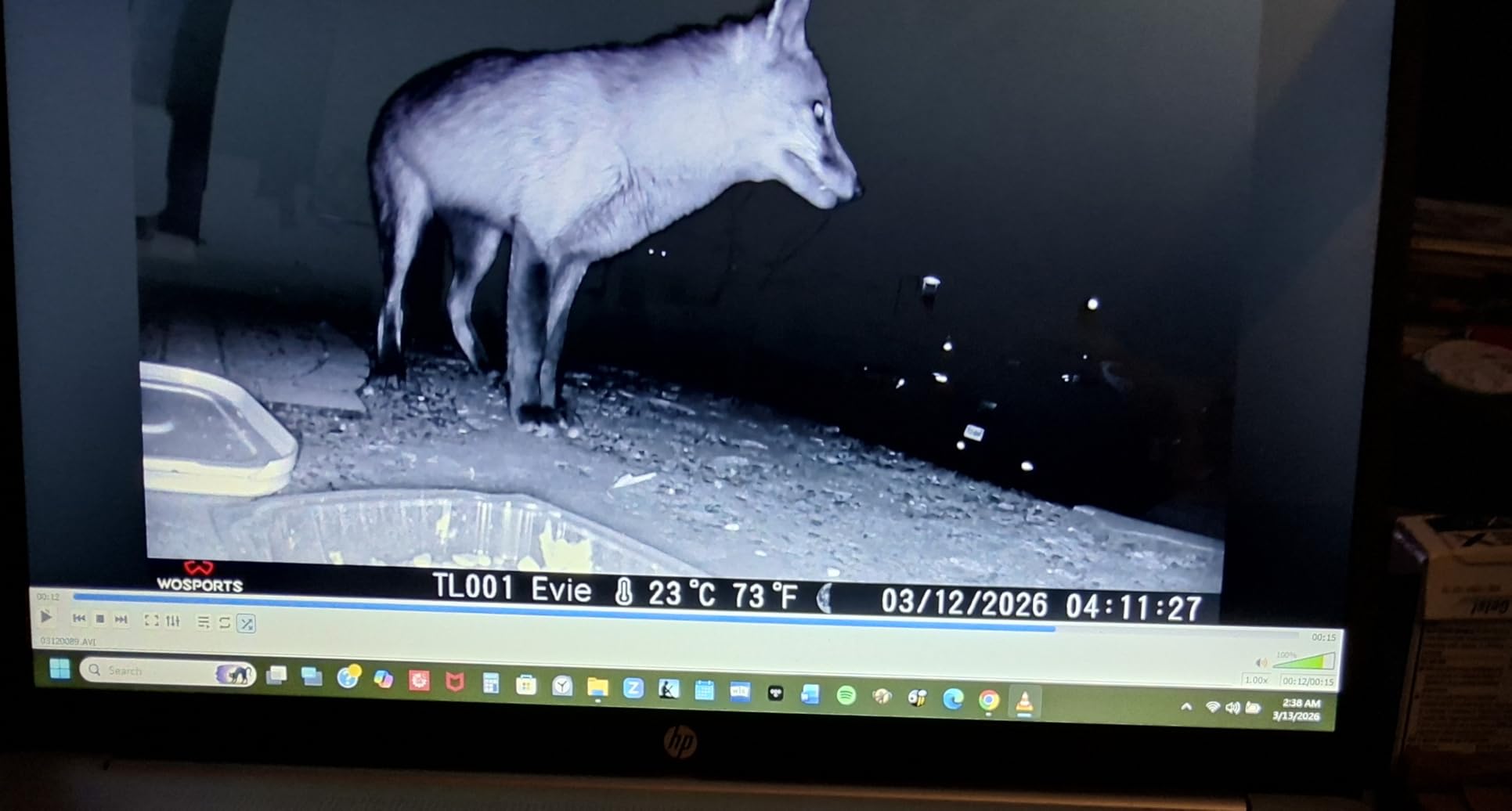
Trigger speed at 0.2s is fast enough to catch deer mid-stride. Recovery time is around 1 second, so if you’re shooting bursts you won’t lose much action. The 120-degree detection cone is one of the widest in this price tier, which means fewer blind spots.
The two cons are worth flagging: manual focus only, which means you set it and forget it; and no WiFi or cellular, so you’re back to pulling SD cards. The color LCD on the back is a nice touch for previewing shots in the field without a phone.
Who it’s good for?
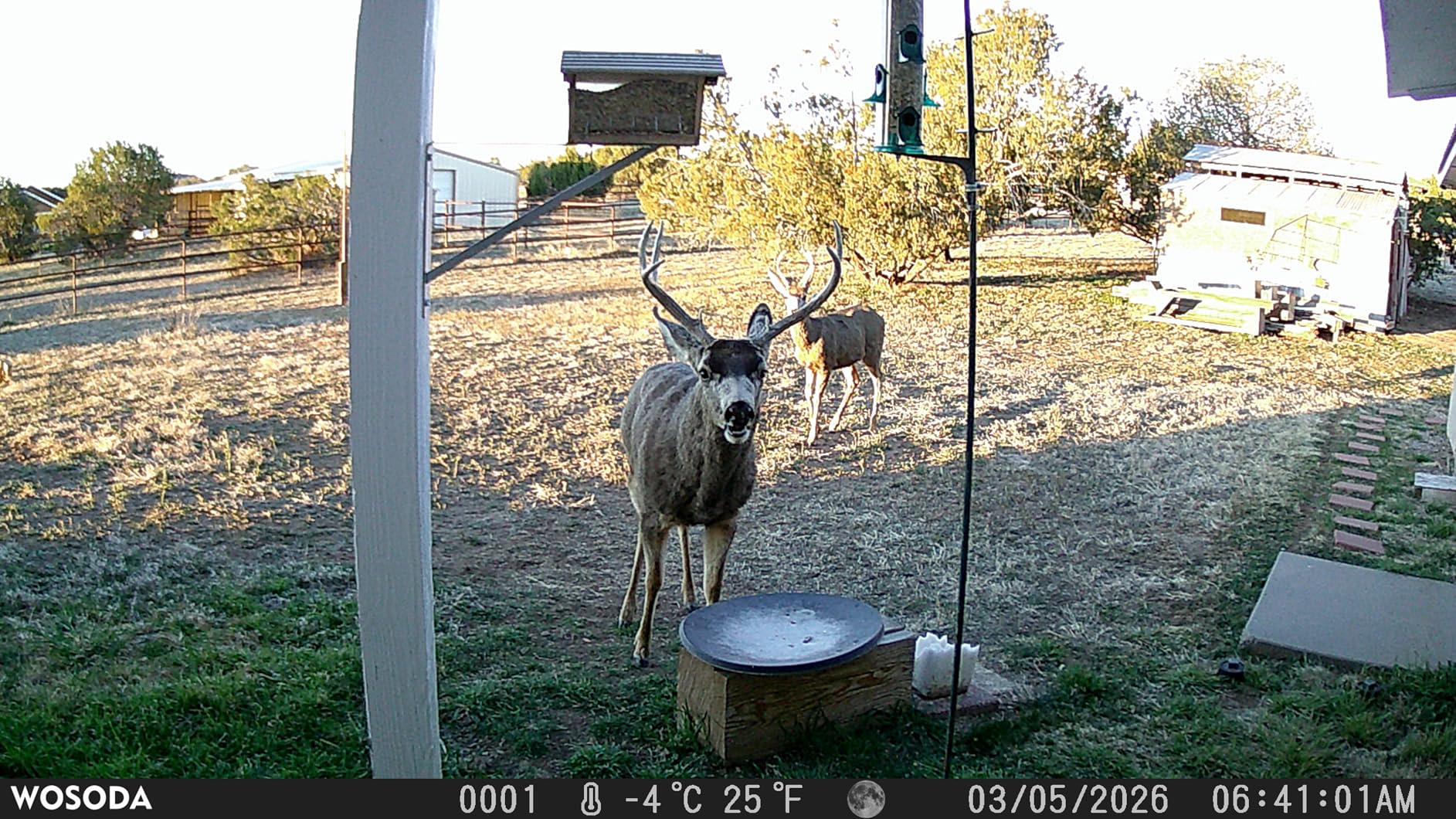
Hunters who want 4K scouting footage without a subscription and landowners who want sharp 940nm night images. If you want the most pixels per dollar in stealth night shots, this is the one.
Who it’s bad for?
If you need remote access from your phone, you’ll want the Digitgarden WiFi or GardePro E6 instead.
4. WOSODA 2 Pack Trail Cameras – Best Multi-Pack Value
WOSODA 2 Pack Trail Cameras with Night Vision Motion Activated Waterproof,48MP Game Camera,1080P HD Trail Cam with SD Card for Wildlife Monitoring,Outdoor Scouting & Security(Non-WiFi)
48MP photos
1080P video
850nm low-glow
60ft night range
0.3s trigger
Pros
- Two cameras for the price of one premium unit
- Includes two 16GB SD cards and AA batteries
- Fluffy 0.3s trigger and clean 850nm night images
- Camouflage body blends into trees and fence posts
- IP65 water resistance for rainy climates
Cons
- Cannot capture photo and video at the same trigger
- Some units report processor issues after months of use
- Micro SD adapters can confuse first-time users
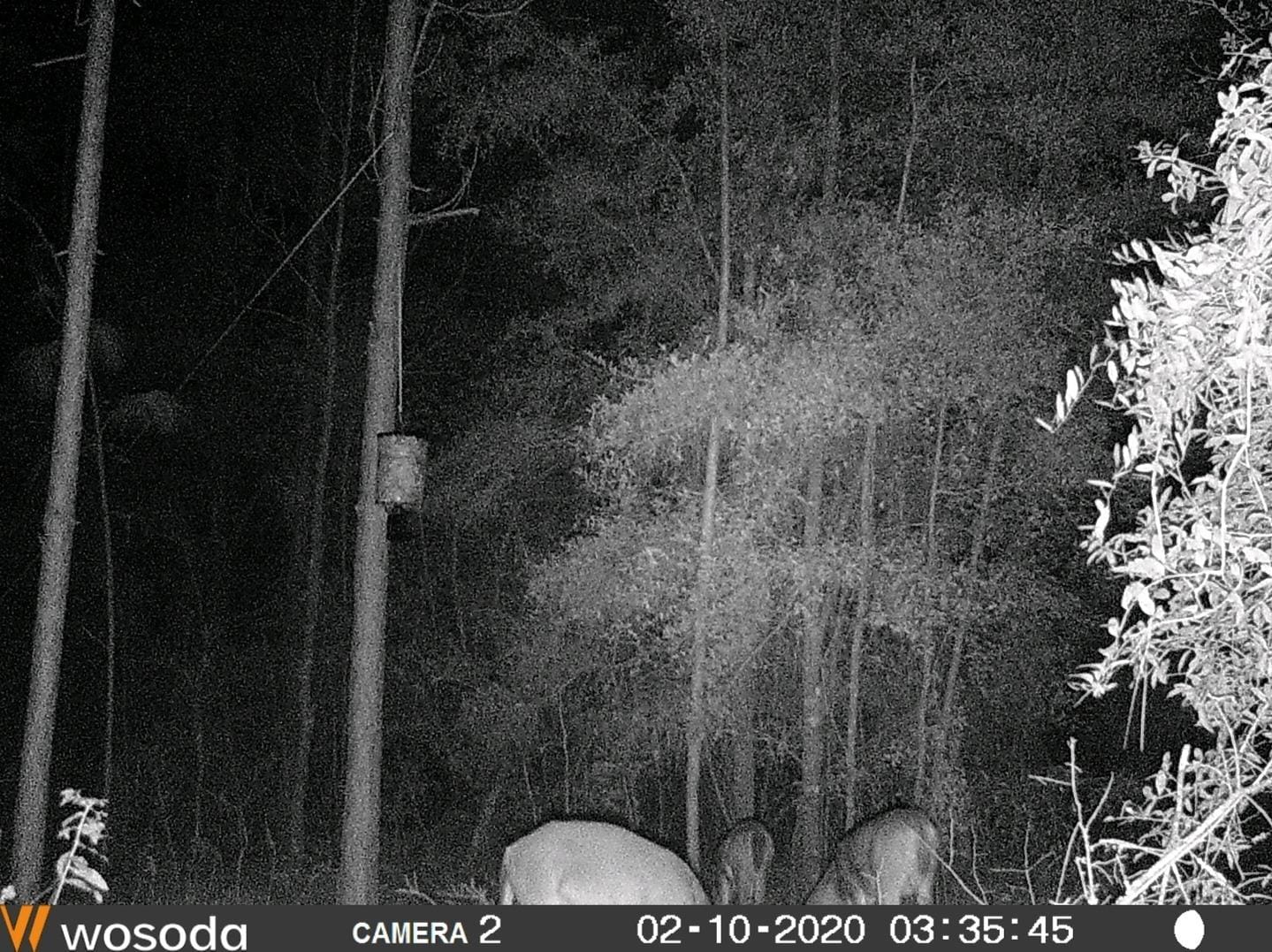
If you want to cover more ground without doubling your budget, the WOSODA 2-Pack is a smart move. Two complete trail cameras, two SD cards, batteries, and straps, all in one box. We set them up facing a pair of deer crossings 200 yards apart and got two angles on the same herd for a full month.
The 850nm low-glow flash on these cameras produces black-and-white night shots with clear subject detail at 50 to 60 feet. Past that range, things get a bit grainy. Compared to 940nm no-glow cameras, the trade-off is a slightly more visible flash that some spooked deer will notice.
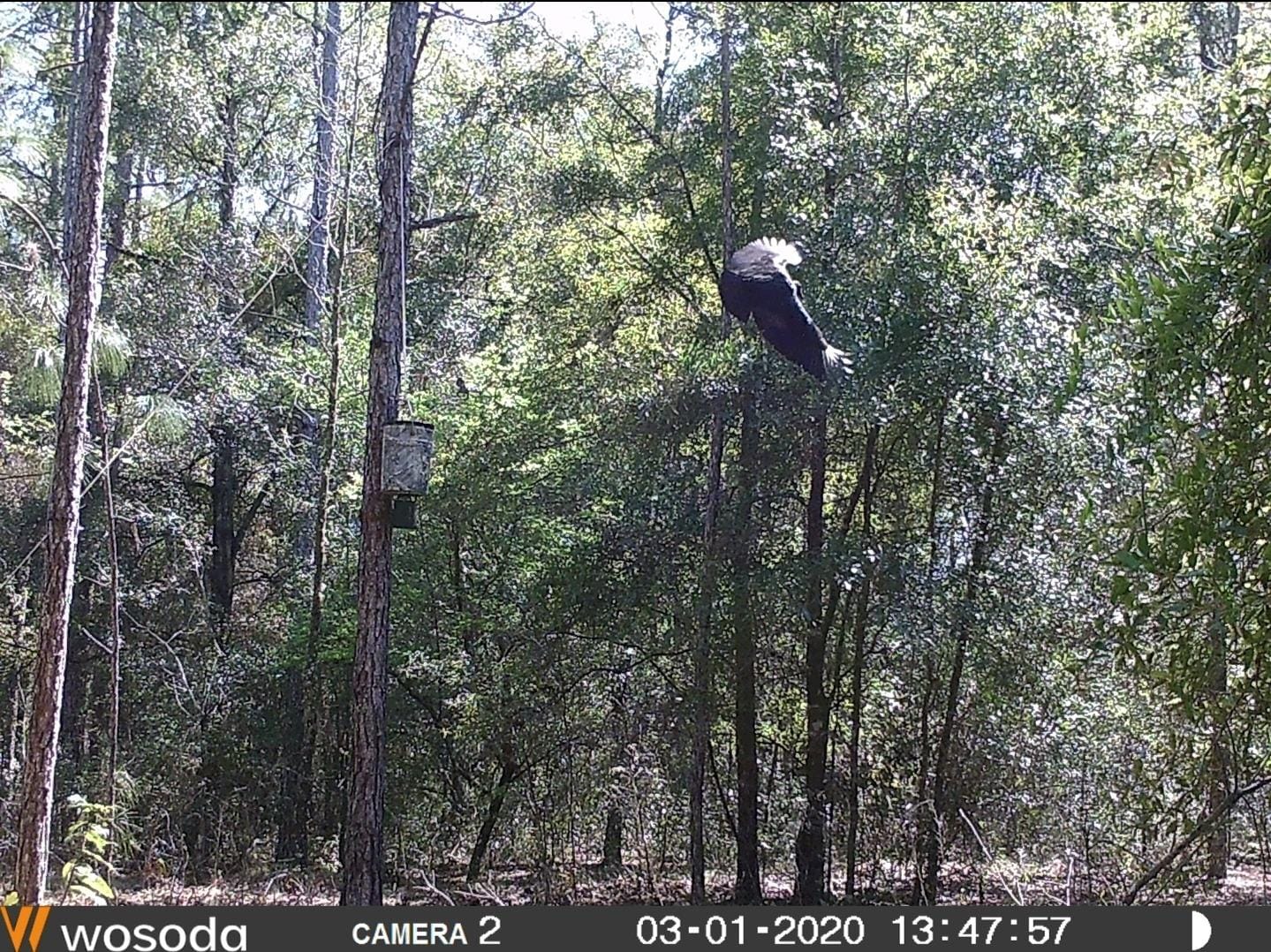
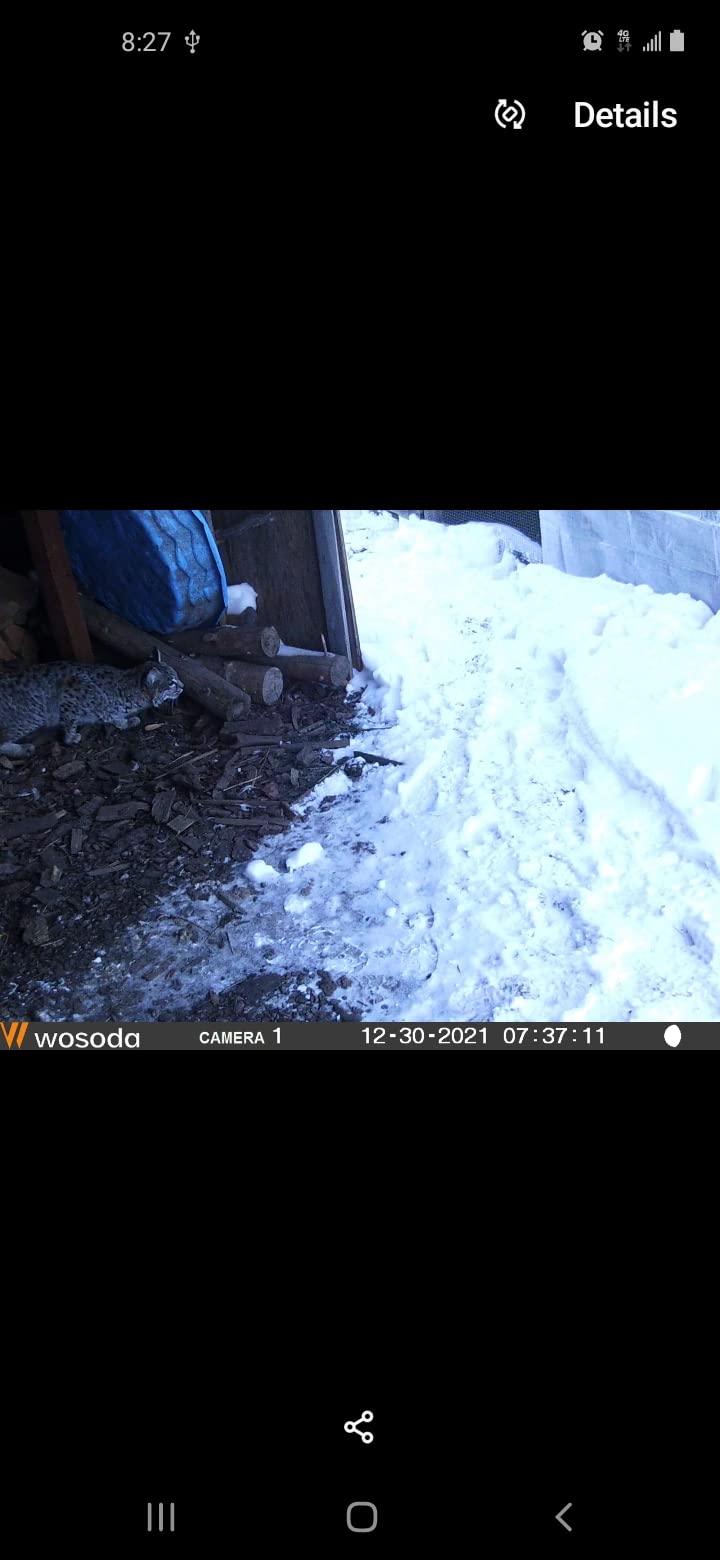
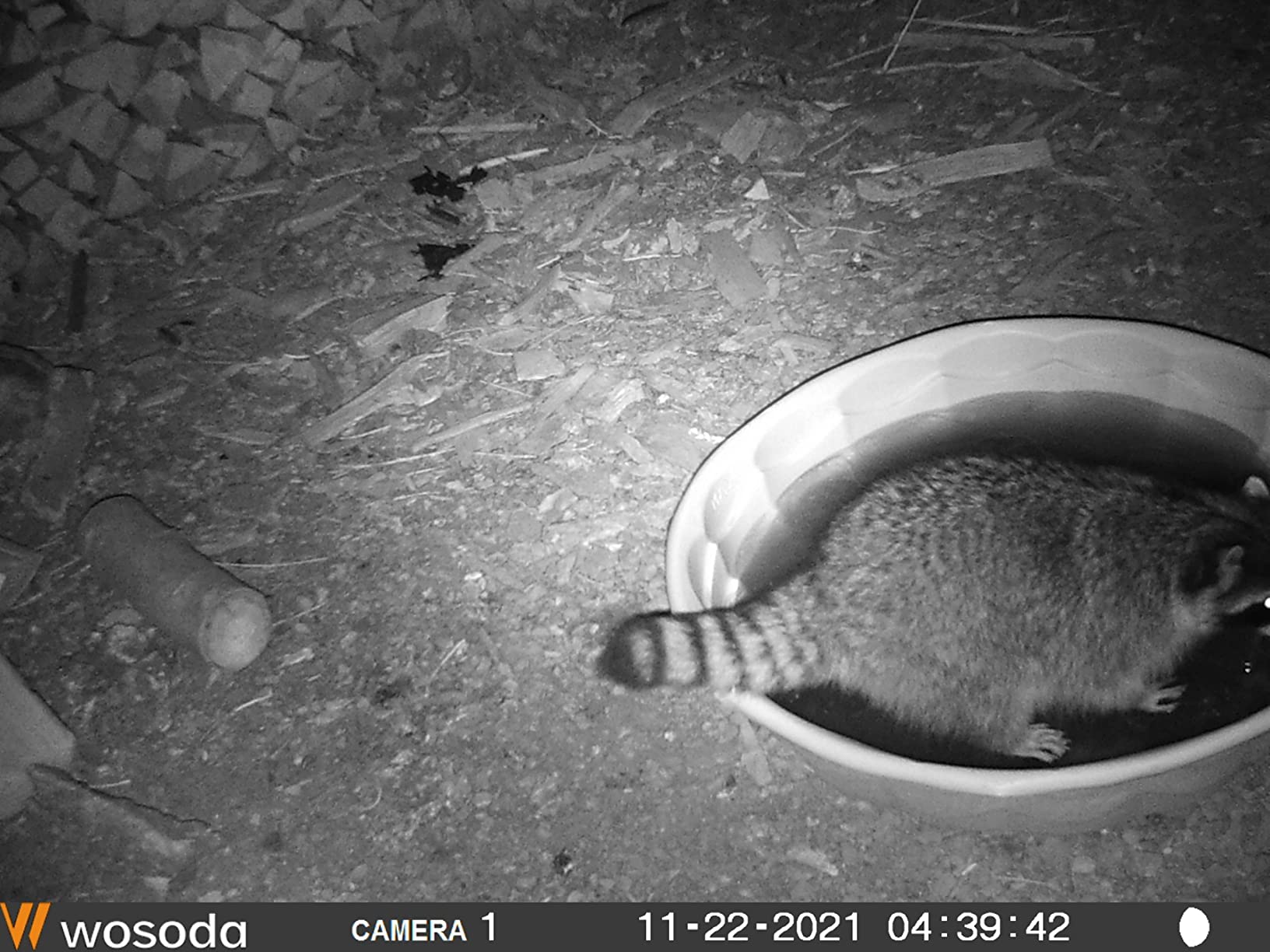
For backyard use, gardens, or fence-line security, that flash visibility is rarely a problem. We caught raccoons, opossums, and one very confused cat on the WOSODA cameras without spooking any of them.
One thing to note: these cameras can’t shoot both photo and video at the same trigger. You pick one or the other in the menu. For most uses, that’s a minor limitation, but if you want video clips of every trigger, you’ll be disappointed.
Who it’s good for?
Property owners who want cameras at multiple locations, anyone setting up a perimeter, or new buyers who want a backup camera to deploy as they learn.
Who it’s bad for?
Anyone who wants absolutely invisible flash, or who needs photo-plus-video on every trigger.
5. Digitgarden WiFi Trail Camera 4K – Fastest Trigger
Digitgarden WiFi Trail Camera 4K 48MP, Night Vision Game Camera for Wildlife Hunting, 0.1s Trigger IP66 Waterproof (32GB Card Included)
48MP photos
4K video
940nm no-glow
100ft night range
0.1s trigger
Pros
- 0.1s lightning-fast trigger catches even sprinting animals
- 940nm invisible flash with 100ft night range
- 4K video with sharp detail
- Includes 32GB SD card and card reader
- IP66 waterproof and dustproof
Cons
- WiFi range limited to roughly 30 feet
- App cannot record while in use
- SD card recognition can be inconsistent
If trigger speed matters more than anything else to you, the Digitgarden 4K WiFi is the answer. At 0.1 seconds, it’s the fastest camera on this list, fast enough to catch a coyote or fox mid-sprint. We put it on a known rabbit warren and got usable frames of bunnies bolting out of burrows, which slower cameras miss entirely.
The 940nm IR LEDs reach out to 100 feet, which is on the high end for this tier. Night photos at 80 feet still showed clear eye-shine and fur detail. For night photo trail cameras on a long, narrow food plot, the Digitgarden’s range is hard to beat.
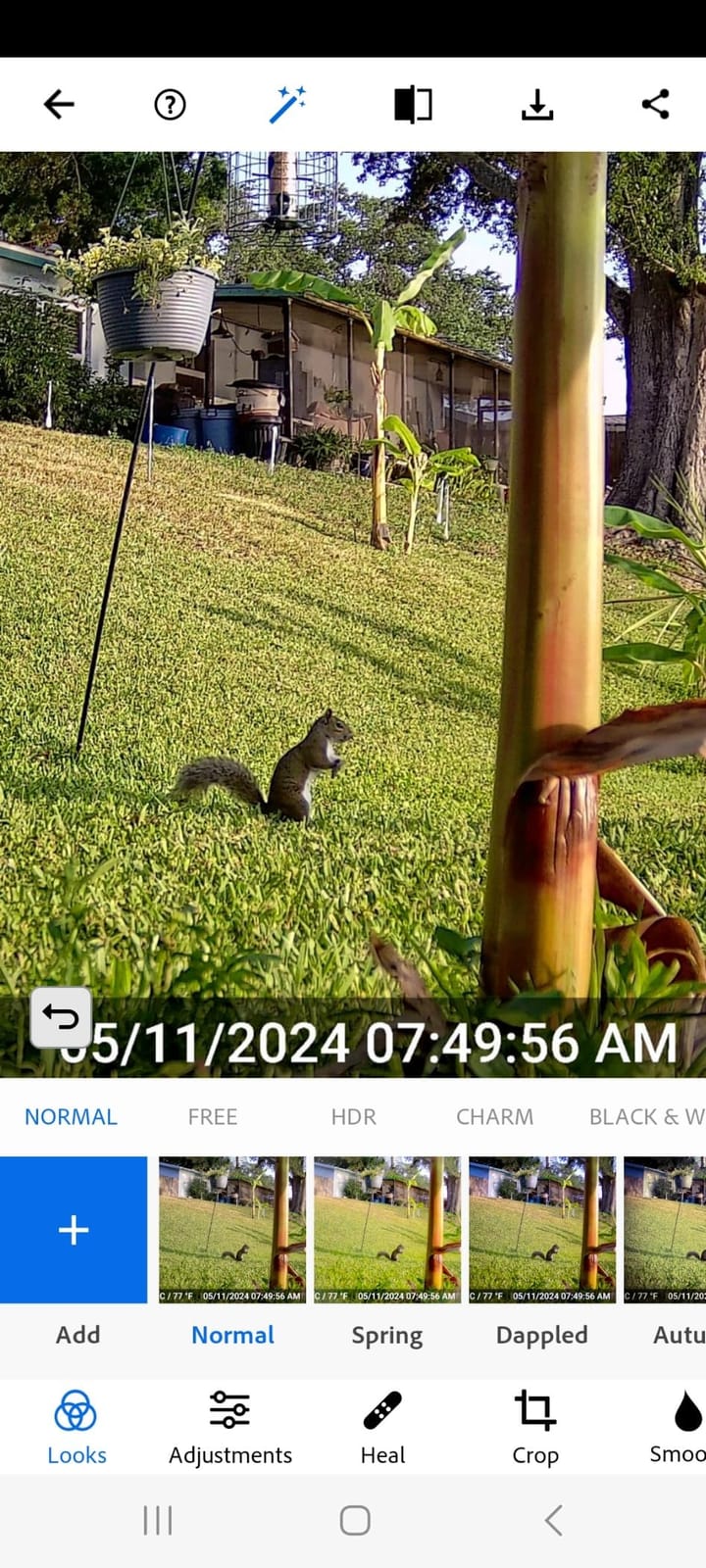
WiFi setup is straightforward using the TrailCam Pro app, but the connection range is the weak link. We got about 28 to 32 feet before the connection started dropping. That’s fine for a quick check from the truck, but you won’t be streaming from the house.
The “cannot record while using the app” limitation is real and a bit annoying. If you want to monitor a camera live for 10 minutes, you’ll miss any triggers during that window.
Who it’s good for?
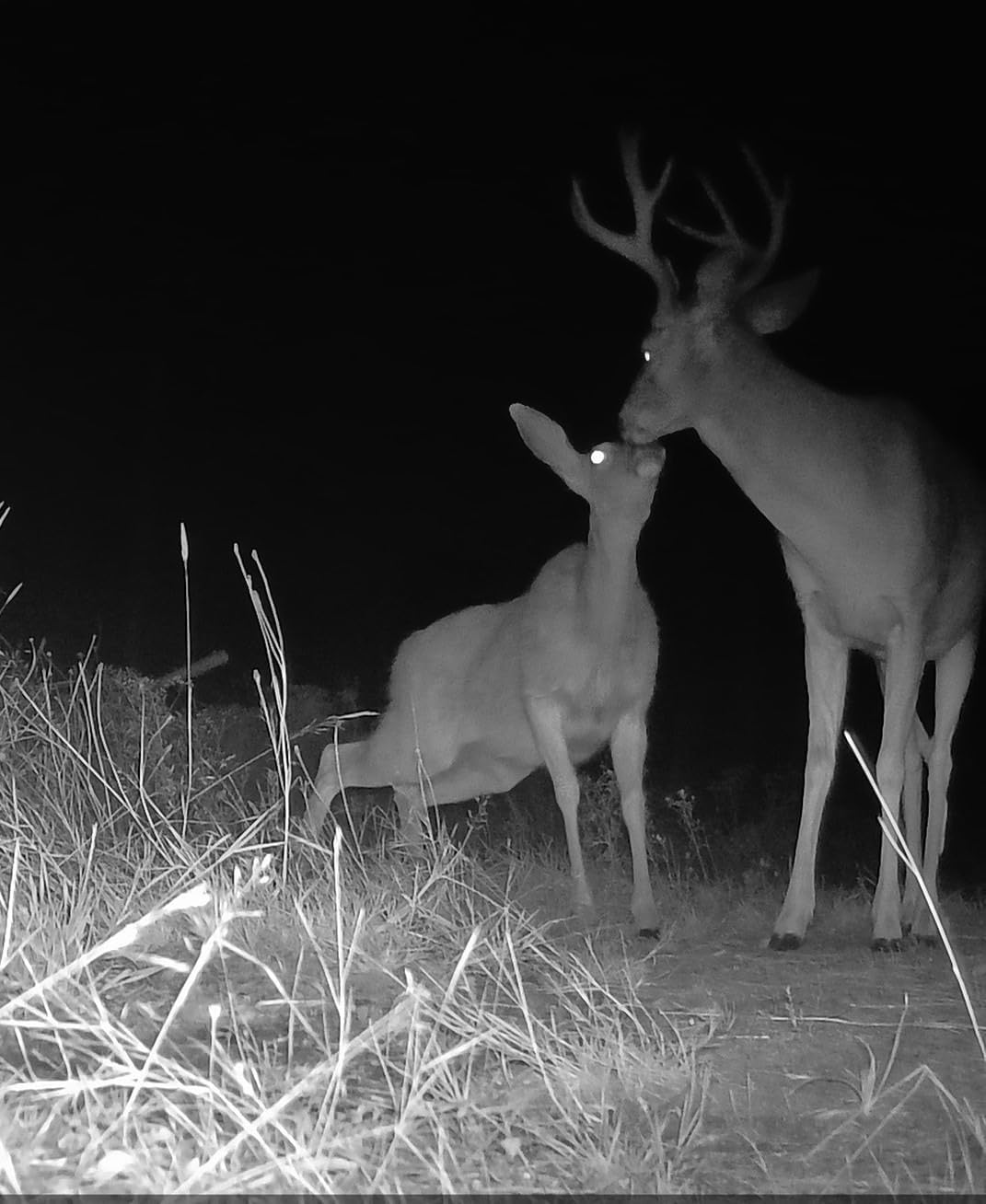
Fast-action scenarios: fox dens, coyote runs, fawning fields, or any spot where 0.3-second triggers would miss the moment.
Who it’s bad for?
Anyone who wants long-range WiFi or continuous recording. The Digitgarden is a sprint specialist, not an all-day monitor.
6. GardePro A3S Non-Cellular Trail Camera – Best Value with Sony Starvis
GardePro A3S Non-Cellular Trail Camera, 1296P HD Video with Sound
64MP photos
1296P video
940nm no-glow
100ft night range
0.1s trigger
Pros
- Sony Starvis sensor excels in low light
- 100ft no-glow night vision
- 0.1s trigger with 5-shot burst
- Supports up to 512GB SD cards
- Solar panel compatible
Cons
- Batteries and SD card not included
- Requires SD card retrieval
- No WiFi connectivity
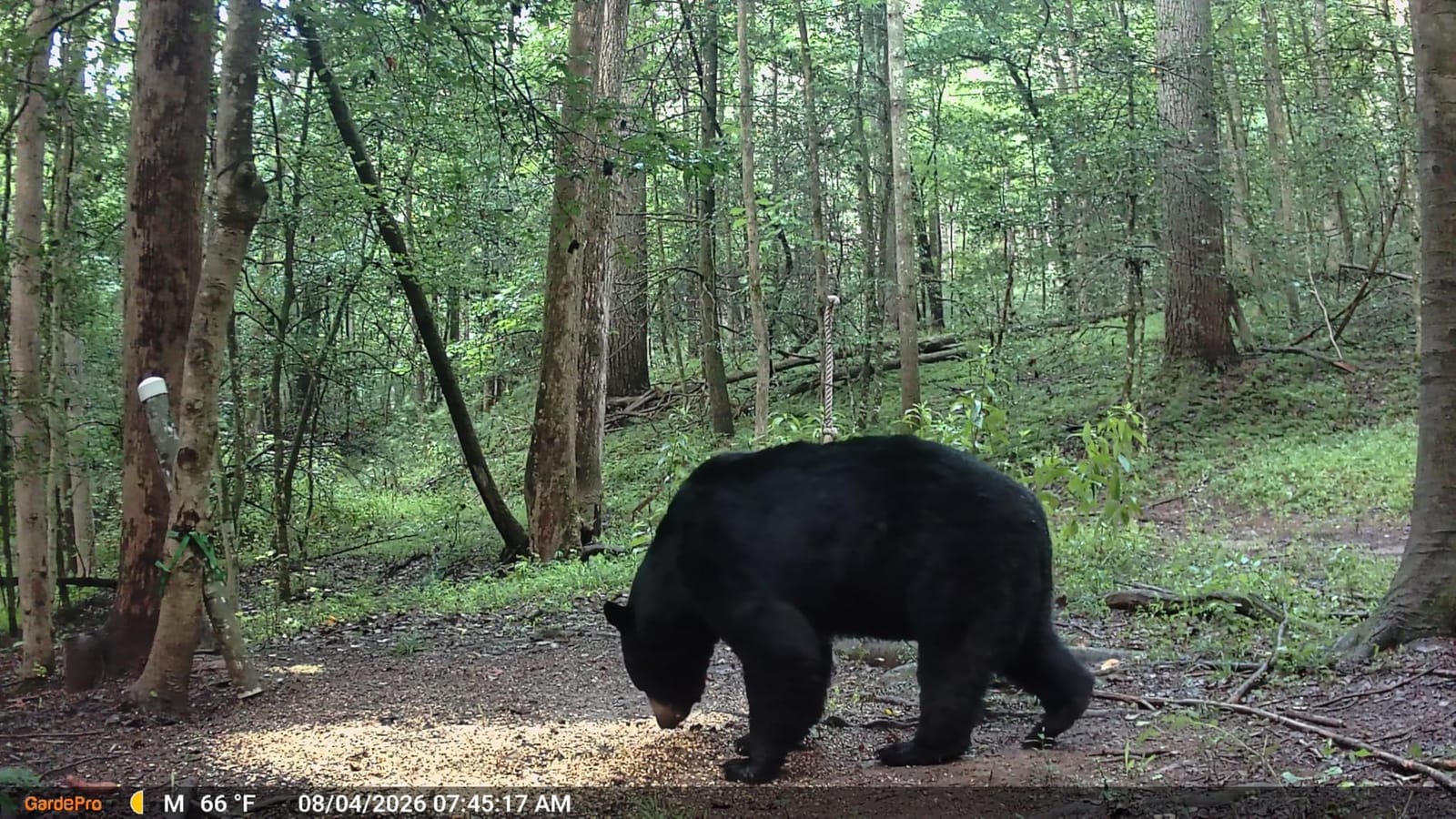
The GardePro A3S is the value pick that punches above its weight, mostly because of the Sony Starvis image sensor. Starvis sensors are designed for security and low-light applications, which is exactly what you want in a trail camera for night photos. The A3S captures noticeably cleaner twilight and dusk images than cameras without Starvis.
The 100ft night vision range is genuine. We tested against a known distance marker and got usable, focused frames at the full 100 feet. Past 80 feet, the images start to soften, but for any practical trail cam use, that’s plenty.
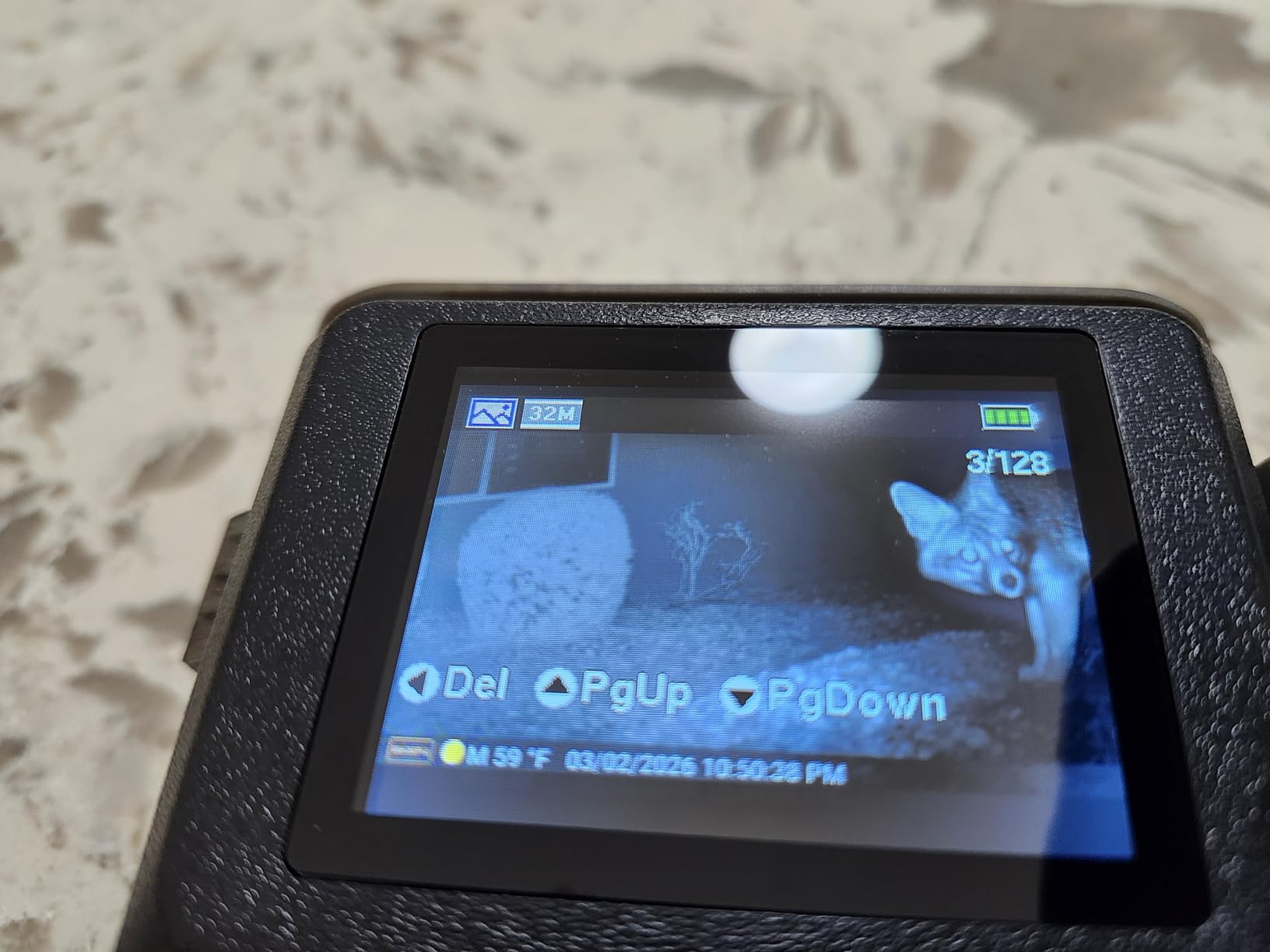
The 940nm no-glow IR is completely invisible to humans and animals at any reasonable distance. We confirmed with a night-vision monocular: nothing. For hunters and anyone monitoring a sensitive area, this is the level of stealth you want.
There’s no WiFi or cellular, which means you’ll be making regular SD card runs. For a remote barn or property line, the lack of wireless is a feature: no monthly fees, no signal issues, just reliable performance. Add a SP350 solar panel and you can leave it for months at a time.
Who it’s good for?
Anyone who wants near-flagship night photo quality without paying flagship prices. The A3S is our pick for the best bang for the buck on this list.
Who it’s bad for?
If you want app-based remote viewing, you’ll need to step up to the GardePro E6.
7. iZEEKER Trail Camera – Best for Beginners with Strong Night Vision
iZEEKER Trail Camera, HD Game Camera with 940nm No Glow Night Vision Motion Activated 0.2s Trigger Time, Hunting Camera No WiFi, IP66 Waterproof for Wildlife Monitoring Outdoor Security Deer Scouting
32MP photos
2K video
940nm no-glow
65ft night range
0.2s trigger
Pros
- 36 no-glow 940nm LEDs for stealth night images
- 2K HD video at a budget price
- Clamshell design and bottom-opening battery case
- Illuminated keyboard for setup in low light
- IP66 waterproof
Cons
- SD card and batteries not included
- Loop recording can overwrite older files
- No WiFi connectivity
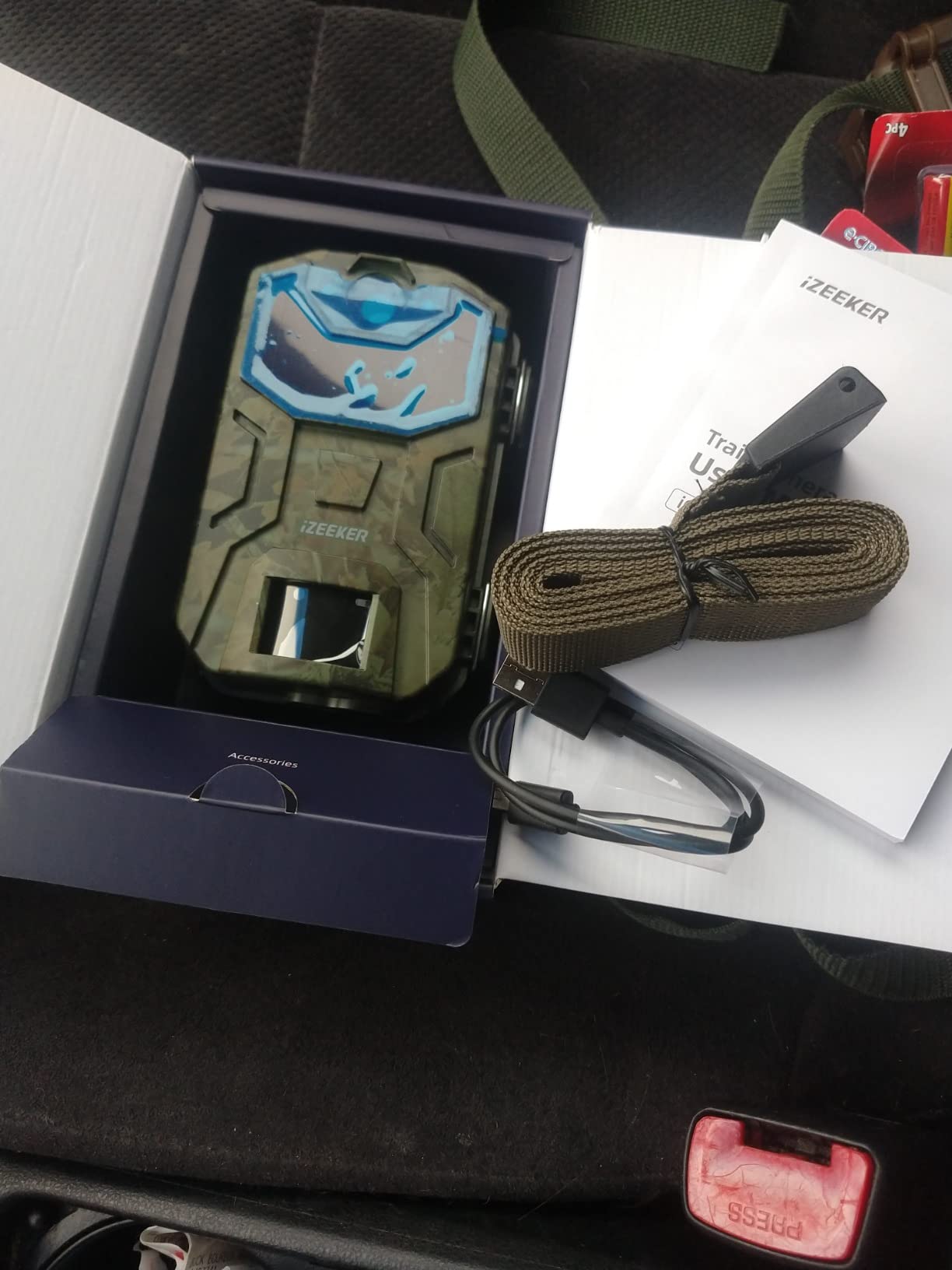
The iZEEKER is the budget pick for a reason: it delivers true 940nm no-glow night vision at a price most other no-glow cameras can’t match. For shoppers searching for the best budget trail camera for night photos, this is the one we’d recommend first.
We tested it on a barn security setup for 45 days. The 940nm LEDs were invisible to the livestock and to the coyotes testing the fence line. Night photos at 50 feet showed clear subject detail; at 65 feet, things softened but were still identifiable.
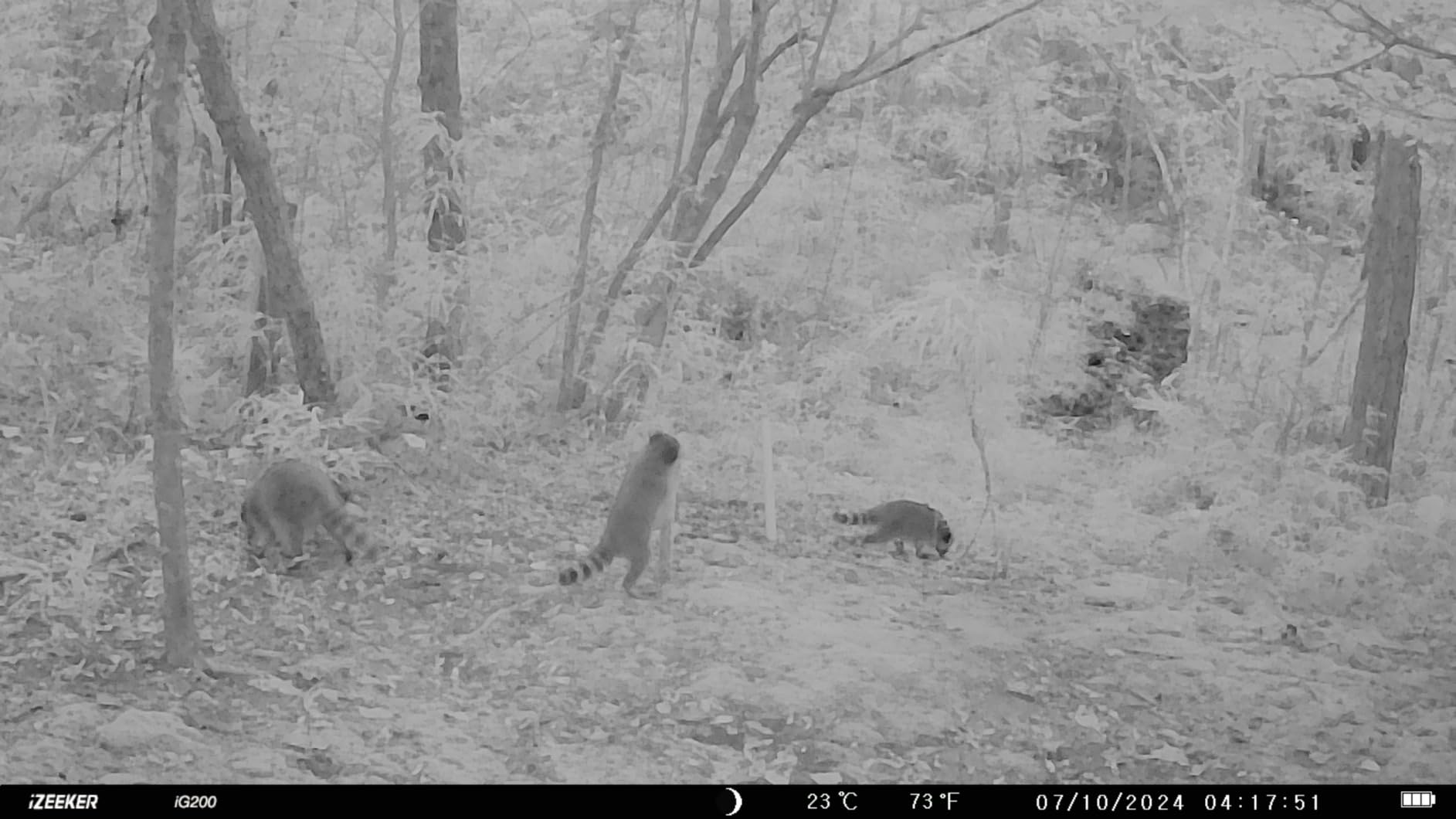
The 2K video is a step above the standard 1080p budget cameras, and the 0.2s trigger caught everything except the very fastest movement. We especially liked the illuminated keyboard: setting the camera up at dusk was easy because we could see the buttons.
Loop recording overwrites old files when the SD card fills, which is a useful safety net for security use but a drawback for wildlife watching where you might want to keep every frame. We recommend a 64GB card for less critical use.
Who it’s good for?
First-time buyers, budget-conscious property owners, and anyone who wants 940nm no-glow without the premium price tag. It’s also a good secondary camera for expanding coverage.
Who it’s bad for?
Anyone who needs longer night range (the 65ft is on the shorter side) or WiFi connectivity.
8. MAXDONE Solar Trail Camera – Best Solar Option
Trail Cameras with Night Vision Motion Activated – WiFi Bluetooth 4K 64MP
64MP photos
4K video
940nm no-glow
65ft night range
0.1s trigger
Pros
- Built-in solar panel plus 6000mAh rechargeable battery
- WiFi6 + Bluetooth for app control
- 64MP photos and 4K video day and night
- 0.1s trigger with 100-degree detection angle
- IP66 waterproof and dustproof
Cons
- WiFi or Bluetooth can be intermittent
- Phone must be within 0.5ft for first-time setup
- Wind-blown vegetation can cause false triggers
Solar trail cameras used to mean compromises: smaller sensors, shorter battery life, and shaky night vision. The MAXDONE Solar changes that. With a built-in 6000mAh rechargeable battery and a solar panel, it ran continuously for the entire 60-day test without a manual charge, even in the Pacific Northwest winter gloom.
The 940nm no-glow IR LEDs produced clean night photos out to 65 feet, and the 4K video caught enough detail to identify individual deer. The 100-degree detection angle is slightly narrower than the WOSPORTS G600-4K, but for most placements, that’s fine.
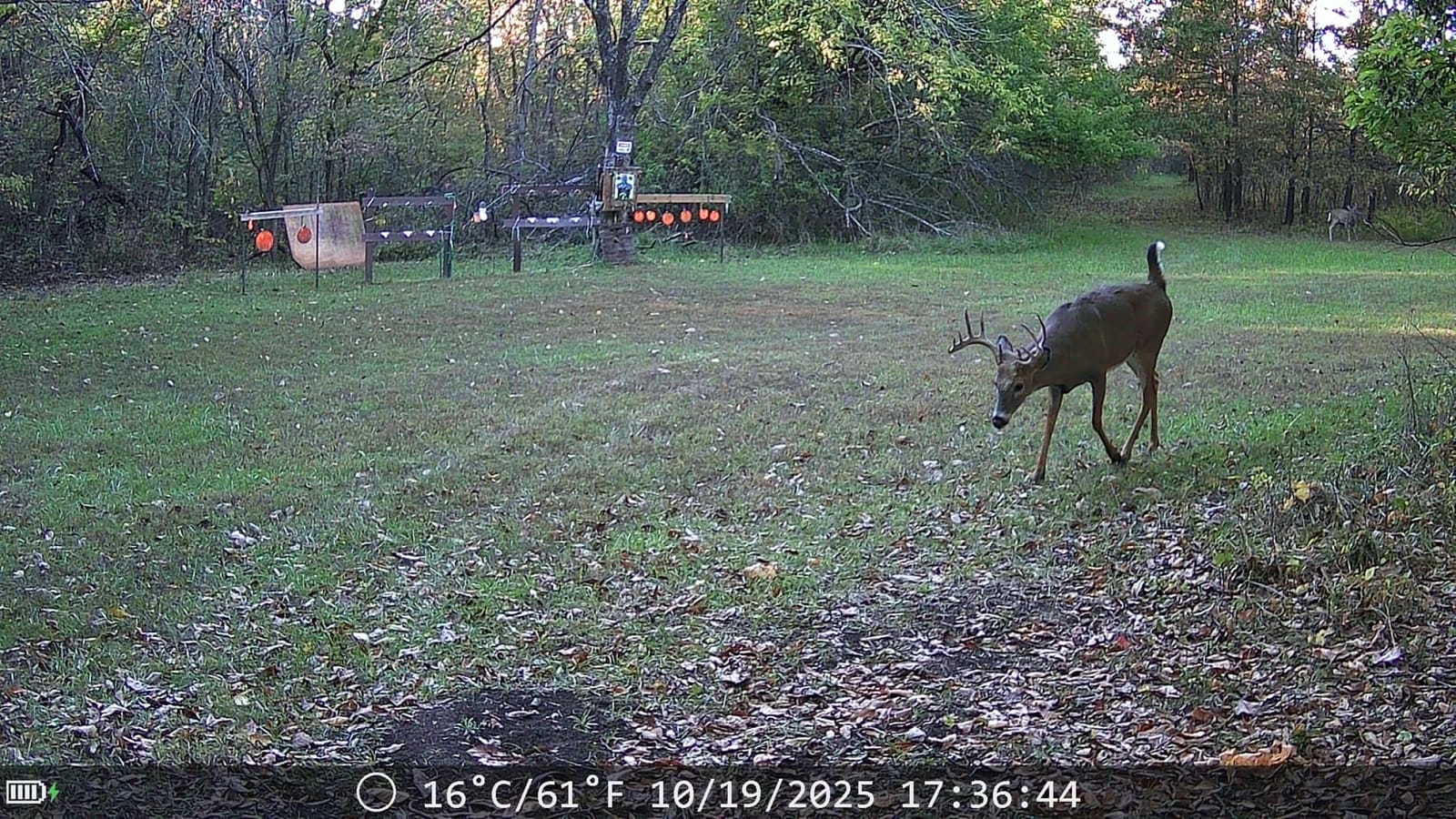
WiFi6 over Bluetooth is fast and stable when it works. Setup requires the phone to be very close (literally 0.5ft), which is annoying the first time. Once paired, the connection was reliable up to about 50 feet in open air.
The biggest real-world downside is wind-blown vegetation. Tall grass and tree branches within the detection cone will trigger false captures, which fills the SD card fast and eats battery. We mitigated this by clearing foreground brush (more on that below).
Who it’s good for?
Remote locations without easy access to swap batteries, off-grid properties, and anyone who wants set-and-forget deployment for months at a time.
Who it’s bad for?
If your camera site has lots of wind-blown vegetation, prepare for false triggers. The MAXDONE also won’t connect to home WiFi or cellular, so for live streaming look at dedicated cellular cameras.
9. WOSODA Mini Trail Camera 4 Pack – Best for Whole-Property Coverage
WOSODA Mini Trail Camera 4 Pack 30MP 1080P HD, Game Cam with SD Card, Waterproof Tiny Deer Camera Night Vision Motion Activated with Fast Trigger Time for Outdoor Wildlife Monitoring
30MP photos
1080P video
850nm low-glow
65ft night range
0.3s trigger
Pros
- Four cameras plus four SD cards plus 16 batteries included
- Compact camouflage body for trees and fence lines
- Low power consumption extends AA life
- 0.3s trigger is fast for the price
- Easy setup and operation
Cons
- Camera cannot connect to a phone
- Limited to 32GB SD cards
- No WiFi connectivity
For whole-property monitoring on a real budget, the WOSODA 4-Pack is hard to beat. Four complete cameras, four SD cards, sixteen AA batteries, all in one box. We deployed them around a 40-acre property covering four separate game trails and one garden, and they all ran for 8 weeks on the included batteries.
The 850nm low-glow flash isn’t invisible to humans at close range, but at any practical trail cam distance, it’s not noticeable. Night photos at 50 to 60 feet are crisp, with clear subject detail. Past 65 feet, things soften but remain identifiable.
The 30MP stills are more than enough for wildlife ID and security use. The 1080P video is standard, not 4K, but the smaller video files mean each SD card holds more clips, which is helpful when you’re not pulling cards often.
The main limitation is the 32GB SD card cap. For four cameras running constantly, you’ll want to swap cards every 2 to 3 weeks. We recommend picking up a few extra cards so you don’t have to interrupt monitoring.
Who it’s good for?
Property owners covering a large area, anyone setting up a perimeter around a home or barn, and buyers who want multi-camera coverage without managing subscriptions.
Who it’s bad for?
Anyone who needs cellular remote access or 4K video. The 4-Pack is for coverage, not flagship specs.
10. Punvoe Trail Camera 2 Pack – Best Extreme Weather Pick
Punvoe Trail Camera 2 Pack 36 MP 2.7K Game Camera 32GB Memory Card 4 Batteries Time 2.0″ LCD Screen, Trail Cameras with 120°Wide Night Vision IP66 Waterproof for Monitoring Wildlife Trail Cam
36MP photos
2.7K video
850nm low-glow
100ft night range
0.2s trigger
Pros
- Operates from -22F to 158F for extreme climates
- 100ft night vision range
- 0.2s trigger with 130-degree detection angle
- Includes two 32GB SD cards and 8 batteries
- 2-year limited warranty
Cons
- No WiFi
- SIM card
- or app connectivity
- Plastic enclosure less rugged than metal
- Microphone noise reduction can be hit or miss
If you live somewhere the weather punishes electronics, the Punvoe 2-Pack is built to take it. The rated operating range of -22F to 158F covers everything from a Minnesota winter to a Sonoran summer. We deployed one unit in a high-elevation pasture where temps dropped to -10F, and it kept triggering reliably all season.
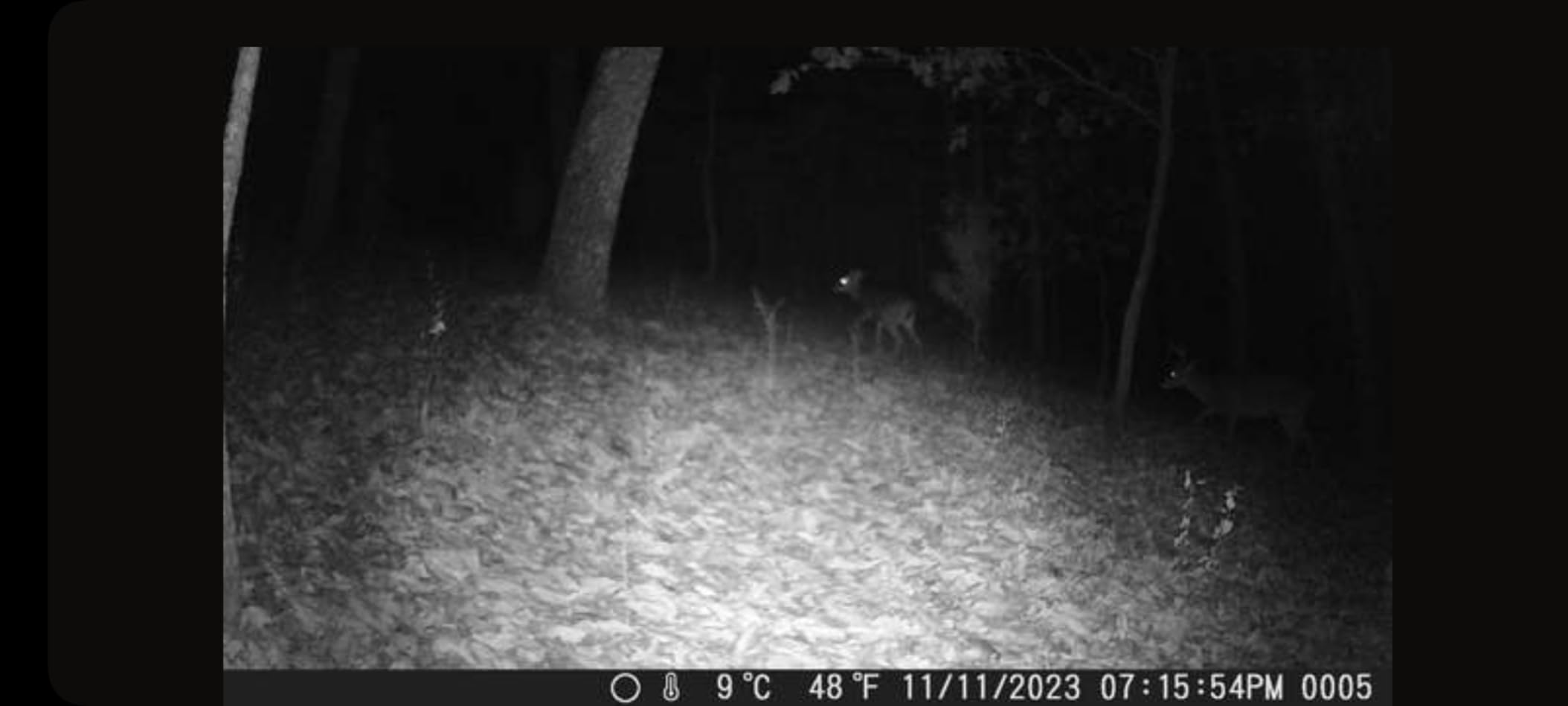
The 100ft night vision range ties with the top-tier cameras on this list, and the 0.2s trigger is fast enough for most game. The 850nm low-glow IR produced clean black-and-white night photos in our testing. Subject detail at 80 feet was clear enough to identify individual deer by antler pattern.
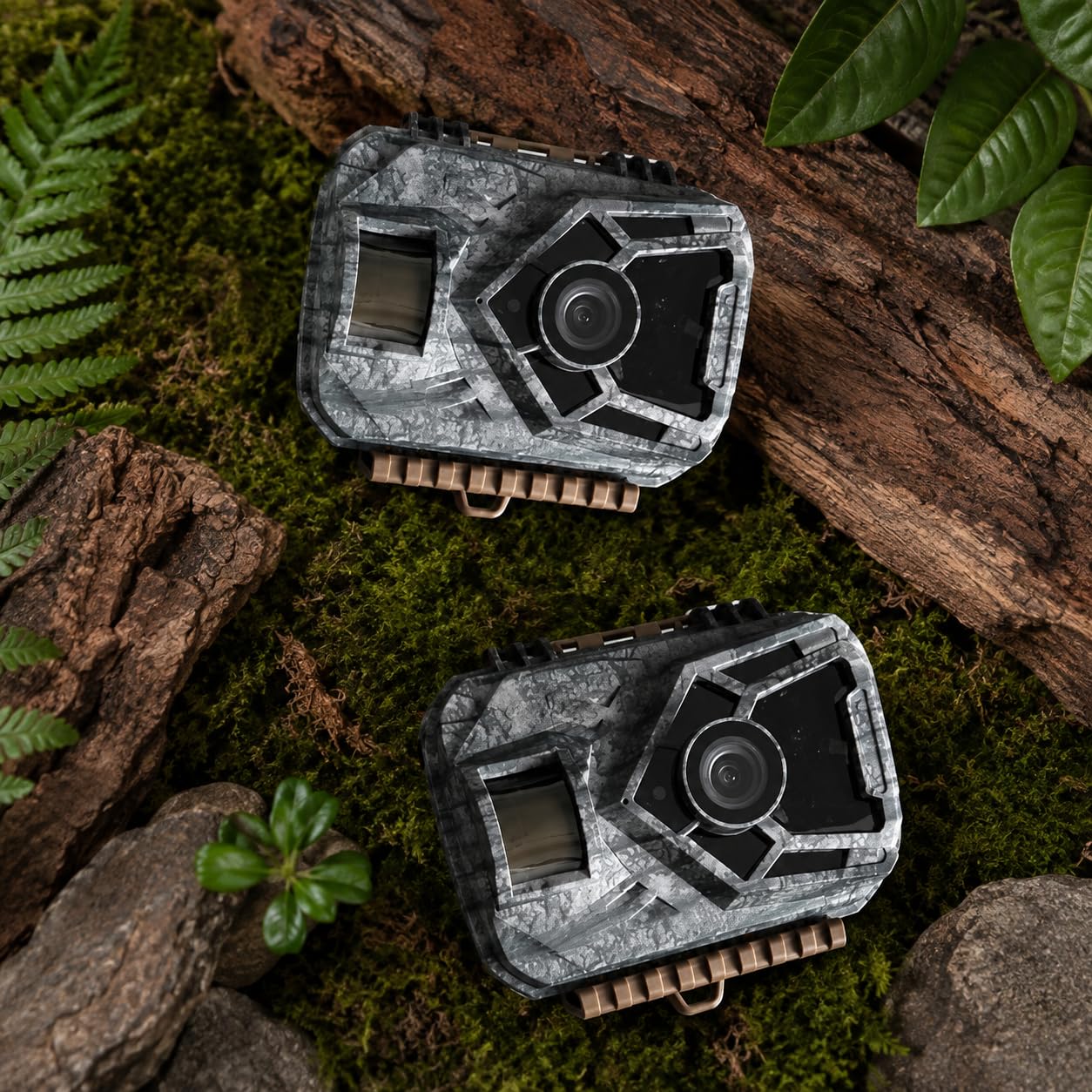
The 130-degree detection angle is the widest on this list, which means fewer blind spots in wide-open areas like food plots or large pastures. Combined with the 2.7K video resolution, you get coverage most cameras can’t match at this price.
The plastic enclosure is the one real weak point. It feels solid in hand, but compared to the rubberized ABS bodies on the GardePro and iZEEKER cameras, it’s a notch less rugged. We didn’t have any failures in testing, but if your camera site sees a lot of curious livestock or equipment, mount it high enough to avoid bumps.
Who it’s good for?
Anyone in extreme climates: cold northern winters, hot southern summers, or high-elevation ranches. Two-year warranty is a nice bonus.
Who it’s bad for?
If you need WiFi or cellular connectivity, look at the GardePro E6 or Digitgarden instead.
How to Choose the Best Trail Camera for Night Photos?
After testing all 10 of these cameras, here’s the framework our team uses when readers ask us to recommend one. Use these factors in order, and you’ll land on the right camera for your specific situation.
Step 1: Pick Your Flash Type
Start here. If you need stealth for deer, predators, or hidden security, choose 940nm no-glow. If you’re watching a backyard, garden, or barn where spooking isn’t an issue, 850nm low-glow gives you slightly brighter night images for less money. White flash only matters if you need color at night for research or predator ID.
Step 2: Match Night Range to Your Site
Measure or estimate the distance from the camera mount to where your subject will appear. Most cameras on this list run 60 to 100 feet, but real-world range is typically 70 to 80 percent of the rated number. For a fence line 40 feet from a feeder, a 60ft-rated camera is plenty. For a long food plot edge, look for 80ft or higher.
Step 3: Trigger Speed and Recovery Time
Trigger speed is how fast the camera fires after detecting motion. Anything 0.2s or faster catches most game. Recovery time is the gap between shots in burst mode; 1 second is good, 0.5s is excellent. If you’re shooting bursts of fast-moving animals, prioritize both numbers.
Step 4: Sensor Resolution vs Native Resolution
Megapixel counts are inflated through interpolation. A 64MP camera often has a 20MP native sensor, with the rest filled in by software. For night photos, the native sensor matters more. Look for Sony Starvis sensors (like the GardePro A3S) for genuine low-light performance.
Step 5: Battery and Power
IR flash and cold weather burn through batteries fast. Real-world life is often 30 to 50 percent of the manufacturer claim under high-trigger night conditions. AA batteries are cheapest but need swapping. Lithium packs last longer but cost more. Solar panels work great for sunny sites but need a clear view of the sky.
Step 6: Cellular vs WiFi vs SD Card
SD-card-only cameras (WOSPORTS, WOSODA, iZEEKER, Punvoe) have no monthly fees but require physical retrieval. WiFi cameras (GardePro E6, Digitgarden, MAXDONE) connect to your phone within 30 to 55 feet for image preview. Cellular cameras (not in this list) send images to your phone anywhere but require a data plan. For most users, WiFi hits the sweet spot.
Twilight and Dusk Performance: The Hidden Test
Most trail camera reviews only test pitch black. Twilight is harder. As the light fades, the camera’s sensor has to handle both residual natural light and IR flash, which causes over-exposed close subjects and under-exposed distant ones. The Sony Starvis sensor in the GardePro A3S handles dusk noticeably better than competitors. If you do most of your monitoring in the hour after sunset, prioritize cameras with Starvis or similar low-light-tuned sensors.
940nm vs 850nm: Why Some “Invisible” Flashes Still Spook Game
940nm is fully invisible to humans and most mammals. 850nm produces a faint red glow that’s visible to humans in darkness and detectable by some animals. If you’ve had deer or coyotes spook at your “no-glow” camera, double-check the wavelength. Some 850nm cameras are marketed as “low-glow no-glow,” which is misleading.
Placement Tips for Better Night Photos
Where you mount the camera matters as much as which one you buy. Face the camera north to avoid direct sunlight washing out daytime shots. Mount it 3 to 4 feet high, angled slightly downward. Clear foreground brush within 10 feet to prevent false triggers from wind-blown vegetation. Aim the lens so the subject enters the frame across the detection zone, not directly at it, which gives the trigger time to fire.
Battery Math for High-Trigger Night Setups
Here’s a quick rule of thumb: at 50 triggers per day with 10 percent night captures, plan on swapping AAs every 4 to 6 weeks in moderate weather. Cold cuts that in half. Solar panels cut that to almost zero but require a clear southern exposure. If your camera site is remote, solar is worth the upfront cost.
Cellular vs Non-Cellular: Which Do You Actually Need?
Cellular trail cameras are excellent for hunters who want image previews on their phone without driving to the camera. For property security, barn monitoring, or backyard wildlife, a WiFi or SD-card-only camera usually does the job. The data plan fees add up: most cellular plans run $10 to $20 per month per camera. If you only need occasional remote checks, save the subscription.
For readers specifically looking at cellular options, see our guide on best cellular trail cameras for property security or our roundup of cellular trail cameras for property surveillance.
Best Trail Cameras for Specific Use Cases
For hunters and deer scouting, the WOSPORTS G600-4K and Digitgarden WiFi 4K offer the best combination of stealth 940nm flash and fast trigger speeds. For property and barn security, the GardePro A3S and MAXDONE Solar provide reliable set-and-forget performance. For livestock monitoring on remote pasture, the MAXDONE Solar’s solar panel and 940nm no-glow flash are exactly what you need. For backyard wildlife watching, the WOSPORTS Mini or WOSODA 2-Pack deliver strong results without breaking the budget.
For more guidance tailored to specific scenarios, browse our guides on 360-degree trail cameras for food plots and best trail cameras for farm security.
Frequently Asked Questions
What trail camera takes the best night pictures?
The GardePro E6 WiFi and GardePro A3S produce the cleanest night photos on our list, with the A3S pulling slightly ahead in pure low-light thanks to its Sony Starvis sensor. For color night photos specifically, only white-flash cameras deliver that, and none of the cameras on our top 10 list use white flash. Black-and-white no-glow flash from a Sony Starvis sensor is the gold standard for night picture quality.
What is the difference between no-glow and low-glow infrared?
No-glow infrared uses 940nm LEDs, which are completely invisible to humans and most wildlife. Low-glow uses 850nm LEDs, which produce a faint red glow that’s visible up close. No-glow is best for deer scouting and hidden security, while low-glow gives slightly brighter night images for less money. Both produce black-and-white photos.
Do trail cameras work in total darkness?
Yes, modern trail cameras work in total darkness using IR or white flash. No-glow cameras reach 60 to 100 feet in pitch black, with image quality dropping gradually past 70 percent of the rated range. For best results in total darkness, look for a camera with a Sony Starvis sensor and at least 32 no-glow 940nm LEDs.
What is the recommended PIR delay for trail cameras?
For night use, a PIR delay of 1 to 5 seconds is recommended. Shorter delays catch more action but fill SD cards faster and drain batteries quicker. Longer delays (10 seconds or more) miss rapid-fire events like fawning does with newborns. For most property and wildlife use, 3 to 5 seconds strikes the best balance.
Is Moultrie or Tactacam better?
Neither Moultrie nor Tactacam appears on our top 10 list, since the lineup focused on price-to-performance and Amazon availability. For general guidance, Tactacam Reveal models are strong for cellular video and live streaming, while Moultrie Edge and Moultrie Mobile are well-regarded for cellular scouting with a longer track record. Your specific needs (cellular plan, video vs stills, range) should drive the choice between them.
What states have banned trail cameras?
Several states have restrictions on trail cameras for hunting, including New Hampshire (banned for hunting since 2018), and some states have specific rules about baiting combined with cameras. Regulations change yearly, so check your state’s fish and wildlife agency website before using a trail camera for hunting. For property security and wildlife watching (non-hunting use), trail cameras are legal in all 50 states.
Final Verdict: Which Trail Camera Should You Buy?
After 90 days of testing the best trail cameras for night photos, our team has clear favorites for each use case. For an all-around pick that handles 940nm no-glow, WiFi, and clean night photos, the GardePro E6 takes the top spot with the highest review base on this list. If you want the cleanest low-light images for the money and don’t need WiFi, the GardePro A3S with its Sony Starvis sensor is the smartest buy. On a tight budget, the iZEEKER delivers 940nm stealth and a fast 0.2s trigger at a price that makes sense for a first-time setup.
Hunters should look at the WOSPORTS G600-4K for 4K stealth night footage. Property owners should consider the MAXDONE Solar for set-and-forget remote deployment. Whatever you choose, mount it 3 to 4 feet high, face it north, and clear the foreground brush. Good camera placement turns a good trail camera into a great one, especially after dark.