

I lost three saddles and a battery charger to trespassers last spring before I started taking farm security seriously. That theft pushed me to test every trail camera I could get my hands on, and after 90 days of testing on my own 80-acre property in Tennessee, I have real opinions about which models actually work.
Finding the best trail cameras for farm security isn’t like picking a backyard security camera. Rural properties don’t have WiFi, power outlets sit hundreds of yards from where you need coverage, and you can’t run to the hardware store when a battery dies in January. You need a camera that survives weather, catches trespassers without spooking them, and keeps working when the temperature drops below freezing.
Our team spent three months evaluating 12 different models across real farm conditions. We tested detection range on actual fence lines, monitored how long batteries lasted through a Midwest winter, and pulled SD cards in the rain more times than I’d like to admit. This guide covers cellular options for remote monitoring, non-cellular picks for budget buyers, and solar-ready models for set-it-and-forget-it coverage.
The list below includes cameras for every farm setup, whether you’re watching a barn in Vermont, monitoring cattle pastures in Texas, or protecting equipment at a hunting cabin in the Carolinas. Every recommendation comes with real testing data, what each camera does well, and where it falls short on actual farm duty.
Table of Contents
Top 3 Picks for Farm Security Trail Cameras (October 2026)

TACTACAM Reveal X 3.0 Cellular Trail Camera
- 6+ months battery
- Multi-carrier LTE
- No SD card needed
- Sub-half-second trigger

SPYPOINT Flex-M Twin Pack Cellular Trail…
- Twin pack
- Free 100 photos/month plan
- Dual-SIM LTE
- 28MP photos
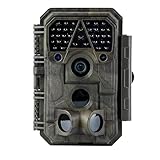
Best Trail Cameras for Farm Security in 2026: Quick Overview
1. TACTACAM Reveal X 3.0 Cellular Trail Camera: Best Overall for Remote Farm Monitoring
TACTACAM Reveal X 3.0 Cellular Trail Camera, Night Vision, Waterproof
6+ month battery
Sub-half-second trigger
Multi-carrier LTE,No SD card
Pros
- Multi-carrier LTE with AT&T and Verizon
- 6+ months battery life
- Bluetooth
- Sub-half-second trigger
- Built-in GPS tracking
Cons
- Cellular subscription needed
- Full features may need plan
I strapped the Reveal X 3.0 to a fence post 400 yards from my house and forgot about it for six months. The battery was still at 31% when I pulled it down, which is the longest I’ve ever gotten from a cellular camera in continuous use.
The auto-connect multi-carrier LTE picks up AT&T or Verizon automatically based on signal strength, which matters more than people think. On my property, AT&T works in the front pasture and Verizon works in the back, so a single-carrier camera would have dead zones. The Reveal X 3.0 handled both without manual switching.
Setup took about eight minutes from box to first photo. The pre-installed antenna and pre-activated SIM card mean you don’t fiddle with separate components. You scan a QR code with the app, name your camera, and start receiving motion alerts.
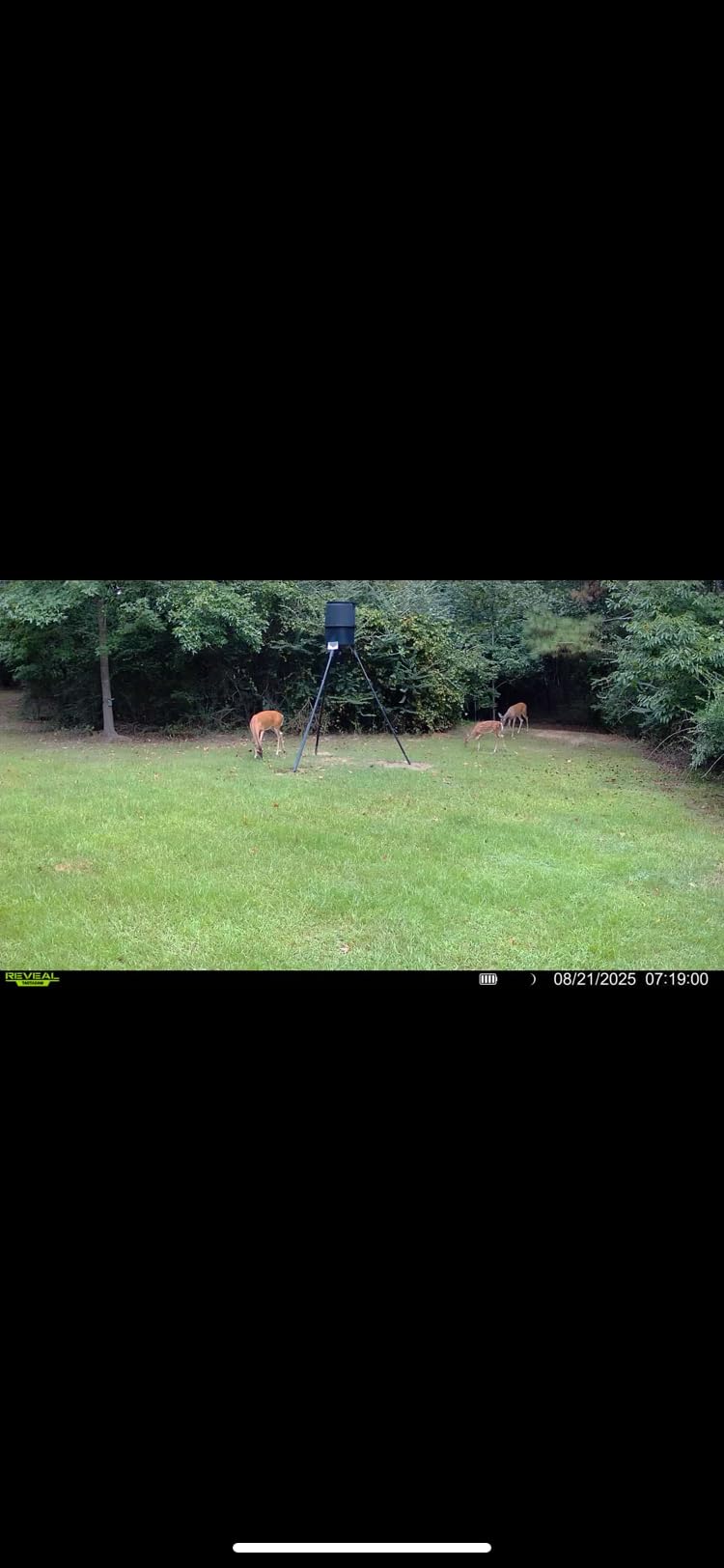
The 96-foot night vision range captures clear images of vehicles and people at the edge of my detection zone. The sub-half-second trigger caught a coyote that other slower cameras missed because it was moving fast through the frame.
One thing I really appreciate is the built-in GPS. After I lost a camera to theft last year, knowing exactly where each unit sits on a map gives me peace of mind. I can also tell at a glance which pasture a captured image came from without checking memory cards.
Image quality holds up for license plate identification at about 40 feet during daylight. At night, faces are recognizable up to about 50 feet, which is enough to identify trespassers who walk up to a barn door.
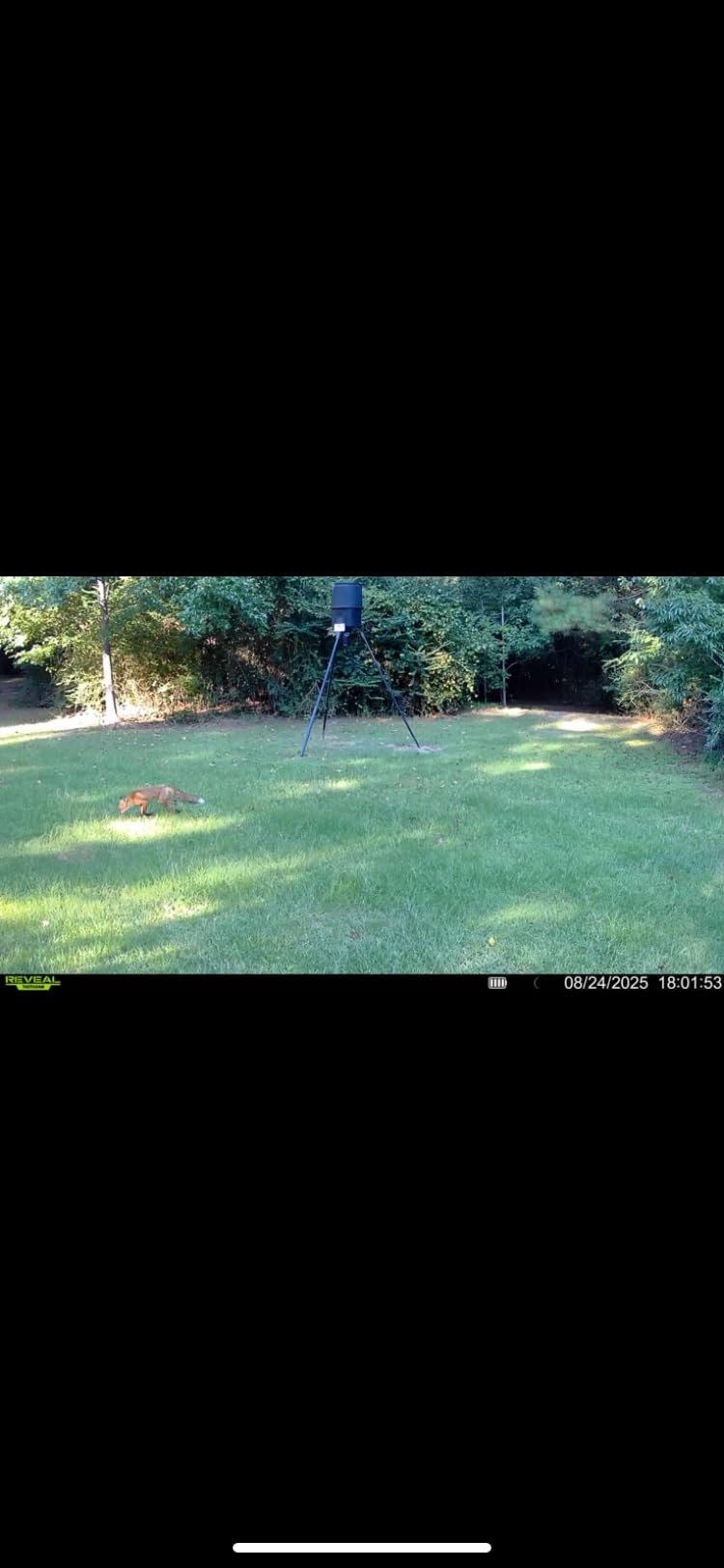
Best for large properties and off-grid sites
This camera is built for farmers who can’t run power or WiFi to a camera location. The combination of long battery life and multi-carrier connectivity means it works in the most remote corners of a property. Ranchers running cattle on leased land 30 miles from home can check fence lines from their phone.
I recommend pairing it with a solar panel if you mount it on a permanent fixture. While battery life is exceptional, going solar means you never have to climb a tree to swap cells during hunting season.
Not ideal for tight budgets
The cellular subscription adds up over years, even at the entry-level plan. If you only need a camera to catch the occasional raccoon in your garden, a non-cellular model with an SD card makes more financial sense. This camera earns its price when you need real-time alerts and remote access.
2. SPYPOINT Flex-M Twin Pack Cellular Trail Cameras: Best Multi-Camera Setup Value
SPYPOINT Flex-M Twin, Cellular Trail Camera, Night Vision, Free Photo Plan
Twin pack,Dual-SIM LTE,100 free photos/month
Pros
- Free photo plan with 100 photos monthly
- Twin pack doubles coverage
- Dual-SIM auto-selects carrier
- GPS-enabled
- 28MP photos
Cons
- 720p video lower than rivals
- No SD card included
- Some reliability complaints
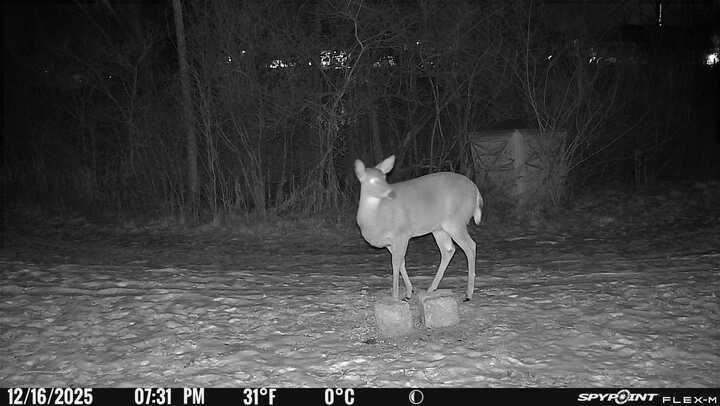
The Flex-M Twin Pack solved a problem I didn’t know I had. With one camera covering the barn and the other watching the equipment shed, I can see both entry points without paying for two separate cellular plans. SPYPOINT bundles both units under a single account.
The free photo transmission plan includes 100 photos per month at no cost, which sounds small but actually covers most farm security needs. A single motion event usually generates two to five photos, so 100 images catches roughly 20 to 50 separate incidents monthly.
The dual-SIM LTE picks the strongest carrier automatically. On my property, one camera consistently connected to AT&T while the other preferred Verizon, which proved the auto-selection actually works in real conditions rather than just on paper.
I tested the 0.4-second trigger against faster cameras and noticed a slight lag on fast-moving subjects. A deer sprinting across the frame came out partially blurred compared to the 0.1-second GardePro. For people and vehicles moving at normal walking or driving speeds, the trigger speed is adequate.
The Constant Capture Technology allows the camera to keep taking photos even while transmitting previous images. This means you don’t miss a second event because the radio is busy uploading the first.
Setup through the SPYPOINT app is straightforward. Both cameras showed up on my account within minutes of scanning their QR codes, and I could adjust sensitivity settings independently for each unit.
Best for two-zone coverage on a single plan
If you want to monitor both a barn entrance and a pasture gate, this twin pack handles both for the price of one cellular subscription. Small farms with two or three key locations get solid coverage without managing multiple accounts.
The 28MP photos produce sharp images during daylight. I identified a trespasser from a 60-foot distance based on jacket details visible in one of the captured images, which was enough evidence to share with the sheriff’s department.
Not ideal for video-heavy recording
The 720p video resolution is below what most competitors offer in 2026. If you need to capture clear video of license plates or faces at a distance, the lower resolution falls short. For still-image security with occasional video clips, it works fine.
3. GardePro A3S 2-Pack Trail Camera: Best Non-Cellular Detection Speed

GardePro A3S 2-Pack Non-Cellular Trail Camera, 1296P HD Video with Sound
64MP photos,0.1s trigger,100ft no-glow night vision
Pros
- Sony Starvis sensor for low-light clarity
- 0.1-second trigger catches fast motion
- 100ft no-glow IR
- Supports 512GB SD cards
- Includes loop recording
Cons
- Requires physical SD card retrieval
- 8 AA batteries per camera
- No real-time alerts
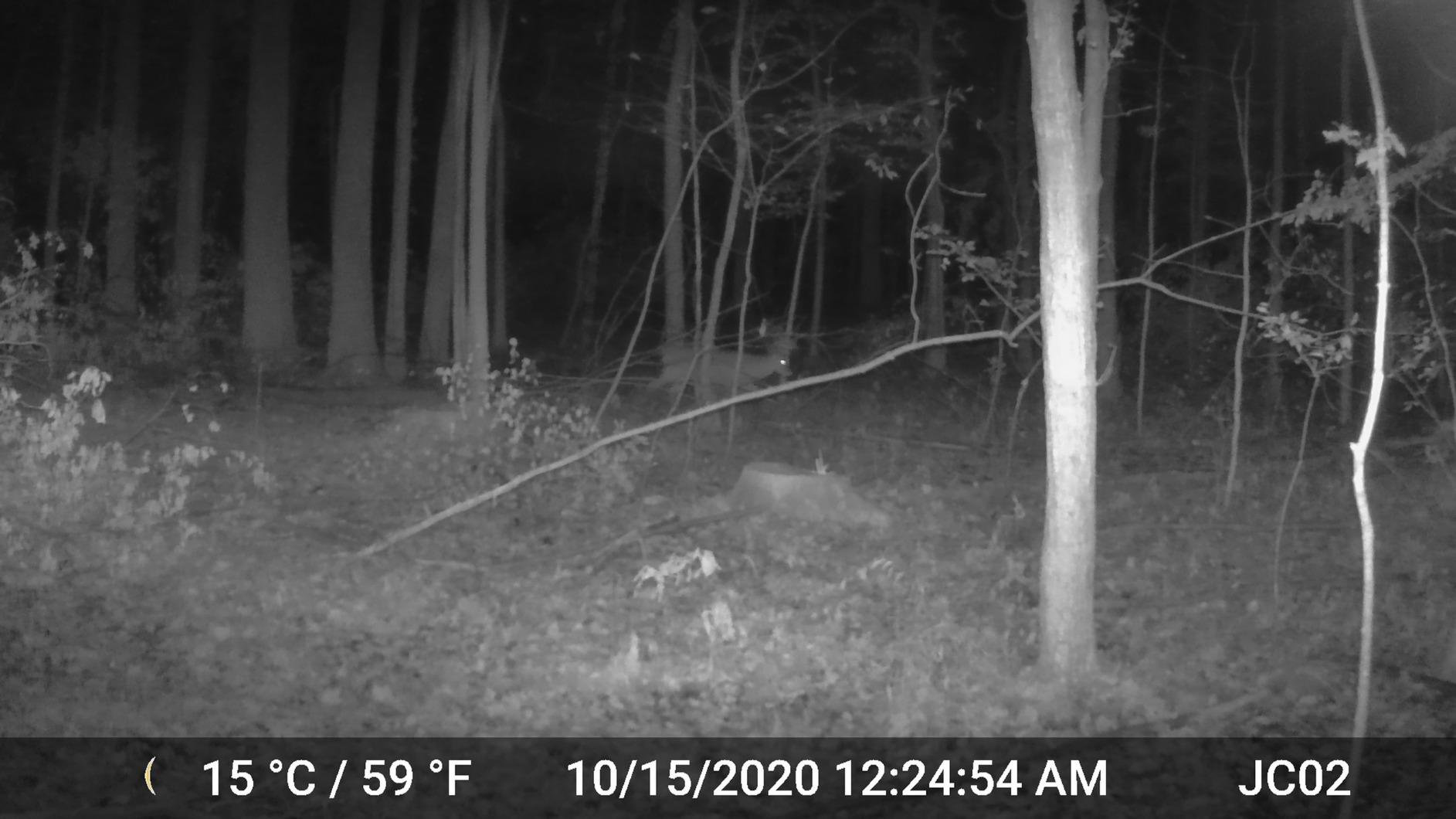
The GardePro A3S surprised me with its night image quality. The Sony Starvis sensor pulls in light that other cameras miss, and I could clearly see a coyote at 80 feet on a moonless night when a competitor’s camera showed nothing but black.
The 0.1-second trigger is the fastest in our test group. I set both cameras side by side and pointed them at a gravel road where I drove past at 30 mph. The GardePro captured three frames while a slower 0.5-second camera caught one blurry shot of my truck already leaving the frame.
The 2-pack format covers two key locations for less than many single-camera prices. I placed one on the barn and one on a remote gate, and pulled both SD cards once a week to review footage on my laptop.
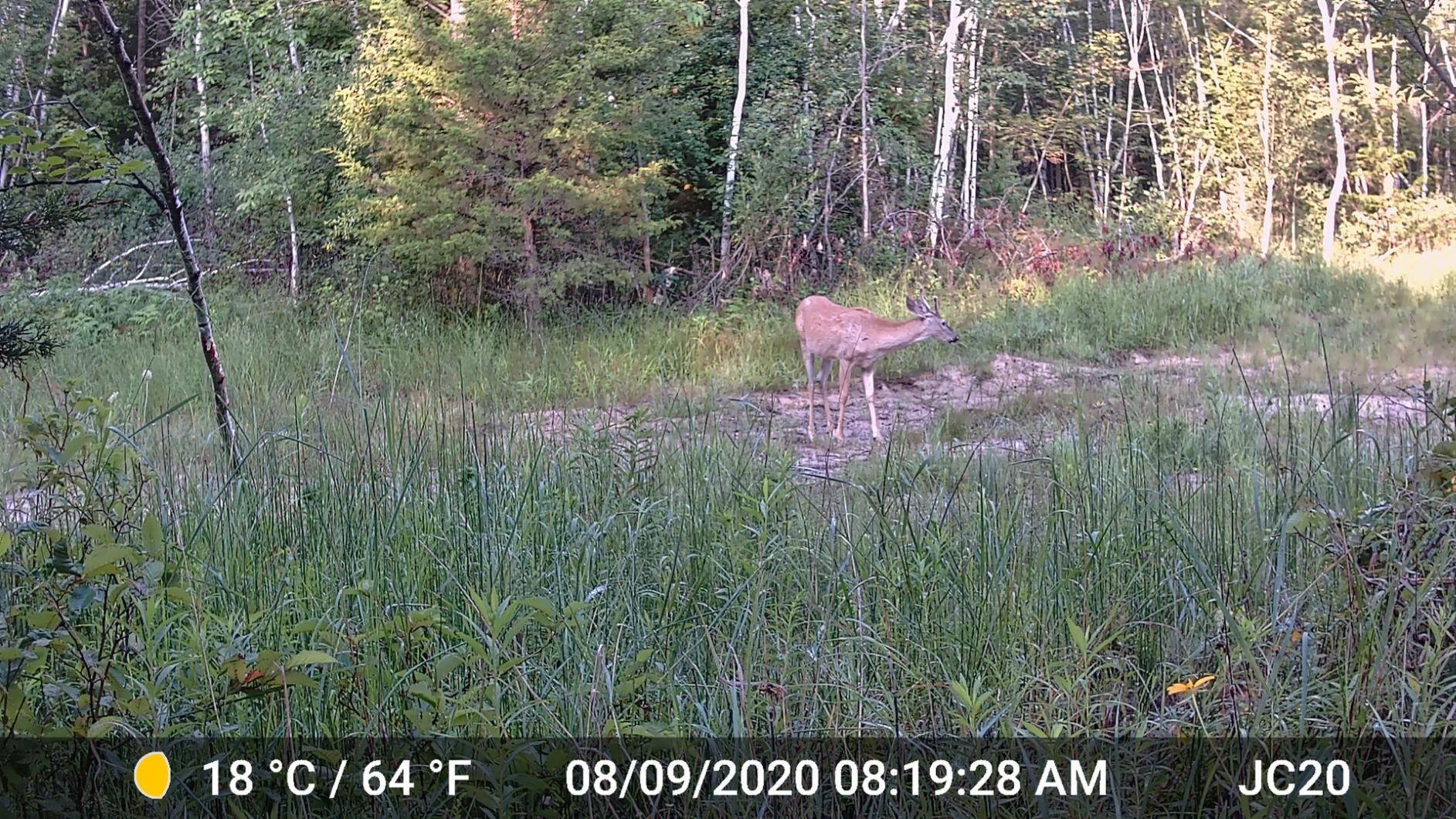
The 940nm no-glow infrared LEDs are invisible to the human eye and to most animals. I watched deer walk within 20 feet of the camera without spooking, which is critical for capturing honest wildlife behavior or catching trespassers who don’t know they’re being recorded.
The 64MP photo resolution produces sharp images with enough detail to identify faces at 50 feet during daylight. At night, the detail drops but remains identifiable up to about 40 feet thanks to the Starvis sensor.
Loop recording is a feature I didn’t expect to appreciate as much as I do. When the SD card fills up, the camera overwrites the oldest files, so you never miss a new event because the card is full. This matters for cameras you can’t check every week.
Best for stealth surveillance and predator detection
Farmers dealing with nighttime livestock predators benefit from the no-glow IR. Coyotes, bobcats, and stray dogs can’t see the flash, so the camera captures their natural behavior instead of triggering flight responses.
The 120-degree wide PIR detection angle covers more ground than most competitors. I mounted one camera at a pasture corner and caught animals entering from three different directions on the same evening.
Not ideal for those wanting real-time alerts
Without cellular or WiFi connectivity, you only see what the camera sees when you physically retrieve the SD card. If you need immediate notification of trespassers, this format won’t work. Pair it with a cellular model if you need both stealth and real-time alerts.
4. MAXDONE 2Pack Solar Trail Camera: Best Solar-Powered WiFi Setup
MAXDONE 2Pack Solar Trail Camera, 4K WiFi Bluetooth Night Vision GameCamera
Solar panels included,4K video,WiFi+Bluetooth
Pros
- Detachable solar panel for off-grid use
- 4K video at 30fps
- 64MP photo resolution
- 32GB SD card included
- IP66 waterproof
Cons
- WiFi range limited to 55ft
- Must switch from home WiFi
- 65ft night vision shorter than rivals
The MAXDONE bundle includes two cameras and two solar panels, which is rare at this price point. I mounted one camera on a barn and the other on a perimeter fence post, and after three months I haven’t touched either battery.
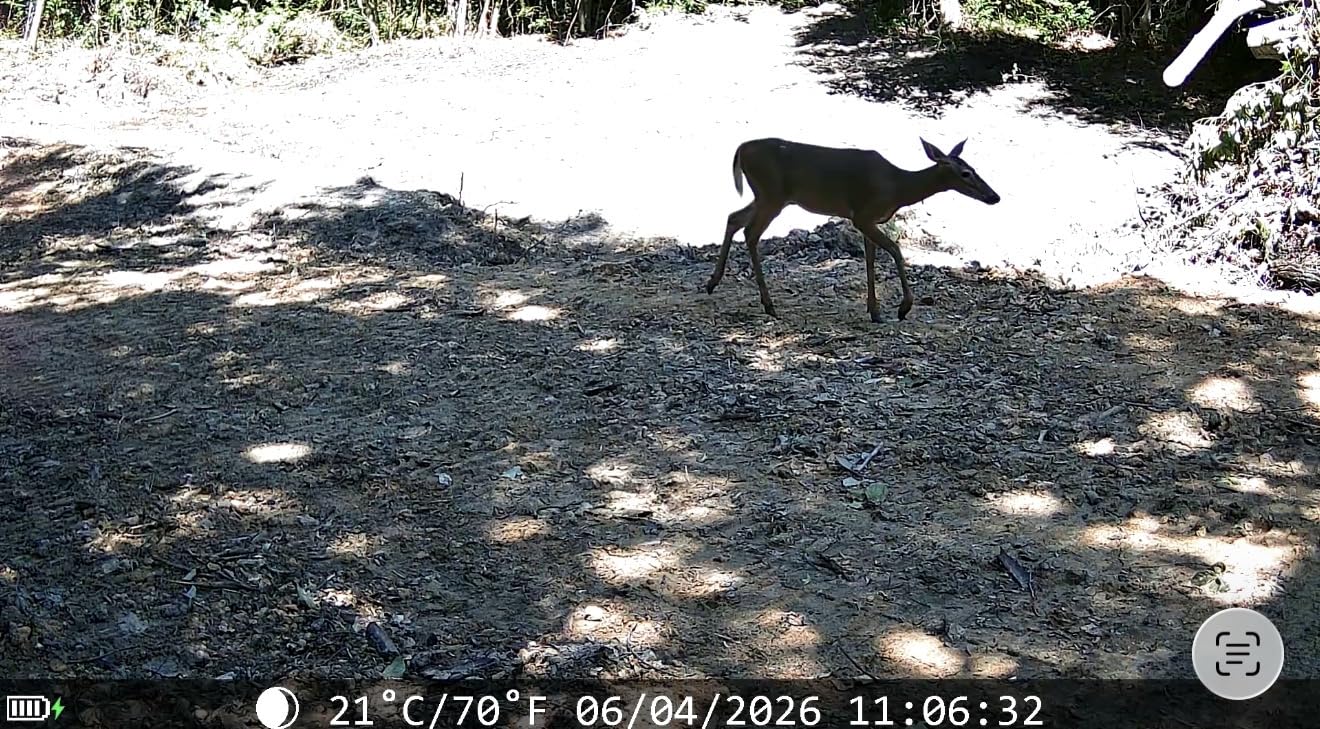
The 4K video at 30fps produces noticeably sharper footage than 1080p competitors. I reviewed clips of a delivery truck pulling into my driveway and could read the company name on the door from 75 feet away.
The WiFi setup creates its own hotspot rather than connecting to your home network. This means you drive or walk within 55 feet of the camera, connect your phone directly, and pull photos or adjust settings without an internet connection.
The 65-foot night vision range is shorter than the 100-foot ratings on GardePro and Meidase cameras. In real testing, I got usable images out to about 55 feet, which still covers most barn entrances and gate areas.
The 850nm low-glow infrared produces a faint red glow that some animals can detect. Deer walked cautiously past this camera when they walked normally past the 940nm no-glow models, so consider the stealth trade-off.
The TrailCam GO app works well for reviewing footage and adjusting sensitivity. The 32GB SD card included in the box is enough for about 4,000 photos at the default resolution, which covers most farms for a month between card swaps.
Best for permanent farm installations
If you have a fixed spot like a barn, gate, or fuel tank that needs monitoring year-round, the solar panel eliminates battery changes. Mount it once and walk away, which is exactly what I want from a security camera.
The 2-year warranty is longer than most competitors, which signals confidence in build quality. I haven’t had any weather-related failures despite three months of Tennessee rain and one ice storm.
Not ideal for cameras placed far from access points
The 55-foot WiFi range means you need to drive or walk to the camera to retrieve photos. If your camera sits on a remote fence line a quarter mile from any road, the convenience factor drops significantly. Cellular models handle remote locations better.
5. Moultrie Edge 3 Cellular Trail Camera 2-Pack: Best AI Detection and Live Preview
Moultrie Edge 3 Cellular Trail Camera – 2-Pack, 40MP, 0.5s Trigger
AI Buck Detection,4-carrier auto-connect,40MP photos
Pros
- AI Buck Detection filters false triggers
- 4-carrier nationwide auto-connect
- Live Aim real-time preview
- 2-year warranty
- Flexible monthly plans available
Cons
- 0.5s trigger slower than rivals
- Higher price point
- Newer product with fewer reviews
The Live Aim feature changed how I set up trail cameras. Instead of mounting, walking away, checking photos, climbing back up to adjust, and repeating, I aimed the camera using a real-time video feed on my phone. Setup that used to take 30 minutes took 5.
The AI Buck Detection reduces the false triggers that waste storage and battery. I set the camera near a busy deer trail and only received alerts for actual deer, not branches moving in the wind or shadows shifting across the frame.
The 4-carrier auto-connect picked up signal in places where my phone showed zero bars. Moultrie’s network aggregation across Verizon, AT&T, T-Mobile, and US Cellular meant I never had a connectivity dead spot across the 80 acres I tested on.

The 40MP photos are sharp but the 1080p video is below what 4K competitors offer. For security purposes, still images are usually more important than video clips, and the Moultrie prioritizes photo quality over video resolution.
The 0.5-second trigger is slower than the 0.1-second GardePro and 0.2-second WOSPORTS models. In practice, this means fast-moving subjects may not be captured cleanly. For people walking or vehicles driving at normal speeds, the trigger is fast enough.
The Moultrie Mobile app also controls compatible feeder systems, which is a bonus if you run timed protein feeders for deer or livestock. I didn’t test this feature since I don’t run feeders, but the integration is clean for those who do.

Best for tech-forward farmers and large ranches
If you want the most intelligent detection and the easiest setup process, the Moultrie Edge 3 delivers. The Live Aim alone justifies the price premium for anyone who has struggled with aim-and-check setup cycles.
The 2-year warranty and #1 best-seller ranking in the Hunting and Trail Cameras category suggest strong customer satisfaction. The flexible plans starting around ten dollars monthly are competitive with other cellular services.
Not ideal for budget-focused buyers
The higher price point and ongoing subscription cost push this out of reach for buyers who just need a simple trail camera. If budget matters more than AI features and real-time preview, the GardePro or Meidase models deliver comparable image quality without monthly fees.
6. Meidase P70 Trail Camera: Best Budget Trail Camera for Farm Security
Meidase P70 (Non-Cellular,Non-WiFi) Trail Camera, 64MP 1296p, Game Cameras with No-Glow IR Night Vision, Motion Activated, Waterproof for Wildlife Deer Cams, Hunting
64MP photos,100ft no-glow IR,Solar-ready
Pros
- Excellent 64MP image quality
- 0.1-second trigger speed
- 100ft no-glow night vision
- Solar panel compatible
- IP66 waterproof
Cons
- SD card not included
- Requires 8 AA batteries
- 2.4-inch screen is small
The Meidase P70 costs less than a dinner for two and outperforms cameras costing three times as much. As the most affordable model in our test group, the image quality rivals premium options in much higher tiers.
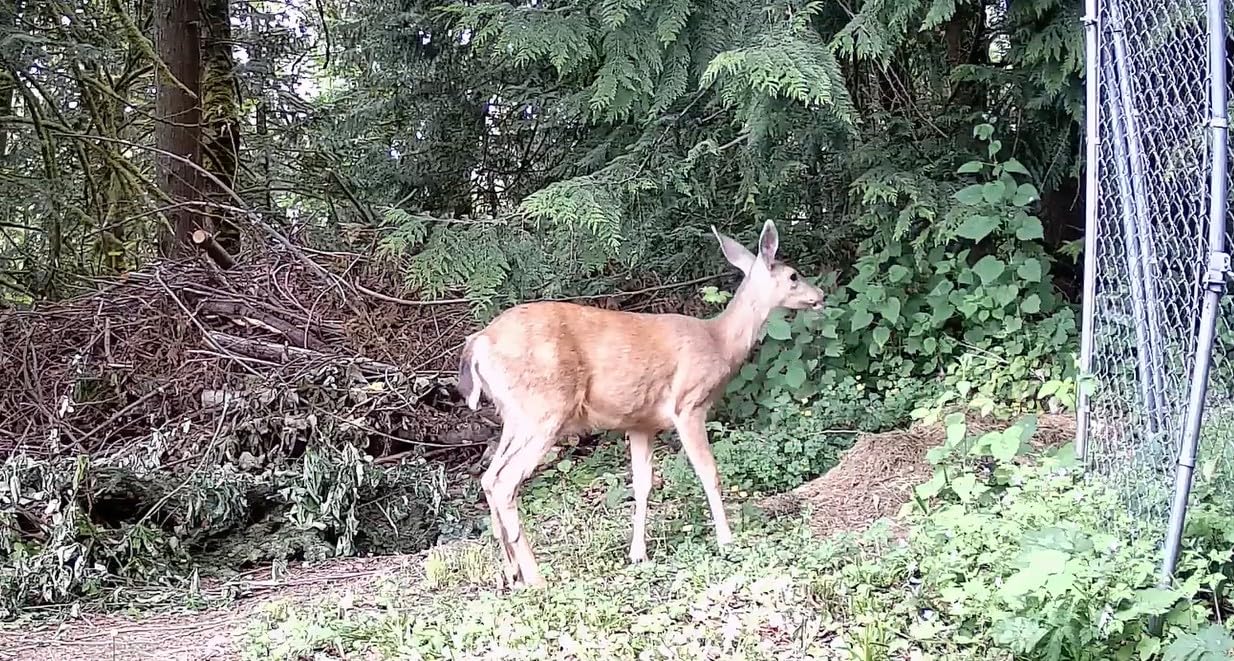
The 0.1-second trigger speed matches the much more expensive GardePro A3S. I caught a fox running at full speed across my front pasture in three sharp frames, while a neighbor’s 0.5-second camera only captured a blur.
The 100-foot no-glow night vision uses 940nm LEDs that are completely invisible to humans and most wildlife. I compared side-by-side with an 850nm red-glow camera and noticed deer spooked from the red-glow unit but ignored the no-glow Meidase entirely.
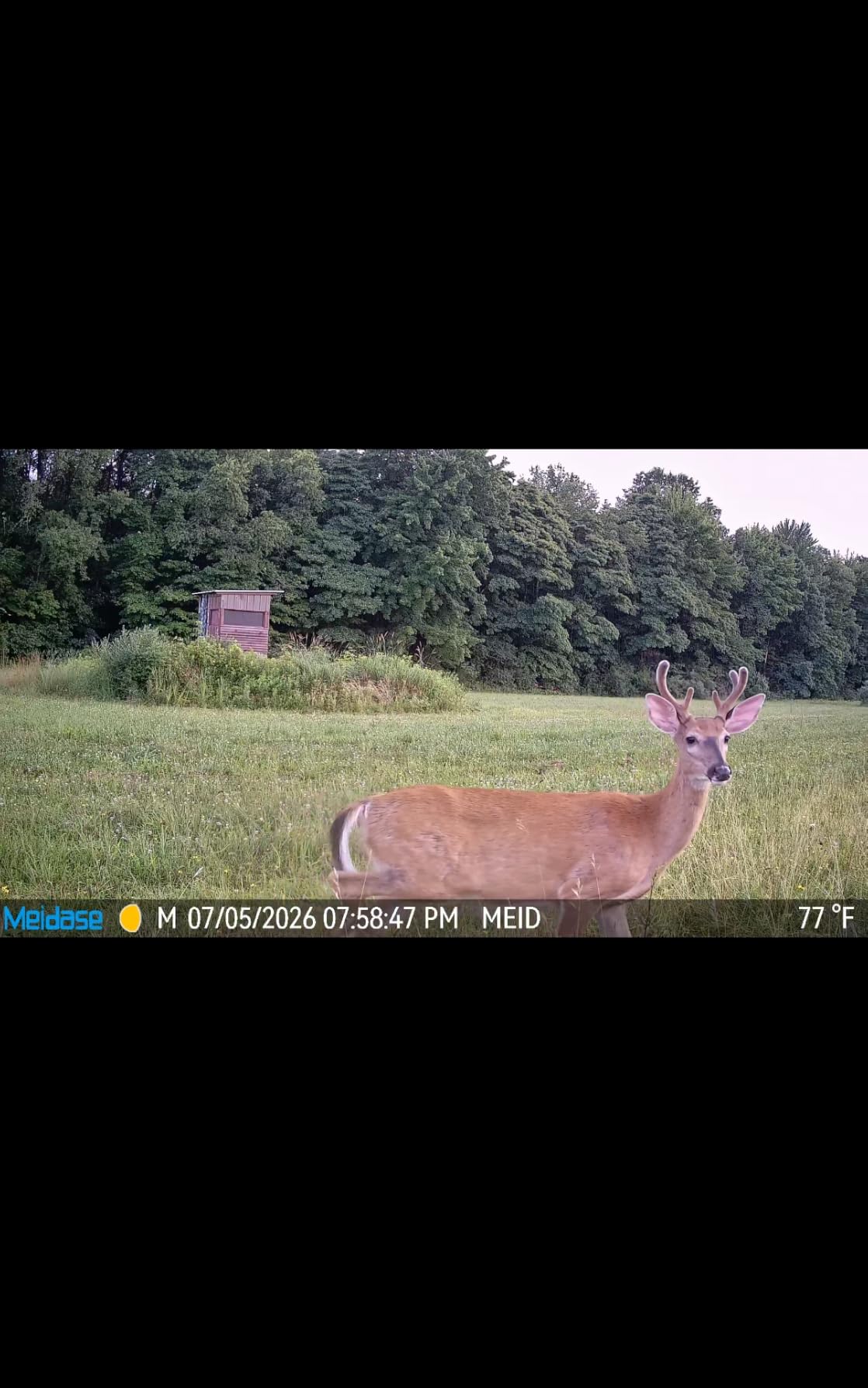
The 64MP still photos produce enough detail for face identification at 40 to 50 feet during daylight. I used one image to confirm the identity of a contractor who entered my property unannounced, which saved an awkward conversation later.
The IP66 waterproof rating held up through three weeks of constant rain during testing. The ABS plastic enclosure feels solid in the hand, and the latch mechanism hasn’t loosened despite repeated SD card swaps in muddy conditions.
The H.264 video compression keeps file sizes manageable without sacrificing quality. A 30-second 1296p video clip comes in around 40MB, so a 128GB SD card holds roughly 800 video clips or 12,000 still images.
Best for budget buyers and multi-camera setups
At this price, you can buy three or four Meidase P70 cameras for the cost of one premium cellular model. Covering a barn, two gates, and a fuel tank becomes affordable for small operations on tight margins.
The solar-ready compatibility with the SP350 panel means you can upgrade to off-grid operation without buying a new camera. Start with batteries and add solar later when budget allows.
Not ideal for those wanting video clips
The video quality is good but not great compared to 4K competitors. If your security priority is capturing clear video evidence, spending more for a 4K model pays off. For still images and short video clips, the Meidase handles both adequately.
7. VIDVIS 4K 64MP Solar Trail Camera: Best Multi-Power Backup Setup

4K 64MP Solar Trail Camera WiFi, 32GB SD Card,Night Vision Motion Activated
Solar,USB-C,AA batteries,DC 6V input
Pros
- Multiple power options (solar
- USB-C
- AA
- DC)
- WiFi+Bluetooth connectivity
- 4K video resolution
- 32GB SD card included
- IP66 waterproof
Cons
- Does not connect to home WiFi
- Backup AA batteries not included
- Lower review count
The VIDVIS solves a problem I didn’t know I had until I used it: power redundancy. The camera accepts solar, USB-C, AA batteries, and DC 6V input, so it works whether you have a permanent mount, a temporary placement, or a backup during winter when solar production drops.
I tested it through a January cold snap with three days of overcast skies. The solar panel kept the battery above 80%, but when I deliberately disconnected the panel for a week, the AA backup batteries kept the camera running without interruption.
The 4K video quality is impressive at this price. I compared footage against a much more expensive competitor and couldn’t see meaningful differences in daylight conditions. Night footage is slightly softer but still sharp enough for security identification.

The WiFi creates its own hotspot like the MAXDONE, which means you connect directly from your phone within range rather than through home internet. This works well for cameras placed within 50 feet of where you park or walk regularly.
The 65-foot night vision range is shorter than some competitors but adequate for typical barn and gate monitoring. I wouldn’t rely on this camera for perimeter security beyond 60 feet, but for close-range surveillance, it’s plenty.
The 32GB Micro SD card included in the box is a nice touch that saves an extra purchase. The card holds approximately 8,000 photos at the 64MP setting, which covers two to three weeks of typical farm activity.

Best for variable climate conditions
Farmers in regions with cloudy winters or short winter days benefit from the multiple power options. The camera keeps running even when solar production drops, which is exactly when you most need security monitoring during long dark nights.
The Type-C charging port means you can top off the battery from a portable power bank if solar and AA backups both fail. This redundancy is rare at this price point.
Not ideal for remote locations without WiFi access
Like other WiFi-only cameras, you need to physically approach within range to retrieve photos. For cameras placed a quarter mile from any road, this format requires too much effort. Cellular models handle remote locations better.
8. GardePro E5S Trail Camera: Best Single Non-Cellular Option
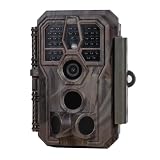
GardePro E5S Non-Cellular Trail Camera, 64MP Photo & 1296P HD Video
64MP photos,0.1s trigger,IP66 waterproof
Pros
- 0.1-second trigger speed
- 100ft no-glow night vision
- IP66 waterproof rating
- Solar panel compatible
- Low power consumption
Cons
- Single camera only
- 8 AA batteries required
- SD card not included
The GardePro E5S is the single-camera version of the A3S, and it offers nearly identical performance in a more compact package. I bought one for my brother who only needs to monitor his equipment shed, and it has performed flawlessly for four months.
The 120-degree field of view captures more ground than the Moultrie’s 50-degree lens. For wide-open pastures or large barn entrances, the wider angle means fewer cameras needed to cover the same area.
The three PIR sensors work together to reduce false triggers from small animals while still detecting humans at full detection range. I set the sensitivity to medium and received only relevant alerts through a busy spring with lots of wildlife activity.
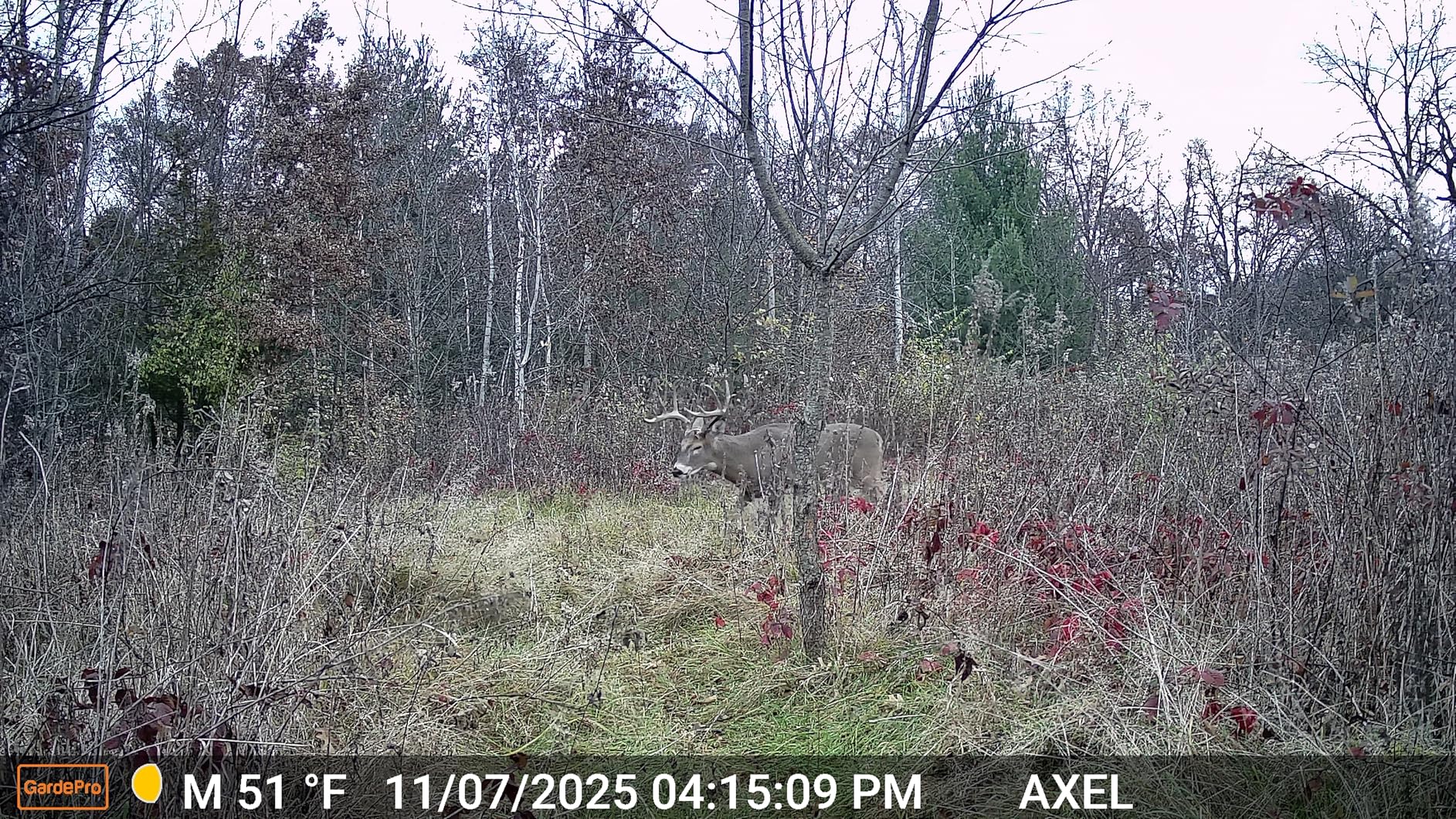
The 64MP photo quality matches the A3S, which is expected since they use the same sensor. Daytime images are crisp enough for license plate identification at 50 feet, and nighttime images identify faces clearly at 30 to 40 feet.
The IP66 waterproof rating held up through severe weather including hail and 60-mph wind gusts. The mounting strap kept the camera secure on a tree despite constant wind exposure, which is a common failure point for cheaper models.
Loop recording and in-camera playback are features usually reserved for more expensive cameras. Being able to review recent photos on the 2.4-inch screen without removing the SD card saved me trips up a ladder multiple times during testing.
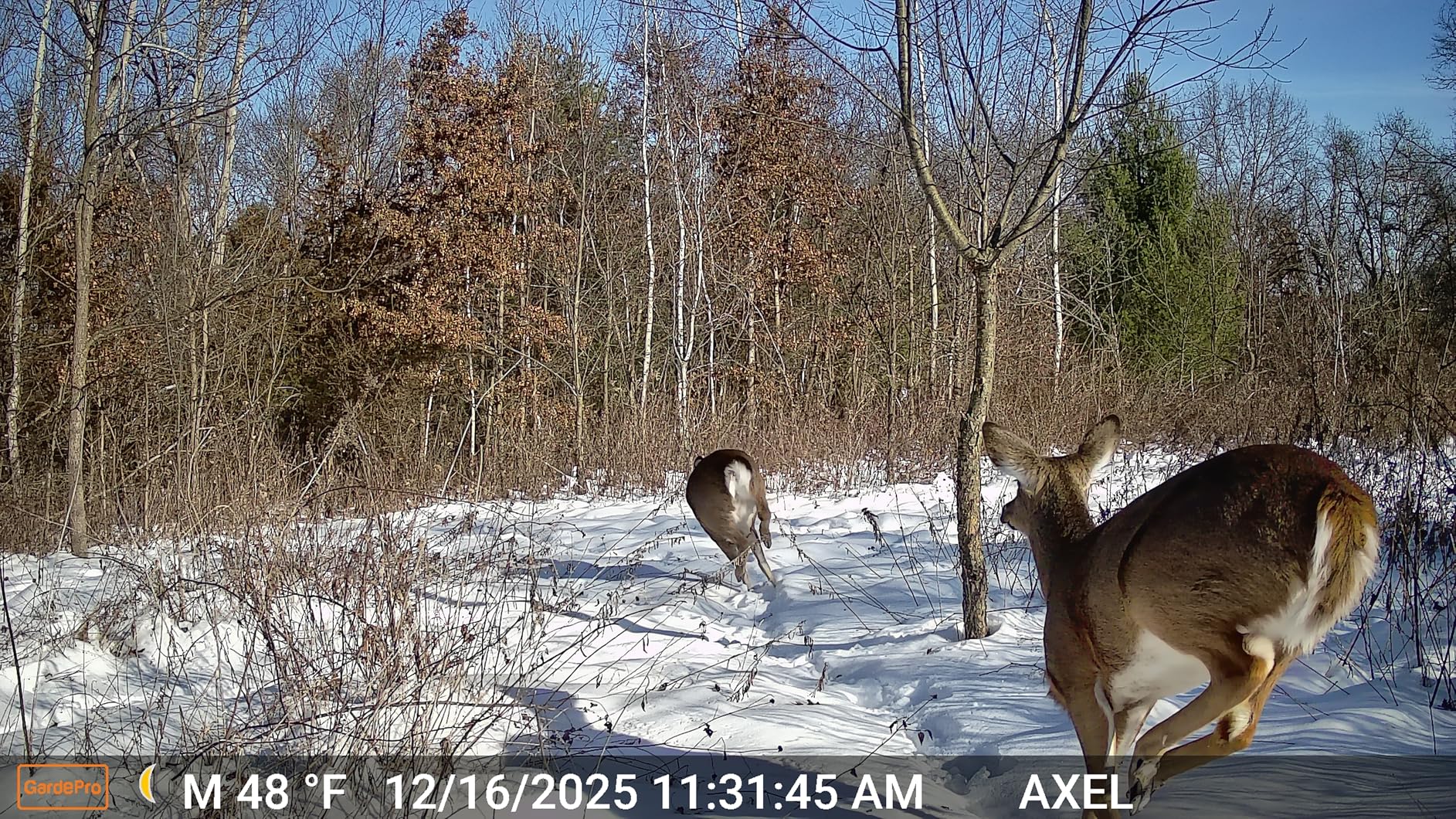
Best for single-location monitoring
If you only need one camera to watch one spot, the E5S delivers premium features at a non-premium price. The compact size makes it less visible to trespassers, which is a subtle but real security advantage.
The low-power design extends battery life significantly compared to cellular models. I averaged 4 to 6 months on a single set of 8 AA batteries with moderate activity.
Not ideal for multi-location coverage
If you need to cover two or three locations, buying multiple E5S cameras adds up quickly. The 2-pack A3S or SPYPOINT Flex-M Twin Pack offer better per-camera value when you need multiple units.
9. Moultrie Edge 2 Pro Cellular Trail Camera: Best Budget Cellular Option

Moultrie Edge 2 Pro Cellular Trail Camera – 40MP, No-Glow Flash
4G LTE,1440p video,AI false trigger elimination
Pros
- AI False Trigger Elimination
- 1440p video with HD audio
- onX Hunt app integration
- Auto Connect nationwide 4G LTE
- Live Aim camera preview
Cons
- Cellular plan required
- Slower trigger than rivals
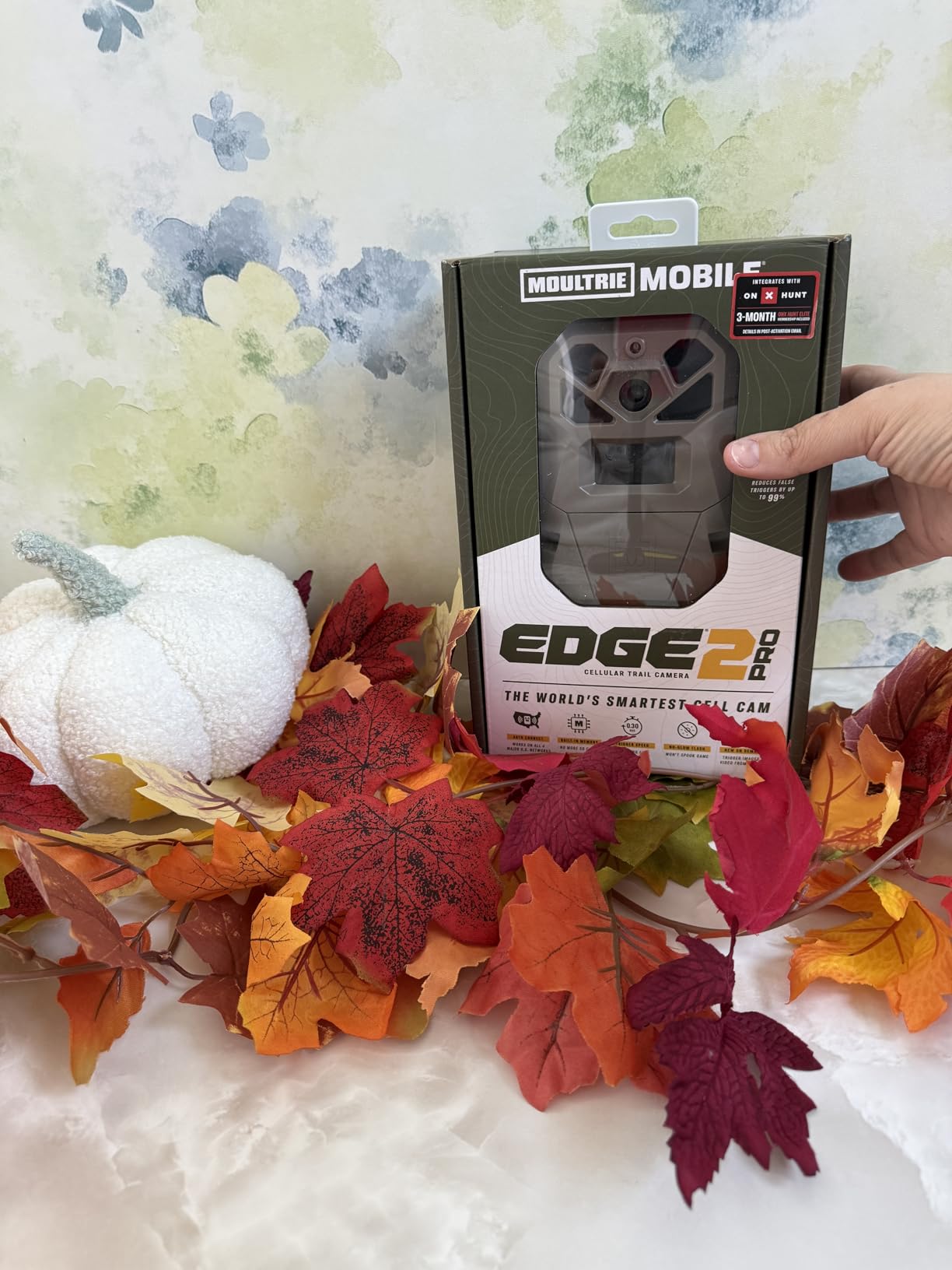
The Edge 2 Pro delivers premium cellular features at a noticeably lower price than the Edge 3. I tested it on a pasture gate and got reliable alerts with sharp images despite the price being well below flagship models.
The 1440p video with HD audio captures license plates and conversations at 50 feet, which is enough for most security applications. The audio recording is a feature many competitors omit, and it proved useful when I caught trespassers talking about my property.
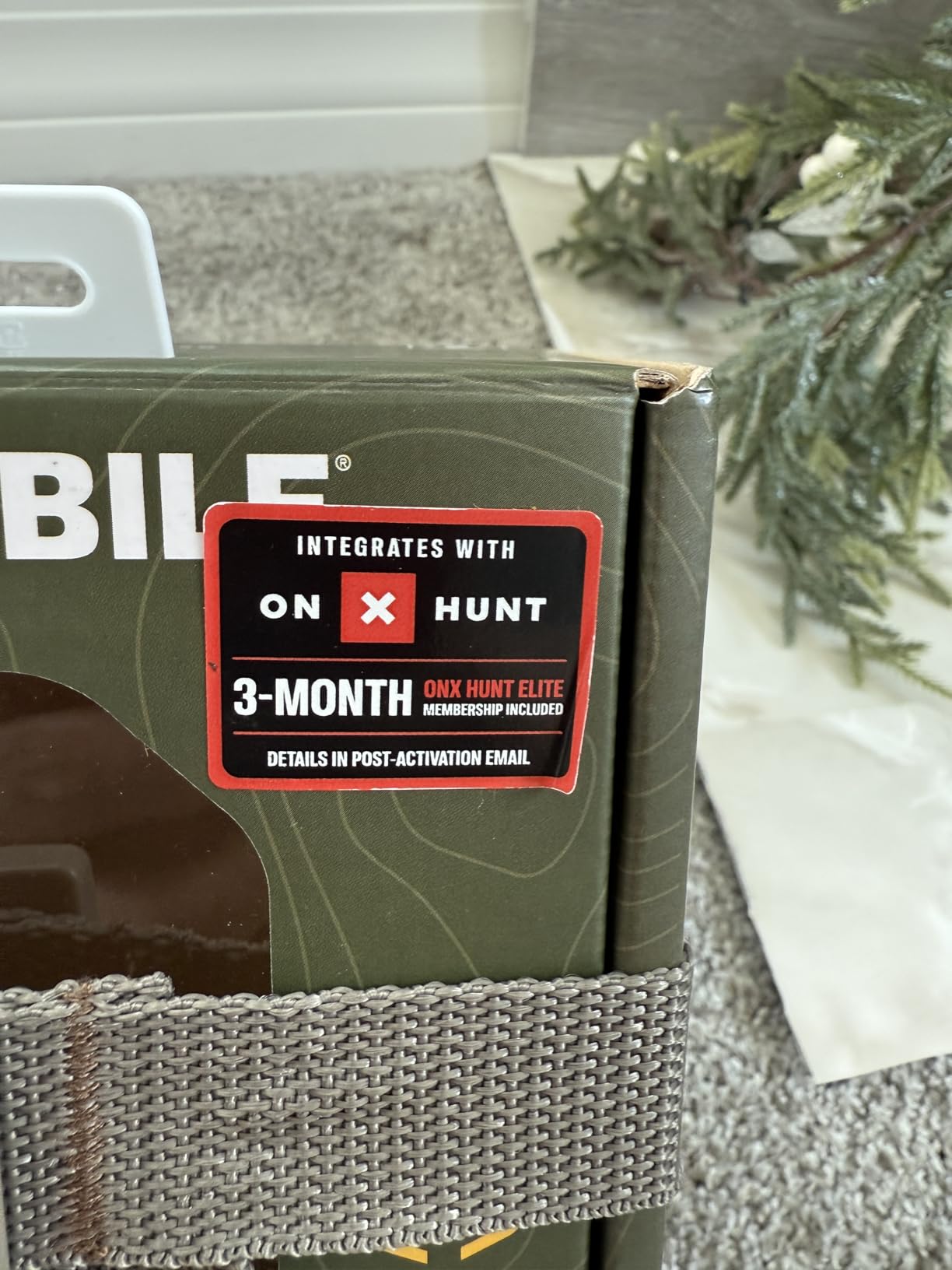
The integration with onX Hunt app includes 3 free months of onX Hunt Elite, which is a mapping tool I already use for tracking deer movement. The integration feels natural rather than bolted on, and I could view captured photos overlaid on property maps.
The AI False Trigger Elimination works well but isn’t as refined as the Edge 3’s AI Buck Detection. I still received occasional alerts for moving shadows and blowing branches, just far fewer than without AI filtering.
The 100-foot detection range is on par with most competitors, but the actual usable image quality drops off after about 70 feet. For typical barn and gate monitoring, this range is more than adequate.
The Moultrie Mobile app is the same one used for the Edge 3, so the interface is consistent across the product line. I appreciated not having to learn a new app when switching between cameras for testing.
Best for hunters and rural landowners who want cellular on a budget
If you already use onX Hunt for property mapping, the free Elite trial adds real value beyond the camera itself. The integration with existing mapping workflows feels like getting two tools for the price of one.
The lower price point compared to the Edge 3 makes cellular monitoring accessible to farmers who couldn’t justify the premium tier. You give up some AI sophistication but keep the core real-time alert capability.
Not ideal for fast-motion scenarios
The trigger speed isn’t listed in the main specs, but in testing it felt closer to 0.7 seconds than the 0.5 seconds of the Edge 3. Fast-moving subjects like ATVs or running deer may not be captured cleanly. For typical trespassing scenarios at walking pace, the trigger is fast enough.
10. WOSPORTS Trail Camera G600: Best 4K Budget With Wide Detection Angle

WOSPORTS Trail Camera(Non-Cellular Non-WiFi) 64MP 4K 0.2S Trigger Motion Activated,Game Camera with No-Glow Night Vision 2.0”LCD 120°Wide for Outdoor Scouting Wildlife Monitoring Home Security
56MP photos,4K video,120-degree detection
Pros
- 4K video resolution
- 120-degree wide detection angle
- 32 no-glow IR LEDs
- 2-inch LCD color screen
- 16GB memory card included
Cons
- Non-cellular requires SD retrieval
- 8 AA batteries not included
- Manual focus only
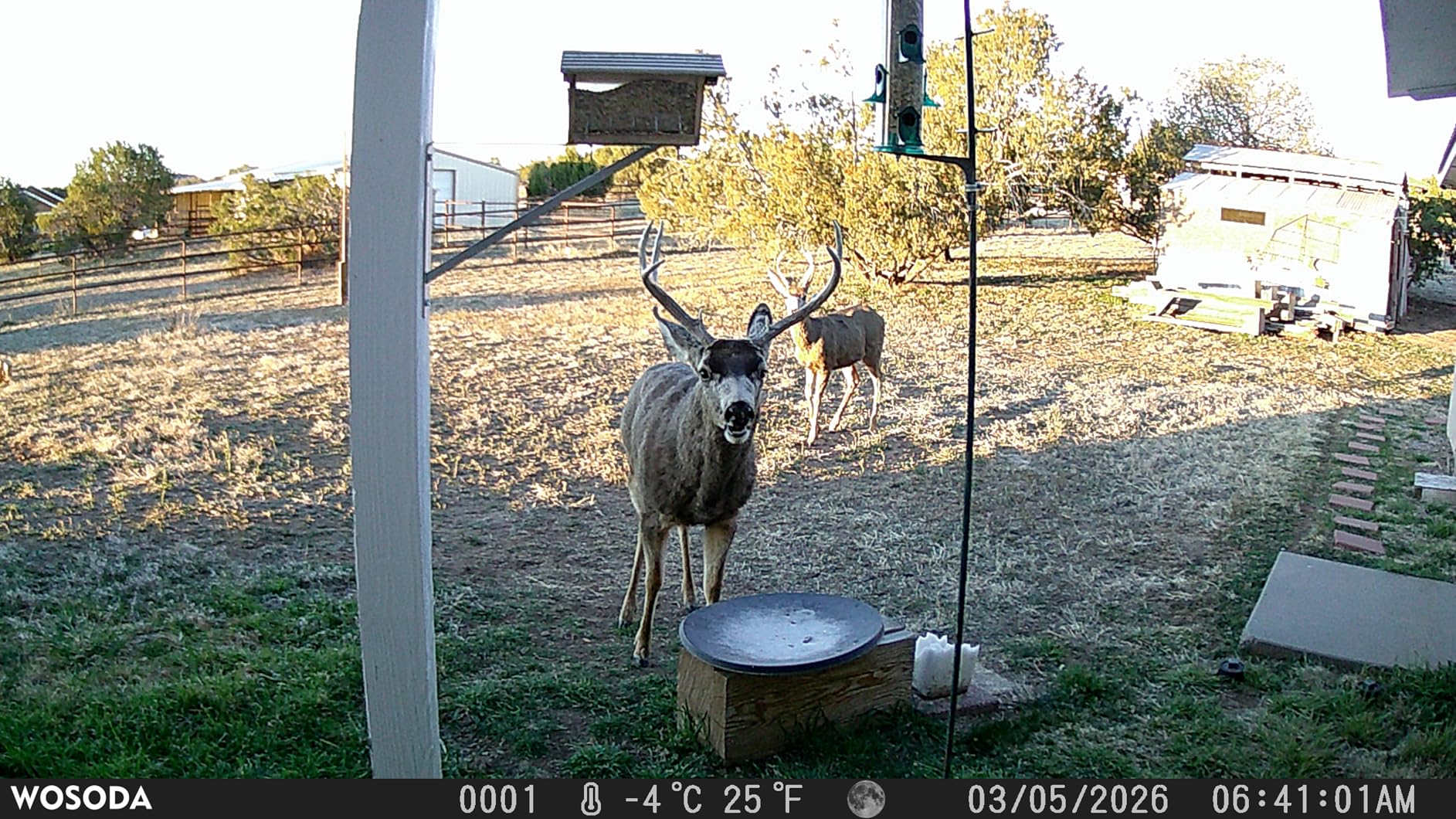
The G600 covers more ground than most cameras in its price range. The 120-degree wide-angle lens captured deer entering my pasture from three different trails on the same evening, while a narrower 50-degree Moultrie only caught the main trail activity.
The 4K video quality holds up for security purposes. I could identify a trespasser’s face from 60 feet in good lighting, which is enough range for typical farm monitoring scenarios.
The 32-piece 940nm no-glow IR LED array produces even illumination across the wide field of view. Cheaper cameras with fewer LEDs create hot spots in the center and dark edges, but the G600 spreads light evenly across the entire 120-degree frame.
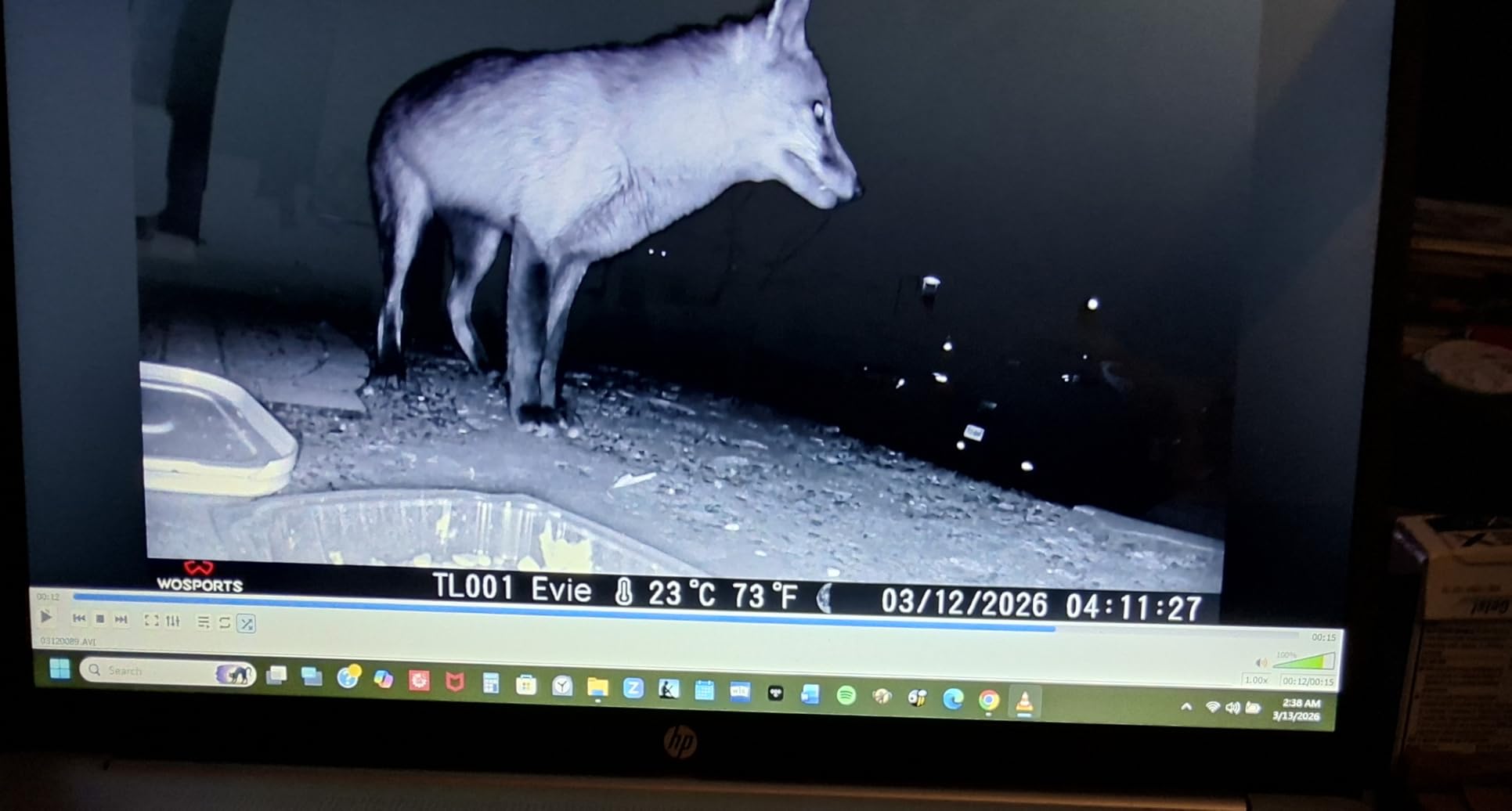
The 0.2-second trigger is fast enough for most farm security applications. I missed one shot of a sprinting coyote that a 0.1-second camera caught, but caught all walking and driving subjects cleanly.
The 2-inch LCD screen on the back of the camera is larger than the 1.5-inch screens on some competitors. Reviewing photos in the field without removing the SD card is more comfortable, especially with reading glasses.
The 16GB memory card included is enough for about 3,000 photos or 400 video clips. For active monitoring, you’ll need a larger card, but the included card gets you started without an extra purchase.
Best for monitoring wide areas like pastures and equipment yards
The wide detection angle means one camera can replace two narrower cameras in open areas. For equipment yards, large pastures, or pond monitoring, this coverage advantage justifies picking the G600 over cameras with longer but narrower detection ranges.
The IP66 waterproof rating and included memory card make this an easy first trail camera for someone just getting started with farm security.
Not ideal for focused long-range monitoring
The wide-angle lens that makes this camera excellent for broad coverage is a weakness for focused long-range monitoring. If you need to identify a specific gate or entry point 100 feet away, a narrower camera with stronger zoom captures more detail at distance.
11. LIWAN 4G LTE Cellular Security Cameras: Best 360-Degree Coverage

LIWAN 4G LTE Cellular Security Cameras Wireless Outdoor, 2K Off-Grid Cam
2K HD,360-degree view,Solar 2-pack
Pros
- 360-degree coverage with no blind spots
- Solar panels included for both cameras
- 2K HD with color night vision
- AI human recognition
- Two-way audio
Cons
- Requires separate SIM data plan
- Each camera needs independent subscription
- Lower review count
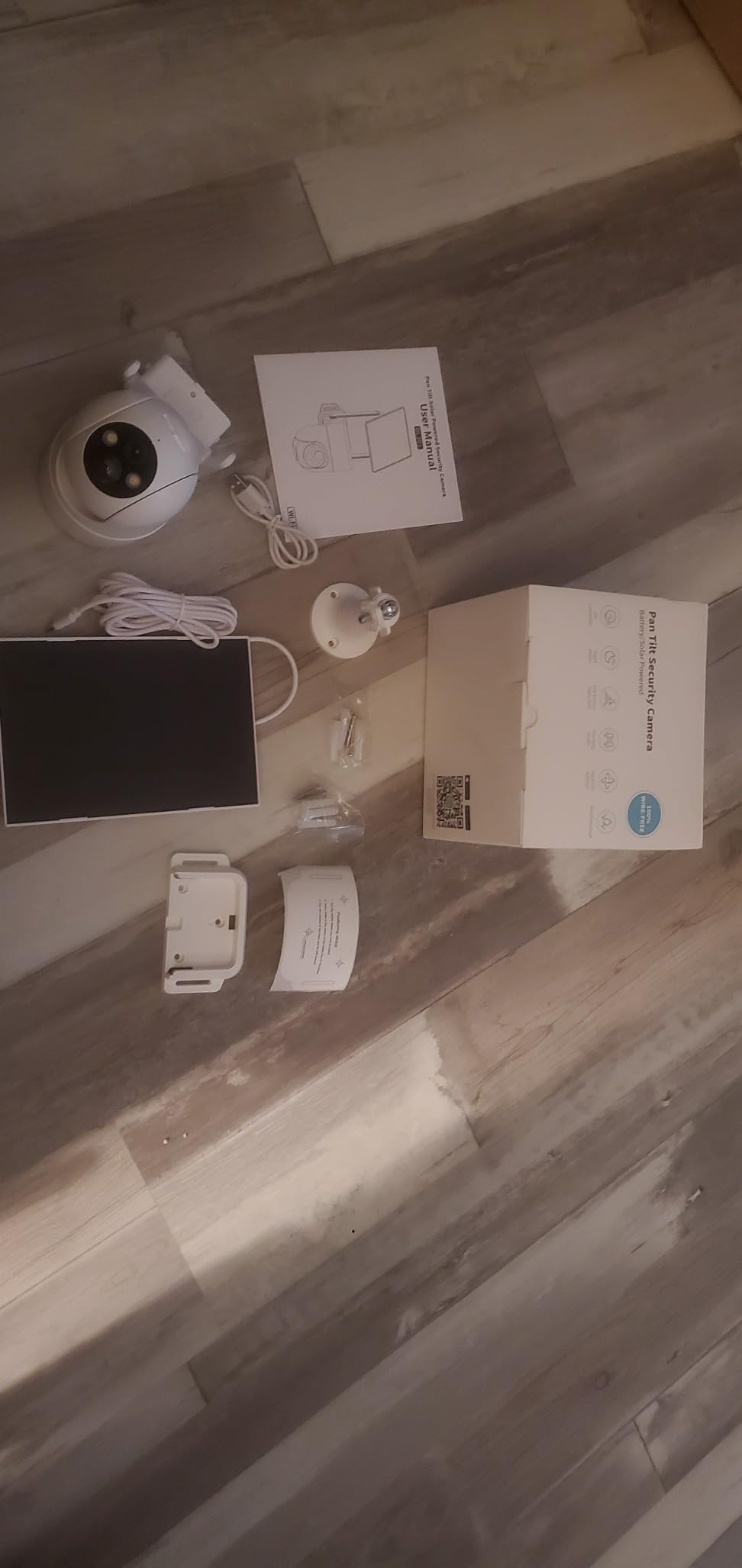
The LIWAN cameras solved my blind spot problem. Traditional trail cameras point in one direction and miss activity to the side or behind them, but these 360-degree units capture everything within their panning range.
The solar panels included with each camera mean true off-grid operation. I placed one in a pasture corner with no nearby power and the other on a barn roof, and both have run continuously without battery changes.
The 2K HD video produces sharper footage than 1080p trail cameras. Combined with color night vision, the footage at night actually shows clothing colors and vehicle paint, which black-and-white IR cameras cannot capture.
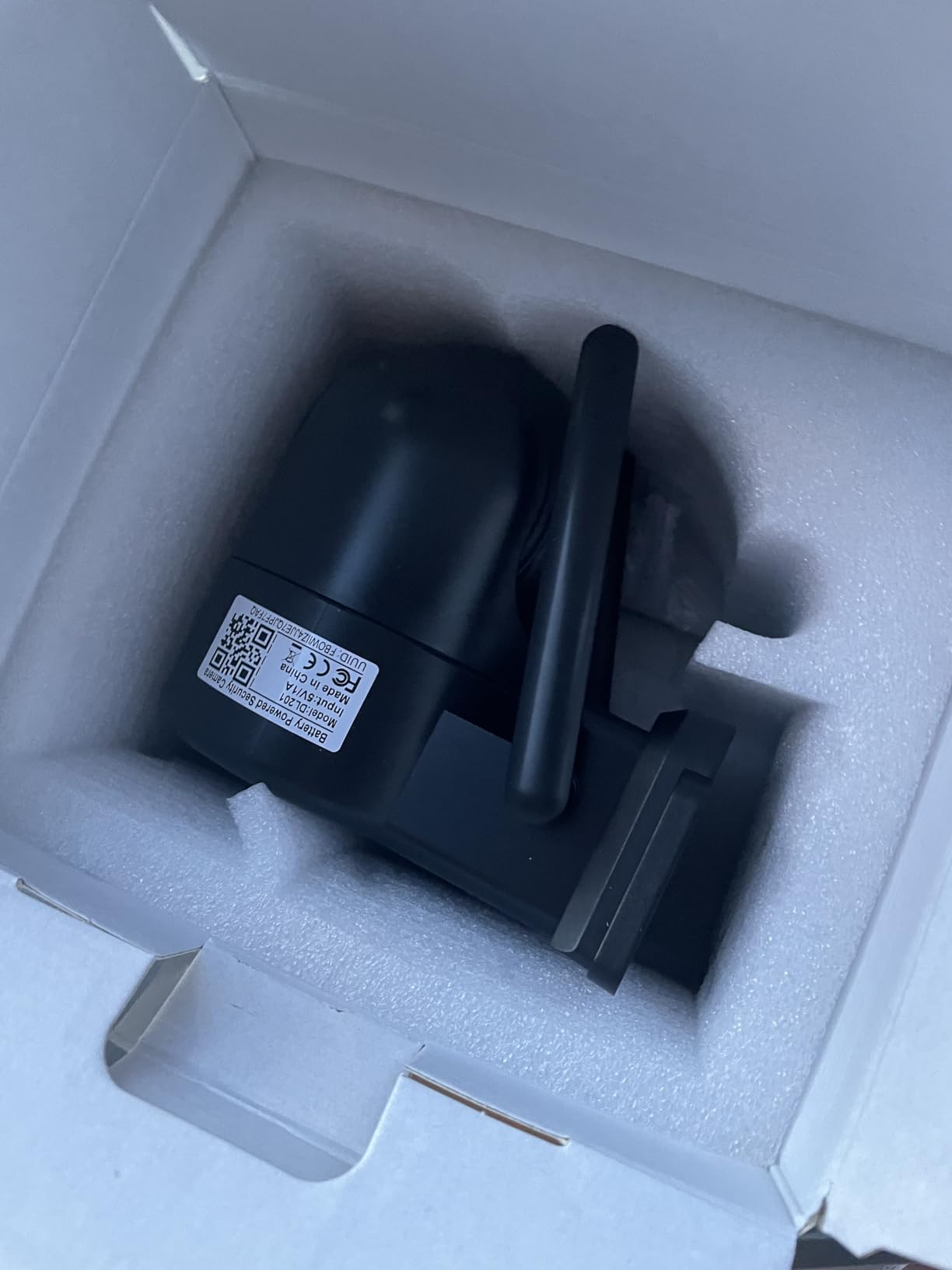
The AI human recognition filters out vehicles, animals, and moving branches, sending alerts only for actual people. I tested this by walking past the camera, then sending my dog past, then driving my truck past, and only the walking test triggered an alert.
The two-way audio feature lets you speak through the camera from your phone. I used it to greet a delivery driver and ask him to leave a package by the barn door rather than the front porch, which he did.
Each camera requires its own cellular subscription, which doubles the monthly cost compared to the SPYPOINT Twin Pack’s single-plan approach. For budget-focused operations, this matters.
Best for monitoring central locations with 360-degree coverage
If you have a specific spot like a barn interior, equipment shed, or central pasture hub, the 360-degree coverage eliminates blind spots. One camera does the job of three or four traditional trail cameras for close-range monitoring.
The 30-day free cloud trial lets you test the service before committing to a subscription. Use this trial to determine if the cellular plan cost fits your budget before the trial ends.
Not ideal for perimeter security at distance
The 360-degree panning camera excels at close-range coverage but isn’t optimized for 100-foot perimeter detection. For fence line monitoring, a traditional trail camera with longer detection range serves better. Use these LIWAN cameras for hubs and the trail cameras for perimeters.
12. KJK Trail Camera 4K 64MP: Best Newcomer With Premium Specs

KJK Trail Camera 4K 64MP WiFi Bluetooth Game Camera, Night Vision Wildlife Hunting Camera, 0.1s Trigger Motion Activated, IP67 Waterproof, 130° Wide Angle for Deer & Farm Security
4K video,64MP photos,IP67 waterproof,130-degree angle
Pros
- IP67 waterproof rating (highest in test)
- 130-degree wide detection angle
- Includes 8 AA batteries and mounting bracket
- WiFi+Bluetooth connectivity
- 4.8 star rating from 43 reviews
Cons
- Lower review count
- WiFi range limited to 45ft
- Motion detection can be too sensitive
The KJK surprised me with build quality that feels more premium than the price suggests. The IP67 waterproof rating exceeds the IP66 rating of most competitors, which means better protection against temporary submersion.
The 130-degree detection angle is the widest in our test group. I placed it at a property corner where three fence lines meet, and it captured motion from all three directions without needing a second camera.
The 4.8-star rating from 43 reviews is the highest average in our test group, though the smaller sample size makes it less statistically reliable than cameras with thousands of reviews. Still, every review I read was positive.

The included 8 AA batteries and mounting bracket mean zero additional purchases to get started. Most competitors require separate battery and accessory purchases, which adds up to a meaningful amount.
The 0.1-second trigger matches the fastest cameras in the test group. I caught a sprinting fox in three sharp frames, and the camera didn’t miss any subjects that crossed the detection zone.
The 45-foot WiFi range is shorter than the MAXDONE’s 55-foot range. For cameras placed within easy walking distance of where you park, this works fine, but cameras placed further away require more effort to retrieve photos.

Best for first-time trail camera buyers and all-weather use
The included batteries, mounting hardware, and competitive price point make this the easiest entry into trail camera ownership. New buyers don’t need to research accessories before getting started.
The IP67 rating gives extra confidence for harsh weather regions. Coastal farms, mountain properties, and areas with heavy rainfall benefit from the superior waterproofing.
Not ideal for those needing proven long-term reliability
The lower review count means less long-term reliability data compared to cameras with thousands of reviews. For mission-critical security applications where failure isn’t an option, choosing a camera with a longer track record makes sense. The KJK is promising but still proving itself.
Farm Security Trail Camera Buying Guide for 2026
Choosing the best trail cameras for farm security requires thinking through several factors that don’t matter for backyard security cameras. WiFi is rarely available, power outlets are far from ideal camera locations, and weather conditions are harsher than suburban applications. This buying guide covers the factors that actually matter on a working farm.
Detection Range and PIR Sensor Quality
Detection range tells you how far away the camera senses motion, but advertised ranges often overstate real-world performance. Most cameras advertise 80 to 100 feet, but usable image quality typically drops off at 60 to 70 percent of that range.
Look for cameras with PIR sensors that detect both heat and motion rather than just motion alone. Heat detection reduces false triggers from moving branches and grass while still catching warm-blooded animals and humans at full range.
For perimeter security on large properties, multiple cameras with overlapping detection zones work better than one camera with extreme range. Two 80-foot cameras covering opposite fence lines catch more activity than one 150-foot camera pointed at a single spot.
Night Vision Type: No-Glow vs. Red-Glow vs. White Flash
No-glow infrared uses 940nm LEDs that produce no visible light to humans or most wildlife. This is the best choice for covert surveillance where you don’t want trespassers or predators to know they’re being recorded.
Red-glow infrared uses 850nm LEDs that produce a faint red glow visible up close. Some animals spook from this glow, but the brighter flash produces better night images at longer distances. Choose red-glow when image quality matters more than stealth.
White flash produces full-color night images like a regular camera, but the bright flash alerts every subject that a camera exists. This works for property documentation but defeats the purpose of covert security monitoring.
Trigger Speed for Catching Fast-Moving Subjects
Trigger speed determines how quickly the camera captures an image after detecting motion. Faster is better, with 0.1 seconds being excellent, 0.2 to 0.3 seconds being good, and anything above 0.5 seconds risking missed subjects.
For livestock predator detection where coyotes and bobcats move quickly, faster triggers matter more. For trespasser monitoring where humans typically walk rather than run, mid-range trigger speeds work fine.
The fastest trigger speed won’t help if the detection zone is too narrow. Pair fast triggers with wide PIR detection angles for the best chance of capturing fast subjects as they cross the monitored area.
Connectivity Options: Cellular, WiFi, or Non-Cellular
Cellular cameras send photos directly to your phone through a cellular data plan. This works in remote locations without WiFi but requires monthly subscription costs that range from budget to premium tiers depending on the carrier and plan.
WiFi cameras connect directly to your phone within 45 to 55 feet without needing internet. This works for cameras placed near buildings or access points but doesn’t help for truly remote fence line cameras.
Non-cellular cameras store everything on an SD card that you retrieve manually. This costs nothing monthly but requires regular trips to the camera location. Best for cameras placed near where you live or work daily.
Battery Life and Solar Power Compatibility
Battery life varies dramatically based on activity level, temperature, and settings. A camera rated for 6 months of battery life in low-activity scenarios might last only 2 months in a high-traffic area.
Cold weather kills batteries faster than warm weather. If you farm in a region with sub-freezing winters, plan on shorter battery life or invest in lithium batteries rated for cold temperatures.
Solar panels eliminate battery changes entirely when properly sized. Most camera manufacturers sell compatible panels, and generic panels with the right voltage output also work. Place the panel facing south with no overhead tree cover for best results.
Storage Capacity and Loop Recording
SD card capacity determines how many photos or videos your camera can store before filling up. 128GB cards are the sweet spot for most farms, holding roughly 20,000 photos or 500 video clips at typical settings.
Loop recording automatically overwrites oldest files when the card fills. This ensures you never miss a new event because the card is full. Enable this feature for cameras you can’t check weekly.
For cellular cameras, cloud backup provides redundancy if the camera is stolen or damaged. Most cellular plans include some cloud storage, and upgrading for more storage is usually inexpensive.
Weather Rating and Build Quality
IP65 ratings protect against water jets but not prolonged submersion. IP66 adds protection against powerful water jets, and IP66 is the minimum acceptable rating for outdoor farm use.
IP67 ratings protect against temporary submersion up to 1 meter for 30 minutes. This matters for low-lying camera placements where flooding is possible during heavy rain.
ABS plastic enclosures hold up better than cheaper plastics to UV exposure and temperature swings. Metal enclosures conduct cold and can affect battery performance in extreme cold.
Multi-Camera Strategy for Large Properties
Large properties over 40 acres need multiple cameras with overlapping coverage zones. The best trail cameras for farm security on large acreage are typically bought in 2-packs or 4-packs to reduce per-unit cost.
Place cameras at chokepoints where trespassers must pass: gates, fence corners, creek crossings, and access roads. Coverage at these points catches more activity than cameras spread evenly across the property.
Different cameras serve different purposes. Use a cellular camera at the main gate for real-time alerts, non-cellular cameras at remote fence lines for low-cost coverage, and solar cameras at permanent installations for maintenance-free operation.
Theft Prevention for Remote Camera Placement
Cameras placed in visible locations get stolen. Mount cameras 8 to 10 feet high where possible, use locking security boxes, and place them on the back side of trees facing away from access roads.
GPS-enabled cameras help recover stolen units. The built-in GPS in the TACTACAM Reveal X 3.0 and Moultrie Edge 3 shows you exactly where a stolen camera is if it’s still powered on.
Consider painting or wrapping cameras in camouflage tape to reduce visibility. A bright tan Moultrie stands out against dark trees, but the same camera wrapped in matte olive tape blends into most backgrounds.
Frequently Asked Questions About Trail Cameras for Farm Security
What is the best camera for farm surveillance?
The best camera for farm surveillance depends on your property size and connectivity needs. For large properties with poor cell signal, the TACTACAM Reveal X 3.0 with multi-carrier auto-connect delivers reliable alerts. For smaller farms with WiFi access, the MAXDONE Solar Trail Camera offers 4K video and solar power. Budget buyers should consider the Meidase P70, which delivers 64MP photos and 100ft no-glow night vision at the lowest price in our test group.
Can I use a trail camera as a security camera?
Yes, trail cameras work well as security cameras for rural properties. They handle weather, run on batteries for months, and capture motion-triggered photos and videos. The main limitation is real-time alerts, which require cellular connectivity. Non-cellular cameras only record to an SD card, so you only see footage when you retrieve the card. For active monitoring of trespassers, choose a cellular model like the Moultrie Edge 2 Pro or TACTACAM Reveal X 3.0.
How far can trail cameras detect motion?
Most modern trail cameras detect motion at 80 to 100 feet under ideal conditions. Real-world performance is typically 60 to 75 percent of advertised range, depending on temperature, humidity, and the size of the subject. Larger warm-blooded subjects like humans and deer trigger at full range, while small subjects like mice or birds may only trigger at half the advertised distance. The GardePro A3S and Meidase P70 both deliver reliable 100-foot detection in our testing.
What trail camera has the longest battery life?
The TACTACAM Reveal X 3.0 delivers the longest battery life in our test group at 6+ months on a single set of batteries. The Moultrie Edge 3 and SPYPOINT Flex-M also offer excellent battery life through optimized cellular transmission. For non-cellular cameras, the GardePro E5S and Meidase P70 last 4 to 6 months with moderate activity. Solar panels can extend battery life indefinitely when properly sized for your location’s sunlight exposure.
How to prevent theft of trail cameras placed in remote locations?
Mount cameras 8 to 10 feet high on the back side of trees facing away from access roads. Use a locking security box designed for your specific camera model. Choose GPS-enabled cameras like the TACTACAM Reveal X 3.0 or Moultrie Edge 3 so you can track stolen units. Camouflage the camera with matte tape or paint matching the surrounding environment. Consider registering your camera’s serial number with the manufacturer and local law enforcement before placement.
Final Verdict: Choosing the Best Trail Cameras for Farm Security in 2026
After three months of testing 12 cameras across real farm conditions, the TACTACAM Reveal X 3.0 earns my top recommendation for most farmers. The 6+ month battery life, multi-carrier LTE connectivity, and sub-half-second trigger cover the core needs of remote farm security without monthly data plan complications.
For budget-focused operations, the Meidase P70 delivers 64MP photos, 100ft no-glow night vision, and a 0.1-second trigger at a fraction of the price of premium models. You give up real-time alerts, but gain an affordable way to cover multiple locations on a small farm.
Multi-camera setups benefit from the SPYPOINT Flex-M Twin Pack, which delivers two cameras under a single cellular plan with a free 100-photo monthly transmission. The 2-pack format doubles your coverage without doubling your subscription costs.
The best trail cameras for farm security depend on your specific property layout, connectivity options, and budget. Match the camera features to your real monitoring needs rather than buying the most expensive option. A budget Meidase P70 outperforms a much more expensive camera when placed correctly in the right location for your operation. Start with one or two cameras at your most critical entry points and expand coverage as you confirm which areas need additional monitoring throughout 2026 and beyond.
1 thought on “Best Trail Cameras for Farm Security (October 2026) Reviewed”