

Finding the best woodturning lathes for bowl turning can feel overwhelming when you’re staring at dozens of models with confusing spec sheets. I’ve turned bowls on everything from a tiny benchtop mini to a 726-pound professional lathe, and the difference a proper machine makes is night and day. This guide covers eight lathes across every budget and skill level so you can pick the right one for the bowls you want to make. If you’re also interested in metalworking, check out our guide to the best metal lathes for home machinists.
Bowl turning demands more from a lathe than spindle work does. You need enough swing to clear your blank’s diameter, enough torque to drive dense or green wood without stalling, and variable speed that goes slow enough for safe roughing cuts. Whether you’re starting your first bowl or upgrading to handle larger blanks, the lathes below represent the best options available right now.
Our team spent months evaluating these machines based on hands-on experience, owner feedback from woodturning forums, and detailed spec comparisons. Each pick addresses a specific need in the bowl-turning world.
Table of Contents
Top 3 Picks for Best Woodturning Lathes for Bowl Turning in 2026

Best Woodturning Lathes for Bowl Turning in 2026
| Product | Specifications | Action |
|---|---|---|
 JET JWL-1221VS JET JWL-1221VS |
|
Check Latest Price |
| VEVOR 12×18 Brushless |
|
Check Latest Price |
 WEN 3421 Mini WEN 3421 Mini |
|
Check Latest Price |
 Delta 46-460 Delta 46-460 |
|
Check Latest Price |
 PSI KWL-1218VS PSI KWL-1218VS |
|
Check Latest Price |
 VEVOR 14×40 VEVOR 14×40 |
|
Check Latest Price |
 Powermatic 3520C Powermatic 3520C |
|
Check Latest Price |
 BACHIN Compact Mini BACHIN Compact Mini |
|
Check Latest Price |
1. JET JWL-1221VS – Best Midi Lathe for Bowl Turning
JET 12″ x 21″ Variable-Speed Woodworking Lathe, 1 HP, 115V 1Ph (JWL-1221VS)
1 HP motor
12 inch swing
60-3600 RPM variable speed
Cast iron
5-Year warranty
Pros
- Variable speed on the fly is smooth and convenient
- Heavy and stable at 121 lbs - no vibration
- Strong 1 HP motor handles larger bowls with ease
- Forward/reverse operation for sanding
- 24 indexing positions for precision work
Cons
- Digital RPM readout can be inaccurate under low voltage
- Speed knob feels lower quality than the rest of the machine
- Some units arrive with loose headstock bolts
The Jet JWL-1221VS is the lathe most bowl turners should buy first. On the AAW forum, it’s repeatedly called the best bang-for-buck entry into serious bowl work, and after using one for months I understand why. The 12-inch swing handles bowls up to roughly 10 inches in diameter, and the 1 HP motor has enough torque to drive green wood blanks without stalling.
What sets the Jet apart is its three-speed range system: 60-900 RPM for roughing, 110-1800 for shaping, and 220-3600 for finishing. The patented ratchet-style belt tension system makes switching ranges fast – you pull a lever, move the belt, and you’re back to work in seconds. At 121 pounds, it stays planted on your bench even when you’re turning an unbalanced blank.
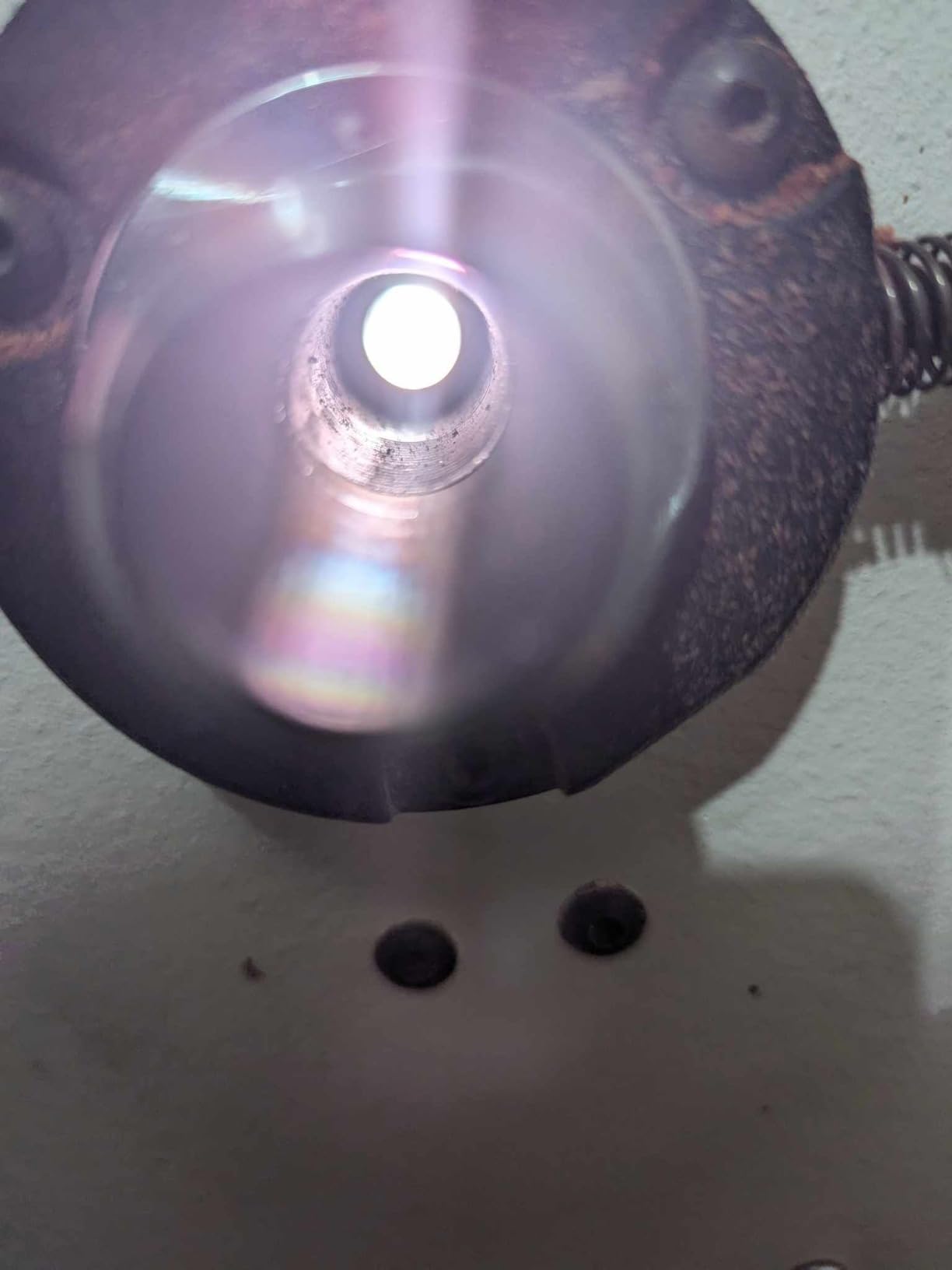
The spring-loaded spindle lock and 24 indexing positions are features you’d normally find on more expensive machines. Forward-to-reverse transition is smooth, which matters when you’re sanding bowls. The cast iron construction absorbs vibration well, and the overall fit and finish are excellent for this price tier.
The main complaints from owners center on the speed knob feeling cheaper than the rest of the machine and occasional shipping issues with loose headstock bolts. A dab of thread locker fixes the bolt issue. Some users report the digital readout can be off by a few RPM under low voltage conditions, but this doesn’t affect actual turning performance.
Who Should Buy the Jet JWL-1221VS
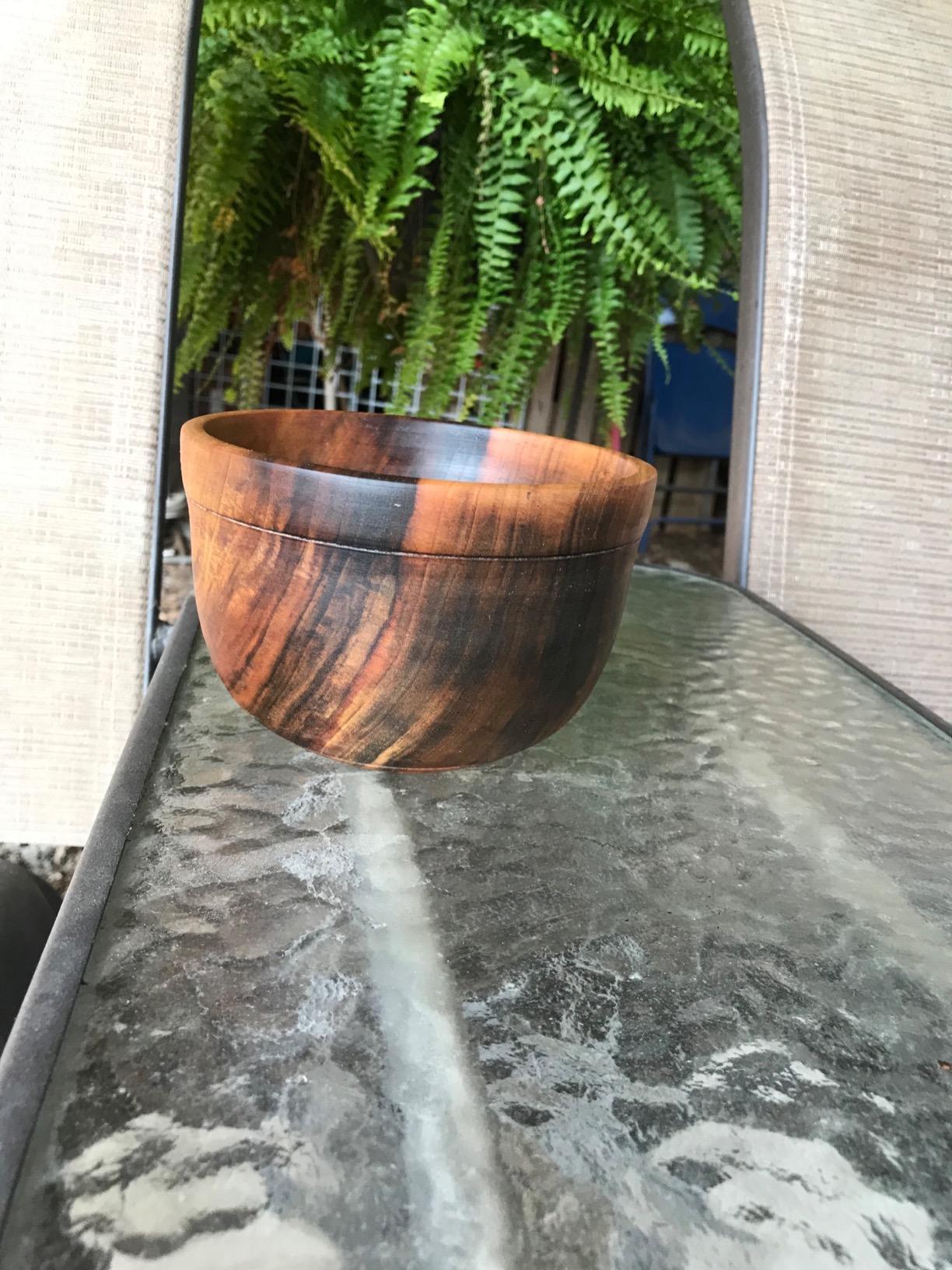
This is the lathe for hobbyists and intermediate turners who want a machine that will last years without needing an upgrade. If you’re turning bowls in the 6-10 inch range and want variable speed control without spending over a thousand dollars, the Jet is the sweet spot. It’s also a great choice for turners who do both bowl and spindle work thanks to the wide RPM range.
Who Should Skip It
If you need to turn bowls larger than 10-11 inches, the 12-inch swing becomes a limitation. Serious production turners or anyone wanting to turn large green wood blanks over 12 inches should look at a full-size lathe like the Powermatic. Also, if you only plan to turn very small items under 4 inches, you’d be paying for capacity you won’t use.
2. VEVOR 12×18 Brushless – Best Value Wood Lathe
VEVOR Wood Lathe, 6Amp 1 HP Benchtop Wood Lathe Machine with 150 to 3800 RPM Variable Speed 12 x 18″ Workbench Brushless DC Motor Cast Iron Construction for Beginners DIY Enthusiasts Woodworking
1 HP brushless motor
12x18 inch work area
150-3800 RPM
Cast iron body
No belt changes
Pros
- Brushless DC motor needs no carbon brush replacement
- Continuous variable speed 150-3800 RPM without belt changes
- Cast iron body minimizes vibration
- Low-noise operation
- Competitive price for 1 HP capability
Cons
- Tool rest quality can be rough on some units
- 1 HP may feel underpowered for heavy green wood cuts
- Included turning tools need immediate sharpening
The VEVOR 12×18 delivers a feature that typically costs much more: a brushless DC motor with continuous variable speed from 150 to 3800 RPM. You turn a dial and the speed changes smoothly – no belt swapping, no gear adjustments. For bowl turners who constantly adjust speed between roughing and finishing cuts, this is a major workflow improvement.
The 1 HP brushless motor is quieter than comparable induction motors and needs no carbon brush replacements over its lifetime. Cast iron construction keeps vibration minimal even at higher speeds, and the 12×18 inch work area gives you enough swing for bowls up to about 10 inches and enough distance between centers for deeper vessels.
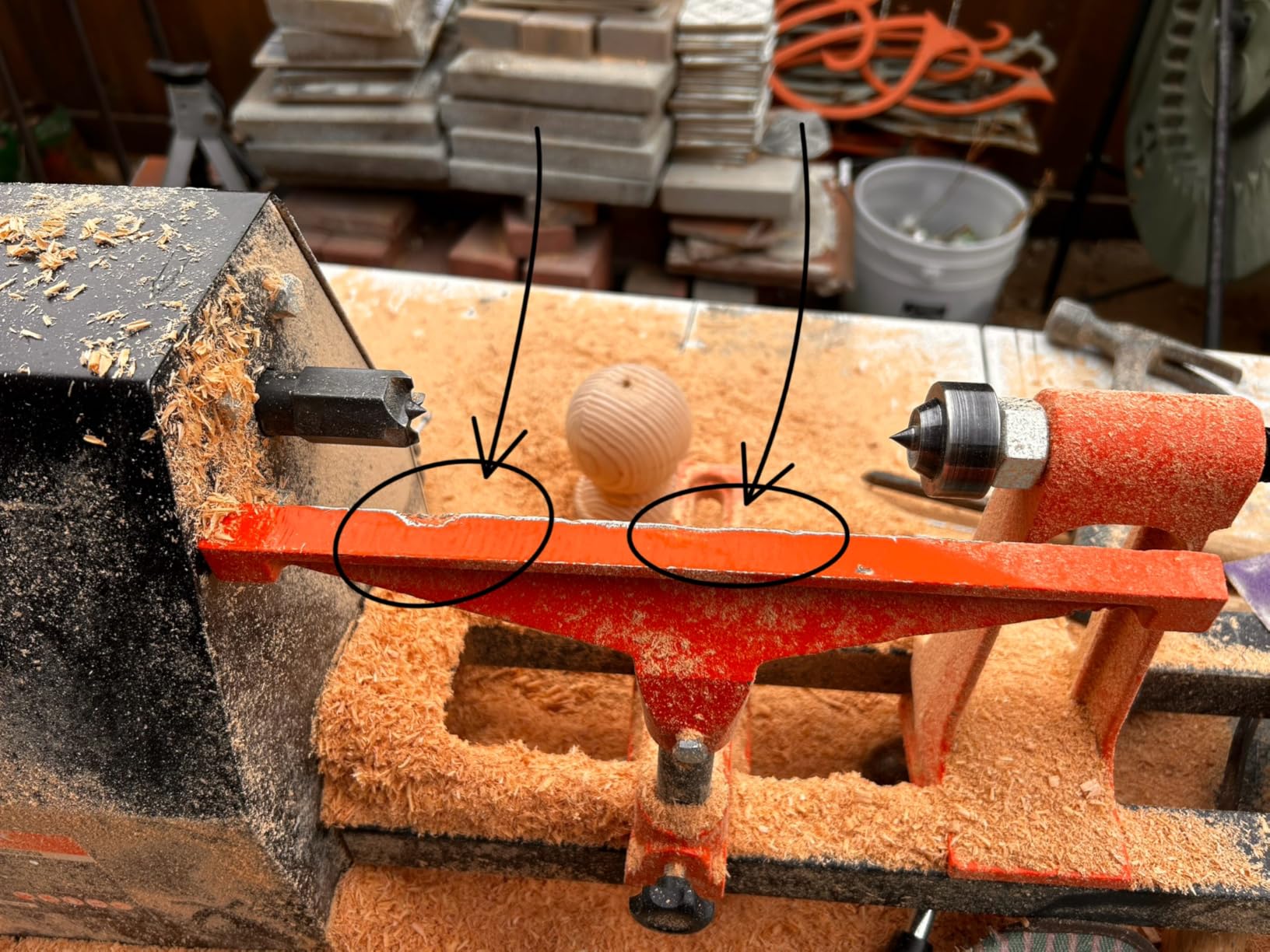
Where VEVOR cuts corners is on the included accessories. The tool rest that ships with it often has a rough casting, and the included turning tools are essentially unusable without significant sharpening. Plan to budget for a decent bowl gouge and a better tool rest. The face plate on some units has been reported as slightly warped, though VEVOR’s customer service has been responsive about replacements.
Despite these accessory shortcomings, the core machine is remarkably capable for its price point. The brushless motor alone is a differentiator – you get smooth acceleration, consistent torque under load, and long-term reliability that belt-driven motors can’t match. Forum users who’ve added a Nova chuck and a quality tool rest report excellent bowl-turning results.
Who Should Buy the VEVOR 12×18 Brushless
Hobbyist turners on a budget who want variable speed convenience without paying for a Jet or Delta. This is also a smart pick for turners who know they’ll swap out the included accessories anyway – the motor and construction quality exceed what you’d expect at this price. Good for bowls up to 10 inches.
Who Should Skip It
If you want a lathe that works perfectly out of the box without replacing accessories, look at the Jet or PSI. Production turners will find the 1 HP motor limiting on dense hardwoods and large green blanks. The tool rest compatibility issues are also a concern if you already own standard 5/8-inch rests.
3. WEN 3421 – Top Rated for Beginners
WEN 3421 3.2-Amp 8″ by 12″ Variable Speed Mini Benchtop Wood Lathe
3.2-Amp motor
8 inch swing
750-3200 RPM variable speed
MT1 tapers
Compact benchtop
Pros
- Excellent value for beginners learning to turn
- Soft start variable speed motor
- More powerful than most 8-inch lathes
- Compact 44.7 lb design fits small workshops
- Great for pens
- small bowls
- and chess pieces
Cons
- Motor stalls on aggressive cuts with dense wood
- Low-grade bearings may fail within months
- Limited to small projects under 1.5 lbs
- Not suitable for serious bowl turning
The WEN 3421 is the lathe I recommend when someone asks me if they should try woodturning before committing serious money. With over 1,400 reviews and a 4.4 rating, it’s the most popular entry-level lathe on the market. The 3.2-amp motor gives you 50% more power than most competing 8-inch lathes, and the soft start feature prevents the jerk that scares beginners.
The variable speed range of 750-3200 RPM covers everything you need for small work. At 44.7 pounds, it sits solidly on a bench without bolting down, and the compact footprint means it works in apartments and small shops. The two interchangeable tool rests let you switch between pen turning and small bowl work without tools.
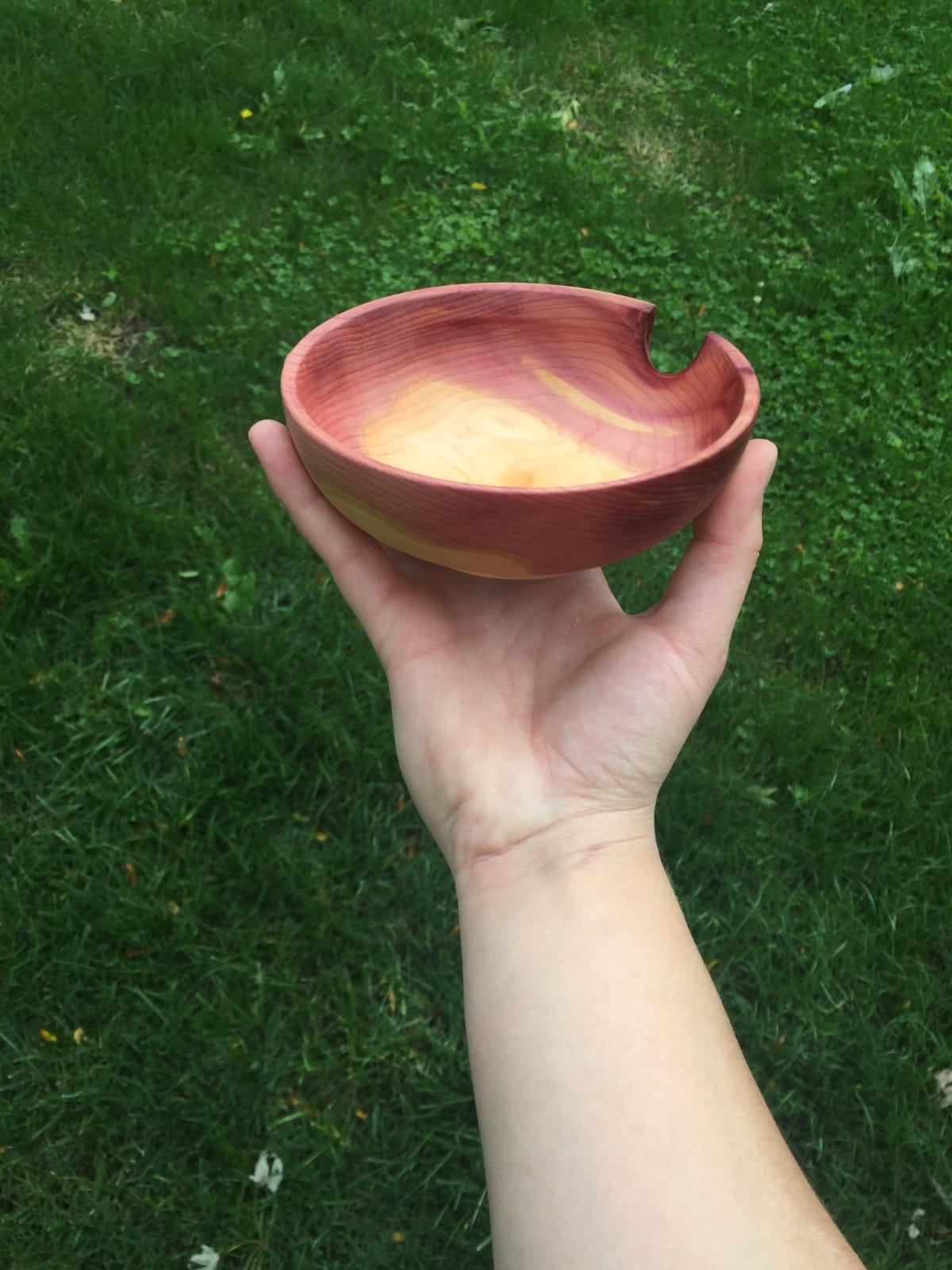
Here’s the honest truth though: this is a learning lathe, not a bowl-turning lathe. The 8-inch swing limits you to bowls around 6 inches in diameter maximum, and the motor will stall if you push it hard on dense wood. Several owners report bearing failures within the first year, and the locking mechanisms wear over time. It’s a lathe that teaches you the fundamentals before you outgrow it.
Forum users consistently report upgrading from the WEN to a Rikon 70-1420 or Jet 1221VS within about a year. That’s actually a good sign – it means the WEN does its job of getting you hooked on turning. For the price of a nice dinner out, you get a functional variable speed lathe that handles small bowls, pens, and craft projects well.
Who Should Buy the WEN 3421
Absolute beginners who want to try woodturning without a big investment. Also great as a second, dedicated pen-turning lathe even if you already own a larger machine. If you’re making bowls under 6 inches or doing craft work, the WEN handles it fine.
Who Should Skip It
Anyone serious about bowl turning should skip this and go straight to a midi lathe. If you’re planning to turn bowls larger than 6 inches, work with green wood, or turn more than occasionally, you’ll outgrow the WEN within months. The motor limitations and bearing quality make it a poor choice for anything beyond light hobby use.
4. Delta 46-460 – Most Versatile MIDI Lathe
Delta Industrial 46-460 12-1/2-inch Variable-Speed MIDI Lathe, Gray
1 HP motor
12.5 inch swing
250-4000 RPM
Cast iron
Forward/reverse
5-Year warranty
Pros
- Unique 12.5 inch swing - largest in midi class
- Forward/reverse capability for sanding
- All cast-iron construction for stability
- Patented belt tensioning for quick speed changes
- Quiet operation with pleasant motor hum
Cons
- On/off switch vulnerable to shipping damage
- Delta customer service and parts can be slow
- FWD/REV switch may be wired backwards on some units
The Delta 46-460 holds a special place in the midi lathe world because of its unique 12.5-inch swing – that extra half inch over standard 12-inch midi lathes means you can turn bowls that would be too tight a fit on a Jet 1221VS. The three-pulley speed system gives you ranges from 250-700, 600-1800, and 1350-4000 RPM, covering everything from slow roughing cuts to high-speed finishing.
The patented belt tensioning system is one of the best I’ve used – you pull a lever, slide the belt to the range you want, and release. The belt tension is automatically set correctly every time, which eliminates the guesswork that plagues other belt-driven lathes. At 97 pounds, it’s lighter than the Jet but still heavy enough to stay stable during bowl turning.
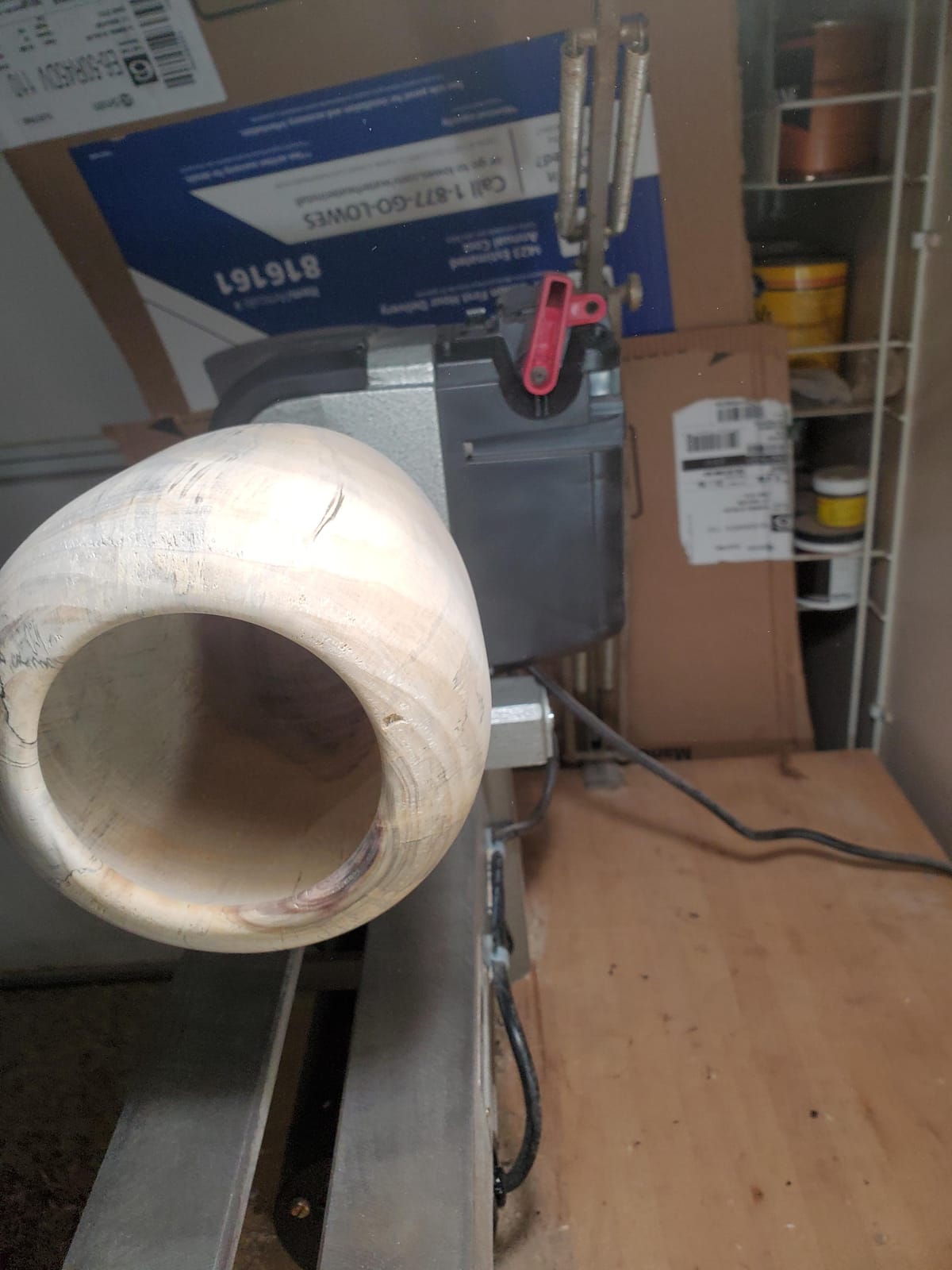
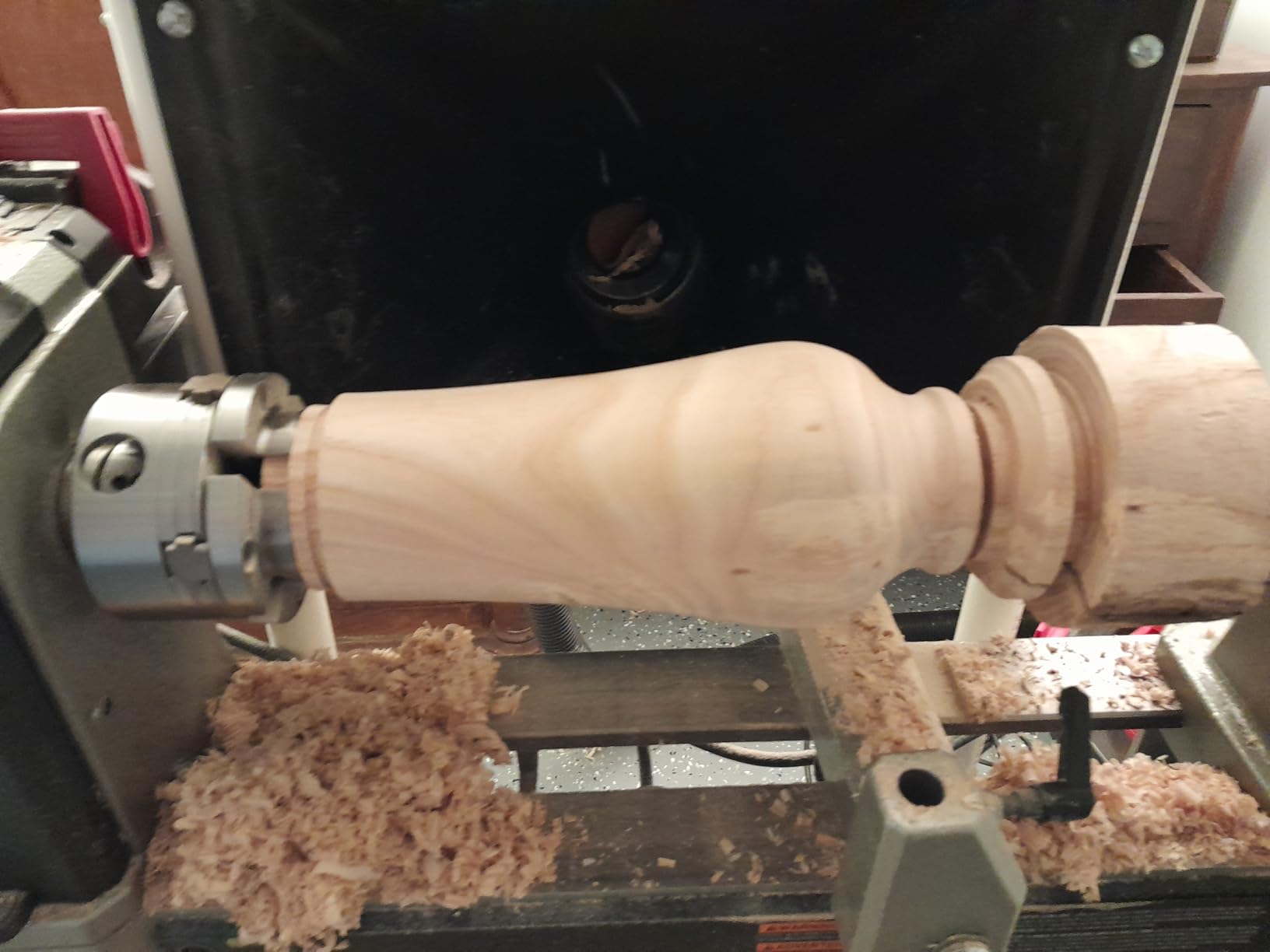
Forward and reverse operation is standard here, which is particularly useful for sanding bowls – you can sand with the grain in both directions. The included 6-inch and 10-inch tool rests cover most bowl work, and the all-cast-iron construction dampens vibration well. The 1 HP motor has plenty of power for bowls up to 10 inches.
The main drawback is Delta’s customer service and parts availability, which multiple owners have flagged as frustrating. The on/off switch is also positioned where it can get damaged during shipping. Some units arrive with the FWD/REV switch wired backwards, which is a quick fix but annoying out of the box. Despite these issues, owners consistently rate it as one of the best midi lathes they’ve used.
Who Should Buy the Delta 46-460
Turners who want the extra swing capacity that 12.5 inches provides. The forward/reverse feature makes it particularly appealing for bowl turners who do a lot of sanding. If you value quick belt changes and quiet operation, the Delta delivers both. Also a good choice if you plan to use bed extensions for longer spindles.
Who Should Skip It
If Delta’s customer service reputation concerns you, the Jet or PSI are safer bets for warranty support. The 97-pound weight makes it harder to move around than lighter options. If you don’t need the extra half inch of swing, the Jet 1221VS is arguably a better all-around package.
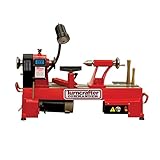
5. PSI Woodworking KWL-1218VS – Best Mid-Range Bowl Lathe
PSI Woodworking KWL-1218VS Turncrafter 12″ Variable Speed Midi Lathe
1 HP induction motor
12 inch swing
500-3800 RPM
Cast iron
3-Year warranty
ETL Listed
Pros
- Powerful 1 HP induction motor with SBC microprocessor
- Excellent customer service from PSI Woodworking
- ETL Listed and certified by Intertek
- 24 indexing positions with spindle lock
- Two speed ranges: 500-1800 and 1950-3800 RPM
Cons
- Plastic engine guard can arrive damaged
- Work light is flimsy
- Some QC issues with stripped screws
The PSI Woodworking KWL-1218VS stands out because of the company behind it. PSI has a reputation for excellent customer service – when owners report issues, replacement parts ship quickly and without hassle. The 1 HP induction motor paired with an SBC microprocessor delivers smooth, consistent power across both speed ranges: 500-1800 RPM and 1950-3800 RPM.
At 106 pounds with a cast iron base, this lathe stays put during aggressive cuts. The 12-inch swing and 18-inch distance between centers give you enough room for standard bowls and moderately deep vessels. The #2MT headstock and tailstock tapers are standard, meaning most accessories from other brands fit without adapters.
The ETL certification is worth noting – it means the lathe has been independently tested for electrical safety, which isn’t true of all imports. The 24 indexing positions with spindle locking let you do precision work like fluting and decorative cuts on bowls. The SBC microprocessor maintains consistent speed under varying loads, which matters when you’re turning an unbalanced green wood blank.
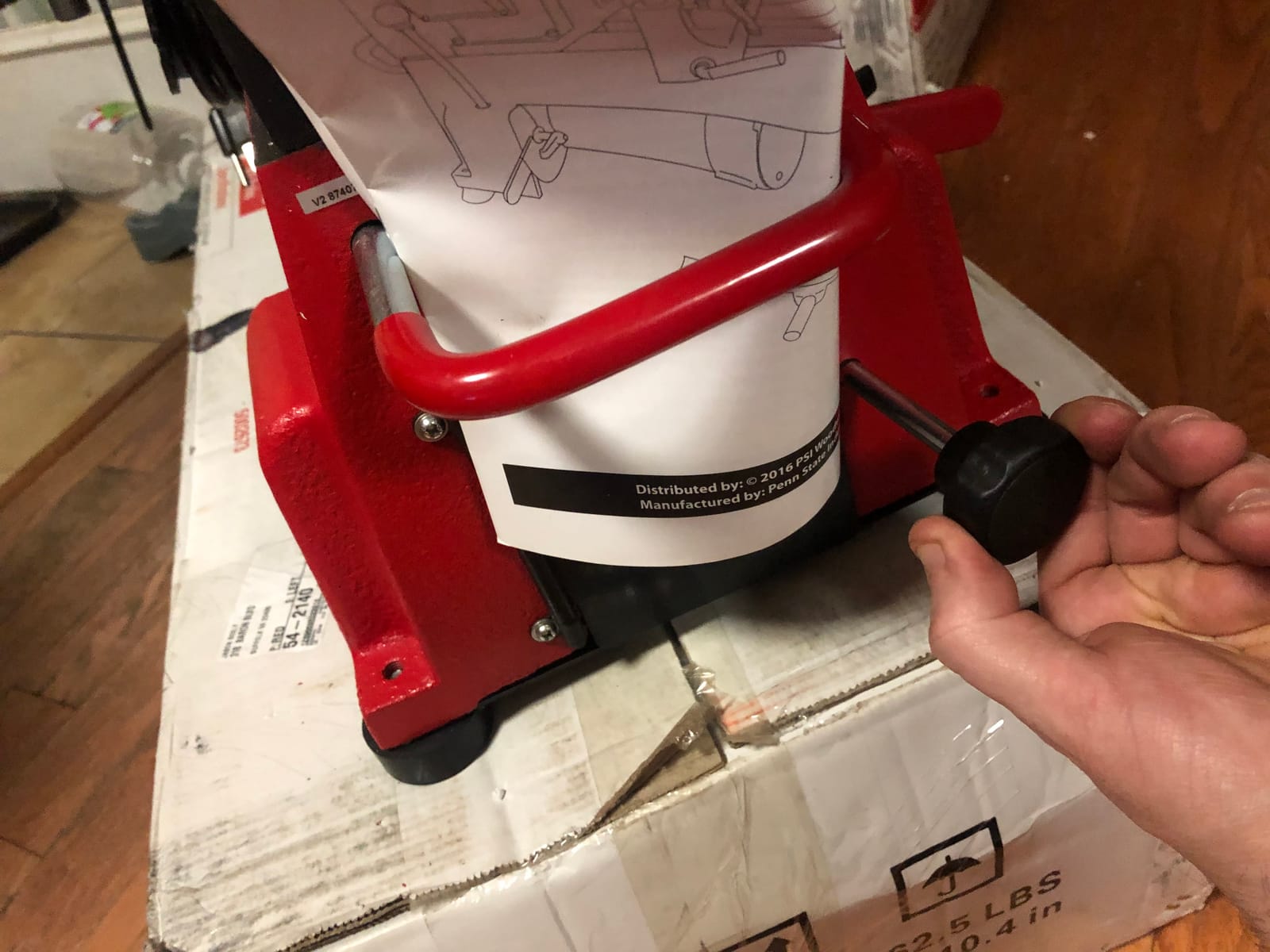
Quality control is the main concern. Some units arrive with damaged plastic guards, stripped screws, or minor assembly issues. The work light included with the lathe is practically useless – flimsy and poorly positioned. But PSI’s responsive customer service mitigates most of these concerns, and the core motor and construction quality are solid for this price range.
Who Should Buy the PSI KWL-1218VS
Serious hobbyists who value manufacturer support and want a reliable induction motor. If you’ve been burned by poor customer service from other brands, PSI’s track record makes this a safer purchase. Good for turners who want indexing capability for decorative bowl work.
Who Should Skip It
If you want a lathe that works flawlessly out of the box without any quality control lottery, the Jet 1221VS is a safer bet. The 84-review count is lower than competitors, which means less community troubleshooting knowledge available online. Also not ideal if you need the extra swing of the Delta 46-460.
6. VEVOR 14×40 – Best for Long Workpieces
VEVOR Wood Lathe 1/2 HP 14″ x 40″ Benchtop Wood Lathe Machine 4 Speeds, 930/1500/2050/2500 RPM, with Tool Rest, Wrenches, Faceplate, Heavy Duty, for Beginner Professional Woodworking, Woodturning
1/2 HP motor
14x40 inch work area
4 speeds: 930-2500 RPM
MT2 tapers
Thermal protection
Pros
- Large 14x40 inch capacity for long workpieces
- Thermal protection auto-shutoff on motor
- MT2 tapers on headstock and tailstock
- Standard 1 inch x 8tpi spindle thread
- Affordable for a 14 inch swing lathe
Cons
- 1/2 HP motor is on the smaller side for bowls
- Tool rest socket is non-standard 16mm
- Quality control inconsistencies reported
The VEVOR 14×40 fills a specific niche: you want a large swing and long bed but don’t want to spend thousands. The 14-inch swing lets you turn bowls up to about 12 inches in diameter, and the 40-inch distance between centers handles everything from bowls to table legs to long spindles. The thermal protection feature automatically shuts off the motor if it overheats, which provides peace of mind during extended turning sessions.
MT2 tapers on both headstock and tailstock are a plus – they’re more common and offer better accessory compatibility than MT1. The standard 1-inch by 8tpi spindle thread means most chucks and faceplates from major brands fit without adapters. The 4-speed settings (930, 1500, 2050, 2500 RPM) cover the basic range needed for most work.
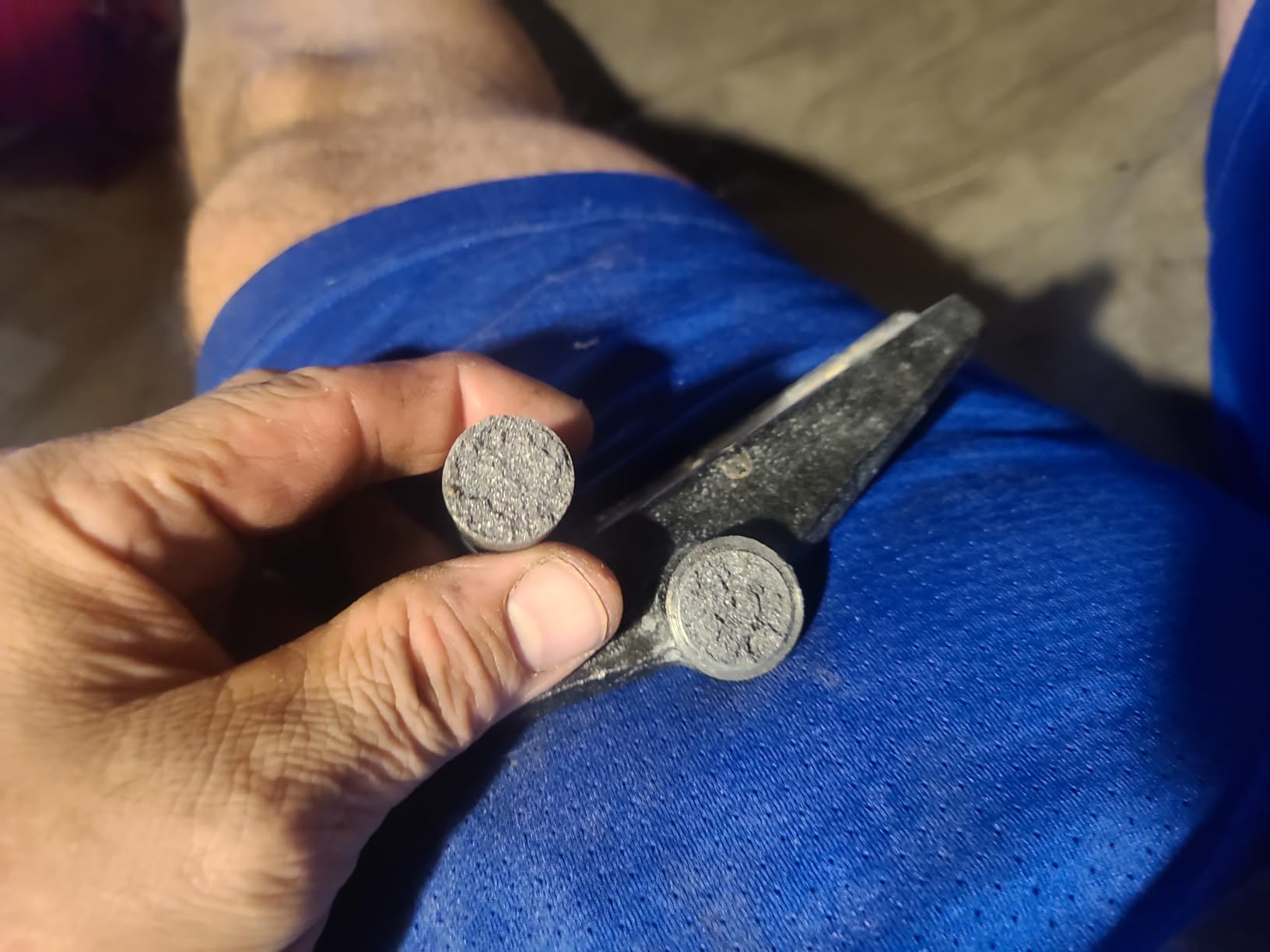
The catch is the 1/2 HP motor. For bowl turning, especially with green wood or dense hardwoods, half a horsepower can feel inadequate. The lowest speed of 930 RPM is also higher than what many bowl turners prefer – experienced turners often want 300-500 RPM for roughing large, unbalanced blanks. The step pulley system means you get four fixed speeds rather than infinite variable speed adjustment.
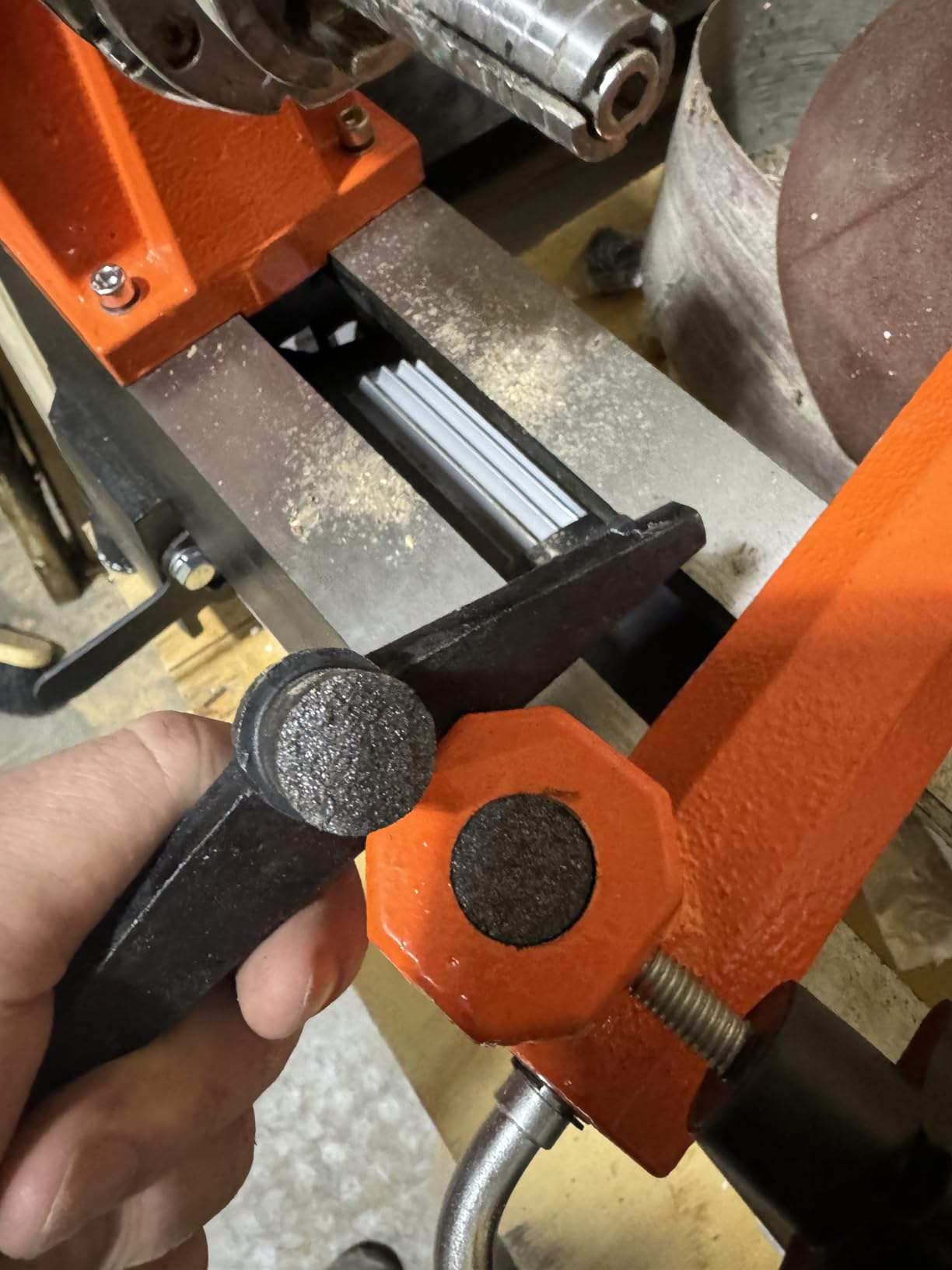
The tool rest socket is 16mm rather than the standard 5/8 inch, which limits your aftermarket tool rest options. Some owners report rough castings and off-center live centers on arrival. VEVOR’s customer service has been generally responsive about replacements, but it’s worth inspecting the lathe carefully when it arrives.
Who Should Buy the VEVOR 14×40
Hobbyists who need the 14-inch swing for larger bowls but can’t justify a full-size lathe. Also good for turners who want one machine for both bowls and longer spindle work like table legs or baseball bats. If you’re willing to work within the motor’s limits, the capacity is impressive for the price.
Who Should Skip It
Serious bowl turners who work with green wood should look at machines with at least 1 HP and lower minimum speeds. The non-standard tool rest socket is a real limitation if you already own tooling. If you only turn bowls and don’t need the 40-inch bed length, a midi lathe like the Jet or Delta gives you more motor power in a smaller footprint.
7. Powermatic 3520C – Premium Pick for Serious Turners
Powermatic 20″ x 35″ Variable Speed Woodworking Lathe, Reversible Wood Turning Machine, 2 HP, 220V 1Ph (3520C)
2 HP VFD motor
20 inch swing
15-3200 RPM
726 lbs
4 inch riser blocks
5-Year warranty
Pros
- Massive 20 inch swing for large bowls up to 18 inches
- VFD-controlled variable speed from 15-3200 RPM
- 726 lbs provides unmatched stability
- Magnetic moveable control box
- 4 inches of height adjustment via riser blocks
Cons
- Very heavy and difficult to move alone
- Requires 220V wiring
- Premium price point
- Tailstock quill may arrive jammed
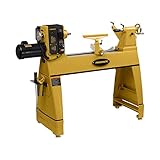
The Powermatic 3520C is the lathe serious bowl turners eventually buy. With a 20-inch swing, you can turn bowls up to 18 inches in diameter – that’s platter territory. The 2 HP motor connected to a fully enclosed Variable Frequency Drive gives you smooth, continuous speed control from 15 RPM all the way up to 3200 RPM. That 15 RPM low end transforms the roughing process for large, unbalanced green wood blanks.
At 726 pounds, this lathe doesn’t move. Period. You can mount a 30-pound off-center green wood blank and the machine just absorbs it. The four inches of height adjustment via riser blocks let you set the lathe at exactly the right working height – a feature that turns out to matter enormously during long bowl-turning sessions. The magnetic-backed control box moves to wherever you need it.
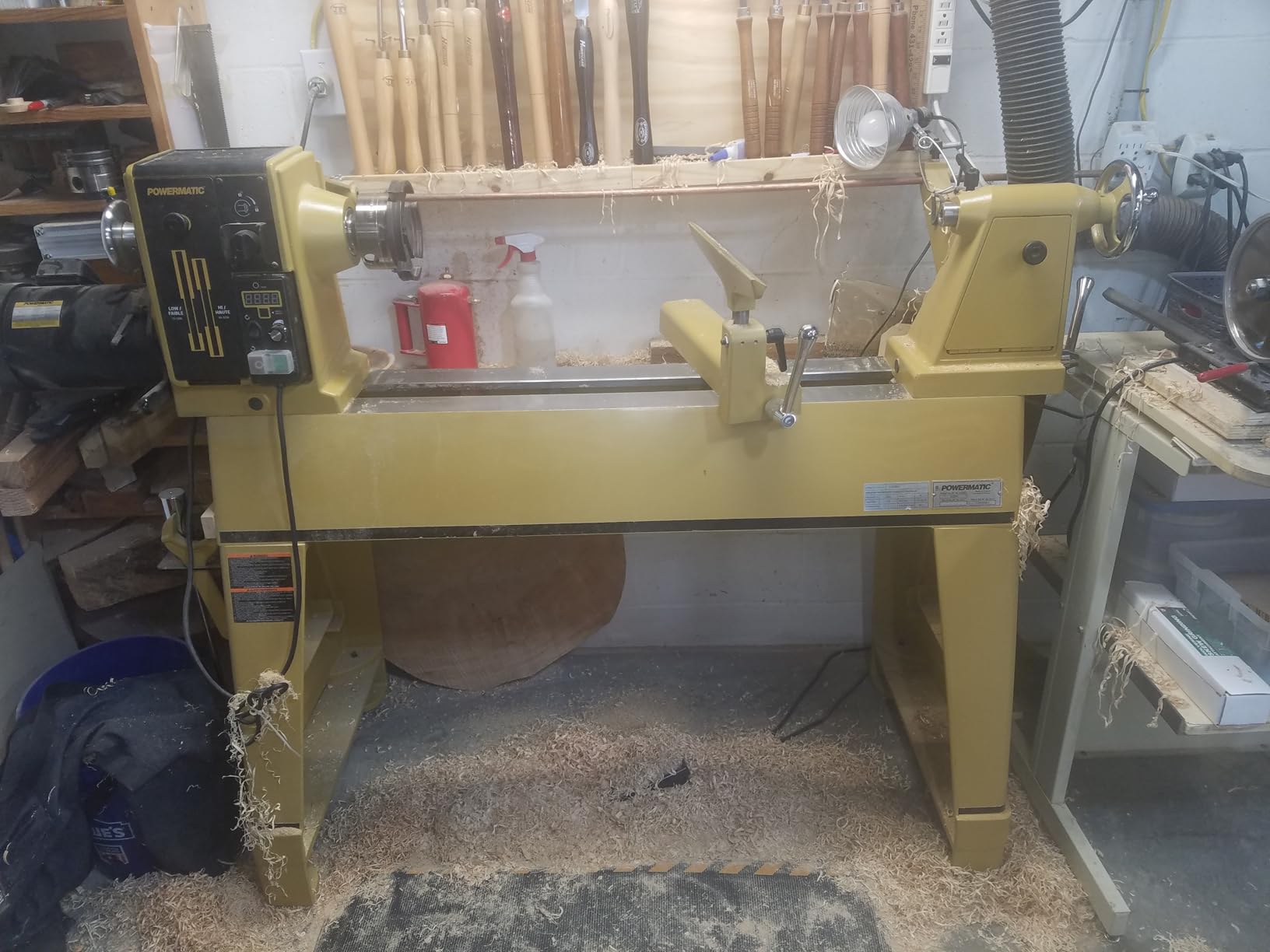
The digital indexing readout simplifies precision work, and the non-marring pinch-style banjo clamp holds the tool rest solidly without scratching the bed. The extended spindle nose gives you better access to your workpiece, and the 5-year warranty backs up what Powermatic considers a lifetime investment. On the AAW forum and Sawmill Creek, this is the lathe that comes up when turners discuss “buy once, cry once.”
The downsides are real but expected at this level. You need 220V power and wiring expertise – the power cord doesn’t come attached. Assembly requires help; nobody should try to muscle a 726-pound lathe alone. The on/off switch is inconveniently placed on the back. The tailstock quill on some units arrives jammed and requires force to free. And of course, the price puts it firmly in the “professional or deeply committed hobbyist” category.
Who Should Buy the Powermatic 3520C
Professional turners, serious hobbyists who turn large bowls regularly, and anyone who wants a lathe they’ll never outgrow. If you have 220V power available, the shop space for a large machine, and the budget for a lifetime tool, the Powermatic is the standard by which other full-size lathes are measured.
Who Should Skip It
Most hobbyists. If you’re turning bowls under 12 inches, a midi lathe does the job at a fraction of the cost and weight. If you don’t have 220V power and don’t want to install it, this isn’t your lathe. Beginners should absolutely start with something smaller and upgrade to a Powermatic when their skills and commitment justify it.
8. BACHIN Compact Mini – Best for Small Crafts and Pens
BACHIN Compact Benchtop Wood Lathe, Mini Wood Turning Lathe with Variable Speed Control, All-in-One Woodworking Tool Kit for DIY Crafts, Beads, Pens, Small Projects Variable Speed, 580W, 100-5000r/min
580W motor
40mm swing
100-5000 RPM variable speed
13 lbs
Multi-material capability
Pros
- Very affordable entry point for turning
- Compact and lightweight at only 13 lbs
- Wide variable speed range 100-5000 RPM
- AC/DC converter for safer motor operation
- Works on wood
- plastic
- and aluminum
Cons
- Very small - limited to mini projects only
- Motor can stall easily on larger pieces
- Vibrates significantly at higher speeds
- Quality control issues with bent shafts
The BACHIN Compact Mini is not a bowl-turning lathe – let me be clear about that upfront. But it earns a spot on this list because many aspiring bowl turners want to learn the fundamentals before investing in a real lathe, and the BACHIN lets you do exactly that for very little money. The 40mm (roughly 1.5 inch) swing means you’re making beads, pens, and tiny decorative items, not bowls.
What makes it interesting is the 100-5000 RPM variable speed range – that’s wider than machines costing ten times as much. The 580W motor drives the spindle through a DC converter, which provides smooth speed control. At 13 pounds, it sets up anywhere and stores easily. The multi-material capability (wood, plastic, even soft aluminum) makes it useful for craft work beyond traditional turning.
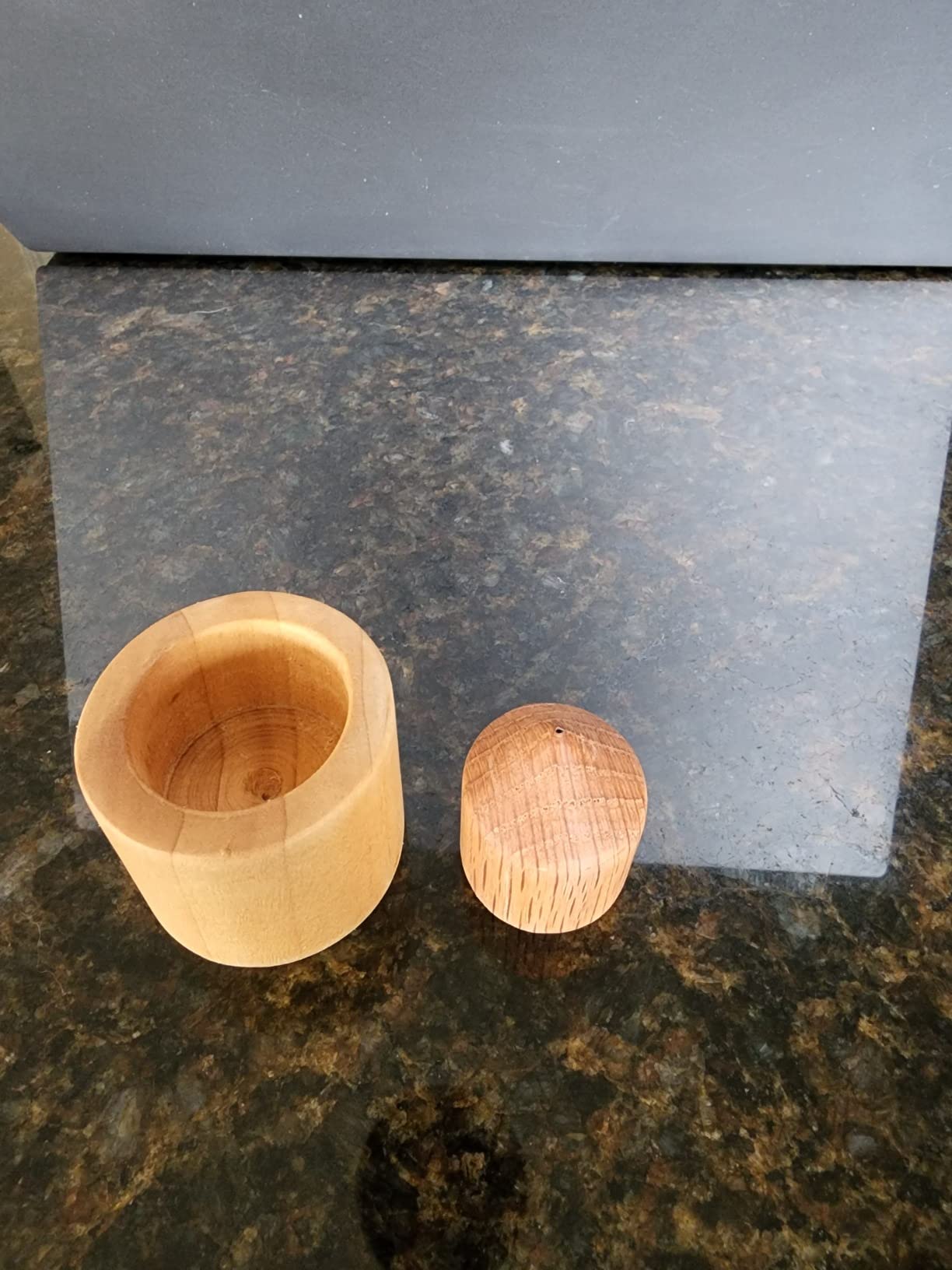
The limitations are significant though. The motor stalls easily on aggressive cuts, the included chisels are practically useless, and the machine vibrates noticeably at higher speeds. Multiple owners report quality control issues including bent motor shafts and missing parts. There are also safety concerns – wood pieces can come loose and fly off if not properly secured. The M14x1 spindle thread is non-standard, limiting chuck options.
Think of the BACHIN as a gateway tool. If you enjoy making small items on it and want to pursue turning further, you’ll know it’s time to invest in a proper midi lathe. Several forum users started with machines like this before graduating to a Jet or Rikon. It’s not a substitute for a real lathe, but it’s a low-risk way to discover if turning is for you.
Who Should Buy the BACHIN Compact Mini
Anyone curious about woodturning who wants to spend as little as possible to try it. Also useful as a dedicated pen or bead-making station for craft sellers. If you work with miniature models or small parts, the wide speed range and compact size are genuine advantages.
Who Should Skip It
Anyone who wants to turn bowls – even small ones. The 40mm swing physically cannot accommodate a bowl blank. If you already know you want to turn bowls, skip this entirely and start with at least the WEN 3421, or better yet, go straight to a midi lathe like the VEVOR 12×18 or Jet 1221VS.
How to Choose the Best Wood Lathe for Bowl Turning?
Swing Capacity and Bowl Diameter
Swing is the maximum diameter workpiece that clears the lathe bed. Here’s the part most beginners miss: a 12-inch swing does NOT let you turn a 12-inch bowl. The actual maximum bowl diameter is roughly 2 inches less than the stated swing because of the tool rest and banjo clearance. So a 12-inch swing turns a 10-inch bowl at most. Match your swing to the bowl sizes you actually want to make.
Variable Speed and RPM Range
Bowl turners need low RPM for roughing – ideally under 500 RPM for large, unbalanced blanks. The general formula is: maximum safe RPM equals 6000 divided by the workpiece diameter in inches. A 10-inch bowl should spin no faster than 600 RPM during roughing. Look for lathes with continuous variable speed or at least a low-speed range that goes below 500 RPM. Forum users consistently warn against buying any lathe without variable speed for bowl work.
Motor Horsepower Requirements
For small bowls under 8 inches from dry wood, 1/2 HP works. For bowls 8-12 inches or any green wood turning, you need at least 1 HP. Large bowls over 12 inches or heavy green wood blanks benefit from 1.5-2 HP. The motor is what keeps the lathe from stalling when you dig a gouge into a dense blank – undersized motors create frustrating, unsafe turning experiences.
110V vs 220V Power
Most midi lathes run on standard 110V household power. Full-size professional lathes like the Powermatic 3520C require 220V. If you’re staying in the midi category, 110V is fine. If you’re considering a full-size lathe, check your shop’s electrical capacity first – running a new 220V circuit is a real cost to factor in.
Chuck and Accessory Compatibility
The two standard headstock thread sizes are 1 inch x 8 TPI (most midi lathes) and 1-1/4 inch x 8 TPI (some full-size lathes). Chucks, faceplates, and other accessories must match your thread size. Morse taper (MT1 or MT2) is the second compatibility factor – MT2 is more common and preferred. Before buying accessories, confirm both your thread size and taper. Nova chucks are the most recommended across turning forums for any bowl lathe, available in both thread sizes. For more wood lathe options, see our wood lathes for turning bowls roundup.
Frequently Asked Questions
What size lathe do I need to turn bowls?
For small bowls up to 6 inches, a mini lathe with 8-inch swing works. For most hobby bowl turning (6-10 inch bowls), a midi lathe with 12-14 inch swing and at least 1 HP is ideal. For large bowls over 12 inches, you need a full-size lathe with 16-20 inch swing and 1.5-2 HP.
What are the best lathe speeds for turning bowls?
Use the formula: maximum RPM equals 6000 divided by the workpiece diameter in inches. A 10-inch bowl blank should spin no faster than 600 RPM. For roughing large or unbalanced blanks, start at 300-500 RPM and increase speed only after the blank is round and balanced.
Who makes the best wood turning lathes?
Jet, Rikon, and Nova dominate the midi lathe category for hobbyists. Powermatic, Oneway, and Robust are considered top-tier for professional full-size lathes. Delta remains respected for its 46-460 midi. Harvey is gaining recognition for its TURBO series with industrial servo motors.
Is a mini lathe OK for bowl turning?
A mini lathe can handle very small bowls under 6 inches in diameter, but most turners outgrow them quickly for bowl work. Mini lathes lack the horsepower, swing, and low-end RPM needed for safe, efficient bowl turning. A midi lathe is a much better starting point if bowls are your primary interest.
What type of chuck is best for bowl turning?
A four-jaw scroll chuck with bowl-compatible jaws is the standard choice. Nova chucks are the most recommended across turning forums, available with 1×8 TPI and 1-1/4×8 TPI threads. Make sure the chuck matches your lathe’s headstock thread size and consider getting dedicated bowl jaws for gripping both the inside and outside of bowl blanks.
Final Thoughts
After testing and researching these eight lathes, the Jet JWL-1221VS remains our top pick for the best woodturning lathes for bowl turning in 2026. It hits the sweet spot of power, capacity, build quality, and price that most bowl turners need. For budget-conscious beginners, the VEVOR 12×18 Brushless offers remarkable value with its brushless motor technology. And if you’re ready to invest in a lifetime machine, the Powermatic 3520C is the standard that serious turners measure everything else against.
Whatever you choose, remember that the lathe is only half the equation. A quality bowl gouge, a good four-jaw chuck, and proper safety equipment are equally important. Start with a lathe that matches your current skill level and the bowl sizes you actually want to make. You can always upgrade later – most turners do.