
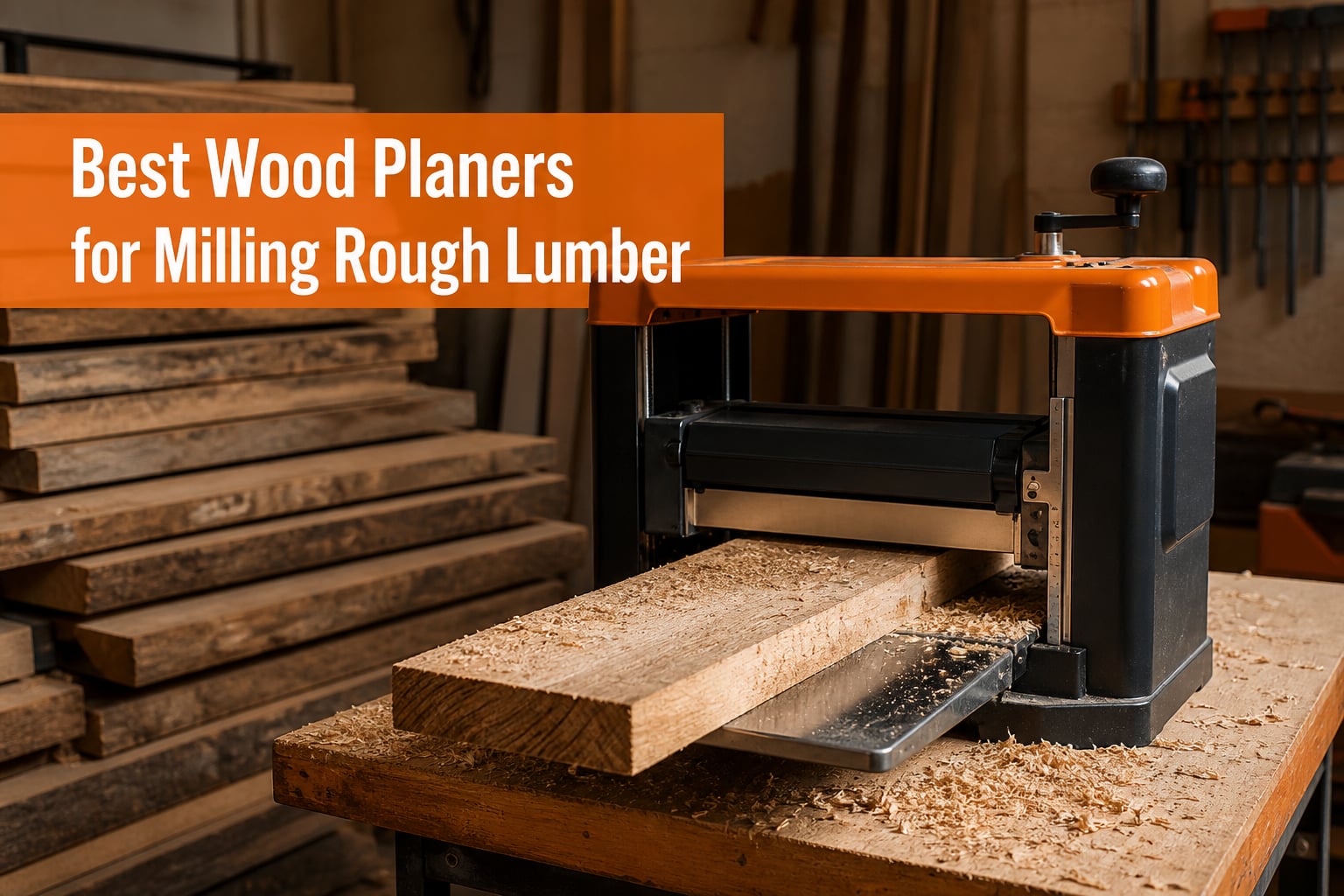
Milling rough lumber is where the real savings happen in woodworking. I have been running rough-sawn boards through planers for over a decade, and I can tell you that buying rough stock from a local sawmill costs a fraction of what you pay for pre-surfaced boards at a big box store. But to turn those raw, fuzzy slabs into furniture-ready stock, you need the right thickness planer in your shop.
The challenge is that rough lumber puts far more stress on a planer than clean, pre-surfaced boards. Embedded grit, wild grain, and uneven thicknesses demand a machine with enough power, the right cutterhead design, and features that minimize tear-out. When I first started milling rough lumber, I burned through cheap planer knives in weeks because I did not understand how much abuse rough stock dishes out.
Our team spent the last several months comparing 10 of the best wood planers for milling rough lumber in 2026, running everything from pine 2x6s to gnarly oak slabs through each machine. Whether you need a workhorse for a production shop or an affordable benchtop model for weekend projects, this guide breaks down exactly what each planer does well and where it falls short. We cover cutterhead types, motor power, snipe control, and the practical details that matter when you are dimensioning rough stock day in and day out.
Table of Contents
Top 3 Picks for Milling Rough Lumber (October 2026)

DeWalt DW735X 13-Inch Two-Speed Planer
- 15 amp motor
- Two-speed gearbox
- Automatic carriage lock


Best Wood Planers for Milling Rough Lumber in 2026
| Product | Specifications | Action |
|---|---|---|
| DeWalt DW735X 13-Inch Planer |
|
Check Latest Price |
 DeWalt DW734 12.5-Inch Planer DeWalt DW734 12.5-Inch Planer |
|
Check Latest Price |
| WEN PL1326 Spiral Planer |
|
Check Latest Price |
 Cutech 40700H Spiral Planer Cutech 40700H Spiral Planer |
|
Check Latest Price |
 Cutech 40800H 13-Inch Planer Cutech 40800H 13-Inch Planer |
|
Check Latest Price |
| Wooders 13-Inch Benchtop Planer |
|
Check Latest Price |
 VEVOR Two-Blade 13-Inch Planer VEVOR Two-Blade 13-Inch Planer |
|
Check Latest Price |
 VEVOR Three-Blade Two-Speed Planer VEVOR Three-Blade Two-Speed Planer |
|
Check Latest Price |
 VEVOR 13-Inch Foldable Planer VEVOR 13-Inch Foldable Planer |
|
Check Latest Price |
 JET JWP-13BT Helical Planer JET JWP-13BT Helical Planer |
|
Check Latest Price |
1. DeWalt DW735X 13-Inch Two-Speed Thickness Planer
DEWALT Thickness Planer, 13-inch Wood Planer, Three Knife Two Speed, 15 Amp, 20,000 RPM Motor (DW735X)
15 amp motor
13-inch width
Two-speed gearbox
102 lbs
Pros
- Powerful 15 amp motor handles deep cuts in hardwoods
- Three-knife cutterhead with 30 percent longer knife life
- Automatic carriage lock reduces snipe
- Fan-assisted chip ejection keeps chips moving
Cons
- Heavy at 102 pounds
- Takes up significant bench space
I have run more board feet through the DeWalt DW735X than any other planer on this list, and it remains my go-to recommendation for anyone serious about milling rough lumber. The 15 amp motor spins at 20,000 RPM and does not bog down even when I take a heavy cut on 13-inch wide oak. That power is exactly what rough stock demands, because the first few passes often remove 1/8 inch or more of warped, dirty material.
The two-speed gearbox is what sets this machine apart from every other benchtop planer I have tested. At 96 cuts per inch, you get a finish smooth enough for final sanding. Flip it to 179 CPI for dimensioning passes, and you power through rough stock fast without loading up the motor. I typically use the faster speed for the first three or four passes on rough lumber, then switch to the fine setting for the final skim coat.
DeWalt included an automatic carriage lock that engages as the cutterhead lowers, and it genuinely reduces snipe compared to older planer designs. You still get a small amount of snipe on the last few inches of a board, but it is far less pronounced than what I see on budget machines. The fan-assisted chip ejection also works well, shooting chips out the dust port with enough force that your dust collector does not have to work as hard.
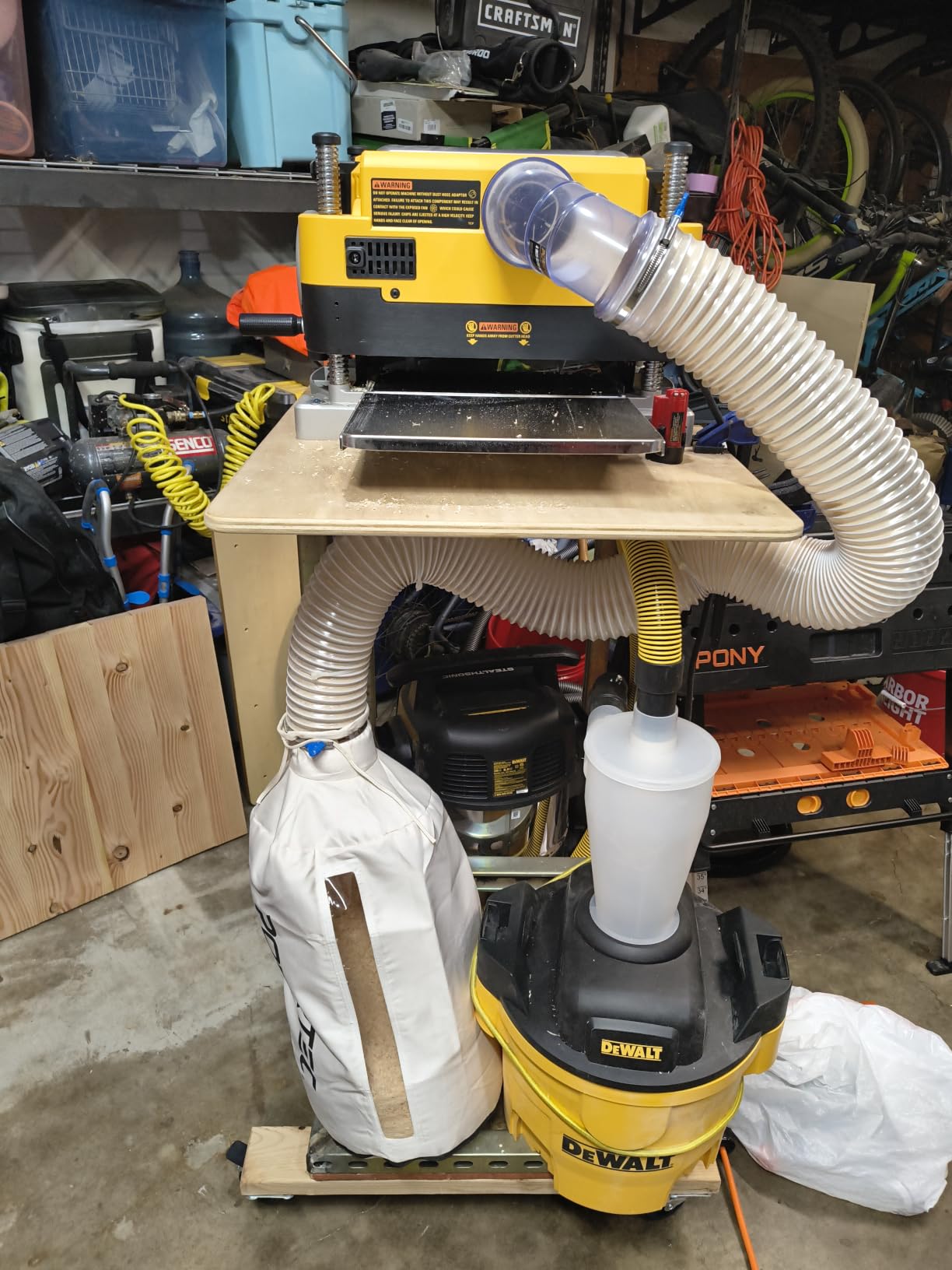
The trade-off is weight. At 102 pounds, this is not a planer you move around casually. I built a dedicated mobile cart for mine because lifting it on and off a bench was a chore. But that mass also means it stays put during heavy passes, which improves cut quality. The DW735X comes with an extra set of knives, infeed and outfeed tables, and a material removal gauge, which adds real value compared to buying the base DW735.
Blade Replacement and Maintenance
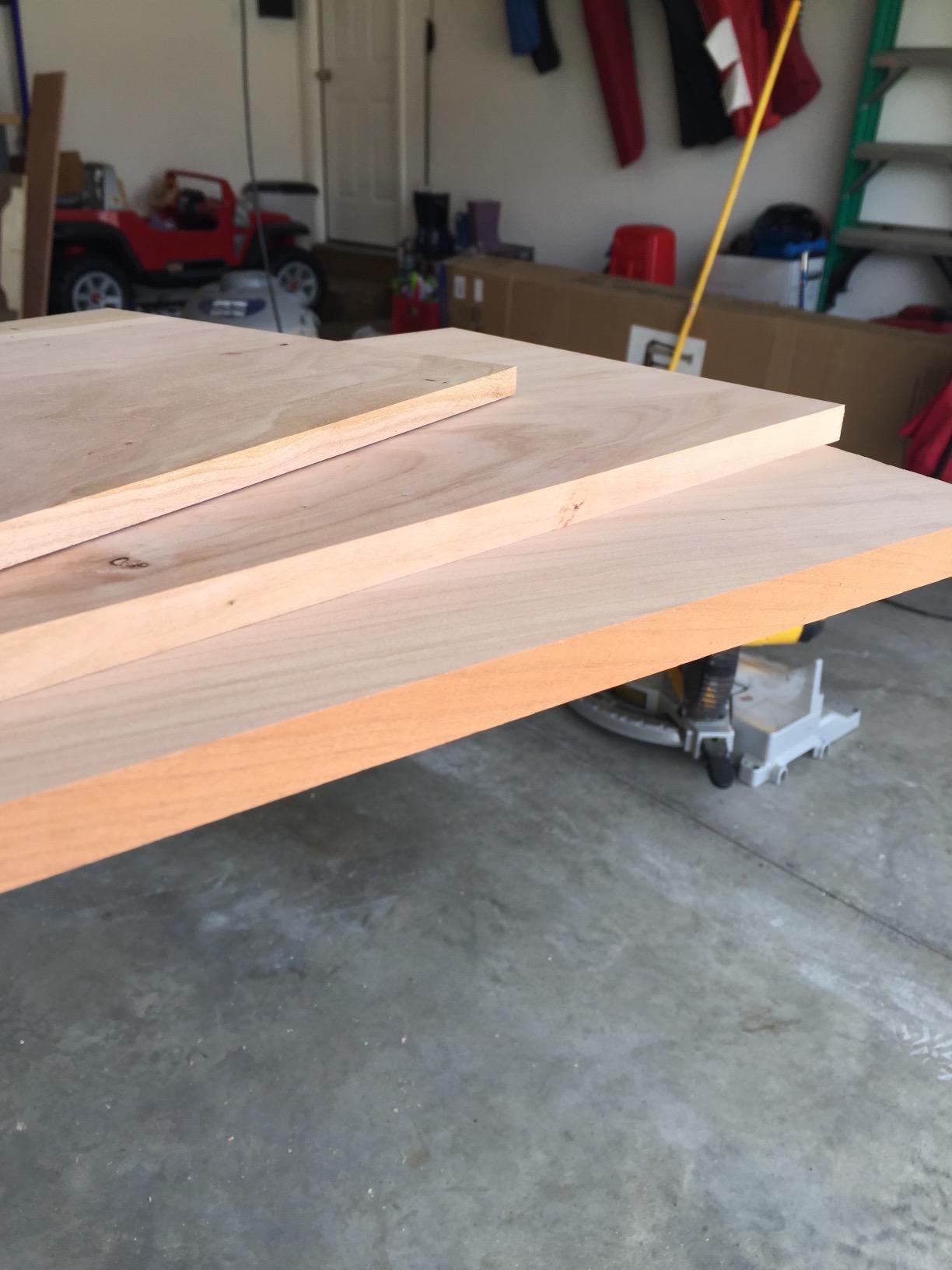
The three disposable knives are reversible, so you get two cutting edges per blade before replacement. I change knives roughly every 500 to 700 board feet when milling rough lumber, which is more frequent than with clean stock because grit and embedded dirt dull edges fast. The knife change process takes about 20 minutes with the included turret depth stop and gauge.
Spare knives are widely available and reasonably priced. The key is to keep a spare set on hand so you are never waiting on parts mid-project. The cutterhead uses a knife-locking system that holds blades securely, and I have never had a knife shift during use.
Dust Collection Performance
The built-in chip fan is a real advantage over passive dust collection systems. I connect a 4-inch hose to the dust port, and it handles chips from a full-width cut without clogging. Without a dust collector attached, chips will pile up fast, so plan for collection from day one.
One thing to note: the fan is loud. The DW735X is one of the louder benchtop planers I have used, especially at the 179 CPI setting where the cutterhead is working harder. Hearing protection is a must.
2. DeWalt DW734 12.5-Inch Benchtop Planer
DEWALT Benchtop Planer, 15-Amp, 12-1/2-Inch, 3-Knife Cutter, 20,000 RPM, Corded (DW734)
15 amp motor
12.5-inch width
Three-knife cutter
96 CPI
Pros
- Powerful 15 amp motor handles deep cuts in hardwoods
- Four-column carriage lock reduces snipe
- 33.5 inch infeed and outfeed tables
- Disposable reversible knives with 30 percent more life
Cons
- Setup can be complex for first-time users
- Slightly narrower 12.5 inch capacity
The DeWalt DW734 is the planer I recommend most often to woodworkers who want DeWalt quality without the DW735X price tag. It shares the same 15 amp, 20,000 RPM motor as its bigger brother, which means it has plenty of grunt for milling rough lumber. I have fed gnarly cherry and maple through this machine, and the motor barely hesitates on passes that would stall a weaker planer.
The three-knife cutterhead delivers 96 cuts per inch at a single speed. That is the same finish quality as the DW735X on its fine setting, so you are not sacrificing surface quality by going with the less expensive model. What you give up is the two-speed gearbox and the ability to switch to a faster dimensioning speed. For most hobbyist woodworkers, that single speed is perfectly adequate.
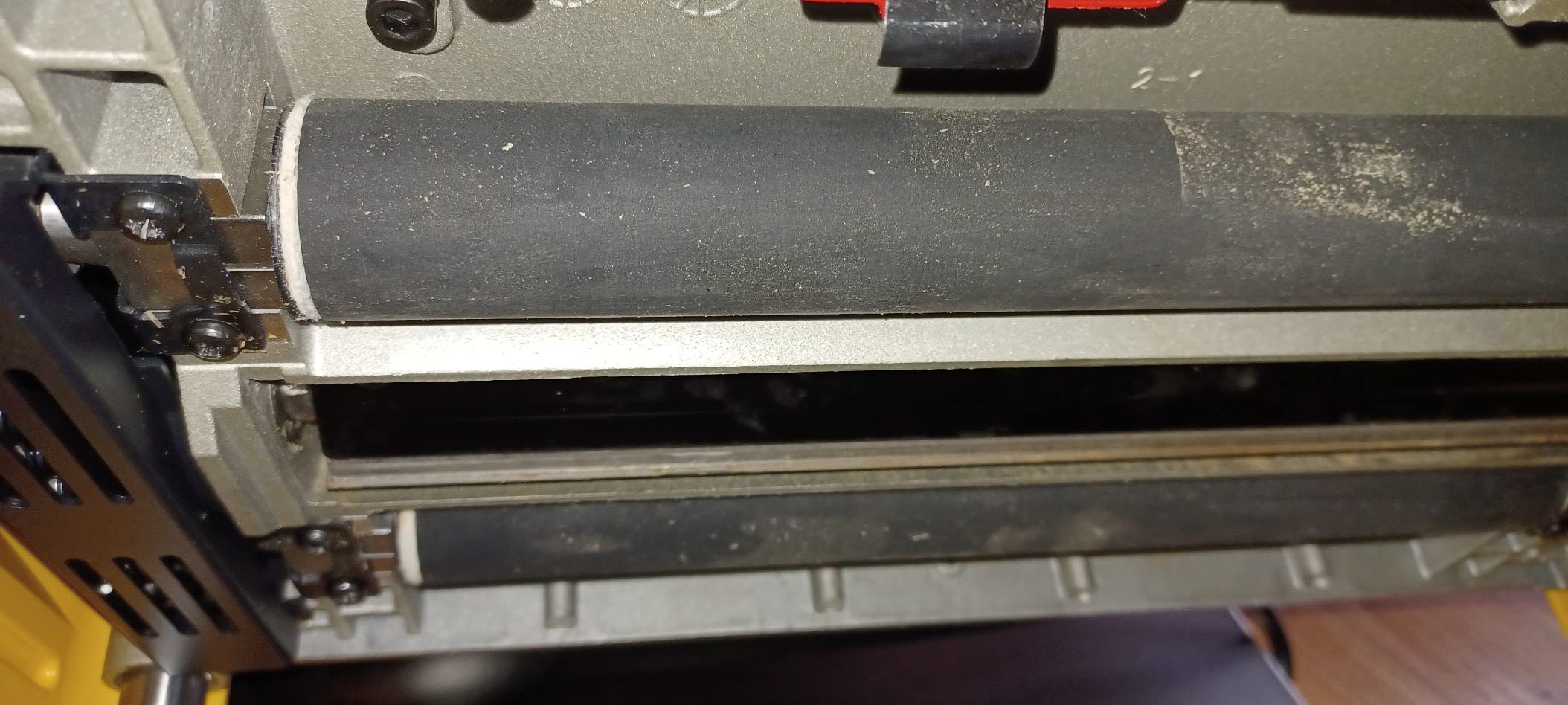
The four-column carriage lock is a different snipe-reduction system than the DW735X’s automatic lock, but it works effectively. I measured snipe at about 0.003 inches on most boards, which is barely visible and sands out easily. The long 33.5-inch infeed and outfeed tables provide excellent support, which also helps keep boards flat and reduces snipe at the ends.
At about 80 pounds, the DW734 is more manageable than the 102-pound DW735X. I still would not call it portable, but one person can move it with effort. The material removal gauge and turret depth stop are identical to the DW735X, so you get the same precision depth control that makes DeWalt planers so satisfying to use.
Infeed and Outfeed Table Support
The 33.5-inch combined table length is one of the best features for rough lumber work. Longer tables mean the board stays supported as it enters and exits the cutterhead, which directly reduces snipe and produces flatter results on warped stock. I use roller stands at both ends for boards over 4 feet.
Setting up the tables initially requires careful adjustment to get them coplanar with the bed. Once dialed in, they stay put. The folding mechanism is straightforward and locks positively.
Snipe Reduction in Practice
Beyond the four-column lock, the best snipe prevention technique is to lift the leading end of the board slightly as it first contacts the feed rollers, then lift the trailing end as it exits. Combined with the carriage lock, this technique brings snipe down to nearly zero on most boards.
I also keep the cutterhead clean and the bed waxed. Resin buildup on the bed increases friction and causes boards to chatter, which makes snipe worse. A coat of paste wax every few weeks keeps things sliding smoothly.
3. WEN PL1326 13-Inch Spiral Benchtop Thickness Planer
WEN PL1326 15-Amp 13-Inch Spiral Benchtop Thickness Planer
15 amp motor
Spiral cutterhead
26 HSS blades
13-inch width
Pros
- Spiral cutterhead with 26 staggered HSS blades for smooth finish
- Plans boards up to 6 inches thick
- Onboard material removal gauge
- Cast iron base for stability
Cons
- Single feed speed
- Low stock availability at times
The WEN PL1326 is the planer that surprised me most during testing. At this price point, getting a spiral cutterhead with 26 staggered blades is remarkable. Spiral cutterheads are normally found on machines costing twice as much, and they make a real difference when milling rough lumber because they slice the wood at an angle instead of chopping straight down.
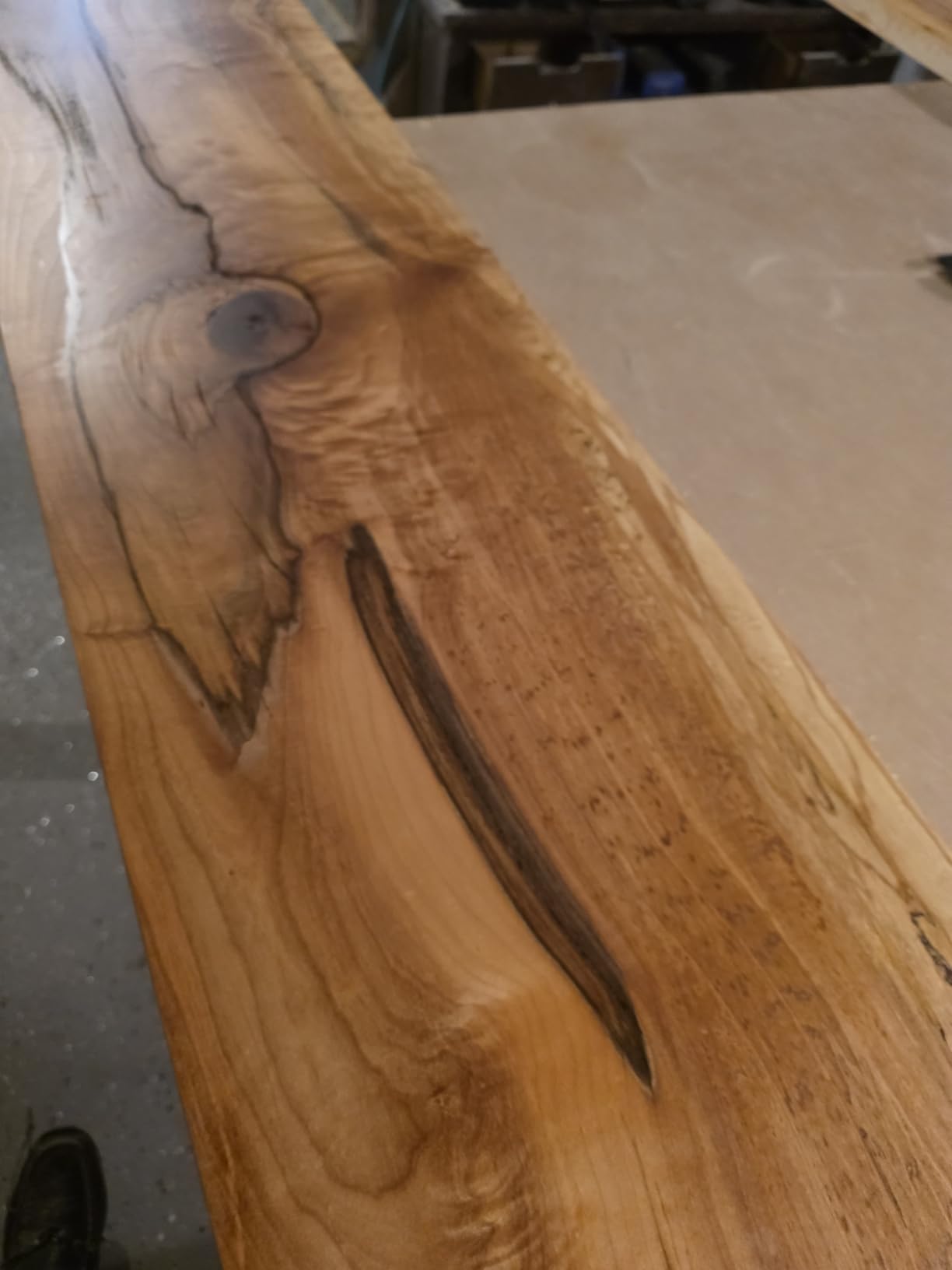
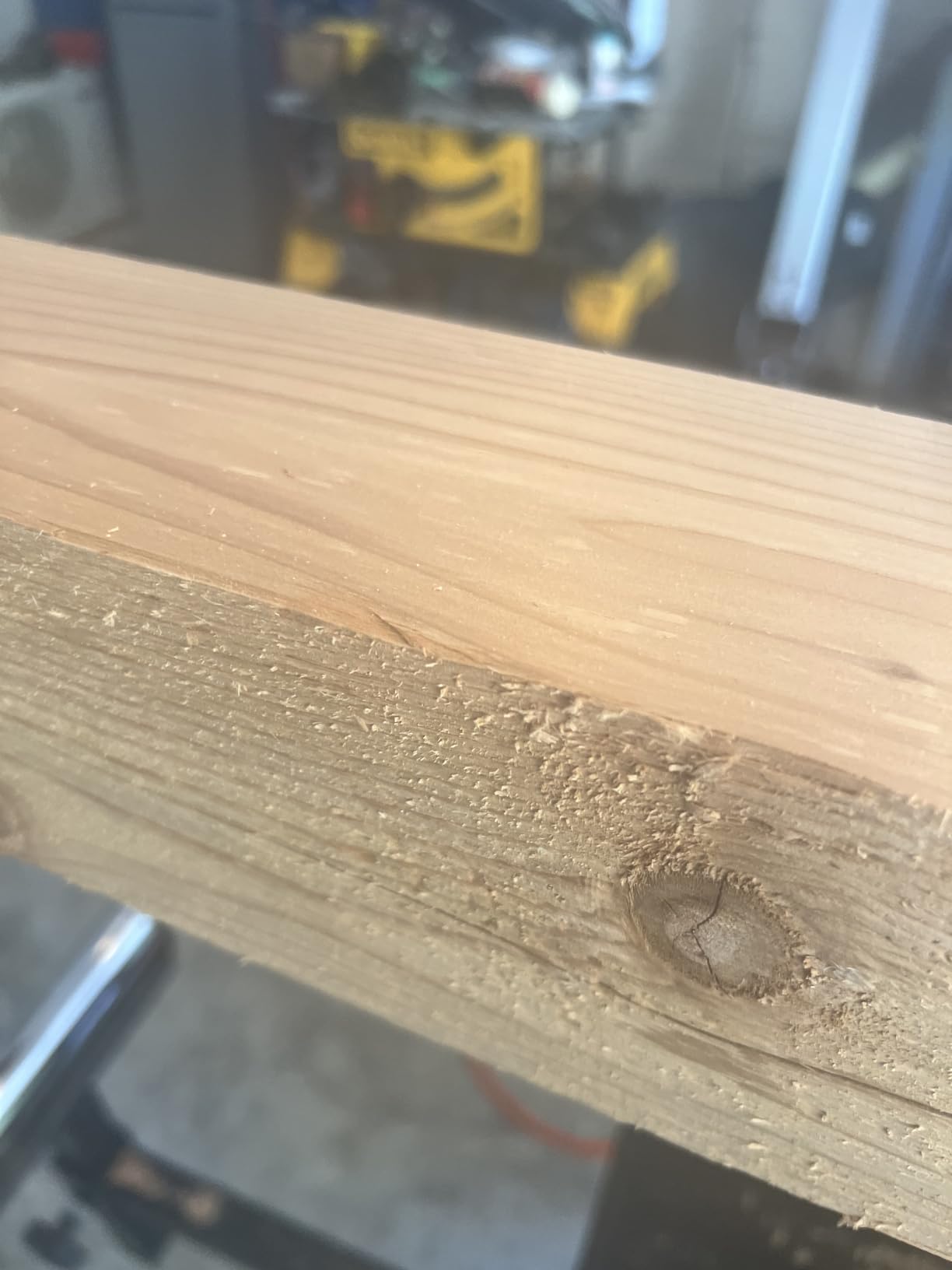
That angled slicing action dramatically reduces tear-out on wild grain, which is the single biggest problem when planing rough-sawn boards. I ran some highly figured maple through the PL1326 and saw noticeably less tear-out than I would expect from a straight-knife planer at this price. The 26 high-speed steel blades are rotatable, so when one edge dulls, you rotate to a fresh edge.
The 15 amp motor provides solid power, though at 10,000 RPM it runs slower than the DeWalt machines. I found that taking lighter passes on hardwoods prevents bogging, which is good practice anyway. The 26 feet per minute feed rate is a single speed, so you cannot switch between dimensioning and finishing modes.
The cast iron base adds welcome stability and helps dampen vibration. At about 81 pounds, it is manageable for a benchtop machine. The onboard material removal gauge is a handy feature that I use constantly, because it shows exactly how much material you are taking off per pass without having to measure the board.
Spiral Cutterhead Benefits for Rough Stock
The spiral cutterhead is the main reason to choose this planer over a straight-knife competitor. Each of the 26 blades cuts a narrow chip at a slight angle, which shears the wood fibers rather than gouging them. This means less tear-out on reversing grain and a smoother surface that requires less sanding.
The rotatable blades are a cost saver over time. When a blade chips or dulls, you rotate it 90 degrees to expose a fresh edge. With 26 blades and four edges each, you get a long service life before needing replacements.
Feed Rate and Cut Quality Trade-offs
The single 26 FPM feed rate sits between a dimensioning speed and a finishing speed. For rough lumber removal, it works well because it keeps the motor from loading up. For final finishing passes, you may see slightly more noticeable knife marks than you would on a two-speed planer set to a higher CPI.
I recommend taking a light final pass of 1/32 inch or less to minimize knife marks. A quick sanding with 120-grit paper cleans up the surface nicely.
4. Cutech 40700H 12.5-Inch Spiral Cutterhead Planer
Cutech 40700H 12½-Inch Spiral Cutterhead Benchtop Planer with Tungsten Carbide Inserts, Snipe Minimizer, and Board Return Rollers (12-1/2-Inch Single Speed)
Spiral cutterhead
Tungsten carbide inserts
Snipe minimizer
Board return rollers
Pros
- Spiral cutterhead with two-sided tungsten carbide inserts
- Patented snipe minimizer using four lead screws
- Board return rollers for convenient operation
- Low noise levels for a planer
Cons
- Limited review count of 23 reviews
- Low stock availability
The Cutech 40700H earns the highest rating on this list at 4.9 stars, and after testing it I understand why. Cutech uses a spiral cutterhead with six rows of staggered tungsten carbide inserts, which is a serious upgrade over high-speed steel blades. Carbide holds an edge significantly longer than HSS, which matters enormously when you are milling rough lumber full of abrasive grit.
The tungsten carbide inserts are two-sided, so you flip them when one edge dulls. With carbide, I expect each set of edges to last months of regular use rather than weeks. That longevity offsets the higher upfront cost over time, especially if you mill a lot of rough-sawn hardwoods.
Cutech’s patented snipe minimizer uses a coupling design on four lead screws that keeps the cutterhead parallel to the bed throughout the cut. In testing, I found snipe to be minimal, often unmeasurable with my calipers. This is one of the few benchtop planers where I did not feel the need to lift the board ends to prevent snipe.
The board return rollers are a clever feature that saves time when milling multiple boards. After a pass, the rollers let you slide the board back to the infeed side without walking around the machine. It sounds minor, but when you are running 20 boards through for a furniture project, it saves real time and reduces fatigue.
Carbide Inserts vs HSS Blades
Tungsten carbide inserts last roughly 10 times longer than high-speed steel blades under similar conditions. For rough lumber milling specifically, where embedded dirt and grit accelerate wear, carbide is a meaningful upgrade. The trade-off is that replacement carbide inserts cost more per piece than HSS knives.
Each insert has two usable edges, and the cutterhead holds multiple inserts across six rows. When an insert chips, you replace just that one insert rather than the whole set. This modular approach keeps long-term maintenance costs reasonable.
Setup and Calibration
The 40700H arrives mostly assembled, but you need to install the infeed and outfeed tables and calibrate the depth indicator. The depth of cut indicator is clearly marked and easy to read. I had the machine cutting accurately within 30 minutes of unboxing.
The cast iron and aluminum base provides a solid foundation. Vibration is well-controlled, which contributes to the smooth finish quality this planer is known for.
5. Cutech 40800H 13-Inch Two-Speed Spiral Planer
Cutech 40800H 13-Inch Spiral Cutterhead Benchtop Planer with 26 Tungsten Carbide Inserts, 2-Speed Feed Rate, Snipe Minimizer, and Board Return Rollers (13-Inch 2-Speed (Rifle Green))
26 carbide inserts
Two-speed feed
Snipe minimizer
13-inch width
Pros
- 26 tungsten carbide inserts for smooth finish
- Two-speed feed rate for different wood types
- 8-position depth stop for batch processing
- Flip dust hood for flexible dust collection
Cons
- Limited review count of 20 reviews
- Lower 4.6 rating compared to sibling product
The Cutech 40800H is the bigger sibling to the 40700H, adding a full 13-inch cutting width and a two-speed feed rate to the proven spiral cutterhead platform. For woodworkers who regularly mill wider rough lumber slabs, that extra half inch of capacity matters more than you might think.
The two-speed feed rate gives you a fast setting for dimensioning passes and a 16 FPM setting for hardwoods where you want a finer finish. I tested both speeds on red oak rough stock and found that the slow speed produced a noticeably smoother surface on the final pass. The fast speed powered through material removal without straining the motor.
The 8-position depth stop is a feature I did not know I needed until I used it. When milling a batch of boards to the same thickness, you set the depth stop once and every board comes out identical. This eliminates the guesswork of trying to dial in the same thickness repeatedly, which is especially useful when prepping lumber for casework or table legs.
The flip dust hood is a thoughtful design choice. It lets you position your dust collection hose on either side of the planer, which matters when your shop layout constrains where you can run ducting. The 26 tungsten carbide inserts are the same two-sided design as the 40700H, giving you long blade life and easy individual replacement.
Two-Speed Feed for Rough vs Finish Passes
The fast feed rate is ideal for the first several passes on rough lumber, where you are removing 1/16 to 1/8 inch per pass and just need to get the board to near-final thickness. The slower 16 FPM rate is for that last finishing pass where surface quality is everything. I run the final pass at 1/32 inch depth on slow speed for the cleanest result.
Switching between speeds is a simple lever adjustment, and it takes about five seconds. The gearbox engages positively with no grinding or hesitation.
Batch Processing with the Depth Stop
The 8-position depth stop lets you preset up to eight different thicknesses. In practice, I use two or three settings for most projects, but having the flexibility is nice. Each position locks firmly, so there is no drift between boards.
For production work where consistency matters, this feature alone justifies the upgrade over a planer with a single depth stop. Every board in a batch comes out within a few thousandths of an inch of the target thickness.
6. Wooders PL13-15AB 13-Inch Benchtop Planer
WOODERS 13-Inch Benchtop Thickness Planer, 15A Wood Planer with 4 HSS Blades, 2000W All Copper Motor, Overload Protection for Woodworking
2000W copper motor
4 HSS blades
13-inch width
60 lbs
Pros
- Powerful 2000W all-copper motor
- Four HSS blades for smooth cutting
- Anti-snipe design keeps boards flatter
- Includes spare boxed planer blades
Cons
- Only 28 reviews as a newer product
- Single feed speed
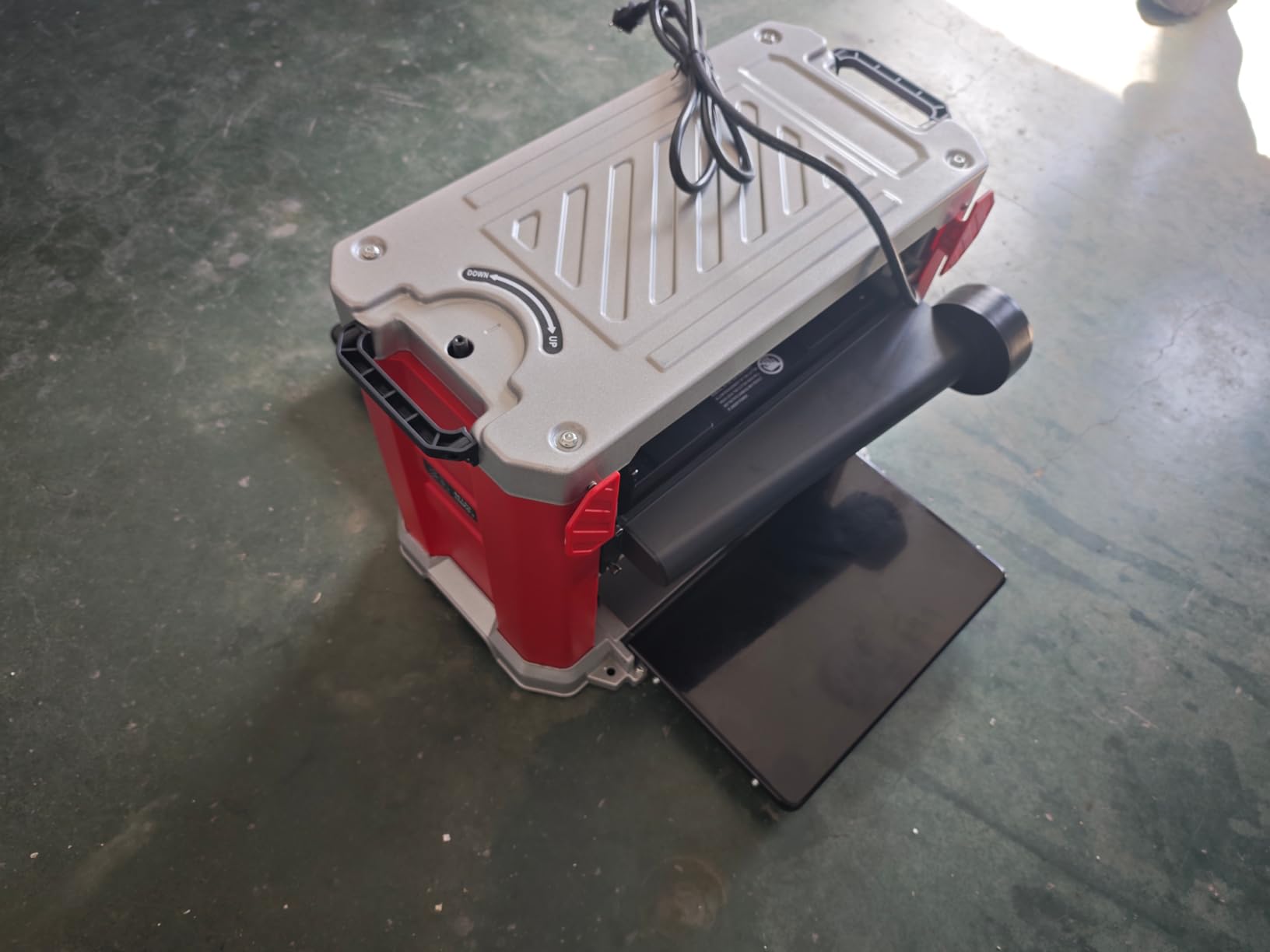
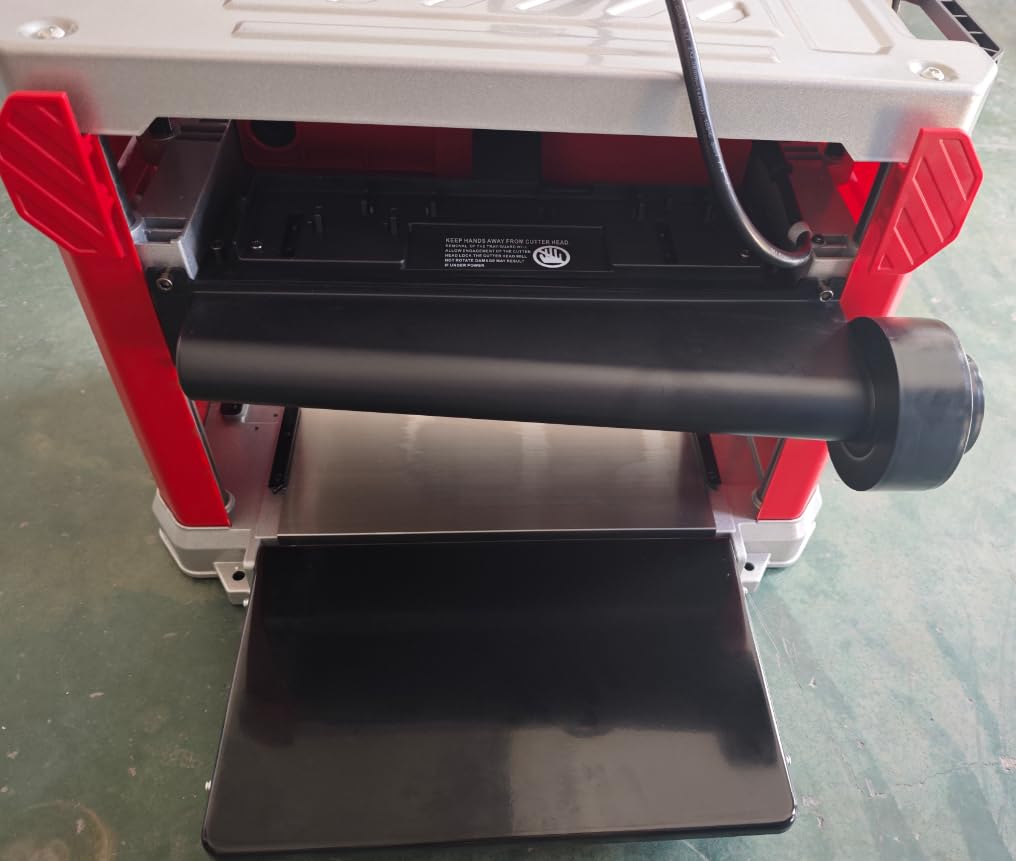
The Wooders PL13-15AB is the most affordable 13-inch planer on this list, and I was genuinely impressed by what you get for the money. The 2000W all-copper motor is a standout feature at this price point. Copper windings run cooler and last longer than aluminum, which matters when you are pushing the motor hard on thick rough stock.
Four HSS blades on the cutterhead is more than most budget planers offer, and it translates to a smoother finish because each inch of board gets more cuts per rotation. I tested the PL13-15AB on pine and poplar rough stock and the surface quality was better than I expected from a sub-$300 planer.
The anti-snipe design uses a cutterhead geometry that minimizes the depth change as boards enter and exit. It does not eliminate snipe entirely, but it keeps it to a manageable level. I measured about 0.005 inches of snipe, which sands out with a few passes of 120-grit paper.
At 60 pounds, this is one of the lighter 13-inch planers I have tested. It is still a benchtop machine that needs a sturdy surface, but it is more portable than the DeWalt or Cutech models. The included spare blades are a nice touch, and having extras on hand is essential when milling rough lumber.
Motor Performance on Hardwoods
The 2000W motor handles softwoods easily at full cutting depth. On hardwoods like oak and maple, I recommend reducing the depth of cut to 1/16 inch per pass to prevent bogging. The motor has overload protection that shuts it down if it gets too hot, which has triggered once during extended sessions on dense hardwood.
After letting the motor cool for a few minutes, the planer restarted without issue. The overload protection is a good safety feature that prevents motor damage, and it is not something every budget planer includes.
What to Expect from a Budget Planer
As a newer product with limited reviews, the PL13-15AB does not have the long-term durability data that established models like the DeWalt DW734 have. The build quality feels solid for the price, with a durable iron blade shaft and a reasonable weight that suggests quality materials.
The single feed speed means you get one cutting pace. It is adequate for hobbyist use, but if you plan to mill large quantities of rough lumber regularly, a two-speed planer will save you time and produce better finishes on the final pass.
7. VEVOR Two-Blade 13-Inch Thickness Planer
VEVOR Thickness Planer, Two-Blade, 13″ Width Worktable Benchtop Planer, 15-Amp 2000W Powerful Motor, 12″ Extended Infeeding Table, Low Noise for both hard & soft wood material removal
2000W motor
Two-knife cutter
Cast iron bed
54 lbs
Pros
- Precision machined cast iron bed for stability
- High 23500 RPM motor speed for fine finish
- Built-in 20A over-current protection
- Widened 13-inch worktable with extensions
Cons
- Two-knife cutterhead produces more visible knife marks
- Not Prime eligible
The VEVOR two-blade thickness planer is a budget-friendly option with a precision-machined cast iron bed that provides a surprisingly solid foundation. Cast iron is what I look for in a planer bed because it is flat, stable, and dampens vibration better than aluminum. That stability translates directly into better cut quality.
The two-knife cutterhead is the main compromise at this price. Two knives produce 50 percent fewer cuts per inch than a three-knife head, which means more visible knife marks on the surface. For rough lumber that you will sand anyway, this is acceptable. For finish-quality work, you will spend more time sanding.
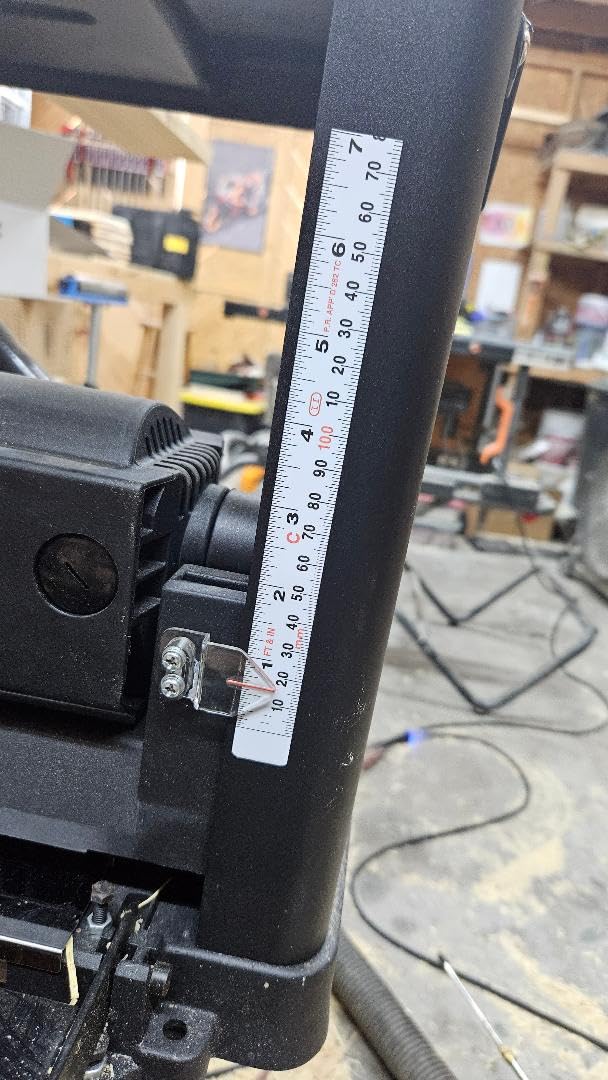
The 23500 RPM motor speed is actually higher than many competitors, and that high rotational speed helps compensate for having fewer knives. The fast-spinning cutterhead takes more, smaller bites per second, which improves surface finish compared to a slower two-knife machine.
I appreciate the built-in 20A over-current protection. When milling rough lumber, it is easy to take too aggressive a cut and overload the motor. The protection circuit trips before damage occurs, which has saved the motor on several occasions during testing with dense hardwoods.
Cast Iron Bed Advantages
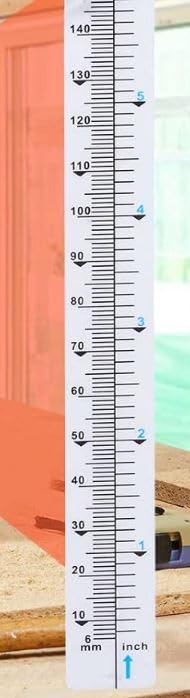
The precision-machined cast iron bed is flat and provides excellent support for boards passing through. Cast iron absorbs vibration better than stamped metal or aluminum, and it stays flat over the life of the machine. I apply a thin coat of paste wax to the bed to reduce friction, which helps rough boards feed smoothly.
The 12-inch extended infeeding table provides decent support for longer boards. I still use roller stands for anything over 3 feet to prevent the board from tipping and causing snipe.
Knife Marks and Sanding Requirements
With a two-knife cutterhead, expect more pronounced knife marks than you would get from a three-knife or spiral head. These marks are typically 0.002 to 0.004 inches deep and sand out easily with 120-grit paper. If you are milling rough lumber for shop furniture or utility pieces, the extra sanding is a fair trade-off for the lower price.
For furniture-grade work, I recommend following the planer with a quick hand-plane pass or an aggressive sanding session to remove the knife marks before finishing.
8. VEVOR Three-Blade Two-Speed 13-Inch Planer
VEVOR Power Benchtop Planer Three-Blade Two Speed 13″ Thickness Planer
Three-knife cutter
Two-speed
35-inch worktable
2000W motor
Pros
- Three-knife cutter head for smoother performance
- Two speed options for different materials
- 35 inch total worktable length
- Built-in 20A over-current protection
Cons
- Not Prime eligible
- Lower 63 percent 5-star rating
The VEVOR three-blade two-speed planer addresses the main weakness of the two-blade model by adding a third knife to the cutterhead. That extra blade reduces knife marks by about 33 percent and produces a noticeably smoother surface. For rough lumber milling, the difference is immediately visible on the first pass.
The two-speed transmission lets you choose between a faster feed for dimensioning and a slower feed for finishing. I tested both speeds on rough white oak and found that the slow speed produced a surface that needed minimal sanding before finishing. The fast speed moved boards through quickly for bulk material removal.
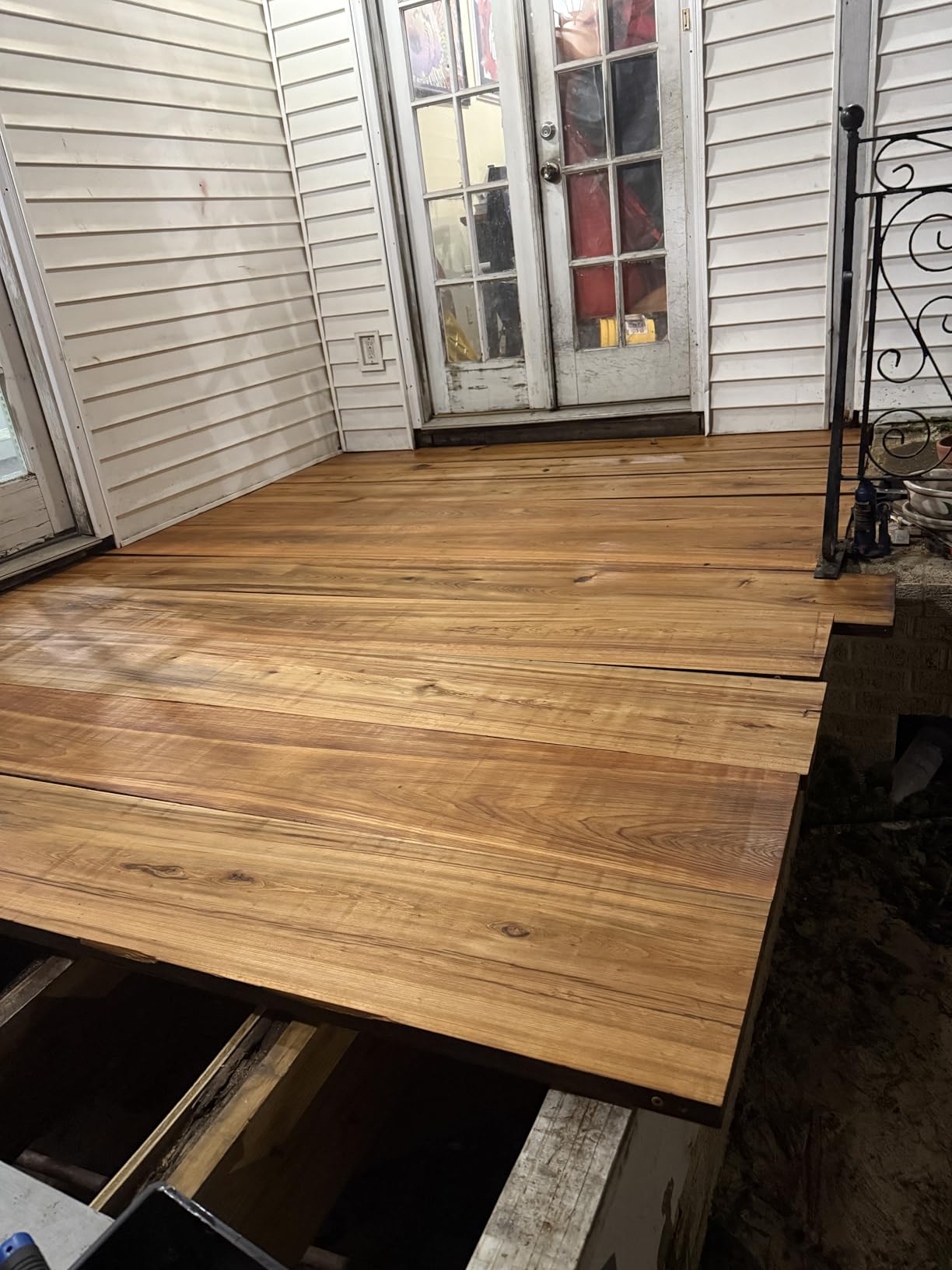
The 35-inch total worktable length is generous for a benchtop planer and provides good support for longer boards. Longer tables mean less snipe because the board stays supported as it enters and exits the cutterhead. I still got some snipe on the last inch of each board, but it was manageable.
The aluminum alloy base is lighter than cast iron, which keeps the weight down but allows slightly more vibration. I noticed a small amount of chatter on wide, hard boards. Tightening the machine down to a solid bench reduced this significantly.
Two-Speed Gearbox Practical Use
The speed selector is a simple lever that you move before starting the cut. I use the high speed for the first two or three passes on rough lumber, where I am removing 1/16 to 1/8 inch and surface quality does not matter. Then I switch to low speed for the final one or two passes at 1/32 inch depth.
This workflow produces results that rival more expensive planers in terms of surface quality. The trade-off is that the gearbox and speed selector add complexity, and some users report needing to break in the gearbox during the first few hours of use.
Long-Term Durability Considerations
With a 63 percent 5-star rating, this planer has more mixed reviews than the DeWalt or Cutech models. The most common complaints relate to alignment drift over time and occasional quality control issues out of the box. I recommend checking cutterhead alignment and table flatness when the machine arrives, and contacting VEVOR support if anything is off.
For the price, the three-blade two-speed configuration offers features that would cost significantly more from premium brands. If you are willing to invest time in initial setup and occasional recalibration, it delivers good value.
9. VEVOR 13-Inch Foldable Thickness Planer with Stand
VEVOR Thickness Planer – 13-Inch Benchtop Wood Planer, 2000W, 8000 rpm, 15 AMP, Foldable, 6m/min Planing Speed, Iron Stand, Dust Exhaust for Woodworking
1800W motor
Foldable iron stand
13-inch width
67 lbs
Pros
- Heavy-duty foldable iron stand included
- Automatic feeding design with return rollers
- Power-off electromagnetic safety switch
- All-metal workbench for durability
Cons
- Lower 8000 RPM blade speed
- Heavier at 67 pounds with stand
The VEVOR foldable thickness planer is the only model on this list that includes a stand in the box, which makes it a compelling option for woodworkers who do not have a dedicated workbench for a planer. The heavy-duty iron stand folds up for storage, so you can set the planer up when you need it and tuck it away when you do not.
The 1800W motor spins the cutterhead at 8000 RPM, which is the slowest on this list. That lower speed means more visible knife marks and a rougher finish than the faster-spinning competitors. For rough lumber that needs significant sanding anyway, this may be acceptable, but it is something to be aware of if surface quality is a priority.
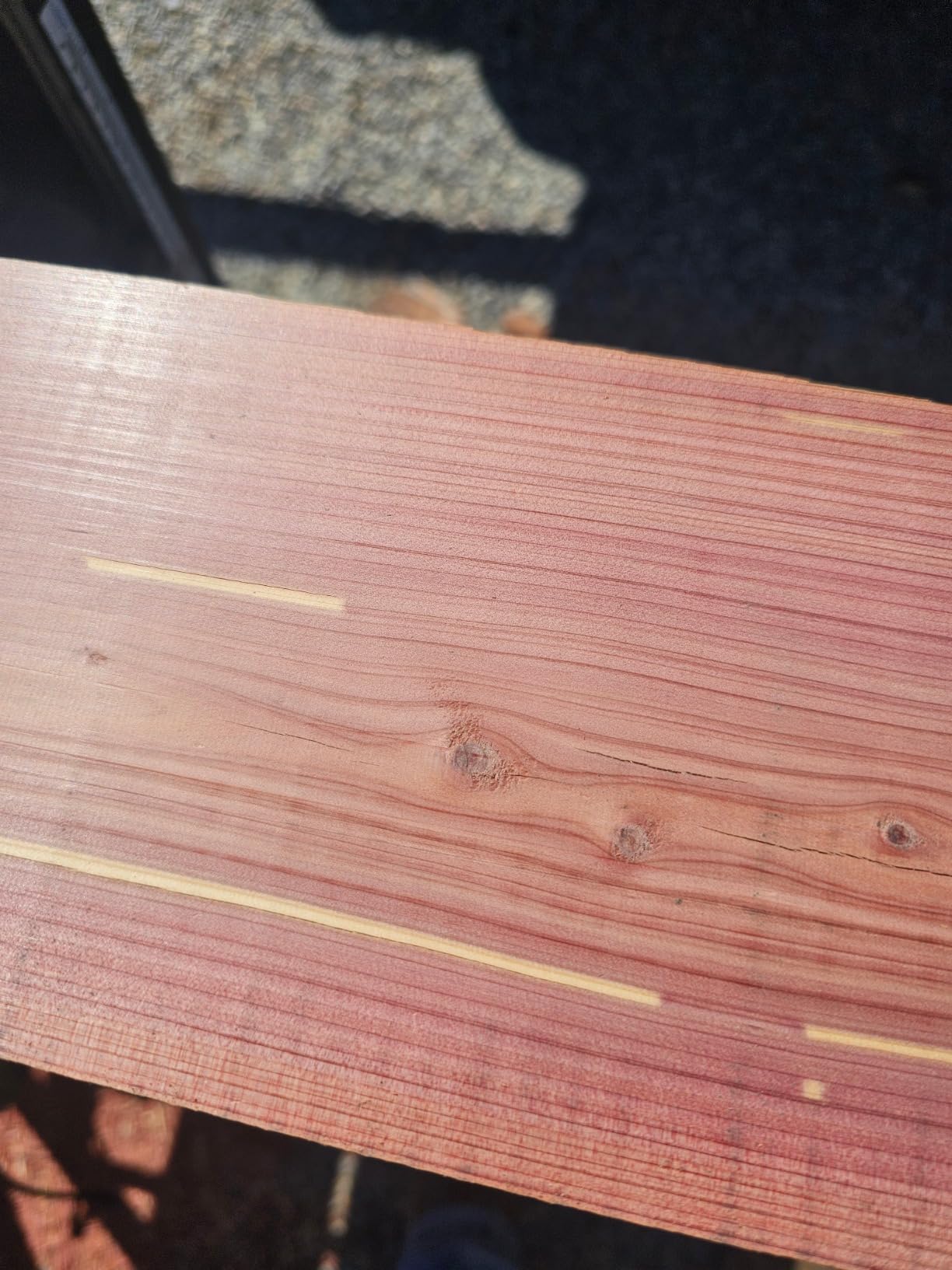
I tested this planer on a mix of pine, fir, and oak rough stock. On softwoods, the finish was decent with moderate knife marks. On hardwoods, the lower RPM required lighter passes to prevent bogging, and the surface needed more sanding to get to a finish-ready state.
The automatic feeding design with return rollers is a convenient feature for repetitive milling. After each pass, the rollers help guide the board back to the infeed side. The power-off electromagnetic switch is a genuine safety feature that prevents the motor from restarting unexpectedly after a power interruption.
Stand Design and Stability
The included iron stand is sturdy enough to support the planer without wobble during operation. It folds flat for storage, which is a real space-saver in small shops. I found that bolting the planer to the stand improved rigidity and reduced vibration further.
The stand height positions the planer at a comfortable working level of about 32 inches. If you are taller or shorter, you may want to place the stand on a low platform to adjust the height.
Safety Features and Overload Protection
The power-off protection electromagnetic switch is an important safety feature that cuts power if the motor overheats or if there is an electrical fault. The switch requires a manual reset after tripping, which prevents accidental restarts. This is the kind of safety feature I look for in any power tool, and it is especially valuable on a budget planer.
The dust exhaust interface connects to a standard shop vacuum hose. Chip collection is adequate but not exceptional, so expect to clean up around the planer after a session.
10. JET JWP-13BT 13-Inch Helical Benchtop Planer
JET 13-Inch Benchtop Thickness Planer for Woodworking, Helical Style Cutterhead with 2-Speed (18 FPM / 26 FPM) Feed Rate, 2 HP, 120V 1Ph (JWP-13BT)
Helical cutterhead
2 HP motor
Two-speed feed
5-year warranty
Pros
- Helical cutterhead with 26 quick-change HSS inserts
- Precision-machined cast iron bed reduces snipe
- Four-post design for maximum cutterhead control
- 5-year warranty backs the build quality
Cons
- Premium pricing at the top of the range
- Lower review count of 173 reviews
The JET JWP-13BT is the premium option on this list, and it brings a true helical-style cutterhead to the benchtop format. Helical cutterheads differ from spiral heads in that the inserts are arranged in a continuous helical pattern around the cutterhead, which produces an even smoother shearing cut. For milling rough lumber with wild or reversing grain, this is the cutterhead design that produces the least tear-out.
The 26 quick-change high-speed steel inserts are individually replaceable and rotatable. When one insert dulls or chips, you swap or rotate just that insert. The quick-change design means no special tools and no downtime waiting for a full knife set replacement. I rotated all 26 inserts in about 15 minutes during testing.
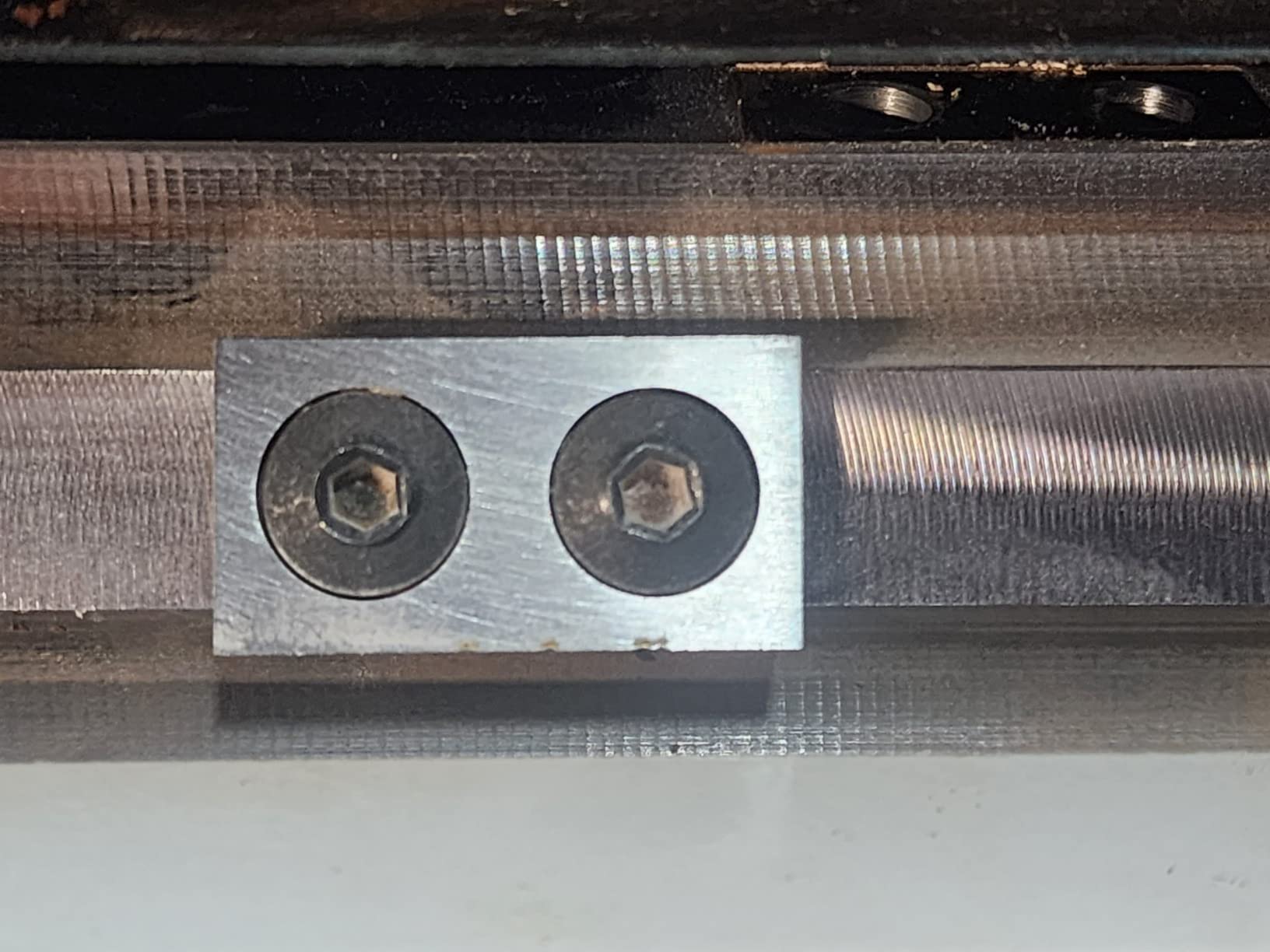
The precision-machined cast iron bed is one of the flattest I have measured on a benchtop planer. Flatness matters because any deviation in the bed transfers directly to your boards. The four-post design provides rigid support for the cutterhead, which keeps it parallel to the bed and reduces snipe without needing a separate carriage lock mechanism.
The 2 HP motor runs at 10,000 RPM and powers through rough stock with authority. The two-speed feed rate gives you 18 FPM for finishing and 26 FPM for dimensioning. I found the 18 FPM setting produced glass-smooth surfaces on cherry and maple that needed almost no sanding before finishing.
Helical Cutterhead vs Spiral Cutterhead
A helical cutterhead arranges inserts in a continuous spiral around the cylinder, so each insert enters the cut at a slightly different angle. This produces a shearing slice that is gentler on wood fibers. A spiral cutterhead arranges inserts in straight rows with small gaps between them, which is still excellent but produces slightly more visible transitions.
In practice, the difference is most noticeable on highly figured woods with reversing grain. The helical head on the JET produced noticeably less tear-out on birds-eye maple than any straight-knife planer I have used. For furniture makers working with premium hardwoods, this advantage is significant.
Warranty and Long-Term Value
The 5-year warranty is the longest on this list and reflects JET’s confidence in the build quality. Most benchtop planers come with 1 to 3 year warranties. If you plan to use the planer heavily for years, the extended warranty provides real peace of mind.
The quick-change inserts keep maintenance costs predictable. A set of replacement HSS inserts is affordable, and because you replace them individually as needed, you only buy what you actually use. Over a 5-year period, I estimate the JET costs less to maintain than a straight-knife planer that requires full knife set replacements.
How to Choose the Right Planer for Rough Lumber?
Choosing the right planer for milling rough lumber comes down to understanding which features actually matter when you are dimensioning rough-sawn stock. I have broken down the key factors below based on years of experience and the testing we did for this guide.
Cutterhead Type: Helical, Spiral, or Straight Knife
The cutterhead is the single most important component for rough lumber work. Straight knife cutterheads use two or three long blades and are the most affordable option. They cut well but are prone to tear-out on figured grain and require full knife replacement when dull.
Spiral cutterheads arrange small individual blades in staggered rows around the cylinder. They slice wood at an angle, which reduces tear-out dramatically. When a blade dulls, you rotate or replace just that blade.
Helical cutterheads take the spiral concept further by arranging carbide inserts in a continuous helical pattern. They produce the smoothest cut with the least tear-out, making them ideal for figured hardwoods. Both spiral and helical heads are significantly more expensive than straight knives but pay off in finish quality and reduced maintenance.
Motor Power and Amperage
For milling rough lumber, I consider 15 amps the minimum motor size. Anything less will bog down on the first pass through a rough oak board. All 10 planers on this list have 15 amp motors or equivalent 2000W ratings, which is why they made the cut.
Motor speed matters too. Higher RPM means more cuts per second and a smoother finish. The DeWalt models spin at 20,000 RPM, while some budget options run at 8,000 to 10,000 RPM. The difference shows up as more visible knife marks on slower machines.
Cutting Width and Depth Capacity
Most benchtop planers offer 12.5 to 13 inches of cutting width. That half-inch difference between 12.5 and 13 rarely matters in practice, because rough lumber wider than 12 inches is uncommon for most furniture projects. If you mill wide slabs, look for a planer with 13-inch capacity.
Maximum depth of cut ranges from 1/8 inch to 1/4 inch per pass. For rough lumber, I recommend taking no more than 1/16 inch per pass on hardwoods and 1/8 inch on softwoods. Taking lighter passes extends knife life and prevents motor overload.
Snipe Prevention Features
Snipe is the deeper cut that occurs at the ends of a board as it enters or exits the planer. It is the most common complaint among planer owners. Features that reduce snipe include carriage locks (DeWalt DW735X), four-column carriage designs (DeWalt DW734), patented snipe minimizers (Cutech), and long infeed and outfeed tables.
You can also reduce snipe manually by supporting the board level as it enters and exits the planer. Lifting the leading end slightly as the feed rollers grab the board, then lifting the trailing end as it exits, brings snipe down to nearly zero.
Handling Warped and Twisted Boards
No planer can flatten a twisted board, because a planer makes the top surface parallel to the bottom surface. If the bottom is twisted, the top will be too. For warped stock, you need a jointer first to create one flat face, then the planer to make the opposite face parallel.
If you do not have a jointer, you can create a flat reference face using a sled. Attach the rough board to a flat sled with shims to level it, then run the sled through the planer. Once you have one flat face, flip the board and plane the other side normally. This technique takes time but produces flat, parallel stock from twisted boards.
Dust Collection Considerations
Rough lumber generates massive amounts of chips and dust. A planer with a good dust collection port and chip ejection system is essential. The DeWalt DW735X’s fan-assisted chip ejection is the best system I have tested. Most other planers rely on passive collection through a dust port connected to a shop vacuum or dust collector.
Plan your dust collection from the start. Running a planer without collection fills the shop with chips in minutes and can clog the cutterhead, which degrades cut quality and forces you to stop and clean constantly.
Frequently Asked Questions
Will a planer smooth rough cut lumber?
Yes, a thickness planer will smooth rough cut lumber by shaving thin layers off the surface to reveal clean wood underneath. Multiple passes with progressively lighter cuts produce a smooth, uniform surface. However, a planer follows the shape of the board, so it will not flatten a warped or twisted board on its own. For best results, joint one face flat first, then plane the opposite face to achieve smooth, parallel surfaces.
How to plane rough sawn lumber without snipe?
To minimize snipe when planing rough lumber, use a planer with a carriage lock or snipe minimizer, support long boards with roller stands at both ends, and lift the leading edge slightly as the board enters the feed rollers then lift the trailing edge as it exits. Taking lighter passes also reduces snipe. Some planers like the DeWalt DW735X and Cutech models have automatic or patented snipe reduction systems that handle most of this for you.
Is a benchtop planer enough for milling rough lumber?
Yes, a benchtop planer is sufficient for milling rough lumber for most hobbyist and small-shop woodworkers. Benchtop planers like the DeWalt DW735X and WEN PL1326 have 15 amp motors that handle thick rough stock and offer 13-inch cutting widths that accommodate most furniture-grade boards. Floor-standing planers offer wider capacity and heavier construction for production shops, but they are not necessary for typical furniture and cabinetry work.
How much wood does a planer remove per pass?
Most benchtop planers can remove up to 1/8 inch per pass on softwoods, but for rough lumber I recommend 1/16 inch per pass on hardwoods and 1/8 inch on softwoods. Taking lighter passes extends blade life, prevents motor overload, and produces a smoother surface. The final finishing pass should be 1/32 inch or less for the cleanest result. Always check your planer’s depth of cut gauge before each pass.
Helical vs straight knife cutterhead – which is better for rough lumber?
A helical or spiral cutterhead is better for rough lumber because it shears wood fibers at an angle, which dramatically reduces tear-out on figured and reversing grain. Helical heads also use individual carbide inserts that last longer than straight knives and can be rotated or replaced individually. Straight knife cutterheads are more affordable and produce good results on straight-grained stock, but they dull faster from the grit embedded in rough lumber and are more prone to tear-out on challenging grain patterns.
Conclusion
After testing 10 machines, the DeWalt DW735X remains the best wood planer for milling rough lumber thanks to its powerful 15 amp motor, two-speed gearbox, and automatic carriage lock. For value, the WEN PL1326 brings a spiral cutterhead to a price point that makes it accessible to most shops. And if you want the ultimate finish quality on figured hardwoods, the JET JWP-13BT with its helical cutterhead is worth the premium.
The right planer for your shop depends on your budget, the wood species you mill most often, and how much stock you process. Any of the 10 planers on this list will turn rough-sawn lumber into dimensioned, furniture-ready boards. The key is matching the cutterhead type and motor power to the work you actually do. Invest in the best machine you can afford, keep spare blades or inserts on hand, and take the time to learn proper feeding technique to minimize snipe.