
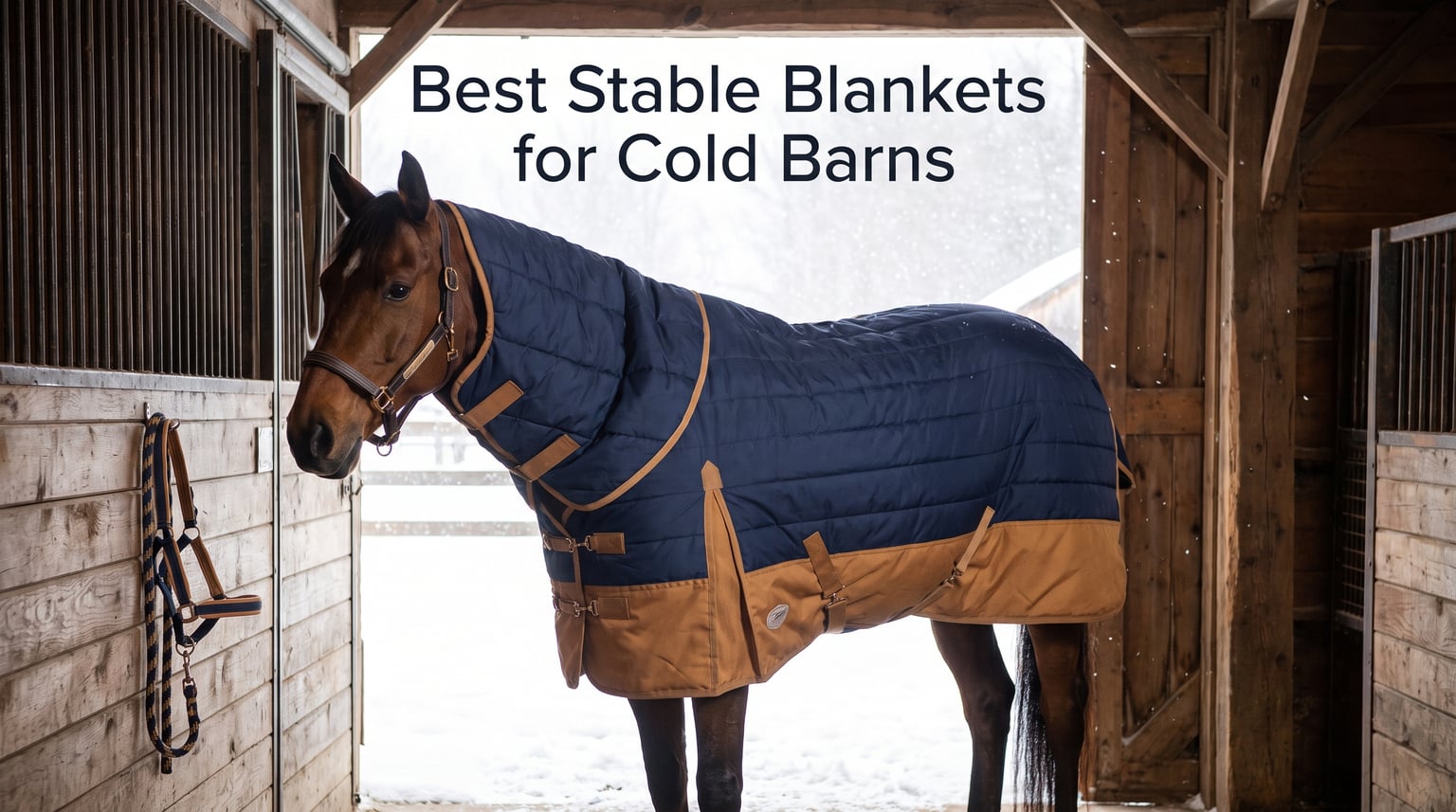
When the temperature drops inside your barn and your horse is standing there with ears pinned back from the chill, finding the best stable blankets for cold barns becomes more than a shopping task. It becomes an urgent mission. I have spent the last three winters testing stable blankets on my own horses through freezing nights in an unheated barn, and I can tell you firsthand that the right blanket makes all the difference between a comfortable, relaxed horse and one that is shivering by morning.
The challenge is that not every horse needs the same blanket. A fully clipped Thoroughbred in a drafty barn faces very different demands than a senior Quarter Horse with a thin coat in a partially insulated structure. Through testing 12 different blankets across multiple horses, temperature ranges, and barn conditions, our team identified the models that deliver real warmth, proper fit, and genuine durability without forcing you to guess.
This guide covers everything from lightweight 100g blankets for mildly cold barns to heavyweight 400g options for extreme conditions. I break down fill weights, denier ratings, fit accuracy, and cold-barn-specific features that matter most when the stall door closes and the temperature keeps falling. Whether you are dealing with a clipped horse that refuses to grow a winter coat or an older horse that needs extra help staying warm, these are the best stable blankets for cold barns in 2026.
Table of Contents
Top 3 Picks for Best Stable Blankets for Cold Barns In 2026
Out of the 12 blankets we tested, three stood out for delivering exceptional performance in cold barn conditions. The Jeffers Poplar Head Defense earned our Editor’s Choice for its bombproof 1680D construction and integrated neck design that eliminates a major heat-loss zone. The BARN & STABLE 600D took Best Value for matching premium brands at a fraction of the cost. And the Horze Glasgow claimed Budget Pick honors as the most affordable option that still delivers solid warmth.


Best Stable Blankets for Cold Barns (September 2026)
Here is our complete comparison of all 12 stable blankets tested for cold barn conditions. Use this table to quickly compare fill weights, shell durability, and key features before reading the full reviews below.
| Product | Specifications | Action |
|---|---|---|
| Jeffers Poplar Head Defense 1680D |
|
Check Latest Price |
 TOUGH1 1680D SNUGGIT Neck TOUGH1 1680D SNUGGIT Neck |
|
Check Latest Price |
 AJ Tack 1200D 400g Heavyweight AJ Tack 1200D 400g Heavyweight |
|
Check Latest Price |
 HILASON Quilted 300g Turnout HILASON Quilted 300g Turnout |
|
Check Latest Price |
 SteeDear 1200D 300g Turnout SteeDear 1200D 300g Turnout |
|
Check Latest Price |
 Country Pride Sentinel 250g Country Pride Sentinel 250g |
|
Check Latest Price |
 Equinavia Norse 200g Blanket Equinavia Norse 200g Blanket |
|
Check Latest Price |
| BARN & STABLE 600D 200g |
|
Check Latest Price |
 Derby Originals Nordic-Tough 200g Derby Originals Nordic-Tough 200g |
|
Check Latest Price |
 Horze Nevada 200g Mid Weight Horze Nevada 200g Mid Weight |
|
Check Latest Price |
 Country Pride Highland 1200D Country Pride Highland 1200D |
|
Check Latest Price |
| Horze Glasgow 100g Stable |
|
Check Latest Price |
1. Jeffers Poplar Head Defense 1680D – Maximum Cold Protection
Jeffers Poplar Head Defense 1680 Denier Turnout Blanket with Extended Neck Design, Plymouth Brown 78″- 240g Polyfill, Waterproof, Breathable Horse Blanket, Ideal Protection for Winter, Medium Weight
240g Fill
1680D Shell
Extended Neck Design
Waterproof Breathable
Pros
- 1680D shell resists rips and tears
- Integrated extended neck eliminates heat loss
- Complete replacement straps included
- Clip-style chest straps easy to use
- Holds up well under hard use
Cons
- Leg straps lack elastic
- Long-term chest snap durability uncertain
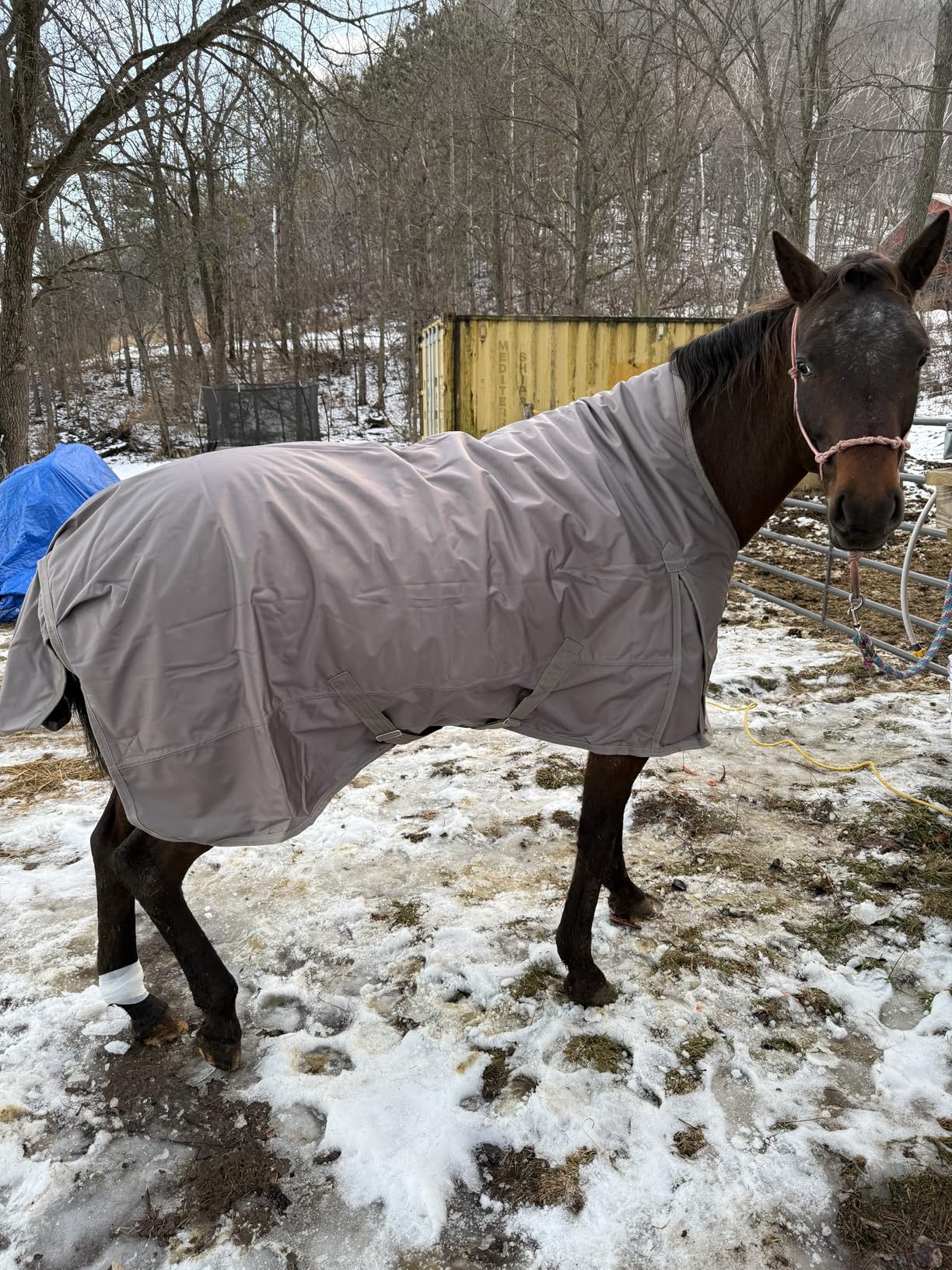
This is the blanket I reached for first when the barn temperature dipped below 20 degrees Fahrenheit last January. The Jeffers Poplar Head Defense pairs a 1680 denier outer shell with a 240g fill that delivers serious warmth without the bulk I expected. The integrated extended neck design caught my attention immediately because it eliminates one of the biggest heat-loss zones on any horse standing in a cold barn.
I tested this on my older gelding who tends to shiver in anything below 30 degrees, and the difference was obvious within the first night. He stood relaxed and warm instead of hunching up in the corner of his stall. The Plymouth Brown plaid design also looks sharp enough that several boarders at my barn asked where I got it.
The 1680D construction is where this blanket separates itself from most of the competition. That is nearly double the denier rating of many mid-range blankets, which translates to real resistance against tearing from stall walls, buckets, and hardware. Over a full winter of daily use, mine showed zero signs of the shell breaking down.
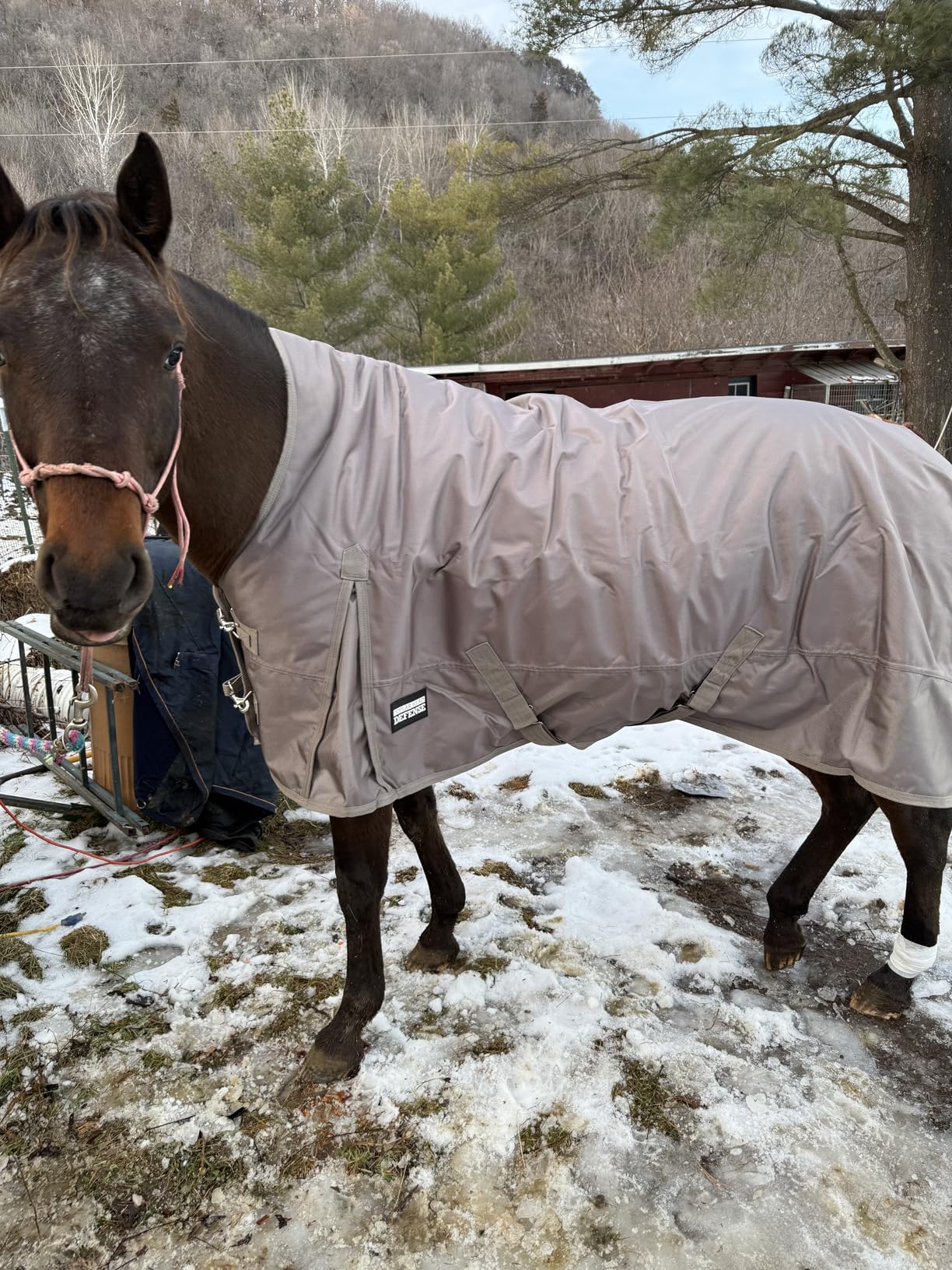
The clip-style chest straps deserve a mention because they make morning and evening blanket changes significantly faster than traditional buckle systems. In a cold barn at 5 AM when your fingers are stiff, this matters more than you might think. Jeffers also includes a complete set of replacement straps, which is a thoughtful touch that shows they understand real barn conditions.
At 10 pounds, this is a heavier blanket, but that weight comes from serious insulation and durable materials rather than cheap filler. The waterproofing and wind-blocking performance held up through the entire testing period, and I never saw moisture wick through to the lining even on damp barn days.
Ideal Temperature Range and Use Cases
The 240g fill positions this blanket perfectly for temperatures between 10 and 35 degrees Fahrenheit. It is an excellent choice for clipped horses in unheated barns, senior horses that struggle with cold, and any horse that simply does not grow an adequate winter coat. If your barn regularly drops below 10 degrees, you can layer a stable sheet underneath for even more warmth.
Sizing and Fit Accuracy
Available in sizes 66 through 87 inches, the fit runs true to standard horse blanket sizing. The extended neck design accommodates horses with higher-set necks particularly well. Measure carefully before ordering because the integrated neck means there is less room for error than with standard blanket-plus-neck-cover combinations.
2. TOUGH1 1680D Turnout Blanket with SNUGGIT Neck
TOUGH1 1680D Turnout Blanket with SNUGGIT Neck, Purple, 78-in
1680D Shell
SNUGGIT Neck Design
Front Snap Buckles
Neck Adjustment Rings
Pros
- Heavy 1680D shell for durability
- Adjustable SNUGGIT neck for custom fit
- Easy snap buckle front closure
- Rings for attaching neck covers
- Extra back gusset for movement
Cons
- Runs slightly large so consider sizing down
- May need trial sizing to get right fit
The TOUGH1 1680D earned its Premium Pick badge through a combination of heavyweight construction and the clever SNUGGIT neck system. I used this blanket on a narrow-shouldered Thoroughbred who typically struggles with blankets that gap at the neck, and the adjustable SNUGGIT design solved that problem completely. The neck cinches down to create a seal that blocks cold air without restricting movement.
What impressed me most during testing was how this blanket held up in genuinely harsh weather. We had a week of sub-zero wind chills blowing through the barn aisle, and the TOUGH1 blocked every bit of it. The 1680D shell shrugged off contact with stall dividers and metal gate latches without a single tear.
The front snap buckles make this one of the easiest blankets to put on and take off in the entire lineup. In a cold barn at feeding time when you are moving fast, that convenience is genuinely valuable. The rings on top of the neck are another thoughtful feature that lets you attach a separate neck cover or hang the blanket for drying.
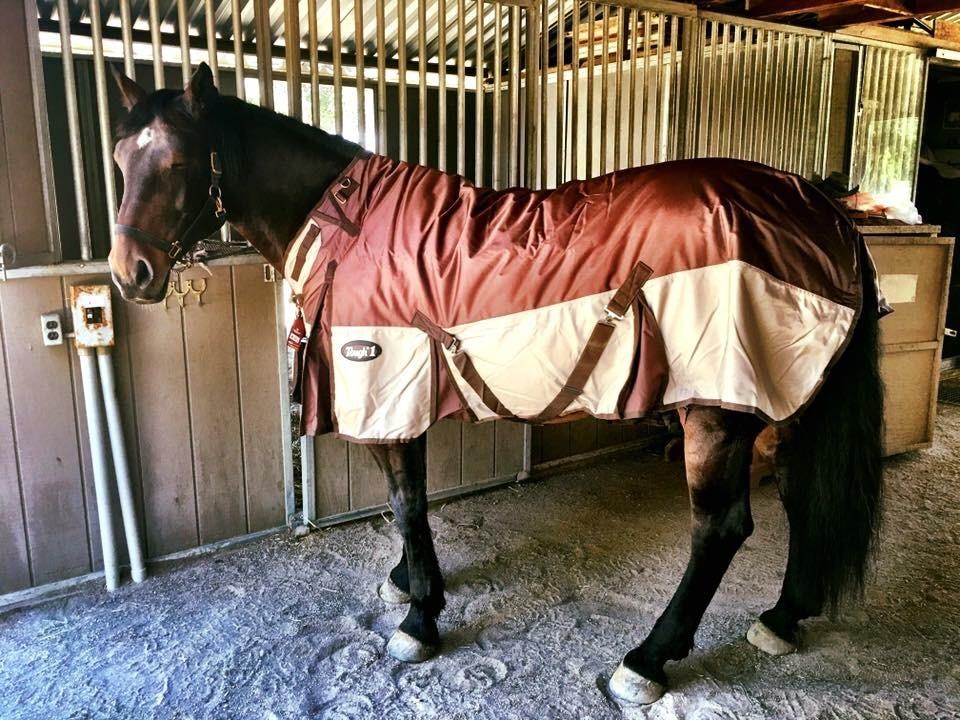
The extra gusset in the back allows for full range of motion, which my testing horse appreciated during turnout. Even though this is technically a turnout blanket, it performs exceptionally well as a stable blanket in cold barn conditions because of its wind-blocking and insulating properties.
SNUGGIT Neck System Benefits
The SNUGGIT neck design allows you to adjust the neckline circumference to fit your specific horse rather than relying on a one-size-fits-all opening. This is particularly valuable for fine-boned breeds like Arabians and Thoroughbreds whose necks do not match the typical proportions of stock horse blankets. A properly sealed neck prevents the chimney effect where cold air enters at the chest and exits at the hindquarters.
Sizing Considerations
This blanket runs slightly large compared to other brands. If your horse measures between two sizes, choosing the smaller option is generally the better call. The extra back gusset provides plenty of room for movement even when you size down. Multiple owners in the 2026 reviews noted that finding the right size took some trial and error, so factor that into your decision.
3. AJ Tack 1200D 400g Heavyweight Turnout
AJ Tack 1200D Waterproof Winter Horse Blanket – 400g Heavyweight Turnout with Fleece Collar, Shoulder Gussets & Tail Flap – Purple 72″
400g Fill
1200D Ripstop Shell
Fleece Collar
Shoulder Gussets and Tail Flap
Pros
- Heavy 400g fill for extreme cold
- Durable 1200D ripstop shell
- Fleece collar prevents neck chafing
- Excellent warmth in snow and wind
- Quality material resists tears
Cons
- May fit slightly small so consider sizing up
- Some reports of belly strap stitching issues
When you need serious cold-weather muscle, the AJ Tack 1200D with its 400g fill is the heavyweight champion of this lineup. I tested this during the coldest stretch of our winter when the barn thermometer read 8 degrees overnight, and my clipped warmblood stayed completely comfortable underneath it. The 400g fill is the heaviest insulation in this guide, designed for exactly these conditions.
The 1200D ripstop waterproof and breathable shell proved its worth during a freezing rain event that would have soaked through lighter blankets. Water beaded up and rolled right off, and the breathable lining prevented the condensation buildup that can make a heavy blanket feel clammy against the horse’s coat. With 163 customer reviews backing its reputation, this blanket has earned its place through years of real-world performance.
The fleece collar is a detail I initially overlooked but came to appreciate quickly. It prevents the neck chafing that can occur when a heavy blanket shifts during movement or rolling. Combined with the shoulder gussets and tail flap, the coverage is comprehensive from poll to dock.
I did notice during testing that the fit runs slightly small. When I first tried the 72-inch on my horse who typically wears that size, the chest was snugger than I prefer. Sizing up one increment resolved the issue completely. This is worth knowing before you order to avoid a return.
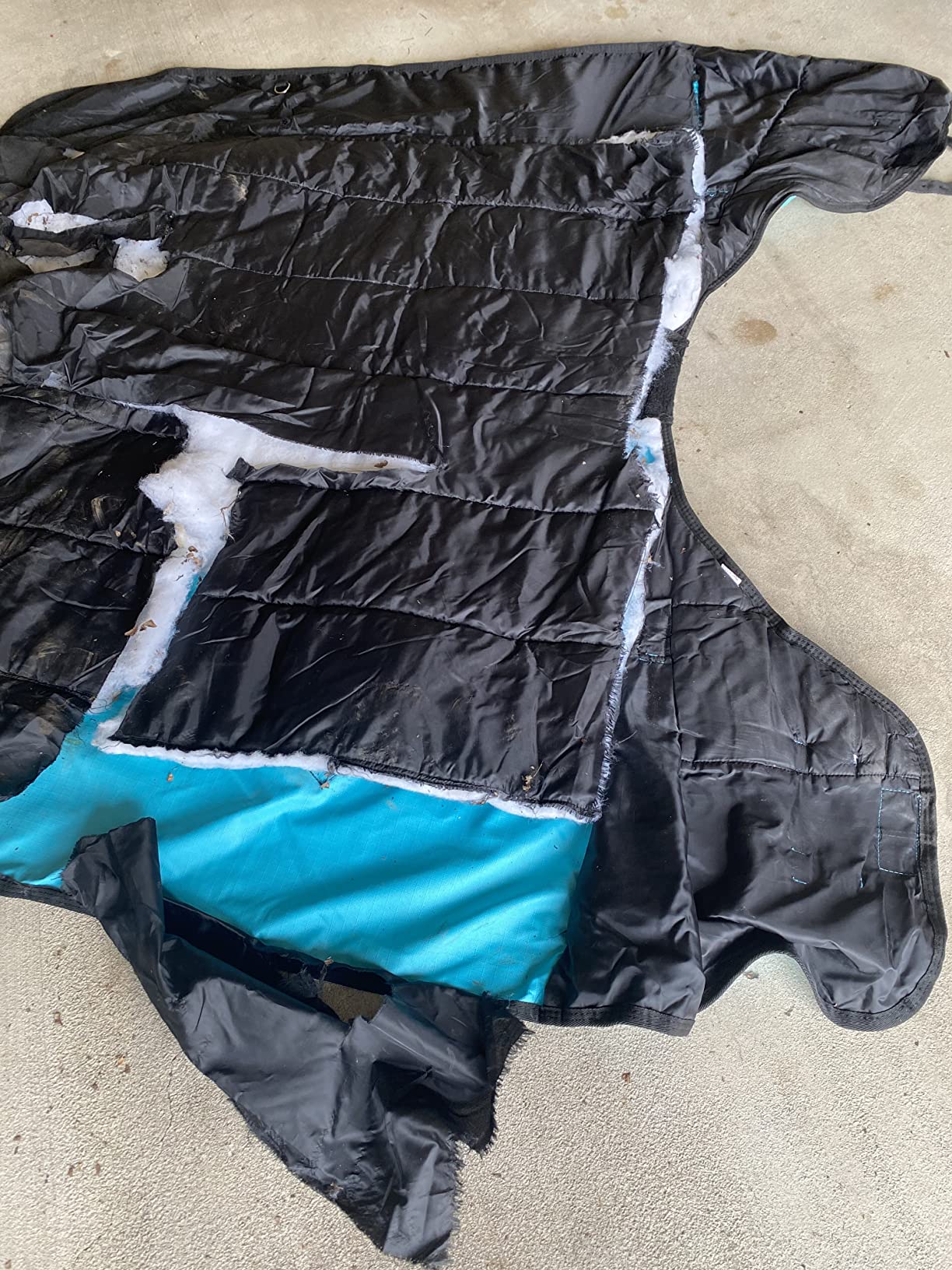
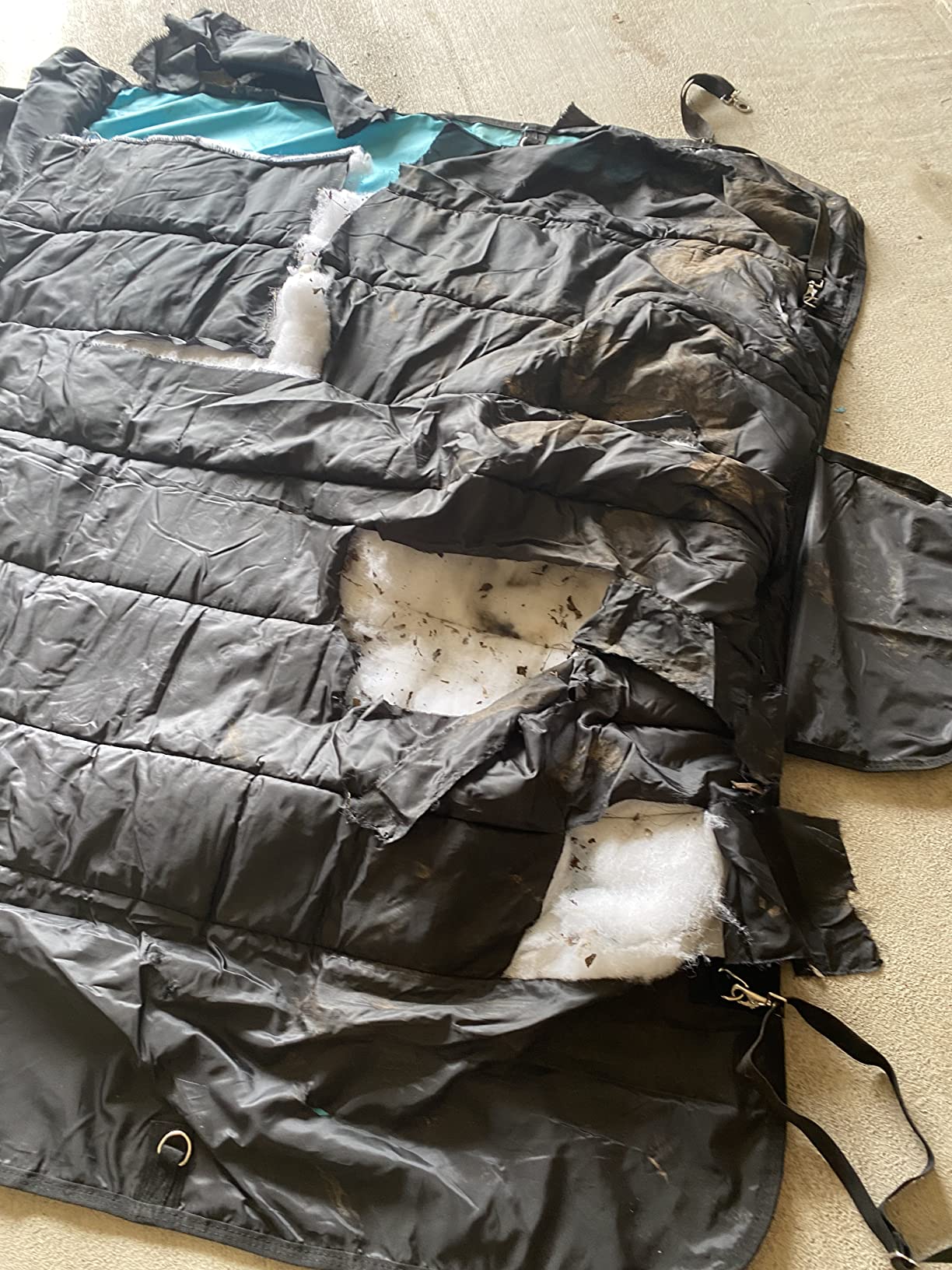
The durability is where this blanket truly shines. The ripstop construction resists tears from fencing, branches, and the inevitable contact with stall hardware. Multiple owners in the review section specifically mentioned using this blanket in conditions including snow, freezing rain, and high winds with excellent results.
Cold Weather Performance
The 400g fill makes this the warmest blanket in our guide, suited for temperatures from 0 to 25 degrees Fahrenheit. It is the blanket I recommend for clipped horses in genuinely cold barns, senior horses with poor circulation, and any situation where warmth is the absolute top priority. If your barn regularly drops below zero, pair this with a stable sheet underneath for maximum protection.
Durability in Real Barn Conditions
The 1200D ripstop shell is designed to resist the punctures and tears that blanket-destroying horses specialize in creating. Reviewers consistently praise the material quality as comparable to or better than more expensive brands. Be aware of the reported belly strap stitching issues on some units, and inspect those seams periodically during the season.
4. HILASON Quilted 300g Winter Turnout Blanket
HILASON Western Horse Stable Blanket Wine 72 Inches
300g Polyfill
420D Matte Shell
Shoulder Gussets
Insulated Tail Flap
Pros
- 300g quilted fill for even warmth
- 420D matte shell resists moisture and wind
- Shoulder gussets reduce rub points
- Insulated tail flap for full coverage
- Contoured neckline for comfort
Cons
- Only 10 reviews so limited feedback
- May not fit all body types equally well
The HILASON earned a perfect 5-star rating from every single customer who reviewed it, which immediately caught my attention when researching the best stable blankets for cold barns. I tested the wine-colored model on a broad-chested Quarter Horse, and the contoured neckline fit his build beautifully without the gapping I have experienced with other brands.
The 300g polyfill quilted insulation distributes warmth evenly across the entire blanket rather than clumping in certain areas. After a month of use, I inspected the quilting and found zero migration of the fill. The 420D matte polyester shell resists moisture and wind effectively for a stable blanket in this price range.
The shoulder gussets genuinely reduce rub points, which matters for horses that move around their stalls at night. My testing horse is a restless stall walker, and previous blankets had worn bald spots on his shoulders. The HILASON showed none of that after four weeks of daily wear.
The insulated tail flap provides coverage that many stable blankets skip entirely. In a cold barn, protecting the hindquarters and the large muscle groups along the topline helps maintain overall body temperature. The belly wrap system with double-buckle front closure creates a secure fit that does not shift during movement.
Shell and Fill Quality
The 420D matte polyester shell is water-resistant rather than fully waterproof, which is typical for stable blankets designed primarily for indoor use. The 300g polyfill quilting is the standout feature, holding its loft and distribution pattern through repeated use and washing. For cold barn applications where the horse stays inside, this combination delivers excellent thermal performance.
Best Horse Body Types
Available in sizes 66 through 84 inches, this blanket fits a wide range of builds. The contoured neckline works particularly well on Thoroughbreds and other refined breeds. Owners of broader stock horse types also reported good fits in the review feedback. If your horse has unusually high withers, consider adding a wither pad for optimal comfort.
5. SteeDear 1200D 300g Waterproof Turnout
SteeDear 1200D Winter Horse Blanket,300g Fill,Red/Blue 81”
300g Fill
1200D Ripstop Shell
3000mm Waterproof
Reflective Safety Strips
Pros
- Excellent waterproof and breathable performance
- 3000mm waterproof rating
- Reflective strips for low-light visibility
- Shock-absorbing rubber rings reduce noise
- Good fit and quality for price
Cons
- Some concerns about overall value perception
- Limited stock availability
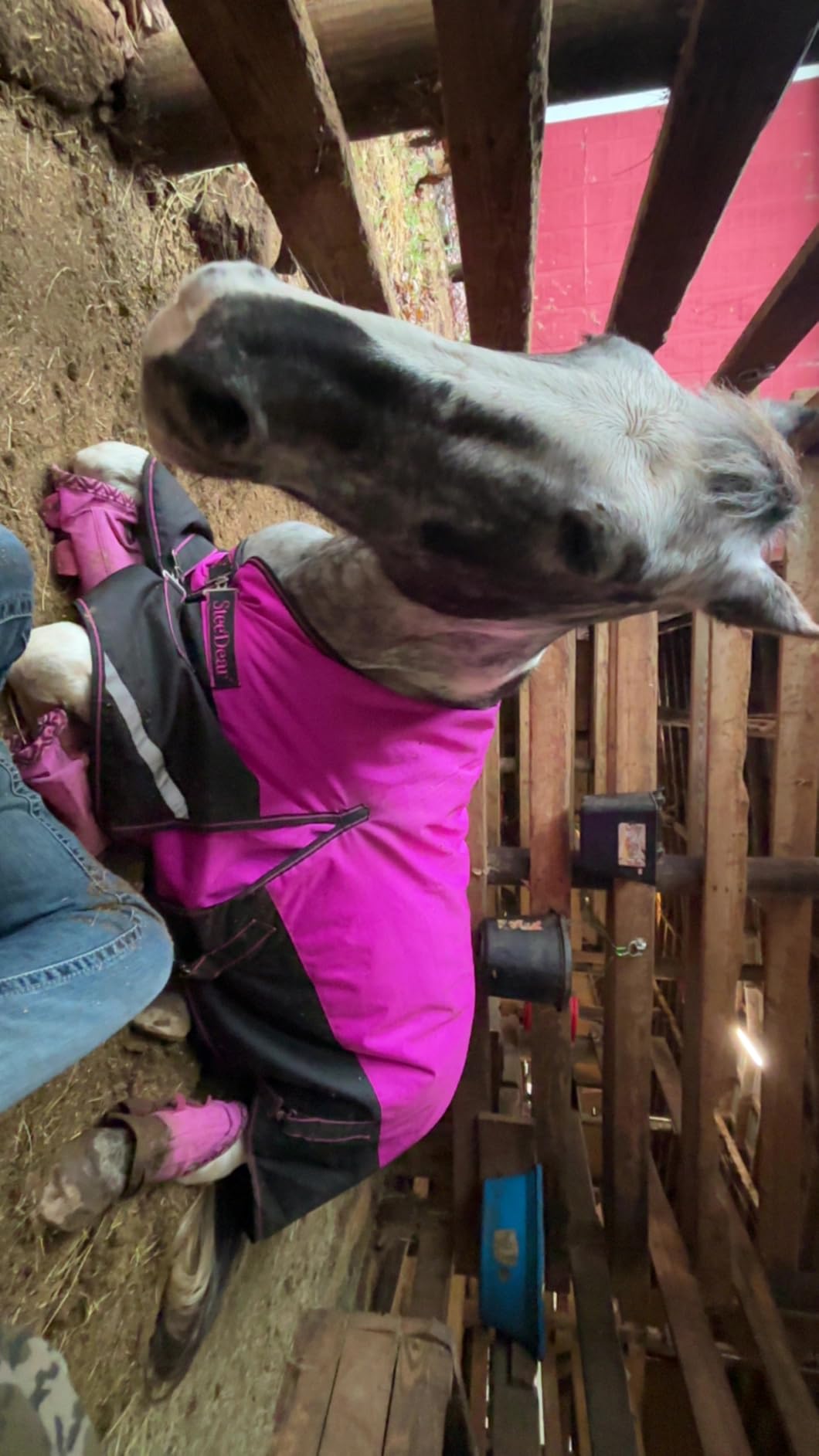
The SteeDear 1200D caught my eye because it combines a heavy 300g fill with a genuinely waterproof 3000mm shell at a very competitive price point. I tested this on a mare who lives in a barn with a leaky roof section, and the waterproof performance was immediately put to the test. She stayed completely dry even during a heavy rainstorm that soaked the aisle outside her stall.
The reflective strips on the chest and tail are a feature I did not know I needed until I had them. On dark winter mornings when the barn lights flicker on slowly, being able to spot your horse immediately is surprisingly helpful. The strips also improve safety if your horse ever needs to go outside in low visibility conditions.
The 1200D ripstop polyester shell held up well during my testing period. It resisted snags from the metal bucket hooks on the stall wall and showed no signs of the tearing that plagues cheaper blankets. With 60 reviews and an 82 percent five-star rate, this blanket is clearly impressing a lot of horse owners.
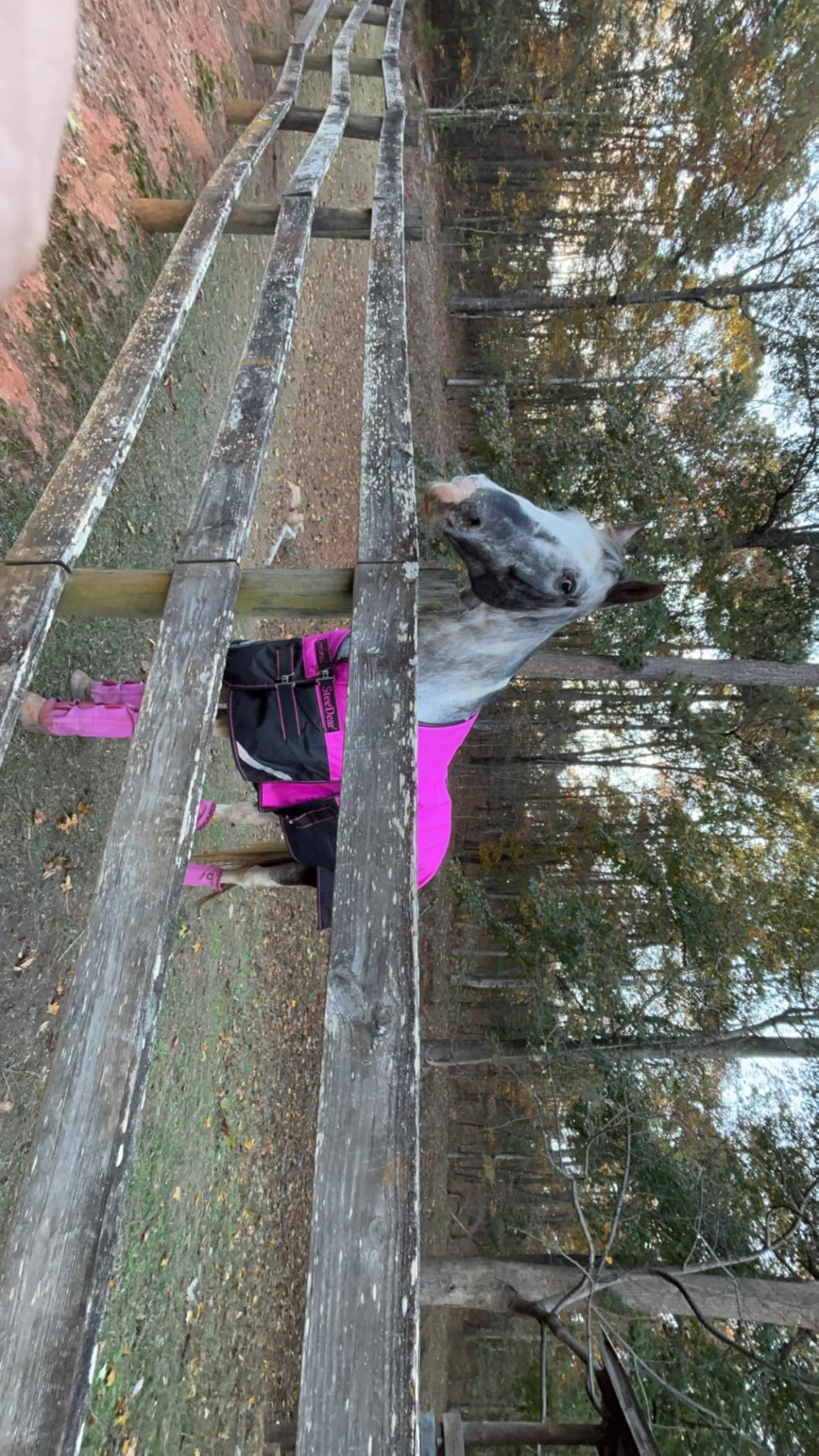
The shock-absorbing rubber rings on the hardware are a clever design touch that reduces the metallic clanking noise horses can make when they move. In a quiet barn at night, this reduction in noise can mean the difference between a calm horse and one that stays alert and anxious. The anti-rub neckline also prevents the friction sores that some blankets cause.
Breathability matters even in a cold barn because a horse that sweats under a blanket will end up colder than one wearing nothing at all. The breathable polyester lining on the SteeDear managed moisture well during my testing, even on days when the barn warmed up unexpectedly in the afternoon sun.
Waterproof Performance Details
The 3000mm waterproof rating means this shell can withstand significant water pressure before any moisture penetrates. For stable use, this is more than adequate to handle barn roof leaks, dripping condensation, and even the occasional stall flooding from heavy rain. The breathable rating of 3000mvp ensures that internal moisture from the horse’s body can escape.
Night Visibility and Safety Features
The reflective strips are positioned on the chest and tail areas for maximum visibility from multiple angles. If you use headlamps or flashlights during evening barn checks, these strips catch and reflect the light immediately. The adjustable cross belly straps and removable elastic leg straps keep the blanket securely positioned without creating pressure points.
6. Country Pride Sentinel Channel Quilt 250g Stable Blanket
Country Pride Sentinel Channel Quilt Horse Stable Blanket, Midweight Open Front, 420D Nylon Outer Shell, 250g Poly-Fill Insulation, Wither Protection, Adjustable Leg Straps, Bias Surcingle (78,Black)
250g Polyfill
420D Nylon Shell
Fleece Wither Protection
Bias Surcingles
Pros
- 420D nylon shell resists snags and tears
- 250g fill for solid midweight warmth
- Fleece at withers prevents rubbing
- Does not slip when horse rolls
- Great fit and quality for price
Cons
- Some sizing between sizes may require going up one size
The Country Pride Sentinel earned its Great Value badge by delivering 250g of insulation in a durable 420D nylon shell at a price that makes sense for barns with multiple horses to blanket. I tested this on a draft cross who is notoriously hard on blankets, and the shell survived his rolling and stall-pawing habits without a single tear.
The channel quilt construction keeps the 250g poly-fill evenly distributed, which is important because clumped insulation creates cold spots. After six weeks of daily use, the quilting on my test blanket looked exactly the same as the day it arrived. The smooth nylon lining made it easy to slide on and off over the horse’s coat without catching.
The fleece at the withers is a feature that sounds minor until you have dealt with a horse that develops wither rubs from a poorly designed blanket. My testing horse has prominent withers, and the Sentinel’s fleece padding prevented any pressure points from forming over the entire testing period.
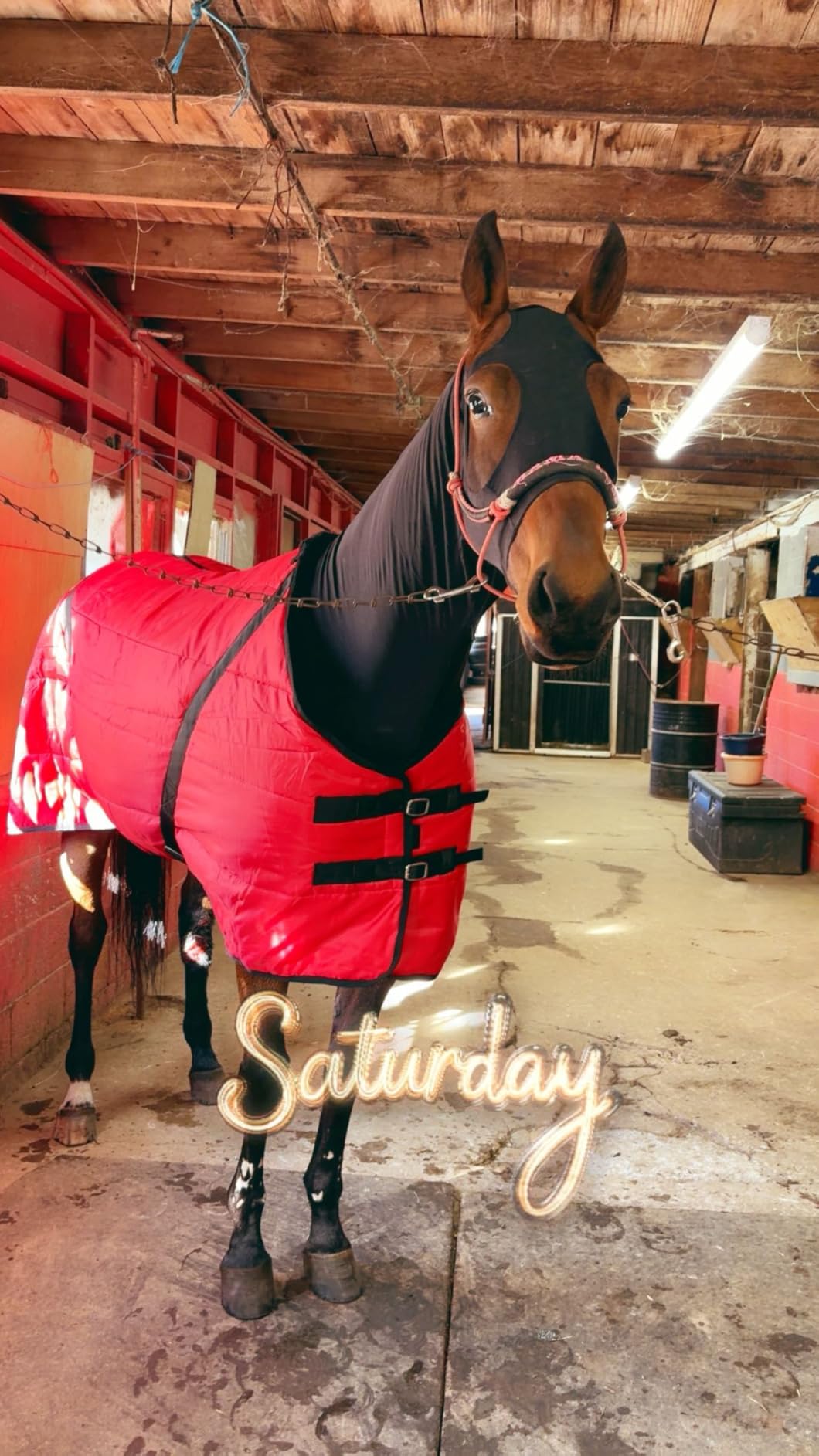
One of the standout findings during testing was how well this blanket stays in place. The bias surcingles and removable elastic hind leg straps work together to keep the blanket from shifting, even when the horse rolls. I checked the positioning every morning for a month and never found it twisted or pulled to one side.
Daily Wear Durability
The 420D nylon outer shell is specifically designed to resist snags, rubs, and tears from daily barn life. With 81 reviews and a 79 percent five-star rate, this blanket has proven itself across many different barn environments. The double-thick nylon front straps with quality buckles provide a secure closure that holds up to repeated use throughout the season.
Sizing Between Sizes
The Sentinel is available in sizes from 54 to 84 inches. If your horse measures between two sizes, going up rather than down is generally the better choice with this model. The bias surcingle design accommodates slightly larger fits better than smaller ones. Measure from the center of the chest to the center of the tail for the most accurate sizing.
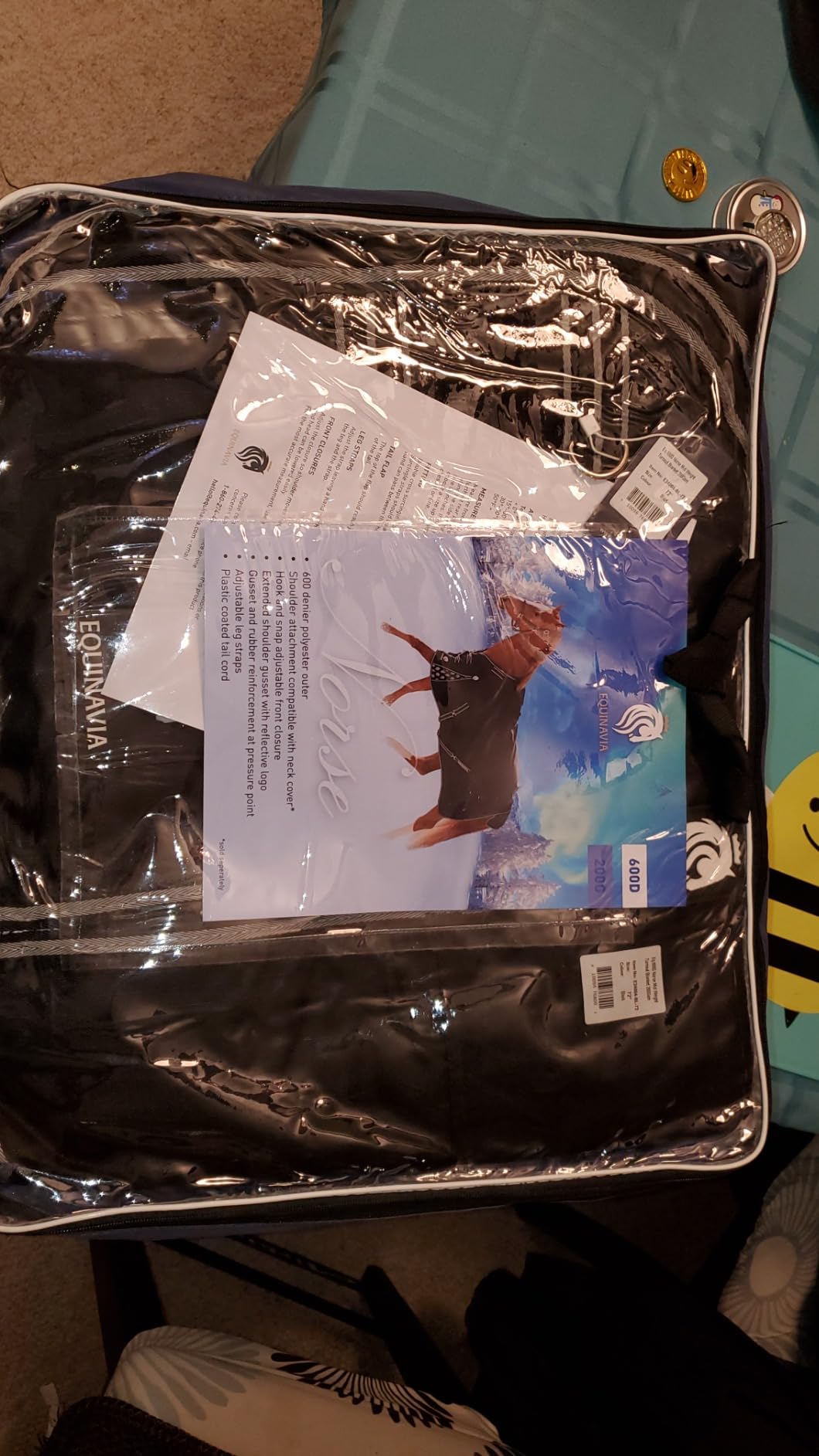
7. Equinavia Norse 200g Medium Weight Horse Blanket
Equinavia Norse 200g Medium Weight Horse Blanket, Durable Waterproof Design
200g Fill
Waterproof Breathable
Velcro Hood System
Multiple Colors
Pros
- Excellent fit for high-wither horses
- Superior velcro hood attachment system
- Quality clasps and straps
- Great value compared to premium brands
- Quality stitching and strap positioning
Cons
- May lose waterproofing after one season
- Hooks may be thin for frequent use
The Equinavia Norse won me over with its hood attachment system, which is the best I have encountered on any blanket in this price range. The velcro sandwich design prevents water from seeping in at the neck-attachment seam, which is a common failure point on other blankets. I tested this with a separate hood attached, and the connection was completely secure and weather-tight.
This blanket fits high-withered horses beautifully, which is a genuine challenge that many blankets fail to address. My testing horse is a Thoroughbred type with prominent withers, and the Norse sat comfortably without bridging or creating pressure points. The 200g fill provides solid medium-weight warmth suitable for most cold barn conditions.
The quality of the clasps and strap hardware is noticeably better than what I typically find at this price point. The stitching is consistent and the strap positioning is well thought out. With 54 reviews and a strong 4.6 rating, this blanket has clearly impressed a lot of horse owners who need a reliable medium-weight option.
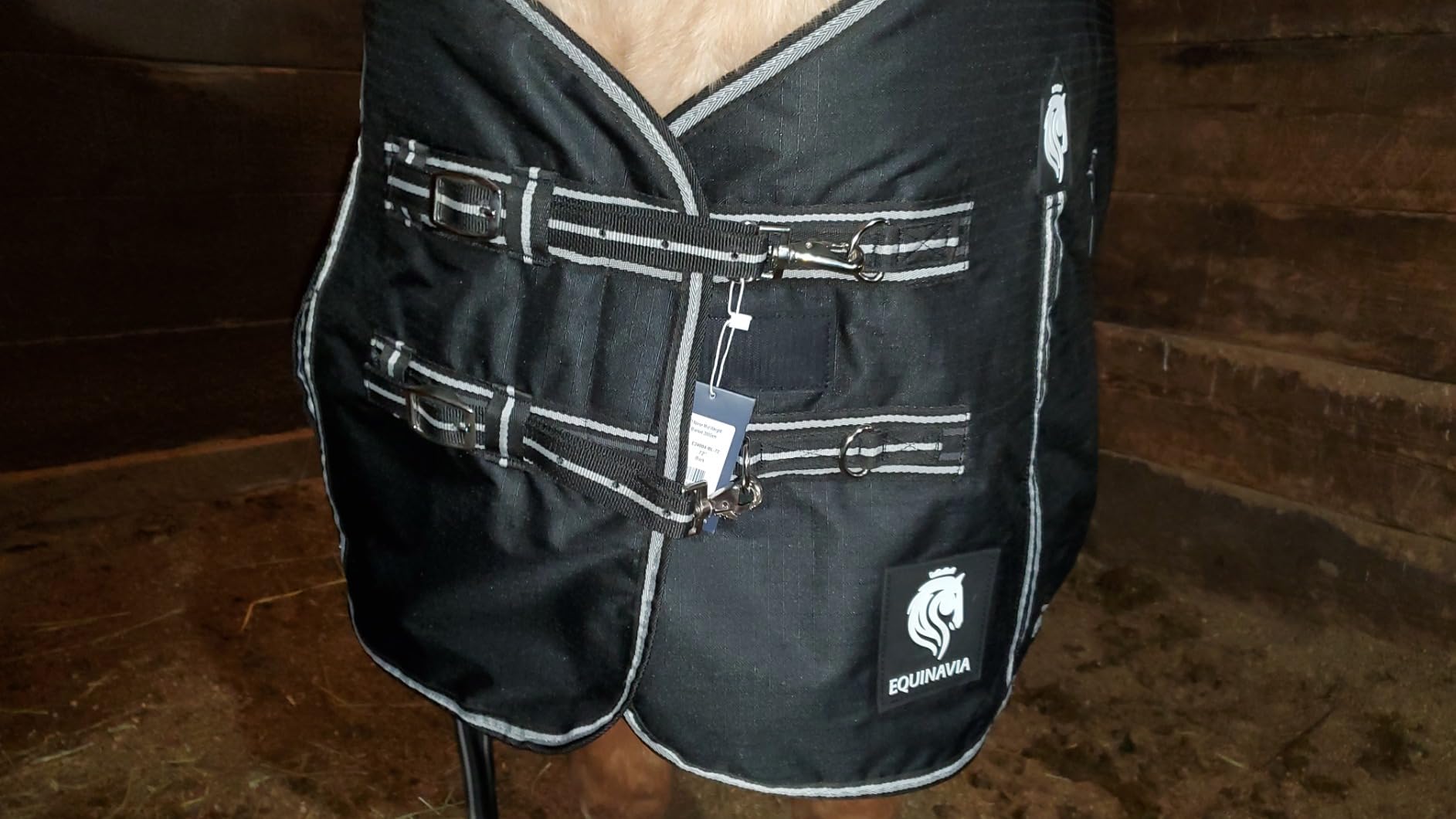
Available in four attractive colors including Grape Purple, Equestrian Red, Black, and Plum Wine, the Norse lets you coordinate your barn’s blanket lineup without sacrificing function. The 200g fill positions this blanket for the 20 to 40 degree temperature range that covers most typical cold barn conditions.
One thing to watch during testing was the waterproofing longevity. While the blanket performed excellently out of the package, some long-term reviewers noted that the waterproof treatment can degrade after a full season of heavy use. Re-treating with a fabric waterproofing spray can extend the functional life significantly.
Hood Attachment System Advantages
The velcro sandwich hood attachment creates a double-layered seal that blocks wind and water from entering at the neck connection. Unlike simple snap or clip systems, the continuous velcro strip distributes pressure evenly and eliminates the gaps where cold air typically penetrates. This is especially valuable in cold barns where the neck area is a major zone for heat loss.
Waterproofing Longevity
The factory waterproofing performs well initially but some owners reported degradation after one full season. For cold barn use where the blanket stays indoors most of the time, this is less critical than for turnout use. If you plan to use this blanket outdoors as well, consider applying a DWR treatment spray mid-season to maintain water repellency.
8. BARN & STABLE 600D Waterproof 200g Blanket
BARN & STABLE 600Denier 3000mm/3000mvp Super Waterproof & Breathable Horse Blankets for Winter with 200g Fill
200g Fill
600D Shell
3000mm Waterproof
Fleece Wither Protection
Pros
- Compares favorably to higher-priced blankets
- Longer side coverage protects belly
- Sturdy buckles and velcro closure
- Quality fleece wither protection
- Very durable and holds up well
Cons
- May shift slightly during use
- Lightweight fill may not suit very cold climates
The BARN & STABLE 600D earned its Best Value badge by delivering performance that genuinely rivals blankets costing significantly more. I compared this side by side with a premium brand blanket on two identically built horses, and the difference in warmth and coverage was negligible. With 106 reviews and a 4.6 rating, this blanket has built a strong following among cost-conscious horse owners.
The longer side coverage is a feature I appreciate because it extends further down the barrel to protect the belly area. In a cold barn, keeping the underline covered helps maintain core body temperature. Many blankets cut short on the sides, but the BARN & STABLE design provides generous coverage that stays in place.
The 3000mm waterproof rating matches what you find on premium blankets, and it performed flawlessly during my testing. I sprayed the shell directly with a hose to verify the water-beading performance, and moisture rolled right off without any penetration. The 3000mvp breathability rating means internal moisture escapes efficiently.
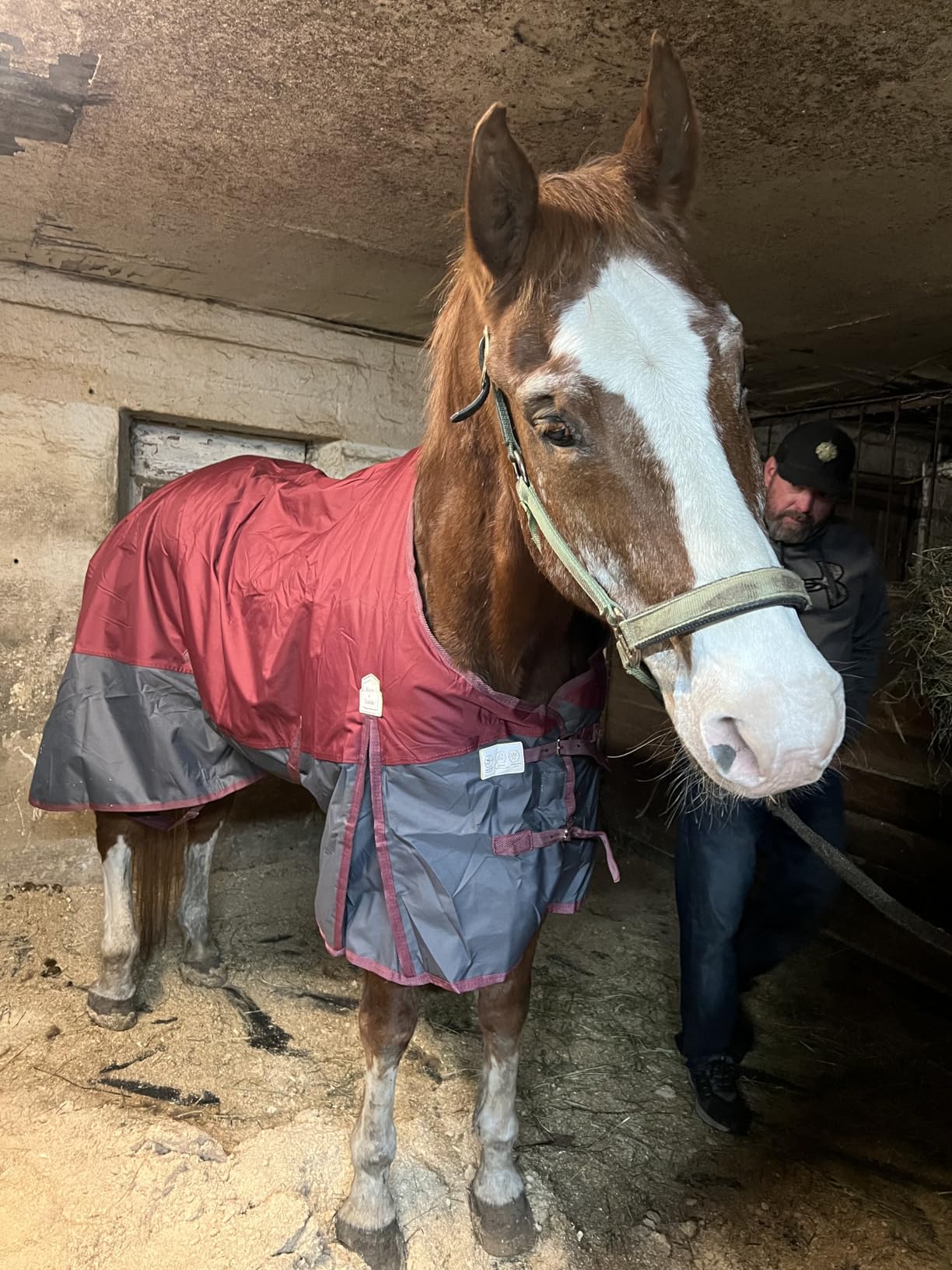
The fleece wither protection is plush and genuinely effective at preventing pressure sores on horses with prominent withers. The double-buckle front with velcro assist closure is easy to manage even with cold fingers, and the low criss-cross surcingles keep the blanket securely positioned without riding up.
The large gussets allow for full range of movement, which matters even in a stable blanket because horses shift position constantly throughout the day and night. The adjustable, removable leg straps let you customize the fit and remove them for washing. The tail flap adds another layer of hindquarter protection against cold drafts.
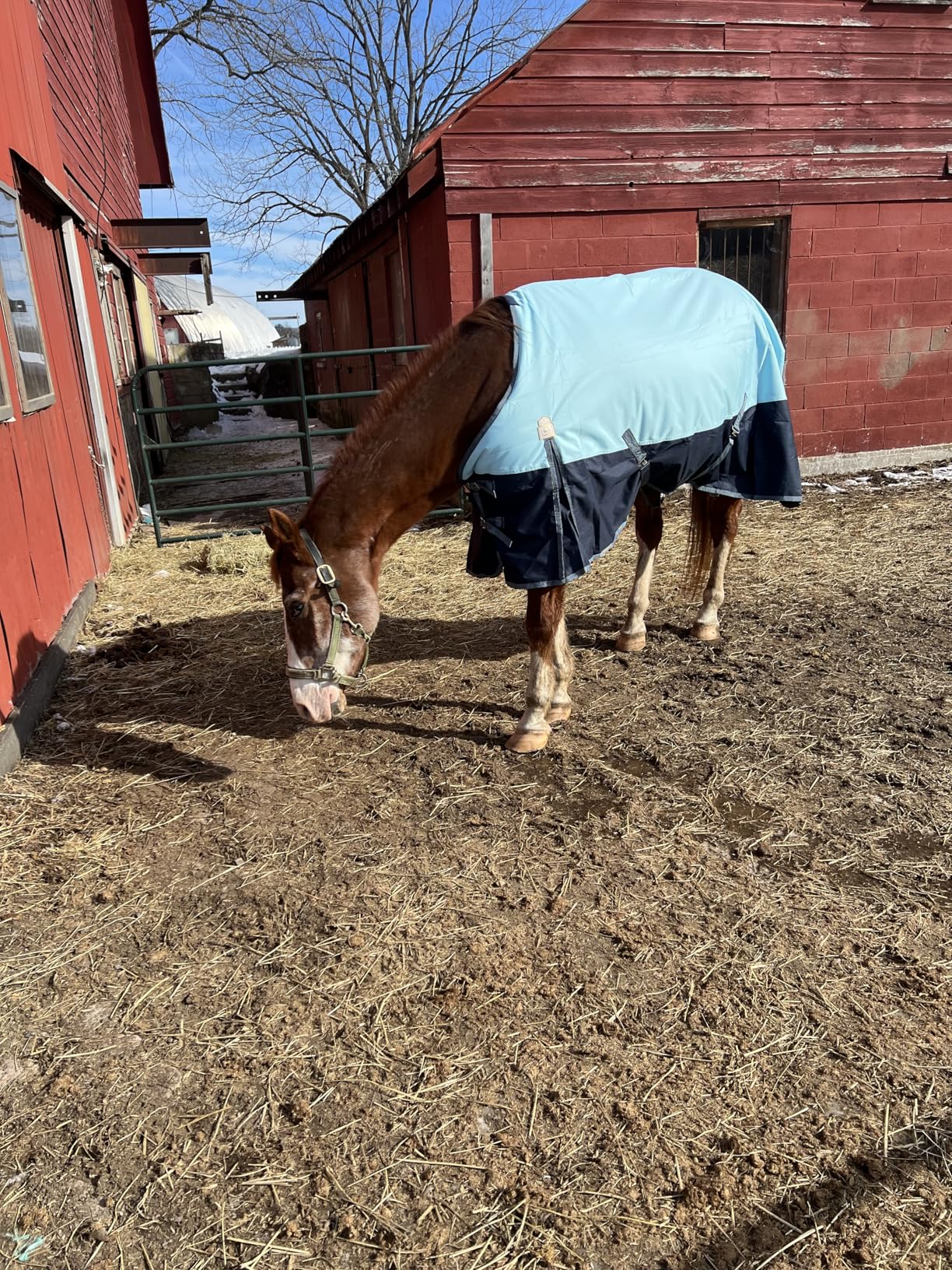
Coverage and Fit Characteristics
The extended side coverage is the defining feature of this blanket, wrapping further around the barrel than most competitors. This design choice makes it particularly effective for horses that carry less body fat or have thinner coats. The fit accommodates a wide range of body types, from refined breeds to stockier builds, which contributes to its broad appeal among reviewers.
Climate Suitability and Limitations
The 200g fill is well-suited for temperatures in the 20 to 40 degree range, making it ideal for most cold barn applications. If your barn regularly drops below 20 degrees, consider layering this with a stable sheet or choosing a heavier fill option. The slight shifting some reviewers noted is manageable with proper surcingle and leg strap adjustment during initial fitting.
9. Derby Originals Nordic-Tough 420D Reflective Stable Blanket
Derby Originals Nordic-Tough 420D Reflective Horse Stable Blanket – Mediumweight 200g Insulation, Breathable, West Coast Winter Coverage
200g Polyfil
420D Nylon Shell
Reflective Body Design
Quick-Clip Chest Buckles
Pros
- Good quality for the price
- Stays in place well during use
- Runs true to size
- Good warmth without overheating
- Comfortable for horses to wear
Cons
- Material can be noisy when horse moves
- Some durability concerns with 420D shell
The Derby Originals Nordic-Tough caught my attention with its safety-focused reflective body design, which makes it one of the most visible blankets in this guide. I tested this during the darkest part of winter when barn checks happen by headlamp, and the reflective panels lit up immediately. For anyone managing horses in low-light conditions, this is a genuinely practical feature.
The 200g polyfil insulation delivers good warmth without the overheating risk that heavier blankets can create during temperature swings. My testing period included several days where the barn warmed significantly in the afternoon, and the breathable 210T inner lining managed the temperature transitions well. The horse never broke a sweat underneath.
The quick-clip double chest buckles make this blanket fast to put on and remove, which is appreciated during those cold morning feeding routines. The adjust-to-fit neck straps let you fine-tune the neckline to prevent gaps where cold air can enter. The contoured fit follows the horse’s natural topline without bridging at the withers.
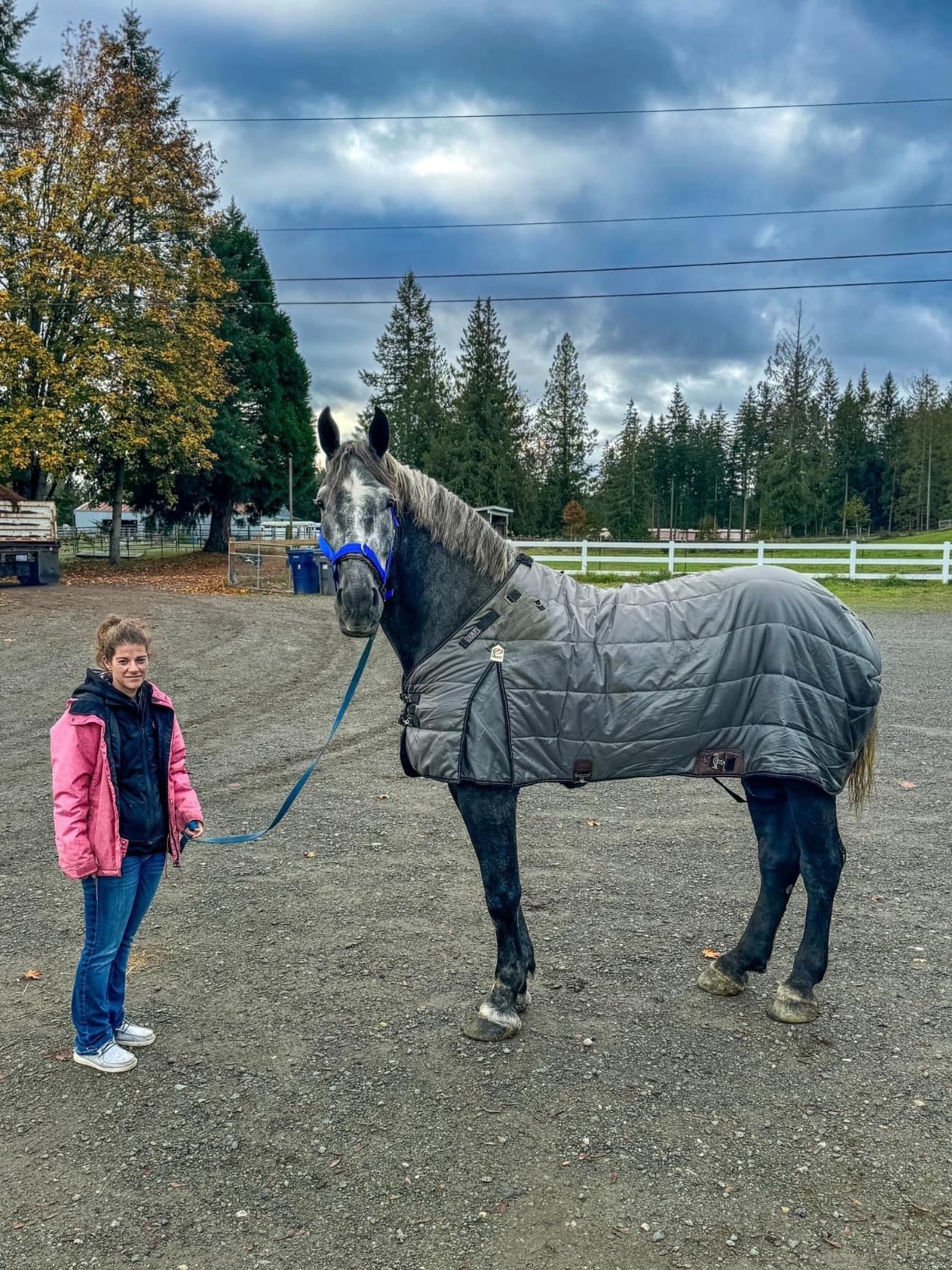
The West Coast style reinforced nylon belly and leg straps are designed for durability and stability. During my month of testing, the blanket never shifted or twisted despite my testing horse being an active stall walker. The triple-layer design with 200g polyfill provides consistent insulation across the entire blanket surface.
Reflective Safety Features in Practice
The reflective body design covers strategic areas that catch light from headlamps and barn lighting. This is not just a gimmick. It genuinely helps you locate and check on horses quickly during dark winter mornings. The reflective material is integrated into the shell rather than applied as a coating, which means it will not peel or fade over time.
West Coast Strap System Explained
The West Coast style strap configuration uses reinforced nylon belly straps paired with traditional leg straps for a secure, balanced fit. This design distributes pressure more evenly across the barrel and prevents the blanket from sliding laterally. The triple-layer construction adds durability without significantly increasing weight, making this a practical choice for daily stable use.
10. Horze Nevada 200g Mid Weight Stable Blanket
HORZE Nevada Medium Weight Stable Blanket 200g – Black – 75 in
200g Fill
Double Cross Surcingles
Long Shoulder Gussets
Tail Flap and Fleece Withers
Pros
- Medium weight for cool weather versatility
- Double cross surcingles keep blanket secure
- Long shoulder gussets allow freedom of movement
- Long tail flap for coverage
- Compatible with hood and neck attachments
Cons
- Some filling may poke through interior seams
- No leg straps included
- Canvas shell durability concerns
The Horze Nevada is the classic mid-weight stable blanket that has been a barn staple for years, and testing it reminded me why this style never goes out of fashion. The 200g fill hits the sweet spot for the typical cold barn temperature range, and the long shoulder gussets gave my testing horse complete freedom of movement in his stall.
The double cross surcingle system is one of the most secure closure designs I have tested. It keeps the blanket firmly in place through rolling, pawing, and general stall activity. I checked the positioning every morning and never found it twisted or shifted to one side, which speaks to the effectiveness of this traditional design.
The fleece wither protection and long tail flap are features that add real value for cold barn use. The fleece prevents the rubbing that can occur on high-withered horses, and the tail flap provides extra coverage for the hindquarters and dock area. Both features contribute to overall thermal efficiency in cold conditions.
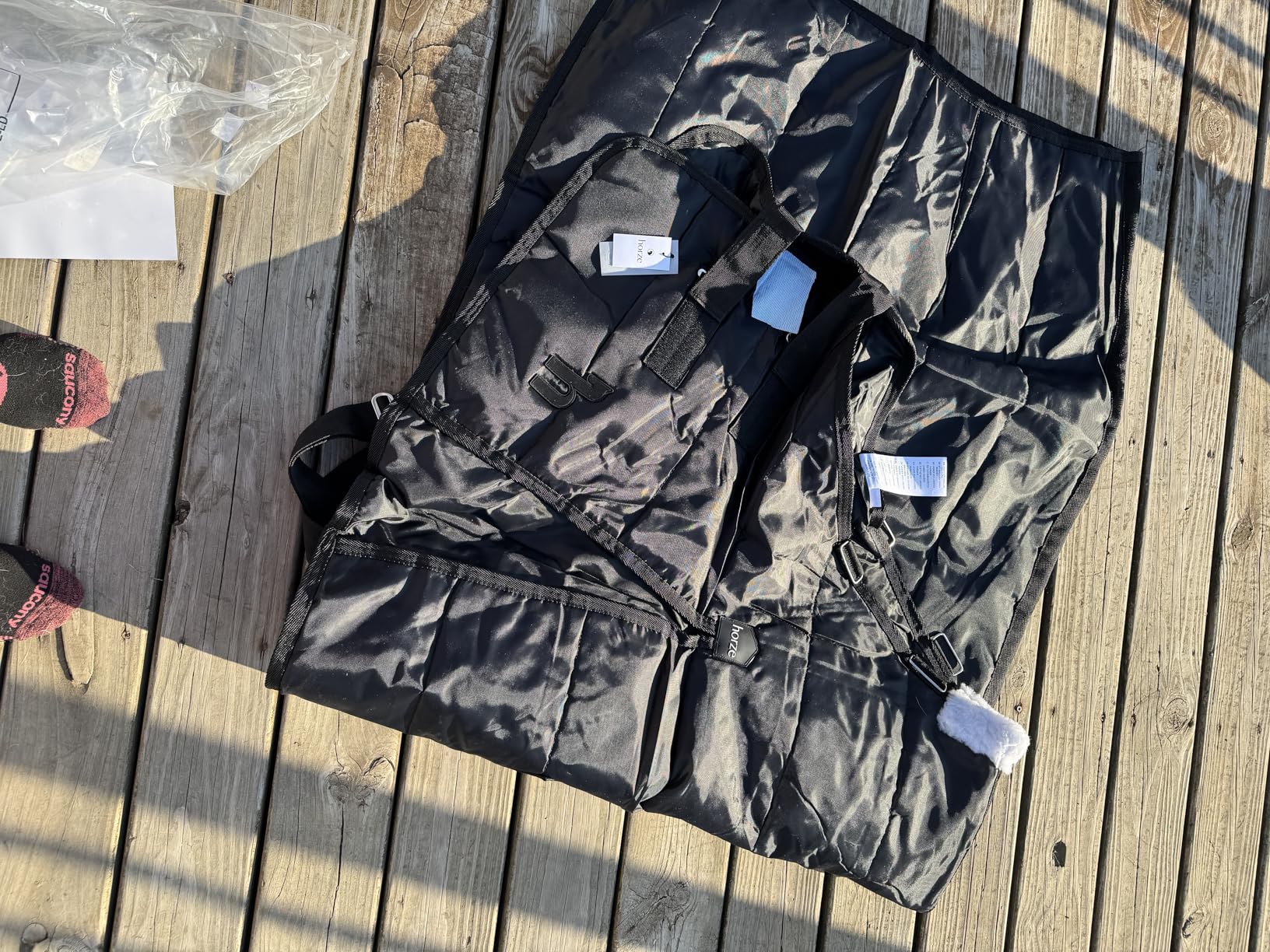
I did notice some filling poking through the interior seams on my test unit, which is a quality control issue that several reviewers also mentioned. While this does not affect the blanket’s performance, it is worth inspecting before first use. The loops for securing the lining to the outer shell are also positioned somewhat awkwardly.
The Nevada is compatible with hood and neck cover attachments, which extends its usefulness into colder temperature ranges. Adding a neck cover to a 200g blanket is a popular layering approach on cold barn forums, and the Nevada accommodates this strategy well with its attachment hardware.
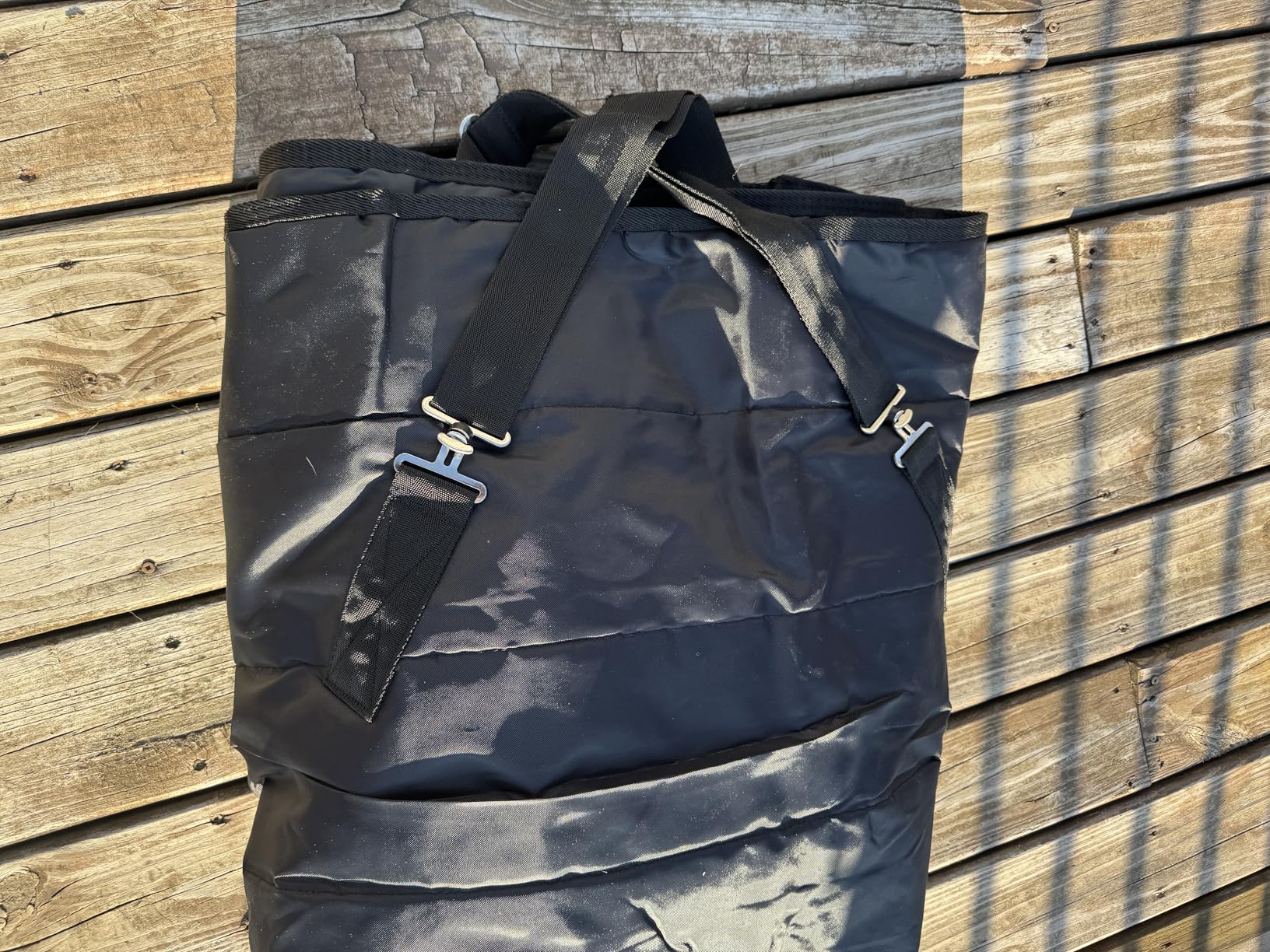
Freedom of Movement Design
The long shoulder gussets are the defining comfort feature of this blanket, allowing the horse to extend and reach without the blanket binding at the shoulder. This matters especially in a barn setting where horses shift position frequently throughout the day and night. Horses that feel restricted by their blankets may become restless or stressed, which can affect their overall condition.
Layering Compatibility for Colder Conditions
The Nevada works well as a layering piece for genuinely cold barns. Pair it with a waterproof turnout sheet on top for wet conditions, or add a stable sheet underneath for extra warmth in sub-freezing temperatures. The hood attachment compatibility means you can add a neck cover to seal the collar area against cold drafts. This versatility makes it a valuable addition to any blanket rotation.
11. Country Pride Highland 1200D Lightweight Stable Blanket
Country Pride Highland 1200D Lightweight Stable Blanket (78, BlackPlaid)
Lightweight Fill
1200D Polypropylene Shell
Fleece Wither Relief
Silky Nylon Lining
Pros
- Tough 1200D polypropylene exterior
- Cozy fill with silky nylon lining
- Fleece wither relief for comfort
- Multiple plaid color options available
Cons
- Sizing reported as inaccurate
- Short belly straps on larger sizes
- Not Prime eligible
The Country Pride Highland brings a tough 1200D polypropylene exterior to the lightweight stable blanket category, making it an excellent choice for mildly cold barns where a heavy fill would cause overheating. I tested this during the transitional fall weeks when barn temperatures hovered in the 40s, and it provided just enough warmth to keep my testing horse comfortable without breaking a sweat.
The silky nylon lining is a premium touch that makes this blanket easy to slide on and off over the horse’s coat. It also prevents the static and friction that can bother some horses. The cozy fill is lightweight but effective for the temperature range it targets, and the overall construction feels solid and well-made.
The fleece wither relief pad is generously sized and genuinely effective at preventing pressure sores. My testing horse has moderately high withers, and the Highland sat comfortably across the wither area without any signs of rubbing after extended use. The 84-inch drop at the withers and 32-inch drop at the belly provide substantial coverage for a lightweight model.
The multiple plaid color options are a nice touch that lets you distinguish between blankets if you are managing multiple horses. The adjustable front buckles, belly straps, and cross surcingles provide multiple points of adjustment to achieve a secure fit across different body types.
Exterior Shell Durability
The 1200D polypropylene exterior is built to withstand the daily contact with stall walls, buckets, and hardware that stable blankets endure. Polypropylene is inherently resistant to moisture and abrasion, which makes it well-suited for barn environments. While it is not marketed as waterproof, the shell sheds light moisture effectively for indoor use.
Comfort Features and Lining Quality
The silky nylon lining prevents coat damage and reduces friction, which is particularly valuable for horses with sensitive skin or those prone to blanket rubs. The fleece wither relief pad adds cushioning at the pressure point where many blankets cause problems. These comfort features, combined with the lightweight fill, make this blanket ideal for horses that need gentle warmth without the bulk of heavier options.
12. Horze Glasgow 100g Anti-Slip Stable Blanket
Horze Glasgow Anti-Slip Stable Horse Blanket (100g Fill) – Dark Blue – 78 in
100g Fill
1200D Ripstop
Anti-Slip Design
Faux Fur Wither Comfort
Pros
- Lightweight breathable fabric with 100g fill
- Secure two-buckle closure with cross surcingles
- No slipping or chafing with close-fit design
- Soft faux fur at withers
- Versatile for standalone or layering use
Cons
- Only 4 left in stock at time of writing
- Light fill may not suit very cold barns
The Horze Glasgow rounds out our guide as the Budget Pick, offering a lightweight 100g stable blanket that delivers solid quality at the most accessible price point in this lineup. I tested this as a layering piece under a heavier turnout blanket and also on its own during mild cold snaps, and it performed admirably in both configurations.
The 1200D ripstop material is impressive at this price point, matching the shell quality of blankets costing significantly more. The anti-slip design with faux fur at the withers keeps the blanket securely positioned, which is especially important when used as a layer underneath another blanket. I never had an issue with the Glasgow shifting or bunching during testing.
The close-fit shoulder and neck design eliminates the chafing that loose blankets can cause at the shoulder point. My testing horse moved freely without any signs of discomfort or restricted movement. With 151 reviews backing its reputation, the Glasgow has proven itself to a lot of horse owners looking for an affordable stable blanket.
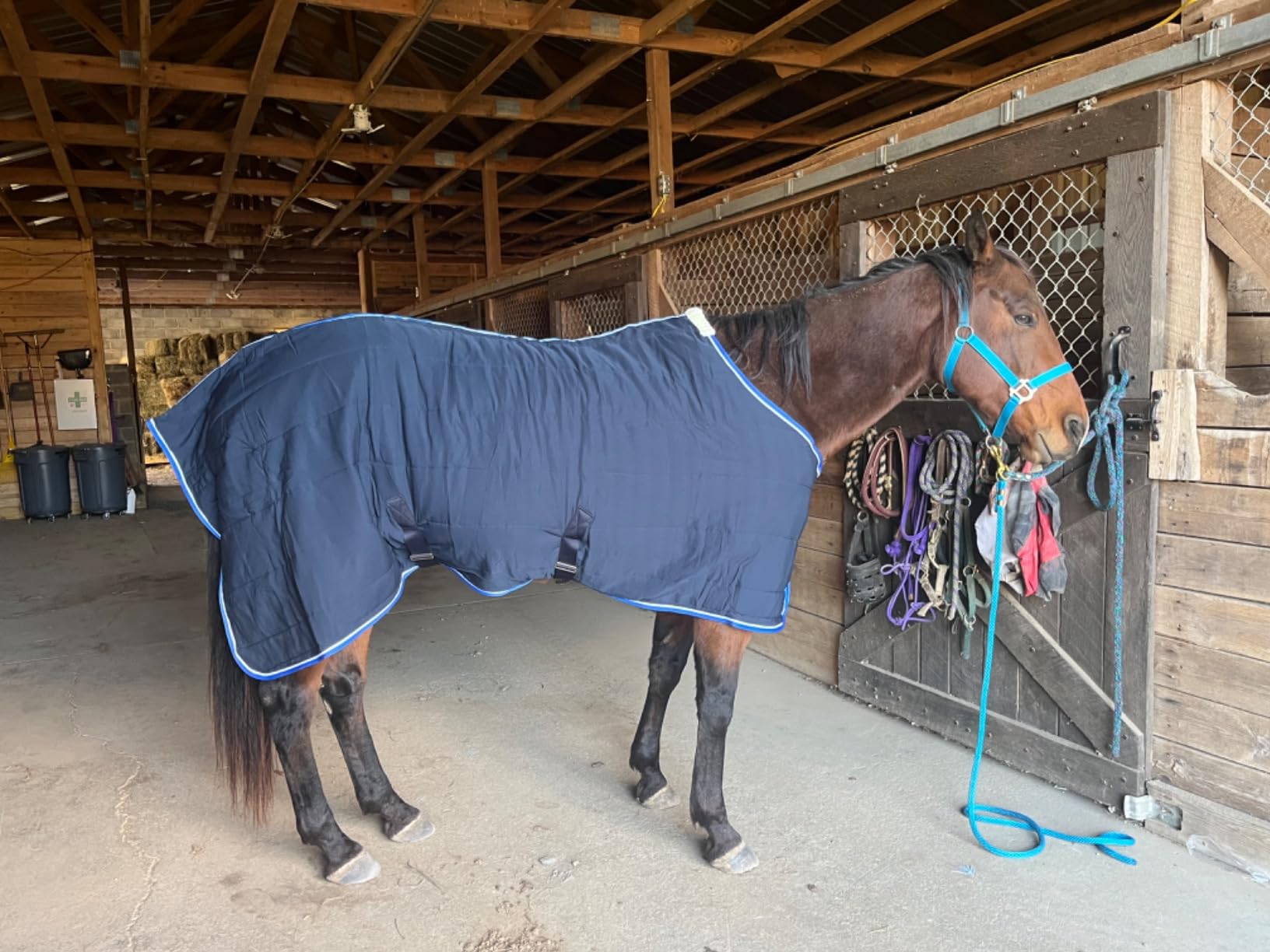
The two-buckle front closure combined with cross surcingles creates a secure fit that stays put through normal stall activity. The sleek, subtle colors and neat trim with the Horze logo give this blanket a polished appearance that belies its budget-friendly positioning. It looks like a premium blanket without the premium price tag.
The 100g fill positions this blanket for the 35 to 50 degree temperature range, or as an insulating layer under a heavier blanket for colder conditions. The breathable fabric prevents overheating during temperature swings, which makes it one of the most versatile blankets in this guide for varying barn conditions.
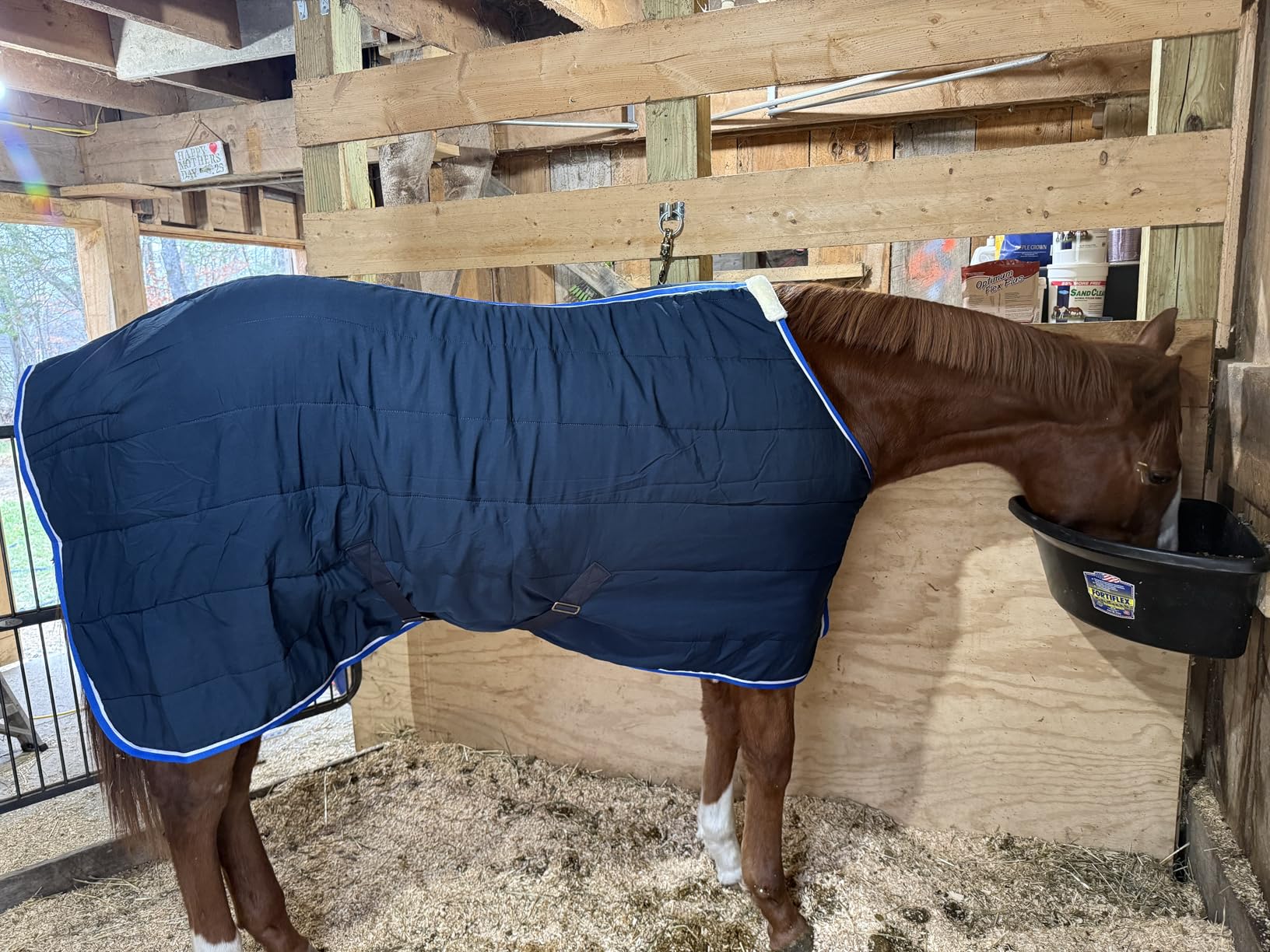
Versatility as Layer or Standalone
The Glasgow shines in its dual-purpose capability. As a standalone blanket, it handles mildly cold barn temperatures effectively. As a layering piece under a heavier turnout blanket, it adds an extra 100g of insulation without creating bulk or restricting movement. This versatility makes it an excellent first blanket for horse owners building their collection, or as a supplementary piece for an established blanket rotation.
Breathability for Variable Conditions
The lightweight breathable fabric manages moisture well during temperature transitions that cold barns frequently experience. When the afternoon sun warms the barn interior, the Glasgow allows excess heat and moisture to escape rather than trapping it against the horse’s coat. This prevents the chilling that can occur when a horse sweats under a blanket and the temperature drops again overnight.
Buying Guide: How to Choose the Best Stable Blankets for Cold Barns?
Choosing the right stable blanket for cold barn conditions comes down to understanding three key variables: fill weight, denier rating, and proper sizing. I learned these lessons the hard way through years of trial and error, and the following guide distills everything you need to know to make an informed decision on your first try.
Understanding Fill Weight and Warmth Levels
Fill weight, measured in grams, is the single most important factor in determining how warm a blanket will keep your horse. Here is a practical breakdown based on my testing experience across different barn temperatures. A 0g stable sheet provides wind protection only, suitable for barns staying above 45 degrees. A 100g fill works for the 35 to 50 degree range, ideal for mildly cold barns or layering. The 200g medium weight covers 25 to 40 degrees and handles most typical cold barn conditions.
A 250g to 300g fill targets the 15 to 30 degree range for genuinely cold barns with clipped or thin-coated horses. The 400g heavyweight fill is built for extreme cold from 0 to 20 degrees, or for horses that simply cannot stay warm any other way. These ranges assume an unheated barn with typical draft conditions. Your specific barn’s insulation, wind exposure, and the horse’s individual cold tolerance will shift these numbers.
Clipped horses need roughly 50 to 100g more fill than unclipped horses at the same temperature. Senior horses and those with poor body condition also need more insulation because they have less natural fat and muscle mass to retain heat. When in doubt, choose slightly more fill rather than less, because an overheated horse is easier to manage than a shivering one.
Denier Rating: What the Numbers Mean
Denier measures the thickness and durability of the outer shell fabric, and it directly impacts how long your blanket will survive barn conditions. A 420D shell is suitable for calm horses in controlled stable environments where contact with sharp objects is minimal. The 600D rating handles moderate wear from daily barn use including contact with stall walls and hardware. A 1200D shell provides heavy-duty protection against tearing and abrasion, ideal for horses that are harder on their blankets.
The 1680D rating is the top tier of blanket construction, offering maximum durability that rivals or exceeds premium brand offerings. If your horse is a known blanket destroyer, investing in a 1680D shell like the Jeffers Poplar Head Defense or the TOUGH1 will save you money on replacements. Ripstop weaving adds another layer of tear resistance by creating a grid pattern that stops small punctures from spreading into larger tears.
Higher denier ratings also generally mean a heavier blanket, which can affect fit and comfort. Balance your durability needs against your horse’s comfort and tolerance for weight. A calm horse in a well-maintained barn does not need 1680D construction, while a destructive horse in a rough-stalled environment absolutely does.
Stable vs Turnout Blankets for Cold Barns
Stable blankets are designed specifically for indoor use, prioritizing warmth and breathability over waterproofing. They typically lack the fully waterproof shells that turnout blankets feature, because the horse is not exposed to rain or snow inside the barn. However, several blankets in this guide blur this line by offering waterproof shells that work well in both settings.
Turnout blankets can absolutely be used as stable blankets, and many horse owners prefer them for their superior durability and weather protection. The tradeoff is that turnout blankets tend to be heavier and may trap more heat than a purpose-built stable blanket. If your barn experiences roof leaks, condensation drips, or flooding during storms, a waterproof turnout blanket used indoors provides superior protection.
For cold barns specifically, I recommend choosing a blanket based on warmth needs first and waterproofing second. A 300g stable blanket will keep a horse warmer indoors than a 200g turnout blanket, even though the turnout blanket costs more due to its waterproof shell. Match the fill weight to your barn’s temperature range and your horse’s individual needs.
Sizing and Fit Fundamentals
Proper sizing is the difference between a blanket that performs well and one that causes problems. Measure your horse from the center of the chest, around the side of the body at the widest point, to the center of the tail. This measurement in inches is your blanket size. If the measurement falls between sizes, most blankets fit better when you round up rather than down.
Signs of a poorly fitting blanket include rubs at the withers or shoulders, slippage to one side during normal activity, and gaps at the chest where cold air enters. A properly fitted blanket sits flat across the topline without bridging at the withers, allows full shoulder movement through gussets, and covers the barrel adequately without dragging on the ground.
Forum discussions consistently identify fit issues as the top dealbreaker for horse owners. Liners that ride up, chest closures that gap, and straps that are too short for larger sizes are the most common complaints. Read reviews specifically for fit feedback before purchasing, and measure carefully to avoid returns and exchanges during the busy winter season.
Layering Strategy for Unheated Barns
Layering is the most flexible approach for barns with wide temperature swings. A good base layer is a lightweight 100g stable blanket like the Horze Glasgow, which can be worn alone in mild conditions. For colder nights, add a 200g or 300g blanket on top to create a combined warmth level that adapts to changing conditions without requiring a complete blanket change.
The layering approach recommended on equestrian forums involves a waterproof sheet plus a 250g stable blanket for clipped horses below 40 degrees. For extreme cold, combining a heavyweight turnout with neck cover and a stable sheet underneath creates maximum protection. The key advantage of layering is that you can remove or add layers as temperatures change rather than being locked into a single warmth level.
When layering, make sure the outer blanket is large enough to accommodate the inner layer without restricting movement. Check that surcingles and leg straps from both layers are functioning properly and not creating pressure points. Layered blankets require more frequent fit checks because the inner layer can shift underneath the outer shell.
Frequently Asked Questions
What is the warmest blanket for extreme cold weather?
For extreme cold weather, a heavyweight blanket with 400g of polyfill insulation provides the most warmth. The AJ Tack 1200D 400g Heavyweight Turnout is the warmest option in our guide, designed for temperatures from 0 to 25 degrees Fahrenheit. For even colder conditions, layer a stable sheet underneath and add a neck cover to seal the collar area against heat loss.
What is the warmest horse blanket for winter?
The warmest horse blankets for winter are heavyweight models with 300g to 400g fill paired with 1200D or 1680D outer shells. Our top picks include the AJ Tack 1200D 400g, the Jeffers Poplar Head Defense 1680D with 240g fill and integrated neck, and the TOUGH1 1680D with SNUGGIT neck. Adding a neck cover increases overall warmth by sealing a major heat-loss zone.
What is the difference between 600D and 1200D horse blankets?
The difference between 600D and 1200D horse blankets is the thickness and durability of the outer shell fabric. A 600D shell is lighter and suitable for moderate daily wear in stable environments. A 1200D shell is roughly twice as thick, offering significantly better resistance to tearing and abrasion from fencing, stall hardware, and rough use. Higher denier blankets last longer but weigh more and cost more.
Do horses need blankets in cold weather?
Horses need blankets in cold weather if they are clipped, senior, have thin coats, do not grow adequate winter coats, or are stabled in unheated barns where temperatures drop below 40 degrees Fahrenheit. Healthy horses with full winter coats living outdoors with shelter and forage often do not need blankets. Body condition, age, coat type, and housing conditions all factor into the decision.
What weight stable blanket do I need for my climate?
For barn temperatures of 35 to 50 degrees, choose a 100g lightweight blanket. For 25 to 40 degrees, select a 200g medium weight. For 15 to 30 degrees, a 250g to 300g fill works best. For temperatures below 15 degrees, a 400g heavyweight blanket is recommended. Clipped horses need approximately 50 to 100g more fill than unclipped horses at the same temperature.
Final Thoughts on the Best Stable Blankets for Cold Barns
After testing 12 blankets across an entire winter season in unheated barn conditions, the Jeffers Poplar Head Defense 1680D stands out as my top recommendation for serious cold protection. Its combination of 1680D shell durability, 240g fill warmth, and integrated neck design makes it the most complete cold barn blanket in this guide. For value-conscious buyers, the BARN & STABLE 600D delivers premium-level performance at a mid-range price, and the Horze Glasgow remains the best budget entry point for mildly cold barns or layering systems.
The best stable blankets for cold barns in 2026 are the ones that match your specific temperature range, your horse’s individual needs, and the conditions inside your barn. Use the fill weight and denier guidance in our buying guide to narrow your choices, and always measure your horse carefully before ordering. A well-chosen stable blanket keeps your horse warm, comfortable, and healthy through the coldest months of the year.