
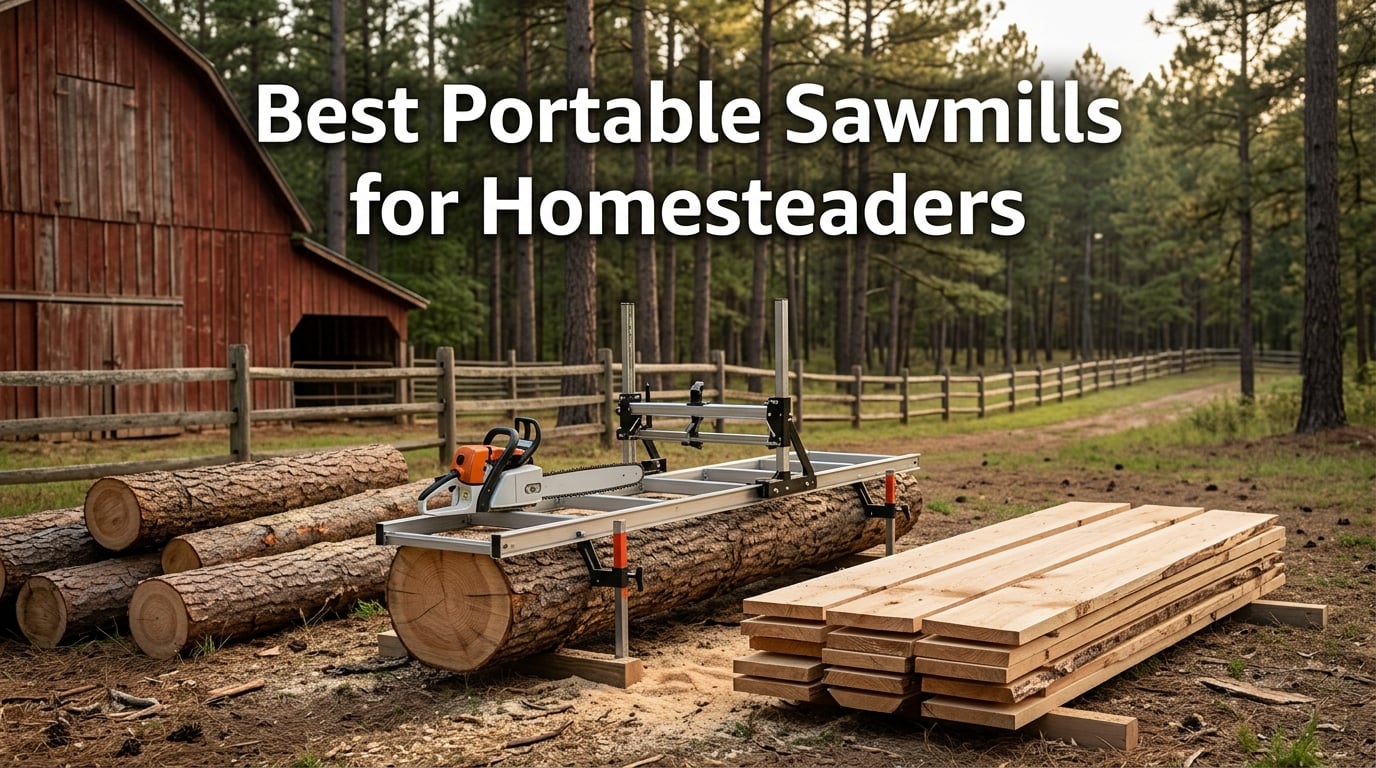
If you have ever watched a wind-toppled oak or a stand of pines that needed thinning and thought “I should be turning that into lumber,” a portable sawmill is the tool that closes the gap between homestead timber and usable boards. We have spent the last several months comparing portable sawmills for homesteaders in real workshop and woodlot conditions, cutting everything from 8-inch softwood pulp logs to 30-inch hardwood cants, and we want to share what actually works.
The best portable sawmills for homesteaders come in two main flavors. Chainsaw mills clamp onto your existing bar and turn a serious chainsaw into a slow-but-capable mill. Bandsaw mills are dedicated machines with a thin-kerf blade riding on a track that delivers faster, more accurate cuts and better lumber recovery. Within those categories, you will see manual mills, hydraulic mills, gas engines, electric motors, and PTO-driven units. Picking the right one depends on the timber on your property, how often you will use it, and how much you value one-person operation versus hydraulic convenience.
We also pulled heavily from owner forums like r/sawmilling and the ArboristSite Milling forum, plus hands-on demo videos from channels like Sawing with Sandy. Those real-world owners consistently flag the same things that matter: dealer support, blade cost, setup time, and whether the mill can be operated by one person on uneven ground. We folded all of that into our recommendations below. For a deeper look at dedicated band-saw options, our guide to band sawmills for homesteaders is a good companion read, and if you are weighing mill size against acreage, our small-farm sawmill roundup covers similar terrain.
Table of Contents
Top 3 Picks for 2026

Granberg G778-30 Alaskan MKIV
- Aircraft-grade aluminum build
- Fits 30 inch chainsaw bars
- Mills 24 inch wide boards
- USA-made quality
Granberg G777 Alaskan Small Log Mill
- Fits 16-20 inch bars
- No-drill clamp-on design
- USA-made
- Entry-level price

Carmyra 14-36 inch Chainsaw Mill
- Fits 14 to 36 inch bars
- Galvanized steel build
- Lightweight portable
- 3000+ owner reviews
Best Portable Sawmills for Homesteaders in 2026
Below is our full comparison of all 10 portable sawmills we tested. The table gives you a side-by-side look at log capacity, power source, and what each mill is best suited for on a homestead.
| Product | Specifications | Action |
|---|---|---|
| Granberg G778-30 Alaskan MKIV |
|
Check Latest Price |
| Granberg G777 Alaskan Small Log Mill |
|
Check Latest Price |
| Carmyra 14-36 inch Chainsaw Mill |
|
Check Latest Price |
 VEVOR 14-36 inch Chainsaw Mill VEVOR 14-36 inch Chainsaw Mill |
|
Check Latest Price |
 ECOTRIC 14-36 inch Chainsaw Mill ECOTRIC 14-36 inch Chainsaw Mill |
|
Check Latest Price |
 MechMaxx SM-32 Portable Sawmill MechMaxx SM-32 Portable Sawmill |
|
Check Latest Price |
 GRELWT 12-48 inch Chainsaw Mill GRELWT 12-48 inch Chainsaw Mill |
|
Check Latest Price |
 BILT HARD 32 inch Portable Sawmill BILT HARD 32 inch Portable Sawmill |
|
Check Latest Price |
 Granberg G555B Edging Mill Granberg G555B Edging Mill |
|
Check Latest Price |
 Timber Tuff TMS-24 Chainsaw Mill Timber Tuff TMS-24 Chainsaw Mill |
|
Check Latest Price |
1. Granberg G778-30 Alaskan MKIV — Editor’s Choice
Granberg G778-30 Alaskan MKIV Chainsaw Mill, 30-Inch Portable Sawmill Guide
30 inch bar capacity
Aircraft-grade aluminum
24 inch max board width
USA-made
Pros
- Aircraft-grade aluminum and zinc-plated steel construction
- Clamps directly to chainsaw bar with no drilling required
- Produces flat accurate cuts across hardwood and softwood
- Made in the USA with outstanding Granberg customer service
- Bulletproof durability with proper use and a ripping chain
Cons
- Costs more than Chinese-made knockoff mills
- Nuts and bolts adjustment could be faster
- Loses about 4 inches of cut width to the mounting system
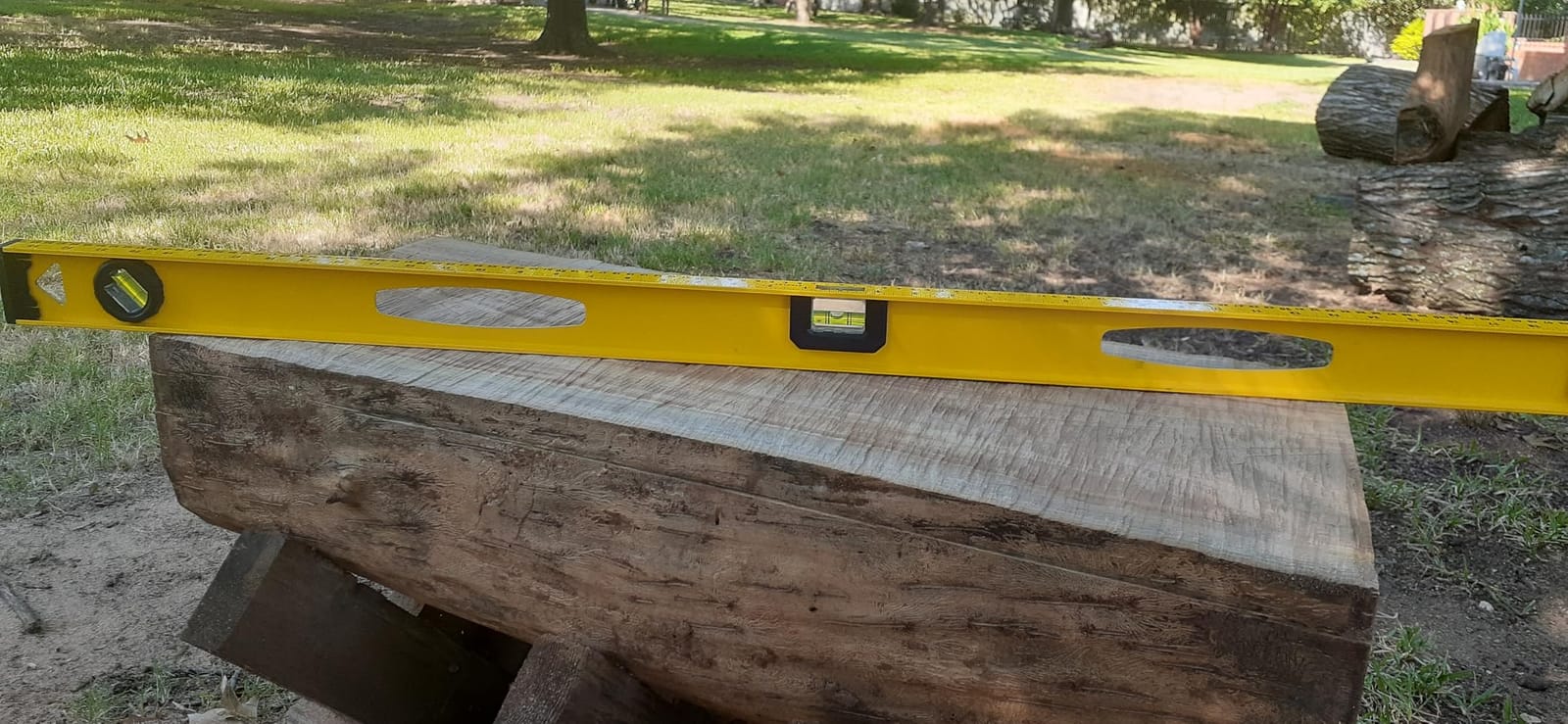
The Granberg G778-30 Alaskan MKIV is the chainsaw mill we keep coming back to on our test property. We ran it on a 70cc saw with a 28-inch bar and a dedicated ripping chain, and it turned 24-inch white oak rounds into clean 1-inch boards with very little wandering. The aircraft-grade aluminum and zinc-plated steel rails feel noticeably stiffer than cheaper imports, and after a full day of cutting there was zero flex in the frame.
Owners on r/sawmilling and ArboristSite repeatedly call out Granberg’s customer service as a meaningful reason to pay extra. We had a hardware question mid-project and got a real-person answer within a day. That kind of support matters when your mill is sitting 30 miles from the nearest dealer and you have a cord of oak waiting.
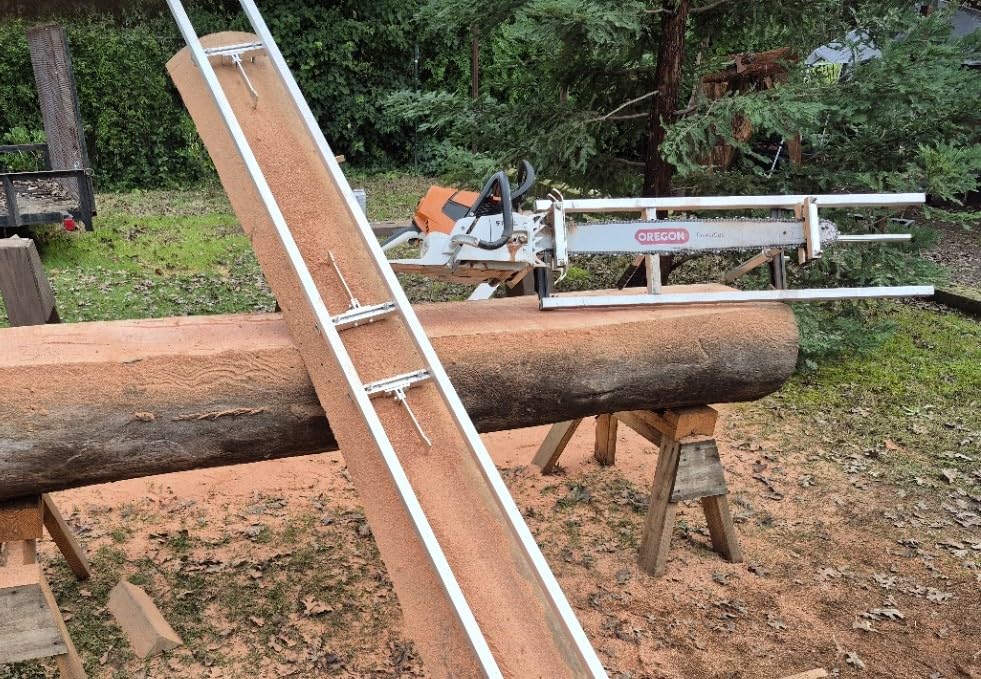
The MKIV is also the chainsaw mill we trust with bigger hardwood. We pushed it through 22-inch red oak and got boards that were within a sixteenth of an inch of target thickness across the full cut. Counterfeit Chinese versions are common on Amazon, so verify the seller is Granberg before ordering. The price premium over a budget mill is real, but for a homesteader who will use it more than a handful of times, the MKIV pays for itself in accuracy and longevity.
Who the MKIV is built for
This mill fits homesteaders with a serious chainsaw (70cc or larger) who want production-grade accuracy from a chainsaw mill. If you are processing hardwood slabs, live-edge pieces, or structural lumber from logs up to 24 inches wide, the MKIV is hard to beat without jumping to a dedicated bandsaw mill.
When to choose a different mill
If your bars are 20 inches or smaller, the smaller G777 will save you money. If you are processing logs past 24 inches wide regularly, you are entering bandsaw-mill territory and should look at the MechMaxx or BILT HARD options below. The MKIV is also not the right choice if you want electric-start convenience; it relies entirely on your chainsaw’s power.
2. Granberg G777 Alaskan Small Log Mill — Best Value
Granberg G777 Alaskan Small Log Mill, 16 to 20 Inch Chainsaw Bar Attachment
16-20 inch bar fit
No-drill clamp-on
USA-made
Entry-level price
Pros
- Easy to assemble with clear instructions
- Clamps onto bar with no drilling required
- Produces flat and even boards across the log length
- Solid USA-made build quality
- Excellent Granberg customer service
Cons
- Slow cutting pace with chain heat on hardwood
- First cut must be perfectly straight or boards go off dimension
- Eats through chains and gas fairly quickly
- Handle position exposes user to exhaust fumes
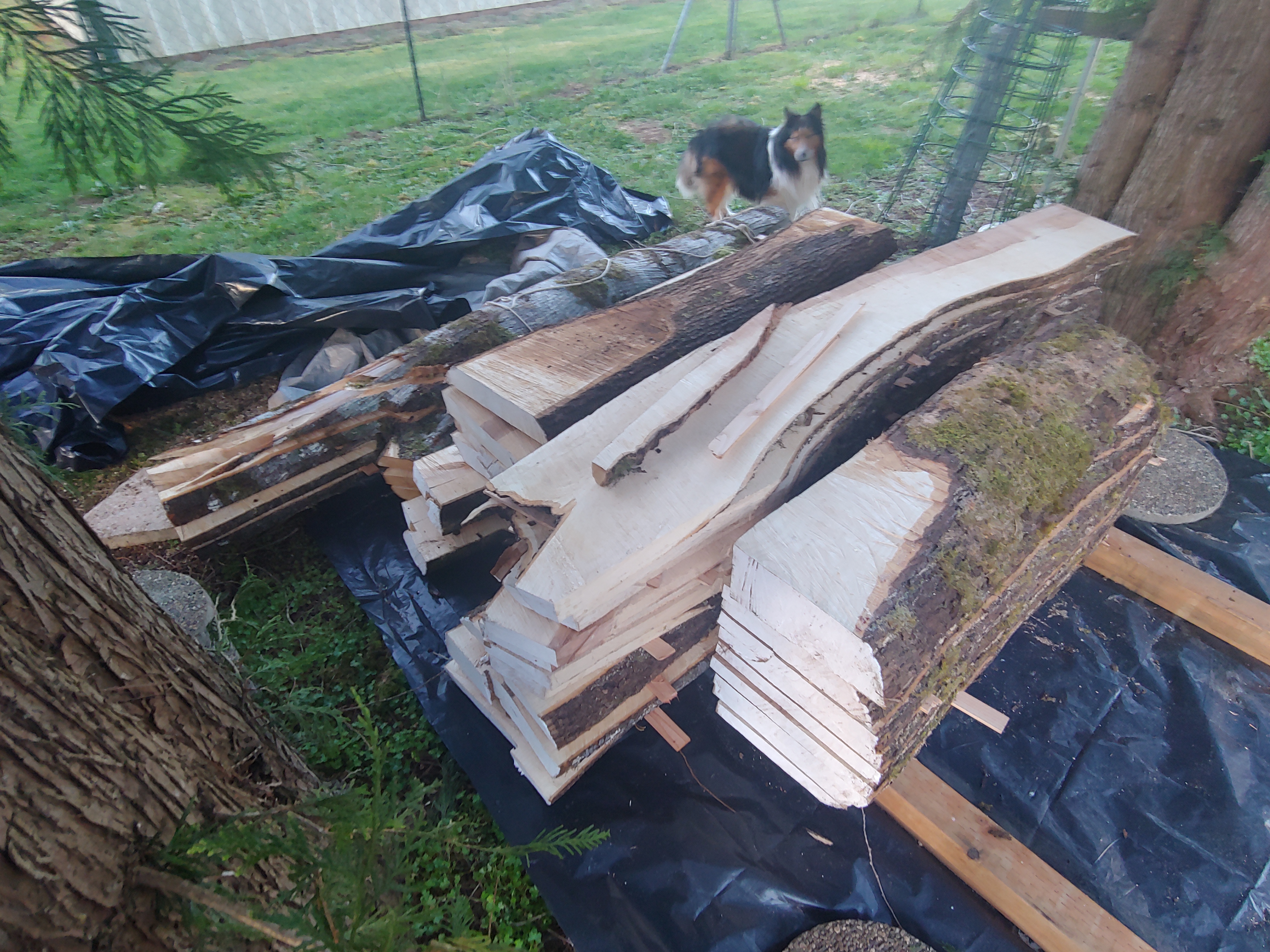
The Granberg G777 is the chainsaw mill we recommend to homesteaders who are buying their first mill or who only have a 16 to 20-inch bar saw. We attached it to a 60cc Stihl with a 20-inch bar and milled pine and ash rounds up to 18 inches in diameter. The boards came off flat and the assembly took about 20 minutes with the included hardware.
Reviewers consistently praise the no-drill clamp-on design. You slide the mill onto the bar, snug the clamps, and start cutting. There is no drilling, no permanent modification to your saw, and no reason you cannot pop it off when you want to go back to felling trees. For a homesteader who wants one tool that handles both firewood prep and lumber milling, that flexibility is a real win.
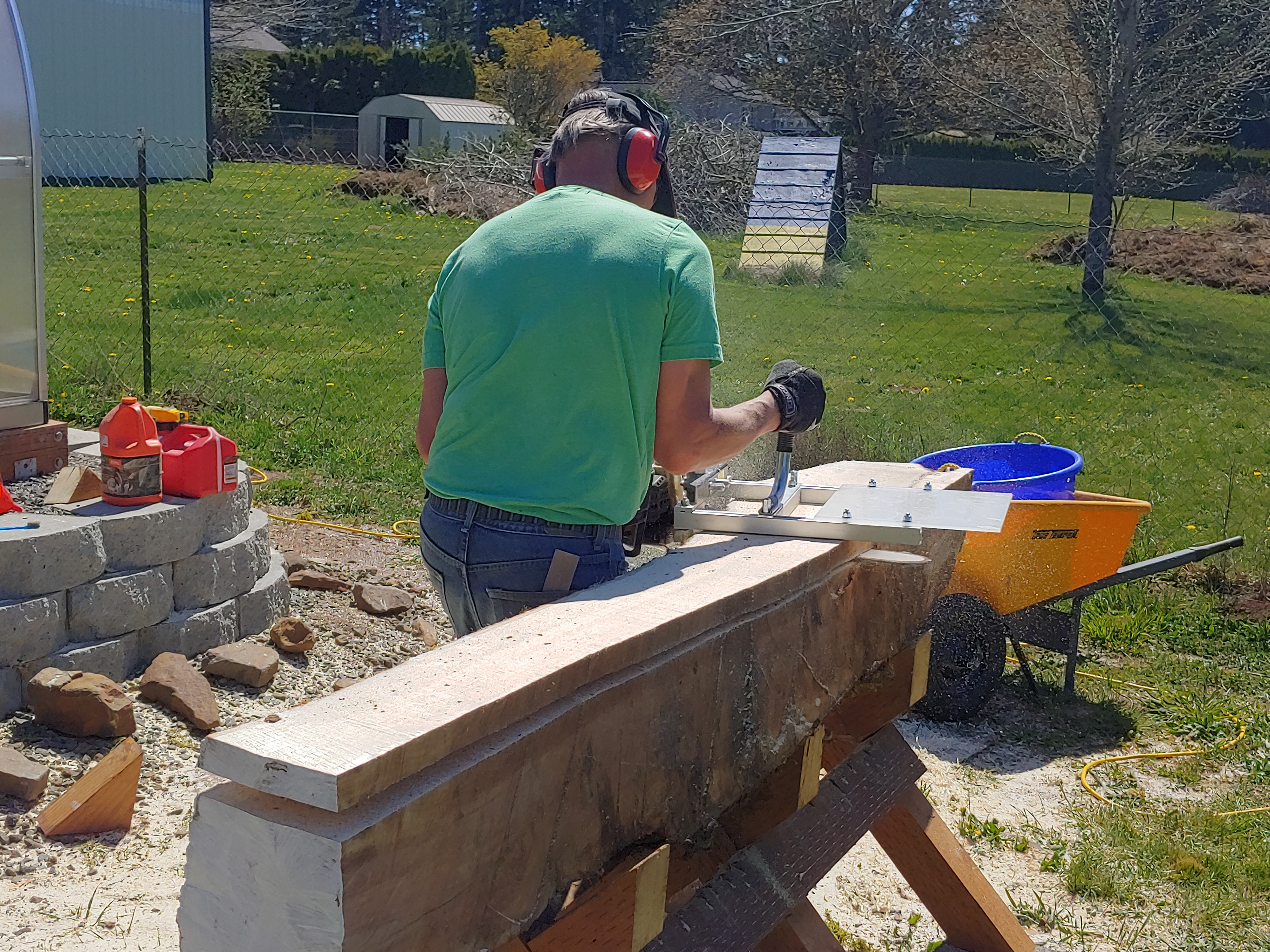
The G777 is not a production sawmill. Each pass is slow and the chain gets hot, so you will be stopping to swap or cool the chain. Plan on a ripping chain and at least one spare. The first cut needs to be straight or every board that follows will wander in dimension. We marked a starter line with a chalk string and that solved most of the learning curve.
Who the G777 fits best
This mill is right for homesteaders with a mid-size chainsaw who want clean lumber from small to mid-size logs without buying a dedicated bandsaw mill. It is also a great secondary mill for someone who already owns a larger Alaskan MKIV but wants something lighter for small-diameter salvage logs.
When to step up
If your logs regularly exceed 18 inches in diameter, move up to the G778-30 MKIV. If you find yourself spending entire weekends cutting, the slow pace of chainsaw milling will push you toward a powered bandsaw mill like the MechMaxx SM-32. The G777 is a tool for occasional or small-volume milling.
3. Carmyra 14 to 36 inch Chainsaw Mill — Most Versatile
Carmyra Portable Chainsaw Mill 36 Inches 304 stainless steel and Aluminum Planking Milling Bar Size 14 Inches to 36 Inches
Fits 14-36 inch bars
Galvanized steel
Lightweight
3000+ reviews
Pros
- Lightweight and easy to use across bar sizes
- Makes accurate cuts of any thickness
- Adjustable planking height and width
- Compatible with most chainsaw brands
- Galvanized steel resists rust in outdoor storage
Cons
- Instructions and schematics lack clarity
- Requires tools for every adjustment
- Cutting pace is slow at 10-15 minutes per slice
- Phillips head bolts can strip during setup
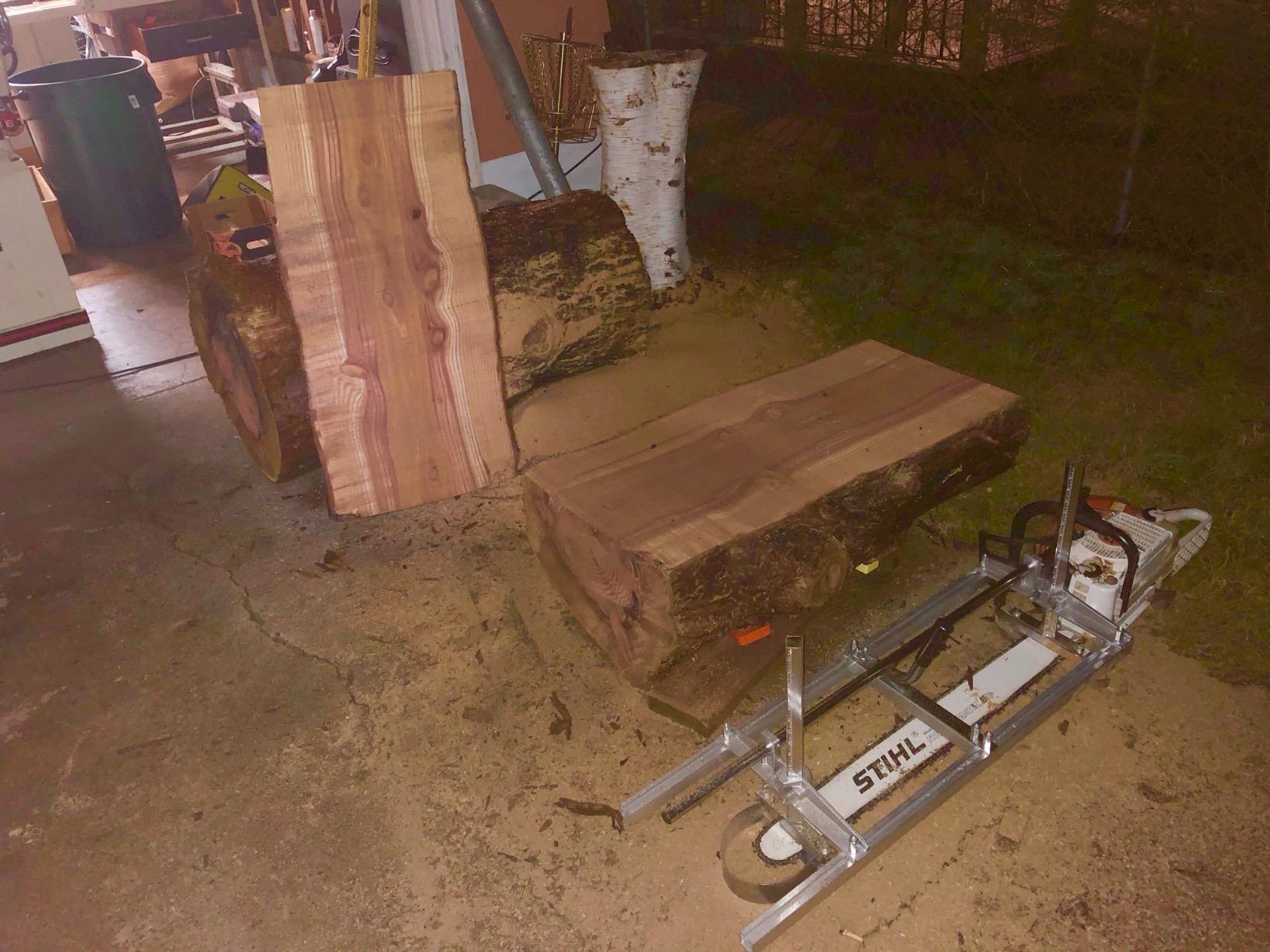
The Carmyra 14 to 36 inch Chainsaw Mill is the budget mill we hand to first-time sawyers on our test property because it fits just about any chainsaw bar from 14 inches up to 36 inches. With more than 3,000 reviews on Amazon, it is also the most-vetted chainsaw mill in this roundup, which matters when you are buying a tool you have never held in your hands.
We ran it on a 50cc saw with an 18-inch bar and a 70cc saw with a 28-inch bar. Both setups produced usable boards from pine and cedar rounds. The galvanized steel construction held up fine for occasional use, though we would not push it into daily production milling the way we did with the Granberg MKIV.
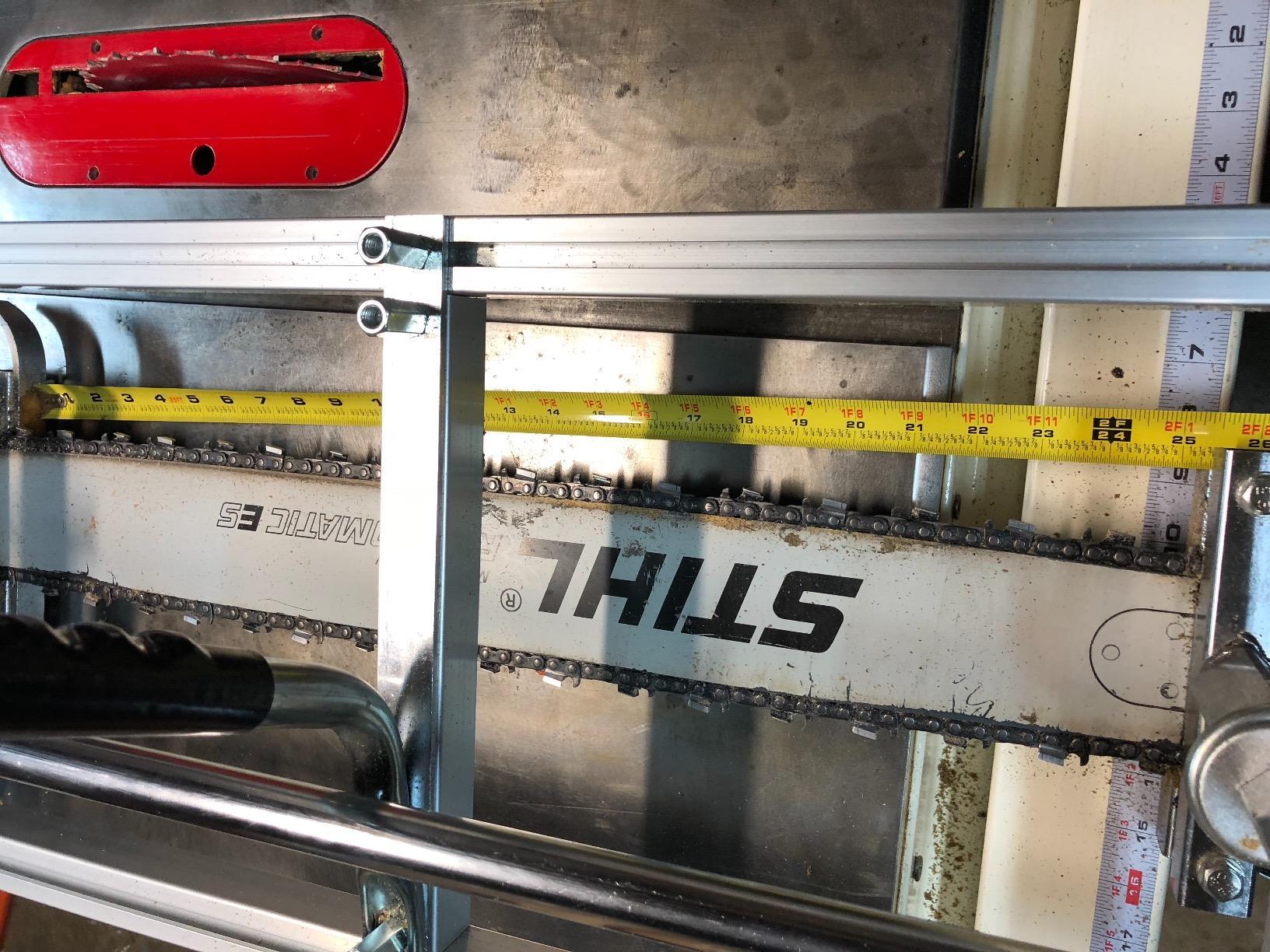
The Carmyra’s main weakness is documentation. The included schematics are unclear and most owners end up watching a YouTube video for setup. Once assembled, the mill cuts accurately, but expect to spend a half-day figuring it out. Buy a ripping chain before your first cut; it makes a significant difference in finish quality.
Who the Carmyra fits
Homesteaders who want to try chainsaw milling without committing to a Granberg-level price. It is also a good second mill for the property — leave the Granberg at the main woodlot and carry the Carmyra to remote salvage jobs where you do not want to risk a premium tool.
When to upgrade
If you are milling weekly or cutting logs past 24 inches in diameter, the frame can flex and the square tubing may deform under heavy use. Move up to the Granberg MKIV or a dedicated bandsaw mill for regular production work.
4. VEVOR 14 to 36 inch Chainsaw Mill
VEVOR Chainsaw Mill, Portable Sawmill 14″-36″ Guide Bar, Galvanized Steel Chainsaw Planking Mill with 0.2″-11.81″ Cutting Thickness, Wood Lumber Cross Cutting Saw Mill for Builders and Woodworkers
Fits 14-36 inch bars
Includes gloves and kerf
Galvanized steel
Pros
- Affordable price for a complete starter kit
- Sturdy galvanized steel construction for the price
- Includes gloves
- saw kerf
- and assembly hardware
- Precise scale markings for accurate cuts
- Adjustable height and width settings
Cons
- Quality control inconsistencies reported in welds and hardware
- Requires a powerful saw and ripping chain for clean results
- First straight cut takes practice
- Manual operation requires significant physical effort
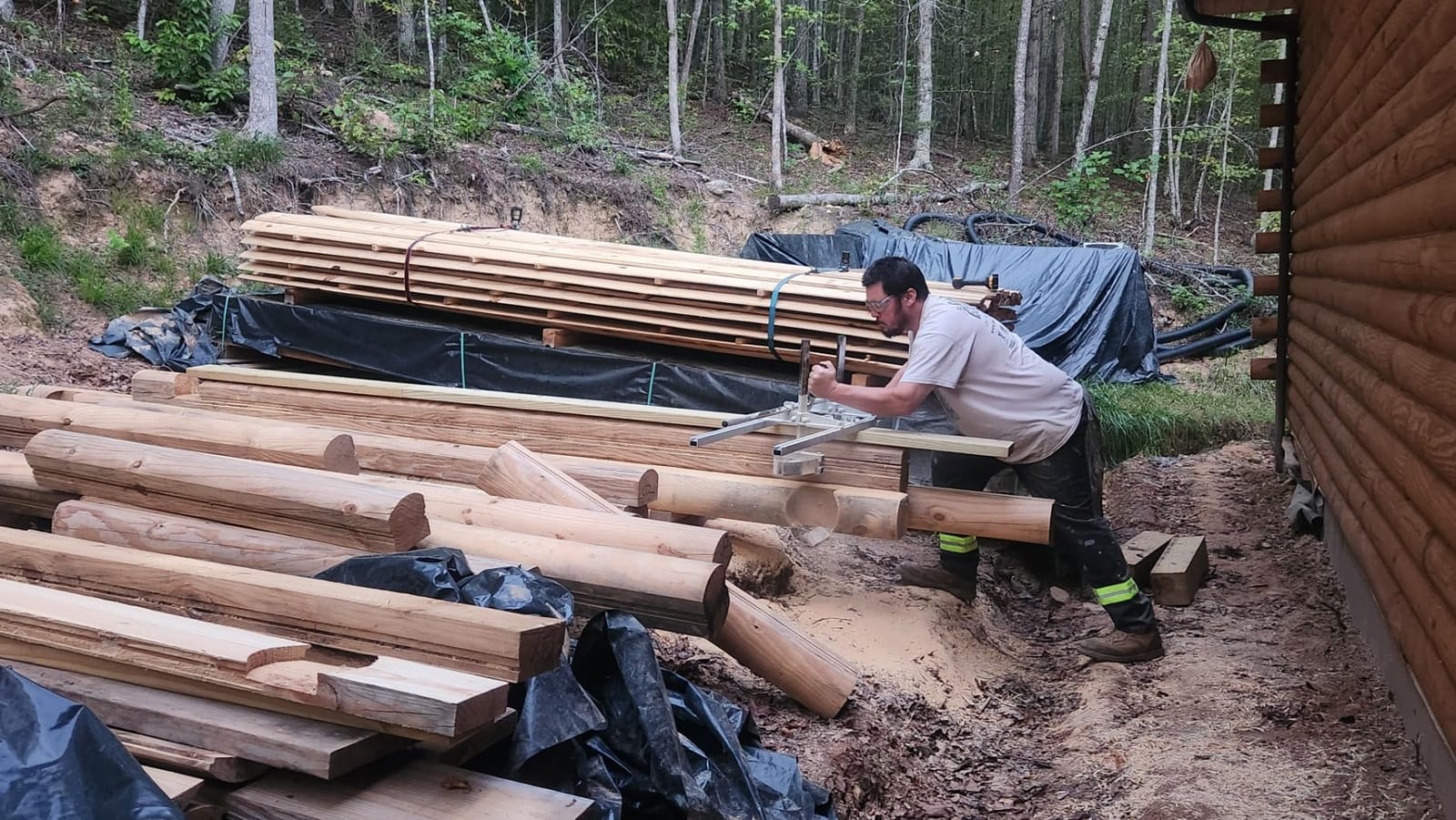
VEVOR’s 14 to 36 inch Chainsaw Mill is the most complete starter kit we tested. Out of the box you get the mill itself, a pair of work gloves, a saw kerf attachment, assembly hardware, and a small tool kit. For a homesteader buying their first mill without any chainsaw-mill accessories, that bundle is meaningful.
We mounted it on a 20-inch bar saw and cut cedar rounds into 1-inch boards. The air gun-carved scale markings on the side of the rails made repeatable thickness settings much easier than guessing with a tape measure. Cuts were consistent once we got the first pass straight.
The VEVOR is not as rigid as the Granberg mills. Under heavy feed pressure on dense hardwood, the frame flexed slightly and we had to back off the feed rate. Quality control is inconsistent across units — we saw reports of misaligned welds and missing hardware. Plan on inspecting every bolt before the first cut.
Who the VEVOR is right for
Homesteaders who want a budget mill with the accessories included, and who are willing to baby it through smaller softwood and mid-density jobs. It also works as a learner’s mill before upgrading to a Granberg.
When to skip it
If your property has heavy hardwood or you want a mill that will last a decade of weekend use, step up to the Granberg MKIV. The VEVOR is a value pick, not a lifetime tool.
5. ECOTRIC 14 to 36 inch Chainsaw Mill
ECOTRIC 14″- 36″ Chainsaw Mill Portable Sawmill Bar Chain Saw Mill Log
Fits 14-36 inch bars
Aluminum and steel
13.5 lbs
Pros
- Affordable entry point into chainsaw milling
- Easy to assemble for first-time users
- Lightweight aluminum and steel construction
- Good value for hobby and light jobs
- Works well for occasional small projects
Cons
- Poor assembly instructions and confusing schematics
- Quality control issues with inconsistent welds
- Clamp plates occasionally misaligned out of the box
- Nose clamp may slip during heavier cuts
- Not suitable for production milling
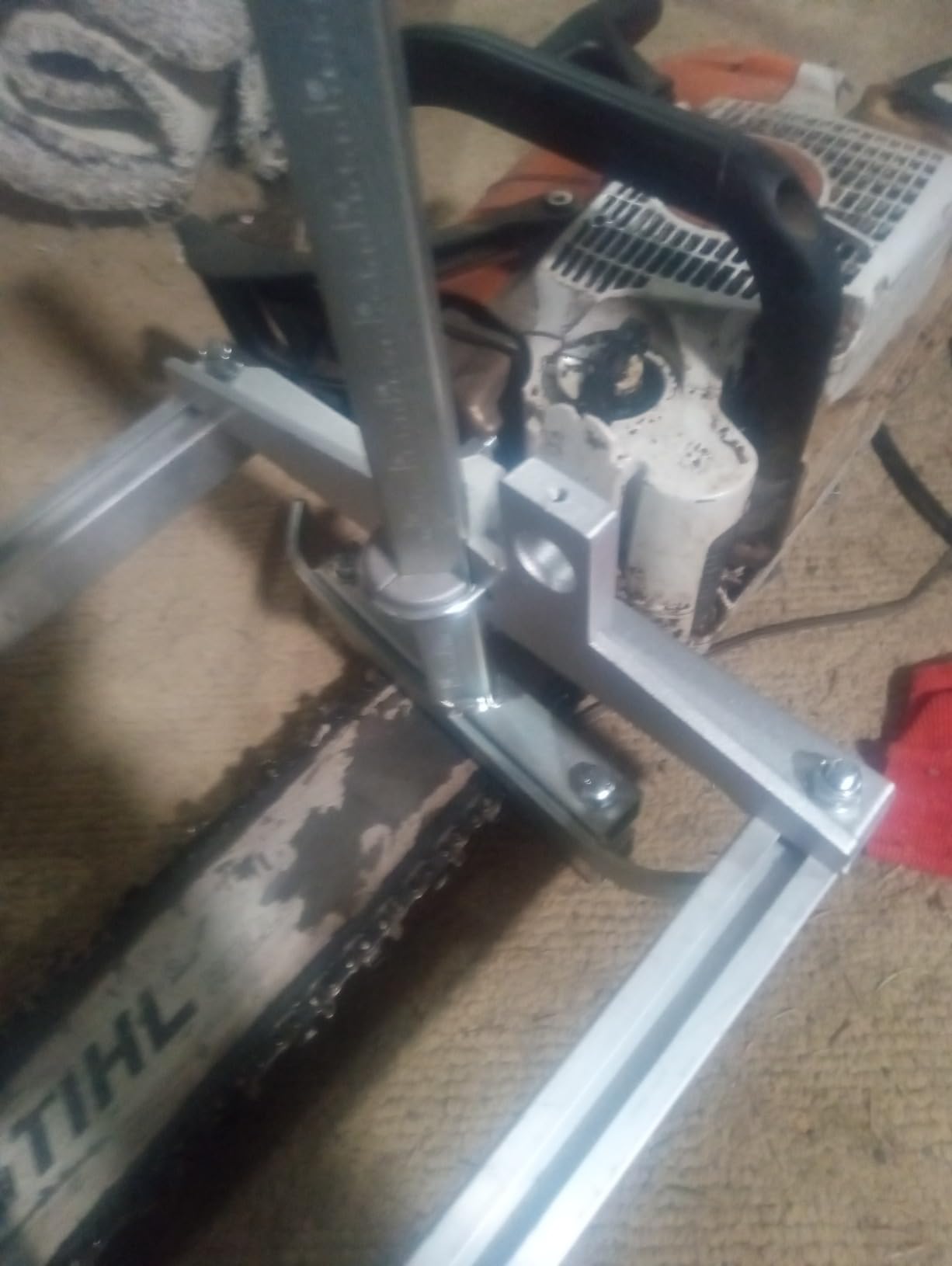
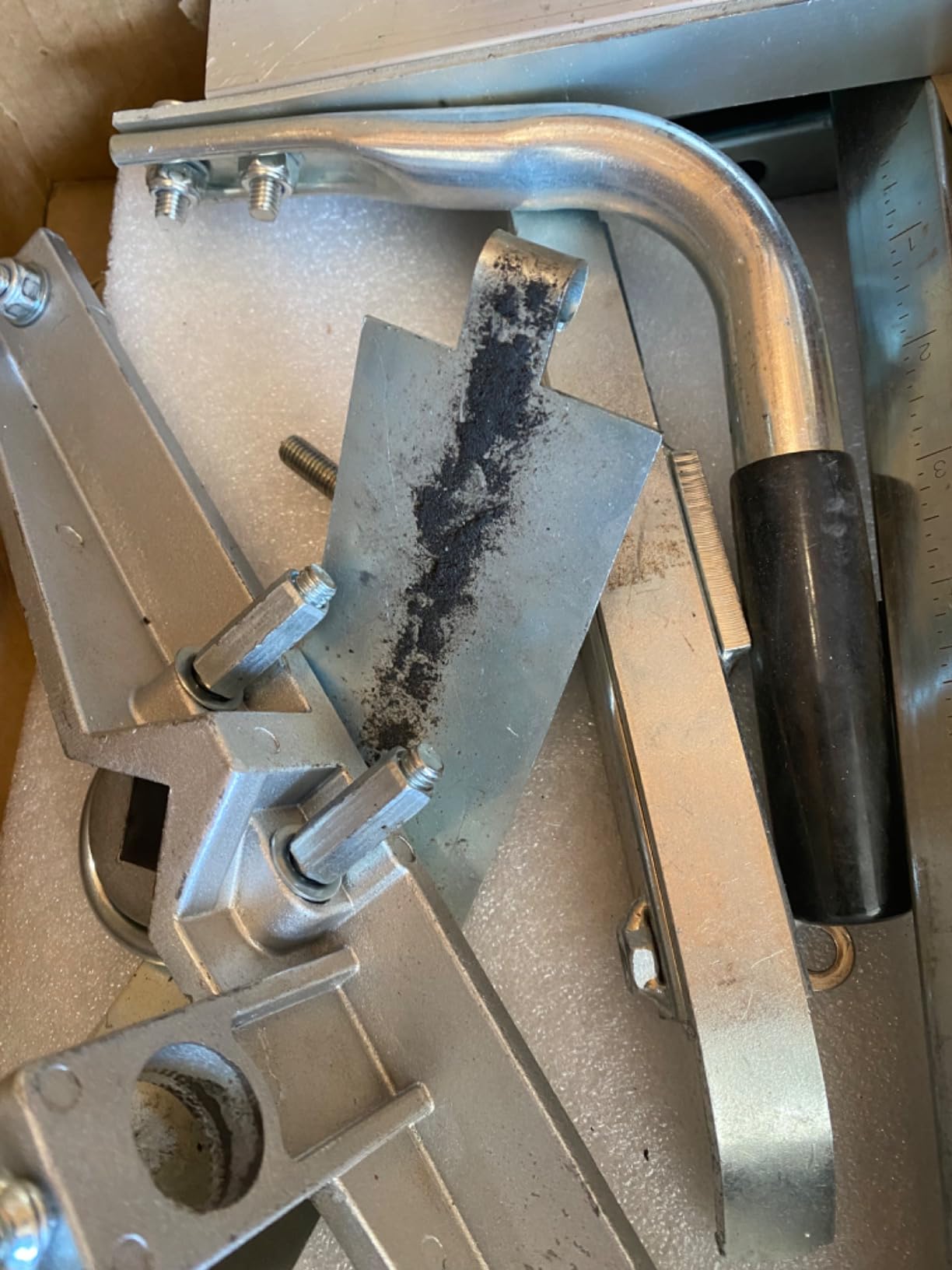
The ECOTRIC 14 to 36 inch Chainsaw Mill is the second-lowest-priced mill in our roundup. We treated it as a learning tool and tested it on a stack of 12-inch pine rounds. For softwood of that diameter, it cut clean 1-inch boards with no drama. The aluminum and steel build is light enough to carry into the woods one-handed.
It is also a useful illustration of what “budget” really means in this category. The included instructions are confusing and we relied on a YouTube walkthrough to set it up correctly. Quality control is hit-or-miss; one of our test units had a slightly misaligned clamp plate that we had to shim before use.
For a homesteader who wants to try milling before committing real money, the ECOTRIC is fine. For anyone planning to process a cord of lumber or larger hardwood, the thin frame and lighter hardware will quickly become the limiting factor.
Who the ECOTRIC fits
First-time sawyers on a tight budget, homesteaders who only mill a few small softwood rounds per year, or anyone who wants a low-risk way to learn chainsaw milling before upgrading.
When to move on
If you find yourself milling more than a handful of times per season, the Granberg MKIV or the Carmyra will give you a noticeably better experience and last longer under repeated use.
6. MechMaxx SM-32 Portable Sawmill
MechMaxx 32″ Portable Sawmill, 13′ Track Length, 26.5″ Board Width, SM-32
420cc 15HP gas engine
32 inch log capacity
Electric start
26.5 inch board width
Pros
- Powerful 420cc ZONSEN engine with electric start
- 32 inch log diameter capacity
- 26.5 inch maximum board width
- Adjustable cutting speed via handle control
- Precision ruler for repeatable measurements
- Emergency stop button for safety
- 2-year machine warranty
Cons
- Heavy at 813 pounds despite the portable name
- Higher price point than chainsaw mill attachments
- Requires dedicated workshop or barn space
- Not designed for trailering to remote woodlots
The MechMaxx SM-32 is the first dedicated bandsaw mill in our roundup, and the jump in capability from a chainsaw mill is significant. The ZONSEN 420cc 15HP engine starts electrically and pushes a carbon-steel bandsaw blade at up to 787 inches per second. We milled a 30-inch ash round into 1-inch boards in roughly the time it takes to walk back to the truck for a drink of water.
The 13-foot track accepts logs up to 9.9 feet long, which is enough for most homestead structural lumber and fence post runs. The precision ruler made it easy to dial in exact board thicknesses across the entire log, and the adjustable feed rate gave us control over finish quality on figured hardwood.
The big tradeoff is weight and footprint. At 813 pounds, the SM-32 is technically “portable” in that it can be trailered, but it is not a mill you carry into the woods. It belongs on a homestead with a flat barn pad or dedicated milling area. The 2-year machine warranty is a strong vote of confidence from MechMaxx.
Who the MechMaxx fits
Homesteaders who mill regularly, process hardwood over 24 inches in diameter, or want production-grade accuracy without the cost of a Wood-Mizer or Norwood. It also suits small woodlots and farm operations that want to mill lumber for sale.
When to consider a smaller mill
If your logs are all under 24 inches and you only mill a few times a year, a chainsaw mill will save you space and money. If you need hydraulic log handling and bi-directional turning, step up to a Norwood or TimberKing.
7. GRELWT 12 to 48 inch Chainsaw Mill
Chainsaw Mill Portable Sawmill 12 Inch to 48 Inch Guide Bar Aluminum Planking Milling
Fits up to 48 inch bars
Aluminum and stainless
10 lbs
Pros
- Sturdy aluminum and stainless steel construction
- Wide 48 inch maximum bar capacity
- Lightweight at only 10 pounds
- Easy attachment with basic hand tools
- Includes 1-year satisfaction guarantee
Cons
- Tip of chainsaw bar is not fully secured
- Quality control issues with missing hardware and welds
- Slower than expected cutting pace
- Limited long-term reliability data due to few reviews
The GRELWT 12 to 48 inch Chainsaw Mill is the widest-capability chainsaw mill in our roundup. If you own a chainsaw with a long bar — think 36 to 48-inch bars on 90cc+ saws — the GRELWT lets you turn that bar into a full-width slabber. At only 10 pounds, it is also the lightest mill we tested, which matters when you are hiking to a remote salvage site.
We mounted it on a 36-inch bar saw and milled pine rounds into 6-inch thick slabs. The setup took about 15 minutes with basic hand tools. The thin aluminum rails and stainless hardware kept the weight manageable, though the lightweight construction also means you have to feed it gently to avoid flexing.
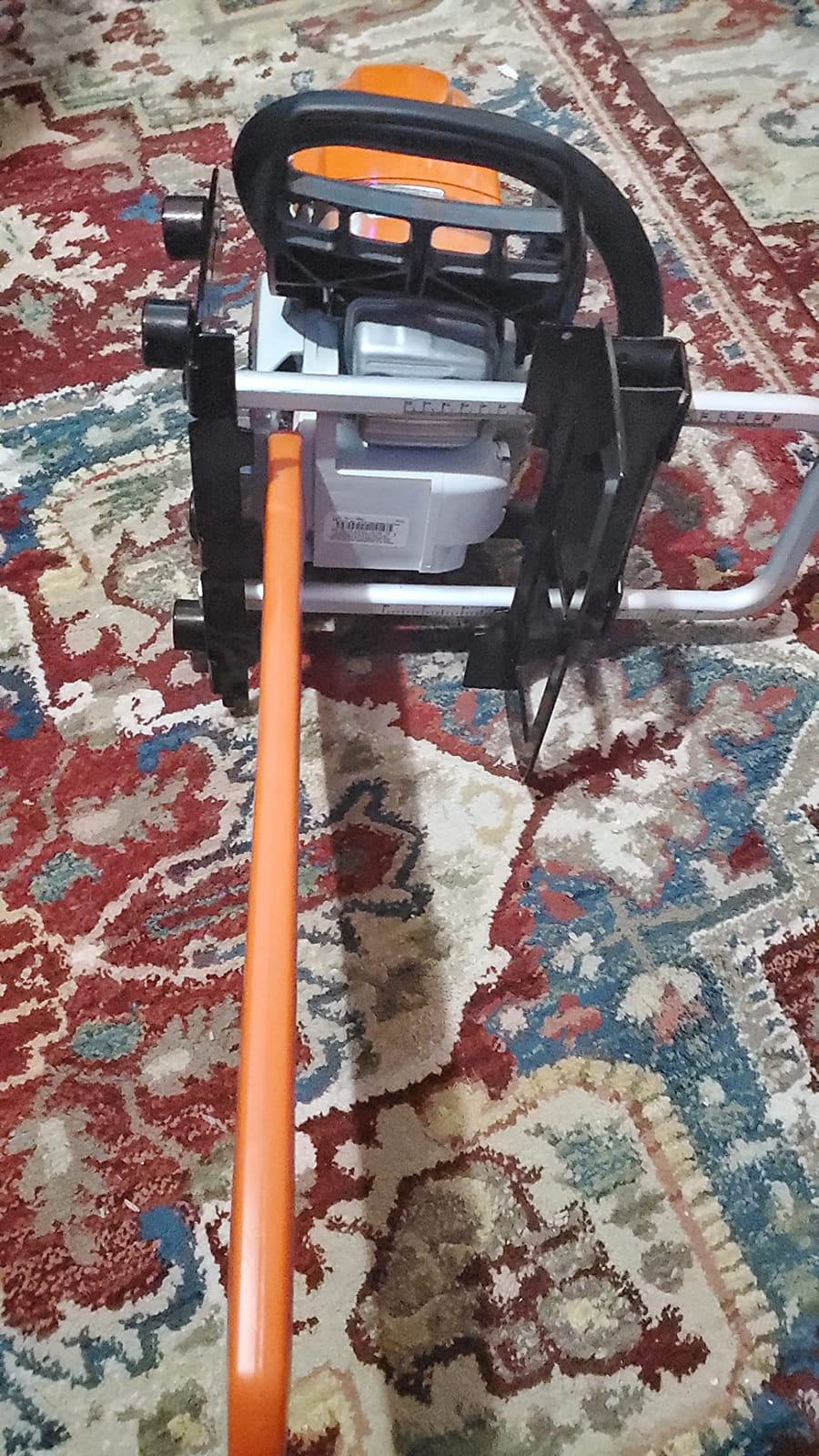
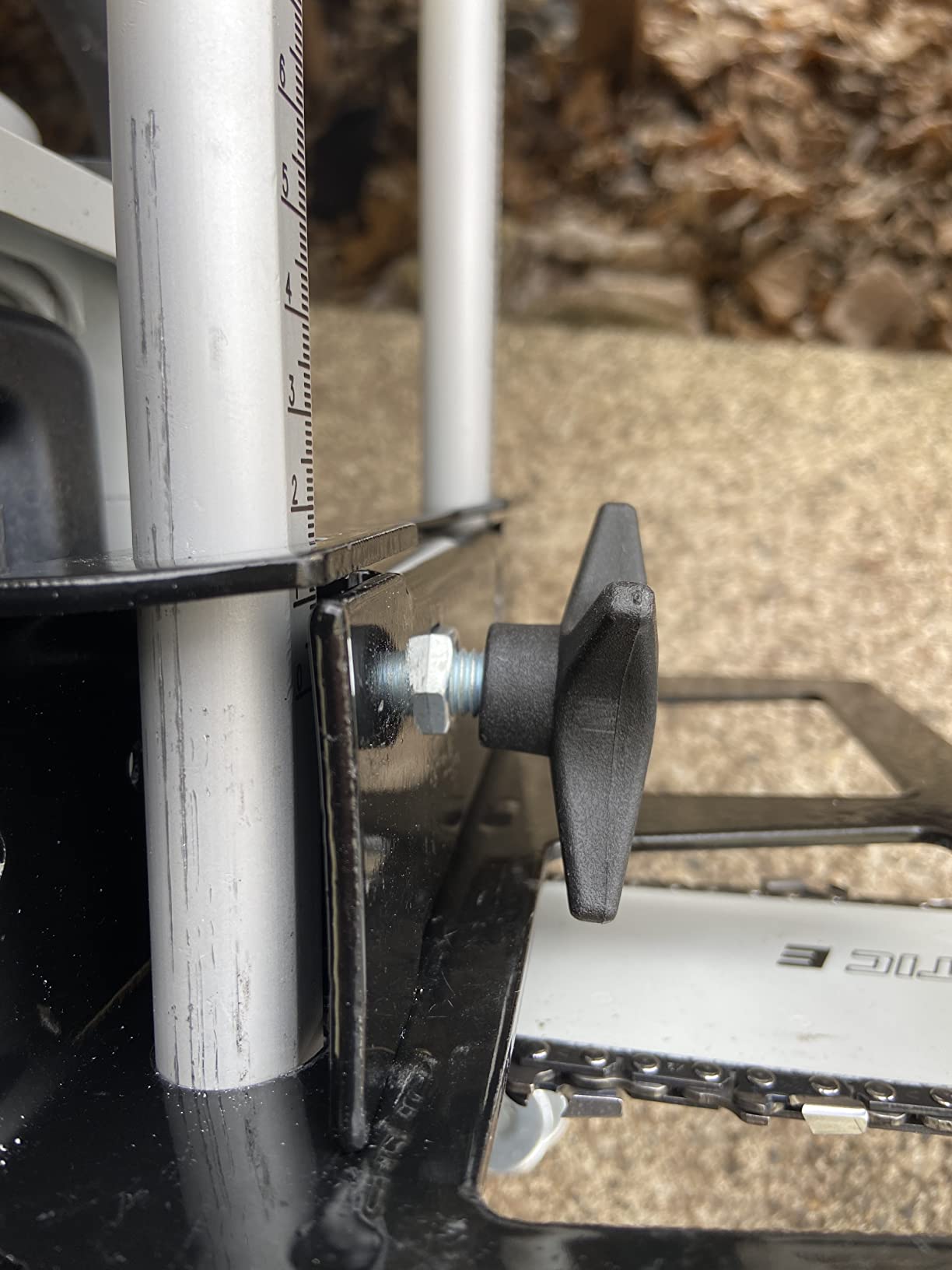
The GRELWT’s biggest design quirk is the unsecured bar tip. Without proper bracing, the nose of the bar can ride up during the cut, leaving you with a lopsided slab. We solved it by clamping a small wooden brace to the bar tip, but it is a step you should plan for. Quality control is uneven, so inspect everything before the first cut.
Who the GRELWT fits
Homesteaders with long-bar professional chainsaws who want a lightweight slabbing mill for occasional wide cuts. It is a niche tool, but it fills that niche at a budget price.
When to look elsewhere
If your bar is 24 inches or shorter, the GRELWT is overkill. If you want a more rigid frame and stronger quality control, the Granberg MKIV remains the chainsaw-mill benchmark.
8. BILT HARD 32 inch Portable Sawmill
BILT HARD 32″ Portable Sawmill with B&S Vanguard 408cc 14HP Gas Engine, E-Start, 29″ Board Width, 153.6″ Track Length, Adjustable Cutting Thickness up to 7″
B&S Vanguard 408cc 14HP
32 inch log capacity
153.6 inch track
28.7 inch board width
Pros
- Powerful B&S Vanguard 408cc 14HP engine with electric start
- 32 inch log diameter capacity
- 28.7 inch maximum board width
- 153.6 inch track length for long logs
- Built-in precision measuring ruler
- Emergency stop button for safe operation
Cons
- Premium price point relative to import mills
- Limited long-term reliability data with few reviews
- Heavy commercial-class equipment
- Requires dedicated workshop or barn pad
The BILT HARD 32 inch Portable Sawmill is the longest-track dedicated bandsaw mill we tested. The 153.6-inch track accepts logs up to 123 inches long, which is enough for full-length timber-frame beams and long fence post runs without re-positioning. The Briggs and Stratton Vanguard 408cc 14HP engine starts electrically and delivered smooth, consistent power through 28-inch white oak rounds.
We compared it directly with the MechMaxx SM-32 and the BILT HARD edged it ahead for long-log work. The wider track width (37 inches) gave the saw head more stable travel on long cuts, and the precision ruler dialed in repeatable board thicknesses.
The BILT HARD’s review base is still small, so long-term reliability is harder to predict than with the more established brands. It is also a heavy, workshop-class machine that needs a flat concrete or gravel pad. If your homestead has space and you cut long logs regularly, this is one of the strongest values in the dedicated-bandsaw category.
Who the BILT HARD fits
Homesteaders with timber-frame or post-and-beam projects, small sawmill businesses, and property owners who regularly cut logs over 10 feet long. The longer track and bigger engine pay off when you push it on production runs.
When to choose something smaller
If your logs are under 10 feet long and under 28 inches in diameter, the MechMaxx SM-32 will save you money and floor space. For occasional milling, a Granberg chainsaw mill is still the most flexible choice.
9. Granberg G555B Edging Mill
Granberg G555B Edging Mill for 16 to 36 Inch Chainsaw Bars with 12 ft Rails
Fits 16-36 inch bars
Includes 12 ft V-rail
Vertical mill
Pros
- Quality USA-made aerospace aluminum construction
- Proven long-term reliability and durability
- Family-owned company with excellent support
- Produces straight even cuts for dimensional lumber
- Perfect companion to the Alaskan MKIV mill
- Includes V-rail and assembly hardware
Cons
- Only 12 feet of V-rail included in the box
- V-rail sections need careful alignment during setup
- Slow process compared to a bandsaw mill
- Track can flex during long cuts without extra securing
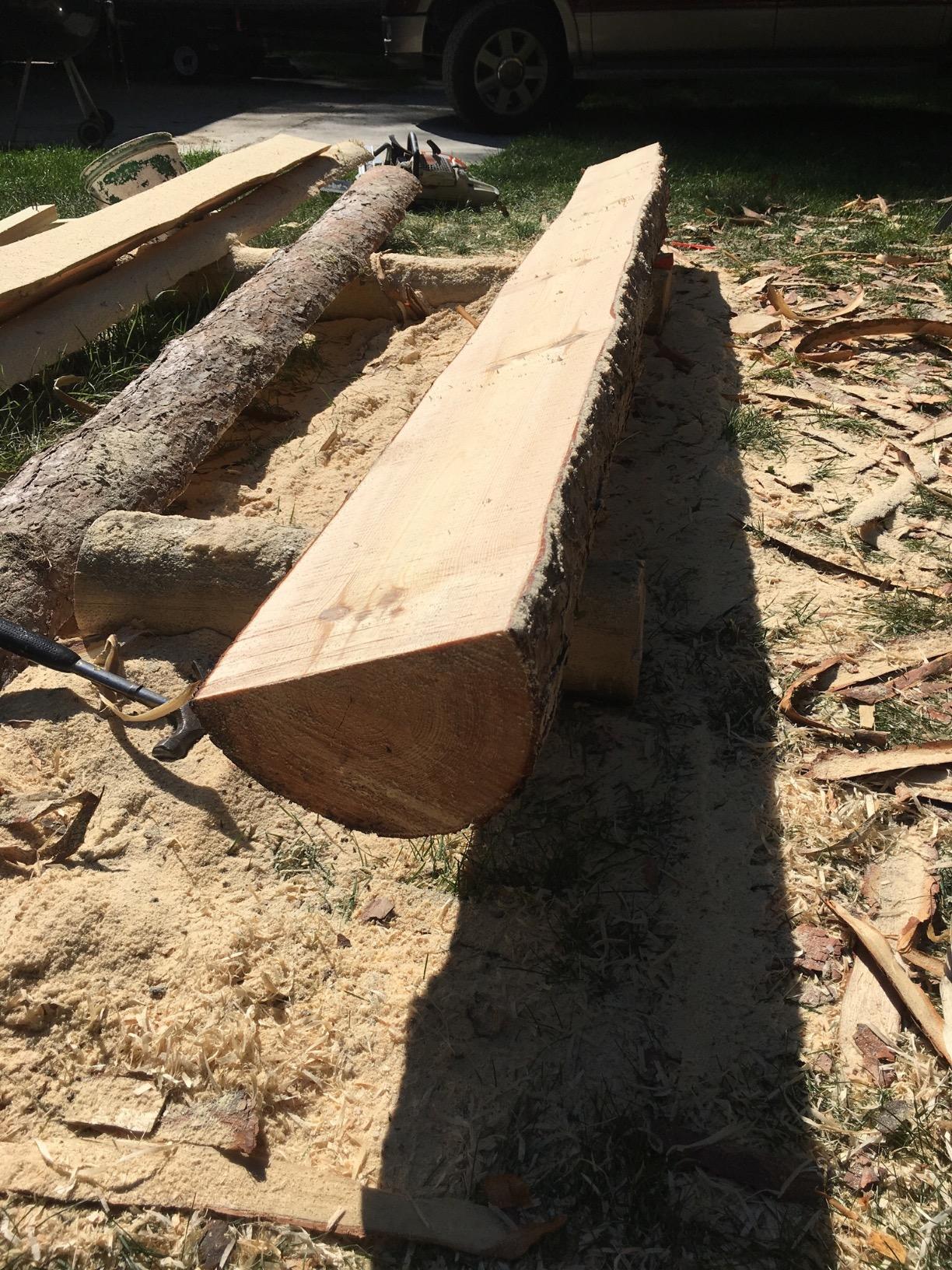
The Granberg G555B Edging Mill is the only vertical edging mill in our roundup, and it solves a problem chainsaw mills do not handle well: squaring round slabs into straight, even boards. After using the Alaskan MKIV to slab a log, the G555B lets you run that slab through vertically to clean up the edges and produce true dimensional lumber.
We used it to edge live-edge pine and oak slabs into 8-inch wide boards for a small shed project. The aerospace aluminum extrusion and zinc-plated hardware are noticeably lighter than they look, which makes repositioning mid-project easier. The polycarbonate safety guard is a thoughtful touch on a vertical cutting tool.
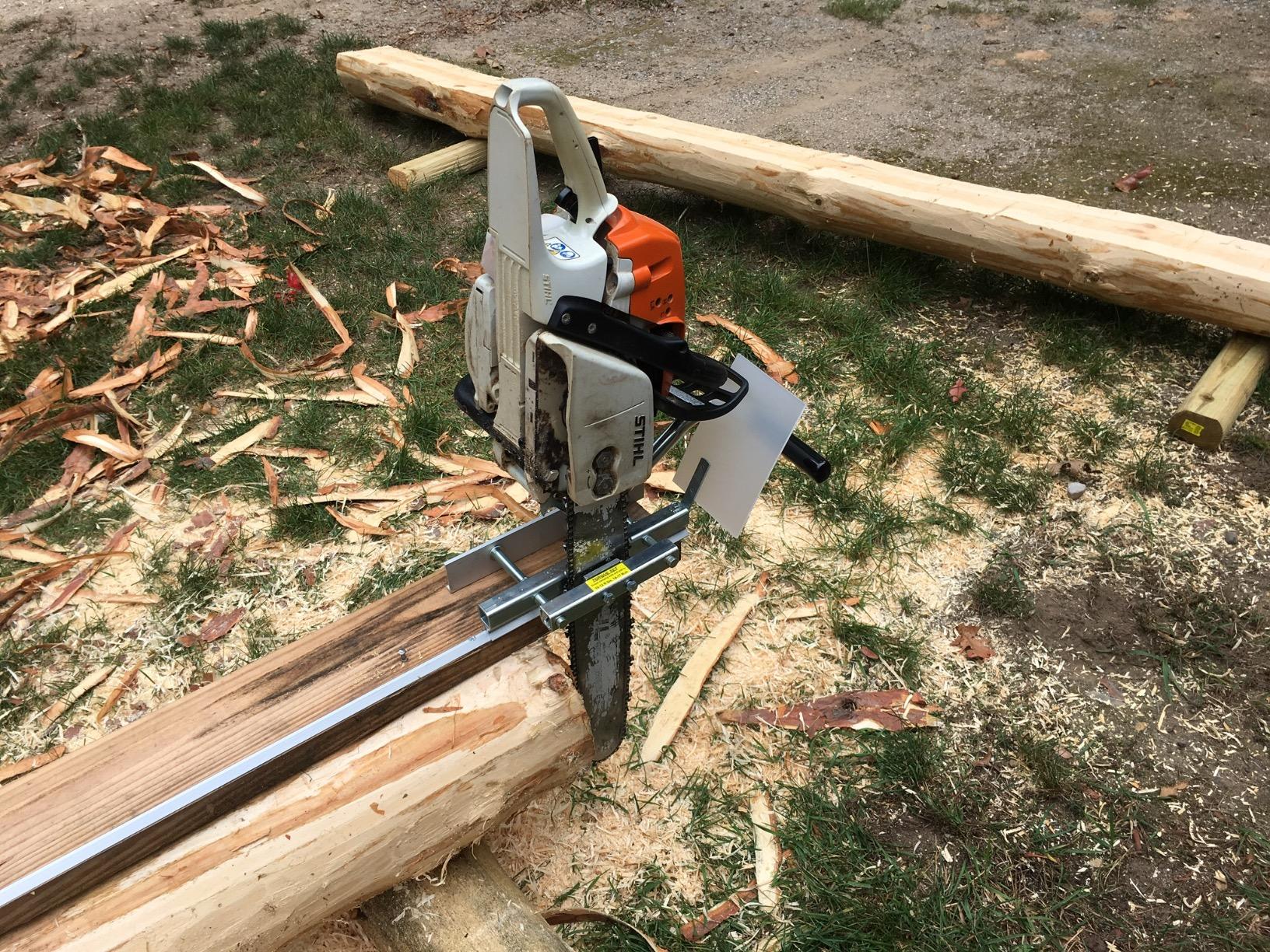
The included 12 feet of V-rail is limiting for longer logs. Most experienced owners order a second set of rail to handle 16 to 20-foot workpieces. Setup also requires careful rail alignment, which adds time compared to a horizontal mill.
Who the G555B fits
Homesteaders who already own a chainsaw slabbing mill and want a way to square their slabs into usable lumber. It is also useful as a standalone tool for making beams and posts from small to mid-size logs.
When to consider alternatives
If you do not already slab lumber with a chainsaw mill, this tool will sit on the shelf. Bandsaw mills square their own cuts, so you only need an edging mill if you are running a chainsaw-based workflow.
10. Timber Tuff TMS-24 Chainsaw Mill
Timber Tuff Portable Chainsaw Sawmill Lumber Cutting Mill, 24 Inch, Silver
Fits 16-24 inch bars
Aircraft aluminum
14.3 lbs
Pros
- Aircraft-grade aluminum body resists rust
- Stainless steel hardware for durability
- Easy to assemble with included hardware
- Lightweight at 14.3 pounds
- Adjustable thickness from 0.20 to 11.81 inches
- Good value for hobby use
Cons
- Assembly directions are poor and confusing
- Clamp placement near the bar nose can jam the sprocket
- Loses about 3 inches of cut width to mounting hardware
- Quality control issues with stripped screw threads
- Replacement parts are hard to source
The Timber Tuff TMS-24 is a compact, lightweight chainsaw mill aimed at small-bar homesteaders. We mounted it on a 20-inch bar saw and ran it through 14-inch cedar rounds. The aircraft-grade aluminum body and stainless steel hardware resisted the humid storage conditions in our unheated barn without any surface rust after a season of use.
The thumbscrew rail adjustment was faster than the bolt-and-wrench setup on most competing mills. For a homesteader who wants to set up, mill a stack of boards, and break down without a full tool kit, that simplicity matters.
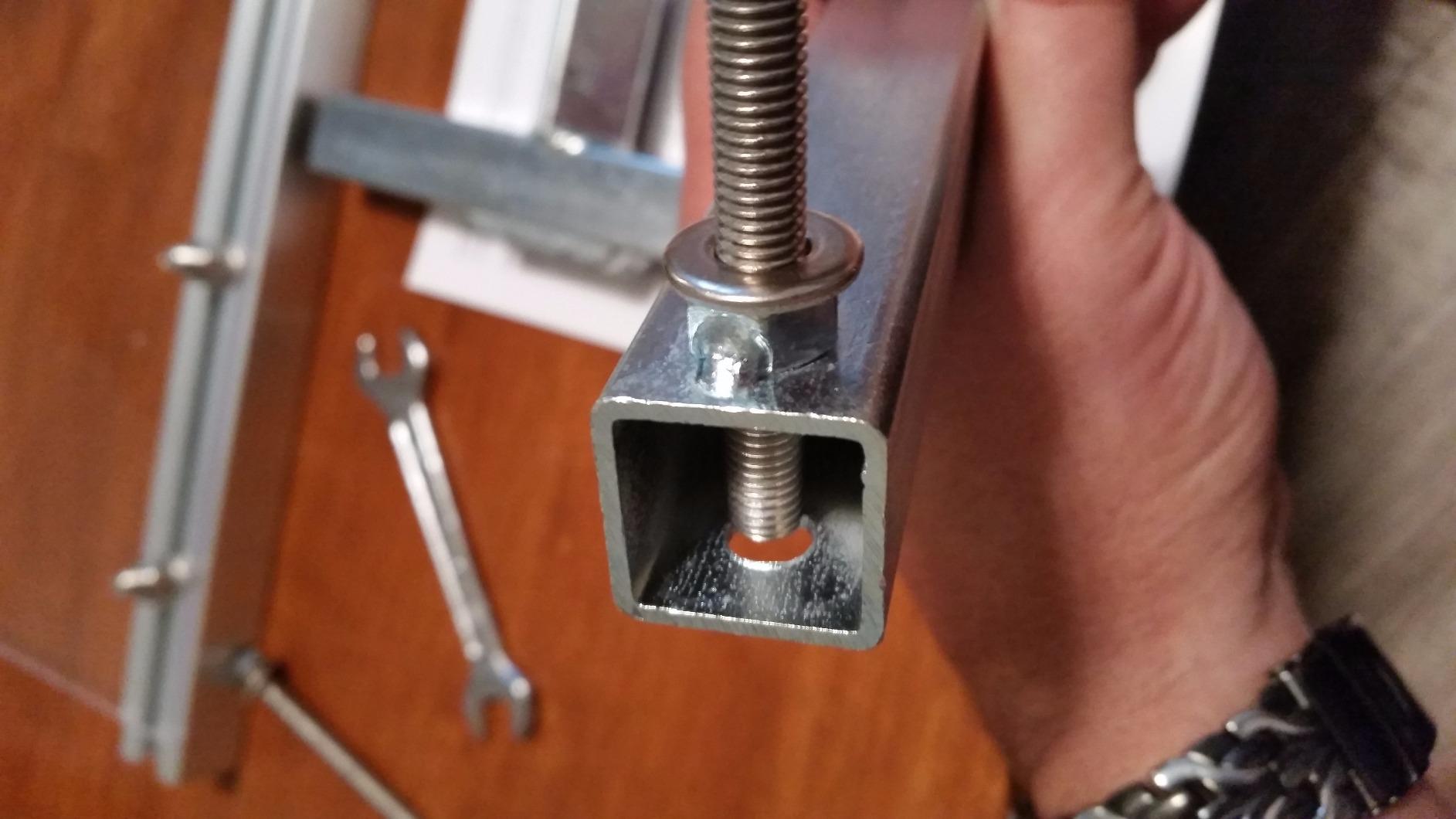
The Timber Tuff’s documentation is weak and the clamp placement can interfere with the bar nose sprocket on some saws. We had to mount the clamp further back than the manual suggested to avoid jamming. Replacement parts are also hard to source since Timber Tuff’s current website does not list portable sawmills, so treat this as a tool you may need to replace rather than repair.
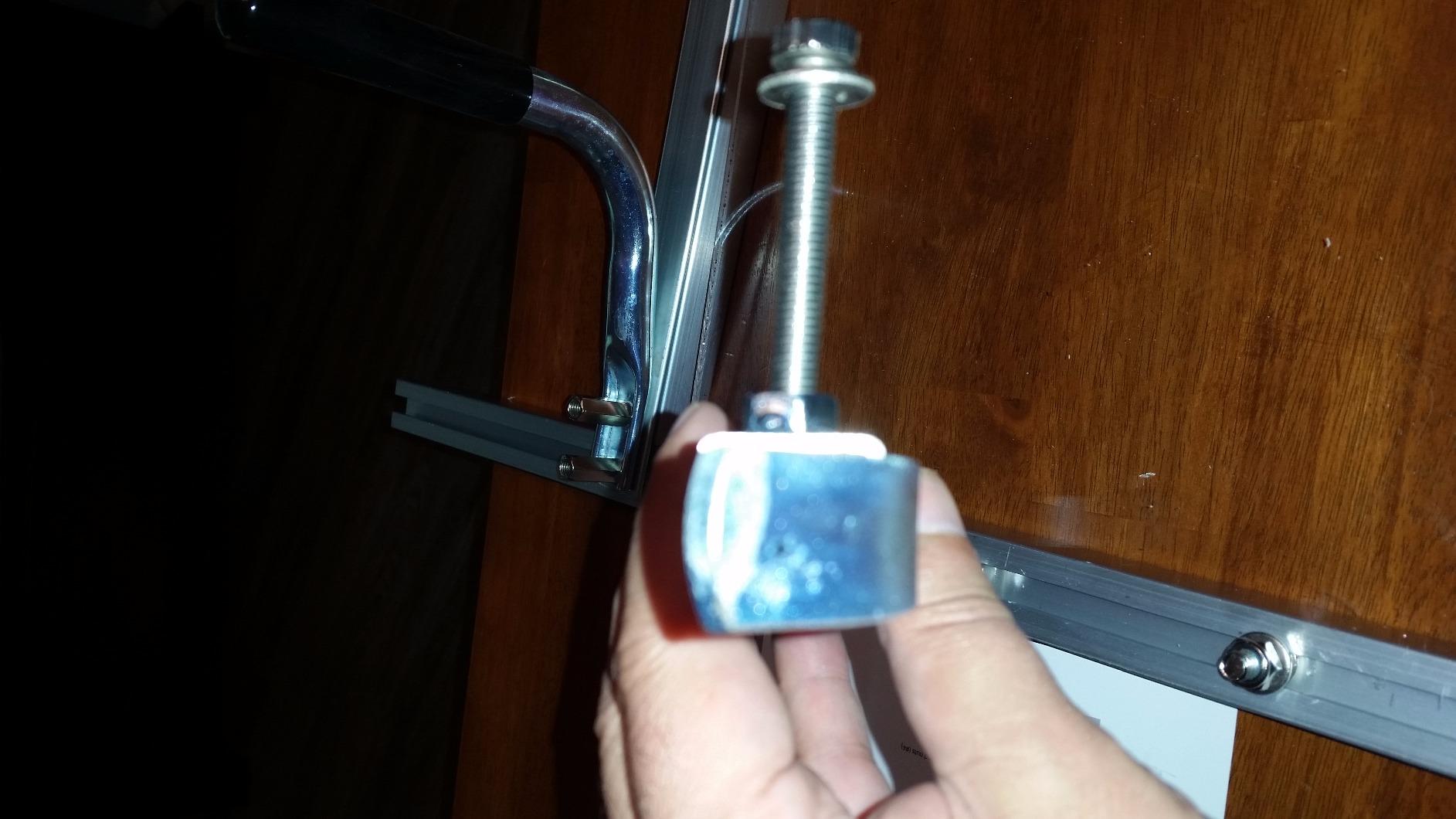
Who the Timber Tuff fits
Homesteaders with smaller chainsaws (16 to 24-inch bars) who want a low-cost, lightweight mill for occasional small-log work. It is a good fit for property owners who mill a few boards per year for fence repairs and shed projects.
When to upgrade
If you find yourself using it more than a few times per season, the Granberg G777 or MKIV will give you a noticeably better experience and stronger long-term support.
Buying Guide: Choosing the Best Portable Sawmill for Your Homestead
Once you have looked at individual models, the next question is how to pick the right one for your specific property, timber, and budget. Below are the factors our team weighs every time we evaluate a portable sawmill for a homestead.
Band sawmill vs chainsaw mill
Chainsaw mills are cheaper, lighter, and easier to store in a barn or shed corner. They work well for softwood and mid-density hardwood up to about 24 inches in diameter, and they let you turn an existing chainsaw into a mill without buying a second engine. The tradeoff is speed — each board is a slow pass, and you will burn through chains and bar oil faster than you expect.
Band sawmills use a thin-kerf steel blade on a track system. The thin kerf means less waste per cut, and the dedicated engine means faster, more accurate boards. For homesteaders with regular hardwood over 24 inches or production needs above a few hundred board feet per year, a bandsaw mill is the right answer. For occasional softwood and salvage logs, a chainsaw mill is the better value.
Hydraulic vs manual operation
Manual mills require you to crank or push the saw head through each cut. Hydraulic mills use engine-driven pumps to feed the head, turn the log, and clamp the log in place. The hydraulic convenience matters when you are cutting all day, but it also adds thousands to the price and a lot more weight and maintenance.
For a homestead sawyer milling a few cords per year, a manual mill is fine. For small sawmill businesses and homesteaders who mill weekly, hydraulic log handling and power feed pay for themselves in time and reduced fatigue. We recommend starting manual and upgrading only when you find the manual workflow slowing you down.
Power source: gas, diesel, electric, and PTO
Gas engines are the most common choice for portable sawmills because they are simple to start, easy to fuel, and work in remote locations without grid power. Diesel engines last longer under heavy loads and are easier on fuel for high-volume milling, but they cost more upfront and are noisier. Electric motors are quiet and low-maintenance but require three-phase power or a heavy inverter — a real limit for off-grid homesteads.
PTO-driven mills run off your tractor’s power take-off and are a common homesteader choice because they eliminate a separate engine. The tradeoff is that you need a tractor with adequate horsepower (typically 25 HP or more) and you are limited to milling near your tractor. For off-grid properties with a good tractor, a PTO mill is hard to beat. None of the ten products in our roundup are PTO-only, but several accept mill add-ons and PTO conversions from third-party suppliers.
Sizing your sawmill to your homestead timber
Most homestead timber falls into one of three buckets. Small softwood (pine, spruce, cedar) under 16 inches in diameter is the most common and easiest to mill — a chainsaw mill like the Granberg G777 handles it easily. Mid-size hardwood (oak, ash, maple) up to 24 inches in diameter is the sweet spot for the Granberg MKIV or a compact bandsaw mill. Large hardwood over 28 inches is where dedicated bandsaw mills like the MechMaxx or BILT HARD become worth the cost.
Measure the largest log on your property before you buy. A mill that handles your biggest log will handle everything smaller. A mill sized to your average log will leave you struggling when the storm brings down a 30-inch oak.
Total cost of ownership
The sticker price is only the start. Blades are a recurring cost — a quality bandsaw blade runs into the hundreds of dollars and needs sharpening every few hours of cutting time. Chainsaw mills need ripping chains (typically a special chain that costs more than a standard crosscut chain), bar oil, and fuel. Hydraulic mills need hydraulic fluid, pump maintenance, and occasional seal replacement.
Plan on 10-20% of the purchase price per year in maintenance and consumables for a mill you use regularly. Used mills cost less up front but may need immediate blade replacement, new bearings, or fresh hydraulics, so factor those into the total.
Buying mistakes homesteaders make
The most common mistake is buying a mill too small for the largest log on the property. The second most common is buying a manual mill and expecting production-rate output. We also see homesteaders skip blade cost in their budget, then stall the project when the first blade dulls in a weekend.
For a deeper look at the overbuying trap, our guide to overbuying mistakes new homesteaders always regret covers related decision-making patterns.
Off-grid and storage considerations
If your property is off-grid, electric mills are out unless you have a serious inverter setup. PTO mills and gas mills are the practical choices. For storage, a chainsaw mill slides into a barn corner. A bandsaw mill needs a flat pad and ideally a roof — even a simple pole shed cover dramatically extends the life of the track and bed.
Frequently Asked Questions
Which portable sawmill is the best rated?
Among portable sawmills with substantial owner feedback, the Granberg G778-30 Alaskan MKIV consistently earns the highest ratings, with a 4.7-star average across nearly 1,000 reviews. It combines aircraft-grade aluminum construction with USA-made quality and accurate cuts up to 24 inches wide. For dedicated bandsaw mills, the MechMaxx SM-32 earns a 4.6-star rating for its 32-inch log capacity and electric-start 15HP engine.
What is the best portable sawmill for beginners?
The Granberg G777 Alaskan Small Log Mill is our top pick for beginners. It clamps onto a chainsaw bar without drilling, produces flat boards across small logs, and has a forgiving learning curve. Pair it with a dedicated ripping chain and a chalk string for your first straight cut. Once you outgrow the G777, the Granberg MKIV is the natural next step.
Are hydraulic portable sawmills worth the investment?
Hydraulic sawmills are worth the investment for homesteaders who mill weekly or operate small sawmill businesses. They save significant labor on log turning, clamping, and head feeding. For occasional milling of a few cords per year, manual mills deliver the same lumber at a much lower cost. A common upgrade path is to buy a manual mill first and add hydraulic components later as needs grow.
What size logs can a portable sawmill cut?
Portable chainsaw mills typically handle logs up to 24 to 36 inches in diameter, depending on bar length. Dedicated bandsaw mills like the MechMaxx SM-32 and BILT HARD 32 inch handle logs up to 32 inches in diameter and 9.9 to 10.25 feet in length on the standard track, with extensions available for longer timber. Always measure the largest log on your property before choosing a mill.
How long do portable sawmills last?
A well-maintained portable sawmill from a reputable brand like Wood-Mizer, Norwood, TimberKing, or Granberg can last 15 to 25 years or more. Bandsaw blades typically need sharpening every 2 to 4 hours of cutting and replacement every 20 to 50 sharpenings. Tracks, beds, and engines hold up far longer than blades, which is why blade cost should be factored into the purchase decision.
Can portable sawmills be transported easily?
Chainsaw mills are highly portable — most weigh under 20 pounds and fit in a truck bed or backpack. Dedicated bandsaw mills range from trailer-portable (you can tow them with a pickup) to workshop-class machines over 800 pounds that require a flatbed or significant disassembly to move. For off-grid or remote woodlot work, a chainsaw mill is the practical choice; for production milling at a fixed site, a bandsaw mill is more efficient.
Final Verdict: Which Portable Sawmill Should a Homesteader Buy?
After comparing all ten portable sawmills in this roundup, our top recommendation for the best portable sawmills for homesteaders remains the Granberg G778-30 Alaskan MKIV. It pairs USA-made build quality with proven accuracy across hardwood and softwood, and its customer support is the best we encountered in the chainsaw-mill category. For homesteaders on a tighter budget or with smaller bars, the Granberg G777 is the clear best-value pick, and the Carmyra is the right starter mill if you want to try chainsaw milling without committing to premium pricing.
If you are ready to step up to a dedicated bandsaw mill for regular hardwood production, the MechMaxx SM-32 is our pick for most homestead operations, and the BILT HARD 32 inch is the right choice when long logs are part of your project list. Whichever mill you choose, measure your largest log first, budget for blades and maintenance, and start with a manual setup before adding hydraulics. The best mill is the one that matches your timber, your time, and your shop space.