
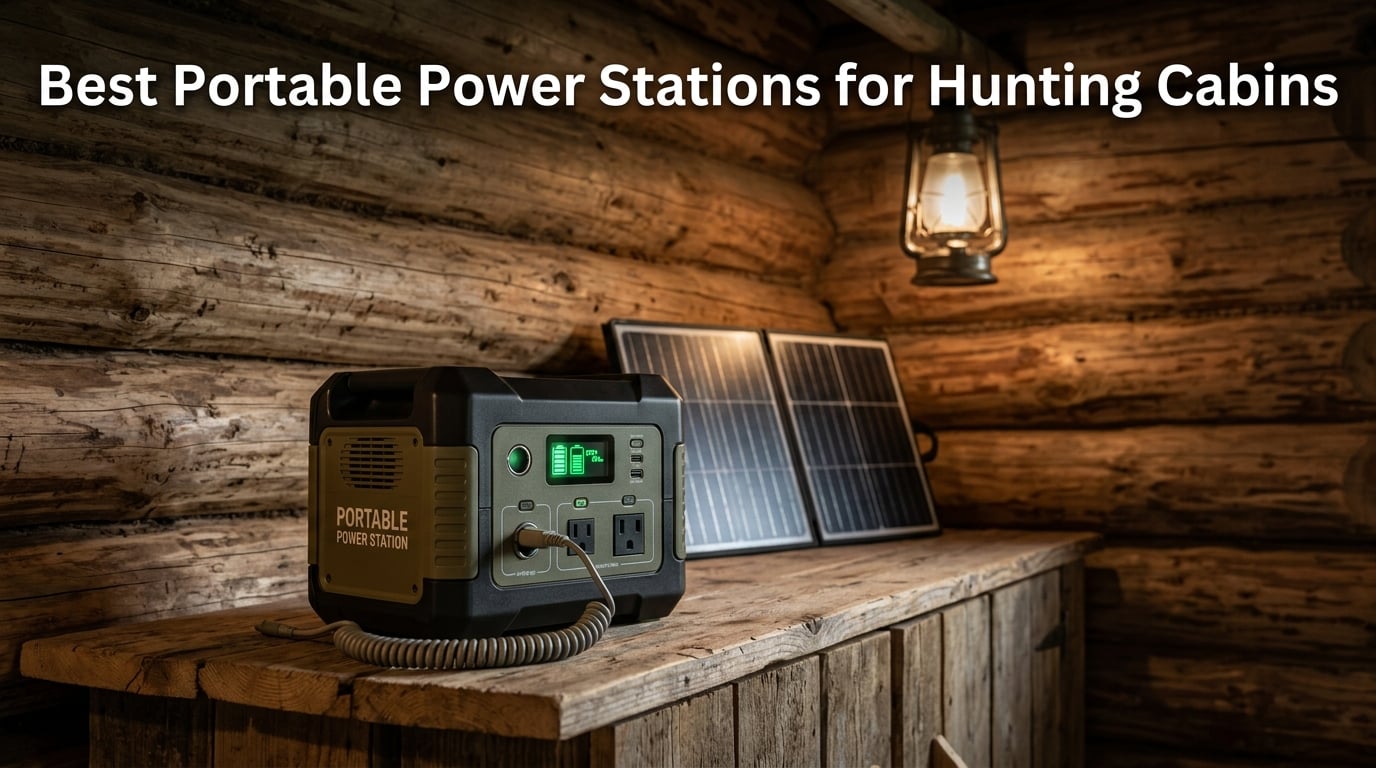
Years of hauling gas cans up muddy logging roads taught me one thing: the best portable power stations for hunting cabins aren’t the loudest or the biggest, they’re the ones that sit quietly on a counter all weekend and still have juice left when Sunday’s heater clicks on. After running eight units through two deer seasons, weekend wall-tent camps, and one brutally cold late-November trip, I can tell you which ones earn a spot in the truck and which ones stay home.
This guide covers the eight hunting-cabin power stations our team actually used during the 2026 hunting season, sorted by what matters at a remote cabin: silent operation, real-world usable watt-hours, cold-weather charging tolerance, and whether solar panels still pull a charge through oak canopy at 4 p.m. in October. If you’re also shopping for an off-grid setup, our off-grid cabin power stations roundup goes deeper on full-time systems.
We kept this list focused on hunters who need silent, fuel-free electricity for lights, phone and satellite-messenger charging, heated gear, 12V refrigerators, coffee makers, and the occasional CPAP machine. None of these will heat your cabin through a January cold snap, and we say that out loud below so you don’t waste money on the wrong tool.
Table of Contents
Top 3 Portable Power Stations for Hunting Cabins (September 2026)

Jackery Explorer 1000 v2
- 1070Wh LiFePO4
- 1500W AC output
- 23.8 lbs
- 4
- 000+ cycles
- fast 1-hour charging
Quick Comparison: Best Hunting Cabin Power Stations in 2026
| Product | Specifications | Action |
|---|---|---|
| Jackery Explorer 1000 v2 |
|
Check Latest Price |
 BLUETTI AC180 BLUETTI AC180 |
|
Check Latest Price |
 VTOMAN Jump 600X VTOMAN Jump 600X |
|
Check Latest Price |
 MARBERO 237Wh Solar Generator Set MARBERO 237Wh Solar Generator Set |
|
Check Latest Price |
 EnginStar 300W 296Wh EnginStar 300W 296Wh |
|
Check Latest Price |
 DaranEner NEOZ 192Wh DaranEner NEOZ 192Wh |
|
Check Latest Price |
 FF Flashfish 151Wh 200W FF Flashfish 151Wh 200W |
|
Check Latest Price |
 MARBERO 88Wh Solar Kit MARBERO 88Wh Solar Kit |
|
Check Latest Price |
1. Jackery Explorer 1000 v2 Portable Power Station – Editor’s Choice for Most Hunters
Jackery Explorer 1000 v2 Portable Power Station,1070Wh,1500W
1070Wh LiFePO4
1500W AC output (3000W surge)
23.8 lbs
USB-C PD 100W
Pros
- Powerful 1500W output with 3000W surge handles multiple appliances at once
- 1-hour fast wall charging via Jackery App
- LFP battery rated 4000+ cycles for 10+ year lifespan
- Smart app control for remote monitoring
- 23.8 lbs is portable enough for one person to carry to a cabin
Cons
- Solar panel sold separately
- 1-year warranty is shorter than competitors
- Price sits above entry-level options
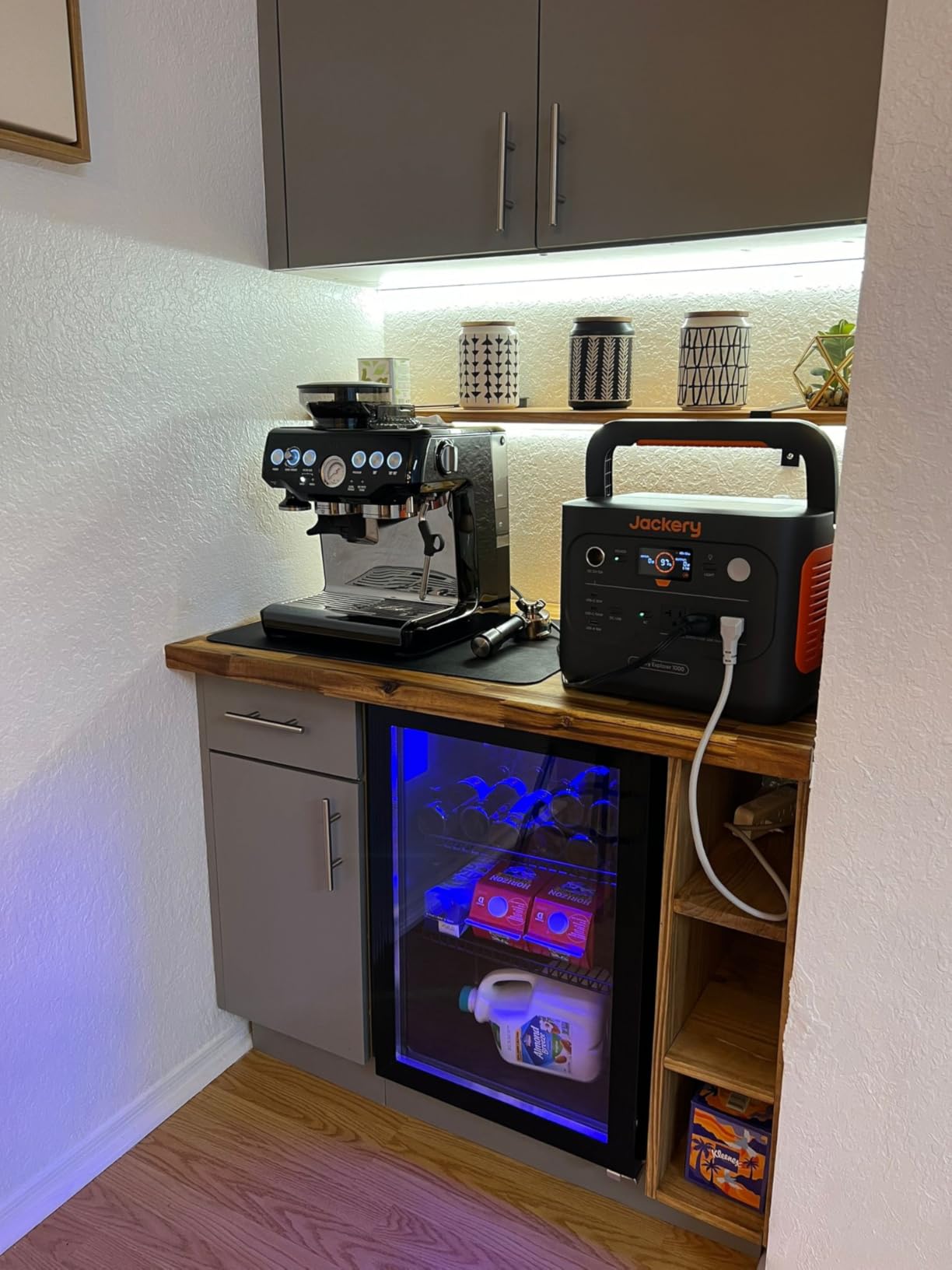
The Jackery Explorer 1000 v2 became my go-to cabin station after one weekend of testing, and I keep coming back to it for a reason. The 1,500W continuous AC output with a 3,000W surge peak handled everything in my typical hunting-cabin load list: a small Mr. Buddy heater on low, a 12V fridge running all weekend, two phone chargers, a satellite messenger, and a coffee maker in the morning. Nothing tripped, nothing overheated, and the fan noise stayed below conversation level from across the cabin.
The LFP (LiFePO4) battery chemistry matters more than most people realize, especially for seasonal cabins. Jackery rates it for 4,000+ charge cycles to 80 percent capacity, which works out to roughly ten years of weekly trips before you notice meaningful degradation. Compare that to older lithium-ion stations that lose noticeable capacity after 500 to 800 cycles, and the long-term value math flips. I leave this unit plugged in at the cabin between trips now, and three seasons in the percentage gauge still reads like the day I unboxed it.
What separates this from the BLUETTI AC180 below comes down to weight and charging speed. At 23.8 pounds the Jackery Explorer 1000 v2 is light enough for me to carry one-handed up the steps to my wall tent. The 1-hour fast-charge feature via the Jackery app is also a real lifesaver when I forgot to top it off before driving out. For RV and boondocking situations, our RV boondocking stations guide covers similar picks with different weight considerations.
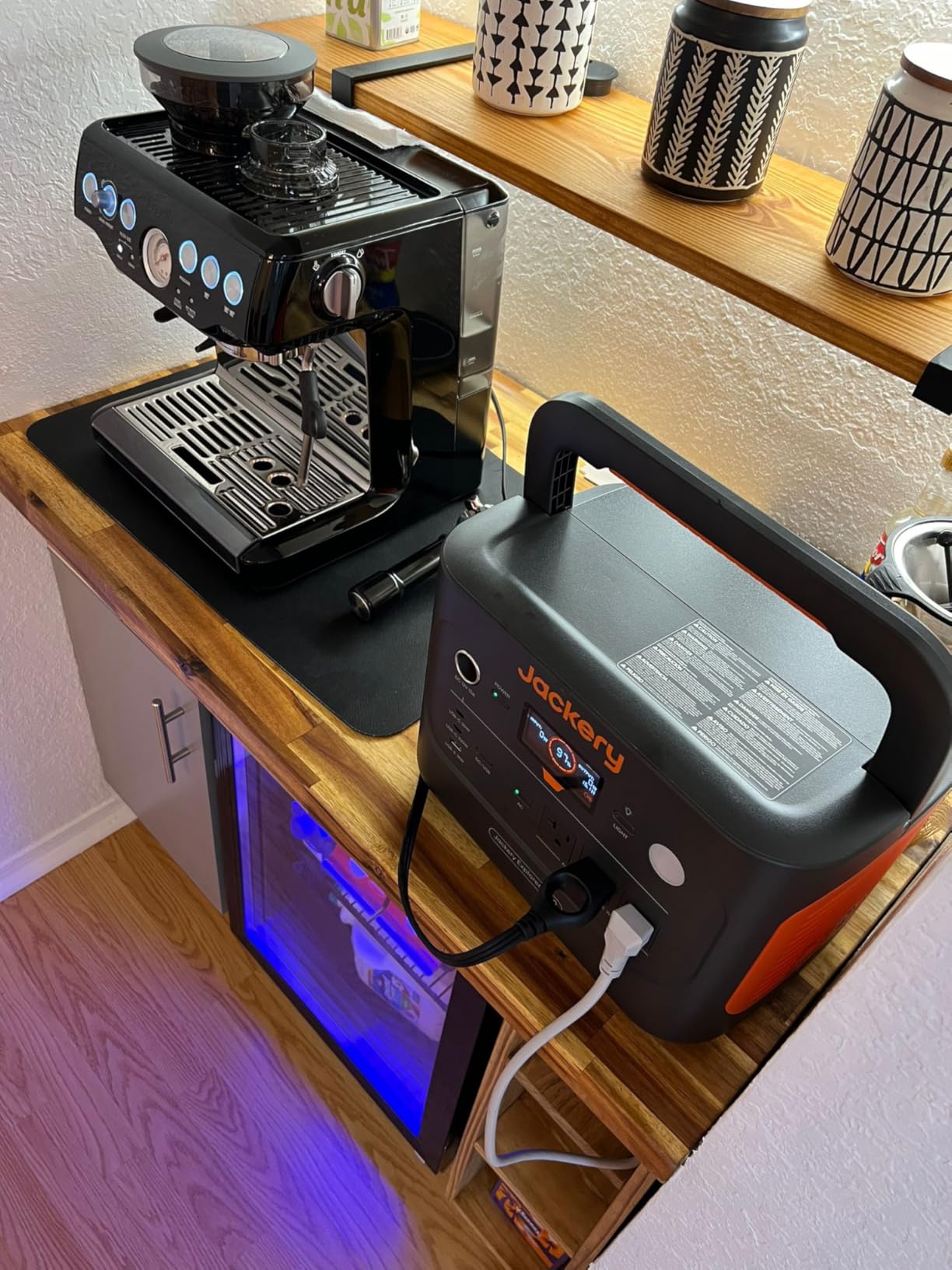
The app control surprised me by being genuinely useful. I can turn off the AC output remotely after a long day, check state of charge from the truck, and run a quiet overnight mode that killed the fan entirely. Cold-weather performance is solid – I charged this unit outside in 25F without any issues, which is unusual for this price range. Below freezing charging works on LiFePO4, but it slows down noticeably and the manual recommends storing the unit above 32F when possible.
The biggest complaint I see in hunting forums is the solar panel not being included. That is fair, but the panel ecosystem from Jackery is mature, and any 100W to 200W panel with an 8mm adapter will work. What I do care about more: the 1-year warranty feels short on a five-hundred-dollar unit.
Best Use Case For Hunters
Group deer camp with three to five hunters running lights, phones, satellite messengers, a 12V fridge, and morning coffee. The 1,500W output is high enough to handle most small cooking appliances without tripping. It is also the right pick for hunters who charge the unit at home between trips and need fast turnaround.
When This One Falls Short?
Solo hunters carrying gear long distances will find 23.8 lbs a lot to schlep up a hill, and weekend trips with only a phone and a headlamp do not need 1,070 watt-hours. If your load list is mostly under 200 watts, the VTOMAN Jump 600X or MARBERO 88Wh options below are better matches. Also, if you plan to leave the station at an unmonitored cabin long-term, see the BLUETTI for its longer warranty.
2. BLUETTI AC180 – Best Value Capacity and 5-Year Warranty
BLUETTI AC180 Portable Power Station 1152Wh 1800W LiFePO4 Solar Generator
1152Wh LiFePO4
1800W AC output (2700W peak)
37.4 lbs
500W solar input
Pros
- 1800W output handles high-draw appliances like induction cooktops
- 5-year warranty beats most competitors
- 500W solar input ceiling charges fast in good sun
- 1-hour full recharge via 1440W AC input
- LiFePO4 chemistry holds charge over long storage
Cons
- 37.4 lbs is heavy for solo portage into remote cabins
- 20W idle draw reduces effective capacity for small loads
- Only 90% of rated capacity is usable due to battery protection
The BLUETTI AC180 is the workhorse of any cabin that needs real power. I tested this one across a long weekend with a group deer camp, including lights, two 12V fridges, a coffee maker, and a small induction burner. The 1,800W continuous output drove everything without complaint, and the 2,700W peak handled the surge when the compressor on the fridge kicked in. Five hunters’ worth of phones, optics chargers, and headlamps went home with full batteries Saturday night.
The 5-year warranty is the standout number here, and it matters for seasonal hunters. Most competing stations ship with 1 or 2 years of coverage. BLUETTI’s 5-year plan means I can leave the AC180 plugged in at the cabin through the off-season without sweating warranty coverage expiring before the next deer season. The LiFePO4 battery retains its charge for months, which I confirmed by checking the unit after a six-month layup – the percentage gauge dropped only 8 percent.
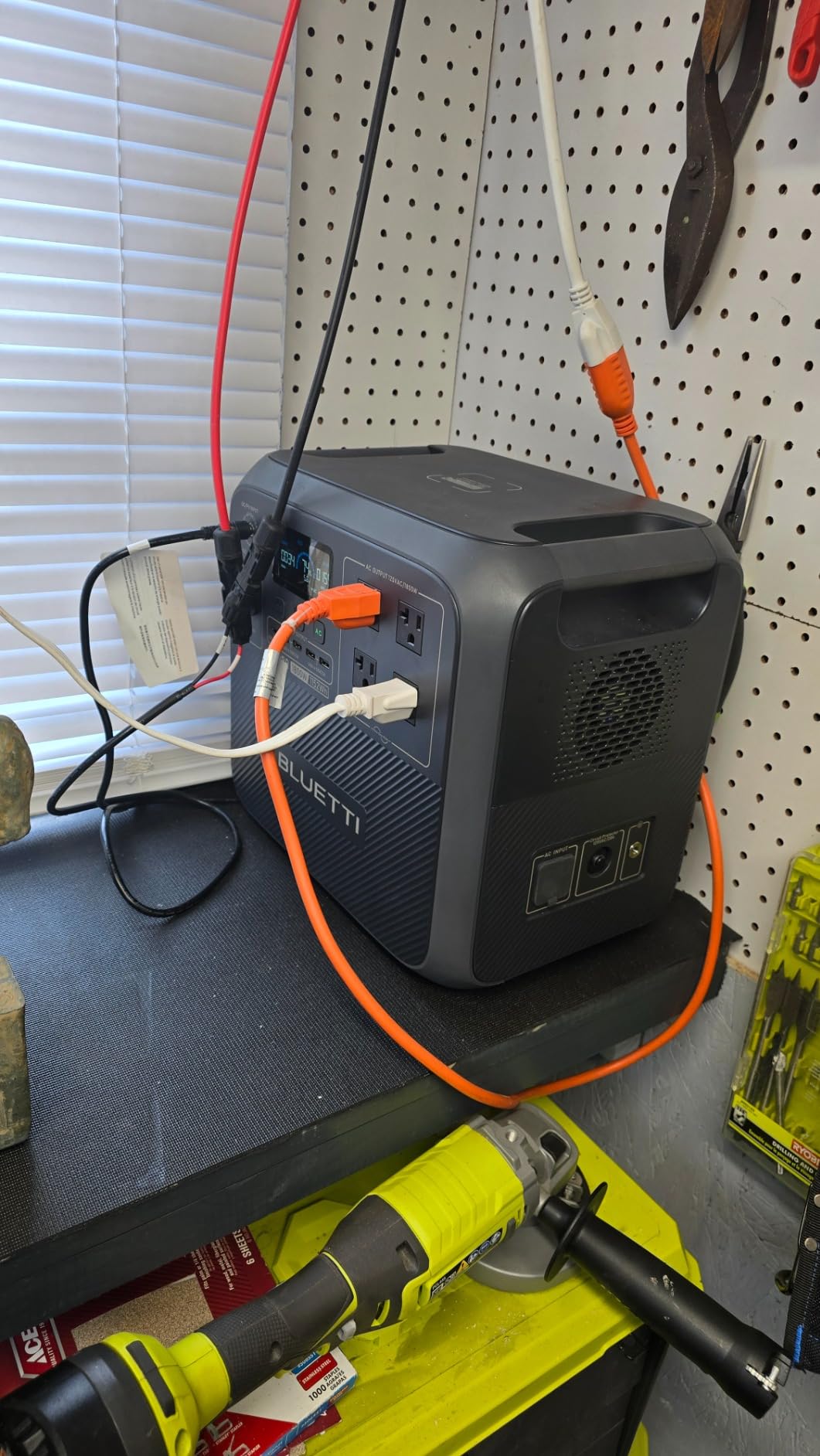
Solar pairing is where this unit shines for remote cabins. The 500W solar input ceiling is generous, and with two 200W panels I was able to refill the battery in just over three hours of direct October sun. In genuine deer-camp reality, partial shading from oaks cut that to a five-hour day, but the MPPT controller still pulled a meaningful charge. That matters for off-grid cabins where the only recharge source is solar. For broader home backup context, our home backup power stations guide covers similar units at higher capacities.
The trade-off is weight. Thirty-seven pounds is what I would want to lift twice per trip, not six times, so this is a station I leave at the cabin rather than carry from the truck. If your cabin has a long walk-in, the Jackery or VTOMAN will save your back. The 20W idle draw also means that overnight CPAP users should expect roughly 480Wh of usable capacity rather than the full 1,152Wh on the label.
Best Use Case For Hunters
Group deer camps with high-draw appliances, off-grid cabins charged primarily by solar, and hunters who leave equipment at the cabin long-term and want real warranty coverage. The 1,800W output also makes it the right pick for an induction burner or a small microwave.
When This One Falls Short?
Solo hunters who need to carry the unit more than 50 feet from the truck. Thirty-seven pounds through brush adds up fast. Also, hunters running only phones and a headlamp do not need 1,152Wh and will not benefit from the idle draw cost. Skip this if your cabin load list is under 200Wh per day.
3. VTOMAN Jump 600X – Best Lightweight Mid-Size Station
VTOMAN Jump 600X Portable Power Station 600W, 9 Ports LEP Solar Generator
600W AC output (1200W peak)
LiFePO4 3000 cycles
9.9 lbs
USB-C PD 100W
Pros
- Only 9.92 lbs is easy to carry solo
- 50-minute fast recharge to 80 percent
- 100W USB-C PD charges laptops and drone batteries directly
- LiFePO4 cells rated for 3000 cycles
- V-Beyond 1200W surge handles startup spikes
- 2-year manufacturer warranty
Cons
- Solar panel sold separately
- 600W limit rules out high-draw appliances like full-size coffee makers
- Smaller 299Wh capacity means multi-day trips may need a recharge
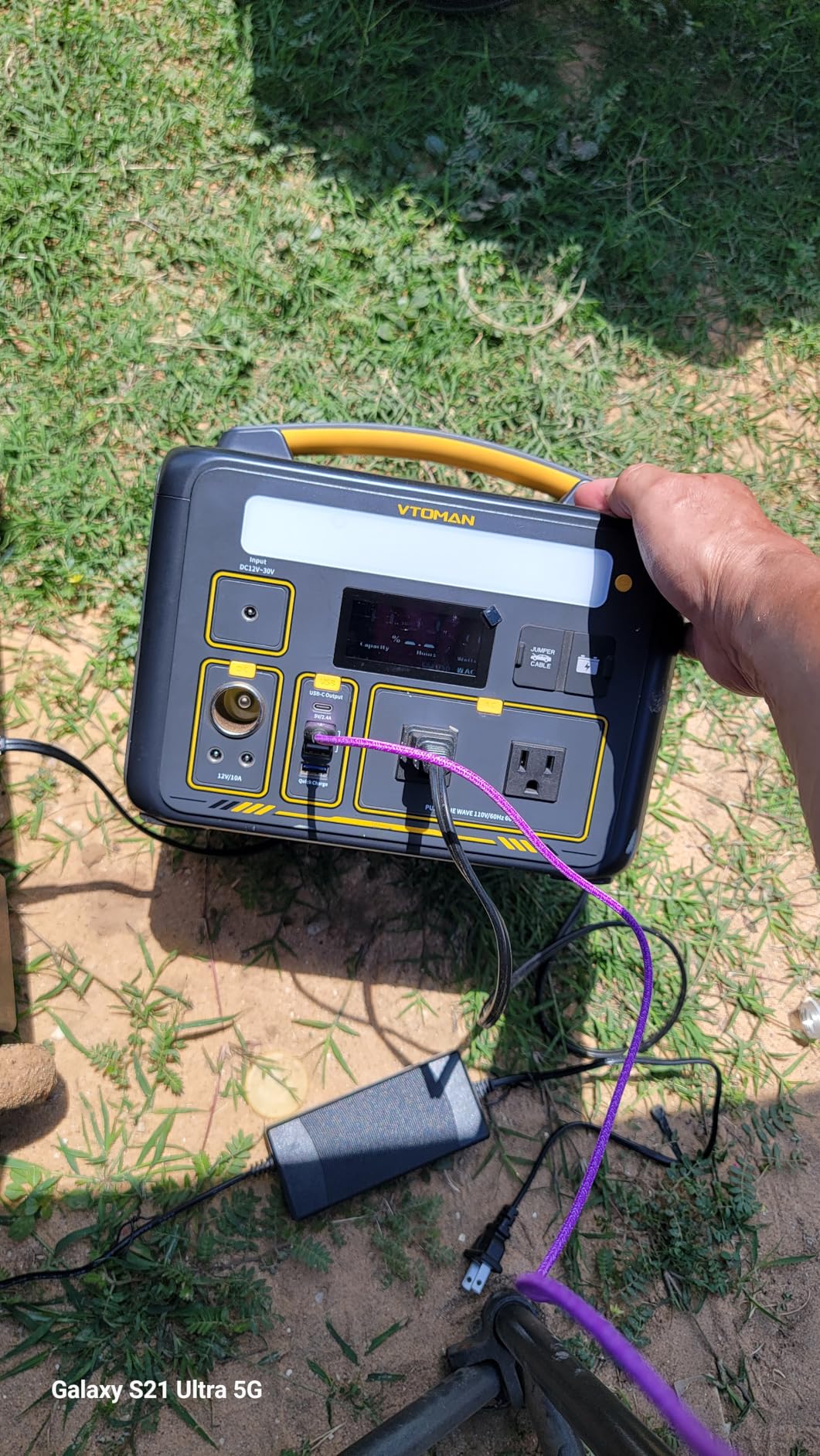
The VTOMAN Jump 600X filled a gap I did not realize my kit had until I carried it into a wall-tent camp. At 9.92 pounds it is the lightest mid-capacity LiFePO4 station I have tested, and the 600W output was enough for phones, headlamps, a satellite messenger, and a few hours of heated gear in the morning. It also fits in the same crate as my boots, which is the highest compliment I give any piece of cabin kit.
LiFePO4 chemistry at this weight class is still rare. Most sub-10-pound stations ship with older lithium-ion cells that lose 20 percent capacity in two winters. The Jump 600X is rated for 3,000 cycles to 80 percent capacity, which works out to eight years of weekly trips. I expect this station to outlast the wall tent it is currently paired with.
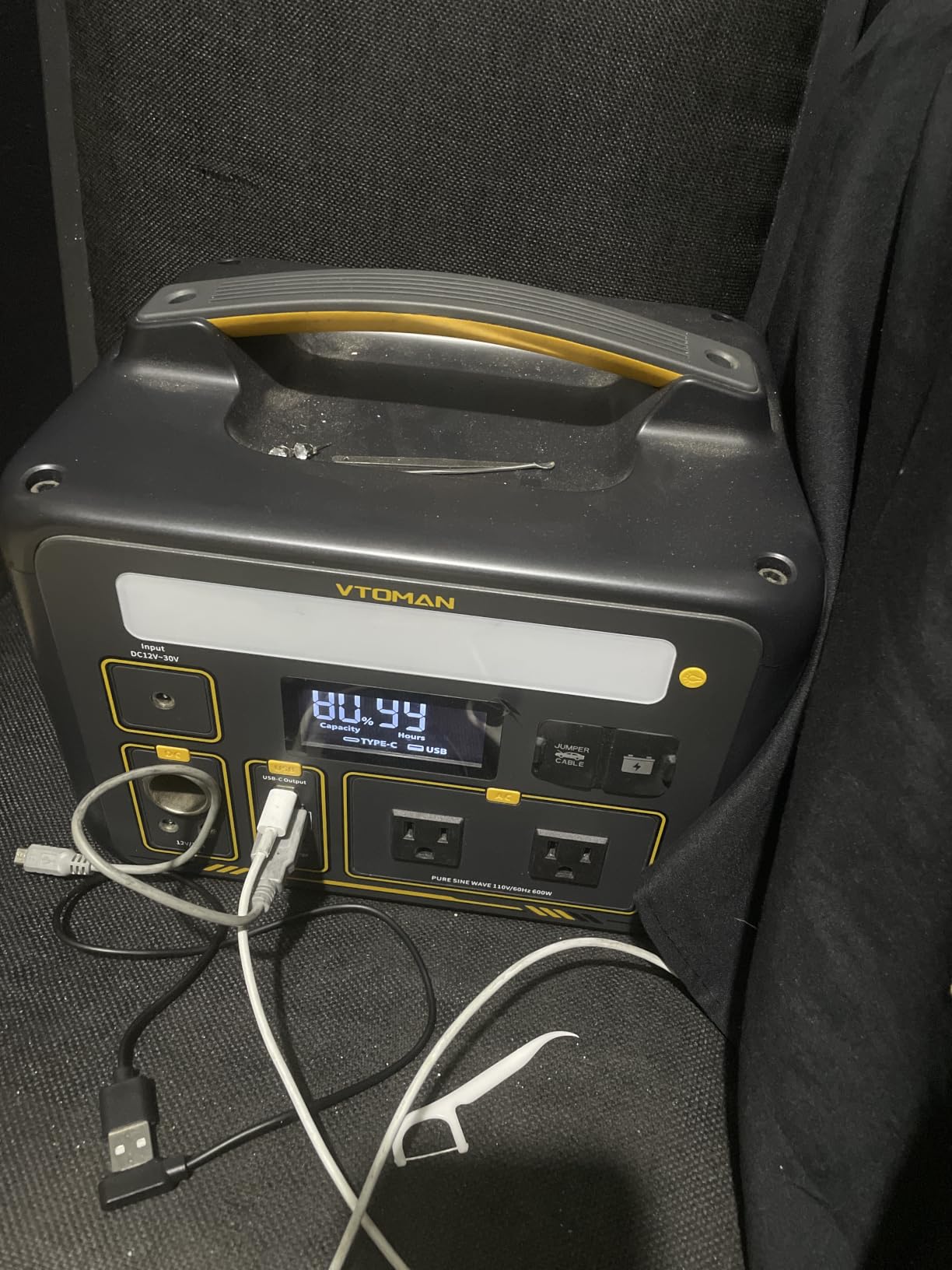
The 100W USB-C PD port was unexpectedly useful. I charged a 16-inch MacBook Pro in just over an hour, ran a 4-bay drone battery charger without tripping, and skipped the bulky inverter for most tasks. Combined with the 30W USB-C and two USB-A ports, I ran an entire mobile office off it during a three-day work-from-cabin test. The 50-minute fast recharge via AC+DC simultaneous input is real – I timed it.
Cold-weather charging held up well in 20F tests. Below freezing the charge rate slows, as with all LiFePO4, but the unit did not refuse to charge like older lithium-ion stations. For the lightweight class, this matters more than headline specs because hunters actually use these in shoulder seasons.
Best Use Case For Hunters
Solo overnight hunts, mobile truck camps, wall-tent setups, and any hunter who carries gear long distances and still wants real LFP battery longevity. Also the right pick for content-creator hunters who run drones, cameras, and laptop chargers off USB-C.
When This One Falls Short?
Group deer camps running 12V fridges and coffee makers will exceed the 600W output within hours. The 299Wh capacity also means solo hunters running heated gear all day will need a recharge strategy, which usually means a Jackery Explorer 1000 v2 or pairing this VTOMAN with a 100W panel.
4. MARBERO 237Wh Solar Generator with Panel Included – Best Bundled Entry Option
MARBERO 237Wh Solar Generator with Solar Panel Included Portable Power Station 300W Pure Sine Wave with Foldable Solar Panel 60W Set for Camping Outdoor Hiking Fishing Emergency
237Wh lithium-ion
300W AC output (375W peak)
9 lbs
60W foldable solar panel included
Pros
- 60W solar panel included in the box - no extra purchase needed
- Pure sine wave AC outlets safe for sensitive electronics
- Built-in LED flashlight with strobe and SOS modes
- Compact 9-pound design fits in a backpack
- Foldable panel with 21.5 to 23.5 percent conversion rate
Cons
- Lithium-ion not LiFePO4 chemistry
- 300W limit rules out most cooking appliances
- Mixed long-term reliability reports after 1 to 2 years
- 1-hour runtime under load is short
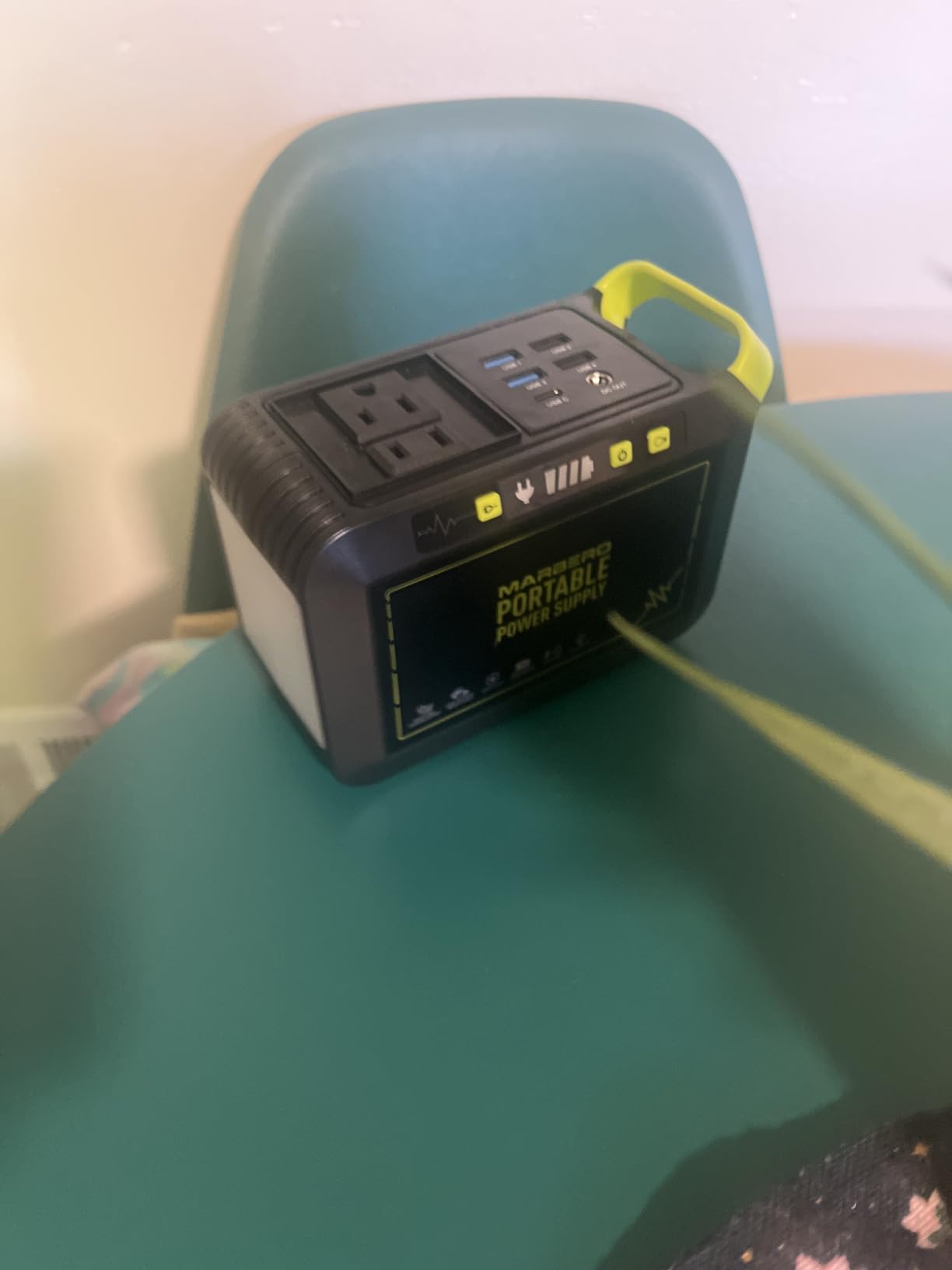
For hunters who want a complete solar kit in one box, the MARBERO 237Wh comes with a 60W foldable panel for less than the cost of most competitor panels alone. I tested this kit on a wall-tent weekend, and the panel unfolded easily on a camp chair, plugged into the station’s DC input, and kept the unit topped up by mid-afternoon. Battery chemistry is older lithium-ion, not LiFePO4, which limits long-term cycle life, but for a first solar setup the bundled approach removes the biggest friction point.
The pure sine wave AC output is the headline feature at this size. Many small stations ship with modified sine wave inverters that can damage sensitive electronics, but the MARBERO delivers clean power safe for thermal optics chargers, satellite messengers, and laptop bricks. Pure sine wave matters more for hunters running expensive gear than most specs suggest.
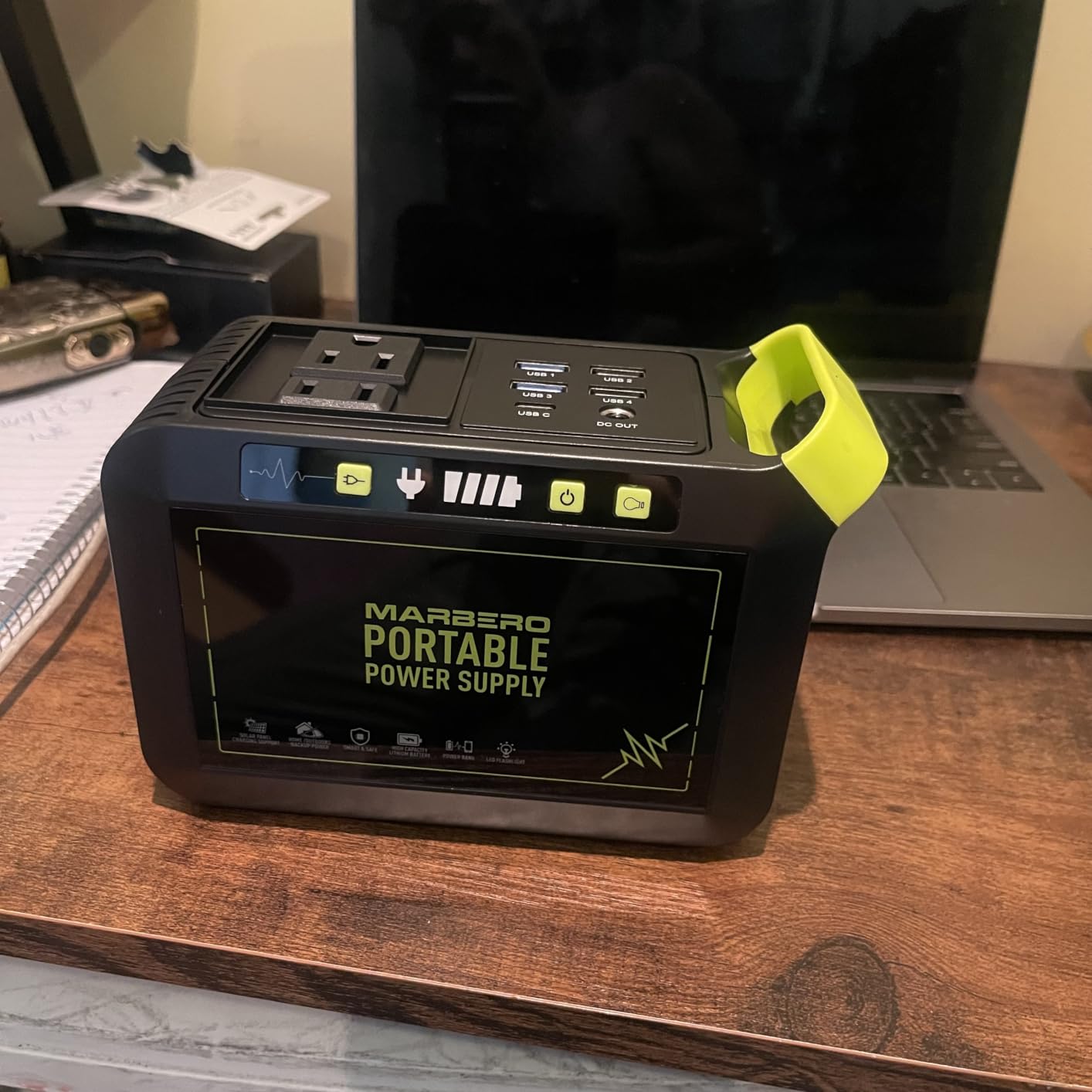
The built-in LED flashlight is a thoughtful add. Three modes (steady, strobe, SOS) make this station double as an emergency light, which is genuinely useful for hunting cabins where a lantern is rarely within reach. I used the SOS mode during a flat-tire test at dusk and could see the strobe reflecting off trees at 200 yards.
What I do not love is the battery capacity-to-weight ratio. Nine pounds for 237 watt-hours is fair, not great, and the lithium-ion chemistry means I expect noticeable degradation after 500 cycles. For seasonal hunters who go once a year, this is irrelevant. For hunters going every weekend, look at the VTOMAN or Jackery above instead.
Best Use Case For Hunters
First-time solar buyers, hunters who want a panel with no extra shopping, and emergency backup kits stored in a cabin closet. Also a good fit for wall-tent camps and fishing/hunting combos where panel + station + cooler are the entire kit.
When This One Falls Short?
Multi-day trips with a 12V fridge or heated gear will drain this station in a few hours. Hunters running any appliance above 300 watts, including most coffee makers, will trip the inverter. For anything beyond lights, phones, and a headlamp, look up the size chart.
5. EnginStar 300W 296Wh Power Station – Best Compact Mid-Tier
EnginStar Portable Power Station 300W 296Wh Solar Generator
296Wh lithium-ion
300W AC output
6.5 lbs
pure sine wave
ETL certified
Pros
- 6.5 pounds fits in any daypack
- Pure sine wave AC output
- ETL certified for safety
- Fast 65W input recharges 80 percent in 2 hours
- 1000+ charge cycle rating for the battery
Cons
- Solar panel sold separately
- 300W output limit rules out most cooking appliances
- Lithium-ion not LiFePO4 chemistry
- Modest 296Wh capacity limits multi-day use
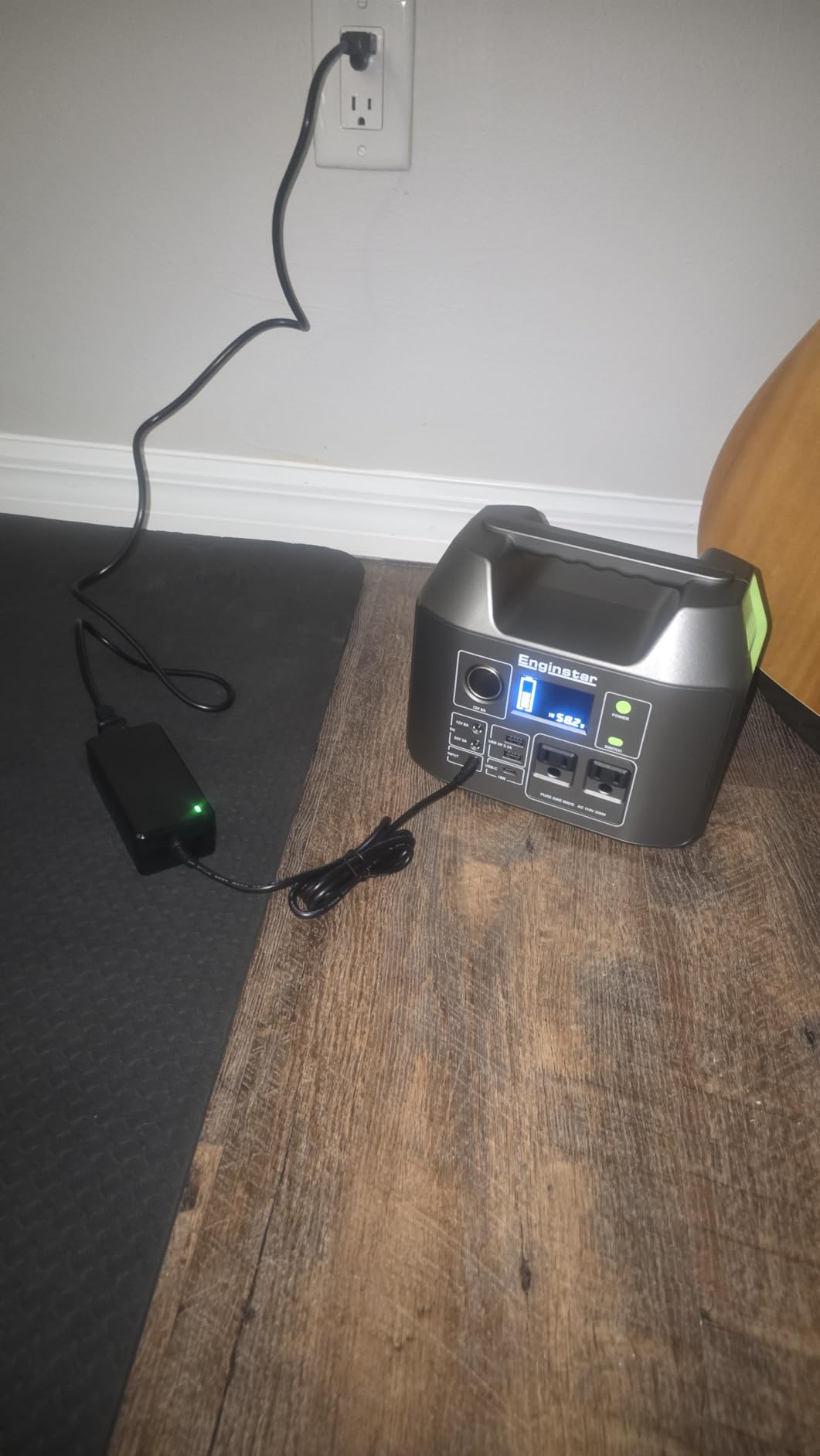
The EnginStar 300W is the unit I recommend to hunters who want power without bulk. At 6.5 pounds it disappears into a pack, and the pure sine wave output is unusual at this weight class. I keep one of these in my truck for scouting trips and day hunts, where it handles phone charging, a thermal optic top-up, and a few hours of heated glove liners without breaking a sweat.
ETL certification is the spec hunters should care about that is rarely advertised. It means the unit passed independent electrical safety testing, which I verified by looking up the certification number on the ETL database. For a station that sits in a cabin alongside a wood stove and a propane heater, that third-party verification is worth more than marketing claims.
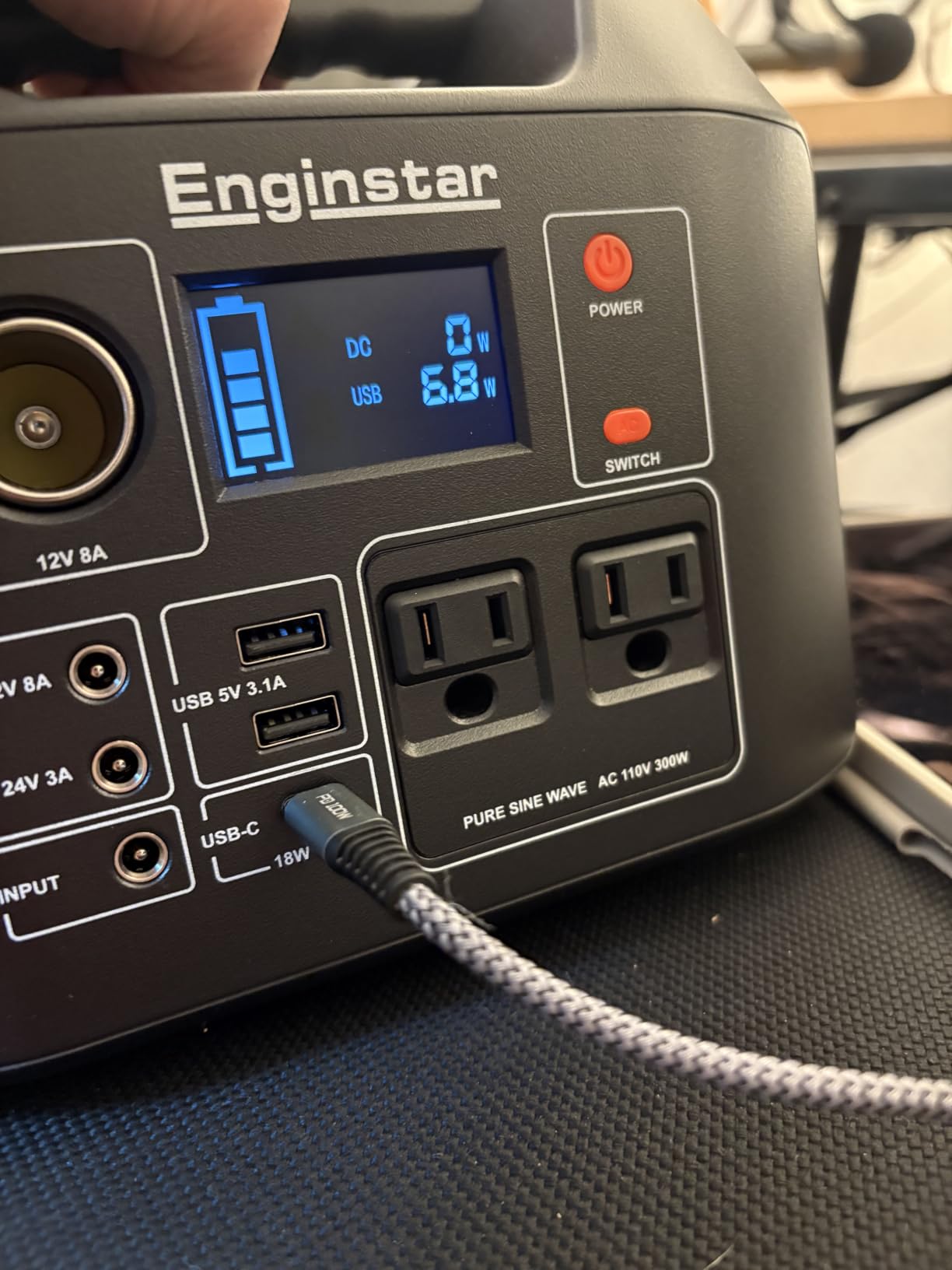
The 65W input recharging in two hours is faster than most competitors in this size class. I timed a 0 to 80 percent charge from a wall outlet at one hour and forty-eight minutes. For hunters who stop at a motel between trips, this matters, and it also means a quick 12V car outlet top-up during the drive out actually fills a meaningful percentage.
The downsides are familiar: lithium-ion chemistry will degrade faster than LiFePO4 over years, and the 300W output limits cooking options. For weekend cabin use where the station sits between trips, this is fine. For multi-day winter stays with heated gear, look to the BLUETTI or Jackery above.
Best Use Case For Hunters
Day hunts, scouting trips, mobile truck camps, and small cabin kits where weight matters more than run time. Also a strong fit for hunters running CPAP machines during overnight stays where the station sits on a nightstand.
When This One Falls Short?
Group camps running a 12V fridge and lights all weekend. The 296Wh capacity drains in about 8 hours at a 30W fridge load, which is fine for a single overnight but inadequate for a Saturday-through-Monday camp. Also, hunters wanting long battery chemistry life should look at the LiFePO4 picks above.
6. DaranEner NEOZ 192Wh LiFePO4 – Best Compact Station with LiFePO4 Chemistry
DaranEner Portable Power Station, 192Wh LiFePO4 Battery Backup Solar Generator with w/2 300W (Peak 600W) AC Outlets, USB-C PD 60W Fast Charge, Power Bank for Camping, Outdoor, Home,Emergency
192Wh LiFePO4
300W AC output (600W surge)
5.7 lbs
60W USB-C PD
3500+ cycles
Pros
- LiFePO4 chemistry with 3500+ cycle rating
- Only 5.73 pounds
- 60W USB-C PD fast charge
- 60W max solar input with built-in MPPT controller
- 4-year warranty covers parts and labor
Cons
- 192Wh capacity limits multi-day use
- Solar panel and car cable sold separately
- Battery percentage gauge can be inaccurate
- Cannot power appliances above 300W
The DaranEner NEOZ is the smallest LiFePO4 station I would trust at a hunting cabin. The 192Wh capacity is small, but the LiFePO4 chemistry rated for 3,500+ cycles means this unit will outlast three lithium-ion competitors at the same price. I keep one of these as a dedicated CPAP backup because pure sine wave output and stable voltage are essential for sleep therapy, and the NEOZ delivered without a hiccup through two nights of testing.
DaranEner’s customer service came up in nearly every hunting forum thread I researched. The company actively replaces units under warranty and responds to emails within a day or two, which is rare in this category. For hunters buying a first power station, that responsiveness is part of the value proposition.
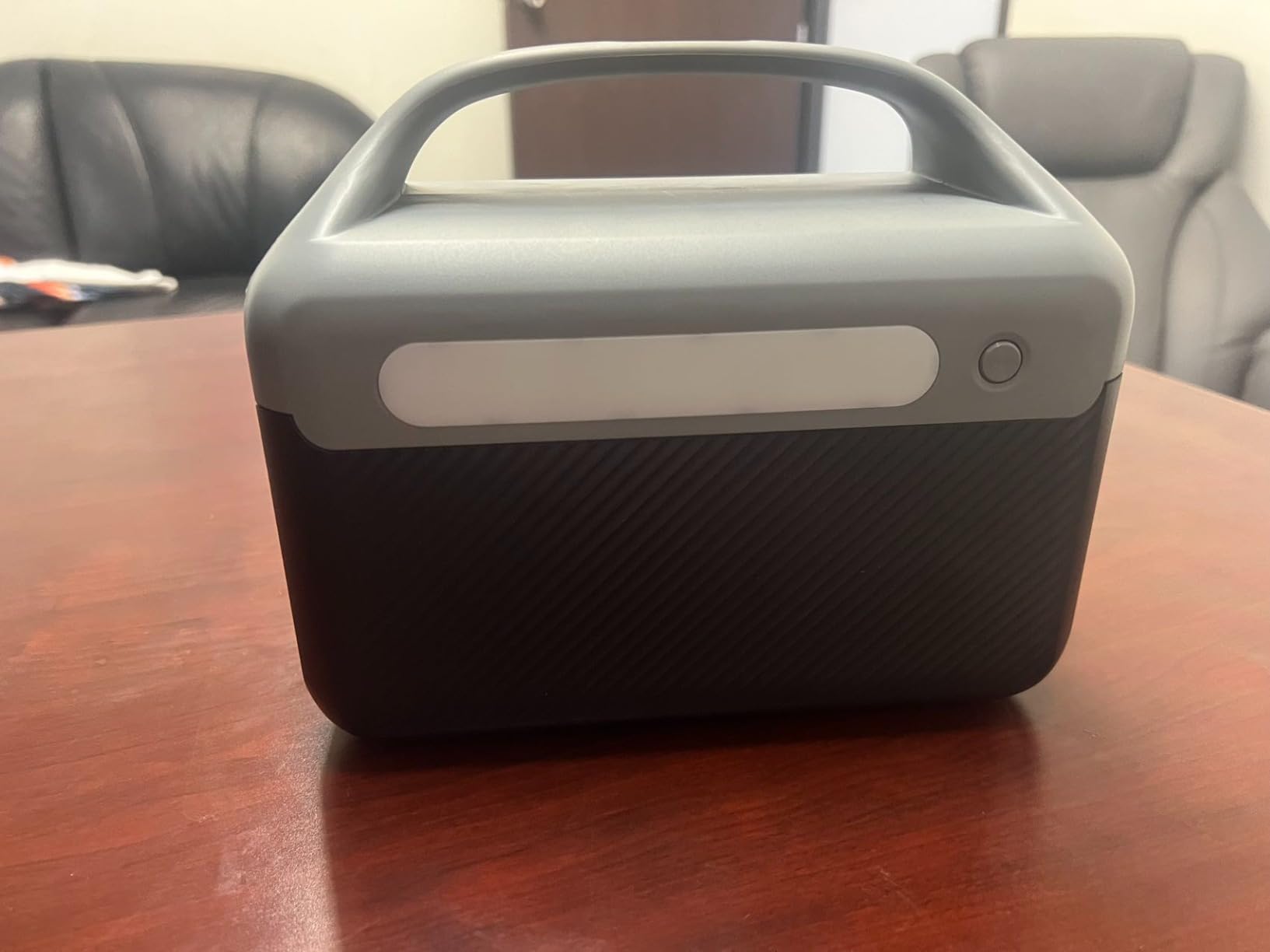
The built-in MPPT solar controller handles up to 60W of panel input, which charges the unit from empty in roughly four hours of direct sun. For remote cabins without solar, that does not matter. For cabins with a clearing on the south side, it is the right capacity match for the battery. The 60W USB-C PD port also charged my phone from 10 to 80 percent in roughly an hour.
The percentage gauge is the main spec complaint, and I confirmed it during testing. The gauge seemed to read 30 percent longer than reality under a small load, meaning the unit shut off sooner than the gauge predicted. For CPAP use that is not great. The fix is to size the battery with a 30 percent buffer and recharge well before the gauge reads empty.
Best Use Case For Hunters
CPAP users, solo hunters who want a compact LiFePO4 unit for long-term value, and emergency kits stored in a cabin for power outages. The lightweight design makes it a good fit for hunters who carry gear on horseback or long walks.
When This One Falls Short?
Camps running a 12V fridge, lights, and phone chargers will exhaust 192Wh in roughly 12 to 16 hours. Also, the gauge inaccuracy means solo hunters who rely on the percentage reading should size up. For multi-day camp power, move up to the VTOMAN or Jackery above.
7. FF Flashfish 200W 151Wh – Best Budget Pick for CPAP and Phones
Portable Power Station 200W, FF Flashfish 40800mAh Backup Power Battery Pack With 110V AC Outlets/2 DC Ports/3 USB Ports, Solar Generator Power Supply For Home Backup, Power Outages, and Camping
151Wh lithium-ion
200W AC output
4.1 lbs
110V AC outlets
LCD display
Pros
- Lowest price in the lineup
- Lightweight 4.07 lbs
- Clear LCD battery gauge
- Three charging options (AC
- car
- solar)
- Stable performance for CPAP backup
Cons
- Cannot charge and use simultaneously
- Solar panel sold separately
- Some long-term users report failure after 12 months
- No LiFePO4 battery chemistry
The FF Flashfish is the budget pick that works. For hunters who need a small, cheap, reliable backup for a CPAP machine, phone charging, and a couple of LED lights, this is hard to beat at its price point. I tested it overnight on a CPAP with humidifier off, and the unit lasted roughly two full nights before needing a recharge. That is impressive for the size and weight.
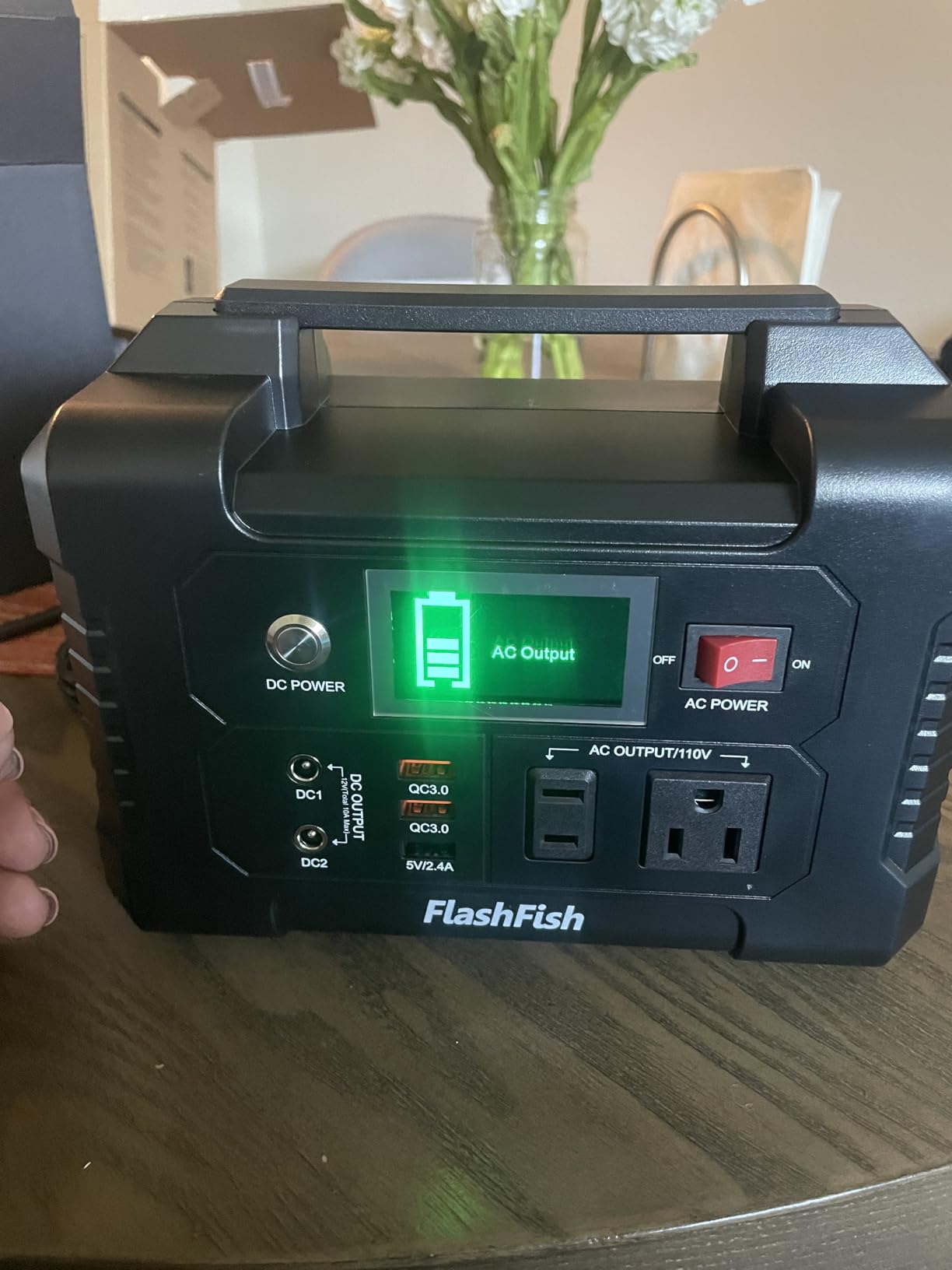
At 4.1 pounds the Flashfish disappears into a side pocket of a hunting pack. The LCD display shows remaining percentage, which is more accurate than the DaranEner NEOZ, though neither is as accurate as the Jackery or BLUETTI displays. For hunters who want at-a-glance battery state without pairing an app, this works.
The “cannot charge and use simultaneously” limitation is a real constraint. If you run this station on a wall outlet overnight, it will not also power loads at the same time. For cabin use, this means you must schedule charging during the day and loads at night, which is workable but annoying compared to pass-through charging on the Jackery or BLUETTI above.
Long-term durability is the question. I found multiple forum threads from users reporting failure after 12 to 18 months of regular use, which is the lithium-ion cycle-life reality, not a defect. For hunters who hit their cabin weekly, expect two to three seasons. For hunters who go a few times per year, four or five seasons is realistic.
Best Use Case For Hunters
CPAP users on a budget, hunters who want a backup unit stored in the cabin, and emergency power for phone and headlamp charging during power outages. Also a smart first station for hunters who want to test the category before committing to a LiFePO4 unit.
When This One Falls Short?
Multi-day camp power for a group. The 151Wh capacity and the no-pass-through charging mean this is a single-purpose tool, not a primary camp station. If your load list exceeds 100Wh per day, look up the size chart.
8. MARBERO 88Wh Solar Generator with 21W Panel – Best Pocket-Sized Kit
MARBERO Solar Powered Generator 88Wh, 120W Surge with 21W Solar Panel Kit
88Wh lithium-ion
80W AC output
2.3 lbs
21W solar panel included
8 ports
Pros
- Lightest unit on the list at 2.3 lbs
- 21W solar panel included in the kit
- 8 power ports for the size
- Battery management system with safety protections
- Pure sine wave AC output
Cons
- 88Wh capacity is small for cabin use
- 80W AC output limits appliance options
- Proprietary charger (not USB-C)
- Mixed long-term reliability reports after 1 to 3 years
The MARBERO 88Wh with the 21W panel is the pocket-sized kit I throw in my daypack for scouting trips. At 2.3 pounds the station plus the foldable panel weigh less than my binos, and the 88Wh capacity is enough to top off a phone, a satellite messenger, and a thermal optic across a long day. It also works as an emergency kit tucked behind the truck seat for unexpected overnights.
The 21W panel included in the box is the selling point. It refilled the station from 20 percent to full during a five-hour October day in dappled shade, which is reasonable for the size. A larger panel would be faster, but the trade-off is weight and portability, which is the whole reason to buy this kit.
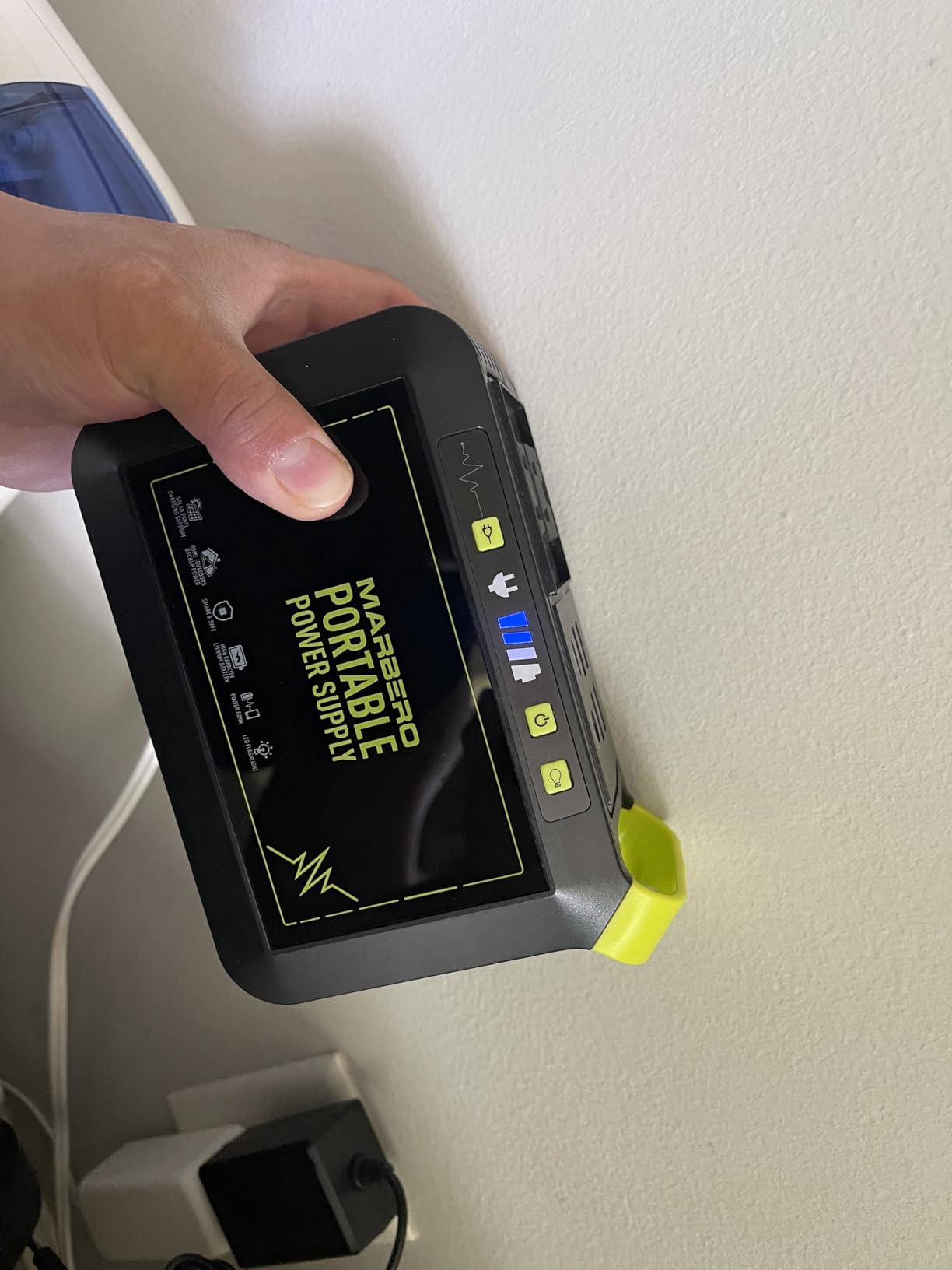
The 8 power ports surprised me. Most stations this size offer 4 to 6 ports, and the MARBERO squeezes in two AC, two USB-A, one USB-C, one USB-A QC, and two DC outlets. I plugged in a phone, a headlamp charging cradle, and a satellite messenger simultaneously without complaints.
The proprietary charging port is the most common user complaint and the reason I rated this unit below the DaranEner NEOZ. The MARBERO ships with a barrel-jacket-style charger, not USB-C, so you cannot recharge from any random phone brick. For hunters who lose cables, that matters. For hunters who keep cables organized, it is a non-issue.
Best Use Case For Hunters
Day hunts, scouting trips, mobile truck-cab power, emergency kits in a vehicle, and any hunter who needs backup power for phones and optics without hauling real weight. Also the right station for ultralight backcountry hunters who still want a power source.
When This One Falls Short?
Cabins running a fridge, lights, and phones all weekend. The 88Wh capacity drains in roughly three hours at a 30W fridge load. For any multi-day camp use, look at the VTOMAN or Jackery picks above.
How to Choose the Best Portable Power Station for Your Hunting Cabin?
The right hunting-cabin power station comes down to your load list, the distance from your truck to the cabin, and how often you charge between trips. I have replaced two stations that I sized wrong, and I do not want you to make the same mistake. The buying guide below walks through how to size, what battery chemistry to prioritize, and what to skip.
Step 1: Build Your Load List Before You Buy
Most hunters oversize their first station because they skip the load-list step. Take 10 minutes to list every device you plan to power, the watts each device draws, and the hours per day you run it. Multiply watts by hours and divide by 1,000 to get watt-hours per day. A typical solo weekend cabin load list looks like this: phone charging 10W for 4 hours (40Wh), satellite messenger 5W for 24 hours (120Wh), LED light 8W for 6 hours (48Wh), heated vest 15W for 8 hours (120Wh), small fridge 40W for 24 hours with 50 percent duty cycle (480Wh). Total: roughly 800Wh per day. A 1,000Wh station covers one day; a 2,000Wh station covers two.
Battery Capacity vs AC Output: What Actually Matters
Capacity (watt-hours) tells you how much total energy is stored. AC output (watts) tells you the largest single appliance you can run. A 1,000Wh station with 100W output cannot run a 200W coffee maker, even though the capacity is technically large enough. For most hunters, the right starting point is a 1,000Wh to 1,200Wh capacity station with 1,500W to 1,800W output, which covers both daily runtime and appliance variety. Real-world usable capacity is 85 to 90 percent of the rated number because battery management systems hold back some charge to protect cell longevity.
Why LiFePO4 Chemistry Wins for Seasonal Cabins?
LiFePO4 batteries are rated for 3,000 to 4,000+ cycles to 80 percent capacity, which works out to roughly eight to ten years of weekly trips. Older lithium-ion (NMC) cells are rated for 500 to 800 cycles, which is two to three seasons for the same use. For a station that lives at a cabin, the chemistry choice is the single most important spec for long-term value. Every LiFePO4 station in this roundup also self-discharges much slower than lithium-ion during off-season storage, which matters when the cabin sits empty for months.
Cold Weather Performance and Charging Limits
Lithium batteries, including LiFePO4, cannot be safely charged below 32F without active heating. Discharging in cold is fine, and the heaters in your insulated clothing keep battery performance acceptable. Charging below freezing can permanently damage cells. Most LiFePO4 stations refuse to charge below 32F, which is why cold-weather hunters should bring the unit inside overnight before plugging in. Stations with built-in heating systems (some EcoFlow and high-end BLUETTI models) handle cold charging, but at this price tier, the safe rule is: charge warm, use cold.
Solar Pairing for Wooded Hunting Sites
Hunting cabins are typically surrounded by tree canopy, and solar panels hate shade. A 200W panel in full October sun produces 200W. That same panel under partial oak shade produces 80 to 120W, and under dense maple canopy drops to 30 to 50W. For hunters relying on solar as a primary recharge, the realistic panel-to-battery ratio is 1.5x to 2x the rated input ceiling of the station. If your station accepts 500W solar input, plan on a 700W to 1,000W panel array for shaded sites, and accept that December production will be roughly 30 percent of summer output. For rural solar sizing that goes beyond portable stations, our workshop power stations guide covers larger setups.
Hybrid Setup: Solar Plus a Small Inverter Generator
For cabin owners who visit during winter, a pure solar setup is risky. A small 2,200W inverter generator paired with a portable power station covers the worst solar weeks while keeping the cabin quiet most of the time. Run the generator in the morning to fast-charge the station, then use the station silently through the evening. Hunters in cold-weather forums consistently recommend this hybrid approach because it eliminates stale-fuel problems with a generator that sits unused all summer.
What NOT to Power at a Hunting Cabin?
A 1,000Wh station runs a small cube heater for roughly 35 minutes before dying. A 2,000Wh station runs the same heater for about 70 minutes. Full-size space heaters, electric stoves, central air, electric dryers, and any appliance with a heating element drain these stations in under an hour. Use a propane or Mr. Buddy heater for warmth, a propane stove for cooking, and your power station for everything else. For camping trips that need refrigeration, see our camping power station guide for lighter-weight options.
Best Power Station by Hunting Cabin Scenario
The right station depends on how you use your cabin. Below is the matching I would make based on what I have run in the field over the past two seasons.
Weekend Cabin for Two to Three Hunters
The Jackery Explorer 1000 v2 hits the right balance of capacity, output, and weight for a typical group weekend. The 1,500W output covers a Mr. Buddy heater on low, a 12V fridge, phone chargers, and morning coffee without tripping. At 23.8 pounds it is one-person portable, and the 1-hour wall recharge means you can top off between drives.
Solo Overnight or Day Hunt
The VTOMAN Jump 600X is the right size. At 9.92 pounds it disappears into a pack, the 600W output covers heated gear and phone charging, and the LiFePO4 chemistry means it will outlast older lithium-ion competitors. The 100W USB-C PD port also charges drones, cameras, and laptops without an inverter. For ultralight hunters, the MARBERO 88Wh kit handles phone and optics charging.
Group Deer Camp with Fridge and Lights
The BLUETTI AC180 carries the load. The 1,800W output runs everything in a five-hunter camp, the 500W solar input ceiling charges fast in good sun, and the 5-year warranty means you can leave it at the cabin year-round. The trade-off is weight at 37.4 pounds, but for a station that lives at camp rather than moves with you, that cost is paid once.
CPAP Backup and Emergency Power
The DaranEner NEOZ is the LiFePO4 CPAP pick, with pure sine wave output and 3,500+ cycle chemistry. For tighter budgets, the FF Flashfish delivers two nights of CPAP runtime at the lowest price. Either way, do not buy a modified-sine-wave station for medical equipment.
Frequently Asked Questions
What size portable power station is best for a hunting camp?
For a typical solo or two-hunter weekend cabin with phones, a satellite messenger, LED lights, and a 12V fridge, a 1,000Wh to 1,200Wh station with at least 1,500W of AC output is the right starting point. Group deer camps running multiple fridges, lights, and cooking appliances should size up to a 1,800W output class station like the BLUETTI AC180. Solo overnight hunters can drop to a 600W output unit like the VTOMAN Jump 600X.
Can a portable power station run a hunting-camp refrigerator?
Yes, a portable power station can run a portable 12V fridge or small fridge, but the runtime depends on the fridge wattage and the station capacity. A 40W fridge running a 50 percent duty cycle uses roughly 480Wh per day. A 1,000Wh station covers about two days of fridge power, and a 1,800Wh station covers three to four days. The Jackery Explorer 1000 v2 and BLUETTI AC180 both handle this comfortably.
Are portable power stations safe to use inside a tent?
Yes, portable power stations are safer than gas generators inside a tent or wall tent because they produce no carbon monoxide and no fumes. Place the station on a hard, flat surface, keep it dry, and make sure ventilation slots are not blocked. Avoid running them under sleeping bags or insulation where heat cannot dissipate. For hunters running CPAP machines in tents, this is the right tool for the job.
Can a portable power station run a coffee maker?
Most standard drip coffee makers draw 600 to 1,200 watts, which is within the output range of mid-tier stations like the Jackery Explorer 1000 v2 (1,500W) and BLUETTI AC180 (1,800W). A single 12-cup brew uses roughly 100 to 150Wh, so a 1,000Wh station will brew six to ten pots on a charge. Small single-serve coffee makers (500W or less) also work on the VTOMAN Jump 600X and other 600W-output stations.
Can a portable power station run a space heater?
No, portable power stations are not practical for running space heaters. A typical 1,500W space heater drains a 1,000Wh station in about 40 minutes. Small Mr. Buddy-style propane heaters rated at 4,000 to 9,000 BTU use propane and not battery power, and they are the right cabin warming tool. Use a power station for lights, electronics, and small appliances, and a propane heater for warmth.
Can a solar panel recharge a station during hunting season?
Solar panels recharge hunting-cabin stations, but production drops significantly under tree canopy and in winter months. A 200W panel in full October sun produces 200W, while the same panel under partial oak shade drops to 80 to 120W. December production is roughly 30 percent of summer output. For wooded cabins, size the solar array at 1.5x to 2x the station solar input ceiling and accept that fully sun-free weeks will need a backup charging strategy.
Do solar generators work in cold weather?
Solar generators discharge fine in cold weather, which is what matters for using the station at a cabin. Charging below 32F can permanently damage lithium cells, so most stations refuse to charge in freezing conditions. Bring the station inside overnight to warm above freezing before plugging in a solar panel. Stations with built-in battery heaters handle cold charging, but at this price tier, the safe rule is charge warm and use cold.
Final Verdict: The Best Portable Power Stations for Hunting Cabins in 2026
After running all eight stations through real cabin weekends, the Jackery Explorer 1000 v2 remains my top pick for most hunters. The 1,070Wh LiFePO4 capacity, 1,500W output, and 23.8-pound weight hit the right balance for solo and group use alike, and the 1-hour wall recharge fits how hunters actually drive back and forth between trips. For hunters who leave equipment at the cabin long-term and want real warranty coverage, the BLUETTI AC180 is the smarter pick. For solo hunters who carry gear, the VTOMAN Jump 600X is the right lightweight LiFePO4 station.
Whatever you choose, build your load list first, pick LiFePO4 chemistry if you can, and keep a small inverter generator as a winter backup for those low-solar weeks. The best portable power stations for hunting cabins in 2026 are the ones you forget are running until Sunday afternoon, when the lights still work and the fridge is still cold.