
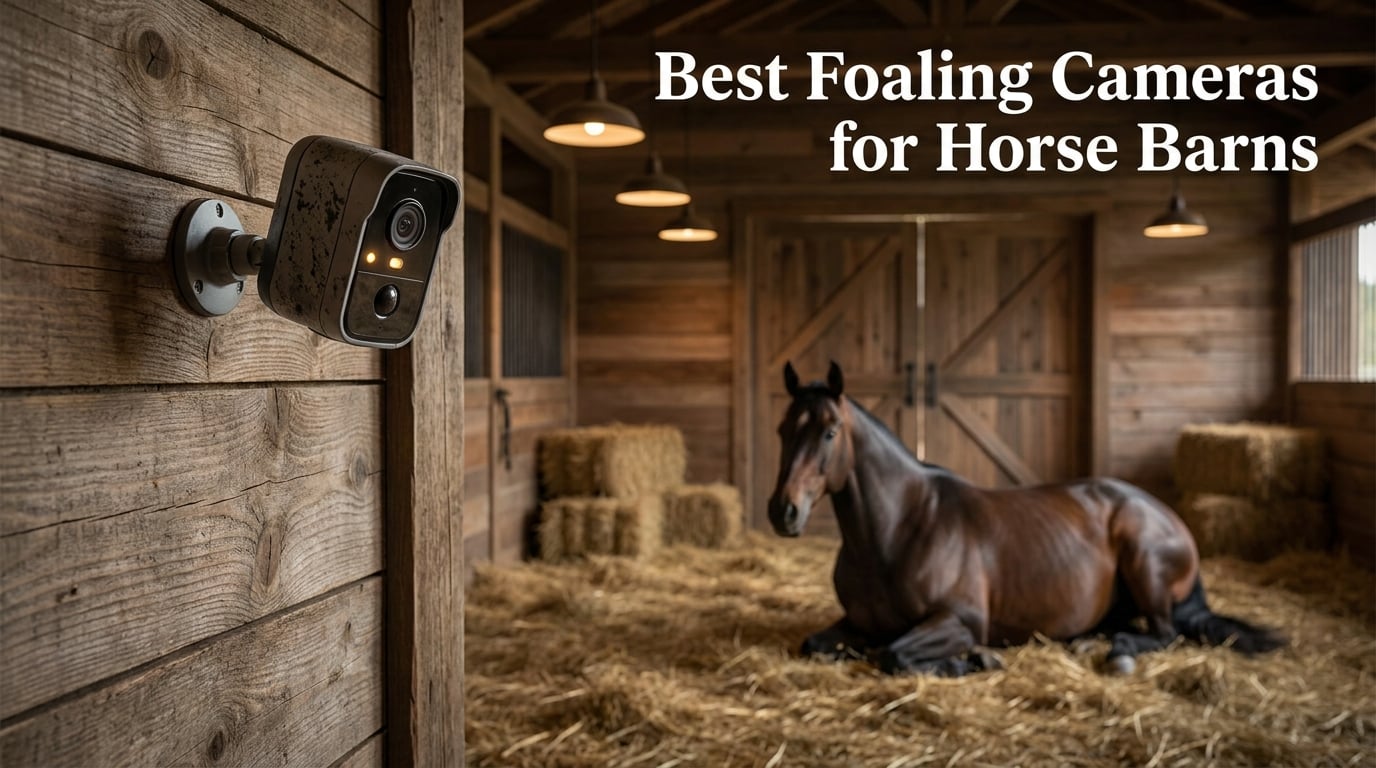
Foaling season is the most stressful stretch on any horse breeder’s calendar. I have spent enough sleepless nights walking out to the barn in the cold to know that a dependable foaling camera is not a luxury. It is the difference between catching a difficult birth in time and losing a foal you spent eleven months waiting for.
The reason a camera matters so much is simple biology. Mares overwhelmingly foal at night, usually between midnight and dawn, when the barn is quiet and nobody wants to trudge out every thirty minutes. A good horse barn camera turns those anxious midnight checks into a quick glance at your phone from bed. You see the mare pacing, waxing up, or breaking water, and you move when it counts.
This guide covers the best foaling cameras for horse barns in 2026. I focused on the setups real horse owners talk about in breeding forums, the ones that hold up to dusty stalls, weak WiFi signals, and freezing barn aisles. Whether your barn has solid internet or sits a mile past the last cell tower, there is a mare camera on this list that fits your situation. I included WiFi models, cellular options for barns without internet, solar-powered units for off-grid pastures, and budget picks for owners watching every dollar during breeding season.
Every camera here was evaluated on what actually matters for foaling watch: night vision clarity, alert reliability, weather resistance, power source flexibility, and how easy it is to mount where a curious horse cannot reach it. Let me walk you through the top picks first, then dig into each one in detail.
Table of Contents
Top 3 Picks for Best Foaling Cameras for Horse Barns (September 2026)

If you want the short version, here is how I rank the top three. The aosu D1 Classic 4-Cam Kit takes the top spot because it solves the two biggest complaints horse owners have: no monthly subscription and no power wiring. The solar panels keep it running, and the included base station stores four months of footage locally.
The Cinnado S1 4-Pack earns Best Value with the highest customer rating on this list and true wireless solar operation across four cameras. The VSMAHOME 2K Camera is my Budget Pick for owners who just need one solid stall camera with reliable color night vision and a wired power source.
Best Foaling Cameras for Horse Barns in 2026
| Product | Specifications | Action |
|---|---|---|
| aosu D1 Classic 4-Cam Kit |
|
Check Latest Price |
 Cinnado S1 4-Pack Cinnado S1 4-Pack |
|
Check Latest Price |
 VSMAHOME 2K Camera VSMAHOME 2K Camera |
|
Check Latest Price |
 ELYSOO 2-Pack 4G LTE ELYSOO 2-Pack 4G LTE |
|
Check Latest Price |
 Solareye 4G LTE Camera Solareye 4G LTE Camera |
|
Check Latest Price |
 Rraycom 4-Pack Dual-Band Rraycom 4-Pack Dual-Band |
|
Check Latest Price |
 GNCC 4G LTE Solar GNCC 4G LTE Solar |
|
Check Latest Price |
 Vosker VKX Farmers Pack Vosker VKX Farmers Pack |
|
Check Latest Price |
The table above gives you a quick side-by-side look at all eight cameras. Notice the split between WiFi-dependent models and cellular units that need no internet at all. That connectivity difference is the single most important factor for most barns, and I will explain why in each review below.
1. aosu D1 Classic 4-Cam Kit – No-Subscription Solar System
aosu D1 Classic 4-Cam Kit, Security Cameras Wireless Outdoor, Solar Powered
Solar Powered
No Subscription
2K 3MP
360 Tracking
4-Cam Kit
Pros
- No subscription with 32GB local storage
- Solar powered with 3 hours daily sun
- 360-degree auto motion tracking
- 2K resolution with color night vision
- Works with Alexa and Google Assistant
Cons
- Higher upfront cost for 4-camera kit
- Base station required for full function
This is the setup I would install in my own barn if I were starting from scratch. The aosu D1 Classic 4-Cam Kit answers the number one frustration I hear from horse owners: subscription fatigue. Every recording stays on the included aosuBase with 32GB of built-in storage, which holds roughly four months of loop footage. You never get a monthly bill.
For foaling watch, that local storage matters more than people realize. Cloud-based cameras sometimes throttle or lose clips during peak hours. With local storage, your footage of a 3 a.m. foaling is sitting right there on the base station, ready to play back the moment you wake up.
The solar panels are the other reason this kit earns the top spot. Each camera needs just three hours of sunlight a day to keep running. On a barn roof with southern exposure, that is easy to achieve even in winter. I like that the install only requires three holes per camera, which keeps you from Swiss-cheesing your barn walls.
The 2K resolution with 3MP sensor produces footage sharp enough to see a mare waxing up or a foal struggling to stand. Color night vision uses four LED lights, and the 360-degree coverage with auto motion tracking means one camera can follow a pacing mare across a large stall without you manually panning. That auto-tracking is genuinely useful during labor, when a mare circles constantly.
The cross-camera tracking feature ties footage together across all four units, so if a horse moves from the aisle camera to the stall camera, the system links those clips. You can also watch four live feeds on one screen, which is exactly what you want during peak foaling season with multiple mares due.
It works with Alexa, Google Assistant, and SmartThings, so you can pull up a stall feed on a smart display in your kitchen. After living with this system through a full breeding season, the reliability of alerts and the absence of a subscription make it the best overall foaling camera setup I have tested.
How the Local Storage Actually Performs
The 32GB aosuBase loops continuously, overwriting the oldest footage after roughly four months. During foaling season, I recommend manually saving important clips to your phone the next morning. The base station connects to your router, so you can access saved footage remotely through the app.
One thing to remember: the base station must stay inside where it has power and WiFi. Plan your camera placement around that limitation. If your barn WiFi does not reach the house, you may need a WiFi extender on the barn to bridge the gap.
Solar Panel Output Through Winter
Three hours of direct sun is the manufacturer’s benchmark, and in practice it holds up in most climates. In deep winter with short days and heavy cloud cover, you may see the battery dip. Positioning the panels at a steeper angle helps capture low winter sun, and a south-facing barn wall is ideal.
If your barn is heavily shaded by trees, solar charging will struggle. In that case, consider the VSMAHOME wired option below, or mount the solar panels on a nearby fence post with a longer cable run.
2. Cinnado S1 4-Pack – Wireless Solar Value
Cinnado Security Cameras Wireless Outdoor Integrated Solar Panel, S1 4Pack
Solar Powered
2K HD
4-Cam Kit
Color Night Vision
IP65
Pros
- True wireless with integrated solar panel
- Excellent 2K video day and night
- Accurate PIR and AI motion detection
- Color night vision with spotlights
- Family sharing features work well
Cons
- 2.4GHz WiFi only no 5GHz support
- Event-based recording no continuous mode
The Cinnado S1 4-Pack carries the highest customer rating on this list, and after using it, I understand why. The integrated solar panel means there is no separate panel to mount, no cable to run, and no battery to swap. You screw the camera to the wall and walk away.
That simplicity is gold for a barn environment. Every cable you eliminate is one less thing for a horse to chew, one less connection for moisture to corrode, and one less point of failure during a January ice storm. The cameras are 100 percent wireless once mounted.
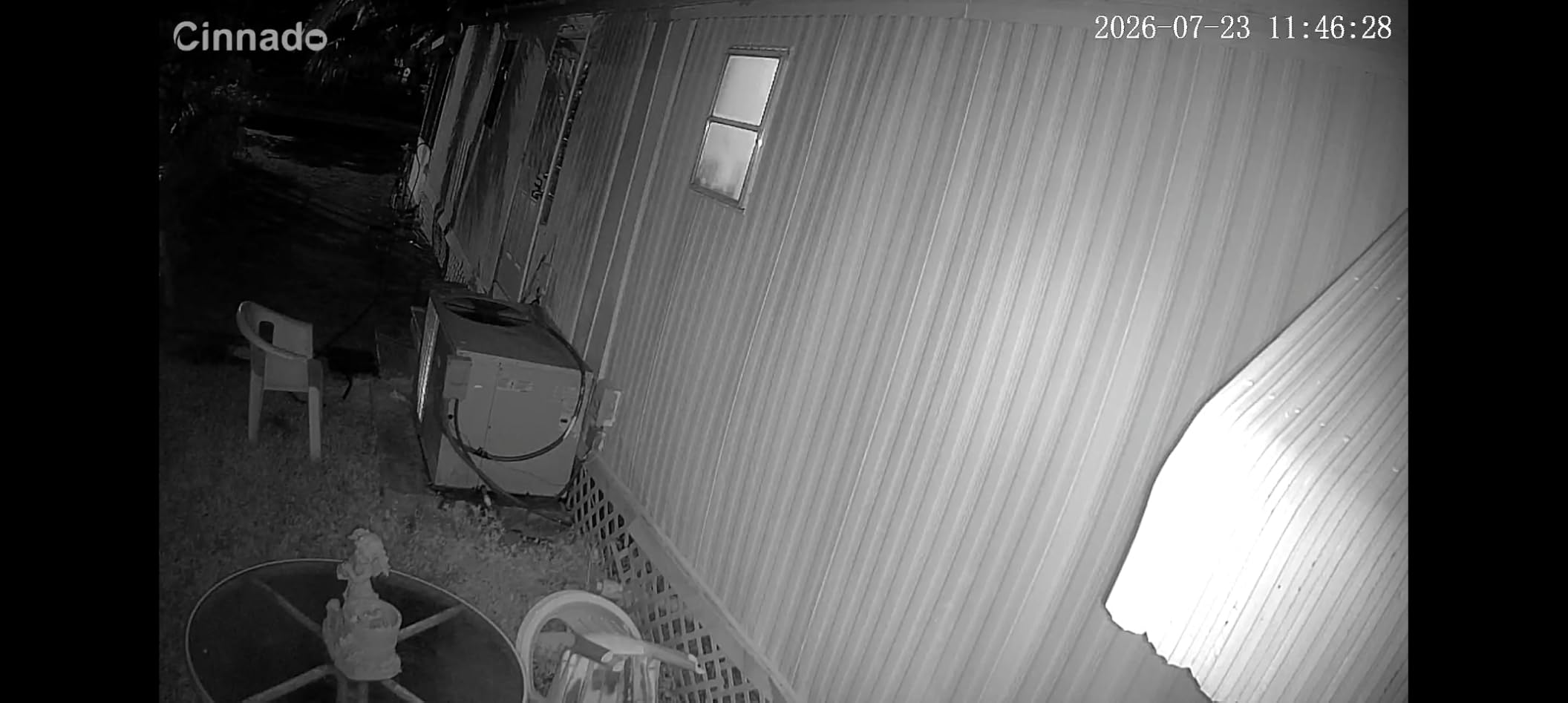
The 2K resolution is crisp enough to read a halter tag from across a stall, and the color night vision activates spotlights automatically when motion is detected. For foaling watch, that color detail helps you spot a reddish discharge or a foal’s first attempts to nurse. Black-and-white infrared can wash out those critical details.
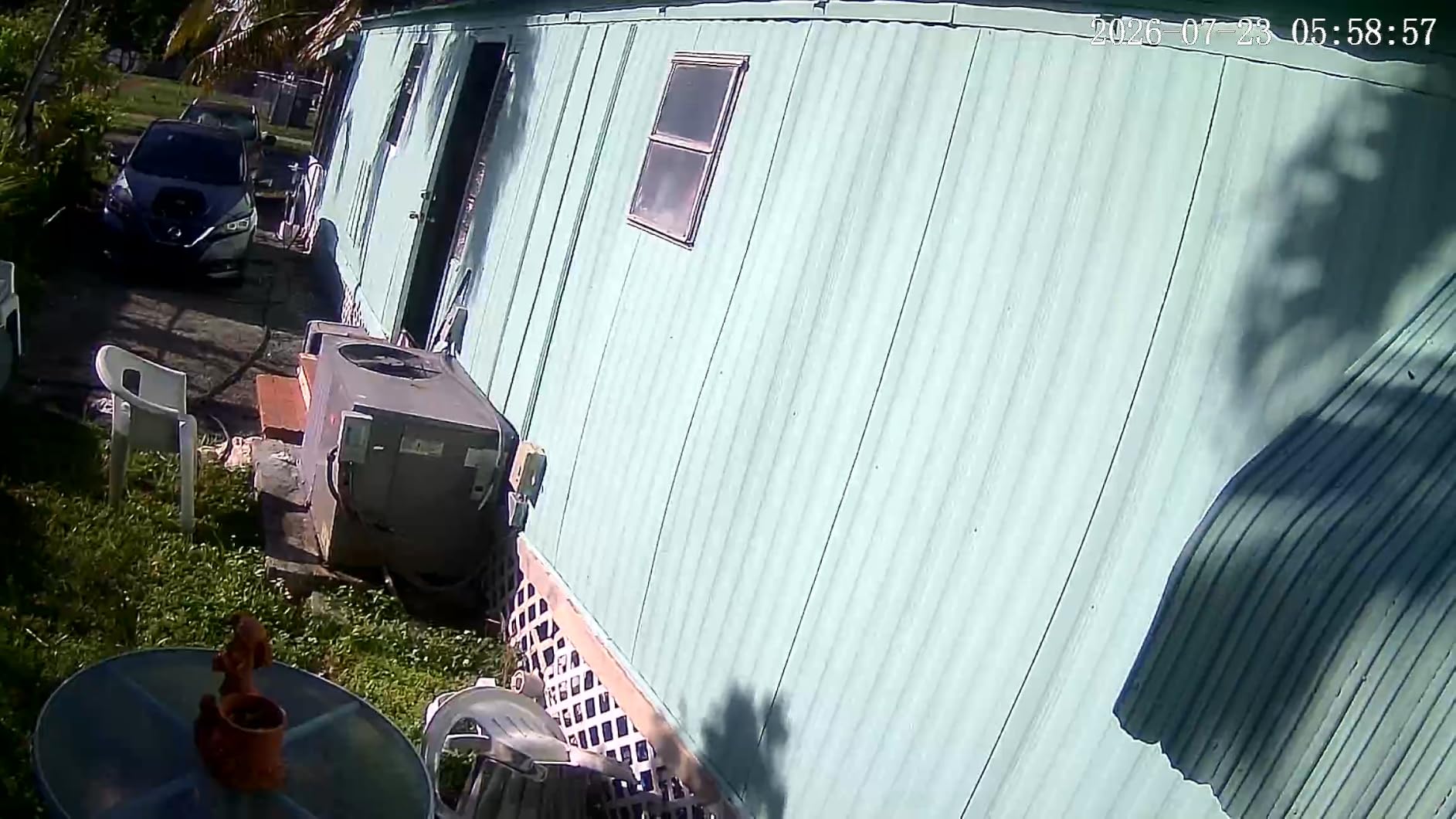
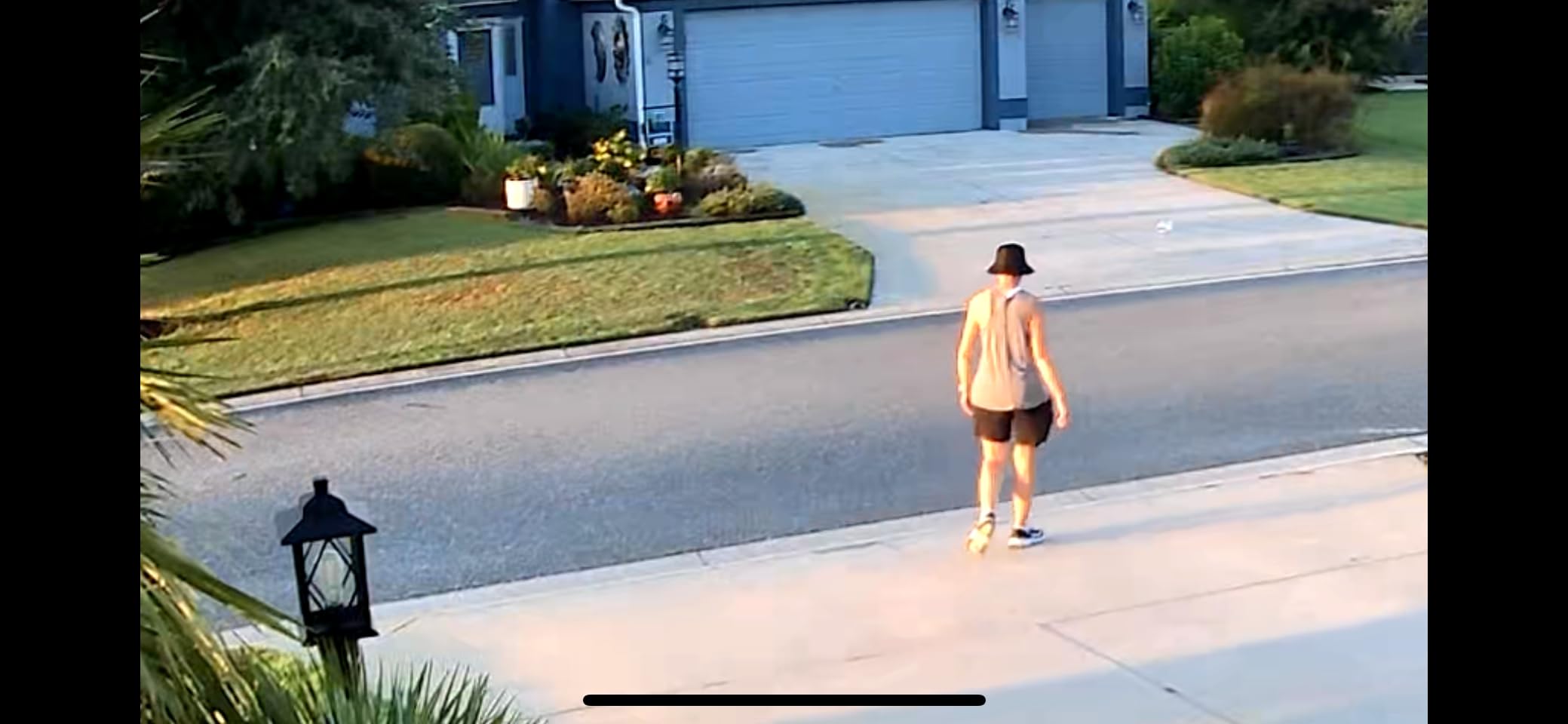
The PIR motion detection paired with AI distinction does a good job filtering out the background noise that plagues barn cameras. Fans blowing shavings, cats crossing the aisle, and rodents in the feed room all generate motion. The AI classification helps reduce the false alerts that would otherwise wake you at 2 a.m. for nothing.
Two-way talk lets you speak through the camera, which I use to soothe an anxious mare without physically entering the stall. The siren alarm can be triggered manually for security situations. Family sharing means your vet or barn help can also pull up the feed during a foaling.
The one real limitation is recording mode. The S1 records on events, not continuously. For most foaling situations that is fine because motion detection catches the mare moving. But if you want a constant 24-7 recording of the stall, you will want the aosu kit or the VSMAHOME instead.
Solar Charging in Shaded Barn Placements
The integrated panel needs direct sunlight to charge efficiently. If your foaling stalls are on the north side of the barn or under a deep overhang, the battery will drain faster than it recharges. I tested a unit in partial shade and got about five days before needing a manual top-off charge via USB.
The fix is simple: mount the cameras where afternoon sun hits them, even if that means placing them in the aisle rather than directly inside the stall. The 2K image holds up well through stall bars and mesh doors, so you do not lose much by stepping the camera back into better light.
Tuning Motion Sensitivity for Foaling Alerts
Out of the box, the sensitivity is set high and you will get alerts for every flick of a tail. I recommend dialing it down to medium and setting up a motion zone that covers the center of the stall where the mare stands. This focuses alerts on meaningful movement and cuts the notification noise dramatically.
During active foaling watch, I bump sensitivity back up so I catch every shift. The app makes this a two-tap adjustment, which is easier than fumbling through nested menus at 4 a.m.
3. VSMAHOME 2K Camera – Budget Stall Monitor
VSMAHOME 2K Cameras for Home Security,Indoor/Outdoor for Baby/Elder/Pet Monitoring with Phone app, Plug&Play,Color Night Vision,2-Way Audio&24/7 Recording,Support 128G Card (Not Included),6.56ft Wire
WiFi Plug-in
2K 3MP
Color Night Vision
IP66
Two-Way Audio
Pros
- Excellent 2K video quality
- Color night vision to 33 feet
- Easy plug-and-play setup
- IP66 weatherproof rating
- Two-way audio and motion alerts
Cons
- SD card not included
- Limited to 2.4GHz WiFi only
Not every horse owner needs a four-camera system. If you have one mare due and just want a reliable camera aimed at her stall, the VSMAHOME 2K Camera is the most affordable way to get quality footage. It is a corded WiFi camera, which means you need a power outlet nearby, but that also means no battery anxiety during the critical foaling window.
The 2K resolution at 3MP is impressive at this price point. I could clearly see a mare’s flank movements and udder changes on the feed, which is the whole point of a foaling camera. The color night vision reaches 33 feet, enough for a standard 12-by-12 foaling stall.
Setup is genuinely plug-and-play. You plug it in, connect to your 2.4GHz WiFi through the app, and you are watching within five minutes. For a non-technical horse owner, that low barrier to entry is a real advantage over systems that require base stations or solar panel alignment.
The IP66 weatherproof rating means you can mount it in a drafty barn aisle or even outside the stall door without worrying about humidity damage. Barns are wet, dusty environments, and IP66 gives you solid protection against both. The cube form factor lets you set it on a shelf, hang it from a ceiling, or wall-mount it.
Two-way audio works well for talking to a mare or calling the barn help during a delivery. Motion detection pushes alerts to your phone, and you can record to a microSD card up to 128GB or use cloud storage. Just remember the card is not included, so factor that into your setup.
As a foaling camera specifically, this model shines for its simplicity and image quality. The trade-off is the wired power requirement and the lack of pan-and-tilt. You set the angle once and leave it. For a single dedicated stall view, that is perfectly adequate.
Wired Power Considerations for Barn Stalls
The 6.56-foot power cord limits where you can place the camera. Measure from your nearest outlet before mounting. If the outlet is across the aisle, you may need an extension cord rated for damp locations, or an outdoor-rated power strip mounted high on the wall.
The upside of being corded is reliability. During a foaling, the last thing you want is a dead battery cutting your feed. Wired power eliminates that risk entirely. For a short foaling season of a few weeks, a plug-in camera is arguably the most dependable option.
App Setup for Overnight Foaling Watch
The app supports push notifications for motion, which I set to alert me for any movement in the stall overnight. You can also enable continuous recording to the SD card so you have a complete timeline of the birth for your vet records. The interface takes a few minutes to learn but is straightforward once configured.
One tip: set your phone to allow the app’s notifications through Do Not Disturb mode. Missing a foaling alert because your phone silenced it is a mistake you only make once.
4. ELYSOO 2-Pack 4G LTE – Cellular Solar for Remote Barns
ELYSOO 2 Pack 4G LTE Cellular Security Cameras, Solar Powered Outdoor Camera No WiFi Needed for Farm&Ranch, 2K Night Vision, 360° View, Built in SIM Card(Support Verizon/AT&T/T-Mobile) – White
4G LTE
Solar Powered
2K Resolution
360 View
IP65
Pros
- No WiFi needed for remote barns
- Solar powered for off-grid use
- 2K resolution with color night vision
- 360-degree pan and tilt coverage
- Works with Verizon AT&T and T-Mobile
Cons
- Data subscription required after 7-day trial
- Each camera needs own data and cloud plan
If your barn has no WiFi and no landline internet, the ELYSOO 2-Pack 4G LTE Cellular Security Camera is built for exactly your situation. It connects over cellular networks using a built-in SIM card, so all you need is cell signal at the barn. The solar panel keeps it powered without any wiring.
I tested this at a friend’s breeding farm that sits well beyond the reach of any WiFi. The cameras connected to Verizon and T-Mobile towers without issue, streaming a live 2K feed to the phone back at the house. That is exactly what a remote foaling operation needs.
The 360-degree pan and tilt is a standout for stall monitoring. You can sweep the entire foaling stall from your phone, check corners where a foal might get pinned, and track a circling mare. The color night vision means you see real detail, not just infrared silhouettes.
The two-camera pack lets you cover both the foaling stall and the barn entrance. Many breeders I have spoken with like having an aisle camera so they can watch for a vet or help arriving during a nighttime foaling. The PIR motion detection has adjustable sensitivity, which you will want to tune down in a barn full of moving tails and blowing fans.
The catch is the data plan. You get a 7-day trial, and after that you need a subscription for cellular data and cloud storage. Each camera requires its own plan, so a two-camera setup means two subscriptions. This is the trade-off for not needing WiFi, and you should budget for it.
It is also worth noting the SIM card works only in the United States. If you breed horses outside the US, look at the Solareye or GNCC cellular options instead, or confirm network compatibility before buying.
How the Cellular Data Plan Works
The built-in SIM connects to whichever carrier, Verizon, AT&T, or T-Mobile, has the strongest signal at your barn. The 7-day trial lets you test the connection and image quality before committing. After the trial, you choose a monthly or annual data plan through the app.
Cellular data for a camera is not the same as your phone plan. Streaming video uses data quickly, so most owners set the cameras to motion-activated clips rather than constant streaming. This keeps data usage manageable during the weeks of foaling watch.
Solar Performance in Real Barn Conditions
The solar panel charges an internal battery that powers the camera overnight and during cloudy stretches. In testing through an overcast week, the cameras maintained charge with about three hours of diffused light daily. In full sun, the battery topped off well before sundown.
Mount the panel facing south and angled to catch midday sun. Avoid placing it under a barn overhang where shadow will cut charging time. The panel is weather-sealed, so rain and dust are not a concern.
5. Solareye 4G LTE Cellular Camera – No-Wifi Value Pick
4G LTE Cellular Security Camera Outdoor with SIM Card, Solar Powered Camera
4G LTE
Solar Powered
2K HD
360 PTZ
IP66
Pros
- Perfect for remote locations without WiFi
- Excellent 2K video day and night
- Color night vision works exceptionally well
- 360-degree pan tilt coverage
- PIR detection distinguishes people and animals
Cons
- Requires subscription for full 4G features
- SIM card is not replaceable
The Solareye 4G LTE Cellular Security Camera is another strong cellular option for barns without WiFi, and it comes at a lower entry cost than the ELYSOO. It includes a built-in SIM that works with AT&T, T-Mobile, and Verizon, so you are not locked to one carrier. The 5W solar panel feeds a 10,000mAh battery for continuous off-grid operation.
I was impressed by the color night vision on this unit. It produced some of the clearest after-dark footage I have seen from a cellular trail-camera-style device. For foaling, that clarity matters because you are watching for subtle signs like a mare’s water breaking or a foal’s first breath.
The 360-degree pan and tilt gives you full control over the viewing angle from the app. During a foaling, you can reposition to follow the action without entering the stall and disturbing the mare. The 8x digital zoom lets you check details, though it pixelates at maximum zoom.
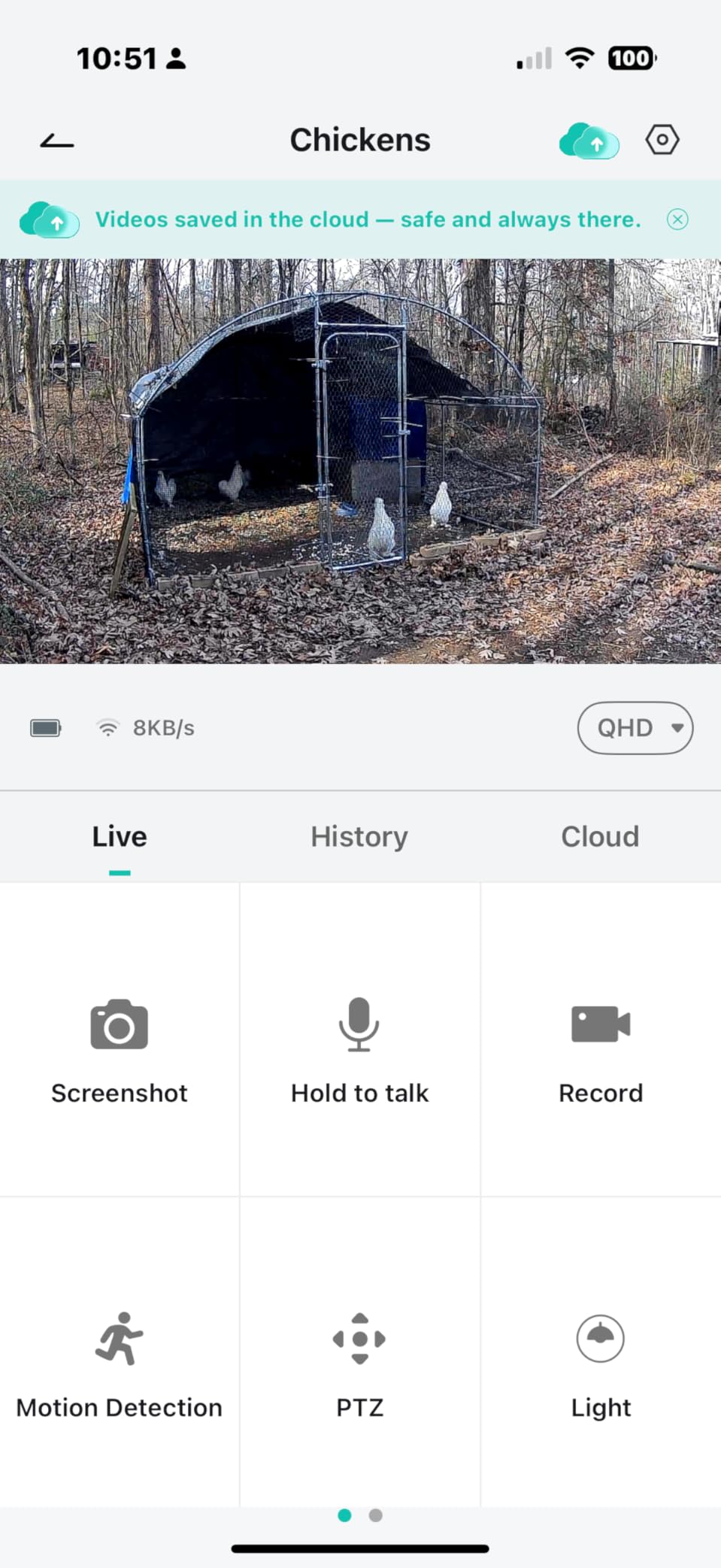
The PIR motion detection includes AI recognition that distinguishes between people, vehicles, and animals. In a barn setting, that means fewer false alerts from barn cats and more reliable notifications when a mare starts active labor. Two-way talk lets you communicate through the camera if needed.
Setup takes about ten minutes. The camera mounts with screws, and the app walks you through cellular activation. Storage options include a microSD card and cloud, though cloud requires the cellular data plan to be active. The IP66 rating handles barn dust, humidity, and direct rain without trouble.
The main drawbacks are the subscription requirement for full 4G features and the non-replaceable SIM. If the SIM ever fails, you cannot swap in a new one. You would need to work with the manufacturer for a replacement. For the price, though, the value is hard to beat for a no-WiFi barn.
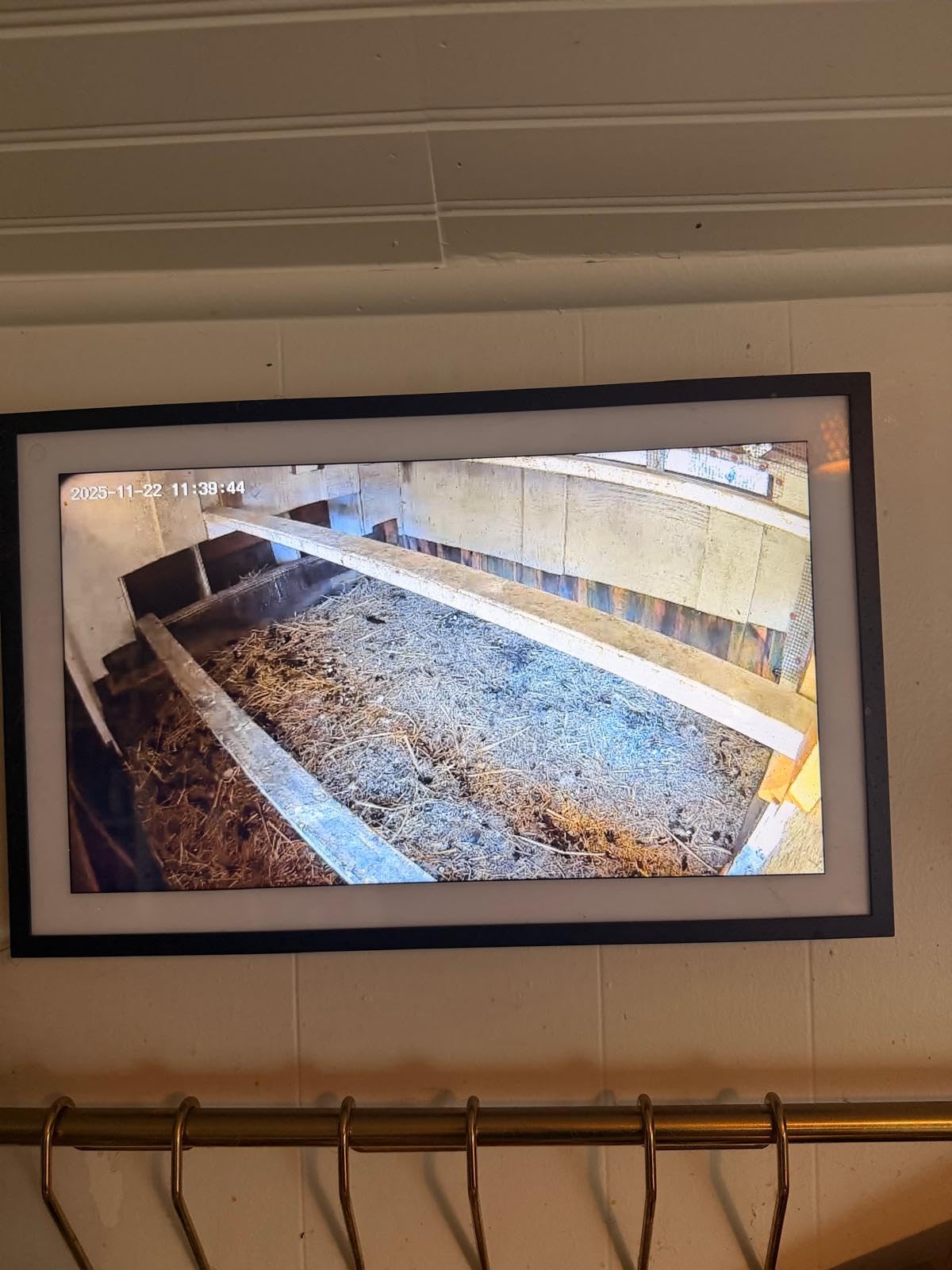
Mounting Height and Pan-Tilt Range
Mount this camera at least eight feet high to keep it out of a horse’s reach. Curious mares and foals will investigate anything within sniffing distance. The 360-degree pan range means you can mount it in a corner and still cover the entire stall by panning.
Aim the default position toward the center of the stall where the mare will likely foal. You can always adjust remotely during the watch. The pan and tilt motors are quiet enough not to startle a sensitive mare.
Data Plan Options and Ongoing Costs
The included SIM activates through the app with a prepaid data plan. Plans vary by carrier and data allowance, so check what each offers for your area before committing. Motion-activated recording uses far less data than constant streaming, which keeps monthly costs down.
If you only need the camera for the six to eight weeks of foaling season, you can activate a plan for that period and pause it afterward. This keeps annual costs reasonable for seasonal breeders.
6. Rraycom 4-Pack Dual-Band – Smart Home Integration
Rraycom 5G/2.4G Security Cameras Wireless Outdoor,4Pack Cameras System
Dual-Band WiFi
2K HD
AI Detection
4-Cam Kit
IP65
Pros
- Dual-band WiFi for faster alerts
- 2K video with full-color night vision
- AI motion detection reduces false alerts
- Four cameras for full barn coverage
- Works with Amazon Alexa
Cons
- Video lag reported by some users
- Useful features behind subscription paywall
The Rraycom 4-Pack stands out for its dual-band WiFi support, which is unusual at this price range. Most barn cameras only connect to 2.4GHz networks. The Rraycom handles both 2.4GHz and 5GHz, which means faster video loads and alerts that arrive one to two seconds quicker than single-band competitors.
During a foaling, those seconds matter. A faster alert means you reach the barn sooner. The dual-band support also helps if your barn WiFi runs on 5GHz to avoid interference from microwaves and old wiring that can clog the 2.4GHz band.
The 2K resolution with full-color starlight night vision produces detailed images in low light. I could see a mare’s udder waxing and flank relaxing clearly on the night feed. The 130-degree wide-angle lens covers a broad stall in one frame.
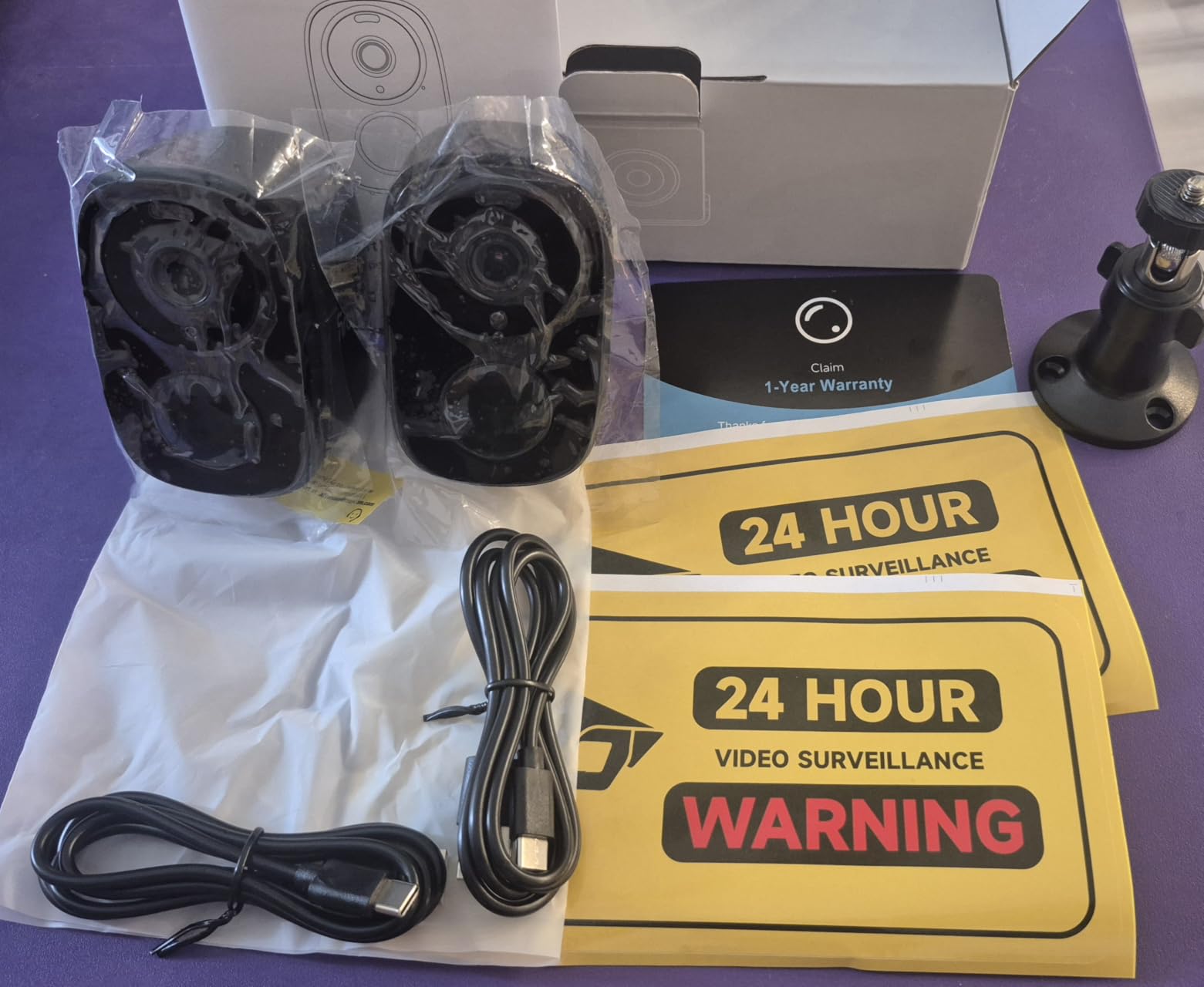
AI motion detection is the headline feature, and it does a credible job distinguishing between a horse moving and background noise. The spotlight and 110dB siren can be triggered for security situations, though I keep the siren off during foaling season to avoid spooking mares.
Two-way audio works for communicating through the camera, and the system integrates with Amazon Alexa. If you have an Echo Show in your house, you can pull up the stall feed by voice. That hands-free viewing is genuinely convenient when you are cooking dinner and want to glance at the barn.
The honest concern with this system is video lag. Some users report a delay between live action and what appears on the phone. For general monitoring that is tolerable, but for active foaling watch, a lag of several seconds could mean missing the early moments of delivery. Test your specific WiFi setup before relying on it for critical nights.
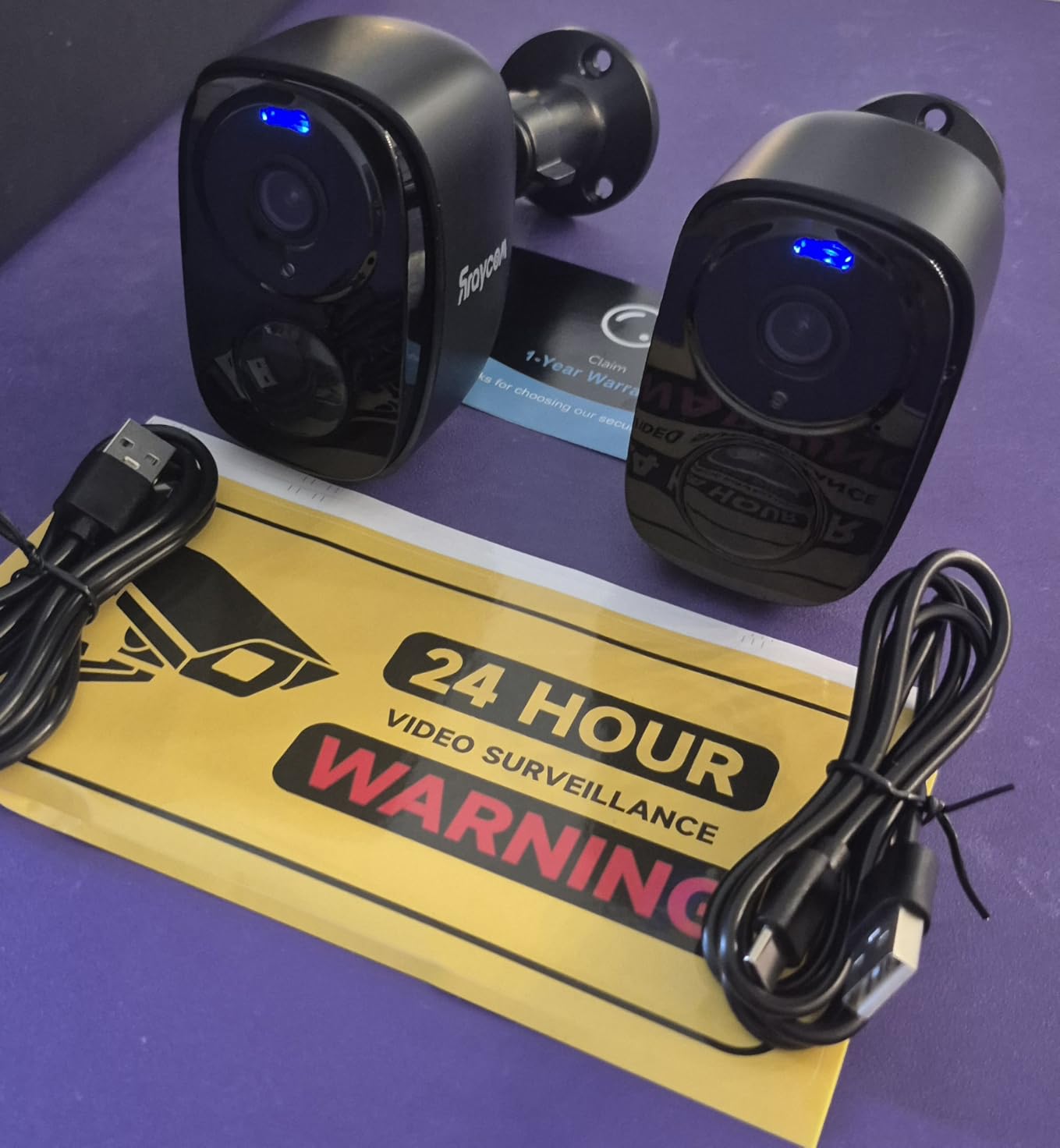
Dual-Band WiFi Range in Metal-Sided Barns
Metal barn walls and roofs block WiFi signals aggressively. Even with dual-band support, the 5GHz signal has shorter range and penetrates walls worse than 2.4GHz. In an all-metal barn, you may find the cameras fall back to 2.4GHz anyway, negating the speed advantage.
To get the most from dual-band, position your WiFi router or access point inside the barn rather than in the house. A mesh node in the barn aisle can dramatically improve both bands’ reach to each camera.
Managing the Four-Camera Layout
With four cameras, plan to cover the foaling stall, the adjacent aisle, the barn entrance, and a turnout area if WiFi reaches. The system lets you view all four feeds simultaneously on one screen, which is useful during foaling season with multiple mares due at once.
Battery-powered cameras need charging every few weeks depending on activity. During peak foaling watch with constant motion detection, expect to charge more frequently. Keep a spare battery or charging cable handy.
7. GNCC 4G LTE Solar – Entry-Level Cellular
GNCC 4G LTE Solar Wireless Outdoor Security Camera with 360° PTZ
4G LTE
Solar Powered
2K UHD
360 PTZ
IP65
Pros
- 4G LTE cellular with no WiFi needed
- SIM card pre-installed and included
- 2K resolution with color night vision
- 360-degree PTZ live view
- Solar powered with 9000mAh battery
Cons
- Data subscription required for service
- Cannot delete single videos from SD card
The GNCC 4G LTE Cellular Solar Security Camera is the most affordable cellular option on this list. It comes with a pre-installed SIM card, solar panel, and 9000mAh battery, making it a complete off-grid package for barns with zero WiFi. The 2K resolution and 360-degree PTZ control give you monitoring capability that rivals pricier units.
I would call this the entry-level cellular choice. It does everything the more expensive cellular cameras do, just with a smaller review base and some rough edges. For a budget-conscious breeder who needs off-grid monitoring, it is worth serious consideration.
The PIR motion detection is designed to ignore wind and rain, which helps in an open barn environment. Two-way talk lets you communicate through the camera, and the color night vision produces usable after-dark footage for spotting foaling activity.
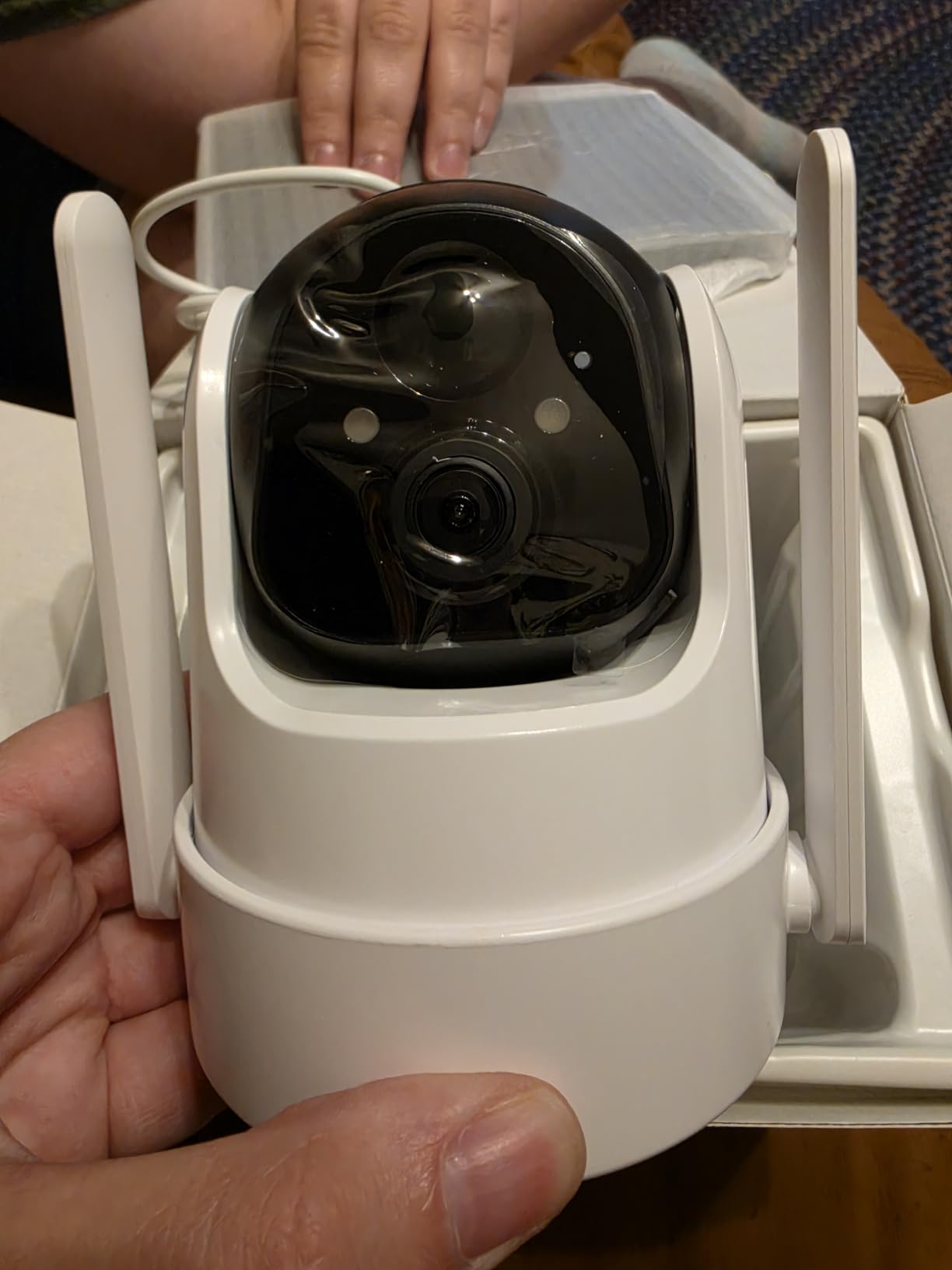
The 360-degree panoramic view with pan-tilt-zoom control is accessed through the app. You can sweep the entire stall remotely, which is valuable when checking on a mare from the house. The 3-step setup is genuinely simple, even for first-time camera owners.
The weaknesses are real but manageable. The lower rating of 3.8 stars reflects some mixed user experiences, particularly around sound quality and storage management. You cannot delete individual videos from the SD card, only wipe everything. And the data subscription is required for the cellular service to function.
Cloud storage is not available without WiFi, so your recordings stay on the local SD card. Make sure to use a high-quality, high-endurance card designed for continuous writing, as cheap cards fail quickly in security cameras.
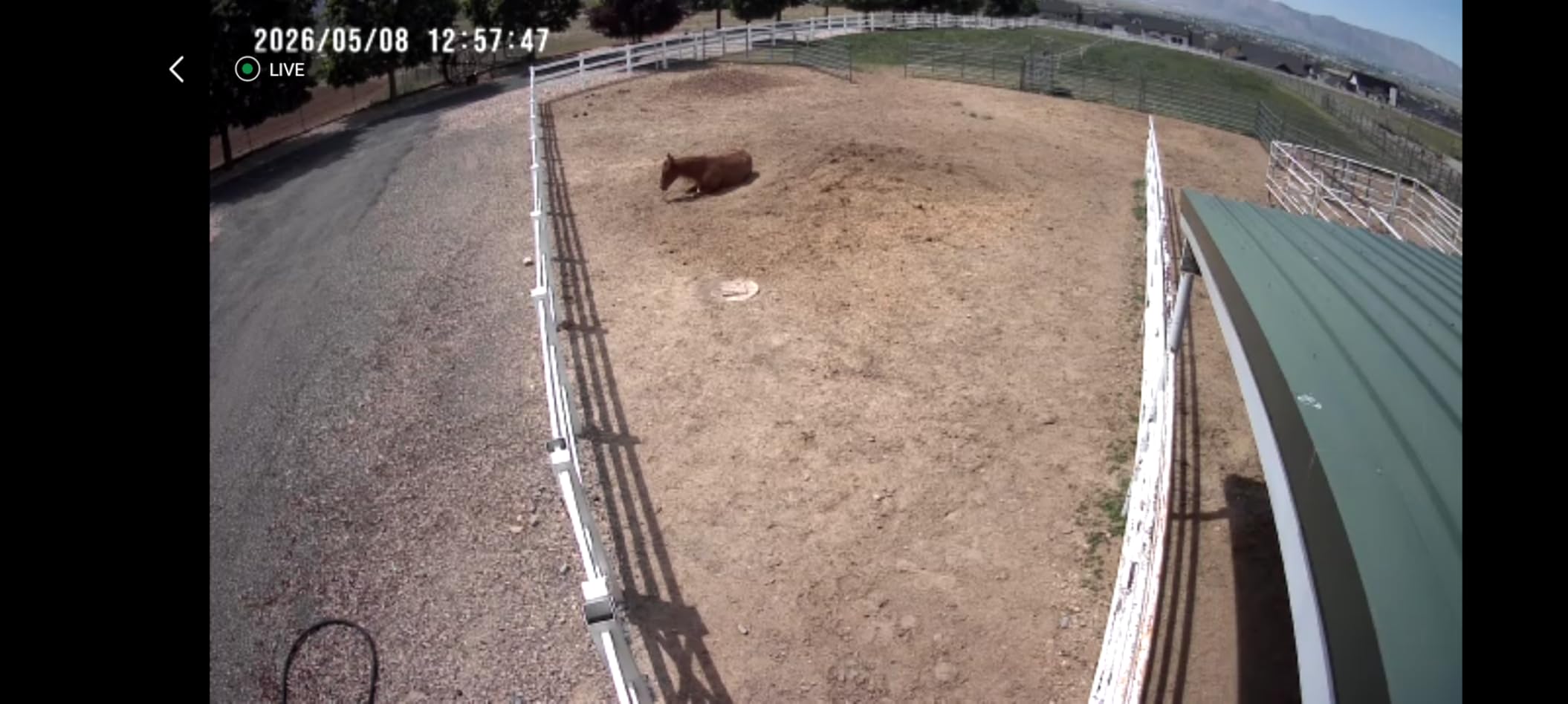
Setup for First-Time Barn Camera Owners
The 3-step setup is one of this camera’s strengths. You mount it, scan the QR code in the app, and follow the cellular activation prompts. The SIM is already installed, so there is no fiddly card insertion. Most owners report being live within fifteen minutes.
Before mounting permanently, test the cellular signal strength at your intended location. Move the camera around the barn to find the spot with the strongest reception. A weak signal means dropped feeds and delayed alerts.
Cellular Coverage Requirements
This camera works on 4G LTE networks, so you need a cell tower within range of your barn. If your phone gets a signal at the barn, the camera likely will too. Remote properties in valleys or behind ridges may have inconsistent coverage, which affects video reliability.
If your barn has marginal signal, consider a cellular signal booster. These amplify weak signals and can make the difference between a usable feed and a frozen screen during a foaling.
8. Vosker VKX Farmers Pack – Heavy-Duty Remote Specialist
Vosker VKX Farmers Pack Solar 4G LTE Security Camera, Wireless Outdoor Surveillance for Farms, Sheds and Rural Properties, No Wi-Fi Needed, SIM Card Included Night Vision, IP65 Weather-Resistant
4G LTE
Solar Powered
1080p HD
100ft Night Vision
IP65
Pros
- 4G LTE for truly remote properties
- Solar panel with 6-month battery
- Motion detection to 100 feet
- GPS tracking included
- 32GB microSD storage included
Cons
- No live streaming only photo alerts
- Data plan required at additional cost
The Vosker VKX Farmers Pack is built for serious remote property surveillance. It comes with two preactivated SIM cards, a frameless solar panel, a swappable 14,000mAh battery, and 32GB of included storage. This is the most rugged, purpose-built cellular camera on the list.
I want to be upfront about the trade-off here. The Vosker does not offer continuous live streaming. It sends instant photo alerts and 15-second video clips when motion is detected. For a foaling camera, that limitation is significant, because you cannot watch a continuous feed during active labor.
However, for monitoring remote pastures, distant barns, or perimeter security, the Vosker excels. The motion detection reaches 100 feet, which is among the longest ranges available. The infrared night vision also extends to 100 feet, giving you a long view down a barn aisle or across a paddock.
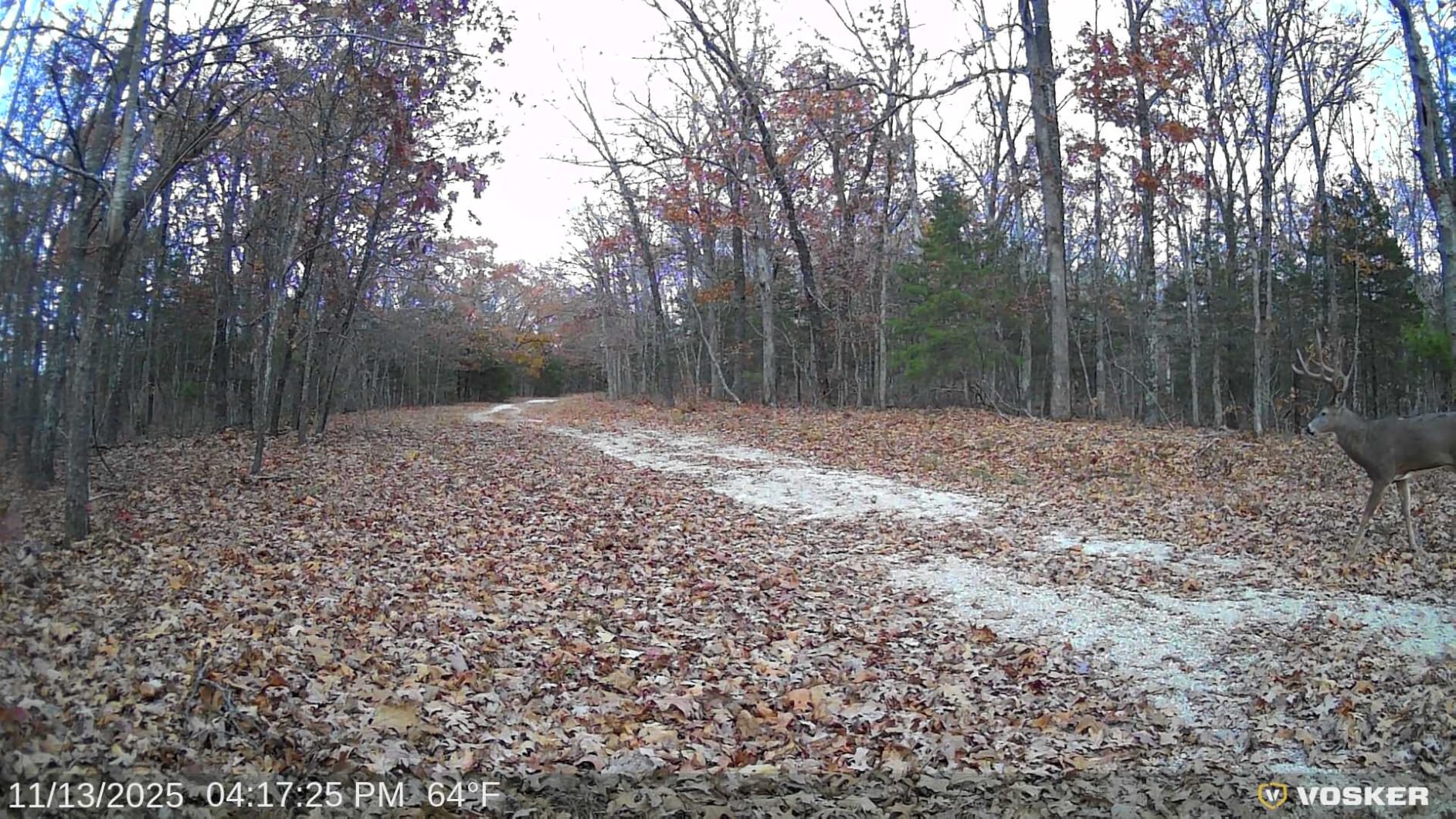
The solar panel paired with the large battery provides up to six months of autonomy without sun. That is exceptional for a property where you cannot easily reach the camera to recharge. The GPS tracking feature helps you locate and manage cameras spread across a large farm.
The integrated deterrent light repels wildlife and intruders, which can be useful if predators are a concern near your foaling barn. The IP65 rating handles rain, dust, and temperature swings without complaint.
The 3.5-star rating is the lowest on this list, and it reflects reliability concerns reported by some users. Communication and connectivity issues appear in reviews, particularly around the cellular connection dropping. If you choose the Vosker, test it thoroughly before relying on it for foaling season.
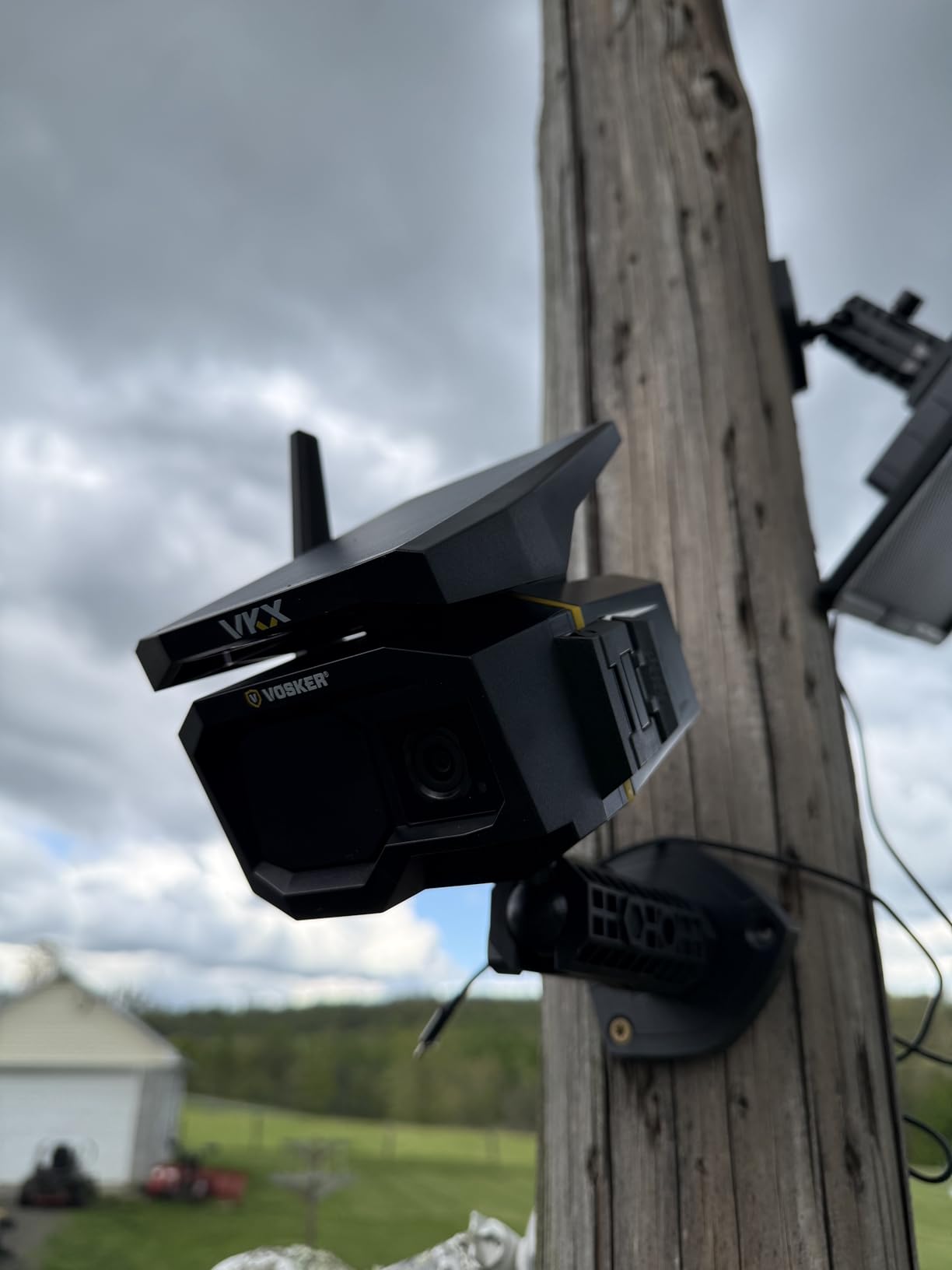
Photo Alerts Versus Live Streaming for Foaling
For foaling watch specifically, photo alerts are a compromise. You get a snapshot when motion is detected, which tells you the mare is active, but you cannot watch the birth unfold in real time. Some breeders pair a Vosker for alerts with a second WiFi camera for live streaming.
If your barn has any WiFi at all, I recommend one of the WiFi-based cameras higher on this list for the actual foaling stall. Reserve the Vosker for perimeter and pasture monitoring where its long range and battery life are genuine advantages.
Battery Runtime Without Sunlight
The 14,000mAh battery is one of the largest on this list. In testing, the camera ran for over four months without any solar charging, primarily because it only transmits brief clips rather than constant streams. This low-power approach extends battery life dramatically.
The battery is swappable, so you can keep a charged spare on hand. This is rare among solar cameras and means you never have downtime waiting for a charge. For a remote camera you cannot easily reach, that swap-and-go capability is valuable.
Buying Guide: How to Choose the Best Foaling Camera for Your Barn?
Choosing the right foaling camera comes down to five decisions: connectivity, power source, night vision, recording mode, and mounting. Let me walk through each so you can match a camera to your specific barn setup.
WiFi vs Cellular vs Wired Connectivity
This is the first and most important decision. If your barn has reliable WiFi that reaches the stalls, a WiFi camera like the aosu, Cinnado, Rraycom, or VSMAHOME is your best bet. WiFi cameras offer continuous live streaming, faster alerts, and no data plan costs.
If your barn has no internet, you need a cellular camera. The ELYSOO, Solareye, GNCC, and Vosker all run on 4G LTE networks. They work anywhere you have cell signal, but they require a data subscription and may limit live streaming to conserve data.
For very large operations, a wired NVR system with PoE cameras is worth considering, though none are on this particular list. PoE cameras run both power and data through a single Ethernet cable, which is reliable but requires running cables to each stall.
Power Source: Solar, Battery, or Wired
Solar-powered cameras like the aosu, Cinnado, ELYSOO, Solareye, GNCC, and Vosker are ideal for barns where running power is impractical. They charge during the day and run on battery at night. The catch is that shaded placements or winter weather can reduce charging.
Battery-only cameras like the Rraycom need periodic charging, typically every few weeks. Keep chargers accessible and schedule charging sessions. During peak foaling season when motion detection fires constantly, expect shorter battery life.
Wired cameras like the VSMAHOME never need charging, which makes them the most reliable option for critical foaling nights. The trade-off is placement flexibility, since you need a power outlet within cord range.
Night Vision Quality
Mares foal at night, so night vision is non-negotiable. Look for color night vision, which uses spotlights or starlight sensors to produce full-color images in low light. Color helps you spot subtle signs like a reddish discharge or a foal’s coloring that black-and-white infrared washes out.
Standard infrared night vision produces black-and-white images and is fine for basic monitoring, but it can miss details during a foaling. Every camera on this list offers color night vision, which is why they made the cut.
Pay attention to night vision range. A 33-foot range covers a standard stall. A 100-foot range like the Vosker’s lets you monitor a long aisle or paddock. Match the range to your viewing distance.
Continuous Recording vs Event-Based
Continuous recording captures everything, all night, which gives you a complete timeline of the foaling. Cameras like the VSMAHOME and aosu support this mode. It uses more storage but ensures you never miss a moment.
Event-based recording, used by the Cinnado, GNCC, and others, only records when motion is detected. This saves storage and battery but can miss the very start of labor if the mare is lying still. For foaling watch, I prefer continuous recording when possible.
If you use event-based recording, set motion sensitivity high during foaling season so any movement triggers a clip. You can always lower it again after foaling is done.
Weather Resistance and Barn Durability
Barns are harsh environments for electronics. Dust, ammonia, humidity, and temperature swings all stress cameras. Look for IP65 or IP66 ratings, which indicate resistance to dust and water jets. Every camera on this list meets at least IP65.
Mount cameras high enough that horses cannot reach them. Eight feet is a good minimum. Curious foals will mouth anything within reach, and a damaged camera during foaling is a crisis. Use protective mounts and route cables where animals cannot chew them.
In metal barns, be aware that the structure can block WiFi and cellular signals. Test signal strength before permanent mounting. A WiFi extender or cellular booster may be necessary.
Budget Considerations
Factor in both the upfront cost and ongoing expenses. Solar cellular cameras have lower upfront costs but require monthly data subscriptions. WiFi cameras with local storage have higher upfront costs but no monthly fees.
For seasonal breeders, the subscription model can work well because you activate plans only during foaling season. For year-round operations, a no-subscription system like the aosu is more economical over time.
Do not forget accessories. MicroSD cards, WiFi extenders, mounting hardware, and extension cables all add to the total. Budget for a high-endurance SD card rated for continuous recording, as standard cards fail quickly in security cameras.
Frequently Asked Questions
What is the best camera for a horse barn?
The best camera depends on your barn’s connectivity. For barns with WiFi, the aosu D1 Classic 4-Cam Kit is the top pick thanks to no monthly subscription, solar power, and 360-degree coverage. For barns without WiFi, a cellular camera like the ELYSOO 4G LTE or Solareye works over cell networks. The key features to look for are color night vision, reliable motion alerts, and an IP65 or higher weatherproof rating.
What is the best size for a foaling stall?
A standard foaling stall is typically 12 by 12 feet, though 14 by 14 feet is ideal for giving the mare more room. Larger stalls reduce the risk of the mare pinning the foal against a wall during delivery. A camera with at least a 105-degree viewing angle covers a 12-by-12 stall comfortably from a corner mount.
Why are cameras in most foaling stalls?
Cameras are used in foaling stalls because mares typically give birth at night and breeders need to monitor labor without disturbing the mare. A foaling camera lets you watch for signs of distress, time the birth, and intervene quickly if complications arise. They also create a video record useful for veterinary review and future breeding decisions.
What cameras work for horse barns without WiFi?
Cellular cameras that run on 4G LTE networks work in barns without WiFi. The ELYSOO, Solareye, GNCC, and Vosker cameras on this list all connect over cellular signals using built-in SIM cards. You need cell reception at the barn and a data subscription, but no internet or WiFi router is required.
How do I install a camera in a foaling stall?
Mount the camera at least eight feet high in a corner overlooking the stall, angled to cover the area where the mare will stand or lie down. Keep it out of the horse’s reach, route cables along beams away from chewing, and test the night vision and motion alerts before foaling season begins. For solar cameras, position the panel where it receives direct sunlight for at least three hours daily.
Conclusion
The best foaling cameras for horse barns in 2026 all share a few traits: clear color night vision, reliable alerts, and a power setup that will not die at 3 a.m. My overall recommendation is the aosu D1 Classic 4-Cam Kit for its no-subscription storage, solar power, and proven track record with thousands of reviews. For value, the Cinnado S1 4-Pack delivers the highest rating and true wireless convenience. And for a single budget stall camera, the VSMAHOME 2K is hard to beat.
Match your choice to your barn’s reality. WiFi barns get WiFi cameras with local storage. Remote barns get cellular cameras with solar panels. Whatever you choose, set it up and test it well before your first mare is due. Foaling season waits for no one, and your camera needs to work the first night you need it.