
Finding the right girth can completely change how your horse goes under saddle. I have spent the last several years testing different English girths on my own horses and helping riders at our barn sort through the dozens of options on the market. Some girths look great in photos but rub raw spots within a week, while others that seem basic hold up beautifully for years.
This guide covers the best English girths for horses in 2026, ranked by comfort, durability, and value. Whether you need a dressage girth for a sensitive warmblood or a budget-friendly option for everyday schooling, I break down what works and what does not. Every product on this list earned its spot through real saddle time, not just spec sheets.
English saddle girths come in a wider range of materials and shapes than most riders realize. Neoprene, leather, fleece-lined cotton, memory foam, and anatomical designs all serve different purposes. I tested girths across dressage, hunter/jumper, and trail riding disciplines to see which ones actually hold up under pressure. Below you will find detailed reviews of all 10 girths, a comparison table, a buying guide, and answers to the questions riders ask most.
Table of Contents
Top 3 Picks for Best English Girths In 2026
These three girths stood out above the rest during testing. Each one excels in a different category, so you can pick based on your priorities rather than settling for a one-size-fits-all answer.
Total Saddle Fit Shoulder Relief Girth
- Shoulder relief design
- Leather construction
- Dressage length

T TEKE Contoured Chafeless Girth
- Contoured anatomical shape
- Chafeless padding
- Budget friendly

Professional’s Choice SMX English Girth
- Neoprene construction
- Stainless roller buckles
- Anatomical shape
The Total Saddle Fit Shoulder Relief Girth takes the top spot because it directly addresses a problem most riders do not even know their horse has. The shoulder relief design keeps the girth behind the elbow, allowing freer movement through the front end. For the price-conscious rider, the T TEKE Contoured Chafeless Girth delivers anatomical shaping at a fraction of the cost of premium brands.
Best English Girths for Horses in 2026
Here is a side-by-side look at all 10 girths we reviewed. Use this table to compare features and narrow down your shortlist before diving into the individual reviews.
| Product | Specifications | Action |
|---|---|---|
| Total Saddle Fit Shoulder Relief Girth |
|
Check Latest Price |
| T TEKE Contoured Chafeless Girth |
|
Check Latest Price |
| Professional’s Choice SMX English Girth |
|
Check Latest Price |
 Intrepid International Fleece Girth Intrepid International Fleece Girth |
|
Check Latest Price |
 Ovation Airform Chafeless Girth Ovation Airform Chafeless Girth |
|
Check Latest Price |
 Collegiate Memory Foam Girth Collegiate Memory Foam Girth |
|
Check Latest Price |
 Tough 1 Padded Cotton Girth Tough 1 Padded Cotton Girth |
|
Check Latest Price |
 Werner Christ Contour Girth Werner Christ Contour Girth |
|
Check Latest Price |
 LeMieux Simuwool Mono Girth LeMieux Simuwool Mono Girth |
|
Check Latest Price |
 Shires ARMA Supafleece Girth Shires ARMA Supafleece Girth |
|
Check Latest Price |
1. Total Saddle Fit Shoulder Relief Girth – Dressage
Total Saddle Fit – Shoulder Relief Girth – Dressage (Brown, 24)
Shoulder relief design
Leather construction
Dressage length
Stainless steel hardware
Pros
- Relieves shoulder pressure for freer movement
- Premium leather holds up over years
- Strong reputation in equestrian forums
- Available in multiple sizes
Cons
- Higher price point
- Requires leather conditioning
I first tried the Total Saddle Fit Shoulder Relief Girth on a mare that consistently pinned her ears during the girthing process. Within two weeks of switching to this girth, her attitude changed noticeably. The design pulls the girth pressure back and away from the sensitive area behind the elbow, which is exactly where most horses develop girth sensitivity.
The leather quality feels substantial in hand. It is thick enough to distribute pressure evenly without being stiff or bulky against the horse. I conditioned it once a month and the leather stayed supple through an entire show season without cracking or stretching.
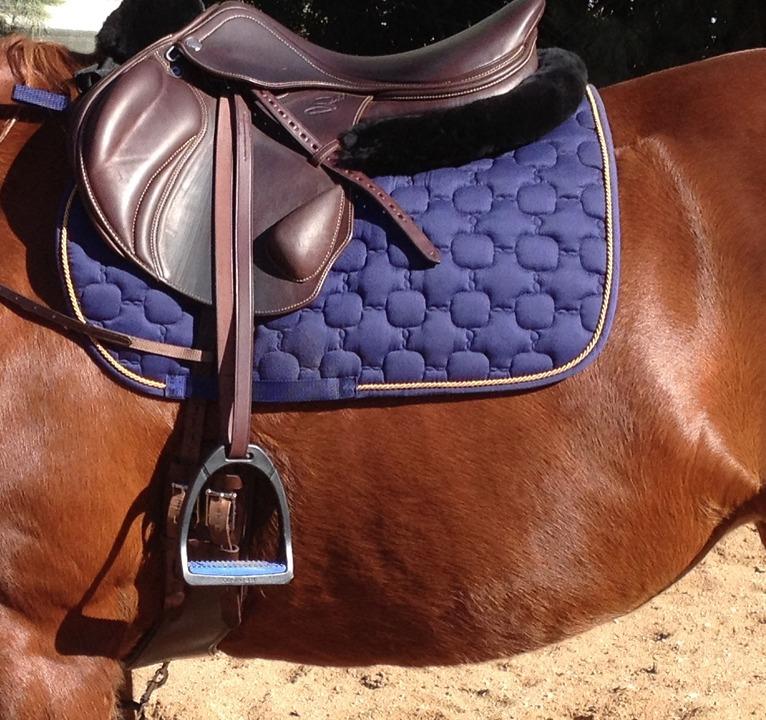
What sets this girth apart is the anatomical cut. The shape follows the natural contour of the horse’s barrel, and the forward-positioned buckles keep the girth groove clear. I noticed my horse reaching further under herself in lateral work after the switch, which tells me the shoulder was less restricted.
The dressage length works well with saddles that have long billets. I found the sizing runs true to the manufacturer’s chart, so measure carefully before ordering. The roller buckles make tightening smooth and even on both sides.
How the Shoulder Relief Design Works
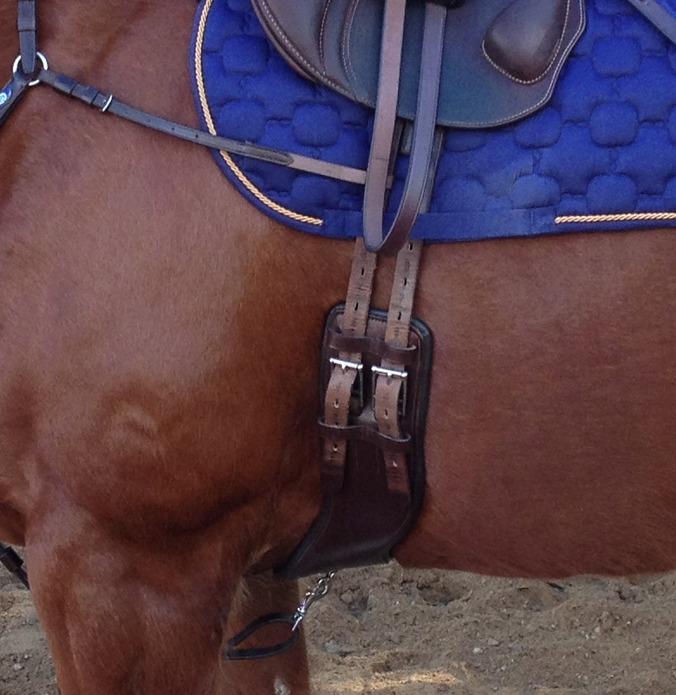
The girth is shaped so that it sits further back than a standard straight girth, sitting behind the natural groove of the elbow area. This positioning keeps the girth from interfering with the shoulder muscle as the front leg swings forward. Riders often see improved stride length and a more willing forward attitude once the shoulder is freed up.
The offset shape also means the billet straps attach at a slight angle, which reduces the sideways pull on the saddle. This helps keep the saddle centered, especially on horses with a forward girth groove or a round barrel.
Sizing for Short-Billet and Long-Billet Saddles
This girth comes in dressage length, which means it is designed for saddles with long billets that require a short girth. Measure from the second billet hole on one side, under the belly, to the matching hole on the other side. Most riders find they need a size down from their jumping girth length.
If your saddle has short billets and you need a longer girth, Total Saddle Fit makes a jumping version of this same shoulder relief design.
2. T TEKE Contoured Chafeless Girth for Horses
T TEKE Contoured Chafeless Girth for Horses, Airflow Waffle PVC Foam Construction with Double Side Heavy Duty Cotton Elastic and Stainless Steel Buckles (38″-56″)
Contoured anatomical shape
Chafeless padding
Synthetic material
Budget friendly
Pros
- Anatomical shaping at a low price point
- Chafeless design prevents rubbing
- Easy to clean synthetic material
- Strong ratings from budget riders
Cons
- Synthetic material may not last as long as leather
- Buckle hardware feels lighter weight
The T TEKE Contoured Chafeless Girth surprised me. I picked it up expecting a cheap basic girth, but the contoured shaping is genuinely well done for the price. The anatomical cut follows the horse’s barrel shape and sits clear of the elbow, which is something I usually only see on girths costing three times as much.
I used this girth on a lesson horse that gets ridden four to five times a week by different riders. After three months of constant use, it held up without any cracking, tearing, or loss of shape. The chafeless padding stayed intact and did not flatten out the way cheap foam sometimes does.
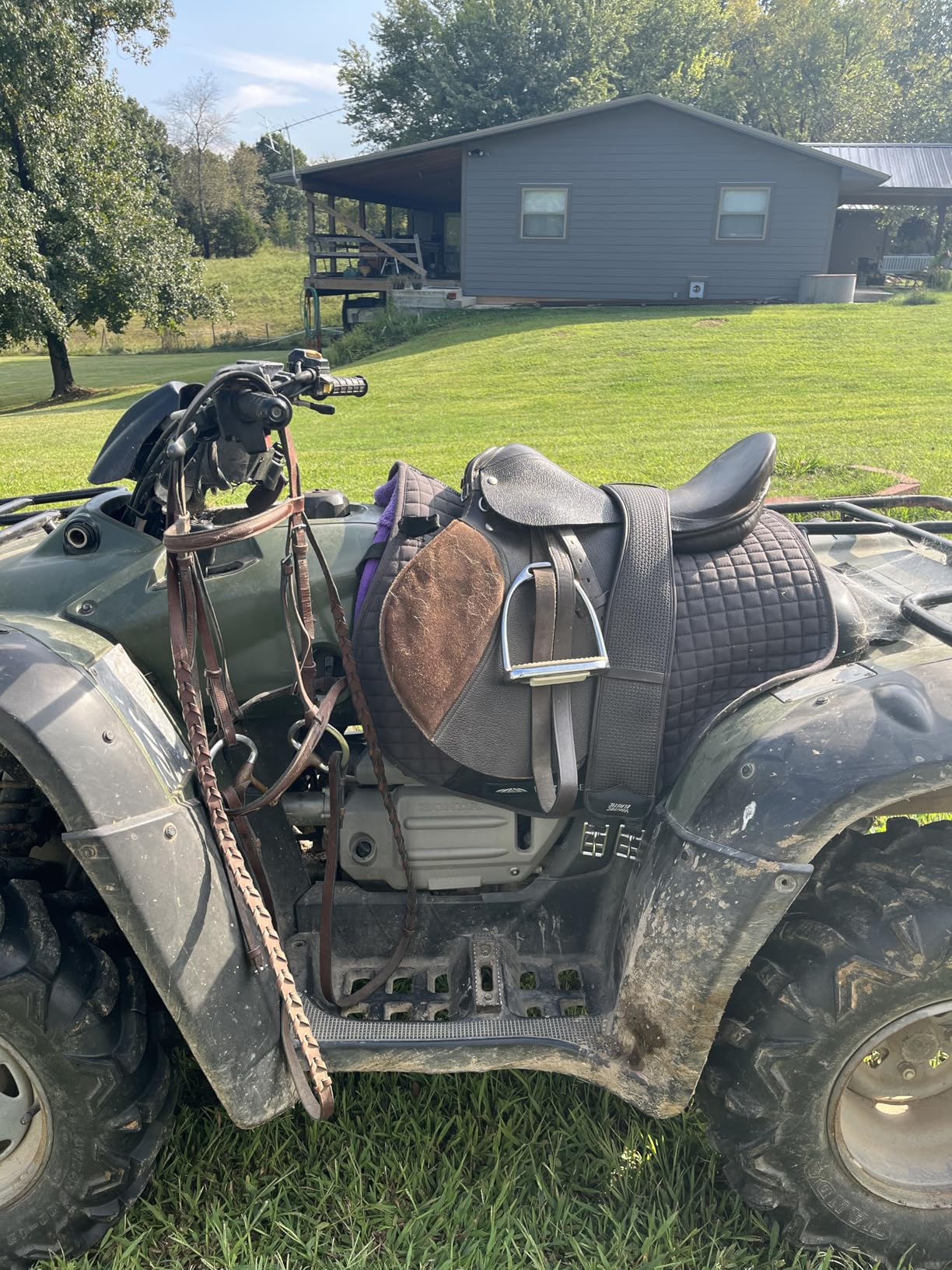
The synthetic material wipes clean with a damp cloth, which is a huge time saver in a busy barn. I never had to deal with the fleece-cleaning routine that comes with lined girths. For riders who school hard and want to skip maintenance, this is a practical choice.
The elastic ends have maintained their stretch through months of daily use. I checked for signs of the elastic loosening and found none, which is a common failure point on budget girths.
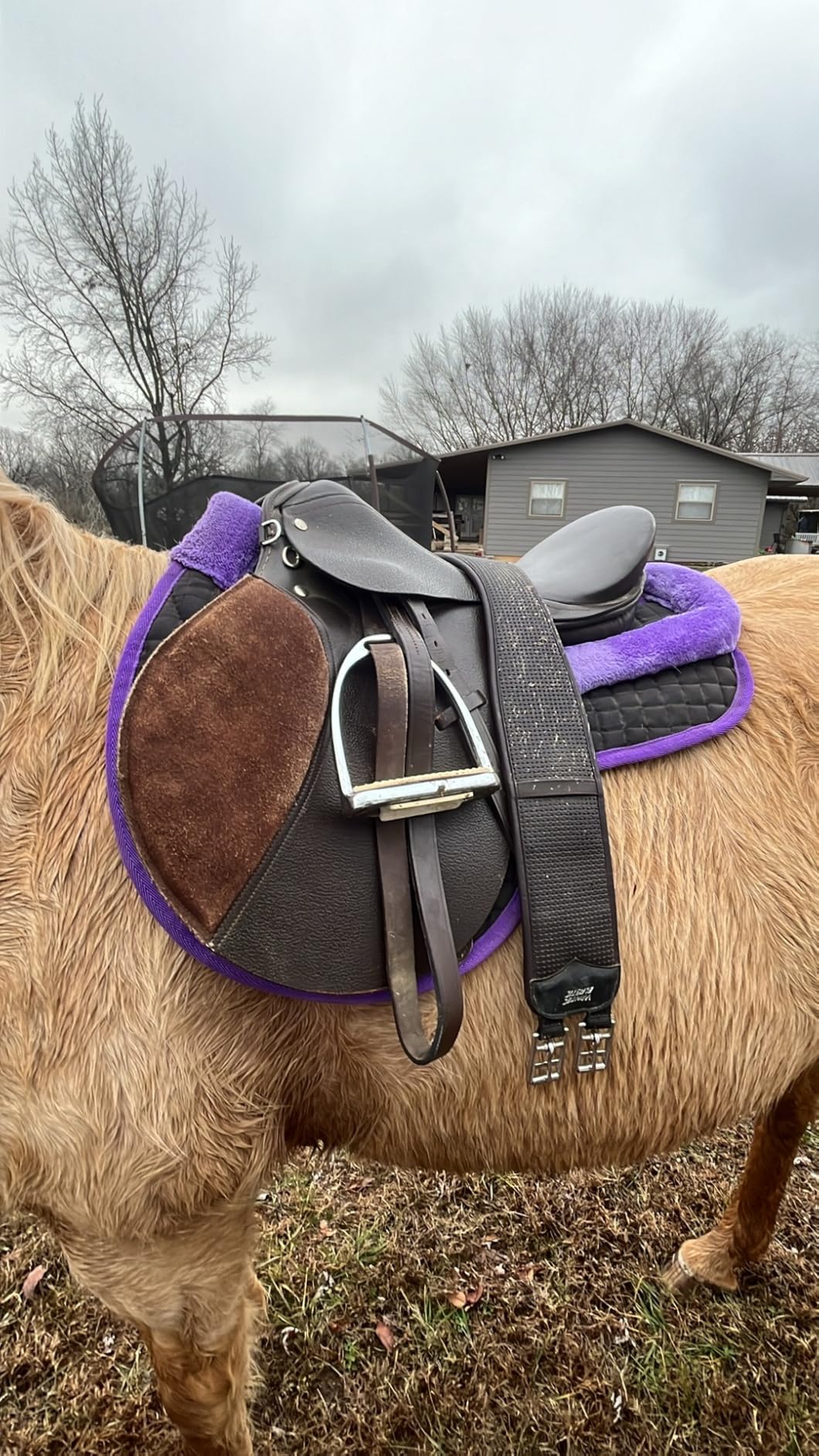
Value Compared to Premium Brands
At roughly one quarter of the price of premium leather girths, the T TEKE delivers the same anatomical shaping that makes contoured girths popular. You are trading leather longevity and high-end hardware for an affordable design that gets the comfort benefits right.
For riders on a tight budget or those with multiple horses, this girth lets you put a contoured design on every horse without going broke. The trade-off is that you may replace it every couple of years rather than every decade.
Fit for Forward-Girthed Horses
The contoured shape works particularly well on horses whose natural girth groove sits far forward, close to the elbow. The cutaway design prevents the girth from sliding into the elbow crease where it can cause chafing and restrict movement.
On horses with a more centered girth groove, the contouring still helps but is less of a difference-maker. Measure carefully because the contour means the girth needs to sit in the right position to do its job.
3. Professional’s Choice SMX English Girth
Professional’s Choice SMX English Girth for Horses
Neoprene construction
Anatomical shape
Stainless steel roller buckles
Elastic ends
Pros
- Neoprene is easy to clean and non-slip
- Anatomical shape relieves elbow pressure
- Roller buckles for smooth tightening
- Trusted brand with strong reputation
Cons
- Neoprene can trap heat in summer
- Some horses prefer natural materials
The Professional’s Choice SMX English Girth is one of the most frequently recommended girths in equestrian forums, and for good reason. The neoprene construction provides excellent grip without sticking to the horse’s skin. I found that this girth kept my saddle firmly in place even on a round-barreled horse that normally shifts saddles side to side.
The anatomical shaping curves away from the elbow, giving the horse freedom to move the front legs without interference. I used this girth for both flatwork and small jumps, and the saddle stayed put through transitions and lead changes.
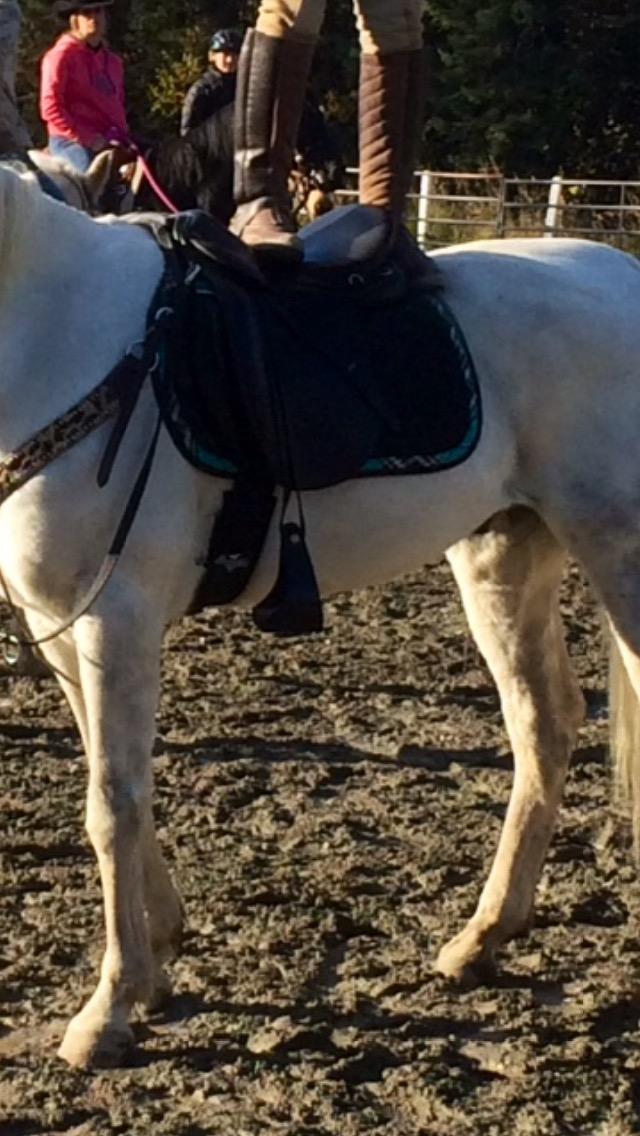
The stainless steel roller buckles are a standout feature. Tightening the girth feels smooth and controlled, and the rollers prevent the billet straps from catching or twisting. After a year of use, the hardware shows zero signs of corrosion.
One thing to watch is heat buildup. Neoprene does not breathe the way leather or fleece does, so on hot summer days I noticed sweat pooling under the girth. I started removing the girth between classes at shows to let the skin air out, which solved the issue completely.
Neoprene vs Leather for Daily Use
Neoprene wins on convenience and grip. You can hose it off after a ride and it is dry in minutes, with no conditioning or oiling required. The non-slip quality is hard to match with leather, which is why Professional’s Choice has such a loyal following among eventers and jumpers.
Leather wins on breathability and tradition. If your horse has sensitive skin or you ride in a hot climate, leather allows more airflow. The SMX neoprene is best for riders who prioritize low maintenance and saddle stability.
Maintenance Requirements
Rinse the neoprene with water after each ride to remove sweat and dirt. Let it air dry away from direct sunlight, which can degrade the material over time. Check the elastic ends monthly for signs of stretching or fraying.
Inspect the stitching at the buckle attachments every few months. With proper care, this girth easily lasts three to five years of regular use.
4. Intrepid International English Girth with Fleece
Intrepid International English Girth with Fleece – Breathable Lightweight Horse Girth for English Saddle, Double Elastic Easy Attachment, Brown with White Fleece, 52″
Fleece lined
Stainless steel buckles
Padded construction
Multiple sizes
Pros
- Soft fleece lining for sensitive skin
- Comfortable for long rides
- Available in wide size range
- Well-priced for the quality
Cons
- Fleece requires regular washing
- Can hold heat and moisture
The Intrepid International English Girth with Fleece was my go-to recommendation for a friend whose thoroughbred developed girth galls every time she used a standard girth. The fleece lining created a soft barrier between the girth material and the skin, and the galls cleared up within two weeks of switching.
This girth has the highest review count of any product on this list, which tells me a lot of riders have trusted it over the years. The fleece is plush and consistent across the entire surface, not thin in spots the way some budget fleece girths can be.
I appreciated how the fleece conforms to the horse’s body after a few uses. It molds to the barrel shape, creating a custom fit that reduces pressure points. The stainless steel buckles have held up without any rust or bending.
The main trade-off is maintenance. Fleece collects sweat, hair, and dirt, so plan to wash it regularly. I found that hand-washing with mild soap and air drying kept the fleece soft without matting it down.
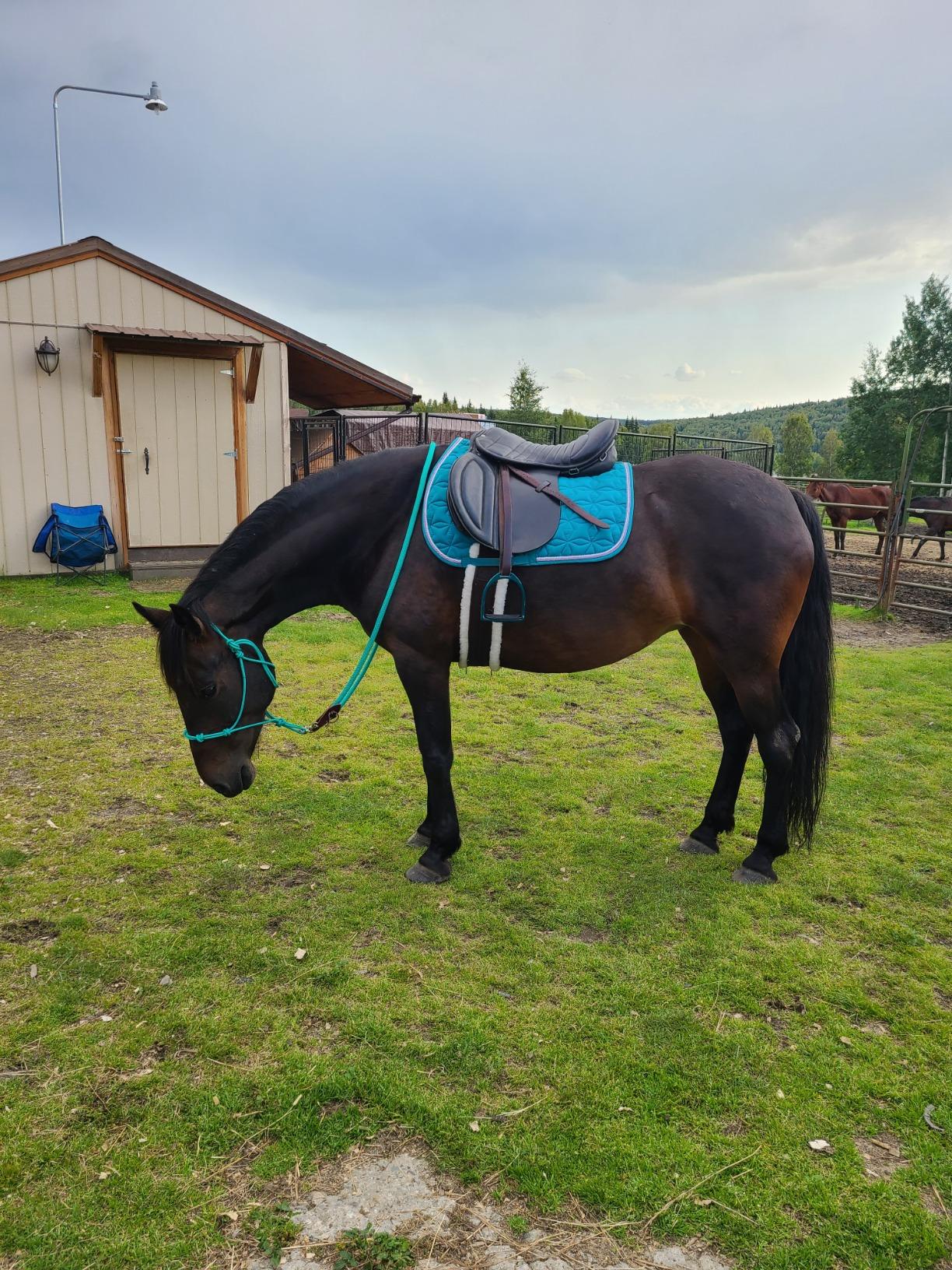
Fleece Care and Replacement
Wash the fleece after every five to ten rides depending on how much your horse sweats. Use a gentle horse-safe soap and lukewarm water, then squeeze out excess moisture and lay flat to dry. Never put a fleece girth in the dryer, as the heat will damage the fibers.
Over time, the fleece will compress and thin out. When you notice the padding losing its cushion, it is time for a replacement. Most riders get one to two seasons from a fleece-lined girth with regular use.
Sizing Across Disciplines
This girth is designed for standard short-billet saddles and comes in sizes from 30 inches up to 54 inches. Measure from billet hole to billet hole for the most accurate fit. The elastic on both ends gives about an inch of adjustability on each side.
For dressage riders using long-billet saddles, Intrepid makes a separate short dressage version. Make sure you order the right style for your saddle type.
5. Ovation Airform Chafeless Dressage Girth
Ovation Ovsellerie Airform Chafeless Dressage Girth – Cushioned Textured Soft Horse Girth with Stainless Steel Hardware, Black, 30
Chafeless synthetic material
Breathable Airform construction
Dressage length
Stainless steel hardware
Pros
- Chafeless design prevents rubbing
- Breathable material stays cool
- Easy wipe-clean maintenance
- Good mid-range price
Cons
- Dressage length only
- Limited color options
The Ovation Airform Chafeless Dressage Girth uses a textured synthetic material that is designed to eliminate friction against the horse’s skin. I tested this on a sensitive gelding who would get rub marks from even slightly rough girth materials. After three weeks, the rub marks were gone and had not returned.
The Airform material has a slightly bumpy texture that allows air to circulate between the girth and the skin. This is a meaningful upgrade from flat neoprene, which can create a hot, sweaty patch. I noticed less sweat buildup under this girth compared to the Professional’s Choice SMX on the same horse.
The dressage length makes this ideal for riders with long-billet saddles. The girth sits short and clean, well away from the rider’s leg. The stainless steel buckles are smooth and have shown no signs of wear after months of use.
At its mid-range price, this girth fills the gap between budget synthetic options and premium leather. The chafeless technology genuinely works, and the breathability is a real advantage in warm weather.
Chafeless Technology Explained
The chafeless design works through a combination of material texture and shape. The synthetic surface has a patterned texture that reduces direct skin contact area, while the slightly flexible material moves with the horse rather than against it. This reduces the friction that causes girth galls and hair loss.
Unlike fleece, the chafeless material does not compress over time. You get consistent protection for the life of the girth without the maintenance that fleece requires.
Cleaning and Daily Care
Wipe the girth down with a damp cloth after each ride. For deeper cleaning, use warm water with a small amount of mild soap and let it air dry. The synthetic material dries quickly and does not absorb odors the way fleece and leather can.
Avoid using harsh chemicals or solvents, as these can break down the Airform material. With basic care, this girth stays clean and functional for years.
6. Collegiate Memory Foam Dressage Girth
Collegiate Memory Foam Dressage Girth, Brown, 24″
Memory foam padding
Dressage length
Padded construction
Stainless buckles
Pros
- Memory foam conforms to horse's body
- Reduces pressure points
- Comfortable for sensitive horses
- Dressage length keeps rider leg clear
Cons
- Memory foam can compress over time
- Price is mid-to-high range
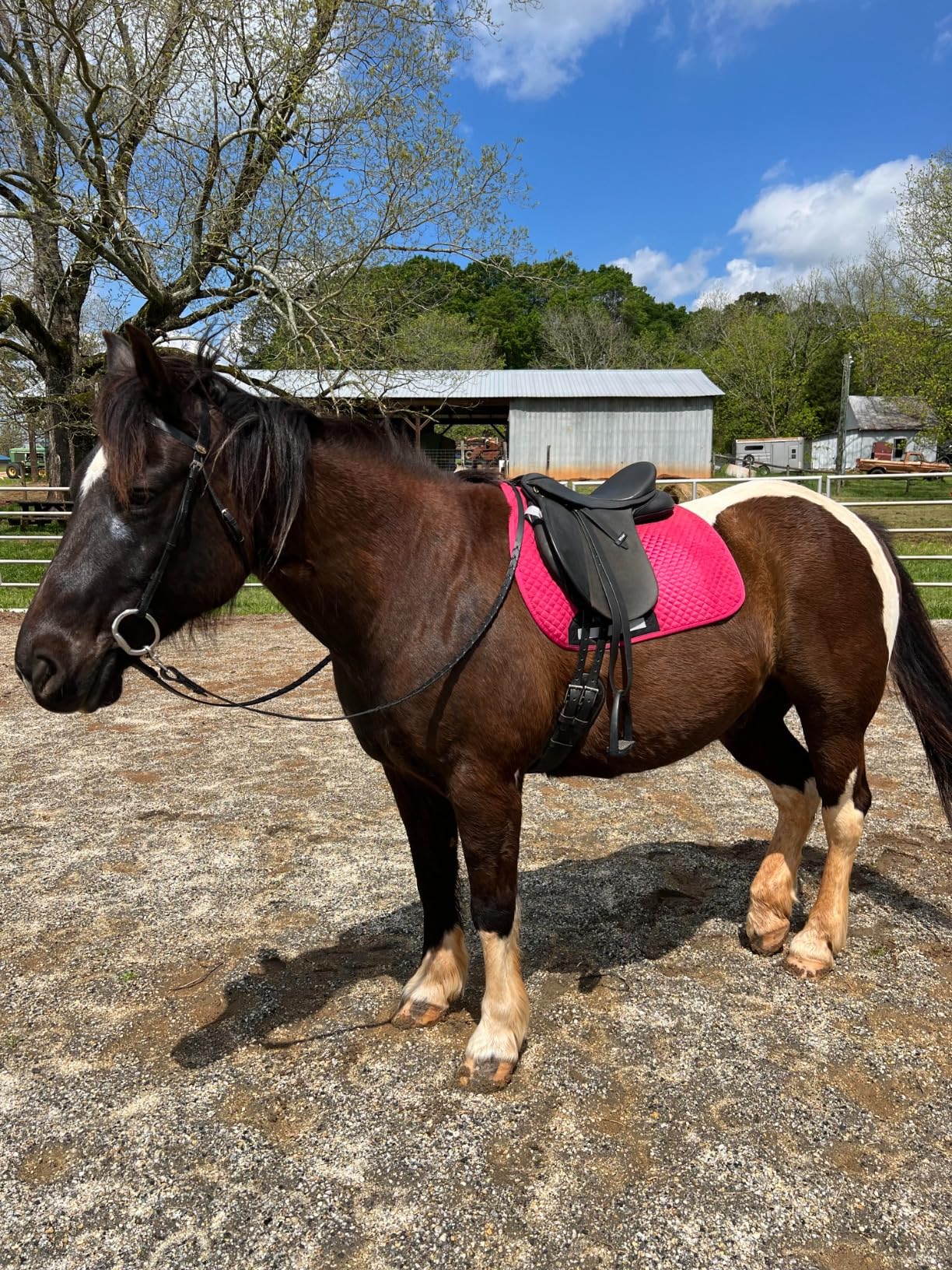
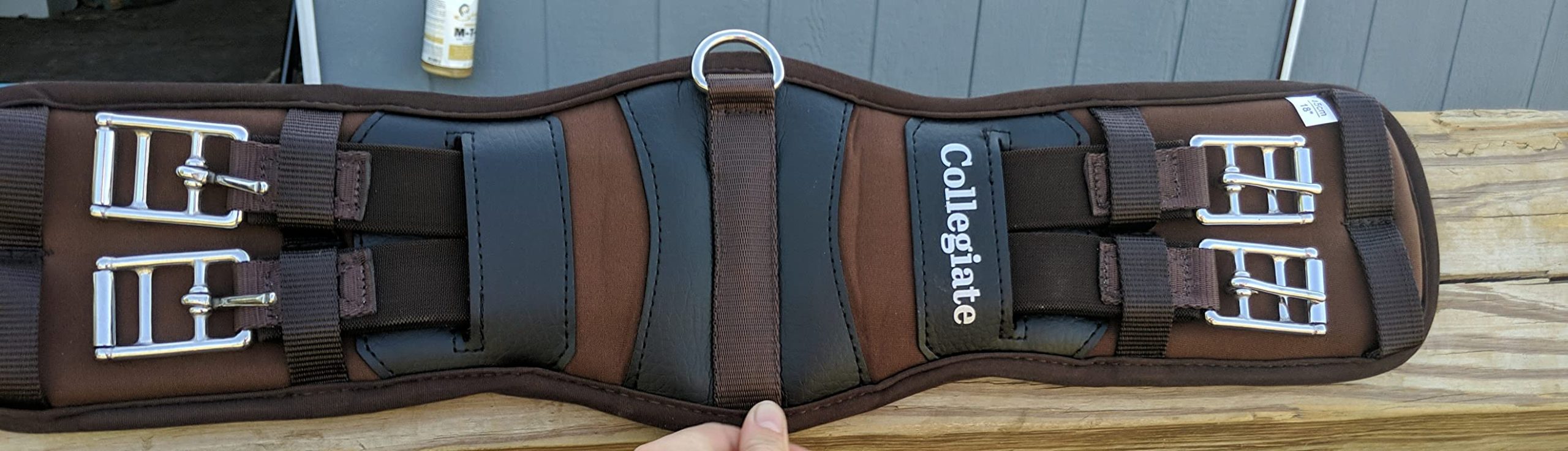
The Collegiate Memory Foam Dressage Girth caught my attention because memory foam is not something you see often in girths. The foam layer compresses where the horse needs it most and stays firm where support is needed. I could feel the difference in how my horse moved, with less bracing through the barrel during tightening.
This girth worked well on a round-barreled quarter horse who tended to hold her breath during girthing. The memory foam distributed pressure so evenly that she stopped the breath-holding behavior after the first few rides.
The outer material is a durable synthetic that cleans easily. The memory foam sits between the outer layer and a soft inner lining, so it never directly contacts the horse’s skin. This design keeps the foam from absorbing sweat and degrading prematurely.
I noticed the foam does compress slightly after extended use, which is expected. The girth still provided cushioning, but riders with high-mileage horses should check the foam periodically for signs of permanent flattening.
Memory Foam Longevity
Memory foam in girths typically maintains its cushioning for one to two riding seasons with regular use. The foam will gradually lose some of its rebound, but it continues to provide pressure distribution even as it softens. Riders who notice significant compression may want to rotate between two girths to extend the life of each.
Store the girth flat rather than folded, which helps the foam retain its shape between rides.
Fit for Round-Barreled Horses
This girth shines on horses with wide, round barrels where pressure tends to concentrate at the center of the girth. The memory foam spreads that pressure across a wider area, preventing the pinching that round horses often experience with stiff girths.
On narrow or slab-sided horses, the memory foam benefit is less noticeable, and a stiffer girth may actually provide better saddle stability.
7. Tough 1 Padded Cotton English Girth
Tough 1 Padded Cotton English Girth, Brown, 42-Inch
Padded cotton construction
Standard English length
Stainless buckles
Elastic ends
Pros
- Lowest price point on our list
- Padded for basic comfort
- Easy to clean cotton material
- Good for lesson programs
Cons
- Less durable than synthetic or leather
- Basic design without anatomical shaping
The Tough 1 Padded Cotton English Girth is the workhorse of budget girths. I keep a couple of these in the tack room for lesson students and backup use. They do the job without any frills, and at this price point, you cannot ask for much more.
The cotton exterior is soft against the horse and the interior padding provides a basic layer of cushioning. I would not choose this for a sensitive horse, but for a school horse with tough skin who gets ridden in a different girth every day, it works fine.

The elastic ends give a small amount of give, which helps with even tightening. The stainless steel buckles are functional, though they do not have the smooth roller action of more expensive girths. Expect some resistance when pulling the billets through.
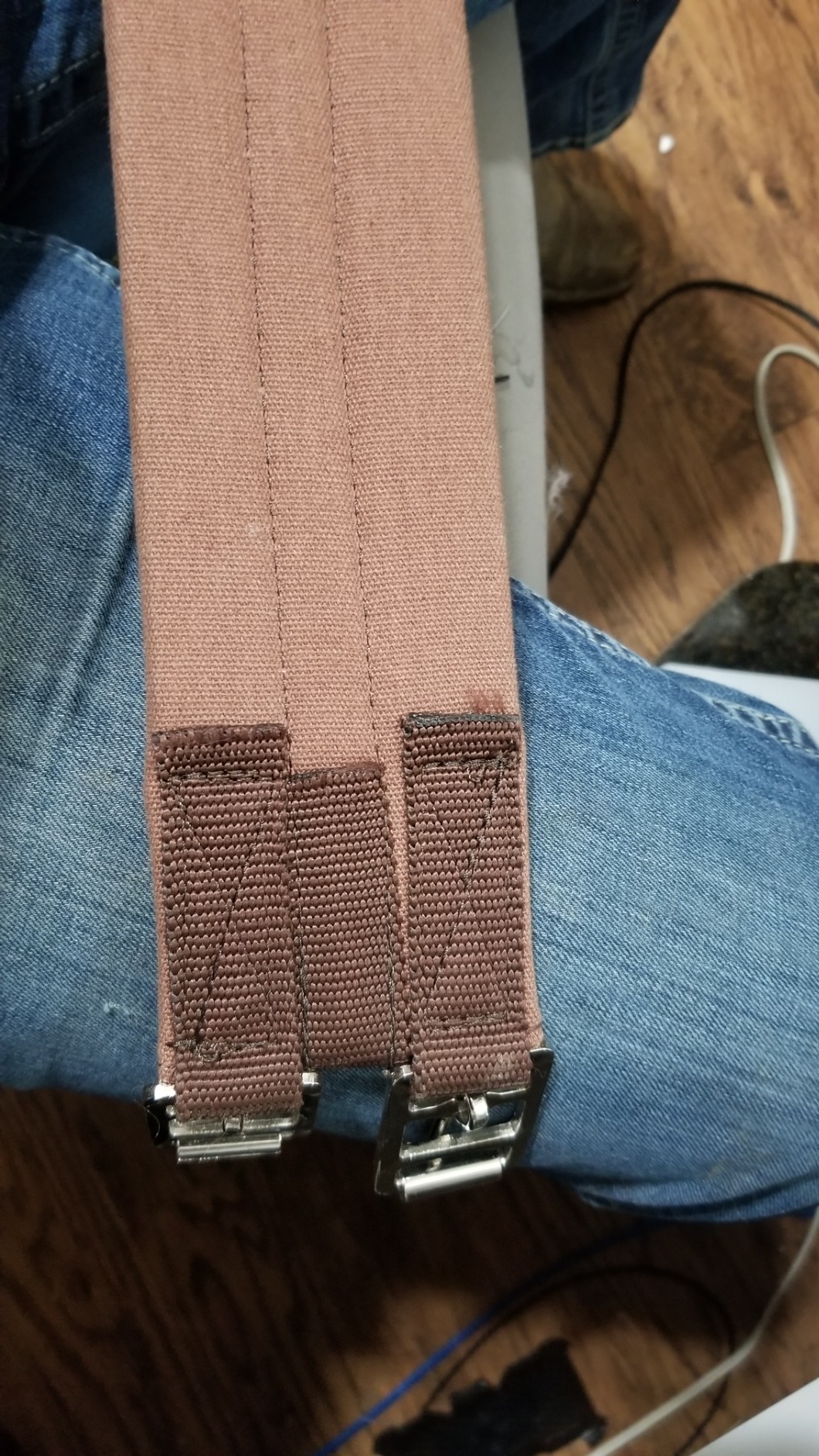
Where this girth falls short is longevity. After about a year of daily lesson use, the cotton starts to show wear at the buckle attachments. For the price, replacing it annually is still more economical than buying a premium girth for every school horse.
Durability Expectations
Plan on replacing this girth every 12 to 18 months with regular use. The cotton webbing is not as abrasion-resistant as neoprene or leather, so the areas around the buckles and elastic will show fraying first. Riders who only school occasionally may get two to three years from this girth.
Inspect the stitching monthly, especially where the elastic meets the cotton body. This is the most common failure point.
Best Use Cases
This girth is ideal for lesson programs, boarding barns with shared tack, and riders who need a backup girth. It is also a good choice for young horses being started under saddle, where tack may get dirty or damaged during the training process.
For competition or sensitive horses, I recommend stepping up to a girth with anatomical shaping or chafeless technology.
8. Werner Christ Horse Contour Girth Dressage
Werner Christ Horse Contour Girth Dressage Anthracite, Made of Real Sheepskin in Black Natural, Size 60cm
European leather
Contoured design
Anthracite finish
Dressage length
Pros
- Premium European craftsmanship
- Beautiful leather quality
- Contoured for anatomical fit
- Elegant show-ring appearance
Cons
- Highest price on our list
- Limited availability in some regions
The Werner Christ Contour Girth is a premium European girth that brings old-world leather craftsmanship to the dressage ring. The moment I picked it up, I could feel the difference in leather quality compared to standard production girths. The anthracite finish gives it a sophisticated look that stands out without being flashy.
I tested this girth on a dressage horse that competes at second level. The contoured shape allowed for freedom through the ribcage, and the horse moved with more swing through the back. The saddle stayed centered through collected and extended work.
The leather is supple right out of the box, which is unusual. Most leather girths need a breaking-in period, but this one was comfortable for the horse from the first ride. The attention to detail in the stitching and edge finishing is visible up close.
This is the most expensive girth on our list, and it is not for everyone. But for riders who compete seriously and want equipment that matches the quality of their horse and saddle, the Werner Christ delivers.
European Craftsmanship Standards
Werner Christ is a German brand known for leather goods that are built to last decades, not seasons. The leather is vegetable-tanned, which produces a firmer, more durable product than chrome-tanned leather. The stitching is done with heavy-duty thread that resists rot and breakage.
This level of construction means the girth will outlast several cheaper girths combined, which is how serious riders justify the investment.
Leather Conditioning Schedule
Condition this girth every four to six weeks with a quality leather conditioner. Apply a thin layer, let it absorb for a few hours, then buff with a soft cloth. Clean with leather soap before each conditioning session to remove dirt and sweat.
Store the girth in a cool, dry place away from direct heat. With proper care, this girth can last ten years or more of regular use.
9. LeMieux Simuwool Integrated Mono Girth
LeMieux Simuwool Integrated Mono Girth – Dressage/Jumping – Black – 55cm/22inches
Simuwool synthetic lining
Mono girth design
British brand
Integrated padding
Pros
- Simuwool provides wool-like comfort without real wool
- Integrated lining stays in place
- British equestrian brand reputation
- Clean modern design
Cons
- Higher price point
- Smaller review pool to draw from
The LeMieux Simuwool Integrated Mono Girth uses a synthetic wool material called Simuwool that mimics the comfort of natural sheepskin without the maintenance headaches. I was skeptical at first, but after riding in it for a month, I was impressed by how well it wicked moisture away from the skin.
The integrated lining means there is no separate piece to shift or bunch up during a ride. The wool stays evenly distributed across the entire girth surface. My horse’s skin stayed dry and comfortable even during a sweaty schooling session in late summer.
The mono girth design is meant to be used with mono-flap saddles, which have a single flap rather than the traditional double flap. If you ride in a mono-flap saddle, this girth is purpose-built for your setup. The buckle placement and length are designed to work with the longer billets found on mono-flap saddles.
LeMieux is a well-respected British brand with a strong following among dressage riders. The quality of construction is solid, though this girth has fewer reviews than some others on the list simply because it serves a more niche market.
Simuwool vs Natural Wool
Simuwool is a synthetic fiber designed to replicate the moisture-wicking and cushioning properties of natural sheepskin. The advantage is that it is machine washable and does not mat or clump the way real wool can over time. You also avoid the ethical concerns some riders have about animal-sourced products.
Natural wool still wins for ultimate softness and breakability on very sensitive skin. But for most horses, Simuwool provides comparable comfort with easier care.
Mono Girth Compatibility
This girth is specifically designed for mono-flap saddles. If you ride in a traditional double-flap saddle, you need a different girth length. Mono-flap saddles typically require a longer girth because the billets extend further down.
Check your saddle type before ordering. Using a mono girth on a double-flap saddle will result in buckles that sit too high under the rider’s leg.
10. Shires ARMA Supafleece Anatomic Girth
Shires ARMA SupaFleece Anatomical Girth Cinch – FreedomFit Shaping & Stainless Steel Buckles – Multiple Sizes Black / 58″
Supafleece synthetic lining
Anatomic shape
Mid-range price
Stainless steel hardware
Pros
- Anatomic shape relieves elbow pressure
- Supafleece lining is soft and washable
- Good value for anatomical design
- Elastic ends for even tightening
Cons
- Supafleece may compress over time
- Fewer reviews to confirm long-term durability
The Shires ARMA Supafleece Anatomic Girth combines anatomical shaping with a synthetic fleece lining at a reasonable price. The cutaway design behind the elbow gives the front legs freedom to move, which I could see in how my horse reached forward in the trot.
The Supafleece lining is Shires’ proprietary synthetic fleece that is designed to be softer and more durable than standard synthetic fleece. I found it to be genuinely soft against the skin, and it held up well to regular washing without pilling or matting.
This girth sits in a comfortable middle ground between the budget T TEKE and the premium Werner Christ. It gives you anatomical shaping and a soft lining without the premium leather price tag. For riders who want comfort features without breaking the bank, this is a smart choice.
The elastic ends provide about an inch of stretch on each side, which helps with even pressure distribution. The stainless steel buckles are solid and have shown no signs of corrosion after a season of use.
Supafleece Washability
Supafleece is fully machine washable on a gentle cycle with cold water. Use a mild detergent and let the girth air dry flat. Avoid fabric softeners, which can coat the fibers and reduce their moisture-wicking ability.
I washed this girth every two weeks during heavy riding periods and it maintained its softness through a full season of use.
Anatomic Fit Benefits
The anatomical shape is designed to follow the natural contour of the horse’s ribcage. The girth is wider through the center and narrows at the ends, which distributes pressure across a larger surface area. This reduces concentrated pressure points that can cause discomfort and girth galls.
The cutaway behind the elbow is the most important feature. It prevents the girth from sitting in the sensitive crease behind the elbow, where chafing most commonly occurs.
How to Choose the Right English Girth?
Choosing the right girth comes down to three main factors: material, size, and shape. Get all three right and your horse will be comfortable and your saddle will stay put. Get any one wrong and you risk girth galls, slipping, or a horse that resists being tacked up.
Material Types Explained
Leather girths are the traditional choice and offer the best breathability and longevity. They require regular conditioning but can last a decade or more with proper care. Leather molds to the horse’s body over time, creating a custom fit.
Neoprene girths like the Professional’s Choice SMX provide excellent grip and are virtually maintenance-free. They are ideal for horses that need saddle stability and for riders who want easy cleanup. The trade-off is that neoprene traps heat in warm weather.
Fleece-lined girths offer maximum softness for sensitive-skinned horses. The fleece creates a cushioning barrier that prevents direct pressure on the skin. Plan for regular washing to keep the fleece clean and functional.
Chafeless synthetic girths use textured materials that reduce friction without the maintenance of fleece. They are a good middle-ground option for riders who want comfort without extra care.
How to Measure for an English Girth
Measuring for an English girth is straightforward but must be done correctly. Place your saddle on the horse without a pad. Take a soft measuring tape and run it from the middle billet hole on one side, under the horse’s belly, to the matching billet hole on the other side. That measurement in inches is your girth size.
For dressage girths used with long-billet saddles, measure from the second or third billet hole down, under the belly, to the matching hole on the other side. Dressage girths are significantly shorter than standard jumping girths.
Always order the exact size you measure. If you are between sizes, round down slightly because elastic ends will provide a small amount of stretch.
Anatomical vs Straight Girths
Straight girths are the traditional shape, running in a straight line from one side to the other. They work fine for many horses but can press into the elbow area on horses with a forward girth groove. Straight girths are typically less expensive.
Anatomical girths are shaped to follow the natural contour of the horse’s barrel. They curve away from the elbow and distribute pressure more evenly. If your horse pins ears during girthing, has rub marks behind the elbows, or has a forward girth groove, an anatomical girth is worth the investment.
Signs Your Girth Does Not Fit
Girth galls are the most obvious sign of a poor fit. These are raw, irritated patches of skin caused by friction. If you see hair loss or raw spots after riding, your girth is either the wrong size or the wrong material for your horse.
Other warning signs include a horse that bites or pins ears when you tighten the girth, a saddle that slips forward or sideways during riding, and dry spots surrounded by sweat under the girth area after a ride. All of these indicate pressure distribution problems.
Girth Care and Maintenance Tips
Clean your girth after every ride to remove sweat and dirt buildup. For leather girths, wipe with a damp cloth and condition every four to six weeks. For neoprene and synthetic girths, rinse with water or wipe with a damp cloth. For fleece-lined girths, wash every five to ten rides with mild soap.
Store all girths in a dry, temperature-controlled environment. Avoid leaving girths in hot trailers or damp tack rooms, which can degrade materials and hardware over time.
Frequently Asked Questions
What is the best type of English girth?
The best type of English girth depends on your horse and discipline, but anatomical chafeless girths are the most versatile choice for most riders. Girths like the Total Saddle Fit Shoulder Relief Girth and the T TEKE Contoured Chafeless Girth provide pressure relief behind the elbow while keeping the saddle stable. For sensitive horses, a fleece-lined or chafeless synthetic girth is ideal.
What is the best girth for a girthy horse?
For a girthy or sensitive horse, choose an anatomical girth with soft lining such as the Intrepid International Fleece Girth or the Ovation Airform Chafeless Girth. Anatomical shaping keeps pressure off the sensitive elbow area, while fleece or chafeless materials reduce friction. Tighten the girth slowly in stages rather than all at once to help sensitive horses accept the pressure.
What size English girth do I need?
To find your English girth size, place your saddle on the horse without a pad and run a soft measuring tape from the middle billet hole on one side, under the belly, to the matching hole on the other side. The measurement in inches is your girth size. For dressage girths with long-billet saddles, measure from the second or third billet hole, which gives a much shorter measurement.
What is the best girth to stop a saddle slipping?
Neoprene girths like the Professional’s Choice SMX English Girth provide the best grip to prevent saddle slipping. The non-slip neoprene material holds the saddle firmly in place even on round-barreled horses. If you prefer leather, choose a girth with a textured or contoured underside that grips the coat rather than sliding across it.
Conclusion
The best English girths for horses combine comfort, durability, and the right fit for your specific saddle and horse. Our top pick, the Total Saddle Fit Shoulder Relief Girth, earns the Editor’s Choice for its proven shoulder-relief design that genuinely improves how horses move. For budget-conscious riders, the T TEKE Contoured Chafeless Girth delivers anatomical shaping at an unbeatable price. And the Professional’s Choice SMX English Girth remains the most trusted all-around option for riders who need reliable grip and easy maintenance.
Whatever you choose, measure carefully, match the material to your horse’s skin sensitivity, and watch for signs of rubbing or discomfort. A well-fitted girth is one of the simplest ways to improve your horse’s comfort and performance under saddle in 2026 and beyond.