
The best computerized telescopes for beginners are the ones that point themselves at a target and then hold it there while you look. That single feature removes the reason most people give up on astronomy in the first year, which is the twenty minutes spent hunting for Saturn with a manual mount and a paper star chart.
My first telescope was manual. I found the Moon, lost it, found it again, and eventually packed the thing away. When I finally moved to a computerized scope, the difference was not the optics. It was that a scope aimed at Jupiter stayed on Jupiter, which meant I could actually watch cloud bands drift across the disk instead of hunting.
That is the standard these seven picks are measured against, updated for 2026. Every telescope below has motorized pointing, either through a hand controller, a smartphone app, or both. I scored each one on how hard the alignment is, how it is powered, what it weighs when you are carrying it across a yard alone, and what the optics realistically resolve. Specs come from the manufacturer data and the owner reviews, and I flag the honest limitations rather than the marketing line.
Table of Contents
Are Computerized Telescopes Good?
Yes, for most beginners, a computerized telescope is worth the extra money over a manual scope. It uses a motorized mount and a built-in database of tens of thousands of named objects to slew to a target and then track it as the Earth turns, after you complete a short star alignment.
The catch is alignment. A computerized scope has to know where in the sky it is pointing, which means a two or three star alignment routine every time you set it up. Get that right and pointing is effortless. Skip it and the scope will confidently slew to empty sky.
There are two distinct families, and the difference matters more for a beginner than aperture does. Traditional GoTo scopes have a hand controller and a real optical tube you look through, like the Celestron NexStar 127SLT. Smart app-driven scopes have a built-in camera, align themselves by plate solving against a star pattern, and are used through a phone app, like the DWARFLAB Dwarf Mini or the ZWO Seestar S30 Pro.
The second family removes alignment almost entirely and can produce images instead of just views. If you want to look through an eyepiece at Saturn’s rings, buy from the first family. If you want pictures of the Milky Way on a phone with no learning curve, buy from the second.
Top 3 Computerized Telescopes for Beginners (September 2026)

Celestron StarSense Explorer LT 114AZ
- StarSense app sky navigation
- 114mm Newtonian with 1000mm focal length
- Only 10.4 lbs to carry
- 2-Year US Warranty

Celestron NexStar 127SLT
- 40000 plus object database
- SkyAlign with three stars
- 127mm Maksutov-Cassegrain optics
- 8 AA powered

DWARFLAB Dwarf Mini
- 1.85 lb all in one body
- Auto GoTo by plate solving
- Up to 90 second exposures
- Cloud stacking built in
Quick Comparison of Every Pick
| Product | Specifications | Action |
|---|---|---|
| Celestron StarSense Explorer LT 114AZ |
|
Check Latest Price |
 Celestron AstroMaster 130EQ-MD Celestron AstroMaster 130EQ-MD |
|
Check Latest Price |
| Celestron NexStar 127SLT |
|
Check Latest Price |
 Sky-Watcher Virtuoso GTi 150P Sky-Watcher Virtuoso GTi 150P |
|
Check Latest Price |
| DWARFLAB Dwarf Mini |
|
Check Latest Price |
 ZWO Seestar S30 Pro ZWO Seestar S30 Pro |
|
Check Latest Price |
 DWARFLAB Dwarf 3 DWARFLAB Dwarf 3 |
|
Check Latest Price |
1. Celestron StarSense Explorer LT 114AZ – The Easiest Scope to Actually Use
Celestron StarSense Explorer LT 114AZ Newtonian Smartphone Guided Telescope
114mm Newtonian
1000mm focal length
10.4 lbs
2-Year US Warranty
Pros
- Sharp Moon and planet views for the price class
- Very light at 10.4 lbs
- StarSense app points beginners at targets
- Arrives collimated from the factory
- Eyepieces Barlow tripod and finder included
Cons
- Light alt-az mount shakes at high power
- Entry-level eyepieces and 2x Barlow
- Focuser can be stiff out of the box
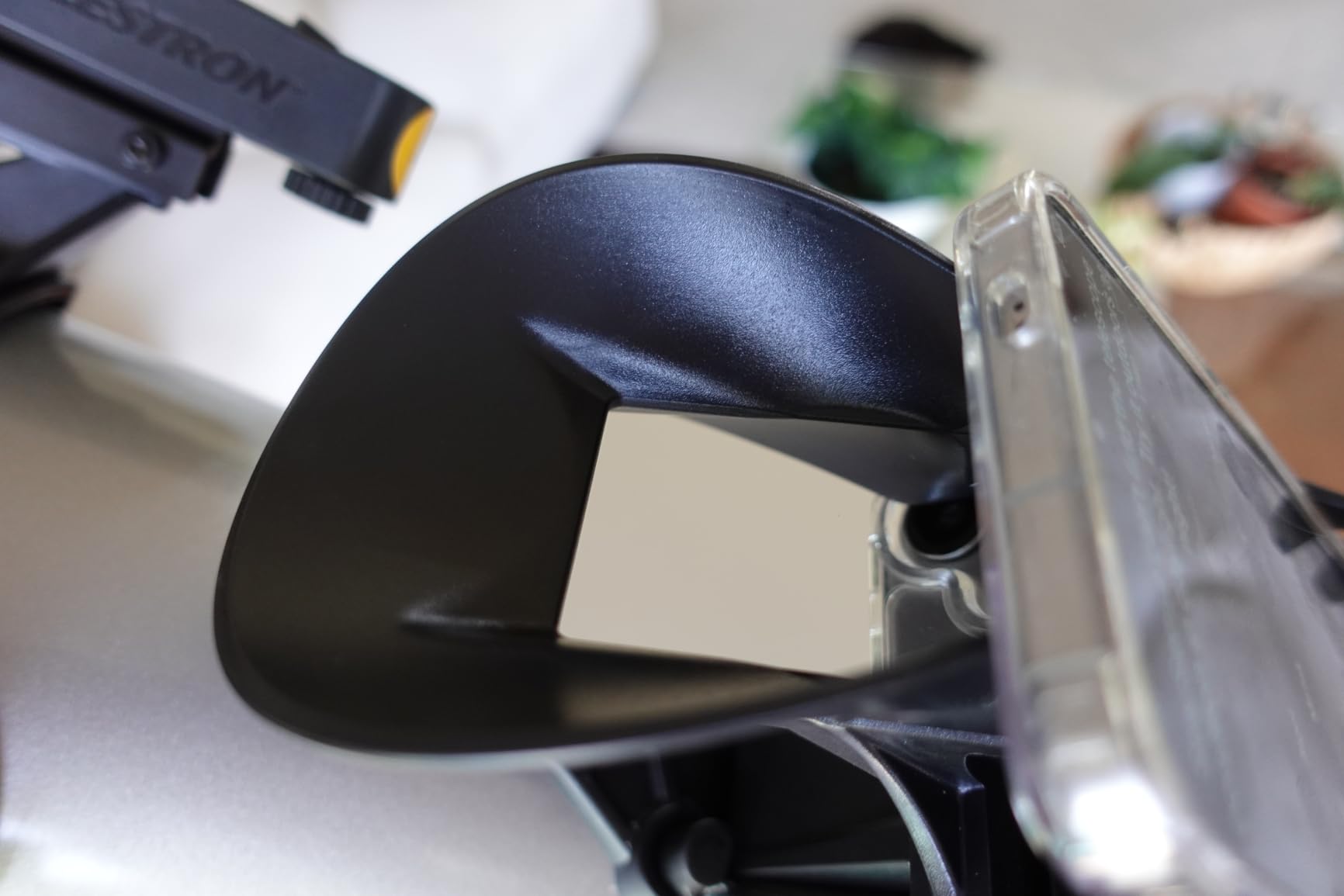
I want to be straight about this one first: the StarSense Explorer LT 114AZ is not a GoTo scope. It has a manual altazimuth mount, and nobody should pretend otherwise. What it has instead is the StarSense app, which plate solves your star pattern through your phone camera and points you at tonight’s best targets one at a time.
For a lot of beginners that is a better trade than a motorized mount, because there is no alignment procedure to fail. You dock the phone, open the app, and it generates a list based on your time and location. The gap between owning a telescope and seeing something interesting collapses to about five minutes.
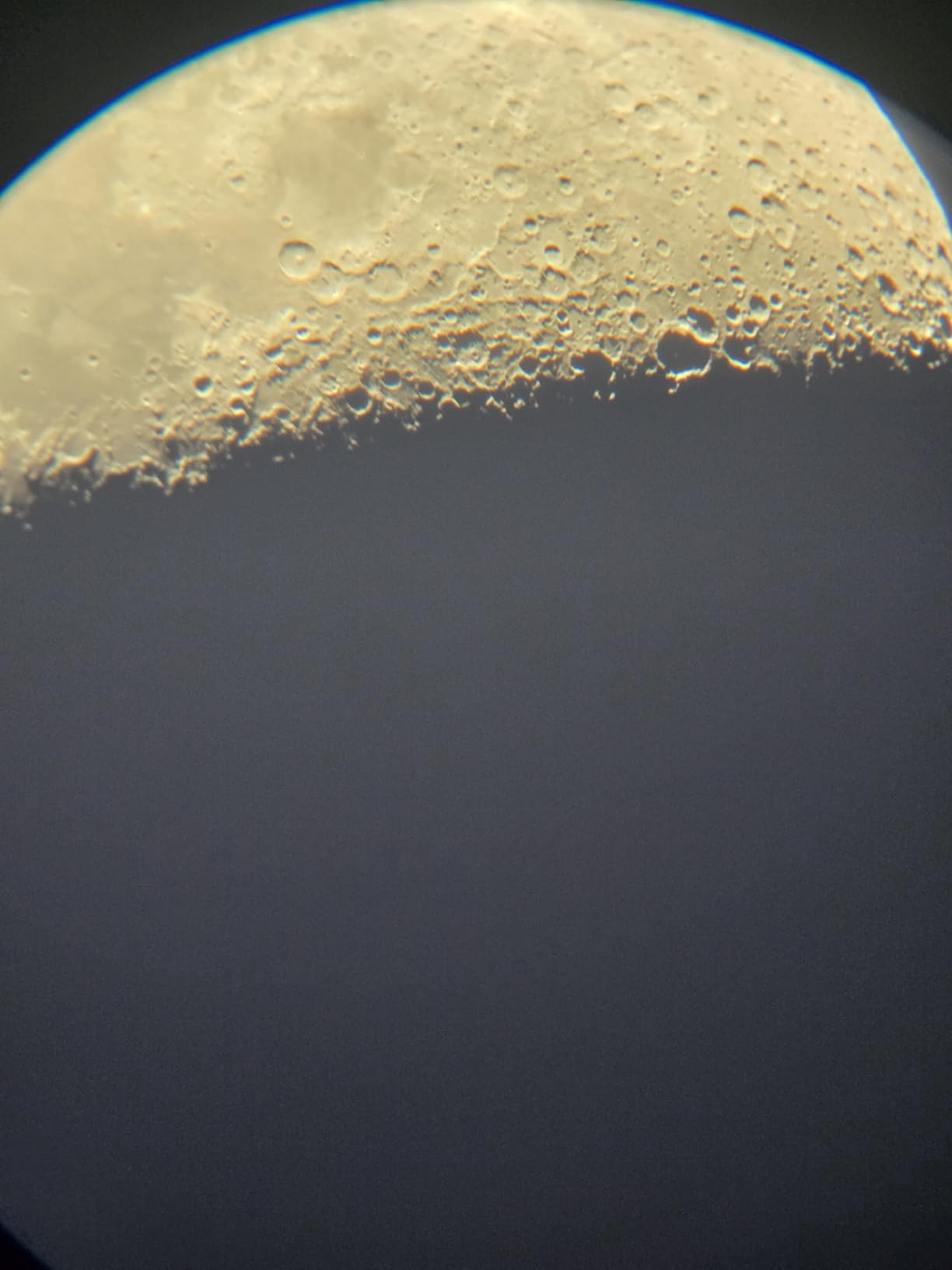
The optics are a 114mm Bird-Jones spherical corrector Newtonian with 1000mm of focal length, and the mirrors carry aluminum and silicon dioxide coatings. Owners consistently report sharp views of the Moon, Jupiter and Saturn, and reviewers note it usually arrives collimated, which removes the single most common early frustration with a Newtonian.
At 10.4 pounds it is the easiest scope on this list to carry out to a dark site, and the sliding rod plus altitude slow motion adjustment make pointing intuitive. The field of view is 2.04 degrees and the Dawes limit is 1.02 arc seconds, so it is an honest lunar and planetary instrument rather than a deep-sky catcher.
What you get out of the box?
The package is unusually complete for a scope at this level: 25mm and 10mm eyepieces, a 2x Barlow lens, a preassembled mount and tripod, the optical tube, and a StarPointer finderscope. Celestron backs it with a two-year US warranty and unlimited US-based support, which matters more for a beginner than the spec sheet suggests.
What you do not get is a motorized mount, so the scope will not track Jupiter across an hour of observation on its own. If you want that, look at the NexStar 127SLT below.
Where it falls short?
The lightweight altazimuth mount is the main weakness. Reviewers report that it is somewhat shaky, which makes focusing at high magnification a genuine fight rather than a routine adjustment. The included eyepieces and 2x Barlow are basic, and a single better eyepiece changes the view more than any other upgrade at this level.
Two smaller annoyances: the focuser can be stiff out of the box and needs loosening, and some users report the StarSense app freezing or failing to acquire the sky. The phone cradle, finder scope and app all have to line up with the optical tube, which takes a session of patience the first time. My advice is to do that setup in daylight before you need it at night.
2. Celestron AstroMaster 130EQ-MD – Tracking Without the GoTo Complexity
Celestron AstroMaster 130EQ-MD Telescope with Motorized Tracking
130mm Newtonian
650mm focal length
17 lbs
9V motor drive
Pros
- 130mm aperture gathers real light for the class
- Motor drive supports entry astrophotography
- CG-3 mount allows polar alignment
- No fringing on stars or planets
- Complete kit with finder and eyepieces
Cons
- Tripod and mount have noticeable play
- Motor drive blocks manual RA adjustment
- Factory 20mm eyepiece is poor
The AstroMaster 130EQ-MD sits in an awkward middle space and I think it is more interesting than its rating of 4.0 suggests. It is not a GoTo scope. It is a 130mm Newtonian on a CG-3 German equatorial mount with a right ascension motor drive, which means it tracks what it is pointed at but will not find it for you.
That is a real limitation for a beginner and I will not dress it up. If your priority is being handed a target, skip this section and read about the NexStar 127SLT instead. If your priority is the cheapest honest path into long-exposure astrophotography, this is the scope.
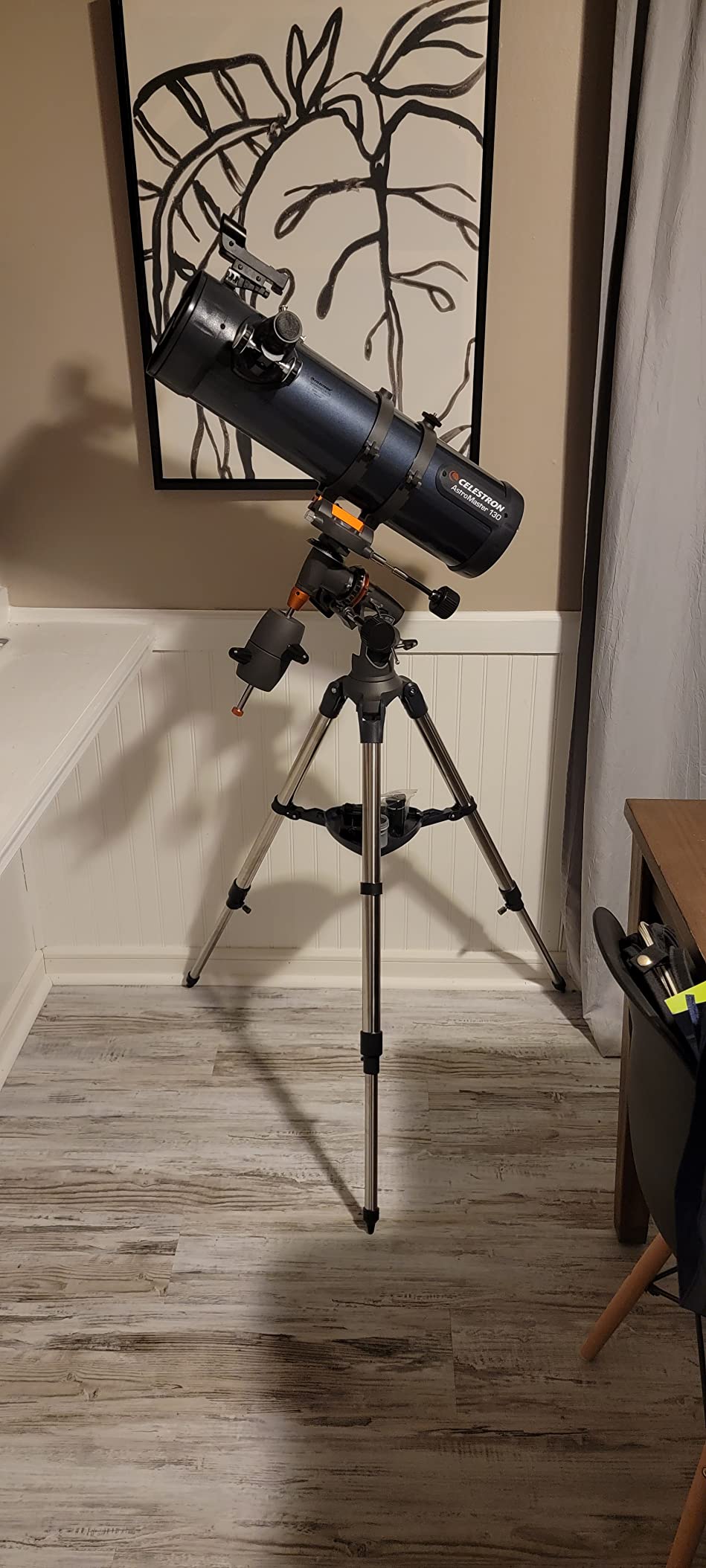
The tracking motor runs off a single 9V alkaline battery, which is the least fiddly power arrangement on this entire list. No AA bank to drain, no power pack to plan around. Two slow motion control knobs handle fine right ascension and declination movement once the scope is aimed.
Optically it is a 130mm Newtonian with 650mm of focal length and aluminum plus silicon dioxide coatings, giving a 1.3 degree field of view and a 0.89 arc second Dawes limit. Reviewers specifically praise the absence of the color fringing that budget refractors show on bright stars, and the 130mm aperture is the largest single collecting surface among the eyepiece scopes here.
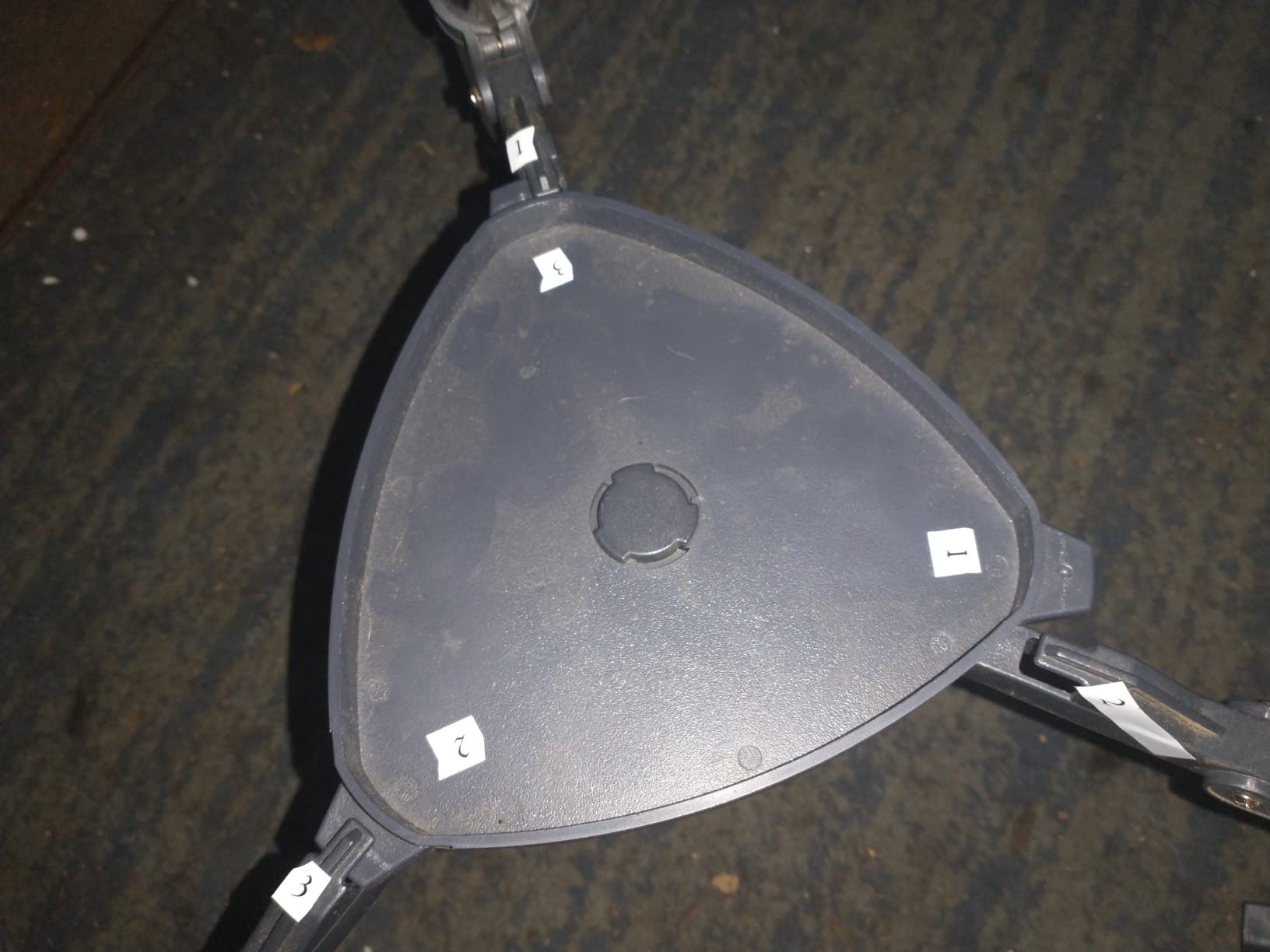
What the equatorial mount buys you?
A CG-3 equatorial mount lets you polar align, and once the polar axis is lined up with the celestial pole, the motor drive keeps a target centered while you shoot. That is why reviewers mention that the motor drive opens the door to basic entry-level astrophotography, which nothing else in the manual category can do.
Setup is honest work though. Reviewers note the learning curve is steeper than a tabletop or app-guided scope, and the red dot finder takes several sessions to align properly. Budget an evening of learning before you need the scope at night.
Where it falls short?
The engineering quality of the tripod and mount is the recurring complaint. Owners describe a shaky setup with a lot of play in the slow motion controls, and a motor drive that blocks manual right ascension adjustment and can limit the range of motion. The factory 20mm eyepiece is widely considered poor, so plan to replace it.
Because the primary mirror is spherical rather than parabolic, expect noticeable spherical aberration and bloated stars at high magnification. The kit includes a 20mm erecting-image eyepiece, a 10mm eyepiece, the motor drive, the StarPointer red dot finder, and an adjustable tripod, plus free astronomy software, with a two-year limited warranty behind it.
3. Celestron NexStar 127SLT – The Best Value Hand-Controller GoTo
Celestron NexStar 127SLT Maksutov-Cassegrain Computerized GoTo Telescope
127mm Mak-Cass
1500mm focal length
8 AA power
40,000 plus objects
Pros
- Sharp high-contrast planet and Moon images
- GoTo database cuts the learning curve
- Closed tube is easy to store and travel
- Keeps dust out
- Works for imaging with an added camera
Cons
- Single fork tripod transmits vibration
- Bundled eyepieces are basic
- 8 AA batteries drain in long sessions
If you want a real telescope with a hand controller and a genuine object database, the NexStar 127SLT is the pick. The motorized altazimuth mount holds a database of more than 40,000 stars, galaxies and nebulae, slews to the one you select on the NexStar+ hand control, and then tracks it for as long as you want to look.
Alignment is SkyAlign, and the honest description is: center three bright objects in the finder, in order, and the scope works out where it is. Owners report the alignment accuracy varies and some find a two-star alignment works better than three in their sky, which is worth knowing before you blame yourself.
The optical design is a 127mm Maksutov-Cassegrain with 1500mm of focal length, fully coated, giving a 1.7 degree field of view. Reviewers are near-unanimous that the Mak optics deliver sharp, high contrast images of planets and the Moon, and that the 1500mm focal length is where the long reach pays off on Jupiter and Saturn.
The closed tube is an underrated feature. It keeps dust out, eliminates the thermal tube currents that plague open Newtonian tubes, and the whole thing is 18.1 pounds and 27 inches long, which means it fits in a car and stores in a closet. It is the most travel-friendly optical design in this group.

Power and battery planning
It runs on eight AA batteries, and reviewers note that a long session drains them quickly. This is the single most common practical complaint about the scope, and it is solvable: bring a fresh set of eight AAs plus a set of lithium AAs for cold nights, or use a DC power pack if your session runs past a few hours.
The bundled software is Starry Night Special Edition, which lets you simulate the sky and plan a session before you go outside. Reviewers note the Windows software has limited wireless connectivity support, so treat it as a planning tool rather than a live controller.
Where it falls short?
The single fork arm tripod is wobbly and transmits vibration at high magnification, which is the most common complaint in the reviews. The bundled 20mm and 9mm eyepieces are basic, and owners generally recommend replacing them with a 25 to 32mm, a 15mm and a 9mm plus a Barlow. The StarPointer red dot finder has coarse adjustments and is hard on the neck.
There is also a support angle worth mentioning honestly. The highest-ranking community thread for computerized telescope complaints is a Celestron CPC service-problems thread, where owners describe hand controller connection failures and unresponsive mounts. That thread is about a different, older Celestron line, not this one, but it is a fair reminder that any motorized mount is a more complex thing to own than a manual tripod, and the two-year limited warranty is what stands behind you.
4. Sky-Watcher Virtuoso GTi 150P – The Most Light Per Dollar
Sky Watcher Sky-Watcher Virtuoso GTI 150P Collapsible Tabletop GoTo Dobsonian Telescope
150mm f/5 Newtonian
750mm focal length
25.8 lbs
Wi-Fi GoTo
Pros
- Largest aperture among the eyepiece scopes
- Fast f/5 optics gather well
- Freedom Find encoders save your alignment
- Built-in Wi-Fi with SynScan Pro app
- Collapsible tabletop design stores small
Cons
- Heaviest scope here at 25.8 lbs
- External power needed for long sessions
- Glue seam on the tube is cosmetic
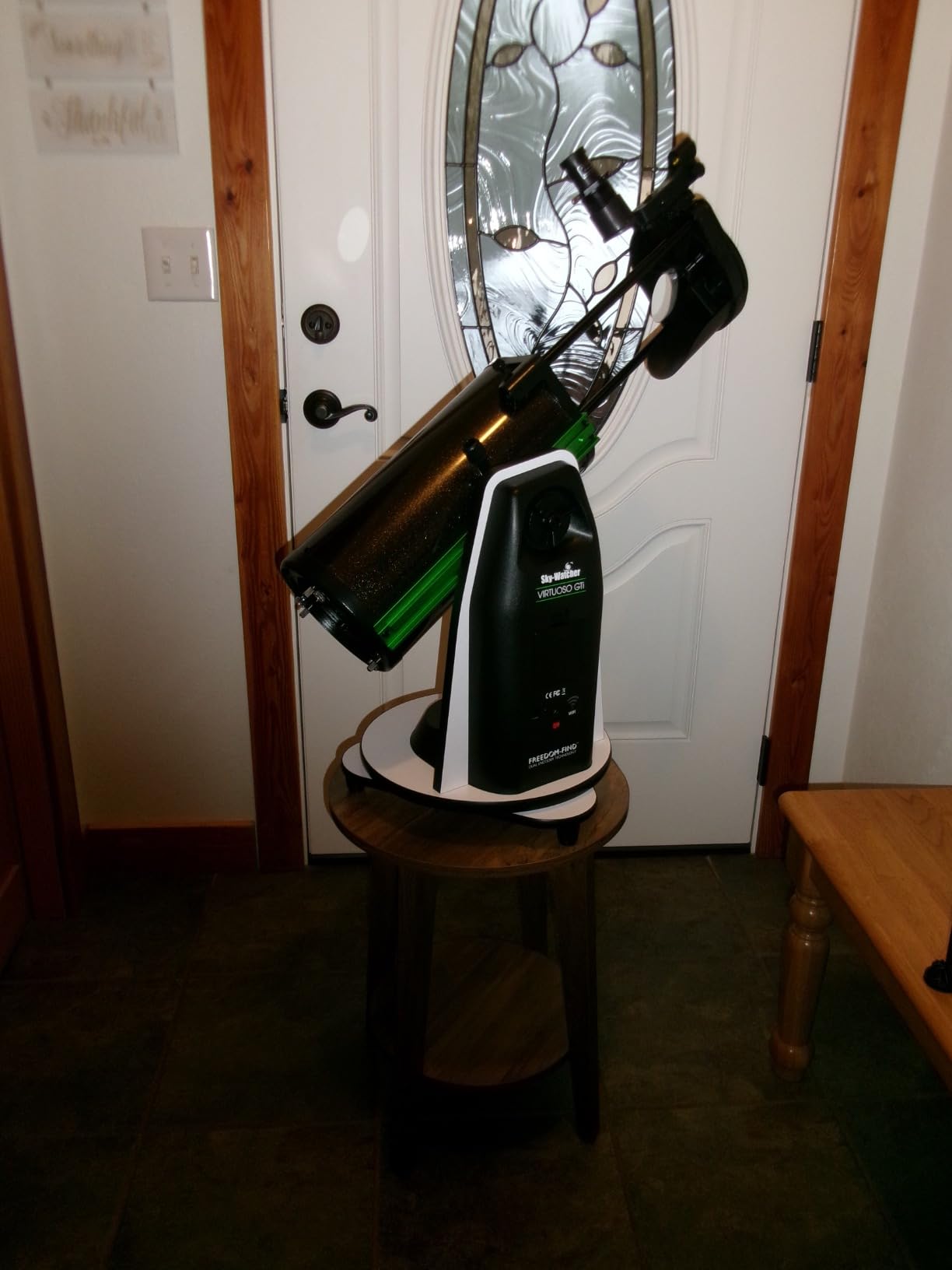
The Virtuoso GTi 150P answers the question community forums ask most often, which is how to get the most light per dollar while still having the scope point itself. It is a 150mm fully coated parabolic Newtonian on a collapsible tabletop Dobsonian base with a Virtuoso GTi altazimuth GoTo platform built in.
Six inches of aperture is the largest collecting surface on this list, and at f/5 with 750mm of focal length it is set up for wide, bright views rather than extreme magnification. A 0.83 degree field of view means the Moon fills the eyepiece and galaxies have room around them.
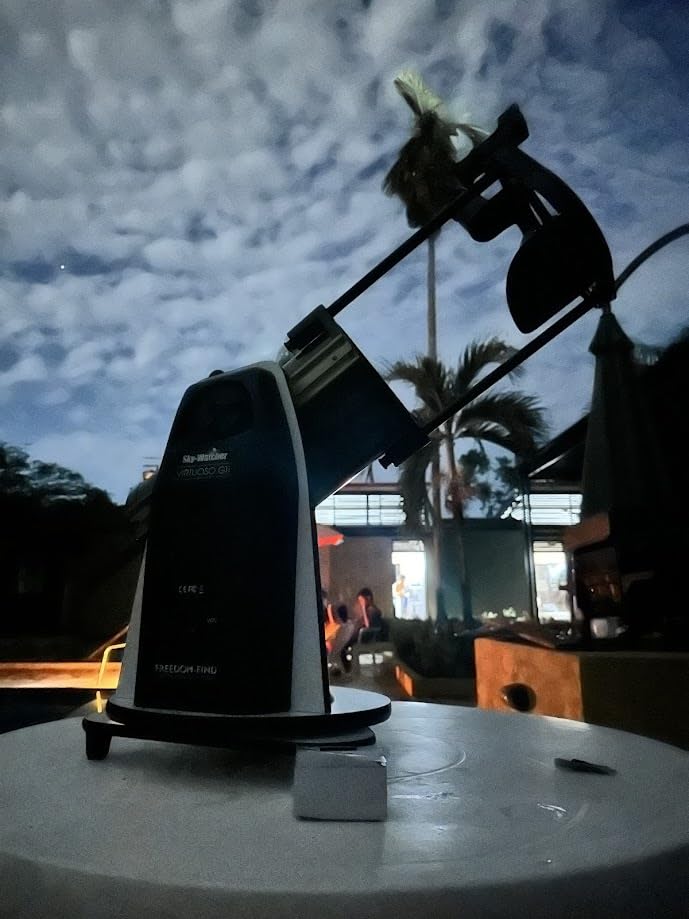
Control is through the SynScan Pro app over built-in Wi-Fi, and it also accepts the SynScan hand controller if you would rather not use a phone. The feature I like most is patented Freedom Find technology, which uses dual encoders so you can push the scope manually to center an object and still keep your alignment.
That matters more than it sounds. On a typical GoTo mount, bumping the tube or grabbing the eyepiece to nudge an object can knock you out of alignment, and then you re-run the whole routine. Here you can adjust by hand and keep going.
Alignment and app control in practice
Alignment runs through the app rather than a hand controller procedure, which shortens the routine considerably. The scope is compatible with both iOS and Android devices, so the phone you already carry is the only extra hardware you need. Included are 25mm and 10mm Super Plossl eyepieces and a red dot finder.
There is a caveat about evidence here. This scope has 61 reviews behind it, which is a much thinner base than the Celestrons on this list, and reviewers themselves note that long-term reliability data is limited. A two-year limited warranty from Sky-Watcher USA is the backstop.
Where it falls short?
At 25.8 pounds it is the heaviest scope here, and reviewers call it bulkier than app-guided smart scopes. That weight is exactly what makes the Dobsonian base stable, but it means this is not the scope you carry to a field for a quick look.
Power is the other limitation: the Virtuoso GTi base runs on DC power, and reviewers note that accessories required for extended sessions limit grab-and-go use. Plan on an external power supply. A glue seam on the tube is frequently cited as a cosmetic flaw, which does not affect the view but is worth seeing in person if that bothers you.
5. DWARFLAB Dwarf Mini – The One That Goes in Your Pocket
DWARFLAB Dwarf Mini Smart Telescope – 1.85lb Portable Astronomy Telescope
1.85 lb body
Sony IMX662 sensor
Up to 90 sec exposures
USB-C charging
Pros
- 1.85 lb fits in a backpack
- Plate solving finds and tracks targets itself
- Good deep-sky images from bright city skies
- Cloud stacking removes the need for a computer
- EQ mode is guided in the app
Cons
- Sensor resolution low for planets
- Small deep-sky objects do not enlarge well
- First Wi-Fi connection can be finicky
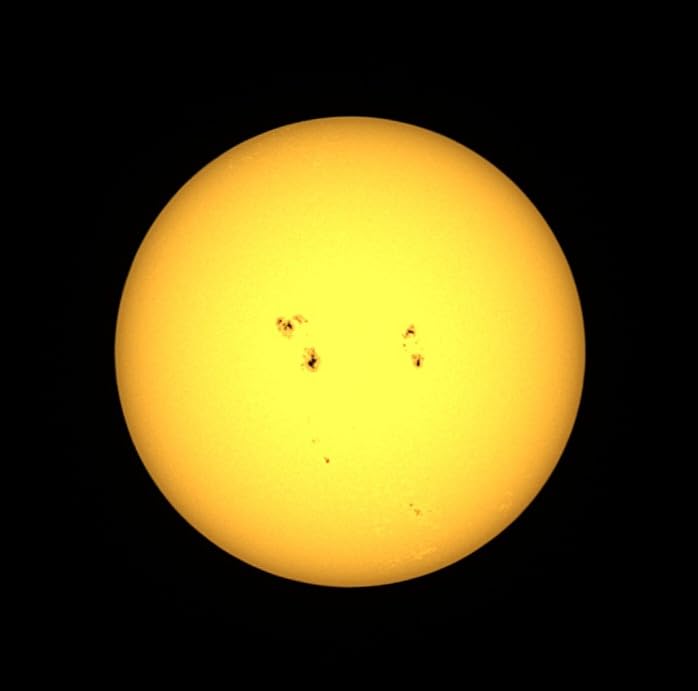
The Dwarf Mini is the scope I would hand to someone who wants astrophotography more than they want to look through an eyepiece, because there is no eyepiece to look through. It is a 1.85 pound camera in a motorized altazimuth and equatorial mount, aimed by phone app, with a 360 degree pivot.
From unboxing to first image takes roughly three minutes. The app has a built-in sky atlas, plate solves your position against a star pattern, and picks targets. There is no alignment star to center and no hand controller. Owners report it routinely producing usable deep-sky images from Bortle 9 city skies, which is the hardest test you can give a beginner setup.

The sensor is a Sony IMX662, 1/2.8 inch with 2.9um pixels, behind 30mm of aperture at 150mm focal length, giving a wide 2.45 degree field of view. Equatorial mode delivers single frame exposures up to 90 seconds, with built-in light pollution filters and a dark frame shutter. Cloud-based stacking and processing handle the rest without a computer.
It charges over USB-C, which removes the battery logistics entirely. At 1.85 pounds and 7.23 inches tall, it is the only device here that fits in a large pocket, and that changes when and where you can observe.
Who this is actually for?
Buy this if you want pictures of the Milky Way, the Andromeda Galaxy or the Orion Nebula on your phone and you have zero interest in learning an eyepiece. Buyers with prior DSLR astrophotography experience rate it as a bargain, and the 4.4 rating with a 74 percent five star share reflects that enthusiasm.
It also suits a family that wants a shared activity with no fragile optics to worry about. Nothing gets knocked over, nothing needs collimation, and a child can be handed the phone to start a session.
Where it falls short?
The sensor resolution is the honest limit. It is too low for planetary detail or for large prints, and small deep-sky objects appear tiny and do not enlarge well. If Saturn’s rings are the goal, this is the wrong device.
Two operational notes from reviews. The initial Wi-Fi connection to the scope can be finicky, so power it on and give it a moment before the app tries to pair. And mosaic mode effectively quarters your exposure time per tile, so use it for wide scenes rather than small targets. Some units have also shipped with dust particles inside the lens that cannot be cleaned.
6. ZWO Seestar S30 Pro – The Best Astrophotography Buy
ZWO Seestar S30 Pro Smart Telescope, App-Controlled Astrophotography
3.64 lb body
160mm apochromatic optics
Dual-camera 4K
2-Year warranty
Pros
- Self-aligning and fast to set up
- Deep-sky results in about ten minutes
- Apochromatic optics reduce color fringing
- One-tap modes simplify processing
- Travels at 3.64 lb
Cons
- Documentation is thin
- App account registration glitches reported
- Not a through-the-eyepiece instrument
The Seestar S30 Pro is the most capable astrophotography instrument in this group, and the closest thing here to a finished product rather than a telescope. It weighs 3.64 pounds, runs on battery power, and is controlled entirely from a phone app that handles GoTo, tracking, stacking and processing.
Setup is the shortest of any scope here. Power it on, connect the app, and it self-aligns. Reviewers report accurate GoTo after alignment and impressive deep-sky results within roughly ten minutes of a first session, which is a startling change from the multi-night learning curve a conventional mount imposes.
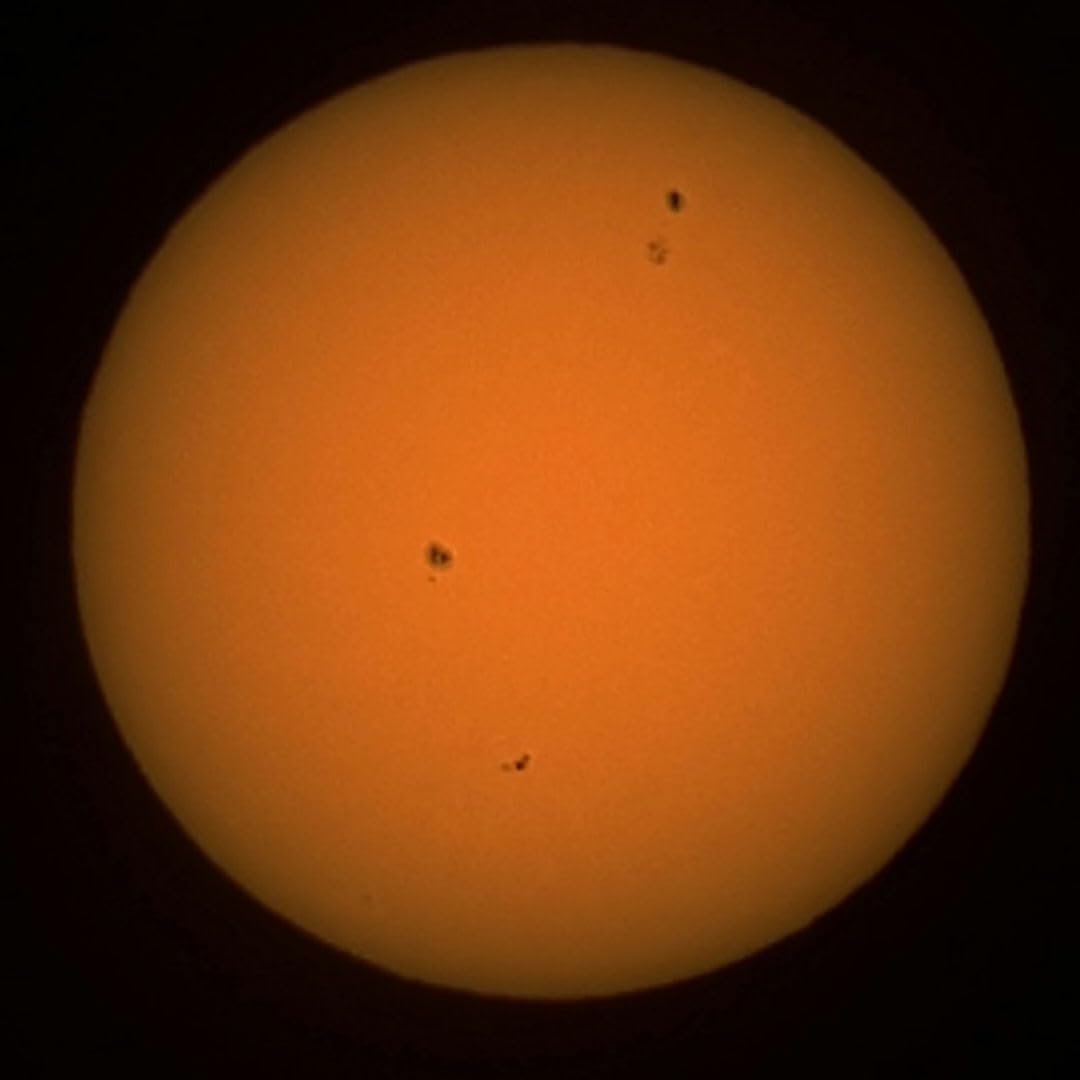
Optically it is a 30mm aperture at 160mm focal length with fully multi-coated apochromatic glass and a 4.6 degree field of view. The apochromatic glass reduces color distortion, which is exactly what you want on a faint galaxy, and the dual-camera system gives you both a high resolution deep-sky sensor and a wide sensor for night landscape shots.
One-tap modes cover the Milky Way, star trails, planets and galaxies, with automatic mosaic stitching and AI noise reduction that separates sky from foreground. It includes a tripod, a filter, a USB-C cable and a safety guide, with a two-year warranty.
Built for bright skies
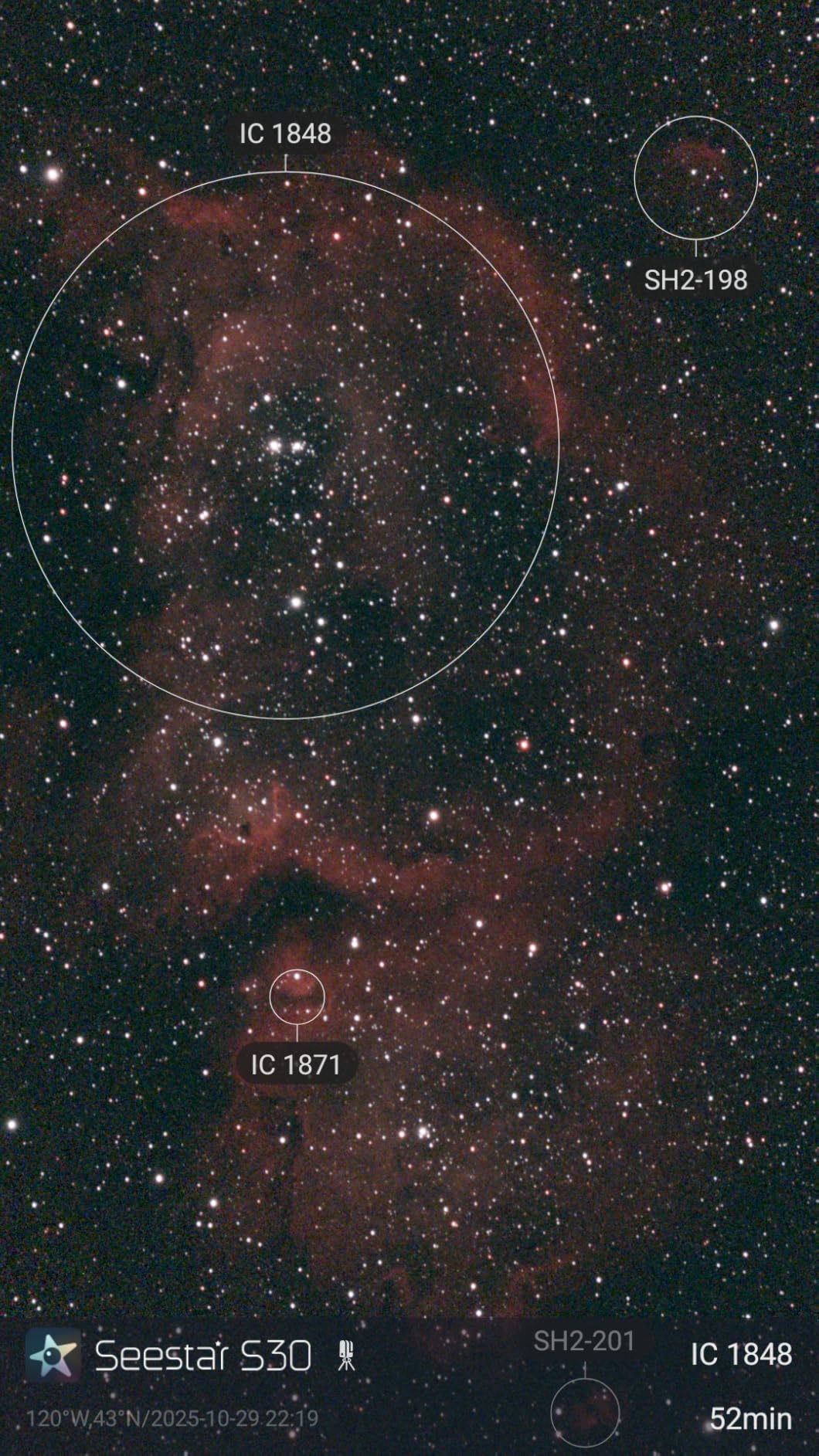
Built-in light pollution filters and apochromatic optics are the features that make this work from a suburban backyard, which is where most beginners actually observe. The smart class of telescope is not a replacement for dark skies, but the filters close much of the gap for a beginner target list.
Anti-dew protection and long-session imaging support are the details that separate this from a novelty device. If you plan to leave it running while you go to bed, that matters.
Where it falls short?
The documentation is thin, and some users bought a separate book to learn to operate it. App account registration has reportedly hit widespread software glitches, which is frustrating out of the box and worth checking the current app status before you rely on it for a scheduled session.
Deep-sky imaging requires the scope to remain perfectly stationary, and that same constraint reduces flexibility if you want to point it at a landscape. This is a camera, not an eyepiece telescope. If your goal is watching Jupiter’s moons move, this is not the device.
7. DWARFLAB Dwarf 3 – The Best Dual-Lens Travel Setup
DWARFLAB Dwarf 3 Smart Telescope, App-Controlled Astrophotography Camera
3 lb body
Dual wide and telephoto lenses
60 to 120 sec EQ mode
2 year warranty
Pros
- Strong images from a 3 lb body
- EQ mode handles 60 to 120 second exposures
- Dark frames and stacking built in
- Dual lenses also do wildlife and landscapes
- Works under light pollution with the filter
Cons
- First Wi-Fi connection can drop
- Telephoto struggles on small deep-sky objects
- App can be glitchy
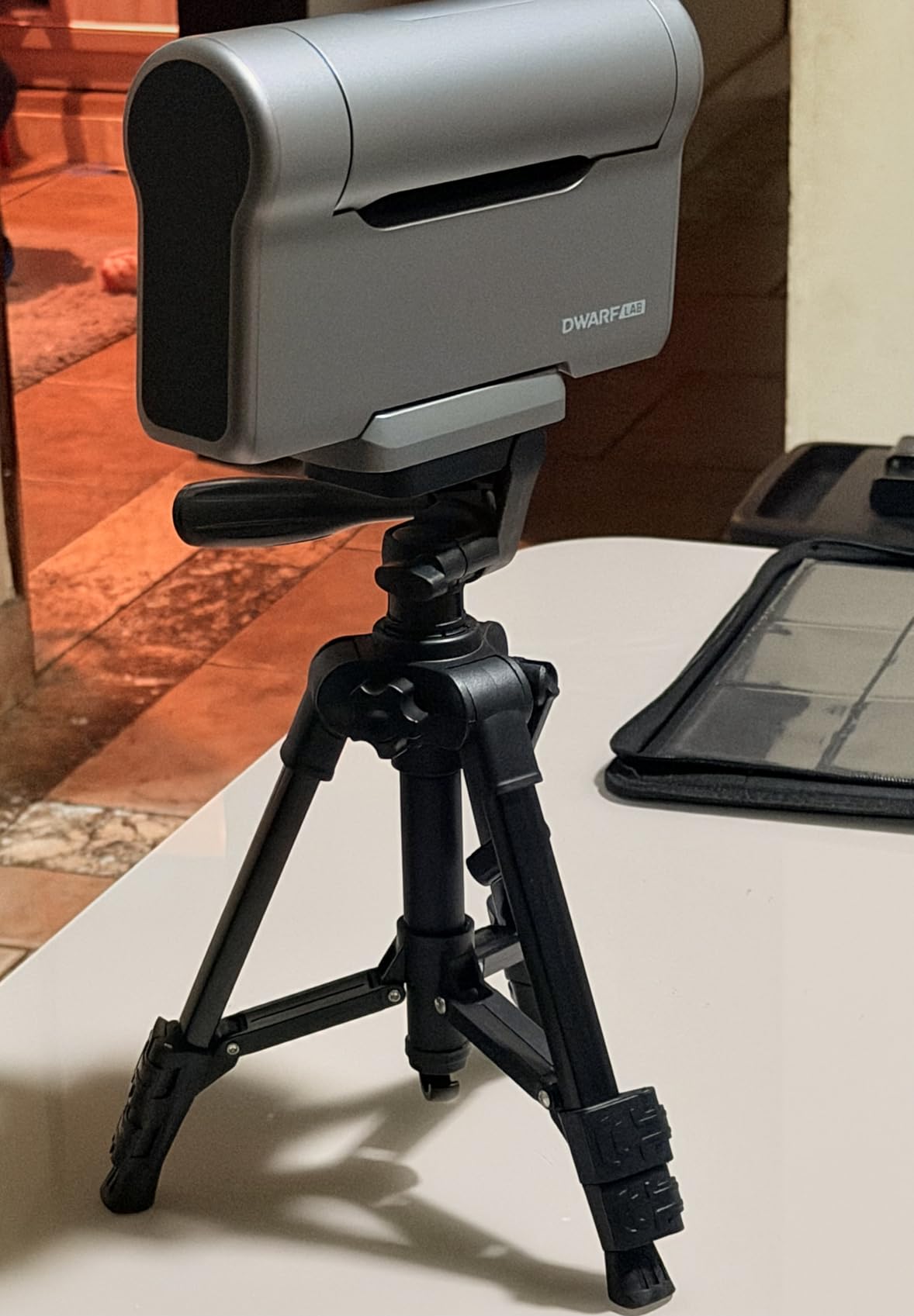
The Dwarf 3 is the same platform idea as the Dwarf Mini with a different job: it adds a dual imaging system, with a telephoto lens for deep space and a wide-angle lens for the Milky Way and star trails. It weighs 3 pounds, fits a standard backpack, and includes a carrying bag, a filter pouch, a USB-C cable and a wipe cloth.
Reviewers with previous astrophotography setups rate it as a bargain, and the 78 percent five star share is the highest of any scope in this group. The pitch is simple: real astrophotography capability, no computer, no mount to assemble, no eyepieces to learn.
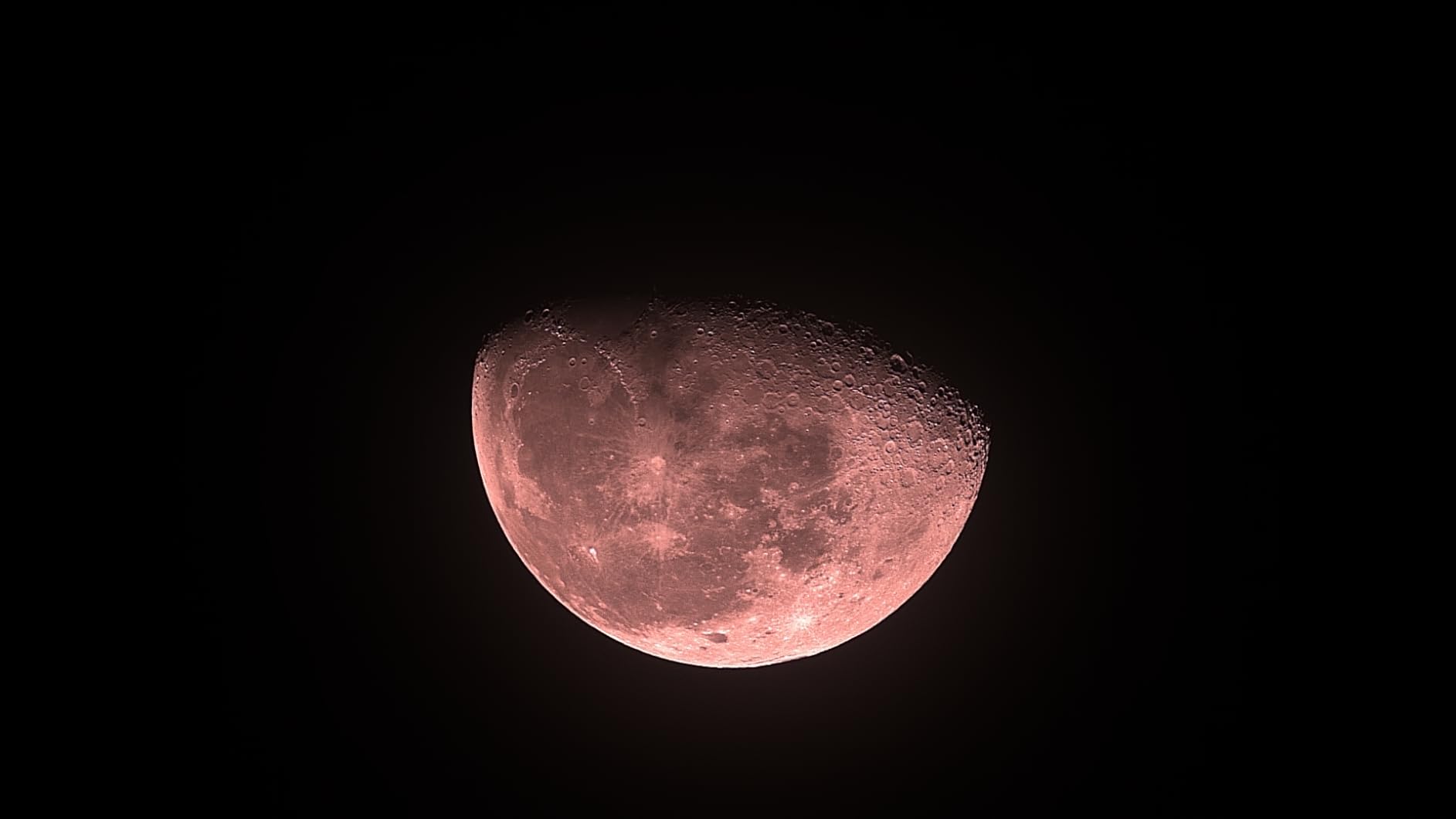
True equatorial mode uses app-guided polar alignment for 60 to 120 second sub-exposures without trailing, which is a meaningful step up from the Mini’s shorter exposures. Built-in dark frames, astro, dual-band and visible filters, plus a magnetic solar filter, remove the accessory shopping list that normally comes with a first imaging setup.
Cloud-based stacking, denoising, star removal and enhancement all run in the DWARFLAB app, and FITS export plus large internal memory let you move into real post-processing later. Astrophotography is described as running in about two minutes from first launch.
What makes it different from the Mini?
The dual lenses are the reason to choose this over the Dwarf Mini if your interest is landscape and wildlife alongside astronomy. The telephoto side also works as a conventional camera, which makes it a two-purpose device rather than a single-purpose one.
The included dual-band filter is what lets it perform under light pollution, and the straight-through finder helps with framing. A two-year manufacturer warranty applies. One practical note: a separate fluid-head tripod is an extra purchase if you want the best equatorial results, though it fits a standard tripod ball head in a pinch.
Where it falls short?
Occasional Wi-Fi connection issues when first powering on are the most repeated complaint, so pair the app before you leave home. The telephoto lens struggles to resolve fine detail on small deep-sky objects, which is the same limitation the Mini has, just at a different focal length.
Two honest notes beyond hardware. A later firmware update reportedly degraded functionality and removed a prior layout, which is a reminder that this is a software-dependent product and the company can change it under you. The app can also be glitchy, and the documentation is thin.
How to Choose a Computerized Telescope?
Decide eyepiece scope or smart scope first
This is the most important decision and it comes before aperture. An eyepiece scope, like the NexStar 127SLT or the Virtuoso GTi 150P, puts light in your eye. You see the Moon’s craters, you watch Jupiter’s moons shift position, you change magnification with an eyepiece. A smart scope, like the Dwarf Mini or the Seestar S30 Pro, puts light on a sensor and puts a finished picture on your phone.
Community forums consistently rank ease of use above aperture when the buyer is new, and the recurring reason people go computerized is that a manual scope keeps losing the planet while you are still finding it. Both families here solve that. They solve different problems after it.
Aperture is the second decision, and it is not close
Aperture is the objective diameter, and it governs how much light you collect. The practical ladder here runs 114mm, 127mm, 130mm, 150mm for the eyepiece scopes, and 30mm to 35mm for the smart scopes, which work completely differently because the sensor does the heavy lifting.
The useful rule of thumb is that maximum useful magnification is roughly twice the aperture in millimeters, so a 150mm scope tops out around 300x, past which you are just magnifying shake. For a beginner, more aperture buys you brighter images and a wider range of targets rather than a sharper picture at high power.
Altazimuth or equatorial, and what alignment costs you
An altazimuth mount swings left and right and up and down. It is intuitive, it never needs polar alignment, and every GoTo scope on this list except the AstroMaster 130EQ-MD uses one. A German equatorial mount, like the CG-3, can be polar aligned so the motor tracks an object with one axis instead of two, which is what makes long exposures possible.
Alignment difficulty is the thing affiliate copy never tells you, so here it is plainly. The NexStar 127SLT needs SkyAlign, which is three stars centered in sequence. The Virtuoso GTi 150P aligns through the SynScan app and is quicker. The StarSense Explorer LT 114AZ and the two smart scopes effectively align themselves, which is why they suit a first-time buyer.
The failure mode to know about: an unaligned GoTo mount does not refuse to move. It slews confidently to a patch of empty sky. If a target looks like nothing, re-run alignment before you assume the optics are bad.
Power, batteries and the whole-night problem
Power is the most under-discussed buying factor. The NexStar 127SLT runs on eight AA batteries, and reviewers report they drain quickly in a long session. The Virtuoso GTi base needs DC power, and reviewers note accessories are required for extended sessions. The AstroMaster runs a single 9V alkaline battery, which is the simplest arrangement here. Every smart scope in this group charges over USB-C.
For a multi-hour session, plan the power before you plan the observing list. Lithium AAs last longer in cold weather than alkaline. A small DC power pack solves the problem for any scope with a DC input. And if the scope will be used by kids, a scope that runs flat after ninety minutes is a scope that gets put away.
Weight matters more than people expect
The range on this list is 1.85 pounds to 25.8 pounds, and that is a bigger spread than any other spec. A forum beginner who wanted to move a scope around a yard alone put portability and simplicity ahead of aperture, and that is not unusual. A 25.8 pound Dobsonian base is stable precisely because it is heavy, so weight and quality are linked rather than independent.
Look at the total weight including the tripod, not just the optical tube. Anything over about 20 pounds is a two-hand carry, and anything over 25 pounds is a car trip rather than a backyard trip.
Support, warranty and failure modes
Every scope here carries a two-year warranty from its manufacturer, and that is the floor you should expect. Celestron lists unlimited US-based support on the StarSense model and a two-year limited warranty on the NexStar and AstroMaster; Sky-Watcher USA and both smart scope makers also carry two-year terms.
Understand the risk profile. A motorized mount has more failure points than a manual tripod: hand controller connection issues, motor faults, alignment electronics. The most-read community thread on computerized telescope complaints concerns older Celestron CPC mounts, where owners describe hand controller connection failures and unresponsive mounts, and the practical advice there is to test the controller connection and the AUX port before concluding the mount is dead. The lesson generalizes: when something misbehaves, rule out the connection before you rule out the hardware.
What to avoid?
Avoid scope bundles that include a large number of small plastic accessories, because the accessories are rarely the point. Avoid generic unbranded motorized mounts with no support ecosystem and no warranty you can act on. Avoid buying a heavy motorized head on a light tripod, which is the main source of wobble on these models. And avoid a first purchase built entirely around a specification list, because alignment, power and weight decide whether you will use the thing at all.
One reputation to clear up: prospective buyers often ask whether a particular Celestron SLT-series model is worth buying before they have ever looked at one. Rather than take a community verdict at face value, judge the specific model on its aperture, its mount stability and its alignment routine, which is what this guide does.
What Can You Actually See With a Beginner Computerized Telescope?
With a 114mm to 150mm computerized scope on a clear night, expect the Moon in real detail, the four Galilean moons of Jupiter shifting position, Saturn with its rings, Mars during a favorable opposition, and the phases of Venus. Deep sky is where expectations need adjusting: the Orion Nebula, the Andromeda Galaxy, the Pleiades and several bright clusters will show, and most galaxies will look like small fuzzy patches.
Maximum useful magnification is roughly twice the aperture in millimeters. Past that point you are magnifying the shake in the mount and the seeing in the atmosphere, and the image gets worse, not better. A 150mm scope is at its best somewhere around 100x to 200x, not at 600x.
Light pollution matters more than aperture for faint targets. The same 150mm scope that resolves Saturn’s rings in a suburban backyard will show a washed-out Andromeda from that backyard and a clearly structured one from a dark site. If your only option is a bright sky, the built-in light pollution filters on the smart scopes genuinely help, which is part of why those devices perform so well in built-up areas.
And a word about the sky not being paved in gold. On a first night, many people see a disappointing first deep-sky target and assume the telescope is faulty. It is not. Look at the Moon first, look at Jupiter second, and let the showpieces come later on a better night.
Frequently Asked Questions
What is the best computerized telescope for beginners?
The Celestron StarSense Explorer LT 114AZ is the easiest first step for most beginners, at 10.4 pounds with an app that points you at targets without an alignment routine. If you want a hand-controller GoTo with a 40,000 plus object database, the Celestron NexStar 127SLT is the value pick. If you want astrophotography rather than eyepiece views, the DWARFLAB Dwarf Mini and the ZWO Seestar S30 Pro are the smart-scope choices.
Are computerized telescopes good?
Yes, for most beginners they are worth the extra cost. A computerized telescope uses a motorized mount and a database of named objects to slew to a target and track it after a short star alignment. The main cost is that alignment: if you skip it, the scope points confidently at empty sky. The optical quality of budget scopes is less of a problem than people expect.
What type of telescope is best for a beginner?
For looking through an eyepiece, a Schmidt-Cassegrain or short-tube Newtonian on an altazimuth GoTo mount is the most forgiving design. Both are compact, sealed or near-sealed, and they do not need polar alignment. If your goal is photographing rather than viewing, a smart app-controlled telescope with a built-in camera and plate-solving alignment is easier than any eyepiece scope, because there is nothing to align by hand.
Can I see planets with a cheap telescope?
Yes. The Moon, Jupiter with its four large moons, Saturn with its rings, and Venus in its phases are all visible at 114mm aperture, which is where most of the budget scopes on this list sit. Planets are bright targets, so aperture is not the limiting factor. The limiting factor is magnification creep, since useful magnification is roughly twice the aperture in millimeters and beyond that you are just magnifying shake.
Do computerized telescopes need batteries?
Most do for the mount, though how much you need varies widely. The Celestron NexStar 127SLT runs on eight AA batteries and drains them quickly in a long session. The Celestron AstroMaster 130EQ-MD runs a single 9V alkaline battery, which is the simplest arrangement available. The Sky-Watcher Virtuoso GTi base needs DC power for extended sessions. Every smart telescope here charges over USB-C instead.
Conclusion
For most people buying their first motorized telescope, the Celestron StarSense Explorer LT 114AZ is the right call, and it is our pick for the best computerized telescopes for beginners overall. At 10.4 pounds it is the easiest to carry, the StarSense app removes the alignment step that trips up most newcomers, and it arrives collimated with a full kit of eyepieces, a Barlow, a finder and a tripod already in the box.
Buy the Celestron NexStar 127SLT instead if you want a real GoTo mount with a hand controller and a 40,000 plus object database. Buy the Sky-Watcher Virtuoso GTi 150P if six inches of aperture matters more than how easy it is to move. And if you want pictures rather than views, the DWARFLAB Dwarf Mini, the ZWO Seestar S30 Pro and the DWARFLAB Dwarf 3 put a finished image on your phone in minutes.
Whichever one you choose, set it up in daylight first, align it, and start with the Moon. That habit is the difference between a telescope that gets used for years and one that ends up in a closet. If you are also setting up a first workshop or hobby space for a younger beginner, our beginner guide to raising sheep covers another good first-hobby decision from scratch, and our beekeeping for beginners guide is a strong second hobby that pays for its own equipment.
Outdoors, the same planning instinct applies. If the property comes with a small herd or you are considering one, choosing your first animal is a decision best made once, with weight, handling and cost front of mind rather than appearance.