
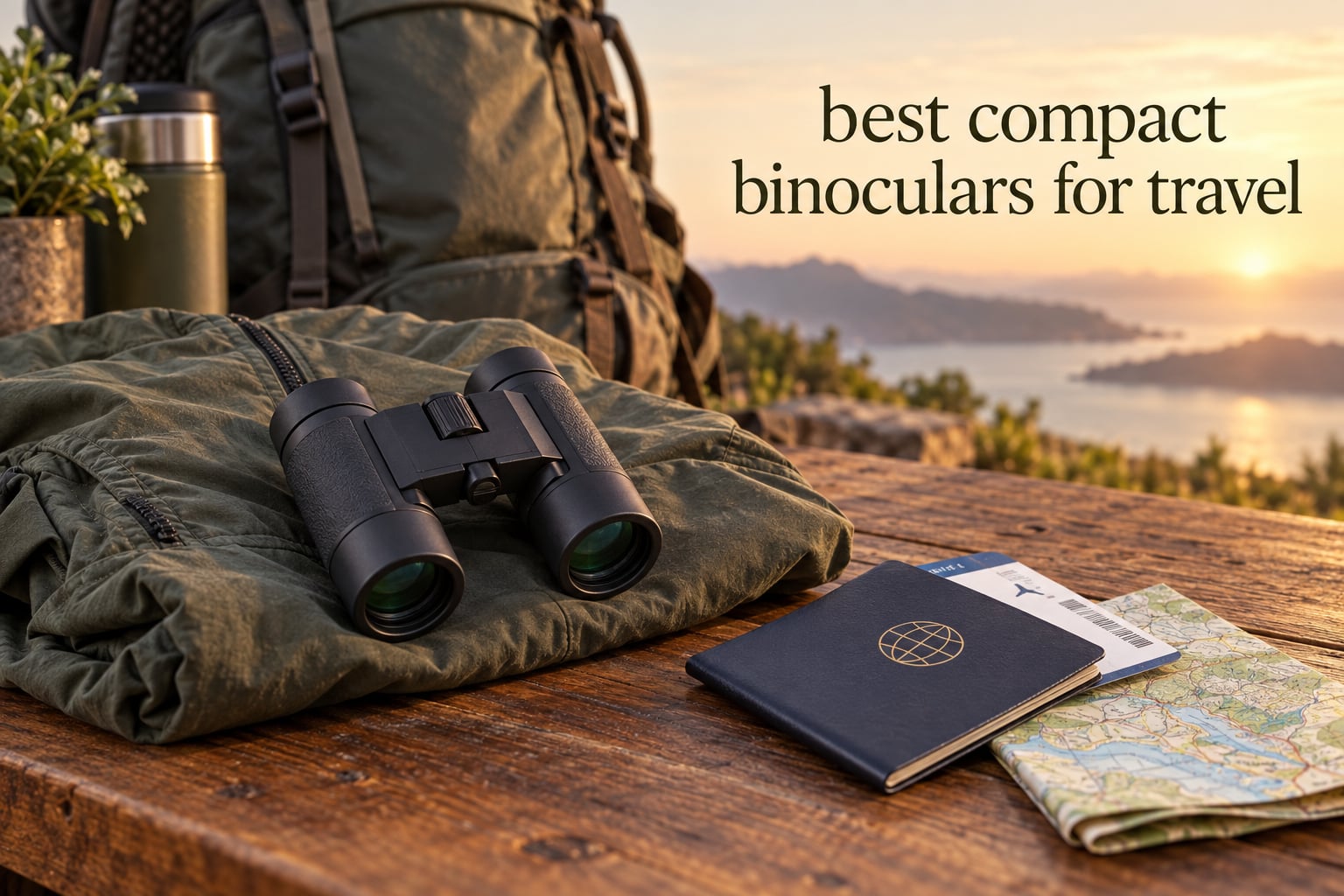
If you want one pair that travels well, the Occer 12×25 is the best compact binoculars for travel for most people in 2026. It weighs 0.39 kg, folds small enough for a jacket pocket, and carries 33778 reviews at 4.4 stars. Two other shapes of answer follow it: the Hontry 10×25 if you want the lightest share-everywhere pair, and the Nikon Trailblazer 8×25 ATB if you will be out in rain and fog.
That is the honest version of the answer. Compact binoculars are a category built on compromise, and the compromise is light. An 8×25 objective lens gathers roughly a third of the light an 8×42 does, so the same detail that disappears from your pack also disappears from the image at dawn, under canopy, or on a shaded safari drive. What you buy back is the ability to have the thing with you, which is the part most travelers get wrong. A pair of superb full-size binoculars that sits in a suitcase sees nothing at all.
We put twelve compact pairs through the same comparison: real weight, real field of view numbers, eye relief, prism glass, water sealing, and how each one behaves when a family shares it on a boat deck. If you also hunt, our compact binocular picks for hunting cover the longer-range end of the market.
Table of Contents
Top 3 Picks for Compact Travel Binoculars (October 2026)

Occer 12×25 Compact Binoculars
- 12x25 with 273 ft field of view
- BAK-4 prism with FMC coating
- 20 mm eye relief for glasses
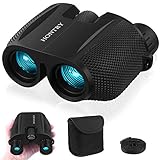
Hontry 10×25 Compact Binoculars
- 9.6 oz palm-size fold
- 60-75mm interpupillary adjustment
- BaK-4 prisms
- 362 ft field of view

Nikon Trailblazer 8×25 ATB
- 429 ft field of view
- fully multi-coated optics
- Nitrogen-filled and O-ring sealed
- Lifetime limited warranty
All 12 Picks at a Glance in 2026
Every weight below is normalized to ounces and grams so you are not doing conversions mid-shop. Folded dimensions come from the manufacturer listings, and the field of view is quoted at 1000 yards wherever the maker publishes it.
| Product | Specifications | Action |
|---|---|---|
| Occer 12×25 Compact Binoculars |
|
Check Latest Price |
| Hontry 10×25 Compact Binoculars |
|
Check Latest Price |
 Aurosports 10×25 Compact Binoculars Aurosports 10×25 Compact Binoculars |
|
Check Latest Price |
 POLDR 12X25 Small Pocket Binoculars POLDR 12X25 Small Pocket Binoculars |
|
Check Latest Price |
 USCAMEL Compact Binoculars 8×21 USCAMEL Compact Binoculars 8×21 |
|
Check Latest Price |
 Bushnell Powerview 10×25 Bushnell Powerview 10×25 |
|
Check Latest Price |
 VULNESS 8X21 Mini Travel Binoculars VULNESS 8X21 Mini Travel Binoculars |
|
Check Latest Price |
 Nikon ACULON A30 10×25 Nikon ACULON A30 10×25 |
|
Check Latest Price |
| Nikon Trailblazer 8×25 ATB |
|
Check Latest Price |
 Celestron Outland X 10×25 Celestron Outland X 10×25 |
|
Check Latest Price |
 Celestron UpClose G2 8×21 Celestron UpClose G2 8×21 |
|
Check Latest Price |
 Nikon TRAVELITE 8×25 Nikon TRAVELITE 8×25 |
|
Check Latest Price |
1. Occer 12×25 Compact Binoculars – the Best All-Rounder for Travel
Occer 12×25 Compact Binoculars for Adults and Kids
12x25
273 ft at 1000 yds
20 mm eye relief
BAK-4 prism
0.39 kg
Pros
- Genuinely pocketable and light
- easily packed for cruises and day hikes
- Clear bright image reviewers compare to costlier models
- Twist-up eyecups let eyeglass wearers get close to the lens
- Waterproof and did not fog on an Alaskan cruise
Cons
- 12x overstates what a 25 mm objective can resolve
- Not nitrogen purged so condensation is a risk in wet conditions
- Both barrels need diopter matching by eye
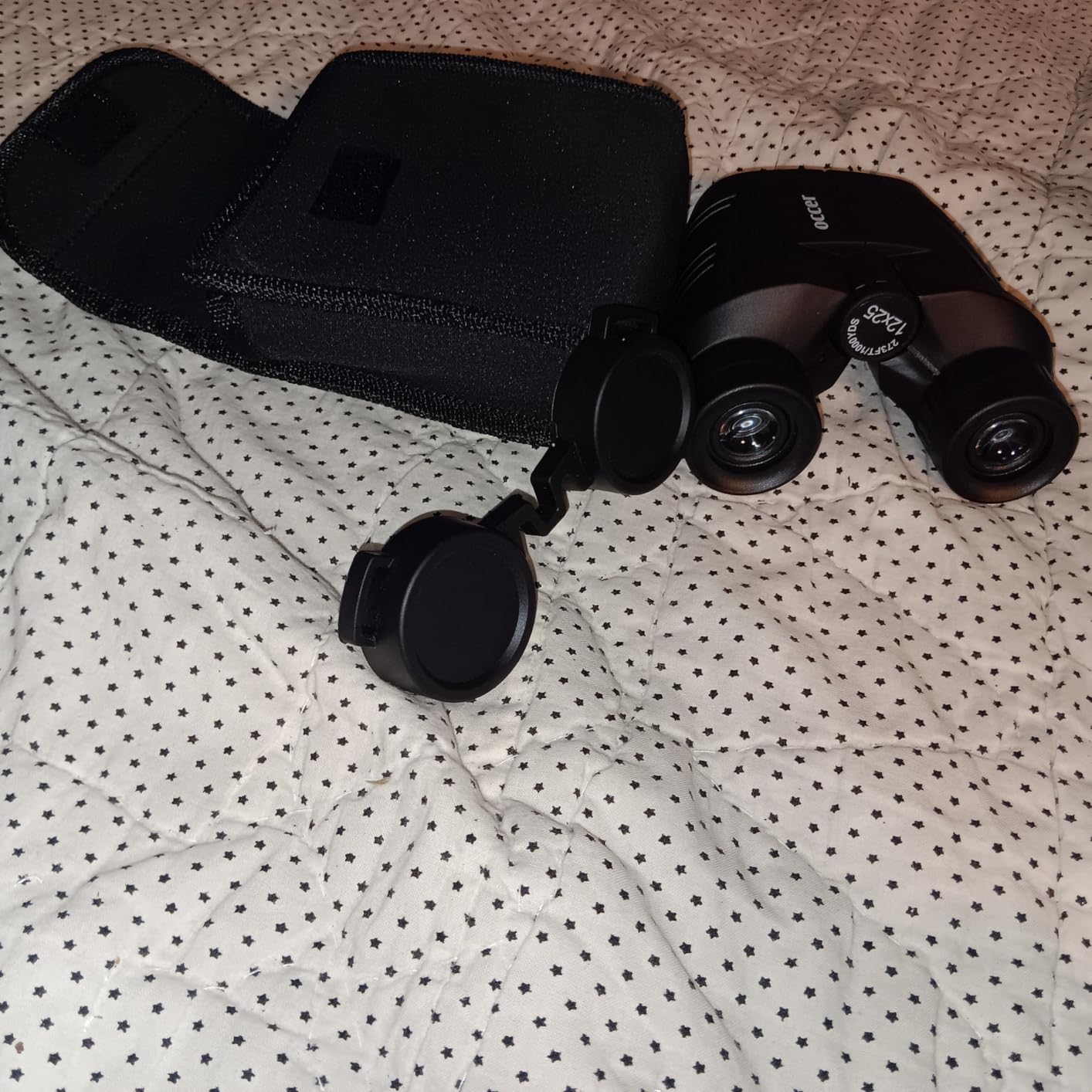
I have carried the Occer 12×25 in a jacket pocket on three trips now, and it is the pair I end up grabbing without thinking. At 4.4 inches long, 4 inches wide and 1.9 inches tall it takes up about the space of a folded pair of sunglasses, and the rubber armor gives it enough grip to be usable with damp hands on a boat deck.
The 20 mm eye relief is the number that matters most here, and it is the widest of the twelve picks. That gap is what lets my family, all of whom wear glasses, actually use it instead of holding it at arm’s length and pinching the edges of the view. Owners also point out the twist-up eyecups collapse for storage, which is what keeps the whole thing slim in a pocket.
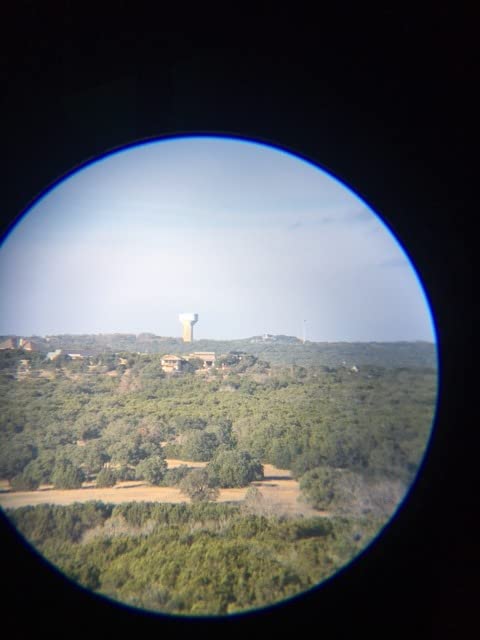
Optically it is a BaK-4 prism with fully multi-coated lenses and a 273 ft field of view at 1000 yards, which is mid-pack here and wide enough to find things rather than hunt for them. The image is bright for the size, and that brightness is the reason this pair beats the other budget options in daylight.
The flaw is the power rating. Twelve times magnification on a 25 mm objective is more than those lenses can deliver, and reviewers who measured it put the effective result nearer 8x. It is also not nitrogen purged, so the barrels can fog inside after a hard temperature change even though the body is waterproof. Neither issue stops it working as a grab-and-go travel pair, and both matter if you plan serious low-light use.
Best for travelers who wear glasses
With 20 mm of eye relief it is the only pick in this group that most glasses wearers can use without pulling the eyecups down and losing the edge of the field. The twist-up cups let you set the eye position for your own frames.
If you have a large frame or a high bridge, this is the compact to test first. A pair that fights your glasses gets abandoned on the first morning, and a binocular on a nightstand is worthless.
Not for dawn choruses or stargazing
A 25 mm objective is simply not collecting enough light for pre-dawn birding or any real night-sky work, and the missing nitrogen purge makes condensation a possibility on humid flights. The 12x label flatters it as well.
If your trips start before sunrise or end after dusk, the Nikon Trailblazer 8×25 or the Celestron Outland X will serve you far better. Treat the Occer as the daytime, dock-side, city-looker pair.
2. Hontry 10×25 Compact Binoculars – the Best Value Share-Everywhere Pair
Hontry 10×25 Compact Binoculars for Adults and Kids
10x25
9.6 oz
60-75mm interpupillary
BaK-4
362 ft field
Pros
- Palm-sized at 9.6 oz so it vanishes into a daypack
- 60-75mm interpupillary range lets adults and kids share one pair
- Rubber eye relief works for eyeglass wearers
- Smooth center focus and diopter ring
- Bright low-distortion image
Cons
- Effective magnification falls short of the printed 10x
- 10 mm eye relief is tight for large-headed adults
- Plastic build is not indestructible
The Hontry 10×25 is the pair I hand to a travelling companion. At 4.5 stars across 24431 reviews, it is one of the highest-rated picks in the group and the one that gets recommended most often in family and cruise contexts.
Its real trick is the 60-75mm interpupillary adjustment. That range spans a child’s eyes to a large adult’s, so one pair covers a whole travel group on a whale-watching deck or a zoo walk without anyone fighting to make the barrels sit right. It folds to palm size at 9.6 ounces and comes with a strap, a nylon bag and a cloth.
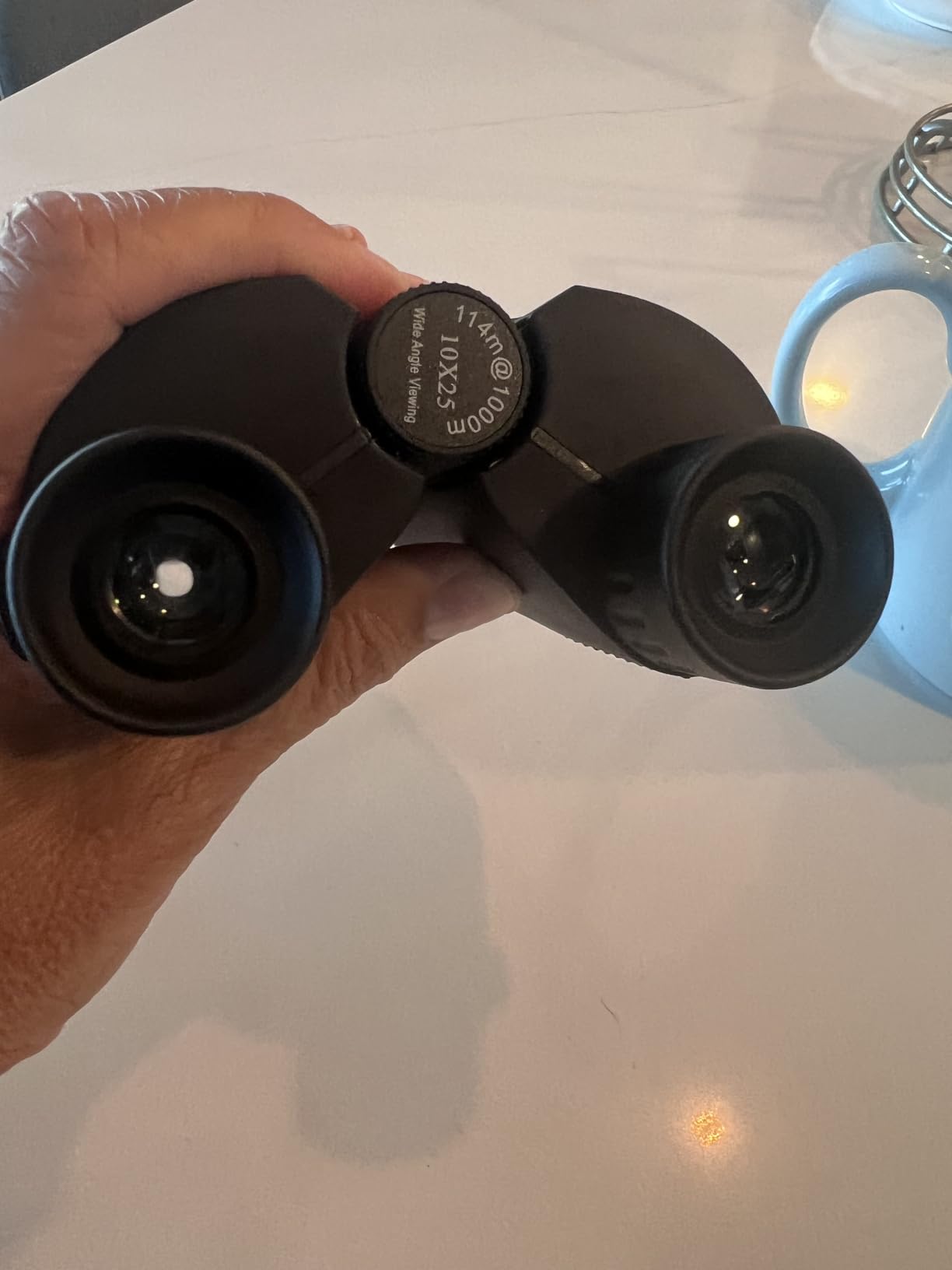
The optics use BaK-4 prisms with fully multi-coated lenses, and the listed field of view is 362 ft at 1000 yards. That is one of the wider figures among the pocket pairs here, which matters when the subject is a dolphin surfacing a hundred yards out and you need to keep it in the frame.
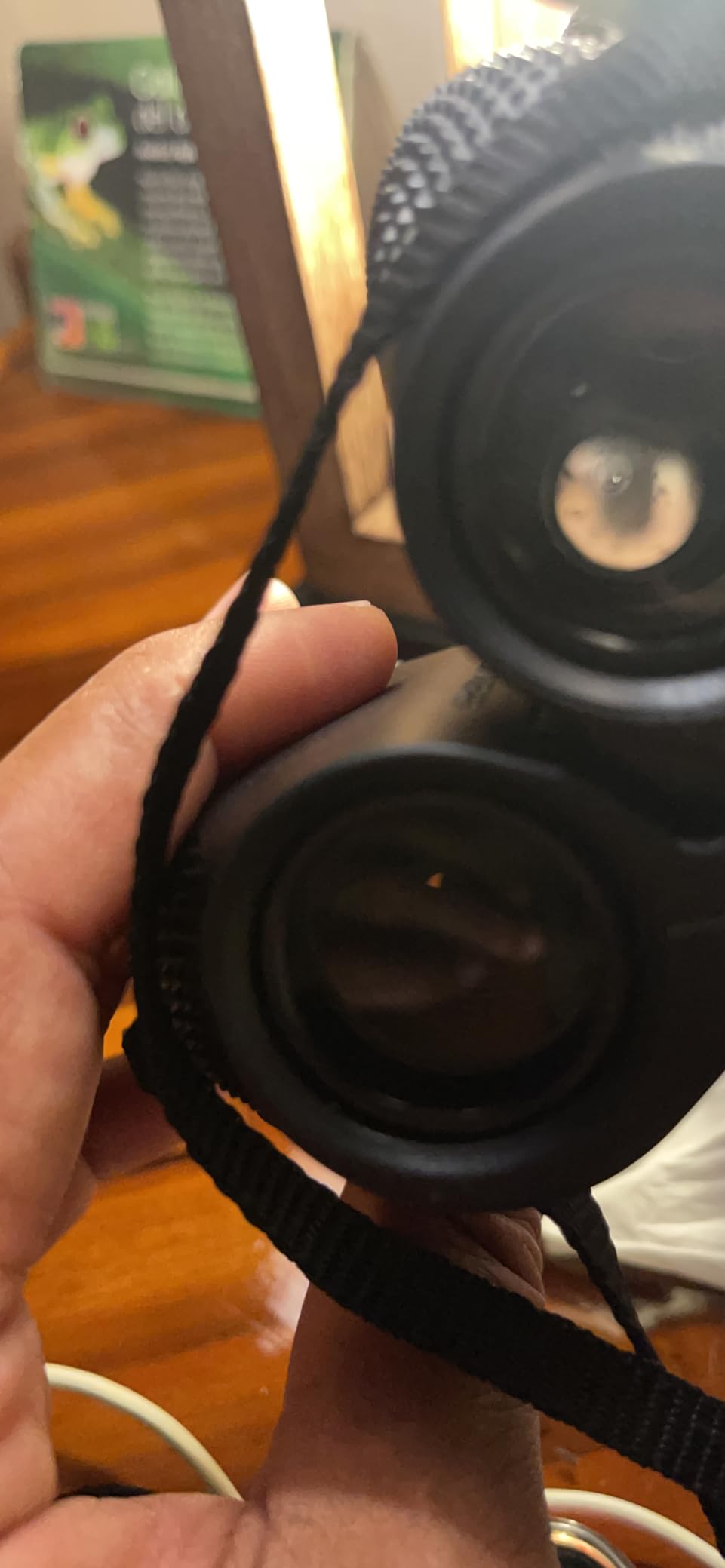
The build is plastic with rubber armor, and that is where the compromises cluster. Eye relief is 10 mm, so the barrels sit close to your face and the view feels tight for bigger heads. One owner’s insect repellent melted an eyepiece, and several note the magnification falls well short of the printed 10x in practice.
Best for families and shared viewing
The adjustable eye width is the reason this pair keeps showing up in our top slots. On a cruise excursion or a safari drive, two people can look through the same binoculars instead of trading them every thirty seconds.
A 60-75mm range also handles kids with close-set eyes, which several forum questions ask about directly. If you are travelling with anyone under twelve, this is the pair to buy.
Where it falls short?
Ten millimeters of eye relief makes it uncomfortable if you wear thick frames, and the thin neck strap has no padding for long sessions. It is a plastic body, so treat it as the casual holiday pair rather than the one that goes on a wet boat deck all afternoon.
If low light matters to you, look past the 25 mm objective entirely. A compact with a 25 mm lens is a daylight tool, and this one is a good one, but it is not a dawn tool.
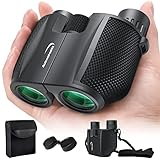
3. Aurosports 10×25 – the Best Single-Hinge Body for Bumpy Travel
Aurosports 10×25 Compact Binoculars for Bird Watching, Cruise Ship, Travel
10x25
8.8 oz
single-hinge
14.8 mm eye relief
362 ft field
Pros
- Light at 8.8 oz and small enough for a jacket pocket
- Single-hinge body holds alignment far better than double-hinge compacts
- Wide interpupillary range with shockproof silicone eyecups
- Bright clear image once the diopter is set
- Case strap and cloth included
Cons
- Optics soften noticeably toward the edge of the field
- Silicone eyecups work less well with glasses
- Water resistant rather than waterproof
The Aurosports 10×25 solves one specific travel problem better than anything else here: a binocular that stays aligned after a bus ride. It uses a single-hinge body rather than the folding double-hinge bridge found on most pocket models, and that rigid centre section is far more twist-resistant.
That matters because the most common complaint in enthusiast threads about double-hinge pocket binoculars is that they get knocked out of alignment and have to be re-fitted to your eyes every single time you raise them. On a walking tour with a guide talking, that friction is enough to make you stop looking through them.
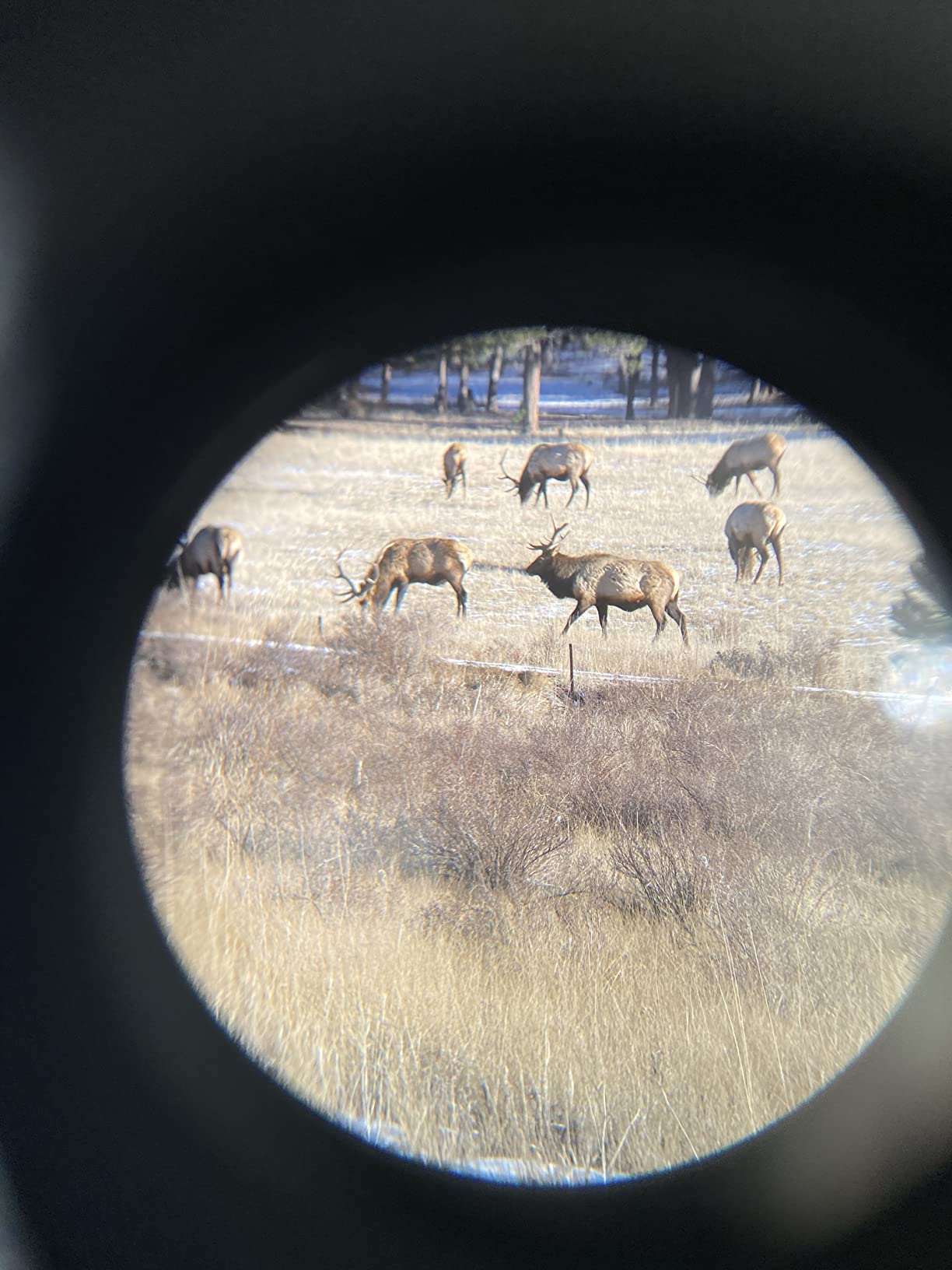
At 8.8 ounces this is a genuinely light pocket pair, and the 14.8 mm eye relief is more generous than most of the 10x models listed. The field of view is 362 ft at 1000 yards, BaK-4 prisms sit behind fully multi-coated lenses, and adjustable eye width covers both kids and adults.
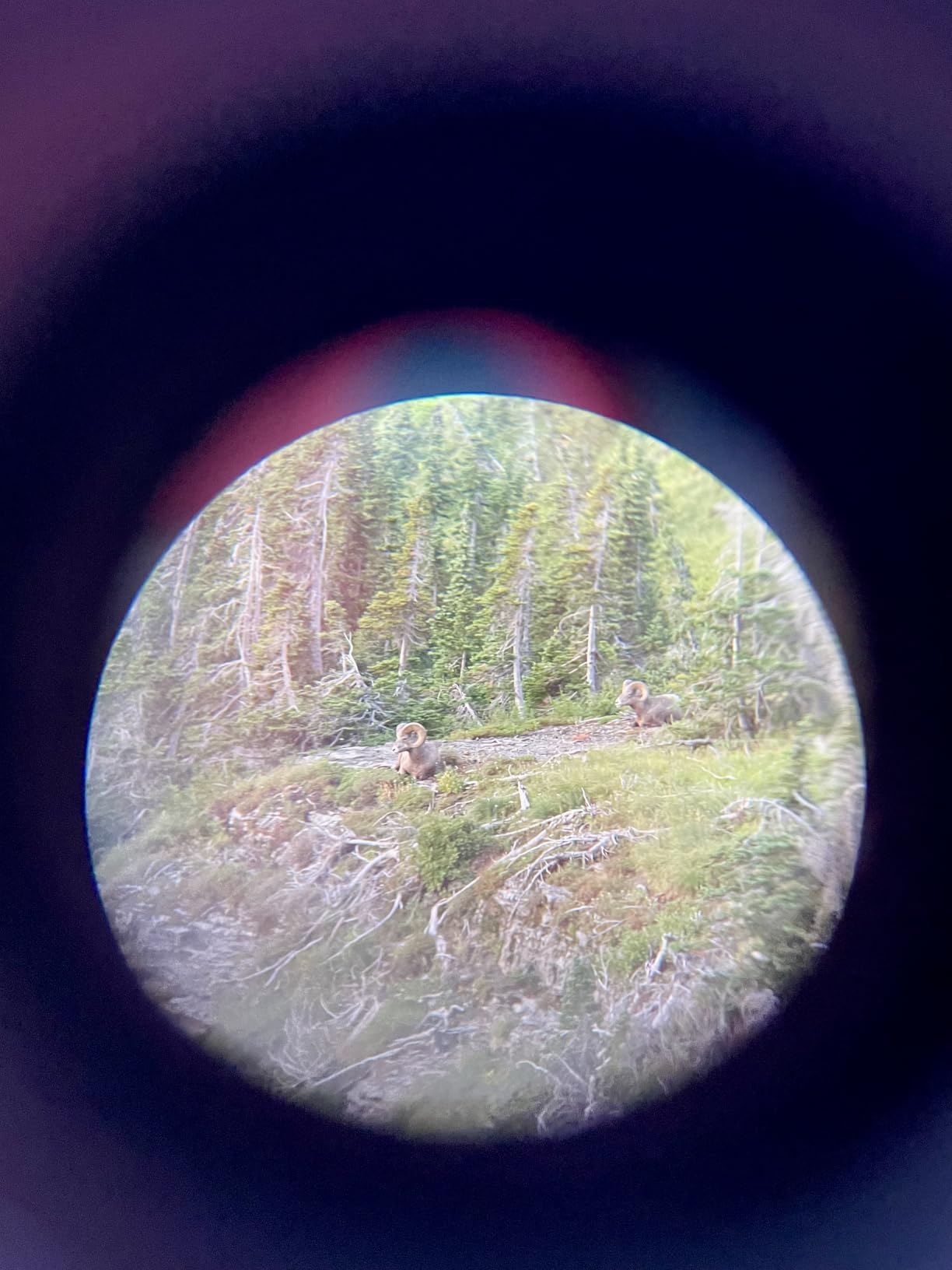
Optically it is the weakest of the three 10×25 pocket pairs, and owners say so directly. Image quality softens toward the edges, some see a halo around the subject, and the silicone eyecups are not friendly to glasses. The body is water resistant rather than waterproof, so a squall is a risk you take knowingly.
Best for coach tours and rough transport
A single-hinge frame shrugs off the rattling that breaks cheap double-hinge compacts. If your travel involves long bus or train legs and lots of gear rattling in a daypack, this body style simply holds up better.
It also fits children well, with a wide adjustment range and silicone cups that survive being dropped. Reviewers keep it in vehicles as a general-purpose pair.
Not for edge-to-edge detail work
Soft edges and halos mean this is a locate-the-subject binocular rather than an identify-the-bird one. Anyone counting wing bars at distance will be disappointed.
Glasses wearers get a thinner view with the silicone cups in place, and water resistance is not the same as a sealed nitrogen body. For serious all-weather optics, the Celestron Outland X or Nikon Trailblazer are the better buys.
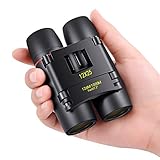
4. POLDR 12X25 – the Best for Concerts, Museums and Stadium Views
POLDR 12X25 Small Pocket Binoculars Compact for Adults
12x25
165 g
magnesium body
6 degree field
BAK4 prism
Pros
- Light enough to add almost no weight to a pack
- Magnesium body feels more solid than plastic compacts
- Smooth center-focus knob makes target acquisition easy
- Handles concerts theater birding and sporting events
- Strap cloth and carry bag included
Cons
- Narrow 6 degree field of view makes tracking moving subjects harder
- 12x on a 25 mm objective is beyond what the lens can resolve
- Diopter and focus must be set per viewer before use
The POLDR 12X25 is a different tool from the rest of this list. At 165 g with a magnesium body, it is the most substantial object in the group, and that solidity comes through in the hand before you even look through it.
This is the pair for the seated, fixed-distance parts of a trip: a theatre, a concert hall, a stadium, a museum gallery. Twelve times on a 25 mm lens reaches across a hall or a pitch, and the smooth centre-focus knob makes acquiring a distant performer quick.
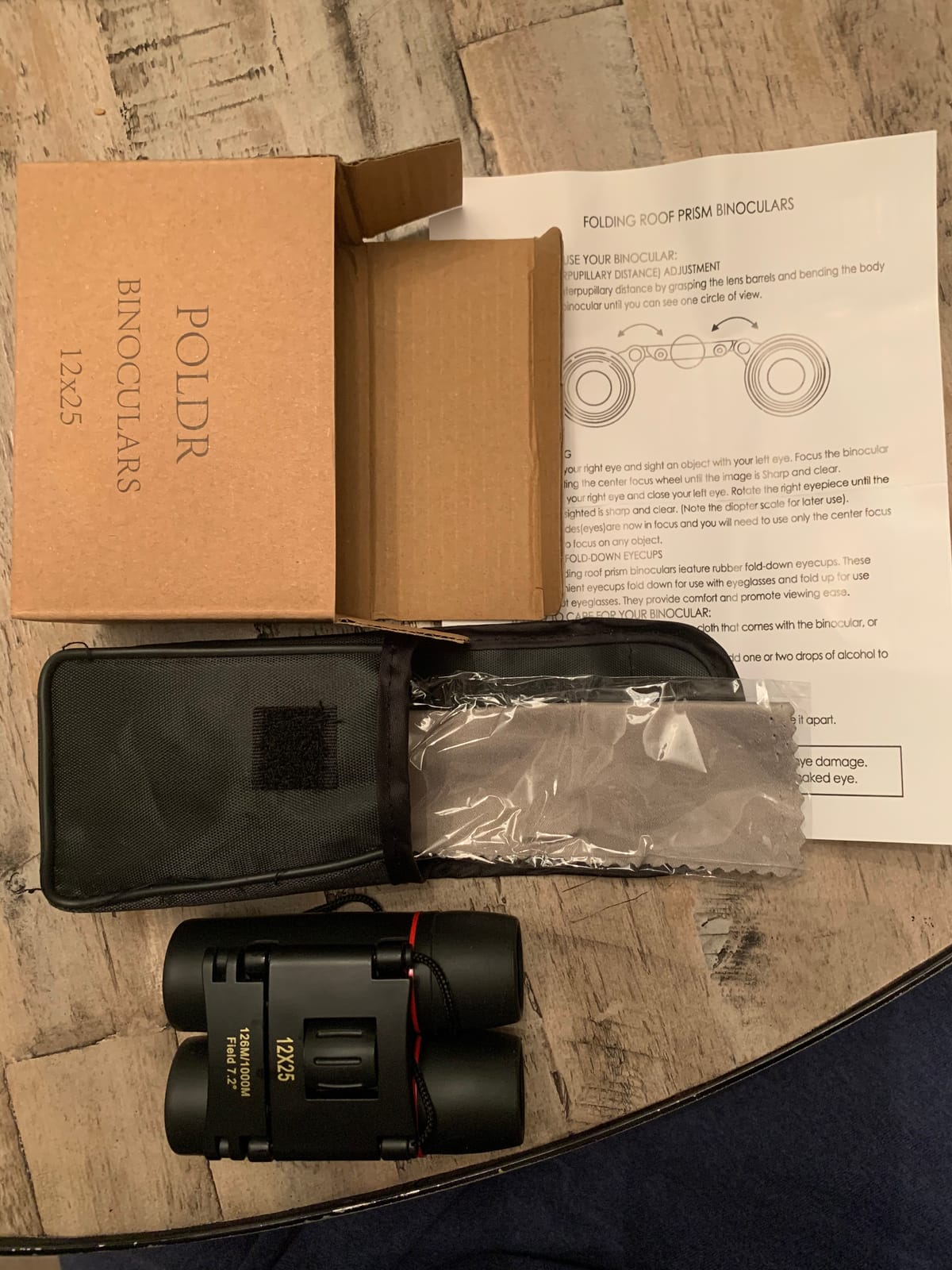
It has 16 mm of eye relief, which is generous for the class, plus a right-eye diopter ring and a folding pocket design. Strap, cloth and a carry bag all come in the box.
The 6 degree field of view, 126 ft at 1000 yards, is the narrowest here, and it is the main reason not to use it outdoors. A narrow field makes a moving subject hard to keep located, which is exactly what you need when something is moving. As with the Occer, the 12x rating overstates what a 25 mm objective can resolve.
Best for indoor and venue viewing
Dark halls and auditoriums suit this binocular far better than an open trail. The magnesium body does not need to be light, and it gives you a stable grip for long seated sessions.
If your trip is built around architecture, galleries and performance halls, the magnification range on this pair is genuinely useful. Just keep it indoors.
Not for tracking wildlife or moving targets
Six degrees is a keyhole. Birds in a tree, a boat on a bay, anything alive and unfixed, will wander out of view before you can correct.
Owners also stress that the diopter and focus need setting for each individual viewer, which makes it a poor pair to hand around a group mid-event.
5. USCAMEL 8×21 – the Best True Pocket Pair with a Roof Prism
USCAMEL Compact Binoculars for Adults 8×21: Small Binoculars for Travel
8x21
180 g metal body
7 degree field
BaK-4
waterproof and fogproof
Pros
- True 8x keeps the image steady without tripod shake
- Very light at 180 g and folds small enough for a pocket
- Metal body gives more durability than plastic
- Bright low-distortion image from BaK-4 prisms
- Simple one-handed center focus a child can manage
Cons
- 21 mm objective dims quickly in low light
- 16 mm eye relief is limited for glasses wearers
- Smaller review base than the leaders in this group
The USCAMEL 8×21 is the compact to buy if you have been put off by binoculars that shake. Eight times is about the highest power you can hold steady with a bare hand, and the difference between 8x and 12x at arm’s length is the difference between a useful view and a jittery one.
It also folds small enough for a coat pocket, and the metal body tolerates being dropped onto a coach floor in a way the plastic compacts here do not. One-handed centre focus is simple enough that a child can use it without instruction.
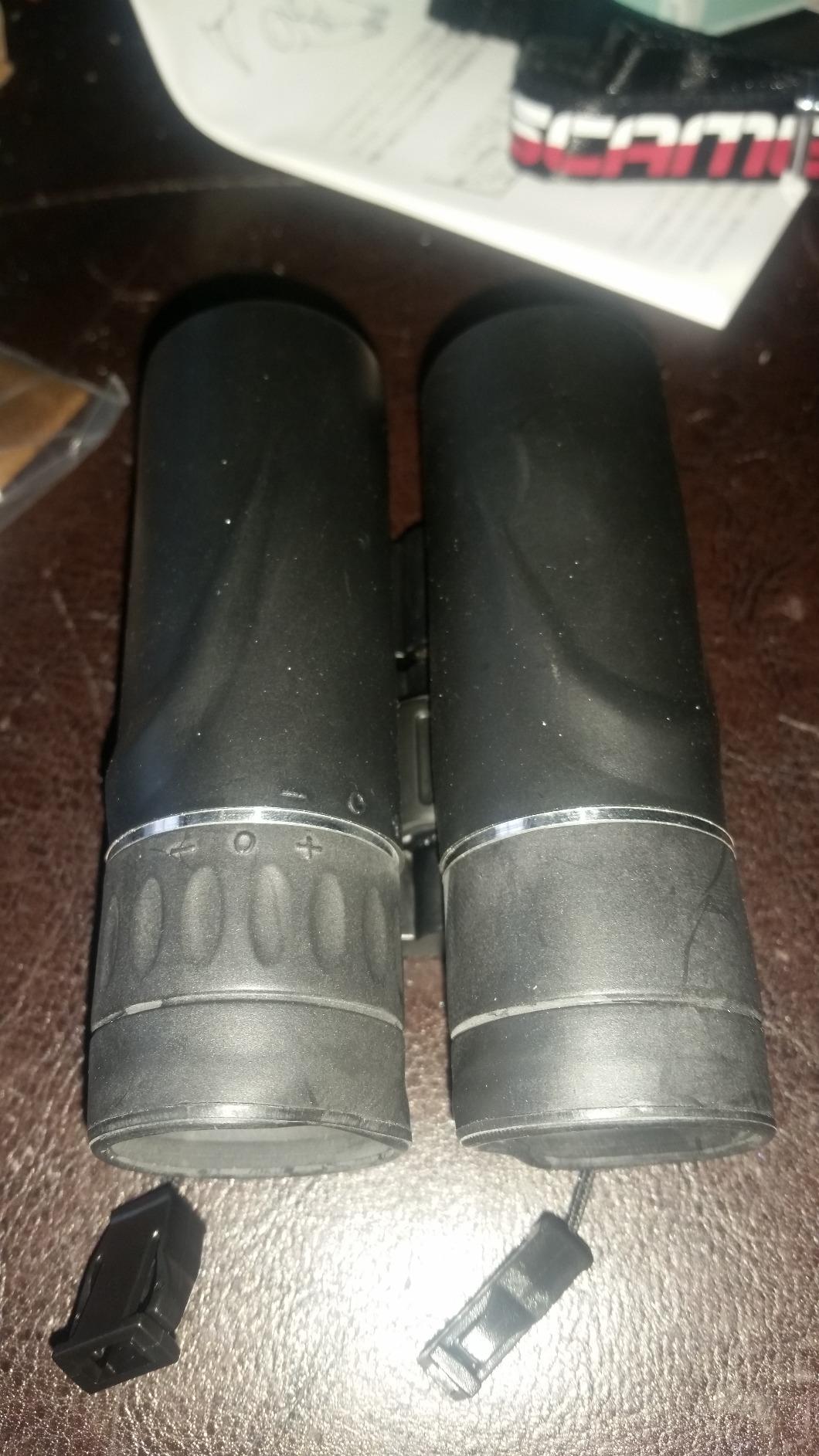
Prism and coating are handled properly for the money: BaK-4 prisms with a full multi-layer coating, rated waterproof and fogproof, and a 7 degree field of view that keeps the image reasonably stable. At 3871 reviews the community around it is smaller than the leaders, so there is less long-term feedback to draw on.
The 21 mm objective is the real limit. It is the smallest lens here, so the view dims quickly once the light drops below daylight, and 16 mm of eye relief is workable for glasses but not generous. The listed 180 g is fine for a carry-everywhere pair, though it is not among the lightest.
Best for steady hand-held viewing
Anything that involves scanning slowly rather than following a moving subject suits 8x. City skylines from a viewpoint, a harbour, a distant ridgeline, a river of people from a balcony.
Hand stability is the deciding factor. Below about 9x most people cannot hold a target without support, and no tripod belongs in a daypack.
Not for low light or thin frames
A 21 mm objective gives up quickly at dusk or under canopy, and there is no nitrogen purge in the specification to fight condensation. Bring a torch instead of expecting this pair to help.
At 16 mm, eye relief works for many glasses wearers but not all. Test with your frames before committing.
6. Bushnell Powerview 10×25 – the Best for Whale Watching and Cruise Excursions
Bushnell 10×25 Powerview Binoculars, Compact Folding Roof Prism, for Adults and Kids, Concerts, Birdwatching, Hiking, Sports, Rubber Armor (132516C)
10x25
Porro prism
folding body with carry bag
rubber-armored grip
Pros
- Clear image for the price
- better than expected at this tier
- Small and light enough to live in a suitcase or daypack
- Performs well on whale watching and cruise excursions
- Folding body with a decent little carry bag
- Rubber-armored feel that survives being tossed around
Cons
- Eye relief too short to use comfortably with glasses
- Thin neck cord is uncomfortable for long sessions
- Some units report foggy or soft edges
- Focusing takes practice to dial in
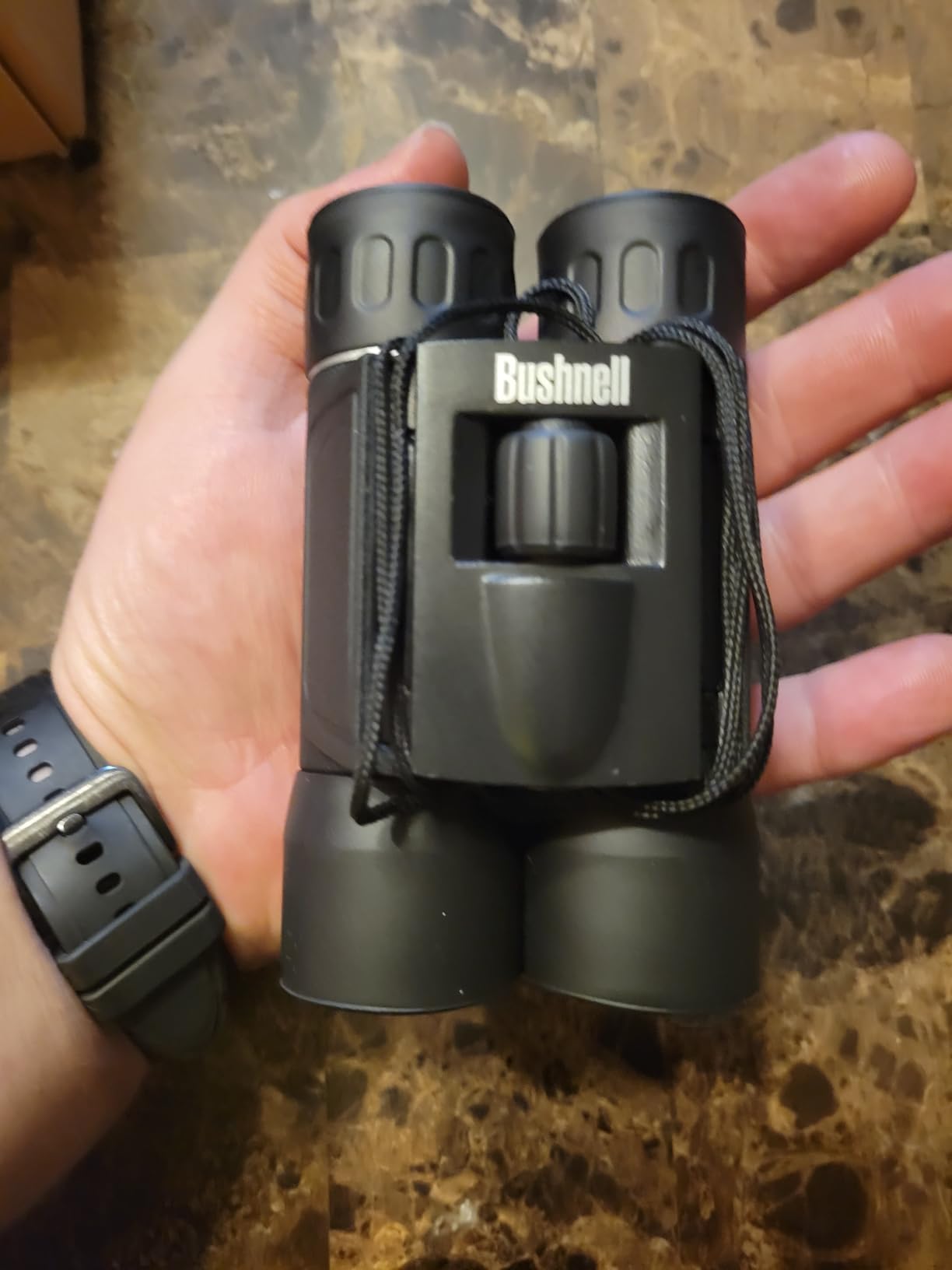
The Bushnell Powerview 10×25 is the pair most associated with boats. Owners consistently describe it as the binocular that lives in a cabin drawer and gets grabbed when the lookout announces whales on the port bow.
It folds flat, comes with a small carry bag and a neck strap, and the rubber-armored body survives being tossed into a wet pocket. The Porro prism design gives a brighter, more three-dimensional-looking image than a roof prism at the same power, which is why it holds up on a grey sea morning.
At 10×25 it sits right in the sweet spot for marine wildlife: enough reach to pick a humpback out of the water, low enough power to hold up on a moving deck. Reviewers call the image clear for the tier, sometimes better than expected.
The complaint that repeats is fit. Eye relief is short, so glasses wearers cannot comfortably see the whole field, and the neck cord is thin enough to bite over a long expedition. A few owners also report soft edges or fogging, and focusing takes a little practice to get used to.
Best for marine and open-water excursions
Shore excursions, ferry crossings, whale watching, dolphin pods, anything where the subject is far away over a moving surface. Ten power finds the animal and the Porro prism keeps the image punchy.
The folding body and included bag make it easy to hand to a child or a companion for a turn at the rail.
Not for glasses wearers on long sessions
Short eye relief means constant repositioning if you wear glasses, and repositioning is what ruins a wildlife moment. The thin cord is a minor irritation, but the fit is the real limit.
Weight and dimensions are not published in the listing, so if precise pack volume matters to you, check the physical dimensions in hand first. The Celestron UpClose G2 gives published measurements at a similar format.
7. VULNESS 8X21 – the Best for Ultra-Light One-Bag Packing
VULNESS Binoculars for Adults, Small Mini Travel Essentials, 8X21, Black
8x21
5.6 oz
BAK4 roof prism
FMC coating
160 g
Pros
- At 5.6 oz it is the lightest option and disappears into a small day bag
- Build and clarity look more expensive than expected
- Sharp in bright daylight and indoor lighting
- Anti-slip grip holds securely
- Soft carry case is well made
Cons
- Very little real magnification
- Not intended for low light
- Lens covers are not included
- Build strength is below a metal-bodied compact
At 5.6 ounces, the VULNESS 8X21 is the lightest pair we tested, and weight is the whole argument for it. If you count every gram on a one-bag trip, a sub-six-ounce binocular is the difference between carrying it every day and leaving it behind.
It measures 4.1 by 3.5 by 1.4 inches, so it slides into a jacket pocket, a laptop sleeve or a small day bag without creating a bulge. The anti-slip grip material is genuinely tacky, which helps on damp mornings.
Optically it is a BAK4 roof prism with full multi-layer coating, and in daylight the image is sharp and contrasty for something this small. Reviewers comment that it looks and feels more expensive than the price suggests, and it handles concert venues with strict bag policies well.
It also carries the lowest rating in this group at 4.1 stars, and the reason is consistent: 8x on a 21 mm lens simply does not deliver enough power. Subjects stay small and distant, and low light is out of scope entirely. There are no lens covers in the box, and the body is not built to the standard of the metal compacts.
Best when every gram is counted
Ultralight hikers and one-bag travellers get the biggest practical win here. You will actually keep it on your person, which is the whole point of a compact binocular.
It also suits crowds with restrictions on what you can carry through the gate, and indoor venues where light is good and the subject is not far away.
Not for distance work
A 21 mm objective at 8x is a scenery glass, not an identification glass. Expect a distant bird to remain a smudge no matter how steady you hold it.
Low light is the other non-task. Pair this one with a headtorch for evening walking rather than hoping the binoculars will help.
8. Nikon ACULON A30 10×25 – the Best All-Round 10x from a Major Brand
Nikon ACULON A30 10×25 Black Binocular | Dual hinge design, Fully multi-coated lightweight Binocular, Smooth Central Focus Knob | Official Nikon USA Model
10x25
dual-hinge fold
9.76 oz
5.2 degree apparent field
waterproof bridge
Pros
- Nikon multi-coated glass gives bright sharp low-distortion images
- Dual-hinge design folds flat and stays aligned
- Light at 9.76 oz with a balanced comfortable grip
- Large center focus knob is quick and precise
- Closed-bridge waterproof body holds up in wet weather
Cons
- 10 mm eye relief is tight for glasses wearers
- Narrower field of view than the 8x compacts
- Costs more than the budget pocket options
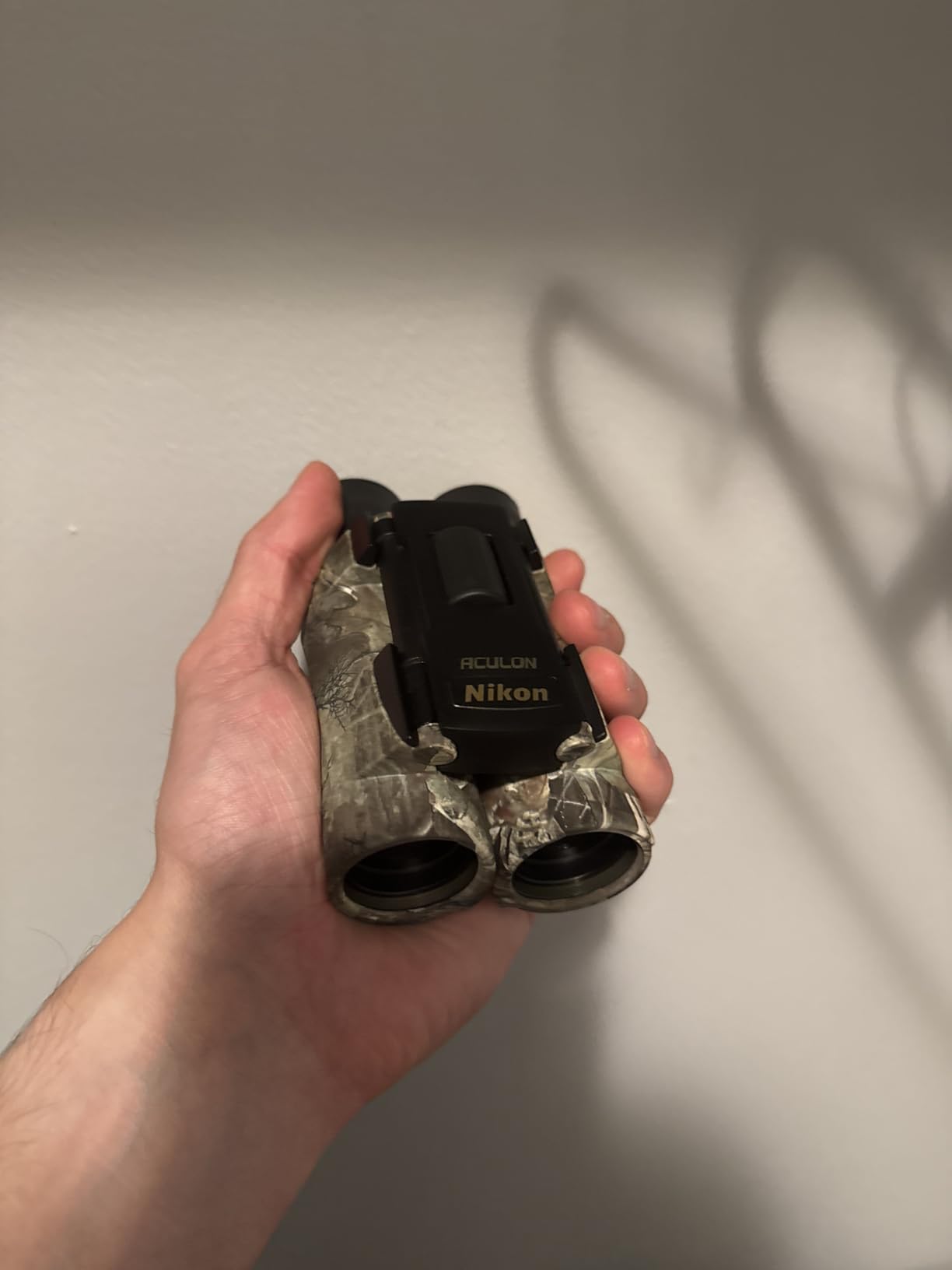
The Nikon ACULON A30 is the most refined 10×25 in this group, and at 4.6 stars it shares the highest rating here. The glass is multilayer-coated and lead- and arsenic-free, and owners consistently describe the image as bright, sharp and low in distortion for a compact.
It uses a dual-hinge folding bridge, so it collapses flat into a pocket, but the hinge design holds alignment once set. At 9.76 ounces it is light enough to wear all day, and the large central focus knob makes fine adjustments quick and precise.
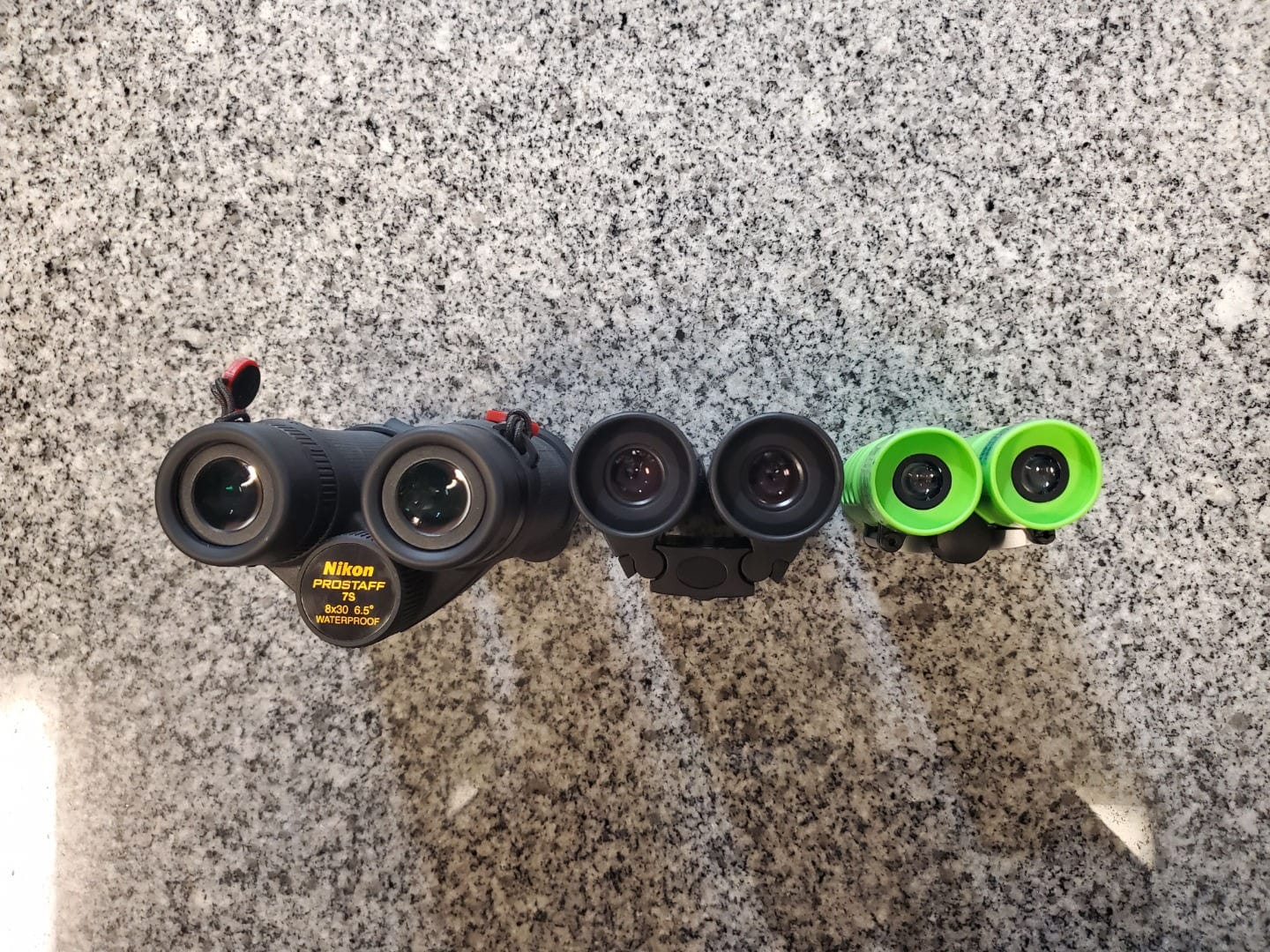
That precision focus is what makes it good for the middle-distance travel work most people actually do: detail on a distant building, a boat, a bird on a wire. The ergonomic body reduces hand fatigue over a long walking day, and the closed-bridge configuration is sealed against water.
Two limits are worth stating plainly. Eye relief is 10.6 mm, so glasses wearers frequently cannot use it with eyewear on, and the 5.2 degree apparent field is narrow compared with the 8x compacts here. It also costs more than the budget pocket options, which is a lot to ask for a pair with a glasses problem.
Best for sharp mid-distance detail
If you want to resolve a bird on a distant branch or read architectural detail across a square, the coating and focus precision pay off. Ten power at 25 mm is the most useful general-purpose format for travel.
The waterproof closed bridge also makes it a safe pick for coastal trips and unpredictable weather.
Not for glasses wearers
Ten millimeters of eye relief is the tightest figure on this list, and owners report that they simply cannot use these with glasses on. Tuck them away, borrow another pair, or pick the Occer instead.
The narrow field also means less context around your subject, so finding a moving animal takes longer than with an 8x model.
9. Nikon Trailblazer 8×25 ATB – the Best for Rain, Fog and Safari Weather
Nikon Trailblazer 8x25mm ATB Binoculars – Compact, Waterproof & Fogproof, Bright Multilayer-Coated Optics, Roof Prism – All-Terrain Outdoor Wildlife Viewing & Birdwatching Binoculars (8217)
8x25
429 ft field of view
nitrogen-filled and O-ring sealed
9.92 oz
Pros
- Exceptionally bright high-contrast true-colour image
- Widest field of view of the twelve picks at 429 ft
- Nitrogen-filled and O-ring sealed for all-weather reliability
- Folds small enough for a jacket pocket or glove box
- Rubber armor gives a sure grip in wet or gloved hands
Cons
- Twist-up eyecups have no detent and will not hold position
- Eyepiece caps are loose and easily lost with no objective covers
- Neck strap is thin and flimsy
- Small slow focus knob
If your itinerary includes open vehicles, boat decks, coastal drizzle or a dawn game drive, the Nikon Trailblazer 8×25 ATB is the pick I would carry. It is nitrogen-filled and O-ring sealed, which makes it genuinely waterproof and fogproof rather than merely splash-resistant.
That distinction is not marketing here. Several other picks in this list are described as water resistant with no nitrogen purge, and they can fog internally when you move from a cold bus into a warm lodge. This one does not have that failure mode.
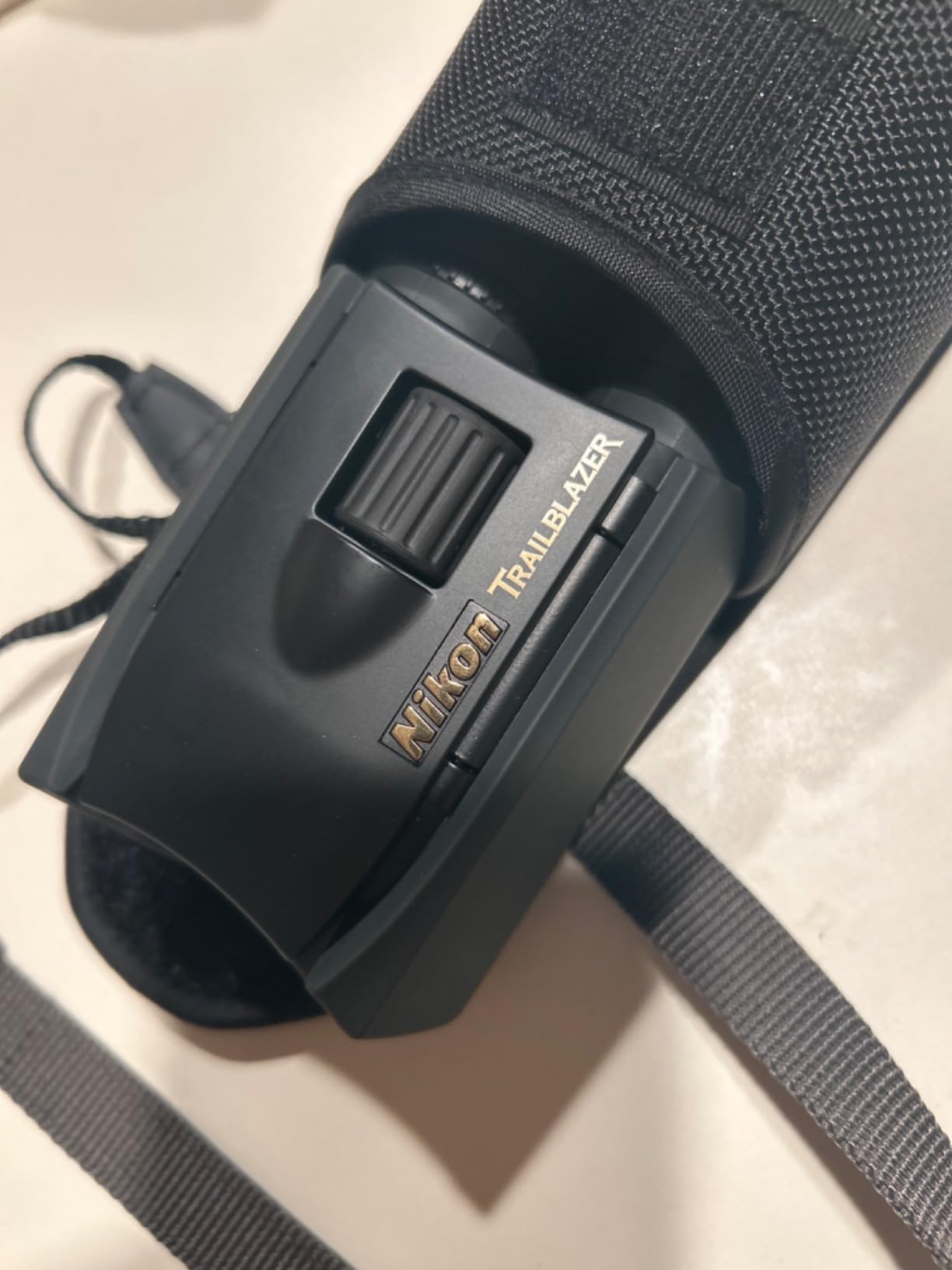
The image is the brightest in the group for its size, with fully multi-coated optics on high-index BaK4 roof prisms and true colour reproduction. Owners who have used far more expensive binoculars describe it as excellent value.
The standout spec is field of view: 429 ft at 1000 yards, a 59.7 degree apparent angle and the widest of any pick here. A wide field is the difference between finding a distant animal and slowly sweeping for it, and on a safari that difference is the whole day.

Best for all-weather, wide-area observation
Game drives, boat trips, walking in rain, and anywhere a subject is hard to locate. Nitrogen sealing plus a 59.7 degree apparent field is the combination that makes this pair dependable rather than merely adequate.
At 9.92 ounces it folds into a jacket pocket, and the rubber armour holds in wet or gloved hands. A limited lifetime warranty adds long-term confidence.
Flaws worth knowing about
The twist-up eyecups have no detent and will not hold their position, so expect to reset them. The eyepiece caps are loose and easily lost, and there are no objective lens covers at all.
The focus knob is small and slow compared with premium glass, and the neck strap is thin. None of those stop you using it, but they are the reasons the mechanical details lag the optics.
10. Celestron Outland X 10×25 – the Best for Scanning Open Ground
Celestron Outland X 10×25 Compact Binoculars for Hiking & Travel
10x25
6.2 degree true field
319 g
nitrogen-purged
rubber-armored
Pros
- Genuinely waterproof and nitrogen-purged against fogging
- Quality feel and optical performance for the money
- Comfortable fit for people with large heads
- Crisp bright daylight image with accurate colour
- Light enough to carry on every hike
- Limited lifetime US warranty
Cons
- Short 9.1 mm eye relief is awkward with glasses
- Narrow field of view at 10x
- Body does not fold so it takes more pack space
- No lens covers or rain guard included
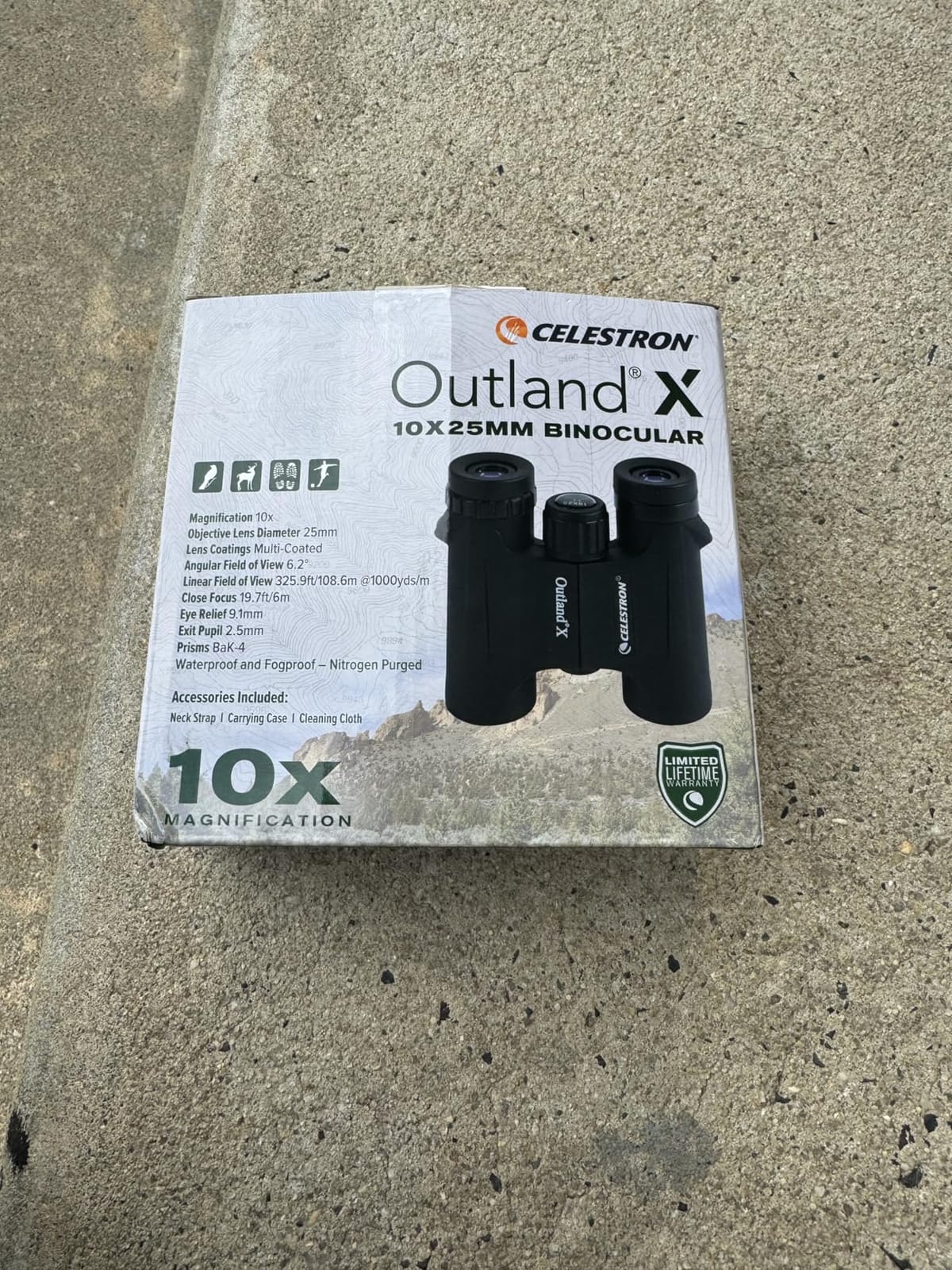
The Celestron Outland X is the pick for people who find small compacts uncomfortable. It is 319 g, the second-heaviest here, and that extra mass is a benefit: the rubber-armored polycarbonate housing feels solid and sits in the hand like a full-size binocular in miniature.
It is also genuinely weather-ready. The body is waterproof and nitrogen-purged, so it will not fog after a temperature swing, and reviewers report successful use on Alaskan cruise trips and African safaris where cheaper compacts gave up.
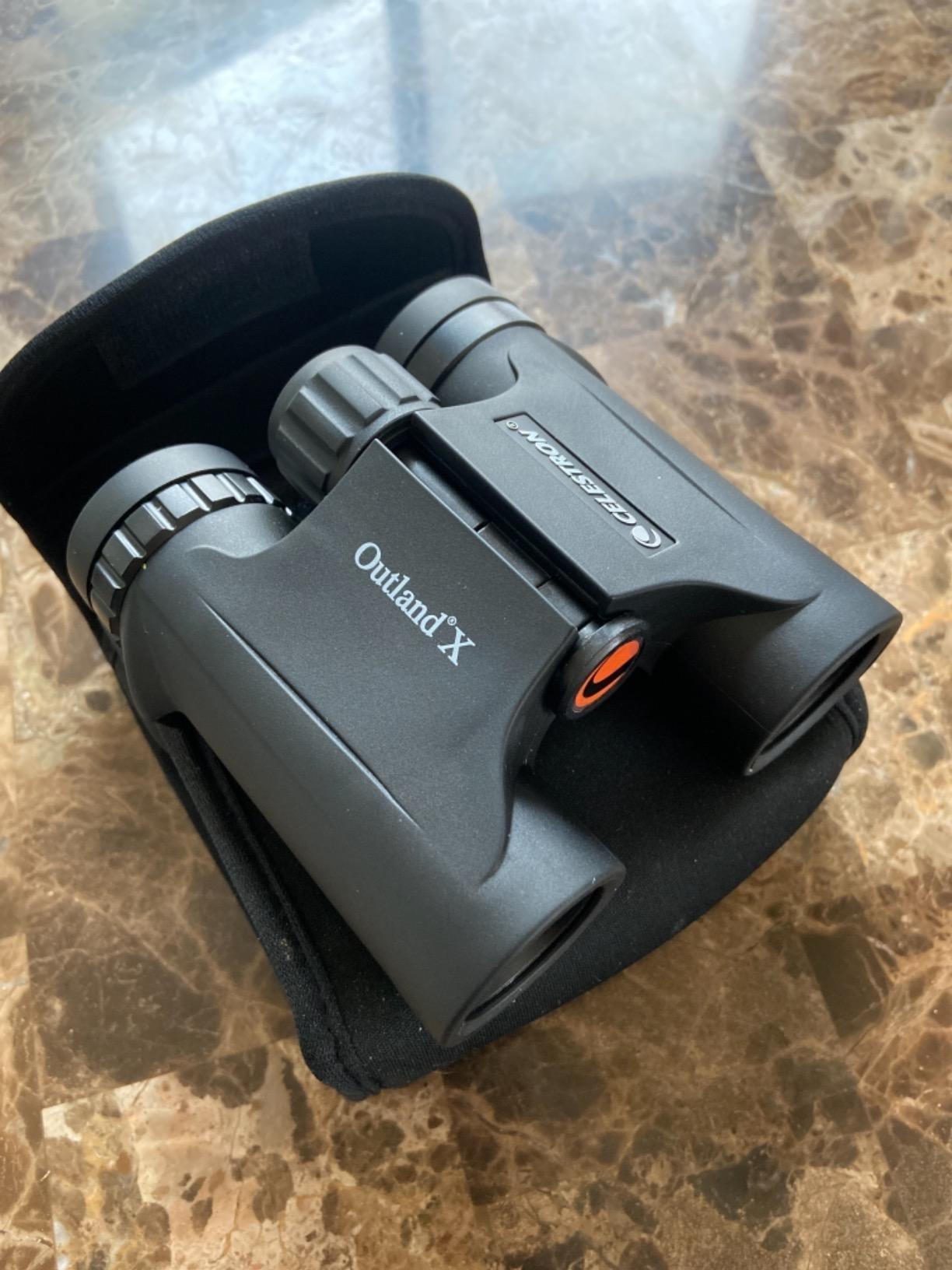
Optically you get multi-coated lenses with BaK-4 prisms and a crisp, colour-accurate daylight image. The 6.2 degree true field of view is narrow for 10x, but it is enough for scanning open terrain in a steady sweep.
Two practical notes. It does not fold, so it needs more pack volume than the pocket models, and 9.1 mm of eye relief is the shortest figure in the group, which makes it frustrating with glasses. Several owners keep a pair in each vehicle precisely because of the build quality.
Best for open-country scanning
Safari, coastal walk, wide valley viewpoint. The 10x reach and the sealed body suit trips where weather changes without warning and the subject starts far away.
If you dislike the feel of ultra-small binoculars, this is the most substantial compact on the list, and the limited lifetime US warranty is a genuine long-term benefit.
Not for pocket carry or glasses
At 319 g and non-folding, it will not live in a jacket pocket. If bag space is the binding constraint, the Aurosports or the VULNESS serve better.
Nine millimeters of eye relief is the tightest figure here. Glasses wearers should look at the Occer or the TRAVELITE instead.
11. Celestron UpClose G2 8×21 – the Best Budget Roof Prism
Celestron UpClose G2 8×21 Pocket Binoculars for Travel, Hiking & Sports
8x21
227 g aluminum body
52.3 degree apparent field
6 m near focus
Pros
- Truly pocketable folding roof-prism design
- Rubber-covered aluminum body resists dents better than plastic
- Bright accurate vibrant image for the money
- True 8x is a practical handheld power level
- Thumb indents and finger ridges for grip
- Limited lifetime US warranty
Cons
- Light duty construction that dents and can feel flimsy
- Focus wheel has play and the diopter ring turns very freely
- Near focus limit of about 6 meters is poor
- Water resistant only and can fog in temperature swings
- Field shrinks noticeably with glasses on
The Celestron UpClose G2 8×21 is a sensible budget roof prism, and the aluminium-and-rubber body is the reason to choose it over another plastic compact. Rubber-covered metal survives being dropped into a rucksack far better than moulded plastic.
The folding roof-prism design genuinely fits a coat pocket, and true 8x is a power level you can hold steady without support. Multi-coated optics lift light transmission enough to give a bright, accurate image at this entry level.
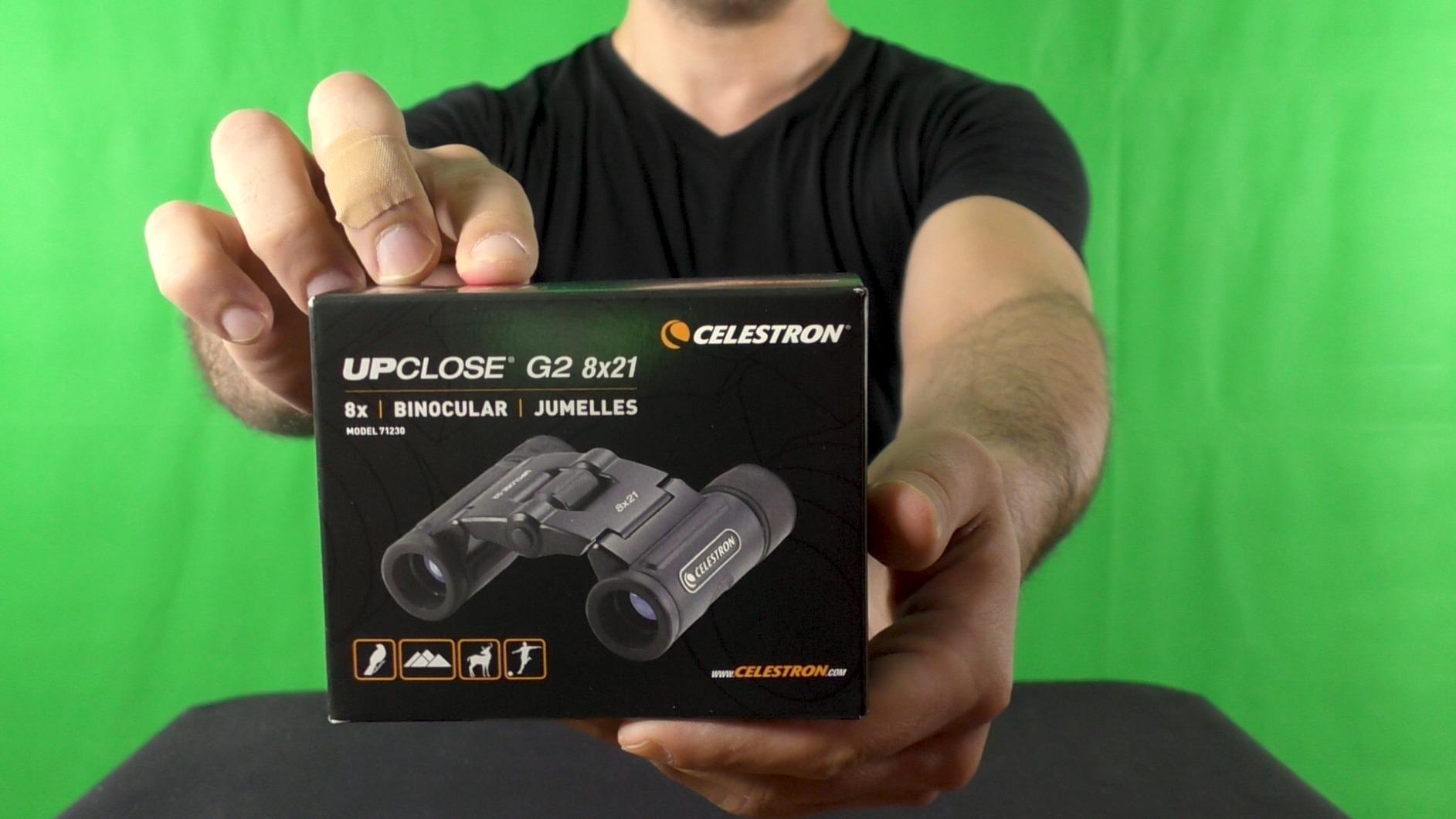
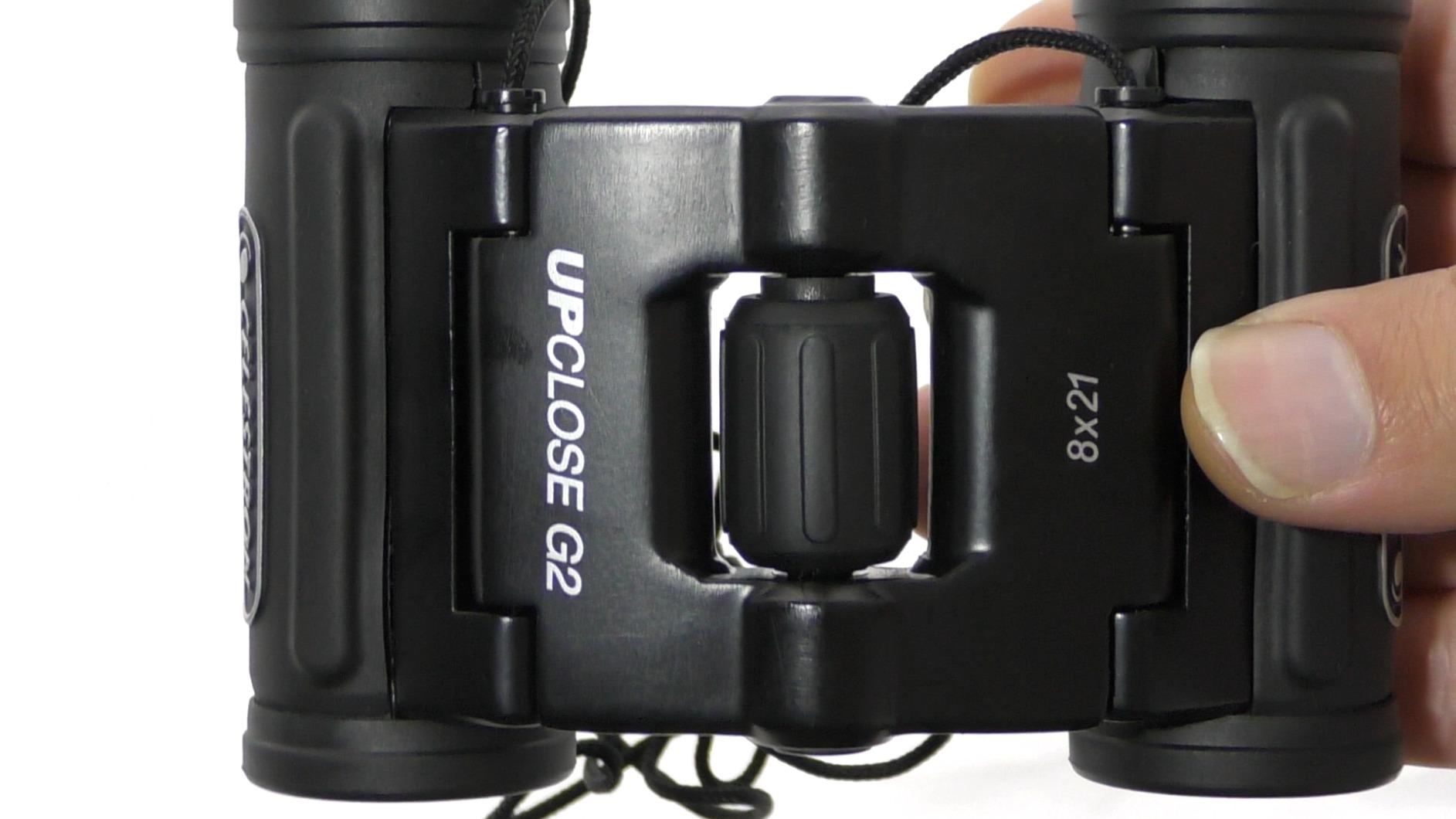
Thumb indents and finger ridges give it a better grip than smooth plastic barrels, and the warranty is a limited lifetime US warranty rather than a one-year term. For the money the image quality is genuinely good in daylight.
The list of shortcomings is long, though. Near focus bottoms out at about six meters, which is poor for the magnification and rules out close-up work. The focus wheel has play, the diopter ring turns too freely and drifts, and the body is light duty enough to feel flimsy at the ends.
Best as a low-cost spare or second pair
Most owners treat this one the way enthusiasts treat any compact: a second pair that lives in a car, a bag or a jacket so there is always something within reach. The warranty makes it an easy buy at this tier.
The 8×21 format suits daytime sightseeing where the subject is close and the light is good.
Not for close focus, weather or heavy handling
A six meter near limit means insects and close detail are out of reach, and the field shrinks noticeably with glasses on. Edges are also soft.
Water resistance with no nitrogen purge means it can fog internally during sharp temperature changes. For rain, cold mornings or rough handling, spend the extra on the Trailblazer or the Outland X.
12. Nikon TRAVELITE 8×25 – the Best for Shore-Excursion Birding
Nikon 8×25 Travelite Porro Prism Binoculars w/5.6 Deg Angle of View, Black
8x25
die-cast aluminum
47.5 degree field
fogproof
high-eyepoint design
Pros
- Sharp bright true-colour image that holds at the edges of the field
- True waterproof and fogproof with nitrogen purge and O-ring seals
- Very light and easy to hold all day
- High-eyepoint design with turn-and-slide eyecups helps glasses wearers
- Ideal 8x power and wide field for cruise and spur-of-the-moment birding
- Lifetime limited warranty
Cons
- Objective lens covers are not included
- 11.1 mm eye relief is still short for many glasses wearers
- Most expensive pick in this group
- Not the smallest of the compact class
The Nikon TRAVELITE is the compromise pick for a traveller who wants real optical performance and does not mind one more compromise to get it. Owners describe it as the sweet spot of price, ruggedness, portability and image quality, and a fair number have bought a second and third pair.
It is nitrogen-purged and O-ring sealed, rated waterproof to 2 m for five minutes and fully fogproof, on a die-cast aluminium body with rubber armoring. The multilayer coating and aspherical eyepiece lenses keep the image sharp right out to the edges of the field, which is where cheaper compacts fall apart.
The 47.5 degree field of view is broad for an 8x, and combined with 8x power it is the configuration birders actually reach for when something flushes on a path at forty yards. Several reviewers bought it specifically after a shore excursion turned into an hour of birding.
The high-eyepoint design with turn-and-slide eyecups helps with glasses, though 11.1 mm of eye relief is still short for many wearers and it is the third-most expensive pick here. Objective lens covers are not included, and it is not the smallest body in the class at 4.6 by 4.3 inches.
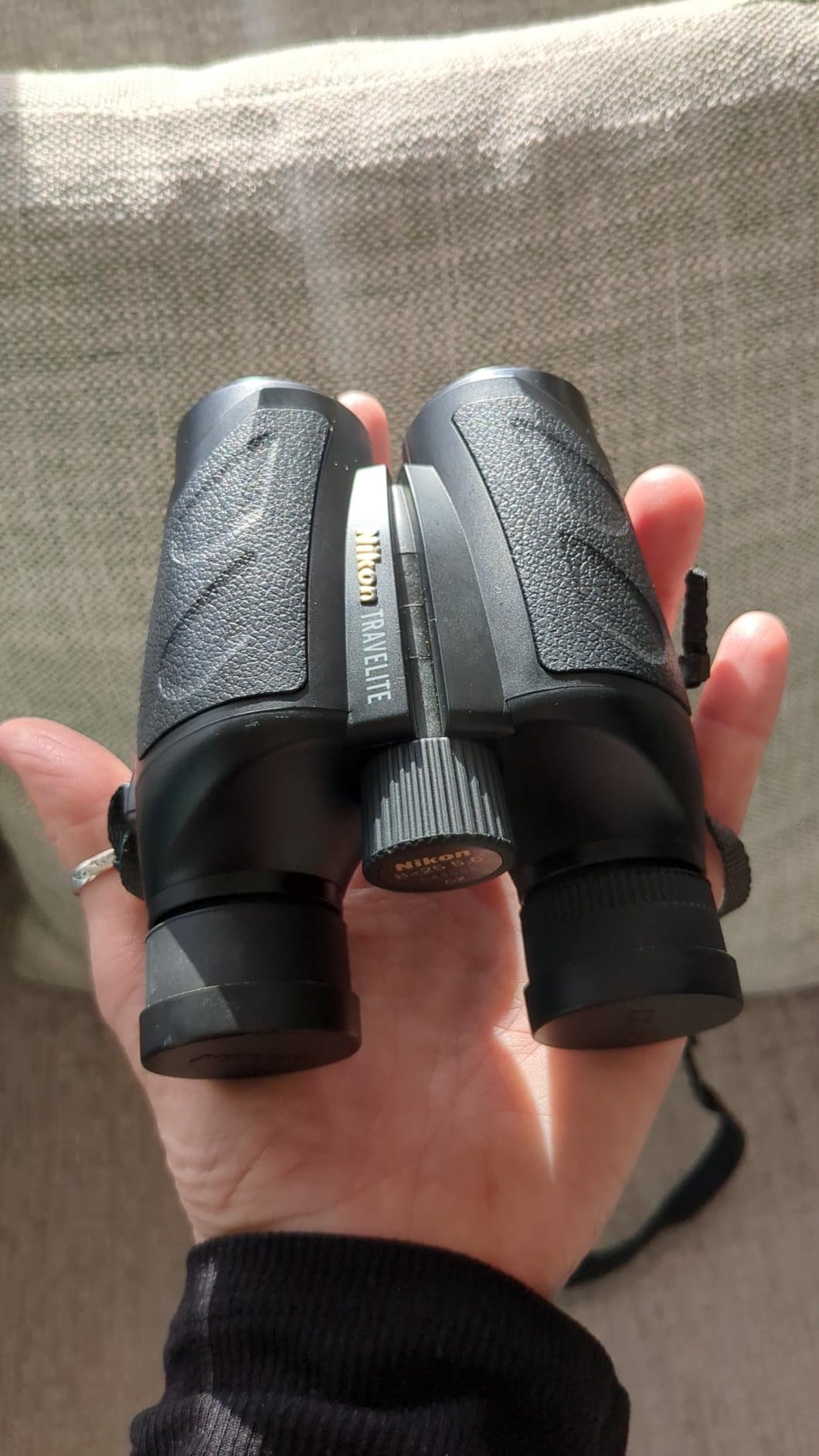
Best for birding that happens mid-trip
Shore excursions, wetland walks, forest trails and hotel gardens. Eight power with a wide field and edge-to-edge sharpness is the combination that turns a passing sighting into an identification.
Sealed for weather, light in the hand and covered by a lifetime limited warranty, it is also the pick we would hand to someone who will keep binoculars for a decade.
Not for the smallest bag or the tightest budget
It does not fold to pocket dimensions like the ultra-compacts, and it costs the most of the twelve. Carry-on volume is fine, jacket-pocket volume is not.
If you wear glasses and the eye relief is not enough, ask an optician for high-index lenses or fit the frames closer to your face before ruling it out.
How to Choose Compact Binoculars for Travel?
Magnification and objective lens: what each number costs you?
The first number is magnification, the second is the objective lens diameter in millimetres. Eight times 25 means objects look eight times larger, gathered through a 25 mm lens. Bigger numbers on both counts pull in opposite directions: more magnification narrows the field of view and shakes harder, while a bigger lens adds weight you came here to avoid.
For travel, 8x is the most usable ceiling without a support. Ten times is still hand-holdable for many adults and is the better choice for detail. Twelve times on a 25 mm objective, which several picks here use, is a marketing number more than an optical promise.
Why a small objective gathers roughly a third of the light?
Light gathering scales with the square of lens diameter. An 8×42 has 1,764 square millimetres of lens area; an 8×25 has 625. That is about 35 percent, or roughly one third, of the light. The consequence shows up at dawn, at dusk and under forest canopy, where a compact genuinely struggles and a full-size pair does not.
This is the trade every pocket binocular makes, and it is why most experienced users treat a compact as a grab-and-go second pair rather than a replacement. Our friends over at budget binocular reviews cover the larger-format end of the market if you need a serious primary pair.
Hinge design: single, double and center
A double-hinge bridge folds the barrels inward so the binocular collapses flat into a pocket. It is the most pocketable design and the most common complaint in forums is that it loses alignment and needs fitting to your eyes every time you raise it. A single-hinge or centre-hinge body is stiffer and stays aligned, but the body is thicker.
Pick double-hinge for jacket-pocket carry, and single-hinge for buses, boats and rough handling. The Aurosports here is the clearest example of the second approach.
Eye relief and glasses compatibility
Eye relief is the distance in millimetres between your eye and the lens, and it is the single number that decides whether you can wear glasses. Above about 14 mm most frames work fine. Below 11 mm you will be pressing the eyecup against your glasses and losing the edge of the field.
Only the Occer, at 20 mm, is comfortably glasses-friendly in this group. The Aurosports at 14.8 mm and the POLDR at 16 mm are workable. The Nikon A30, Celestron Outland X and Celestron UpClose G2 are not.
Waterproofing, fogproofing and nitrogen purge
Water resistant means rain beads off. Waterproof means sealed, and the honest test is a nitrogen purge, which stops internal fogging when you move between temperature extremes. On a cruise, a safari or a mountain trip, that transition happens several times a day, and fogged binoculars end up in the bag unused.
Truly sealed picks in this list: Nikon Trailblazer 8×25 ATB, Nikon TRAVELITE, Celestron Outland X, USCAMEL 8×21, Nikon A30 and the Occer. Everything else is water resistant at best.
Field of view, close focus and exit pupil
Field of view is quoted at 1000 yards and tells you how wide an area you see at once. Wide is better for finding things: the Trailblazer’s 429 ft leads this group, the Celestron UpClose’s 6 m near focus is the worst close-focus figure here. Exit pupil, calculated by dividing the objective diameter by the magnification, explains dimness: an 8×25 gives a 3.1 mm exit pupil, which is fine in daylight and tight at dusk.
Close focus matters if you want to look at butterflies, signs or market stalls from a few feet away. Most compacts here bottom out around two metres or more, so treat close-focus claims cautiously.
Which pick suits which trip type?
City sightseeing and architecture: 8x compacts with a wide field, so the Nikon Trailblazer or the TRAVELITE. Safari and game drives: sealed, bright and wide, so the Trailblazer 8×25. Museum, gallery and theatre: the POLDR 12X25, where the extra reach and solid body matter indoors.
Cruise and shore excursions: the Bushnell Powerview 10×25 for marine wildlife, or the TRAVELITE for birds. Stargazing: none of these, honestly. Kids and shared viewing: the Hontry 10×25, with its 60-75mm interpupillary range. Ultralight one-bag travel: the VULNESS at 5.6 oz.
When a compact binocular is the wrong tool?
If you are doing extended dawn birding, serious wildlife identification or any night-sky work, a compact gives up too much light. Step up to 8×32 or 8×42, or carry a compact as a second pair alongside something larger.
If you only ever travel by air and check everything into a hold bag, packability buys you nothing, and money is better spent on glass. The most common forum complaint is behavioural rather than technical: excellent binoculars get abandoned on hotel surfaces, and a pair you cannot find is not a pair you use.
How We Picked, and How to Set Up a New Pair?
We compared the twelve pairs above on the numbers that decide whether a compact works on a trip: real weight normalized to ounces and grams, published field of view, eye relief, prism glass and coating, sealing, folded size and warranty. Where a figure was not published by the maker, we have said so rather than estimating it.
Owner feedback carried a lot of weight, particularly on the things specifications never capture: whether eyecups hold position, whether a focus wheel develops play, and whether a body survives a drop onto a coach floor. Review counts are shown for every pick so you can see how much long-term feedback exists behind each verdict.
What to do in the first ten minutes?
Set the right-eye diopter ring first, by looking at a distant object and rotating until the image is sharp, then locking it.
Adjust the interpupillary distance by holding the binocular at arm’s length with both eyes open until you see one complete round image with no dark edge.
Match the barrels so both sides focus at the same distance, then confirm they still agree when you turn the focus wheel.
Collapse and re-open the hinge, then check alignment again. If the barrels have shifted, this pair is not a fit for you.
Set your eyecups before you need them, not in the dark.
Care and maintenance for travel
Lens caps fall off, and several picks here ship without objective covers. Buy a soft case with a padded interior and keep the pair in it rather than loose in a bag. Clean with the supplied cloth or a blower, never a shirt cuff, because a dry wipe grinds dust into the coating.
Let a temperature-changed pair sit at room temperature before opening the case. If binoculars have been left near a heater, a slow acclimatisation prevents condensation inside the barrels, which is exactly what the nitrogen purge is there to prevent.
Frequently Asked Questions
What are some good small binoculars for travel?
The best small travel binoculars here are the Occer 12×25 for most people, the Hontry 10×25 for the lightest share-everywhere pair, and the Nikon Trailblazer 8×25 ATB for wet weather. All three fold flat, weigh under 10 ounces and carry thousands of owner reviews.
Are 8×25 or 8×42 binoculars better?
It depends on where you use them. An 8×42 gathers about three times the light of an 8×25 and is far better at dawn, dusk and under canopy, but it is too heavy and bulky for a pocket. An 8×25 wins on packability, and most travelers use it as a grab-and-go second pair.
What is the best magnification for pocket binoculars?
Eight times is the most usable ceiling for a compact held without support, because higher powers shake and tunnel your field of view. Ten times is still hand-holdable for many adults and gives better detail on distant subjects. Twelve times on a 25 mm lens usually overstates what the glass can deliver.
Are pocket binoculars worth it?
Yes, when being carried is the problem. A compact you have in your pocket gets used dozens of times a day, while full-size binoculars left in a suitcase see nothing. They are not a replacement for a full-size pair, and they are genuinely dim at dawn and dusk because a small lens gathers roughly a third of the light.
What binoculars do bird watchers recommend for travel?
Birders usually want 8x power with a wide field of view, which points to the Nikon Trailblazer 8×25 ATB at 429 ft at 1000 yards and the Nikon TRAVELITE with its 47.5 degree field. Both are nitrogen-filled and fogproof, which matters for early mornings. Budget birders often add a small 10×25 for details.
The Best Compact Binoculars for Travel in 2026
Three picks earn their place in a carry-on. The Occer 12×25 is the best compact binoculars for travel overall: the widest eye relief in the group at 20 mm means every glasses wearer in the family can use it, and 33778 reviews make it the most proven pair we tested. The Hontry 10×25 is the value pick at 9.6 ounces with a 60-75mm interpupillary range that suits sharing.
The Nikon Trailblazer 8×25 ATB is the one to buy if weather is part of the trip. Nitrogen-filled, O-ring sealed and the widest field of view here at 429 ft at 1000 yards, it is the pick for safaris, boat decks and rain.
Work out how often you will actually use them before spending. Somebody who takes six or seven trips a year amortises a premium pair almost immediately, while a once-a-year traveller gets more out of the middle of this list. And whichever you buy, wear the strap rather than leaving the pair on a hotel surface, because the most expensive binocular in the world is one you cannot find. If you want the long-range counterpart, our rangefinder binocular guide covers the measuring options.