
If your driver swing speed sits below roughly 90 mph, the best golf drivers for slow swing speeds are not the same clubs tour players use. They are high-loft, high-MOI heads with light, low-torque shafts that keep the ball in the air long enough to produce real carry distance. The right club can be worth 15 to 25 yards of carry to a slower golfer, and the wrong one can take those yards back even if it is a premium model.
After comparing ten current drivers and reading through hundreds of owner reviews, three stand out. The TaylorMade SIM2 MAX is our overall pick for slow swing speeds because it holds ball speed on mishits better than anything else here. The Intech Behemoth 520cc is the value pick, delivering the biggest sweet spot on the page. The Money Club High Launch 520cc is the budget pick if your shots fall out of the air, because 12.5 degrees of loft is the cheapest launch fix on the tee.
A few definitions first, because these four numbers decide which club you should buy. Clubhead speed is how fast the club is moving at impact. Ball speed is how fast the ball leaves the face, typically around 1.5 times your clubhead speed. Smash factor is the ratio between the two. Launch angle is how high the ball starts, and spin rate is how fast it stops climbing. A slow swinger needs a high launch angle and enough spin to hold the ball up, because carry distance comes from staying airborne, not from raw speed.
We keep the test story honest here: we compared ten drivers against the published specifications, owner review themes and fitting logic for slow swingers, and we call out where the data stops and the judgement starts. Every number quoted in each section comes from the manufacturer specification or the owner review record. Update for 2026.
Table of Contents
Top 3 Picks for Slow Swing Speeds (October 2026)

TaylorMade SIM2 MAX
- Forged ring construction
- SIM Inertia Generator
- Speed Injected Twist Face

Money Club High Launch 520cc
- 12.5 degree loft
- 520cc oversized head
- Senior lite flex graphite
The SIM2 MAX takes the top slot because it is the only head in this group that combines a large profile, a forgiving sole and a face designed to protect ball speed on low-face strikes. The Behemoth wins on volume per dollar, and the Money Club High Launch 520cc wins on launch and ball height for the least money.
Quick Overview: Every Driver in This Roundup
| Product | Specifications | Action |
|---|---|---|
| TaylorMade SIM2 MAX Driver |
|
Check Latest Price |
 Intech Behemoth 520cc Driver Intech Behemoth 520cc Driver |
|
Check Latest Price |
| Money Club High Launch 520cc Driver |
|
Check Latest Price |
 Cleveland Launcher XL 2 Draw Cleveland Launcher XL 2 Draw |
|
Check Latest Price |
 Cobra DarkSpeed X Driver Cobra DarkSpeed X Driver |
|
Check Latest Price |
 Cobra DS-Adapt MAX-K Driver Cobra DS-Adapt MAX-K Driver |
|
Check Latest Price |
 Cleveland HiBore XL Lite Driver Cleveland HiBore XL Lite Driver |
|
Check Latest Price |
 Cleveland Launcher XL 10.5 Degree Driver Cleveland Launcher XL 10.5 Degree Driver |
|
Check Latest Price |
 Majek K-Series Women’s 12.5 Degree Driver Majek K-Series Women’s 12.5 Degree Driver |
|
Check Latest Price |
 Powerbilt Blackout Max Women’s Driver Powerbilt Blackout Max Women’s Driver |
|
Check Latest Price |
Five of these ten are non-conforming or oversized, two are built specifically for shorter or slower swings, and three carry adjustable hosels. That mix is deliberate: a slow swing speed golfer needs a high-loft head, but there is no reason to accept a non-conforming club unless casual play is the goal.
1. TaylorMade SIM2 MAX Driver – Best Overall for Slow Swingers
TaylorMade Golf SIM 2 MAX DRIVER 10.5 DEGREE MENS RIGHT HAND GRAPHITE STIFF
10.5 degrees loft
Titanium construction
1 year plus 2 year manufacturer warranty
Pros
- Best forgiveness in the bag on toe and heel strikes
- Turns a fade or slice into a straighter ball flight
- Adds distance and accuracy off the tee
- Pleasing sound and feel on centre-face strikes
Cons
- Stiff flex suits higher swing speeds than the slowest swings
- Torque wrench not included for hosel adjustments
- Some support experiences reported after shaft issues
The SIM2 MAX is the most thoroughly reviewed driver in this roundup, with 736 owner ratings averaging 4.5 stars, and the review pattern is remarkably consistent. Owners with slower or less consistent swings report better accuracy and more distance than with older drivers. That is exactly the profile of the golfer this guide is for.
Three technologies do the work. The forged ring construction is milled from lightweight high-strength aluminium and paired with a full carbon sole, crown and back cup face. The SIM Inertia Generator is an asymmetric mass position designed to raise clubhead speed through geometry and aerodynamics rather than raw weight. The Thru-Slot Speed Pocket is a flexible sole structure that adds forgiveness on low-face strikes, the exact miss a slower swinger makes most often.
The Speed Injected Twist Face is calibrated close to the legal speed limit, which means off-centre hits lose less ball speed than a basic cast face would. Reviewers mention this as a pure forgiveness effect: a strike five millimetres off centre still carries.
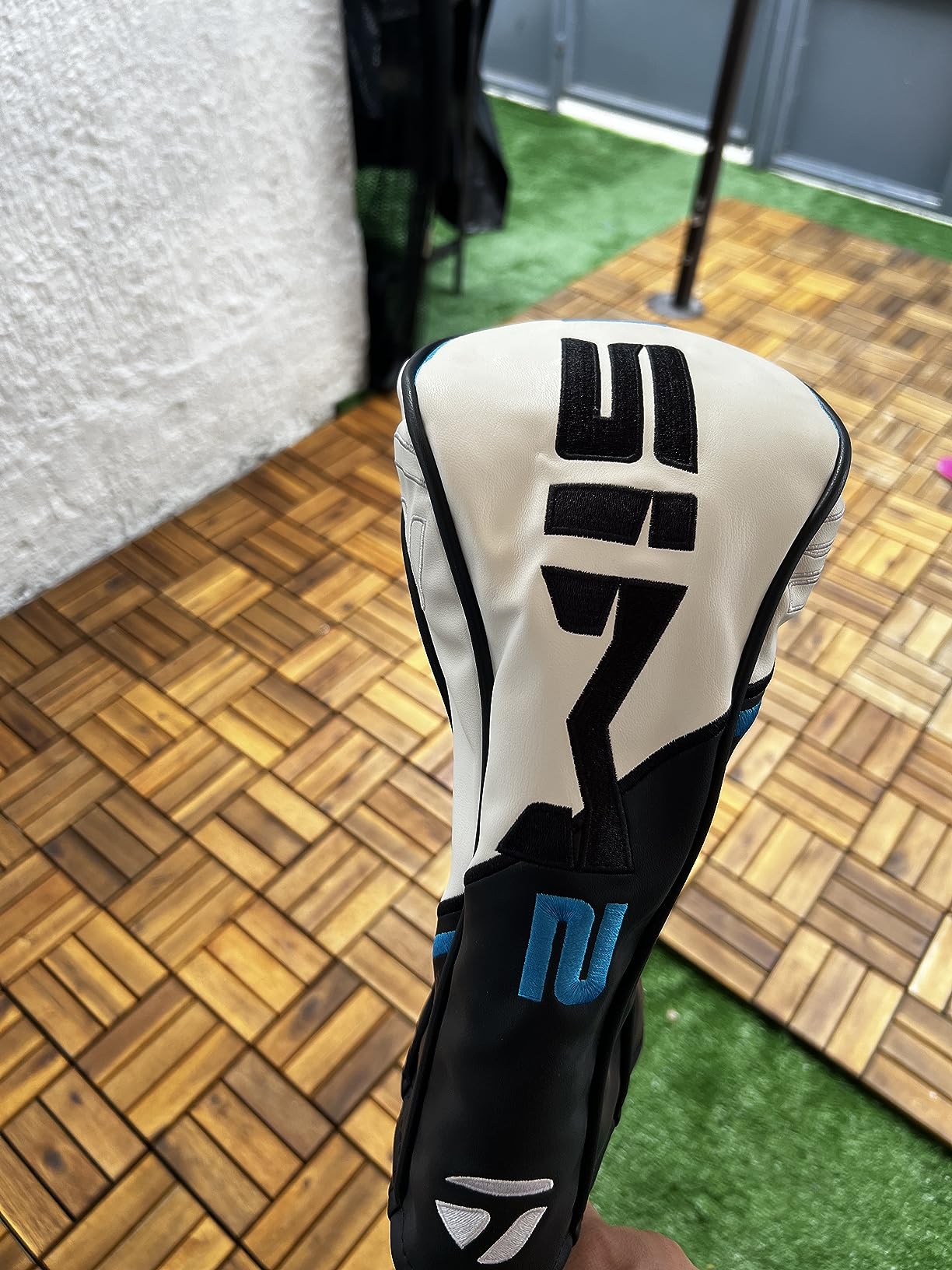
One specification deserves attention for this audience. The standard build is a stiff flex Ventus Blue shaft, and stiff flex is a poor match for the slowest swings. Owners at that end of the speed range should ask for a regular or senior flex build of the same head, because the head is doing the work while the shaft is doing the damage. If you cannot change the shaft, at least know what you are swinging.
It also ranks first in Golf Club Drivers, which tells you how much of the market has settled on this head. Two details to plan for: the torque wrench for hosel adjustment is not in the box, and a few owners reported support friction after a shaft problem. Neither is a dealbreaker for a club this well reviewed.
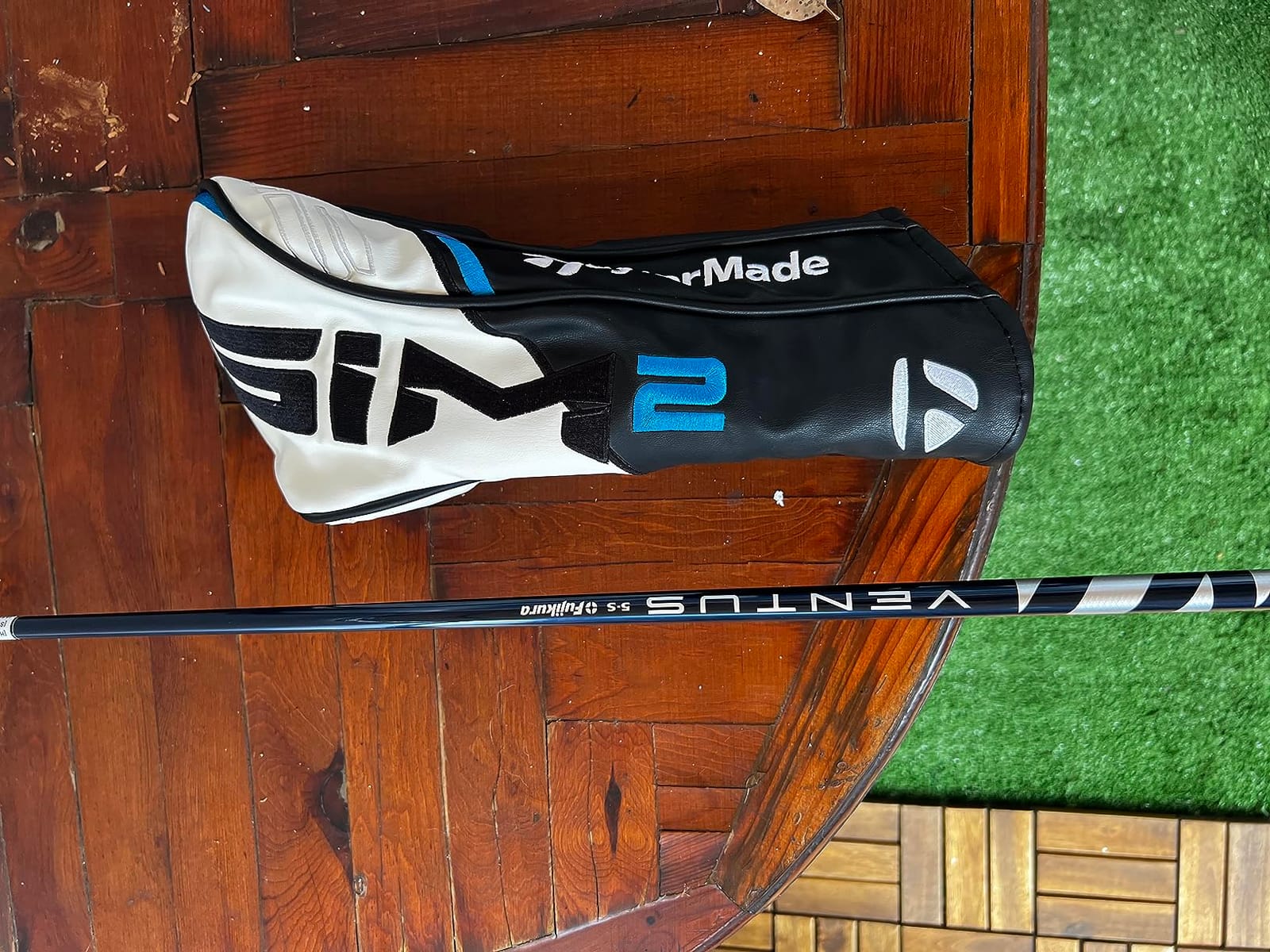
Why slow swingers rate this head so highly?
Forgiveness on this head comes from perimeter mass rather than a small face. A larger, deeper profile preserves more of your speed when the ball is not struck in the centre, and the speed pocket adds recovery on downward strikes specifically. For a golfer who mishits off the tee more often than not, that is the difference between a playable drive and a lost one.
Reviewers also credit the ball flight change. Fades and slices that used to run out of bounds now finish near the fairway edge, which is worth more than raw distance on a course where the rough is the real penalty.
Who should skip this driver?
Skip it if your swing speed is in the low band and you are buying this exact stock build. The stiff flex will cost you launch, and launch is the one thing you cannot afford to lose. This head is also not a draw-bias club, so a pure hooker should look at the Cleveland Launcher XL 2 Draw or the DS-Adapt MAX-K instead.
2. Intech Behemoth 520cc Driver – Best Value Oversized Head
Intech Behemoth Non-Conforming Driver, Right Handed, Senior Flex, 10.5°
520cc head
10.5 degrees loft
Senior flex graphite shaft
Pros
- Very forgiving oversized head keeps shots straight on a sloppy swing
- Senior flex graphite shaft suits slower smoother swings
- Large sweet spot produces long straight tee shots
- Headcover included
Cons
- Non-conforming head cannot be used in tournament play
- Senior flex does not transfer power from aggressive swings
- Clubface is difficult to control and can produce slices
- Some durability complaints about the club snapping
The Behemoth is the head to buy if your budget is the first constraint and your swing speed is genuinely slow. It carries 500 owner ratings averaging 4.0 stars, and the review summary is blunt about who it suits: beginners, seniors and anyone returning to the game after a long layoff.
The engineering is unconventional and that is the point. At 520cc the head exceeds the USGA maximum volume by 13 percent, which is illegal for tournament play but produces a sweet spot far larger than any legal driver. The MOI from that volume keeps toe and heel strikes close to the intended flight. The body is military grade 6061 aluminium rather than titanium, which is where the low cost comes from.
Specification-wise it is a 10.5 degree loft, right-handed, senior flex graphite, 58 degree lie angle, with a one year warranty against manufacturer defects. The 58 degree lie is worth flagging: a more upright lie suits golfers who stand closer to the ball, which is common among seniors.
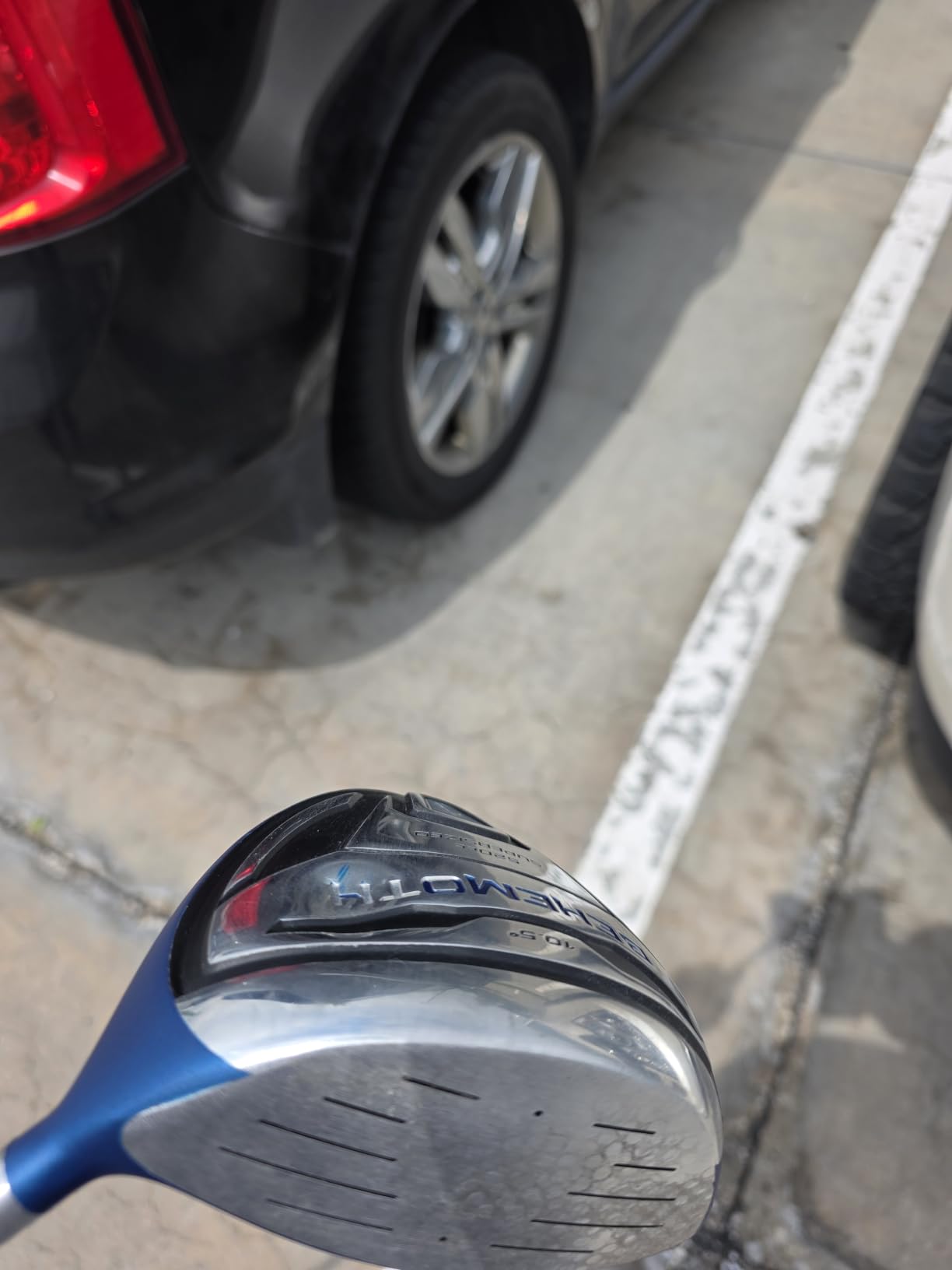
Owners report longer, straighter drives than they got from cheap club sets, and the senior flex shaft is described as easy to load. The tradeoff is obvious once you hit it: senior flex absorbs an aggressive swing rather than releasing it, so if you still have pace in your hands you will leave speed on the table.
It also ranks fourth in Golf Club Drivers, so the volume of feedback is large enough that the pattern is trustworthy. Durability is the one real complaint, with a small number of reports of the club snapping. If you swing hard, buy the warranty conversation first.
Where the 520cc volume actually helps?
The advantage is measurable in the way that matters for a slow swinger: a mishit loses less. With a 460cc legal head, a strike on the toe produces a shot that curves and loses speed. With a 520cc head, more of that speed survives and the ball starts closer to your intended line. For recreational rounds that is a bigger gain than any shaft change.
The second benefit is confidence. A larger head looks bigger on the tee, and golfers who avoid the driver entirely tend to gain distance simply by hitting it more often.
Who should skip this driver?
Skip it if you play in tournaments or leagues with conforming clubs, because the head volume is illegal by rule. Also skip it if you hook the ball or already hit a draw, since the volume does not add bias but the forgiveness alone will not fix a left-side miss.
3. Money Club High Launch 520cc Driver – Best High-Launch Pick
Senior Men’s Money Club High Launch 520cc 12.5° Golf Driver. Right Handed Premium Ultra Forgiving Senior Lite Flex Graphite Shaft with Tour Velvet Grip
12.5 degrees loft
520cc oversized head
Senior lite flex graphite shaft
Pros
- High 12.5 degree loft produces good height on slow swings
- Large 520cc head gives a big sweet spot and consistent fairway hits
- Forgiving shaft and lightweight build suit returning senior golfers
- Good quality grip and strong value
Cons
- Bottom of the club described as cheap plastic
- Less distance than premium drivers
- Can feel unforgiving when the face is not struck centrally
If you have watched your shots fall out of the air, this is the loft answer. At 12.5 degrees it launches higher than anything else in the roundup, and owners with slow swings consistently report good height and fairway results from it. It carries 152 ratings averaging 4.0 stars.
The build is simple and aimed straight at the target golfer: 520cc oversized head, right-handed, premium lightweight graphite shaft in senior lite flex, with a premium black velvet grip. The 520cc volume is non-conforming to USGA standards, the same trade the Behemoth makes, and for the same reason.
The high loft matters because launch angle and spin work together. More loft produces more spin, and more spin at a given speed keeps the ball aloft longer. For a golfer in the 70 to 85 mph band, that is often worth more than any technology the head contains.
Owners are positive and realistic. Seniors returning to the game like the high launch, the big head and the easy swing. The critical notes are about build materials and the gap in distance against higher end drivers. A few mention that the adjustment period at setup takes a few holes to settle, which is normal with a loft this high.
Why high loft beats a fancy head at slow speeds?
Carry distance is a function of launch angle, spin rate and ball speed together, and the launch window shifts with speed. A fast golfer who puts a 12.5 degree head on a 105 mph swing gets a towering ball that stops dead. A slow golfer putting a 9 degree head on a 75 mph swing gets a low, rolling shot that runs out of fairway. Same club, opposite result.
This is the single most common mistake in the slow-speed category, and it is why a plain high-loft head can outperform a premium low-loft head for this audience. It is also why every driver in the 70 to 85 mph band should be tested at 12 degrees or more before purchase.
Who should skip this driver?
Skip it if you already generate plenty of launch, because this much loft will balloon your spin and leave you with a towering shot that lands short. It is also a driver for right-handed golfers as listed, so confirm your lead hand and the available configuration before you commit.
4. Cleveland Launcher XL 2 Draw – Best for a Straighter Ball Flight
Cleveland Golf Launcher XL 2 Driver, Graphite, Regular, 9 Degrees (Draw), Right Hand
9 degree draw loft
MainFrame XL face
Adjustable hosel with 12 positions
Pros
- Very forgiving and lands in fairways even on off centre strikes
- Draw bias and adjustable hosel help correct slicing shots
- Counterbalanced feel keeps the club light and stable
- Strong build quality for the money
Cons
- Adjustment wrench sold separately so settings cannot change out of the box
- Distance is in line with other drivers rather than a clear gain
- Some reports of shaft breakage
This is the driver to buy if your problem is direction rather than distance. The Launcher XL 2 Draw combines a draw-bias head with an adjustable hosel, and owners consistently report straighter, more accurate results, including from seniors and moderate-speed golfers who had been fighting a slice.
The technical story is a low and deep weight profile that packs more MOI than the previous generation, plus a MainFrame XL face with a variable thickness pattern that flexes at impact. The Rebound Frame uses alternating flex and rigid zones so more energy reaches the ball on each strike. An 8 gram Action Mass counterbalance sits in the end of the shaft, which is what makes the club feel lighter on the takeaway than its actual weight suggests.
The adjustable hosel offers 12 positions covering loft, face angle and lie angle. The catch is important for slow swingers: the wrench is sold separately, so the adjustability is theoretical until you buy the tool. Plan for that before you rely on it.
It is listed as a 9 degree draw configuration in right-handed graphite regular flex, at 45.5 inches. Reviewers praise the forgiveness and value, and note that distance is competitive rather than exceptional. For a slice-prone slow swinger, being in the fairway matters more than an extra five yards.
When draw bias is the right fix?
A draw bias moves the effective strike point toward the heel, which produces a leftward starting line. If your misses are right of target, this is a direct mechanical correction rather than a coaching fix. Golf Monthly, one of the sources cited in the current search results, treats draw bias as a genuine category for slower players, and the owner reviews here back that up.
Pair the bias with the hosel. If 9 degrees with draw is too much loft, the 12 positions let you dial the effective loft upward, and slow swingers usually need the extra loft more than they need the closed face.
Who should skip this driver?
Skip it if you already hook the ball or if you fade as a miss and fight a hook when you try to correct it. Extra bias in that situation makes the problem harder. Also buy the torque wrench, because a hosel you cannot adjust is a loft you have to live with.
5. Cobra DarkSpeed X Driver – Best for Workability and Shape Changes
Cobra Golf DarkSpeed X Driver
9 degree loft
60 gram graphite stiff shaft
2 year manufacturer warranty
Pros
- Excellent balance and feel through the swing
- Forgiving sweet spot with reported gains of 30 to 50 yards over cheaper clubs
- Adjustable loft settings let golfers correct a fade or draw
- Distinctive sound and appearance at address
Cons
- Some orders arrive without the headcover
- Stiff graphite shaft weight may feel heavy for very slow swings
- Blade style head is less forgiving than a mallet
The DarkSpeed X is the pick for golfers who want to move the ball in both directions. Reviewers highlight the feel through impact, the adjustability and large reported distance gains over entry level clubs, with strong satisfaction among beginners and mid-handicap players. It holds a 4.5 star average across 59 ratings.
The head is a blade profile with a refined aerodynamic shape designed to reduce drag, and a larger PWRSHELL face using H.O.T Face technology for ball speed and spin consistency across the face. A 9 degree loft with adjustable settings gives you room to add loft later, which matters if your speed turns out to be lower than you thought.
The shaft that comes with it is Project X HZRDUS Black Gen 4 at 60 grams in stiff graphite. That is a real consideration here. Owners did report distance gains, but the reviews also flag that the shaft weight can feel heavy for very slow swings, and a blade profile is naturally less forgiving than a mallet.
The most common complaint is trivial and easy to plan around: some orders arrive without the headcover. The build is otherwise complete, with a two year manufacturer warranty behind it.
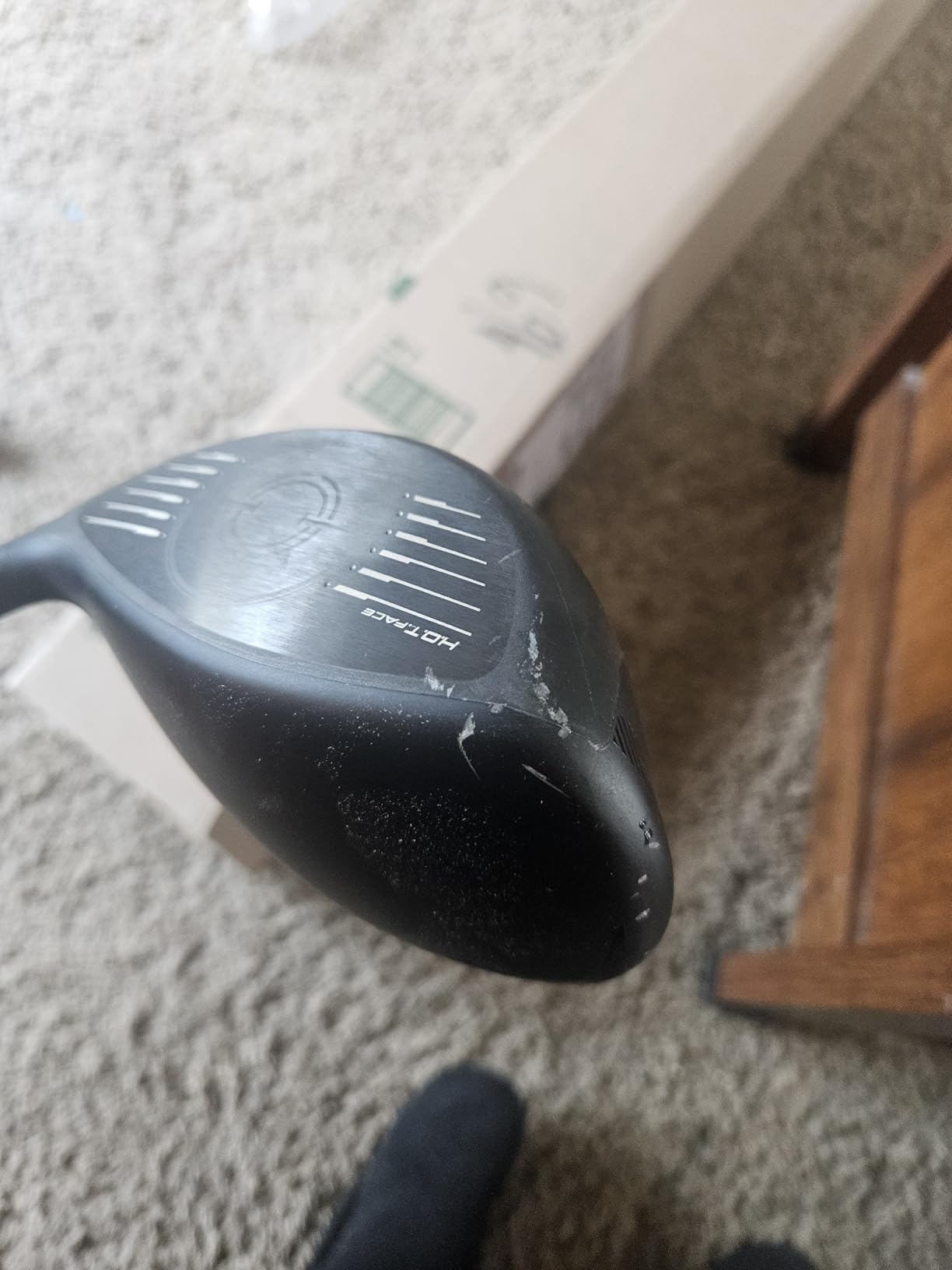
What makes this club interesting for slow swingers is the combination of workability and speed. A blade that launches well and holds direction gives you a club that responds to a change in swing rather than fighting it. If your speed is on the edge of the slow band and you want to keep options open, that is worth a look.
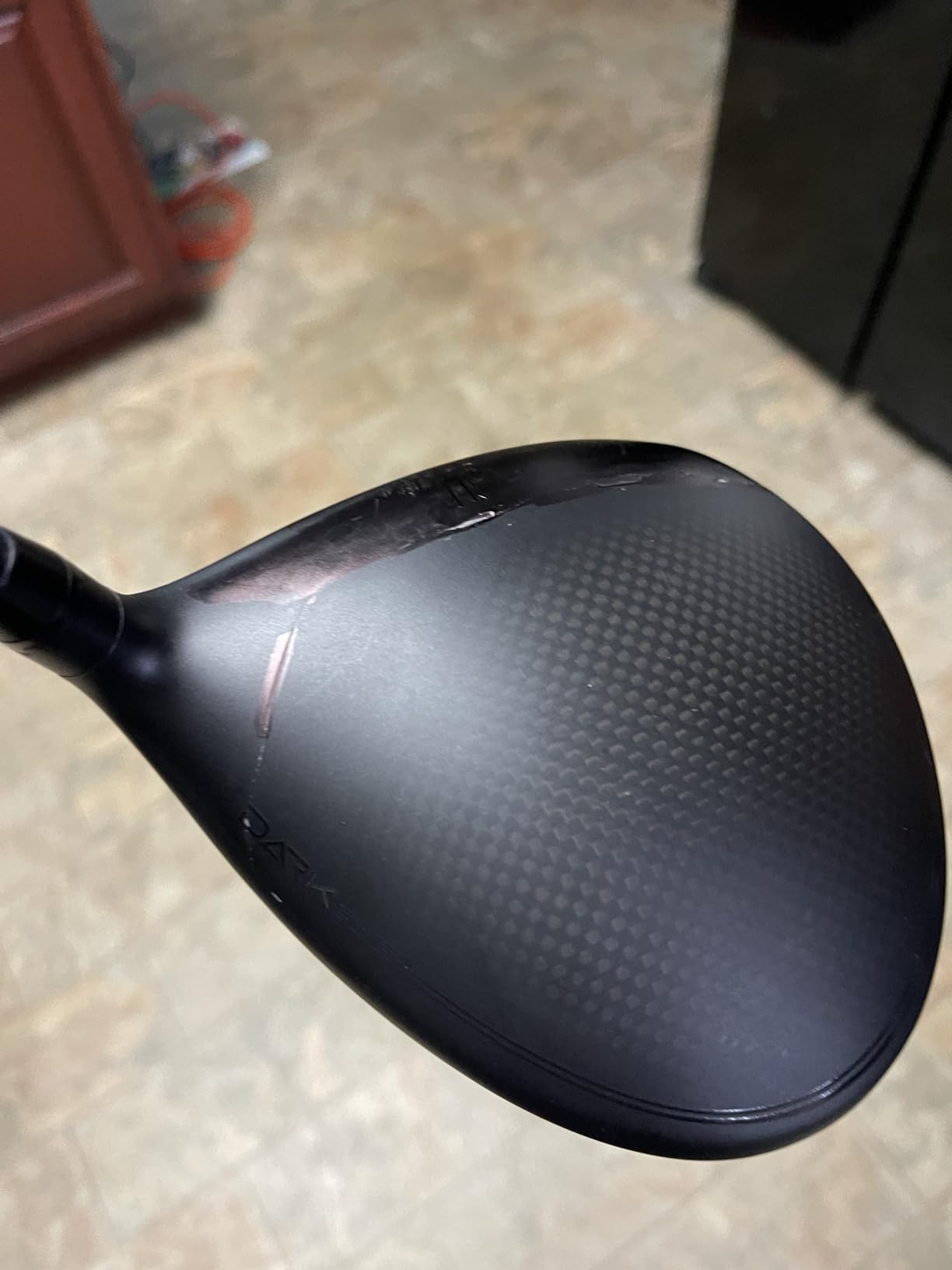
What workability means for a slower swing?
A workable driver lets you change the flight by changing the swing path, which is a bigger advantage than it sounds when you are new to a modern head. Combined with adjustable loft, it means one club can cover both a fade correction and a straight draw without buying a second driver.
It also lets you chase distance. If you are hitting a 9 degree blade and want more, you can test a higher setting rather than guessing at a new purchase. Owners who report 30 to 50 yard gains over cheaper clubs are often describing exactly this: a head that rewards a decent swing with speed.
Who should skip this driver?
Skip it if your priority is maximum forgiveness. A blade profile gives up stability compared with the mallets in this roundup, and at slow swing speed forgiveness is worth more than feel. Skip it too if you are firmly in the slowest band and will not request a lighter shaft.
6. Cobra DS-Adapt MAX-K Driver – Best for Hooks and Fine Fittings
Cobra Golf Darkspeed Adapt MAX-K Driver
10.5 degrees loft
460cc mallet head
MOI up to 10000
Pros
- Very easy to hit straight from the neutral hosel setting
- Long and forgiving for a mallet head at this level
- Helpful for golfers who hook the ball off the tee
- Headcover and adjustment tool included in most shipments
Cons
- Regular flex may be too firm for the slowest swings
- Some arrive dirty dented or without the adjustment wrench
- Packaging can be minimal rather than protective
The DS-Adapt MAX-K is the most adjustable club here, and for a slow swinger that is not a gimmick. The FutureFit33 hosel gives 33 loft and lie settings, and for the first time in this product family loft and lie can be adjusted independently of each other by plus or minus 2 degrees, with the face angle held square in any position.
The MOI figure is the headline number. Owners and the specification both point to a combined MOI of up to 10,000 in the 9.0 and 10.5 degree models, with 9,800 in the 12.0 degree, delivered by an external fixed back weight and an internal back weight pad that position the centre of gravity low and back. It is a 460cc mallet in a right-handed regular graphite build on a True Temper Denali Blue 60 shaft.
Reviewers report straight, forgiving drives from the neutral setting, with regular flex users and seniors among the satisfied group. The negatives are about the shipping experience rather than the club: some arrive dirty, dented or without the adjustment wrench, and the packaging is minimal.
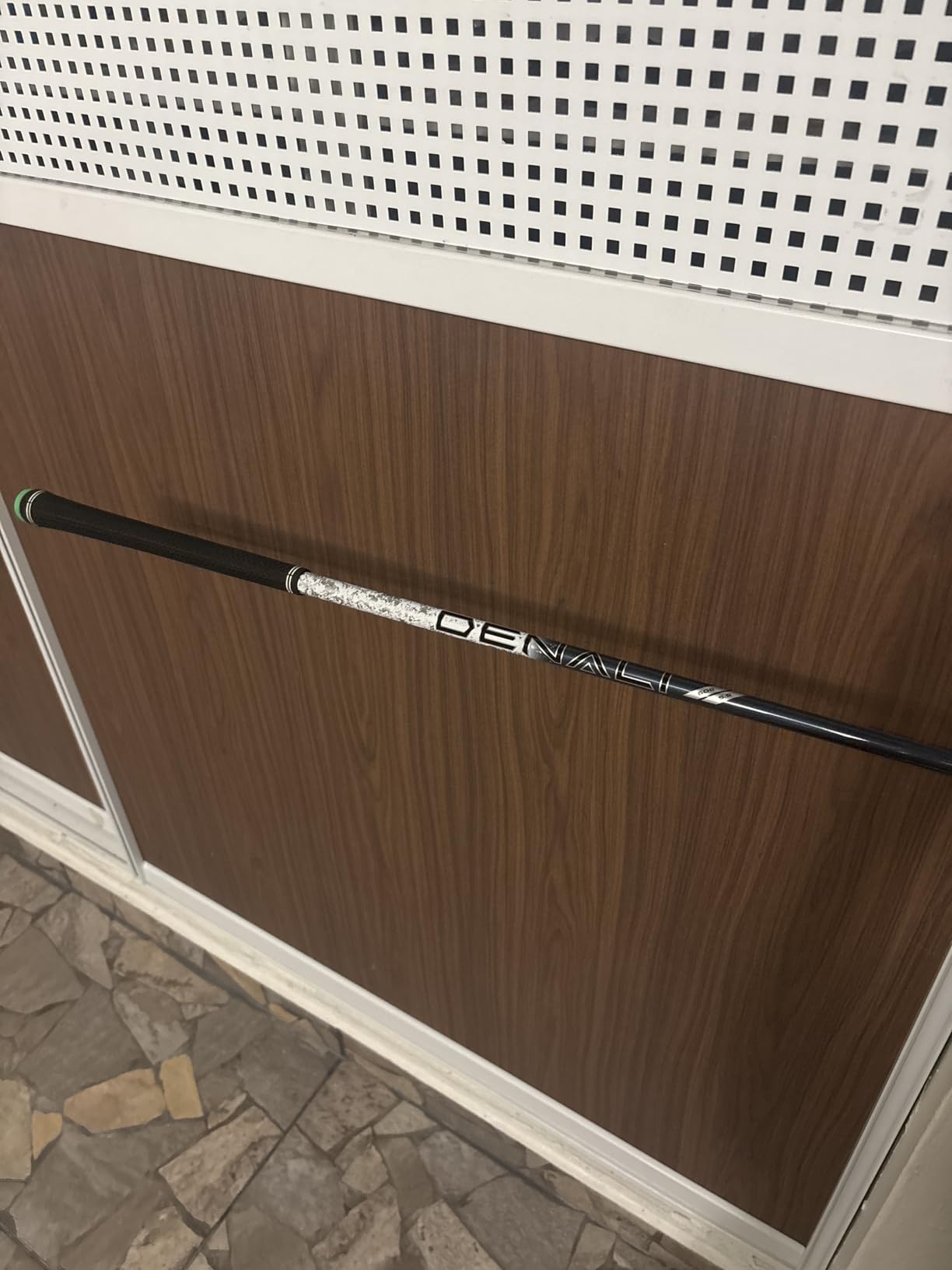
Because loft and lie move independently, this is the club to buy when you are not sure whether your problem is launch or face angle. Start at neutral, add loft if the ball falls flat, and open or close the lie without losing the loft setting. That is a genuine fitting tool rather than a marketing line.
It also ranks second in Golf Club Drivers, which means the volume of real-world feedback on this head is substantial. The review base is smaller than the SIM2 MAX, at 44 ratings averaging 4.3, so treat the fine details as less certain.
When independent loft and lie adjustability pays off?
Most slow swingers have one of two problems, and they need different corrections. If the ball flies low and short, the fix is loft. If the ball starts well away from the target regardless of loft, the fix is lie angle. A hosel that couples the two settings forces you to trade one problem for the other.
This head separates them, which is why it is our pick for golfers whose misses are directional rather than simply short. It is also the best option here for a hooker who wants to open the face without adding loft.
Who should skip this driver?
Skip it if you are in the slowest band, because the regular flex shaft is likely too firm for you and there is no draw bias to help a hook. A custom senior flex build of the same head would fix that, but buying off the rack and living with it is a poor trade.
7. Cleveland HiBore XL Lite Driver – Best Lightweight Build
Cleveland Golf HiBore XL Lite Driver, Graphite, Regular, 10.5 Degrees, Right Hand
10.5 degrees loft
460cc head
32g lighter than the standard HiBore XL
Pros
- Lightweight build helps slower swingers generate more clubhead speed
- Extremely forgiving with toe shots staying fairly straight
- Draw bias nearly eliminates slices for many golfers
- Reported distance gains of 10 to 60 yards over older drivers
Cons
- Draw bias can turn an existing hook into a problem
- Some arrive with a poorly fitted or torn grip
- Plain unappealing styling at address
The HiBore XL Lite is built around a single idea: take weight out of the club so a slower swing can be accelerated. It is constructed 32 grams lighter than the standard HiBore XL, and that figure is the whole pitch. Reviewers with slower swings and older players report strong distance and accuracy gains and strong slice correction, across 41 ratings averaging 4.3.
Beyond the weight saving, the head uses an AI design-assisted chassis with one of the largest ball striking areas in the category, plus internal draw-biased weighting for players fighting a slice. The MainFrame XL variable thickness face maximises flex at impact to enlarge and reshape the sweet spot, and the ACTIVWING airfoil is designed to stabilise the clubhead through the downswing and guide the face into a better strike position.
Adjustability comes from a 1.5 degree hosel sleeve, which is a modest but useful amount of loft, face and lie tuning. The build is right-handed, 10.5 degrees, regular flex graphite, 460cc, with a one year manufacturer warranty.
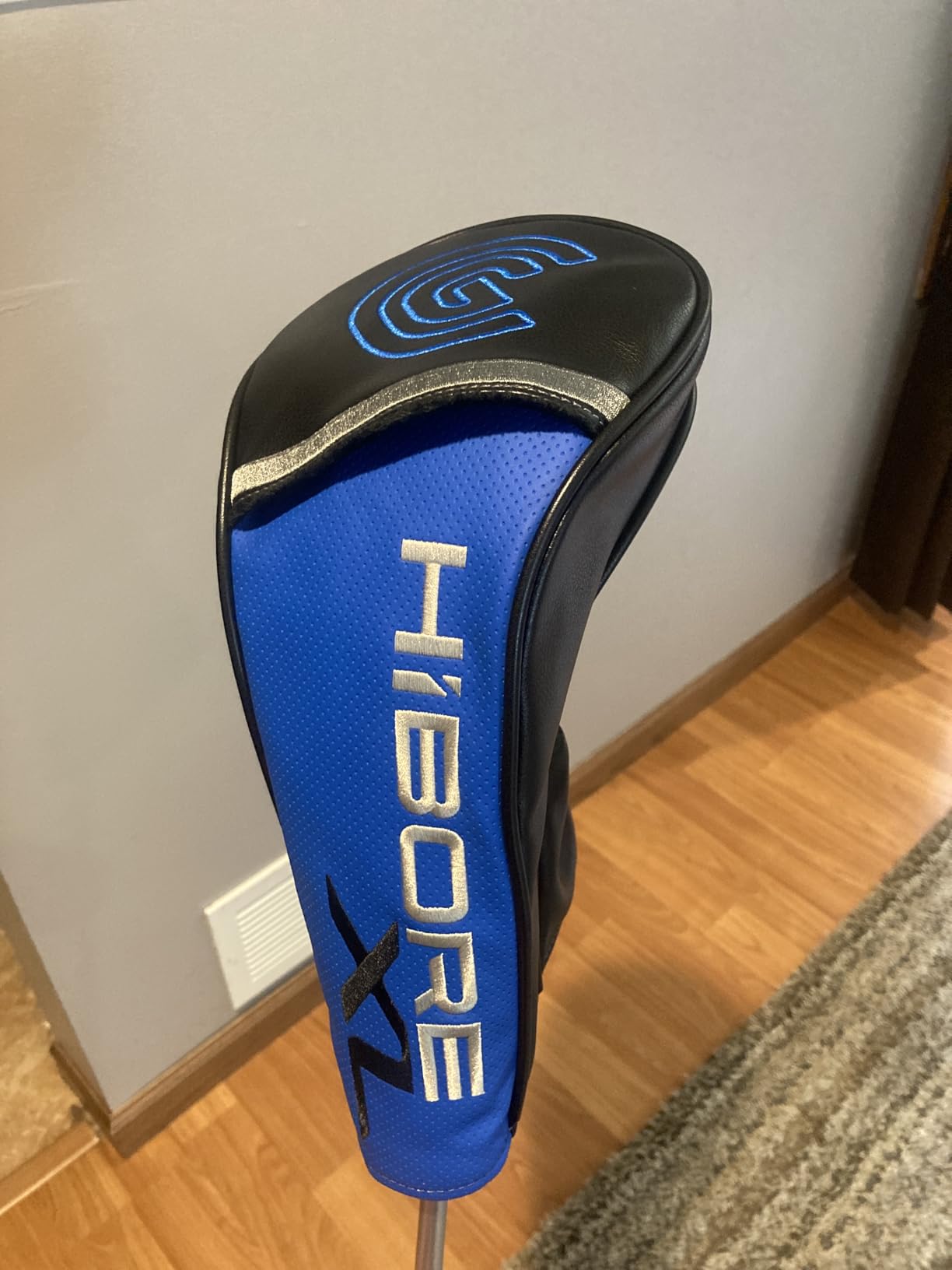
The reported distance gains range widely, from 10 to 60 yards over an older driver, and the honest reading is that the size of the gain depends entirely on what you were hitting before. Moving from an entry level or oversized non-conforming head to a legal 460cc will not produce that kind of jump. Moving from an old 40 gram shafted club will.
Grip assembly is the practical complaint, with some arriving poorly fitted or torn. Inspect it on arrival rather than assuming it is fine.
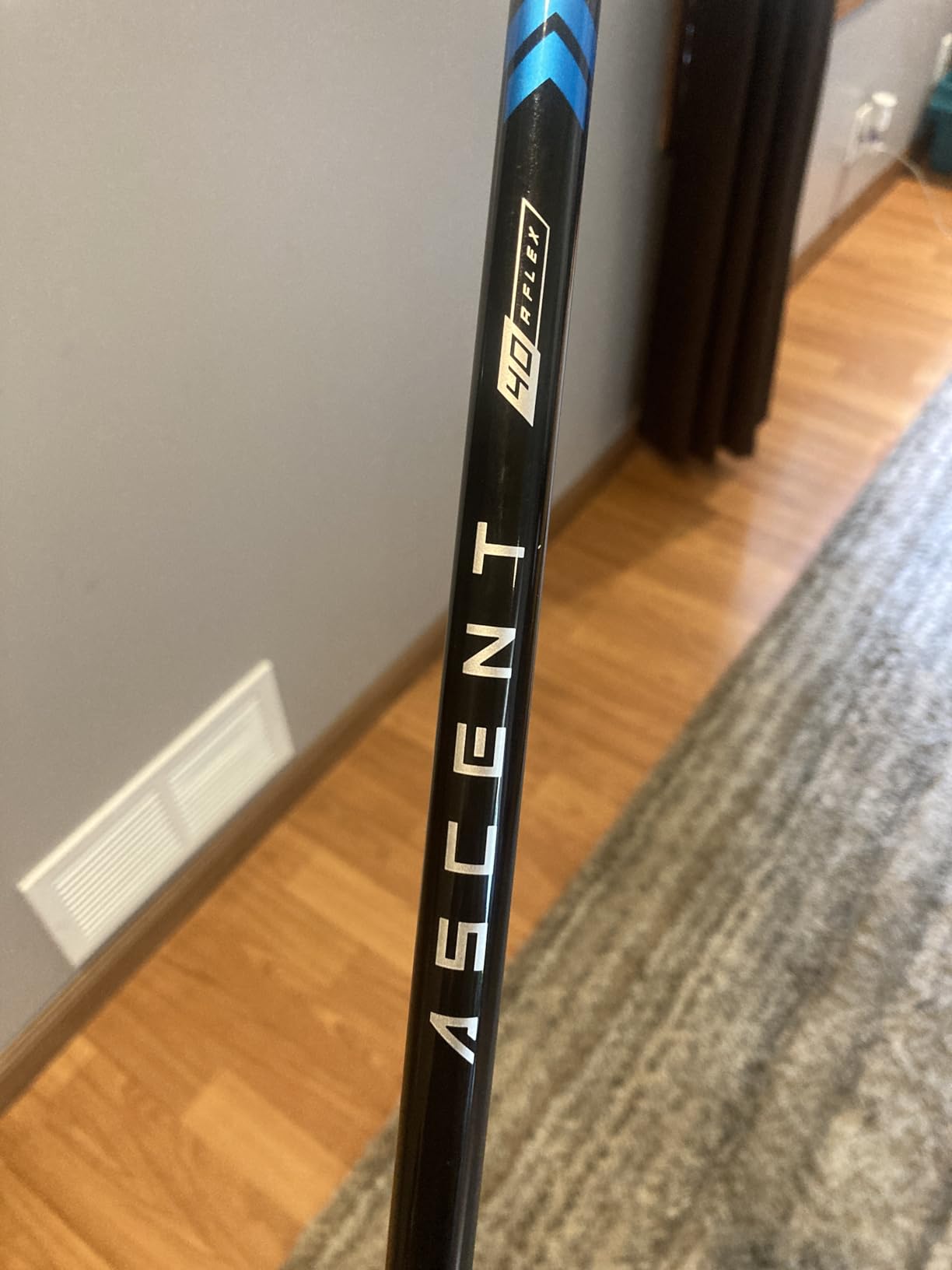
When a lighter build genuinely adds speed?
Lighter clubs help when the weight is the thing slowing the downswing. A 32 gram saving across the whole club is meaningful for a golfer who already struggles to accelerate, and the lighter takeaway often produces a faster transition as a side effect. That is why the weight saving and the draw bias work well together here: one adds speed, the other fixes the resulting miss.
The ACTIVWING is a quiet contributor. Stabilising the head through the downswing means the face arrives square more often, and a square face is a faster ball even at the same swing speed.
Who should skip this driver?
Skip it if you already hook the ball, because the internal draw bias will exaggerate it. Skip it if you dislike plain styling at address, since that is a real factor for buyers who spend time over the ball. And skip the lightest option if you have tempo to control, which we cover in the shaft section below.
8. Cleveland Launcher XL 10.5 Degree Driver – Best Senior Flex Build
CG Launcher XL Drv 10.5 A RH
10.5 degrees loft
Senior flex graphite
MOI of 5200 g-cm2
Pros
- Very forgiving head that helps slower swingers gain 20 to 30 yards
- Senior flex graphite build is easy to swing
- Straight accurate ball flight without club adjustments
- Good value next to premium drivers
Cons
- Torque wrench often missing so the adjustable hosel cannot be used
- Harder to shape shots than some premium drivers
- Can arrive without protective wrapping or a headcover
This is the ready-made senior flex option in the roundup, and the specification is unusually honest about who it is for. The XL Head Design delivers an MOI of 5,200 g-cm2 with low and deep weighting for high launch, and the senior flex graphite build is easy to swing for golfers whose tempo has slowed.
Owners report meaningful distance and accuracy gains, in the region of 20 to 30 yards over previous clubs, plus forgiveness that regular users notice immediately. That is the classic profile of a senior or returning golfer upgrading from a decades-old driver. The review insight is more nuanced than the rating: golfers who already own a recent premium driver see little difference in distance.
The other details are worth knowing. The Action Mass CB places an 8 gram weight inside the end of the grip for balance. The adjustable hosel runs from 9 to 12 degrees in 0.5 degree increments across 12 positions, and the listed configuration is 10.5 degrees, right-handed, 48 inches, with no headcover included.
What a senior flex build gets right for slow swings?
Senior flex is not simply a softer shaft. It is a lighter shaft with more bend point compliance, and it does two useful things at slow speed: it loads with less effort, and it produces more dynamic loft at impact. The extra loft is the point, because launch is the limiting factor for a 70 to 85 mph swing.
The MOI figure does the forgiveness work alongside it. 5,200 g-cm2 is a high number for a 460cc head, and it means heel and toe strikes stay closer to your intended flight than a compact blade would.
Who should skip this driver?
Skip it if you already have pace in your hands, because a senior flex shaft will absorb the extra speed rather than deliver it. Also note that the torque wrench is frequently missing, which makes the adjustable hosel unusable out of the box, and no headcover is listed in the box contents.
9. Majek K-Series Women’s 12.5 Degree Driver – Best 44 Inch Build
Senior Womens Majek High Launch Golf Driver K Series 460cc 12.5° Titanium Face Light Weight Driver Right Handed Woman Ultra Forgiving Ladies Lady Flex Graphite Shaft Premium Tour Velvet Grip
12.5 degrees loft
460cc USGA legal head
44 inch ladies flex graphite
Pros
- High 12.5 degree loft helps slower swingers get airborne and carry
- Lightweight ladies flex graphite shaft is easy to swing
- Oversized 460cc head delivers a large forgiving sweet spot
- Free headcover and premium velvet grip included
Cons
- Only 30 ratings so the review base is small
- Ladies flex is a fixed choice rather than a custom fitting
- Right-handed configuration as listed
The Majek K-Series is the length answer in this roundup, and for many golfers that matters more than any technology. At 44 inches standard, it is the shortest driver here, and shorter clubs are easier to accelerate because you have less club to move.
The head is a 460cc oversized design, which is the maximum USGA-legal volume, so unlike the 520cc options here it can be used in any competition that follows the rules. Loft is 12.5 degrees for high launch, and the shaft is a lightweight ladies flex graphite. A premium tour velvet grip and a free headcover are included.
The review base is small at 30 ratings averaging 4.5 stars, but it is consistently positive: high launch, easy swing and a forgiving sweet spot. With a sample that size, treat the direction as reliable and the specifics as indicative.
One forum pattern is worth repeating here because it changes how these clubs should be tested. Golfers report being talked into very light shafts on the assumption that lighter is always faster, and the counter-argument in those threads is that a very light shaft can reduce control. If you are in the 80 mph band with a smooth tempo, a 44 inch club at this loft may serve you better than the lightest option available.
Why shaft length is an underrated speed lever?
Length is a speed variable before it is a distance variable. A club that is an inch too long for your stance is harder to start and harder to control at the top, and both cost speed. Shorter clubs also reduce swing weight, which is one of the few ways to add clubhead speed without changing your swing.
For golfers who struggle to get the club moving, 44 inches with 12.5 degrees of loft is a well-matched combination: easy to move, and high enough to hold the ball in the air. The cost is control, which is the trade discussed in the next section.
Who should skip this driver?
Skip it if you are tall and upright, because a 44 inch club will sit too close and you will stand over it. Also note the fixed ladies flex shaft, which suits slower swings but leaves no tuning room, and confirm the right-handed configuration before ordering.
10. Powerbilt Blackout Max Women’s Driver – Best for New Golfers
Powerbilt TPS Blackout Max Women’s Driver, 12 Degree Right Handed
12 degree loft
460cc maximum legal head
Ladies flex graphite shaft
Pros
- Lightweight build makes it easy to swing for beginners and slower swingers
- Large 460cc head with high MOI keeps off centre shots in play
- Entry level price point suits new players
- Sturdy grip and headcover included
Cons
- Some have broken shortly after purchase
- Limited adjustment options compared with premium drivers
- Undersize grip may not suit larger hands
The Blackout Max is the honest entry point in this roundup. It is a 460cc head at the maximum USGA-legal volume, in 12 degrees of loft, with a high moment of inertia design for forgiveness on off-centre shots and alloy construction. The shaft is lightweight graphite in ladies flex with a custom rubber grip.
Beginner and occasional golfers value the light weight, the forgiveness and the low cost, and several buyers added the rest of the set. It carries 39 ratings averaging 4.3 stars. The main complaint is occasional early breakage, which is the normal trade at this level of construction.
Two specification details deserve a mention for first-time buyers. The grip is undersize, which suits smaller hands and can feel cramped on larger ones. And there are no adjustment options at all, so this is a club you set once at address and play, not one you fit.
Our honest view: if you are brand new and unsure whether golf is for you, this is a low-risk way to find out. If you already play regularly and want to improve, spend the same effort on a loft and fitting conversation instead.
What a first driver should and should not do?
A first driver has one job: get the ball in play, often. That is a forgiveness problem, not a distance problem, and this head answers it with maximum legal volume and a high MOI profile. The 12 degree loft is sensible for a beginner because it launches high without becoming unmanageable.
What it cannot do is adapt. There is no hosel adjustment, so a face angle that does not suit your stance is a permanent problem. If you think you will keep playing, treat that as a limitation rather than a detail.
Who should skip this driver?
Skip it if your swing speed is low but your technique is already sound, because there is no tuning available and the construction may not hold up to a heavier swing. It is also a right-handed configuration with a ladies flex shaft, so confirm the fit before you order.
How to Measure Your Swing Speed Before You Buy?
Every recommendation in this guide depends on one number, and the most common mistake in this category is buying without it. Golf forum threads in this space almost always open with the poster trying to state their swing speed, and many of them are guessing or quoting ball speed by mistake.
1. Use a launch monitor at a fitting or a shop. This is the accurate route. A professional-grade unit reads clubhead speed directly and also gives you ball speed, smash factor, launch angle and spin rate, which is what actually tells you whether a head suits you. Many retailers run this free with a fitting appointment, and the cost is a fitting rather than a club.
2. Use a dedicated club speed estimator. These are small radar devices that clip to the grip and read the speed of the club through impact. They measure clubhead speed only, with no launch or spin data, but they are accurate enough for choosing a shaft weight and they cost far less than a fitting.
3. Back-calculate from ball speed. If you have ever been measured on a monitor, divide your ball speed by roughly 1.5 to estimate clubhead speed. A 135 mph ball speed is about a 90 mph swing. Treat this as a starting point rather than a measurement, because the ratio varies with face angle and strike location.
That last point is the confusion worth calling out. Golfers routinely quote a ball speed figure and treat it as their swing speed, which lands them in a shaft flex that is a full grade too stiff. If you only know one number, be honest about which one it is.
On age, the honest answer is that swing speed at 65 is widely discussed as typically landing somewhere around the 80 to 90 mph range, but individual variation is large and a measurement beats an average every time. Fitness, tempo and recent activity all move the number more than age alone.
Swing-Speed Band Matrix: What to Target at Every Speed?
Here is the guidance most roundups skip. Match your measured clubhead speed to a band, then buy inside that band rather than at the edge of it.
70 to 80 mph clubhead speed. Target 12 to 13.5 degrees of loft, a 40 to 50 gram shaft in senior or ladies flex, and a head with a large profile and draw or neutral bias. Prioritise MOI and total club weight over every other specification. A low compression ball in the 60 to 70 range pairs well here. If you can only buy one club in this band, buy the biggest head you can legally or comfortably swing.
80 to 90 mph clubhead speed. Target 10.5 to 12 degrees of loft with the option to add a degree, a 50 to 60 gram shaft in regular flex, and a high MOI mallet. This is the band where adjustable hosels start earning their place, because you can fine-tune launch rather than guess at it.
90 to 100 mph clubhead speed. Target 10 to 11 degrees, a stiff or stiff-lying regular shaft around 60 grams, and a head with strong stability rather than maximum size. A mid compression ball is appropriate here.
100 mph and above. Target 9 to 10.5 degrees, a stiff or extra stiff shaft, and you can start looking at low spin heads and moveable weight systems. This is the band where the premium tour-level designs make sense.
Two rules apply across every band. First, if your ball flight is low and rolling, add loft before you change anything else. Second, if your ball flight is high and falling out of the air, the loft is too high and no shaft change will fix it.
Shaft Weight and Flex: When NOT to Go Lighter?
The dominant advice in this category is that lighter is always faster, and the search results for slow swing speed follow that line closely. It is true often enough to be useful and wrong often enough to cost you yards.
A lighter club helps when weight is what is slowing your downswing. It hurts when the lightness removes the stability you were using to keep the face square. The second scenario is common among golfers in the 80 mph band who have a smooth, tempo-driven swing and simply need more dynamic loft, not more clubhead speed.
Across GolfWRX and r/golf discussions, the recurring counter-argument is worth taking seriously: very light shafts can reduce control, and one commenter proposed returning to a heavier steel build for exactly that reason. Fitter intake data quoted on True Path Golf puts the regular and stiff pairing right around 85 mph of clubhead speed, which gives you a practical reference point rather than a guess.
For the 75 to 80 mph band specifically, Fujikura Vista Pro comes up repeatedly in player recommendations as a well-regarded shaft choice. That is a model-level recommendation from players rather than a lab test, and it is the kind of detail that a fitting can confirm for your tempo.
Flex, weight and torque are three different things and get confused constantly. Flex describes how the shaft bends. Weight describes how much mass is in it. Torque describes how much the shaft twists under load, and torque is the number most likely to affect your face control. Judge a shaft on all three, and never on weight alone.
Golf Ball Pairing for Slow Swingers
Two of the most common questions in this category are about balls, and the answer is genuinely useful. A low compression ball, typically 60 to 70 on the compression scale, compresses more easily at impact and suits slower swing speeds because it feels softer and produces more spin at lower speed.
For most golfers under 90 mph, start with a low compression ball and test it before changing clubs. Test with the ball you actually play rather than range balls, because the compression difference between them is large enough to change your result.
The practical sequence is simple. Get a driver fitted or tested first, then buy a sleeve of low compression balls and hit both. The ball is a cheaper variable than the club and it changes carry distance enough to be worth the afternoon.
Common Buying Mistakes Slow Swingers Make
1. Buying a low-loft, low-spin tour head. A slow swing in a 9 degree low spin head loses carry because the ball does not stay up. The technology that suits a 105 mph swing actively works against a 75 mph swing.
2. Going ultra-light when the problem is control. If your misses are face-on rather than gassed, a heavier shaft that keeps the face square will beat the lightest option on the shelf.
3. Quoting ball speed as swing speed. It lands you in the wrong flex, and stiff flex is the single most common cause of lost launch and lost distance in this group.
4. Ignoring lie angle. A 58 degree upright lie changes face delivery more than most golfers expect, and most commonly the first thing to check before blaming the club.
5. Buying new when a previous generation model would do the same job. Prior generation game-improvement heads are widely regarded as more forgiving than current tour models, and a fitted used club can cost a fraction of a new one. Check second-hand retailers before you buy anything new.
6. Buying a club you cannot adjust and never will. If the head has an adjustable hosel, buy the torque wrench. A hosel you cannot change is a fixed fit you did not choose.
A related question that comes up constantly on forums is whether a mini driver or a shorter shaft is the answer. For a golfer in the slowest band it often is, which is why two of our picks are 44 inch and 45.5 inch clubs. A shorter club is a legitimate speed tool, not a compromise.
Frequently Asked Questions
What is the best driver for a slower swing speed?
The best driver for a slower swing speed is a high-loft, high-MOI game-improvement head paired with a light shaft. Between 70 and 80 mph, target 12 to 13.5 degrees with senior or ladies flex. Our overall pick is the TaylorMade SIM2 MAX, while the Intech Behemoth 520cc offers the biggest sweet spot and the Cleveland HiBore XL Lite is the lightest build.
What is the best lightweight driver for low swing speeds?
The Cleveland HiBore XL Lite is built 32 grams lighter than the standard HiBore XL, with a lightweight graphite shaft, a 460cc head and internal draw-biased weighting. Golfers with slower swings report real distance and accuracy gains from the lighter build, though the draw bias makes it a poor choice for anyone who already hooks the ball.
What is the best driver for swing speeds of 85 mph?
At 85 mph of clubhead speed, target 10.5 to 12 degrees of loft with a regular flex graphite shaft around 50 to 60 grams. Fitter intake data quoted by True Path Golf places the regular and stiff pairing near 85 mph, so start at regular. The Cobra DS-Adapt MAX-K and Cleveland Launcher XL 2 Draw both suit this band because their hosels can be adjusted.
What type of driver shaft is best for a swing speed of 85 mph?
A lightweight graphite shaft in regular flex, roughly 50 to 60 grams, is the standard starting point at 85 mph. Do not go lighter if your misses are on the face rather than the toe or heel, because an overly light shaft reduces control. For the 75 to 80 mph band, Fujikura Vista Pro is repeatedly recommended by players.
What driver shaft is best for seniors with a slow swing speed?
For seniors with a slow swing speed, a light graphite shaft in senior flex at 40 to 60 grams is the usual recommendation, and it produces more dynamic loft at impact. The Cleveland Launcher XL 10.5 is the ready-made senior flex option in this roundup, while the Majek K-Series uses a 44 inch ladies flex build for golfers who benefit from a shorter club.
What golf ball should I use if I have a slow swing speed?
A low compression ball, generally 60 to 70 on the compression scale, suits slow swing speeds because it compresses more easily and produces more spin at lower clubhead speed. Test it with the ball you actually play rather than range balls, and compare it against your current ball before changing clubs.
What is the easiest driver to hit straight?
The Cleveland Launcher XL 2 Draw is the easiest driver here to hit straight for most golfers, combining a draw bias with a high MOI head design and an adjustable hosel with 12 positions. The Majek K-Series adds forgiveness through a maximum legal 460cc volume at 12.5 degrees. Both suit golfers whose misses fade or push right.
Why would a light shaft reduce driver distance?
A very light shaft can reduce control and slow the downswing for golfers who already have tempo, which costs ball speed and distance. Light shafts help when weight is what is limiting acceleration. Forum discussion in this space repeatedly questions the blanket claim that lighter is always faster, and the counter-argument is that stability matters as much as weight.
Final Verdict for 2026
For most golfers with a slow swing speed, the TaylorMade SIM2 MAX is the driver to buy. It carries the largest review base in this roundup at 736 ratings, and the forgiveness on off-centre strikes is the feature that protects the distance a slow swinger cannot easily replace. Request a regular or senior flex build rather than the stock stiff shaft.
Buy the Intech Behemoth 520cc if the biggest sweet spot and the lowest entry cost matter most, and accept that a non-conforming head is for casual play. Buy the Cleveland Launcher XL 2 Draw if your misses fade or push right, and remember to add the torque wrench. Go lighter with the Cleveland HiBore XL Lite only if weight is genuinely what is slowing your downswing, and buy the Majek K-Series if a shorter 44 inch club will help you accelerate.
One last piece of advice that no head can replace. Measure your swing speed first, because the best golf drivers for slow swing speeds are simply the ones that match your number, and that number decides loft, shaft weight and forgiveness far more reliably than any badge on a spec sheet. Get the measurement, buy inside your band, and pair the club with a low compression ball.