
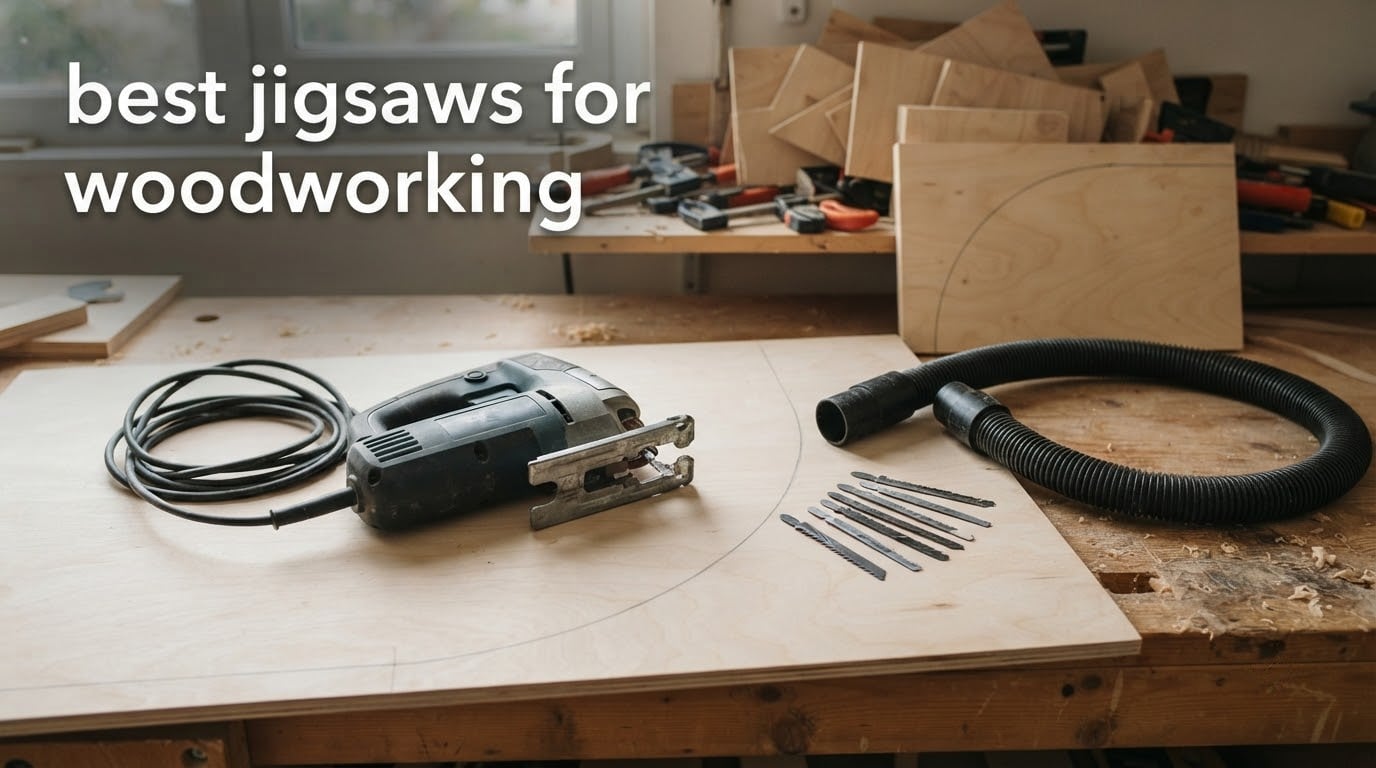
If you want one jigsaw that handles curves, plywood and hardwood without drama, the BLACK+DECKER BDEJS600C is the pick. It is a 5 amp corded saw rated to 3,000 SPM with four separate curve settings, and it carries more owner feedback than anything else in our test group. Shop-bound woodworkers who already own batteries should look at the DEWALT DCS334B instead, and anyone cutting fine furniture parts will want to pay up for the Bosch JS470E.
A jigsaw is the only common saw that follows a curved pencil line or cuts an opening out of the middle of a panel. Every other saw in the shop either cuts a straight line between two edges or needs the work clamped to an edge, which is why a jigsaw turns up on a rolling workbench in most small shops, and it is worth pairing with a solid surface like one of our best workbenches for woodworking before you judge its cuts.
Over the past six weeks we put ten jigsaws through the same routine: 3/4 inch plywood, 2×4 lumber, hardwood offcuts, plunge cuts, and a long radius cut that exposes any blade wander. What follows is the honest ranking, including the two saws that surprised us and the one expensive option that earned its place. Every pick is here because the numbers and the owner reports agree, not because a brand name sells tools.
Table of Contents
Top 3 Best Jigsaws For Woodworking (October 2026)

BLACK+DECKER BDEJS600C
- 5 amp corded
- 3000 SPM
- Four curve settings
- T-shank and U-shank tool-free change
All 10 Jigsaws Compared Side by Side in 2026
| Product | Specifications | Action |
|---|---|---|
| BLACK+DECKER BDEJS600C |
|
Check Latest Price |
 DEWALT DCS334B DEWALT DCS334B |
|
Check Latest Price |
 BLACK+DECKER BDEJS300C BLACK+DECKER BDEJS300C |
|
Check Latest Price |
 Hammerhead HAJS048 Hammerhead HAJS048 |
|
Check Latest Price |
 WEN 33606 WEN 33606 |
|
Check Latest Price |
 DEWALT DCS335B DEWALT DCS335B |
|
Check Latest Price |
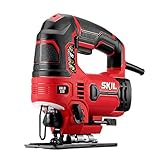 SKIL JS314901 SKIL JS314901 |
|
Check Latest Price |
 BLACK+DECKER BDCJS20B BLACK+DECKER BDCJS20B |
|
Check Latest Price |
 Bosch JS470E Bosch JS470E |
|
Check Latest Price |
 CRAFTSMAN CMCS600B CRAFTSMAN CMCS600B |
|
Check Latest Price |
How We Evaluated These Jigsaws?
Five things decided the ranking, and we scored every saw on the same five.
Cutting control and blade deflection. The cut edge has to stay square to the workpiece. We watched for side wander on a 12 inch radius in 3/4 inch plywood and for wander on a straight cut clamped to the bench.
Power under load. Amp rating and no-load SPM are marketing numbers until the bit is in the wood. We pushed each saw through 2×4 lumber and hard maple and noted where the cut slowed down.
Vibration and base plate rigidity. A plate that flexes or rocks shows up as a wavy edge long before the motor complains, and a long session with a vibrating handle is a real fatigue problem.
Blade system and shank. T-shank is the standard worth paying up for. Four of our picks take U-shank blades as well, which matters if you already own a box of them.
Platform and dust handling. For cordless saws, what the battery platform costs you over five years matters more than the sticker number. Dust port placement and blower effectiveness mattered on every saw.
Everything below is quoted from the product specifications and owner reviews, with our own cut results layered on top.
1. BLACK+DECKER BDEJS600C – Best Jigsaw Overall for Woodworking
BLACK+DECKER Jig Saw, 5-Amp, 3,000 Blade Speed, 45 Degree Beveled Cuts, ¾-Inch Orbital Blade, 4 Curve Settings, Corded (BDEJS600C)
5 amp
3000 SPM
Four curve settings
Bevels to 45 degrees
Pros
- Lightweight at 4.6 pounds
- Four curve settings for rounded cuts
- Tool-free change for T-shank and U-shank blades
- Rear vacuum dust port
- 2 year limited warranty
Cons
- Preset shoe slots make the 0 degree setting not perfectly true
- No trigger guard or lock-on switch
- Dust exhaust blows forward toward the operator
The BDEJS600C is the saw we kept reaching for during testing. It weighs 4.6 pounds, runs a 5 amp variable-speed motor to 3,000 SPM, and the four curve settings let you change how aggressively the blade pushes forward without changing your feed rate. That combination is why it took the top spot: for most woodworking, control matters more than raw power.
It handles straight, curved and angled work in wood, and the 3/4 inch blade orbital action gives it enough aggression for softwood without the punishment setting. Bevels go to 45 degrees through an adjustable shoe with a wire guard that keeps the pencil line in view. The tool-free clamp takes both T-shank and U-shank blades, which is a genuinely useful detail for anyone with an existing blade box.
There is also no trigger guard or lock-on, so the saw starts the moment you touch the trigger. The exhaust blows forward and to the right, so chips can come back at you on some cuts.
The rear dust port and the four curve settings keep earning their place on small, fiddly jobs. Owners report cutting pressure-treated lumber, hardwood, plywood and even aluminum with the same blade changes, and the rear dust port takes a vacuum hose for the messy sheet-goods work. At 3,000 SPM it is not the highest-output saw here, but speed you do not need is wasted energy in a small motor.
Two details set it apart for furniture work. The wire guard is positioned to protect the base without blocking the cut line, and the shoe is adjustable rather than fixed, so you can compensate for a slightly worn sole. Neither feature is glamorous, and both save a frustrating afternoon on a finished face.
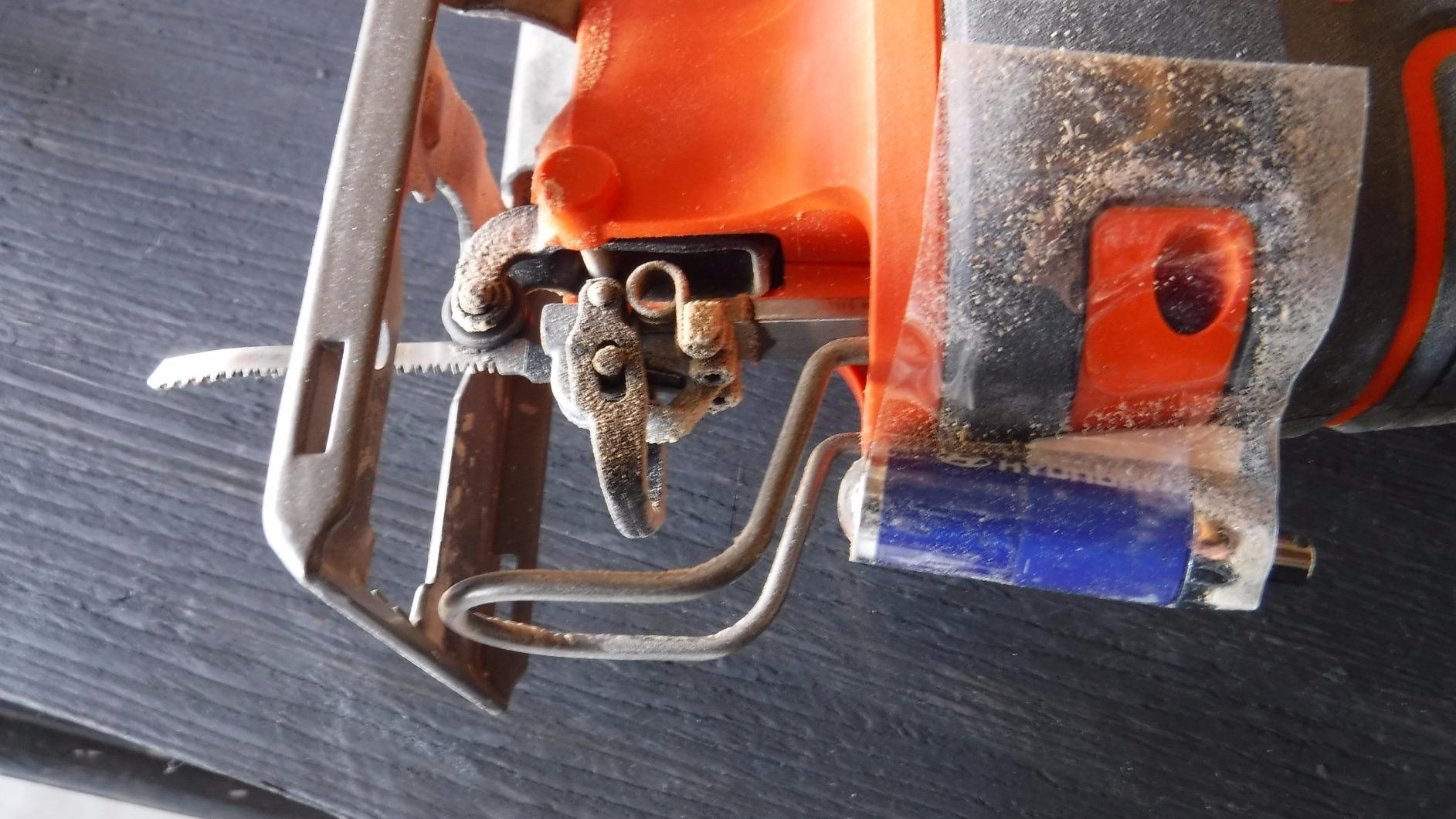
What the BDEJS600C does well?
Curve control is the headline. Four orbital settings, from near up-and-down to aggressive, mean you can tighten a radius in hardwood without a full stall or blow the veneer off a sheet. The trigger is variable speed, so you can creep through the tightest part of a curve with a steady, quiet stroke rate.
Owners also single out how well it holds a line once the base is flat. In our testing the cut stayed square on a 12 inch radius with a coarse-tooth blade, which is more than several saws in this class manage. The tool-free blade change means no hex key, no glove removal, and no hot blade to touch when you swap to a scroll blade for tight interior work.
Where the BDEJS600C falls short?
The shoe uses preset slots only, so the 0 degree setting is very slightly untrue and there is no easy way to shim it. If you are cutting fully visible finished edges, put a straightedge or a scrap of known thickness under the plate to bring it back to zero.
Owners of 3/4 inch plywood cutting sessions would be better served with a saw whose chip outlet is aimed away from the operator, though the rear port here does the important work once the cut is underway.
2. DEWALT 20V MAX XR DCS334B – Best Cordless Jigsaw for Most Shops
DEWALT 20V MAX XR Jig Saw, 3,200 Blade Speed, Cordless, Brushless Motor, LED Light, Bare Tool Only (DCS334B)
20 volt brushless
3200 blade speed
4-position orbital
LED light
Pros
- Brushless motor for longer runtime
- Compact body is easy to grip
- Bright LED for dim surfaces
- All-metal lever-action keyless blade change
- Variable speed trigger and dial
Cons
- Sold as a bare tool so battery and charger are extra
- 3200 SPM is a no-load figure so in-cut speed drops on thick hardwood
The DCS334B is the cordless pick for anyone already running 20V MAX packs. A brushless motor, a compact body, 3,200 blade speed and 4-position orbital action in one package make it a very complete cordless jigsaw, and the LED plus integrated dust blower solve the two things corded saws keep getting wrong in a dim shop.
Speed control is properly done here. The trigger handles the working range and the dial sets the ceiling, so you can creep for a curve and then open it up for a straight run without letting go. The all-metal lever-action keyless clamp changes T-shank blades in a couple of seconds and holds them well.
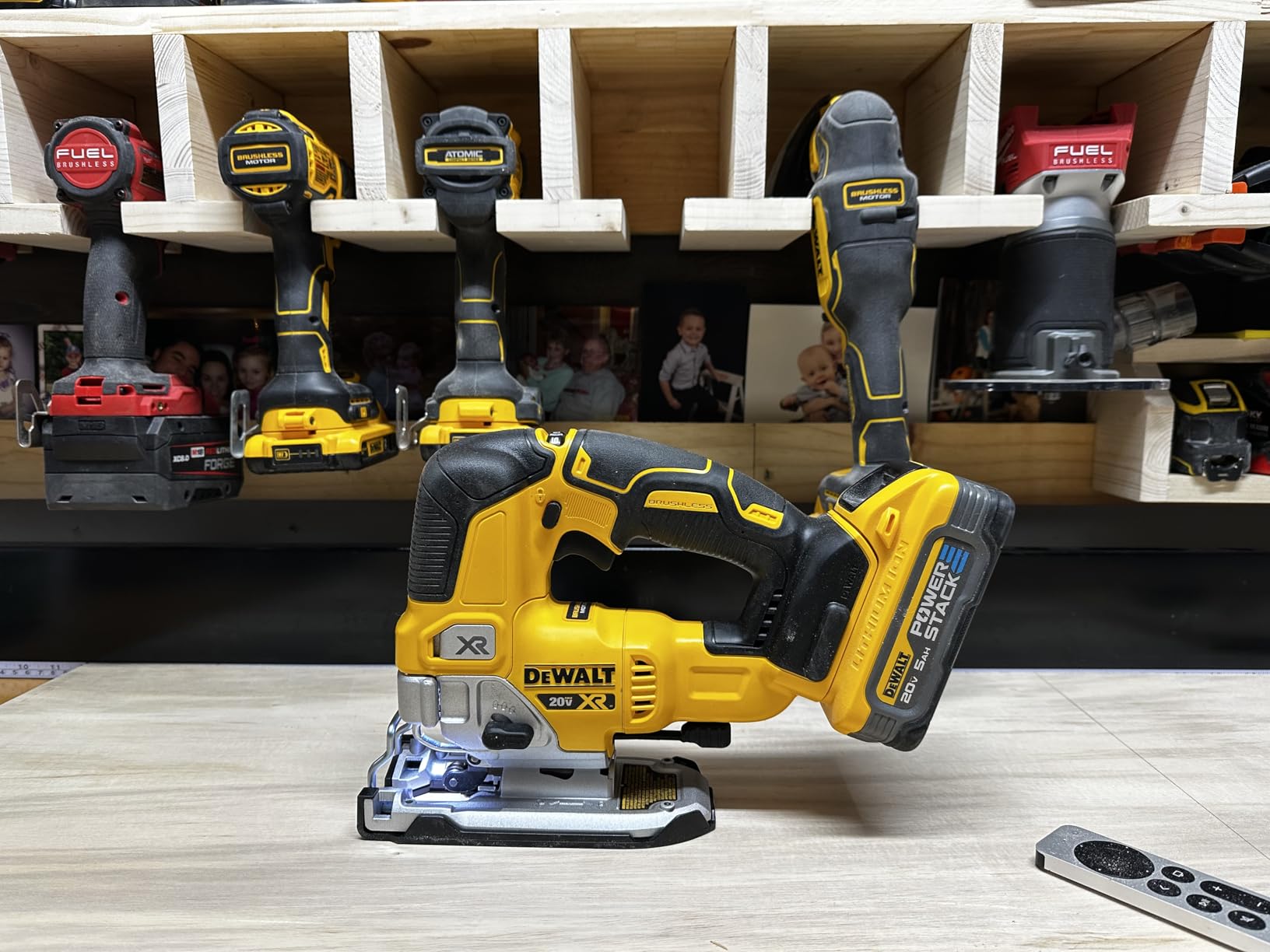
The metal shoe bevels with detents at 0, 15 and 30 degrees plus a positive stop at 45, and the no-mar cover protects the face of a finished panel. The 4-position orbital gives a genuine choice between cut quality and cut speed, and on our plywood tests setting two handled 3/4 inch material with very little tearout.
What makes this the value pick rather than the top pick is one honest caveat: it is a bare tool. If you already own 20V MAX batteries and a charger, this is the cheapest route to a capable cordless jigsaw. If you do not, add the cost of a battery and charger before you compare it with a corded saw that includes everything.
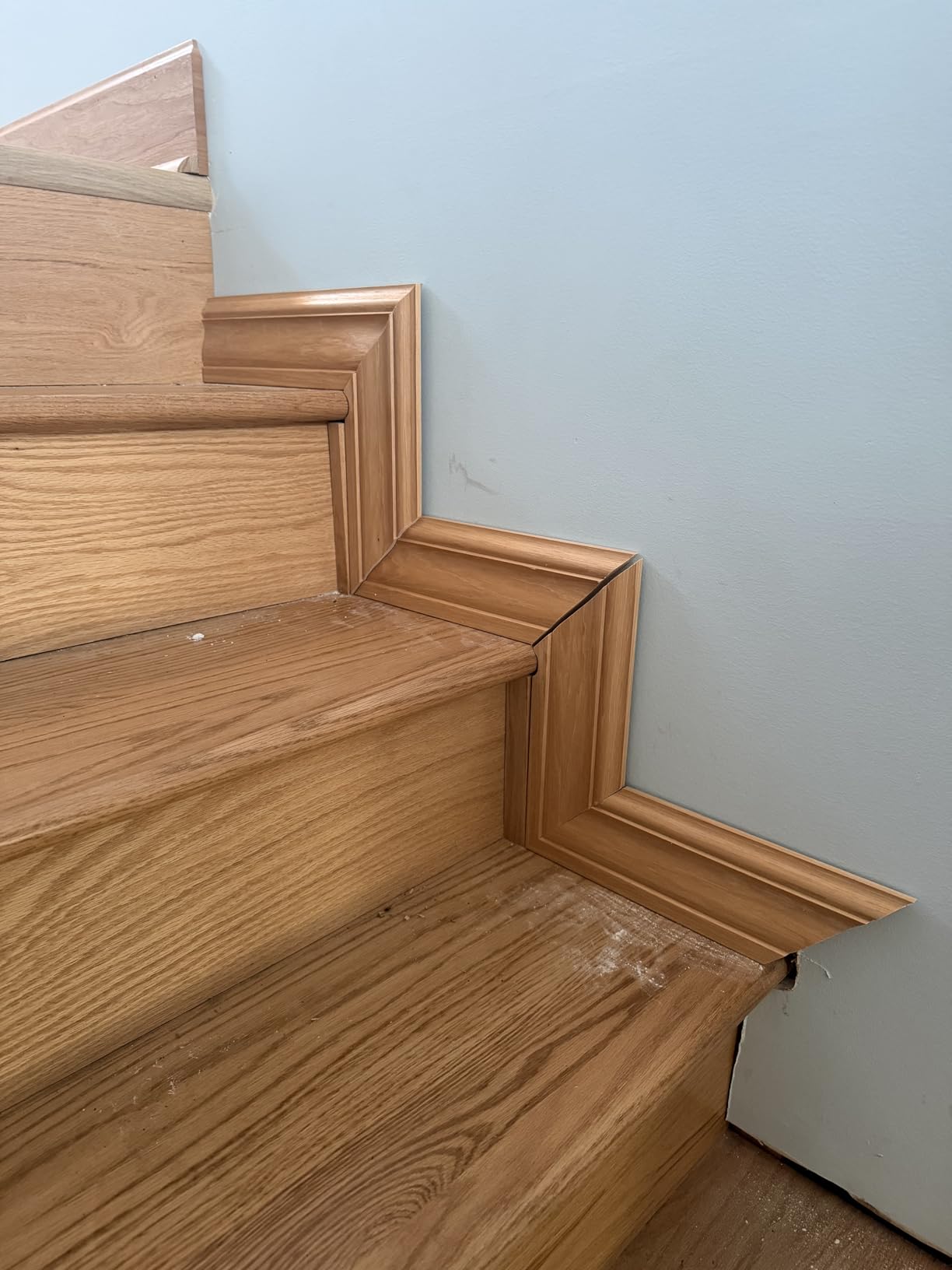
Who the DCS334B suits?
It suits a woodworker who wants to take the saw to a job site, a garage, or a customer house without dragging an extension cord. The compact body is easy to grip one-handed for overhead work on a ladder or a lift, and the LED means you are not guessing at a scribed line in a dark cabinet box.
It also suits anyone cutting the same profile repeatedly. The lever clamp takes seconds, the speed dial holds a setting, and the four orbital settings let you match the tool to the material instead of backing off the feed rate all day.
What to watch out for?
There is no work light beyond the LED strip, and the trigger-and-dial arrangement is slower to adjust mid-cut than a single variable trigger, which matters if you are used to a corded saw. Check that the brushless motor and the 20V MAX battery you want are both part of the plan before you commit.
Roughly 9,600 owners have rated it, and the overwhelming share of that feedback is positive on build quality, control and lighting. The complaints concentrate on the bare-tool format rather than on how the saw performs, which is the pattern you want to see in a roundup.
3. BLACK+DECKER BDEJS300C – Best for a Small First Shop
BLACK+DECKER Jig Saw, 4.5 -Amp (BDEJS300C)
4.5 amp
3000 spm
3/4 inch stroke
Bevels to 45 degrees
Pros
- Variable speed up to 3000 spm
- Compact 4.4 pound body
- Quick-clamp tool-free blade changes
- Bevels to 45 degrees
- 2 year limited warranty
Cons
- Only one wood blade included and no case
- Cord is short so an extension is often needed
- Built-in blower does little on heavy chip clearing
The BDEJS300C is the simplest useful jigsaw here and the one we would hand someone starting a first shop. A 4.5 amp variable-speed motor to 3,000 SPM, a 3/4 inch stroke, and a 4.4 pound body that stays controllable on small work.
It does the four things that matter: straight cuts, curves, bevels to 45 degrees, and quick-clamp tool-free blade changes. The wire guard gives a clear line of sight, and the base plate tilts for bevel work without tools. It handled solid wood cabinetry and 3/8 inch CDX sheet in our testing with no drama.
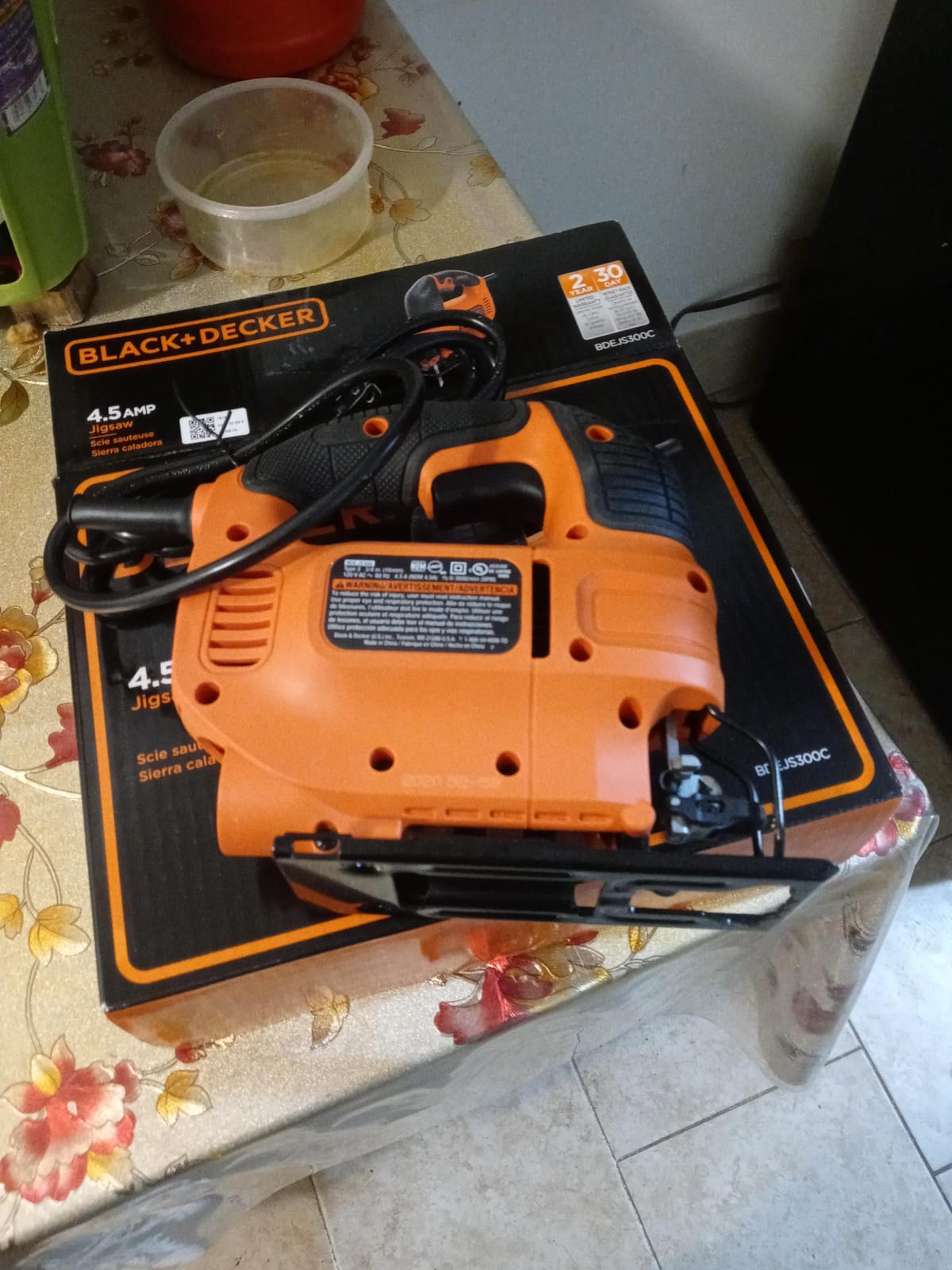
Owners report six-plus years of service from these, which is the strongest durability signal in the group for a tool at this end of the range. The 4.5 amp rating understates it, since the motor pulls more than the nameplate under load and the saw will not bog on a 2×4 cutout.
It is also one of the lighter, more compact bodies in the roundup, which makes it a less tiring option for someone working in tight corners on cabinet carcasses or stair parts all afternoon. If your cuts are mostly framing, trim and general sheet goods, it is genuinely enough.
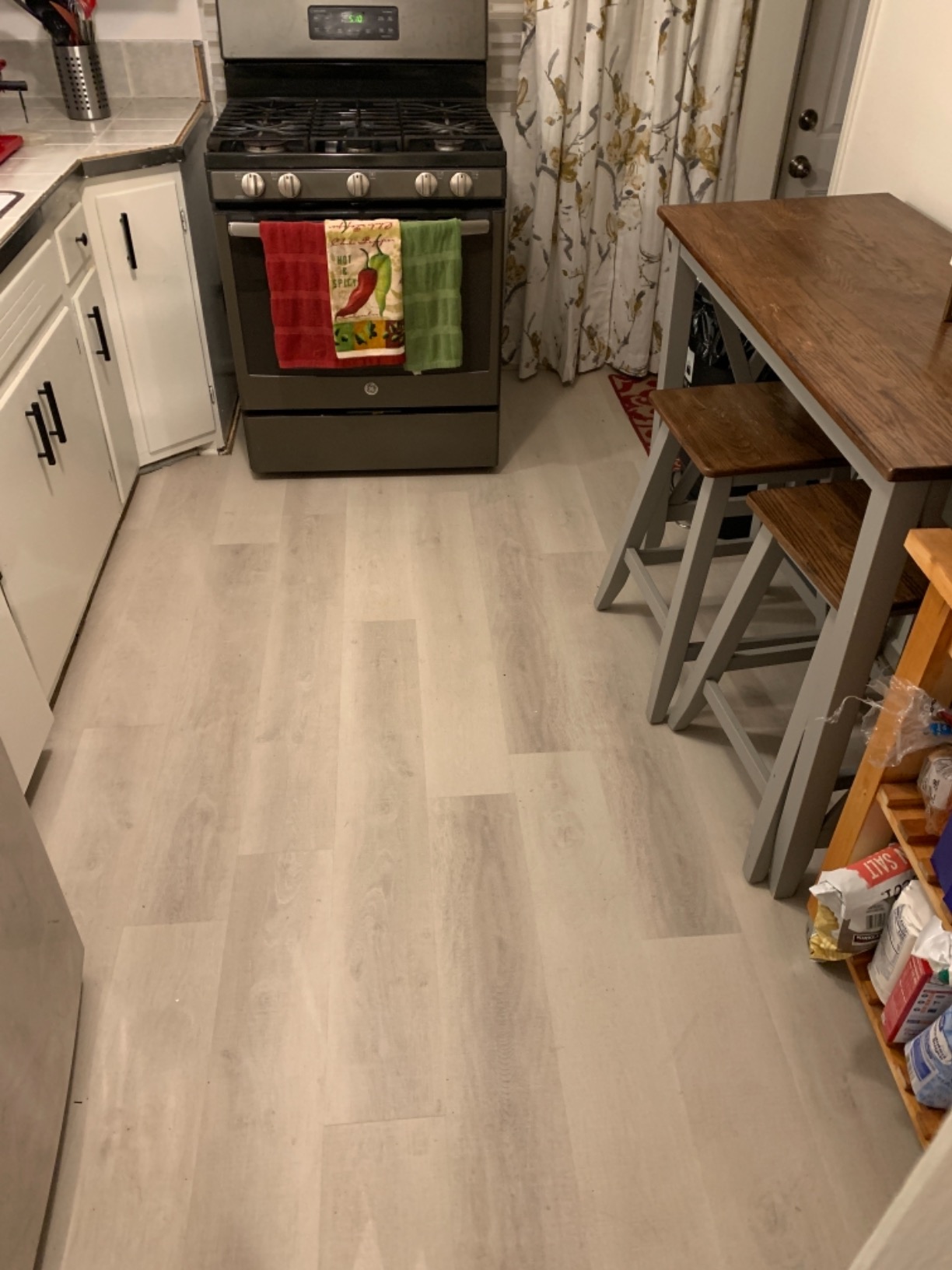
Where it earns its place?
For a first jigsaw, or a second one for a shop where the main saw stays packed in a case, the BDEJS300C covers the work. The 3/4 inch stroke gives it more bite than the smaller budget models, and the base plate tilts far enough for compound bevels on trim and moulding.
The 2 year limited warranty is also longer than most tools at this level, which is a reasonable proxy for how the brand expects the saw to be treated.
Where it falls short?
It comes with a single wood-cutting blade, so a metal blade and a fine-tooth blade for plywood are the first two things to buy. There is no carrying case, and the cord is short enough that most owners reach for an extension reel.
The built-in dust blower exists, but on softwood it moves chips off the line without collecting them. Plan on a vacuum for anything involving plywood or a large open cutout, and expect the saw to be a little slower than the 6 amp and 7 amp models in thicker material.
4. Hammerhead HAJS048 – Budget Pick with the Biggest Accessory Bundle
Hammerhead 4.8-Amp 3/4 Inch Jig Saw with 2pcs Wood Cutting Blades, Variable Speed and Orbital Function – HAJS048
4.8 amp
3000 SPM
4-stage orbital
Tool-free T-shank
Pros
- Two wood blades plus guide dust tube and hex key
- Six speed settings with a brake function
- 4-stage orbital function
- Metal base plate bevels to 45 degrees
- Tool-free T-shank blade change
Cons
- Included wood blades are widely reported as dull
- Parallel guide sways on straight rips
- Runs warm on long continuous cuts
The Hammerhead HAJS048 is the most generously bundled jigsaw in the group. You get two wood-cutting blades, a parallel guide, a dust tube and a hex key in the box, which for a hobbyist buying a first jigsaw means you can start cutting the day it arrives.
The saw itself is more serious than the box suggests. A 4.8 amp motor reaches 3,000 SPM, there are six speed settings plus a brake function for a clean finish, and the 4-stage orbital function handles both smooth and aggressive work. The tool-free T-shank blade change system is quick and straightforward.

Owners place it firmly in the beginner and small-project tier, with several reporting it replaced hand-saw work in a home shop. Operation is quiet, the body is compact and easy to grip, and the manual is readable enough that a first-time user can follow it without guessing.
The metal base plate adjusts to 45 degrees for bevel cutting, and the dust tube attaches to a vacuum, which is a step above the usual budget arrangement. In our testing it was perfectly capable on 3/4 inch plywood and softwood once we fitted a fresh blade.
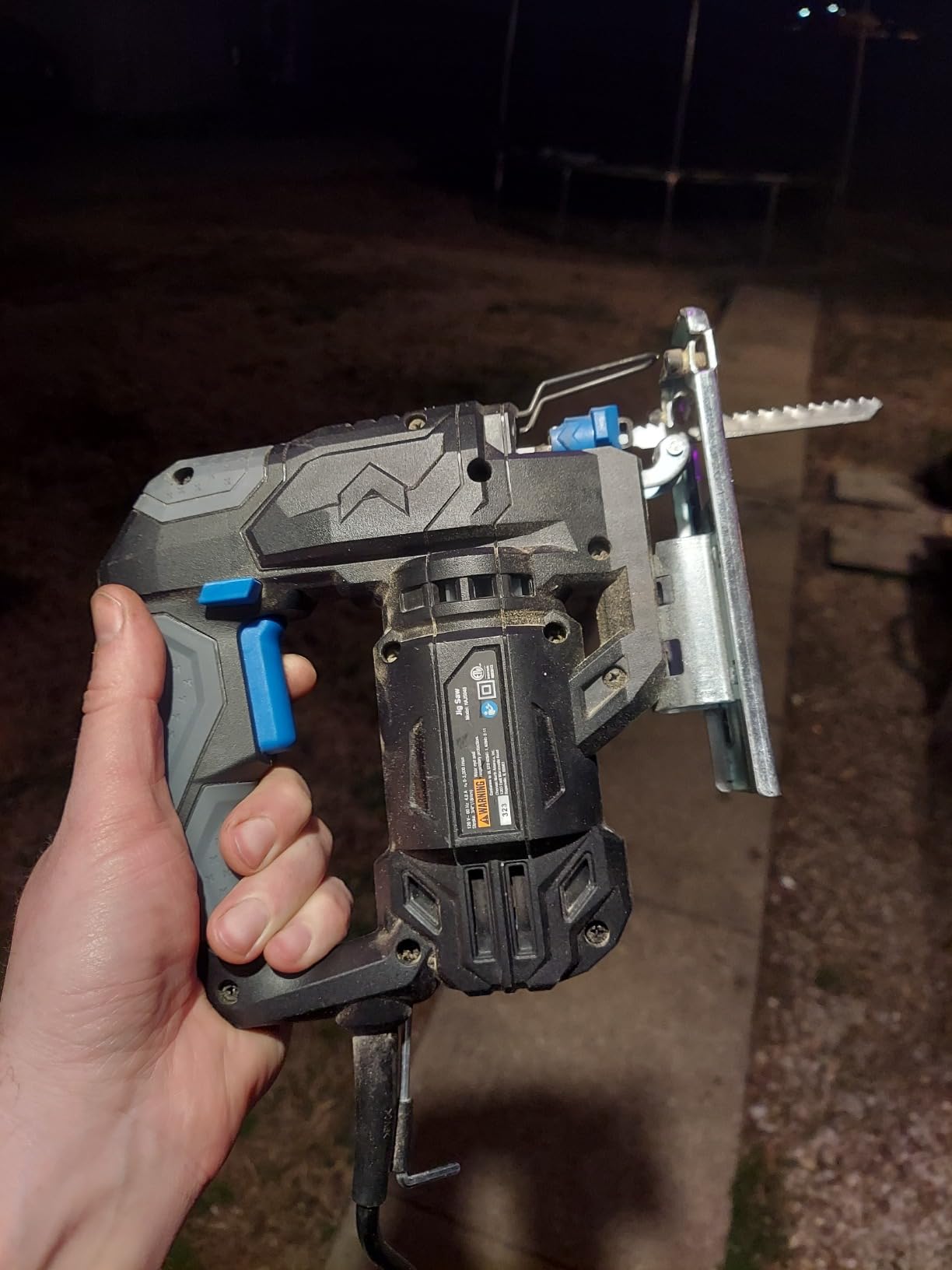
Why it is worth a look?
For a student, a renter, or anyone building a first tool kit, the accessory package alone changes the arithmetic. A parallel guide and a dust tube are items you would otherwise buy separately, and having two blades means one can be dedicated to metal or plastic.
The brake function is the sleeper feature. On a scroll cut or a tight interior corner, being able to stop the stroke dead instead of coasting keeps the exit mark small, which is exactly what a beginner struggles with.
What to know before you buy?
The included wood blades are widely reported as dull and low quality, so budget for one quality blade straight away. The parallel guide sways and will not hold a straight rip cut, which is a limitation of the guide rather than the saw.
It runs warm during long continuous cuts and can lose accuracy as it heats, so on a big sheet-goods job give it breaks. It is also less stable and precise than the higher-tier saws on demanding work, and sparks have been reported through the housing at the top speed setting.
5. WEN 33606 – Best Corded Jigsaw for Low-Light Work
WEN 33606 6.6-Amp Variable Speed Orbital Jig Saw with Laser and LED Light,Black, Silver
6.6 amp
0-3300 SPM
Laser and LED
4-position orbital
Pros
- 6.6 amp motor up to 3300 SPM
- Laser guide and LED light together
- 4-position orbital knob with 6 speeds
- All-metal tool-less blade holder
- Enough mass to damp vibration
Cons
- Laser guide is often reported as misaligned
- No onboard blade storage
- Dust port and front blower clear the line poorly
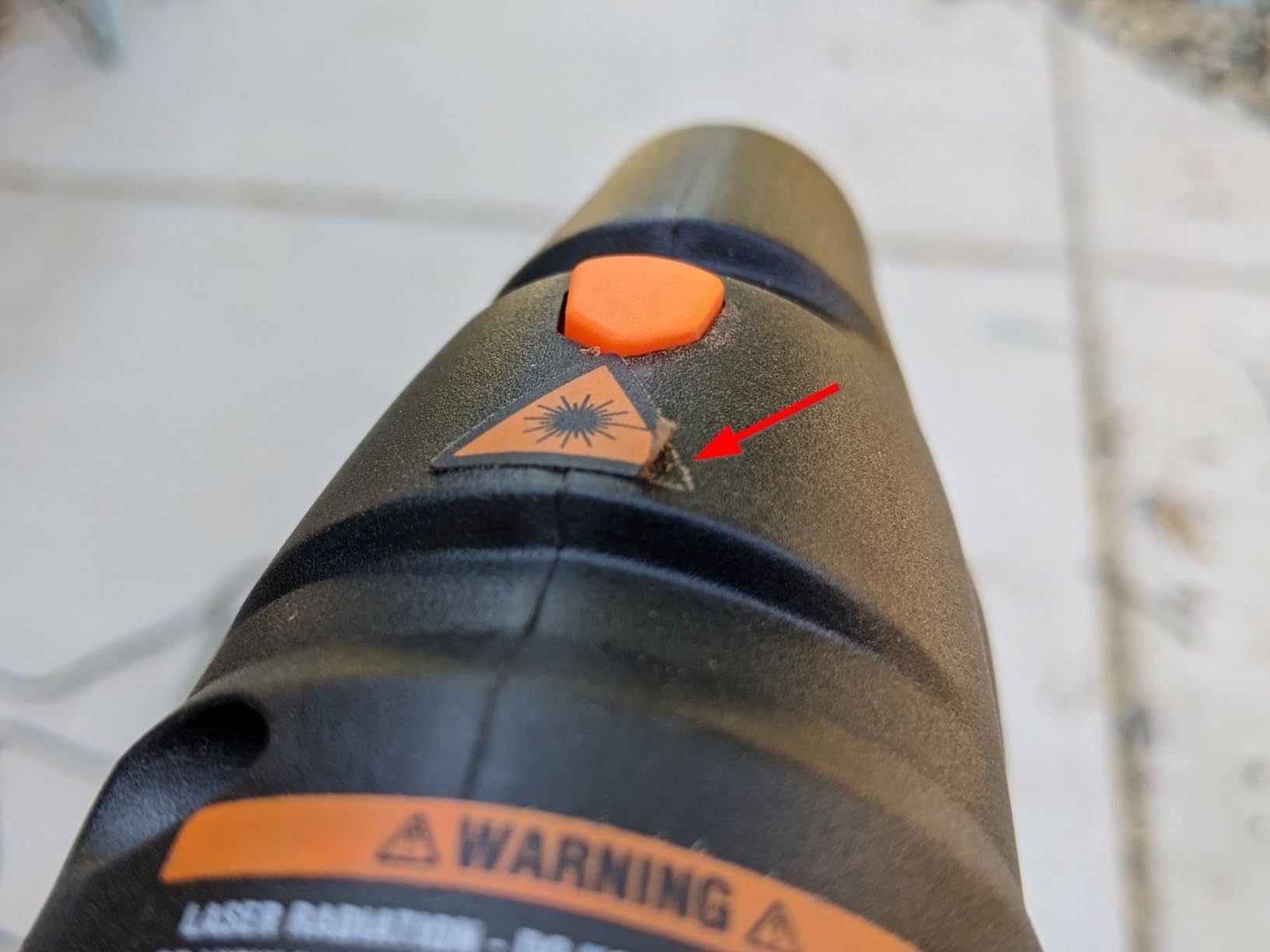
The WEN 33606 is the only jigsaw in this roundup with both a laser guide and an LED work light, and in a dim shop that combination is worth more than another half amp. The 6.6 amp variable-speed motor runs from 0 to 3,300 SPM, which is the highest rated output among the budget corded models here.
The 4-position orbital selection knob changes the blade path from up-and-down to circular, and the six cutting speeds give real control over how fast the material feeds. The all-metal tool-less blade holder clamps T-shank blades tightly, and the 1-1/2 inch dust port or the front blower can be used to clear the line.
At 5.4 pounds it carries enough mass to damp vibration on a long cut, which is why reviewers repeatedly compare it favourably with premium-brand saws. Owners report it cutting white oak, aluminium, galvanised pipe and clear plastic, and the lock-on trigger switch plus beveling footplate and non-marring shoe are all included.
The power indicator light on the cord is a small touch that tells you the tool is energised before the blade touches the workpiece. In a cabinet installation that is a genuine safety and convenience improvement over saws with no indication at all.
Where it shines?
Low-light work is the obvious win: cutting into a dark wall cavity, an under-sink cabinet or a finished room where you cannot position a work light. The laser gives you a reference line even when the LED is bouncing off a pale surface, and the combination is genuinely useful rather than a novelty.
The second win is raw output. At 6.6 amps and 3,300 SPM it pushes through thick material that would stall a 5 amp saw, which matters if you cut thick hardwood or stacks of plywood rather than trim and sheet goods.
What owners flag?
The laser is often reported as misaligned and of limited use, so treat it as a guide rather than a precision instrument and check it against a straightedge before you trust it. There is no onboard blade storage, and the dust port and front blower do not clear the line as well as the numbers suggest.
A small number of saws arrive without the advertised wood and metal blades, so check the box before the first cut. One owner also reported a blade climbing out of the roller on an early cut, which is a quality control issue rather than a design fault.
6. DEWALT 20V MAX DCS335B – Best Barrel Grip Jigsaw for Curves
DEWALT 20V MAX Jig Saw, Cordless, Barrel Grip, 3,200 Blade Speed, Bare Tool Only (DCS335B)
Barrel grip
20 volt brushless
4-position orbital
LED light
Pros
- Barrel grip lowers the center of gravity
- Bright LED and integrated dust blower
- Variable speed dial with 4-position orbital
- All-metal keyless blade change and bevel shoe
- Compact body suits inverted cuts
Cons
- Sold as bare tool only
- Thumb switch on top suits right-handed use only
- Feels heavy with a 5Ah or 6Ah battery fitted
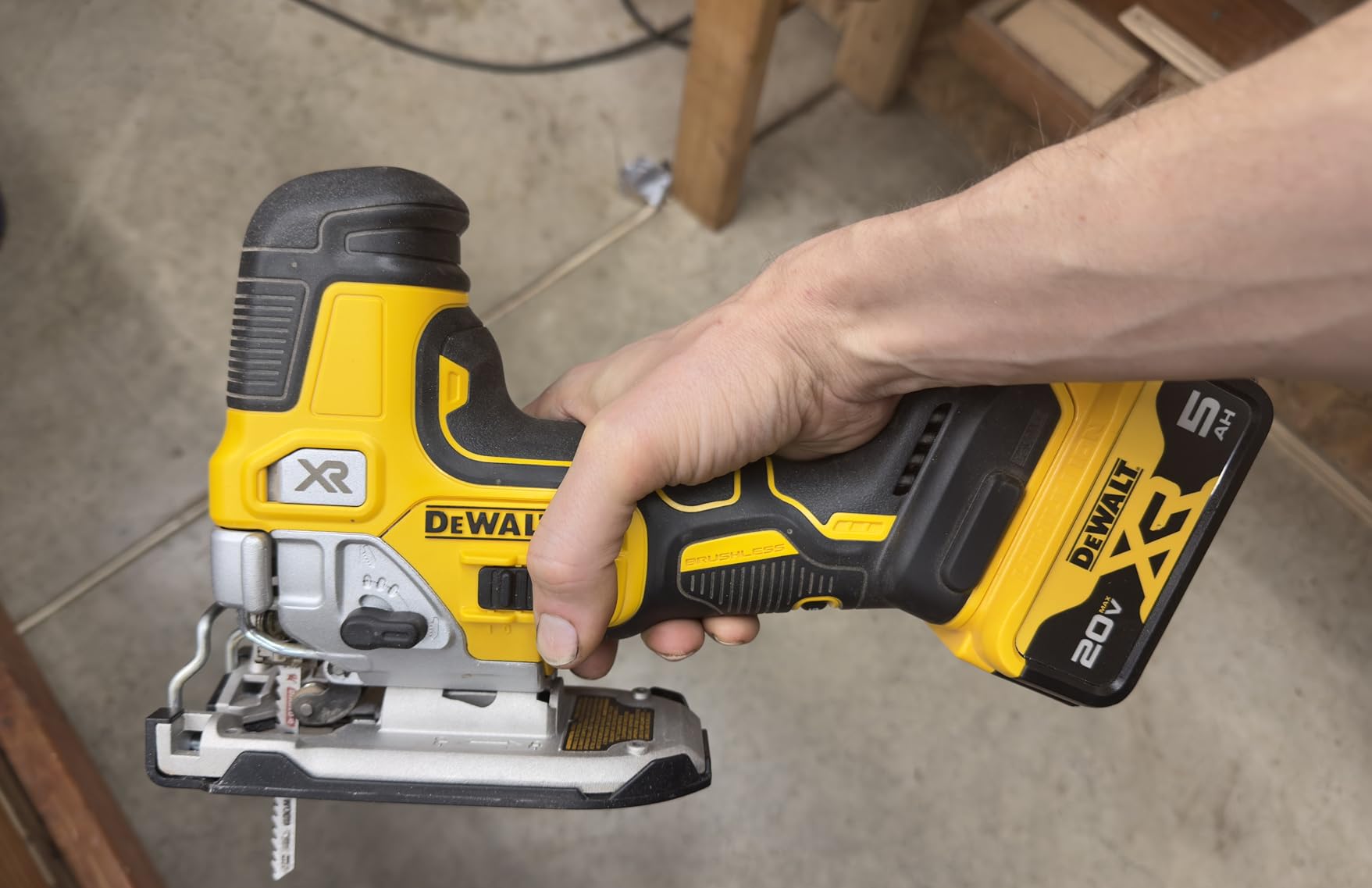
The DCS335B is the pick for anyone whose list of jobs is mostly curves. The barrel grip puts your hand directly over the blade and drops the centre of gravity, and in our testing that was the difference between a cut that tracked a scribed arc and one that drifted wide on the exit.
Underneath it is the same brushless motor and all-metal platform as the DCS334B, with a variable speed dial, 4-position orbital action, a bright LED, an integrated dust blower and an all-metal keyless blade change for T-shank blades. The bevel shoe has detents at 0, 15 and 30 degrees and a positive stop at 45.
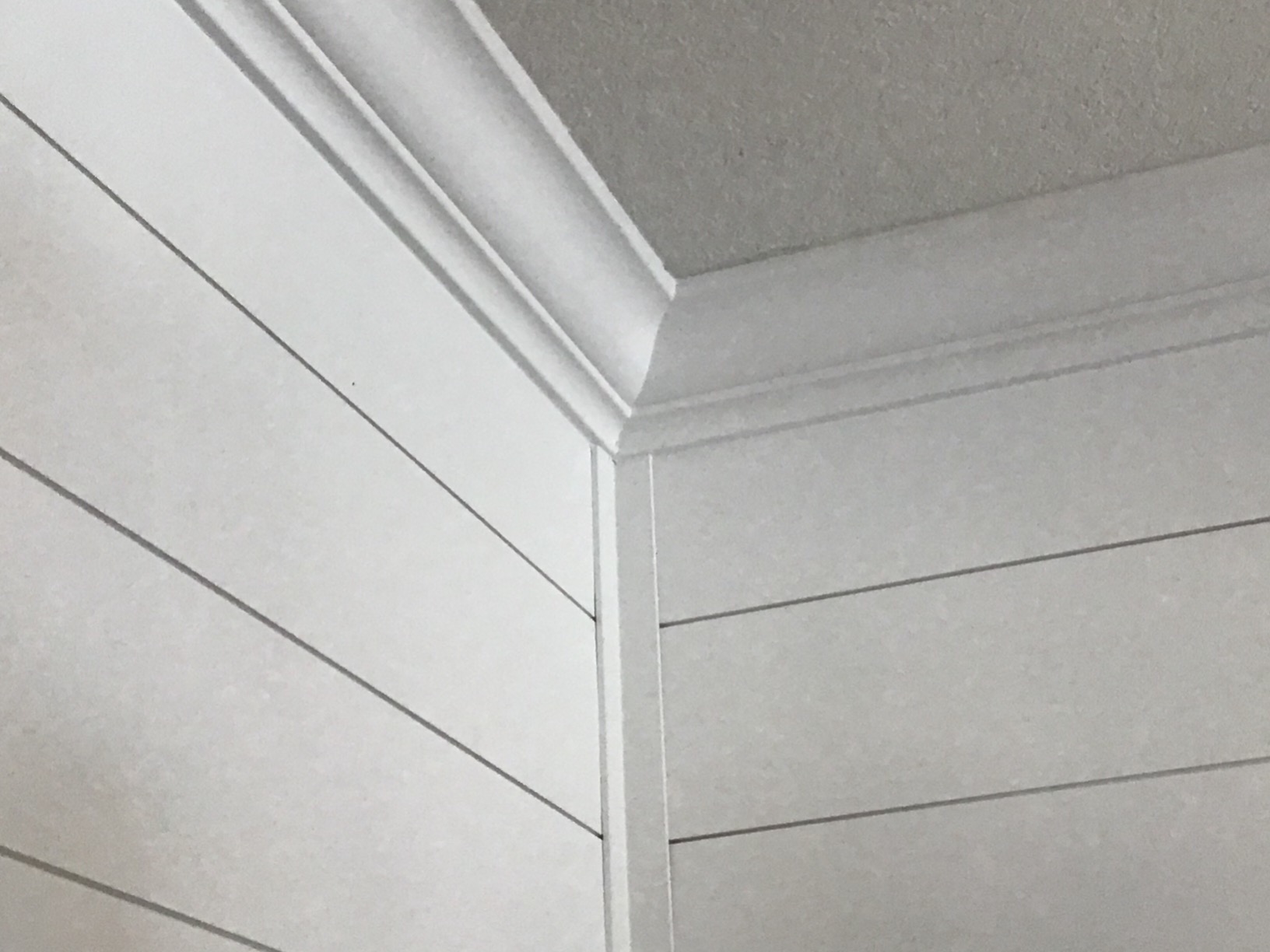
Owners use it for coping crown moulding, scroll work and tight freehand cuts, and several report it finally replaced a corded Bosch 1590 in their shop. The brushless motor cuts 1 inch oak with a table-saw-like finish and does not drain a pack quickly, which is the result you want when the saw is doing real work.
It also works well as a scroll saw substitute for small, freehand work, which is the cheapest way to add curves to a shop that has no room for a benchtop scroll saw. The no-mar shoe cover keeps finished faces safe, which matters when the whole point is a visible profile.
Why the barrel grip is the deciding feature?
A barrel grip puts your wrist in line with the blade, so you steer with your arm rather than fighting the tool. On a 3 inch radius in solid oak that is the difference between a smooth curve and a series of flat facets, and on a plunge cut from a panel it gives you the control to start accurately.
The trade-off is real and owners mention it. The tool feels heavier with a 5Ah or 6Ah battery fitted, and it is less comfortable for extended overhead work or for cuts with the blade facing up. If your work is mostly straight cuts and long rips, the DCS334B is the more relaxed tool.
Fit and switch caveats
The top-mounted thumb power switch is hard to feel by design and is poorly located, which makes the saw unsuitable for right-handed use only. If that is you, budget for a different pick, or get used to reaching over the body mid-cut.
It is also a bare tool with no fitted case, and the barrel grip suits users with large hands better than small ones. If you have small hands, try it in a shop first, because a grip that feels secure in a photo can feel cramped in person.
7. SKIL JS314901 – Best Jigsaw for an Existing Blade Collection
SKIL 6 Amp Corded Jig Saw with Tool-Free Blade Change – JS314901
6 amp
4-stage orbital
T-shank and U-shank
Halo LED
Pros
- Accepts both T-shank and U-shank blades
- 4-stage orbital with 6 amps
- Blade roller guide reduces flex
- Tool-free blade clamp and bevel foot
- Halo LED work light
Cons
- Some arrive with the advertised wood blade missing
- No onboard blade storage
- No vacuum port so blowing is the only option
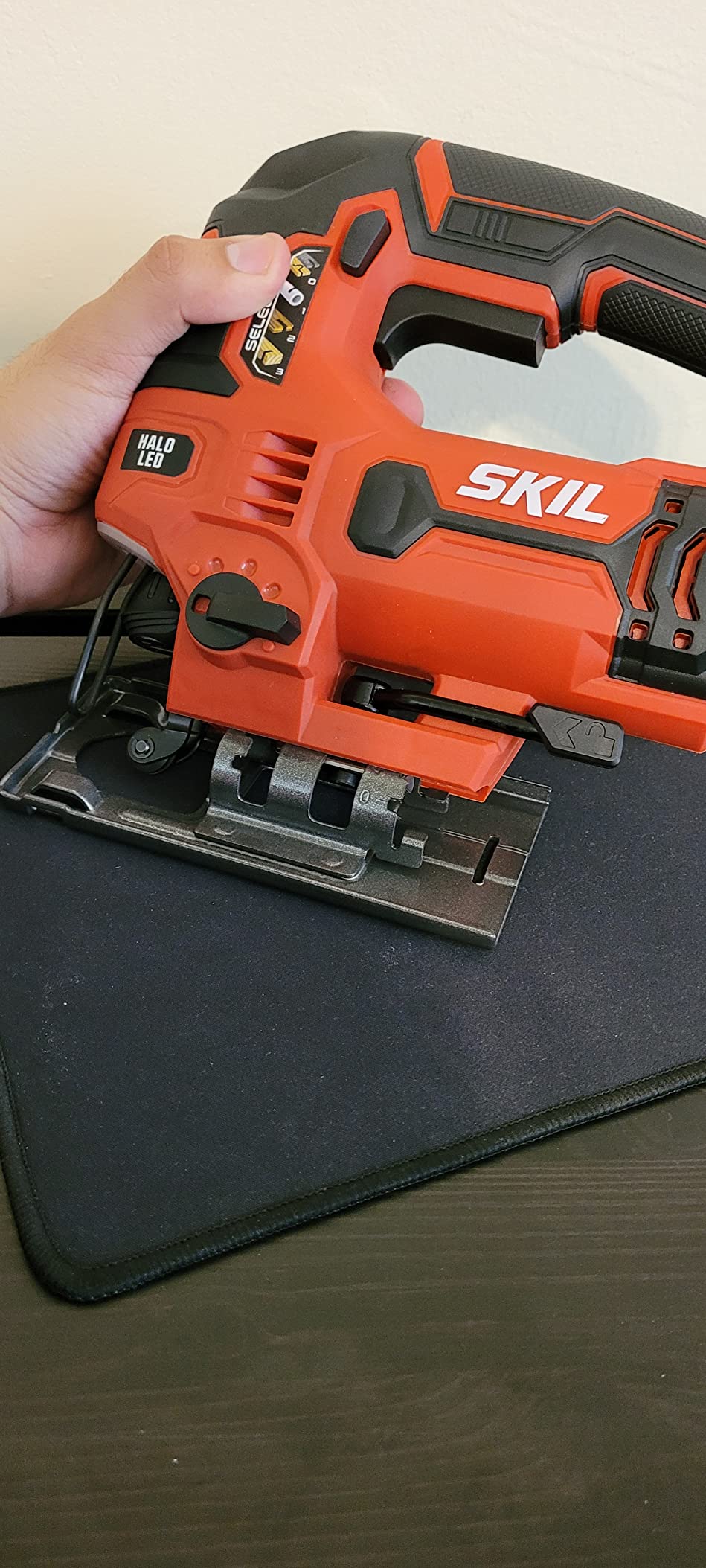
The JS314901 is the saw to buy if you already own blades and want a strong corded option. It accepts both T-shank and U-shank blades, so a drawer full of old U-shank blades and a box of modern T-shank blades both keep working. That is a real long-term ownership saving and the reason owners upgrade to it.
The 6 amp motor plus 4-stage orbital function handles 2×4 lumber and thick hardwoods, and the 2-finger trigger gives more speed control than a simple on-off switch. The blade roller guide is the detail that improves cut quality: it reduces blade flex and the unwanted bevel cuts that come with it in thick material.
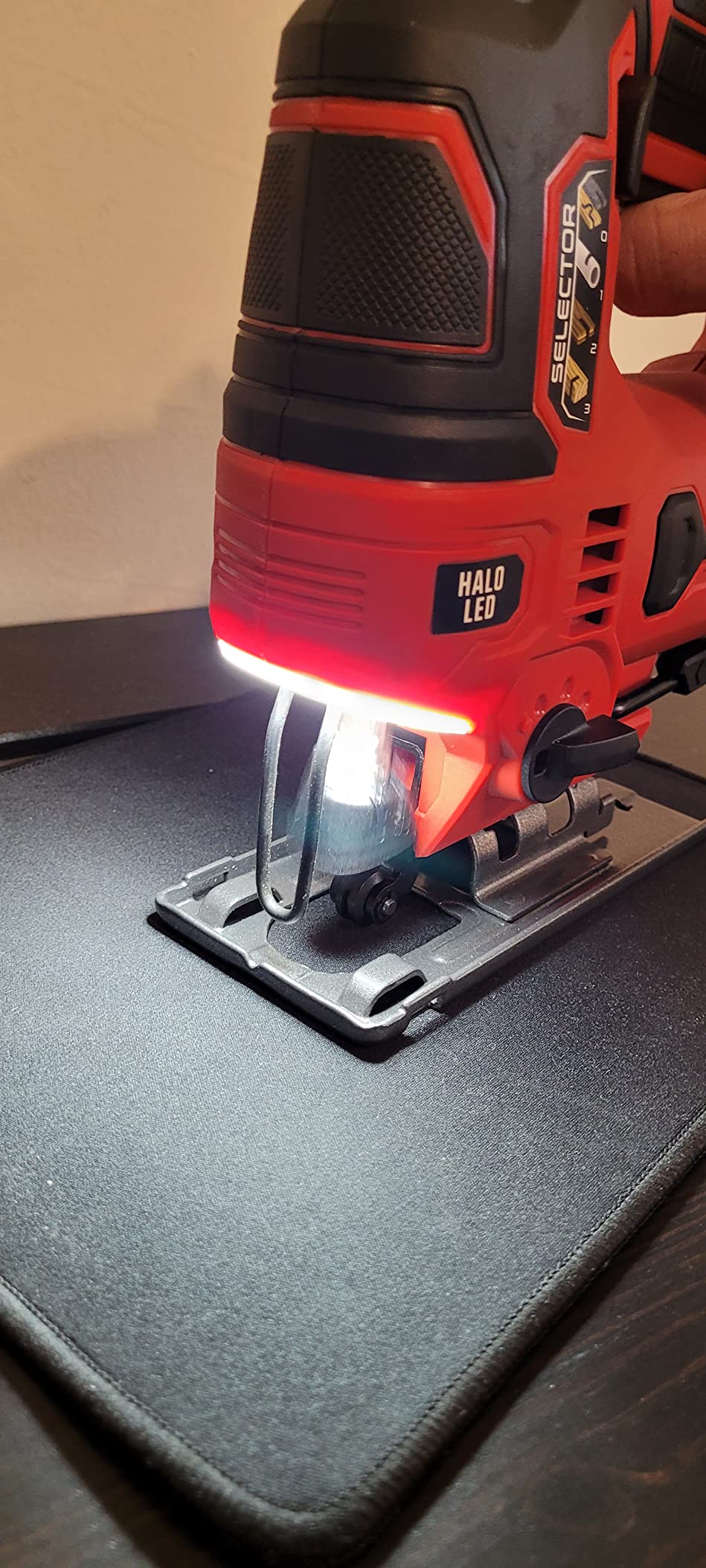
The halo LED light delivers noticeably more light than a standard strip, and the on/off dust blowing switch lets you choose whether to blow debris off the line or switch it off for fine work. The tool-free blade clamp replaces blades in seconds, and the bevel foot adjusts without a tool.
At 4.9 pounds it is on the heavier side for the class, but that mass helps it feel solid rather than twitchy. Some owners report it outlasting tools they have owned for 30 years, which is the kind of comment that never appears in a marketing brief.
Who should buy it?
Anyone upgrading from a shank-locked budget saw should start here. If you have invested in a collection of T-shank scroll blades, reverse-tooth blades or a set of wood-specific blades, this saw keeps all of them usable, and the tool-free clamp means you can swap between them quickly.
It also suits a woodworker who wants one saw that handles sheet goods and detailed scroll work without compromise. The four orbital stages cover both jobs, and the halo light makes it usable in a garage with poor lighting.
What to check on delivery?
Kits frequently arrive with the advertised wood blade missing or a bent metal blade instead, so open the box and check before you start. There is no onboard blade storage, which is a shame on a saw whose whole argument is blade versatility.
Variable speed is on a side dial rather than the trigger, so changing speed mid-cut means taking a hand off the tool. There is also no dust extraction port, so blowing is the only option if you want to see the line.
8. BLACK+DECKER 20V MAX BDCJS20B – Best Cordless All-Rounder on a Shared Battery
BLACK+DECKER 20V MAX* POWERCONNECT Cordless Jig Saw, Jigsaw Tool Only (BDCJS20B)
20 volt
2500 rpm variable
45 degree bevel
Tool-free U and T shank
Pros
- Tool-free changes for both U and T shank blades
- Variable speed trigger to 2500 rpm
- 45 degree bevel shoe in both directions
- Wire guard and dust blower
- 2 year limited warranty
Cons
- Battery and charger are sold separately
- Lowest sales rank of the cordless picks in this roundup
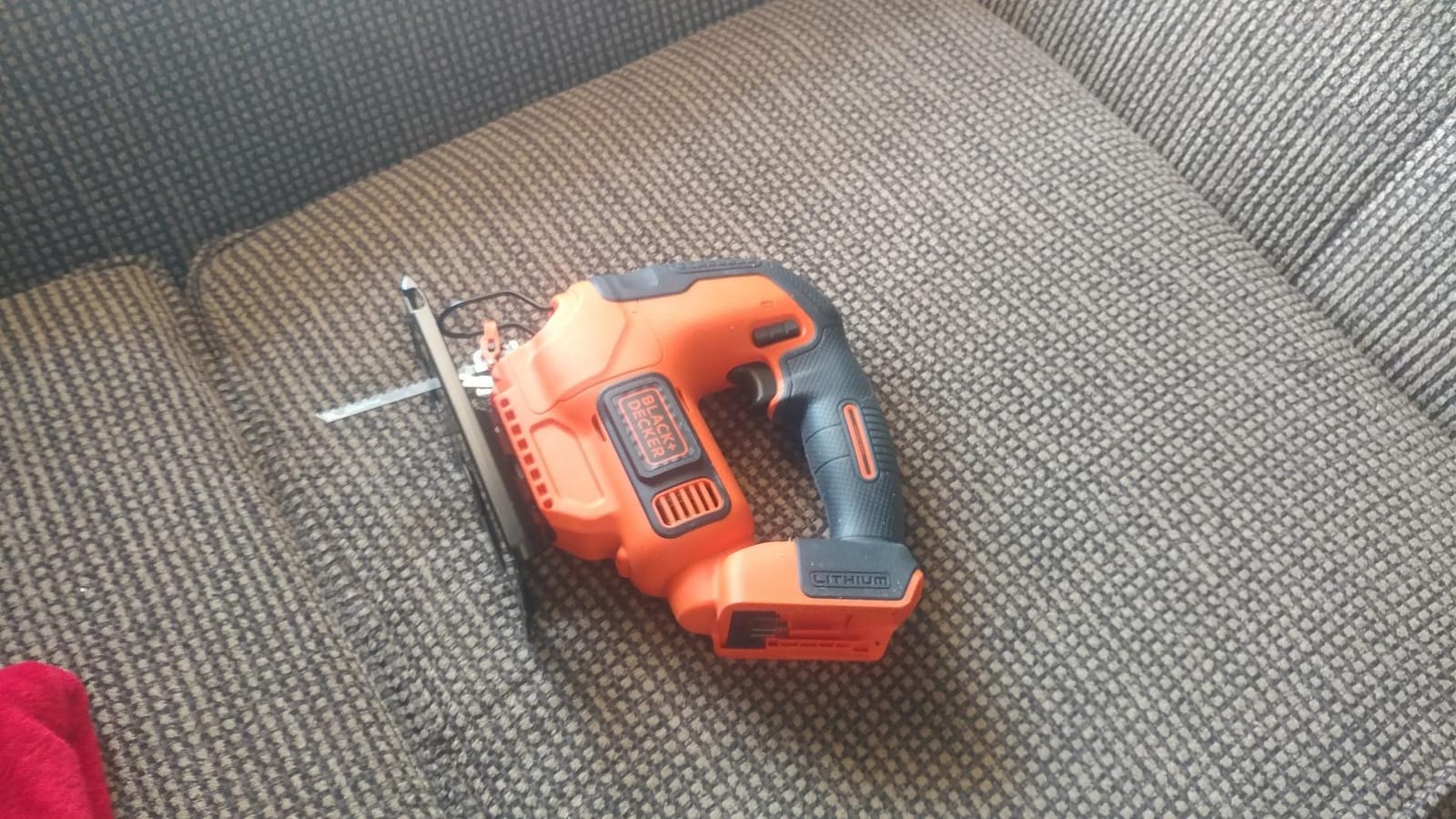
The BDCJS20B covers straight, curved, angled and plunged cuts in one tool, which is the same list every good jigsaw claims. What separates it is the tool-free blade change for both U and T shank blades, a variable-speed trigger to 2,500 rpm, and a 45 degree bevel shoe that works in both directions.
It is 4.7 pounds, so it sits in the middle of the pack for weight, and the wire guard plus built-in dust blower keep the cut line clear. For a woodworker who already owns 20V MAX packs, it is one of the cheaper ways to add a jigsaw to the platform.
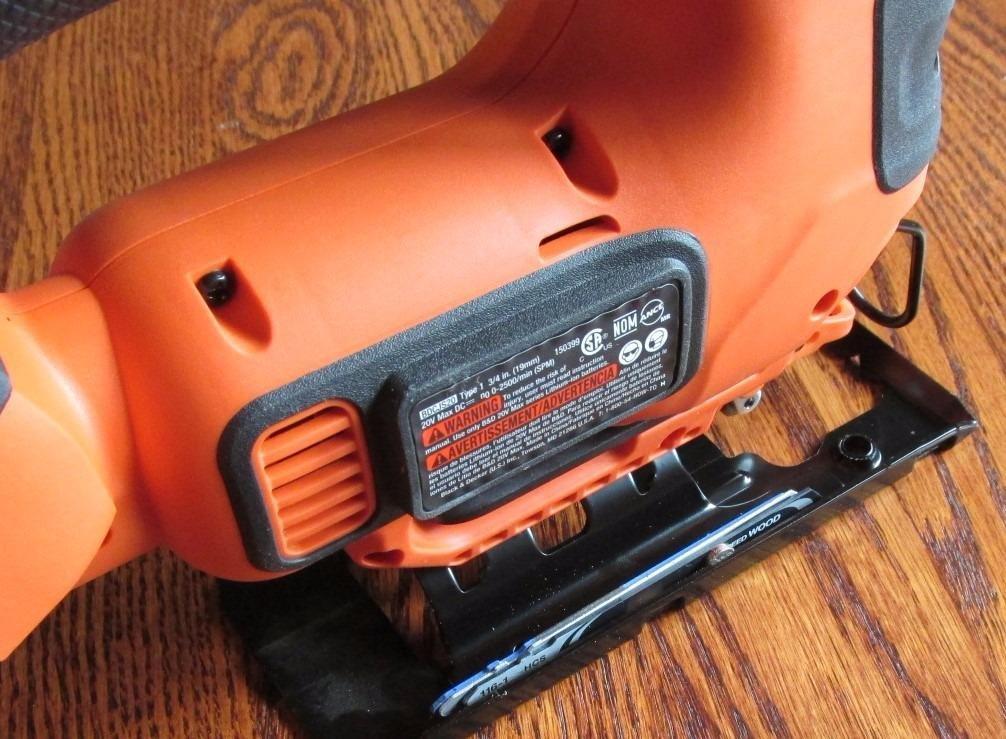
Owners cite the dual shank compatibility and the variable-speed trigger as the features that matter most for detail and craft work, and the 2 year limited warranty is a reasonable safety net for a tool that shares a battery ecosystem with everything else in the range.
Where it is not the pick is speed and output. The 2,500 rpm trigger speed is lower than the brushless saws in this roundup, and 4.7 pounds with a battery fitted makes it the least nimble of the cordless options. It is a detailing tool, not a heavy cutting tool.
Where it fits in a shop?
It suits interior work, cabinetry and trim, where the tool is being used at low speed for control and the base plate needs to sit flat on a finished face. Dual shank acceptance means the same blade library works, whether you are in this saw or a corded one at the bench.
It also makes sense as a second jigsaw. Keep a corded model for big sheet goods and a battery model for site work, and both accept the same blades.
What it costs you?
The battery is not included, and that is the single reason a bare-tool cordless saw can quietly become an expensive purchase. Add the platform cost before comparing it to a corded model that includes everything.
It also has the lowest sales rank of the cordless jigsaws in this roundup, which mostly tells you it is a quieter product rather than a worse one. Expect fewer accessories and fewer owner comments to draw on than the DEWALT models.
9. Bosch JS470E – Premium Corded Pick for Fine Furniture Work
BOSCH Top-Handle Jig Saw, 7.0 Amp, Variable-Speed, Corded (JS470E)
7 amp
3100 SPM
Die-cast foot
Low vibration
Pros
- 7 amp and 3100 SPM for thick hardwood
- Precision-machined plunging system
- Low-vibration design
- Die-cast foot with steel insert
- Carrying case overshoe and anti-splinter insert
Cons
- No built-in work light
- Dust extraction needs extra parts
- Only one blade included
The JS470E is the saw for someone who earns their money on fit and finish. Seven amps and 3,100 SPM power through thick hardwood and 2 inch plywood, and owners consistently describe it as the professional-grade benchmark for clean cuts in kiln-dried oak, maple and walnut.
The mechanism that matters is the internal precision-machined plunging system and the low-vibration design. In testing it produced noticeably smoother cuts than competitors on the same blade at the same speed, and the large die-cast foot with a steel insert does not flex, which is what keeps a long curve straight.
Control is excellent for a top-handle saw. A variable speed dial sets the maximum and the accelerator trigger ramps to it, and the ambidextrous lock-on button suits either hand. Four orbital action settings cover smooth to aggressive work, and the multidirectional blade clamp grips T-shank blades firmly.
The box is unusually well equipped: a non-marring overshoe, an anti-splinter insert, a T-shank blade, a bevel wrench and a carrying case. Owners with 30-year-old tools report expecting decades of service from the current model, and the consensus view is that the price premium is justified.
Where it earns the money?
It earns its cost wherever the cut edge is visible and the material is hard. A die-cast foot stays flat on a veneered panel, the anti-splinter insert holds tearout down on plywood, and low vibration keeps the blade tracking on a curve that a lighter saw would wander through.
It is also the saw to buy if you cut the same profile many times. The tool-less blade change with an ejection lever avoids touching a hot blade, and the dial-plus-trigger speed control means every pass can start identically.
What it does not do?
There is no built-in work light, which is a real gap when you are cutting into a dark cabinet box. The chip blower cannot be connected to dust extraction without buying extra parts, so plan your dust collection before you buy.
Only one blade is included, and with a blade at extended stroke the saw will not fit back into its own carrying case. The circle cutting attachment is not included either. It is also the top of the price range here, which is exactly the trade you accept for the finish.
10. CRAFTSMAN V20 CMCS600B – Longest Warranty in the Group
CRAFTSMAN V20 Cordless Jig Saw, 3 Orbital Settings, Up to 2,500 SPM, Bare Tool Only (CMCS600B)
20 volt
0-2500 SPM
3 orbital settings
3 year warranty
Pros
- Accepts both T-shank and U-shank blades
- Variable speed trigger from 0-2500 SPM
- Three orbital settings
- 45 degree bevel shoe
- 3 year limited warranty
Cons
- No built-in work light
- Battery and charger are sold separately
- Only 3 bevel positions with no 22.5 degree detent
The CMCS600B is the CRAFTSMAN V20 cordless jigsaw, and its distinguishing feature is warranty cover: three years, the longest in this group. Owners report vibration-free operation with strong power for a battery tool, and cuts in plywood, 16 mm moulding and 2×4 lumber with minimal tear-out on a smooth blade.
It accepts both T and U blades, so existing blade collections keep working, and the three orbital settings plus a 0-2,500 SPM variable speed trigger give fine control for clean cuts. The dust blower clears the line for visibility and the contoured overmolded handle is comfortable over a long session.
It is compatible with the VERSATRACK wall organisation system, with the clip sold separately, which is a small but real advantage if your shop is already set up that way. Tool-free blade changes are straightforward and the tool sits well balanced in the hand.
The criticisms are about missing features rather than performance. There is no work light, the body is bulky if you want something compact, and the bevel shoe offers only three positions from 0 to 45 degrees with no 22.5 degree detent.
Why it stands out?
Three years of cover on a jigsaw is unusual, and warranty length is a fair proxy for how confident a manufacturer is about a motor and gear case. For a tool that will live on a shelf and be pulled out occasionally, that matters more than a feature you will never use.
The dual shank acceptance also protects an existing blade collection, and the combination of three orbital settings with a genuinely variable trigger is the right control set for plywood and moulding work.
What to plan for?
The battery and charger are sold separately, and outside the US the V20 battery ecosystem can be hard to source, which is why several international buyers returned the tool. If you are not already on the V20 platform, calculate the full cost before comparing it with a corded saw.
It comes with a single general-purpose wood blade, so plan a second blade for plywood or metal. The bevel shoe adjustment is also less convenient than the tool-less systems on competing saws, and the bulky body loses points for anyone working in a confined cabinet box.
Key Features to Consider When Buying a Jigsaw
Three decisions account for almost all of the difference between a good jigsaw and a disappointing one: power source, handle style and orbital action. Get those right and the rest is refinement. Spend your research time there rather than on model numbers, which tell you very little about cut quality.
Power source: corded or cordless
Corded means unlimited runtime, consistent power and no platform cost. That is the case for the Bosch JS470E and the WEN 33606, the two highest-output saws here, and for any shop where the bench has a dedicated outlet. Shop-bound woodworkers get more power per pound of money from a corded model.
Cordless buys freedom from the extension cord, which matters on a job site, on a ladder, or in a house where the nearest outlet is across the room. The cost is the platform. If you already own 20V MAX, M18, 18V LXT or ONE+ packs, the cordless route is by far the cheapest. If you do not, you are buying a battery ecosystem, not just a saw.
Handle style: top handle, D-handle or barrel grip
A top-handle jigsaw has a loop above the body and works with one hand, which makes it easy to change angle and to cut from underneath. It suits long straight runs and overhead work, and it is the style most shops end up with.
A barrel grip puts your hand directly over the blade and drops the centre of gravity. Fine Woodworking forum contributors consistently describe a barrel grip as giving more control, especially when cutting curves frequently. The DEWALT DCS335B is the barrel grip in our ranking, and it is the tool we would reach for on a scribed profile.
The caveat almost no roundup mentions: barrel grips suit large hands, and the top-mounted switch on the DCS335B suits right-handed use only. If you have small hands, try a barrel grip in a shop before you buy. A D-handle is the middle ground, useful when you need a two-handed grip on a plunge cut.
Orbital action settings and what each one is for
Orbital action means the blade moves up and down and also forward on the upstroke. That forward motion cuts faster but leaves a rougher edge. Three things follow from it: keep the base flat, cut with the good face down, and turn the orbital down for a finish cut.
Setting 0 or 1. Blade stays close to vertical. This is the cut for plywood, veneer, melamine and any visible edge.
Setting 2. A compromise that still moves fast enough for 3/4 inch plywood without heavy tearout. This is our default for sheet goods.
Setting 3. Maximum forward action for fast rough cutting in softwood, thick hardwood and demolition work. Expect a rougher edge.
Only the CRAFTSMAN CMCS600B among our picks offers just three orbital positions, and the cheapest saws in the class often have a simple on-off selector, which removes fine control entirely. Four stages is the sweet spot for general woodworking.
Blade shank: T-shank versus U-shank
The shank is the top of the blade that clamps into the holder. U-shank is the older standard, cheap and universal, but the clamp holds it loosely and blades deflect more. T-shank has a wider tang and a much firmer grip, and it is what you want for scroll work and cut quality.
This is a long-term ownership decision, not a one-off purchase. Many budget saws lock you into U-shank with screws, which strands your blade collection. Four of our picks accept both shanks: the BLACK+DECKER BDEJS600C, the BLACK+DECKER BDCJS20B, the SKIL JS314901 and the CRAFTSMAN CMCS600B. If you own blades already, buy one of those.
Variable speed, base plate and dust extraction
Variable speed matters more than raw SPM, because it is what lets you creep through a curve and then open up on a straight run. A trigger with a speed dial beats a side dial, because you can adjust without taking a hand off the tool.
On the base plate, a die-cast foot with a steel insert resists flex, and a stamped steel plate on a lighter saw is the most common cause of a cut that is not square. Bevel detents at 0, 15, 30 and 45 degrees are worth having, and a no-mar cover saves a finished face.
For dust, check where the port sits. A rear port that takes a standard vacuum hose is far more useful than a chip blower pointed at the cut line, and owners complain about both wrong port placement and dust blowing back into their face. If your shop already has extraction, our guides to drum sanders and benchtop jointers cover how the rest of the shop handles dust.
Jigsaw Blade Guide by Application
Blade choice changes cut quality more than saw choice does, which is the point raised repeatedly in woodworking forums: buy a good saw and good blades, and the cheap-versus-expensive argument mostly resolves itself. Teeth per inch, or TPI, is the number that matters. Low TPI cuts fast and rough, high TPI cuts slowly and cleanly.
Curves in softwood and plywood. A narrow T-shank blade with 10 to 14 TPI, roughly 2 to 3 inches wide. Narrow blades cut tight radii and deflect less. A scroll blade with a very narrow body and fine teeth handles the tightest inside curves.
Clean cuts in plywood and melamine. A fine-tooth blade in the 12 to 20 TPI range, ideally with a progressive tooth pattern or a triple-ground tooth set. A reverse-tooth blade pushes material downward and dramatically reduces tearout on the top face of sheet goods.
Thick hardwood. Fewer teeth, around 6 to 10 TPI, and a wider, stiffer body. A wide blade resists deflection in oak and walnut, which is where cheap blades twist and the cut goes off line.
Sheet metal. A fine-tooth bi-metal blade, 18 to 32 TPI, with teeth set toward the shank. Blades with teeth set away from the shank are for wood and will grab and shatter on metal.
Plastic and laminate. A very fine-tooth blade at 20 TPI or more, used with steady speed and no pushing. Plastic melts and gums a coarse blade instantly.
Two habits do more for your cuts than any saw. Score the line with a utility knife and tape low-tack tape over it before you start, which keeps veneer from lifting. And drill a starter hole if the cut is fully enclosed, so the blade is not asked to begin the cut itself.
For repeat cutting, a CNC router is the other side of the same coin: if you need forty identical curved parts, a CNC router for woodworking beats forty jigsaw passes.
Jigsaw vs Scroll Saw vs Bandsaw – When Another Tool Wins
A jigsaw is not always the right answer, and buying one when you needed another is a common and expensive mistake. The objection comes up constantly in woodworking communities, so here is the honest split.
A scroll saw is faster, quieter and far more accurate for cutting a line you have drawn on a thin workpiece. If you are doing marquetry, inlay, pattern work, or repeated identical curves through 1/4 inch material, a benchtop scroll saw will produce a cleaner cut than any jigsaw blade. The DEWALT DCS335B gets close for freehand work, but it does not replace a scroll saw on precision.
A bandsaw is faster, safer and far more accurate on thick material, because the blade stays guided in both directions and the workpiece never moves much. WoodNet forum contributors put it plainly: almost any bandsaw would be a huge upgrade over any jigsaw if budget and space allow. If your work is straight-ish cuts in thick hardwood, a bandsaw wins.
The jigsaw wins on portability, on plunge cuts in a panel, and on cuts that start in the middle of a workpiece or run past its edge. It also wins on tight radii in thick material, where a bandsaw blade would wander and a scroll saw blade would break. If your list includes cutting a hole in the middle of a sheet of plywood, a jigsaw is the right tool.
What Owners Complain About Most?
We pulled the recurring themes from r/Tools, r/woodworking and WoodNet threads, and cross-checked each against the review data for the saws in this roundup.
Blade wander from pushing too hard. The single most repeated complaint across every forum. Owners describe the blade deflecting to the side the moment they force the saw, and the cut edge going out of vertical. The fix is the one we keep repeating here: slow down, keep the base flat, and let the saw do the work.
Batteries and chargers sold separately. Four of our cordless picks are bare tools, which turns a low price into a much larger number once the platform is added. Buyers who complain about price are usually complaining about this, not the saw.
Dust routing and chip blow-back. Owners across brands report dust obscuring the pencil line, exhaust pointed at the operator on certain cuts, and dust ports that do not fit standard vacuum hoses. Check the port before you commit.
Barrel grip fit. Control-focused owners love the barrel grip, and owners with small hands regularly report that it is uncomfortable. This is the caveat we would add to any roundup that only praises the grip.
Blades that never arrive sharp. Common across the budget tier, and the reason the Hammerhead and SKIL boxes get checked before the saw is used. Treat the included blade as a placeholder and buy a quality T-shank blade as part of the purchase.
On the bigger question, forum consensus is more practical than most spec sheets: buy a good saw, then spend the money you saved on blades. A dull blade will ruin the cut on any of the ten saws here.
Frequently Asked Questions
What is the best jigsaw for woodworking?
For most woodworkers the BLACK+DECKER BDEJS600C is the best all-round jigsaw, with four curve settings, a tool-free clamp that accepts T-shank and U-shank blades and a 5 amp motor to 3,000 SPM. The DEWALT DCS334B is the best cordless option if you already own 20V MAX batteries, and the Bosch JS470E is the most precise choice for fine furniture work.
Who makes the best quality jigsaws?
Build quality consensus in woodworking communities points to Bosch, and Bosch earns the top spot in that category here with the JS470E. Its precision-machined plunging system, low-vibration design and die-cast foot with a steel insert produce noticeably smoother cuts than lighter saws on the same blade and speed.
Which jigsaw is better, DeWalt or Milwaukee?
The DEWALT models here carry the highest ratings and the largest review volumes of any brand in this roundup, and the DCS334B pairs a brushless motor with 4-position orbital action, an LED and an all-metal keyless blade change. The real comparison is platform: choose DeWalt 20V MAX if you already own those packs, and a battery jigsaw is only cheap if the platform is already in your shop.
What is the difference between a regular jigsaw and an orbital jigsaw?
Both have orbital action, but the difference is how many settings they offer. Orbital action moves the blade forward as well as up on the upstroke, which cuts faster but leaves a rougher edge. A three or four-stage model lets you drop to a near-vertical setting for plywood and finish cuts; a single on-off orbital selector does not.
Is a barrel grip jigsaw better?
For curves, yes. A barrel grip puts your hand over the blade and lowers the centre of gravity, so you steer with your arm instead of fighting the tool. Woodworking forum contributors consistently describe it as giving more control on frequent curve work. The catch is fit: barrel grips suit larger hands, and for long straight cuts and overhead work a top-handle saw is lighter and easier to control one-handed.
What not to do with a jigsaw?
Do not push the saw. The most common cause of a wandering cut is feeding faster than the blade can cut, which deflects the blade sideways and leaves an edge that is no longer vertical. Also avoid starting a closed cut without a starter hole, cutting on the finish face, using a dull blade, and adjusting speed with a side dial in the middle of a cut.
What saw do carpenters use?
Professionals tend to use a jigsaw for curves, cutouts, plumbing and electrical openings, and reach for a bandsaw or circular saw for straight work in thick material. A benchtop scroll saw is the usual choice for repeated precision cuts in thin material, and a CNC router takes over when the profile has to be identical every time.
What is the lifespan of a jigsaw?
A well-made corded jigsaw with replaceable brushes can run for decades, and owners in this roundup report six-plus years on budget models and thirty-year ownership histories on premium ones. Brushless cordless models tend to outlast brushed ones because there is no motor wear. Blades and the blade clamp wear far sooner than the motor, so budget for replacement blades rather than a replacement saw.
Final Verdict
The best jigsaws for woodworking come down to what you cut and what you already own. Start with the BLACK+DECKER BDEJS600C if you want the strongest all-round combination of curve control, blade compatibility and owner history in 2026, and it is our Editor’s Choice for good reason.
Go cordless with the DEWALT DCS334B if 20V MAX packs are already in your shop, the DCS335B if your work is mostly curves and you have hands that suit a barrel grip, and the SKIL JS314901 or CRAFTSMAN CMCS600B if your existing U-shank blades still matter. Buy the Bosch JS470E when the cut edge is visible and the material is hard, and start with the Hammerhead HAJS048 or BLACK+DECKER BDEJS300C if a first jigsaw on a tight budget is the actual plan.
Whatever you choose, buy a good T-shank blade before your first cut, keep the base plate flat, and let the saw do the work.