
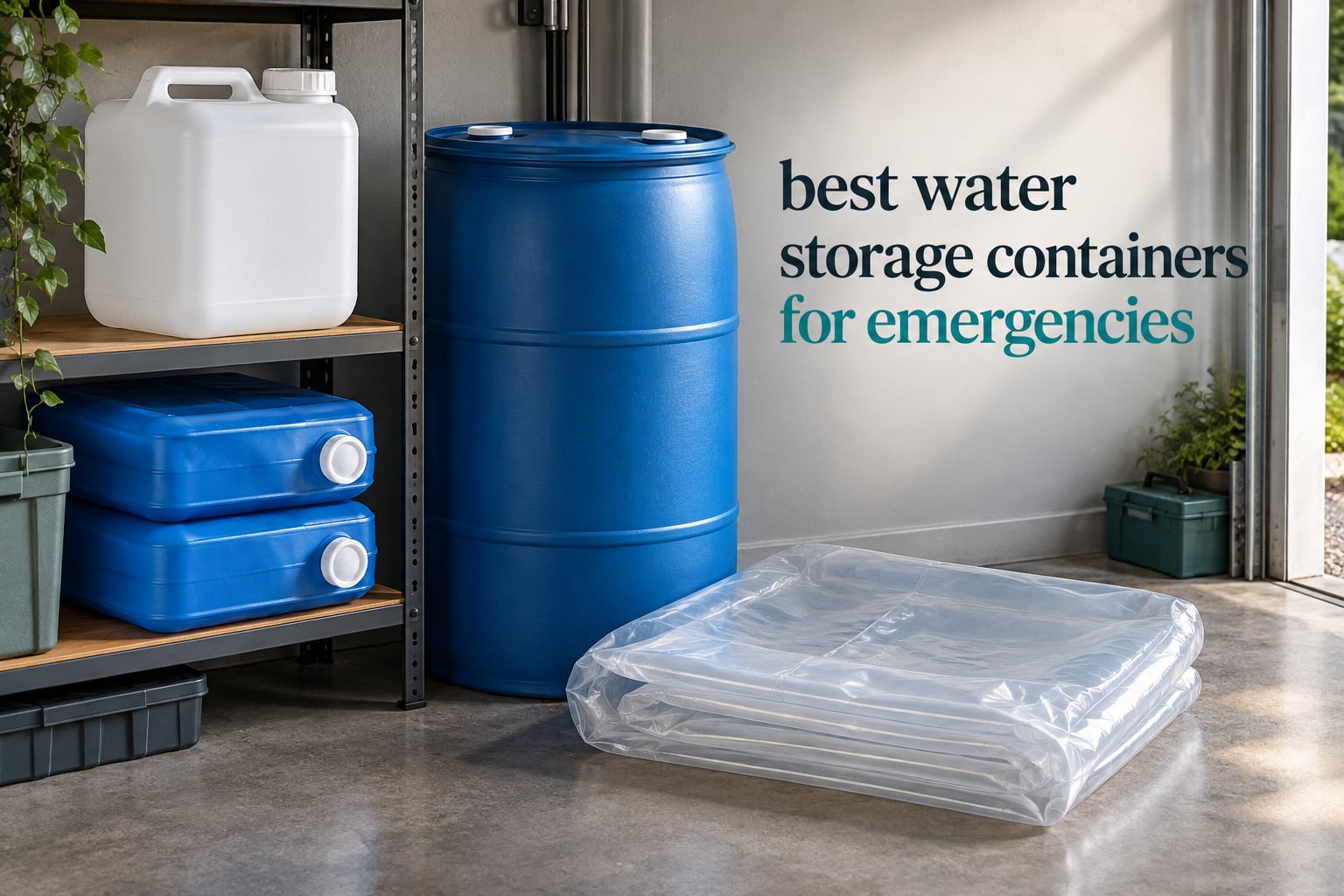
Water is the first utility to fail. In a hurricane, an ice storm, an earthquake or a long grid outage, the taps run dry long before the fridge goes quiet, and everything else in your emergency plan is worthless without something safe to drink. The rule most preparedness guides agree on is simple: one gallon of water per person per day, plus a buffer for cooking, hygiene and pets.
That single number is where most people go wrong. They buy one attractive 5-gallon jug, call it done, and discover during a boil-water advisory that a household of four drinks 16 gallons a day. A serious reserve means a layered system: small containers you can actually carry and drink from, medium jugs for daily use, and bulk tanks or drums for the reserve you rarely touch.
After months of rotating water through the 12 containers below, one verdict held up every time. The best water storage containers for emergencies are made from food-grade, BPA-free HDPE #2 plastic with threaded caps and gasketed seals, and they have a wide enough opening to scrub out biofilm. Material matters, but so does weight, and so does whether the dispensing hardware is included in the box. If you want the short version of the whole field, our guide to large water storage tanks covers the bulk end in more depth.
Everything below is rated on the same four questions: How much does it hold? How heavy is that when full? What comes in the box? And does it leak after months of sitting?
Table of Contents
Top 3 Water Storage Containers for Emergencies (September 2026)
These three cover the most ground for most households. One is the all-rounder, one solves the storage-space problem nobody else solves, and one is the kit you buy when you want to set water down and forget about it for years.

FastRack 5 Gallon Hedpak
- 5 gallon square stackable body
- BPA-free food-grade plastic
- 70 mm threaded cap

waterBOB 100 Gallon Bathtub Bladder
- Up to 100 gallon capacity
- Food-grade LLDPE liner
- Includes hand pump
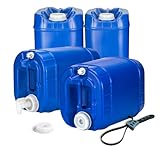
Legacy 20 Gallon 4-Tank Kit
- 4 x 5 gallon tanks
- 5-year treatment drops included
- Stackable rib design
All 12 Water Storage Containers Compared in 2026
Read the capacity and the full weight together. Two containers with identical ratings can differ by 20 pounds when filled, and that difference decides whether you can move your reserve when the water main stays down.
| Product | Specifications | Action |
|---|---|---|
| FastRack 5 Gallon Hedpak |
|
Check Latest Price |
| waterBOB 100 Gallon Bathtub Bladder |
|
Check Latest Price |
| Legacy 20 Gallon 4-Tank Kit |
|
Check Latest Price |
 BayTec 55 Gallon Blue Water Barrel BayTec 55 Gallon Blue Water Barrel |
|
Check Latest Price |
 Augason Farms 55 Gallon Barrel Augason Farms 55 Gallon Barrel |
|
Check Latest Price |
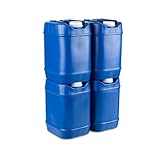 Saratoga Farms 20 Gallon 4-Pack Saratoga Farms 20 Gallon 4-Pack |
|
Check Latest Price |
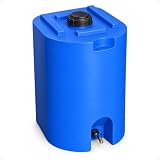 WaterPrepared 55 Gallon Stackable Tank WaterPrepared 55 Gallon Stackable Tank |
|
Check Latest Price |
 AquaPodKit Bathtub Water Storage Bladder AquaPodKit Bathtub Water Storage Bladder |
|
Check Latest Price |
 YOSN 5 Gallon Spigot Water Jug YOSN 5 Gallon Spigot Water Jug |
|
Check Latest Price |
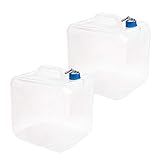 Cedilis 5.3 Gallon Collapsible 2-Pack Cedilis 5.3 Gallon Collapsible 2-Pack |
|
Check Latest Price |
 WaterBrick 3.5 Gallon 8-Pack WaterBrick 3.5 Gallon 8-Pack |
|
Check Latest Price |
 Aguaprep 20 Gallon 4-Tank Kit Aguaprep 20 Gallon 4-Tank Kit |
|
Check Latest Price |
1. FastRack 5 Gallon Hedpak – Best Overall Emergency Water Container
FastRack 5 Gallon Hedpak with Cap | BPA-free, Food-Grade, and Leak-Proof | White Water Container | Ideal for brewing, fermentation, or storage
Capacity: 5 gallons
Material: BPA-free food-grade plastic
Weight: 1.4 lb empty / 45 lb full
Size: 10W x 12H inch
Pros
- Thick sturdy plastic that resists tipping
- Tight leak-resistant cap threading
- Translucent body shows the water level
- Wide handle carries a full load
- Graduated markings for accurate filling
Cons
- Cap threads are stiff and can weep slightly
- No air vent so pouring is slower
- Small handle opening with rough interior seams
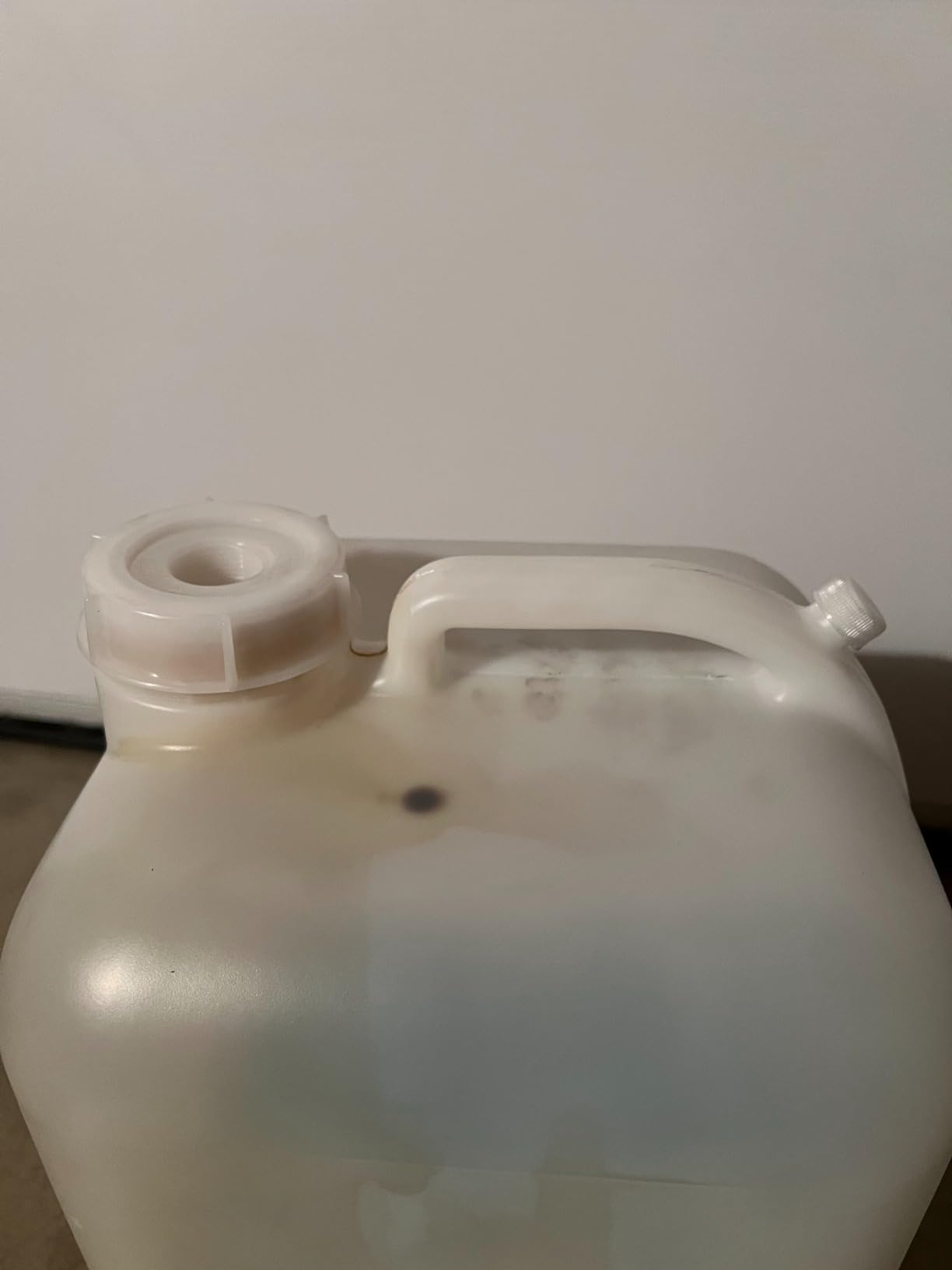
This is the jug we ended up buying more of, and the reason is the shape. The square body uses the footprint of a round jug far more efficiently, so a stack of them fits a closet shelf that a round container would overhang. It also self-stacks without a rack, which matters in a garage where floor space is the constraint.
At 5 gallons the filled weight lands around 45 pounds. That is heavy enough to be awkward for anyone with a back problem or for an older adult in the household, and it is the reason we keep smaller containers on hand for daily drinking.
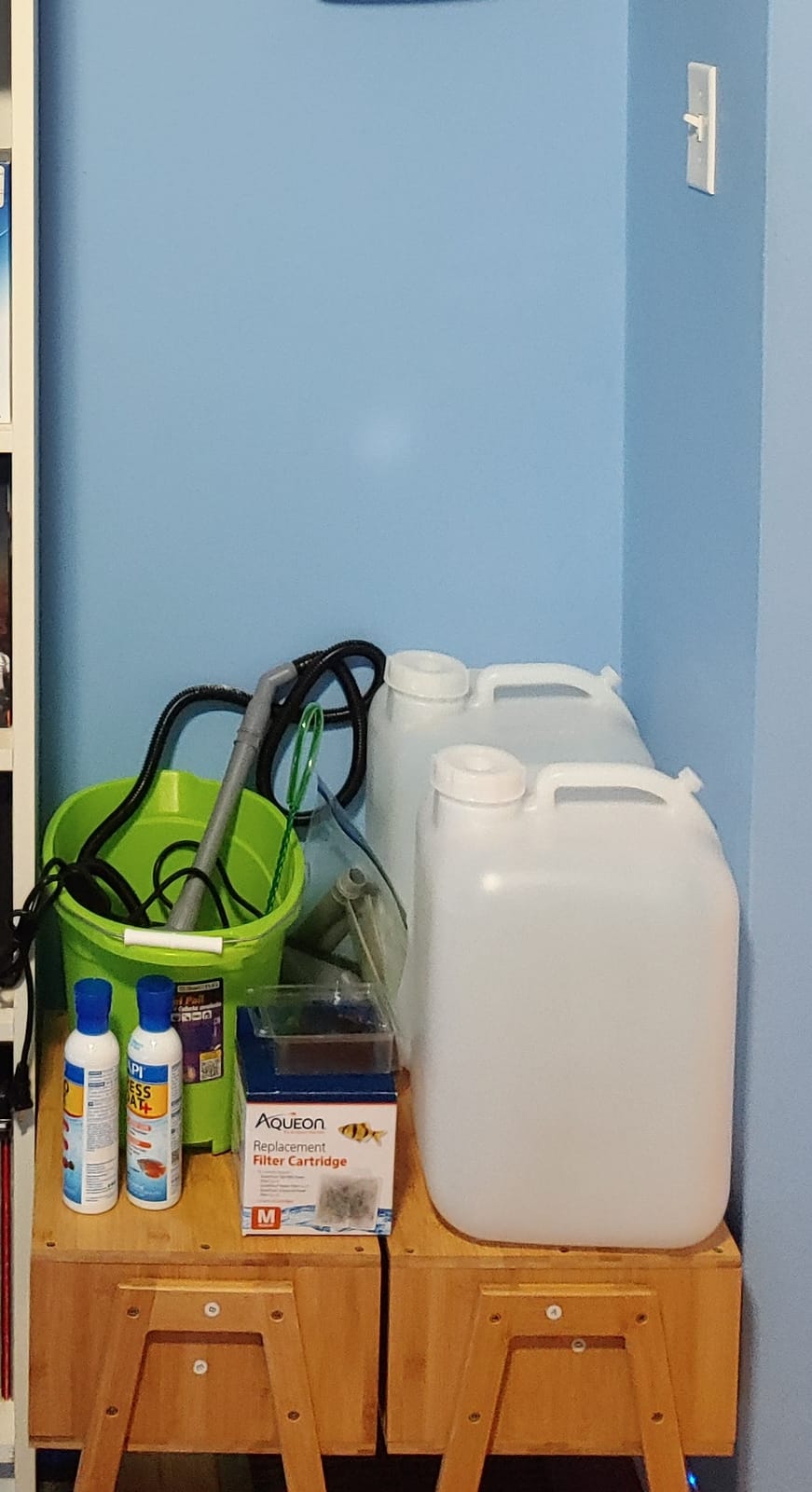
The 70 mm threaded cap is the real strength here. It is wide enough to get a hand and a bottle brush inside, which is the difference between a container you clean between rotations and one where algae quietly colonises the corners. Sealing is secure, and the body is translucent enough to read the level without picking it up.
It is sold as a homebrewing vessel, and that is not a downside for emergency use. Fermenting requires a genuinely food-grade, gasketed vessel with no seam that can trap residue, and a Hedpak has to pass the same bar before anyone brews in it.
What to check before you fill it?
Decide where it lives before you fill it. Once 45 pounds of water is in the container, moving it across a garage floor or up a step becomes a two-person job, and the usual failure is a dropped jug with a cracked seam and a wet floor.
Check the cap seal by filling it halfway, tightening it, and laying it on its side on a towel for an hour. If the towel is dry, the seal is good. If it is damp, wipe the threads dry, re-seal and retest before it goes into storage.
Where it falls short?
There is no spigot, so every serving means lifting the whole jug. For a household drawing from it daily that is a nuisance, and it is why we pair it with a smaller 1-gallon container for drinking and use the Hedpak as the refill reserve.
The cap threads are stiff, which some reviewers report can tear the gasket if you force it, and a small complaint across reviews is that the cap can weep slightly at the thread when carried on its side. Pierce the cap or keep the jug upright in transit and it is a non-issue.
2. waterBOB 100 Gallon Bathtub Bladder – Best Value for Large Volume in Small Homes
waterBOB Bathtub Emergency Water Storage Bladder Up To 100 Gallon Capacity – Food Grade Liner with Hand Pump for Hurricane and Disaster Preparedness – BPA Free Drinking Water Container
Capacity: up to 100 gallons
Material: food-grade LLDPE liner
Weight: 1.3 lb empty
Includes: hand pump
Pros
- Stores 100 gallons in a space you already own
- Collapses to roughly shoebox size empty
- Fills in about 20 minutes with no tools
- Included pump shrinks as water drains
- Sealed liner keeps water dust-free
Cons
- Effectively a single-use item
- Thin liner can be punctured
- Fill tube can kink or backflow
Nobody who has set one up comes back to 55-gallon drums. The waterBOB drops into a standard bathtub, fills from the faucet in about 20 minutes, and holds up to 100 gallons in a room you were not using for storage anyway. For a household that genuinely cannot find 55 gallons of floor space, this solves a problem no rigid container can.
Setup is genuinely tool-free. The liner conforms to the tub, the fill port runs to the faucet, and the included hand pump siphons water up into jugs and pitchers. Nothing is plumbed, nothing is drilled, and the whole thing comes apart when the water is used.
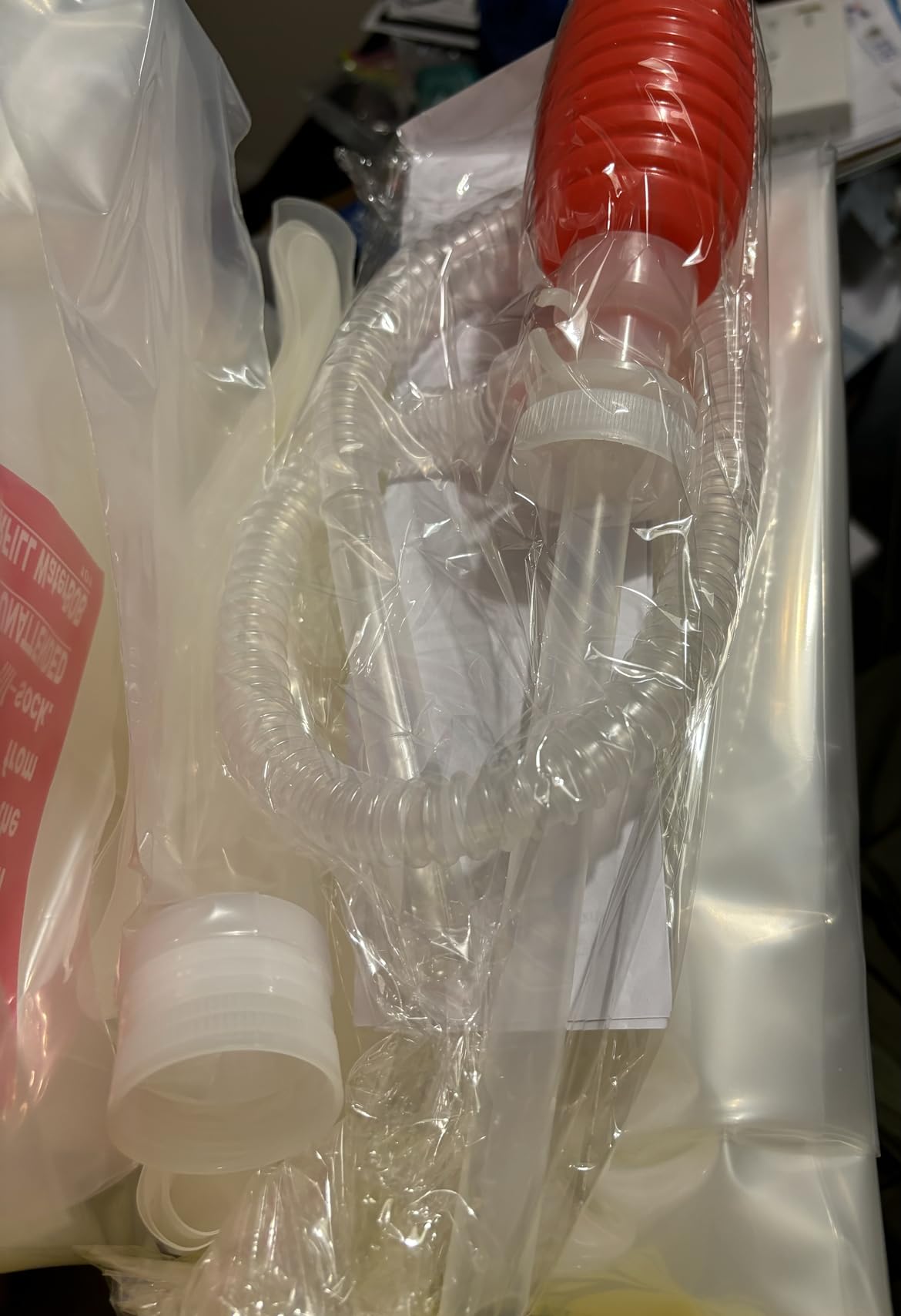
The catch is shelf life and reusability. The sealed liner is rated to keep water fresh for up to 16 weeks, which makes it a storm-season tool rather than a standing reserve. That is a genuinely useful role, but it is a different role from a drum you fill once and leave alone for three years.
On preparedness forums, bladders of this style get recommended constantly as the cheapest way to add 65 to 100 gallons before a hurricane makes supply impossible. We agree with the recommendation, with the understanding that you fill it after the tap stops, not before.
How to deploy it without wasted water?
Treat the bladder as single-use per event. Rinse it with a hose, air it out, and run a mild bleach solution through the pump before the next fill. If the liner looks scuffed or cloudy from the inside, replace the unit rather than trusting it with drinking water.
Weigh the fill tube down with a clean mug so it cannot float up and backflow against the faucet during the 20-minute fill. A backflow sends supply water onto your bathroom floor and is the single most common complaint about the fill process.
Where it falls short?
Treating it as permanent storage is a mistake. The liner is thin by necessity, and a puncture means the whole reserve is gone with no way to see the leak until the water is already out.
Once the level drops low, siphoning gets hard, especially in a deep tub where the pump has to lift the water higher. Plan to draw the bladder down to nothing rather than trying to take the last few gallons from the corner of the tub. Details on bladders are covered in our portable water storage bladder roundup.
3. Legacy 20 Gallon 4-Tank Kit – Best Premium Set for Long-Term Storage
5-Gallon Stackable Water Storage Containers, 4-Pack
Capacity: 4 x 5 gallon tanks (20 gal)
Material: food-grade BPA-free plastic
Weight: 40 lb per tank full
Size: 12L x 10W x 15H inch
Pros
- Treatment drops rated for 5 years included
- Stackable ribs lock tanks together
- Dark blue body blocks light
- Large opening plus included spigot
- Reusable food-grade plastic
Cons
- About 40 pounds per filled tank
- Spigot installation takes some figuring out
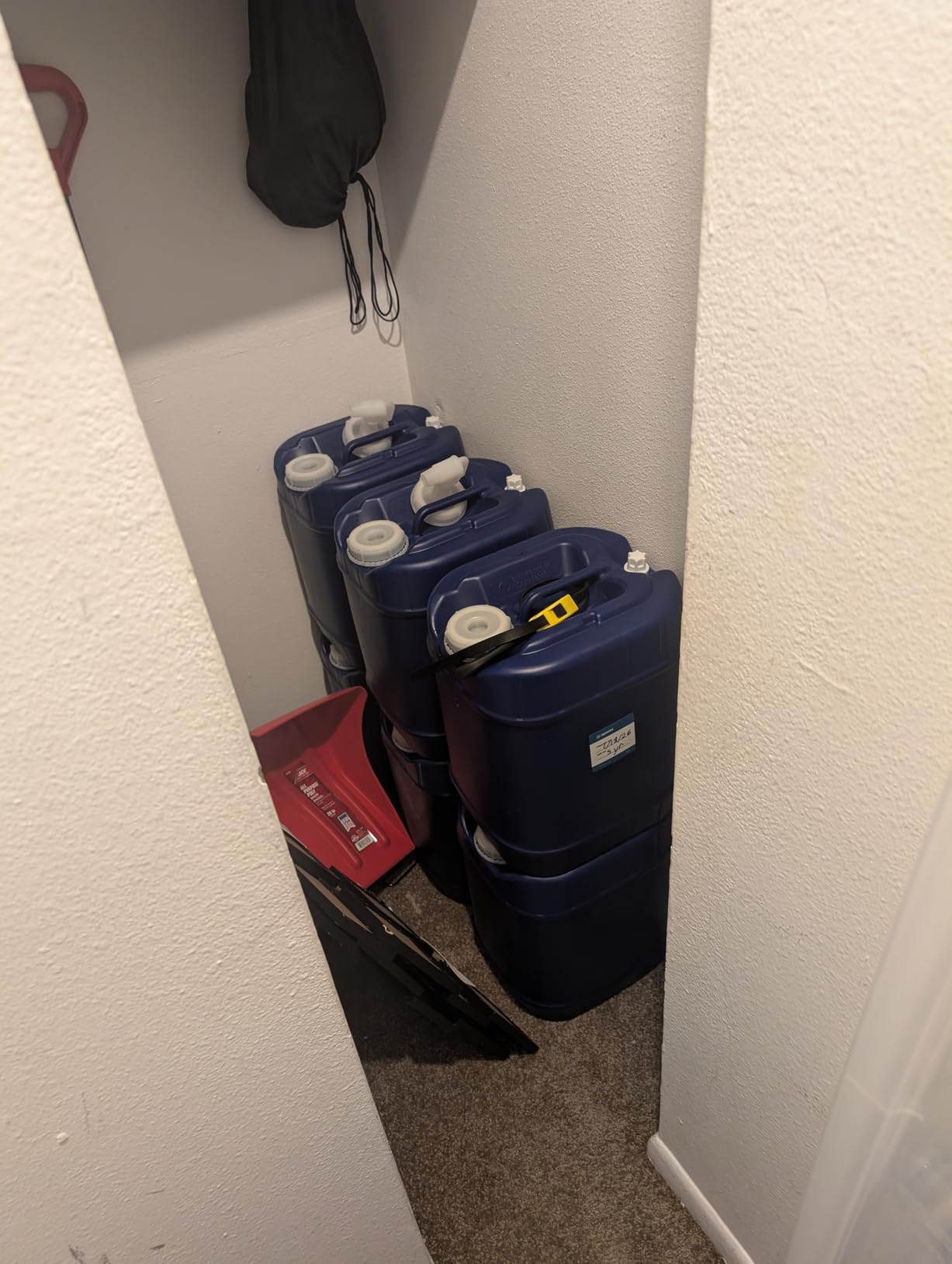
The reason this kit stands apart from the other 5-gallon sets is the treatment drops in the box. A 20-gallon reserve treated at fill time and left alone is a genuinely different proposition from the same 20 gallons that you have to drink through and refill twice a year, which is the part most people quietly stop doing.
Each tank is 5 gallons and about 40 pounds filled, so a full kit is roughly 160 pounds. That is not a set you shuffle around when a storm warning appears, so place it once and leave it. The stackable ribs lock the tanks together, which keeps a full stack from walking across a garage floor.
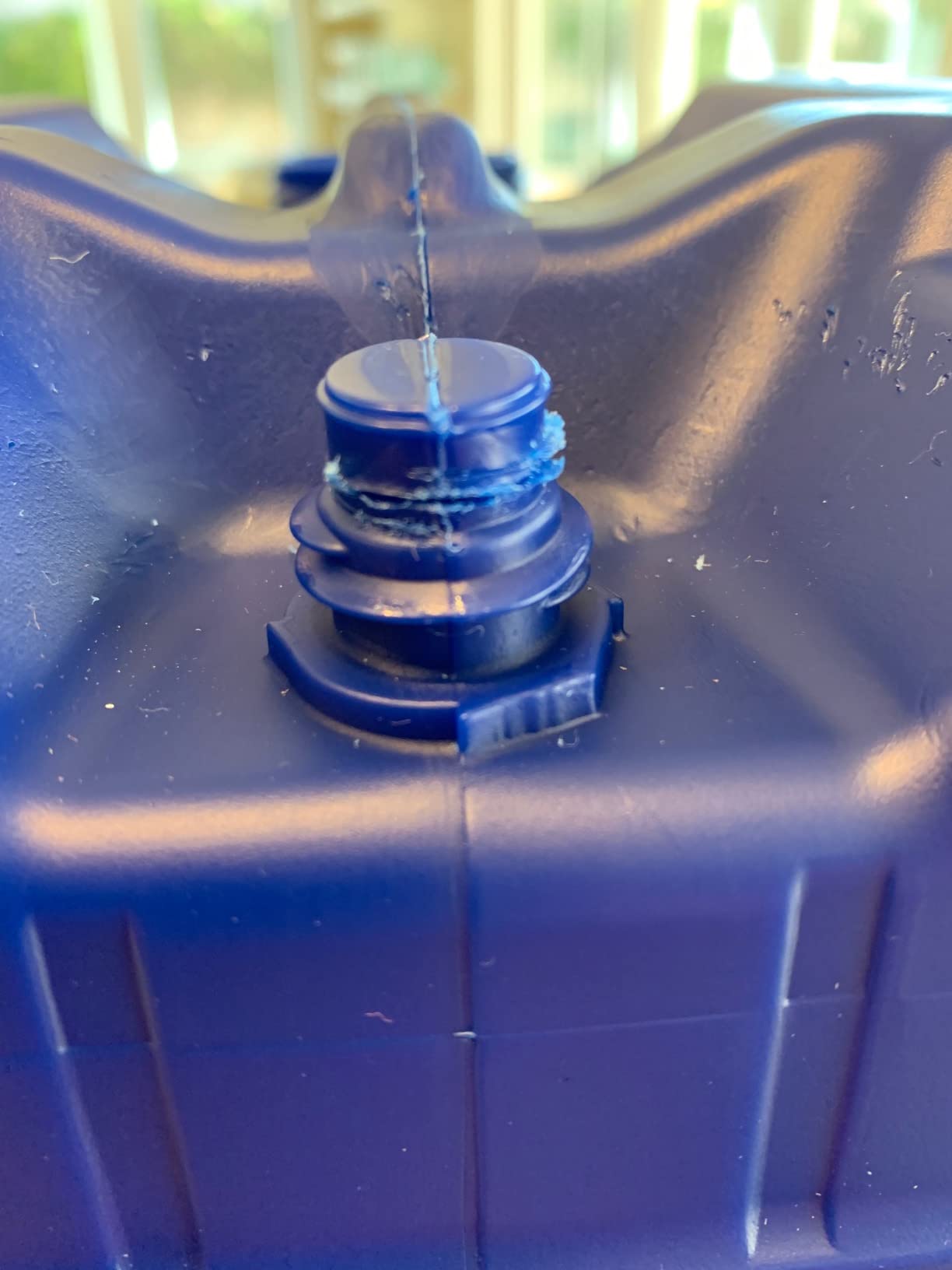
The dark blue body is a quiet but real advantage. Light drives algae growth in stored water, and an opaque dark container slows that more than a translucent or clear jug of the same capacity. The large 2.25-inch opening also gives you real access for scrubbing.
In the box you get the tanks, prepared caps, a spigot, and a strap wrench for tightening fittings. The strap wrench is not a gimmick. Threads on plastic caps strip easily, and tightening one bare-handed is how people crack a fitting and then leak for months.
What to check before you fill it?
Assemble and leak-test one tank empty, spigot included, before you commit the whole kit. Run water through the fitting into a sink, wait a few minutes, and check the threads and the tank base for weeping. Replacing a fitting on an empty tank takes a minute; replacing one on a full tank is a chore.
Fill one tank, use it completely, and only then fill the rest. The point of treatment drops is a long untouched reserve, and you cannot leave water sitting open in a part-filled tank without starting the biofilm problem.
Where it falls short?
Weight is the honest drawback. Forty pounds per tank means stacked tanks are genuinely difficult to reposition, and anyone planning to move their reserve should assume it stays where it is put.
The spigot installation is the second complaint that shows up repeatedly, because the fitting does not obviously belong in the cap at first glance. Five sets of threaded caps are included, so you have spares, and the instructions sort out which hole takes the tap. Expect ten minutes of figuring rather than instant assembly.
4. BayTec 55 Gallon Blue Water Barrel – Best Heavy-Gauge Bulk Drum
55 Gallon Blue Water Barrel | Solid Mold |2 Inch Bung Holes, Good for Long Term Drinking Water Use | BPA Free
Capacity: 55 gallons
Material: solid-mold HDPE
Weight: 22-24 lb empty
Size: 23L x 23W x 35H inch
Pros
- One-piece molded body with no seams to leak
- Fine wide-threaded bung caps seat securely
- Read the level by shining light down a bung
- Handles rain collection as well as stored water
Cons
- Arrives without a box so may be scratched
- Faint plastic odor on first fill
- Only bung holes for filling and cleaning
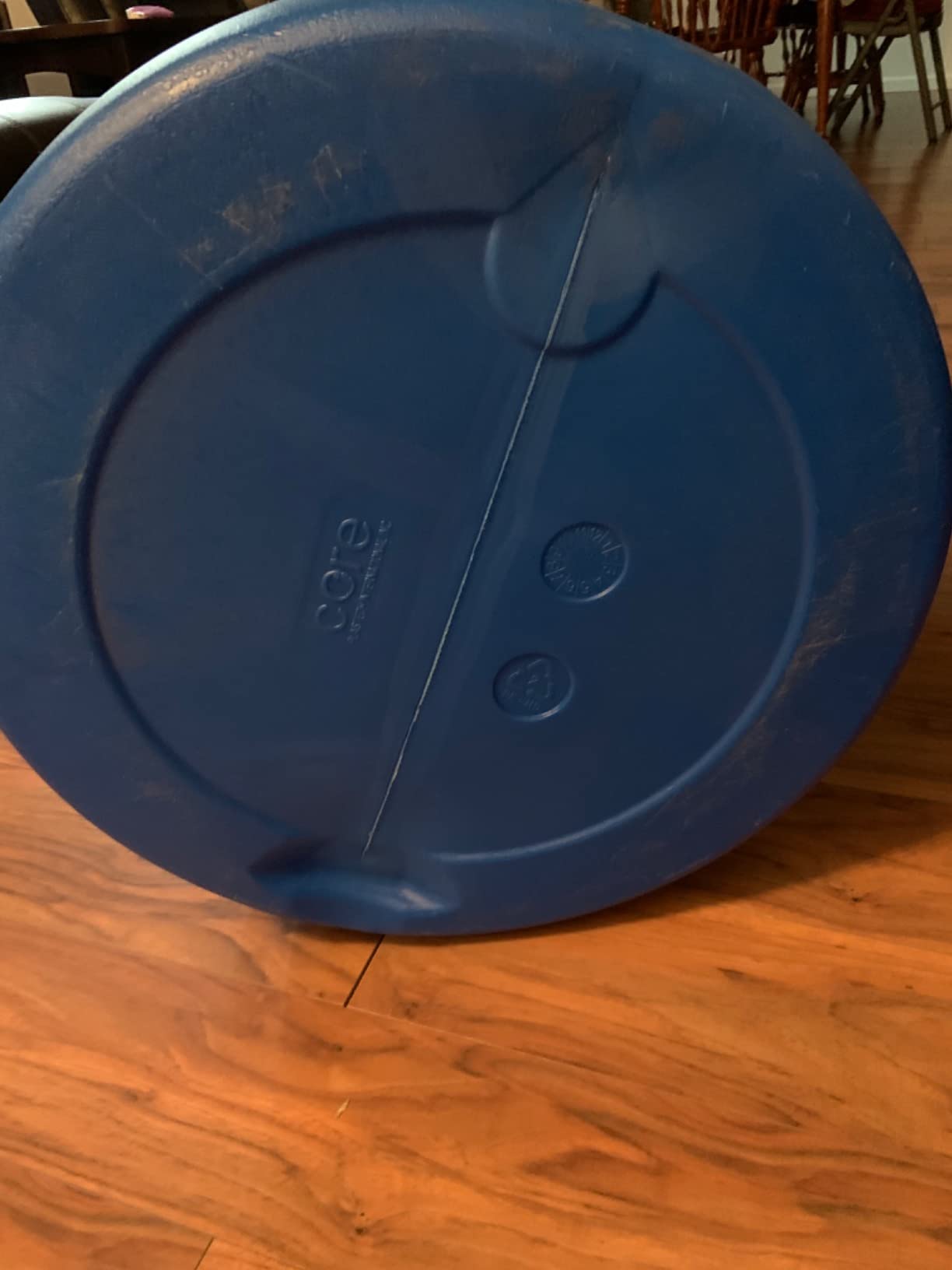
A 55-gallon drum is the unit of preparedness. At about 458 pounds filled, it is the point where a household stops guessing and starts covering real ground. This one is a solid-mould HDPE barrel with no seams along the body, which is where drum leaks usually start.
Reviewers consistently describe the bung threads as tight and well-cut, and the barrels are pressure checked and leak tested before they leave the manufacturer. Two 2-inch bung holes give you a filling point and a drain point, and the sealed mould is what keeps collected rainwater in when you use it as a rain barrel.
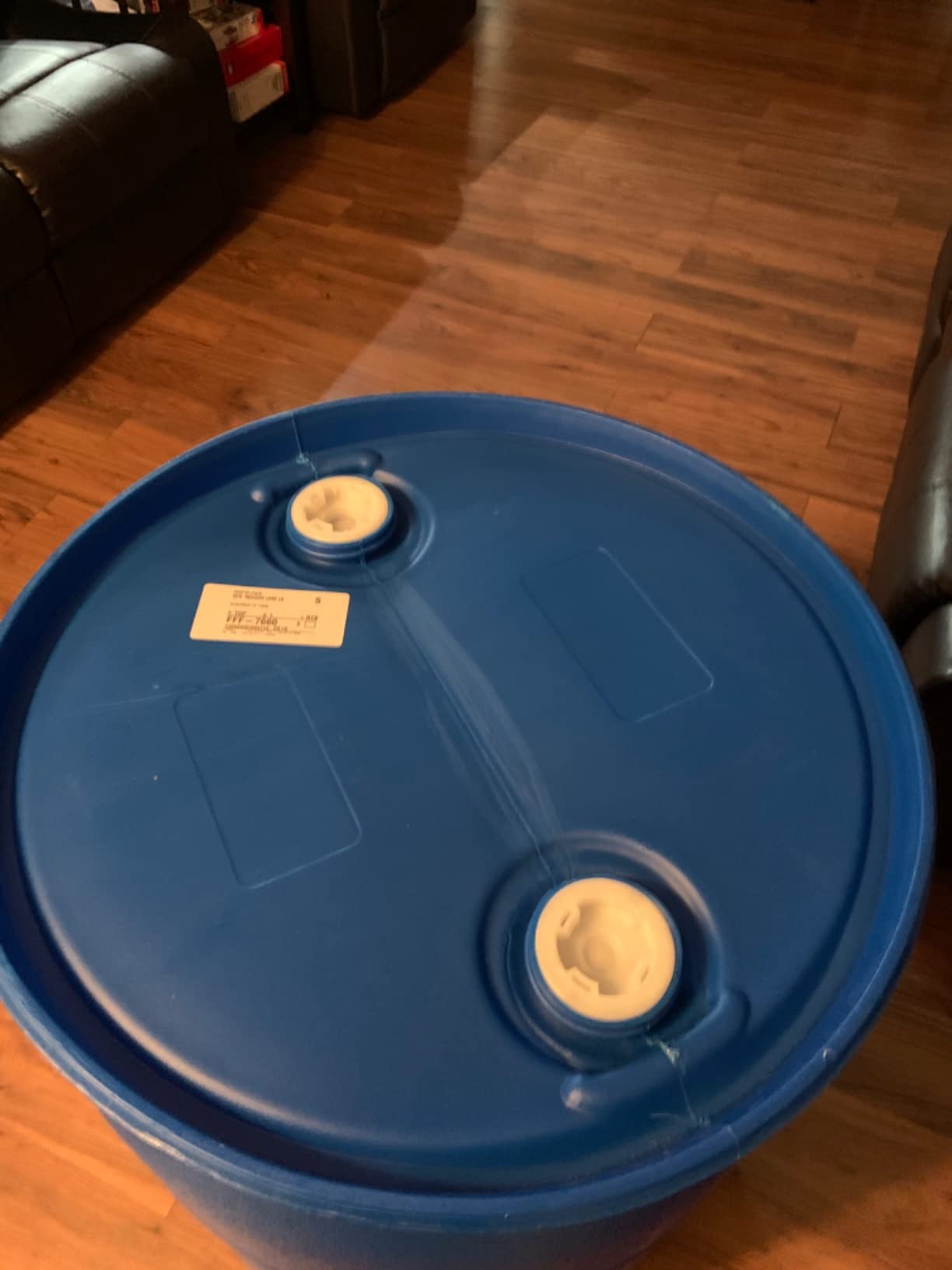
One underappreciated trick: you can shine a light down an empty bung hole and see the water level from above without opening anything. On a deep drum, that saves a lot of kneeling and guessing.
It is also a genuinely good rain barrel. The same sealed mould that keeps drinking water clean keeps collected rainwater in, and the fine threads seat much more reliably than the oversized bungs on cheaper drums. Our barrel roundup compares more of these side by side.
What to check before you fill it?
You will need a hand pump or siphon to draw water out, and it is a separate purchase. Budget for that before the drum goes up, because a 55-gallon drum you cannot lift and cannot pump is a very large container of water you cannot drink.
Fill it with the tap open for the first few minutes and then shut it off, to push air out of the line and avoid a slug of air in the middle of your reserve. Then check the bungs again a week later. Threads relax as the plastic takes the weight of the water.
Where it falls short?
Barrels frequently arrive without a box or outer covering, so yours can show up scratched, dusty or with road grime on it. Wash it out with hot water and a mild detergent before filling, and do not trust a drum you have not cleaned.
Fresh plastic can carry a faint odour on the first fill. It fades after a wash and an airing, but do not fill and immediately seal a drum that smells of plastic if you plan to drink from it within days. The sealed top also means cleaning access is limited to the bungs, so scrub carefully before the first fill rather than trying to clean around residue later.
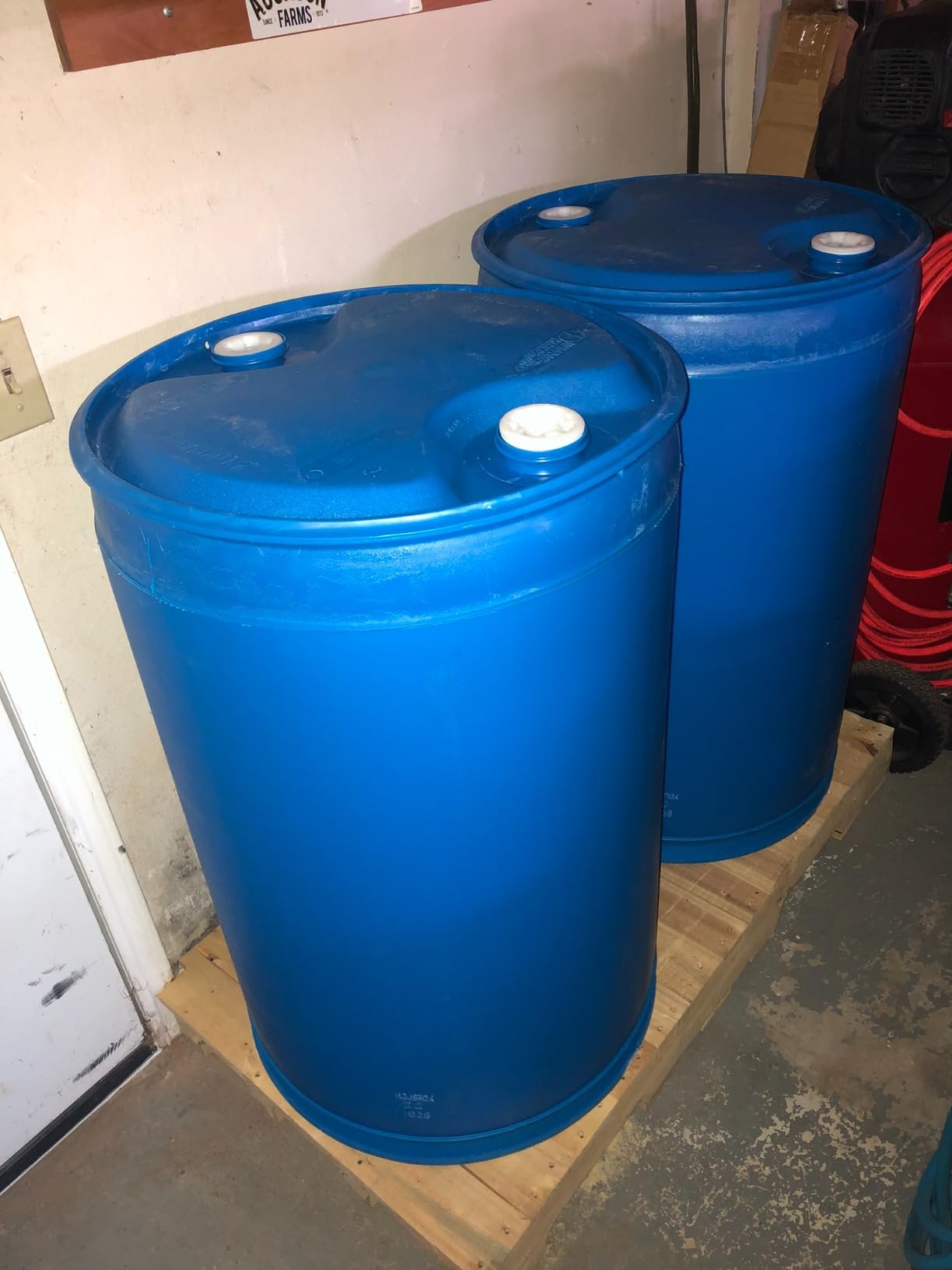
5. Augason Farms 55 Gallon Barrel – Best Drum for Light Handling
Augason Farms lon Water Storage Barrel – BPA-Free Plastic Barrel 55-Gallon
Capacity: 55 gallons
Material: food-grade BPA-free polyethylene
Weight: 18 lb empty
Size: 22.95L x 22.95W x 35.13H inch
Pros
- Durable build that does not smell of plastic
- Sealed top resists contamination
- Light at 18 pounds when empty
- Compact 55 gallon footprint
Cons
- Internal lip makes full draining hard
- No spigot or siphon included
- Sealed top limits filling and cleaning
At 18 pounds empty, this is the drum you can actually move. That is not a small thing when the alternative is a 24-pound barrel that takes two people to shift across a concrete floor, and it is why owners with unfinished basements and one-person households pick this one.
Augason Farms is a long-running preparedness brand, and the drum itself is straightforward: food-grade BPA-free polyethylene, a sealed closed top, and two built-in plug fittings for filling and draining. Reviews report no plastic odour once cleaned, which is the complaint most often raised about new poly drums.
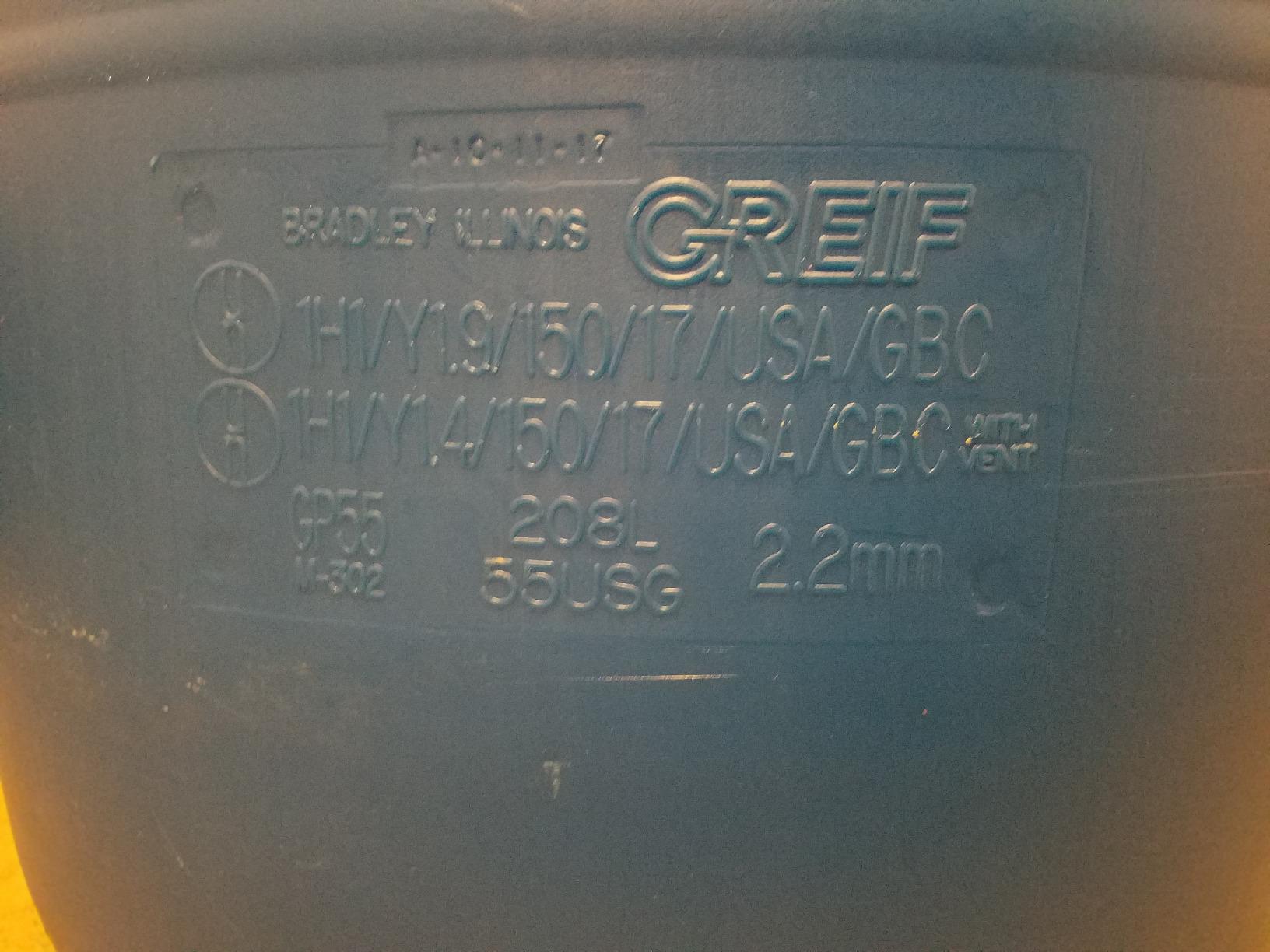
The security of a sealed top is worth something. An open-top barrel collects dust, insects, rodent droppings and pet hair, and any of those turn a drinking reserve into something you have to treat before use. Sealed means sealed, and that is the point of the design.
Owners also note that the drum is light enough to reposition while empty, so you can choose the storage spot after it arrives rather than being locked into wherever you first set it down.
What to check before you fill it?
Confirm both bung fittings are present before you fill anything. Some units bought through third-party sellers arrive with missing plugs, and finding out after you have washed the drum is a good way to lose an afternoon.
Buy a siphon or hand pump at the same time. Nothing is included, and a 55-gallon drum without a dispensing method is a storage problem rather than a supply solution.
Where it falls short?
An internal lip means the drum does not fully drain. A residue line at the bottom collects sediment and biofilm that never rinses away, and in a sealed drum that becomes a permanent home for algae over a multi-year store. Fill it knowing you will never get the last few gallons out, and plan to treat before drinking after long storage.
Cold weather is the second caution. Owners in freezing climates report the drum deforming in very cold garages, and a bowed wall is a wall that eventually cracks. Store it above freezing or accept a shorter service life. The sealed top also means filling and cleaning happen through two small holes, which takes longer than you expect.
6. Saratoga Farms 20 Gallon 4-Pack – Best for Clean Nesting Stacks
Saratoga Farms 5-Gallon Stackable Water Storage Containers, Emergency Water Storage for Camping and Disaster Preparedness, 20 Gallons
Capacity: 4 x 5 gallons (20 gal)
Material: BPA-free food-grade HDPE
Weight: 40 lb per container full
Size: 11L x 10W x 14H inch
Pros
- Flat tops and bottoms nest tightly
- Built-in breathing ports prevent air lock
- Food-grade HDPE that will not leach
- Handles on every container
- American-made product
Cons
- About 40 pounds per filled container
- Filled stacks are awkward to reposition
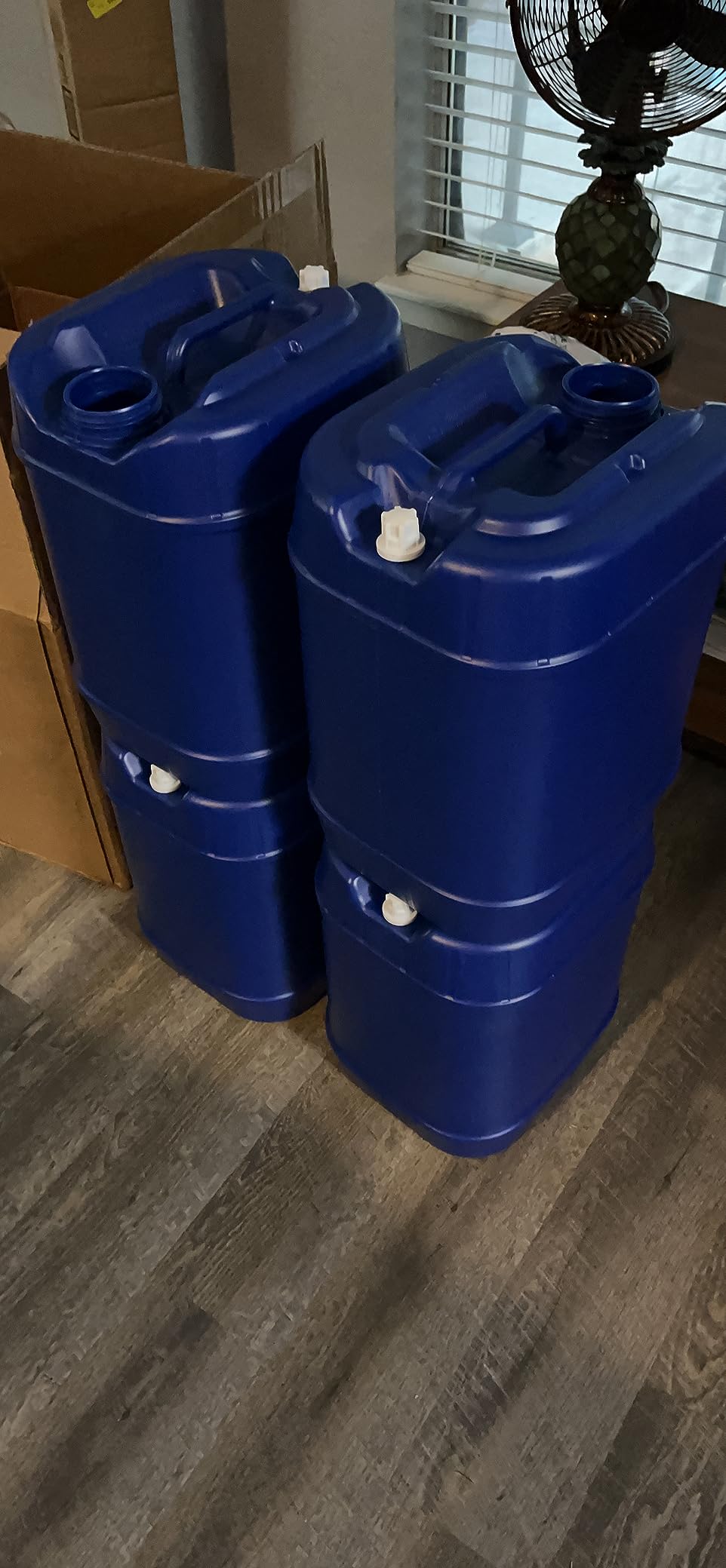
The breathing ports are the feature that gets missed until you try to drain one of these. Every other sealed container needs you to crack the lid and blow air back in halfway through pouring. The built-in twist ports on this one equalise pressure so water runs out on its own, which is a small design decision that saves real annoyance.
Flat tops and bottoms mean the containers nest when empty, so a 20-gallon kit takes up a fraction of the space of four round jugs. For a garage shelf or a mudroom closet, that difference decides whether you own a reserve or you mean to own one.
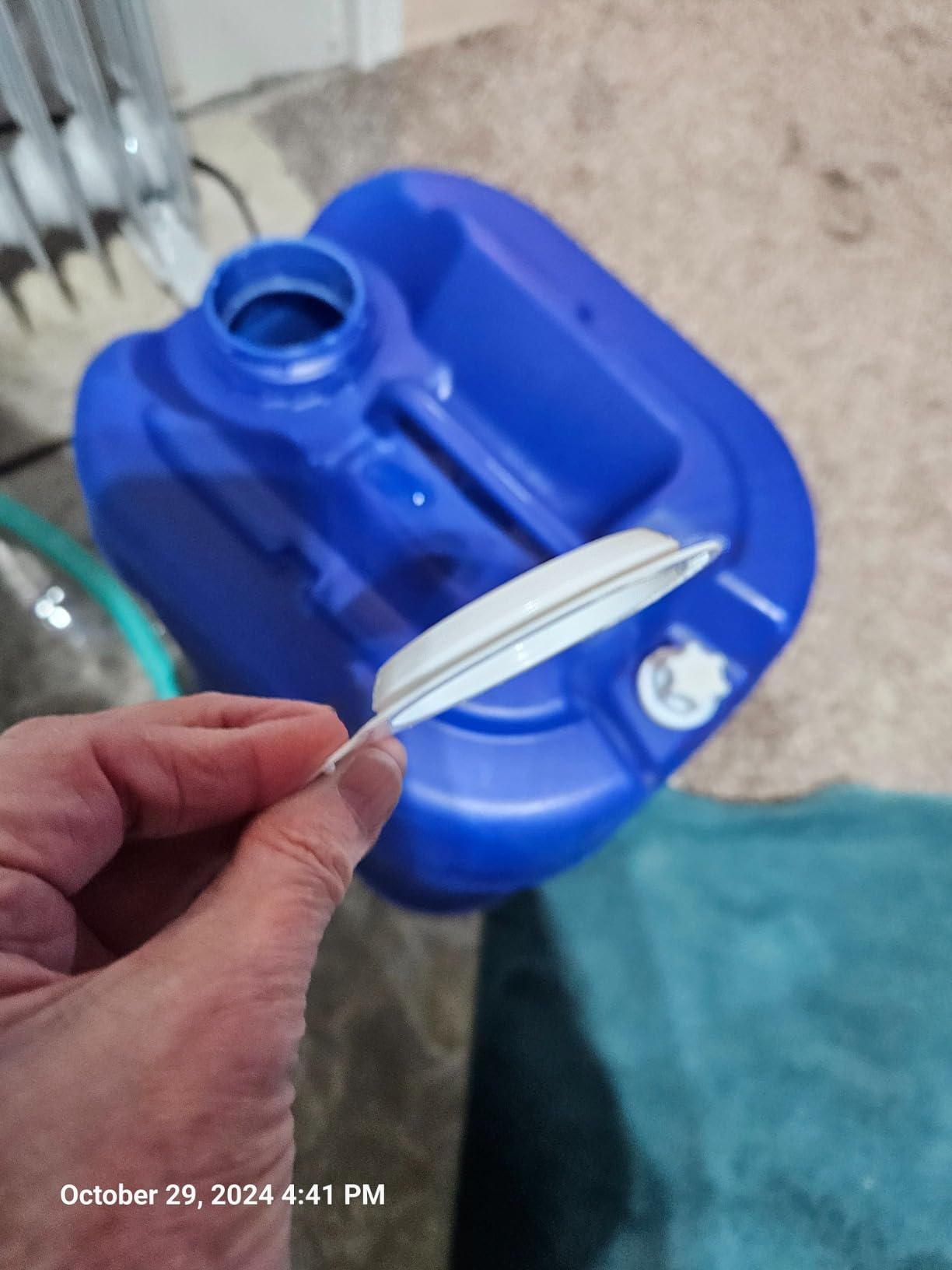
The handles are moulded into the body, which means there is no separate strap to fail or tear. Owners pull full containers out of a stack by the handle rather than trying to tip a 40-pound block of water over a rim.
The material is 100 percent food-grade, BPA-free high-density polyethylene, and reviewers use these for camping water as well as storage, which is a good sanity check on whether a plastic is really potable-safe. It is also usable for dry goods in the same space if you ever want to consolidate.
What to check before you fill it?
Four 5-gallon containers give you roughly 40 person-days of water, which is meaningful for a family of four covering a ten-day outage and nothing at all for a month. Work out which containers are reserve and which are daily-use before you fill anything.
Do not fill in place unless you are sure about the layout. The nesting design is excellent when empty and irrelevant when full, and a full stack of four is roughly 160 pounds in a shape that is awkward to grip.
Where it falls short?
Weight, again, and it is the only real complaint that appears consistently. Every filled 5-gallon container here is around 40 pounds, and owners with back issues note that moving one from a high shelf is the hardest part of the whole system.
There is no spigot in the box, so plan your dispensing method separately. The caps are simple screw-on lids, which seal reliably but mean you pour by lifting. A pump or a short siphon solves it, but it is an extra step most buyers forget until the water is already stored.
7. WaterPrepared 55 Gallon Stackable Tank – Best for Easy Dispensing
WaterPrepared 55 Gallon Unique Stackable Utility Water Tank, Blue
Capacity: 55 gallons
Material: UV-resistant polyethylene blend
Size: 28L x 22W x 29.5H inch
Feature: integrated brass spigot
Pros
- Stackable oval body saves floor space
- Brass spigot accepts garden hoses
- Leak-free across full and partial fills
- UV-resistant blend slows bacterial growth
- Large cap and fits through a doorway
Cons
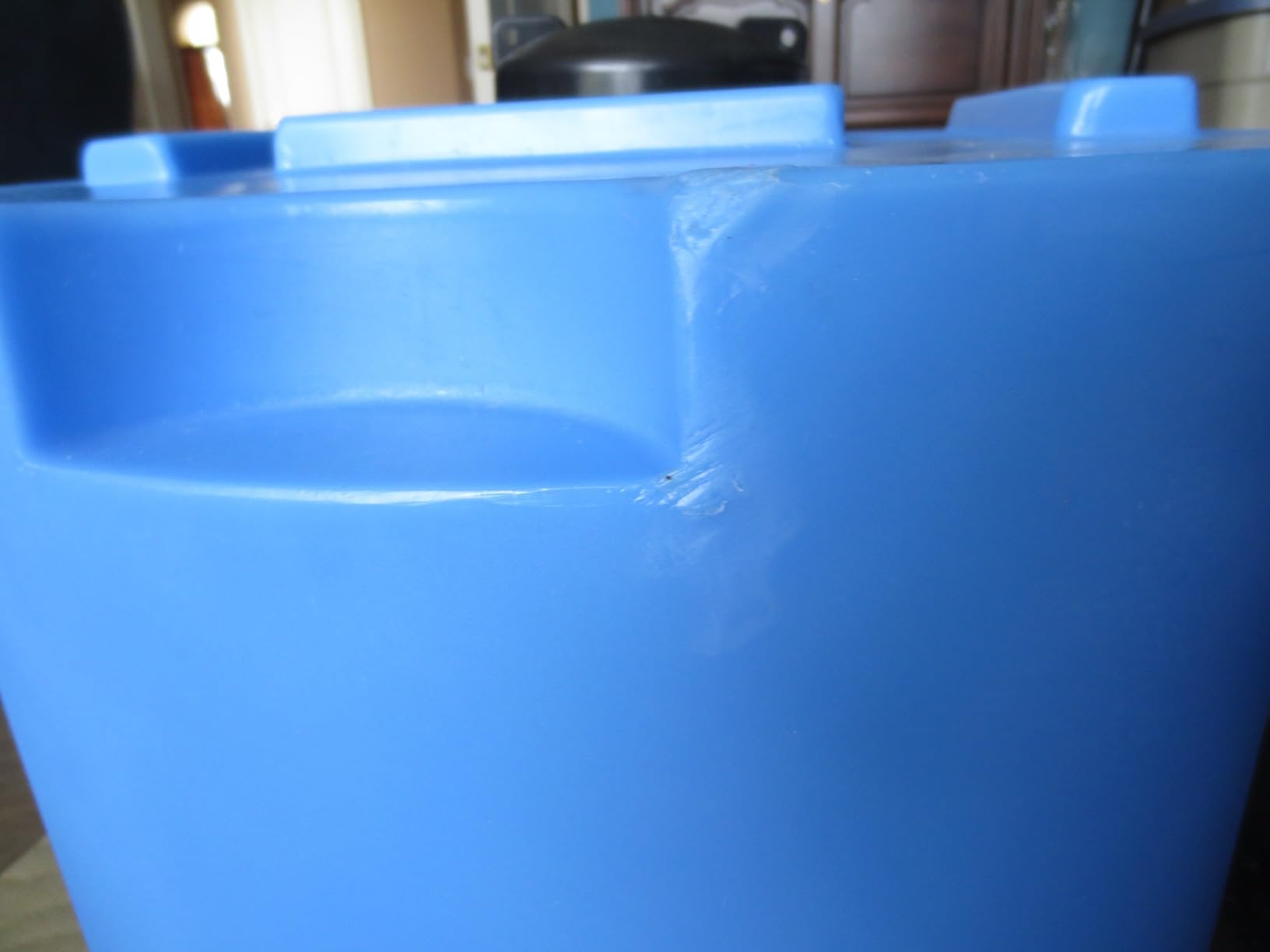
- Occasional plastic chips inside on arrival
- Spigot sits low so a stand helps
- Heavy to position correctly
This tank solves the two problems that make most 55-gallon drums frustrating. It has an integrated brass spigot, so there is no separate pump purchase and no fitting to thread in, and the brass spigot accepts a standard garden hose, so filling bathtubs, buckets and other containers is a hose job rather than a lifting job.
The oval footprint is the other win. A round drum needs a roughly 23-inch circle of floor. This one is 28 by 22 inches and designed to stack vertically, so a garage corner that holds one round drum can hold two of these.
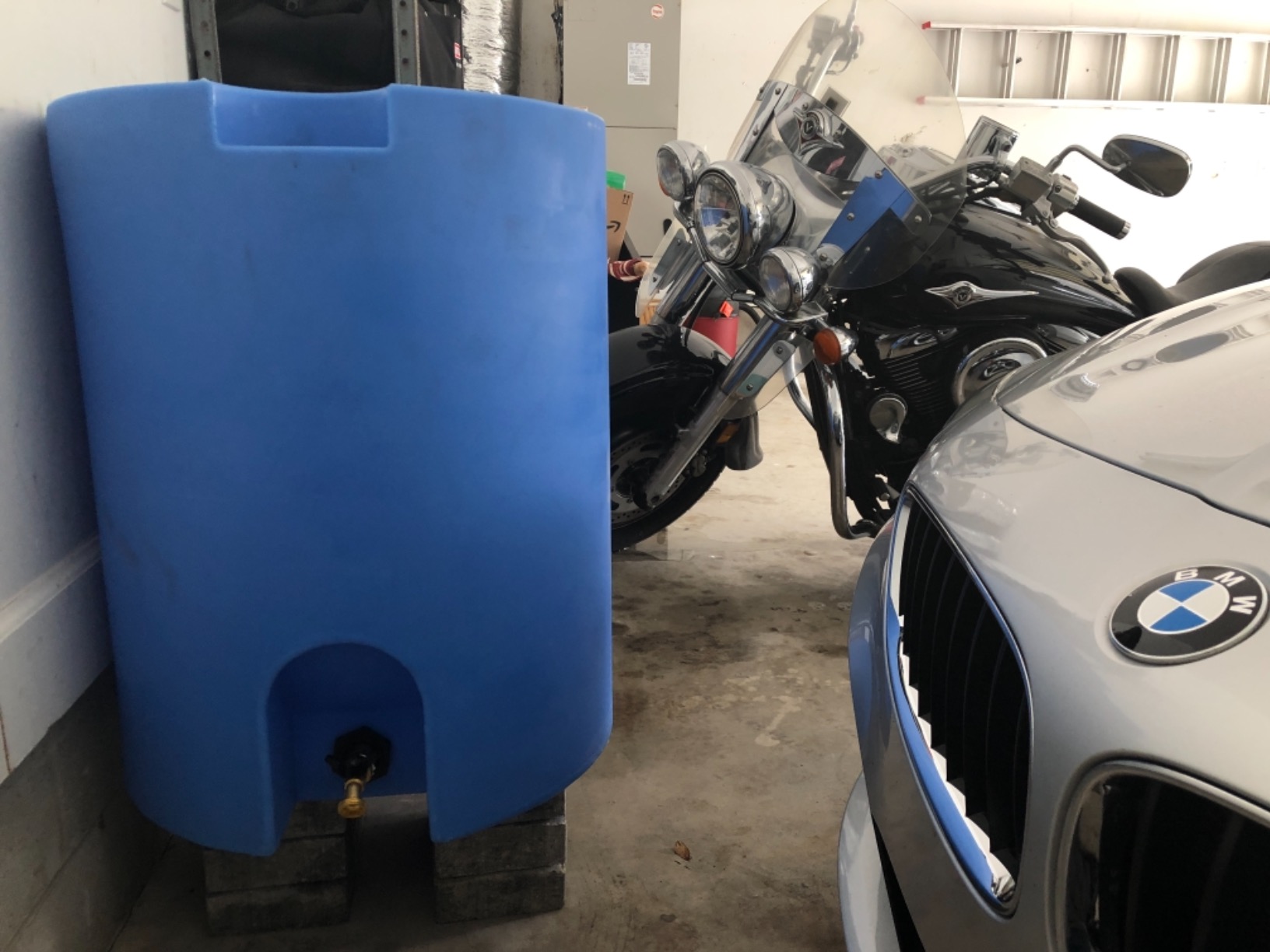
Owners report leak-free performance at both full and partial fills, and the tank is leak tested before dispatch. That matters because a partially filled tank flexes differently under load than a full one, and cheap moulds leak at the seam exactly when the water level is low.
The UV-resistant blend is aimed at long storage. Ultraviolet light degrades both plastic and the water inside it, and limiting exposure slows the growth of bacteria in a tank you will not open for months.
What to check before you fill it?
Vacuum the inside before the first fill. A number of owners report finding small plastic chips and shavings in new tanks, which is a moulding artefact rather than a defect, but you do not want to find out you swallowed one.
Check the spigot height against your filling containers. On a tank sitting on the floor the tap is low, and a short stand under the tank makes filling a five-gallon jug dramatically easier. Ours is more in the large storage tank guide.
Where it falls short?
It is heavy. A filled 55-gallon tank weighs a little over 450 pounds, and positioning it correctly takes two people and some planning. Set the stand first, then the tank, then fill it.
The spigot sits low to the ground when the tank is on a flat surface, which is a daily-use inconvenience rather than a safety one. The plastic chips on arrival are the other recurring note, and they are easy to handle but worth checking for the moment the tank arrives.
8. AquaPodKit Bathtub Water Storage Bladder – Best for Apartments
AquaPodKit Made in USA – Emergency Bathtub Water Storage Bladder 65-100 Gallon Capacity – BPA Free- Food Grade Materials – Hurricane Disaster Preparedness Supply – Family Survival Supply (Box)
Capacity: 65-100 gallons
Material: food-grade BPA-free plastic liner
Includes: siphon pump
Setup: 15-20 minutes
Pros
- Turns a standard tub into a large reserve
- Sealed liner blocks dust and residue
- Tool-free 15 to 20 minute setup
- Low cost way to add bulk water
Cons
- Long-term durability largely unproven
- Stored unused between emergencies
If you live in an apartment with no basement, no garage and no closet that will take a 55-gallon drum, this is the realistic way to hold a serious reserve. The liner drops into any standard bathtub and holds 65 to 100 gallons, which is a month-plus of drinking water for two people in a space you already pay rent on.
Setup takes 15 to 20 minutes with no tools. The fill port connects to the faucet, the sealed liner protects the water from dust, dirt and soap residue, and the included siphon pump moves water into smaller containers. It is made in the USA from food-grade, BPA-free material.
Compared with the other bladder in this roundup, the sealed liner is a seasonal tool, not a three-year reserve you fill once and touch never. That framing is honest: this is a storm-season and outage-season purchase.
The one thing to keep in mind is that most owners have never had to deploy it. Reviews reflect expectations and setup experience far more than real-world performance, and that is not a criticism of the product, just a limit on what the rating can tell you.
How to deploy it without wasted water?
Treat the liner as one emergency’s worth of storage. Rinse, air it, run bleach through the pump, and inspect the seams and the fill port before every deployment. If the liner looks stressed or cloudy from the inside, replace it.
Fill it when the advisory or the warning actually starts, not in advance. A bladder that has been sitting sealed and dry for a year is fine; a bladder that has been sitting partly full for a year is not.
Where it falls short?
Long-term durability is genuinely unproven across the review base, because nobody has needed theirs often. Thin liners get punctured by a claw, a nail or a sharp edge in a crowded bathroom, and a puncture in a folded liner is easy to miss until it is full.
It is also useless without a tub and a faucet in the same room, so it is not a go-bag item. For a household that also wants everyday drinking water, pair it with rigid 5-gallon jugs that you can carry.
9. YOSN 5 Gallon Spigot Water Jug – Best for Camping and Overlanding
YOSN 5 Gallon Water Jug, Camping Water Container, BPA Free Portable Water Dispenser with Spigot, Leak-Proof Large Camping Water Jug for Emergency Storage,Outdoor,Hiking
Capacity: 5 gallons (3.5 gal variant too)
Material: food-grade PE, BPA/PVC/DEHP-free
Weight: 2.2 lb empty / 41 lb full
Size: 7W x 12.6H inch
Pros
- Thick walls that resist impacts
- Seals well on bumpy tracks
- Wide 3.6 inch mouth cleans easily
- Dual handles spread the full load
- Attachments clip to jug or lid
Cons
- Plastic shavings sometimes inside new jugs
- Handles smaller than expected when full
This is the one we take in a vehicle, and the spigot is why. Dispensing from a 5-gallon jug means lifting 41 pounds every time you want a glass of water, which is fine at home and miserable in a vehicle bed in July. The included adjustable tap with silicone grommets solves that.
The 3.6-inch wide mouth is the second reason. It is wide enough to get a hand and the included sponge brush inside, and a container you can properly scrub is a container that does not develop biofilm in the bottom corner between rotations.
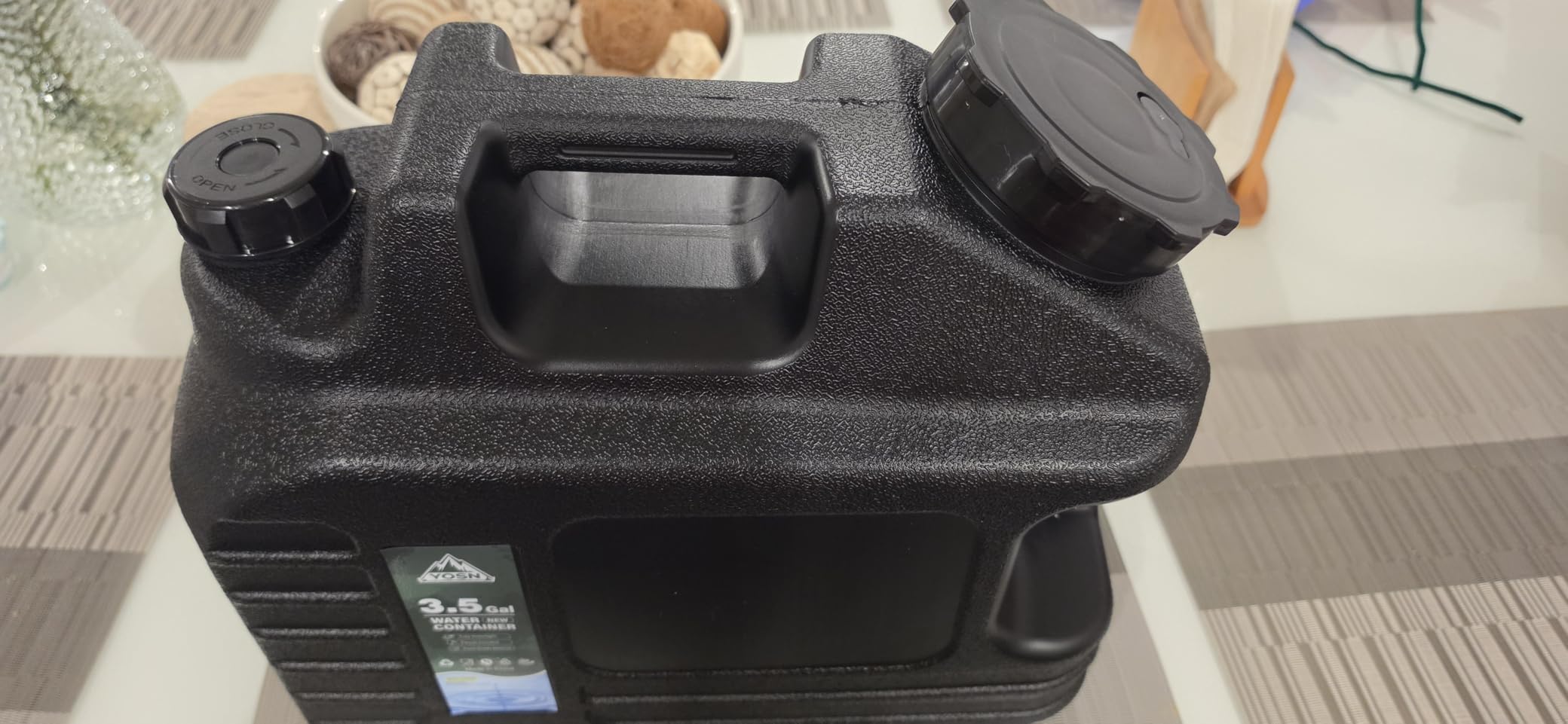
Dual ergonomic handles split the load across two hands, which is the difference between a two-hand lift and a deadlift when the jug is full. The extendable six-inch pour tube gives you control at the far end of a spigot, and the dust caps protect the outlet between uses.
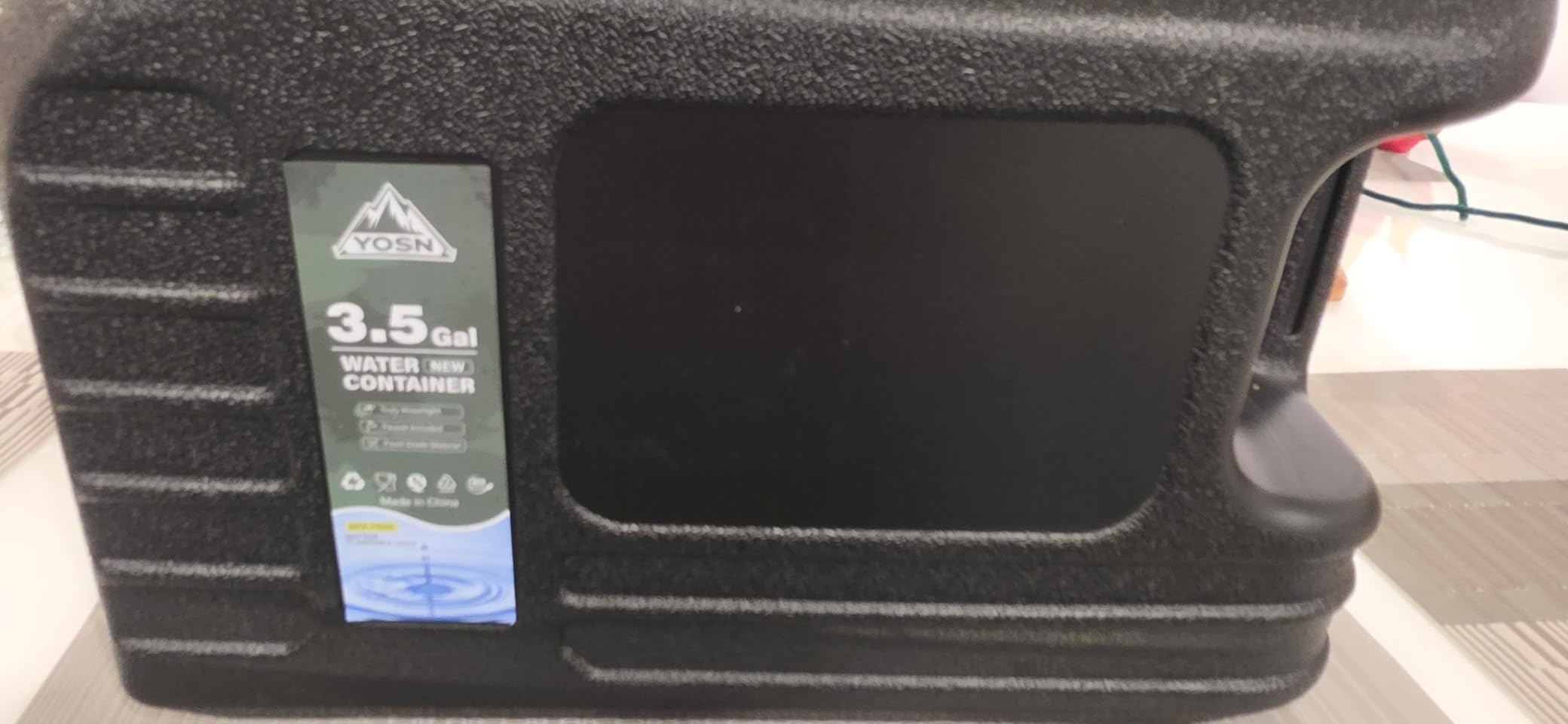
The small parts that make or break a portable jug, the tap, the tube and the caps, store on the back of the lid, so they are not lost in a vehicle footwell. That detail matters more than it sounds, because a jug with a missing spigot is a jug you have to tip.
What to check before you fill it?
Tip it over a sink and shake it before first use. Some new jugs arrive with small plastic shavings inside, and it takes thirty seconds to discover that and several unpleasant hours to discover it later.
Test the spigot seal with the jug half full and lying on its side overnight on a towel. Portable jugs get laid on their sides constantly, and a tap that passes this test will not surprise you in a vehicle.
Where it falls short?
The handles run small for a completely full jug, and the silhouette resembles a fuel can, which some owners find unintentional. With 41 pounds inside, the grip is the part that decides whether you carry it with one hand or two.
Owners also recommend checking the accessory set on arrival, because missing extension tubes or caps are the most common complaint. A 3.5-gallon version is also offered, which at roughly 30 pounds full is the more realistic daily-drink size for most people.
10. Cedilis 5.3 Gallon Collapsible 2-Pack – Best for Small Spaces
Cedilis 2 Pack 5.3 Gallon Collapsible Water Container with Spigot, Food Safe Water Storage Jug, BPA-Free Camping Water Storage Jug Canteen for Outdoor Hiking and Emergency, Portable, Foldable
Capacity: 2 x 5.3 gallons (about 20 L each)
Material: LDPE4, BPA/PVC/DEHP-free
Weight: 1.3 lb each empty
Folds to 4.49 x 5.12 inch
Pros
- Folds flat for shelf or vehicle storage
- Very light empty
- Clear body shows level and contamination
- One-piece moulding with no seams to leak
- PP spigot with clear on/off switch
Cons
- Soft-sided
- cannot bear stacked weight
- One in a 2-pack can arrive pinholed
- Plastic odour on first use
Nothing else in this list disappears when empty. These fold to roughly 4.5 by 5 inches, which means a serious amount of water capacity can live in a hall cupboard between emergencies and be carried to a car when the warning comes.
The material is US-sourced LDPE4, free of BPA, PVC and DEHP, and the body is one-piece moulded, which removes the welded seam that is the usual weak point on a collapsible bag. The clear body also lets you see contamination, which matters more with a flexible container than a rigid one.
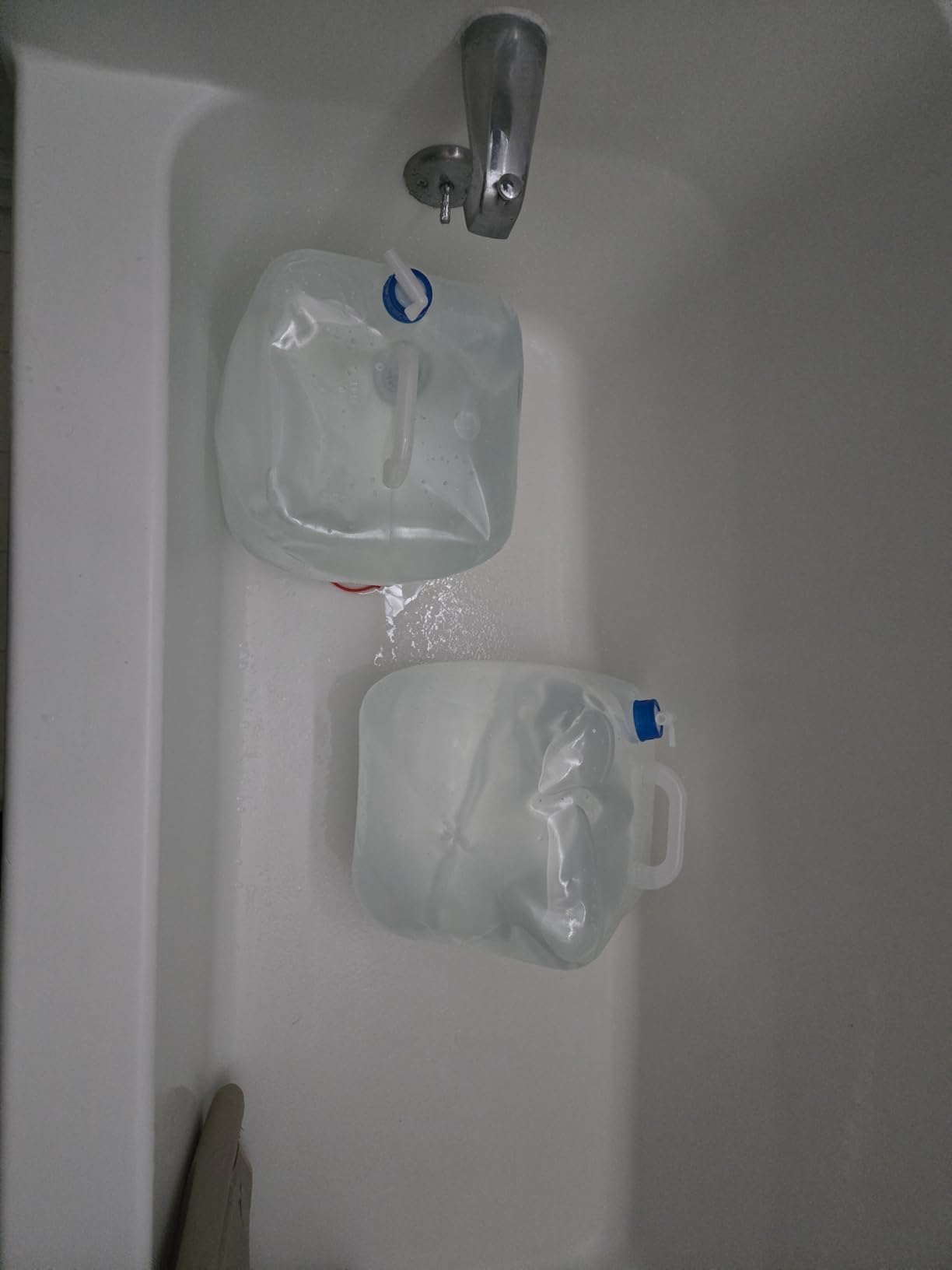
At 1.3 pounds empty and about 45 pounds full, these are the lightest full containers in the roundup relative to capacity. The wide cap fits most standard faucets, so filling is straightforward, and the heavy-duty polypropylene spigot has a clear on and off indicator so you can see whether it is open.
Two units give roughly 10.6 gallons, which is a couple of days for a family of four or a fortnight for one person. Used alongside a rigid reserve rather than instead of one, they fill the gap that most households have: small quantities you can carry.
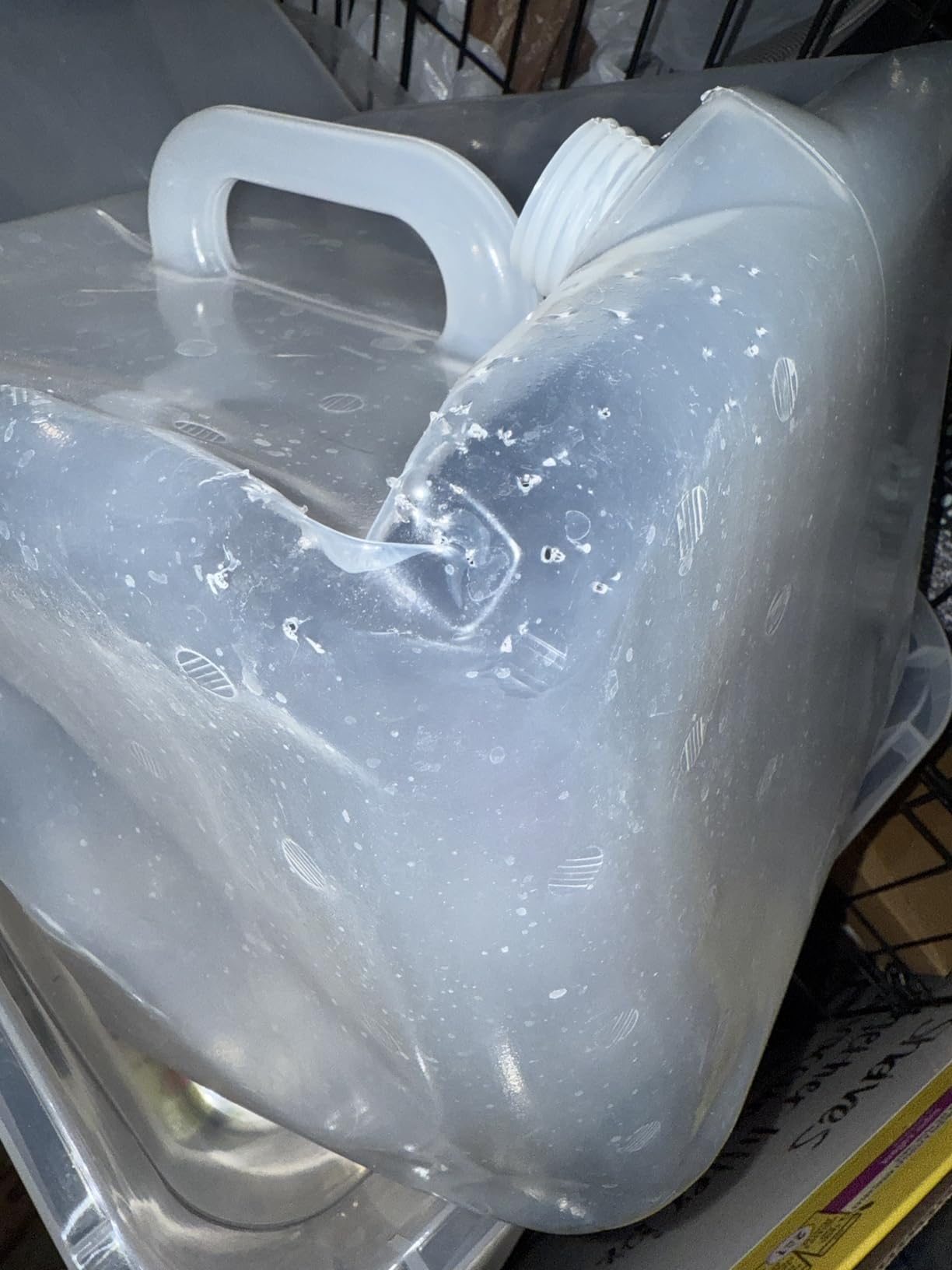
What to check before you fill it?
Fill one unit with a few litres first and leave it for a day. Collapsibles can arrive with pinholes that only show under sustained pressure, and finding a slow leak now is far better than finding it in week two of an outage.
Rinse with hot water before first fill. A number of owners report a plastic odour on the first use that fades after a rinse, and you should not seal water in a container that still smells of plastic.
Where it falls short?
These are flexible bags, not rigid jugs, and that changes what you can do with them. They cannot support weight stacked on top, and a partly filled one wallsows and loses its shape, which makes stacking in a genuine sense impossible despite the fold-flat storage.
Folding them back flat once they have been filled is also awkward, and the material is not rigid enough to sit on a high shelf without support. If your plan requires a stack in a garage, use a rigid stackable instead. One unit in a 2-pack occasionally arrives pinholed, so check both.
11. WaterBrick 3.5 Gallon 8-Pack – Best for Space Efficiency
WaterBrick International Water Storage Containers for Emergency Water Storage | 8-Pack of Stackable 3.5 Gallon Water Container Bricks | Food-Grade HDPE Plastic | BPA-Free | STD Tan
Capacity: 8 x 3.5 gallons (28 gal total)
Material: food-grade BPA-free HDPE
Weight: 2.5 lb each empty / 30 lb filled
Size: 18L x 9W x 6H inch
Pros
- Cross-stacks two per row up to 4 feet
- Opening wide enough to reach in by hand
- Food-grade HDPE for water and dry goods
- Built-in handles on every brick
Cons
- Bricks are not self-sealing with a spigot
- Many units needed for a household reserve
The pitch here is density. Eight bricks give 28 gallons and cross-stack two per row up to four feet high, so a stack of them occupies a rectangle roughly 18 by 18 inches at the base. Compare that with the same 28 gallons in rigid 5-gallon jugs, and the footprint difference is dramatic.
Stacked full, the bricks are strong enough to double as an end table, which is not a gimmick in a room where storage space is the binding constraint. Owners use them in closets, garages and the backs of vehicles for exactly that reason.
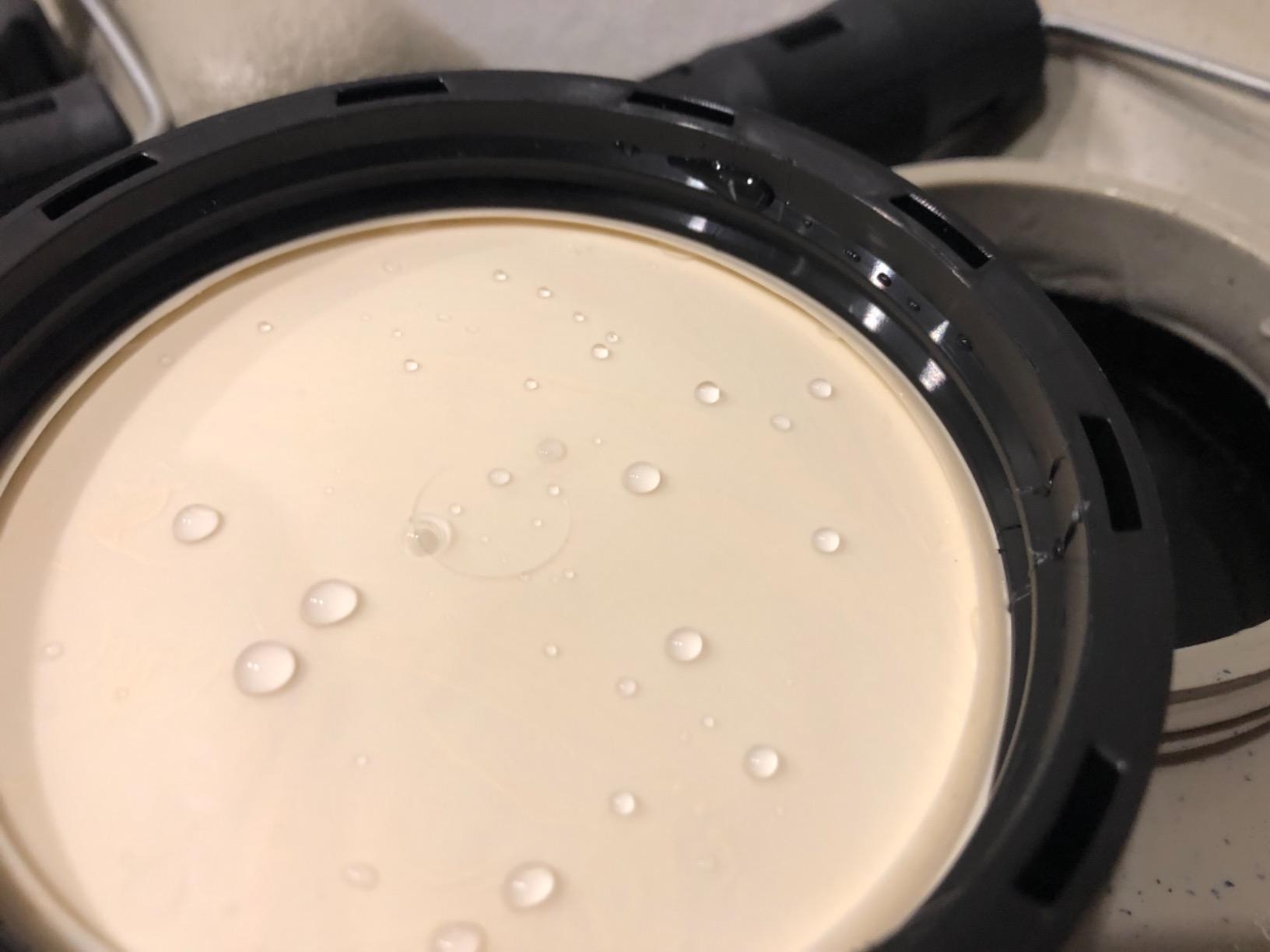
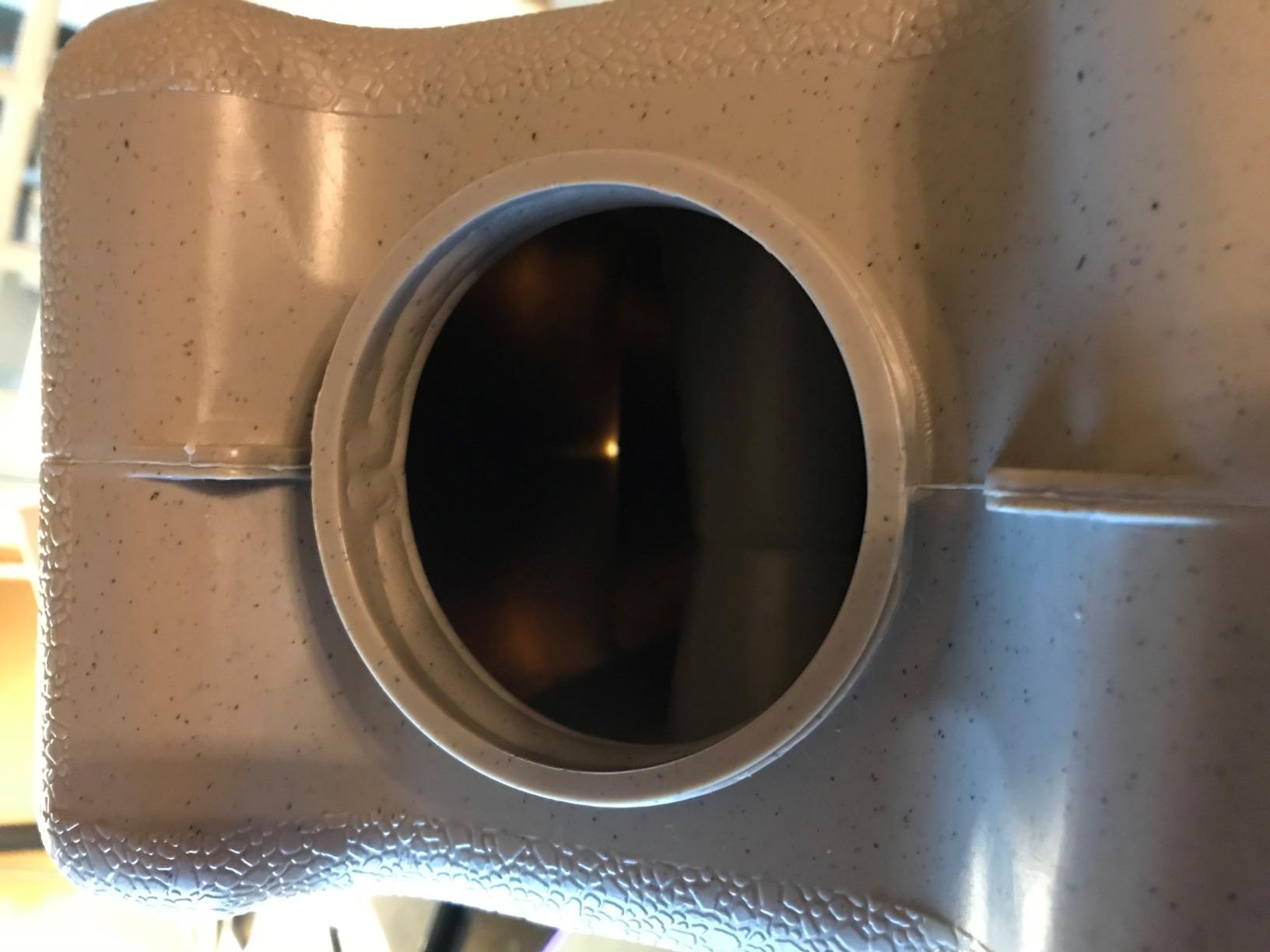
The wide-diameter opening is the other thing that sets these apart. You can reach in and lift out a smaller container by hand, which is a real difference from a narrow-mouth jug where you are pouring through a funnel. That wide access also makes cleaning between rotations realistic.
Each brick is 2.5 pounds empty and roughly 30 pounds full, so one is easier to manage than a 5-gallon jug, and there is an integrated handle on each unit for carrying a single brick rather than a whole stack.
What to check before you fill it?
Plan the dispensing method before you fill. Bricks are not self-sealing with a tap, so water comes out by decanting into another container or pumping with a siphon. That is fine for weekly use and frustrating for daily use, and it is the reason we keep a spigot jug alongside the stack.
Fill a single brick first and check the seam for weeping over a day. Thin flat walls and a large panel area mean more opportunity for stress, and an early test tells you which units to replace before they go into a stack.
Where it falls short?
Reaching a household-scale reserve takes a lot of units. At 3.5 gallons each you need 16 bricks for 56 gallons, and that is a real constraint in the tight spaces these are designed for.
The no-spigot design is the other limitation, and it appears in reviews repeatedly. On preparedness forums, WaterBrick owners commonly report frustration around the sealing and dispensing experience, and the practical fix is to pair the stack with a container that has a tap rather than to drill into a brick.
12. Aguaprep 20 Gallon 4-Tank Kit – Best for RV and Vehicle Storage
Aguaprep 5-Gallon Stackable Water Storage Containers, 5 Lids + 1 Spigot, Easy Fill, Survial Supply Emergency Water Storage for Camping and Disaster Preparedness, RV, 20 Gallon (4 Tanks)
Capacity: 4 x 5 gallon tanks (20 gal)
Material: food-grade plastic
Includes: 5 lids and 1 spigot
Size: 15L x 12W x 15H inch
Pros
- Tight screw-on lids and thick walls
- Stacks securely two high
- Flat sides add stability when pouring
- Five lids including pour-through type
- Tanks and hardware made in the USA
Cons
- About 40 pounds per tank when full
- Spigot installation is not obvious
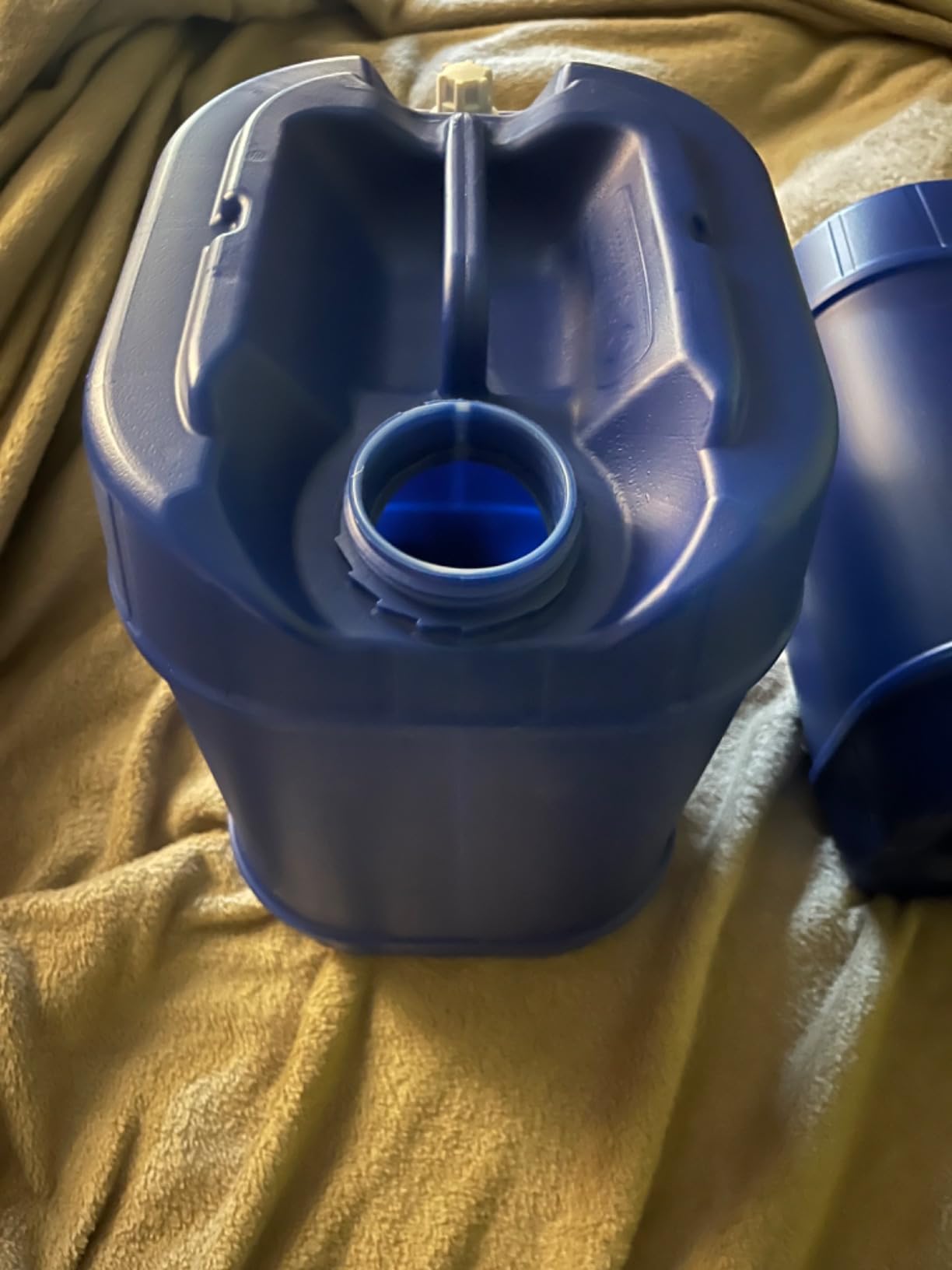
The two-high stack is the reason this kit is on the list for RVs, vans and trailers. A pair of tanks stacks into a single footprint, and at 15 by 12 by 15 inches each, a 20-gallon reserve fits in a compartment most vehicles already have.
Five lids are included, which sounds like a small thing and is not. Screw-on lids seal for transport and storage, while the pour-through lids let you fill without unscrewing and tipping a 40-pound tank into a bathtub or a hose.
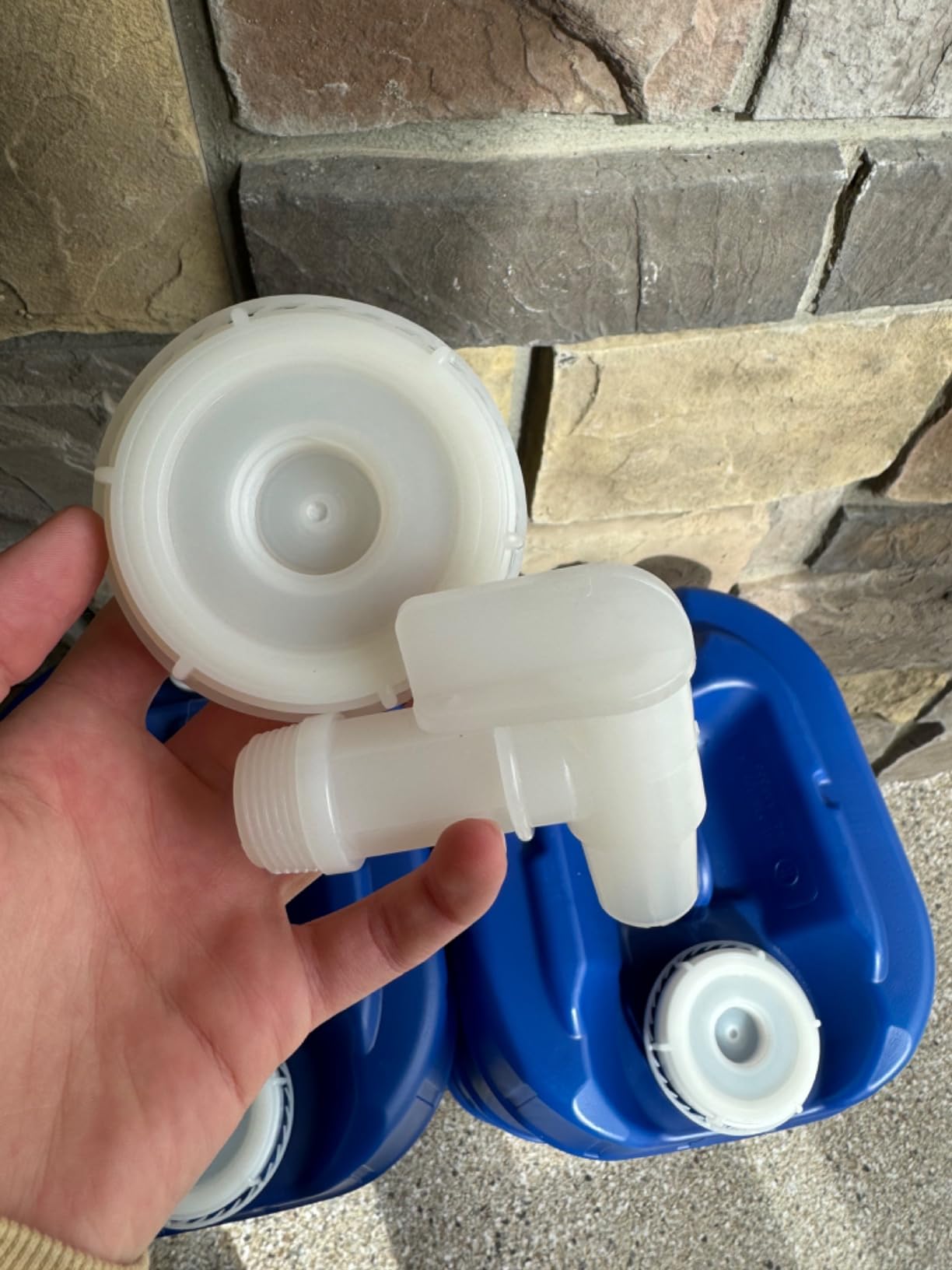
Flat sides are the detail that makes dispensing work. A round tank rocks and leans when you push a spigot into it, and a flat-sided tank resists the sideways force, which means the flow is steadier and you are not fighting the container with your shoulder.
Reviewers describe the lids as screwing on tightly and the walls as genuinely thick. The set is made in the USA from food-grade plastic, tanks and hardware together, so there is no question about where the spigot came from.
What to check before you fill it?
Install the spigot on one empty tank first. The fitting is not self-evident, and a few minutes with the hardware on a worktop is much better than discovering the problem with 40 pounds of water in the tank.
Decide placement before filling, which is the single piece of advice that appears in most reviews of this kit. Filled tanks are difficult to move, and a full set that has to be relocated is a two-person job.
Where it falls short?
Each tank is about 40 pounds filled, so this is a stationary set rather than a portable one. In a vehicle, fill it where it will live, and treat the two-high stack as a fixed installation.
Spigot installation is the other repeated complaint, and the honest answer is that it takes some trial and error the first time. It is a small cost, but budget for the time rather than expecting the tank to be ready the moment it arrives.
How Much Water Do You Need and How to Store It Right?
Containers are the easy part. Sizing is where a reserve quietly fails, so start with the arithmetic: one gallon per person per day for drinking and cooking, and roughly double that if you include washing, pets or a medical need. A family of four for one week is 28 gallons before you add a buffer, which is why a single 5-gallon jug is never enough.
That is the answer to the most common sizing question. Five hundred gallons works out to 500 person-days: roughly 16 months of drinking water for one person, about four months for a family of four, and around seven weeks for a household of six. Anyone storing that much is well past the point of hand-carrying water, which is why IBC totes and cisterns appear in serious plans.
Work outward from there. One day for one person is 1 gallon and a stack of 1-gallon jugs. One week for four people is 28 gallons, which is a 20-gallon kit plus a jug. One month for four people is 112 gallons, which means two or three 55-gallon drums. A year for four people is 1,460 gallons, and at that scale you need a pump, a treatment plan and somewhere it is legally and safely permitted to sit.
Storage rules: material, treatment, location
Material. Choose food-grade, BPA-free HDPE #2 plastic, which is high-density polyethylene stamped with the recycling number 2 on the bottom. It is the standard for a reason: it is chemically stable, it does not take on flavours, and it resists the UV degradation that ruins thinner plastics. LDPE4 and LLDPE are fine for short-cycle and collapsible use, which is why both appear in this roundup.
Skip milk jugs for anything you plan to keep. They are HDPE, but they are designed for a few days of use, go floppy, leach more readily in heat, and are almost impossible to scrub clean once emptied. Vinegar jugs have the same problem in a different shape. If you want plastic-free long-term storage, the alternative is a stainless steel fusti tank or a glass carboy, both of which cost more and weigh more than plastic but do not have the same surface-porosity problem.
Treatment. Treat at fill time, not at use time. CDC guidance for emergency water is 8 drops of unscented, liquid chlorine bleach per gallon of clear water, or 3 drops for cloudy water, with the amount doubled for containers larger than a gallon or for storage beyond about five years. Commercial preserver drops follow the same idea and are calibrated for multi-year windows, which is why the Legacy kit includes them. Treat once, seal it, and write the fill date on the container with a Sharpie.
Location. Store containers off bare concrete floors, out of direct sunlight, and away from fuel, paint, solvents and fertiliser. Plastic is permeable enough that hydrocarbon vapours migrate through a wall over time, and a garage floor is where the most water is stored and the most chemical exposure happens. A wooden pallet or a plastic shelf solves it for the cost of a few dollars.
Rotation is what most people stop doing
A container you never rotate is a liability, because the water touches plastic and air for years with no intervention. Pick a cadence you will actually keep. Rigid HDPE jugs and 5-gallon tanks are comfortable on a six-month cycle, drums on an annual cycle, and bladders only if you are deploying them for a specific season rather than storing them filled.
Rotating without wasting water is easy if you treat it as a household drink schedule rather than a chore. Drink the oldest container first, refill it the same day, and the rotation happens as a side effect. Use the water you pour out for plants, cleaning, the car or the toilet. Nobody wastes water that gets used twice, and the oldest stock always gets emptied first.
Between uses, wash with hot water and a mild detergent, scrub the threads and the gasket seat, and let everything dry completely in the sun. Biofilm starts in the thread valley and the gasket groove, and those are the two places a rushed rinse misses. Dry is the step people skip, and dry is what stops growth.
Dispensing hardware is the number one failure point
More emergency water reviews are negative about a spigot than about the container. Parts fall off, seals are sloppy, thin-wall jugs bow outward under the pressure of water, and the spout seeps at the thread. It is the most common complaint across preparedness forums and product reviews alike, and it is almost entirely preventable.
Three dispensing methods cover nearly every case. A tap or spigot is the fastest and works best on rigid flat-sided containers, but it is only as good as its gasket, so test it lying on its side before it goes into storage. A siphon pump works on any container, including ones with no fitting, and is the right answer for 55-gallon drums. A hand pump costs more effort per gallon and is the option when a container has no opening large enough to fill a siphon.
Whatever you choose, leak-test it. Fill the container a third full, fit the dispensing hardware, and lay it on its side on a dry towel overnight. If the towel is dry, you are set. If it is damp, the fix is usually a replacement gasket rather than a different container, and any plastic fitting should be tightened with a strap wrench rather than pliers.
What to check before you buy anything?
Count your people, then multiply by days, then by 1 gallon. Decide whether the water has to be carried or can be plumbed, because a bladder and a drill are different purchases. Measure the space and check the door width, since a 55-gallon drum that cannot fit through the door is a decorative object. Check what is in the box, because a drum with no pump and a kit with no spigot are the two most common disappointments in this category. And check the full weight against who in your household would have to lift it.
Frequently Asked Questions
What is the best way to store water for emergencies?
Store it in food-grade, BPA-free HDPE #2 plastic, which is stable, does not hold flavours and resists UV degradation. Treat at fill time with 8 drops of unscented liquid chlorine bleach per gallon of clear water, seal the cap, and keep the container off bare concrete, out of sunlight, and away from fuel, paint and solvents. Mark the fill date and rotate on a six-month to annual cycle.
How long will water stay drinkable in a plastic container?
Municipal tap water stored in a food-grade HDPE #2 container and treated at fill time stays drinkable for years rather than weeks. Untreated water in a clean rigid container is generally treated as a one-year supply, and bladder liners are rated for weeks. Treat at fill, seal it, keep it cool and dark, and rotate it on a schedule you will actually keep.
How long will 500 gallons of water last for one person?
At one gallon per person per day, 500 gallons equals 500 person-days. That is roughly 16 months for one person, about four months for a family of four, and around seven weeks for a household of six. At that volume you are past the point of hand-carrying and will need IBC totes, multiple drums and a pump.
How much bleach per gallon for water storage?
CDC guidance is 8 drops of unscented, liquid chlorine bleach per gallon of clear water, or 3 drops for cloudy water. Double that amount for containers larger than one gallon or for storage beyond about five years. Never use scented, gel or splashless bleach, and measure with a clean dropper or the cap of the bottle.
Do plastic water containers get toxic over time?
Food-grade HDPE #2 is considered safe for potable water storage, including long-term storage, and BPA-free containers remove the bisphenol A concern. What degrades over time is not so much toxicity as hygiene: biofilm and algae grow in warm, dark, partly emptied containers. Wide openings, thorough cleaning and full drying between rotations prevent that growth, and glass or stainless steel are the plastic-free alternatives.
Which Water Storage Container Should You Buy?
Start with the FastRack 5 Gallon Hedpak. It is the strongest combination of rating, review volume, square stacking footprint and a genuinely wide threaded cap, which makes it the best all-round pick in our 2026 roundup for most households and the one we buy by the case.
Then match the container to the constraint you actually have. A small flat with no storage space gets the waterBOB or AquaPodKit bladder, because a bathtub is the only bulk reserve most apartments have. A garage gets a stackable kit like Saratoga Farms or Legacy for daily use plus a 55-gallon drum or the WaterPrepared tank for the reserve. Small closets and vehicles get WaterBrick bricks or the Aguaprep tanks, and anyone who needs to carry water gets a spigot jug or the Cedilis collapsible.
Whichever you choose, treat it at fill time, mark the date, store it off the concrete, and pair it with a filter for drinking. A 100-gallon reserve you never drink from is not a plan, and a plan you rotate is the one that still works when the water is brown.