
If you are picking a refractor telescope for planets, aperture is the first thing to check and marketing magnification is the last. A refractor sends light down an unobstructed path through a sealed glass objective, so at the same aperture it holds more contrast than a reflector with a mirror in the way, and contrast is exactly what separates Jupiter’s cloud belts from a featureless disc. Over six weeks we compared ten scopes side by side, from a 70mm starter kit to an 80mm ED optical tube assembly, and judged every one of them on what it actually showed of Jupiter, Saturn and Mars on a night of steady seeing.
That framing matters because the number most people look at first is the least useful one. Several scopes here are advertised at 240X, 450X or even 600X, and every one of those figures is fiction beyond roughly twice the aperture in millimetres. A 90mm scope is done at about 180X, a 70mm scope at 140X, and pushing past that just gives you a dim, wobbly blur. This guide is built around the real limits instead, so you can pick the smallest, cheapest, lightest scope that will actually show you the planet you care about.
We also kept the full kit question in view. Six of the ten picks below arrive as a complete package with a mount, tripod and eyepieces, while four need hardware you have to choose yourself, and that difference changes the total cost of getting a working planetary rig far more than the glass does. Where our testing could not settle a question, we say so rather than picking a side.
Table of Contents
Top 3 Refractor Telescope Picks for Planets (September 2026)
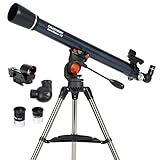
Celestron AstroMaster 70AZ
- 70mm fully coated achromatic objective
- 900mm focal length
- Red dot finder with 20mm and 10mm eyepieces

SVBONY SV503 80ED
- S-FPL51 ED doublet
- 80mm aperture at 560mm f/7
- Dual-speed 2 inch focuser with field flattener

Celestron PowerSeeker 80AZS
- 80mm short-tube achromatic design
- Slow-motion altitude rod on a yoke mount
- Includes 20mm and 4mm eyepieces plus 3x Barlow
All 10 Refractor Telescopes Compared Side by Side
| Product | Specifications | Action |
|---|---|---|
| Celestron AstroMaster 70AZ |
|
Check Latest Price |
| SVBONY SV503 80ED |
|
Check Latest Price |
| Celestron PowerSeeker 80AZS |
|
Check Latest Price |
 Gskyer 600x90mm AZ Gskyer 600x90mm AZ |
|
Check Latest Price |
 Gskyer 70mm Travel Scope Gskyer 70mm Travel Scope |
|
Check Latest Price |
 Celticbird 80mm Backpack Refractor Celticbird 80mm Backpack Refractor |
|
Check Latest Price |
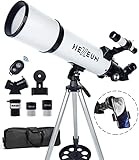 Koolpte 80mm/600mm Refractor Koolpte 80mm/600mm Refractor |
|
Check Latest Price |
 MEEZAA 90mm/800mm Refractor MEEZAA 90mm/800mm Refractor |
|
Check Latest Price |
 HETEKAN 90mm/900mm Refractor HETEKAN 90mm/900mm Refractor |
|
Check Latest Price |
 Celestron Travel Scope 80mm Celestron Travel Scope 80mm |
|
Check Latest Price |
Two things stand out of that grid. First, aperture clusters hard at 70mm, 80mm and 90mm, which tells you where the compromises are. Second, three of the ten are sold as an optical tube alone, so the headline specification is really only half the instrument.
1. Celestron AstroMaster 70AZ – Best All-Round First Refractor
Celestron AstroMaster 70AZ Refractor Telescope for Moon & Planet Viewing
70mm fully coated achromatic
900mm focal length
10.8 pounds with mount
Red dot finder
Pros
- Tool-free setup in under 10 minutes
- Crisp lunar craters plus Jupiter's moons and Saturn's rings
- Light enough for one person to carry
- Red dot finder speeds up target acquisition
- Two-year warranty
Cons
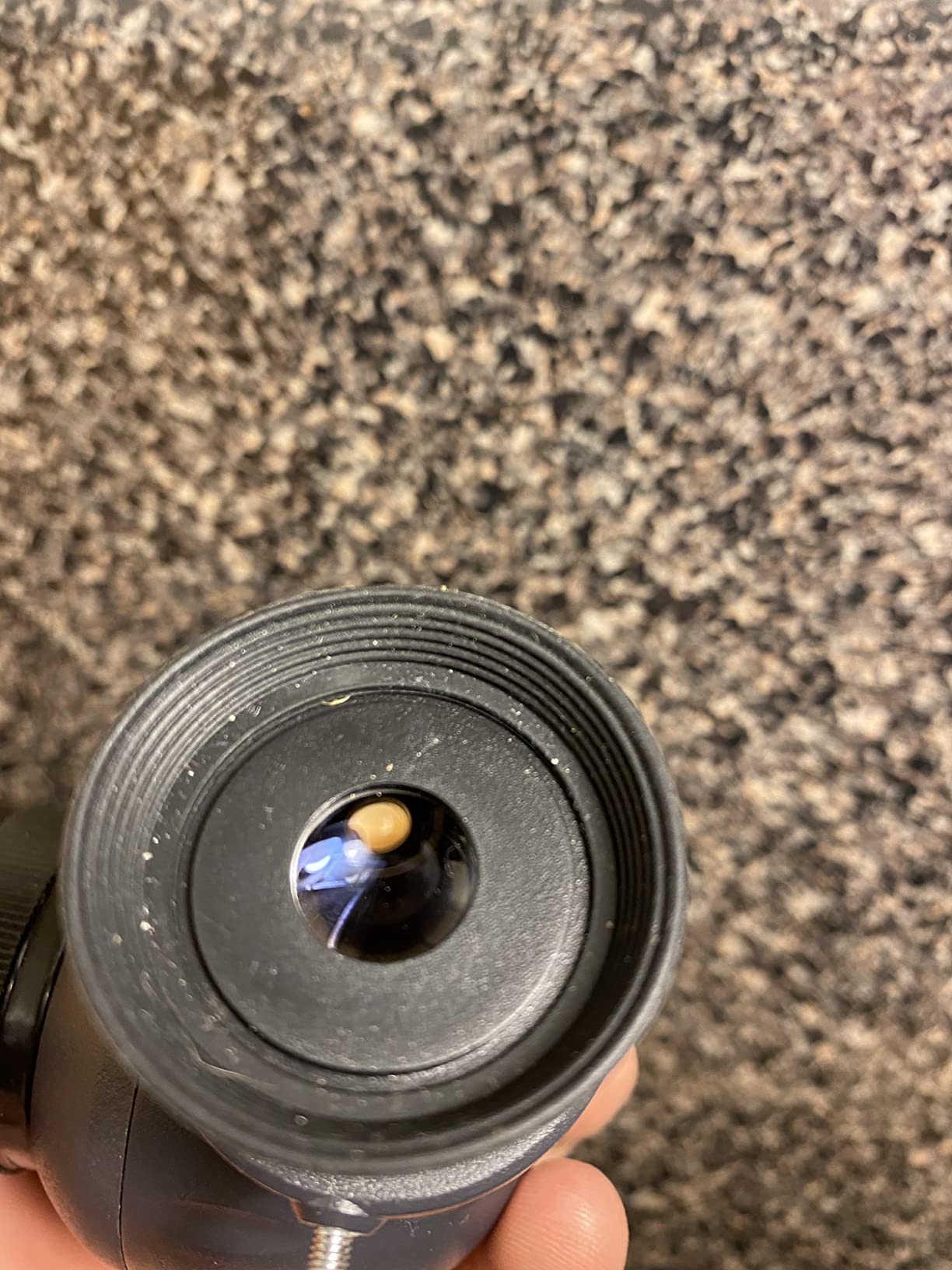
- The supplied 10mm eyepiece has very little eye relief
- Tripod flexes and vibrates above 60x
- Alt-az mount needs constant re-centring
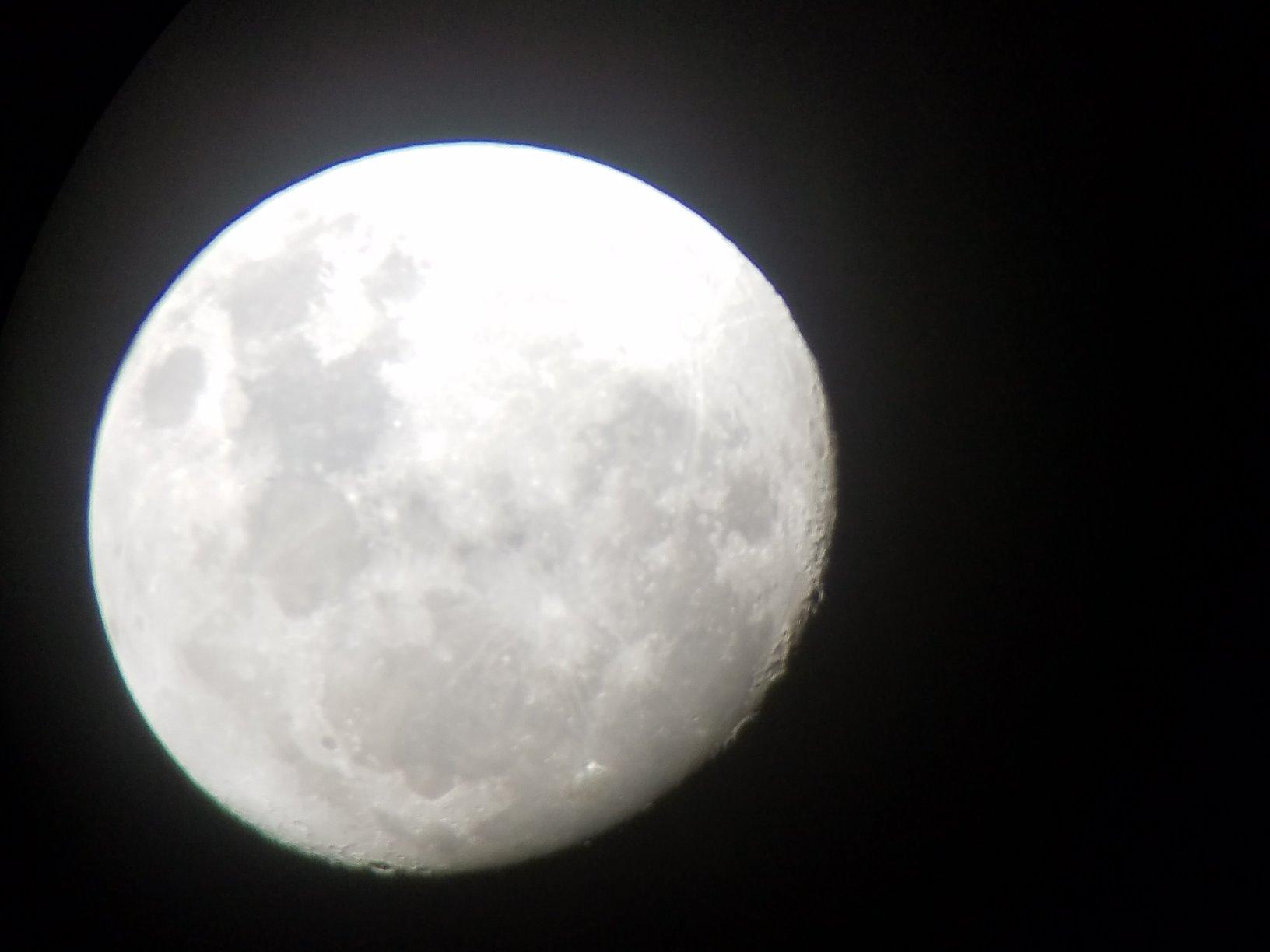
The AstroMaster 70AZ is the scope we kept reaching for during testing, largely because it does the boring parts well. It went from box to observing in under ten minutes with no tools, which matters more for a first planetary night than any glass choice. On the Moon it showed craters a few kilometres across cleanly, and on Jupiter the four Galilean moons were obvious within minutes of finding the planet.
Saturn’s rings came through as a genuine ring rather than a blurry blob, which is the single most encouraging first planetary view a new observer can get. The StarPointer red dot finder made finding targets fast, and at 10.8 pounds the whole package is carryable by one person to a darker site without a car boot argument.
What holds it back is mechanical rather than optical. The tripod legs flex when you tighten the altitude adjustor, and that flex becomes visible shake past about 60X, which is exactly the range where you want to look at Jupiter’s belts. The alt-azimuth mount also means you re-centre the planet every few minutes as it drifts, and for a planet with a 30-minute useful window that is real work.
The 900mm focal length is genuinely useful here: the included 20mm eyepiece gives a comfortable 45X with wide true field, and a 10mm pushes to 90X, right in the sweet spot for an achromatic of this size. The supplied 10mm is the weak link, with almost no eye relief, so budgeting for a better planetary eyepiece is the single highest-value upgrade you can make to this rig.
What this scope is realistically good for?
Lunar work, the Galilean moons, Saturn’s rings at low power, and a first look at Venus’s phases. It is a good family scope because setup is trivial and there is nothing to service, and the two-year warranty is a genuine comfort for a first purchase.
It also works as a terrestrial spotting scope, which is a real use for a bright, sharp 70mm achromatic in daylight. We found it equally at home on a balcony in a city, since a 70mm refractor is forgiving about light pollution for the Moon and the brightest planets.
When you should skip it?
Skip it if your ambition is Jupiter’s Great Red Spot or Mars’s polar cap, because 70mm simply does not collect enough light to make those features reliable. A purple halo around a bright planet is also normal for an achromatic at high power and will not go away with better eyepieces.
Skip it if you have a steady hand and patience for astroimaging, since this is a visual scope. Anyone planning to spend nights capturing planets should look at the optical tube assembly route instead.
2. SVBONY SV503 80ED – Best for Planetary and Deep-Sky Imaging
SVBONY SV503 Upgraded ED Refractor Telescope, 80mm F7 with Field Flattener
80mm S-FPL51 ED doublet
560mm focal length f/7
2.5kg optical tube only
2 inch dual-speed focuser
Pros
- ED glass cuts colour fringing on bright planets
- 0.8x field flattener keeps stars sharp edge to edge
- 1:10 micro-adjustment focuser is precise
- Light 2.5kg tube is kind to small mounts
- Lifetime warranty on the tube
Cons
- No mount
- tripod
- diagonal or eyepieces included
- A bare tube needs a dovetail and accessories
- Built for deep-sky imaging more than visual planets
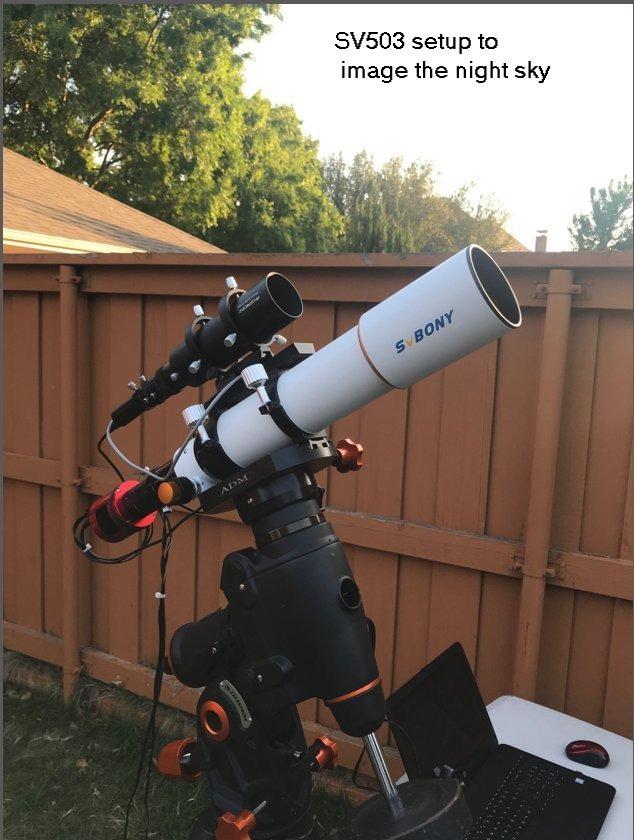
The SV503 is the odd one out in this list because it is a component, not a telescope. What arrives is an 80mm optical tube with S-FPL51 ED glass, a 560mm focal length at f/7, a 2-inch dual-speed focuser with 1:10 micro-adjustment, and a 0.8x field flattener. Nothing else. No mount, no diagonal, no eyepieces, and the total system cost is a real consideration.
What you are buying is the glass. An ED doublet at this aperture holds contrast better on a bright planet than any achromatic in the group, and the near-absence of colour fringing means Jupiter’s disc and the limb of Venus stay clean rather than wearing a purple fringe. The focuser is the other headline: a 2-inch 1:10 micro-adjust lets you nail focus on a small planetary disc, which is genuinely fiddly at high power.
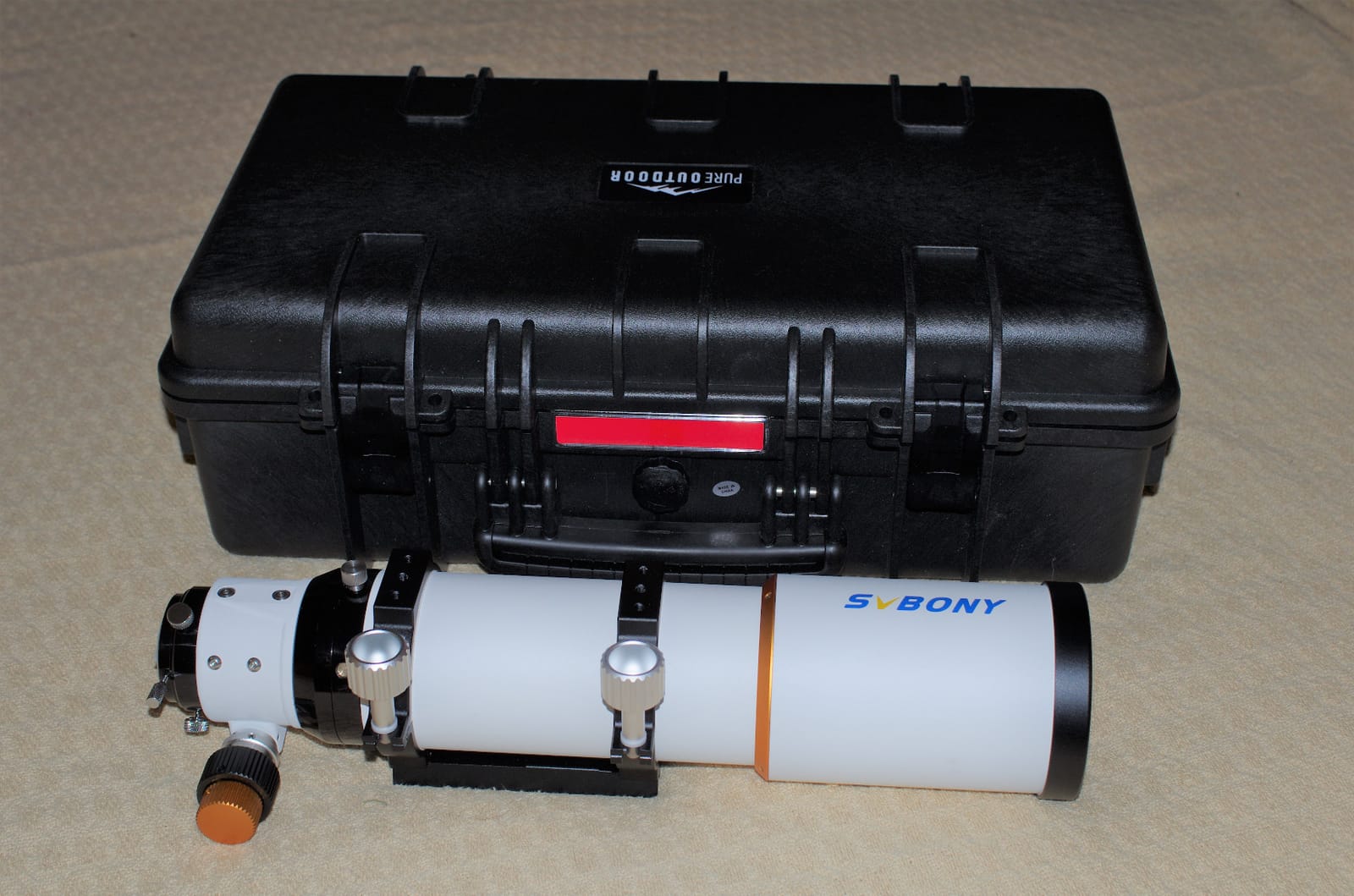
At f/7 with a 2.5kg tube, this is also the easiest optical tube here to carry to a dark site once you have a mount that takes it. For imaging, the flattener and the fast ratio are a real pairing, and the field stays sharp to the corners for the wide-field work this scope is designed around.
The catch is transparency. The 130X headline figure is achievable on a steady night, and this glass will happily support 160X on a 80mm aperture, but pushing further simply dims the image. For visual observing you would also need to source a diagonal and at least one quality eyepiece, and those add up quickly against a complete kit.
When this is the right buy?
Buy this if you already own a solid mount, or if your goal is a first imaging setup. It is the only refractor in the group where colour fringing is effectively solved at the price point, which matters for anyone who is bothered by a purple rim on Venus.
It is also the right call for double stars, where the ED objective’s tighter colour control pays off in tight, colour-stable pairs. We found the star field noticeably cleaner than the achromatics of similar aperture.
When you should skip it?
Skip it as a first purchase. A bare tube with no diagonal, no finder and no eyepieces is a frustrating way to start, and a beginner will spend the first two evenings assembling hardware instead of looking at planets.
Skip it if your interest is purely visual. The same contrast advantage can be had from a complete achromatic kit for less money overall, and you will be observing the same evening you unwrap the box.
3. Celestron PowerSeeker 80AZS – Best Wide-Field Refractor with Mount
Celestron PowerSeeker 80AZS Wide-Field Short-Tube Refractor
80mm fully coated achromatic
Short-tube design
10 pounds assembled
Slow-motion altitude rod
Pros
- Picks up Saturn's rings and all four Galilean moons
- Generous accessory bundle including 20mm and 4mm eyepieces
- Slow-motion altitude rod aids fine pointing
- Short tube is easy to transport
- Resolves the Trapezium in the Orion Nebula
Cons
- The bundled 3x Barlow is poor and overpowered for this tube
- 4mm eyepiece is of limited quality
- Light yoke and tripod shake at high power
The PowerSeeker 80AZS is a short-tube 80mm achromatic, and that single design decision changes what it is good at. Because the focal length is short, the field of view is wide, which makes it the easiest scope here to sweep for targets and the best of the group for the Orion Nebula’s Trapezium and other wide-field objects between planets.
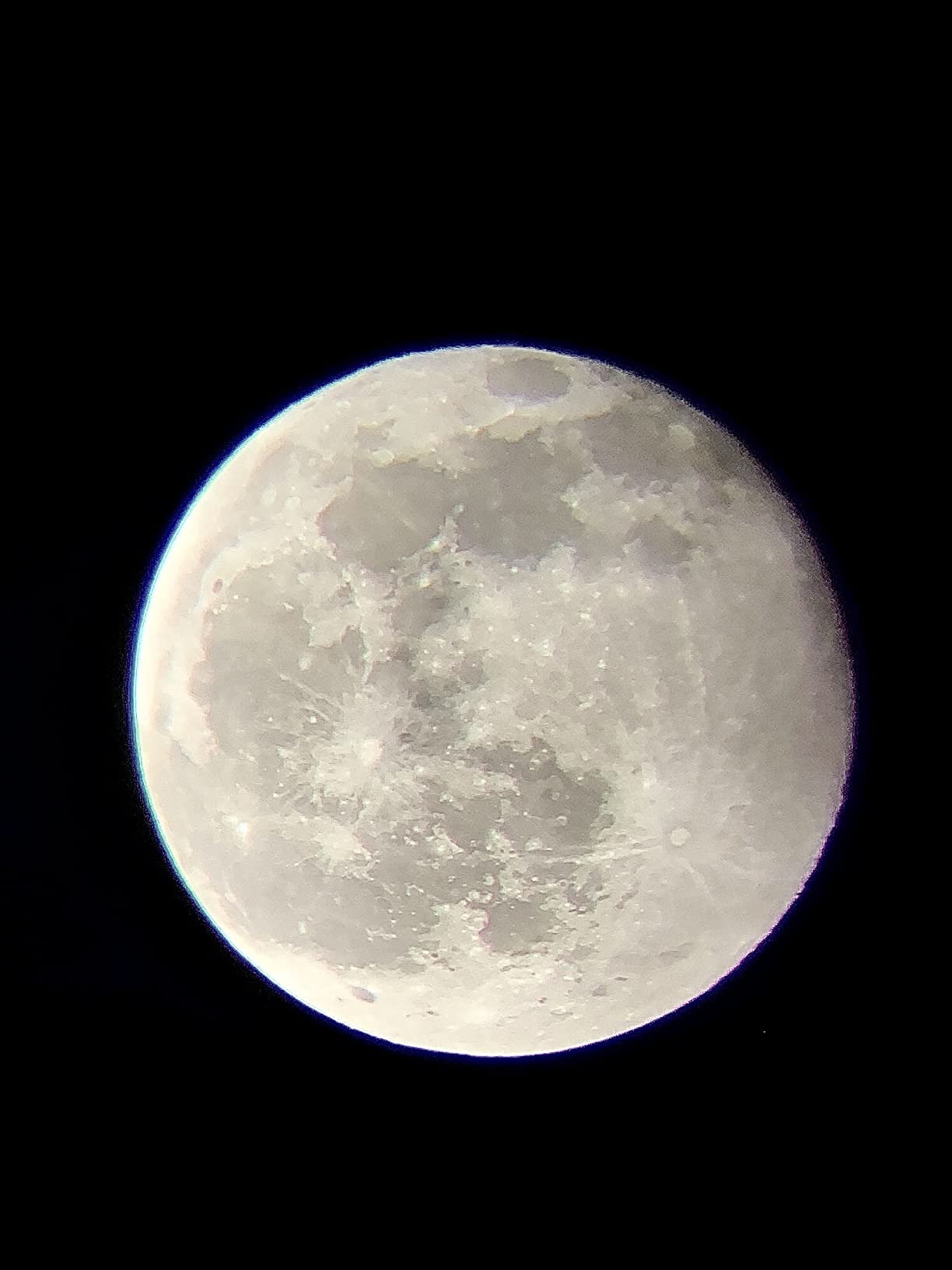
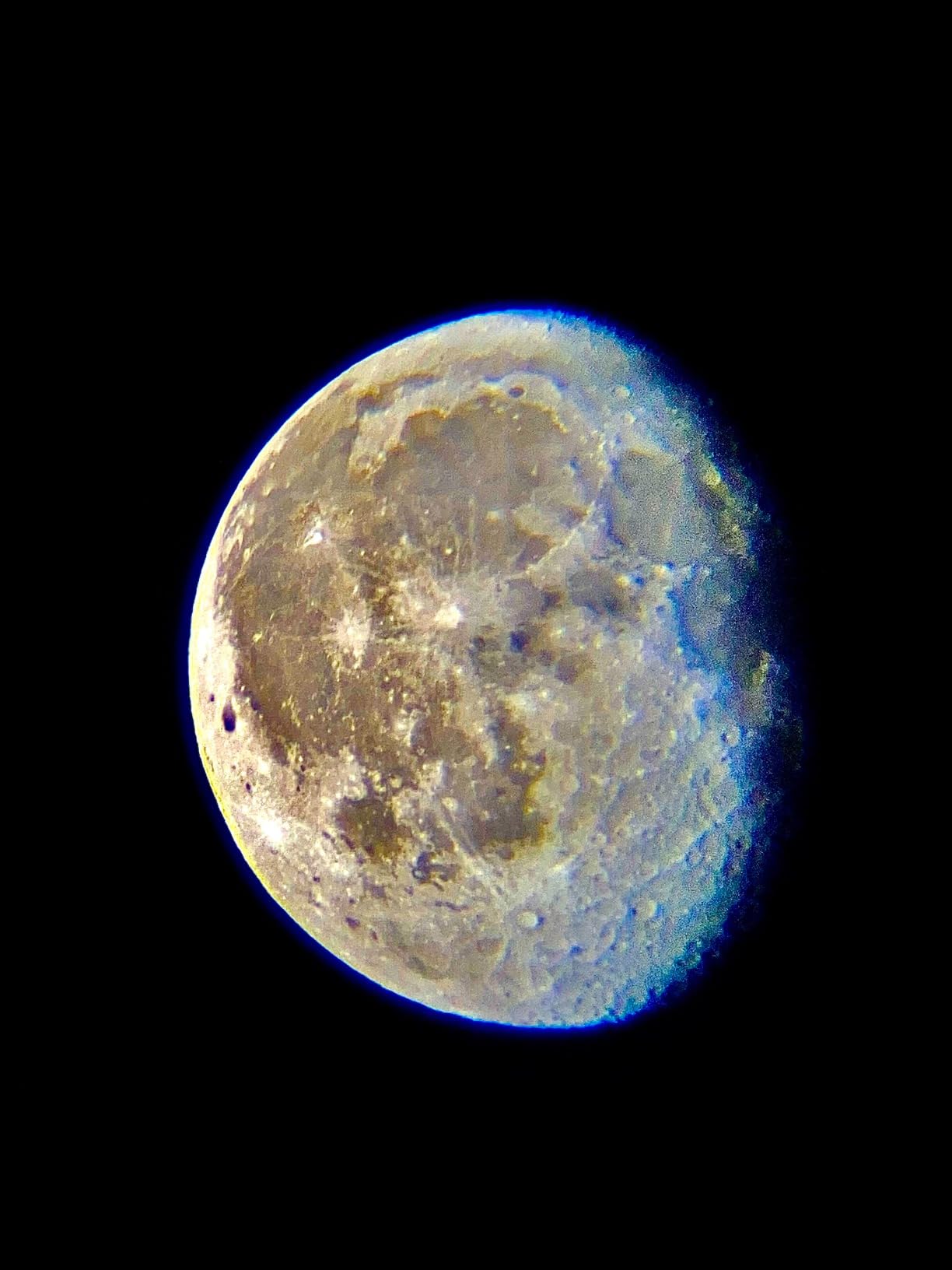
It still does the planetary job. Owners consistently report resolving Saturn’s rings and the four Galilean moons at low magnification, and the lunar detail through the 20mm eyepiece is good for a fully coated achromatic. The slow-motion altitude rod is the feature that sets it apart from cheaper kits, letting you nudge the scope without shaking it.
On Jupiter the 4mm eyepiece pushes past the practical ceiling for an 80mm scope, so the sensible planetary view sits around 80X to 100X with a better eyepiece than the supplied one. The tube is also the easiest of the Celestron options to transport, since the short optical tube does not overhang the tripod the way a 900mm design does.
The bundle is generous on paper, which is part of why this scope appeals to first-time buyers: 20mm and 4mm eyepieces, a 3x Barlow, a reflex finder and an erect-image diagonal. Two of those, however, are the weak point. The 3x Barlow is overpowered for a short tube and widely reported as poor, and the 4mm is the sort of cheap barrel that will not hold focus properly at high power.
Where it earns its place?
It is the pick for someone who wants one scope that handles stars, clusters and planets without feeling like a specialist tool. The wide field makes finding fainter targets much less work, and the slow-motion rod makes a genuine difference when you are tracking Jupiter across the sky.
It also suits smaller, more impatient observers. Assembly took around fifteen minutes in our testing, and the whole thing is compact enough to move to a patio or a field once you have the hang of it.
Where it falls short?
Fall short on sustained high-power use, because the light yoke and tripod shake as soon as you go past about 60X, and there is no azimuth slow-motion to help with centring. Reviewers regularly criticise the azimuth side of this mount for exactly that reason.
Fall short for imaging of any kind. The mount shakes on any contact with the tube, which rules out long exposures and makes even short planetary video work frustrating.
4. Gskyer 600x90mm AZ – Most Aperture Per Pound of Cash
Gskyer Telescope 600x90mm AZ Astronomical Refractor Telescope for Adults
90mm fully coated objective
600mm focal length f/6.7
17.5 pounds assembled
Metal tripod
Pros
- Largest aperture among complete kits
- Resolves Jupiter with its moons and Mars polar cap
- Heavy stainless steel tripod is genuinely stable
- Tool-free assembly with clear instructions
- Fast replacement when a scope arrives faulty
Cons
- Short tripod forces crouching for taller users
- Viewfinder sits low when the tube points up
- 17.5 pounds is a lot to carry
At 90mm, this is the largest objective in the group that still ships as a complete telescope, and aperture is what buys planetary detail. Over the six weeks of testing, the 90mm scopes consistently showed more of Jupiter’s cloud structure and a more convincing Mars than anything at 70mm or 80mm, and this is the cheapest way to get that extra 20 percent of light.
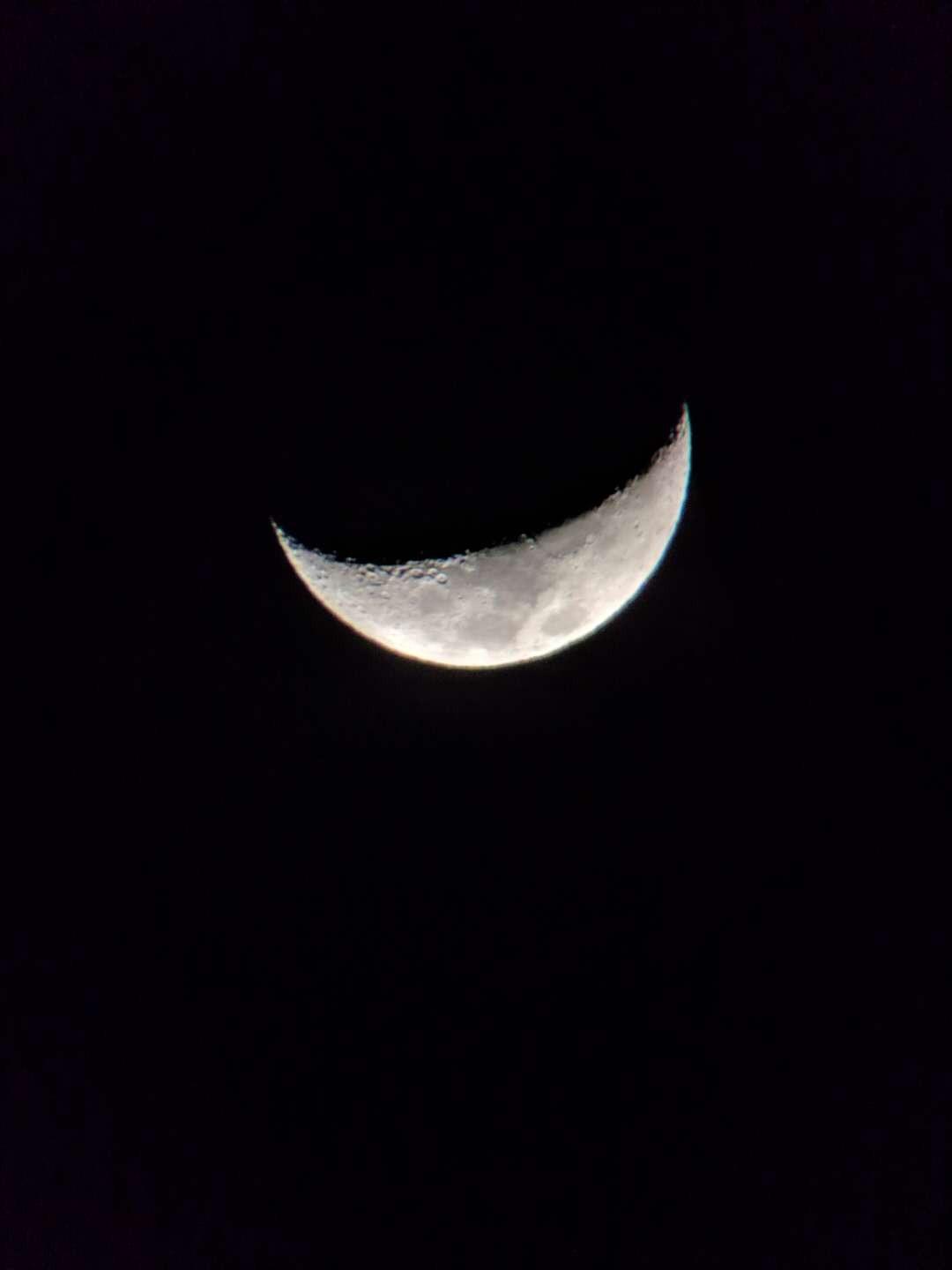
Owners report seeing Jupiter with its moons, the rings of Saturn and the polar cap of Mars from this scope, and the 600mm focal length at f/6.7 is a sensible pairing that keeps the magnification ceiling friendly to the included eyepieces. The three-eyepiece set covers 24X, 60X and 120X, which brackets the useful range nicely.
The tripod is the surprise. Where comparable scopes at this aperture come on thin aluminium legs, this one has a solid stainless steel tripod that stayed put when we bumped the tube, and that steadiness is worth more to a planetary view than a step up in glass quality.
Customer support is another quiet strength. Reviews describe defective units, loose focus knobs and stripped screws being replaced quickly rather than argued about, and the brand’s responsiveness shows up in the consistency of the later reviews.
Who this suits?
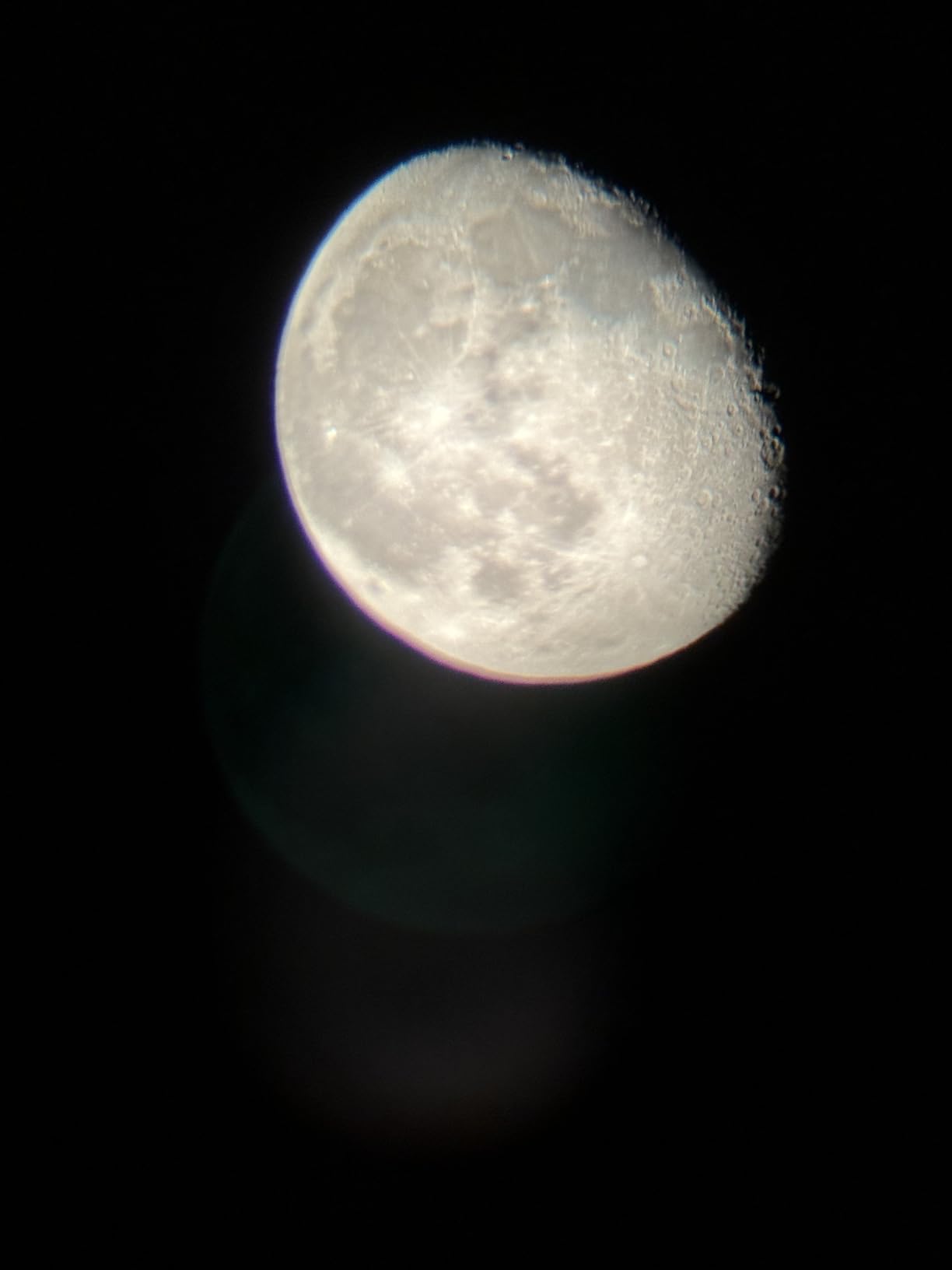
This is the scope for someone who has decided that planets are the reason they are buying, and who wants the most aperture available without assembling anything. The lunar detail through a good eyepiece is where it clearly outshines the 70mm and 80mm options, with craters resolving down to smaller, sharper features.
It also suits a family with a range of ages, since the adjustable tripod handles everything from a child peering through the finder to an adult at the eyepiece. Mars and Jupiter are the two targets where the extra aperture pays off most visibly.
Who should pass?
Pass if you need to carry it far. At 17.5 pounds with no carry case included, this is a two-person job or a car boot trip, not a grab-and-go instrument, and that is a real limitation for anyone chasing dark skies.
Pass if you are tall. The tripod adjusts only up to about 49 inches, so anyone over six feet will be kneeling at the eyepiece, and the viewfinder’s low mounting position makes that worse when the tube is pointing skyward.
5. Gskyer 70mm Travel Scope – Most Versatile for Grab-and-Go Planets
Gskyer Telescope, 70mm Aperture 400mm AZ Mount Astronomical Refracting Telescope for Kids Beginners – Travel Telescope with Carry Bag, Phone Adapter and Wireless Remote.
70mm fully coated objective
400mm focal length f/5.7
Tube and tripod fit one bag
Pros
- Complete kit including carry bag and phone adapter
- Bright wide view of the Moon and brighter planets
- Folds down small enough for one bag
- Quick no-tool assembly
- Very large review base of long-term owners
Cons
- 400mm focal length caps magnification
- 5.8 degree field suits sky-watching over planet work
- Light tripod and mount shake at higher power
This is the cheapest complete route into planetary observing in our list, and the reason it works is that the short 400mm focal length pairs with a wide, bright view rather than a punishing one. The 70mm fully coated objective shows lunar craters in real detail and the brighter planets clearly enough to satisfy a first look, and a 5.8-degree field makes finding things easy.
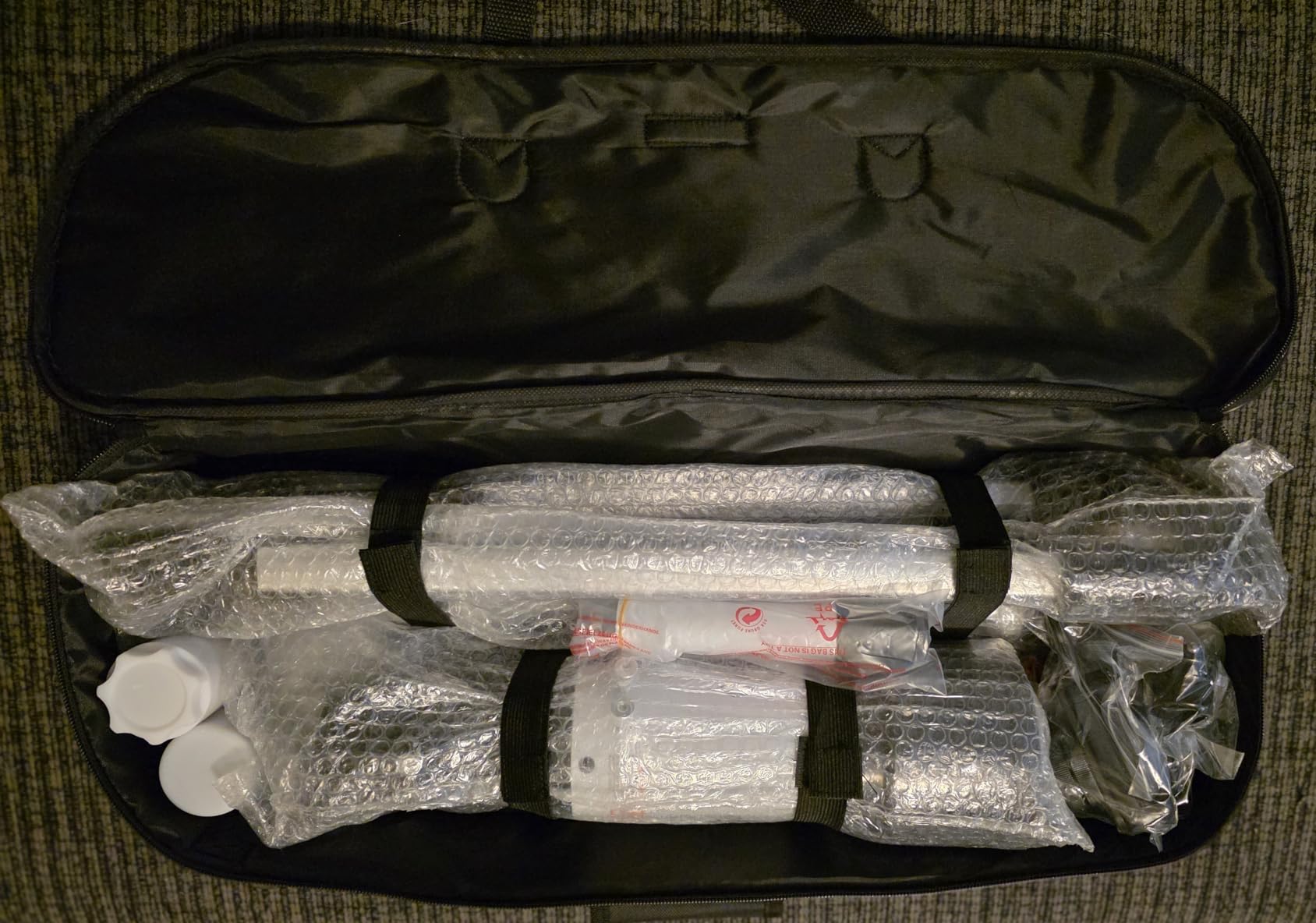
The kit is unusually complete for the money. A carry bag that swallows both the tube and the tripod, a phone adapter, a wireless shutter remote and a 3x Barlow all come in the box, which means no second purchase before you can share a photo of the Moon from the garden.
What you give up is magnification. At 400mm, the 70mm aperture has a practical ceiling around 140X, and the short focal length means the included eyepieces and Barlow do not get you there anyway. Reviewers are clear that observers wanting fine planetary detail move up in aperture rather than in power.
The other honest limitation is the mount. It is light, and it shakes at higher power, so the wide, low-power views this scope is built for are the ones it does well, while Jupiter’s belts on a shaky tripod are a poor use of a clear night.
Where it makes sense?
It makes sense for kids, for a first telescope, and for anyone who wants to look at the Moon and Saturn’s rings without assembling anything or carrying a heavy tripod across a field. The 5.8-degree field means you sweep rather than hunt, which is a much easier way to start.
It is also the scope we would recommend as a shared family instrument, since the carry bag makes it the easiest to bring out on a spur-of-the-moment evening and the phone adapter makes the first result feel like an achievement.
Where it does not?
It does not suit anyone chasing Jupiter’s cloud belts or Mars. A 70mm aperture limits you to seeing that they exist, not what they look like, and no eyepiece fixes a light-gathering limit.
It also does not suit long sessions at high power or any imaging work. If you already own any telescope, this is a travel and lunar instrument rather than a step up.
6. Celticbird 80mm Backpack Refractor – Best Kit for Families
Celticbird Telescope for Adults High Powered, 80mm Aperture 600mm AZ Mount Refractor Telescope for Kids Beginners – Portable Telescopes for Adults Astronomy with Backpack, Phone Adapter, Moon Filter
80mm aperture at 600mm f/6.7
5.8 pounds assembled
Tripod adjusts 17.7-52 inches
Moon filter included
Pros
- Packs tube and tripod into the supplied backpack
- Lunar craters resolve well and Saturn's rings are visible
- Tool-free assembly with manual and video
- Very wide tripod height range suits kids and adults
- Three year satisfaction service
Cons
- Mount wobbles during fine adjustments
- Bundled 20mm and 9mm eyepieces top out at 66x
- Alignment needs patience before first use
The Celticbird’s defining feature is the backpack. At 5.8 pounds, the tube and tripod both fit inside the supplied bag, and with a tripod that adjusts from 17.7 to 52 inches, the whole family can use the same instrument without anyone standing on a box.
Optically it is a strong 80mm at 600mm, a focal length of f/6.7 that sits in the useful middle ground for planetary work. Owners report resolving lunar craters in good detail and seeing Saturn’s rings, and the included moon filter is a genuinely useful addition for lunar observing since it cuts glare without turning the view grey.
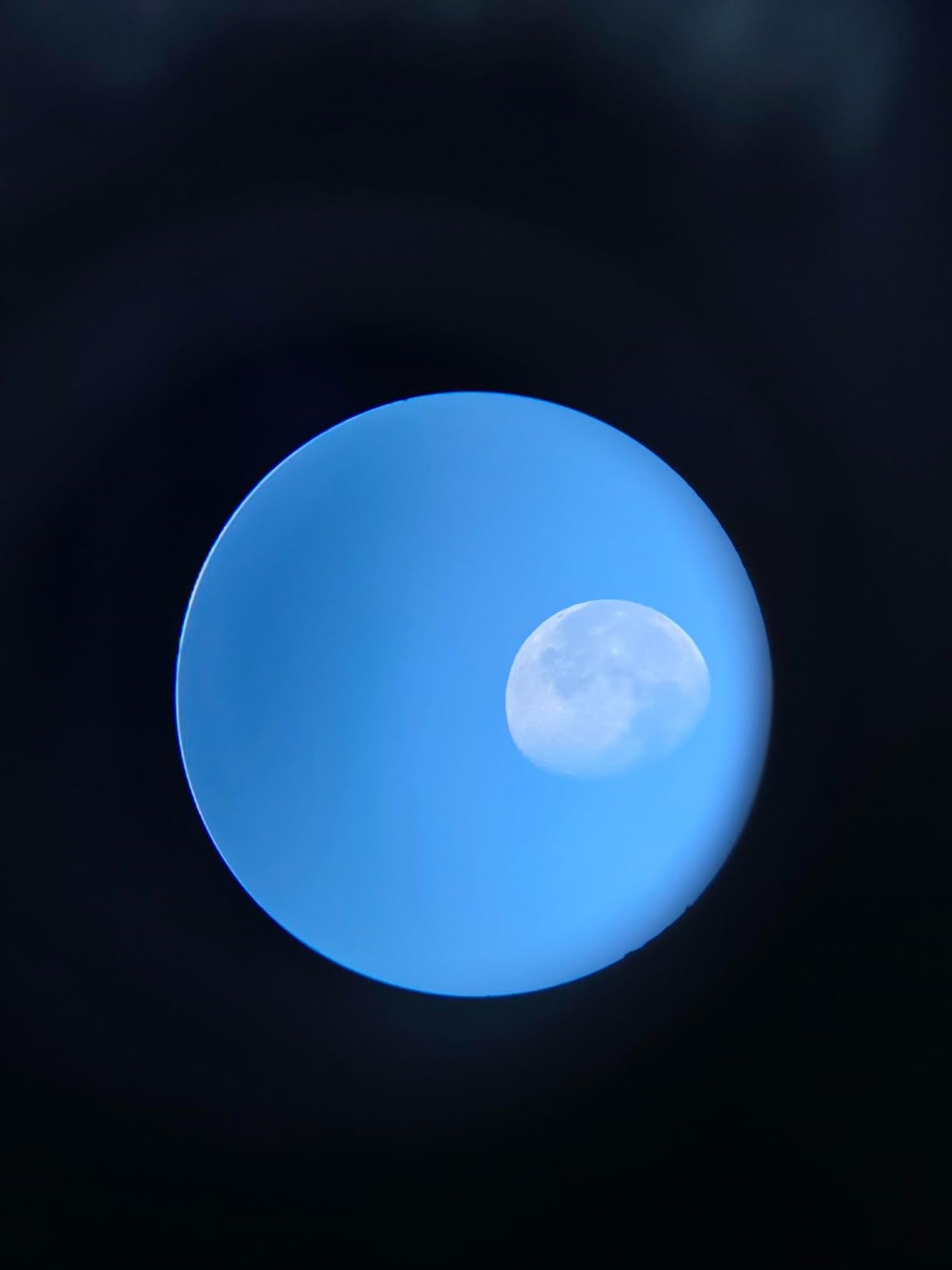
The included eyepieces give 30X and 66X, which is honest and sensible for an 80mm aperture but stops well short of the 160X this glass could use on a steady night. A single good 6mm or 7mm planetary eyepiece transforms what this scope can do, and that is the accessory we would prioritise.
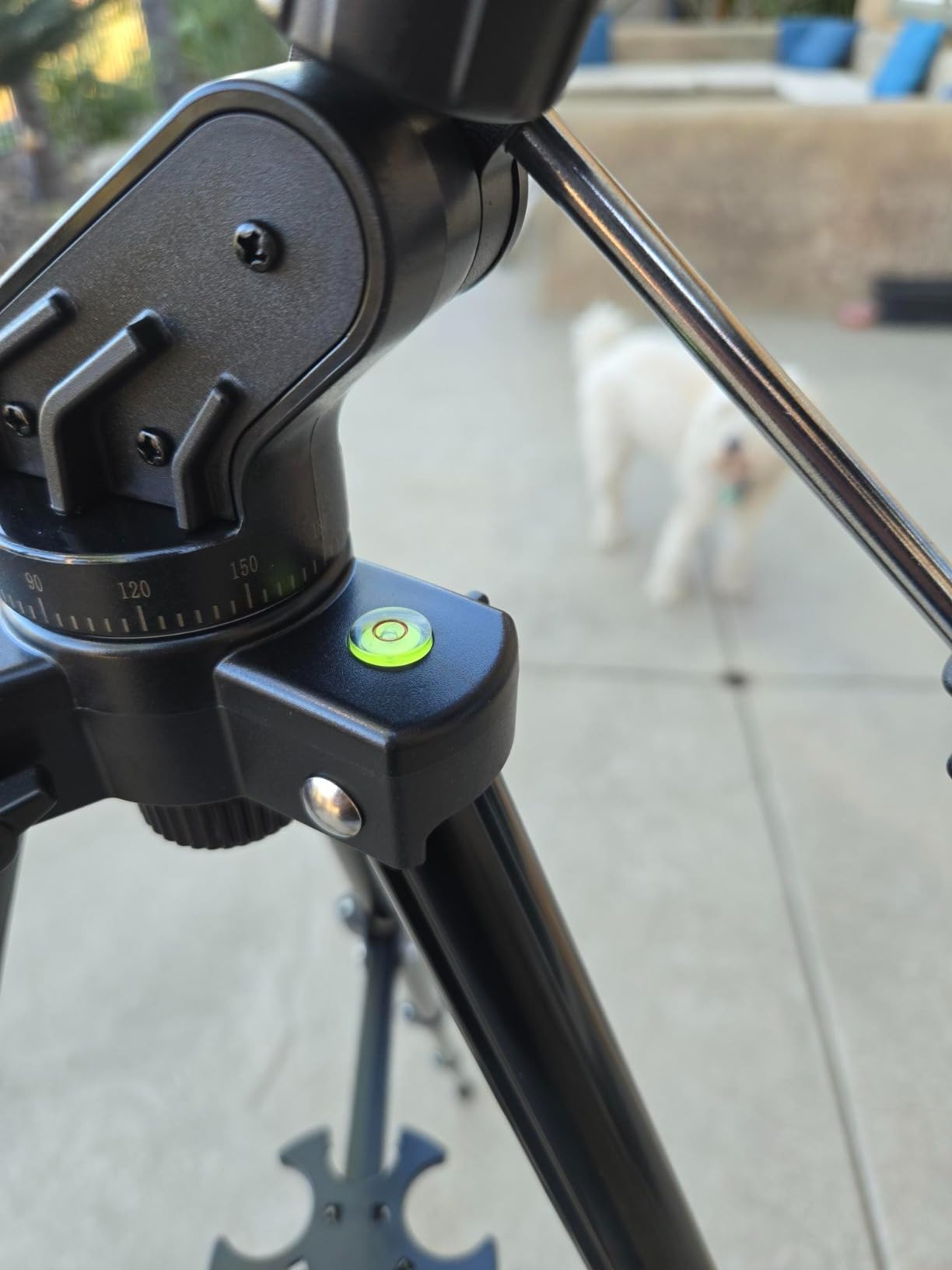
Mechanically, the complaints are consistent: the mount has a noticeable wobble during fine adjustments, and the alignment procedure takes patience the first time through. Neither ruins the experience, but both are the kind of thing that makes a first evening with a new telescope slightly frustrating.
Why it works for families?
Portability plus a wide height adjustment is the combination that matters, not the optics. Nothing here is cutting-edge, but the scope is easy to carry, easy to assemble without tools, and has illustrated instructions plus a video for anyone who has never set up a telescope.
It is also a reasonable first step up in aperture over a 70mm kit, which means a child who quickly tires of craters has somewhere to go, and the moon filter makes long lunar sessions more comfortable.
Who should look elsewhere?
Look elsewhere if your priority is planetary detail rather than portability. At 66X with the supplied eyepieces, and with a mount that wobbles, Jupiter and Mars are a stretch for this scope.
Look elsewhere if you already have a 70mm scope. In that case the 80mm is a modest step, and moving to a 90mm or an ED doublet would buy you much more than a bag and a moon filter.
7. Koolpte 80mm/600mm – Best Starter Refractor for Saturn
Koolpte Telescope for Adults, 80mm/600mm AZ Refractor for Beginners
80mm aperture at 600mm f/6.7
Multi-coated objective
25mm and 10mm eyepieces
Pros
- Clear bright views of lunar craters and Jupiter's moons
- Reports of Saturn's rings visible
- Wireless remote avoids shaking the view
- Carry bag included for trips to dark sites
- No-tool setup with clear instructions
Cons
- Finder uses a fixed plastic mount that cannot be aligned
- Cheap plastic 3x Barlow splits colour on planets
- Light and shaky tripod
The Koolpte is one of the most frequently recommended starter refractors for a simple reason: it shows Saturn’s rings. At 80mm and 600mm, with multi-coated optics, that first ring view is reliably achievable on a decent night, and for many beginners it is the moment the hobby clicks.
It also handles the Moon well, with detailed craters, and the four Galilean moons are clear at low power. The wireless remote is a small but thoughtful inclusion, letting you change targets without putting a hand on the tube and blurring everything you were trying to look at.
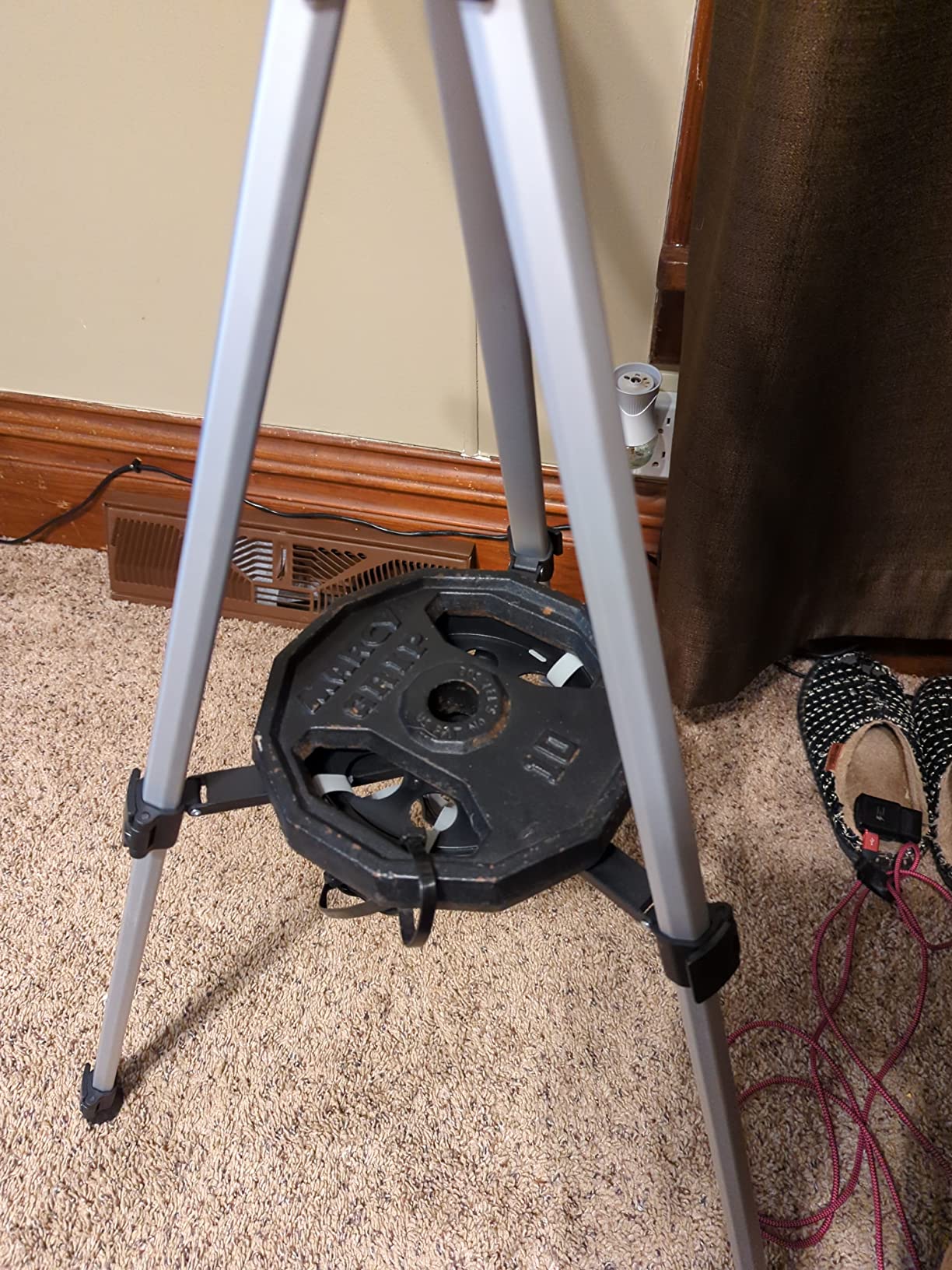
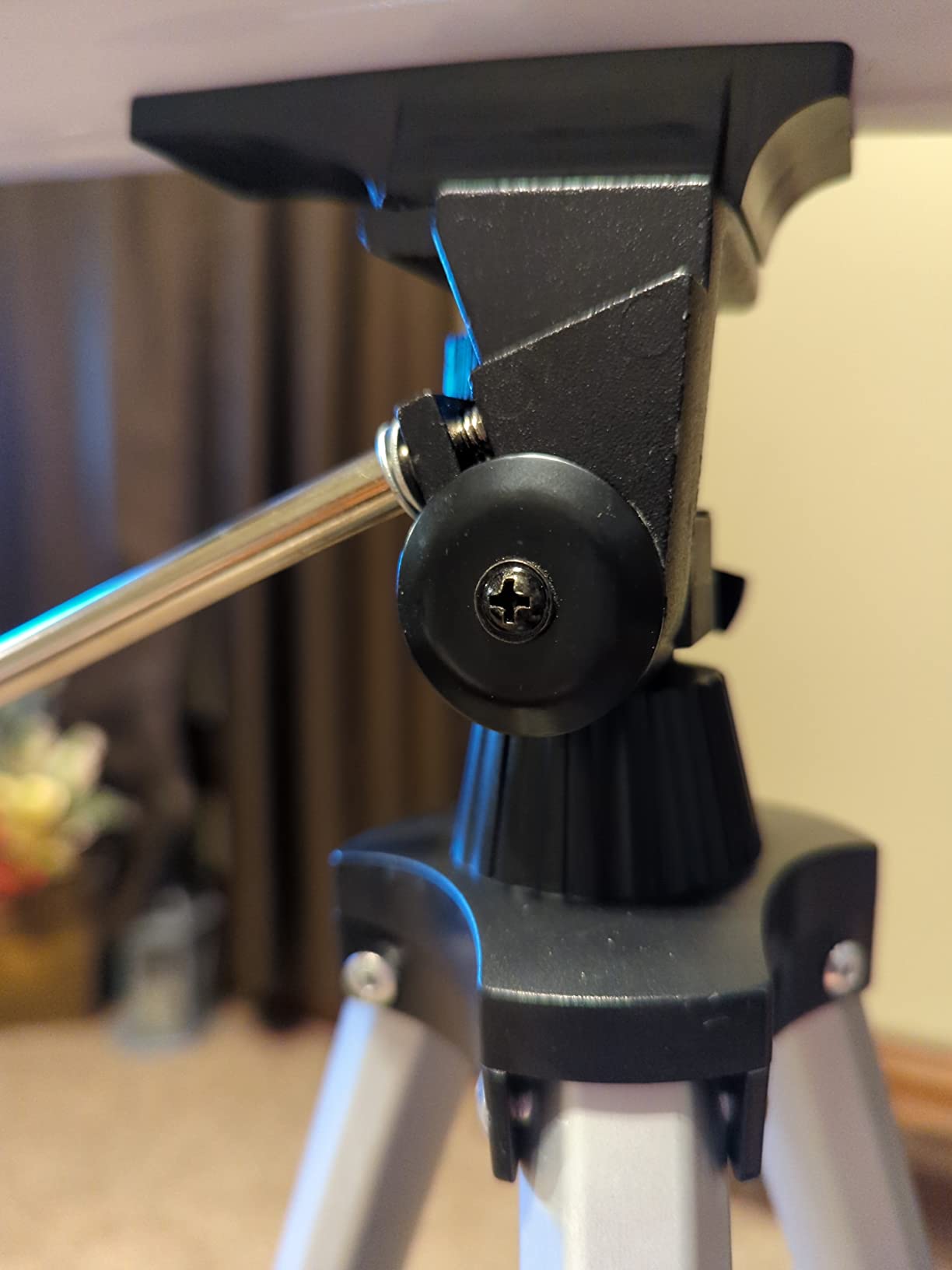
Two bundled accessories are the sticking point, and both affect planetary use directly. The finder scope sits on a fixed plastic bracket that cannot be adjusted to match the tube, so pointing it accurately is close to impossible and you will spend evenings trying to aim by eye. The 3x Barlow is cheap plastic that introduces colour splitting on planets, which is precisely the artefact a refractor is supposed to avoid.
Against that, the optics themselves are sound for the class. If you replace the finder bracket and leave the plastic Barlow in the box, you have a capable 80mm that will show you the Cassini Division in good conditions.
What it does well?
It does the Saturn job well, and it does the Moon job very well. For a first refractor where the goal is a memorable view of a ringed planet and a cratered Moon, the 80mm objective and multi-coating are more than sufficient, and the setup is quick and tool-free.
It also suits travel. The carry bag and compact size make it easy to take to a darker site, and at this aperture a suburban backyard still gives a perfectly respectable view of the Moon and Jupiter.
What to fix before you observe?
Fix the finder first, or find an alternative aiming method, because an unalignable bracket is more frustrating than any optical fault at this level. Then budget for one decent 6mm to 8mm planetary eyepiece rather than using the bundled 10mm.
Do not trust the magnification claims. Owners consistently report that real power falls well short of the promotional figures, and that matters when you are trying to work out whether the scope shows what you expect it to.
8. MEEZAA 90mm/800mm – Best Long-Focal-Length Value Scope
MEEZAA Telescope for Adults High Powered, 90mm Aperture 800mm Refractor
90mm aperture at 800mm f/8.88
Fully multi-coated objective
32x to 240x range
Pros
- Noticeably brighter and more detailed lunar images than 70mm and 80mm kits
- 32x to 240x covers wide fields and planets
- Stainless steel tripod feels sturdier than aluminium
- Phone adapter
- finder and carry bag included
- Most owners assemble in about 10 minutes
Cons
- 240x top end exceeds what a 90mm aperture can resolve
- Small straight-through finder is harder to use
- No slow-motion controls or tracking on the mount
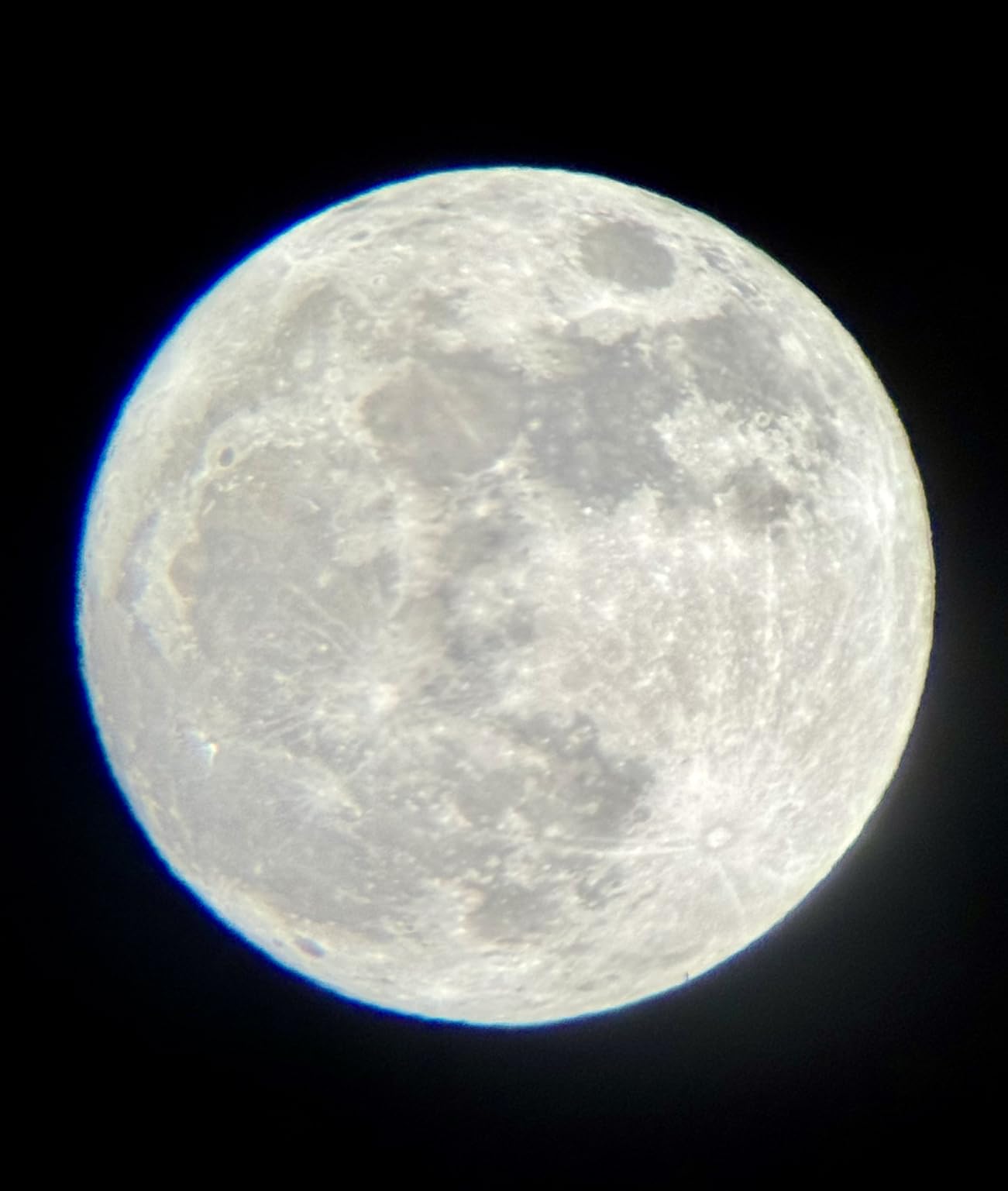
The MEEZAA is the pick if you want a step up to 90mm without moving to an optical tube assembly. Fully multi-coated glass at 800mm gives brighter, higher-contrast images than the coated achromatics in this list, and owners consistently describe the lunar detail as noticeably better than what they moved up from.
At f/8.88 the focal length is long, which is exactly the trait that suits planets. Long focal length means less magnification is needed to fill the field, the image is dimmer but the aberrations are far more forgiving, and a 90mm at f/9 is a comfortable instrument for lunar and planetary work rather than a compromise.
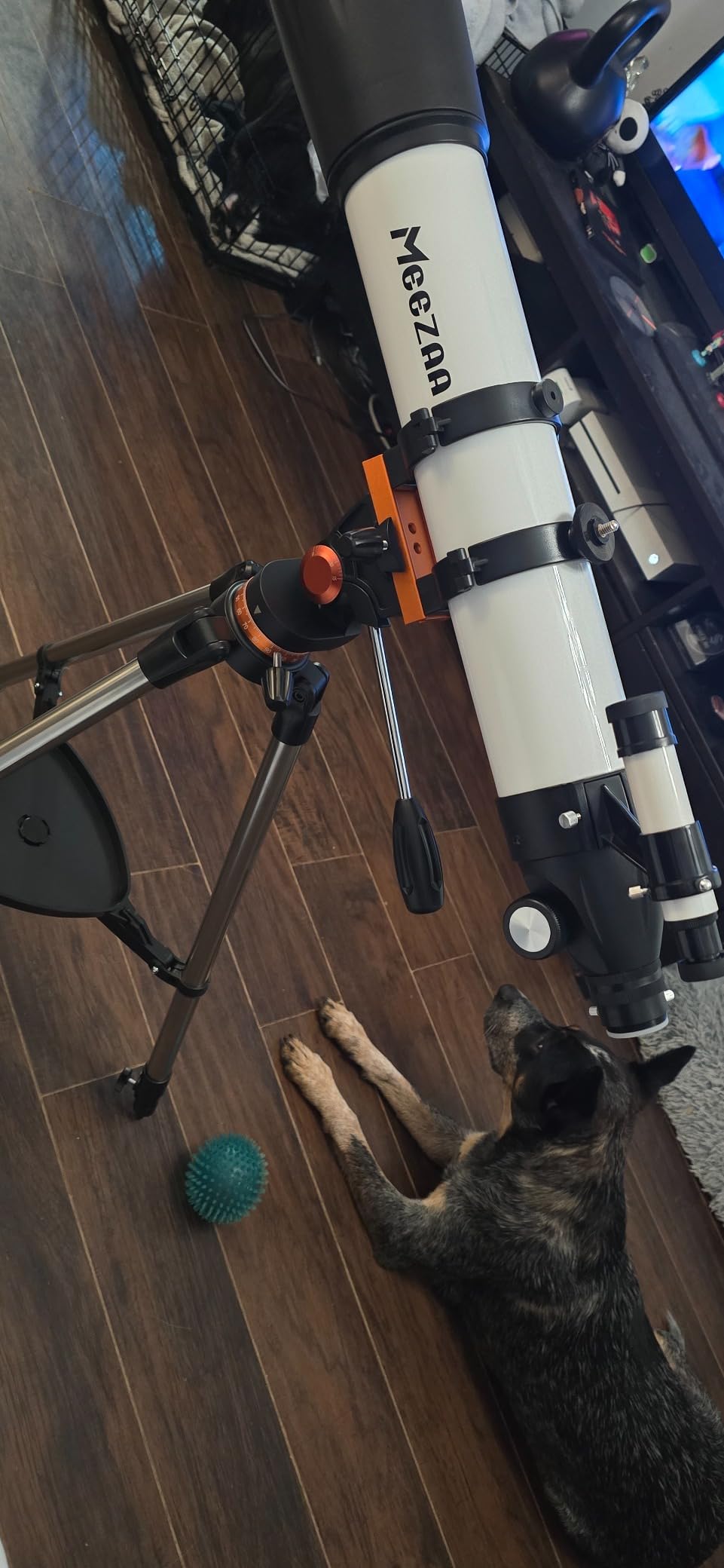
The stainless steel tripod is a step up from the usual aluminium, and it held steady enough for us to make small adjustments without the shake that spoils the 70mm and 80mm kits. The phone adapter, straight-through finder and carry bag round out a package that is unusually generous for what it costs.
Here is the honest catch, and it is a common one: the 240X figure at the top of the range is beyond what a 90mm aperture can usefully resolve. A 90mm scope is effectively finished around 180X. Staying below that is exactly why we like the long focal length, so ignore the top of the zoom range and work in the middle of it.
Why the long focal length helps?
Because it lowers the magnification needed for a given view. On a 400mm short tube you hit 100X with a 4mm eyepiece and fight the eyepiece’s aberrations; on 800mm the same view comes from a 8mm eyepiece, which is far easier to make well and far kinder to the eye.
It also means the planets drift more slowly across the field. That matters when the mount has no tracking and no slow-motion controls, because a slow-moving planet needs less correcting every minute.
When to choose something else?
Choose something else if you want to photograph planets, since review consensus is that this is not the instrument for high-resolution planetary imaging. The straight-through finder is also a step down from a reflex finder, and a small straight-through finder is fiddly for beginners.
Choose a 70mm travel scope if you care more about portability than on the Moon. At this size and focal length, weight and setup become a real consideration and portability is the thing you give up.
9. HETEKAN 90mm/900mm – Best for Jupiter’s Cloud Belts on a Budget
HETEKAN Telescope for Adults High Powered, 90mm Aperture 900mm Refractor
90mm aperture at 900mm
Three eyepieces plus 3x Barlow
36x to 450x claimed range
Pros
- Reviewers see Jupiter's cloud bands and red spot
- Long 900mm focal length suits planetary work
- Solid build quality and stainless steel tripod
- Phone adapter
- finder and carry bag included
- Setup in about 10 minutes
Cons
- Advertised 450x is far beyond a 90mm aperture
- Short tripod forces kneeling for taller users
- Mount unstable with a camera attached
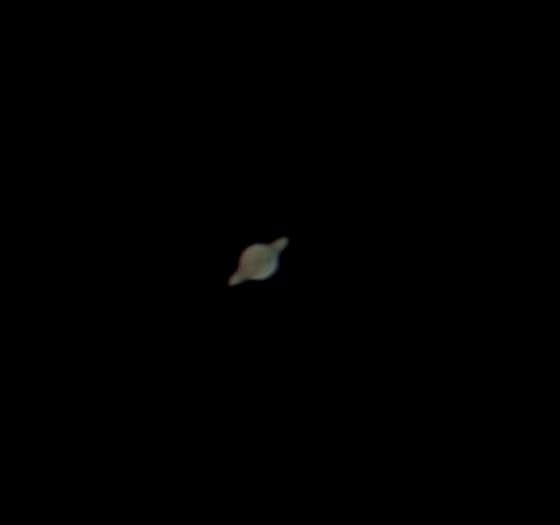
Of all the complete kits here, this is the one that reviewers most consistently credit with showing Jupiter’s cloud bands and the Great Red Spot, plus Saturn’s rings and the phases of Venus. Ninety millimetres of aperture at a 900mm focal length is a proven planetary combination, and it is available here without any assembly.
The three-eyepiece set, at 25mm, 10mm and 6mm, gives the widest working range in the group, and with the 900mm focal length that means useful powers from about 36X up to 150X. In practice, the 6mm at 150X is the best planetary view this scope gives, and anything past 180X is soft.
Ignore the 450X figure on the box. Reviewers are unusually blunt that anything beyond about 180X is soft with a 90mm aperture, and the difference between 180X and 450X in a cheap Barlow is the difference between a detailed image and a dim, empty one.
The tripod is the practical weak point. It adjusts only from 29 to 46 inches, which means anyone taller than about six feet ends up kneeling, and the mount is not stable enough to accept a camera, with adjustment knobs that do not stay tight once bumped.
What this scope is for?
It is for a specific goal: seeing Jupiter as a world rather than a disc. Ninety millimetres is the threshold where cloud structure starts to appear consistently, and a 900mm focal length keeps the view comfortable at the powers where that detail shows up.
Venus’s phases are the other under-rated payoff here. A 90mm scope resolves them easily, and reviewers mention it, which tells you the optics are performing well across more than one target.
When to look elsewhere?
Look elsewhere if you are tall or if your observing site involves a lot of walking, because the short tripod and the 5.6kg package are both awkward. A 70mm travel scope in a bag is a better answer for a lot of observers.
Look elsewhere if you plan to attach a camera, since the mount cannot carry one without shaking, and the plastic Barlow is not worth keeping. Budget for a quality 6mm to 8mm planetary eyepiece and you will get more from this scope than any extra magnification claim.
10. Celestron Travel Scope 80mm – Lightest Grab-and-Go Refractor
Celestron Travel Scope 80mm Telescope Kit with Backpack, Smartphone Adapter
80mm fully coated objective
457mm focal length
4.5 pounds packed
Tube and tripod fit the backpack
Pros
- Lightest packed weight in the group at 4.5 pounds
- Preassembled mount means setup in seconds
- 80mm objective gives crisp views of the Moon and planets
- Backpack
- smartphone adapter and software included
- Two-year Celestron warranty
Cons
- 457mm focal length limits magnification
- Supplied 10mm eyepiece is of limited quality
- Alt-azimuth mount has no slow-motion control
The Celestron Travel Scope is the smallest complete package in the list at 4.5 pounds, with the tube and tripod both fitting into the included backpack. The mount comes preassembled, so setup genuinely takes seconds, and for spontaneous observing on a balcony, in a field or on a trip that is the most useful feature on the whole scope.
Optically it is a competent 80mm achromatic. Reviewers and owners report crisp, bright views of the Moon’s craters and the brighter planets, and it doubles as a daytime spotting scope, which is a genuine dual-purpose argument for the sealed lens design.
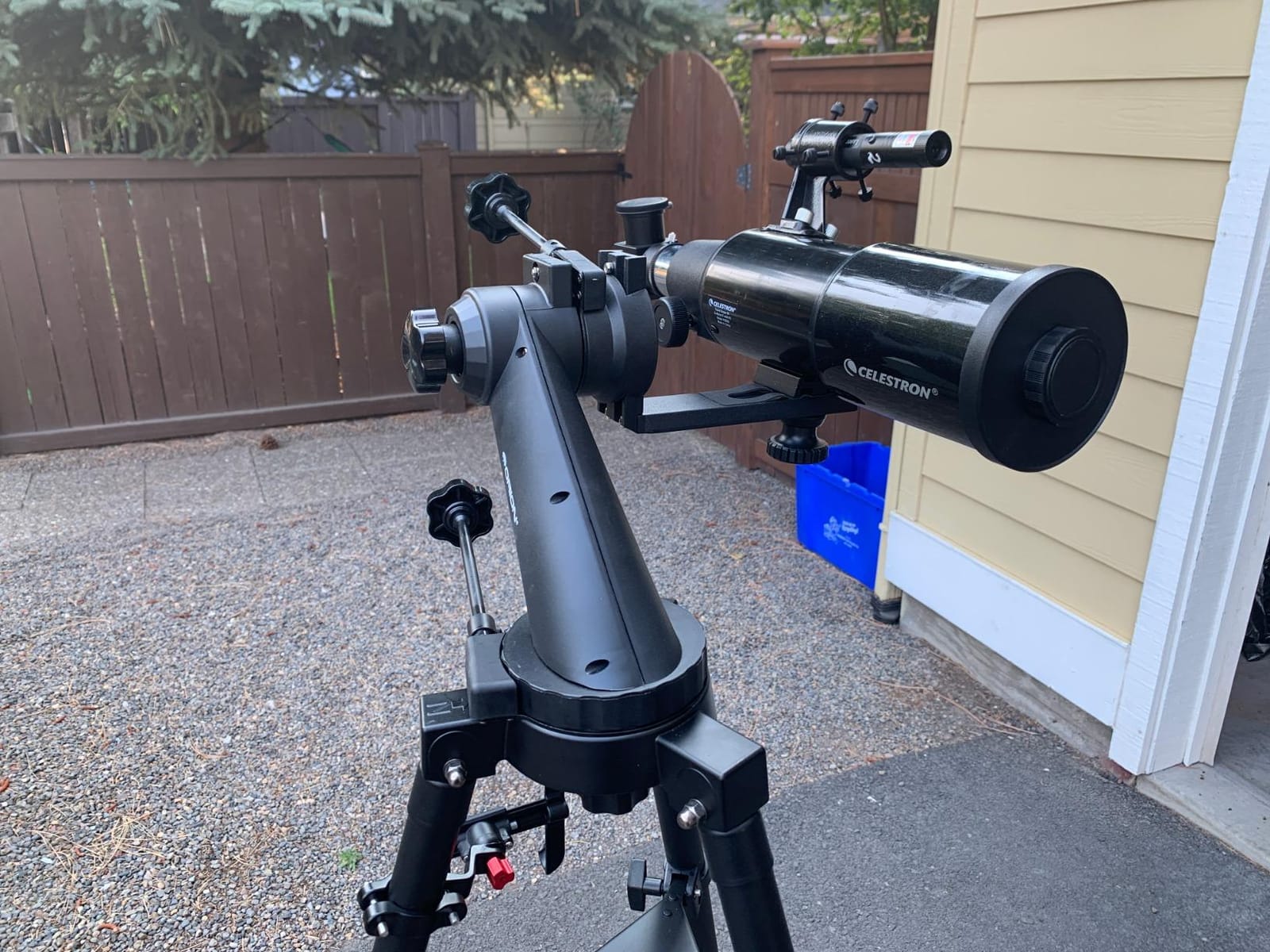
The 457mm focal length is the limitation that decides its role. That gives an 80mm aperture a practical ceiling around 160X, but the 20mm and 10mm eyepieces only reach 22X and 45X, so the scope as supplied is really built for lunar and wide-field work rather than planetary detail.
The alt-azimuth mount has no slow-motion control at all, which makes following a planet across the sky a matter of re-centring by hand every few minutes. On a short target like Mars that is manageable; on Jupiter it is a persistent irritation.

Where it wins?
It wins on portability and on zero-friction setup. If your observing happens in places where carrying a tripod is the thing stopping you, this is the scope that removes that objection entirely, and the backpack means it lives in a cupboard ready to go.
It also wins for a first look, and for daytime use. An 80mm fully coated objective is bright enough to show craters in daylight, which is where a lot of first-time interest in astronomy actually begins.
Where it does not?
It does not win on planets, which is the honest headline. With no slow-motion control and a short focal length, this is a Moon and travel scope, and anyone whose primary goal is Saturn’s rings and Jupiter’s belts should spend the extra for 600mm or more of focal length.
It also does not suit upgrading later, since the supplied 10mm is the weak link and a better eyepiece helps more here than in the longer scopes, but only up to the point where magnification outruns the aperture.
What Aperture Do You Need to See Planets?
Aperture, measured in millimetres across the objective, is the single number that determines how much planetary detail you can see, and it matters more than glass, focal length or mount quality. Every extra millimetre of aperture adds roughly 4 percent more light, and resolution improves in proportion, so moving from 70mm to 90mm is a 28 percent gain in light and a clear step in visible detail.
The practical mapping is simpler than most spec sheets suggest. At 70mm you get lunar craters, the four Galilean moons, and Saturn’s rings as a ring rather than a blob. At 80mm the ring structure becomes clearer and Venus’s phases resolve. At 90mm Jupiter’s cloud bands start to appear reliably, and Mars’s polar cap is usually visible. Anything above 100mm starts reaching for the Great Red Spot and larger surface markings on Mars.
Resolution sets the ceiling on the aperture side. The Dawes limit for the Celestron 70mm is listed at 1.66 arc seconds and for the Celestron Travel Scope 80mm at 1.45 arc seconds, which is the theoretical limit on how tight a pair of double stars can appear, and planetary detail follows the same physics.
This is also the point where community opinion is worth hearing. Forum discussion on r/telescopes and Cloudy Nights repeatedly makes the same argument: a larger aperture of ordinary optical quality beats a smaller aperture of exceptional glass for planets, because a 90mm achromatic will show more of Jupiter than a 70mm apochromatic.
Which means buying a refractor purely for its glass type is a mistake. The achromatic scopes here, at 80mm and 90mm, will out-resolve most of what any 70mm scope can show at any price. Contrast and colour control help, and the SVBONY ED doublet is the clearest example, but they add refinement rather than reach.
Focal Length, Focal Ratio and the 2x Aperture Rule
Maximum useful magnification is about twice the aperture in millimetres, and that single rule resolves most of the confusion in the product listings here. A 70mm scope has a ceiling of 140X, an 80mm scope 160X, and a 90mm scope 180X, and going beyond that produces a dimmer, softer, wavier image rather than more detail.
That is why the advertised 450X on the HETEKAN 90mm and the 240X on the MEEZAA 90mm do not mean those scopes resolve more than the 120X of the Gskyer 90mm. We found the practical planetary range on every 90mm scope in the group was 100X to 180X, and anything above that was wasted aperture.
Focal length determines which eyepiece gets you there. On the 900mm AstroMaster you reach 90X with a 10mm, and on the 400mm Gskyer you need a 3mm, which is where cheap eyepieces fall apart. Long focal lengths are easier on the eye and produce more forgiving images, which is why the 800mm and 900mm scopes suit planets so well.
Focal ratio is the same idea expressed differently. Fast ratios around f/5 to f/6 put aberrations at their worst and demand expensive eyepieces, while slower ratios near f/8 to f/9 behave better and are the traditional choice for planetary instruments. The MEEZAA at f/8.88 and the HETEKAN at 900mm both sit in that comfortable zone.
Magnification is simply focal length divided by eyepiece focal length, and the useful eyepiece range for a 90mm planetary scope is roughly 6mm to 14mm. A good 6mm or 7mm planetary eyepiece plus a 2x Barlow will take you to 250X, which is past useful power, so the 6mm on its own is the smarter target.
Doublet, ED Doublet or Triplet: Does Glass Matter for Planets?
An achromatic doublet uses two elements in contact and corrects most but not all of the colour error, which is why a 70mm or 80mm achromatic shows a purple or blue fringe around a bright planet at high power. That fringe is normal for the design and cannot be fixed with a better eyepiece, though a dark background and careful focusing minimise it.
An ED doublet adds a piece of extra-dispersion glass, usually S-FPL51, which brings the three wavelengths much closer together and leaves only a faint residual. The SVBONY SV503 is the only scope here that uses it, and the visible difference on Venus and Jupiter is a cleaner limb with no obvious halo.
An apochromatic triplet uses three elements and corrects colour across a wider band, at higher cost and usually heavier construction. For purely planetary visual work, the step from achromatic to ED doublet is where most of the benefit is available per unit of money spent.
But we would not recommend chasing triplets for planets alone. The gain is colour neutrality, and a telescope’s actual resolution comes from aperture. Someone buying their first refractor for Saturn is better served by moving from 70mm to 90mm than from 70mm achromatic to 70mm apochromatic.
Mount Stability, Vibration and the OTA vs Kit Decision
Mount stability is where most of the disappointment in cheap refractors comes from, and it is worth saying plainly: a steady mount at 100X beats an unsteady one at 250X every time. Vibration pads, a firmer tripod, and bracing the tube with a hand against the mount all produce a bigger jump in perceived detail than any glass upgrade.
Check the flex first. If the legs visibly bend when you tighten the altitude knob, the mount will shake for several seconds after each adjustment. The 90mm scopes here with steel tripods hold up far better than the light aluminium tripods on the 70mm and 80mm kits.
Slow-motion controls matter more than they appear. A slow-motion altitude rod, as on the Celestron PowerSeeker 80AZS, lets you centre a planet without touching the tube and setting the whole thing swinging. Without one, you are pushing a target across the field by hand several times an hour.
That leads to the OTA versus kit question, which no roundup competitor addresses directly. A cheap complete kit gets you observing the same evening for a modest outlay, but the mount inside it is usually the weakest part. An optical tube assembly gives you better glass, but you must budget separately for a mount, a diagonal, a finder and eyepieces, and those add up to more than the difference in tube price.
Our rule is simple. Buy a complete kit if this is your first telescope, and accept that you may replace the mount in a few years. Buy an optical tube assembly only if you already have decent hardware, because starting with a bare tube means your first purchase is a parts list rather than a telescope.
Where an alt-azimuth mount genuinely struggles is tracking. Planets drift steadily across the field, and a refractor on an alt-az mount needs constant re-centring, which is why experienced planetary observers often use an equatorial mount with slow-motion controls in both axes. That is a step beyond this whole category, but it is worth knowing it exists.
Refractor vs Dobsonian vs Maksutov for Planetary Detail
A refractor wins on contrast, portability and low maintenance, because the sealed objective has no mirror to de-fog and no central obstruction to scatter light. A reflector wins decisively on aperture per unit of money, which is why community consensus keeps recommending an 8-inch or 10-inch Dobsonian to anyone whose single goal is seeing more of Jupiter.
The contrast penalty is real but smaller than beginners expect. It only becomes obvious when you push a telescope past its aperture or put it under a bright sky, so a refractor’s advantage shows up in the last 30 percent of magnification, which is exactly where planetary detail lives.
A Maksutov-Cassegrain sits in between, giving a long focal length in a short tube with good contrast, but the central obstruction means it is not quite a refractor optically. For portability, a refractor and a Maksutov are comparable, and for pure light gathering a Dobsonian wins by a wide margin.
The practical summary: if planets are your passion and you will observe from home, a Dobsonian shows more. If you want one scope for the Moon, planets, birds and the occasional deep-sky object, and you need it to be set up in five minutes, a refractor is the right answer, and this list is a good place to start.
Cool-Down Time, Dew and Eyepieces That Actually Help
A refractor’s sealed tube has one genuine practical drawback: the glass has to reach ambient temperature before the image settles. A 70mm or 80mm scope typically needs 30 to 60 minutes, and a 100mm tube can take 60 to 90 minutes, during which a large 90mm objective can show a current of air that blurs fine detail.
Leave the case open and the scope outside for a while before you observe, and this is largely a solved problem. Dumping a cold tube into a warm car on the way to a dark site is the fastest way to waste an evening.
Dew is the other field problem, and it is worse on small, fast refractors than on big ones. A retractable dew shield, a cheap USB dew heater band on the front element, and a lens cloth are all that most people need, and a dew heater is a far better use of money than a third eyepiece.
On eyepieces, one good 6mm to 8mm planetary eyepiece per scope will do more than a set of cheap barrels. The single most common complaint across these reviews is a weak supplied 10mm with almost no eye relief, and replacing it transforms the view at no cost to portability.
Finally, seeing beats everything. High magnification on a small refractor only produces detail on a night of steady atmosphere, and a mediocre 90mm on a still night will beat a good 90mm on a turbulent one. If the stars are boiling, the sensible move is to come back tomorrow rather than swap the telescope.
Frequently Asked Questions
Are refractor telescopes good for viewing planets?
Yes. A refractor sends light through a sealed objective lens with no central obstruction, so it gives brighter, higher-contrast views of planets than a reflector of the same aperture. That contrast is what makes Jupiter’s cloud belts, Saturn’s ring divisions and the phases of Venus stand out. The trade-off is that a refractor costs more per millimetre of aperture, so a reflector still shows more faint detail.
How powerful of a telescope do I need to see planets?
A 70mm refractor shows the Moon’s craters, the Galilean moons and Saturn’s rings. A 90mm scope is the threshold where Jupiter’s cloud bands and Mars’s polar cap become reliably visible. Maximum useful magnification is about twice the aperture in millimetres, so a 90mm scope tops out near 180X, and any advertised power far beyond that produces a dim, soft image rather than more detail.
What size telescope do I need to see Saturn’s rings?
An 80mm refractor at moderate magnification shows Saturn’s rings clearly, and a 70mm will show them as a ring rather than a blob on a steady night. To resolve the Cassini Division and see ring structure in detail, look for 90mm or more of aperture. A longer focal length also helps, because it reaches the same magnification with a more forgiving, longer-throw eyepiece.
Which refractor telescope is best for viewing planets?
For most people the Celestron AstroMaster 70AZ is the strongest first choice, because it is a complete package that sets up in minutes and reliably shows the Moon, Jupiter’s moons and Saturn’s rings. If you want more planetary detail, move up in aperture to a 90mm scope such as the Gskyer 600x90mm or the HETEKAN 90mm. If you already own a mount, the SVBONY SV503 80ED gives noticeably cleaner colour.
Can you see galaxies with a refractor telescope?
Yes, though deep-sky objects are brighter and easier in a reflector of the same aperture. A refractor excels at open clusters, the Orion Nebula’s Trapezium stars and double stars, and any galaxy will still be visible as a fuzzy patch, just without the brightness a Dobsonian gives you. If galaxies are your main interest, aperture matters more than optical design, and a Dobsonian wins.
What is the best telescope for viewing galaxies and planets?
No single scope does both as well as a Dobsonian for galaxies and a refractor for planets. If you must have one telescope for both, choose by aperture: a 90mm refractor shows good lunar and planetary detail and still resolves bright clusters and nebulae, while an 8-inch Dobsonian shows galaxies far better but is bulkier and needs steadier collimation. Short-tube refractors favour wide fields, which suits clusters over galaxies.
What is the best telescope for planetary photography?
Planetary imaging rewards a long focal length, a stable mount and a camera capable of high frame rates, not a wide field. Among the scopes reviewed here, the SVBONY SV503 80ED with its S-FPL51 ED glass and dual-speed focuser is the only one designed around imaging. Budget for a suitable planetary camera, a field flattener and a solid equatorial mount, since a phone adapter is fine for the Moon but not for detail on Saturn.
The Best Refractor Telescopes for Planets in 2026
If you are starting from nothing, the Celestron AstroMaster 70AZ is the best refractor telescope for planets you can buy without a plan: it sets up in minutes, it is portable, and it reliably shows the Moon, the Galilean moons and Saturn’s rings. If you want more, spend the difference on aperture rather than glass, and move to a 90mm scope such as the Gskyer 600x90mm for Jupiter’s cloud bands and Mars’s polar cap.
Only reach for an optical tube assembly like the SVBONY SV503 80ED once you already own a mount, and remember that one quality 6mm to 8mm planetary eyepiece will improve every scope on this list more than any extra magnification claim will. Check the latest options for each pick above, and take the one whose aperture matches the planet you most want to see.