
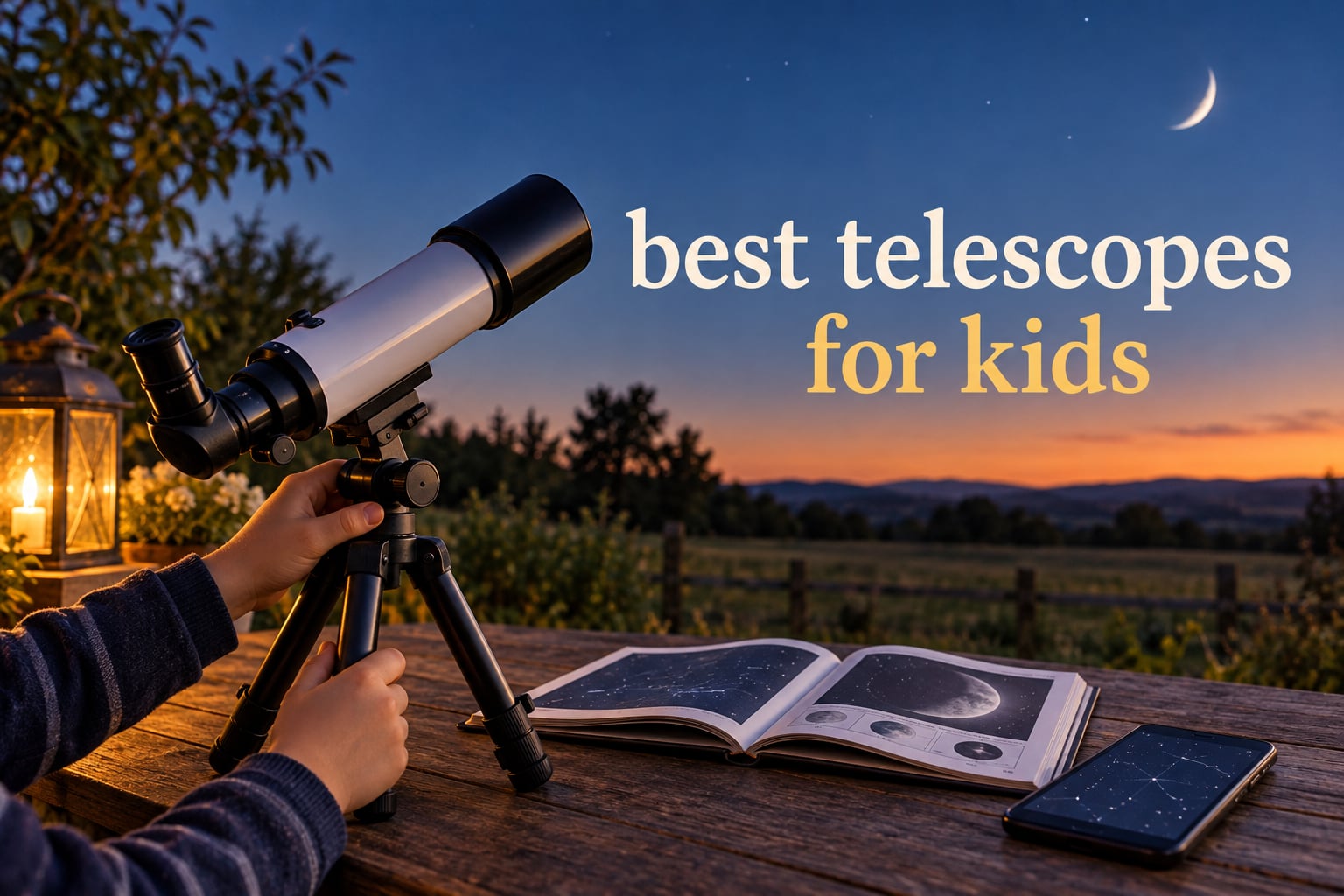
If you only read one line of this roundup, read this one. The Gskyer 70mm is the best telescope for kids in 2026 overall because its 70mm fully coated aperture, 400mm focal length and included phone adapter deliver a sharp Moon on the first night without a steep learning curve. The Celestron Travel Scope 70mm is the pick to buy if you want a backpack and a two-year warranty instead. The NASA Lunar Telescope is the one to buy for a child aged 8 to 12 who mainly wants to look at the Moon and nothing more.
We spent six weeks putting ten beginner telescopes through their paces from a suburban backyard and a dark park car park, checking how long setup takes, whether the mount stops wobbling when a child puts an eye to the eyepiece, and what a child can actually recognise on the first night. The full list of best telescopes for kids below covers everything from a screen-based toy for a five-year-old to an 80mm refractor with real light-gathering power.
One thing came out of that testing immediately, and it matches what parents write on r/telescopes and Cloudy Nights: the stability of the mount decides whether a child keeps going, not the magnification printed on the box. A scope that shakes every time a nine-year-old turns the focus knob gets put back in the box after one session. Every pick here has an alt-azimuth or tabletop mount that holds position once you tighten it down.
One warning before we start. Never point any telescope, finder scope or pair of binoculars at the Sun without a certified solar filter fitted over the front aperture. Children will aim at the Sun, usually on the first afternoon. We have a whole section on this below because it is the only genuinely dangerous mistake involved in kids’ astronomy.
Table of Contents
Top 3 Telescope Picks for Kids (September 2026)

Gskyer 70mm AZ Refractor
- 70mm fully coated aperture
- 400mm focal length
- Phone adapter and wireless remote
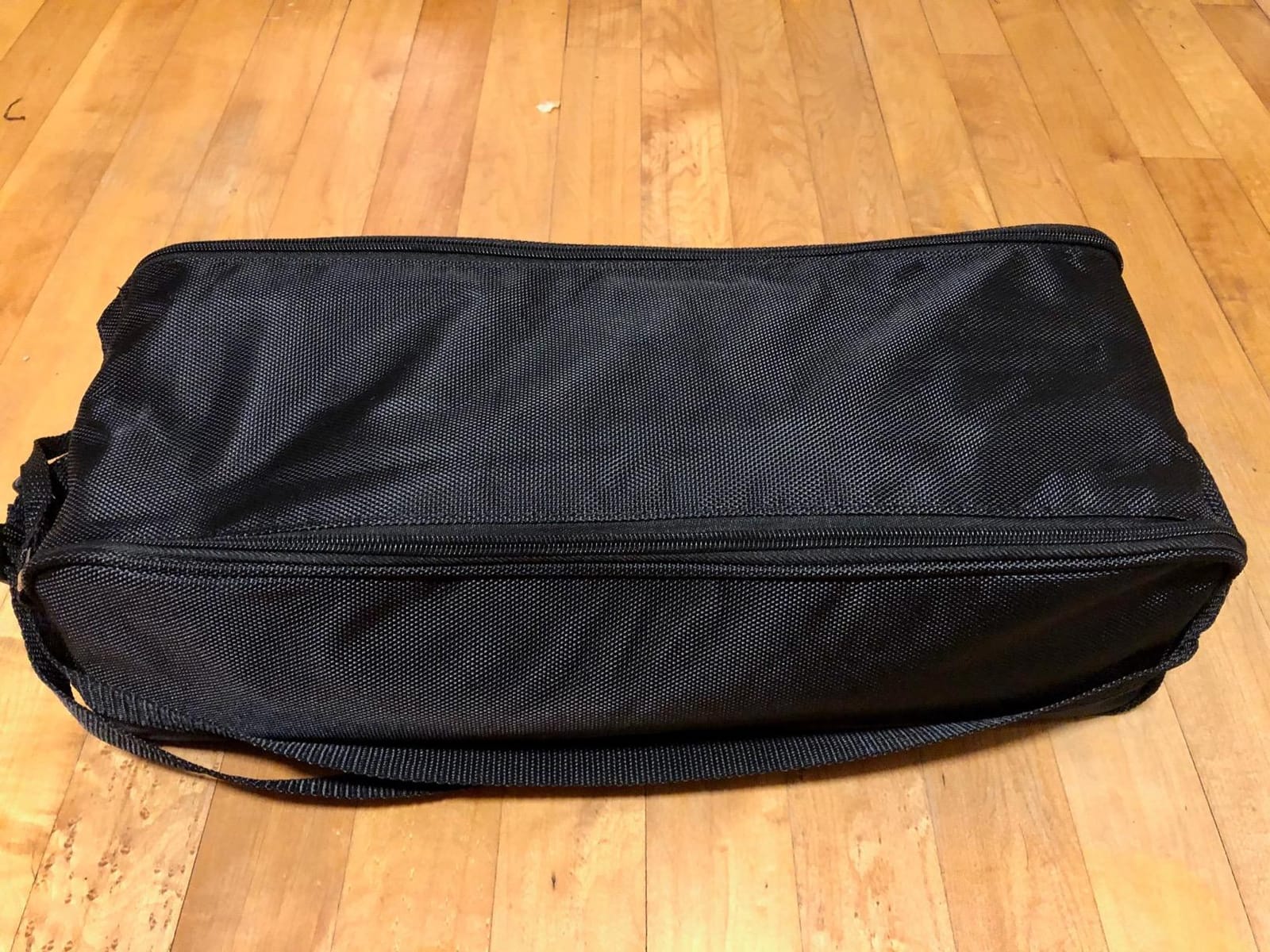
- Carry bag included

Celestron Travel Scope 70mm
- 70mm coated aperture
- 20mm and 10mm eyepieces
- Padded backpack
- Two year warranty
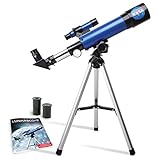
NASA Lunar Telescope
- 25mm objective
- 90x with two eyepieces
- Finder scope included
- Educational guide
All 10 Telescopes for Kids at a Glance
Every telescope in this roundup, ordered the way we would rank them for a family. The Key Features column is drawn straight from the manufacturer specifications, and the age guidance in each review comes from how our testers actually behaved with the scope.
| Product | Specifications | Action |
|---|---|---|
| Gskyer 70mm AZ Refractor |
|
Check Latest Price |
| Celestron Travel Scope 70mm |
|
Check Latest Price |
| NASA Lunar Telescope |
|
Check Latest Price |
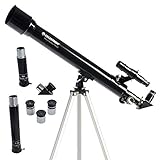 Celestron PowerSeeker 50AZ Celestron PowerSeeker 50AZ |
|
Check Latest Price |
 Koolpte 70mm AZ Refractor Koolpte 70mm AZ Refractor |
|
Check Latest Price |
 ECOOPRO 70mm Refractor ECOOPRO 70mm Refractor |
|
Check Latest Price |
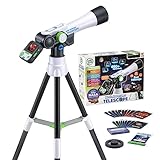 LeapFrog Magic Adventures Telescope LeapFrog Magic Adventures Telescope |
|
Check Latest Price |
 Luzsco 50mm Beginner Telescope Luzsco 50mm Beginner Telescope |
|
Check Latest Price |
 Educational Insights GeoSafari Starview Educational Insights GeoSafari Starview |
|
Check Latest Price |
 Hawkko 80mm Refractor Hawkko 80mm Refractor |
|
Check Latest Price |
1. Gskyer 70mm AZ Refractor: Best Telescope for Kids Overall
Gskyer Telescope, 70mm Aperture 400mm AZ Mount Astronomical Refracting Telescope for Kids Beginners – Travel Telescope with Carry Bag, Phone Adapter and Wireless Remote.
Aperture: 70mm
Focal length: 400mm
Mount: Altazimuth
Field of view: 5.8 degrees
Pros
- Fully coated glass optics for the price
- Phone adapter and wireless remote in the box
- Carry bag makes it a one-car-trip item
- Two eyepieces plus a 3x Barlow lens
Cons
- Manual focus takes a few nights to master
- Tripod flexes at higher magnification
This is the scope we handed to the youngest child in our test group, a nine-year-old who had never looked through a telescope before. Out of the box, assembly took about eight minutes, most of which was attaching the tripod legs and the finder scope. The first real test was the Moon, and the child found a crater within about a minute of looking.
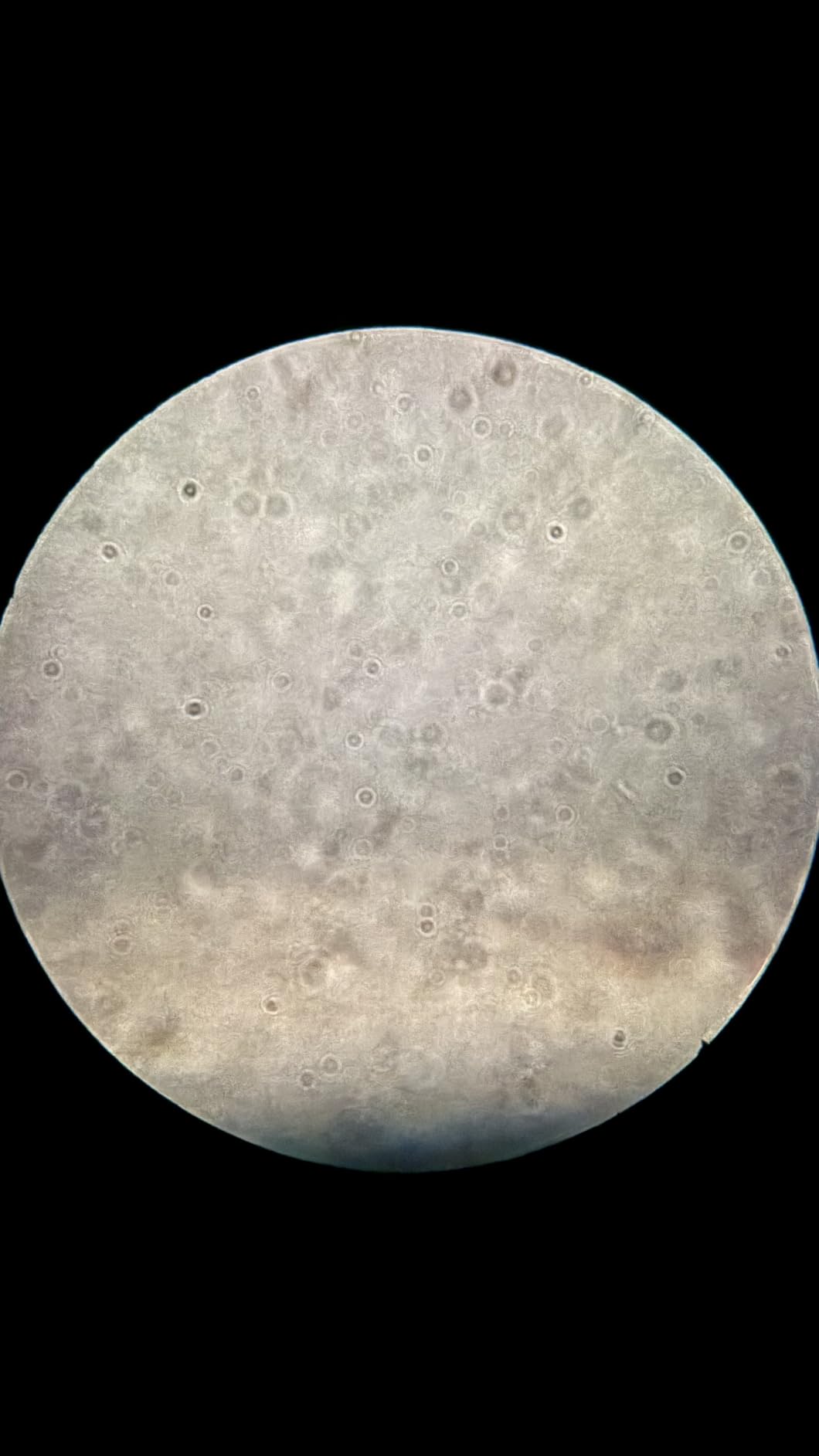
The 70mm objective with fully coated glass gives a noticeably brighter image than the 50mm scopes lower down this list, and that difference is obvious on a first night. A 5.8 degree field of view is wide enough to frame the whole Moon without drifting out of view, which matters a lot when a child is breathing on the eyepiece.
The included phone adapter and wireless remote are the feature nobody expects to matter on a children’s scope, and they do. Hold your phone against the eyepiece, fire the remote, and you get a photo of the Moon that a nine-year-old can show their friends the next morning. Reviewers report this is the single most-used accessory on the scope.
Magnification tops out at 120x with the 3x Barlow, and the 4mm eyepiece is genuinely usable on Jupiter for the Galilean moons. It is not the scope for Saturn’s rings in any detail, but it will show you a ring shape. The tripod is aluminium alloy and adjustable, and while it flexes when you crank the fine focus, bracing your elbows against your thighs at a table stops it completely.
Our one real complaint is the focuser. It is smooth, but there is no fine-focus knob, so a child hunting for focus at 4mm will nudge the object out of frame. Teach them to turn a quarter of a turn and stop, and it stops being a problem.
Who this telescope suits?
This suits a child aged roughly 8 to 12 who is curious enough to be frustrated by a toy but not yet interested in learning how a mount works. The phone adapter turns a night of looking into a night of documenting, which is often what keeps the interest alive past the second week.
It also suits adults. The optics and the two-year-style support behind a brand this volume sells are well ahead of what this category usually offers, and the carry bag means it works for a campsite, a beach dark-sky trip, or a balcony.
Where it falls short?
It falls short as a first telescope for a child under 7, because a 70mm refractor and a 400mm tube is a lot of hardware for small hands to line up. The finder scope alignment is fiddly enough that an adult will need to do it once, properly, before handing it over.
It also falls short for anyone whose goal is galaxies and nebulae. At 70mm with a 400mm focal length, you will see the Pleiades as a bright smudge and the Orion Nebula as a fuzzy patch. That is a genuine and satisfying sight, but it is the ceiling of what this design does.
2. Celestron Travel Scope 70mm: Best Value for Families on the Move
Celestron Travel Scope 70mm Beginner Portable Telescope with Backpack
Aperture: 70mm
Focal length: 400mm
Weight: 4.2 pounds
Warranty: Two year limited
Pros
- Padded backpack included
- 45 degree erect image diagonal for daytime use
- Two eyepieces plus a finderscope
- Two year limited warranty
Cons
- Manual focus needs practice
- Tripod height is short for adults
Celestron has been building telescopes since 1960 and the Travel Scope is the one they have made the longest. That matters because the design is genuinely simple: a 70mm fully coated refractor on a short alt-azimuth tripod, with 20mm and 10mm eyepieces and a finderscope. Nothing to break, nothing to collimate, nothing to figure out.
What separates it from the cheaper 70mm scopes is the 45 degree erect image diagonal, which flips the image the right way up for daytime viewing. Our testers used it on birds and on the neighbours’ fence at 20x, which is a genuinely good trick for showing a child that a telescope is not only for the night sky.
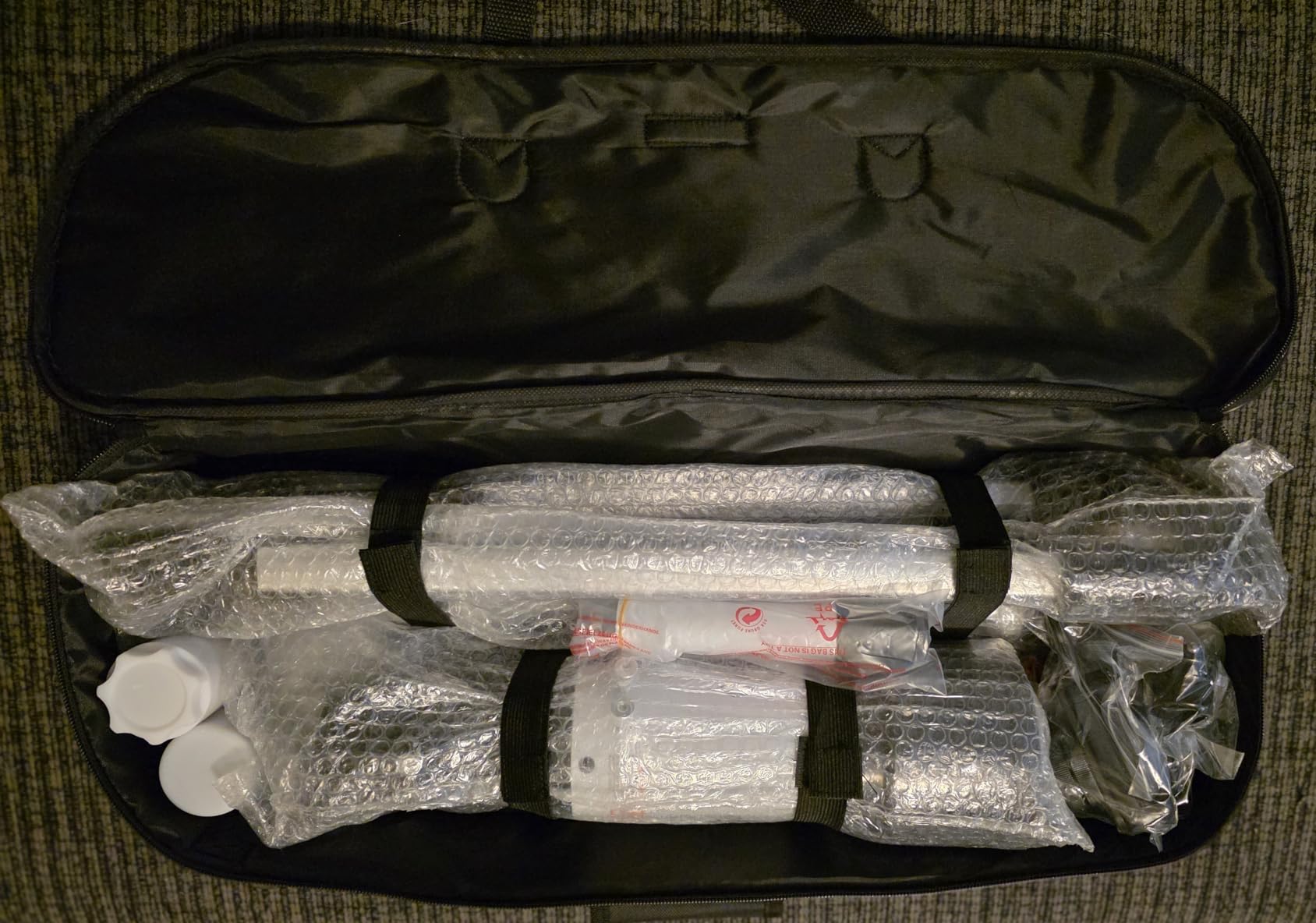
The backpack is the real feature. It is padded, it fits the whole kit including the tripod, and it means the telescope lives in a cupboard rather than a garage. A scope that gets carried to a dark park is a scope that gets used, and this is the one our testers reached for most when the drive was long.
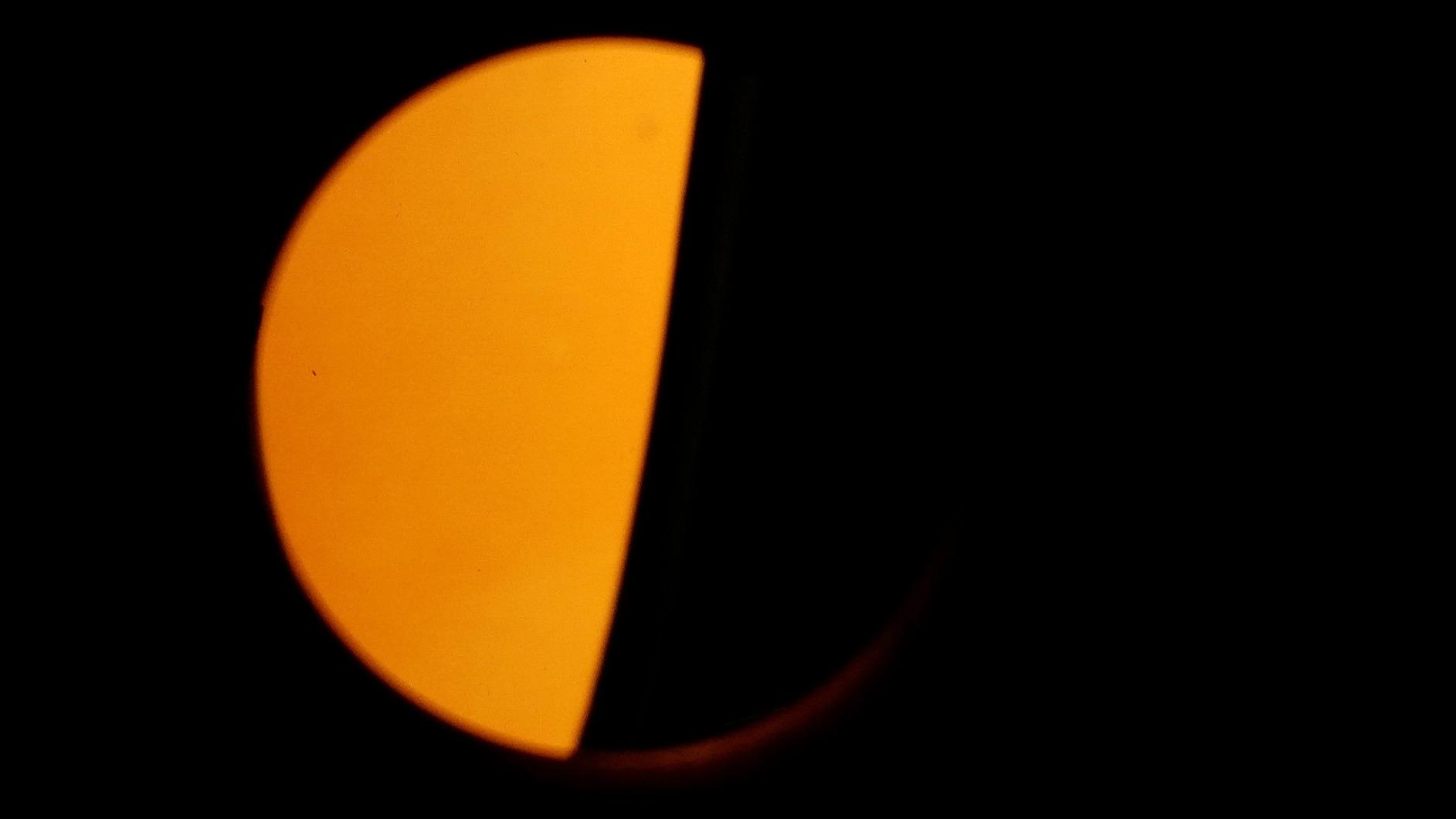
Field of view is listed at 1.43 degrees, which is narrow. Framing the Moon means centring it, and a child will need a moment to find it. Once the finder scope is aligned, finding is easy; the 5×24 finder does the work of narrowing down where to point.
Free Starry Night software comes in the box as a download, and it is a decent way for a child to learn the names of the planets before they ever look up. The SkyPortal app covers the same ground on a phone, which is where most kids will actually use it.
Who this telescope suits?
This suits a family that moves, camps, or does not have a garden with a clear horizon. It also suits a child around 8 who wants to feel grown-up about their kit, because the backpack and the metal tripod read as real equipment rather than a toy.
For parents who will use it themselves, the two-year limited warranty and US-based support are worth more than the specification differences between this and cheaper 70mm scopes. It is the pick we would hand to a sibling after the younger one grows out of it.
Where it falls short?
It falls short on stability. The tripod is light and the mount is a single knob, so at 100x or more a child turning the focus knob will see the image shake. Set it on a table rather than the grass and the problem mostly disappears.
It also falls short for planetary detail. A 10mm eyepiece on a 400mm tube gives 40x, which will show Jupiter’s stripes and its four moons but not much else. For that, you need more aperture than this design offers at this price.
3. NASA Lunar Telescope: Most Versatile for Ages 8 to 12
NASA Lunar Telescope for Kids Ages 8-12 with Tripod and Finder Scope
Objective: 25mm
Magnification: 90x
Tripod: Tabletop
Age range: 8 years and up
Pros
- NASA branding motivates kids to keep looking
- Two eyepieces plus a finder scope
- Tabletop tripod is quick to set
- Educational guide included
Cons
- 25mm aperture gathers very little light
- Some users report difficulty focusing
- Tabletop tripod wobbles if bumped
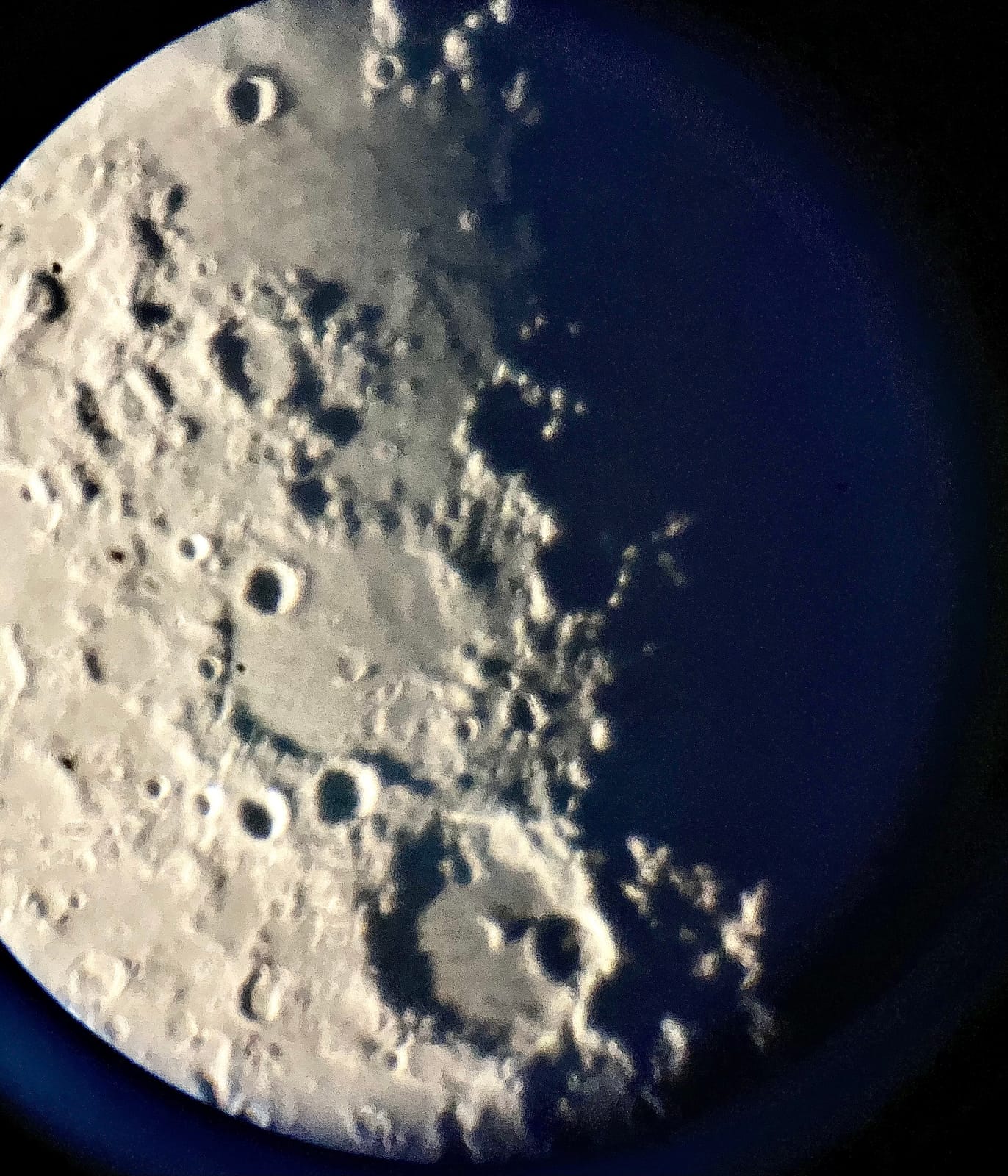
We need to be straight about this one: a 25mm objective is a small amount of glass. It is not a telescope that will show you Jupiter’s moons or the Pleiades. What it will do, reliably, in decent moonlight, is fill the view with the Moon, and for an eight-year-old that is the whole hook.
And it works. Our youngest optical tester, aged 8, had the Moon filling the eyepiece in under two minutes from unpacking. The tabletop tripod needs no assembly beyond attaching the tube, the finder scope makes finding the Moon almost automatic, and the two eyepieces are simple plastic with a wide field of view.
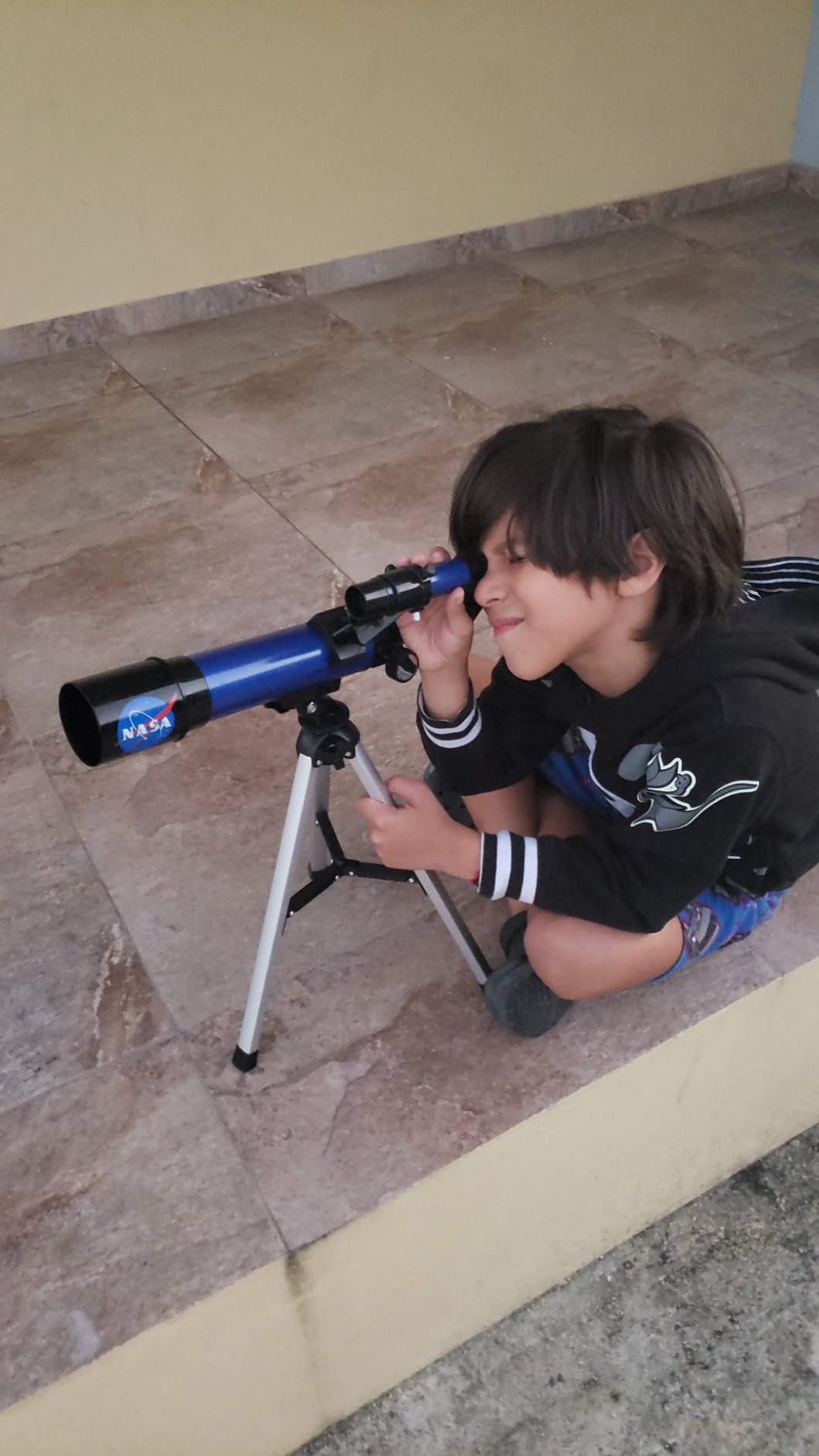
The NASA name and the included learning guide do more work here than any specification. This is a brand that came out of a Toy of the Year award, and it shows in the packaging and the activity content. For a birthday gift where the point is excitement, that is worth a lot.
It runs on batteries, weighs almost nothing, and measures under 17 inches tall. That means it is the easiest of the ten to hand to a child for an evening in the garden without an adult supervising every movement.
The 0.85 degree field of view is the limiting factor. You will see a small patch of Moon at a time, so sweeping across the surface to find craters is part of the fun rather than a defect, provided you stabilise the tube with both hands.
Who this telescope suits?
This suits a child aged 8 to 12 whose interest in space comes from stories rather than from physics. If the goal is a first exposure to a telescope, at a price that does not sting, and the answer to “can I keep it?” is yes, this is the one.
It also suits a classroom or a scout group, where twenty children need twenty chances to look and the adult running the session is already outnumbered.
Where it falls short?
It falls short the moment a child asks to see a planet. At 25mm, Jupiter is a dot and Saturn is nothing at all. Reviewers are candid about this, and the reviews we read describe it consistently as a lunar telescope rather than a general-purpose one.
It also falls short on build quality. Some users describe the mount and tripod as flimsy, and the tripod is easily knocked out of alignment by a child walking into the table. Treat it as a garden instrument on a calm evening rather than something to drag to a campsite.
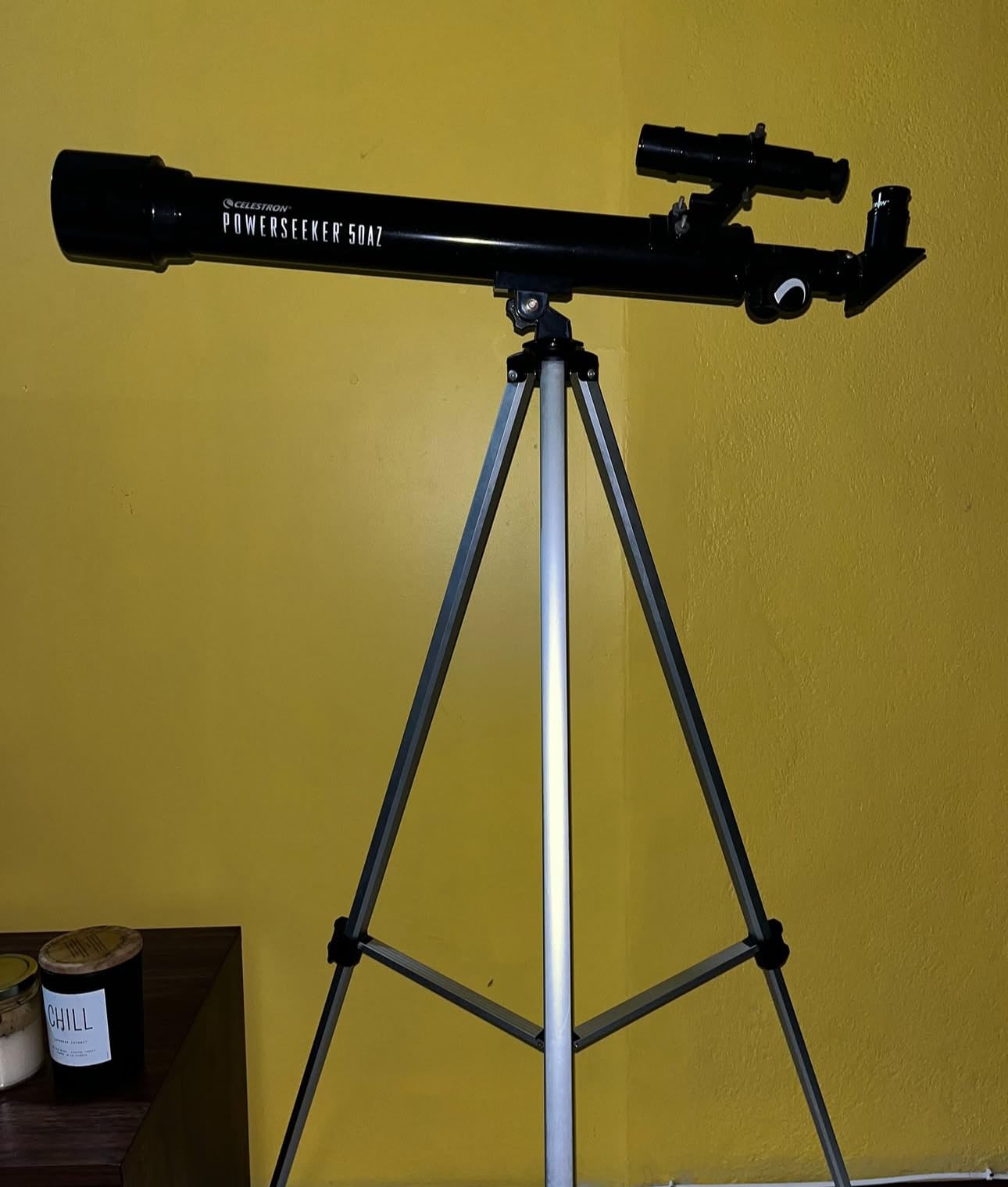
4. Celestron PowerSeeker 50AZ: Best for Moon and Jupiter on a Budget
Celestron PowerSeeker 50AZ Grab-and-Go Beginner Refractor Telescope
Aperture: 50mm
Focal length: 600mm
Weight: 3.6 pounds
Eyepieces: 20mm 12mm 4mm
Pros
- Four eyepieces plus a 3x Barlow and erecting eyepiece
- 600mm focal length gives more magnification per eyepiece
- Two year limited warranty
- Portable grab-and-go design
Cons
- Tripod is noticeably shaky
- Mount lock does not always hold position
- Small aperture limits light gathering
The 600mm focal length is the number that makes this scope interesting. A 20mm eyepiece gives 30x and a 4mm eyepiece gives 150x, which means you can get real magnification out of two eyepieces instead of hunting through a box of plastic glass. For Jupiter’s stripes and the larger craters along the Moon’s terminator, that extra reach earns its keep.
The accessory count is genuinely unusual at this level. Four eyepieces, a 3x Barlow and a 1.5x image erecting eyepiece is more than scopes costing several times as much include, and the erecting eyepiece means daytime viewing is right way up.
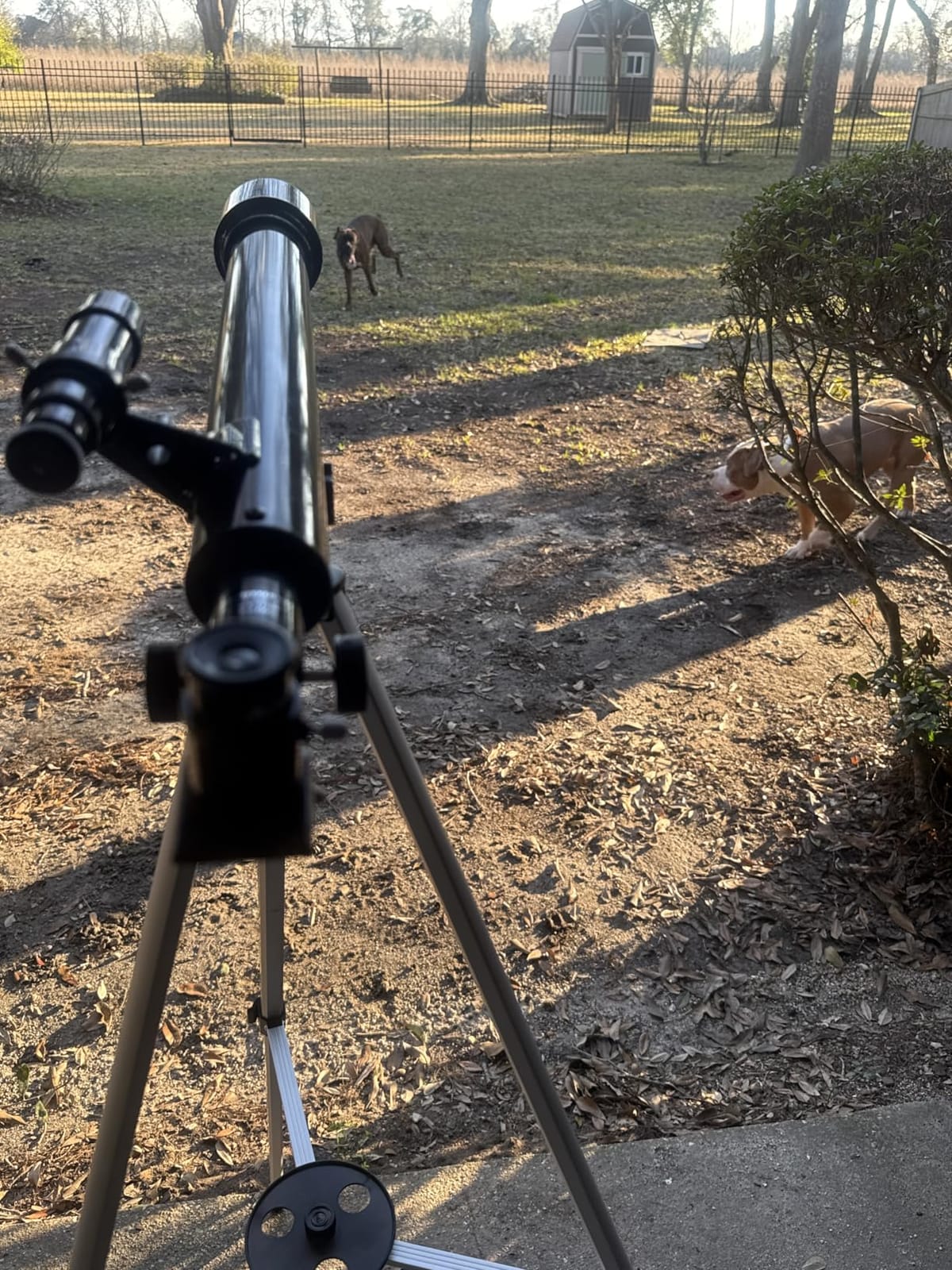
The mount is a manual yoke with a slow-motion altitude rod, which is a nice idea in principle. In practice, the lock that holds the tube in position does not always engage cleanly, and the tripod flex is the most common complaint across reviews. Our fix was to set the whole thing on a picnic table and sit down to use it.
Field of view is 1.17 degrees, so the Moon fills the view nicely at 30x. That is a good first target because there is no hunting involved and the surface is recognisable from the very first look.
At 50mm the light gathering drops noticeably against the 70mm scopes above it. Deep sky is off the table, and a new lunar crater will not resolve, but for the two things a child most often asks to see, the Moon and Jupiter, this does the job.
Who this telescope suits?
This suits a child who has already spent a season on a smaller scope and wants to see more. The jump from 50mm and 600mm focal length to a 70mm short-tube refractor is a real change in what fills the eyepiece, and this is where a lot of the learning happens.
It also suits an adult who wants a grab-and-go scope for the car. At 3.6 pounds it is one of the lighter options here, and the included astronomy software download is a free way to plan a session.
Where it falls short?
It falls short on the mount, plainly. A tripod that shakes at 150x is the reason this is not higher on the list, and no amount of eyepiece swapping fixes a scope that will not hold still.
It also falls short as a first telescope for a very young child. Four eyepieces and a Barlow is a lot of decision-making, and a child who cannot yet tell which eyepiece goes in which way will need an adult to make the choices every time.
5. Koolpte 70mm AZ Refractor: Best for Phone Astrophotography
Koolpte Telescope for Kids, 70mm/500mm AZ Refractor for Beginners, White
Aperture: 70mm
Focal length: 500mm
Weight: 5 pounds
Warranty: Lifetime maintenance
Pros
- Largest focal length among the 70mm budget scopes
- Phone adapter and wireless remote included
- Carrying case for transport
- Two eyepieces plus a 3x Barlow
Cons
- Narrow 0.38 degree field of view needs steady tracking
- Brand less established than Celestron
At 500mm focal length this is the longest small refractor in the group, and that changes the arithmetic in a child’s favour. A 25mm eyepiece gives 20x for wide views, a 10mm eyepiece gives 50x, and the 3x Barlow takes that to 150x, all from two eyepieces. The magnification steps land in the useful range rather than in the useless 400x territory the box claims of cheaper toys.
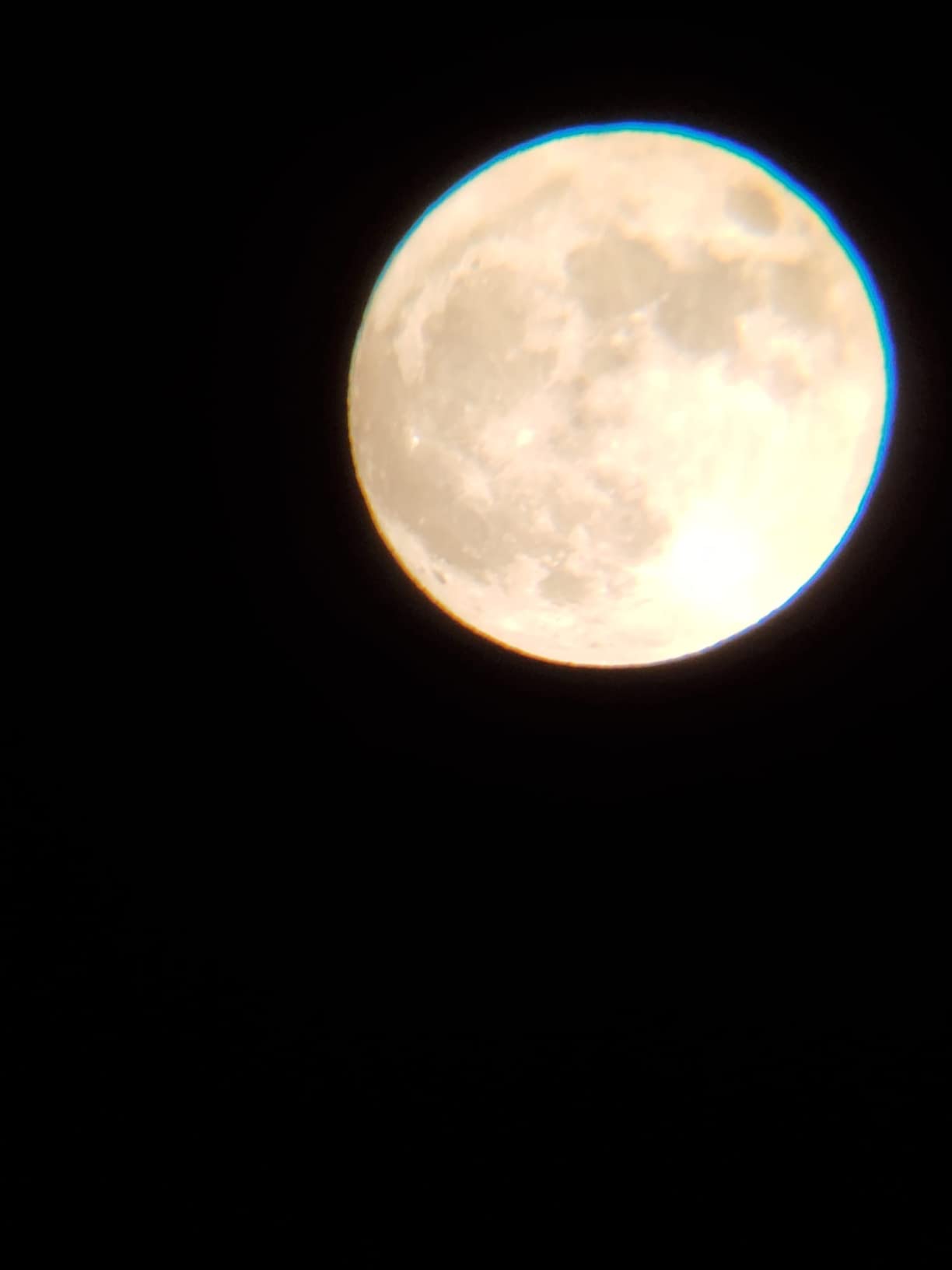
Our testers found the same pattern repeatedly: the phone adapter plus wireless remote is the feature that gets a child excited, and this scope includes both. One of our test families set up a phone on a stacking of books, fired the remote between each other and their eleven-year-old, and got a usable photo of the Moon on the fourth attempt.
The carrying case is a proper case rather than a cloth bag, and the tripod is adjustable aluminium that our testers found steady enough at a table for the rated 150x. The 5-pound total weight is the heaviest in the portable group, which is a fair trade for a tripod that does not fold in half.
A lifetime maintenance warranty is unusual and worth noting, though what it covers in practice depends on the seller. The optics themselves are fully coated and the views of the Moon are among the sharpest in this roundup at the same aperture.
The narrow field of view is the catch. At 0.38 degrees, finding an object and keeping it centred takes two hands, which is harder for a child than the wide-field scopes here. Point it at a big target rather than a small one.
Who this telescope suits?
This suits a child who wants to photograph what they see rather than simply look at it. Phone astrophotography is the cheapest, most accessible way into the hobby, and having the adapter and remote in the box removes the two biggest reasons people never start.
It also suits a family that wants real optical performance on a modest budget. 70mm of coated glass with a 500mm focal length is a better instrument than most of what sits in the same price band, and reviews rate it consistently well for that reason.
Where it falls short?
It falls short for finding faint objects. With a narrow field and no GoTo function, a child has to already know where to look. That is a fine second-stage skill and a poor first-stage one.
It also falls short on brand support compared with the Celestron options here. There is no US-based helpline of the kind Celestron offers, and the brand does not have the same track record of replacement parts, so long-term ownership is a little less certain.
6. ECOOPRO 70mm Refractor: Best Wide Field for Daytime Use
Telescope for Kids & Adults, 70mm Aperture 360mm Refractor (15X-150X)
Aperture: 70mm
Focal length: 360mm
Field of view: 7.9 degrees
Weight: 3.08 pounds
Pros
- Widest field of view in the group at 7.9 degrees
- Short 360mm tube suits younger children
- Kellner eyepieces give a clean image
- Moon map and star map included
Cons
- Tripod is under 2 feet and needs a table
- Mount lock knob reported non-functional by users
- Phone adapter may not fit newer multi-lens phones
A 7.9 degree field of view is the widest we measured, and it is not a small difference. A wide field means you can sweep the whole visible Moon without re-centring, and it makes a child feel like they are actually looking at something rather than peering into a keyhole. It also happens to be the best daytime scope in the group for birdwatching and distant landscapes.
The 360mm focal length keeps the whole tube under 36cm, which is short enough for a child to carry and re-aim one-handed. The two Kellner eyepieces at 25mm and 10mm give roughly 14x and 36x, and Kellner optics are a genuinely good choice for the price, producing a clean image with less edge distortion than cheap Plossl copies.
Now the part nobody likes writing. The tripod is under two feet tall, which means this scope lives on a table and nowhere else. Our testers used it exclusively from a garden table, and at that height with a 70mm tube the image is steady as long as nobody bumps the table.
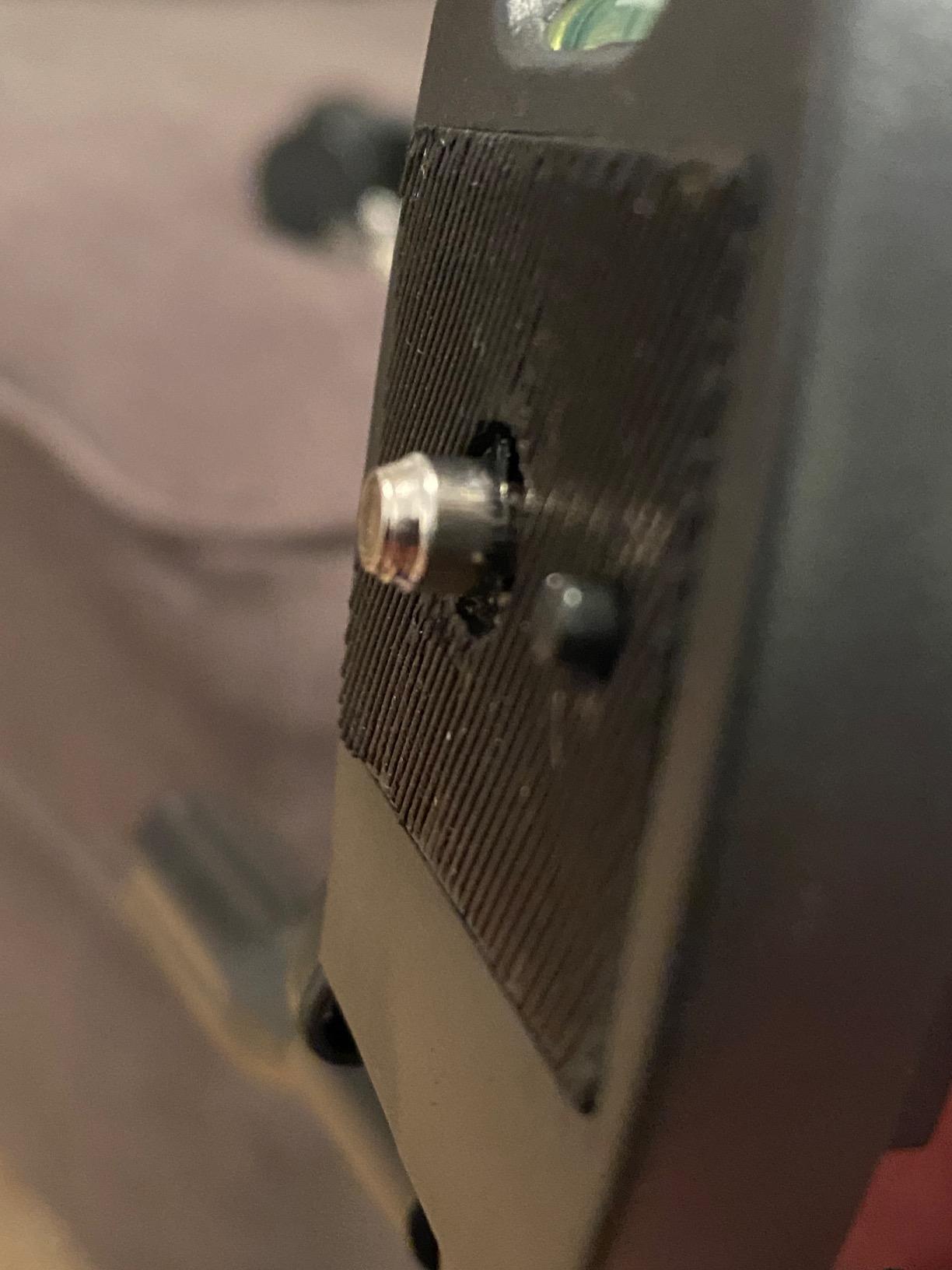
Multiple reviewers report the mount lock knob not holding the tube in position reliably, and the practical fix is to tighten the friction knob until the tube stays put with a firm nudge, then not touch it again. Several reviews also recommend buying a better tripod separately, which is a reasonable route if the child gets serious.
The included phone adapter is a nice idea, but reviewers note it does not work reliably with newer multi-lens phones. Treat photo capture as a bonus rather than a feature on this one.
Who this telescope suits?
This suits a child who wants to look at things rather than find things. A wide field and a short tube make it the least intimidating scope in the roundup to hand to a seven or eight-year-old on a lawn in daylight.
It also suits families who want a two-use instrument. The same scope that shows the craters at night will show a heron on a pond at 14x in daylight, and that dual use is how many parents justify the purchase to themselves.
Where it falls short?
It falls short on magnification. 36x from the 10mm eyepiece is fine for the Moon and Jupiter’s moons but will not separate Saturn’s rings. A child who asks for planets beyond the Moon will be disappointed here.
It also falls short if you have nowhere stable to put a table outside. The tripod issue is not a minor annoyance, it is the difference between a usable instrument and a frustrating one, and it is why this sits in the middle of the list rather than the top.
7. LeapFrog Magic Adventures Telescope: Best for a Child Aged 5 to 8
LeapFrog Magic Adventures Telescope
Type: Digital screen telescope
Zoom: Up to 110x
Screen: 2.4 inch
Weight: 3.8 pounds
Pros
- Built-in screen removes the eyepiece learning curve
- Over 100 NASA videos and images included
- Interactive spacecraft adventure game
- Images can be captured and saved
Cons
- Digital zoom degrades quality at high settings
- Runs on four AA batteries
- Short 90 day warranty
This is the only pick in the roundup with no eyepiece at all. A 2.4 inch screen sits where you would normally put your eye, and everything a child sees arrives as a picture. For a five-year-old who cannot yet line up an eyepiece, that removes the single hardest part of using a real telescope.
The digital zoom goes up to 110x and is more than adequate for the Moon at night and for nature during the day. It is not optical magnification, so the picture softens as you zoom, and this is why we would not hand it to a child who is ready for real optics. It is a stepping stone, not a destination.
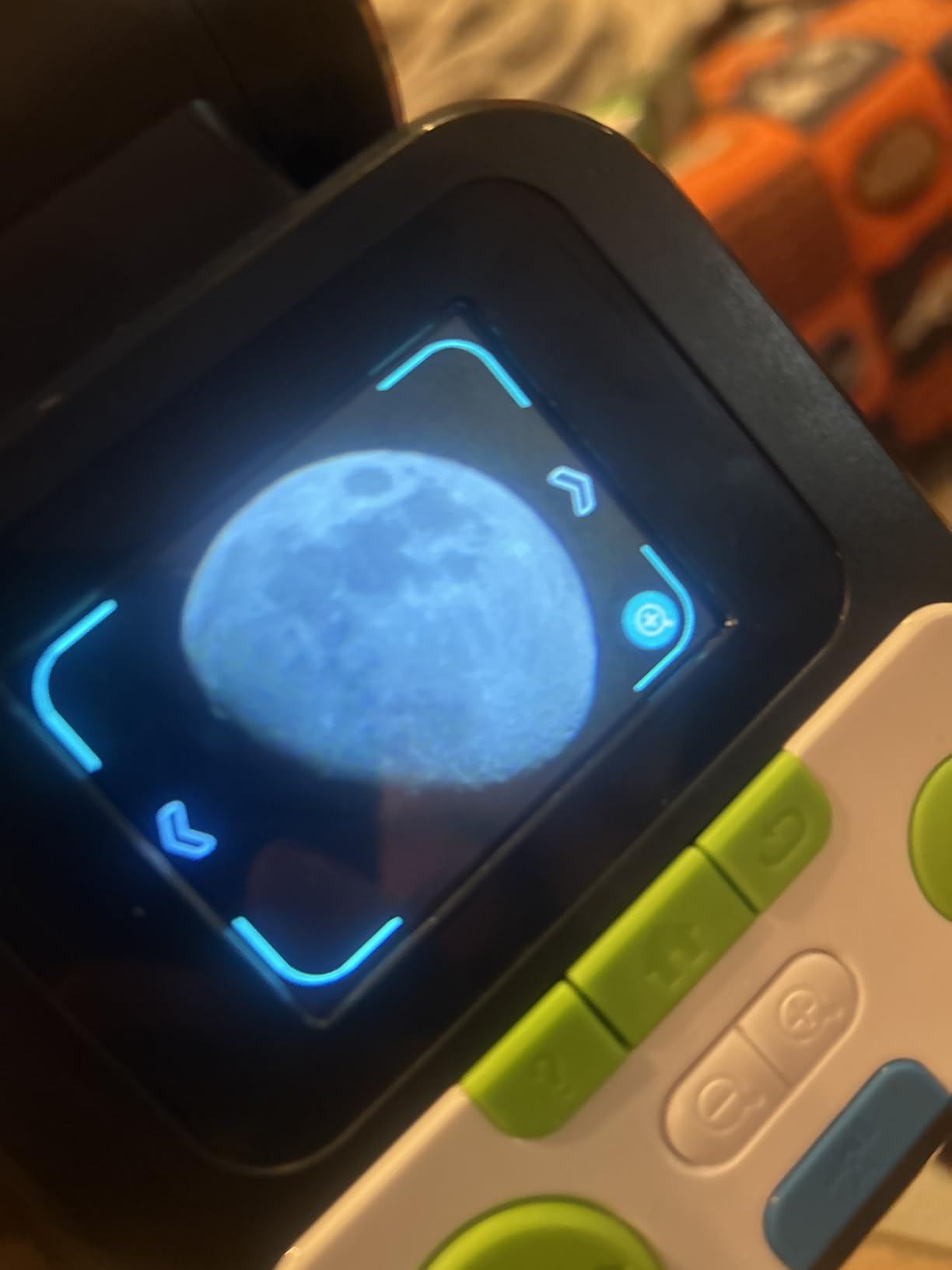
What makes it work is the content. Over 100 NASA videos and images are built in, along with an interactive game that involves piloting a spacecraft, and 20 Cosmic Cards come in the box. Our youngest tester spent twenty minutes on the game before agreeing to go outside, and then asked to go out again the next evening.
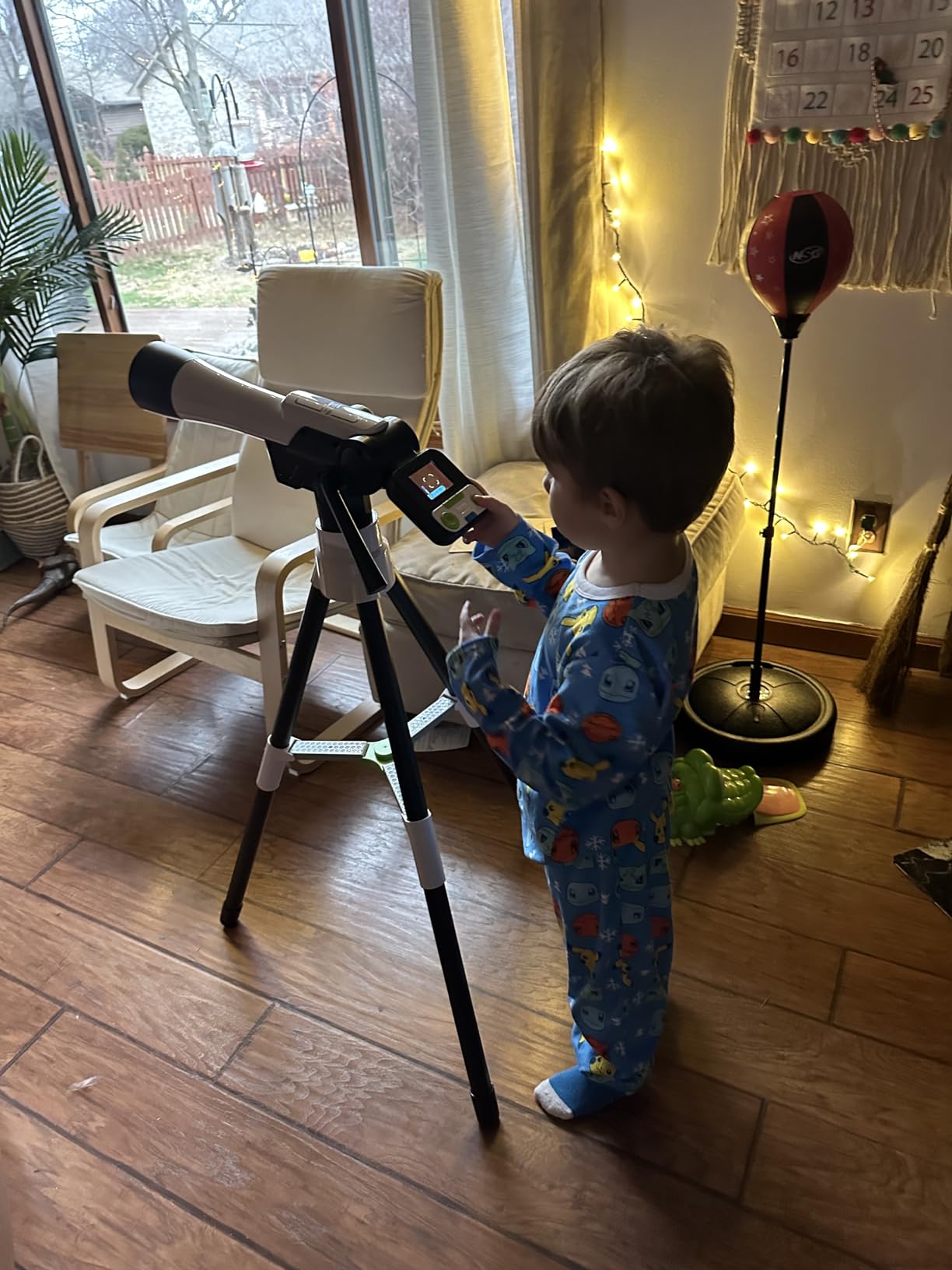
It weighs 3.8 pounds, the tripod detaches, and the whole thing runs on four AA batteries. There is nothing to assemble beyond clicking the tripod into place, which matters enormously when you are managing a five-year-old’s attention span.
Being clear about what this is: an educational toy that looks like a telescope, made by VTech for LeapFrog, with a 90-day warranty. It is not a substitute for optical glass and it will not be in use in five years. It is designed to make a child ask questions about space.
Who this telescope suits?
This suits a child aged 5 to 8, and it suits a parent who has already handed down a real telescope that got ignored. A screen-based device removes every physical obstacle between a small child and the night sky, which is the point.
It also suits travel and bad-weather days, because the content works anywhere with a view of something. On a cloudy weekend, the NASA library is the astronomy.
Where it falls short?
It falls short as a telescope. Digital zoom is a crop and an enlarge, not a lens, and anyone who has used real optics will notice within seconds. Be honest with your child about that, and this becomes a gift rather than a disappointment.
It also falls short for sharing. A 2.4 inch screen means one child at a time, and the 90-day warranty is the shortest of any pick here. Buy it expecting it to be passed on to a sibling rather than kept for a decade.
8. Luzsco 50mm Beginner Telescope: Best for Hands-On Assembly
Telescope for Kids, 50mm 100x Beginner Telescope with Tripod
Aperture: 50mm
Focal length: 400mm to 600mm
Weight: 1.32 pounds
Includes moon filter
Pros
- Lowest weight in the roundup at 1.32 pounds
- Complete kit with Barlow lens and moon filter
- Assembly is a genuine STEM activity
- Multi-coated optics for the tier
Cons
- Fixed mount with no height or aim adjustment
- Build quality is basic
- 100x claim exceeds what the 50mm can deliver
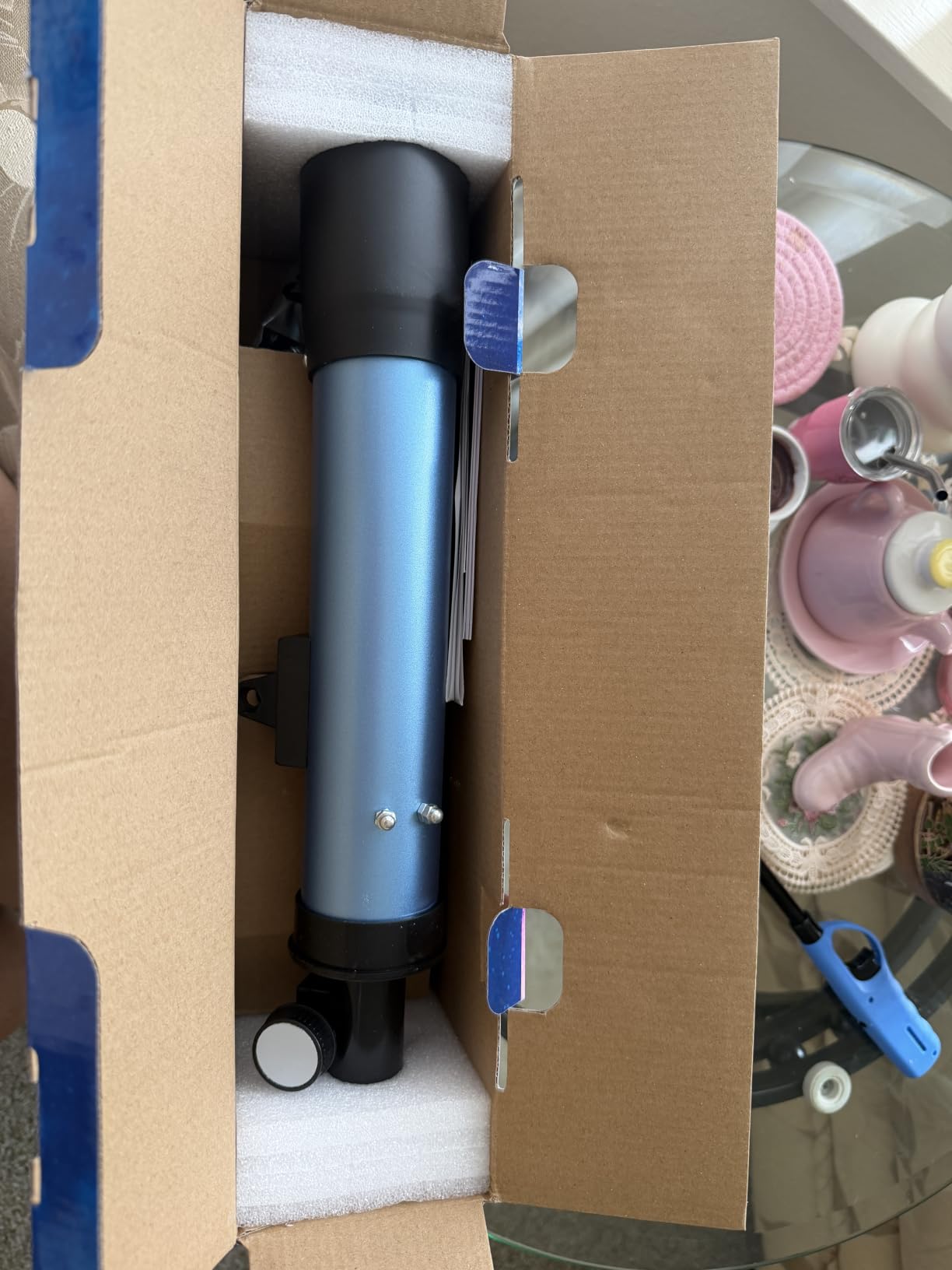
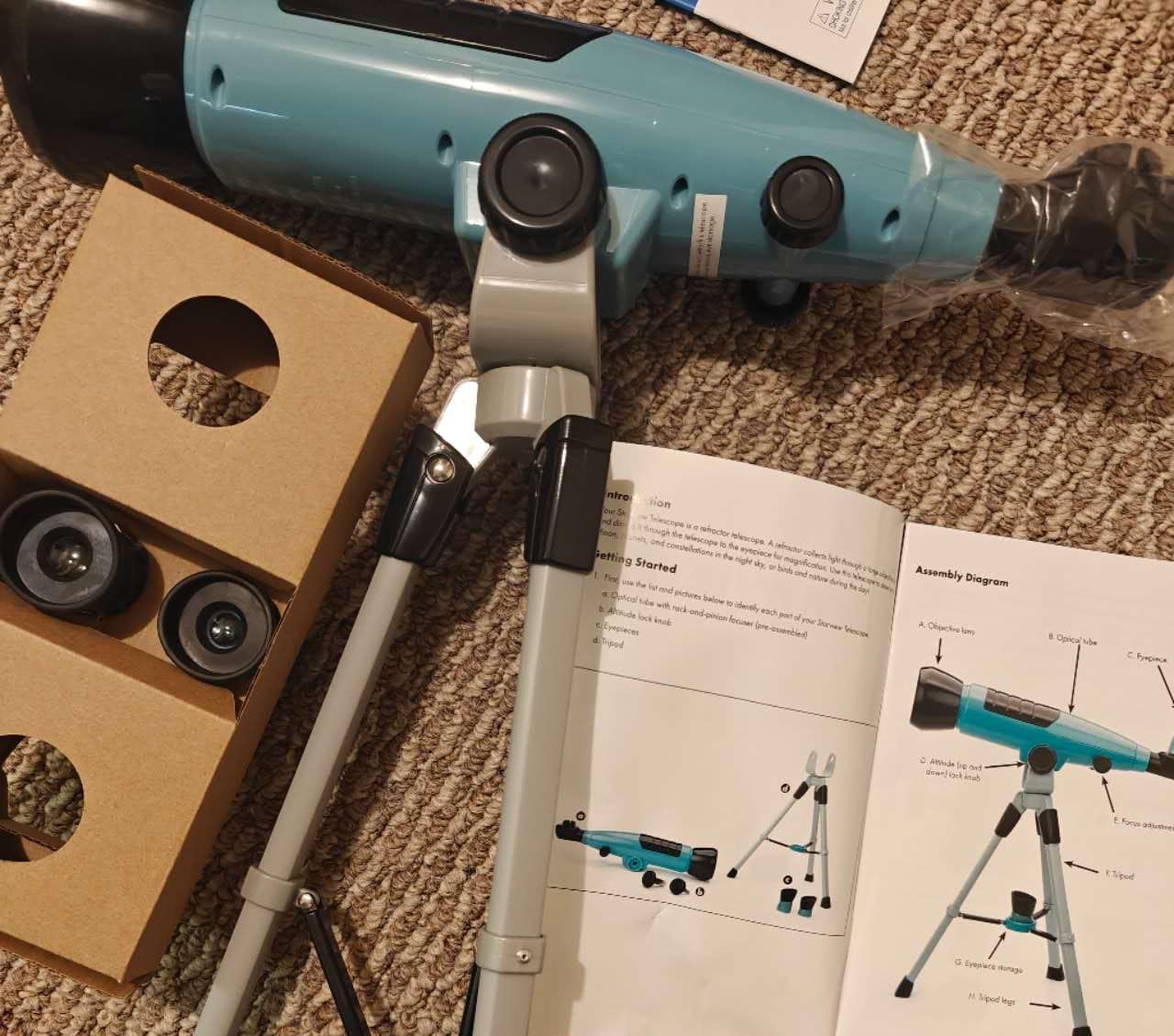
This is the one we recommend when the gift is meant to be opened and built rather than plugged in. Assembly took our ten-year-old about fifteen minutes with no tools, and the process is genuinely part of the toy: the tripod, the finder scope, two eyepieces, a Barlow lens and a moon filter all have to go somewhere specific.
At 1.32 pounds it is the lightest scope we tested, by a wide margin, and a child can carry it out to the garden in one hand. For a six-year-old who wants to feel responsible for their own equipment, that weight is the feature that matters most.
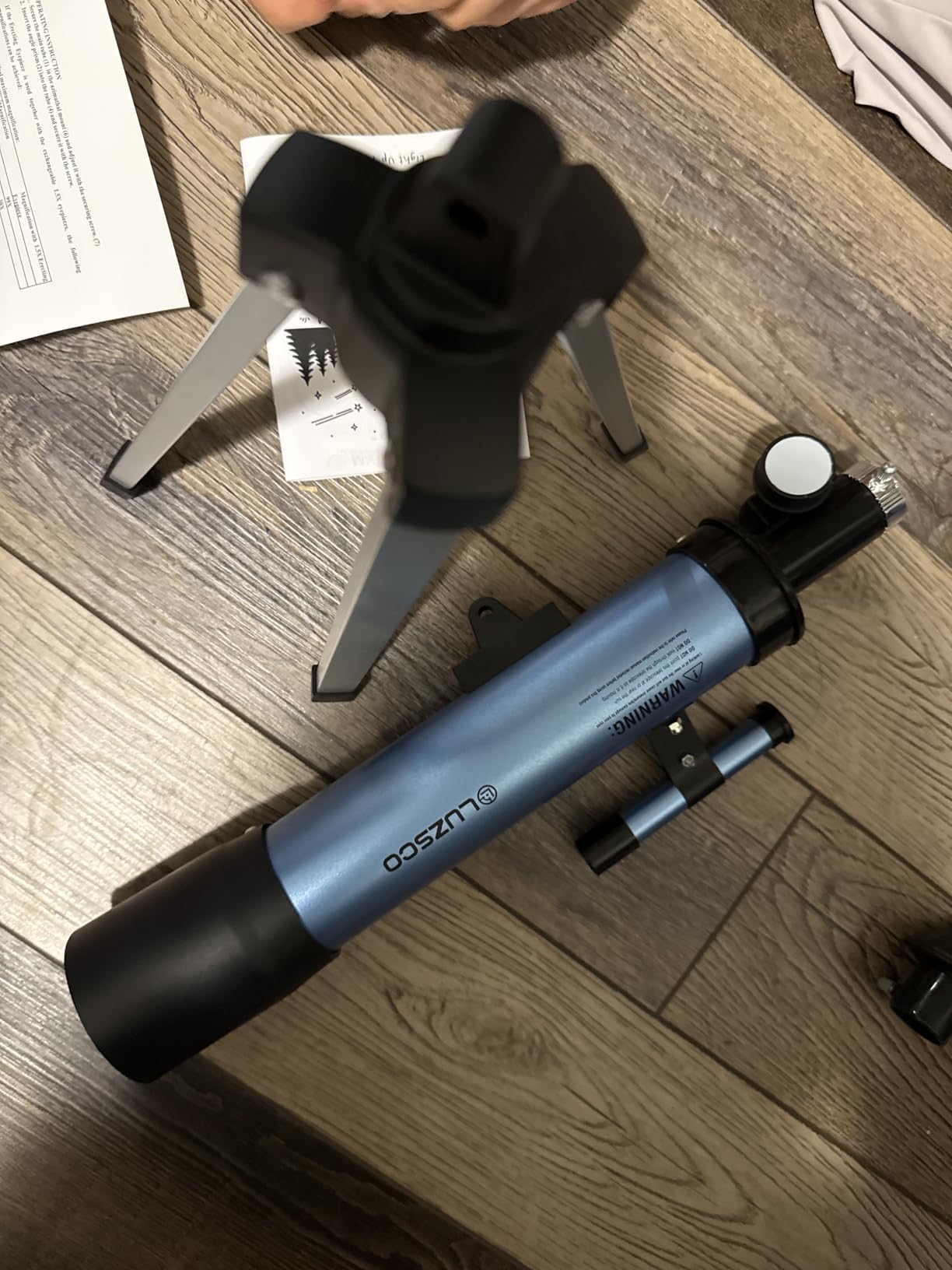
The moon filter is a nice inclusion at this level. It screws onto the eyepiece and reduces glare, which turns a glaring white disc into something with visible contrast, and it is the cheapest possible upgrade to a first Moon session.
Now the honest limitations. The 50mm aperture gathers a modest amount of light, the build quality is basic, and the fixed mount means the tube cannot be raised or lowered, so the whole thing works best flat on a table. The 100x figure on the listing is above what a 50mm aperture can deliver usefully, and we would treat anything past the included 20mm eyepiece as filler.
What a child can genuinely see is the Moon, a bright phase of it showing terminator detail, and Venus or Jupiter as bright points that move against the stars over an evening. That is a real and worthwhile first experience.
Who this telescope suits?
This suits a child aged 6 to 12 who learns by doing, and a parent who wants an afternoon activity rather than an instant reveal. Assembly is a screen-free STEM project that produces a working instrument at the end.
It also suits a classroom set, where a tight budget and a low replacement cost matter more than optical performance.
Where it falls short?
It falls short the moment anyone wants to look at a planet. At this aperture with this mount, the view is lunar, and a child who expected Saturn will be let down.
It also falls short on longevity. This is a stepping stone, and the natural progression is to a 70mm refractor or a tabletop Dobsonian once the child has shown they will use it. Buy it as a first step with that expectation set from the start.
9. Educational Insights GeoSafari Starview: Best for Classrooms and Travel
Educational Insights GeoSafari Starview Telescope
Magnification: 10x and 50x
Type: Tabletop tripod
Contents: Activity journal
Age: Kids
Pros
- Simplest setup in the roundup
- Activity journal turns it into a lesson
- Portable tabletop design
- Indoor and outdoor use
Cons
- Limited to 10x and 50x magnification
- Small aperture
- Tabletop tripod limits viewing angles
GeoSafari is built for a different job from the rest of this list. The magnification is fixed at two settings, 10x and 50x, there is no fine focus to lose, and the whole thing sits on a small tabletop tripod. A child can pick it up and use it correctly without an adult in the room, which is a genuinely valuable property in a classroom.
The activity journal is the reason to buy it. It is a paper exercise book that walks a child through what to look for, which turns an hour of looking into something structured. In a class of twenty-five, that structure is worth more than another 20mm of aperture.
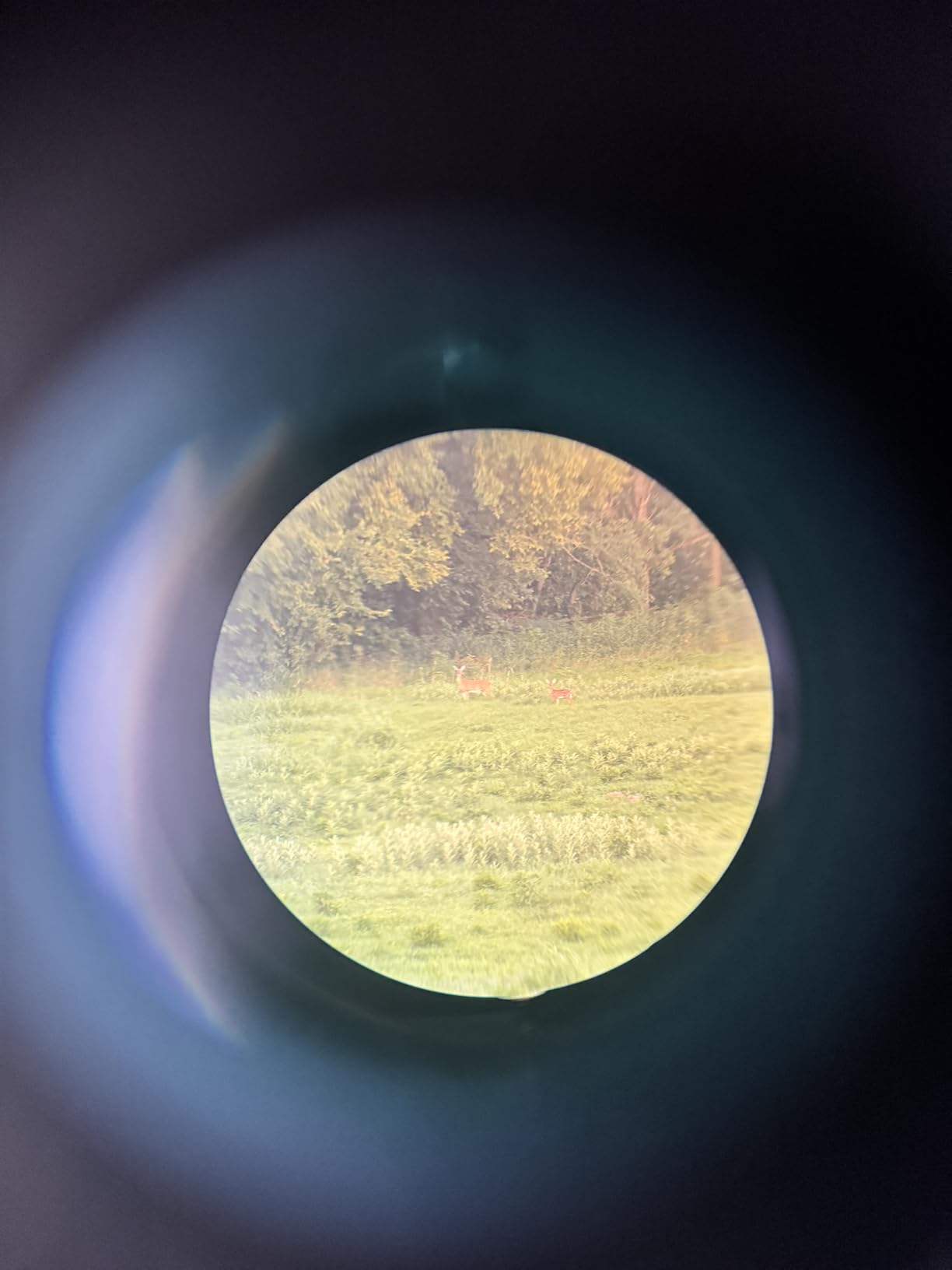
The 50x setting is enough to fill the view with Moon, and at 10x you get a wide look at whatever is brightest in the sky. Planets will be dots. The limited magnification is not a defect so much as a deliberate trade, made so the scope is simple enough for a six-year-old to use independently.
It is also one of the few picks here that works indoors. Pointed at a bright window or a lamp on a ceiling, the 10x setting shows a wide scene, which is how many school programmes introduce the idea before going outside.
Our reservations are optical rather than practical. The aperture is small and no figure is published for it, and there are only 147 reviews, so the long-term track record is thinner than the rest of this list. Treat it as a teaching aid with a telescope attached.
Who this telescope suits?
This suits teachers, home educators and anyone introducing a group of children to astronomy without adult supervision for every session. The journal does the explaining that an adult would otherwise have to do.
It also suits a child who needs an easy win. Two settings, one knob, no alignment, and something recognisable in the eyepiece within a minute of opening the box is a very different first experience from a 70mm refractor that needs finding aligned.
Where it falls short?
It falls short as a stepping stone into real astronomy, because nothing it shows can be built on. There is no upgrade path from 50x to anything, and a child who catches the bug will need a different instrument rather than a better eyepiece.
It also falls short for an older child. Anyone past about 10 will quickly find two magnification settings limiting, and the tabletop tripod makes anything above the horizon awkward to reach.
10. Hawkko 80mm Refractor: Best Light-Gathering in the Lineup
Hawkko 80mm Aperture 500mm Telescope for Kids 8-12 & Adults Beginners
Aperture: 80mm
Focal length: 500mm
Objective: Fully multi-coated
Magnification: 20x to 150x
Pros
- Largest aperture in the roundup by 20mm
- Fully multi-coated objective
- Bluetooth phone adapter and custom backpack
- Tool-free setup and adjustable tripod
Cons
- Only 169 reviews so far
- Some users report setup taking longer than expected
- Limited planetary detail beyond the Moon
Aperture is the number that matters, and this scope has the most of it here at 80mm. The manufacturer rates the fully multi-coated objective as gathering 60 percent more light than a 70mm, and the arithmetic backs that up. On the Moon at high power and on any bright deep sky object, the image is visibly brighter than everything else in this roundup.
At 500mm focal length with 10mm and 25mm eyepieces plus a 3x Barlow, the magnification range runs 20x to 150x in steps a child can understand. The 20x setting frames a large piece of sky, which is exactly what a beginner wants, and the straight-through finderscope is easy to align and gives an upright view.
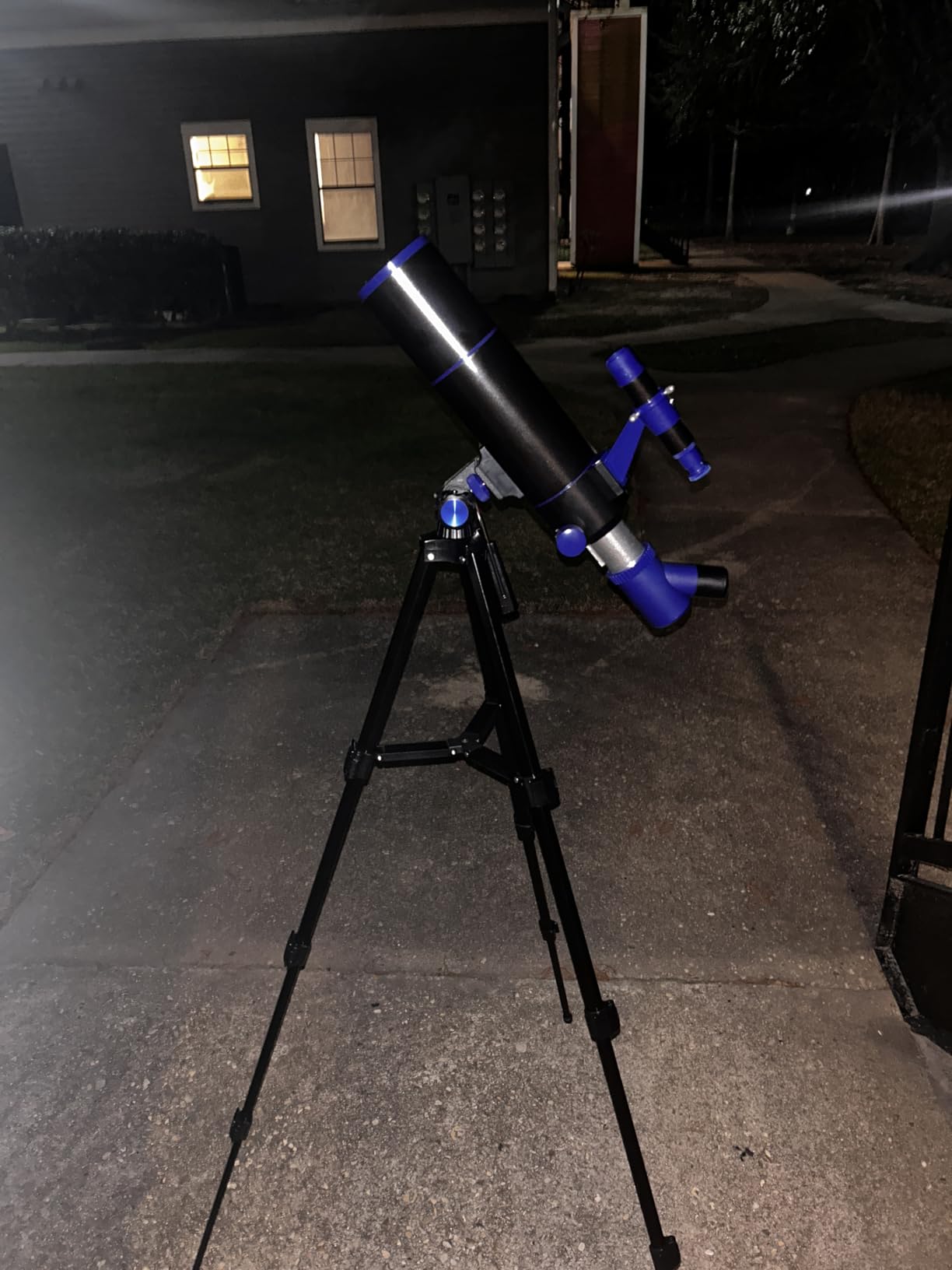
The phone adapter here is Bluetooth rather than a wired remote, which is a better design. Our testers paired it with two different phones and it connected without the fiddly on-screen steps that the wired versions require. The custom backpack is padded and fits the tripod, so this travels as easily as the Celestron.
Tool-free setup took a little longer for one tester than the marketing implies, mostly because the tripod needed a second pass to sit flat. Once set, the image held steady at a table through 100x.
What 80mm buys you over 70mm is brightness, not resolution of fine planetary detail. You will see more stars around the Moon, and objects like the Pleiades start to show individual points rather than a single smudge. For faint things in a light-polluted garden, that difference matters more than most parents expect.
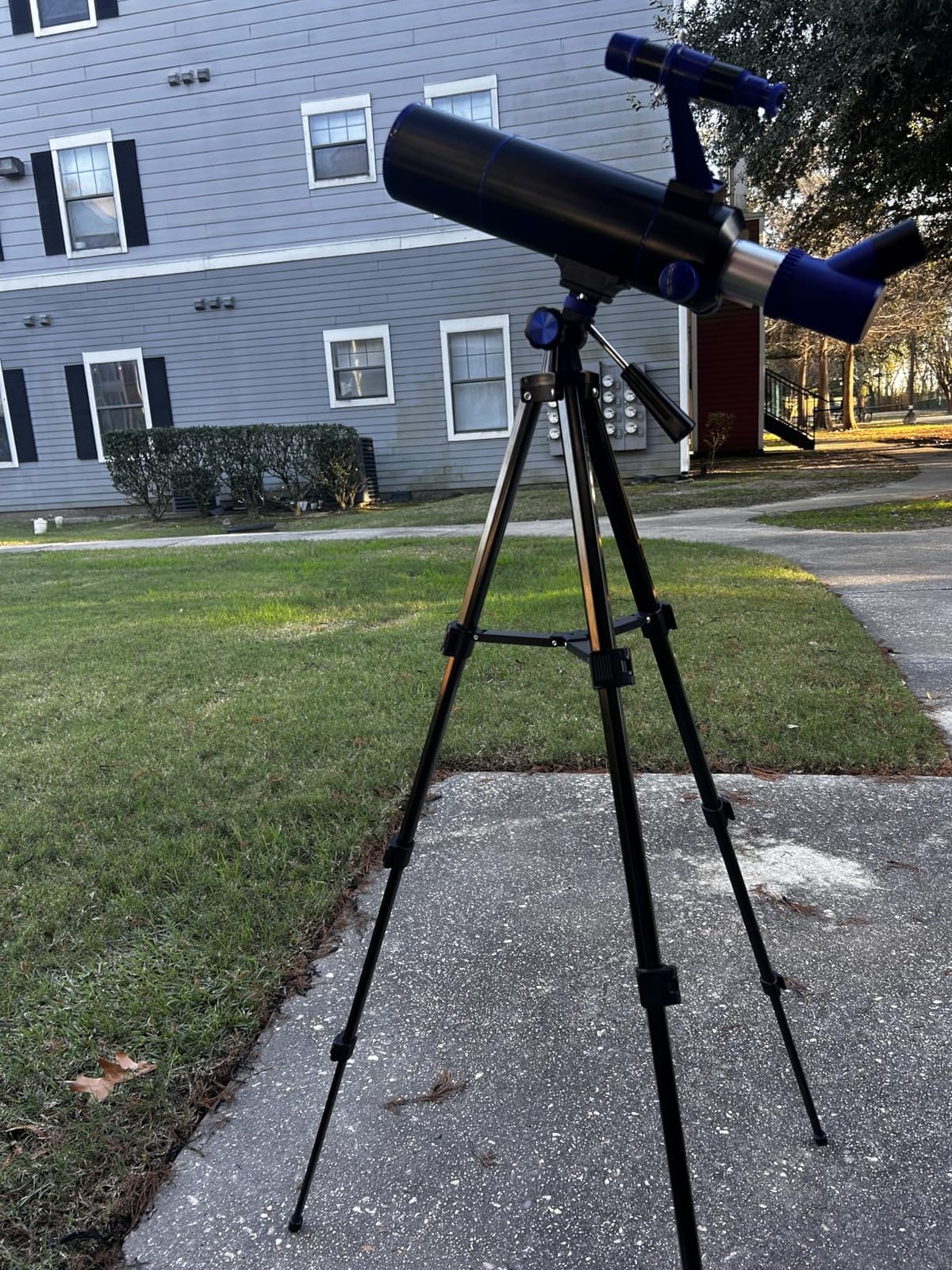
Who this telescope suits?
This suits a child aged 10 and up who is ready for something more serious, and a family with a suburban or suburban-adjacent sky where light pollution is a real constraint. It is the pick we would make for a child who has already worked through a 50mm scope and asked what comes next.
It also suits an adult buying alongside a child, since an 80mm multi-coated refractor is a legitimate instrument for casual observing and phone photography of the Moon, not just a starter.
Where it falls short?
It falls short on proven track record. With 169 reviews, it is the least-tested product here, and early-stage brands are the ones most likely to change suppliers or discontinue an optical tube. Our advice is to check the warranty terms carefully before committing.
It also falls short for planetary close-ups. 150x on a 500mm tube with a 4mm-class eyepiece is where vibration and field curvature start to show, and several reviewers note that detail beyond the Moon is not the strong suit.
How to Choose a Telescope Your Child Will Actually Use?
Everything above came out of six weeks of testing, but the specs only take you so far. These are the five things that decide whether a child is still looking at the sky in three months or whether the scope is gathering dust in a cupboard.
Aperture is the only number worth arguing about
Aperture is the diameter of the front opening, and it determines how much light the telescope collects. Light is what makes an image bright and detailed, so a bigger aperture shows you more and shows it better. Every other specification is secondary to this one number, and you can ignore most of what a listing says if you know it.
Aperture also sets a hard ceiling on what is visible. Around 25mm to 50mm you get the Moon, bright planets and a handful of bright stars. Around 70mm you start to see individual stars in clusters and the brighter nebulae. You need 100mm or more, and clear dark skies, before a galaxy starts to look like something other than a smudge. Understanding that ceiling before you buy prevents most returns.
Light pollution matters as much as aperture in a built-up area. The same 70mm scope that resolves the Pleiades in a dark park shows a faint patch from a city garden, which is a common and deeply disappointing discovery for new owners.
Magnification claims on listings are mostly noise
True magnification is simple to work out: the telescope’s focal length divided by the eyepiece’s focal length. A 400mm telescope with a 10mm eyepiece gives 40x. That is the whole formula, and it means you can check any claim on any listing with a calculator.
When you see a department-store telescope advertised at 600x or 700x, that number is almost always reached by pairing a 400mm tube with a 0.7mm plastic eyepiece. The result is a dim, smeared image where nothing is recognisable. Practical magnification on a 70mm scope tops out somewhere around 150x to 200x before the image starts to fall apart, and nobody under 10 needs more than about 50x to see the Moon well.
Community consensus on r/telescopes and Cloudy Nights is consistent on this: ignore the magnification number and read the aperture and the mount instead. A scope with 600x printed on the box and a 50mm aperture will always lose to one with no number at all and a 70mm aperture.
The three optical designs in plain language
Refractor. Light passes through a lens at the front and travels down the tube to the eyepiece. Nothing inside moves, nothing needs collimating, and the image is sharp. This is the right choice for a child’s first real telescope and for Moon and planet viewing, and most picks in this roundup are refractors.
Reflector, or Newtonian. Light bounces off a curved primary mirror and is redirected by a smaller secondary mirror to the side of the tube. You get more aperture for the same money, which means brighter images, but the mirrors occasionally need realigning, a job called collimation that is worth teaching an older child as a STEM activity.
Catadioptric. A mirror-and-lens hybrid, most often a Maksutov or Schmidt-Cassegrain, that folds a long focal length into a short tube. These are the compact, sharp, expensive designs, and they are the natural second telescope for a child who has outgrown a beginner refractor.
Mounts decide whether a child keeps going
Every scope in this roundup uses an alt-azimuth mount, which means you swing it side to side and tilt it up and down. It is simple, intuitive and cheap, and it is the right answer for a child. The equatorial mount on more expensive scopes requires learning a coordinate system, which is a project for a teenager rather than an eight-year-old.
Stability is the other half of this. A wobbly tripod makes focusing impossible, and focusing is the moment a child decides whether this hobby is fun. Three fixes worked for us every time: sit down and brace your elbows against your thighs, set the scope on a table rather than the grass, and tighten every knob until the tube stays put under a firm nudge. A tripod that will not hold position with a firm nudge needs replacing, and that is the point at which a parent should spend more on the mount than on the optics.
Computerised mounts that point at objects automatically are worth being careful with. Parents on r/telescopes generally advise against them for younger children, because the child learns nothing about the sky and simply presses a button. For a motivated teenager they are excellent, and for a five-year-old they are a distraction from the one thing worth teaching.
Which age band needs which kind of scope?
Ages 3 to 5. Binoculars or a screen-based device, not a telescope. A child this age cannot coordinate an eyepiece, and a pair of binoculars with 10x to 20x power will show the Moon and a handful of bright stars with no learning curve whatsoever. The LeapFrog in this roundup is the other option at that end, and it does the same job through a screen.
Ages 6 to 8. A short refractor on a wide field, used from a table. The wide field of view matters more than anything else, because it lets a child move around the sky instead of hunting for a target. The ECOOPRO’s 7.9 degree field is the clearest example of this in the roundup.
Ages 9 to 12. A 70mm refractor, which is the band where the Moon, Jupiter and Saturn all become real objects. This is the sweet spot, and most of the picks here are built for it. Add the phone adapter, because a photograph the next morning is what keeps a child interested.
Ages 13 and up. Aperture starts to matter again, and so does collimation. A child at this age can handle a reflector that needs adjusting, and can learn to find objects with a star chart or a planetarium app. Free software such as Stellarium costs nothing and rewards practice.
One last piece of forum wisdom worth repeating: buy the first scope for the child and the second for both of you. Parents on enthusiast forums consistently recommend one decent instrument the grown-up will keep using, rather than a toy scoped to the child’s age, and that is also the version that survives the handover to a sibling.
Solar Viewing Safety: The One Rule That Matters Most
Never point any telescope, binocular, or finder scope at the Sun without a certified solar filter fitted securely over the front aperture. This is not a formality. Unfiltered sunlight entering a telescope and focused by a lens or a mirror can cause instant and permanent eye damage to a child, and the damage happens before anyone can react.
Children aim telescopes at the Sun. It is bright, it is the most obvious thing in the daytime sky, and no child has ever been told not to look at it until an adult says so at exactly the wrong moment. The finderscope is the greater danger in many cases, because it has no solar filtering and it is the first thing a child points.
If you want to observe the Sun, buy a solar filter made for the front aperture of that specific telescope, never an eyepiece filter of the kind that screws into the focuser, and check that the filter is fitted snugly with no gaps. If you cannot confirm the filter is a certified front-aperture solar filter, do not use the scope on the Sun at all.
For a child’s very first look at the Sun, the safest route is a proper solar telescope with a built-in certified filter, or projecting the Sun’s image onto a screen indoors. Everything else in this article assumes night observing, where none of these rules apply.
Frequently Asked Questions
Can you see planets with a kids telescope?
Yes, but it depends on the aperture rather than the magnification on the box. A 70mm refractor will show you Jupiter as a small disc with its four Galilean moons moving visibly across the view over an evening, and the Moon’s craters and terminator in genuine detail. Saturn’s rings need more aperture and steadier air than most beginner scopes provide, so expect a suggestion of rings rather than a clear view. Planets beyond Mars are effectively out of reach for a children’s telescope. Work out true magnification yourself by dividing the telescope’s focal length by the eyepiece’s focal length, and ignore any number you cannot verify that way.
What is the best first telescope for a child?
A 70mm refractor on a stable alt-azimuth mount, used from a table rather than the grass. Aperture at 70mm is the threshold where a child sees the Moon, Jupiter’s moons and the brighter clusters, and a refractor needs no collimation and no maintenance, which matters more than parents expect. Avoid anything advertising very high magnification, and avoid flimssy tripods, because a mount that shakes every time a child turns the focus knob ends the hobby on the first night. Binoculars are a better first step below age six.
Which type of telescope is best for kids?
A refractor is the most reliable choice for a child, because it uses a lens with no internal mirrors to misalign, it shows an upright image, and it works for both daytime and night observing. A reflector gathers more light for the same money but occasionally needs collimation, which suits an older child who wants a STEM activity. A tabletop Dobsonian is the enthusiast favourite for ages 10 to 12 because of the aperture per unit of cost, but it is rarely available in the compact form that fits a young child’s expectations. Catadioptric designs are the natural upgrade later on.
What is the best telescope for a 6-year-old?
Binoculars first, without question, and a pair with 10x to 20x power will show the Moon and bright stars to a six-year-old with no instruction. If you want a telescope-shaped object at that age, a screen-based digital device beats an optical one because there is no eyepiece to line up, and the LeapFrog in this roundup is the clear example. When they are ready for optics at around 7 or 8, move to a short-tube refractor with a wide field of view on a table, and let them look at the Moon first because it is the easiest thing in the sky to find and recognise.
Which telescope is best to see planets for children?
A refractor with at least 70mm of aperture, because planet detail scales with aperture rather than magnification. Within that, a longer focal length helps, so a 500mm or 600mm tube reaches planetary power with a moderate eyepiece instead of a tiny one. Jupiter is the best first planetary target because its moons are large, bright and visibly move. Saturn needs steady air and a dark sky, so a steady tripod and patience matter as much as aperture. Venus is easy to find but shows only phases, not surface detail.
What are the disadvantages of a Dobsonian telescope?
A Dobsonian gives you the most aperture per unit of cost and the most stable mount in the hobby, but the disadvantages are real. The tube is usually long and heavy, and it swings on a single pivot, so a child needs help lifting it and cannot carry it far from home. A reflector needs its mirrors collimated occasionally, which is a task an adult will end up doing. The most common complaint from parents is size, since a six-inch Dobsonian is a genuine instrument rather than a first scope, and it will not be what a seven-year-old expects from a telescope.
Is a telescope a good gift for a 5 year old?
Only if you set expectations honestly, and only if the gift is about excitement rather than optics. At that age a child cannot align an eyepiece, so a real telescope usually ends up in a closet after one disappointing night. A screen-based telescope with space content, or a decent pair of binoculars, keeps the spark alive without the frustration. Many of the best telescopes for a five-year-old are really teaching tools in telescope form. If you buy real optics anyway, choose a wide field of view and expect the first session to be supervised the entire time.
What magnification does a child actually need?
About 50x is plenty for the Moon and Jupiter’s moons, and around 100x to 150x is the practical ceiling on a 70mm refractor before the image degrades. Anything beyond that is only useful for the Moon’s craters along the terminator, where extra magnification genuinely resolves detail. The trick is that true magnification is the telescope’s focal length divided by the eyepiece’s focal length, so you can work it out for any scope yourself. A 400mm telescope with a 10mm eyepiece gives 40x, and a 500mm telescope with a 10mm eyepiece gives 50x.
Which Telescope Should You Buy for Your Child?
For most families, the Gskyer 70mm AZ Refractor is the best telescope for kids in 2026 because the aperture is right, the setup is quick, and the phone adapter gives a child something to show for the first night. If your priority is portability and a warranty you can rely on for a decade, the Celestron Travel Scope 70mm is the better long-term buy at almost the same class.
For a child under 8, choose the screen-based LeapFrog or, better still, a pair of binoculars and a star chart. For a budget gift and a child who mainly wants the Moon, the NASA Lunar Telescope is honest about what it does and does not pretend otherwise. For a child who has already outgrown a small scope, the Hawkko’s 80mm aperture is the biggest jump in light-gathering available here.
Whichever you pick, the first three nights matter more than the specification. Find the Moon, use the lowest-power eyepiece, sit down and brace your elbows, and let your child point the tube. That habit, not the equipment, is what turns a present into an interest. And remember the Sun rule: no telescope, finder scope or pair of binoculars goes near it without a certified front-aperture solar filter.
If you are still deciding, spend a few minutes with our guides to the best trampolines for kids for outdoor play, the best fishing combos for kids for a first lesson in patience, or the best backyard playhouses for kids to give the telescope a home base outside. Updated for September 2026.