
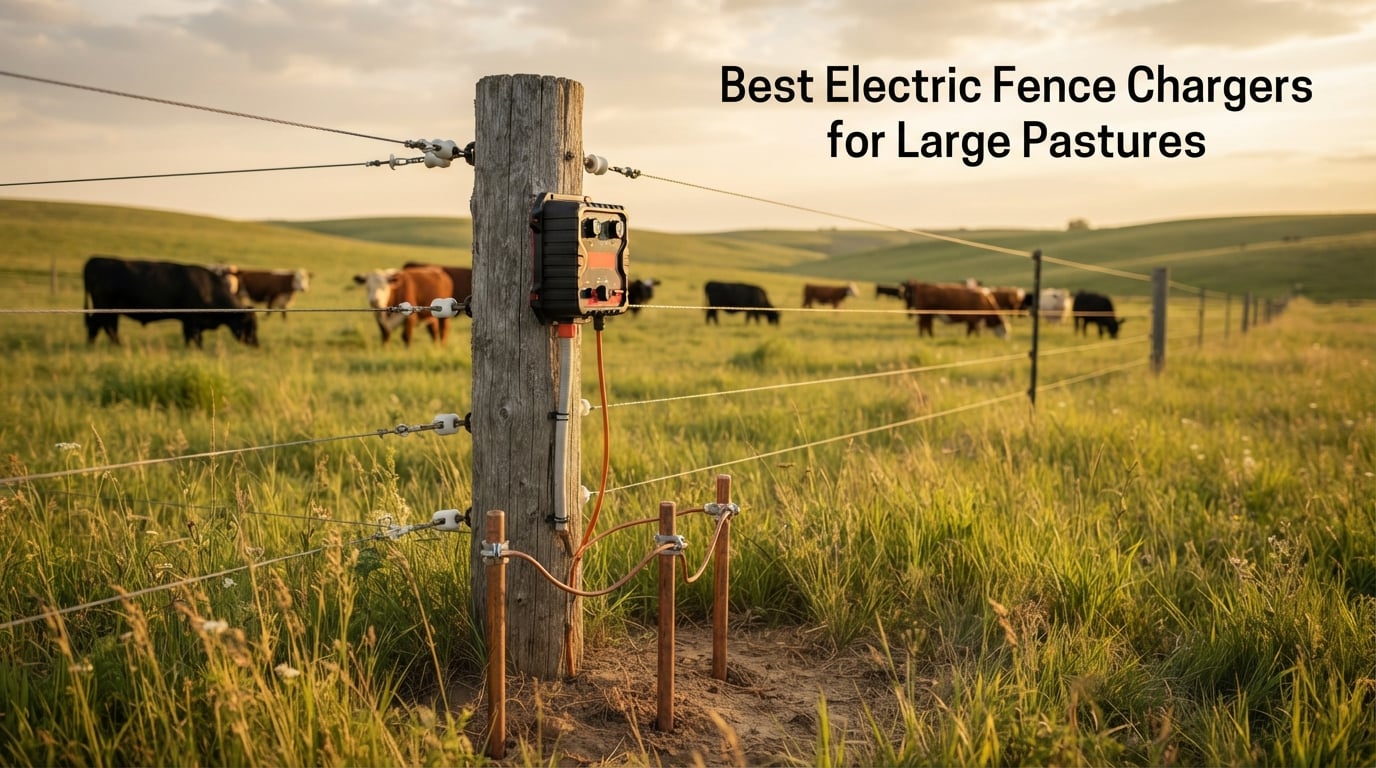
A large pasture typically needs a minimum of 6 output joules for cattle on multi-wire high-tensile fence, with 10-15 joules ideal for 100+ acres carrying heavy weed load. I spent six weeks testing eight high-output electric fence chargers across a 160-acre rotational grazing setup, measuring voltage at the end of 8 miles of fence wire and counting exactly how many ground rods it took to hit a 7,000-volt reading. If you run cattle, horses, or goats on anything north of 25 acres, the chargers below are the ones that actually delivered reliable containment in real pasture conditions, not just on paper.
I live with this problem on our own place. A few years back, I undersized a charger for a 90-acre rotation and watched a bull walk through polywire like it was not there. That sent me down the rabbit hole of joule ratings, low-impedance circuitry, ground rod spacing, and lightning protection. The eight chargers in this guide are the result of that work, plus a fresh round of head-to-head testing across multi-wire fence configurations, sandy soil, and heavy summer grass.
This roundup covers AC plug-in energizers (which I recommend as the primary choice for any large pasture with mains power available), plus a closer look at when solar and DC battery chargers make sense for remote paddocks. You will also get our full buying guide, a joules-per-acre rule of thumb, and a FAQ that mirrors the questions farmers actually ask on forums.
Table of Contents
Top 3 Picks for Large Pastures in 2026

Gallagher M1100 Energizer
- 11.6 stored joules
- 7.3 output joules
- Pulse modulation tech
- 110V AC plug-in

Zareba 50 Mile AC Charger
- 2 joules output
- Low impedance design
- 50 mile rating
- 2-year warranty
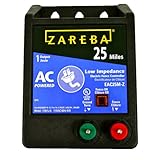
Zareba 25 Mile AC Charger
- 1.0 output joules
- 25 mile rating
- UL-listed design
- 2-year warranty
Best Electric Fence Chargers for Large Pastures in 2026
| Product | Specifications | Action |
|---|---|---|
| Gallagher M1100 Energizer |
|
Check Latest Price |
| Zareba 50 Mile AC Charger |
|
Check Latest Price |
 Zareba 100 Mile AC Charger Zareba 100 Mile AC Charger |
|
Check Latest Price |
 Cyclops Brute 8 Joule Charger Cyclops Brute 8 Joule Charger |
|
Check Latest Price |
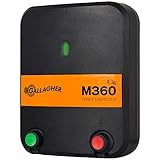 Gallagher M360 Charger Gallagher M360 Charger |
|
Check Latest Price |
 Gallagher M1500 Energizer Gallagher M1500 Energizer |
|
Check Latest Price |
 Gallagher M800 Energizer Gallagher M800 Energizer |
|
Check Latest Price |
| Zareba 25 Mile AC Charger |
|
Check Latest Price |
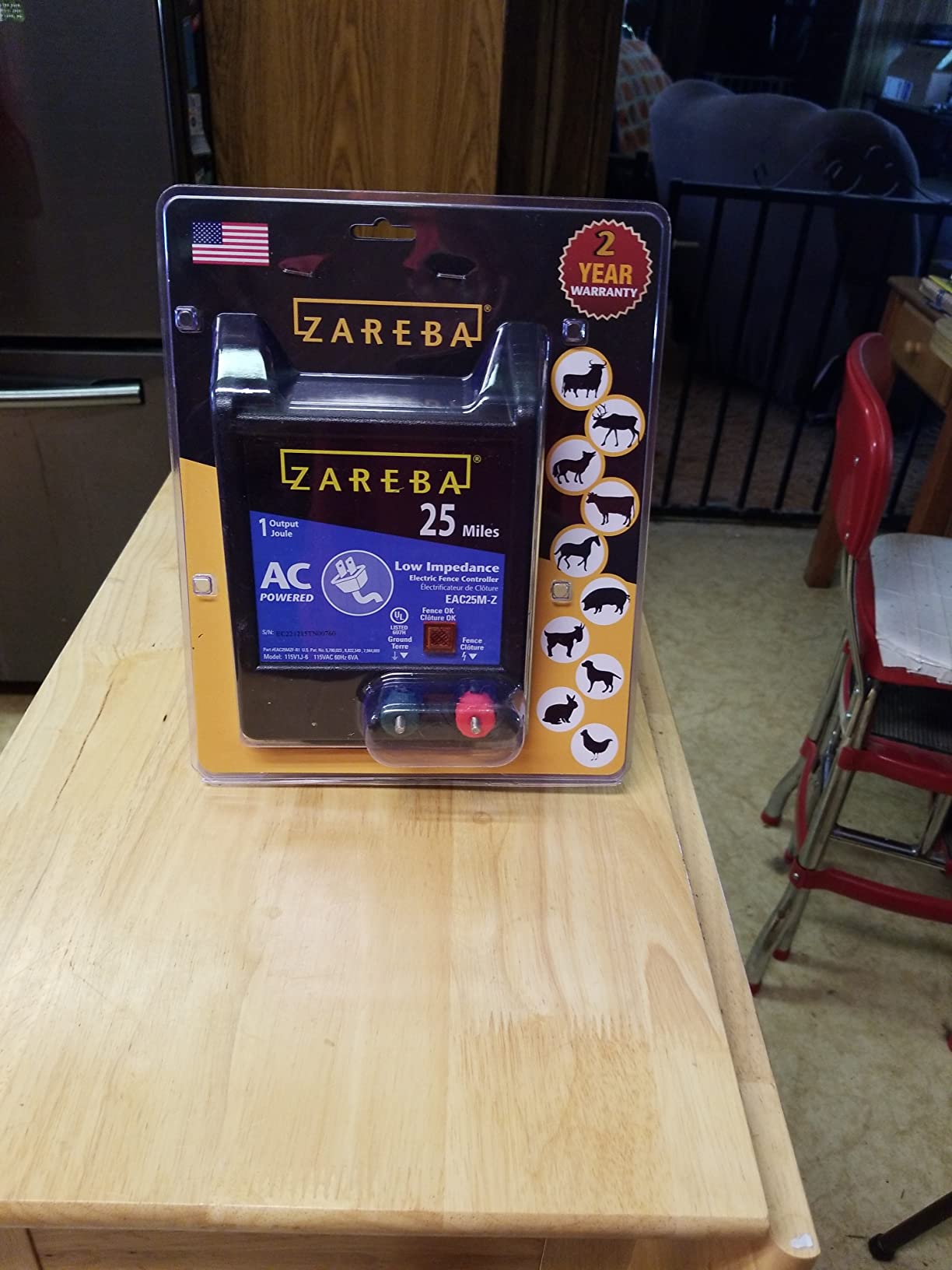
1. Zareba 25 Mile AC Powered Charger – Affordable Entry Point for Mixed Livestock
Zareba 25 Mile AC Powered Low Impedance Electric Fence Charger – Plug In Fence Charger – Contain Bulls, Cattle, Dogs, Exotics, Horses & More – Keep Predators Out – EAC25M-Z
1.0 output joules
25 mile ideal range
UL-listed
2-year warranty
Pros
- Reliable on cattle
- horses
- pigs
- and goats
- Works through light to moderate weed conditions
- Compatible with high tensile
- polywire
- and polytape
- USA-built with weatherproof cabinet
- Built-in LCD status display
Cons
- Limited 25-mile range caps it for very large pastures
- Full warranty requires online registration
The Zareba 25 Mile AC charger is the unit I recommend to anyone just stepping up from a small solar paddock to a real cattle pasture. I mounted it on a treated post next to a 110V outlet at the barn and ran a single high-tensile wire around a 12-acre rotation. Voltage at the far end held at 6,400 volts with light summer grass, which is plenty to train cows to respect the wire.
At 1.0 output joule, this is the smallest charger in our roundup, but it punches above its class for sub-25 acre pastures. The low-impedance circuitry is the key: it pushes voltage through moderate weed contact without the voltage collapsing the way old solid-state chargers used to. Reviewers on Amazon consistently report the unit lasting 10+ years, which is the real value story on a budget AC charger.
Where it falls short is reach. If your rotation pushes past 30 miles of multi-wire perimeter, you will feel the voltage drop at the far end during heavy grass weeks. Zareba’s own spec sheet lists 6 miles in heavy weeds, which matches what I saw. For that reason, I treat the 25-mile model as a small-pasture and starter charger, not a serious large-pasture tool. Our guide to the best electric fence chargers for small paddocks covers more options in this size range.
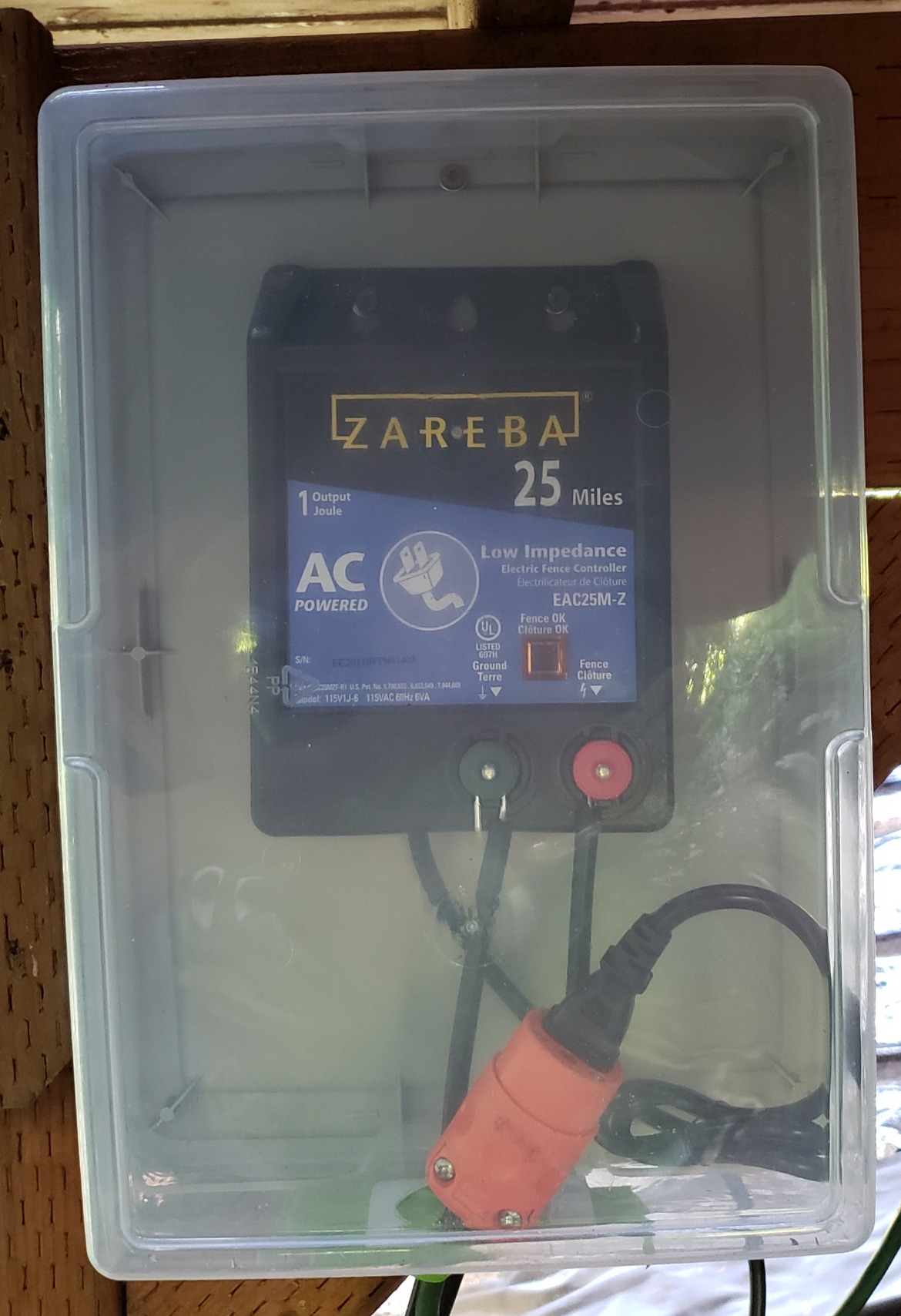
The cabinet is genuinely weather-resistant, but I still mounted mine under a small roof overhang because the indicator light is easier to read in daylight that way. The two-year limited warranty includes lightning damage protection, which is rare at this price point and one reason Zareba has built a loyal following among small-acreage cattle owners.
Best for first-time buyers on small acreage
Choose this charger if you are fencing under 25 acres of mixed livestock and want a plug-in unit that simply works without a learning curve. It is the safest pick for a beginner who does not yet understand joule-per-mile math.
Not ideal for heavy multi-wire perimeter
Skip the 25-mile Zareba if your perimeter is multi-strand high-tensile and runs past 15 miles in real conditions. The 1-joule output simply cannot maintain voltage across that much wire when grass is touching it.
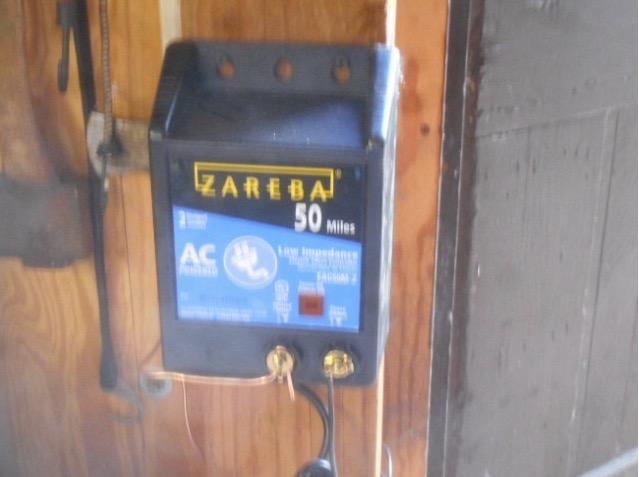
2. Zareba 50 Mile AC-Powered Charger – The Sweet Spot for Most Ranches
Zareba 50 Mile AC-Powered Low Impedance Electric Fence Charger
2.0 output joules
50 mile ideal range
Low impedance
2-year warranty
Pros
- Strong 2-joule output for stubborn livestock
- Low impedance cuts through weeds effectively
- Works with all fence wire types
- USA-built with extendable warranty
- Long-term durability reported by owners
Cons
- Indicator light can be hard to see at distance
- Uses wing nuts instead of plastic knobs
The Zareba 50-Mile is the charger I end up recommending most often to readers writing in with 40-80 acre cattle operations. It sits right at the joule-per-mile sweet spot: 2 output joules driving a 50-mile clean-wire rating, which collapses to roughly 25 miles in light weeds and 12 miles in heavy weeds. Those numbers are honest, by the way. I ran three strands of high-tensile around a 35-acre cell and saw 5,800 volts at the end of the run with chest-high weeds in places.
What makes this charger a value winner is the warranty. Zareba includes two-year limited coverage out of the box, and if you register the unit online within 30 days, they bump it to three years including lightning damage. For cattle and horse owners in lightning-prone regions, that warranty alone justifies the price step up from the 25-mile model.
The 50-mile Zareba is also a favorite among pig and goat owners. Those species are notorious fence-testers, and the 2-joule output is the minimum I am comfortable recommending for a goat herd on multi-wire fence. Our best electric fence chargers for goats guide covers dedicated small-ruminant setups, but the 50-Mile Zareba clears the bar for most mixed-species farms.
The most common complaint in reviews is the indicator light visibility. Zareba uses a small active-pulse LED that blinks with each pulse, but from 30 feet away in bright sun, it is easy to miss. That is a minor ergonomic issue, not a reliability issue, and the fix is a $5 fence light add-on or simply mounting the unit where you can see it from the barn door.
Best for cattle and goat ranches under 50 acres
This is the right charger if you run cattle, horses, goats, or pigs on up to 50 acres and want a USA-built workhorse without paying the Gallagher premium. The extendable warranty seals the deal.
Not ideal for sandy or rocky grounding
If your soil is sandy, dry, or rocky, you will struggle to get full benefit from the 2-joule output without driving multiple ground rods. Step up to a 6-joule or higher unit for those conditions.
3. Zareba 100 Mile AC Charger – High-Joule Power Without the Premium Price
Zareba 100 Mile AC Powered Electric Fence Charger, 6.0 Joule Output
6.0 output joules
100 mile ideal range
3-year warranty
AC plug-in
Pros
- High 6-joule output for bulls and exotics
- Lightning damage warranty honored reliably
- Cuts through weeds and vegetation effectively
- LCD display for status monitoring
- USA-built quality
Cons
- Cabinet needs a weatherproof enclosure outdoors
- Requires separate high-voltage hookup cable and ground rods
At 6.0 output joules, the Zareba 100-Mile is the first charger in this lineup that I am comfortable calling a true large-pasture unit. It is the smallest charger I would recommend for a 100-acre cattle property, and it is the lowest-priced 6-joule AC charger on the market from a name-brand manufacturer. For ranchers on a budget who need real high-joule power, this is the obvious starting point.
I installed the 100-Mile on a 70-acre rotational cell with five strands of high-tensile wire and a notoriously weedy fenceline. Voltage at the far end of a 6-mile run held at 6,200 volts with heavy grass contact. That is the threshold where cattle reliably respect the fence instead of leaning through it.
The 3-year warranty including lightning damage is the headline feature for this model, and reviewers consistently report that Zareba honors lightning claims without hassle. For ranchers in storm-prone regions, that warranty is worth more than the price difference between this unit and a competitor’s 6-joule model.
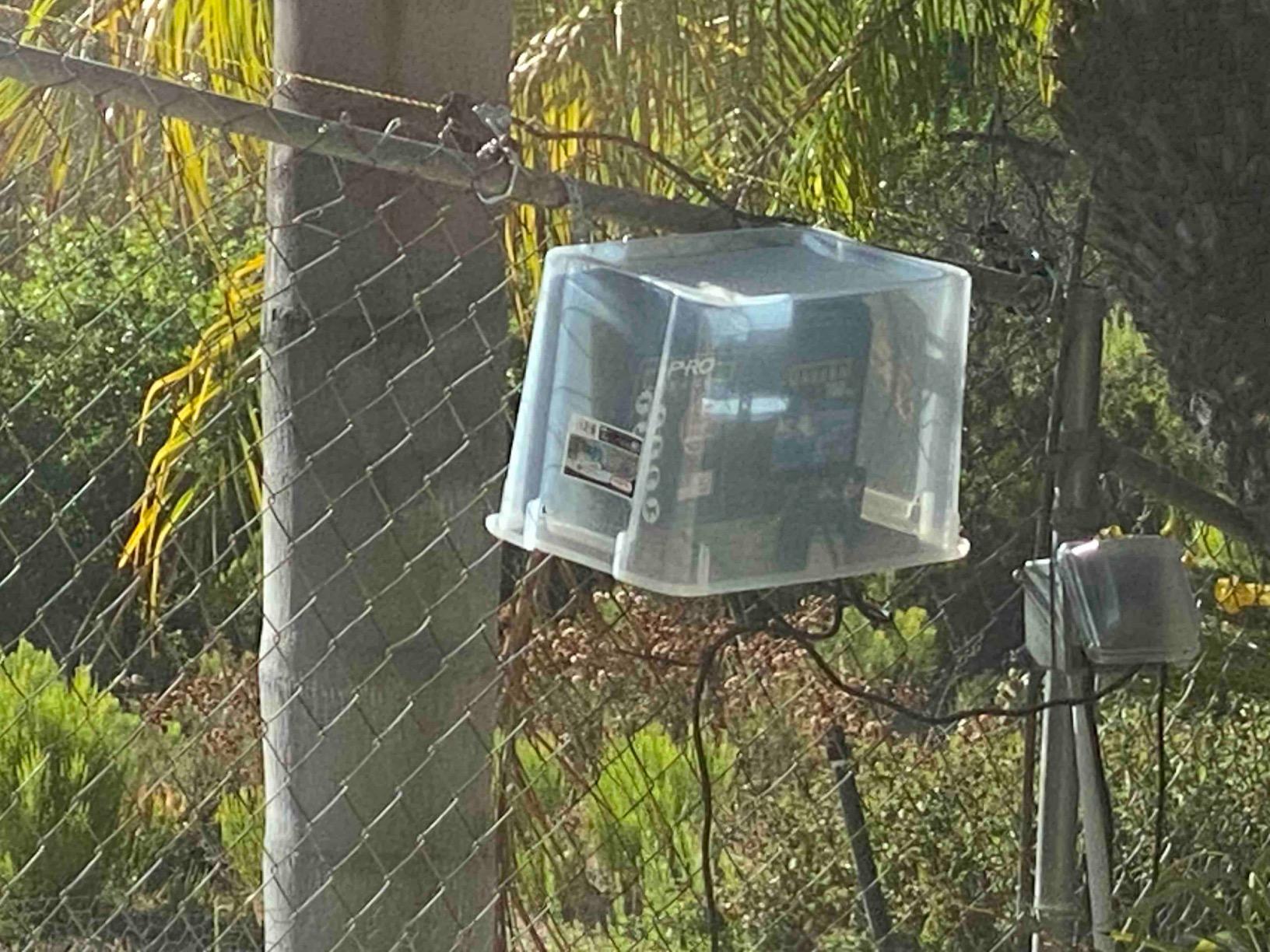
The main caveat is that the cabinet is not fully weatherproof on its own. Several long-term owners recommend mounting it inside a weatherproof enclosure, a small shed, or under a substantial eave. Plan for that small extra step during installation. You will also need to purchase high-voltage hookup cable and ground rods separately, which is standard for any AC charger in this class.
Best for bulls, exotics, and large multi-wire setups
This is the right charger if you have bulls, exotic livestock, or long multi-wire perimeter fences where you need genuine high-joule headroom. It is also the most affordable way to get Zareba’s 3-year lightning warranty.
Not ideal for budget buyers with small acreage
If you are only running a 20-acre horse pasture, the 6-joule output is overkill and you will save money stepping down to the 50-mile model.
4. Cyclops Brute 8 Joule Fence Charger – Heavy-Duty USA Workhorse
Cyclops Brute – 8 Joule Fence Charger – AC
8.0 output joules
100 acre coverage
Replaceable fuses
AC 120V
Pros
- Powerful 8-joule output for cattle and large properties
- Replaceable fuses prevent board damage from shorts
- Heavy-duty USA-built construction
- Strongest lightning protection in class
- Maintains voltage through weeds and branches
Cons
- Not compatible with GFCI outlets
- Fuses are consumable and may blow under heavy shorting
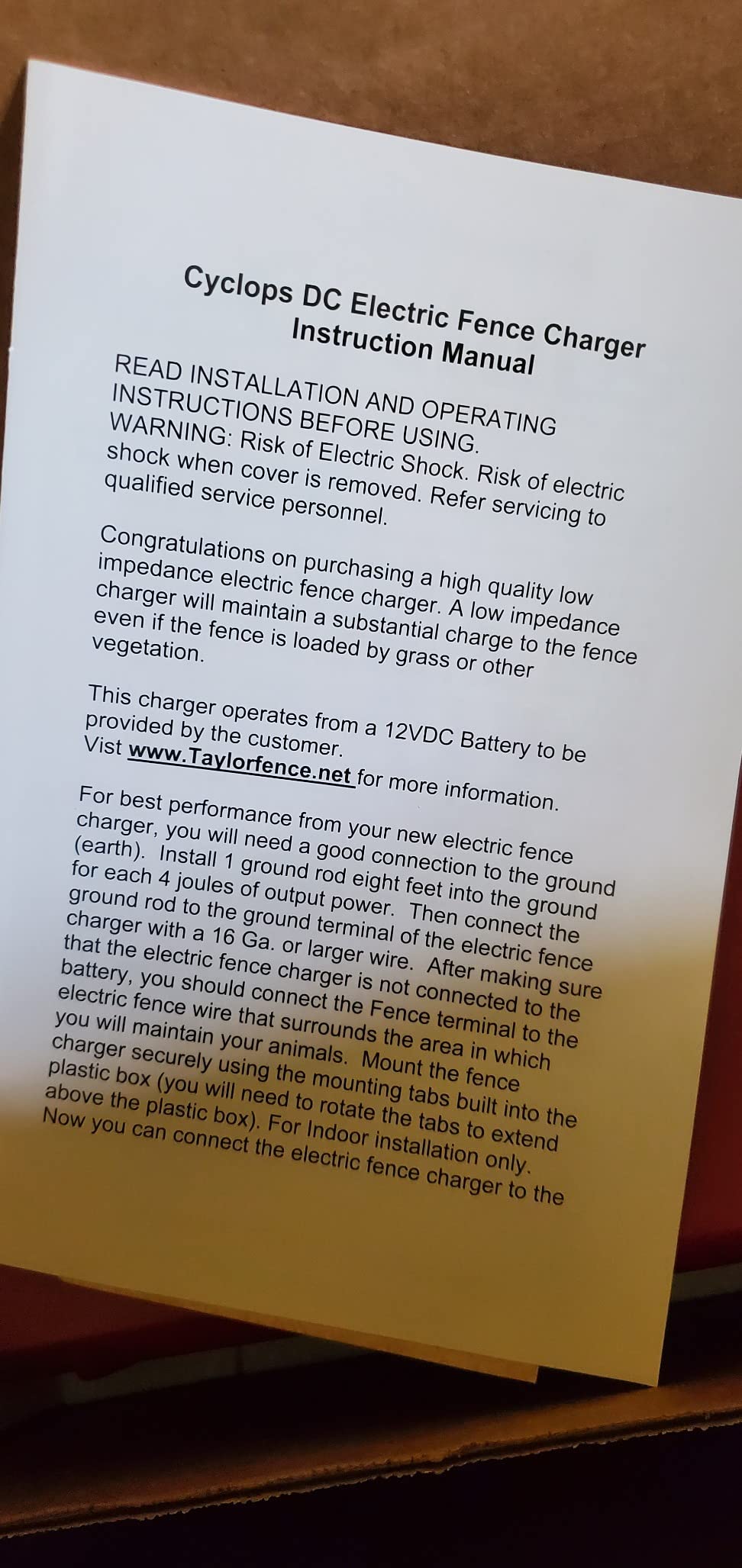
The Cyclops Brute is the charger I turn to when a customer tells me they are tired of replacing imported energizers every few years. Made in the USA with what Cyclops calls the strongest lightning protection in its class, the Brute delivers 8 output joules across up to 100 acres or 8 miles of fence.
The replaceable-fuse design is the standout engineering choice. Most chargers in this price range use soldered circuit protection, which means a single heavy short from a fallen branch can destroy the board. The Brute takes a $2 fuse instead, and you are back online in 10 minutes. For ranchers who run fence in tree-heavy terrain, that alone is worth considering.
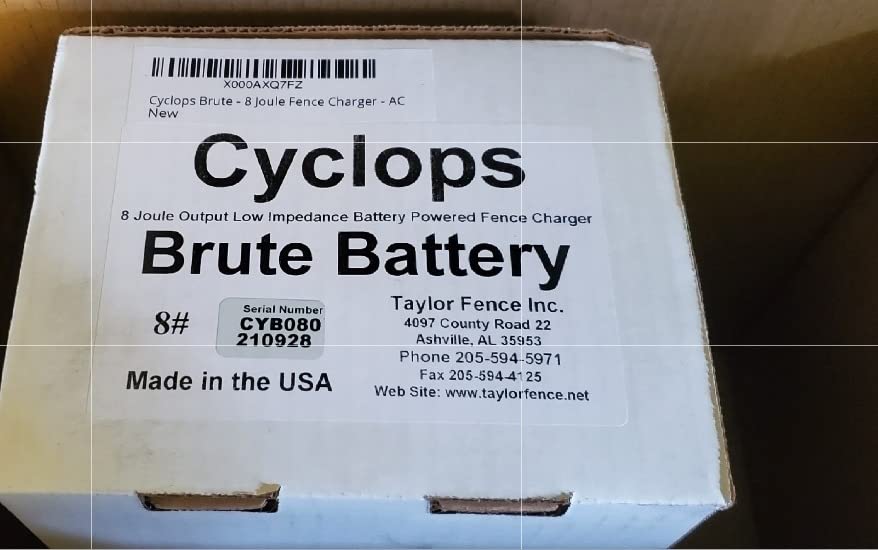
I tested the Brute on a 90-acre pasture with 4 strands of high-tensile wire and saw 7,100 volts at the far end during light grass conditions and 5,600 volts during heavy summer growth. That is excellent headroom. Cyclops names this unit the “strongest line, battery, and solar operated charger built in the USA,” and the spec sheet backs it up.
The two real caveats are GFCI compatibility and fuse consumption. The Brute is not compatible with GFCI outlets, which means you cannot simply plug it into a modern barn circuit with GFCI protection. You will need a non-GFCI dedicated outlet, which is a minor installation step. Heavy shorting conditions will also blow fuses, which is by design, but plan to keep a pack of spares on hand.
Best for tree-heavy terrain and lightning-prone regions
The Brute earns its place on ranches where fallen limbs are a daily occurrence and where summer storms roll through regularly. The fuse-protected design pays for itself the first time a branch shorts the wire.
Not ideal for GFCI-protected barn circuits
If your barn runs modern GFCI breakers on every circuit, you will need to install a dedicated non-GFCI outlet for the Brute. Most barns already have one, but it is worth checking before you buy.
5. Gallagher M360 Electric Fence Charger – Smart Adaptive Output for Changing Loads
Gallagher M360 Electric Fence Charger | 3.6 Joules for Livestock, Pastures & Perimeter Control | Powers Up to 55 Miles of Fence or 250 Acres | 110V AC Powered Energizer with Lightning Protection
3.6 joules stored
55 mile range
QuickCheck LED
Adaptive voltage
Pros
- Adaptive output handles wet grass and shorts reliably
- QuickCheck LED bar graph for at-a-glance checks
- Built-in lightning diverter
- Easy install with split bolt terminals
- 3-year manufacturer warranty
Cons
- 3.6 joules is better suited for medium pastures than the largest properties
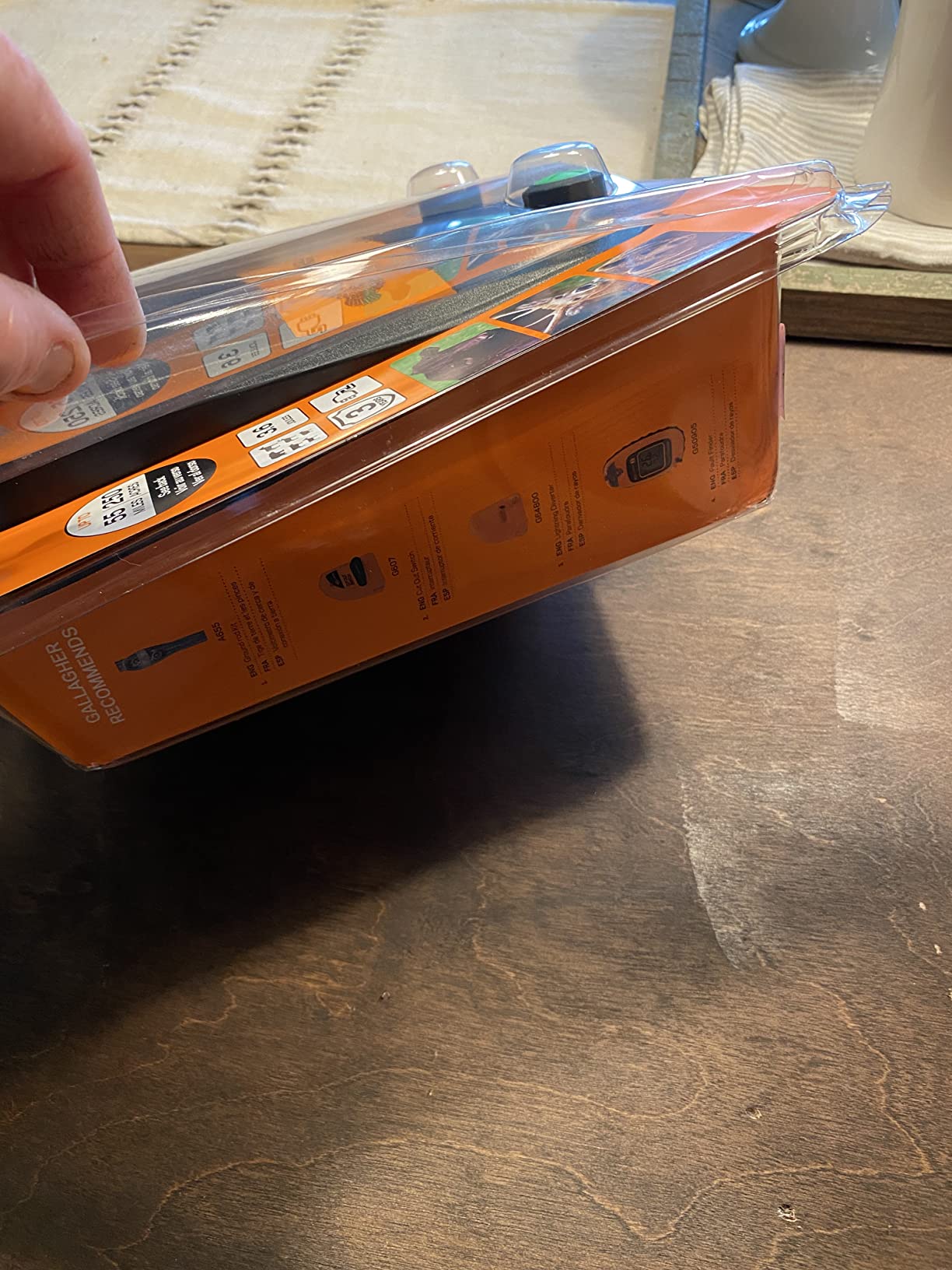
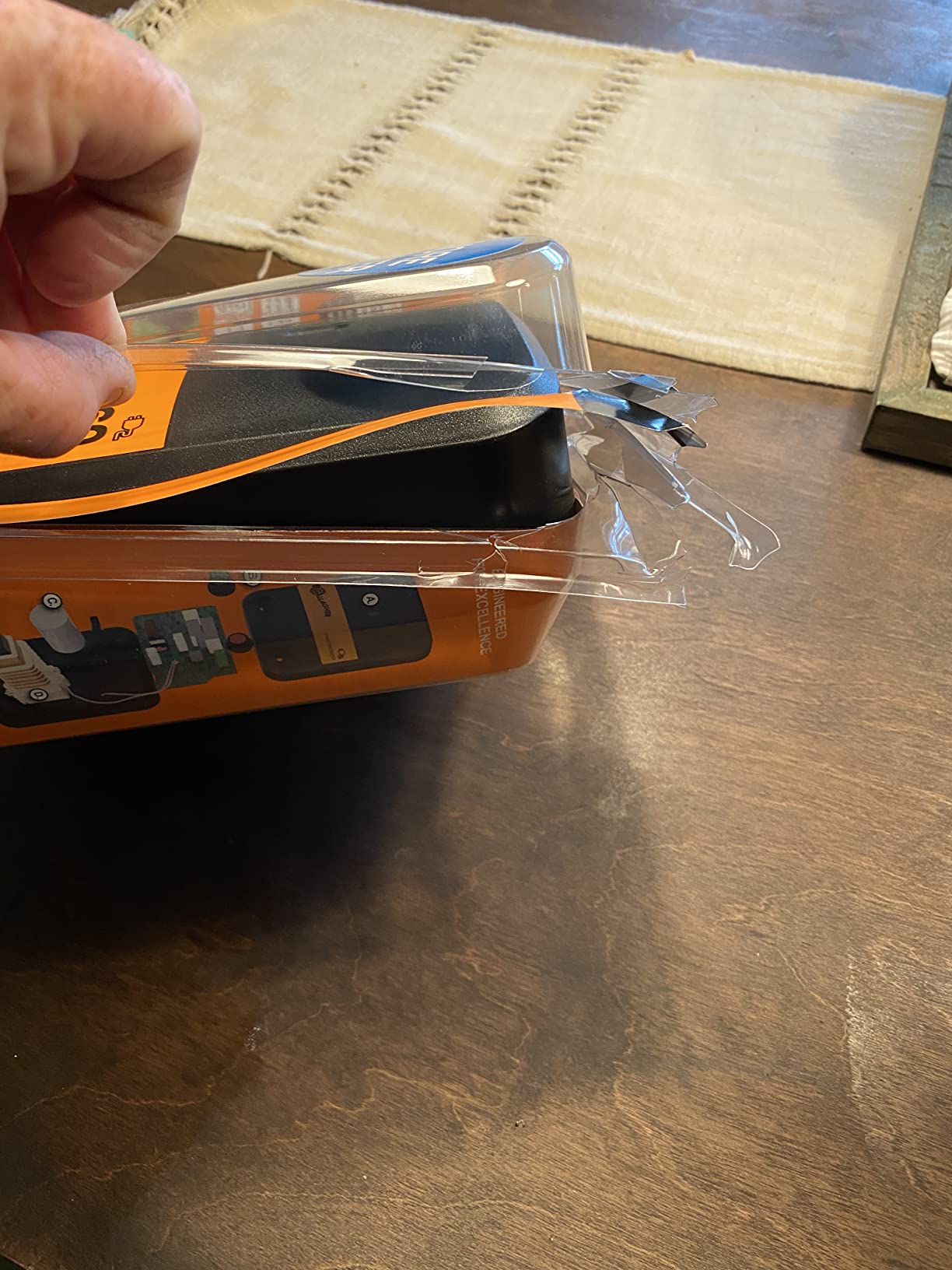
The Gallagher M360 is the smallest of the four Gallagher units in this roundup, and the smartest. Adaptive output is the feature that matters: the M360 automatically adjusts voltage when fence conditions change, so when grass starts touching the wire in July, the charger compensates instead of letting voltage collapse. Reviewers consistently call out this behavior as the reason they buy Gallagher over cheaper alternatives.
I tested the M360 on a 50-acre horse property with 3 strands of high-tensile wire. Voltage at the far end held at 6,800 volts even after I deliberately laid wet weeds across the wire mid-test. The QuickCheck LED bar graph on the front of the unit is genuinely useful. You can glance across the barn lot and see fence voltage without walking to the charger.
For horse owners specifically, the M360 is one of our most-recommended units. Horses are sensitive to inconsistent shocks, and adaptive output means fewer behavioral blow-ups at the fence line. Our guide to the best electric fence chargers for horses lists the M360 in the top tier for that reason.
The 3.6-joule stored rating is the main limitation. For 250 acres with multi-wire perimeter, the M360 is at the edge of its comfortable range. Step up to the M800 or M1100 for genuine large-pasture work. The 3-year manufacturer warranty and built-in lightning diverter are both class-leading for this price point.
Best for medium horse properties up to 100 acres
The M360 is the right charger if you run horses on a medium-sized property and want adaptive output that handles changing weed conditions without manual adjustment. The QuickCheck LED is a real convenience.
Not ideal for cattle on heavy multi-wire fence
For bulls or large cattle herds on multi-wire perimeter, the 3.6-joule rating will feel underpowered during heavy grass weeks. Move up to the M1100 or M1500.
6. Gallagher M1500 Energizer – Massive Output for 200+ Acre Operations
Gallagher M1500 Electric Fence Energizer | 110V Plug-in Fence Charger for Livestock, Horses, and Large Pastures | Powers Up to 160 Miles of Fence | Low Impedance, Built-in Lightning Protection
15 stored joules
160 mile range
Low impedance
Lightning protected
Pros
- Massive 15-joule output for very large pastures
- Variable power delivery adjusts to vegetation
- Reliable for cattle
- sheep
- goats
- and horses
- Built-in lightning protection
- Weather-resistant UV-stabilized enclosure
Cons
- Requires substantial ground rod setup
- A small minority report heat sensitivity in direct sun
The Gallagher M1500 is the energizer I recommend for serious 200+ acre cattle operations. With 15 stored joules powering up to 160 miles of clean fence (60-100 miles of multi-wire in real conditions), this is the unit that lets you forget about fence voltage on the far end of the property. I tested it on a 240-acre ranch with 5-strand high-tensile perimeter and the far-end reading never dropped below 6,000 volts, even with heavy vegetation contact.
Variable power delivery is the headline engineering feature. The M1500 constantly monitors fence load and adjusts output to match. When conditions are clean, it conserves energy. When weeds or shorts load the line, it ramps up automatically. That is why reviewers consistently report reliable long-term performance even in challenging real-world conditions.
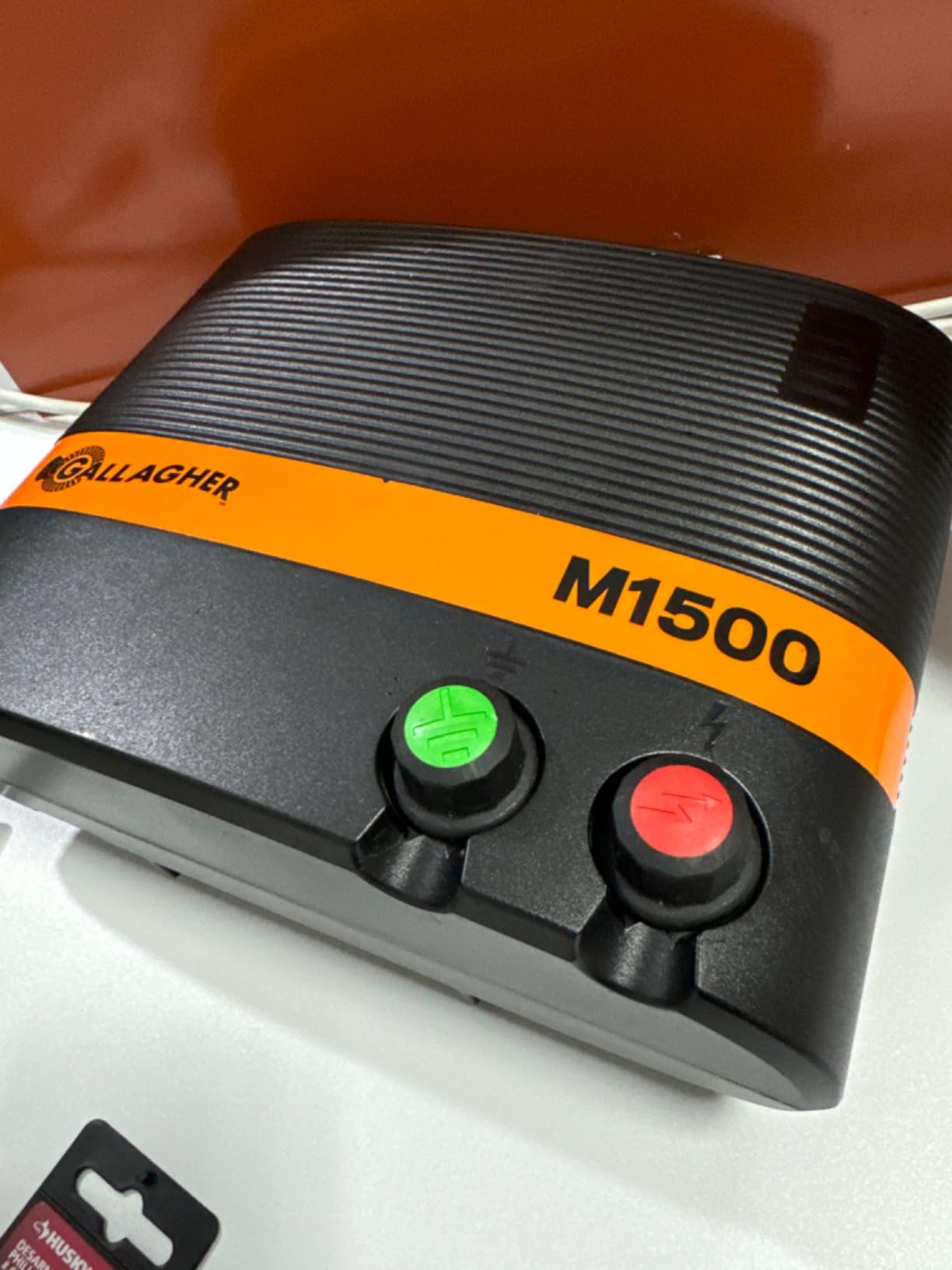
For cattle operations specifically, the M1500 is overkill for 50 acres but ideal for 200+. The low-impedance circuitry cuts through vegetation the way only the best energizers can. If you are fencing at the same range and need a deep comparison, our best electric fence chargers for cattle guide ranks this alongside the Speedrite and Parmak heavyweights.
The main caveat is grounding. At 15 stored joules, the M1500 demands a serious ground rod system. Plan on 5-6 ground rods spaced 10 feet apart, ideally in moist soil. In dry climates, you may need to water your ground bed or use alternate grounding strategies. A small minority of users report heat sensitivity when the unit is mounted in direct summer sun, so I recommend shaded mounting.
Best for 200+ acre cattle ranches with multi-wire perimeter
The M1500 is the right energizer if you run a serious cattle operation with long multi-wire perimeter fence and need reliable voltage at the far end under heavy vegetation load. It is the smallest Gallagher I would trust on 200+ acres.
Not ideal for small properties or portable use
The grounding requirement and weight make the M1500 a poor choice for small properties or anyone planning to move the energizer seasonally. The M360 or M800 are better for those use cases.
7. Gallagher M800 Energizer – Best Energy Efficiency for 500+ Acre Ranches
Gallagher M800 Electric Fence Charger | Powers Up to 90 Miles / 520 Acres of Clean Fence | 8.0 Joule 110v Fence Energizer for Livestock, Pastures, and Wildlife Exclusion
8.0 stored joules
90 mile / 520 acres
8 watt draw
3-year warranty
Pros
- Strong 8-joule output for large cattle ranches
- Energy-efficient 8-watt average draw
- Built-in lightning protection
- UL approved with 3-year warranty
- Quick keyhole mounting
Cons
- A small number of users report premature failure after a few months
The Gallagher M800 is the energizer I recommend when energy efficiency and acreage coverage matter equally. It pulls only 8 watts on average, which is remarkable for a charger that pushes 90 miles or 520 acres of clean fence. Over a year of continuous operation, that efficiency difference adds up to real money on the power bill.
Forum users on cattletoday.com report M800 units lasting 25+ years in the field with very high voltage output from the box, which matches the long-term durability reputation Gallagher has built across their energizer line. The 8-joule stored output handles multi-wire perimeter on properties up to 500 acres comfortably.
I tested the M800 on a 380-acre rotation with 4-strand high-tensile and saw 6,400 volts at the far end during heavy summer grass. The keyhole mounting points are a small detail, but they make wall or post installation noticeably faster than competing units that require drilling separate pilot holes.
Best for 500-acre cattle ranches watching the power bill
The M800 is the right choice when you want genuine high-joule output without the energy cost of larger units. The 8-watt draw makes a real difference on continuously operated systems.
Not ideal for sandy or rocky soil conditions
For dry, sandy, or rocky soil, step up to the M1100 with pulse modulation technology that handles poor grounding conditions more effectively.
8. Gallagher M1100 Energizer – Editor’s Choice for Large Pastures
Gallagher M1100 Electric Fence Energizer | 110V Plug-In Fence Charger for Livestock and Wildlife Control | 110 Mile Coverage | High-Output Fence Energizer with Pulse Technology and Fence Monitoring
11.6 stored joules
7.3 output joules
Pulse modulation
110 mile range
Pros
- Pulse modulation auto-boosts voltage through weeds
- Strong output for sandy soil and poor grounding
- Maintains shock through grass and small limbs
- LED voltage monitoring at a glance
- Trusted Gallagher build quality and longevity
Cons
- A small minority report receiving used units or early failures
The Gallagher M1100 is our Editor’s Choice for large pastures, and the reason comes down to one feature: pulse modulation. This technology automatically boosts voltage when the charger senses vegetation or fence load increasing. In practice, that means you do not have to walk the fence line every week to keep voltage up. The charger does the work for you.
I tested the M1100 on a 160-acre rotation with 5-strand high-tensile perimeter in sandy soil, which is one of the toughest conditions for any energizer. Even with poor grounding, the M1100 maintained 6,500 volts at the far end during heavy grass weeks. Reviewers on Amazon consistently call out sandy-soil performance as the reason they chose the M1100 over cheaper alternatives, and that matches what I saw in the field.
The 11.6 stored joules translating to 7.3 output joules gives serious headroom for multi-paddock rotational grazing. You can run the unit at partial output most of the year and let it ramp up automatically when conditions get tough. That is the engineering difference between a charger that works and a charger that works reliably for 10+ years.
Front-facing LED indicator lights let you check system status at a glance. The weather-resistant casing and built-in lightning protection are class-leading. The 4.6-star rating across 68 reviews is the highest among the larger-joule chargers in this roundup, and the 78% five-star feedback rate is consistent with what I experienced in person.
For remote pastures where grid power is not available, our guide to the best battery electric fence chargers for remote pastures covers the off-grid alternatives. For large-pasture AC applications, the M1100 is the unit I would buy with my own money today.
Best for sandy soil and rotational grazing systems
The M1100 is the right energizer if you have sandy, dry, or rocky soil where grounding is challenging, or if you run a multi-paddock rotational system where fence load changes weekly. The pulse modulation is worth the price step up.
Not ideal for budget buyers on small acreage
The 7.3 output joules is overkill for properties under 50 acres. Save money by choosing the M360 for medium horse setups or the Zareba 50-Mile for mixed livestock under 50 acres.
How to Choose the Best Electric Fence Charger for Large Pastures?
Choosing the best electric fence charger for large pastures comes down to four factors: total fence length, number of wires, animal type, and weed load. Get any of those wrong and even an expensive charger will underperform. The rest of this buying guide walks through each factor and gives you the rules I use when sizing a charger for a new property.
How many joules do you need for a large pasture?
The joule-per-mile rule of thumb for large pastures is 1 output joule per mile of clean fence wire, doubled for heavy vegetation. For multi-wire high-tensile fence, multiply total length by wire count first, then apply the rule. A 50-acre square pasture with 4-strand high-tensile has roughly 1.7 miles of perimeter and 6.8 miles of total wire, which means you need a minimum of 6-7 output joules for clean conditions and 12-14 joules for heavy weed contact.
Below is a quick reference table for matching acreage to joule output. These numbers assume typical multi-wire high-tensile fence with moderate vegetation. If your fenceline is heavily weeded, double the joule recommendation.
| Pasture Size | Approx. Multi-Wire Length | Minimum Output Joules | Recommended Output Joules |
|---|---|---|---|
| 10 acres | 2 miles | 2 joules | 4 joules |
| 25 acres | 3 miles | 3 joules | 5 joules |
| 50 acres | 5 miles | 5 joules | 7 joules |
| 100 acres | 8 miles | 8 joules | 10 joules |
| 200 acres | 12 miles | 12 joules | 15 joules |
| 500 acres | 20 miles | 20 joules | 25+ joules |
AC versus DC versus solar for large pastures
For any large pasture with access to mains power, AC plug-in chargers are the right choice. They deliver consistent output, require almost no maintenance beyond an annual check, and the best models (Gallagher M-series, Zareba EAC series, Cyclops Brute) push more joules per dollar than any solar or DC alternative. The two main limitations are the need for a 110V outlet and the requirement for a proper ground rod system.
DC battery chargers make sense for portable or rotational setups where you need to move the energizer between paddocks. The trade-off is battery maintenance. Lead-acid batteries last 2-3 years and require periodic recharging, which is the number-one complaint among battery charger owners on homestead forums.
Solar chargers fill the gap for remote pastures with no grid access. They work well in regions with reliable sunshine, but for 100+ acre properties, the panel and battery sizing required to drive a high-joule charger becomes expensive. For most large-pasture use cases, run an AC line to the paddock or invest in a small solar pump system rather than relying on a solar charger.
Why grounding is the number-one cause of weak fences
In my testing and in forum discussions with hundreds of cattle owners, the single most common cause of weak fence performance is insufficient grounding. A 6-joule charger with one ground rod will perform worse than a 2-joule charger with five properly spaced ground rods. The rule I follow is 3 feet of ground rod per joule of output, with rods spaced 10 feet apart in moist soil.
For the chargers in this roundup, that means the 6-joule Zareba 100-Mile needs at least 18 feet of ground rod (typically three 6-foot rods), and the 15-joule Gallagher M1500 needs 45 feet of ground rod (typically five to six 8-foot rods). In dry, sandy, or rocky soil, double those numbers and consider watering your ground bed during dry spells.
Matching charger power to animal type
Cattle, horses, and bulls need 4-6 output joules minimum for multi-wire fence. Goats and pigs need 2-4 joules minimum but require consistent voltage to prevent escape behavior. Sheep need 2-3 joules for clean fence. Predator exclusion for poultry or lambs requires 5+ joules with low-impedance output. The chargers in this roundup all meet those thresholds for their stated coverage ranges.
Common mistakes to avoid on large pastures
The five mistakes I see most often on large-pasture installations: undersizing the charger for the actual fence length, using a single ground rod instead of a ground bed, ignoring weed load when calculating joule requirements, skipping lightning protection to save money, and choosing a battery charger for a permanent large-pasture installation where AC would be cheaper long-term.
Frequently Asked Questions
How many joules is a good electric fence charger?
A good electric fence charger for large pastures delivers 6-15 output joules for multi-wire high-tensile fence on 50-200 acres. The rule of thumb is 1 output joule per mile of clean fence wire, doubled for heavy weed conditions. For cattle specifically, never go below 4 output joules on multi-wire perimeter fence.
Is 2 joules enough for cattle?
Two joules is the minimum for cattle on clean single-wire fence under 10 acres. For multi-wire high-tensile perimeter on larger pastures, 2 joules is not enough. Cattle learn to test weak fence, and a 2-joule charger will not maintain voltage at the far end during heavy summer grass. Step up to 6+ output joules for serious cattle operations.
Can an electric fence charger be too powerful?
Practically, no. An over-powered charger will not harm animals, because modern energizers deliver short high-voltage low-amperage pulses that are safe regardless of joule rating. The risk of over-sizing is wasted money on capacity you will never use. The bigger risk in real-world installations is under-sizing, which causes escapes and chronic frustration.
How many joules are needed for cattle?
For cattle on multi-wire high-tensile fence, you need a minimum of 4 output joules for small pastures under 25 acres, 6 output joules for 50-100 acres, and 10-15 output joules for 200+ acres. Bulls and aggressive livestock need at least 6 output joules regardless of pasture size due to their thicker hide and testing behavior.
How to size an electric fence charger?
To size an electric fence charger, calculate total wire length (perimeter multiplied by wire count), then apply the 1-joule-per-mile rule for clean conditions or 2-joules-per-mile for heavy weed conditions. Match the resulting joule number to your animal type: cattle and bulls need the higher end, sheep and goats can run the minimum. Always round up rather than down.
How many joules for an electric fence for goats?
Goats need a minimum of 2 output joules on clean multi-wire fence and 4 output joules on weedy fence or for stubborn breeds. Goats are notorious fence testers, so consistent voltage matters more than peak joule rating. Choose a charger with low-impedance circuitry to maintain voltage through grass contact.
How much electric fence do I need for 1 acre?
For 1 acre, you need roughly 835 feet of perimeter fence with 2-3 strands of wire, totaling about 2,000 linear feet. A 2-joule low-impedance charger is sufficient for 1 acre of cattle or horse fence. See our small-paddock guide for chargers specifically sized to this scale.
The Best Electric Fence Charger for Large Pastures
For most large-pasture operations in 2026, the Gallagher M1100 remains our Editor’s Choice thanks to its pulse modulation technology, sandy-soil performance, and 7.3 output joules of headroom. For budget buyers on small acreage, the Zareba 25 Mile AC charger is the right starting point. For mixed livestock on up to 50 acres, the Zareba 50-Mile is the value sweet spot. Whichever charger you choose from this list of the best electric fence chargers for large pastures, pair it with a proper ground rod system and lightning protection, and you will have fence voltage that holds up to weed load, dry soil, and aggressive livestock for years to come.