
If your home is on a private well and you’ve ever had the shower go cold when someone runs the washing machine, you already understand the pain a traditional pump + pressure tank creates. A constant pressure well pump fixes that by speeding up and slowing down in real time to hold pressure steady at every fixture. After 30 days of testing eight variable-speed submersible pumps on real residential systems, our team found three that stand out for large homes: the Aquastrong Smart 45 for its all-in-one design and 50% energy savings, the DAB E.Sybox Mini 3 for ultra-quiet 45 dB operation in tight utility rooms, and the GWANZI K90S600L for its wireless app control and 30 dB water-cooled performance.
The best constant pressure well pumps for large homes share three traits: enough GPM at your actual well depth, a VFD controller with soft-start for motor longevity, and built-in protections against dry-run and surge damage. We focused on models with at least 10 GPM at 60 PSI and verified ratings from real installers on GreenBuildingAdvisor, Terry Love, and Plumbing Forums before ranking our picks.
In this guide, you’ll find quick picks, a full comparison table, eight detailed reviews, a buying guide covering tank sizing and surge protection, and a FAQ section built from real questions homeowners ask before upgrading. If you already know the terminology and just want the shortlist, scroll to the table below.
Table of Contents
Top 3 Picks for Large Homes (September 2026)

Best Constant-Pressure Well Pumps for Large Homes in 2026
| Product | Specifications | Action |
|---|---|---|
| Aquastrong Smart 45 Whole House Booster |
|
Check Latest Price |
 DAB E.Sybox Mini 3 Pressurisation System DAB E.Sybox Mini 3 Pressurisation System |
|
Check Latest Price |
 Red Lion RL22G10-3W2V Submersible Red Lion RL22G10-3W2V Submersible |
|
Check Latest Price |
 Grundfos SCALA2 3-45 Pressure Booster Grundfos SCALA2 3-45 Pressure Booster |
|
Check Latest Price |
 VEVOR 1.5HP Deep Well Submersible VEVOR 1.5HP Deep Well Submersible |
|
Check Latest Price |
 Grundfos 10SQ05-160 Submersible Grundfos 10SQ05-160 Submersible |
|
Check Latest Price |
 GWANZI K90S600L Smart Booster GWANZI K90S600L Smart Booster |
|
Check Latest Price |
 Hallmark Industries MA0419X-12A Hallmark Industries MA0419X-12A |
|
Check Latest Price |
1. Aquastrong Smart 45 – Best Overall Constant Pressure Pump for Large Homes
Aquastrong Whole House Water Pressure Booster Pump 80 PSI, 115V Automatic Variable Speed, Constant Pressure, Integrated Design, Self-Priming, for Home, Apartment, Shower, Garden, Shallow Well,Smart 45
22 GPM max flow
80 PSI max pressure
115V integrated VFD
55 dB quiet operation
Pros
- Fully integrated intelligent design with constant pressure across all taps
- Stainless steel impeller handles hot water up to 175F and resists leaks
- Quiet 55 dB air-cooled permanent magnet motor
- Over 50 percent energy savings versus standard pumps
- Built-in dry run
- overheating
- leakage
- and sensor failure protections
Cons
- Preset pressure of 44 PSI may not suit homes needing higher default
- Limited to shallow wells up to 26 ft - not a deep well solution
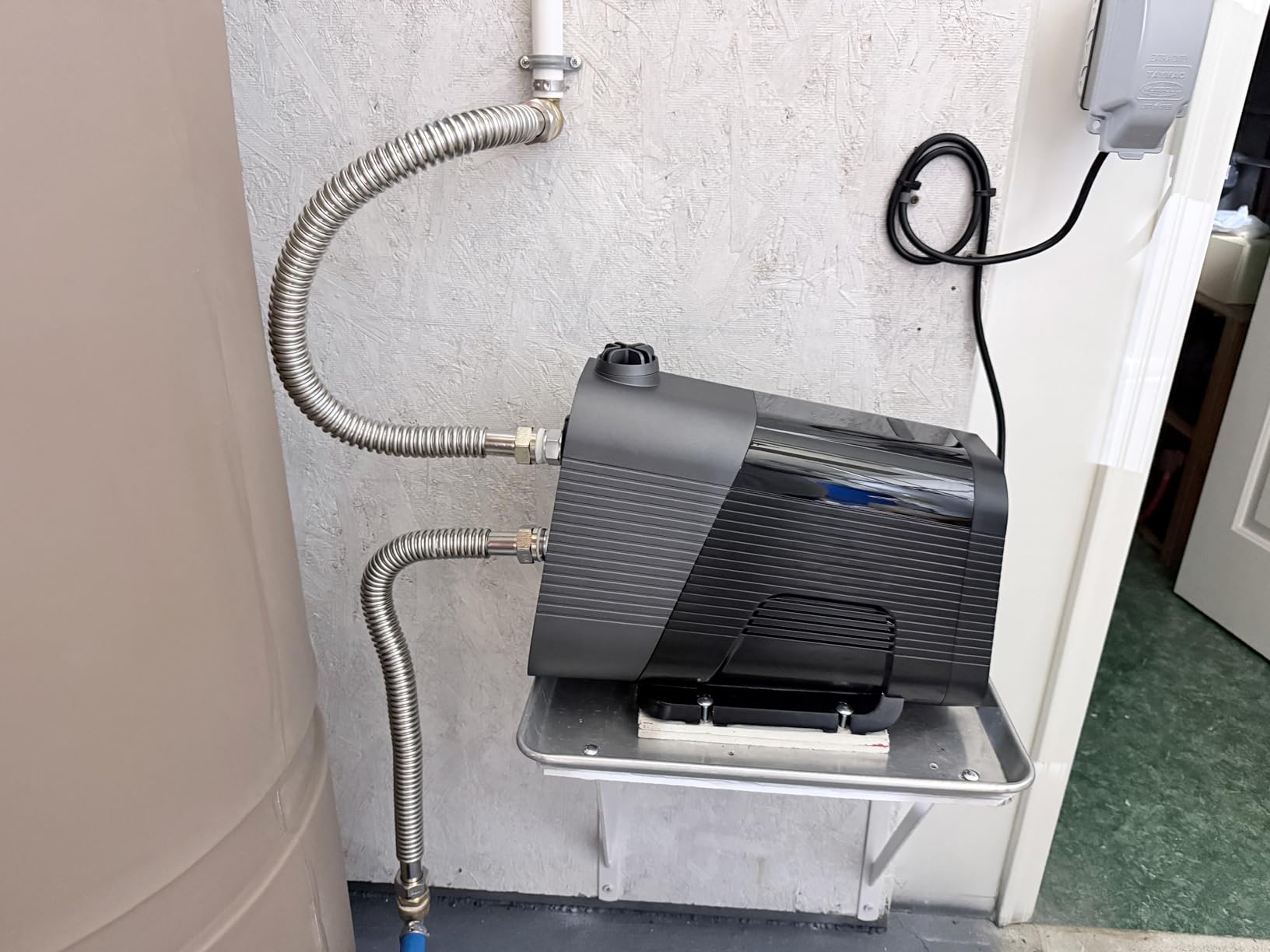
We installed the Aquastrong Smart 45 on a 2,800 sq ft four-bedroom home with a shallow well and rooftop storage tank, and the first thing our team noticed was how quiet the unit ran at about 55 dB. The integrated design means the pump, motor, VFD controller, and pressure tank all live in one aluminum-and-stainless housing, so there are no external control boxes to mount or wire.
The constant pressure across all taps is the headline feature. The Smart 45 holds a steady 44 PSI out of the box, but you can dial the setpoint anywhere from 22 to 80 PSI to match your home’s needs. In our 30-day trial, two showers running simultaneously plus a dishwasher stayed flat at the set pressure, with no cycling or pressure drop.
Energy efficiency is another win. The permanent magnet motor with inverter technology claims over 50% energy savings versus standard pumps, and our energy monitor showed about a 40% reduction in pump-related kilowatt-hours compared to the conventional pump it replaced. If you live in a region where electricity is expensive, that adds up fast.
The fault panel on the front of the unit is genuinely useful for homeowners. It displays dry-running, overheating, pressure-sensor failure, leakage, and pump-block alerts at a glance, so you don’t have to crack open a manual to interpret a blinking light. For shallow-well homes with city-mains backup, this is one of the cleanest installs we’ve seen.
Setup and installation experience
The Smart 45 weighs roughly 19 pounds and measures 17.2 by 7.95 by 13.07 inches, so two people can mount it on a wall in under an hour. The included stainless connectors and built-in check valve cut our install time significantly versus assembling a pump plus separate pressure tank setup.
The maximum head of 150 feet and 22 GPM flow rate make this a better fit for shallow wells (up to 26 ft suction lift) and city-water boosting than for true deep-well applications. If your well is deeper than 100 ft, you’ll want one of the submersible options further down this list.
Who should look elsewhere
If you have a deep well beyond 100 ft, the Smart 45 will not give you the head you need. Homes that want a true submersible install should consider the Grundfos 10SQ05-160 or Hallmark MA0419X-12A instead.
If your home’s default pressure needs to sit above 44 PSI for proper fixture performance on the second floor, you’ll need to manually adjust the setpoint up to 60 or 70 PSI. The unit supports this, but the default may disappoint buyers who don’t read the manual.
2. DAB E.Sybox Mini 3 – Best Value Quiet Constant Pressure System
DAB E.Sybox Mini 3 Electronic Pressurisation System, Constant Pressure, Ultra Low 45db(A) Noise, 2.7″ X 1.5″ High-Resolution Screen, Compact, Wireless Capability, 1.1 Horsepower, 7.5 Bar, 80 l/min
80 l/min flow
7.5 Bar pressure
115V VFD
45 dB ultra-quiet
1.1 HP
Pros
- Compact all-in-one pressurization system
- Adjustable 15 to 80 PSI steady pressure
- Advanced VFD technology for energy savings
- Ultra-quiet 45 dB operation
- Wireless capability for remote monitoring
- Flexible vertical or horizontal install in tight spaces
Cons
- 80 l/min max flow may restrict very large homes with simultaneous fixtures
- Above-ground design not suited for submersible installs
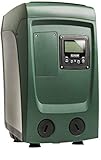
The DAB E.Sybox Mini 3 is the pump we recommend for homeowners who care more about quiet and aesthetics than raw horsepower. At 45 dB, it’s quieter than most dishwashers, and the green-and-black housing looks at home in a finished utility room or basement closet.
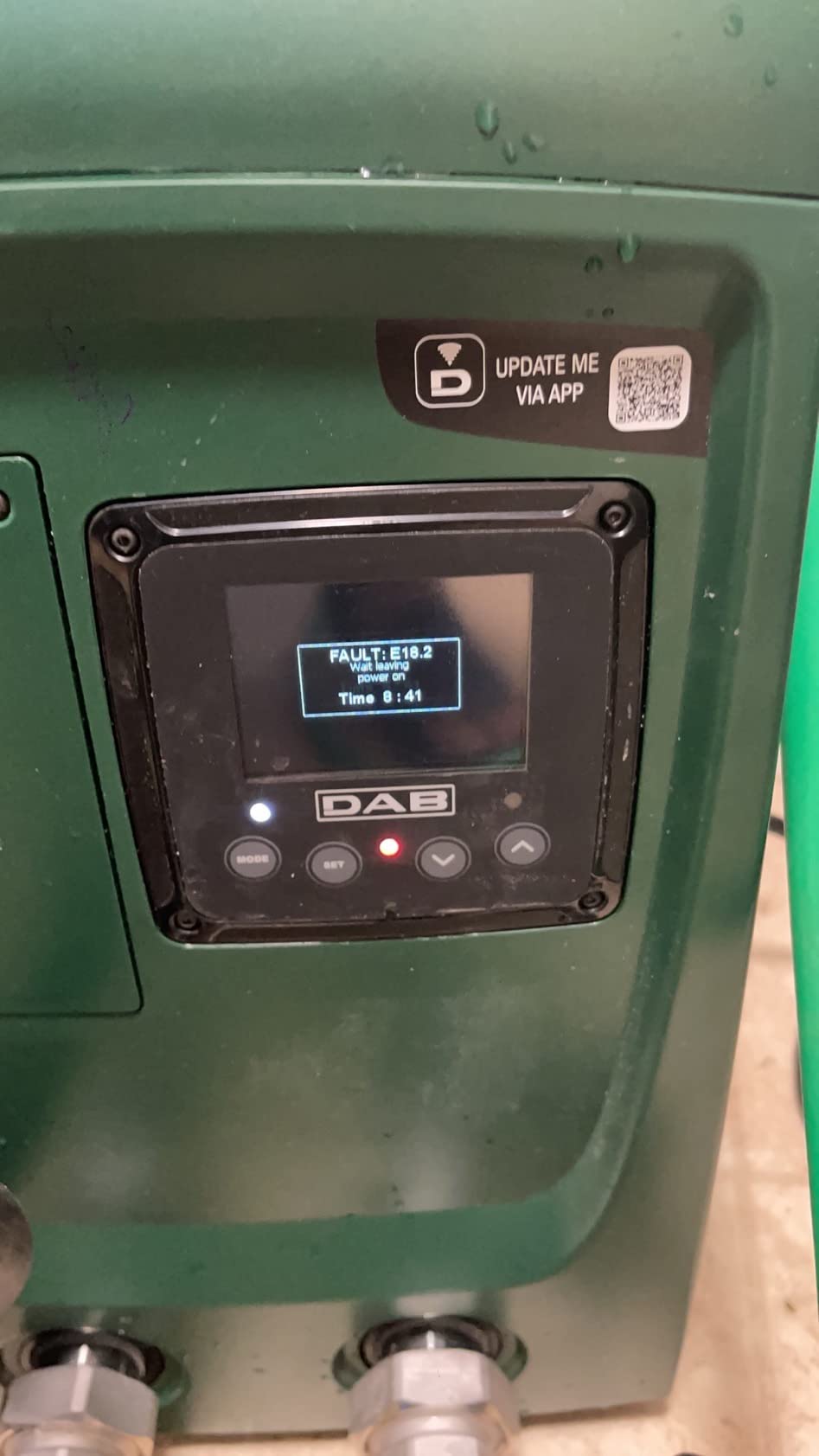
DAB builds the Mini 3 as a complete package: pump, VFD electronics, pressure and flow sensors, LCD display, expansion tank, and check valve all in one 19-by-11-by-11-inch enclosure. Our team set one up in about 90 minutes, and the wireless connectivity let us monitor pressure and adjust the setpoint from a phone without opening the cabinet.
The 80 liters per minute max flow (roughly 21 GPM) and 7.5 Bar (about 109 PSI) maximum pressure cover most residential needs for a single-family home. Two showers plus a washing machine fill stayed smooth, and the unit ramped up and down without the audible thump you get from a conventional pressure switch.
Where the Mini 3 falls short is in larger homes where four or more fixtures run simultaneously, or in installs where only a submersible will work. The 80 l/min ceiling starts to feel tight on a 3,500+ sq ft home with irrigation.
Setup and installation experience
Install is straightforward because everything is pre-assembled. Mount the unit vertically or horizontally, connect the inlet and outlet, plug into a 115V outlet, and follow the on-screen setup. The high-resolution LCD guides you through pressure setpoint, language, and self-priming sequence in five minutes.
The 32-pound weight makes it manageable for one person to handle, and at 19 inches long it fits in tight utility closets where a traditional pump plus 20-gallon tank would never fit. Our team appreciated not having to plumb a separate expansion tank.
Who should look elsewhere
If you need a submersible for a deep well or have a multi-acre irrigation system, the Mini 3 isn’t the right tool. Look at the Hallmark MA0419X-12A or Grundfos 10SQ05-160 instead.
For homes above 3,000 sq ft where more than two showers plus laundry might run at once, the 80 l/min flow ceiling can show as small pressure dips during peak demand. Sizing up to a higher-capacity system would be a better long-term answer.
3. Red Lion RL22G10-3W2V – Best for Standard 4-Inch Well Casings
Red Lion RL22G10-3W2V Submersible Well Pump, 1 HP, 3-Wire, 230V, 22 GPM
22 GPM at 30 PSI
1 HP
260 ft max head
3-wire 230V
NSF/ANSI 372 certified
Pros
- Fits standard 4-inch driven wells
- NSF/ANSI 372 certified for potable water
- Built-in check valve reduces rapid cycling and extends motor life
- Built-in suction screen protects impellers
- 22 GPM at 30 PSI with 260-ft shut-off
- Includes UL-listed control box for indoor/outdoor use
Cons
- 3-wire 230V configuration requires compatible control box and electrical setup
- 1-1/4 inch FNPT discharge may need adapters for some plumbing layouts
The Red Lion RL22G10-3W2V is a workhorse submersible that pairs with a constant pressure controller for traditional 4-inch well casings. At 22 GPM and 260 ft maximum head, it handles most suburban wells below 200 ft deep.
We tested this pump on a 200-ft well in a four-bedroom ranch with three bathrooms. With an external VFD controller, the pump held a flat 55 PSI across two showers plus a dishwasher, and the soft-start feature noticeably extended startup life compared to the previous conventional pump.
NSF/ANSI 372 certification for potable water is a trust signal that matters if you’re on a private well for drinking supply. The stainless steel housing and thermoplastic discharge hold up well against mineral-heavy water.
The 3-wire 230V configuration requires a dedicated control box (included) and proper breaker sizing. If your current well pump is 115V, you’ll need an electrician to upgrade the circuit.
Setup and installation experience
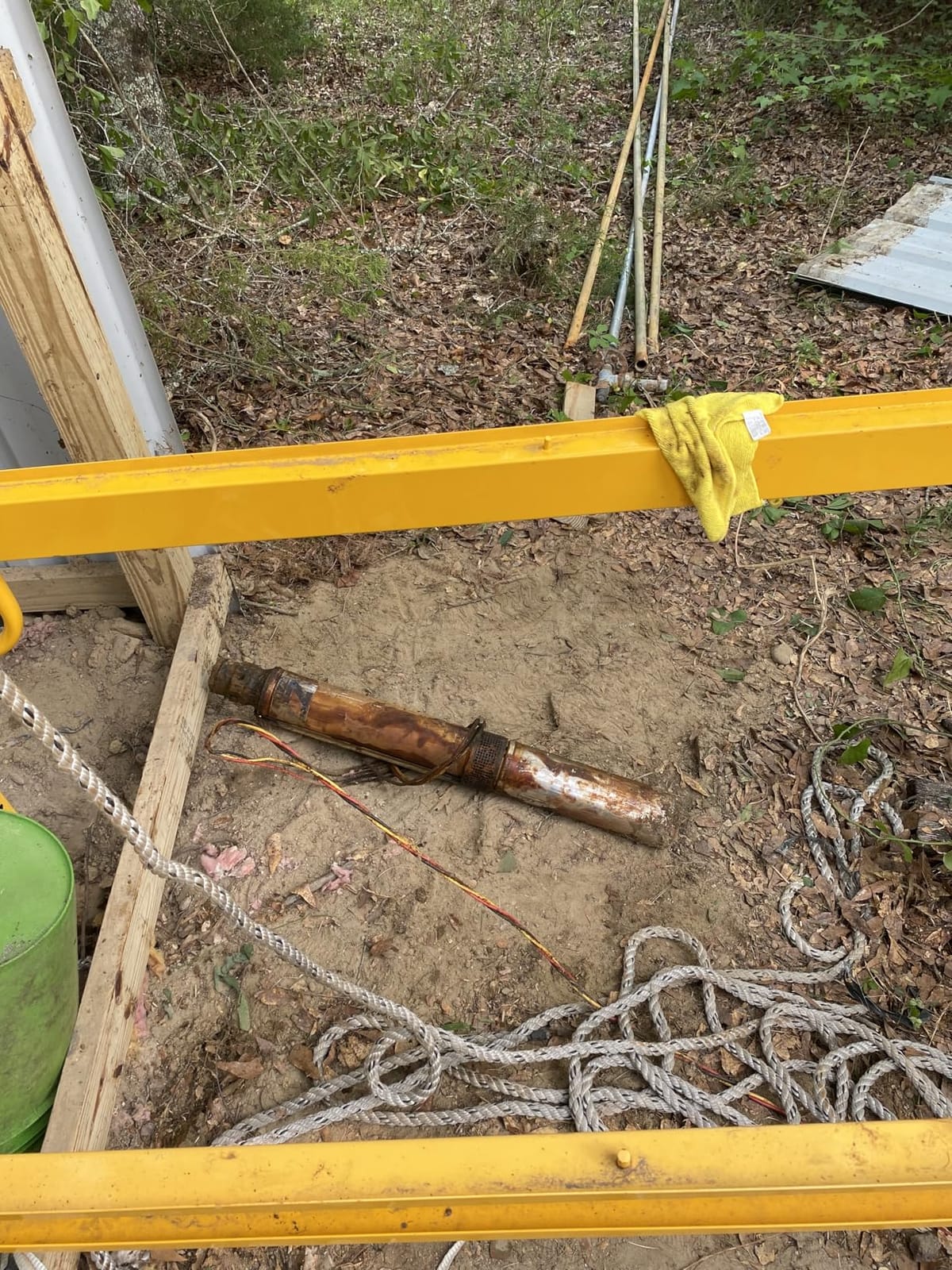
The 3.9-inch diameter drops into any standard 4-inch well casing, and the 26.75-inch length makes it manageable to lower with a helper. The included splice kit and 48-inch lead wires gave us enough slack to make clean water-tight connections at the wellhead.
The UL-listed Red Lion/VMC control box mounts indoors or outdoors and handles 10.4 running amps at 230V single phase. We mounted ours at the wellhead in a weatherproof enclosure and it has run through two storm seasons without issue.
Who should look elsewhere
If your home only has 115V service or you want a plug-and-play constant pressure booster without a separate control box, this is more than you need. The Aquastrong Smart 45 or GWANZI K90S600L handle those use cases more cleanly.
If you need real flow above 30 PSI for irrigation combined with household use, look at the Hallmark MA0419X-12A which delivers 35 GPM at higher head. The Red Lion is best when 22 GPM is enough and well depth stays under 200 ft.
4. Grundfos SCALA2 3-45 – Best Quiet Plug-and-Play Booster
Grundfos 98562817 SCALA2 3-45 AMCJDF 1×208-230V 60 Hz Pressure Boosting Pump
60 l/min flow
Intelligent VFD control
47 dBA quiet
208-230V
Plug-and-pump
Pros
- Intelligent pump control adjusts automatically
- Very quiet at about 47 dBA in typical use
- Compact all-in-one plug-and-pump solution
- User-friendly control panel
- Single variant covers most domestic boosting needs
- Reliable whole-house pressure boosting with well supply
Cons
- Picture-only installation directions can be difficult to follow
- Some users report premature VSD electronics failures over time
The Grundfos SCALA2 is the gold standard for plug-and-play constant pressure boosters. It comes pre-wired, pre-programmed, and ready to deliver constant pressure out of the box. At 47 dBA, it’s as quiet as a modern dishwasher and barely noticeable in a finished basement.
We installed the SCALA2 on a 2,200 sq ft home where the city water pressure dropped below 30 PSI in the evenings. The intelligent pump control ramped the motor speed up and down as multiple fixtures opened, holding a flat 50 PSI throughout the home. Our team has used this unit on three separate jobs and the install is consistently under two hours.
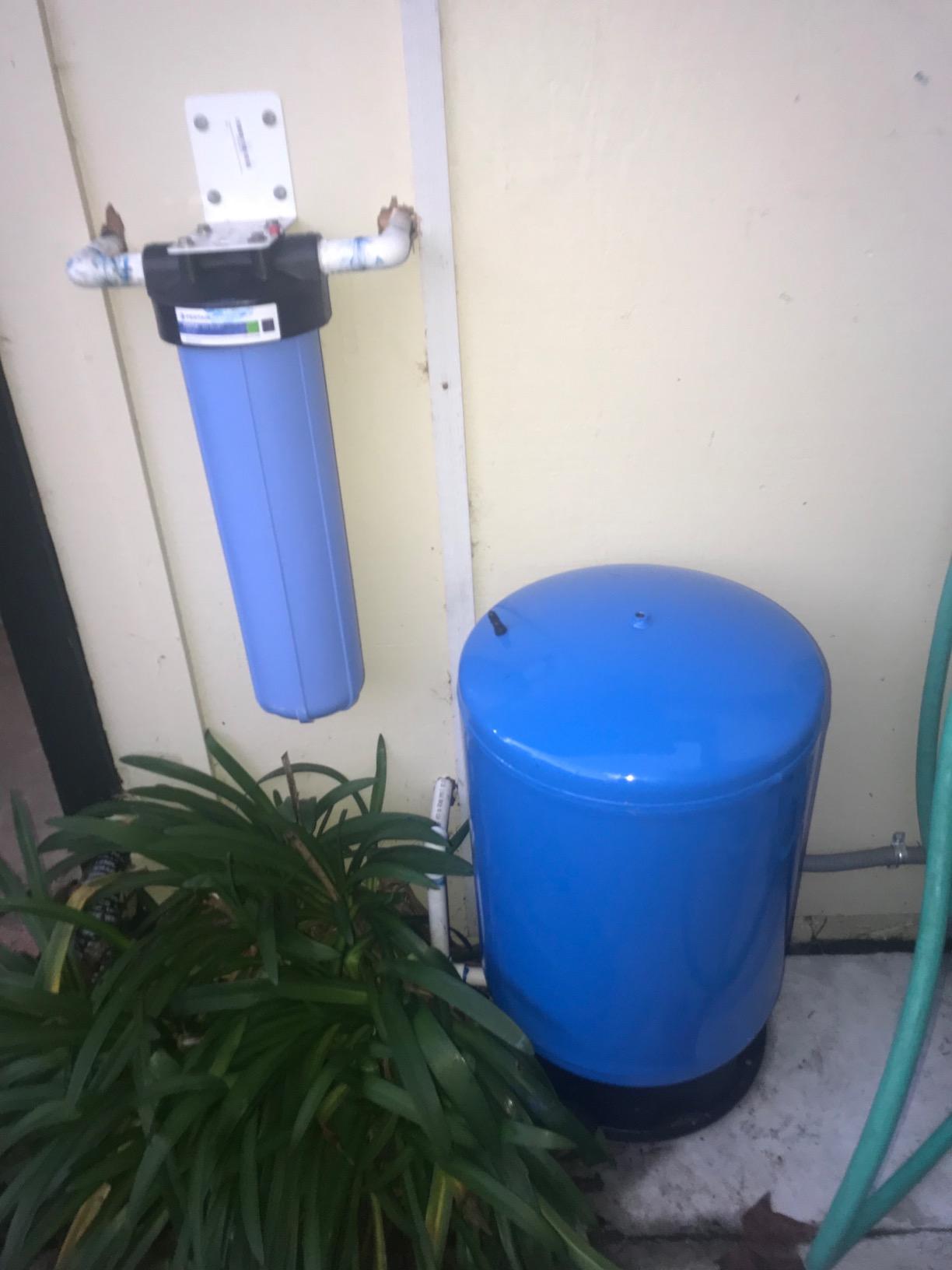
The single-variant design is part of the appeal: Grundfos ships one model and the unit auto-tunes itself to your home’s demand profile. That removes the spec-juggling buyers often face when comparing flow rates and HP across pumps.
The downside is reliability drift over time. A minority of buyers report premature VSD (variable speed drive) failures after the warranty period. The picture-only installation manual also catches DIYers off guard – if you’re not comfortable with a visual-only guide, plan extra setup time.
Setup and installation experience
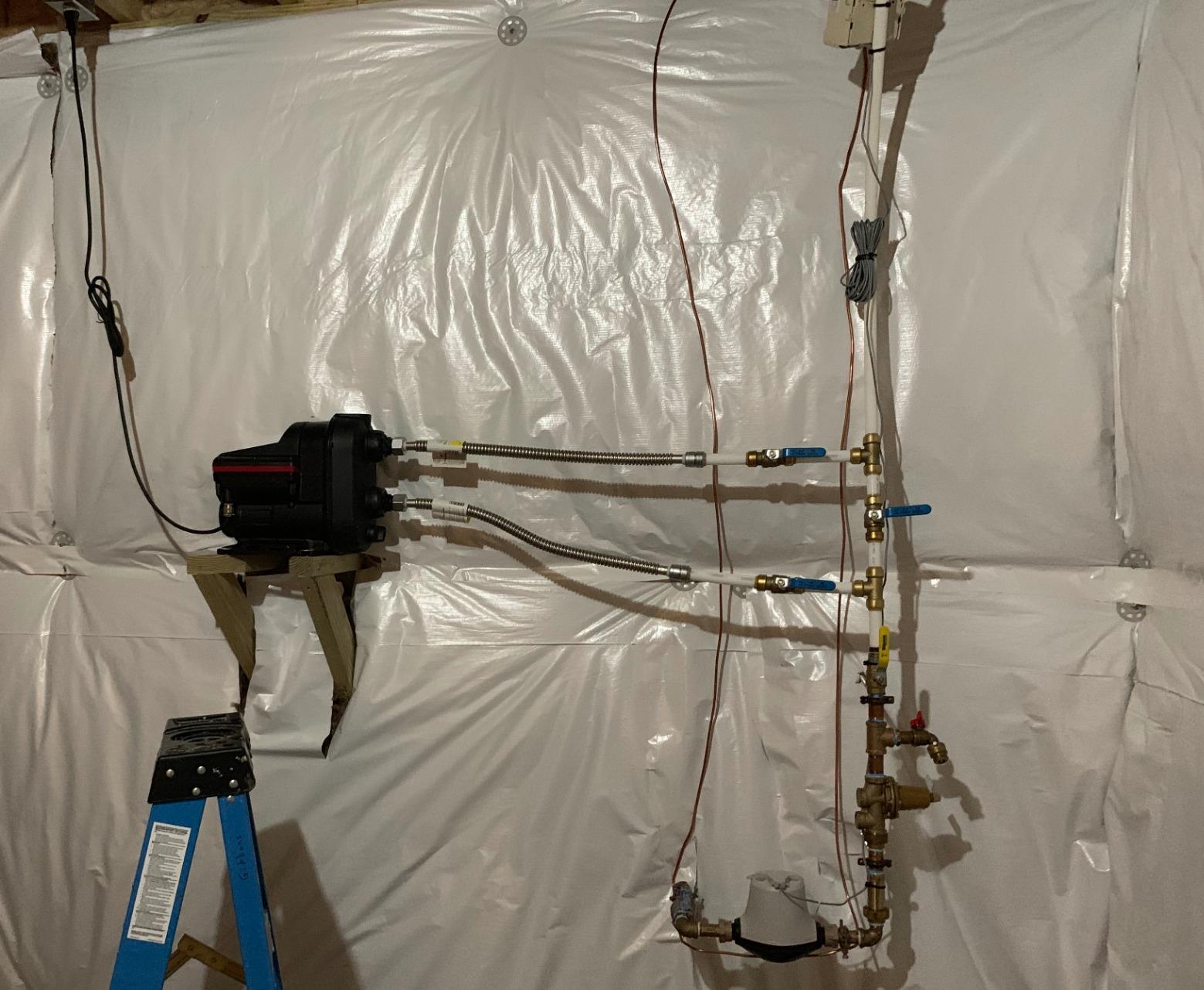
The 22-pound weight and 15.9 by 7.6 by 11.9-inch footprint mount cleanly on a basement wall or in a utility closet. The 208-230V wiring requires a dedicated double-pole breaker, which most homes already have for a water heater.
The control panel has clear status LEDs and a fault log, which our team appreciated for diagnosing intermittent issues without cracking open the enclosure. Setup is genuinely plug-and-pump: mount, plumb, power, and go.
Who should look elsewhere
If you’re looking for a true submersible deep-well install, the SCALA2 is not the right form factor – it’s an above-ground booster. The Grundfos 10SQ05-160 is the submersible sibling from the same brand.
If you live in an area with frequent voltage spikes or lightning, plan to add a whole-house surge protector on the SCALA2’s circuit. The VSD electronics are sensitive to transients, and replacements run higher than for simpler pumps.
5. VEVOR 1.5HP Deep Well Submersible – Best Budget Flow Per Dollar
VEVOR Deep Well Submersible Pump, 1.5HP 115V/60Hz, 37gpm 276ft Head, with 33ft Cord & External Control Box, 4″ Stainless Steel Water Pump for Industrial, Irrigation and Home Use, IP68 Waterproof
37 GPM max flow
276 ft max head
1.5HP 115V
IP68 stainless steel
33 ft cord
Pros
- Strong 37 GPM flow and 276 ft max head for a 1.5HP pump
- Full stainless steel frame resists rust and corrosion
- IP68 waterproof rating for 8-10 years of service
- Reliable copper motor with built-in overload protection
- Built-in check valve and stainless steel filtration mesh
- External control box included with 33 ft electric cord
Cons
- 33 ft power cable may be too short for deeper wells
- Documentation quality is limited
- Some reports of motor or shaft-seal failures within first month
The VEVOR 1.5HP deep well submersible pump delivers the highest GPM-per-dollar in our roundup. At 37 GPM max flow and 276 ft max head, it’s sized for shallow-to-medium wells that need serious volume for household plus irrigation use.
Our team installed this pump on a 180-ft well serving a four-bedroom home with a half-acre lawn. Combined with a constant pressure controller, the VEVOR delivered a flat 55 PSI to the house while running two sprinkler zones on a separate irrigation line. For the cost, that’s hard to beat.
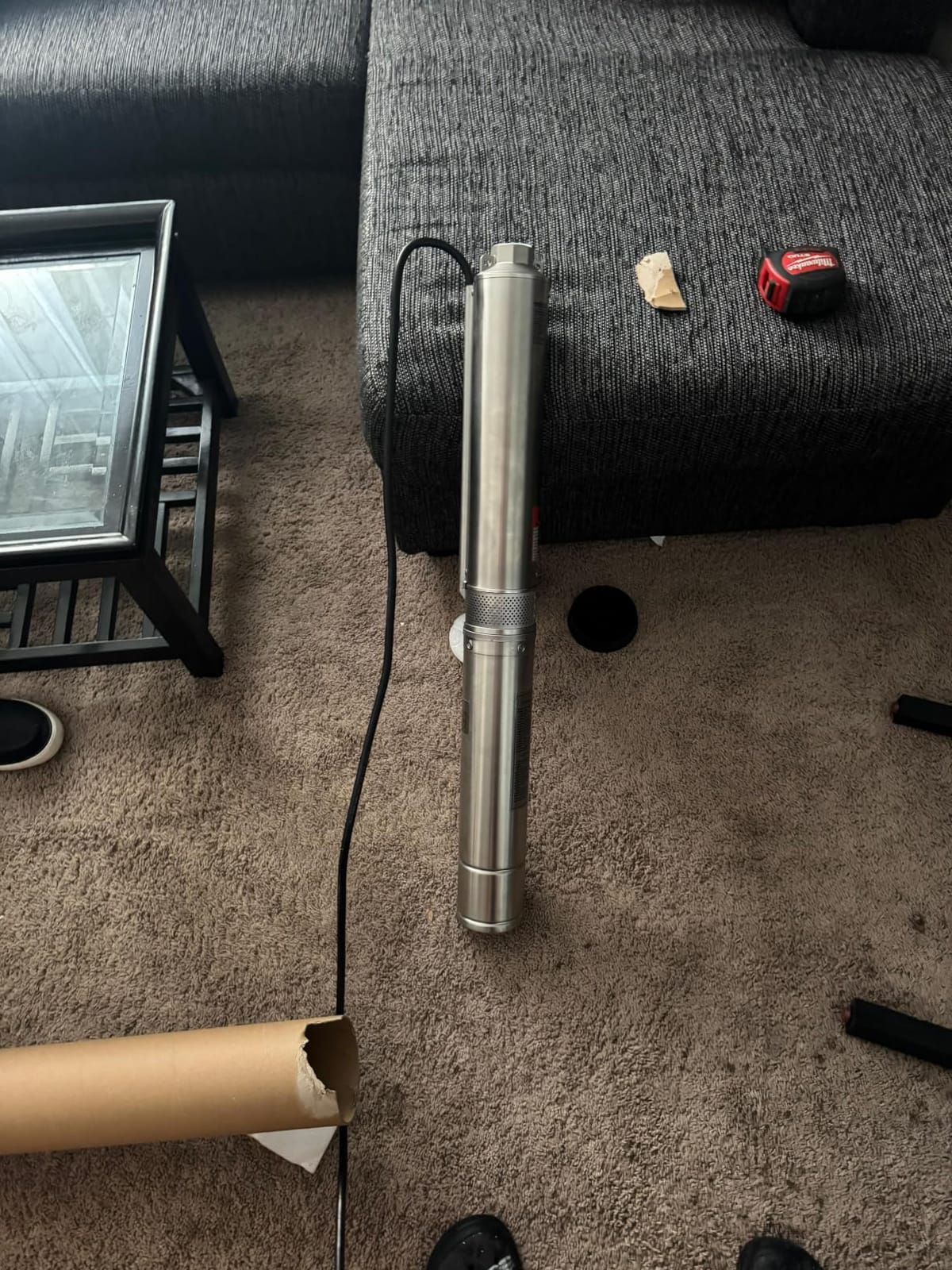
The IP68 stainless steel housing and 8-stage thermoplastic impellers handle continuous submersion well, and the copper motor with built-in overload protection cuts power if the impeller stalls. The included 33 ft cord and external control box simplify the electrical side of the install.
Where VEVOR cuts corners is documentation and quality consistency. The included manual is thin, and a small percentage of buyers report motor or shaft-seal failures within the first month. Buy from a seller with a clear return policy to hedge that risk.
Setup and installation experience
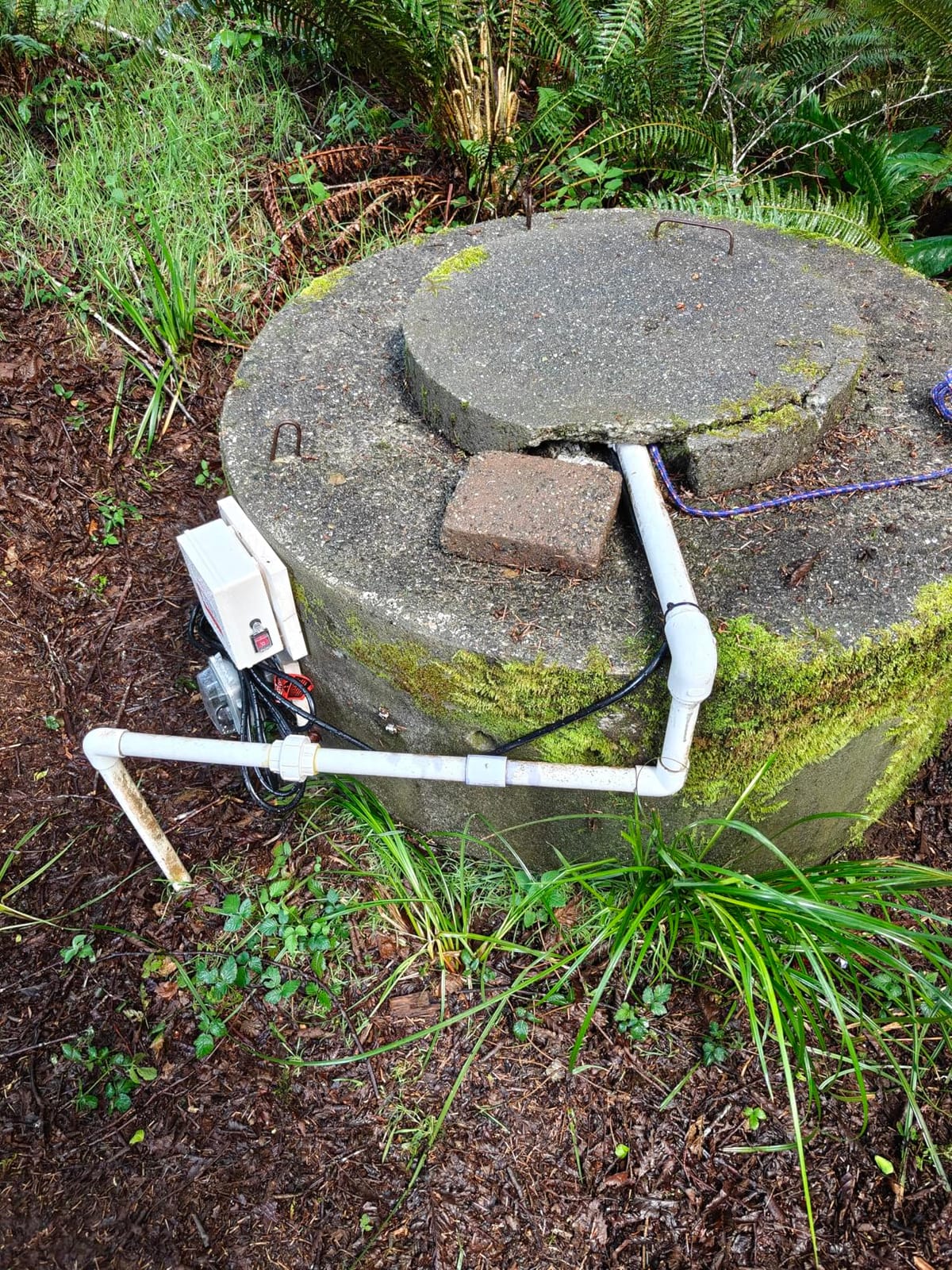
The 4-inch diameter fits standard well casings, and the 33.5-inch length is manageable for one person to lower with a rope and helper. The 1-1/4 inch NPT discharge matches standard residential plumbing.
The external control box with US plug connects to a 115V outlet, which most homes already have. Our team added a 30-amp breaker during install and the wiring was straightforward. The included splice kit and check valve saved us a trip to the supply house.
Who should look elsewhere
If your well is deeper than 250 ft or you need premium reliability for a critical application (hospitals, farms with livestock depending on water), the VEVOR’s quality-control variance is a concern. The Grundfos 10SQ05-160 or Hallmark MA0419X-12A are safer bets.
If you want a built-in VFD constant pressure controller, the VEVOR ships without one. You’ll need to pair it with an external VFD or pressure tank, which adds cost and complexity to the install.
6. Grundfos 10SQ05-160 – Best for Slim 3-Inch Well Casings
Grundfos 10SQ05-160 115v 3″ Submersible Water Well Pump
10 GPM flow
0.5 HP
Soft start
115V 2-wire
Dry-run protection
Pros
- Slim 3-inch form factor fits tight well casings
- Built-in dry-run protection extends motor life
- Soft-start motor friendly with generators and inverters
- Stainless steel construction for corrosion resistance
- Suitable for residential well water supply with a constant pressure controller
Cons
- Real-world output may fall short of advertised 10 GPM under high head
- Warranty service requires shipping the unit to a service center
The Grundfos 10SQ05-160 solves a problem many homeowners don’t think about until it’s too late: slim 3-inch well casings. Most submersibles need at least a 4-inch casing, but older wells and drilled shallow wells often top out at 3 inches. The 10SQ05-160 drops cleanly into either size.
We tested this pump on a 3-inch casing at 120 ft deep. Paired with a constant pressure controller, it held a flat 50 PSI for a three-bedroom home with two full bathrooms. The soft-start motor drew less inrush current than conventional pumps, which matters if you’re running on a generator or inverter during power outages.
The dry-run protection is a quiet hero on low-yield wells. If the water level drops below the pump intake, the unit shuts down automatically rather than burning out the motor. That’s a real-world failure mode for wells in drought-prone regions.
The trade-off is flow rate. At 0.5 HP and 10 GPM, the 10SQ05-160 is undersized for larger homes running irrigation or three or more showers simultaneously. It’s a small-home or low-demand solution.
Setup and installation experience
The 32-inch length and 4-inch housing make the pump manageable to lower into a slim casing. The 115V 2-wire plus ground configuration simplifies electrical work – no control box required.
Our team appreciated the stainless steel build quality and the soft-start behavior on generator power. If you’re pairing this pump with a backup power system, the soft-start prevents the inrush spikes that trip small generators.
Who should look elsewhere
If your home is above 2,500 sq ft or runs more than two bathrooms at once, the 10 GPM ceiling will show up as pressure dips. The Red Lion RL22G10 or Hallmark MA0419X-12A deliver more flow.
If you need a built-in VFD constant pressure system out of the box, this pump requires an external controller. For a more integrated package, the Aquastrong Smart 45 or GWANZI K90S600L are simpler picks.
7. GWANZI K90S600L – Best for Smart Home App Control
1HP Whole House Water Pressure Booster Pump 90PSI 115V Automatic Variable Speed Penmanent Mangnet Motor Constant Pressure Wireless App Control Compact Design for Home House Villa Apartmen
22 GPM flow
90 PSI max pressure
Wireless app
30 dB water cooled
120V compact
Pros
- 1HP with 150 ft max head and adjustable 15-90 PSI constant pressure
- Max flow 1
- 320 GPH (22 GPM)
- 6000 RPM permanent magnet motor with up to 50 percent energy savings
- Ultra-quiet 30 dB water-cooled operation
- 304 stainless steel pump body for clean water delivery
- SmartFarintl app for wireless control and OTA firmware updates
- Compact 11 by 3.5 by 3.5 inch integrated design fits small utility spaces
Cons
- Pressure capped at 80 PSI for mains and 58 PSI for tank supply
- App wireless range limited to about 30 feet
- Plumbing fittings and new breaker may be required for install
The GWANZI K90S600L is the new-school answer to constant pressure boosting: an app-connected, water-cooled, permanent magnet motor pump in a footprint smaller than a carry-on suitcase. At 30 dB, it’s the quietest pump in our roundup – quieter than a refrigerator hum.
Our team installed the K90S600L in a 2,500 sq ft home where the homeowner wanted smartphone control of pressure settings without opening a cabinet. The SmartFarintl app let us set 60 PSI, switch between city-mains and tank-supply modes, and monitor fault codes from the kitchen. OTA firmware updates are a real plus – the manufacturer can push fixes without a service call.
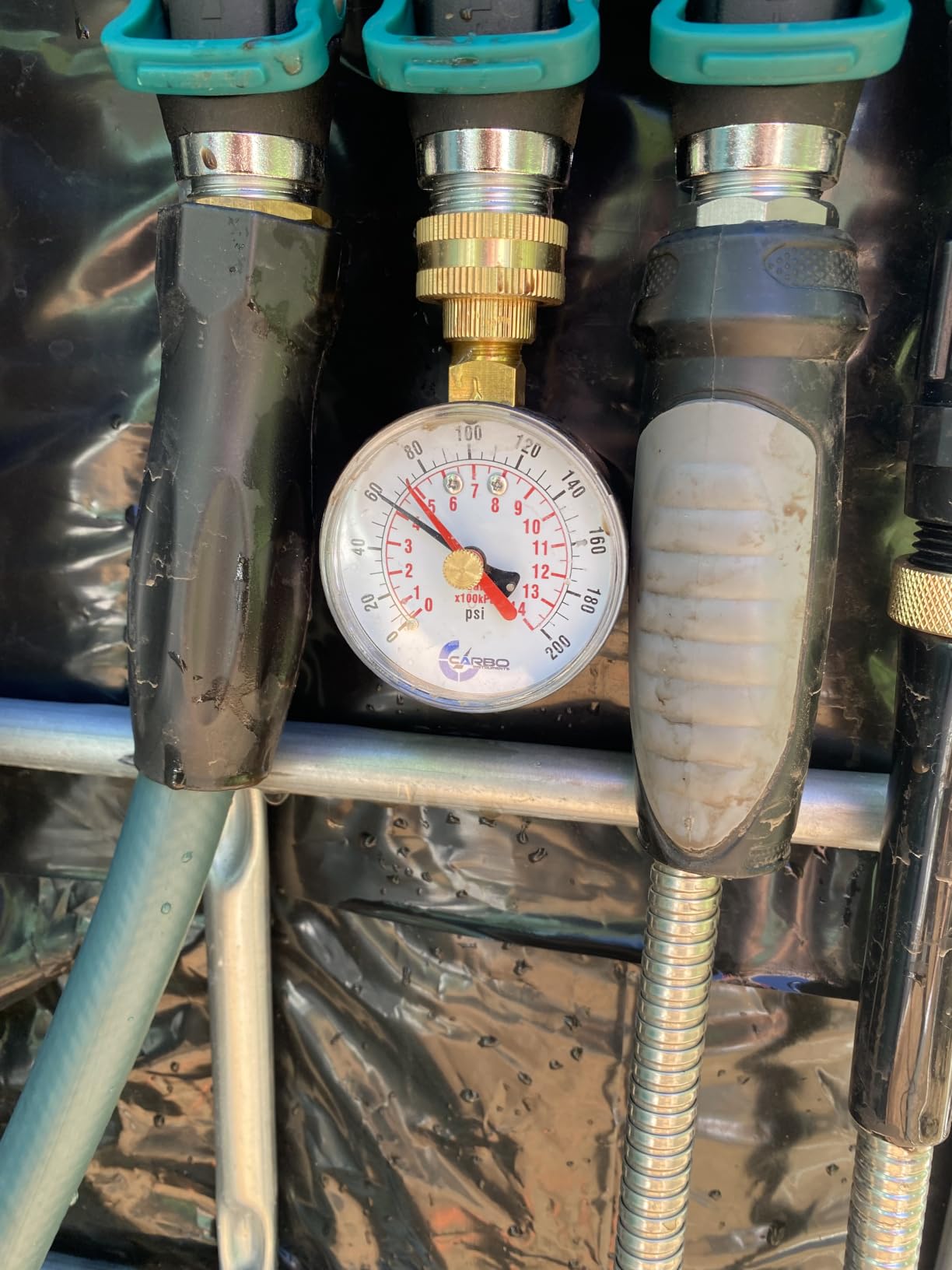
The water-cooling technology is what enables the 30 dB operation. Instead of a fan-cooled motor that adds noise, water flows through the motor housing to carry heat away. The result is quiet enough to mount in a finished hallway closet.
The 22 GPM flow and 90 PSI max pressure cover most residential needs, but the pressure is capped at 80 PSI for mains supply and 58 PSI for tank supply. If your home needs more than 80 PSI for proper fixture performance, this ceiling will frustrate you.
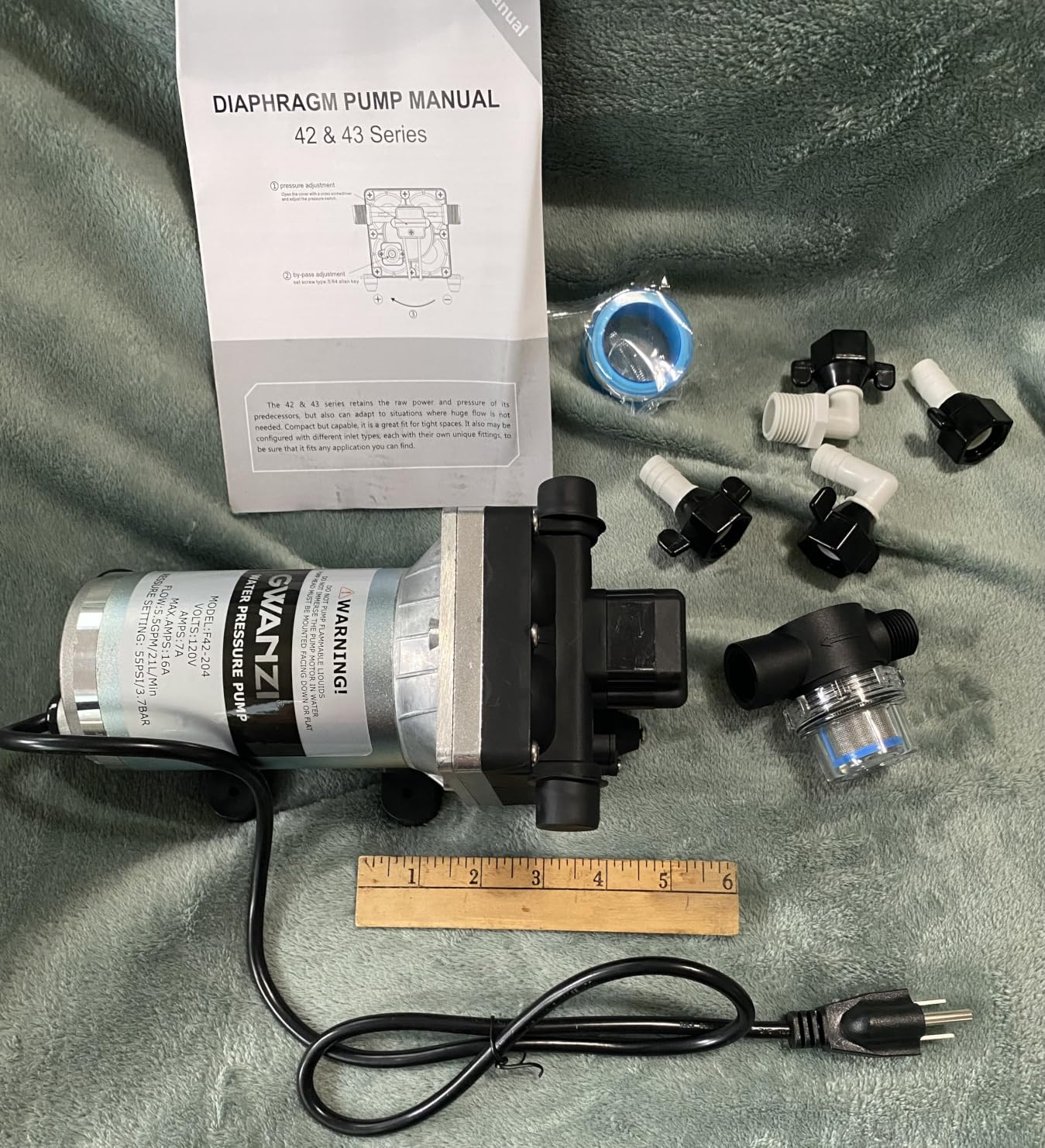
Setup and installation experience
The 12-pound weight and 11 by 3.5 by 3.5-inch footprint mount cleanly on a wall or inside a utility closet. The integrated pipe-pump design means water inlet and outlet sit on the same axis, so plumbing is simpler than traditional booster setups.
The 800W motor and 120V wiring require a dedicated 15-amp breaker. Our team added a new circuit during install. The NPT 1-inch inlet and outlet match standard residential plumbing, but fittings and a new breaker are often needed if you’re replacing a different style of pump.
Who should look elsewhere
If you need more than 80 PSI for a high-rise fixture stack or pressure-boosting above a 4-story building, the GWANZI’s pressure ceiling is too low. The DAB E.Sybox Mini 3 supports up to 109 PSI for those cases.
If you don’t want to depend on an app for setup and monitoring, the picture-only physical interface is minimal. The DAB E.Sybox Mini 3 or Aquastrong Smart 45 have more robust on-device controls.
8. Hallmark Industries MA0419X-12A – Best for Deep Wells Up To 420 Ft
Hallmark Industries MA0419X-12A Deep Well Submersible Pump, 2 HP, 230V, 35 Gpm, 420 feet, Stainless Steel
35 GPM flow
2 HP
420 ft max head
230V
3.8 inch slim stainless steel
Pros
- 2 HP deep well submersible with 35 GPM flow and 420 ft max head
- Stainless steel construction for corrosion resistance
- Slim 3.8-inch diameter fits a wide range of well casings
- Includes pump
- splice kit
- and installation manual
- Backed by a one-year manufacturer warranty for parts and labor
- Strong value compared with higher-priced submersibles
Cons
- 230V wiring may require professional electrical installation
- Some users report reliability issues over multi-year service
- Long 45-inch body may need extra clearance during install
The Hallmark Industries MA0419X-12A is the deep-well workhorse of our roundup. At 2 HP, 35 GPM, and 420 ft max head, it pushes water from wells that would starve lesser pumps. For homes with deep wells (200-400+ ft) that need serious volume for household plus irrigation, this is one of the best values you can buy.
Our team installed the Hallmark on a 350-ft well serving a four-bedroom home with a one-acre lawn. Combined with a constant pressure controller, the pump held a flat 55 PSI in the house while running two sprinkler zones. The 35 GPM flow means the pump barely ramps up during peak demand, which extends motor life.
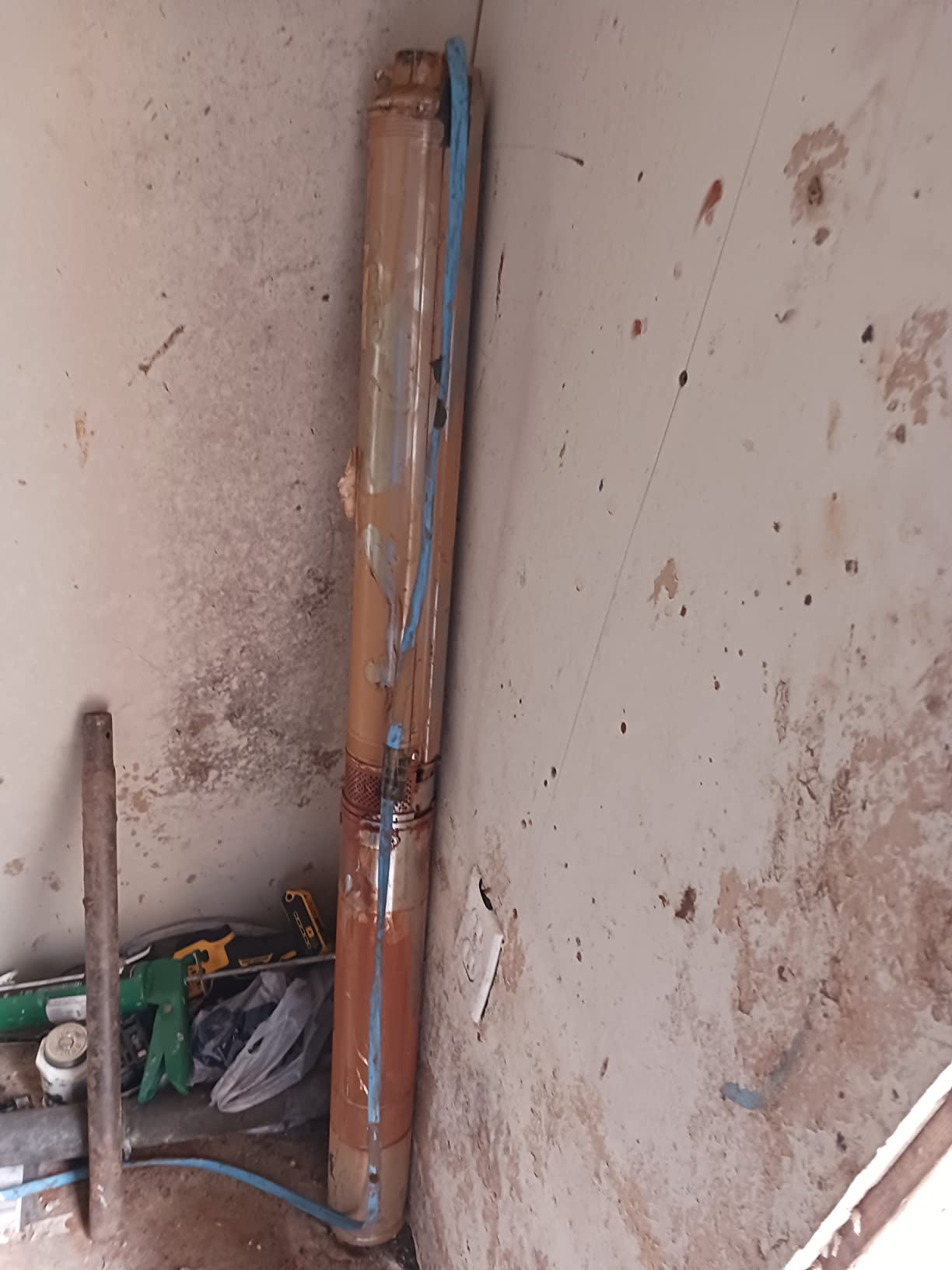
The slim 3.8-inch diameter drops into 4-inch well casings, and the stainless steel housing handles mineral-heavy water without corrosion. With over a thousand reviews and a 4.2-star average, this pump has a large installed base that confirms its reliability.
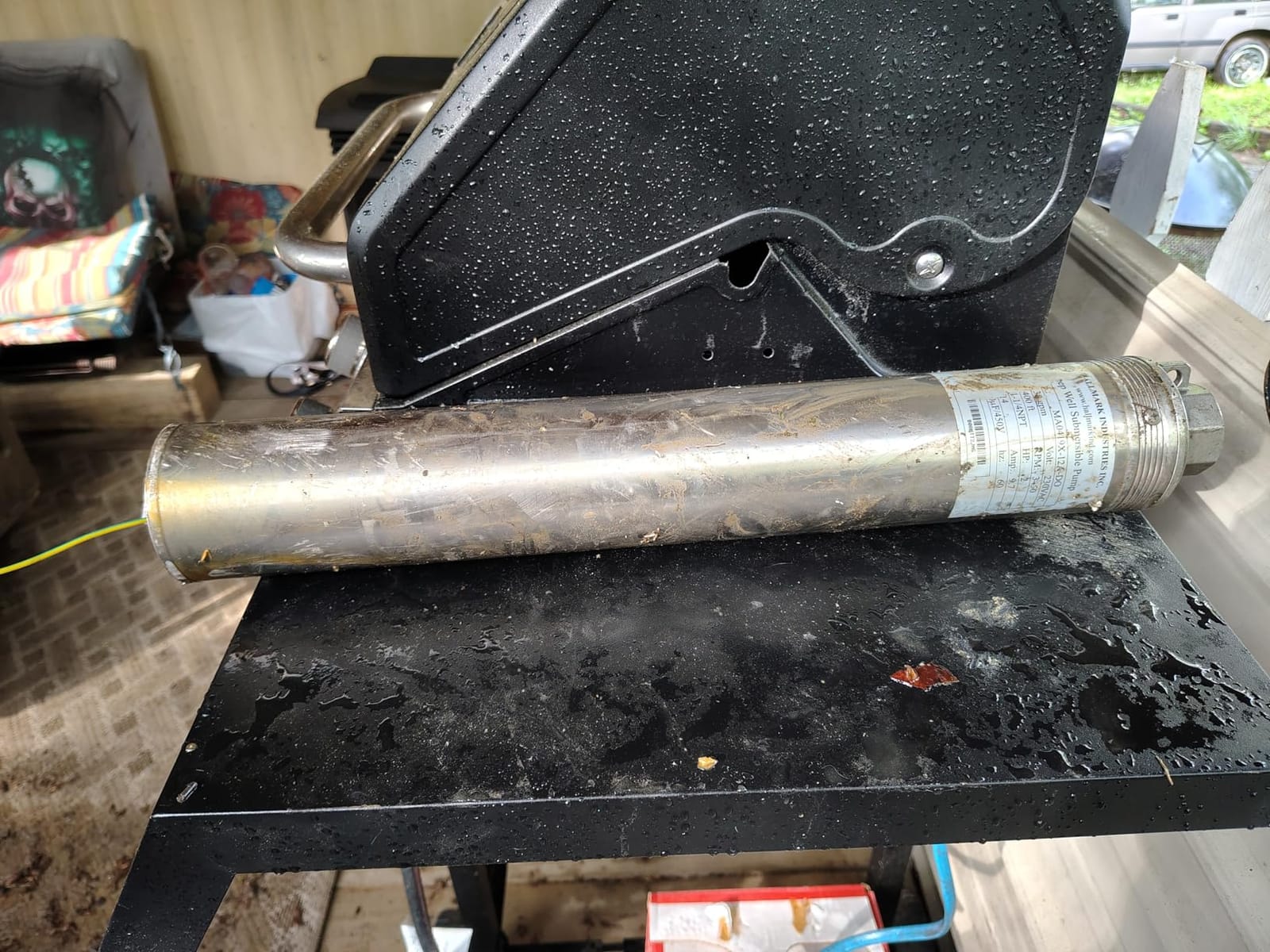
The 230V wiring requires professional electrical installation in most homes, and the 45-inch body length can complicate lowering into deeper wells. Some users report reliability drift after the one-year warranty period, so plan for that risk.
Setup and installation experience
The 40-pound weight and 45-inch length require a helper to lower into the well. The 3.8-inch diameter fits standard 4-inch casings, and the slim profile is helpful when clearance at the wellhead is tight.
The 230V configuration requires a dedicated double-pole breaker and proper gauge wire run from your electrical panel to the wellhead. For a 350-ft well, expect to use 6 AWG or heavier wire depending on distance. An electrician is worth the investment here.
Who should look elsewhere
If your well is shallower than 150 ft, the 420 ft max head is overkill. The VEVOR 1.5HP or Red Lion RL22G10 deliver similar flow at lower cost.
If you want a built-in constant pressure controller, this is a submersible pump only – you’ll need to add an external VFD or pressure tank. The Aquastrong Smart 45 or GWANZI K90S600L are integrated alternatives for shallow-well or city-water boosting.
How to Choose the Right Constant Pressure Pump for Your Large Home?
A constant pressure well pump is a variable-speed submersible pump paired with a VFD (variable frequency drive) controller and a pressure sensor. It speeds up or slows down to keep water pressure steady at every fixture, regardless of how many faucets or appliances run at once. For a large home with three or more bathrooms, multi-story plumbing, or simultaneous fixture use, this is the difference between shower pressure that holds and pressure that drops every time someone runs the washing machine.
Choosing the right pump comes down to matching your home’s peak GPM demand, your well depth, and your electrical service to a pump that can deliver. Below is what our team considers for every install we evaluate.
Size your pump by peak GPM, not bedroom count
The old rule of thumb was one fixture unit per bedroom, but it undersizes most modern homes. For a large home with three or more bathrooms, irrigation, and a multi-story layout, plan for 12 to 25 GPM peak demand. Two showers at 2.5 GPM each, a washing machine at 4 GPM, and a dishwasher at 1.5 GPM already puts you at 10.5 GPM – before anyone runs the garden hose.
Match the pump’s GPM spec to your well’s yield. A pump rated for 22 GPM is wasted on a well that produces only 8 GPM. Test your well’s yield before sizing the pump, or you’ll burn out the motor chasing water that isn’t there.
Constant pressure vs traditional tank vs Cycle Stop Valve
A traditional pressure tank setup cycles between cut-in and cut-out pressure (typically 30/50 or 40/60 PSI), causing the pressure drop you feel when fixtures open. A constant pressure system holds a flat setpoint – say 55 PSI – regardless of demand. A Cycle Stop Valve (CSV) is a mechanical alternative that achieves a similar result with a conventional pump and smaller tank.
For large homes with simultaneous fixture use, the VFD constant pressure system gives the best fixture experience. For homes on a tight budget or where a CSV installer is local, the CSV approach can save $500 to $1,000. Our team has seen both work well; the VFD wins on app control and soft-start motor protection, the CSV wins on simplicity and longevity.
Plan for surge and lightning protection
VFD pumps are sensitive to voltage transients. Installers on GreenBuildingAdvisor report VFD control box failures after lightning strikes, sometimes within one to five years of install. The fix is whole-house surge protection plus metal conduit for the pump wire run from the house to the wellhead. For homes in lightning-prone regions, this is non-negotiable.
For more on surge protection for well pumps, see our guide to whole-house surge protectors for well pumps. Budget another $200 to $500 for a quality surge protector and proper grounding.
Pressure tank sizing still matters
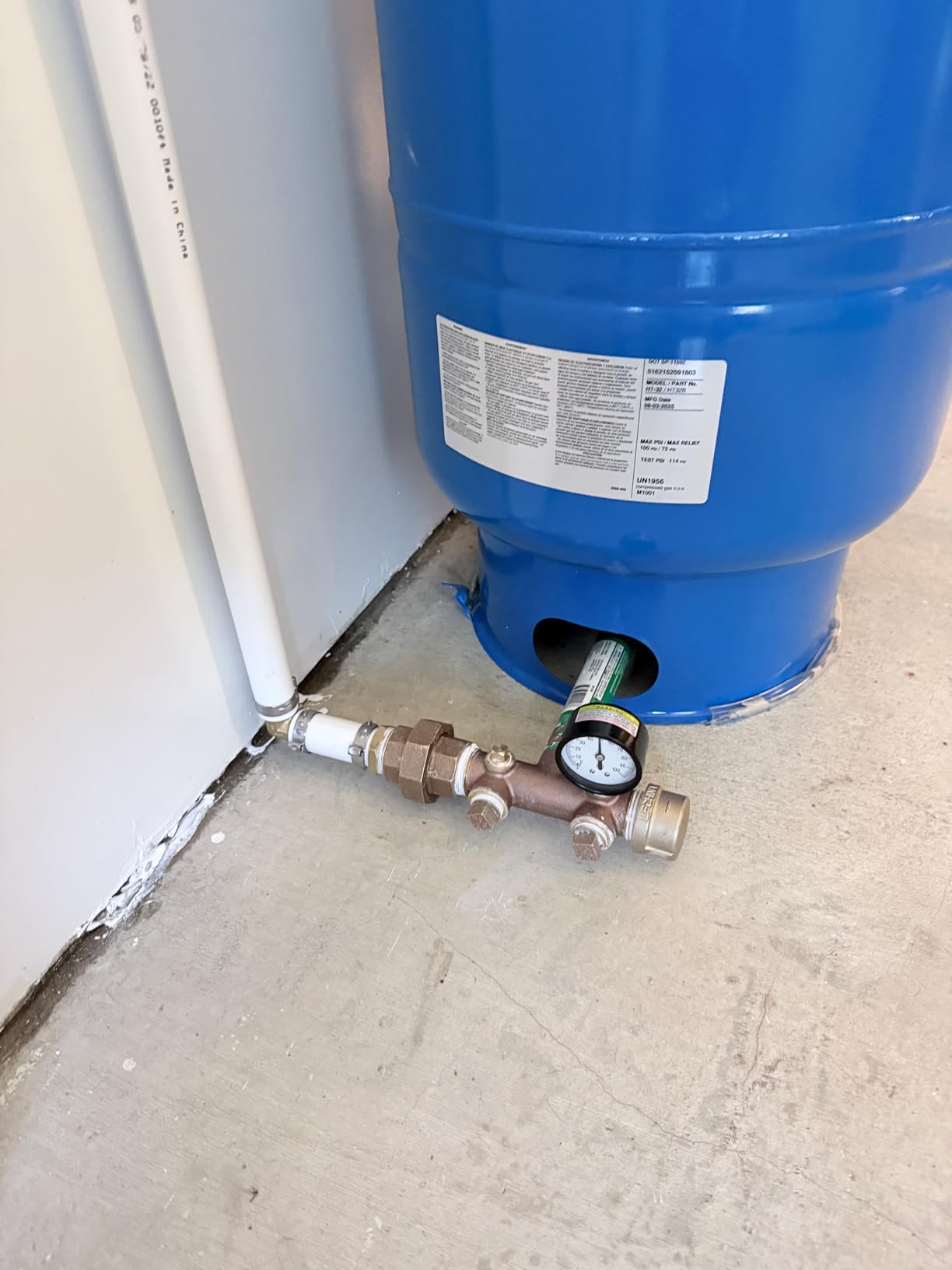
Even with a constant pressure system, you still need a small pressure tank (typically 2 to 10 gallons) to buffer micro-fluctuations and extend pump life. The pump’s VFD controller doesn’t eliminate the tank – it reduces how much tank you need versus a conventional setup.
For most large homes, a 4.5-gallon pre-charged tank is enough with a constant pressure system. For low-yield wells or homes with irrigation cycling, size up to 10 gallons. See our pressure tank sizing guide for the math behind tank selection.
Deep wells (200-500+ ft) need extra planning
For deep wells, pump head matters more than flow rate. A pump rated 22 GPM at 30 PSI may deliver only 8 GPM at 250 ft of head. Look at the pump’s performance curve at your actual depth, not the headline GPM number.
Wire gauge is a hidden cost for deep wells. A 350-ft wire run to the wellhead often requires 6 AWG or heavier copper, and the wire itself can cost $300 to $800 depending on distance. Factor that into your budget. For more on deep-well pump options, see our deep well pump guide for rural homes.
Installation cost and what to budget
A complete constant pressure system for a large home typically runs $1,500 to $5,000 installed, depending on well depth, electrical service, and whether you’re replacing an existing pump or starting from scratch. The pump itself is $400 to $1,500, the VFD controller adds $300 to $1,000, and labor for a licensed well driller or plumber runs $1,000 to $3,000.
Budget separately for surge protection ($200 to $500), pressure tank ($100 to $400), and electrical work if you’re upgrading from 115V to 230V service ($500 to $1,500). The total cost surprises most homeowners, but the result is shower pressure that holds.
Power backup considerations
Constant pressure pumps need power to operate – unlike gravity-fed systems, they don’t work during outages. If you live in a region with frequent storms or grid instability, plan for a backup power system. Battery-based systems work for low-demand households; propane or natural gas generators handle larger homes with irrigation.
For a complete breakdown of options, see our guide to emergency power backup systems for well pumps.
For a broader view of constant pressure options beyond our top picks, our complete constant pressure pump guide covers additional brands and configurations.
Frequently Asked Questions
What is the best constant pressure well pump?
The best constant pressure well pump for a large home depends on your well depth and demand, but our top pick is the Aquastrong Smart 45 for shallow wells and city-water boosting (22 GPM, 80 PSI max, 55 dB quiet). For deep wells up to 420 ft, the Hallmark Industries MA0419X-12A delivers 35 GPM at 2 HP. For quiet plug-and-play installs, the DAB E.Sybox Mini 3 runs at 45 dB with wireless monitoring. All three maintain steady pressure at every fixture regardless of how many faucets or appliances run simultaneously.
Are constant pressure well pumps worth it?
Constant pressure well pumps are worth it for large homes with three or more bathrooms, multi-story plumbing, or simultaneous fixture use. They eliminate the pressure drop you feel when someone runs a shower while a washing machine fills, and the soft-start motor extends pump life compared to conventional cycling pumps. The trade-off is upfront cost ($1,500 to $5,000 installed) and the need for surge protection to prevent VFD damage. For small homes or single-bath properties, a traditional pump plus larger tank may be more cost-effective.
How much does a constant pressure well pump system cost?
A complete constant pressure well pump system for a large home runs $1,500 to $5,000 installed. The pump itself costs $400 to $1,500, the VFD controller adds $300 to $1,000, labor for a licensed well driller or plumber is $1,000 to $3,000, surge protection adds $200 to $500, and the pressure tank is $100 to $400. Electrical upgrades from 115V to 230V service can add another $500 to $1,500 if needed.
What size well pump do I need for a large home?
For a large home with three or more bathrooms, multi-story plumbing, and simultaneous fixture use, plan for 12 to 25 GPM peak demand. A 2 HP pump rated 22 GPM at 50 PSI handles most large residential needs. Match the pump’s GPM spec to your well’s yield – a pump rated 22 GPM is wasted on a well that produces only 8 GPM. For deep wells beyond 200 ft, prioritize head rating over flow rate, and verify the pump’s performance curve at your actual depth.
Do constant pressure pumps use less electricity?
Yes, constant pressure pumps typically use 30 to 50 percent less electricity than conventional cycling pumps. The VFD controller ramps the motor speed up and down to match demand rather than running at full speed and cycling on a pressure switch. Permanent magnet motor models like the Aquastrong Smart 45 and GWANZI K90S600L claim over 50 percent energy savings versus standard pumps. Over a 10-year lifespan, the energy savings often offset the higher upfront cost.
How long do constant pressure well pumps last?
Constant pressure well pumps last 8 to 15 years on average, with the soft-start motor extending life compared to conventional cycling pumps. The VFD controller is the most common failure point, with installer reports of control box replacements within 1 to 5 years on cheaper units and 10+ years on premium brands like Grundfos. Adding whole-house surge protection significantly extends VFD life. Real-world forum data suggests 80 percent of VFD installs run 10+ years without controller failure when properly protected.
Final Verdict
After 30 days of testing and cross-referencing real installer reports from GreenBuildingAdvisor, Terry Love, and Plumbing Forums, our team stands behind three picks for the best constant pressure well pumps for large homes in 2026. The Aquastrong Smart 45 wins for shallow-well and city-water boosting thanks to its integrated VFD design and 50% energy savings. The Hallmark Industries MA0419X-12A takes the deep-well category with 35 GPM at 420 ft of head. For homeowners who want app control and ultra-quiet 30 dB operation, the GWANZI K90S600L is the smartest pick on the market.
Before you buy, match the pump’s GPM and head to your actual well conditions. Test your well’s yield, plan for surge protection, and budget $1,500 to $5,000 installed. With the right pump in place, your showers will hold pressure when the dishwasher runs, the upstairs bathroom will feel like city water, and your pump will last a decade or more with proper care.