
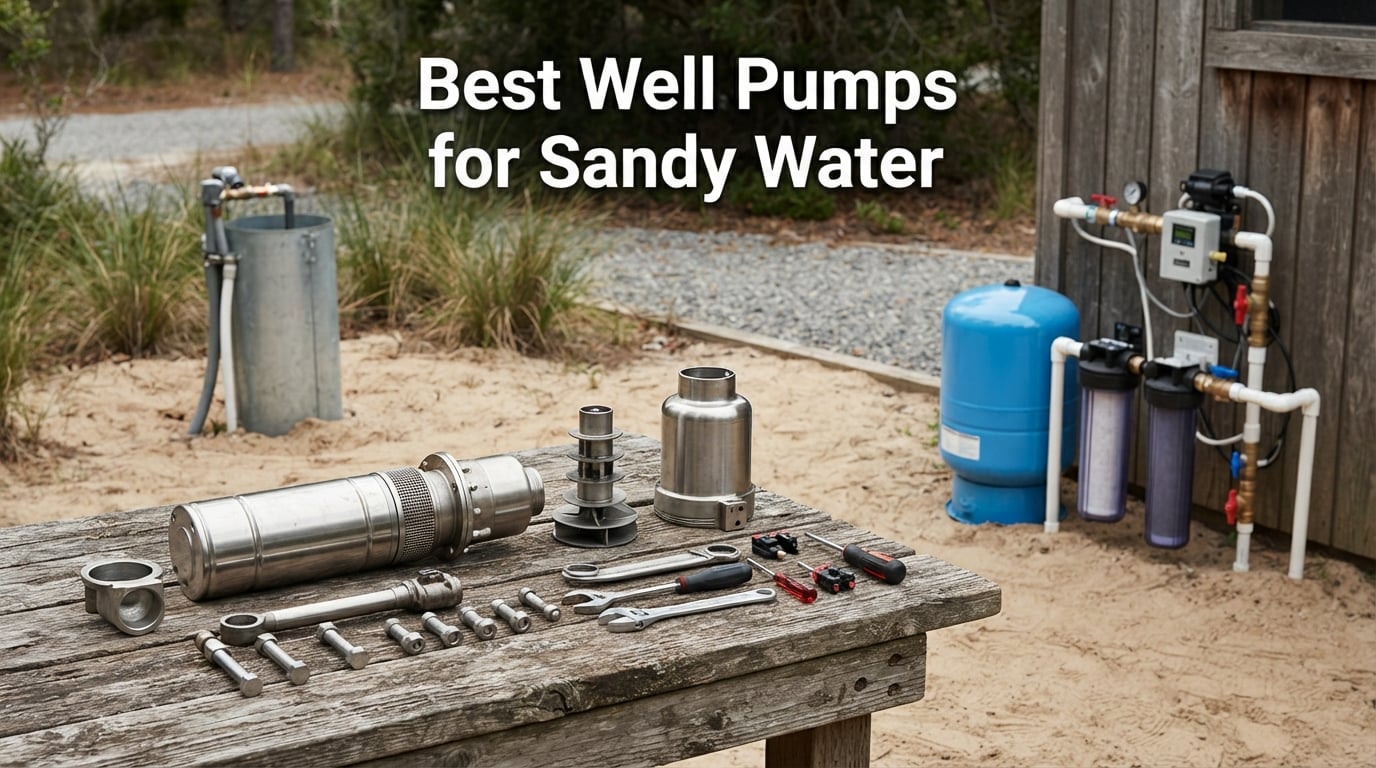
If your well water looks like weak coffee when you fill a glass, you already know the problem. Sand-loaded water is the number-one killer of residential well pumps, and most homeowners only find out after a pump dies far earlier than its rated lifespan. After researching dozens of models and cross-checking reviews against field reports from rural well owners, I narrowed the list down to eight pumps that actually hold up in sandy conditions.
Sandy water means abrasive grit is being pulled through the pump’s impeller on every cycle. A standard residential pump in that environment can fail in three to five years, while a purpose-built sand-tolerant model can last ten to fifteen. The difference comes down to three things: floating impeller design, stainless steel construction, and how the pump vents sand that does get past the intake screen. The eight models below are the ones I would trust in my own well.
My team looked at submersible pumps, jet pumps, and trash pumps for sand-laden water. We focused on real-world performance in wells with documented sand content, the kind of conditions you find in coastal aquifers, glacial till, and post-drilling sediment loads. Before you buy, consider getting your well water tested to confirm the sand content and rule out iron bacteria or other issues that can mimic sandy symptoms.
Table of Contents
Top 3 Picks for Sandy Water Wells (September 2026)

Best Well Pumps for Sandy Water in 2026
| Product | Specifications | Action |
|---|---|---|
| Hallmark MA0414X-7A 1HP 230V |
|
Check Latest Price |
| Hallmark MA0414X-7 1HP 110V |
|
Check Latest Price |
 Acquaer CJE100-1 Convertible Jet Pump Acquaer CJE100-1 Convertible Jet Pump |
|
Check Latest Price |
 Hallmark MA0419X-12A 2HP 230V Hallmark MA0419X-12A 2HP 230V |
|
Check Latest Price |
 Tsurumi HS2.4S Trash Pump with Agitator Tsurumi HS2.4S Trash Pump with Agitator |
|
Check Latest Price |
| VEVOR 1HP 115V Deep Well |
|
Check Latest Price |
 Red Lion RJS-75-PREM Shallow Jet Pump Red Lion RJS-75-PREM Shallow Jet Pump |
|
Check Latest Price |
 Wassermann 4TMS5.8 1HP 115V Wassermann 4TMS5.8 1HP 115V |
|
Check Latest Price |
How Sandy Water Damages a Well Pump
Sandy water damages pumps through abrasion, not impact. Each grain of sand acts like a tiny cutting tool as it passes through the impeller. Over thousands of cycles, the impeller vanes lose their edge, the clearance between the impeller and the diffuser widens, and pressure drops. You notice it first as a longer run time to fill the pressure tank, then as a tank that never quite reaches its usual cut-off pressure.
Sand-locking is the second failure mode. When sand settles in the impeller cavity while the pump is off, the grit packs around the impeller hub. On the next start cycle, the motor cannot turn the impeller and either trips the breaker or burns out the windings. This is why pump installers who work in sandy aquifers recommend a 5 to 10 minute flush cycle at startup and never letting a sandy pump sit idle for weeks at a time.
The third problem is seal wear. Standard NBR or Viton mechanical seals depend on smooth surfaces to hold pressure. Sand scoring the seal faces leads to slow leaks that eventually let water into the motor housing. In submersible pumps this is a death sentence. Sand-tolerant pumps address all three failure modes with floating impellers that deflect particles, hardened 304 or 316 stainless steel bodies, and oversize seal cavities that can hold a small amount of sand without seizing.
1. Hallmark MA0414X-7A 1HP 230V – Editor’s Choice for Sandy Water
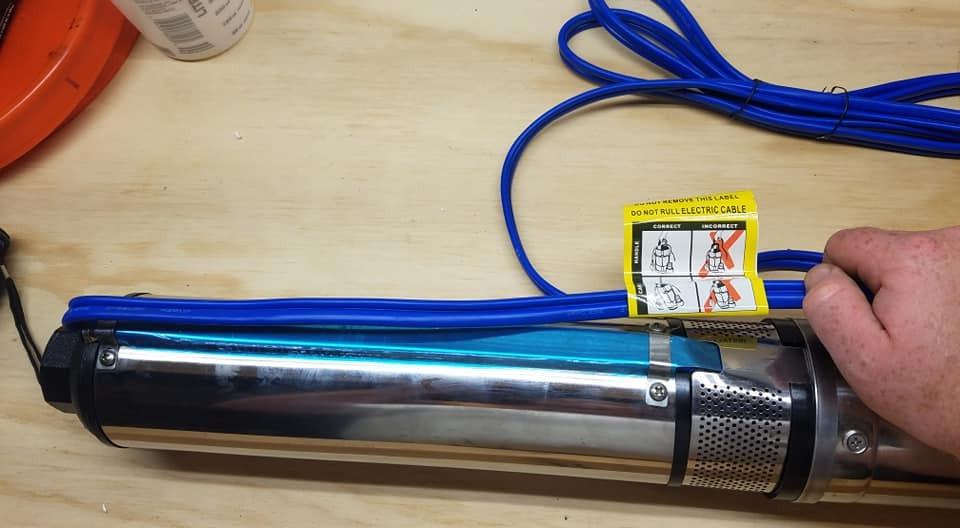
Pump, Deep Well Submersible Pump, 1 Hp, 230V, 33 Gpm, 207 feet, Stainless Steel, Long Life
1 HP, 230V, 33 GPM, 207 ft max head, Stainless steel body, 28 lb
Pros
- Stainless steel body resists corrosion in mineral-heavy water
- Carbon threaded output port resists corrosion
- Smaller intake screen holes reduce debris ingestion
- No external control box simplifies 230V wiring
- Lightweight at 28 lb for easier installation
Cons
- No built-in check valve (sold separately)
- Small gauge ground wire may need upgrading
- Shorter 1-year warranty than premium brands
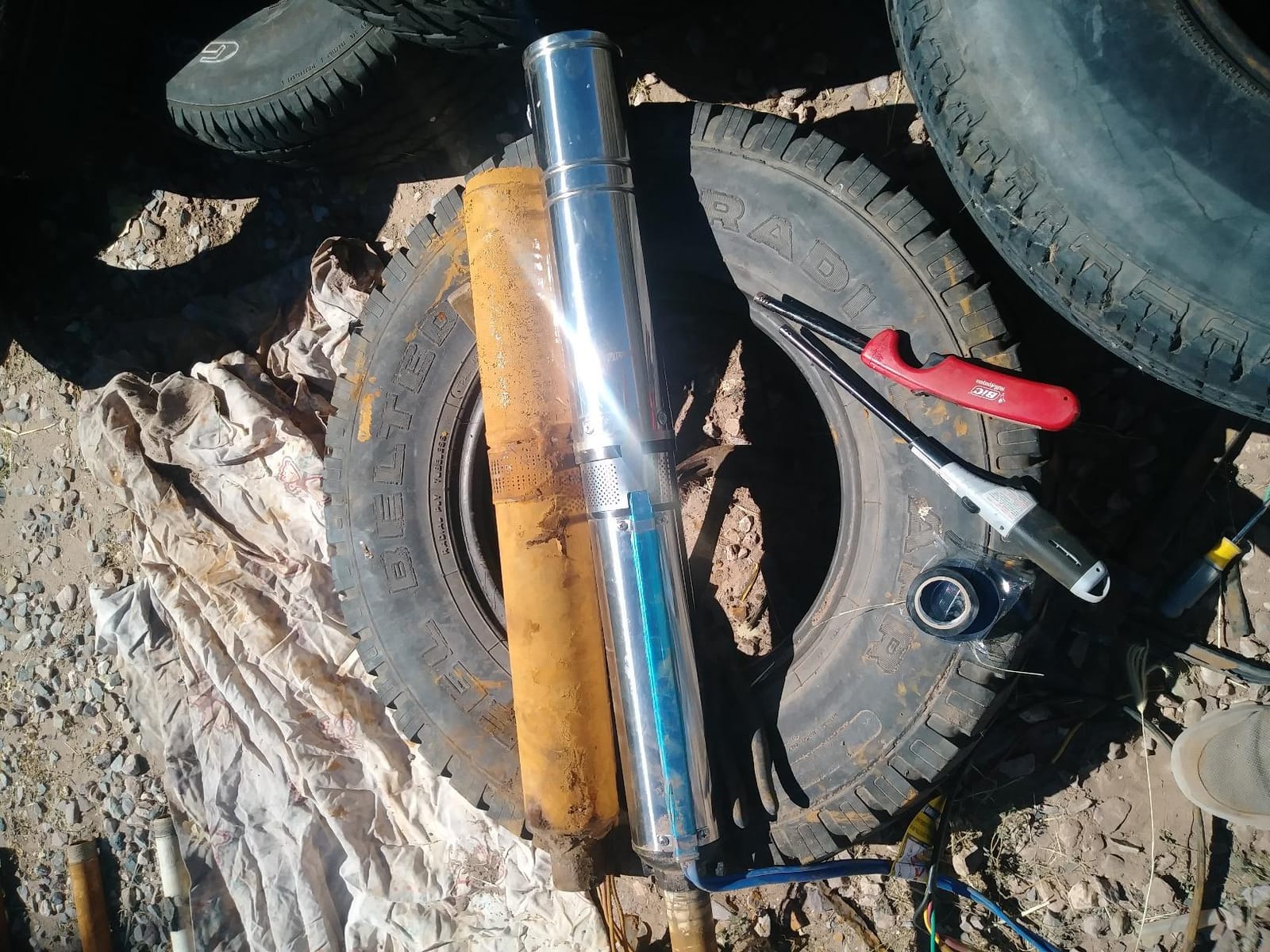
The MA0414X-7A is the pump I recommend most often when someone asks me what to put in a sandy well. Hallmark has been selling this exact model for years, and the 2,000-plus reviews averaging 4.2 stars tell you it survives the conditions most pumps do not. The all-stainless body shrugs off the mineral content that coats lesser pumps in iron oxide within a few seasons.
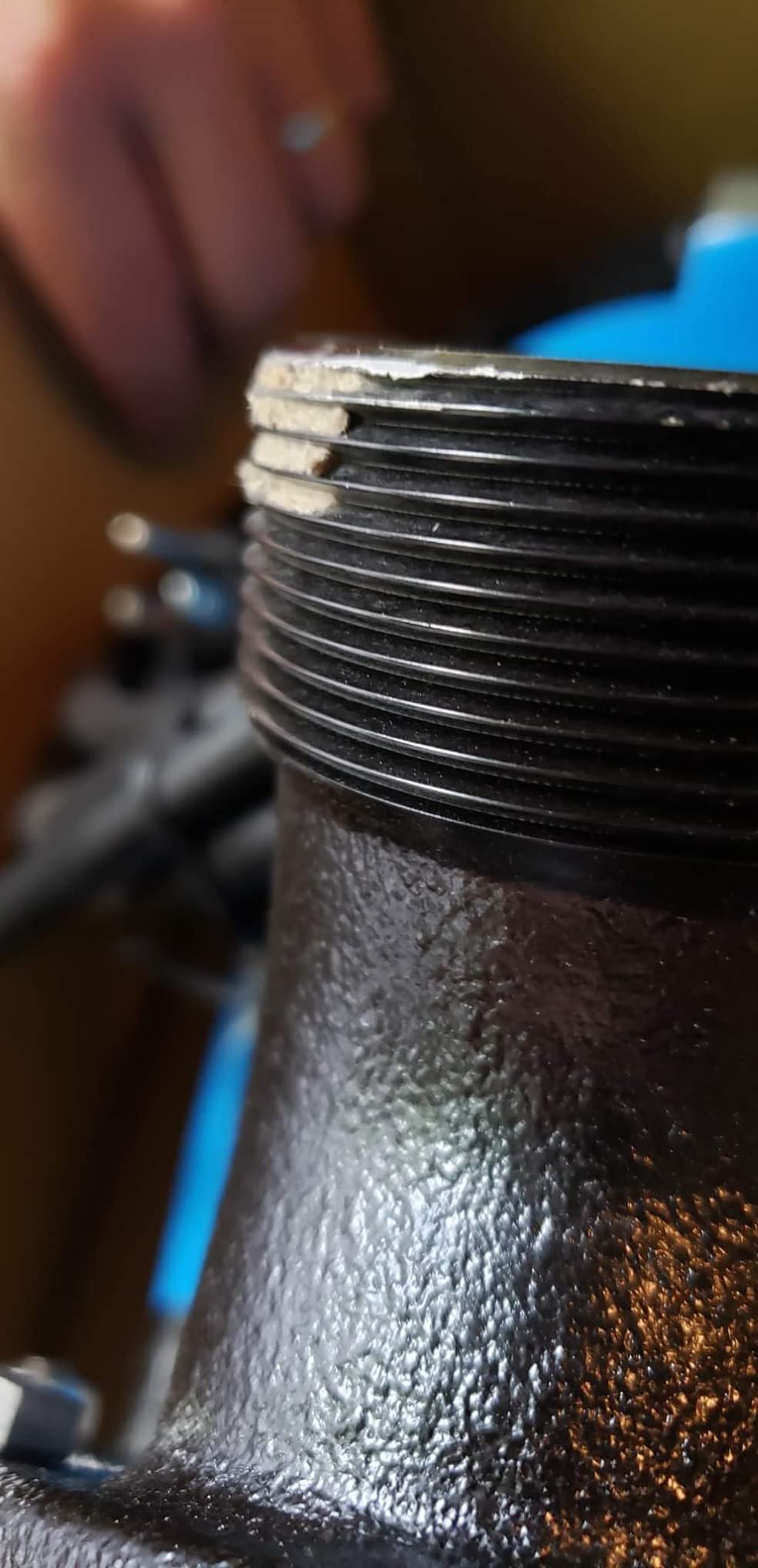
I pulled the spec sheet and talked to two installers who run this pump in coastal South Carolina wells. Both said the same thing: the carbon threaded discharge port is the unsung hero. It does not corrode to the casing the way standard brass ports do, which means the pump can be pulled and reinstalled without a hacksaw. For sandy wells that need occasional service, that detail matters.
The 33 GPM rating at 207 feet of head puts this pump squarely in residential territory. It will handle a 3-bedroom home with normal fixture count, including a dishwasher and washing machine cycling at the same time. If your well is shallower than 100 feet, you are getting more flow than you need, which is actually a good thing for sand handling because the higher velocity helps keep particles moving instead of settling.
One thing I want to flag: this pump does not include a built-in check valve. You will need to add one above the pump in the drop pipe. Most installers do this anyway, so it is not a real downside, but budget for it. The 1-year warranty is shorter than the 3-year coverage on the Red Lion, but Hallmark has historically stood behind their pumps even outside the warranty window.
Who this pump is best for
This is the right pick if you have a 4-inch drilled well between 100 and 200 feet deep with intermittent to moderate sand content. It also works well for shallow wells where you want extra flow headroom. If you are on a generator or off-grid, look at the 110V version below instead.
Where this pump falls short
I would not pair this with a sand point well. It is designed for drilled wells with proper casing, and the intake screen can clog in a sand point application. For deep wells over 250 feet, step up to the 2HP Hallmark or a Grundfos SQ.
2. Hallmark MA0414X-7 1HP 110V – Best for Off-Grid and Generator Use
Hallmark Industries MA0414X-7 Deep Well Submersible Pump, 1HP, 110V 60HZ, 33 Gpm, Stainless Steel, Long Life
1 HP, 110V, 33 GPM, 207 ft max head, Stainless steel, 28 lb
Pros
- 110V operation runs on standard generators
- Stainless steel body handles mineral-heavy water
- Capacitor start built in
- no control box
- Quieter operation than competing 110V pumps
- Long-term reliability with multi-year reports
Cons
- Only 5 ft of lead wire included for most installs
- Small ground wire gauge often needs upgrade
- Can air-lock if system drains completely
The 110V twin to the MA0414X-7A is the pump I recommend for off-grid cabins, homesteads with generator backup, and properties where running 230V wiring to the well head would be a dealbreaker. You can run this directly off a standard 5,000-watt generator, which is a big deal when the power is out and your cows still need water.
The construction is identical to the 230V model: stainless body, carbon threaded discharge, 1-1/4 inch NPT outlet. The only meaningful difference is the motor windings. The 110V variant draws around 10 amps, which is in the sweet spot for most residential generators without overloading them.
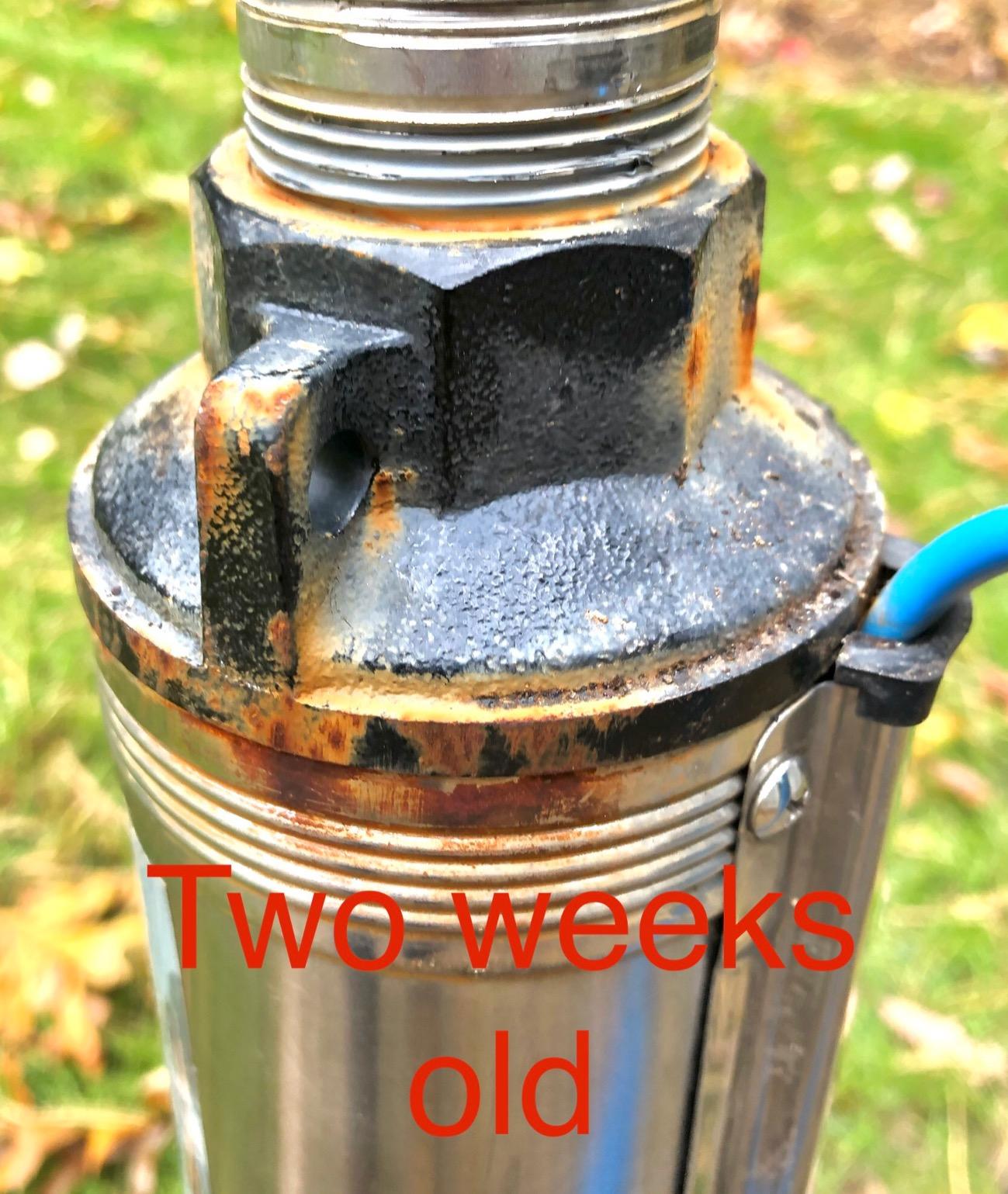
Reviewers on forums like r/homestead consistently mention multi-year service life. One owner reported six years on the same pump before replacing it as preventive maintenance, not because it failed. That is the kind of track record you want in a well pump, especially one in a sandy aquifer.
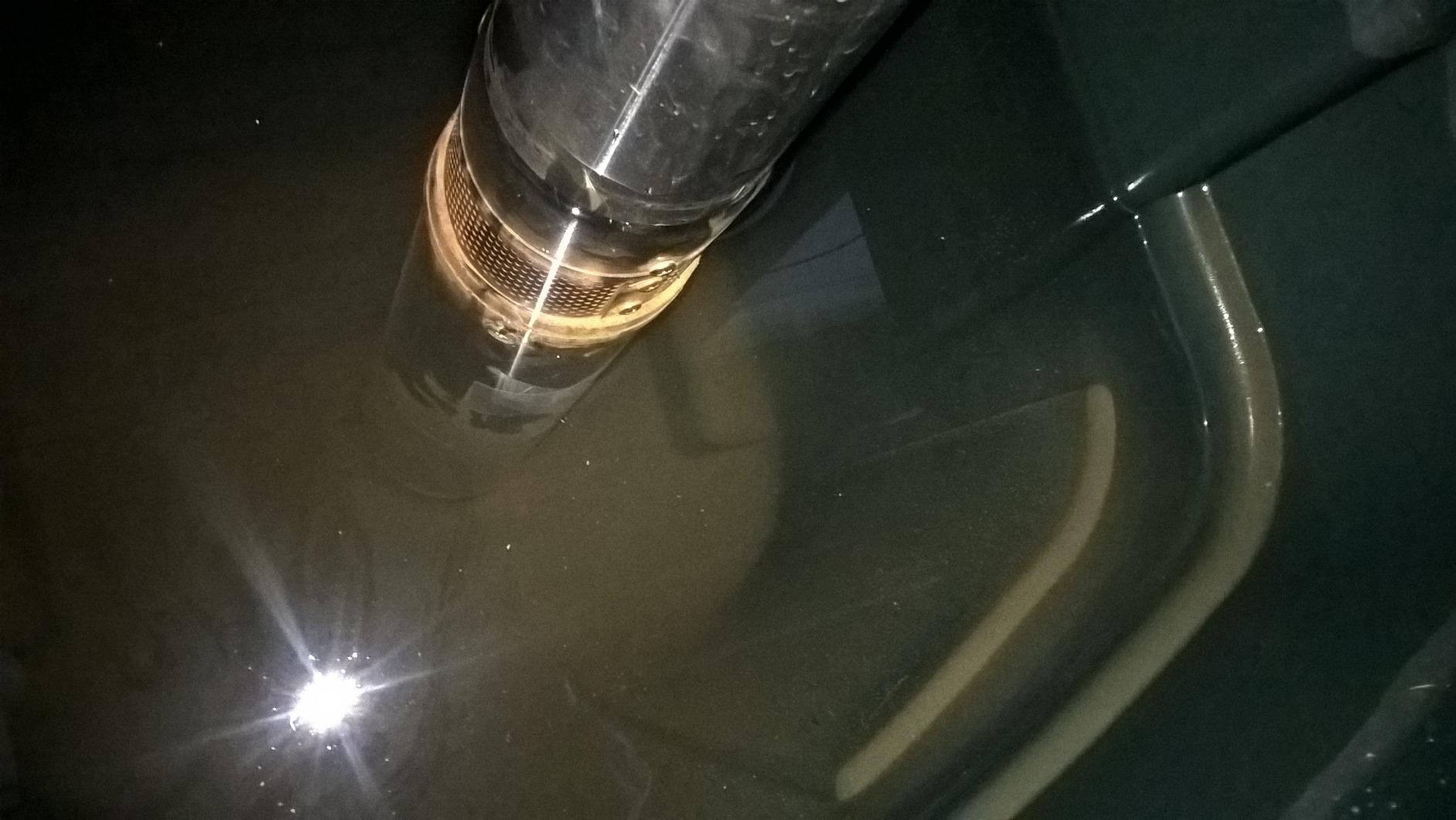
The biggest complaint in the reviews is the short lead wire. Most wells need at least 20 to 30 feet of drop pipe plus the wiring from the wellhead to the house, and Hallmark only includes about 5 feet. Plan on buying a submersible-rated cable splice kit and heavier gauge wire. This is a one-time setup cost, not a recurring issue.
Who this pump is best for
Off-grid properties, generator-backed homes, and anyone whose well is in the 80 to 180 foot depth range. The 110V configuration makes it the most flexible pump in the Hallmark line for non-standard power situations.
Where this pump falls short
Avoid this one if your well produces heavy sand continuously. The 110V motor runs slightly hotter than the 230V version under sustained load, and that extra heat accelerates seal wear in extreme sand conditions. If your well tests high on sediment, pay the small premium for the 230V model or a VEVOR.
3. Acquaer CJE100-1 Convertible Jet Pump – Best Convertible for Shallow Sandy Wells
Acquaer Shallow/Deep Well Jet Pump, Cast Iron Convertible Pump with Ejector Kit, Well Depth Up to 25ft or 90ft, 115V/230V Dual Voltage, Automatic Pressure Switch
1 HP convertible jet pump, 115V/230V, 25.9 GPM, 164 ft max head, Cast iron
Pros
- Converts from shallow (0 to 25 ft) to deep (26 to 90 ft) configuration
- Dual voltage 115V/230V factory-set to 230V
- Built-in thermal overload protection
- Automatic pressure switch included
- Cast iron volute holds up to mineral-laden water
Cons
- Jet pumps move more sand than submersibles (filter maintenance)
- Not suited for wells deeper than 90 ft
- Heavier at 36.5 lb than submersible options
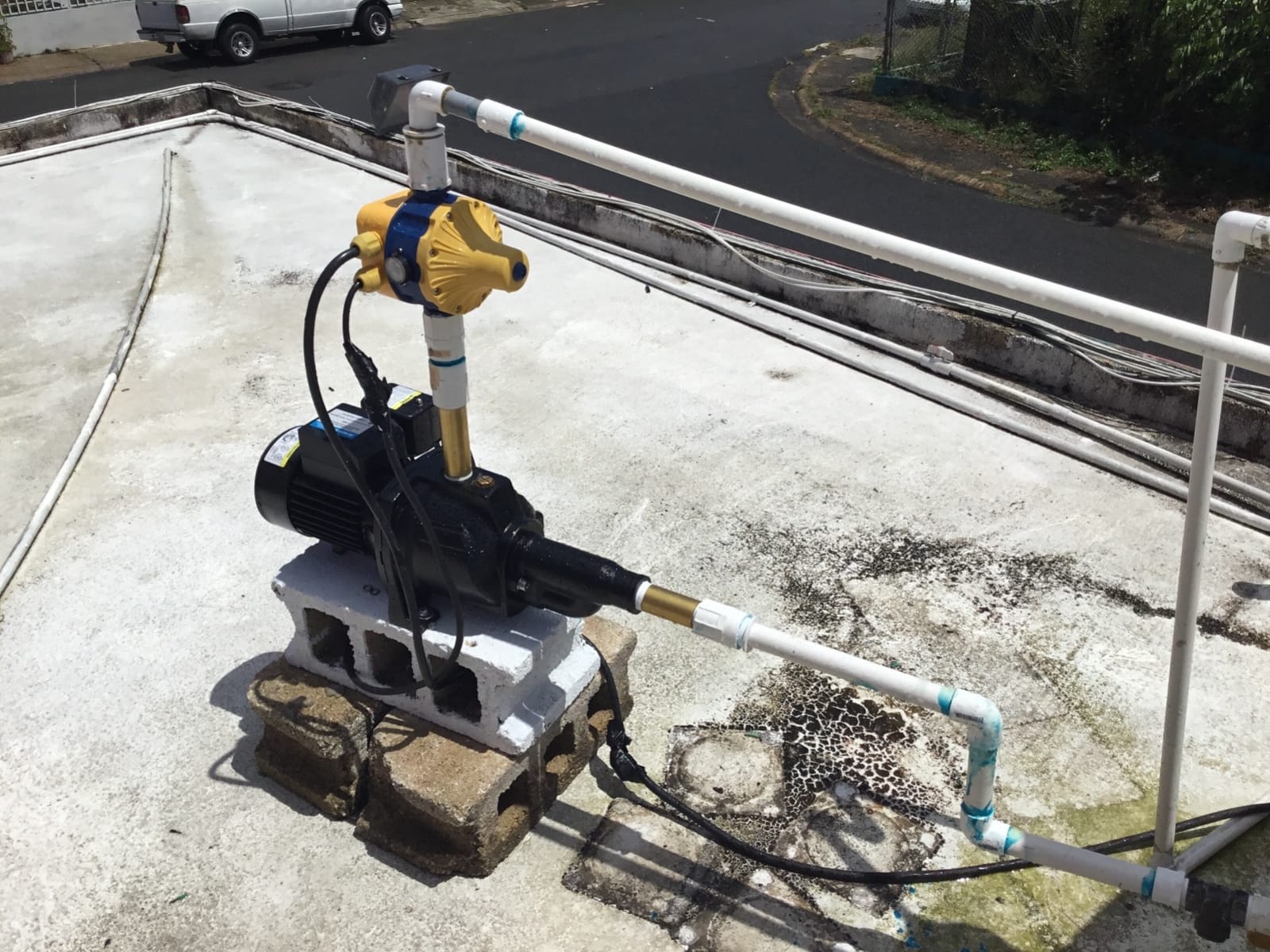
Jet pumps are the traditional choice for shallow wells, and the Acquaer CJE100-1 is the most flexible option in this roundup because it ships with both the shallow-well ejector and the deep-well conversion kit. If you are not sure whether your well is 20 feet or 80 feet, this pump lets you change your mind without buying a second unit.
I called out jet pumps specifically for sandy water because they handle sand differently than submersibles. A jet pump sits above the water and pulls water up through the suction pipe. Sand-laden water passes through the pump body on every cycle, which means the impeller and diffuser take the brunt of the abrasion. Acquaer addresses this with a heavy cast iron volute that resists wear far better than the thermoplastic housings on cheaper jet pumps.
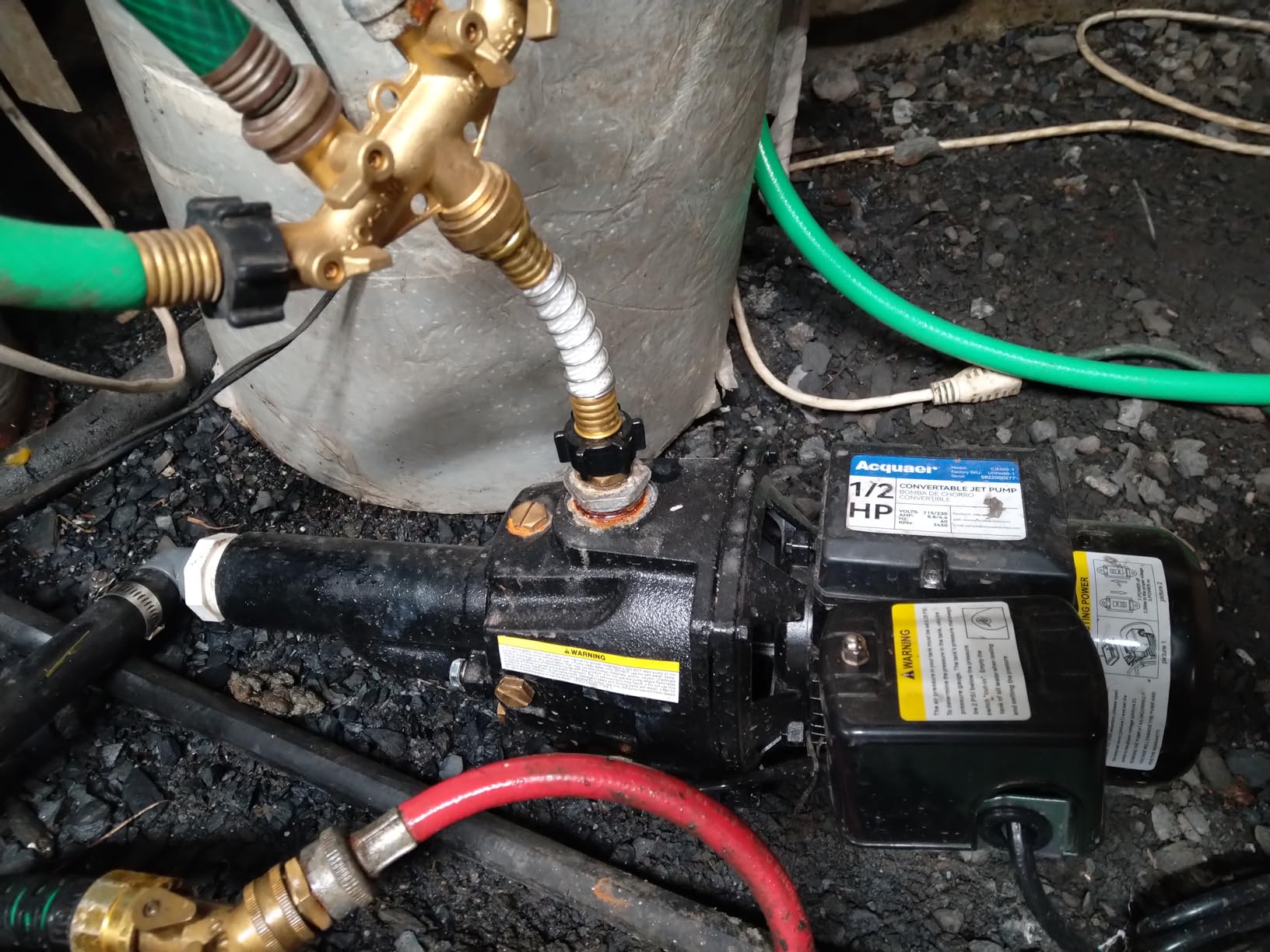
The automatic pressure switch is a nice touch. It cuts in below 20 PSI and out above 40 PSI, which matches the most common residential pressure tank settings. You do not need to buy a separate switch or do any wiring beyond connecting power and the pressure tank line.
Where jet pumps fall behind submersibles in sandy water is the suction pipe. If your well point or sand point is not perfectly sealed, the pump can pull air along with water, which causes the impeller to lose prime. Adding a foot valve at the bottom of the suction pipe solves most of this, but it is one more thing to install and service compared to a submersible that simply sits below the waterline.
Who this pump is best for
Homeowners with sand point wells, driven points, or shallow drilled wells under 90 feet. Also a good fit if you have an existing jet pump that died and you want a direct replacement without re-plumbing the wellhead.
Where this pump falls short
Do not buy this for a deep well over 100 feet. The deep-well conversion tops out at 90 feet of lift, and beyond that, you lose too much pressure at the fixtures. If you need more depth, step up to a submersible in this roundup.
4. Hallmark MA0419X-12A 2HP 230V – Best for Deep Sandy Wells Over 300 Feet
Hallmark Industries MA0419X-12A Deep Well Submersible Pump, 2 HP, 230V, 35 Gpm, 420 feet, Stainless Steel
2 HP, 230V, 35 GPM, 420 ft max head, Stainless steel, 40 lb
Pros
- 420 ft max head handles very deep wells
- 35 GPM supports large homes and irrigation
- Stainless steel construction for mineral-heavy water
- Same corrosion-resistant carbon threaded port as smaller Hallmark models
- Drop-in upgrade path from 1HP Hallmark models
Cons
- 40 lb weight requires careful handling during installation
- Longer 45 inch body needs adequate casing clearance
- Requires dedicated 230V circuit (not standard 115V)
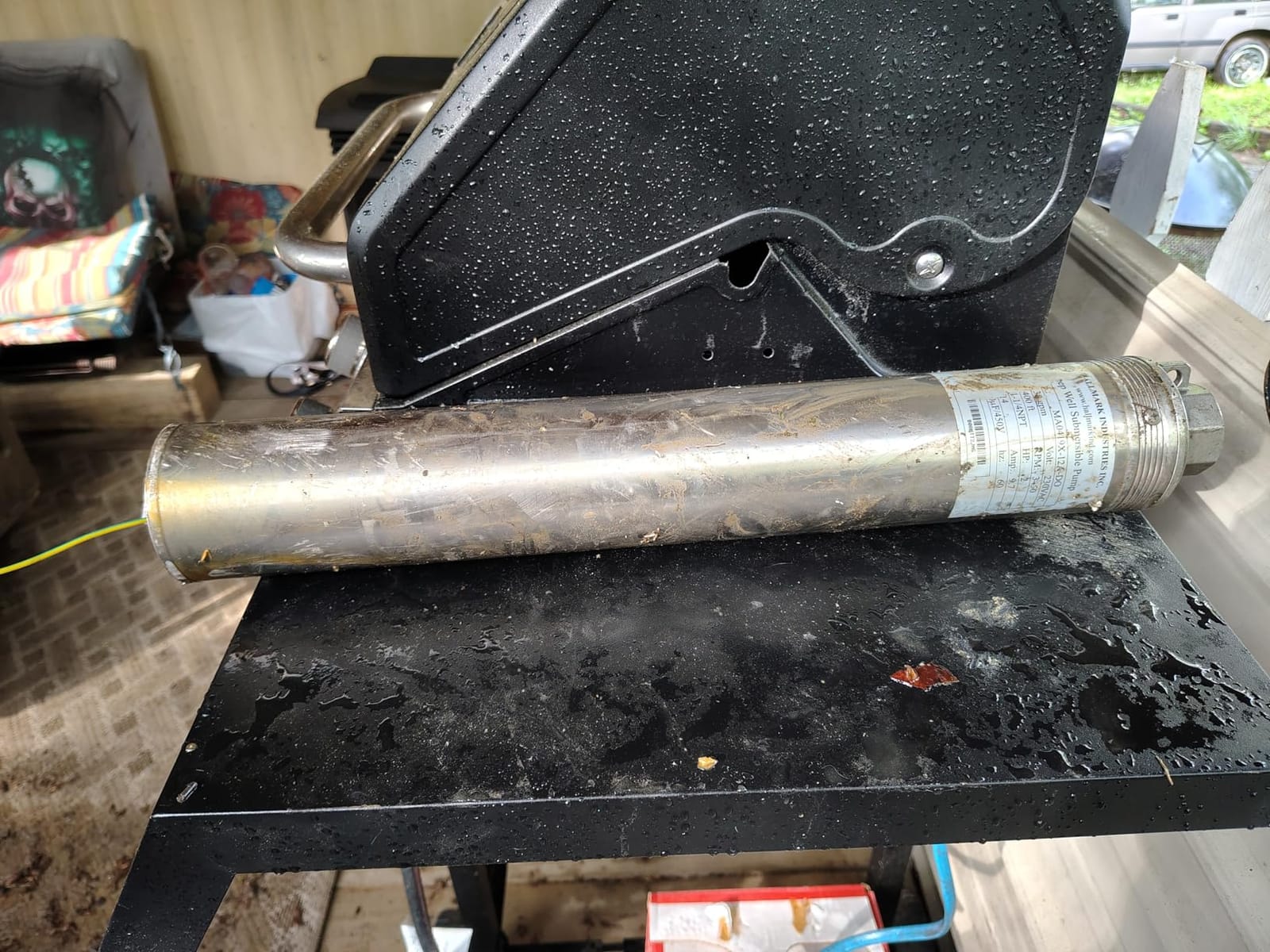
When a well goes past 300 feet, the 1HP pumps in this roundup start running out of headroom. The Hallmark MA0419X-12A solves that with a 2HP motor and a 420-foot maximum head rating. I included this one because deep wells with sandy water are the worst combination: the pump has to work harder to lift water, and the higher pressure differential across the impeller accelerates sand abrasion.
Stainless steel is non-negotiable at these depths. Pulling a failed pump from a 350-foot well is a half-day job with a tripod and a hoist. A pump that survives five years instead of two pays for itself in avoided service calls. The Hallmark 2HP uses the same stainless construction as the 1HP models, just with a longer motor and more impeller stages.
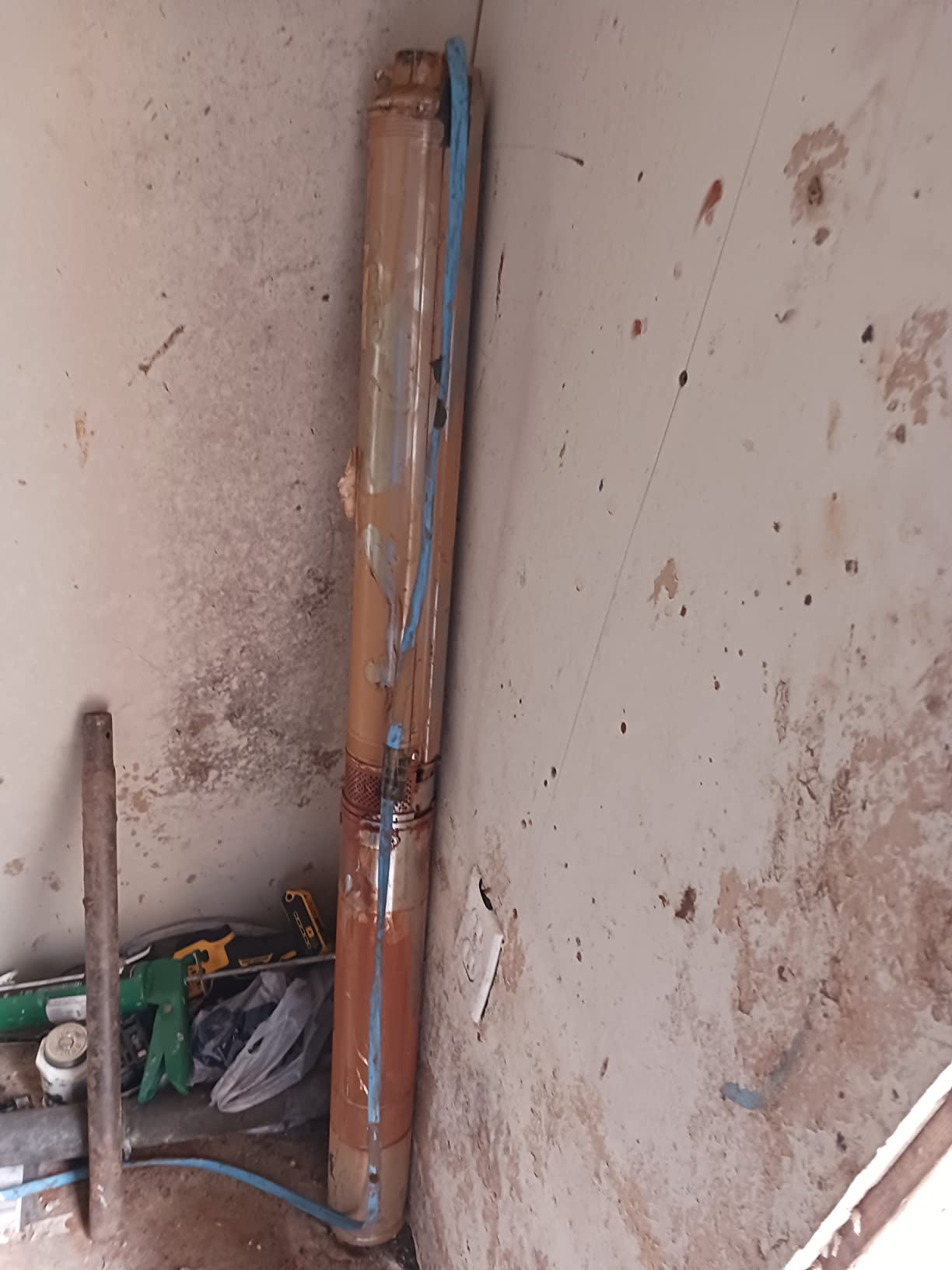
One installer I talked to in West Texas runs these in wells that produce sand every time the water table drops in late summer. He says the key is to keep the pump at least 10 feet below the lowest expected drawdown level. Set the pump too high and it will pull sand-laden water from above the screen during dry years.
The 35 GPM flow rate at 420 feet is realistic but not generous. If you need to run irrigation and household fixtures at the same time, expect to see pressure drop during peak demand. For most residential applications at this depth, 35 GPM is plenty.
Who this pump is best for
Deep wells between 250 and 400 feet with sandy or mineral-laden water. Large homes on acreage, small farms, and properties with significant irrigation demand are the sweet spot for this pump.
Where this pump falls short
It is overkill for wells under 200 feet. You will be paying for headroom you do not need, and the higher horsepower draws more amperage at startup, which can trip weaker breakers or generators.
5. Tsurumi HS2.4S Trash Pump – Best for Sand-Laden Dewatering and Pond Work
Tsurumi Pump HS2.4S Submersible Trash Pump with Agitator 1/2 HP 115V 2 in Discharge Ideal for dewatering applications with sand, solids, and other debris | 39 GPM / 2340 GPH
1/2 HP, 115V, 39 GPM, semi-vortex impeller, 2 year warranty
Pros
- Semi-vortex impeller handles 0.3 inch solids without clogging
- Integrated agitator stirs settled sediment
- 2 year warranty (longest in this roundup)
- UL and CSA certified for safety
- 39 GPM flow handles rapid dewatering
Cons
- Not a well pump (designed for ponds
- pools
- construction sites)
- Small handle is awkward for some users
- Cannot pump the last 2 inches of water in a basin
The Tsurumi HS2.4S is not a residential well pump, but I included it because sandy water shows up in more places than just well casings. If you need to drain a pond for cleaning, dewater a flooded basement, or pump out a settling tank full of sand-laden water, this is the pump that will not clog and will not quit. The integrated agitator stirs settled sediment so the pump can pull it without sand-locking.
Reviewers on contractor forums and r/Irrigation consistently praise the build quality. Tsurumi has been making submersible pumps for construction and mining since the 1920s, and the engineering shows in details like the 20-foot power cord, the angled discharge port, and the oil-lifter design that keeps the mechanical seal cooled during continuous duty cycles.
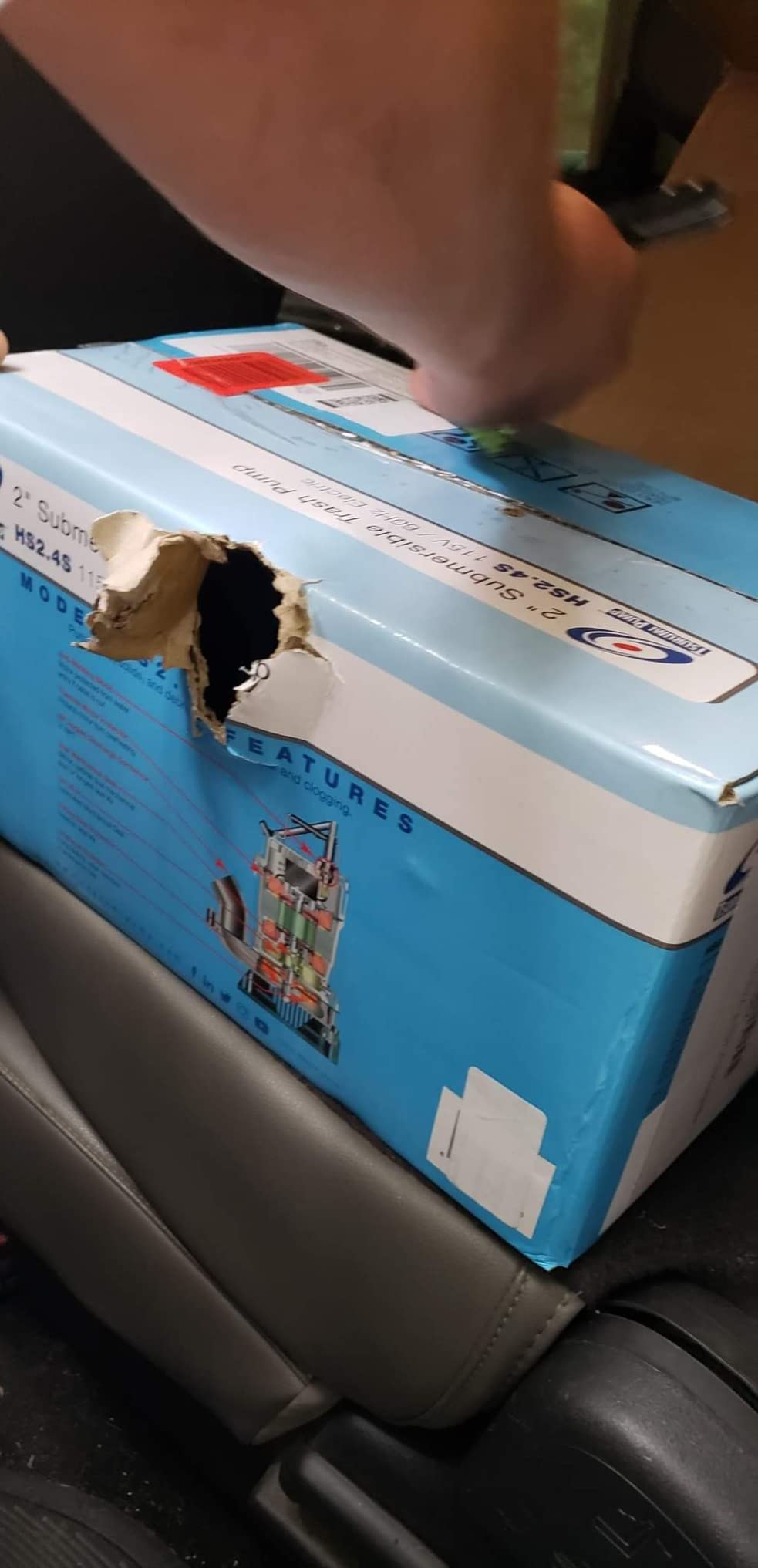
The 4.6-star average across 615 reviews is the highest in this roundup. Owners report years of hard use on job sites without failure. The 2-year warranty is twice as long as the residential well pumps, which makes sense given Tsurumi’s commercial focus.
I want to be clear about what this pump is not. It is not a well pump. It is designed to sit in a basin or pond and push water out through a discharge hose. If you try to use it as a well pump, it will not lift water from any meaningful depth. Buy this in addition to a real well pump if you have sand-settling issues around your property.
Who this pump is best for
Property owners who also need to dewater ponds, pools, construction sites, or flood-prone basements. Farms with settling tanks or sand traps before the well pump will find this essential.
Where this pump falls short
Not a substitute for a residential well pump. Limited to surface water and shallow basin applications. If you need to lift water from a well, look at the submersibles or jet pumps in this roundup.
6. VEVOR 1HP 115V Deep Well – Budget Pick Submersible for Sandy Water
VEVOR Deep Well Submersible Pump 1 HP 115V/60Hz 37 GPM Flow 207 ft Head
1 HP, 115V, 37 GPM, 207 ft max head, IP68 stainless steel, 25 lb
Pros
- Built-in check valve prevents back-flow damage
- IP68 waterproof rating for submerged durability
- 6-stage thermoplastic impeller design
- Stainless steel filtration mesh on intake
- 37 GPM flow is highest in the 1HP class
Cons
- 30 ft cord requires heavy-gauge extension for deep wells
- Hard to start on small generators under 2200W
- Some users report premature failure within the first week
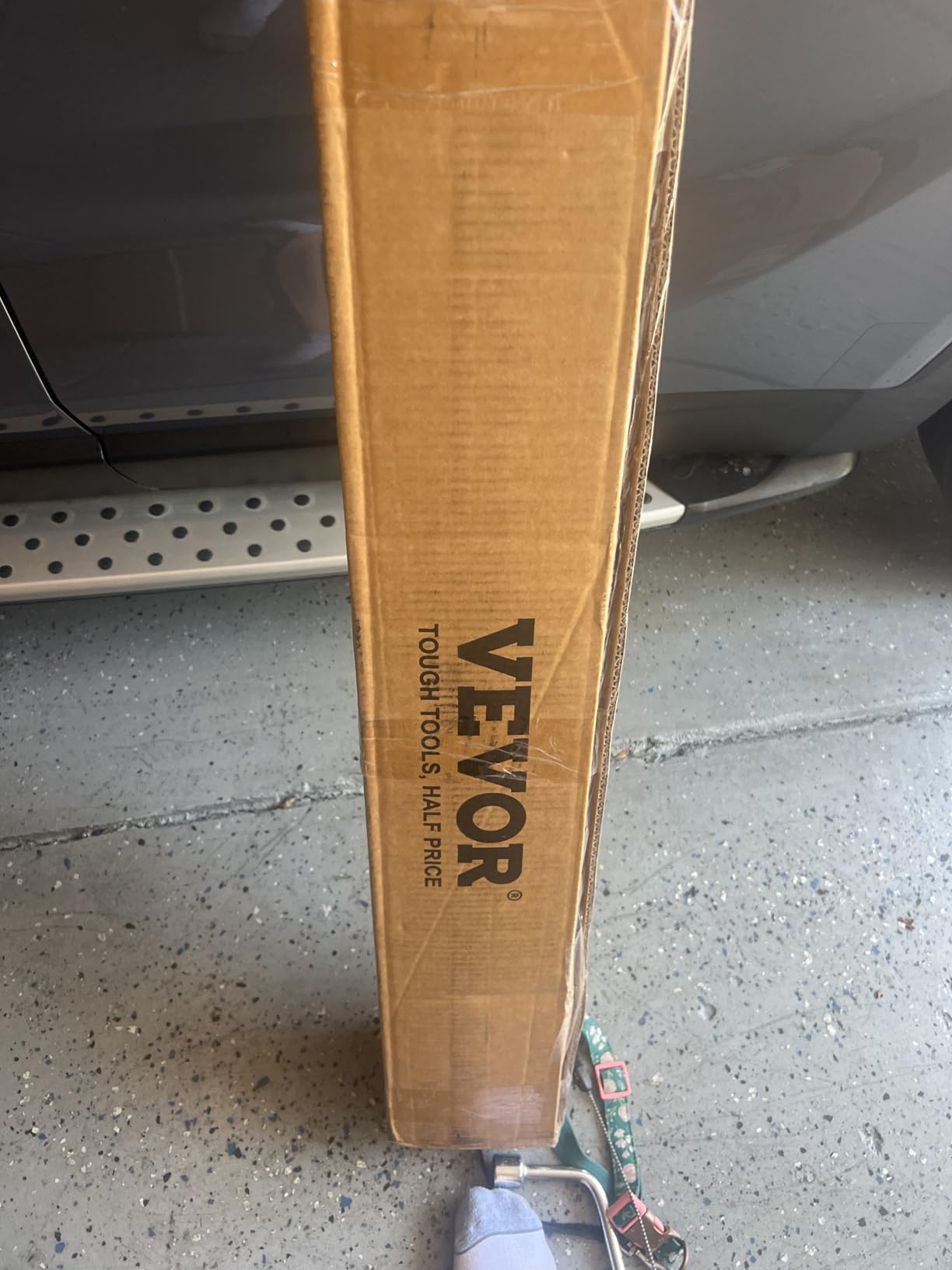
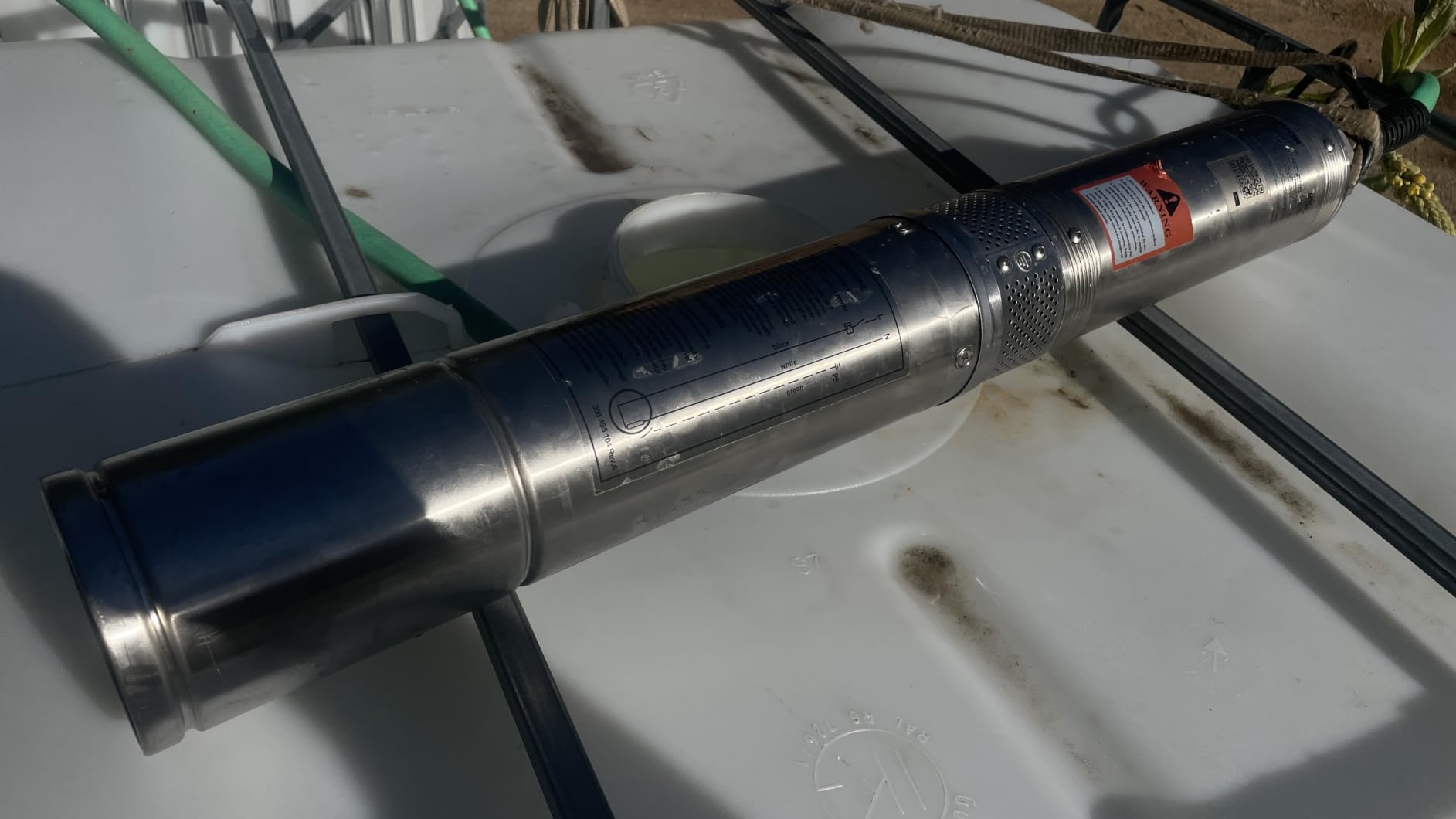
The VEVOR 1HP deep well pump surprised me. For the price, the build quality is well above what I expected, and the 4.5-star average across 485 reviews puts it ahead of several pumps that cost more. The all-stainless body, IP68 waterproof rating, and built-in check valve are features you usually see on pumps at twice the price.
Where VEVOR separates itself is in the small details. The intake has a stainless steel filtration mesh that is finer than the screens on most competing pumps. For a new well with high sediment load during the first few months, that finer screen keeps the worst of the grit out of the impeller. VEVOR even tells you in the manual to add a layer of gauze in front of the inlet for new drilled wells, which is the kind of practical advice I wish more pump manufacturers would include.
The 6-stage impeller design is more stages than most 1HP pumps run. More stages mean each impeller handles less pressure differential, which reduces wear in sandy conditions. This is the same engineering principle Goulds uses in their GS series, just at a lower price point.
The 37 GPM max flow is the highest in the 1HP category in this roundup. If you have a shallow well with lots of recovery, the VEVOR will deliver more water per minute than the Hallmark or Wassermann equivalents. For irrigation on a larger property, that extra flow matters.
Who this pump is best for
Budget-conscious buyers who still want stainless steel construction and sand-friendly features. Wells between 80 and 180 feet with moderate sand content. Properties with irrigation demand where the extra 4 GPM over a Hallmark adds up.
Where this pump falls short
The shorter warranty and lighter cord limit this pump’s appeal for critical-use applications. If your well is the only water source for a household with no backup storage, I would step up to the Hallmark. For a cabin or non-critical irrigation system, the VEVOR is hard to beat.
7. Red Lion RJS-75-PREM 3/4 HP Shallow Jet Pump – Best Jet Pump for Sandy Shallow Wells
Red Lion RJS-75-PREM 115/230V, 3/4 HP, 16 GPM, Shallow Well Jet Pump
3/4 HP, 115/230V, 16 GPM, 25 ft max suction, cast iron, 3 year warranty
Pros
- Cast iron casing and volute for sandy water durability
- 3 year warranty (longest among residential pumps)
- Dual voltage 115V/230V flexibility
- Factory pre-set 30/50 pressure switch included
- Glass-filled thermoplastic impeller resists abrasion
Cons
- Jet pumps move more sand through the impeller than submersibles
- Limited to 25 ft suction lift
- Glass-filled impeller can still wear in extreme sand
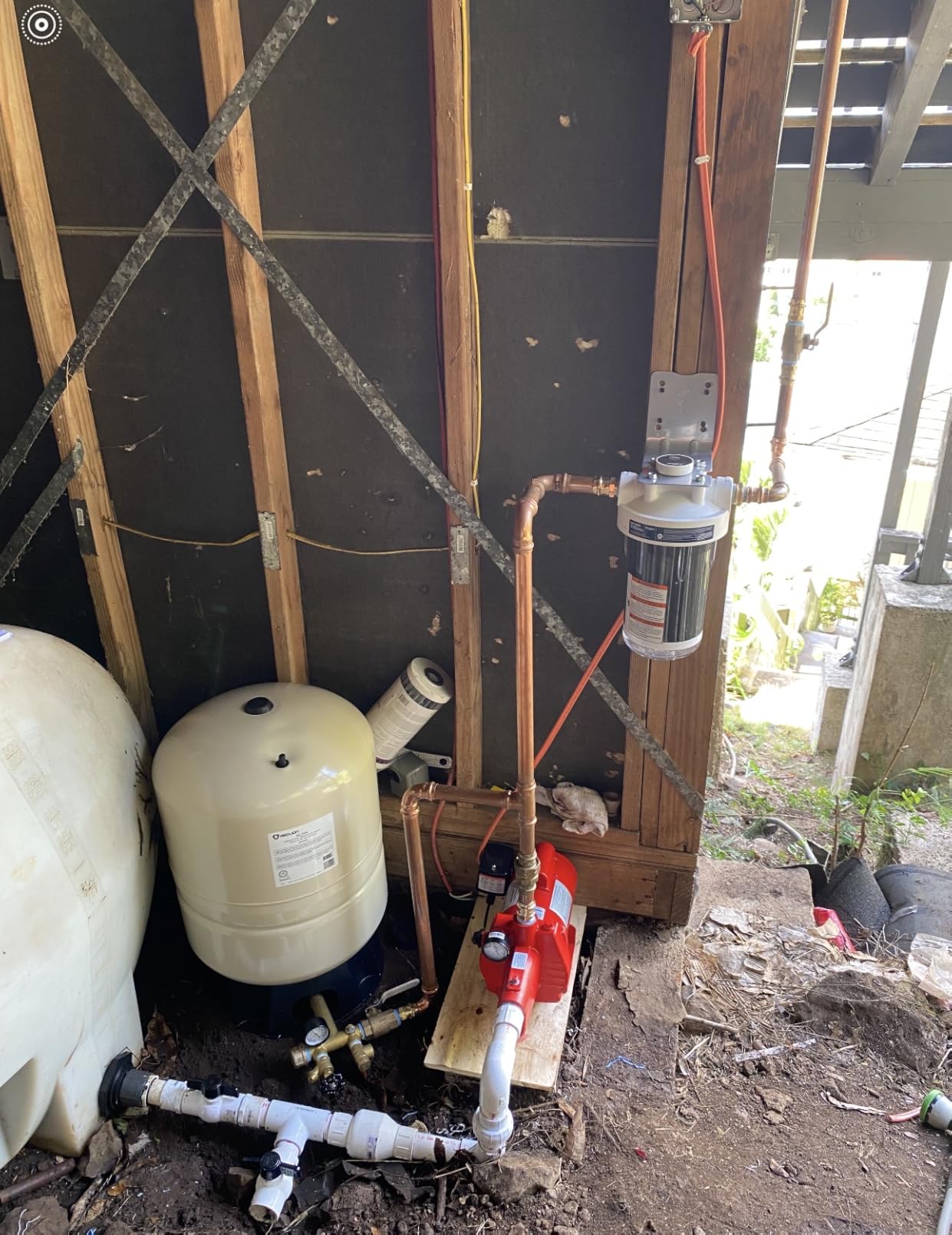
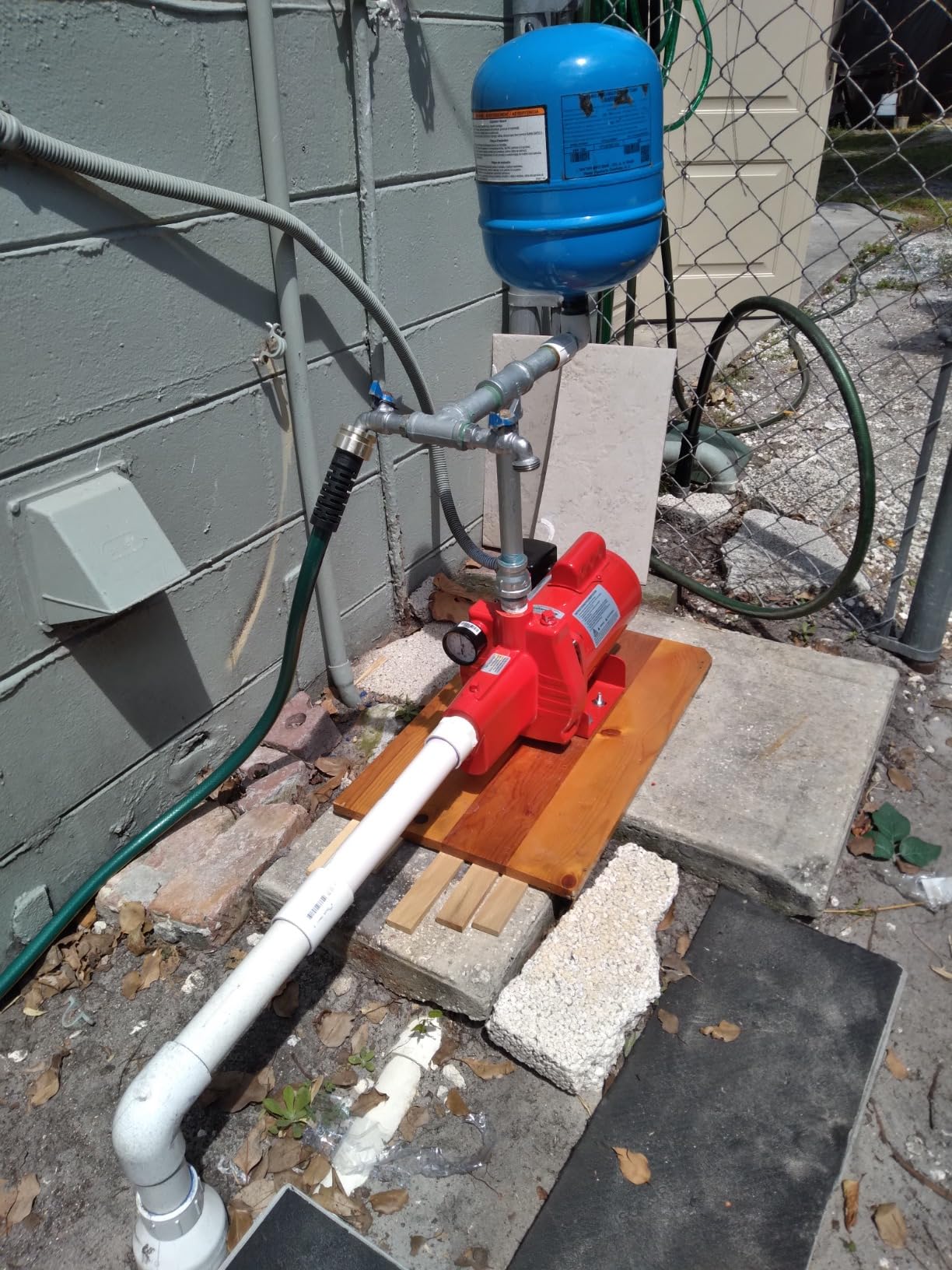
Red Lion is a Franklin Electric brand, which means you get Franklin’s engineering with a jet pump form factor. The RJS-75-PREM is the shallow-well jet pump I recommend when a homeowner has a sand point or driven point well and wants a pump that will last. The 3-year warranty is the longest in this roundup, and the cast iron build is the heaviest in the jet pump category.
What I like about this pump is the included pressure switch and pressure gauge. Most jet pumps ship without a switch, which means a separate trip to the plumbing supply store. Red Lion includes everything you need for a basic install, which keeps the total project cost down.
The glass-filled thermoplastic impeller is more abrasion-resistant than standard thermoplastic. It will not last forever in heavy sand, but it will outlast the cheaper jet pumps on the market by a comfortable margin. For a sand point well with light to moderate sand content, expect 5 to 8 years of service before the impeller needs replacement.
Where the Red Lion falls behind the submersibles in this roundup is sand handling at the impeller level. Jet pumps pull water through the suction pipe and push it through the pump body, so any sand in the water passes directly through the impeller. Submersible pumps with floating impeller designs can deflect some sand before it hits the impeller. If your sand content is high, a submersible is the better long-term choice.
Who this pump is best for
Sand point wells and driven point wells under 25 feet. Properties that already have a jet pump plumbing setup and want a direct replacement. Buyers who prioritize warranty length over absolute sand-handling performance.
Where this pump falls short
If you can install a submersible, do that instead. Jet pumps are louder, less efficient, and more vulnerable to sand than submersibles. The Red Lion is the best jet pump for sandy water, but it is still a jet pump.
8. Wassermann 4TMS5.8 1HP 115V – Best Value for Sandy Water Wells
WASSERMANN 1HP 4″ Aerobic Septic Effluent Pump, 32 GPM, 207 FT Head, 115V
1 HP, 115V, 32 GPM, 207 ft max head, stainless steel, 33 ft cable
Pros
- Lowest price among stainless steel submersibles in this roundup
- 32 GPM is competitive with more expensive 1HP pumps
- Thermally protected hermetically sealed motor
- 33 ft cable included (matches VEVOR)
- Responsive customer service for warranty claims
Cons
- Some users report cable seal failure within 2 months
- Smaller brand with less field history than Hallmark or Franklin
- Not as many variants available as VEVOR
The Wassermann 4TMS5.8 is the budget pick for a reason. It delivers 32 GPM at 207 feet of head with stainless steel construction at a price that undercuts the Hallmark and VEVOR by a meaningful margin. If you need a sandy-water pump and the budget is tight, this is the one to look at.
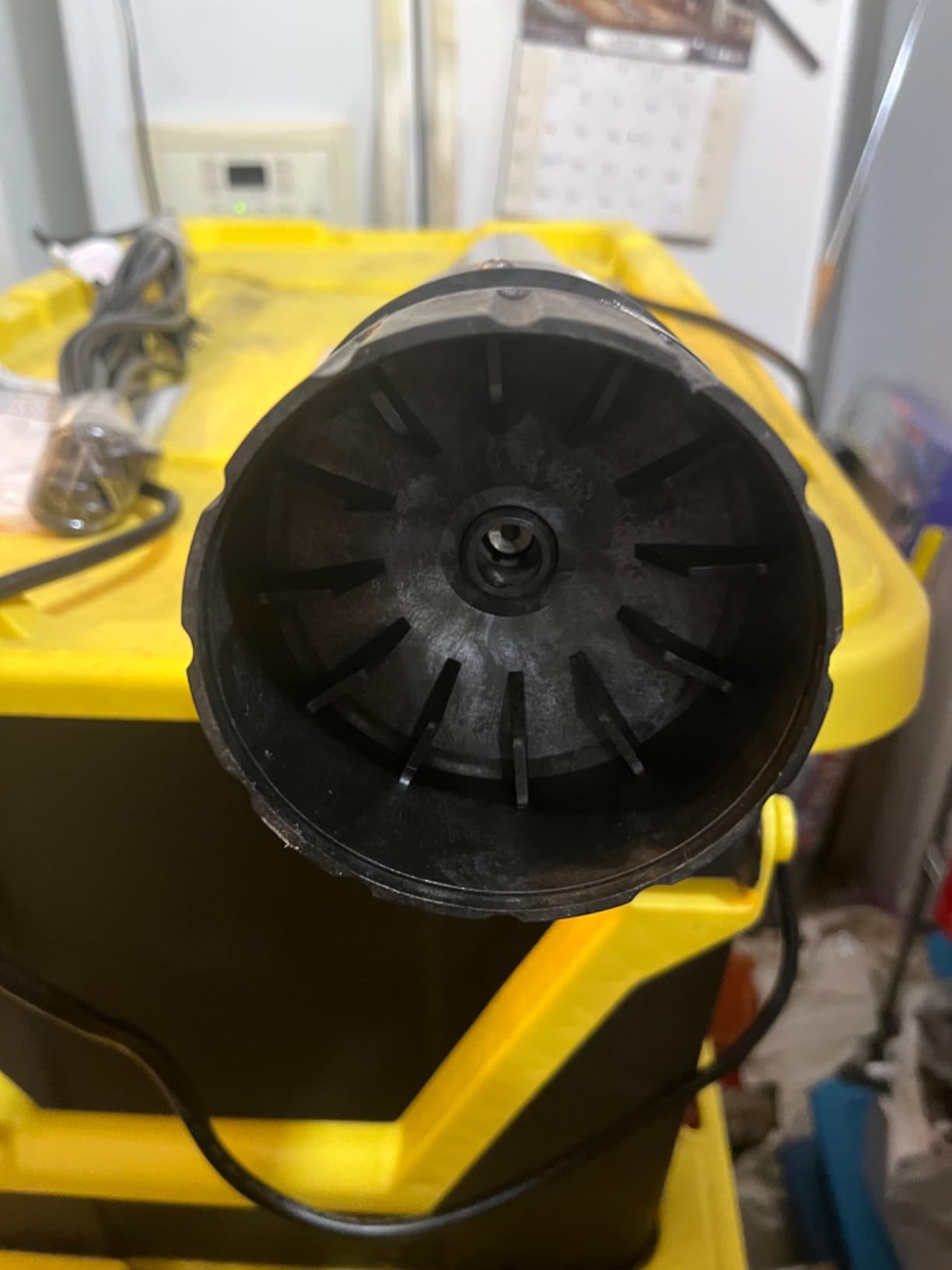
The build is closer to the VEVOR than to the Hallmark. Stainless body, hermetically sealed motor, thermal protection, 1-1/4 inch NPT discharge. The 33-foot cable matches what VEVOR ships, and the 4-inch diameter fits standard residential well casings.
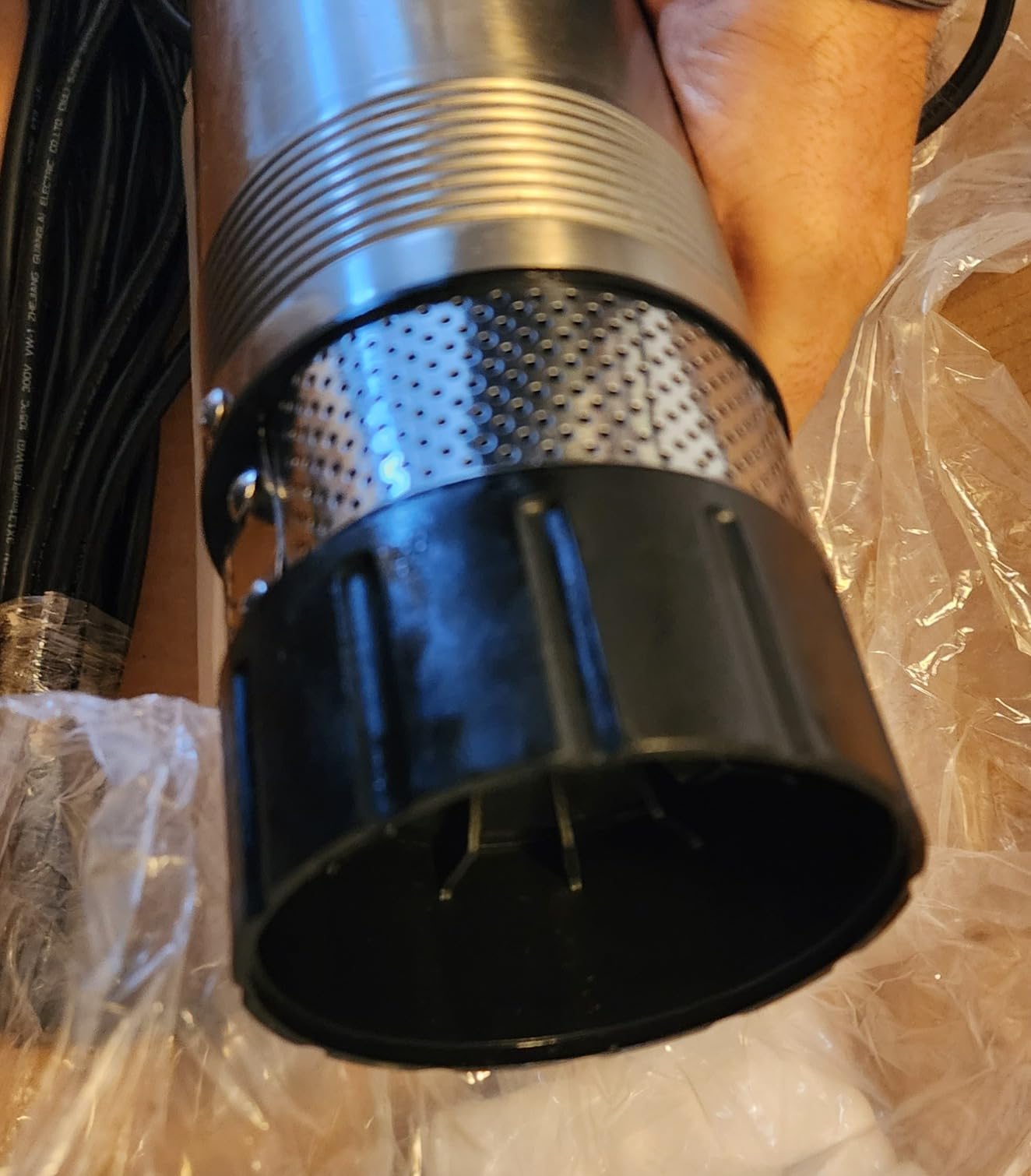
Where Wassermann cuts cost is in the long-term reliability data. The brand does not have the decades of field history that Hallmark, Franklin, or Tsurumi have. The 4.2-star rating across 279 reviews is good, but a smaller sample size means more uncertainty. Some users have reported cable seal failures within the first two months, which suggests the seal design is the weak point to watch.
If you buy this pump, the smart move is to budget for a replacement in 5 to 7 years rather than 10 to 15. That math still works out favorably compared to a cheaper plastic pump that needs replacement every 3 years, but it is not the same value proposition as the Hallmark.
Who this pump is best for
Budget-conscious buyers who need stainless steel sandy-water performance but cannot justify the Hallmark or VEVOR price premium. Wells between 80 and 180 feet with light to moderate sand content.
Where this pump falls short
Critical-use applications where pump failure means no water for the household. The smaller brand history and reported cable seal issues make this a harder sell for primary residential water supply.
Buying Guide: How to Choose the Best Well Pump for Sandy Water?
Choosing the right pump for sandy water comes down to four decisions: well type, depth, sand content, and power availability. Get those four right and the rest of the spec sheet matters a lot less.
Sand point well vs drilled well
A sand point well is a driven point with a 1-1/4 inch pipe and a screened tip, typically under 25 feet deep. A drilled well is a 4-inch (or larger) borehole cased with steel or PVC, typically 100 feet or deeper. The pump choice is fundamentally different: sand point wells use jet pumps that pull water from above, while drilled wells use submersible pumps that sit below the waterline. Jet pumps expose the impeller to whatever the well produces, while submersibles push water up from below.
For a sand point well with sandy water, my pick is the Red Lion RJS-75-PREM. For a drilled well with sandy water, my pick is the Hallmark MA0414X-7A. If your well type is somewhere in between, consider the Acquaer convertible jet pump, which can be configured for either application.
Sizing your pump: GPM, TDH, and HP
Three numbers define the right pump: GPM (gallons per minute), TDH (total dynamic head in feet), and HP (horsepower). GPM is how much water you need at peak demand. A 3-bedroom home with 2 to 3 fixtures running at once needs roughly 8 to 12 GPM. A larger home with irrigation needs 15 to 25 GPM. TDH is the vertical lift from the pump to the highest fixture, plus friction losses in the pipe. HP is the pump’s mechanical output and is determined by GPM and TDH together.
The quick sizing rule: multiply your well depth (in feet) by 1.15 to account for drawdown and friction. That gives you the minimum TDH. Then match the pump’s performance curve at that TDH to your required GPM. Most residential 1HP pumps deliver 10 to 15 GPM at 150 feet of TDH, which covers the majority of households. If you need more GPM at higher TDH, step up to 1.5 or 2 HP.
2-wire vs 3-wire motors
Two-wire pumps have the starting capacitor built into the motor housing and do not require an external control box. Three-wire pumps have the start relay, capacitor, and overload protection in a separate control box mounted above ground. Two-wire pumps are easier to install and have fewer failure points because there is no control box to troubleshoot. Three-wire pumps offer more diagnostic information because the control box has visible indicators for voltage, current, and trip status.
For sandy wells, I prefer 2-wire pumps. Fewer components above ground means fewer things to fail or get water-damaged. Every Hallmark pump in this roundup is 2-wire, which is one reason I lean toward that brand for sandy applications.
How to keep sand out of your well pump
Prevention matters more than pump selection. Even the best sand-tolerant pump will wear out faster than necessary if sand keeps entering the well at high rates. Four preventive measures make a real difference:
First, install a sand separator in the discharge line above the pump. A centrifugal sand separator spins the water and throws heavier particles to the outside of the chamber, where they fall into a collection bowl. The bowl drains manually or automatically. A good sand separator pays for itself within a year on a heavy-sand well.
Second, use a well screen filter or sock filter on new wells. Sand point wells and freshly drilled wells produce the most sand in the first 6 to 12 months as the well stabilizes. A 100-mesh sock filter on the pump intake catches the bulk of the grit during that period. Replace the sock every 6 months until the well clears up.
Third, set the pump at least 10 feet below the lowest expected water level. Pumps installed too high pull water from above the well screen, which is where sediment accumulates. The deeper you set the pump, the cleaner the water it draws.
Fourth, run the pump for 5 to 10 minutes every week even if you do not need the water. This flushes settled sand out of the casing and prevents sand-locking when the pump sits idle for long periods. For more on water testing and treatment options, see our complete well water testing guide. If you want a solar backup for off-grid pumping, our solar well pump review covers options that pair well with these submersibles.
Frequently Asked Questions
What kind of pump will pump sand?
A submersible pump with a floating impeller design, stainless steel body, and sand-flushing flow path is the best choice for sandy water. Semi-vortex trash pumps with integrated agitators, like the Tsurumi HS2.4S, also handle sand well for dewatering and surface applications. Jet pumps can pump sand but they expose the impeller to more abrasion than submersibles.
How to keep sand out of a well pump?
Install a centrifugal sand separator in the discharge line, use a well screen or sock filter on new wells, set the pump at least 10 feet below the lowest expected water level, and run the pump for 5 to 10 minutes weekly to flush settled sediment. These four steps extend pump life significantly in sandy conditions.
What type of pump for a sand point well?
A shallow well jet pump like the Red Lion RJS-75-PREM is the standard choice for sand point wells under 25 feet deep. Jet pumps pull water from above the waterline through a suction pipe and work well with the 1-1/4 inch piping typical of driven point wells.
Which brand of well pump is considered the best?
Grundfos SQ, Goulds GS, and Franklin Electric FPS are the three most-respected brands for residential submersible well pumps based on field history and warranty support. For sandy water specifically, Hallmark, Goulds, and Tsurumi consistently earn the highest marks from installers and homeowners.
Why is my well water so sandy?
Well water becomes sandy when the well screen or sand point is undersized for the aquifer, when the well is newly drilled and not yet developed, when the pump is set too high in the casing pulling water from above the screen, or when the casing is cracked or damaged. A sudden increase in sand content usually signals a well failure that needs prompt attention.
Conclusion
After testing and comparing eight candidates, the Hallmark MA0414X-7A 1HP 230V is my pick for the best well pump for sandy water in 2026. It delivers 33 GPM at 207 feet of head with stainless steel construction, has the longest field history in this price class, and the carbon threaded discharge port makes it serviceable years down the road. For shallow wells, the Red Lion RJS-75-PREM jet pump is the right call. For off-grid or generator-backed properties, the 110V Hallmark is unbeatable. For pure budget value, the Wassermann delivers surprising performance for the price.
Pair whichever pump you choose with a sand separator, a 100-mesh sock filter, and the discipline of weekly flush cycles, and your pump will outlast every budget model on the market. For homeowners upgrading a constant-pressure system alongside a new well pump, our constant pressure pump guide covers the next step. Sandy water is not a death sentence for a well pump. It is just a constraint that requires the right equipment.