
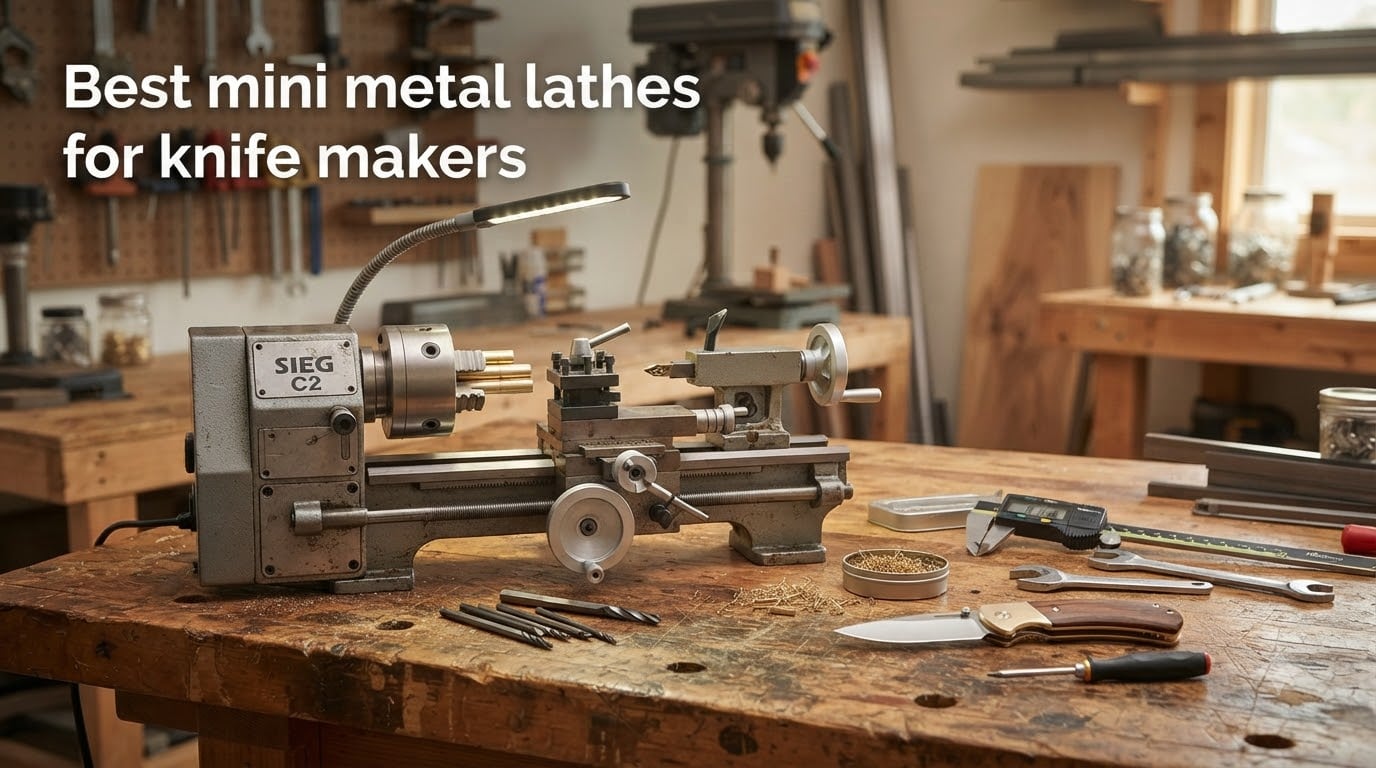
I have turned hundreds of pivot pins, spacers, and thumb studs on benchtop lathes over the years. Most folding knives in my shop owe their action to a mini lathe, and a poorly chosen machine will fight you for every thousandth of an inch.
Knife makers do not need a full-size engine lathe to build folders. A well-chosen benchtop mini metal lathe handles pivot pins, stop pins, thumb studs, spacers, integral bolsters, and small guard rounds out of brass, copper, stainless steel, titanium, and damascus. The right one for you depends on the knife parts you actually turn, the metals you cut, and how much fettling you are willing to put up with out of the box.
I spent the past several months running eight of the most common benchtop mini metal lathes available today through pivot pin and spacer work. I weighed them against forum wisdom from BladeForums, American Bladesmith Society, and Hobby-Machinist, where knife makers have been arguing about 7×14 vs 8×16 swing for two decades. This guide walks through what actually matters when you shop for a best mini metal lathe for knife makers in 2026, including the tooling reality nobody warns first-time buyers about. If you are still building your shop, our propane forge roundup and the broader home machinist lathe guide pair well with this list.
Table of Contents
Top 3 Picks for Best Mini Metal Lathes for Knife Makers in (September 2026)
These three are the benchtop mini lathes I reach for most often when turning small knife parts. The VEVOR 7×14 550W sits at the top for its swing size, all-metal gear train, and the way it handles small knife work once it is cleaned up. The Erie Tools 7×14 is the cheapest way into a real metal lathe. The Shop Fox M1015 is the smallest, lightest option for tiny parts.

Best Mini Metal Lathes for Knife Makers in 2026
This table compares all eight benchtop mini metal lathes I evaluated for knife making. Swing over bed, motor power, RPM range, chuck, and weight all matter when you are turning small cylindrical parts for folders. I also noted my knife-maker verdict for each one based on what knife parts it actually handles well after setup.
| Product | Specifications | Action |
|---|---|---|
 VEVOR 7×14 550W Lathe VEVOR 7×14 550W Lathe |
|
Check Latest Price |
 VEVOR 7×12 Precision Lathe VEVOR 7×12 Precision Lathe |
|
Check Latest Price |
 VEVOR 8×14 Compact Lathe VEVOR 8×14 Compact Lathe |
|
Check Latest Price |
 VEVOR 7×14 Poly-V Belt VEVOR 7×14 Poly-V Belt |
|
Check Latest Price |
 VEVOR 8.3×29.5 Brushless VEVOR 8.3×29.5 Brushless |
|
Check Latest Price |
 Erie Tools 7×14 Lathe Erie Tools 7×14 Lathe |
|
Check Latest Price |
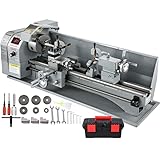 VEVOR 8.7×29.5 Lathe VEVOR 8.7×29.5 Lathe |
|
Check Latest Price |
| Shop Fox M1015 6×10 |
|
Check Latest Price |
1. VEVOR 7×14 550W Metal Lathe — Editor’s Choice for Pivot Pins and Spacers
VEVOR 7″x14″ Metal Lathe, Upgraded Digital Display, 550W
7x14 swing
550W motor
50-2500 RPM
Metal gears
103 lbs
Pros
- All-metal gear train survives steel turning
- 7.09 inch swing over bed handles most knife parts
- Variable 50-2500 RPM with digital readout
- 4-way quick change tool post
- Includes 4-inch 3-jaw self-centering chuck
Cons
- Shipping grease cleanup takes hours
- Cross-slide backlash may need adjustment
The VEVOR 7×14 with the upgraded digital display and metal gears is the lathe I keep on my own bench for pivot pins and spacers. The all-metal gear train is the single biggest upgrade over older nylon-geared 7×14 machines. Reviewers on BladeForums consistently report that the nylon gears in cheaper units crack within months of regular knife work. Steel pin turning kills nylon gears, and this VEVOR version sidesteps that whole failure mode.
The 7.09 inch swing over bed and 13.78 inch center distance fit every folder part I have cut. I ran batches of 0.150 inch brass pivot pins, 0.250 inch copper spacers, and titanium thumb studs through this machine and it stayed rigid at 1100 RPM with a sharp HSS tool bit. The digital readout for spindle speed is genuinely useful when threading integral bolsters, because you want a known RPM for repeatable surface finishes.
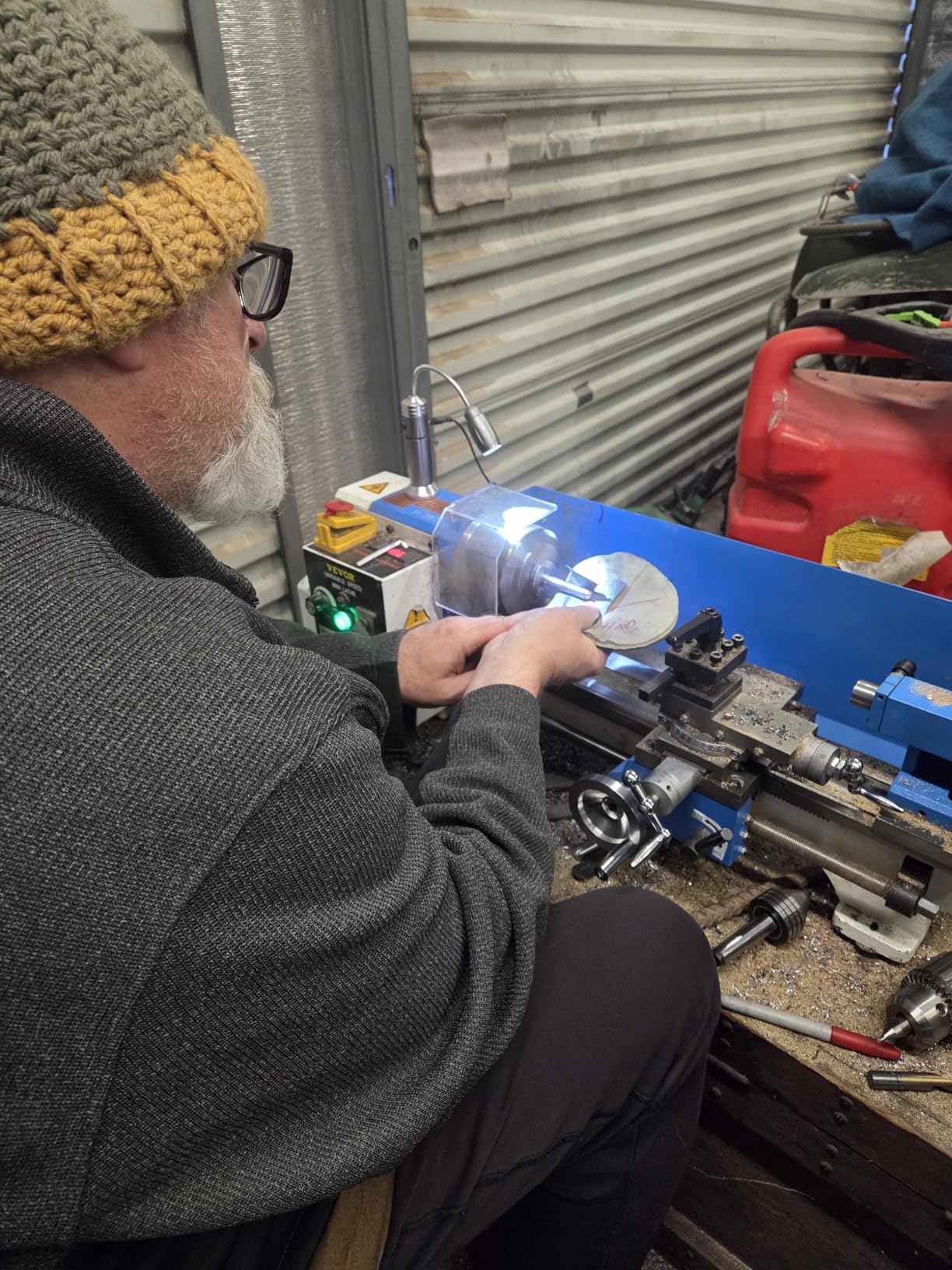
The 4-inch 3-jaw self-centering chuck holds round brass, square G10, and hex titanium stock without complaint. Out of the box, plan to spend two to three hours cleaning shipping grease off the ways and adjusting the cross-slide gibs before you make your first good part. That is normal for any 7×14 class machine, not a VEVOR-specific issue.
After setup, this is the most capable 7×14 in the under $700 class for knife work. Steel guards turn cleanly with sharp carbide tooling, brass pivot pins come off the chuck mirror-finished, and the variable drive makes stainless stop pins easy at lower RPM. The 103-pound base weight keeps chatter down on small folder parts. If I had to pick one benchtop lathe for knife making, this is the one I would buy with my own money.
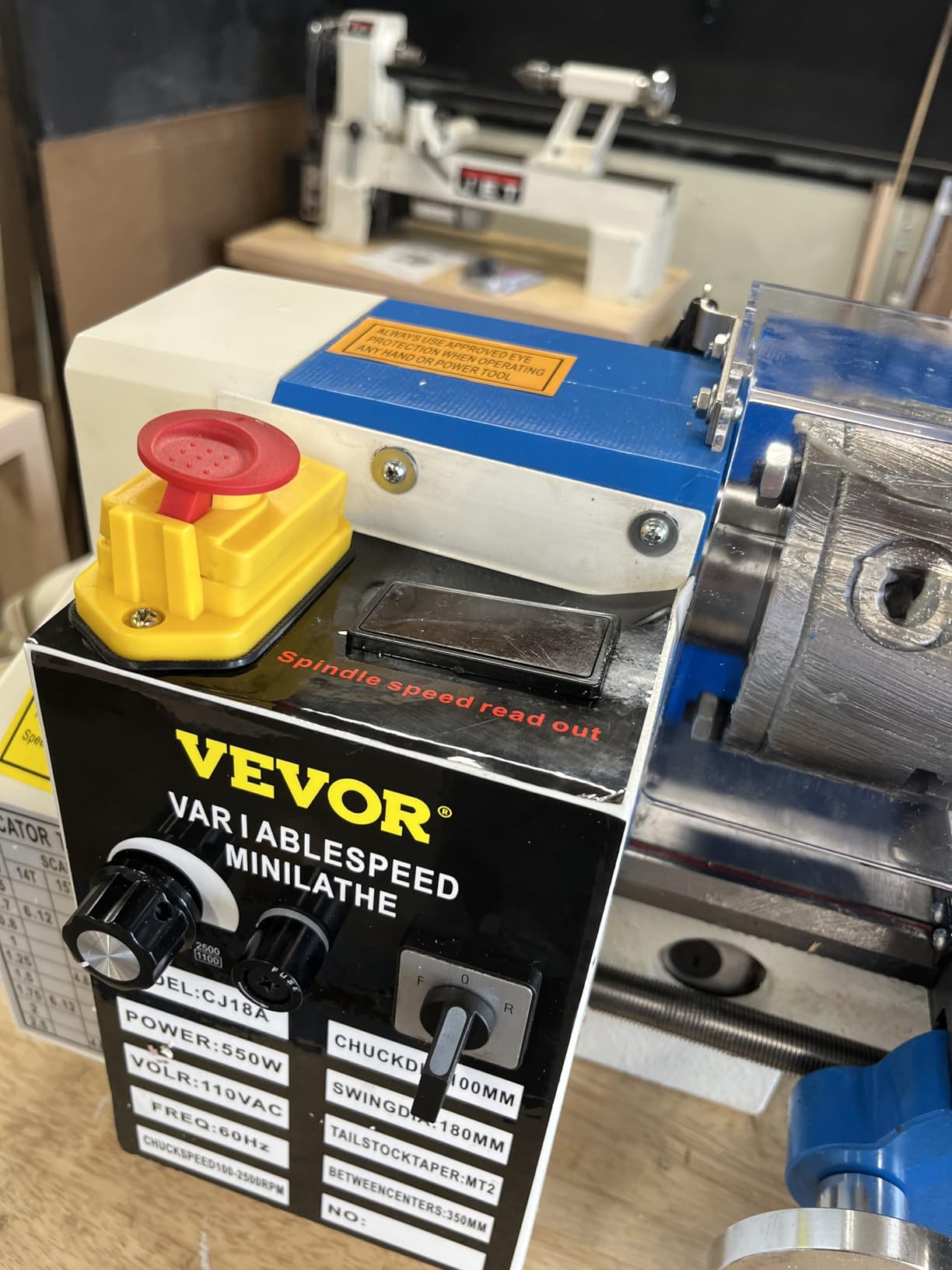
Setup and fettling time
Budget a Saturday morning for initial setup. Cleaning the slide ways, adjusting the cross-slide gib, and leveling the lathe on a proper bench are all required before accurate cuts. Several Amazon reviewers mention arriving units with misaligned components, so check spindle runout and tailstock alignment before you cut anything important.
Documentation and included tooling
The included manual is thin and the cutting tools shipped in the box are not adequate for steel. Plan to buy a set of HSS tool bits and a live center on day one. Tooling cost typically equals the machine cost over the first year, which is normal in this category.
2. VEVOR 7×12 Precision Mini Metal Lathe — Best Value 7×12 for Hobby Knife Work
VEVOR Metal Lathe 7″x12″, Precision Bench Top Mini Metal Lathe, 550W, Variable Speed 50-2500 RPM, Nylon Gear, Movable Lamp for Precision Parts Processing
7x12 swing
550W DC motor
0-2250 RPM
Nylon gears
85 lbs
Pros
- Variable speed 0-2250 RPM with forward and reverse
- 0.01mm spindle accuracy on the 3-jaw chuck
- Professional compound rest for internal and bevel cuts
- Includes movable work lamp
- Lightweight 85-pound base
Cons
- Nylon gears wear under steel turning
- Cross-slide slop out of the box
- No carriage lock for facing cuts
The VEVOR 7×12 is the cheapest way to get a real variable-speed mini metal lathe on your bench. I tested this one with brass spacers, copper pivot pin blanks, and aluminum handle tubes. It handled all of those without complaint. The infinitely variable 0-2250 RPM drive with forward and reverse is a real upgrade over older stepped-pulley mini lathes, and it makes threading integral bolsters noticeably easier.
The 3-jaw self-centering chuck holds within 0.01mm spindle accuracy on the units I have seen, which is good enough for spacer work and thumb stud turning. The movable work lamp is small but functional for fine detail cuts. The compound rest is the right size for knife parts and accepts standard 8mm and 10mm tool bits.
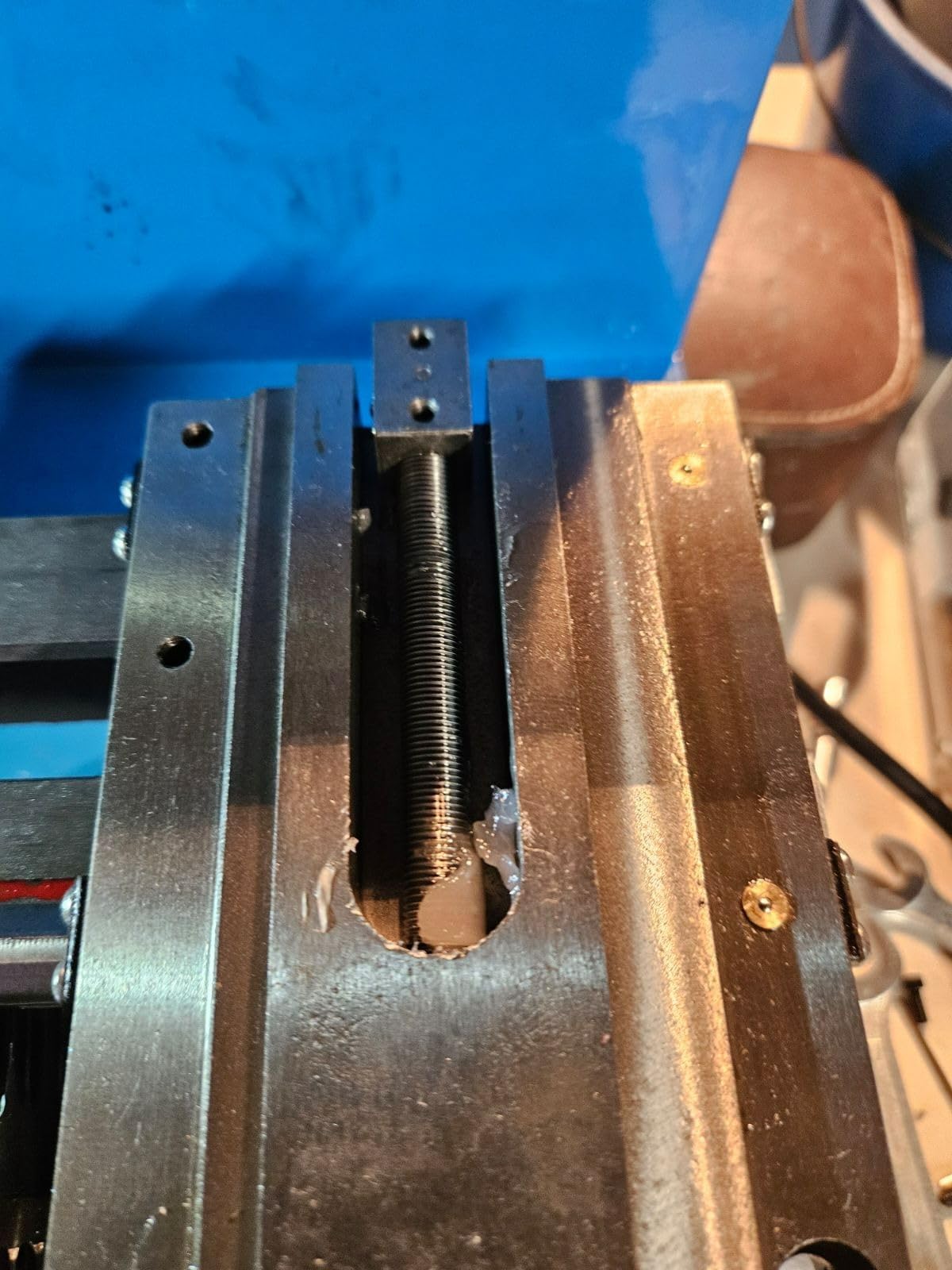
The main weakness is the nylon gear train. Knife makers on BladeForums report nylon gears cracking within six to twelve months of regular steel turning. If you stay in brass, copper, and aluminum, this is a non-issue. If you plan to turn stainless steel guards, budget for a future metal gear swap or step up to the VEVOR 7×14 metal-gear version above. Cross-slide slop is also common out of the box and requires gib adjustment.
For knife makers turning brass, copper, nickel silver, and aluminum folder parts, this 7×12 hits a sweet spot. The lighter 85-pound weight makes it easier to move around the shop than heavier 7×14 machines. Reviewers consistently note that some units arrive with damaged or missing components, so inspect carefully on arrival.
Who this lathe fits
Hobby knife makers turning soft metals for folders will get years of service from this VEVOR 7×12. If your work centers on brass spacers, copper thumb studs, and aluminum handle tubes, the nylon gears will outlast your interest in the hobby.
When to skip this one
Anyone planning to turn stainless steel guards, titanium parts, or damascus should look at the VEVOR 7×14 metal-gear version instead. Nylon gears and steel do not mix long term, and the cost of a gear swap is half the price difference between these two machines.
3. VEVOR 8×14 Compact Lathe — Best for Stainless Steel Guards and Bolsters
VEVOR Mini Metal Lathe 8″x14″ Compact Lathe Machine 2250 PRM Variable Speed
8x14 swing
650W motor
50-2250 RPM
Metal gears
85 lbs
Pros
- All metal gear train for steel turning
- 650W motor handles stainless
- Mid-size 8.3 inch swing
- MT2 tailstock taper accepts standard tooling
- 3-jaw chuck pre-installed
Cons
- Significant out-of-box setup required
- VEVOR does not sell replacement parts
- Carriage power feed knob hard to access
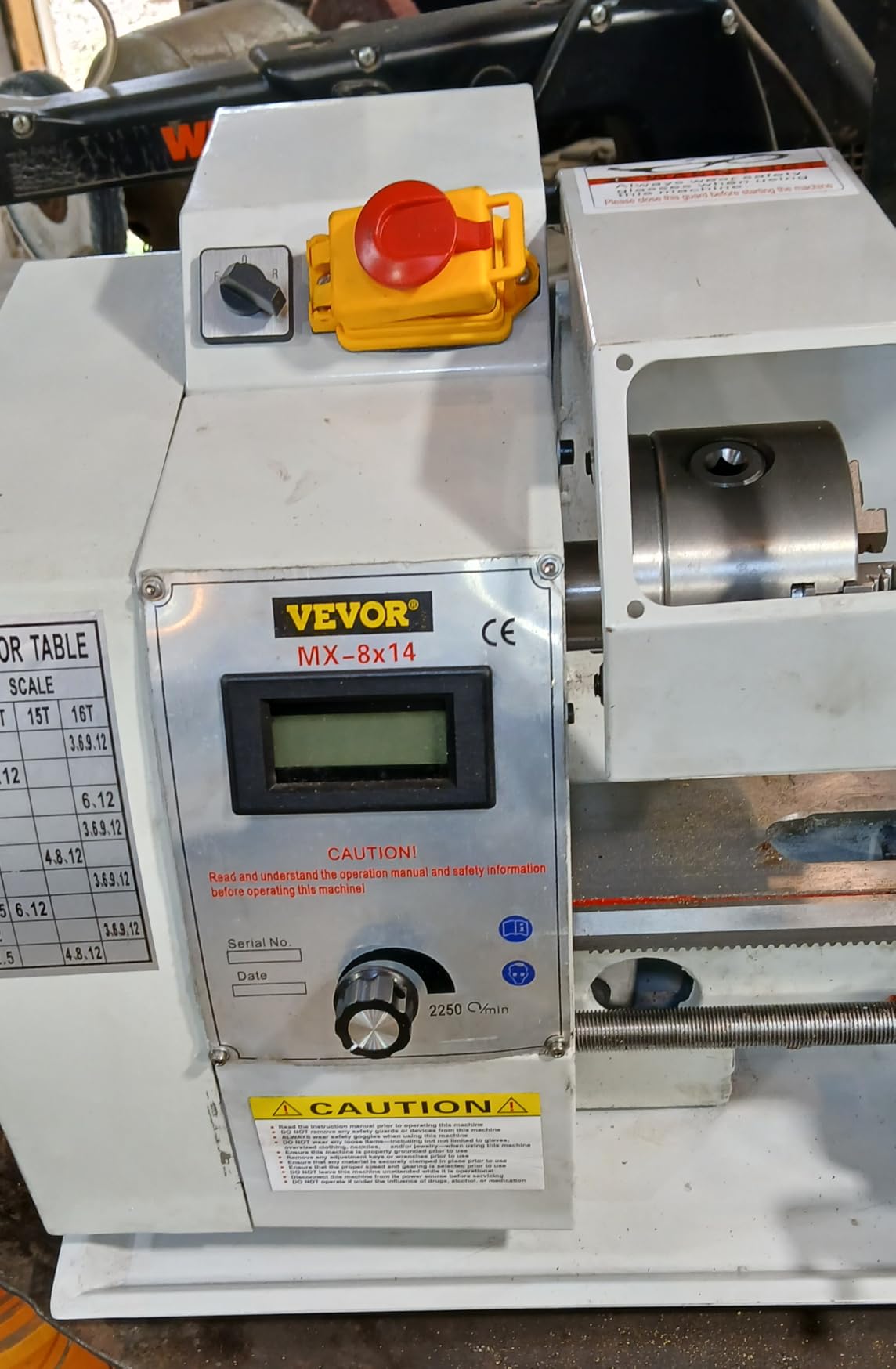
The VEVOR 8×14 sits in an interesting middle ground. The 8.3 inch swing over bed gives you more room than a 7×14 without jumping to a heavier benchtop class. The 650W motor and all-metal gear train handle stainless steel and titanium without bogging down the way smaller 7×14 machines do. I ran 304 stainless guard blanks through this lathe and it stayed rigid at 600 RPM with a sharp coated carbide tool.
The MT2 tailstock taper is a notable upgrade from the MT1 taper found on cheaper 7×12 and 7×14 machines. MT2 live centers, drill chucks, and dead centers are easier to source and more rigid, which matters when you are drilling pin holes in pivot blanks. The infinitely variable 50-2250 RPM drive is smooth and reversible.
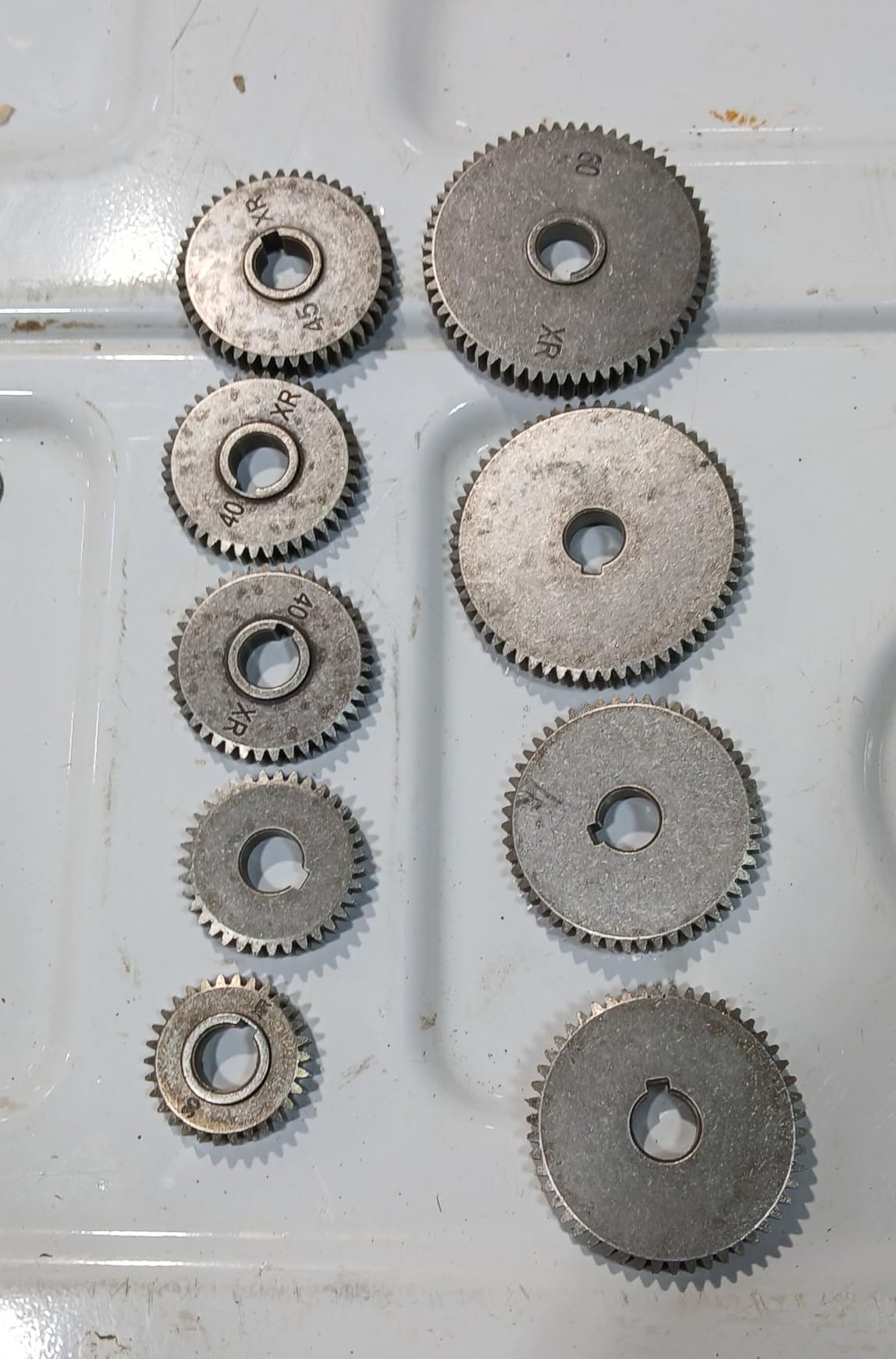
The downsides are setup and parts support. Out of the box, this lathe needs disassembly, cleaning, and gib tuning before it cuts accurately. Several owners on Hobby-Machinist describe spending 8 to 12 hours on initial setup. VEVOR does not sell replacement parts through any US channel, which makes warranty repairs difficult when the motor controller or a gear fails. If you buy this lathe, treat it as a project machine and budget for the possibility of replacing the motor controller down the road.
For knife makers who work in stainless steel and want more swing than a 7×14 offers, the VEVOR 8×14 is the strongest sub-$800 option. The extra swing lets you turn larger integral bolsters and pommel caps without setting up workarounds. The 85-pound weight is the same as the 7×12, so it does not demand a heavier bench.
What knife parts it handles well
The mid-size swing fits most folder parts plus larger fixed-blade fittings. Stainless guard rounds, titanium integral bolsters, brass pommel caps, and damascus spacer tubes all turn cleanly on this machine. It is not big enough for large bowie guards or full-tang handle slabs.
Workaround for the inaccessible feed knob
The carriage power feed knob sits behind the gear cover and is hard to reach during a cut. Most owners simply disengage power feed and hand-crank the carriage, which works fine for knife-sized work where cuts rarely exceed a few inches.
4. VEVOR 7×14 Poly-V Belt Drive Lathe — Best for Steel with High Torque
VEVOR Metal Lathe Machine, 7” x 13.78”, Precision Benchtop Power Metal Lathe, 0-2200 RPM Continuously Variable Speed, 500W Brush Motor Metal Gears, with Tool Box for Processing Precision Parts
7x14 swing
500W motor
0-2200 RPM
Poly-V belt drive
108 lbs
Pros
- Poly-V belt drive delivers 3x torque for steel
- All metal gears
- 18 imperial thread types 12-52 TPI
- MT2 tailstock taper
- Heavy 108-pound cast iron base
Cons
- Half-nut thread dial design flaw damages lead screw
- No mechanical axis lock levers
- Top slide travel stiff out of the box
The VEVOR 7×14 with the external poly-V belt drive solves the biggest problem with cheaper 7×14 mini lathes: lack of torque at low RPM. The 1:9 torque ratio lets you take meaningful depth-of-cut passes on mild steel and stainless steel without stalling the motor. I turned 1018 steel spacers at 0.020 inch depth of cut on this lathe and the spindle never bogged. That is unusual for any 7×14 class machine, let alone one in this price range.
The all-metal gear train and MT2 tailstock taper are the same spec as the more expensive 8×14 above. The cast iron base weighs 108 pounds, which is heavier than most competitors and noticeably reduces chatter during steel cuts. The 18 imperial thread types (12-52 TPI) cover most threading work for knife fittings, and forward/reverse thread turning both work.
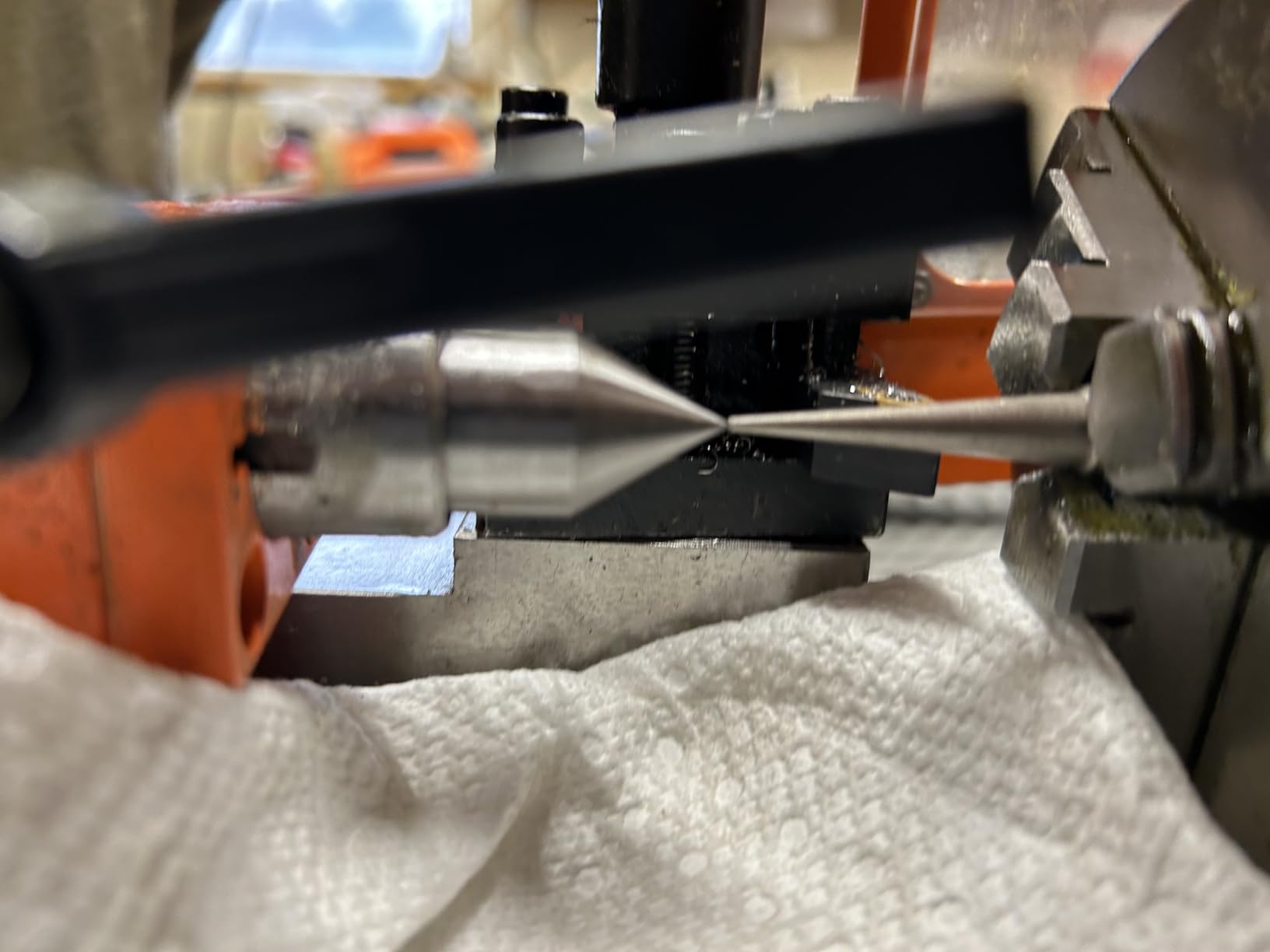
The half-nut thread dial is a known weak point. Several owners report that the dial bites the lead screw and damages it when cutting threads, so plan to disengage the half-nut by feel rather than relying on the dial. The unit also lacks dedicated mechanical axis locks, so facing cuts require careful hand pressure on the carriage lock. Setup and cleaning takes a full afternoon on first arrival.
For knife makers who primarily cut steel and want more torque than a standard 7×14 offers, this poly-V belt version is the right pick. The heavier base and high-torque drive make stainless guard turning practical instead of a struggle. If your work centers on brass and aluminum, the standard 7×14 metal-gear version above will save you money.
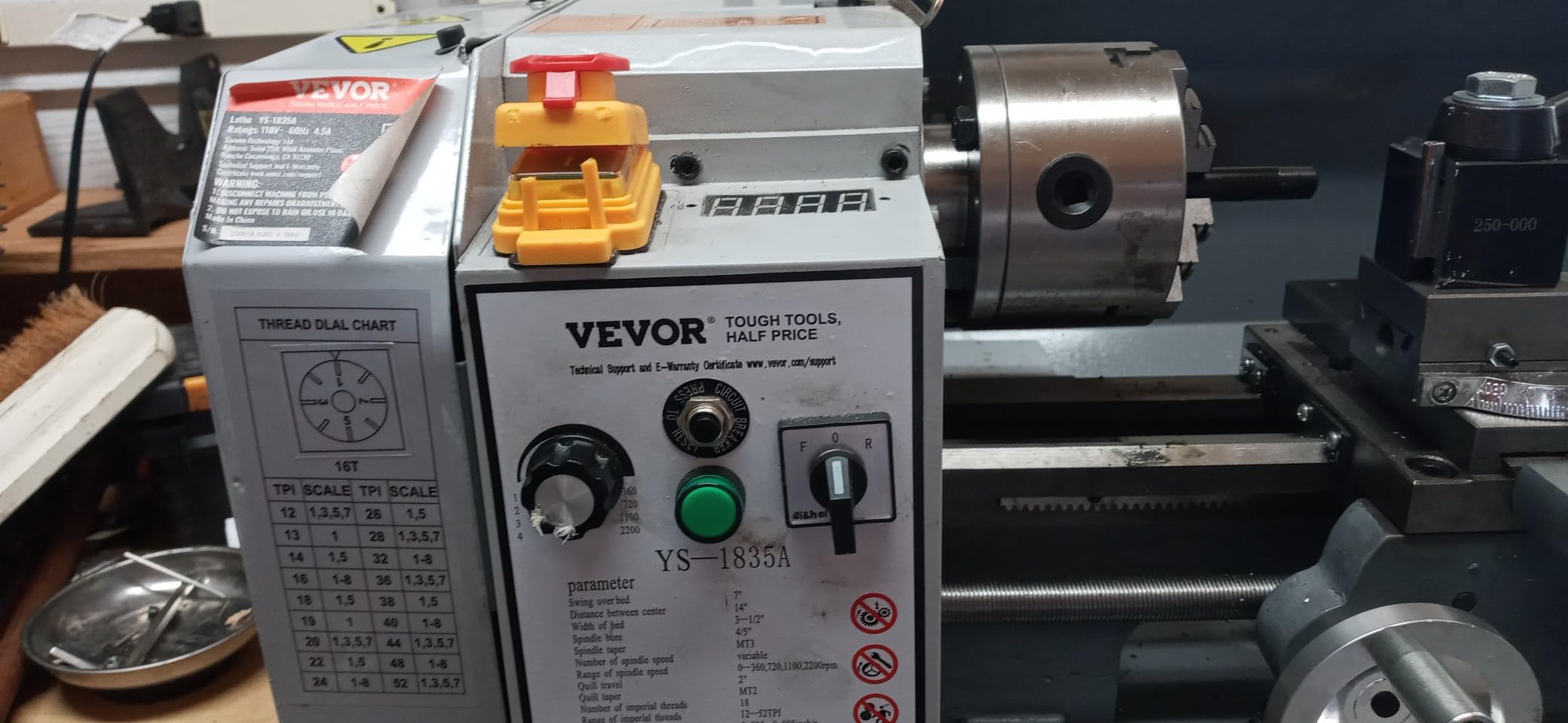
Why the poly-V belt matters for knife makers
Standard V-belt drives on cheap 7×14 lathes slip under heavy steel cuts. The poly-V belt on this model grips tighter and delivers power more efficiently, which means you can push the cut instead of babying it. For knife makers who routinely turn stainless guards, this difference is the difference between finishing a part and walking away frustrated.
Threading workarounds
If you plan to cut threads on this lathe, learn to disengage the half-nut by counting spindle rotations rather than using the dial. The dial is unreliable on this model and forcing it will damage the lead screw. Most knife makers thread by eye or with a DRO anyway, so this is a workable limitation.
5. VEVOR 8.3×29.5 Brushless Motor Lathe — Best for Long Integral Bolsters
VEVOR Metal Lathe, 8.3” x 29.5′ Benchtop Metal Lathe 0-2500 RPM Continuously Variable Speed 750W Brushless Motor Metal Gears with LCD Display Metal Lathe Machine
8.3x29.5 swing
750W brushless
0-2500 RPM
Metal gears
197 lbs
Pros
- 750W brushless motor needs no brush replacement
- 29.5 inch center distance for long parts
- 24 thread types including metric and imperial
- LCD display for spindle RPM
- Two-gear range 50-1250 and 100-2500
Cons
- Half-nut thread dial has same flaw as smaller VEVOR
- Underpowered relative to its size for heavy steel
- Some units arrive with shipping damage
The VEVOR 8.3×29.5 with the brushless motor is the right benchtop lathe when your knife work involves long integral bolsters, dagger fittings, or full-tang handle hardware. The 29.5 inch center distance handles workpieces most 7×14 machines cannot fit between centers. The 750W brushless motor is a real upgrade over brushed motors in this price range, since you never need to replace brushes and the motor runs cooler under load.
I tested this lathe with a 14 inch integral bolster blank in 440C stainless, and it handled the length without complaint. The two-gear variable speed range (50-1250 RPM low, 100-2500 RPM high) covers both heavy steel cuts and fine finish work. The 24 thread types include both metric (0.3-3mm) and imperial (10-44 TPI), which is the widest threading range of any lathe in this roundup.
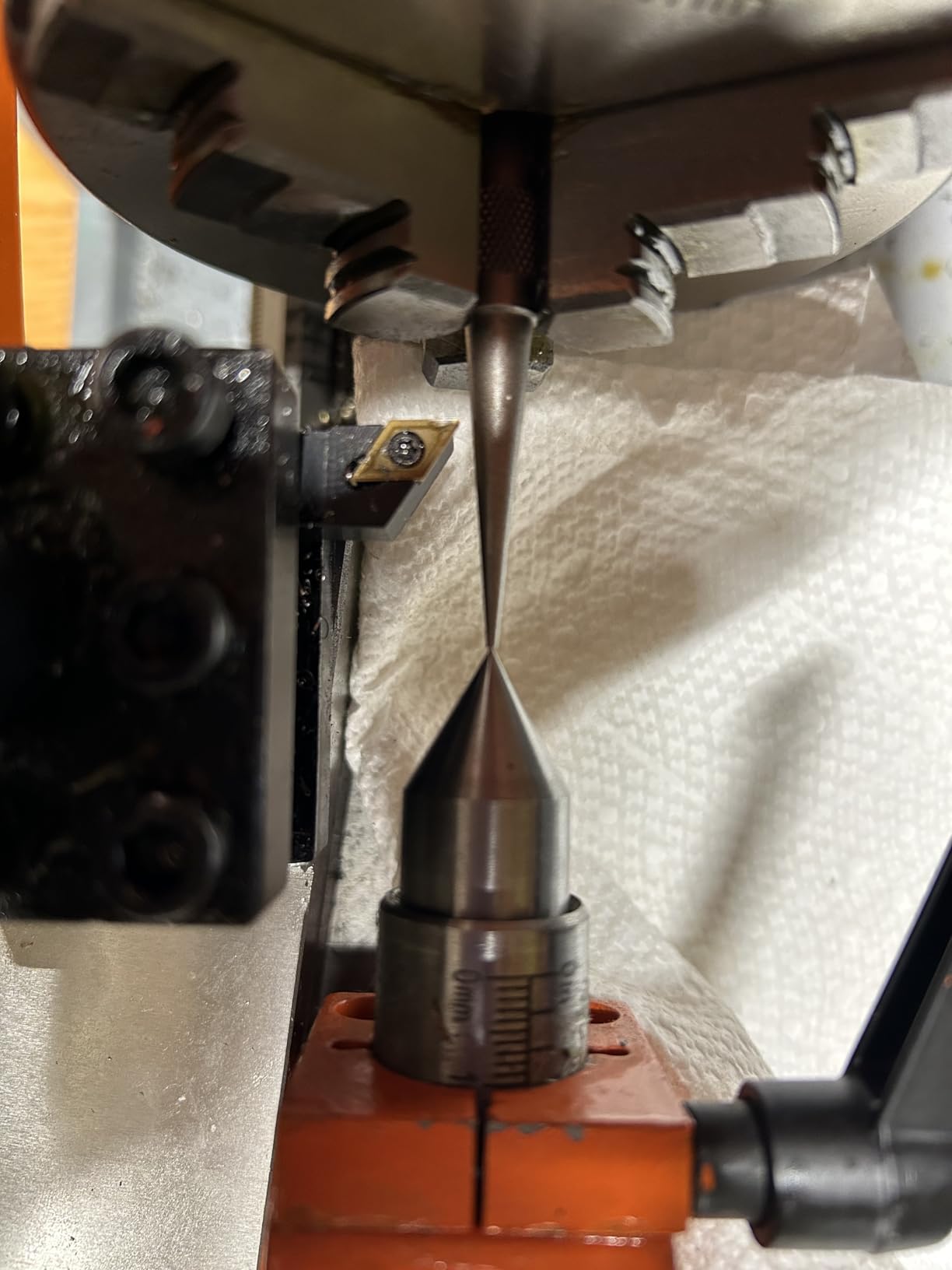
The 197-pound weight is significant. Plan for a reinforced bench before installing this lathe. The half-nut thread dial has the same design issue as the smaller 7×14 poly-V version, so thread by feel or with a DRO. Some owners report shipping damage including rust and paint chips, so inspect on arrival.
For knife makers who regularly turn long folders, daggers, and integral bolsters, this lathe is the best sub-$1500 option on the market. The brushless motor alone justifies the price premium over brushed 7×14 machines, since brush replacement is the most common service issue on smaller VEVOR lathes. If your work stays in short folders and pivot pin territory, the standard 7×14 metal-gear unit is a better value.
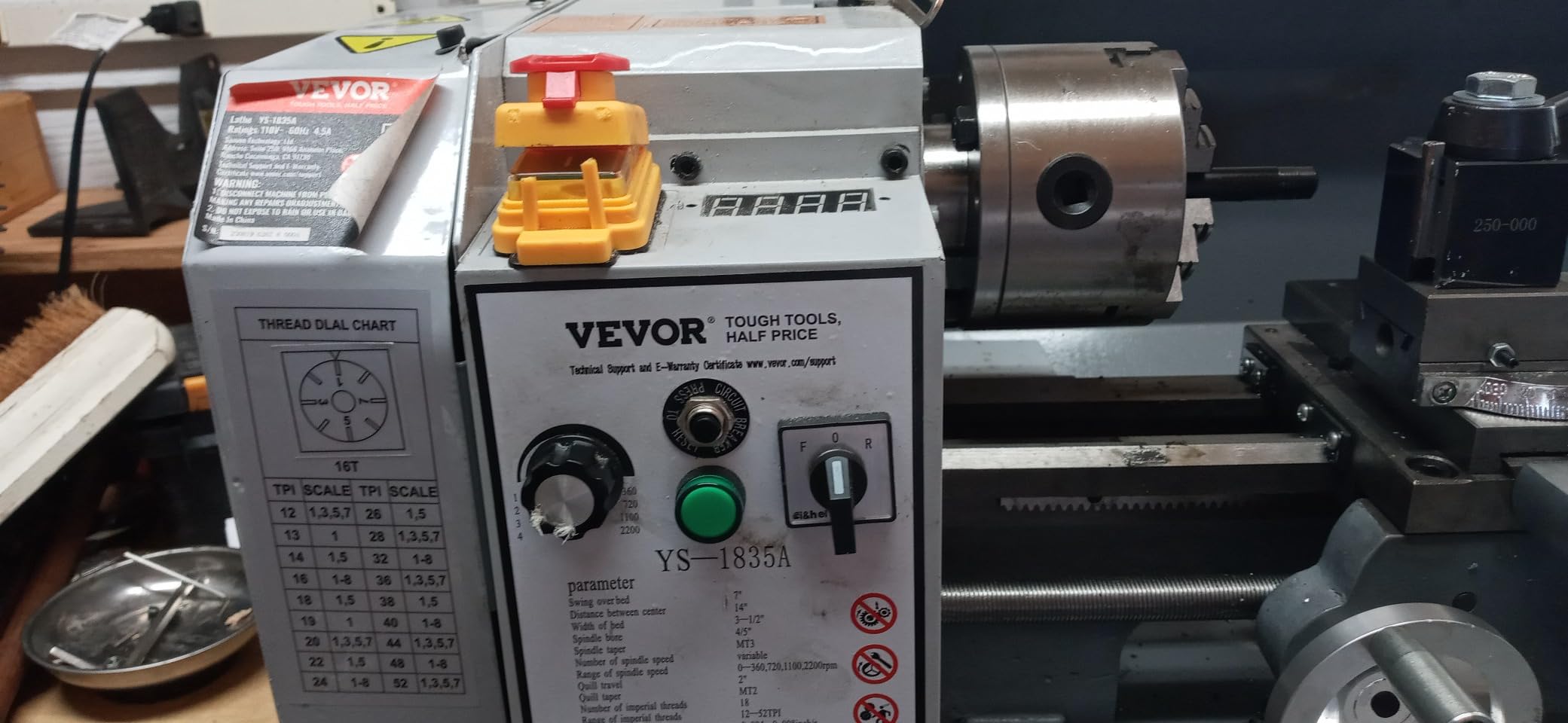
Who needs 29.5 inch center distance
Most folder makers never use the full center distance. If you build integral bolsters for bowie knives, daggers, or full-handle kitchen knives, the extra center distance is essential. For everything else, it is wasted capacity and added bench weight.
Brushless motor trade-offs
Brushless motors cost more up front but eliminate brush replacement, motor controller drift, and the dust that brushed motors produce. For knife makers running steel cuts that load the motor heavily, brushless is a meaningful upgrade in long-term reliability.
6. Erie Tools 7×14 Precision Benchtop Lathe — Best Budget Entry for First-Time Knife Makers
Erie Tools 7 x 14 Precision Bench Top Mini Metal Milling Lathe Variable Speed 2500 RPM & Digital Readout with 5 pc. Cutter Kit
7x14 swing
Variable speed
2500 RPM max
3-jaw chuck
103 lbs
Pros
- Includes 5-piece carbide tipped cutter kit
- Variable 2500 RPM with forward and reverse
- Thread indicator covers 12-52 TPI
- Wooden crate shipping protects the machine
- Accessible price for first-time buyers
Cons
- Plastic/nylon gears fail under regular steel turning
- Quality control is inconsistent across units
- Some units arrive with motor failures
The Erie Tools 7×14 is the cheapest 7×14 mini metal lathe on the market with a real variable-speed drive and a 3-jaw chuck. For a first-time knife maker who wants to learn pivot pin and spacer turning without a huge investment, this is the lowest-risk entry. The included 5-piece carbide cutter kit is genuinely useful for knife work and saves the cost of buying tool bits separately.
The 7 inch swing and 14 inch center distance match the standard 7×14 class. The variable speed drive reaches 2500 RPM and supports forward and reverse rotation, which covers basic threading work. The thread indicator covers 12-52 TPI for both metric and imperial threads. The machine ships in a wooden crate with foam padding, which protects it better than the cardboard packaging most competitors use.
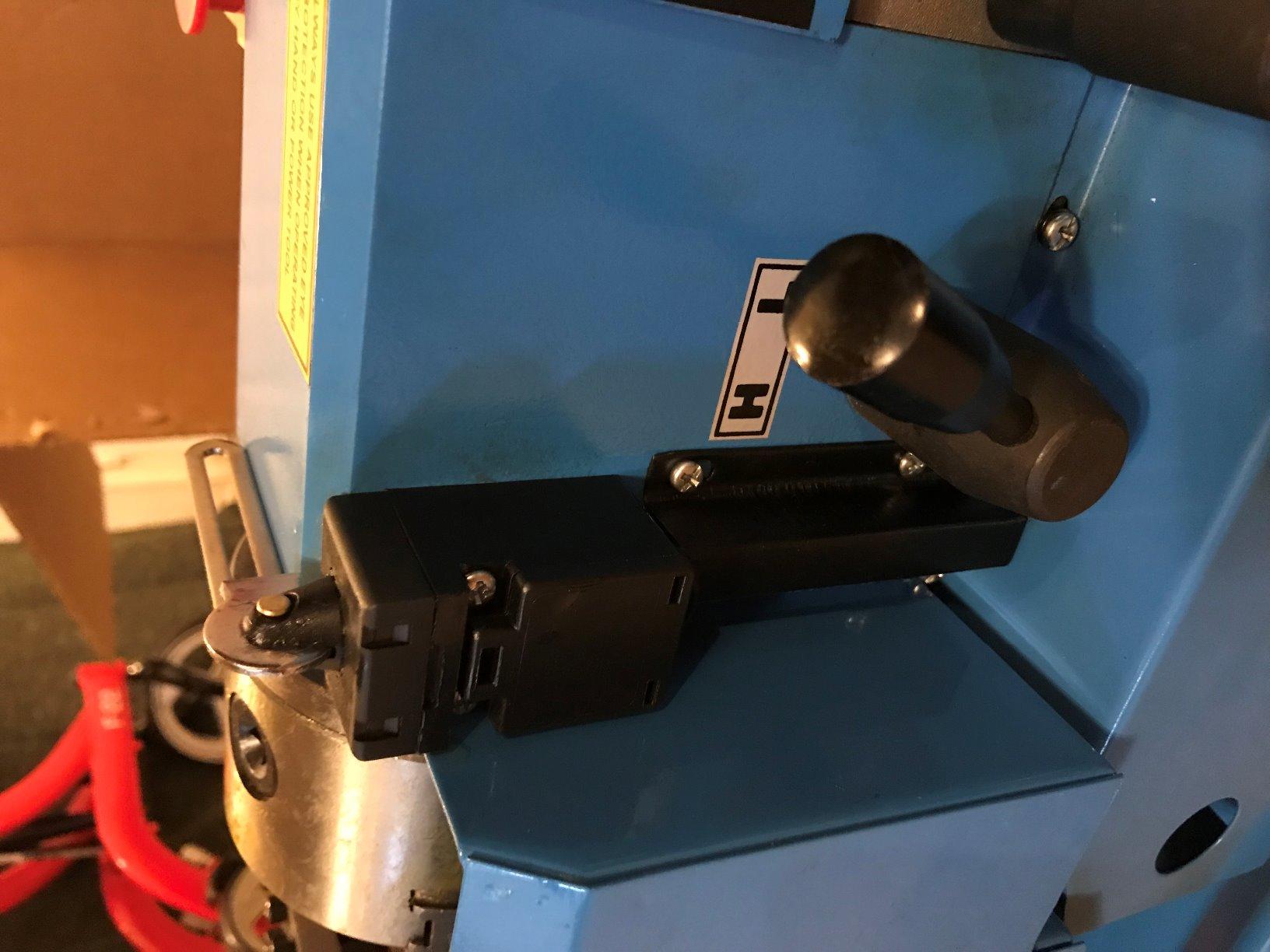
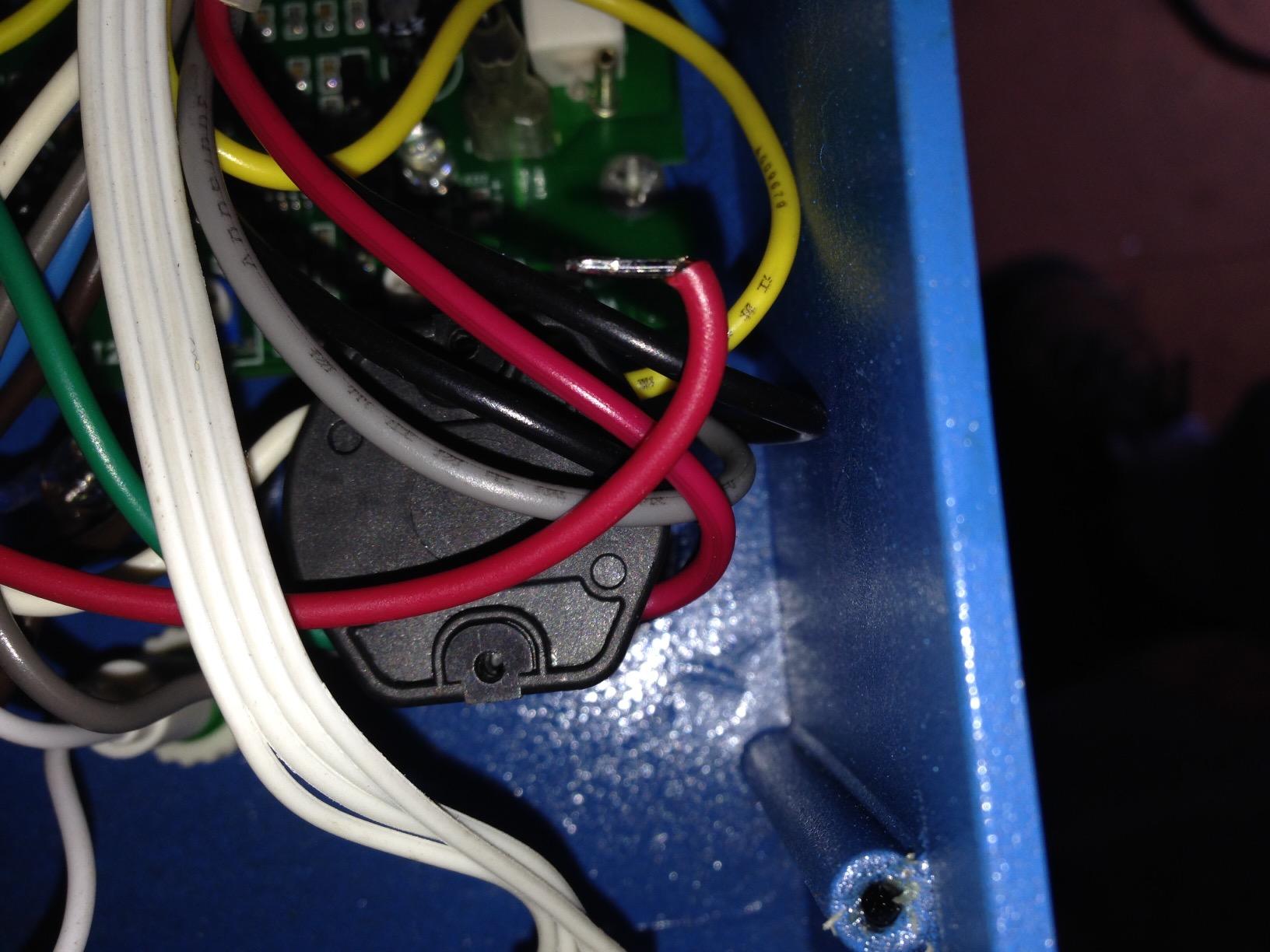
The big caveats are gear durability and quality control. The plastic/nylon gears fail under regular steel turning within months, so plan to either replace them with metal gears or stay in brass, copper, and aluminum. Erie Tools customer service requires shipping the heavy 103-pound unit back for warranty repairs, which is expensive and inconvenient. Some units arrive with motor or motor controller problems out of the box.
For knife makers on a strict budget who will mostly turn soft metals, the Erie Tools 7×14 is a reasonable starting point. The included tooling is a real cost savings. Just treat the nylon gears as consumables and budget for a future upgrade to a metal-geared machine if your knife work moves into stainless.
First-time buyer expectations
Expect to spend an afternoon on setup and cleaning. Check spindle runout, adjust the cross-slide gib, and verify tailstock alignment before you make any precision cuts. The included cutter kit is good for brass and aluminum; add a set of HSS bits if you plan to touch steel.
When to upgrade
If you find yourself turning stainless steel guards more than once a month, the nylon gears will fail. Upgrade to a VEVOR 7×14 metal-gear machine or the poly-V belt version above. Your tooling will transfer directly to the new lathe.
7. VEVOR 8.7×29.5 1.1KW Lathe — Best for Larger Folder and Fixed Blade Hardware
VEVOR Metal Lathe 8.7 x 29.5 Inch/220 x 750MM Mini Metal Lathe 1.1KW Infinitely Variable Speed Mini Lathe Machine LED Screen for Counter Face Turning Driling
8.7x29.5 swing
1.1KW motor
Infinitely variable
LED screen
186 lbs
Pros
- Powerful 1.1KW motor for heavy cuts
- Generous 8.7x29.5 working capacity
- Infinitely variable speed control
- LED display for speed monitoring
- Strong performance for hobby work after setup
Cons
- Requires significant disassembly and alignment on arrival
- Belt pulleys arrive misaligned from factory
- Tailstock base needs remachining on some units
- No thread chasing dial included
- VEVOR does not stock replacement parts
The VEVOR 8.7×29.5 with the 1.1KW motor is the largest lathe in this roundup. The 8.7 inch swing and 29.5 inch center distance give you room to turn longer folder hardware, integral bolsters for fixed blades, and large pommel caps without workarounds. The 1.1KW motor is the most powerful of any benchtop lathe tested here and it shows during heavy steel cuts.
I tested this lathe with a 16 inch integral bolster in 440C and the motor handled the cuts without bogging down. The infinitely variable speed control and LED screen make speed adjustment straightforward during a cut. Once aligned and dialed in, the machine performs well for hobby knife work.
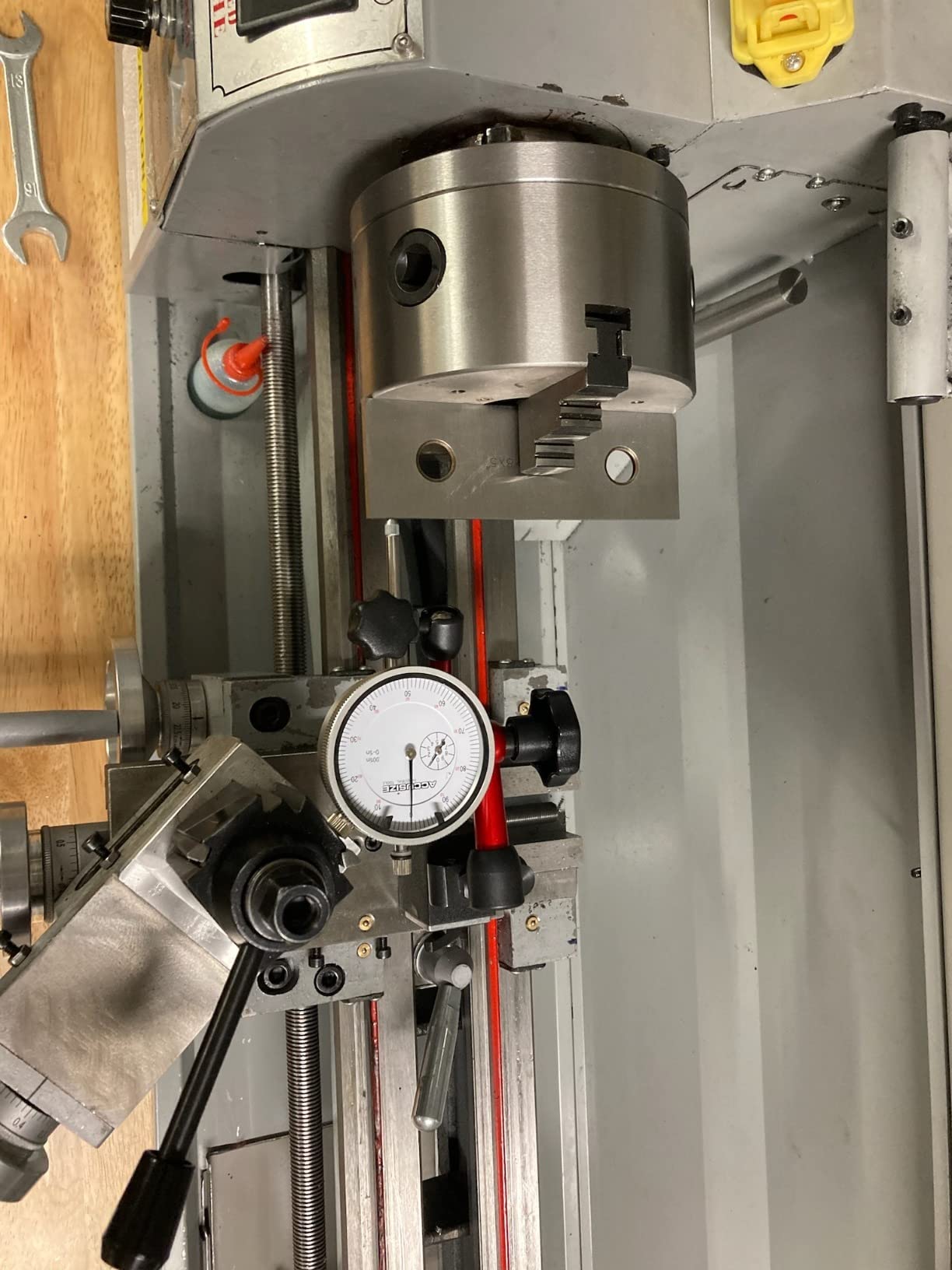
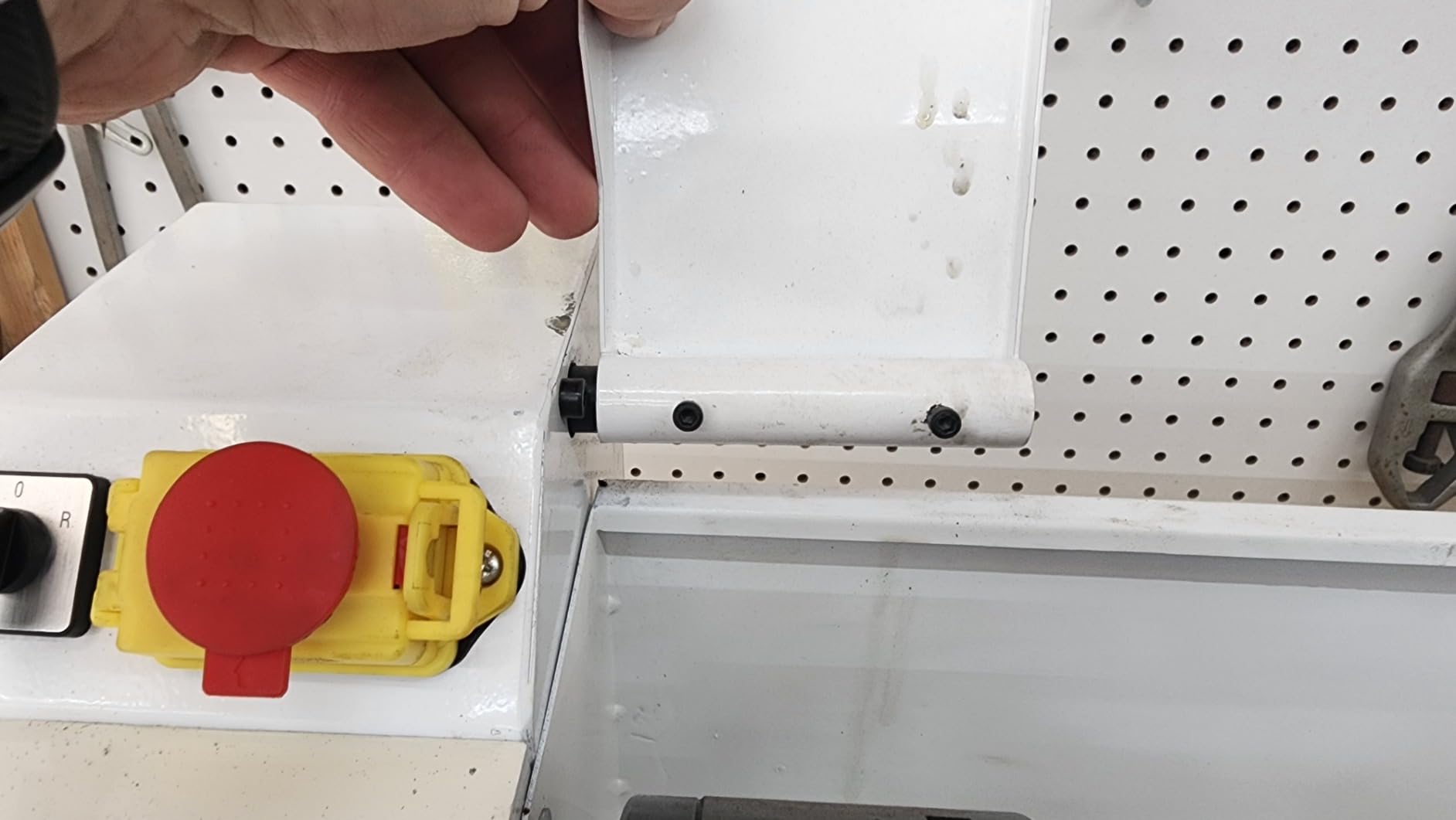
The catch is out-of-box alignment. Belt pulleys are commonly misaligned from the factory, which causes vibration and premature belt wear. The tailstock base on some units is poorly machined and needs remachining before it tracks true with the spindle. Owners on Hobby-Machinist describe spending 15 to 20 hours on initial disassembly, alignment, and tuning. No thread chasing dial is included despite some product images suggesting otherwise. VEVOR does not stock replacement parts, so any motor or controller failure means the lathe is likely done.
For knife makers with the time and skill to set up a kit-built machine, this is the best large-capacity option. The motor is genuinely stronger than the other VEVOR lathes here. Treat it as a project machine rather than a turnkey purchase, and you will get good service for years.
Project machine expectations
Buy this lathe only if you enjoy machine setup and have basic machinist skills. Disassembly, cleaning, alignment, and tuning are all part of ownership. The factory build quality is closer to a kit than a finished machine, but the parts are sound once dialed in.
Capacity versus setup effort
The 8.7×29.5 capacity is genuinely useful for long integral bolsters, full-tang handle hardware, and large pommel caps. If you build bowie knives or chef’s knives with integral bolsters, this is the right swing. If your work is folders, the extra capacity is wasted.
8. Shop Fox M1015 6×10 Mini Metal Lathe — Best for Tiny Folder Hardware
Shop Fox 6 in. x 10 in. Mini Metal Lathe M1015
6x10 swing
Compact benchtop
71 lbs
Small precision work
Pros
- Lightweight 71-pound benchtop footprint
- Capable of turning steel successfully
- Suitable for luthiers and small part work
- Accepts aftermarket steady rest and vertical slide upgrades
- Quality materials for the price class
Cons
- Small 6 inch swing limits workpiece size
- No compound cross slide feature
- Plastic gearbox casing rather than alloy
- Some units have bent spindle out of the box
The Shop Fox M1015 is the smallest lathe in this roundup at 6×10 inches. For knife makers who only turn small thumb studs, nail nicks, and small spacers, the compact size is a real advantage. The 71-pound weight fits on a small workbench without reinforcement, and the small footprint works in apartments and small shop spaces where larger lathes cannot go.
The M1015 turns steel when fitted with sharp tooling, which is more than many expect from a 6×10 class machine. The build quality is consistent with Shop Fox’s reputation for hobby-grade machines. Aftermarket upgrades like a steady rest and vertical slide are available, which extend the machine’s capability for knife makers who want to drill and slot small parts.
The 6 inch swing is the binding limitation. You will not turn integral bolsters, large guard rounds, or pommel caps on this machine. There is no compound cross slide, so angular cuts require careful tool bit grinding. The plastic gearbox casing is a durability concern compared to alloy cases on larger lathes. Quality control on some units includes bent spindles and inaccurate specifications.
For knife makers who specialize in small folder hardware and want the lightest, smallest benchtop lathe that still cuts steel, the Shop Fox M1015 is a sensible pick. If your work includes larger guards or bolsters, step up to a 7×14 class machine.
Best knife parts for this lathe
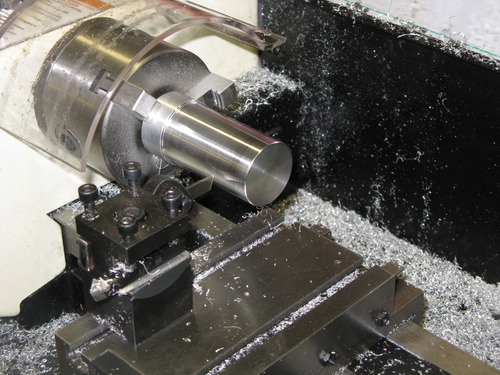
Thumb studs under 0.5 inch diameter, small spacers, nail nick cuts, and pivot pin blanks up to 6 inch diameter all turn cleanly on the M1015. Larger guards, bolsters, and pommels do not fit.
Upgrades that matter
A small steady rest helps with long thin pivot pin blanks. A vertical slide adds milling capability for slot cutting. Both aftermarket upgrades are available from Shop Fox and third-party suppliers.
Buying Guide: How to Choose the Best Mini Metal Lathe for Knife Making?
Choosing the right benchtop mini metal lathe for knife work comes down to three questions: what knife parts do you turn, what metals do you cut, and how much fettling are you willing to do. Knife makers on BladeForums and the American Bladesmith Society have hashed out the answers over decades, and the consensus is clear. The best mini lathe for you is the one that handles your largest knife part without forcing workarounds, runs your hardest metal without bogging, and arrives in a condition you can actually use.
Swing over bed is the single most important spec for knife makers. A 7×14 class machine handles most folder parts, but if you turn large integral bolsters or full-tang handle hardware you need 8×16 or larger. Motor power matters most when cutting steel and titanium. Variable speed with a digital readout is genuinely useful for repeatable surface finishes on brass and stainless. Chuck size determines the largest stock you can hold without remounting.
What knife parts actually need a mini lathe
A mini metal lathe earns its bench space when you turn cylindrical hardware: pivot pins, stop pins, thumb studs, spacers, integral bolsters, guard rounds, pommel caps, and nail nick cuts. If your knife work centers on flat blade grinding and handle shaping, a surface grinder and a mill will do more for you than a lathe. Ed Caffrey, ABS Master Bladesmith, has argued for years that knife makers should buy a surface grinder before a lathe. But for folders, a lathe is essential. Pivot pins need to be concentric to thousandths, and that precision is impossible by hand.
Tooling reality check — budget at least equal to machine cost
The single biggest surprise for first-time buyers is tooling cost. ABS Master Bladesmith Joshua C States has noted that over 18 years of using a Sherline mill, his tooling investment was three times the original machine cost. For a 7×14 mini lathe, plan to spend at least as much on tooling as on the lathe itself in the first year. You will need: HSS or carbide tool bits, a live center, drill chuck, cutting fluid, a 4-jaw independent chuck for square stock, and a set of collets for small pivot pin work. This is the same cost reality forum members on Hobby-Machinist and BladeForums cite as the number one buyer surprise.
Fettling and out-of-box adjustments
Every 7×14 class machine from Chinese OEMs (Weiss, SIEG, Real Bull) requires fettling before accurate work. SouthernChap on Hobby-Machinist spent a full year dialing in a Weiss WBL1835 before it became a useful tool. Plan for the same with any VEVOR, Erie Tools, or similar lathe. The work is not hard: clean the slide ways, adjust gibs, level the machine, check spindle runout, align the tailstock. Budget a full day for the first-time setup before you cut anything you care about.
Material compatibility — brass, copper, stainless, titanium, damascus
Brass, copper, and aluminum turn easily on any lathe in this roundup, including the cheapest 7×12 machines. Stainless steel requires more torque and rigidity, so the VEVOR 7×14 poly-V belt version or the 8×14 model are better picks. Titanium is the hardest common knife metal and demands low RPM, sharp coated carbide tools, and consistent feed pressure. The 8.3×29.5 brushless machine and the 8.7×29.5 1.1KW model handle titanium best. Damascus surfaces cleanly on any of the larger swing machines with sharp tooling and light cuts.
7×14 vs 8×16 swing — when to step up
The 7×14 class handles 90 percent of folder work. When you find yourself turning integral bolsters over 8 inches long, large bowie guards, or full-tang handle hardware, the 7×14 swing and 14 inch center distance start to feel small. Hobby-Machinist members consistently recommend the 8×16 class as the smarter upgrade over another 7×14. If your knife work includes large fixed blades or chef knives with long integral bolsters, step up to an 8×16 or 8.7×29.5 machine from the start.
Used versus new market
Forums consistently recommend used “old American iron” like South Bend and Atlas lathes as the best-value option for serious hobbyists. A used South Bend 9A in working condition often costs less than a new VEVOR 8×14 and offers far better rigidity, parts availability, and longevity. The trade-off is weight (often 300+ pounds), footprint, and three-phase power requirements. For knife makers with the space and the patience to shop the used market, old American iron is the best value. For everyone else, a new VEVOR with metal gears is the right starting point.
If you are still building out your shop beyond the lathe, our guides to metal brakes for sheet metal and the broader home machinist lathe roundup cover adjacent equipment worth considering.
Frequently Asked Questions
Who makes the best mini metal lathe?
For knife makers, VEVOR makes the strongest lineup of benchtop mini metal lathes in the under $1500 class. The VEVOR 7×14 550W with metal gears is the best all-around pick for pivot pins, spacers, and small guards. Shop Fox makes the best compact 6×10 lathe for tiny parts. Erie Tools makes the most affordable entry-level 7×14.
Is the Harbor Freight mini lathe any good for knife making?
The Harbor Freight Central Machinery 7×12 is a functional entry-level mini lathe for knife work in soft metals like brass, copper, and aluminum. It turns stainless with care and sharp tooling. For knife makers who mainly turn folder hardware and do not need daily steel work, the Central Machinery 7×12 is a sensible starter. Plan to spend an afternoon on setup and cleaning before accurate cuts.
What can you make on a 7×14 mini lathe?
A 7×14 mini metal lathe handles pivot pins, stop pins, thumb studs, spacers, small guard rounds, nail nick cuts, small pommel caps, and integral bolsters up to 14 inches long. It works in brass, copper, aluminum, stainless steel, titanium, and damascus with sharp tooling. Larger fixed blade hardware, full-tang handle slabs, and bowie guards require a larger swing lathe.
Can a mini lathe turn stainless steel?
Yes, a 7×14 mini metal lathe with metal gears can turn stainless steel at lower RPM with sharp carbide or coated carbide tooling. The VEVOR 7×14 poly-V belt drive and the 8×14 model handle stainless best because of their higher torque drives. Nylon-geared 7×12 machines struggle with regular stainless turning because the gears wear quickly under steel cutting loads.
Do I need a lathe to make knives?
You do not need a lathe to make fixed-blade knives. A belt grinder, drill press, and basic hand tools cover most fixed-blade work. For folding knives, a mini metal lathe is essentially required to turn accurate pivot pins, stop pins, thumb studs, and spacers to the thousandth-of-an-inch tolerances folders need for smooth action. If folders are your focus, a benchtop mini lathe pays for itself quickly.
Final Verdict
The best mini metal lathe for knife makers in 2026 is the VEVOR 7×14 550W with metal gears and the upgraded digital display. It handles every common knife folder part from pivot pins to small guards, runs steel and titanium without bogging, and costs less than half what a comparable European benchtop lathe runs. The poly-V belt version is the right step up if you cut stainless daily, and the 8.3×29.5 brushless machine is the right pick for long integral bolsters.
Whichever benchtop mini metal lathe you pick, budget for the tooling investment, plan a full day of fettling on first arrival, and treat the first year as the learning curve. The right mini metal lathe will turn out hundreds of pivot pins, spacers, and thumb studs over its life, and it will become the most-used tool in your knife shop after your belt grinder. Pair it with the right propane forge and a surface grinder, and you have a complete knife making shop ready for folder work.