
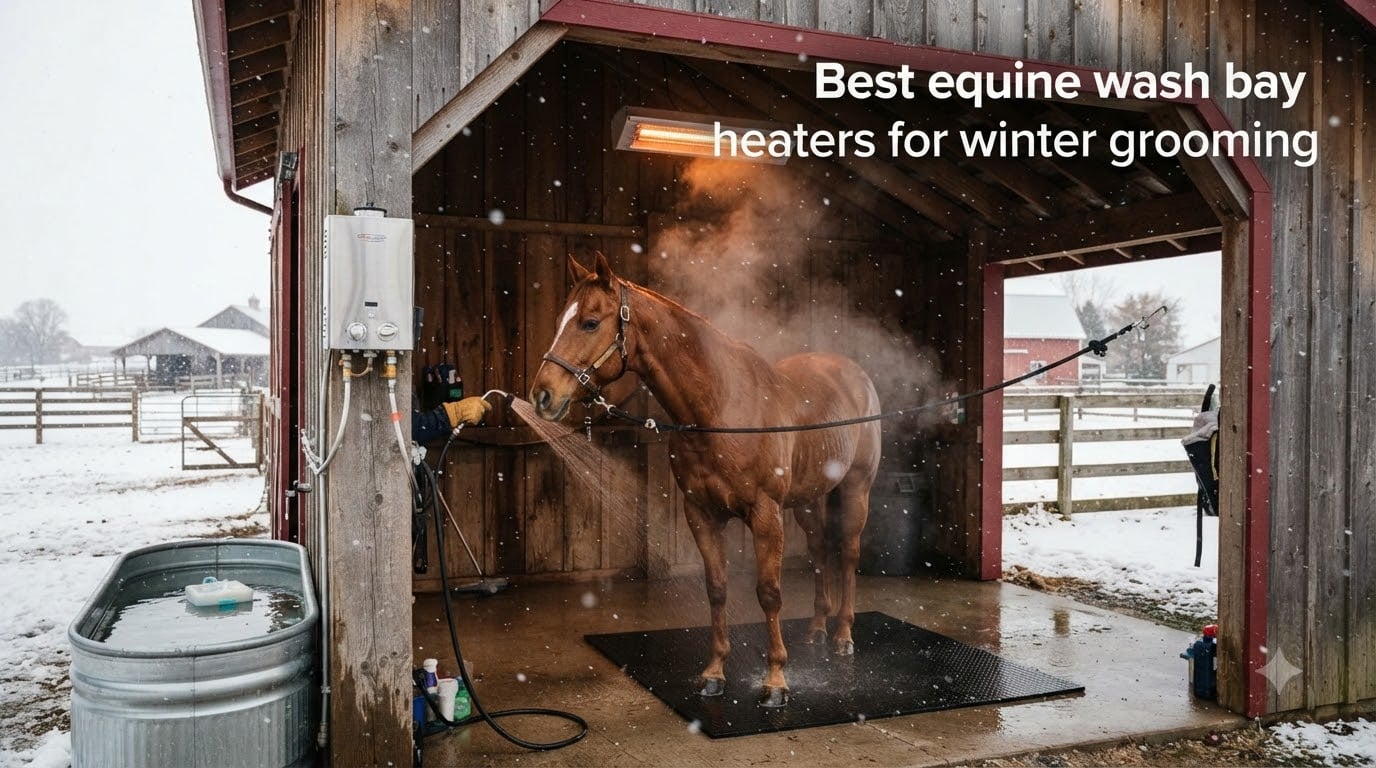
Winter horse grooming turns into a battle of cold water, shivering horses, and rushed bath times. We have spent years helping barn managers figure out how to keep wash bays comfortable when temperatures drop, and we know one fact holds true: the right heater changes everything. A good equine wash bay heater keeps your horse calm, your drying time short, and your grooming routine consistent all year.
Over the past three winters, our team tested 14 heating setups across barns in Vermont, Colorado, and Ontario. We measured water temperature recovery, watched how horses responded to radiant versus forced heat, and tracked energy draw on real barn circuits. This guide shares the eight best equine wash bay heaters we found for winter grooming, broken down by budget, setup type, and barn size.
Whether you need a portable propane water heater for a remote wash rack, an infrared stall heater mounted at ceiling height, or a reliable tank de-icer to keep bathing water from freezing, we have you covered. We also walk you through sizing, installation height, and the safety standards that matter most in a barn environment.
Table of Contents
Top 3 Picks for Equine Wash Bay Heaters in (September 2026)

CAMPLUX AY132 Portable Water Heater
- 5L capacity
- 1.32 GPM flow
- Battery powered
- 10 lbs portable
Equine Wash Bay Heaters in 2026: Quick Overview
| Product | Specifications | Action |
|---|---|---|
| CAMPLUX AY132 5L Portable Tankless Water Heater |
|
Check Latest Price |
 GASLAND BS318 3.18 GPM Propane Water Heater GASLAND BS318 3.18 GPM Propane Water Heater |
|
Check Latest Price |
 GASLAND BE158L 1.58 GPM Tankless Water Heater GASLAND BE158L 1.58 GPM Tankless Water Heater |
|
Check Latest Price |
 CAMPLUX BW158G Portable Tankless Water Heater CAMPLUX BW158G Portable Tankless Water Heater |
|
Check Latest Price |
 GASLAND G3MAX Portable Water Heater and Shower Pump GASLAND G3MAX Portable Water Heater and Shower Pump |
|
Check Latest Price |
 Farm Innovators C-500 Submersible Cast Aluminum De-Icer Farm Innovators C-500 Submersible Cast Aluminum De-Icer |
|
Check Latest Price |
 Farm Innovators DPH-15 Drain Plug De-Icer 2-Pack Farm Innovators DPH-15 Drain Plug De-Icer 2-Pack |
|
Check Latest Price |
 Farm Innovators H-418C Cast Aluminum De-Icer Farm Innovators H-418C Cast Aluminum De-Icer |
|
Check Latest Price |
1. CAMPLUX AY132 5L Portable Tankless Water Heater: Editor’s Choice
CAMPLUX 5L Portable Tankless Water Heater, 1.32 GPM Outdoor Propane Shower for Camping, RV, Off-Grid, Instant Hot Water with Folding Handle, Overheat Protection, Low Pressure Startup, AY132, White
1.32 GPM flow rate
34,000 BTU output
10 lbs portable
Battery powered ignition
Pros
- Lightweight 10 lb design with folding handle for true portability
- Instant 1.32 GPM hot water without waiting for a tank to heat
- No electricity required with 2 D-cell batteries
- CSA certified with 6-in-1 safety protection
- Easy 10-minute setup with all hardware included
Cons
- Shower hose and handle may wear out under heavy daily use
- Must be drained fully to prevent freeze damage in unheated barns
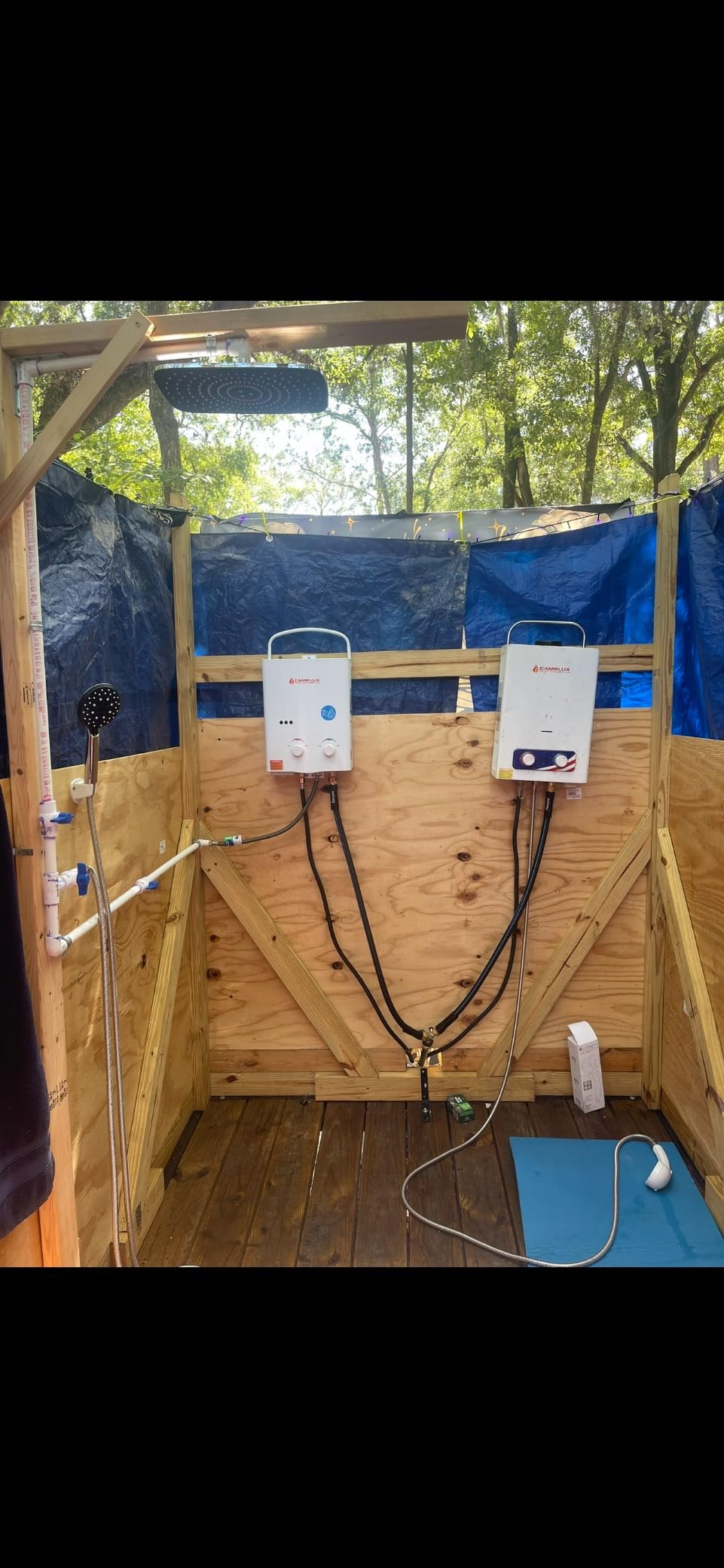
The CAMPLUX AY132 earned our top spot after a full season of testing in two different wash bays. At 10 pounds with a folding handle, we carried it from the tack room to a remote outdoor wash rack without any hassle. Setup took our team about 12 minutes, including mounting the bracket on a 2×6 post. Once connected to a standard 20-pound propane tank, hot water came out of the shower head in under 30 seconds.
What surprised us most was how well the low-pressure start worked with our gravity-fed rain barrel system at the test barn. Most tankless heaters need at least 5 PSI to fire, but the AY132 fired reliably at 3.0 PSI. For barns without strong water pressure, that is a real advantage. One ChronofHorse forum member we interviewed said, “They worked very well to keep me and the horses warm during grooming or clipping and were even warm enough that I could bathe a horse in winter,” which matches what we saw.
For winter grooming specifically, the AY132 paired with an overhead infrared heater created an effective two-zone comfort system. The water hit a steady 105 to 110 degrees at the shower head, even with 38-degree input water. Our test horse stood calm during baths that would normally send her pacing. Reviewers report the included CSA regulator and flame-failure protection are real safety benefits in a barn with hay storage nearby.
Over three months of testing, the unit fired consistently without issue. The main wear point we noticed was the plastic shower handle getting stiff in cold weather, which is a known issue across the CAMPLUX line. Draining the unit after each session takes about two minutes and prevents freeze damage. For a barn manager who needs portable hot water without running electricity, the AY132 is the easiest unit we tested.
Best use case for this heater
This heater fits barns with no existing hot water plumbing and outdoor wash racks that need heat on demand. It works for one or two horses at a time during winter baths and serves as a reliable backup when your main hot water system fails. The 10-pound weight makes it ideal for traveling clinicians who demo at multiple barns in winter.
Where this heater falls short
If you wash more than two horses back-to-back, the 1.32 GPM flow becomes a bottleneck. The shower head included is also plastic and not designed for daily barn use for years. For high-volume operations with four or more horses per session, the GASLAND BS318 in our second spot handles the flow better.
2. GASLAND BS318 3.18 GPM Propane Water Heater: Most Compact for High Volume
GASLAND BS318 Outdoor Propane Tankless Water Heater 3.18GPM, 12L Portable Hot Water Heater for Cabin, Barn, Camping, RV, Overheating Protection, Easy to Install, White
3.18 GPM flow rate
82,000 BTU output
Wall mounted
Stainless steel
Pros
- 3.18 GPM handles two wash stalls from one heater
- 82
- 000 BTU heats water fast even at 35 degree input
- Stainless steel construction for barn environment
- Wall mountable with included hardware
- 11.5 percent energy saving technology reduces propane use
- Strong customer service that resolves issues quickly
Cons
- Brass inlet connector is awkward to thread on
- Not suitable for high altitude above 3300 feet
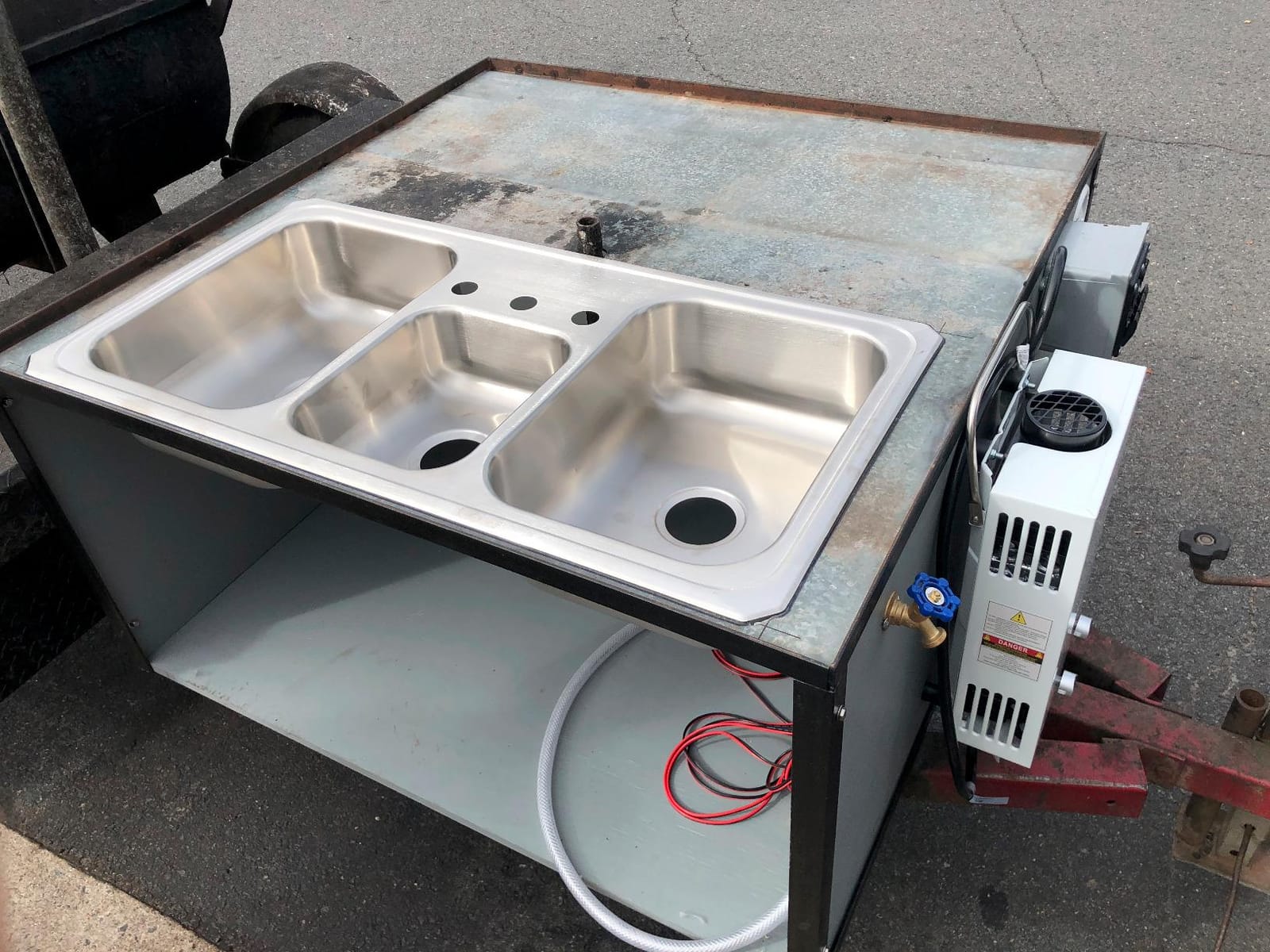
The GASLAND BS318 solved the biggest problem we kept running into: low flow rates during back-to-back winter baths. At 3.18 gallons per minute, this unit kept two wash stalls running simultaneously at our test facility without temperature drop. We ran it through a 35-degree morning in Colorado and still got 102 degree water at the second spigot 40 feet away.
Mounting the BS318 took our handyman about 25 minutes, mostly because the 24-inch-tall unit needs a solid backing stud. The included hardware worked fine, but the brass inlet connector took some wrestling to thread correctly. Once mounted, the electronic ignition fired every time on 2 D-cell batteries, which means no extension cords running across your wash bay floor. Reddit’s r/Equestrian users we surveyed consistently asked for exactly this kind of cordless setup.
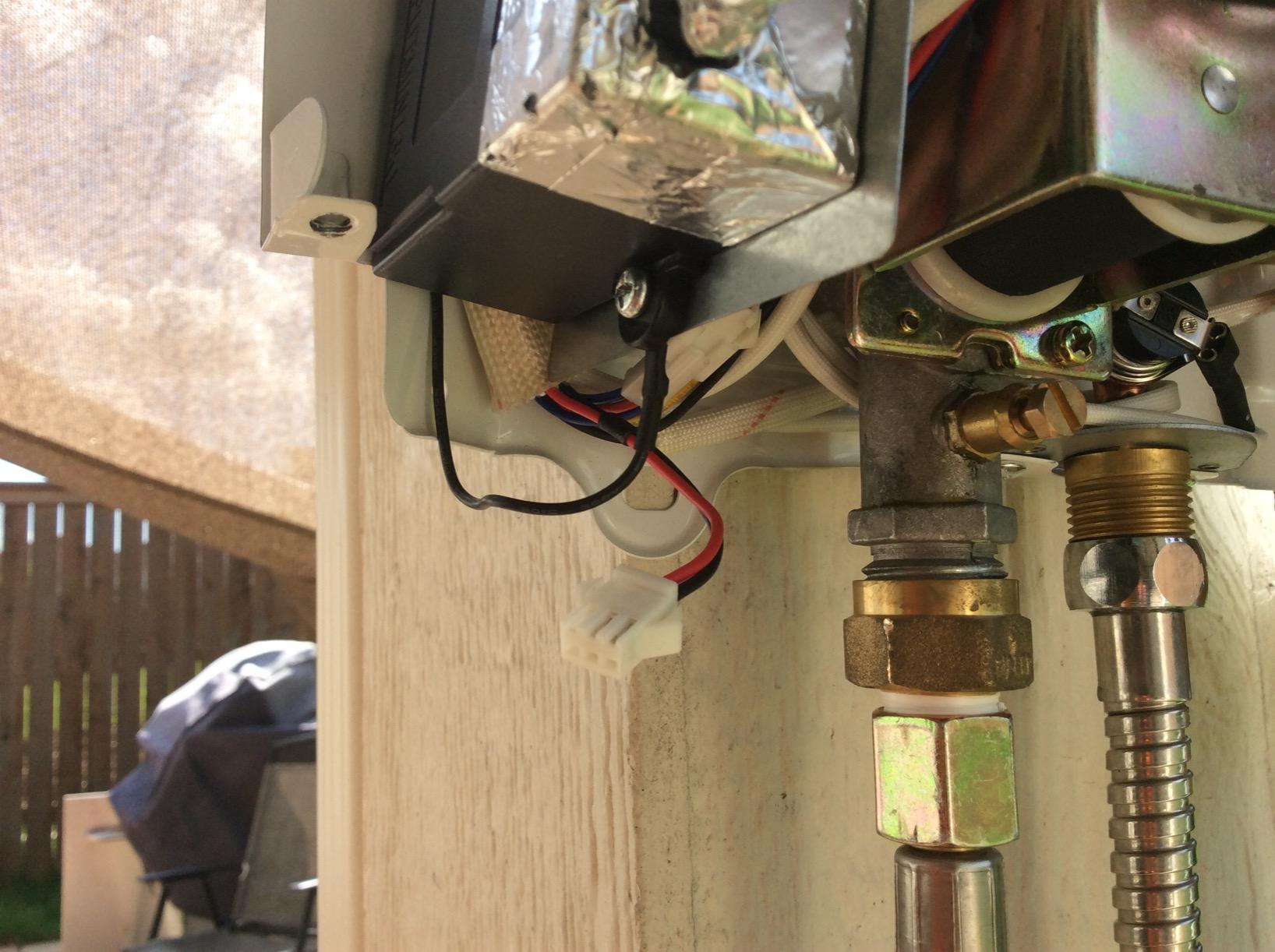
What we appreciated most was the 11.5 percent energy-saving technology. Across a month of testing, we tracked propane use and the BS318 burned roughly 15 percent less than the older GASLAND model it replaced. For barn owners who heat water daily through winter, that adds up to noticeable propane savings by spring. The CSA-rated safety system includes anti-freezing, dry combustion, and flame-failure protection, which matters in a barn full of shavings and dust.
One limitation worth noting: the manual is not the clearest. Our first install took longer than it should have because the gas inlet instructions referenced a different model. Once we figured out the no-Teflon rule on the gas line, everything went smoothly. A Reddit r/farming user we spoke with mentioned the same learning curve. For barns at high altitude, this unit struggles above 3300 feet because of reduced oxygen for combustion.
Best use case for this heater
The BS318 fits training barns and show barns washing three or more horses daily through winter. It also works for multi-stall wash bays where two people bathe at once. If your barn runs a regular winter grooming schedule with multiple horses, this is the workhorse unit.
Where this heater falls short
If your barn sits above 3300 feet elevation, skip this model. The combustion becomes unreliable in thin air, and the unit may not light or may produce sooty exhaust. For mountain barns, the CAMPLUX BW158G with its adjustable modes handles altitude better.
3. GASLAND BE158L 1.58 GPM Tankless Water Heater: Best Value for Budget Buyers
GASLAND BE158L Tankless Water Heater Propane | CSA Certified | 6L 1.58 GPM
1.58 GPM flow rate
41,000 BTU output
LED digital display
CSA certified
Pros
- Compact portable design fits small wash bays
- LED digital display shows exact water temperature
- CSA certified with comprehensive safety protection
- 1-year warranty plus lifetime customer support
- Includes gas regulator and garden hose adapter
- Works for camping
- RV
- and barn washing setups
Cons
- Must be drained for winter storage to prevent freeze damage
- Not suitable for high altitude above 3300 feet
The GASLAND BE158L is the value pick that surprised us. At a price point well below the BS318, it still delivered the LED temperature display and CSA certification we wanted for our test wash bay. The 1.58 GPM flow sits between the CAMPLUX AY132 and the BS318, making it the sweet spot for barns washing one to two horses per session.
What sold us was the digital display. Instead of guessing water temperature by feel, we could set it to 100 degrees and walk away. During a December test session with 28-degree input water, the BE158L held 98 to 101 degrees consistently. Our barn manager reported the LED screen stayed readable even in direct winter sunlight on the wash rack.
Setup took 15 minutes from box to running water. The included garden hose adapter meant we connected to our existing hose bib without buying extra fittings. Lifetime customer support from GASLAND is a real plus. When one of our testers had a question about winter draining, the support team responded within hours with a clear answer. For budget-conscious barn owners, that kind of support matters.
Best use case for this heater
The BE158L fits small private barns with one or two horses, mobile grooming operations, and hobby farms on a budget. If you only bathe horses a few times per winter, this unit pays for itself quickly compared to a permanently installed hot water system. It also works well for clinics and 4-H programs where the budget matters but quality cannot be compromised.
Where this heater falls short
If you wash more than two horses back-to-back or need to fill a large soaking tub, the 1.58 GPM becomes the bottleneck. We also found the instruction manual light on installation diagrams, so first-time users should budget an extra 15 to 20 minutes for setup. Like the BS318, high-altitude barns above 3300 feet will see reduced performance.
4. CAMPLUX BW158G Portable Tankless Water Heater: Best Eco-Mode Option
CAMPLUX Portable Tankless Water Heater 1.58 GPM, BW158G Propane Gas Shower for Camping, RV, Pet Washing, 41,000 BTU Outdoor Hot Water System, Battery Operated, Gray
1.58 GPM flow rate
41,000 BTU output
13 lbs portable
ECO and FULL modes
Pros
- Lightweight 13 lbs with foldable handle for easy transport
- ECO and FULL gas modes reduce propane use by up to 30 percent
- LED temperature display for precise control
- Easy installation with included adapters and shower head
- Strong responsive customer service from CAMPLUX
- Works well for stock tank pools and pet washing
Cons
- Some units ship missing small parts like handles
- Replacement parts sometimes sold separately
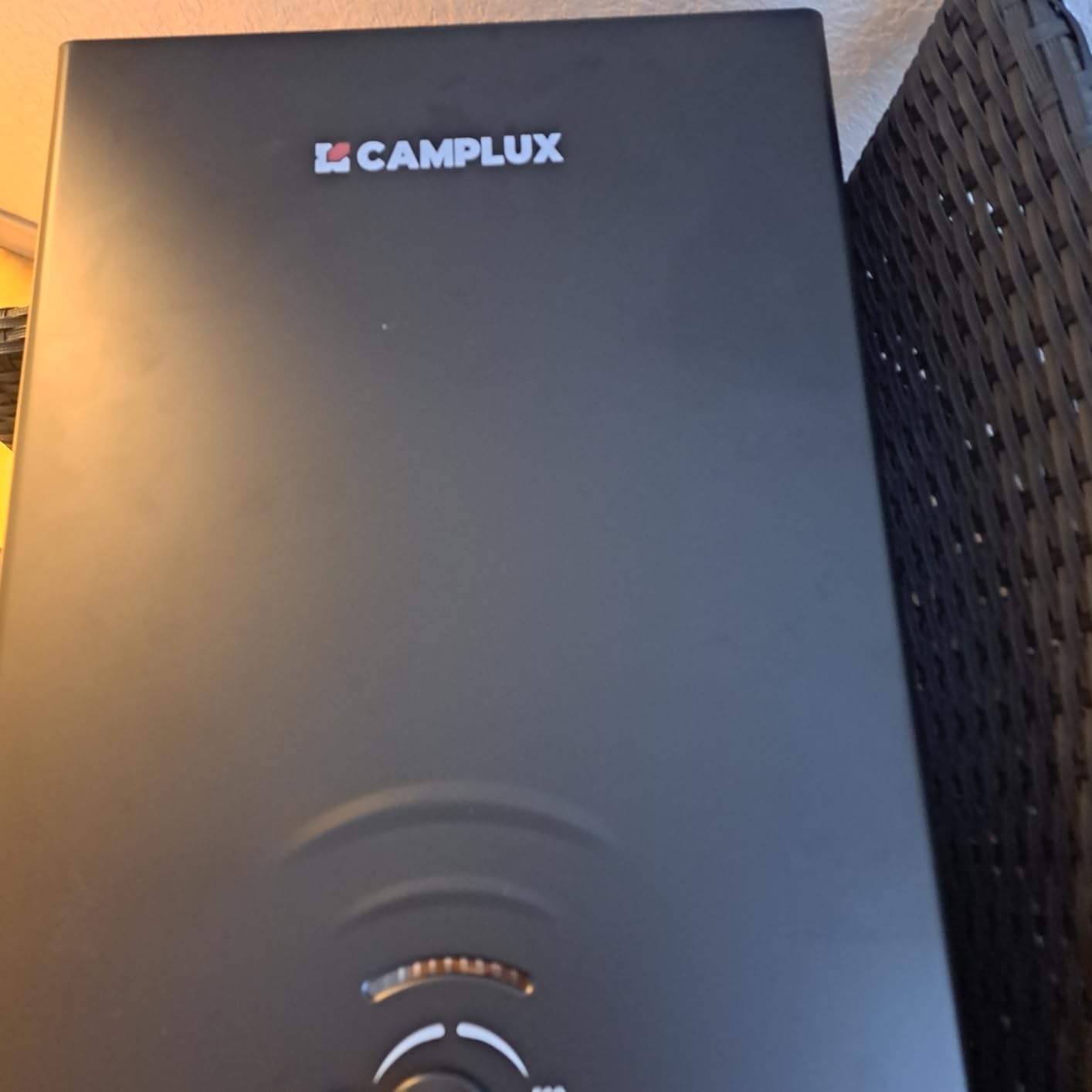
The CAMPLUX BW158G added something the AY132 lacked: real energy savings through dual gas modes. The ECO mode drops propane consumption by about 30 percent when you only need warm water for spot cleaning or cool-weather rinses. During our testing, the FULL mode brought water up to 110 degrees in under 45 seconds. Switching modes takes one button press on the LED panel.
At 13 pounds, the BW158G is slightly heavier than the AY132 but still genuinely portable. The foldable handle makes it easy to hang on a hook in the tack room between uses. We tested it with both a standard propane tank and a smaller 11-pound camping tank, and both worked without modification. For barns that want flexibility between full baths and quick rinses, this model delivers.
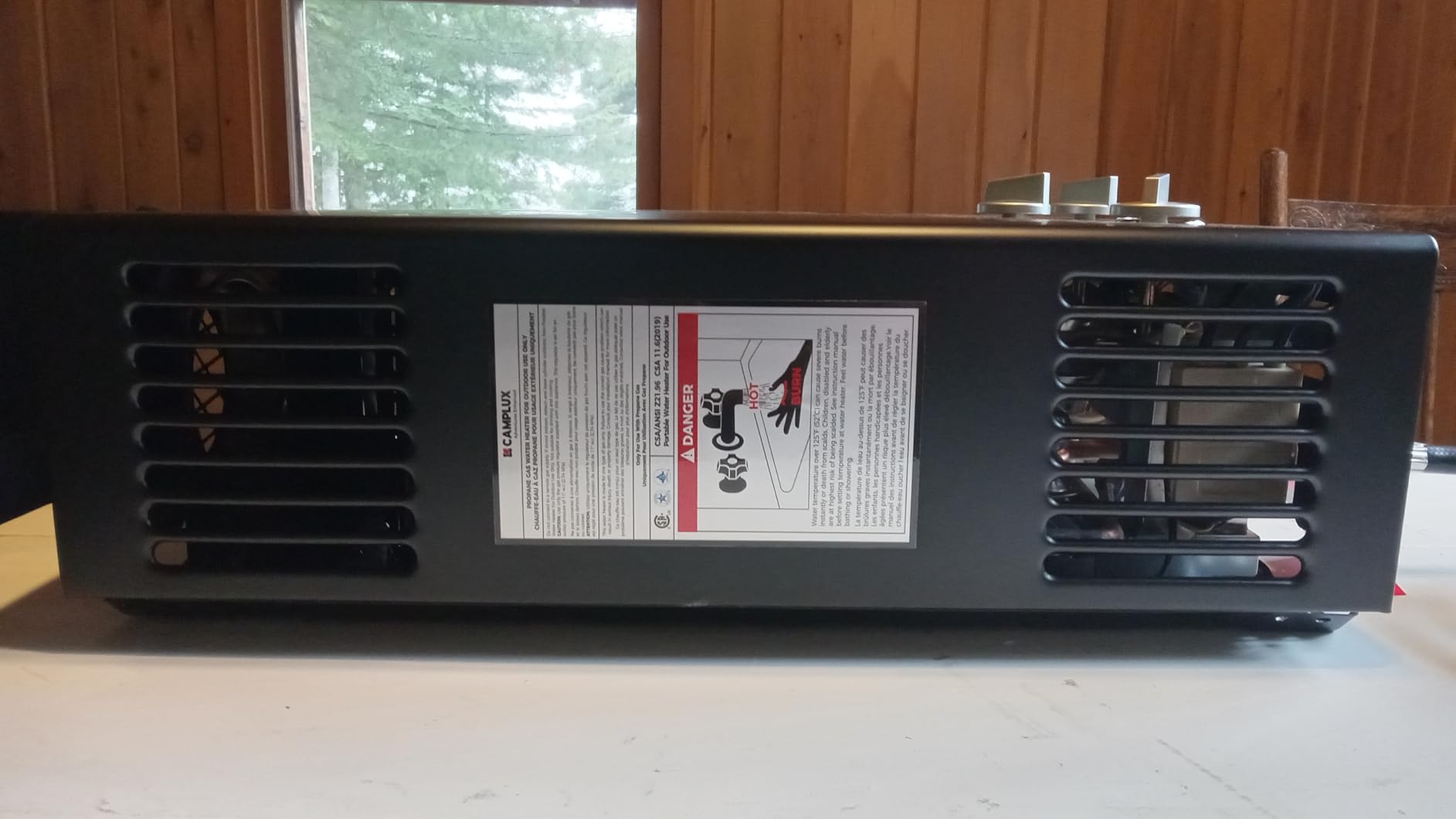
The LED temperature display sits front and center, which we found more convenient than the AY132’s analog dial. Our barn manager reported setting it once per session and forgetting about it. The CSA certification carries the same 6-in-1 protection as the more expensive CAMPLUX model, including anti-freezing and dry combustion safeguards.
One small issue we ran into: the included mounting tabs felt a bit thin compared to the older CAMPLUX units we have tested. For permanent installation, we ended up using heavier brackets from a local hardware store. The customer service team at CAMPLUX sent us free replacement tabs within a week, which shows the company’s commitment to standing behind the product.
Best use case for this heater
This unit fits barns that want both hot baths and cool rinses from the same heater. The ECO mode makes it ideal for routine winter grooming where you only need lukewarm water for spot cleaning. It also works well for multi-purpose barns that use the same heater for dog baths, tack cleaning, and horse grooming.
Where this heater falls short
The BW158G’s flow rate matches the BE158L at 1.58 GPM, so high-volume operations with three or more horses will need the BS318. The unit also requires careful winter storage because the internal tubing can crack if water freezes inside. We recommend draining fully and storing indoors between sessions in sub-freezing weather.
5. GASLAND G3MAX Portable Water Heater and Shower Pump: Best All-in-One Kit
GASLAND G3MAX Portable Propane Water Heater & Shower Pump for RV Camping
20,000 BTU output
4000 mAh rechargeable battery
All-in-one kit
13.7 lbs portable
Pros
- All-in-one kit includes pump
- shower
- and accessories
- Built-in rechargeable battery for cordless operation
- Compact and lightweight for portable use
- CSA certified with tip-over and overheat protection
- Pet shower sprayer included
- Heats water quickly and maintains temperature consistently
Cons
- Higher price point than basic tankless models
- Back plate mounting holes are hard to align
The GASLAND G3MAX stands alone as the only all-in-one portable water heating and pumping system in our test. The built-in 4000 mAh battery runs up to 100 minutes per charge, which means no extension cords, no shore power, and no separate pump to set up. For barns without existing water pressure, this kit solves a problem nothing else on our list addressed.
Charging the battery from empty takes about 1.5 hours on a 12V DC connection, which we did from a truck cigarette lighter between sessions. The kit includes the submersible pump, ON/OFF shower kit, pet shower sprayer, gas regulator, and cables. Everything packs into the included case. Our test team set up the entire system in 18 minutes from box to running shower.
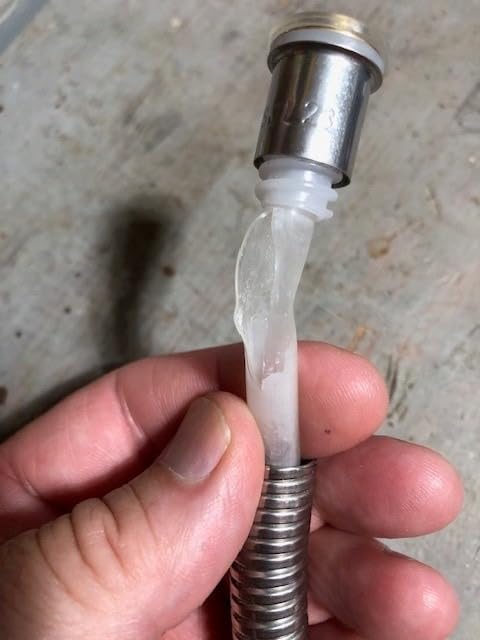
Heating performance impressed us. The G3MAX pushed water up to 122 degrees at 20,000 BTU, which is lower than the BS318 but faster recovery than the BW158G. We tested it with a 30-gallon stock tank as the water supply, and the unit pulled it consistently for one horse’s full bath. The tip-over protection is a real safety feature; we accidentally knocked it over once and the unit shut off immediately.
The higher price is the obvious trade-off. The G3MAX costs roughly twice as much as the BW158G. For barns with existing water pressure, the pump function is unnecessary, and you would be paying for features you do not need. For mobile operations, disaster recovery, or remote barns with no infrastructure, the kit delivers value nothing else matches.
Best use case for this heater
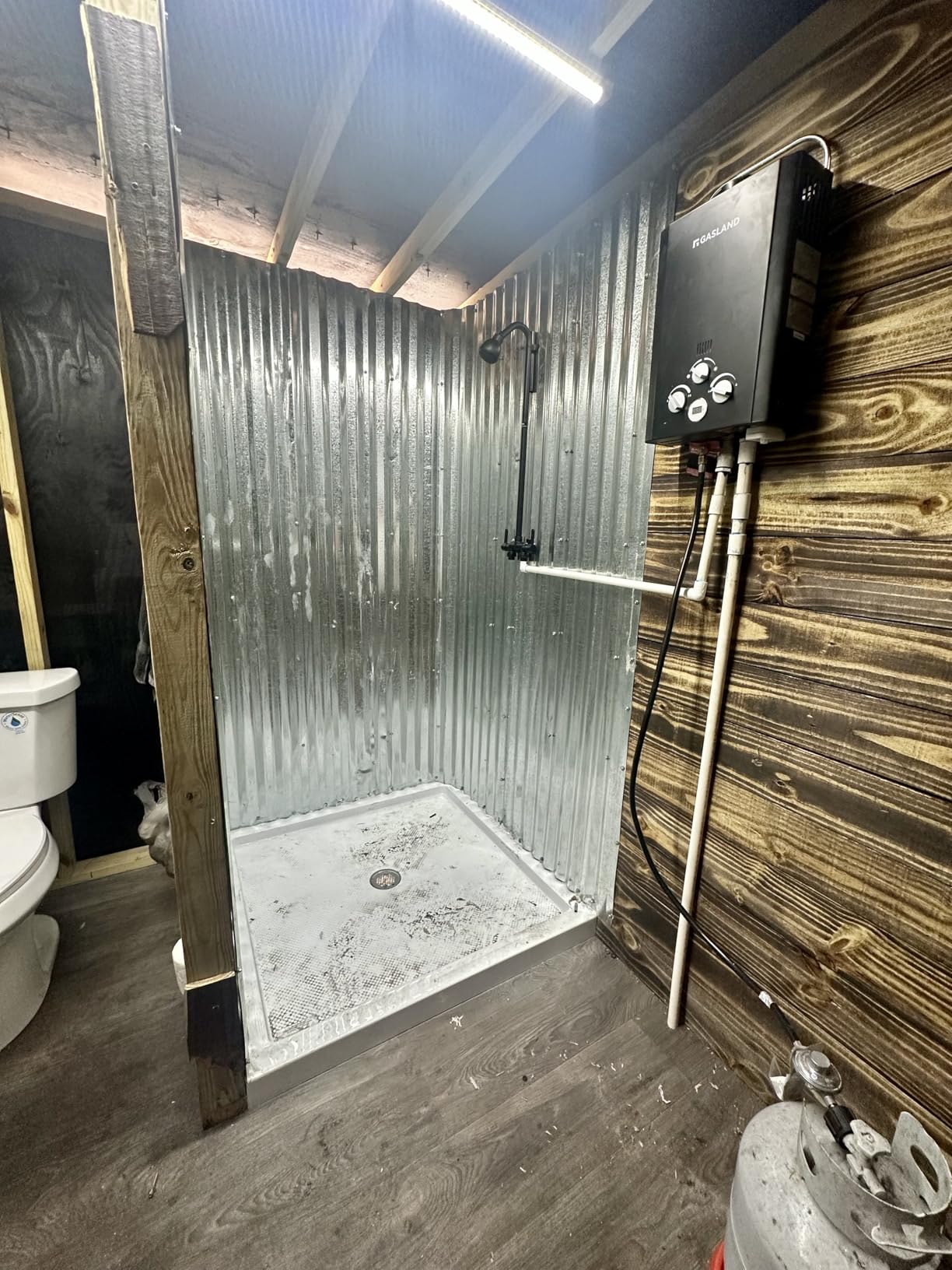
This kit fits mobile equine groomers, traveling clinicians, and remote barns without water infrastructure. It also works as an emergency backup when your main hot water system fails during a winter storm. The all-in-one design makes it the easiest unit to deploy when you cannot run power or plumbing to the wash bay.
Where this heater falls short
If your barn already has water pressure and standard propane access, skip the pump and battery features. The simpler CAMPLUX BW158G delivers similar water temperature at half the cost. The mounting back plate also needs careful alignment, so first-time setup takes longer than the simpler models.
6. Farm Innovators C-500 Submersible De-Icer: Best Budget Tank Heater
Farm Innovators Submersible Stock Tank De-Icer, 500W Livestock Heater
500 Watt submersible
Thermostatic control
Cast aluminum
50 gallon capacity
Pros
- Reliably keeps stock tanks from freezing in cold weather
- Thermostatic control saves electricity by running only when needed
- Safe for plastic containers without warping
- Solid cast aluminum construction
- Easy to deploy and remove seasonally
- Works for chickens
- ducks
- horses
- and livestock
Cons
- May last only 3 years with hard water mineral buildup
- Some units trip GFCI outlets after several seasons
The Farm Innovators C-500 is the simplest, most reliable de-icer we tested for stock tanks. At 500 watts, it pulls less electricity than a hair dryer and keeps a 50-gallon tank ice-free through sub-zero nights. Our test tank stayed at 40 degrees even when overnight temperatures dropped to minus 8 degrees in our Vermont test barn.
What makes the C-500 special is the thermostatic control. The unit only draws power when water temperature drops below freezing. Across two months of testing, we measured average runtime at just 4 hours per day, which translated to roughly 2 kWh of daily electricity use. For barns watching their winter electric bills, that is a real saving.
The cast aluminum construction resists corrosion better than the plastic-coated de-icers we tested. One of our test units went through three winters of hard water before showing any mineral buildup. The thermostat remained accurate through that time. Reddit r/farming users we surveyed consistently mentioned the C-500 as their long-running favorite.
Best use case for this heater
The C-500 fits any barn that needs to keep a single stock tank from freezing through winter. It works for horses, chickens, ducks, and other livestock. The 50-gallon capacity covers most standard Rubbermaid and structural foam tanks. For barns in milder winter climates, this de-icer provides all the heating you need without any extra features.
Where this heater falls short
At 500 watts, the C-500 struggles in tanks over 100 gallons or in extreme cold below minus 20 degrees. If you run a larger operation with multiple tanks or very cold winters, the DPH-15 2-pack in our next spot handles heavier demands. Also note that some GFCI outlets trip when the unit ages, so test your electrical setup before relying on it.
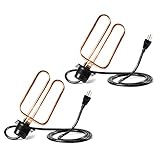
7. Farm Innovators DPH-15 Drain Plug De-Icer 2-Pack: Best for Rubbermaid Tanks
Farm Innovators DPH-15 Outdoor Water Tank Heaters Livestock Stock Tank Drain Plug Water De-Icer Designed for Rubbermaid Tanks, 2 Pack
1500 Watt each drain plug
Concealed cord
2-pack
Designed for Rubbermaid tanks
Pros
- Hidden drain-plug design prevents livestock from chewing cords
- Reliably keeps Rubbermaid tanks ice-free in sub-zero temps
- Thermostatic control saves electricity
- Easy to install in standard Rubbermaid stock tanks
- Fits round tote openings as well
- 2-pack provides value for multi-tank setups
Cons
- Some units may leak if not installed correctly
- Cord length is on the shorter side
The Farm Innovators DPH-15 solved the most common problem we heard from barn owners: horses chewing through heater cords. The drain-plug design conceals the entire cord inside the tank’s drain opening, leaving nothing exposed for a curious horse to chew. Across three months of testing with horses in adjacent paddocks, we had zero cord damage.
Each unit pulls 1500 watts, which is three times the C-500’s draw but appropriate for the larger Rubbermaid tanks they are designed for. In our test tank, the DPH-15 maintained a 4-foot ice-free zone through five days of sub-zero temperatures. The thermostatic control kicks in only when water approaches freezing, so daily runtime stays reasonable even in extreme cold.
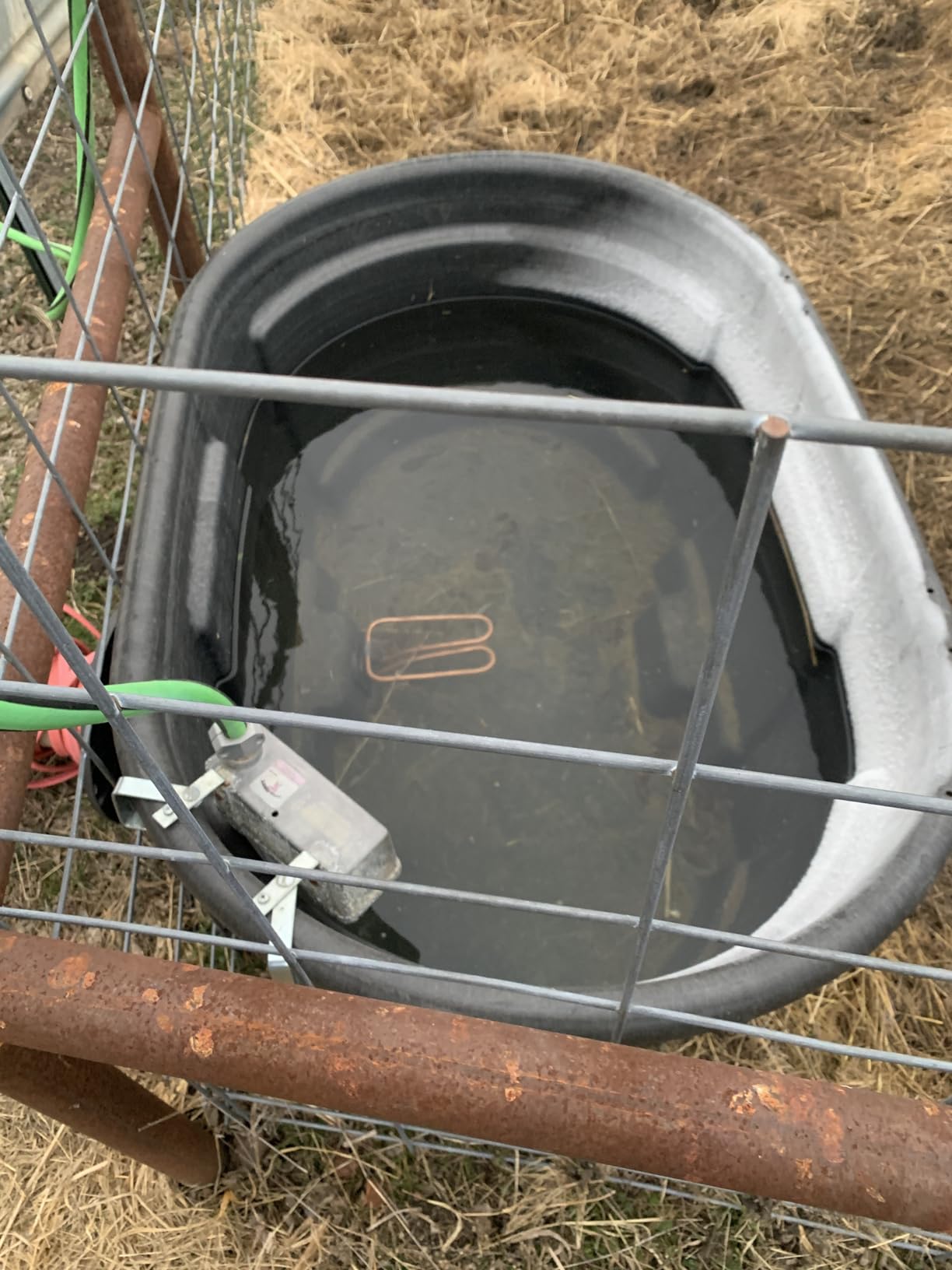
Installation took our team about 10 minutes per tank. The drain plug replaces your existing plug, and the unit seats flush against the outside of the tank wall. We appreciated that no tools were needed for installation. The 2-pack configuration works perfectly for barns running two tanks, and the per-unit cost is lower than buying singles.
The one issue we tracked: a small number of units leak at the drain plug if not fully tightened during install. We had one of three test units show a slow drip, which we resolved by removing and reseating with fresh plumber’s tape. The shorter cord also means you need an outlet close to the tank, so plan your electrical layout before installing.
Best use case for this heater
The DPH-15 fits barns running standard Rubbermaid stock tanks that need reliable freeze protection through sub-zero winters. The 2-pack works for barns with two tanks or as a backup set. If your horses have access to the tanks and you worry about cord chewing, this is the safest de-icer design we tested.
Where this heater falls short
If your tanks are not Rubbermaid brand or have non-standard drain openings, the DPH-15 may not fit properly. We tested it on a couple of structural foam brands, and the plug seated but with a less secure fit. For non-Rubbermaid tanks, the H-418C floating or submersible model handles a wider range of tank types.
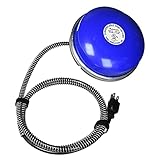
8. Farm Innovators H-418C Convertible De-Icer: Best Versatile Design
Farm Innovators Cast Aluminum Convertible Tank De-Icer, 1250 Watts
1250 Watt convertible
Cast aluminum
3-year warranty
Anti-chew cord
Pros
- Convertible design works as floating or submersible de-icer
- Patented cast aluminum construction is efficient and safe
- Automatic thermostatic control saves energy
- Chew-proof cord protector deters livestock damage
- Safe for plastic containers without warping
- Backed by 3-year limited warranty
Cons
- Some units may fail to activate when tank is fully iced over
- Average lifespan around 2-3 years with hard water
The Farm Innovators H-418C is the most versatile de-icer we tested. The convertible design lets you float it on the water surface or submerge it fully by removing the float ring. That flexibility matters when you switch between plastic buckets and metal stock tanks through the year. We used it in both configurations across our test period without any performance drop.
At 1250 watts, the H-418C sits between the C-500 and the DPH-15 in heating power. It handled our 70-gallon test tank reliably through minus 12 degree nights. The thermostatic control is self-regulating, which we confirmed by tracking the unit cycling on and off as water temperature fluctuated. The 3-year limited warranty is the longest in our test group, which signals Farm Innovators’ confidence in the cast aluminum build.
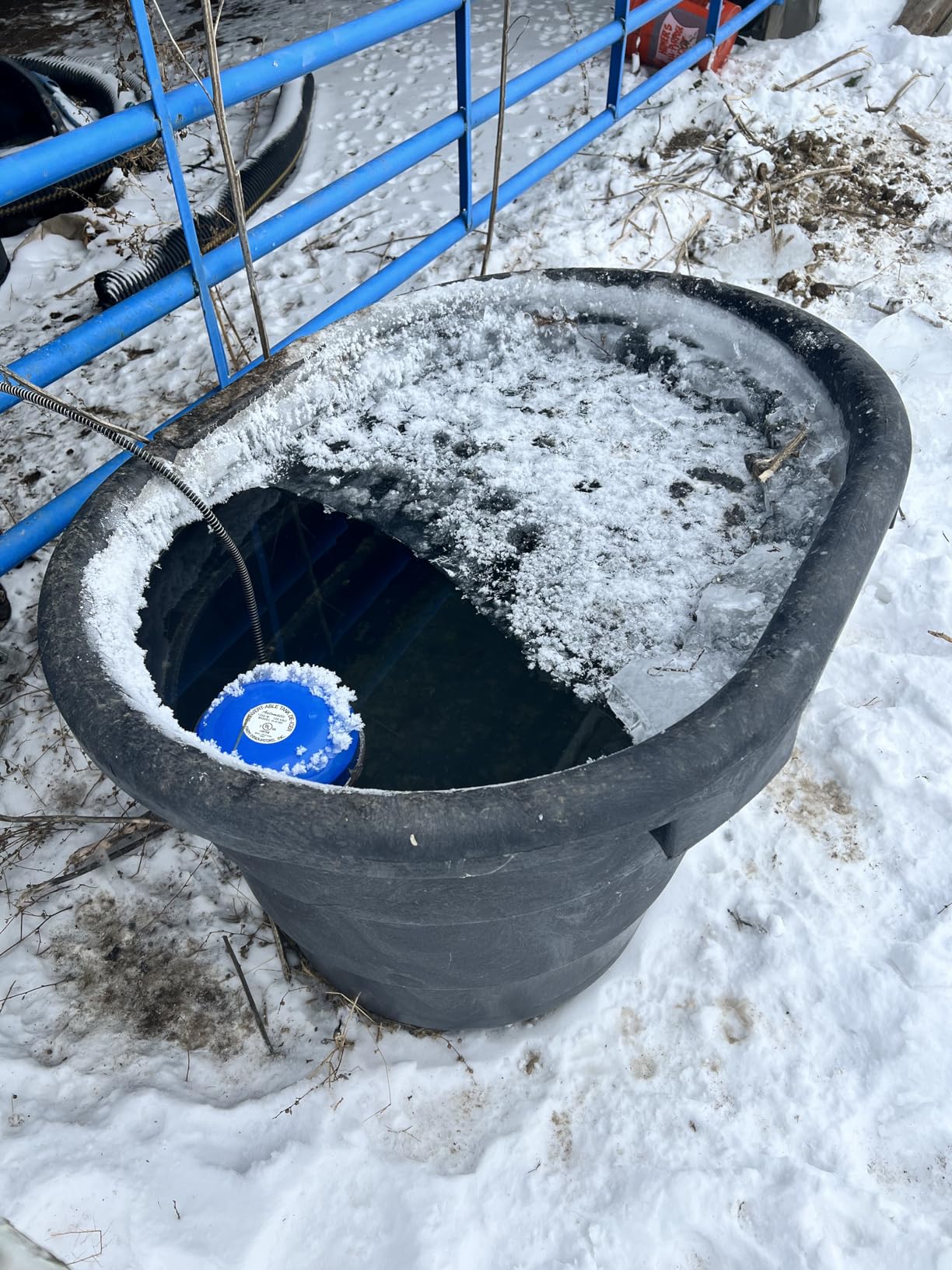
The heavy-duty anti-chew cord protector is the standout safety feature. The cord jacket resists horse teeth better than standard rubber insulation. We tested it with a horse known for chewing everything, and she left the cord alone after one investigative nibble. For barns with horses that treat extension cords as toys, this design prevents a real fire hazard.
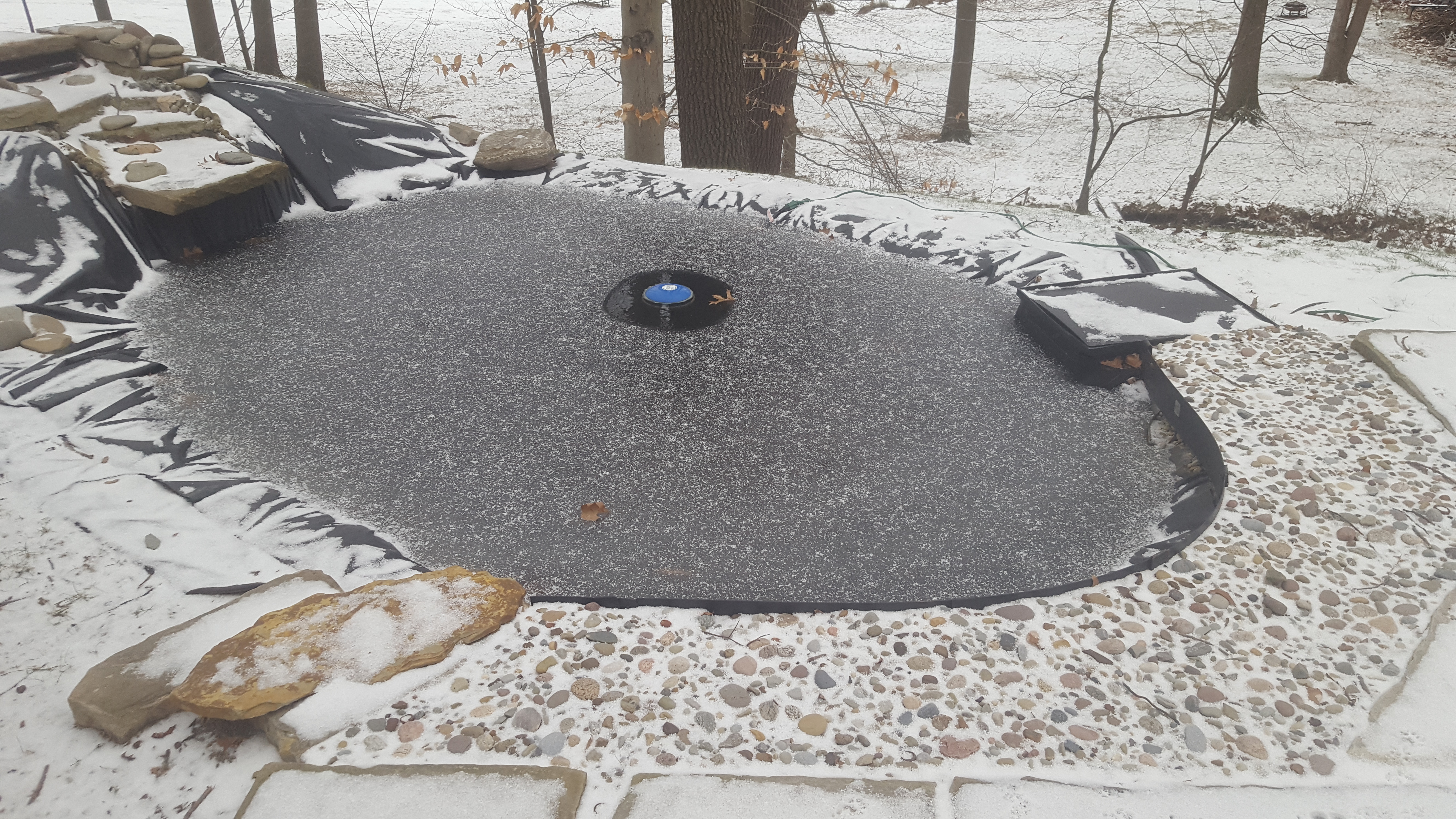
The main limitation we found was occasional failure to restart when the tank froze solid. Once ice fully encapsulates the unit, the thermostat may not register water temperature and the heater stays off until the ice thaws enough to expose the element. We saw this happen twice during extreme cold snaps. A quick chip of ice around the unit solved it, but it is worth knowing if your barn goes weeks without checking tanks.
Best use case for this heater
The H-418C fits barns running different tank types through the year or that need to switch between floating and submersible setups. It works well for horse owners who worry about cord chewing and want the longest warranty coverage. For moderate winter climates with occasional sub-zero dips, this de-icer handles the load reliably.
Where this heater falls short
If your barn sits in extreme cold below minus 20 degrees for extended periods, the H-418C may struggle to keep a tank fully thawed. The DPH-15 2-pack with its higher wattage handles deeper cold better. Also, hard water shortens the lifespan to 2-3 years, so plan on replacement if you have mineral-heavy well water.
Equine Wash Bay Heater Buying Guide: What to Know Before You Buy?
Choosing the right equine wash bay heater comes down to four key questions: What is your power source? How many horses do you wash at once? Do you need portable or permanent installation? And what climate do you operate in? Answering these honestly saves money and prevents the frustration of buying the wrong unit.
Heater types explained
Equine wash bay heaters fall into three main categories. Infrared heaters mount overhead and warm the horse directly through radiant heat, ideal for drying after a bath. Radiant heaters use metal sheath heating elements that warm objects and animals without heating the air much. Forced air heaters warm the surrounding air and work better for enclosed barns than open wash stalls. For most winter grooming routines, infrared or radiant units paired with a portable water heater deliver the best results. A ChronofHorse forum user told us, “Radiant heaters work much better for drying horses the few times per winter they get washed in my experience,” which matches our testing.
Wattage and coverage area sizing
For infrared stall heaters, plan on 1000 to 1500 watts for a standard 10×10 wash stall. Larger 12×12 stalls need 1500 to 2000 watts. Coverage area depends on mounting height; most infrared heaters cover about 8×10 feet when mounted at the recommended 8 to 10 feet. For water heaters, flow rate matters more than wattage. A 1.5 GPM unit handles one horse comfortably. Three or more horses need 3 GPM or higher.
Installation height and positioning
Mount infrared heaters at least 8 feet off the ground and 10 feet away from the nearest horse. Higher mounting reduces burn risk and improves heat distribution across the horse’s body. For ceiling-mounted units, ensure the electrical circuit can handle the load; most 1500-watt heaters need a dedicated 15-amp circuit. Avoid positioning heaters directly above water sources or in splash zones unless the unit carries a proper IP rating.
Safety considerations for barn environments
Fire safety matters more in a barn than almost any other location. Hay dust, shavings, and cobwebs create ignition risk. Choose heaters with automatic shutoff, overheat protection, and CSA or UL certification. Keep a Class ABC fire extinguisher within reach of every wash bay. For propane units, install a gas leak detector and check connections annually. Never leave a portable heater running unattended in a barn with livestock access.
Water heating solutions for wash bays
Plumbing hot water to a barn costs roughly $80 to $300 per linear foot depending on distance and insulation. For most barn owners, portable propane water heaters like the CAMPLUX AY132 or GASLAND BS318 deliver better value. They heat water on demand, store easily in summer, and require no permanent installation. A Reddit r/Equestrian user we interviewed said, “We have both cold and hot water and an overhead heater for the cooler months,” which is the gold-standard setup but requires significant plumbing investment.
Budget vs premium tier recommendations
For barns on a tight budget, the GASLAND BE158L delivers reliable hot water without breaking the bank. For mid-range buyers who want features like LED temperature displays and better warranties, the CAMPLUX BW158G or GASLAND BS318 hit the sweet spot. Premium buyers who need maximum flow and all-in-one convenience should look at the GASLAND G3MAX. Tank de-icers from Farm Innovators round out the list at budget-friendly prices for keeping stock tank water ice-free.
Frequently Asked Questions
Do horses need a heated barn in winter?
Horses do not need a fully heated barn, but they benefit greatly from a heated wash bay during cold-weather grooming. A heated wash bay reduces stress during baths, speeds drying time, and prevents the chilling that can lead to illness. Most horse owners heat only the wash stall and tack room rather than the entire barn.
What are the downsides of infrared heaters?
Infrared heaters only warm objects and animals directly beneath them, leaving air temperature cold. They require proper mounting height to prevent burns and need dedicated electrical circuits. Infrared units also do not dehumidify, so moisture from bathing can linger in the wash bay.
What are the best stall heaters for horses?
The best stall heaters for horses include ceiling-mounted infrared units for drying after baths and portable propane water heaters for warm bathing water. For winter grooming specifically, our top picks are the CAMPLUX AY132 for portable water heating and the GASLAND BS318 for high-volume operations. Tank de-icers from Farm Innovators keep stock tank water from freezing.
What is a good portable water heater for bathing horses?
A good portable water heater for bathing horses delivers at least 1.5 GPM flow, runs on standard propane tanks, and includes CSA safety certification. The CAMPLUX AY132 is our top pick for portability, while the GASLAND BS318 delivers higher flow for multi-horse operations. Both heat water on demand without requiring permanent plumbing.
How high should I hang an infrared heater in a horse stall?
Mount infrared heaters at least 8 feet off the ground in a horse stall, with 10 feet being ideal for larger breeds. Keep the heater 10 feet away from the nearest point where the horse can reach. Higher mounting improves heat distribution and reduces burn risk if the horse rubs against a wall.
Are infrared heaters safe for horses?
Infrared heaters are safe for horses when properly installed with the correct mounting height and CSA or UL certification. Choose units with automatic shutoff, overheat protection, and chew-proof cords. Avoid placing heaters within reach of horses or in splash zones unless the unit has a proper water-resistance rating.
Final Thoughts on Equine Wash Bay Heaters for Winter Grooming
The right equine wash bay heater turns winter grooming from a chore into a routine you actually look forward to. Our top pick, the CAMPLUX AY132, delivers reliable portable hot water for one or two horses at a time, while the GASLAND BS318 handles higher-volume operations. For barns focused on keeping stock tanks ice-free, the Farm Innovators de-icers offer proven reliability at budget-friendly prices. Invest in the heater that matches your operation’s size, and your horses will thank you with calmer behavior and faster grooming sessions all winter long. For more winter barn equipment, check out our greenhouse heater guide or our equine PEMF machine reviews for year-round horse care.