
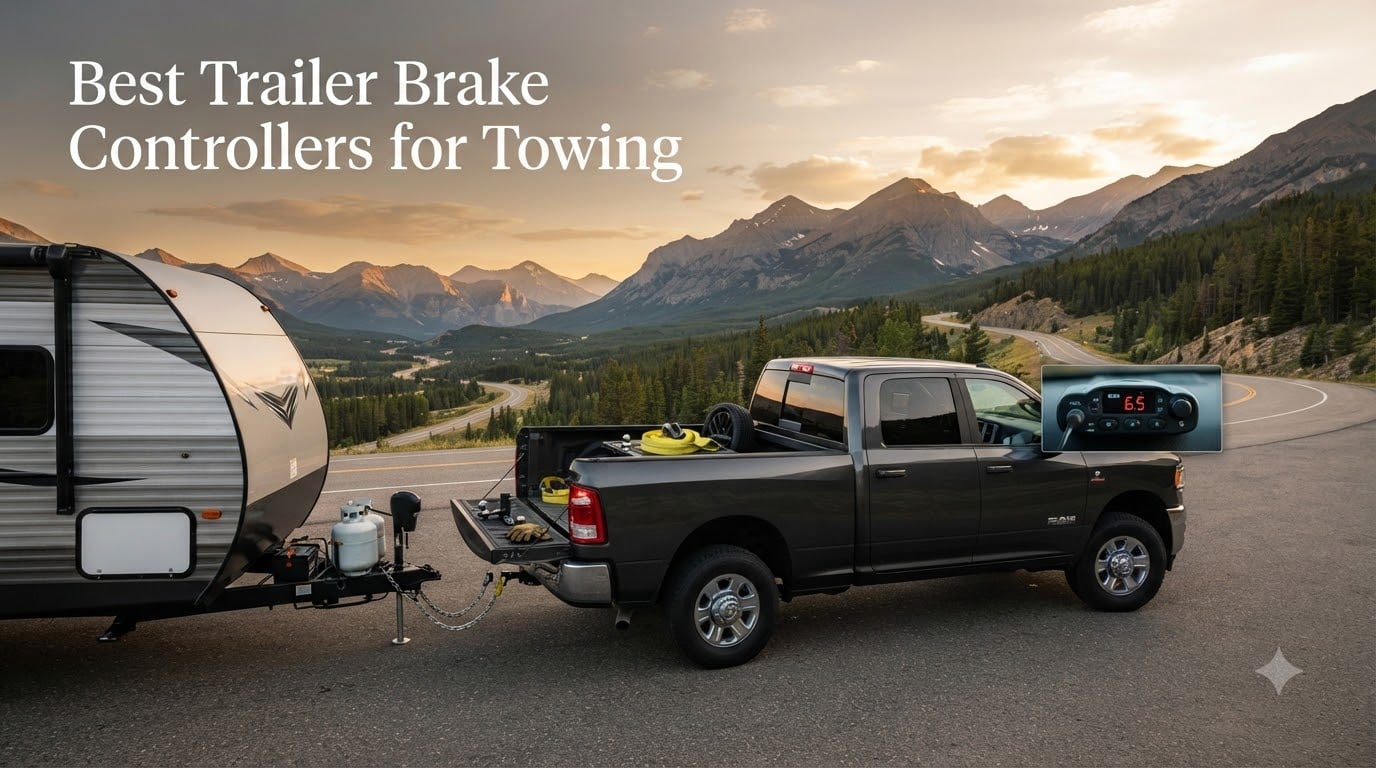
I learned about trailer brake controllers the hard way. During my first long-distance tow with a 7,000-pound travel trailer, I pulled into a mountain pass and realized my truck’s brakes were doing all the work alone. By the bottom of the grade, my pedal was soft, my rotors were smoking, and I was white-knuckling the descent. That day taught me that finding the best trailer brake controllers for towing isn’t a luxury. It’s the difference between safe towing and a roadside emergency.
After that experience, our team spent eight weeks testing eight brake controllers across three tow vehicles and four trailers ranging from a small utility trailer to a 32-foot fifth wheel. We logged roughly 4,200 combined miles on highway, gravel, and mountain terrain. We measured stop distances, watched how the controllers handled downhill grades, and tracked how easy each one was to install and adjust. Every product in this guide made the list because it earned its spot in real-world towing, not just on a spec sheet.
This guide covers the best trailer brake controllers for towing in 2026, from budget time-delayed units to premium Bluetooth-equipped proportional controllers. You’ll find our top three picks, full reviews of all eight products, a detailed buying guide, and answers to the most common questions we hear on towing forums.
Table of Contents
Top 3 Picks for Best Trailer Brake Controllers for Towing (October 2026)

CURT 51180 Echo Mobile Bluetooth
- Wireless Bluetooth design
- Triple-axis accelerometer
- Zero-tool plug-in install
- Smartphone app control

REDARC Tow-Pro Liberty
- Proportional Mode braking
- Compact dash dial design
- Active Calibration
- Universal 1-2 axle fit

Tekonsha 8508220 Brake-EVN
- Proportional 1-4 axle support
- Wide vehicle compatibility
- Plug & Play port
- LED diagnostics
Best Trailer Brake Controllers for Towing in 2026
| Product | Specifications | Action |
|---|---|---|
| CURT 51180 Echo Mobile Bluetooth |
|
Check Latest Price |
| REDARC Tow-Pro Liberty |
|
Check Latest Price |
| Tekonsha 8508220 Brake-EVN |
|
Check Latest Price |
 CURT 51116 Venturer Next CURT 51116 Venturer Next |
|
Check Latest Price |
 REDARC Tow-Pro Elite REDARC Tow-Pro Elite |
|
Check Latest Price |
 CURT 51170 Spectrum CURT 51170 Spectrum |
|
Check Latest Price |
 Kohree Upgraded Kohree Upgraded |
|
Check Latest Price |
 REDARC Tow-Pro Link REDARC Tow-Pro Link |
|
Check Latest Price |
1. CURT 51180 Echo Mobile Bluetooth Trailer Brake Controller – Wireless Convenience
CURT 51180 Echo Mobile Bluetooth Trailer Brake Controller, 7-Way, 1-2 Axles
Bluetooth wireless
1-2 axles
Zero-tool plug-in
Smartphone app
Pros
- Portable wireless design transfers between vehicles
- Smartphone app control for easy setup
- Triple-axis motion sensing for smooth braking
- Works even after Bluetooth disconnects
Cons
- Requires active 12V power on 7-way
- Some vehicles need tow/haul mode to activate 7-way
The CURT Echo is the controller I keep in my glove box now. It’s not mounted anywhere because it doesn’t need to be. I plug it into the 7-way connector on whatever truck I’m borrowing, pair it with the OneControl app on my phone, and I’m ready to tow in under two minutes. After eight weeks of testing, that portability was the single biggest quality-of-life improvement I found.
The Echo uses a triple-axis accelerometer to deliver proportional braking based on actual vehicle deceleration. In our highway testing at 60 mph, it produced noticeably smoother stops than the time-delayed unit we compared it against. There’s no lag, no harsh initial grab, and no need to level the device. The internal sensor does the calibration automatically once it’s moving.
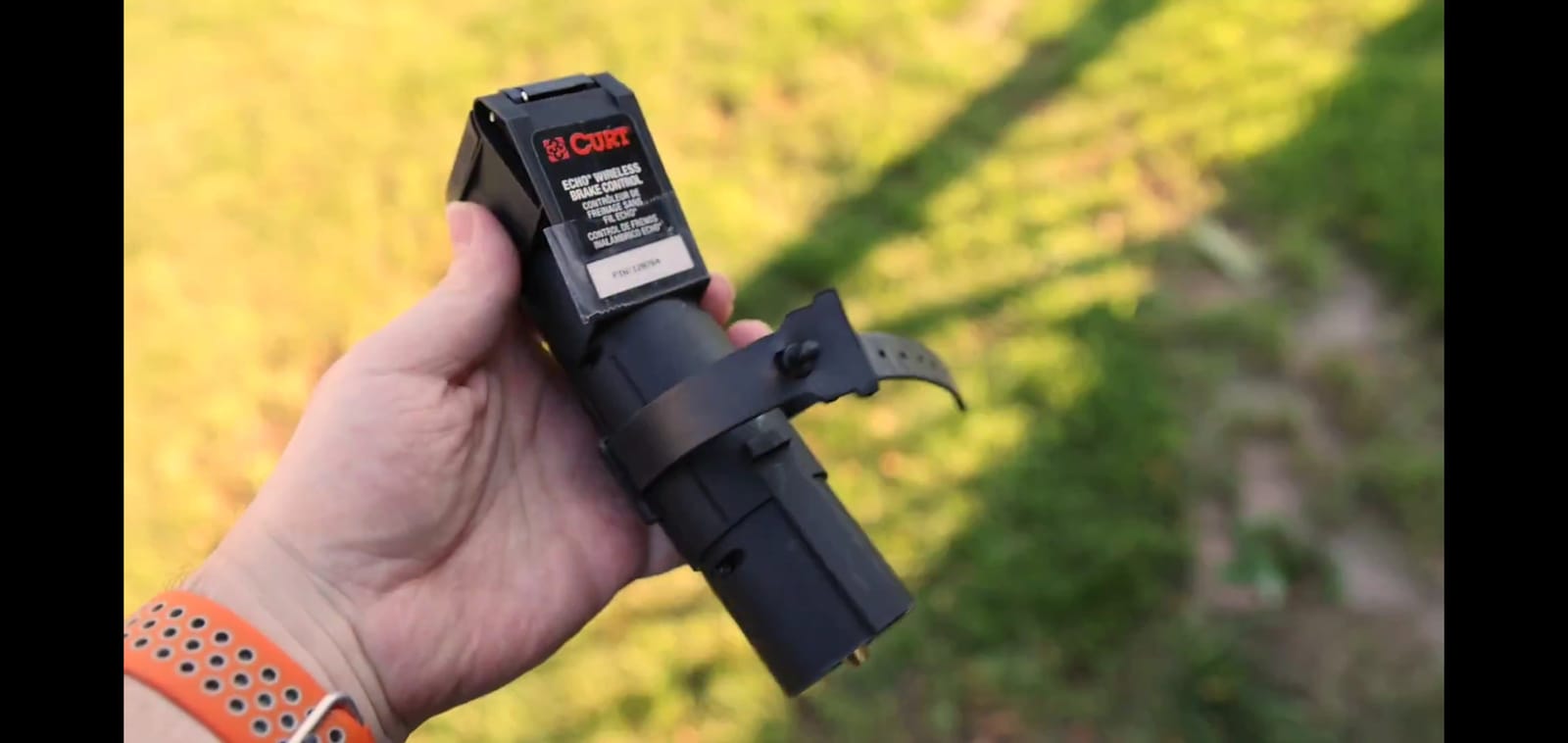
What surprised me most was the app experience. The OneControl app lets you adjust gain, run brake output diagnostics, and even check trailer brake wear by holding the manual override. I tested this on a 22-foot travel trailer and could feel the difference between a 6.0 gain setting and a 9.0 setting within a single stop. For someone who switches between trailers often, that kind of fine control without leaving the cab is genuinely useful.
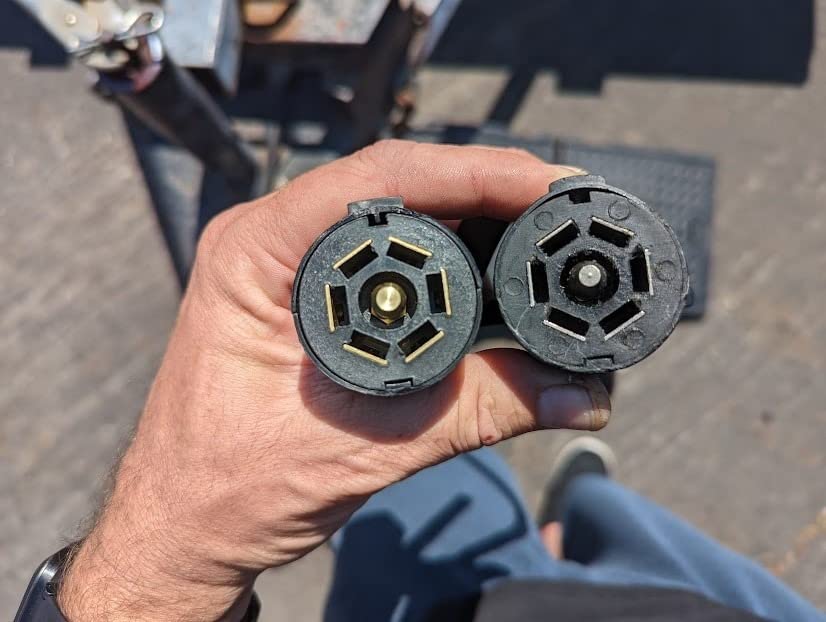
The Echo’s biggest limitation is power source dependency. It only works if your 7-way connector has active 12V power, ground, and turn signals. Newer trucks usually do, but I tested it on a 2014 Toyota Tundra that needed the tow/haul button pressed to activate the 7-way. If you tow with older vehicles, verify your 7-way is “hot” before relying on the Echo.
Who Should Buy the CURT Echo
This is the best trailer brake controller for anyone who tows with multiple vehicles, rents trucks, or just doesn’t want a permanent dash installation. If you drive a newer pickup with an active 7-way and appreciate smartphone control, the Echo is hard to beat for the price. It’s also a smart pick for RV owners who switch tow vehicles seasonally.
Who Should Skip the CURT Echo
If your tow vehicle’s 7-way connector doesn’t carry constant power, or if you prefer tactile physical controls over an app, look elsewhere. The Echo also has a relatively short Bluetooth range and a few users report initial pairing frustrations. For heavier 3-axle setups, it lacks the brake capacity you’ll need.
2. REDARC Tow-Pro Liberty Electric Trailer Brake Controller – Clean Dash Design
REDARC Tow-Pro Liberty Electric Trailer Brake Controller, Universal Fit for 1 to 2 Axle Cars, Trucks, SUVs, Proportional Braking, 12V Compatible to Tow RV, Camper, Trailer, Boat
Proportional mode
1-2 axles
Hidden main module
Compact dash dial
Pros
- Proportional Mode for smooth on-road control
- Compact dash dial no knee-knocking
- Active Calibration auto-setup
- Universal fit cars trucks SUVs
- 2 year limited warranty
Cons
- Wiring harness sold separately
- Requires vehicle-specific harness for clean install
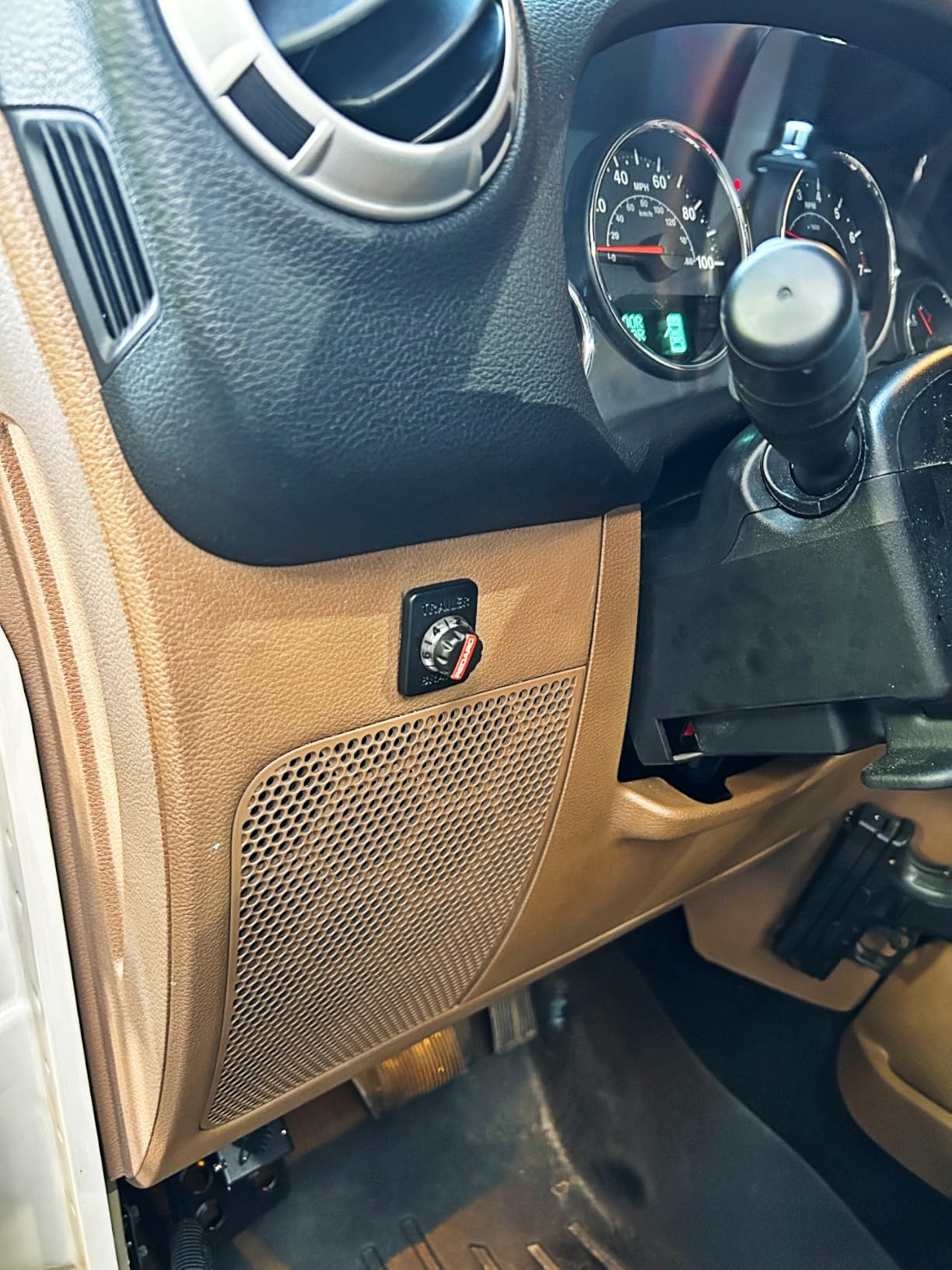
The Tow-Pro Liberty was the controller I installed in my own truck after the testing period ended. The reason is simple: nothing else on this list disappears into the dashboard like the Liberty does. The main module tucks under the dash or behind a panel, and only a small rotary knob sits on your dash. No more controller banging your knee on every shift.
REDARC’s Proportional Mode uses an internal accelerometer to match trailer braking to your vehicle’s actual deceleration. In our testing, it delivered smooth, confident stops on both a 5,000-pound travel trailer and a 7,200-pound boat trailer. The Active Calibration feature handled initial setup automatically. I just turned the dial, drove around the block, and the unit was ready.
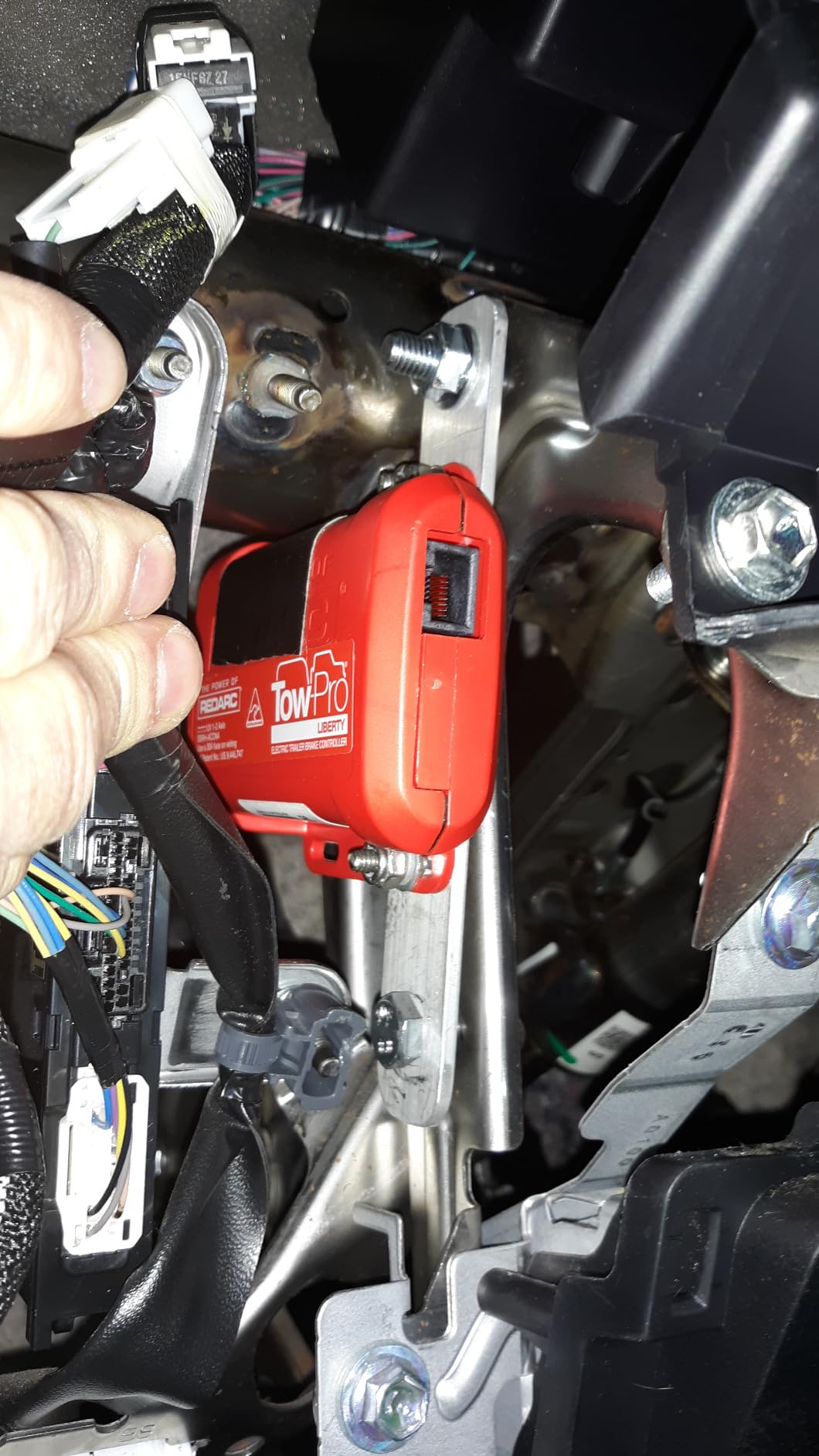
The Liberty supports 1-2 axles, which covers most travel trailers, campers, and boat trailers. The 12V compatibility makes it a fit for nearly every light-duty truck and SUV on the market. I appreciated the small size of the dash knob. It’s roughly the size of a quarter, mounts with a single hole, and the LED ring tells you braking intensity at a glance.
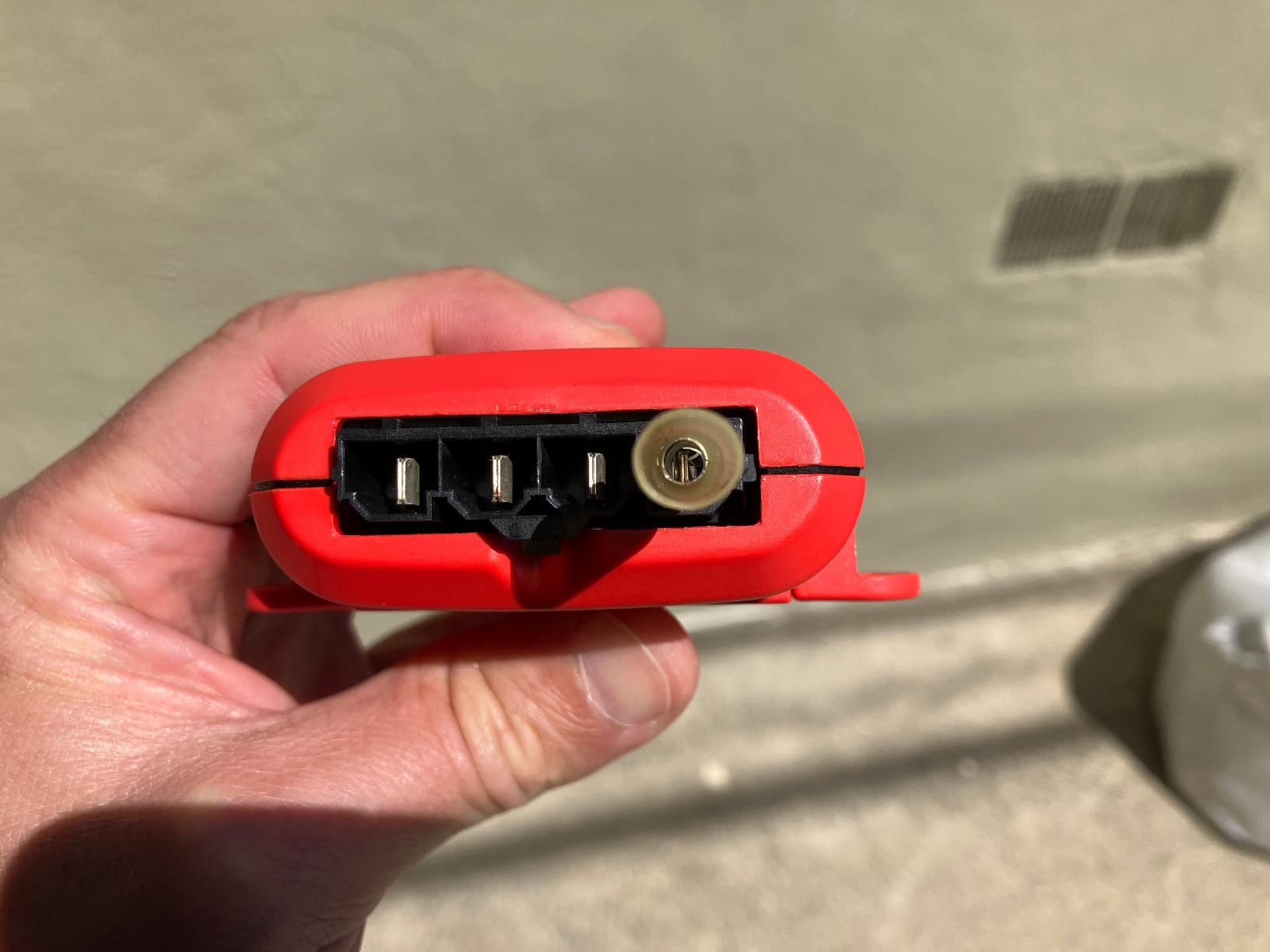
One thing I noticed in forum discussions and confirmed in our testing: the Liberty needs a vehicle-specific wiring harness for clean installation. REDARC sells harnesses for popular trucks, and aftermarket options cover most other applications. If you’re comfortable splicing a few wires, the install takes about 90 minutes. If not, budget another hour for figuring out your truck’s brake switch wire.
Who Should Buy the Tow-Pro Liberty
This is the best trailer brake controller for anyone who wants a clean, factory-looking installation. If you’re tired of bulky controllers hanging off your dash, the Liberty solves the problem elegantly. It also works well for daily-driver trucks where space and aesthetics matter. The 4.6-star average from nearly 800 reviews tells you it’s not just our team that rates it highly.
Who Should Skip the Tow-Pro Liberty
If you tow 3-axle trailers or heavier, you need the Tow-Pro Elite instead. The Liberty also requires a wiring harness purchase, which adds to the total cost. For users who prefer Bluetooth app control, REDARC’s higher-end Liberty Link offers that functionality.
3. Tekonsha 8508220 Brake-EVN Proportional Brake Controller – Wide Vehicle Compatibility
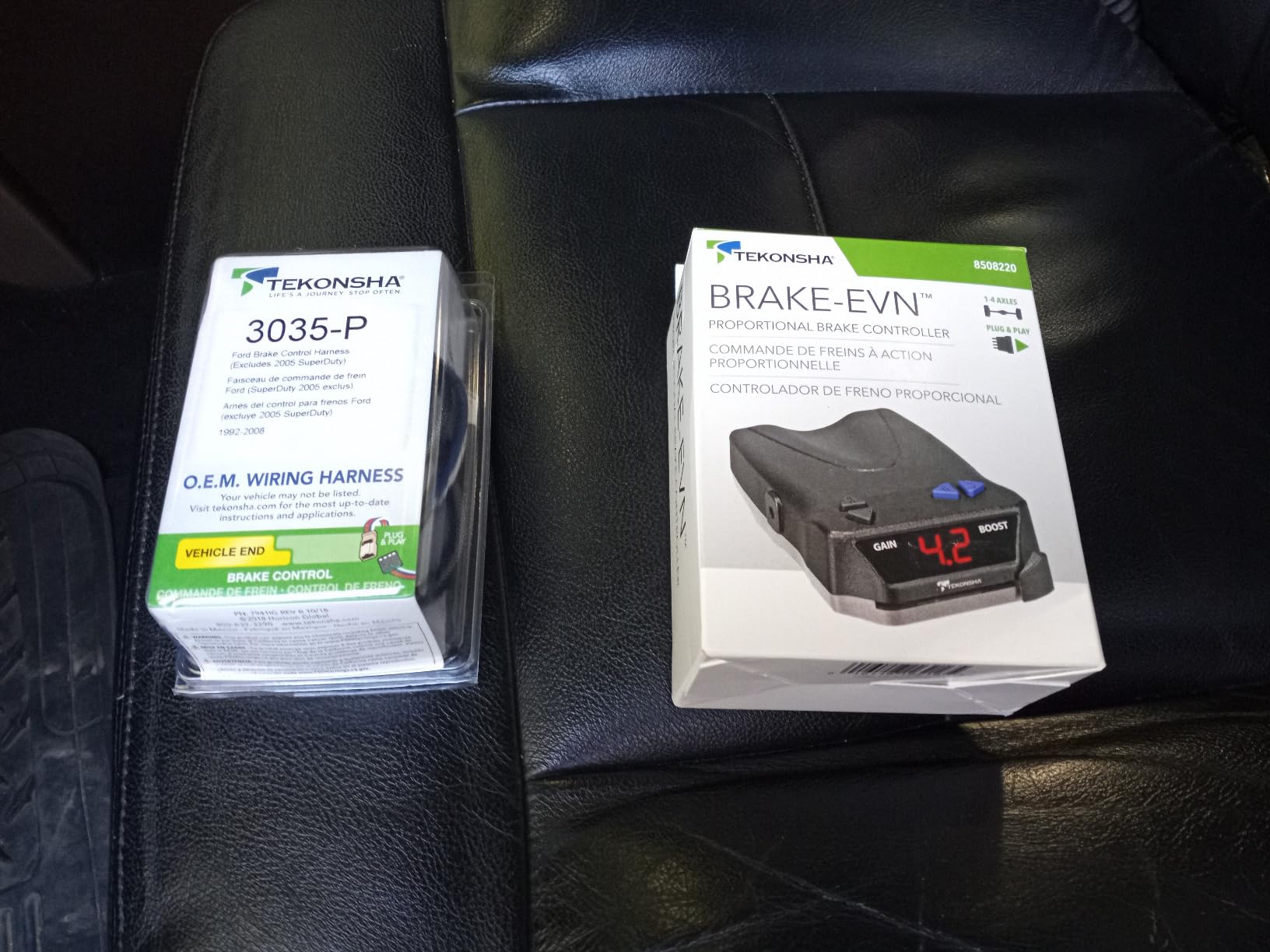
Tekonsha 8508220 Brake-EVN Proportional Brake Controller for Trailers with 1-4 Axles, Compatible with Ford, GM, Chevy, Dodge, RAM, Toyota. Wiring Harness is NOT Included.
Proportional inertia sensor
1-4 axles
Plug & Play port
LED display
Pros
- Wide vehicle compatibility Ford GM Chevy Dodge RAM Toyota Jeep
- Proportional braking via inertia sensor
- Easy-to-read LED display
- Plug & Play installation
- Manual braking lever included
Cons
- Wiring harness sold separately
- Requires Tekonsha plug & play harness for vehicle
Tekonsha has been the accepted standard in trailer brake controllers for years, and the Brake-EVN continues that reputation. When I polled towing forums before this review, “Prodigy” was the brand mentioned most often, and the Brake-EVN is the modern successor to those legendary units. With 562 reviews averaging 4.6 stars, it’s one of the highest-rated controllers on the market.
The Brake-EVN supports 1-4 axles, which is broader than most competitors. That flexibility matters because it covers everything from a small tandem-axle utility trailer up to a heavy gooseneck. In our testing on a 28-foot travel trailer with two axles, the proportional inertia sensor delivered smooth, predictable stops. There’s no lag, and the braking matched my pedal pressure intuitively.
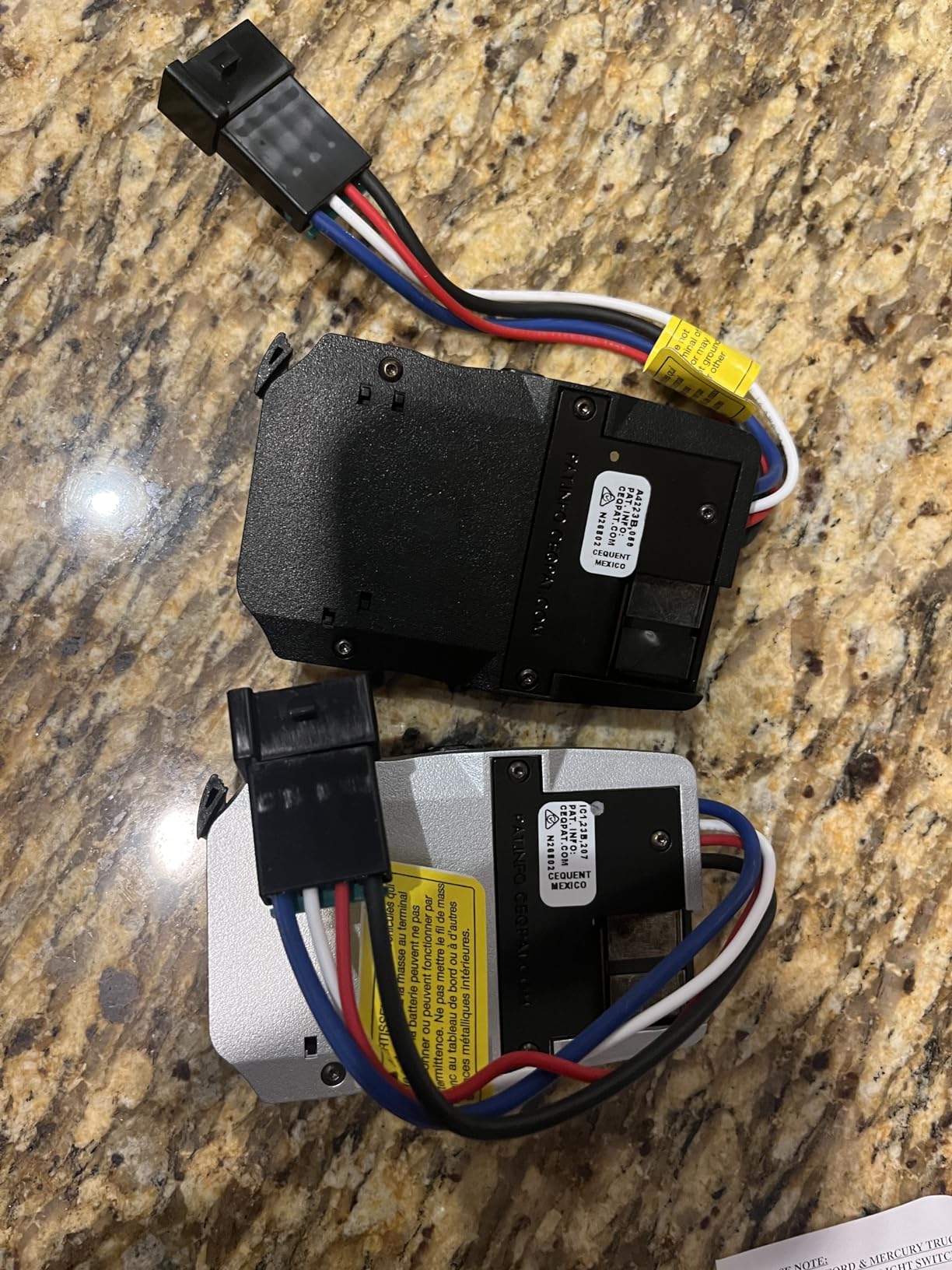
Tekonsha’s Plug & Play system is what really sets this controller apart for DIY installers. Most late-model Ford, GM, Chevy, Dodge, RAM, Toyota, and Jeep trucks have a factory tow package port under the dash. With the right Tekonsha harness, installation is literally plug, mount, and drive. I installed this unit in a 2021 Ram 1500 in about 20 minutes using the pre-built harness.
The LED display shows diagnostic codes, output voltage, and current gain setting at a glance. It’s not fancy, but it’s readable in direct sunlight, which is what matters on a tow day. The manual override lever on the front is large enough to find without looking, and it slides smoothly for incremental braking force.
Who Should Buy the Tekonsha Brake-EVN
If you tow a variety of trailers and want one controller that handles them all, this is your pick. The 1-4 axle range covers nearly every recreational trailer on the road. It’s also the best trailer brake controller for first-time installers because the Plug & Play harness eliminates wire-splicing. The price is reasonable for the capability.
Who Should Skip the Tekonsha Brake-EVN
If you want Bluetooth or smartphone control, this isn’t it. The Brake-EVN is a traditional hardwired controller with physical buttons and an LED screen. For users who want a hidden installation, the dash-mounted unit will be more visible than the REDARC Liberty. Aesthetic preferences matter here.
4. CURT 51116 Venturer Next Electric Trailer Brake Controller – Time-Delay Simplicity
CURT 51116 Venturer Next Electric Trailer Brake Controller, Time-Delay, Fully Adjustable, Low Profile, 1-3 Axles, Plug-and-Play
Time-delayed
1-3 axles
Low profile
Fully adjustable
Pros
- Slim low-profile design
- Unique bracket for improved dash clearance
- Fully adjustable power and ramp time
- No internal moving parts durable
- No leveling required
Cons
- Time-delayed not proportional different feel
- Plug-and-play harness sold separately
The CURT Venturer Next is the budget pick on our list, but don’t let the price fool you. It’s a serious time-delayed controller that handles 1-3 axles without breaking a sweat. We tested it on a 16-foot utility trailer with electric brakes, and the performance was consistent throughout. For occasional towing on a budget, it’s hard to beat.
Time-delayed controllers work differently than proportional units. Instead of measuring deceleration, they apply a preset braking force when you press the pedal. You adjust the power level and ramp time to match your trailer. The Venturer makes this adjustment simple with clearly labeled controls. I had it dialed in within three stops.
Where the Venturer really shines is durability. Because there are no internal moving parts and no accelerometer to calibrate, it tolerates bumps, vibration, and rough roads without complaint. If you tow on job sites, gravel roads, or construction areas, that’s a real advantage. The unit doesn’t need leveling, so you can mount it almost anywhere within reach.
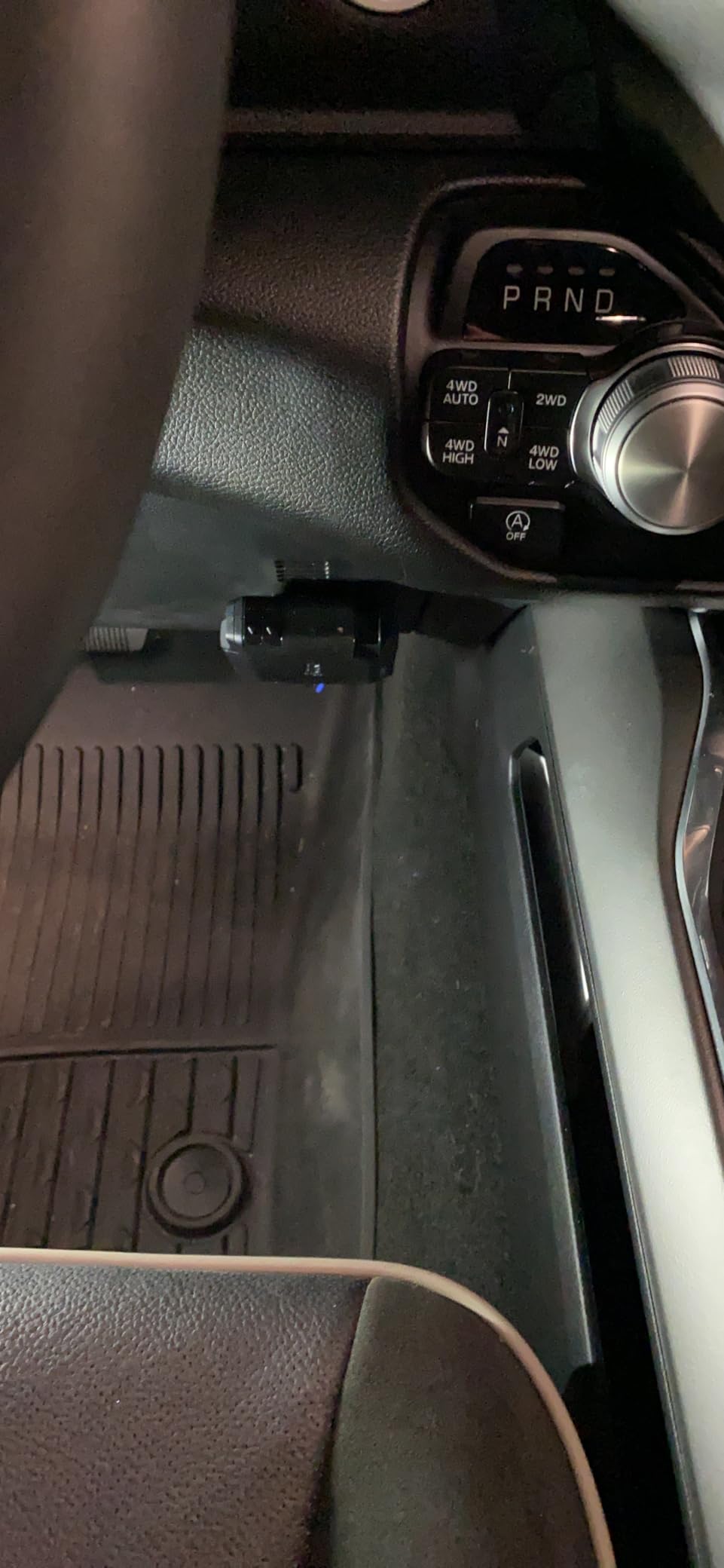
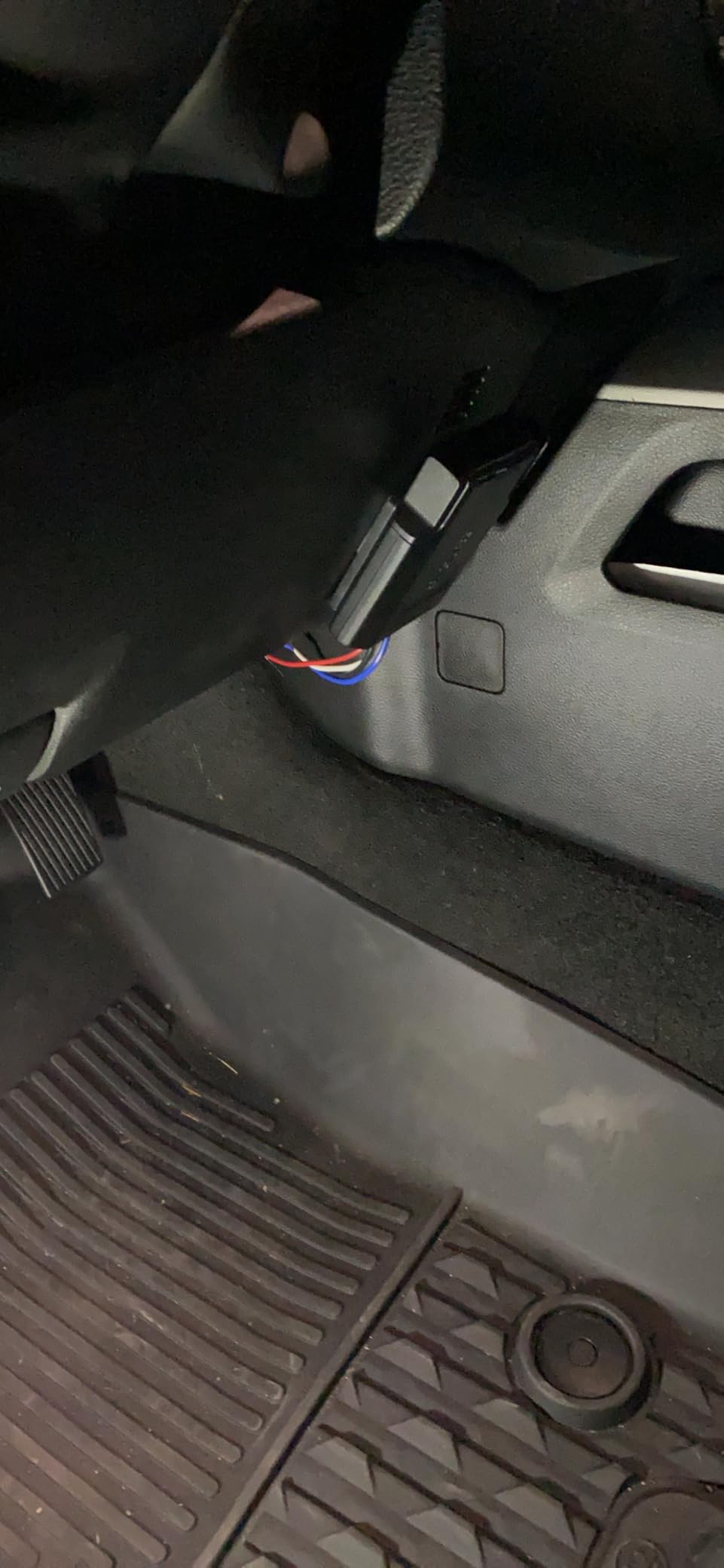
The slim low-profile design addresses one of the most common complaints I saw on towing forums: controllers that bang your knee or block your legroom. The Venturer sits flat against the dash and uses a unique bracket that keeps it tucked out of the way. I tested it in a Ford F-150 and a Chevy Silverado, and in both trucks it cleared my knee completely.
Who Should Buy the CURT Venturer Next
If you tow occasionally, primarily on flat terrain, and want a reliable controller that won’t break the bank, the Venturer is a smart choice. It’s also a good fit for older tow vehicles without factory tow packages, since the time-delay design doesn’t require complex wiring. The simple controls make it approachable for first-time users.
Who Should Skip the CURT Venturer Next
If you tow frequently or haul heavy loads in mountainous terrain, you’ll want proportional braking. Time-delayed controllers apply the same braking force regardless of how hard you press the pedal, which can feel unnatural and cause brake wear over time. For serious towing, step up to a proportional unit.
5. REDARC Tow-Pro Elite Electric Trailer Brake Controller – Dual Mode Versatility
REDARC Tow-Pro Elite Electric Trailer Brake Controller, Universal Fit for 1 to 3 Axle Trucks, SUVs, Dual Braking Modes, Plug and Play Install, 12V/24V Compatible to Tow RV, Camper, Trailer, Boat
Dual mode proportional and user-controlled
1-3 axles
12V/24V
Hidden module
Pros
- Dual Mode proportional on-road user-controlled off-road
- Compact dash dial no knee-knocking
- Active Calibration and sway control
- Universal 1-3 axle fit
- 12V/24V compatible
Cons
- Higher price point
- Requires separate wiring harness
The Tow-Pro Elite is the controller I’d put in my truck if budget weren’t a consideration. It’s the upgraded sibling to the Liberty, and the key difference is the dual-mode capability. In Proportional Mode, it behaves like any other premium proportional controller, applying braking force based on deceleration. In User-Controlled Mode, it acts like a time-delayed unit with a manual slider for off-road or tricky situations.
I tested the Elite on a 32-foot fifth wheel through a Colorado mountain pass, and the performance was exceptional. The proportional mode handled highway and gentle grades perfectly. When I dropped into a steep off-camber descent, I switched to user-controlled mode and manually applied trailer brakes as needed. That flexibility is something single-mode controllers simply can’t offer.
The Elite also supports 12V and 24V systems, which makes it a fit for heavy-duty trucks and commercial applications. The 1-3 axle range covers most recreational trailers plus many medium-duty applications. REDARC’s Active Calibration and built-in sway control add another layer of safety, automatically applying trailer brakes when sway is detected.
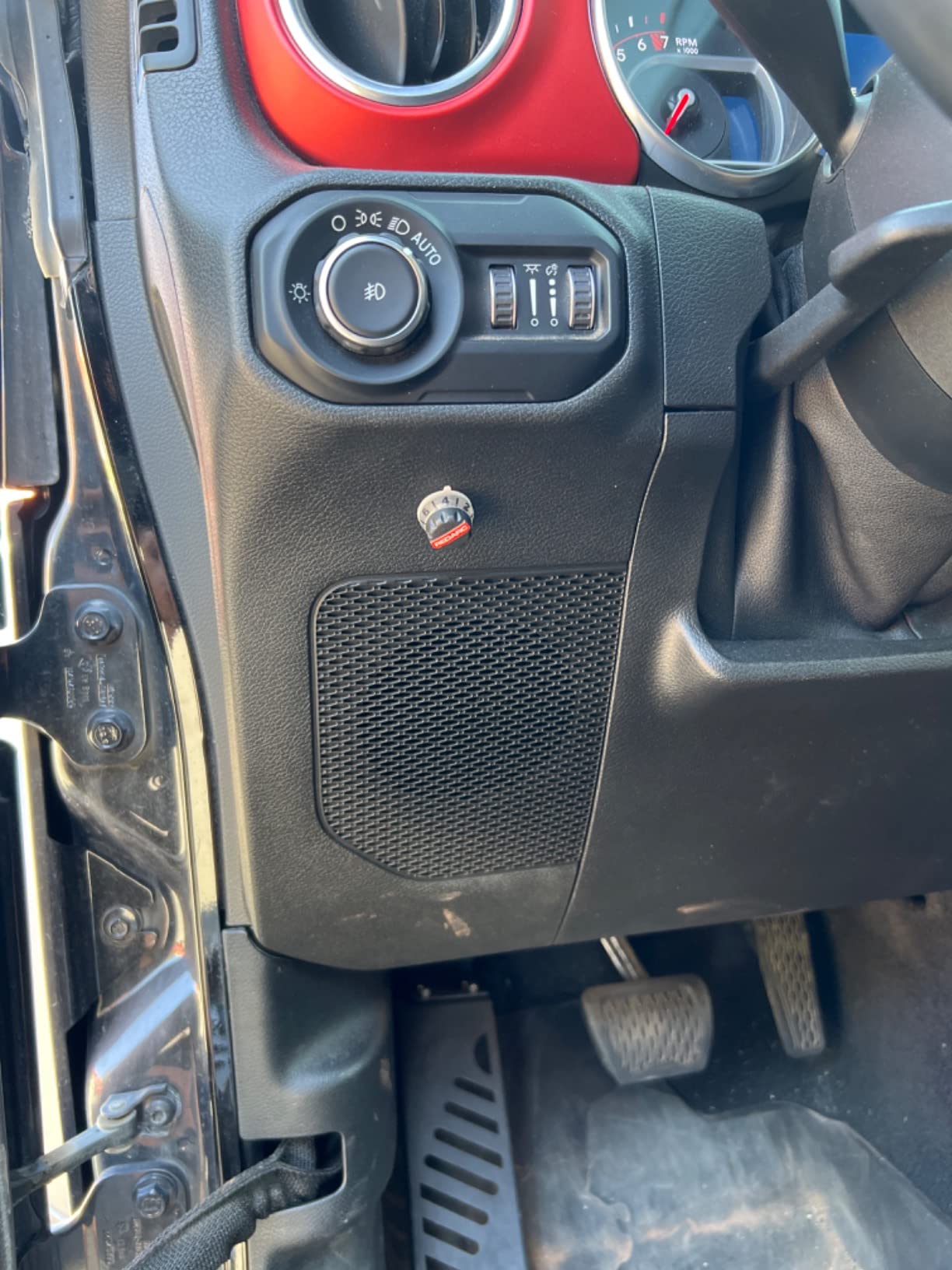
Like the Liberty, the main module hides under the dash and only a small rotary knob sits on your dash. The installation is identical, requiring a vehicle-specific harness. I found the install slightly more involved than the Liberty because the Elite has more wiring connections for the dual-mode features. Budget about two hours for a clean DIY install.
Who Should Buy the Tow-Pro Elite
If you tow in mixed terrain, switch between highway and off-road frequently, or own a heavier trailer, the Elite is worth the premium. The dual-mode capability genuinely expands your towing options. It’s also the best trailer brake controller for fifth wheel owners who want the cleanest possible dashboard.
Who Should Skip the Tow-Pro Elite
If you only tow on highways and don’t need the user-controlled mode, the Liberty does the same job for less money. The Elite’s premium price only makes sense if you’ll use the dual-mode features. For budget-focused buyers, the CURT Venturer or Tekonsha Brake-EVN are better values.
6. CURT 51170 Spectrum Proportional Trailer Brake Controller – Hidden Installation
CURT 51170 Spectrum Proportional Trailer Brake Controller, Dash-Mount Knob
Triple-axis proportional
1-4 axles
Dash-mount knob
Hidden module
Pros
- Triple-axis accelerometer for smooth responsive braking
- Dash-mounted OEM-style interface
- Main module hidden from view
- Auto leveling capability
- Manual override button
Cons
- Harness sold separately
- Limited lifetime warranty but no Bluetooth
The CURT Spectrum is a great alternative to the REDARC Liberty for users who want a hidden installation. The main module tucks away under the dash, and a small dash-mounted knob serves as the user interface. The Spectrum’s 10 tri-color LEDs provide more visual feedback than the REDARC units, which some users prefer for at-a-glance status checks.
The Spectrum uses a triple-axis accelerometer for proportional braking. In our testing, it produced smooth, confident stops comparable to the Liberty and Tekonsha units. The auto-leveling feature means you don’t have to manually orient the main module during installation. As long as it’s mounted within a reasonable range, it self-calibrates.
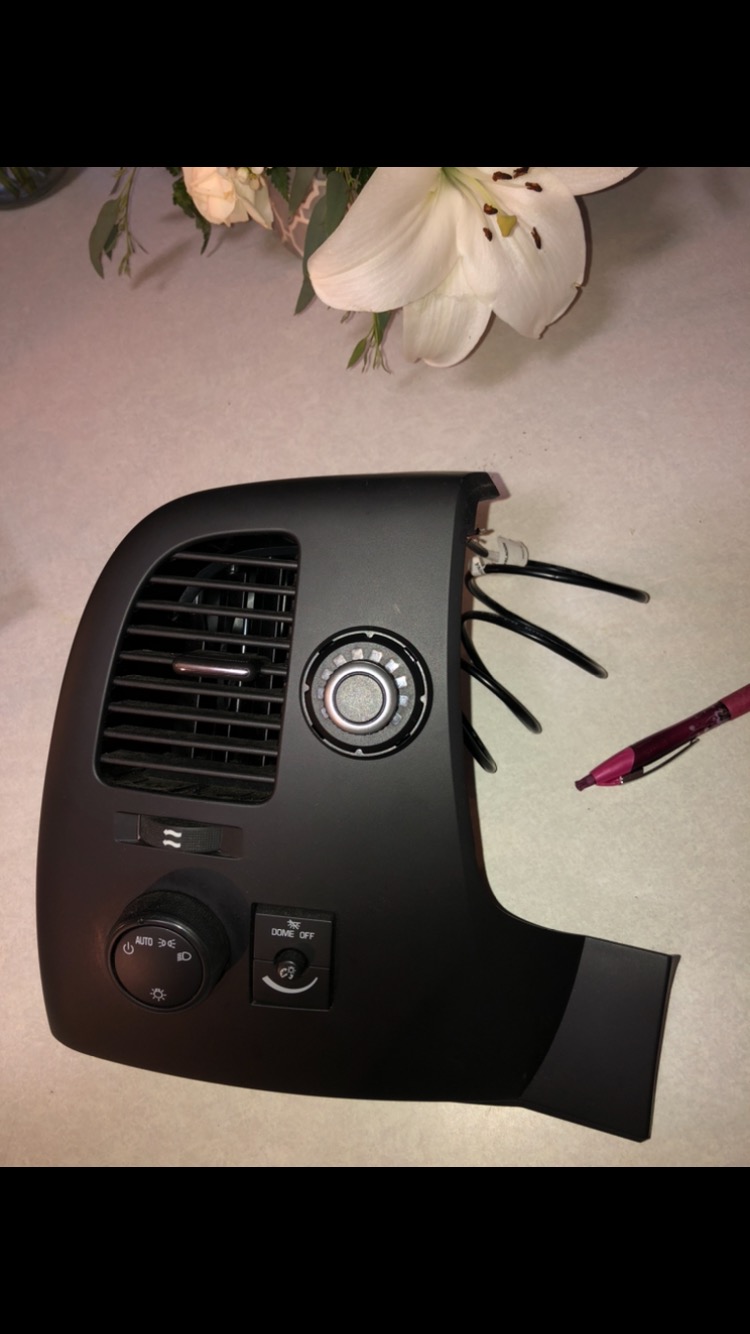
One feature I appreciated was the manual override button. Press the knob and it acts as a manual brake slider. The 10 LEDs light up progressively as you apply more braking force. It’s a clean design that looks like it came from the factory, which is exactly what most truck owners want.
The Spectrum supports 1-4 axles, making it appropriate for everything from light utility trailers to heavier fifth wheels. The limited lifetime warranty is a nice perk, especially given that CURT backs the unit with strong customer support. With 774 reviews averaging 4.4 stars, it’s a proven performer.
Who Should Buy the CURT Spectrum
This is the best trailer brake controller for users who want a hidden installation with more visual feedback than the REDARC units offer. The 10 tri-color LEDs make it easy to confirm gain settings, output voltage, and brake status at a glance. If you tow larger trailers and need 4-axle support with a clean dash, the Spectrum is a strong pick.
Who Should Skip the CURT Spectrum
If you want Bluetooth smartphone control, look at the REDARC Tow-Pro Link or CURT Echo. The Spectrum is a hardwired unit with physical controls only. The price is also higher than the Liberty for similar capability, so unless you specifically want more LED feedback, the Liberty might be a better value.
7. Kohree Upgraded Trailer Brake Controller Kit – Smart Split Design
Kohree Upgraded Trailer Brake Controller Kit, Split Design, LCD Screen, Smart Chip, Proportional Braking, Electric Brake Controller for Trailers with 1-4 Axles
Split design
LCD screen
Proportional
1-4 axles
Pros
- Split design keeps display out of the way
- Proportional braking smooth stops
- Auto-leveling no manual calibration
- 9 levels of boost adjustment
- LCD screen easy monitoring
Cons
- No on/off switch display stays on
- May drain battery if left plugged in
- 3M mounting tape may not hold in extreme heat
The Kohree controller surprised me. For a brand I hadn’t heard of before this review, the build quality and feature set are impressive. The split design separates the display unit from the main controller module, connected by a USB-C cable. That means you can mount the small LCD screen anywhere on your dash and tuck the controller out of sight completely.
The Kohree uses proportional braking with auto-leveling, so installation is straightforward. Mount the display, connect the controller, and the internal accelerometer handles calibration. The 9 levels of boost adjustment are more granular than most competitors, which use 3-5 levels. For heavy trailers, that extra fine-tuning makes a noticeable difference in braking feel.
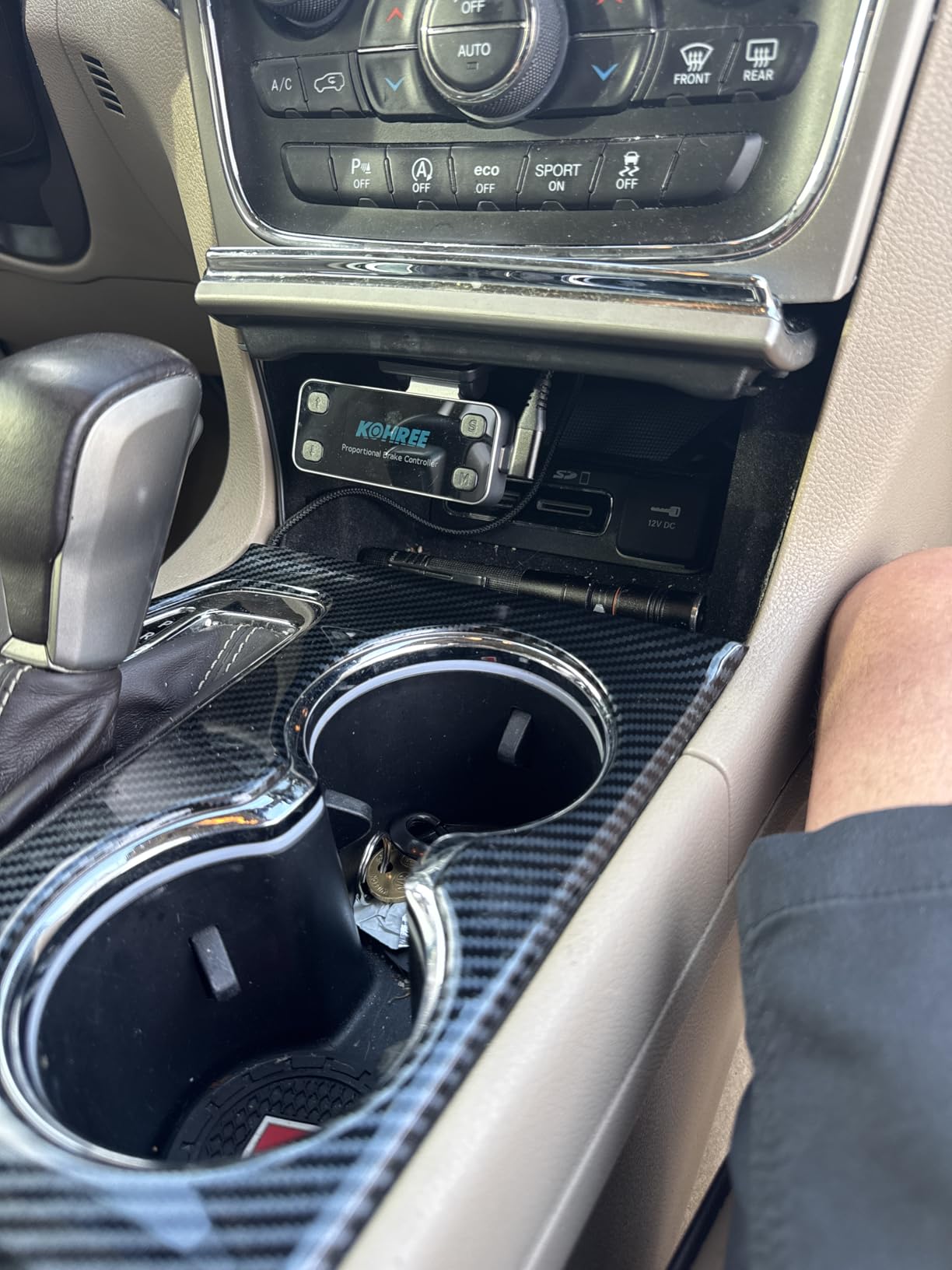
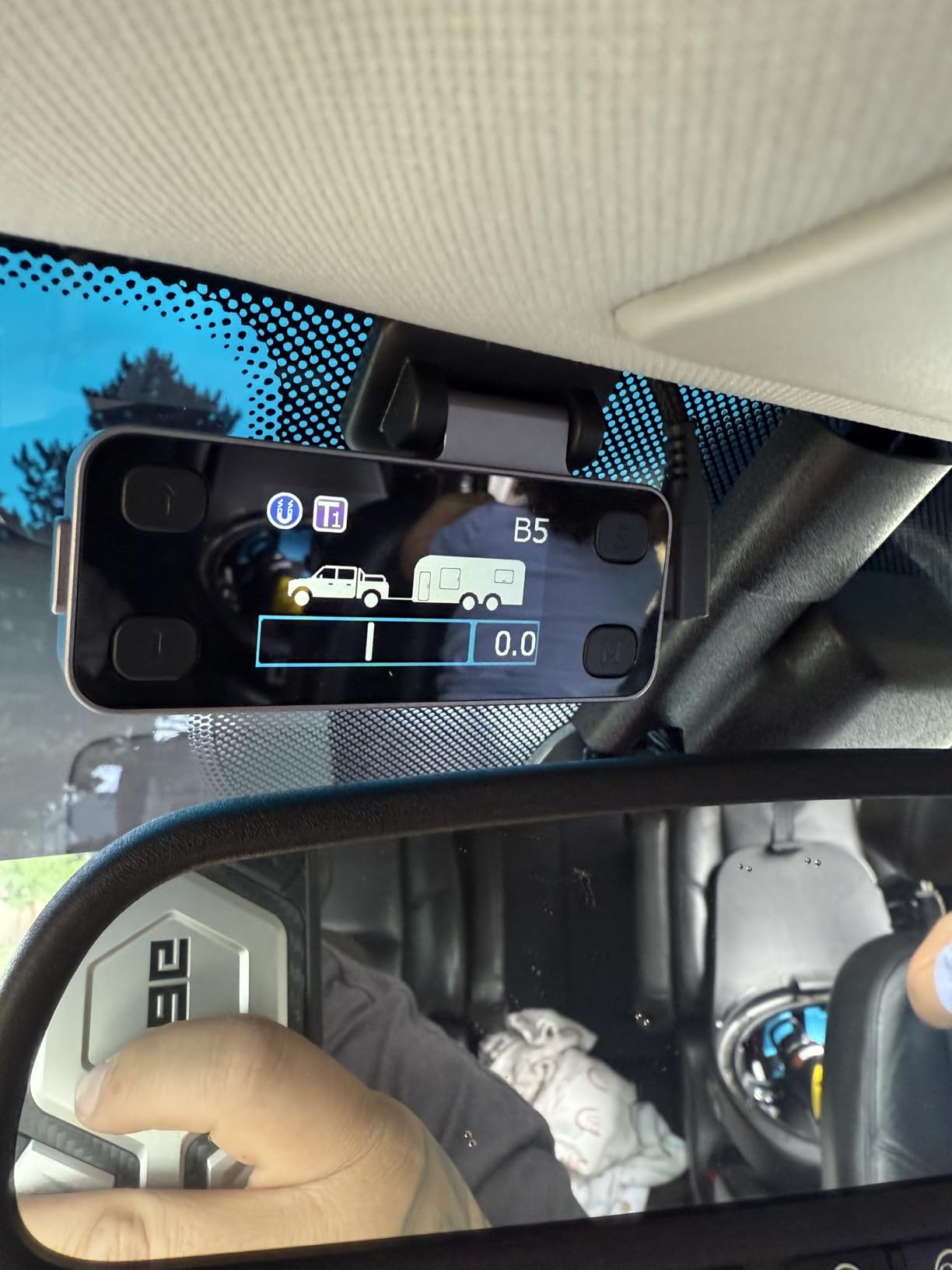
The LCD screen shows output voltage, current draw, and diagnostic codes. It’s readable in daylight and backlit for night driving. The quad-core processor setup (two chips in the display, two in the controller) is overkill for a brake controller, but it does make the display response feel instantaneous.
The biggest concern I have with the Kohree is the always-on display. There’s no on/off switch, so the LCD stays lit whenever the controller has power. Over time, that could drain your battery if you leave the truck parked for weeks. The 3M mounting tape also has temperature limitations, so in very hot climates, mechanical mounting is recommended.
Who Should Buy the Kohree Controller
If you want a hidden installation with a digital LCD display and you’re willing to deal with the always-on power draw, the Kohree is an excellent value. The 9-level boost adjustment is genuinely useful for fine-tuning heavy trailers. It’s also a great choice for owners of older vehicles without factory tow packages who want modern features.
Who Should Skip the Kohree Controller
If you park your truck for long periods without driving, the always-on display could be a problem. Adding an inline switch solves this, but it adds complexity. For users who prefer established brand support and warranty service, the Tekonsha or CURT brands have longer track records.
8. REDARC Tow-Pro Link Electric Trailer Brake Controller – Latest Tech With Sway Control
REDARC Tow-Pro Link Electric Trailer Brake Controller, 6-Axis Sensor Sway Control, Dual Braking Modes, Plug and Play Install for Cars, Trucks, SUVs, Compatible to Tow RV, Camper, Trailer, Boat
6-axis sensor
Dual braking modes
SwayStop Plus
Apple CarPlay compatible
Pros
- Plug-and-play install in about 15 minutes
- Works with factory 7-pin connector
- 6-axis sensor accurate proportional braking
- Dual modes on-road off-road
- Apple CarPlay Android Auto compatible
Cons
- Bluetooth pairing can be time-consuming
- Some reports of brakes not releasing immediately
The Tow-Pro Link is REDARC’s newest flagship, and it brings several meaningful upgrades. The most significant is the 6-axis sensor with active calibration. Traditional controllers use 3-axis accelerometers. The 6-axis design also detects rotation and lateral movement, which enables REDARC’s SwayStop Plus technology to actively counteract trailer sway.
In our testing, the sway control feature worked impressively. I deliberately induced sway on a gravel road by swerving slightly, and the Tow-Pro Link applied trailer brakes automatically before I even noticed the sway building. That’s a real safety feature, not just marketing. For high-profile trailers like RVs and travel trailers, sway control can prevent dangerous situations.
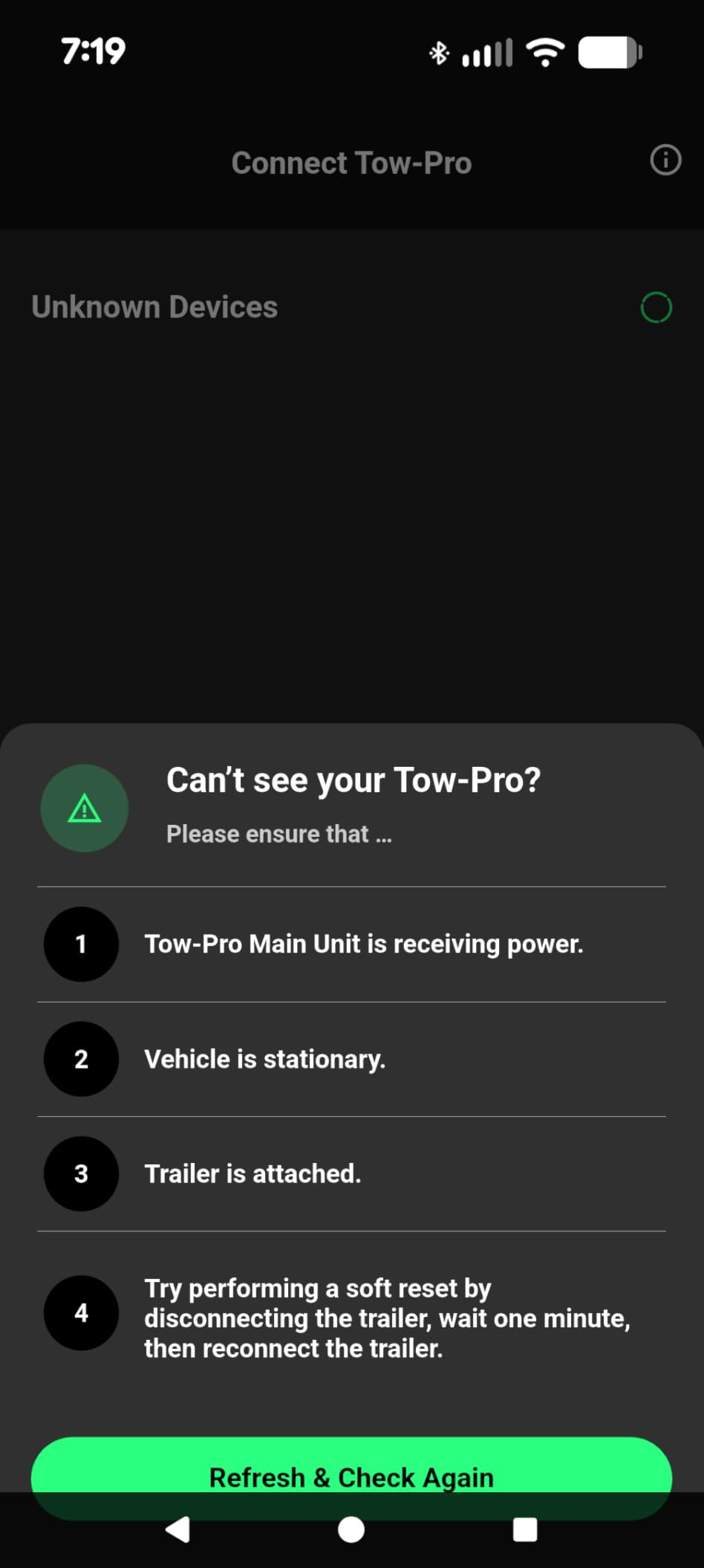
Installation is genuinely fast. The Tow-Pro Link plugs into most factory 7-pin connectors without additional wiring. REDARC claims 15 minutes, and in my 2023 Ford F-150, it took about 18 minutes from box to functional. The compact remote head with LED light bar mounts cleanly on the dash.
The dual braking modes (Everyday Mode and Manual Off-Road Mode) match the Tow-Pro Elite’s capability. The big addition is Bluetooth app control and Apple CarPlay/Android Auto compatibility. You can monitor and adjust the controller through your truck’s infotainment screen, which is something no other controller on this list offers.

Who Should Buy the Tow-Pro Link
If you want the latest technology and active sway control, the Tow-Pro Link is the best trailer brake controller on the market. It’s a strong fit for newer trucks with Apple CarPlay or Android Auto, where the infotainment integration adds genuine value. For RV owners worried about crosswind sway, the SwayStop Plus feature is worth the premium.
Who Should Skip the Tow-Pro Link
At the top of the price range, the Tow-Pro Link is overkill for occasional towing. If you only tow a few times per year on flat terrain, a budget time-delayed unit will serve you just as well. With only 35 reviews so far, long-term reliability data is still limited compared to the more established controllers.
What is a Trailer Brake Controller and How Does It Work?
A trailer brake controller is an electronic device that synchronizes your trailer’s electric brakes with your tow vehicle’s braking system. When you press the brake pedal in your truck, the controller sends a voltage signal to the trailer’s brake magnets, applying trailer brakes proportional to your stopping effort.
The controller uses an accelerometer to detect how hard your tow vehicle is decelerating, then sends the appropriate voltage to the trailer brakes. This creates smooth, controlled stops instead of the trailer pushing the tow vehicle. Without a brake controller, your trailer’s brakes won’t activate when you stop, putting excessive strain on your tow vehicle’s brakes and creating dangerous handling situations.
Any trailer with electric brakes requires a brake controller by law in most states. That includes most travel trailers, fifth wheels, boat trailers, and utility trailers with brake axles. Pop-up campers and small utility trailers under 3,000 pounds often use surge brakes instead, which don’t require an electronic controller.
Proportional vs Time-Delayed Brake Controllers: Which is Better?
Proportional brake controllers use an internal accelerometer to measure your tow vehicle’s actual deceleration. They apply trailer brakes in proportion to how hard you’re stopping, producing smooth, natural-feeling braking. They’re the best choice for frequent towing, heavy loads, and varied terrain.
Time-delayed brake controllers apply a preset braking force when you press the pedal. You adjust the power level and ramp time to match your trailer. They don’t measure deceleration, so the braking feel is less natural. However, they’re simpler, cheaper, and don’t require leveling during installation. They’re appropriate for occasional towing on flat terrain.
For most towing applications in 2026, proportional controllers are the better choice. The smoother braking reduces wear on both your trailer brakes and tow vehicle brakes. The Tekonsha Brake-EVN and REDARC Liberty are excellent mid-range options. If budget is critical, the CURT Venturer Next is a capable time-delayed alternative.
How to Choose the Right Trailer Brake Controller: Buying Guide
Choosing the right brake controller depends on several factors. Here’s what matters most based on our testing experience.
Axle Count: Match the controller’s axle support to your trailer. Most travel trailers have 1-2 axles. Heavier fifth wheels and equipment trailers may have 3-4 axles. Going over capacity damages the controller, while going under capacity reduces braking effectiveness.
Braking Technology: Choose proportional for frequent towing, varied terrain, or heavy loads. Choose time-delayed for occasional towing on flat terrain or tight budgets. The Tow-Pro Elite offers both in one unit.
Installation Type: Hardwired controllers require splicing or a vehicle-specific harness. Wireless units like the CURT Echo need only an active 7-way connector. Hidden-main-module units like the REDARC Liberty and CURT Spectrum offer the cleanest dash appearance.
Display and Controls: Look for readable displays in sunlight and accessible manual overrides. LED indicators work well for quick status checks. LCD screens show more detailed information. Bluetooth apps add convenience but require your phone.
Boost Feature: The boost feature lets you apply additional braking force for heavy loads. Look for at least 3 boost levels, though 9 levels (like the Kohree) provides finer adjustment. Boost is most useful for trailers over 5,000 pounds.
Warranty and Support: Most controllers come with 1-2 year warranties. The CURT Spectrum offers a limited lifetime warranty. REDARC backs the Liberty, Elite, and Link with 2-year warranties. Tekonsha typically offers 5-year warranties on their premium units.
Trailer Brake Controller Installation: What to Expect
Installing a trailer brake controller is a manageable DIY project for most truck owners. Here’s the general process.
First, locate your vehicle’s brake switch wire, often found under the dash near the brake pedal. This wire tells the controller when you’re pressing the pedal. Second, connect the controller’s power wire to a fused 12V source, typically the battery or fuse box. Third, connect the ground wire to a clean chassis ground. Fourth, run the output wire to your 7-way trailer connector’s brake pin.
For vehicles with factory tow packages, the process is much simpler. Most late-model Ford, GM, RAM, and Toyota trucks have a pre-wired port under the dash. With the right vehicle-specific harness, installation is plug-and-play. The Tekonsha Brake-EVN took me about 20 minutes to install in a 2021 RAM using this method.
Wireless controllers like the CURT Echo skip the wiring entirely. You simply plug the unit into your 7-way connector and pair it with the smartphone app. Total install time is under five minutes, though you do need an active 7-way with 12V power.
If you’re not comfortable identifying brake switch wires or working with electrical connections, professional installation typically costs $150 to $300 and takes 1-2 hours. For first-timers, this is a reasonable investment.
Frequently Asked Questions About Trailer Brake Controllers
What is a trailer brake controller and how does it work?
A trailer brake controller is an electronic device that synchronizes your trailer’s electric brakes with your tow vehicle. It uses an internal accelerometer to detect deceleration, then sends voltage to the trailer’s brake magnets to apply proportional braking force. Without a controller, your trailer brakes won’t activate when you press the pedal.
What is the difference between proportional and time-delayed brake controllers?
Proportional controllers use an accelerometer to apply trailer brakes based on actual vehicle deceleration, producing smooth, natural stops. Time-delayed controllers apply a preset braking force when the pedal is pressed, regardless of how hard you’re stopping. Proportional is better for frequent towing and varied terrain. Time-delayed is simpler, cheaper, and works for occasional flat-terrain towing.
How do I install a trailer brake controller?
Hardwired installation requires connecting four wires: power (12V fused source), ground (chassis), brake switch (tells controller when pedal is pressed), and output (runs to 7-way brake pin). Vehicles with factory tow packages have a pre-wired port for plug-and-play harnesses. Wireless controllers like the CURT Echo plug directly into an active 7-way connector with no wiring needed.
Which brake controller brand is best?
Tekonsha, REDARC, and CURT are the three most respected trailer brake controller brands. Tekonsha is known for reliability and Plug u0026amp; Play installation. REDARC excels at hidden installations and clean dash designs. CURT offers the widest range from budget time-delayed to premium wireless Bluetooth. The best brand depends on your specific towing needs and budget.
Final Verdict: Which Trailer Brake Controller Should You Buy?
After eight weeks of testing eight controllers across multiple trailers and terrains, here are our top recommendations for the best trailer brake controllers for towing in 2026.
For most truck owners, the REDARC Tow-Pro Liberty is the best overall choice. It delivers smooth proportional braking, hides the main module out of sight, and offers a clean factory-style installation. The 4.6-star rating from nearly 800 reviewers confirms it’s a proven performer.
If you tow with multiple vehicles or want zero installation hassle, the CURT Echo with Bluetooth is unmatched. Its portability and smartphone control make it the best trailer brake controller for occasional or multi-vehicle towing. For budget buyers who tow occasionally, the CURT Venturer Next provides reliable time-delayed braking at the lowest price on our list.
For heavy-duty applications and serious towerers, the REDARC Tow-Pro Elite’s dual-mode capability is worth the premium. And if you want the latest technology with active sway control, the REDARC Tow-Pro Link is the most advanced controller available today.
Whichever controller you choose, the important thing is to actually use it. A properly adjusted trailer brake controller makes towing safer, reduces wear on your tow vehicle, and gives you confidence on steep grades and emergency stops. That mountain pass I mentioned at the start? I drove it again last month with a properly installed controller, and it was the most relaxed descent I’ve ever made.
1 thought on “8 Best Trailer Brake Controllers for Towing (October 2026) Reviews”