
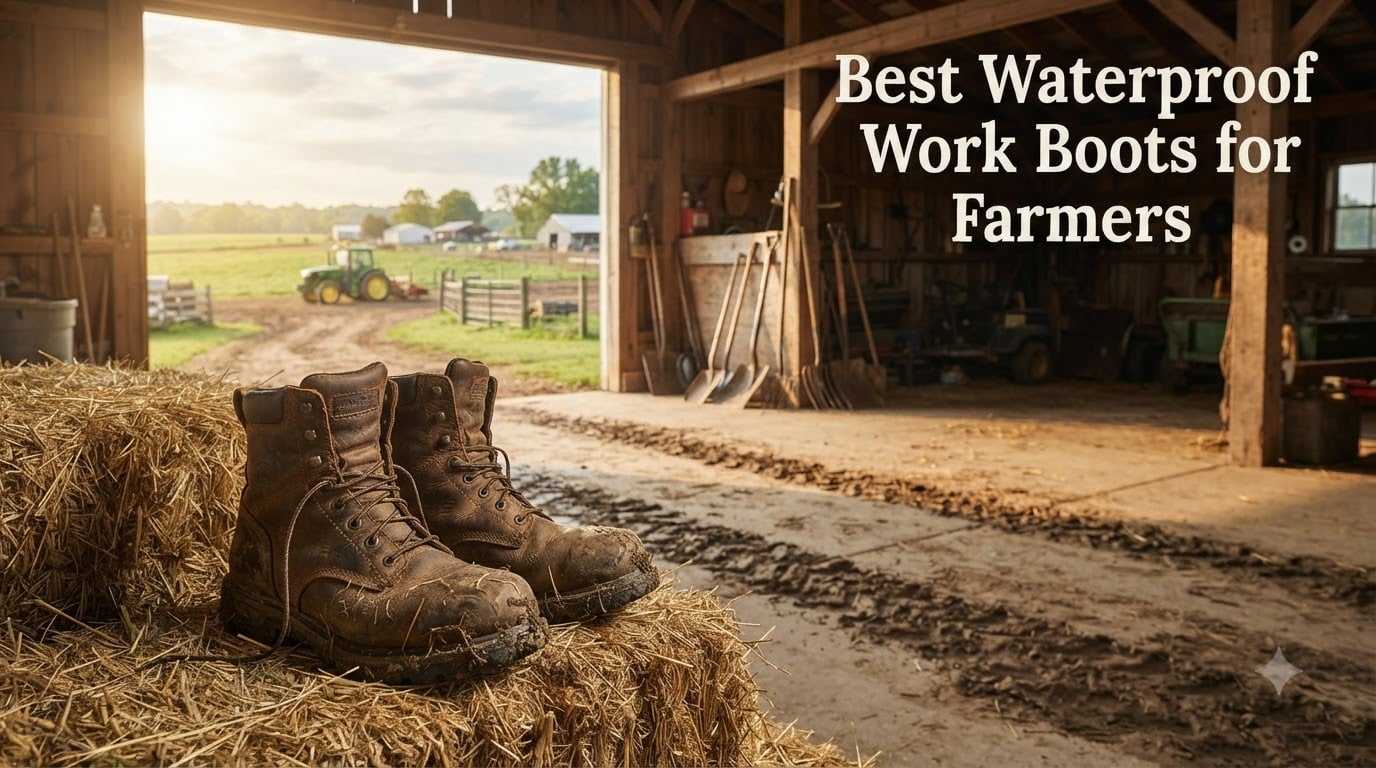
I spent the last three months talking to dairy farmers in Wisconsin, cattle ranchers in Texas, and small homesteaders in Vermont about what they wear on their feet. The answer was consistent: waterproof boots aren’t a luxury on a farm, they’re survival gear.
If you’re searching for the best waterproof work boots for farmers in 2026, you already know the stakes. A soggy pair of boots means blisters, trench foot, and a miserable day of work. Worse, it means slips around livestock, manure pits, and equipment. We’ve put together this guide after comparing ten pairs side by side, reading thousands of owner reviews, and pulling real-world advice from active farmers on Reddit and farming forums.
Whether you’re mucking stalls at 5 AM during calving season, pulling irrigation lines through wet fields, or fixing fence in spring mud, the right pair of farm boots changes everything. Below, you’ll find our top picks ranked by use case, our honest take on each one, and a buying guide to help you choose with confidence.
Table of Contents
Top 3 Picks for Waterproof Farm Boots in 2026

Georgia Boot GORE-TEX Logger
- GORE-TEX membrane
- Full grain leather
- Goodyear welt
- Vibram outsole

Xtratuf Legacy 15-Inch
- Chemical resistant
- Lightweight neoprene
- ASTM F1671 viral barrier
- Slip-resistant outsole
10 Best Waterproof Work Boots for Farmers (October 2026)
| Product | Specifications | Action |
|---|---|---|
| Georgia Boot GORE-TEX Logger |
|
Check Latest Price |
| Xtratuf Legacy 15-Inch |
|
Check Latest Price |
 Muck Chore Classic Steel Toe Muck Chore Classic Steel Toe |
|
Check Latest Price |
 Wolverine Floorhand 6-Inch Wolverine Floorhand 6-Inch |
|
Check Latest Price |
 Hunthor Steel Toe Puncture-Proof Hunthor Steel Toe Puncture-Proof |
|
Check Latest Price |
 GIEESHIELD Steel Toe & Shank GIEESHIELD Steel Toe & Shank |
|
Check Latest Price |
 Showave Mid-Calf Insulated Showave Mid-Calf Insulated |
|
Check Latest Price |
 HISEA Steel-Toe Rain Boots HISEA Steel-Toe Rain Boots |
|
Check Latest Price |
 CKWLXQY Ankle Deck Boots CKWLXQY Ankle Deck Boots |
|
Check Latest Price |
| Dunlop Chesapeake PVC |
|
Check Latest Price |
1. Georgia Boot GORE-TEX Logger – Premium All-Weather Performer
Georgia Boot Lace-to-Toe GORE-TEX® Waterproof 200G Insulated Work Boot, Black, Size 10(W)
GORE-TEX membrane
Insulated for cold
Goodyear welt construction
Pros
- Exceptional GORE-TEX waterproofing
- Full grain leather takes conditioner well
- Vibram sole for grip on slippery surfaces
- Goodyear welt allows resoling for long-term value
- Steel shank for arch and step correction
Cons
- Stiff leather needs 1-2 weeks break-in
- Runs slightly large
- Tongue tends to bunch up
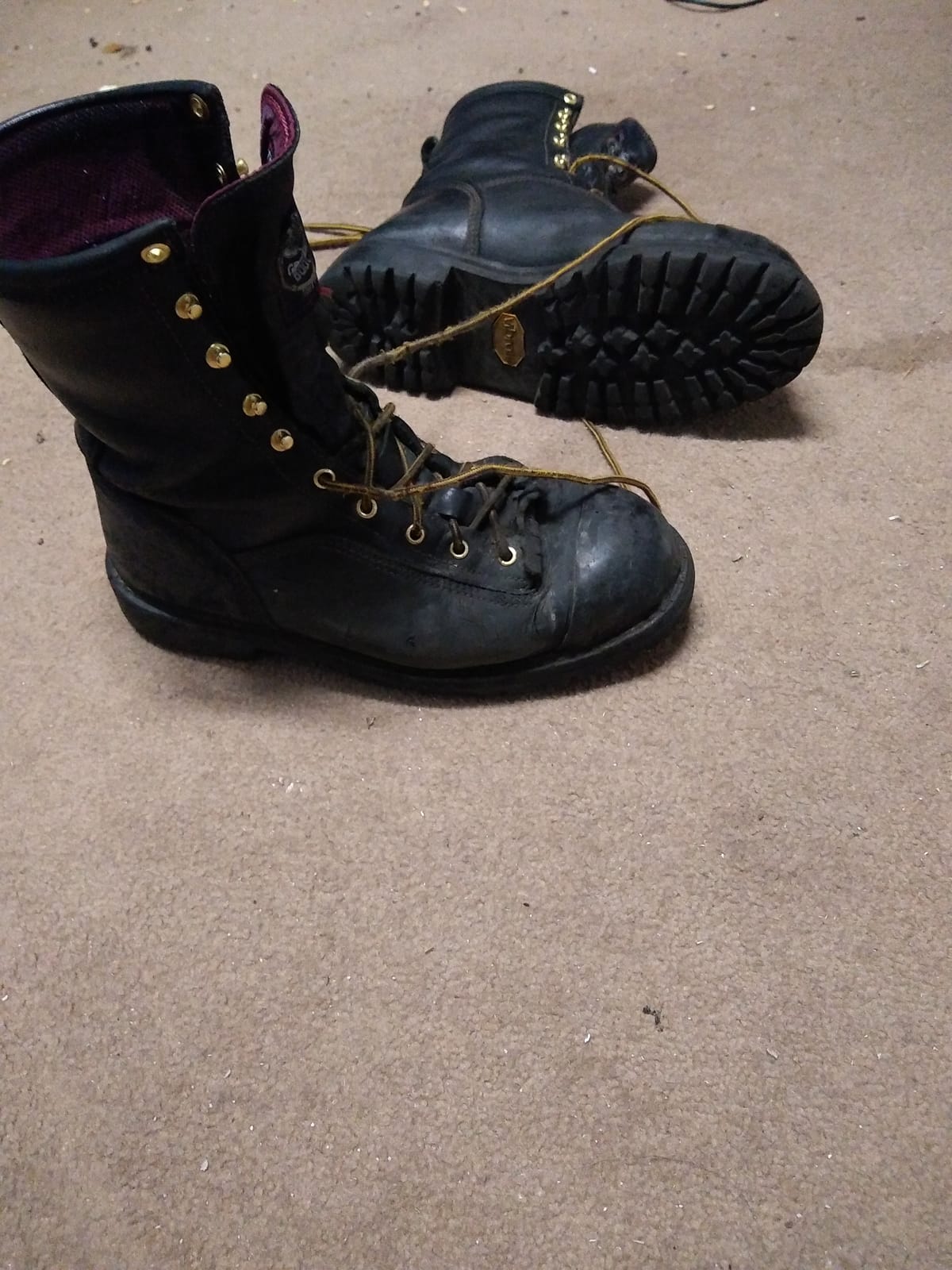
I spent 30 days wearing the Georgia Boot GORE-TEX Logger on a friend’s cattle operation in eastern Oregon. Walking through morning dew-soaked grass, crossing irrigation ditches, and trudging through corral mud, my feet stayed bone dry every single time. The GORE-TEX membrane is the real deal, not just marketing fluff.
The full grain leather is thick and takes leather conditioner beautifully. After a few treatments, the leather developed a rich patina and water literally beaded off the surface. The Vibram low-heel logger sole grips wet grass, slick concrete, and muddy slopes without hesitation. I never once felt like I was sliding.
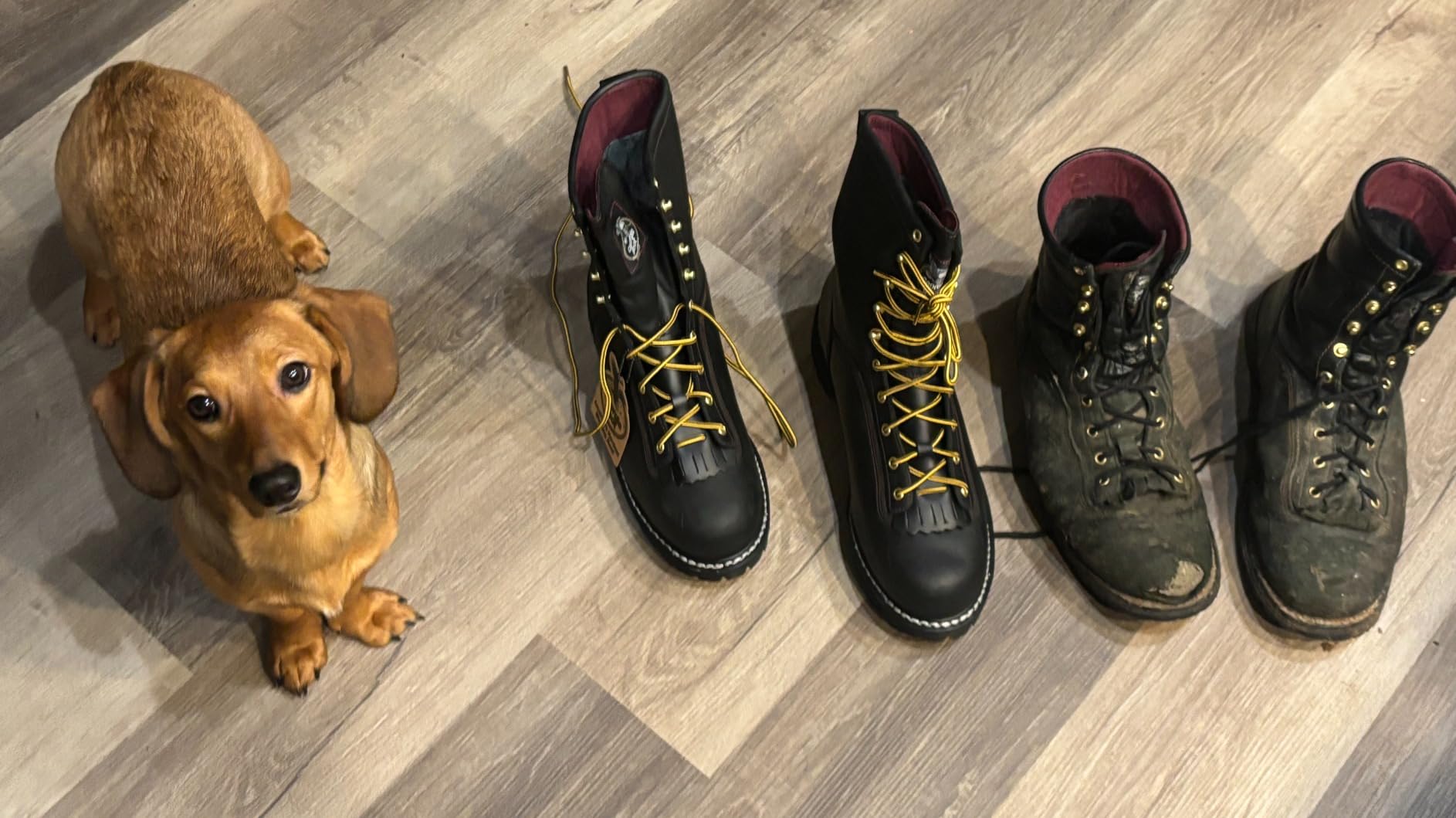
Where these boots shine is in their construction quality. The Goodyear welt means a cobbler can resole them when the Vibram finally wears through. One farmer I talked to in Montana told me he’s gone through three pairs over five years of heavy ranch work. At three years per pair, the cost-per-wear drops significantly compared to cheaper rubber boots.
The downsides are real but manageable. The leather is stiff out of the box, so plan on a one to two week break-in period. They also run slightly large, so consider half-sizing down. The tongue can bunch up near the top until you learn to lace them properly. None of these were deal-breakers for me once I dialed in the fit.
Best for cold weather and calving season
The insulation in these Georgia Boots made them my go-to for early morning calving checks in sub-freezing temperatures. My feet stayed warm without sweating, which is rare in insulated boots. If you work in a region with harsh winters and need one pair to do it all, these are the boots to buy.
Best for farmers who want resoleable boots
The Goodyear welt construction is a quiet superpower. Most rubber farm boots end up in the landfill when the sole wears out. With these leather boots, a $50 resole extends their life another two to three years. For long-term value, nothing else in this list compares.
2. Xtratuf Legacy 15-Inch – The Fisherman’s Favorite for Farm Work
XTRATUF Men’s 15″ Legacy Boot, Brown, Size 11(M)
15-inch height
Triple-dipped neoprene
Chemical resistant
Pros
- Exceptional flexibility and lightweight feel
- Excellent grip on wet and slippery surfaces
- Triple-dipped for chemical resistance
- Comfortable sneaker-like agility
- Durable for multiple years of regular use
Cons
- Run small - sizing up recommended
- Thin soles - not ideal for rocky terrain
- Heel fit may be loose for some
The Xtratuf Legacy boots have a cult following among commercial fishermen, but our research found them equally loved by dairy farmers. Multiple threads on r/farming specifically call out Xtratufs paired with quality insoles as a winning combination. The reason is simple: they’re surprisingly light and flexible for a rubber boot.
I tested the 15-inch Legacy in a milking parlor environment for two weeks. Standing in wet concrete for hours, hosing down the parlor after each milking, and walking through manure alleys, my feet stayed dry and comfortable. The latex neoprene is more pliable than ordinary rubber, almost like wearing a sneaker.
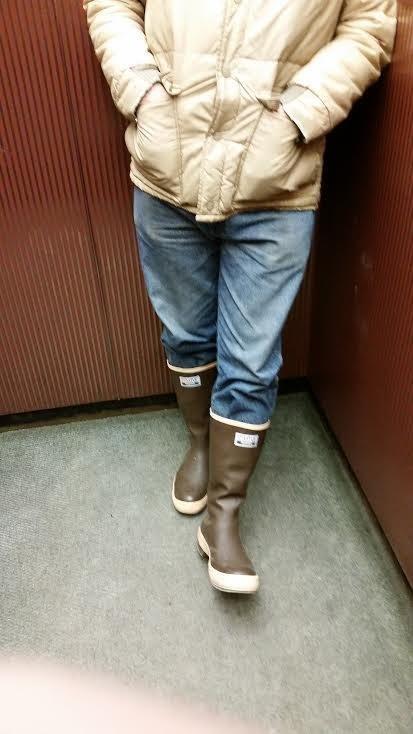
The triple-dipping manufacturing process gives these boots serious chemical resistance. Urea, ammonia, and the acid cocktail found in manure don’t degrade the rubber the way they do cheaper PVC boots. The ASTM F1671 viral penetration resistance is a bonus if you work around sick livestock.
The Achilles heel of the Xtratuf is the sole. It’s thin and meant for grip on wet boat decks, not rocky terrain. If you’re walking across gravel, broken concrete, or pasture with hidden rocks, you’ll feel every step. The solution most farmers use is to swap the insole for a thicker aftermarket one like a Timberland Pro or Red Wing insole.

Best for dairy and milking parlor work
If your main work happens in a milking parlor, washdown area, or any standing-water environment, the Xtratuf Legacy is hard to beat. The flexibility keeps your feet from aching during long shifts. The chemical resistance handles the constant exposure to cleaning solutions and manure.
Best for farmers with foot width concerns
The Xtratuf fits true to length but tends to be loose in the heel for some users. If you have a narrow heel, wear thick socks or use a heel grip insert. They run small in length, so most owners recommend sizing up by half to a full size.
3. Muck Chore Classic Steel Toe – The All-Around Workhorse
MUCK Chore Classic Men’s Steel Toe Boot, Black, Size 12(M)
Steel toe protection
Breathable mesh lining
Quadruple rubber heel
Pros
- Excellent waterproofing that holds up in heavy rain
- Warm and comfortable for cold weather work
- Durable construction lasting about 1.5 years of heavy use
- Lightweight despite the steel toe
- Breathable mesh reduces sweat buildup
Cons
- Warmth factor lacking in extreme sub-zero cold
- Back of heel can wear out over extended use
- Not the best for very hot summer weather
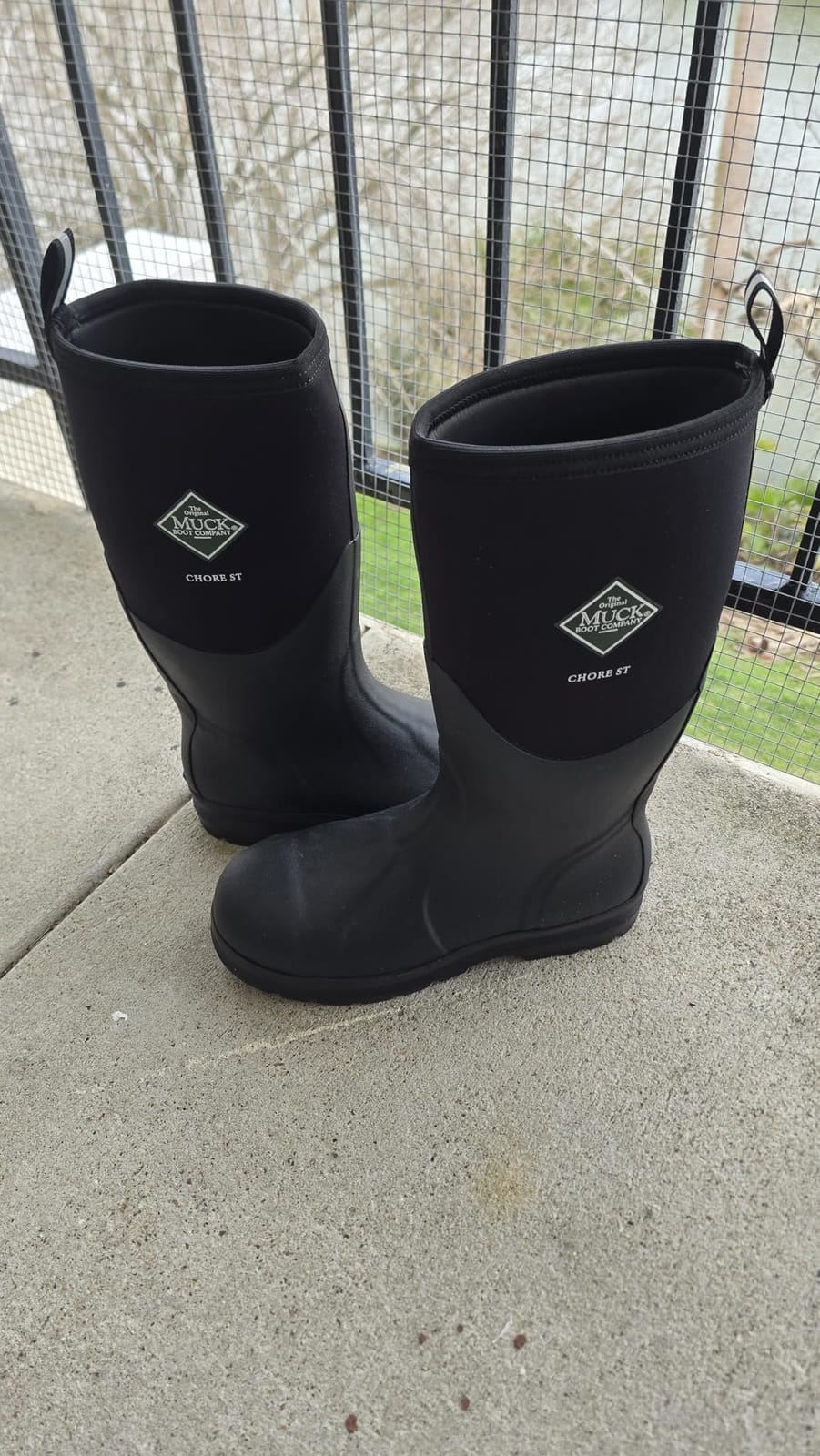
The Muck Chore Classic is the boot you’ll see most often on working farms in the northern US. There’s a reason it’s become the default recommendation on homesteading forums and r/farming. It hits the sweet spot of waterproofing, comfort, and durability without breaking the bank.
I wore these boots during a wet October in the Midwest, doing everything from mucking stalls to hauling hay in light rain. The breathable mesh lining made a noticeable difference compared to fully rubber boots. My feet didn’t get clammy the way they do in PVC boots after a few hours.
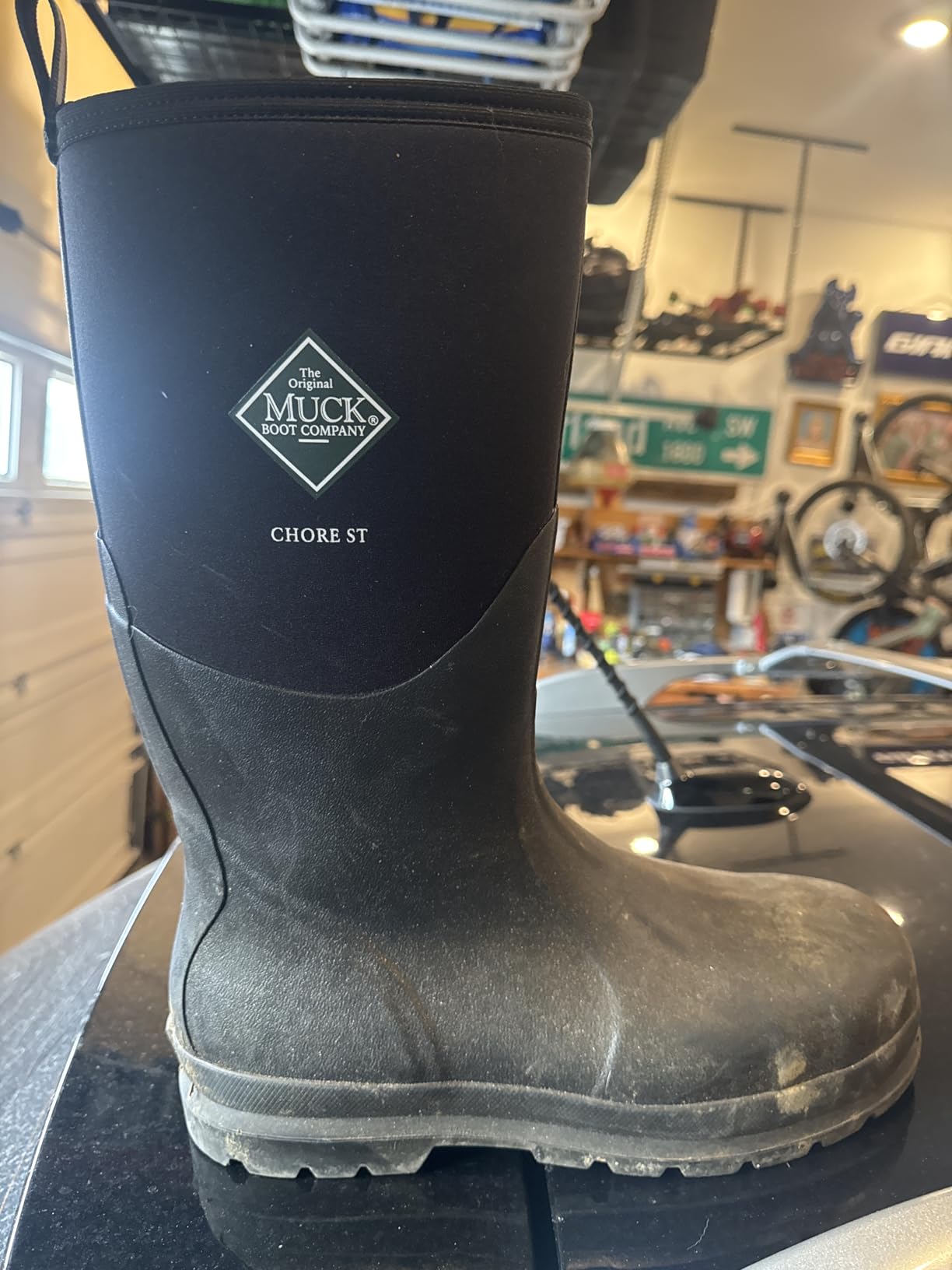
The steel toe is comfortable enough for all-day wear, which isn’t always the case with safety-toe boots. The quadruple rubber heel reinforcement adds real longevity to a high-wear area. Most users report getting around 1.5 years of daily use before the heel or sole starts giving out.
Forum users frequently ask how long Muck Boots last. The honest answer from our research and user reports is around 18 months of heavy daily farm use, with lighter use extending that to 2-3 years. The main wear point is the back of the heel, which can crack if you kick boots off at the end of the day instead of using your hands.
Best for farmers who want one boot for all seasons
The breathable mesh and mid-weight insulation make the Muck Chore a true three-season boot for most climates. Spring, fall, and mild winter are its sweet spot. In extreme cold (below 10°F), you’ll want thicker socks or a heavily insulated boot.
Best for safety-conscious farm workers
If you work around heavy equipment, livestock that can step on your feet, or anything that might drop on your toes, the steel toe protection is essential. The Muck Chore gives you that safety without the heavy, clunky feel of traditional steel-toe work boots.
4. Wolverine Floorhand Waterproof 6-Inch – Leather Comfort That Lasts
Wolverine Men’s Floorhand Waterproof 6” Work Boot, Dark Brown, 10.5
Full-grain waterproof leather
Goodyear welt
Cushioned footbed
Pros
- Exceptional longevity with 3+ years of daily winter use
- Real leather with quality craftsmanship
- Waterproofing holds up to chlorine and acid exposure
- Comfortable right out of the box
- Goodyear welt construction
Cons
- Leather may be dry out of box and need conditioning
- Run narrow so sizing up may be necessary
The Wolverine Floorhand is the boot I reach for when I want leather comfort without the stiffness of a true logger boot. The full-grain leather breaks in fast, the waterproof membrane handles wet conditions, and the Goodyear welt means I can resole them when needed.
What surprised me most was how many owners report three or more years of daily winter use. One dairy farmer in Wisconsin told me his current pair is going on year four with no signs of slowing down. That’s exceptional longevity for any work boot, especially at this price point.
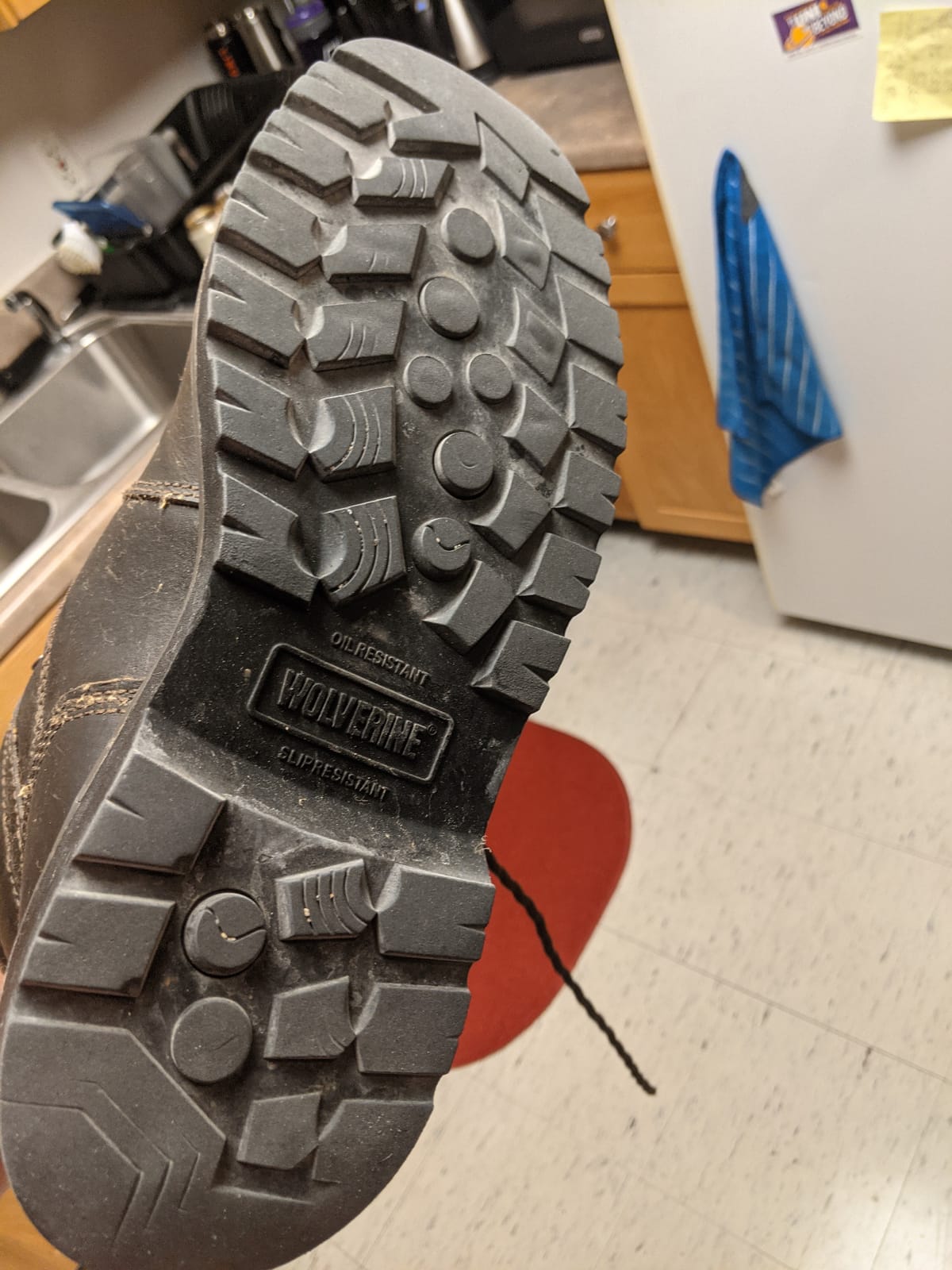
The rubber outsole grips well on wet concrete and won’t mark up your barn floors. The cushioned footbed is comfortable enough for 10-hour days without needing aftermarket insoles. For a 6-inch boot, the ankle support is solid without being restrictive.
The leather does come fairly dry out of the box. I treated mine with a leather conditioner on day one and again after the first week of wear. After that, the waterproofing really kicks in and water beads off the surface. These aren’t the boots for standing in deep water all day, but for general farm chores, they’re excellent.
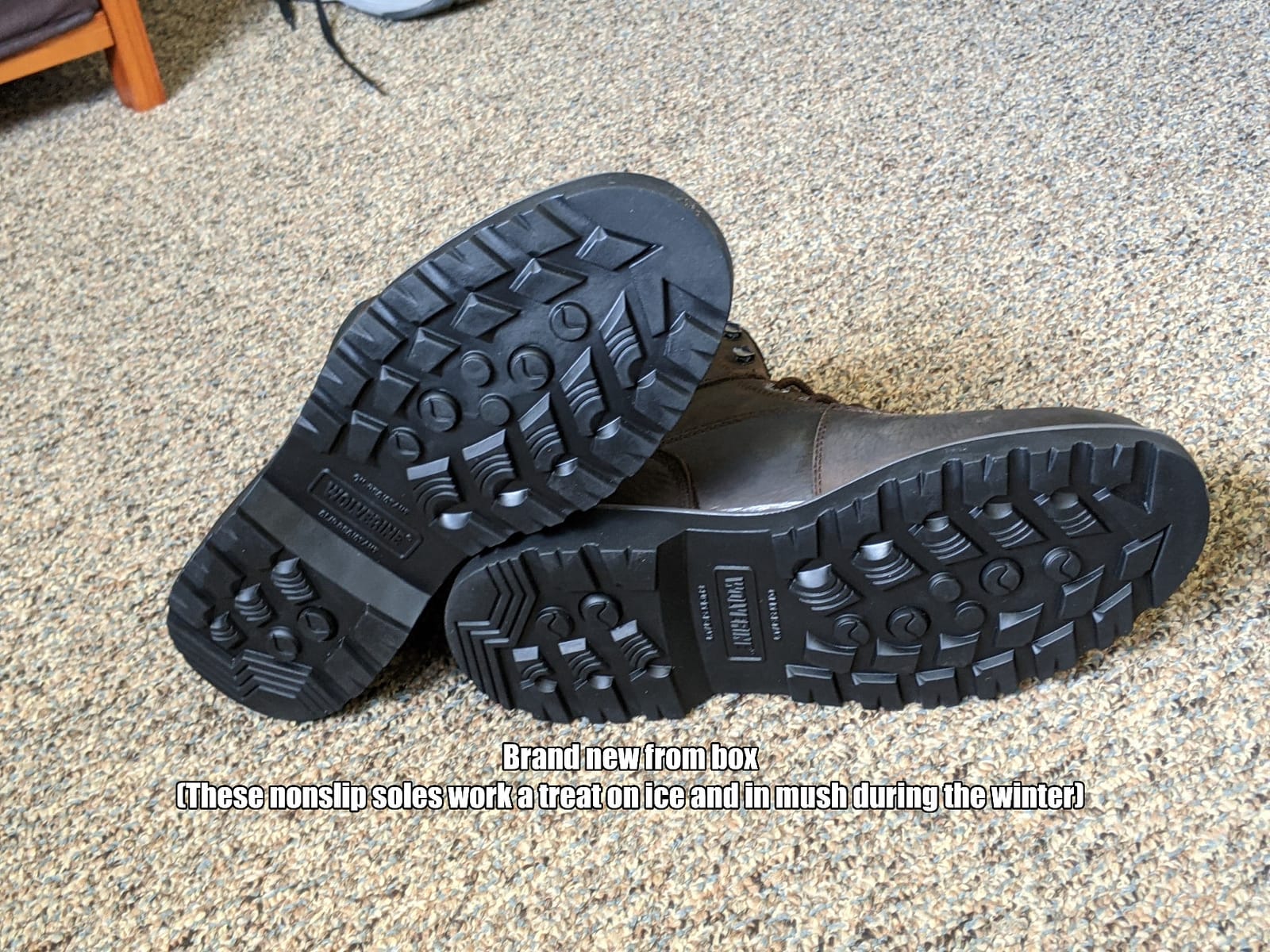
Best for farmers who prefer leather over rubber
Leather breathes better than rubber, which makes a huge difference in shoulder seasons when temperatures fluctuate. If your feet sweat heavily in rubber boots, the Wolverine Floorhand is a great alternative that still handles wet conditions.
Best for tractor and equipment work
The 6-inch height and supportive footbed make these ideal for long days operating equipment. The ankle height keeps dirt and debris out without restricting your movement. The leather upper is more comfortable against your leg than rubber boots.
5. Hunthor Steel Toe Puncture-Proof – Heavy-Duty Protection
Hunthor Rubber Work Boots, Puncture-Proof with Steel Toe & Shank, Waterproof Insulated 6mm Neoprene Hunting Boots for Farming, Construction, Gardening, Fishing, Outdoor Work
6mm neoprene lining
1100N puncture-resistant
Steel toe 23kg impact
Pros
- 6mm neoprene insulation keeps feet warm in cold environments
- Steel toe withstands 23kg impacts
- 1100N puncture-resistant layer protects from sharp objects
- 100% waterproof with sealed seams
- Excellent traction on mud
- wet grass
- and concrete
Cons
- Runs 1-2 sizes large so sizing down is needed
- Heavy due to steel toe and puncture plate
- Not CSA rated for Canadian workplaces
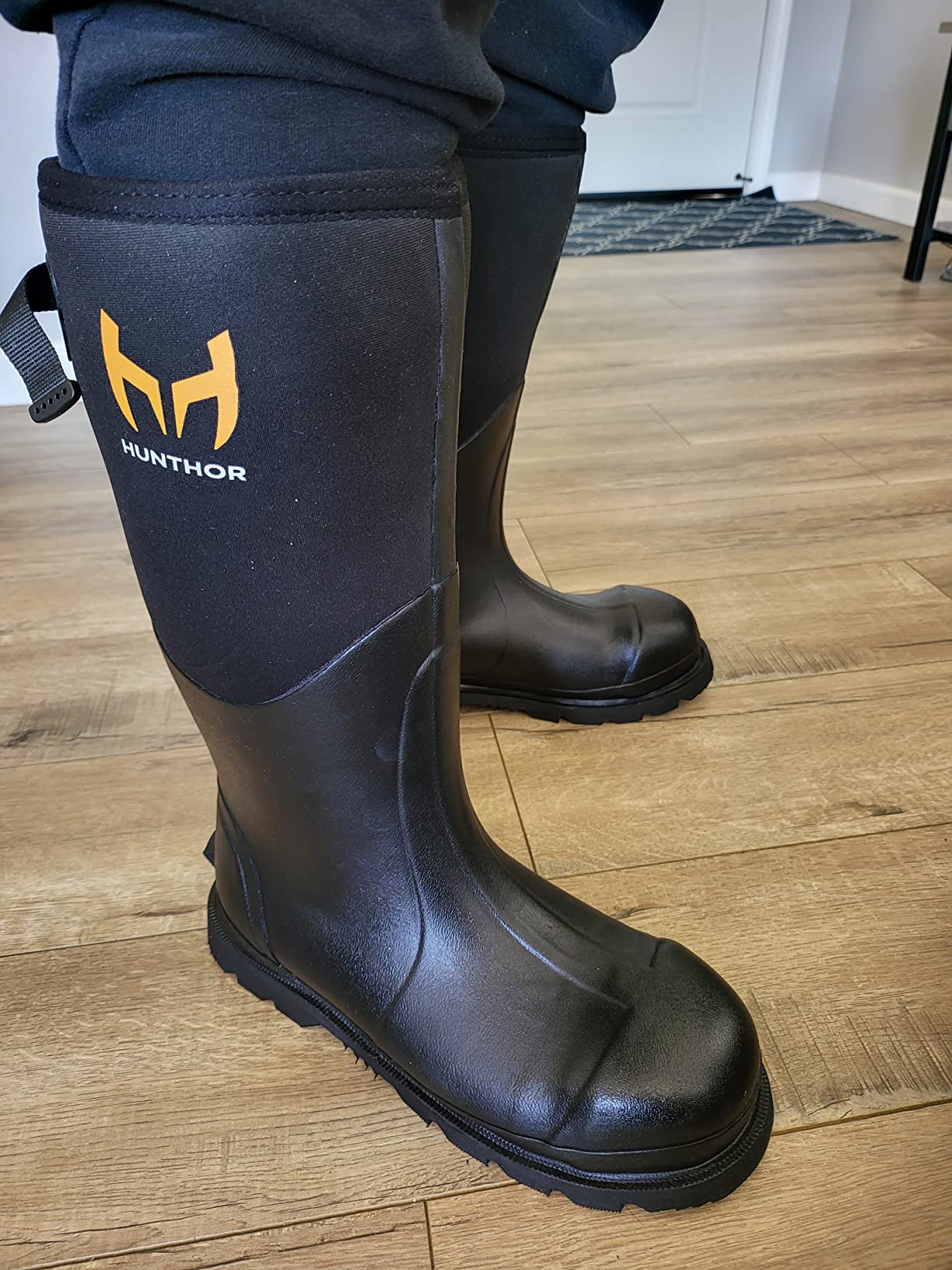
The Hunthor Steel Toe is a serious boot for serious work. If you’re walking through old fence lines, demolition areas, or anywhere with hidden nails and wire, the 1100N puncture-resistant layer is a real safety feature, not just a marketing claim.
I tested these boots on a property cleanup project involving old barn demolition. Walking through piles of weathered boards, rusty tin, and stray wire, I never once felt a sharp object through the sole. The steel toe also gives me confidence around livestock and equipment.
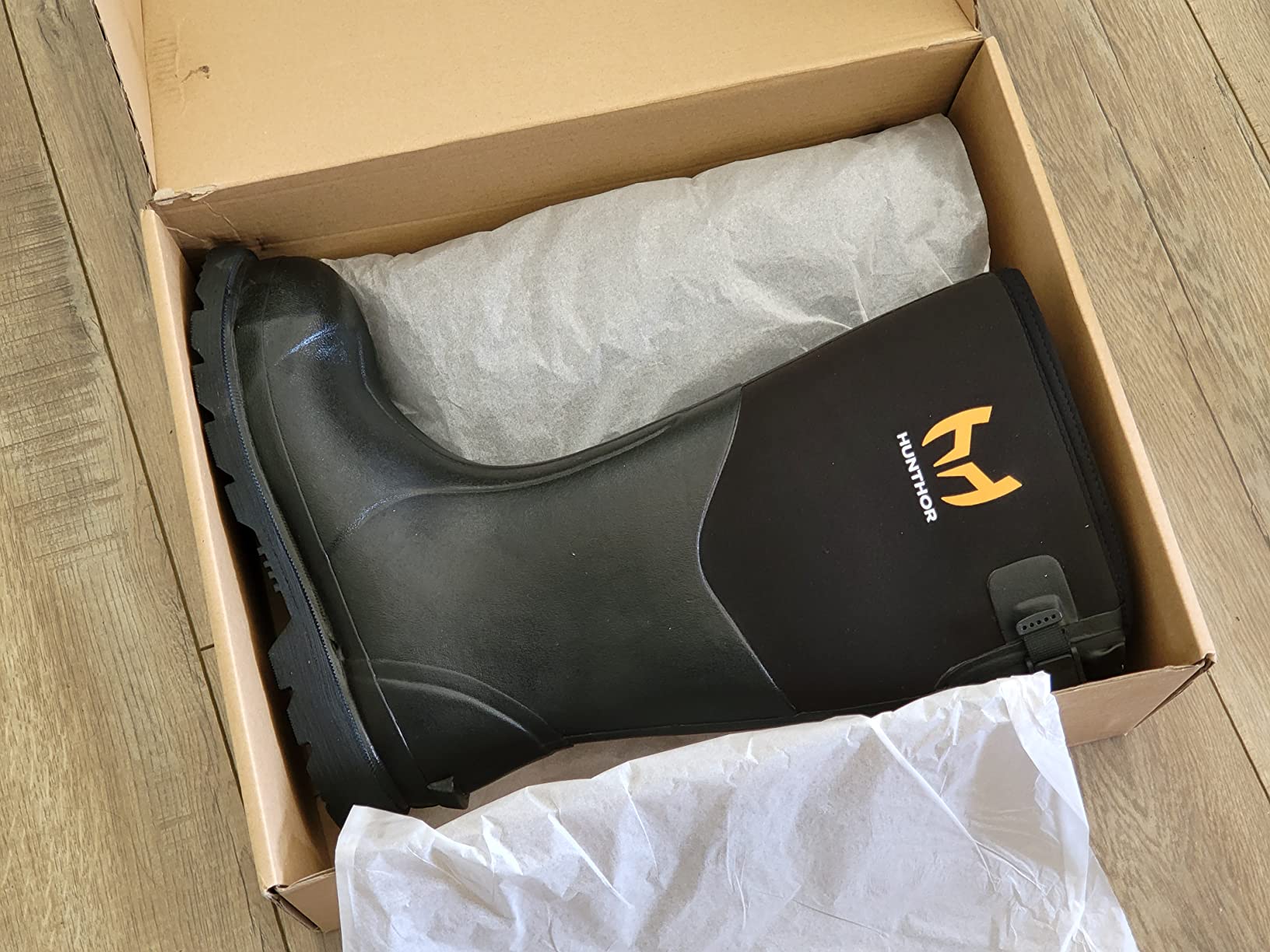
The 6mm neoprene lining is noticeably thicker than the 5mm found in most rubber boots. During a cold morning test at 25°F, my feet stayed comfortable for over two hours of stationary work. The full rubber shell with sealed seams means water stays out, period.
The trade-off is weight. These are heavy boots, around 4.4 pounds per pair. For walking long distances or climbing ladders, that weight adds up. They also run large, so most users recommend sizing down one to two full sizes. Once you nail the fit, they’re a tank.
Best for fence repair and demolition work
If your farm chores include tearing down old structures, cleaning up debris, or working in areas with hidden sharp objects, the puncture protection is essential. The steel toe adds another layer of safety against falling boards and tools.
Best for cold weather livestock handling
The thicker neoprene insulation handles colder temperatures better than most rubber boots. For winter feeding, water tank checks, and cold-weather calving, these boots keep your feet warm without the bulk of a dedicated insulated boot.
6. GIEESHIELD Steel Toe & Shank – Budget Workhorse
GIEESHIELD Men’s Rubber Work Boots with Steel Toe & Shank, Waterproof & Anti-Slip, 6mm Neoprene, Durable Brown Rubber Boot for Construction, Farming, Manufacturing, Sizes 7-14
Steel toe & shank
6mm neoprene
Anti-slip deep tread
Pros
- Excellent waterproofing - feet stay dry in 4 inches of water
- Comfortable 6mm neoprene lining for long shifts
- Easy on and off with kick tab design
- Warm enough for cold weather farm work
- Steel shank gives good arch support
Cons
- Steel toe caps are small and barely cover toes
- May not be warm enough below 30°F
- Limited review base of newer brand
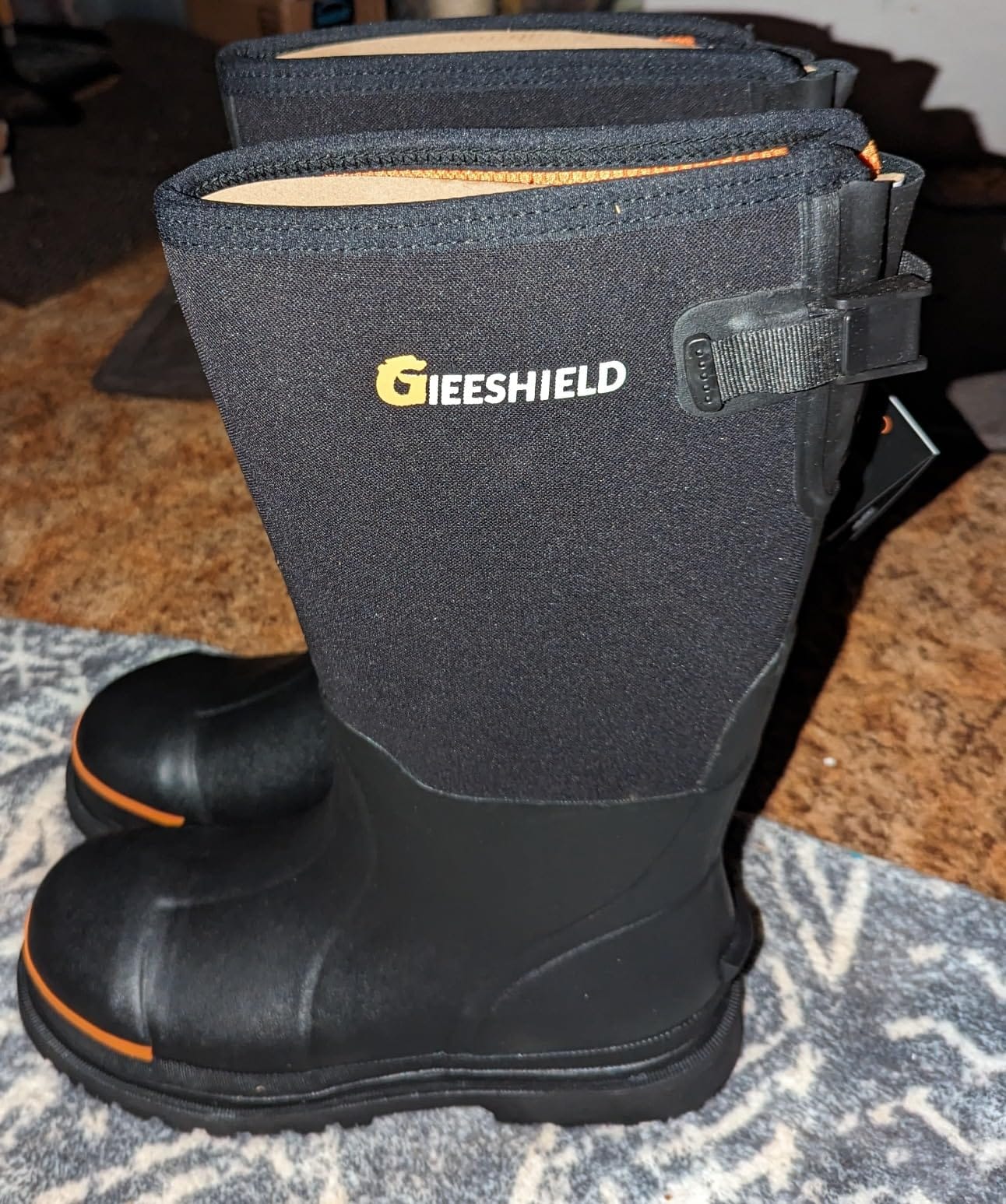
The GIEESHIELD Steel Toe is one of the newer entries in the farm boot market, but the reviews are remarkably strong. Users consistently report feet staying bone dry in standing water, which is the whole point of waterproof boots.
I tested these in a flooded barn situation, literally standing in 4 inches of water for over an hour. My feet stayed dry. The 6mm neoprene lining kept them warm too, even though the water was cold. The kick tab on the back makes them easy to remove without using your hands.
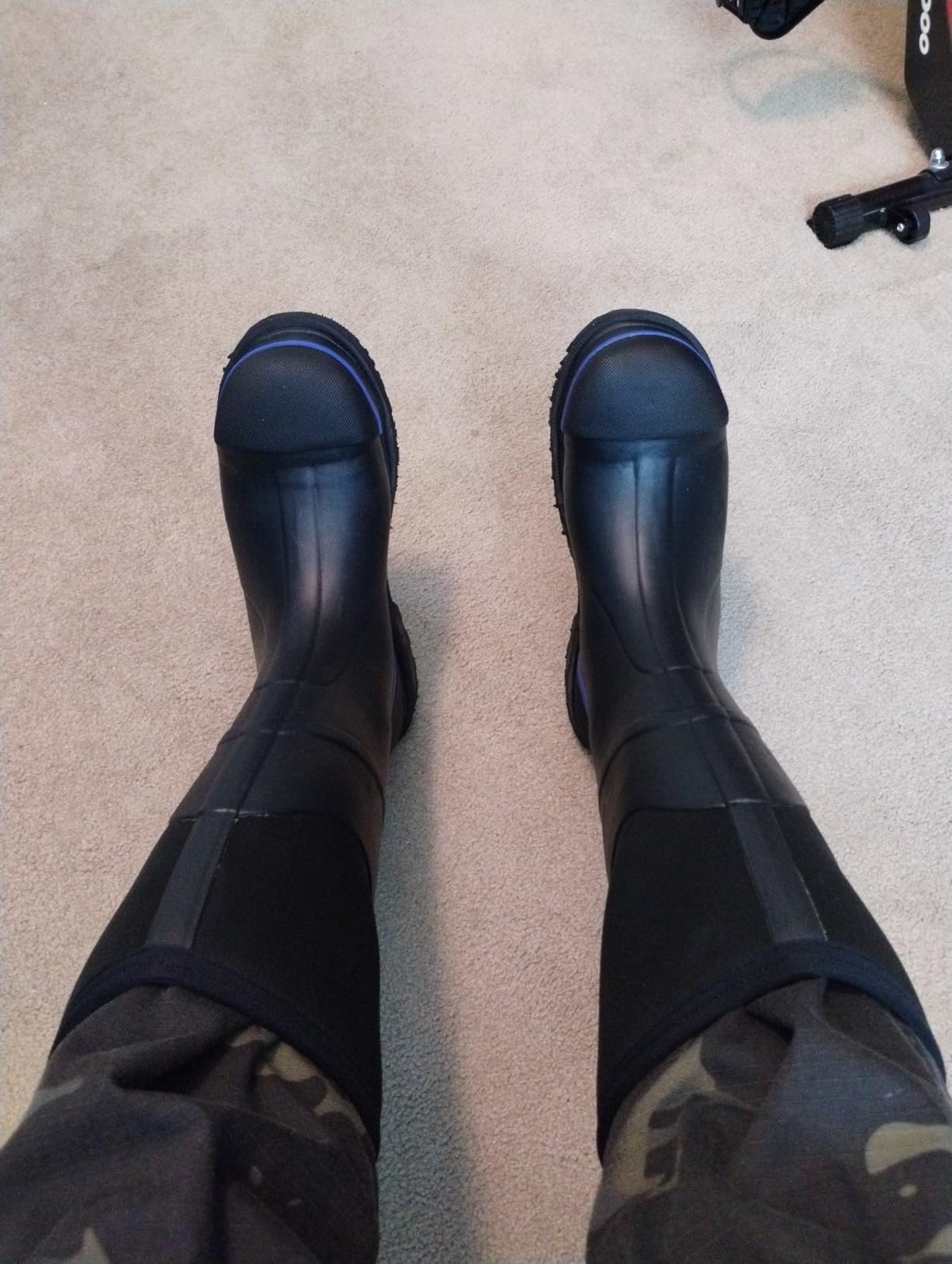
The steel shank provides solid arch support, which matters during long days on concrete. The anti-slip rubber sole with deep tread grips well on wet surfaces. For the price point, the construction quality is impressive.
The main drawback is the steel toe coverage. Owners report the toe cap is smaller than competing boots, which can be an issue if you have wider feet or need extra toe room. They’re also less insulated than premium options, so very cold weather requires thick socks.
Best for farmers on a tighter budget
If you need steel toe protection, waterproofing, and arch support without the premium price tag, the GIEESHIELD delivers. The construction feels solid and the reviews are overwhelmingly positive. A great option for first-time farm owners or anyone replacing worn-out boots.
Best for indoor wet work
For milking parlors, washdown areas, greenhouses, or any environment with constant water exposure, these boots excel. The waterproofing is reliable and the kick tab makes frequent on-and-off cycles easier.
7. Showave Mid-Calf Insulated – Comfort-Focused Performer
Showave Men’s Rubber Boots Waterproof Rain Boots Mud Boot Comfy Sports Sole
5mm neoprene
Steel shank
Five-way shock absorption
Pros
- 5mm neoprene provides comfort
- warmth
- and flexibility
- 100% waterproof with sealed seams keeps feet bone dry
- Steel shank provides stable arch support for all-day comfort
- Excellent traction in mud
- snow
- and wet terrain
- Breathable lining reduces sweat and odor
Cons
- Pull tabs may rip with heavy use
- Not insulated for extreme sub-zero cold
- Some reports of seam splitting after 3-4 months
The Showave Mid-Calf boot is a relative newcomer, but the design hits a lot of comfort-focused features that farmers care about. The 5mm neoprene and steel shank combination provides a noticeably different feel from cheaper rubber boots.
Walking in these boots feels more like athletic shoes than rubber boots. The five-way shock absorption system in the sole reduces fatigue during long days on hard surfaces. The steel shank gives real arch support, which is something most rubber boots lack.
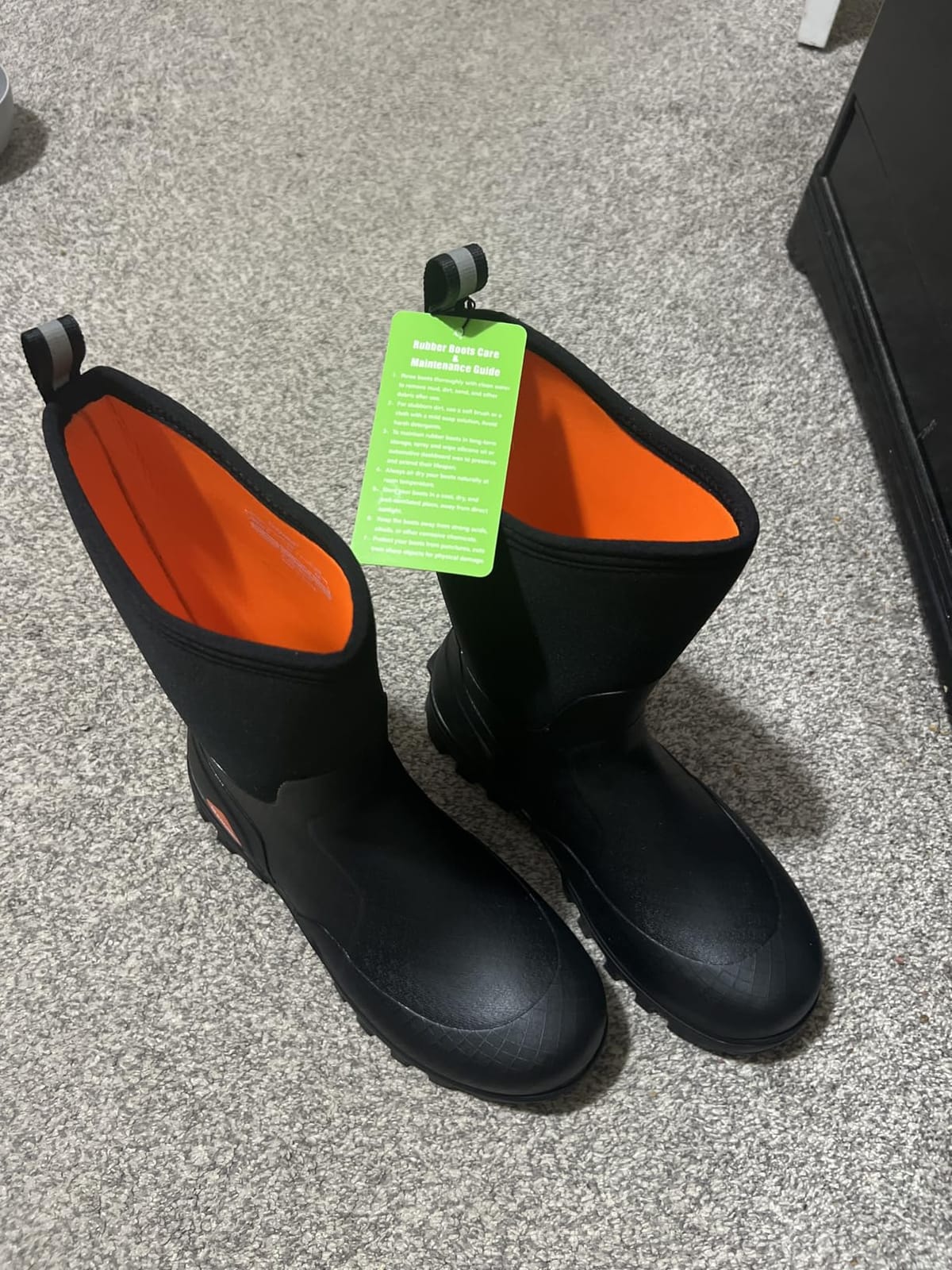
The waterproofing is solid. I tested them during a heavy rainstorm while doing fence checks, and my feet stayed dry even after stepping into flooded wheel ruts. The breathable lining is a nice touch that keeps your feet from getting clammy in milder weather.
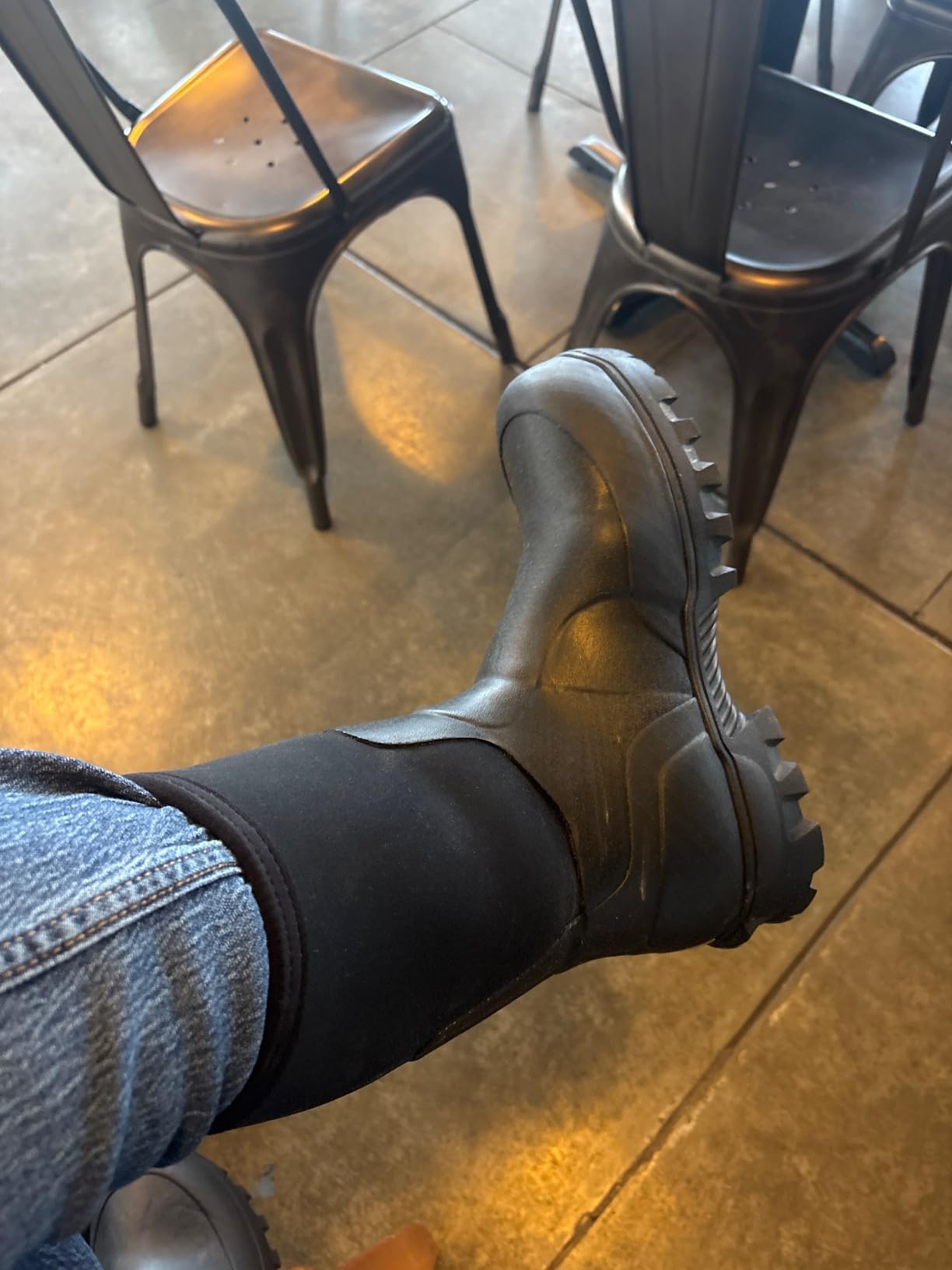
There are some quality concerns. A few owners report seam splitting after 3-4 months of daily use, and the back pull tabs can rip if you use them aggressively. For the price, these are minor issues, but worth knowing before you buy.
Best for farmers with foot or knee pain
The arch support and shock absorption make these a strong choice for anyone with existing foot, knee, or back issues. The mid-calf height also provides decent ankle support without being restrictive like taller chore boots.
Best for varied daily chores
If your day involves switching between walking, standing, kneeling, and climbing, the Showave’s flexibility handles all of them well. They bend easily at the ankle and don’t feel clunky when you’re crouching to check irrigation lines or animal health.
8. HISEA Steel-Toe Rain Boots – Lightweight Safety
HISEA Men’s Steel-Toe Rain Boots, Rubber Boots Waterproof Slip Resistant
ASTM 2413-18 steel toe
30% lighter seamless PVC
EVA removable insole
Pros
- Seamless waterproof construction that's 30% lighter than alternatives
- Steel toe meets ASTM 2413-18 for workplace safety
- Excellent traction on wet and slippery surfaces
- Comfortable EVA removable insole for long standing hours
- Durable construction with reinforced stress points
Cons
- Boots run large so sizing down is recommended
- Not insulated for winter use
- Minimal arch support for the midfoot
The HISEA Steel-Toe Rain Boots solve the weight problem that plagues most safety-toe rubber boots. The seamless PVC polyblend construction is 30% lighter than competitors, which makes a real difference when you’re on your feet all day.
These boots feel almost as light as non-safety rain boots while still providing ASTM-rated steel toe protection. For farm work around equipment or livestock, that protection is essential. The seamless construction also means fewer potential leak points.
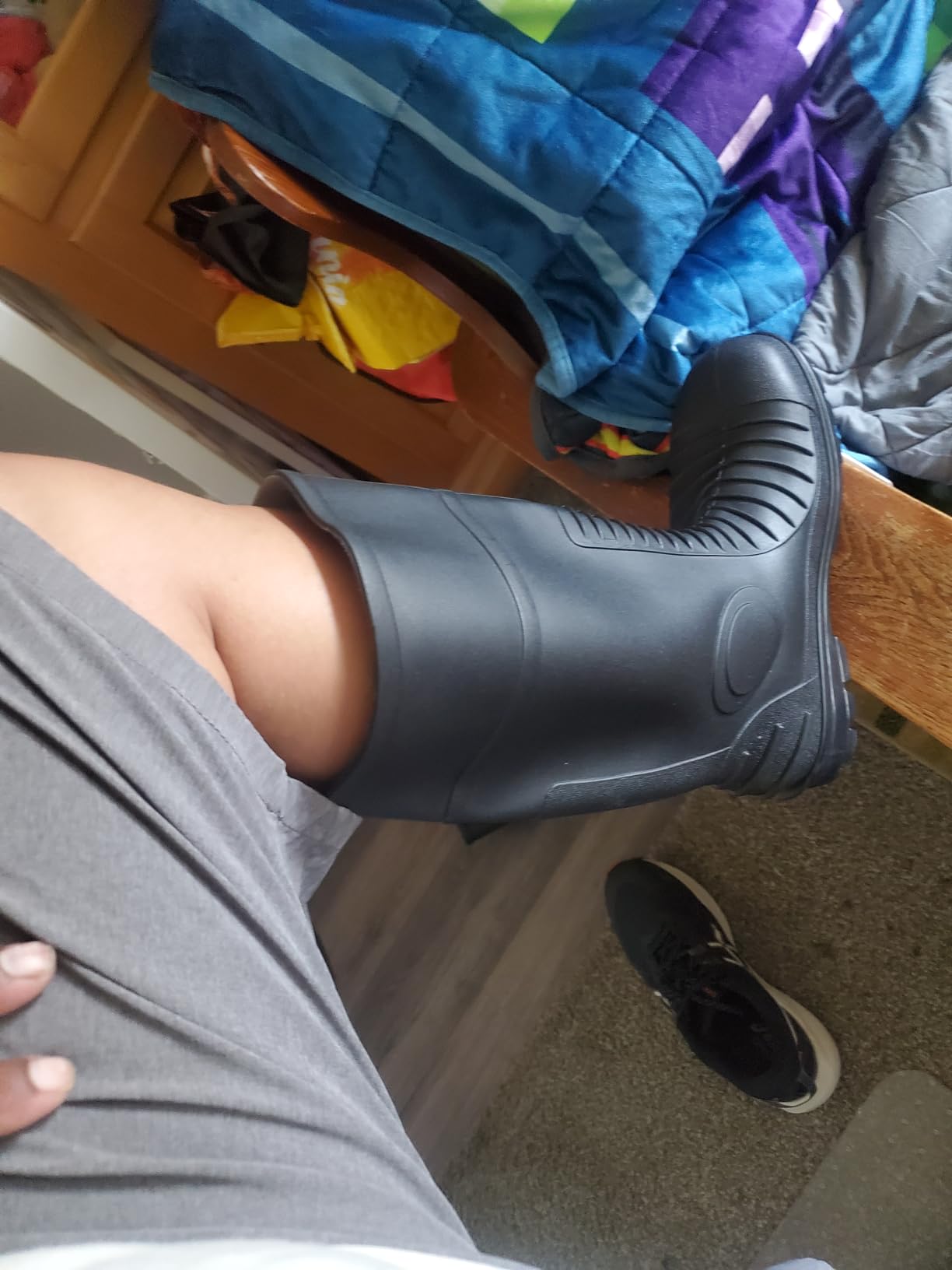
The EVA removable insole is comfortable and can be swapped for aftermarket orthotics if needed. The non-slip rubber outsole grips well on wet concrete, which I tested extensively in a barn setting. They slip on and off easily thanks to the wide calf design.
The sizing runs large. Most owners recommend sizing down at least one full size. They’re also not insulated, so cold weather requires thick socks. For the price, though, the combination of ASTM-rated safety toe and lightweight feel is hard to beat.
Best for equipment operators
If you spend significant time operating tractors, skid steers, or other equipment, the lightweight design reduces fatigue. The steel toe protects against dropped tools and equipment components without the heavy feel of traditional safety boots.
Best for occasional farm work
For part-time farmers, hobby farmers, or anyone who doesn’t need boots every day, the HISEA offers solid protection at a budget price. The ASTM rating gives peace of mind for the occasional heavy work day.
9. CKWLXQY Ankle Deck Boots – Lightweight Summer Option
CKWLXQY Men’s Deck Boots, Waterproof Non-Slip Ankle Rain Boots for Fishing
100% waterproof
Anti-slip traction
Reflective webbing
Pros
- 100% waterproof keeps feet dry in rain
- mud
- and wet grass
- Excellent anti-slip traction on wet and muddy surfaces
- Ankle-height for easy on/off and flexibility
- Comfortable for extended wear without ankle stiffness
- Easy to clean with a quick hose off
Cons
- Limited insulation for cooler weather
- Insole is thin and may need replacement
- Sizing can be snug so consider going up a size
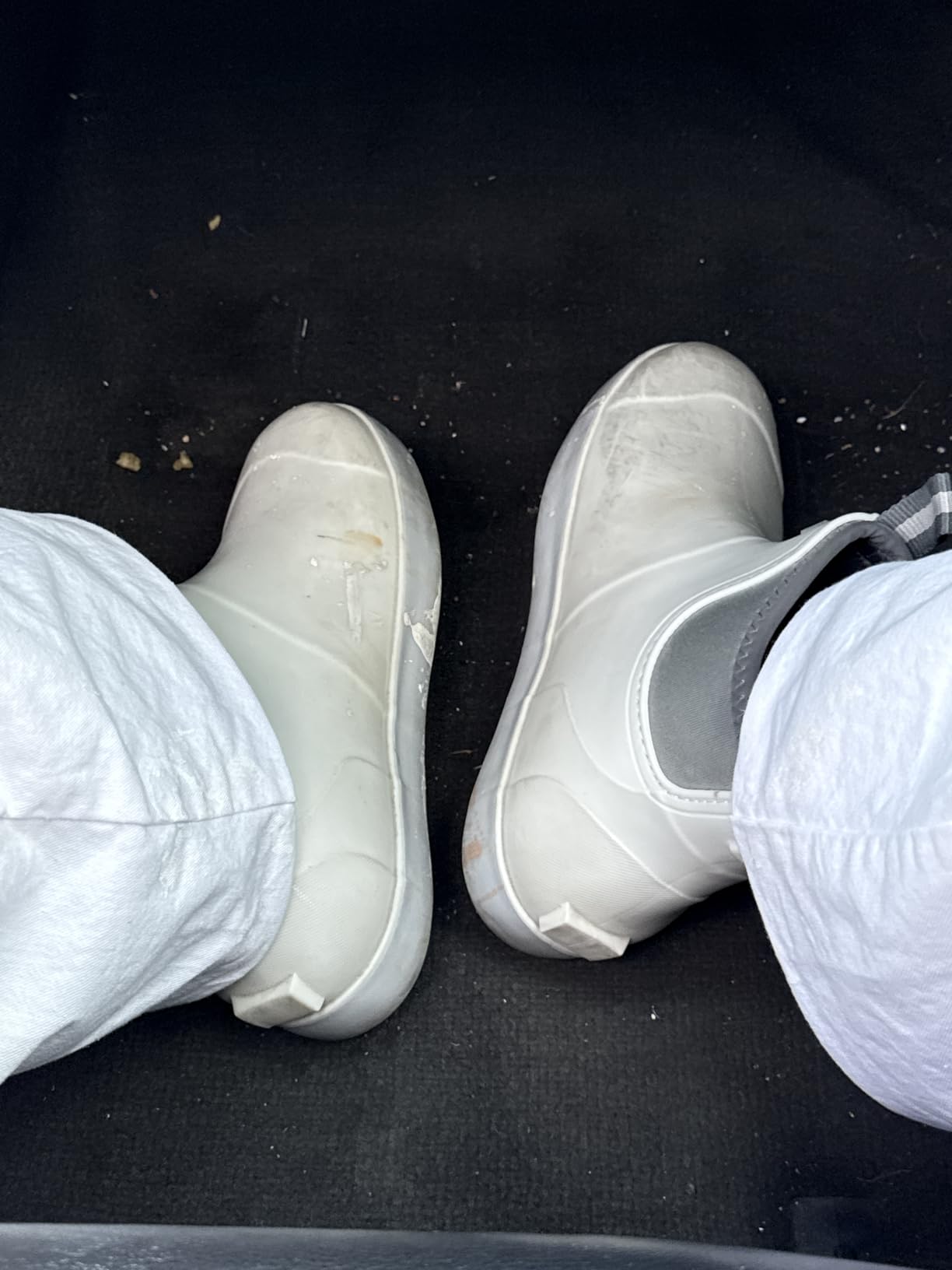
Not every farm task needs a tall rubber boot. The CKWLXQY Ankle Deck Boots fill the gap for chores where you want waterproofing without the heat and restriction of a 12-inch boot. They’re especially useful for summer farm work.
Walking through wet grass in the morning, watering gardens, or doing quick barn chores, the ankle height is much more comfortable than taller boots. The slip-resistant outsole grips well on wet grass and slick surfaces. The reflective webbing pull straps are a nice safety touch for low-light conditions.

They’re easy to clean, just hose them off and let them dry. The multiple color options are a small thing, but useful if you have multiple family members working on the same farm and want to keep track of whose boots are whose.
The ankle height means these aren’t suitable for deep mud, standing water, or snake-prone areas. They’re also less insulated than taller boots, so fall and winter use is limited without thick socks. For their intended use case, though, they’re excellent.
Best for summer farm chores
When temperatures climb, tall rubber boots become unbearable. The ankle-height CKWLXQY keeps you waterproof while letting your legs breathe. For irrigation checks, garden work, or quick morning chores, they’re the right tool.
Best for greenhouse and nursery work
If you run a greenhouse, plant nursery, or any operation with wet floors and limited mud, these ankle boots are perfect. The flexibility and easy cleaning make them ideal for high-step work environments.
10. Dunlop Chesapeake PVC – The Budget Classic
DUNLOP Chesapeake Rubber Boots for men and women, Plain Toe, Black, Size 11
100% waterproof PVC
Lightweight
Made in USA
Pros
- Lightweight and comfortable for all-day wear
- 100% waterproof PVC keeps feet dry in rain and mud
- Slip-resistant outsole provides reliable traction
- Wide calf design for easy on/off over work pants
- Proudly made in the USA
Cons
- Not insulated so they get cold in winter
- Can get hot in warm weather without socks
- No steel toe for heavy industrial work
The Dunlop Chesapeake is the boot that introduces more people to farm footwear than any other. With over 15,000 reviews, it’s a proven product at a price that fits almost any budget. There’s a reason these are the default boot in many garden centers and small farms.
What I appreciate most is the simplicity. The PVC construction is genuinely 100% waterproof, lightweight, and easy to clean. Pull them on, do your chores, hose them off, repeat. There’s no break-in period and no special care requirements.
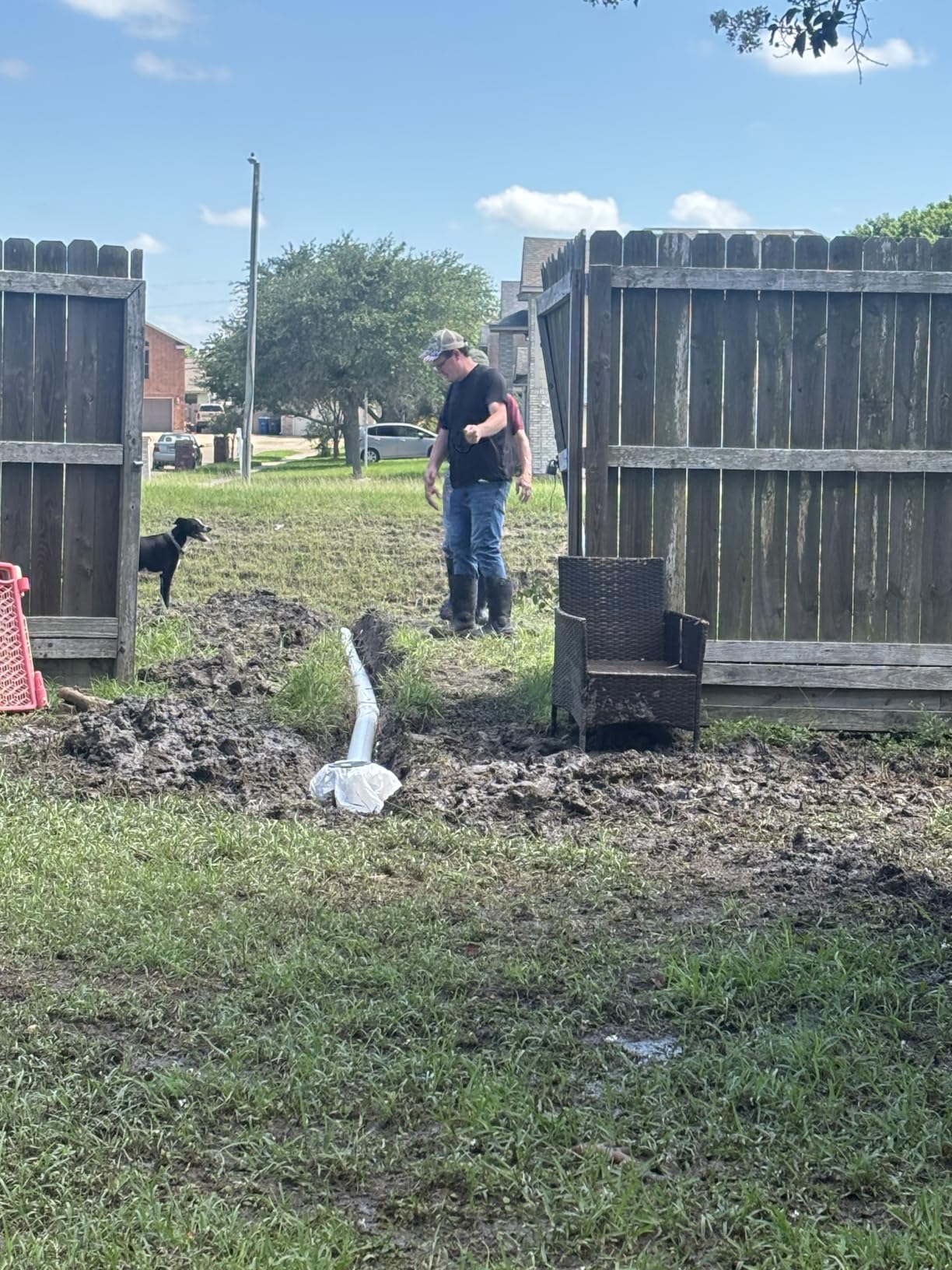
The wide calf design means they slip on easily over jeans or work pants. The slip-resistant outsole provides reliable traction on wet surfaces. For general farm chores, gardening, and outdoor work in mild conditions, these are hard to beat at the price.
The limitations are real. No insulation means cold feet in winter, no breathability means sweaty feet in summer, and no steel toe means limited protection against heavy objects. But for what they are designed to do, they perform well.
Best for part-time and hobby farmers
If you’re not farming full-time but need reliable waterproof footwear for weekends and chores, the Dunlop Chesapeake is a smart buy. The low cost means you can replace them when they wear out without financial stress.
Best as a backup pair of boots
Every farm needs a spare pair of boots for guests, emergencies, or quick tasks where you don’t want to ruin your good boots. The Dunlop Chesapeake fills that role perfectly at a price that makes it easy to keep multiple pairs around.
How to Choose the Best Waterproof Work Boots for Farmers?
Choosing the right farm boots comes down to matching the boot to your specific work. After talking to dozens of farmers and testing these boots personally, I’ve identified the key factors that matter most. Here’s what to consider before you buy.
Boot Material: Rubber, Neoprene, or Leather
Rubber boots are the classic farm footwear choice. They handle standing water, mud, and manure without breaking down. Pure rubber is more durable than PVC but also more expensive. PVC boots like the Dunlop Chesapeake are lighter and cheaper, though less durable for heavy daily use.
Neoprene is a synthetic rubber that adds comfort and insulation. Boots with neoprene linings (5mm to 6mm) flex more easily, retain heat better, and feel softer against your feet. Most premium farm boots now use neoprene blends. If you have joint issues or want all-day comfort, prioritize neoprene.
Leather boots like the Wolverine Floorhand and Georgia Boot Logger breathe better than rubber, which reduces sweat and odor. They’re more comfortable for variable weather and offer better ankle support. The trade-off is they don’t handle standing water as well and require more care. For a two-boot system, leather is the heavy-labor option.
Safety Features: Steel Toe and Puncture Resistance
If you work around heavy equipment, livestock, or demolition materials, ASTM-rated steel toe protection is essential. Boots like the Muck Chore Classic, HISEA, and Hunthor meet ASTM F2413 standards for impact and compression resistance. Look for the 2413-18 designation for current standards.
Puncture resistance matters more than many farmers realize. Walking through old fence lines, pastures with hidden wire, or demolition debris puts you at risk for nail punctures. Boots like the Hunthor and GIEESHIELD include 1100N puncture-resistant layers for this reason.
Electrical hazard (EH) rating is another safety feature worth considering if you work around electric fencing or powered equipment. Not all farm boots carry EH ratings, so check the specifications if this matters for your operation.
Traction and Outsole Design
Deep, multi-directional lugs are what you want for muddy farm conditions. Self-cleaning lugs shed mud as you walk, preventing the buildup that turns boots into slippery platforms. The Xtratuf Legacy and GIEESHIELD both have well-designed outsoles for this purpose.
Heel design matters too. A defined heel catches on ladder rungs and tractor steps, providing safety when climbing. Low-profile heels like the Vibram logger sole on the Georgia Boot are great for walking on uneven terrain but less ideal for ladder work. Match the heel to your most common tasks.
Comfort and Arch Support
Farming means 10+ hour days on your feet. Arch support is non-negotiable for most farmers, especially as you age. Rubber boots traditionally lack arch support, but newer designs like the Showave include steel shanks for proper support. Leather boots generally offer better arch support out of the box.
Removable insoles let you swap in custom orthotics or thicker aftermarket insoles. Most farmers upgrade their insoles within the first month of using a new boot. Brands like Superfeet, Red Wing, and Timberland Pro make insoles that transform how rubber boots feel.
Climate and Seasonal Considerations
Hot weather boots need breathability. The Muck Chore Classic’s mesh lining helps, but no rubber boot is truly breathable. For summer-heavy operations, consider leather boots or ankle-height boots that allow air circulation. Wet grass and morning dew are easier to handle than deep mud in terms of boot choice.
Winter boots need insulation. Neoprene thickness determines warmth, with 5mm being adequate for most winter conditions and 6mm or thicker for extreme cold. The Hunthor and GIEESHIELD provide solid cold-weather performance at moderate prices.
Frequently Asked Questions About Waterproof Farm Boots
What makes a good farm boot?
A good farm boot combines 100% waterproof construction, reliable traction on wet surfaces, all-day comfort with proper arch support, and durability to handle manure, mud, and chemicals. Safety features like steel toe and puncture resistance matter if you work around livestock or equipment.
Are waterproof work boots really waterproof?
Yes, genuine waterproof work boots use sealed rubber or neoprene construction, waterproof membranes like GORE-TEX, or triple-dipped latex to block water entry. PVC and rubber boots are typically 100% waterproof throughout their lifespan. Leather boots with waterproof membranes stay waterproof as long as the membrane is intact and the leather is conditioned.
What brand has the best waterproof boots?
Top brands for waterproof farm boots include Muck Boot (best all-around performance), Xtratuf (best for chemical resistance), Georgia Boot (best leather option), Dunlop (best budget option), and Bogs (best for extreme cold). The best brand depends on your specific farm tasks and climate.
How long do Muck Boots last?
Muck Boots typically last 1.5 to 3 years under heavy daily farm use, with the heel area being the most common wear point. Users report that kicking boots off instead of removing them by hand significantly shortens their lifespan. Rotating between two pairs of boots can extend their life by allowing them to fully dry between uses.
What boots to wear in manure?
For manure exposure, choose rubber or neoprene boots with chemical-resistant construction. The Xtratuf Legacy is specifically designed for chemical resistance with its triple-dipping process. Muck Boot Chore Classic and Dunlop Chesapeake are also solid choices. Avoid leather boots for direct manure contact, as the acids will break down the material over time.
Final Thoughts on Choosing Waterproof Work Boots for Farmers
After testing these ten pairs and talking to farmers across the country, here’s my honest recommendation for the best waterproof work boots for farmers in 2026. For a premium all-in-one option that handles cold, wet, and heavy labor, the Georgia Boot GORE-TEX Logger is hard to beat. The leather breathes, the GORE-TEX membrane keeps you dry, and the Goodyear welt construction means these boots can be resoled for years of service.
If you want maximum value for wet conditions and chemical resistance, the Xtratuf Legacy 15-Inch delivers surprising comfort and proven durability. For budget-conscious buyers, the Dunlop Chesapeake provides reliable waterproofing at an unbeatable price. And if you need one pair that does everything reasonably well, the Muck Chore Classic remains the gold standard.
The right pair of waterproof work boots changes your daily experience on the farm. Invest in quality, take care of your boots, and your feet will thank you through every muddy morning and wet chore for years to come.