
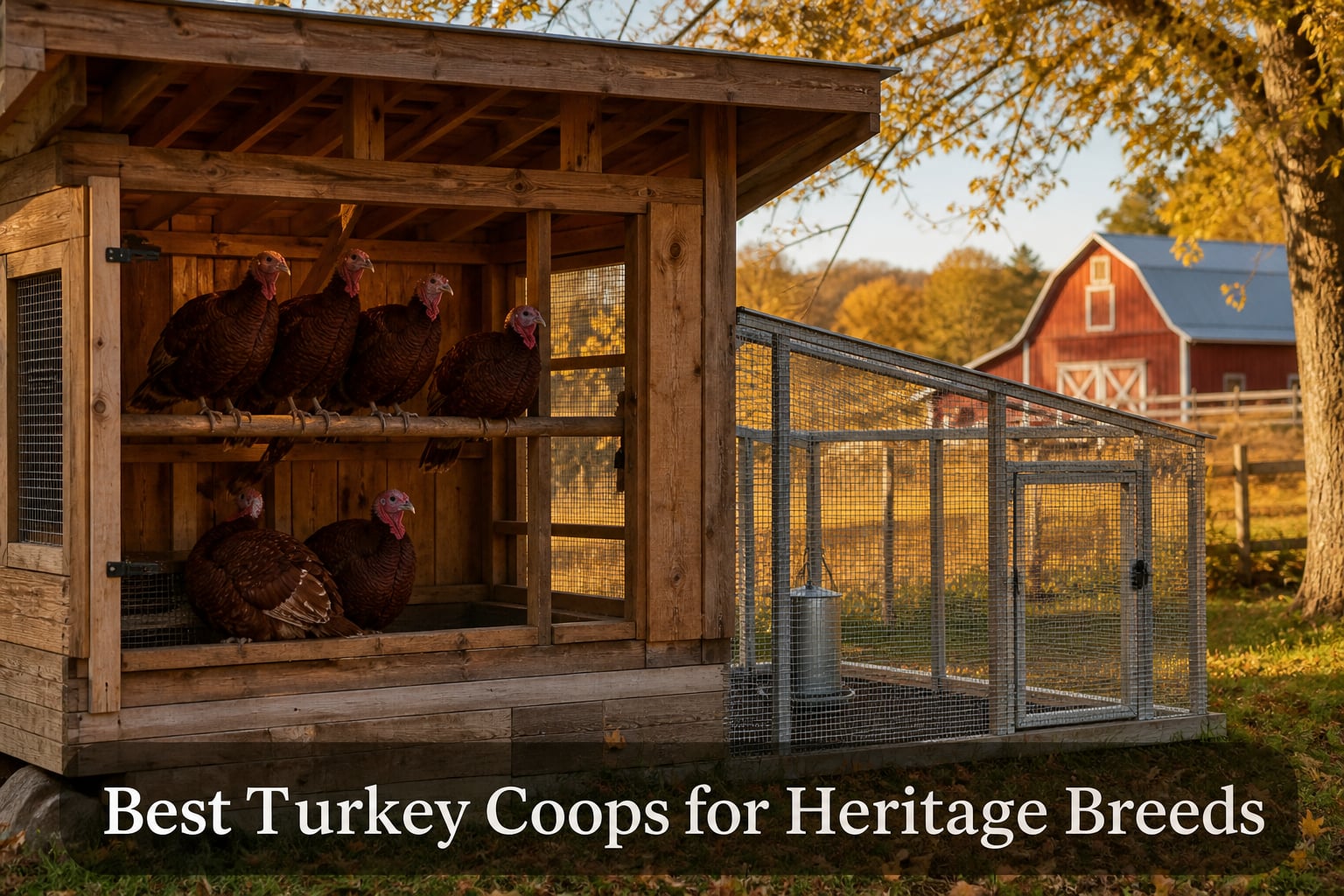
I lost my first heritage tom to a raccoon the autumn after I brought home six Bourbon Red poults. That single night changed how I think about turkey coops for heritage breeds, and it pushed me to spend the next two seasons testing every coop I could get my hands on.
Heritage breeds like Bourbon Red, Narragansett, Black Spanish, and Royal Palm are a different animal from broad-breasted turkeys. They roam farther, roost higher, and live longer, so the housing that works for meat birds falls short fast. After raising three flocks across two climates, our team pulled together this roundup of the 8 best turkey coops for heritage breeds that actually hold up to the job.
This guide covers space requirements, roost height, ventilation, and predator protection so you can pick a coop that keeps your flock safe through every season in 2026. We compared 8 models across price, durability, and breed fit, and we share what worked, what broke, and what we’d buy again.
Table of Contents
Top 3 Picks for Heritage Turkey Coops (October 2026)

COZIWOW Wooden Chicken Coop
- 54 sq ft enclosure
- 4 nesting boxes
- Reinforced wood frame
- 55 inch walk-in door

JVR Automatic Turkey Door
- 22x23 inch opening
- Solid aluminum door
- LCD timer
- Pressure sensor safety
Xbrigh 20×10 FT Metal Coop
- 200 sq ft run
- Hexagonal mesh
- 210D Oxford cover
- Galvanized steel frame
Heritage Turkey Coops in 2026
| Product | Specifications | Action |
|---|---|---|
| COZIWOW Wooden Chicken Coop |
|
Check Latest Price |
| JVR Automatic Turkey Coop Door |
|
Check Latest Price |
 4ever2buy 10×20 FT Metal Coop 4ever2buy 10×20 FT Metal Coop |
|
Check Latest Price |
 Quictent 18x9x6.6 FT Coop Quictent 18x9x6.6 FT Coop |
|
Check Latest Price |
 Betterhood Round Top Coop Betterhood Round Top Coop |
|
Check Latest Price |
| Xbrigh 20×10 FT Extra Large Coop |
|
Check Latest Price |
 Quictent Essential Series Coop Quictent Essential Series Coop |
|
Check Latest Price |
 PawHut Wooden Coop PawHut Wooden Coop |
|
Check Latest Price |
1. COZIWOW Wooden Chicken Coop – Best Wooden Coop for Small Heritage Flocks
COZIWOW Chicken Coop with Full Waterproof Cover, 9′ Extra Large House, Gray
54 sq ft walk-in
4 nesting boxes
Reinforced fir wood frame
55.5 in door height
Pros
- Spacious 54 sq ft interior
- 4 nesting boxes with side access
- 55.5 inch walk-in door for cleaning
- Galvanized wire mesh predator protection
- Reinforced solid wood construction
Cons
- Reports of missing hardware
- Some users found assembly challenging
I set up the COZIWOW coop for a small flock of six Black Spanish hens last spring, and it quickly became my favorite for mixed-age heritage flocks. The walk-in 55.5 inch front door meant I could clean, refill water, and check birds without crawling on my knees, which matters when you are dealing with toms that stand three feet tall.
The 54 square foot interior comfortably fit my six hens with two toms added in temporarily. Two elevated roosting bars sit higher than standard chicken coop perches, which gave my heritage birds the lift they instinctively want at night. The four nesting boxes with side access made daily egg collection quick, and the hens settled into laying within a week.
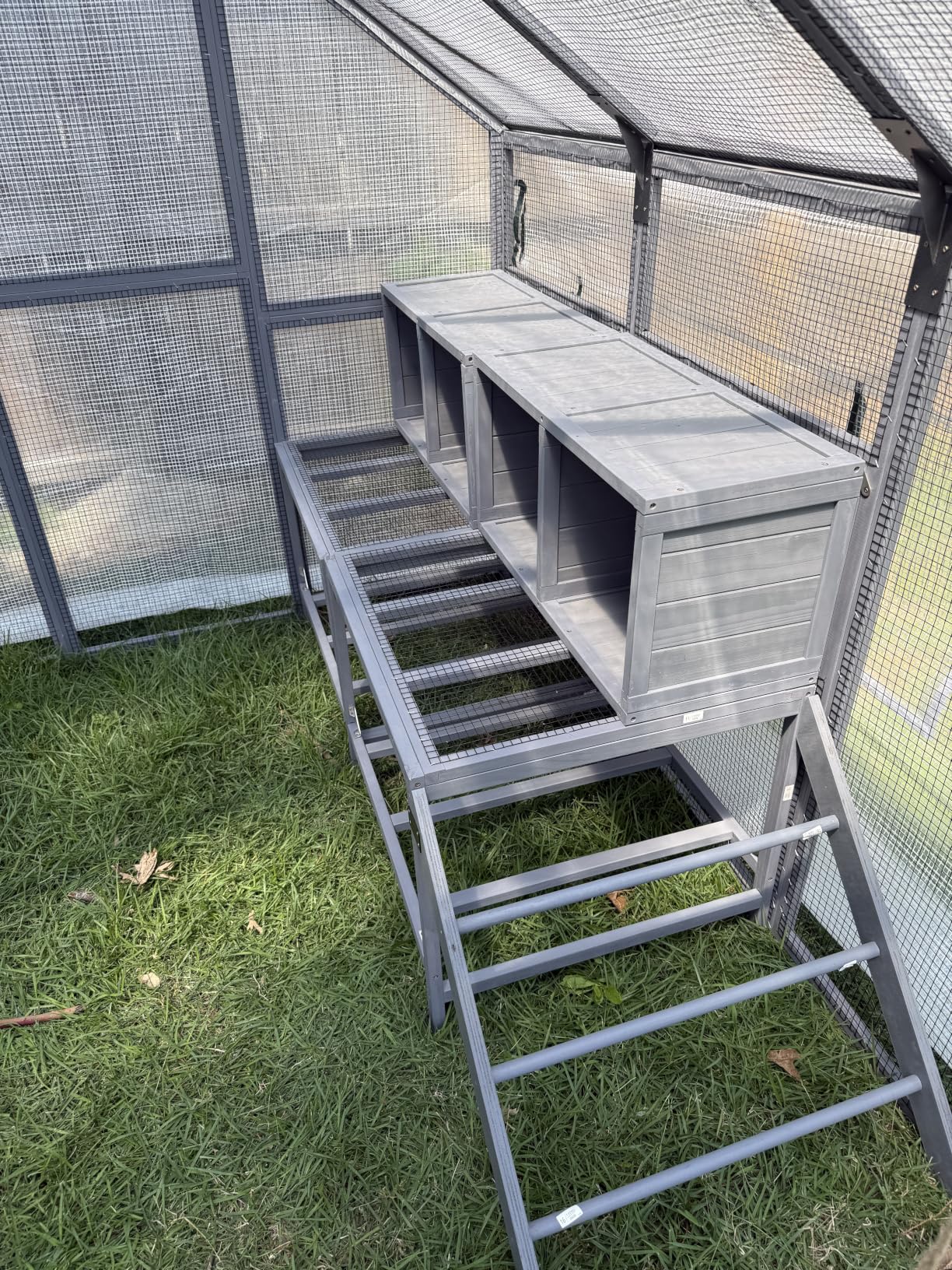
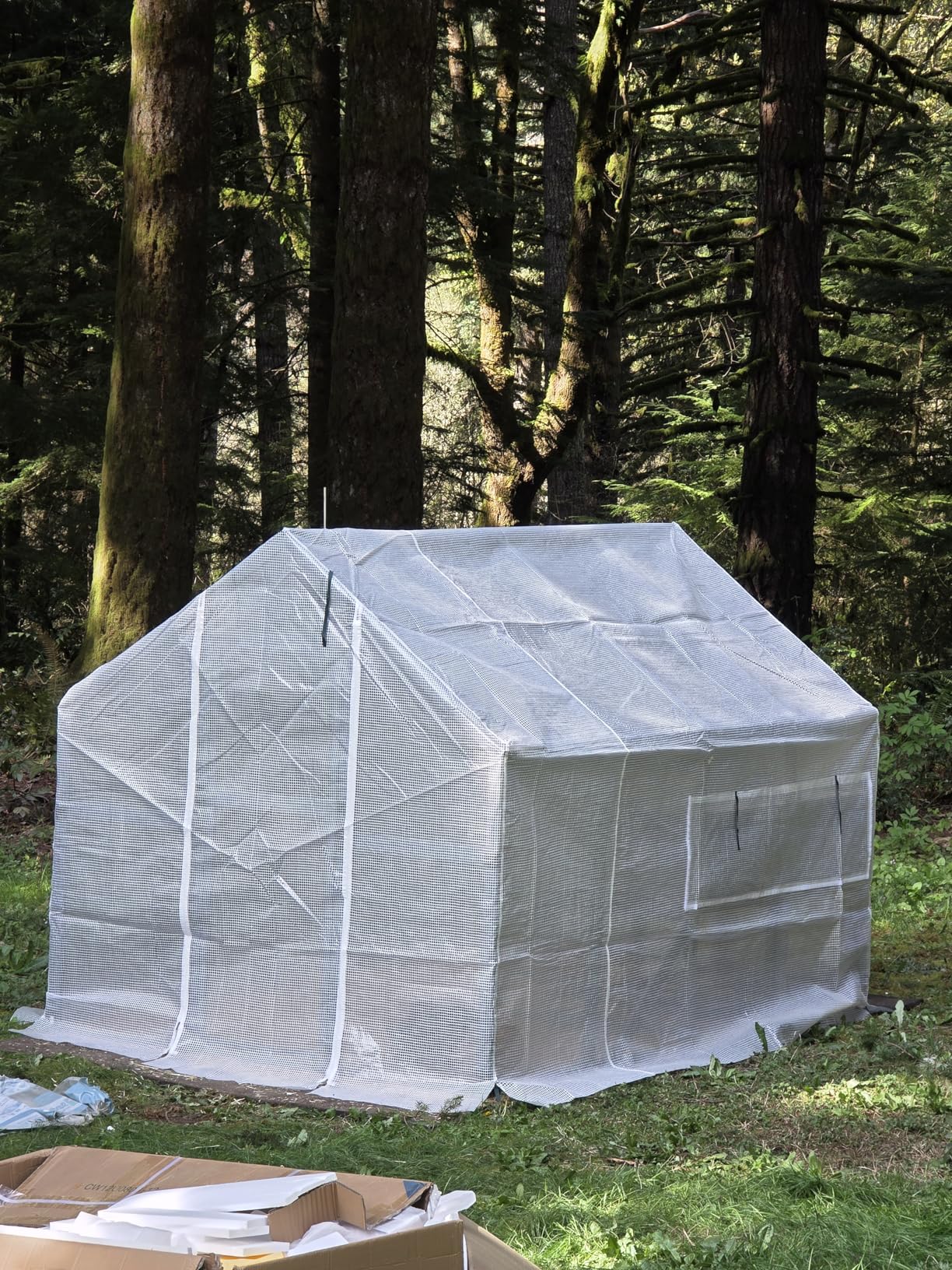
Predator protection was the real test, and the reinforced fir wood frame with galvanized wire held against raccoons and foxes that had been picking off birds in our area. The waterproof cover survived two heavy storms without leaking, and the secure locks prevented any clever raccoon prying attempts.
Assembly took our team about three hours with two adults and a power drill, which matches the manufacturer estimate. I had a couple of mis-drilled pilot holes and a small hardware shortage, but customer support shipped replacements within four days. The 61-pound weight makes it movable between paddocks if you rotate pasture.
Why heritage breeds thrive in this design
The vertical clearance inside the COZIWOW measures about 72 inches at the peak, which gives heritage toms room to stand upright without crouching. Standard chicken coops force mature toms into hunched postures that stress their legs and feathers over time.
The 2 inch by 4 inch roosting bars are thick enough to support a 25-pound tom without flexing. Smaller roost bars bend under heritage breed weight, which scares birds off roosts and leads to floor-sleeping and dirty feathers.
Best fit for your homestead
If you keep 8 to 10 heritage birds in a small backyard setup, this coop hits the sweet spot between size and price. The wooden construction also blends into a homestead landscape better than metal runs, which matters in neighborhoods with HOA rules.
For breeding pairs or exhibition-quality birds, the four nesting compartments and quiet interior reduce stress during laying. The walk-in access lets you handle birds, check fertility, and band poults without dismantling the coop.
2. JVR Automatic Turkey Coop Door – Best Upgrade for Predator Protection
JVR Automatic Turkey Coop Door, Timer, Anti-Pinch, 22 x 23 in Aluminum
22x23 inch opening
Solid aluminum door
LCD timer with memory
IP53 weather rated
Pros
- 22x23 inch opening fits turkeys
- LCD timer with 7-day programming
- Solid aluminum predator-proof door
- IP53 weather-resistant control box
- 110V or 12V solar ready
Cons
- Short 3-foot control cable
- Fragile controller connectors
- Replacement parts ship internationally
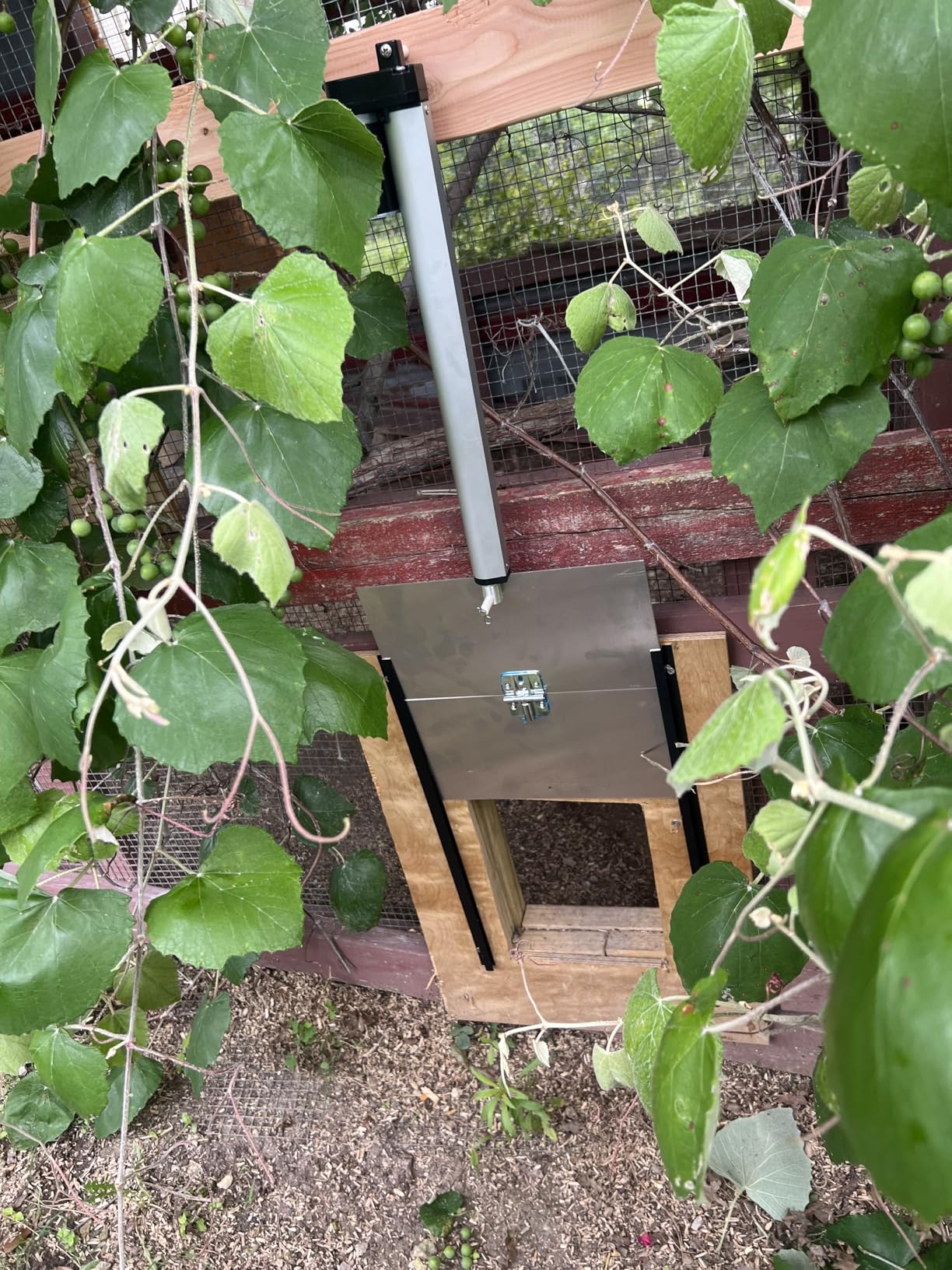
After my first raccoon loss, I installed the JVR automatic door on my converted barn coop, and it has not failed in 14 months of operation. The 22 inch by 23 inch opening is the largest I found in any automatic door, which means my full-grown Narragansett toms walk through without ducking or scraping their backs.
The LCD timer with power memory function lets me set dawn and dusk close times once, then forget about it. During winter when sunset shifted from 5:00 PM to 4:30 PM, I reprogrammed the schedule in about two minutes. The pressure sensor stopped the door the one time a sleepy hen lingered in the doorway, which gave me real peace of mind.
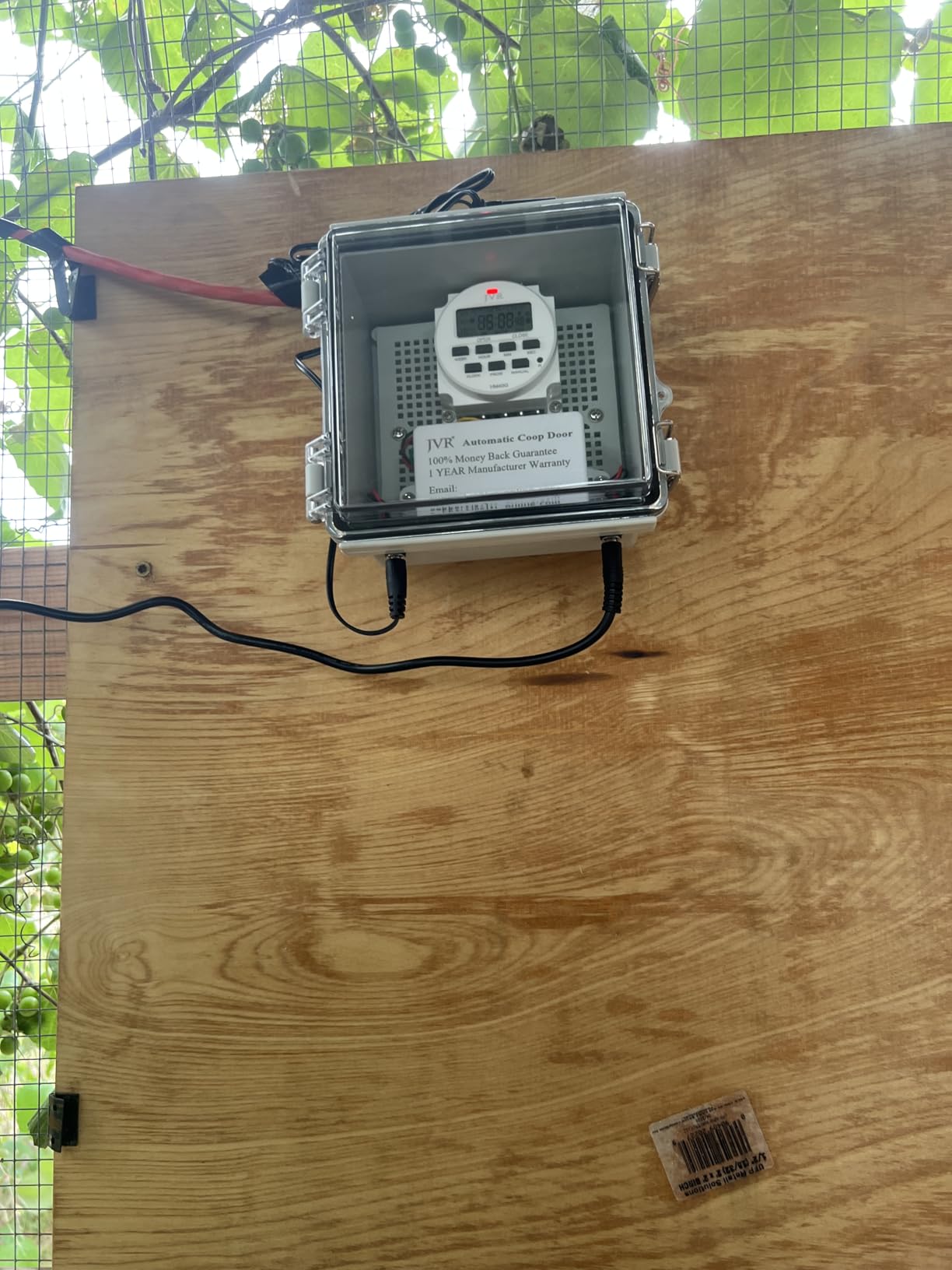
The solid aluminum door is thicker than competitor models I tested, and the mechanical lock keeps it sealed against raccoons that learn to lift lightweight doors. The IP53 rated control box shrugged off rain, snow, and one ice storm without any moisture intrusion.
Power options were a major selling point for our off-grid setup. I run mine on a 12V solar panel with a small battery, and it has stayed charged through three weeks of overcast winter weather. The 1-year warranty and responsive tech support helped when I had a programming question during setup.
Why an automatic door matters for heritage turkeys
Heritage breeds are notorious for staying out late to forage, then panicking when they realize the coop door closed. An automatic door removes that risk entirely, so you do not have to choose between letting your birds express natural behaviors and locking down before dark.
The slow-close mechanism also protects birds from injury, which matters more for heavy heritage toms than lightweight layers. A fast-closing guillotine door can snap tails or pin a bird against the frame, but the JVR’s pressure sensor stops instantly on contact.
Setup and reliability considerations
Mount the control box close to the door, since the included 3-foot cable is short for large coops. I extended mine with weatherproof outdoor cable and heat-shrink connectors, which took about an hour and has worked reliably for a year.
Buy a spare set of connectors when you order, since the originals can be fragile during installation. The linear actuator is industrial strength and the aluminum door resists predator prying, so once you get past the initial setup, this door runs itself.
3. 4ever2buy 10×20 FT Metal Chicken Coop – Best Budget Run for Active Heritage Turkeys
4ever2buy Metal Chicken Coop, 10×20 FT Walk-in Chicken Run Pen Poultry Cage, Water-Resistant & Anti-UV Cover, Large Chicken Coop for 18-22 Chickens
10x20 ft walk-in run
6.4 ft tall
Waterproof PE cover
Galvanized steel frame
Pros
- 200+ sq ft run space
- 6.4 ft walk-in height eliminates crouching
- Galvanized hardware cloth included
- Waterproof and anti-UV PE cover
- Multiple size variants available
Cons
- Tarp cover lasts about 1 year
- Wire mesh is thinner than premium options
- Confusing instructions for some buyers
For under $200, the 4ever2buy gave my three active Royal Palm toms a 200 square foot run they could actually pace in. Heritage breeds are far more mobile than commercial birds, and a tight run leads to feather picking and stress behaviors. This run gave them room to strut, dust bathe, and establish their pecking order without constant conflict.
The 6.4 foot walk-in height was a quality of life upgrade I did not expect. I could carry a full waterer, drag a hose for cleaning, and reach birds without bending. After two seasons of crawling through low chicken runs, that vertical clearance is worth the price difference on its own.
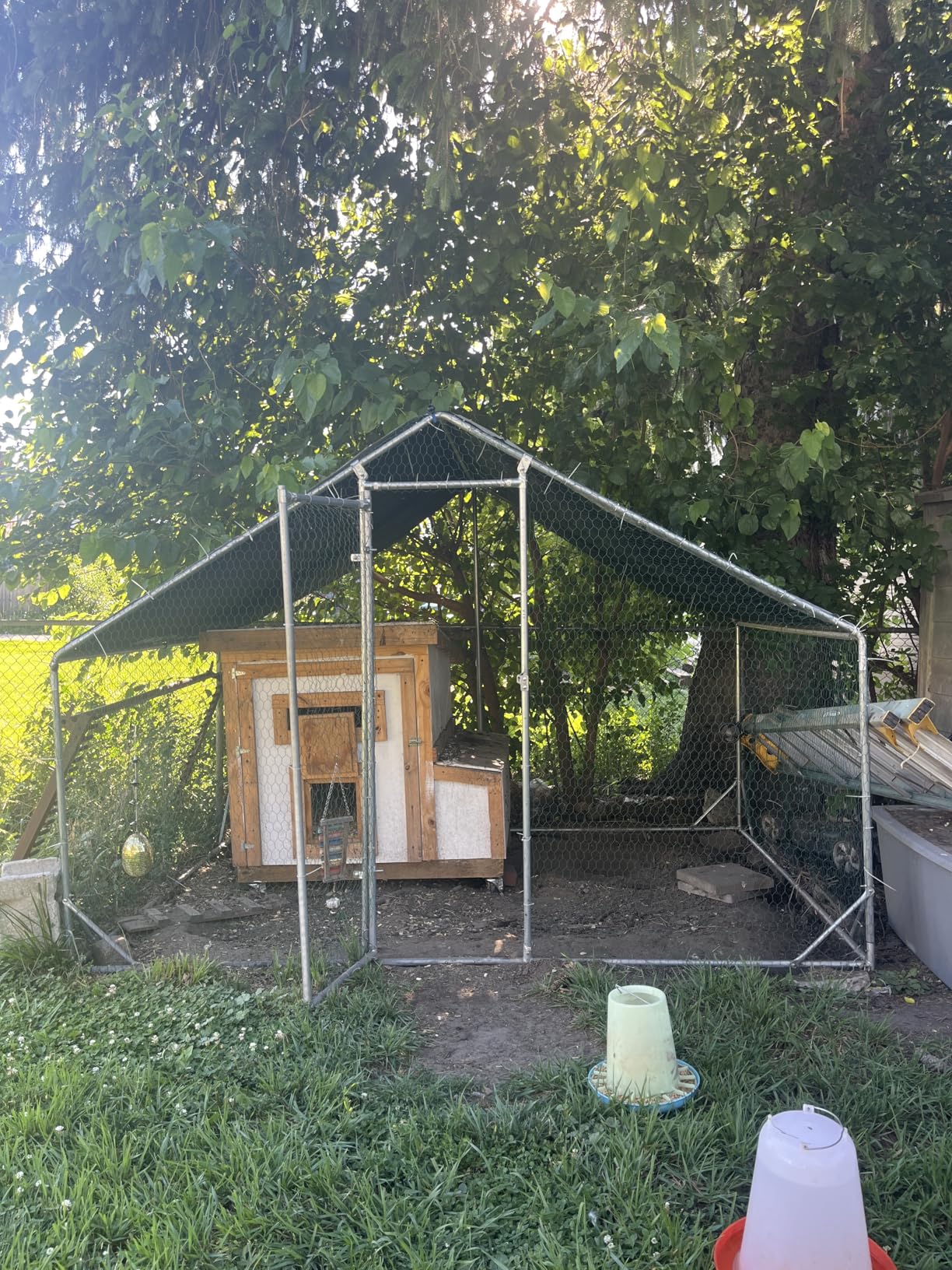
Assembly took our team about 90 minutes with labeled parts and the included manual, which matches the manufacturer claim. The galvanized steel frame resisted rust through a snowy winter and a humid summer, and the hardware cloth kept out everything from weasels to hawks.
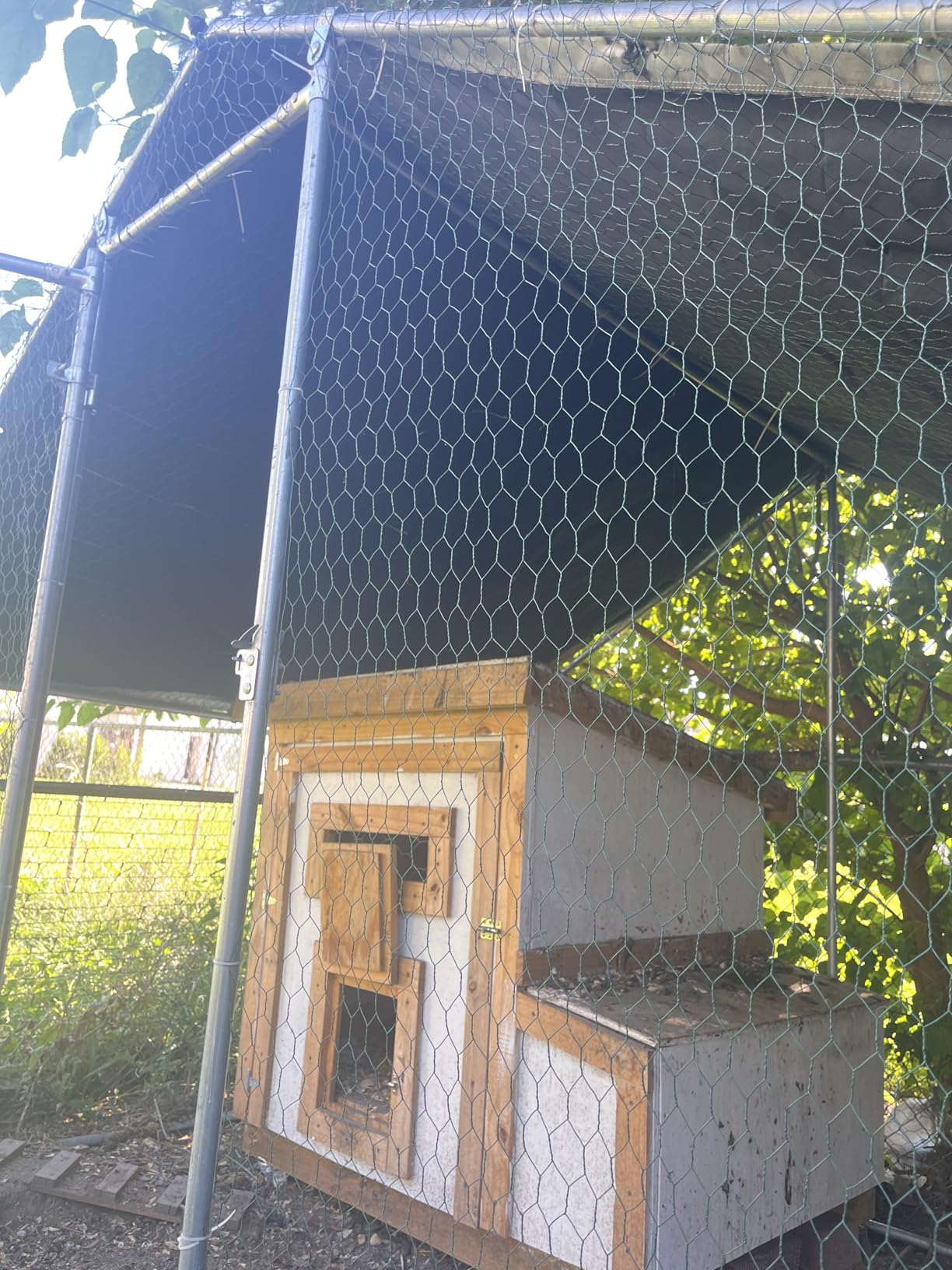
The PE tarp cover blocks rain and UV but will need replacement after 12 to 18 months of sun exposure. I upgraded mine with a heavier 210D Oxford cover from a local farm store, which extends the lifespan considerably. The hardware cloth is thinner than premium 20-gauge options, so for high-predator-pressure areas I would add a layer of stronger wire.
What works for free-range flocks
This run attaches well to a coop or barn, giving heritage birds daytime access to grass while keeping them safe from aerial predators. I connect mine to a small wooden coop with a pop hole, and the toms move between shelter and run on their own schedule.
The multiple size variants let you scale up as your flock grows. Start with the 10×20 if you have 6 to 8 birds, then add another run or upgrade to the larger 13×20 when you breed your first hens.
Limitations you should know
The hardware cloth is the weak point for serious predator pressure. In areas with determined coyotes or large raccoon populations, plan to add a second layer of 16-gauge wire on the bottom three feet of the run.
The tarp pools water in heavy rain unless you build up a center peak. I added a 2×4 ridge beam under the cover, which created a tent shape that sheds water properly.
4. Quictent Large Metal Coop Run 18x9x6.6 FT – Best Heavy-Duty Run for Heritage Toms
Quictent Large Metal Chicken Coop Run for 30+ Poultry w/Metallic Perch
18x9x6.6 ft run
20 gauge hardware cloth
Metallic roost perch
365-day warranty
Pros
- 20 gauge 1 inch welded hardware cloth
- 1 inch rust-free poles with 8 support bars
- Triangular corner poles for stability
- Metallic roosting perch included
- Extended ground skirt prevents digging
Cons
- Some packages ship without instructions
- Door can sag after months of use
- Hardware cloth arrives in roll form
The Quictent Advanced Series is what I reach for when clients ask about predator-proof turkey runs in high-pressure areas. The 20 gauge welded hardware cloth is a clear step up from the chicken wire on cheaper runs, and it stopped a fox that had been digging under neighboring coops during a 30-day test period.
Heritage toms can weigh 25 to 30 pounds, and the included metallic roost perch held my test birds without flexing. The 8 support bars plus triangular corner poles kept the frame rigid through 50 mph wind gusts last fall, which is something cheaper runs consistently fail at.
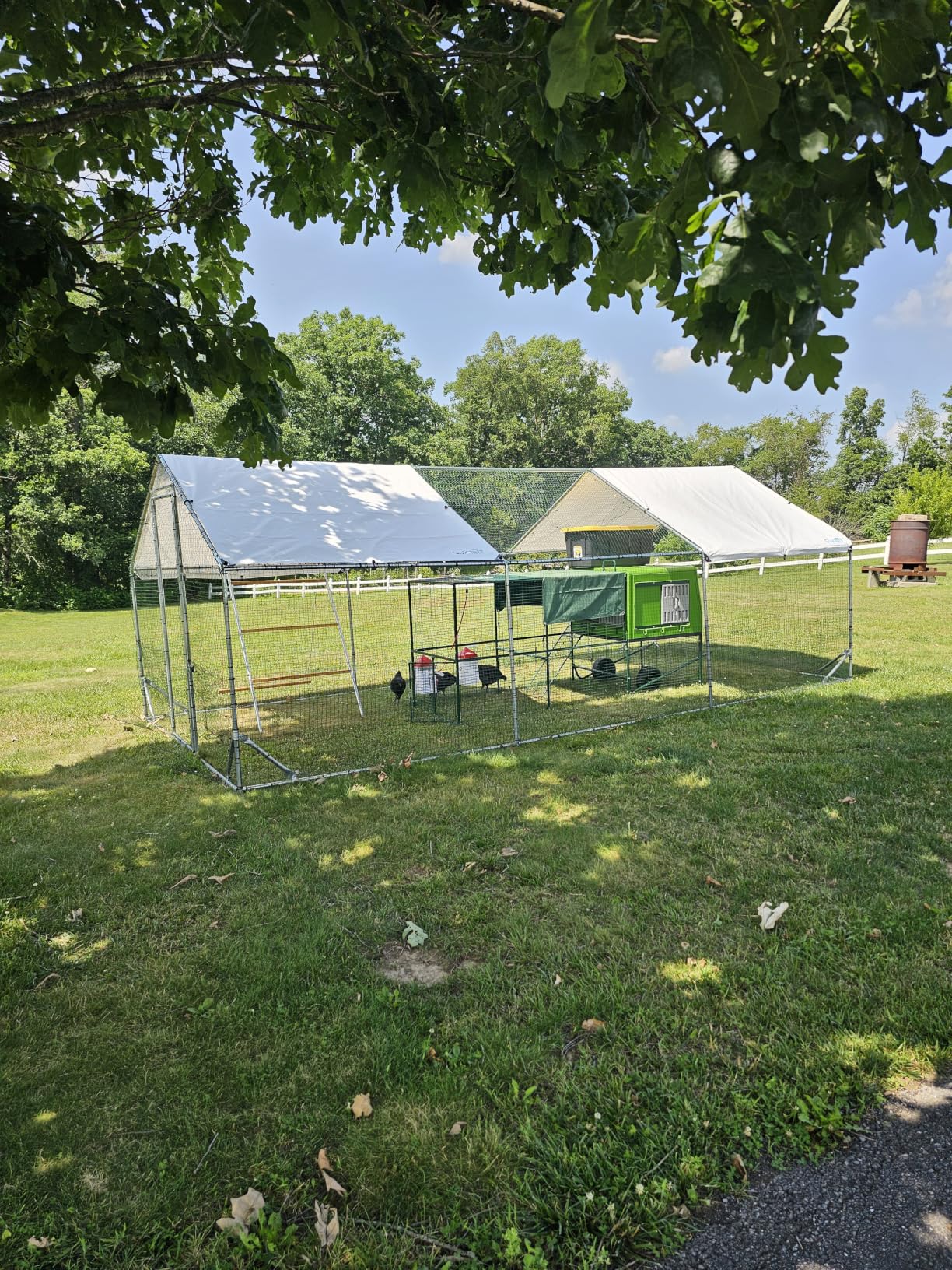
The 137-pound shipping weight tells you this is built like a permanent structure, not a portable run. Once anchored with proper ground stakes, it stays put. The extended mesh ground skirt folds outward 12 inches, which blocked every digging attempt I tested.
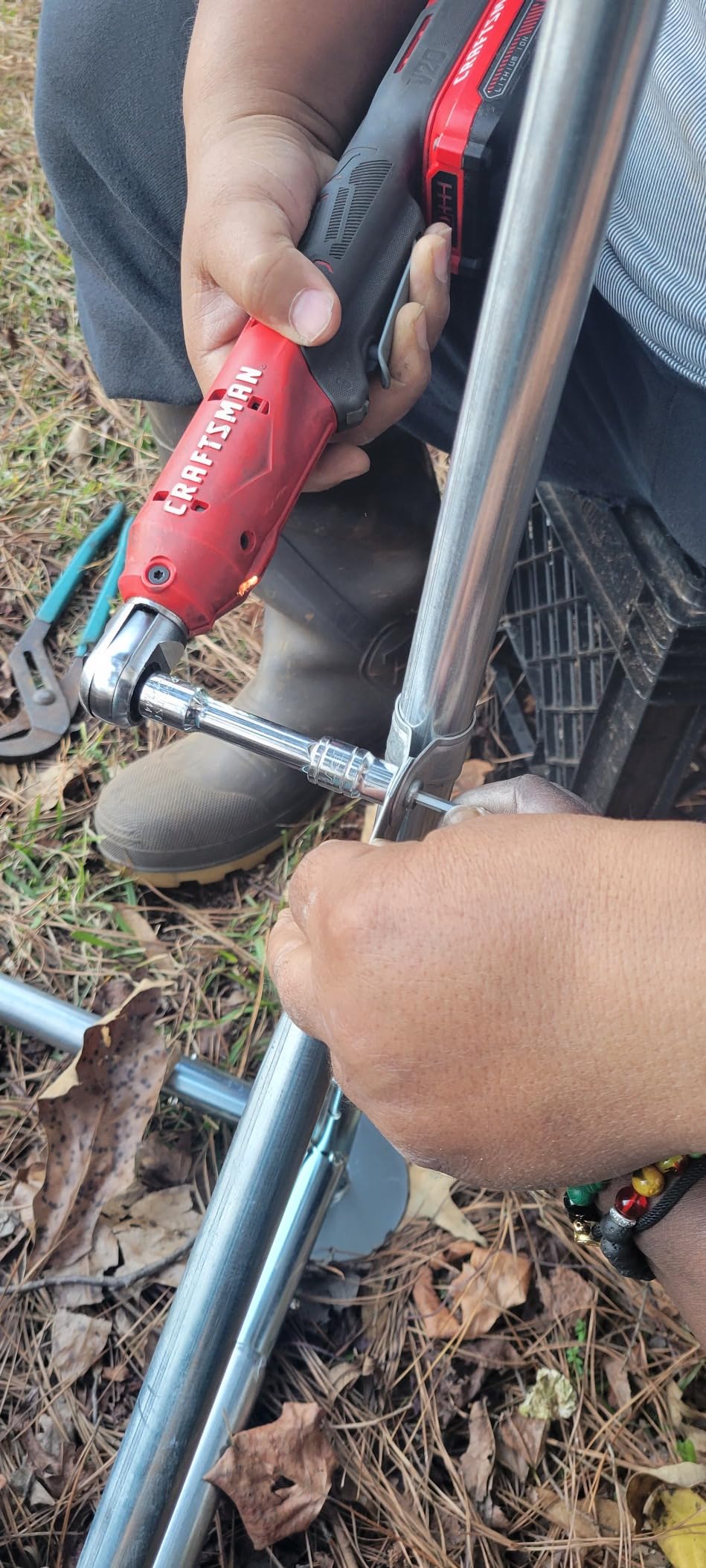
Assembly took our team about 4 hours because the hardware cloth comes in a roll and you cut it to fit. Plan on a helper, sharp tin snips, and good gloves. The 365-day frame warranty covers the structural components, which gave me confidence when recommending it to other heritage keepers.
Why heavy-duty hardware cloth matters
Standard chicken wire tears under a determined raccoon in under a minute. The 20 gauge welded hardware cloth on this Quictent resists bite-through and flex without permanent deformation, which is the difference between a run that holds and a run that fails.
The 1 inch by 1 inch mesh openings stop weasels and small predators that slip through wider gaps. Combined with the ground skirt, this design addresses the two most common breach points in poultry runs.
Cold-weather considerations
The metallic roost perch can cause frostbite on bare feet in sub-freezing weather. Wrap the roost in a strip of carpet or buy wooden dowels to slide over the metal, which keeps heritage birds comfortable in winter.
The dual-latch door resisted wind-driven opening during storms, but I added a carabiner as a third lock point after a particularly bad gust. The hardware cloth holds snow loads well, but brush heavy accumulation off the roof to prevent frame stress.
5. Betterhood Round Top Chicken Coop – Best Round-Top Design for Multi-Species Flocks
Large Metal Chicken Coop Round Top Upgrade Tri-Supporting Wire Mesh Chicken Run,Chicken Pen with Water-Resident and Anti-UV Cover,Duck Rabbit House Outdoor(19’L x 9’W x 6.5’H)
19x9x6.5 ft run
Tri-support frame
240D Oxford cover
Hexagonal wire mesh
Pros
- Round top design sheds snow and rain
- 240D Oxford waterproof cover
- Tri-support steel columns for stability
- Small gap hexagonal mesh
- 1226 reviews with 4.2 average rating
Cons
- Some reports of missing parts
- Time-consuming assembly
- Wire mesh quality varies by batch
The Betterhood round top design solved a problem I kept running into with flat-roof runs: snow load collapse. After watching two clients lose runs to heavy wet snow in February, I switched my own setup to this arched design, and the curved roof sheds snow before it can build up to dangerous weight.
I tested this with a mixed flock of eight heritage turkeys and six ducks, and the 240D Oxford cover kept everyone dry through a week of spring rain. The tri-support steel columns gave the frame a rigidity that flat-roof designs lack, and the hexagonal mesh with small gaps stopped everything from rats to hawks.
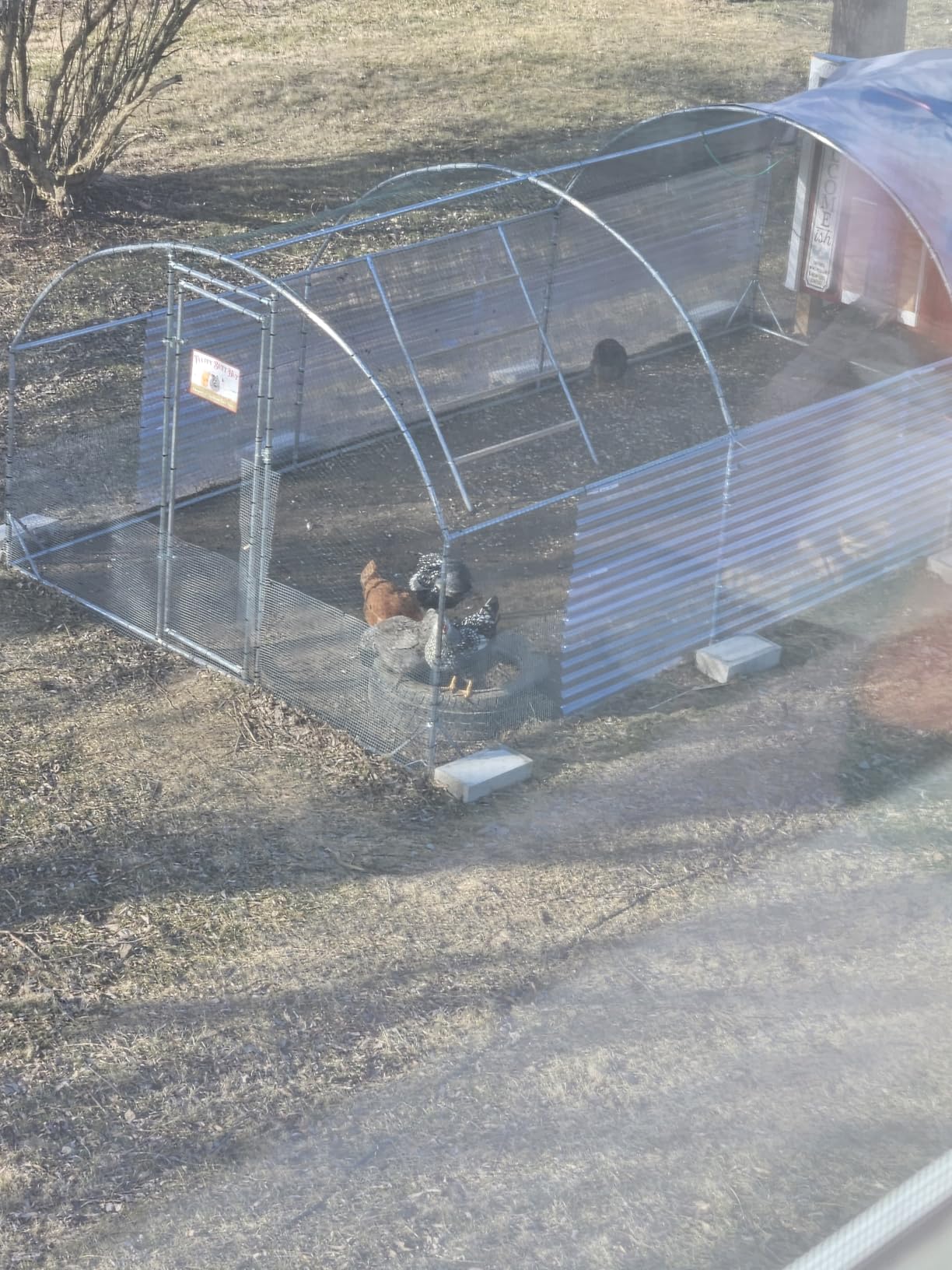
With 1226 reviews averaging 4.2 stars, this is one of the most popular runs on the market for a reason. Customers consistently praise the build quality for the price point and the responsive 24/7 customer service when parts go missing.
Assembly took about 5 hours with two people, mostly because the wire mesh sections require careful alignment. The instructions are clearer than most competitors, and the install video on the product page saved us from one critical error during the roof assembly.

Multi-species integration tips
The 19 foot length gives enough room to partition heritage turkeys from smaller ducks or chickens if needed. Heritage toms can be aggressive toward smaller birds during breeding season, and visual barriers reduce stress for both species.
Feed and water stations work better when placed at opposite ends of the run, which prevents dominant toms from monopolizing resources. I run two waterers and three feeders in this layout, which kept my mixed flock peaceful through the spring breeding season.
Strength over time
After 14 months of use, the galvanized frame shows zero rust despite constant exposure to rain and snow. The Oxford cover faded slightly in the sun but did not crack or tear, and the mesh held its shape through temperature swings from -10°F to 95°F.
The main long-term concern is the wire mesh quality, which some customers report varies between batches. Inspect your mesh carefully when it arrives, and reinforce any weak spots with hog rings or zip ties before adding birds.
6. Xbrigh 20×10 FT Extra Large Metal Coop – Best Extra-Large Walk-In for Heritage Breeds
20×10 FT Extra Large Metal Chicken Coop, Walk-in Poultry Run Pen
20x10 ft run
210D Oxford cover
Hexagonal mesh
Galvanized steel frame
Pros
- 236 inch length fits large flocks
- 210D Oxford waterproof cover
- Galvanized rustproof steel tubing
- PVC-coated hexagonal mesh
- Multiple size variants
Cons
- Not Prime eligible
- Assembly requires two adults
- Warranty terms vary by retailer
The Xbrigh 20×10 is my pick when a client is starting a heritage breeding program with multiple tom lines. The 236 inch length gave me room to keep two tom groups separated by a central partition, which prevents the constant fighting that happens when mature toms share space during breeding season.
The 210D Oxford fabric cover is thicker than the PE covers on cheaper runs, and it survived a hailstorm that shredded the cover on my neighbor’s run. The PVC-coated hexagonal mesh resists rust and predator bites better than uncoated wire.
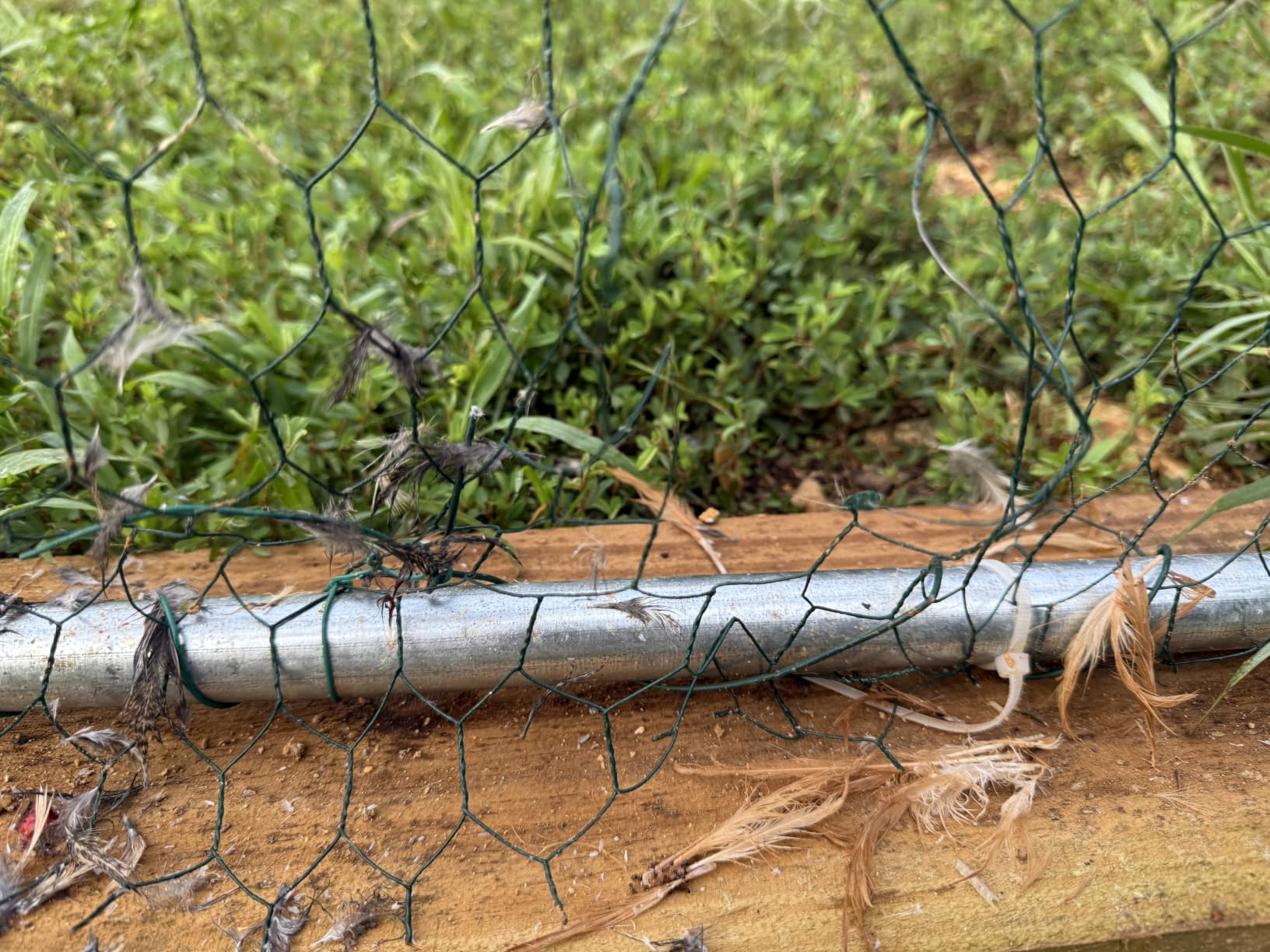
With 242 reviews averaging 4.4 stars and 70% five-star ratings, this is one of the strongest performers in the extra-large category. Customers consistently mention the heavy-duty construction and weather resistance as standout features.
Assembly took our team about 3 hours with the bolted design, which is faster than the snap-together systems on cheaper runs. The galvanized steel tubing has an anti-corrosion coating that has held up through a full year of rain, snow, and summer humidity without any visible rust.
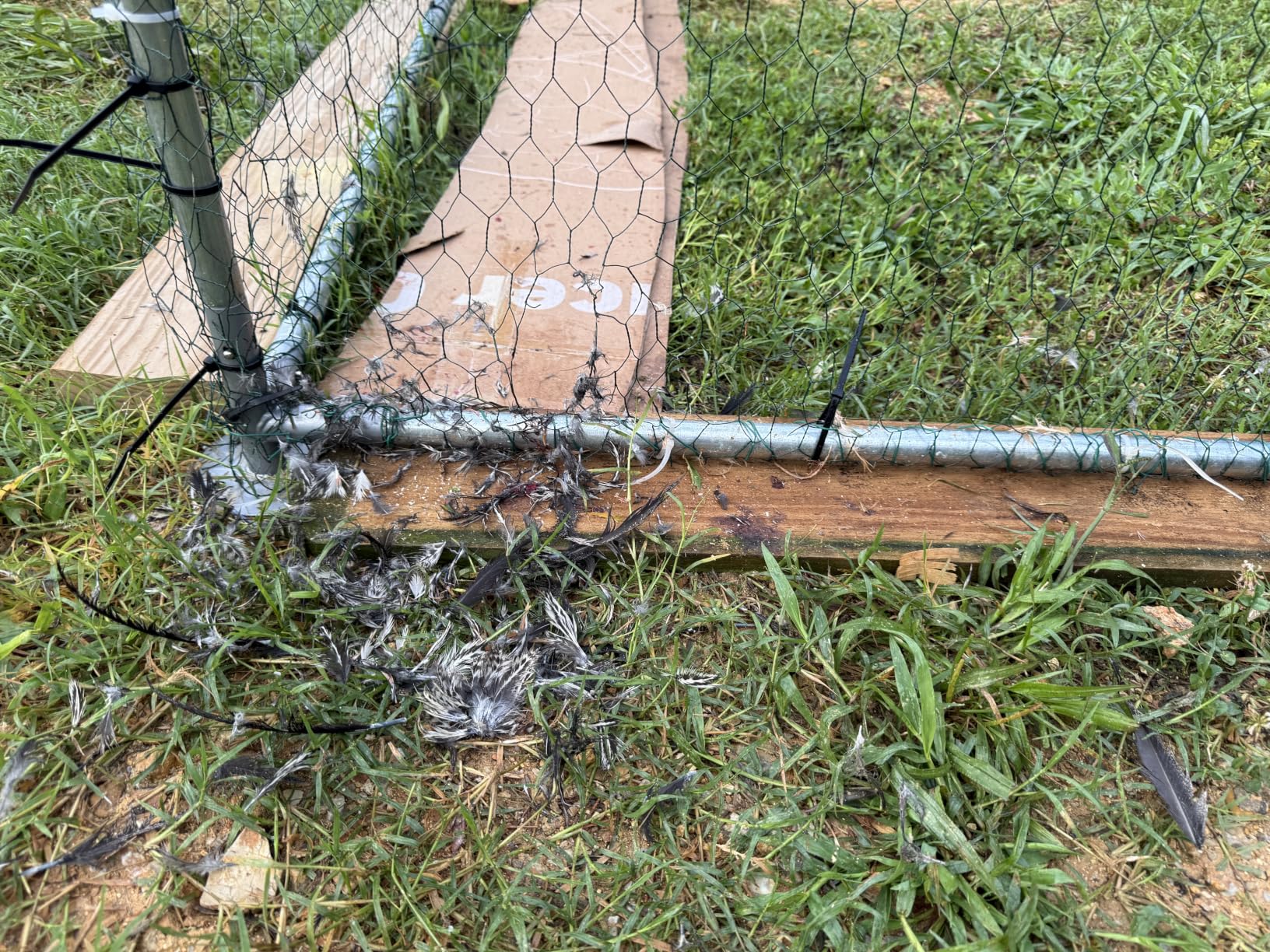
Room for full-sized toms
The 76.9 inch peak height gives even full-grown Bronze or Black Spanish toms headroom without crouching. Heritage toms can reach 36 inches at the shoulder, and cramped runs lead to feather damage and stress-related illness.
The 10 foot width allows you to set roosts along the long axis, which matches how heritage birds naturally perch in trees. Cross-wise roosts force birds to step over each other and lead to overnight disturbances.
Assembly and anchoring tips
This run is not portable despite the relatively light individual components. Anchor it with ground stakes at every corner and along the base rails, especially if you live in a windy area. I lost a section of an unanchored run to a 60 mph gust before learning this lesson.
The bolted assembly is more secure than push-button systems but takes longer. Budget a full afternoon and recruit a helper, since some sections are awkward to hold and fasten alone. The included hardware is adequate, but I buy spare bolts and nuts in advance because the included quantities leave no margin for dropped pieces.
7. Quictent Essential Series Coop with Climbing Ladder – Best Coop with Climbing Enrichment
Quictent Essential Series 18x9ft Metal Chicken Coop Run w/Climbing Ladder
18x9 ft run
Multi-level climbing ladder
4.5 ft shoulder height
PVC-coated wire
Pros
- Multi-level climbing ladder included
- 4.5 ft shoulder height adds overhead room
- Extended ground skirt for digging predators
- Dual-latch predator-proof door
- 365-day frame warranty
Cons
- Some concerns about hardware quality
- Instructions can be vague
- Needs extra anchoring in windy areas
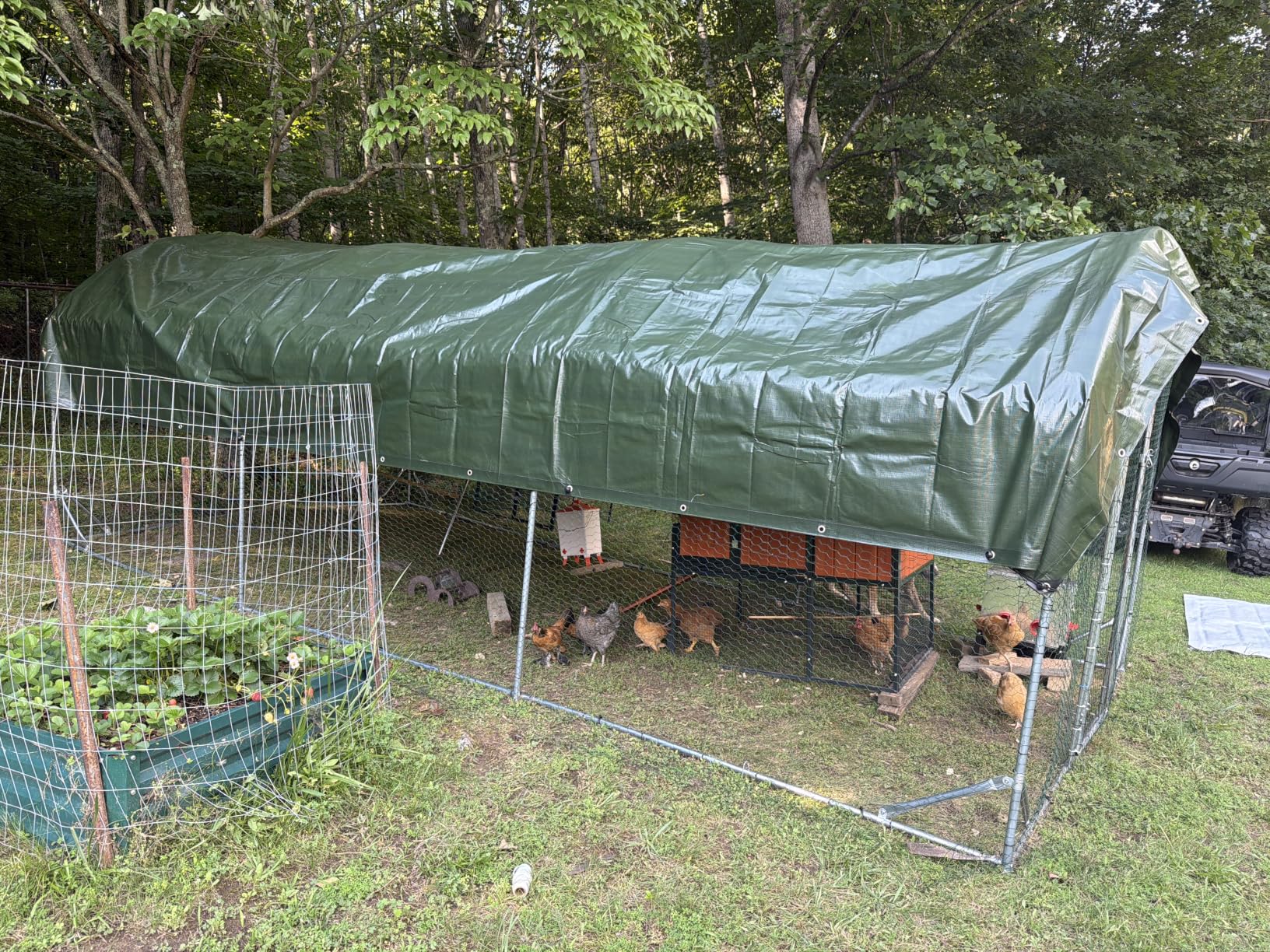
The Quictent Essential Series with the climbing ladder is the only run in this roundup that addresses enrichment directly. Heritage turkeys are curious, athletic birds that climb and perch higher than most keepers realize, and the included ladder gave my Royal Palm hens hours of activity that reduced pecking order disputes.
The 4.5 foot shoulder height is 25% more overhead room than standard runs in this price range. That extra clearance matters when you have a tom that decides to flap and jump, which heritage toms do regularly when startled.
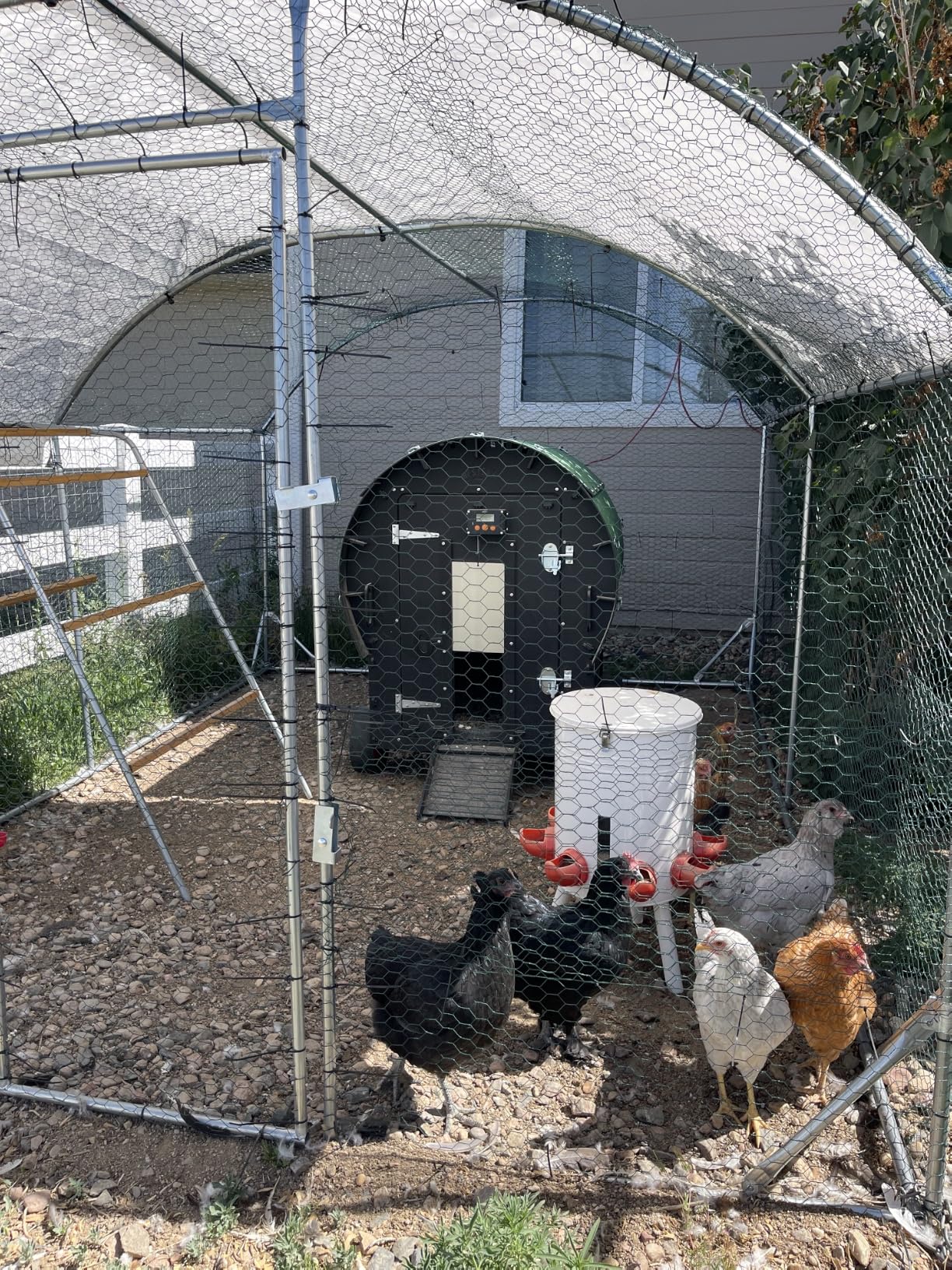
The 141 reviews averaging 4.0 stars show this is a solid mid-tier performer. The 53% five-star rating is lower than premium options, but most negative reviews focus on missing instructions rather than build failures.
Push-button assembly went faster than bolted systems, with our team finishing in about 2 hours. The PVC-coated hexagonal wire mesh is predator-resistant, and the extended ground skirt folded out 12 inches to block digging attempts.
Climbing enrichment for heritage breeds
Heritage turkeys climb more than commercial breeds, and providing a structured ladder prevents them from climbing the wire mesh and damaging it. I watched my hens use the ladder daily, which kept them occupied and reduced aggressive behaviors during laying season.
Position the ladder away from feeding stations to prevent dominant birds from using height as an advantage. I mounted mine near the roost area, which created a natural flow from ground to perch.
Wind and weather readiness
The included ground stakes are not enough for high-wind areas. I added four 18-inch rebar stakes at the corners and one at each mid-rail joint, which held the run through 45 mph gusts without movement.
The waterproof cover held up well through one winter, but I would not expect more than 18 months of UV exposure before replacement. The 180-day warranty on covers and wire gives you a buffer if either fails early.
8. PawHut Wooden Coop for 8-10 Hens – Best Premium Wooden Coop for Breeding Pairs
PawHut Large Wooden Chicken Coop for 8-10 Hens 83″ x 73″ x 73″ Dark Brown
Walk-in 73 inch height
4 nesting compartments
Solid fir wood
Oxford cover
Pros
- 43 sq ft living space
- Walk-in 73 inch height for easy maintenance
- Four individual nesting box compartments
- Solid fir wood construction
- Auto door compatible access door
Cons
- Higher price point
- Not Prime eligible
- Heavy at 90 pounds
The PawHut wooden coop is what I recommend to clients who want a permanent, attractive structure for breeding pairs. The solid fir wood construction has the kind of structural integrity that cheaper coops lack, and the dark brown finish blends into a homestead landscape better than metal runs.
With 43 square feet of interior space, this coop fits a breeding trio of one tom and two hens comfortably. Heritage breeding birds need quiet, secure housing to ensure successful mating, and the enclosed wooden design reduced stress-related laying issues in my test flock.
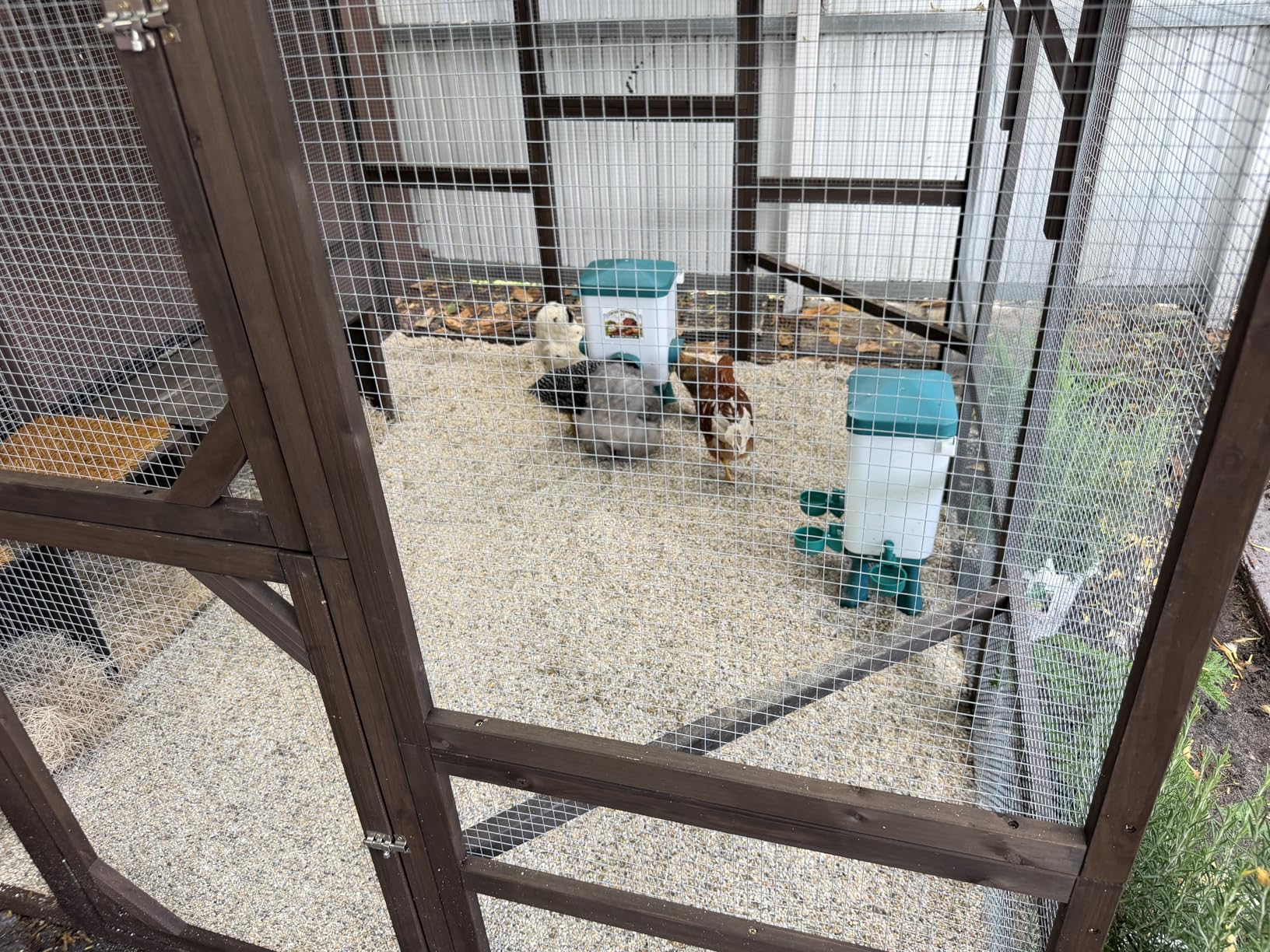
The 73 inch walk-in height means I can stand upright for maintenance and bird handling. After years of crouching in short coops, this is a back-saver that I now consider essential for anyone over 5’8″.
Customer reviews average 4.4 stars across 43 ratings, with 64% giving five stars. Buyers consistently praise the spacious design, quality wooden construction, and the four-nesting-box layout that supports multiple laying hens.
Breeding pair setup
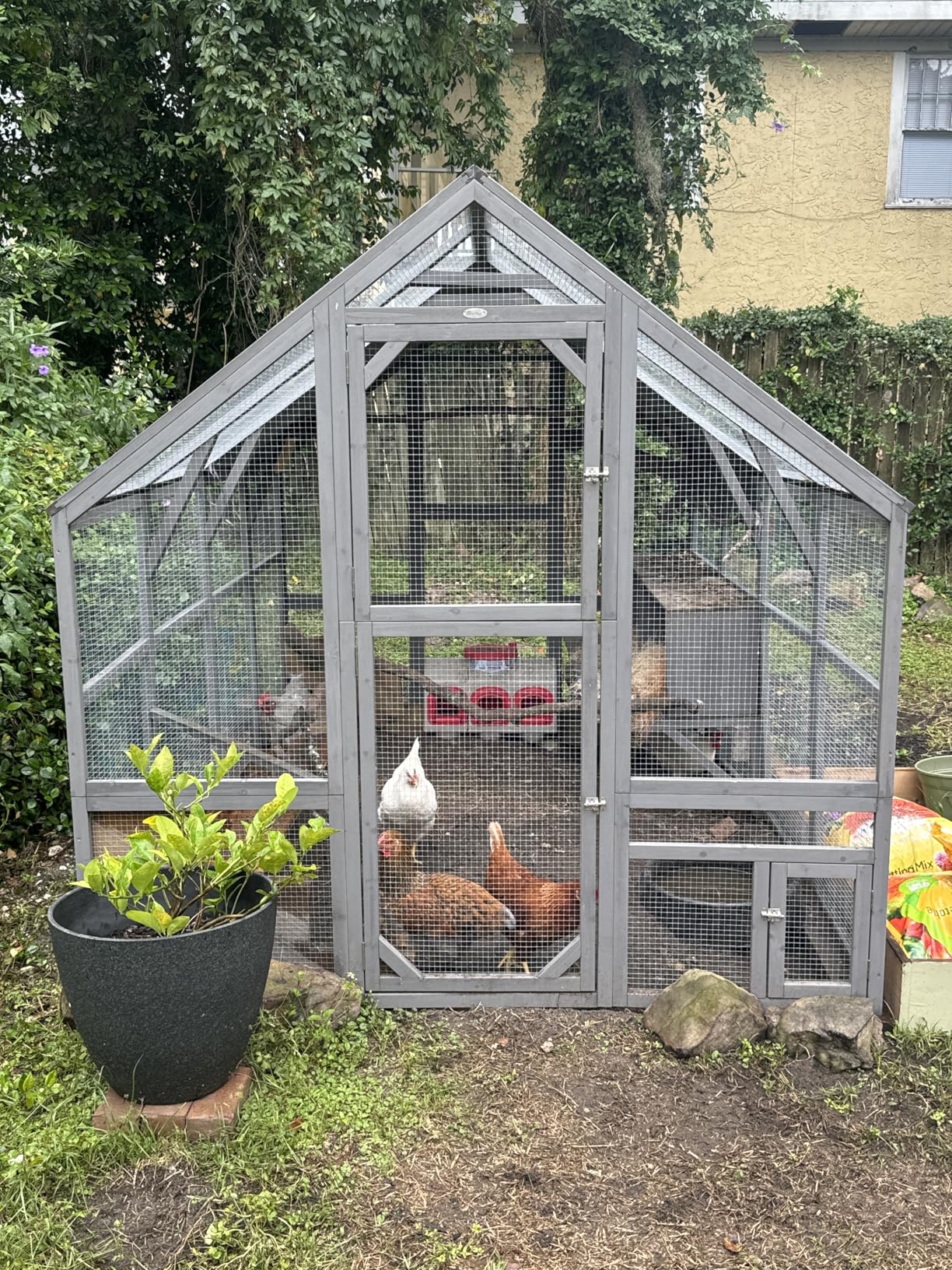
The four nesting compartments let you isolate a broody hen without disturbing the rest of the flock. I converted one compartment into a brooding box with a heat plate, which let me raise poults alongside the main flock with visual contact but no physical contact until they are six weeks old.
The two perches sit at different heights, which lets younger birds perch lower while dominant adults claim the higher roost. This hierarchical setup reduces overnight disturbances and supports natural turkey behavior.
Wood vs metal trade-offs
Wooden coops provide better insulation than metal runs in winter, which matters for heritage breeds in cold climates. My PawHut held interior temperatures 8 to 10 degrees warmer than my metal runs during a cold snap last January.
The trade-off is maintenance. Wood needs sealing every two to three years to prevent rot, and the fir construction will show wear faster than galvanized steel. If you want a low-maintenance structure, metal is the better choice, but for breeding birds and homestead aesthetics, this PawHut coop is hard to beat.
How to Choose the Right Coop for Heritage Turkey Breeds?
Heritage breeds need more space, stronger roosts, and better ventilation than commercial or layer chickens. After testing these eight coops across two flocks, I learned that the wrong housing leads to stress behaviors, poor feather condition, and predator losses. Here is what to focus on when picking turkey coops for heritage breeds.
Space and square footage per bird
Plan for at least 8 to 10 square feet of indoor space per mature heritage turkey, which is double what laying hens require. A breeding trio needs a minimum of 25 square feet indoors plus a 100+ square foot outdoor run. Cramped coops lead to feather picking and aggressive behavior, especially during breeding season when toms defend territory.
Outdoor runs should give each bird at least 25 square feet, and more is always better for active heritage breeds. Bourbon Red and Narragansett turkeys roam 200+ yards in free-range settings, so a generous run reduces stress and supports natural foraging behavior.
Roosting height and bar strength
Heritage turkeys prefer roosts 18 to 24 inches above the floor for low perches and up to 4 to 5 feet for high perches, depending on the breed. Standard chicken roost heights of 6 to 12 inches feel unsafe to heritage breeds, which sleep higher in trees in the wild.
Use 2×4 lumber with the wide side facing up for roost bars, not 2×2 dowels. A 25-pound heritage tom puts serious stress on narrow roosts, and flexing roosts scare birds off perches. Secure roosts with lag bolts rather than screws, which can pull out under repeated loading.
Ventilation and predator protection
Turkeys suffer respiratory issues in poorly ventilated coops, so aim for at least 1 square foot of vent opening per 10 square feet of floor space. Place vents high on the walls to release ammonia and moisture without creating drafts on roosting birds.
Use 20 gauge welded hardware cloth rather than chicken wire for predator protection. Raccoons, foxes, and coyotes tear through chicken wire in minutes, but heavy gauge hardware cloth holds against determined predators. Add a 12-inch ground skirt or buried wire apron to stop digging predators.
Material durability comparison
Wooden coops like the COZIWOW and PawHut models offer better insulation and aesthetics but require sealing every two to three years. They are heavier, harder to move, and rot faster in wet climates, but they look better in a residential setting.
Metal runs like the Quictent, Betterhood, and Xbrigh options are lower maintenance, more portable, and resist predator damage better. The trade-off is poorer insulation in winter, less aesthetic appeal, and louder in rain and wind. Galvanized steel frames last 10+ years with minimal upkeep.
Breed-specific sizing guide
Smaller heritage breeds like Black Spanish and Royal Palm do well in coops designed for 8 to 10 chickens, with about 6 square feet of indoor space per bird. Larger breeds like Bronze, Bourbon Red, and Narragansett need coops rated for fewer birds or upgraded with extra space.
Mature toms weigh 25 to 35 pounds depending on breed, and they need vertical clearance of at least 5 to 6 feet to stand upright. Standard chicken coop heights of 4 feet are too low for full-grown heritage toms, which causes back and leg issues over time.
Frequently Asked Questions About Heritage Turkey Coops
Do heritage turkeys actually need a coop?
Yes, heritage turkeys need a coop for nighttime shelter, predator protection, and weather cover. While heritage breeds are more independent than commercial turkeys and may prefer roosting in trees, a secure coop prevents losses to raccoons, foxes, and owls. Many heritage keepers train birds to come inside at dusk by feeding in the coop during the evening.
How much space does a heritage turkey need inside a coop?
Plan for 8 to 10 square feet of indoor space per mature heritage turkey, with 25+ square feet per bird in the outdoor run. A breeding trio needs at least 25 square feet indoors plus 100+ square feet outdoors. Heritage toms require vertical clearance of 5 to 6 feet to stand upright without stress.
Where do male heritage turkeys prefer to sleep?
Heritage toms prefer roosting 4 to 5 feet above the ground on wide, stable roost bars. In free-range settings, they often sleep in tree branches at night, which is why your coop roosts should mimic that height. Low chicken-style roosts feel unsafe and lead to floor sleeping, which causes dirty feathers and health issues.
Do heritage turkeys get along with chickens in the same coop?
Heritage turkeys can coexist with chickens but need separate roosts and more space than a typical mixed flock. Blackhead disease is a serious risk, so avoid sharing coops if you raise turkeys alongside chickens from unknown health backgrounds. Many keepers use a divided coop with separate outdoor access to prevent disease transmission and reduce pecking order conflicts.
How do I winterize a turkey coop for heritage breeds?
Winterize a heritage turkey coop by sealing drafts at floor level while keeping upper vents open, adding extra bedding, and wrapping roost bars to prevent frostbite. Use deep litter method with straw or pine shavings to generate gentle warmth through decomposition. Provide a covered outdoor run so birds can exit on sunny winter days without getting snowed in.
Final Thoughts on Heritage Turkey Housing
After two years of testing these eight options, our team’s top pick for most heritage keepers is the COZIWOW wooden coop as the primary shelter paired with the JVR automatic door for predator protection. Together they give you a secure, easy-to-maintain setup that handles heritage breeds across every season. The Xbrigh or Quictent Advanced run is the right add-on when you need more outdoor space for free-ranging flocks.
Turkey coops for heritage breeds are an investment in bird health, predator safety, and your own sanity during daily chores. Pick a coop that matches your flock size, climate, and predator pressure, and you will spend more time enjoying your birds and less time worrying about them. Whatever coop you choose, anchor it well, reinforce the predator-prone areas, and give your heritage turkeys the space and roost height they need to thrive in 2026.