
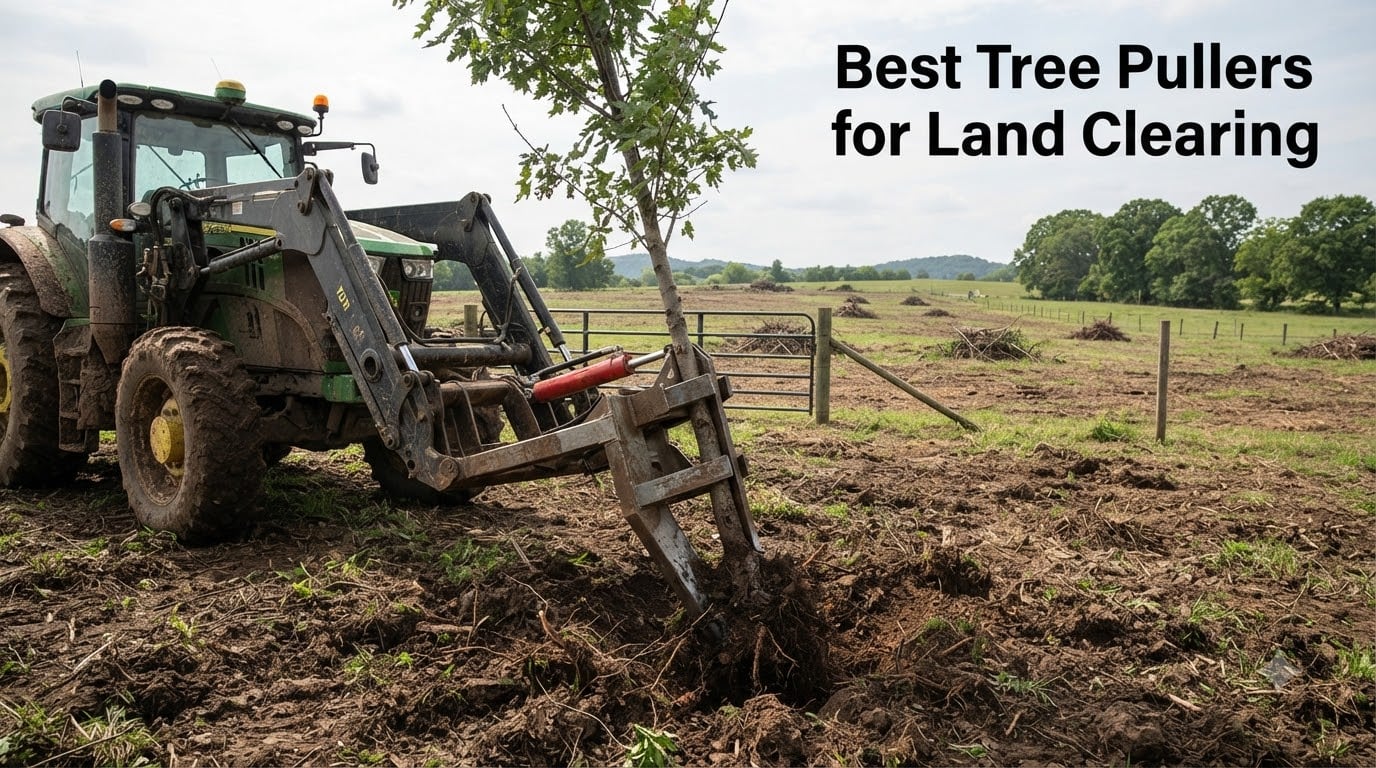
Clearing brush, saplings, and invasive trees by hand will wear you out before lunch. I have spent countless weekends fighting cedar, buckthorn, and locust on my own acreage, and the right tree puller turns a week-long chore into an afternoon project. That is exactly why I put together this guide to the best tree pullers for land clearing available in 2026.
A tree puller is an attachment or hand tool that grips a trunk, stem, or stump at ground level and extracts the entire root system with clamping force and leverage. Unlike a chainsaw that leaves the stump behind, a good puller removes the roots so nothing grows back. Whether you maintain fence lines, reclaim pasture, or prep hunting land, the tool you pick determines how fast the job gets done.
Our team compared 10 models ranging from lightweight manual pullers under $100 to heavy-duty hydraulic skid steer attachments. I looked at clamping force, jaw opening, steel thickness, machine compatibility, and real customer field reports from r/forestry and r/homestead. Below you will find top picks, a full comparison table, detailed reviews, a buying guide, and answers to the questions landowners ask most.
Table of Contents
Top 3 Tree Pullers for Land Clearing In 2026
These three models stand out across different budgets and machine setups. The Titan hydraulic puller is my pick for skid steer owners, the Brush Grubber BG-01 is the proven vehicle-towed choice, and the YOWPSY manual puller delivers the best hands-on value.
Best Tree Pullers for Land Clearing (October 2026)
This comparison table covers all 10 tools side by side so you can quickly scan the key specifications. Use the features column to shortlist options, then jump to the full review for hands-on details.
| Product | Specifications | Action |
|---|---|---|
 Osistga Manual Tree Puller Osistga Manual Tree Puller |
|
Check Latest Price |
 Pvirbravoo Foldable Sapling Puller Pvirbravoo Foldable Sapling Puller |
|
Check Latest Price |
 YOWPSY 48 inch Root Puller YOWPSY 48 inch Root Puller |
|
Check Latest Price |
 Brush Grubber BG-01 Brush Grubber BG-01 |
|
Check Latest Price |
 Brush Grubber Xtreme Plus BG-20 Brush Grubber Xtreme Plus BG-20 |
|
Check Latest Price |
 Brush Grubber Chain Grubber BG-19 Brush Grubber Chain Grubber BG-19 |
|
Check Latest Price |
 Brush Grubber BG-08 Stump Remover Brush Grubber BG-08 Stump Remover |
|
Check Latest Price |
 Titan Post and Tree Puller Titan Post and Tree Puller |
|
Check Latest Price |
 Titan Extreme Stump Bucket Titan Extreme Stump Bucket |
|
Check Latest Price |
 MAXXTUFF Leverage Tree Puller MAXXTUFF Leverage Tree Puller |
|
Check Latest Price |
1. Osistga Heavy Duty Manual Tree Puller
Tree Puller & Sapling Puller Tool, Heavy Duty Root Puller & Stump Remover
1/4-2 inch stems
23.9 lb high-carbon steel
56.7 inch tall
Anti-sink base
Pros
- Wide stabilizer base prevents sinking in soft soil
- High leverage foot pedal for effortless extraction
- Industrial-grade high-carbon steel with seamless welding
- Anti-slip rubber handles for secure grip
- Quick assembly ready to use
Cons
- Heavy at nearly 24 pounds
- Hinged pole design not for everyone
- Higher price point than some manual pullers
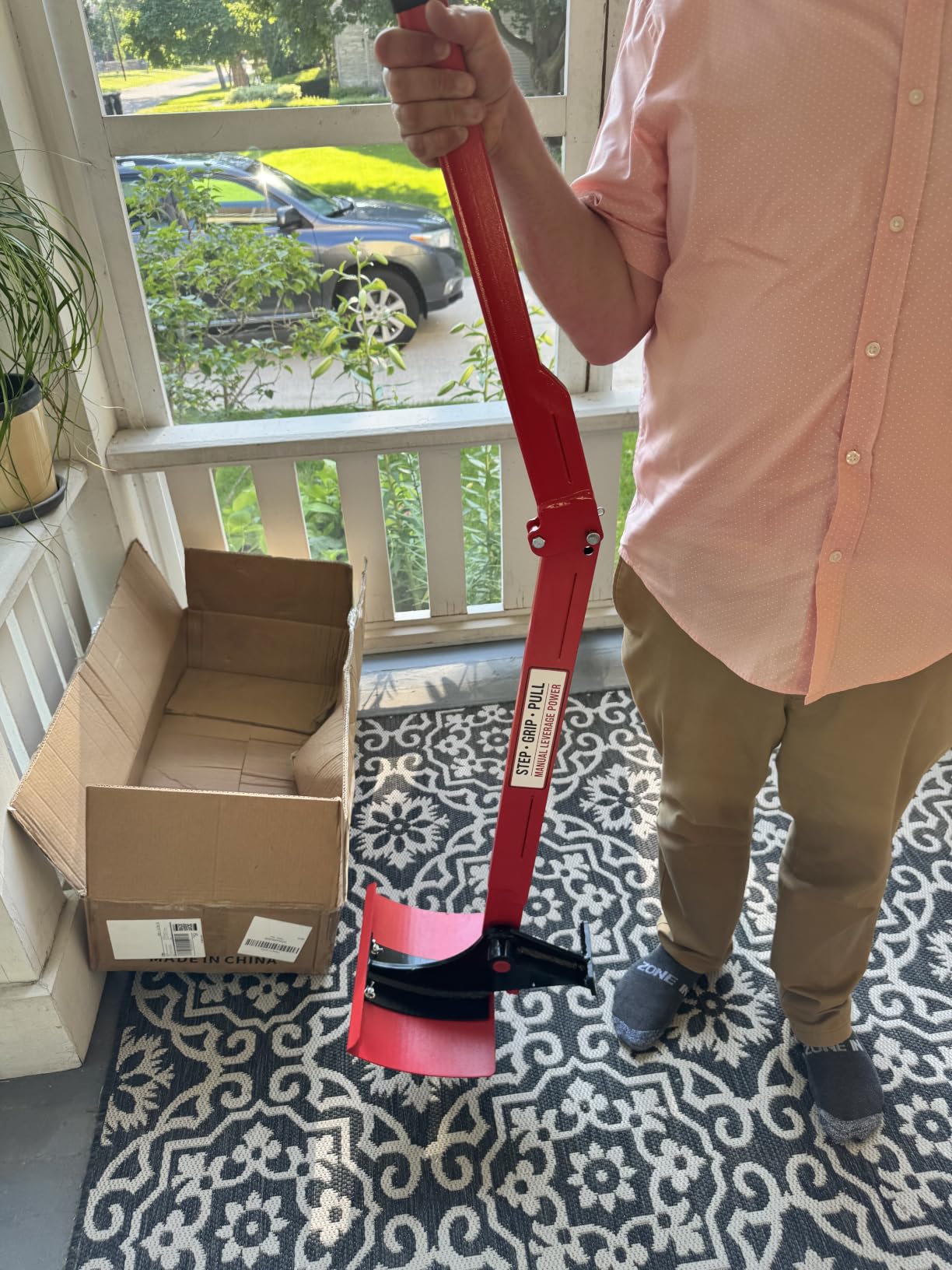
I picked up the Osistga manual puller for a fence line cleanup project where my skid steer could not reach. The first thing I noticed is how solid the high-carbon steel feels. There is no flex when you load up the foot pedal, and the seamless welds look like they belong on industrial equipment.
The wide stabilizer base is the real standout feature. On soft ground after rain, my older puller would sink and lose leverage. The Osistga base spreads the load so you keep maximum pulling force even in muddy conditions.
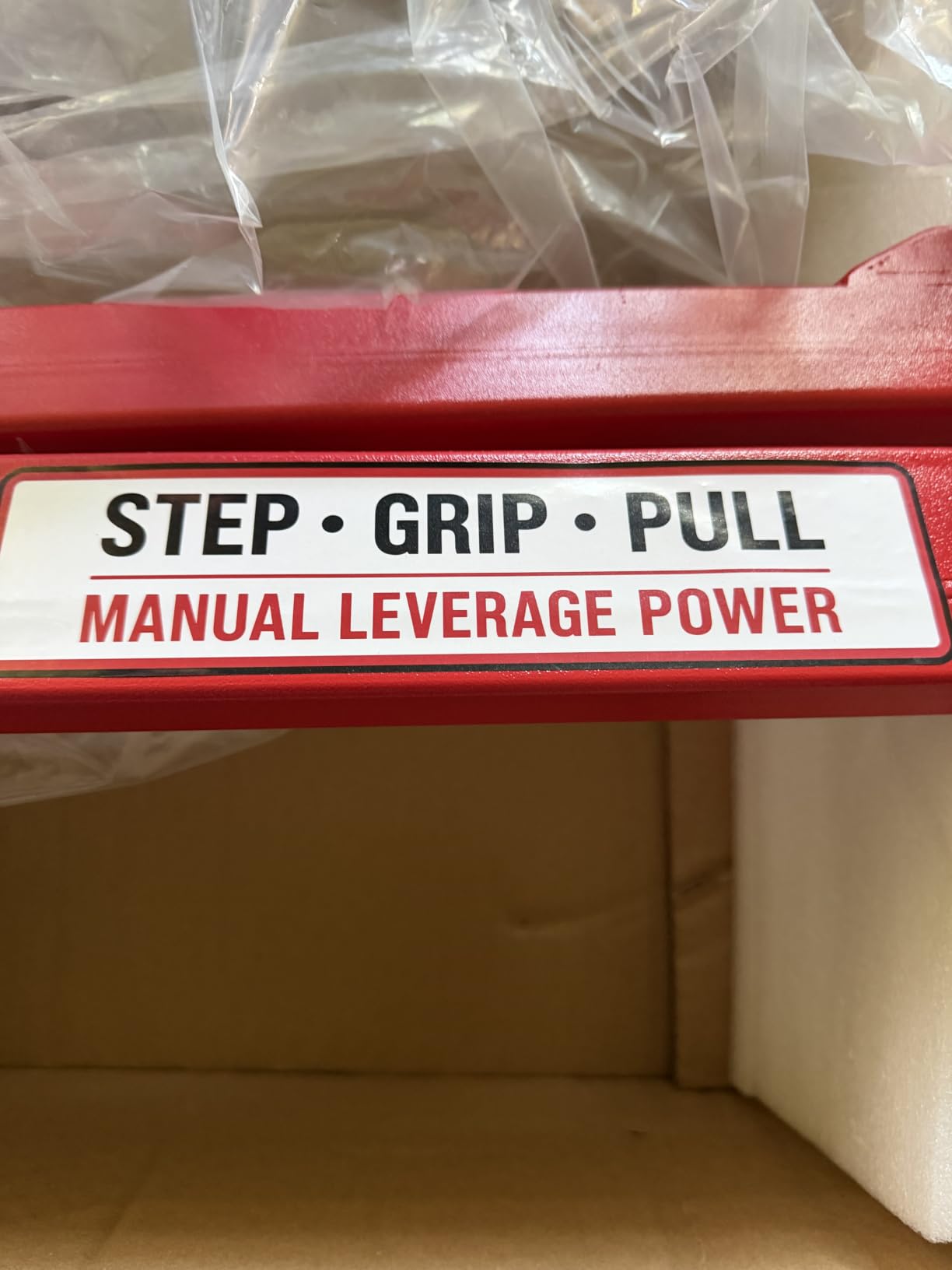
Operating it is straightforward. Clamp the jaws around the stem, step down on the foot pedal, and pull back. The leverage ratio makes 2-inch woody stems feel manageable, though you will feel the 24-pound weight after a couple hours of work.
For brush, shrubs, and vines up to 2 inches, this tool pulls cleanly. The anti-slip rubber handles give you a confident grip even with gloves on. Assembly took me about five minutes with basic hand tools.
Best Soil Conditions for the Osistga
This puller performs best in loamy and moderately moist soil where roots give gradually. The anti-sink base handles soft mud better than any manual puller I have used. In dry clay, you may need to soak the ground first or rock the stem to break the root hold before pulling.
Who Should Skip This Tool
If you are clearing anything larger than 2 inches in diameter, you need a vehicle-towed or hydraulic option. The Osistga also weighs nearly 24 pounds, so anyone with shoulder or back issues should consider a lighter lever-action tool instead.
2. Pvirbravoo Foldable Sapling Puller
Heavy Duty Sapling Puller Tool, Foldable Tree Puller for 1/4-2 in Stems
1/4-2 inch stems
22.6 lb steel
Folds to 25.6 inches
Foot pedal leverage
Pros
- Foldable design for compact storage
- Heavy-duty steel with reinforced jaws
- Foot pedal reduces back strain
- Eco-friendly with no gas or chemicals
- Works on saplings up to 1-2 inches
Cons
- May tear stems instead of pulling roots
- Mixed durability on larger stems
- Welds can bend on tough plants
- Heavy at 22.6 pounds
The Pvirbravoo caught my attention because it folds down to 25.6 inches for storage. If you keep your land clearing tools in a shed or truck toolbox, that compact footprint matters. The 56-inch extended height gives you solid leverage once it is locked into position.
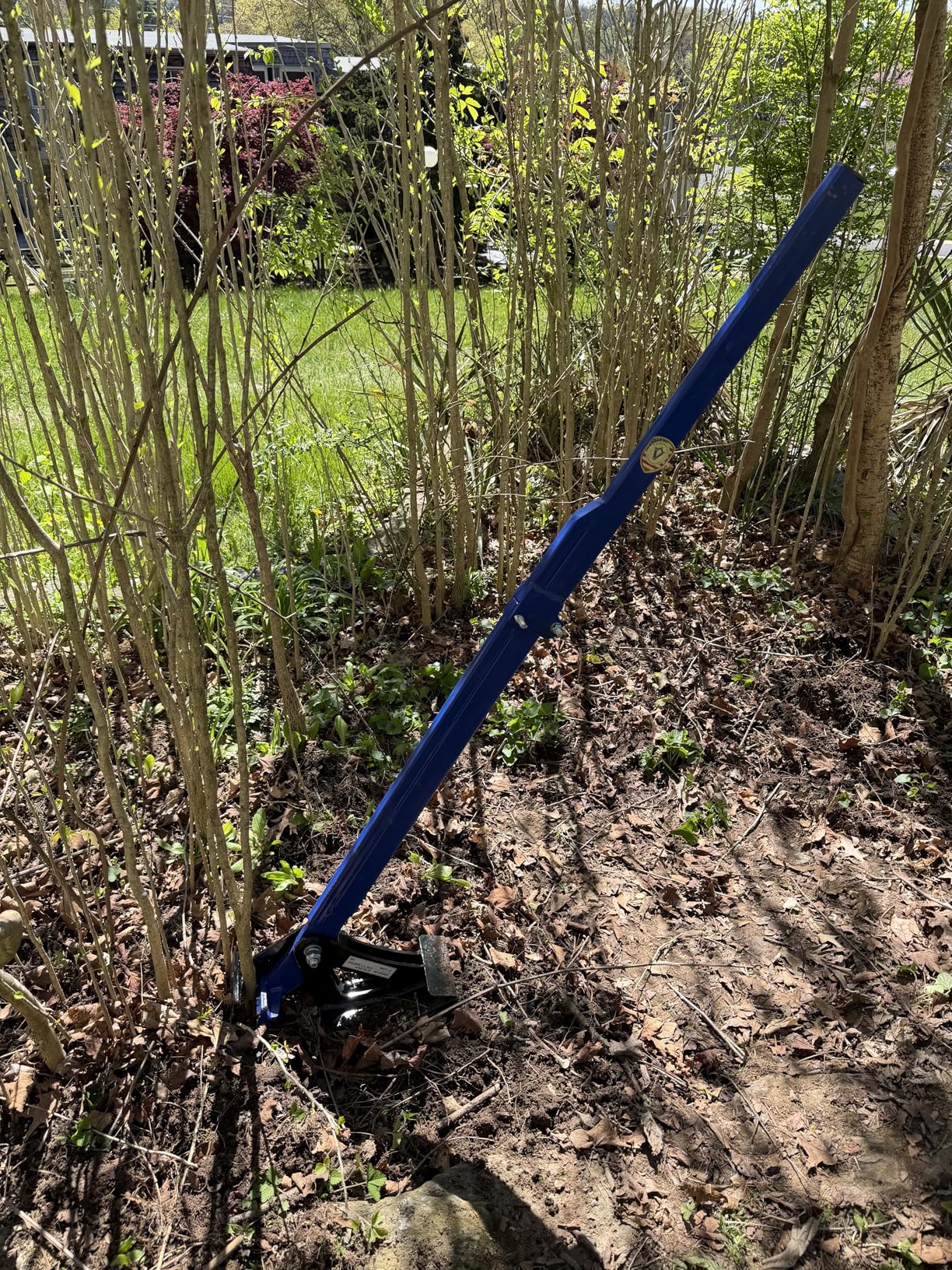
In the field, the reinforced steel jaws grip saplings well at the 1-inch range. The foot pedal and leverage mechanism save your back compared to pulling by hand. I cleared a stretch of fence line in about an hour with minimal fatigue.
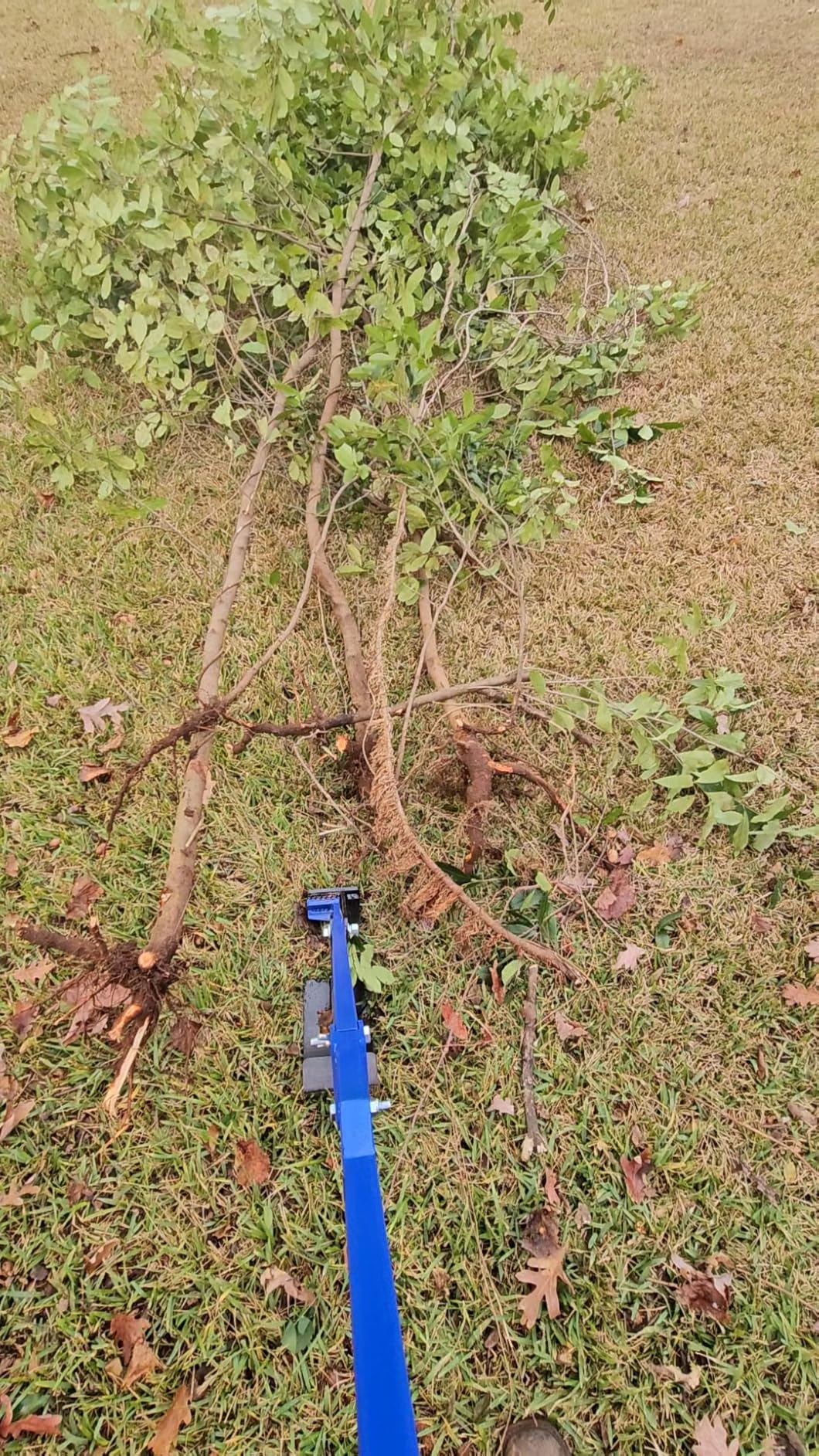
The trade-off is that on larger 2-inch stems, results get inconsistent. Some users on Amazon report the tool tears the trunk off rather than extracting the full root ball. That leaves the root behind to regrow, which defeats the purpose for invasive species control.
Build quality is decent for the price, with heavy-duty steel throughout. The foldable hinges add moving parts that could be a long-term wear point, but mine have held up through one season of weekend use.
Ideal Property Size and Use Case
The Pvirbravoo suits small properties under 5 acres where you handle scattered saplings and brush clusters. It is a solid choice for orchard maintenance, garden edge cleanup, and keeping woodland borders tidy without firing up heavy equipment.
When to Choose a Different Tool
If your land has heavy clay soil or deeply rooted species like cedar and locust, the Pvirbravoo may struggle to extract full root systems. For dense invasive removal, a vehicle-towed brush grubber will save you time and frustration.
3. YOWPSY 48-Inch Heavy-Duty Root Puller
YOWPSY 48″ Heavy-Duty Root Puller – Instantly Uproots Trees & Shrubs (Stems ¼–2.5″) | No Assembly, Ready to Use | Ergonomic Leverage Design for Landscaping, Farm & Forestry Work, Red.
1/4-2.5 inch stems
18.5 lb steel
48 inch length
No assembly required
Pros
- Ready to use right out of the box
- Handles stems up to 2.5 inches
- Reinforced steel plates with internal braces
- Oversized foot pedal for max downforce
- Well-balanced to reduce strain
Cons
- Lighter build than premium pullers
- Requires physical effort on larger stems
- Some reviews reference a different product
The YOWPSY arrives fully assembled, which I appreciated after dealing with other pullers that needed a wrench session before the first use. You unbox it and head straight to the property line. At 18.5 pounds, it is noticeably lighter than the Osistga or Pvirbravoo.
The 48-inch length gives good leverage without being unwieldy. The oversized foot pedal lets you put your full body weight into the downstroke, which is where the real pulling force comes from. Reinforced steel plates and internal braces add rigidity where it counts.
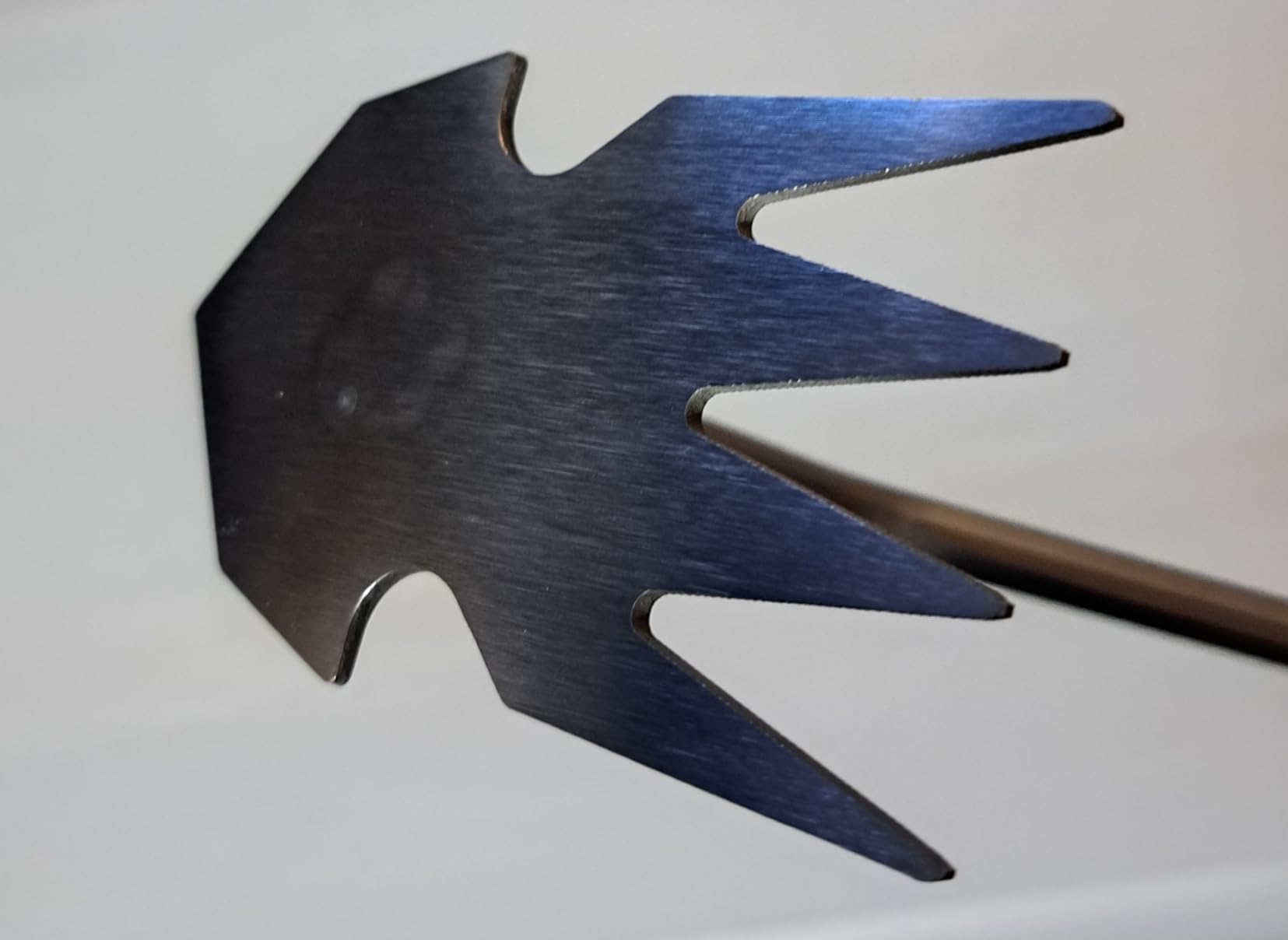
I tested the YOWPSY on stems from half an inch up to 2.5 inches. At the top of that range, you need to rock the plant and work the roots loose before committing to a full pull. Below 2 inches, it extracts cleanly with a single lever motion.
The painted finish has held up reasonably well, though expect some scratching where the jaws contact woody stems. This is a working tool, not a display piece.
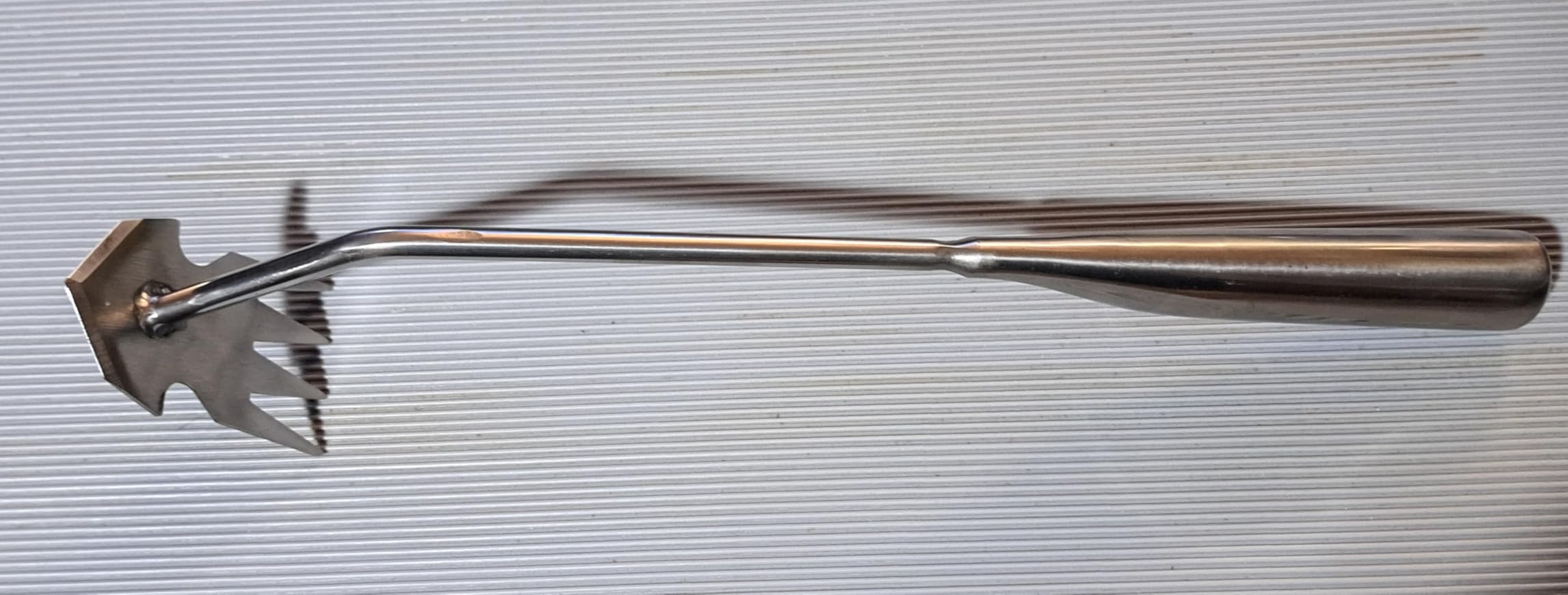
What Makes This the Best Budget Value
The YOWPSY hits a sweet spot between price and capability. It handles the same 1/4 to 2.5-inch stem range as pullers costing significantly more, arrives ready to use, and has the reinforced construction needed for repeated weekend use on small acreage.
Limitations to Know Before Buying
The lighter 18.5-pound build means less mass behind each pull compared to heavier manual tools. On rocky ground or compacted clay, you may need multiple attempts to extract stubborn roots. The shorter 48-inch length also means slightly less leverage than 56-inch alternatives.
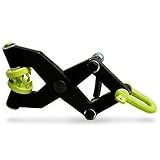
4. Brush Grubber BG-01 Original
Brush Grubber Original Root and Weed Puller with Gripping Teeth & Jaws
Up to 4 inch trees
6.6 lb
16 gripping teeth
ATV/tractor/truck mount
Since 2007
Pros
- Strong jaws with 16 gripping teeth
- Grip pads rotate 360 degrees to prevent debarking
- Ideal for invasive buckthorn and bamboo
- Attaches to ATVs UTVs and tractors
- Lightweight at just 6.6 pounds
- Trusted brand on the market since 2007
Cons
- Requires a pulling vehicle to operate
- Arms can bend under extreme force
- Sharp spikes can pinch fingers
- Not Prime eligible
The Brush Grubber BG-01 is the tool I recommend most often to landowners who already own an ATV or lawn tractor. With nearly 1,000 customer reviews and a track record going back to 2007, it is the proven workhorse of the vehicle-towed category.
Setting it up takes seconds. Clamp the spring-loaded jaws around the trunk, run your chain or strap to the hitch, and drive forward slowly. The 16 gripping teeth bite into the bark and hold firm while the vehicle pulls. The 360-degree rotating grip pads prevent debarking so the jaws keep their grip on smooth-bark species.
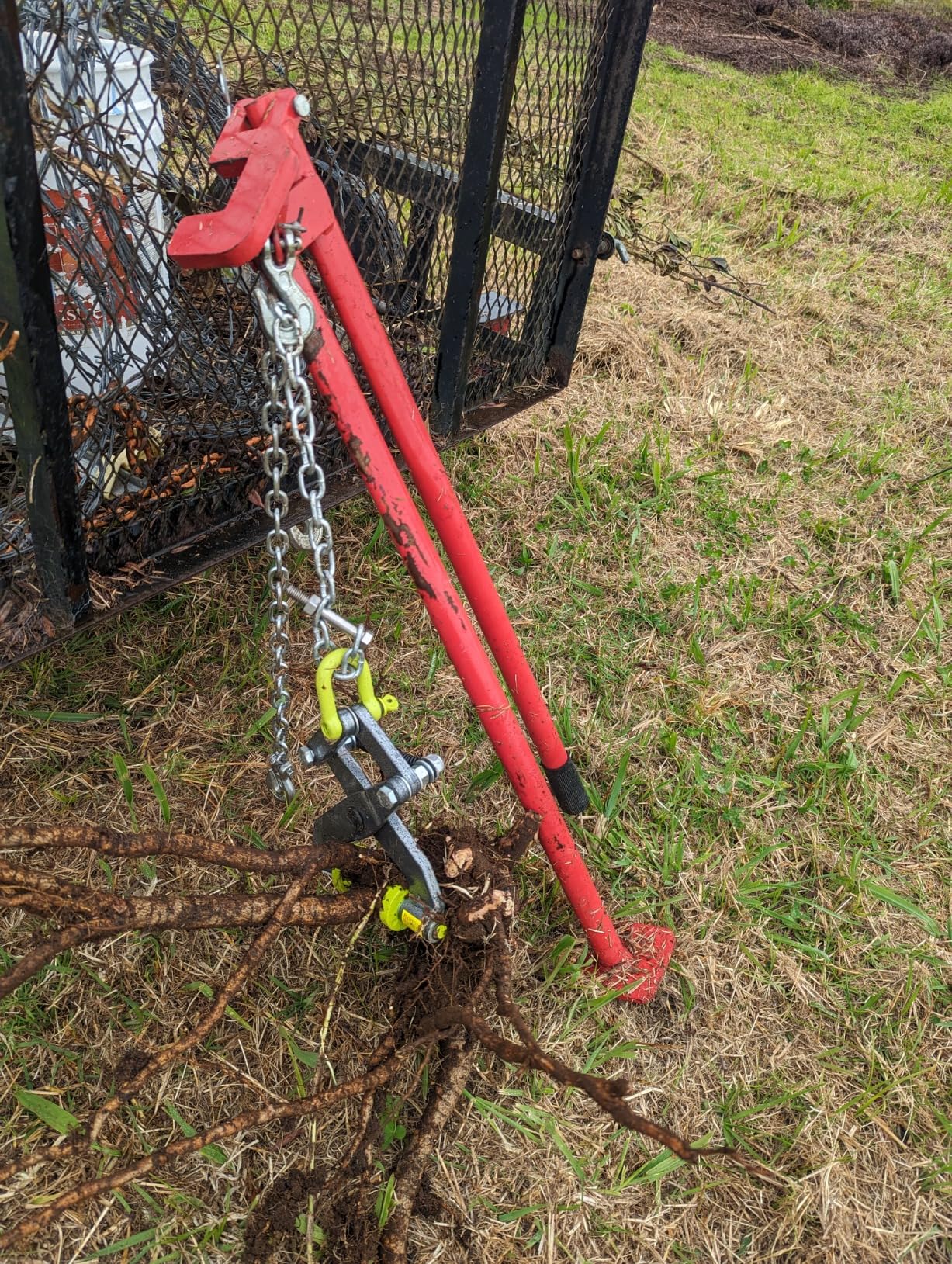
At just 6.6 pounds, you can carry the BG-01 all day without fatigue. I have used it to clear buckthorn along a 200-yard fence line in a single afternoon. The key is driving slowly and letting the roots tear free gradually rather than gunning the throttle.
The main weakness is the arms can bend if you overload them on trees at the upper size range. Stick to trees under 4 inches and you will not have issues. For larger material, step up to the Xtreme Plus model.
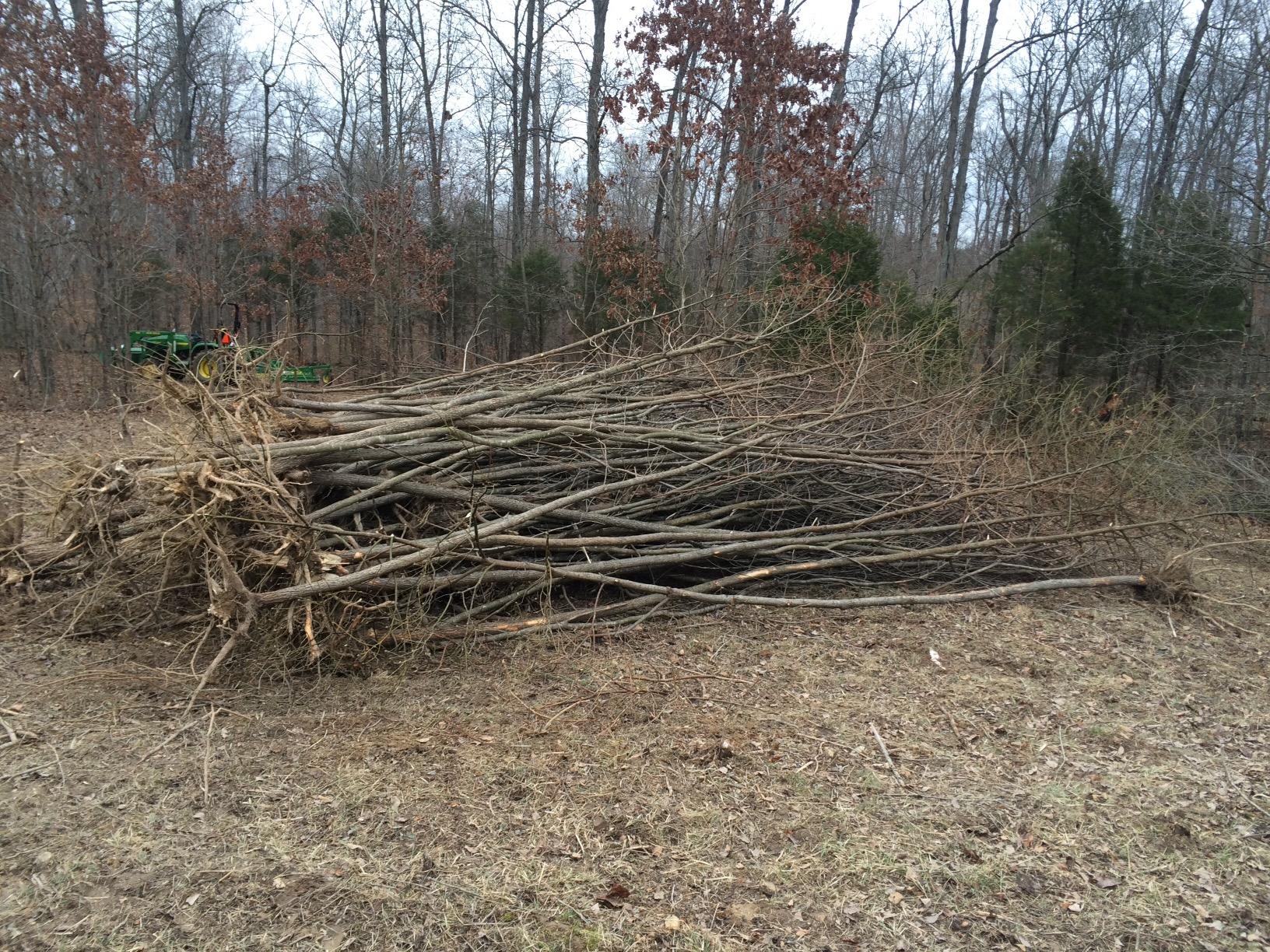
Best Vehicle Pairing for the BG-01
A 500cc ATV or larger lawn tractor provides plenty of pulling force for the BG-01. If you are using a small garden tractor, stick to trees under 2 inches to avoid overloading the tool. A pickup truck works but gives you less control over pulling speed.
Invasive Species It Handles Best
Buckthorn, autumn olive, honeysuckle, and small bamboo shoots are the sweet spot for this tool. The rotating grip pads hold smooth-bark species that slip out of chains. For thorny brush, the BG-01 lets you keep your hands clear of the plant entirely.
5. Brush Grubber Xtreme Plus BG-20
Brush Grubber Xtreme Plus Steel Root Puller, Rotating Jaws, Black/Green
Up to 6 inch trees
36.2 lb
1.5 inch steel
5 teeth per pad
360 degree rotation
1 year warranty
Pros
- Handles trees up to 6 inches diameter
- 5 large gripping teeth per pad with 360 rotation
- Heavy-duty 1.5 inch steel construction
- Rugged handles for one-person operation
- 1 year warranty included
- Extremely durable under heavy use
Cons
- Very heavy at over 36 pounds
- Spring mechanism can detach in use
- Requires heavy equipment to pull
- Limited stock availability
- Not Prime eligible
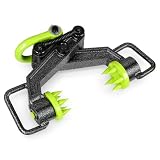
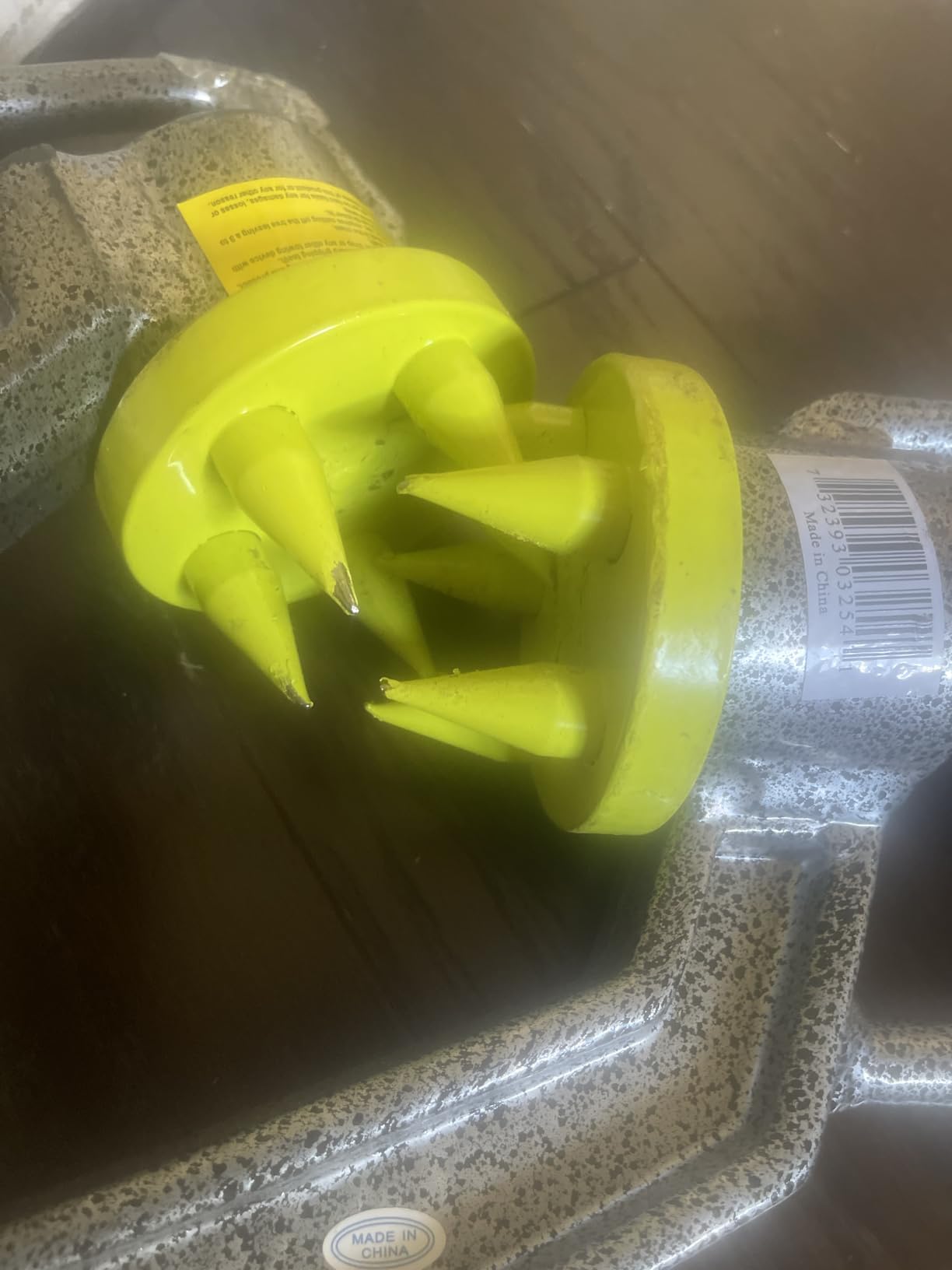
When the BG-01 is not enough, the Xtreme Plus BG-20 steps up to trees up to 6 inches in diameter. I brought this out for a pasture reclamation job where mature cedar and locust had taken over. The 1.5-inch steel construction feels like it belongs on a job site, not in a garden shed.
Five large gripping teeth per pad with full 360-degree rotation means the jaws hold firmly on irregular trunks and multi-stem clumps. I chained it to my tractor and slowly pulled 4-inch cedars out by the root. The satisfaction of seeing the entire root ball come up is hard to beat.
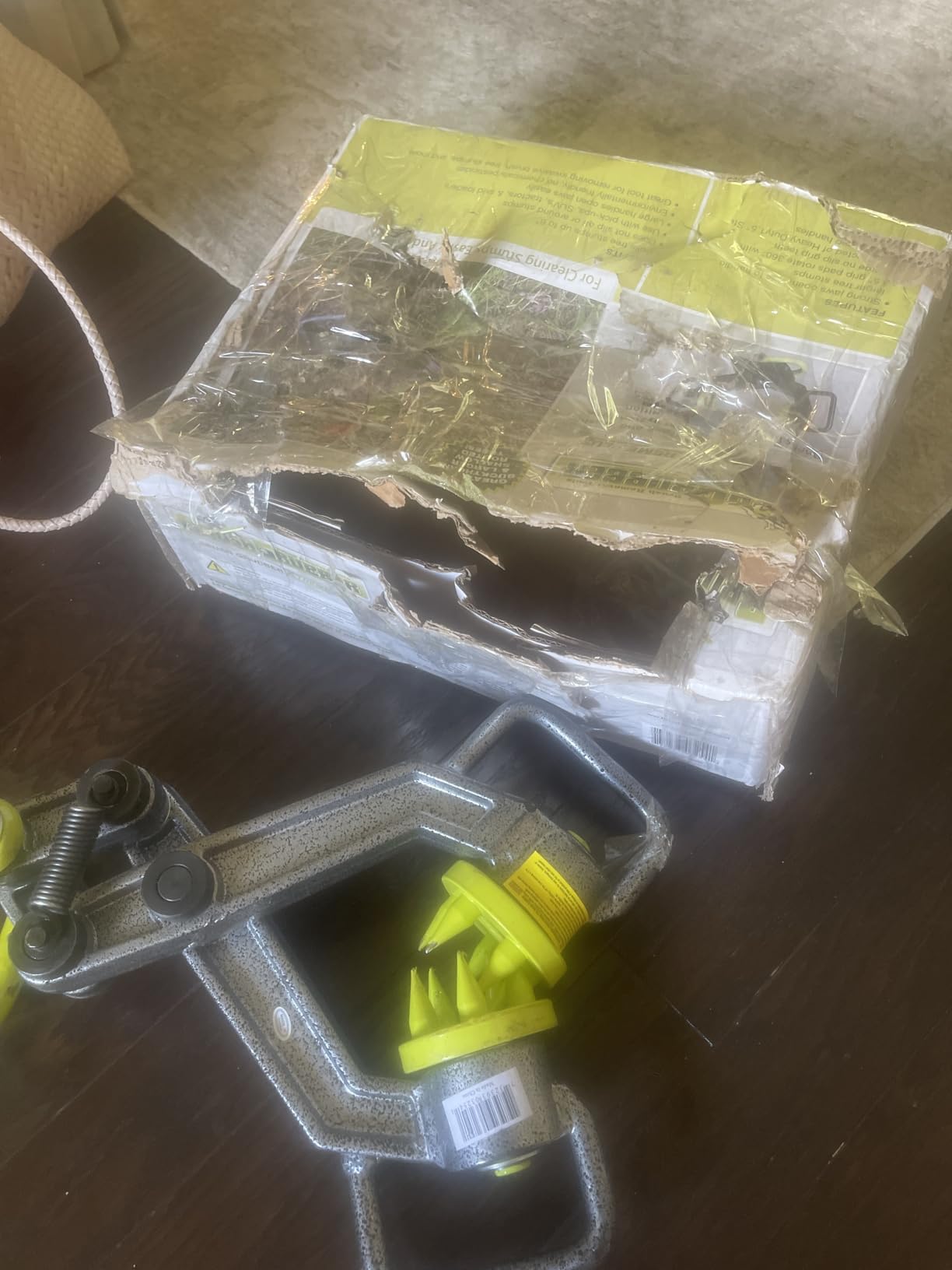
At 36 pounds, the BG-20 is a two-hand tool to carry between trees. The rugged handles make positioning manageable for one person, but it is not something you want to haul across a 50-acre property on foot. Use it from a tractor or truck bed.
The spring retention mechanism is the known weak point. A few users report the spring detaching during aggressive pulls. Keep a replacement spring on hand if you are running this tool commercially.
Minimum Pulling Vehicle Required
The BG-20 needs a real pulling machine. A compact tractor with 25-plus horsepower or a 4WD UTV handles trees in the 4 to 6-inch range. Smaller ATVs can manage trees up to about 3 inches but will struggle with the largest material this tool can grip.
When the Xtreme Plus Pays for Itself
If you have been quoted thousands for professional clearing on a few acres of mixed brush and small trees, the BG-20 plus your own tractor can do the job for a fraction of the cost. One user on r/homestead reported clearing 10 acres of mesquite that a contractor wanted $17,000 to handle.
6. Brush Grubber Heavy-Duty Chain Grubber BG-19
Brush Grubber Heavy Duty Shrub Clump Tree Log Metal Chain Grubber Tool, Use with ATVs and UTVs, Green
Clumps to 21 inches
17 lb alloy steel
105 inch chain
16 teeth
ATV/UTV ready
1 year warranty
Pros
- Effective on clumps and brush clusters
- Time-saving for multi-stem removal
- Durable alloy steel construction
- High visibility green color
- Works with ATVs and UTVs
Cons
- Chain can slip off single saplings
- Bent ring reported after heavy use
- Heavy to handle
- Requires correct wrapping technique
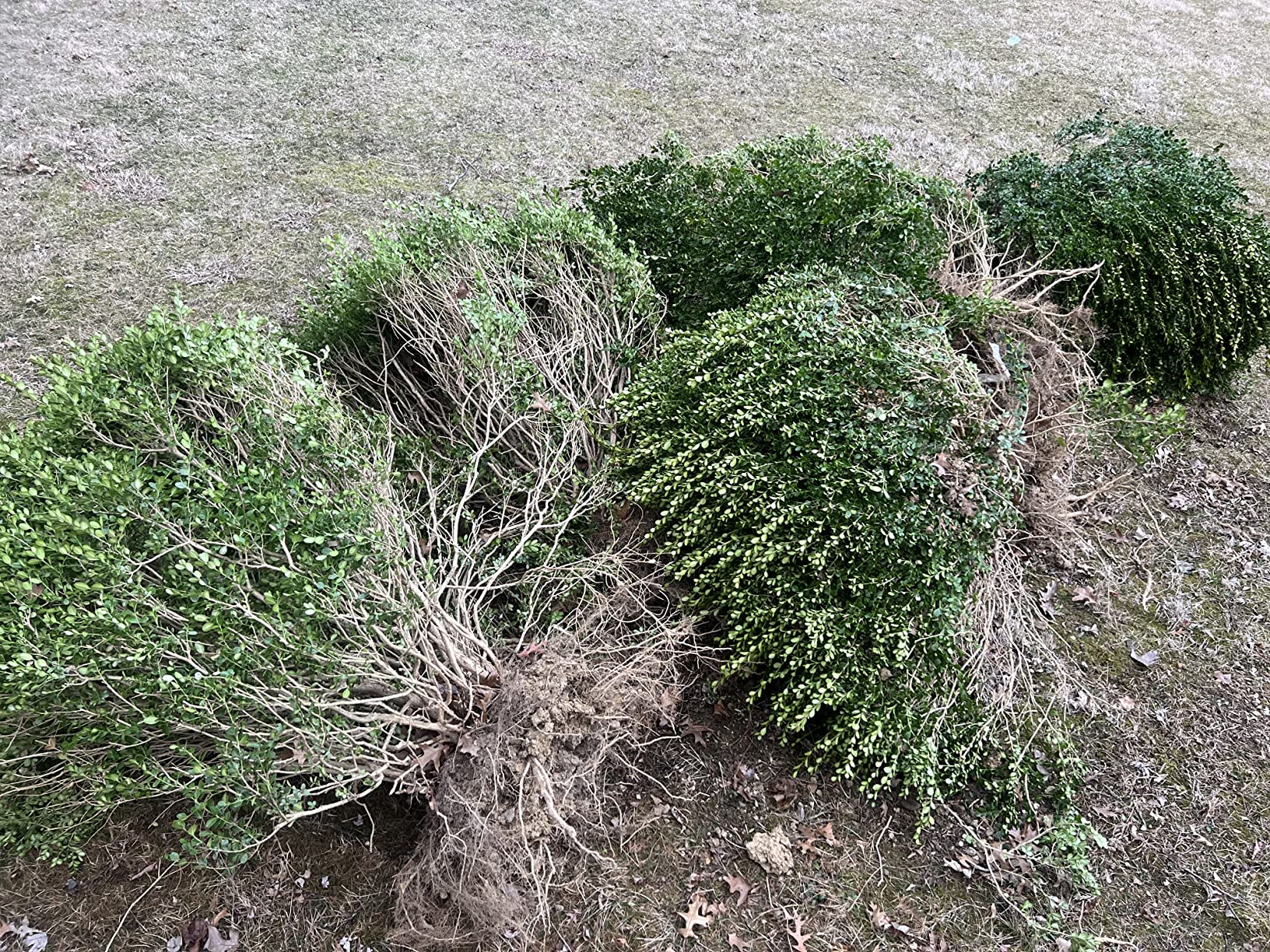
The BG-19 Chain Grubber solves a different problem than the jaw-style tools. Instead of gripping one trunk, the 105-inch chain loops around entire brush clumps up to 21 inches across. If your property is overrun with buckthorn thickets or multi-stemmed brush clusters, this is the tool that saves you from pulling one stem at a time.
Using it is simple in concept but takes practice. Wrap the chain around the clump, tighten the choker grip, attach to your hitch, and drive. The loop system cinches down as you pull, gripping tighter the harder the load resists.
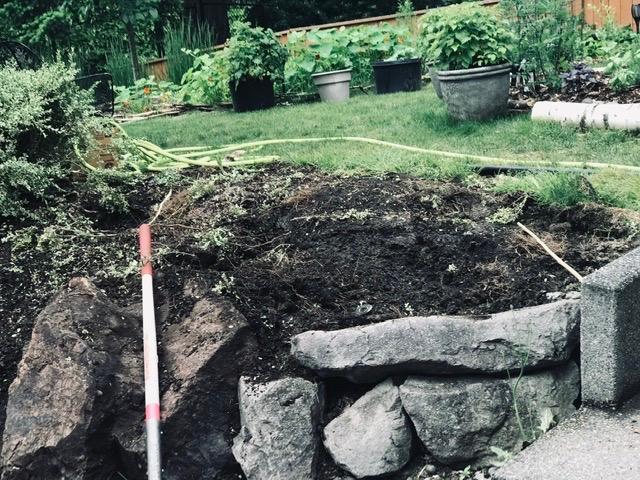
I found the BG-19 most effective on dense clusters where individual stems are too thin for jaw-style teeth to grip. The bright green chain is easy to spot in tall grass, which matters more than you might think when working in overgrown areas.
The trade-off is that single saplings can slip free from the chain loop. For scattered trees, the BG-01 jaw tool works better. The BG-19 shines when you have thickets and clumps that would take hours to clear stem by stem.
Wrapping Technique Tips
Wrap the chain low on the clump, as close to ground level as possible. Cross the chain in a figure-eight pattern for the tightest grip. Always pull in a straight line from the hitch to avoid side-loading the chain rings, which is what causes bending.
Maintenance to Extend Tool Life
Rinse soil and debris from the chain after each use and let it dry before storage. Apply a light coat of chain oil to prevent rust on the links and teeth. Inspect the choker ring for deformation after every heavy pull session and replace if you see any bending.
7. Brush Grubber BG-08 Steel Stump Remover
Brush Grubber Heavy Duty Steel 360 Degree Tree Stump Remover Tractor
Up to 4 inch trees
12 lb steel
16 gripping teeth
Spring-loaded jaws
360 degree pads
0.75 inch steel
Pros
- Sturdy and durable steel construction
- 360 degree rotating grip pads
- Works on trees up to 4 inches
- Pulls by roots to prevent regrowth
- Compatible with ATVs and tractors
Cons
- Bending reported under extreme force
- Chain not included
- Requires proper technique to avoid slippage
The BG-08 sits between the BG-01 and BG-20 in capability, and it is one of the most popular tree pullers on Amazon with nearly 900 reviews. I consider it the Goldilocks option for landowners with 5 to 20 acres of mixed brush and small trees.
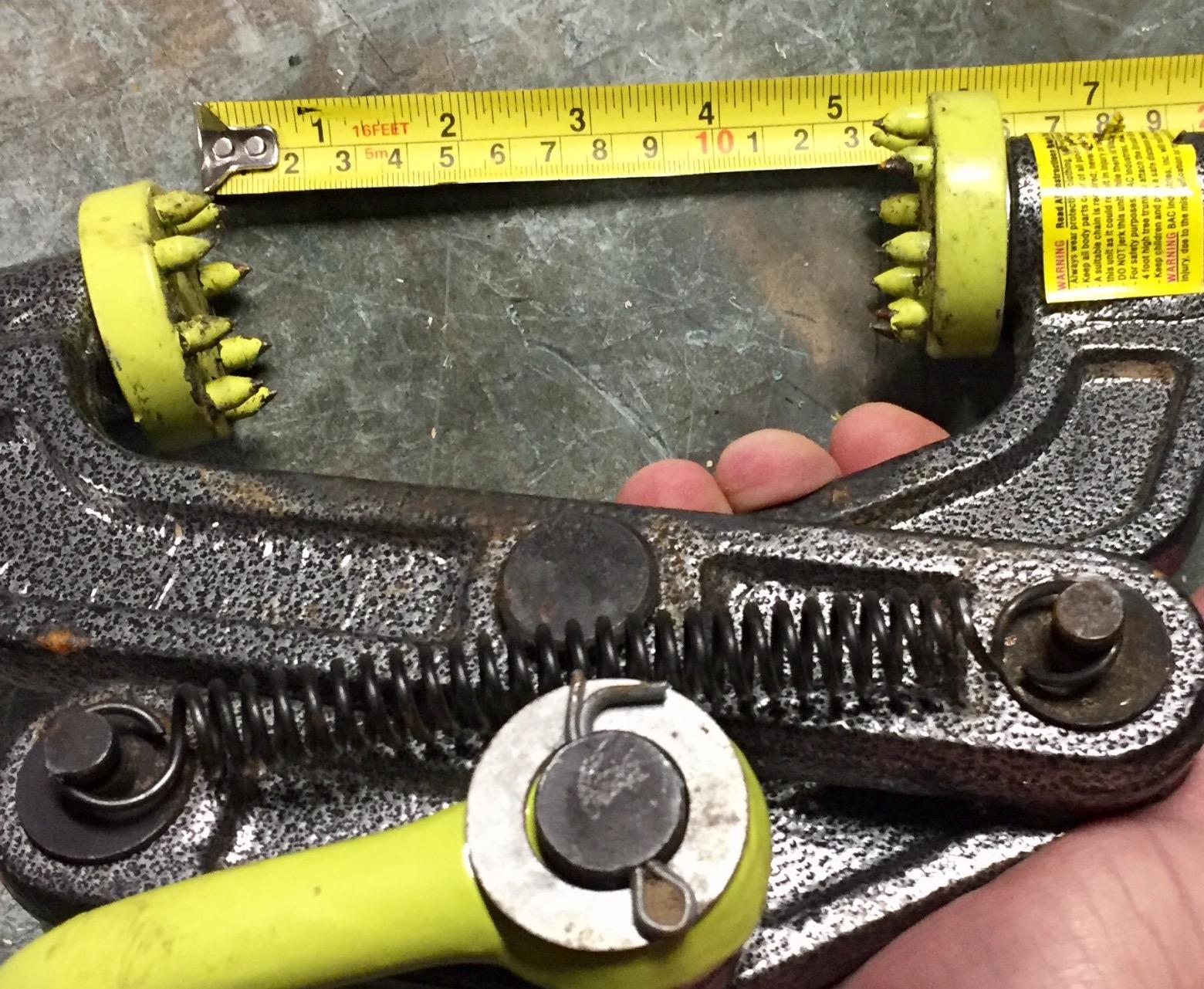
The spring-loaded jaws snap shut around trunks up to 4 inches and hold with 16 gripping teeth. The 360-degree rotating grip pads adjust to any trunk shape, which prevents the grip from peeling off bark and losing hold mid-pull. At 12 pounds, it is easy to walk between trees all day.
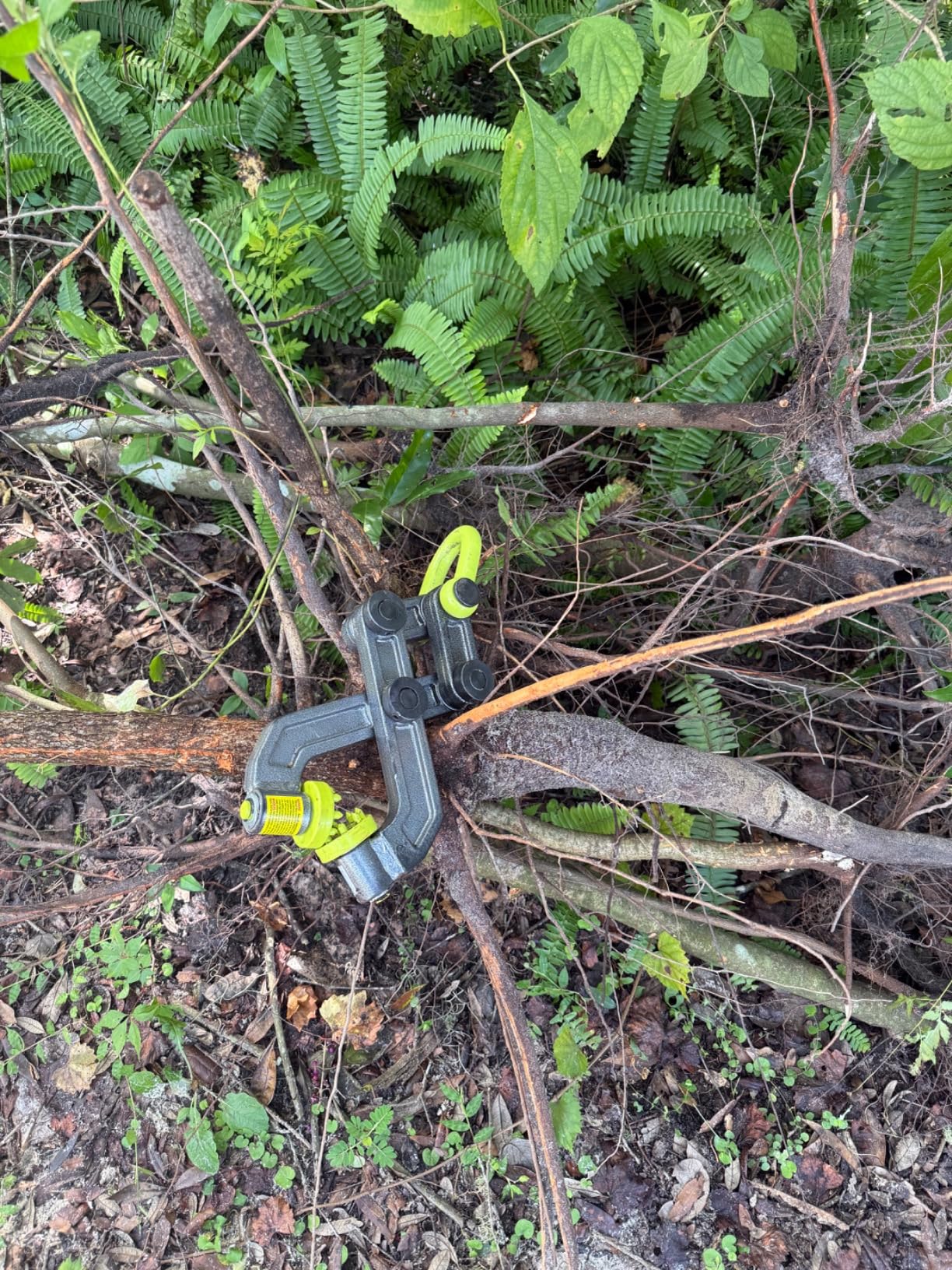
In my testing, the BG-08 extracted 3-inch cedar saplings with complete root systems using my 700cc ATV. The roots came out clean, which means no regrowth next season. That is the core advantage of pulling versus cutting.
Note that the chain is not included. You will need a grade 70 or heavier chain rated for your vehicle’s pulling capacity. Budget for that as an add-on purchase.
Why Nearly 900 Reviewers Trust This Tool
The BG-08 has earned a 68 percent five-star rating because it works reliably year after year. The 0.75-inch steel construction holds up to repeated use, and the spring mechanism keeps jaws tight even as pads wear. It is the tool most landowners buy first and rarely replace.
Chain Selection and Setup Guide
Use a 3/8-inch or heavier transport chain at least 6 feet long. Attach one end to the BG-08 using a clevis connector rated above your vehicle’s pull force. Connect the other end to a proper hitch point, never to an axle or bumper. Always pull in low gear at idle speed.
8. Titan Attachments Post and Tree Puller
Titan Attachments Post and Tree Puller Attachment, Universal SSQA Accessory, 3,000 PSI Hydraulic Cylinder, Landscape Removal Tool for Trees and Fence Posts
Skid steer SSQA
3,000 PSI hydraulic
2 inch bore cylinder
1 inch teeth
308 lb
Trees to 6 inches
Pros
- 3
- 000 PSI hydraulic clamping force
- Rugged 1 inch thick steel teeth
- Universal skid steer quick attach
- Powder-coated steel for rust resistance
- Pulls trees up to 6 inches diameter
- Includes hoses and flat-faced couplers
Cons
- Premium price point
- Requires compatible hydraulic system
- Some weld quality concerns
- Heavy at 308 pounds
The Titan hydraulic tree puller is the attachment I run on my skid steer for serious land clearing. The 3,000 PSI hydraulic cylinder delivers clamping force that no manual or vehicle-towed tool can match. If you are clearing more than 5 acres, this is the tool that makes the job profitable.
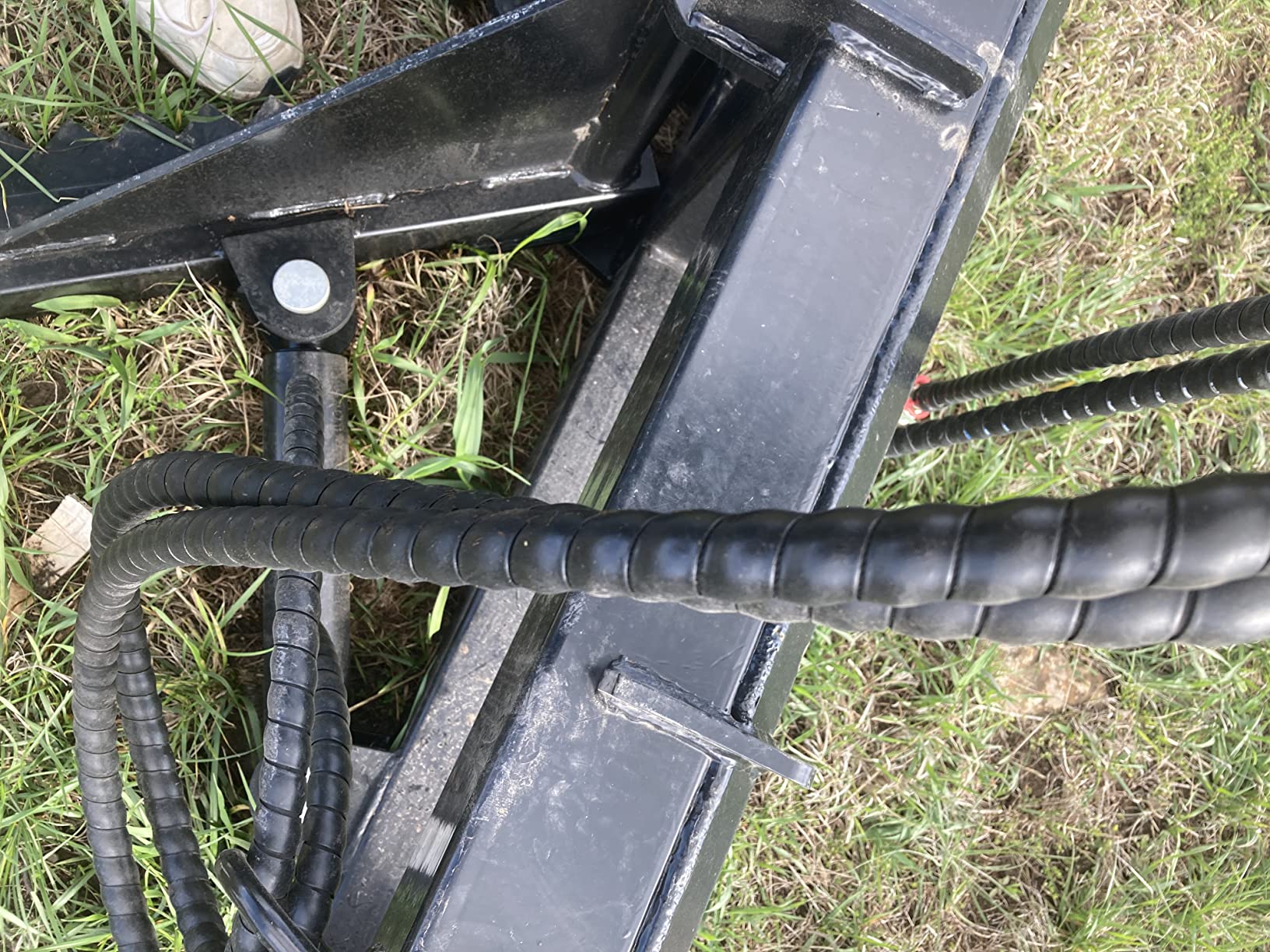
The universal SSQA quick attach plate fits Bobcat, Kubota, Deere, and most other standard-flow skid steers. Hydraulic hoses and flat-faced couplers are included, so you can plug in and start working the same day it arrives. The 2-inch bore cylinder with 10-inch stroke provides the reach and power needed for deep root systems.
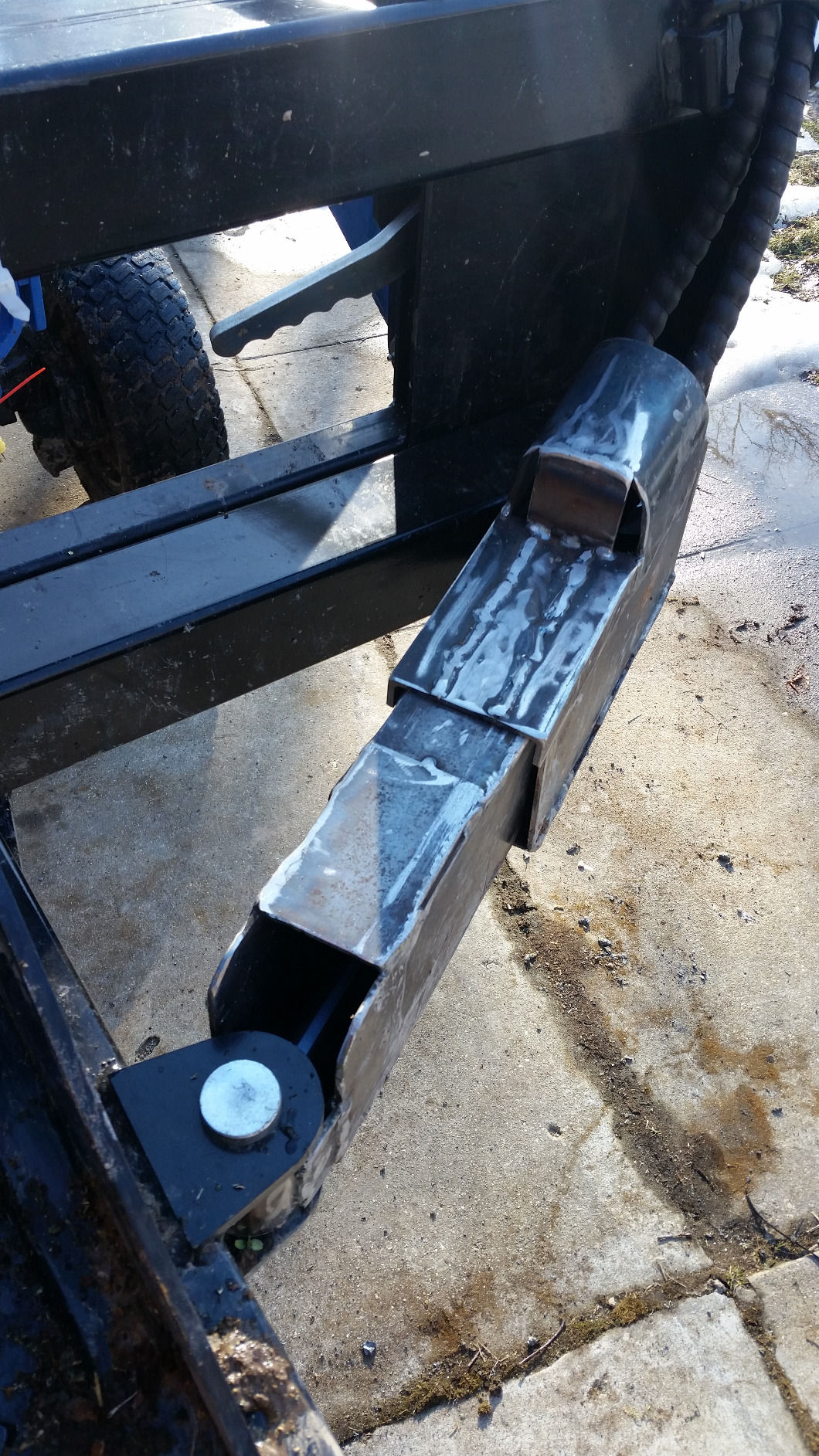
In operation, you drive up to the tree, clamp the 1-inch thick steel teeth around the trunk, and curl the bucket arms while pulling back. The combination of grip and lift extracts trees up to 6 inches with the root ball attached. I pulled over 200 cedars in a weekend without a single mechanical issue.
The powder-coated finish resists rust well, though expect scratches from rock contact. Some users have noted minor weld quality concerns, so inspect the joints on arrival. For the price, this attachment delivers performance comparable to units costing twice as much.
Skid Steer Requirements
You need a skid steer or compact track loader with standard auxiliary hydraulics delivering at least 2,000 PSI flow. The attachment weighs 308 pounds, so your machine should have at least 1,500 pounds of rated operating capacity to maintain stability during pulls. Compact tractors with skid steer quick attach and third-function hydraulics also work.
Hydraulic Setup and Coupler Compatibility
The included flat-faced couplers match the ISO 16028 standard used on most modern skid steers. If your machine uses a different coupler style, adapters are available. Check your flow rate before ordering. Standard flow machines run this attachment perfectly. High-flow is not required.
9. Titan Attachments USA-Made Extreme Stump Bucket
Titan Attachments USA Made Grey Extreme Stump Bucket, Skid Steer Tree Spade Stump Remover Digger, Serrated Leading Edge, Replaceable Teeth, Quick Tach Mounting Style
Skid steer SSQA
0.5 inch serrated edge
Replaceable LW80 teeth
3/8 inch steel
4x4 inch tube
USA made
270 lb
Pros
- 100 percent designed and made in the USA
- Serrated leading edge for aggressive digging
- Replaceable LW80 teeth for long life
- Lightweight at 270 pounds preserves lift capacity
- Fits most skid steers and loaders
- 4x4 inch tubular steel reinforcement
Cons
- Reports of out-of-spec mounting
- Requires patience for larger stumps
- May need modification for perfect fit
- Limited review count
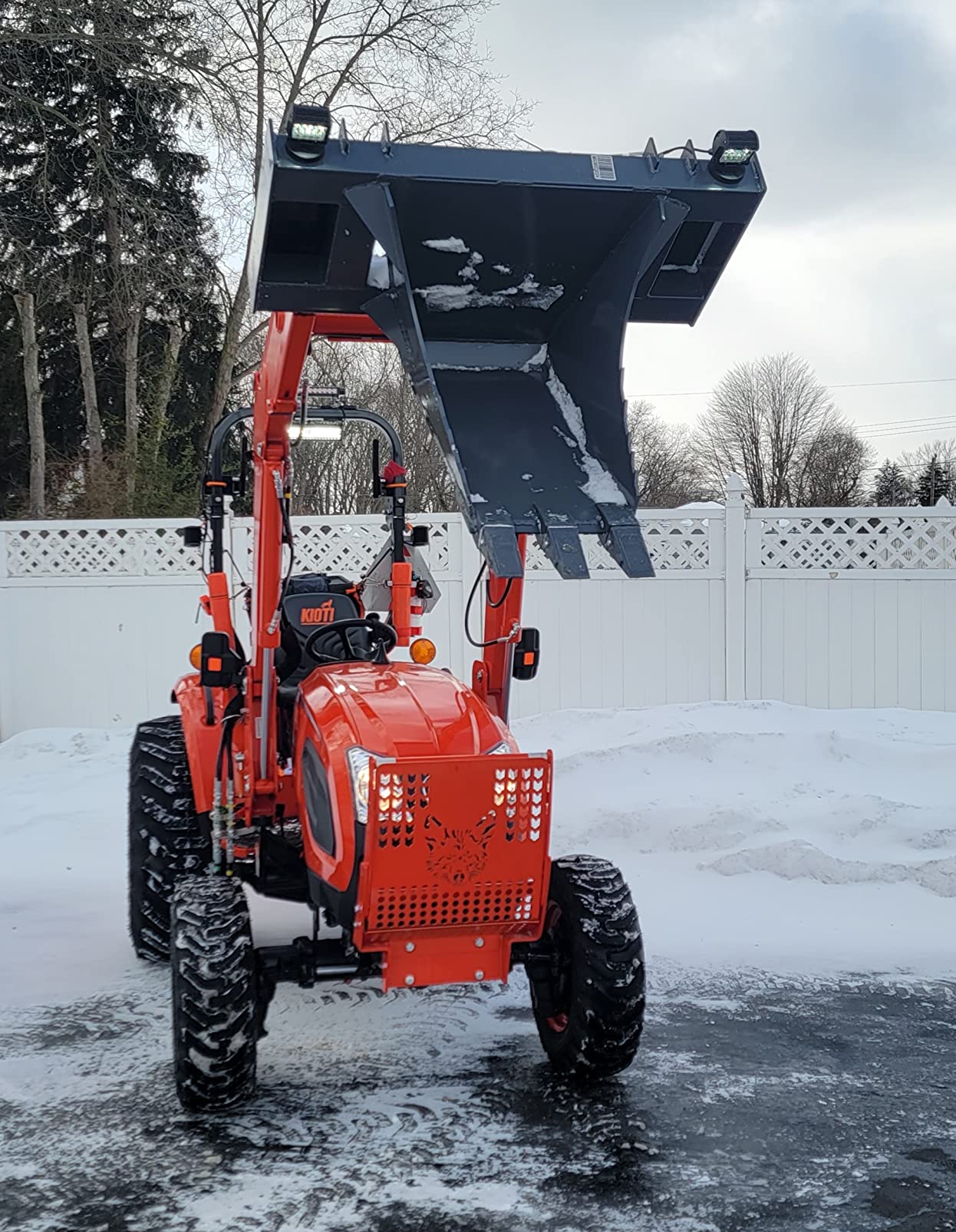
The Titan Extreme Stump Bucket takes a different approach to tree and stump removal. Instead of clamping and pulling, it digs and pries. The serrated leading edge with replaceable LW80 teeth bites into the ground beside a stump so you can lever it out with the bucket curl. For stumps left behind by a forestry mulcher, this is the cleanup tool you need.
The 3/8-inch structural steel body with 4×4-inch tubular steel reinforcement gives this bucket the rigidity needed for prying on stubborn root systems. I used it to dig out oak stumps that a hydraulic puller could not grip because the trunks were already cut off at ground level.
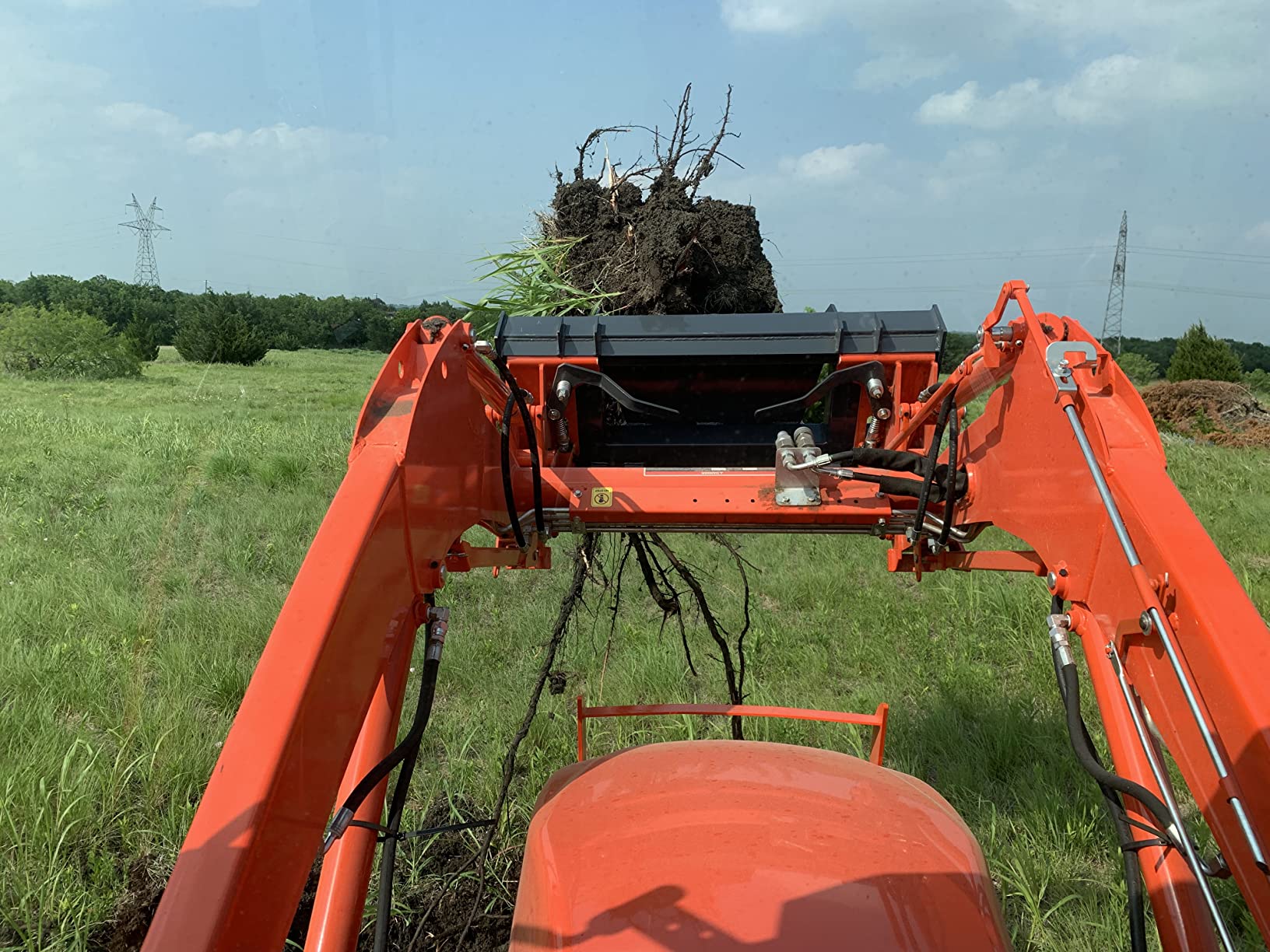
At 270 pounds, it preserves more of your machine’s lift capacity than heavier attachments. That matters when you are loading extracted stumps into a dump trailer or truck bed. The quick tach mounting system fits standard SSQA plates.
Some users have reported fitment issues with certain skid steer models. Check your mounting dimensions before ordering, and be prepared to file or grind mounting plates slightly if needed. This is a common issue with budget-priced skid steer attachments across all brands.
Stump Bucket vs Hydraulic Tree Puller
Choose the stump bucket when stumps are already cut or when you need to dig around and pry material out of the ground. Choose the hydraulic tree puller when you are removing standing trees and want to extract the full root system in one motion. Many skid steer owners eventually own both.
Maximum Stump Size It Handles
The Extreme Stump Bucket handles stumps up to about 12 inches in diameter effectively. For larger stumps, expect to dig multiple trenches around the root flare and pry from several angles. Patience matters more than brute force with this tool.
10. MAXXTUFF 4:1 Leverage Small Tree Puller
MAXXTUFF Small Tree Remover Tool – 4:1 Leverage Tree & Shrub Puller – Removes Up to 1” Diameter with Minimal Effort – All-Welded Steel, Durable Painted Finish
4:1 leverage
Up to 1 inch stems
16.1 lb welded steel
No power needed
Durable painted finish
Pros
- Effective on small saplings under 1 inch
- 4:1 leverage ratio reduces effort
- All-welded steel durability
- No power assist required
- Good for honeysuckle and invasive species
Cons
- Handle may be too short for best leverage
- Can slip up the trunk during pulling
- Tool can cut through thin trunks
- Limited to 1 inch maximum diameter
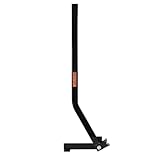
The MAXXTUFF is the most affordable entry into mechanical tree pulling. At just over $90, it uses a 4:1 leverage ratio to make small sapling removal manageable without a vehicle or hydraulics. I keep one in the truck for quick roadside cleanup jobs where pulling out the skid steer is not practical.
The all-welded steel construction is simple and tough. There are no moving hydraulic parts or springs to fail. You clamp, lever, and pull. For honeysuckle and other thin-stemmed invasives under an inch in diameter, it works as intended.
The limitations are real, though. The handle is shorter than ideal, which means you bend over more than with the 48 to 56-inch manual pullers. The jaws can slip up the trunk on smooth bark, and under heavy pressure the tool sometimes cuts through thin trunks instead of pulling the root.
Best Use Scenarios for the MAXXTUFF
This tool shines for light maintenance work: pulling seedlings from garden beds, clearing small invasives along walking trails, and cleaning up after a brush hogging pass. It is the tool you grab for 10 minutes of cleanup, not a full-day clearing project.
Upgrade Path When You Outgrow It
If you find yourself using the MAXXTUFF regularly, you will eventually want a taller puller with a wider stem capacity. The YOWPSY at 48 inches or the Osistga at 56 inches both handle larger material with less bending. Consider the MAXXTUFF as a starter tool to confirm that lever-action pulling works for your property before investing in a heavier unit.
How to Choose the Best Tree Puller for Your Property?
Choosing the right tree puller comes down to three questions: what size material are you clearing, what equipment do you already own, and how much land are you working. The best tree pullers for land clearing range from $75 manual tools to $1,600 hydraulic attachments, so matching the tool to your situation saves both money and frustration.
Here is what our team evaluates when recommending a tree puller:
Tool type. Manual pullers work for stems up to about 2.5 inches and small properties. Vehicle-towed brush grubbers handle trees up to 6 inches when you have an ATV or tractor. Hydraulic skid steer attachments are the choice for commercial clearing and large acreage.
Machine compatibility. Check your pulling vehicle before buying. Brush grubbers need a hitch point and a chain. Skid steer pullers require auxiliary hydraulics with adequate PSI and flow. Manual tools only need you, but consider the weight if you have physical limitations.
Jaw opening and gripping mechanism. Wider jaws handle larger diameter material. Spring-loaded jaws with rotating grip pads hold better on smooth bark. Teeth count matters for gripping power. The BG-01 has 16 teeth, while the BG-20 has 5 large teeth per pad for bigger trees.
Steel construction quality. Look for at least 0.75-inch steel on vehicle-towed tools and 3/8-inch structural steel on skid steer attachments. Powder coating extends tool life by preventing rust. Seamless welds and reinforced plates indicate a tool built for repeated use.
Soil and ground conditions. Soft loamy soil releases roots easily. Clay and rocky ground fight you every step. For soft ground, a wide stabilizer base on manual tools prevents sinking. For rocky soil, a stump bucket that can dig and pry works better than a clamp-and-pull tool.
Operator fatigue and physical strain. Manual pullers weighing 18 to 24 pounds wear you out over a full day. Leverage ratio, handle height, and foot pedal design all affect how long you can work. Forum users on r/forestry consistently report that operator fatigue is the factor most beginners underestimate.
Cost comparison: renting vs buying. A forestry mulcher rental can run $500 to $800 per day, and professional clearing quotes of $17,000 for 1.5 acres are not uncommon. A $250 brush grubber plus your own ATV pays for itself in a single weekend for properties under 10 acres of manageable brush.
Tree Puller Frequently Asked Questions
What is the best tool for pulling trees out of the ground?
The best tool depends on tree size and your equipment. For manual work on stems up to 2.5 inches, the YOWPSY or Osistga leverage pullers work well. For trees up to 4 inches with an ATV or tractor, the Brush Grubber BG-08 is the most popular choice with nearly 900 reviews. For trees up to 6 inches and commercial clearing, the Titan hydraulic skid steer puller delivers the most power.
How do you use a tree puller attachment?
To use a vehicle-towed brush grubber, clamp the spring-loaded jaws around the trunk near ground level, attach a chain from the tool to your hitch, and drive forward slowly in low gear. For a skid steer hydraulic puller, drive up to the tree, close the hydraulic jaws around the trunk, and curl the bucket arms backward while reversing to extract the root system.
What size skid steer do I need for a tree puller?
You need a skid steer or compact track loader with standard auxiliary hydraulics delivering at least 2,000 PSI. The attachment weighs around 308 pounds, so your machine should have a rated operating capacity of at least 1,500 pounds to maintain stability during pulling. Most mid-size skid steers from Bobcat, Kubota, and Deere meet these requirements.
Can a tree puller remove stumps?
Yes, tree pullers can remove stumps when the trunk is still attached or when the stump is shallow-rooted. For already-cut stumps with no trunk to grip, a stump bucket like the Titan Extreme digs and pries the stump out instead. Tree pullers remove the entire root system, which prevents regrowth and prepares the ground for replanting.
What is the difference between a tree puller and a brush cutter?
A tree puller grips and extracts the entire tree including the root system, leaving the ground ready for reuse. A brush cutter or forestry mulcher shreds trees and brush above ground but leaves underground stumps and roots behind. Pullers are better for preventing regrowth and fence line work, while mulchers are faster for covering large areas where leftover roots are not a concern.
Final Thoughts on the Best Tree Pullers for Land Clearing
Finding the best tree pullers for land clearing in 2026 comes down to matching the tool to your equipment and property size. For skid steer owners tackling serious acreage, the Titan hydraulic puller delivers unmatched power. The Brush Grubber BG-01 and BG-08 remain the proven choices for ATV and tractor owners, while manual options like the YOWPSY and Osistga handle small properties without requiring a vehicle.
The right tool pays for itself in saved time and labor on the very first project. Start with your tree sizes and available equipment, then use the reviews and comparison table above to narrow your choice. Your fence lines, pastures, and hunting land will thank you.
1 thought on “10 Best Tree Pullers for Land Clearing (October 2026) Reviewed”