
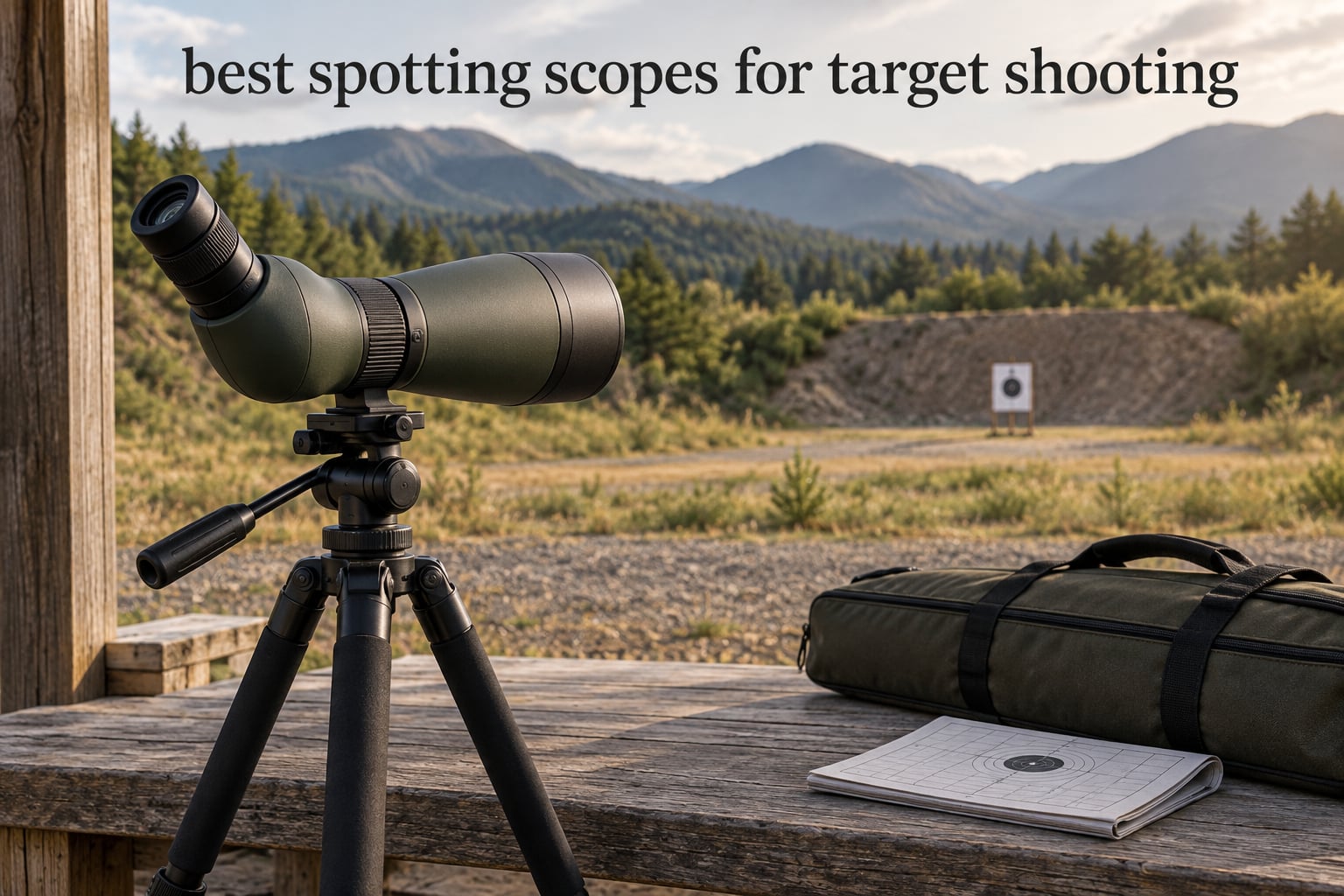
Every string you fire at a paper target past 300 yards ends in a hole you cannot see. That single fact is what a spotting scope for target shooting solves: it puts the downrange target and the bullet impact in front of your eye so you can call the shot instead of walking downrange after every string. Ten of them are reviewed below, from a 1.3-pound kit that fits in a daypack to a full-size 85mm scope built for 1,000-yard work.
After six weeks of comparing scopes, shooting alongside match shooters, and reading years of user reports on r/longrange, SigTalk and Sniper’s Hide, one pattern came up again and again. The published maximum magnification on the box is almost never the magnification that matters. Heat shimmer, mirage and air turbulence flatten a 60x image in the afternoon, and the 40x view of the same hole is sharper and easier to hold. Anyone shopping for the best spotting scopes for target shooting is really shopping for brightness, stability and a usable working magnification, not a number at the top of the zoom ring.
This guide is written for the range, not the shelf. Each pick gets a look at what owners actually resolve, where the image falls apart, and whether a tripod is a nice-to-have or a requirement. We also cover the accessories that quietly cost more than the scope itself, and we looked at how the categories overlap if you also glass hills for deer. Our companion guides on spotting scopes for western hunting and spotting scopes for western hunts cover the field side of the same decision.
Table of Contents
Top 3 Picks for Target Shooting (October 2026)
Three scopes came out ahead on the combination of brightness, build and the sheer volume of owners using them at a range. The Emarth kit takes the top spot because thousands of shooters use it every week and it does the basic spotting job without complaint. The SVBONY SV28 is the one to buy if the angled eyepiece and a bundled kit matter more than low-light punch, and the Bushnell Trophy Xtreme is the pick for buyers who want a big-brand warranty behind a mid-size scope.
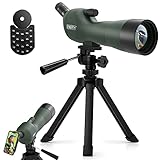
Emarth 20-60×60 Angled Kit
- 20-60x60 HD optics
- BaK-4 prism and full multi-coating
- 1.31lb body with 14 inch tripod
- Nitrogen filled and waterproof
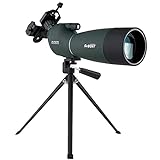
SVBONY SV28 25-75×70
- 25-75x70 with FMC coating
- BaK-4 prism and built-in sunshade
- 45 degree angled eyepiece
- Phone adapter and tripod included

Bushnell Trophy Xtreme 20-60×65
- 20-60x65 Porro prism design
- Best-in-class brightness for its size
- Straight eyepiece
- Hard case and soft bag included
Every Spotting Scope in This Roundup, Side by Side
Magnification, objective diameter and the feature that actually decides how a scope behaves on a bench are all in the table below. Two numbers deserve attention before anything else: the objective diameter, which sets how much light reaches your eye, and the maximum magnification, which is almost always the least useful setting on the scope.
| Product | Specifications | Action |
|---|---|---|
| Emarth 20-60×60 Angled Spotting Scope Kit |
|
Check Latest Price |
| SVBONY SV28 25-75×70 Angled |
|
Check Latest Price |
 Gosky 25-75×80 with Tripod Gosky 25-75×80 with Tripod |
|
Check Latest Price |
| Bushnell Trophy Xtreme 20-60×65 |
|
Check Latest Price |
 Athlon Talos 20-60×80 Athlon Talos 20-60×80 |
|
Check Latest Price |
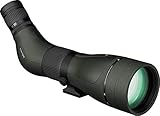 Vortex Diamondback HD 20-60×85 Angled Vortex Diamondback HD 20-60×85 Angled |
|
Check Latest Price |
 Athlon Argos HD 20-60×85 Athlon Argos HD 20-60×85 |
|
Check Latest Price |
 WOZEL 25-75×80 Kit WOZEL 25-75×80 Kit |
|
Check Latest Price |
 GUANIEE 25-75×80 Camo Kit GUANIEE 25-75×80 Camo Kit |
|
Check Latest Price |
 Vortex Crossfire HD 20-60×80 Angled Vortex Crossfire HD 20-60×80 Angled |
|
Check Latest Price |
1. Emarth 20-60×60 Angled Kit – The Most Proven All-Round Spotter
Emarth 20-60×60 Angled Spotting Scopes for Target Shooting/Hunting/Birding
20-60x60 magnification
60mm BaK-4 objective
1.31lb body
17mm eye relief
Nitrogen filled and waterproof
Pros
- Lightest kit in the roundup at 1.31lb for the scope body
- 20-60x range covers scanning and detail
- Standard 1/4-20 thread works with any tripod or car mount
- Nitrogen filled and waterproof for wet sessions
- Bundled tripod has wider feet than most small tripods
Cons
- 60mm objective dims noticeably in low light
- Image softens at 60x compared with 80mm and 85mm scopes
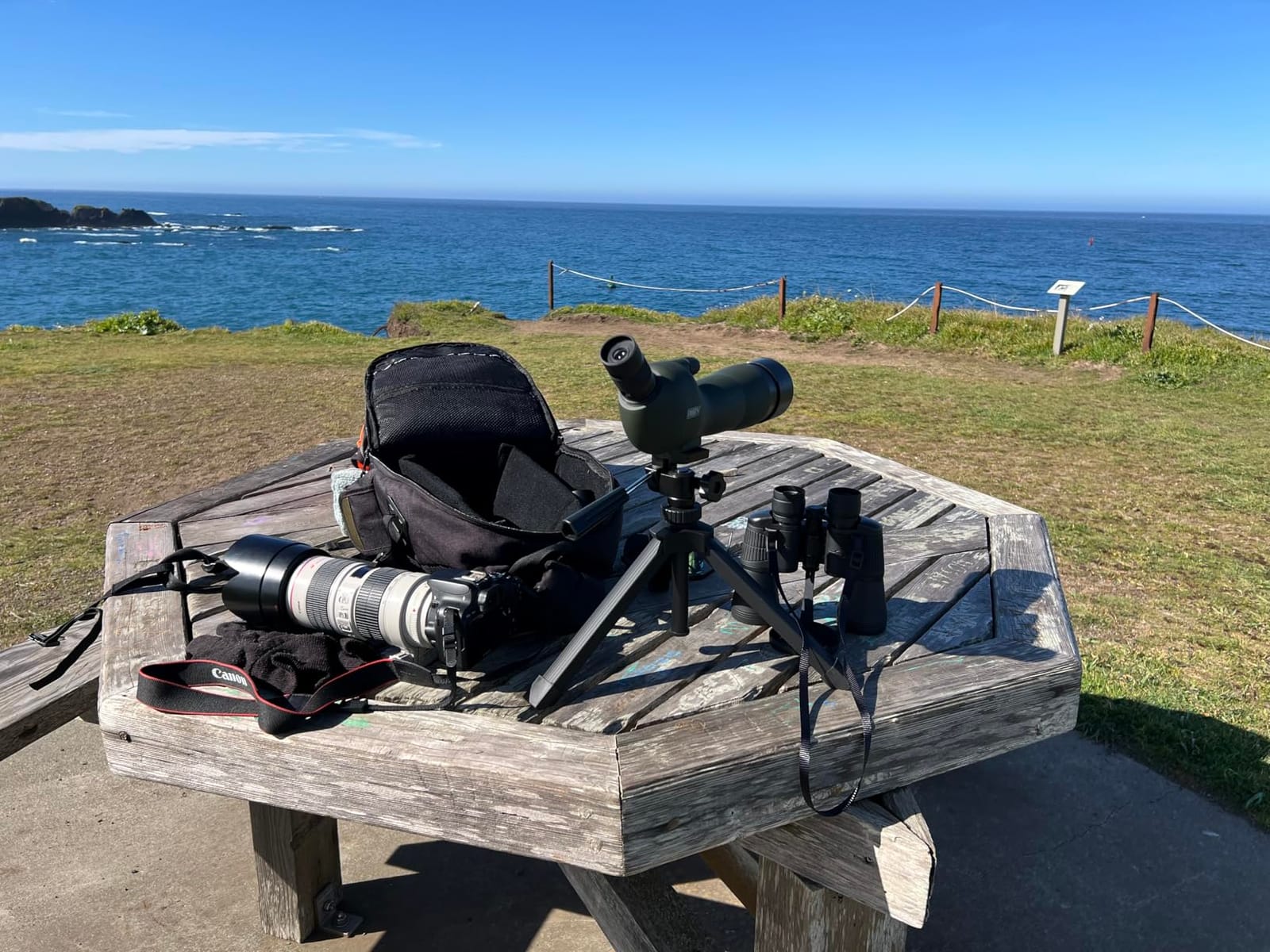
This is the scope thousands of shooters put on a tripod and forget about, and that reliability is exactly why it leads this roundup. With more than 4,800 owner reviews at a 4.4 average, it is the most thoroughly used option here by a wide margin, and the pattern in those reviews is consistent: people use it for spotting, zeroing and general target work, and it does all three without fuss.
The 20x end gives you a wide field for finding your target, which matters more than people expect when the scope is on a bench across a busy range. Turning up to 40x to read a group is where it earns its keep, and the 60mm objective keeps the image bright enough for daytime work in good conditions.
The catch is the objective diameter, and it is not a small one. A 60mm lens is a third less light-gathering than the 85mm scopes later in this list, which is why the picture dims at dawn and dusk, and why several owners report softness when the zoom goes to the top of the range. If your sessions are midday matches, that is a trade many people accept happily. If you shoot at first light or last light, an 80mm or 85mm scope is the better answer.
Build quality is honest rather than premium. The body is rubberized and grippy in gloves, the housing is nitrogen filled and waterproof, and the 1/4-20 thread means the bundled tabletop tripod is a starting point, not a permanent answer. A car window mount or a proper tripod is where this scope really comes alive.
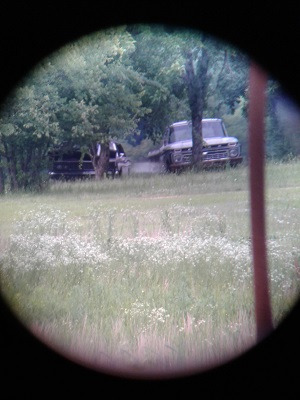
What the 1.31-pound weight means for a full range day?
Nothing else in this roundup is this easy to carry. Owners routinely describe carrying it from the car to the bench, or walking a public range with it in a small bag, which is the practical difference between a scope you bring every session and one that lives in a closet.
The bundled tripod has wider legs and feet than a typical mini tripod, which cuts the tipping problem that makes small scopes frustrating. If you want more stability, our picks for spotting scope tripods will take the weight without complaint.
Where the image stops being useful?
The 60mm objective is the limit. Reviewers report the view dimming noticeably in low light, and the 60x end of the zoom range producing a softer image than larger-objective scopes at 40x. The honest read is that this scope is excellent to about 40x and adequate at 60x.
For target work at 100 to 300 yards in good light, that is more than enough. For 600 yards in shimmering afternoon air, or for any dawn session, budget for a bigger objective instead.
2. SVBONY SV28 25-75×70 Angled – Budget Pick for Paper Targets
SVBONY SV28 Spotting Scope, Angled 25-75×70 with Tripod for Target Shooting
25-75x70 magnification
70mm FMC objective
45 degree angled eyepiece
910g total weight
Pros
- Owners resolve .223 and 6.5mm impacts at 100 to 200 yards
- Angled eyepiece stays comfortable on long seated sessions
- Bundled desktop tripod and phone adapter
- BaK-4 prism outperforms the price tier
Cons
- Phone adapter can blur or rotate the zoom ring
- Tripod and lens covers feel basic and lack height adjustment
- Clarity drops noticeably past roughly 150 yards and in low light
The SV28 is the scope owners most often describe as a step above what they expected for the money, and paper targets are where it shows. Multiple reviewers report crisp, bright views of .223 and 6.5mm impacts at 100 to 200 yards, which covers most club and local match distances.
The 45 degree angled eyepiece is a real ergonomic win at a bench. Sitting down for a long session with a straight-body scope means bending your neck forward the whole time; the angled design lets you sit upright and still hit the eyepiece comfortably. The extendable sunshade and BaK-4 prism round out a sensible package at 910g.
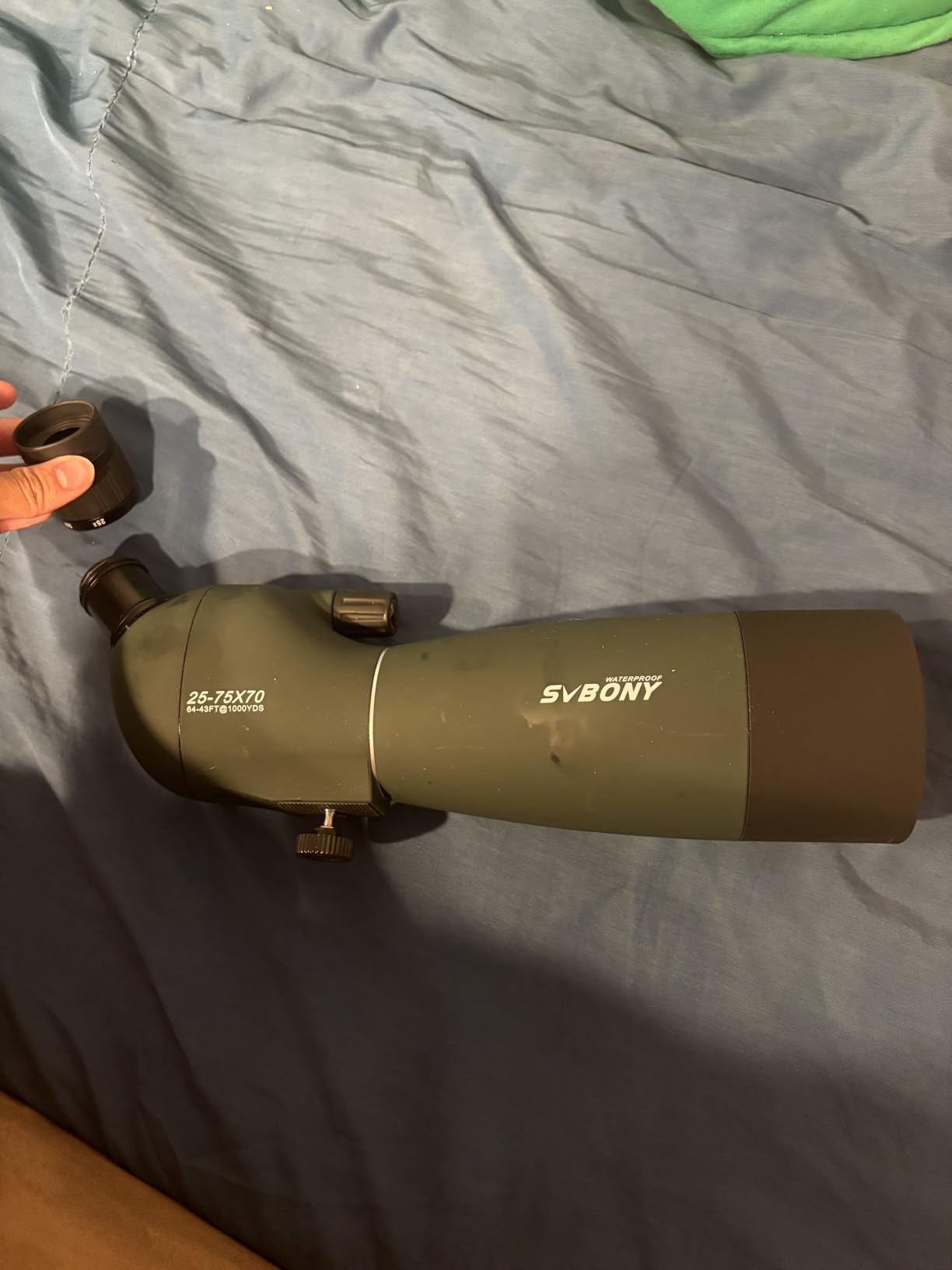
The accessories are where the money was saved, and it shows in small ways. The included phone adapter mounts to the zoom ring and can blur or turn the zoom dial under the weight of a phone, which is an annoyance when you are trying to call hits through a screen. The desktop tripod has no height adjustment, and the lens covers are basic.
One recurring complaint is worth flagging before you order: a number of owners received units with a strong plastics chemical smell and needed an exchange. It is not a defect, but it is worth knowing about. The warranty on this one is 60 days, which is the shortest in the roundup, so check the unit on arrival.
Where this scope is genuinely strong?
Short-to-mid range paper work. Reviewers consistently call out clear detail at 100 to 200 yards in good light, and the 70mm objective is a meaningful step up from a 60mm scope for daylight shooting.
The zoom range is unusually wide at 25-75x, so you can scan wide and still push in for a tight look at a small target. On a 100 yard bench line this does everything an average shooter needs.
Where the image runs out of road?
Past roughly 150 yards, and especially in low light, reviewers report a noticeable drop in clarity. Combined with a basic tripod in the box, that makes this a short-range-first scope rather than a long-range one.
Budget for a real tripod, and plan to replace the phone adapter if you intend to digiscope. Both fixes are inexpensive compared with replacing the scope.
3. Gosky 25-75×80 – The Standout Performer for 200-Yard Hole Spotting
Gosky Spotting Scope 25-75×80 with Tripod for Target Shooting
25-75x80 magnification
80mm BaK4 objective
Dual speed focus
Arca-Swiss compatible base
Pros
- Owners resolve .22LR holes and .308 impacts at 200 yards
- Large 80mm objective gives a bright wide clean view
- Dual speed coarse and fine focus rings
- Solid aluminum body with Arca-Swiss base
Cons
- Carry bag is barely padded
- Not ED glass so edges fuzz past 150 to 200 yards
- Phone adapter feels cheap and framing takes fiddling
The Gosky punches well above its tier, and shooters say so directly. With 628 owner reviews at a 4.4 average, several reviewers explicitly call out holes in paper targets at 100 to 200 yards, which is the specific job a lot of people buy a spotting scope for.
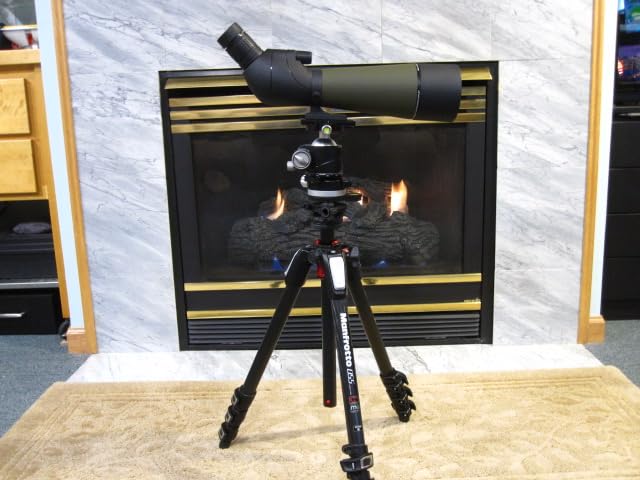
Two features set it apart from the cheaper 80mm kits. The dual-speed focus gives you a coarse ring for finding the target quickly and a fine ring for locking on a small hole, which is exactly the workflow at a bench. The rotation collar with an Arca-Swiss compatible base also means it mounts to a serious tripod without an extra plate.
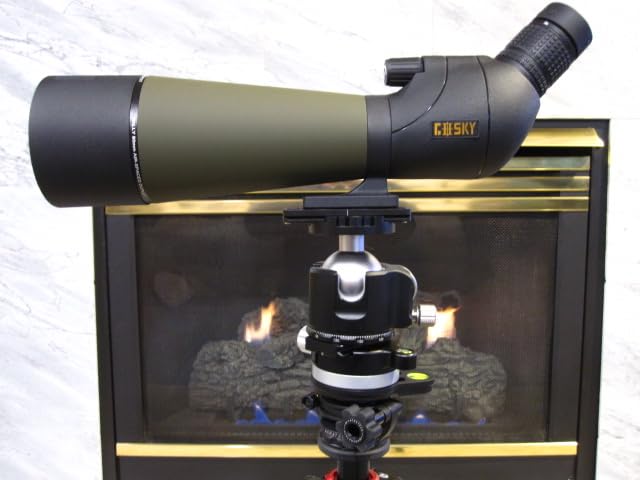
At 4.5 pounds with a 15.5 inch optical tube, this is a large scope, and that weight is the first thing you feel carrying it to the firing line. Plan on it living in a vehicle or a range bag rather than on a hip.
The glass is HD rather than ED, and owners notice the difference on high-contrast edges against dark backgrounds past about 150 to 200 yards. The soft carry bag is the other soft spot; it is barely padded, and a real hard case is a reasonable addition if you travel to matches.
Why the dual-speed focus matters at the bench?
Coarse and fine focus rings solve a problem most cheap scopes hand you: one ring that is either too slow to find a target or too twitchy to nail a hole. Separating the two makes the last five percent of focus much easier, and it is a feature you will use every single session.
The integrated reflex finderscope helps you locate the target fast at 25x before you wind up the magnification. The 3.2mm exit pupil keeps the image bright for the class of lens it is.
What to know before you commit?
The phone holder is the weak link. Owners report it feels cheap, and framing a camera on a small image circle takes fiddling. Treat digiscoping as a possibility rather than a feature you will use out of the box.
The rotating collar thumb screw is also hard to reach once an Arca-Swiss plate is fitted, so expect to loosen it before you rotate the scope. The warranty is one year and registration based, which is thinner than the lifetime coverage on the Bushnell and Vortex scopes here.
4. Bushnell Trophy Xtreme 20-60×65 – The Big-Brand Best Value
Bushnell Trophy Xtreme 20-60×65 Spotting Scope, Tripod, Green
20-60x65 magnification
65mm Porro prism objective
1.7 degree field of view
Lifetime warranty
Pros
- Users report clear views out to 400 to 600 yards
- Durable build backed by a lifetime warranty
- Bundled with a hard case and a soft bag
- Good brightness for a 65mm scope in low light
Cons
- Straight eyepiece tires your neck on long sessions
- Image washes out and shrinks above 40x
- Front lens cap is a loose slip-on fit
The Trophy Xtreme is the choice for shooters who want a recognized brand name and a lifetime warranty without moving up a tier. It carries a 4.5 average across 562 reviews, the highest rating among the mid-size scopes here, and reviewers describe it as more than adequate for spotting impacts at 300 to 400 yards.
Users report clear views of splatter target hits and even visible bullet traces out to 400 to 600 yards, which is a strong result for a 65mm objective. The build is described as solid and well engineered, taking abuse without complaint.
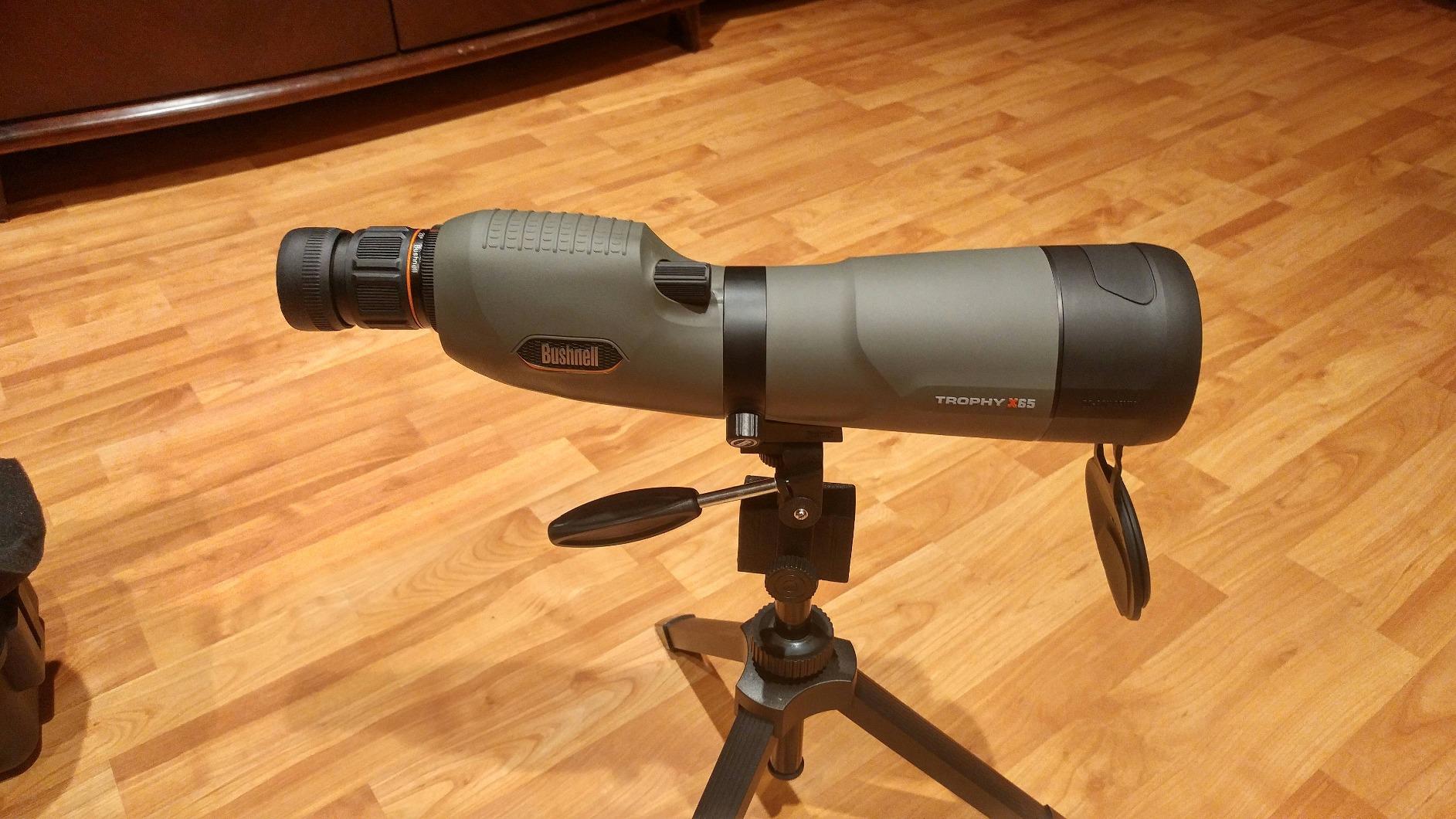
What arrives in the box is unusually generous for this class: a hard protective case, a soft carry bag, a tabletop tripod and a car window mount, plus the 1/4-20 mounting shoe. The rotation ring has click detents that hold the scope at set positions, which is a small convenience that adds up on a long session.
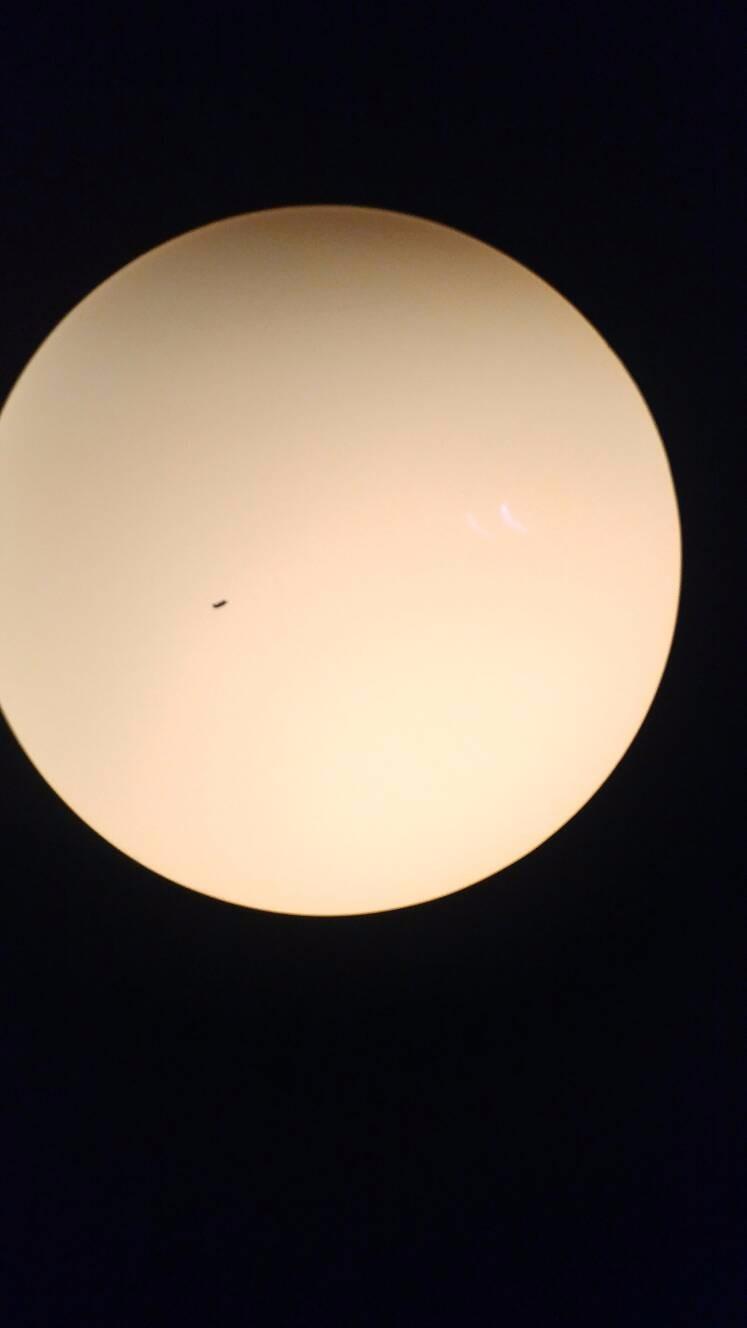
The 1.7 degree field of view is wide enough to find a target quickly, and the 3.1mm exit pupil does reasonable work for a scope this size. Owners also single out the brightness as the best in its class.
Why the lifetime warranty changes the decision?
Forum consensus on r/longrange and SigTalk keeps coming back to warranty coverage as a tiebreaker, and this scope has one of the strongest in the roundup: a manufacturer lifetime warranty. That matters for a tool that gets dropped, banged and left in vehicles.
It is the reason this scope outranks cheaper kits for many buyers, even when the optics are not the sharpest in the group. A scope you never have to think about replacing is worth real money over a decade of range seasons.
Where the straight eyepiece and 40x ceiling hurt?
The straight eyepiece is the most common complaint. On a normal tripod at a bench you end up leaning forward with your neck bent for the whole session, which is genuinely uncomfortable over a multi-hour match day.
Second is the 60x end. Owners report the image washing out and shrinking noticeably above 40x, with the exit image small and murky at full power. Some also report focus shifting between magnification settings. This is a scope that works best in the lower two-thirds of its zoom range.
5. Athlon Talos 20-60×80 – Top Rated for Brightness You Can Take Out Early
Athlon Optics Talos 20-60×80 Spotter Scope, Black
20-60x80 magnification
80mm fully multi-coated objective
1.57 degree field of view
2.4lb aluminum body
Pros
- Highest rating average in this group at 4.6
- 80mm objective holds up into early dawn light
- Nitrogen purged and waterproof for all-weather use
- Fully multi-coated lenses give bright clean color
- Backed by a lifetime transferable warranty
Cons
- Larger and heavier than 60mm and 70mm scopes
- Standard Porro glass rather than ED so contrast drops at the top of the zoom
The Talos carries the highest average rating in this roundup at 4.6, and after reading more than 500 owner reviews the reason is consistent: it is the step up from cheap spotters that does not ask you to pay flagship money. On SigTalk, shooters describe the Athlon Talos family as built around optical quality and ease of use, and that is exactly how it shows up in practice.
The 80mm objective is the deciding factor. Owners report it gathering enough light for solid mid-light and early dawn viewing, which is precisely the condition that turns a 60mm or 65mm scope into a frustrating piece of equipment. For a shooter whose week starts before sunrise, that is worth more than extra magnification.
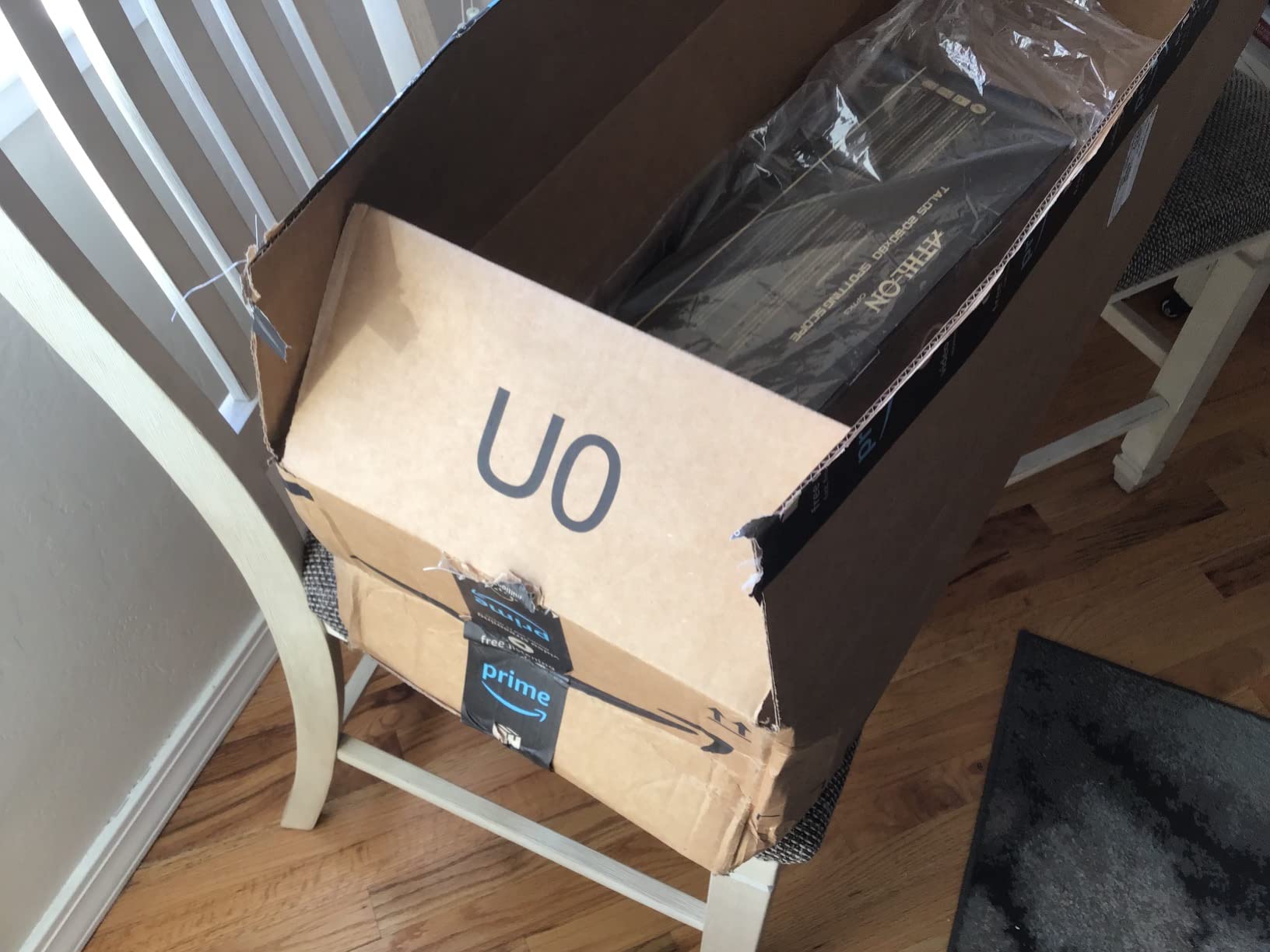
At 2.4 pounds in a full-size aluminum enclosure, this is a real piece of gear rather than a kit toy. The nitrogen purging clears moisture from the tube for thermal stability, and the waterproof and fogproof sealing means you can leave it on a bench through a rain shower without thinking about it.
The lifetime transferable warranty also means the scope can be passed to a friend or a family member and remain covered, which is a detail that matters for gear you expect to keep for years.
Where the Talos outclasses the smaller objectives?
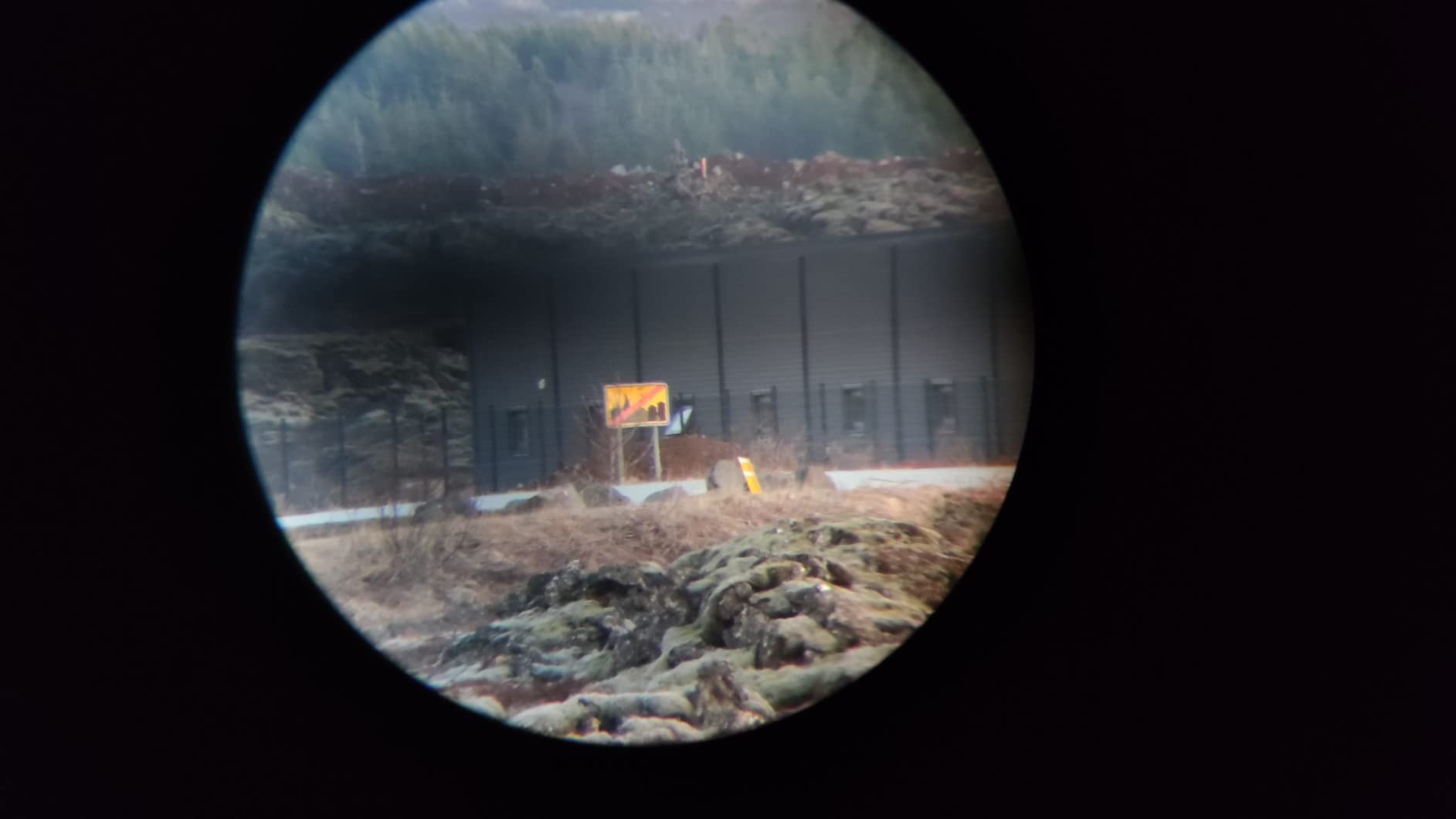
Low light. That is the single-word answer. A 65mm scope and an 80mm scope are the same weight class in your hands but completely different experiences at 6:30 in the morning, and owners consistently single out brightness as the reason this one is worth the step up.
The 1.57 degree field of view is wide enough to acquire a target quickly, and the fully multi-coated lenses produce a bright image with good color rather than the washed-out look of cheaper glass.
What you give up for that brightness?
Size and weight. Compared with the 60mm and 70mm scopes earlier in this list, the Talos is a larger carry, which is the trade every bigger objective forces.
It also uses standard Porro prism glass rather than premium ED, and owners report contrast falling off toward the top of the zoom range. Practically, that means 20x to 40x is the sweet spot and 60x is available rather than essential.
6. Vortex Diamondback HD 20-60×85 – Best for Long-Range Precision Work
Vortex Diamondback HD Spotting Scope 20-60×85 Angled
20-60x85 HD optics
85mm objective
Helical focus wheel
Arca-Swiss foot
Pros
- Crisp image across the whole 20-60x band with no top-end softening
- 85mm objective is dramatically brighter than 60mm scopes
- Arca-Swiss foot needs no extra plate on most tripods
- Build feels like a tank
- Unlimited unconditional lifetime VIP warranty
Cons
- Noticeable chromatic aberration and purple fringing on high contrast edges
- Heavier at 3.8lb so it needs a solid tripod head
- Field of view narrows more at full zoom than expected
The Diamondback HD is the scope that answers the 1,000-yard question honestly. It runs 20-60×85 with an HD optical system and anti-reflective coatings on all air-to-glass surfaces, and at 4.6 across 461 reviews it sits at the top of the rating group with a body built to be mounted on serious equipment.
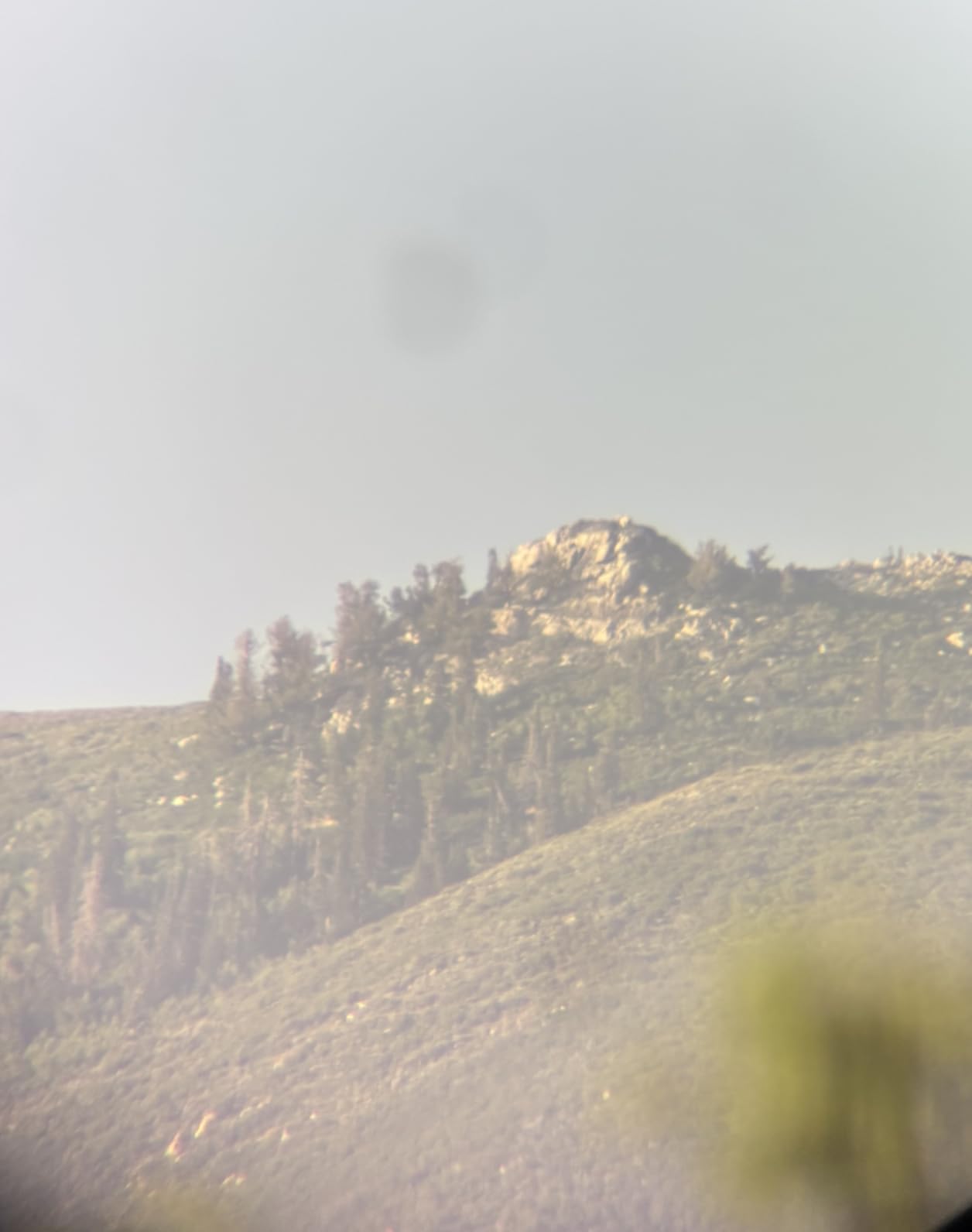
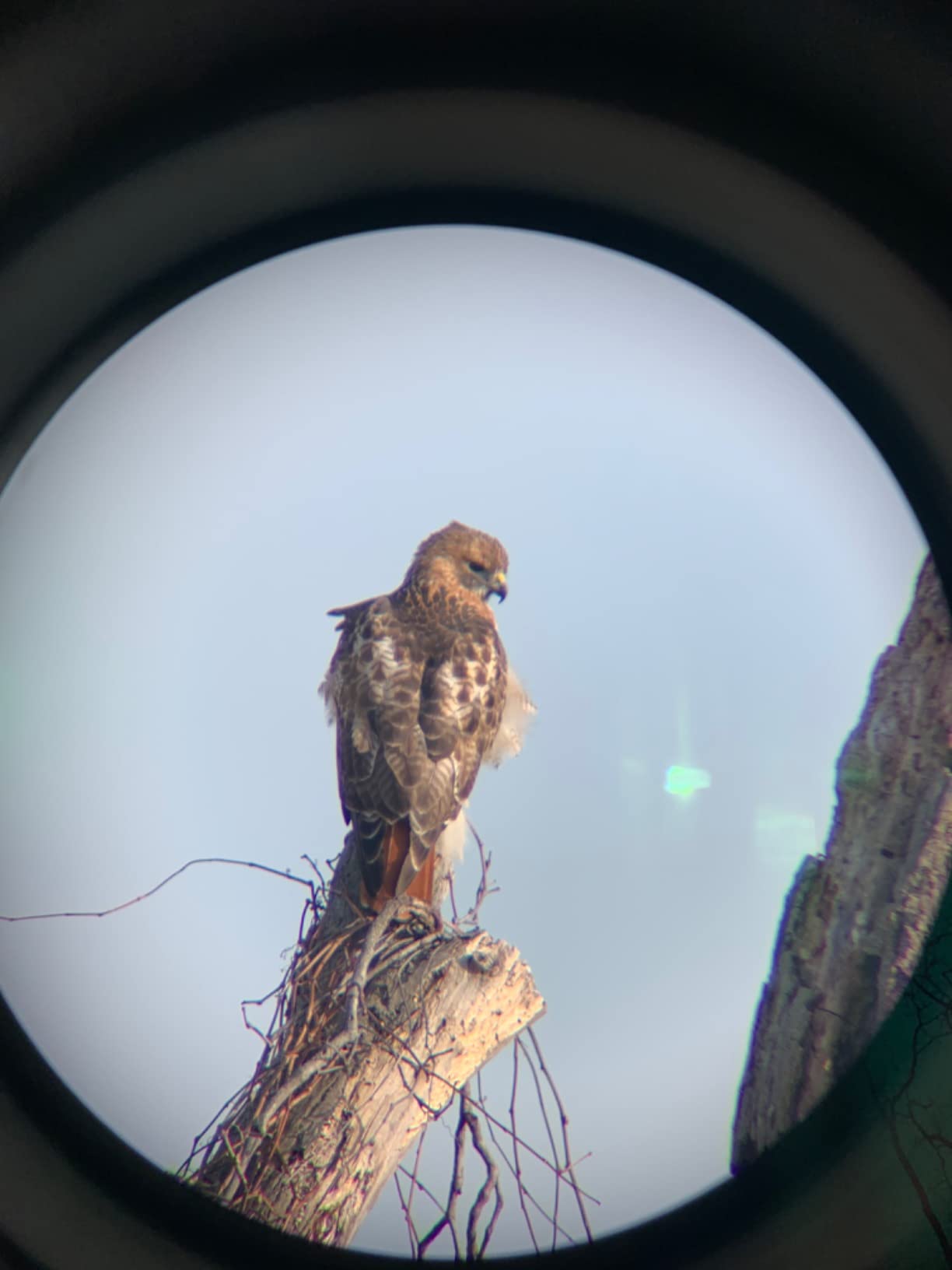
Owners report resolving wildlife at several miles and picking out fine detail on targets at 300 yards and beyond. More importantly for spotting, reviewers say the glass stays crisp across the entire 20-60x band with no visible softening at the top, which is exactly what separates an 85mm scope from a 60mm one on a warm afternoon.
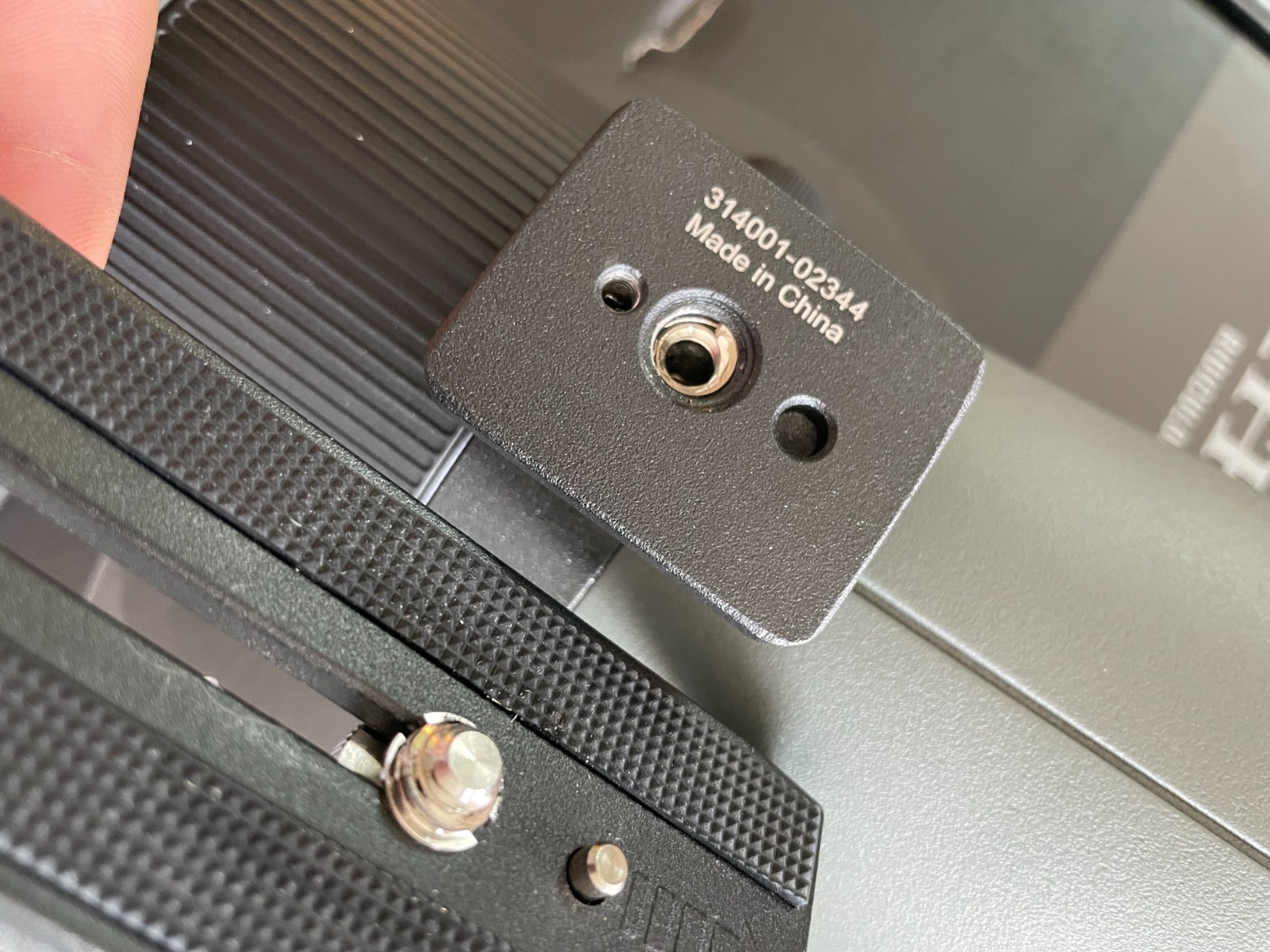
The build details are the ones precision shooters notice. A built-in helical focus wheel gives fast coarse movement and fine adjustment in one ring. The Arca-Swiss compatible foot mounts directly to a tripod head with no extra plate, and the 1/4-20 thread covers car window mounts for quick checks from the parking lot.
It is O-ring sealed and argon purged, wrapped in rubber armor with ArmorTek coatings on the lenses, and it has a built-in sunshade and adjustable twist-up eyecups. The 108 foot field of view at the low end makes finding a distant target fast.
Why the 85mm objective is worth the extra weight?
Owners are blunt about it: the 85mm objective makes a large difference in brightness compared with 60mm scopes. That is the number that decides whether you can spot a hole at 600 yards in the afternoon or call your shots from a guess.
Arca-Swiss compatibility is the second quiet win. If you already run precision rifle gear on an Arca-Swiss head, this scope drops straight onto it with no adapter, which is a small thing until you are setting up in the dark.
Where the Diamondback gives ground?
Chromatic aberration. Noticeable purple fringing on high-contrast edges is the most common complaint, and it is the visible trade for HD glass that is not ED or apochromatic.
At full 60x some users report not enough fine detail to separate similar distant subjects, and the field of view narrows more at maximum zoom than expected. At 3.8 pounds it also needs a tripod head with no wobble, which is where our spotting scope tripod picks earn their place. The unlimited, unconditional lifetime VIP warranty is fully transferable and is repeatedly cited on shooting forums as the main reason to buy Vortex.
7. Athlon Argos HD 20-60×85 – Best Angled Scope for Long Bench Days
Athlon Optics Argos HD 20-60×85 Spotting Scope – 45 Degree, Green/Black
20-60x85 magnification
85mm HD objective
45 degree angled Plossl eyepiece
Rotating tripod ring
Pros
- Owners resolve .22 caliber holes in paper past 500 yards
- 2.5 inch lettering readable at a half mile in direct sun
- Rotating tripod ring and angled eyepiece make long sessions comfortable
- Lifetime warranty and soft case included
Cons
- Heavy at 4.3 pounds and hard to find a steady head for
- HD glass darkens noticeably above 40x at dusk
- Very narrow depth of field at 60x
- Most phone adapters do not fit the wide eyepiece
The Argos HD is the one to consider if your range days are long and you intend to spend hours at the eyepiece. The 45 degree angled eyepiece combined with a rotating tripod ring is the most deliberate ergonomic design in this roundup, and reviewers who glass for hours single it out as comfortable.
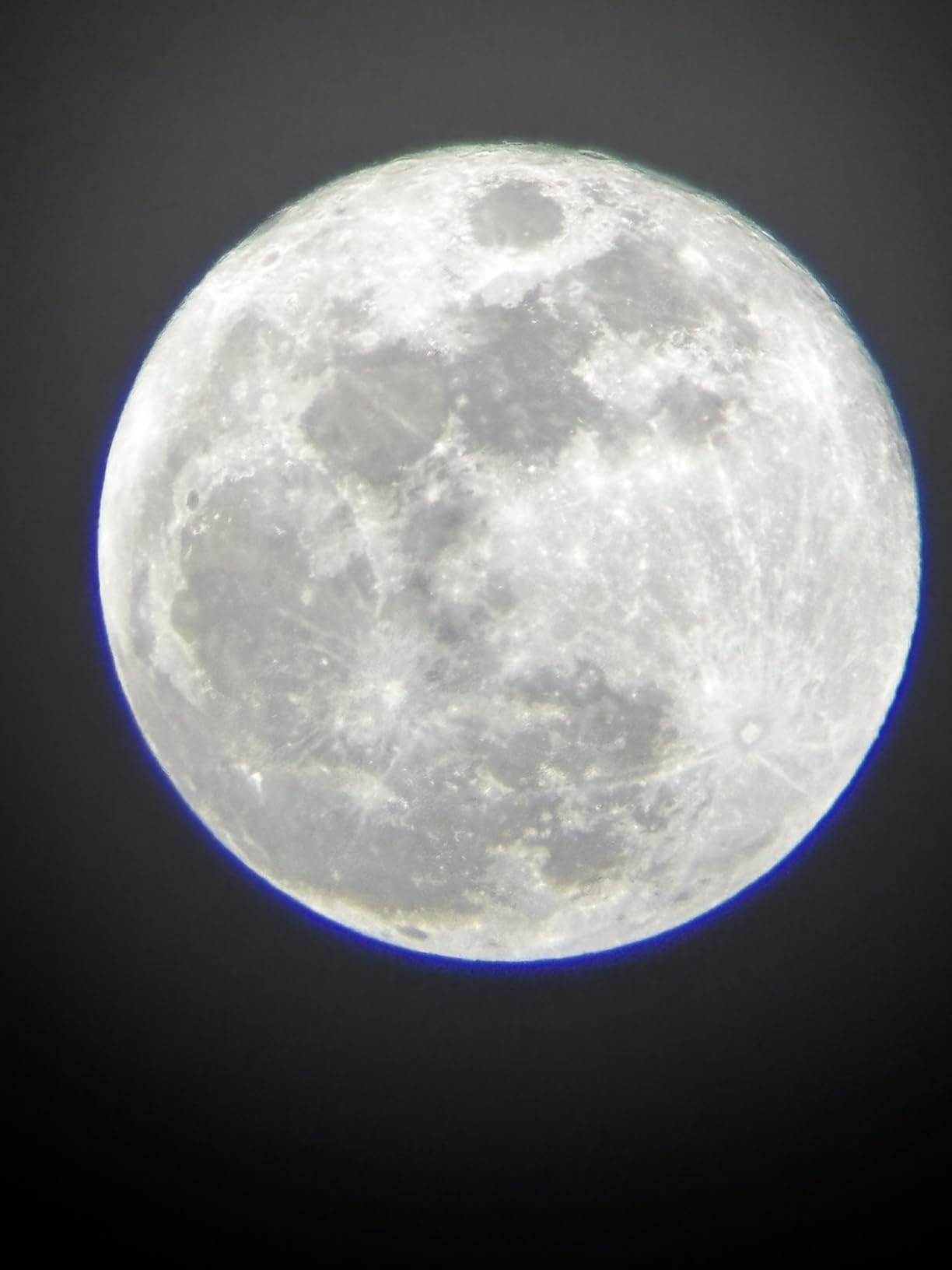
Image quality holds up well in daylight. Owners report resolving .22 caliber holes in paper targets past 500 yards, and one describes reading 2.5 inch lettering on a target at a half mile in direct sun. The big focus ring and the 2.25 inch Plössl eyepiece make fine focusing straightforward even with gloves on.
Construction is solid for the weight: an argon-purged, waterproof and fogproof rubber-armored body with a soft-sided protective case in the box and a lifetime warranty behind it. On build alone, it feels like a step above the budget kits in this list.
The problem is the 4.3 pound weight. Several owners report difficulty finding a tripod head steady enough for it, and at that mass a wobbly head is the real limiting factor, not the optics.
When angled beats straight for target work?
If you shoot from a seated position at a bench, a straight eyepiece forces your head forward and down for the entire session. A 45 degree angled eyepiece lets you sit upright, look slightly downward, and stay comfortable, which adds up over a full match day.
The rotating tripod ring takes that further. You can spin the scope so the eyecup meets you at the right height without shifting the whole scope on its plate, which is fiddly on some mounts and free on this one.
What to watch before buying?
Weight and stability are the headline. At 4.3 pounds with a 16.9 inch optical tube, this is the heaviest scope in the roundup, and it needs a genuinely rigid head.
Second is the glass. It is HD rather than ED, so the image darkens noticeably above 40x at dusk, and the depth of field at 60x is very narrow, meaning a small focus error softens everything. If you shoot at low light or want maximum zoom clarity, spend up on the Diamondback HD instead.
8. WOZEL 25-75×80 – The Best All-in-One Kit
WOZEL 25-75×80 Spotting Scope with Tripod for Target Shooting High Powered
25-75x80 magnification
80mm fully multi-coated objective
One-handed zoom knob
Nitrogen filled and fogproof
Pros
- 25-75x range with a quick focus system that locks on fast
- 80mm BaK4 objective gives a bright low-light capable image
- Fully loaded kit with tripod
- phone adapter and carrying case
- Retractable sunshade and twist-up eyecup cut glare
Cons
- Long 90cm optical tube is bulky to carry
- Bundled phone adapter and tripod are basic
- Manufacturer does not state a weight
The WOZEL is the scope to buy if you want everything in one box. Owners rate it highly for value, and the reason is not just the glass; it is that the kit includes a tripod, a phone adapter, a carrying case, lens caps and a cleaning cloth, so you are not shopping for accessories on top of the scope.
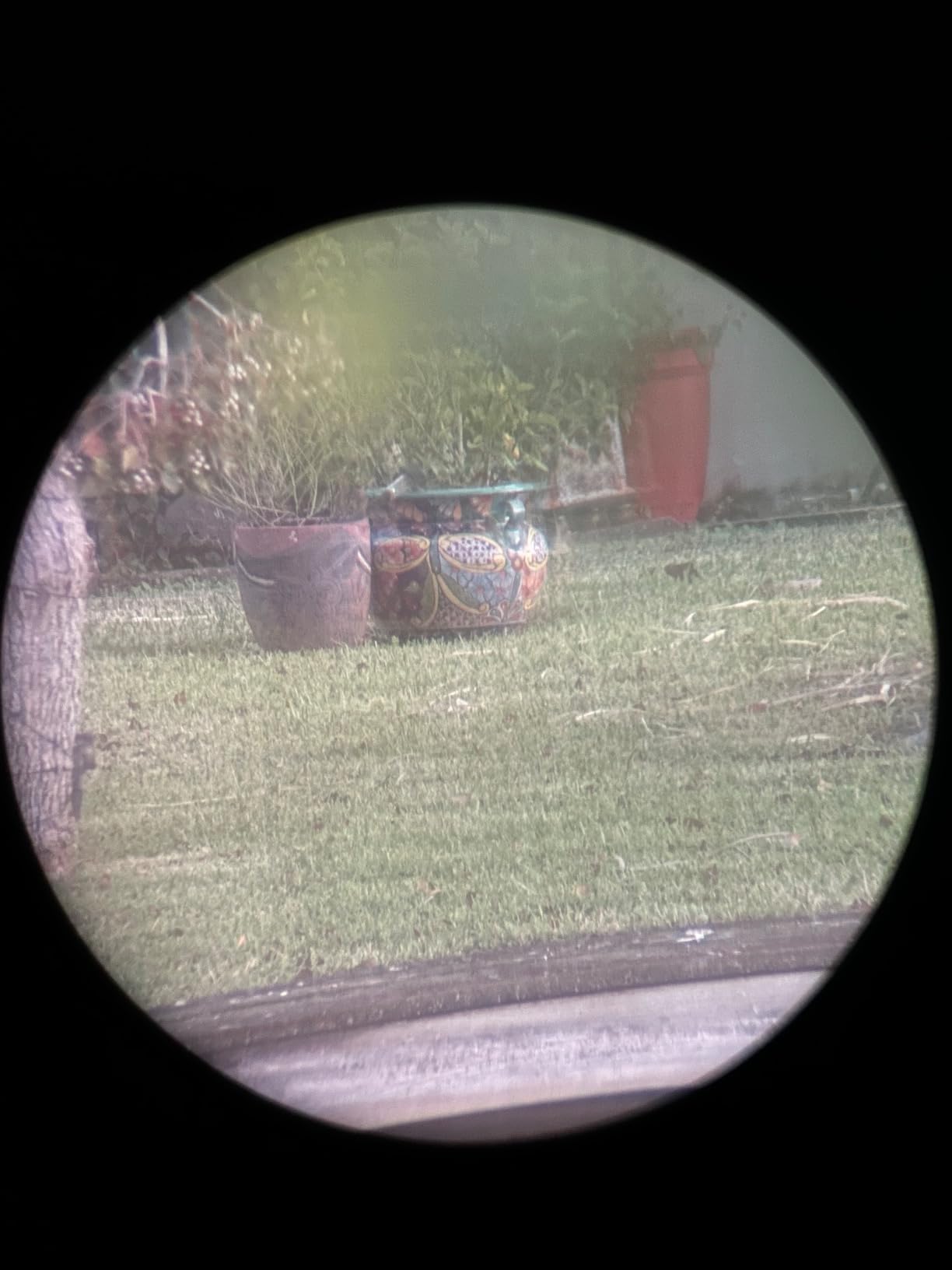
The 25-75x zoom with a one-handed zoom knob and quick focus system lets you acquire an impact fast. The 80mm BaK4 fully multi-coated objective produces a bright image, and reviewers note it holds up in lower light better than smaller objectives at the same tier.
Weather sealing is handled properly: O-ring sealed, nitrogen filled, waterproof and fogproof, with a retractable sunshade and a twist-up adjustable eyecup. That combination matters at an outdoor range where wind and dust are constant.
The field of view is quoted at 82.9 to 48 feet at 1,000 yards, which is wide at the low end and tight at the top, so finding a target is easy and holding a distant one steady is not.
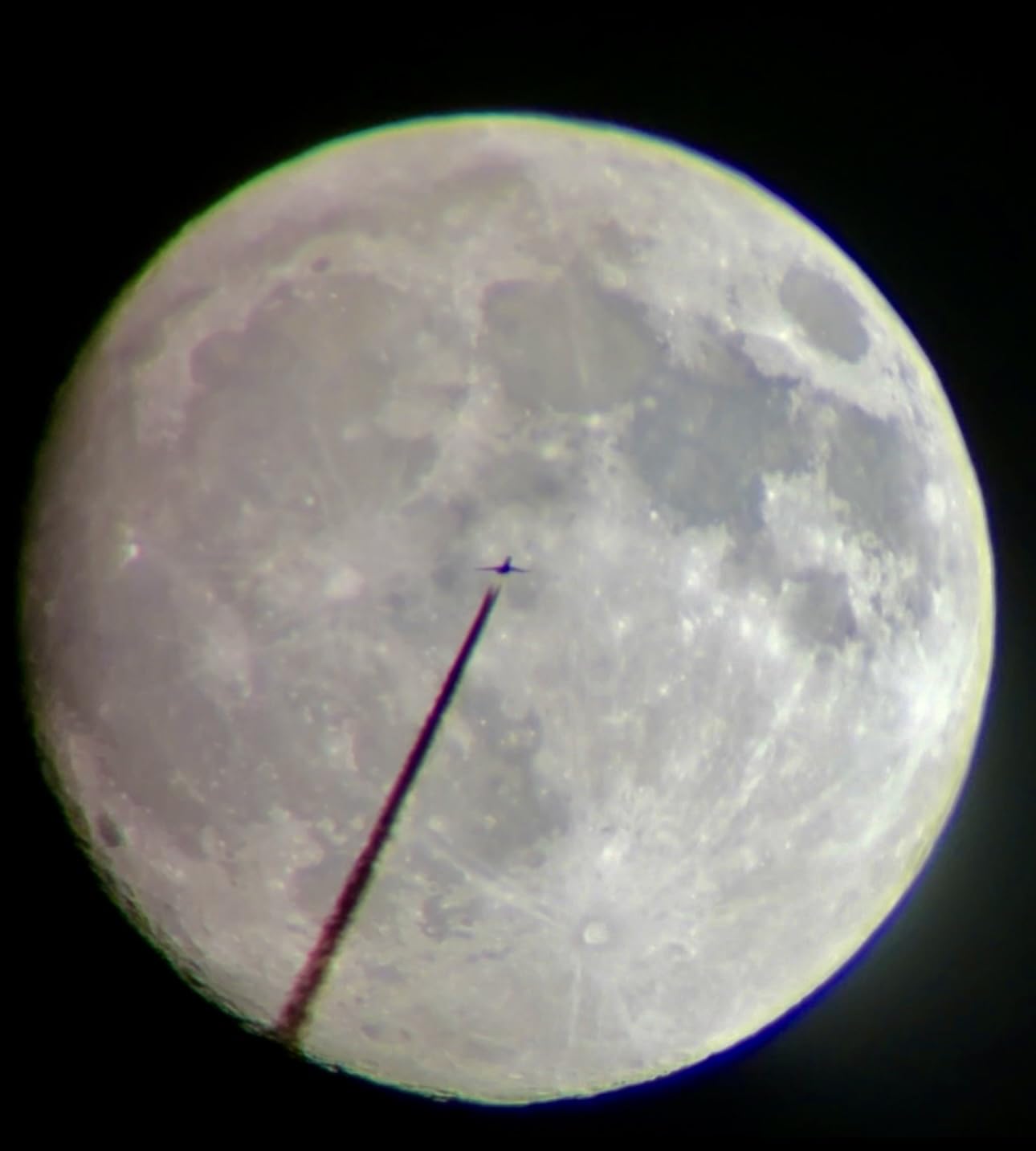
Why the one-handed zoom matters on a bench?
Changing power should not require putting the scope down. A one-handed zoom knob means you can step through the magnification while the other hand stays on the tripod or the rifle rest, which keeps the target from drifting out of your view mid-setup.
Combined with the quick focus system, it is a fast workflow. The knob is right where your fingers already are, and the twist-up eyecup keeps glare off the lens during long sessions.
What to know about the bulk?
The 90 centimeter optical tube is the drawback. That is a long barrel, and it is bulky to pack and carry compared with a compact 70mm scope. If you are hauling gear a distance from the vehicle, this is not the one.
The bundled phone adapter and tripod are functional but basic compared with higher-priced kits, and the manufacturer does not state a weight, so check the actual unit when it arrives.
9. GUANIEE 25-75×80 Camo Kit – Best for Archery and Bowhunting Spotters
GUANIEE 25-75×80 Spotting Scope for Target Shooting with Upgraded Full Size Tripod Carrying Bag and Phone Adapter Spotter Scope for Bird Watching, Wildlife Viewing Camo
25-75x80 magnification
80mm BaK4 roof prism
123-63 ft field of view at 1000 yards
Angled eyepiece
Pros
- Bright clear images with impressive zoom
- Full-size tripod adjusts from 18.3 to 59.3 inches with swiveling feet
- Two carrying bags for the scope and tripod
- Waterproof and fogproof with a rubber-armored grip
Cons
- Phone holder is spring-loaded and hard to align
- Tripod locking lever does not lock open
- Plastic mounting plate looks weak
- Some boxes arrived with missing or open-box items
The GUANIEE is the pick if your spotting is archery rather than rifle. Several owners use it for archery and wildlife work, and the wide field of view, quoted at 123 down to 63 feet per 1,000 yards, makes it a comfortable tool for following arrows and tracking animals at a 3D course.
It is also the only scope here that comes with a genuinely full-size tripod. The included unit adjusts from 18.3 to 59.3 inches and has swiveling feet that owners say stay steady on uneven ground, which solves the stability problem that limits so many of the cheaper kits.
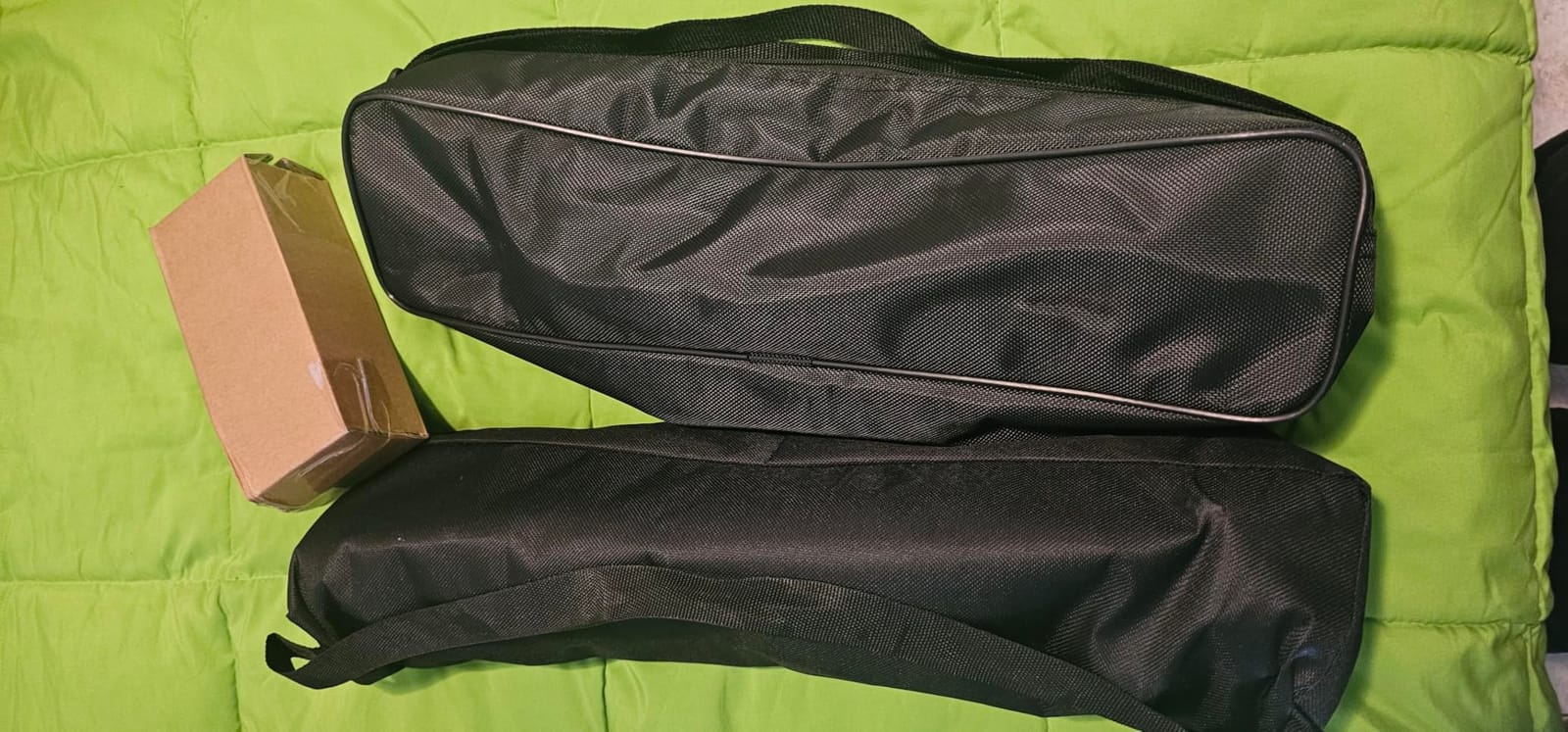
The optics are conventional and good: a fully multi-coated 80mm objective behind a BaK4 roof prism, a 45 degree angled eyepiece to cut glare, an extendable sunshade and a rubber-armored non-slip body rated waterproof and fogproof. Owners also like pairing it with a phone’s own zoom for extra reach.
Transport is well thought out for a kit this size, with two separate carrying bags, one for the scope and one for the tripod. The total kit weight is listed at 7.78 pounds, which is honest and worth factoring into how you carry it in.
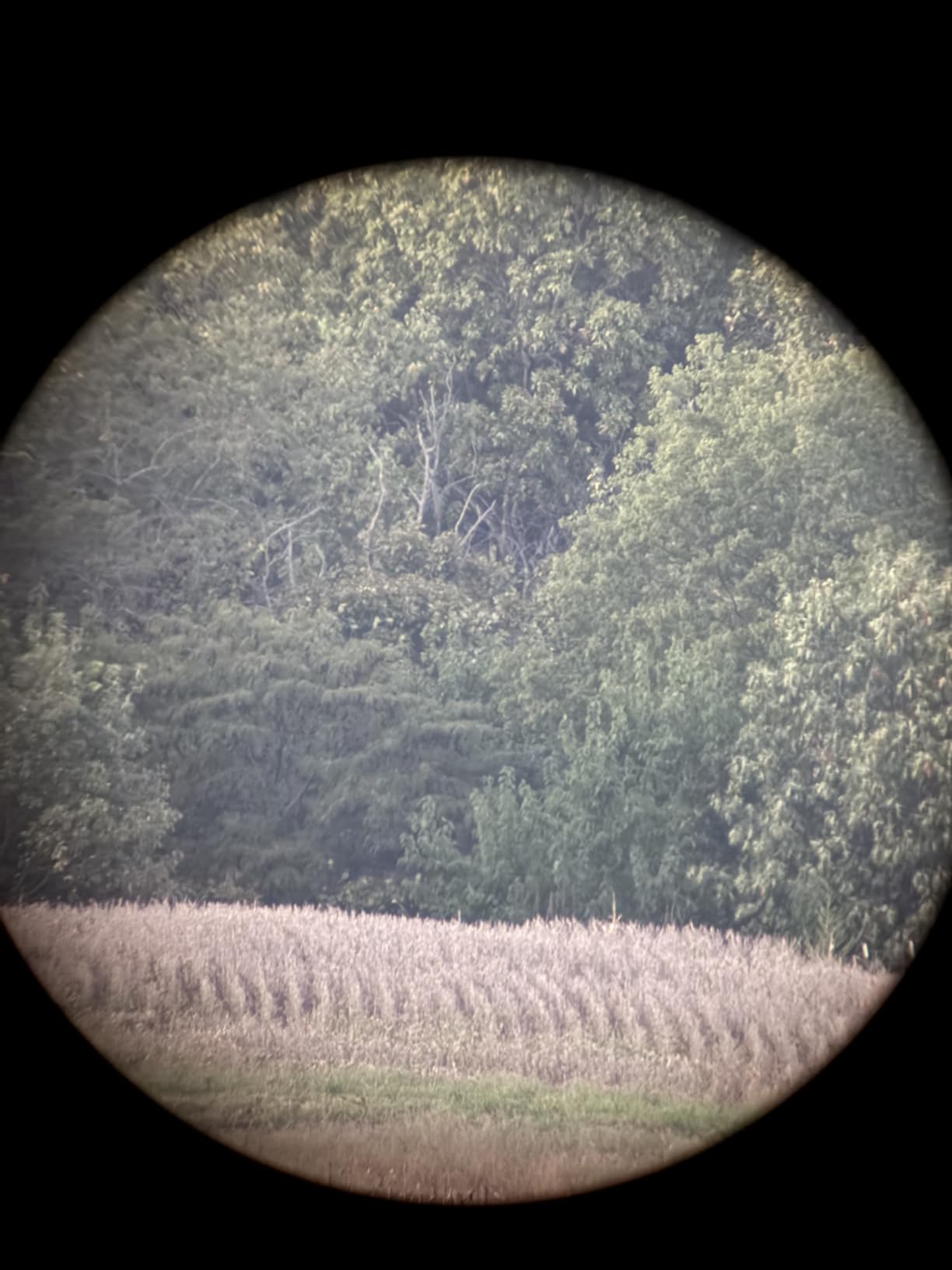
Why the roof prism suits multi-use spotting?
A roof prism design gives a compact body and a wide usable field of view, which matters when you are tracking a moving animal or following a tumbling arrow rather than staring at a static hole. The 25x end is wide enough to find things quickly.
The angled eyepiece also earns its place here, since archery spotting often happens standing or kneeling rather than from a seated bench.
What to check when the box arrives?
The phone holder is the weak link. It is spring-loaded, hard to open, and difficult to align with the eyepiece, so do not plan on digiscoping straight out of the box.
Two more things. The tripod locking lever does not lock open, so you have to hold it while mounting the scope, and the plastic mounting plate looks weak next to the metal hardware on the Arca-Swiss designs. Some owners also reported boxes arriving with missing accessories or with the scope as an open-box item, so inspect everything on arrival.
10. Vortex Crossfire HD 20-60×80 – Best for Arca-Swiss Setups
Vortex Crossfire HD Spotting Scopes (20-60×80 Angled)
20-60x80 HD optics
80mm objective
Helical focus ring
Arca-Swiss compatible foot
Pros
- Owners rate the glass exceptionally clear for the price
- Bright and sharp in full sun and still holds clarity at dusk
- Wide field of view makes centering a distant target fast
- Helical focus and zoom rings turn smoothly and firmly
- Angled eyepiece avoids a scrunched neck on a normal tripod
Cons
- Bulky for backpacking
- Image dims slightly at dusk
- Neoprene cover blocks the eyepiece angle locking screw
The Crossfire HD is the value entry into Vortex’s range, and reviewers treat it as the best value in a premium-tier scope. It carries a 4.6 average, with owners calling the glass exceptionally clear for the price and noting it is bright and sharp in full sunlight while still holding clarity at dusk.
For range work, the wide field of view is the feature you will use most. Finding and centering a distant target is fast, and the helical focus ring turns smoothly and firmly enough for fine adjustments at long distance.
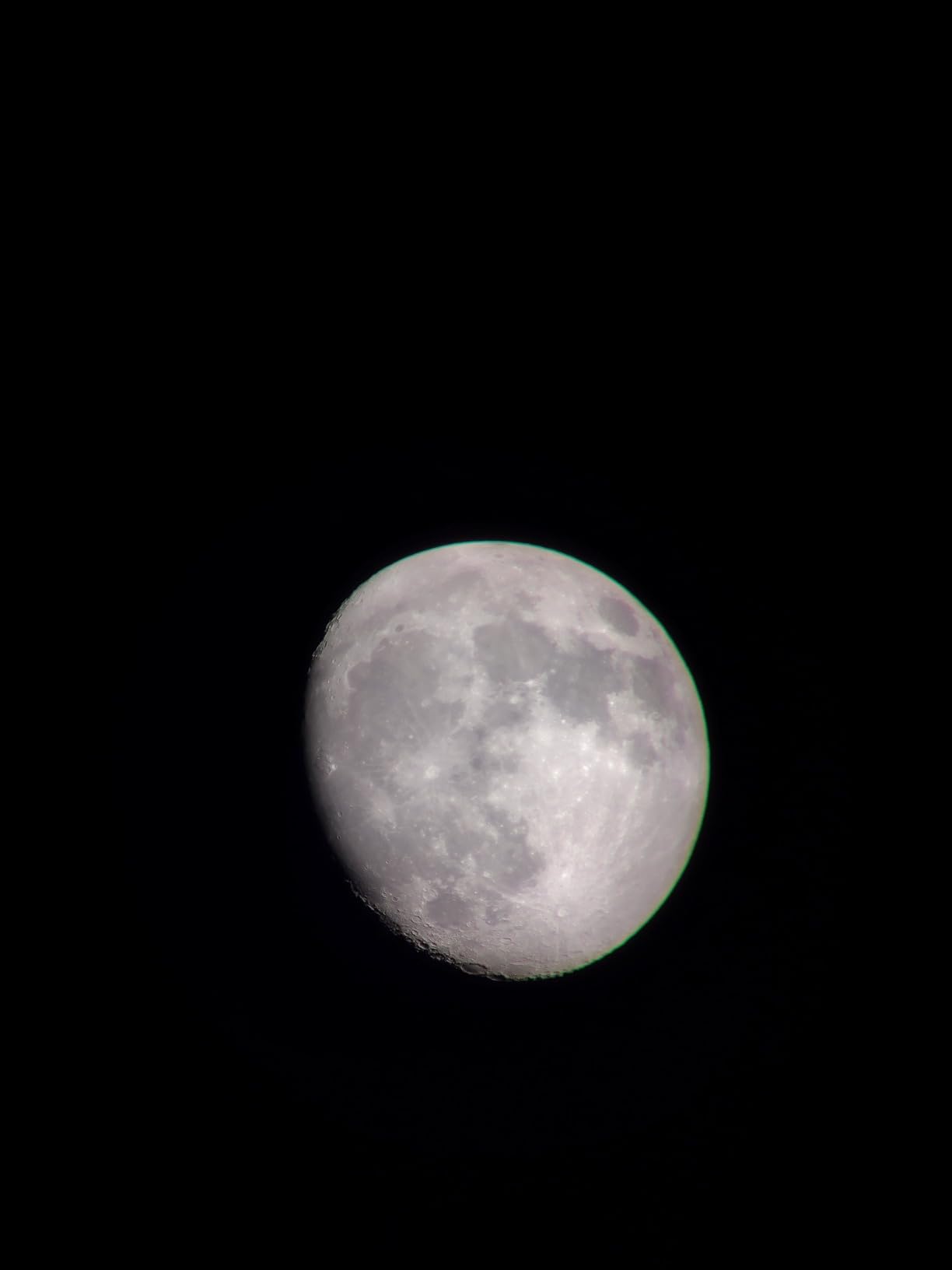
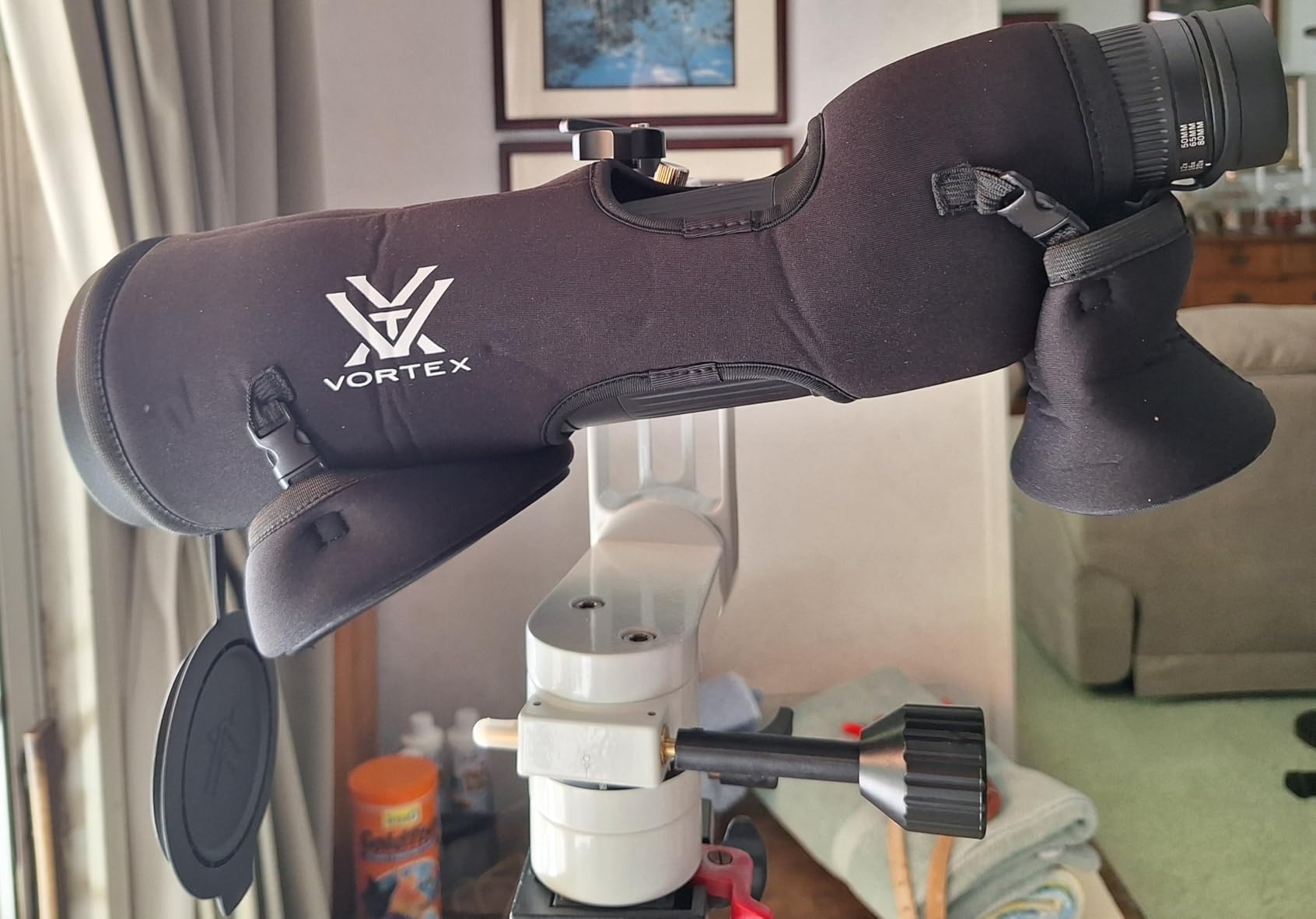
It shares the mounting standard that makes Vortex popular with precision shooters. The Arca-Swiss compatible foot mounts straight to most tripods with no extra plate, and the angled eyepiece avoids the scrunched neck and back you get from straight-body scopes on a normal tripod.
The body is aluminum, nitrogen purged, waterproof and fogproof, with rubber armor, shockproof construction, a built-in sunshade and adjustable twist-up eyecups. The unlimited, unconditional lifetime VIP warranty is fully transferable.
Why Arca-Swiss compatibility decides setups?
If your precision rifle is already on an Arca-Swiss head, matching the standard on your spotter removes a step and a piece of hardware. The scope mounts and goes, and it is the same foot pattern used across a lot of precision shooting gear.
The angled eyepiece is the other quiet benefit. On a standard tripod, a straight eyepiece means bending forward all session, which is why several owners specifically call out the angled design for range comfort.
Where the 80mm falls short?
Size, mostly. At 3.3 pounds and 15.6 inches long, it is bulky for backpacking, so it is less convenient on hikes away from a vehicle.
Owners report the image dims a little at dusk, and the included neoprene cover sits over the eyepiece angle locking screw, so you have to pull it off every time you want to change the eyepiece angle. Neither issue matters much if you set up once and glass all day.
How to Choose a Spotting Scope for Your Match Distance?
Match the scope to the distance you actually shoot, not to the biggest number on the box. A 100 yard bench shooter and a 1,000 yard shooter have almost opposite requirements, and buying for the wrong one is the most common expensive mistake in this category.
Distance to magnification and objective size
Here is the practical mapping. At 100 yards, a 15x to 25x setting on a 65mm or 70mm scope resolves small-caliber holes comfortably in good light, and plenty of shooters skip the spotter entirely at this distance. At 300 meters, you want roughly 30x to 40x on a 70mm or 80mm objective. At 600 meters, plan on 40x to 50x with an 80mm or 85mm objective. At 1,000 yards, an 85mm objective at 40x to 50x is the combination that makes impacts readable.
Note the pattern: as the distance grows, the objective diameter matters more than the magnification. Stretching a 60mm scope to 60x does not produce a 60x image in any useful sense, because there is not enough light to resolve the detail at that power.
Why maximum magnification is usually the wrong setting?
The biggest misconception in this category is that more magnification is better. In practice, afternoon heat shimmer, ground mirage and air turbulence make a high-power image softer and shakier than the same target viewed at a moderate power. Shooters on r/longrange and Sniper’s Hide make this point repeatedly, and it matches what you see at a summer match.
For most target work, 30x to 50x is the working range. Reserve the top of the zoom range for stable conditions, calm air, and the occasional confirmation of a hit you are not certain about. The same discipline applies to every piece of range data you gather: get a reliable number before chasing the extra digit, and our shooting chronograph guides cover that logic in more detail.
Tripod stability and vibration are not optional
This is the most under-covered factor in every competitor roundup we read, and it matters more than most buyers expect. Vibration from a light or rickety tripod destroys the image at high magnification, and a scope that rocks when you touch the focus ring cannot hold a small hole steady long enough to read it.
Match the tripod to the scope. Scopes in the 4 pound range, like the Athlon Argos HD, need a head with real damping and no perceptible wobble. Lighter scopes are fine on smaller tripods. Whatever you choose, our roundup of spotting scope tripods covers the options by weight class.
Angled or straight eyepiece for bench work
Straight eyepieces are cheaper and pack shorter, but they force you to bend forward at a seated bench. Angled eyepieces, like the Diamondback HD, Crossfire HD, Argos HD, GUANIEE, SVBONY SV28 and Emarth in this roundup, let you work upright, which is the difference between a comfortable match day and a sore one.
Choose straight only if you stand to shoot, use a very tall tripod, or pack light. Otherwise, angled.
Glass, coatings, purging and warranty
ED glass reduces chromatic aberration and keeps contrast up in bad light, but it is not the whole story at these price tiers. Coatings matter just as much, which is why fully multi-coated lenses appear across this list. Nitrogen or argon purging keeps fog out of the tube on humid mornings, and O-ring sealing protects against rain.
Finally, warranty. Vortex’s unlimited unconditional lifetime VIP warranty is fully transferable and is the single most-cited reason to buy Vortex on shooting forums, and Athlon offers a lifetime transferable warranty on the Talos. The Bushnell Trophy Xtreme carries a manufacturer lifetime warranty. Shorter warranties in this roundup run 60 days to one year, so check before you buy.
When you do not need a spotting scope?
At 100 yards, many shooters use a 12x to 16x rifle scope and see their hits without any spotter at all, and that view is a common one on the forums. If your entire program is 100 yard bench work in good light, a compact 60mm to 70mm scope like the Emarth or SVBONY covers the job at a fraction of the cost of an 85mm.
Save the serious money for the distances where a spotter earns its place.
Frequently Asked Questions
What is the best spotting scope for target shooting at 1000 yards?
At 1,000 yards the objective diameter matters more than magnification. An 85mm objective at 40x-50x is the combination that resolves small impacts reliably, and the Vortex Diamondback HD 20-60×85 is our pick for that work. A 60mm or 65mm scope at the same power will look soft because there is not enough light entering the lens.
What is the best spotting scope for target shooting at 100 yards?
At 100 yards, a 20x-30x setting on a 60mm or 70mm scope resolves small-caliber paper holes comfortably in good light, and the angled eyepiece matters more than extra magnification for comfort. Our picks for this distance are the Emarth 20-60×60 kit and the SVBONY SV28 25-75×70.
Which spotting scope is better, Swarovski or Vortex?
Vortex delivers comparable practical performance at far lower cost, and its unlimited unconditional lifetime VIP warranty is fully transferable. Shooters on r/longrange and SigTalk cite that warranty as the main reason to buy Vortex. European glass from Swarovski, Zeiss and Schmidt and Bender is preferred by some for maximum clarity at long range, and ArcheryTalk members accept the extra size and weight for it.
How far will a 20-60X80 spotting scope see?
A 20-60×80 scope can resolve small-caliber impacts on paper at 300 to 400 yards in good light, and the WOZEL kit in this roundup is rated at 82.9 to 48 feet of field of view at 1,000 yards. In poor light or heavy shimmer, usable range shrinks considerably. An 85mm objective gathers far more light than a 60mm, which is what keeps impacts readable in those same conditions.
What magnification do I need to spot impacts?
For 100m bench work, 20x-30x is enough. At 300m, use 30x-40x. At 600m, 40x-50x on an 80mm or 85mm objective. For 1,000 yards, stay at 40x-50x rather than going to full 60x, because heat shimmer and mirage make the highest power softer and harder to hold than the same hole at moderate power.
Is a spotting scope necessary for 100 yard target shooting?
Not always. A 12x-16x rifle scope shows hits clearly at 100 yards, and many shooters on the forums skip the spotter entirely at that distance. A compact 60mm or 70mm spotting scope adds value if you want a second set of eyes, want to record impacts, or shoot in low light where the rifle scope becomes hard to use.
Final Verdict: Which Spotting Scope Should You Buy?
The Emarth 20-60×60 kit takes the top spot in our best spotting scopes for target shooting roundup because it is the most proven scope at the range, with the highest volume of owner feedback in the group and a weight that makes it easy to bring every session. Shoot on a 100 yard bench and spend your money on a tripod instead.
When you need more light, the Athlon Talos 20-60×80 is the upgrade that actually changes your day, and the Vortex Diamondback HD 20-60×85 is the answer for 1,000 yard work. For long seated sessions, look for the angled eyepiece and the rotating ring the Argos HD provides.
Whichever you choose, use 30x to 50x more than you think you need, and pair it with a stable tripod head. That habit will do more for your sight picture than any amount of extra magnification.