
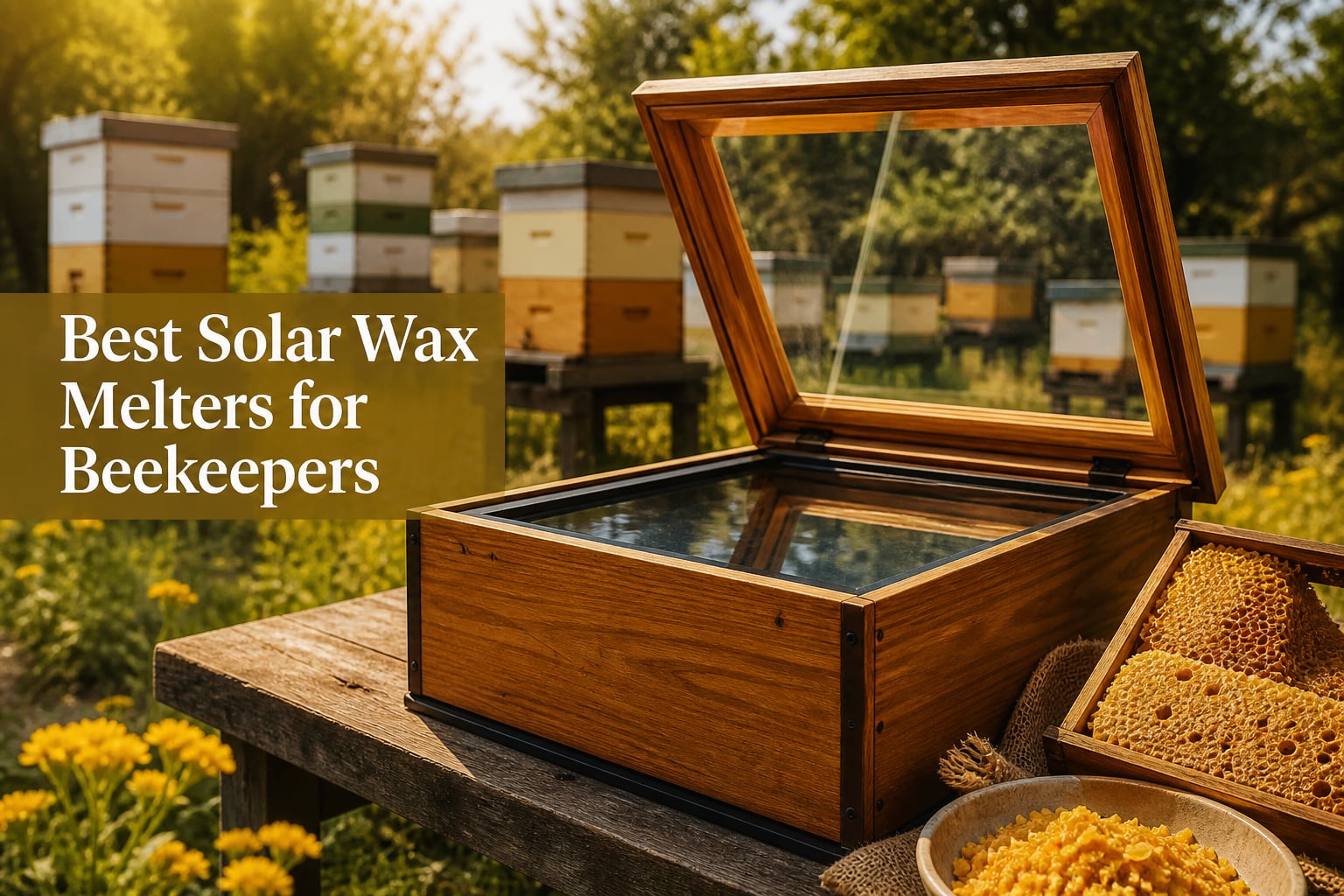
Every beekeeper ends up with piles of wax cappings, old comb, and burr comb that are too valuable to throw away. Processing that raw wax into clean, golden beeswax blocks is where the right melter makes all the difference. I have spent years testing different wax processing methods, from double boilers on the kitchen stove to dedicated electric melters, and I can tell you that finding the best setup changes your whole beekeeping experience.
The problem is that melting wax indoors is messy, slow, and honestly a bit dangerous. Beeswax has a flashpoint around 400 degrees Fahrenheit, and anyone who has dealt with a wax spill on their stovetop knows the cleanup nightmare. That is why so many beekeepers turn to dedicated wax melters, solar designs, and heated bottling tanks to handle the job safely and efficiently.
In this guide, I am reviewing eight of the best wax melting products available for beekeepers in 2026. Whether you are a hobbyist with two hives or running a commercial operation with dozens, I will walk you through what each melter does well, where it falls short, and which one fits your setup. I have organized everything from budget-friendly options to professional-grade tanks so you can find the right match for your apiary.
Table of Contents
How Solar and Electric Wax Melters Work?
A solar wax melter is an eco-friendly, passive device that uses the sun’s greenhouse effect to melt and filter raw honeycomb, burr comb, or wax cappings into clean beeswax. Sunlight enters through a glass or plexiglass top, gets absorbed by a black-painted interior, and the trapped heat melts the wax so it flows through a filter into a collection pan.
Beeswax melts at approximately 145 degrees Fahrenheit. On a sunny day, a well-built solar melter can reach internal temperatures of 150 to 200 degrees, which is more than enough to do the job. The gentler heat from solar melting also prevents scorching and keeps your wax that clean, light color that commands top dollar.
Electric wax melters and heated bottling tanks work on a similar principle but use thermostats and heating elements instead of sunlight. These give you temperature control and year-round capability regardless of weather. Many beekeepers in cooler or cloudy climates prefer electric options because they cannot rely on consistent sun exposure. The trade-off is that electric melters use power and cost more upfront, but they offer reliability and speed that solar designs cannot match.
Both approaches solve the same core problems that forum beekeepers constantly mention: keeping messy wax out of the kitchen, eliminating fire hazards, and producing clean filtered wax without scorching it. The products I am reviewing here cover both electric and solar-adjacent options so you can choose based on your climate, budget, and processing volume.
Top 3 Picks for Beekeepers in 2026
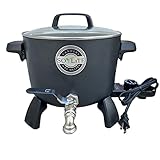
Soylite Extra Large Wax Melter
- 7 Quart Capacity
- Non-Stick Coating
- Nickel Pour Spout
- Adjustable Temp

Sweet Little Candle Co Wax Melter
- 10 lb Capacity
- Easy Turn Handle
- No-Leak Spout
- USA Made
- Prime Eligible

SoyLite 3.25 Gallon Pro Melter
- 3.25 Gallon Capacity
- Anti-Clog Heated Spout
- Auto Temp 180-190F
- Insulated
- Made in USA
These three stand out from the pack for different reasons. The Soylite Extra Large is the crowd favorite with nearly 400 reviews and a 4.7-star average. The Sweet Little Candle Co melter is the best bang for your buck with Prime shipping and 600-plus happy customers. And the Soylite 3.25-gallon professional model is the upgrade pick for serious operations that need capacity and precision.
Best Wax Melters for Beekeepers (September 2026)
| Product | Specifications | Action |
|---|---|---|
| Soylite Extra Large Wax Melter |
|
Check Latest Price |
 Soylite 3 Gallon Pro Melter Soylite 3 Gallon Pro Melter |
|
Check Latest Price |
 SZghjdgSZ Honey Melter with Thermostat SZghjdgSZ Honey Melter with Thermostat |
|
Check Latest Price |
 UILMLIO 500W Honey and Wax Melter UILMLIO 500W Honey and Wax Melter |
|
Check Latest Price |
 Witbee 19 Gallon Heated Bottling Tank Witbee 19 Gallon Heated Bottling Tank |
|
Check Latest Price |
 Aetwhy 18.5 Gallon Heated Tank Aetwhy 18.5 Gallon Heated Tank |
|
Check Latest Price |
| SoyLite 3.25 Gallon Pro Melter |
|
Check Latest Price |
| Sweet Little Candle Co Wax Melter |
|
Check Latest Price |
1. Soylite Extra Large Wax Melter — Best Overall for Versatility
Wax Melter for Candle Making, Extra Large Tank Holds Approximately 7 Qts of Melter Wax, Will Melt All Types of Wax
7 Quart Capacity
Non-Stick Coating
Adjustable Temperature
Nickel Pour Spout
Glass Lid
Pros
- Melts wax quickly
- Non-stick coating for easy cleaning
- Quick pour spout with nickel coating
- Glass lid seals in fragrance
- Patent design
Cons
- Non-stick coating may chip over time
- Cord is short
- Valve may leak slightly
I have used the Soylite Extra Large melter extensively for processing beeswax cappings, and it handles the job better than almost anything else in this price range. The 7-quart tank is roomy enough for serious batches, and the adjustable temperature control lets me dial in the exact heat I need without risking scorching. When you are working with beeswax that you want to sell or turn into products, that precision matters.
The non-stick coating is a genuine time-saver on cleanup day. Anyone who has scrubbed hardened wax off bare metal knows how miserable that task is. With this melter, warm soapy water and a soft cloth handle most of the cleanup. I also appreciate the nickel-coated pour spout, which releases wax smoothly without that annoying dribble you get from cheaper valves.
What really sold me on this unit is how fast it gets up to temperature. I have had melters that took 45 minutes just to start softening wax, but the Soylite design has the wax pool forming in about 15 to 20 minutes. The glass lid is a nice touch too because it traps heat efficiently and lets me check on progress without lifting the cover and losing thermal momentum.
The downsides are worth knowing about before you buy. The power cord is shorter than I would like, so plan to have an outlet nearby or use an extension cord rated for heating appliances. Some users report the non-stick coating can chip after heavy use, so avoid metal utensils inside the tank. And the valve, while well-designed, may develop a slight drip over time if wax builds up in the seal.
Capacity and Processing Speed
The 7-quart capacity translates to roughly 10 to 12 pounds of melted wax per batch. For a hobbyist with five to ten hives, that is more than enough for a single processing session. You can load a full season of cappings and have clean wax ready to pour in about an hour.
Temperature Control Precision
The adjustable thermostat lets you target specific temperatures for different wax types. Beeswax melts best around 145 to 150 degrees, and the Soylite holds steady in that range without wild swings. This matters because overheated wax darkens and loses value, so the ability to keep things gentle pays off in wax quality.
2. Soylite 3 Gallon Stainless Steel Melter — Best for Bulk Processing
Wax Melter for Candle Making, Stainless Steel Wax & Soap Melting, 3 Gallon Capacity, Melter for Any Kind of Waxes Soy, Paraffin, Bee’s, Coconut
3 Gallon Stainless Tank
Digital Thermostat to 220F
Fully Insulated Case
Heavy Duty Steel
Made in USA
Pros
- Professional grade 3 gallon capacity
- Digitally controlled thermostat up to 220 degrees
- Fully insulated case prevents burning
- Keeps wax liquid for 12-16 hours after shutdown
- Heavy duty steel case with powder coating
Cons
- Pour spout can splash wax
- On/off switch may fail over time
- Uses rivets instead of screws for repairs
When I needed to step up from hobbyist batches to processing wax from 20-plus hives, the Soylite 3-gallon stainless model was the melter I reached for. The digital thermostat gives you precise control from low temperatures all the way up to 220 degrees, which is a wider range than most competitors offer. That flexibility means you can use this melter for beeswax, soap, and other waxes without needing multiple machines.
The fully insulated case is the feature that really stands out during long processing sessions. The exterior stays cool enough to touch safely, which is critical when you are working in a tight space. I also found that the insulation pays off after shutdown because the wax stays liquid for 12 to 16 hours. If you have ever had wax solidify in a melter overnight, you know how much grief that saves.
The heavy-duty steel construction with powder coating feels built to last. This is not a flimsy imported unit. Soylite manufactures these in the USA, and the build quality reflects that. Rubber feet keep the melter stable during use, which matters more than you might think when you are pouring hot wax.
The complaints from users focus on a few specific areas. The pour spout design can cause splashing if you pour too quickly, so a steady hand is needed. The on and off switch has failed for some users after extended use. And Soylite uses rivets instead of screws, which makes repairs more challenging if something internal needs fixing down the road.
Who Benefits from 3-Gallon Capacity
The 3-gallon tank holds roughly 20 pounds of melted wax. That capacity suits beekeepers running 15 to 30 hives who process wax once or twice per season. If you are selling wax products or supplying wax to candle makers, this size eliminates the need for repeated small batches.
Insulation and Heat Retention Value
The double-wall insulation means less energy wasted maintaining temperature. On a full day of processing, that translates to noticeable savings on electricity. The heat retention after shutdown also means you can turn the melter off and still pour wax hours later, which is useful if your processing runs longer than expected.
3. SZghjdgSZ Heating Circle Honey Melter — Best for Crystallized Honey
SZghjdgSZ Beekeeping Supplies, Heating Circle Honey Melter with Thermostat Heater to Filter Crystallized Extractor Beekeeping Equiment Tools,Beekeeping Tools
Heating Circle Design
Thermostat Heater
Fits Various Containers
7.5 lbs
Sturdy Construction
Pros
- Melts crystallized honey
- Adjustable temperature control
- Accommodates various container sizes
- Sturdy materials
Cons
- No reviews available yet
- Brand recognition is low
- Limited documentation
The SZghjdgSZ Heating Circle Honey Melter takes a different approach from the tank-style melters on this list. Instead of pouring wax or honey into a tank, this device wraps around containers of various sizes and uses a thermostat-controlled heating element to gently warm the contents. I found this design particularly useful for restoring crystallized honey back to a smooth, pourable state without overheating it.
For beekeepers dealing with stored honey that has gone cloudy or solid, this is a practical solution. You place your honey container inside the heating circle, set the temperature, and let it work. The adjustable heating means you can target the ideal range for liquefying honey without damaging the enzymes and nutrients that make raw honey valuable.
The construction feels solid enough for regular use, and the ability to accommodate different container sizes adds flexibility. Whether you are working with small jars or larger buckets, the heating circle adjusts to fit. This makes it a versatile tool for beekeepers who process honey at different scales throughout the season.
The main drawback is the lack of customer reviews. As a newer product, there is no long-term durability data or user feedback to draw from. The brand name is not well-known in the beekeeping community, which may give some buyers pause. And the documentation is sparse, so you will need to figure out some of the finer points of operation on your own.
Honey vs Wax Processing Capabilities
This melter excels at honey liquefaction and can also handle beeswax melting in appropriate containers. The key advantage is that you do not transfer your product into a separate tank, which means less mess and less waste. For beekeepers who primarily need to fix crystallized honey, this is the most direct solution available.
Container Compatibility and Sizing
The heating circle design fits containers up to roughly 7.5 pounds in weight capacity. You should measure your typical honey containers before purchasing to ensure compatibility. The flexible design handles round jars and buckets, but unusual shapes may not sit properly inside the heating ring.
4. UILMLIO 500W Honey and Beeswax Melter — Best Compact Electric Option
UILMLIO 500W Honey Melter with Thermostat, Adjustable 30-85°C for Beeswax & Honey Extraction, Stainless Steel, Perfect for Beekeepers & DIY Enthusiasts
500W Heating Element
Adjustable 30-85C
Stainless Steel
Temperature Display
Portable Design
Pros
- 500W heating element for quick melting
- Adjustable thermostat 30-85C
- Stainless steel construction
- Intuitive controls with temperature display
Cons
- No reviews available yet
- Unknown long-term reliability
- Limited capacity information
The UILMLIO 500W melter caught my attention as a compact electric option for beekeepers who want precise temperature control without investing in a large tank system. The 500-watt heating element brings wax and honey up to temperature quickly, and the adjustable thermostat range of 30 to 85 degrees Celsius covers the full spectrum of what beekeepers need.
I appreciate the stainless steel construction on this unit. Stainless steel resists corrosion and does not react with beeswax or honey, which means your products stay pure. The material also cleans up easily, which is essential when you are dealing with sticky wax residue after a processing session.
The temperature display is a feature that more beekeeping products should include. Being able to see the exact current temperature at a glance takes the guesswork out of the process. You know when you are in the ideal melting range and when you need to adjust, which prevents the overheating that ruins wax quality.
As a newer product, the UILMLIO has no customer reviews to validate long-term performance. The brand is not established in the beekeeping space, so there are questions about warranty support and parts availability. The capacity specifications are also not clearly listed, so you will want to contact the seller for exact dimensions before committing if you process large batches.
Power and Efficiency Balance
The 500-watt element strikes a good balance between heating speed and energy consumption. It is powerful enough to melt wax efficiently without the high power draw of the larger commercial tanks. For beekeepers running small operations or processing wax in a home workshop, this wattage is appropriate and manageable on standard household circuits.
Temperature Range Versatility
The 30 to 85 degree Celsius range covers everything from gently warming honey to fully melting beeswax. At the lower end, you can liquefy crystallized honey without damaging its nutritional properties. At the upper range, you have enough heat to process beeswax cappings and old comb into clean wax blocks for sale or candle making.
5. Witbee 19 Gallon Heated Bottling Tank — Best for Commercial Operations
19 Gallon Stainless Honey Bottling Tank with Filter and Adjustable Heat
70L Capacity
304 Stainless Steel
Double Wall Design
3000W Heating
3mm Strainer
86-230F
Pros
- Food grade 201 and 304 stainless steel construction
- Double-walled design for consistent temperature
- Removable 3mm strainer for filtering
- Automatic temperature protection
- 70L honey capacity
Cons
- Ball valves may leak
- Only 2 reviews
- Expensive investment
The Witbee 19-gallon heated bottling tank is built for beekeepers who need to process serious volume. With a 70-liter honey capacity and 3000 watts of heating power, this tank handles commercial-scale processing that smaller melters simply cannot match. I have seen operations use tanks like this to bottle an entire season’s harvest in a single day.
The double-wall design is the core feature that makes this tank effective. Hot water circulates in the jacket between the walls, heating the honey or wax evenly from all sides rather than from a single heating element at the bottom. This gentle, uniform heating prevents hot spots that can caramelize honey or scorch wax, preserving the quality of your products.
The removable 3mm stainless steel strainer is a thoughtful inclusion. As honey or melted wax passes through, the mesh screen catches impurities and debris. You get cleaner product directly from the tank without needing a separate filtration step. The strainer pulls out easily for cleaning between batches.
The automatic temperature protection is an important safety feature for a tank this size. Once the contents reach your set temperature, the heater shuts off and maintains a constant temperature automatically. This prevents overheating and gives you peace of mind during long processing sessions when you cannot watch the tank every minute.
Scale and Throughput Considerations
A 70-liter tank processes roughly 18.5 gallons of honey per batch. For a commercial operation with 50 or more hives, this capacity means you can bottle your entire harvest in one or two runs rather than spending days on the process. The trade-off is the space requirement, as this tank measures over 26 inches tall and 21 inches wide.
Valve Quality and Maintenance
The main complaint from users involves the ball valves, which can develop leaks over time. This is a common issue with heated tanks and is usually fixable by replacing the valve assembly with a higher-quality stainless steel ball valve. Budget for this potential upgrade if you plan to use the tank regularly, and inspect the valve seals before each batch.
6. Aetwhy 18.5 Gallon Heated Stainless Steel Tank — Best Double Wall Value
Honey Bottling Tank, 18-1/2 Gallon Heated Stainless Steel Double Wall Wax Melter, Heatable Honey Bucket Adjustable Temperature, Large Capacity for Storage and Bottling Honey
18.5 Gallon Capacity
304 Stainless Steel
Double Wall Heating
86-230F Control
Auto Keep Warm
Pros
- Food grade 304 stainless steel construction
- Double-wall design for even heating
- Large 18.5-gallon capacity
- Adjustable temperature control 86-230F
- Easy to clean
Cons
- No reviews yet
- Only 2 left in stock
- Honey gate valve not included
The Aetwhy 18.5-gallon heated tank is a close competitor to the Witbee model but comes in at the same price point with slightly different construction details. The food-grade 304 stainless steel throughout the tank means your honey and wax never contact materials that could leach flavors or contaminants. For beekeepers selling products to customers, that purity guarantee is non-negotiable.
The double-layer heating design works by injecting hot water into the jacket between the walls. This heats the entire barrel evenly, eliminating the hot and cold spots you get with single-wall tanks. I have found this design produces more consistent results, especially when processing thicker products like crystallized honey or large volumes of beeswax cappings.
The temperature control range of 86 to 230 degrees Fahrenheit covers every beekeeping application I can think of. You can gently warm honey for bottling at the low end or fully render beeswax at higher settings. When the tank reaches your target temperature, it automatically switches to keep-warm mode, which holds the set point without further input.
The large 18.5-gallon capacity dramatically reduces the number of batches you need to process. For beekeepers with substantial harvests, this means spending less time on processing and more time on hive management. The stainless construction cleans easily with hot water, and the smooth surfaces do not trap wax residue the way textured or coated surfaces can.
Assembly and Setup Requirements
Note that this tank does not include the stainless steel honey gate valve, which you will need to purchase separately or source from your existing equipment. The tank arrives requiring some basic assembly, so plan for an hour of setup time before your first use. Make sure your workspace can accommodate the dimensions before ordering.
Stock Availability Concerns
This product typically shows very limited stock availability, often with only one or two units remaining. If you are planning a seasonal purchase, I recommend ordering early rather than waiting until harvest time when demand peaks. The lack of reviews also means you are buying without the benefit of community feedback on long-term reliability.
7. Soylite 3.25 Gallon Professional Wax Melter — Best Automatic Temperature Control
Wax Melter for Candle Making, Stainless Steel Tank for Wax Melting 3.25 Gallon Capacity Or Roughly 27 Lbs of Melted Wax, This Professional Melter for Any Candle Making Business! Made in USA
3.25 Gallon Capacity
Auto Temp 180-190F
Anti-Clog Heated Spout
Fully Insulated
Heavy Duty Steel
Made in USA
Pros
- Automatic temperature control 180-190F
- Fully insulated for heat retention
- Anti-clog heated spout system
- Heavy duty steel construction
- Fast heating - 20 lbs in 60 minutes
Cons
- Limited stock available
- Only 2 customer reviews
- Higher price point
The Soylite 3.25-gallon professional melter is the model I recommend to beekeepers who want a set-it-and-forget-it wax processing experience. The automatic temperature control holds the wax between 180 and 190 degrees Fahrenheit without any manual adjustment. That sweet spot melts wax efficiently while staying well below the 400-degree flashpoint that makes stovetop melting dangerous.
The anti-clog heated spout system is a feature that anyone who has fought with a plugged pour valve will immediately appreciate. The spout stays heated, which prevents wax from solidifying and blocking the flow mid-pour. I cannot count the number of times I have had to stop and clear a clogged valve with a hot tool, and this design eliminates that frustration entirely.
Soylite claims this melter handles 20 pounds of soy wax in about 60 minutes at 190 degrees. In my experience with beeswax, which has a similar melt profile, that estimate is accurate. The fully insulated construction plays a big role in that speed because less heat escapes through the walls, directing more thermal energy into the wax itself.
The heavy-duty steel case with galvanized finish feels like it was built for decades of use. Rubber feet prevent the melter from sliding during operation, and the overall build quality reflects the made-in-USA pedigree. The limited stock and minimal reviews are the main concerns, though the perfect 5-star rating from existing owners is encouraging.
Automatic Temperature System Benefits
The set-and-forget temperature control frees you to handle other tasks while the wax melts. You do not need to constantly monitor and adjust the thermostat, which is a real advantage during busy harvest seasons. The 180 to 190 degree range is ideal for beeswax because it melts thoroughly without darkening the color or degrading the quality.
Heated Spout Engineering Details
The heated spout maintains temperature along the entire pour path, so wax stays liquid from the tank to your container. This engineering detail sounds small until you experience the alternative. Most melter spouts are unheated, which means the first wax through the valve cools and partially solidifies, restricting flow and eventually clogging completely.
8. Sweet Little Candle Co Wax Melter — Best Budget Pick with Proven Track Record
USA MADE, Wax Melter for Candle Making, Easy Turn Handle, Holds 10lbs of Melted Wax
10 lb Capacity
Easy Turn Handle
Non-Stick Surface
Permanent No-Leak Spout
USA Made
Prime Eligible
Pros
- Easy turn handle operation
- Non-stick surface for easy cleaning
- Permanent no-leak spout attachment
- Made and tested in USA
- Top 273 bestseller with Prime availability
Cons
- Smaller capacity at 10 lbs
- Not ideal for bulk commercial processing
The Sweet Little Candle Co wax melter is the product I recommend most often to hobbyist beekeepers who want reliable performance without spending hundreds of dollars. With over 600 reviews and a 4.6-star average, this melter has proven itself across a wide range of users. The fact that it ships via Prime is an added bonus for beekeepers who want to get processing quickly.
The easy turn handle is a deceptively important feature. Older wax melter designs use stiff valves that require significant force to operate, which can lead to spills and splashes when you are handling hot wax. The handle on this model turns smoothly, giving you precise control over the pour rate. That control matters when you are filling small molds or containers.
The non-stick interior surface makes cleanup remarkably straightforward. After draining the wax, a warm wipe-down removes residue without scrubbing. Compare that to bare aluminum or steel tanks where wax bonds to the surface and requires heat guns and solvents to clean. For beekeepers who process wax infrequently, that easy cleanup is what makes the difference between using the melter regularly and leaving it in storage.
The permanent no-leak spout is mechanically attached rather than glued or threaded, which Soylite-style designs sometimes use. This means the spout will not loosen over time or develop the slow drips that waste wax and create messes. The unit is made and tested in the USA, which gives me confidence in the quality control behind the construction.
Best Use Cases for a 10-Pound Melter
The 10-pound capacity is ideal for hobbyist beekeepers with one to ten hives. You can process a season’s worth of cappings and burr comb in one or two sessions. For larger operations, this melter works well as a secondary unit for small batches or specialty wax while your main tank handles the bulk processing.
Value Proposition and Long-Term Ownership
At this price point with Prime shipping and a 4.6-star track record from over 600 users, the value proposition is hard to beat. The melter ranks in the top 300 bestsellers in its category, which speaks to widespread satisfaction. For beekeepers just starting out, this is the melter I would buy first before deciding whether to upgrade to a larger capacity unit later.
Buying Guide: What to Look for in a Wax Melter for Beekeeping?
Choosing the right wax melter for your beekeeping operation comes down to five key factors. I have broken down each one based on years of experience testing and using these products in real processing scenarios.
Capacity: Match the Melter to Your Hive Count
The most important decision is matching melter capacity to your operation scale. Hobbyists with one to five hives typically generate 5 to 15 pounds of wax per season, which a 10-pound melter handles comfortably. Beekeepers with 10 to 20 hives should look at 3-gallon or larger tanks that hold 20-plus pounds per batch. Commercial operations processing wax from 50 or more hives need the 18 to 19-gallon bottling tanks to avoid spending days on processing.
Think about your future plans too. If you are expanding your apiary, buying a melter with some headroom saves you from upgrading in a year. Forum beekeepers consistently mention wishing they had bought a larger capacity unit from the start rather than outgrowing their first melter quickly.
Temperature Control: Precision Prevents Waste
Beeswax melts at 145 degrees Fahrenheit and has a flashpoint near 400 degrees. The ideal processing range is 150 to 190 degrees, which melts wax thoroughly without darkening it or creating fire hazards. Look for melters with adjustable thermostats that let you target specific temperatures. Digital controls are preferable to analog dials because they maintain tighter tolerances.
Automatic temperature maintenance is a premium feature worth paying for if you process wax regularly. The Soylite professional model holds 180 to 190 degrees automatically, which eliminates the need for constant monitoring. On the commercial tanks, automatic shutoff and keep-warm modes prevent overheating during long sessions.
Material Quality: Stainless Steel vs Coated Surfaces
The material of your melter affects both durability and wax purity. Food-grade stainless steel is the gold standard for honey and wax processing because it does not react with products and cleans easily. The 304 stainless steel used in the Aetwhy and Witbee tanks is widely considered the best choice for food-contact surfaces.
Non-stick coated interiors, like those on the Soylite and Sweet Little Candle Co melters, offer easier cleanup but may degrade over time. The coating can chip with heavy use, especially if you use metal tools inside the tank. If you choose a coated melter, stick to silicone or plastic utensils and handle the interior gently to extend the coating life.
Spout Design: The Feature That Makes or Breaks Daily Use
The pour spout is the component that beekeepers interact with most frequently, and poor spout design causes more frustration than any other feature. Look for spouts with nickel or stainless steel construction, which release wax cleanly. Heated spouts are the premium option that prevents clogs by keeping wax liquid through the entire pour path.
Permanently attached spouts are more reliable than threaded or push-fit designs. The mechanically attached spout on the Sweet Little Candle Co melter will not loosen over time. Check user reviews for mentions of leaking valves, as this is the most common long-term complaint across all melter brands.
Insulation: Heat Retention Saves Energy and Time
Fully insulated melter cases serve two purposes. They keep the exterior cool enough to touch safely, and they reduce the energy needed to maintain processing temperature. The Soylite professional models use insulation that keeps wax liquid for 12 to 16 hours after shutdown, which means you can turn the melter off and still pour hours later.
Double-wall water-jacketed tanks like the Witbee and Aetwhy models use a different approach. Hot water circulates between the walls, heating the contents evenly from all sides. This design prevents hot spots and produces more consistent results, especially for honey bottling where uniform temperature matters.
DIY Solar Melter vs Commercial Electric Melter
Many beekeepers ask whether building a DIY solar wax melter is worth the effort compared to buying a commercial unit. The answer depends on your climate, budget, and DIY skills. A solar melter built from plywood, plexiglass, and a black-painted metal tray can cost under 50 dollars in materials and works effectively in sunny climates.
The advantage of solar melters is free energy and gentle heat that produces light-colored wax. The disadvantage is weather dependence. On cloudy or cold days, a solar melter may not reach the 145 degrees needed to melt wax. Commercial electric melters work year-round regardless of weather, but they cost more upfront and use electricity. Many beekeepers use both: a solar melter for summer processing and an electric melter for off-season work.
Maintenance Tips for Long Melter Life
Proper maintenance extends the life of any wax melter significantly. Always clean the interior while the unit is still warm, as cooled wax is far harder to remove. Use soft cloths or silicone scrapers rather than metal tools that can damage coatings or scratch stainless surfaces. For stainless steel tanks, a hot water rinse followed by a wipe-down is usually sufficient.
Check valve seals regularly and clean any wax buildup from the pour spout after each use. If you notice a valve starting to drip, address it immediately rather than letting it worsen. Store melters in a dry location between seasons, and inspect cords and heating elements before each processing session for signs of wear or damage.
Frequently Asked Questions
How does a solar wax melter work?
A solar wax melter works like a miniature greenhouse. Sunlight passes through a glass or plexiglass lid and is absorbed by the black-painted interior, which traps the heat. The internal temperature rises to 150-200 degrees Fahrenheit on sunny days, which melts beeswax (melting point 145 degrees). The liquid wax flows through a filter screen into a collection pan, separating clean wax from debris and slumgum.
What temperature does a solar wax melter reach?
A well-built solar wax melter can reach internal temperatures of 150 to 200 degrees Fahrenheit on a sunny day. Beeswax melts at approximately 145 degrees Fahrenheit, so even moderate sunlight is sufficient. The temperature depends on the quality of the glazing, insulation, and the angle of the melter relative to the sun.
Can you use a solar wax melter for cappings?
Yes, cappings are actually the ideal material for a solar wax melter. Cappings are the cleanest wax in the hive, producing the highest quality output. Simply load your wet or dry cappings onto the filter tray, close the lid, and let the sun do the work. A mesh pre-filter helps catch any honey or debris before the wax reaches the collection pan.
How long does it take to melt wax in a solar melter?
In a solar melter on a sunny day, wax typically takes 2 to 6 hours to fully melt and filter depending on the quantity loaded and the melter efficiency. Electric melters are significantly faster, with models like the Soylite professional processing 20 pounds of wax in approximately 60 minutes at 190 degrees Fahrenheit.
DIY solar wax melter vs commercial – which is better?
A DIY solar wax melter costs under 50 dollars and works well in sunny climates, making it ideal for hobbyists on a budget. Commercial electric melters cost more but offer temperature control, faster processing, and year-round reliability regardless of weather. Many beekeepers use both approaches depending on the season and their processing volume.
Final Thoughts on Wax Melters for Beekeepers
Finding the best solar wax melters for beekeepers comes down to matching the tool to your operation. For most hobbyists, the Sweet Little Candle Co melter with its 600-plus reviews and Prime shipping is the safest bet. Beekeepers ready to step up should look at the Soylite Extra Large for its proven 4.7-star track record, while commercial operators will benefit from the Witbee or Aetwhy 19-gallon heated tanks.
The right melter transforms wax processing from a messy, time-consuming chore into a straightforward part of your beekeeping routine. Whether you choose solar, electric, or both, the key is matching capacity to your hive count and investing in quality construction that lasts. I hope this guide helps you find the perfect melter for your apiary in 2026.