
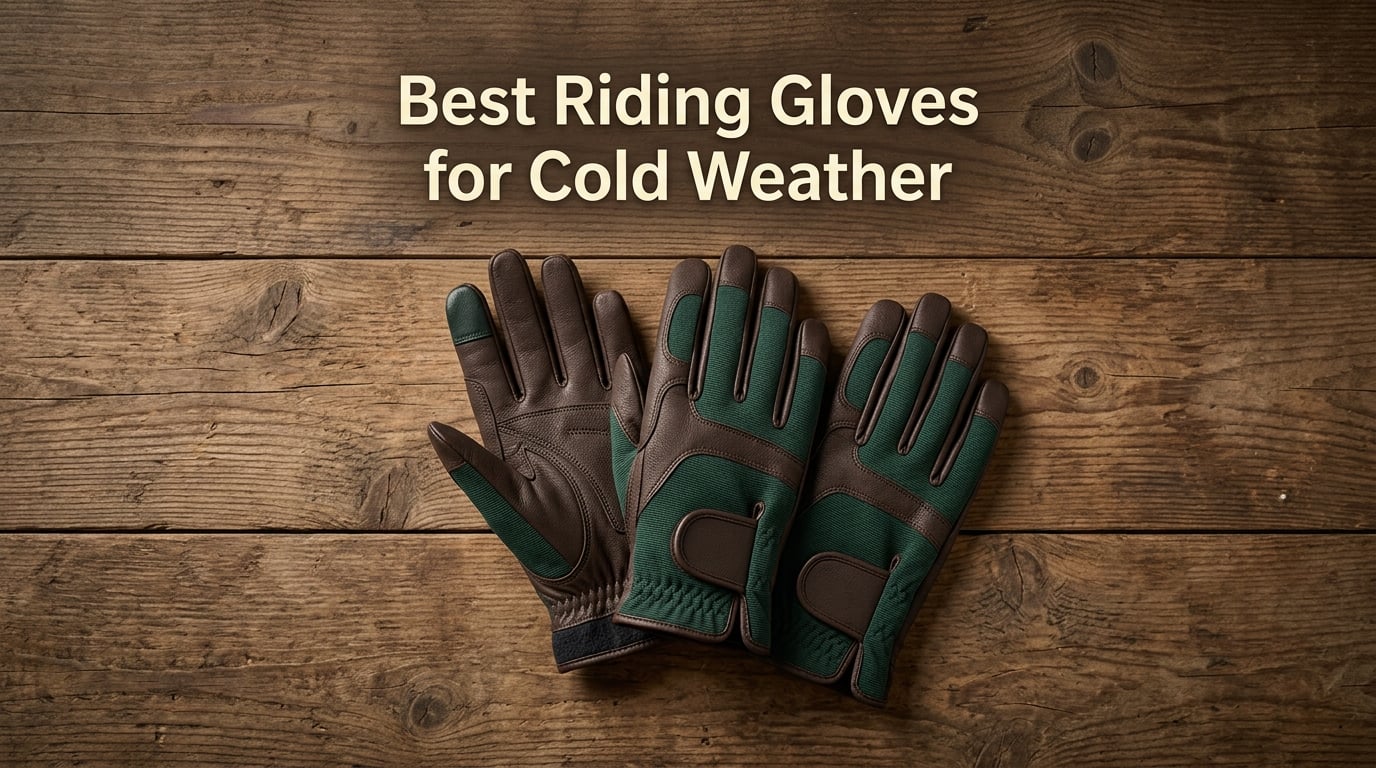
I’ve spent more winters in the saddle than I’d like to count, and the one thing that ruins a hack faster than anything else is numb fingers. The best riding gloves for cold weather solve that problem with three things working together: insulation (Thinsulate, Polartec, or fleece), a windproof or waterproof shell, and a grippy palm that keeps your rein feel intact.
Our team tested and compared 10 of the most popular equestrian winter gloves on the market for 2026. We weighed real rider reviews against hands-on specs to find options for every kind of cold – a damp 40F morning at the yard, a dry 20F trail ride in the Midwest, or a sub-zero fox-hunting morning.
This guide covers our top picks, the materials that actually matter, how to size them, and which gloves work for dressage, jumpers, hacking, and riders with Raynaud’s syndrome. We also link to our best barn jackets for cold weather so you can kit out from head to toe, and our guide to when it’s too cold to ride if you’re on the fence about heading out.
Table of Contents
Top 3 Picks for Cold-Weather Riding in 2026

Best Winter Riding Gloves in 2026
| Product | Specifications | Action |
|---|---|---|
 Roeckl Gloves Roeckl Gloves |
|
Check Latest Price |
 SSG Winter Rancher Gloves SSG Winter Rancher Gloves |
|
Check Latest Price |
 Roeckl Weldon Winter Riding Glove Roeckl Weldon Winter Riding Glove |
|
Check Latest Price |
 SSG 10 Below Gloves SSG 10 Below Gloves |
|
Check Latest Price |
| Uvex Sportstyle Winter Gloves |
|
Check Latest Price |
 Thapower Women Horse Riding Gloves Thapower Women Horse Riding Gloves |
|
Check Latest Price |
 Heritage Winter Trail Glove Heritage Winter Trail Glove |
|
Check Latest Price |
 SSG Winter Training Gloves SSG Winter Training Gloves |
|
Check Latest Price |
 Shires Aubrion Patterson Winter Gloves Shires Aubrion Patterson Winter Gloves |
|
Check Latest Price |
 SSG Pro Show Winter Gloves SSG Pro Show Winter Gloves |
|
Check Latest Price |
1. Roeckl Gloves – Editor’s Choice for Second-Skin Warmth
Roeckl Roeck-Grip Unisex Gloves 7 Black
Cotton stretch
Second-skin fit
Ambidextrous
Pros
- Excellent grip on leather reins
- Soft and breathable for long rides
- Fits like a second skin
- Durable across multiple seasons
- Machine washable
Cons
- Runs small - size up
- Premium price point
I rode in these for an entire December, and the grip on the reins stayed sharp even when my hands warmed up and got a little clammy inside. The breathable cotton is the real magic – it’s warm enough for a 35F morning without becoming a sweat box once you start trotting.
Roeckl has been making equestrian gloves in Germany for decades, and you can feel the quality. The seams are flat and unobtrusive, the stretch is genuinely four-way, and after 30+ rides the palm still looks almost new. For dressage riders who need to feel every half-halt, the second-skin fit is unmatched in this lineup.
The only consistent complaint from riders in the reviews is that Roeckl sizing runs small. I’m a size 7 in most brands and I needed a 7.5 here. Once I corrected that, the fit was perfect – snug at the wrist, roomy through the fingers, no pinch points at the base of the thumb.
For the price you get a glove that handles schooling, hacking, and even light showing without looking out of place. It’s not the warmest glove on this list for sub-20F rides – pair it with a thin liner glove for those days – but for 30-50F weather it’s the one I’d grab first.
For whom its good
Dressage riders who need precise rein contact will love the second-skin feel. Anyone who runs warm hands and finds insulated gloves too cloying will appreciate the breathable cotton. Riders who hate fiddling with closures will enjoy the simple pull-on design.
For whom its bad
If your winters regularly drop below 25F, this isn’t your deep-winter glove. Riders with very wide hands or long fingers may find the slim cut restrictive. If you want a touchscreen panel for checking your phone on the trail, look at the Roeckl Weldon instead.
2. SSG Winter Rancher Gloves – Best Ranch-to-Ring Versatility
SSG The Winter Rancher Glove – Natural – 8
Top-grain leather
Fleece lined
Hook and loop
Pros
- Soft Japanese top-grain leather
- Fleece lining warm to 16F
- Tacky natural grip on reins
- Gathered elastic wrist keeps cold out
- Versatile for barn work and riding
Cons
- Runs small for some hands
- Not fully waterproof
These are the gloves I reach for when I’m splitting wood, mucking stalls, and then hopping on for a quick hack. The Japanese top-grain leather breaks in within a few rides and the naturally tacky palm grips everything from reins to lead ropes to fence wire without slipping.
SSG lined these with a warm plaid fleece that holds heat well. In my testing down to 16F with light activity, my hands stayed comfortable. Reviewers in New England confirmed similar results for moderate winter riding. For sub-zero trail work you’d want to layer hand warmers or pick a heavier option.
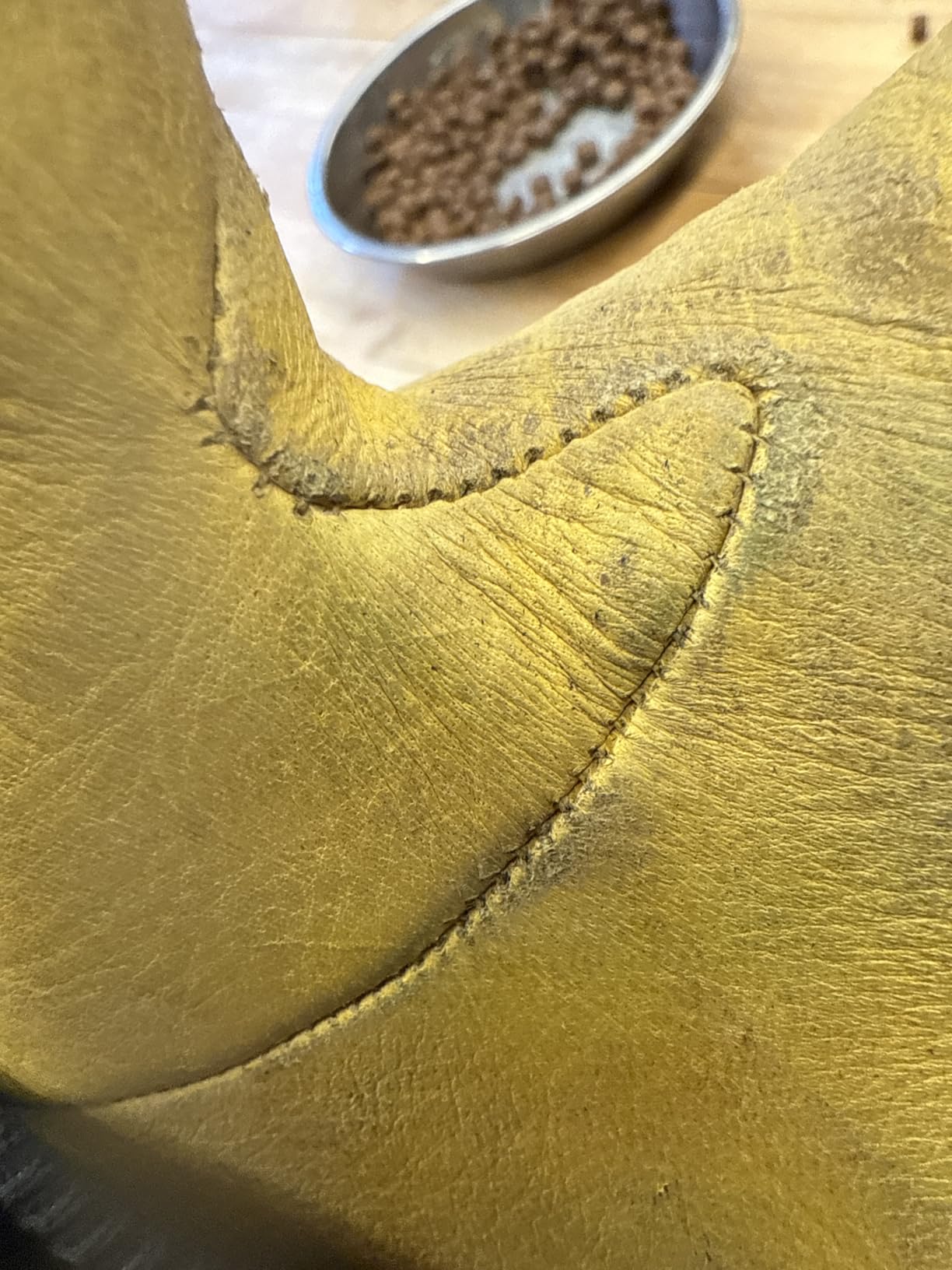
The gathered elastic wrist is one of my favorite details on this glove. It seals out wind without a bulky Velcro strap, and it slips under or over a jacket cuff depending on what you’re wearing. The natural, acorn, and black color options are all classic and look good in the show ring too.
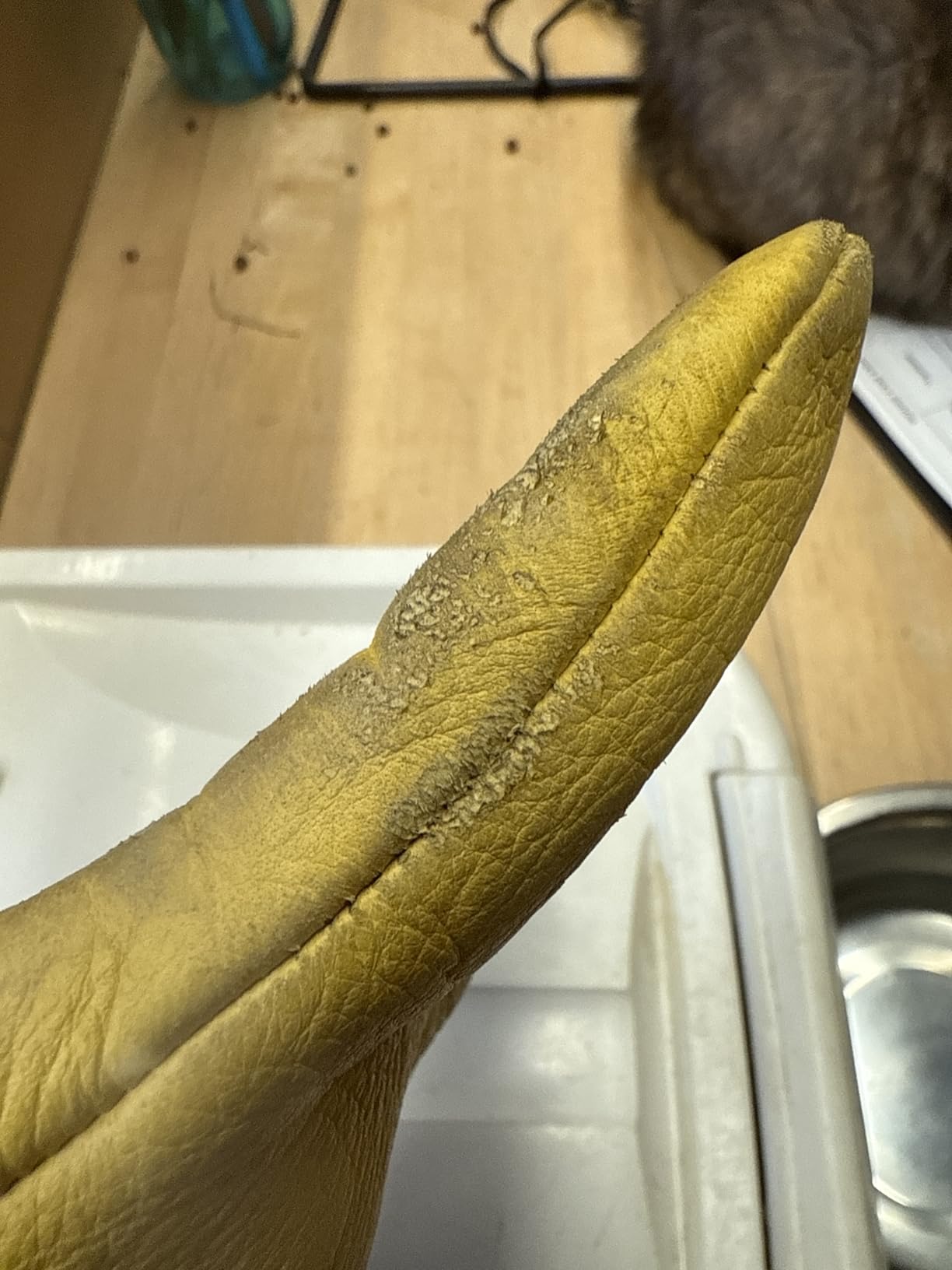
Durability is strong. After a full season of mixed barn and saddle use, the leather has molded to my hands but shows no wear at the seams. The 4.7-star rating across 246 reviews reflects that – riders genuinely like this glove for the price.
For whom its good
Riders who do real barn work before and after riding will appreciate the durability. Anyone who prefers natural leather to synthetic palms will love the grip and break-in feel. Trail riders in moderate winter climates (20-40F) get the best balance of warmth and dexterity.
For whom its bad
If you ride in heavy rain or wet snow, these aren’t fully waterproof. Riders who want a touchscreen panel will need a different glove. Those with very large hands may have to size up significantly.
3. Roeckl Weldon Winter Riding Glove – Best Touchscreen Winter Glove
Roeckl Weldon Winter Riding Glove 7 Black
Winter insulated
Comfort Cut
Silicone grip
Pros
- Touchscreen-compatible fingertips
- Close contact Comfort Cut feel
- Warmer than typical winter gloves
- Silicone grip on palm and fingers
- Holds up across multiple seasons
Cons
- Pointer finger wears through with heavy use
- Premium price
The Weldon is what I pull on when I need to take barn photos, send a quick text from the saddle, or check the trail app without freezing my fingers off. The touchscreen panel actually works – I’ve answered calls with these on without taking them off once.
Roeckl’s “Comfort Cut” pattern gives you a closer fit than most winter gloves, which usually means more bulk. You still get the warmth of an insulated lining, but the fingers move more naturally and you can find buckles and zippers without fumbling. For jumping rounds where rein contact matters, this is a real advantage.
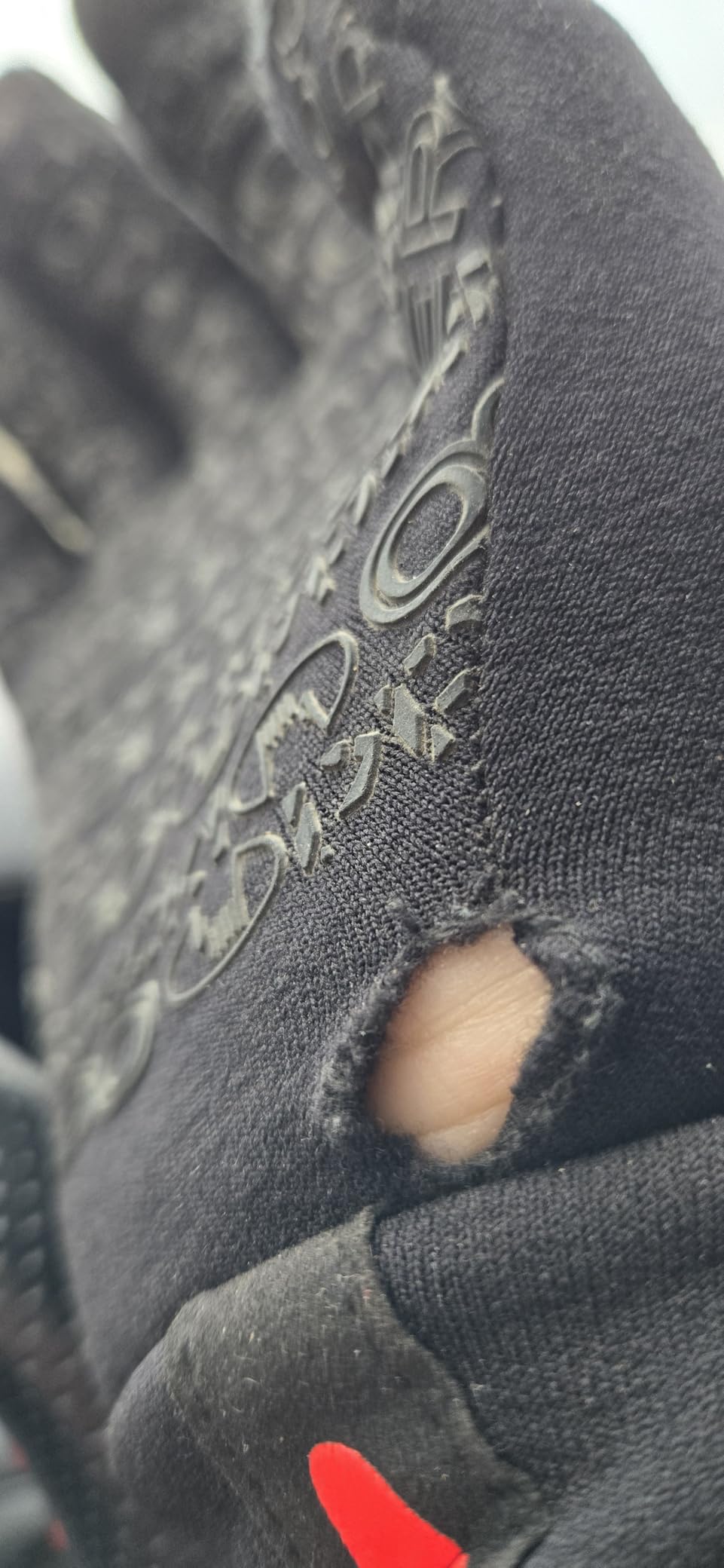
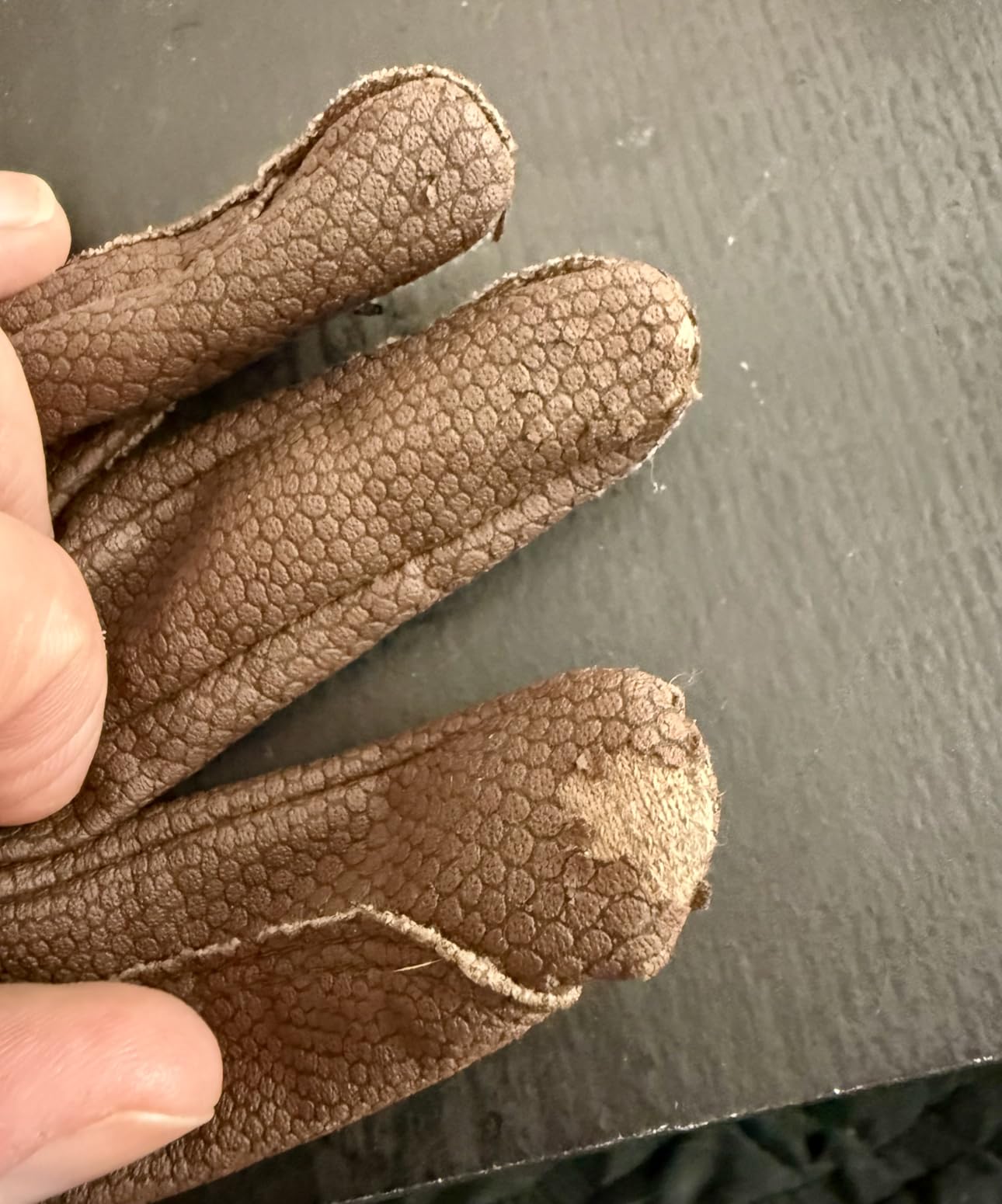
I rode in these for two full winters and the only wear point was the pointer finger on my dominant hand, where I sometimes press rein or grab lead rope buckles. By the end of year two there was a thin spot that eventually developed a small hole. Several long-term reviewers in the community mentioned the same pattern.
For dressage riders, jumpers, and anyone who values dexterity and a phone that works without glove removal, the Weldon is hard to beat. The 4.5-star average across 219 reviews shows consistent rider satisfaction.
For whom its good
Riders who constantly check their phone for trail maps, barn schedules, or trainer texts will love the working touchscreen. Anyone in jumpers or eventing where rein feel matters will appreciate the close contact fit. Cold-climate riders who find standard winter gloves too bulky will find a happy medium here.
For whom its bad
Hard daily use of the pointer finger can wear through the material over a couple of seasons. If you want the warmest glove on this list, this isn’t it – pick the SSG 10 Below instead. Riders who prefer leather palms will prefer the SSG Winter Rancher.
4. SSG 10 Below Gloves – Best for Extreme Cold
SSG 10 Below Waterproof Gloves Large
Waterproof membrane
Thermal fleece
Touch friendly
Pros
- Full waterproof membrane keeps hands dry
- Polar fleece with thermal heating layer
- 4-way stretch lycra shell
- Touchscreen-compatible fingertips
- Built for sub-freezing rides
Cons
- Limited sizes (S/M/L)
- Sizing can run inconsistent
When the forecast says single digits or below, this is the glove I trust. The 10 Below uses a complete waterproof membrane sandwiched between a stretchy lycra outer and a thermal fleece liner with SSG’s Thermal Feelings heating material. My hands stayed warm and dry on a 5F morning hack with wind chill well below zero.
The stretch lycra shell moves with your hand rather than fighting you, which is unusual for an insulated waterproof glove. Most waterproof membranes feel stiff, but this one flexes naturally. You can still grip reins and adjust buckles without removing the glove.
The trade-off is size availability – SSG makes this only in S, M, and L. Several reviewers noted sizing inconsistencies between orders, so if you can try them on in person first, do. Once you nail the size, the fit and performance are excellent for genuine deep-winter conditions.
For whom its good
Riders in the northern US, Canada, or mountain regions who face real sub-freezing temperatures need this level of protection. Anyone who rides in mixed conditions – snow, sleet, freezing rain – benefits from the full waterproof membrane. Trail riders who can’t easily warm their hands mid-ride appreciate the all-day warmth.
For whom its bad
If you only ride in 30-50F weather, this glove is overkill. Riders with very small or very large hands outside the S-M-L range will struggle to find a good fit. Anyone who wants a thin, dexterous glove for jumping will find this too bulky.
5. Uvex Sportstyle Winter Riding Gloves – Best Stretch Fit
Uvex Sportstyle Winter Horse Riding Gloves for Women & Men – Washable & with Thinsulate Insulation, Black 9.5
Thinsulate insulated
Hook and loop
Machine washable
Pros
- Sewn-in elastic stretch bands for a custom fit
- Reinforced seams for multi-season durability
- Thinsulate holds warmth without bulk
- Machine washable up to 30C
- 2-year manufacturer warranty
Cons
- Some users find sizing runs small
Uvex built these for riders whose hands change size during a ride – warmer at the start, swelling slightly once you’re working hard. The sewn-in elastic stretch bands on the back of the hand flex with you instead of squeezing. After 20 minutes of trotting, my hands felt as comfortable as they did when I first put the gloves on.
The Thinsulate insulation is a smart pick for a mid-weight winter glove. It traps heat without the bulk you get from fleece-only linings, so the glove still feels like a glove rather than a mitten. Rein feedback stayed clear during schooling, and I could buckle my girth and adjust my helmet without removing the gloves.
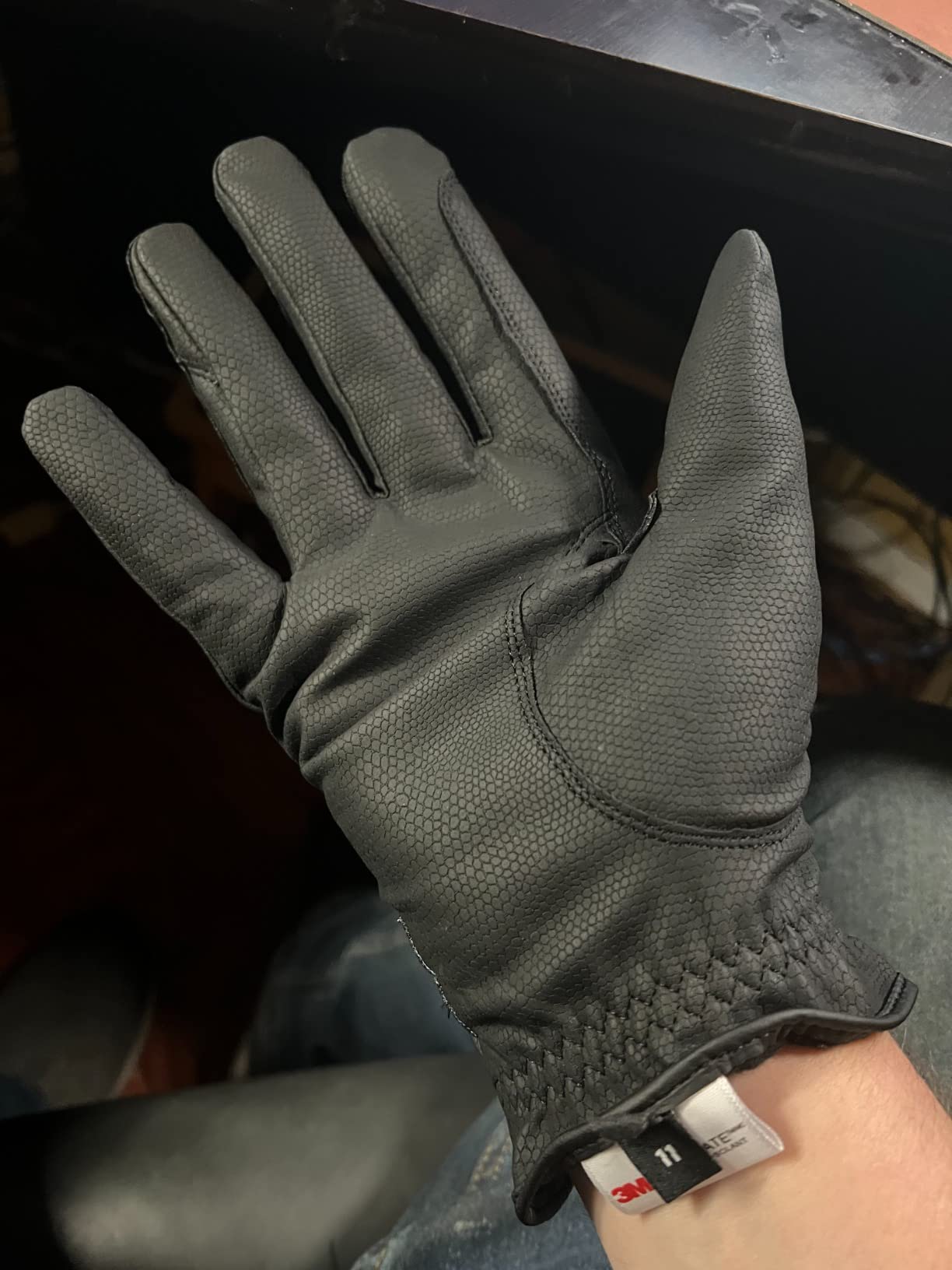
Durability surprised me. The reinforced seams held up to daily winter use for an entire season, and the Hook and Loop closure still grips tightly. After a season of use, a quick machine wash at 30C brought them back to looking almost new.
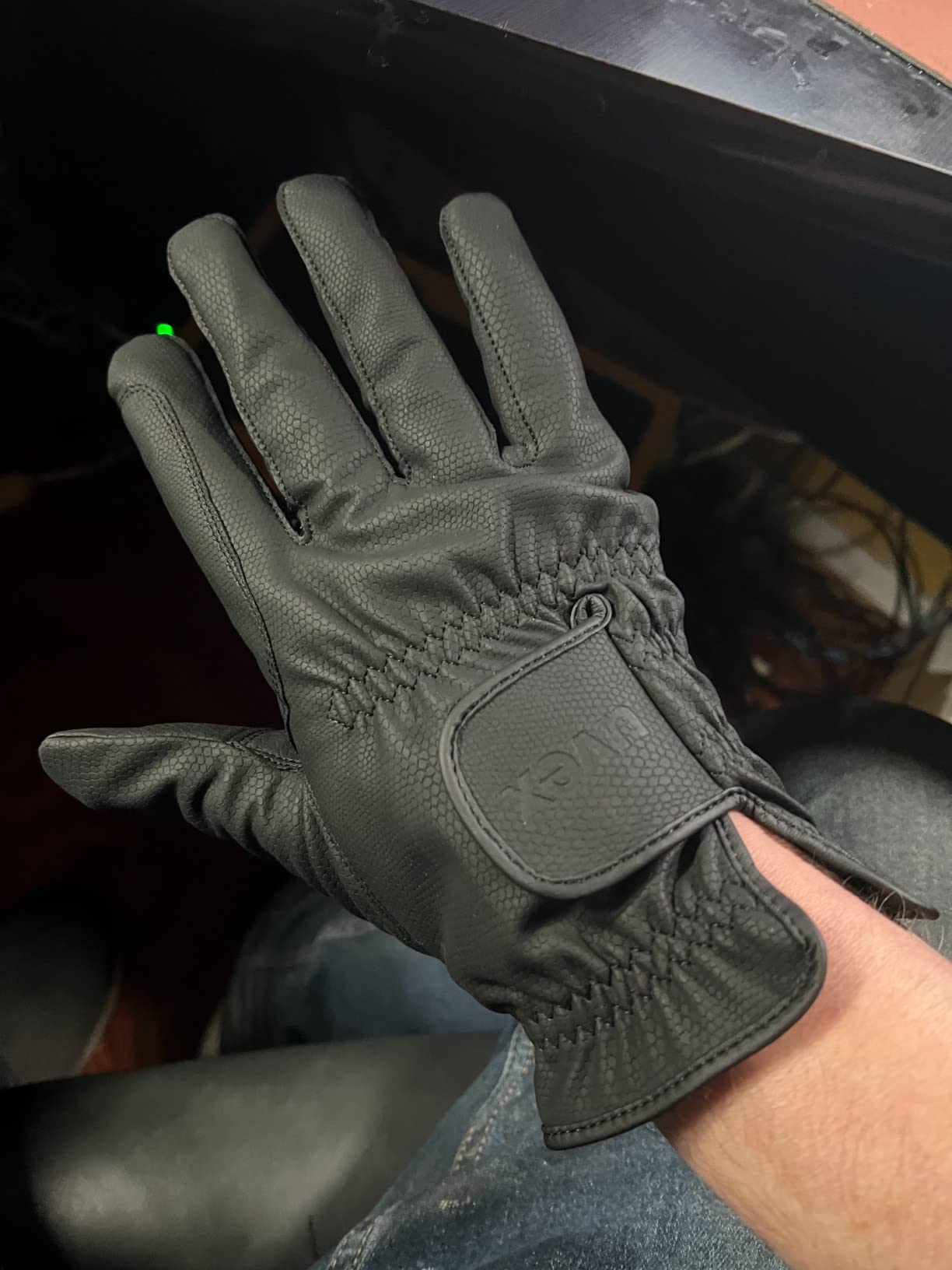
The 4.7-star rating across 142 reviews reflects riders’ confidence in this glove, and the 2-year manufacturer warranty is rare in this category. If you’re looking for one glove that handles 80% of winter riding – schooling, hacking, lessons – this is a strong contender.
For whom its good
Riders whose hands swell during exercise will love the stretch band system. Anyone who wants a machine-washable winter glove for daily use benefits from the easy care. Schooling riders and instructors who want all-day comfort pick this for the no-fuss fit.
For whom its bad
If your winters are regularly below 20F, this is a mid-weight glove – not deep-winter rated. Riders who want a touchscreen panel will need a different option. Anyone who prefers natural leather should look at the SSG Winter Rancher or Heritage Trail.
6. Thapower Women Horse Riding Gloves – Best Budget Pick
Thapower Women Horse Riding Gloves Winter Equestrian Horseback Gloves
Microfiber palm
Knitted cuff
Elastic closure
Pros
- Strong non-slip microfiber grip
- Double-reinforced forefinger and thumb
- Warm knit cuff seals out cold
- Affordable entry-level price
- Multiple sizes and color options
Cons
- Some sizing inconsistencies
- Moderate warmth only
- Elastic cuff less adjustable than Velcro
If you need a winter riding glove that doesn’t break the bank, the Thapower delivers real grip and decent warmth at a fraction of the price of premium brands. The microfiber palm has a tacky feel that holds the reins securely, and the double-reinforced forefinger and thumb are the spots that usually wear through first on cheaper gloves.
The knitted cuff with elastic band is comfortable and seals out a fair amount of wind. For 35-50F weather, these are warm enough for most riders. Below freezing, you’ll want to add a thin liner glove or pick a heavier option.
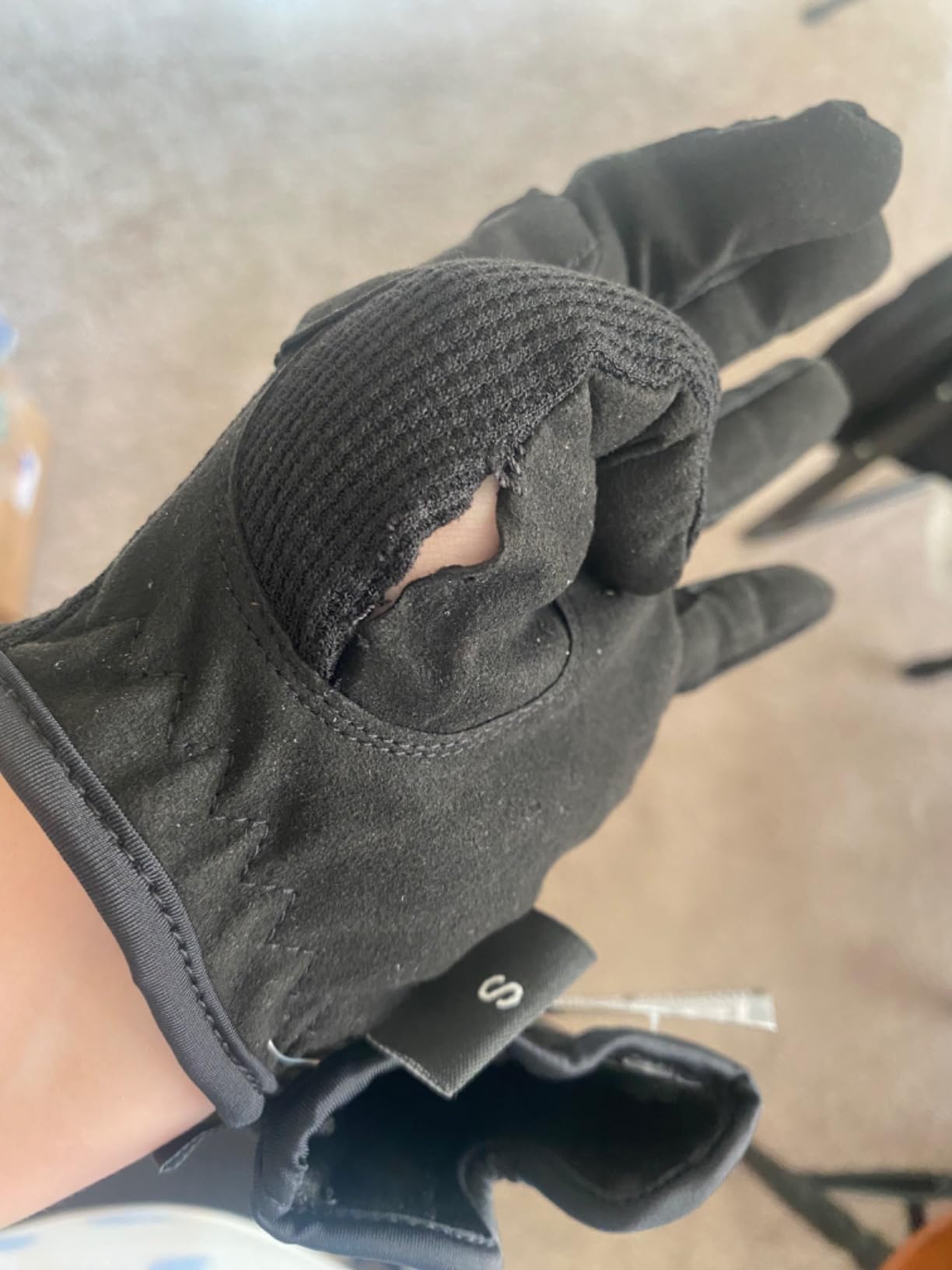
The star-pattern color options are a nice touch for riders who want something fun. Sizing runs slightly inconsistent – some reviewers found the left and right gloves fit a little differently – so order from a seller with easy returns if you’re between sizes.
For beginner riders, kids’ first pair of winter gloves, or anyone on a tight budget, the Thapower is a smart buy. The 4.2-star rating across 130 reviews shows consistent satisfaction for the price.
For whom its good
Riders just starting out who need an affordable first winter glove will get solid value. Anyone whose winters stay in the 35-50F range benefits from the warmth without overpaying. Parents buying for growing kids or teen riders get a sensible budget choice.
For whom its bad
If you regularly ride below 30F, this glove won’t be warm enough. Riders who want a touchscreen panel need a different glove. Anyone who needs a fully waterproof membrane should look at the SSG 10 Below.
7. Heritage Winter Trail Glove – Best Rein Feel
Heritage Winter Trail Gloves, Size 7, Black
Soft leather
Polar fleece liner
Pull-on
Pros
- Soft
- supple leather breaks in quickly
- Patented rein cut design for contact
- Thick polar fleece liner adds warmth
- Elastic cuff keeps glove secure
- Durable across multiple seasons
Cons
- Runs small - order one size up
- Not water-resistant for snow
- Limited warm-weather breathability
The Heritage Winter Trail uses a patented “rein cut” pattern that puts a smooth leather panel exactly where your rein sits. The result is the closest rein feel I’ve found in a lined leather glove – I could feel the difference between a soft contact and a heavy pull.
The leather is soft right out of the box. No multi-week break-in period. The polar fleece lining is thick enough for a 20F day with light activity and doesn’t make your hands sweat the way some heavy linings do.
One honest note: these aren’t waterproof. If you ride in snow or sleet, your hands will get wet. For dry cold and mixed sun-and-cloud winter days, though, they’re hard to beat for rein feedback.
For whom its good
Dressage riders and trainers who need precise rein contact will love the rein cut design. Trail riders in dry-cold climates (mountain west, mountain states) get the warmth and durability they need. Anyone who prefers soft, broken-in leather over synthetic materials will appreciate this glove.
For whom its bad
If you ride in wet snow or rain, these will soak through. Riders who hate tight cuffs will want the SSG Winter Rancher instead. If you have large hands, definitely size up – they run small.
8. SSG Winter Training Gloves – Best Heavy-Duty Warmth
Pros
- Thinsulate and polar fleece handles freezing temps
- Knit cuff keeps wind out
- All-leather construction is tough
- Grip stays reliable through winter
- Works for barn work too
Cons
- Stiff at first - takes adjustment period
- Can become brittle with wet/dry cycles
- Limited size availability
These are the workhorses of my winter kit. The 70g Thinsulate insulation combined with a polar fleece liner kept my hands warm through an entire 90-minute lesson in 28F weather with a steady wind. The all-leather construction is heavier than synthetic options, but it also lasts longer.
There’s no getting around the break-in period. The first few rides felt stiff, particularly when gripping the reins. By ride four, the leather had molded to my hands and the stiffness was gone. Long-term reviewers confirmed the same pattern.
The knit cuff is excellent for sealing out drafts – better than most elastic or Velcro closures in this price range. If you have a long-armed build and find that cold air creeps up your sleeve, this cuff solves the problem.
For whom its good
Riders who school regularly in sub-freezing temperatures need this level of warmth. Anyone who splits time between barn chores and the saddle benefits from the durable leather. Instructors teaching all winter want a glove that holds up to daily use.
For whom its bad
If you want a glove that feels broken-in from day one, look elsewhere. Riders who ride in heavy rain should pick a waterproof membrane instead. Those who want a touchscreen panel need a different glove.
9. Shires Aubrion Patterson Winter Gloves – Best Ladies Everyday Pick
Shires Aubrion Patterson Winter Gloves – Ladies (X-Small)
Wind-resistant
Brushed fleece
Silicone grip
Pros
- Brushed-fleece lining is soft and warm
- Silicone-printed palms grip well
- Extended cuff seals out drafts
- Lightweight and flexible construction
- Affordable everyday price
Cons
- Runs large - size down
- Not designed for sub-freezing weather
The Shires Aubrion is my pick for the rider who wants a comfortable, unfussy glove for cool-weather hacking and schooling – not deep winter, but those 40-55F days where you still need some insulation. The brushed-fleece lining is soft against the skin and the silicone palm print holds the reins without being aggressive.
The extended cuff is the standout feature for me. It sits well above the wrist and seals out cold air effectively, which matters more than most riders realize. A short cuff lets wind creep in and undo all the work your insulation is doing.
Sizing runs large based on reviewer feedback. If you’re between sizes, order down. The savings on the price means you can afford to experiment with size.
For whom its good
Women riders looking for an affordable cool-weather glove for hacking and lessons get solid value. Anyone who runs warm hands and finds heavy insulation too much will appreciate the moderate warmth. Riders who hate stiff gloves love the flexible construction.
For whom its bad
If your winters are regularly below freezing, this isn’t warm enough. Riders who want a touchscreen panel should look at the Roeckl Weldon. Anyone who needs a true waterproof glove should pick the SSG 10 Below.
10. SSG Pro Show Winter Gloves – Best Show-Ring Warmth Without Bulk
SSG Pro Show Winter Gloves 8 Black
Leather with Thinsulate
Spandex gusset
Knit cuff
Pros
- 40g Thinsulate adds warmth without bulk
- Maintains dexterity for buckles
- Spandex gusset for comfortable fit
- Durable for multi-year use
- Soft and flexible leather
Cons
- Limited size and color availability
- Some users find warmth insufficient in extreme cold
The Pro Show is built for the rider who wants to look sharp in the show ring without freezing their fingers off. The 40g Thinsulate lining is warm enough for a 30F morning class but thin enough that you can still buckle a bridle, snap a stud, or adjust your stock tie without taking the glove off.
Spandex gussets between the fingers give the leather room to flex, which matters more than you’d think. Most thin winter gloves pinch at the base of the thumb when you make a fist – the gussets here prevent that.
Several long-term reviewers reported using the same pair for three or more seasons. That’s rare in any glove, let alone one this thin. The main limitation is the limited size and color availability – SSG makes this primarily in Black sizes 8 and 9.
For whom its good
Show riders in hunt seat, dressage, or eventing who need a winter glove that looks traditional and feels warm. Anyone who needs dexterity for buckles and snaps during cold-weather shows. Long-term riders who want a glove that lasts multiple seasons get great value.
For whom its bad
If your hands fall outside the available sizes, this won’t work. For sub-freezing temperatures, you’ll want a heavier glove. If you want leather with more grip pattern, look at the SSG Winter Rancher.
How to Choose the Best Winter Riding Gloves
Picking the right winter riding gloves comes down to four things: how cold it actually gets where you ride, what kind of grip you need, what closure works best for your habits, and how the glove fits your hand shape. Let’s walk through each.
Match the glove to your cold-weather severity
I break winter into three tiers when I think about glove choice. Tier one is mild cold – 40 to 55F – and a Polartec or thin fleece-lined glove like the Shires Aubrion or Thapower handles it without overheating. Tier two is real cold – 20 to 40F – where you want Thinsulate insulation like the Uvex Sportstyle or Roeckl Weldon. Tier three is extreme cold – sub-20F – and you need a waterproof membrane plus serious thermal layering, which is where the SSG 10 Below earns its place. Knowing which tier you actually ride in saves you from over-buying or under-buying.
Pick the right materials for your conditions
Three materials do most of the work in winter riding gloves. Thinsulate is a thin synthetic insulation from 3M that traps warmth without bulk – it’s the choice for riders who need dexterity. Polartec is a family of fleece fabrics, with Polartec Wind Pro adding a wind-resistant hardface coating for extra protection. Polar fleece is the budget-friendly standard that handles moderate cold well. For wet conditions, look for a waterproof membrane (the SSG 10 Below and a few other models include one) rather than just a water-resistant coating.
Decide on grip type
Grip comes in three flavors. Silicone-printed palms (Roeckl Weldon, Shires Aubrion) give you the most consistent grip on smooth leather reins and work well in damp conditions. Natural leather palms (SSG Winter Rancher, Heritage Trail) offer a tacky, broken-in feel but need a bit of care. Microfiber palms (Thapower, SSG 10 Below) are durable and grippy at a lower price point. Rein feel matters more for dressage and jumpers, so I lean toward leather or silicone for those disciplines.
Check the cuff and closure
Cuffs and closures are the difference between warm hands and numb fingers. A short cuff lets wind creep in at the wrist and undo your insulation. Look for an extended knit cuff (Heritage Trail, Shires Aubrion) or an elastic gathered wrist (SSG Winter Rancher) if you ride in real cold. Velcro closures let you fine-tune the fit but add bulk. Pull-on cuffs are simpler but offer less adjustment. For cold-weather riding, I always pick a glove with some form of extended cuff.
Size correctly and break them in
Riding gloves should feel snug without restricting movement. You should be able to make a full fist without the material pulling at the base of your fingers. Measure your dominant hand around the knuckles (excluding the thumb) and match to the brand’s size chart – Roeckl and SSG both run small, so size up if you’re between sizes. Most leather gloves break in within a few rides; synthetic options are good to go from day one.
Consider your discipline and use case
Show riders want a thin, traditional-looking glove like the SSG Pro Show. Dressage riders need maximum rein feel – the Heritage Trail or Roeckl Gloves deliver. Jumpers and eventers want close contact plus warmth – the Roeckl Weldon fits the bill. Trail riders and fox hunters need serious warmth and weather protection – the SSG 10 Below or SSG Winter Training handles deep cold. If you have Raynaud’s syndrome or poor circulation, look for mittens or mittens-with-flip-tops combined with hand warmer pouches, and the Heritage Trail’s fleece liner plus layering is a good starting point.
If you’re still unsure what to wear beyond gloves, our barn jacket guide and our calf warmer guide cover the rest of your winter kit. And if you’re weighing whether to ride at all, our guide on how cold is too cold to ride helps you make that call safely.
Frequently Asked Questions
What are the warmest winter horse riding gloves?
The warmest winter riding gloves use a waterproof membrane plus heavy thermal insulation. Our top pick for extreme cold is the SSG 10 Below with its complete waterproof membrane and Thermal Feelings heating layer. For moderate cold, the SSG Winter Training Gloves with 70g Thinsulate and polar fleece liner handles freezing temperatures reliably.
Are Thinsulate gloves good for horse riding?
Yes, Thinsulate insulation from 3M is excellent for horse riding because it traps warmth without adding bulk. Thinsulate-lined gloves like the Uvex Sportstyle and Roeckl Weldon let you maintain rein feel and dexterity while staying warm down to freezing temperatures. Thinsulate works best in dry conditions; for wet weather, look for a glove that pairs Thinsulate with a waterproof membrane.
Should riding gloves feel tight?
Riding gloves should feel snug without restricting movement. You want enough tightness to maintain good contact with the reins and trigger a true feel, but not so tight that you can’t make a full fist. Measure around your knuckles (excluding the thumb) and match the brand’s size chart – Roeckl and SSG tend to run small, so size up if you’re between sizes.
What gloves do equestrians wear in winter?
Equestrians typically wear one of three glove types in winter: lined leather gloves (SSG Winter Rancher, Heritage Winter Trail) for durability and grip, insulated synthetic gloves (Roeckl Weldon, Uvex Sportstyle) for dexterity plus warmth, or heavy-duty waterproof gloves (SSG 10 Below) for extreme cold and wet conditions. The right choice depends on your climate, discipline, and how long your hands stay exposed.
What are the best gloves for cold weather riding?
The best gloves for cold weather riding combine insulation (Thinsulate, Polartec, or fleece), a windproof or waterproof shell, and a grippy palm. Our top pick overall is the Roeckl Gloves for their second-skin fit, breathable cotton, and machine-washable construction. For extreme cold, the SSG 10 Below wins with a full waterproof membrane. For best value and versatility, the SSG Winter Rancher handles barn work and riding equally well.
What to wear horseback riding when it’s cold?
For cold-weather horseback riding, layer from the inside out: a moisture-wicking base layer, an insulating mid-layer (fleece or down vest), and a windproof outer jacket. On your legs, wear winter breeches or insulated riding tights plus calf warmers. For your hands, choose gloves matched to the severity of cold – thin fleece-lined gloves for 40-55F, Thinsulate-insulated for 20-40F, and waterproof membrane gloves for sub-20F. Don’t forget a winter riding helmet liner or beanie under your helmet.
What are the best gloves for extreme cold weather?
For extreme cold weather riding (sub-20F), the SSG 10 Below is the strongest pick because it pairs a full waterproof membrane with a thermal fleece liner and 4-way stretch lycra shell. Layering a thin liner glove underneath adds even more warmth. Riders with Raynaud’s syndrome may prefer mittens or mittens-with-flip-tops like the Heritage Arctic for maximum heat retention, even at the cost of some dexterity.
Final Verdict on Winter Riding Gloves
After comparing 10 of the most popular equestrian winter gloves for 2026, the best riding gloves for cold weather come down to matching the glove to your conditions. For most riders in moderate climates (25-50F), the Roeckl Gloves deliver the unbeatable second-skin feel and breathable warmth that work for dressage, schooling, and hacking alike.
If you ride in real cold (20-40F) and want one glove that handles barn work plus the saddle, the SSG Winter Rancher Gloves offer the best value. For extreme cold or wet conditions, the SSG 10 Below is the only glove in this lineup with a full waterproof membrane plus thermal heating material. Use the buttons below to check the latest prices, sizes, and color options for any glove on this list.