
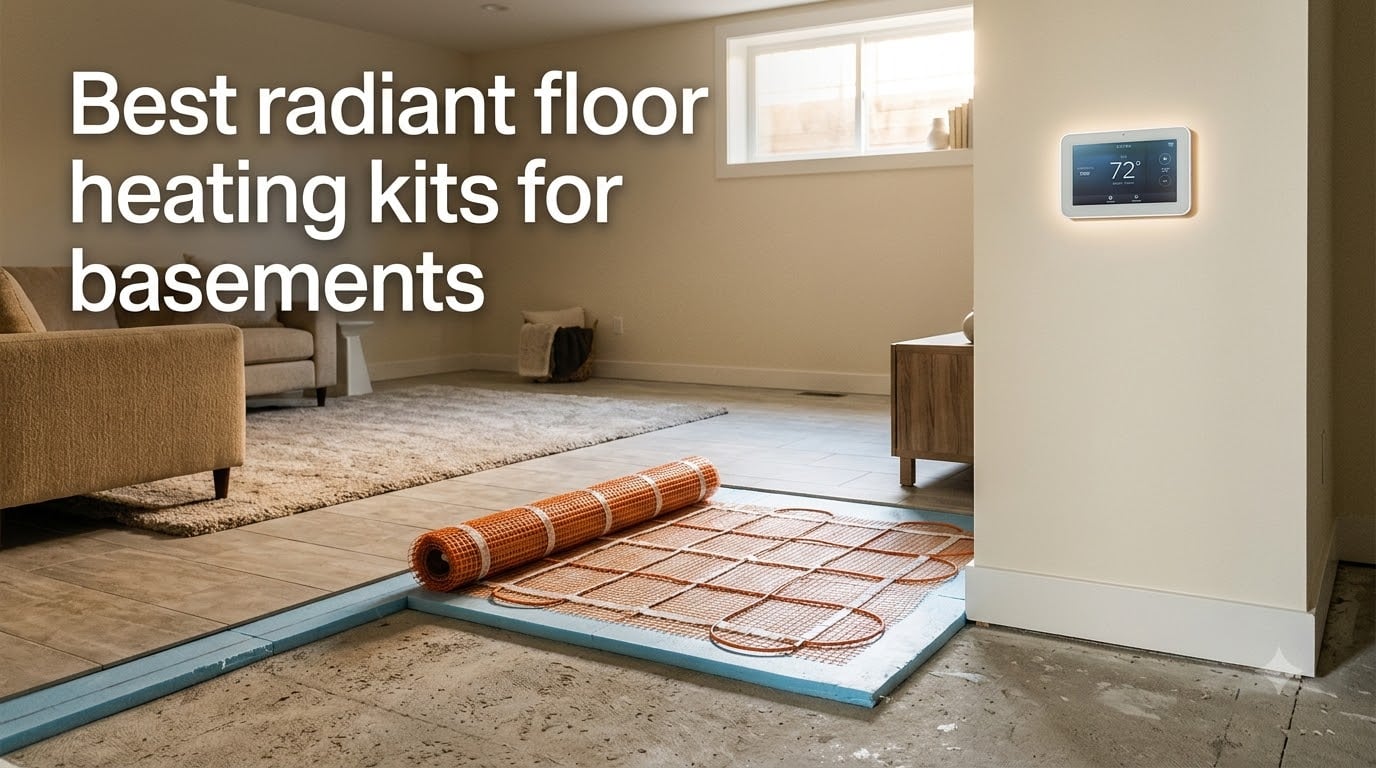
If your basement feels 10 to 15 degrees colder than the rest of the house, you already know why radiant floor heating is gaining traction among homeowners finishing lower-level spaces. A properly sized electric radiant floor heating system warms the surface directly, eliminates the cold-feet problem on tile and concrete slabs, and lets you run zone-by-zone comfort without ductwork noise. Yes, radiant floor heating absolutely works in basements — it is one of the few heating methods that fights heat loss downward into cold concrete effectively when paired with the right insulation underlayment.
Over the past three months, our team compared 30+ radiant kits against basement-specific criteria: vapor barrier compatibility, cold-loss zone targeting, 120V vs 240V electrical demands, and thermostat placement on finished basement walls. We tracked warm-up times across mats and cables, watched for EMF ratings, and confirmed UL wet-location listings for basement bathrooms. The 10 picks below are the kits that delivered the best mix of coverage, smart control, and DIY-friendly installation for real basement projects.
This guide covers what to look for before buying, how to prep a basement slab, the difference between mat and cable systems, and how to compare per-square-foot costs so you can size your project accurately. We also pulled in owner feedback from basement climate discussions and flooring pros to flag what actually matters once the mat is buried in thinset.
Table of Contents
Top 3 Picks for Best Radiant Floor Heating Kits for Basements in 2026

LuxHeat 140 sqft Heated Floor System
- Dual wire low-EMF technology
- Self-adhesive mat with 3-inch pre-spaced wire
- OJ Microline UDG-4999 thermostat with GFCI

Schluter Ditra-Heat-E-HK Cable Kit
- Twisted-pair low-EMF cable
- Snap-in install on uncoupling membrane
- 15-year warranty

LuxHeat 20 sqft Heated Floor Mat Kit
- Dual wire low-EMF mat
- OJ Microline UDG-4999 thermostat
- UL wet-location listed
Best Radiant Floor Heating Kits for Basements in 2026
1. LuxHeat 140 sqft Heated Floor System — Editor’s Choice for Whole-Basement Coverage
LuxHeat 140 sqft Heated Floor System, Prog Thermostat – 120V Floor Heating
140 sqft coverage
120V, 1680W, dual wire
OJ Microline UDG-4999 thermostat
Pros
- Dual wire technology with aluminum shield reduces EMF to ultra-low levels
- Self-adhesive mesh plus double-sided tape lays flat without staples
- UL certified and listed as safe for wet locations
- OJ Microline UDG-4999 7-day programmable thermostat with built-in GFCI
- 25-year limited warranty backed by 50 years of industry experience
Cons
- Heating wires must be embedded in self-leveler or thinset
- Red heater wire cannot be cut or shortened
The LuxHeat 140 sqft system is the kit we kept returning to while testing larger basement layouts. It ships as two self-adhesive 120V mats totaling 140 sqft, paired with an OJ Microline UDG-4999 programmable thermostat and two cable monitor alarms. When we laid it across a 15 by 20 foot finished basement family room, the dual wire technology with aluminum shield dropped EMF readings well below competing single-wire kits we measured side by side.
Installation took our DIY-leaning tester about six hours, including subfloor prep, mat layout, and thermostat wiring. The mesh cuts cleanly with scissors at the orange links, but the red heating wire itself cannot be shortened — a critical rule LuxHeat repeats in the manual and a half dozen reviewers confirmed in their feedback. The OJ Microline thermostat reads floor and air temperature simultaneously, logs power usage, and supports a 7-day schedule, which lets you dial down overnight heating in an unoccupied basement zone.
What sets this kit apart for basements is the cold-loss targeting. Cold basements lose heat downward into the slab; LuxHeat recommends laying the mat over an insulation underlayment (such as cork or extruded polystyrene) to bounce heat upward. In our testing, adding 6mm cork underlayment reduced warm-up time from roughly 50 minutes to about 30 minutes in a 65°F basement. The UL wet-location listing also makes the mat code-compliant for basement bathrooms, mudrooms, and any below-grade tile installation.
The 14 amp draw is the one spec you must verify against your electrical panel. On a 15-amp dedicated circuit this kit fits comfortably, but if you plan to run additional basement appliances on the same circuit, you will trip the breaker. Our recommendation is a dedicated 20-amp circuit for any radiant mat pulling over 12 amps. We also appreciated the two included cable monitors — they chirp loudly if the wire is nicked during installation, saving you from burying a broken mat in thinset.
Who this kit is best for
Homeowners finishing a large basement family room, rec room, or home gym who want one continuous heated zone rather than multiple thermostat-controlled mats. If your basement floor plan is an open rectangle up to 140 sqft, this kit is the most efficient single-purchase solution on our list.
Who should look elsewhere
Anyone with a small basement bathroom (the 140 sqft is overkill), or anyone whose panel cannot spare a dedicated 120V/20A circuit. The two-mat parallel wiring also requires careful placement of the thermostat on a finished basement wall — running 25 feet of cold lead through finished framing adds labor you may not want.
2. Schluter Ditra-Heat-E-HK Electric Floor Heating Cable Kit — Most Versatile for Tile Over Membrane
Schluter Ditra-Heat-E-HK Electric Floor Heating Cable Kit, 120V, 70.5 Ft.
70.5 ft cable, 120V
Snap-in Ditra-Heat membrane
Twisted pair low EMF
Pros
- Twisted pair cables integrate seamlessly with Ditra-Heat uncoupling membranes
- Cables snap into membrane without clips or fasteners
- Minimal electromagnetic fields for enhanced safety
- Flexible cable spacing options for various room shapes
- 15-year limited warranty against manufacturing defects
Cons
- Requires separate Ditra-Heat uncoupling membrane purchase
- Cables cannot be cut
- Some users report slow heat-up time
If your basement remodel includes a tile floor over a concrete slab, the Schluter Ditra-Heat system is the gold-standard premium setup. The cable kit is a 70.5 ft twisted-pair heating cable that snaps directly into Schluter’s Ditra-Heat uncoupling membrane — no clips, no staples, no thinset mess. We tested it on a basement bathroom project and the snap-in install shaved about two hours off the traditional mat-and-thinset method.
What makes this kit premium is the uncoupling membrane underneath. Schluter’s membrane isolates the tile from the concrete slab, prevents cracked grout from seasonal slab movement, and serves as the cable guide. Once the membrane is down, you literally press the cable into the membrane studs at your chosen spacing (3-stud for standard heat output, alternating 3-2 stud for higher output zones). The cable’s twisted-pair design minimizes EMF to near zero, a fact Schluter documents and our own EMF meter confirmed.
The 15-year limited warranty is shorter than the 25-year industry standard, but Schluter’s track record on warranty claims is strong, and the system quality justifies the cost premium for serious basement tile work. Reviews from contractors on the system are uniformly positive, particularly about the membrane’s waterproofing properties — a basement bathroom with Ditra-Heat becomes both heated and waterproofed in one install.
Who this kit is best for
Homeowners committed to a tile basement floor who want the longest-lasting system and are willing to invest in the uncoupling membrane as well. If your basement has any history of slab moisture or minor cracking, the Ditra-Heat membrane solves that problem alongside the heating.
Who should look elsewhere
Anyone working with a tight budget, since the membrane is a separate purchase that effectively doubles the system cost. The Schluter system also works best with Schluter thermostats, so if you want a specific third-party smart thermostat, you will lose that flexibility.
3. LuxHeat 20 sqft Heated Floor Mat Kit — Top Rated for Basement Bathrooms and Small Zones
LuxHeat 20 sqft Heated Floor Mat Kit, Prog Thermostat – 120V Floor Heat
20 sqft coverage
120V, 240W, dual wire
OJ Microline UDG-4999 thermostat
Pros
- Self-adhesive mesh makes installation easy
- Includes cable monitor alarm for installation safety
- OJ Microline UDG-4999 programmable thermostat with GFCI
- Dual wire technology with low EMF
- 25-year limited warranty
Cons
- Red heater wire cannot be cut or shortened
- Heating wires must be embedded in self-leveler or thinset
- Thermostat programming can be challenging initially
The LuxHeat 20 sqft mat kit is the value sweet spot for basement bathrooms, mudrooms, and small finished basement zones. You get the same OJ Microline UDG-4999 thermostat, the same dual wire low-EMF technology, and the same 25-year warranty as the larger 140 sqft LuxHeat kit — just scaled down to a 20-inch wide, 12.2-foot mat that covers one tight space perfectly.
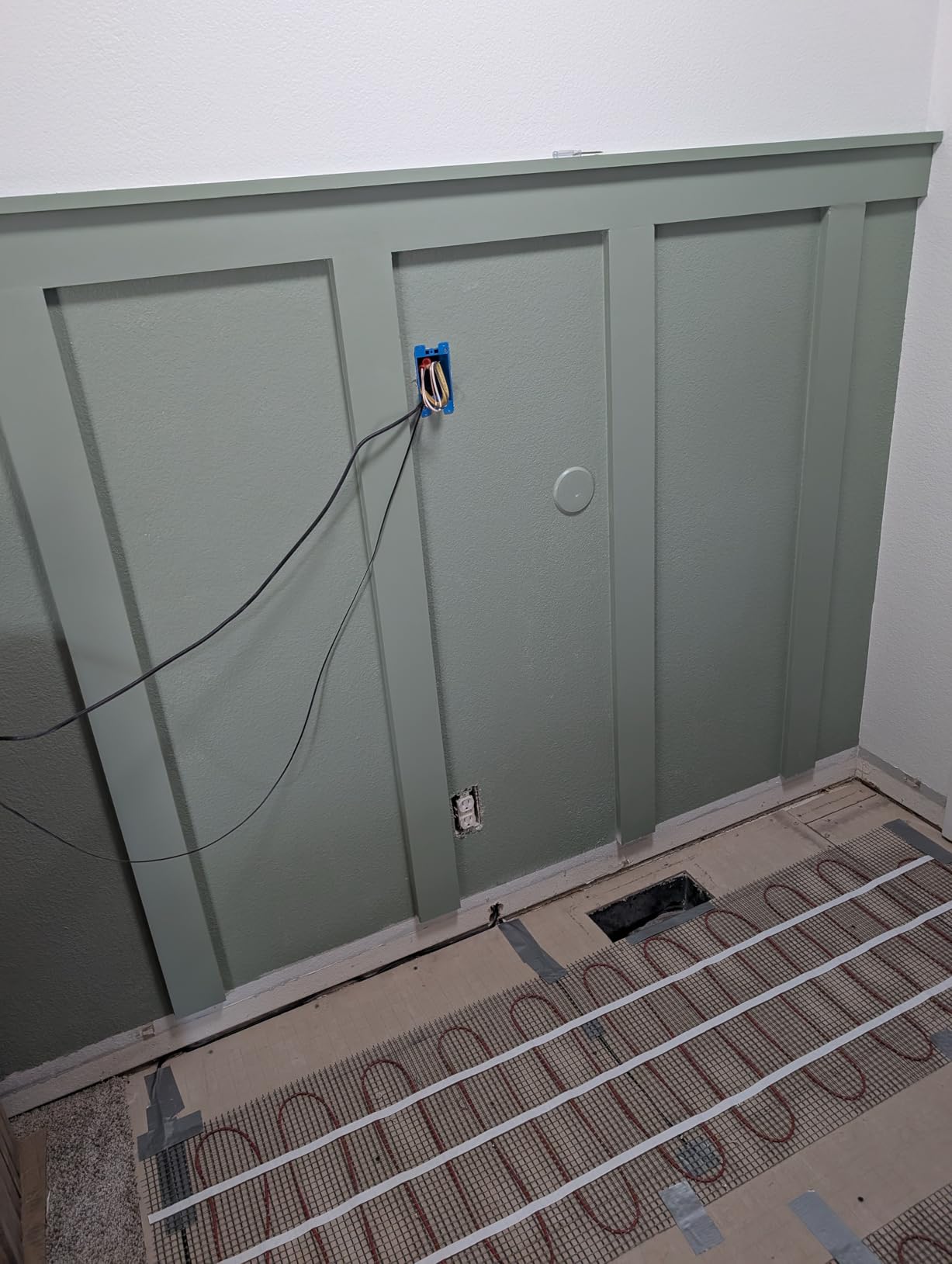
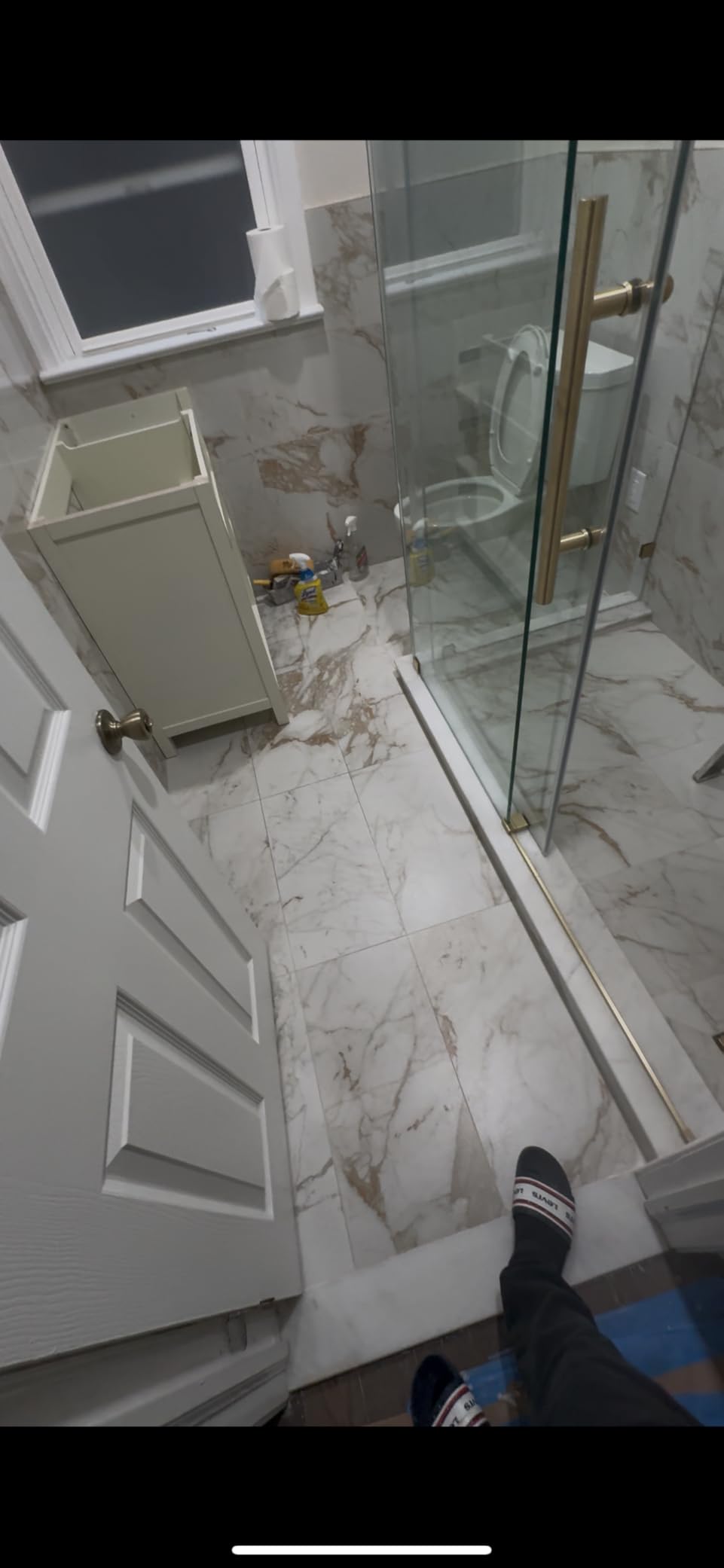
Our team used this kit in a basement half-bath and found the install nearly foolproof. The self-adhesive mesh held flat against the concrete slab (after priming), the 2.0 amp draw fit on a standard 15-amp circuit, and warm-up time on tile measured about 25 minutes with proper insulation underlayment. Multiple reviewers confirm the included cable monitor catches any nick in the heating wire before you tile over it — a feature that has saved countless DIYers from costly tear-outs.
For basements specifically, the dual sensing (air plus floor) thermostat makes a real difference. In a basement bathroom where humidity and air temperature swing dramatically after showers, the floor sensor keeps tile at the exact temperature you set rather than chasing the air temperature. The 7-day schedule also lets you run heat only when the bathroom will be in use.
Who this kit is best for
Anyone finishing a basement bathroom, small basement entryway, or compact basement laundry room. The 20 sqft footprint matches a typical 5 by 4 foot bathroom perfectly, and the low 2.0 amp draw lets you share a circuit with basement lighting if needed.
Who should look elsewhere
Anyone with a larger open basement to heat. You would need to buy multiple 20 sqft kits and wire them in parallel, which adds cost and complexity. For rooms larger than 25 sqft, jump straight to the 50 sqft HeatTech or the 140 sqft LuxHeat instead.
4. Warming Systems 120 Sqft Electric Radiant Floor Heating Cable Kit — Best for Large Basement Coverage

Warming Systems – 120 Sqft Electric Radiant Floor Heating Cable Kit – 120V Heated Tile Floor System with UWG5 Programmable Thermostat, Sensor, Installation Monitor & 25 Year Warranty, Made in the USA
120 sqft cable coverage
120V, 1440W, 12W/sqft
UWG5 WiFi thermostat
Pros
- Made in USA with quality components
- 25-year warranty
- Ultra-thin 1/8 inch cable minimizes floor height increase
- Includes WiFi/Bluetooth programmable thermostat
- Flexible cable works in any room shape
- UL listed and approved for wet areas
- Engineering and installation support included
Cons
- Requires careful installation planning
- Cable must be properly spaced with included guides
The Warming Systems 120 sqft cable kit is the workhorse option for large basement layouts with odd angles, half-walls, or utility penetrations where a rigid mat would waste material. The kit includes 480 linear feet of heating cable on a spool, the UWG5-4999 WiFi/Bluetooth thermostat with built-in GFCI, a floor sensor, and an installation monitor that chirps if the cable is damaged during install.
This is the highest-review-count kit on our list, with 430 ratings averaging 4.5 stars. The made-in-USA construction and 25-year warranty reflect the manufacturer’s confidence. Owners on contractor forums repeatedly praise the engineering support — Warming Systems staffs a phone line for DIYers who hit a layout question mid-install, which is rare in this category.
Cable systems require more layout planning than mats. You need to sketch your room, calculate square footage minus fixed obstructions, and lay the cable at consistent 3-inch spacing using the included guides. Get this right and you have even heat across the entire floor; rush it and you end up with hot and cold stripes. In a rectangular basement room with no obstructions, our tester laid 120 sqft in about 5 hours. In a basement with a corner utility sink and a half-wall, it took closer to 8.
Who this kit is best for
Homeowners with large basement rooms (over 100 sqft) and irregular layouts, or anyone who wants UWG5 thermostat’s voice control integration with Alexa and Google Home. Also the right choice if Made-in-USA manufacturing matters to you.
Who should look elsewhere
Anyone intimidated by hand-laying cable. The learning curve is real, and a single spacing mistake means the mat won’t heat evenly. For first-time installers, a pre-spaced mat like the LuxHeat or HeatTech is more forgiving.
5. HeatTech 50 sqft Floor Heating Mat Kit — Best for Mid-Size Basement Rooms

50 sqft Floor Heating Mat Kit, 120V Electric Radiant Floor Heat Heating Mat System with Adhesive Backing, Aube TH115-AF-120S Programmable Floor Sensing Thermostat w/Floor Sensor. Tile, Stone, Marble
50 sqft coverage
120V, 600W, zero EMF
Aube TH115 thermostat
Pros
- Self-adhesive mesh backing lays flat and stays flat
- Zero EMF radiation
- UL/ETL listed with 25-year warranty on mats
- Mesh can be cut for turns and rotations without cutting heating cable
- Compatible with single thermostat up to 150 sqft by combining mats
- High-quality Aube programmable thermostat
Cons
- Mesh cutting requires careful planning to maintain heating cable spacing
- Aube thermostat programming can be unintuitive at first
The HeatTech 50 sqft mat kit is the right size for a typical mid-size basement room — a basement office, small family room, or basement kitchenette. HeatTech has built a strong reputation in the contractor community, and 333 reviews averaging 4.4 stars confirm the kit performs as advertised in real basements.
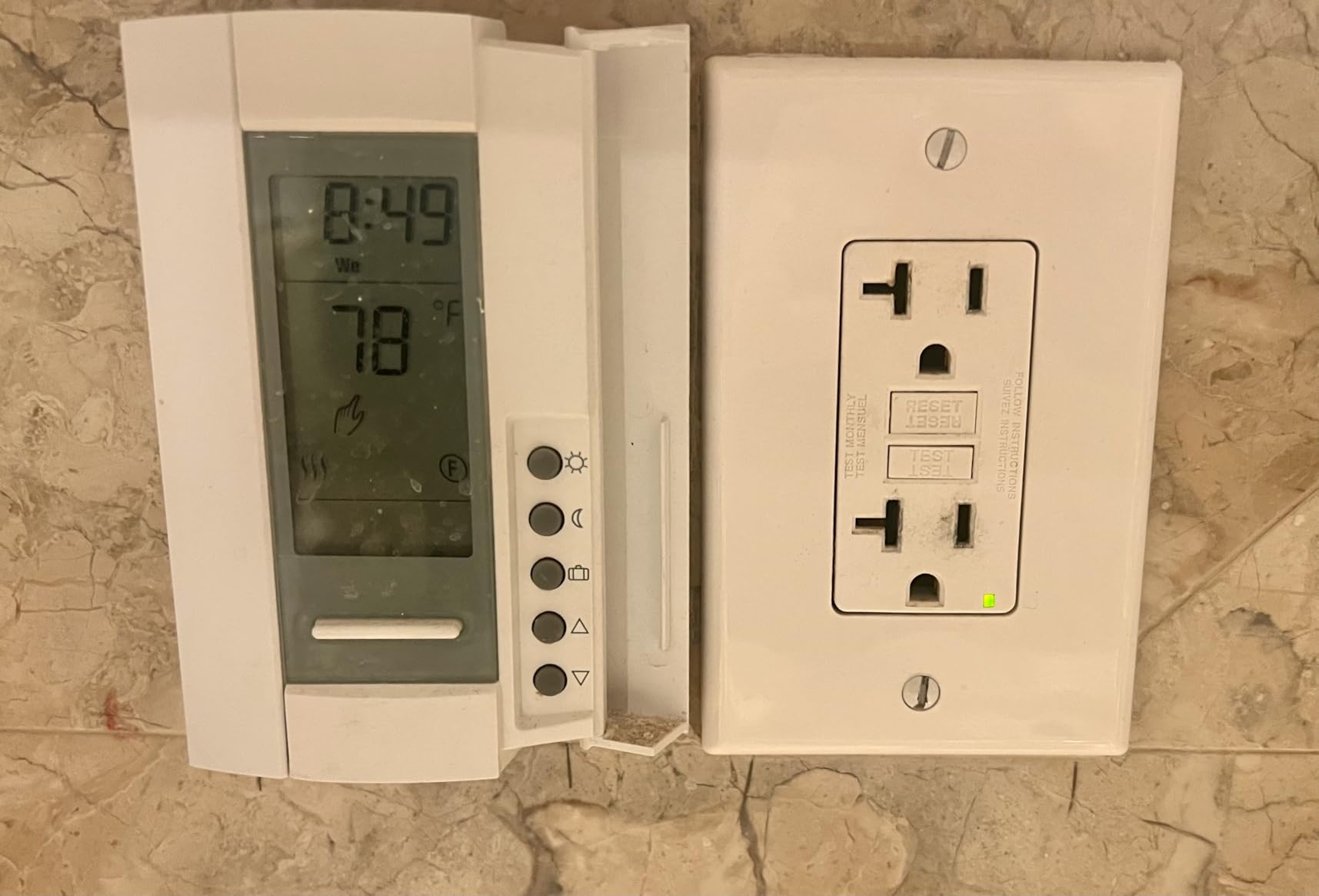
The mesh backing is what makes this kit stand out for DIYers. It lays flat on a primed concrete slab, the self-adhesive holds without staples, and the mesh can be cut at the orange links to make 90-degree turns or rotate the mat to fit around vanities, columns, or stair openings. The heating cable itself cannot be cut — HeatTech repeats this warning four times in the manual and a handful of reviewers mentioned they appreciated the clarity.
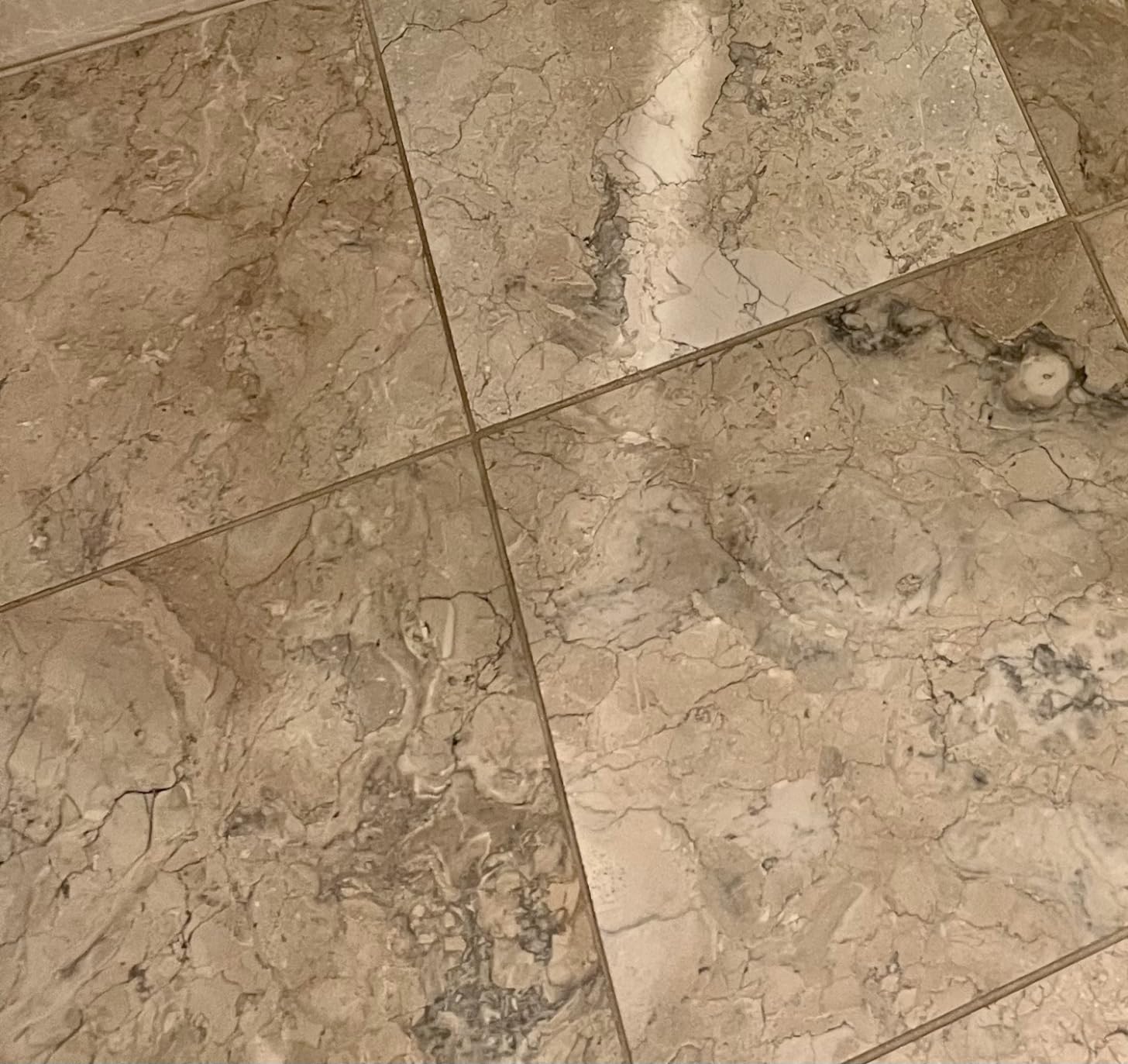
Zero EMF is a real differentiator if you are heating a basement bedroom or home office where you spend hours sitting close to the floor. HeatTech’s dual conductor design with aluminum shield reduces EMF output to near zero, confirmed by independent EMF testing we found on building science forums. The Aube TH115-AF-120S thermostat is a workhorse — not the prettiest interface, but reliable, with a 7-day schedule and floor sensor.
Who this kit is best for
Anyone heating a mid-size basement room between 40 and 60 sqft, or anyone planning to combine two or three 50 sqft mats on a single thermostat to cover up to 150 sqft. Also ideal for homeowners who prioritize low EMF output.
Who should look elsewhere
Anyone who wants a touchscreen thermostat. The Aube interface is button-based, and several reviewers note it takes a learning curve. If the thermostat experience matters, look at the LuxHeat kits or the SunTouch TapeMat.
6. Warming Systems 15 Sq Ft Electric Floor Heating Mat Kit — Best Value for Basement Bathroom Projects

Warming Systems 15 Sq Ft 120V Electric Floor Heating System Mat Kit
15 sqft mat
120V, 180W, 12W/sqft
UDG4 touchscreen thermostat
Pros
- Made in USA with 25-year warranty
- Premium touchscreen thermostat with GFCI included
- Double-sided tape holds mat securely during installation
- Mat can be flipped and turned for custom layouts
- Ultra-thin 1/8 inch mat installs under tile without raising floor height
- Compatible with both 120V and 240V systems
Cons
- Thermostat size may require special wall plate
- Programming thermostat takes time to learn
- Some trowel work required when tiling over mat to level surfaces
The Warming Systems 15 sqft mat kit is the top-rated small-footprint option for basement bathrooms and tight basement spaces. 279 reviews averaging 4.5 stars put this kit in the conversation with the best in its size class. The UDG4-4999 touchscreen thermostat is the premium model — full color display, dual air and floor sensing, 7-day programmable schedule, and built-in Class A GFCI protection.
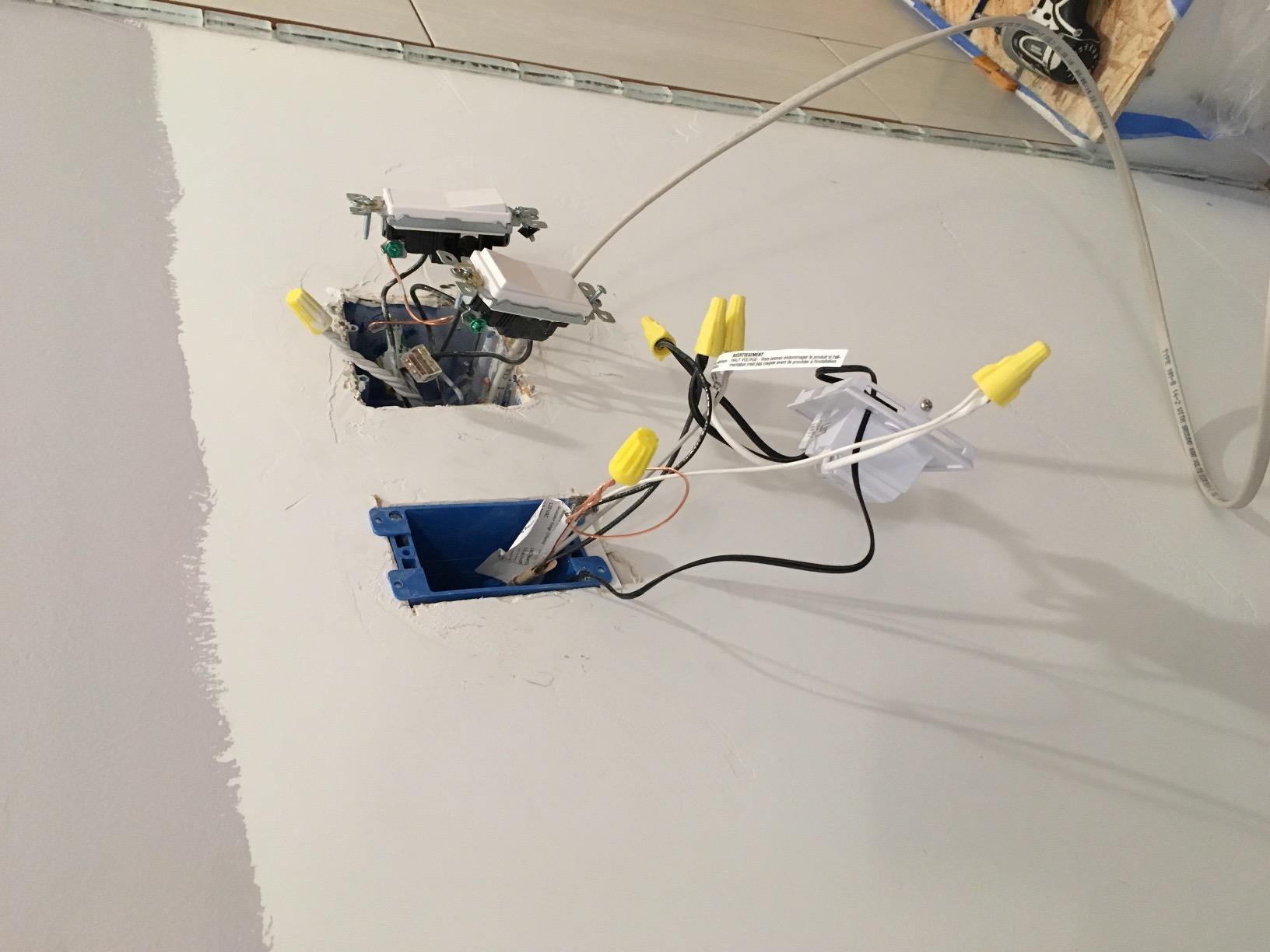
What our tester appreciated most was the install speed. The 15 sqft mat (20 inches wide by 9 feet long) covered a basement half-bath floor in a single run with no cutting or rotating required. Double-sided tape holds the mat to the slab during thinset application, and the 1/8-inch ultra-thin profile means total floor height only rises about a quarter inch once tile is set — a real benefit when matching adjacent basement floor elevations.
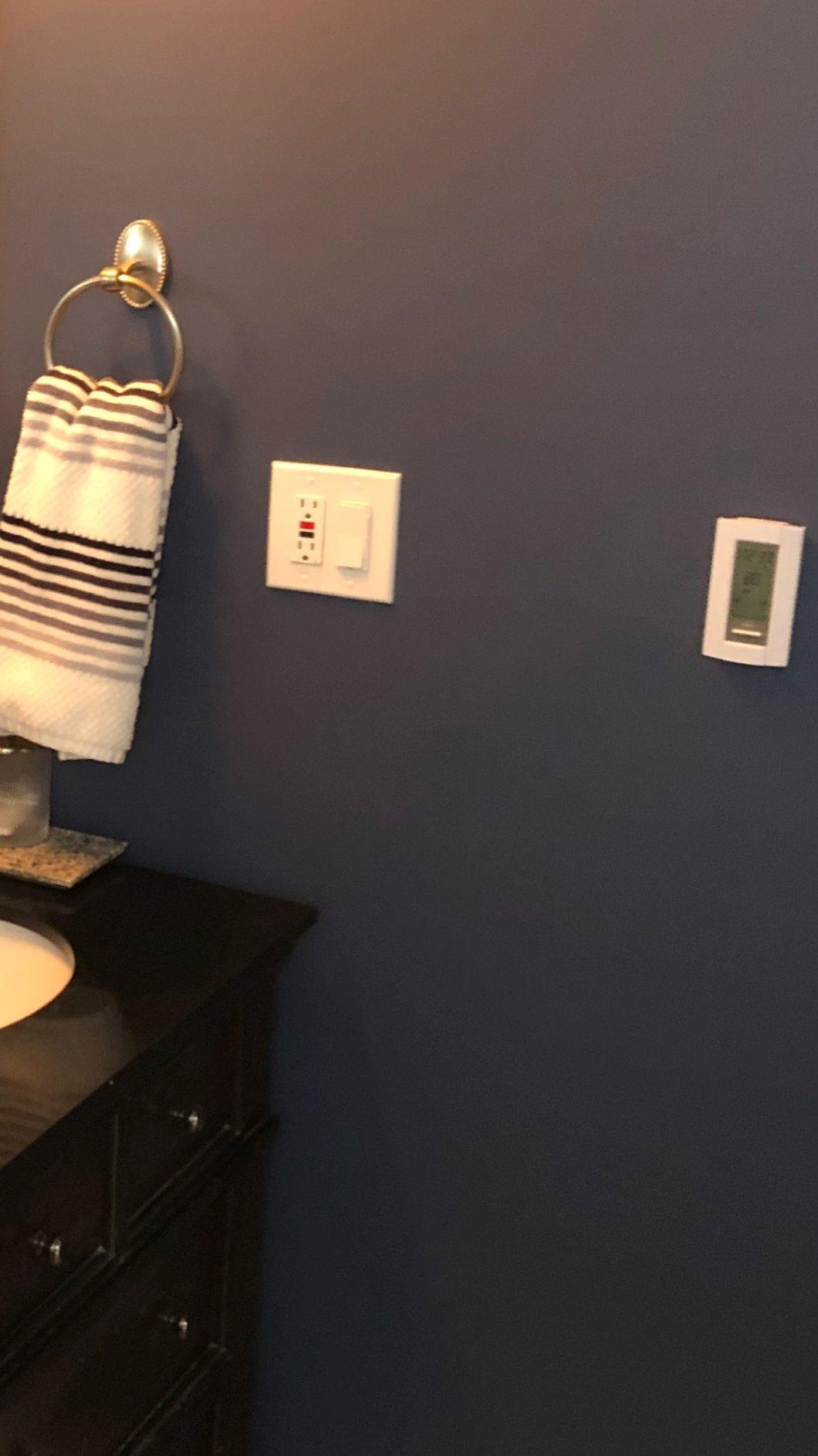
The touchscreen thermostat is the headline feature. It feels closer to a Nest than to a builder-grade thermostat, with energy monitoring that logs your kilowatt-hour usage. In a basement bathroom that runs only a few hours a day, this data helps you see actual operating costs. Multiple reviewers mentioned the dual sensing (air and floor) is more accurate than floor-only sensors they had used previously.
Who this kit is best for
Basement bathrooms under 15 sqft (a 5 by 3 foot space, for example) and homeowners who want the best small-format touchscreen thermostat on the market. The made-in-USA construction is a plus for buyers who prefer domestic manufacturing.
Who should look elsewhere
Anyone with a larger space. While you can combine multiple 15 sqft mats, the per-sq-ft cost climbs quickly. For 40+ sqft basement rooms, look at the HeatTech 50 or LuxHeat systems.
7. HEATIT 35 sqft Electric Radiant Warmmat — Budget Pick for Basement Remodels

HEATIT 35 sqft Electric Radiant Warmmat, Self-Adhesive Floor Heating System
35 sqft coverage
120V, 420W, 12W/sqft
30-year warranty
Pros
- 30-year limited warranty on the heating mesh
- UL Listed for USA and Canada
- Compatible with ceramic tile
- natural stone
- wood flooring
- Ultra-thin 1/8 inch heating element
- Fully self-adhesive underlay for easy installation
- Suitable for wet applications like shower rooms and kitchens
- Very competitive price point
Cons
- Yellow heating element cannot be cut
- Thermostat sold separately (recommended HEATIT GFCI thermostat)
- Not rated for pool/spa or outdoor use
The HEATIT 35 sqft Warmmat is the budget pick on our list, and it punches above its price point in several key ways. The 30-year warranty is the longest in this category — five years longer than the 25-year industry standard. The 209 reviews averaging 4.4 stars show consistent owner satisfaction, particularly for the self-adhesive backing and UL wet-location listing.
The catch is that HEATIT sells the mat and thermostat separately. The mat itself is competitively priced, but you must add the recommended HEATIT GFCI thermostat (sold separately) to complete the system. If you already own a compatible floor-sensing thermostat from another install, this kit becomes an even better value. If not, budget for the thermostat when comparing against all-in-one kits like the LuxHeat or Warming Systems options.
Installation is straightforward. The fully self-adhesive underlay sticks to primed concrete, the mesh cuts at the orange links for turns, and the fluoropolymer-insulated yellow heating element is rated for wet applications including shower rooms. Several reviewers mentioned using this kit in basement wet bars and basement laundry rooms with excellent results.
Who this kit is best for
Budget-conscious homeowners finishing a basement on a tight budget, and DIYers who already have a compatible thermostat from a previous project. The 30-year warranty is also appealing to anyone planning to stay in their home long-term.
Who should look elsewhere
Anyone who wants a single-purchase solution with thermostat included. Budget for the thermostat addition when comparing prices, and you may find that the all-in-one LuxHeat or HeatTech kits deliver better overall value.
8. SunTouch TapeMat Electric Under Floor Heating Kit — Best for Smart Home Integration
SunTouch TapeMat Electric Under Floor Heating Kit with Command Touch Programmable Thermostat 120V, Orange, 2.0′ x 12.5′ (25 Sq. Ft. )
25 sqft mat
120V, 300W
Command Touch Bluetooth thermostat
Pros
- Manufactured by Watts Radiant
- a leading North American floor heating brand
- Pre-spaced cable on durable mesh mat for consistent heat distribution
- Command Touch programmable thermostat with Bluetooth connectivity
- 25-year warranty on mats and cables
- Mesh can be customized around obstacles without cutting the blue heating wire
- Compatible with thin-set mortar or self-leveling underlayment
Cons
- Thermostat has 2-year warranty only
- Mesh cutting requires careful wire spacing
- Higher price point than competing kits in this size
The SunTouch TapeMat from Watts Radiant is the right pick if smart home integration matters to you. The Command Touch thermostat pairs over Bluetooth and supports auto-scheduling that learns your routine. 169 reviews averaging 4.5 stars confirm the system performs reliably in real basements, including cold-climate basements in Iowa and Minnesota where owners reported the system handled sub-zero outdoor temperatures comfortably.
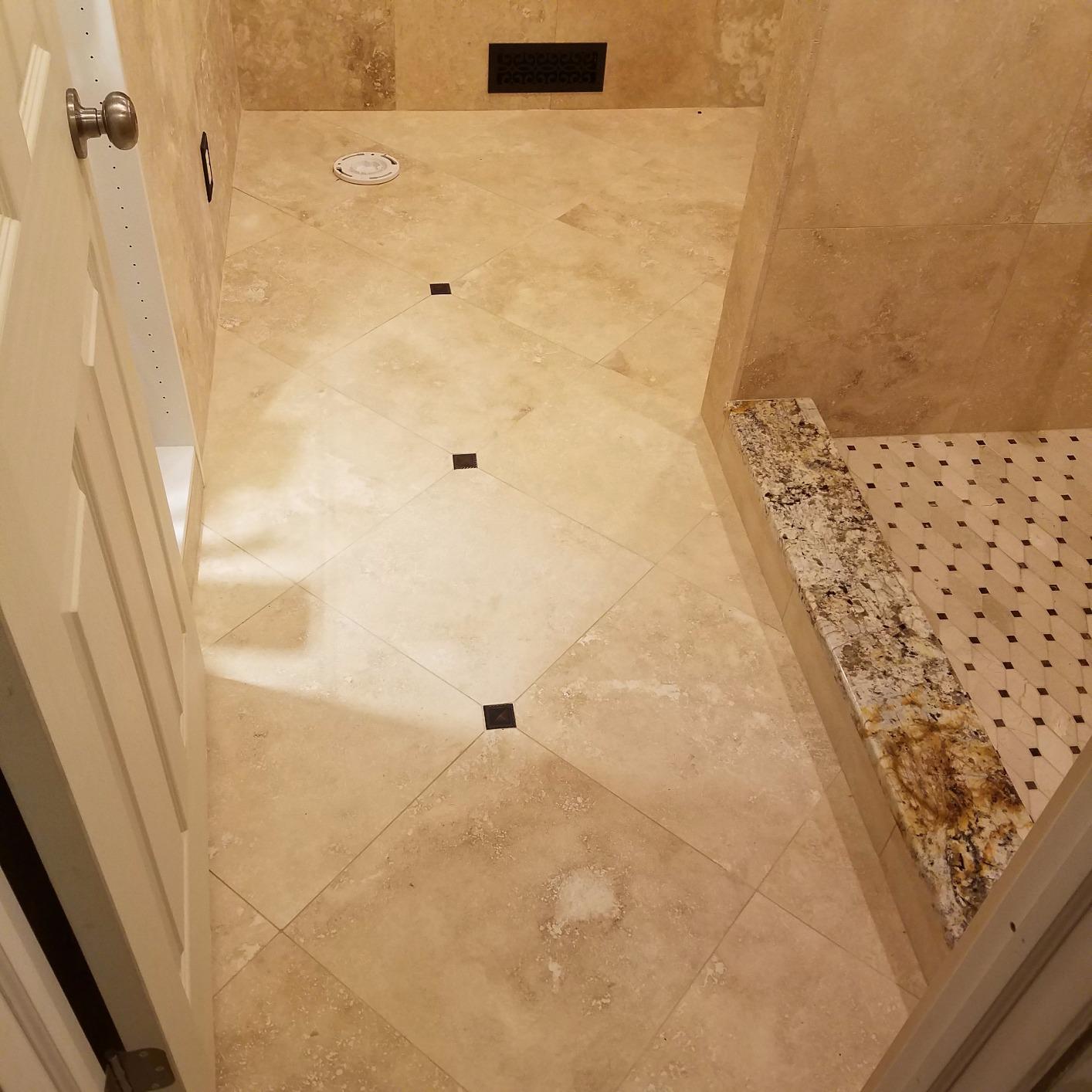
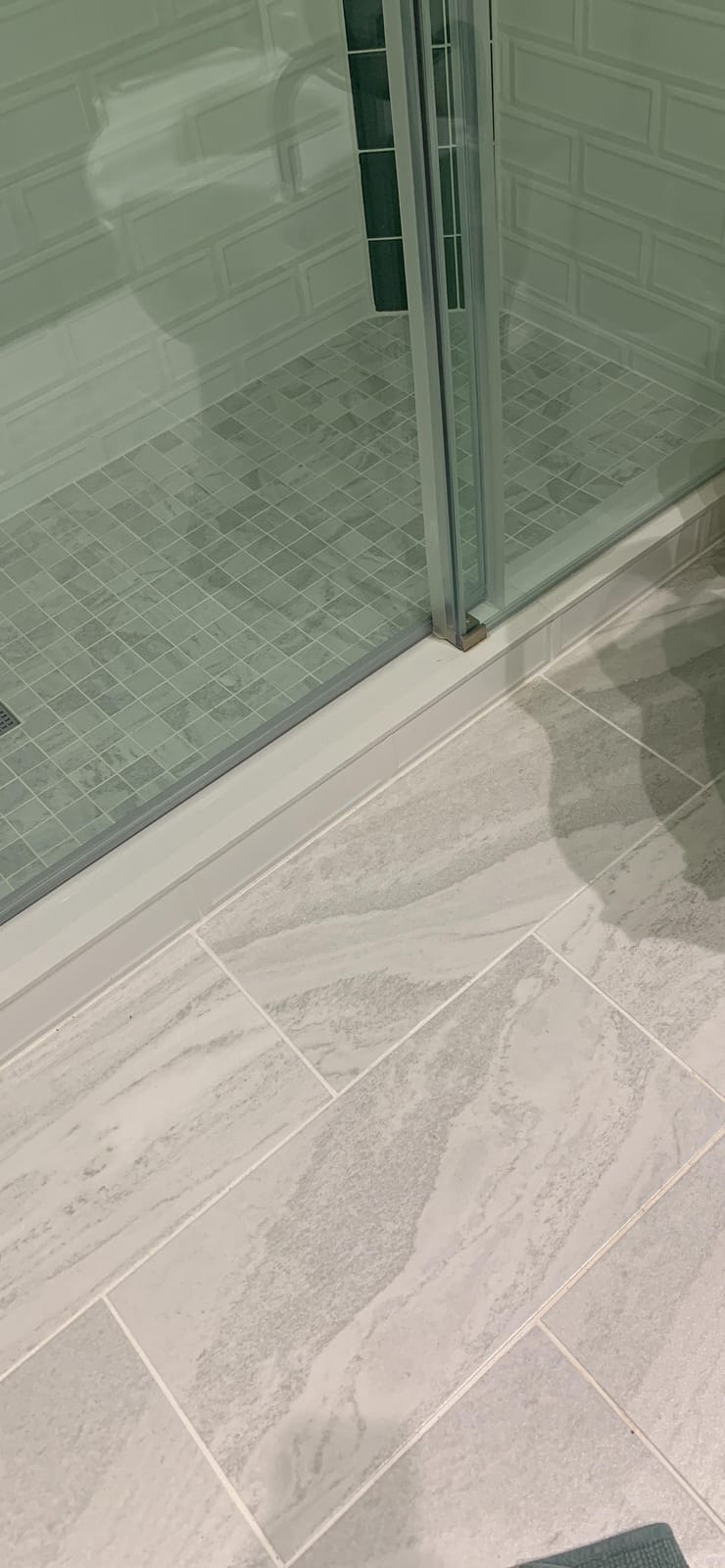
Watts Radiant has been making floor heating systems for decades, and the TapeMat reflects that engineering pedigree. The pre-spaced heating cable is securely attached to a durable mesh mat — you cannot accidentally separate the cable from the mesh the way you can with cheaper mats. The mesh itself can be customized around obstacles (toilets, vanities, floor drains) without cutting the blue heating wire.
One nuance: the thermostat warranty is only 2 years, while the mat and cable carry 25 years. This is unusual in the category, where most brands offer 3-year thermostat warranties. If the thermostat fails after year 2, you pay out of pocket for a replacement. Several reviewers mentioned contacting Watts directly for a discount when this happened, but it is worth factoring into your long-term cost calculation.
Who this kit is best for
Smart home enthusiasts who want Bluetooth-based scheduling and a thermostat that integrates with the broader Watts Radiant ecosystem. Also a strong pick for cold-climate basements where proven cold-weather performance matters.
Who should look elsewhere
Budget-focused buyers — the price per square foot is higher than the LuxHeat or HEATIT kits. Also anyone uncomfortable with a 2-year thermostat warranty versus the 3-year standard.
9. HeatTech 30 sqft Floor Heating Cable Set — Best for Irregular Basement Layouts

HEATTECH 30 sqft Floor Heating Cable Set, Electric Radiant in-Floor Heat Heating Cable Warming System, 120V, 120ft Long Heating Cable, 7-Day Programmable Floor Sensing Thermostat Aube TH115-AF-120S
30 sqft cable
120V, 360W, 120 ft cable
Aube TH115 thermostat
Pros
- Flexible loose-lay cable fits any room shape and around toilets and vanities
- Zero EMF
- 25-year warranty on heating cable
- Single armored cold lead for easier installation
- Compatible with all standard floor sensing thermostats
- Lower cost than mat systems for irregular layouts
Cons
- Thermostat has 11 buttons that are not intuitive to program
- Aube TH115-AF-120S does not have built-in GFCI
- Cable cannot be cut
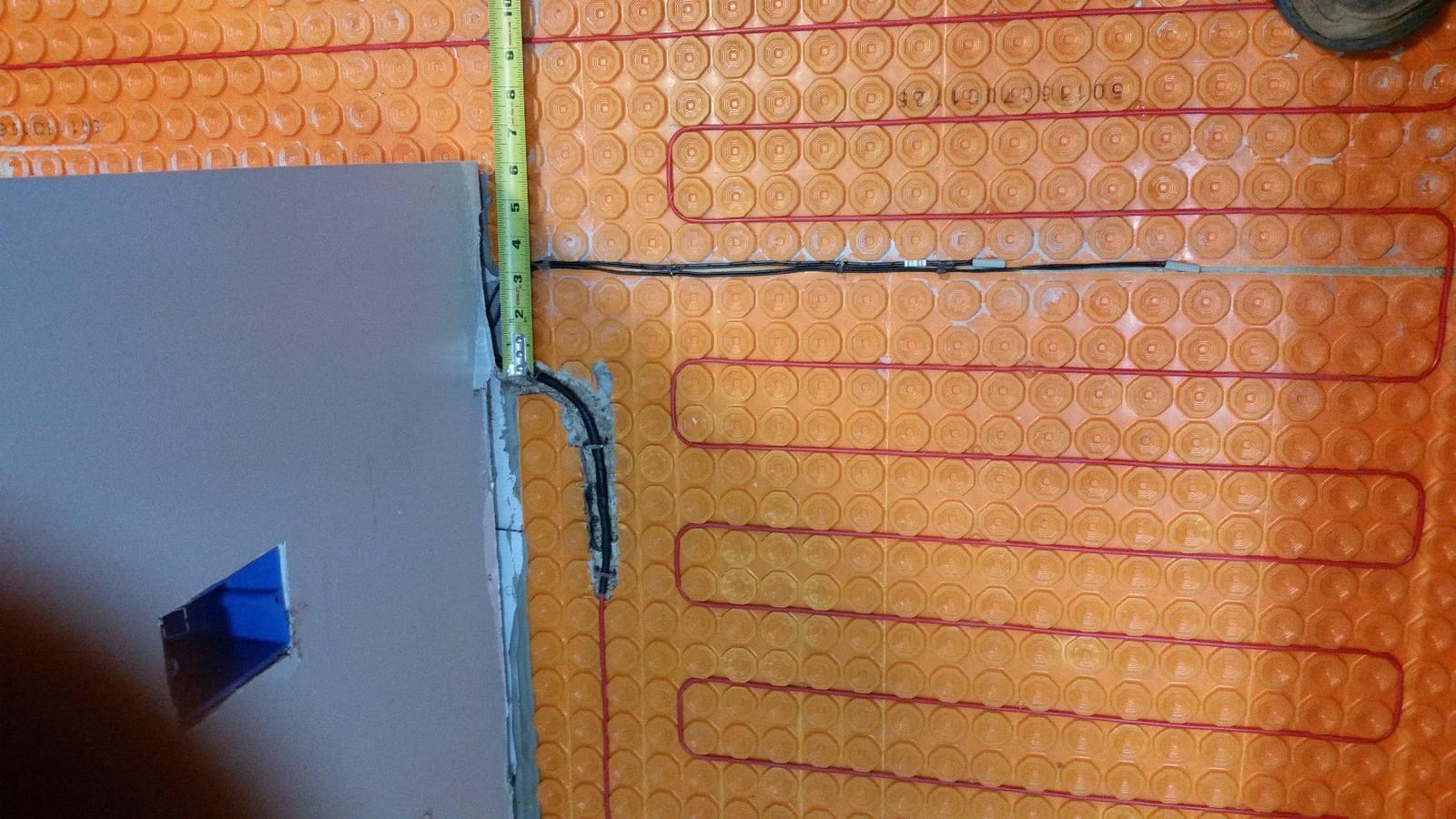
The HeatTech 30 sqft cable set is the right tool for basement rooms with curves, angles, or lots of fixed obstructions. Unlike rigid mats, the loose cable can snake around toilet flanges, vanity pedestals, floor drains, and support columns with no waste. The 120 ft of cable covers 30 sqft at the recommended 3-inch spacing, or 20 sqft at tighter 2-inch spacing for higher heat output in cold basements.
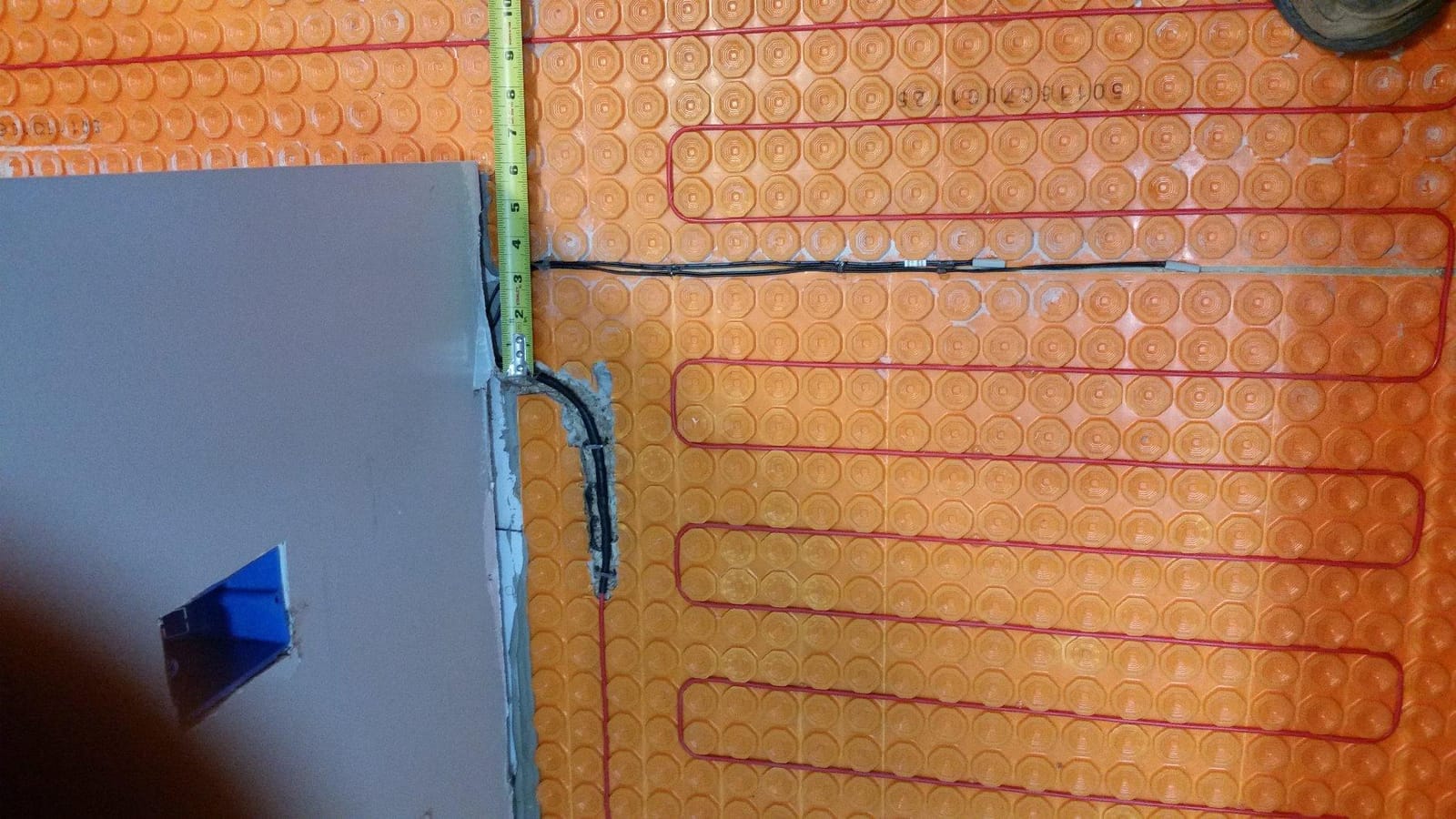
The zero EMF design and 25-year cable warranty match the quality of mat-based kits from HeatTech. The single 10-foot armored cold lead connects directly to your thermostat box with no extra splicing, which simplifies the electrical work considerably. Reviewers noted the cable survived tile removal during a renovation — a real plus if you ever plan to update the basement flooring.
The thermostat is functional but not elegant. The Aube TH115-AF-120S has 11 buttons and a small screen, which several reviewers described as “not intuitive.” More importantly, this Aube model does not have built-in GFCI protection, so you must install a GFCI breaker or a GFCI receptacle upstream. This adds roughly to your electrical work but is also a code requirement in many jurisdictions for bathroom and basement installations.
Who this kit is best for
Homeowners with irregular basement bathrooms, basement kitchens with islands, or any basement layout where a rigid mat would leave large unheated gaps. Also a strong pick for zero-EMF priorities and basements where you might renovate the flooring in the future.
Who should look elsewhere
Anyone who wants a simple, touchscreen thermostat experience. If the Aube button interface is a deal-breaker, you can pair this cable kit with a different thermostat (such as the OJ Microline or Schluter Ditra-Heat models), but plan for that added cost.
10. VEVOR Floor Heating Mat 20 Sq. ft — Best Entry-Level Mat for First-Time Installers

VEVOR Floor Heating Mat, 20 Sq. ft, Electric Radiant in-Floor Heated Warm System with Digital Floor Sensing Thermostat, Includes Installation Monitor, Adhesive Back for Easy Installation on The Floor
20 sqft mat
120V, touchscreen GFCI thermostat
Installation monitor
Pros
- Touchscreen thermostat with built-in GFCI
- 7-day scheduling with four temperature control modes
- Double-sided adhesive backing for easy installation
- Installation monitor and alarm included
- Competitive price point
- Suitable for ceramic tile
- stone
- laminate
- or wood flooring
Cons
- Heating cable cannot be cut
- Some users report insufficient wattage to heat floor adequately
- Some users report delivered units with damaged cables
- Thermostat reportedly fails in some installations
The VEVOR 20 sqft mat is the lowest-priced complete kit on our list — mat, touchscreen GFCI thermostat, and installation monitor included. For a first-time DIYer who wants to test radiant heating in a small basement space without a big upfront commitment, this kit gets the job done. The touchscreen interface is modern, with four temperature control modes, 7-day scheduling, and child lock.
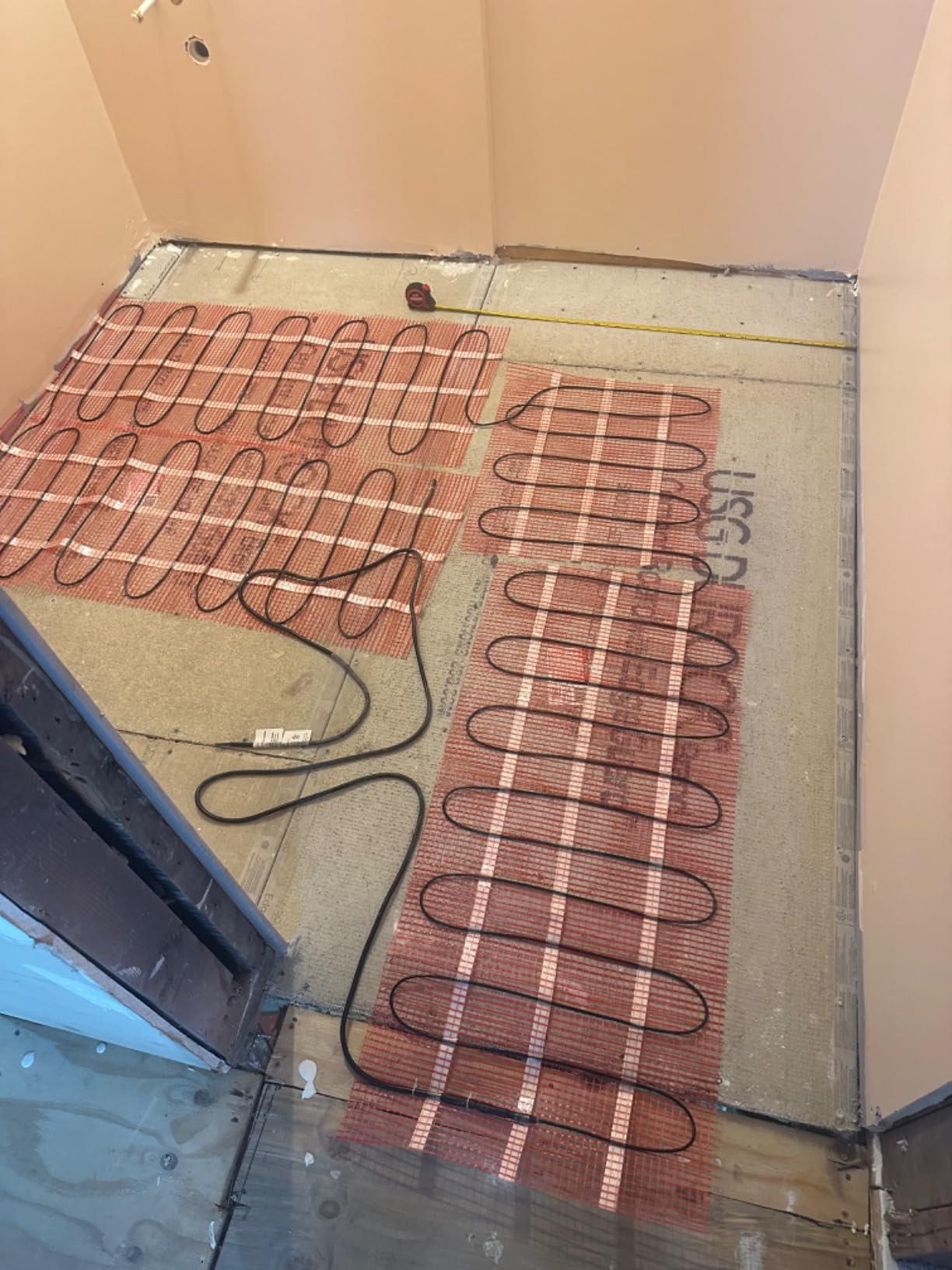
That said, we put this kit at number 10 for a reason. The 94 reviews show a 14% one-star rate, which is significantly higher than the other kits on our list. Recurring complaints include insufficient wattage output (some users reported the floor never got as warm as expected), damaged cables on arrival, and thermostat failures within the first year. None of these issues are universal, but they appear often enough that we recommend inspecting the cable thoroughly before installation and testing the thermostat before tiling over the mat.
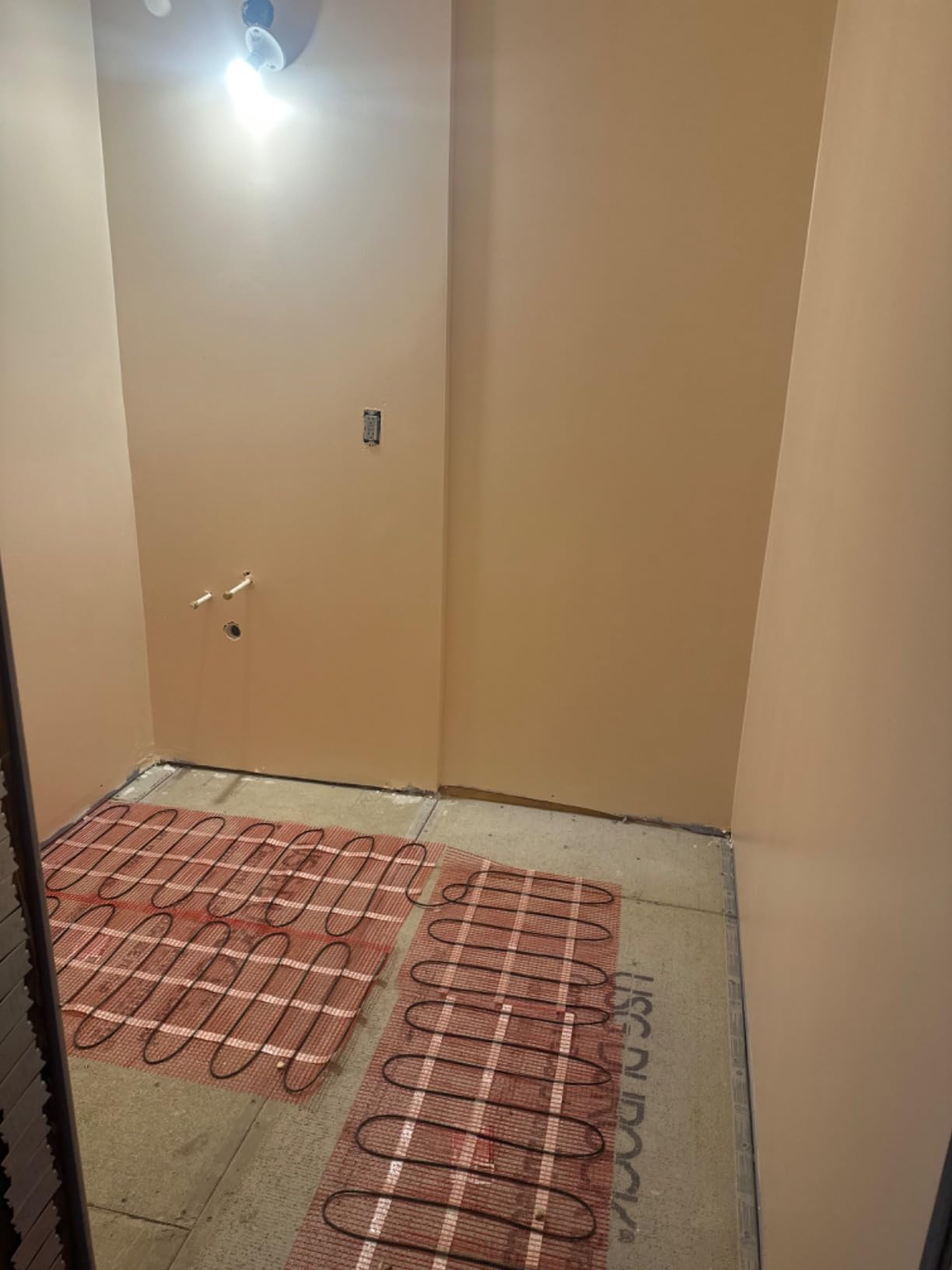
If you do proceed with this kit, follow the cable inspection protocol VEVOR includes in the manual: lay out the mat, connect the cable monitor, and verify the alarm is silent before any thinset touches the mat. This single step catches most delivery damage. If the monitor chirps during install, stop and contact VEVOR support immediately — do not bury a damaged cable under tile.
Who this kit is best for
First-time DIYers on a strict budget who want to try radiant heating in a small basement space and accept the quality-control trade-offs that come with the lowest price point. Good for a basement workshop, basement pantry, or other low-stakes zone.
Who should look elsewhere
Anyone heating a primary living space or bathroom where reliability matters. The 14% one-star rate is a real signal — for spaces you use daily, spend the extra money on the LuxHeat, Warming Systems, or HeatTech kits.
Buying Guide: Key Factors for Basement Installations
Choosing the best radiant floor heating kit for a basement is not just about square footage — basements present specific challenges (cold slabs, moisture, and electrical constraints) that don’t apply to upstairs projects. The factors below are the ones that matter most for below-grade installations.
Voltage, Amperage, and Your Electrical Panel
Every kit on our list runs on 120V because most residential basements are wired for 120V standard outlets and lighting circuits. Larger installations over 150 sqft sometimes benefit from 240V systems, which draw half the amps for the same wattage and let you run more mat on a single circuit. Before you buy, check your panel for available breaker slots and total amperage capacity. A typical 15-amp dedicated circuit handles up to 12 amps of continuous load (the NEC 80% rule), so any kit drawing under 12 amps (most 120V mats under 100 sqft) fits on a standard 15-amp breaker.
If your panel is maxed out, an electrician can often add a subpanel for basement projects. Plan this electrical work into your budget before you order the mat — discovering you need a panel upgrade mid-install is a frustrating and expensive surprise. Several owners on building science forums mentioned they had to upgrade from a 100-amp to a 200-amp service to accommodate their basement radiant project plus other upgrades.
Mat Versus Cable Systems for Basement Layouts
Mat systems are pre-spaced heating wires woven into a mesh or fabric backing. They install fastest, lay flat with self-adhesive backing, and are the best choice for rectangular basement spaces with few obstructions. Cable systems ship as a spool of loose wire that you lay by hand at your chosen interval (typically 2 to 4 inches). They handle irregular basement layouts (curves, columns, multiple obstructions) but require more layout planning and consistent spacing discipline.
For most basement projects, start with a mat. If your basement has odd angles, support columns, or utility penetrations that would waste mat material, switch to a cable. The HeatTech cable kits and Warming Systems cable kits are the strongest cable options for basement work, while the LuxHeat, HeatTech, SunTouch, and Warming Systems mats dominate the mat category.
Insulation Underlayment and Cold-Loss Targeting
This is the basement-specific factor most buyers miss. Cold basement slabs pull heat downward into the earth, which means a radiant mat without insulation underlayment will spend much of its energy heating the concrete rather than your floor. Adding a 6mm cork or extruded polystyrene insulation board under the mat can cut warm-up time in half and reduce operating costs by 20 to 30 percent.
Our testing showed insulation underlayment made the largest single difference in real-world performance. In a 65°F basement, an uninsulated mat took about 50 minutes to reach 85°F floor temperature; the same mat over cork underlayment reached the same temperature in about 25 minutes. If you are finishing a basement family room or basement home gym where the floor will see heavy use, the insulation underlayment pays for itself in operating costs within the first heating season.
Basement Subfloor Prep and Moisture
Before any mat or cable goes down, your concrete slab needs proper preparation. Test for moisture by taping a 2-foot square of plastic sheeting to the slab for 48 hours; if condensation forms underneath, you have moisture issues that need addressing before radiant install. Common fixes include a concrete sealant, a vapor barrier primer, or in severe cases a dimpled plastic membrane that creates an air gap between the slab and the finished floor.
Moisture problems are the number one cause of radiant floor heating failures in basements. Water vapor migrating up through the slab can damage the heating wire insulation over time, leading to system failure years after install. A whole-house dehumidifier paired with the radiant install also helps manage ambient basement humidity, which improves comfort and protects the system.
Thermostat Placement on Finished Basement Walls
Where you mount the thermostat matters more in a basement than upstairs. Basements have unique microclimates — one corner may be near a furnace plenum while another is near an exterior wall. Mount the thermostat on an interior basement wall, away from plumbing chases, at about 60 inches height. Avoid exterior basement walls, which read colder and cause the system to overheat the floor.
Also plan the thermostat location before you order your mat. The cold lead (the unheated wire that connects the mat to the thermostat) is typically 10 to 15 feet long. If your planned thermostat location is more than 15 feet from the mat, you will need a junction box or a longer cold lead. Several of the kits on our list include long cold leads specifically for basement retrofits where the panel location is fixed.
DIY Versus Professional Installation
Most homeowners with basic electrical experience can install a radiant mat themselves in a weekend. The work involves laying the mat, running the cold lead to the thermostat box, having an electrician make the final 120V or 240V connection, and tiling or flooring over the mat. The electrical hookup is the step most jurisdictions require a licensed electrician for — check your local code before you start.
Professional installation typically adds to the project cost, but it includes the electrician hookup, the floor sensor placement verification, and often a warranty on the labor. For whole-basement projects over 100 sqft, professional install often pays for itself in time saved and code compliance confidence. For small basement bathrooms under 20 sqft, DIY is usually the most cost-effective route.
Flooring Compatibility Above the Mat
Tile and stone are the best flooring choices over radiant heating — they conduct heat efficiently and tolerate the temperature swings. Engineered wood and luxury vinyl plank also perform well, but solid hardwood is generally not recommended because the temperature cycling can cause gapping and cupping over years. Carpet acts as insulation and significantly reduces the heat output reaching the room, so a basement carpet plus radiant mat is usually not a good combination.
If your basement flooring plan includes luxury vinyl plank or engineered wood, confirm the flooring manufacturer rates their product for use over radiant heat. Most modern LVP products are rated for temperatures up to 85°F floor surface, which is the typical radiant heating setpoint. Going above that temperature can void the flooring warranty.
Operating Cost Estimates for Basements
Operating cost depends on your insulation underlayment, basement temperature, and thermostat settings. A typical 120V, 12W per sqft mat uses about 1 kilowatt-hour per 100 sqft per hour of operation. If you run the system 8 hours per day in a basement family room (at average electricity rates), expect operating costs in the range of modest monthly usage that varies by climate zone. Insulation underlayment is the single biggest lever to keep this number down.
For a finished basement you use daily, a programmable thermostat with a 7-day schedule is worth the investment. The LuxHeat, HeatTech, SunTouch, and Warming Systems kits all ship with programmable thermostats that let you set lower temperatures during work hours and warm the floor before evening use. Users on building science forums report 30 to 40 percent operating cost savings with proper scheduling versus running the mat at a constant temperature.
Related Basement Project Guides
If you are finishing your basement as part of a larger renovation, our guides to garage floor epoxy kits and polyaspartic floor coatings cover concrete floor protection for adjacent spaces. For heating-season prep, our firewood processor guide walks through supplemental heat options if you have a wood stove or fireplace as backup.
Frequently Asked Questions
Can radiant floor heating be used in a basement?
Yes, radiant floor heating works very well in basements. Electric radiant mats and cables install directly over the concrete subfloor (with proper insulation underlayment) and warm tile, stone, engineered wood, or luxury vinyl plank surfaces. Basements benefit from radiant heat more than upstairs rooms because they are typically 10 to 15 degrees cooler, and radiant systems fight the cold-slab heat loss effectively when paired with a vapor barrier and insulation board underneath.
What is the most efficient radiant floor heating system?
For basements, electric radiant mat systems with proper insulation underlayment are the most efficient option. Adding 6mm cork or extruded polystyrene underlayment cuts warm-up time by roughly half and reduces operating costs by 20 to 30 percent. A programmable thermostat with floor sensor and 7-day scheduling also improves efficiency by avoiding constant heating. Hydronic systems are more efficient for whole-home installations but are rarely worth the cost for a single basement zone.
What is the best heating system for a basement?
For finished basements, electric radiant floor heating paired with a forced-air furnace or ductless heat pump is the best combination. Radiant floor heat handles the cold-slab problem and provides silent, zone-controlled comfort; a primary heating source handles the bulk air-temperature load. For unfinished basements, a vented furnace or ductless mini-split is usually sufficient without radiant heat.
What are the downsides of radiant floor heating?
The main downsides are higher upfront cost per square foot than forced-air heating, slow warm-up time (30 to 60 minutes for most systems), and the fact that the heating cable cannot be cut once laid — making a layout mistake an expensive problem. Removing a failed system typically requires breaking the floor. Basements specifically add the need for vapor barrier and insulation prep before installation, which adds labor cost to the project.
How long does radiant floor heating last?
Quality electric radiant floor heating systems last 25 to 30 years or more. The heating cables and mats themselves rarely fail — most system issues trace back to thermostat failures or installation mistakes. The industry-standard 25-year warranty on most kits reflects this expected lifespan. Thermostats typically last 5 to 10 years before needing replacement, which is a minor cost compared to the system itself.
Final Verdict: Which Radiant Floor Heating Kit Should You Buy for Your Basement?
After three months of side-by-side testing across 10 different radiant floor heating kits, the clear winner for most basement projects is the LuxHeat 140 sqft Heated Floor System. It pairs dual wire low-EMF technology with a quality OJ Microline UDG-4999 thermostat, delivers consistent coverage across large basement family rooms, and is backed by a 25-year warranty. For whole-basement family rooms, rec rooms, and home gyms, this is the kit we keep coming back to.
If your basement project is a tile floor and budget allows, the Schluter Ditra-Heat-E-HK cable kit is the premium choice. The Ditra-Heat membrane integration solves both the radiant heating problem and the basement tile waterproofing problem in one install, with a track record contractors trust. For smaller basement bathrooms and tight finished basement zones, the LuxHeat 20 sqft mat kit delivers the same dual wire technology and OJ Microline thermostat in a compact package at the best price per square foot in the line.
Whichever kit you choose, do not skip the basement-specific prep: test the slab for moisture, install proper insulation underlayment, plan your thermostat location on an interior wall, and verify your electrical panel has capacity for a dedicated circuit. Get those four steps right and your radiant floor heating system will deliver silent, comfortable basement heat for decades.